
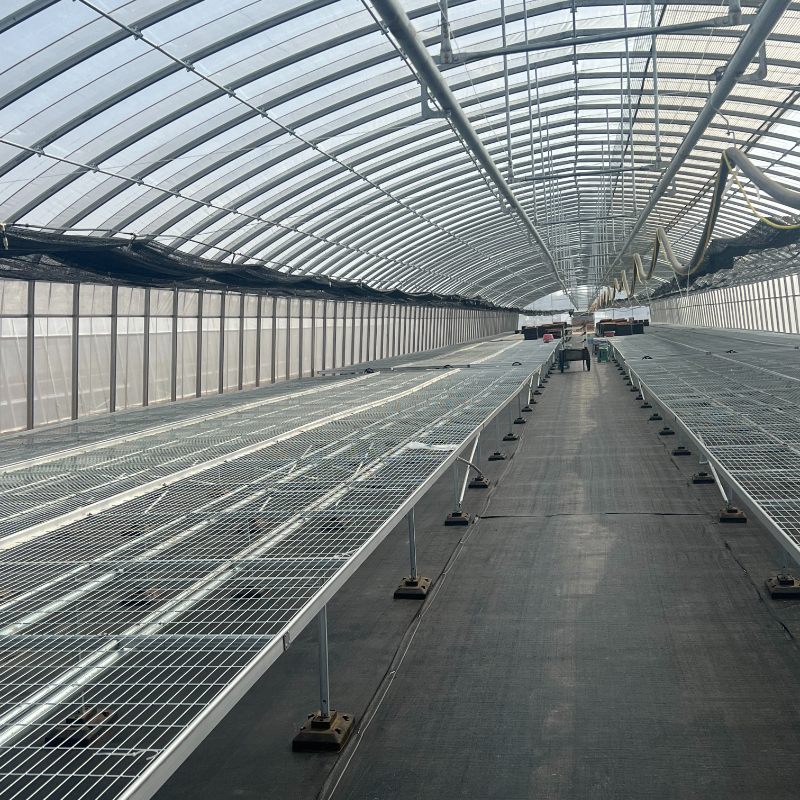
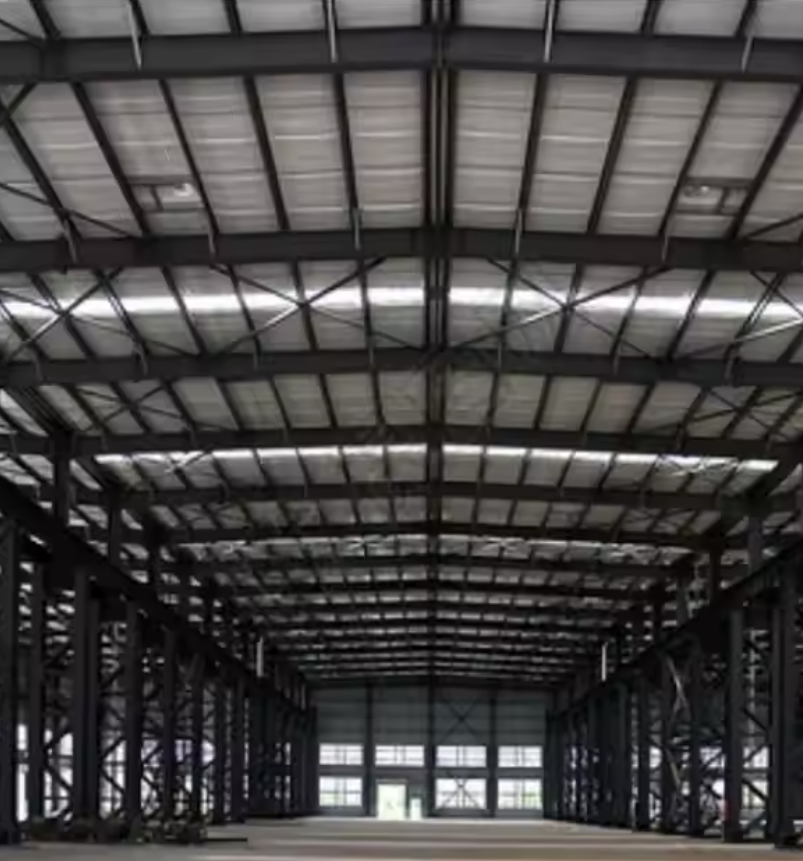
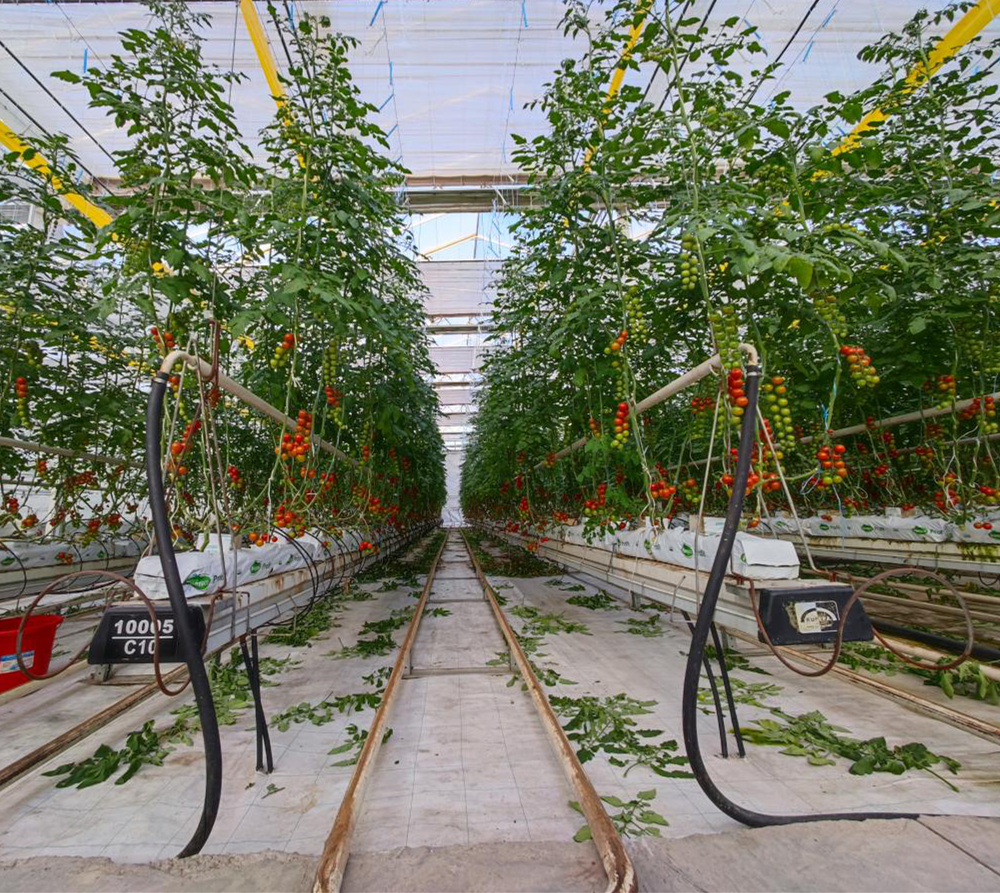
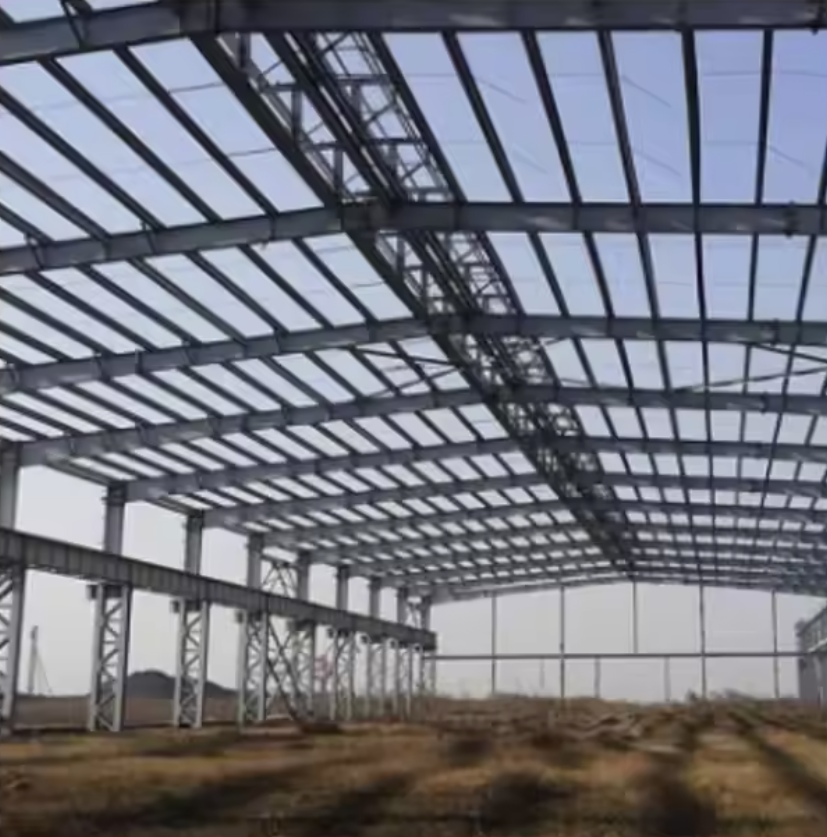
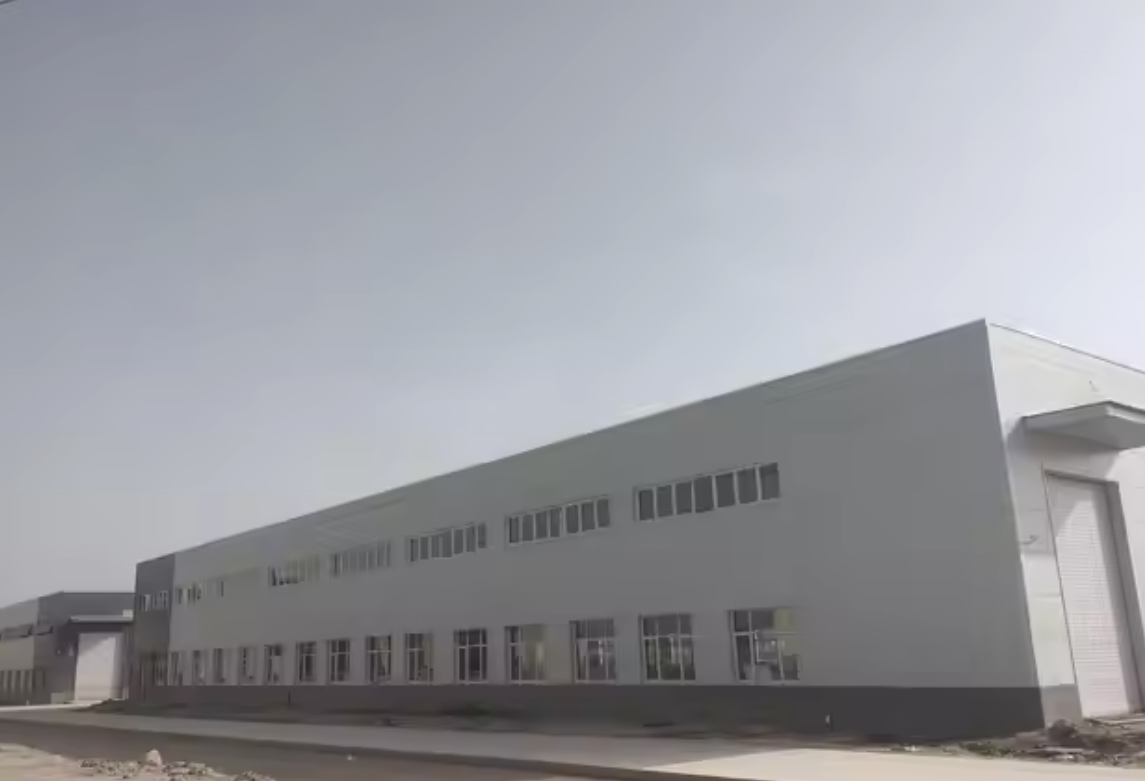
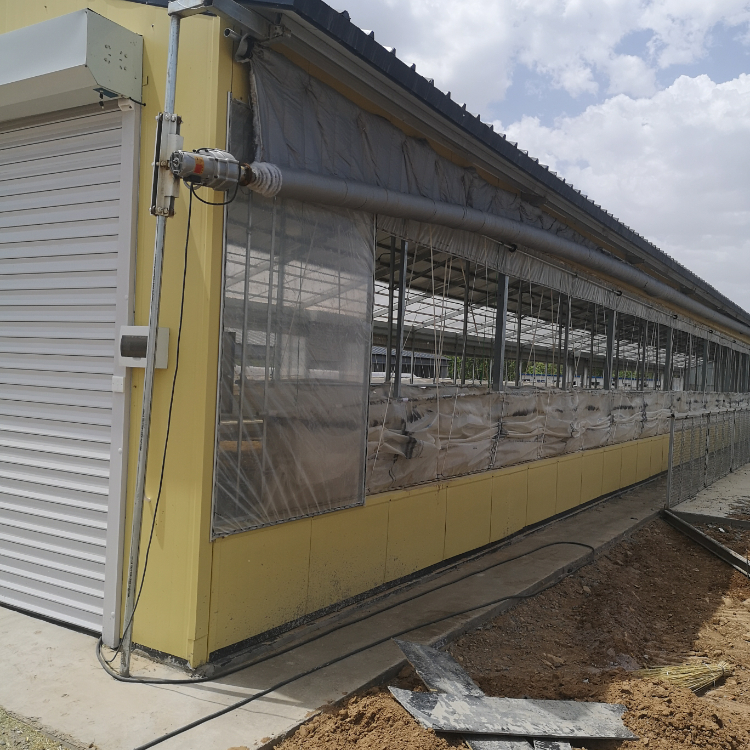
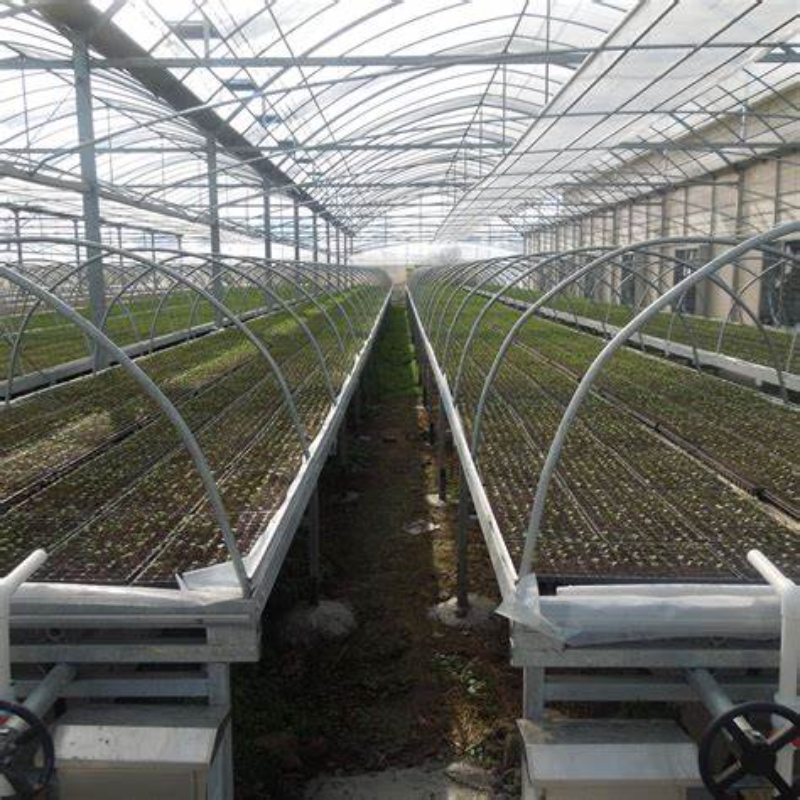
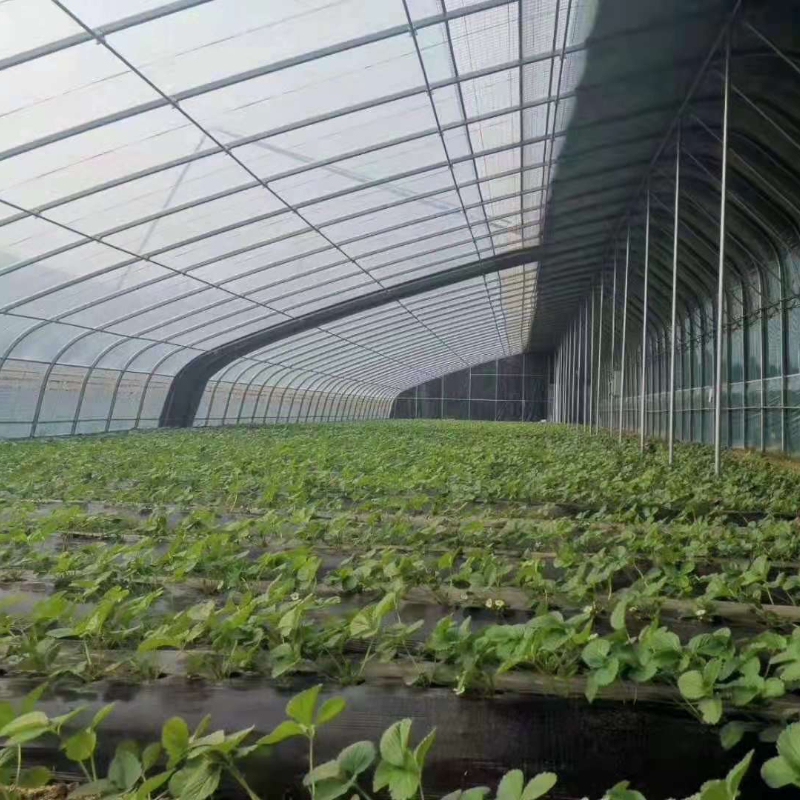
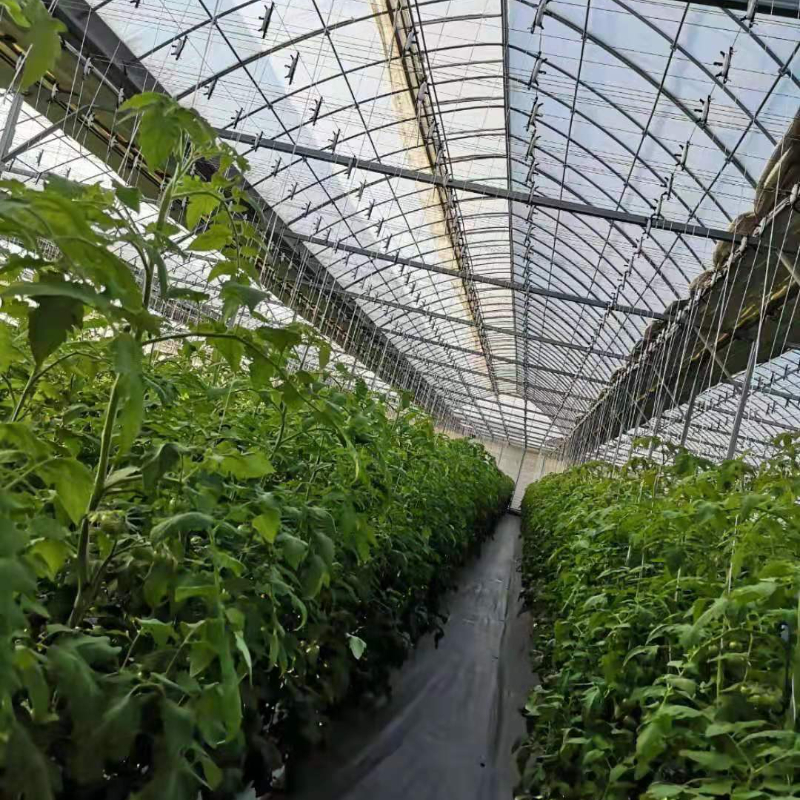
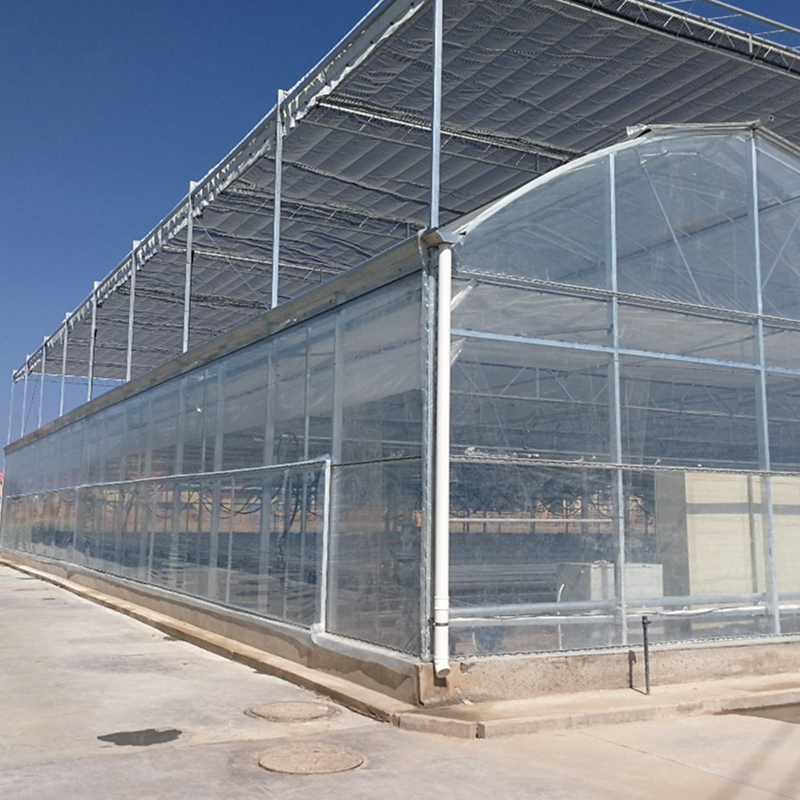
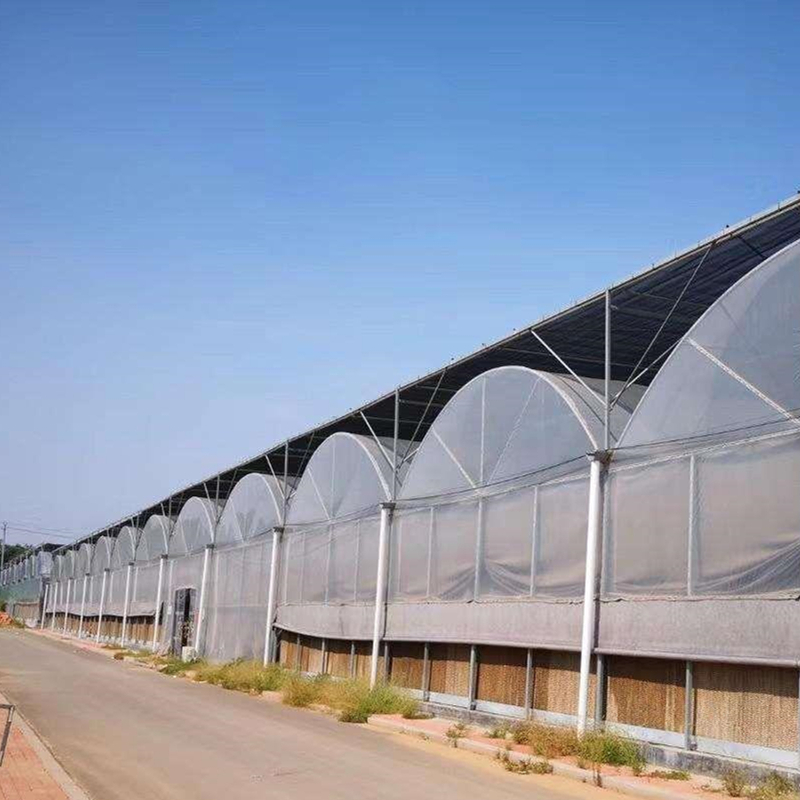
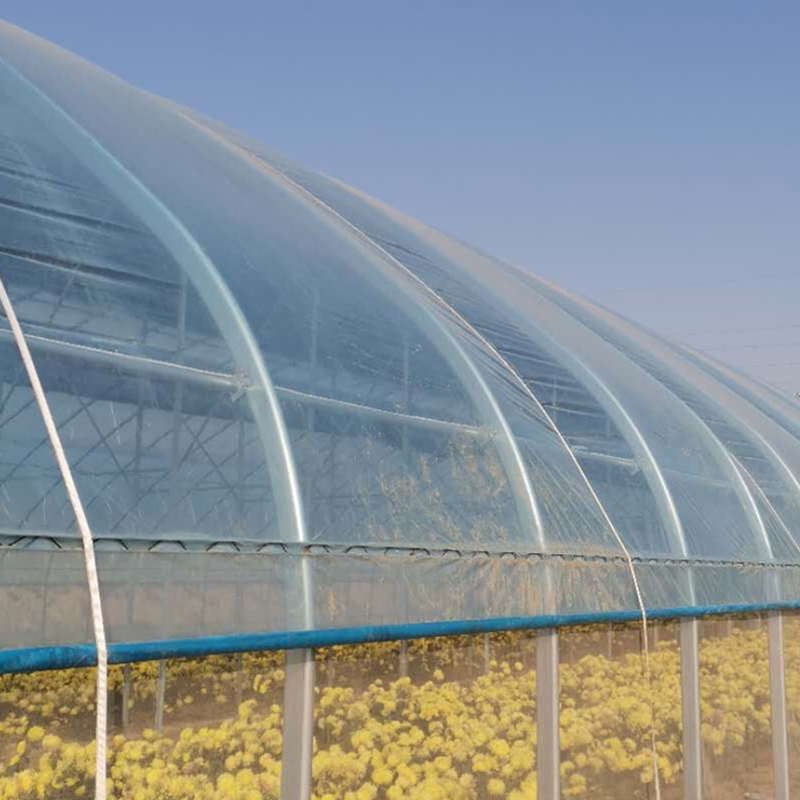
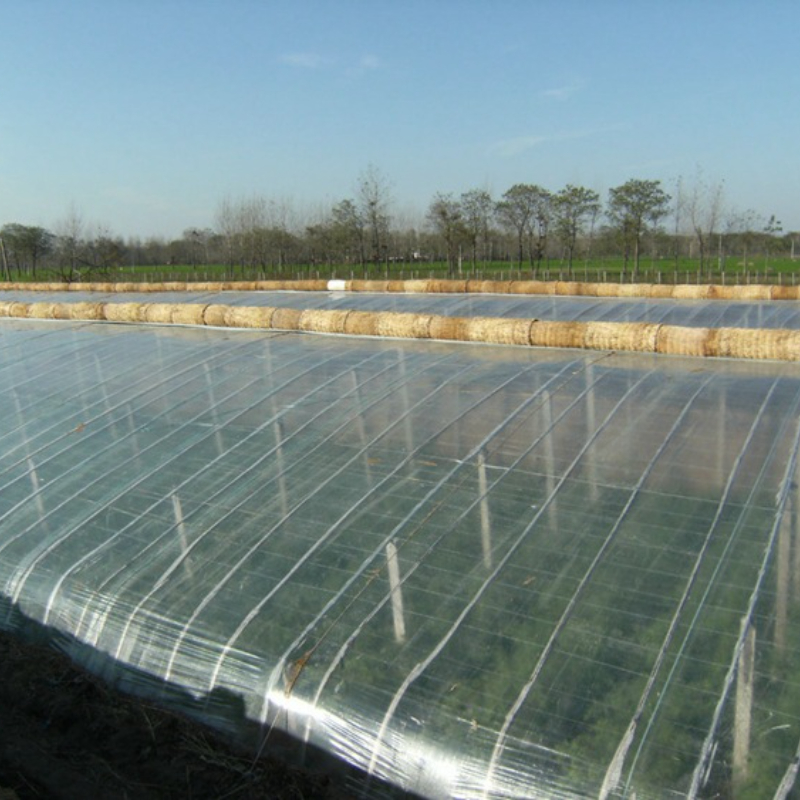
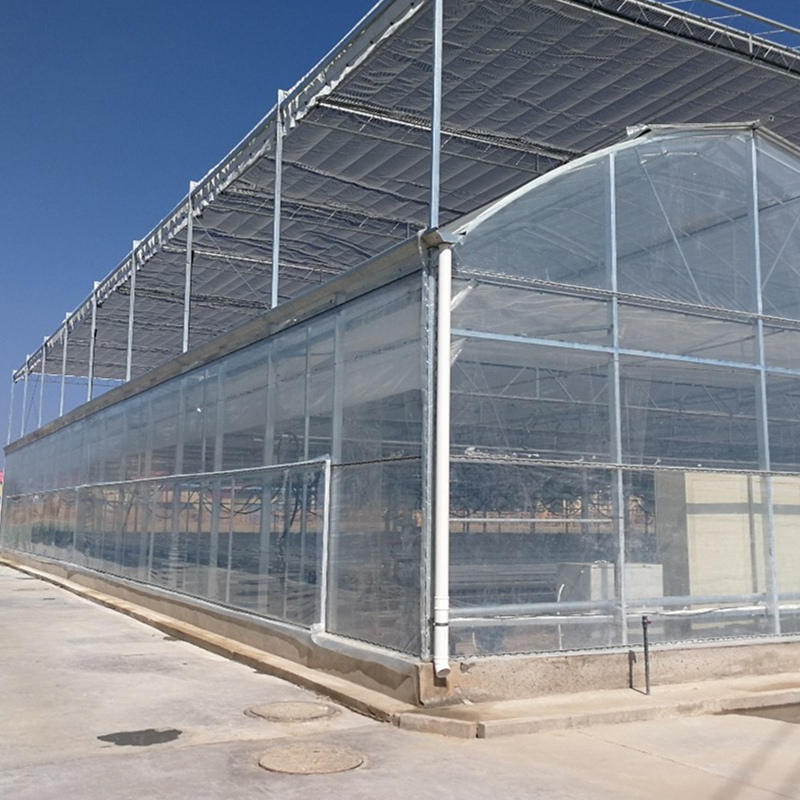
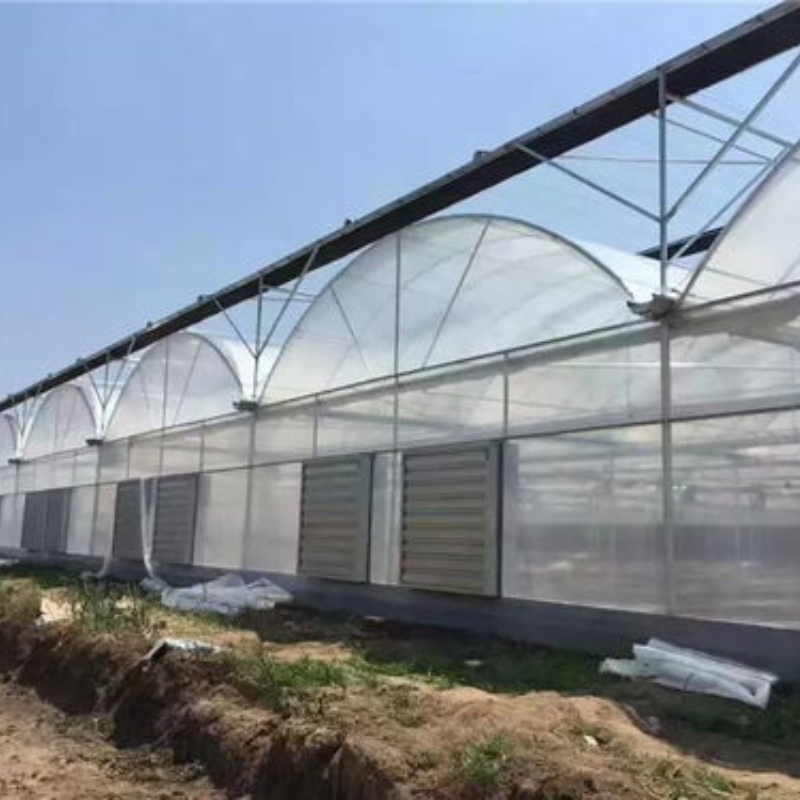
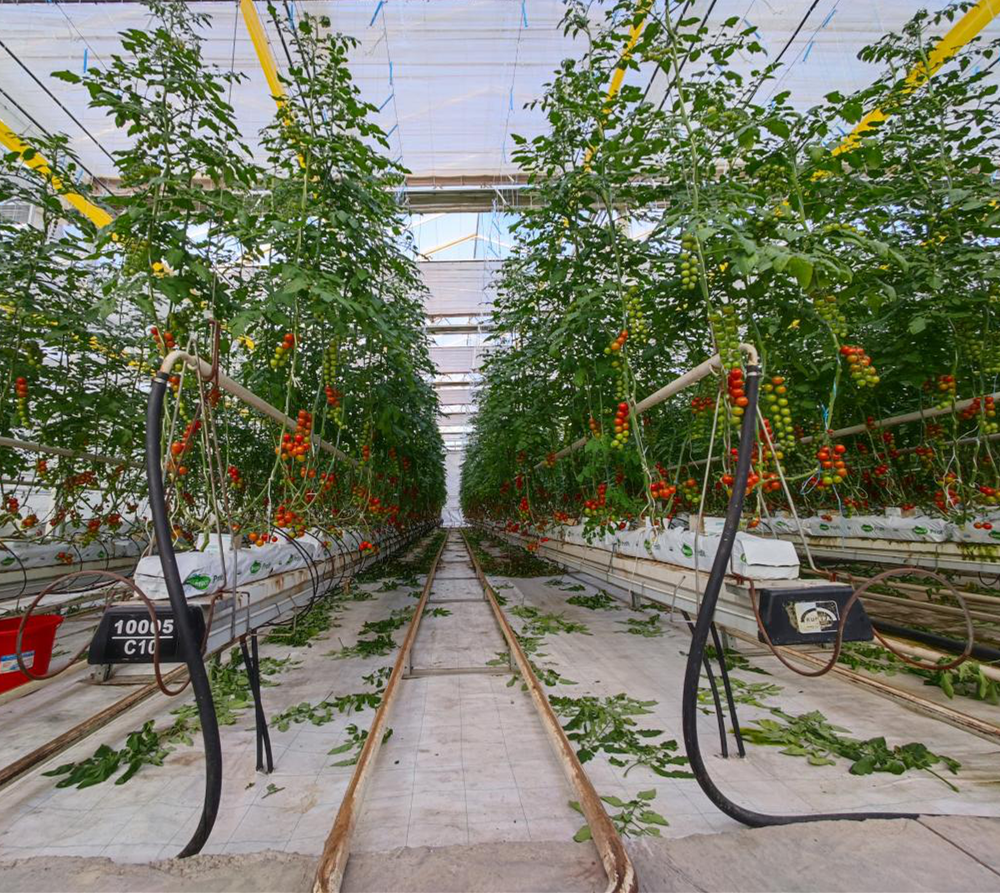
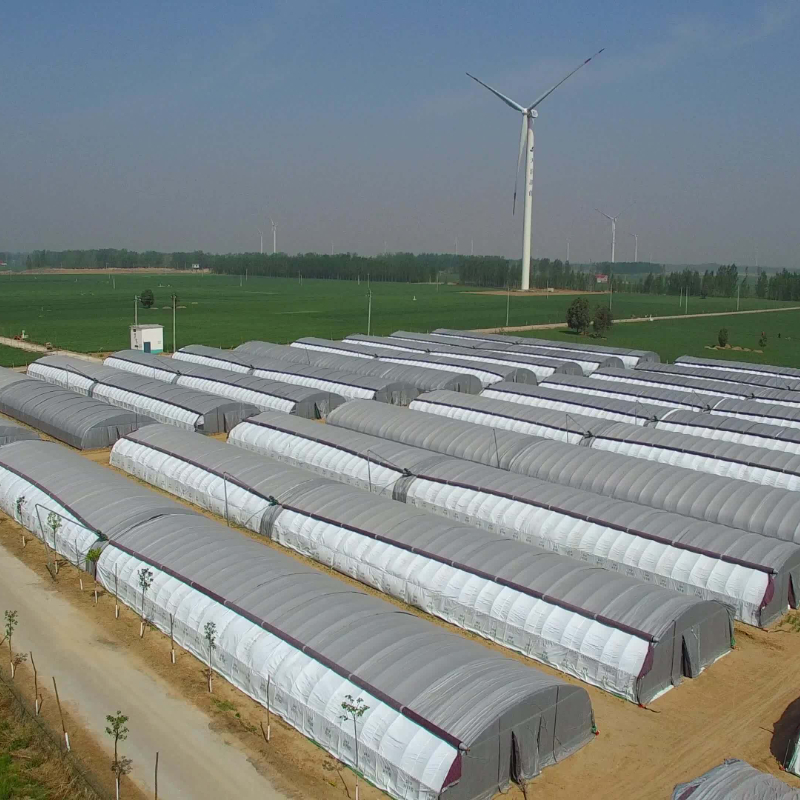
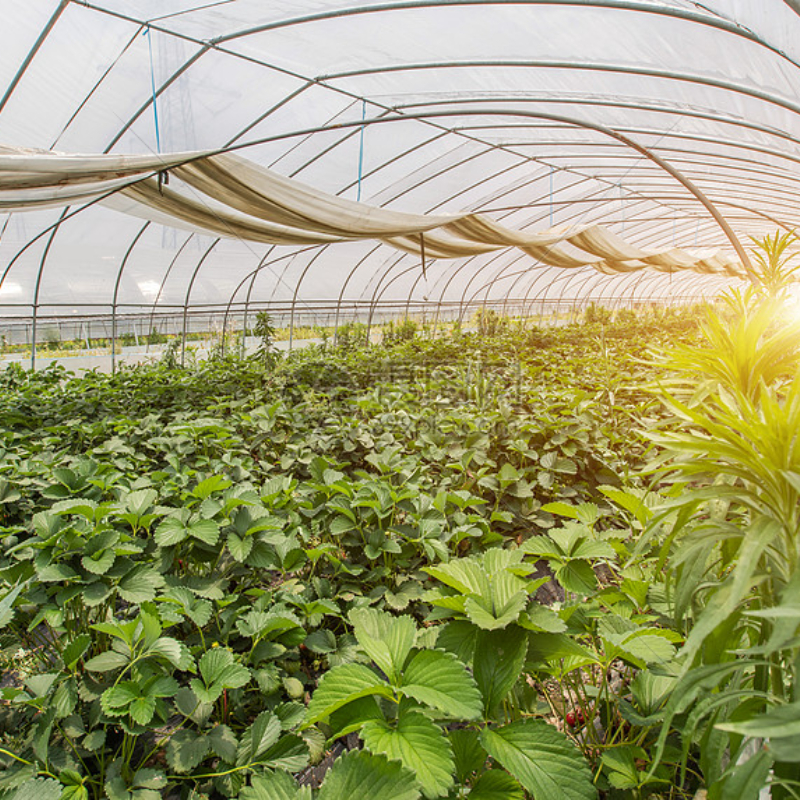
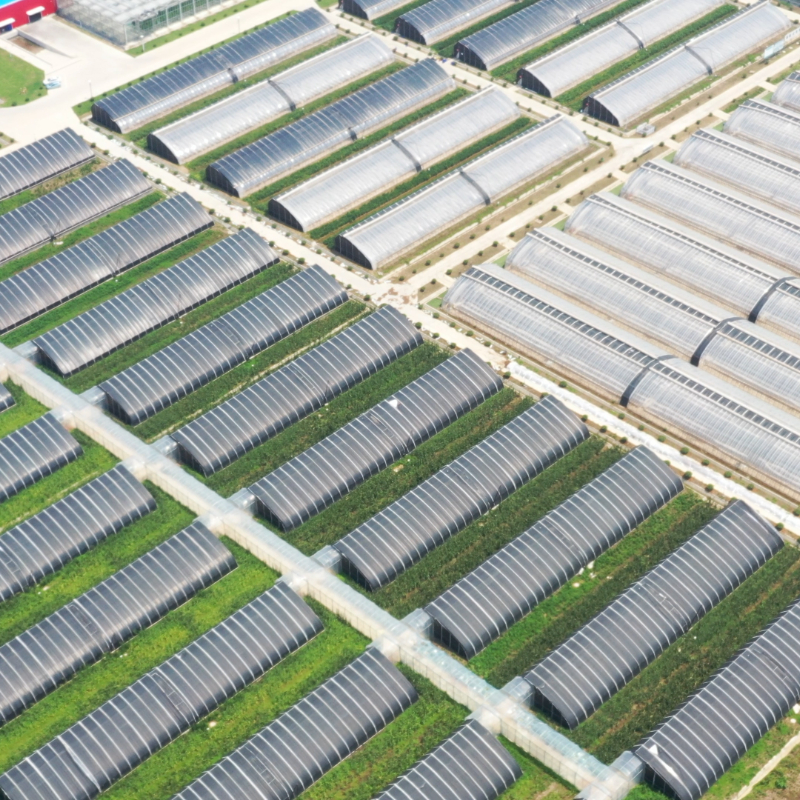
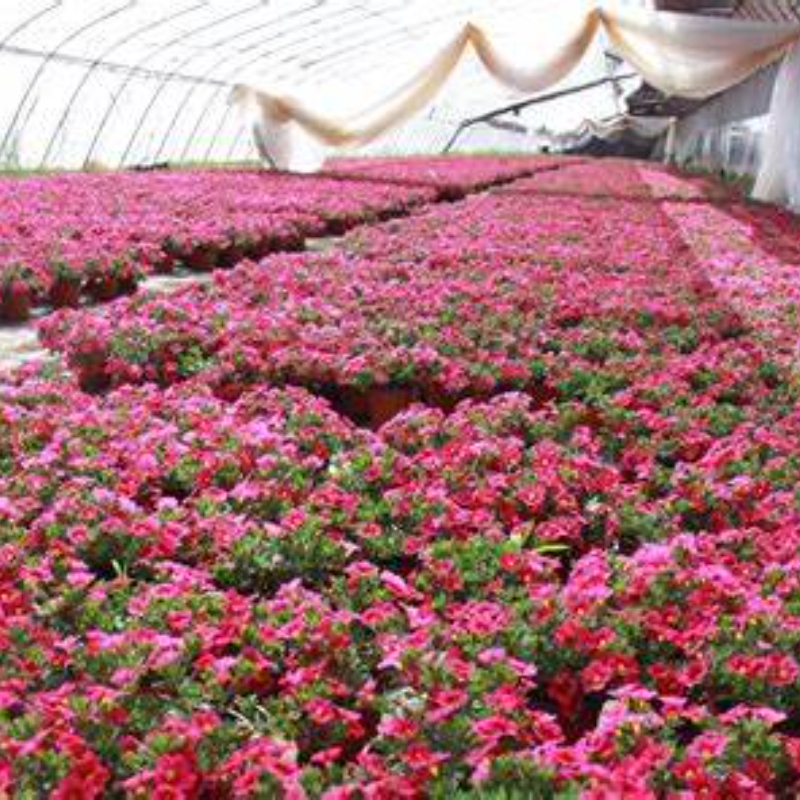
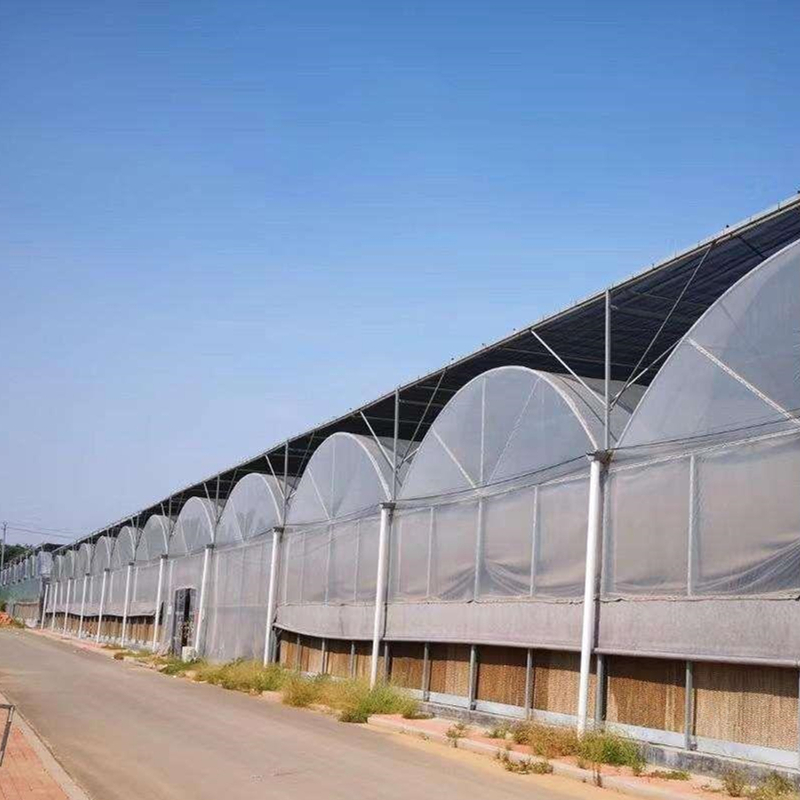
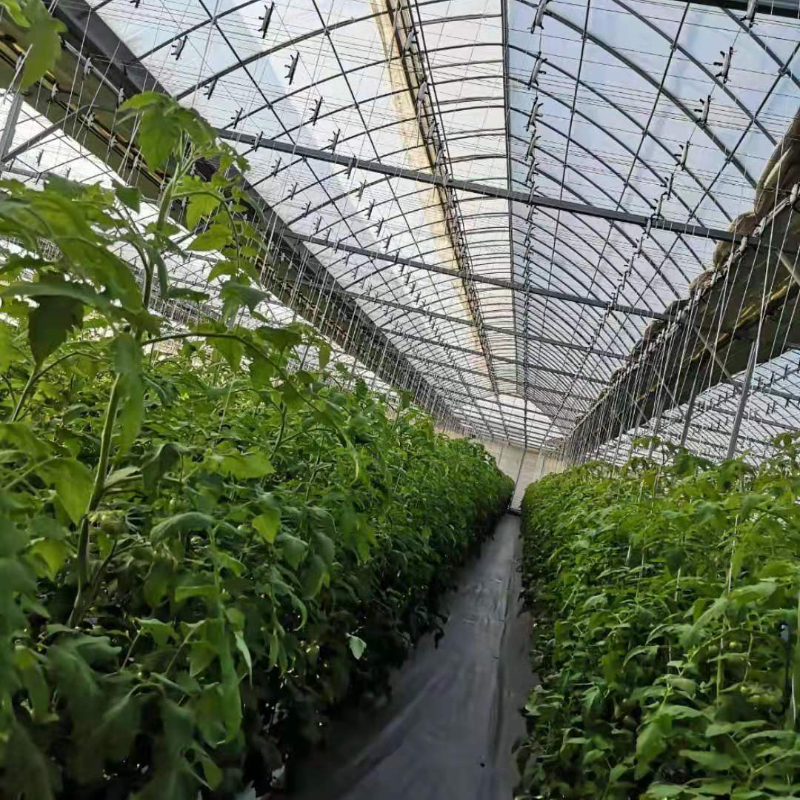
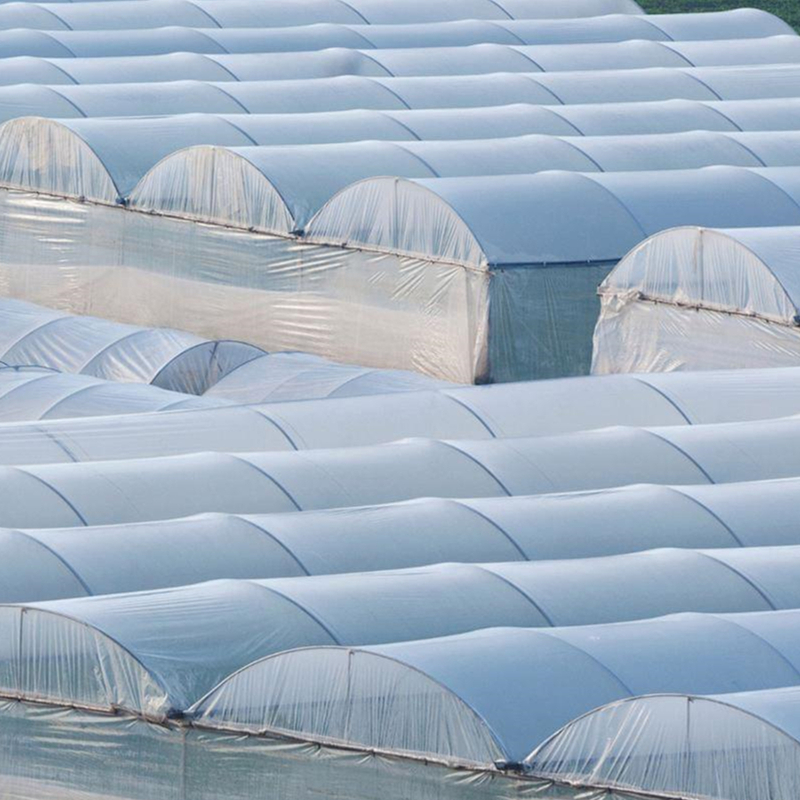
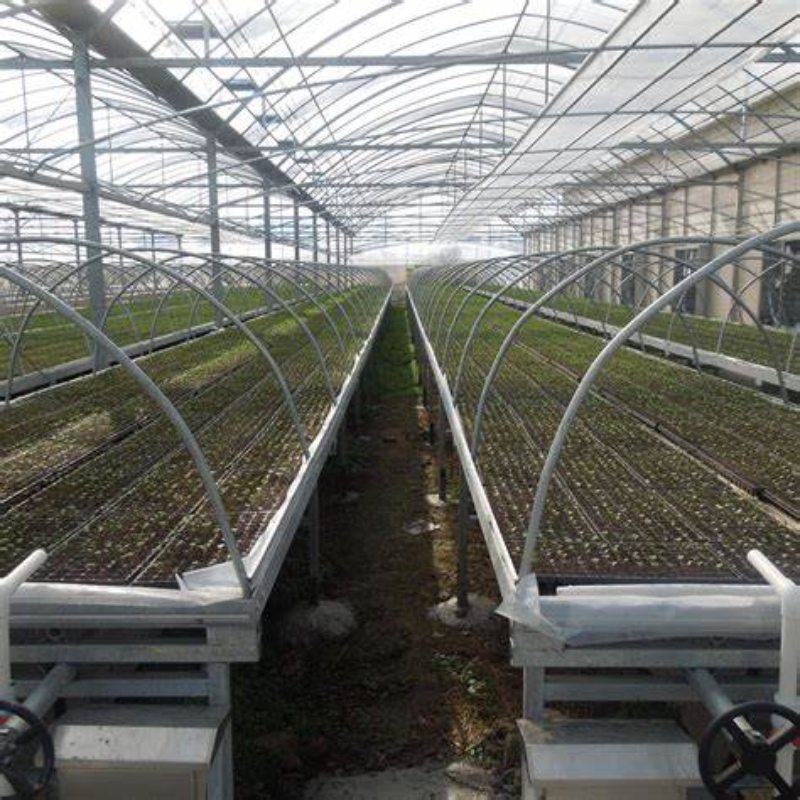
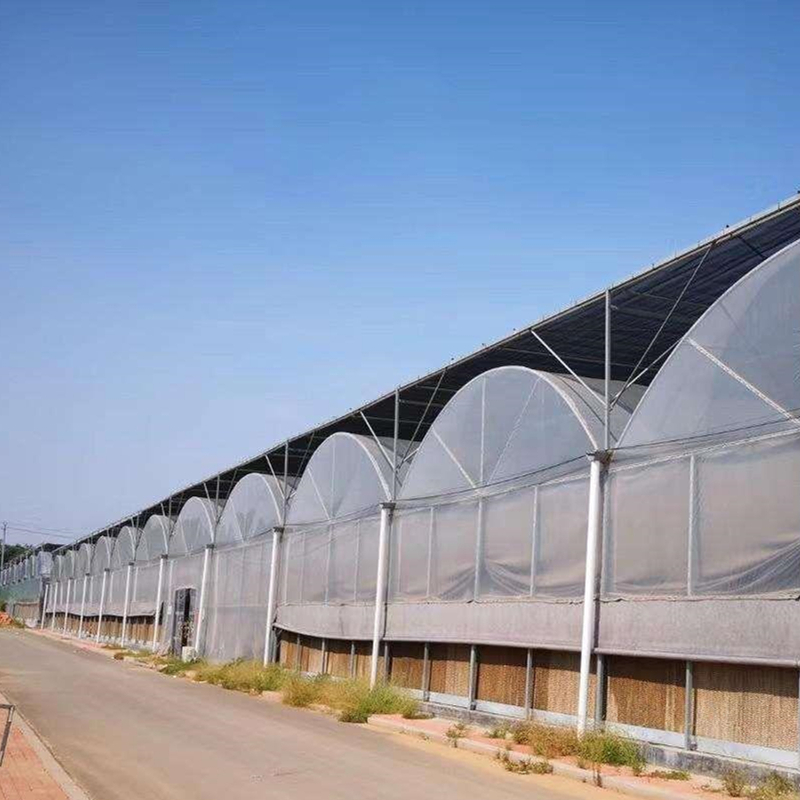
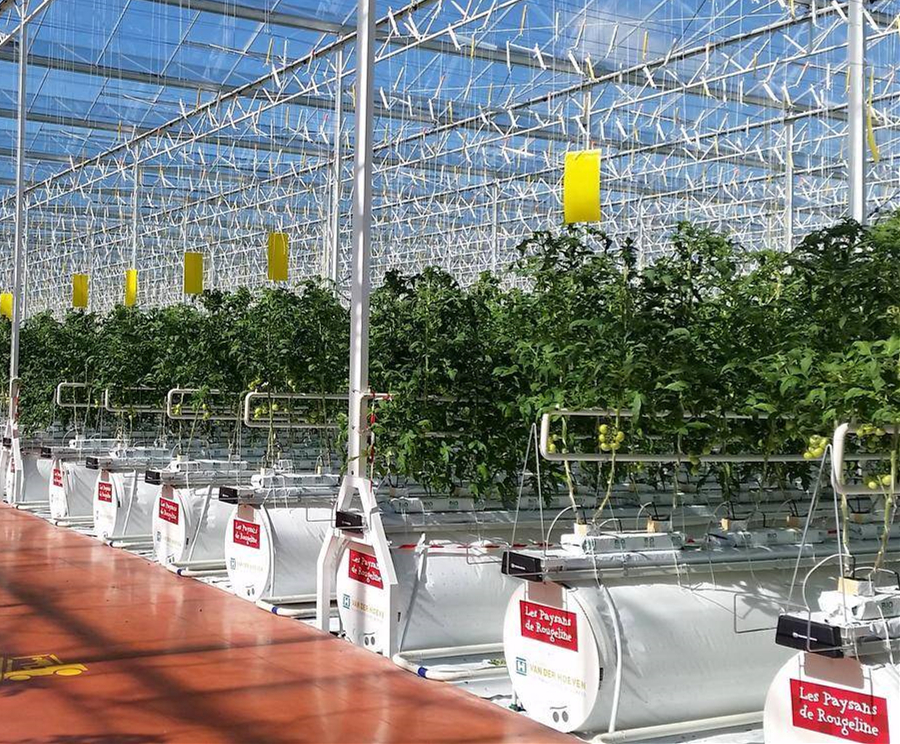
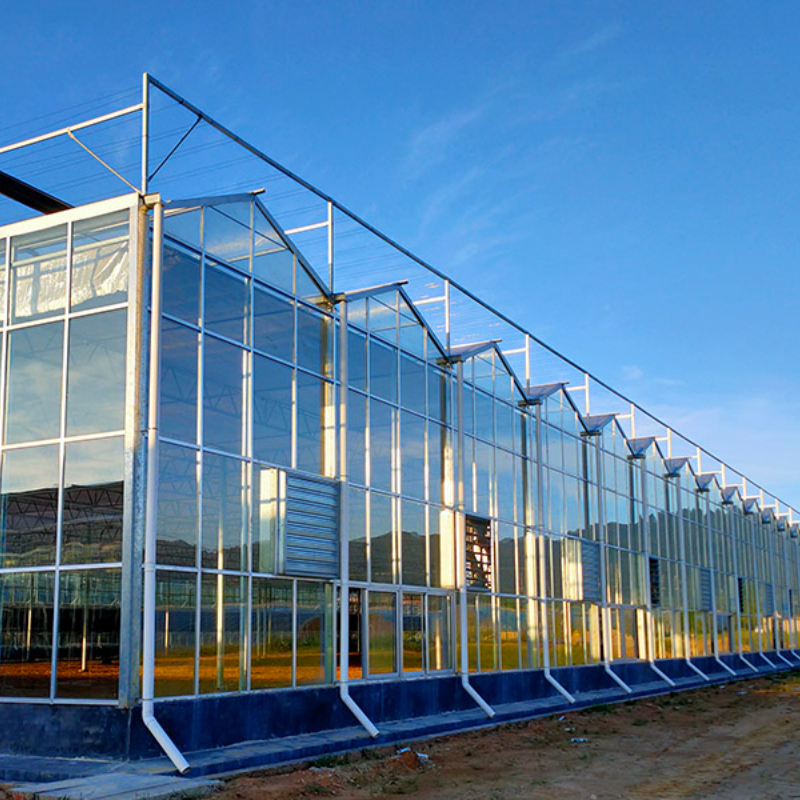
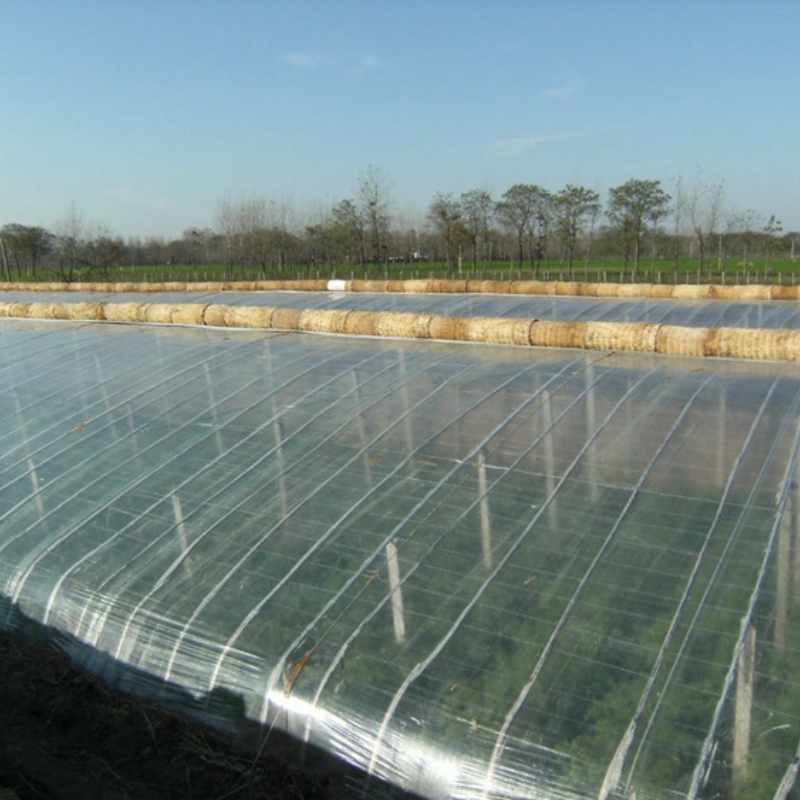
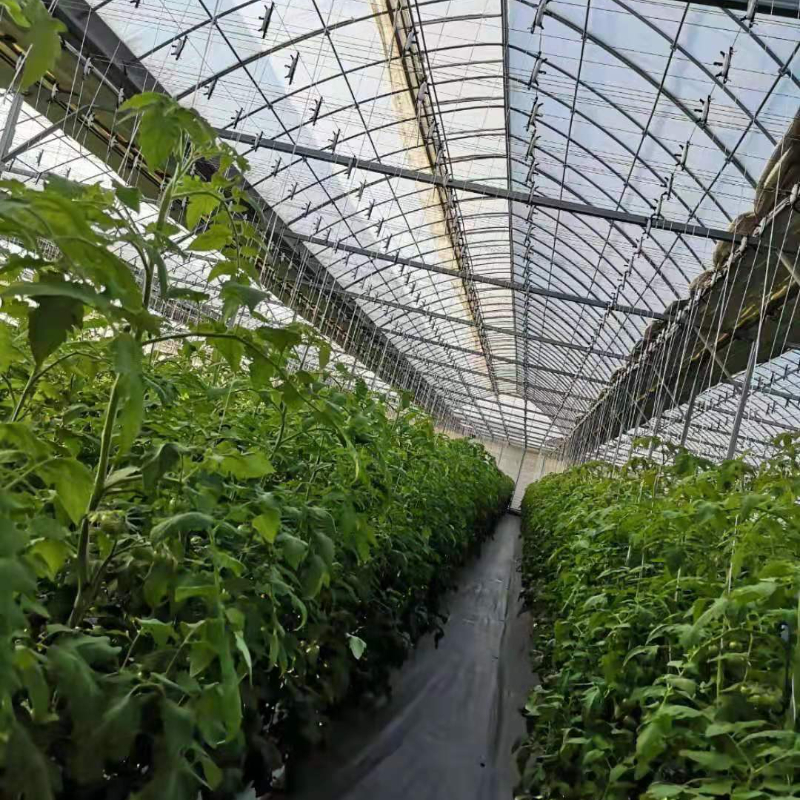
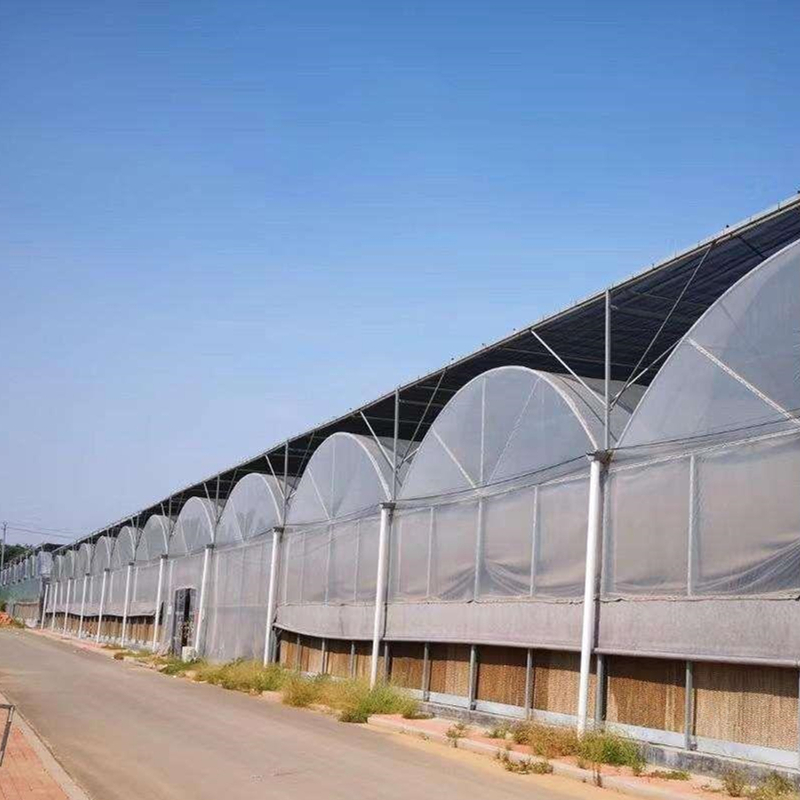
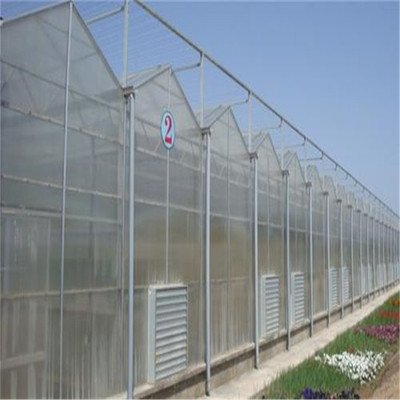
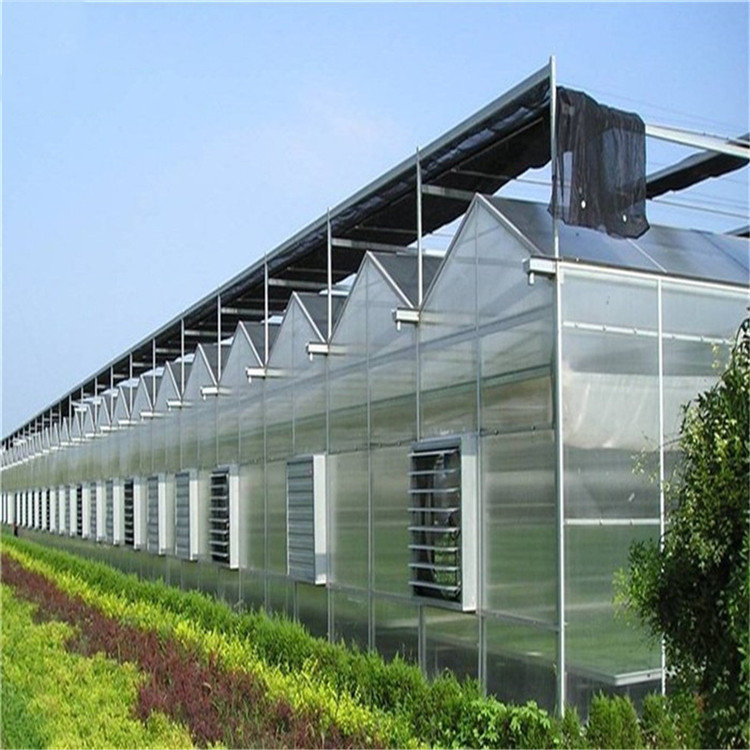
Balancing power generation and planting in a photovoltaic (PV) greenhouse requires careful design and management to optimize both energy production and agricultural output. Here are key strategies to achieve this balance:
一:Best panel configuration for photovoltaic greenhouse:
Semi-Transparent PV Panels: Use panels that allow partial sunlight to pass through, ensuring crops receive adequate light for photosynthesis while generating electricity.
Selective Shading: Position panels to shade heat-sensitive crops or during peak sunlight hours, reducing excessive heat stress while maximizing energy capture.
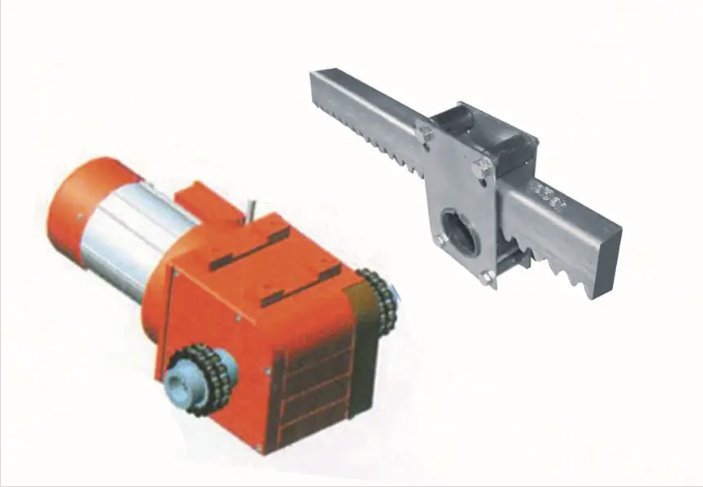
Adjustable or Movable Panels: Implement tracking systems or adjustable panels to modulate light exposure based on crop needs and weather conditions.
二:Crop selection for photovoltaic greenhouse
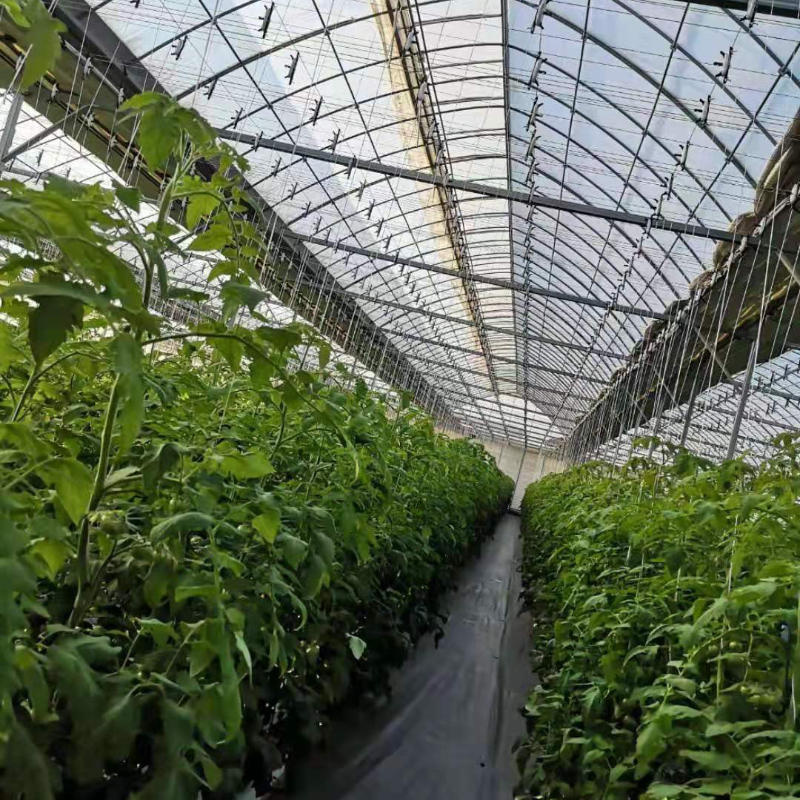
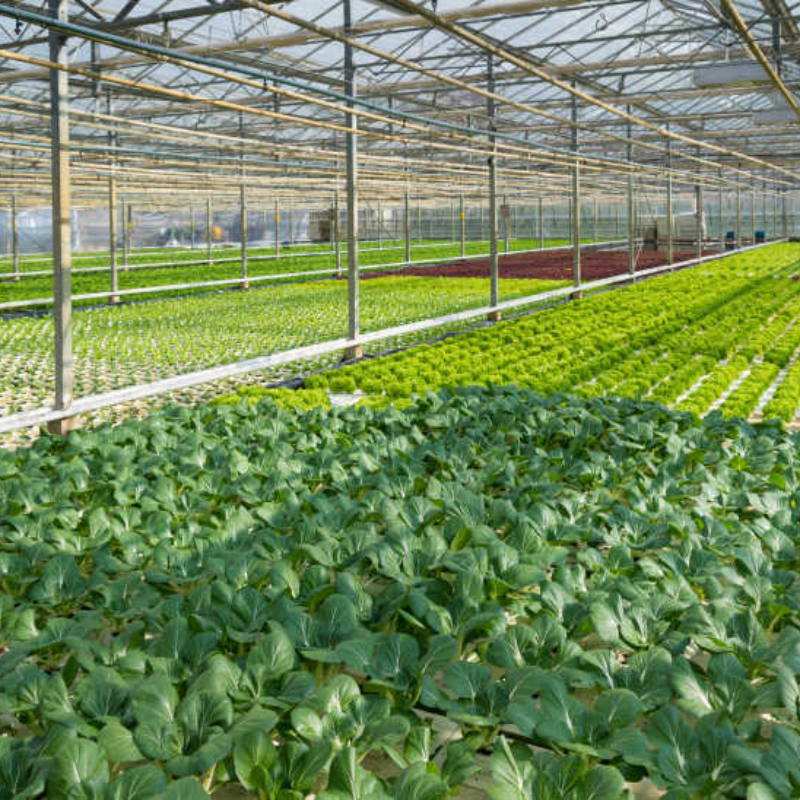
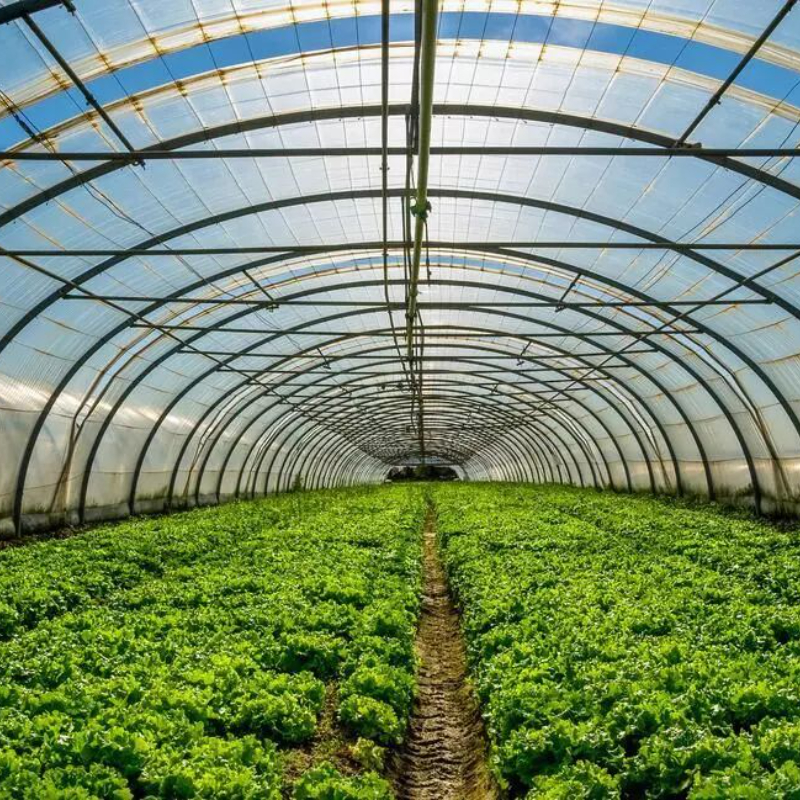
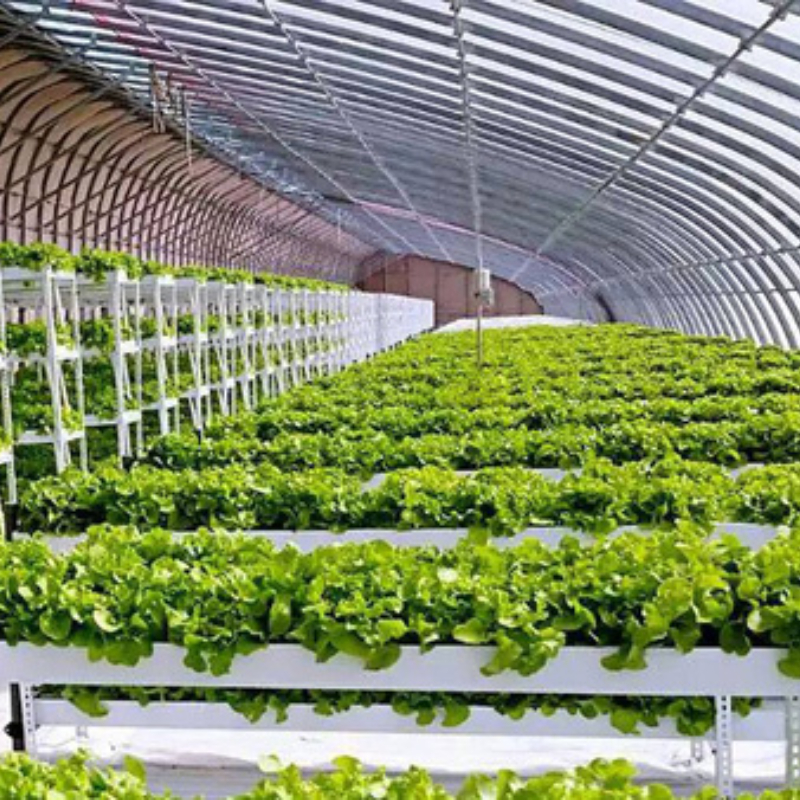
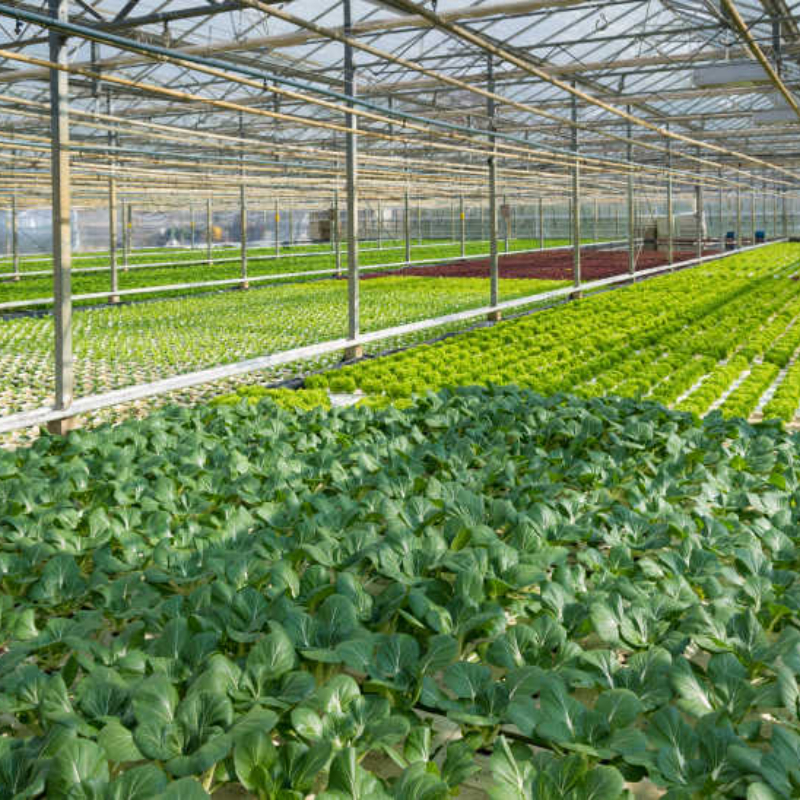
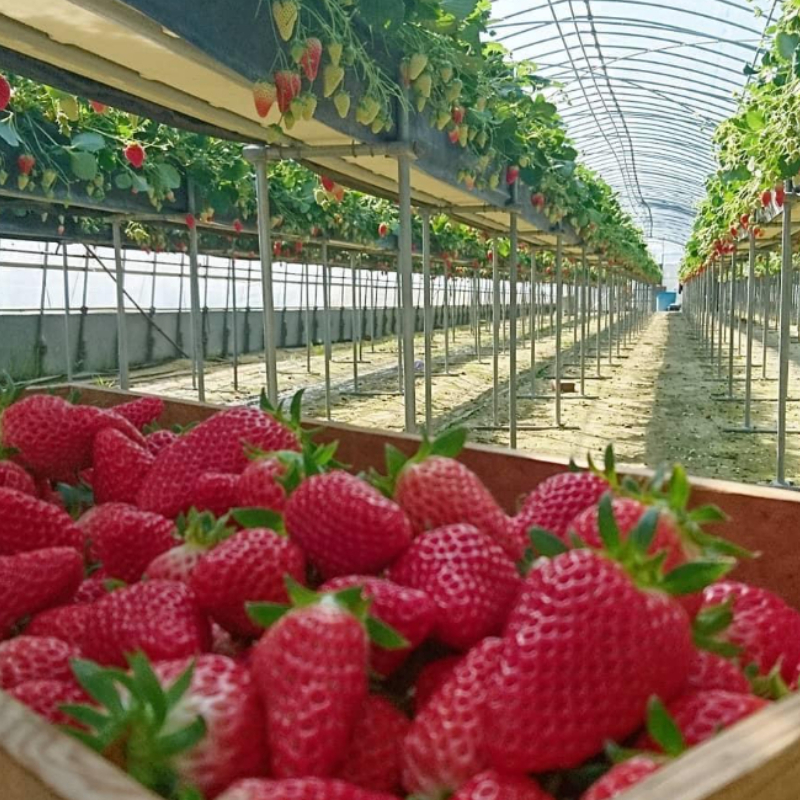
Low-Light Tolerant Crops: Grow shade-tolerant plants (e.g., leafy greens, herbs, mushrooms, or berries) that thrive under reduced light conditions.
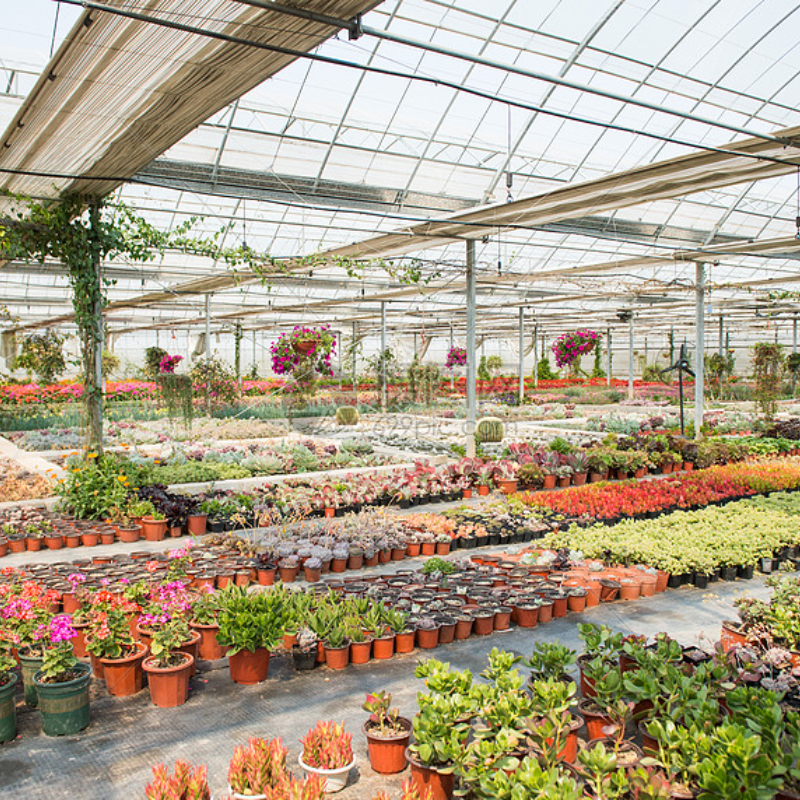
Complementary Crops: Rotate or intercrop species with varying light requirements to utilize different light zones in the greenhouse.
三:Light management of photovoltaic greenhouse
Diffused Light Techniques: Use reflective surfaces or light-diffusing materials to distribute sunlight evenly, preventing hotspots and shadowing.
Artificial Supplemental Lighting: Employ energy-efficient LED lights (powered by the PV system) to compensate for low natural light in winter or cloudy conditions.
四:Microclimate control of photovoltaic greenhouse
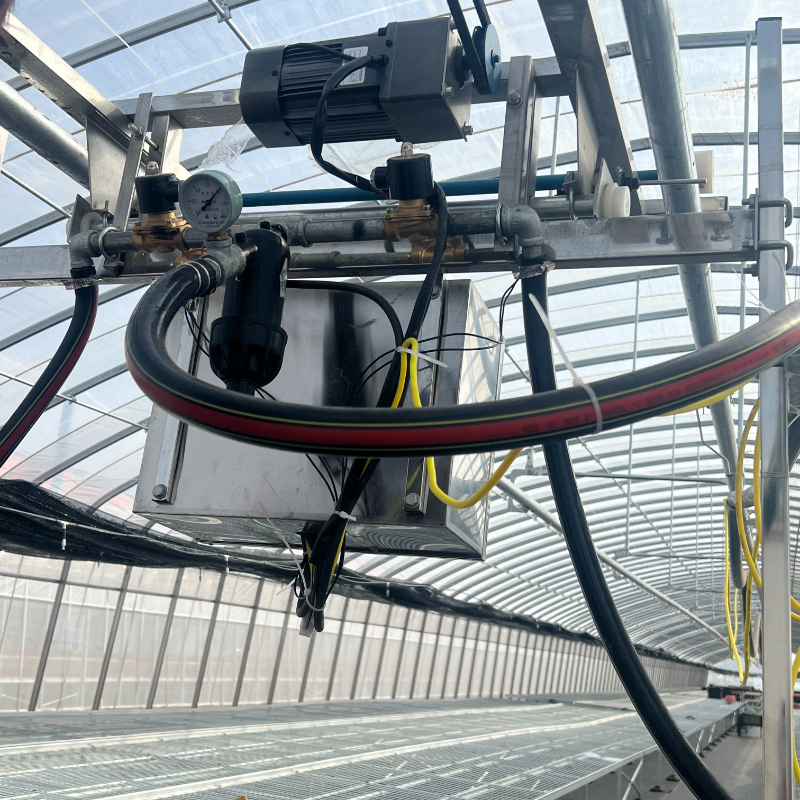
Temperature & Humidity Regulation: Use PV-generated electricity to power ventilation, cooling (fans, evaporative systems), or heating, maintaining ideal growing conditions.
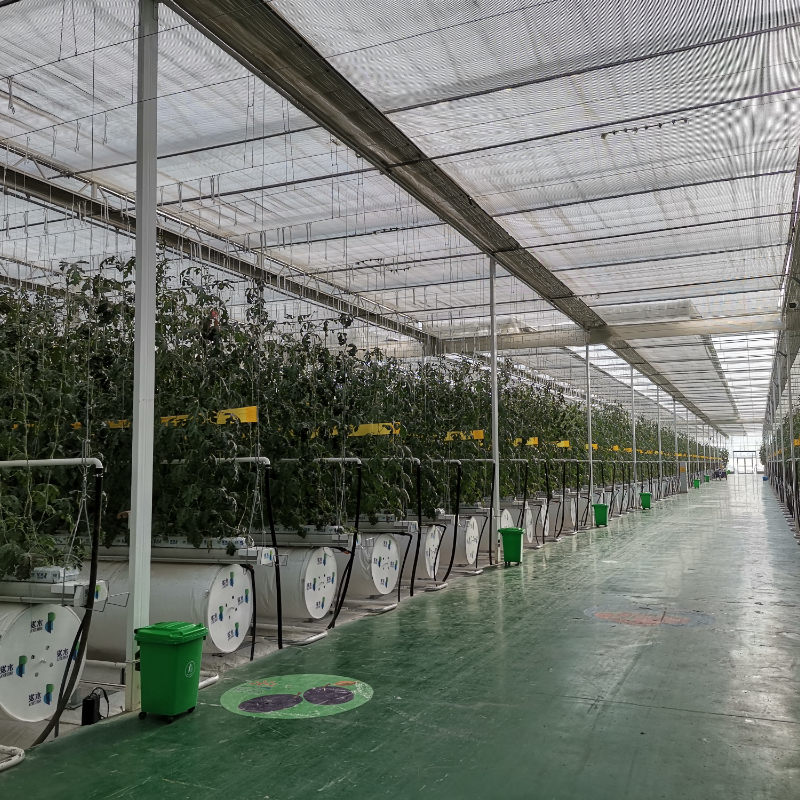
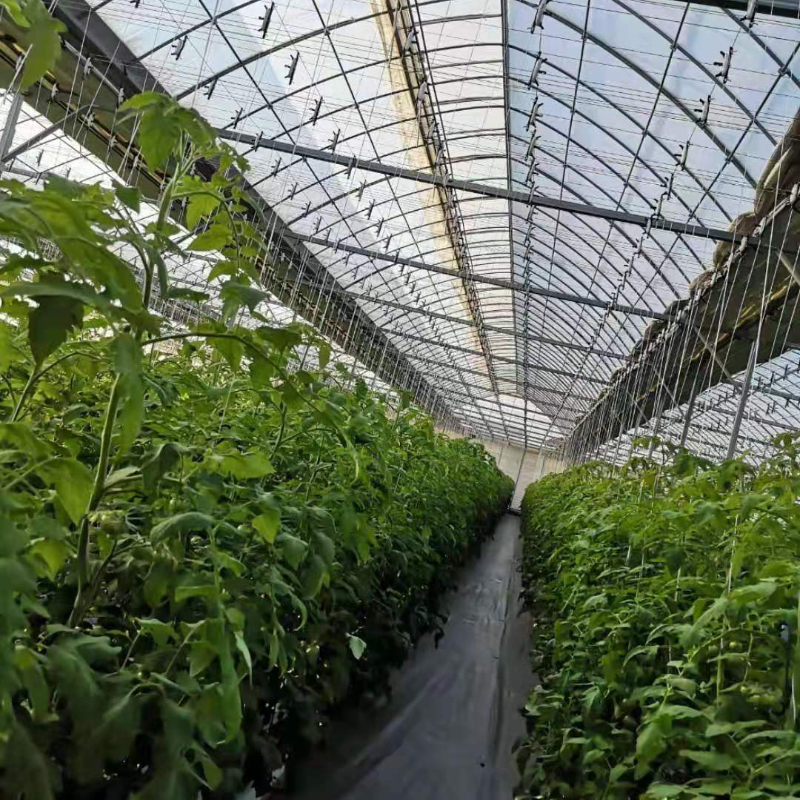
Smart Sensors & Automation: Monitor environmental parameters (light, soil moisture, CO₂) and automate adjustments to balance energy use and plant health.
五:Energy priority of photovoltaic greenhouse
On-Site Energy Use: Direct solar power to greenhouse operations (lighting, irrigation, climate control) to reduce reliance on the grid.
Energy Storage: Store excess energy in batteries for use during low-light periods, ensuring consistent growing conditions.
六:System design and layout of photovoltaic greenhouse
Roof vs. Vertical PV: Combine rooftop panels with vertical bifacial panels (on walls) to maximize energy yield without overcrowding the roof.
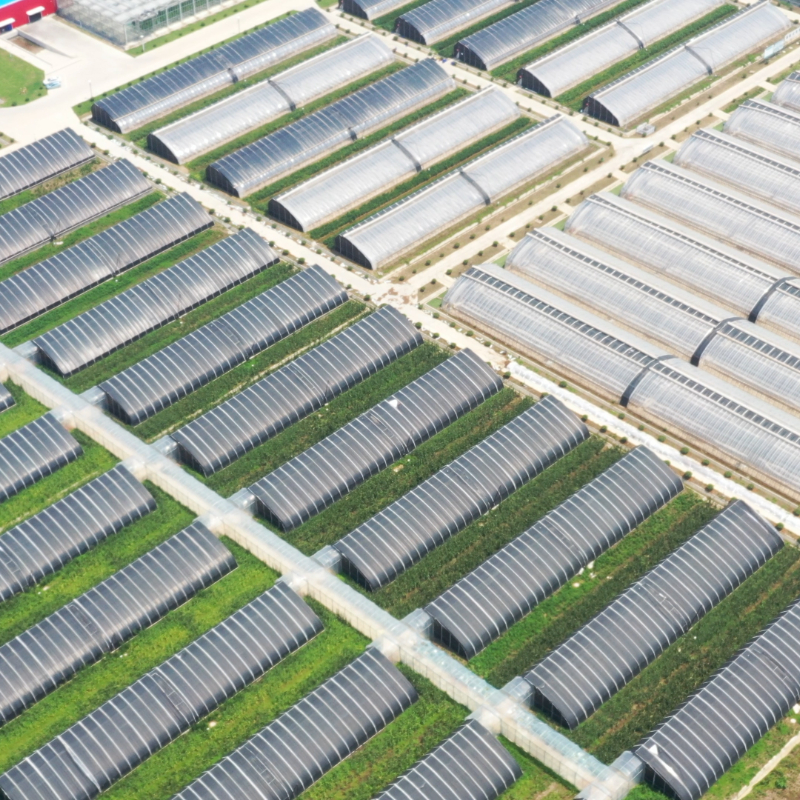
Spacing & Orientation: Align panels at angles and intervals that minimize shading on crops while maximizing solar exposure (e.g., east-west orientation in high-latitude regions).
七:Economic and ecological balance of photovoltaic greenhouse
Revenue Streams: Diversify income by selling surplus energy to the grid or leveraging subsidies for renewable energy.
Sustainable Practices: Integrate water-saving irrigation (e.g., drip systems) and organic farming to enhance resource efficiency.
八:Research and adaptation of photovoltaic greenhouse
Crop-PV Synergy Studies: Collaborate with agricultural researchers to identify ideal crop varieties and PV configurations for local conditions.
Iterative Improvements: Continuously monitor both energy output and crop yields, adjusting strategies seasonally.
By integrating these approaches, PV greenhouses can achieve symbiosis between energy production and agriculture, boosting sustainability and profitability. The key is tailoring the system to local climate, crop needs, and energy goals.
