
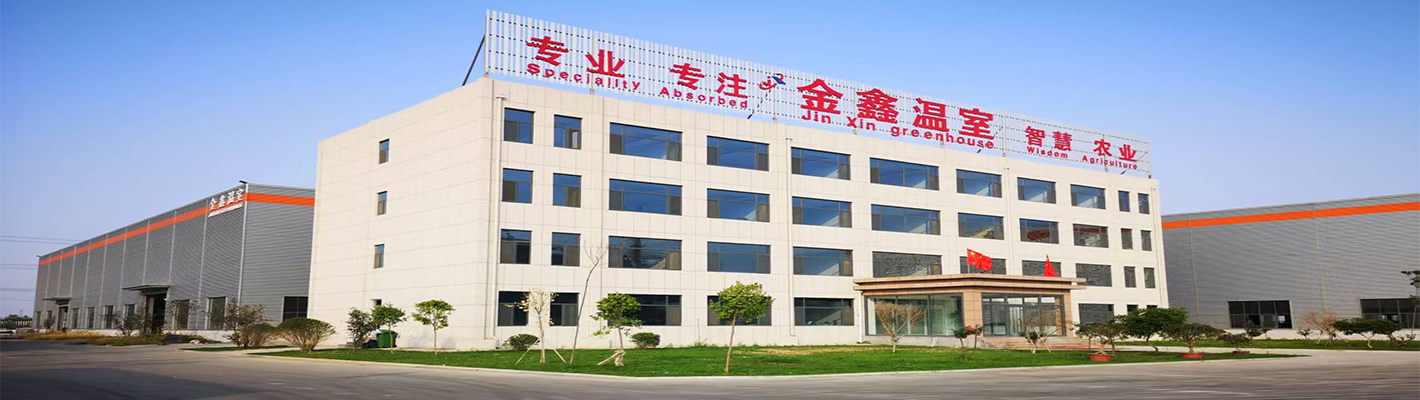
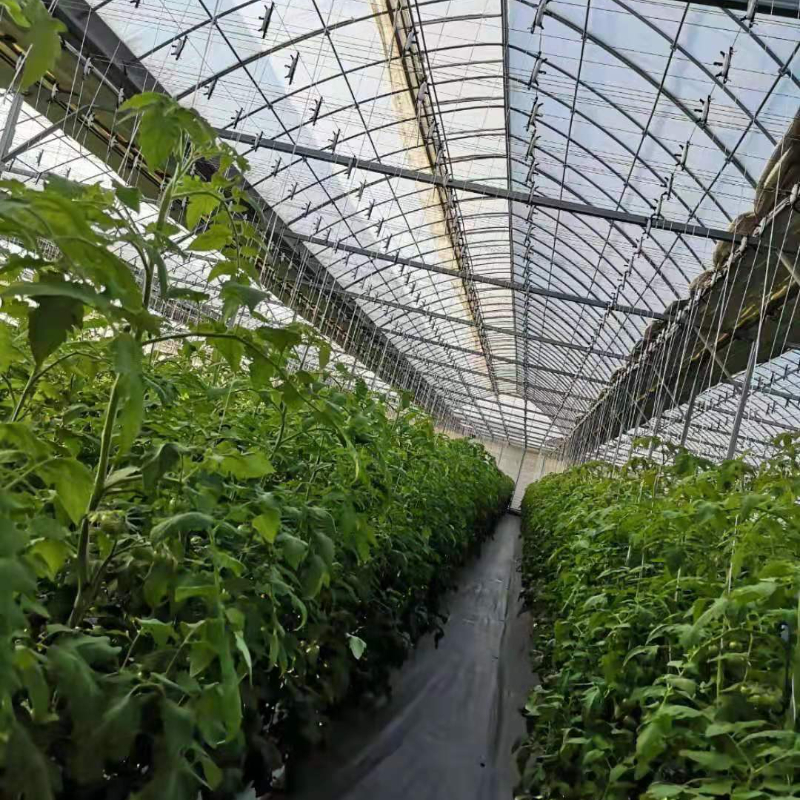
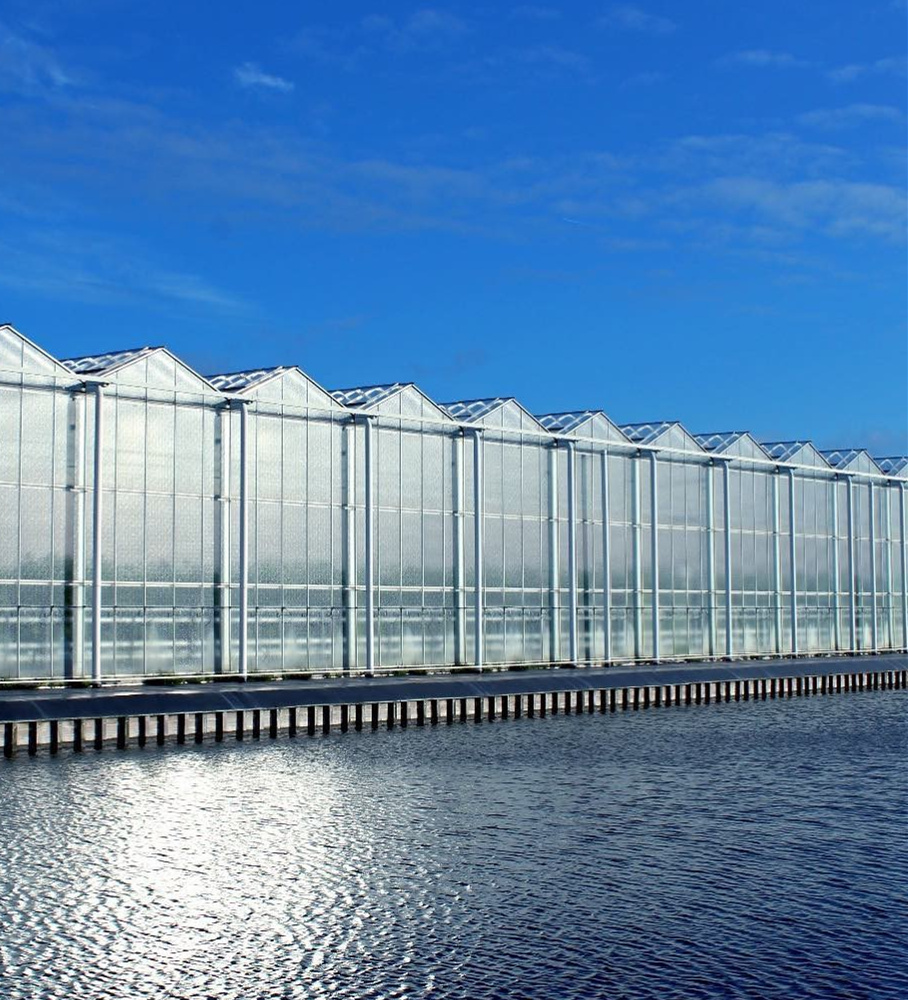
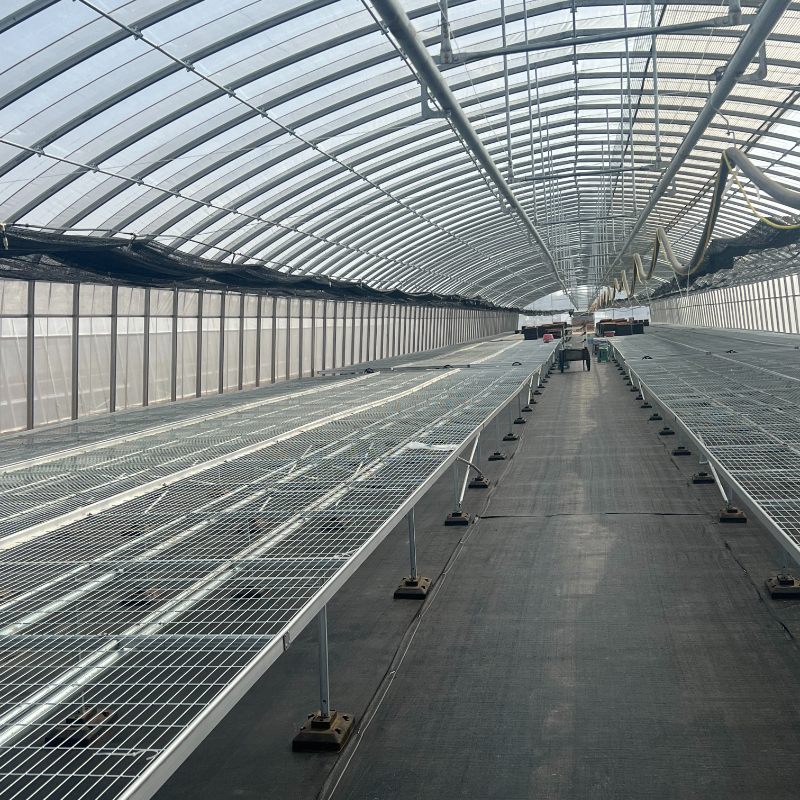
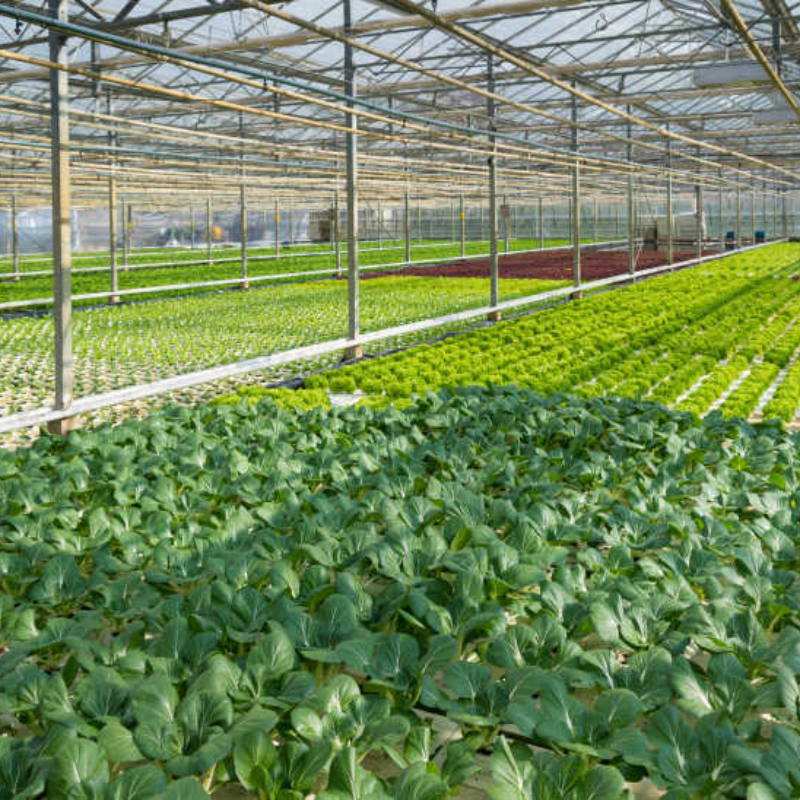
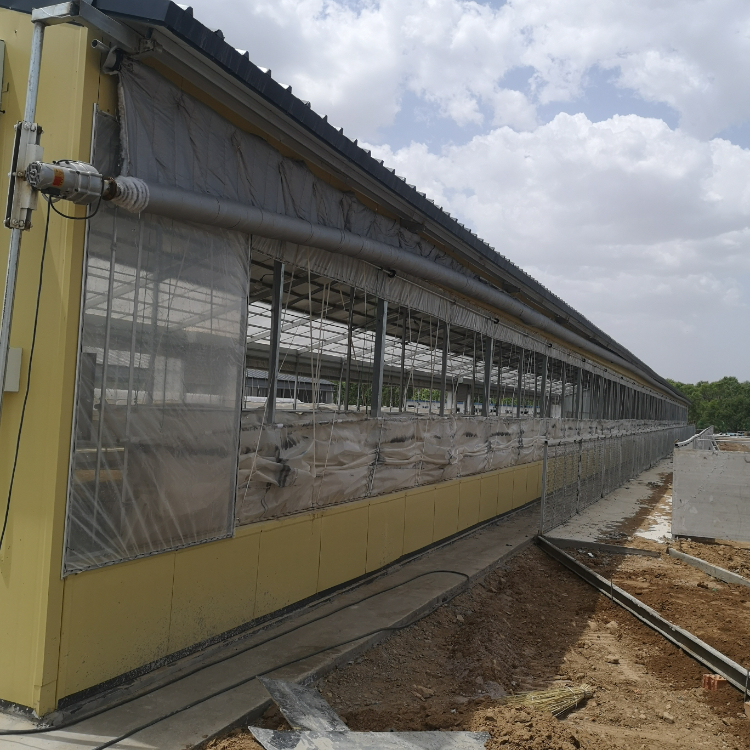
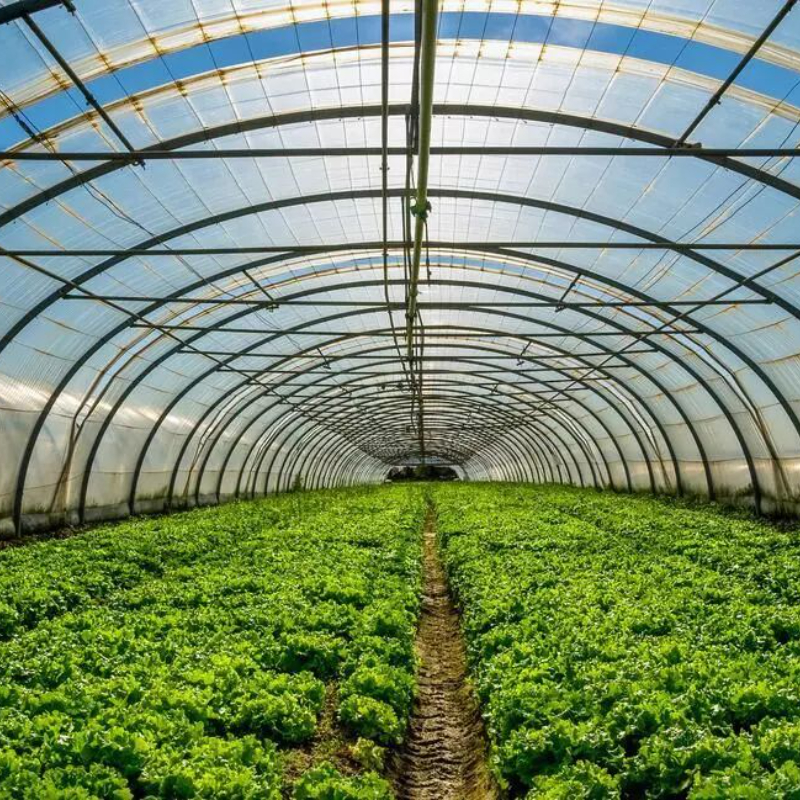
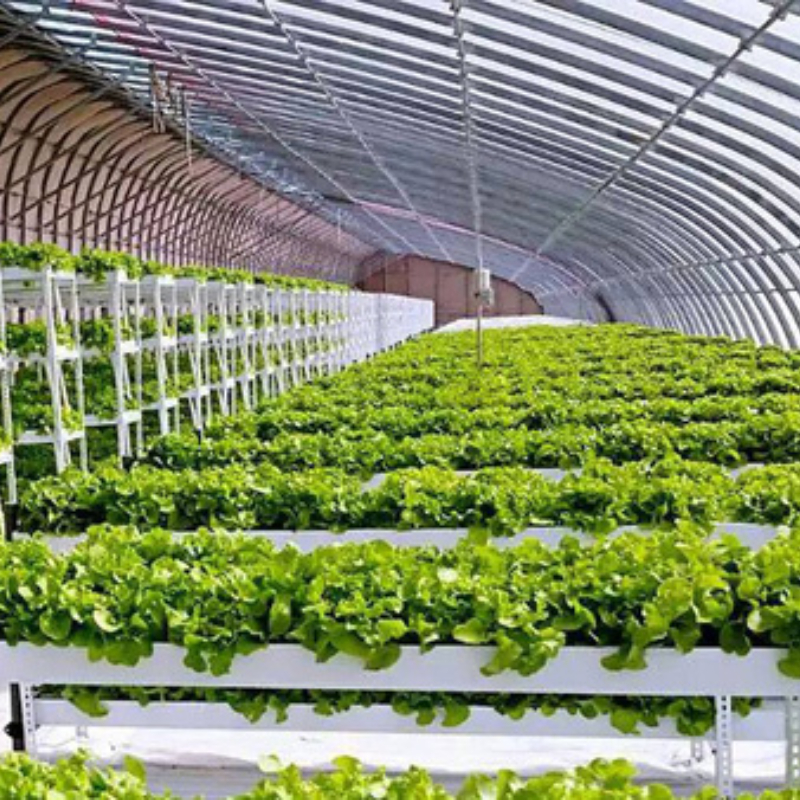
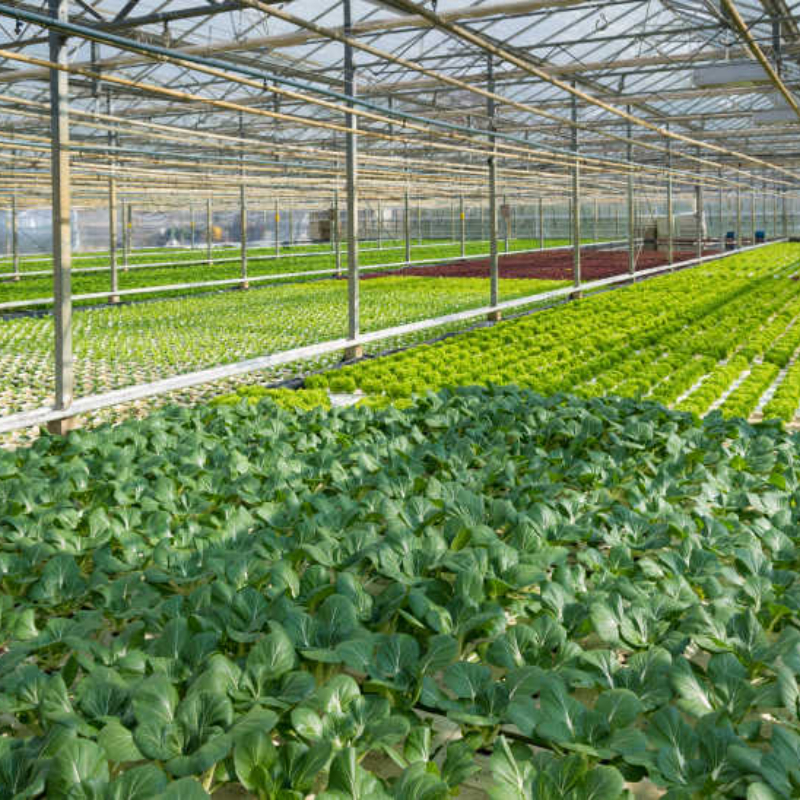
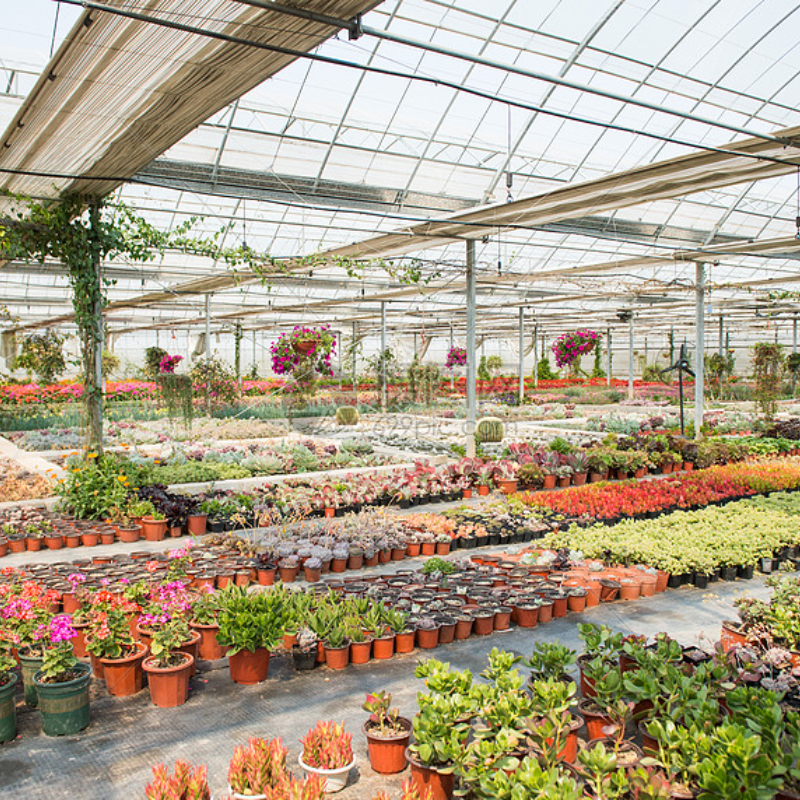
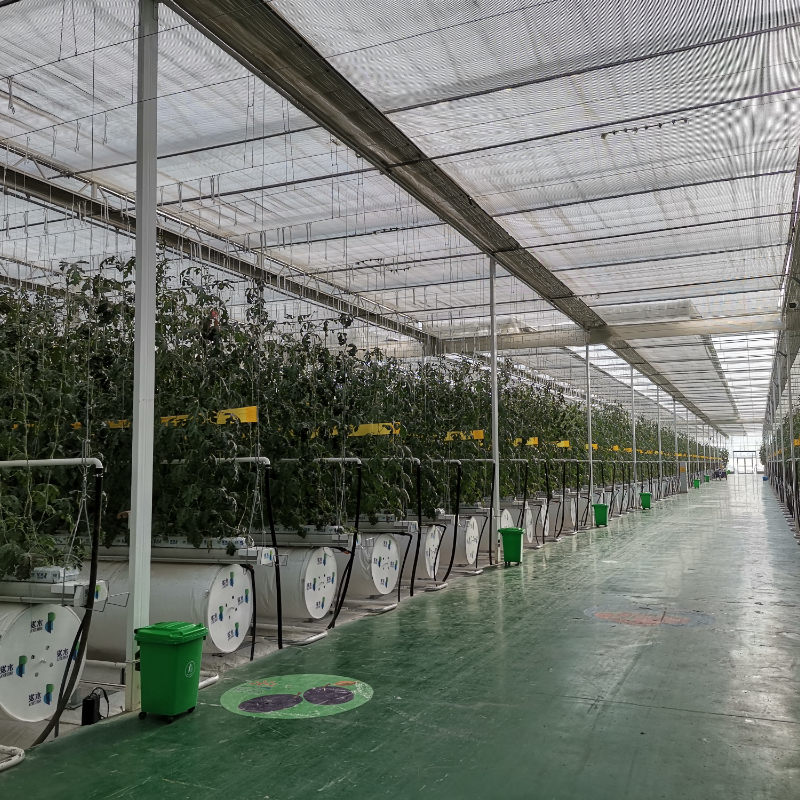
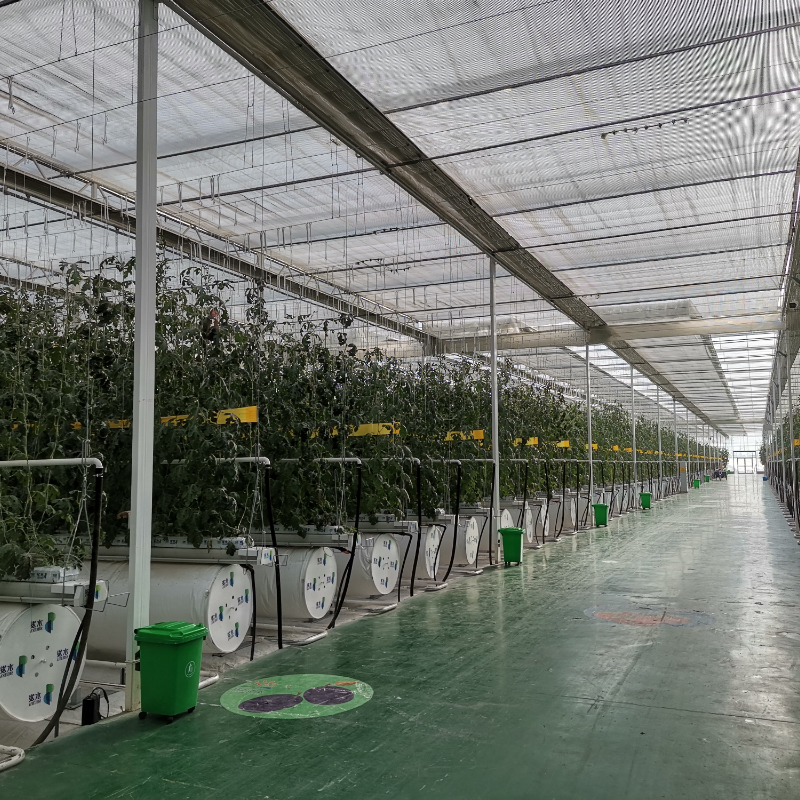
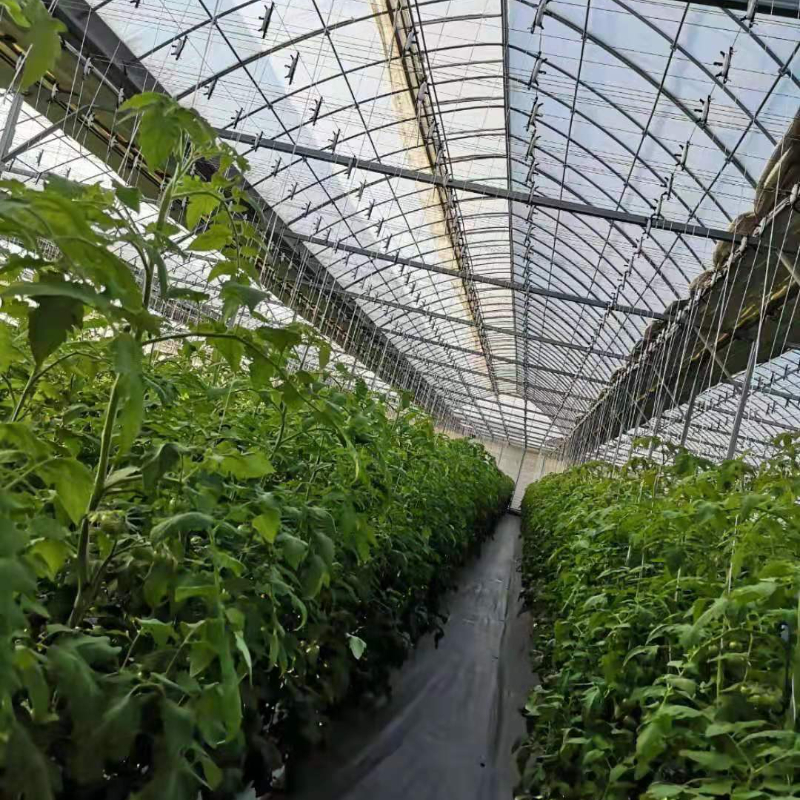
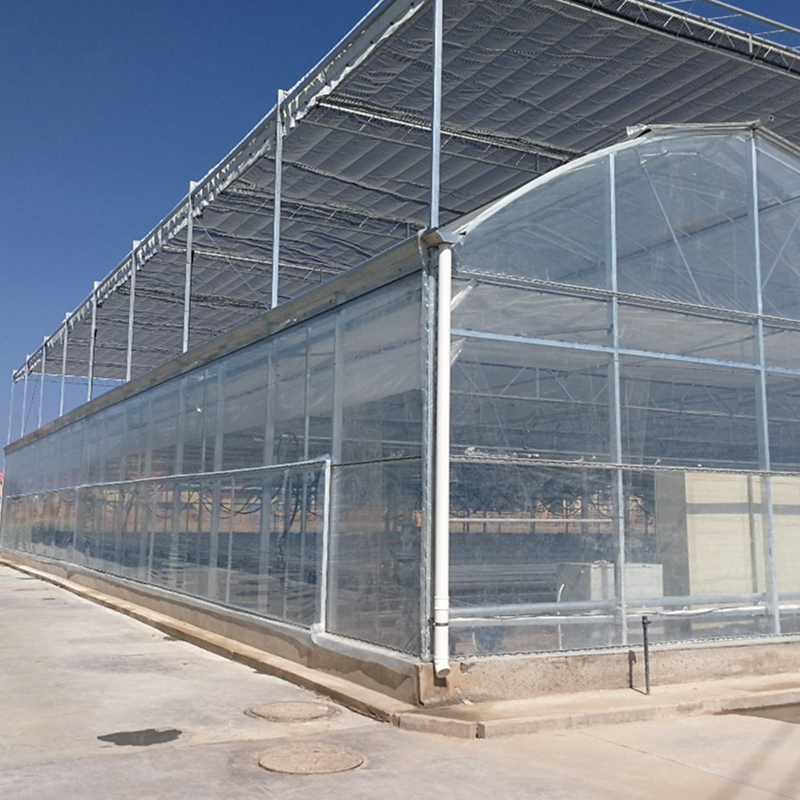
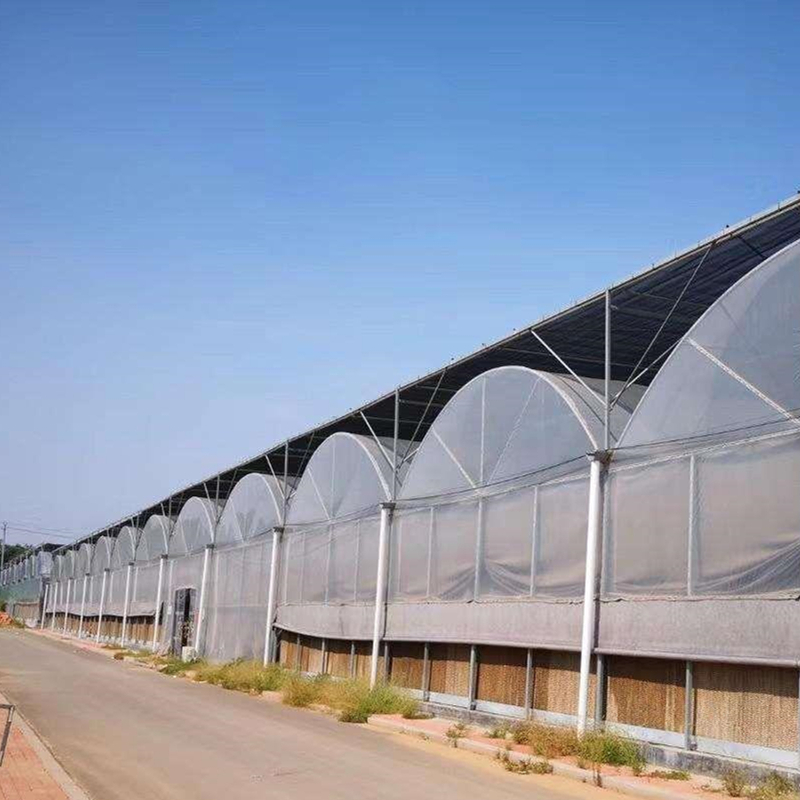
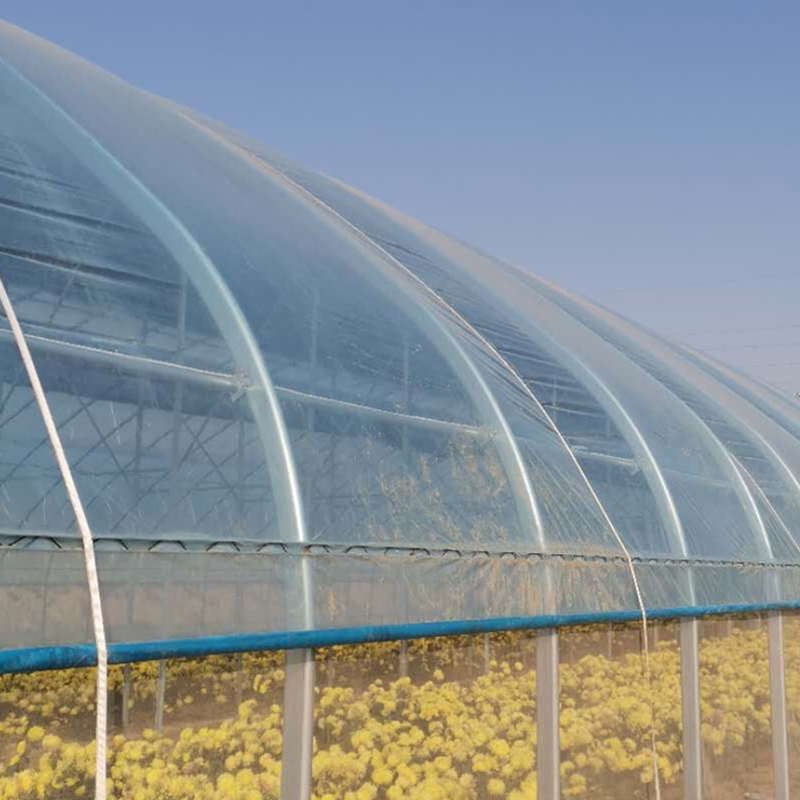
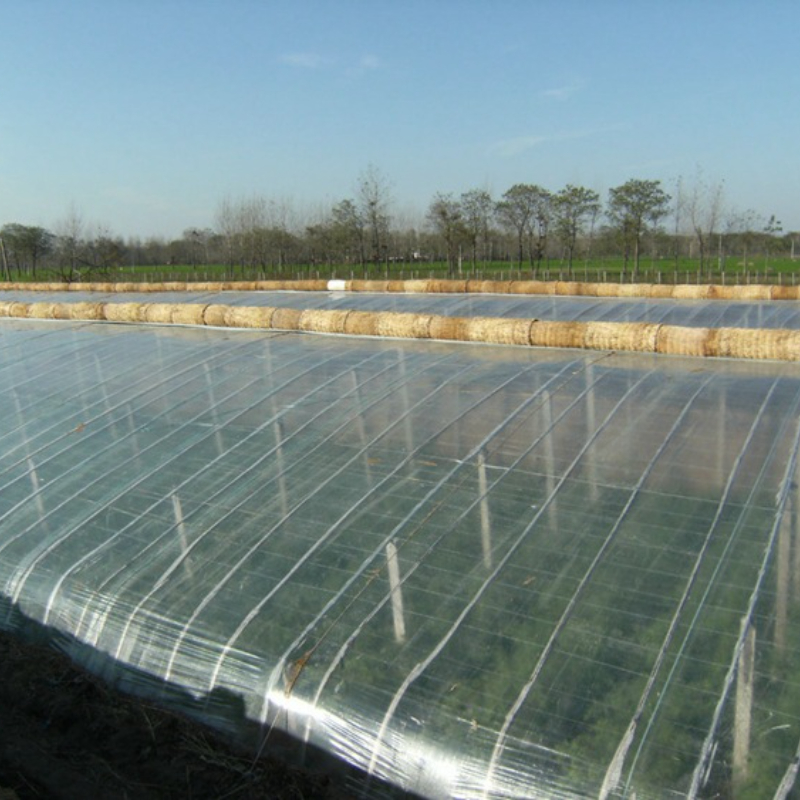
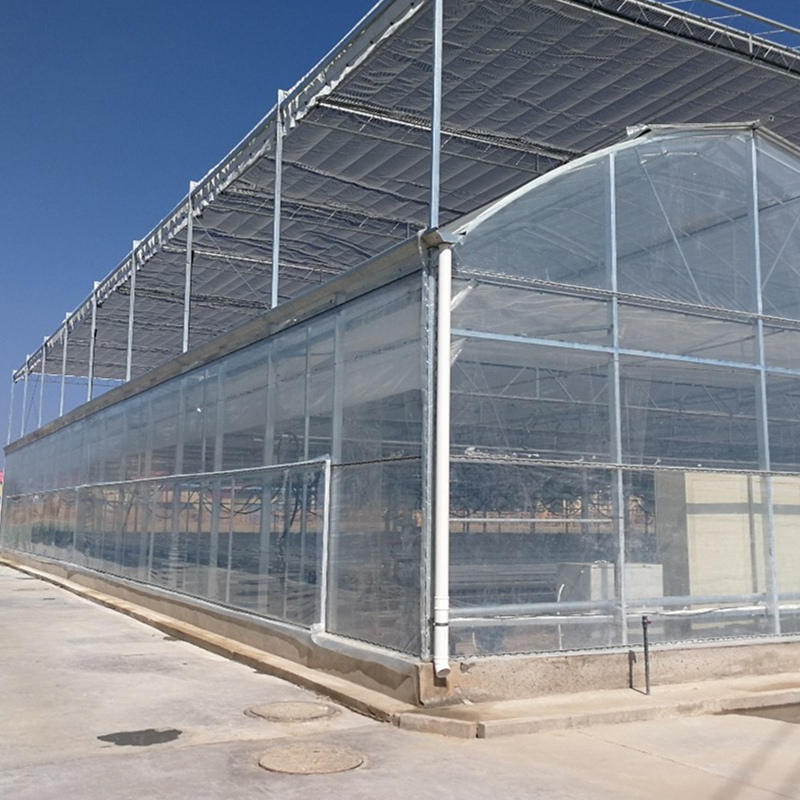
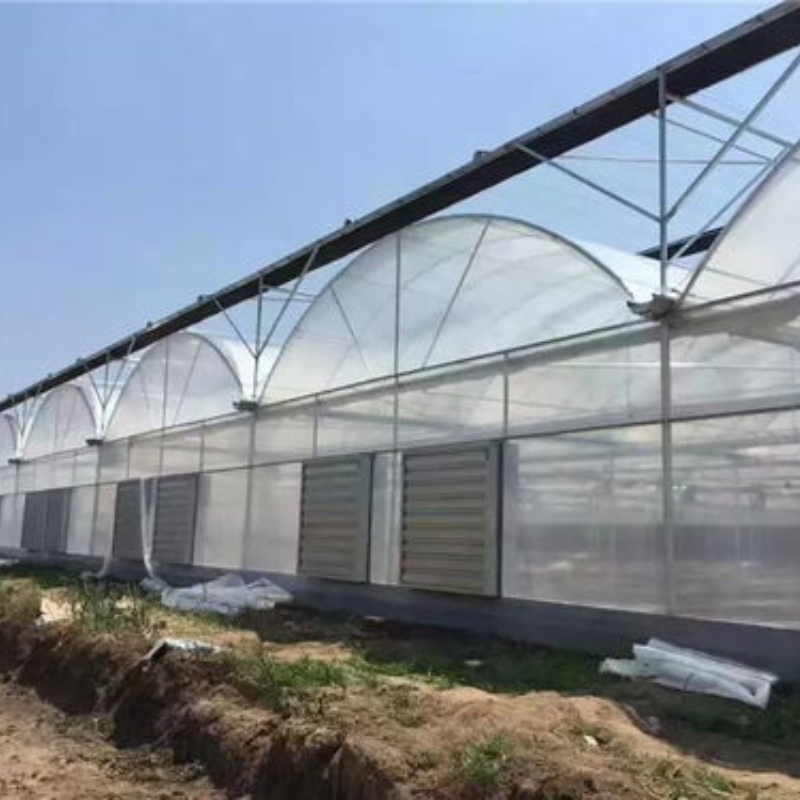
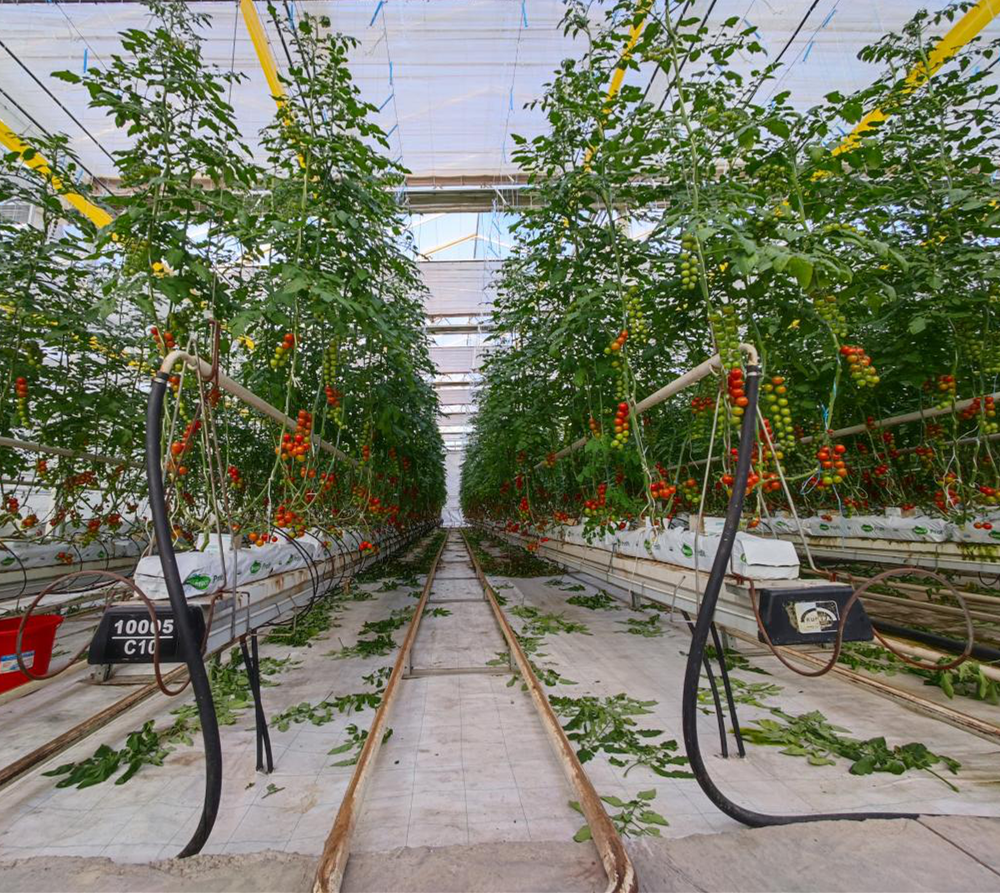
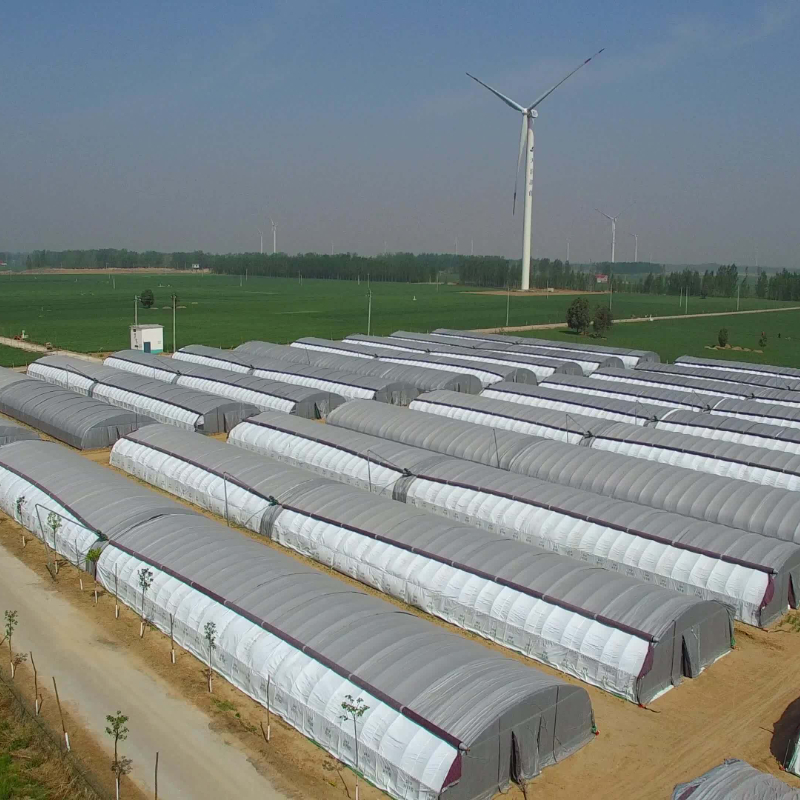
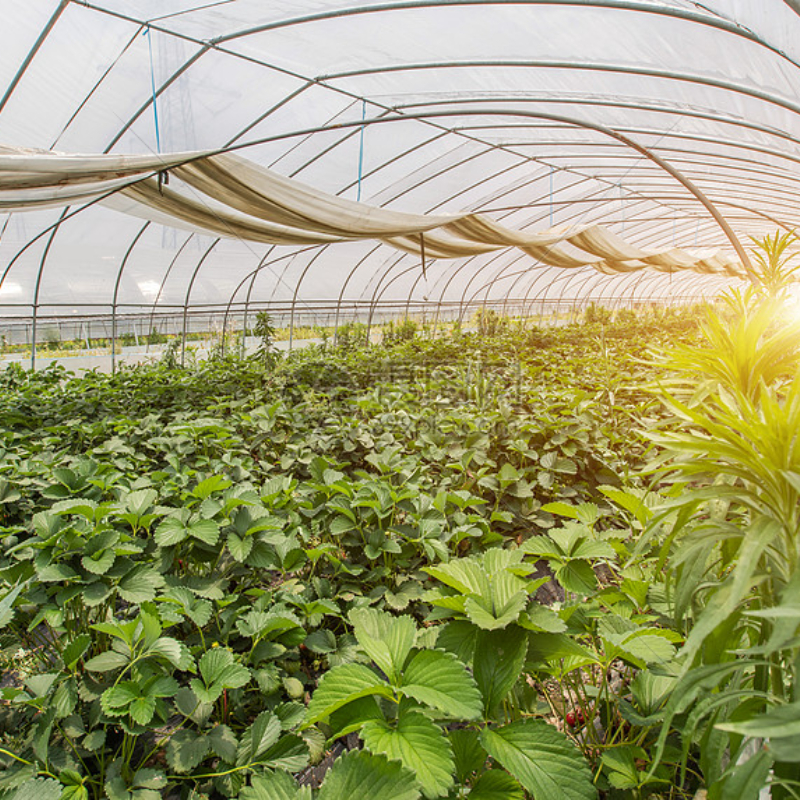
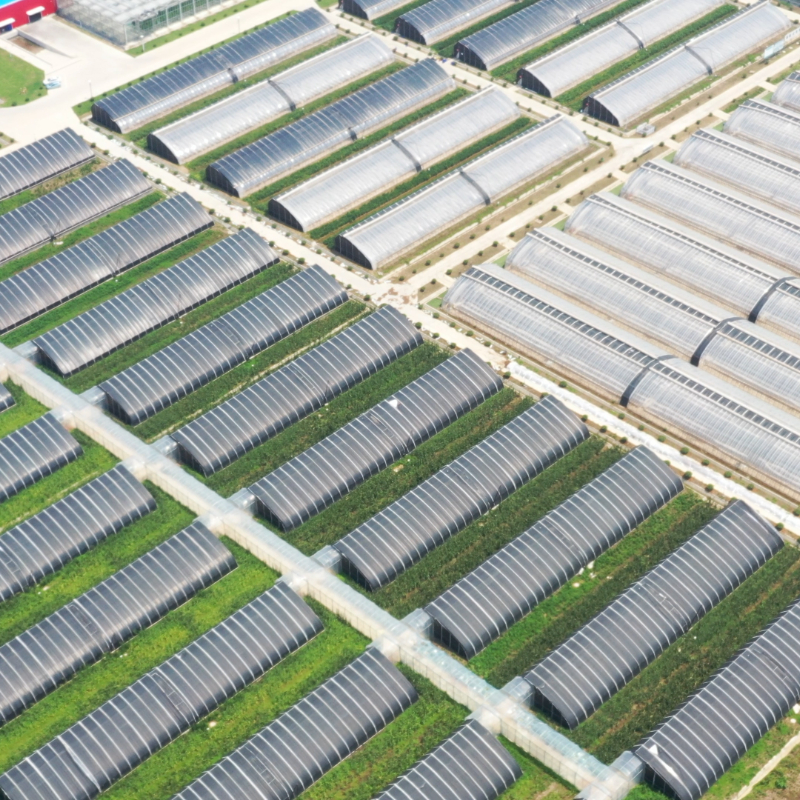
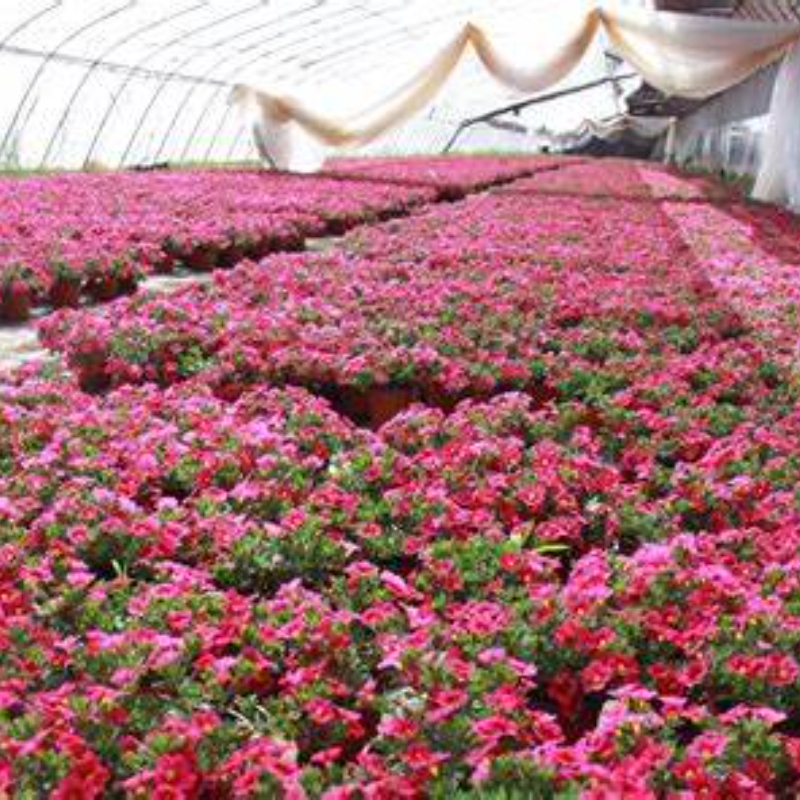
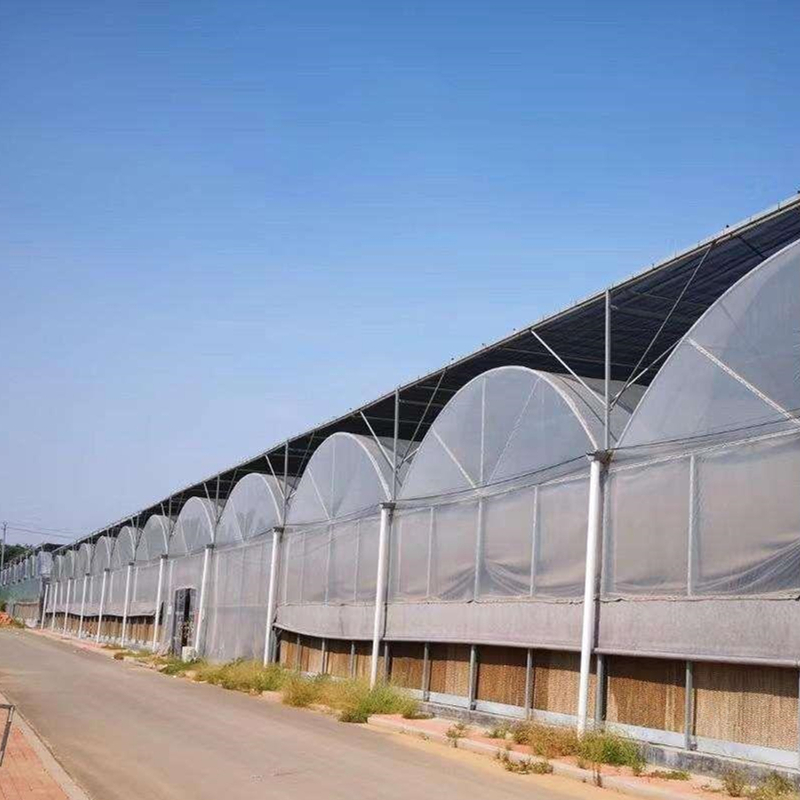
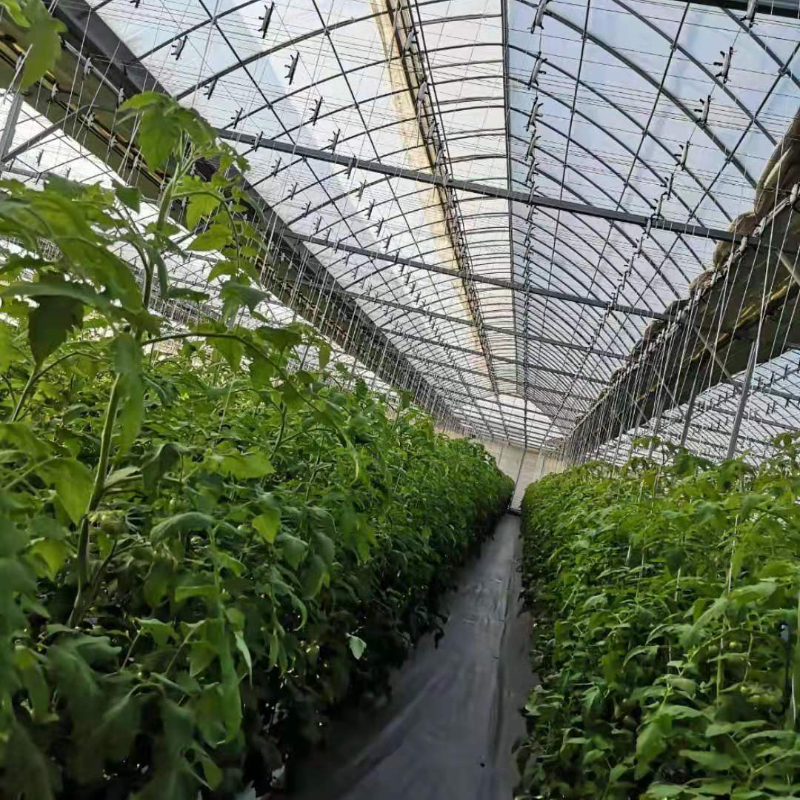
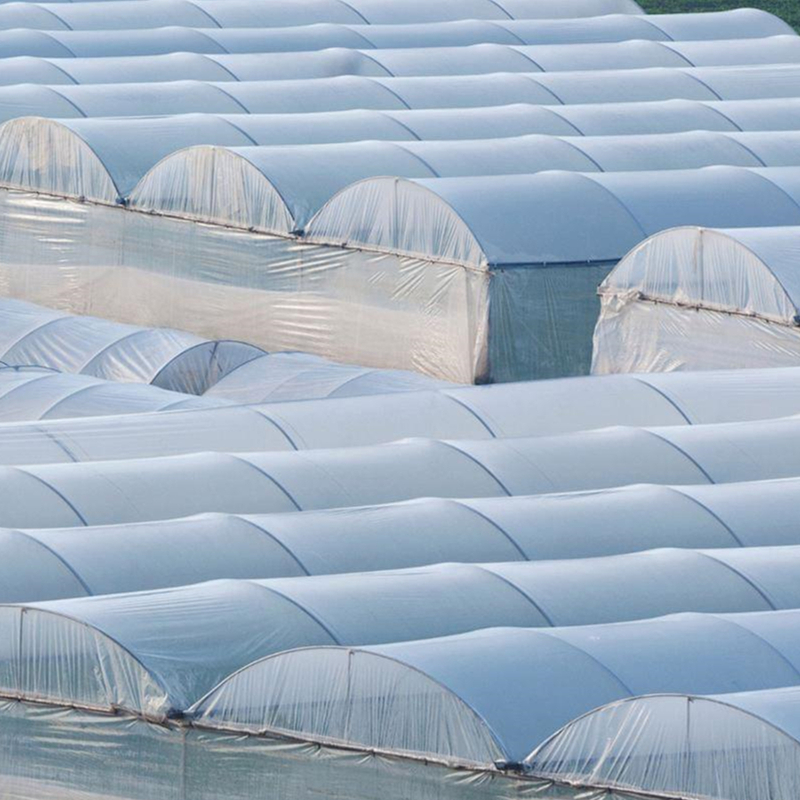
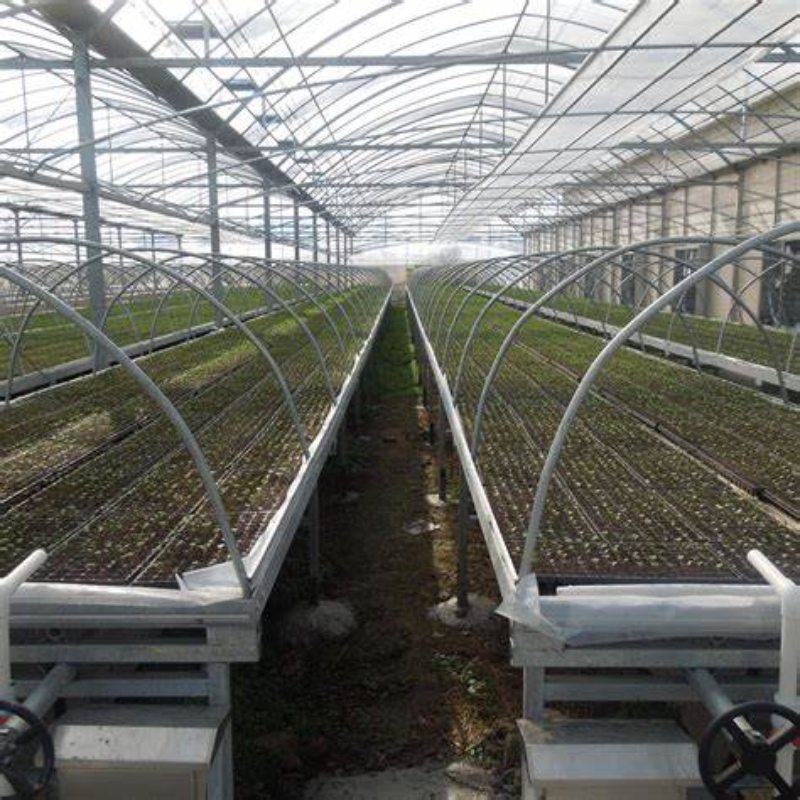
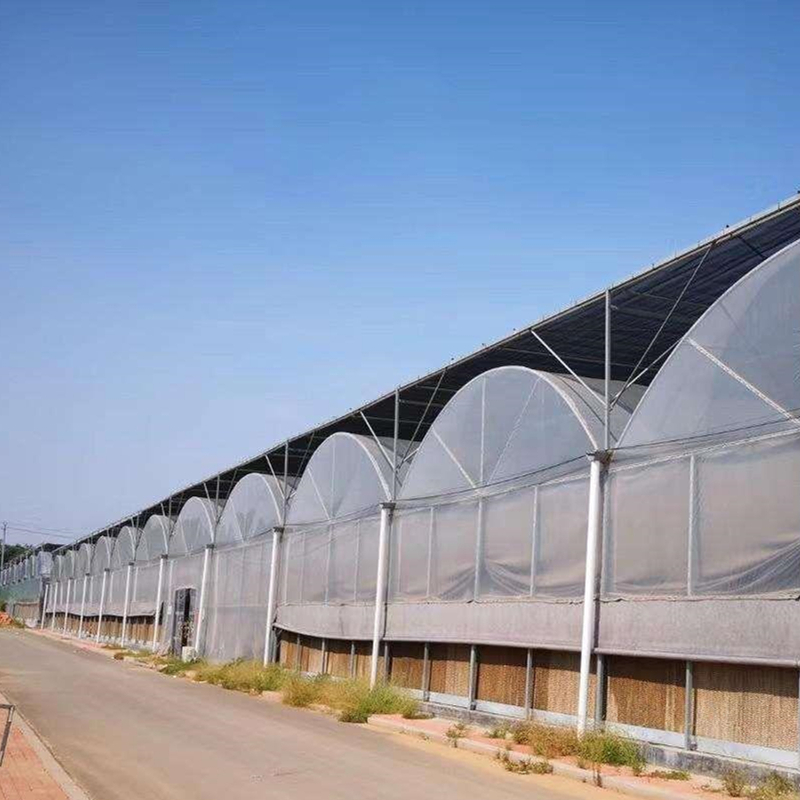
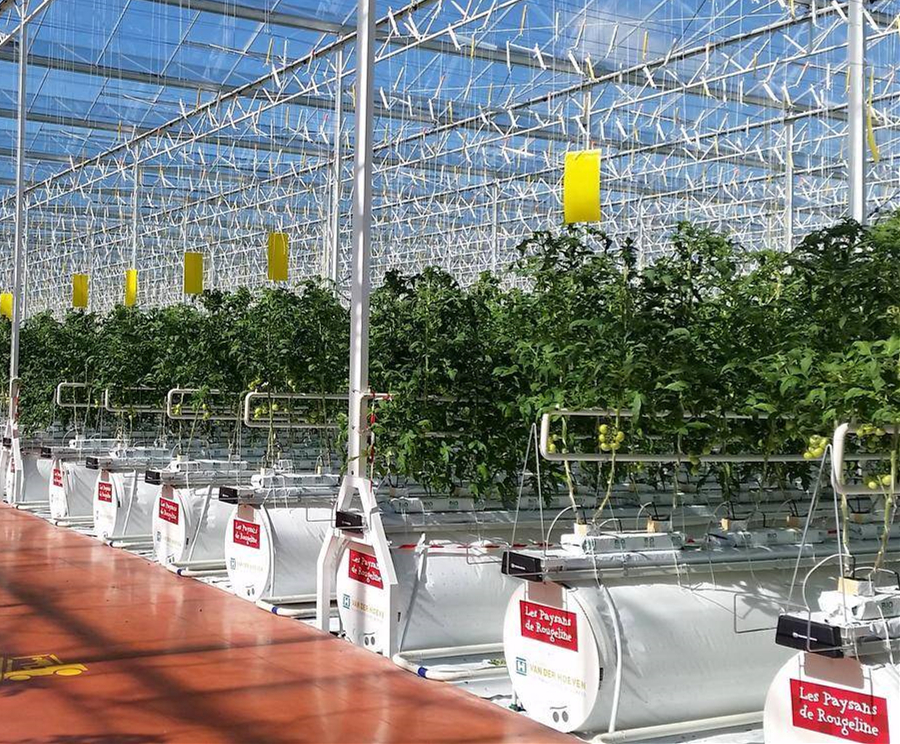
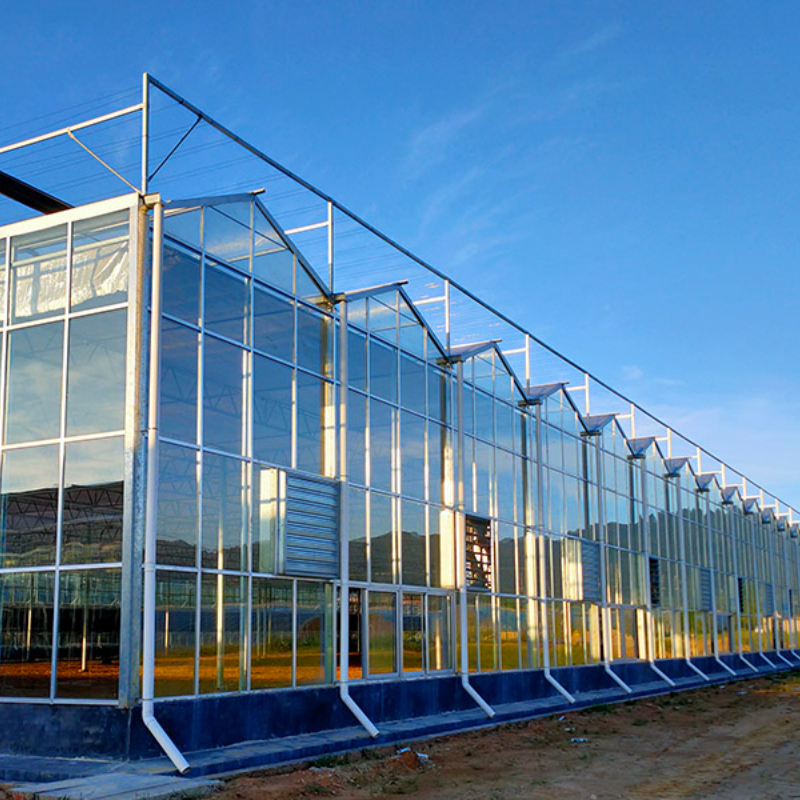
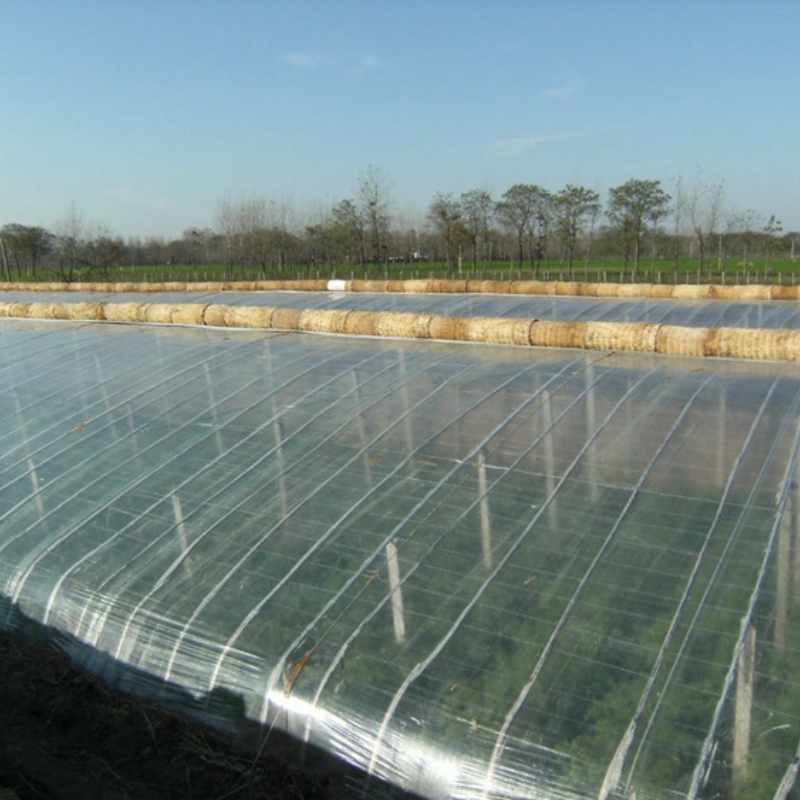
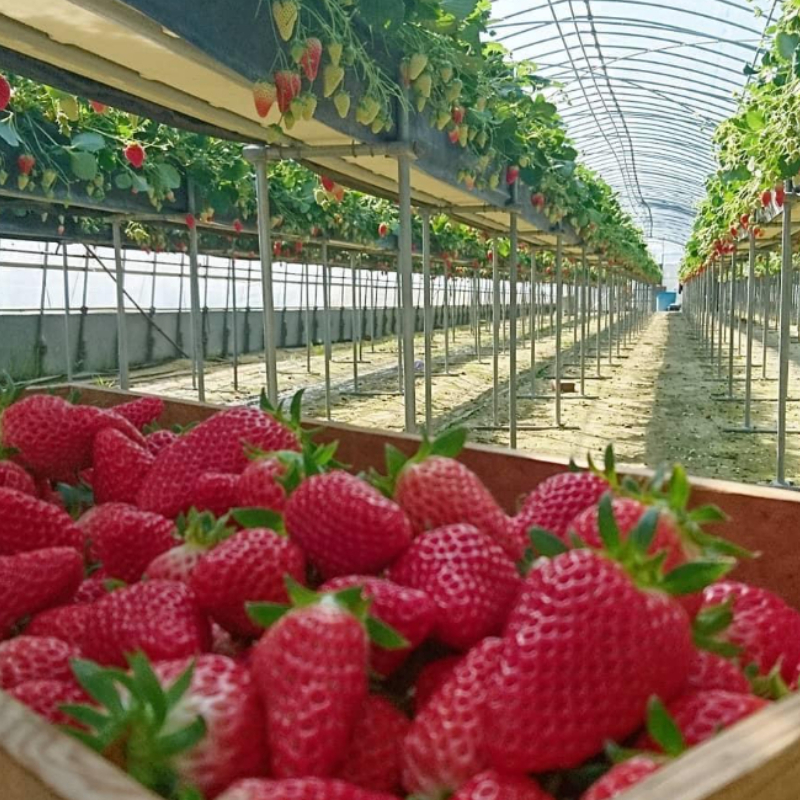
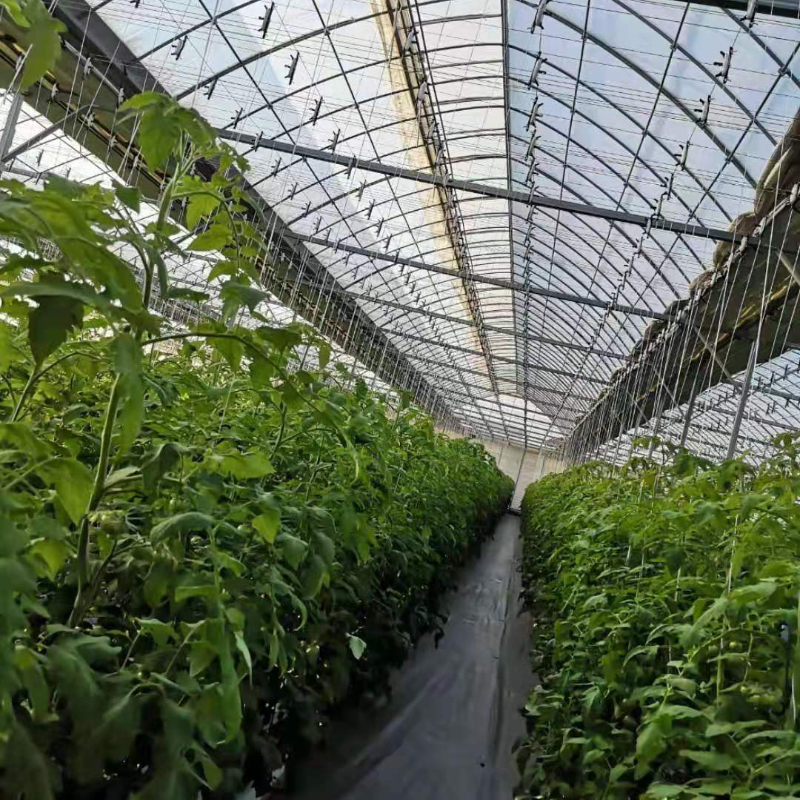
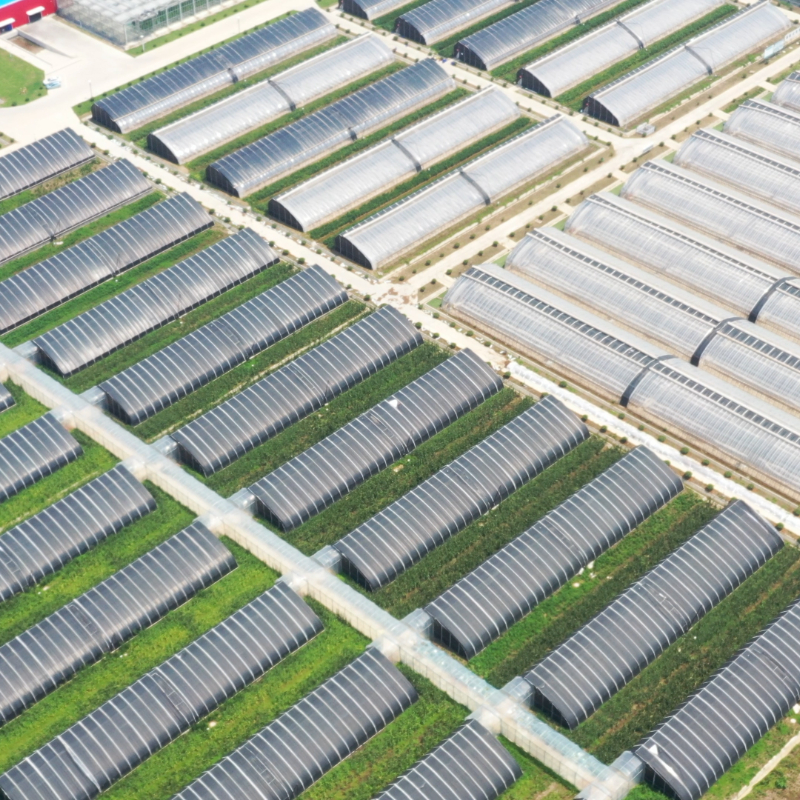
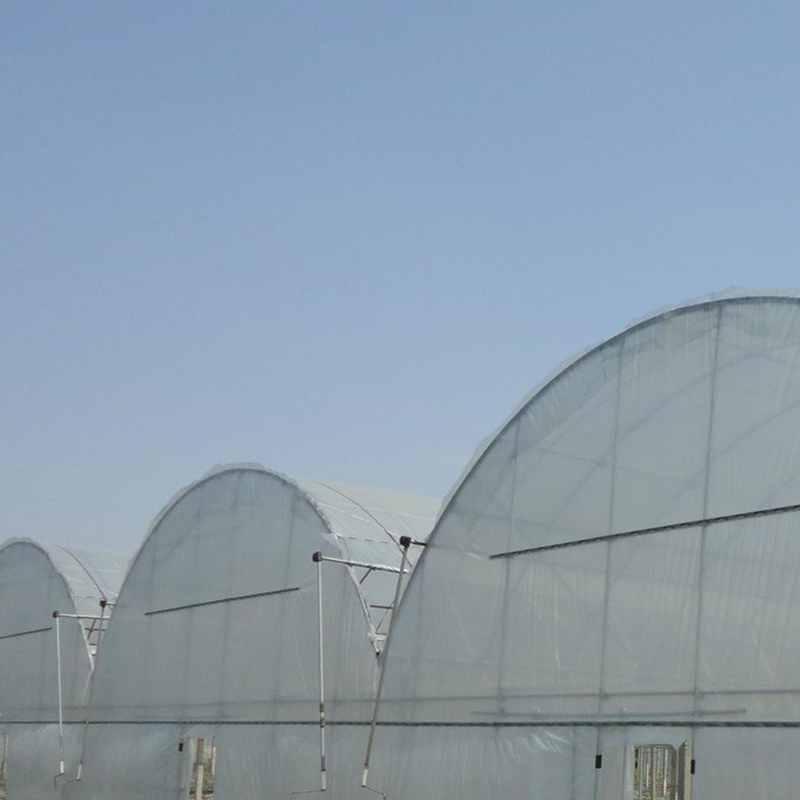
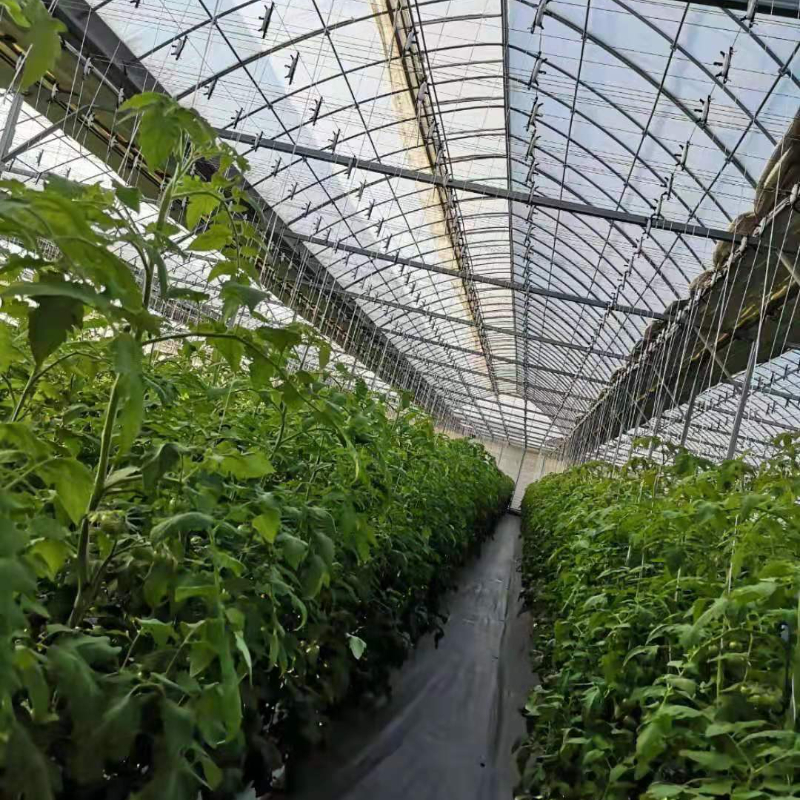
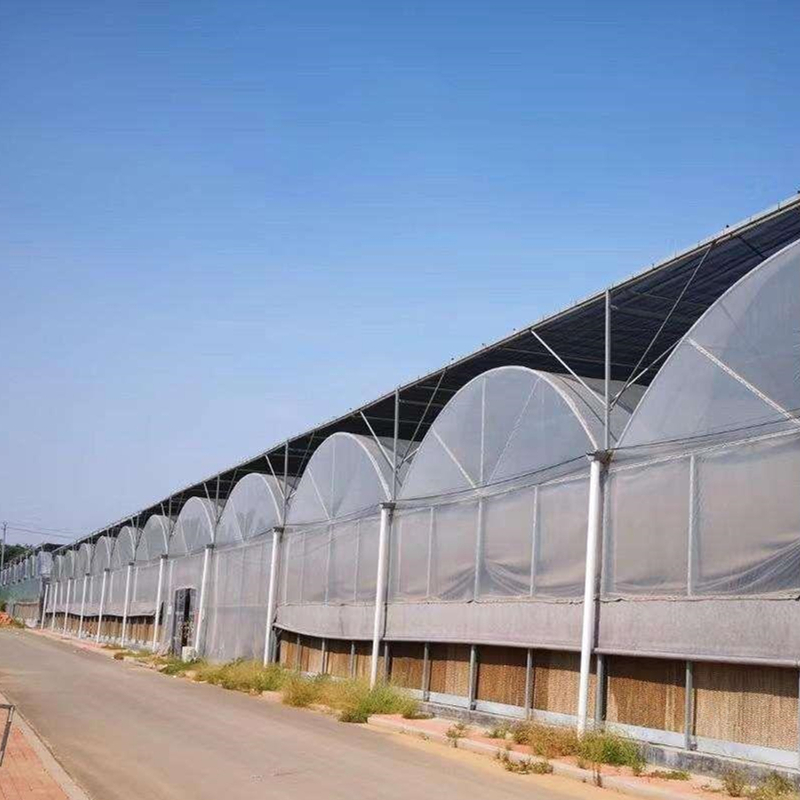
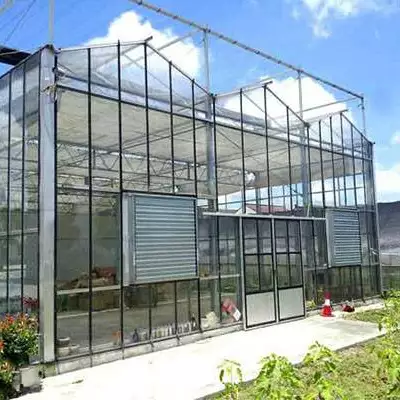
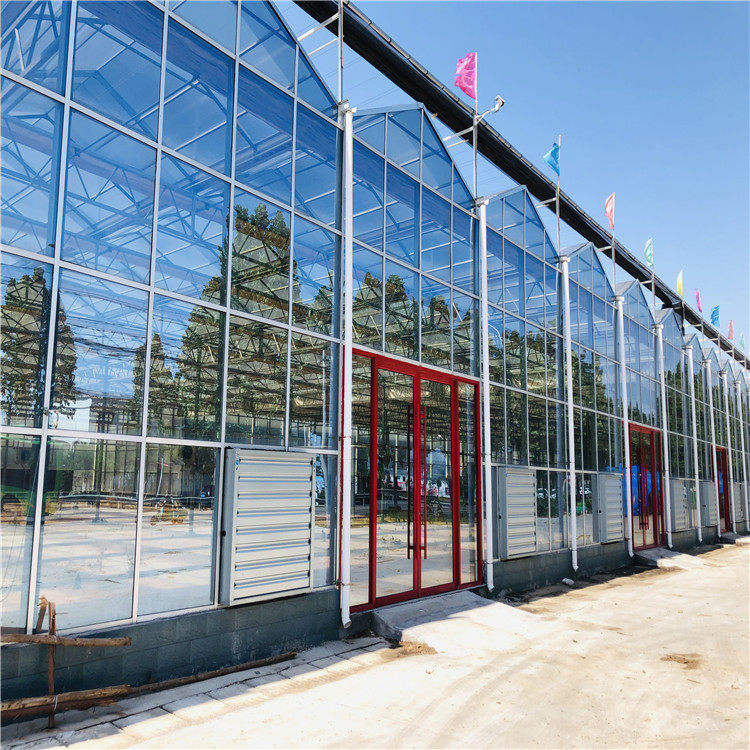
Greenhouse planting technology has revolutionized modern agriculture by enabling year-round crop production and optimizing resource efficiency. As a leader in the field, Qingzhou Jinxin Greenhouse Materials Co., Ltd. leverages cutting-edge greenhouse planting technology to address global food security challenges. This article explores key advancements and their practical implementation.
1. The Evolution of Greenhouse Planting Technology
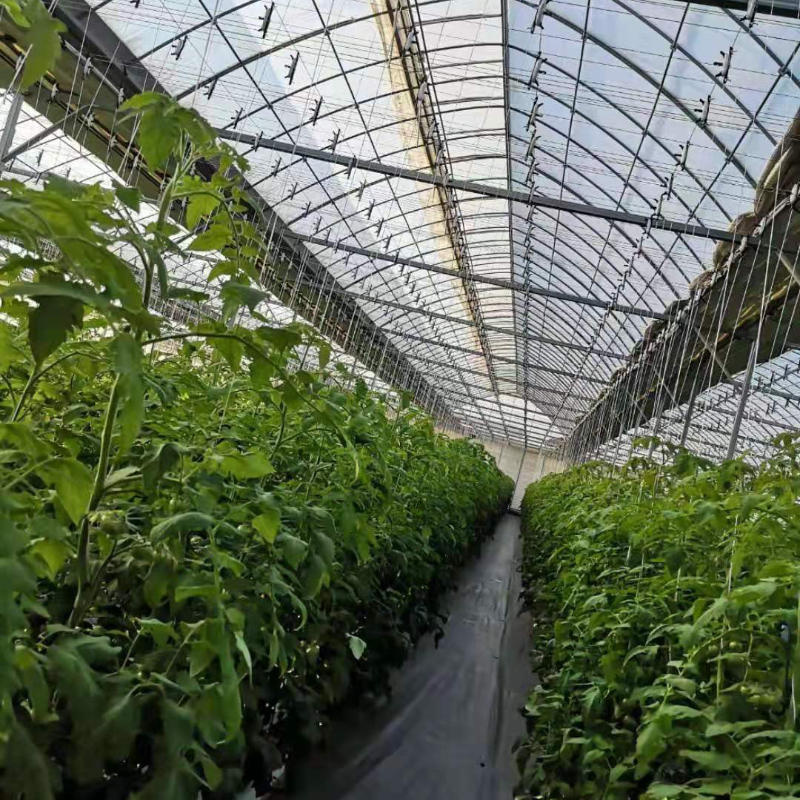
Traditional greenhouse methods focused primarily on basic temperature and humidity control. However, modern greenhouse planting technology integrates automation, data analytics, and energy-efficient systems. For example, intelligent climate control systems regulate temperature, CO₂ levels, and light exposure to mimic ideal growing conditions.Qingzhou Jinxin, founded in 2009, has been at the forefront of adopting these innovations, developing smart greenhouse systems that enhance crop resilience and yield.
2. Core Technologies in Modern Greenhouses
Advanced greenhouse planting technology encompasses multiple subsystems:
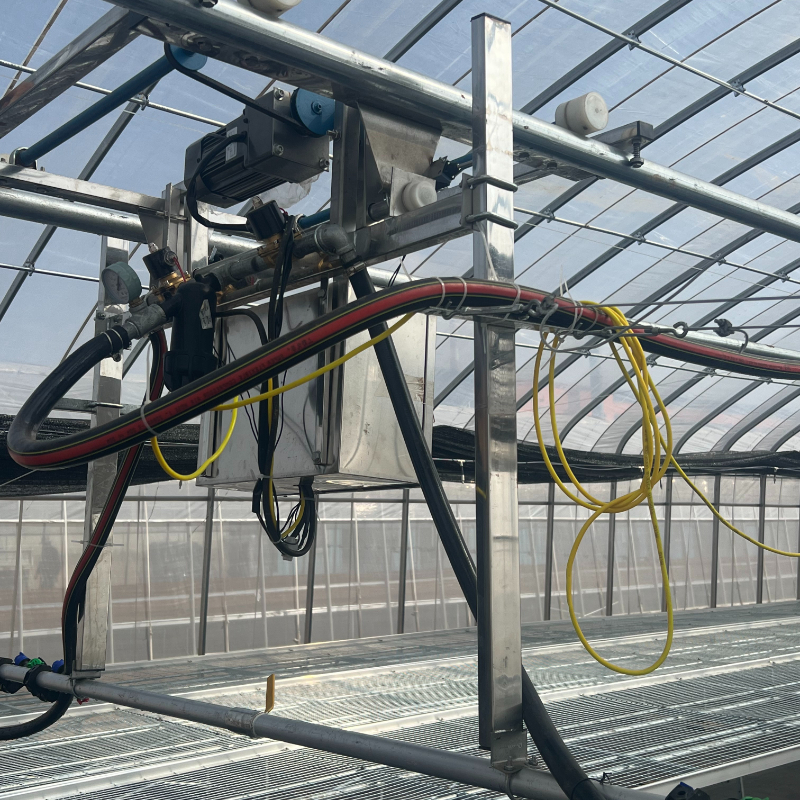
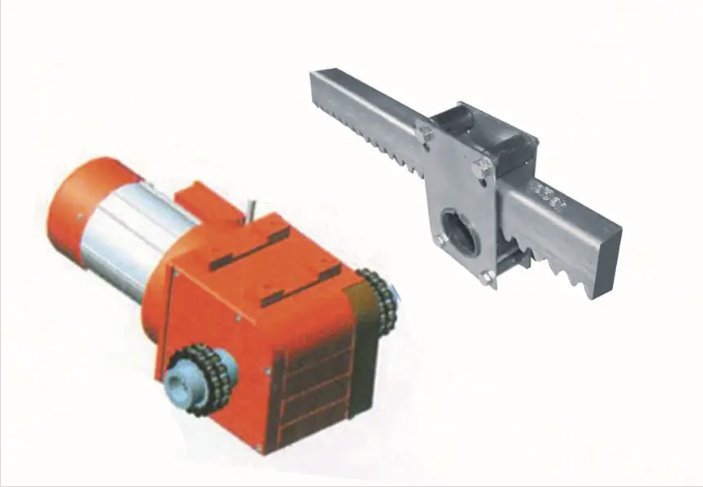
Climate Control: Automated vents, heaters, and shade screens maintain optimal environments. Companies like Ridder provide drive systems to manage humidity and temperature precisely.
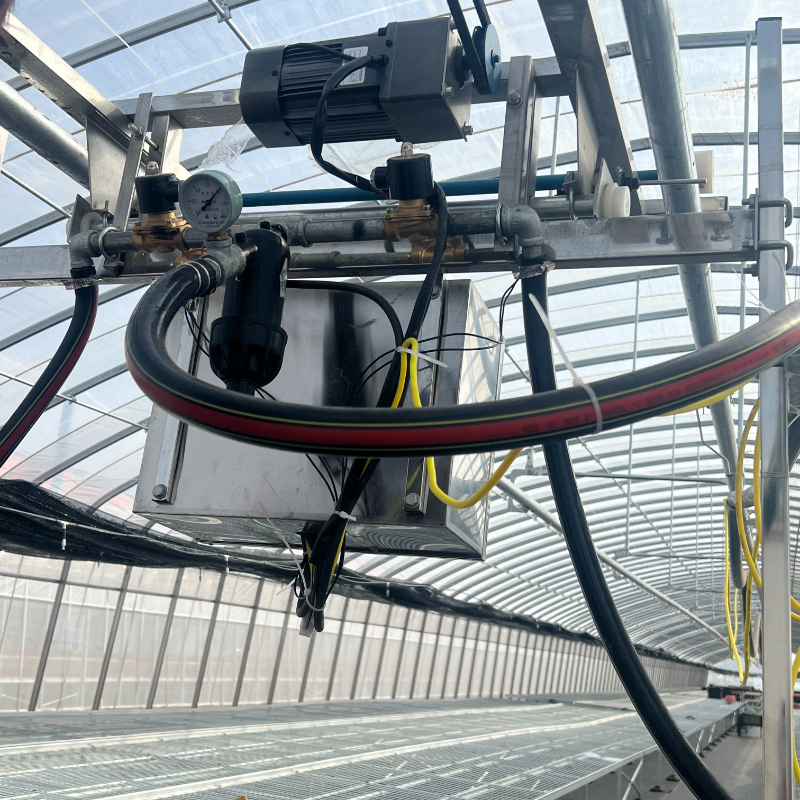
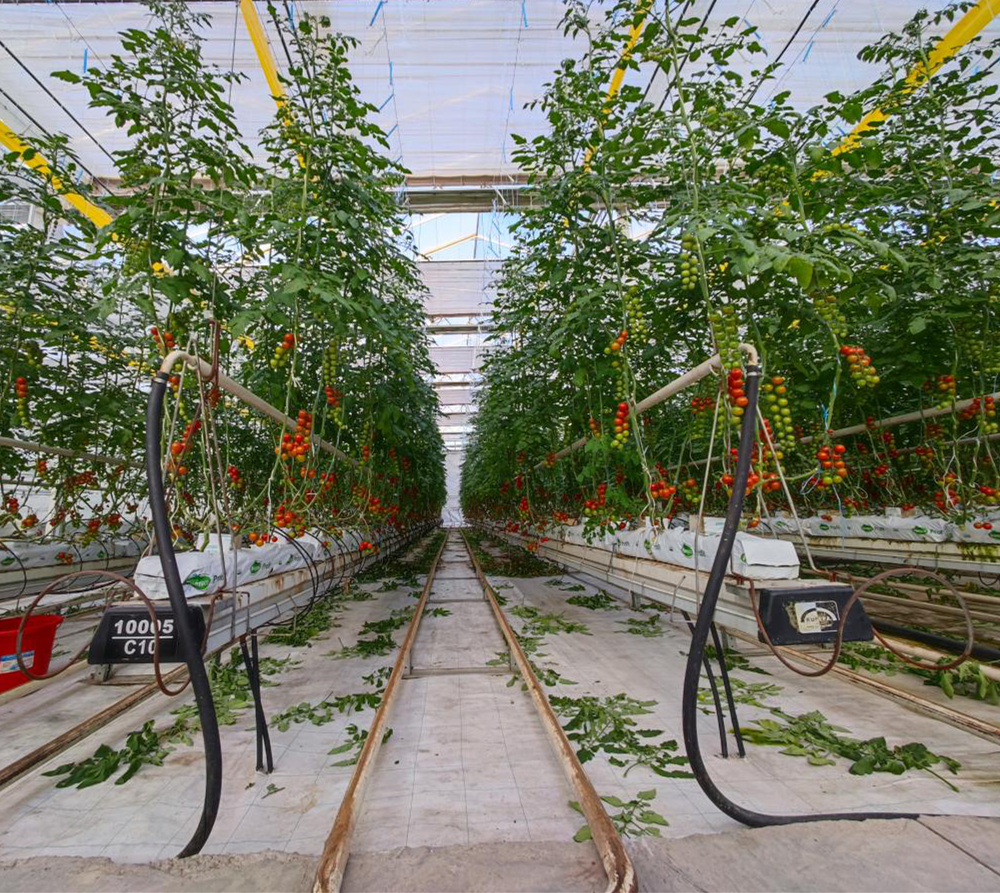
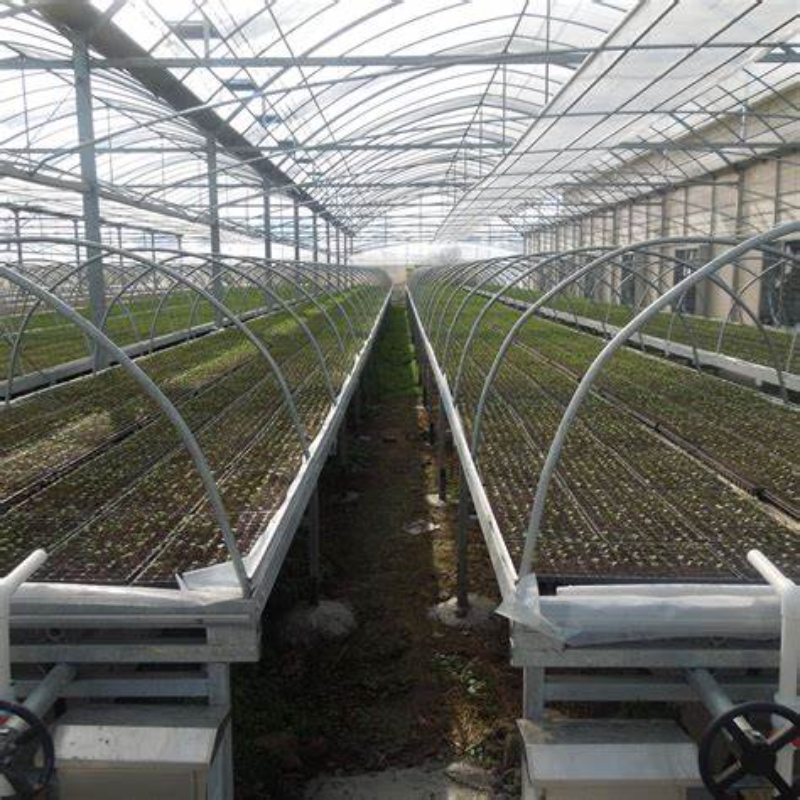
Hydroponics and Irrigation: Water-efficient hydroponic systems reuse irrigation water, reducing consumption by up to 90%. Jinxin’s projects incorporate drip irrigation and nutrient delivery mechanisms for soil-less cultivation.
Robotics and Automation: Automated transplanting systems, such as dual-row end effectors, increase efficiency. Research shows these devices can achieve a transplanting success rate of 95.8%. Jinxin collaborates with academic institutions to refine such tools for commercial use.
3. Qingzhou Jinxin’s Contributions to Greenhouse Technology
As a high-tech enterprise, Jinxin specializes in designing integrated solutions for greenhouse planting technology. Their services include:
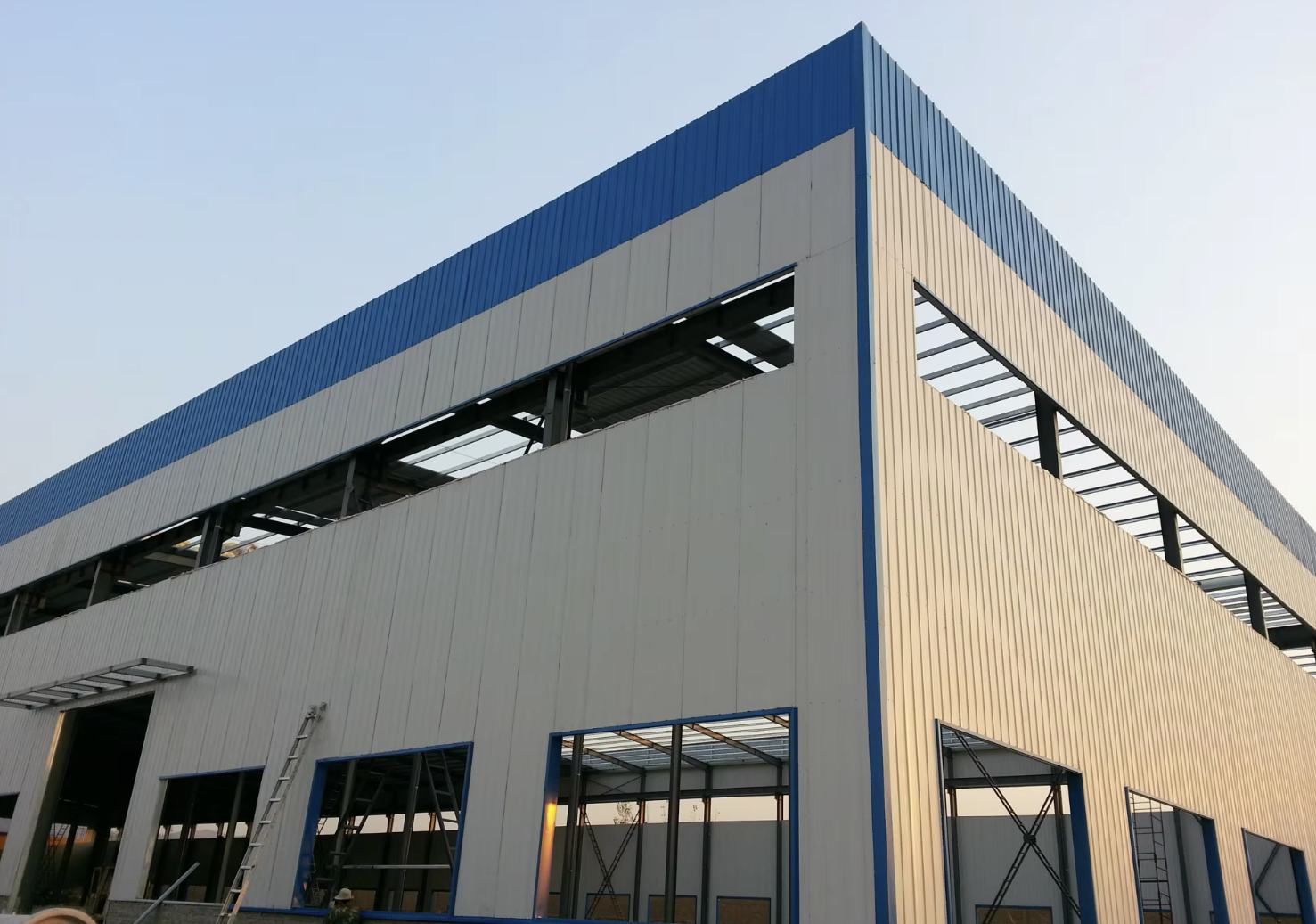
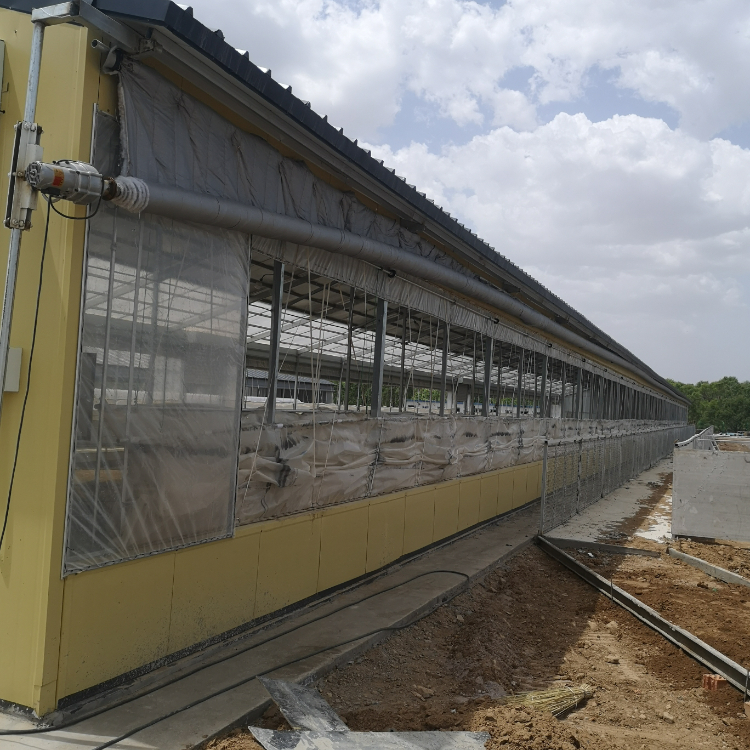
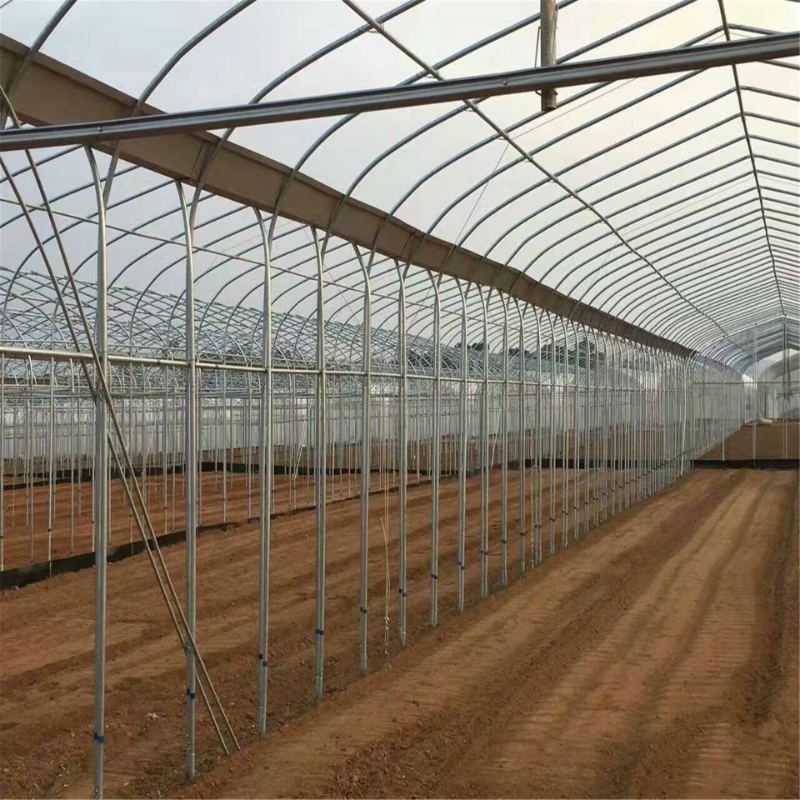
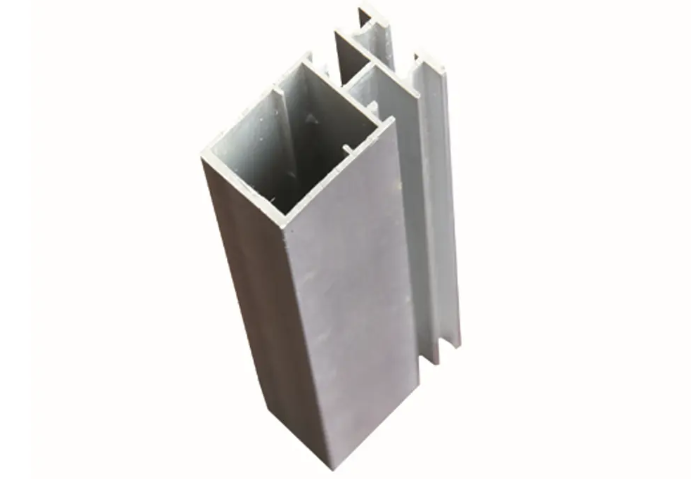
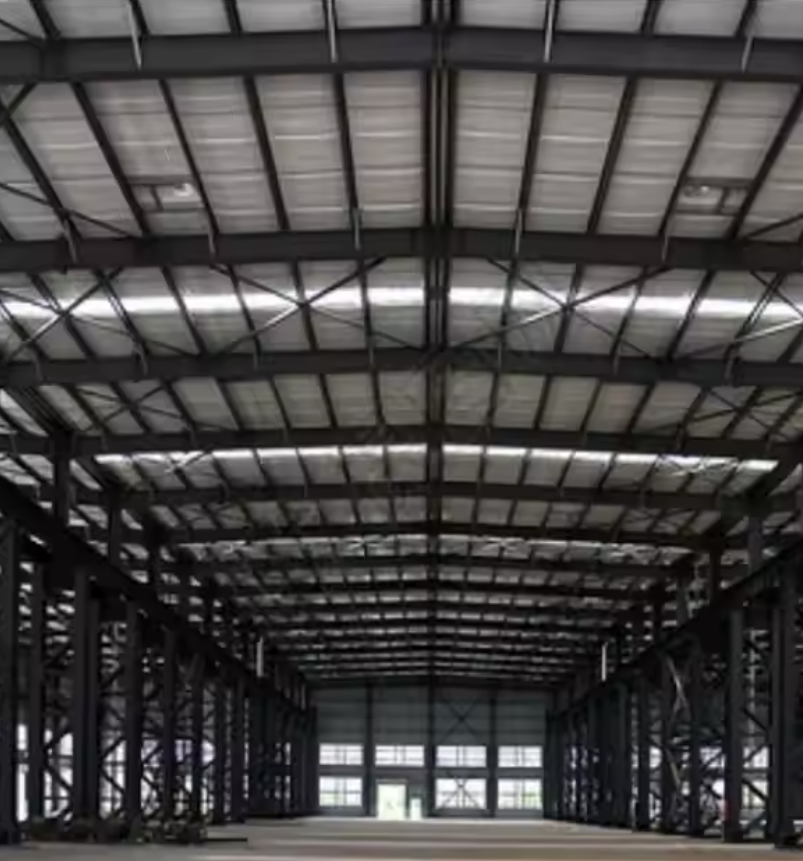
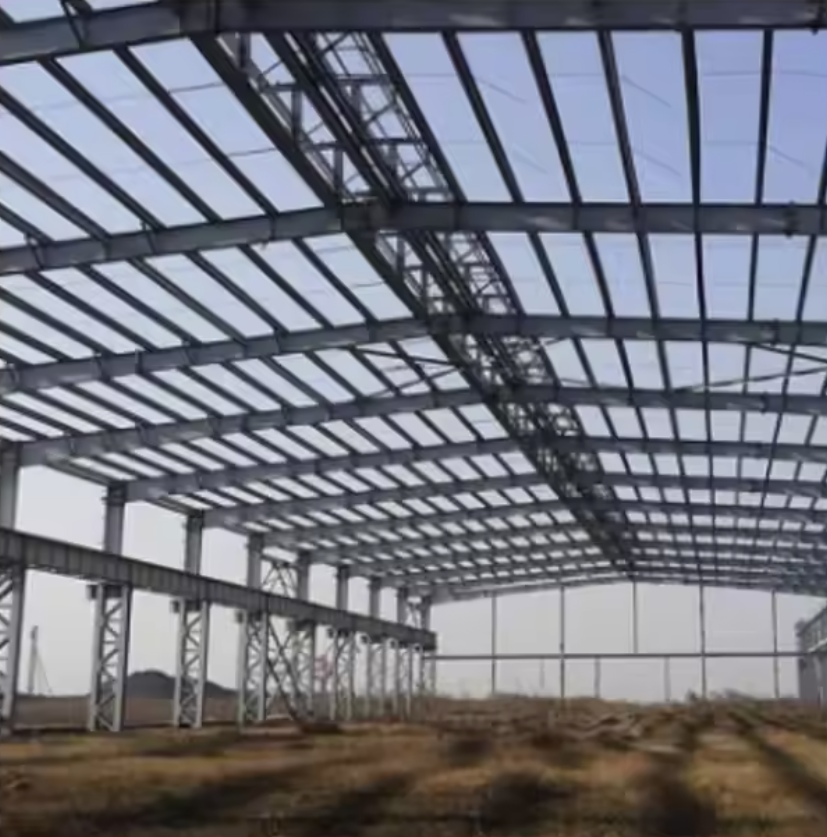
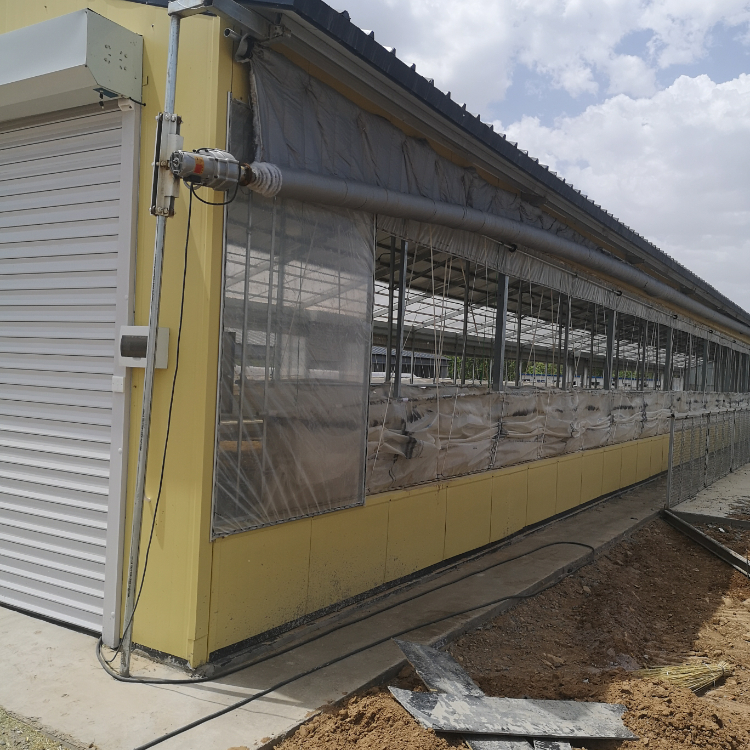
Customized greenhouse construction using durable materials like galvanized steel.
IoT-based monitoring systems that track soil moisture, light intensity, and pest activity.
R&D partnerships with universities to advance energy-saving technologies.
These efforts have enabled Jinxin to execute projects in over 20 countries, supporting diverse climates and crops.
4. Challenges and Sustainable Solutions
Despite its benefits, greenhouse planting technology faces hurdles like high energy costs and technical complexity. Jinxin addresses these through:
Solar-powered climate systems to minimize carbon footprints.
Training programs for farmers on operating automated equipment.
Modular designs that reduce installation costs and adaptability to local conditions.
5. Future Trends in Greenhouse Planting Technology
The future of greenhouse planting technology lies in AI and sustainability. Emerging trends include:
AI-driven predictive analytics for disease prevention.
Closed-loop water systems that align with circular economy goals.
Lightweight, UV-resistant covering materials to improve longevity.
Jinxin’s ongoing R&D initiatives, such as graphene-enhanced materials, aim to set new benchmarks for the industry.
Greenhouse planting technology is pivotal to achieving agricultural sustainability. Qingzhou Jinxin Greenhouse Materials Co., Ltd. exemplifies how innovation and practical engineering can transform theoretical concepts into scalable solutions. By continuously refining greenhouse planting technology, Jinxin empowers growers worldwide to maximize productivity while conserving natural resources.
