
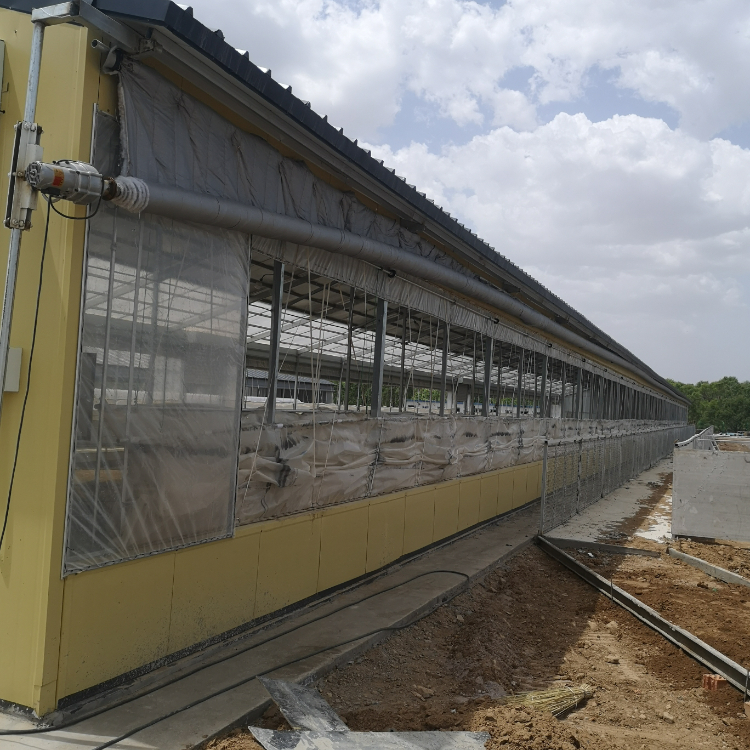
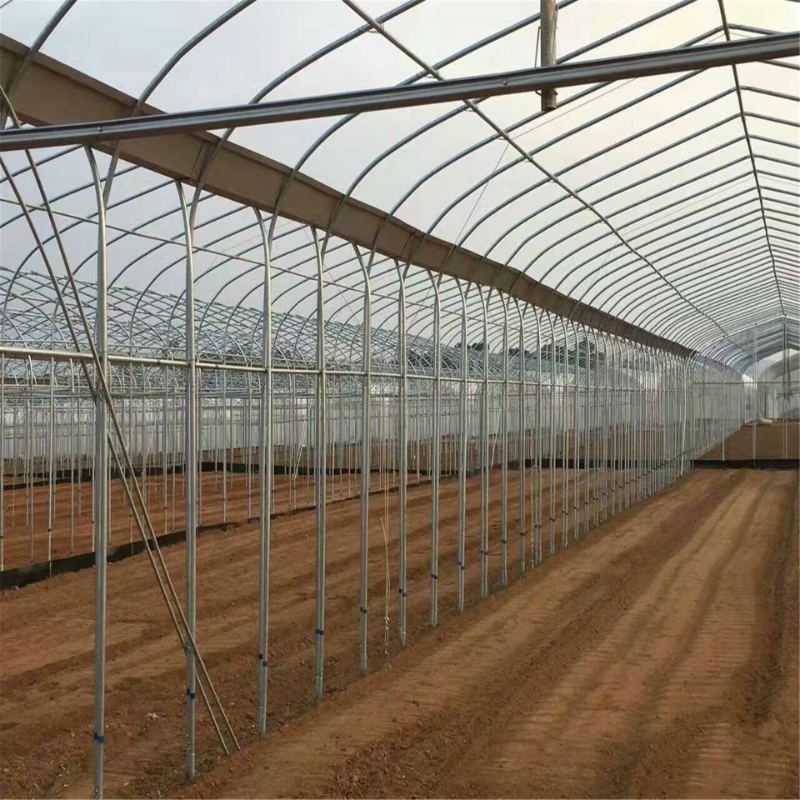
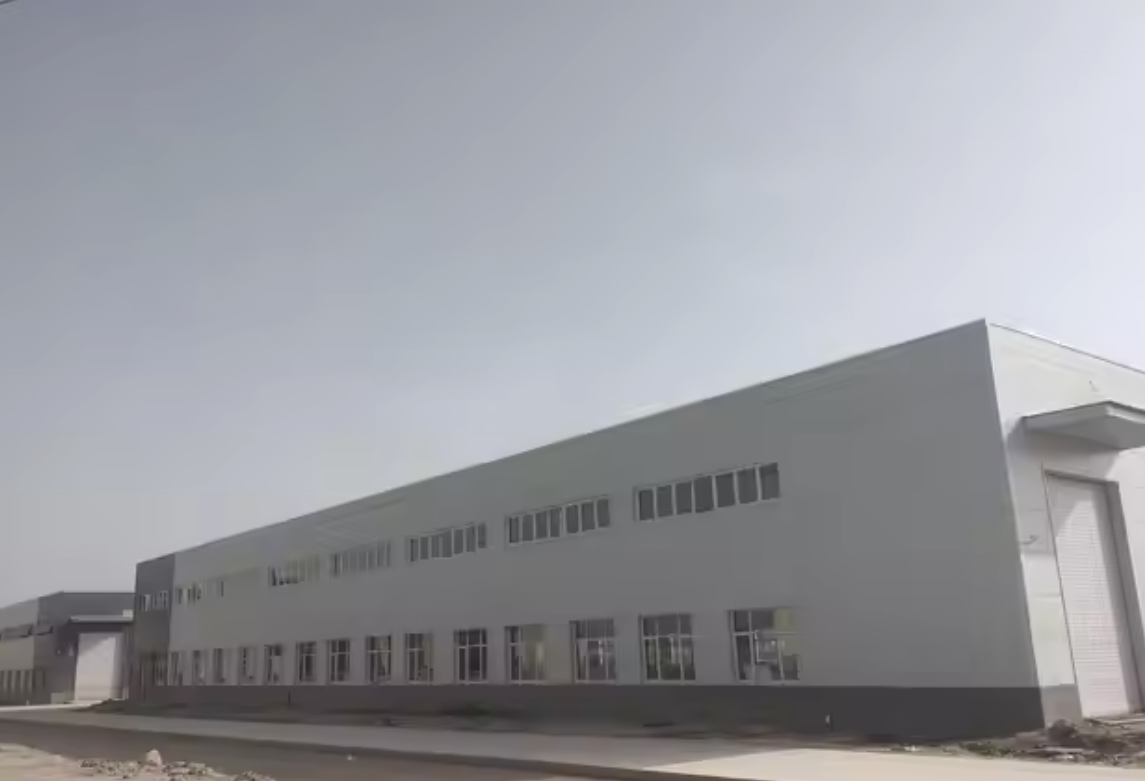
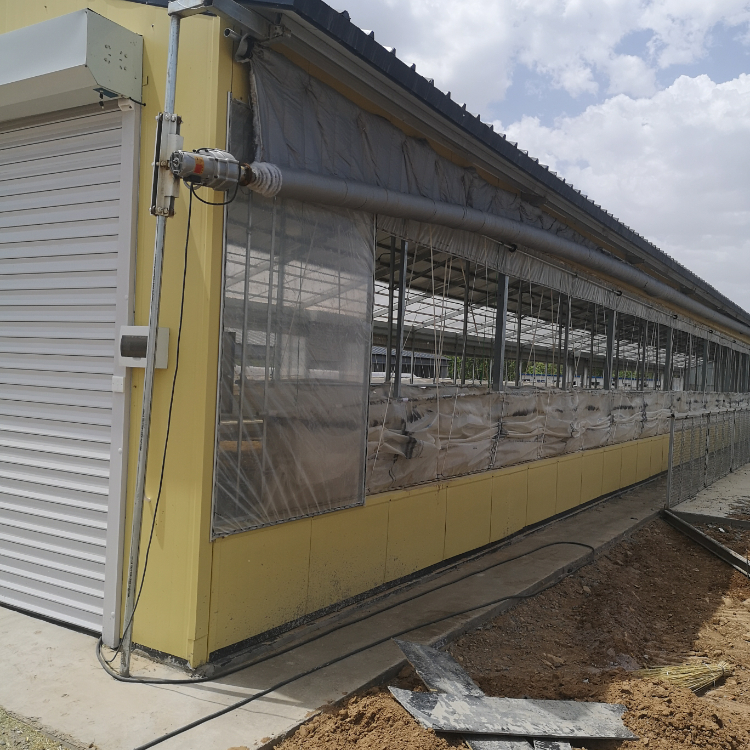
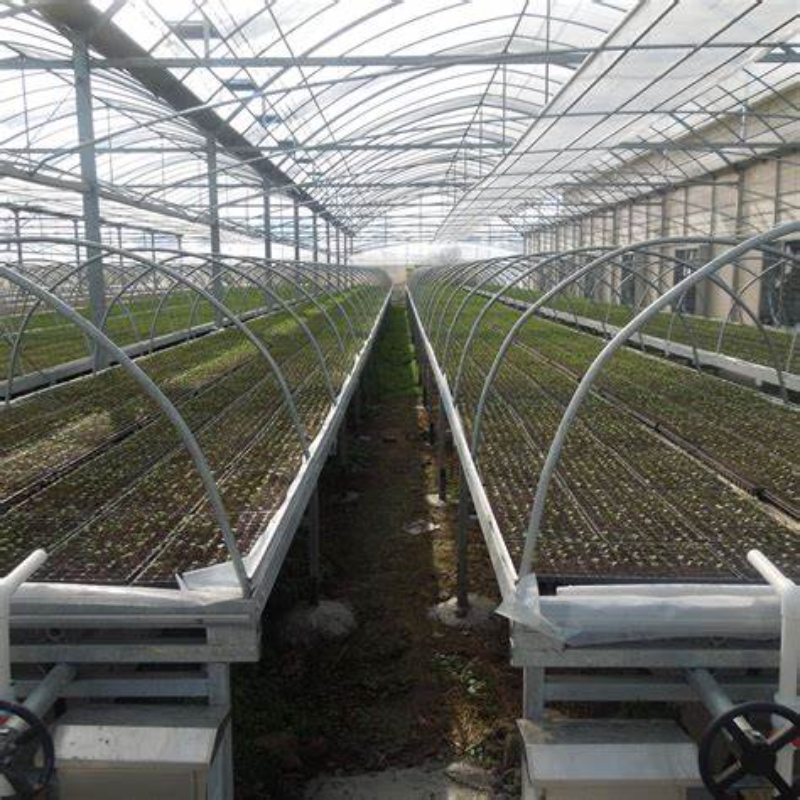
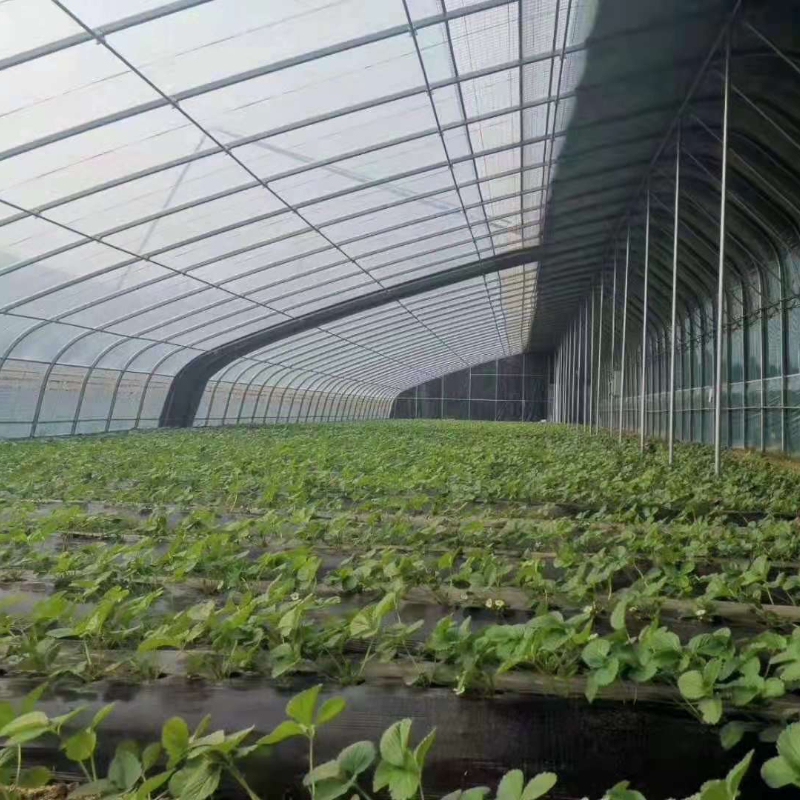
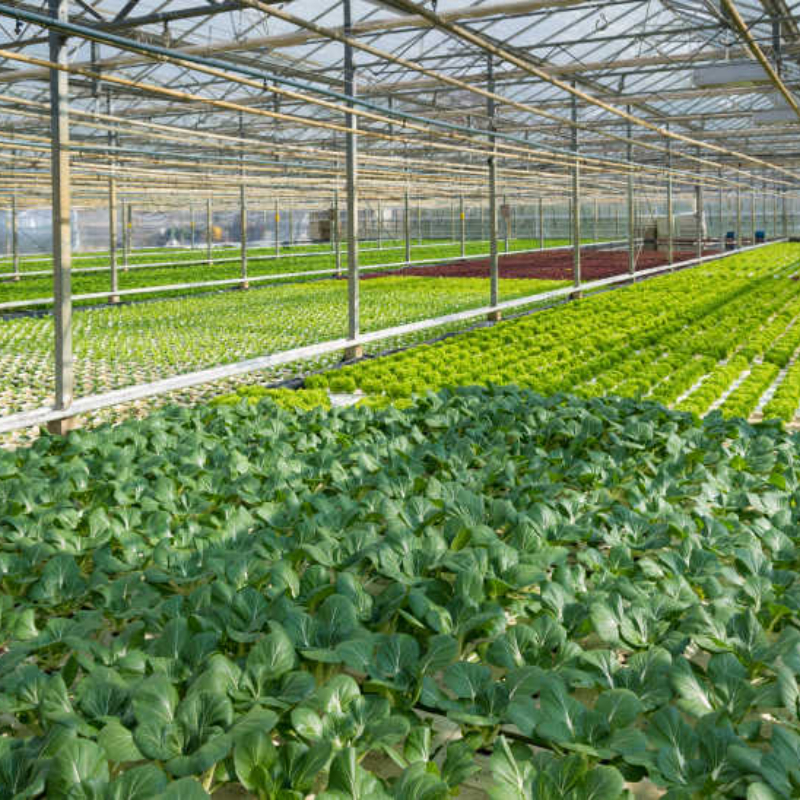
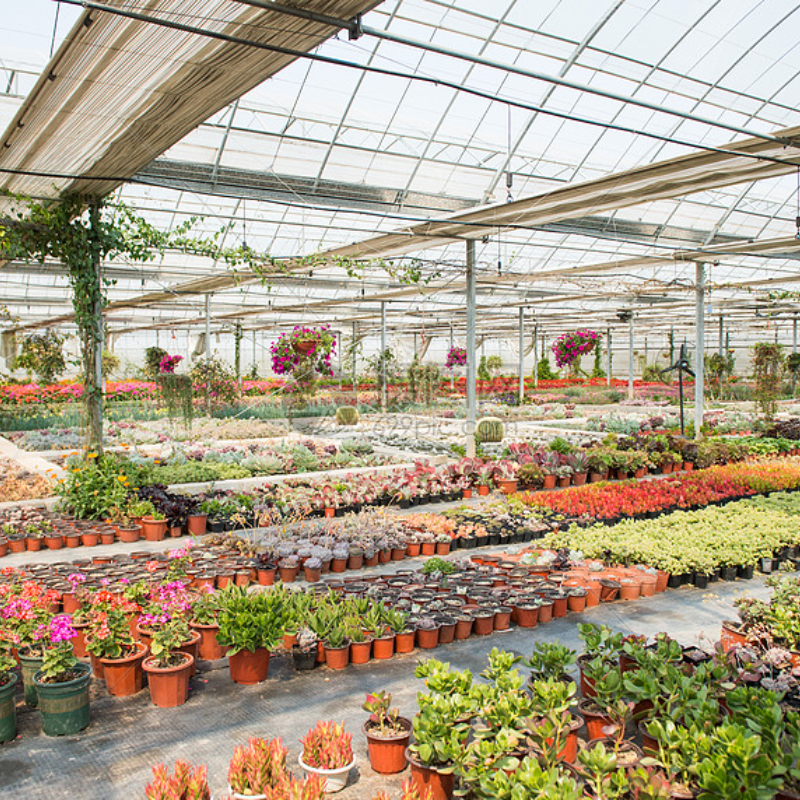
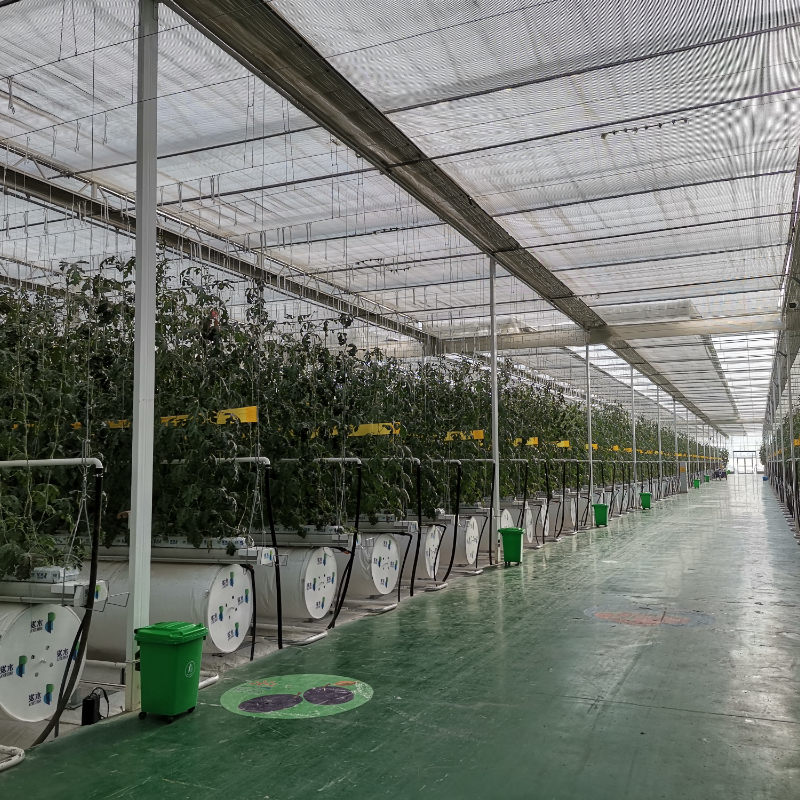
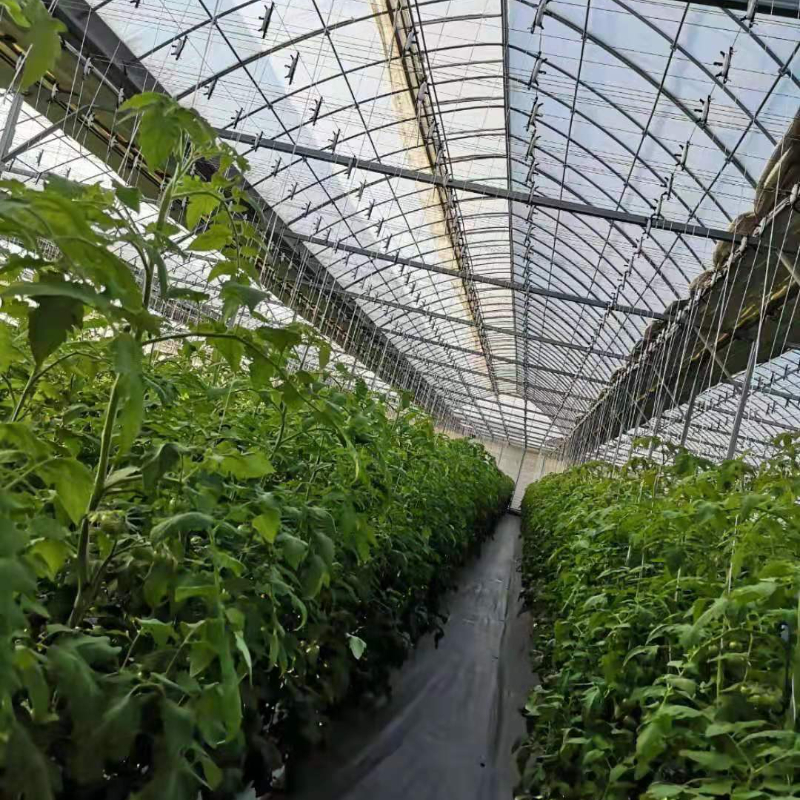
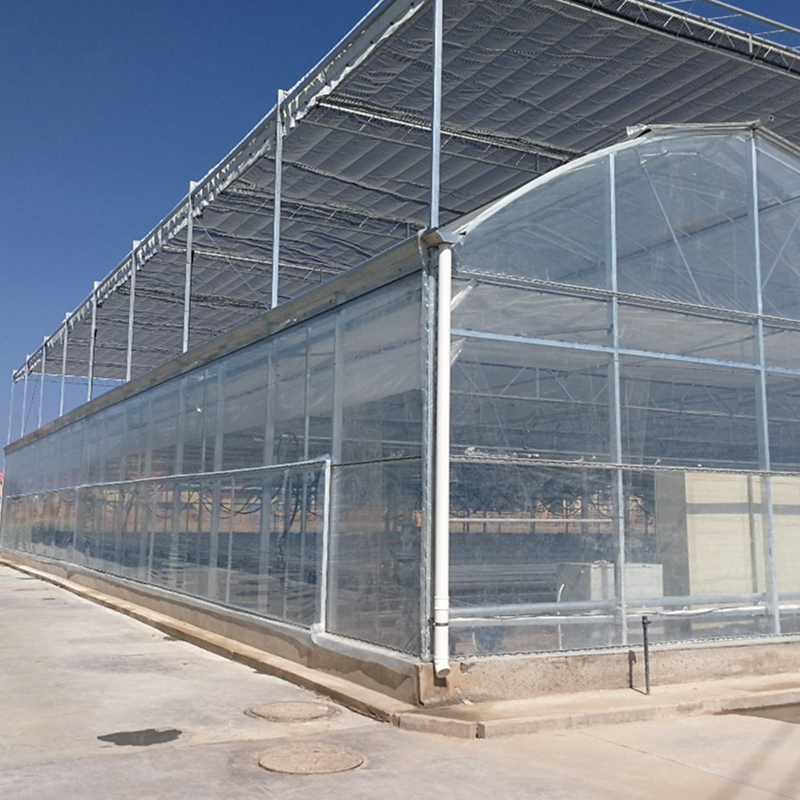
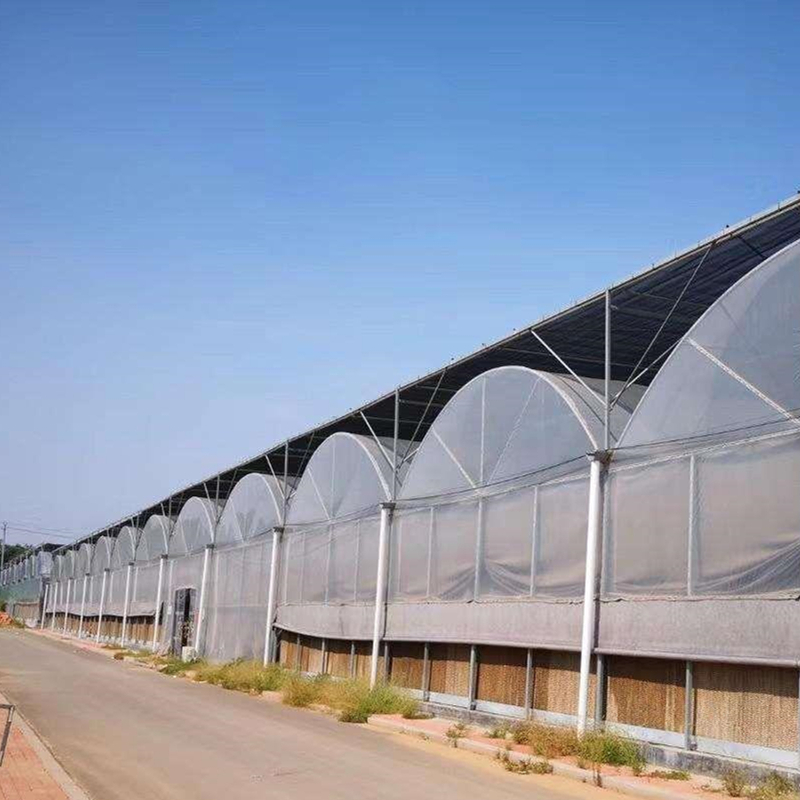
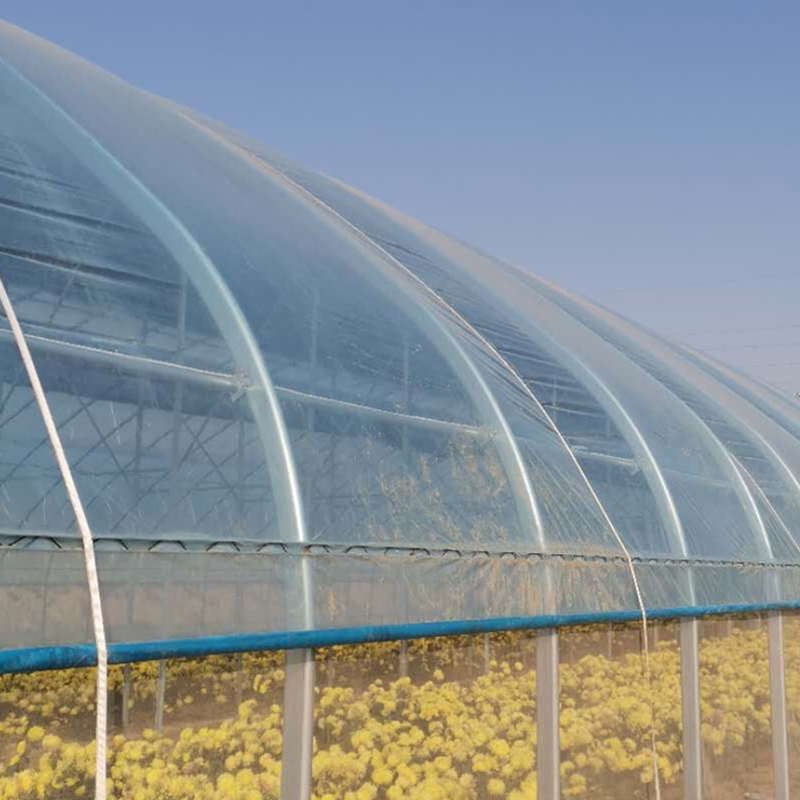
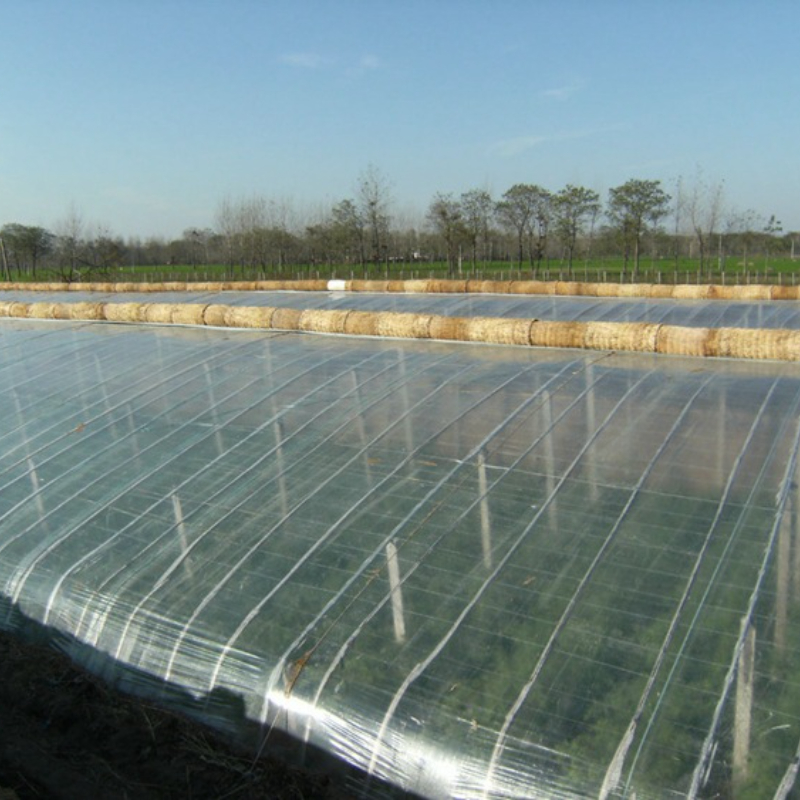
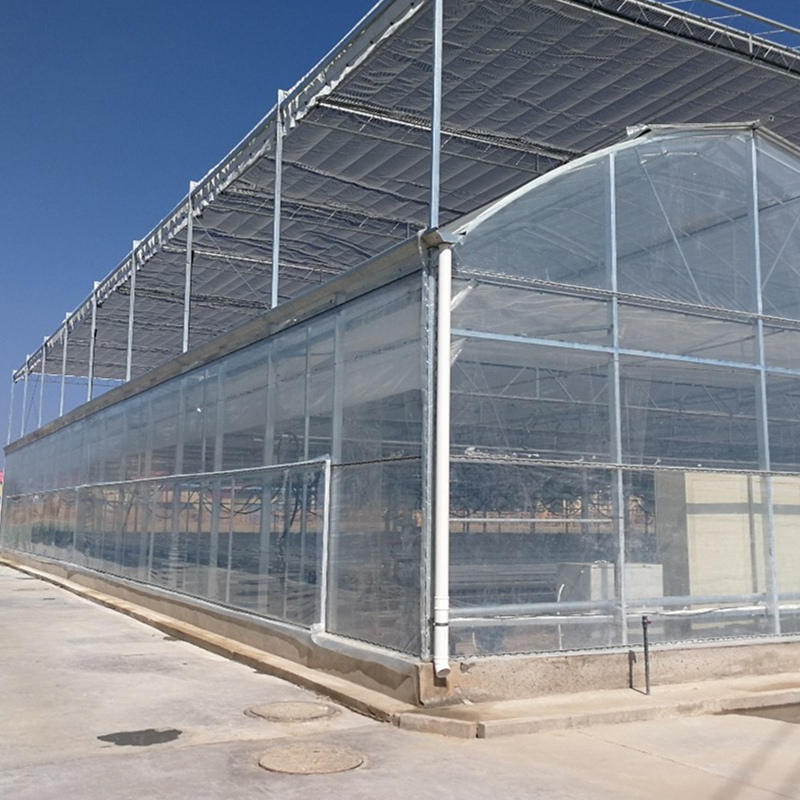
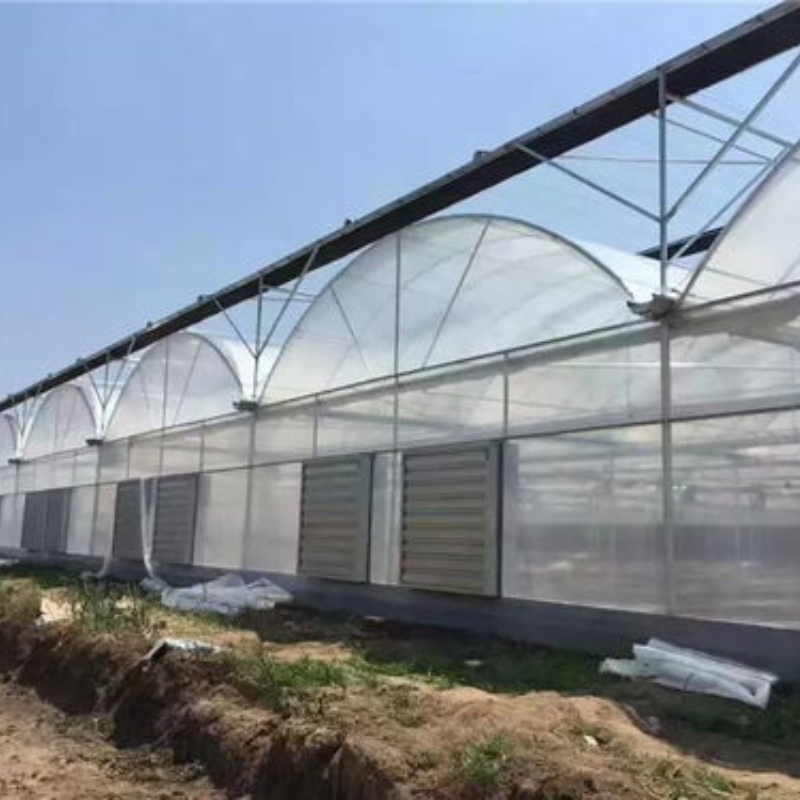
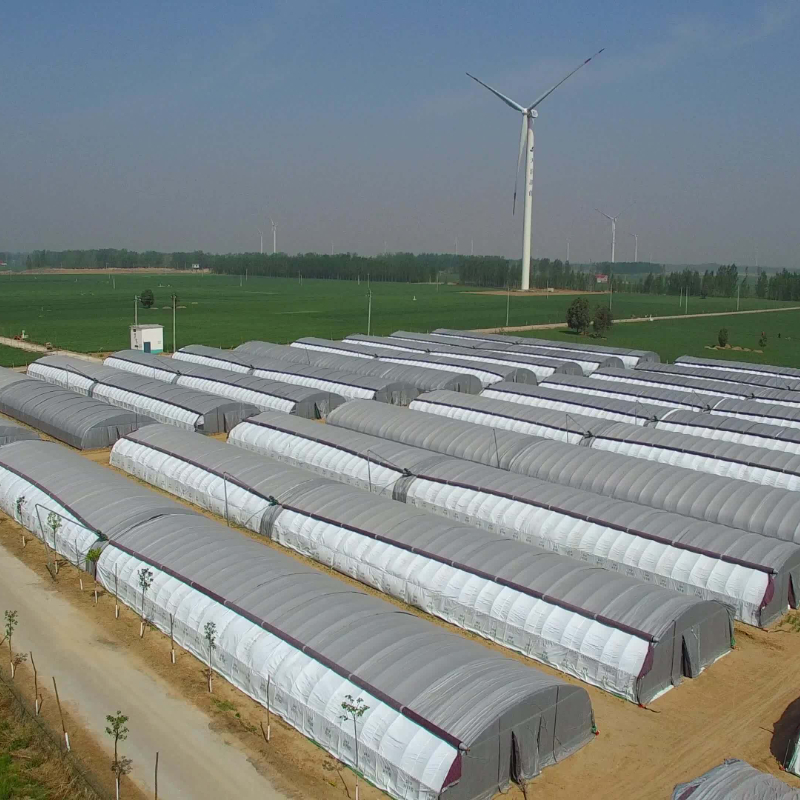
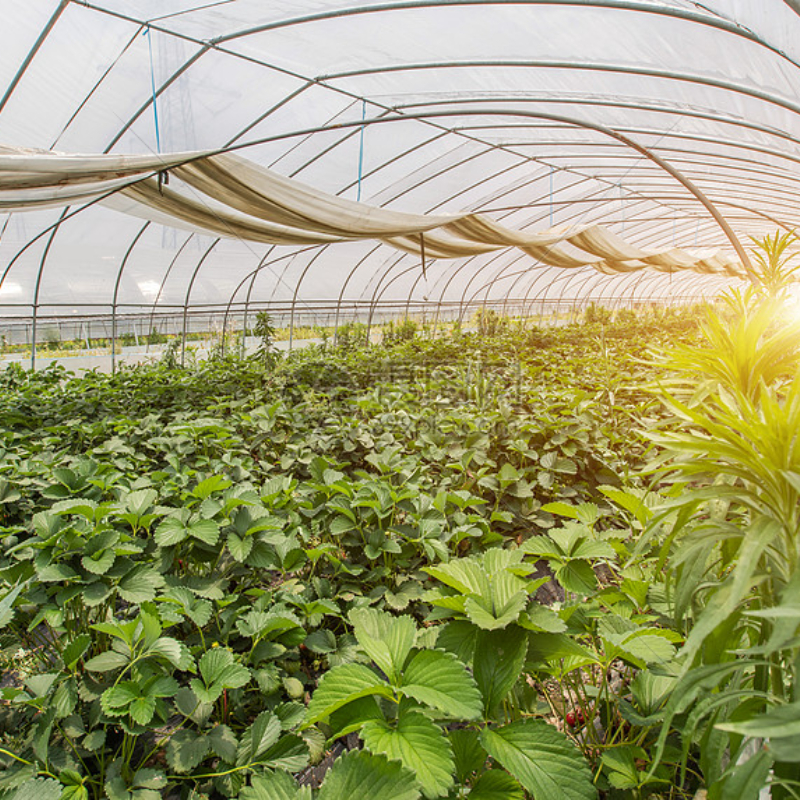
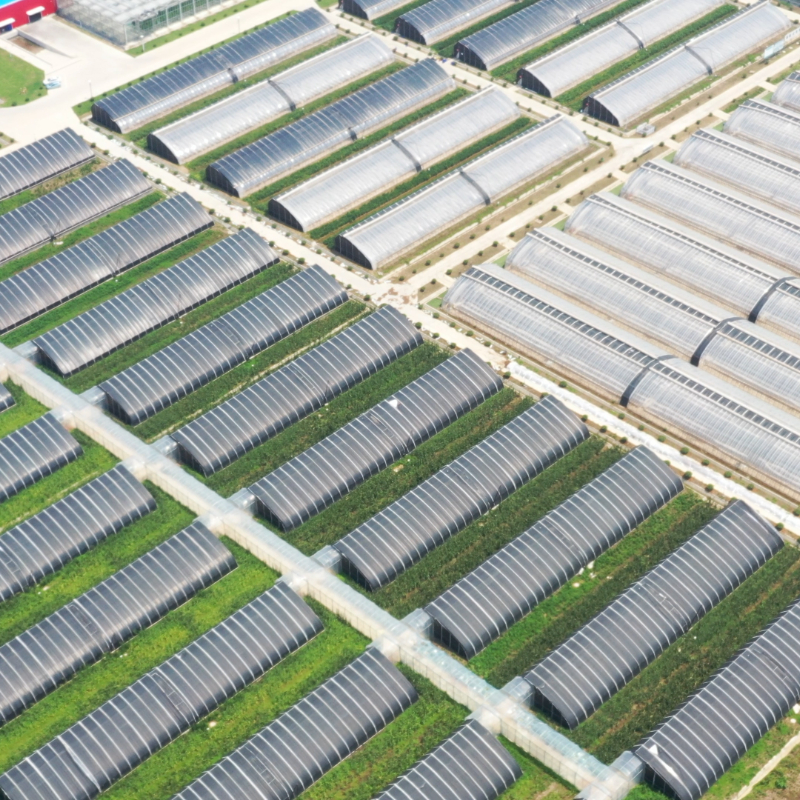
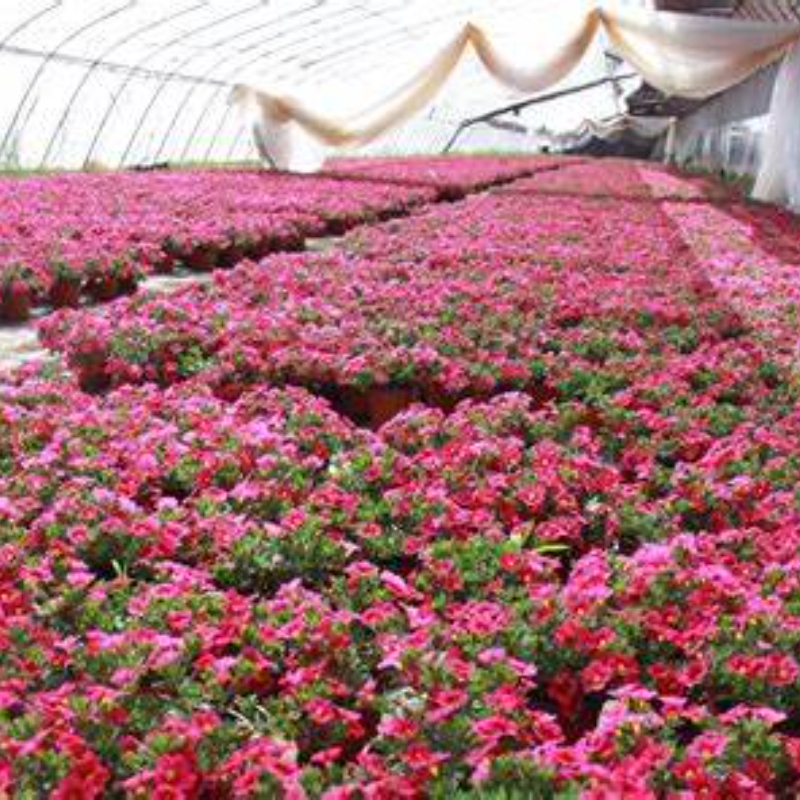
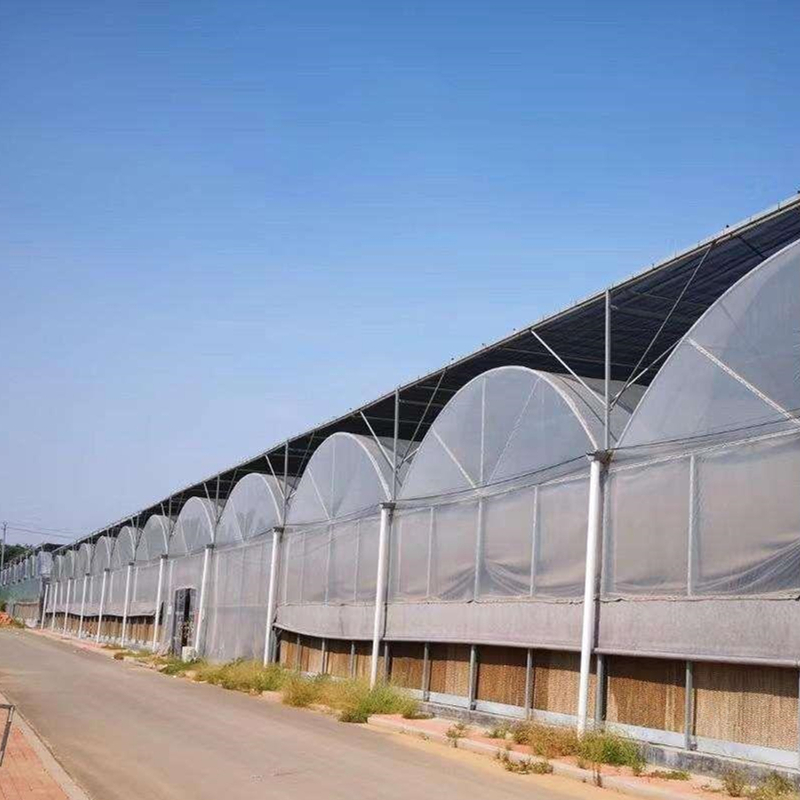
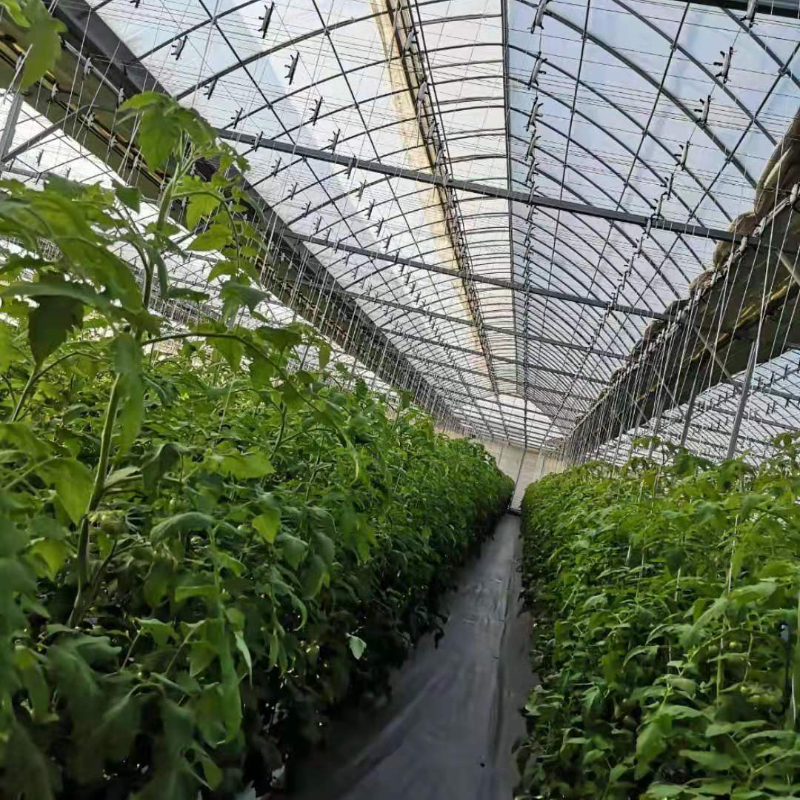
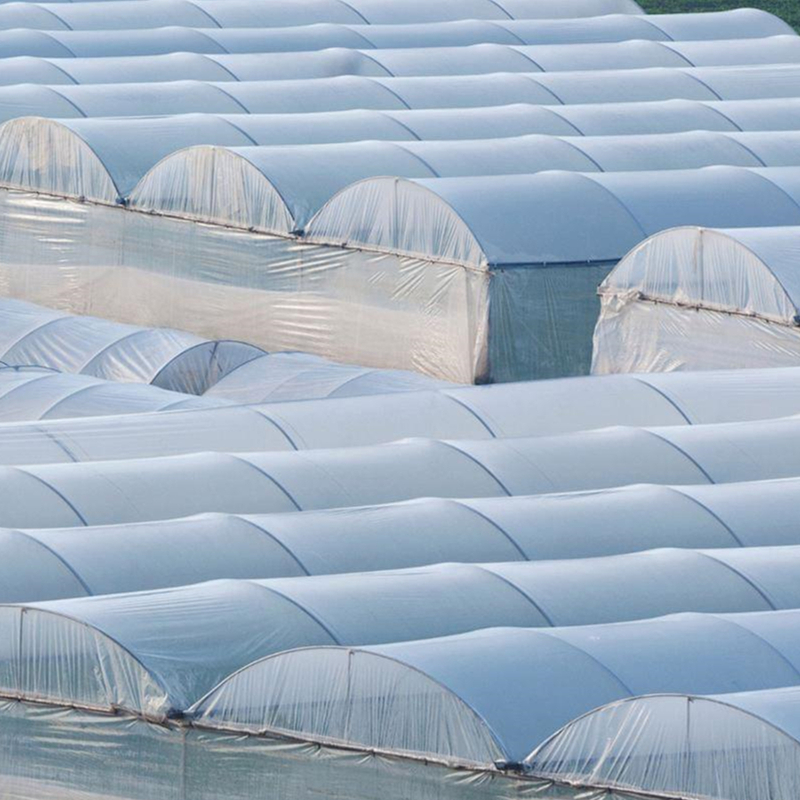
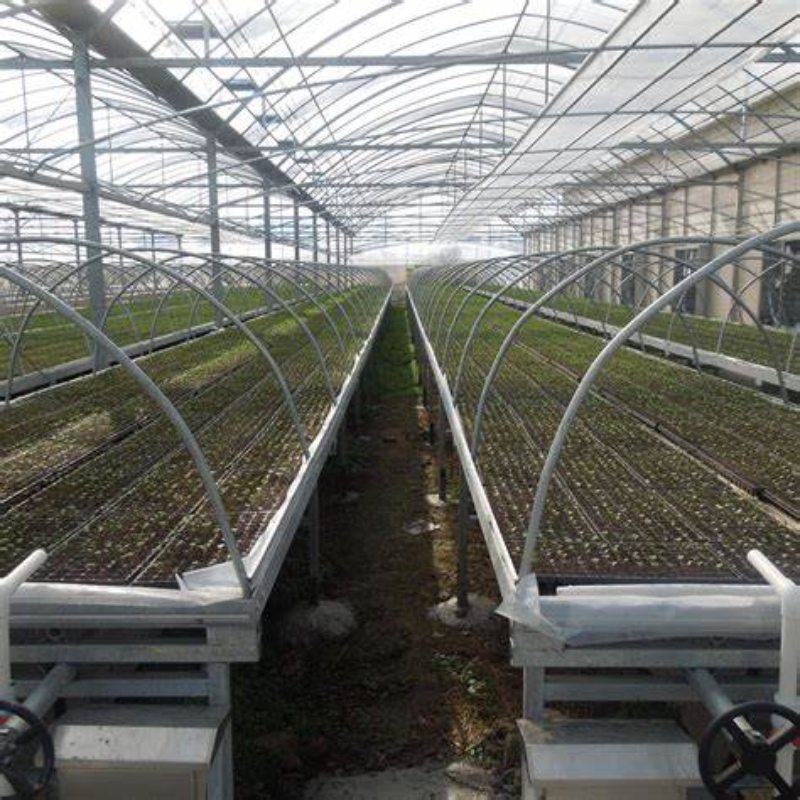
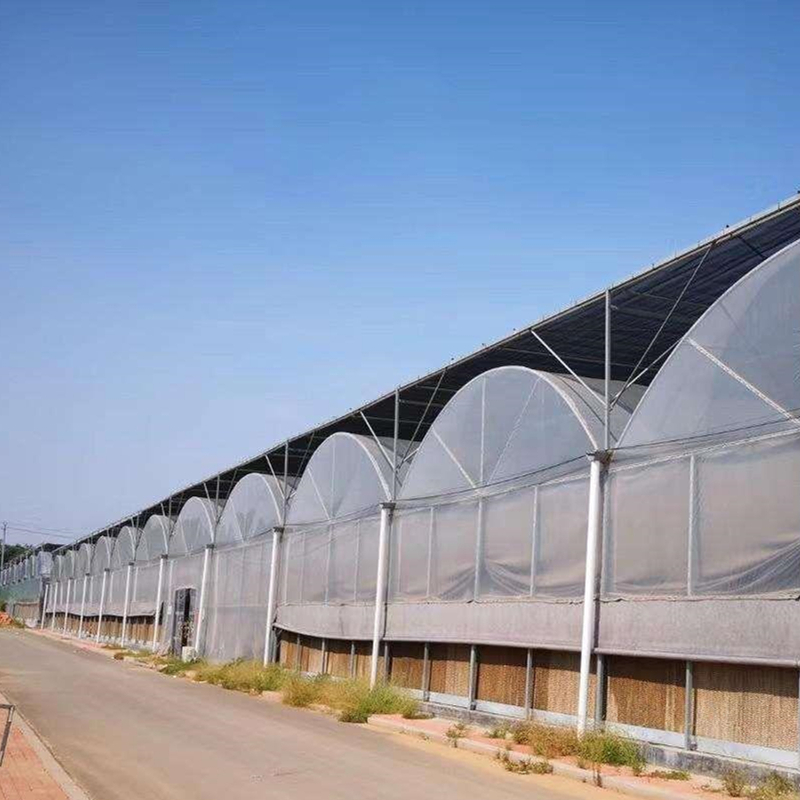
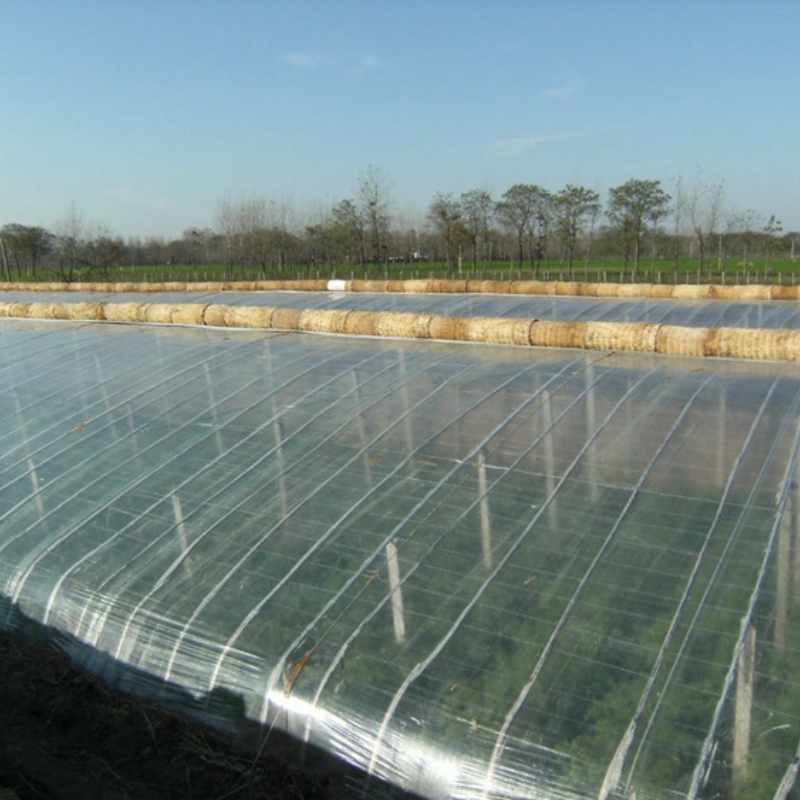
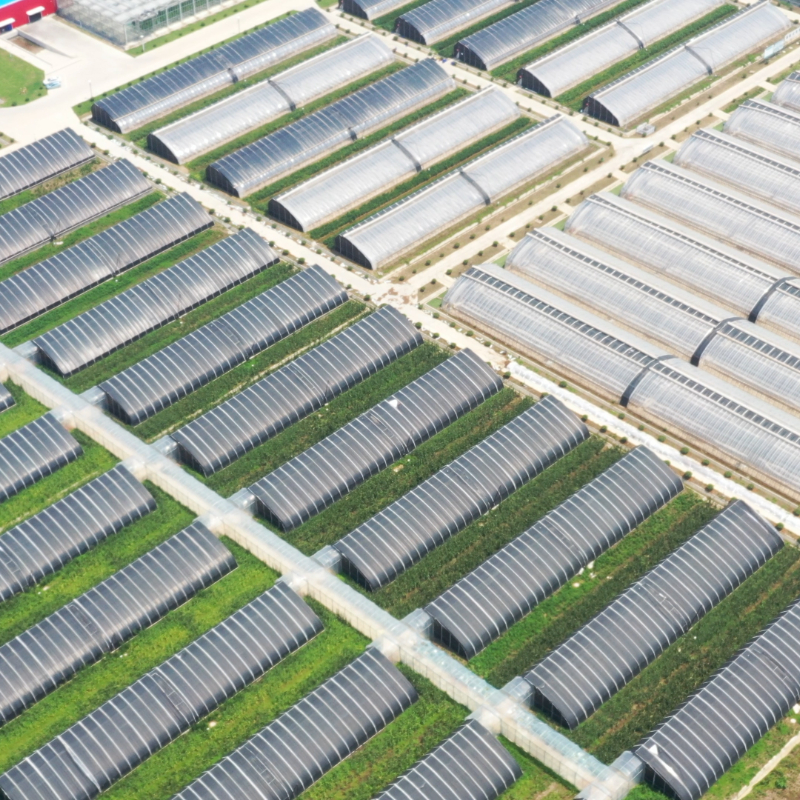
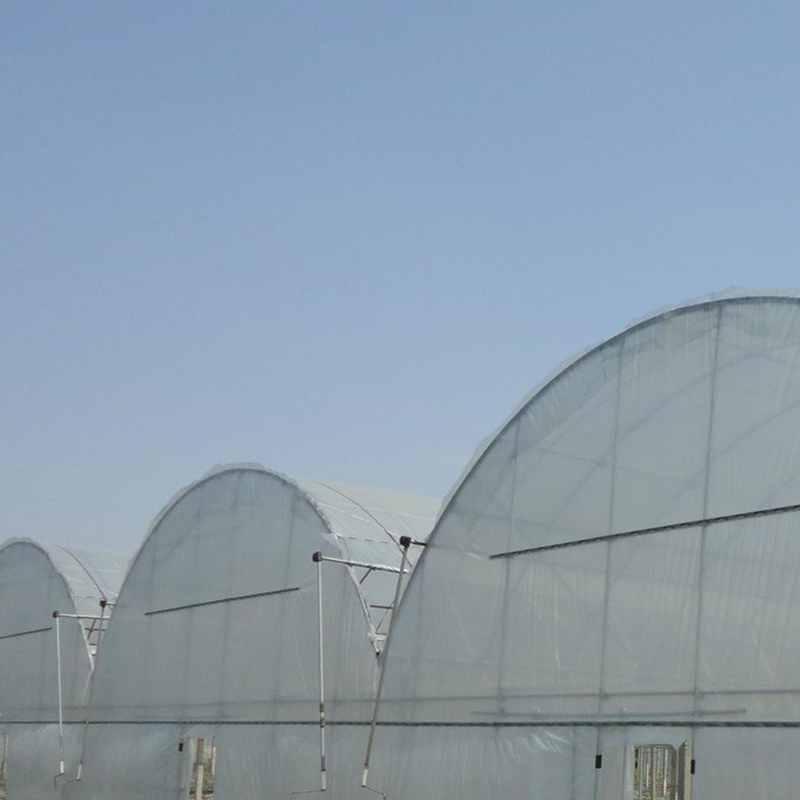
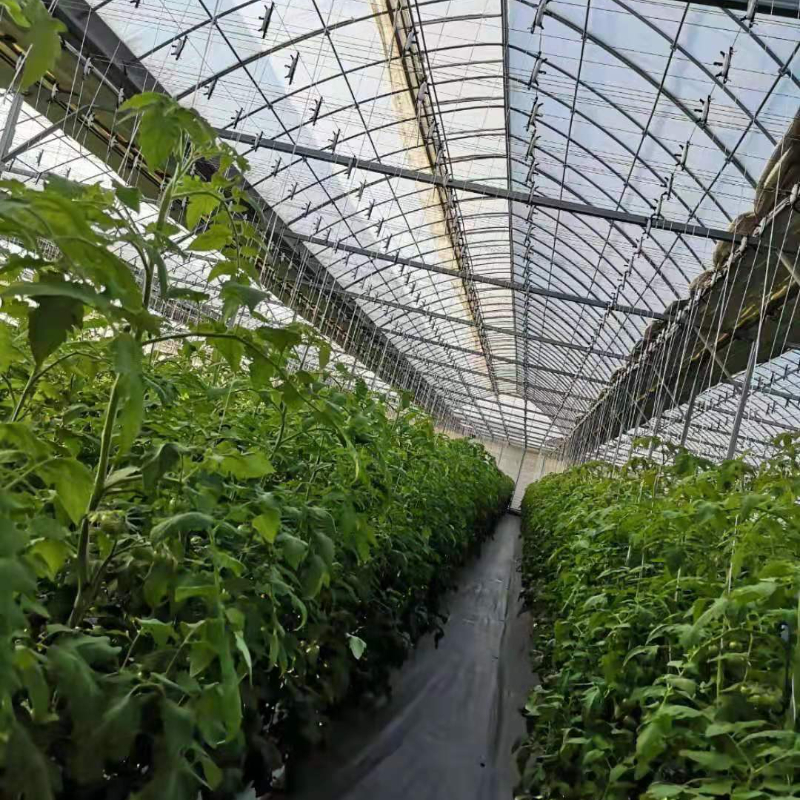
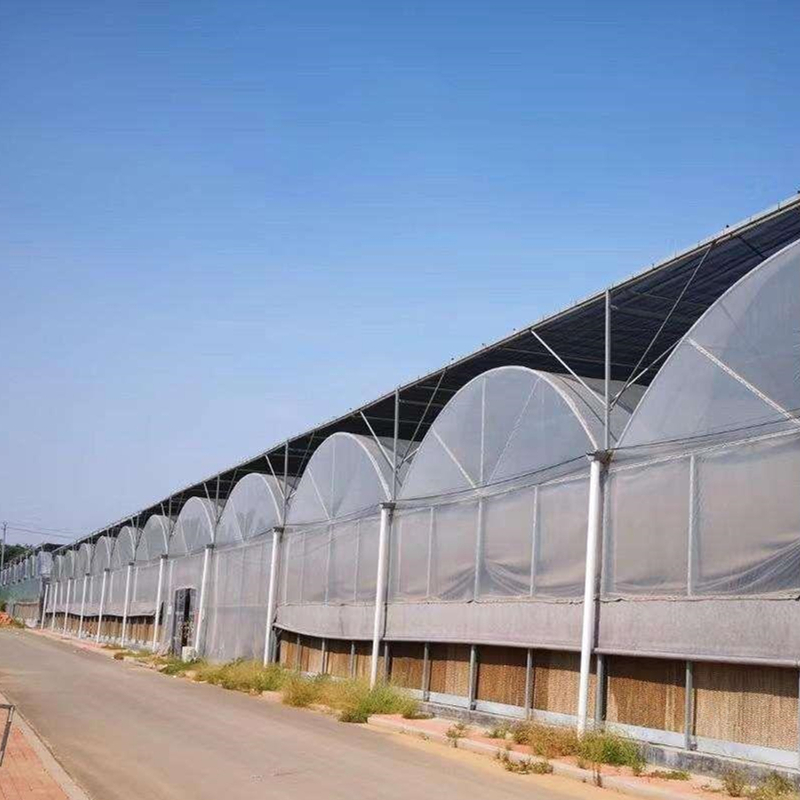
Sustainable agriculture is no longer a choice but a necessity in today’s world, and green houses designs integrated with agriculture intelligent technologies and grow rack system are leading the way in this transformation. For regions with low光照, geothermal energy, and power plant waste heat, these green houses designs—when paired with advanced grow rack system and agriculture intelligent solutions—deliver exceptional yields while minimizing environmental impact. The repeated focus on green houses designs, grow rack system, and agriculture intelligent technologies underscores their critical role in achieving sustainable agriculture goals.
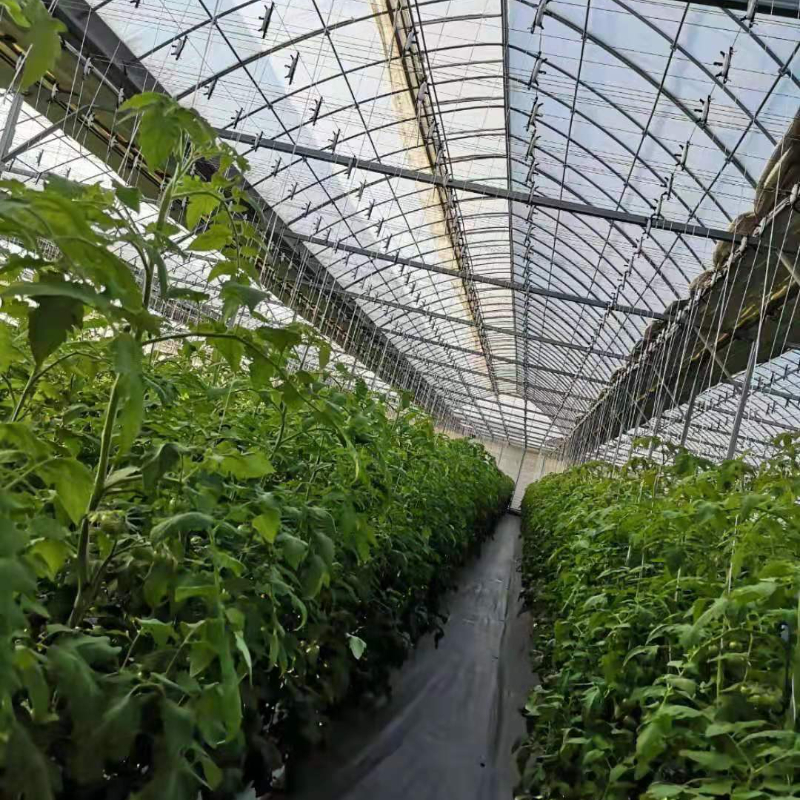
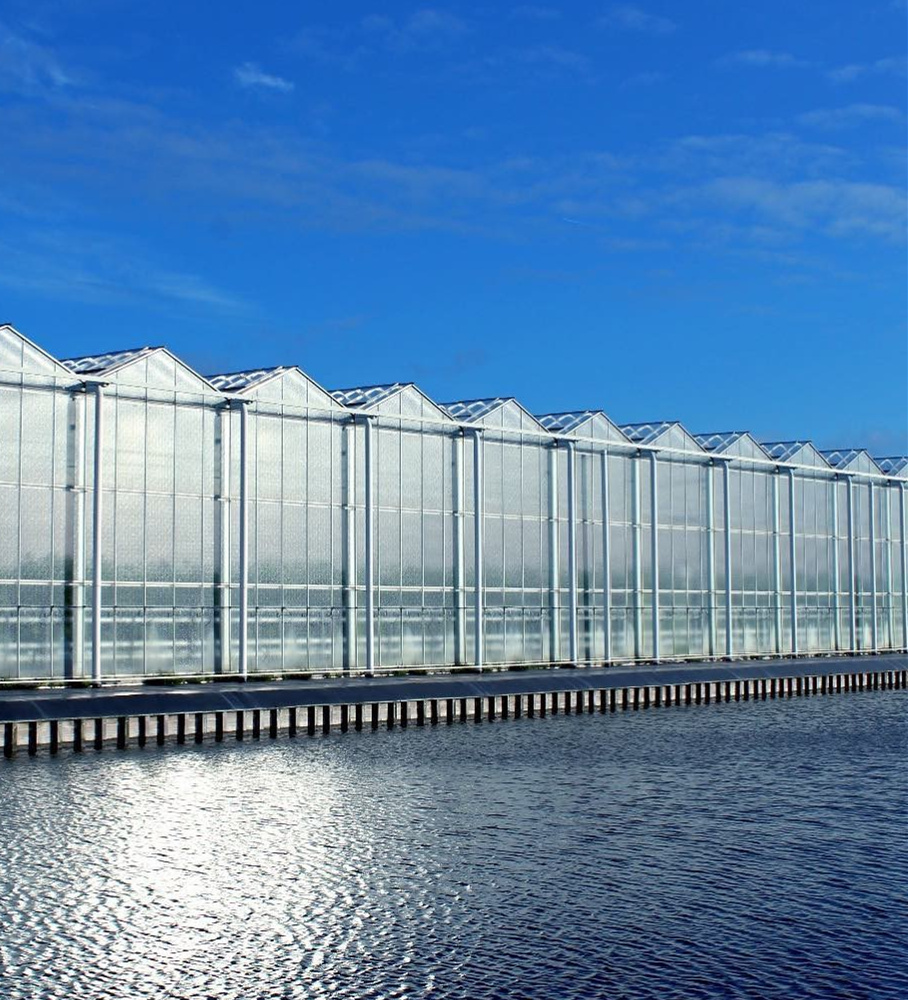
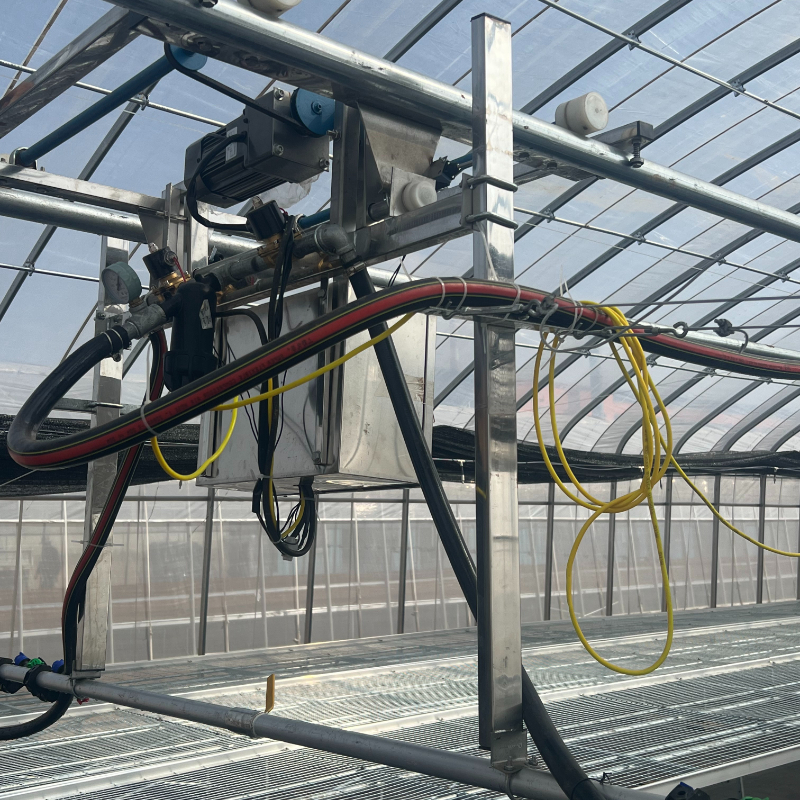
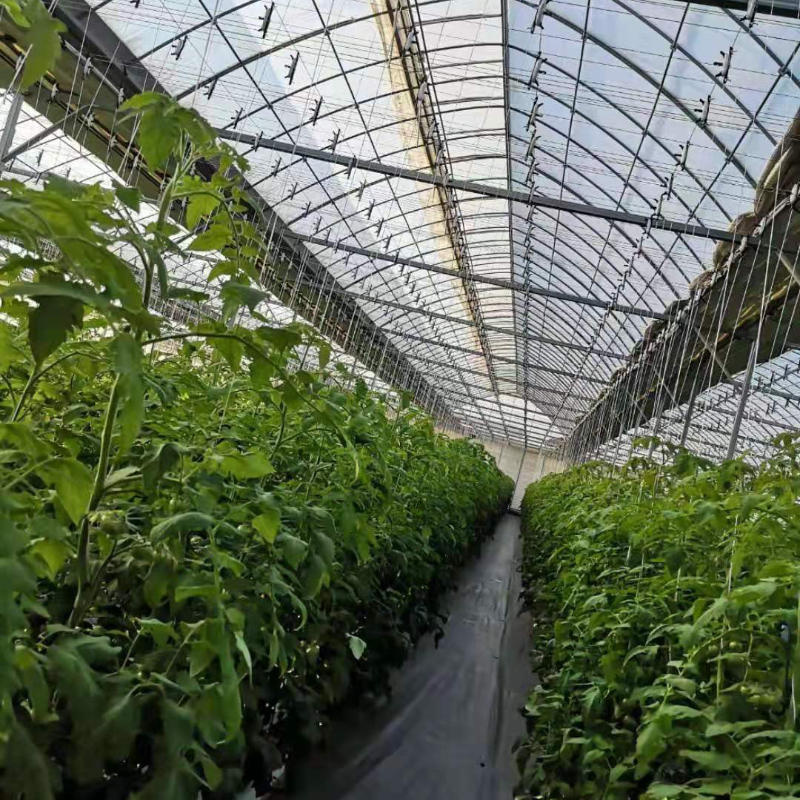
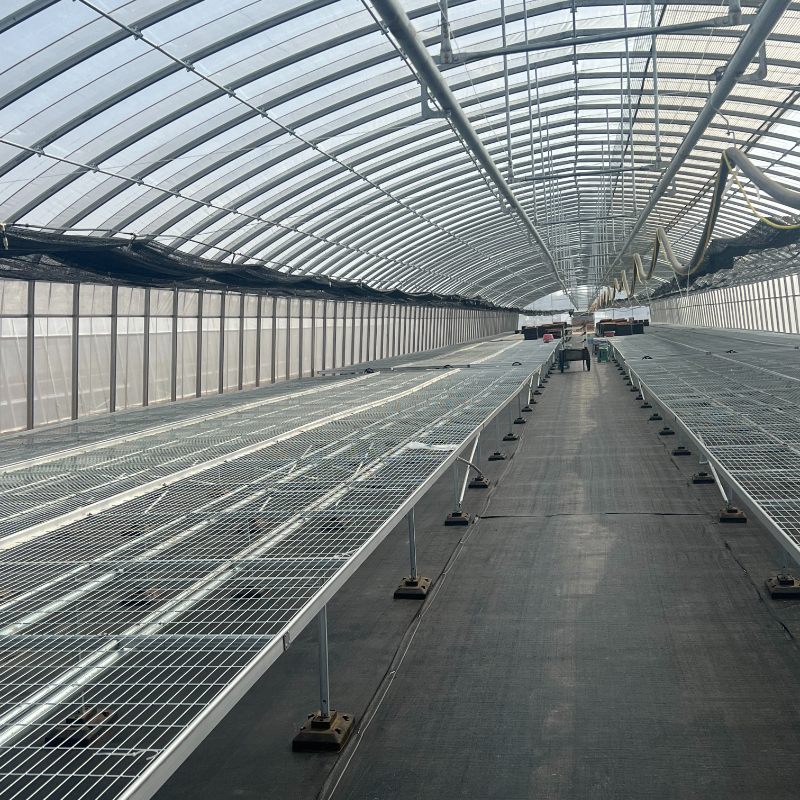
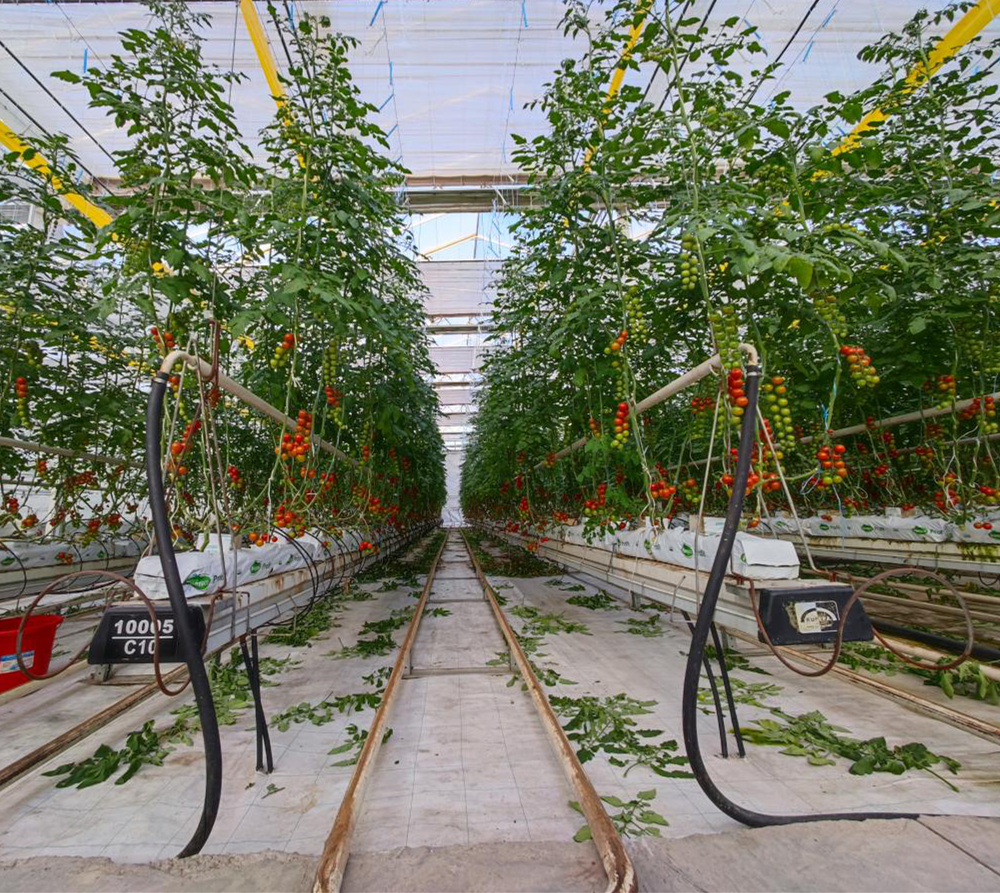
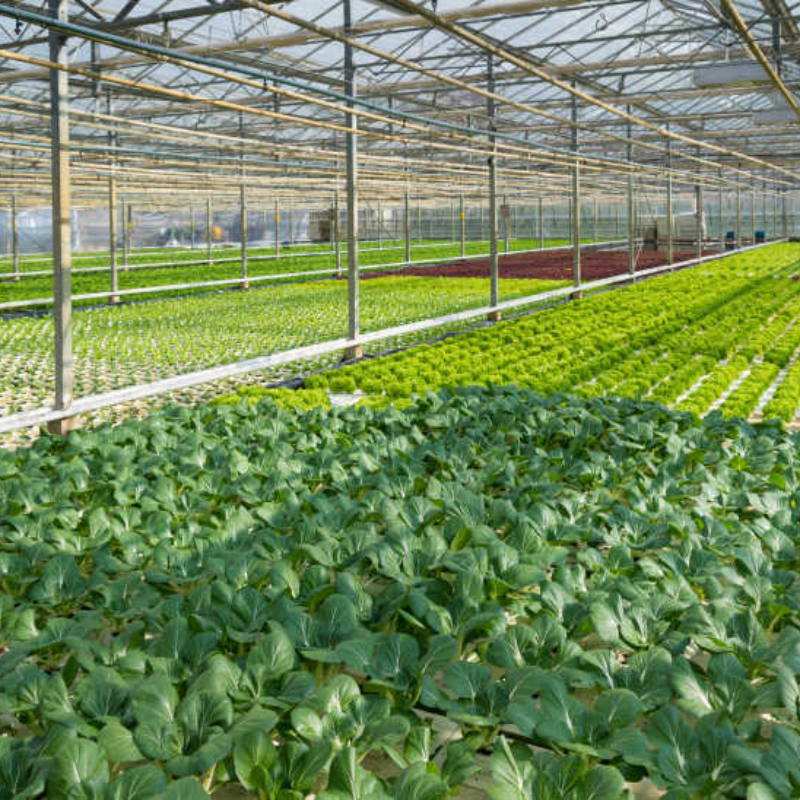
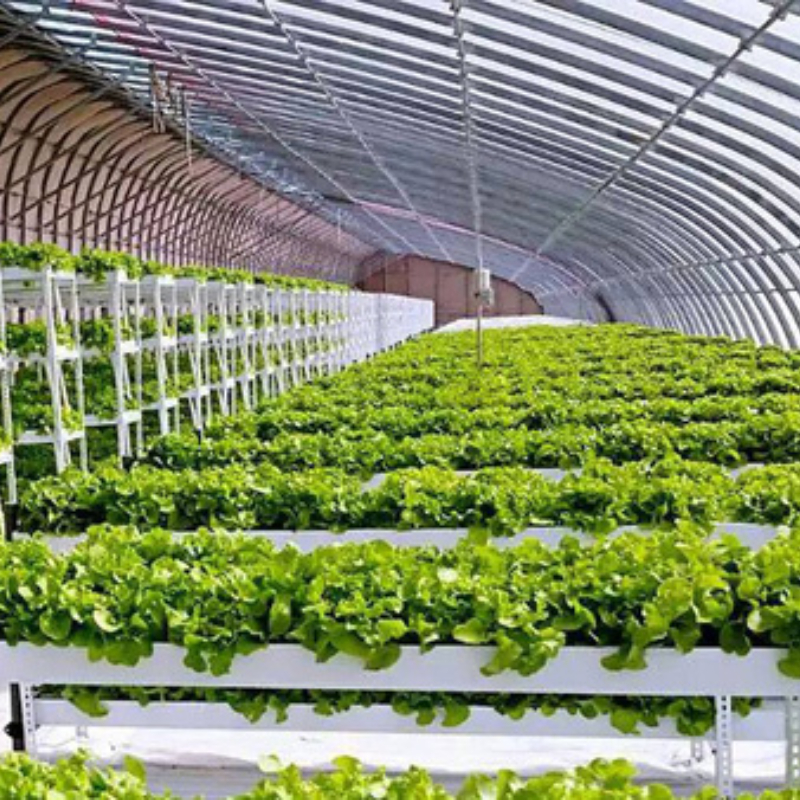
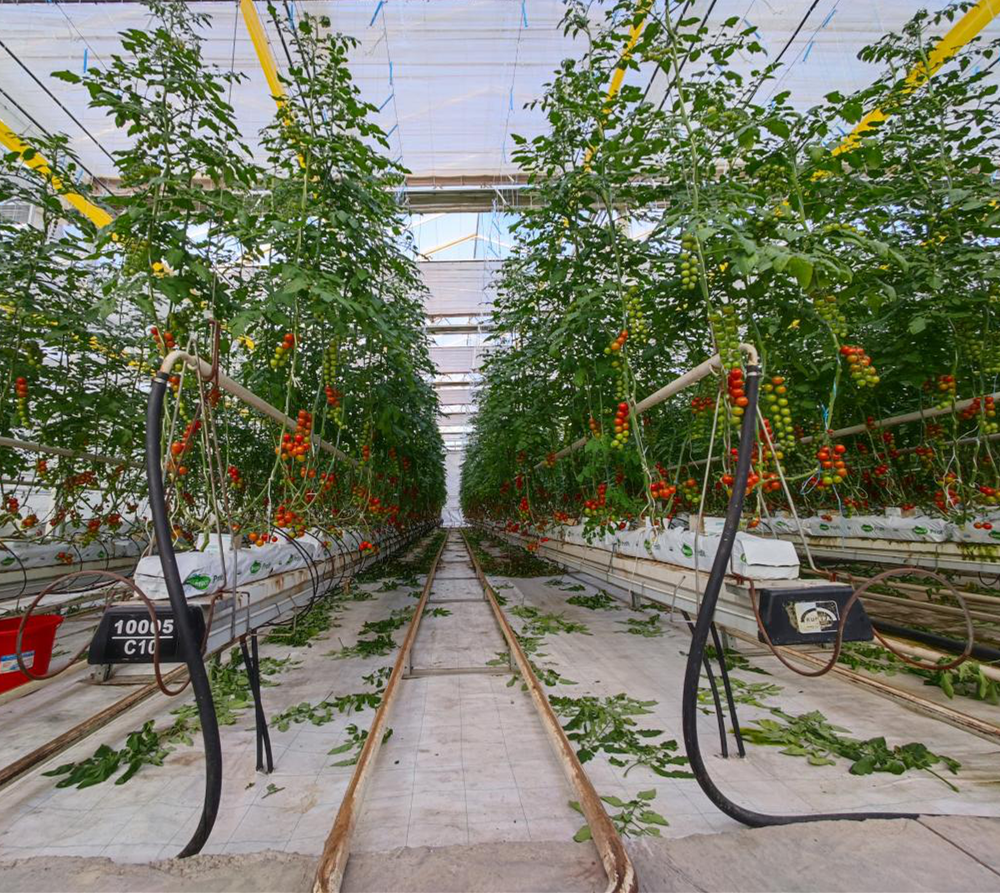
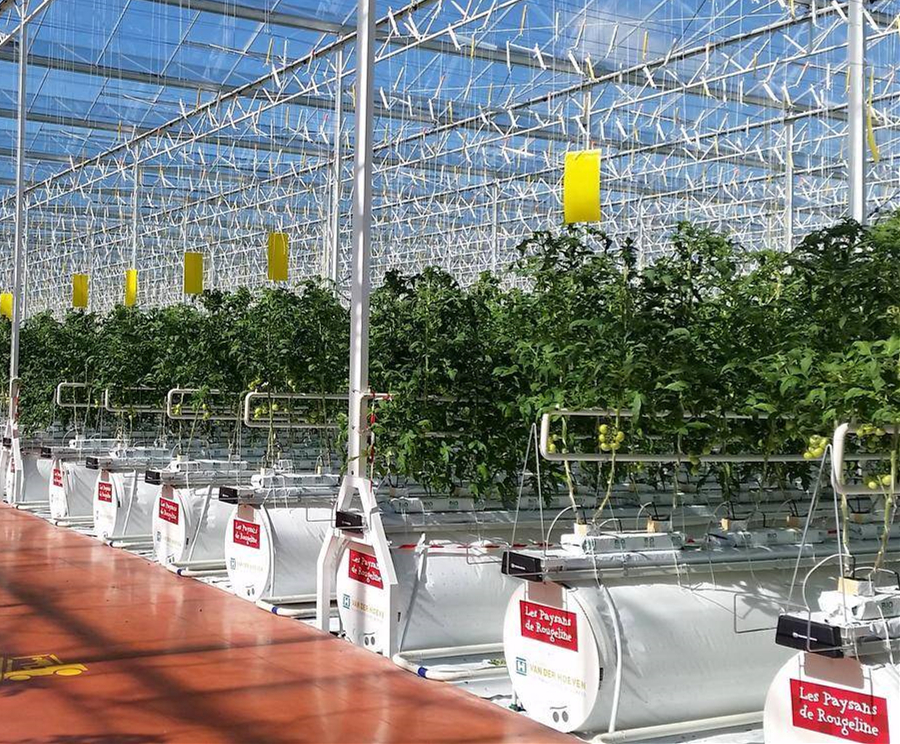
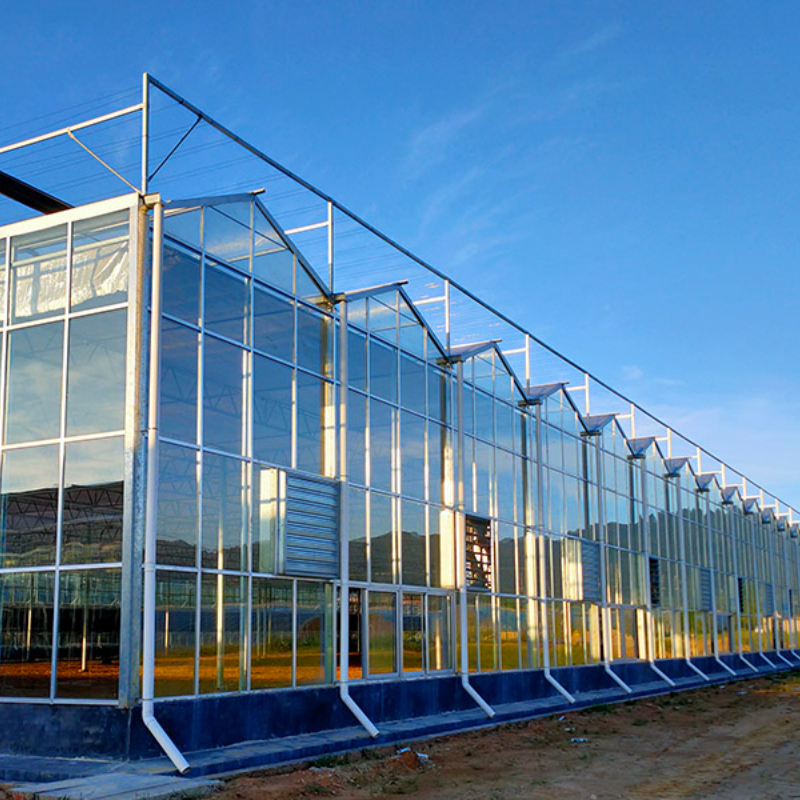
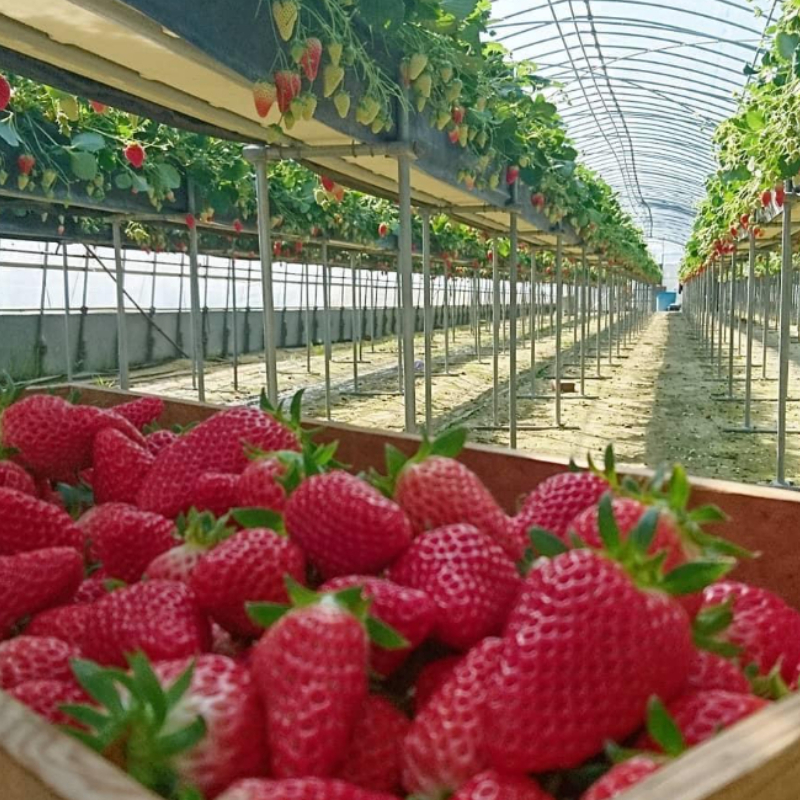
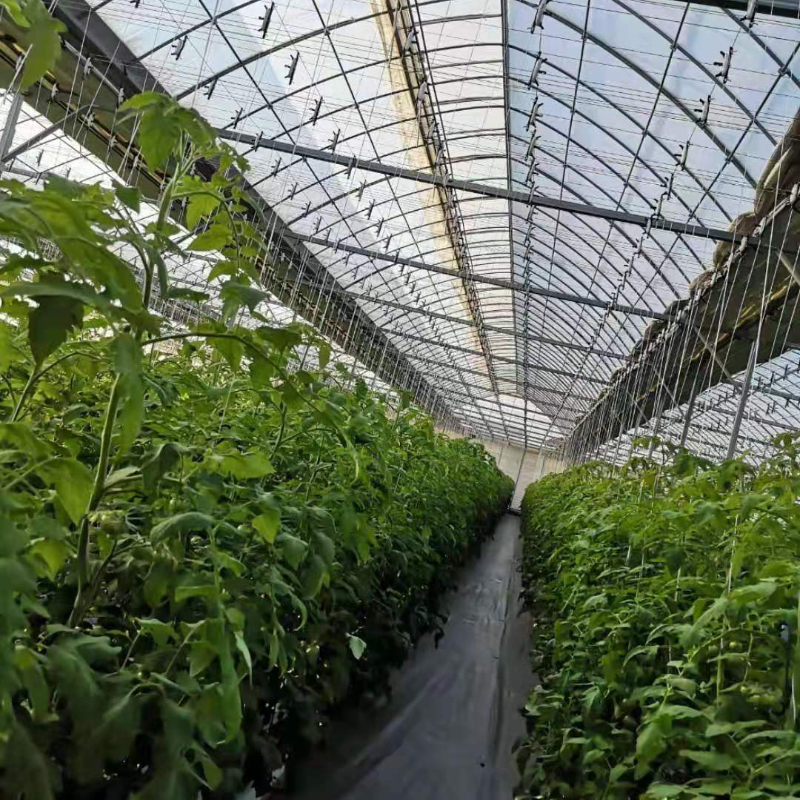
The superior light transmission of glass green houses designs is essential for maximizing photosynthesis and crop growth, especially in low-light regions. Glass allows for the highest level of natural light penetration among all greenhouse materials, ensuring that crops receive the optimal amount of light needed for healthy development. To complement this, agriculture intelligent补光 systems are integrated into the green houses designs, providing targeted lighting when natural light is insufficient. The grow rack system, a key component of these green houses designs, enables vertical cultivation, which not only saves space but also ensures that light is evenly distributed to all plants. This combination of glass green houses designs, grow rack system, and agriculture intelligent lighting ensures that crops receive consistent light conditions, leading to higher yields and better-quality produce.
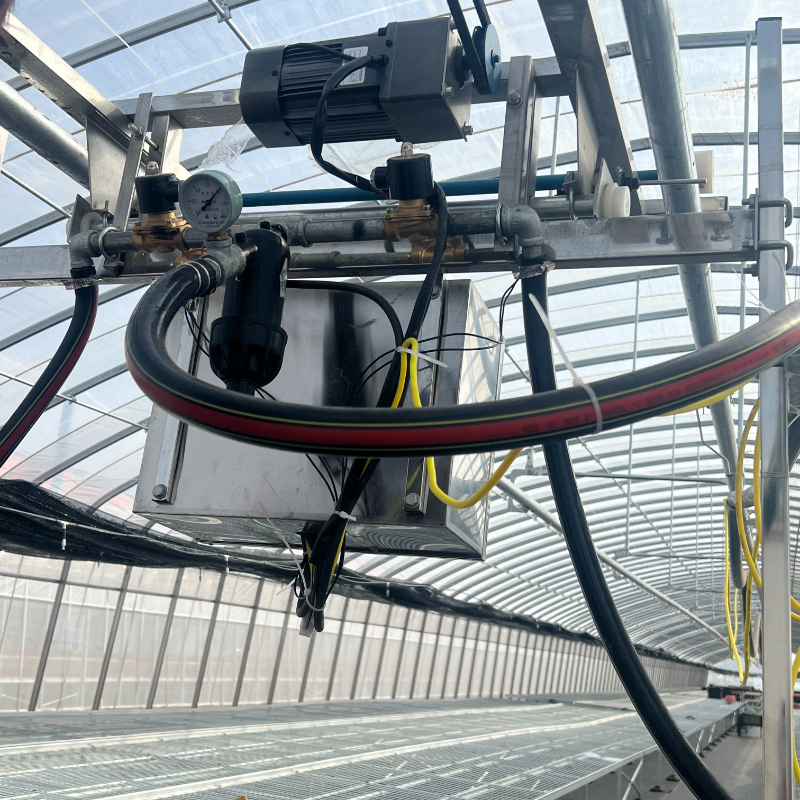
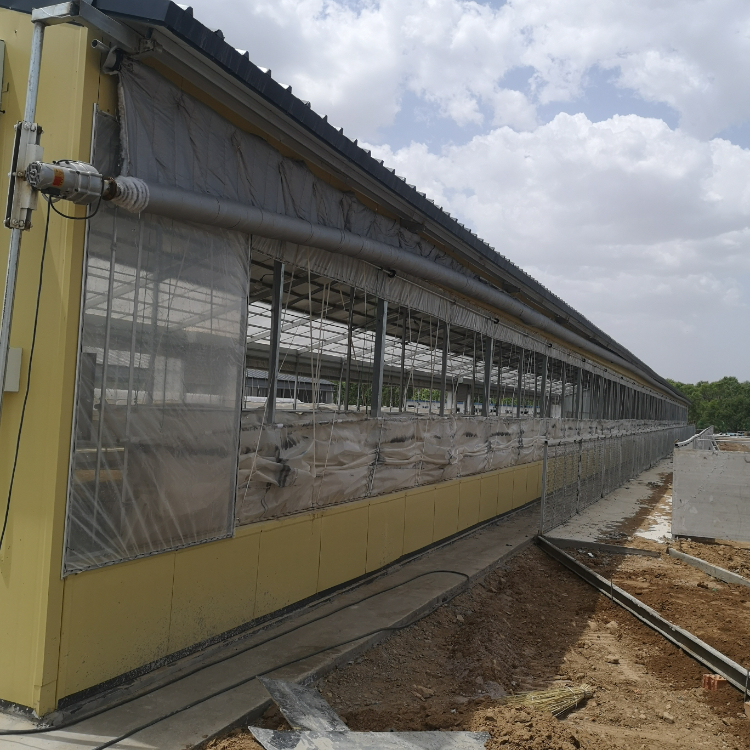
Energy sustainability is a core feature of modern green houses designs, and glass structures excel in this area when integrated with agriculture intelligent technologies. In regions with geothermal energy and power plant waste heat, the heating systems of these green houses designs can be powered by these renewable and waste energy sources, reducing reliance on fossil fuels and lowering carbon emissions. The agriculture intelligent control systems monitor temperature and energy usage in real time, optimizing the operation of heating systems (hot air blower or water heating) to minimize energy waste. Similarly, the cooling systems—such as mist or water curtain systems—are controlled by agriculture intelligent algorithms to maintain optimal temperatures with minimal energy consumption. The long service life of glass green houses designs also contributes to their sustainability, as they require fewer resources for replacement and maintenance compared to other greenhouse types.
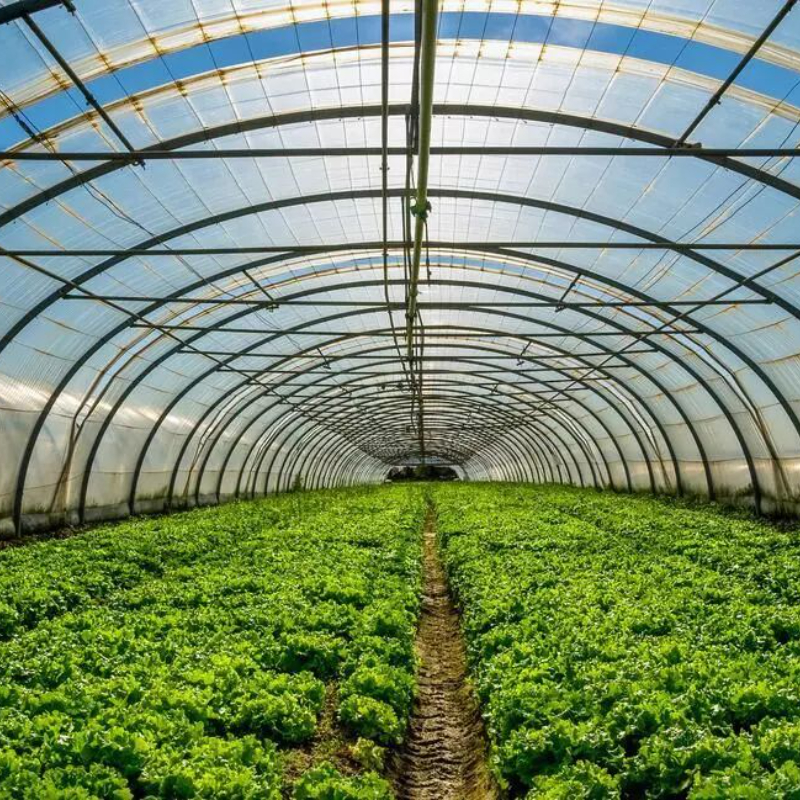
The Yangtze River basin, with its unique climatic conditions, benefits greatly from glass green houses designs integrated with grow rack system and agriculture intelligent technologies. The high humidity in the region can be effectively managed by the intelligent control systems of the green houses designs, preventing crop diseases and ensuring healthy growth. The grow rack system improves air circulation, further reducing the risk of mold and mildew. The fully automatic control capabilities of these green houses designs allow growers to manage irrigation, fertilization, and CO₂ supplementation with precision, ensuring that crops receive the exact nutrients they need at each growth stage. This level of control not only enhances yields but also reduces resource waste, making cultivation in the Yangtze River basin more sustainable and profitable.
Beyond their functional benefits, glass green houses designs also offer aesthetic and economic advantages. Their transparent walls and modern design make them ideal for agricultural tourism and educational purposes, attracting visitors and generating additional revenue streams. The grow rack system, with its organized and lush crop display, enhances the visual appeal of these facilities, creating a positive impression on visitors. Additionally, the long service life of glass green houses designs ensures that they are a sound investment, providing consistent returns for many years. The integration of agriculture intelligent technologies further reduces operational costs by minimizing labor requirements and improving the efficiency of resource usage.
In conclusion, agriculture intelligent innovations in green houses designs—specifically the integration of glass structures and grow rack system—are transforming sustainable agriculture. These green houses designs offer a comprehensive solution for overcoming the challenges of low-light conditions, optimizing energy usage, and enhancing crop yields. For regions with geothermal energy, power plant waste heat, and the Yangtze River basin, they provide an efficient and sustainable way to cultivate crops. By prioritizing light transmission, space utilization, and intelligent control, green houses designs that combine glass structures, grow rack system, and agriculture intelligent technologies are paving the way for a more sustainable and food-secure future. As the global demand for sustainable agriculture grows, these innovative green houses designs will continue to play a pivotal role in shaping the future of farming.
