
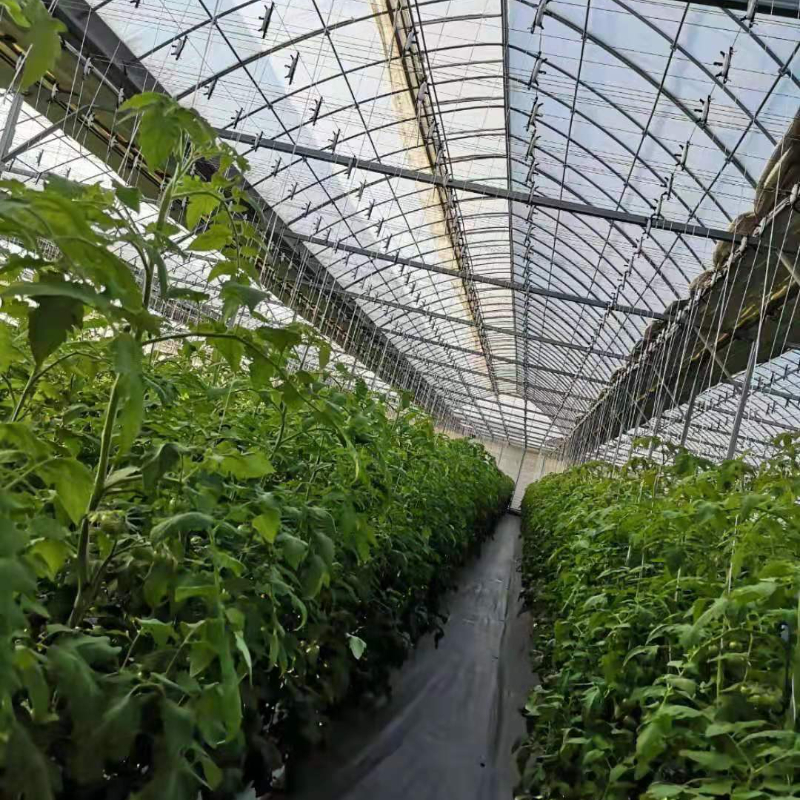
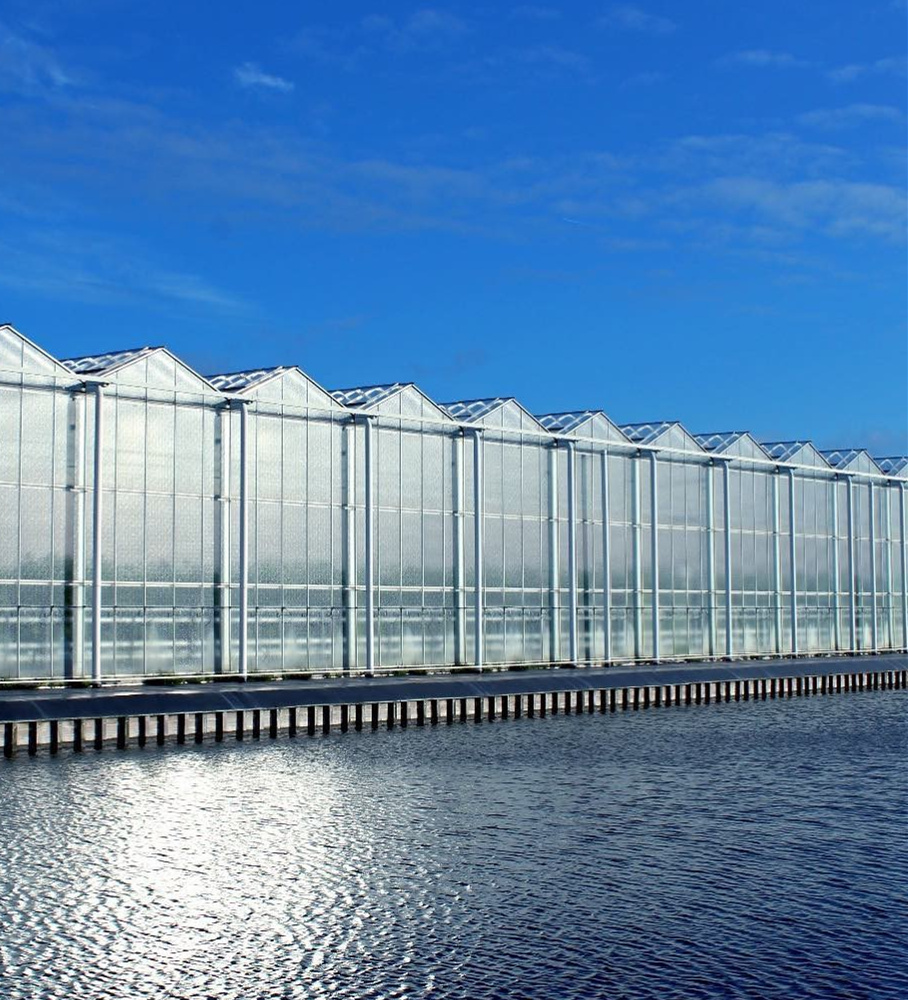
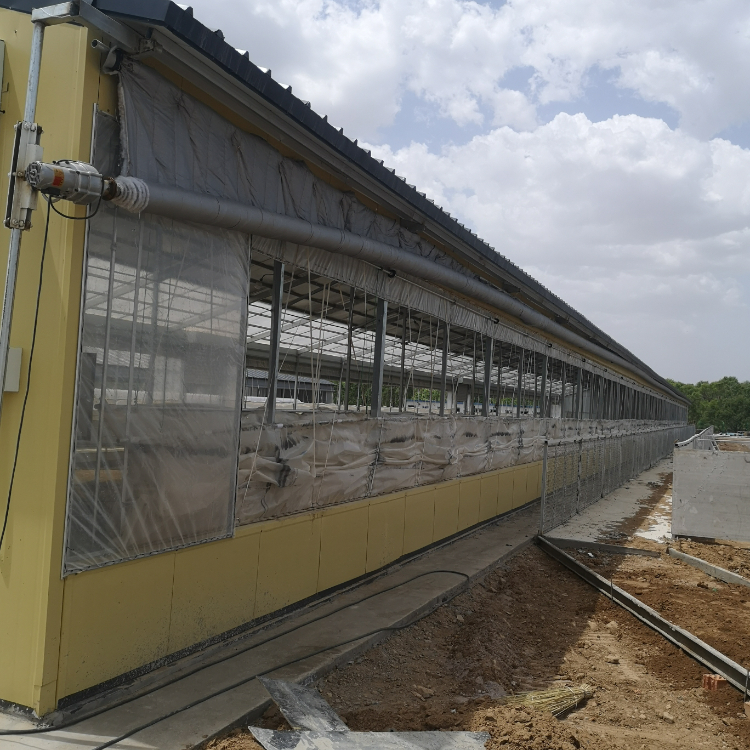
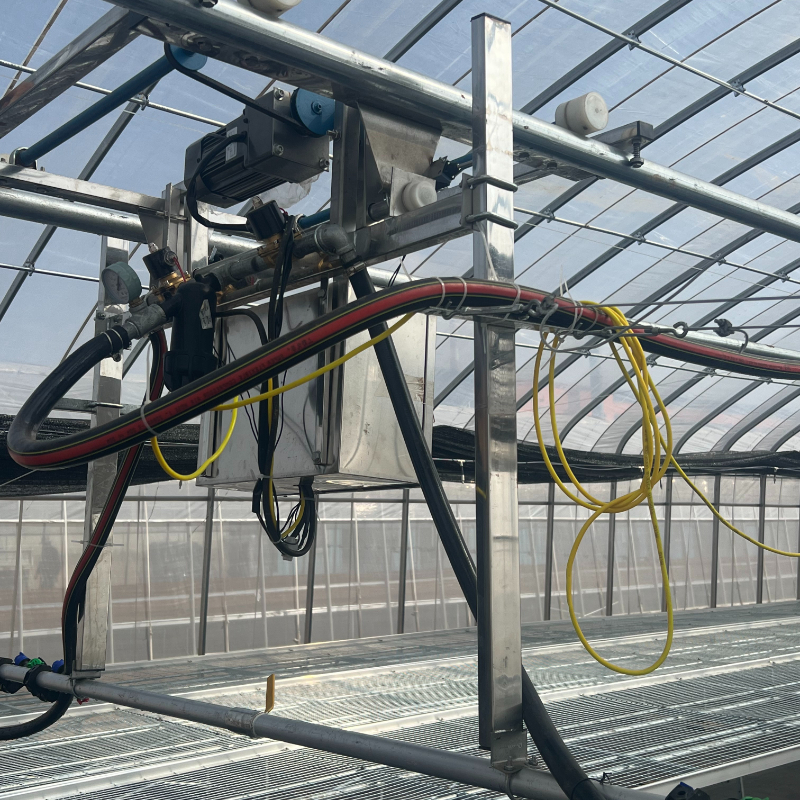
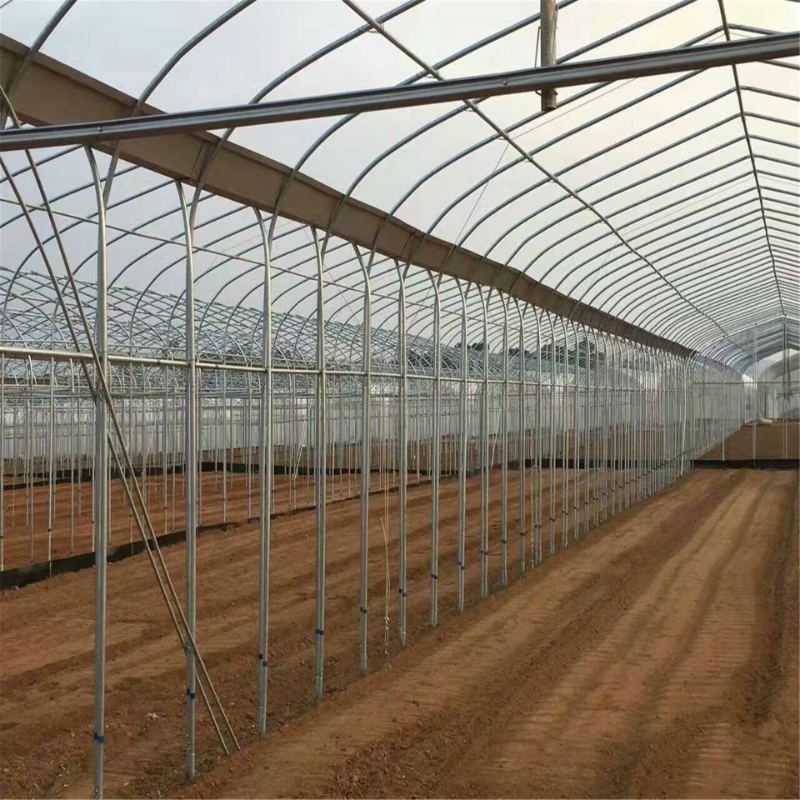
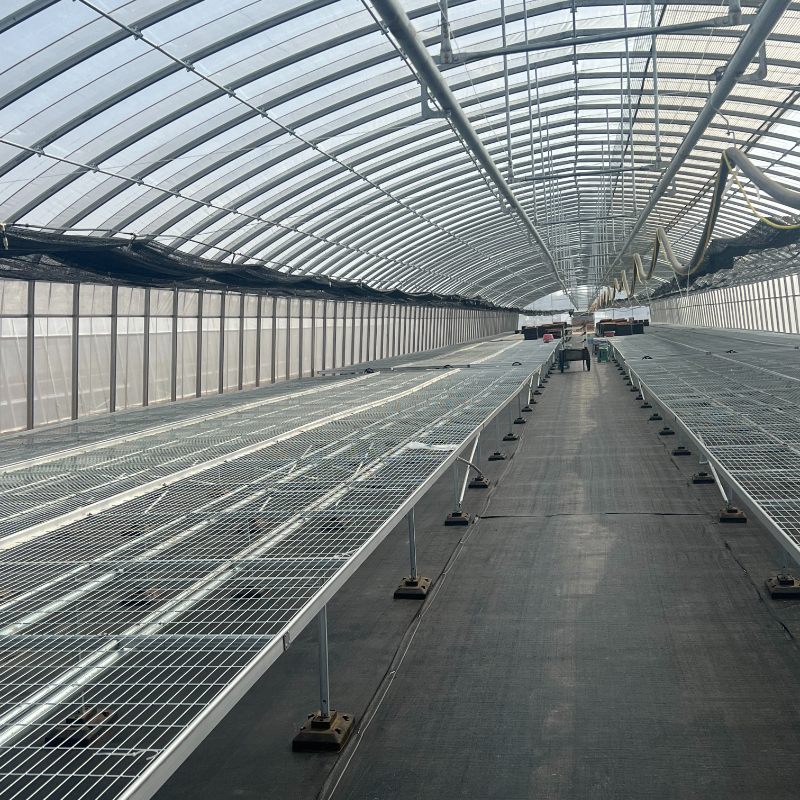
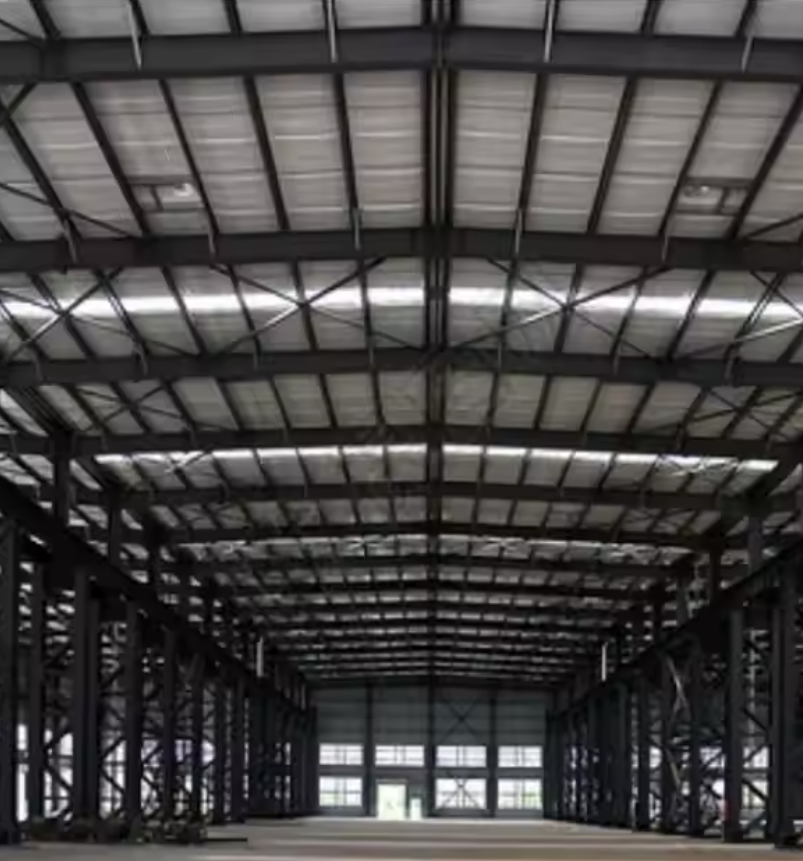
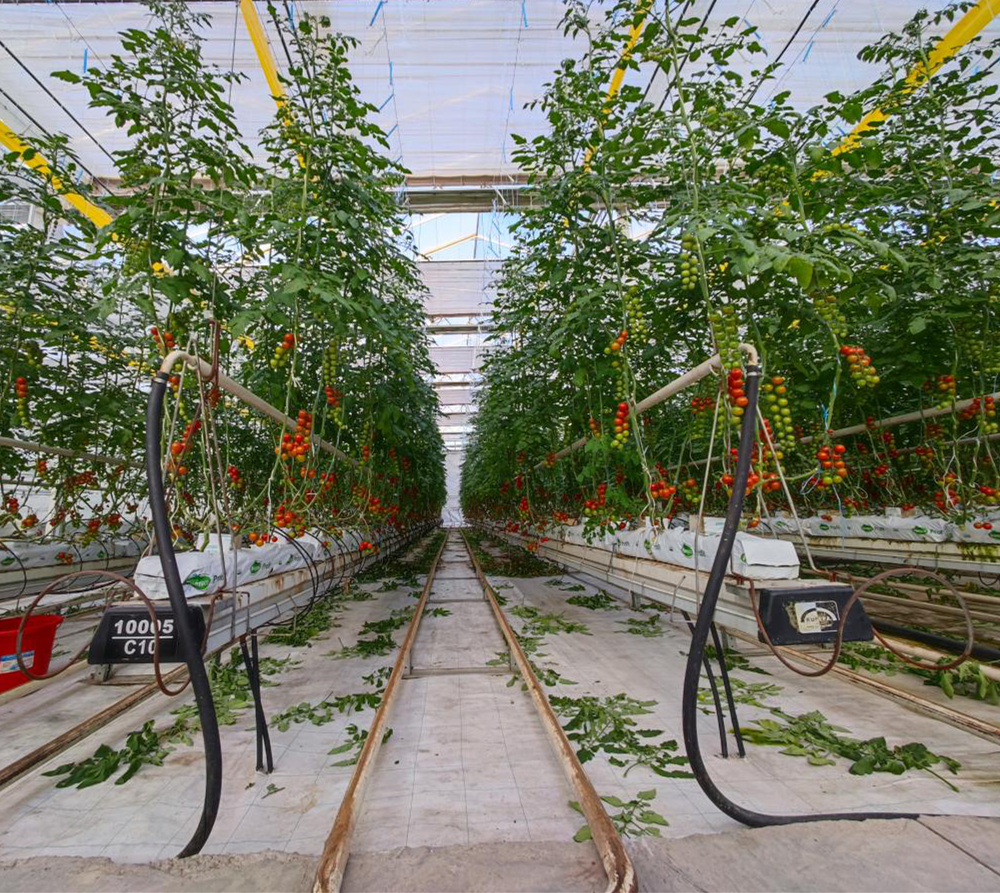
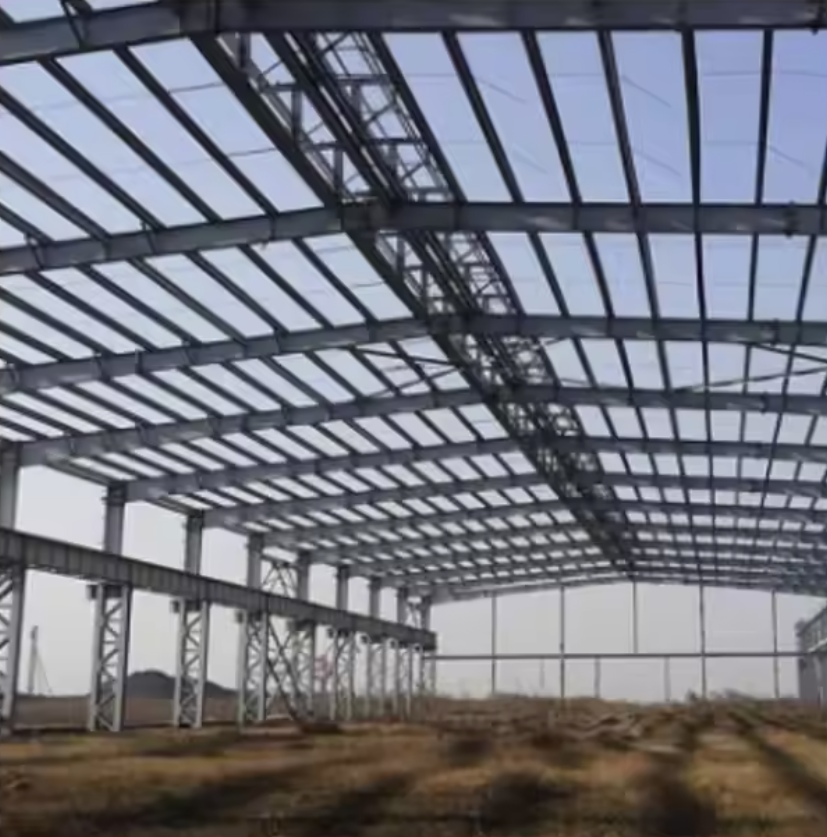
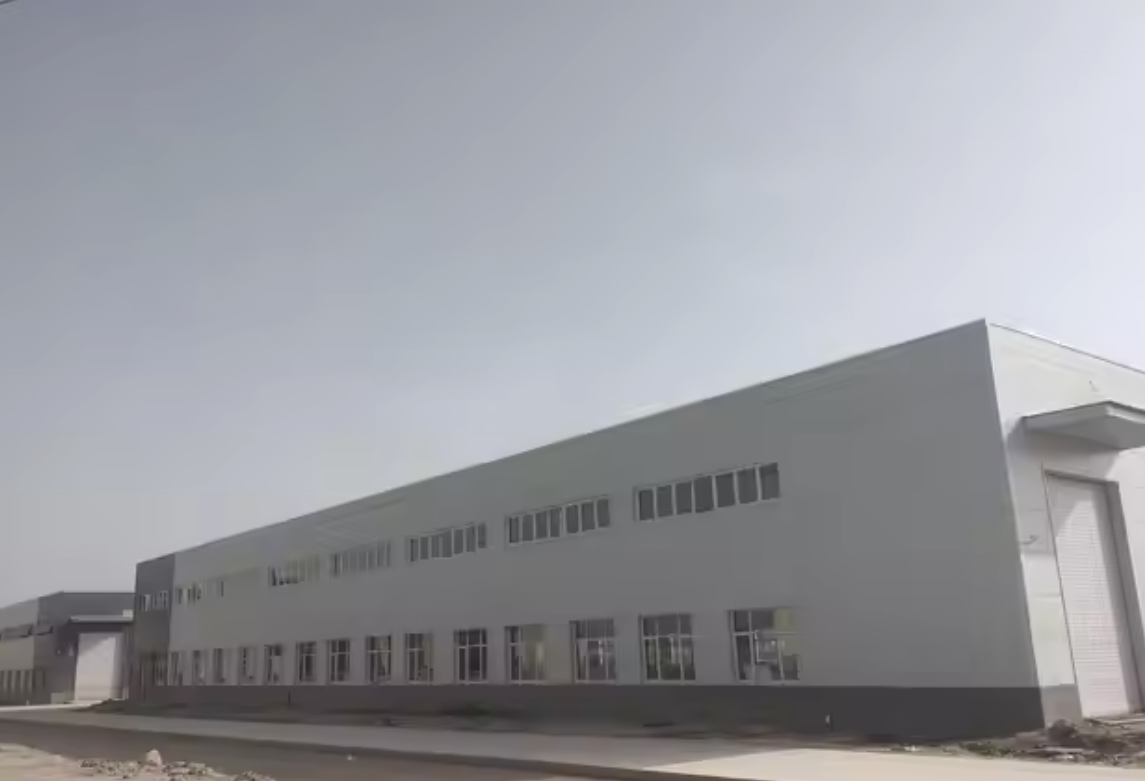
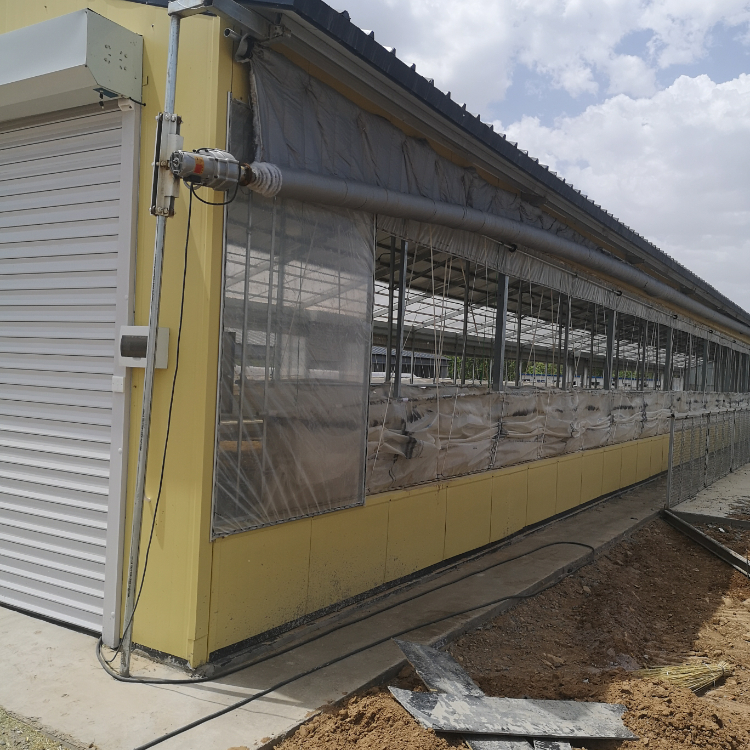
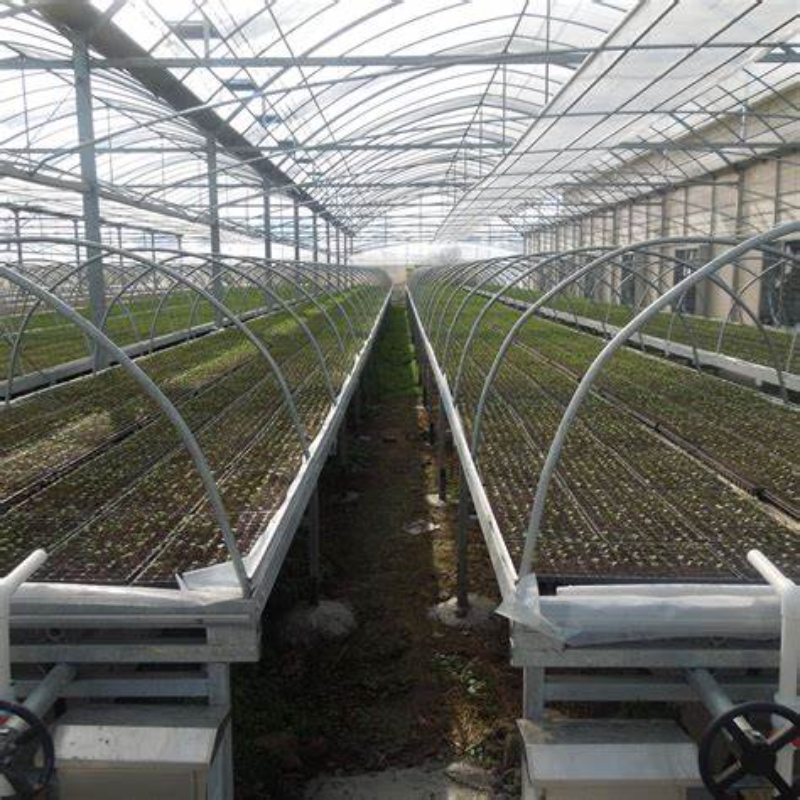
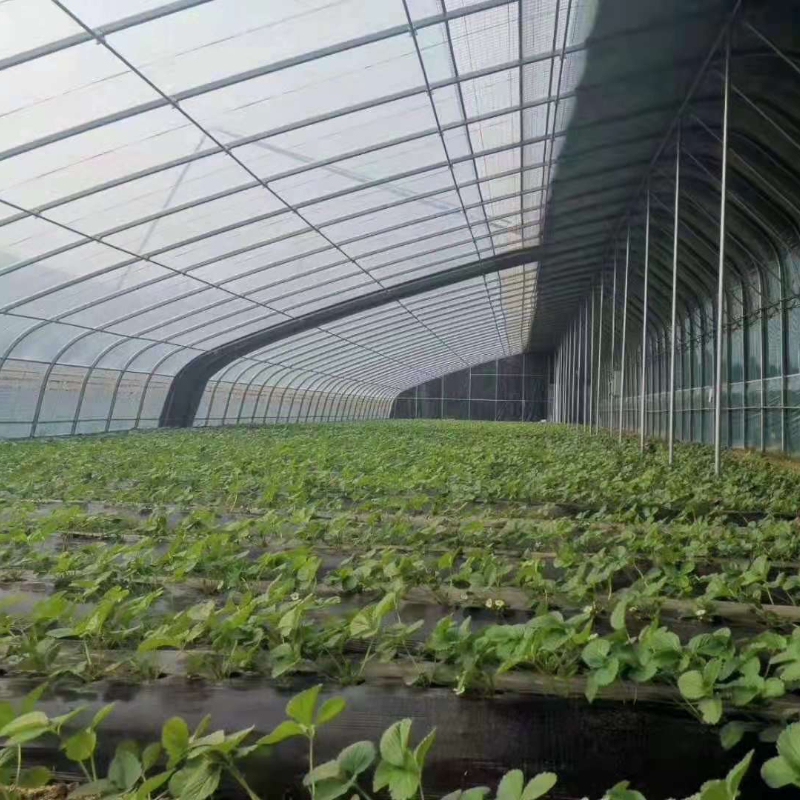
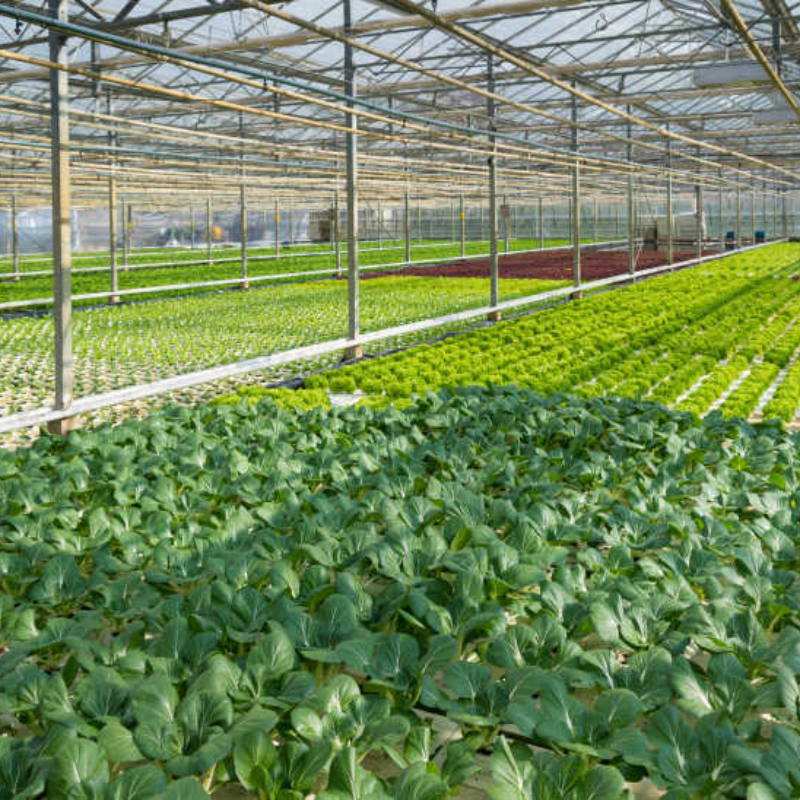
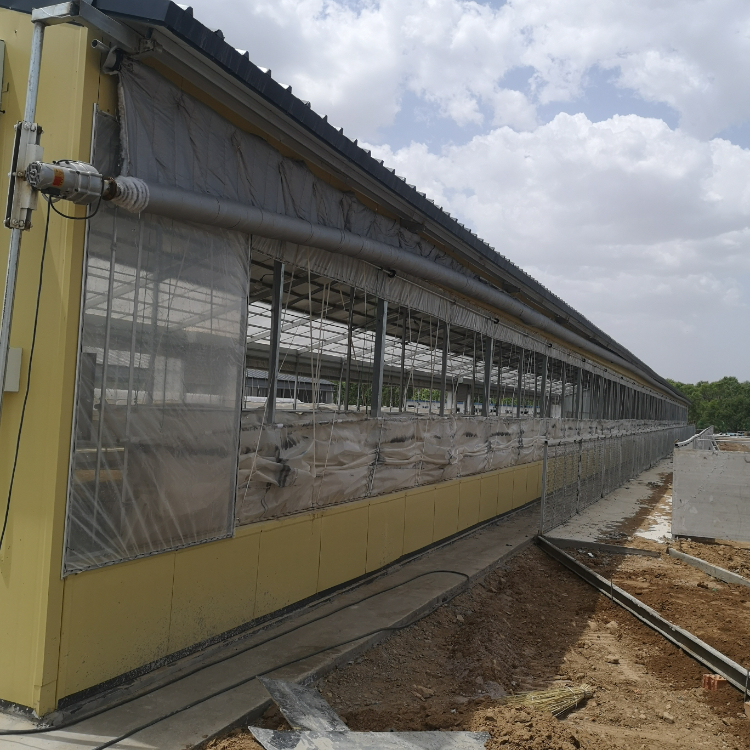
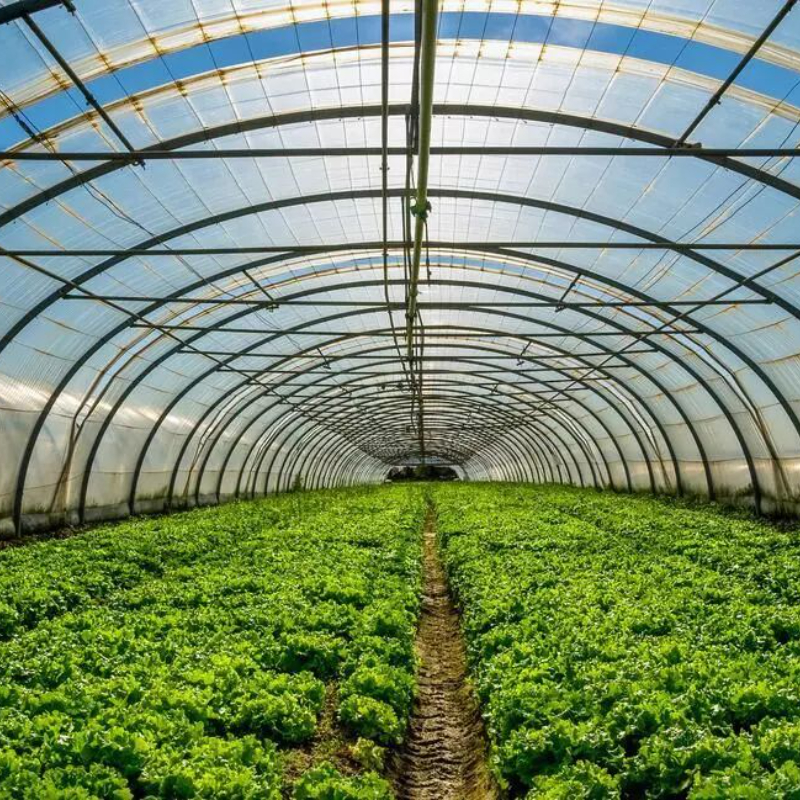
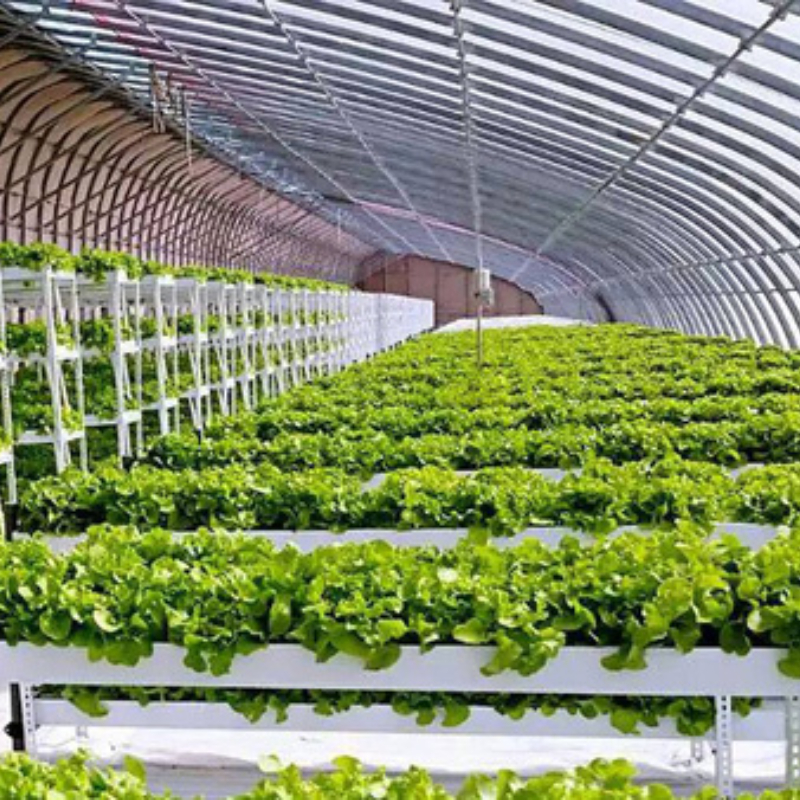
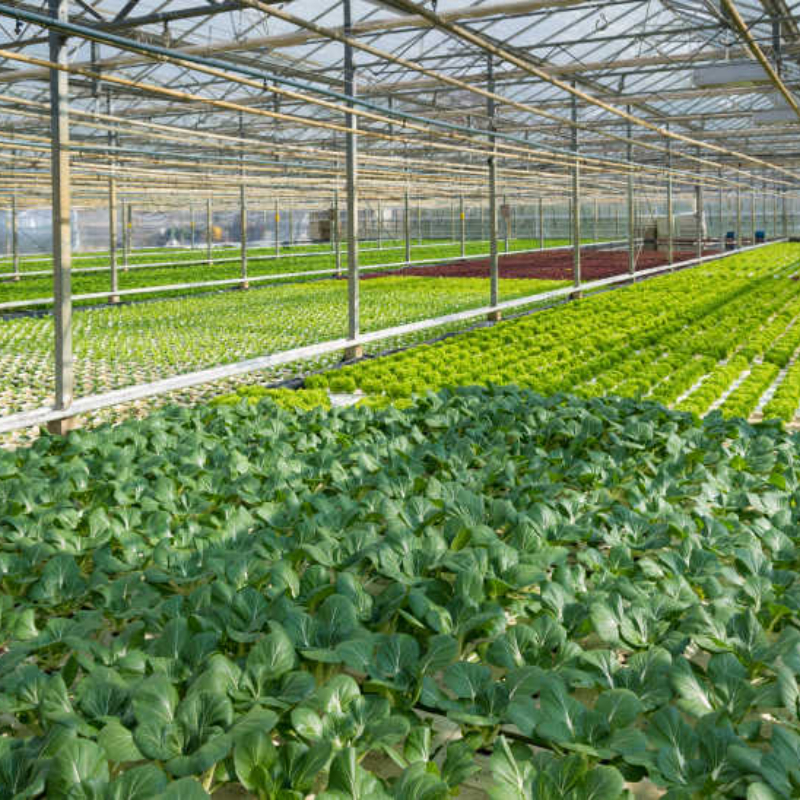
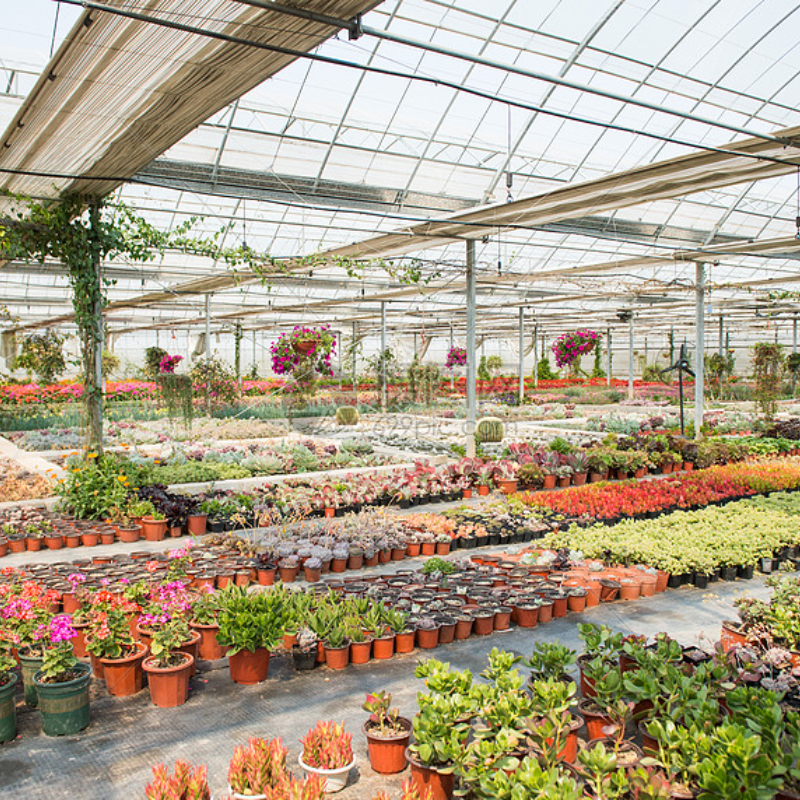
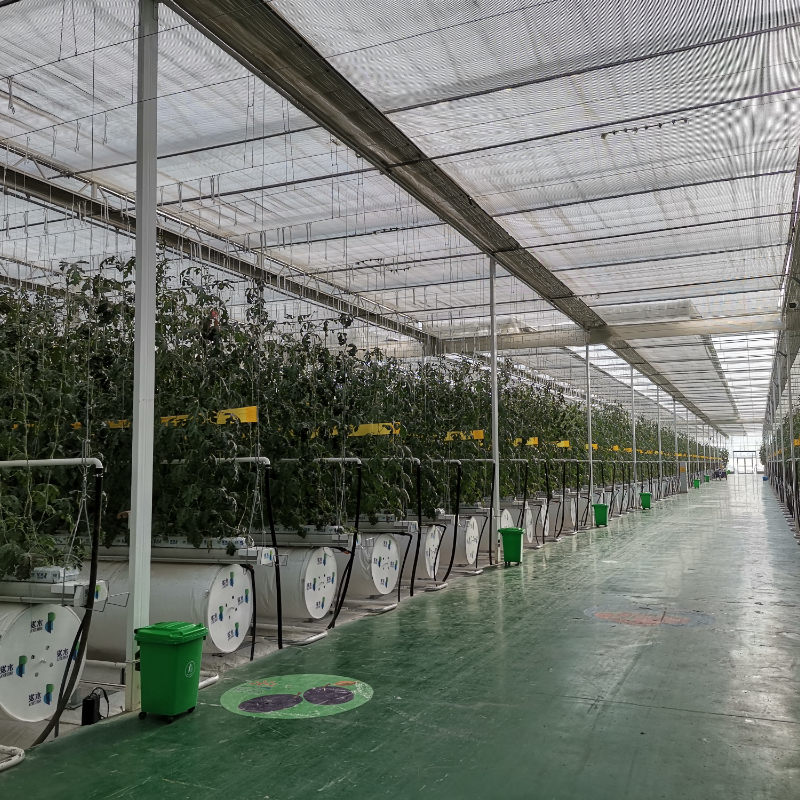
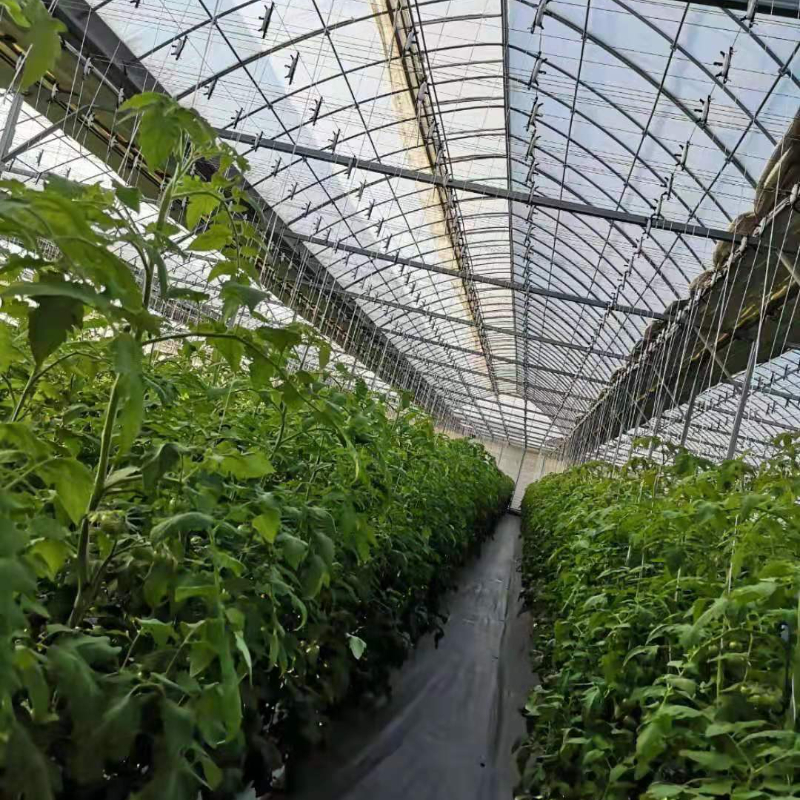
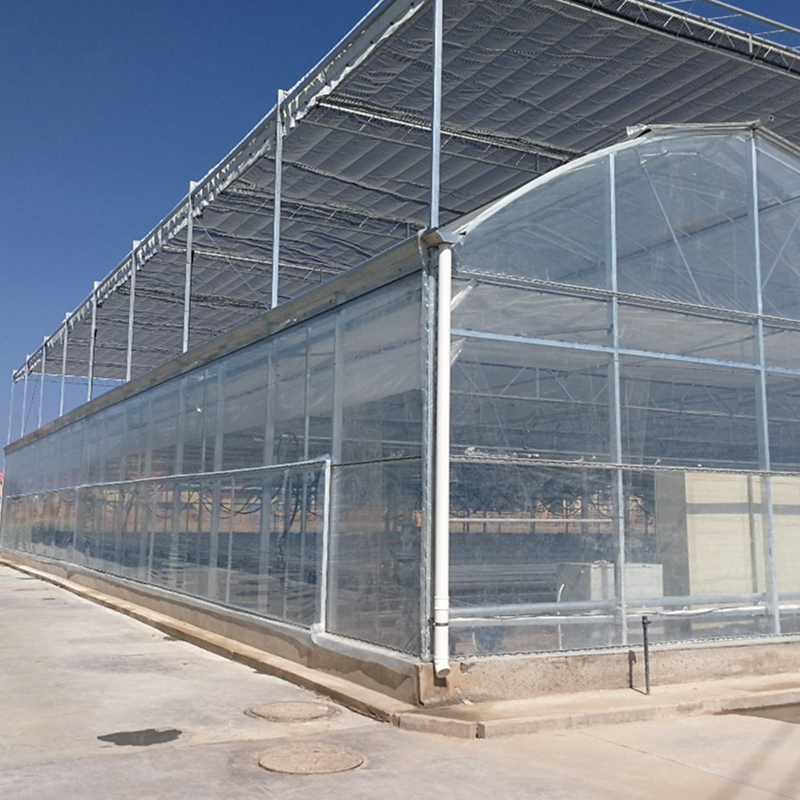
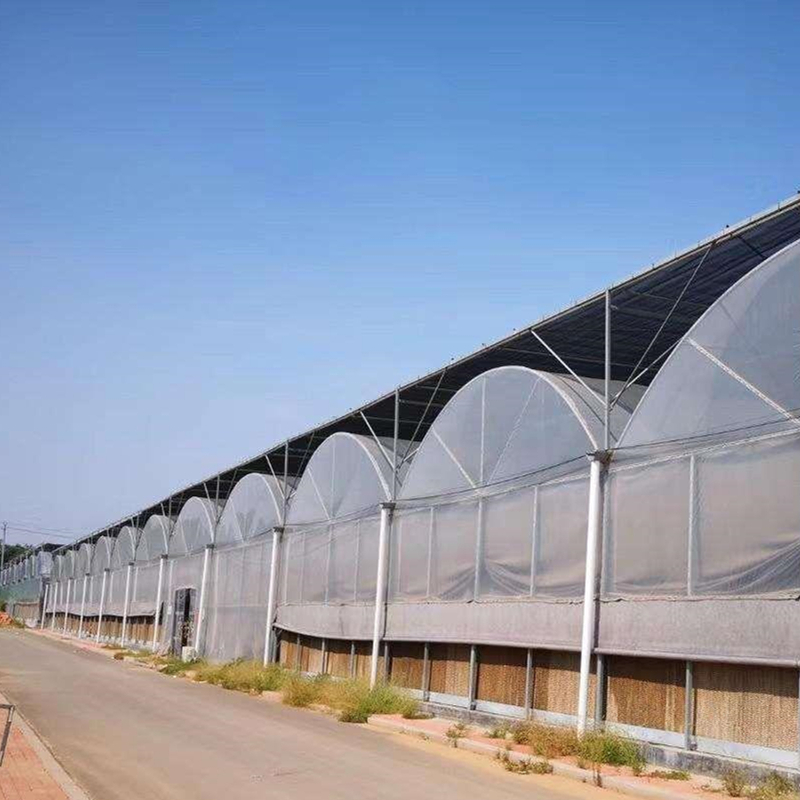
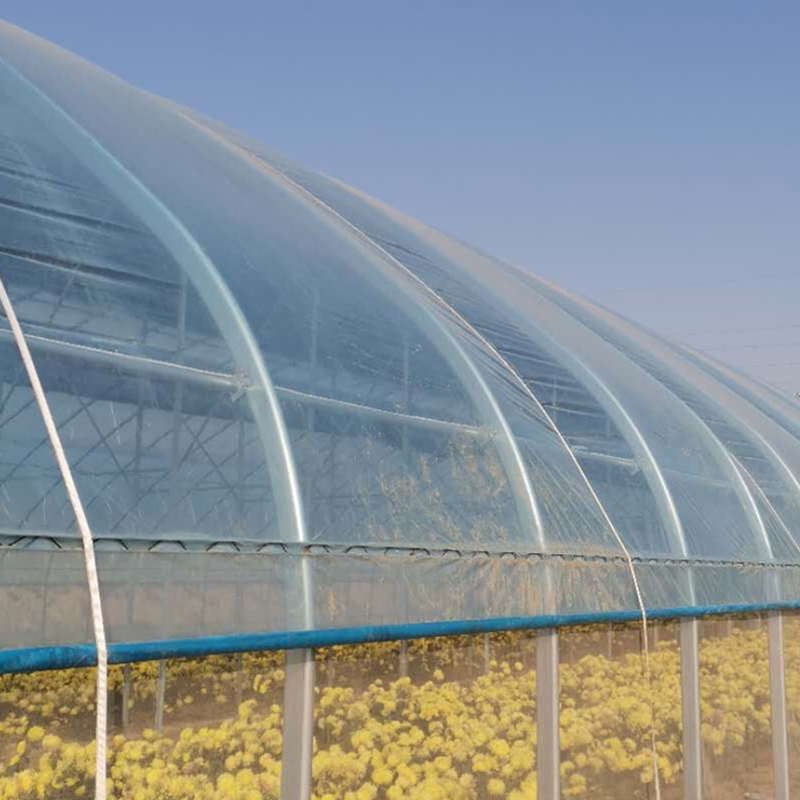
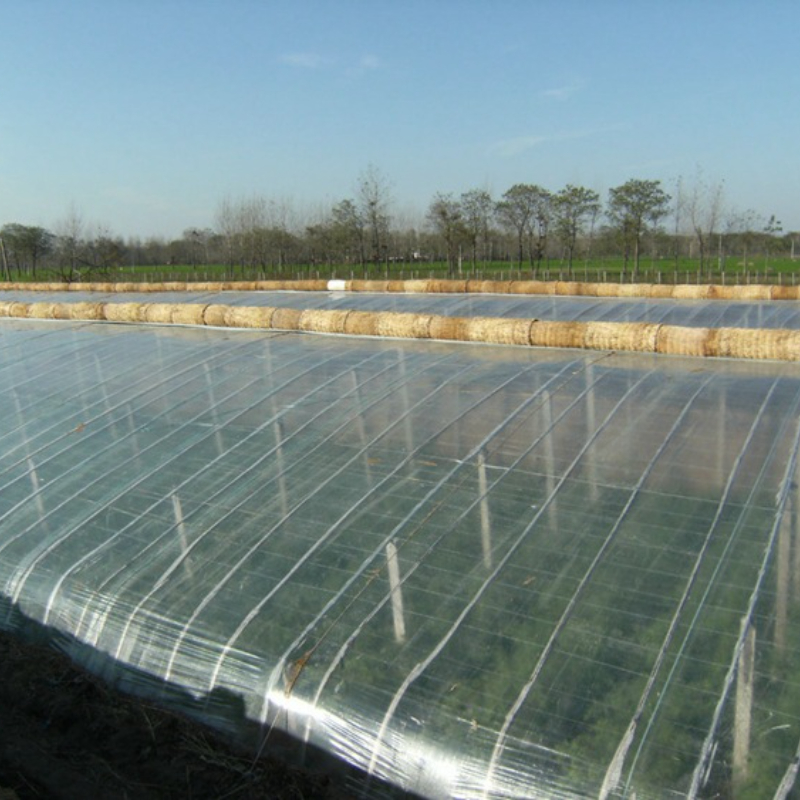
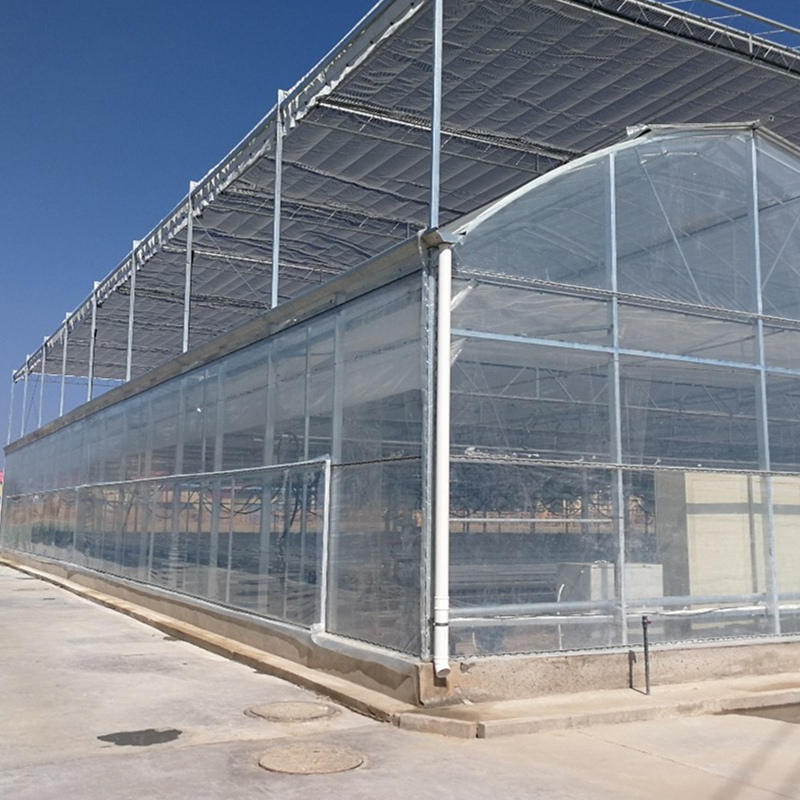
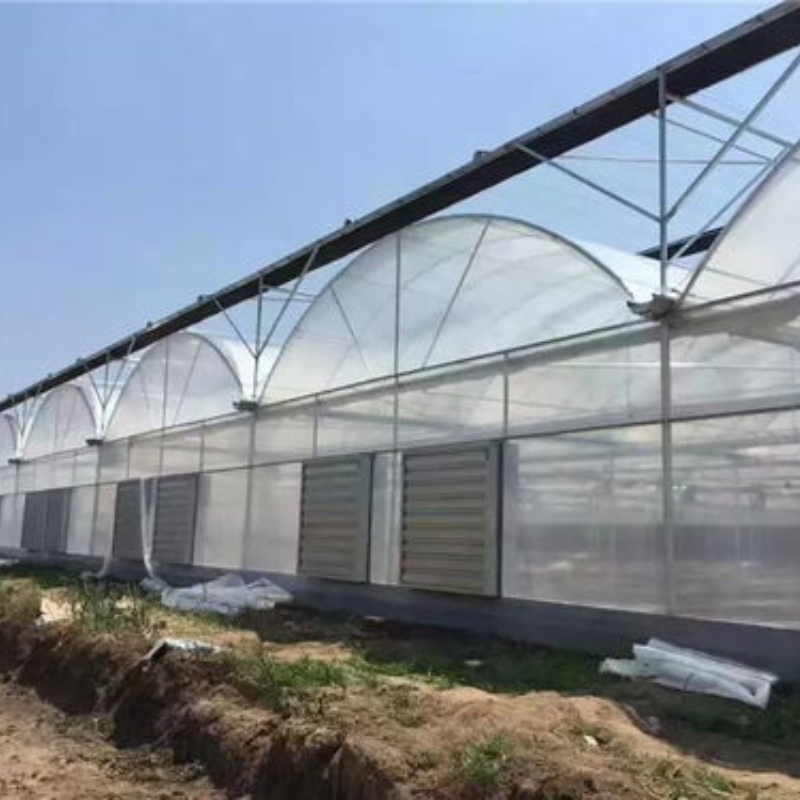
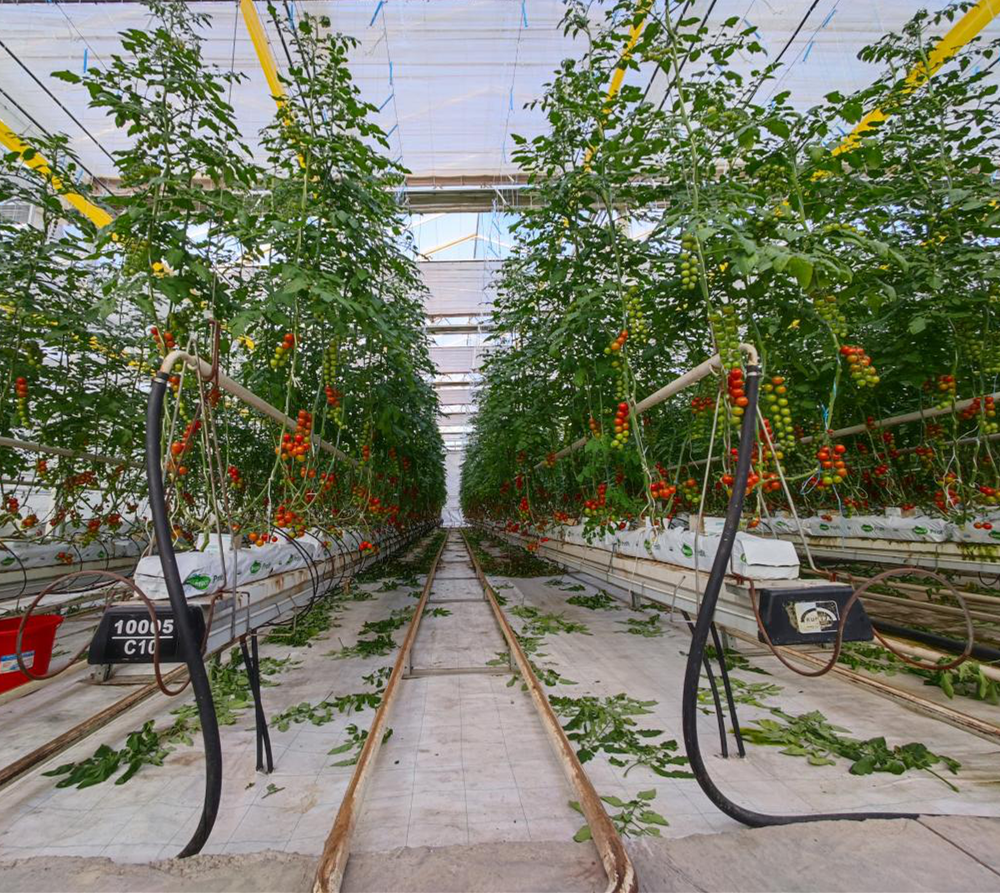
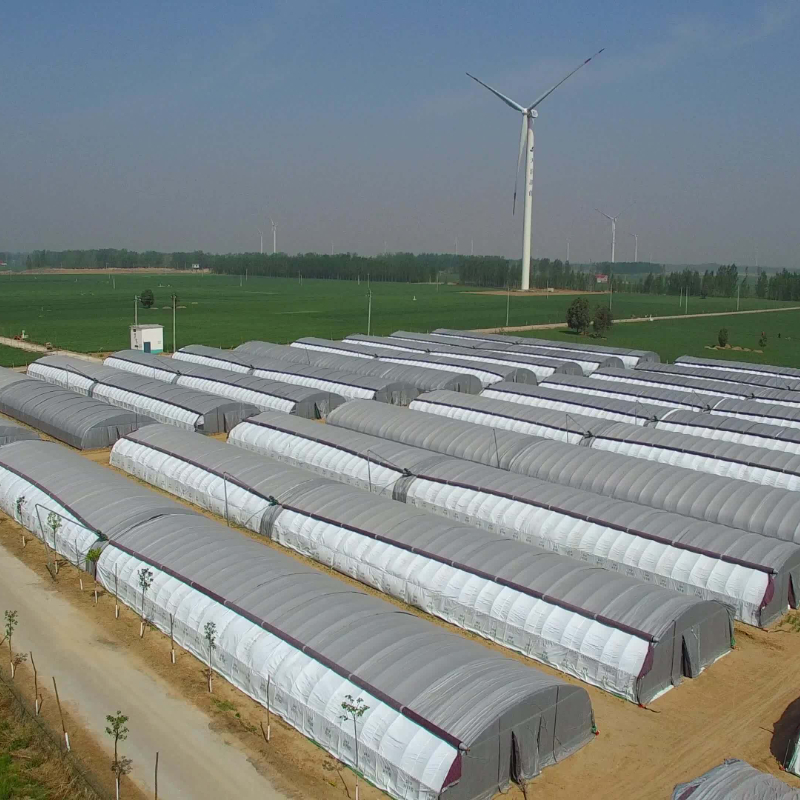
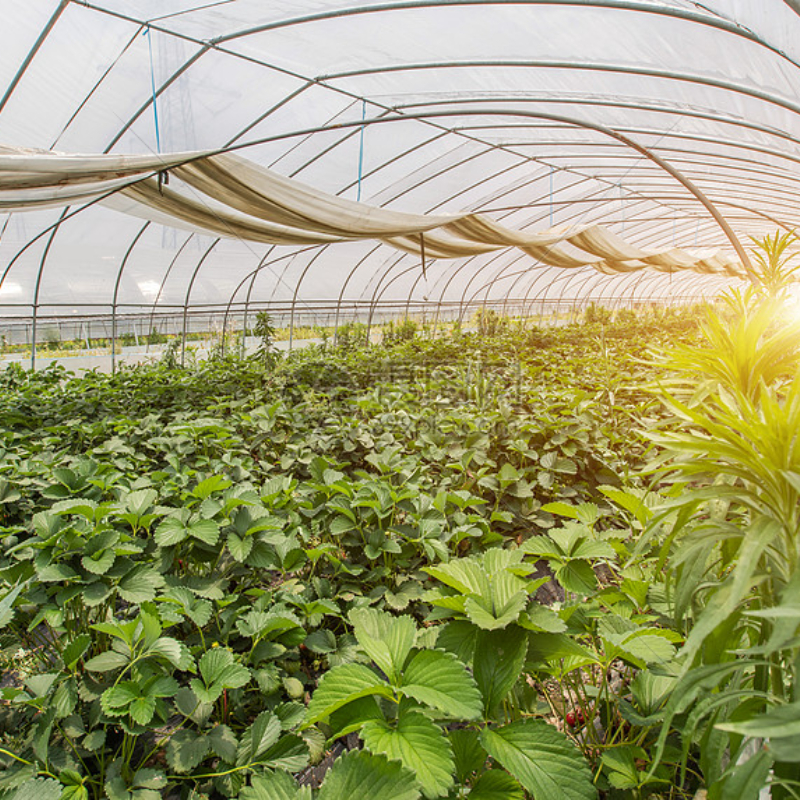
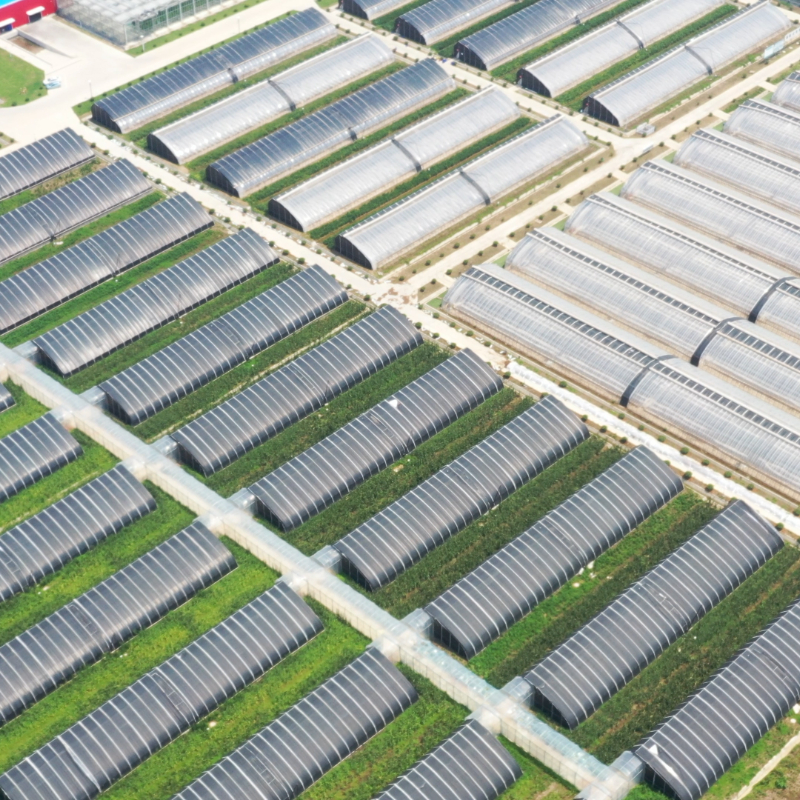
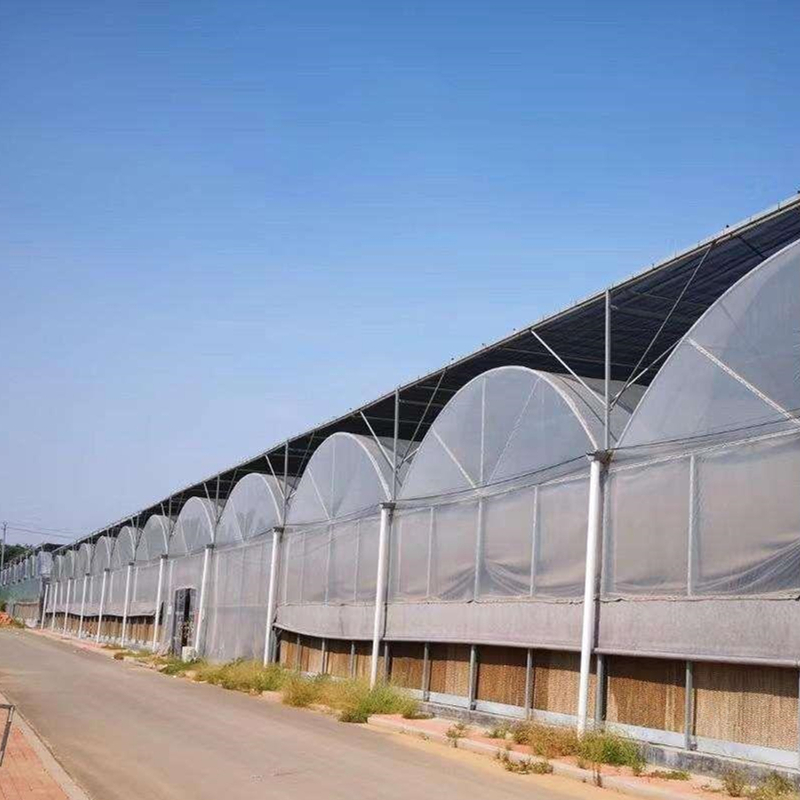
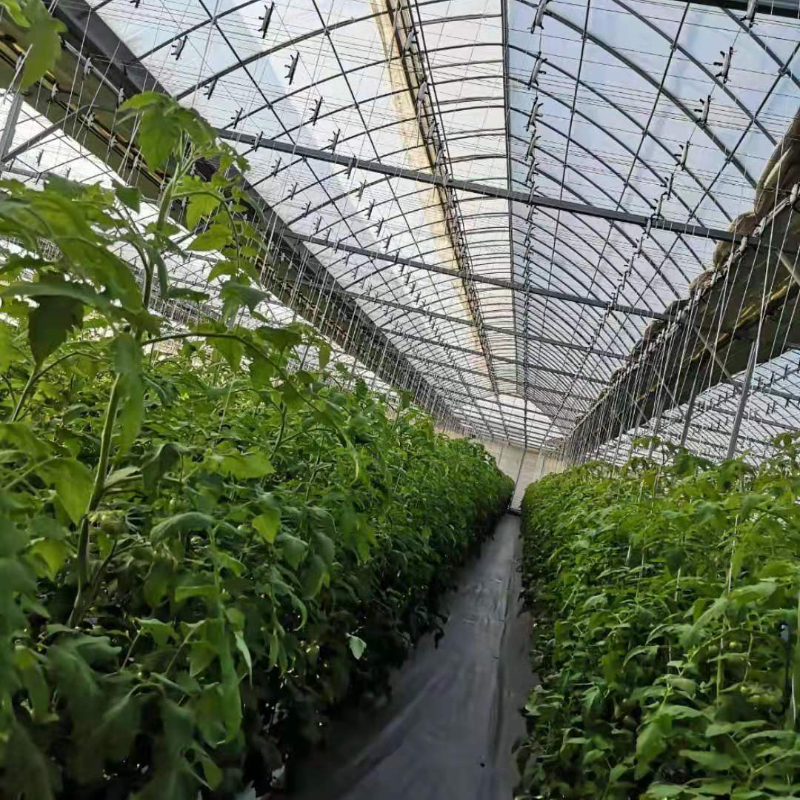
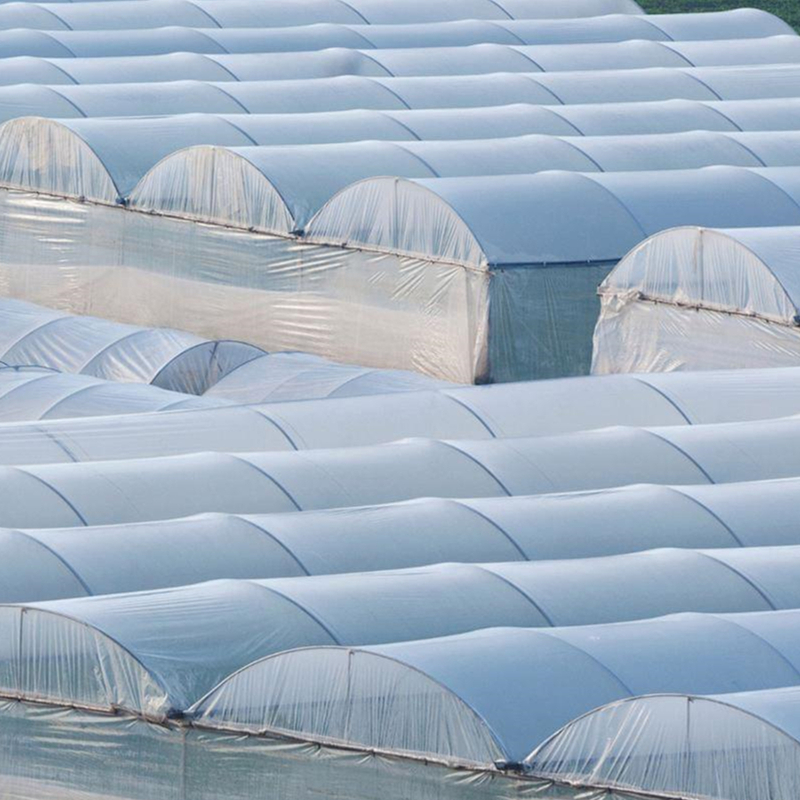
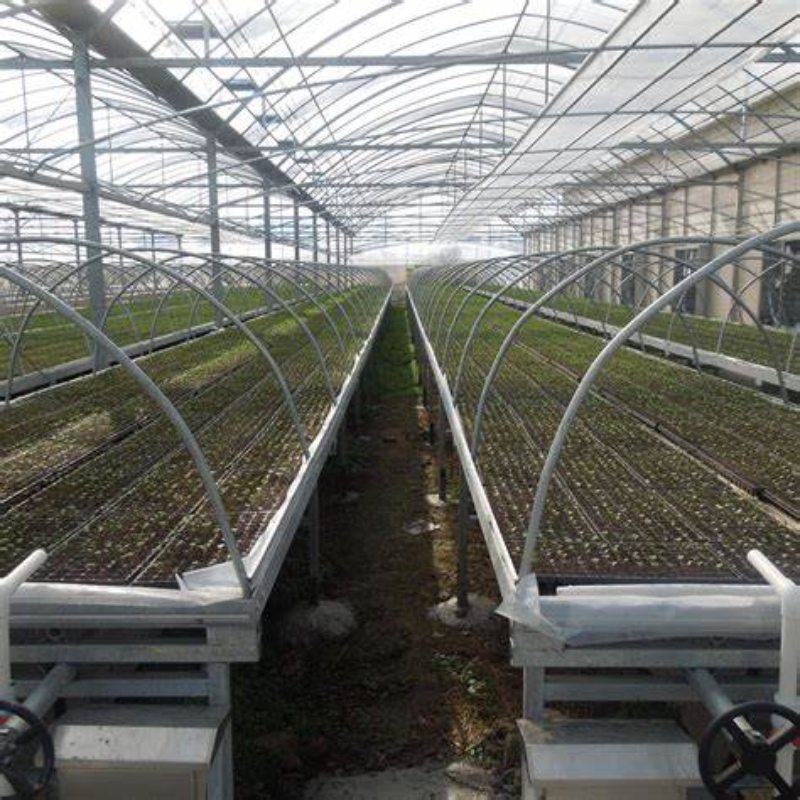
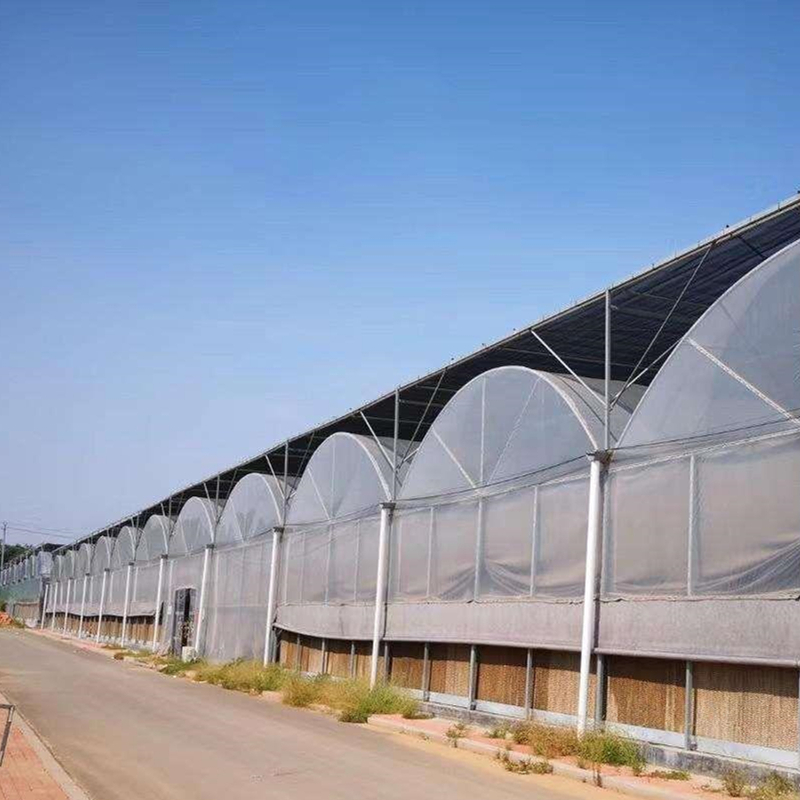
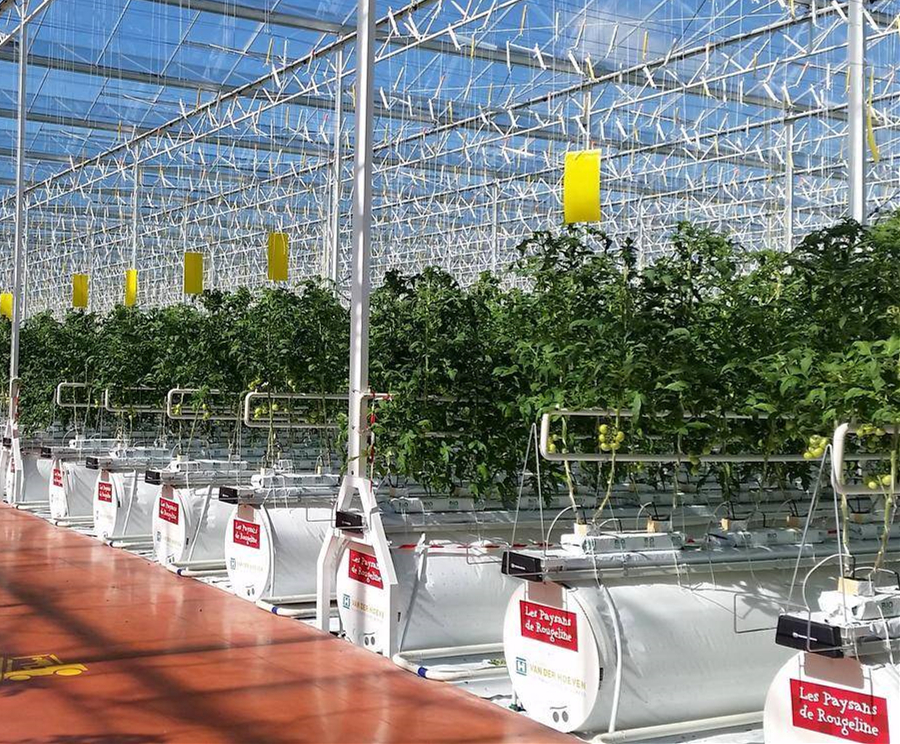
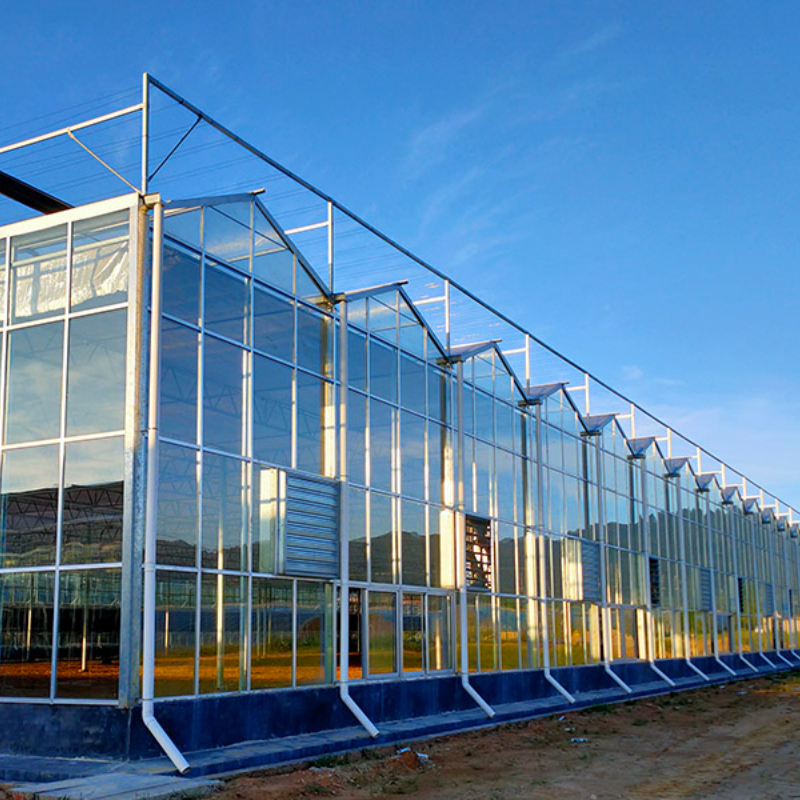
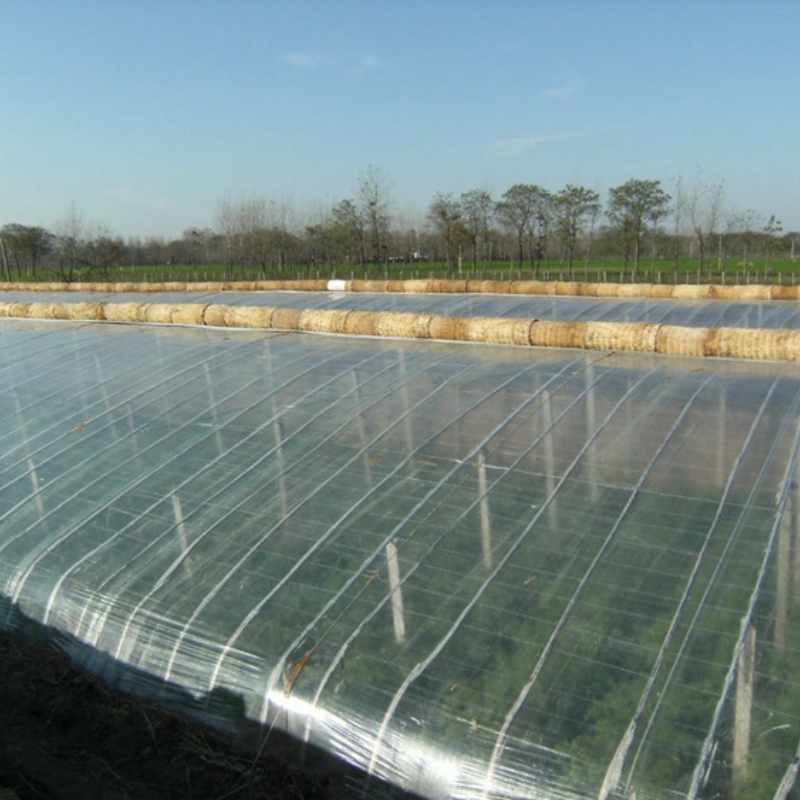
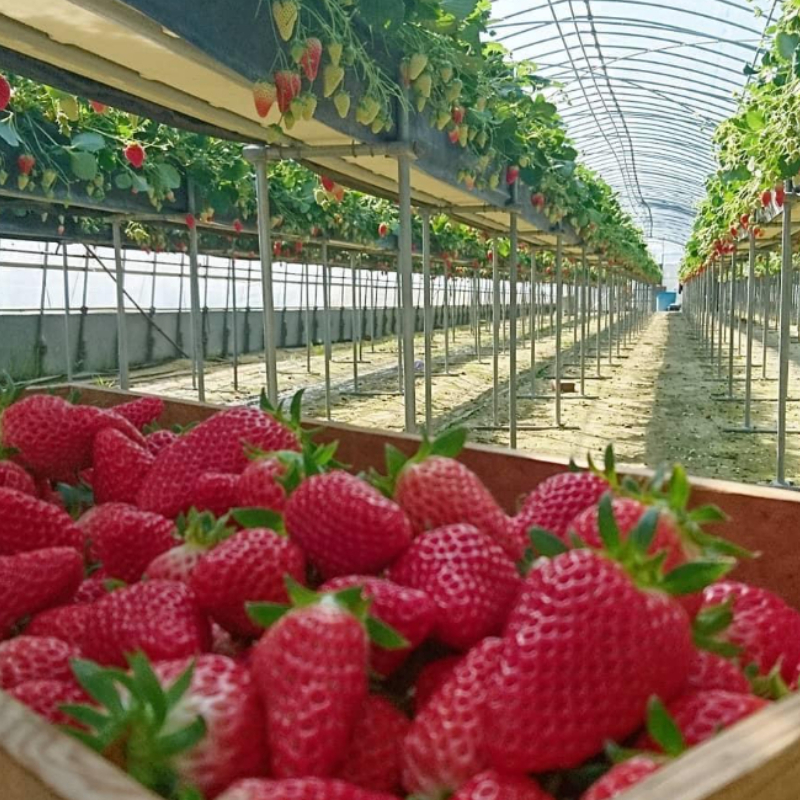
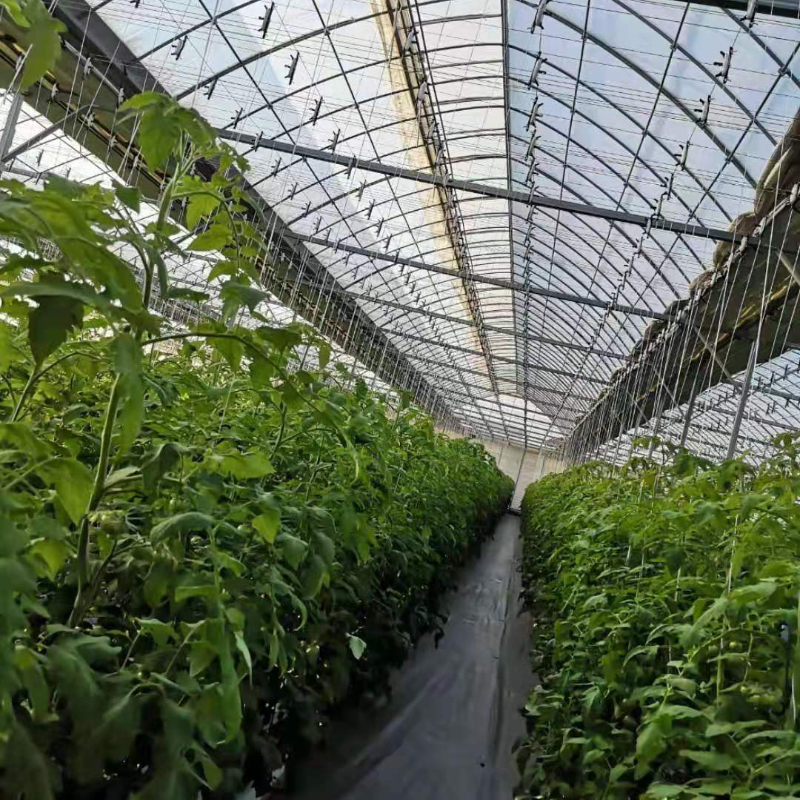
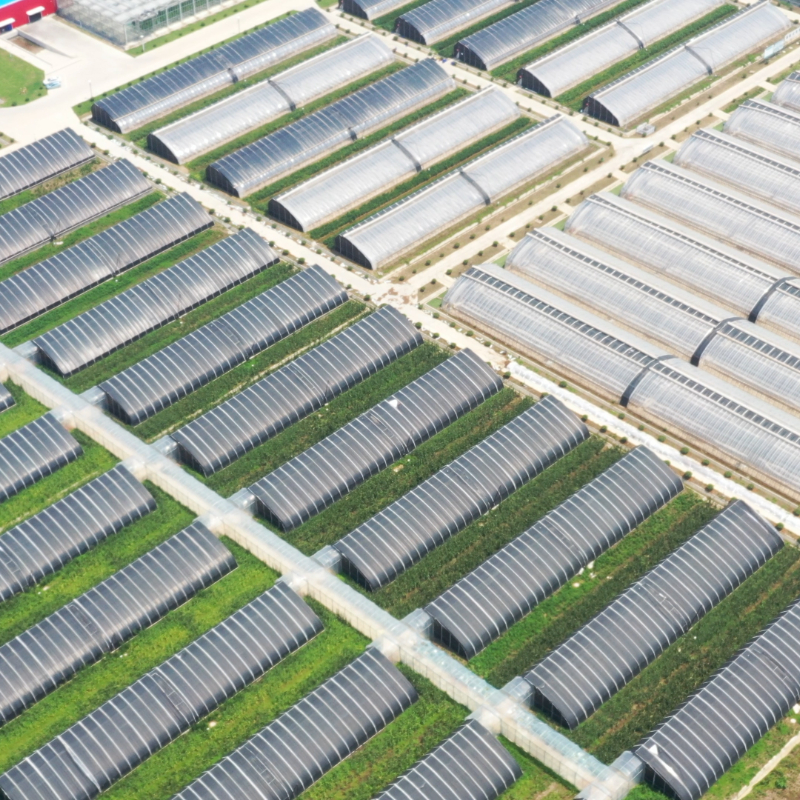
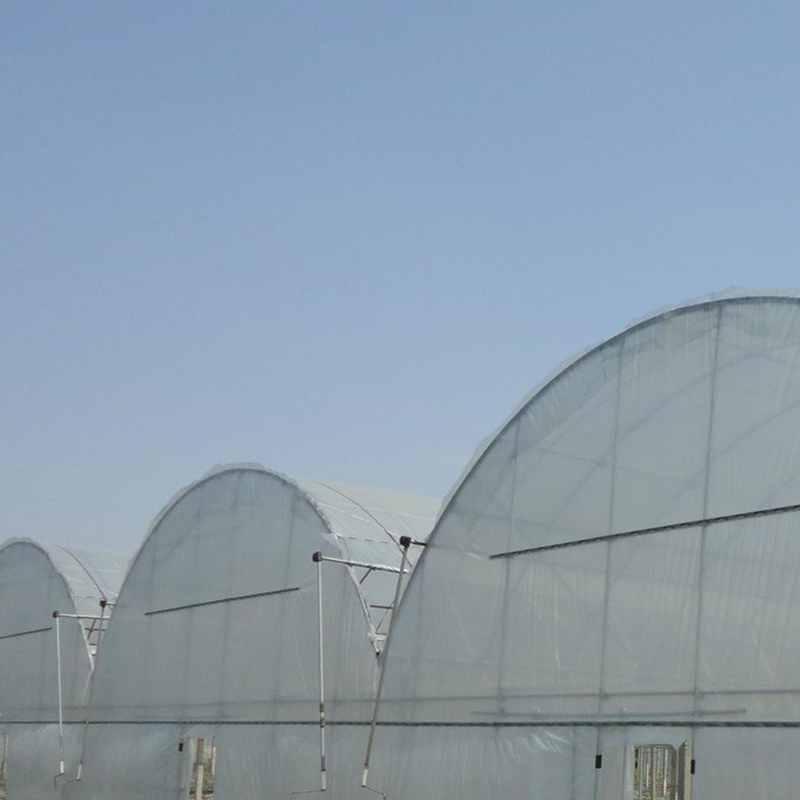
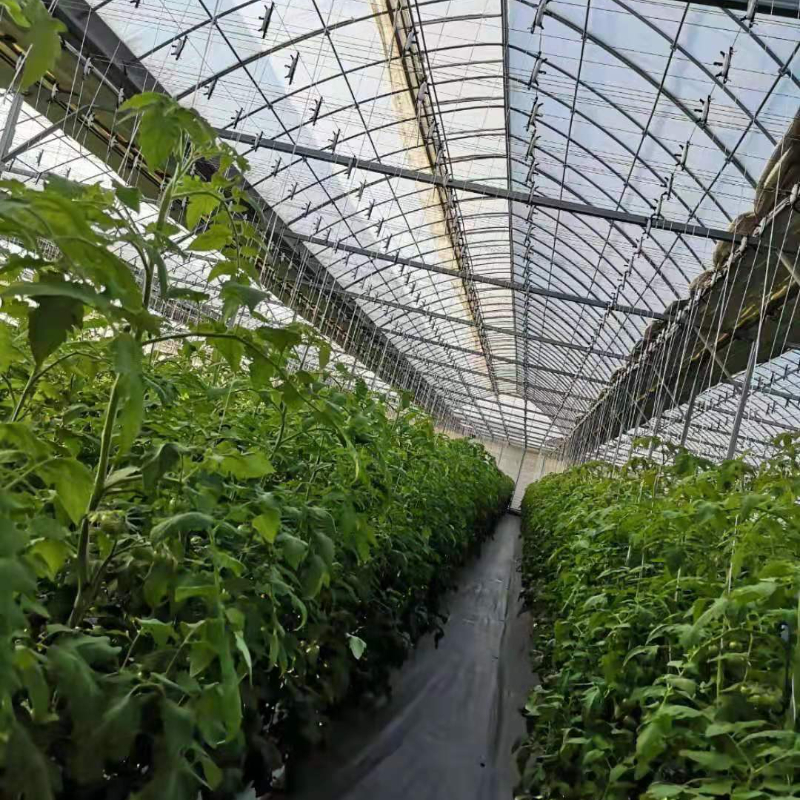
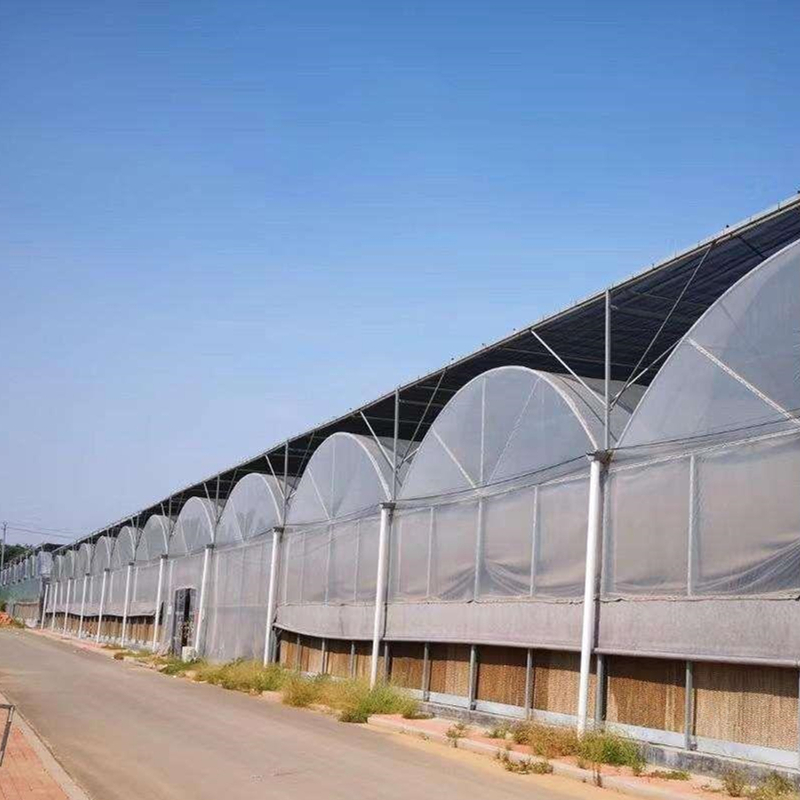
Traditional outdoor greenhouses, custom green houses, and mini green houses rely on experience and intuition, leading to inefficiencies. Growers of outdoor greenhouses guess watering schedules based on weather, while custom green house operators adjust nutrients by past practices, not data. Mini green house owners rely on visual observations, missing subtle crop health changes. Inaccurate weather forecasts, missed signs of stress, and outdated practices hinder productivity in outdoor greenhouses, custom green houses, and mini green houses, limiting profits.
Intelligent outdoor greenhouses, custom green houses, and mini green houses use data analytics for precision decision-making. Sensors in outdoor greenhouses, custom green houses, and mini green houses monitor temperature, humidity, soil moisture, nutrient levels, CO2, and growth rates in real time. This data is analyzed by software, generating insights for outdoor green house, custom green house, and mini green house operators. For example, an outdoor green house’s data reveals optimal temperature-light combinations for high yields, while a custom green house’s analytics adjust nutrient schedules for its tailored crops. A mini green house’s data alerts growers to subtle moisture changes, preventing plant stress.
Data analytics identifies patterns and risks in outdoor greenhouses, custom green houses, and mini green houses. Machine learning in outdoor greenhouses detects early pest infestations, while custom green houses use data to optimize their unique layouts for efficiency. Mini green houses leverage analytics to adjust light cycles for seedlings. This proactive intervention in outdoor greenhouses, custom green houses, and mini green houses prevents crop losses and reduces chemical use. Growers of outdoor greenhouses, custom green houses, and mini green houses use data to predict yields, adjust strategies, and maximize profits—turning guesswork into precision.
Long-term planning is enhanced by data from outdoor greenhouses, custom green houses, and mini green houses. Operators track performance across growing cycles, comparing yields, quality, and costs for outdoor greenhouses, custom green houses, and mini green houses. This helps identify profitable crops and methods for each type: outdoor green houses for large-scale commercial crops, custom green houses for specialty produce, and mini green houses for urban or hobby growing. Commercial enterprises integrate outdoor green house and custom green house data with supply chains, improving inventory planning and pricing. Mini green house owners use data to refine their growing practices, scaling their hobby into small businesses.
Aggregated data from outdoor greenhouses, custom green houses, and mini green houses drives industry innovation. Shared insights improve control systems for outdoor greenhouses, custom green houses, and mini green houses, optimize crop varieties for each type, and address global challenges like climate change. This collaboration benefits all growers of outdoor greenhouses, custom green houses, and mini green houses, advancing sustainable agriculture worldwide. Outdoor greenhouses, custom green houses, and mini green houses thus become catalysts for technological progress, linking individual growers to global solutions.
