
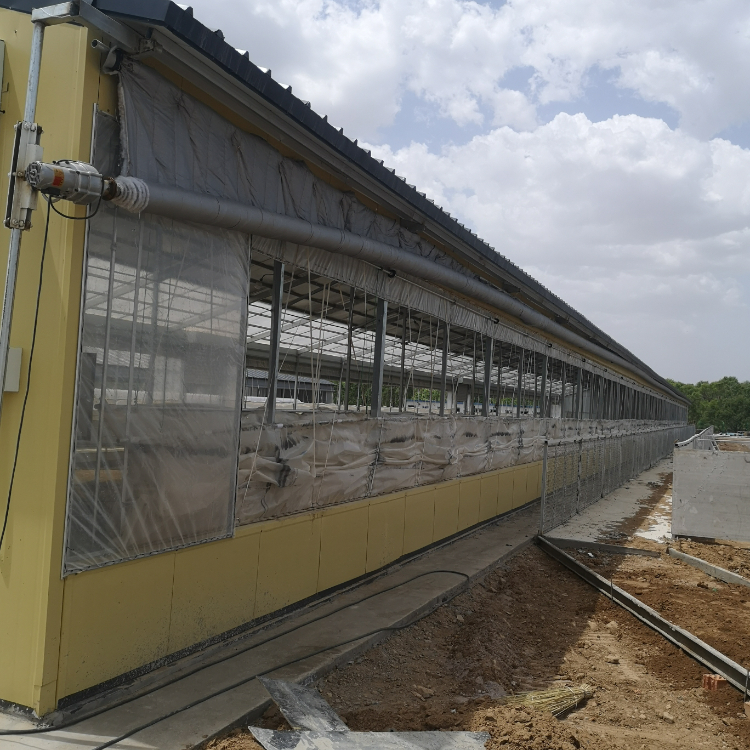
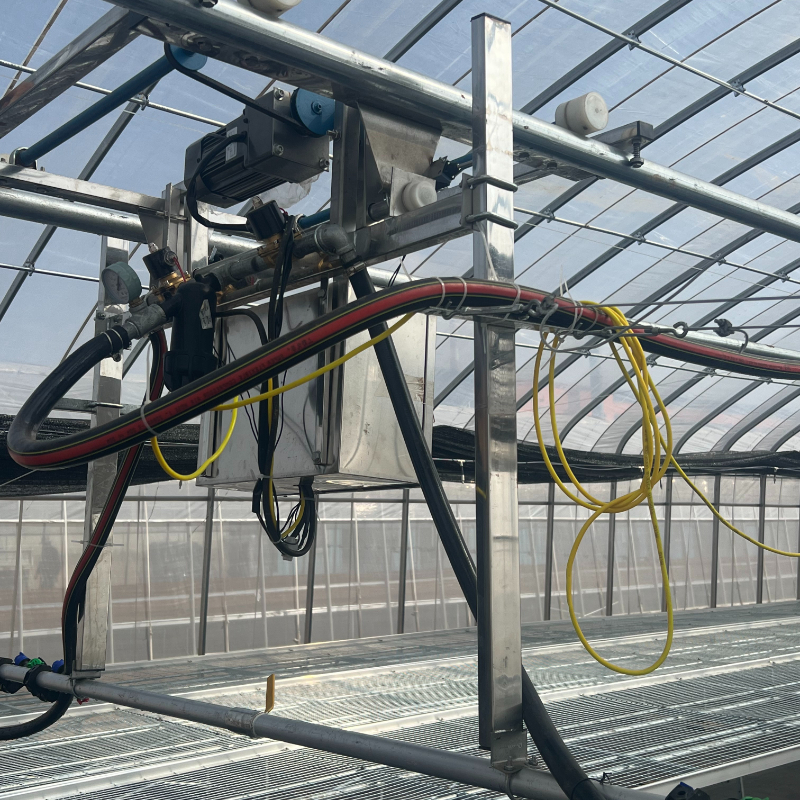
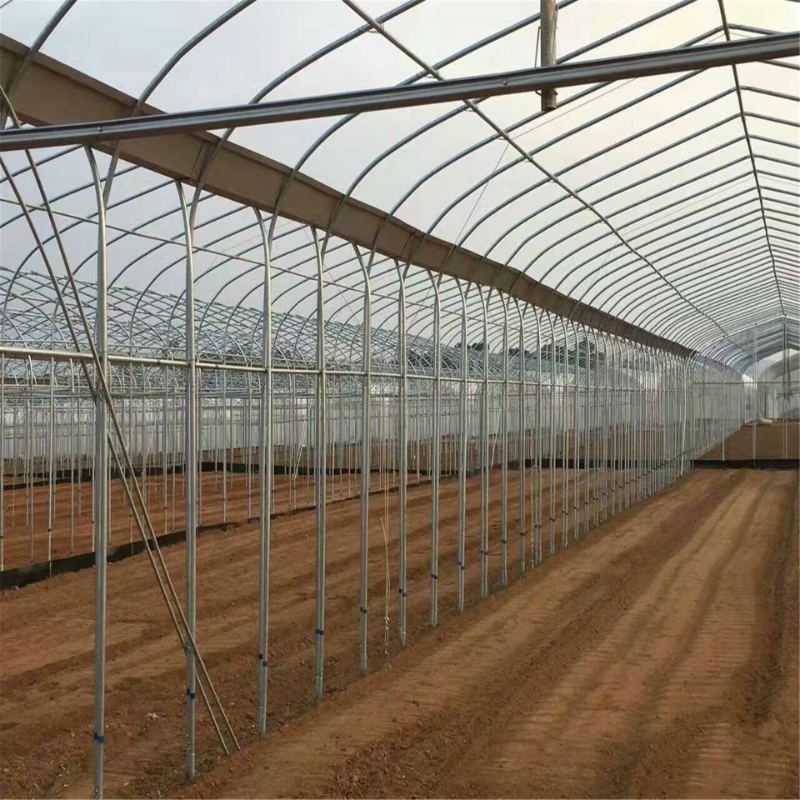
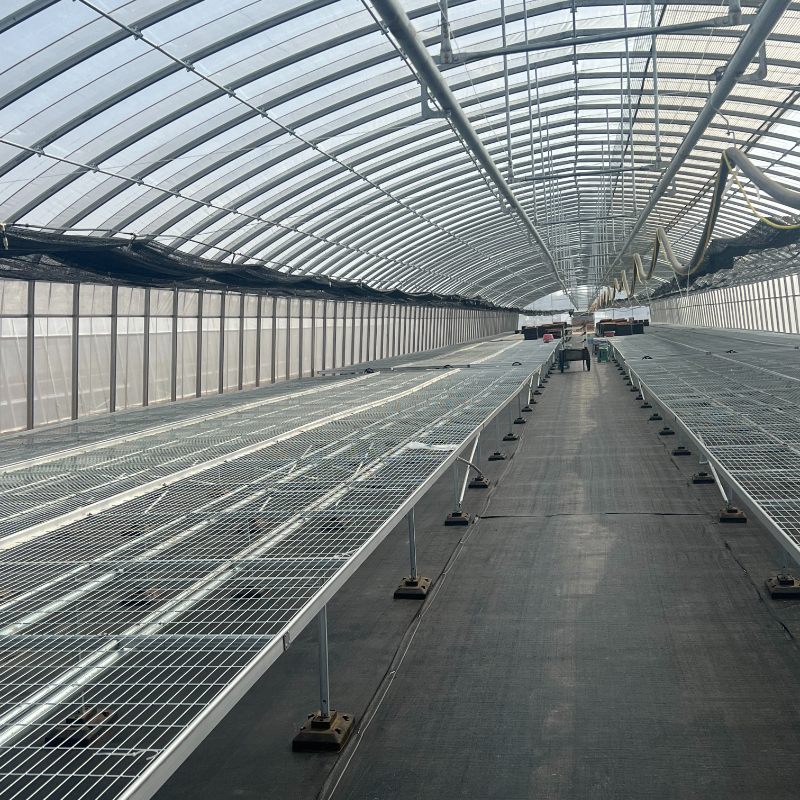
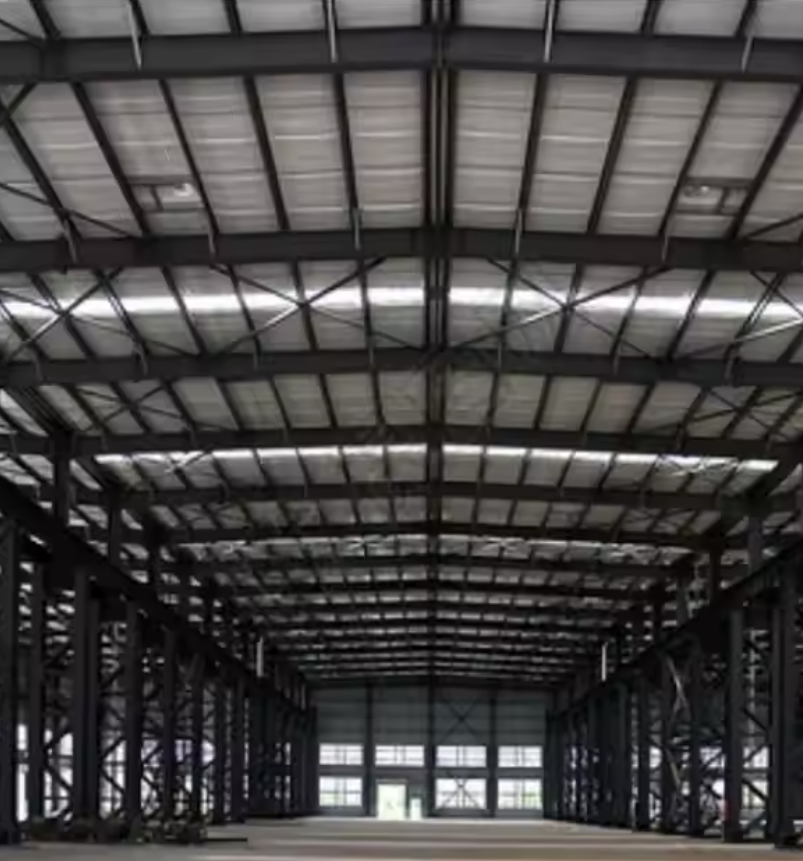
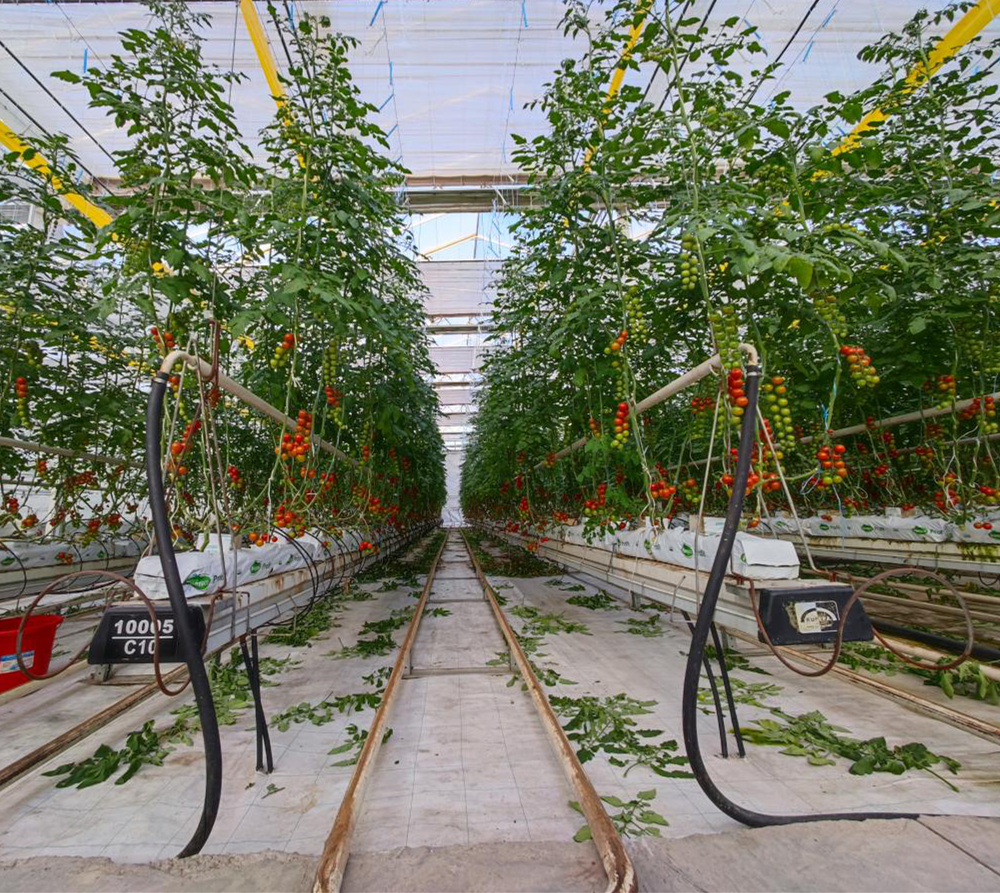
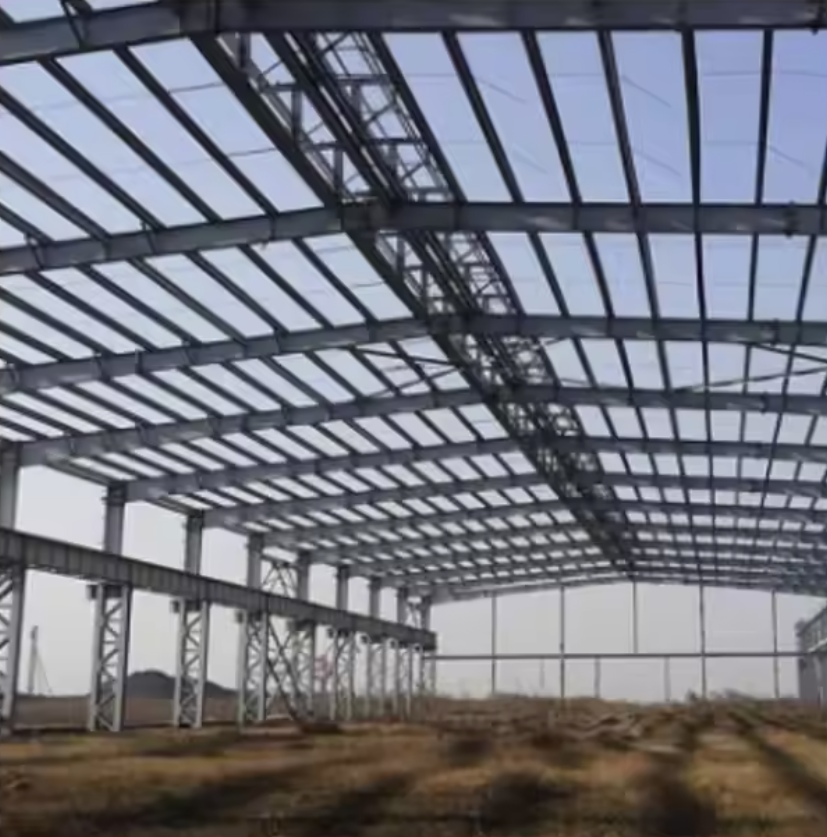
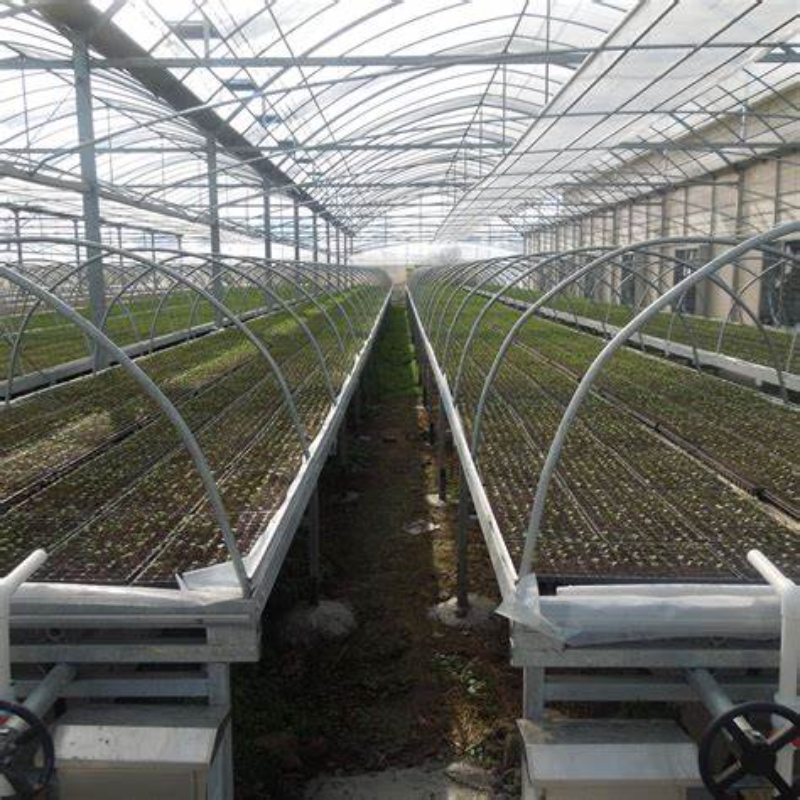
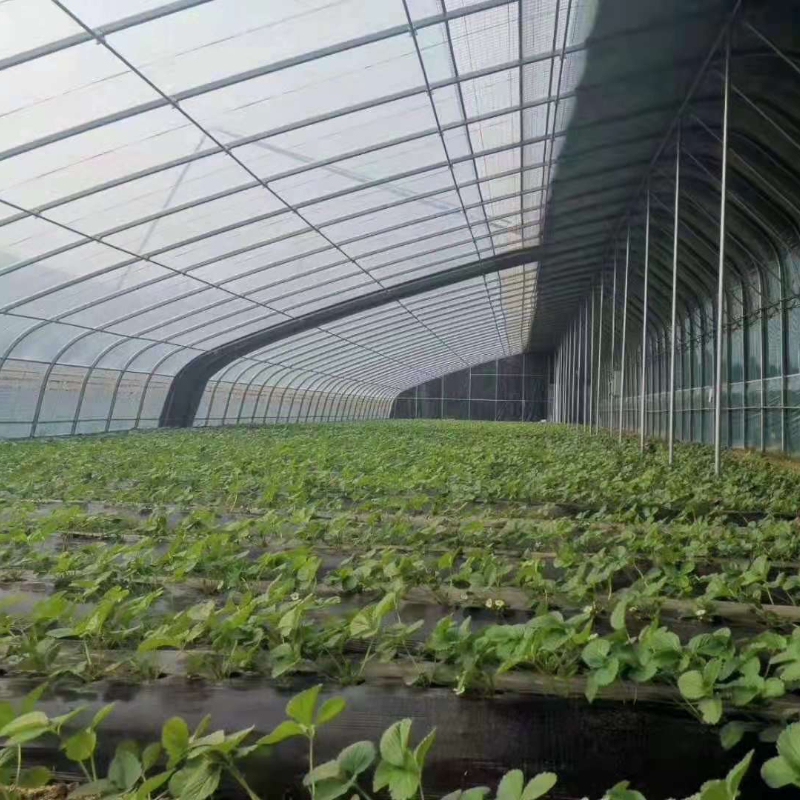
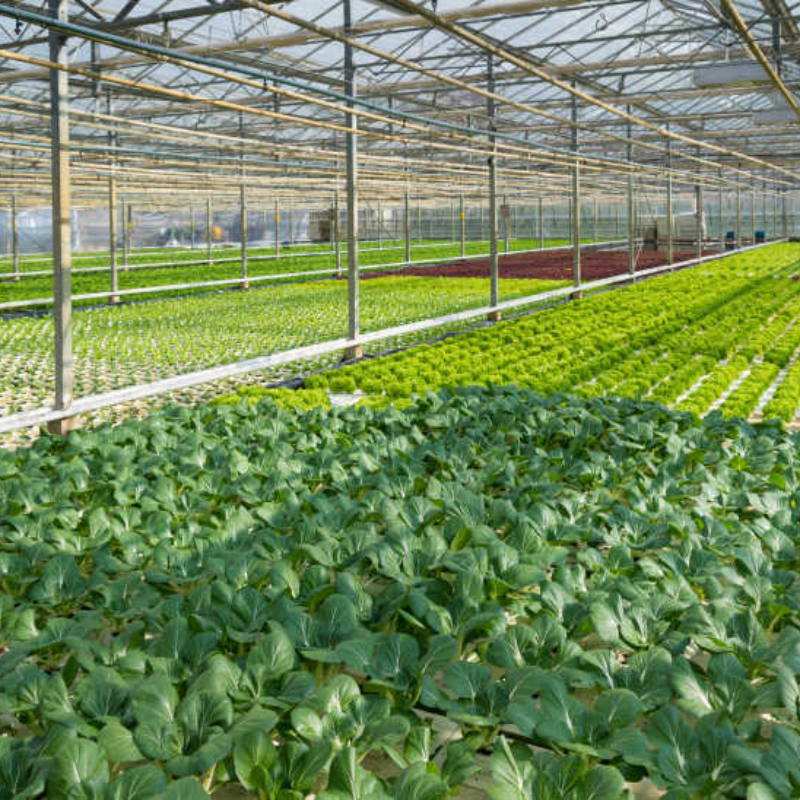
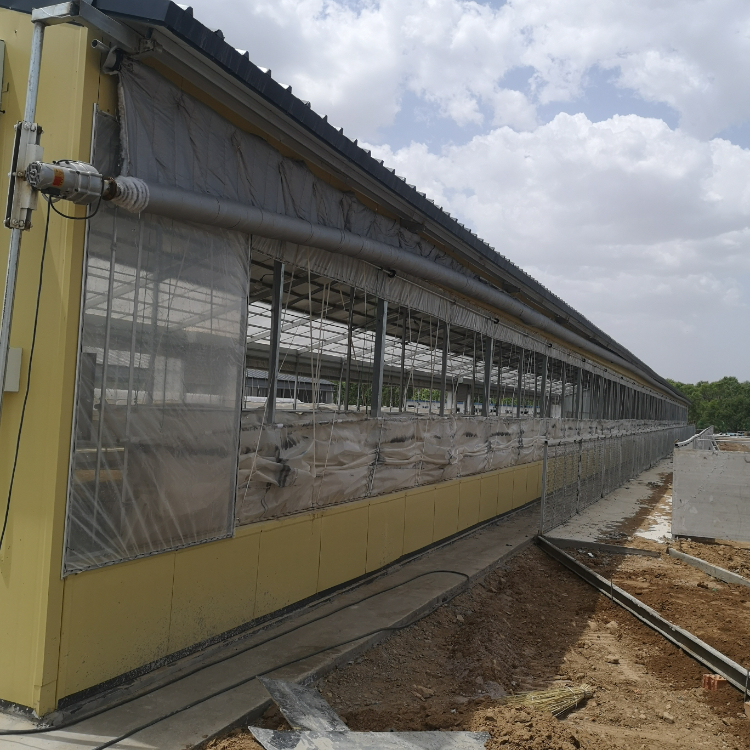
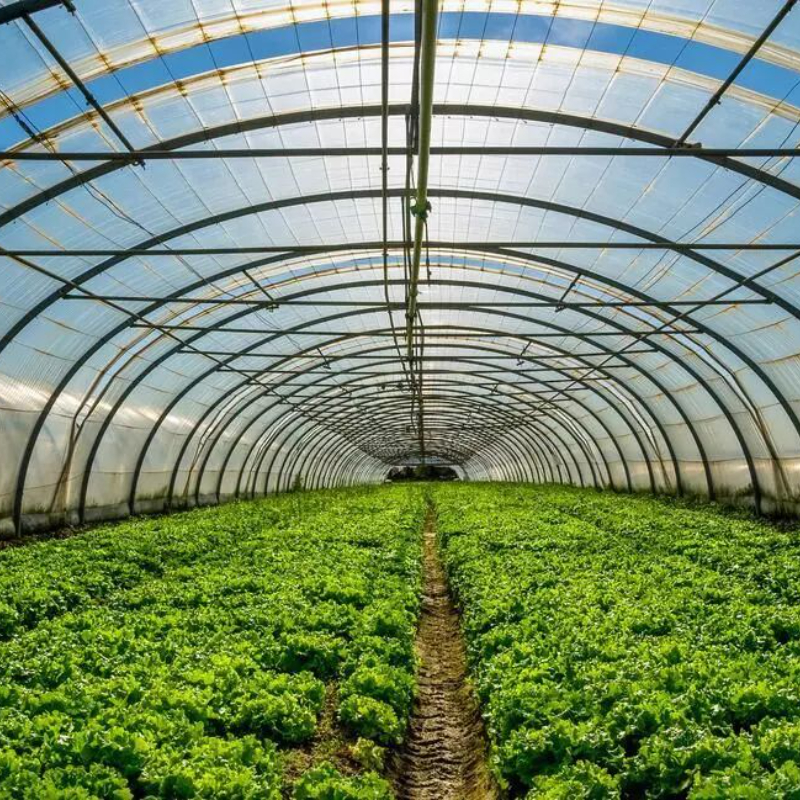
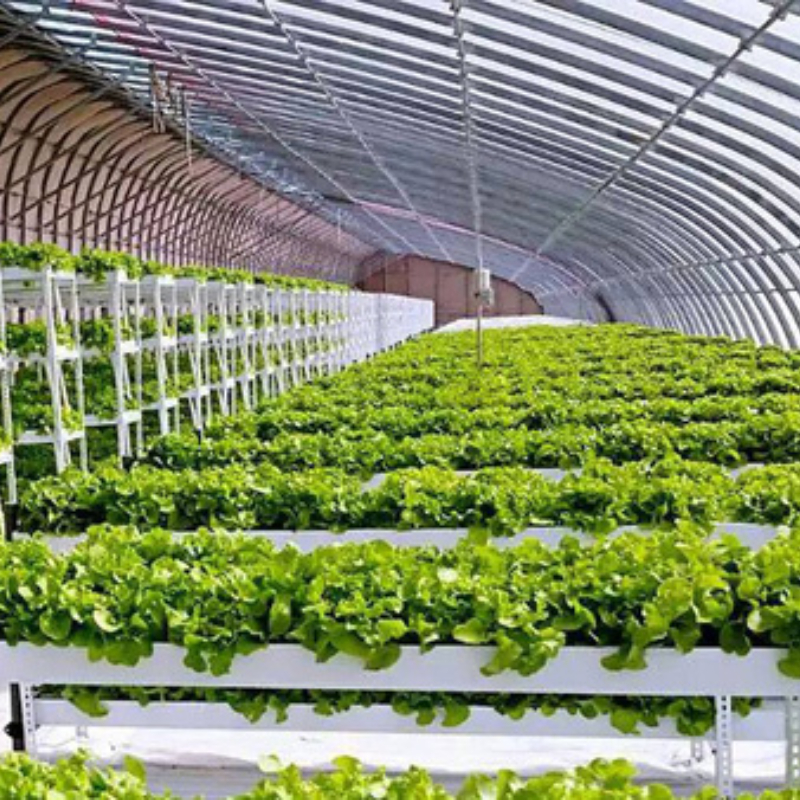
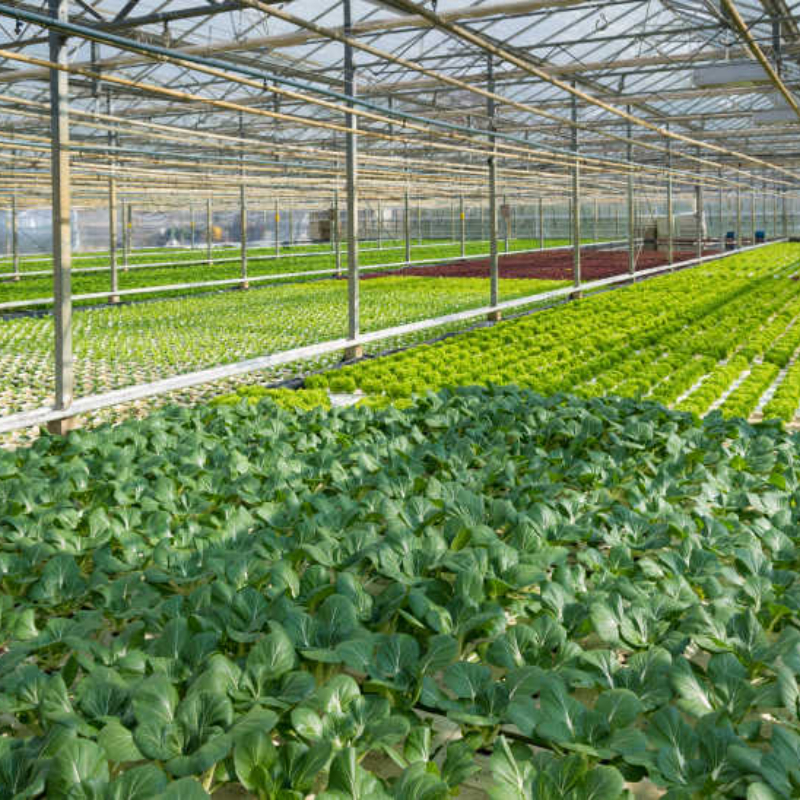
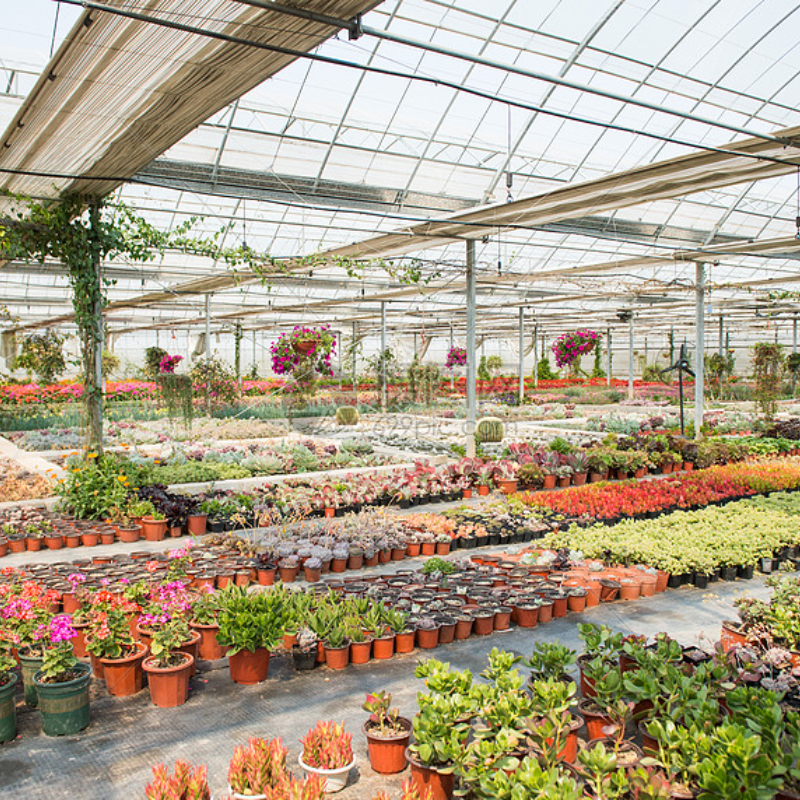
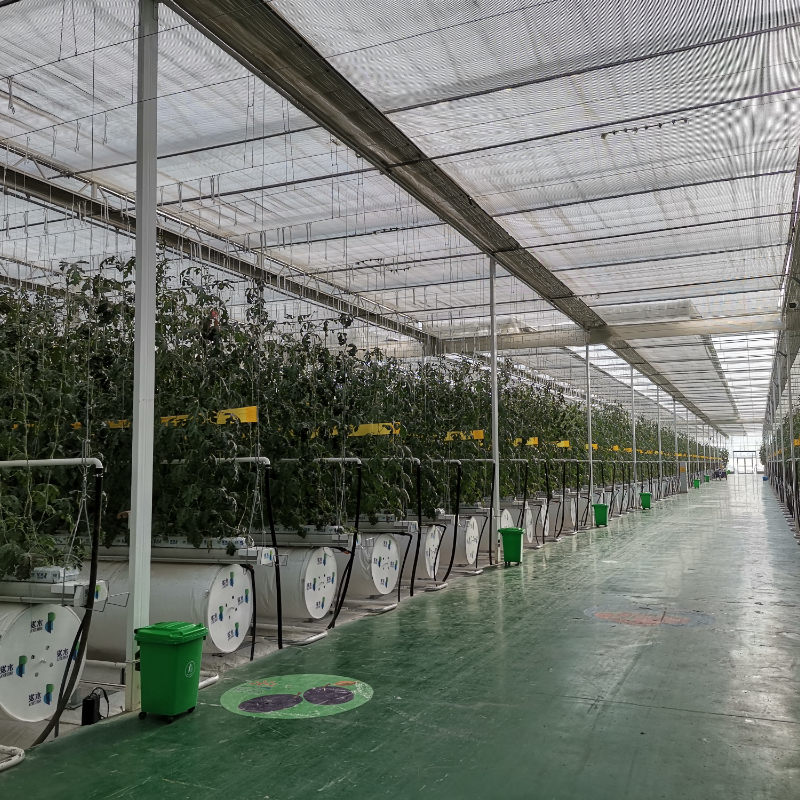
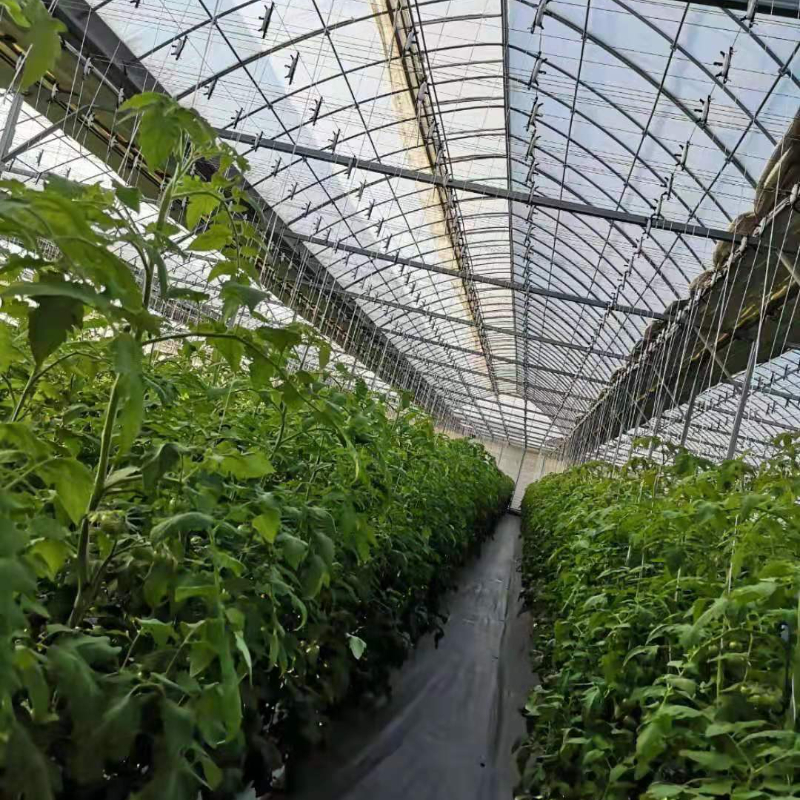
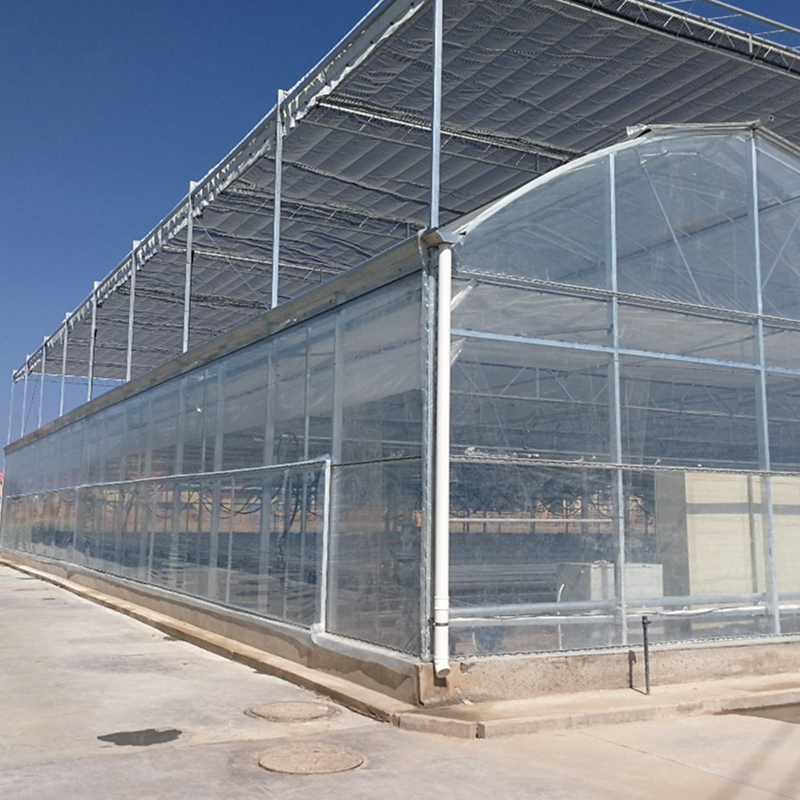
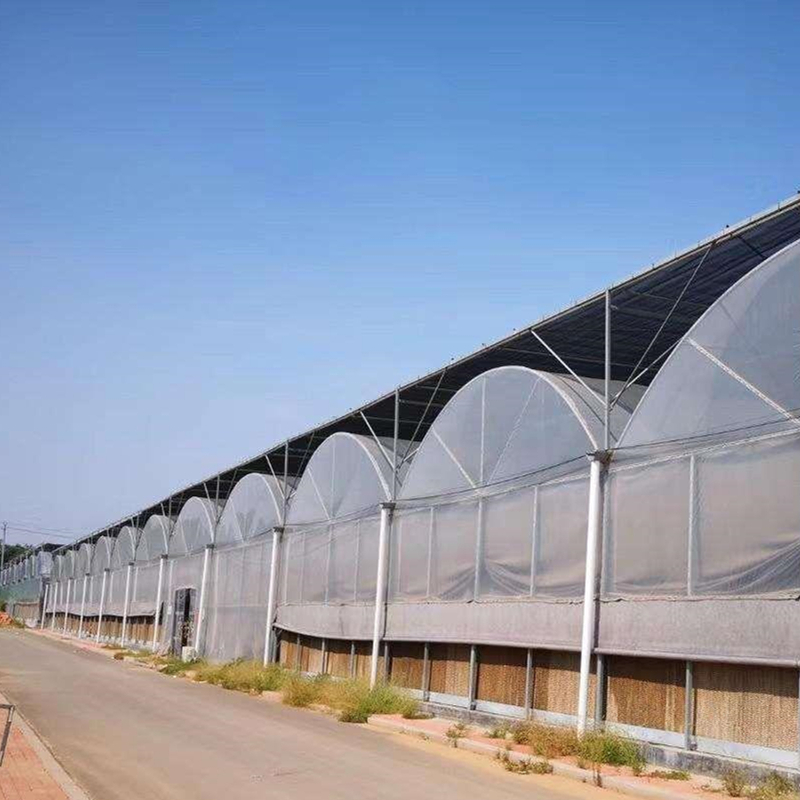
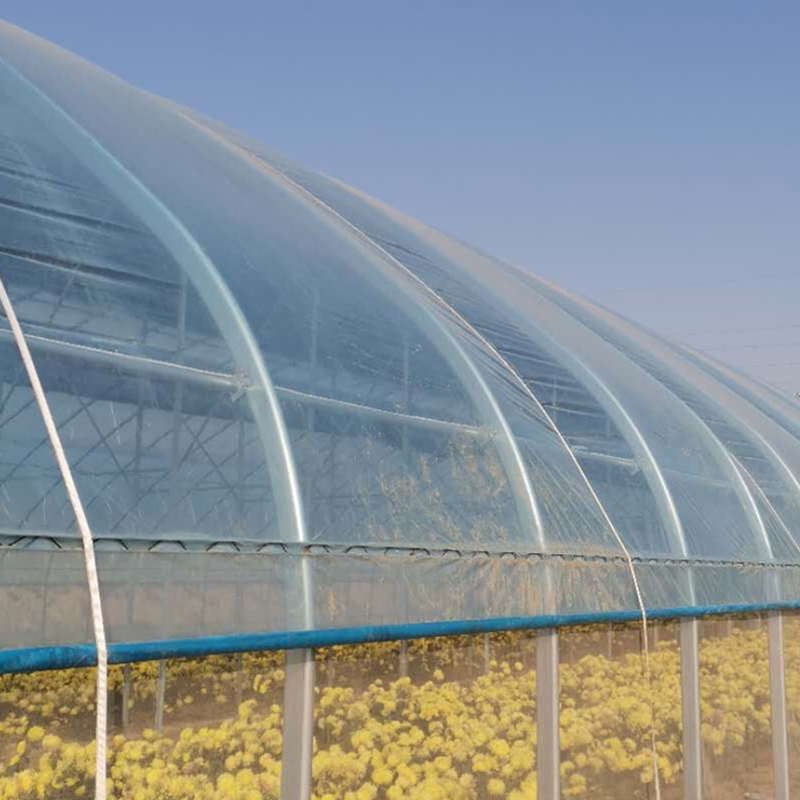
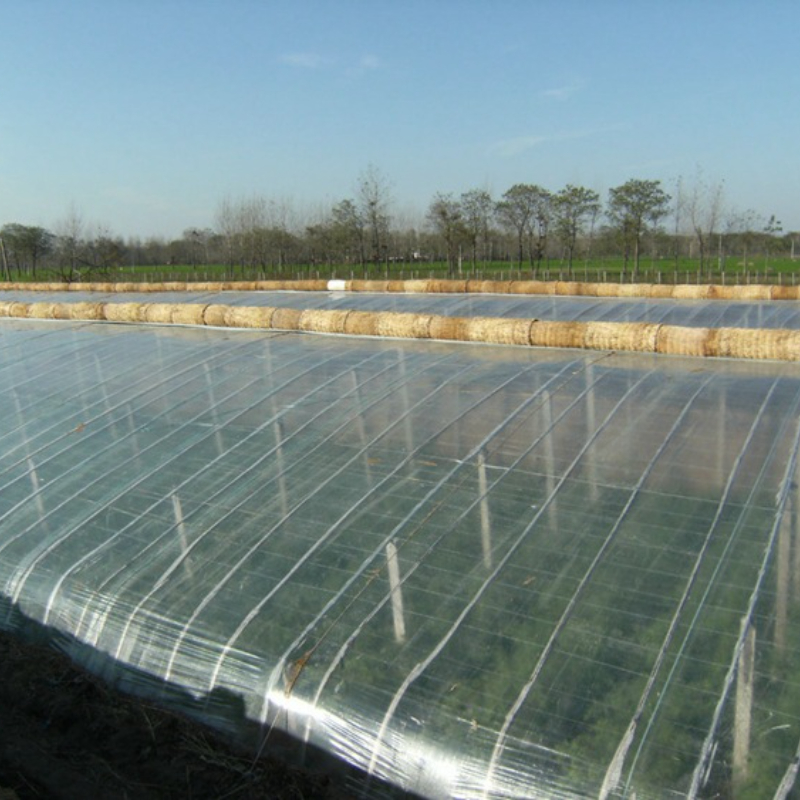
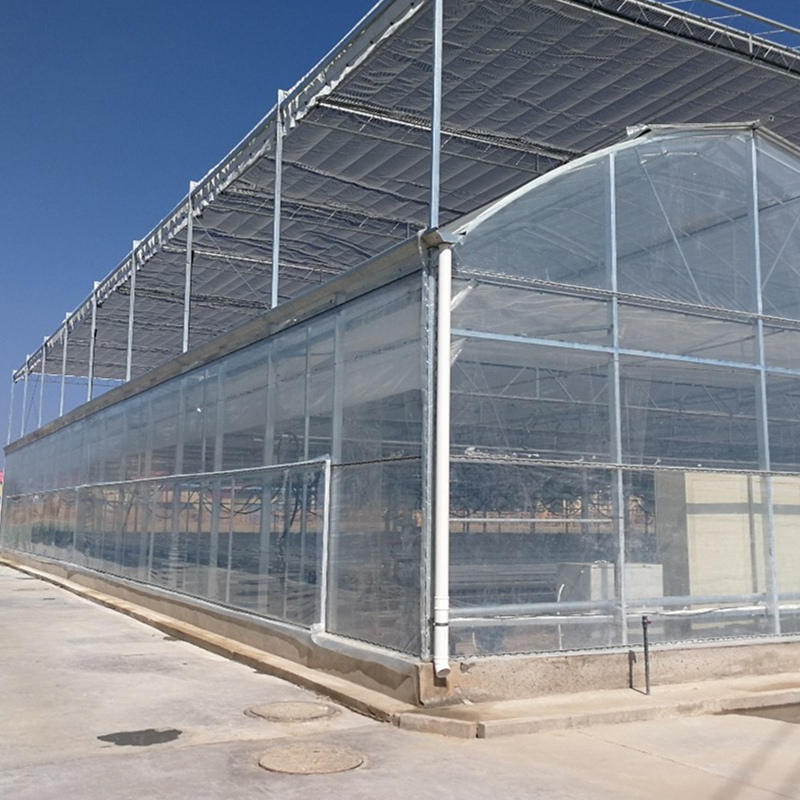
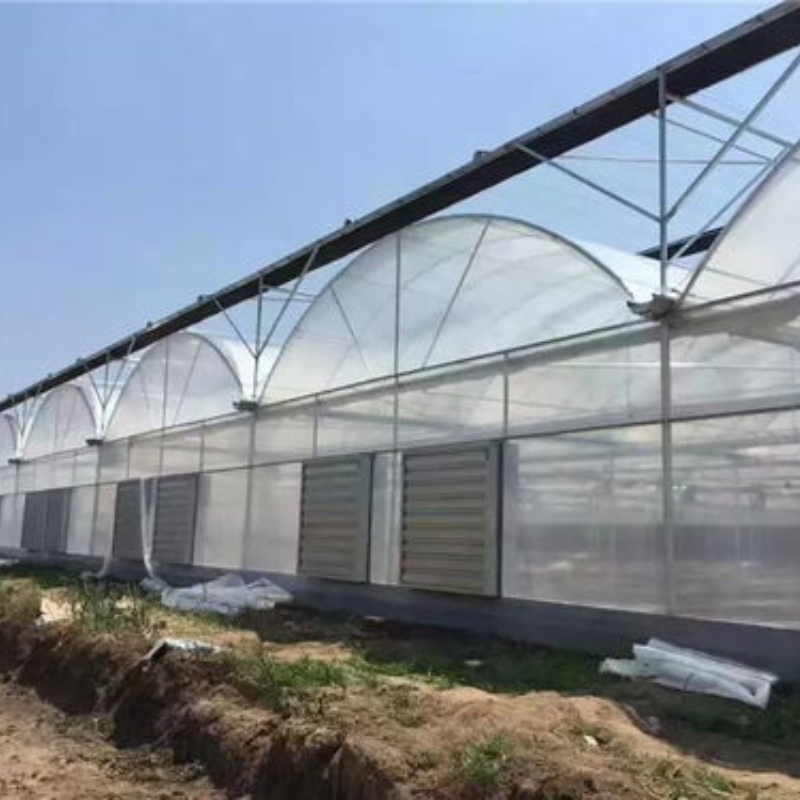
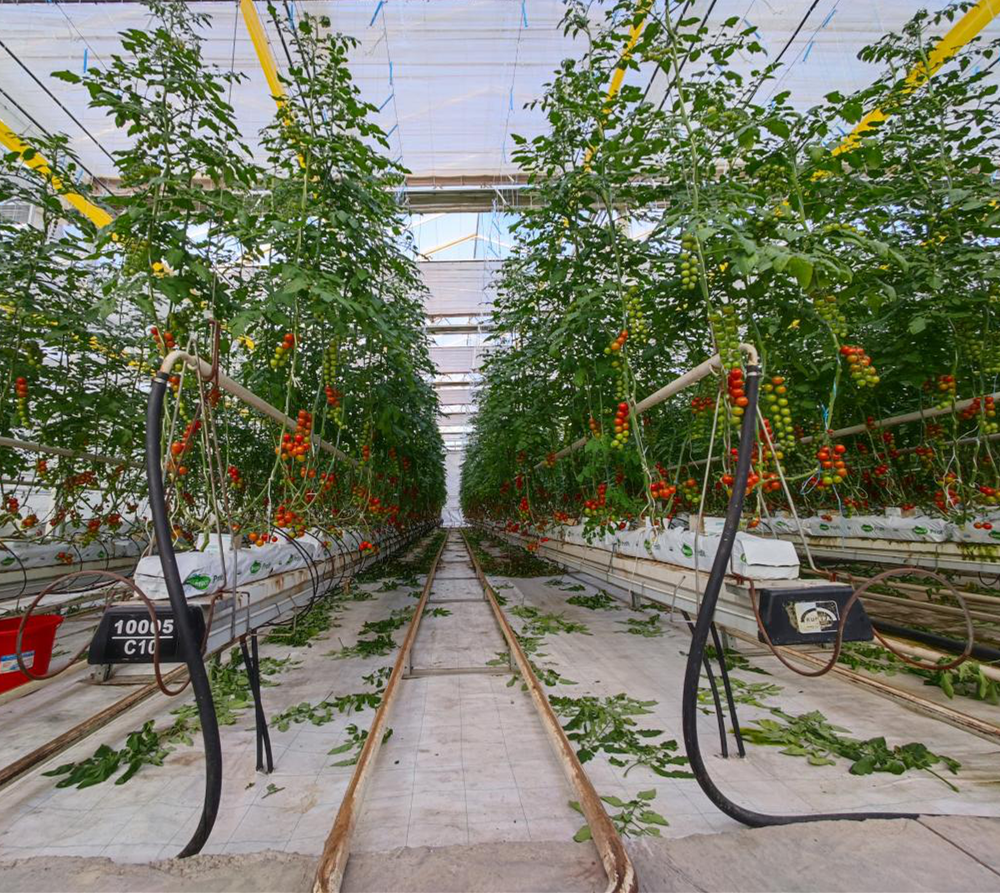
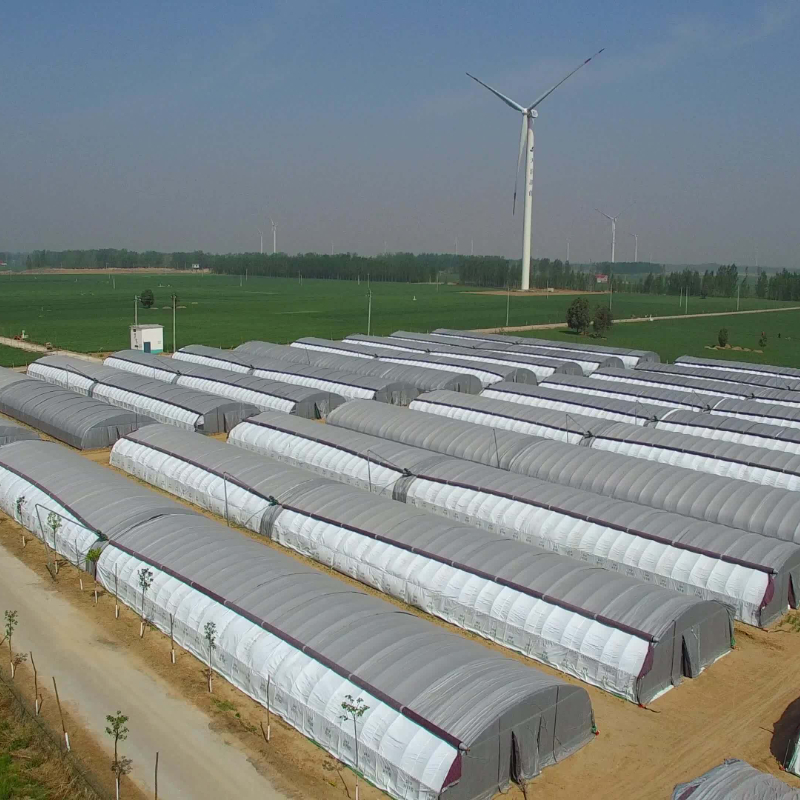
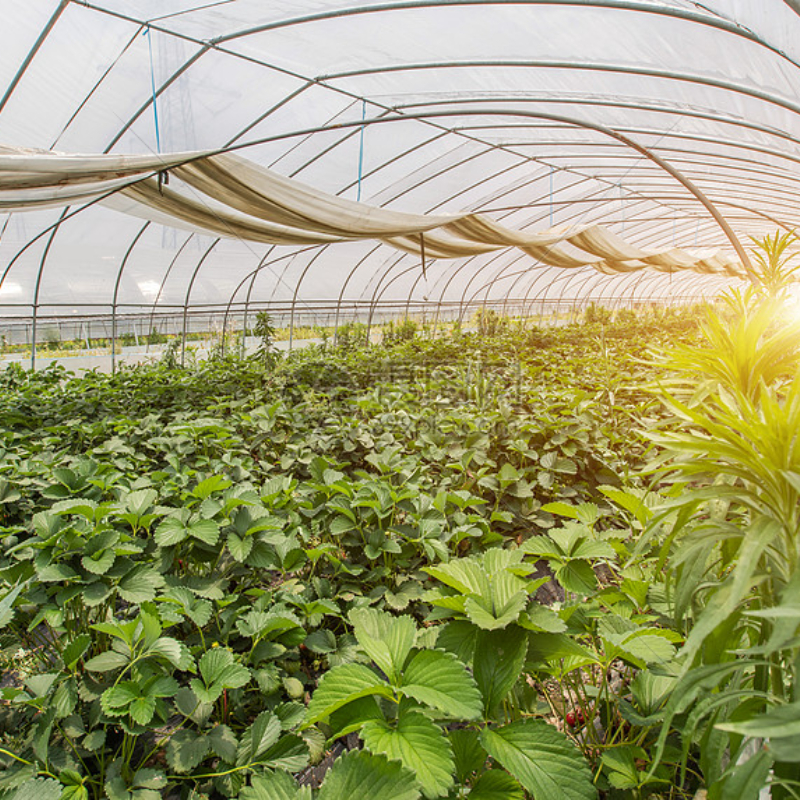
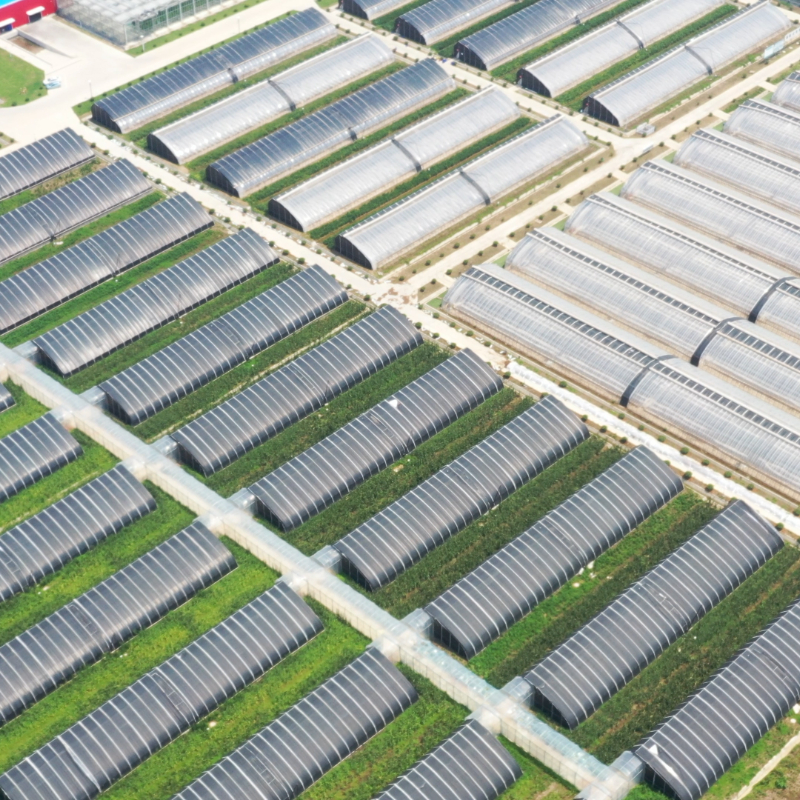
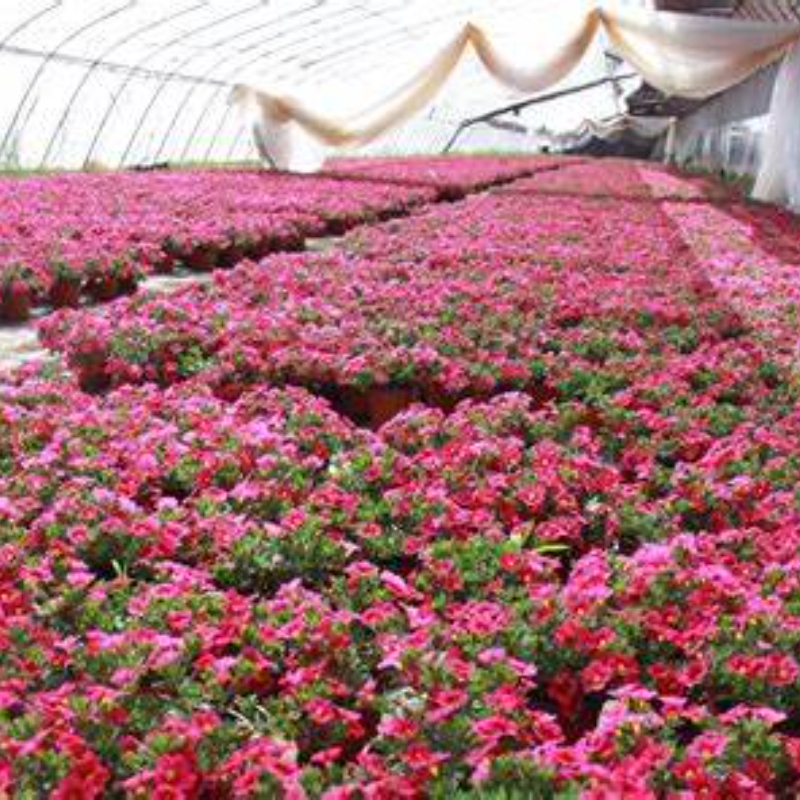
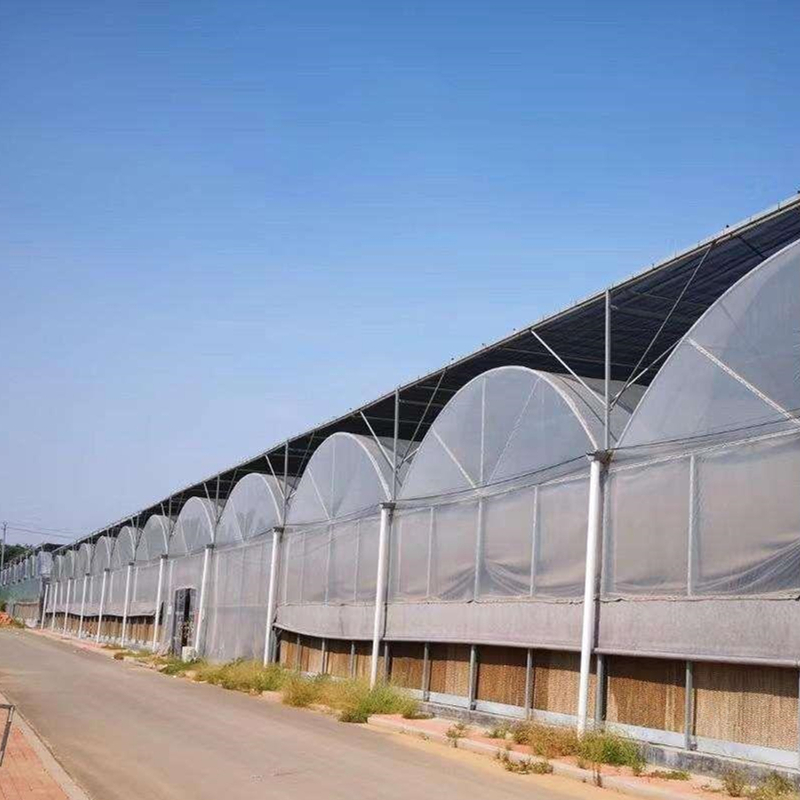
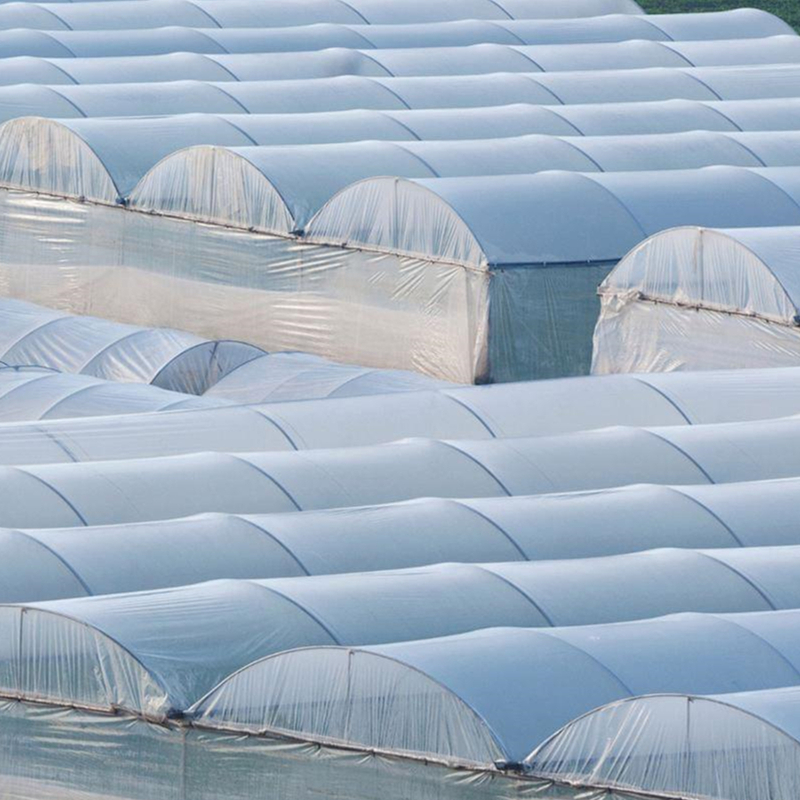
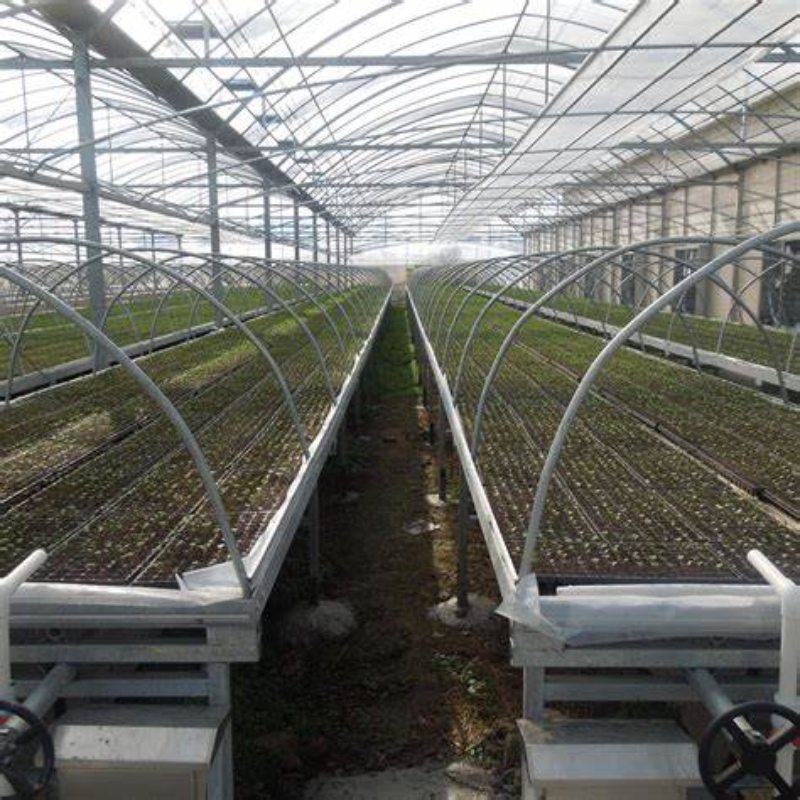
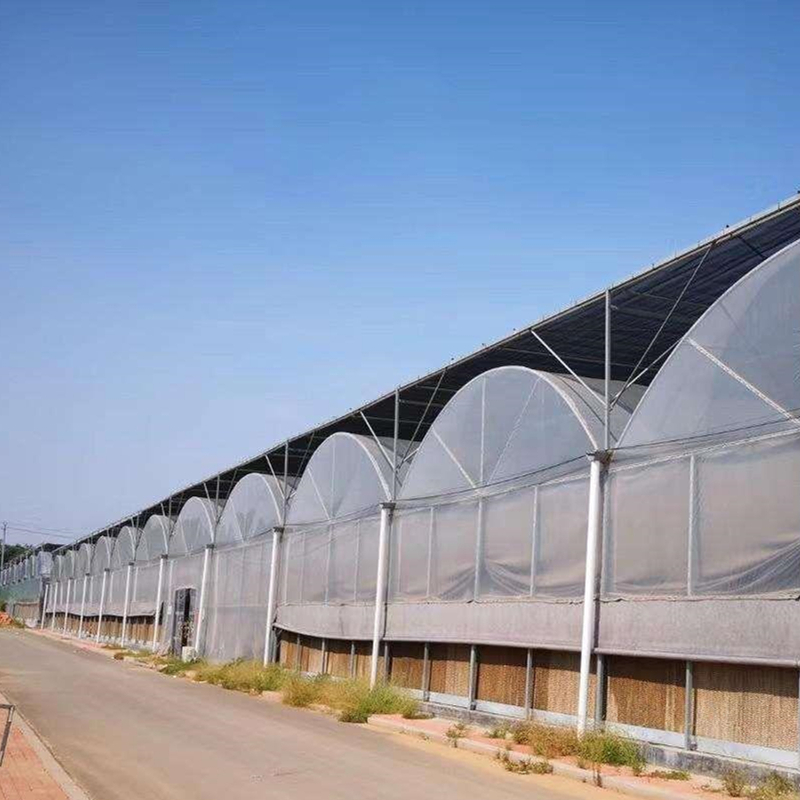
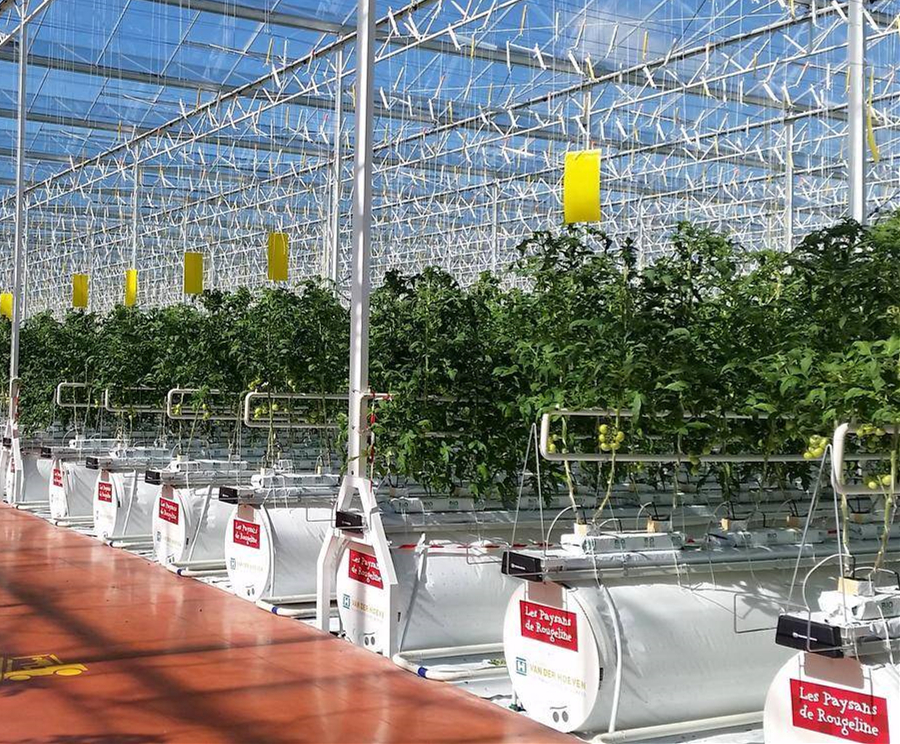
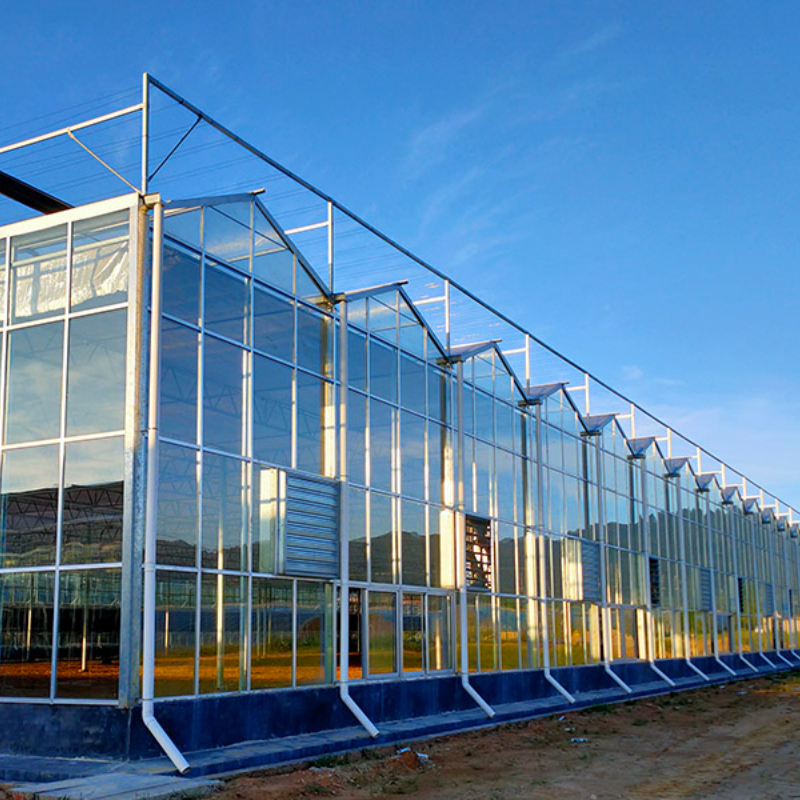
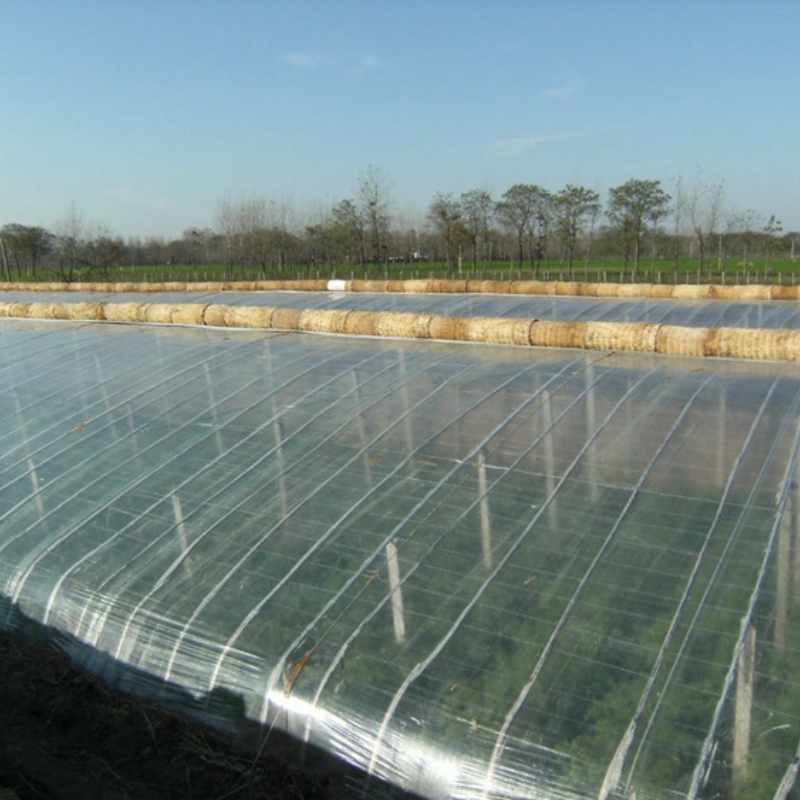
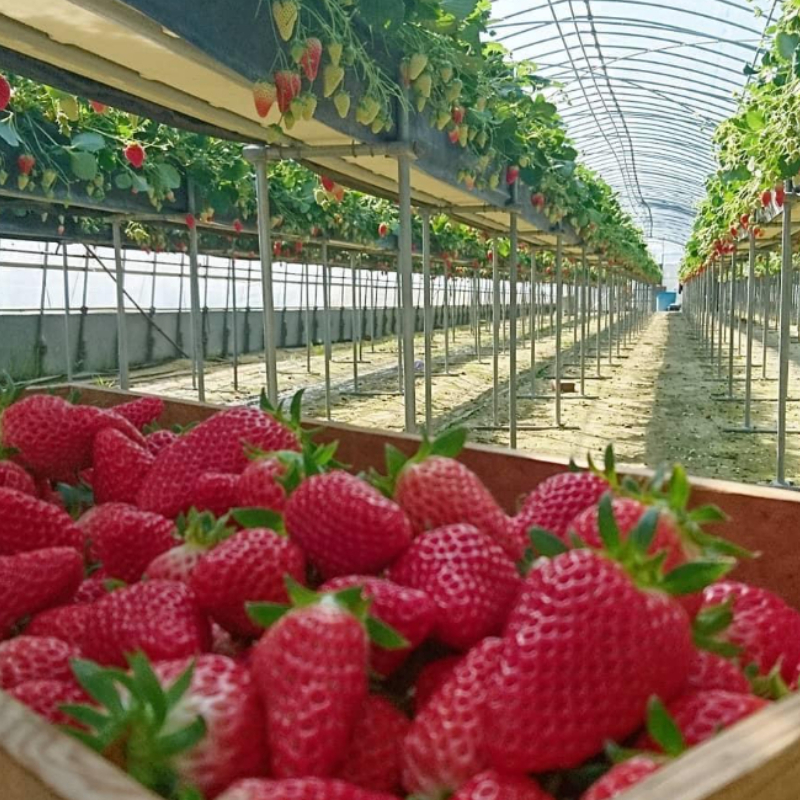
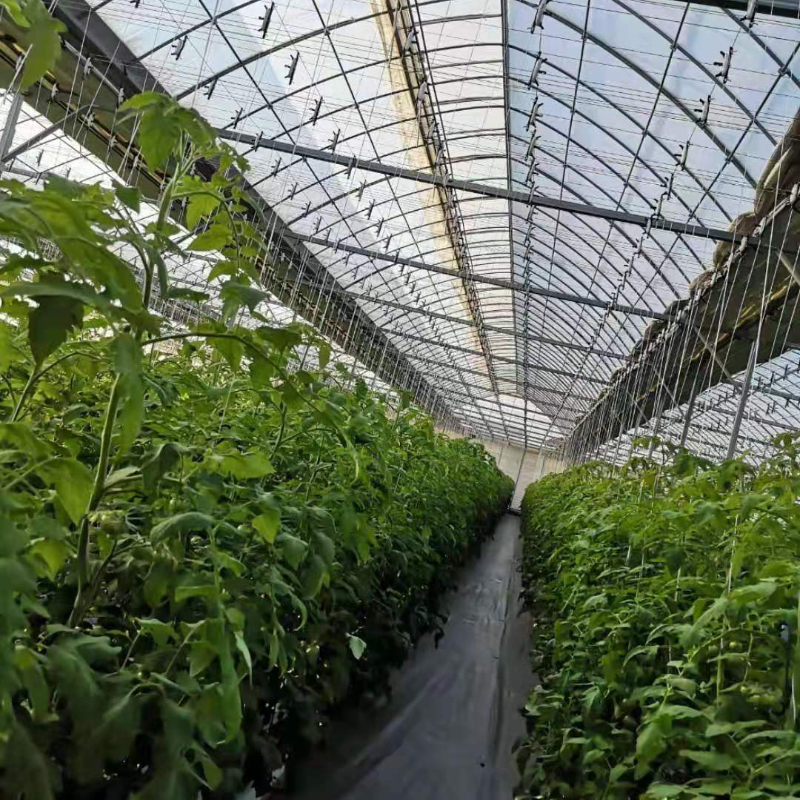
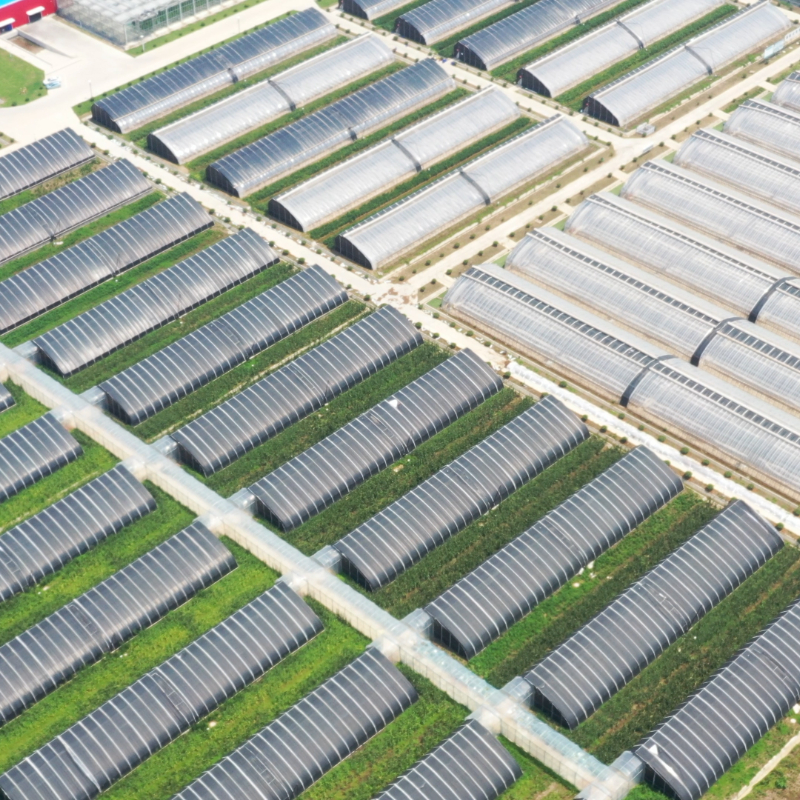
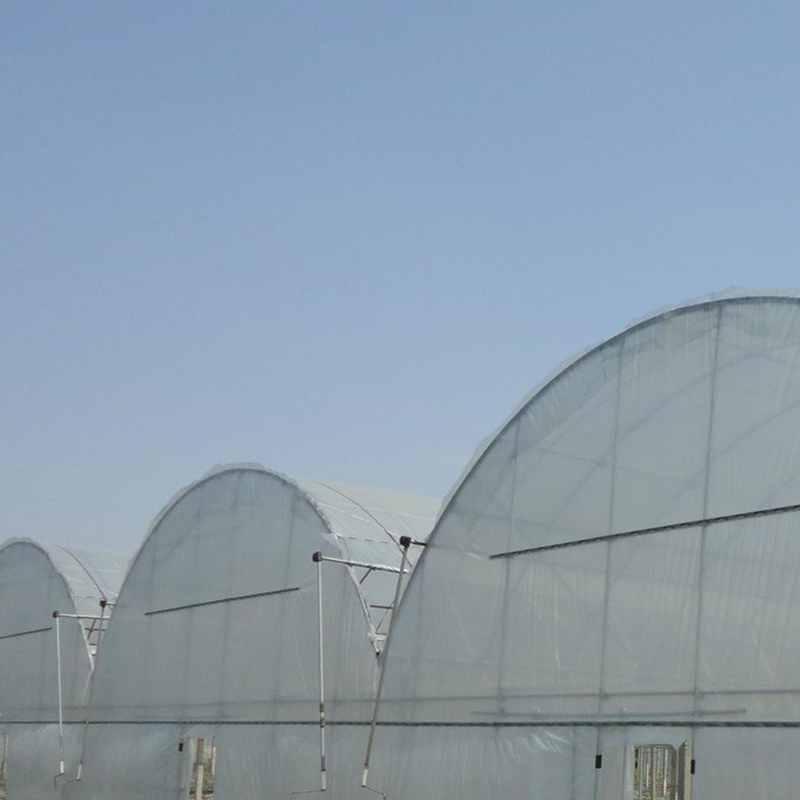
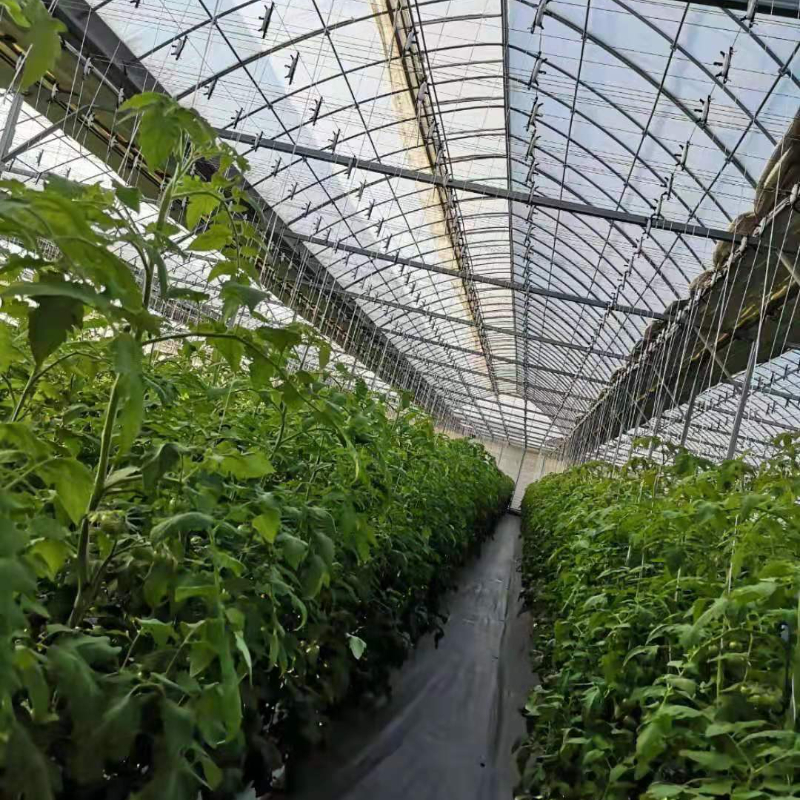
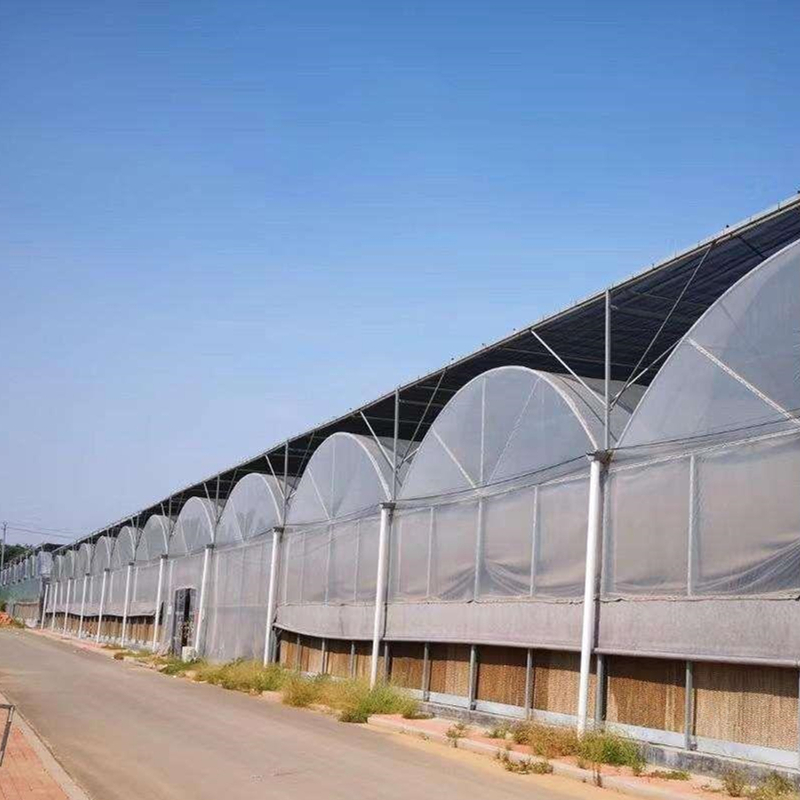
The value of multi-source data can only be fully exerted through advanced analysis technology, and the project uses cutting-edge AI technologies such as deep learning and Transformer large models to realize the fusion analysis and spatiotemporal modeling of massive heterogeneous data, breaking the limitations of traditional monitoring platforms and bringing revolutionary changes to the management of outdoor greenhouse, custom greenhouse and mini greenhouse. Traditional large fixed phenotyping monitoring platforms such as gantries have high costs, poor flexibility, limited coverage and are not suitable for high-stalk crops, making them difficult to apply in outdoor greenhouse, custom greenhouse and mini greenhouse.
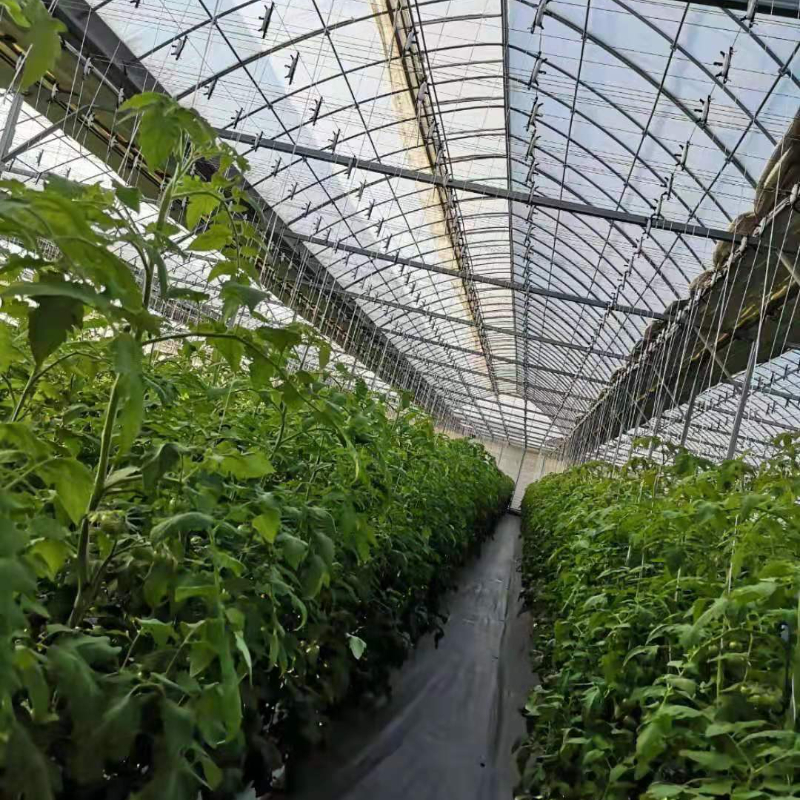
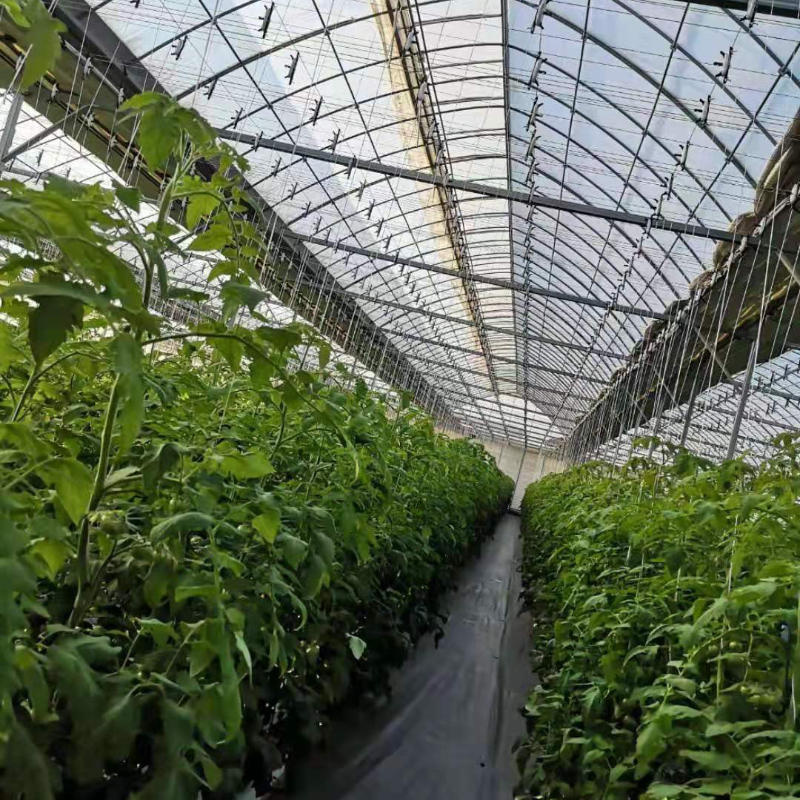
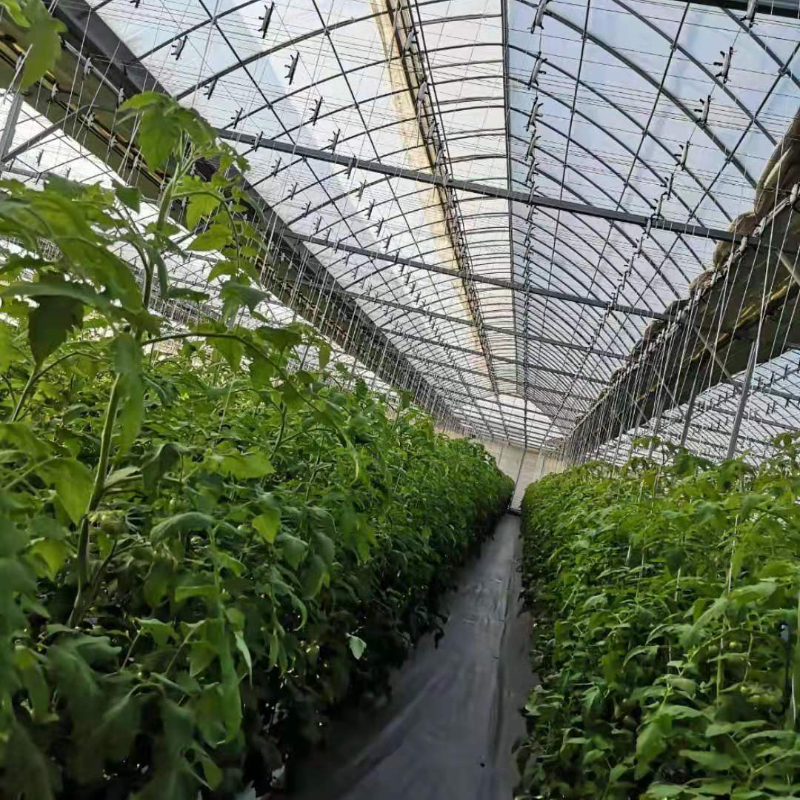
For outdoor greenhouse, the AI-driven analysis system can process a large amount of data collected by UAVs in a short time, realizing real-time monitoring and early warning. Outdoor greenhouse is affected by natural factors such as temperature and precipitation, and crop growth status changes rapidly. The AI model can quickly identify abnormal growth signals from massive image and spectral data, such as early pest infestation and nutrient deficiency symptoms, and issue early warnings to managers. Compared with traditional manual observation, this real-time analysis capability enables managers of outdoor greenhouse to take measures in time, reducing losses caused by delayed response. For example, in an outdoor greenhouse in Shanghai, the AI system detected early blight symptoms in tomato leaves through image analysis, and reminded managers to carry out targeted prevention, avoiding the spread of the disease.
In custom greenhouse, the AI model can be customized and optimized according to the unique characteristics of crops, improving the accuracy of analysis results. Different custom greenhouses plant different crops with different growth laws and monitoring indicators. The Transformer large model has strong generalization ability and can be fine-tuned according to the growth data of specific crops in the custom greenhouse, establishing a crop-specific analysis model. For example, a custom greenhouse planting ginseng needs to monitor the content of ginsenoside, and the AI model can establish a correlation between spectral data and ginsenoside content through learning a large amount of sample data, realizing non-destructive detection of ginseng quality. This customized analysis capability makes the system highly compatible with various custom greenhouses.
The AI-driven analysis system also solves the problem that traditional platforms are not suitable for high-stalk crops in various greenhouses. In outdoor greenhouse and custom greenhouse that plant high-stalk crops such as corn and sunflower, traditional gantry platforms are limited by height and coverage and cannot collect data comprehensively. The UAV can fly at different heights to collect data of high-stalk crops, and the AI model can accurately analyze the growth status of different parts of the crops through multi-angle images and spectral data, such as the height of stems, the number of leaves and the development of ears. This capability expands the application scope of the system in outdoor greenhouse and custom greenhouse, supporting the intelligent management of various crop types.
In addition, the AI model has continuous learning ability, which can optimize the analysis accuracy through the accumulation of data from outdoor greenhouse, custom greenhouse and mini greenhouse. With the increase of application scenarios, the model can learn the growth characteristics of crops in different greenhouse environments, improving the adaptability and analysis effect. For example, the model can learn the difference in crop water demand between outdoor greenhouse in northern and southern regions, and adjust the analysis parameters accordingly; it can also learn the growth laws of crops in different types of custom greenhouses and mini greenhouses, providing more precise analysis results. This continuous optimization ability ensures the long-term value of the system in various greenhouse scenarios.
