
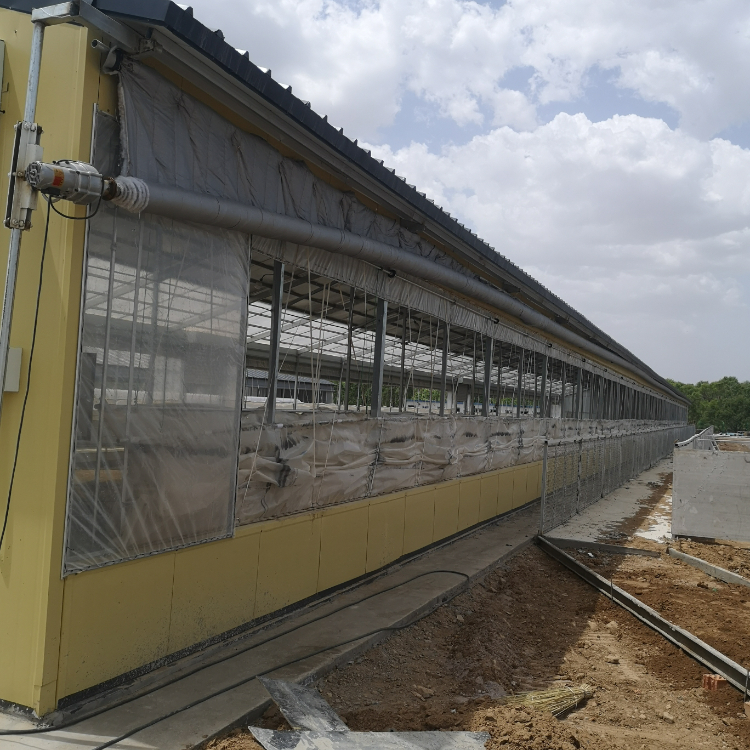
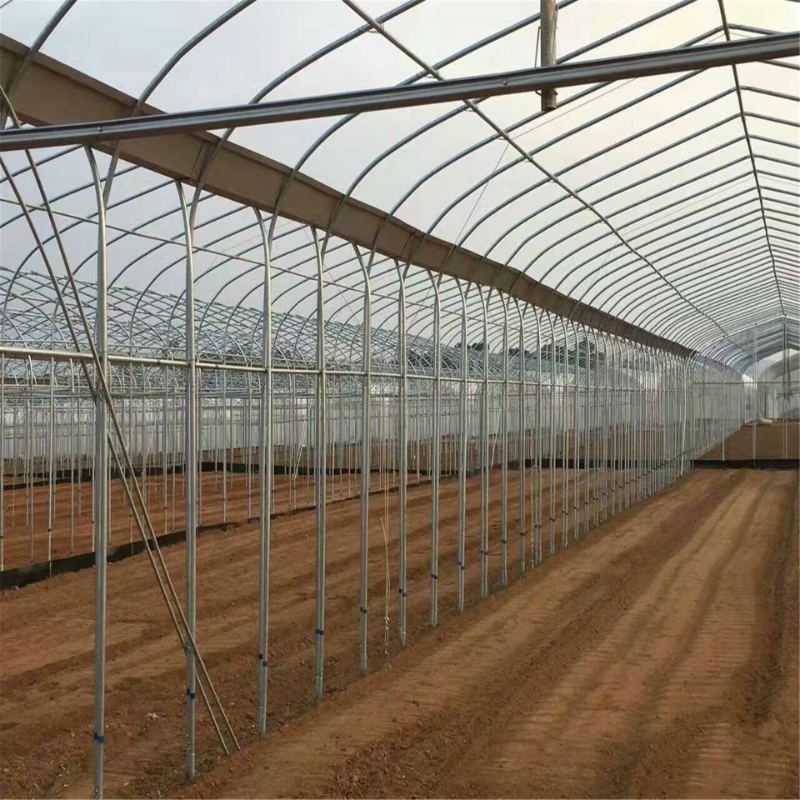
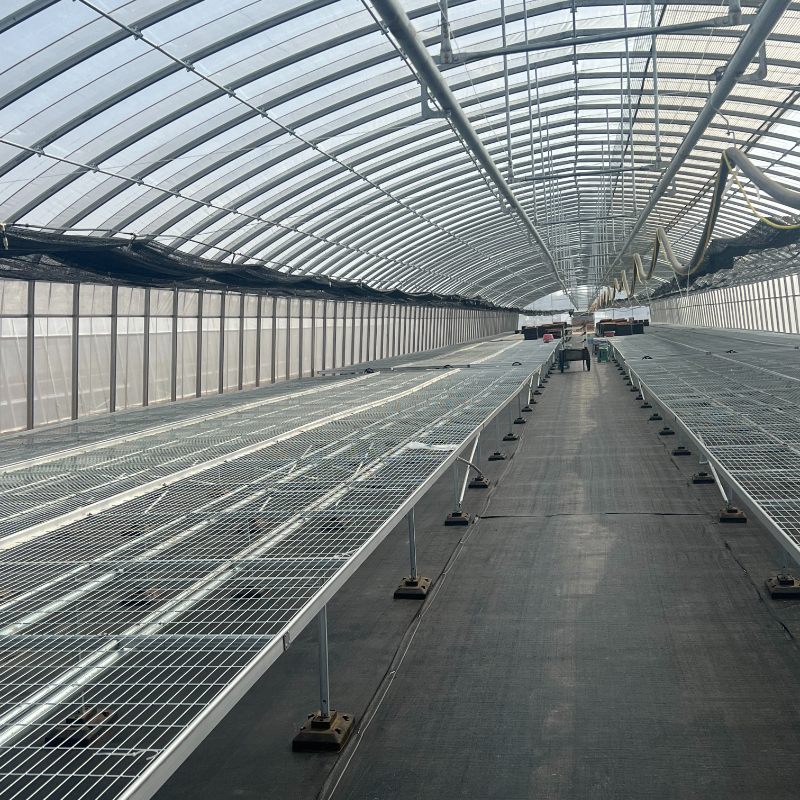
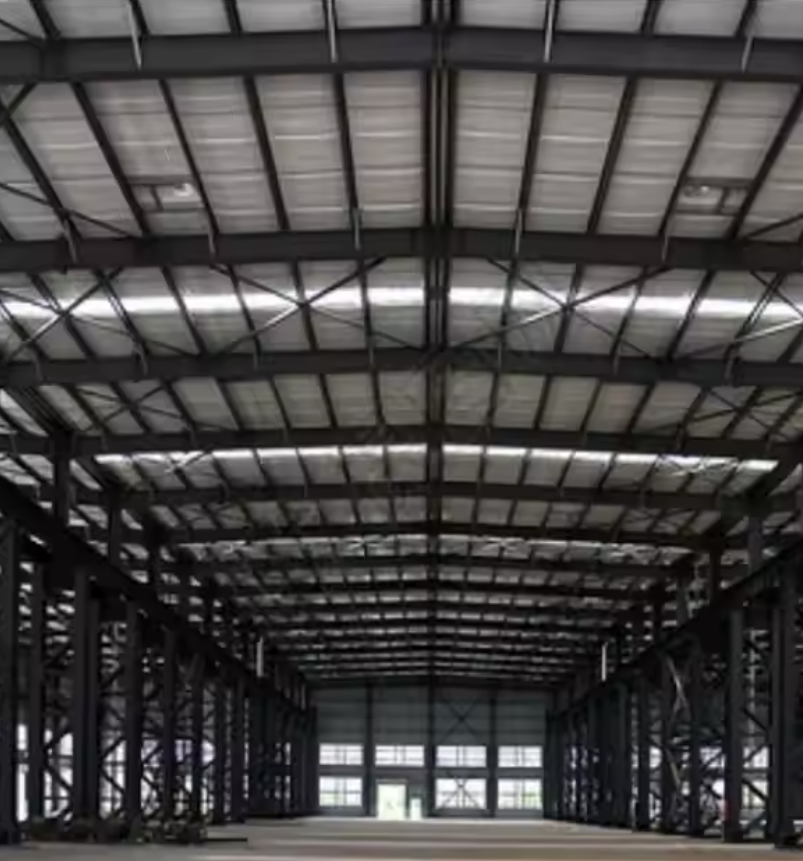
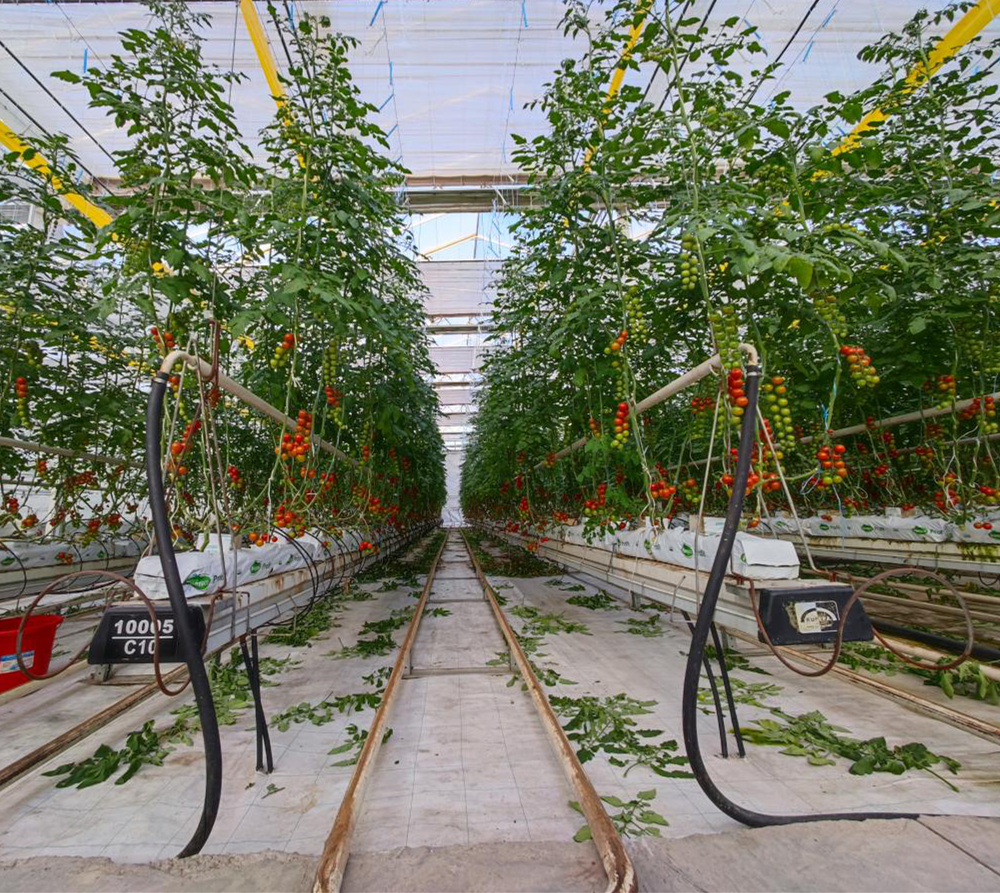
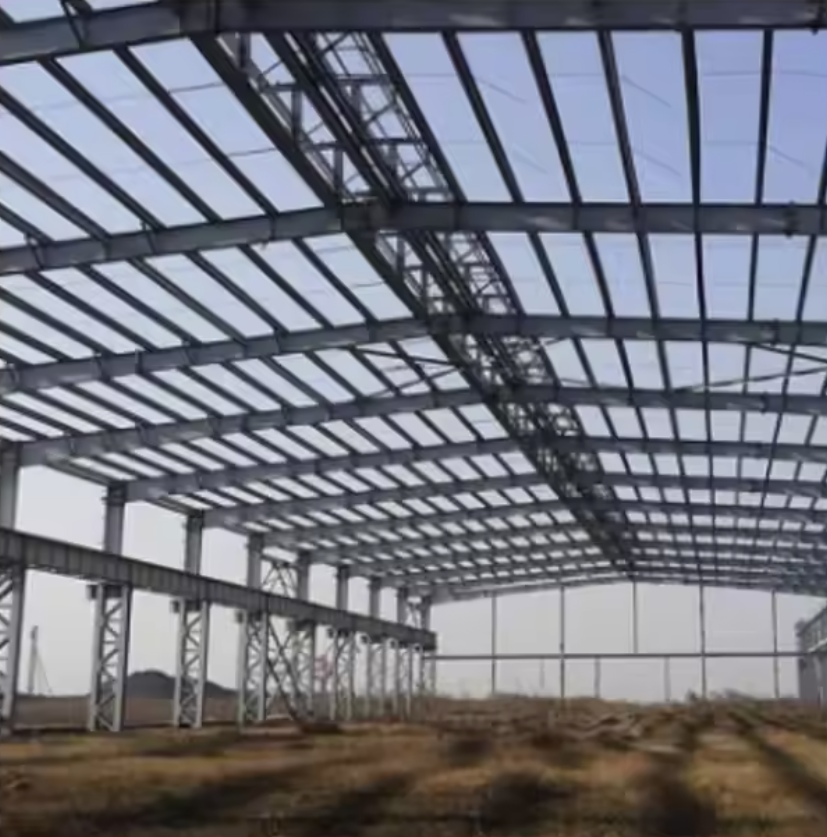
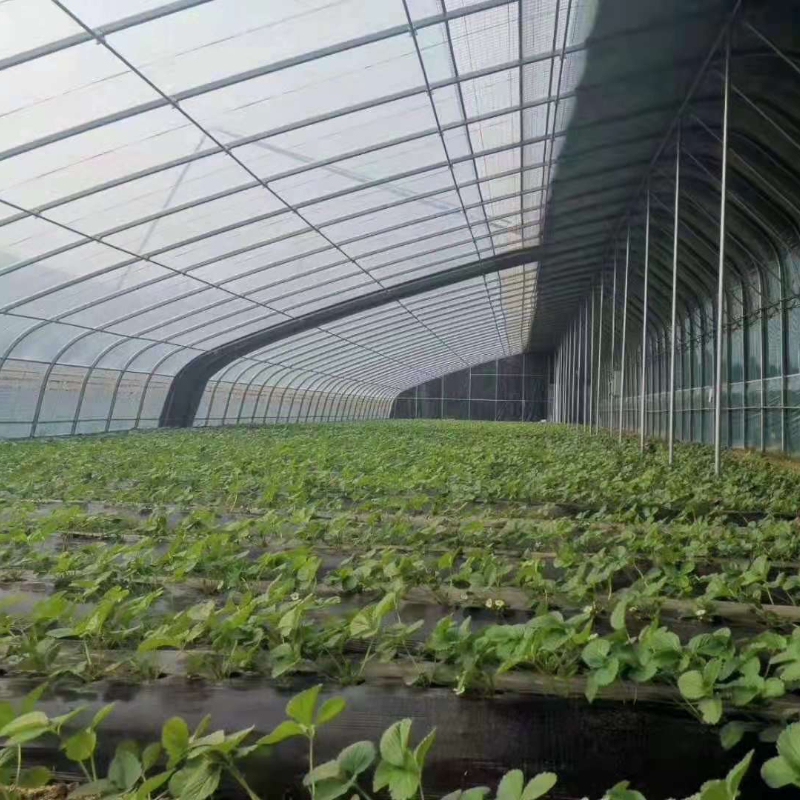
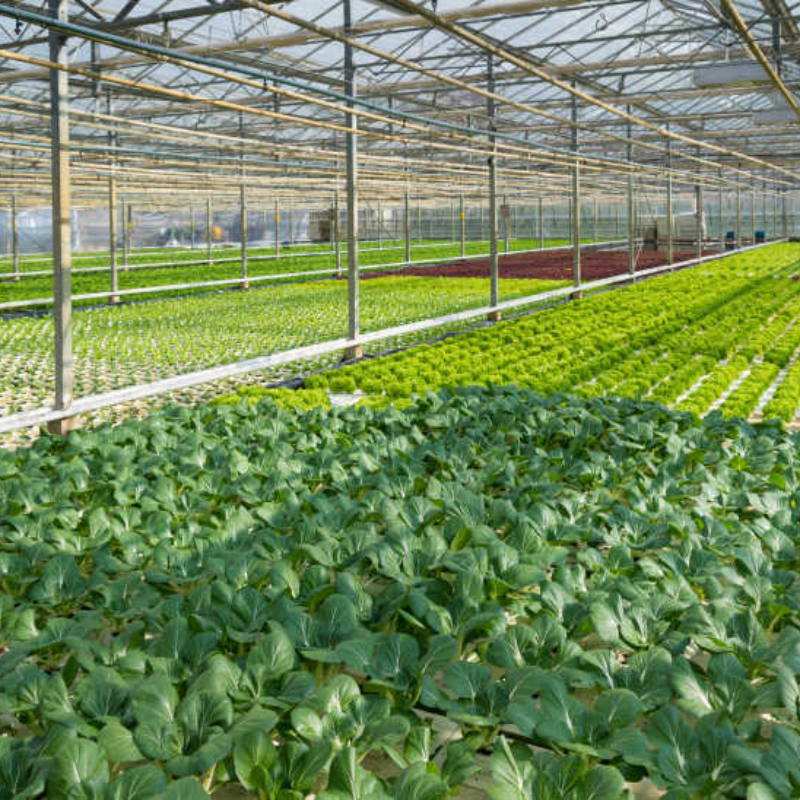
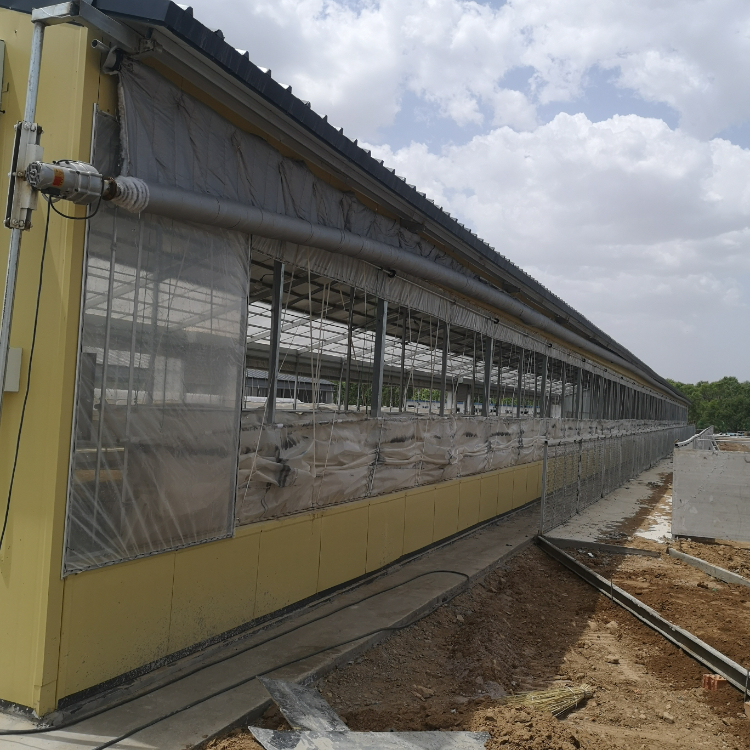
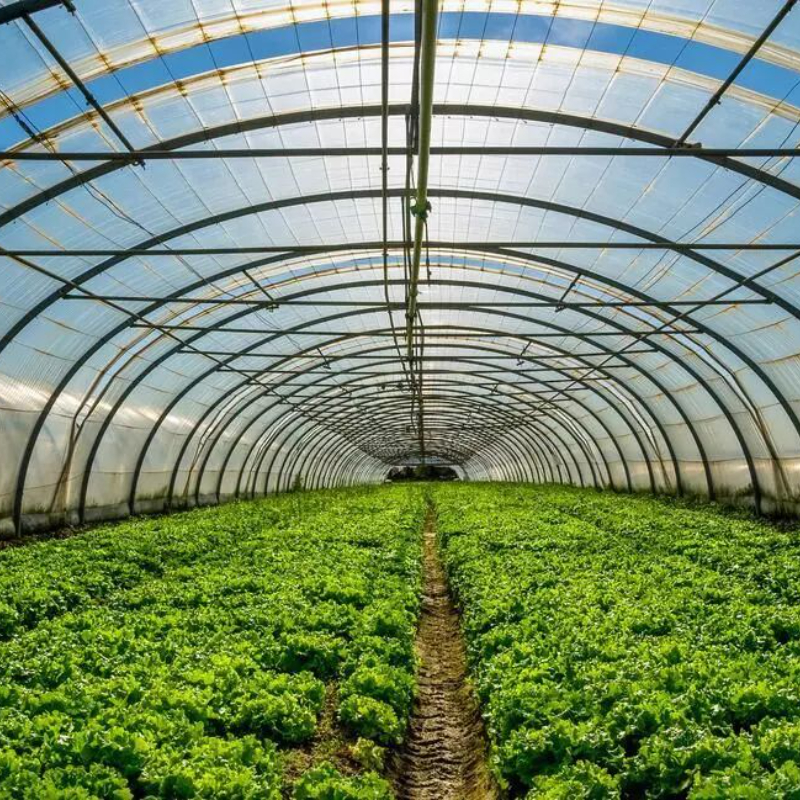
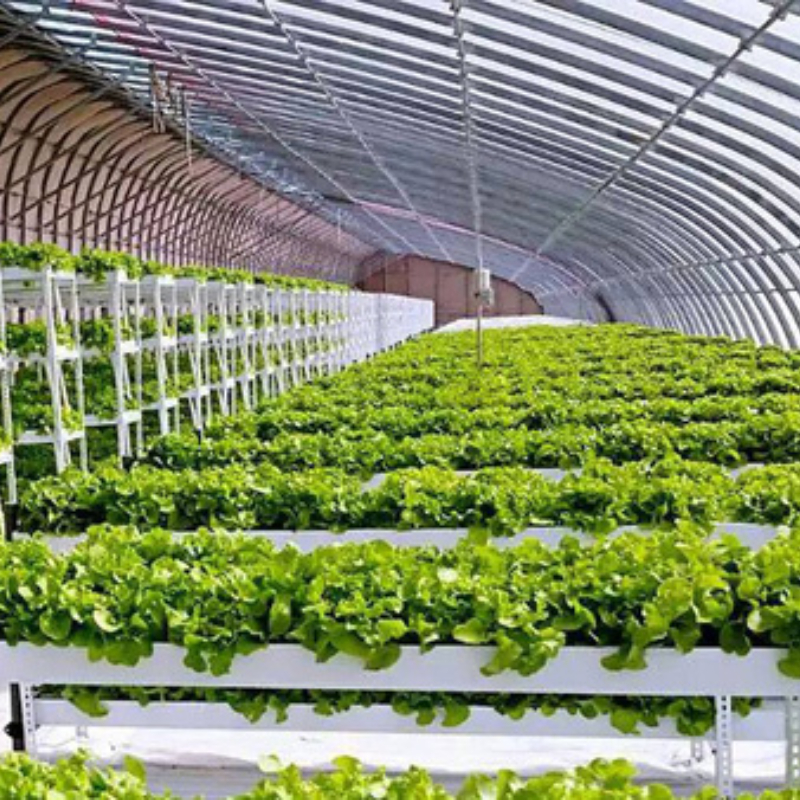
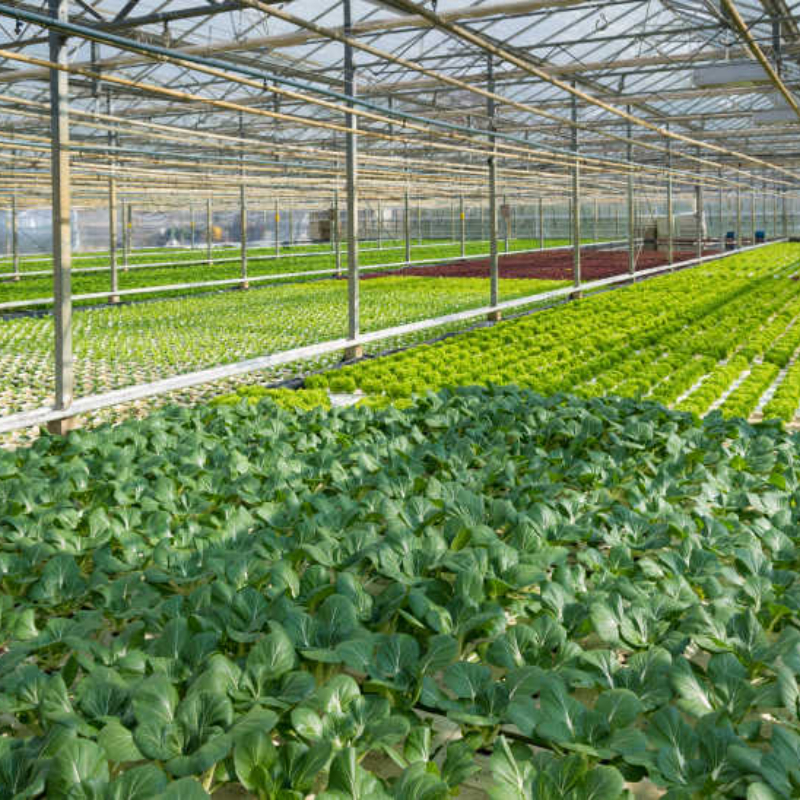
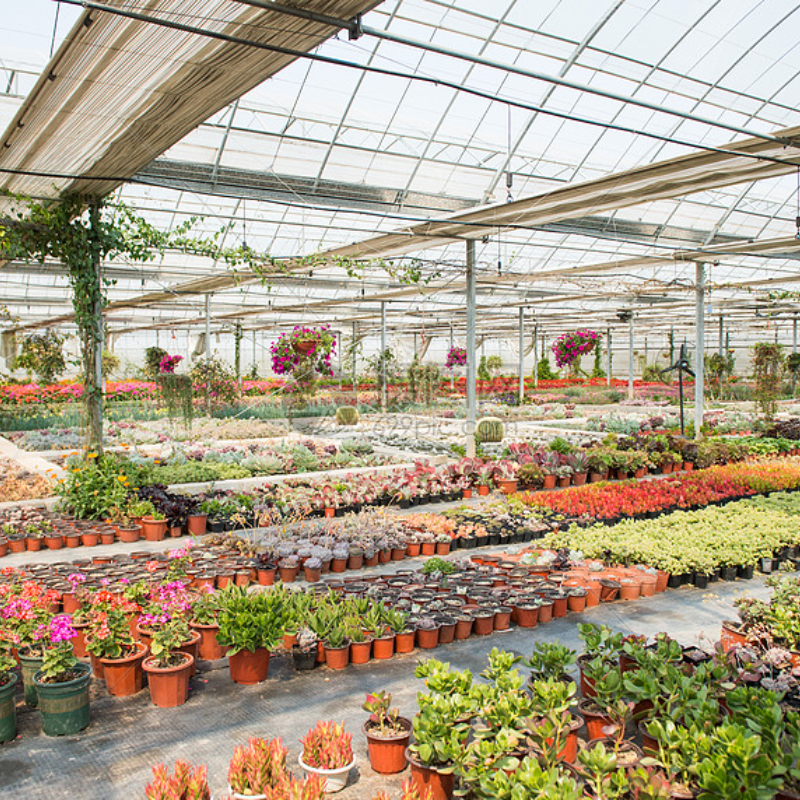
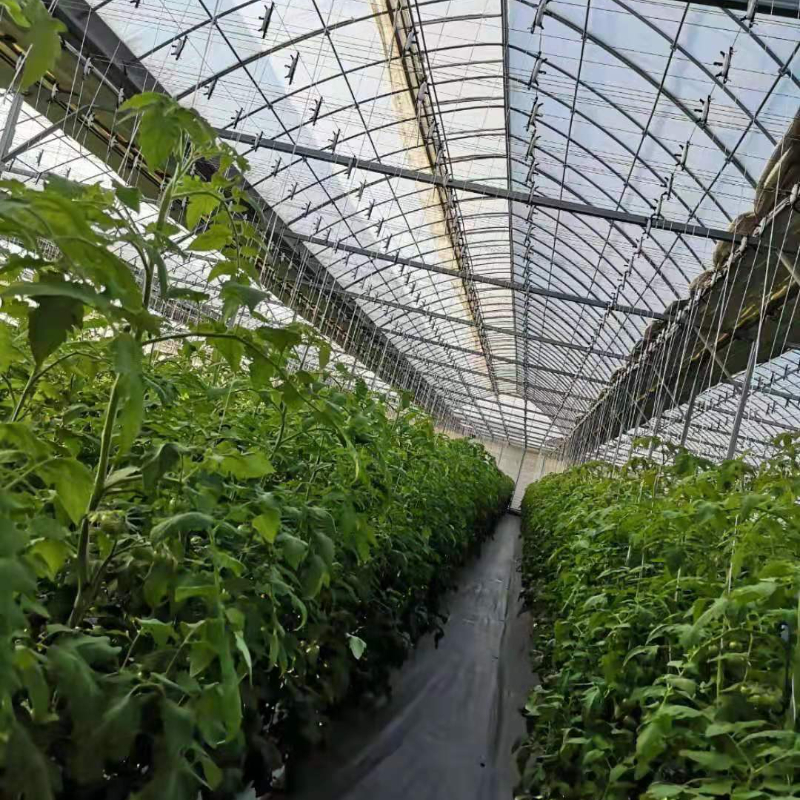
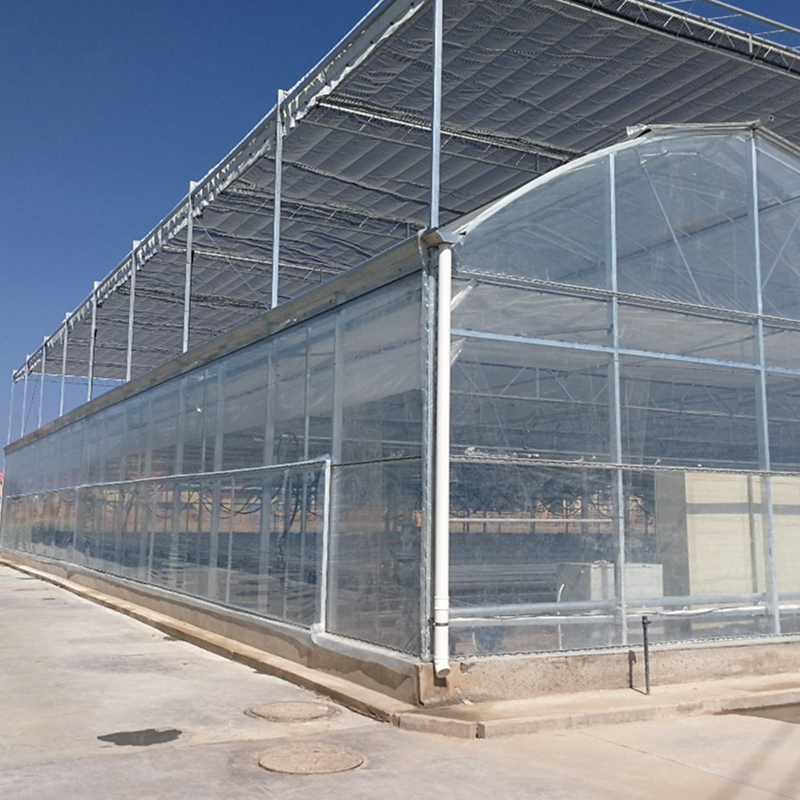
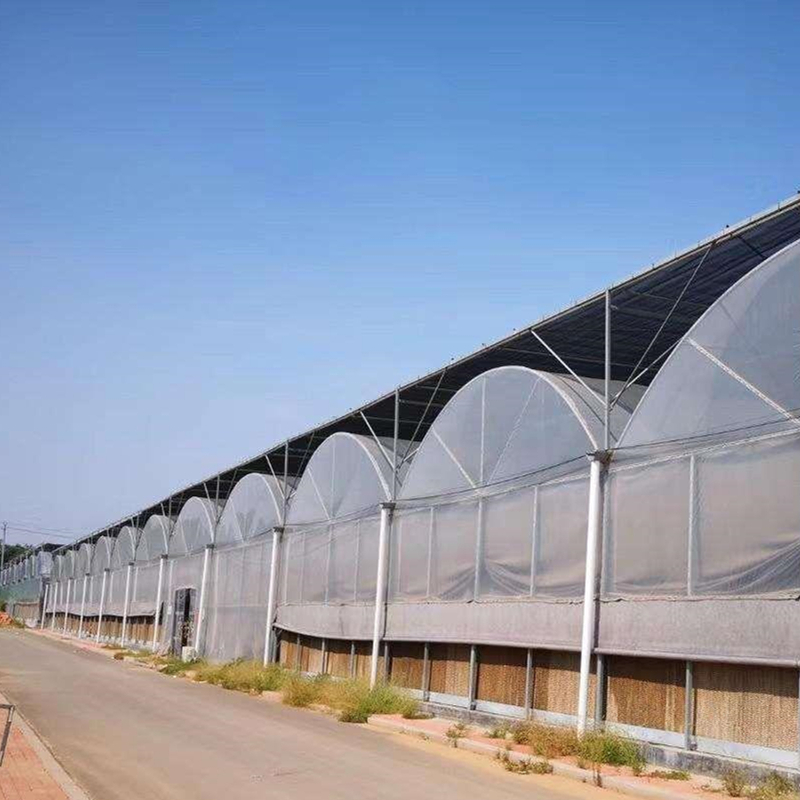
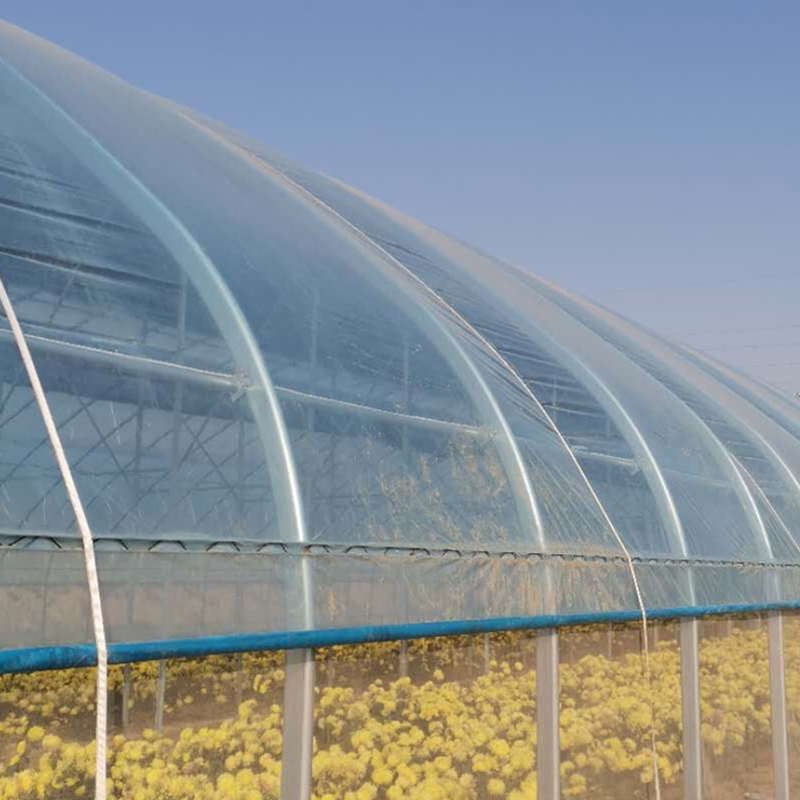
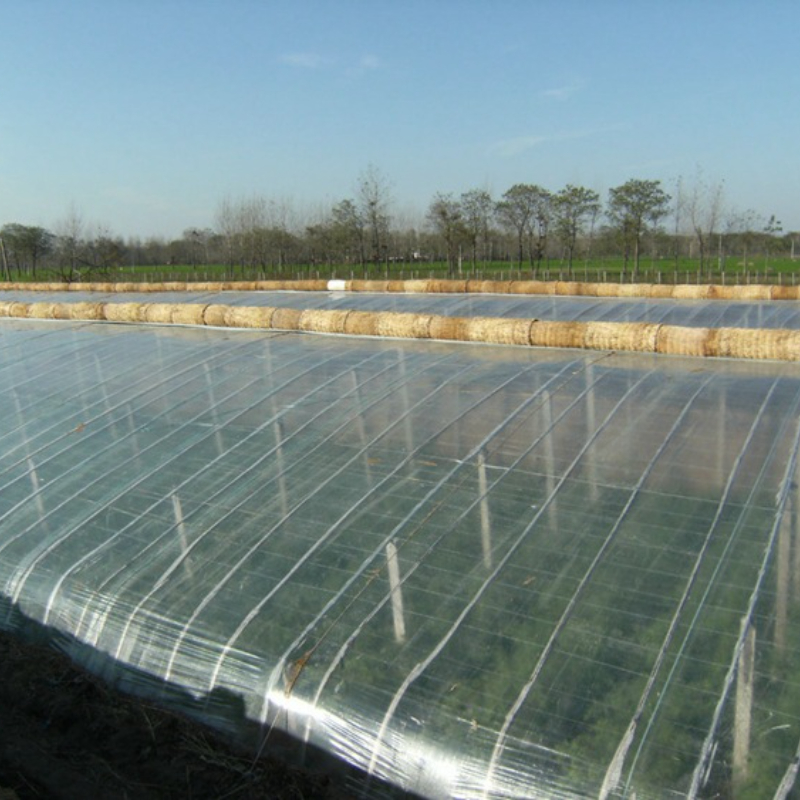
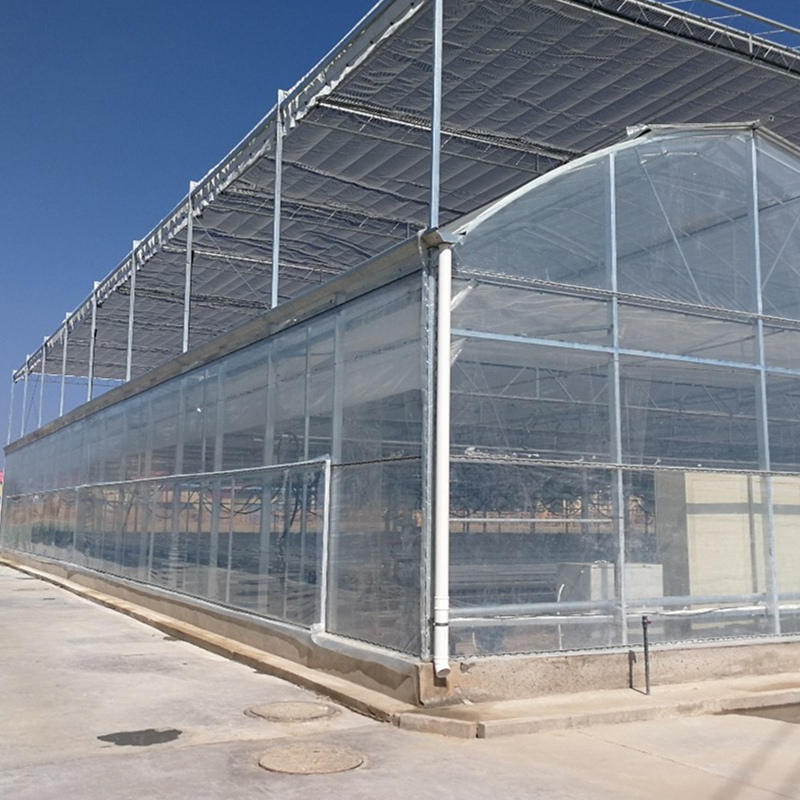
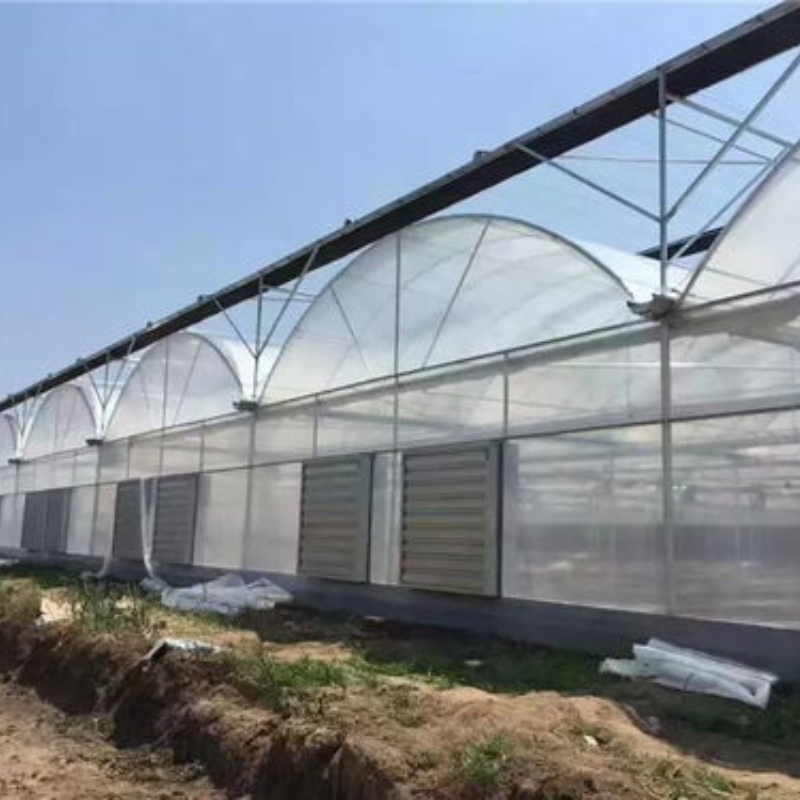
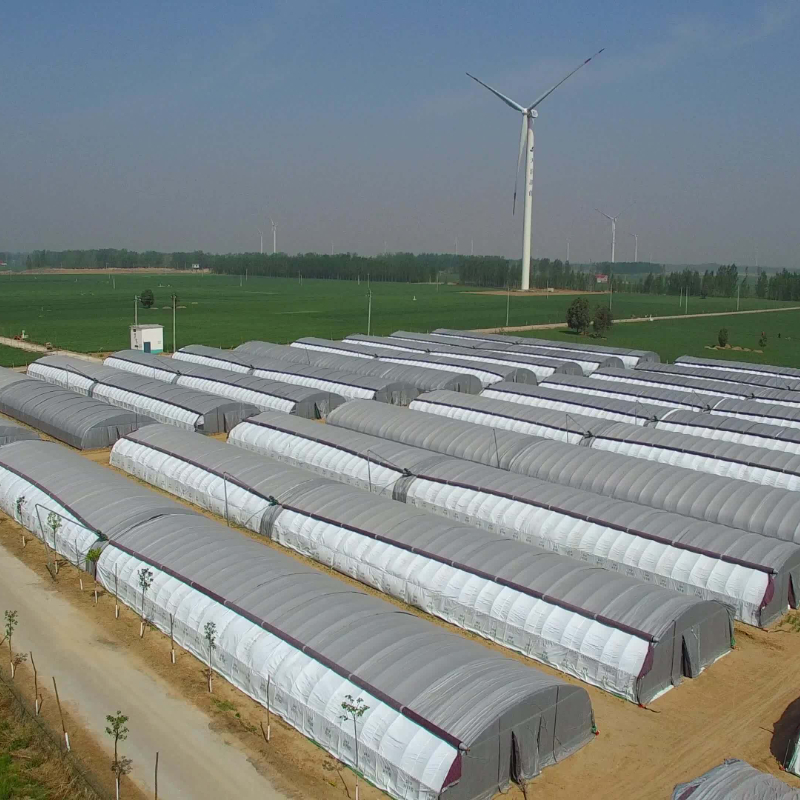
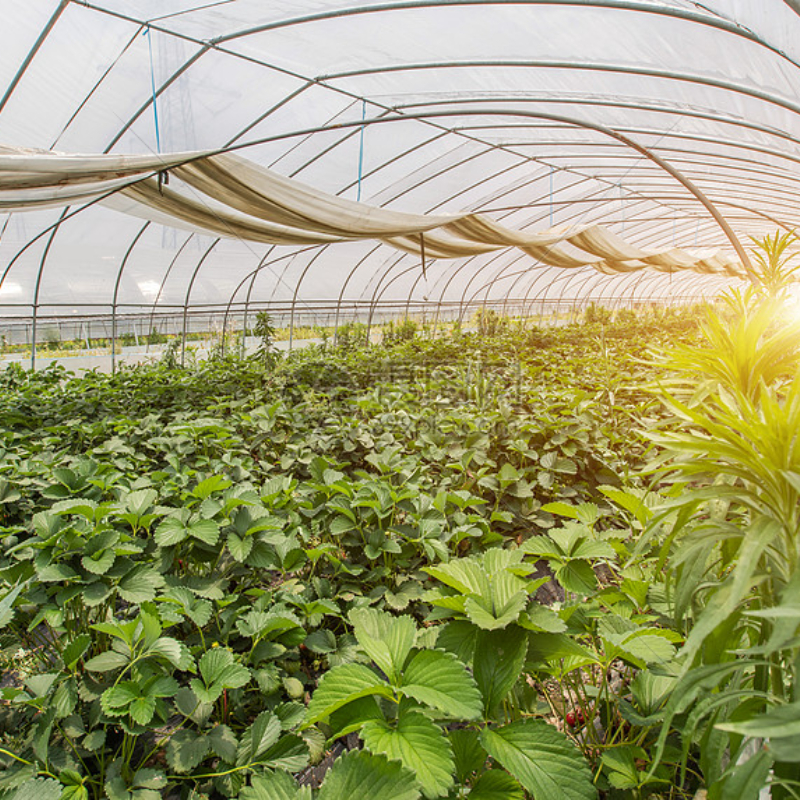
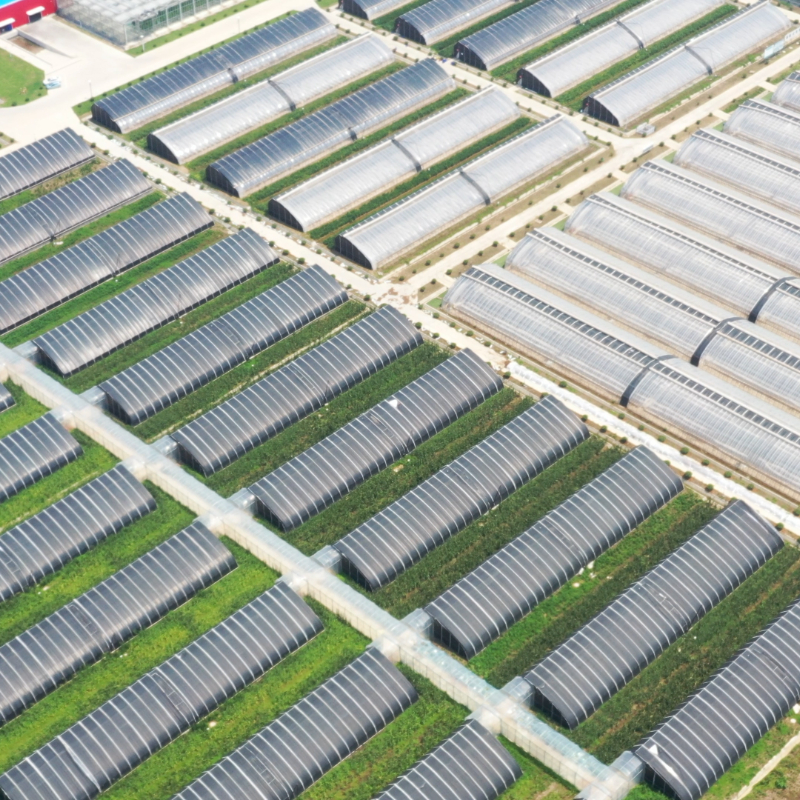
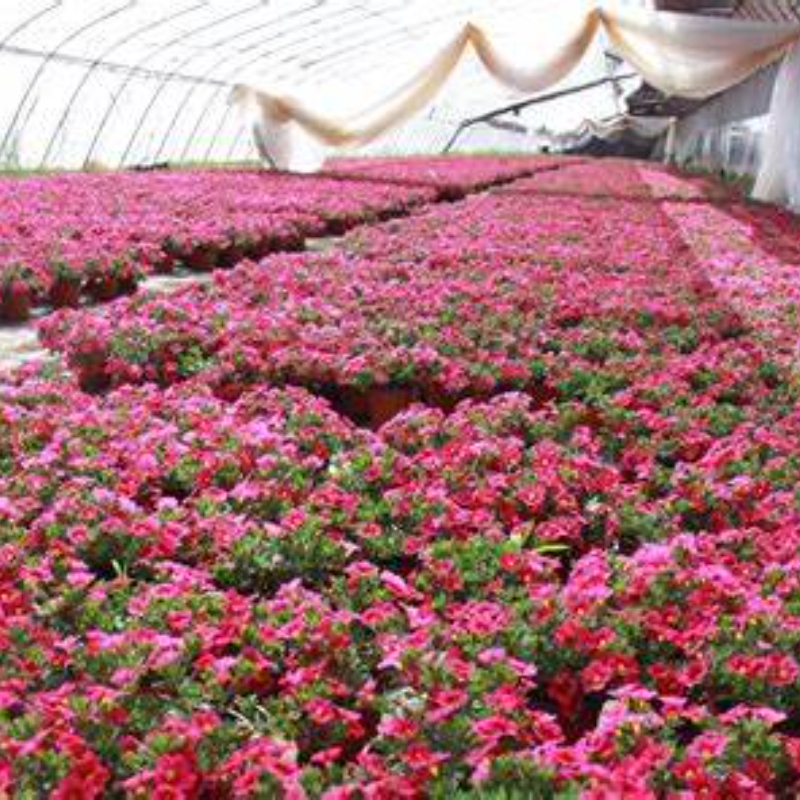
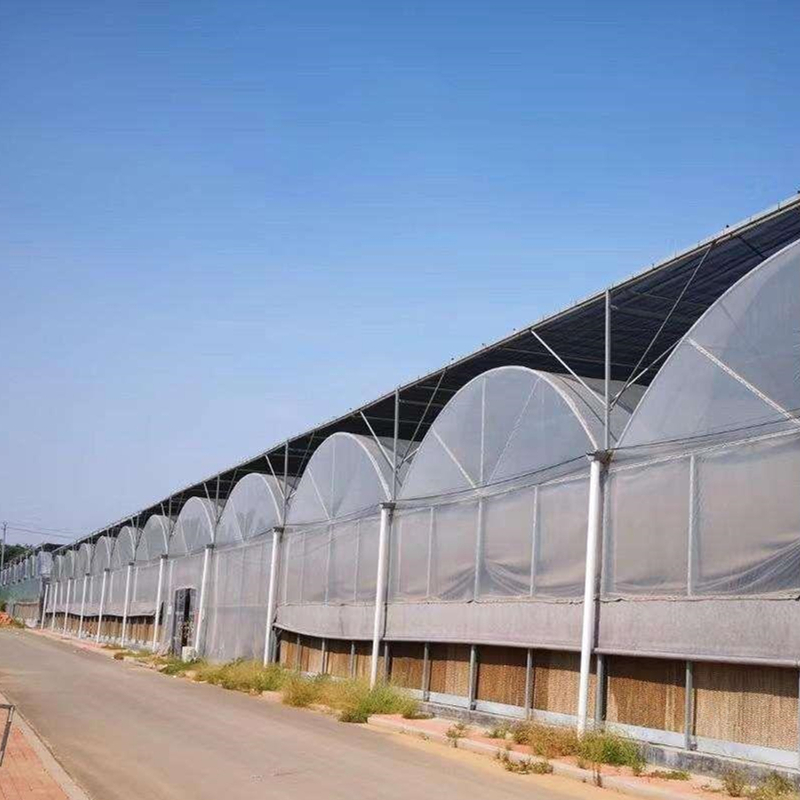
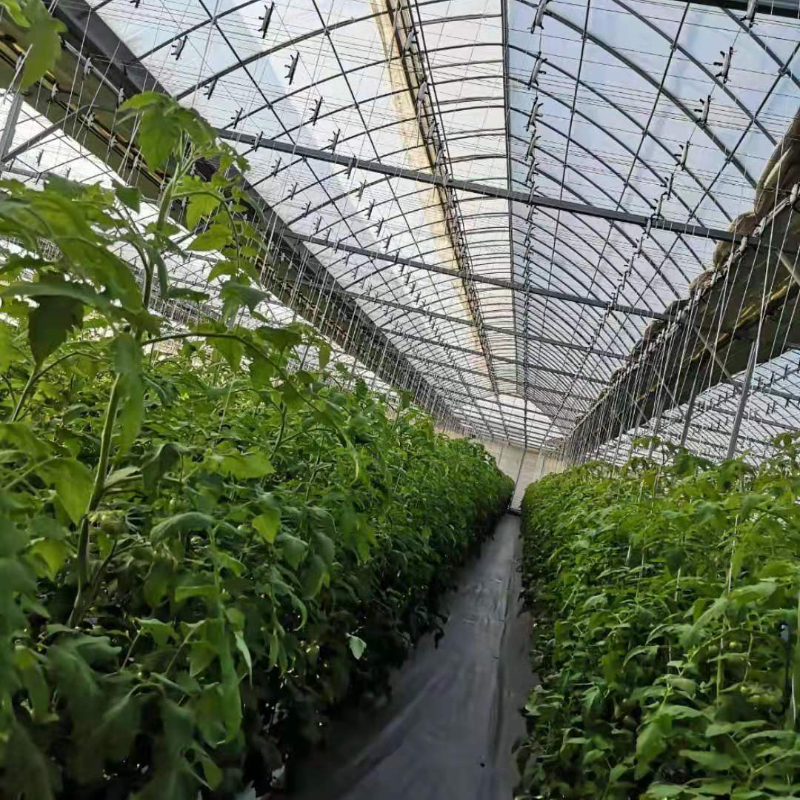
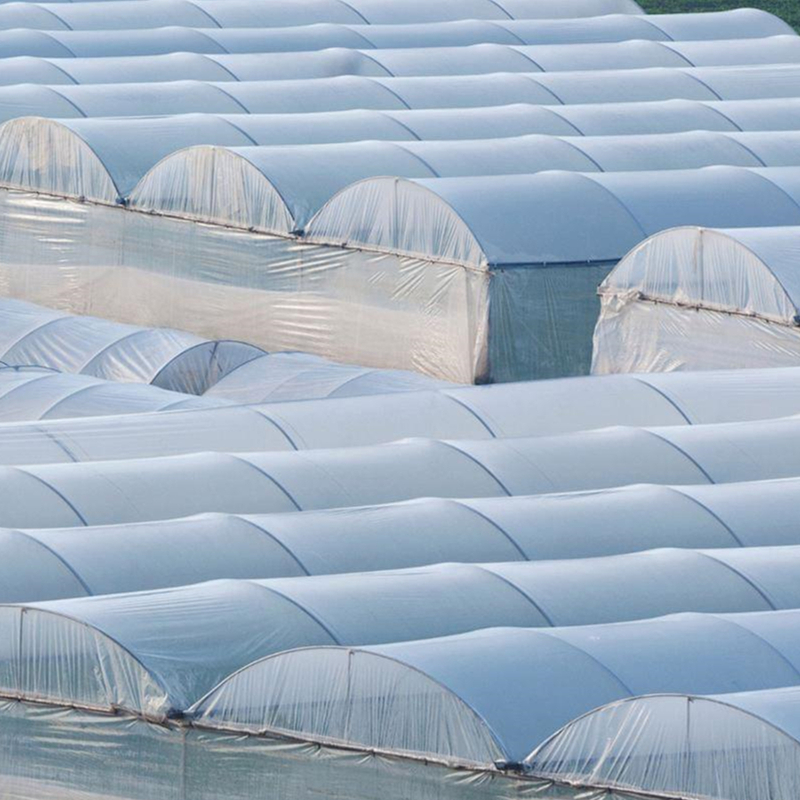
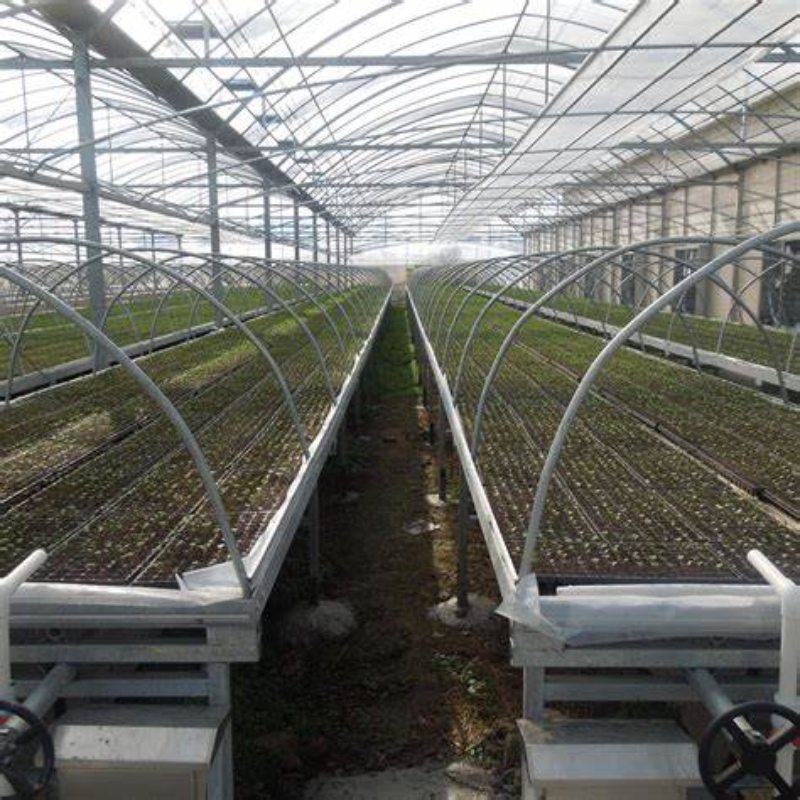
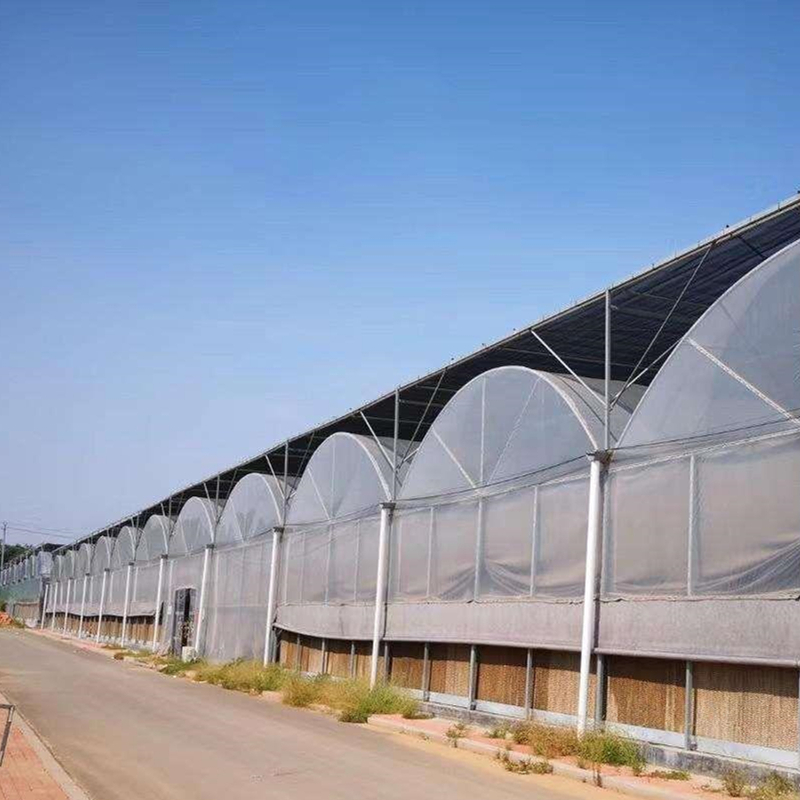
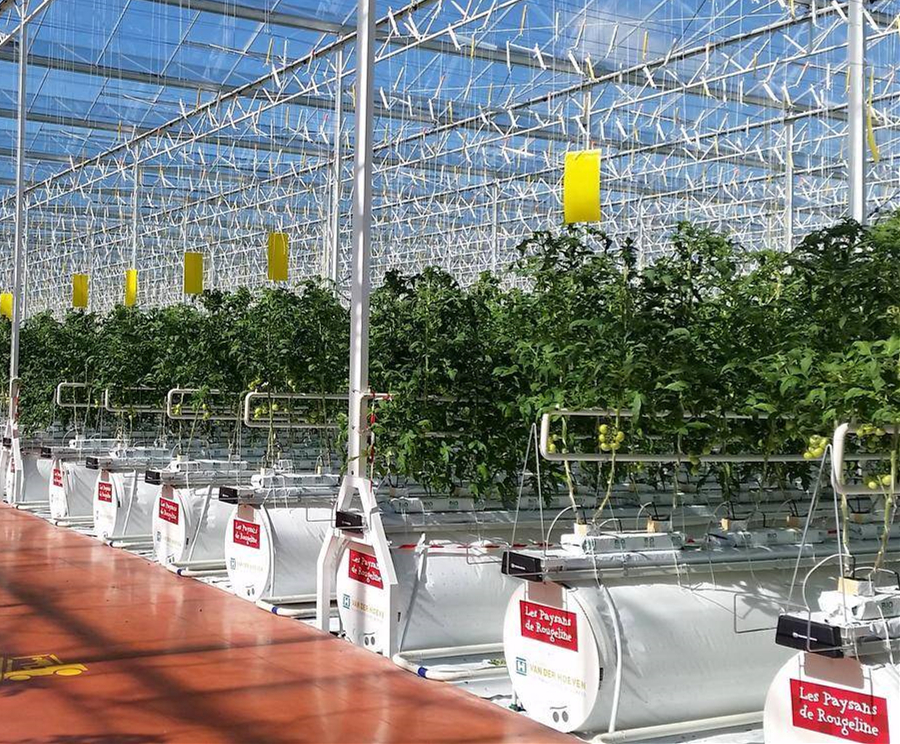
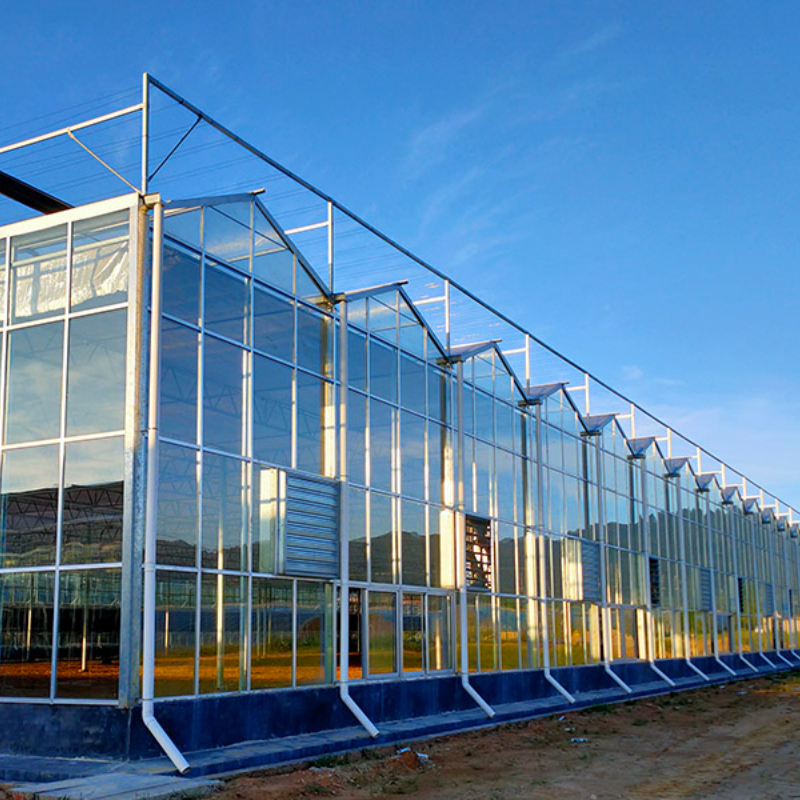
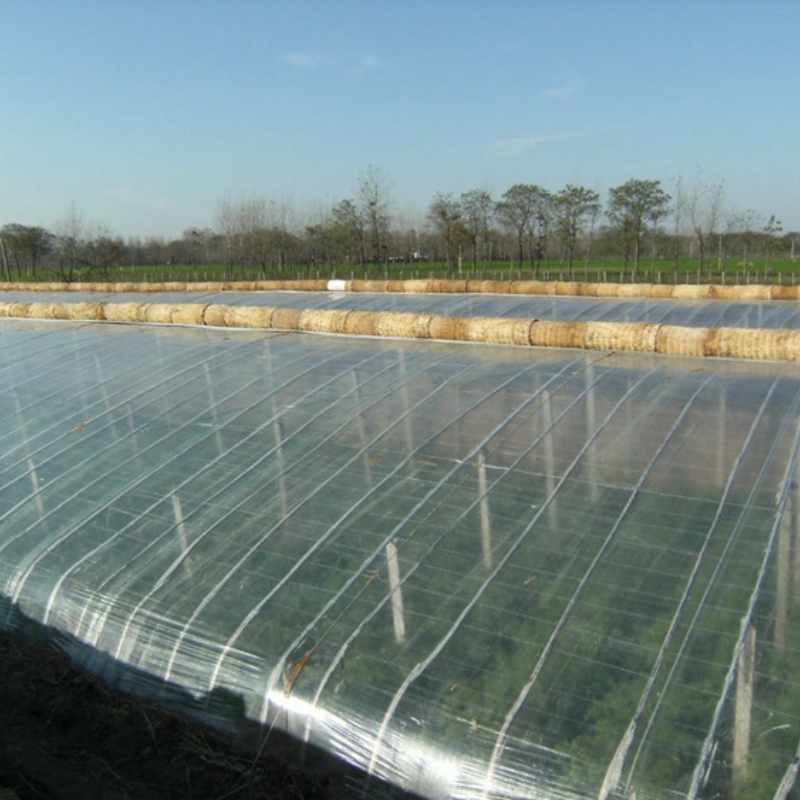
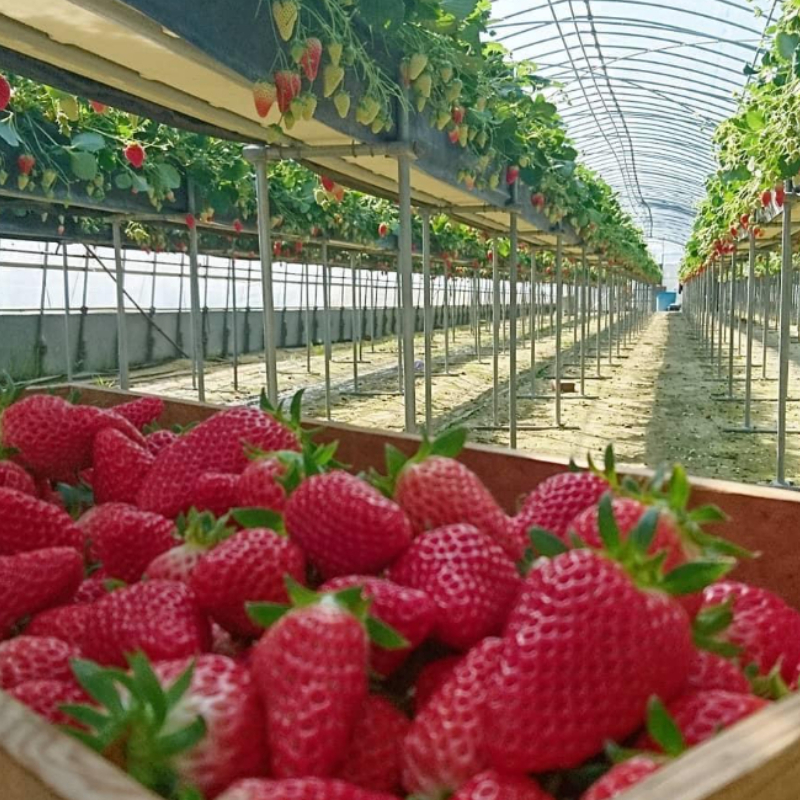
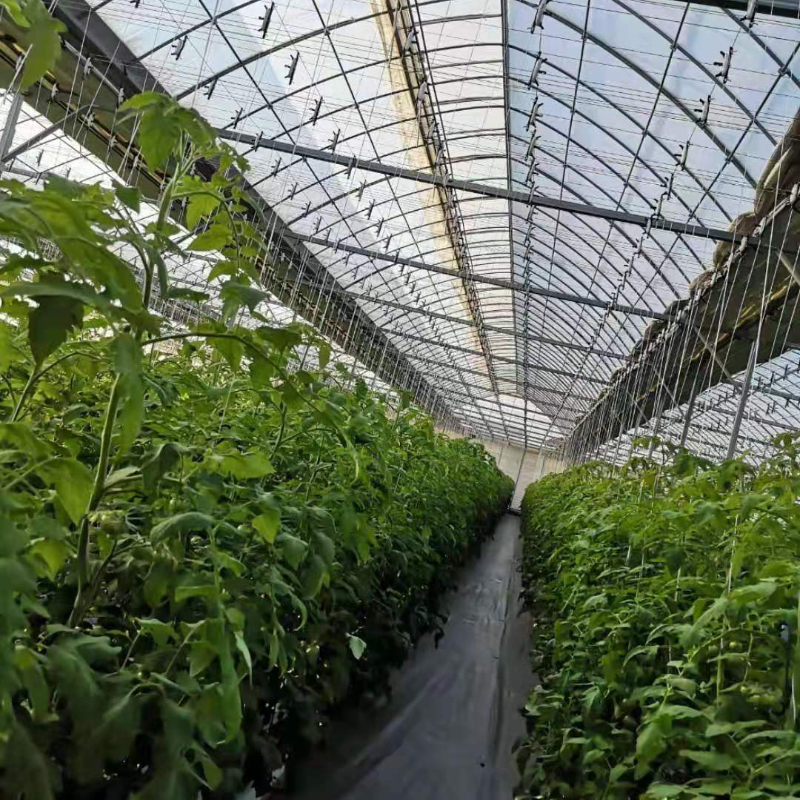
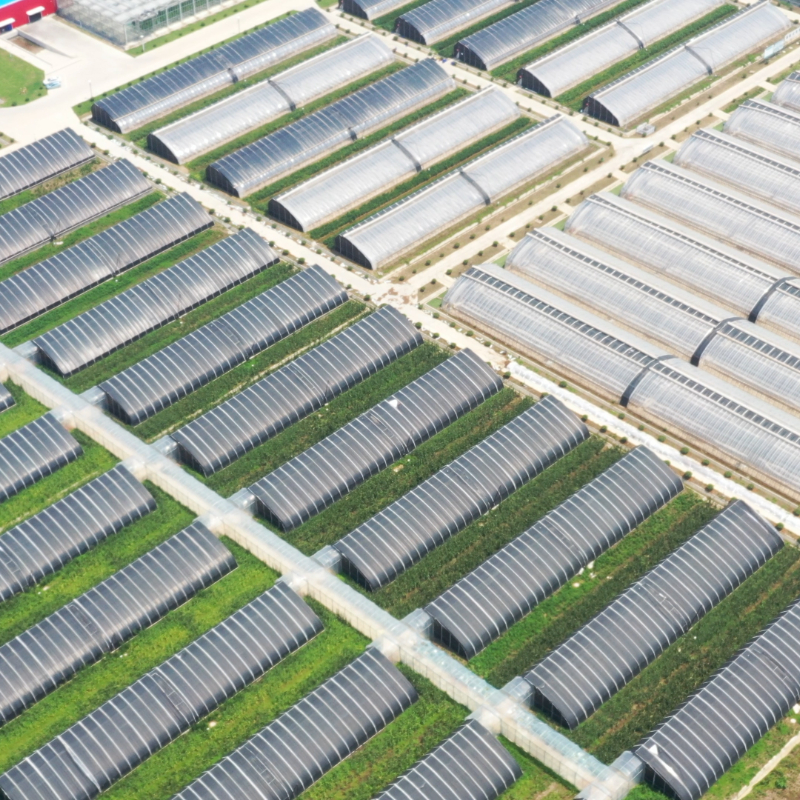
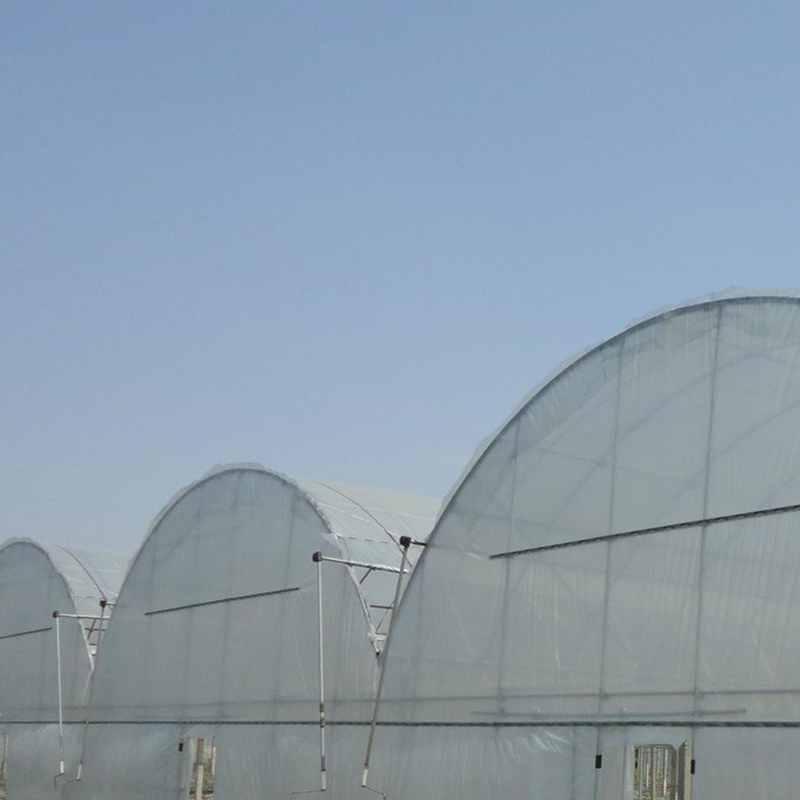
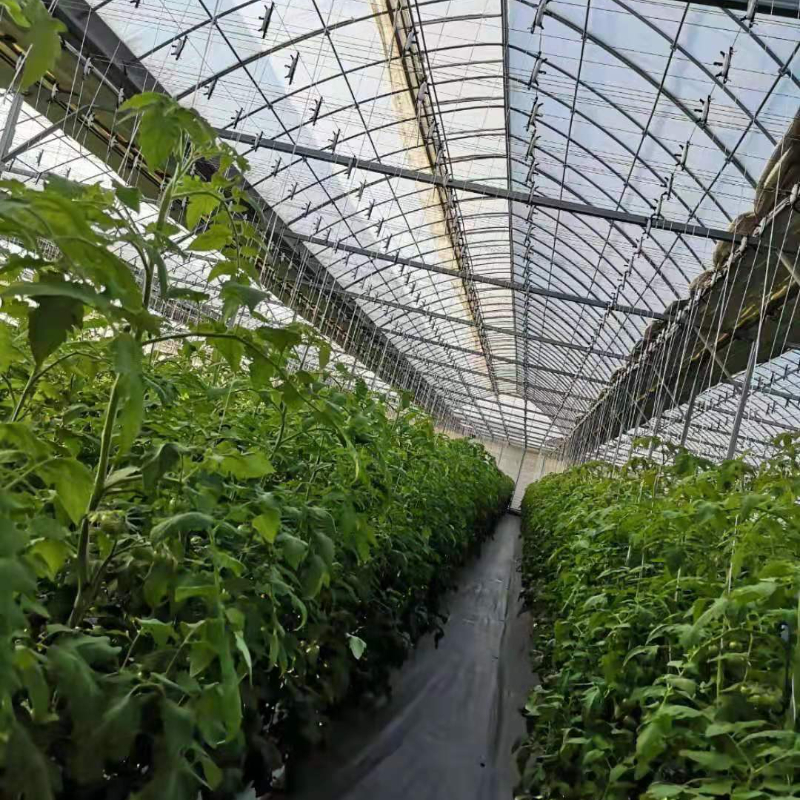
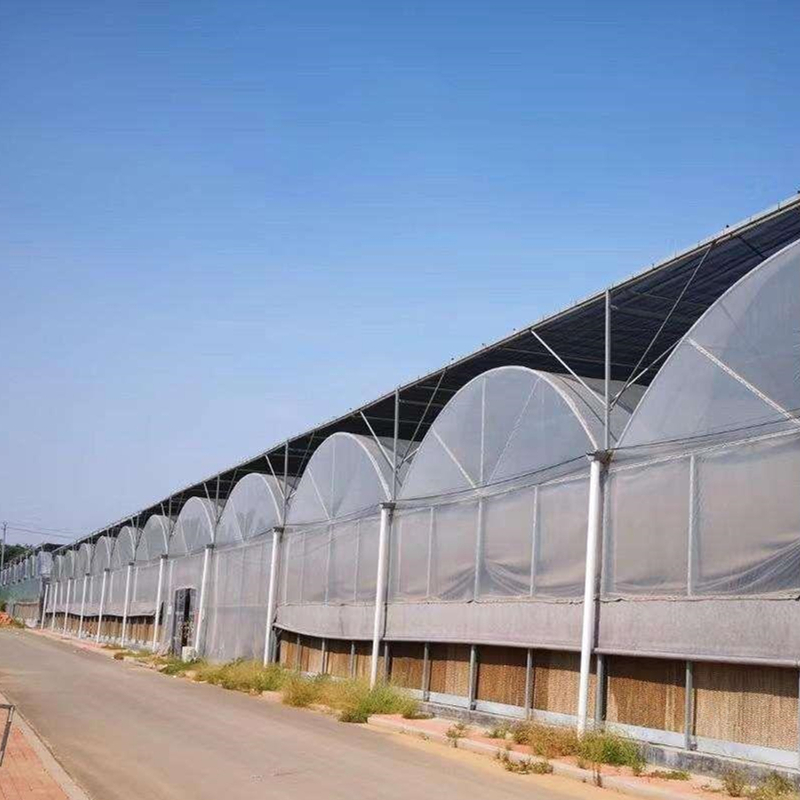
The middle and lower reaches of the Yangtze River, with its unique climatic conditions, demands green houses designs that are both resilient and efficient—and glass greenhouses integrated with agriculture intelligent technologies and grow rack system emerge as the perfect solution. In this region, where humidity is high and light availability fluctuates, green houses designs must prioritize light transmission, durability, and precise environmental control—all of which are hallmarks of glass structures. When paired with advanced grow rack system and agriculture intelligent control systems, these green houses designs not only adapt to the local climate but also elevate crop cultivation to new heights of productivity and sustainability. The repeated emphasis on green houses designs, grow rack system, and agriculture intelligent technologies in this context reflects their irreplaceable role in addressing the specific challenges of the Yangtze River basin.
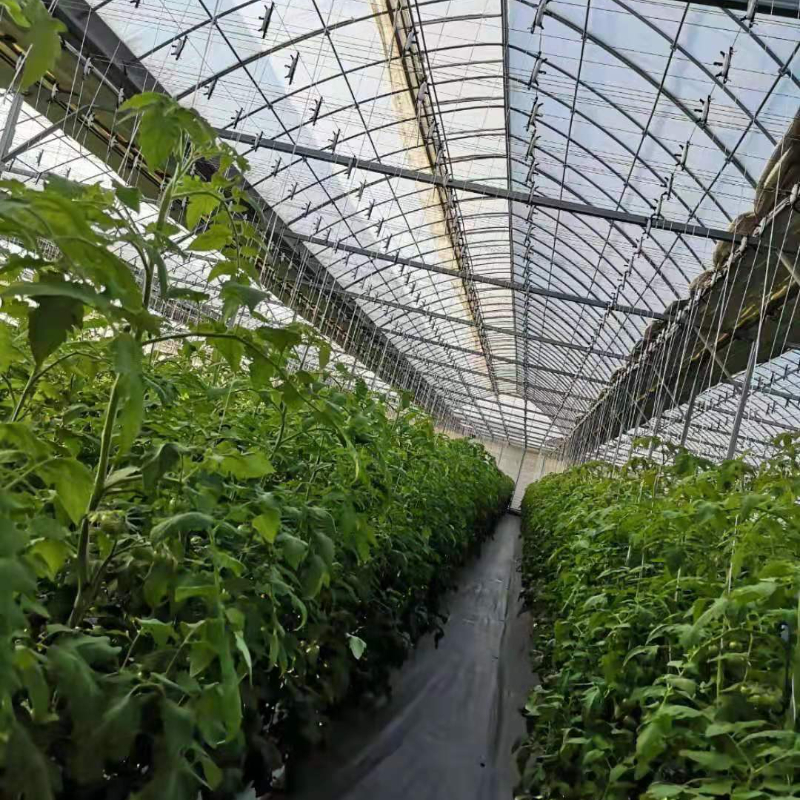
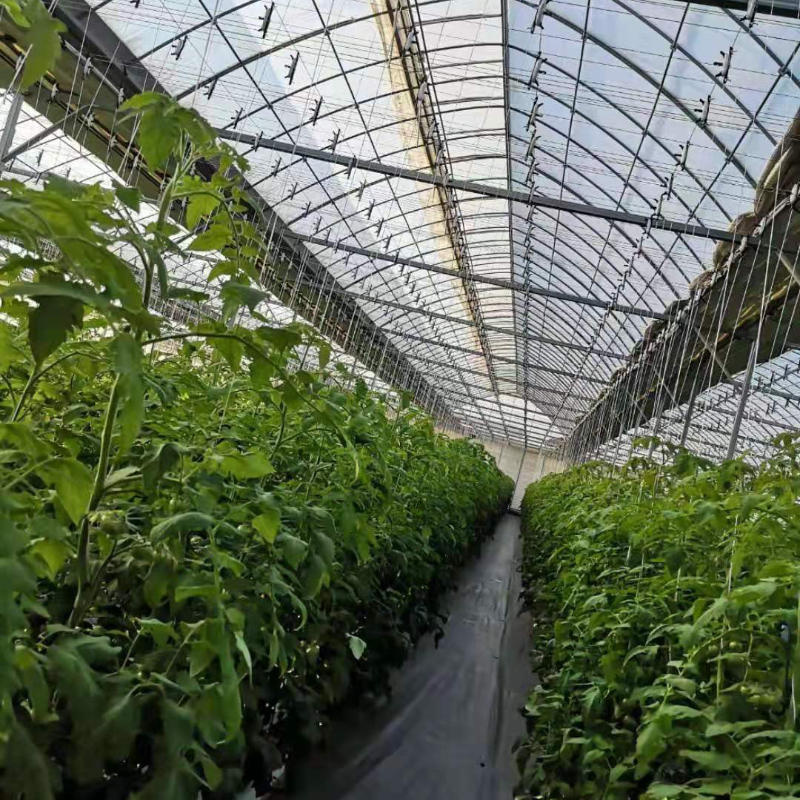
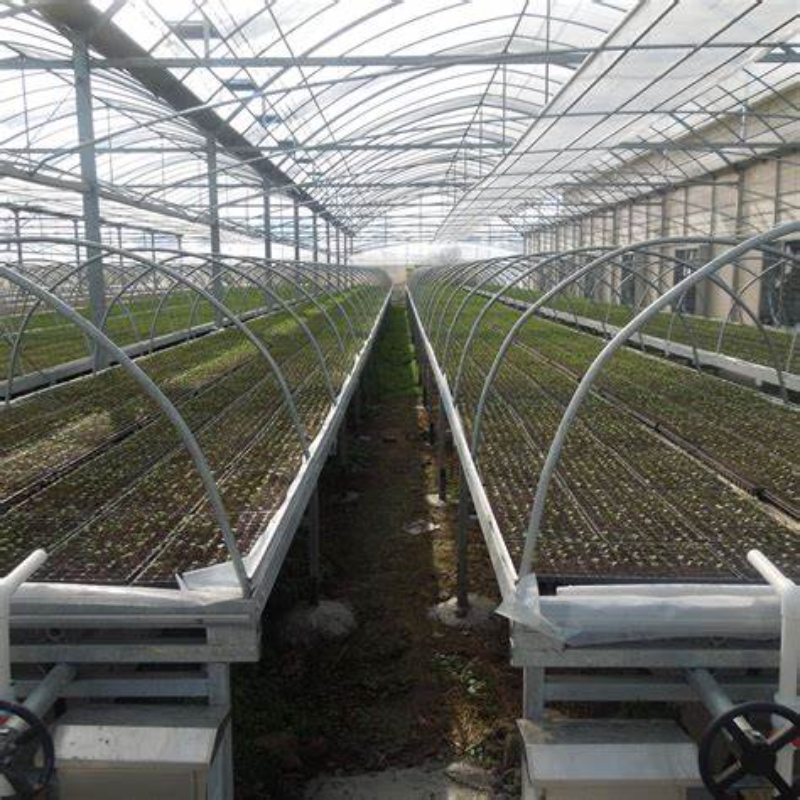
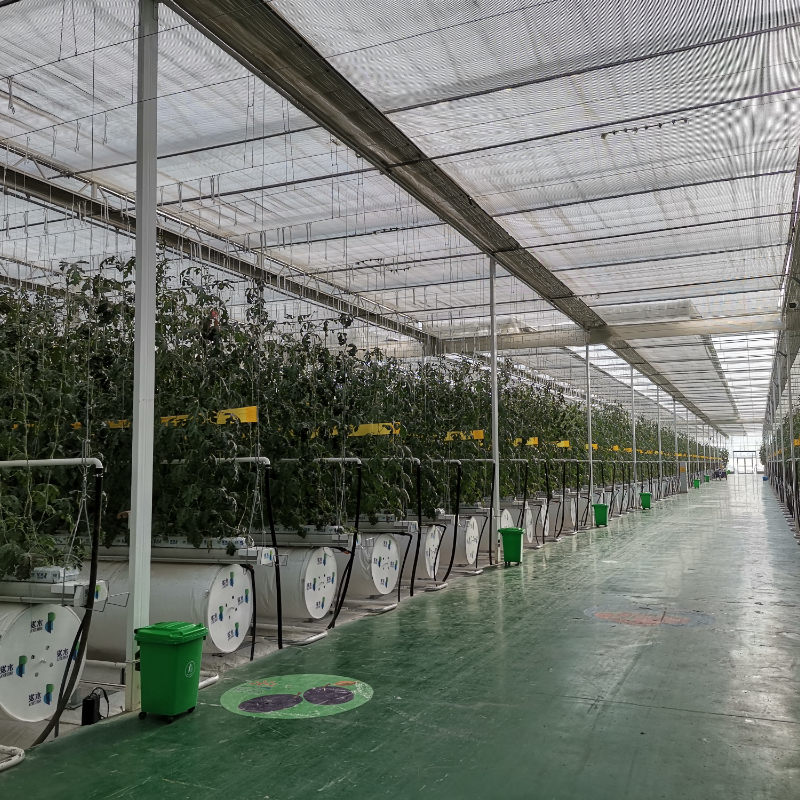
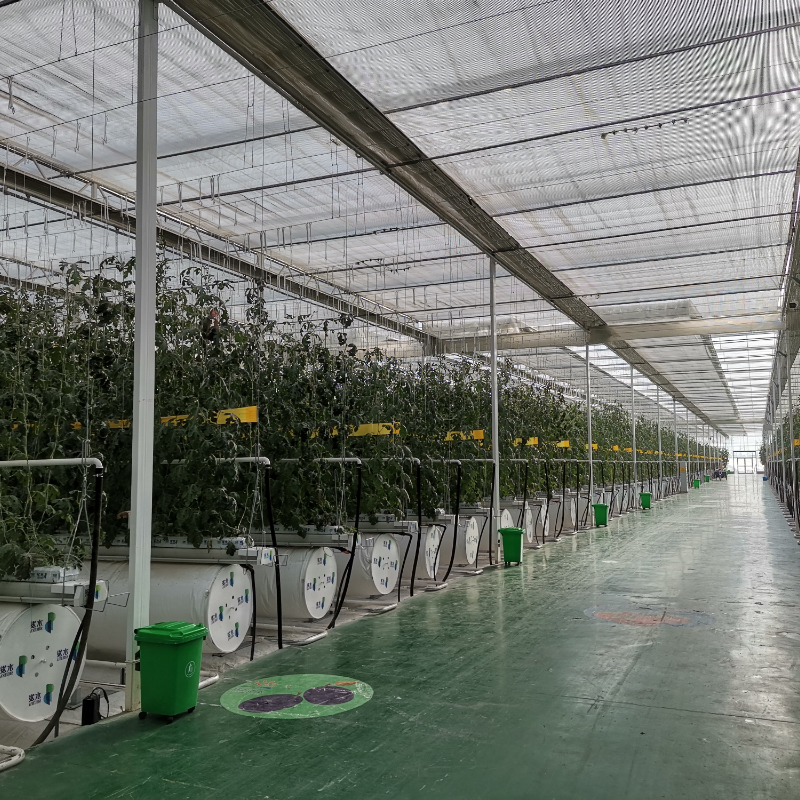
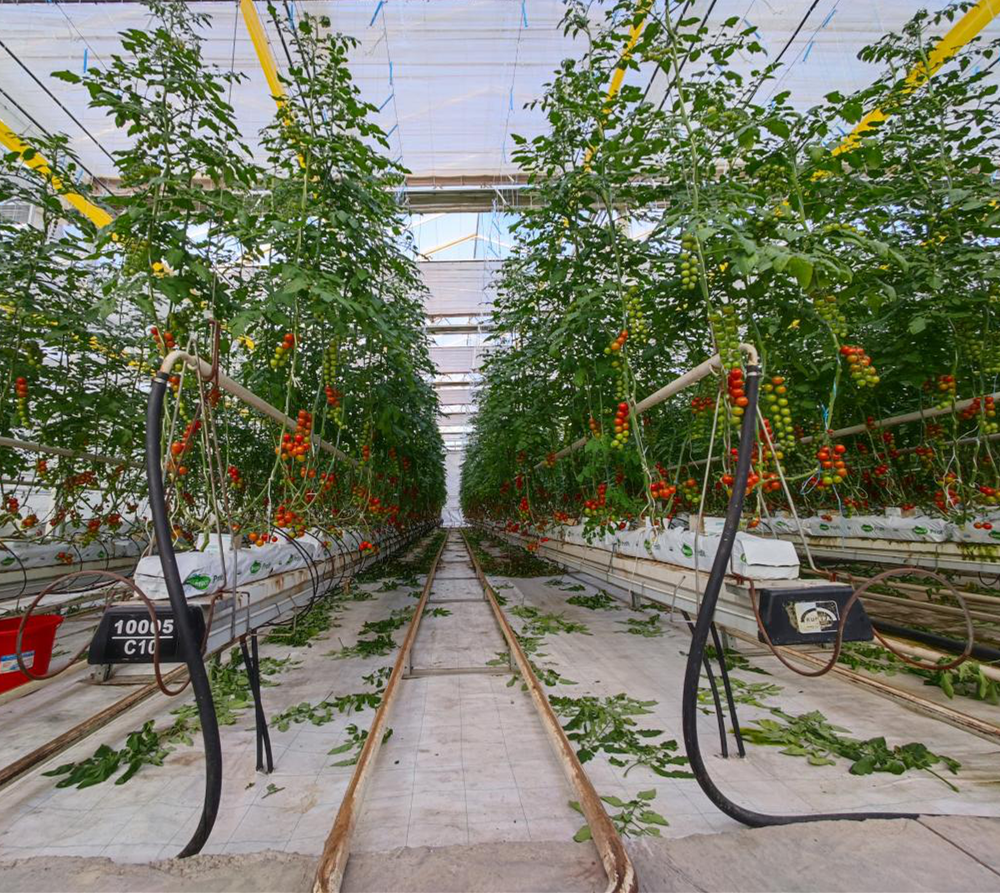
Glass green houses designs are inherently suited to the Yangtze River basin due to their superior light transmission, which compensates for the variable light conditions often experienced in the region. Unlike other materials, glass allows maximum penetration of natural light, ensuring that crops receive the energy needed for photosynthesis even on cloudy days. This advantage is further enhanced by agriculture intelligent补光 systems, which are seamlessly integrated into the green houses designs to provide additional light when necessary. The grow rack system, another key component of these green houses designs, optimizes vertical space utilization, allowing growers to cultivate more crops per square meter—a critical factor for maximizing returns in a region where land resources are increasingly scarce. By combining green houses designs with grow rack system and agriculture intelligent technologies, growers in the Yangtze River basin can overcome the limitations of the local climate and achieve year-round high-yield cultivation.
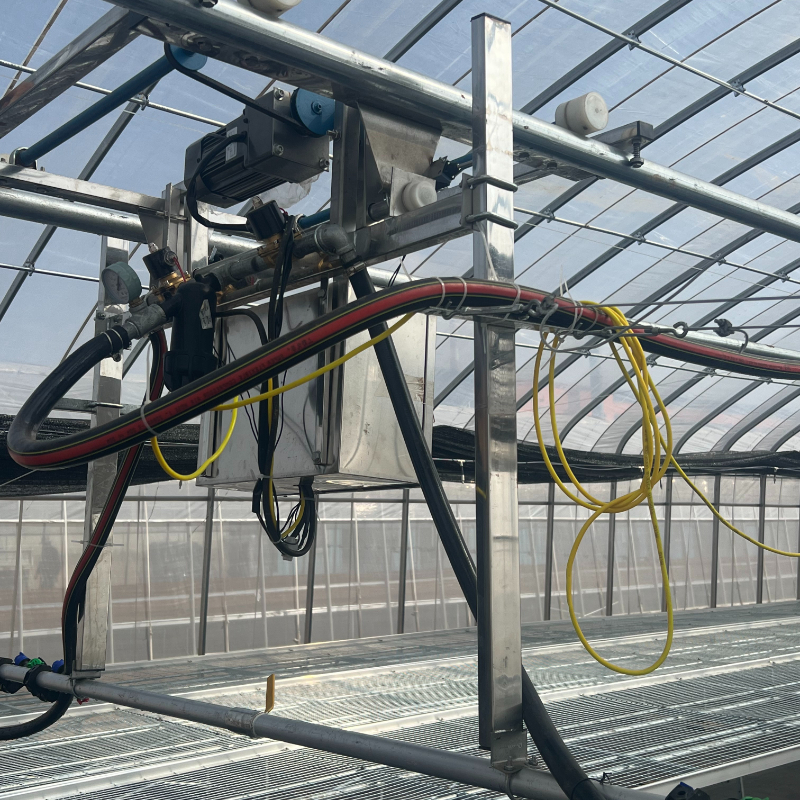
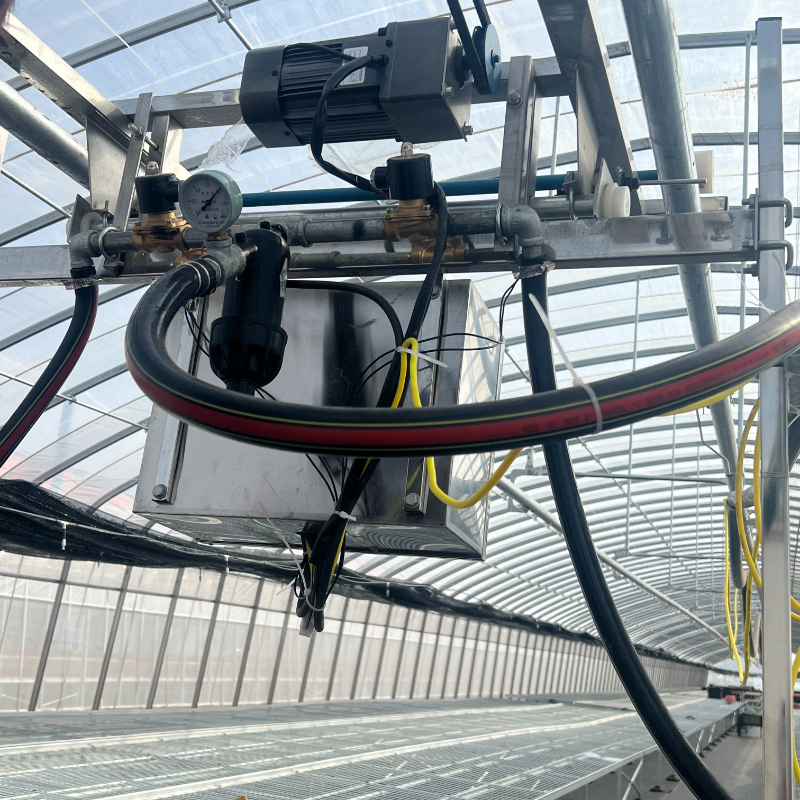
Agriculture intelligent technologies are the backbone of modern glass green houses designs, enabling fully automatic control of all key environmental parameters. In the Yangtze River basin, where temperature and humidity variations are significant, these intelligent systems monitor and adjust conditions in real time. The heating systems (hot air blower or water heating) integrated into the green houses designs utilize geothermal energy or power plant waste heat, providing a cost-effective and eco-friendly solution to maintain optimal temperatures during cold seasons. Similarly, the shading curtain systems and mist or water curtain cooling systems—controlled by agriculture intelligent algorithms—regulate temperature during hot summers, ensuring that crops are not subjected to extreme heat stress. The CO₂ supplementation systems, irrigation systems, and fertilization systems are also part of the agriculture intelligent framework, delivering precise amounts of nutrients and gases to crops based on their growth stages.
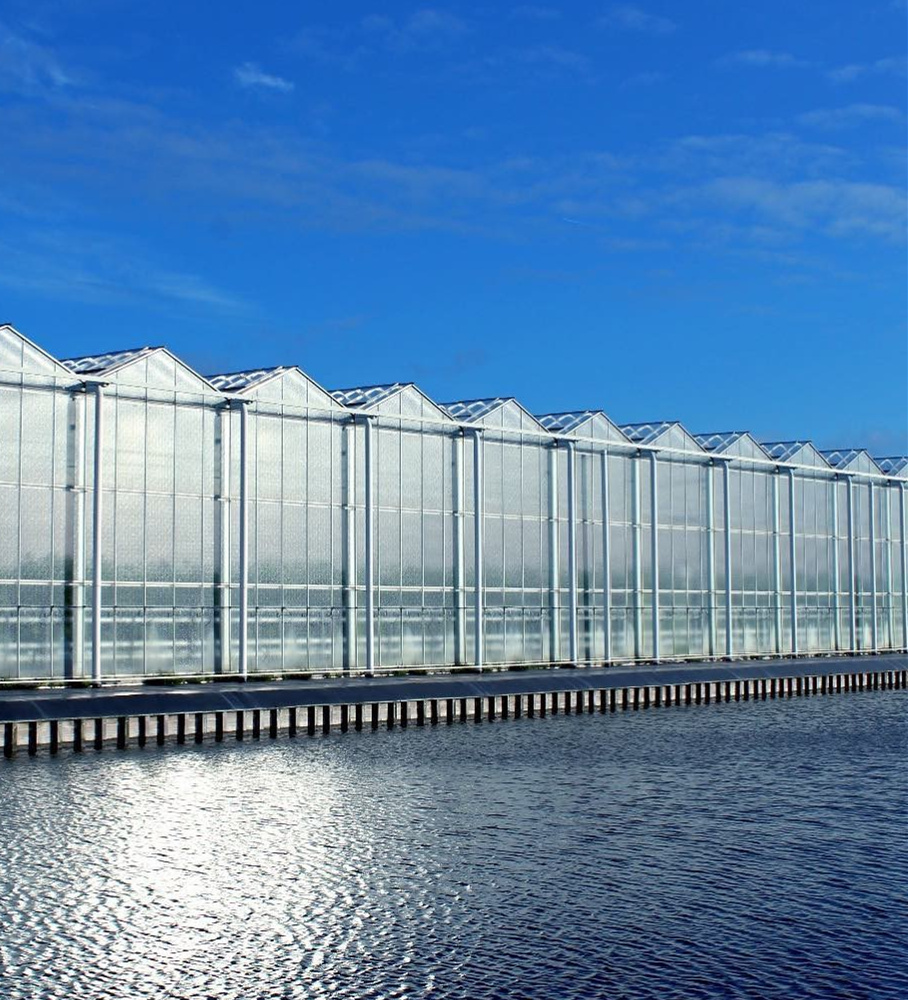
The long service life and aesthetic appeal of glass green houses designs make them an ideal choice for both commercial cultivation and agricultural tourism—a growing sector in the Yangtze River basin. The transparent glass walls showcase the lush crops growing on the grow rack system, creating an attractive visual display that draws visitors and enhances brand image. Moreover, the durability of glass ensures that the green houses designs can withstand the region’s frequent rainstorms and strong winds, reducing maintenance costs and extending the operational lifespan. The agriculture intelligent systems further reduce the need for manual intervention, allowing growers to manage large-scale operations with minimal labor, which is particularly beneficial in areas where labor shortages are a growing concern.
In conclusion, green houses designs that combine glass structures, grow rack system, and agriculture intelligent technologies are perfectly tailored to the needs of the Yangtze River basin. These green houses designs address the region’s unique climatic challenges by leveraging superior light transmission, efficient space utilization, and precise environmental control. The integration of geothermal energy and power plant waste heat into the heating systems makes the green houses designs sustainable and cost-effective, while the agriculture intelligent control systems ensure optimal crop growth conditions year-round. Whether for commercial crop production, research, or agricultural tourism, glass green houses designs with grow rack system and agriculture intelligent features are the future of farming in the Yangtze River basin, driving productivity, sustainability, and economic growth in the region’s agricultural sector.
