
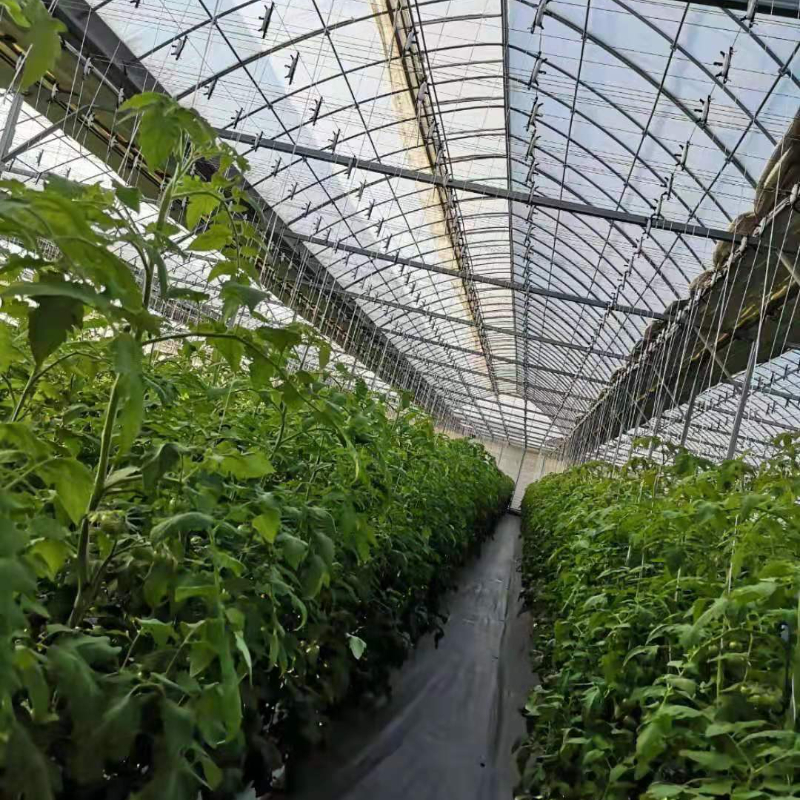
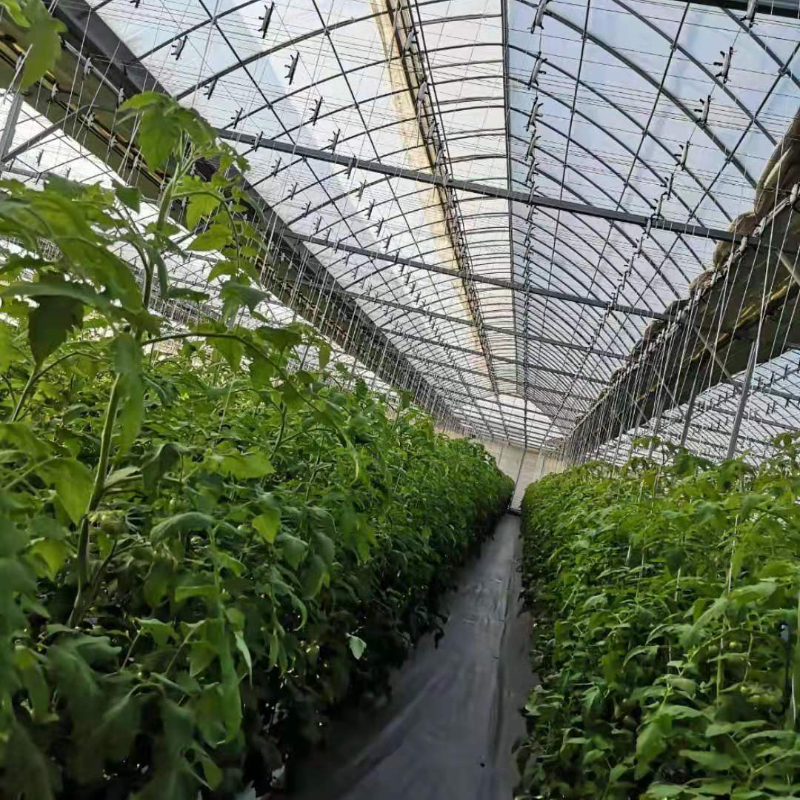
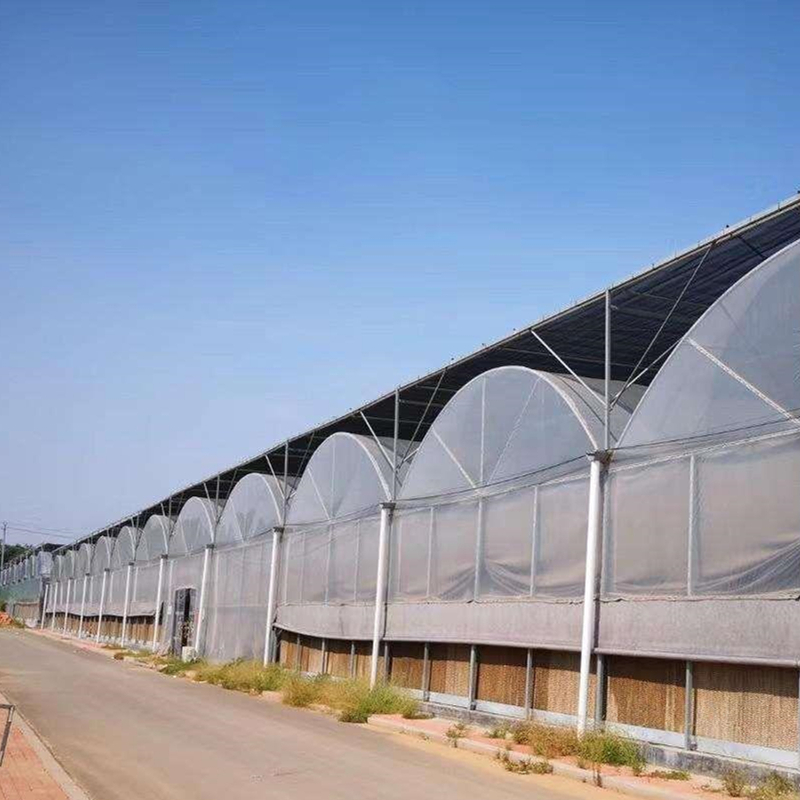
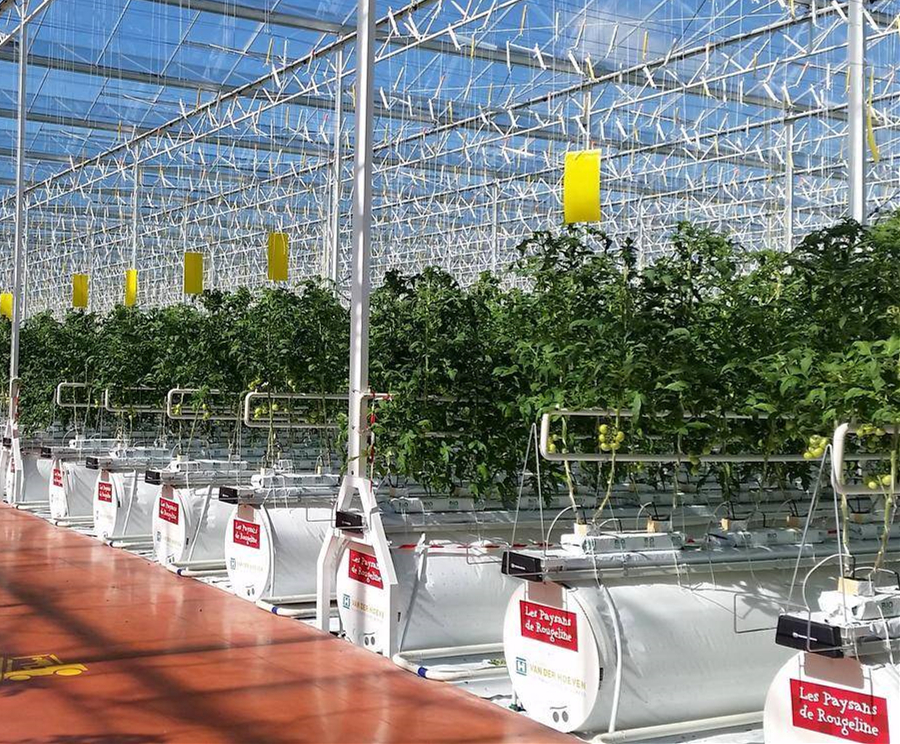
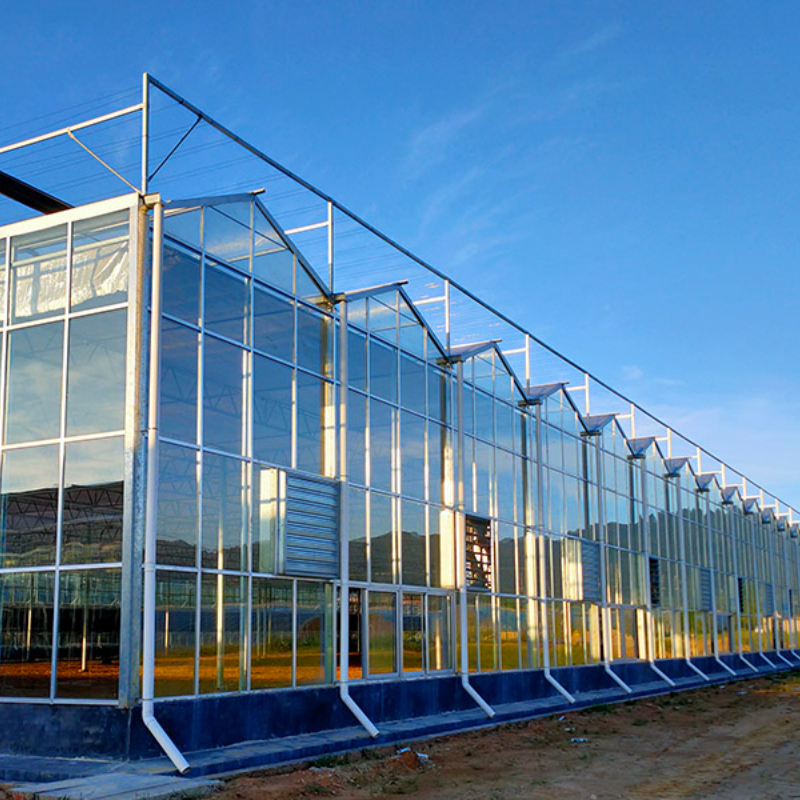
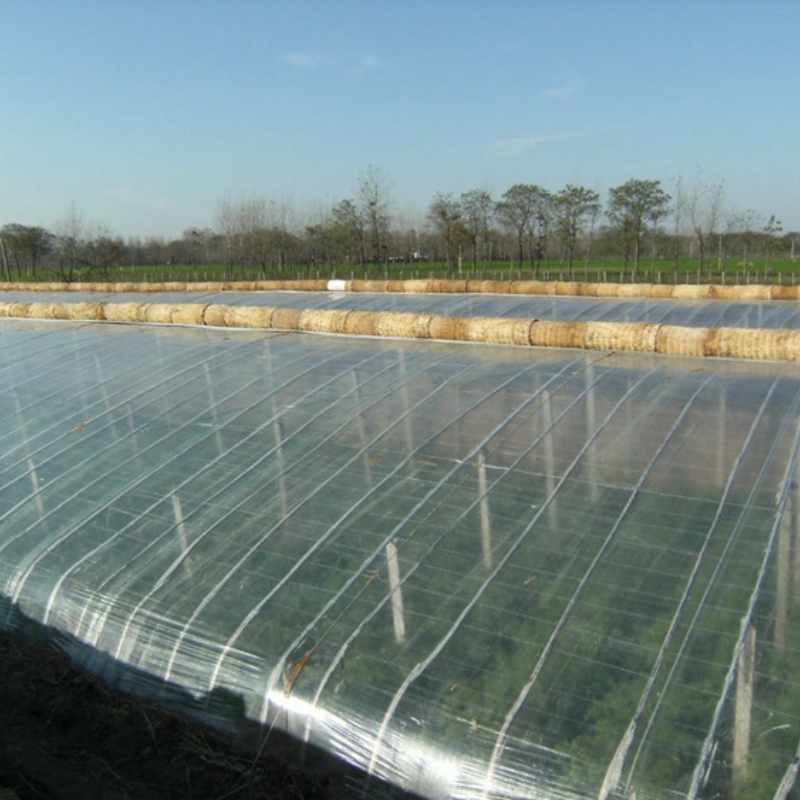
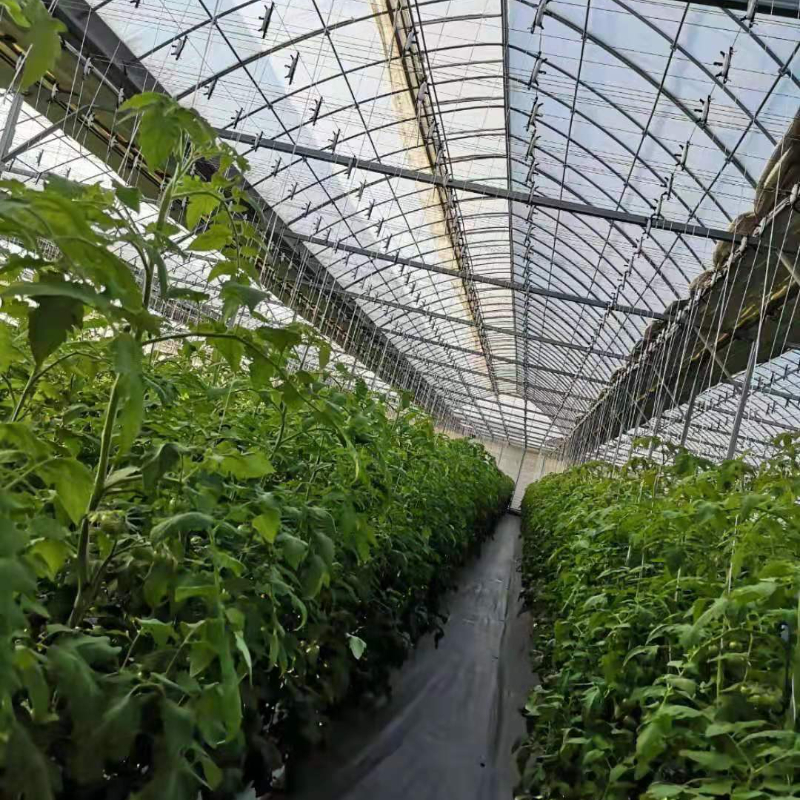
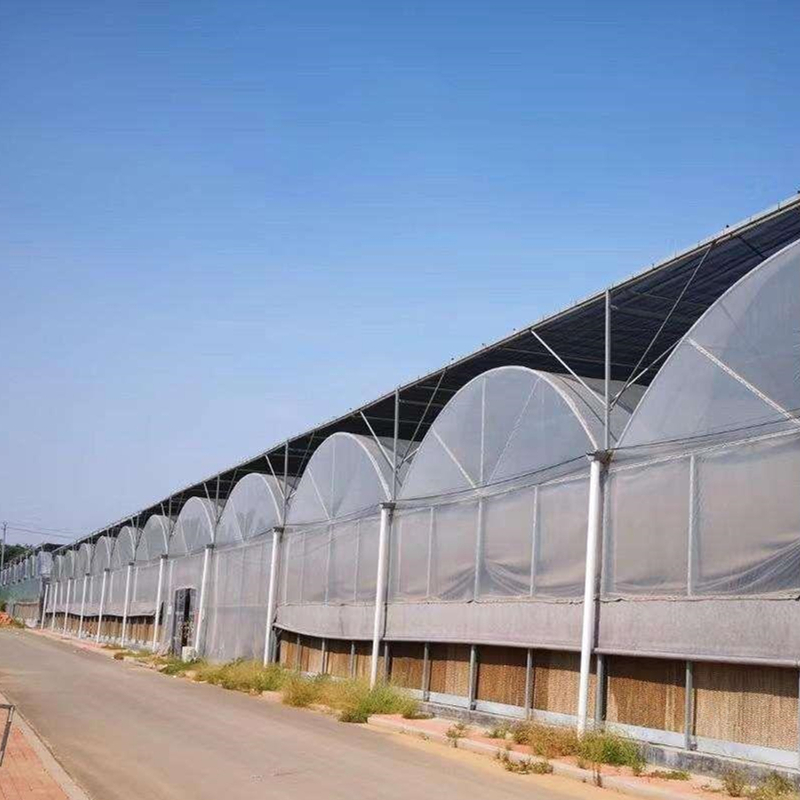
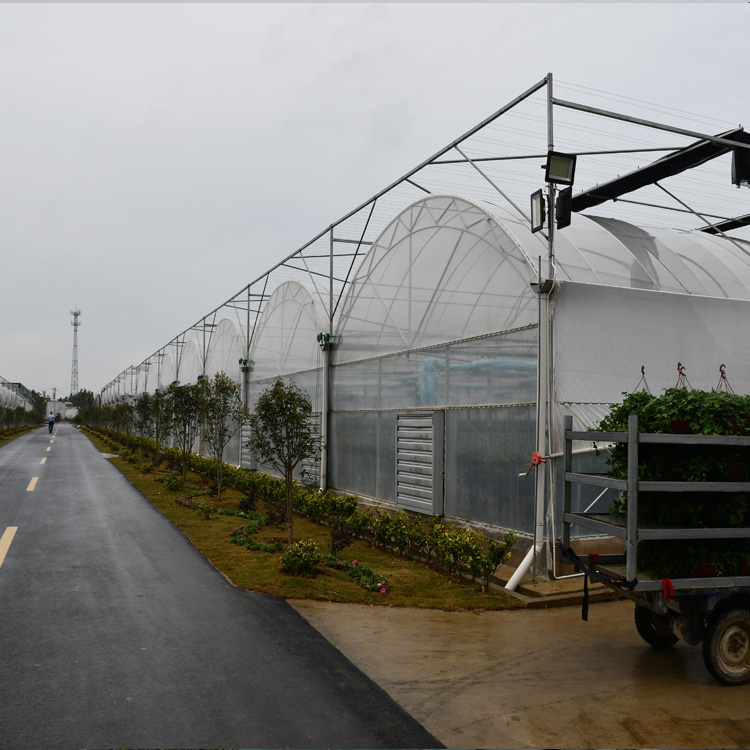
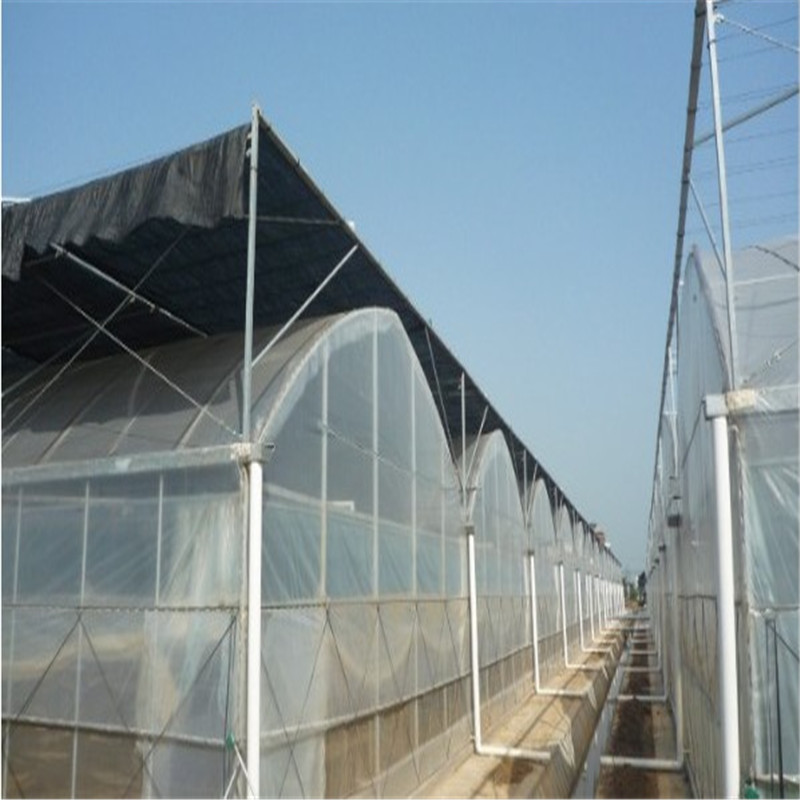
Greenhouse cucumber production is often seen as a high-tech, high-reward endeavor, but it is indeed accompanied by significantly high risk.
The risk stems from the combination of high initial investment and the fact that cucumbers are a very delicate crop grown in an intensively managed artificial environment. A problem in any part of the system can lead to rapid and catastrophic losses.
Here’s a breakdown of why the risk is so high, categorized by key areas:
1. Greenhouse Cucumber Financial Risk: High Capital Investment and Operating Costs
This is the most significant barrier and source of risk.
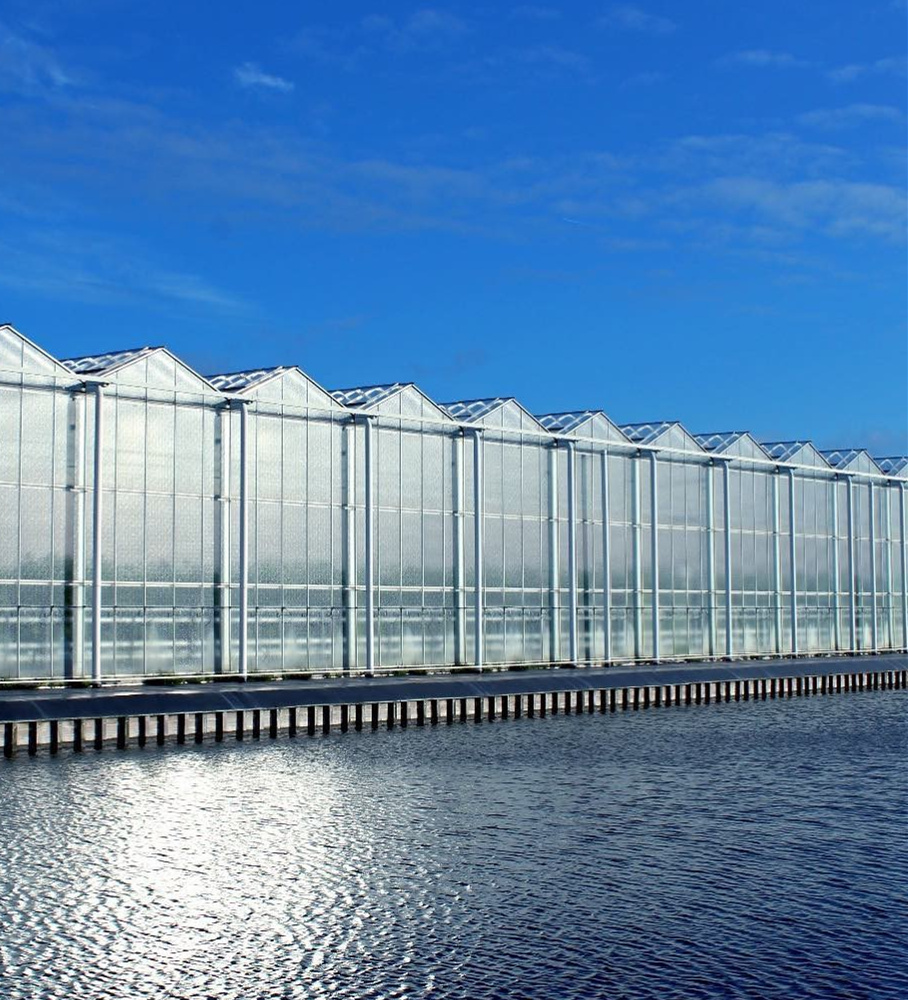
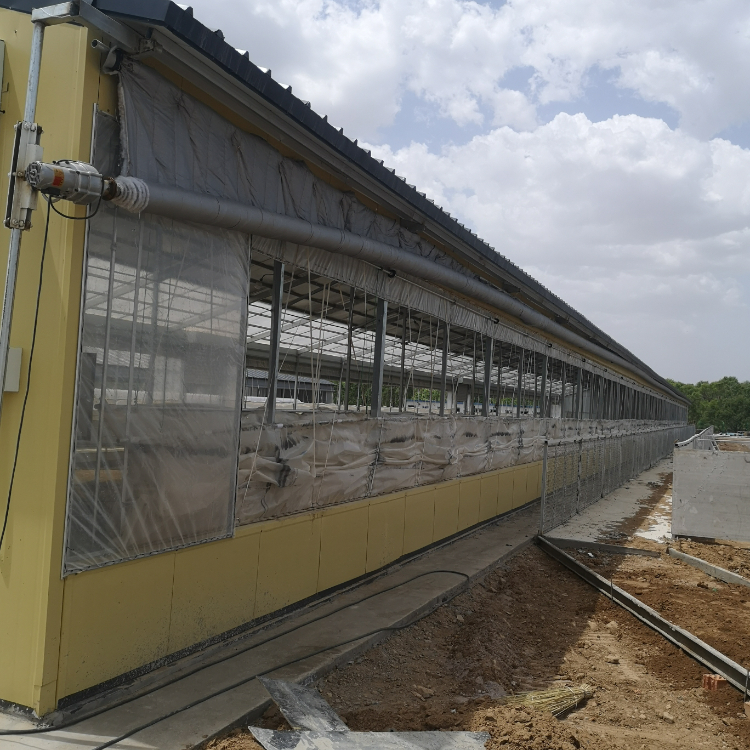
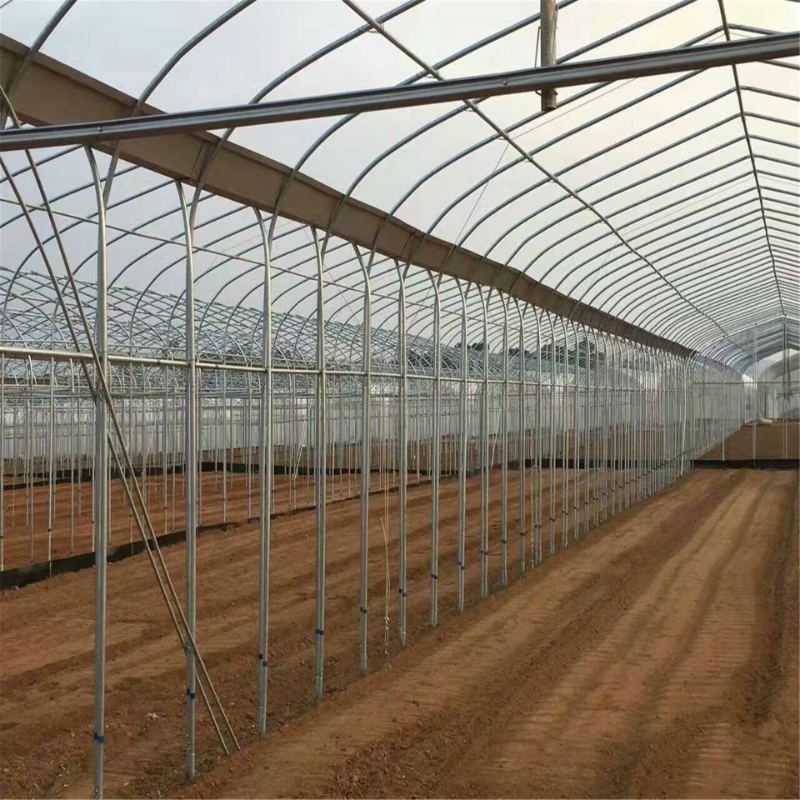
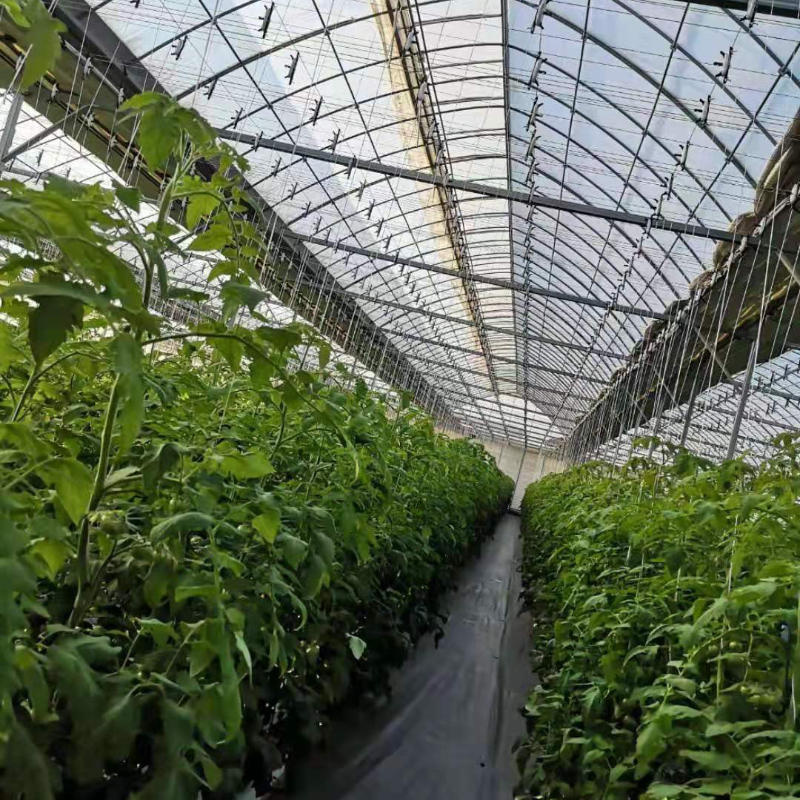
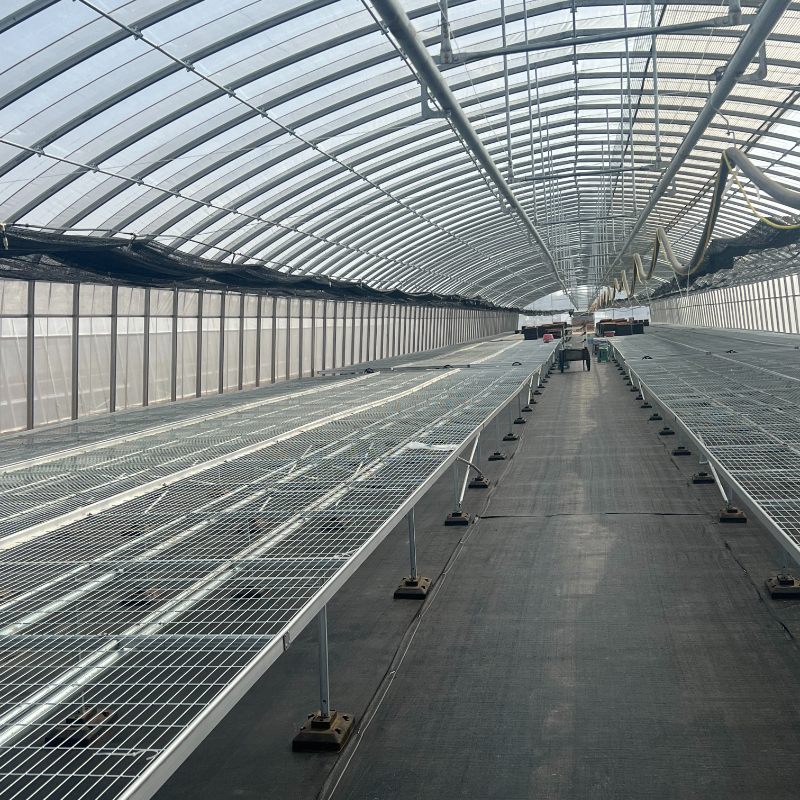
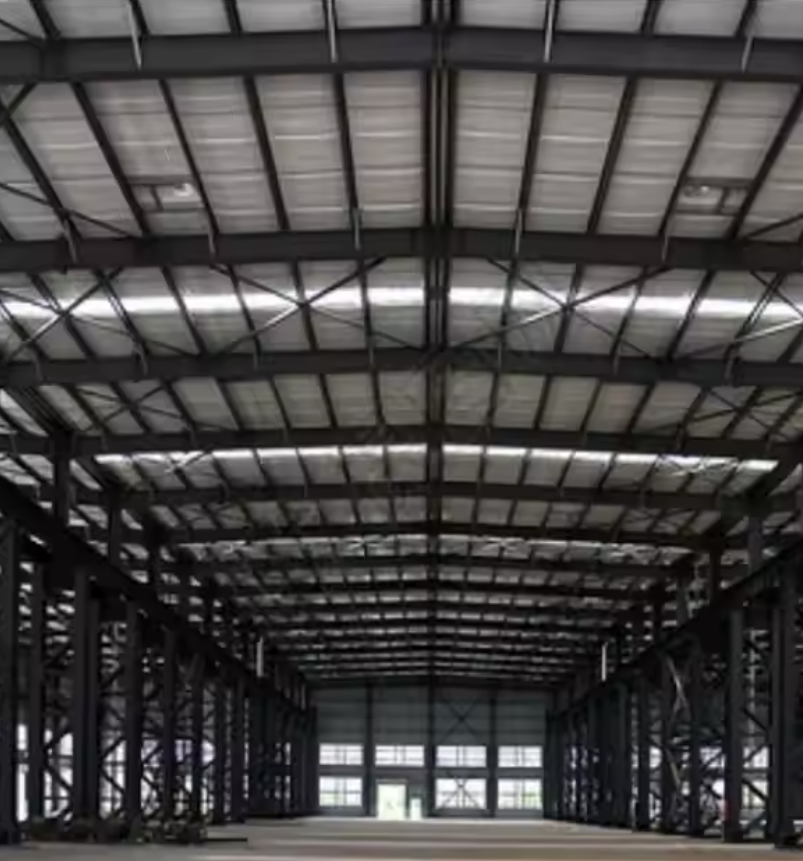
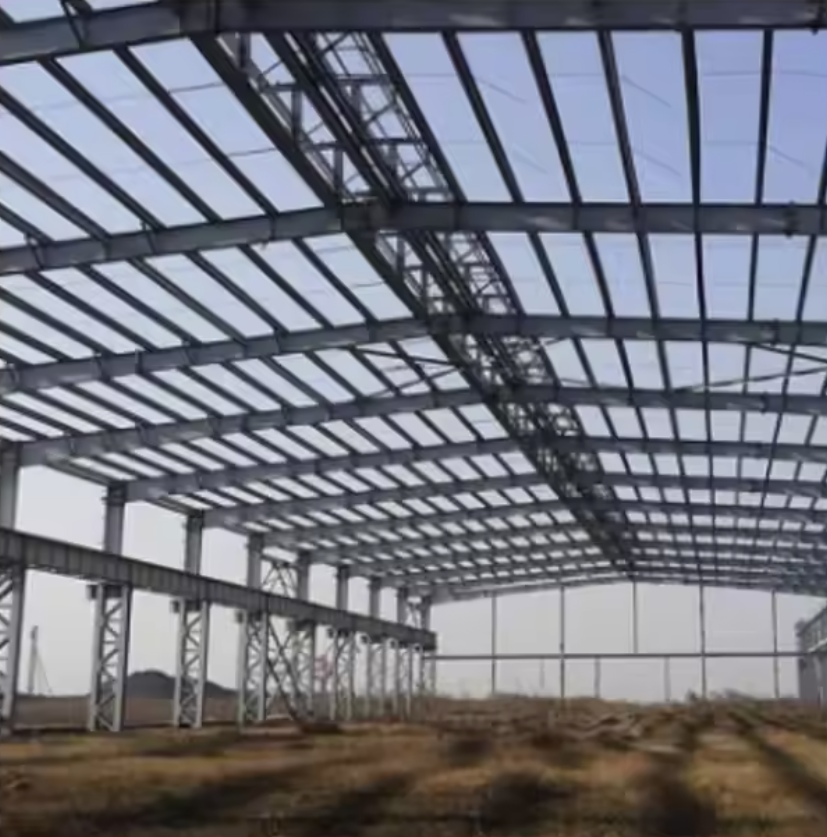
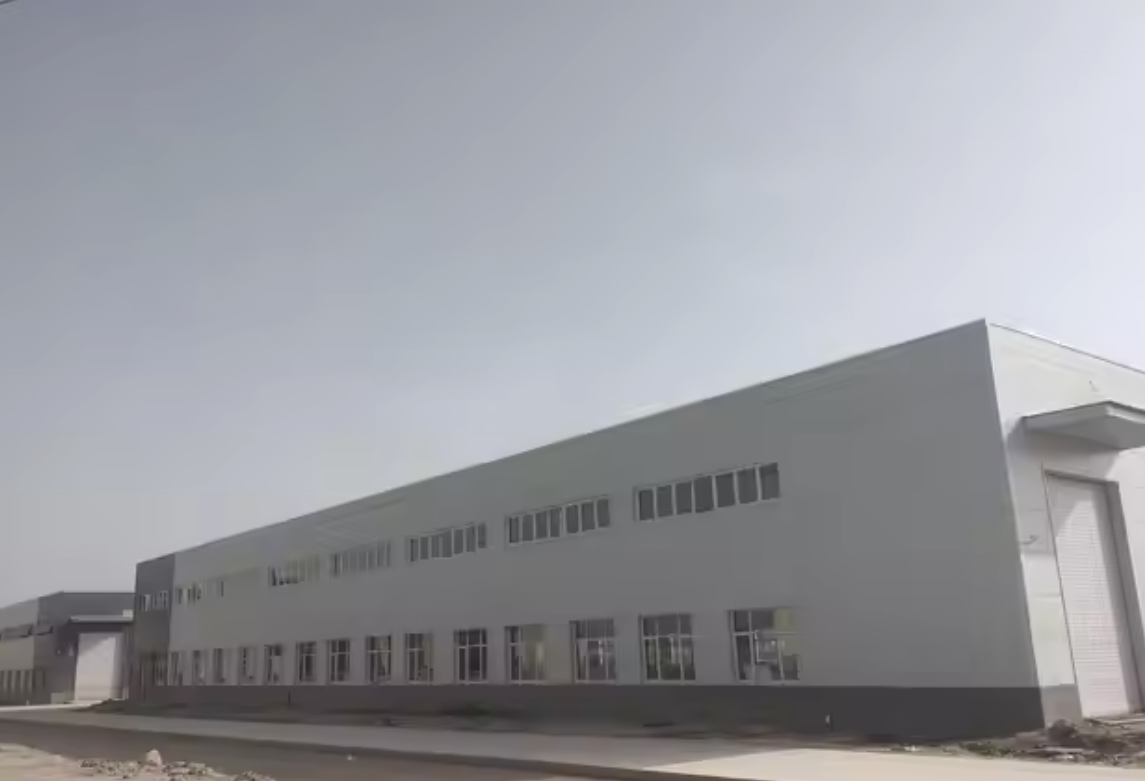
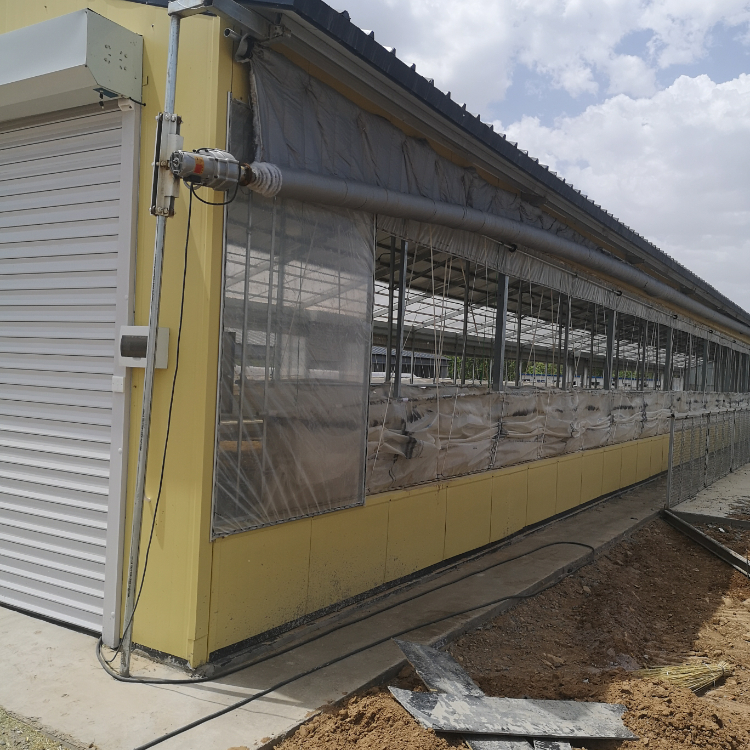
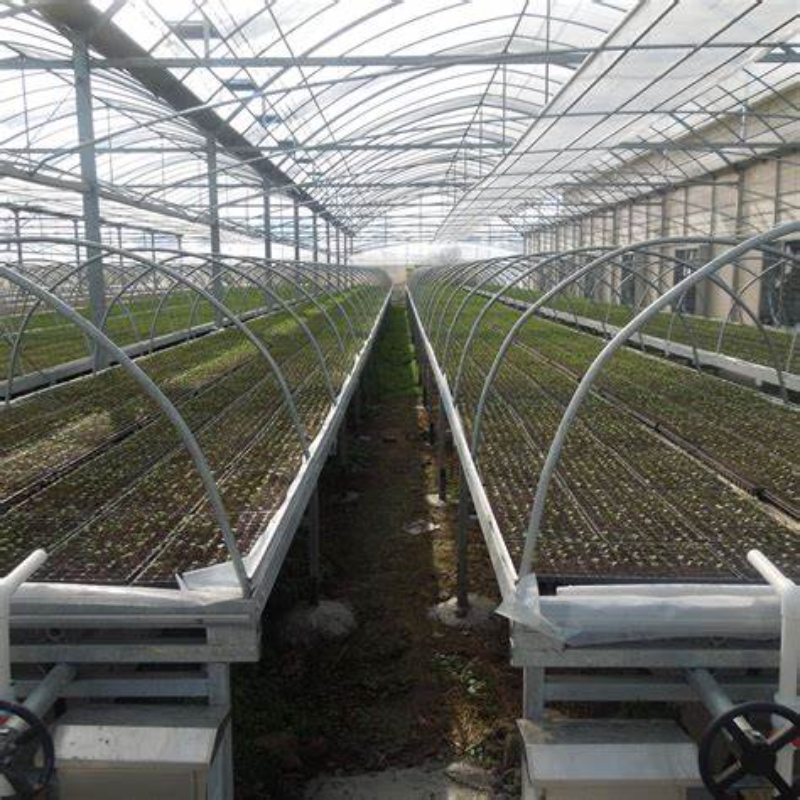
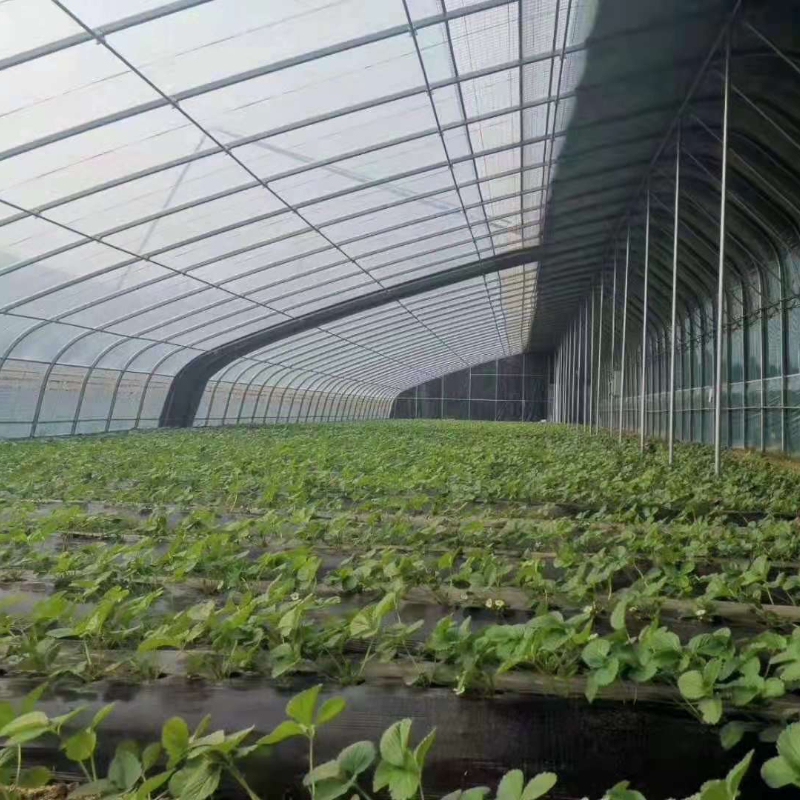
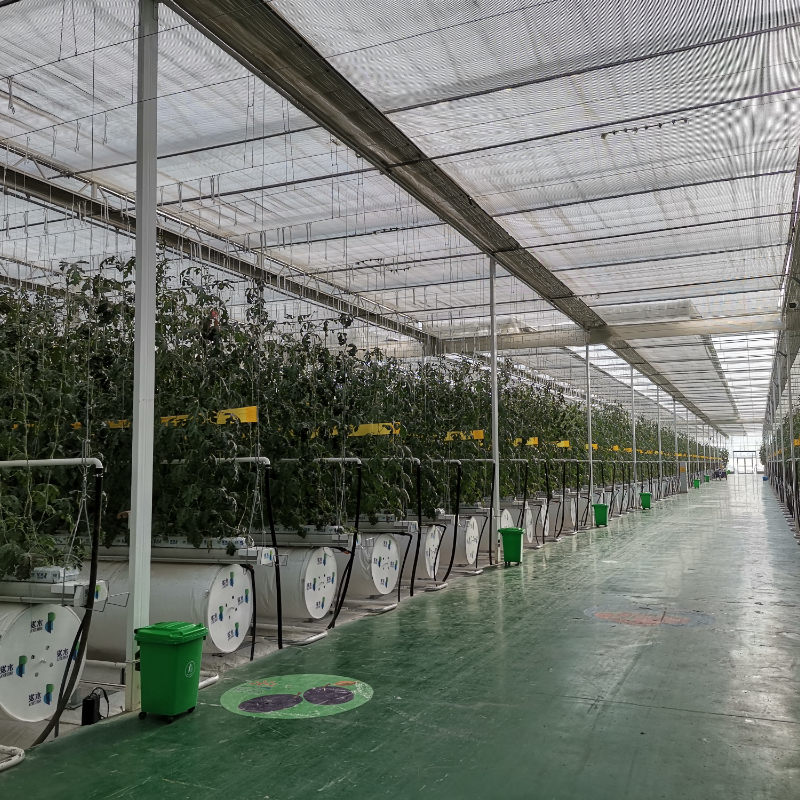
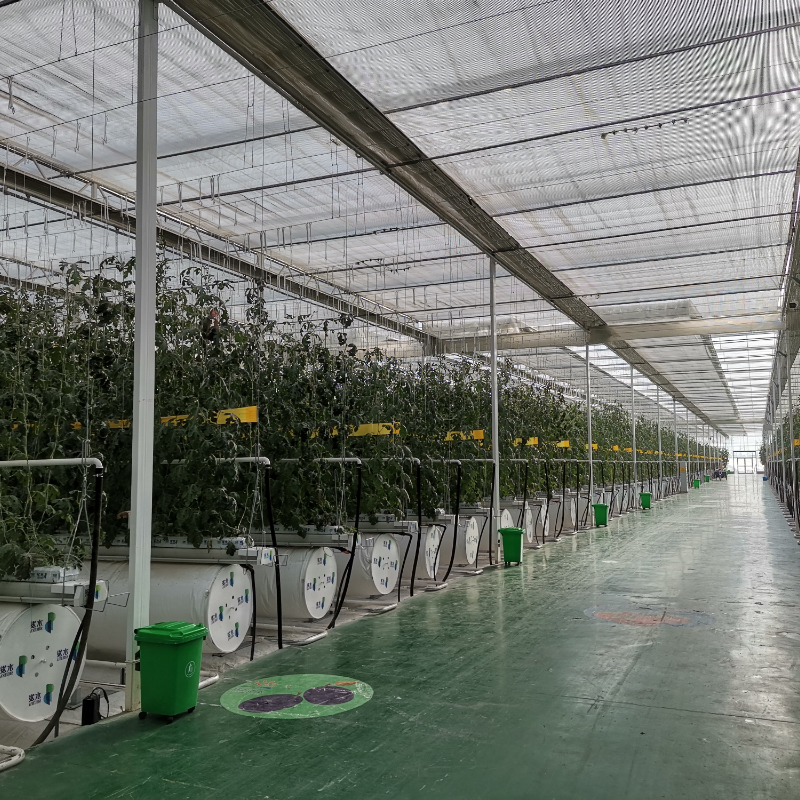
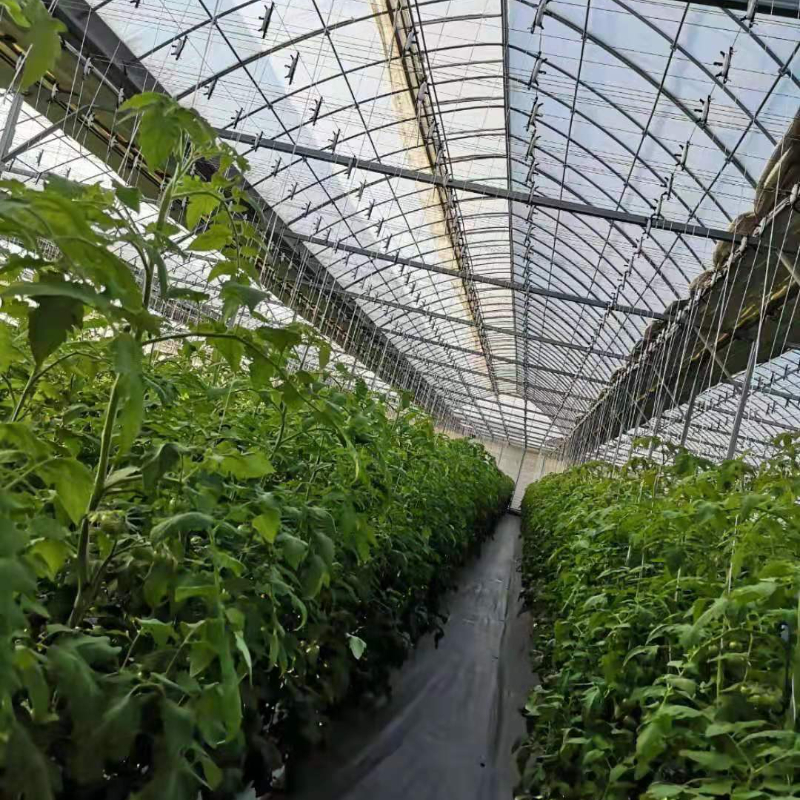
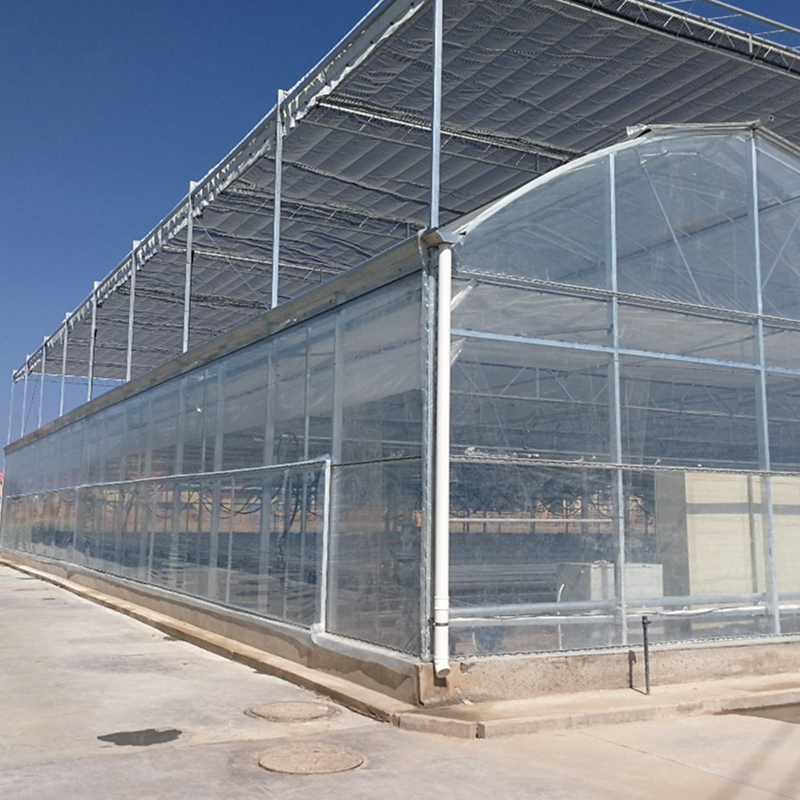
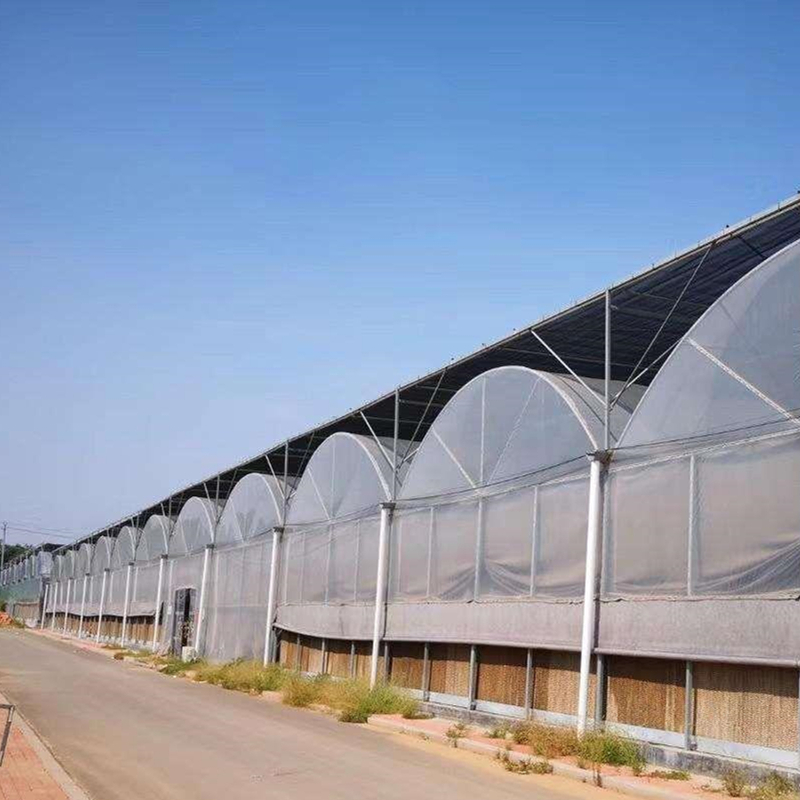
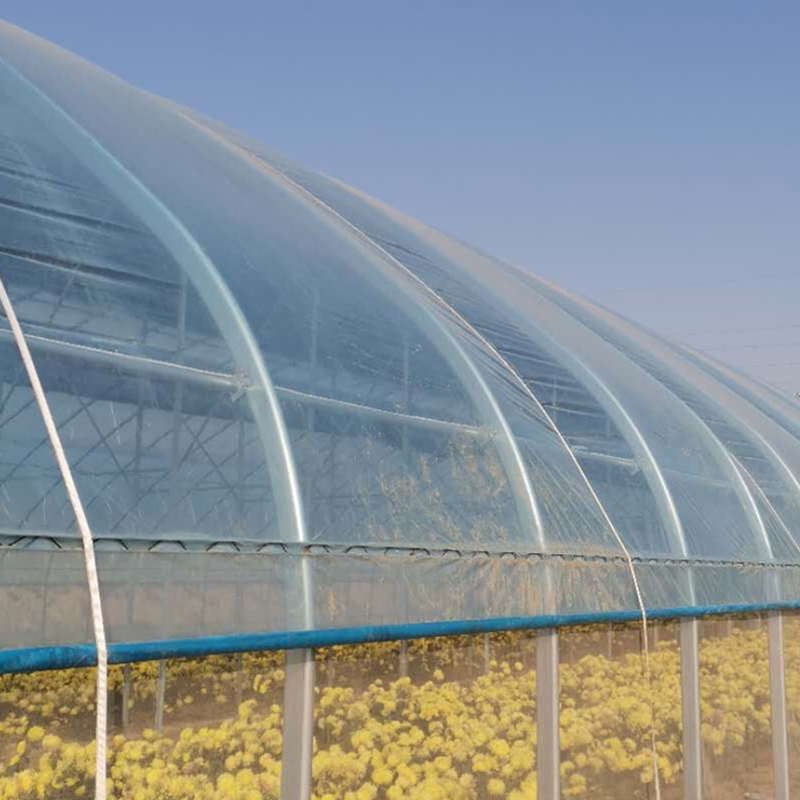
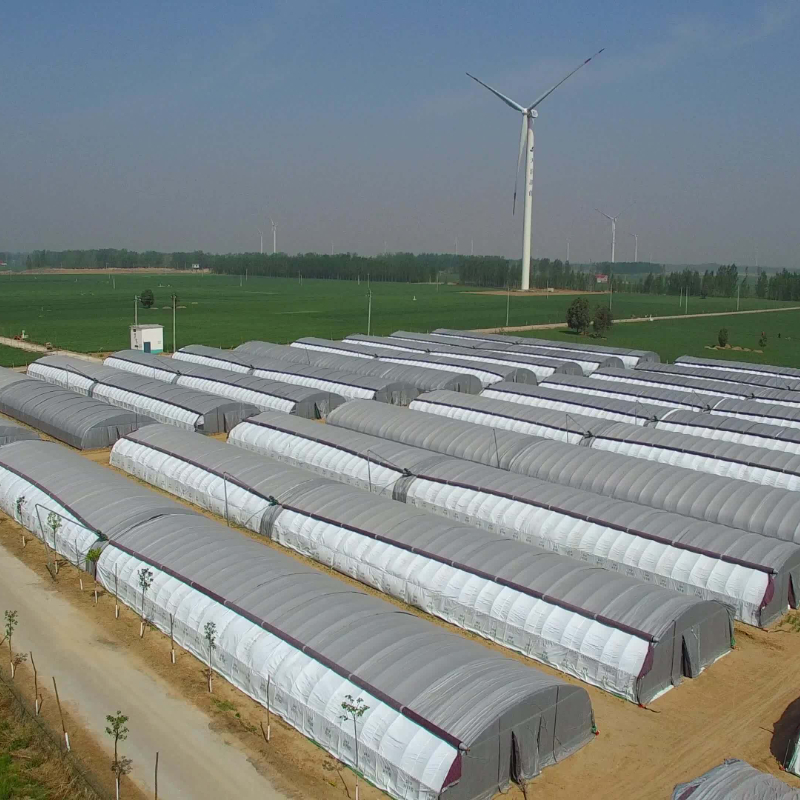
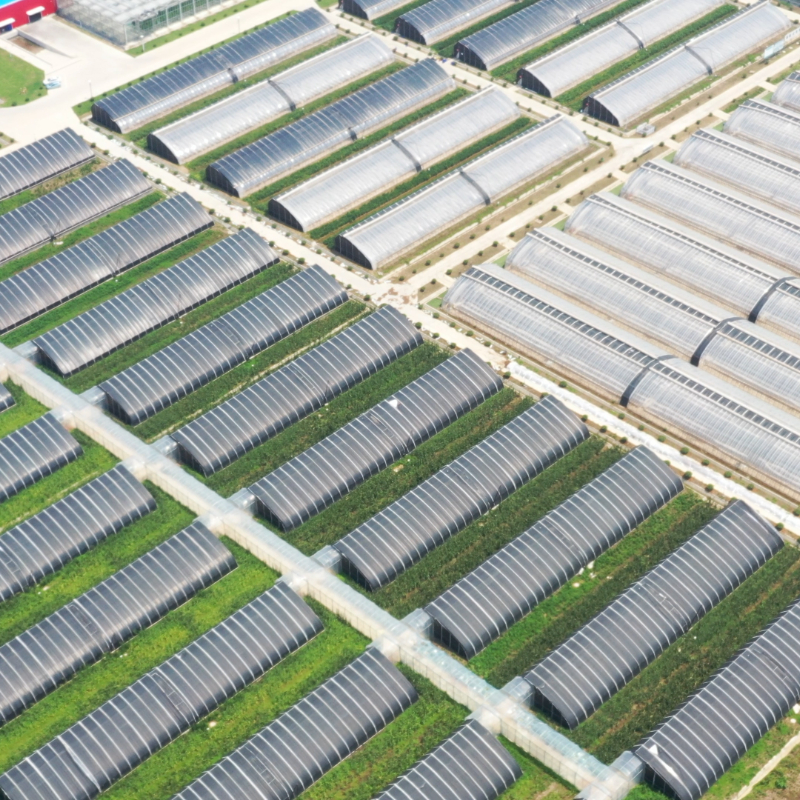
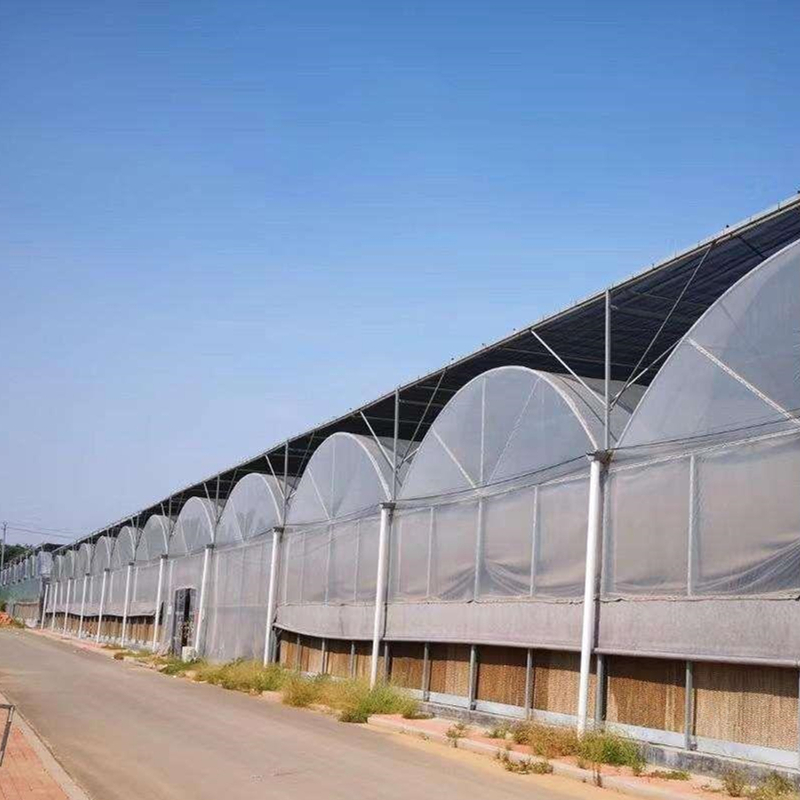
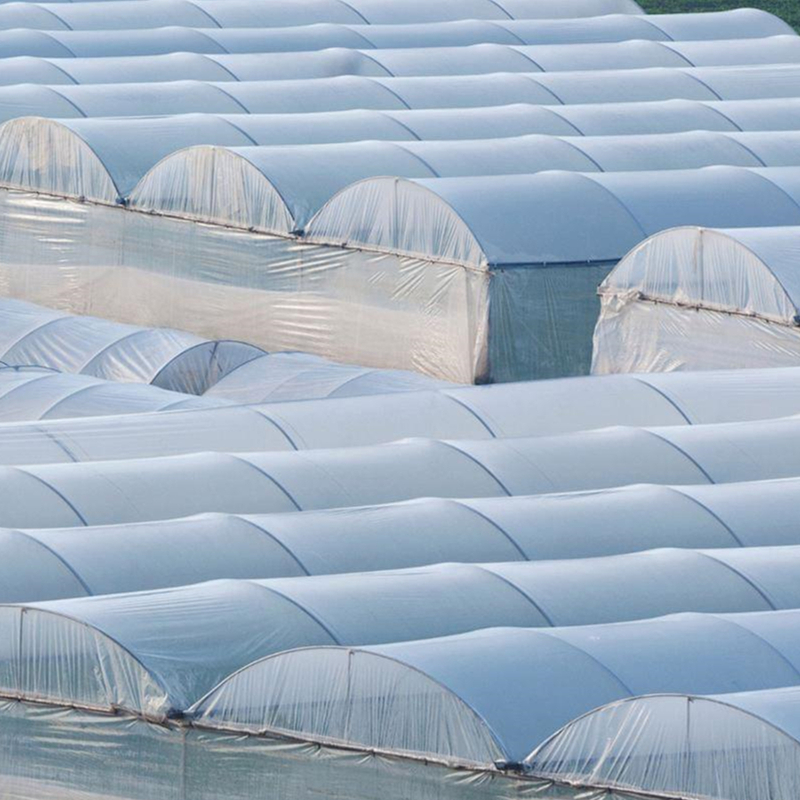
Infrastructure Costs: Building a modern, climate-controlled greenhouse (with structures, polycarbonate/glass, heating, cooling, ventilation, irrigation systems) is extremely expensive per acre compared to open-field farming.
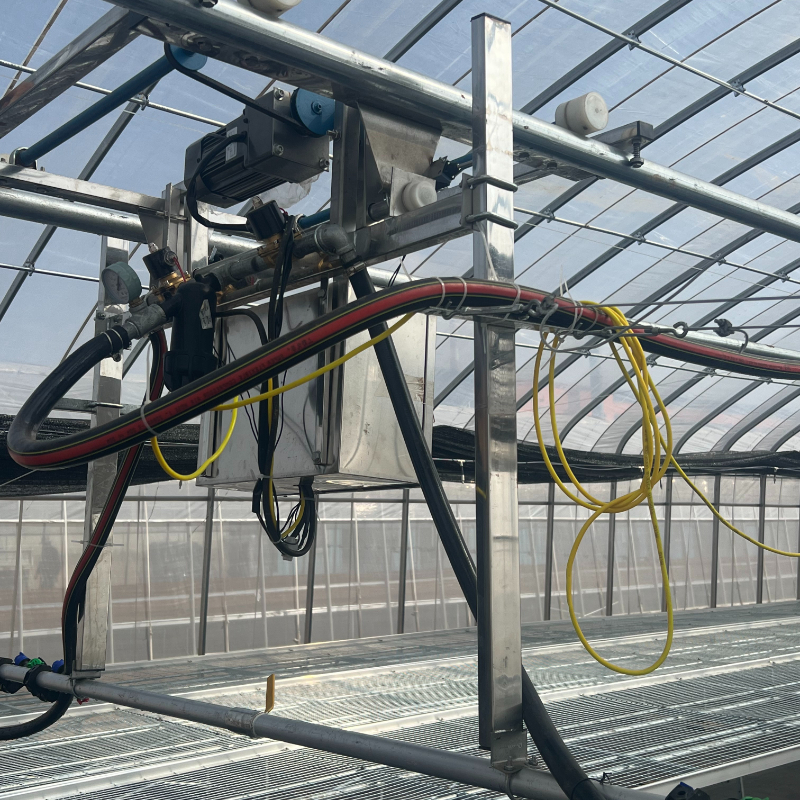
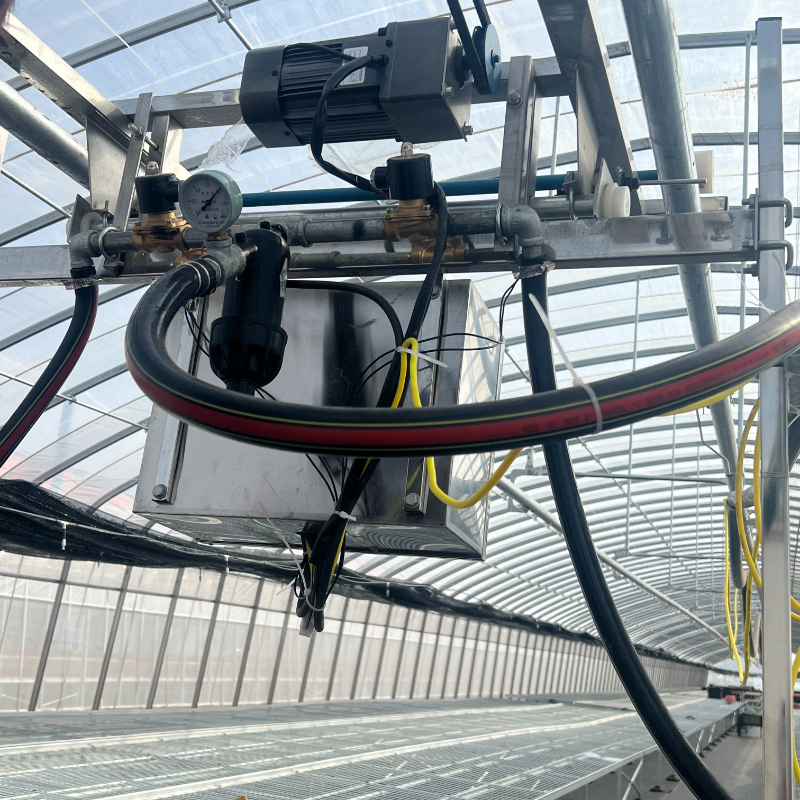
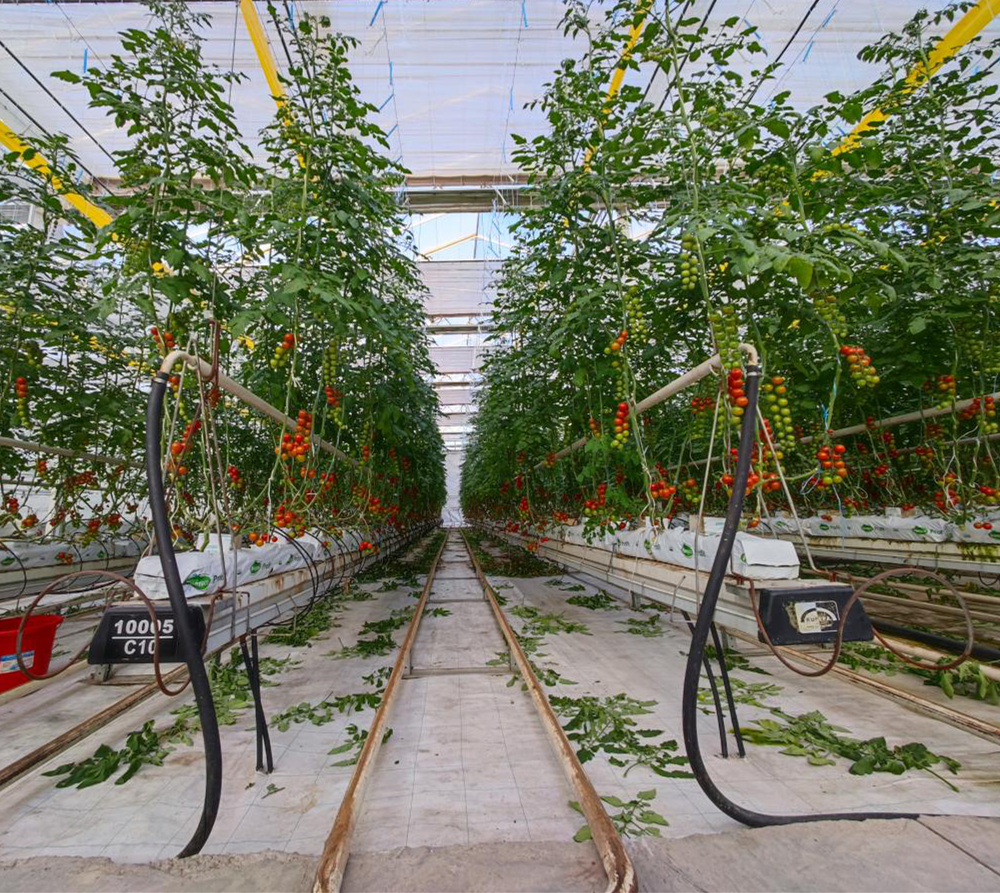
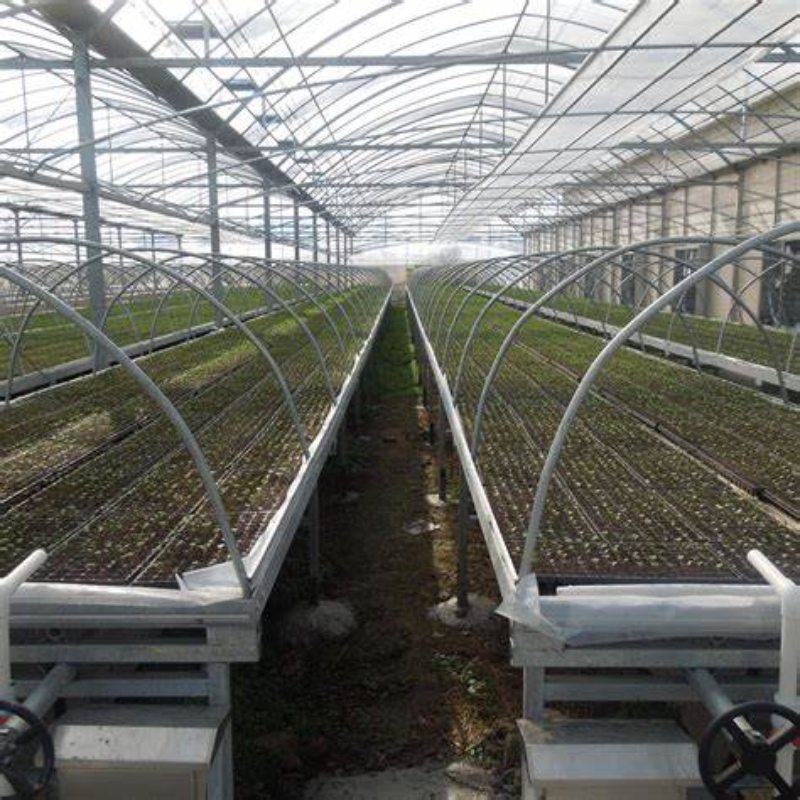
Technology & Systems: Costs for automated climate computers, supplemental lighting (LEDs), CO2 enrichment systems, and hydroponic setups add millions to the initial investment.
Energy Costs: Heating a greenhouse in winter and cooling it in summer are incredibly energy-intensive, making operational costs volatile and highly dependent on fossil fuel or electricity prices.
Labor Costs: While more efficient than field production, skilled labor for pruning, training, harvesting, and scouting is still a major ongoing expense.
The Bottom Line: The break-even point is very high. A few weeks of poor production or a drop in market price can easily wipe out profits for an entire season, making it difficult to service the debt from the initial investment.
2. Greenhouse Cucumber Biological and Horticultural Risk: A Delicate Crop
Cucumbers (Cucumis sativus) are not robust plants. They are bred for high yield and quality, not for resilience.
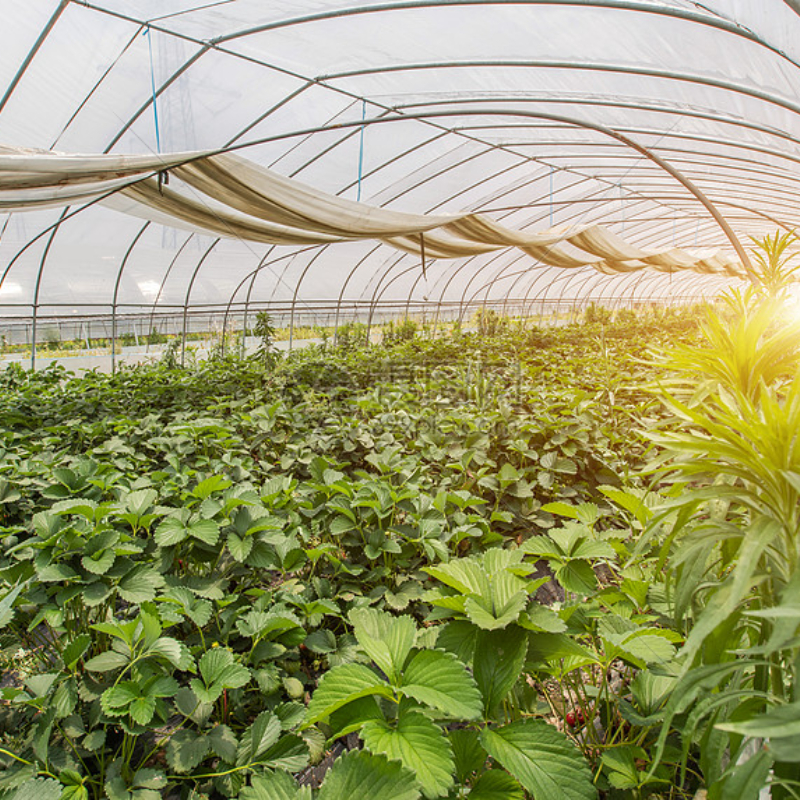
Susceptibility to Pests & Diseases: The warm, humid environment of a greenhouse is also a perfect incubator for pests and diseases.
Common Pests: Spider mites, aphids, whiteflies, and thrips can explode in population rapidly.
Devastating Diseases: Powdery mildew, downy mildew, gummy stem blight, and Fusarium wilt are constant threats. The most feared is Cucumber Green Mottle Mosaic Virus (CGMMV), which is highly contagious, has no cure, and can devastate an entire crop, forcing a complete shutdown and sterilization.
High Sensitivity to Environmental Stress: Cucumber plants are "finicky."
Temperature: Fluctuations outside the ideal range (e.g., 22-28°C day / 18-20°C night) can halt growth, cause misshapen fruit, or reduce yield.
Humidity: High humidity encourages fungal diseases; low humidity can stress plants and encourage mites.
Water & Nutrients: As a fast-growing crop, they are sensitive to imbalances in watering (root rot) or nutrient solutions (e.g., incorrect EC or pH), which immediately affect fruit quality and yield.
3. Greenhouse Cucumber Technical and Management Risk: The System's Complexity
A greenhouse is a complex life-support system for plants. Failure of any single component can have immediate consequences.
System Failures: A power outage can stop ventilation, pumps, and climate control. A pump failure can stop irrigation. A boiler failure in winter can cause the entire crop to freeze within hours.
Requirement for Precise Management: Success is 100% dependent on the grower's skill. This is not "set it and forget it." It requires constant monitoring and adjustment of:
Climate (temperature, humidity, CO2 levels)
Irrigation and fertilization (EC, pH, timing)
Integrated Pest Management (IPM) strategies.
Labor Skill: Workers must be trained in precise pruning, training, and harvesting techniques to avoid damaging plants and to maximize yield.
4. Greenhouse Cucumber Market and Economic Risk: Price Volatility and Competition
Perishability: Cucumbers are highly perishable. They must be harvested, packed, and sold quickly. There is no option to "wait for a better price" once they are ripe.
Market Price Fluctuation: Prices can be highly volatile. A sudden surge of field-grown cucumbers or imports from another region can crash the market price, making it impossible to cover high production costs.
Consumer Demands & Food Safety: There is zero tolerance for pesticide residues or foodborne illness outbreaks (e.g., Salmonella or Listeria). A single recall can destroy a brand and a business.
Mitigation Strategies: How Successful Growers Manage the Risk
Despite the high risk, greenhouse cucumber production can be profitable. Successful growers mitigate risk through:
1.Greenhouse Cucumber Expertise: Hiring or training highly skilled growers.
2.Greenhouse Cucumber Preventative Measures: Strict hygiene protocols (footbaths, sanitization, worker training) to keep diseases like CGMMV out.
3.Greenhouse Cucumber Integrated Pest Management (IPM): Using biological controls (beneficial insects) instead of just pesticides to manage pests sustainably.
4.Greenhouse Cucumber Redundancy: Having backup generators, backup boilers, and alarm systems that notify managers of system failures.
5.Greenhouse Cucumber Diversification: Growing multiple crops (e.g., cucumbers, tomatoes, peppers) to spread market risk.
6.Greenhouse Cucumber Contracts: Securing forward contracts with buyers (supermarkets) to guarantee a stable price for a portion of the production.
In summary, the risk in greenhouse cucumber production is high because it combines the financial leverage of a massive capital investment with the biological vulnerability of a delicate crop in an artificial environment that requires perfect, uninterrupted management. It's a "high-stakes" game of horticulture.
