
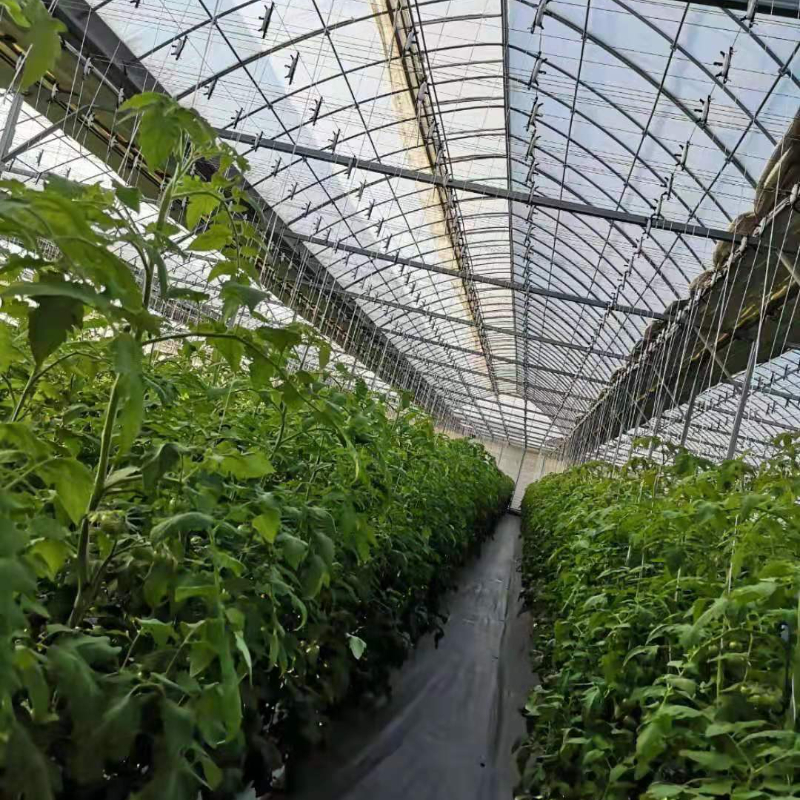
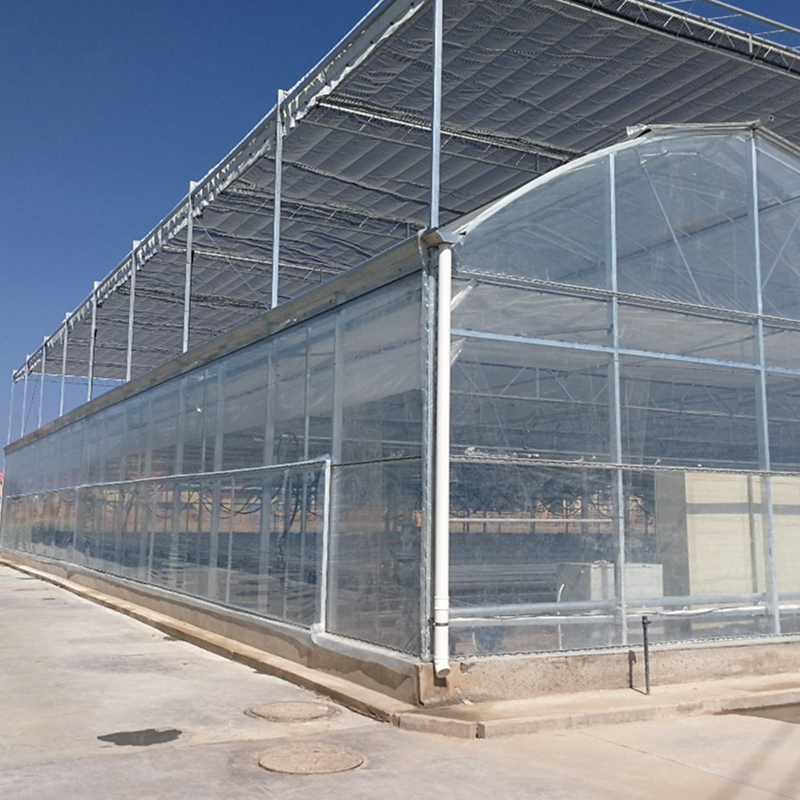
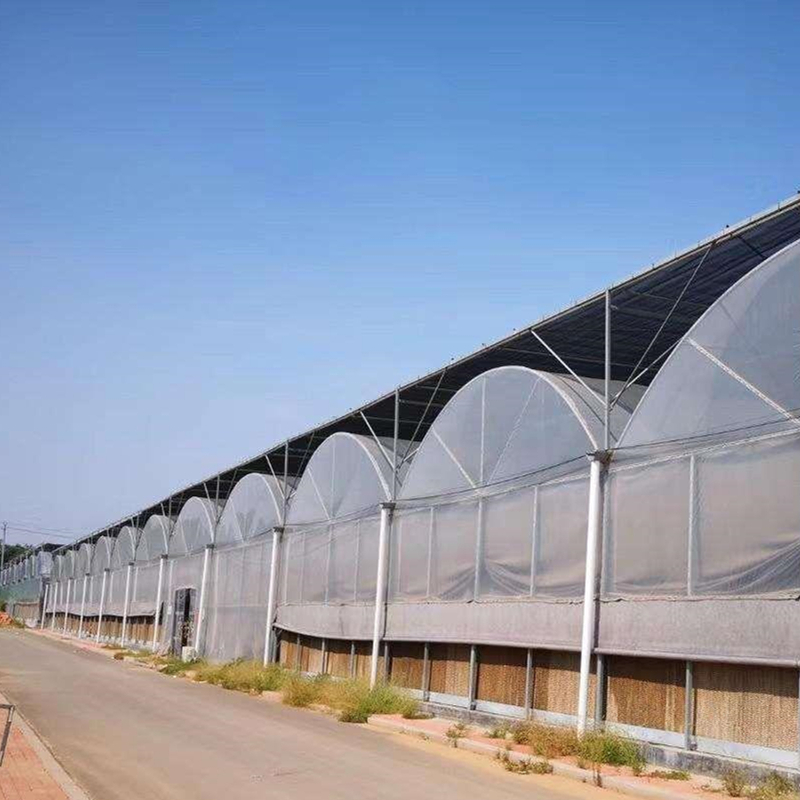
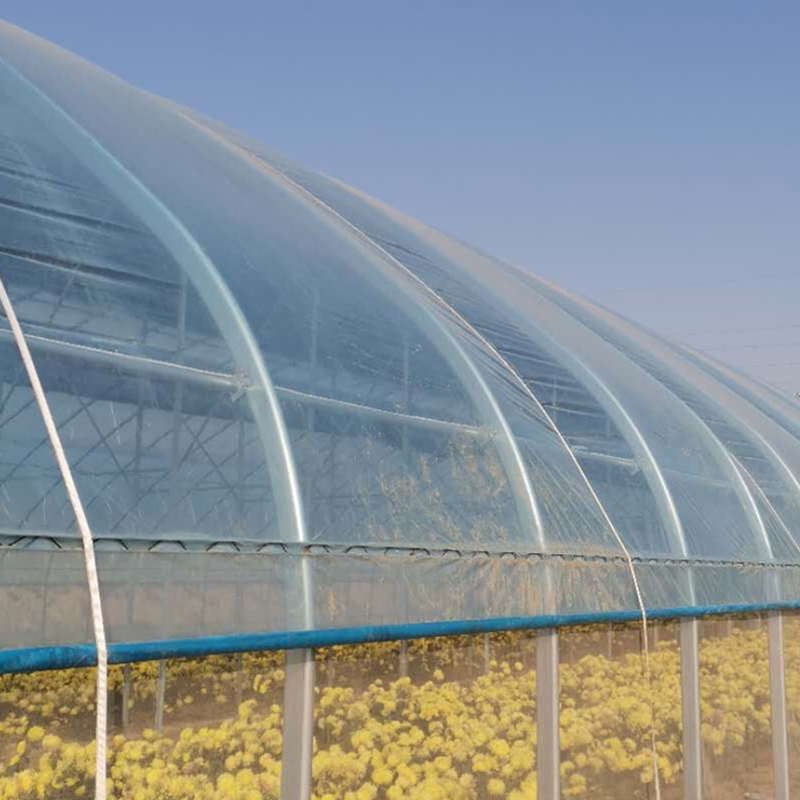
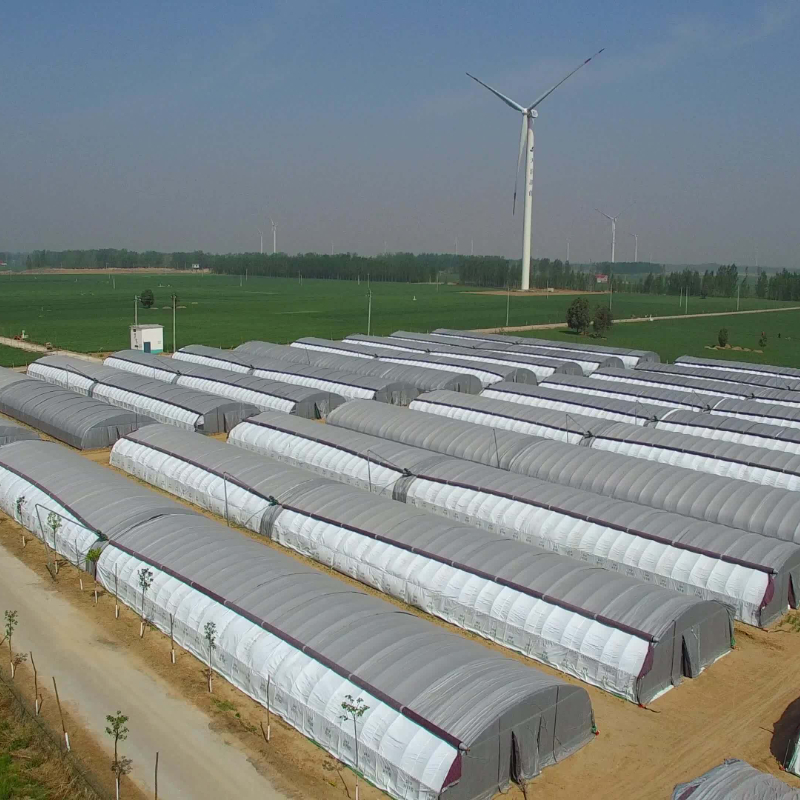
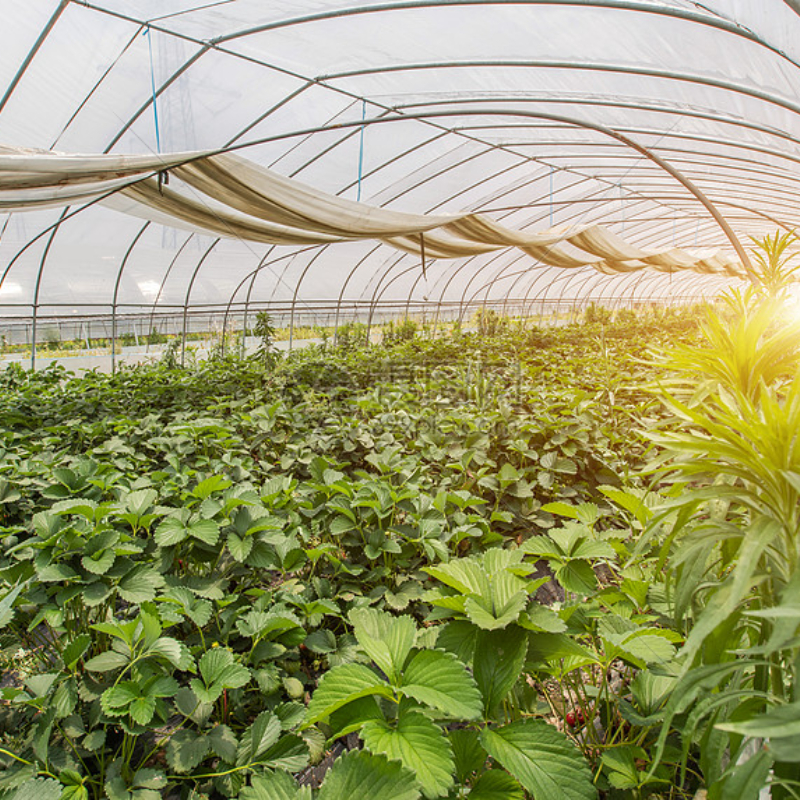
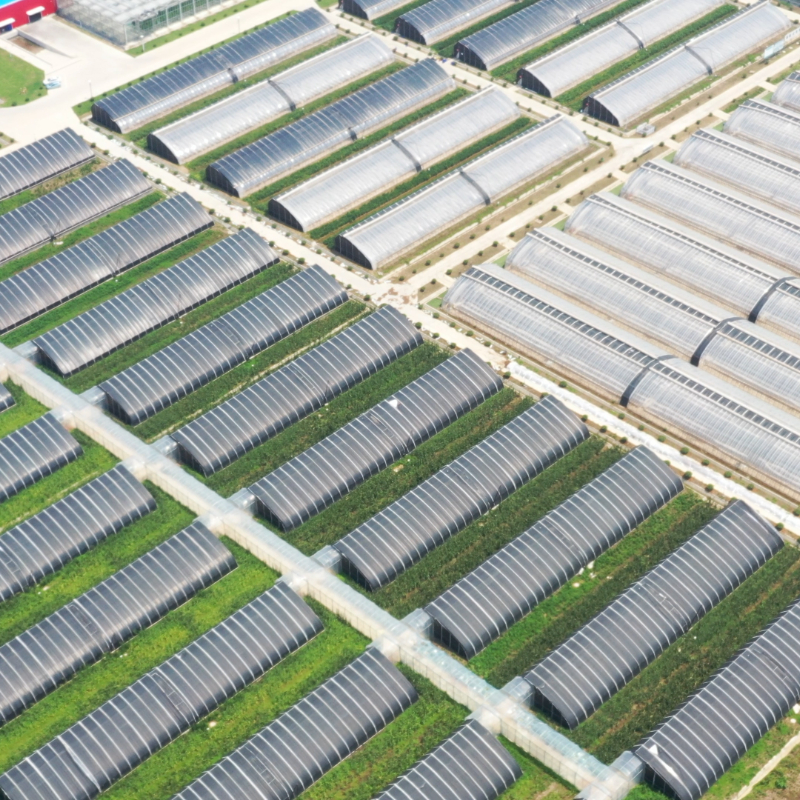
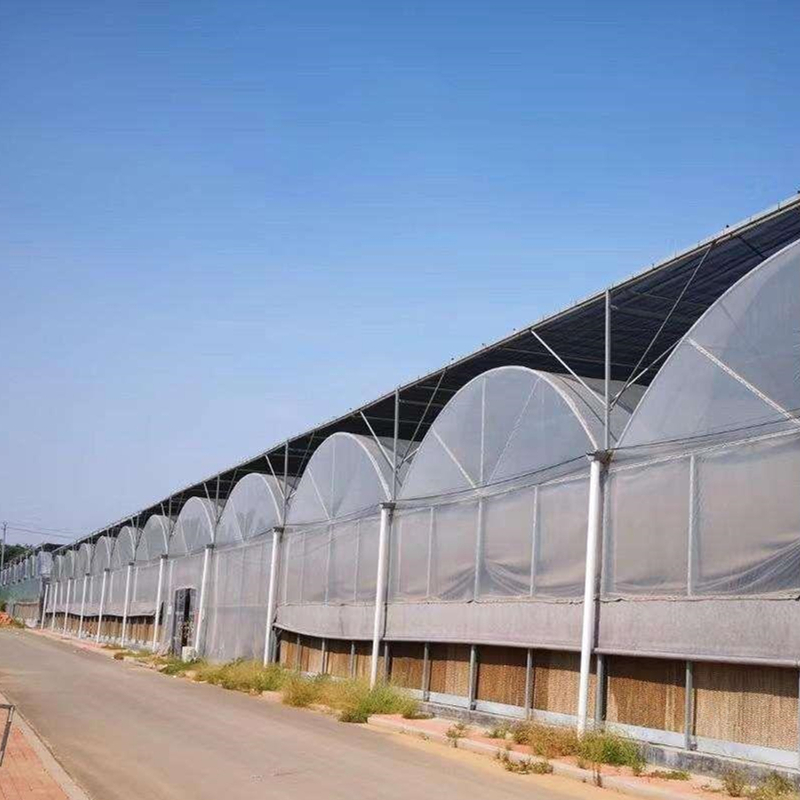
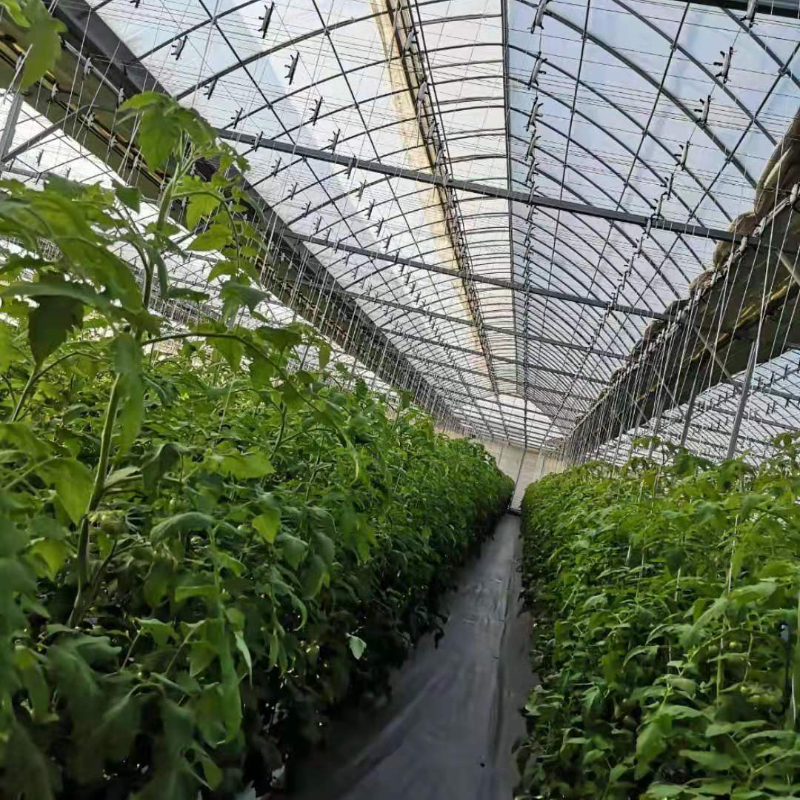
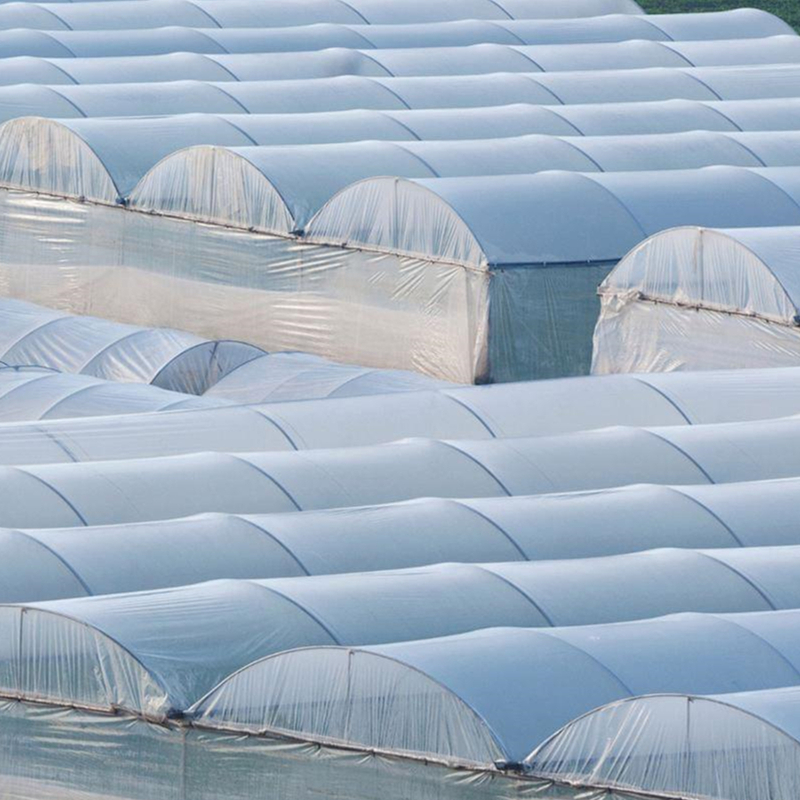
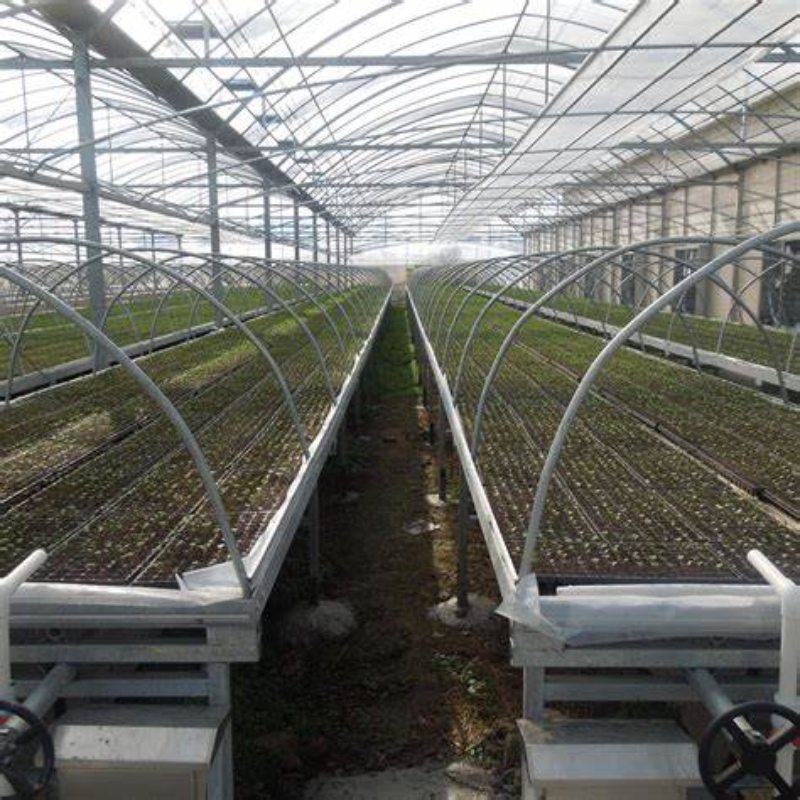
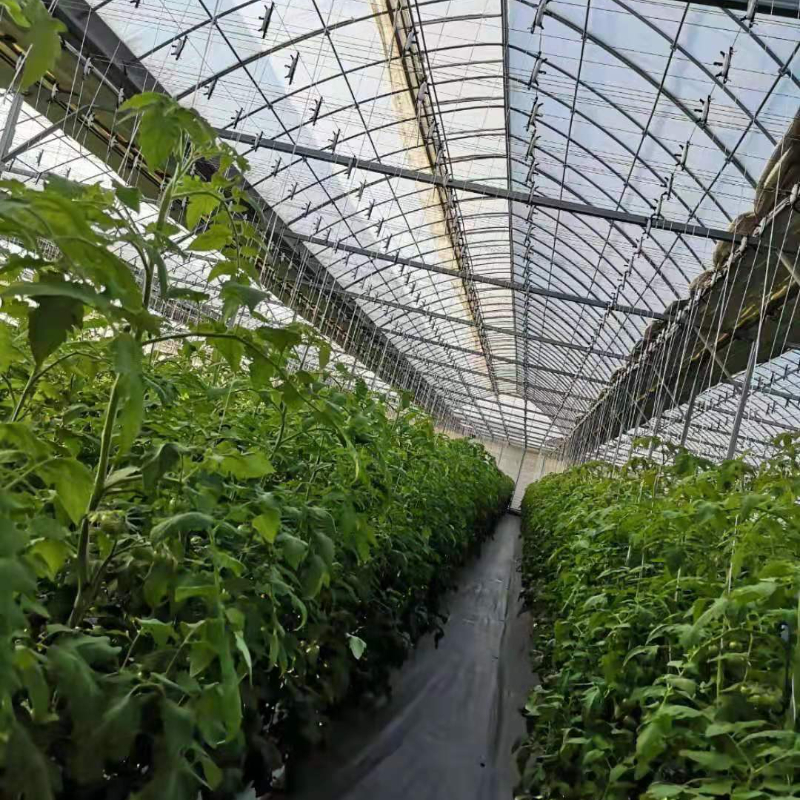
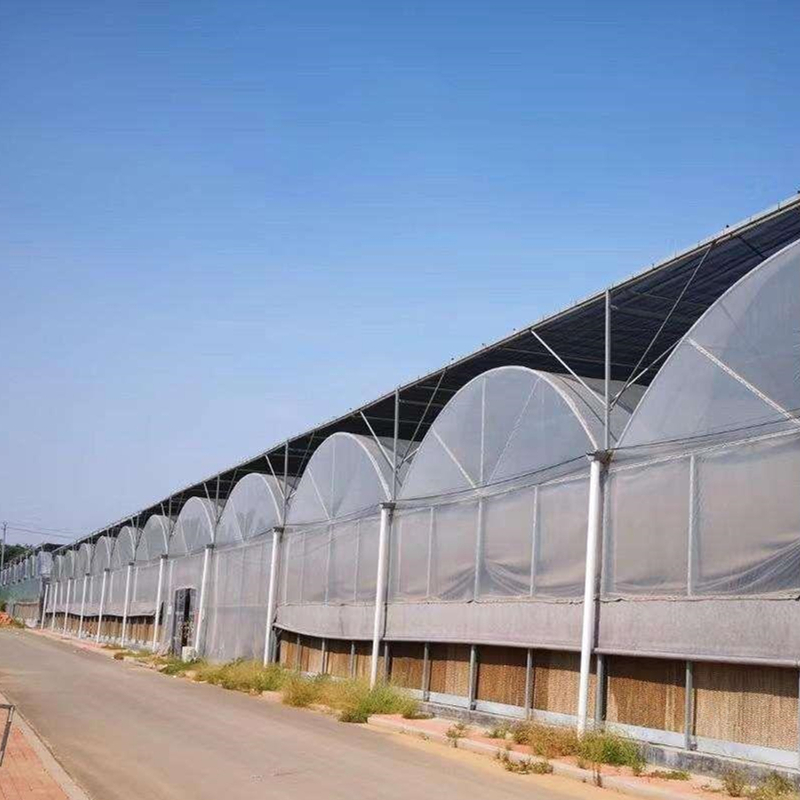
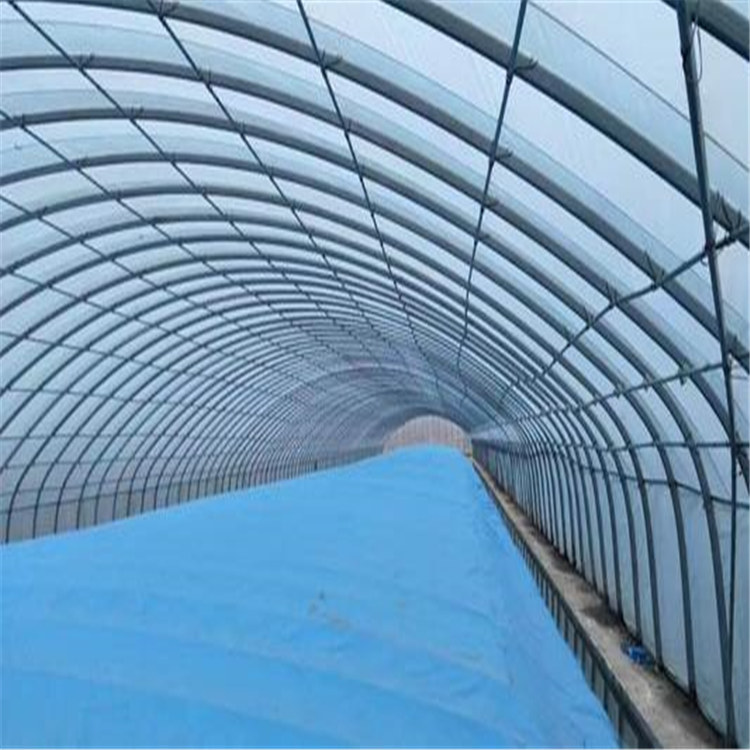
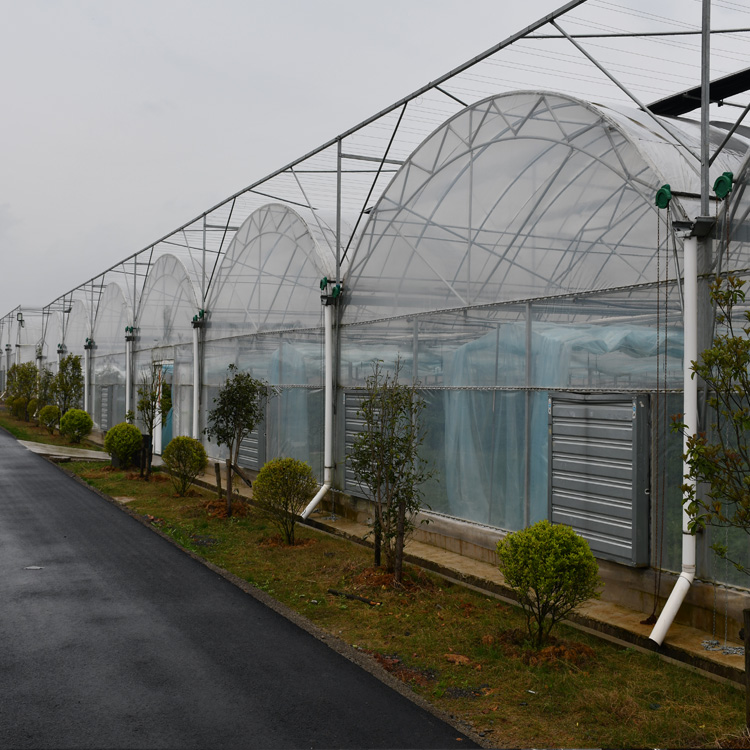
A thorough feasibility analysis and project planning phase de-risks the entire project. It transforms a vague idea into a actionable, successful venture. Here is a comprehensive breakdown of this essential first step.
Phase 1: Greenhouse The Feasibility Analysis (Is This Even Possible?)
This phase is about asking the hard questions before you spend any real money. It's a reality check.
1. Define Your Core Purpose & Goals (The "Why")
This drives every subsequent decision.
Hobby or Commercial? Is this for seasonal seedlings and personal tomatoes, or for year-round commercial production and income?
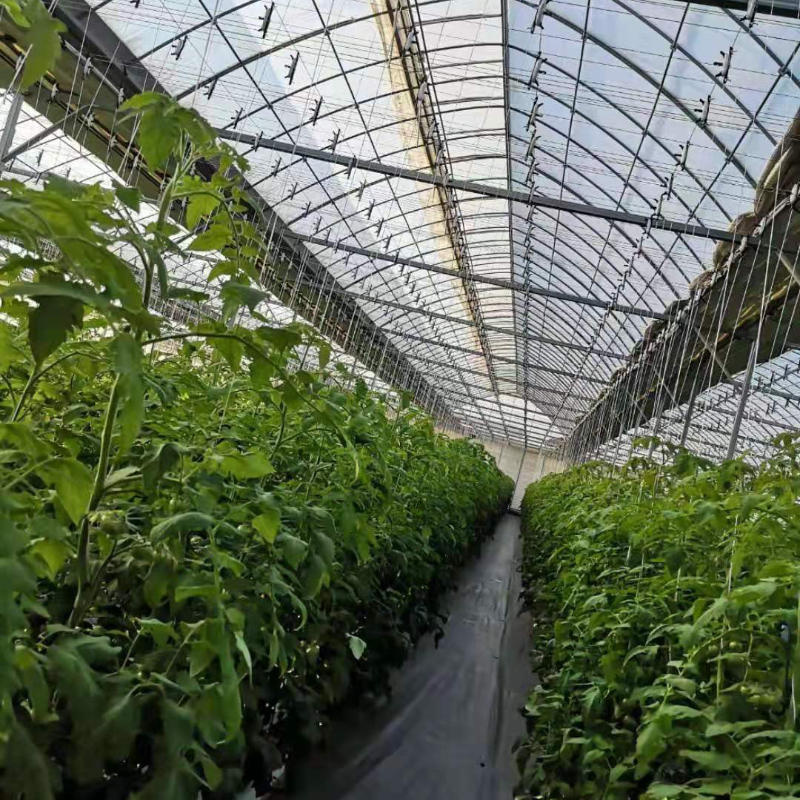
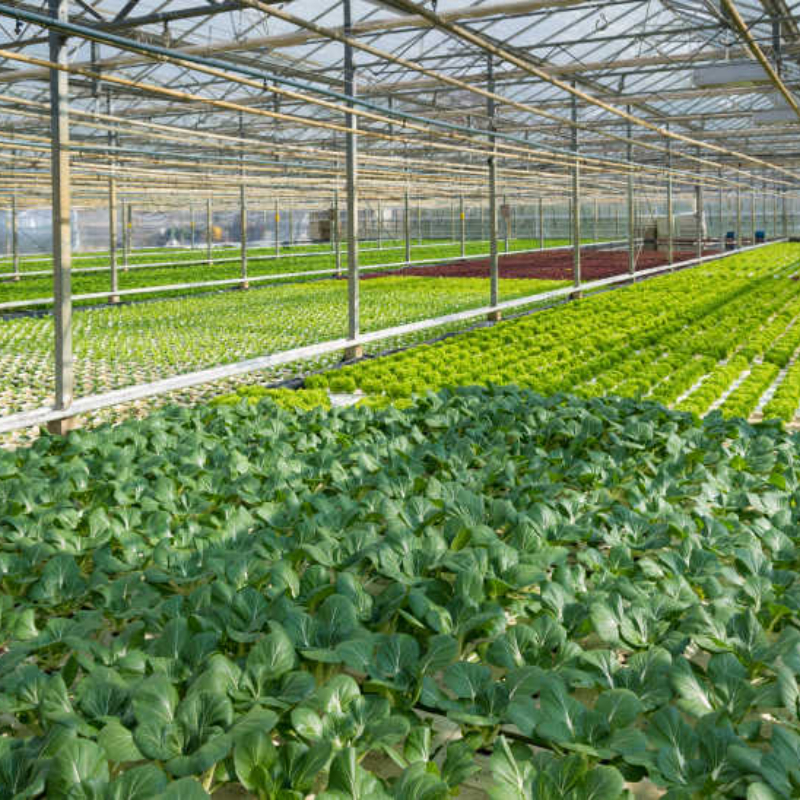
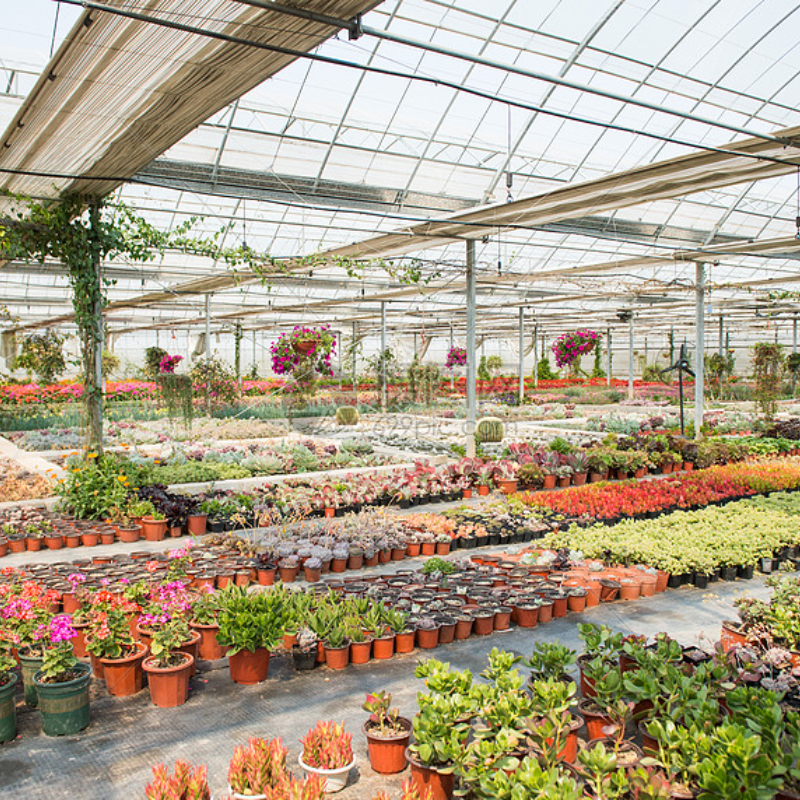
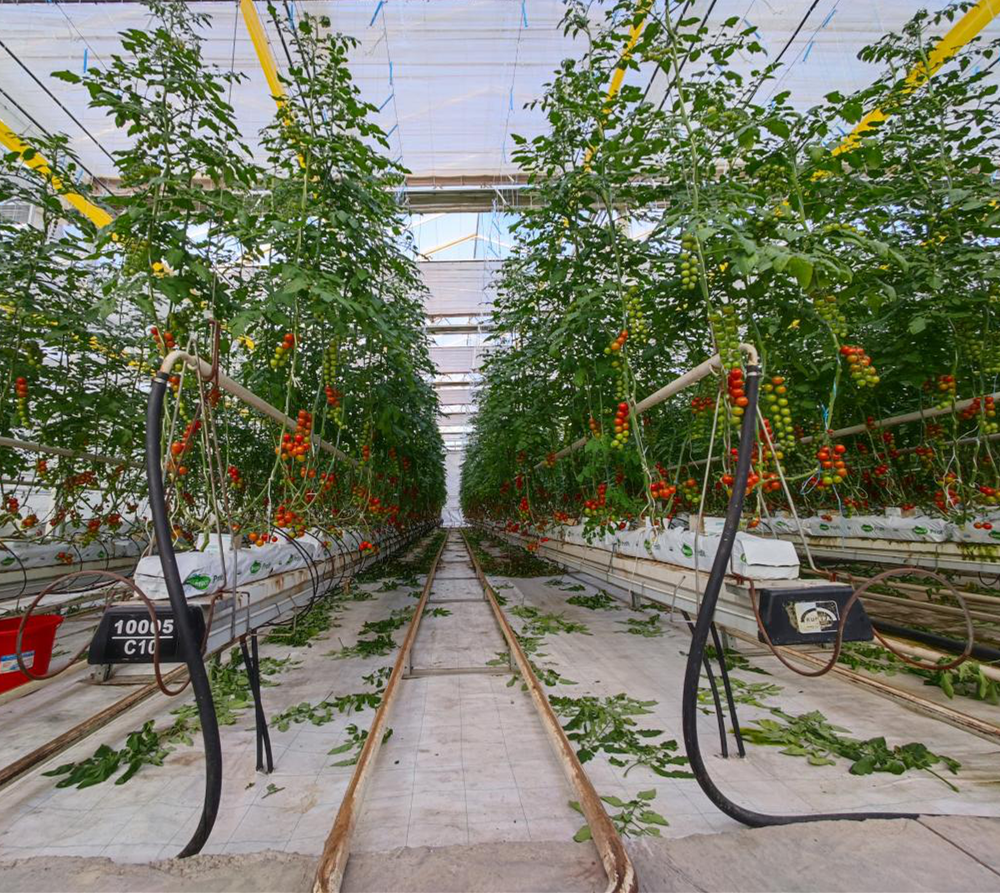
What are you growing? Different plants have vastly different requirements (e.g., orchids vs. lettuce vs. tomatoes).
What is your primary season? Year-round production, seasonal extension (spring/fall), or just for winter?
What are your output goals? Personal consumption, farmers' market sales, wholesale supply?
2. Market Analysis (Commercial Focus)
If you're selling what you grow, you must answer:
Who is your buyer? Restaurants, grocery stores, farmers' markets, CSA members?
What is the demand? Is there a market for your chosen crop? What do they pay?
Who is your competition? What are other local growers providing?
What are your distribution channels? How will you get your product to market?
3. Site Analysis (The "Where")
The physical location is paramount. You must assess:
Sunlight Exposure: This is non-negotiable. You need full, unobstructed sun, especially from 9 AM to 3 PM. Track the sun's path across all seasons. Avoid shadows from buildings, trees, and fences.
Topography & Drainage: A level, well-drained site is ideal. Building on a slope is more complex and expensive. Avoid low spots where water and cold air collect ("frost pockets").
Wind Exposure: Prevailing winds can cause heat loss and structural damage. Will you need windbreaks (e.g., a fence or trees)?
Accessibility: Easy access for construction equipment, delivery of supplies (soil, utilities), and, for commercial operations, for harvesting and shipping.
Utilities Proximity: How far away are water, electricity, and gas? Extending these utilities can be a major cost driver.
Zoning & Covenants: CRITICAL STEP. Check with your local municipal office for:
Zoning Bylaws: Are greenhouses permitted on your property? Are there size or height restrictions?
Building Permits: What is required for a permit? You may need to submit engineering drawings, especially for larger structures.
Setbacks: How far must the structure be from property lines?
Homeowners Association (HOA) Rules: Do they allow greenhouses?
4. Resource & Financial Feasibility (The "How Much")
Budget Creation: Estimate all costs. Be brutally realistic.
Hard Costs: Structure (kit or custom?), glazing (polycarbonate, glass?), foundation, flooring, ventilation systems, heating system, cooling system (fans, misters), irrigation system, benches, lighting.
Soft Costs: Permits, design/engineering fees, delivery, site preparation (grading, drainage).
Contingency: Always add a 15-20% contingency for unexpected costs.
Operating Costs: Estimate monthly utilities (heating is the big one!), water, soil/fertilizer, seeds, pest management, and your own labor.
Return on Investment (ROI): For commercial ventures, create a financial model. How long will it take for the greenhouse profits to pay for the initial investment?
Phase 2: Greenhouse Project Planning (Mapping How to Do It)
Once feasibility is confirmed, you create the master plan.
1. Design & Specification
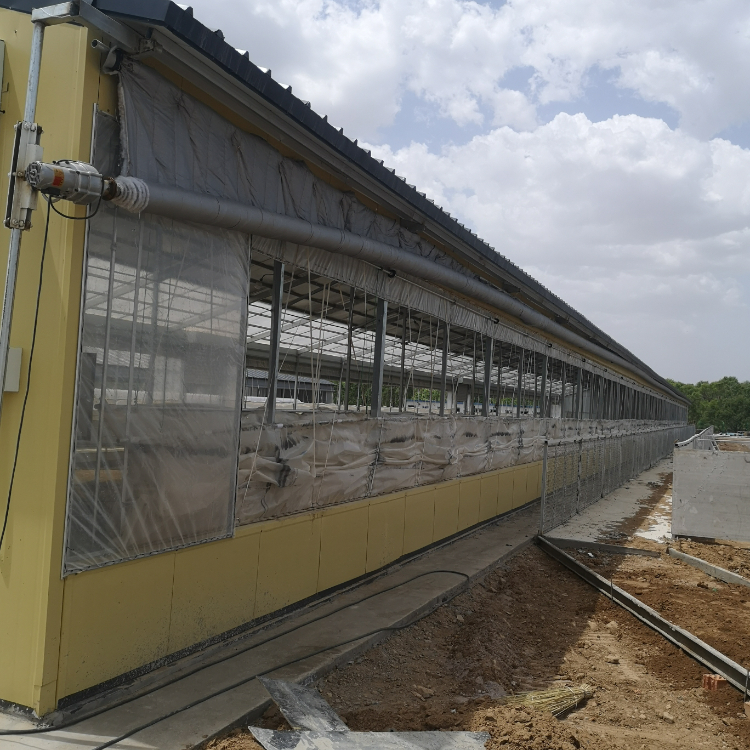
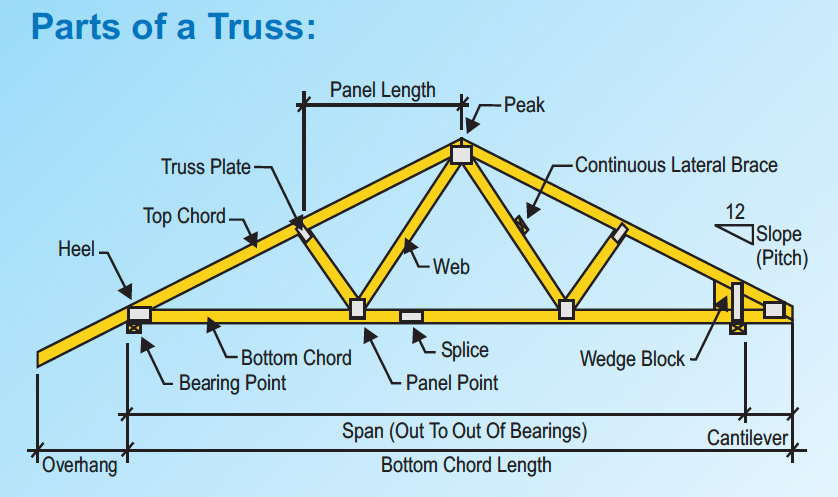
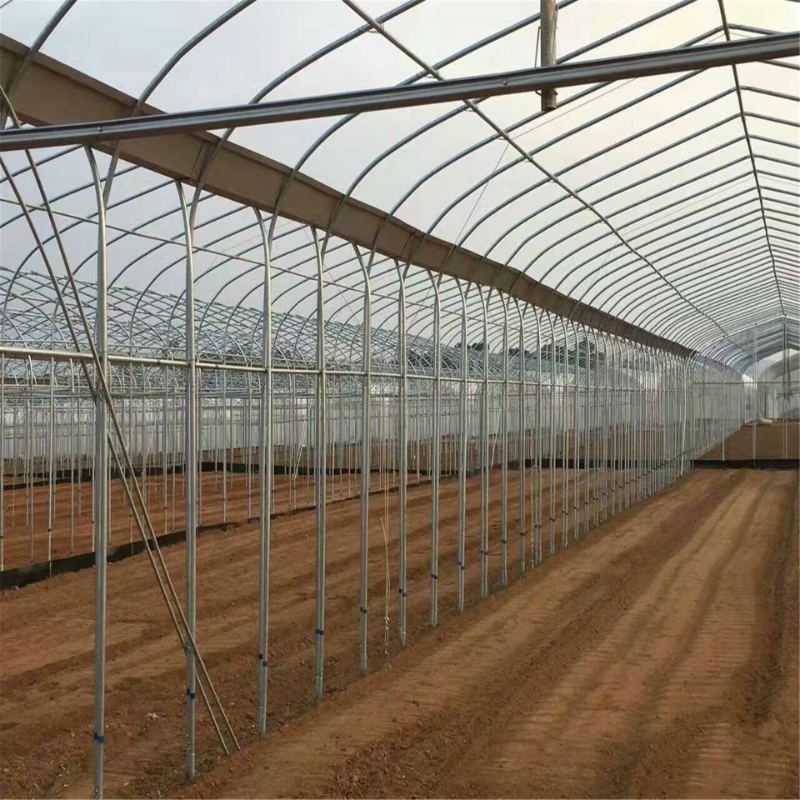
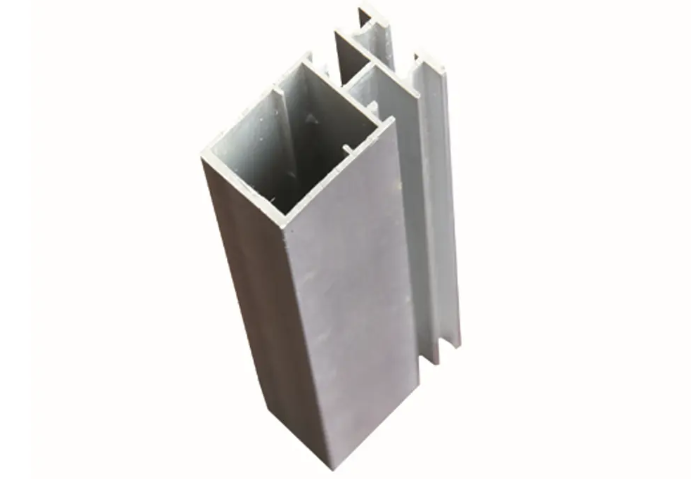
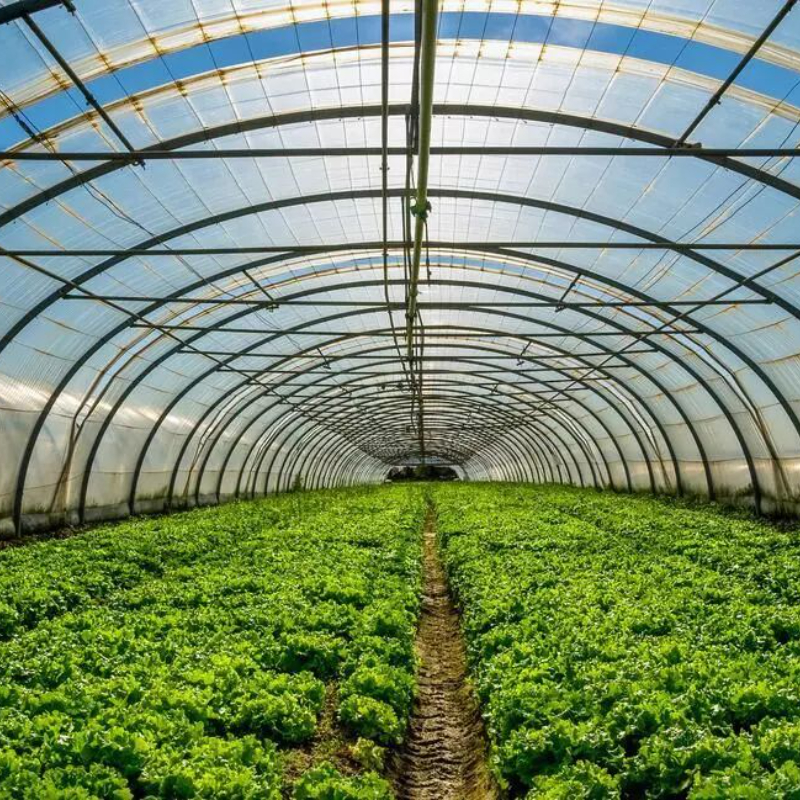
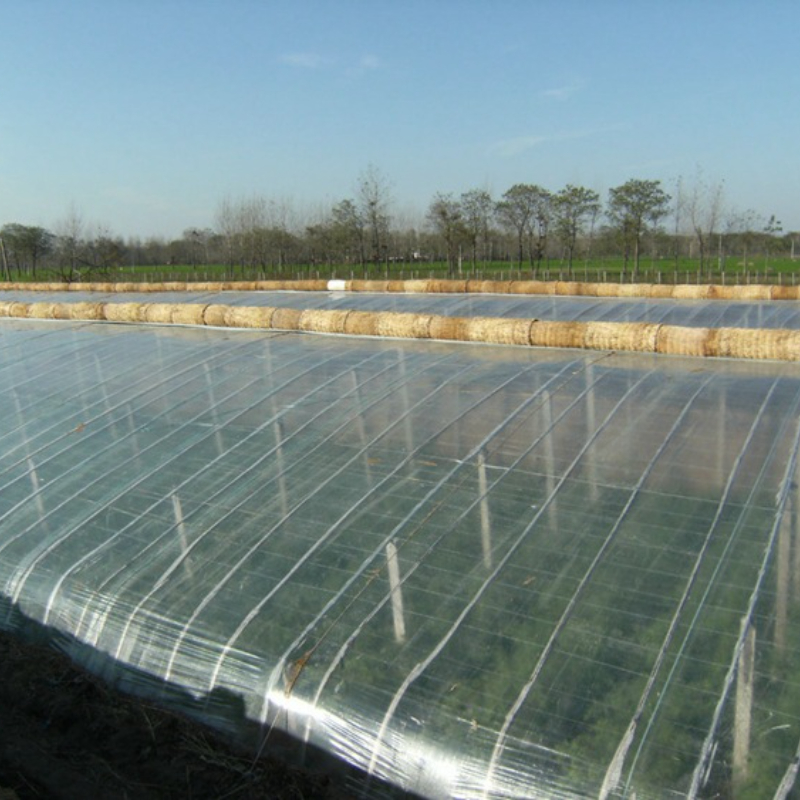
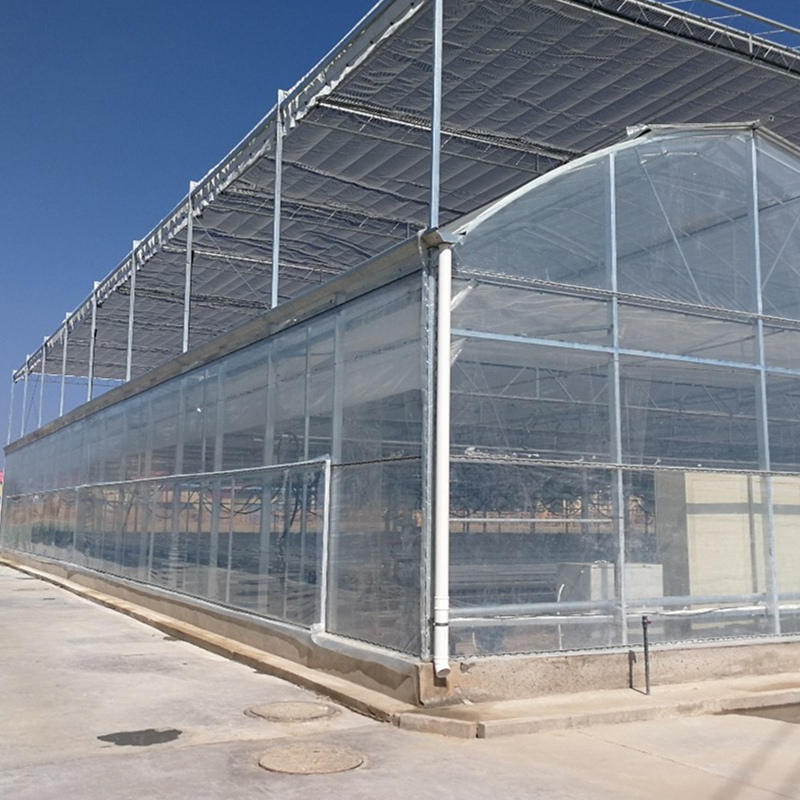
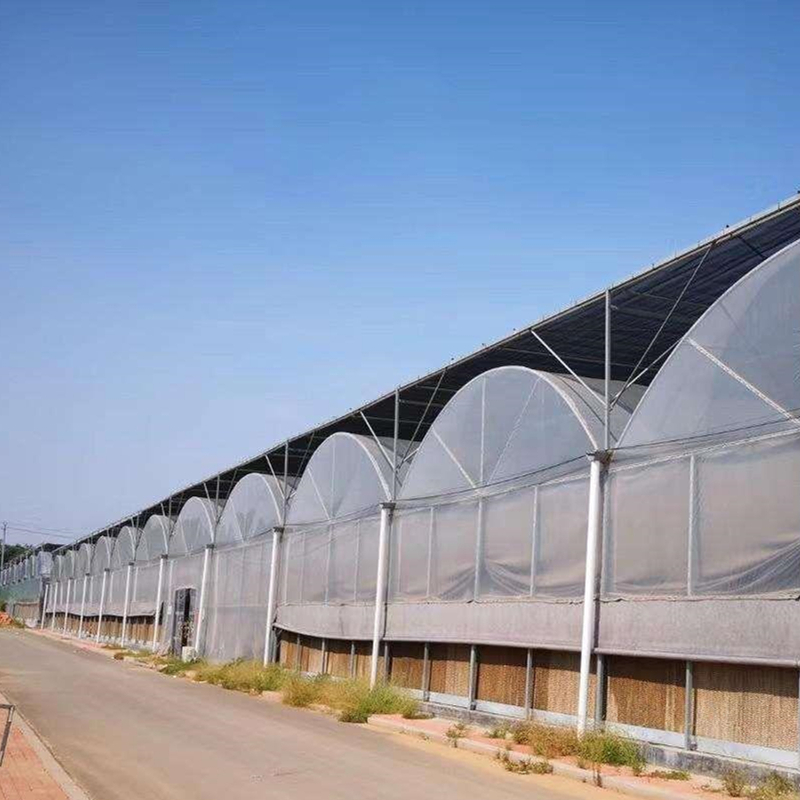
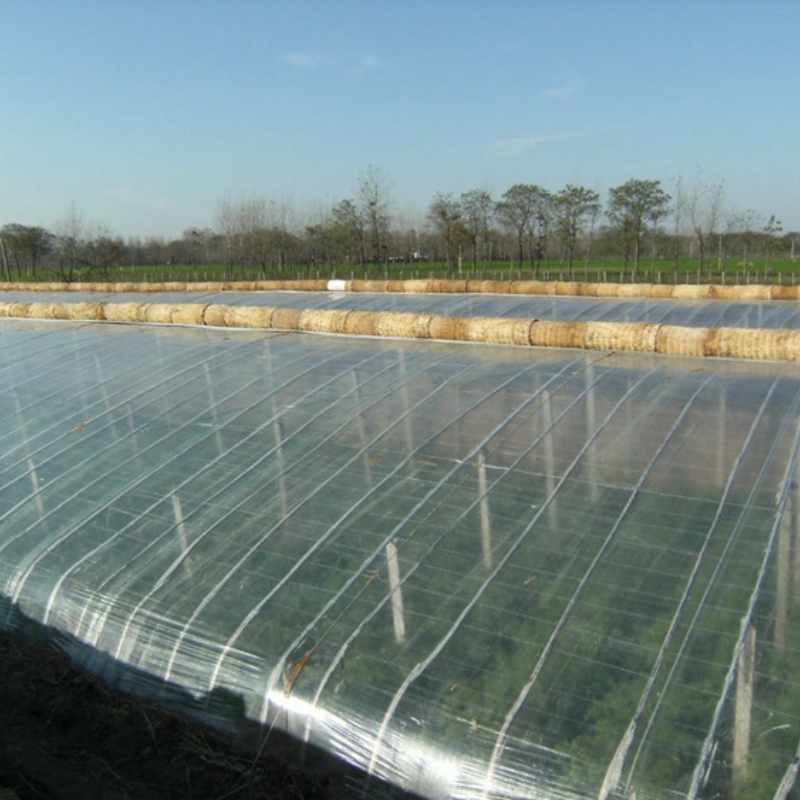
Type & Size: Finalize the greenhouse type (e.g., gable, hoop house), dimensions, and layout based on your goals and site analysis.
Systems Selection: Choose and specify every major system based on your climate and crop needs:
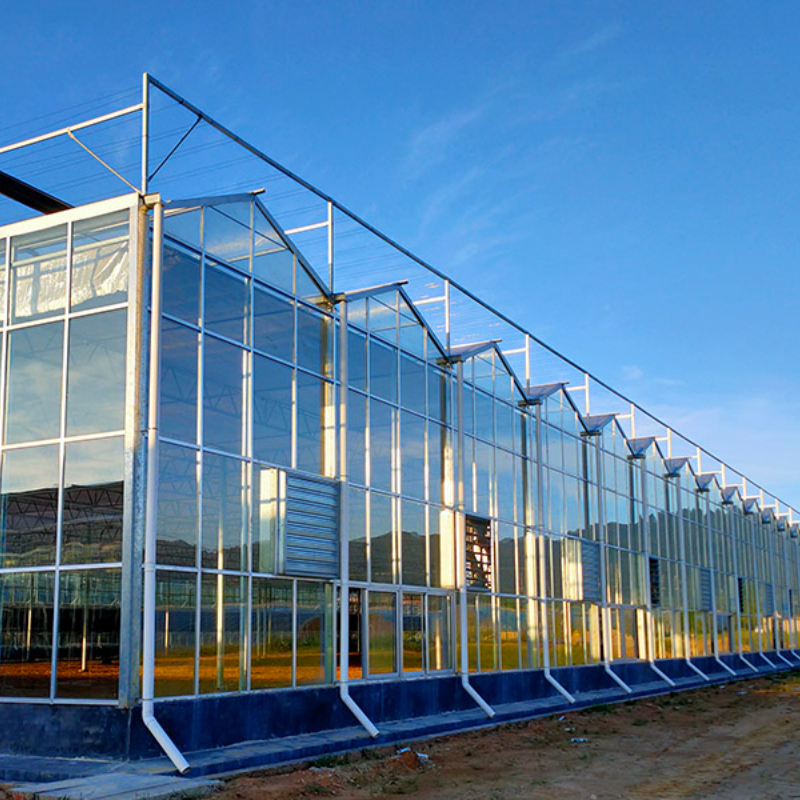
Glazing: Double-wall polycarbonate (insulation), glass (clarity, longevity), or single-film (low cost).
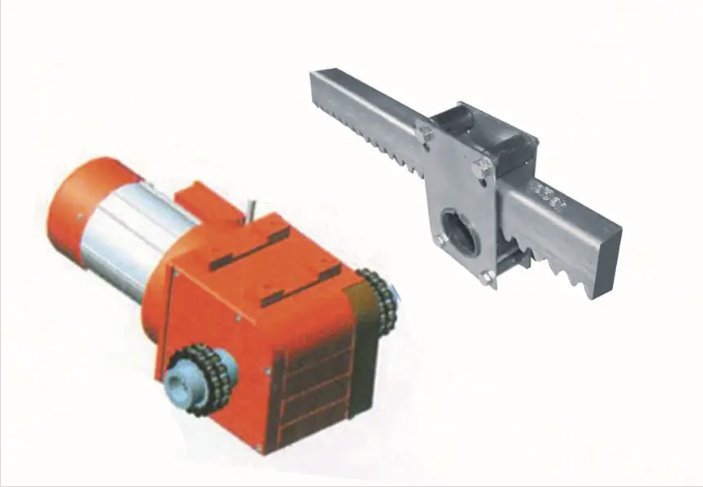
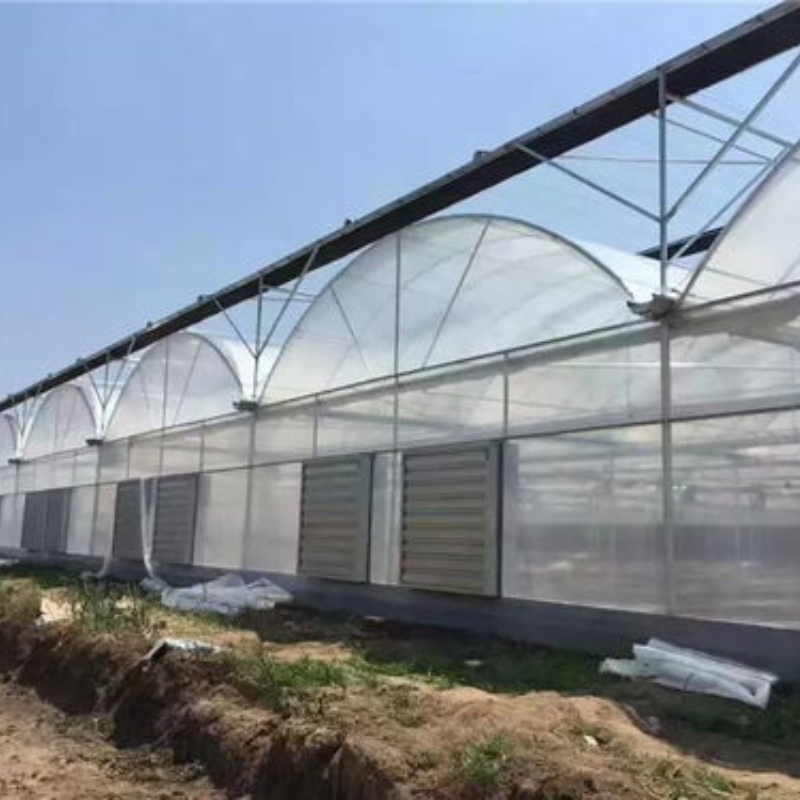
Ventilation: Natural (roof vents) vs. mechanical (exhaust fans). Sizing is critical.
Heating: Gas heater, electric, or geothermal. Calculate the BTU requirement for your coldest night.
Cooling: Shade cloth, exhaust fans, evaporative cooling pads.
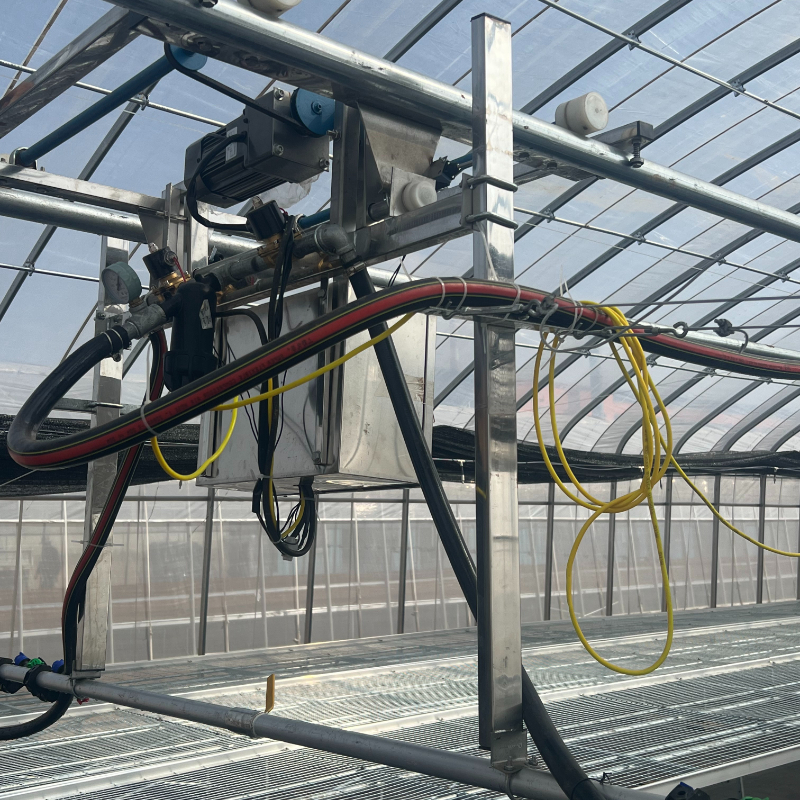
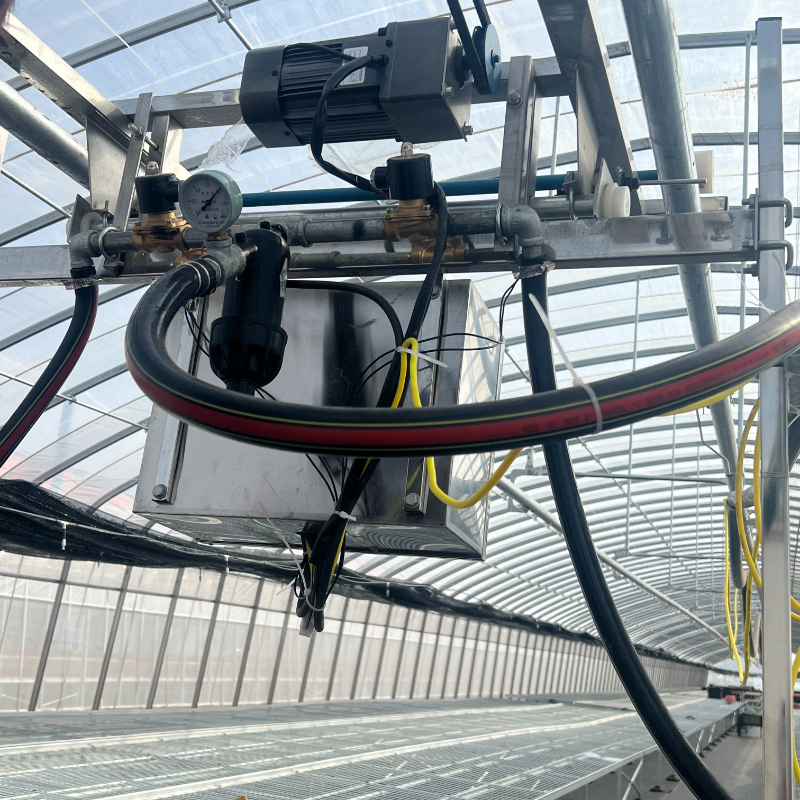
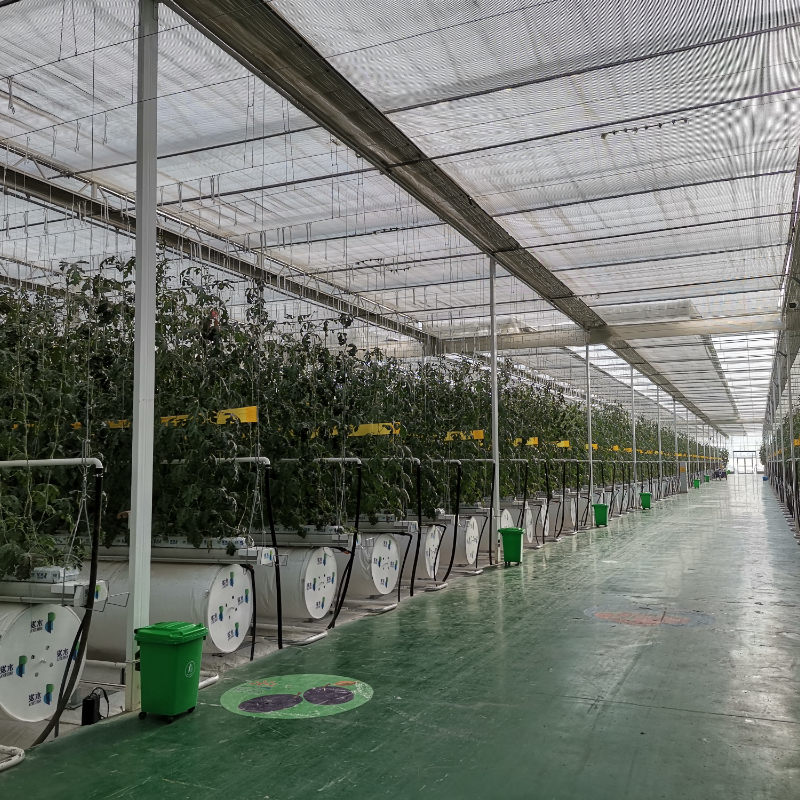
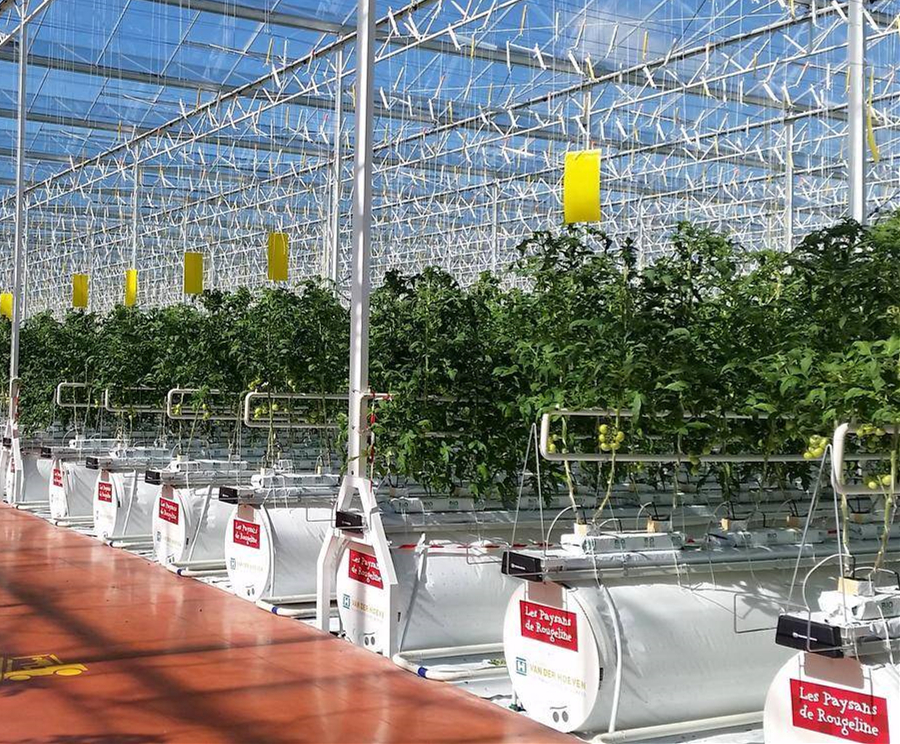
Irrigation: Hand-watering, drip lines, or automated misting systems.
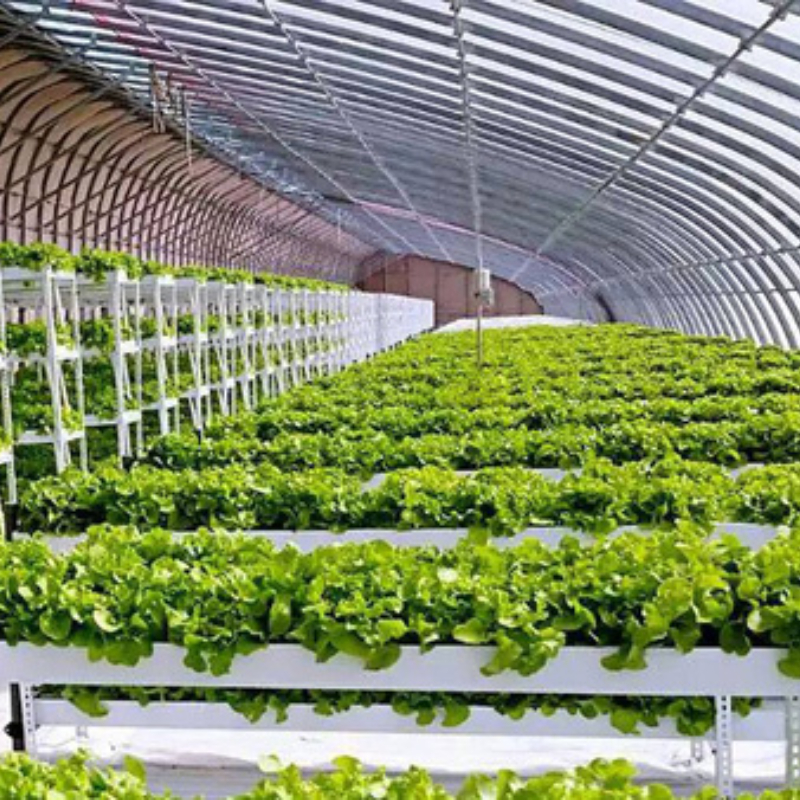
Benching & Layout: Maximize growing space efficiently.
2. Create a Project Timeline
Break the project into phases and assign a realistic timeline:
Site Preparation (grading, drainage)
Utility Trenching & Foundation Work
Structure Assembly
Glazing Installation
Systems Installation (heating, cooling, irrigation)
Benching and Interior Setup
Testing and Commissioning all systems
3. Procurement & Logistics
Sourcing: Order the greenhouse kit and all major components. Lead times can be long.
Labor: Will you DIY, hire a general contractor, or use a specialized greenhouse construction company?
Delivery & Storage: Coordinate delivery of materials to coincide with your timeline. Ensure you have a secure, dry place to store them.
4. Permitting & Documentation
Submit Plans: Apply for and secure all necessary building permits based on your finalized design.
Keep Records: Maintain a folder with all receipts, manuals, permits, and warranty information.
Final Output of This Phase:
By the end of this process, you should have a tangible packet that includes:
A clearly defined goal and crop plan.
A detailed site plan with sun and wind analysis.
A finalized budget with quotes.
Approved permits from your local authority.
Detailed design drawings and spec sheets for all major equipment.
A realistic project timeline.
Investing weeks (or even months) in this first step is what separates a successful, enjoyable greenhouse project from a costly, frustrating mistake. It ensures the hot-dip galvanized steel structure you erect will be built on a foundation of certainty, not guesswork.
