
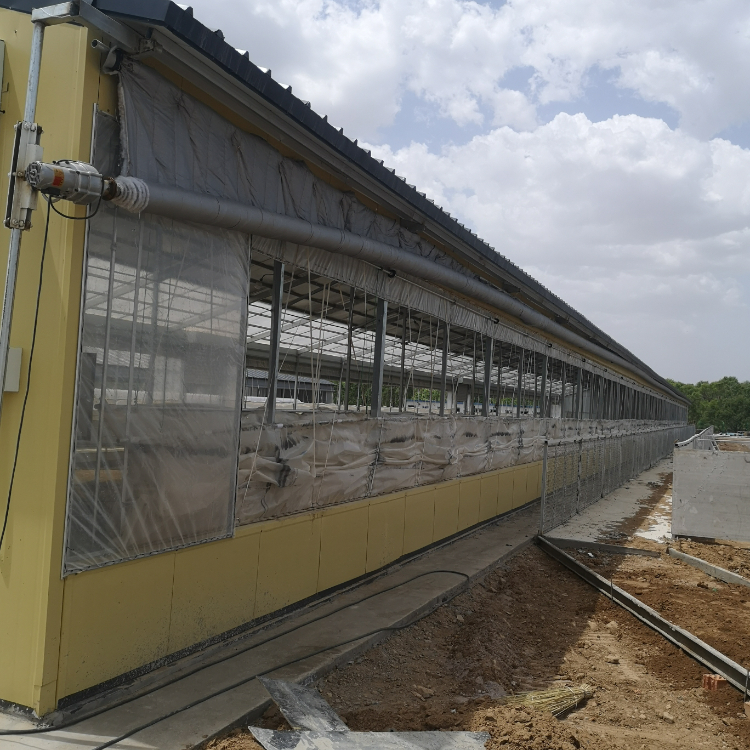
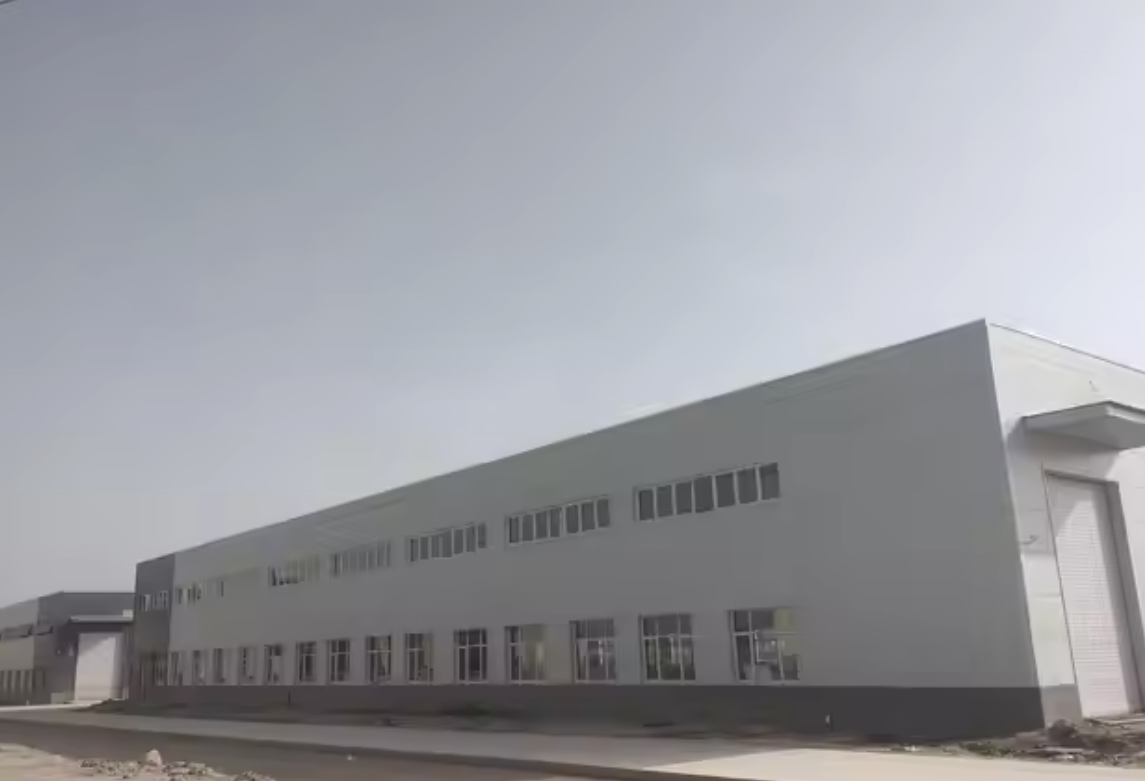
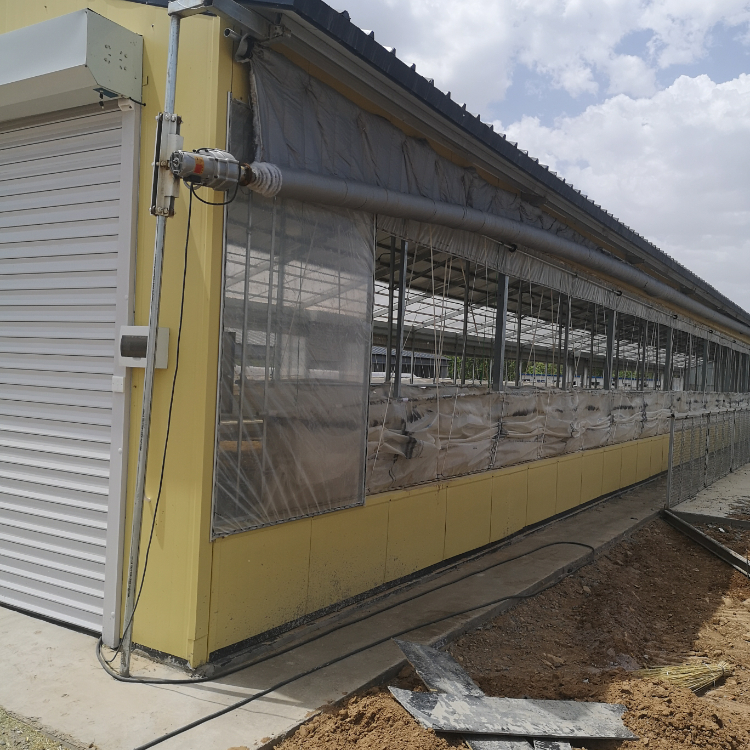
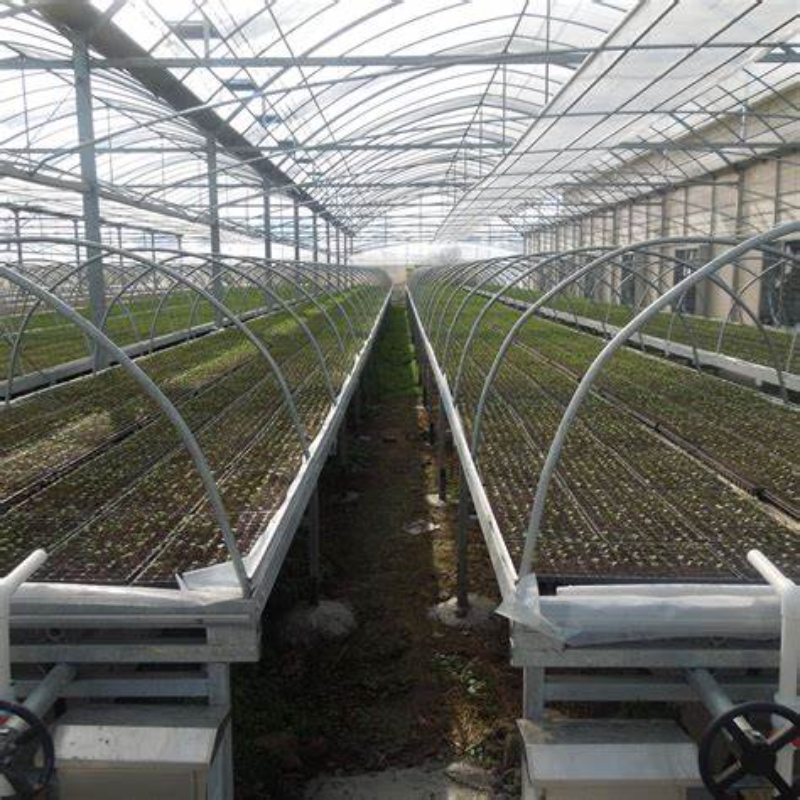
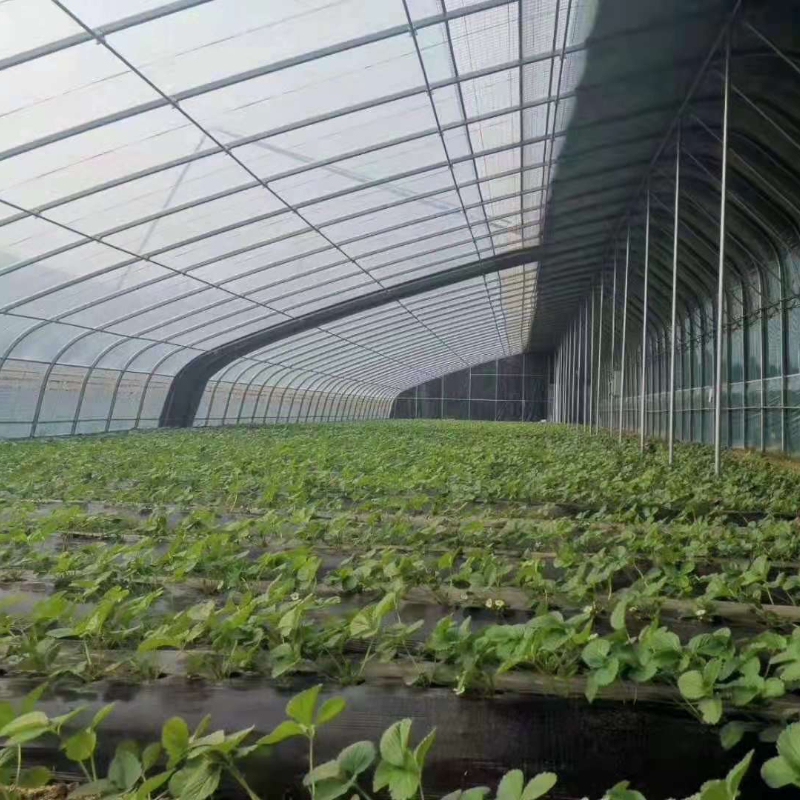
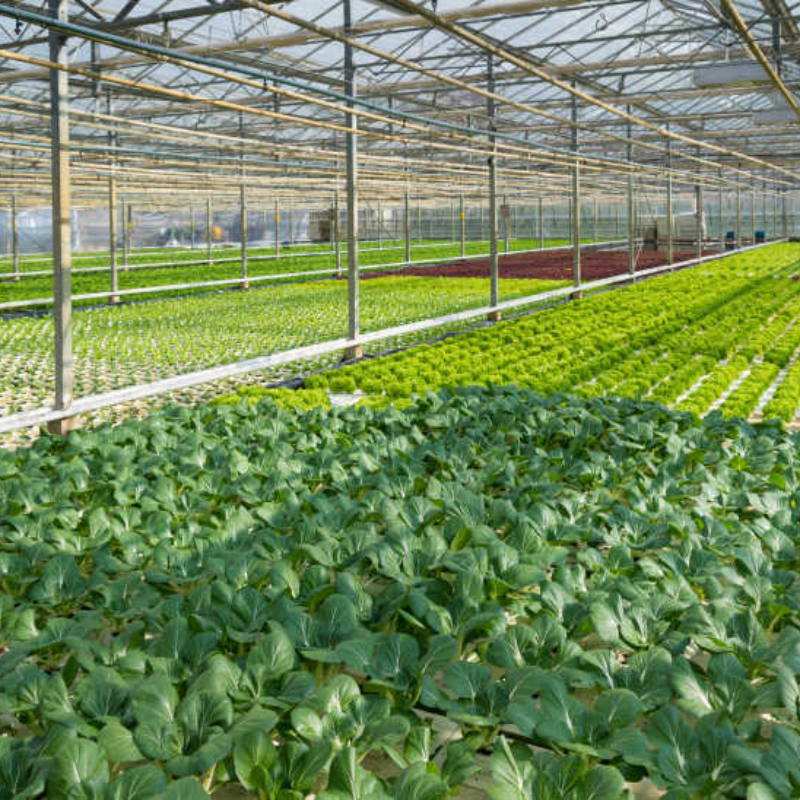
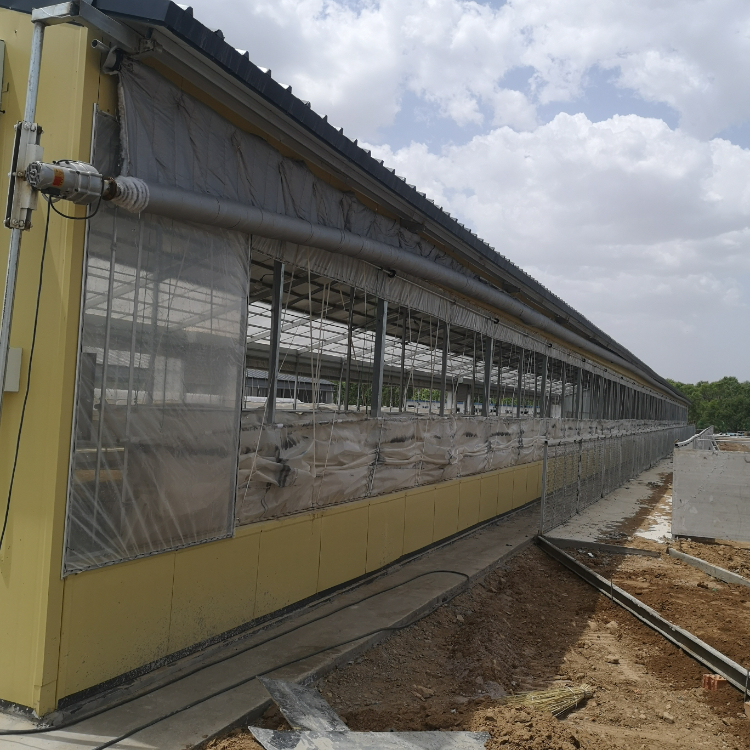
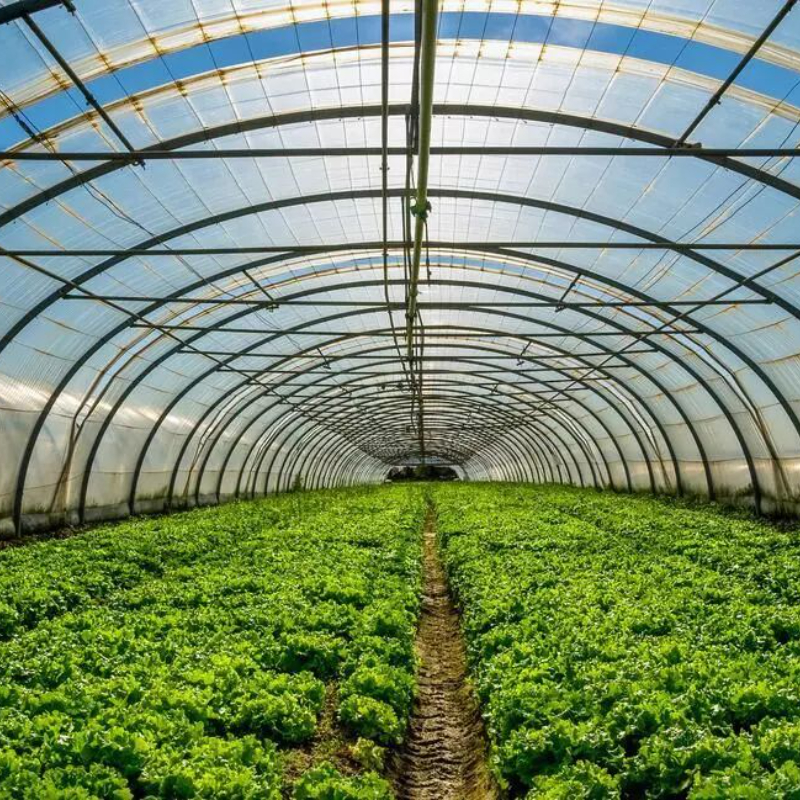
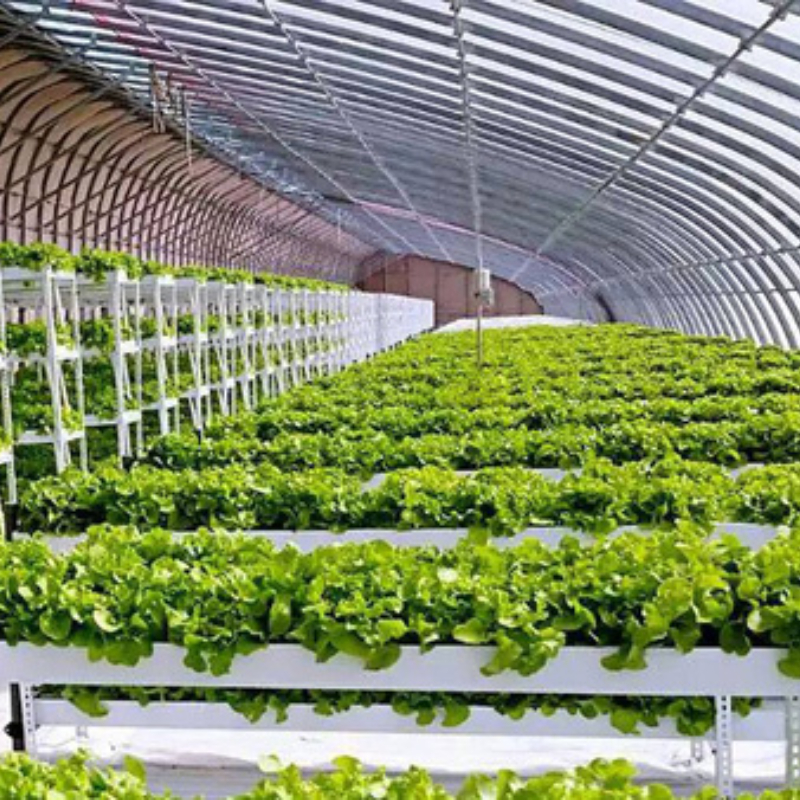
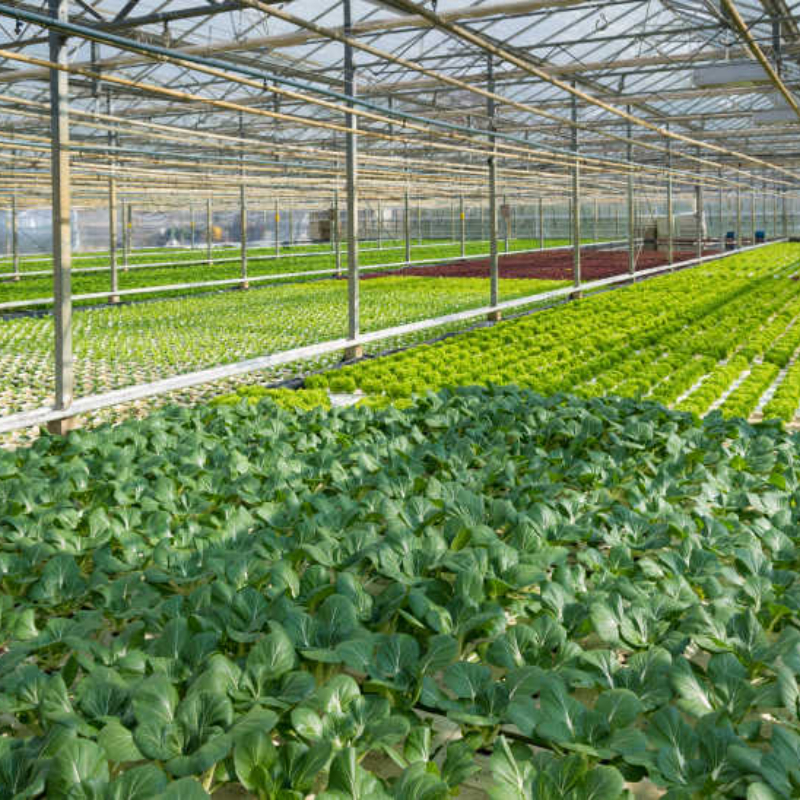
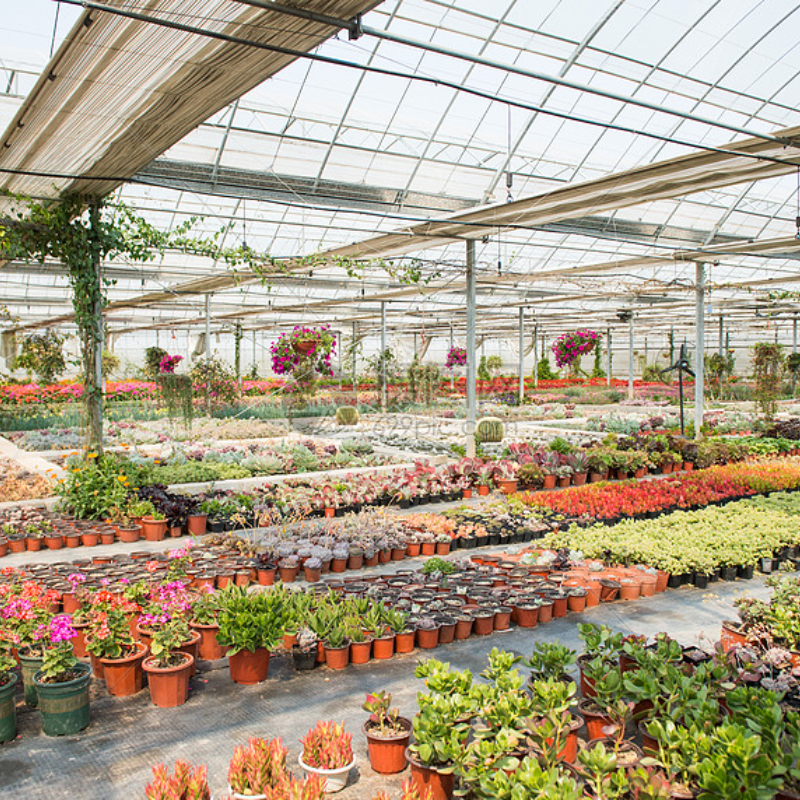
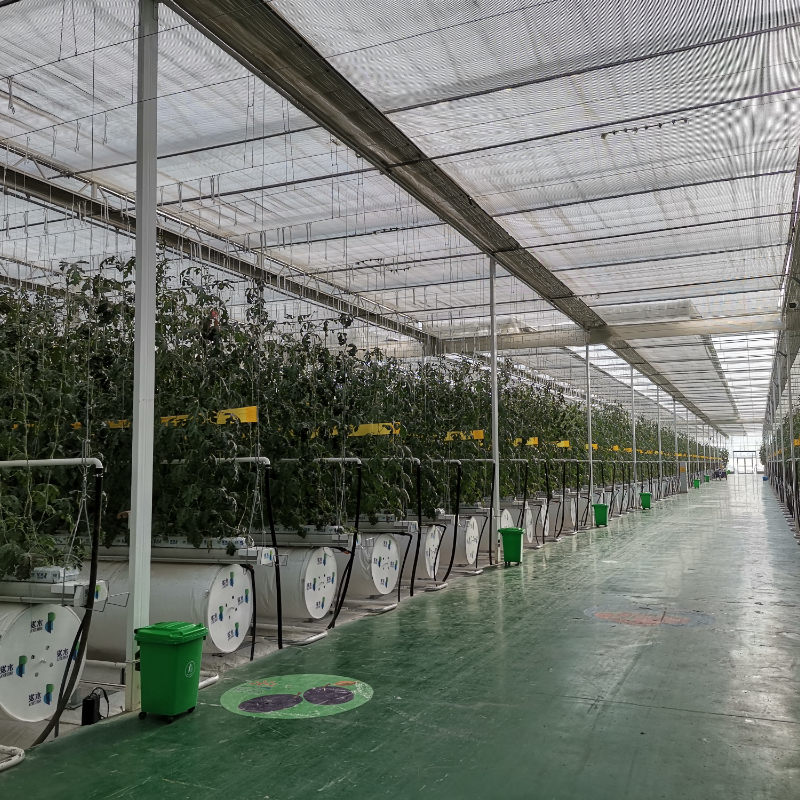
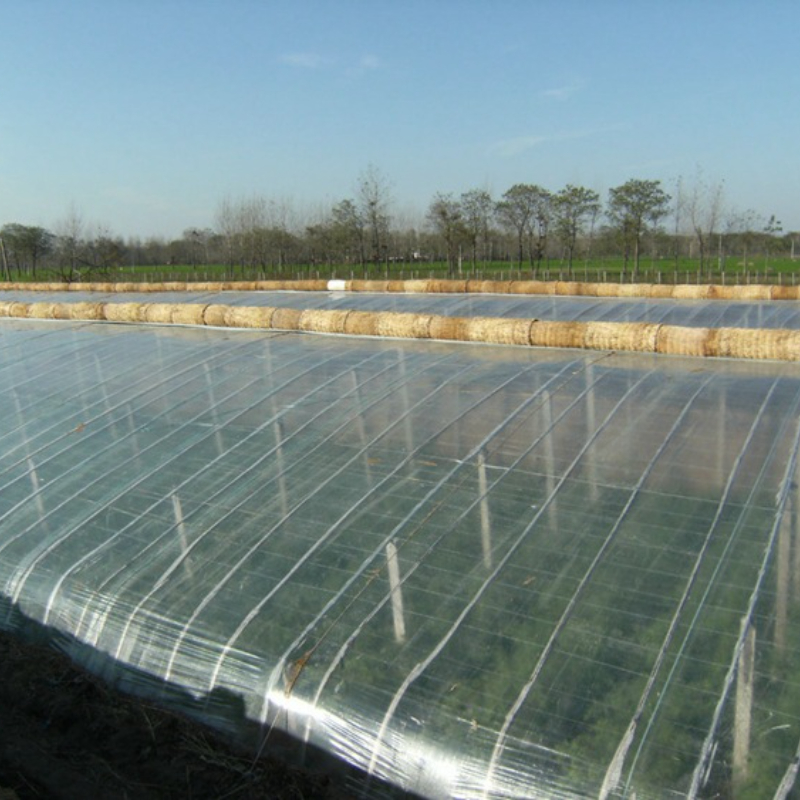
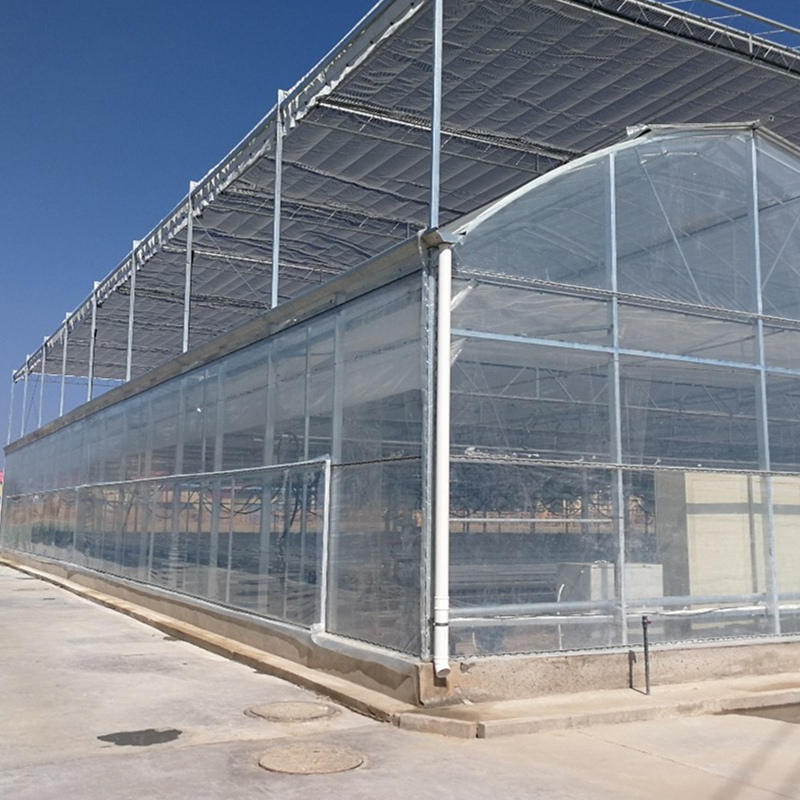
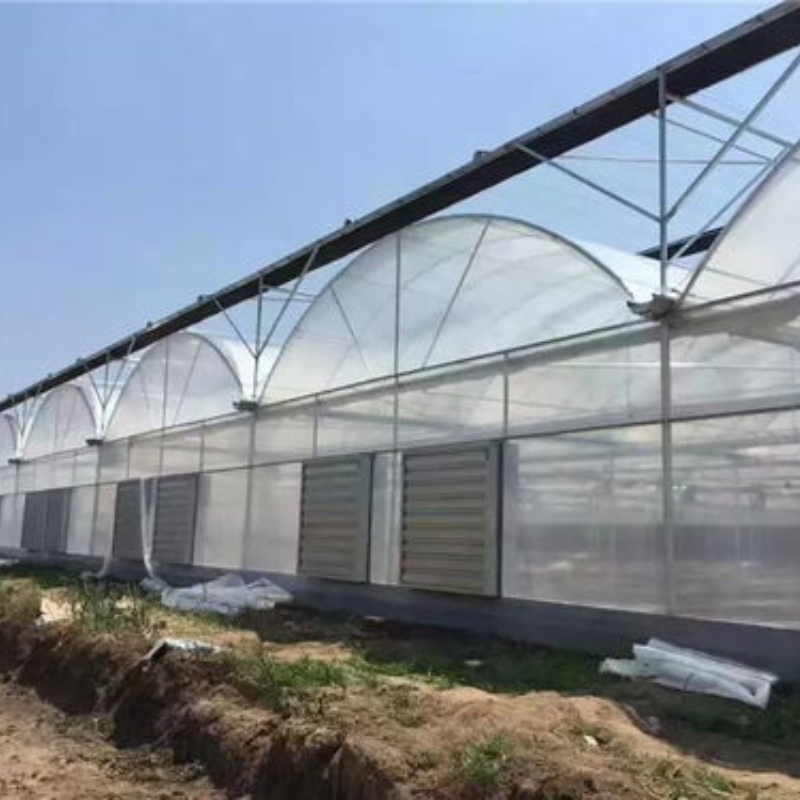
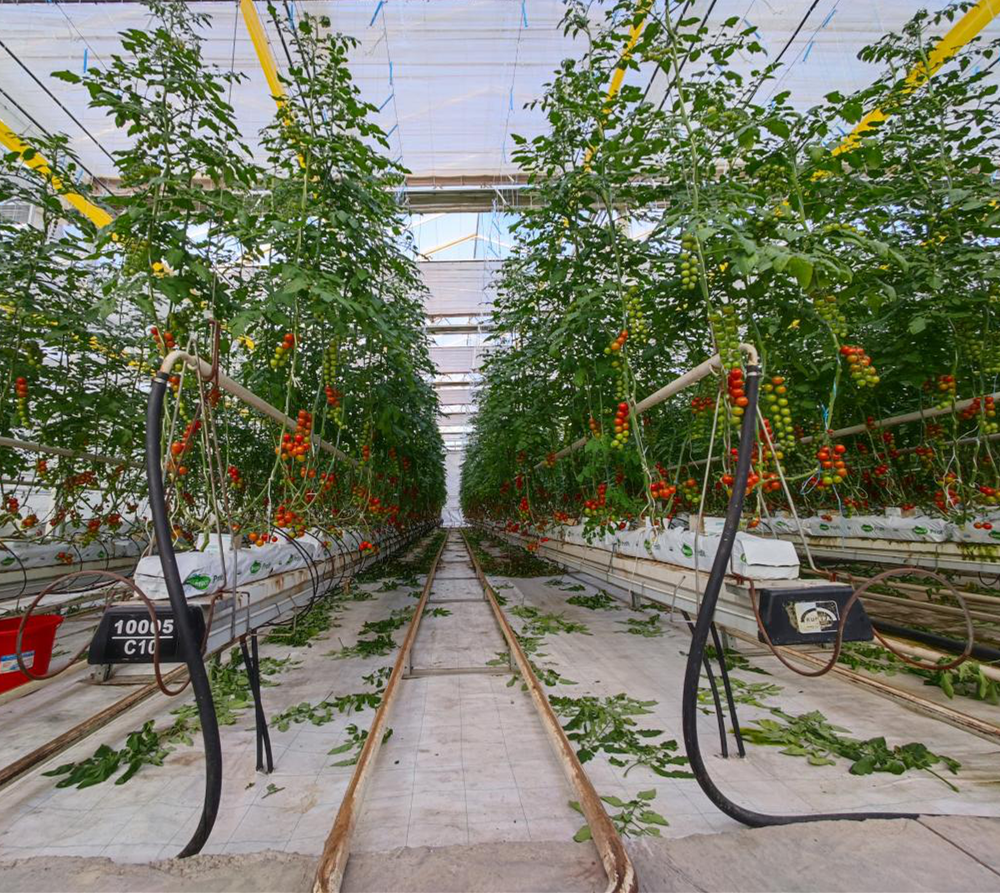
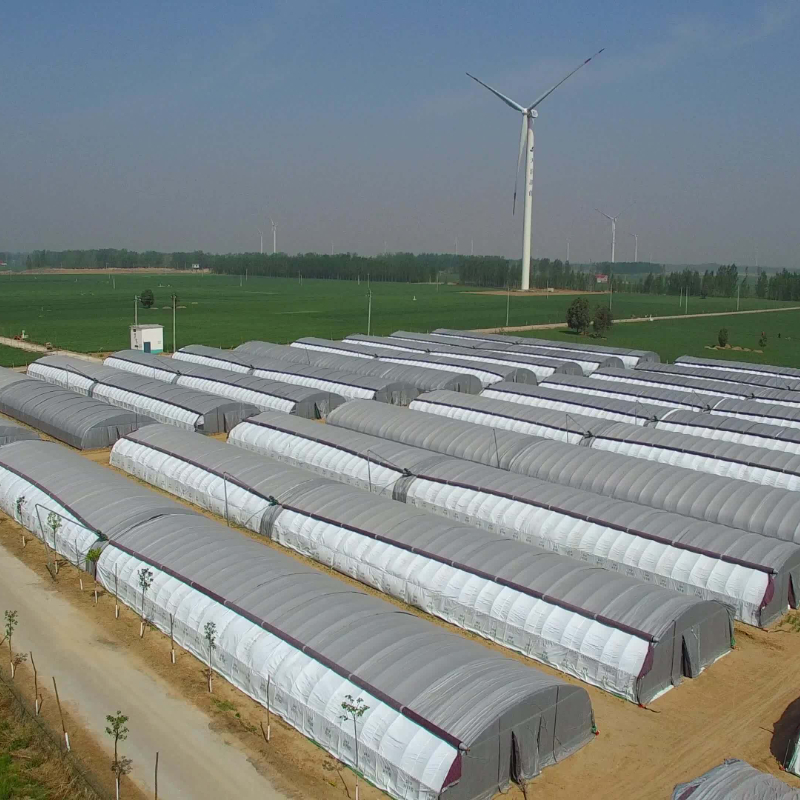
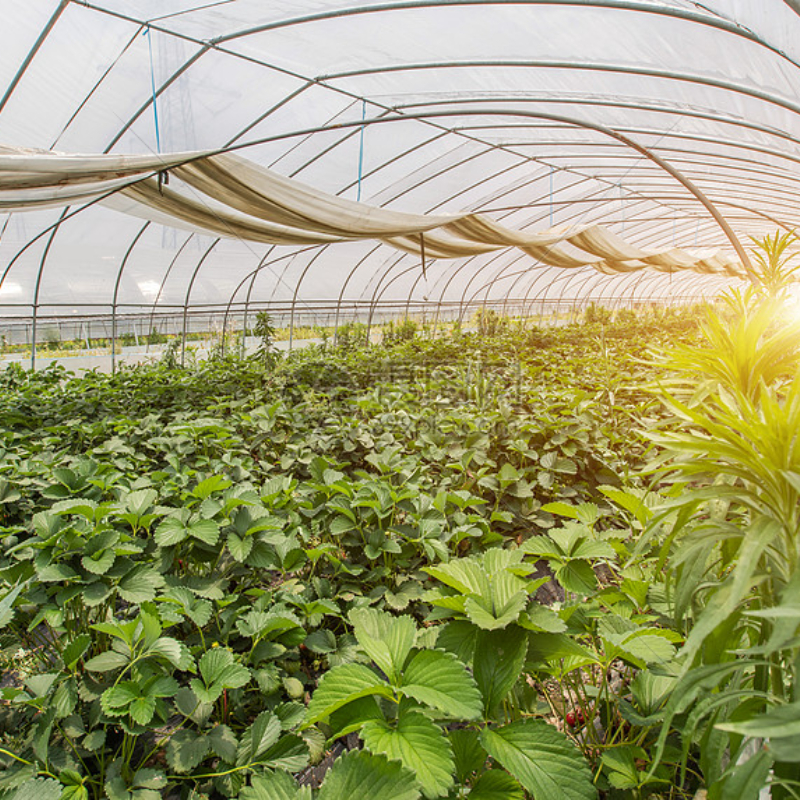
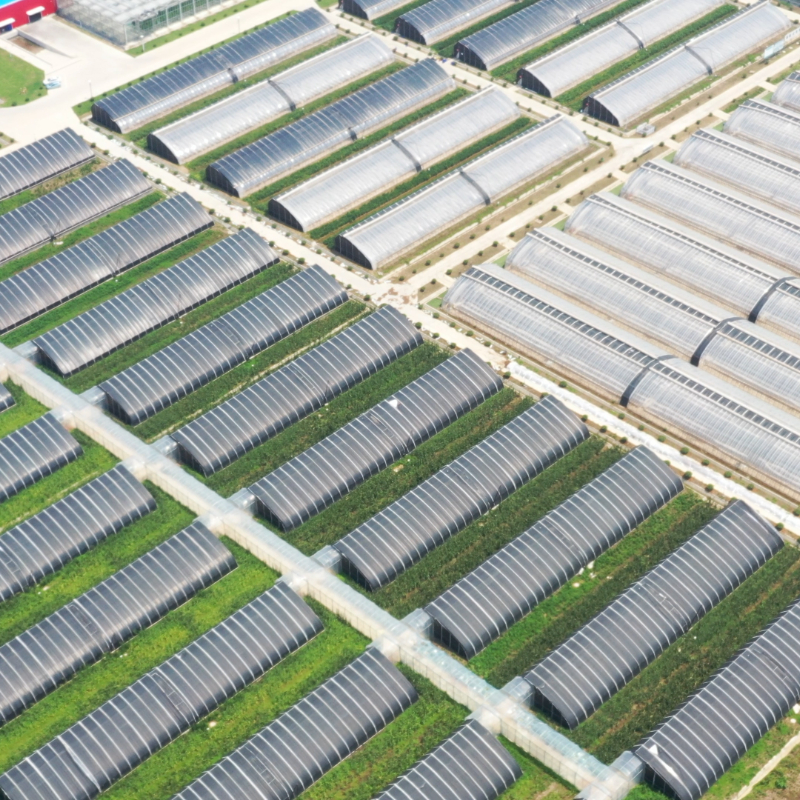
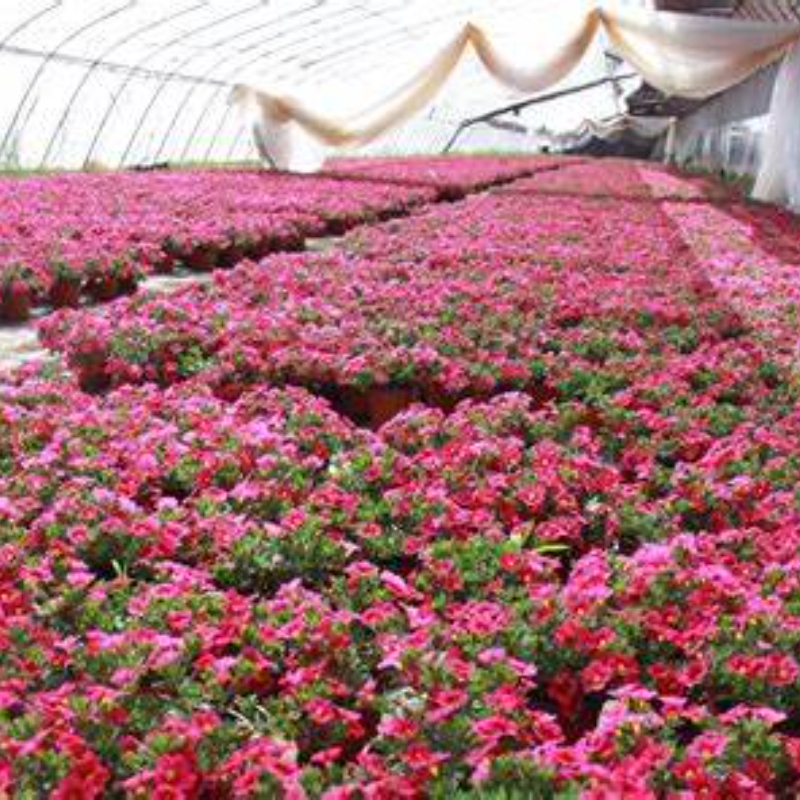
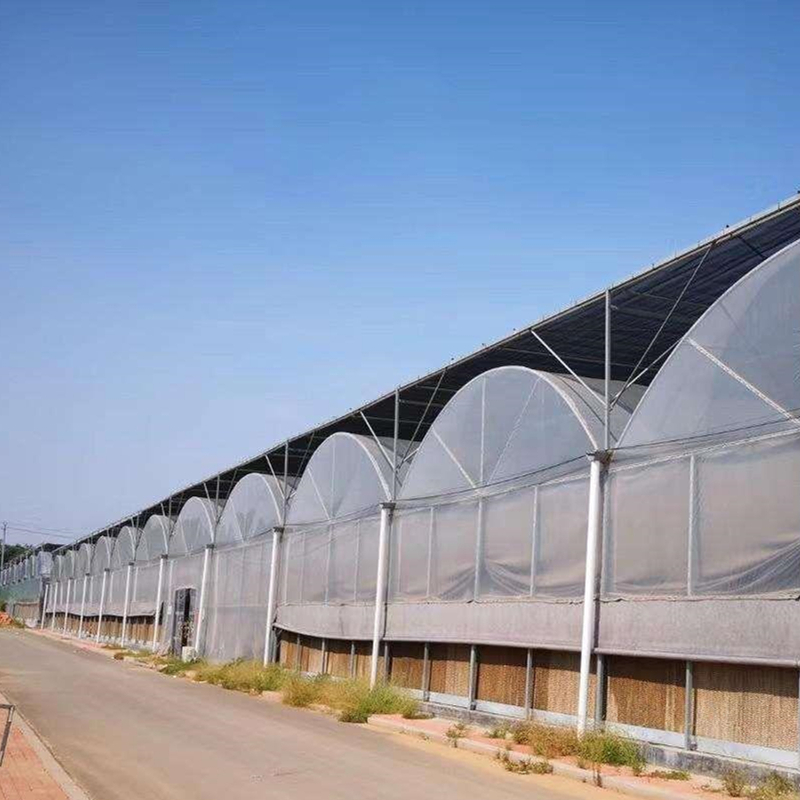
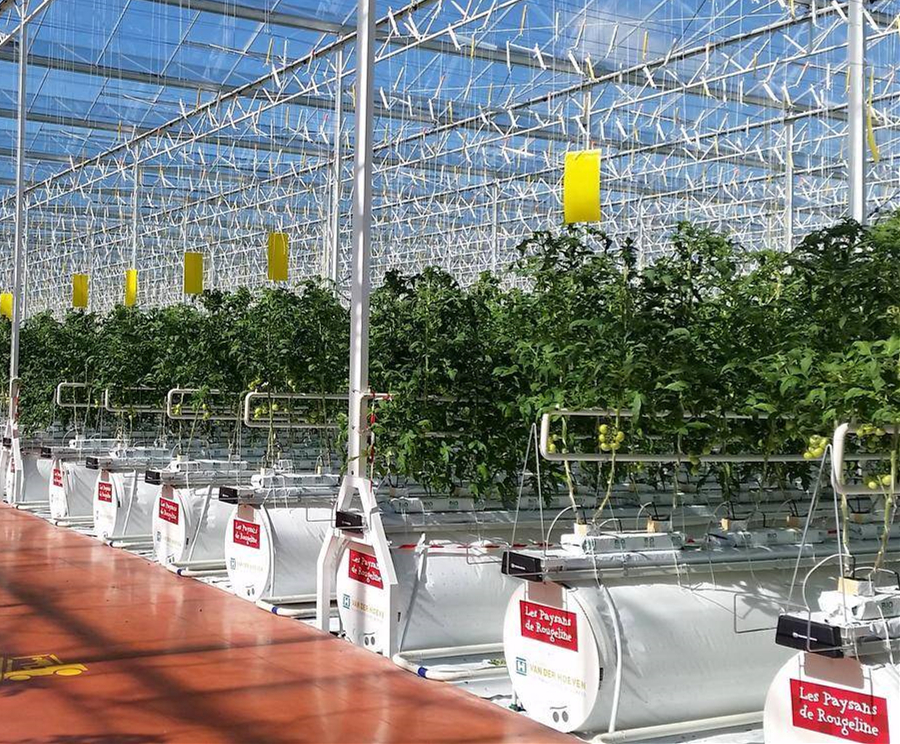
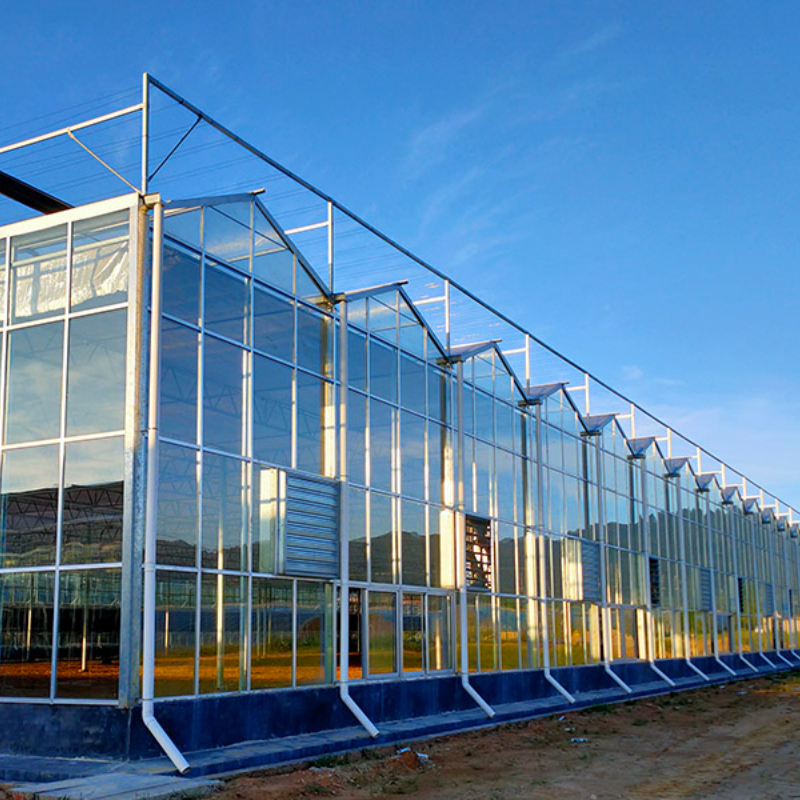
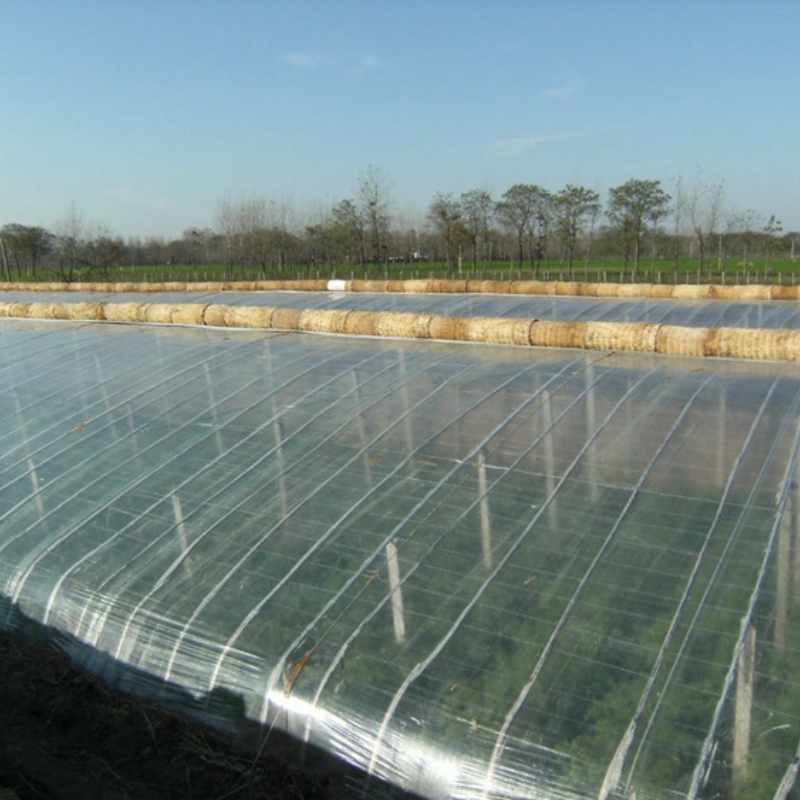
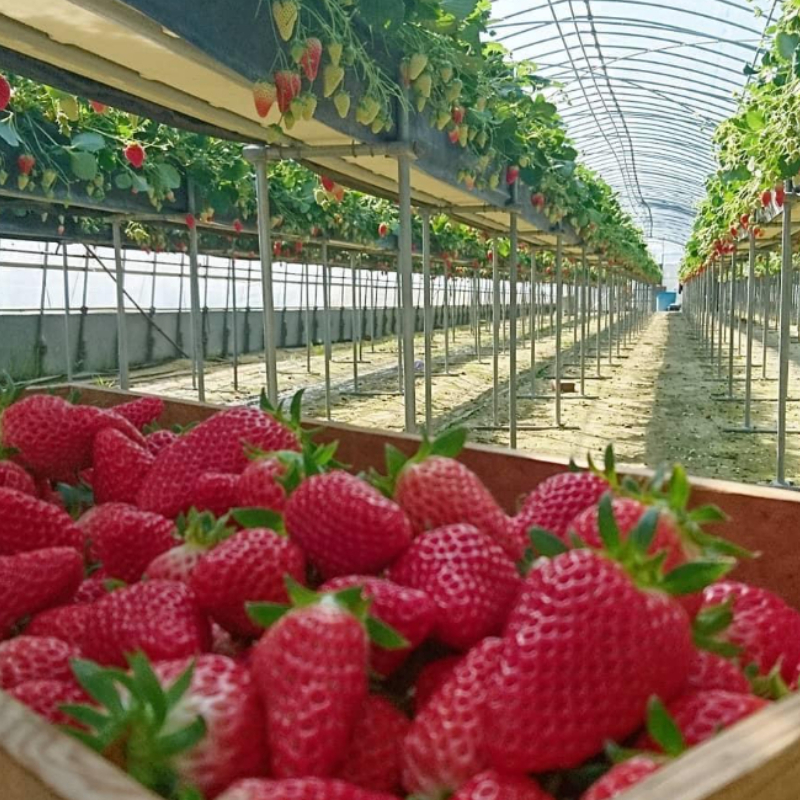
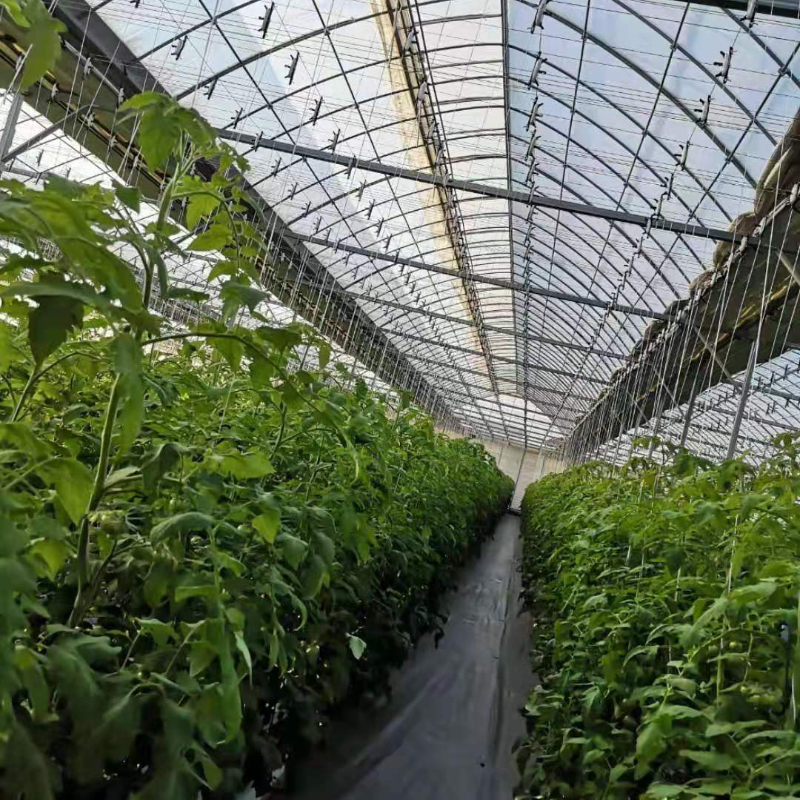
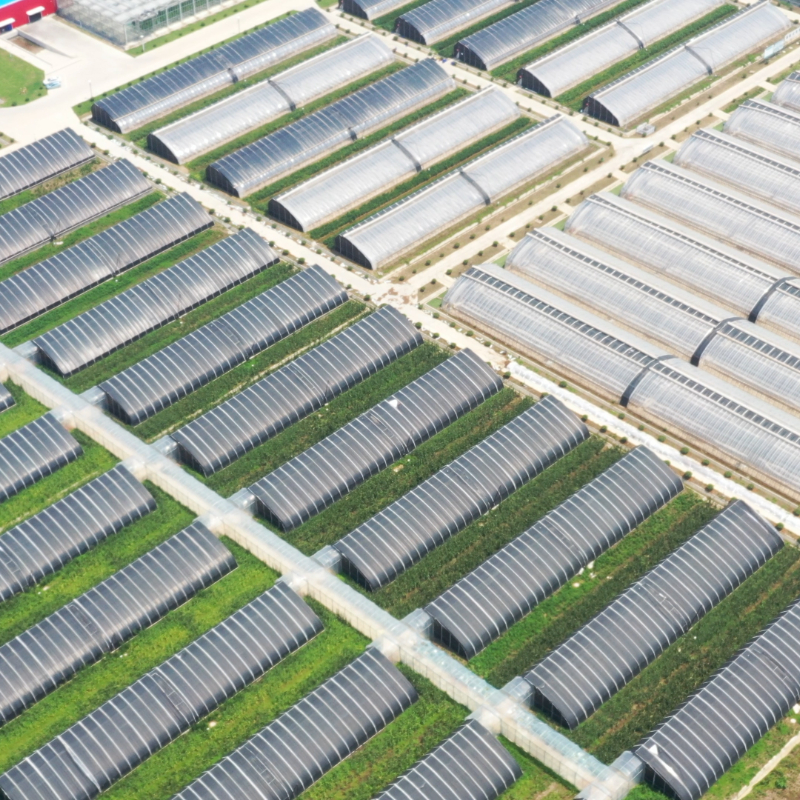
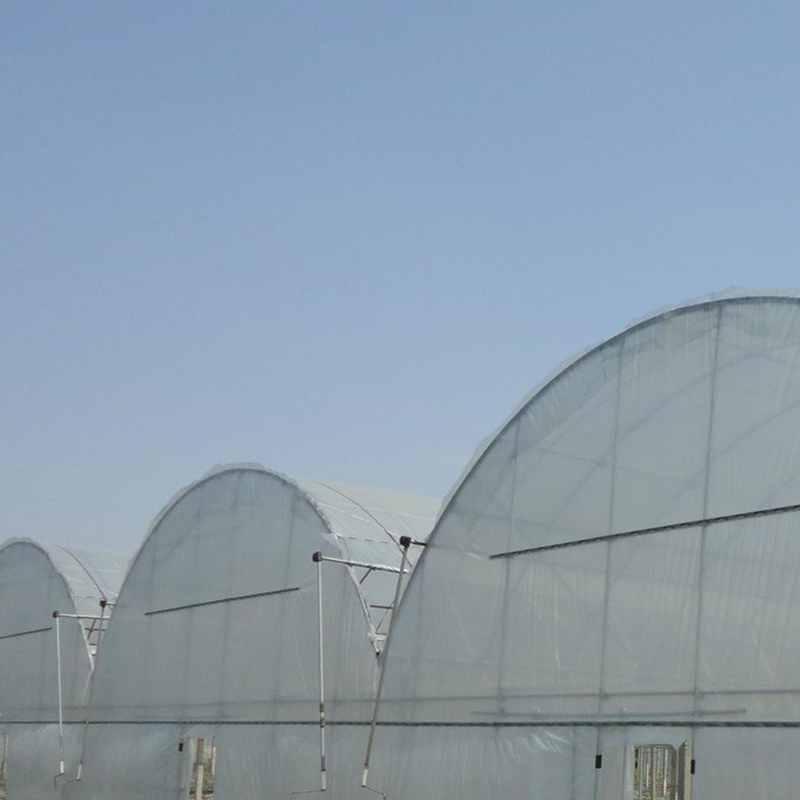
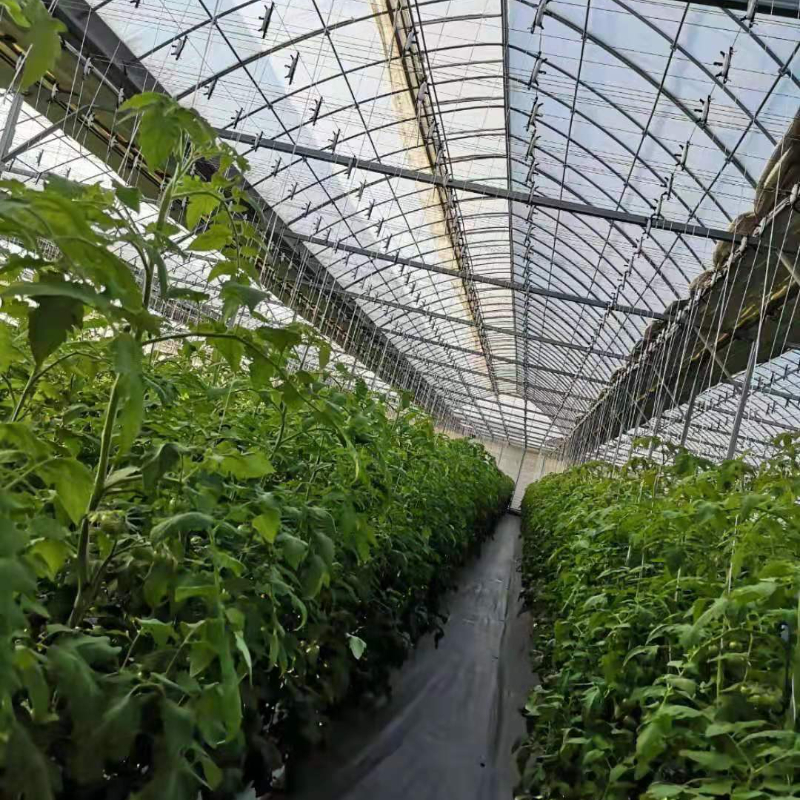
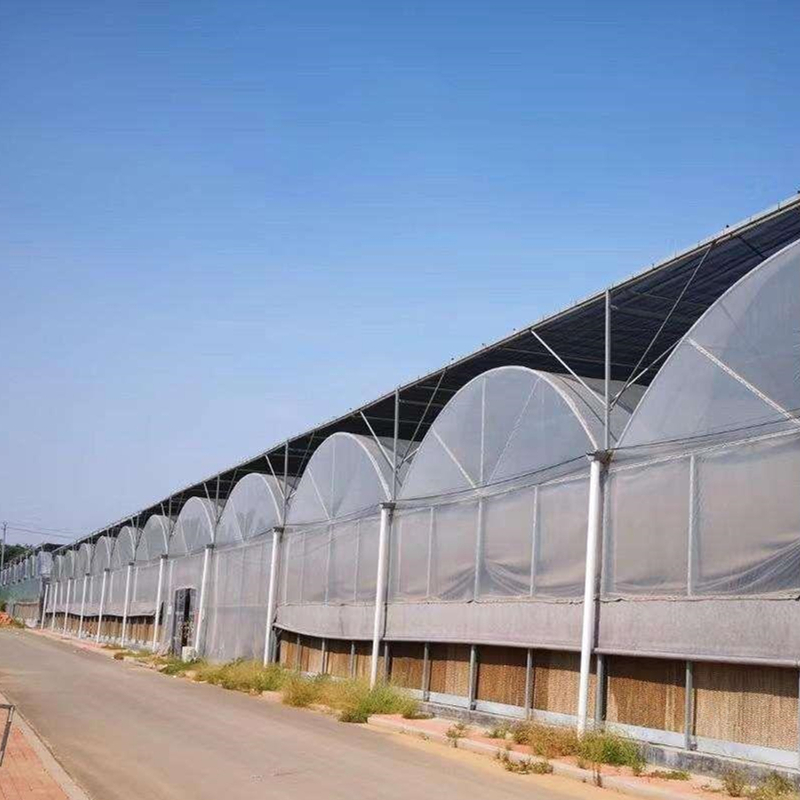
Modern agriculture has adopted steel structure greenhouses as mainstream facilities due to their comprehensive advantages in technical, economic, and sustainability aspects. Here's a detailed analysis of the specific reasons:
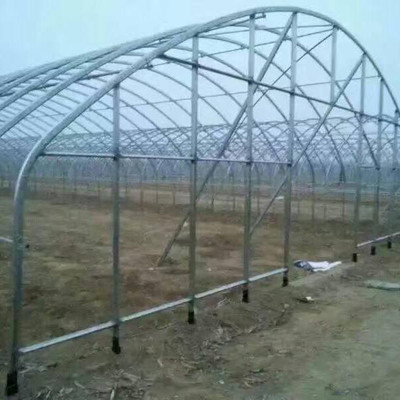
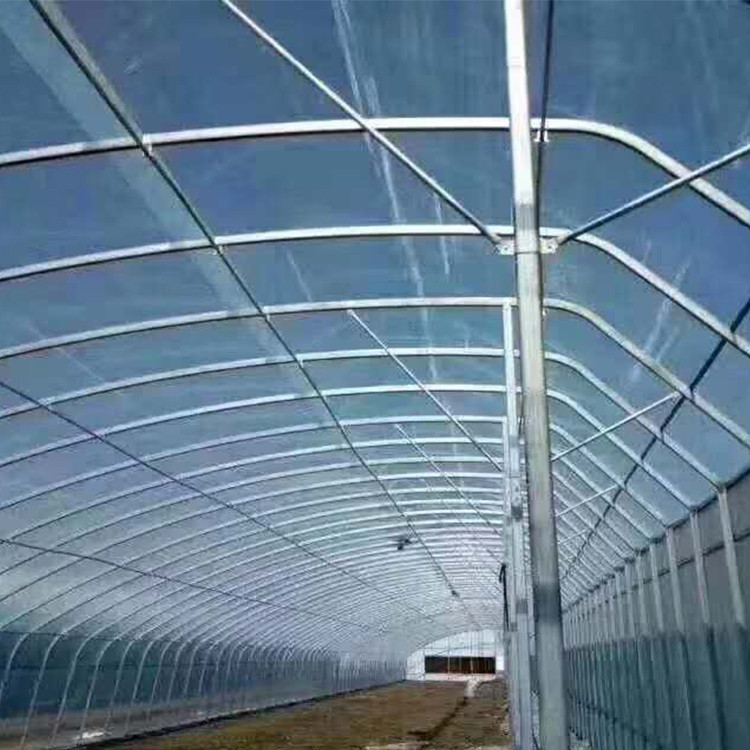
一、Structural Superiority
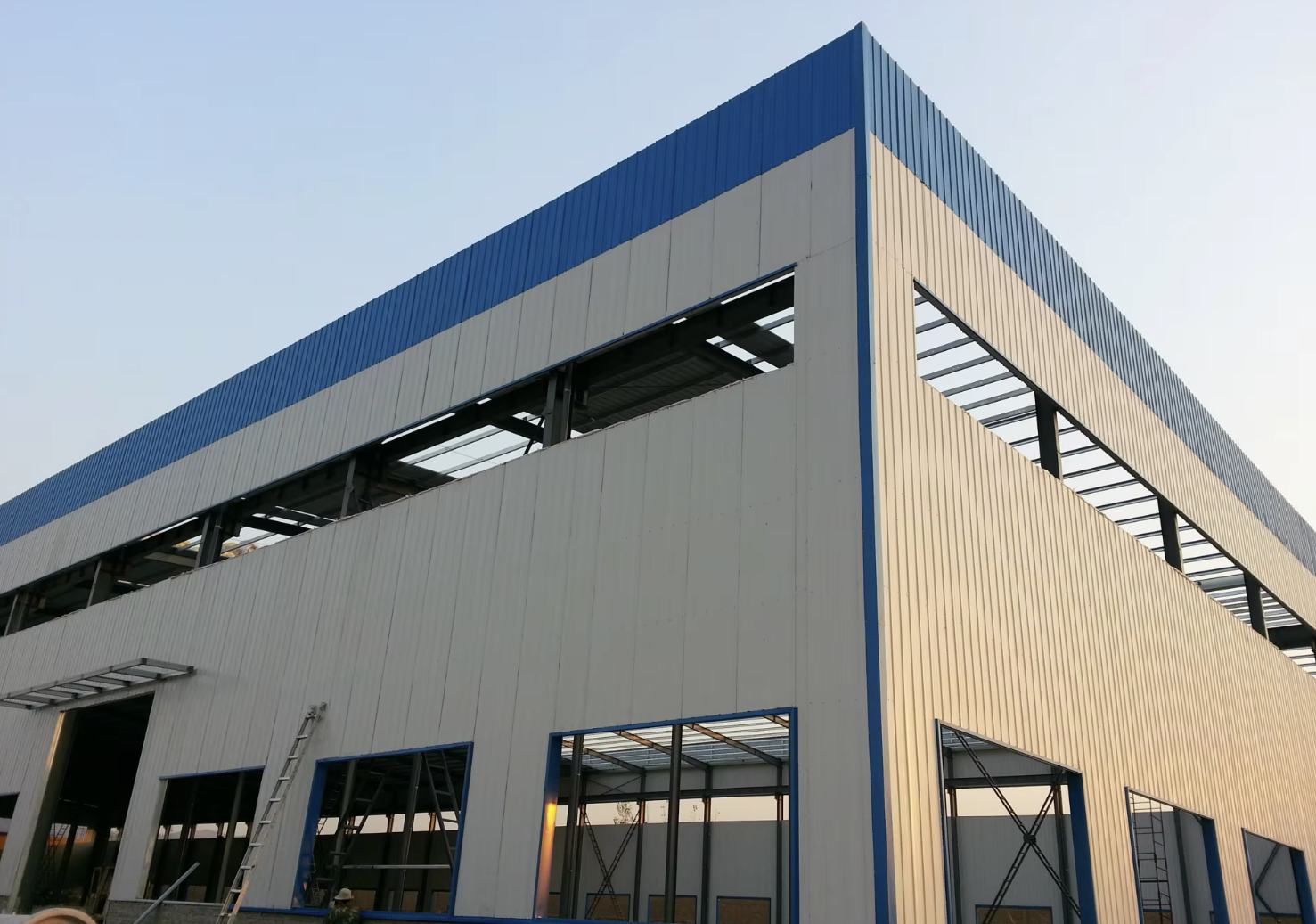
1. Steel structure High Strength & Durability
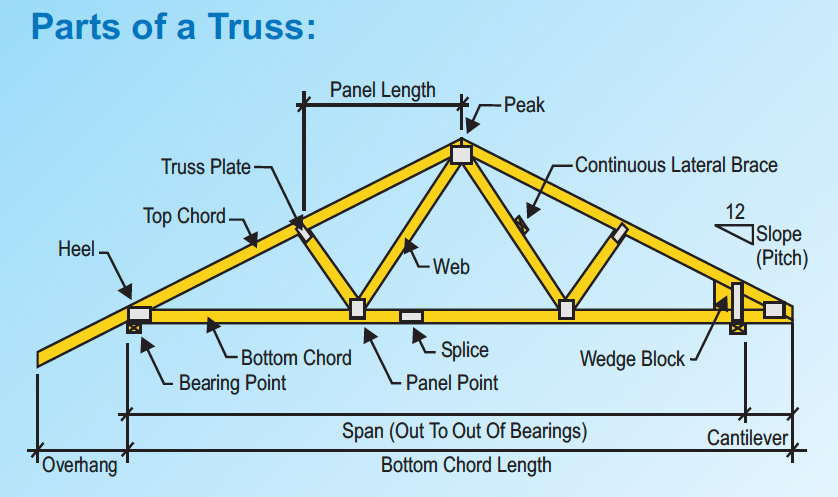
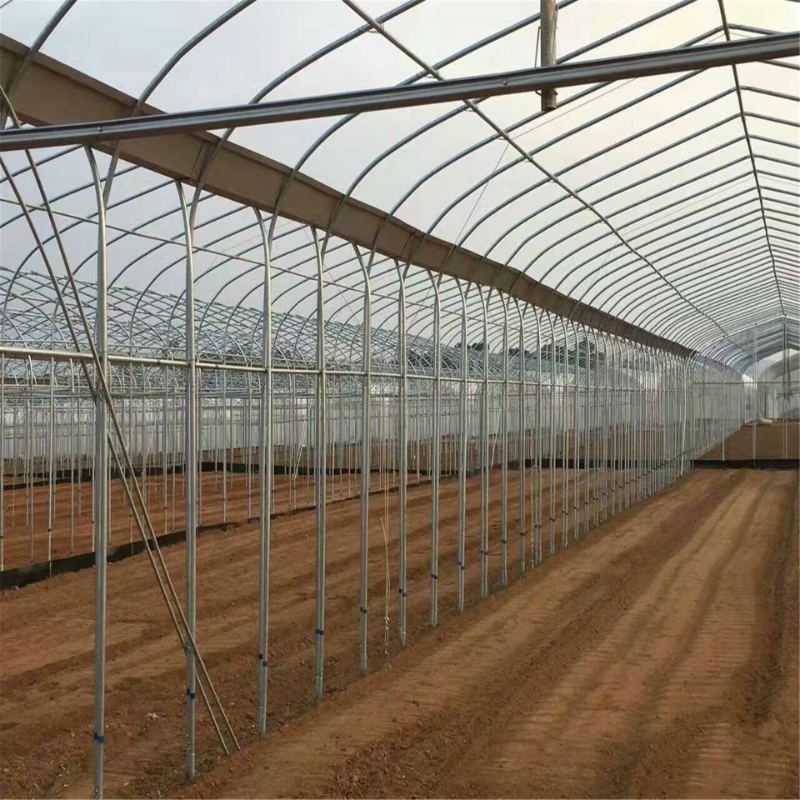
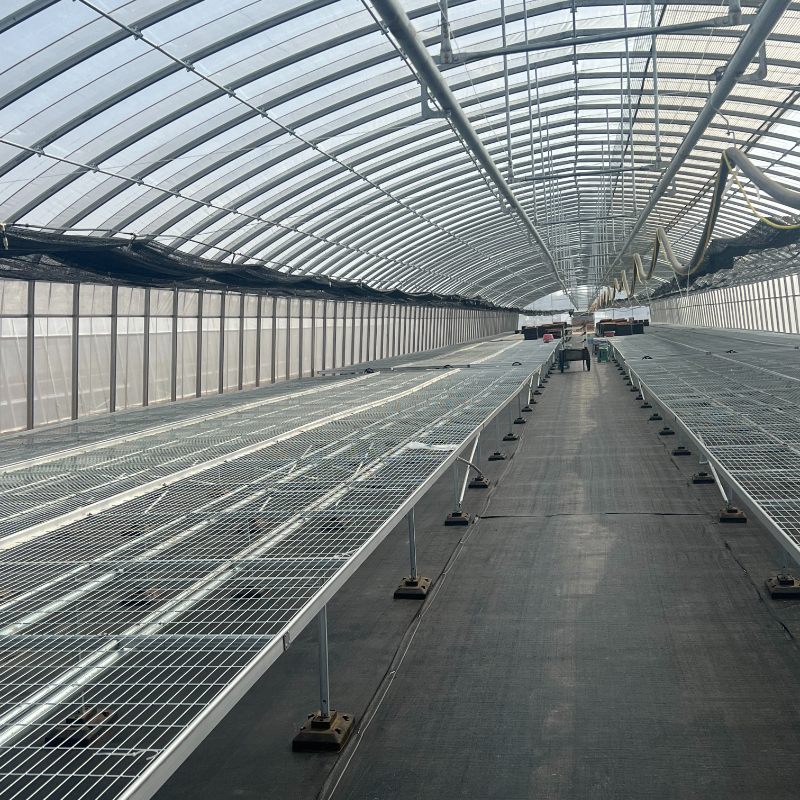
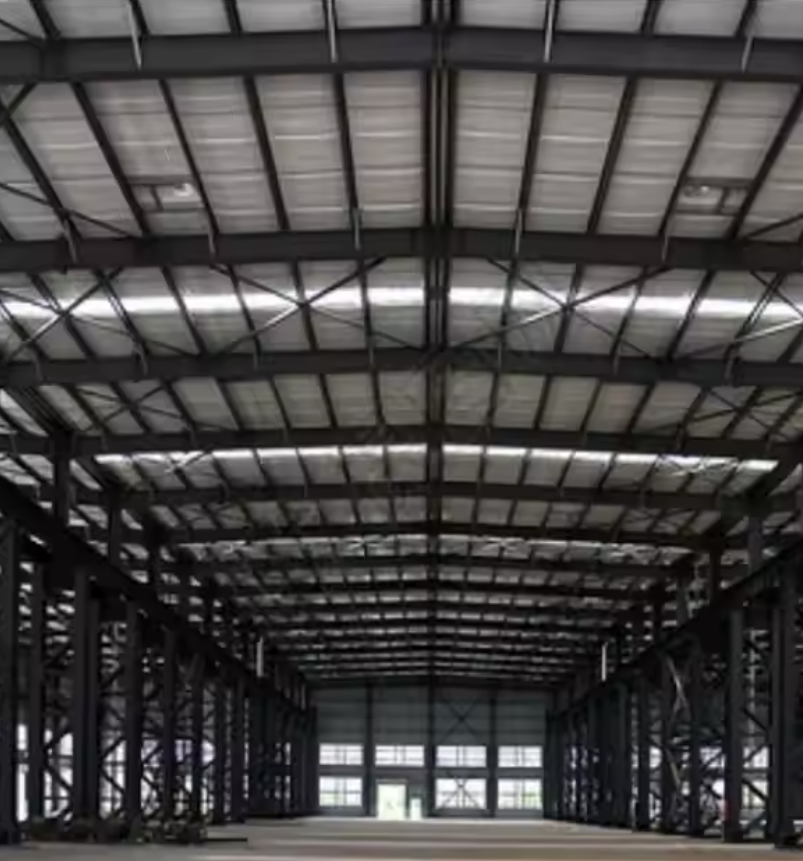
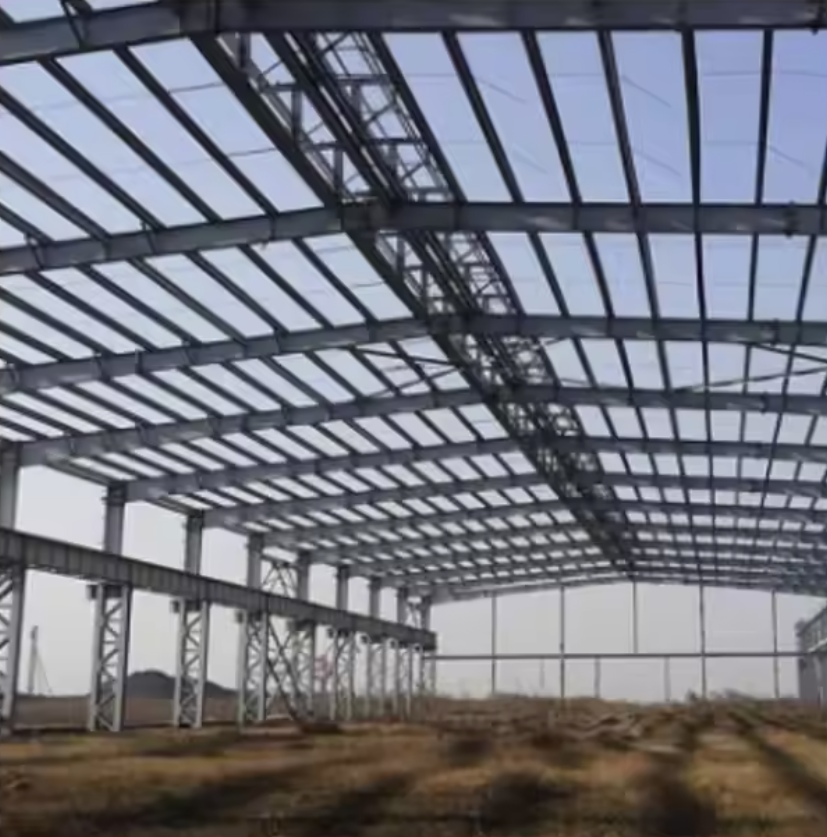
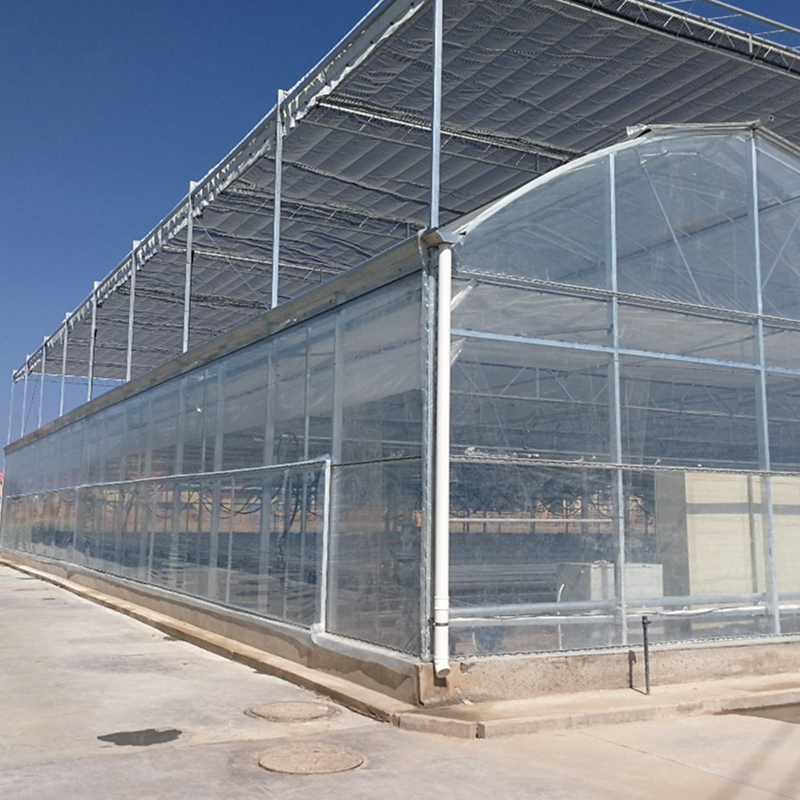
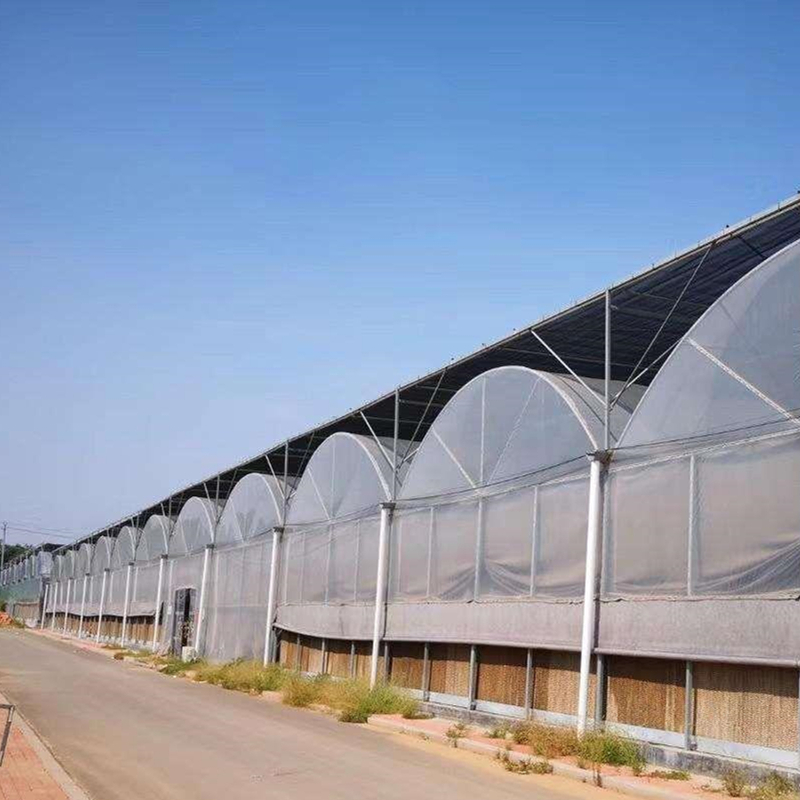
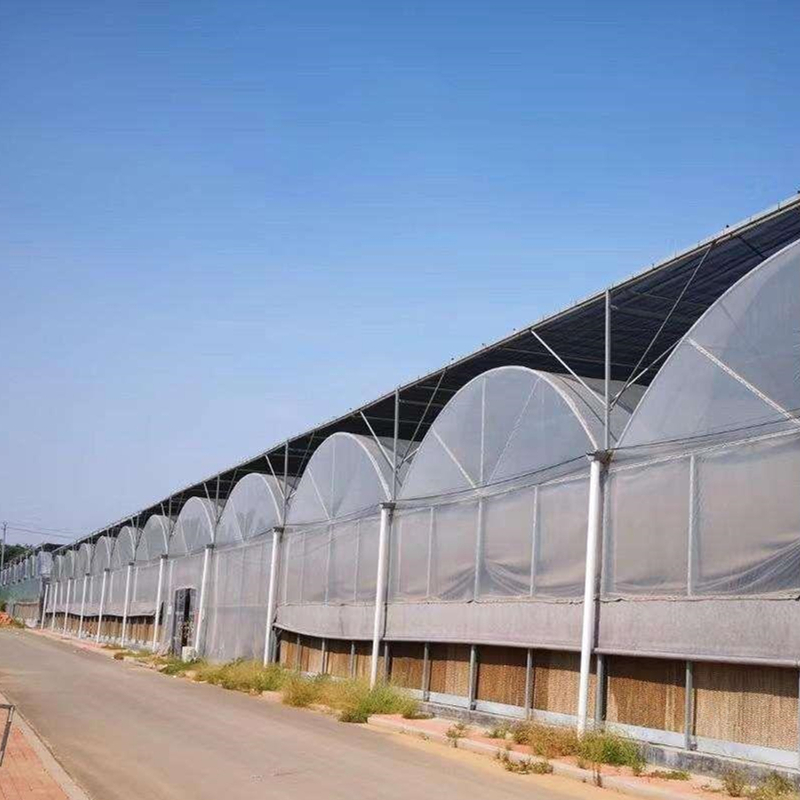
Steel structures outperform traditional wood or plastic greenhouses in load-bearing capacity, resisting wind, snow, and heavy rain. Hot-dip galvanization prevents rust, extending lifespan to 20–30 years.2.Steel structure Large Span Design
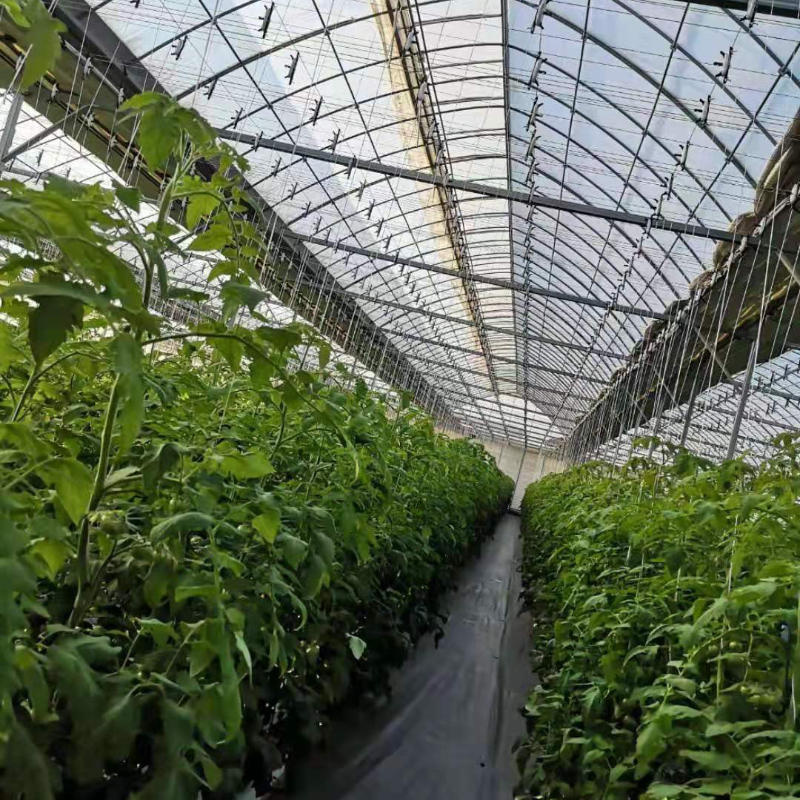
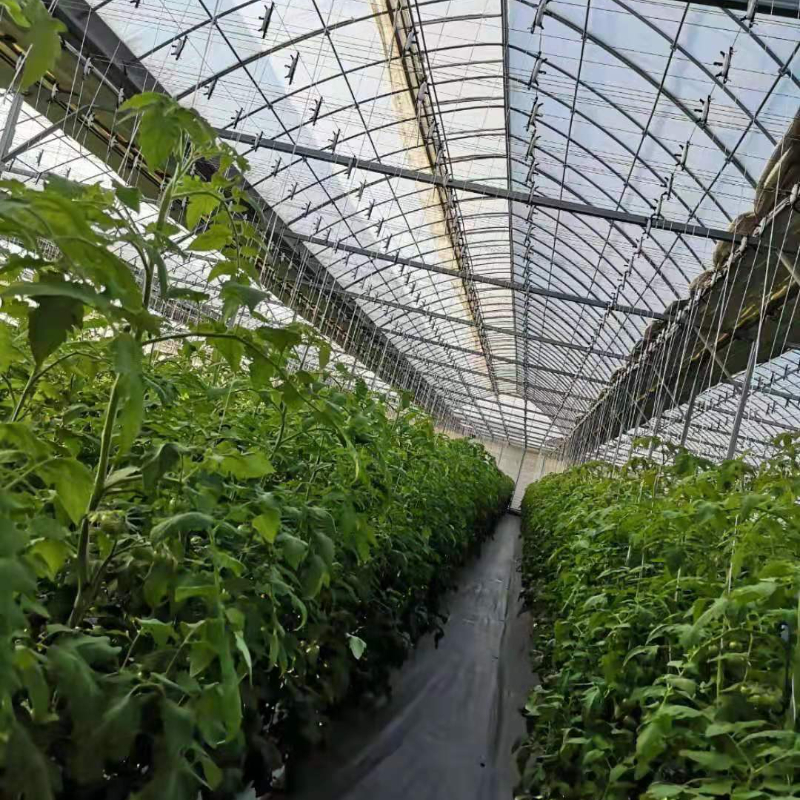
Column-free spaces (spans up to tens of meters) maximize land use (10–15% more efficient) and enable mechanized farming or vertical cultivation.
二、Precision Environmental Control
1.Smart Farming Compatibility
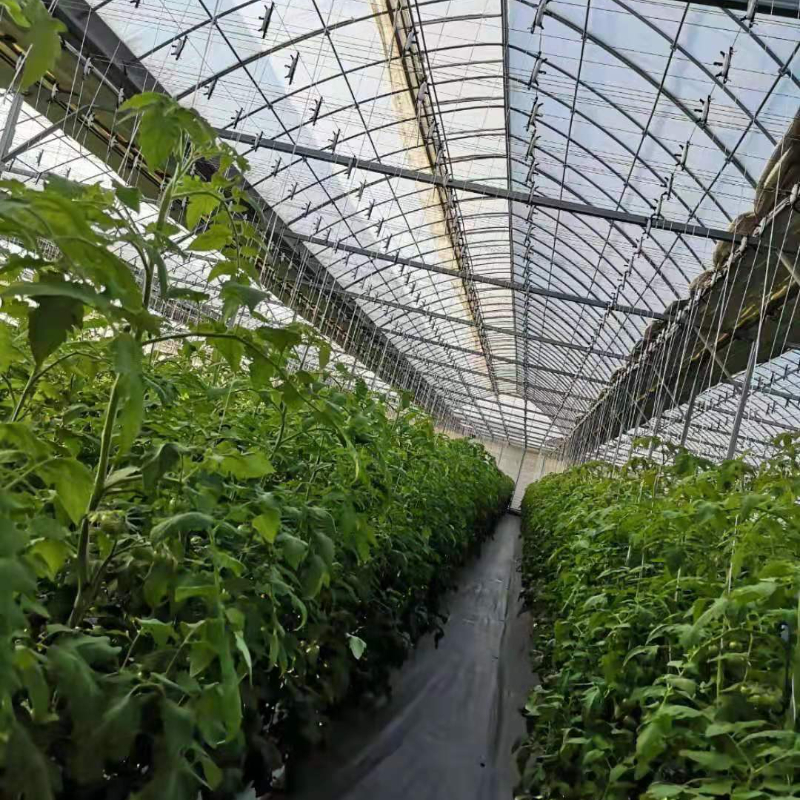
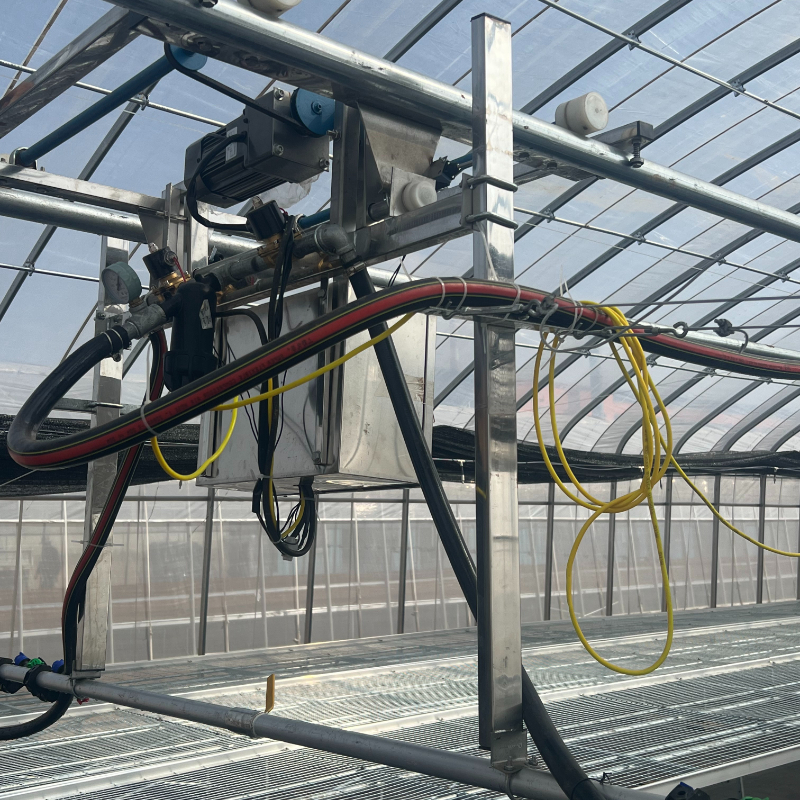
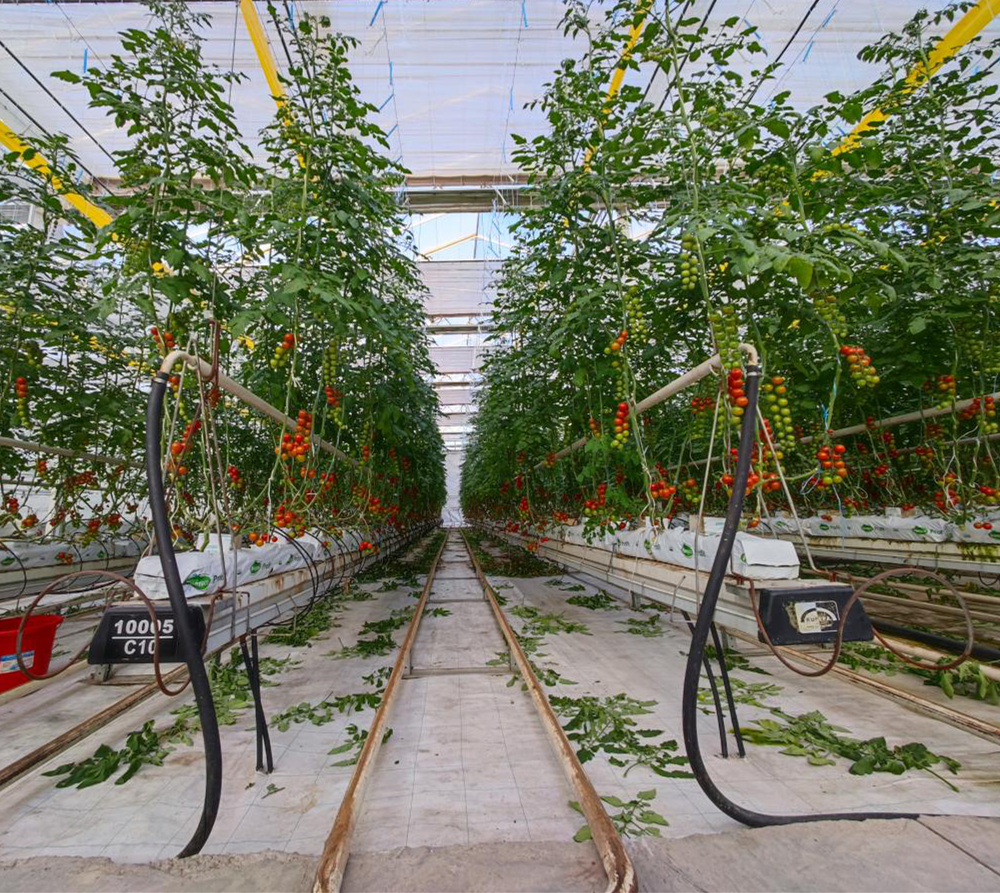
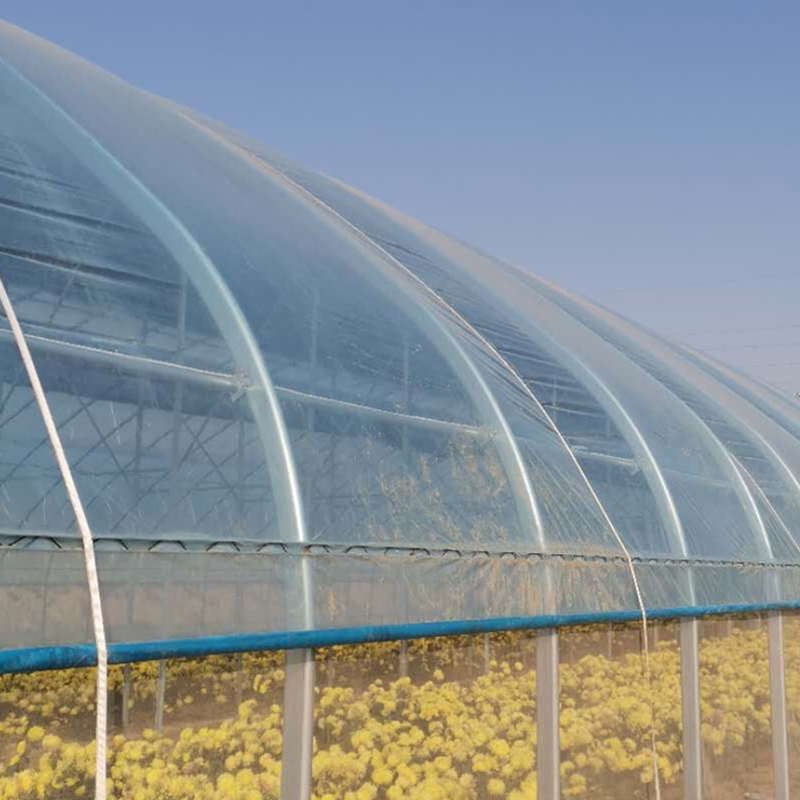
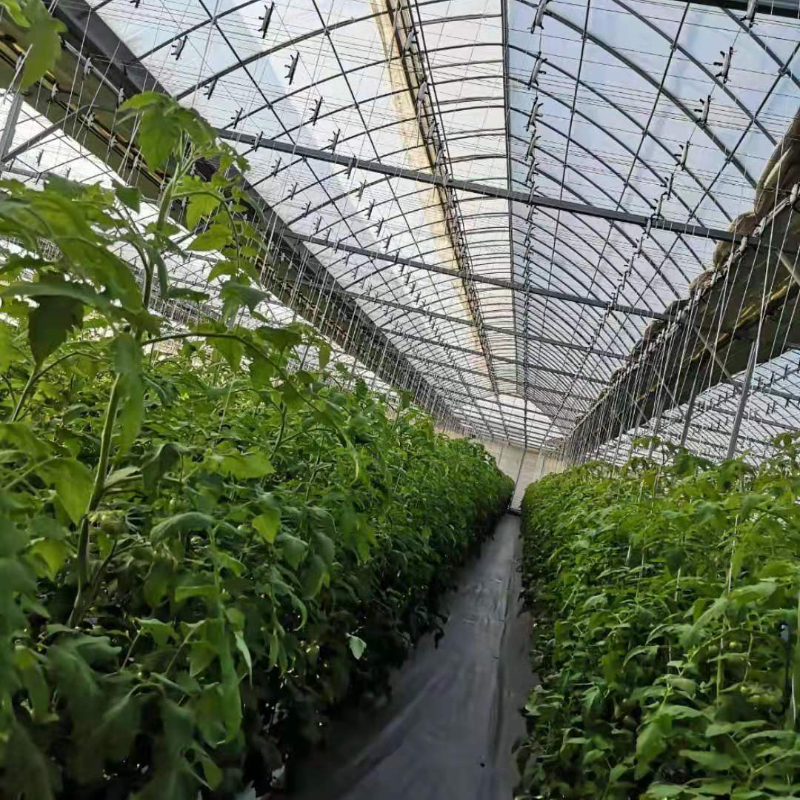
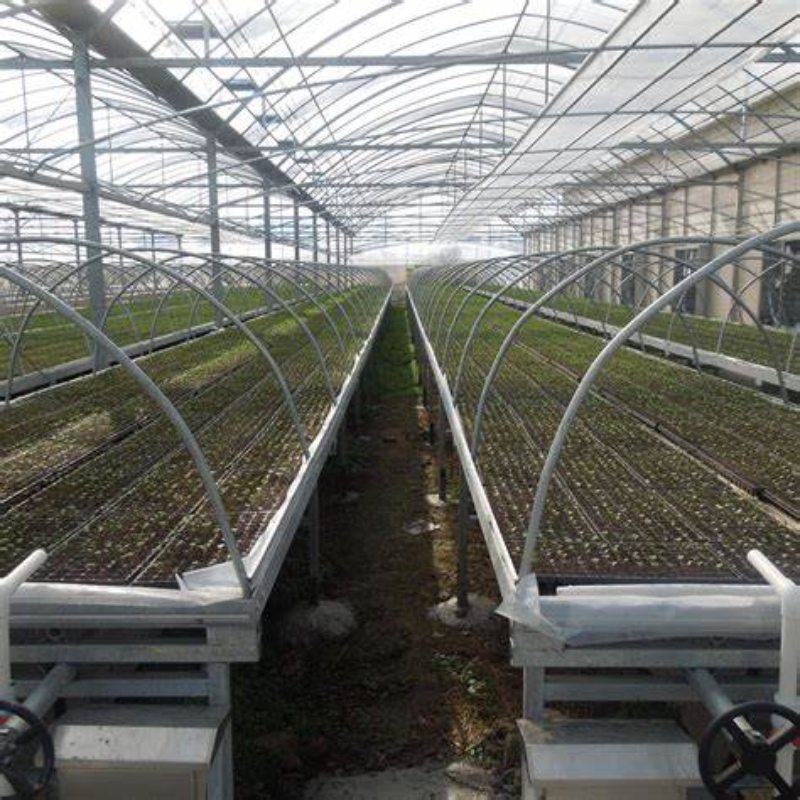
Steel frames provide stable support for cladding (glass, polycarbonate, or film), integrating with IoT systems to precisely regulate temperature, humidity, light, and CO₂—ideal for high-value crops (e.g., flowers, seedlings, hydroponics).
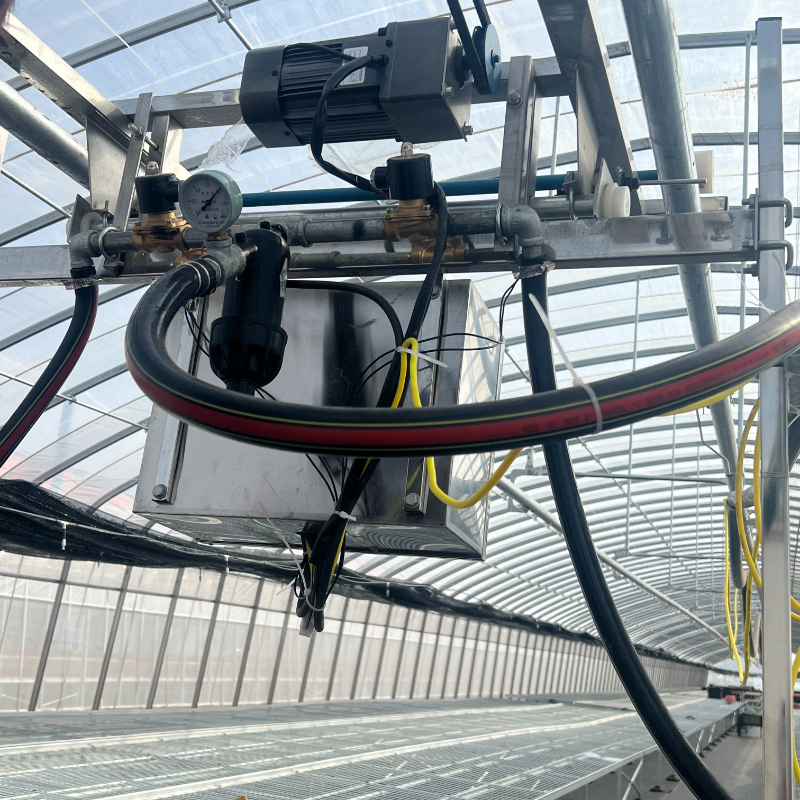
2.ScalabilityEasily accommodates automation (shading, ventilation, fertigation), reducing labor costs and boosting productivity.
三、Cost Efficiency & Scalability
1.Fast Modular Construction
Prefabricated components cut installation time by 50%+, ideal for large-scale projects (e.g., agri-parks, plant factories).
2.Steel structure Long-Term ROI
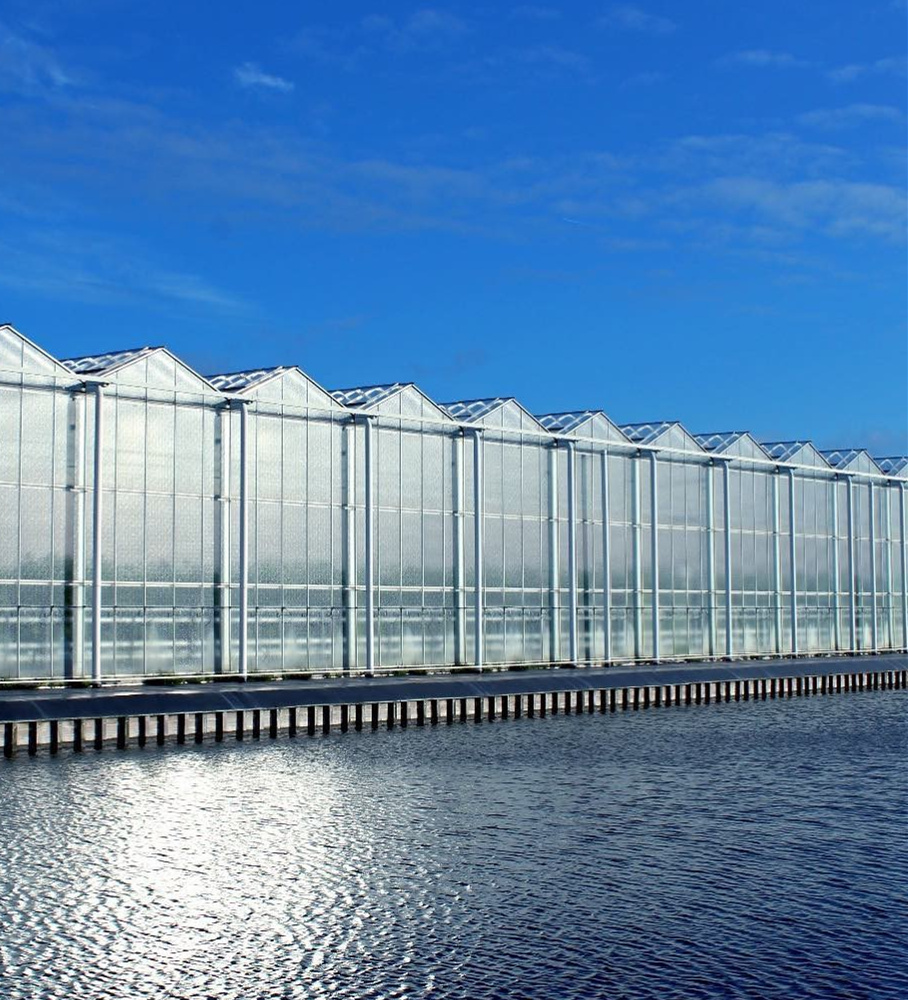
Though initial costs are 30–50% higher than wood/plastic, lower maintenance and longer service life ensure better returns. Example: Dutch Venlo-type glass greenhouses rely on steel frames for high-yield output.
四、Sustainability & Policy Support
1.Eco-Friendly
Steel is 100% recyclable; energy-efficient glazing (e.g., double-layered glass) cuts energy use by 40%+.
2.Government Incentives
Many countries (e.g., China’s 2023 "No. 1 Central Document") subsidize steel greenhouses to promote modern facility agriculture.
五、Climate Resilience
1.Extreme Weather Resistance
Withstands Category 12 typhoons (coastal areas) or 30cm snow loads (northern regions). Example: Shouguang, China, adopted steel greenhouses post-Typhoon Lekima for disaster resilience.
六、Comparison with Alternatives
1.Wood/Plastic: Short lifespan (3–5 years), prone to decay.
2.Aluminum: Limited to small R&D greenhouses due to high cost.
3.Concrete: Slow construction, inflexible for modifications.
Conclusion
Steel greenhouses dominate modern agriculture by combining strength, smart-tech integration, and longevity, making them essential for high-efficiency, high-profit farming. Advances in lightweight steel and BIM design will further reduce costs, expanding their adoption globally.
