
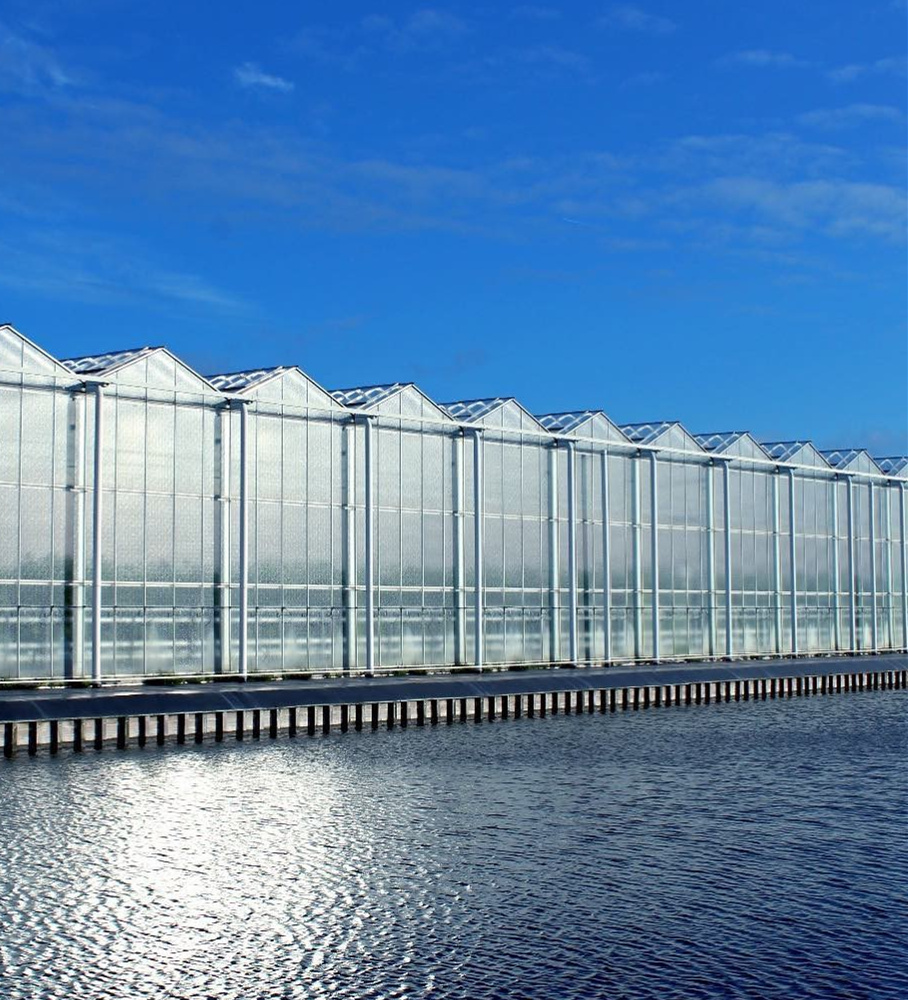
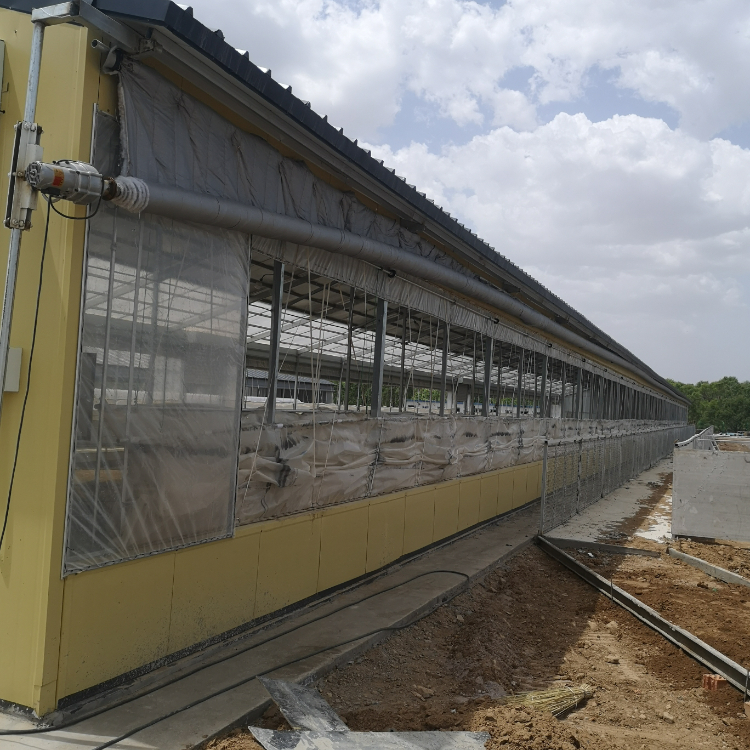
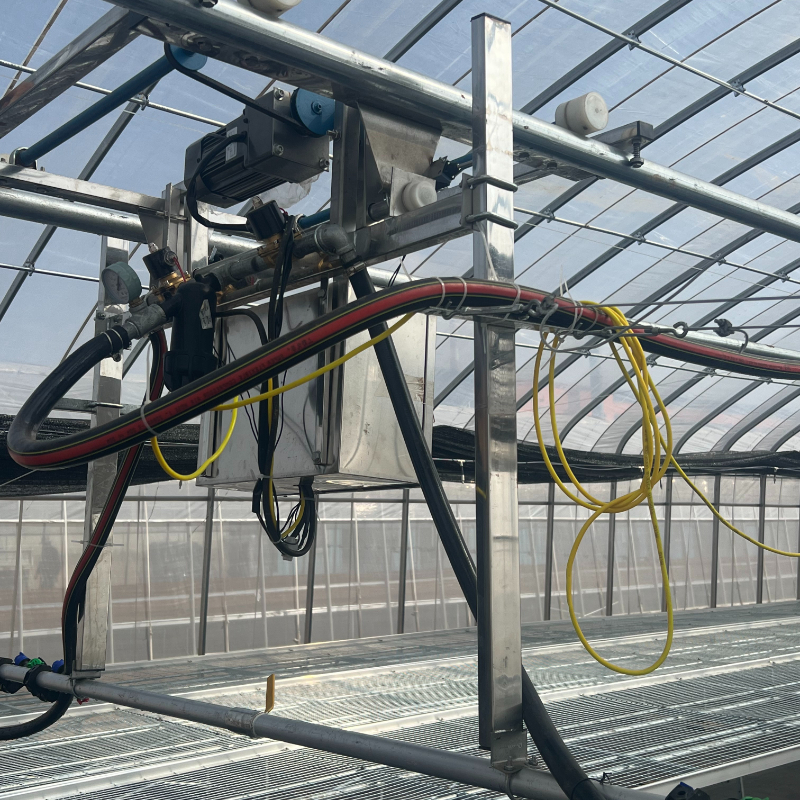
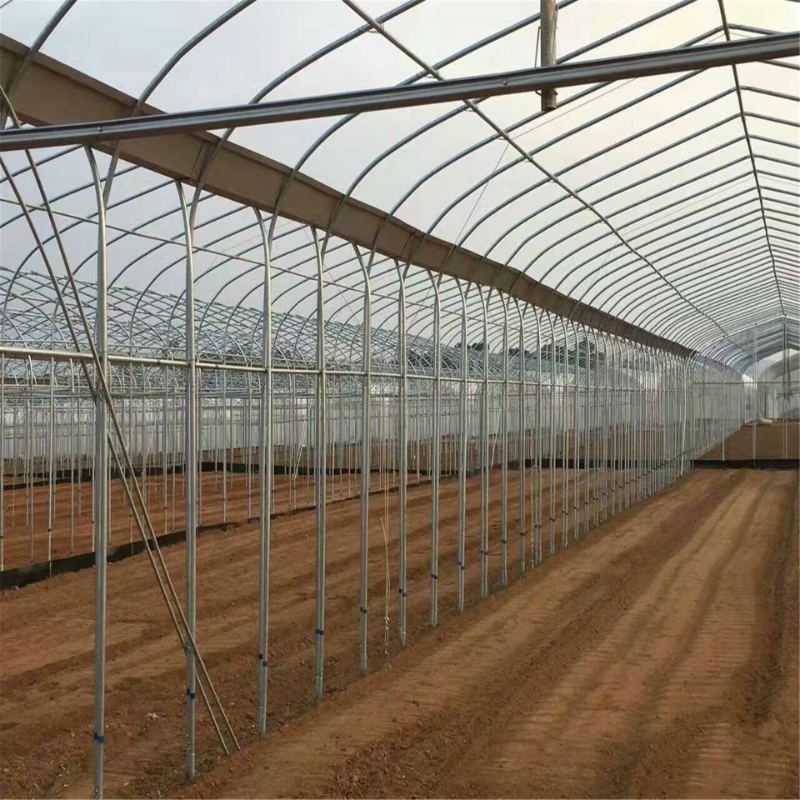
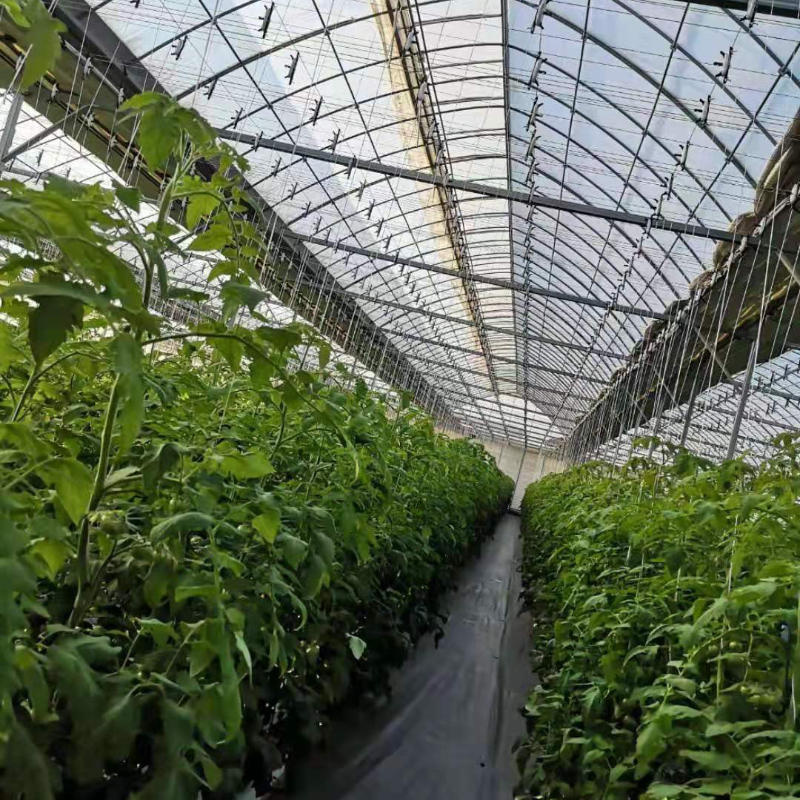
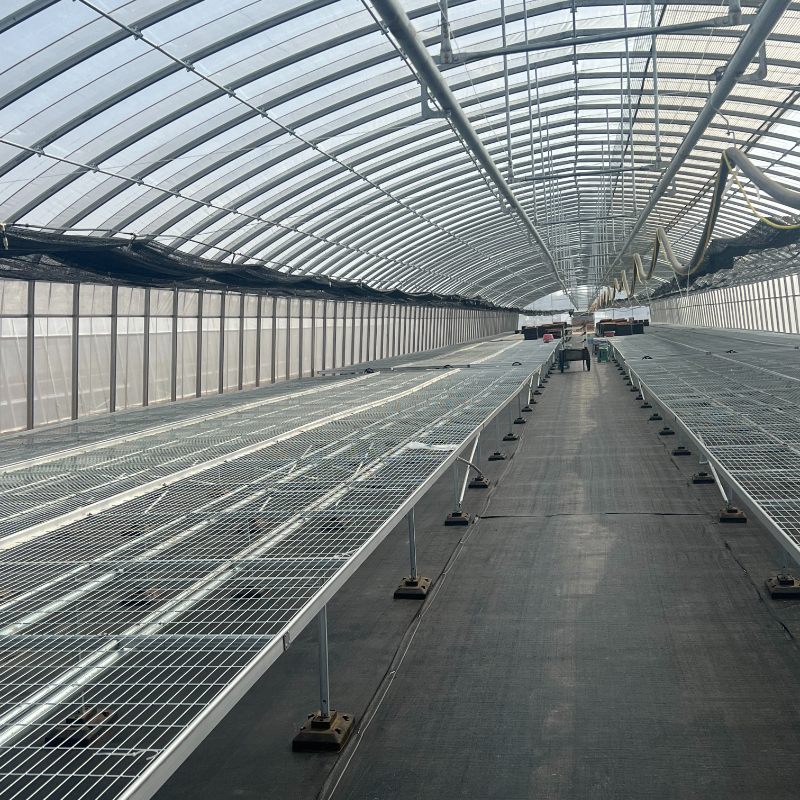
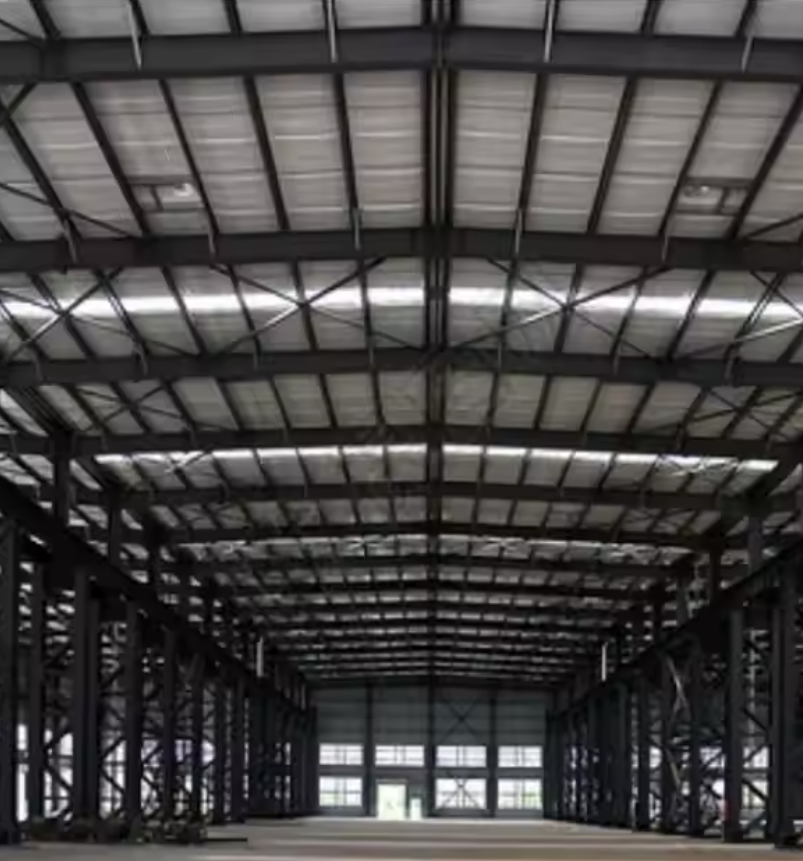
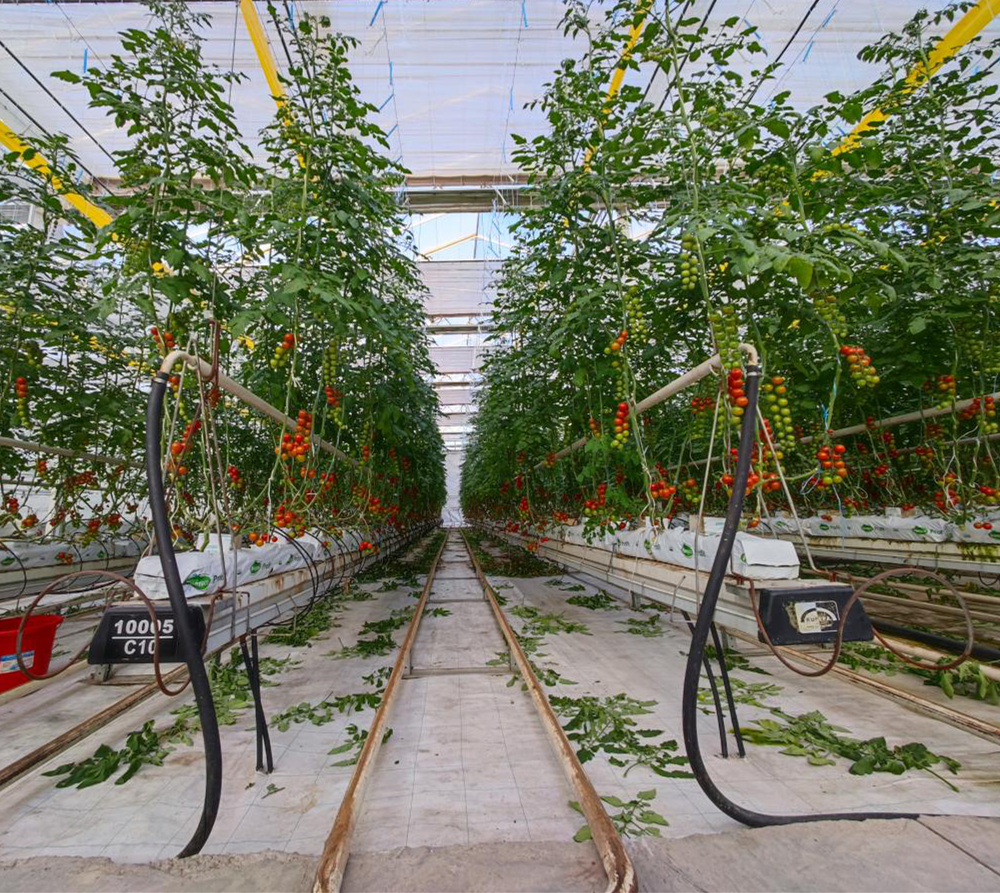
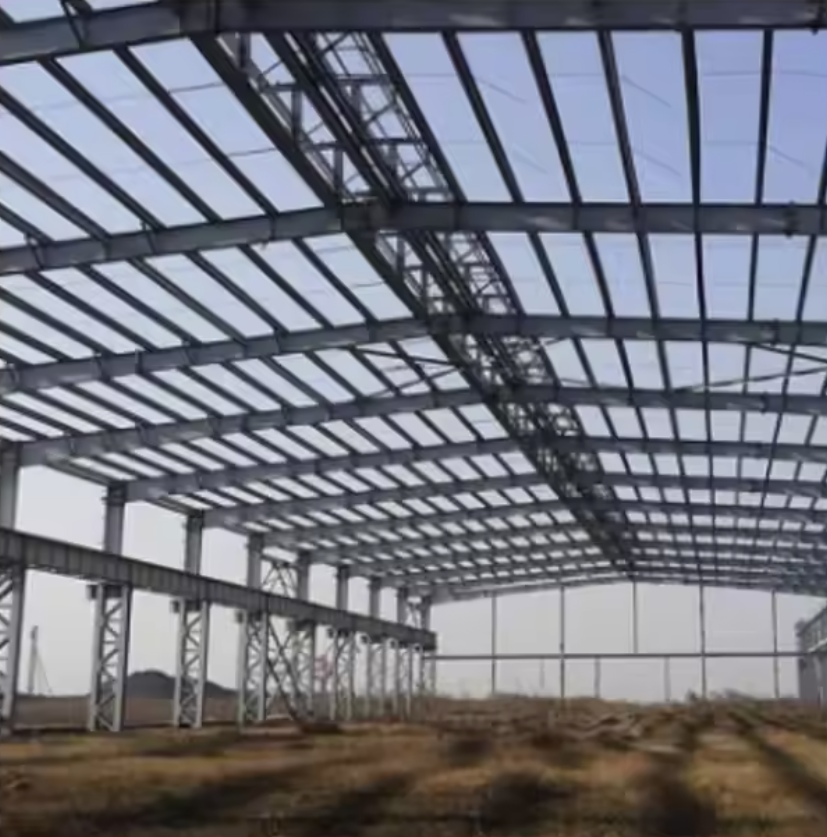
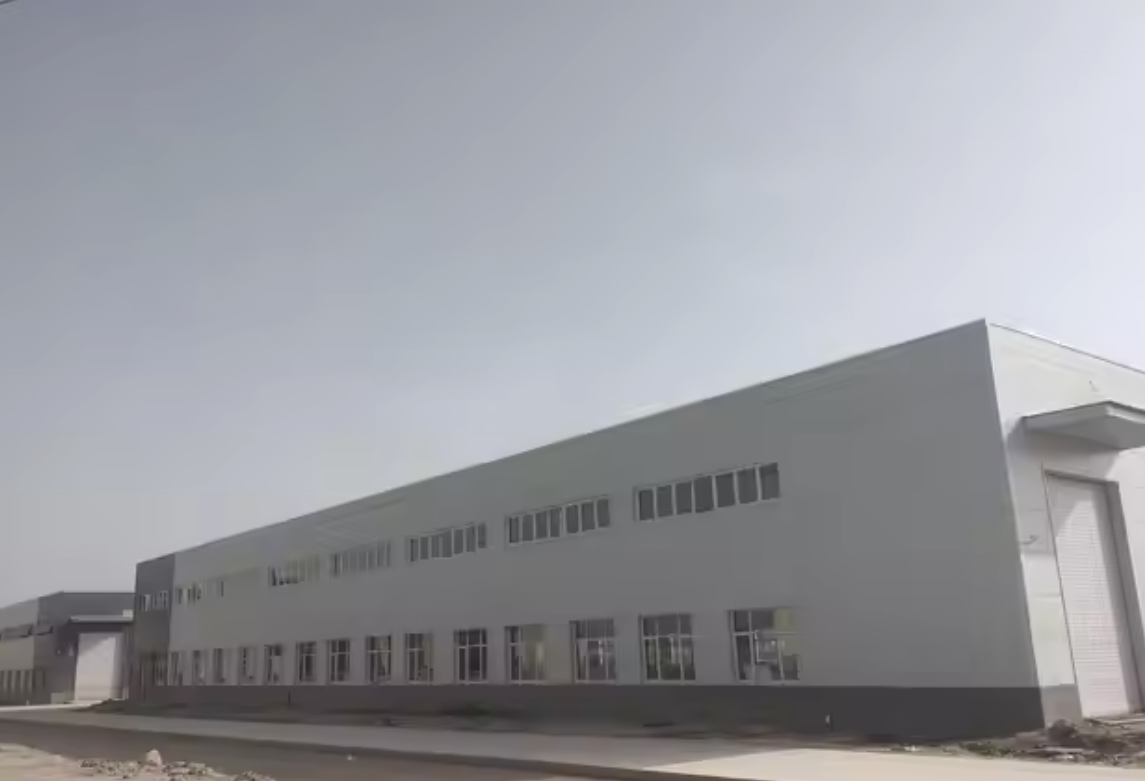
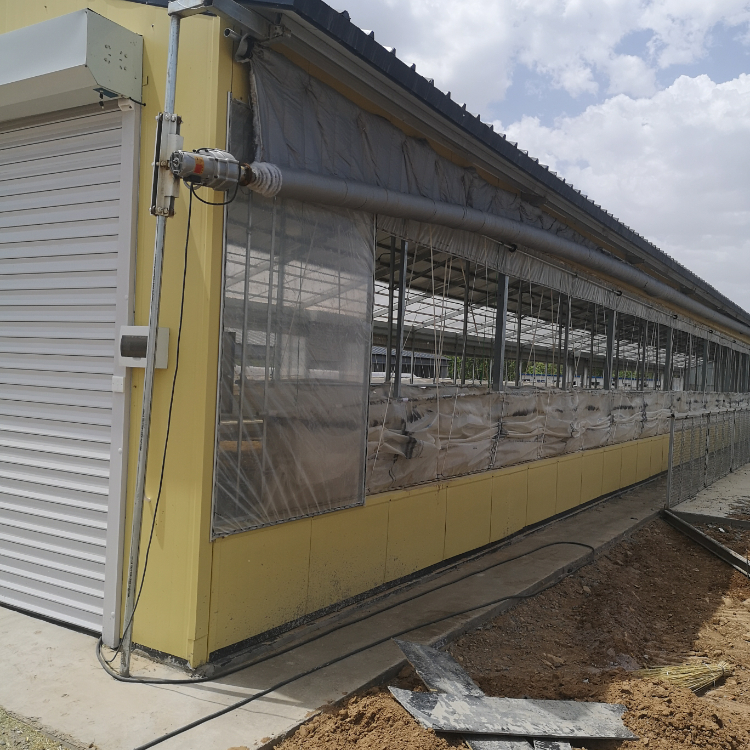
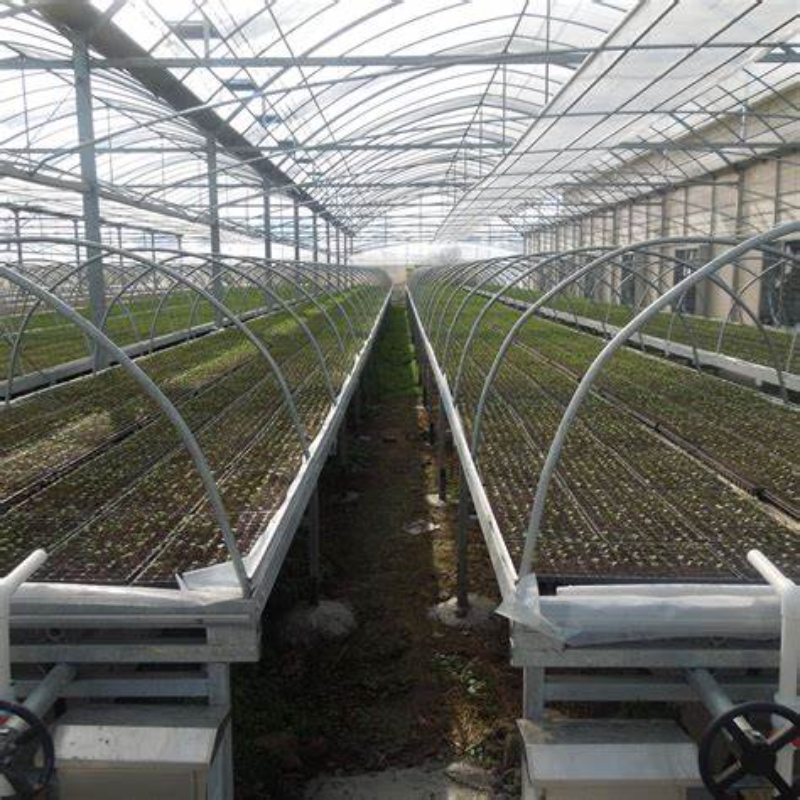
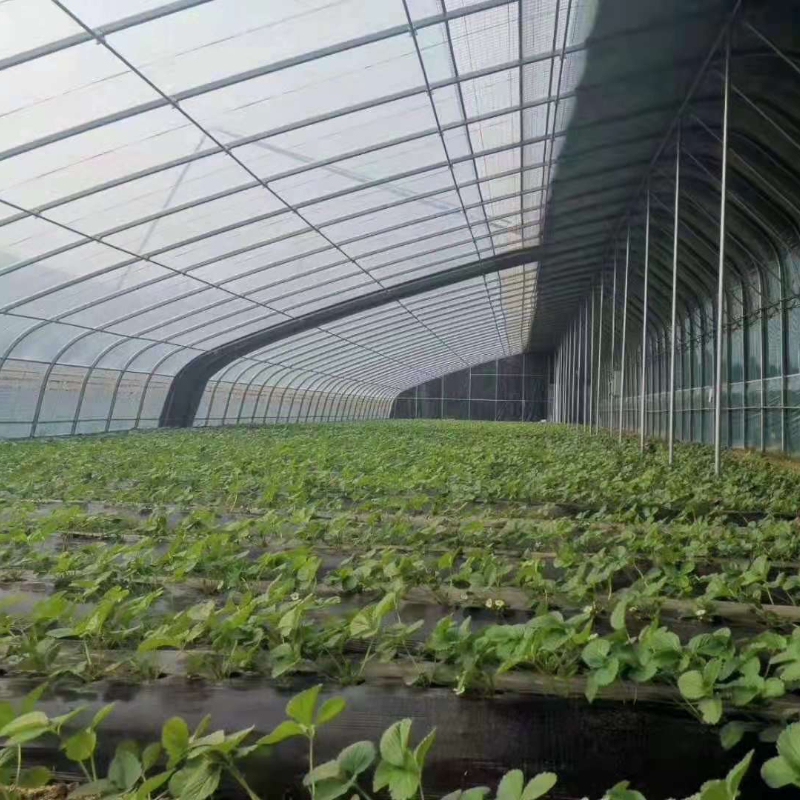
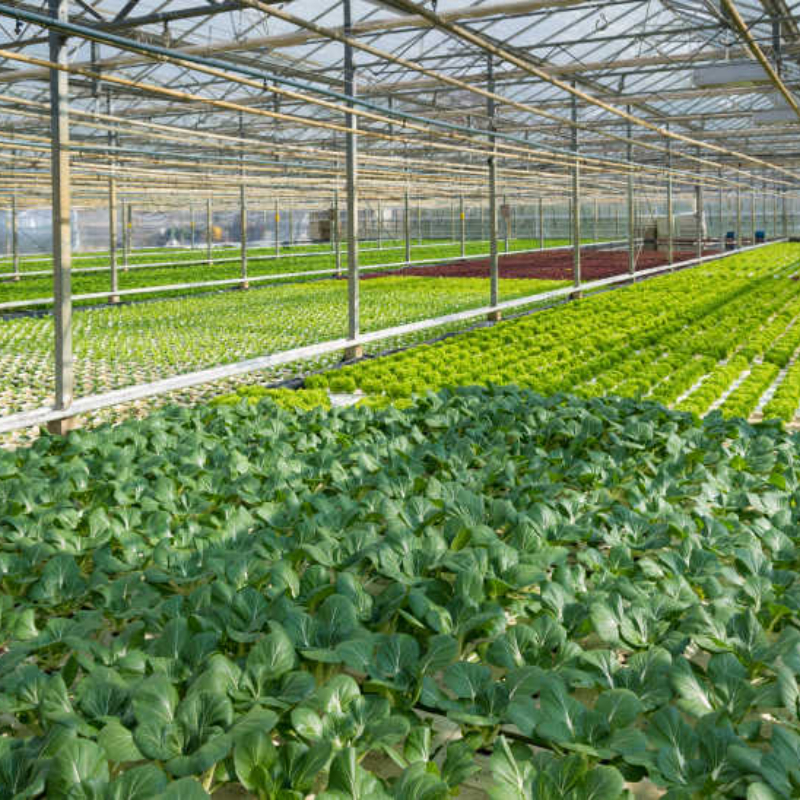
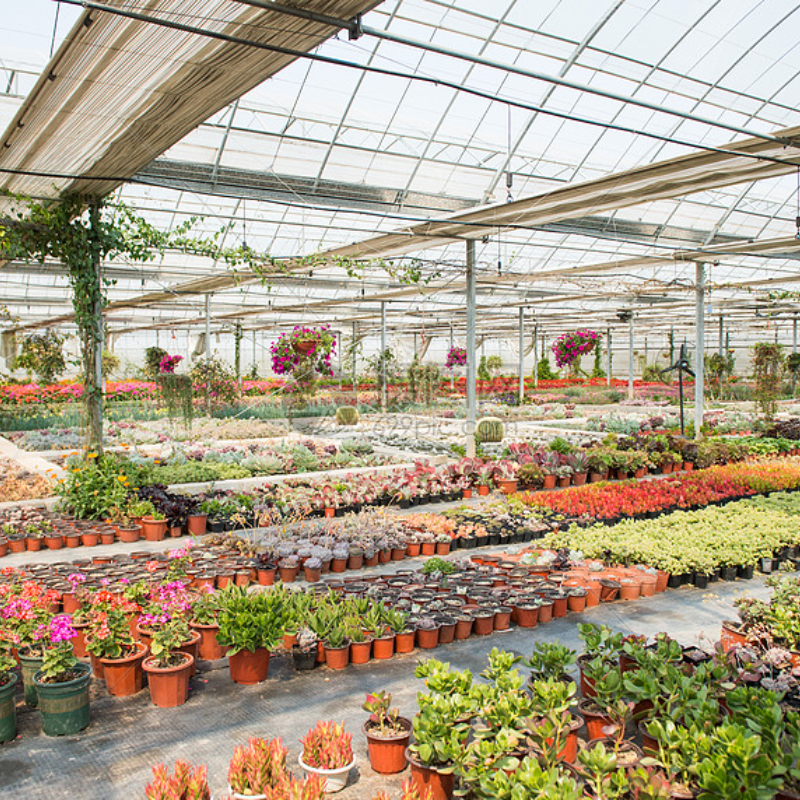
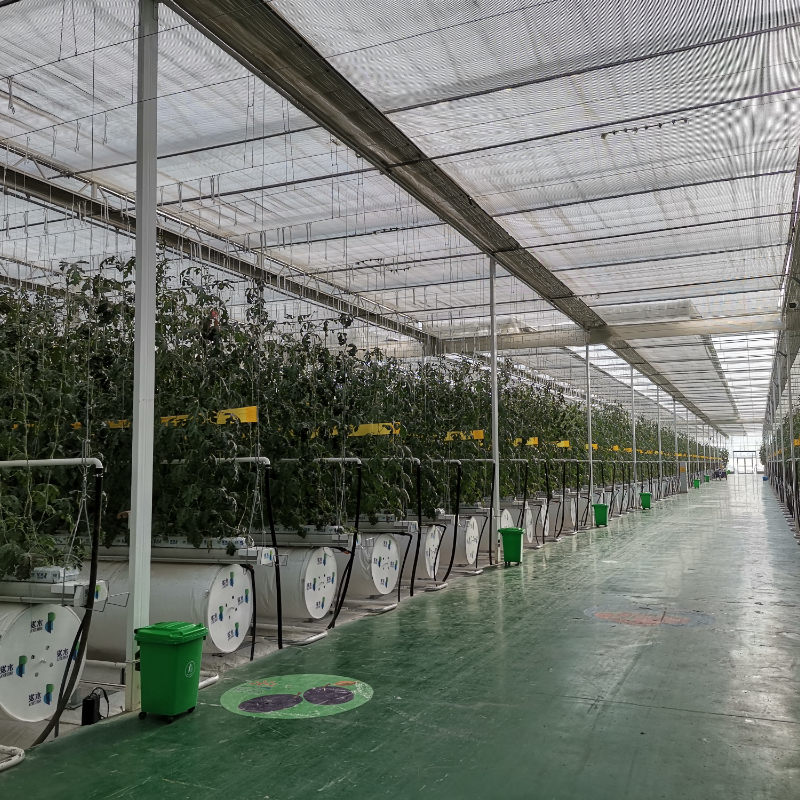
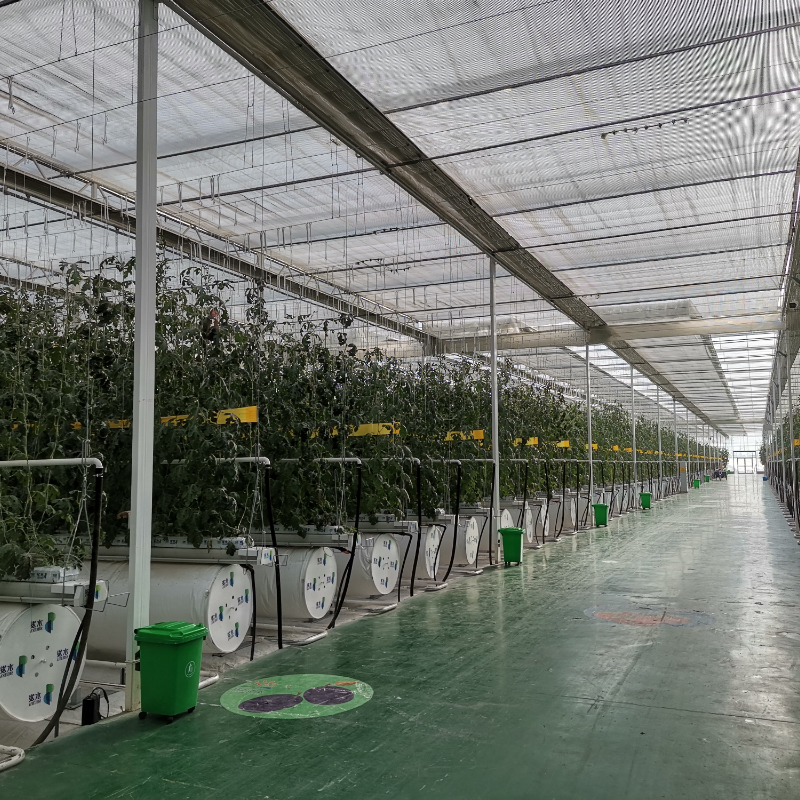
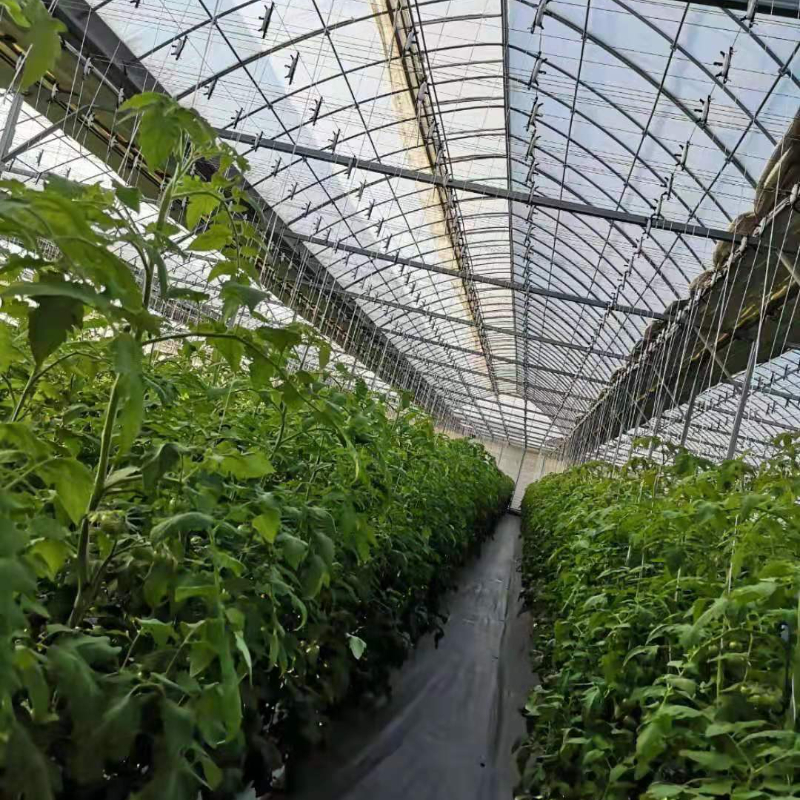
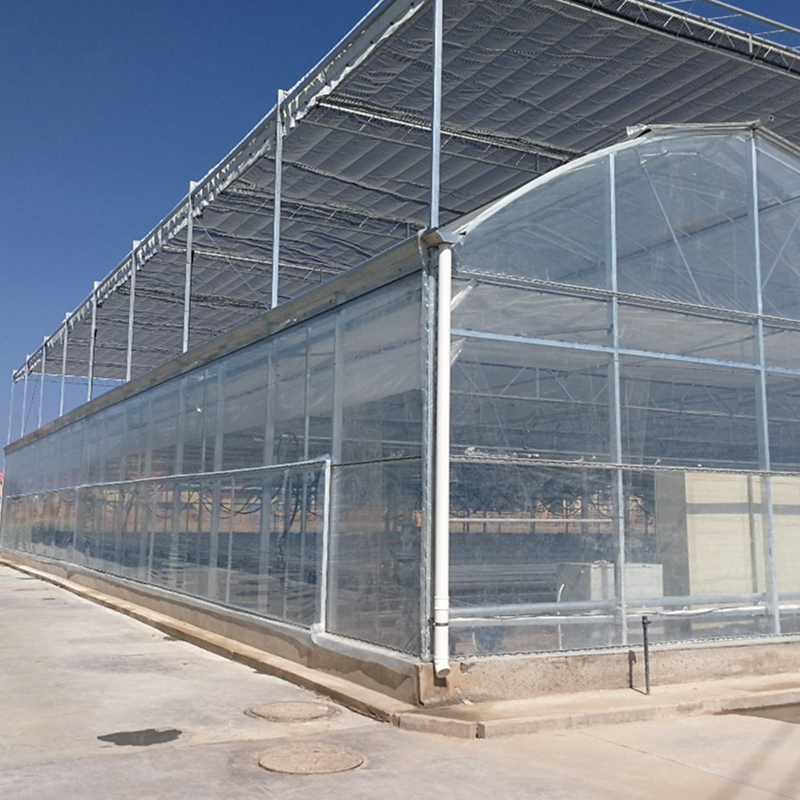
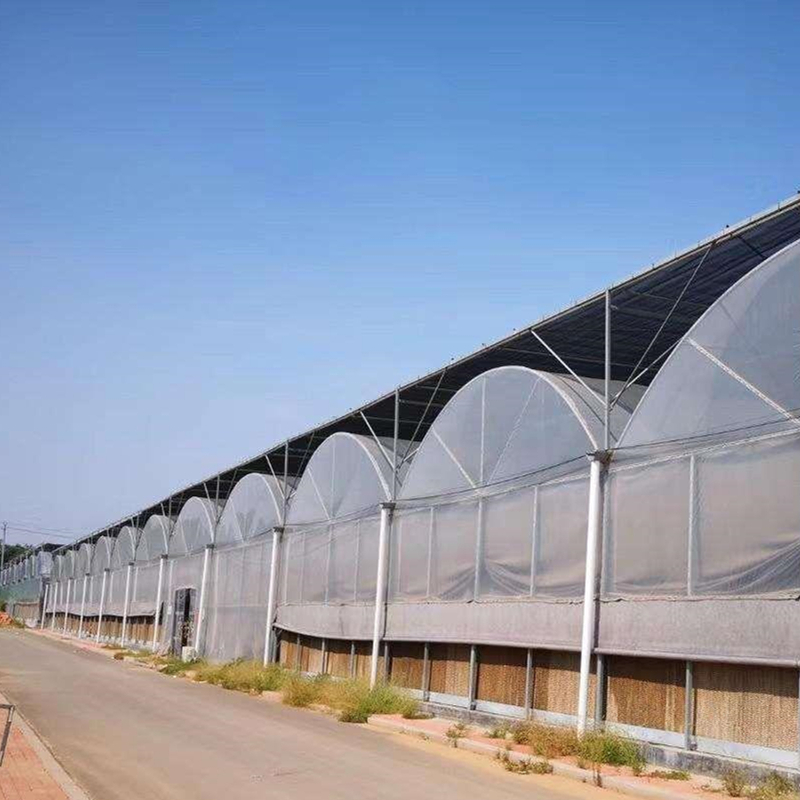
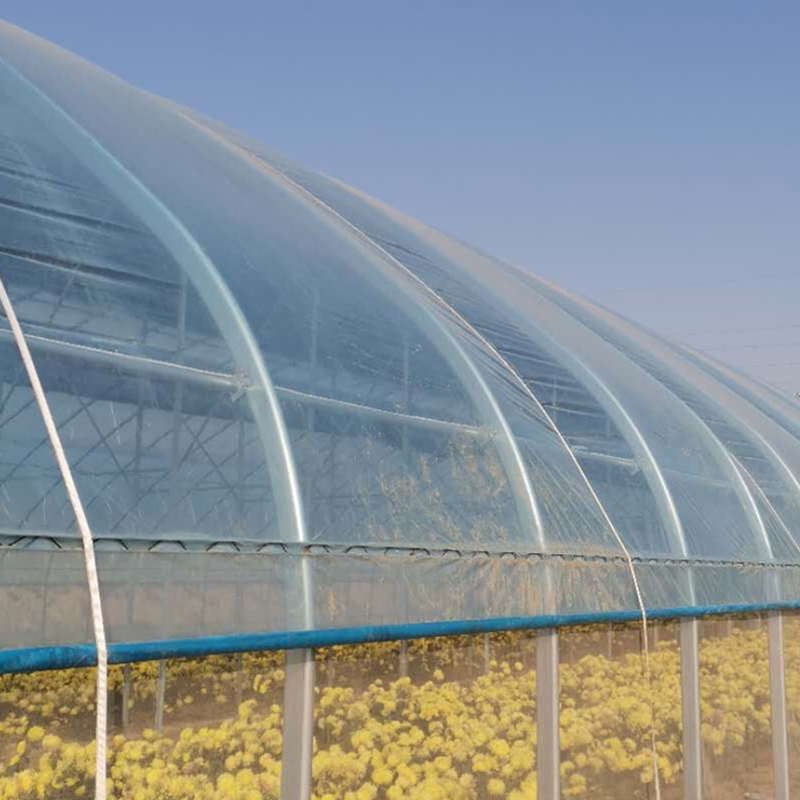
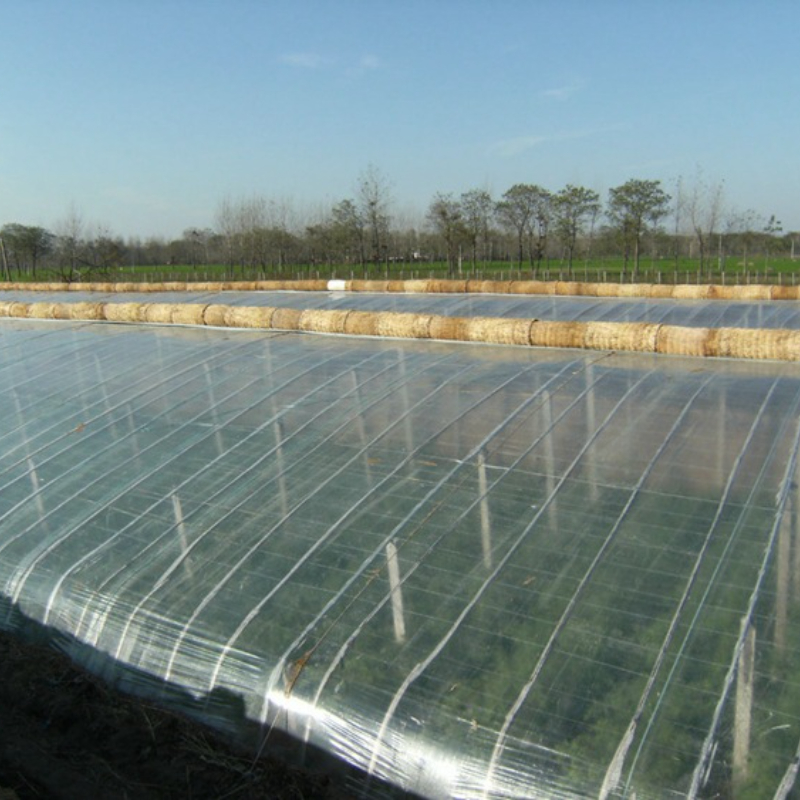
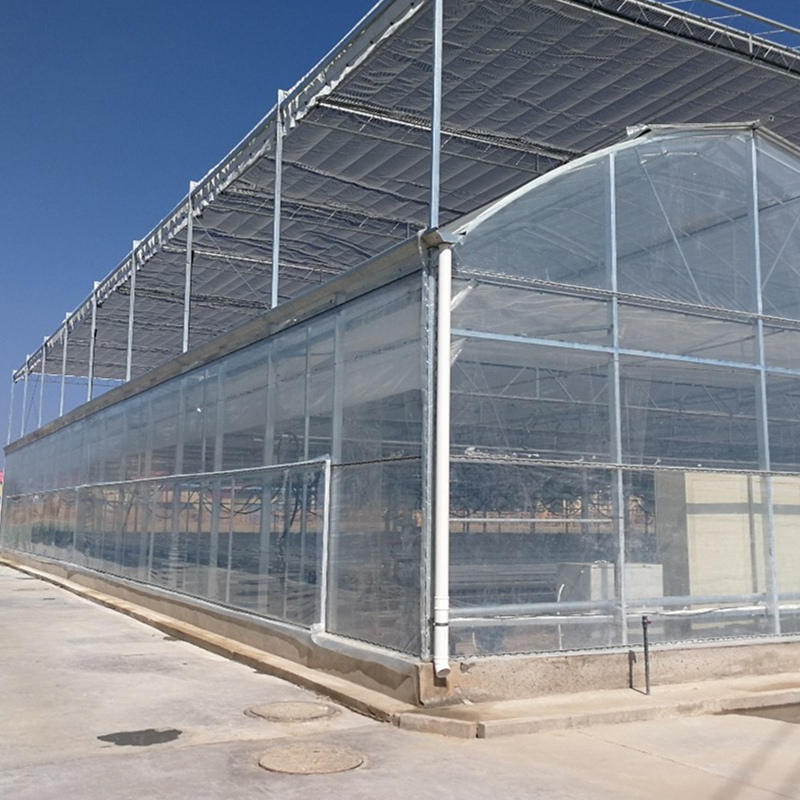
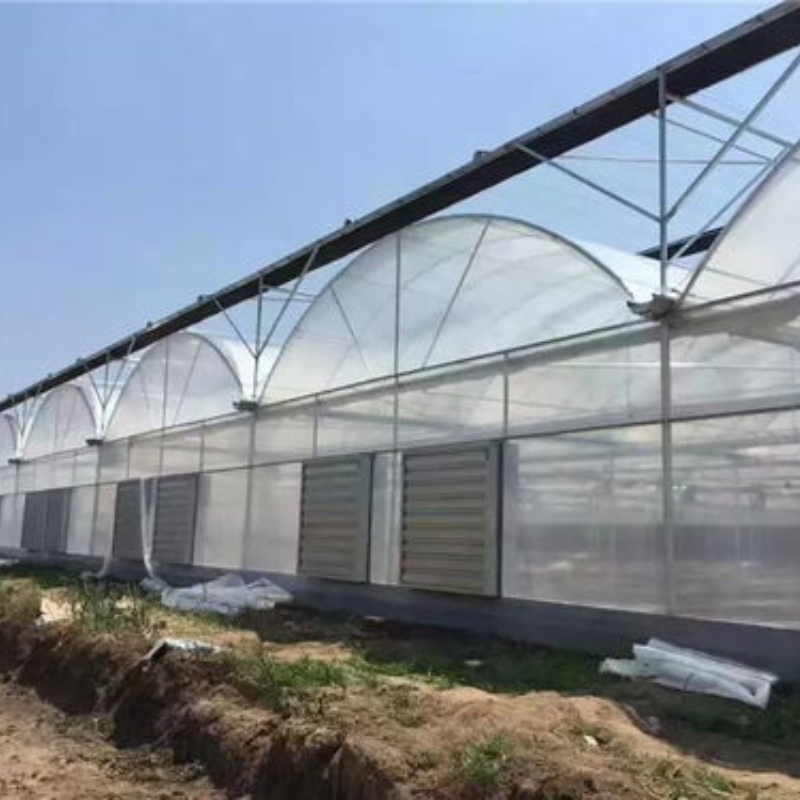
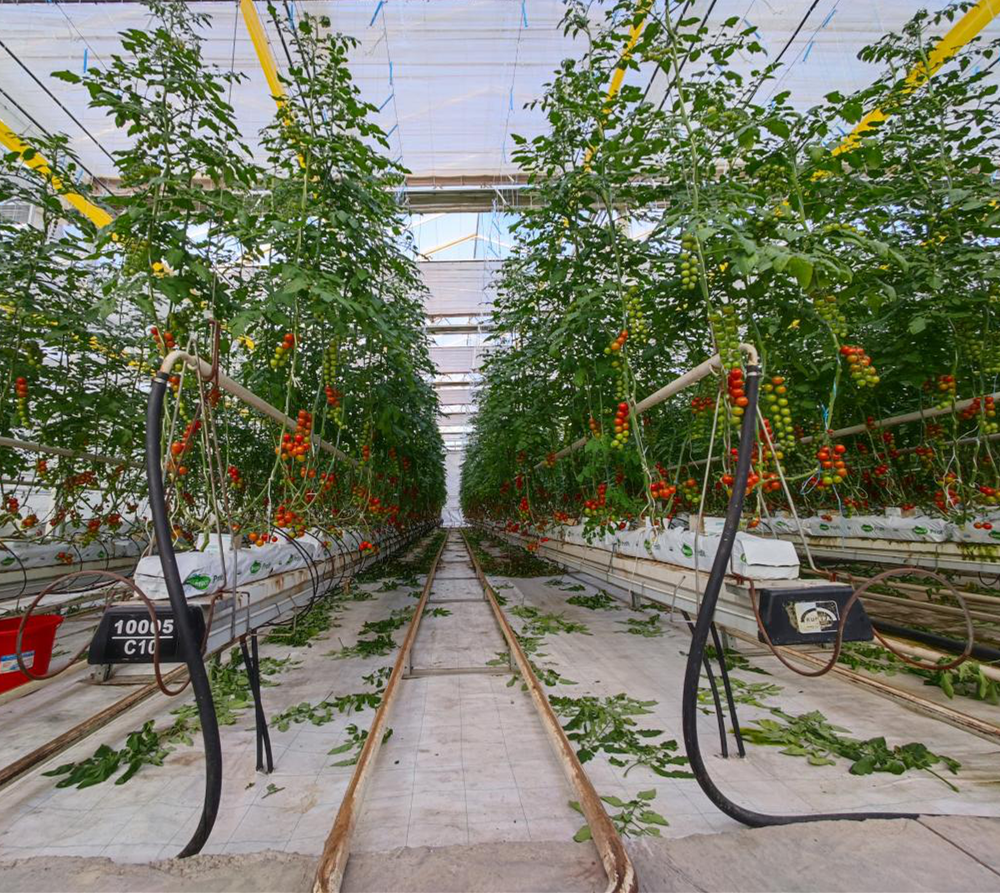
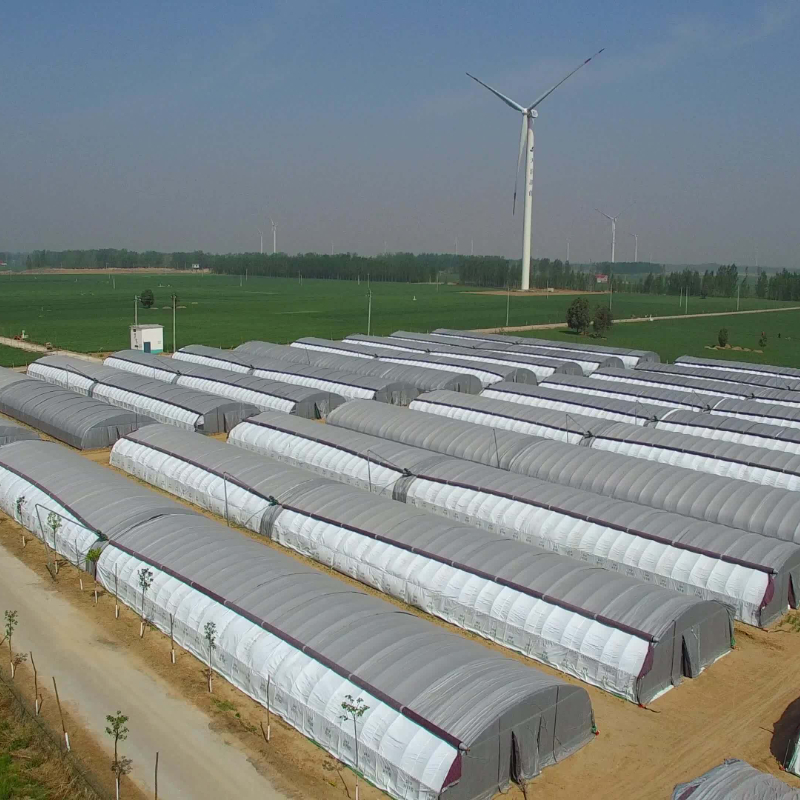
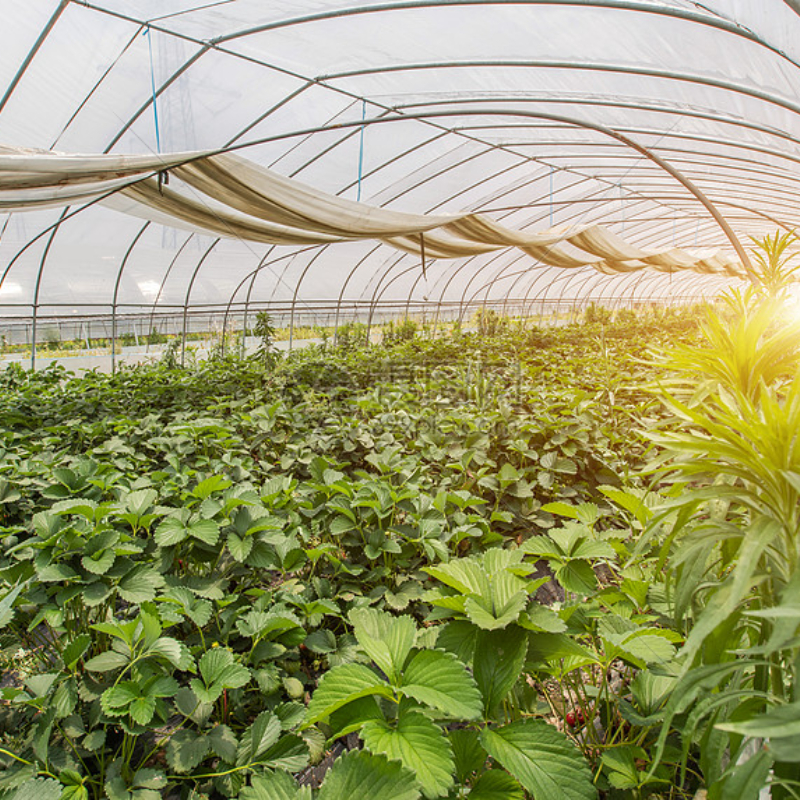
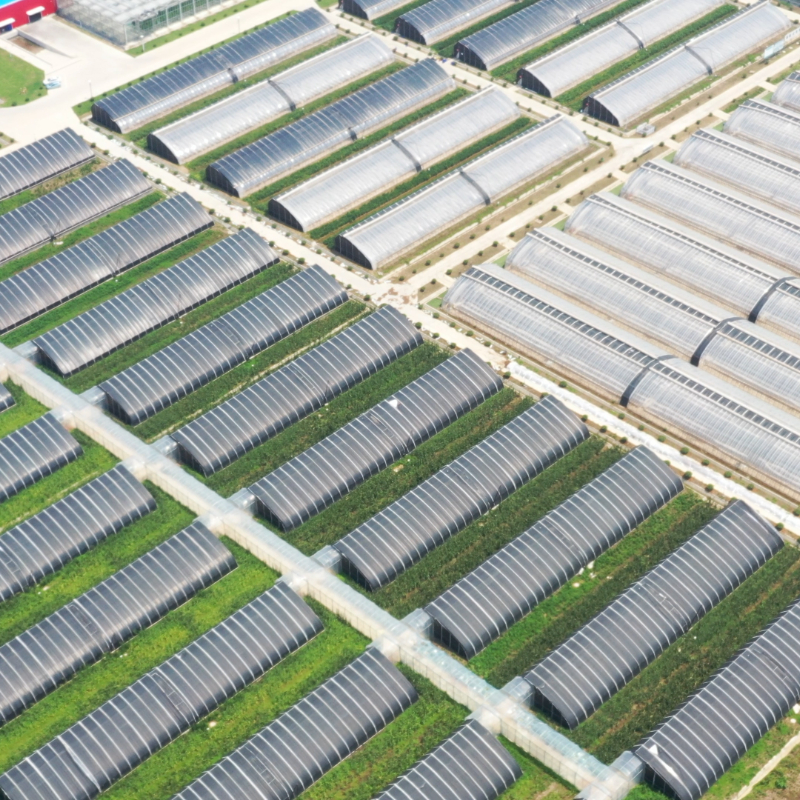
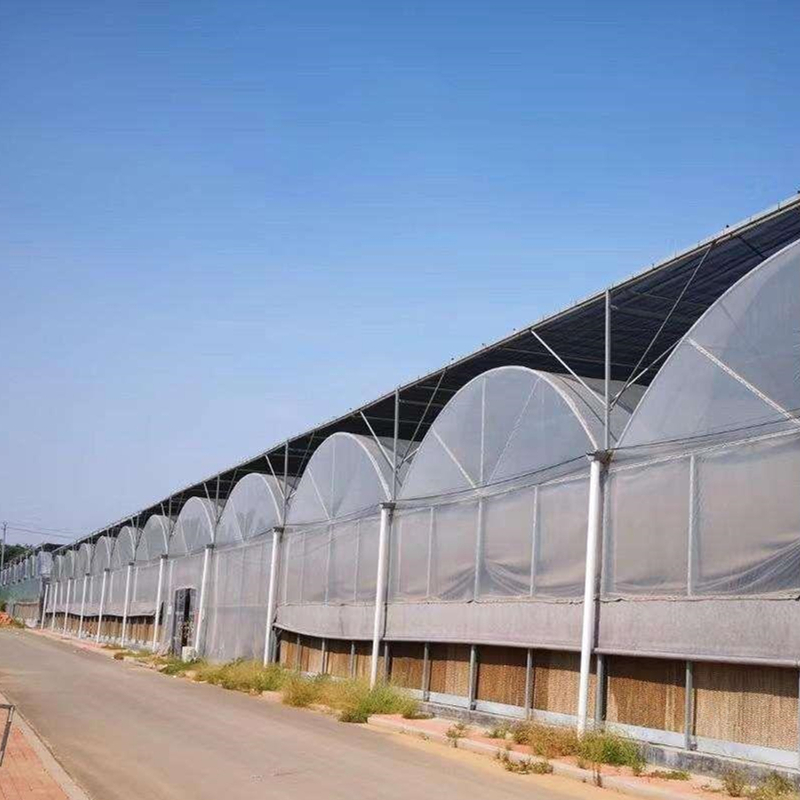
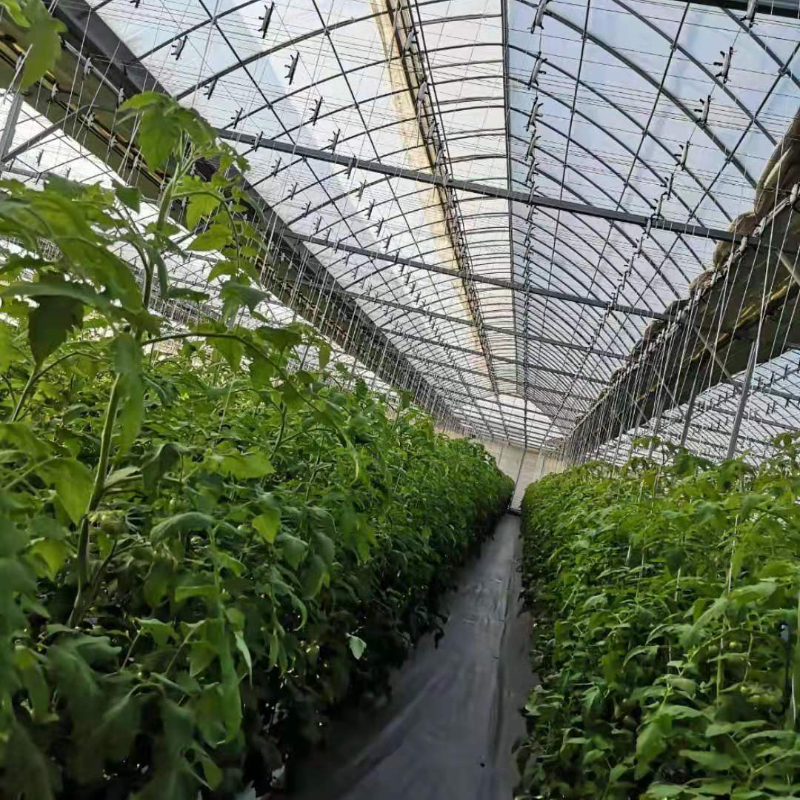
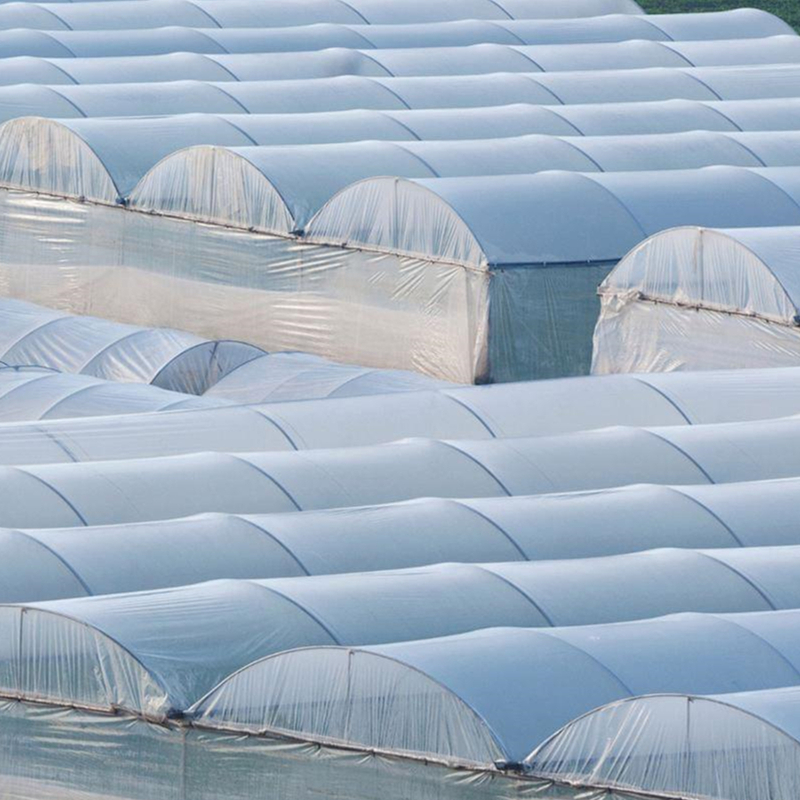
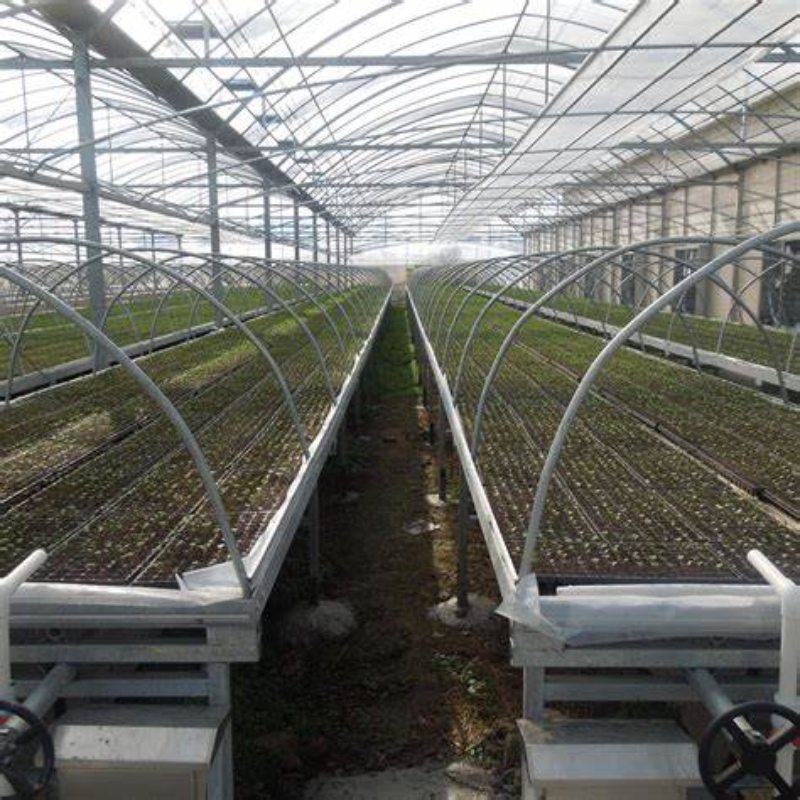
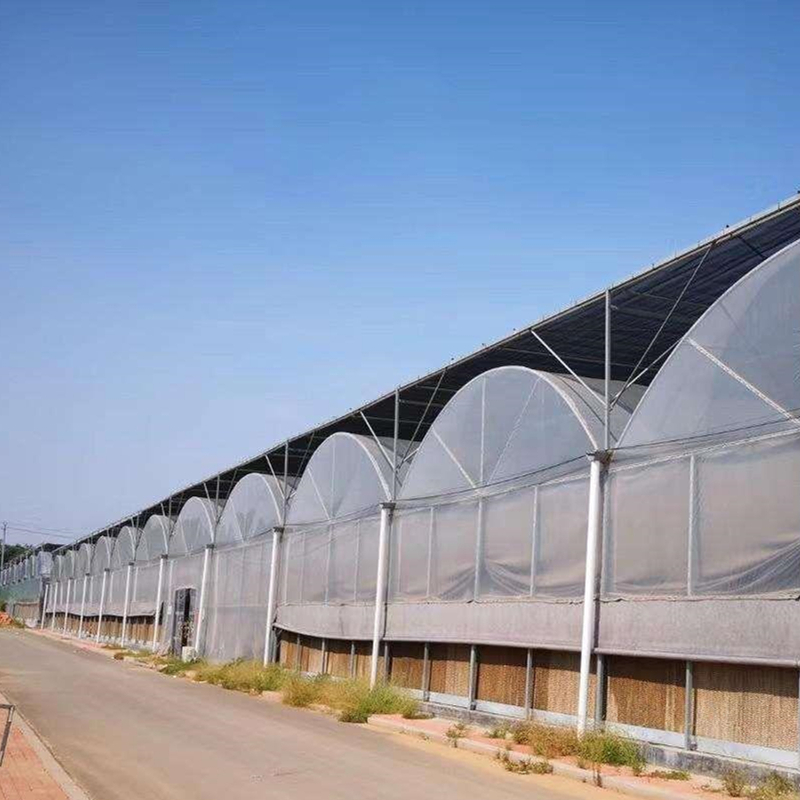
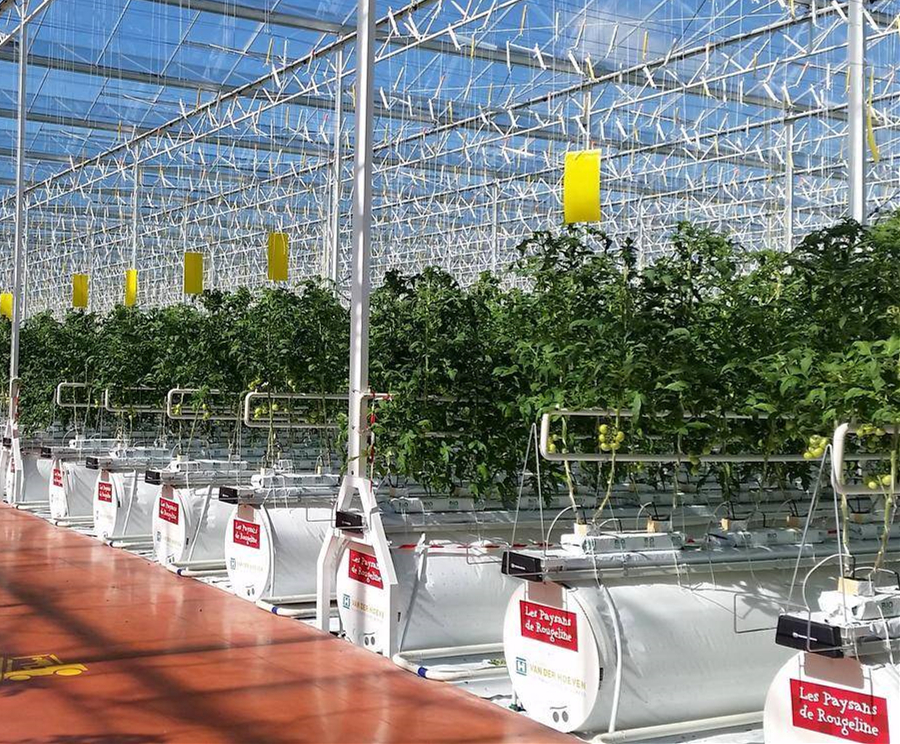
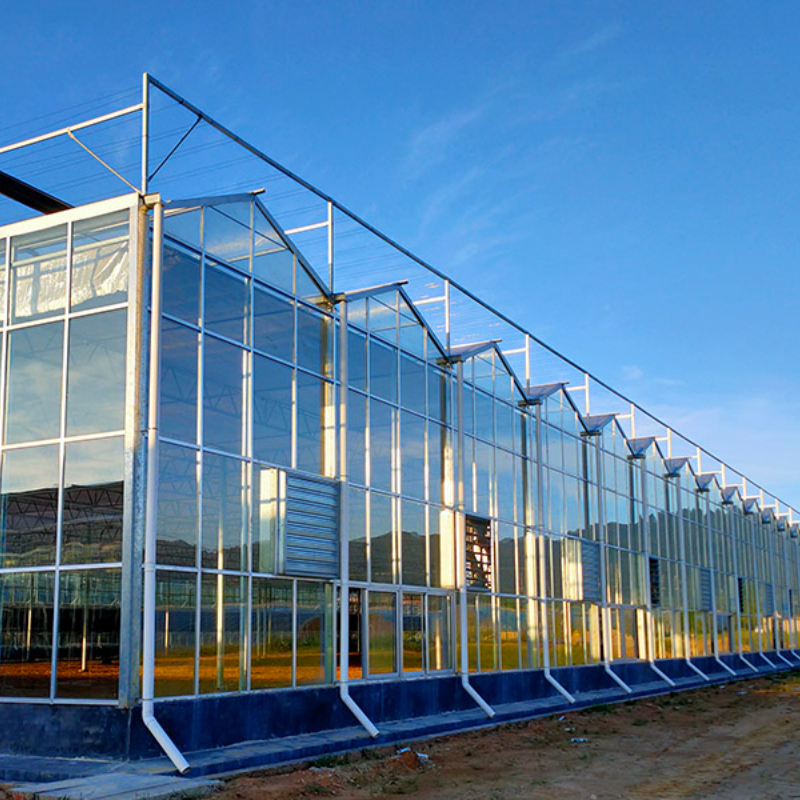
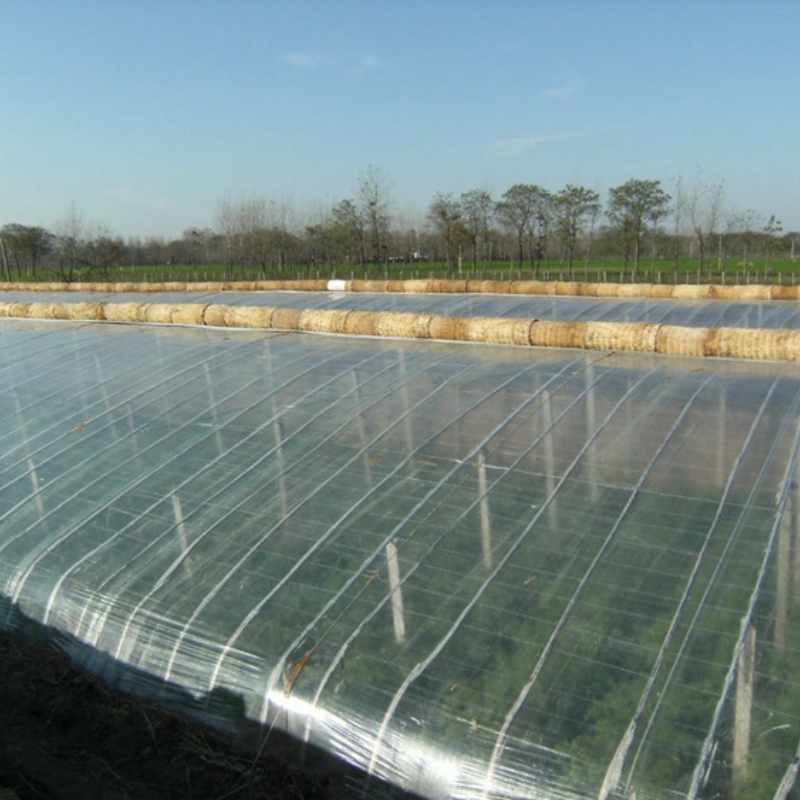
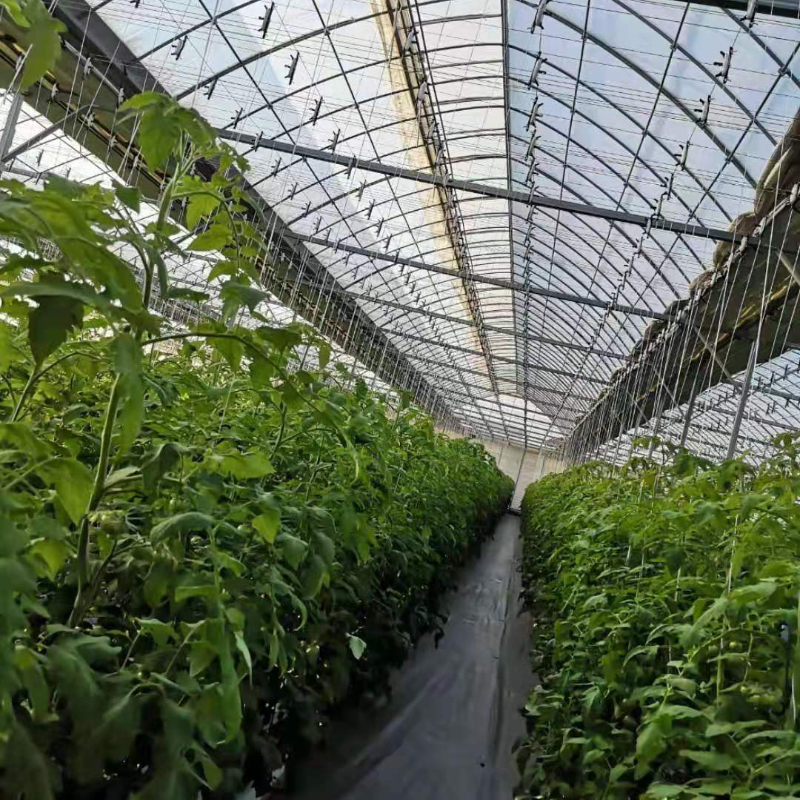
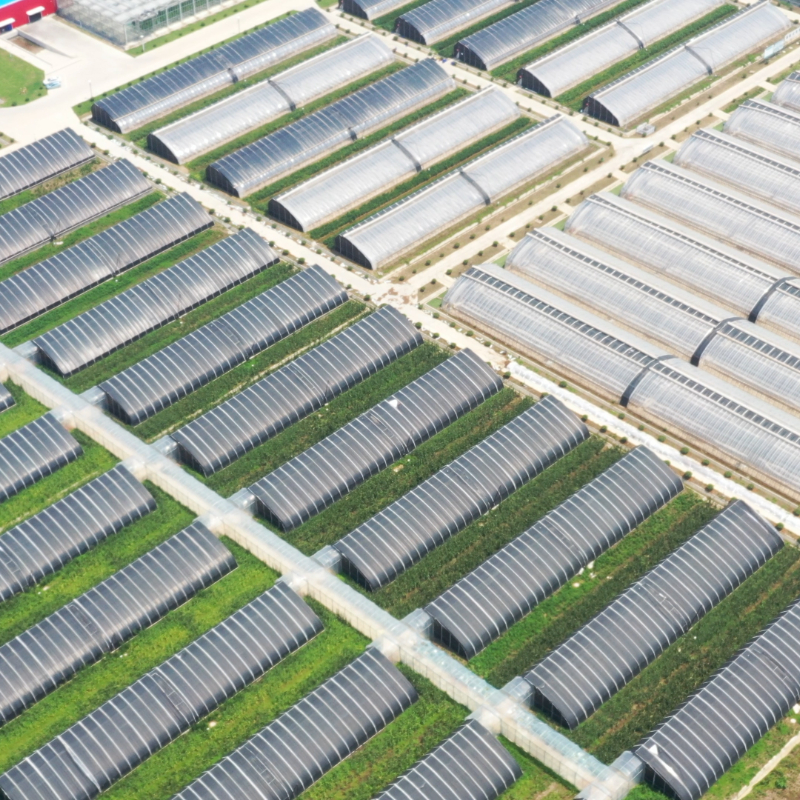
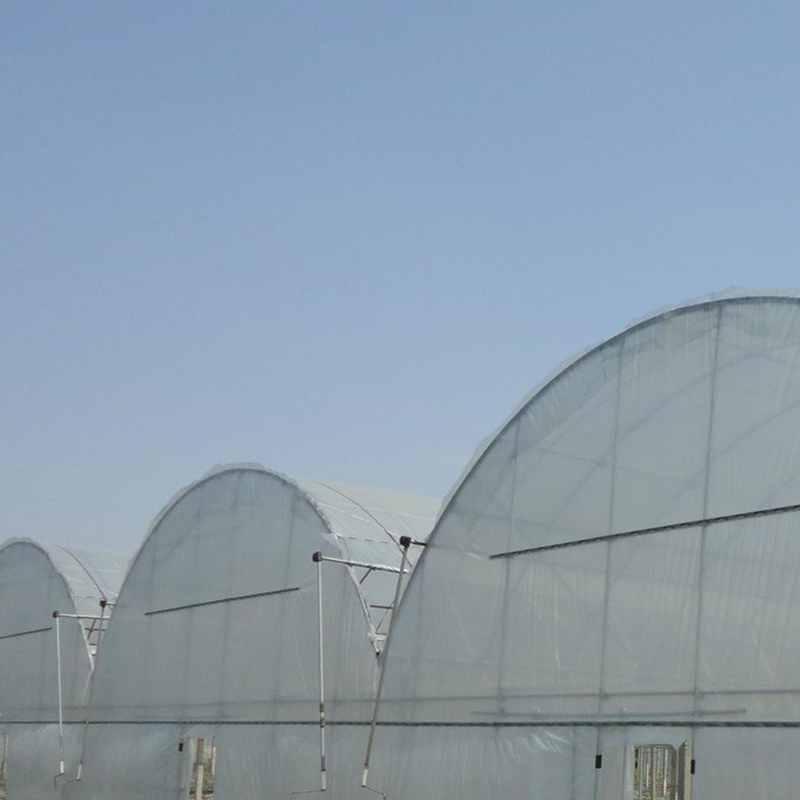
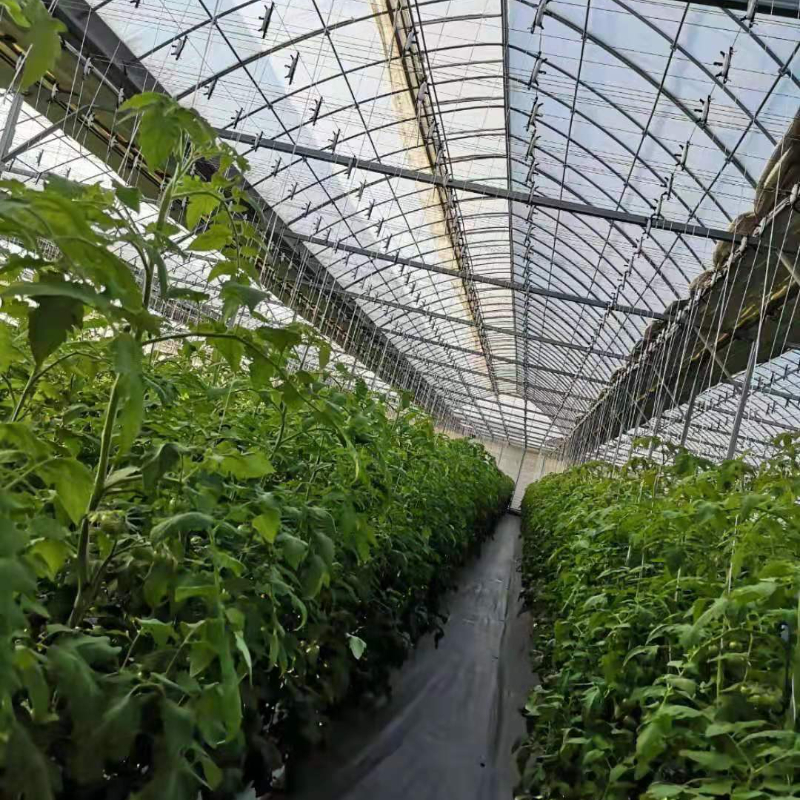
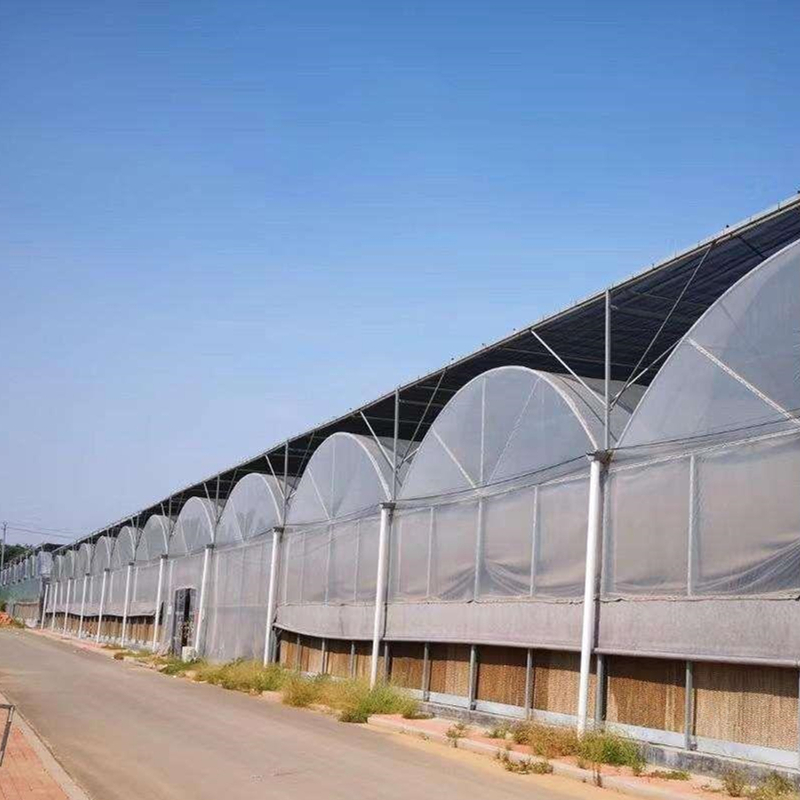
Over the past 10 years, a large number of greenhouses have been constructed in Russia. Currently, Russia operates more than 1,200 hectares of high-tech modern fourth and fifth-generation greenhouses equipped with supplementary lighting systems, enabling year-round planting and harvesting. For Russia, given the poor climatic conditions in most regions, supplementary lighting systems, automated control systems, and advanced greenhouse equipment have become even more crucial. Nevertheless, the geographical distribution of these greenhouses is uneven.
The primary concern for most enterprises is: where to build greenhouses to secure sufficient and stable income, which not only covers investment returns and bank loan repayments but also facilitates the development of production and sales. Naturally, the Central Federal District has become the preferred location due to its large concentrated population. Greenhouse vegetables can be sold here in any season, especially during cold and sunless winters.
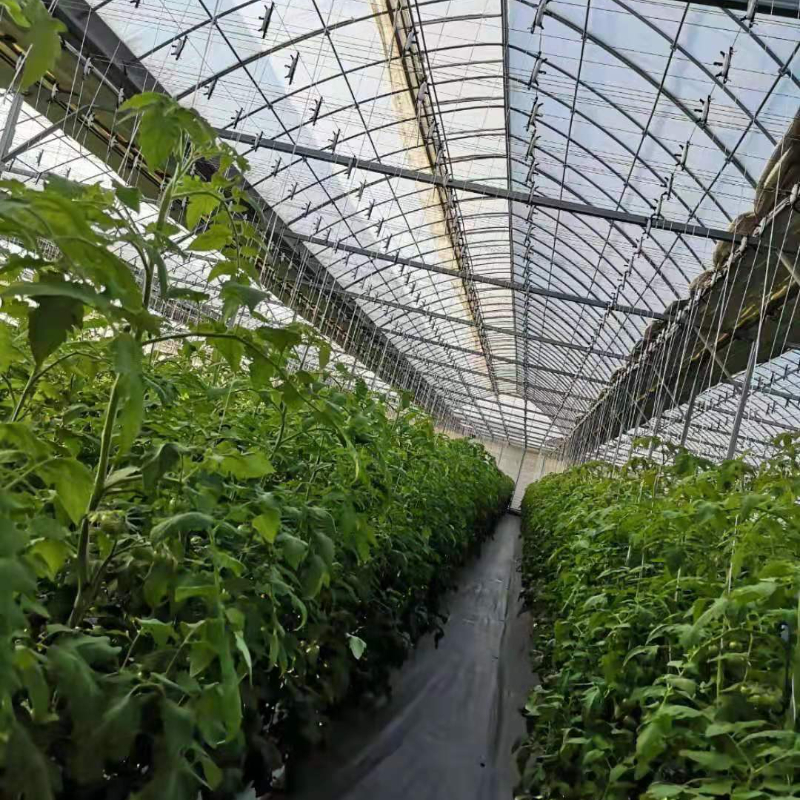
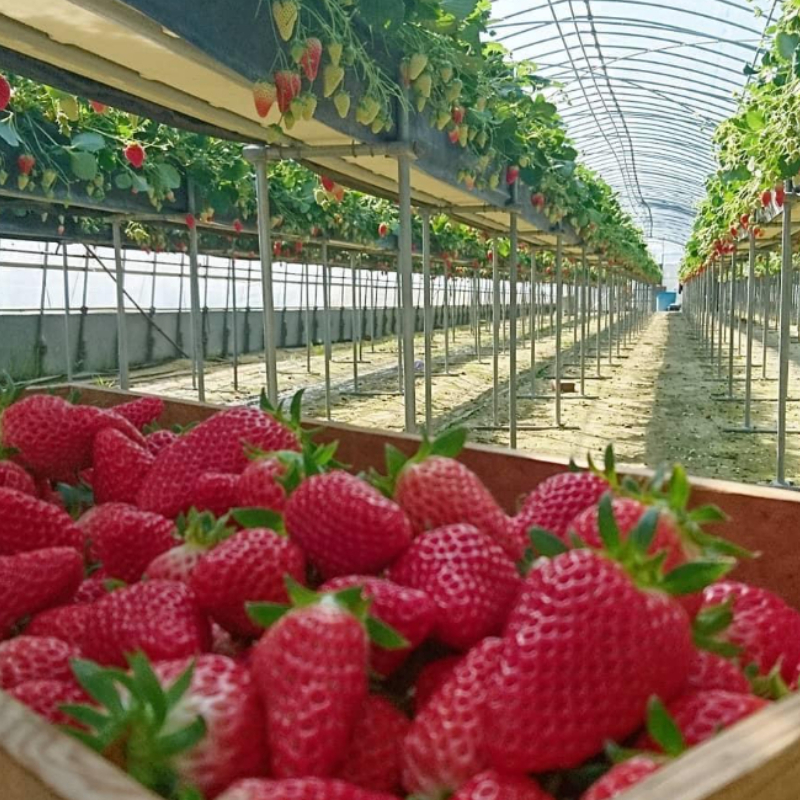
Modern greenhouses are built in European Russia, where yields are extremely high. It is worth highlighting the typical crop varieties in modern greenhouse complexes. Some enterprises in the Central Federal District, North Caucasian Federal District, and Southern Federal District opt for monoculture of cucumbers, tomatoes, or leafy greens, while most prefer multi-crop cultivation. Common tomato varieties include: medium-sized round red and colored tomatoes, beefsteak tomatoes, truss tomatoes, plum tomatoes, cherry tomatoes, and cocktail tomatoes. Cucumber varieties include: medium-sized spineless (smooth) cucumbers, long cucumbers, smooth short cucumbers, and baby cucumbers. The wide variety of types is driven by current consumption demands—having diverse choices is of great importance to today's consumers. We are also deeply impressed that 8-10 years ago, even in large urban shopping malls, having 1-2 varieties of tomatoes and cucumbers to choose from was considered quite good. Nowadays, this situation can only be occasionally encountered in discount stores.
When discussing vegetable cultivation in eastern Russia, the issues become more complex. Compared with European Russia, retail chains in Siberia and the Far East are underdeveloped, and producers usually have to organize the entire process themselves, from sowing to logistics. These costs are reflected in the final selling price of vegetables, including planting materials, seeds, fertilizers, and high logistics costs for greenhouse technical equipment concentrated abroad or in European Russia. Greenhouses in remote northern and Far Eastern regions face different energy prices than other areas and encounter greater difficulties in accessing energy. It is not surprising that the price of greenhouse vegetables in the Far Eastern Federal District is 2-2.5 times higher than that in Moscow, which inevitably affects consumption volume. Of course, pricing policies greatly limit market potential and capacity, so the development of greenhouse vegetable cultivation in remote areas is very slow. The state has restored the fund rebate policy for building greenhouses in the Far Eastern Federal District and remote northern regions, but so far, investors' costs and commercial risks exceed all profits the state is prepared to provide.
At the same time, oversupply of cucumbers has emerged in some regions of Russia, which restricts the rapid rise in prices and forces vegetable producers to expand their sales areas.
When vegetable prices are excessively high, there will be no buyers, and vegetable growers will be even less willing to engage in cultivation. In this case, we can only sell cucumbers grown under supplementary lighting to the European market. Currently, the only factor preventing this is political restrictions. However, we hold great hope that this issue will be resolved in a short period of time. Even many modern greenhouse projects are designed and constructed based on the condition of product export. Sales channels in Germany and Poland were ready to accept our vegetable products 3-4 years ago. Export attempts have also proven that these vegetables have a very large number of potential customers.
Fresh cucumbers cannot be exported over long distances, so this product is subject to geographical restrictions. Nevertheless, cucumbers remain a good product for exporters, producers, and buyers.
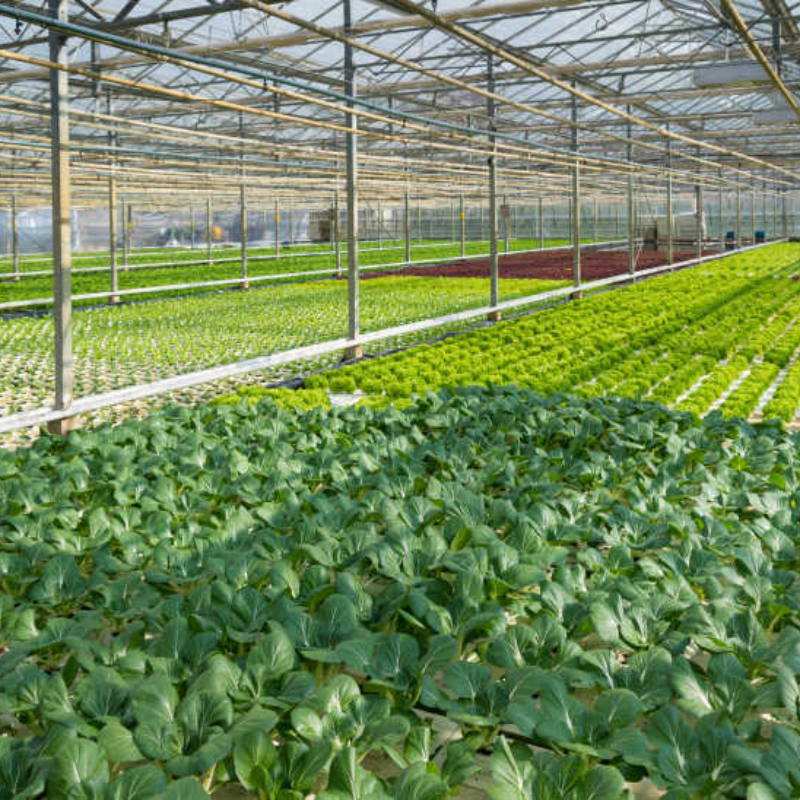
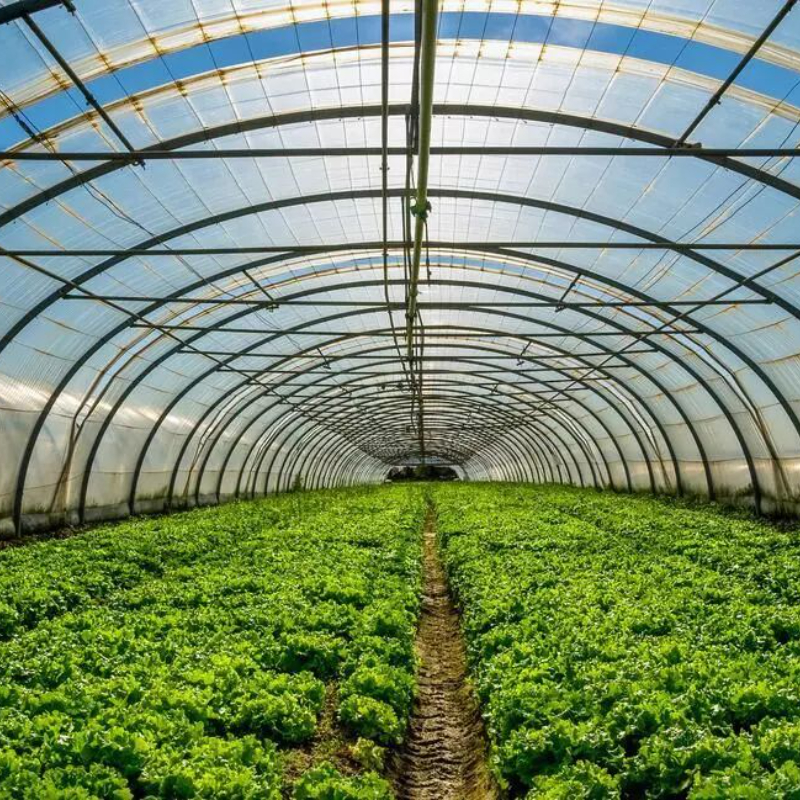
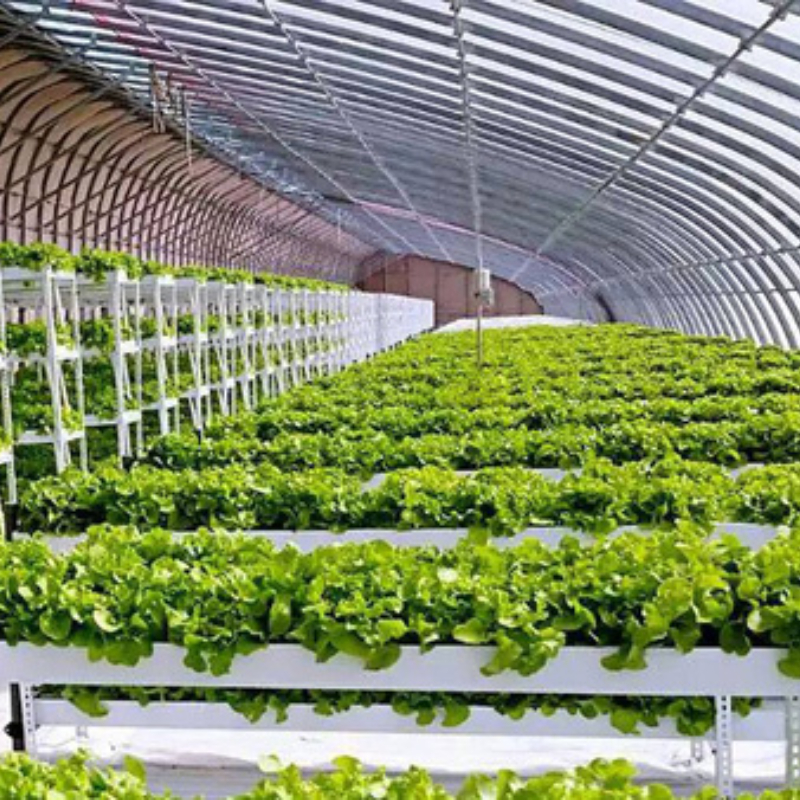
Leafy greens (salad greens) are delicate products. Like cucumbers, leafy greens cannot be transported over long distances. Their sales areas must be close to the planting sites, so small and medium-sized leafy green cultivation complexes must be built near large consumer centers.
Seed Production: So far, the persistent problematic issue has been seeds. During the Soviet era, we had excellent breeding schools, but unfortunately, after the disintegration of the Soviet Union, the experience and achievements accumulated in the field of breeding over nearly 30 years were lost. These seed-related companies originally relied either on state subsidies or were under the management of large companies. After the Soviet Union's disintegration, no one was willing to take responsibility and bear the costs for these companies. Seed production is characterized by a very long investment return cycle. Compared with vegetable cultivation, almost no one is willing to move forward in the field of breeding and seed production. This has greatly affected domestic seed production.
