
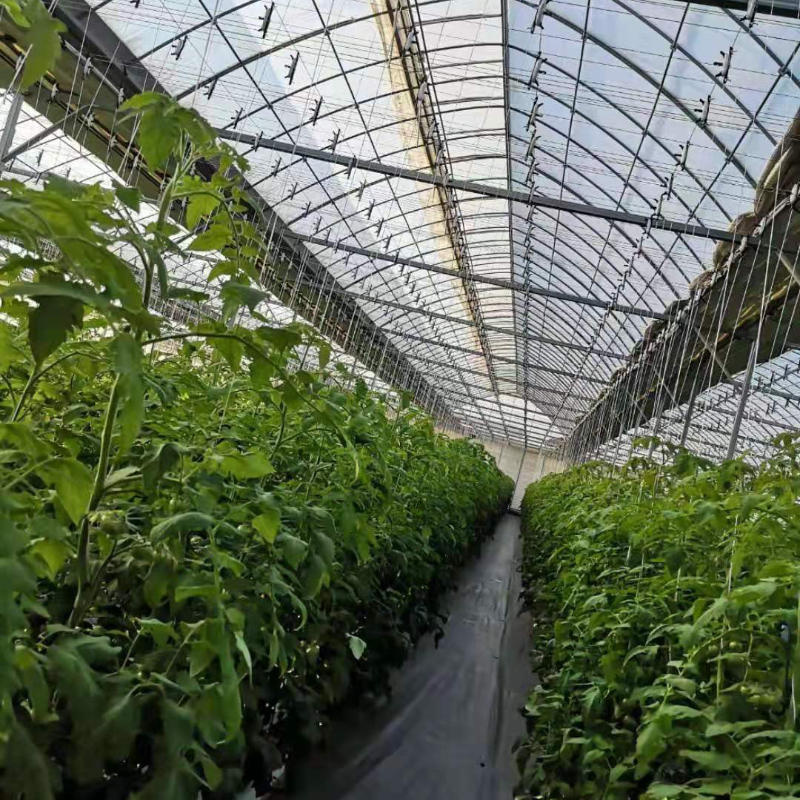

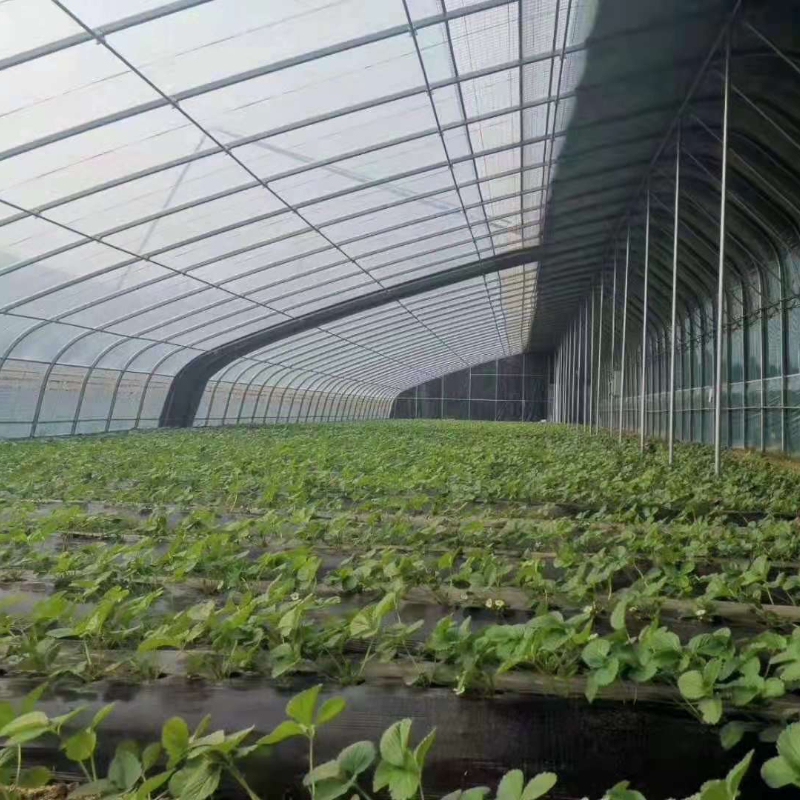
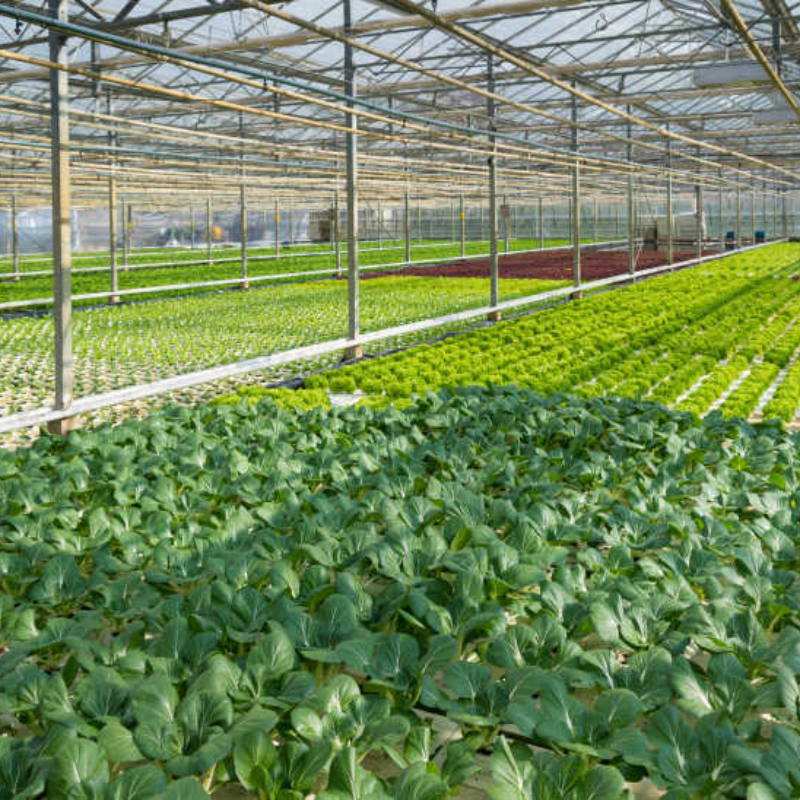
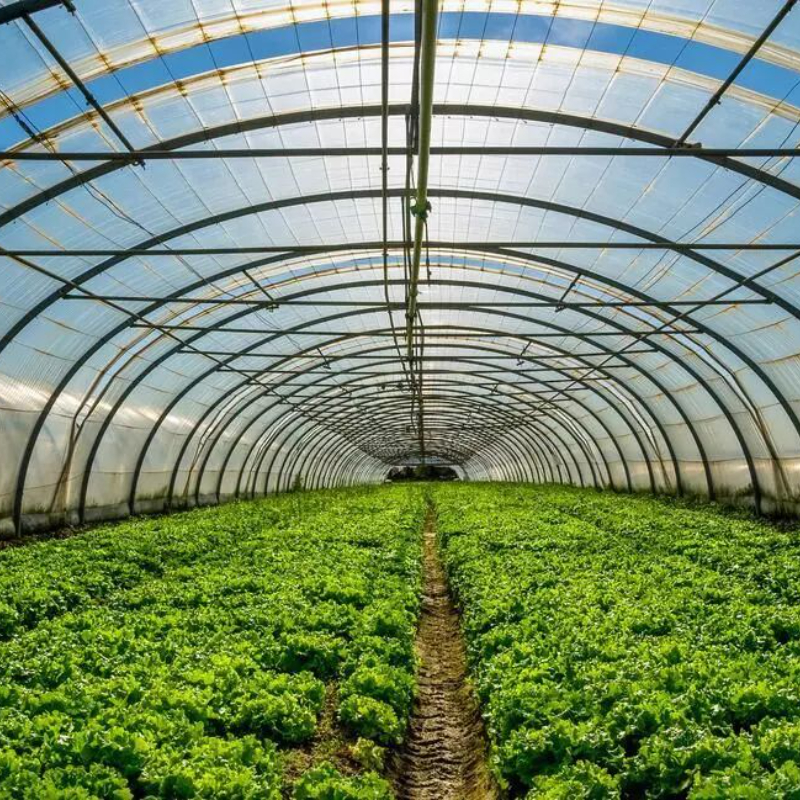
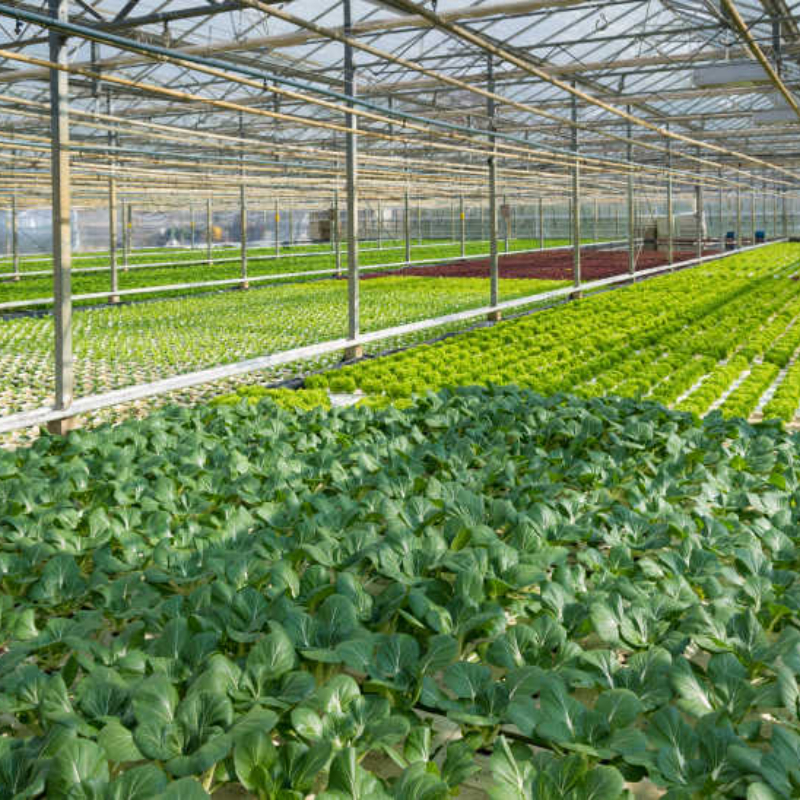
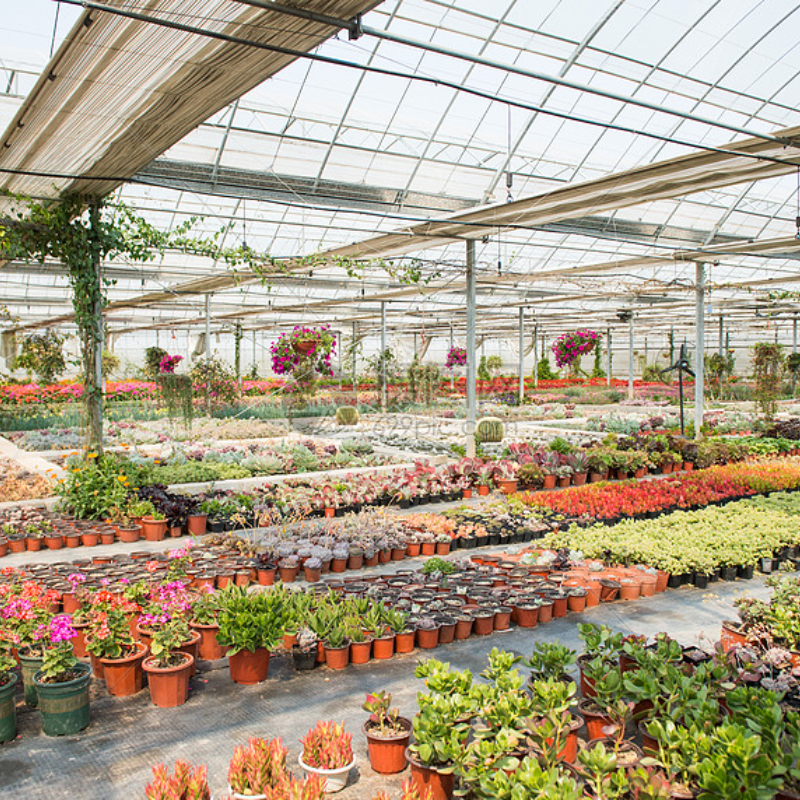
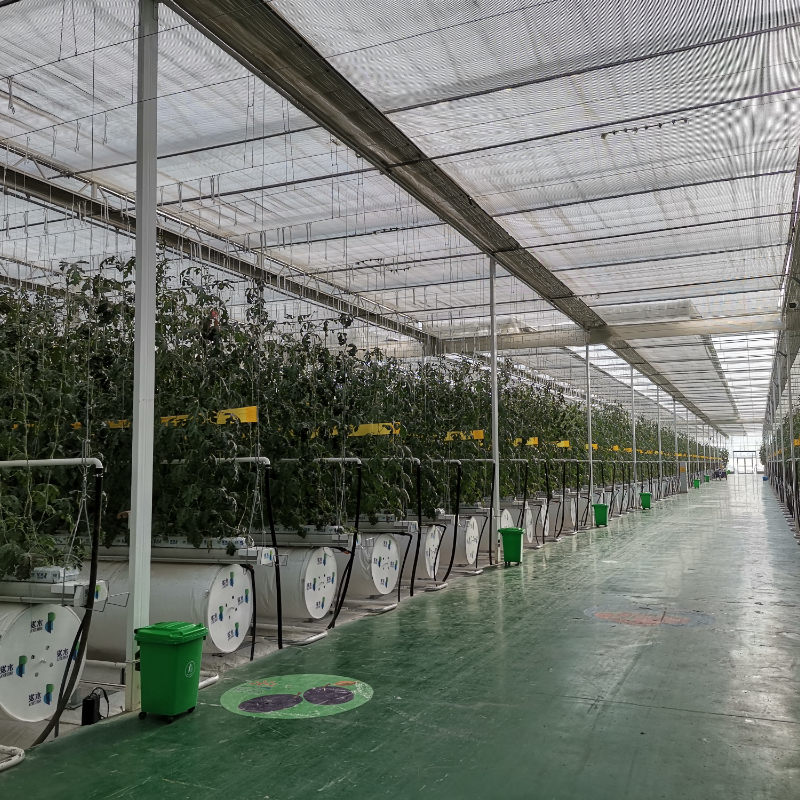
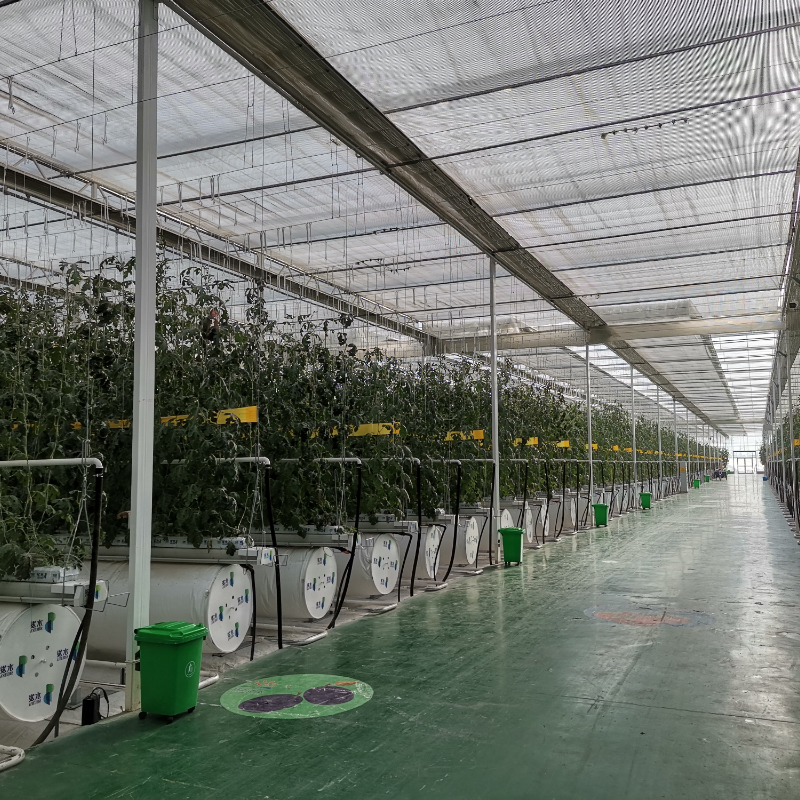
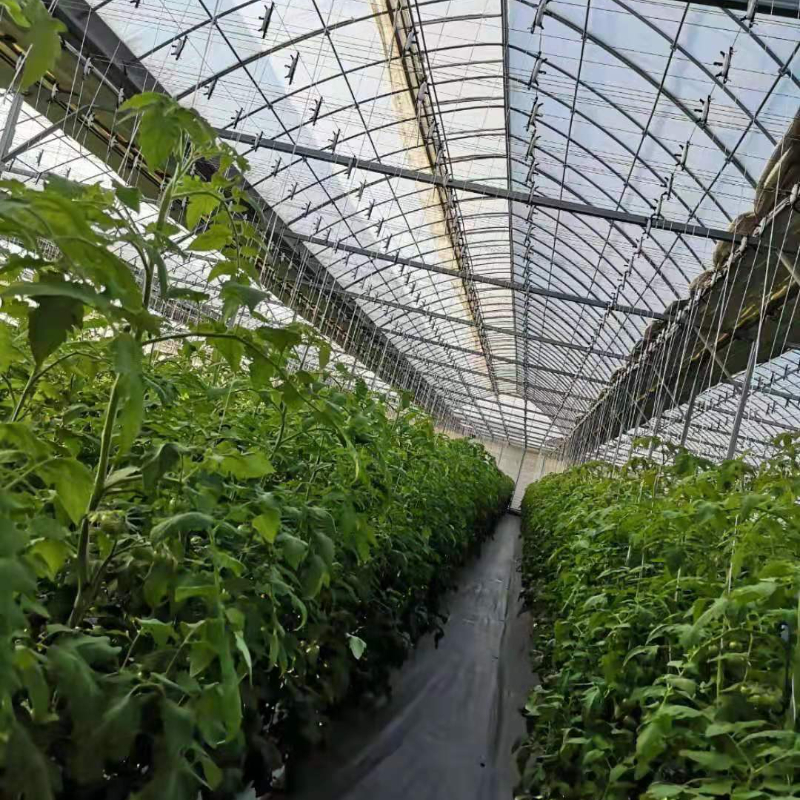
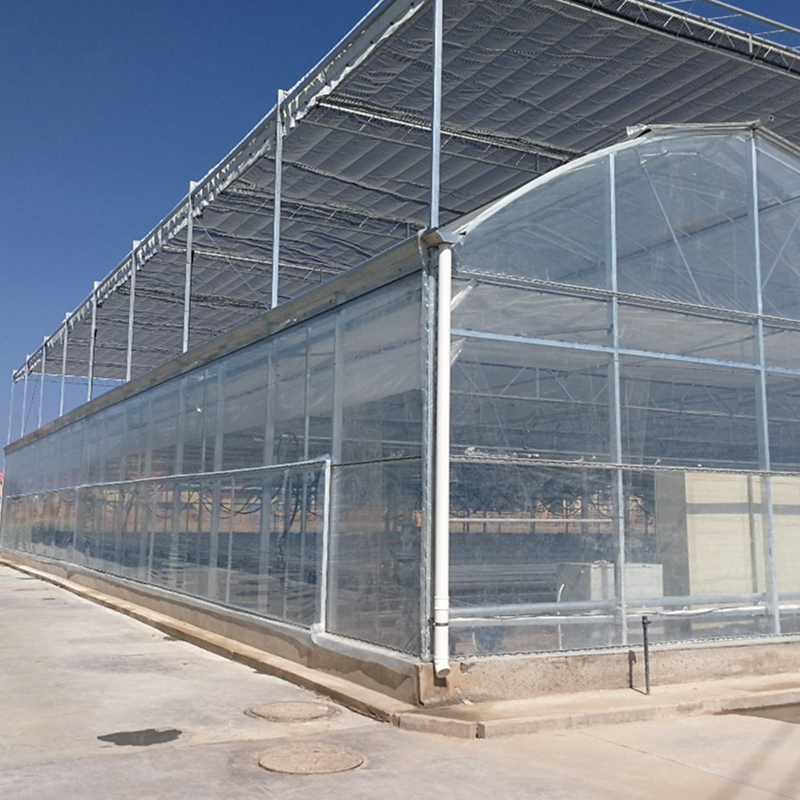
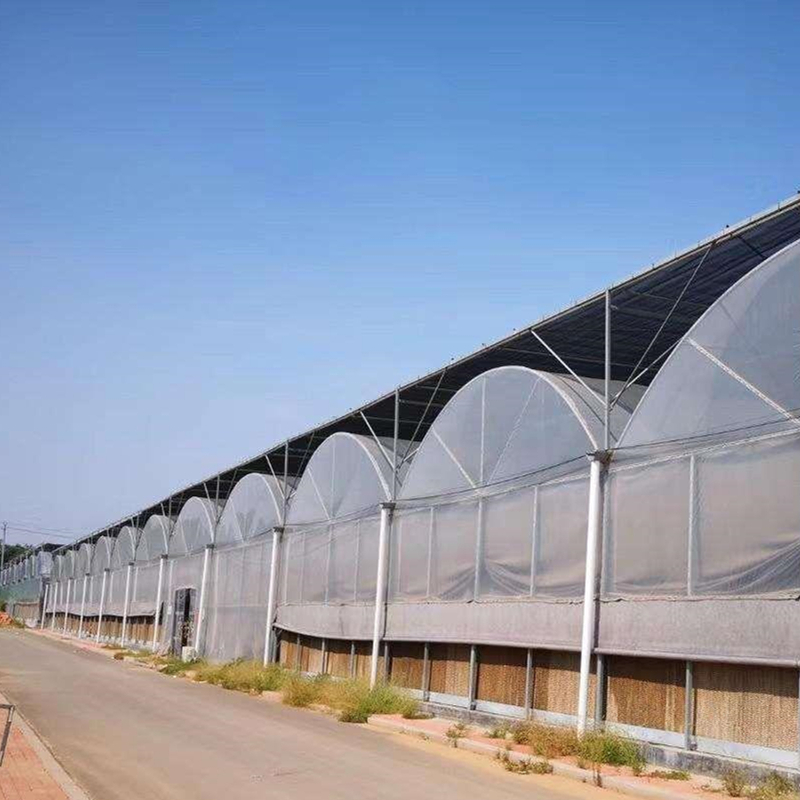
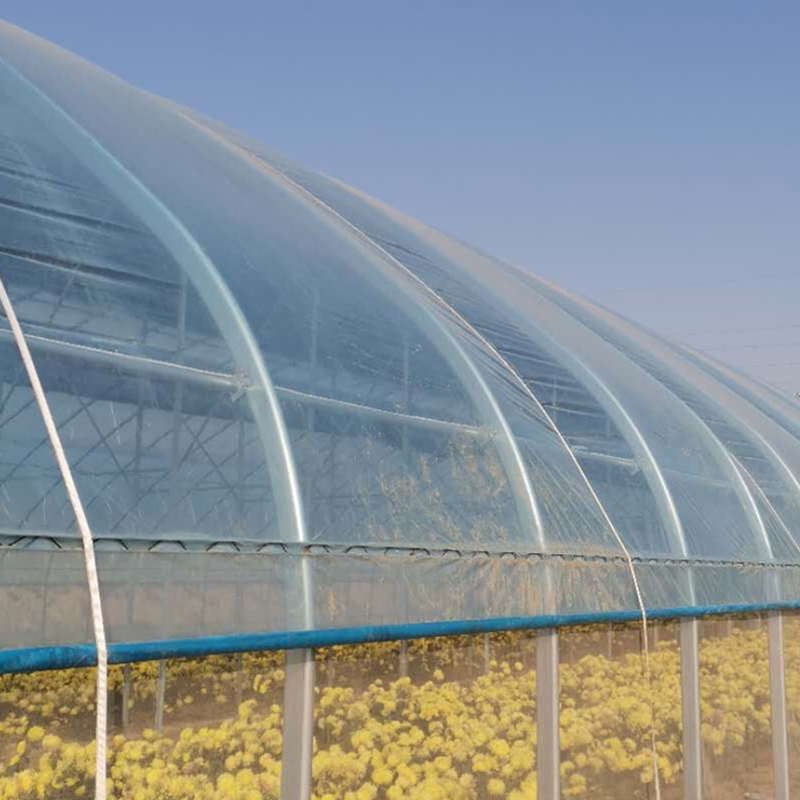
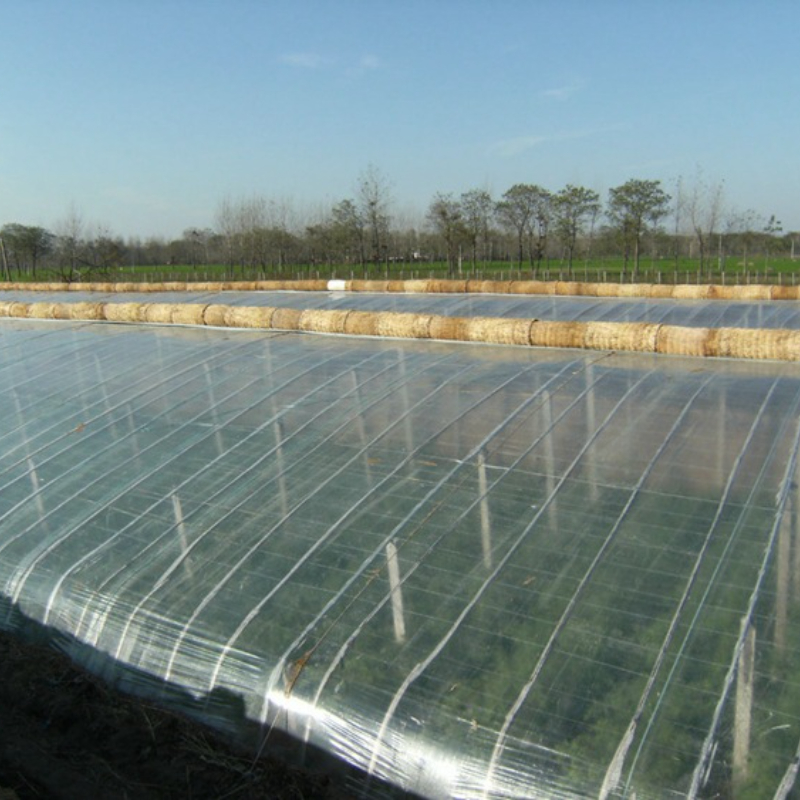
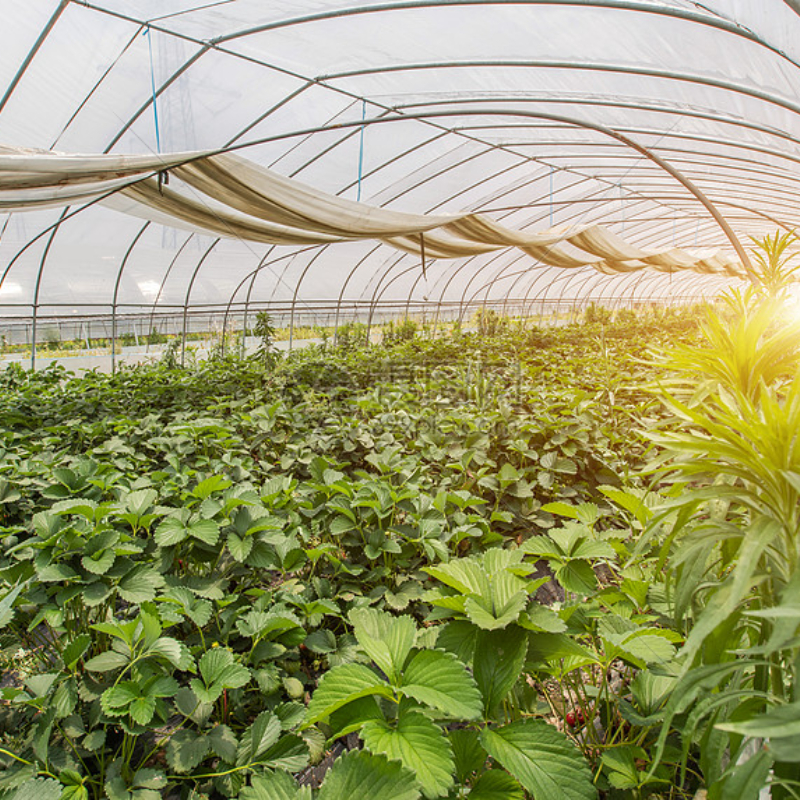
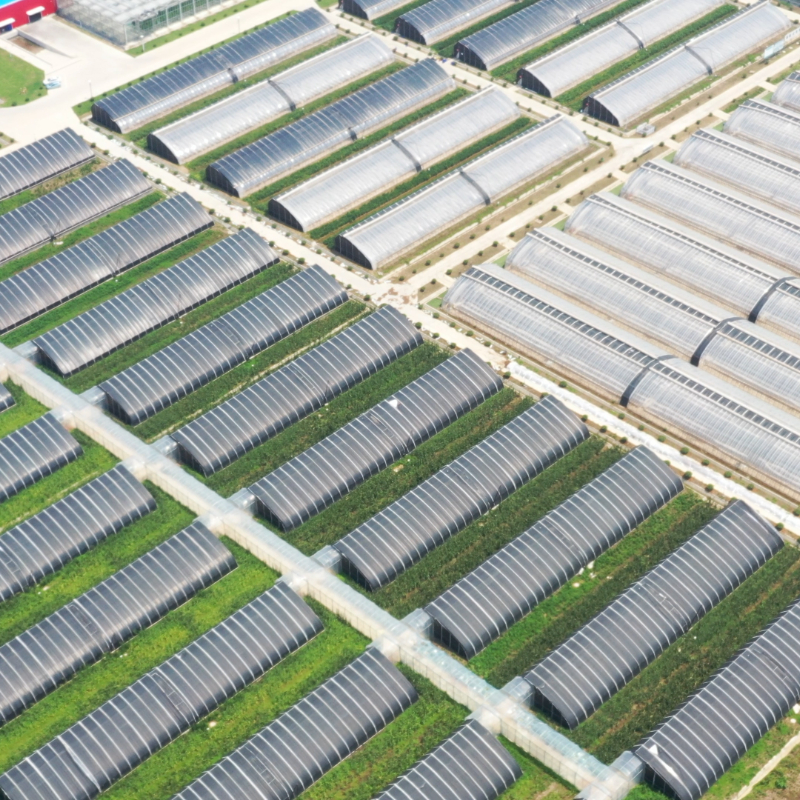
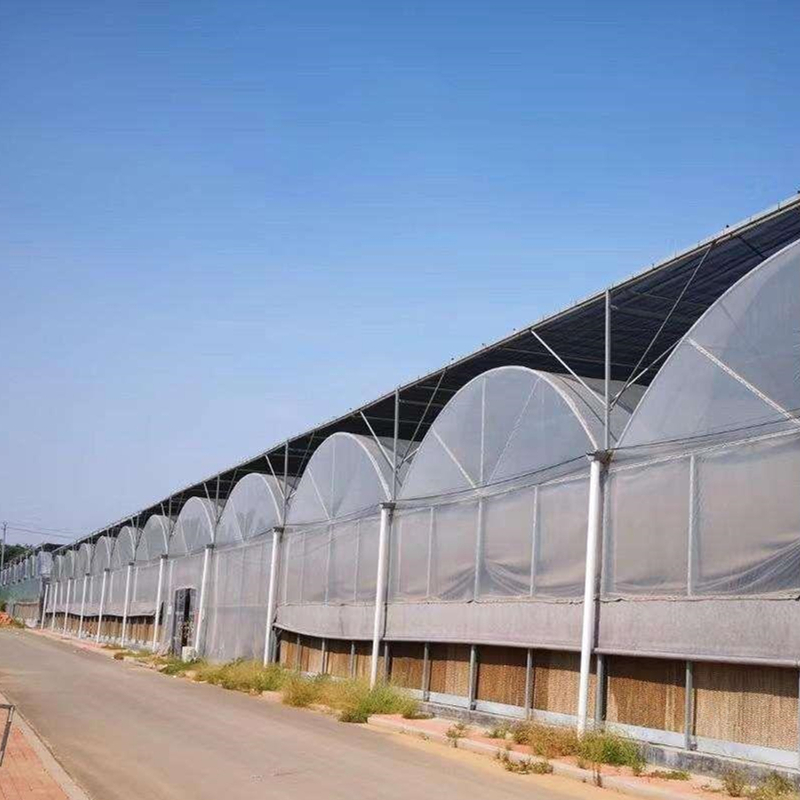
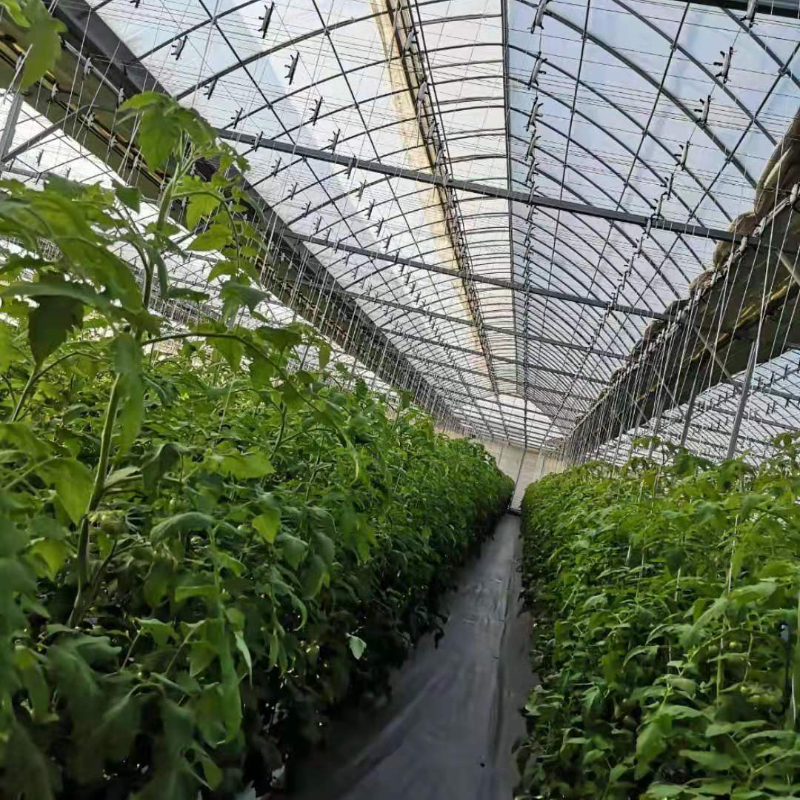
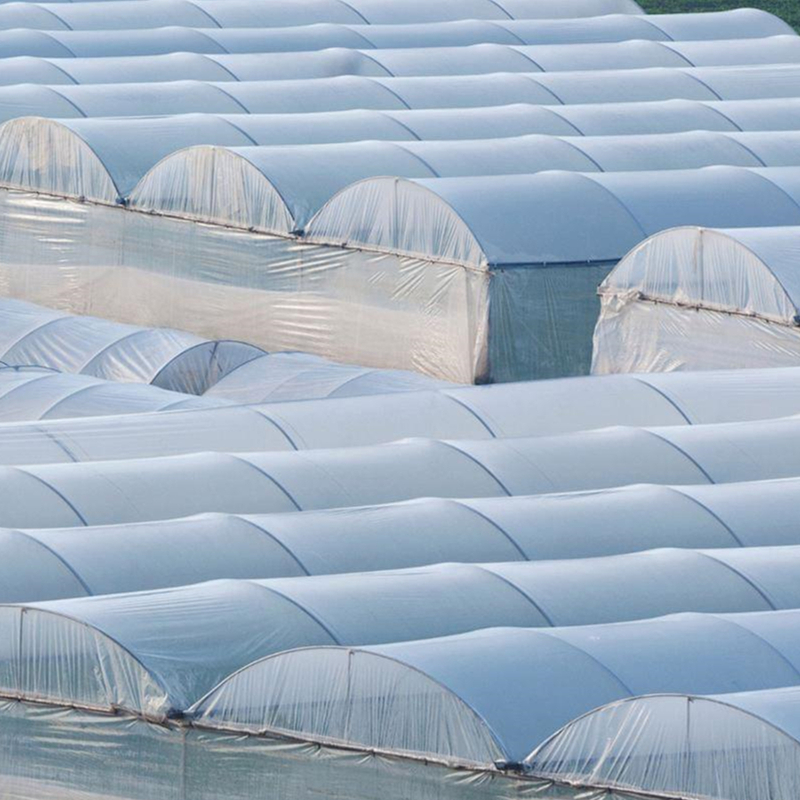
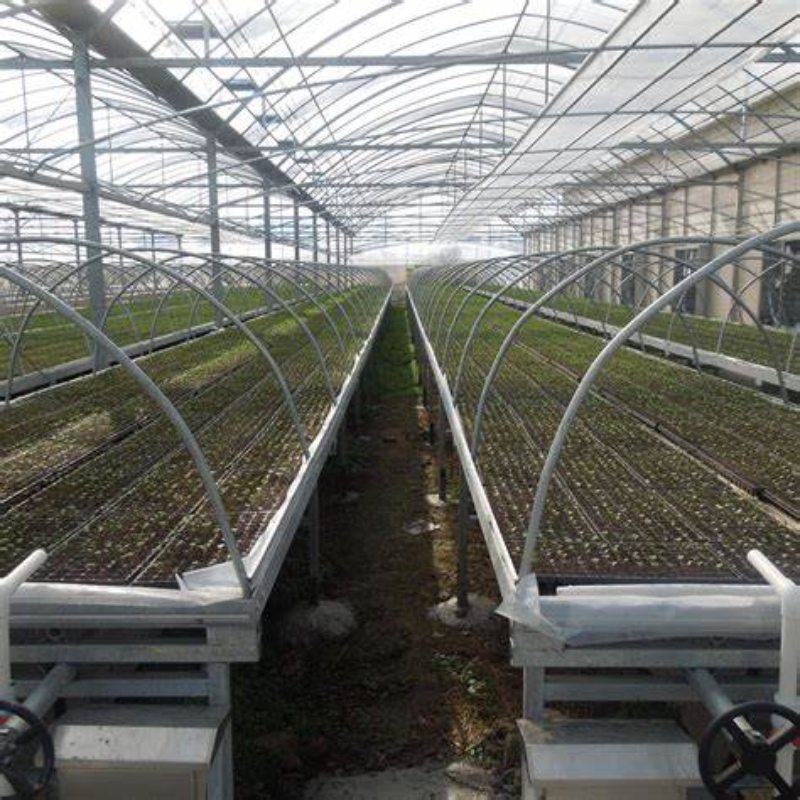
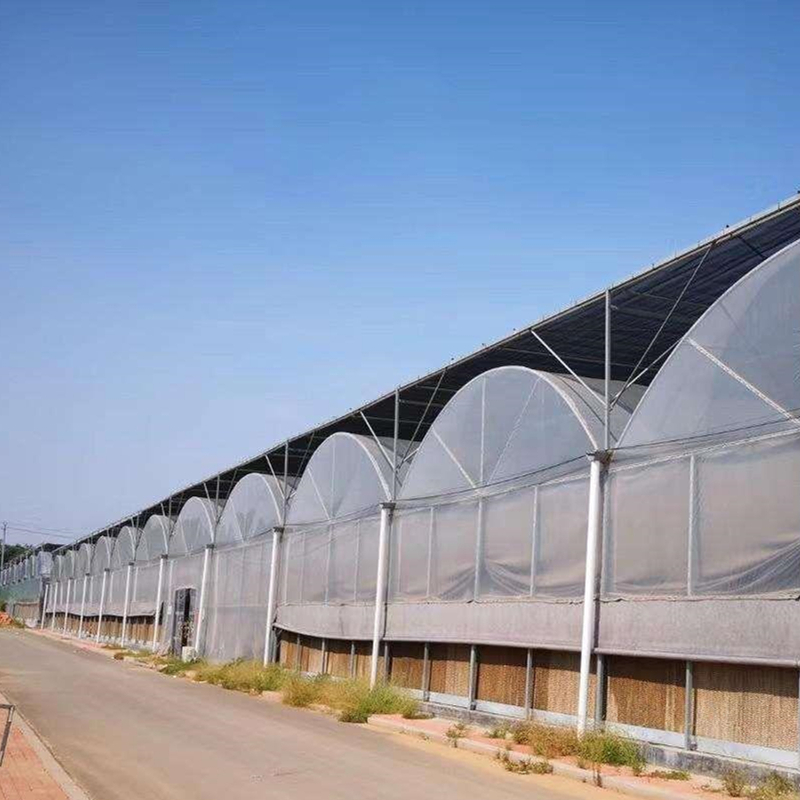
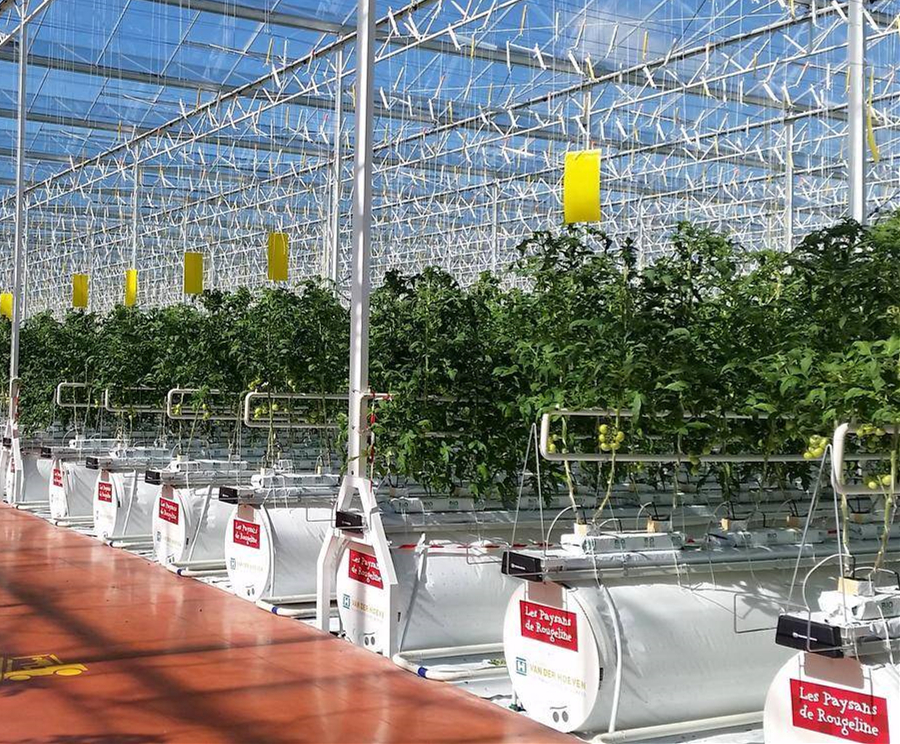
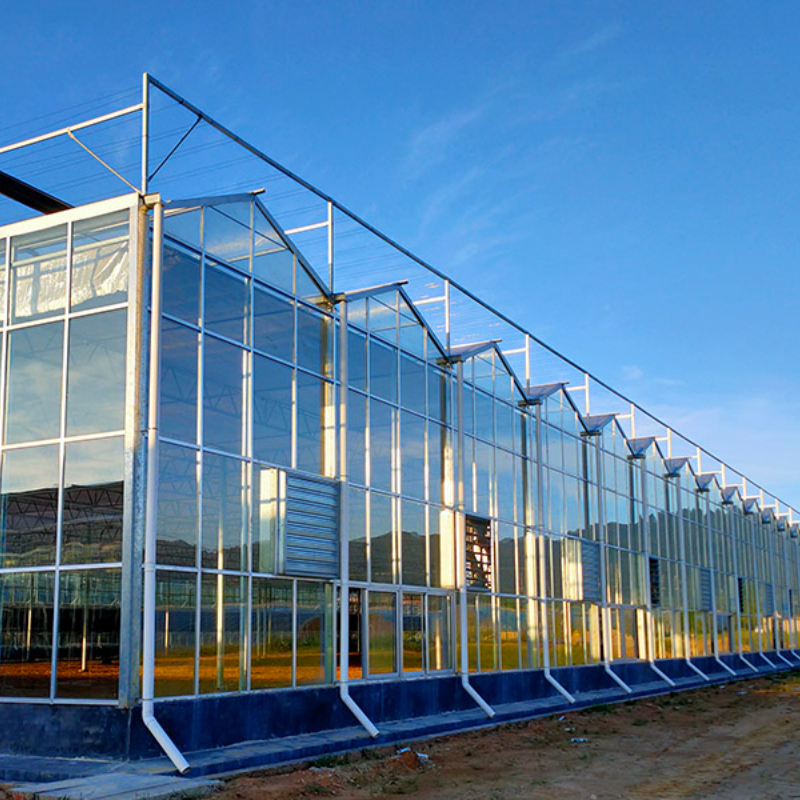
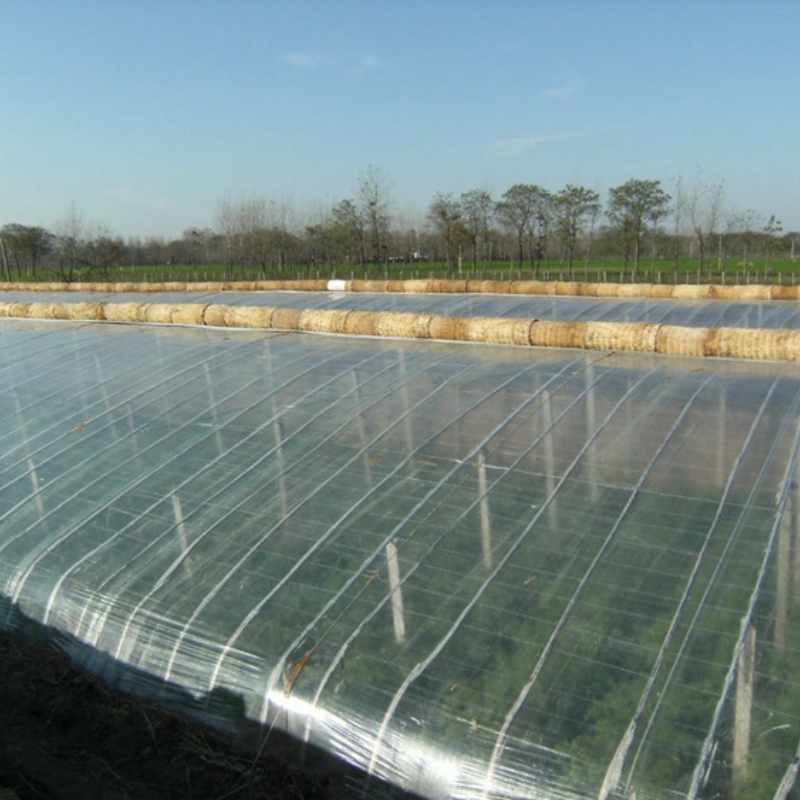
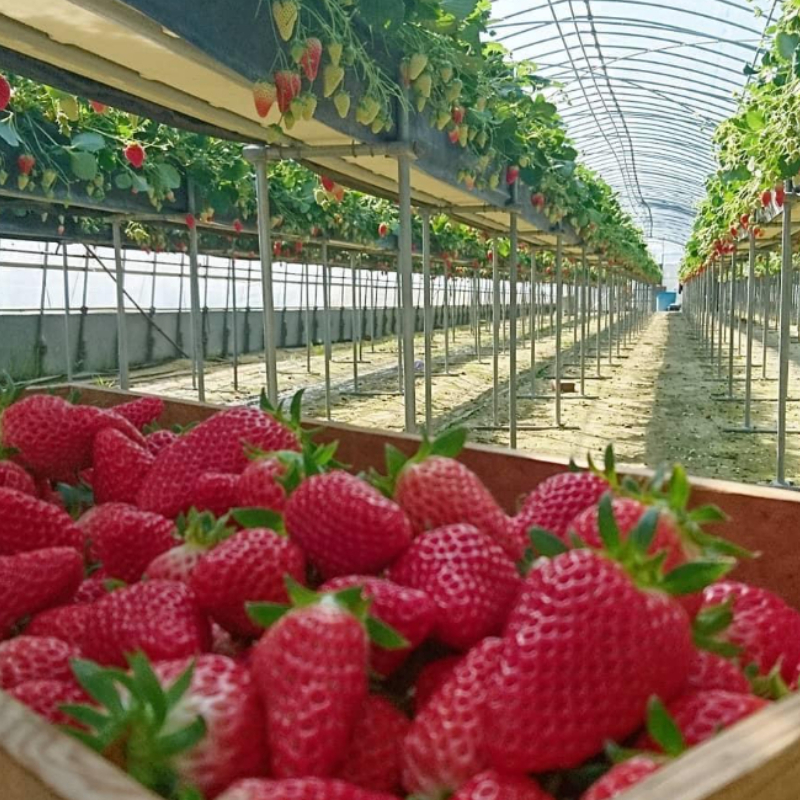
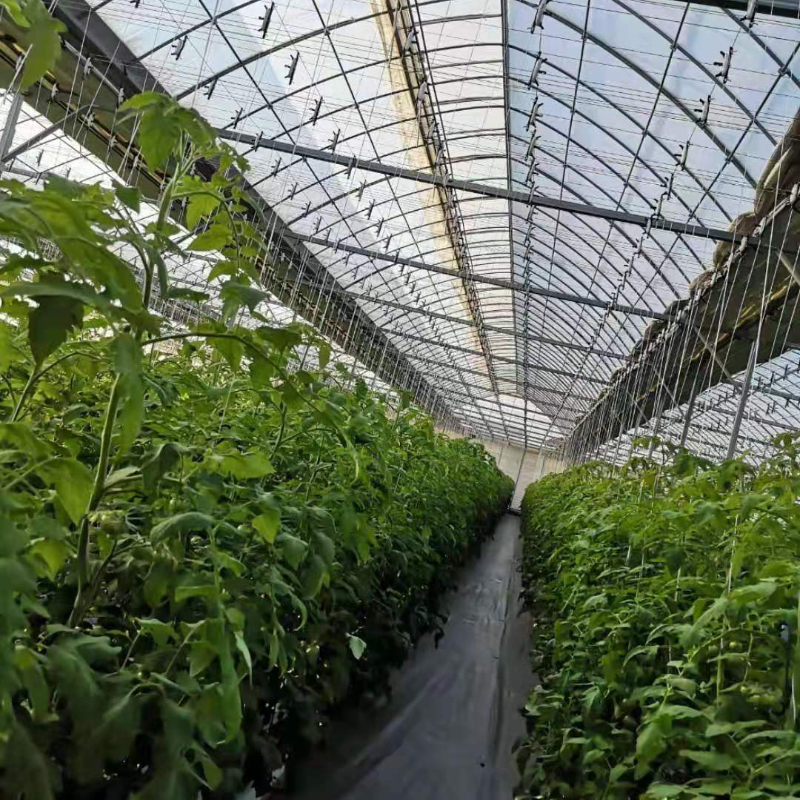
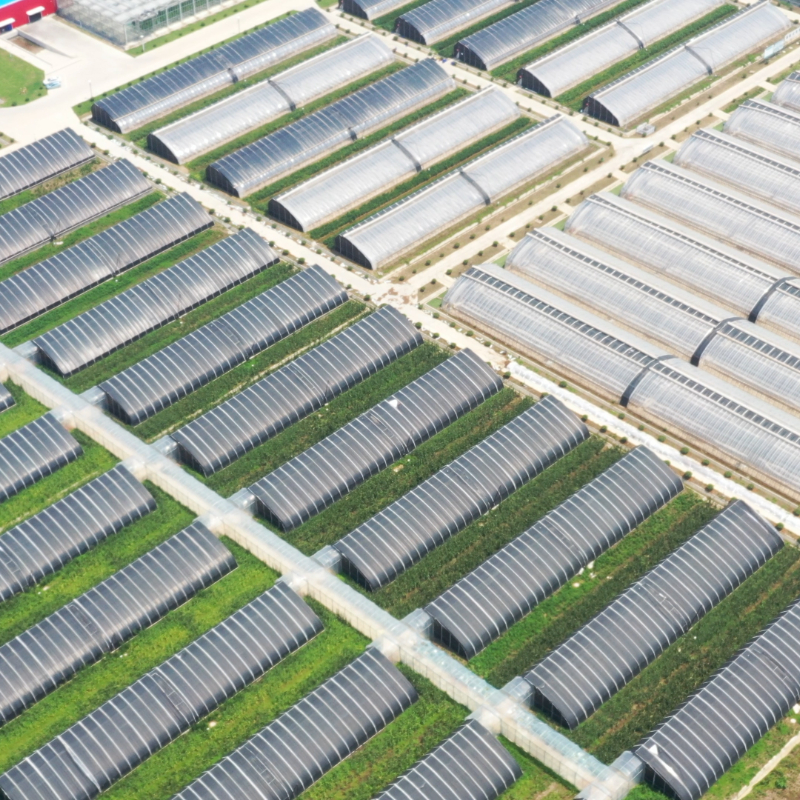
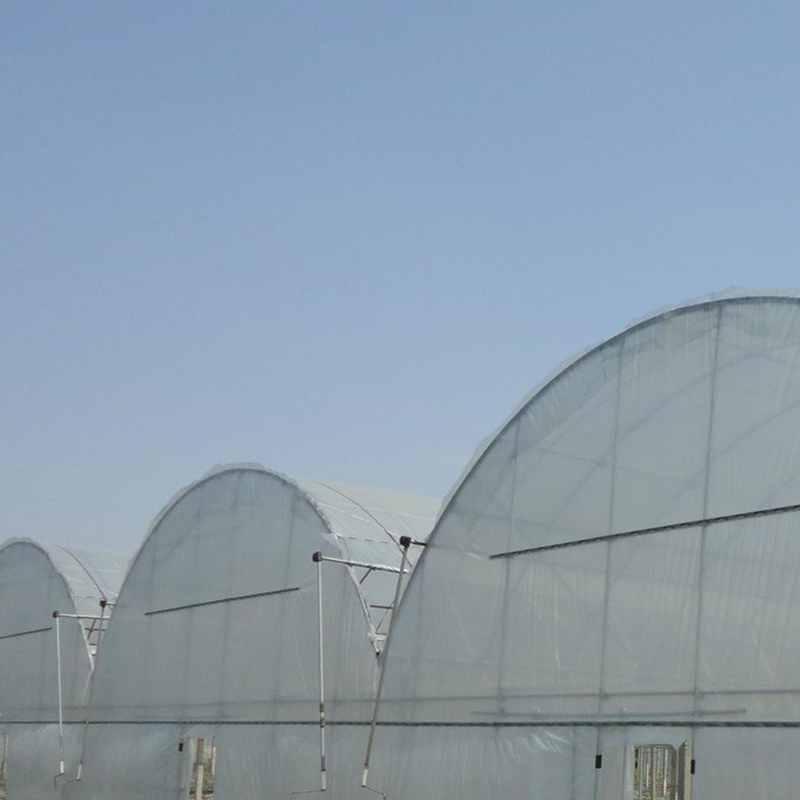
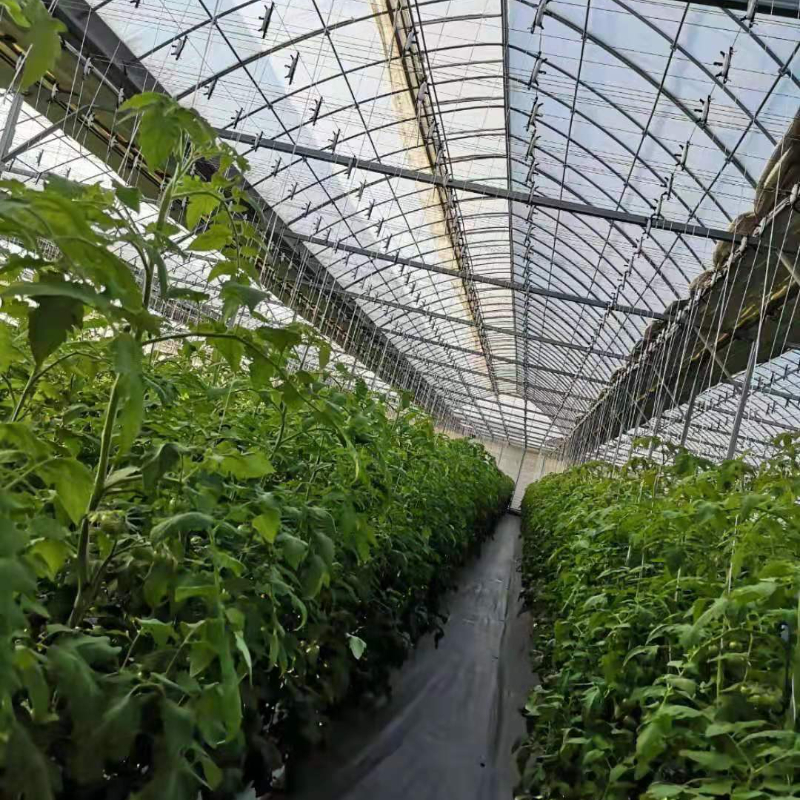
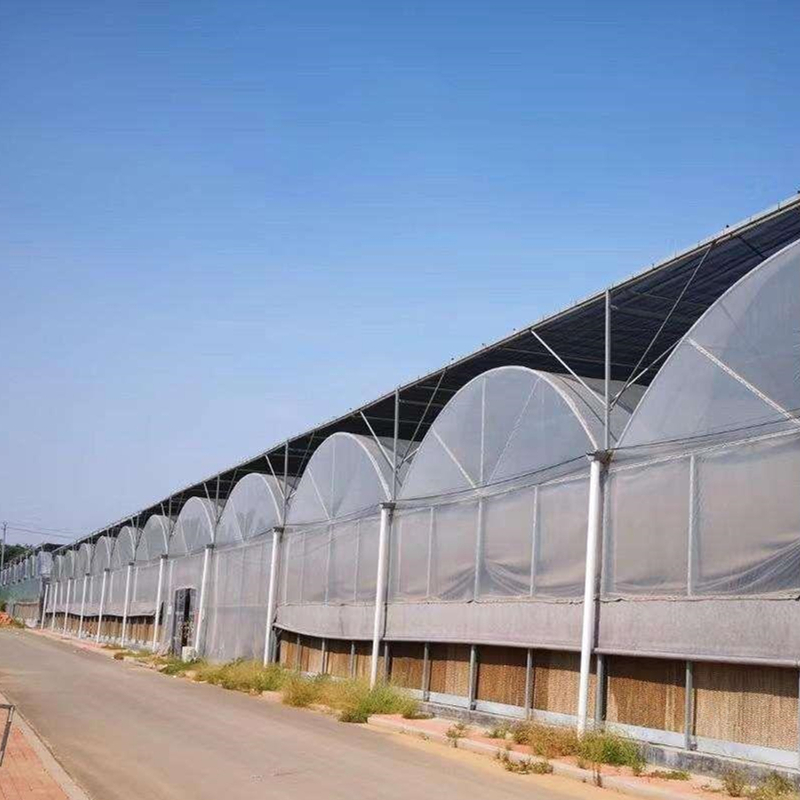
Cucumbers, peppers, and soft fruits (such as strawberries, blueberries, and raspberries) occupy a significant and relatively equal share of the global greenhouse cultivation area. What sets these crops apart is their responsiveness to advanced greenhouse technologies—when grown in high-tech environments, they exhibit substantial improvements in productivity, quality, and shelf life, justifying the additional costs associated with these facilities. This section explores how high-tech greenhouses enhance the cultivation of cucumbers, peppers, and soft fruits, the specific technologies that drive these improvements, and the economic benefits that make high-tech cultivation a viable and profitable option for these crops.
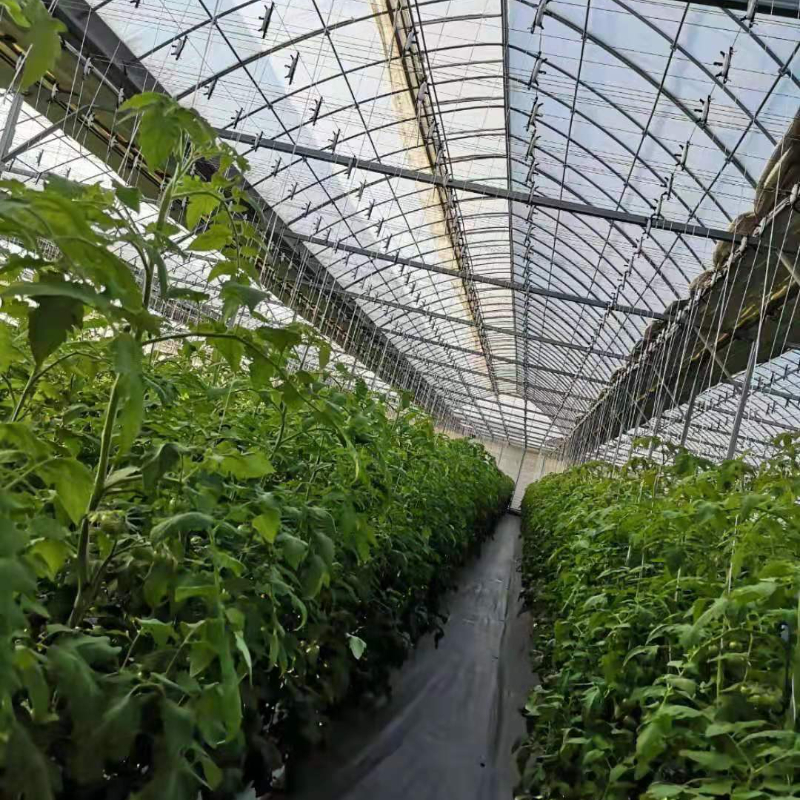
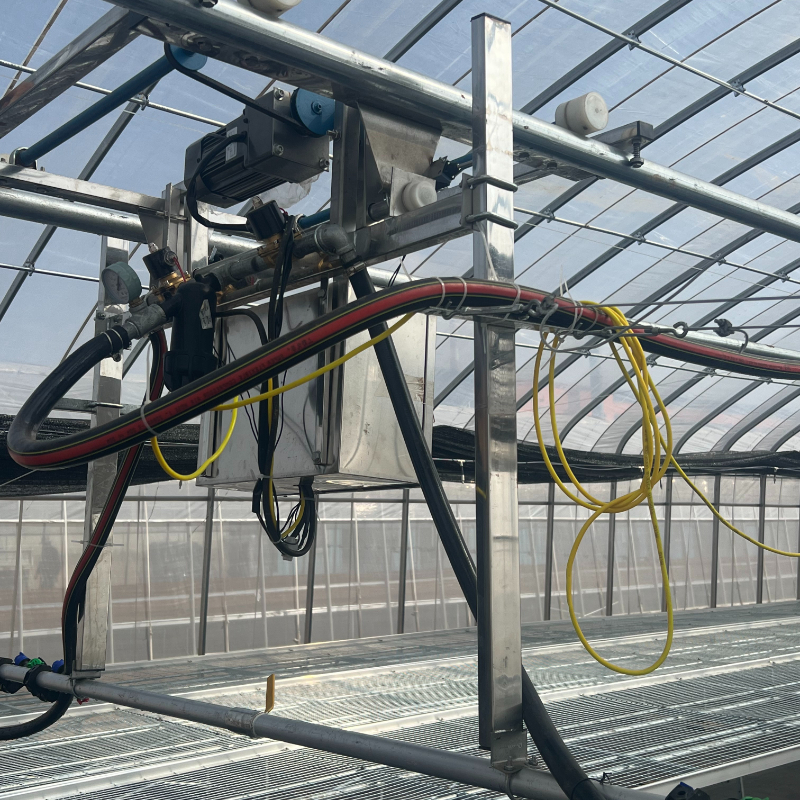
Cucumbers are a high-value crop that requires specific environmental conditions to thrive. They prefer warm temperatures (between 22°C and 28°C), high humidity (between 70% and 80%), and consistent light intensity. In traditional open-field cultivation or low-tech greenhouses, maintaining these conditions is challenging, particularly in regions with variable weather patterns. High-tech greenhouses address these challenges through advanced environmental control systems that regulate temperature, humidity, and light with pinpoint accuracy. For example, in high-tech cucumber greenhouses, misting systems are used to maintain optimal humidity levels, while automated ventilation systems ensure that the temperature does not exceed the upper limit. Additionally, LED grow lights are used to supplement natural sunlight during periods of low light, ensuring that the cucumbers receive the consistent light intensity they need for photosynthesis.
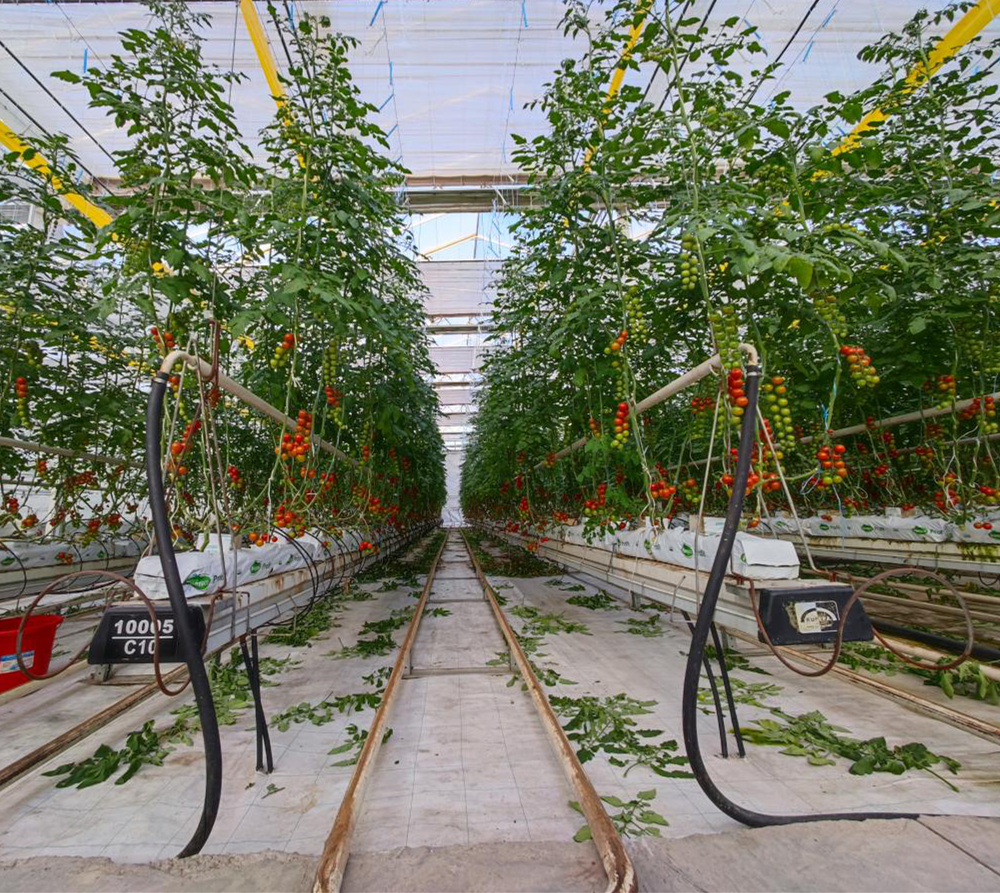
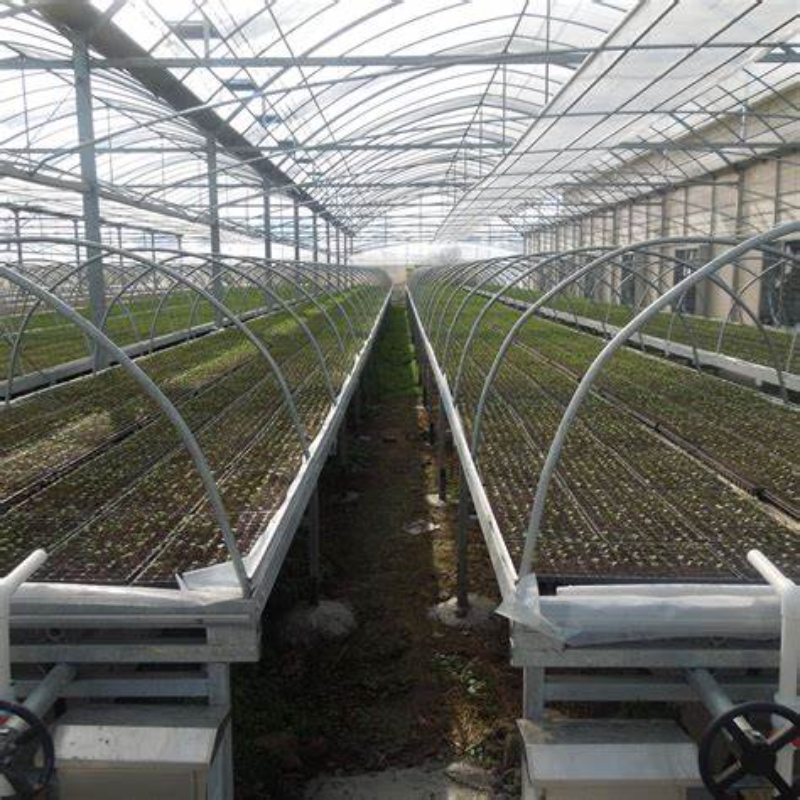
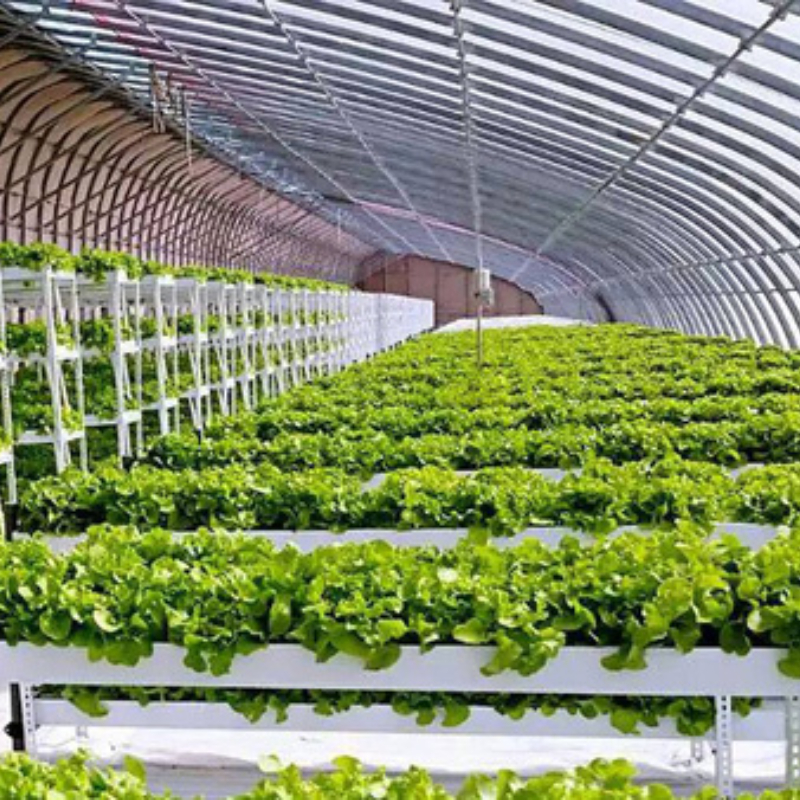
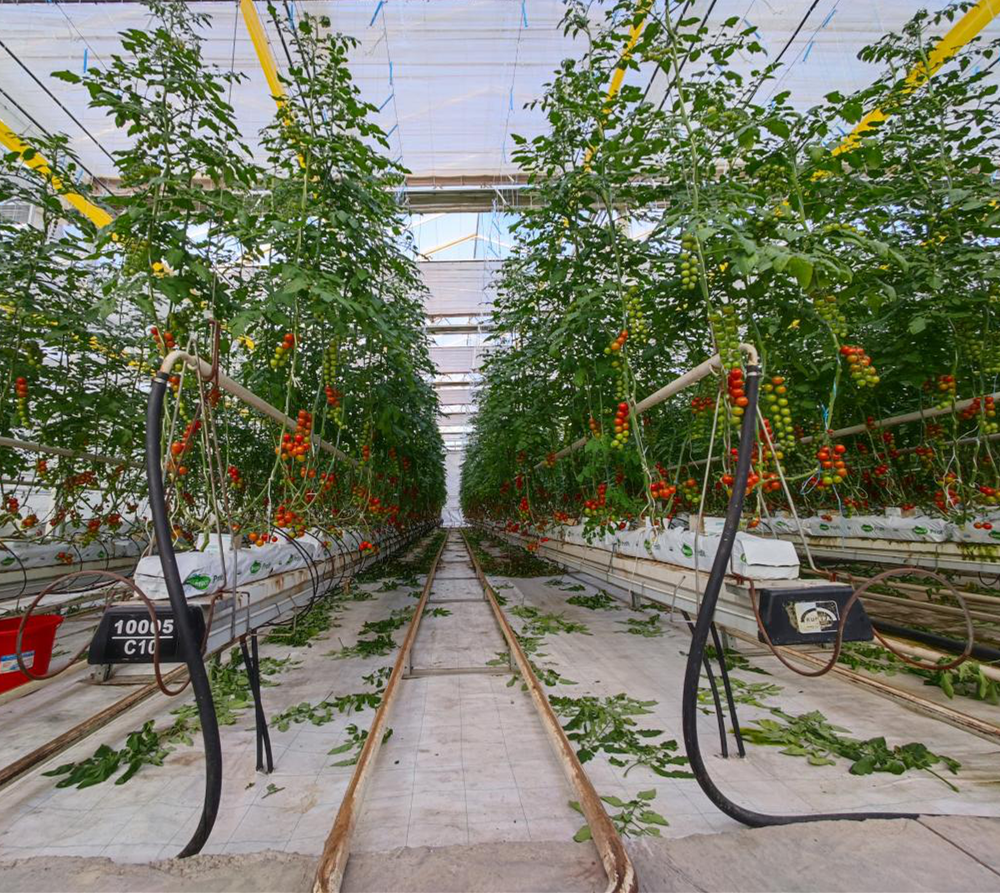
The use of hydroponic growing systems in high-tech cucumber greenhouses is another key factor in improving productivity. Hydroponic systems grow plants in nutrient-rich water solutions, eliminating the need for soil. This allows for more precise control of nutrient delivery, ensuring that the cucumbers receive the exact balance of nitrogen, phosphorus, potassium, and other essential nutrients they need at each stage of growth. Hydroponic systems also reduce the risk of soil-borne diseases, which are a major concern in traditional cucumber cultivation. A study conducted by the International Society for Horticultural Science found that hydroponic cucumber cultivation in high-tech greenhouses can increase yields by up to 50% compared to soil-based cultivation in low-tech greenhouses. Additionally, hydroponic cucumbers are often of higher quality, with a more uniform shape, texture, and flavor, making them more appealing to consumers.
Peppers, like cucumbers, are highly responsive to the controlled environment of high-tech greenhouses. They require warm temperatures (between 20°C and 25°C) and ample sunlight for optimal growth and fruit development. High-tech greenhouses enable farmers to maintain these conditions year-round, allowing for off-season production of peppers, which command premium prices in the market. For example, in Canada, where winters are long and cold, high-tech greenhouses equipped with heating systems and LED grow lights produce peppers throughout the winter, meeting the demand for fresh, locally grown peppers when imports are expensive and scarce.
Advanced pest management technologies in high-tech pepper greenhouses also contribute to improved productivity and quality. Peppers are susceptible to a range of pests, including aphids, whiteflies, and thrips, which can cause significant damage to the plants and reduce yields. High-tech greenhouses use a combination of sensor networks, AI-powered image recognition, and biological control agents to detect and manage pest infestations early. Sensor networks monitor the greenhouse environment for signs of pest activity, while AI-powered cameras identify pests and send alerts to farmers. Biological control agents, such as ladybugs and parasitic wasps, are then released to target the pests, reducing the need for chemical pesticides. This integrated approach not only protects the peppers from damage but also ensures that the produce is safe and free from chemical residues, meeting the strict quality standards of modern markets.
In summary, high-tech greenhouses unlock the full productivity potential of cucumbers, peppers, and soft fruits by providing a controlled environment that meets their specific growth requirements. Advanced technologies such as environmental control systems, hydroponic growing systems, vertical farming, and integrated pest management drive significant improvements in yield, quality, and shelf life, justifying the additional costs of high-tech cultivation. As consumer demand for high-quality, sustainably grown produce continues to grow, high-tech greenhouses will play an increasingly important role in the global cultivation of these crops, providing farmers with a profitable and sustainable way to meet market needs.
