
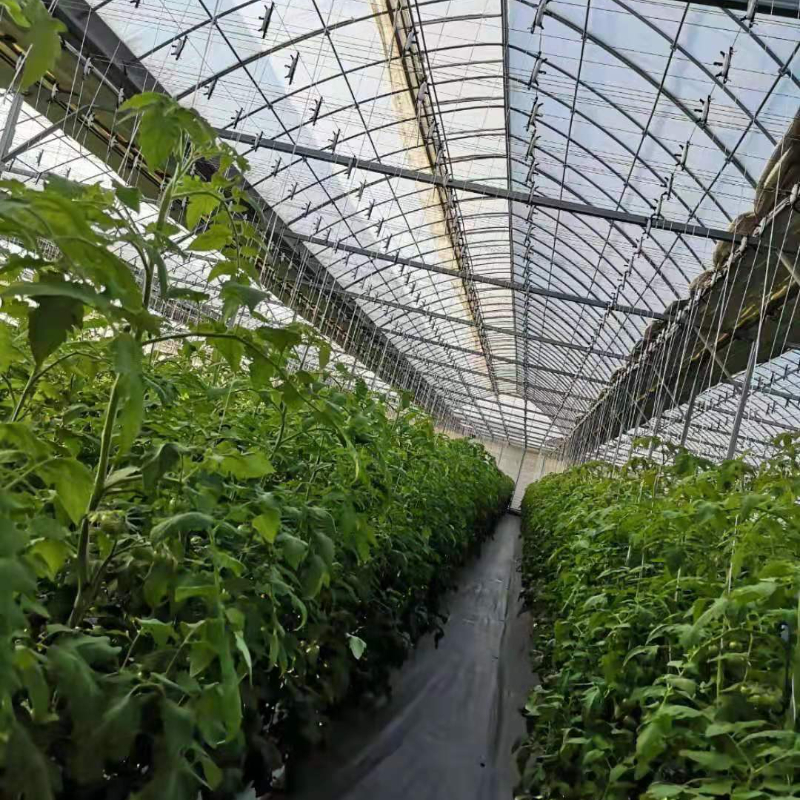
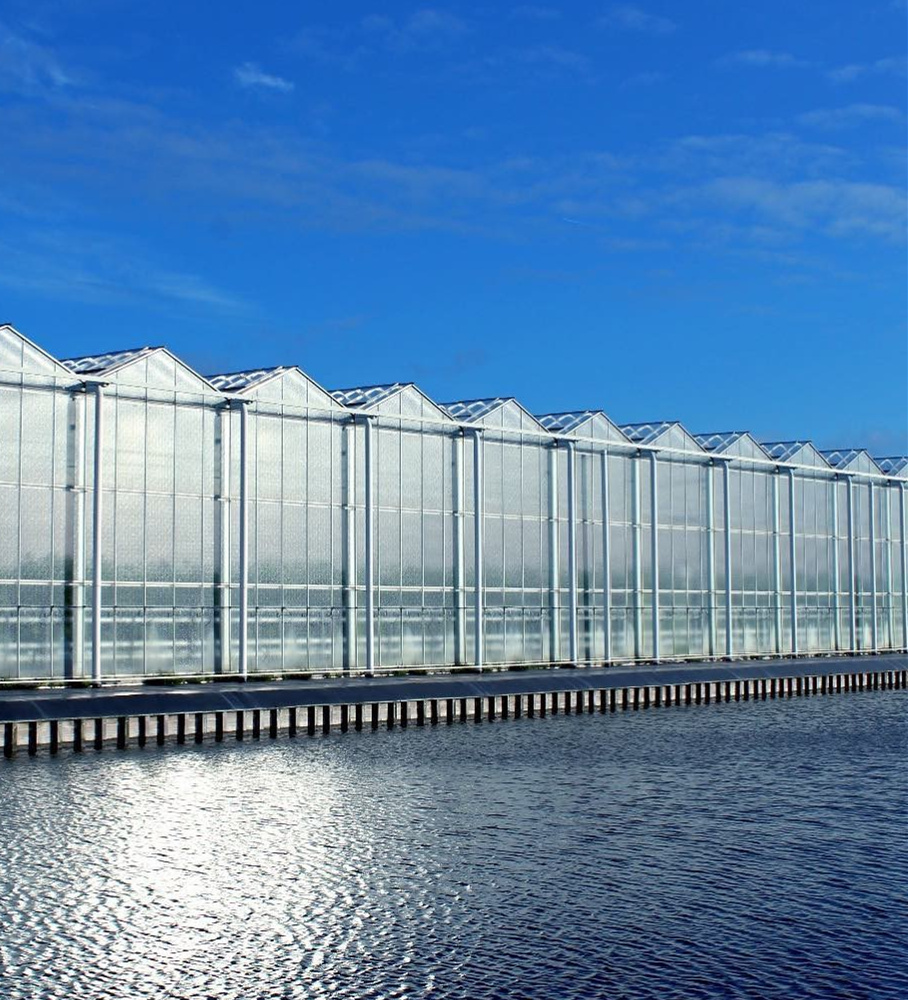
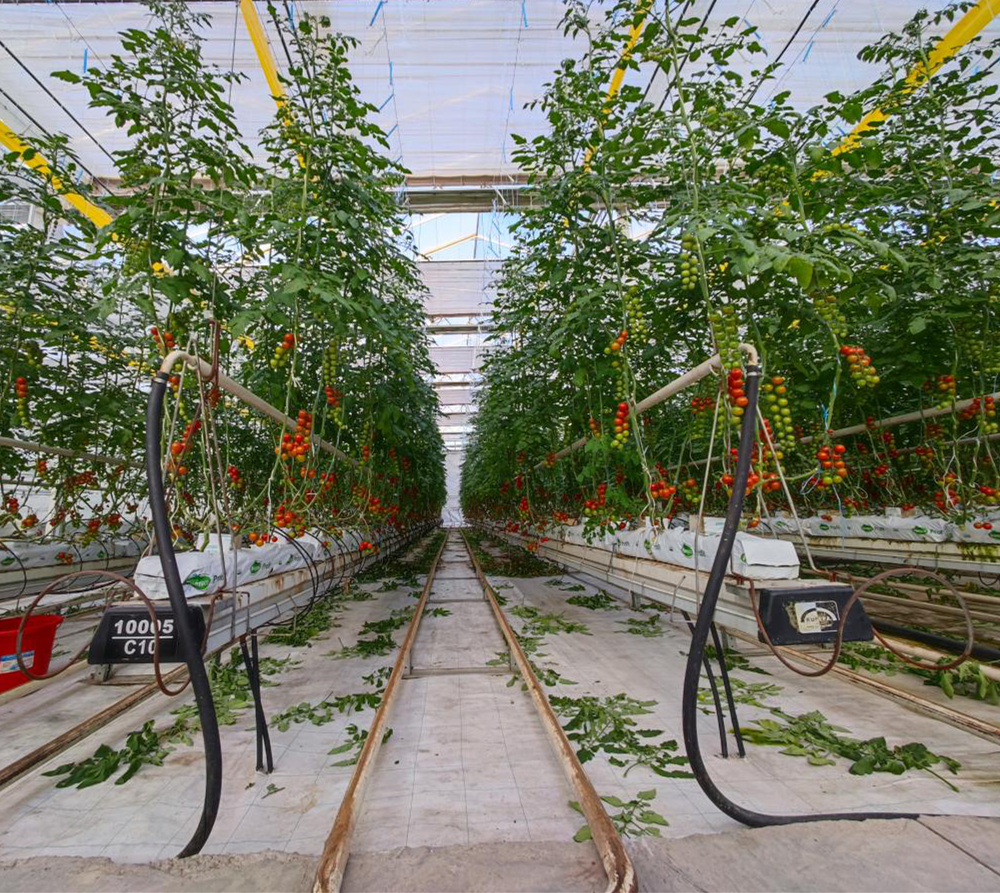
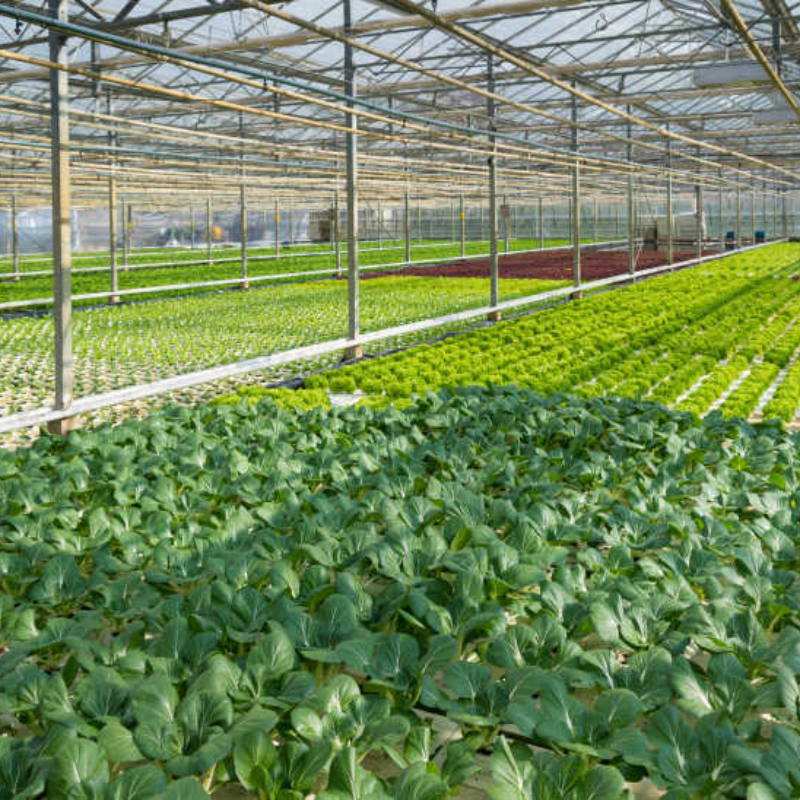
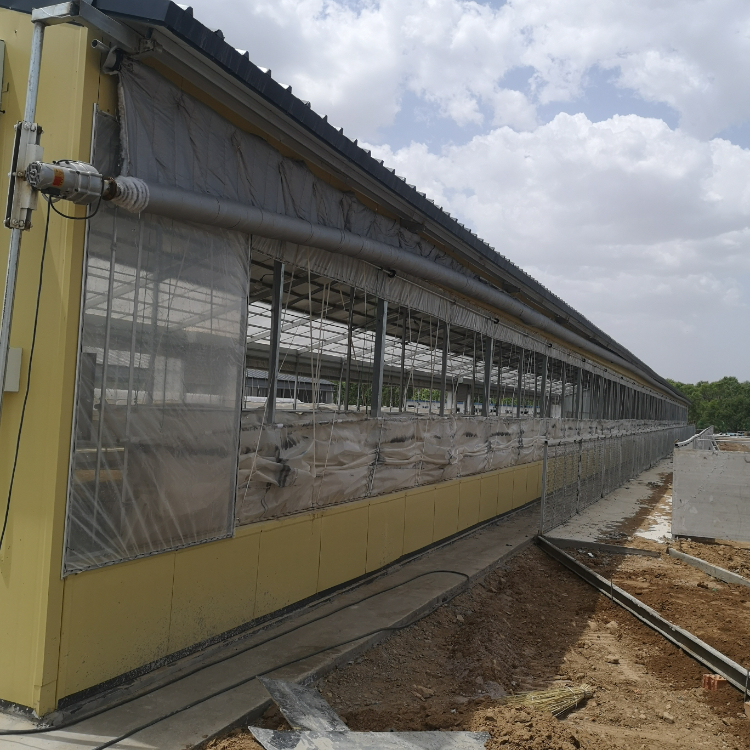
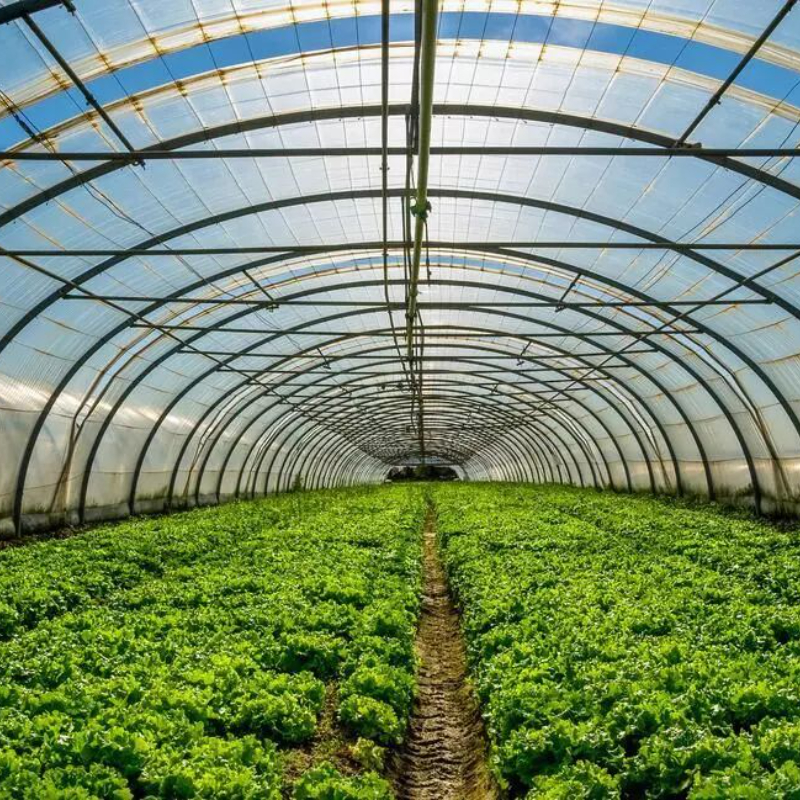
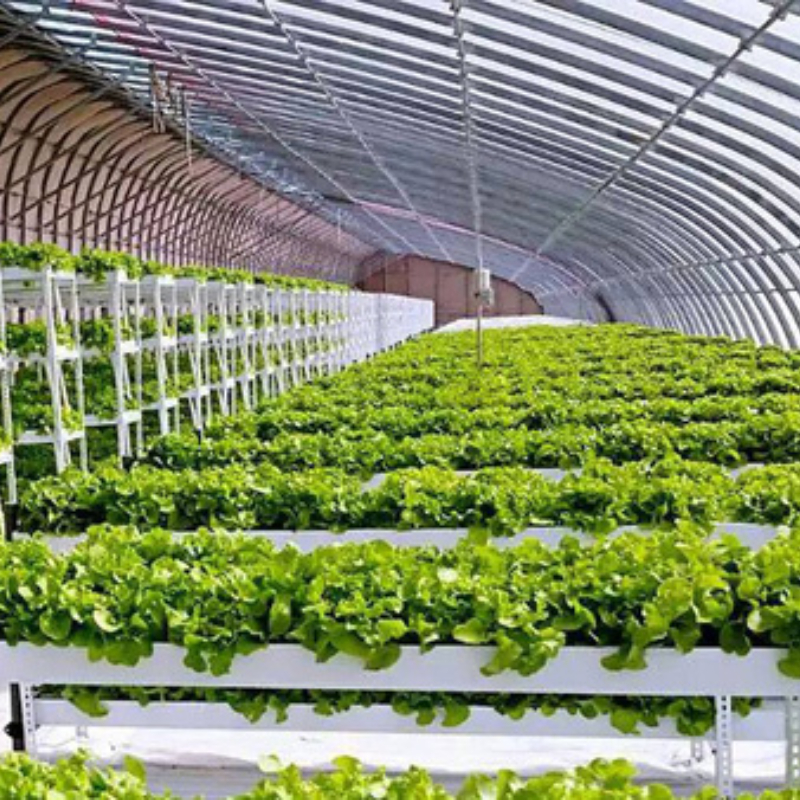
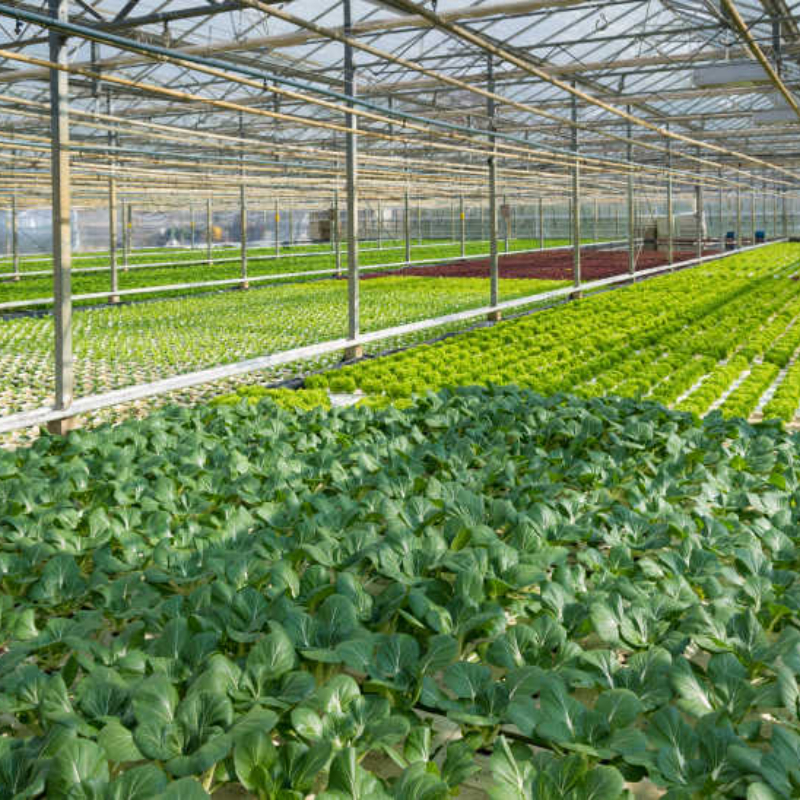
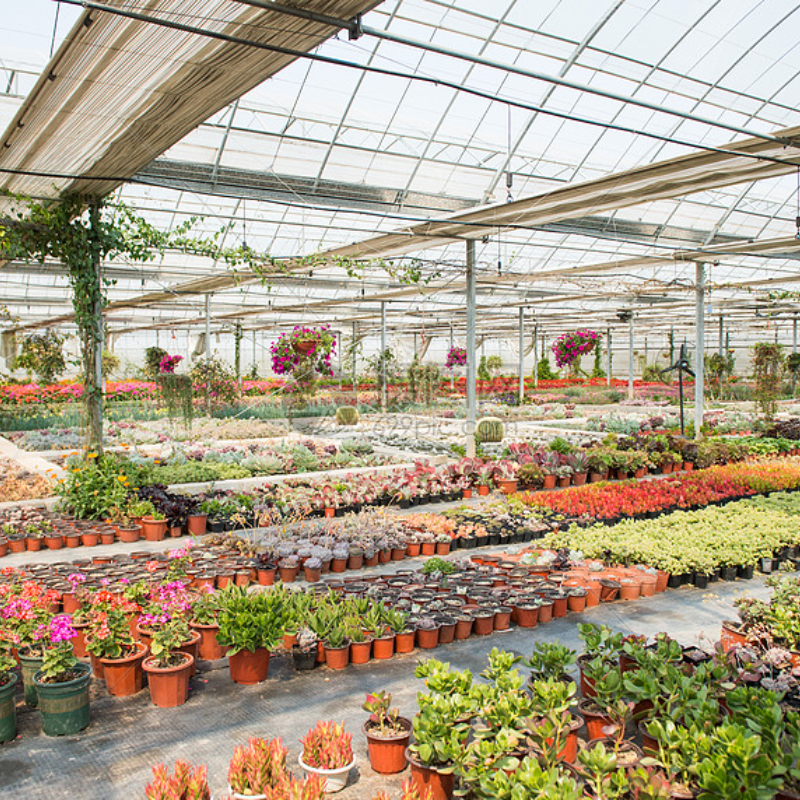
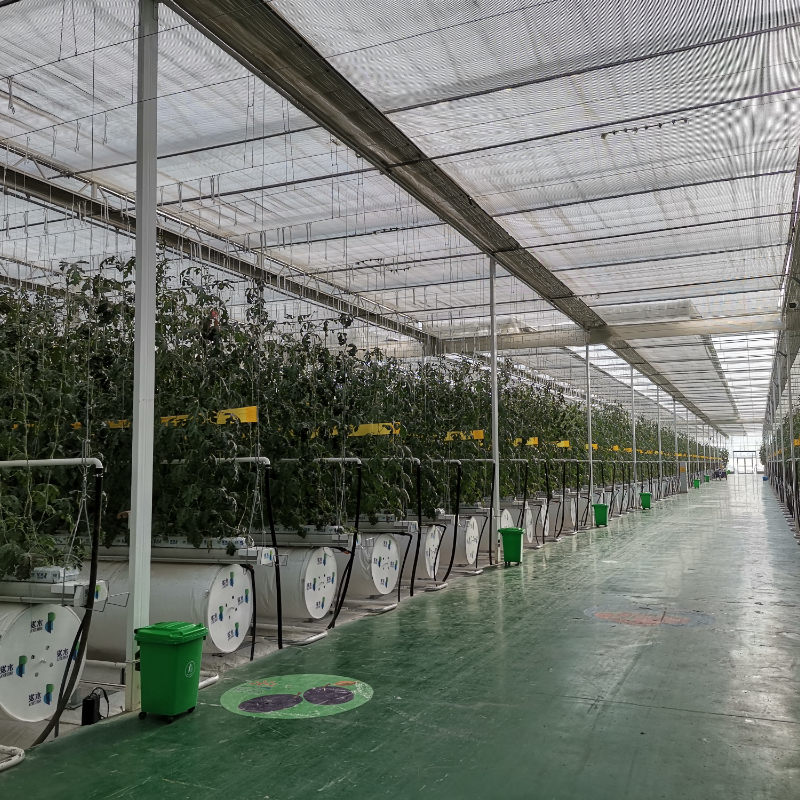
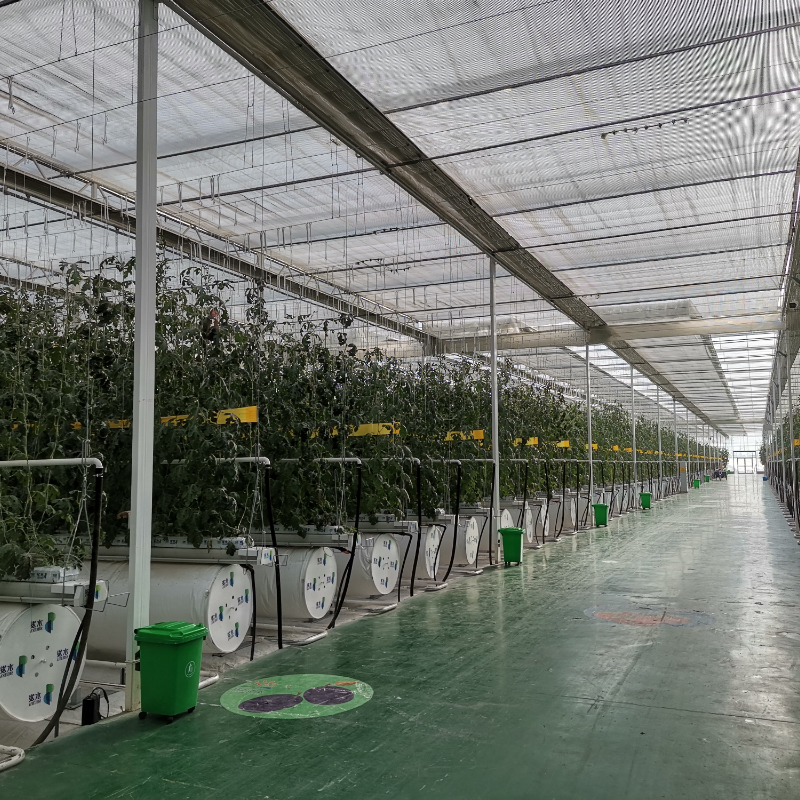
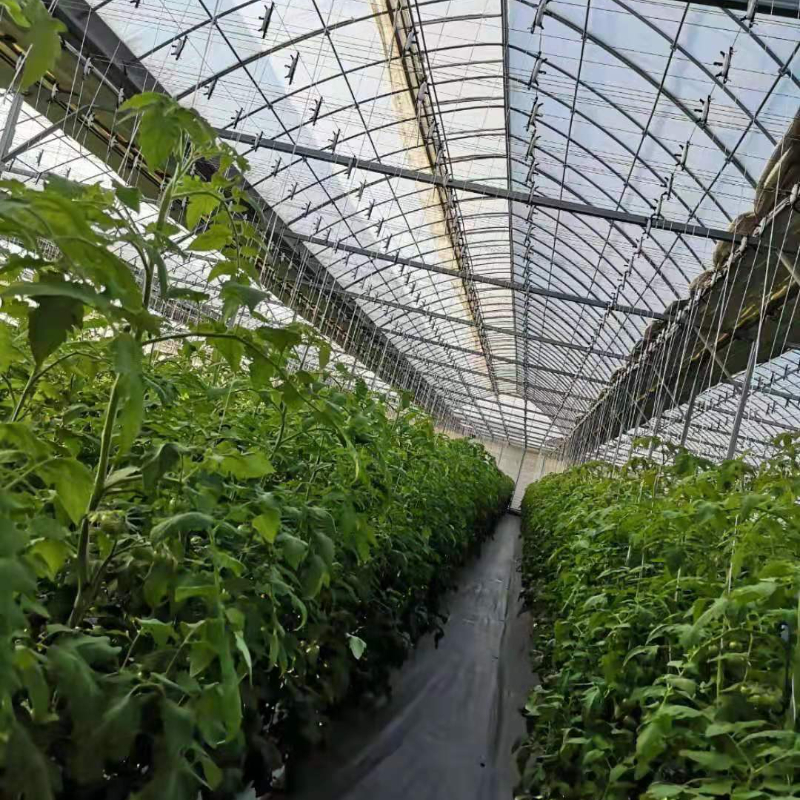
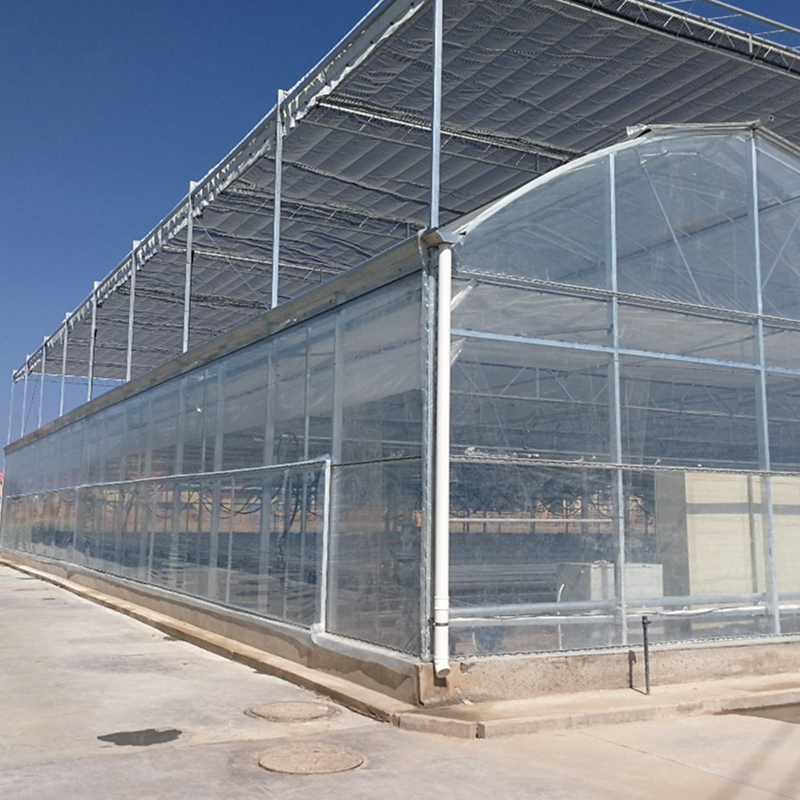
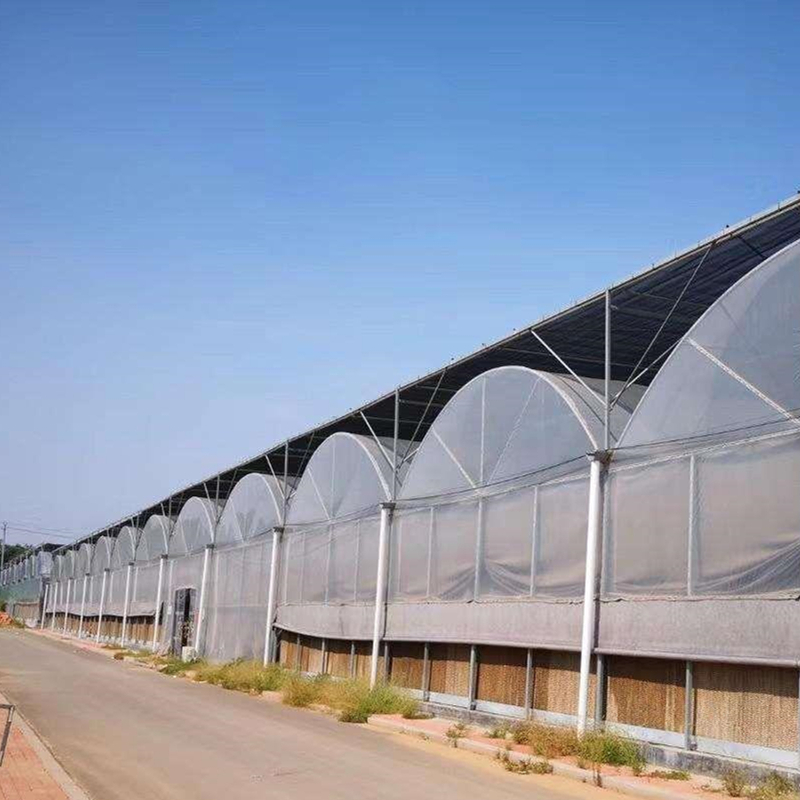
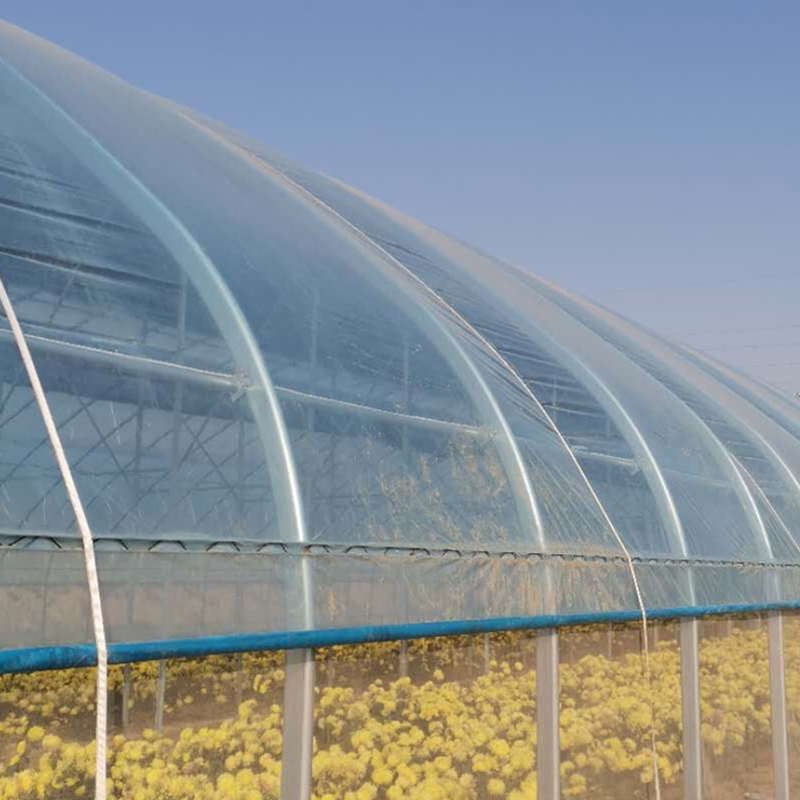
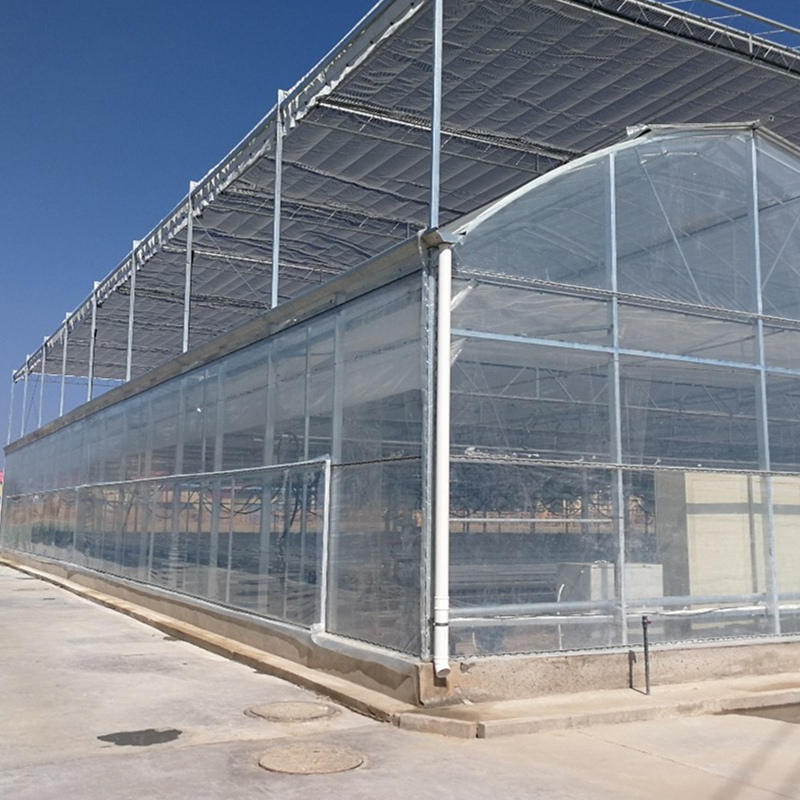
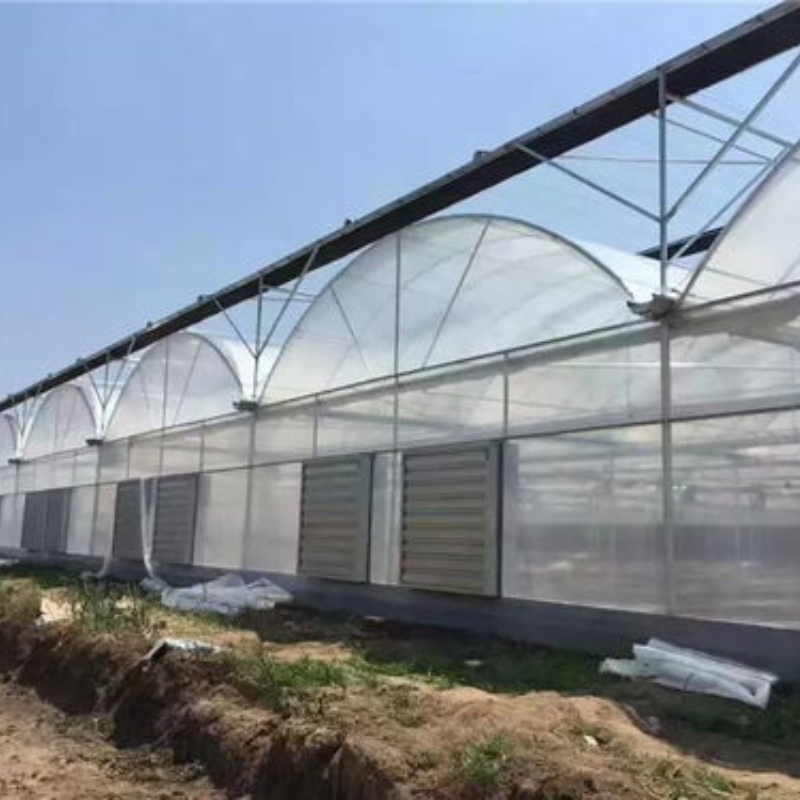
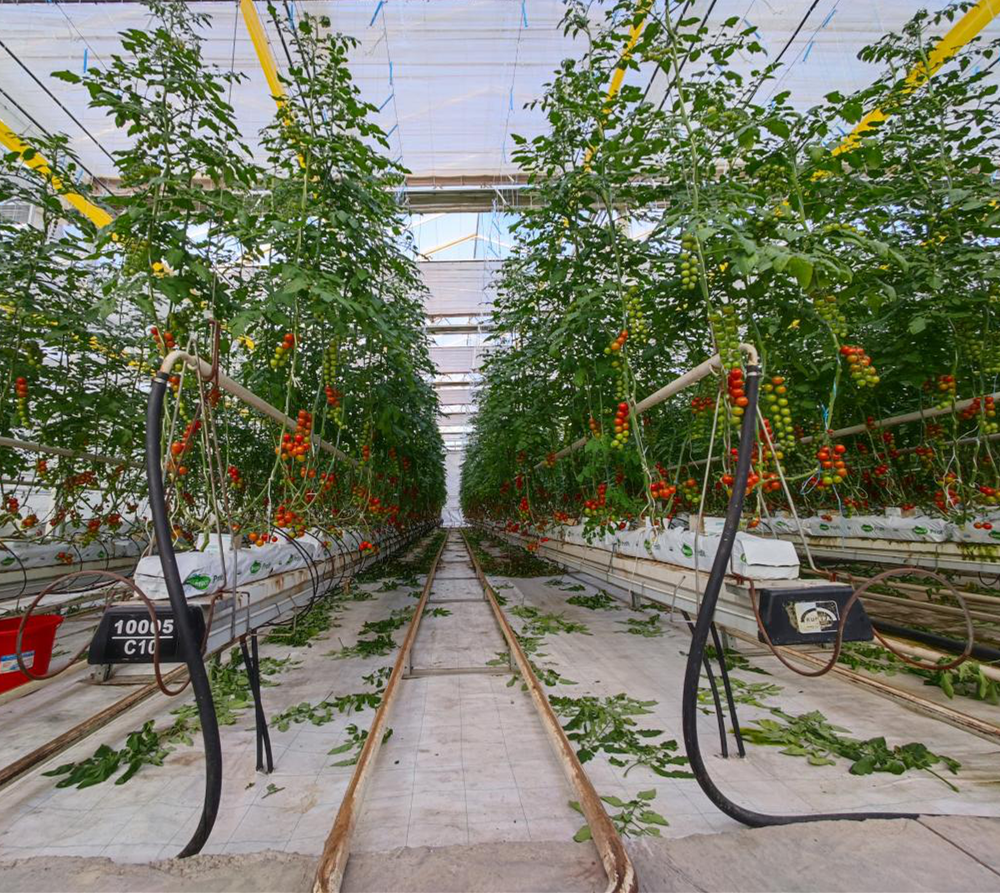
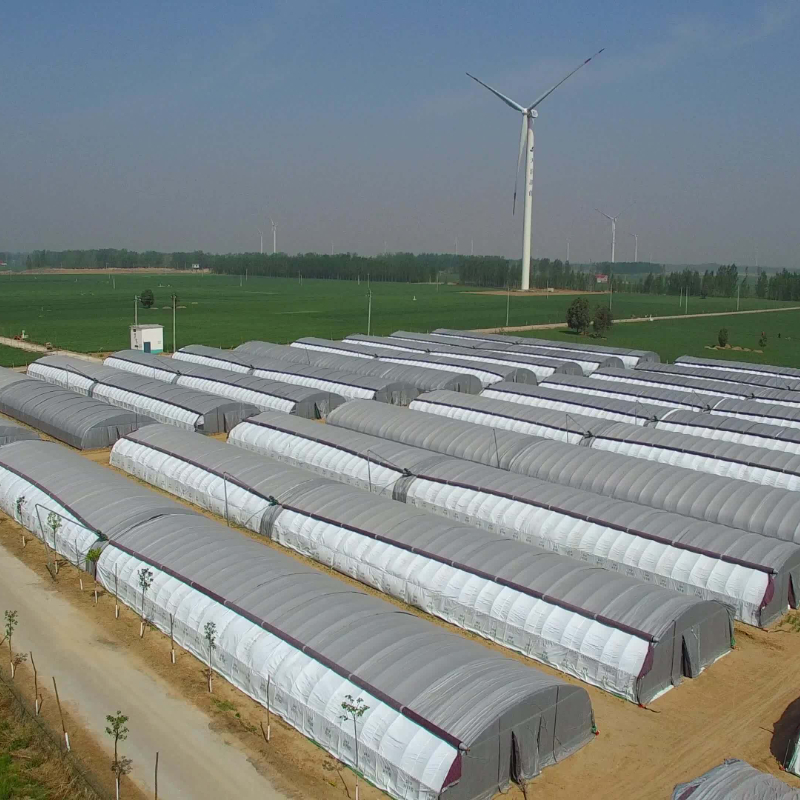
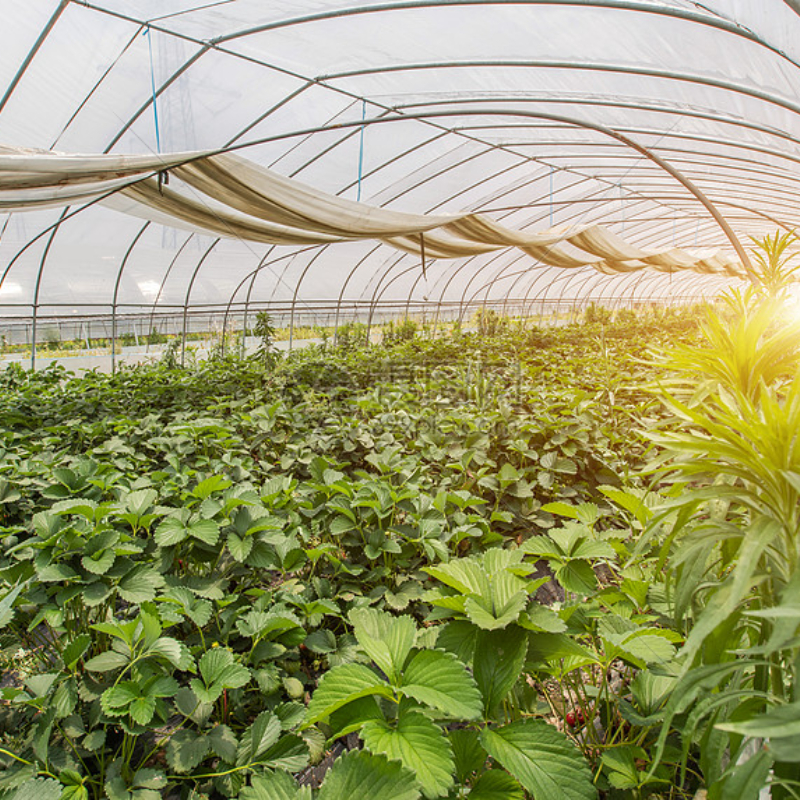
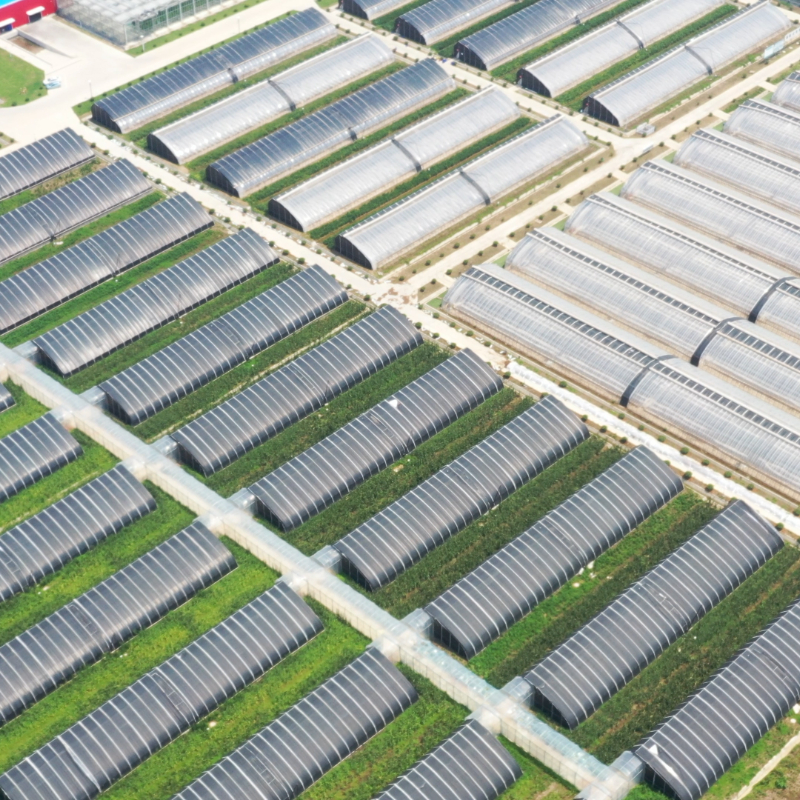
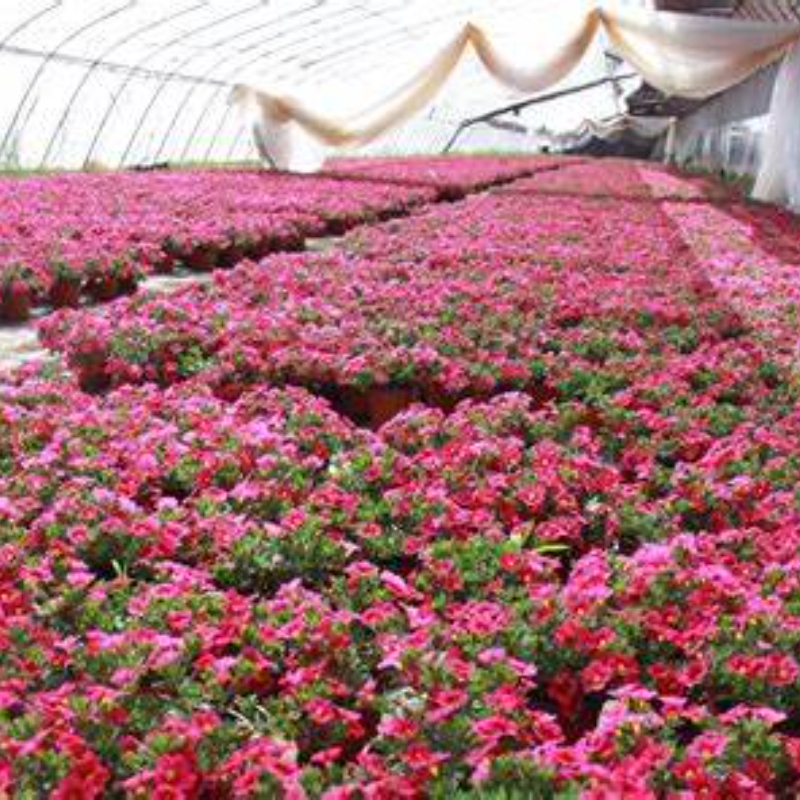
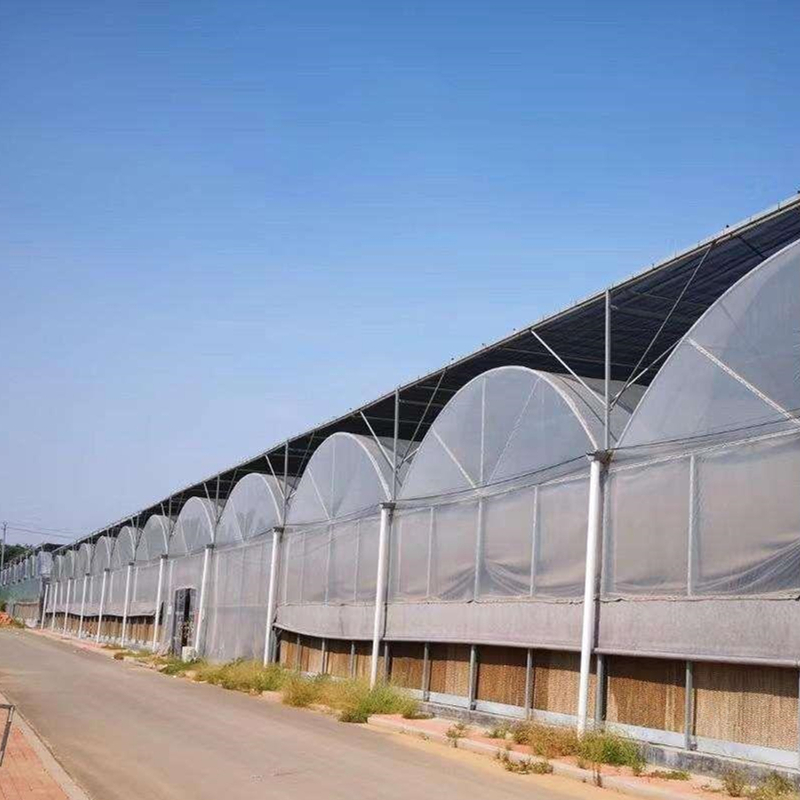
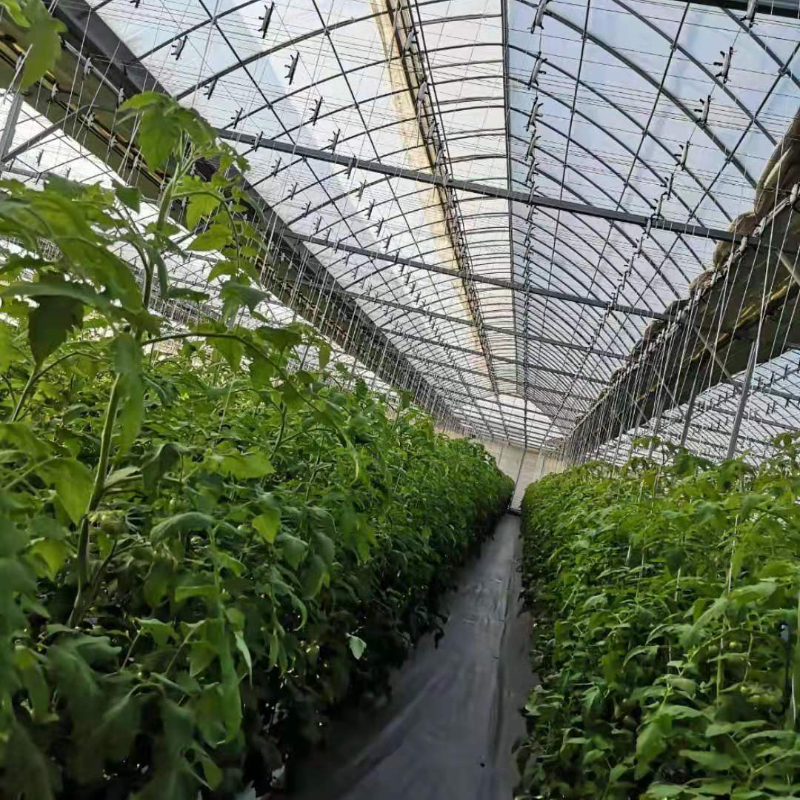
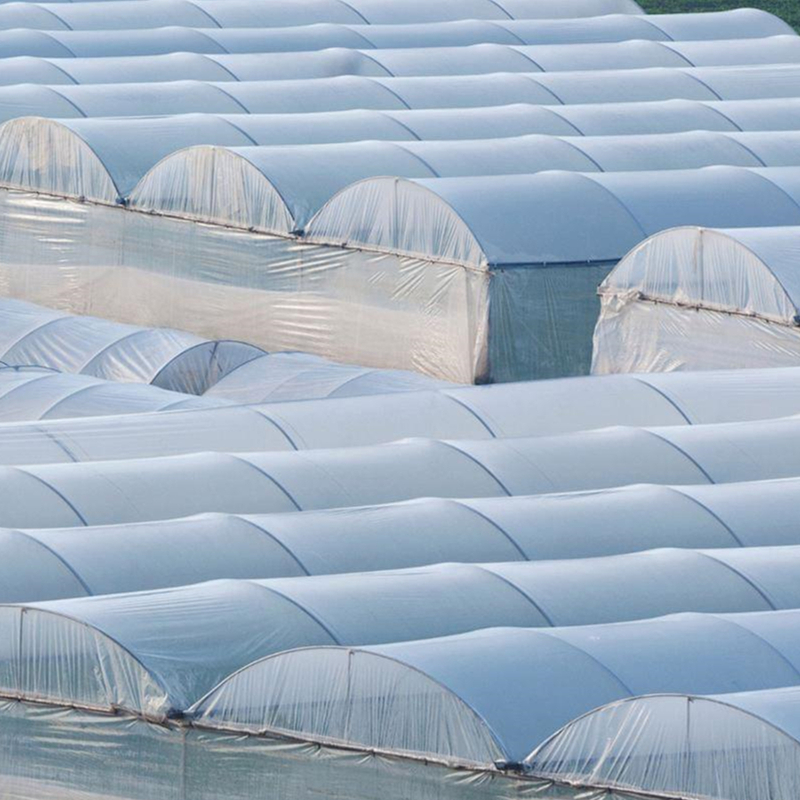
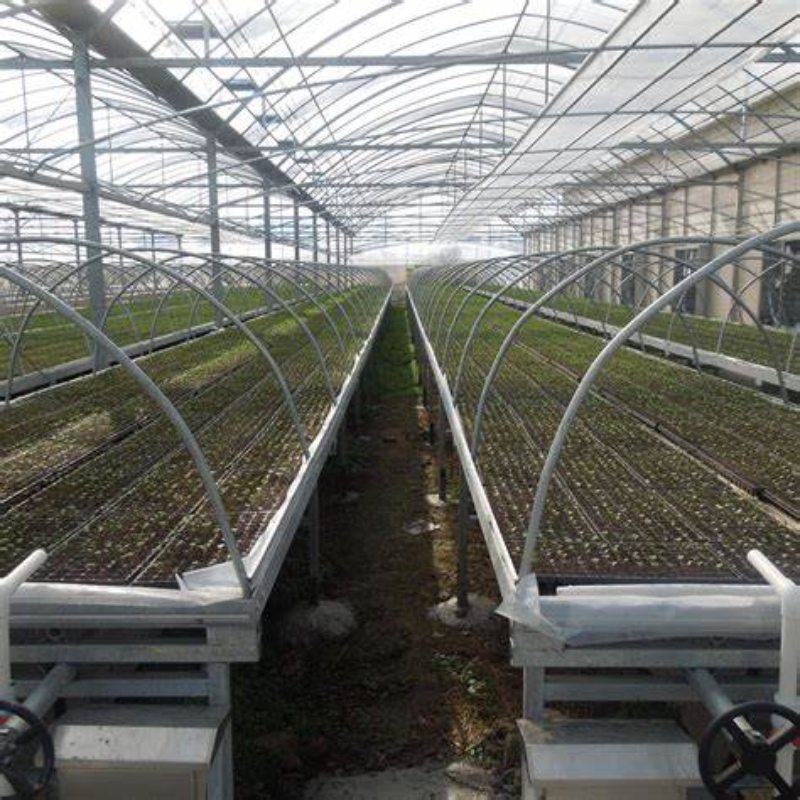
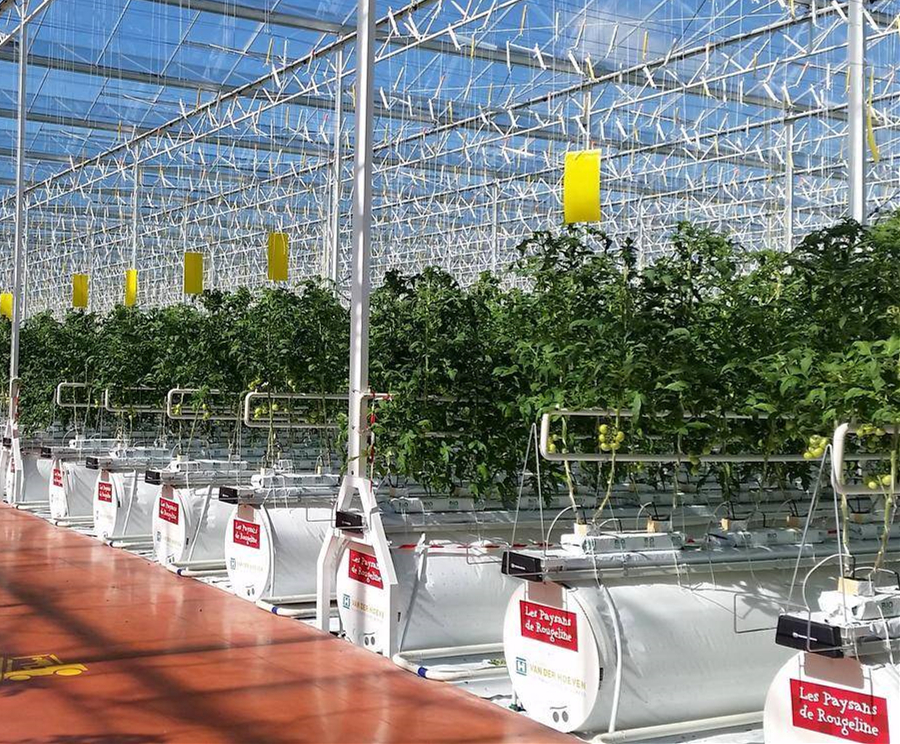
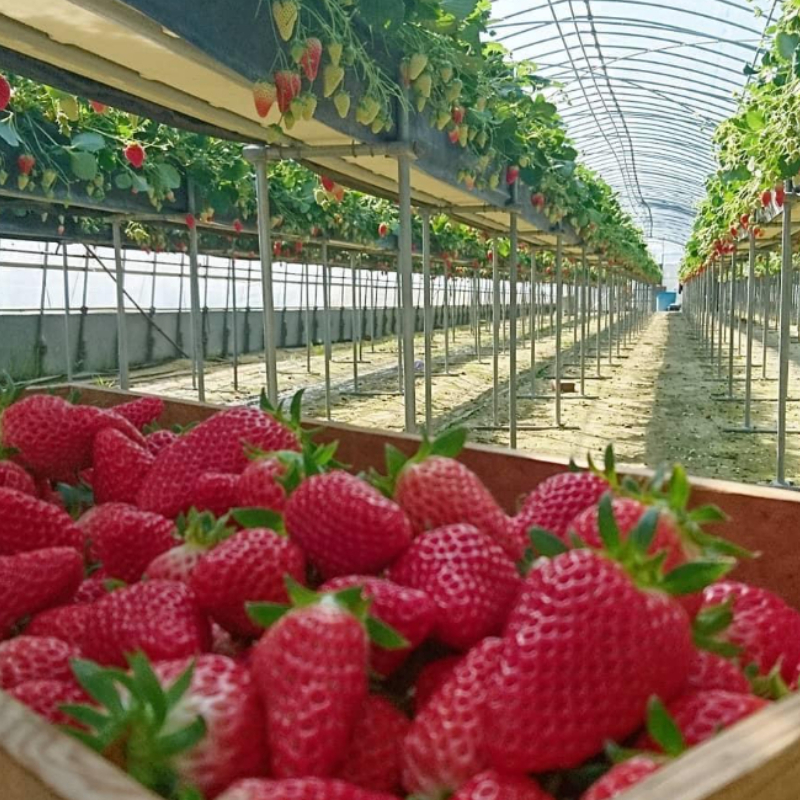
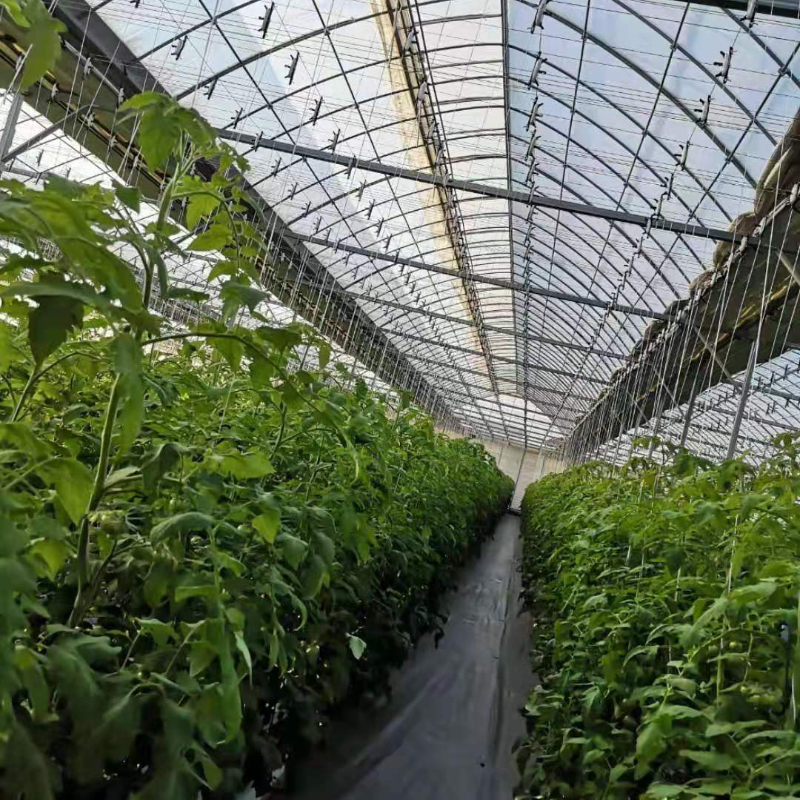
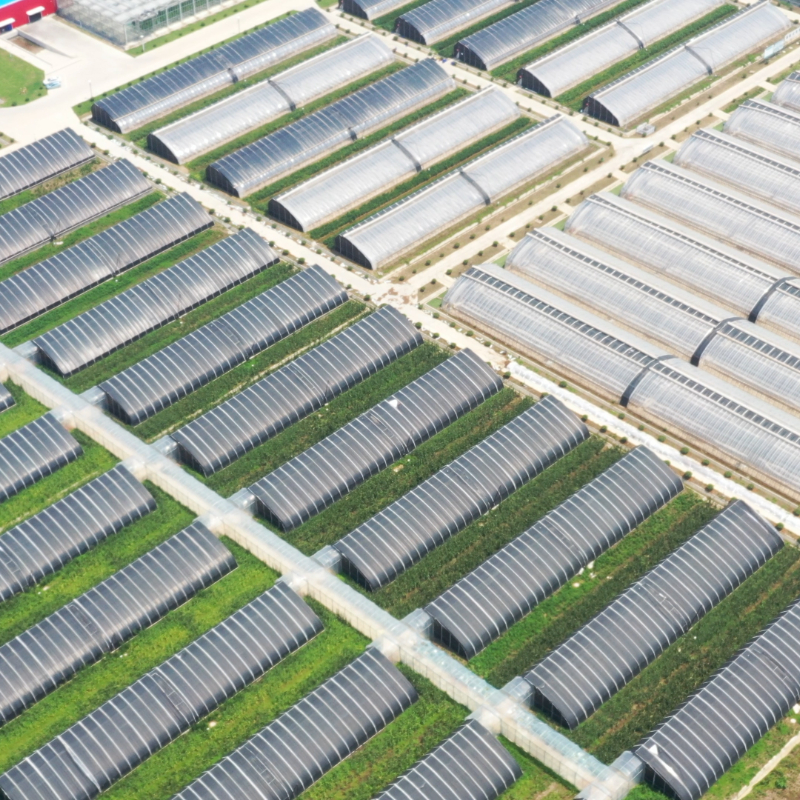
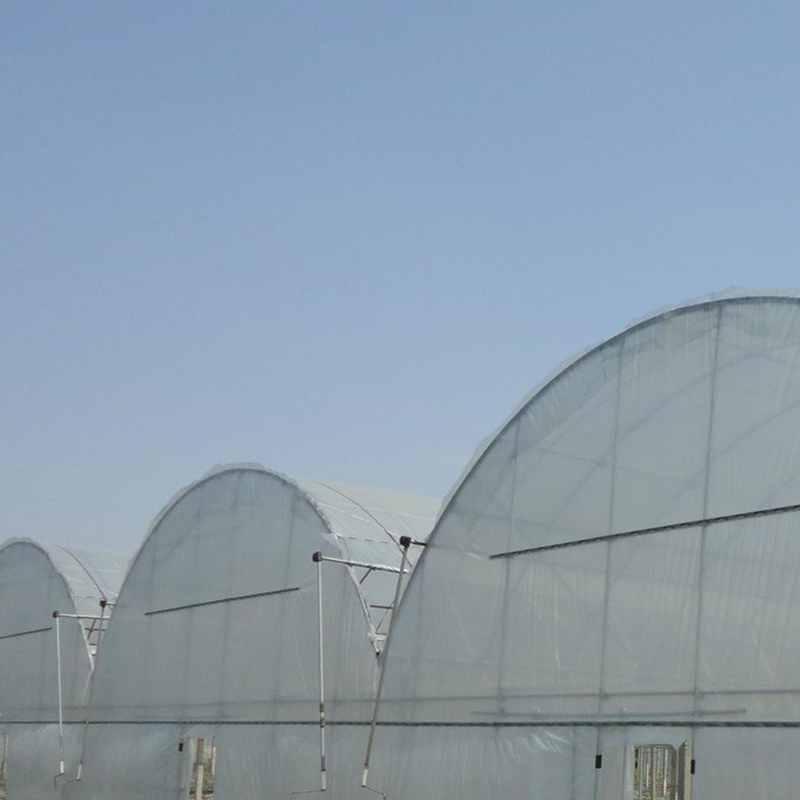
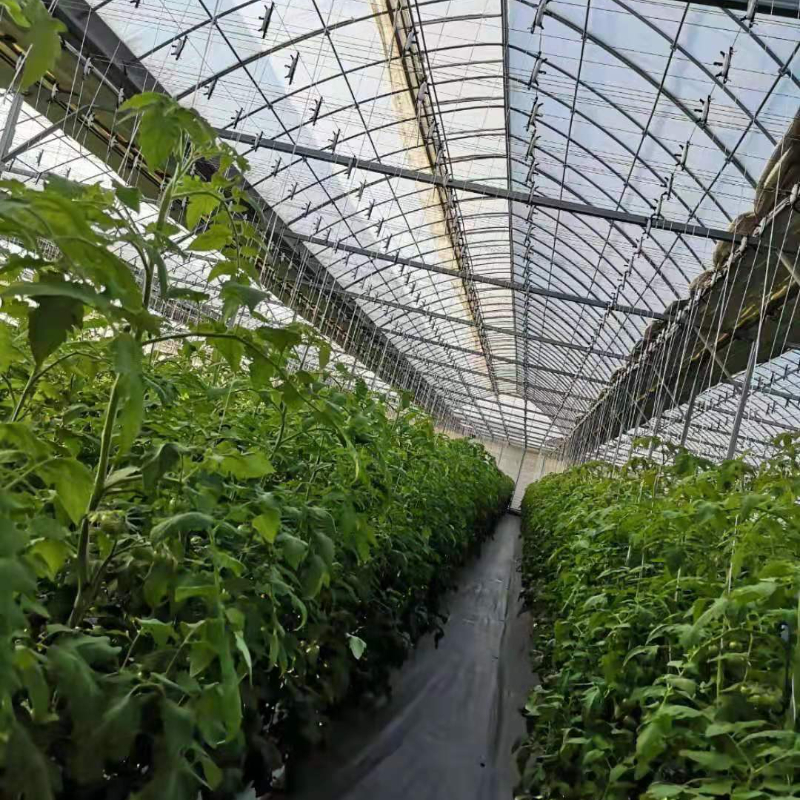
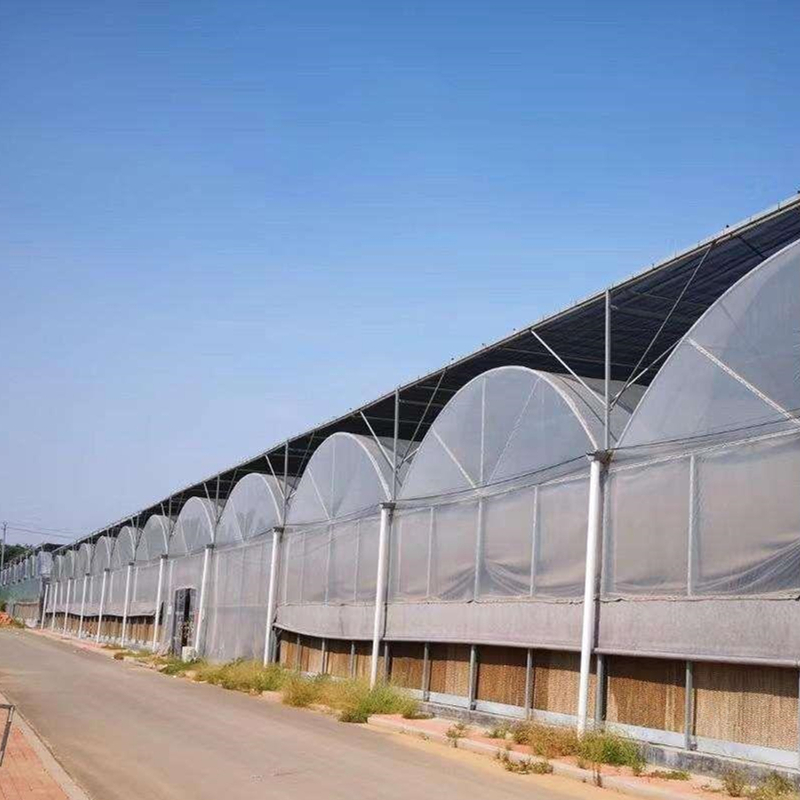
While high-tech greenhouses excel in cultivating high-value crops like tomatoes, the selection of greenhouse type is ultimately determined by the specific traits of the crop, local climatic conditions, and market requirements. For crops such as melons and zucchini, low-tech greenhouses offer a cost-effective solution that meets their basic growth needs while minimizing unnecessary expenses. This section explores the unique characteristics of melons and zucchini that make them well-suited to low-tech greenhouse environments, the advantages of low-tech greenhouses in regions with favorable climates, and the economic rationale behind their widespread use for these crops.
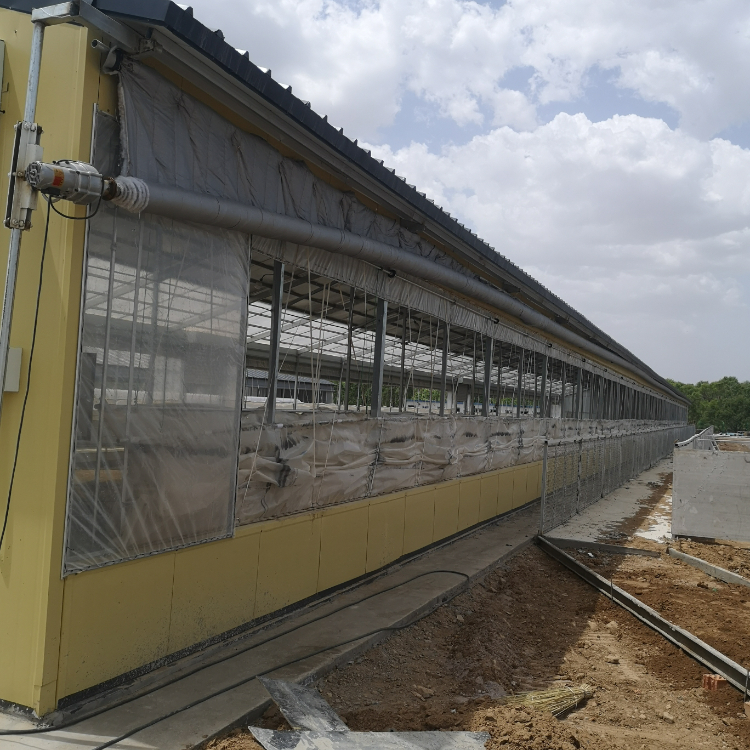
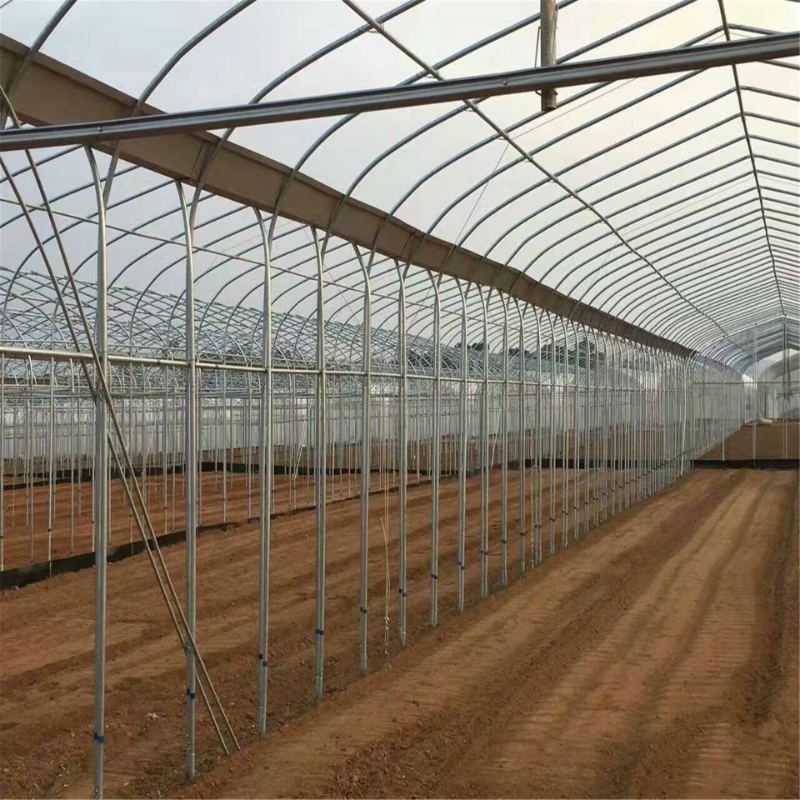
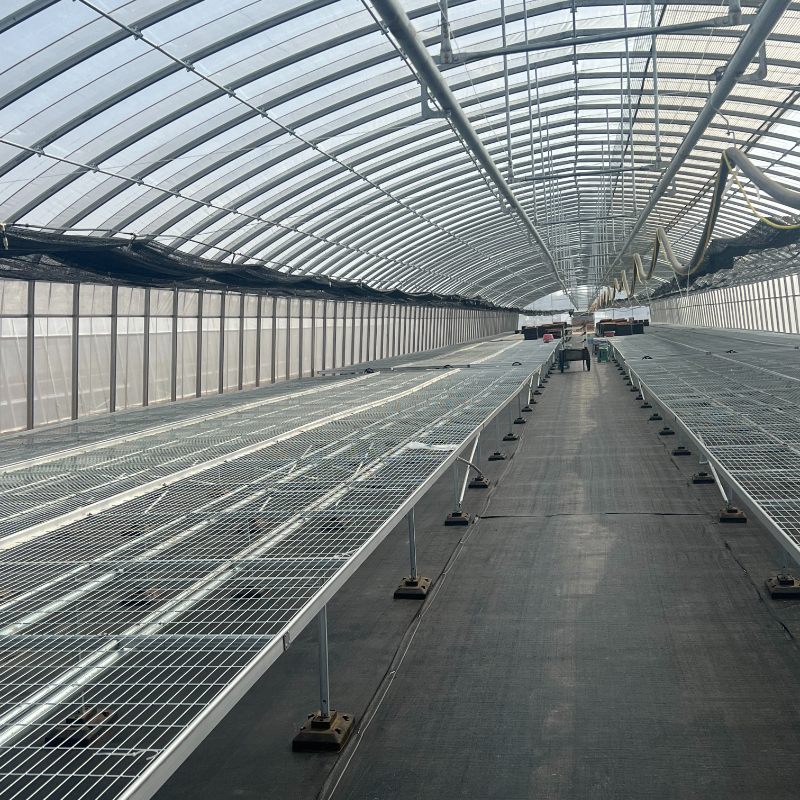
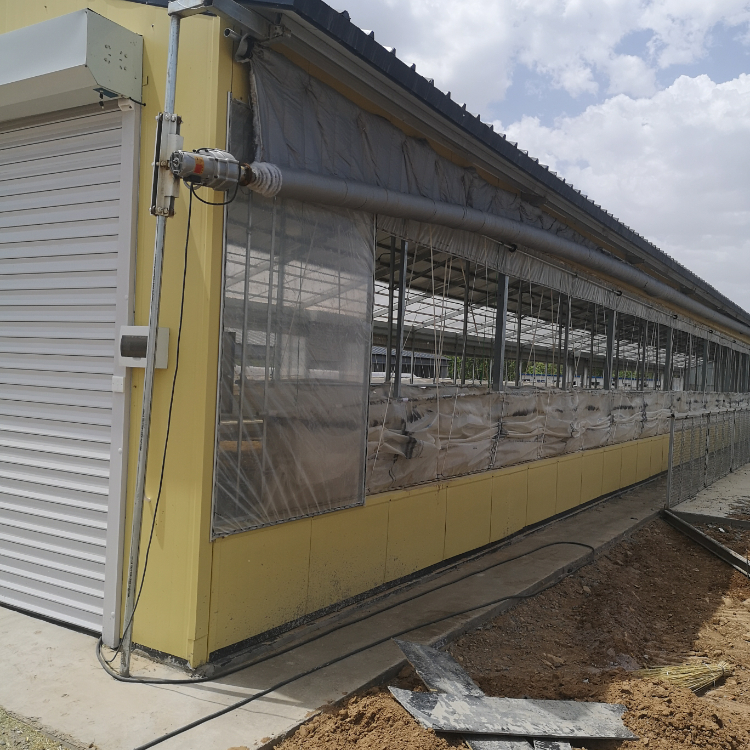
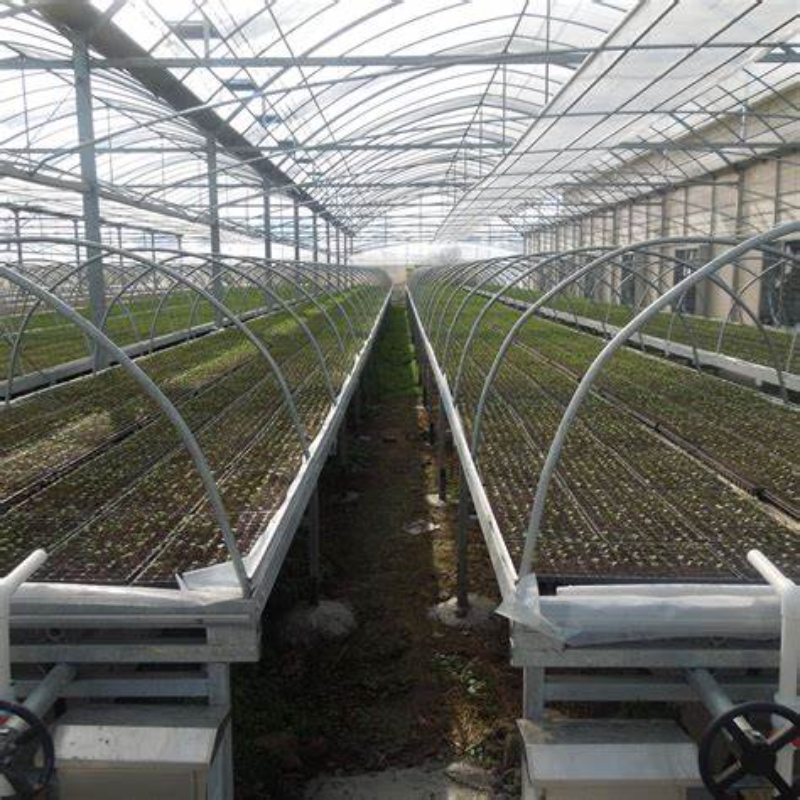
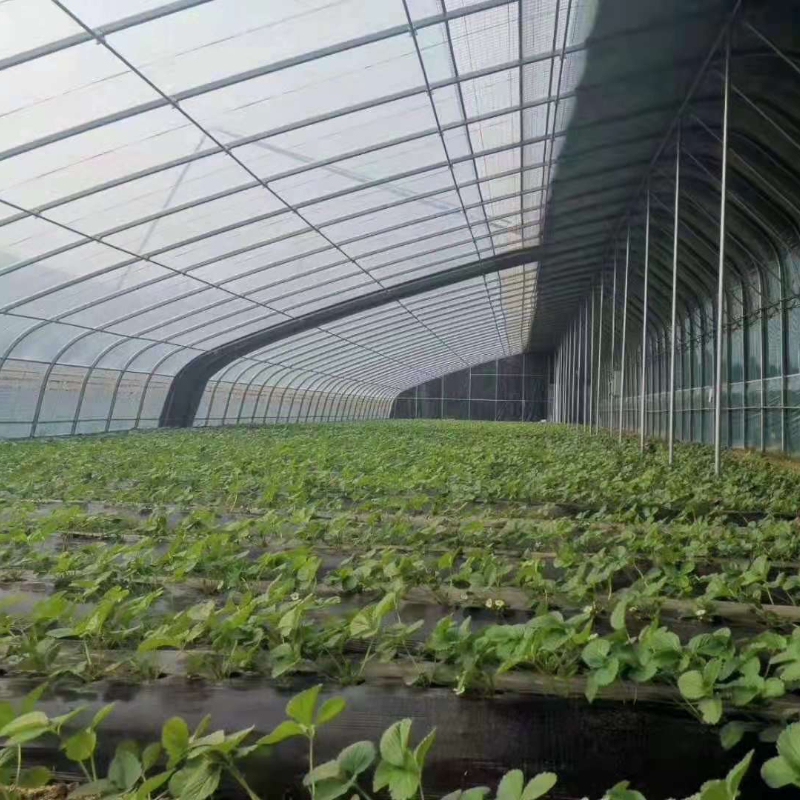
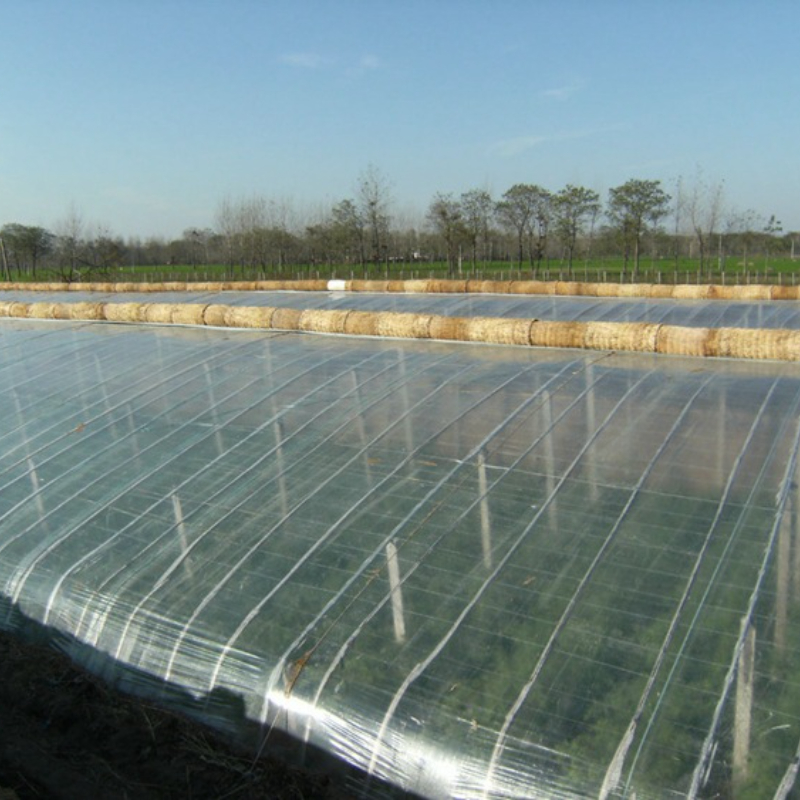
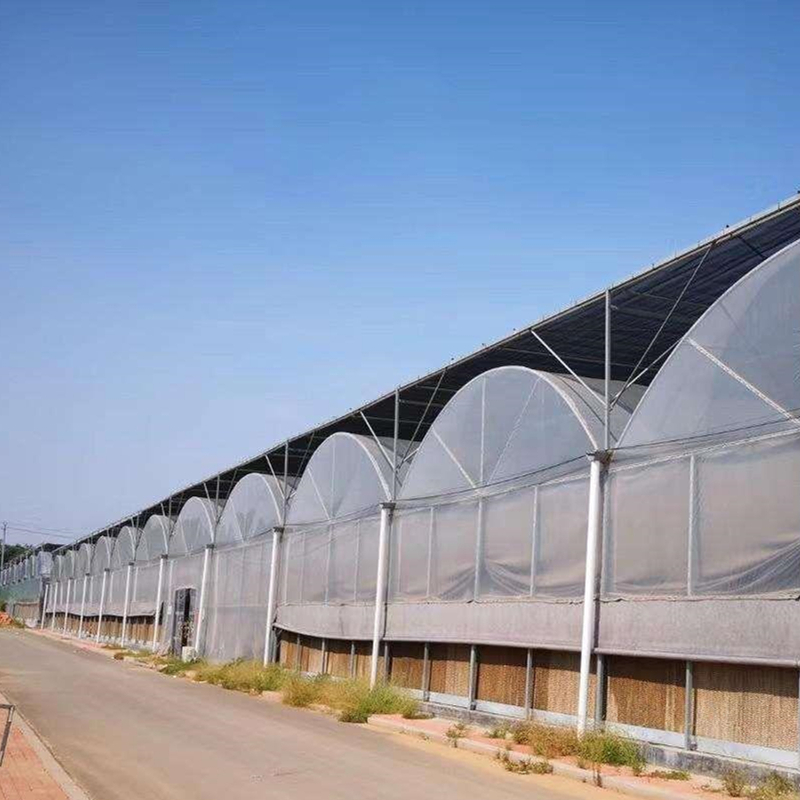
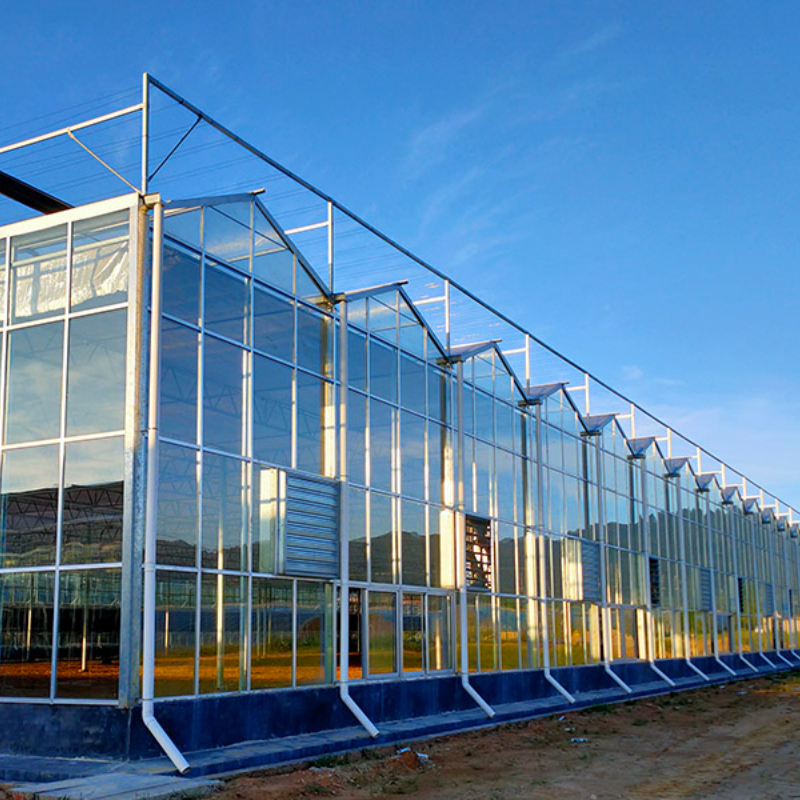
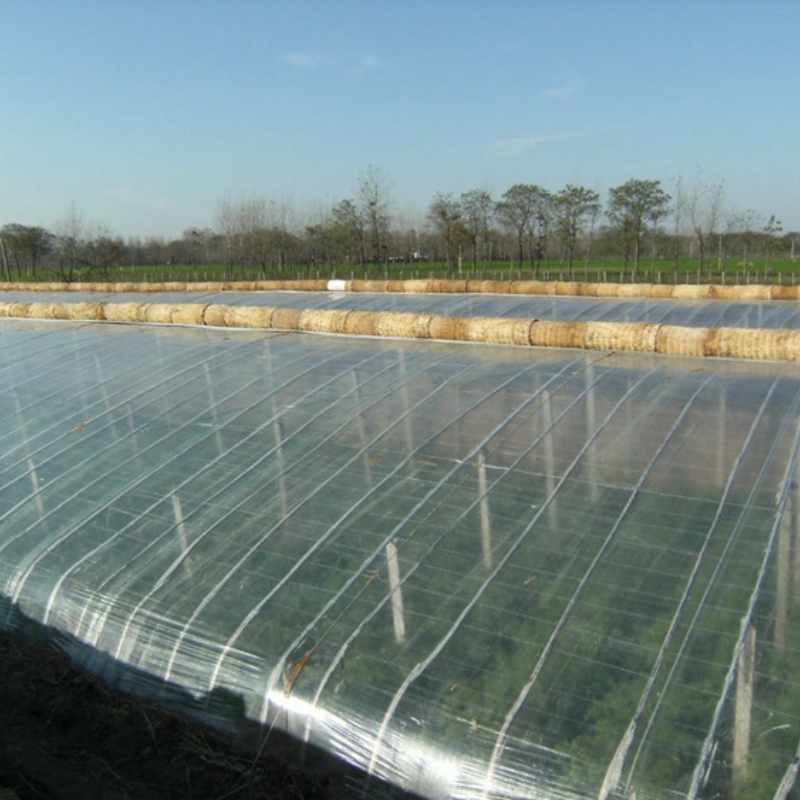
Melons and zucchini are warm-season crops that thrive in temperatures between 25°C and 30°C, with moderate humidity and ample sunlight. Unlike tomatoes, which require precise environmental control to achieve optimal yields and quality, melons and zucchini are relatively resilient and can tolerate minor fluctuations in temperature and moisture. Their primary requirement from a greenhouse is protection from extreme weather events, such as hail, heavy rainfall, strong winds, and frost. Low-tech greenhouses—typically constructed from polyethylene film, polycarbonate sheets, or simple glass panels, with basic ventilation and irrigation systems—are perfectly capable of providing this protection, making them an ideal choice for these crops.
One of the key advantages of low-tech greenhouses for melons and zucchini is their lower cost. The construction cost of a low-tech greenhouse is typically 50% to 80% lower than that of a high-tech greenhouse, making it more accessible to small-scale and medium-scale farmers. Additionally, the operational costs of low-tech greenhouses are significantly lower, as they rely on natural sunlight for photosynthesis, natural ventilation for temperature control, and manual or semi-automated irrigation systems. This makes low-tech greenhouses a cost-effective option for farmers growing melons and zucchini, which are often sold in the mid-range market segment and do not command the same premium prices as high-quality greenhouse tomatoes.
The climatic conditions of a region play a crucial role in determining the suitability of low-tech greenhouses for melons and zucchini. In regions with naturally warm and sunny climates, such as the Mediterranean basin, parts of Africa, and Central and South America, low-tech greenhouses are more than sufficient to meet the growth needs of these crops. The natural sunlight in these regions provides ample energy for photosynthesis, and the mild winters mean that heating systems are rarely needed. The primary function of the greenhouse in these regions is to protect the crops from hail and excessive rainfall, which can damage the fruit and foliage, and from pests and diseases that are spread by wind and rain.
In conclusion, the specific traits of melons and zucchini—their resilience to environmental fluctuations, their need for basic weather protection, and their market positioning—make them ideally suited to low-tech greenhouse cultivation. Low-tech greenhouses offer a cost-effective solution that meets the growth needs of these crops while minimizing operational expenses, making them accessible to a wide range of farmers. In regions with favorable climatic conditions, low-tech greenhouses are a highly profitable option for melon and zucchini cultivation, providing farmers with a reliable source of income and contributing to the global supply of these essential crops. As the demand for fresh and processed vegetables continues to grow, low-tech greenhouses will remain an important part of the agricultural landscape for melons and zucchini.
