
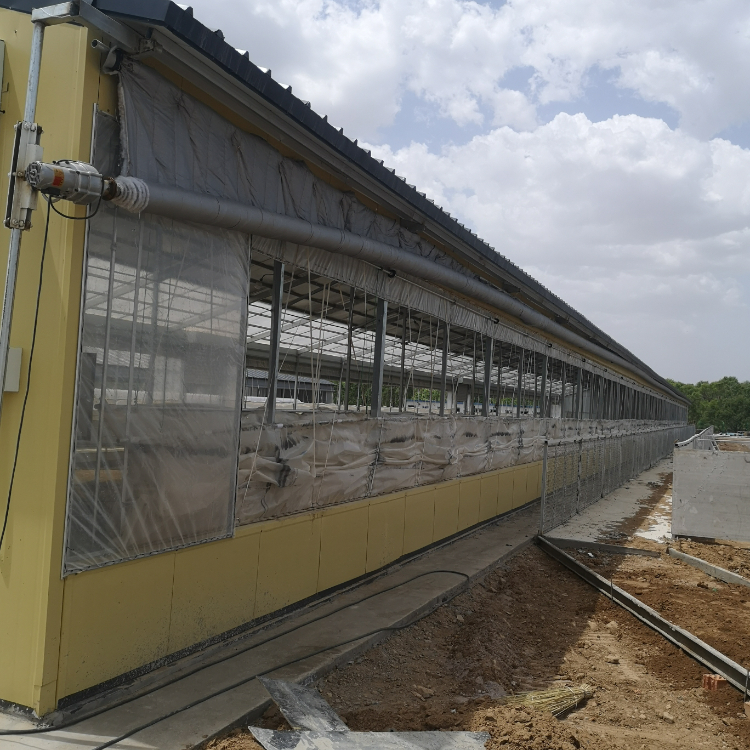
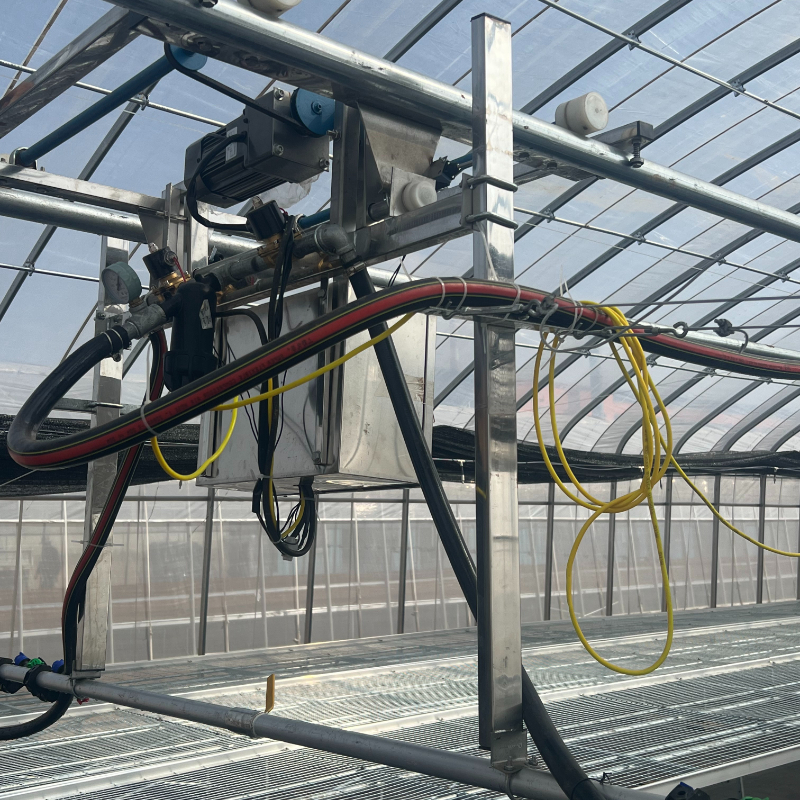
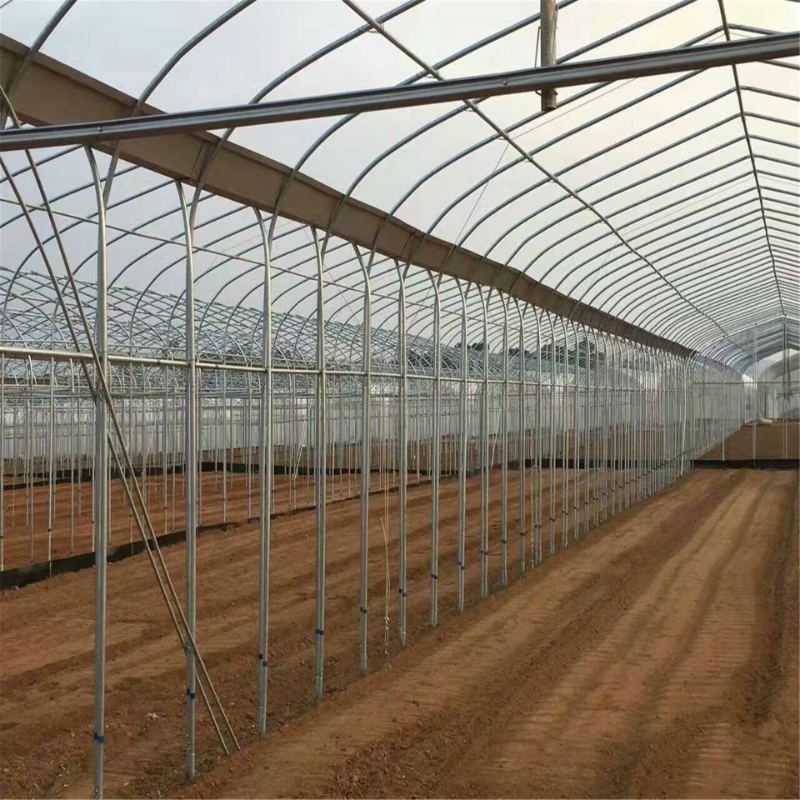
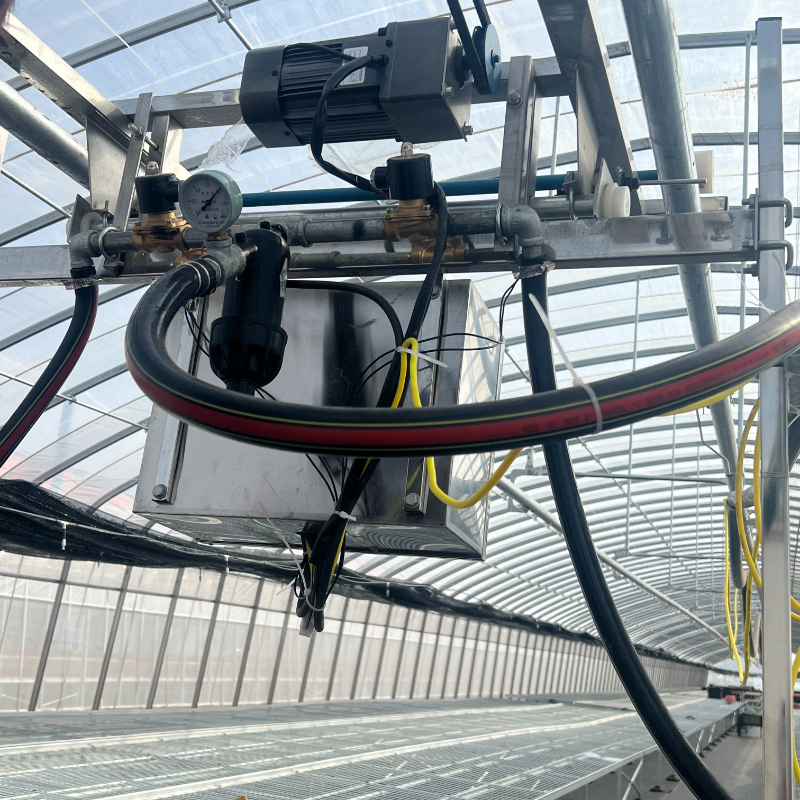
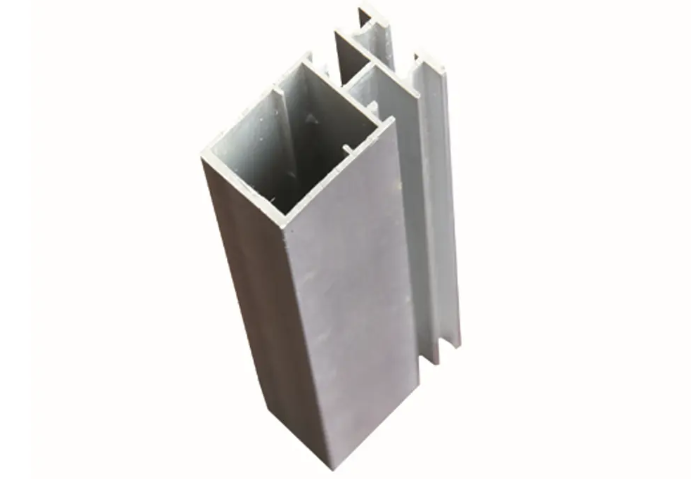
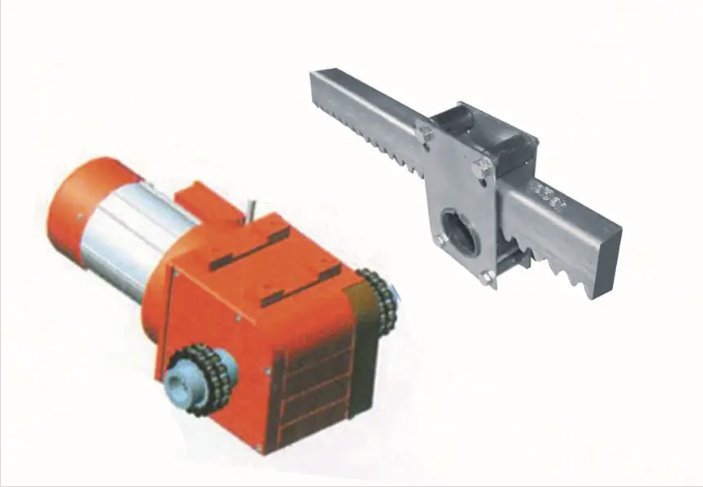
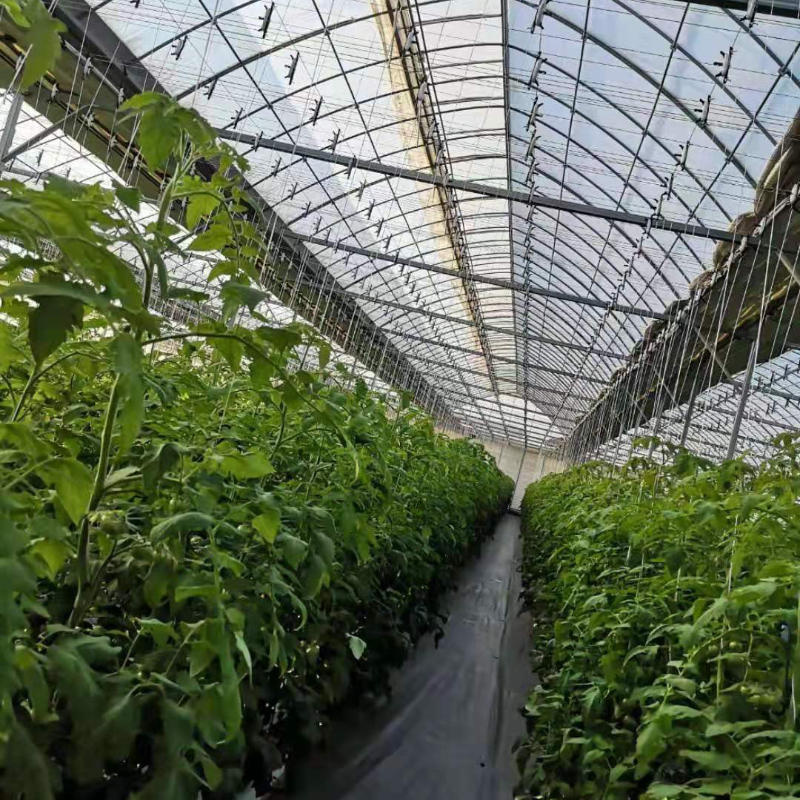
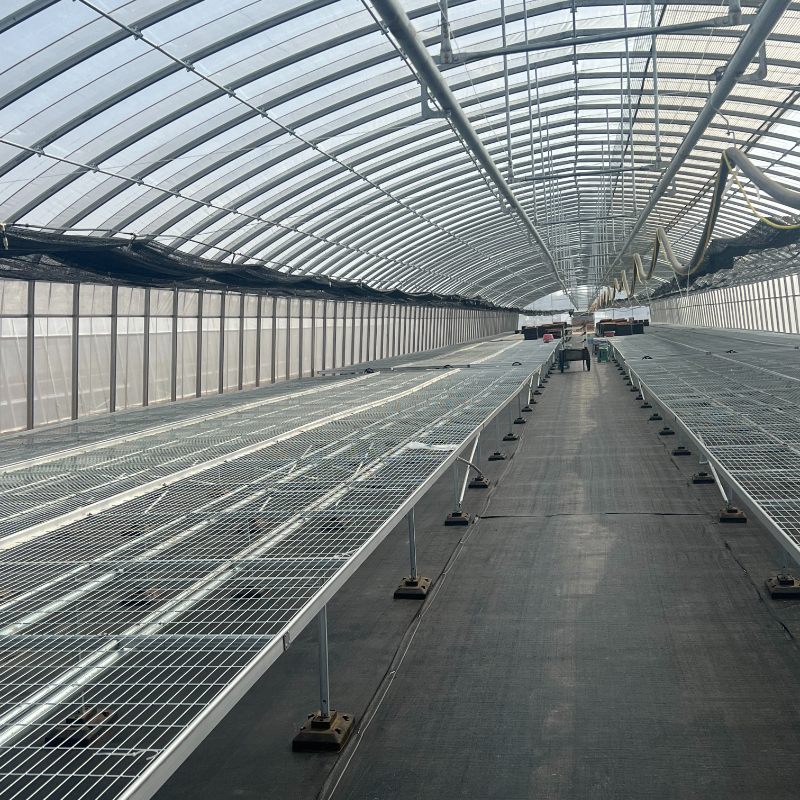
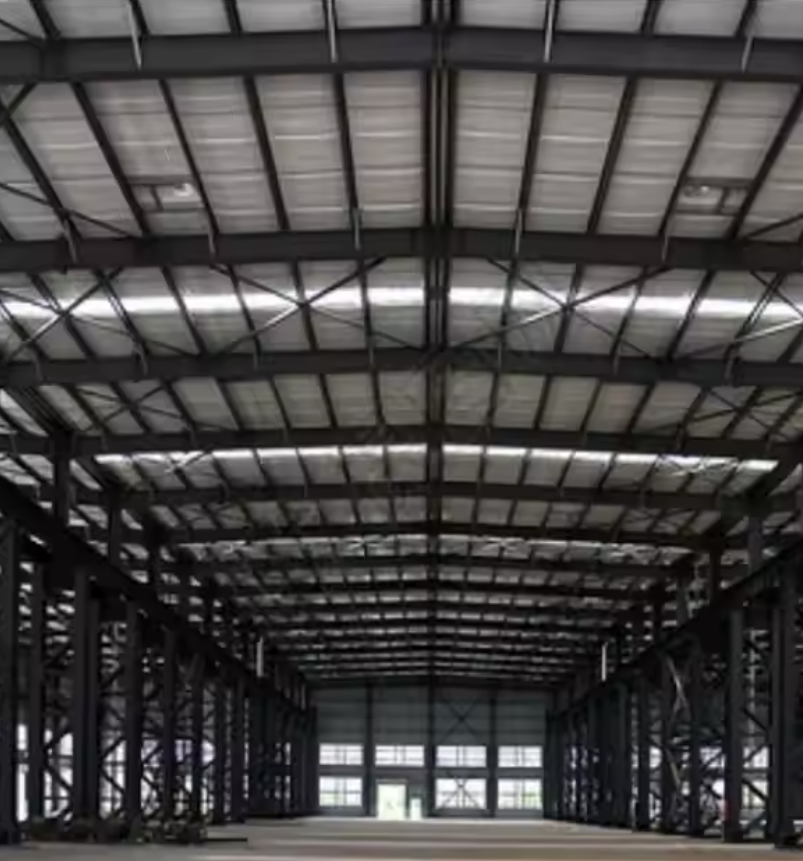
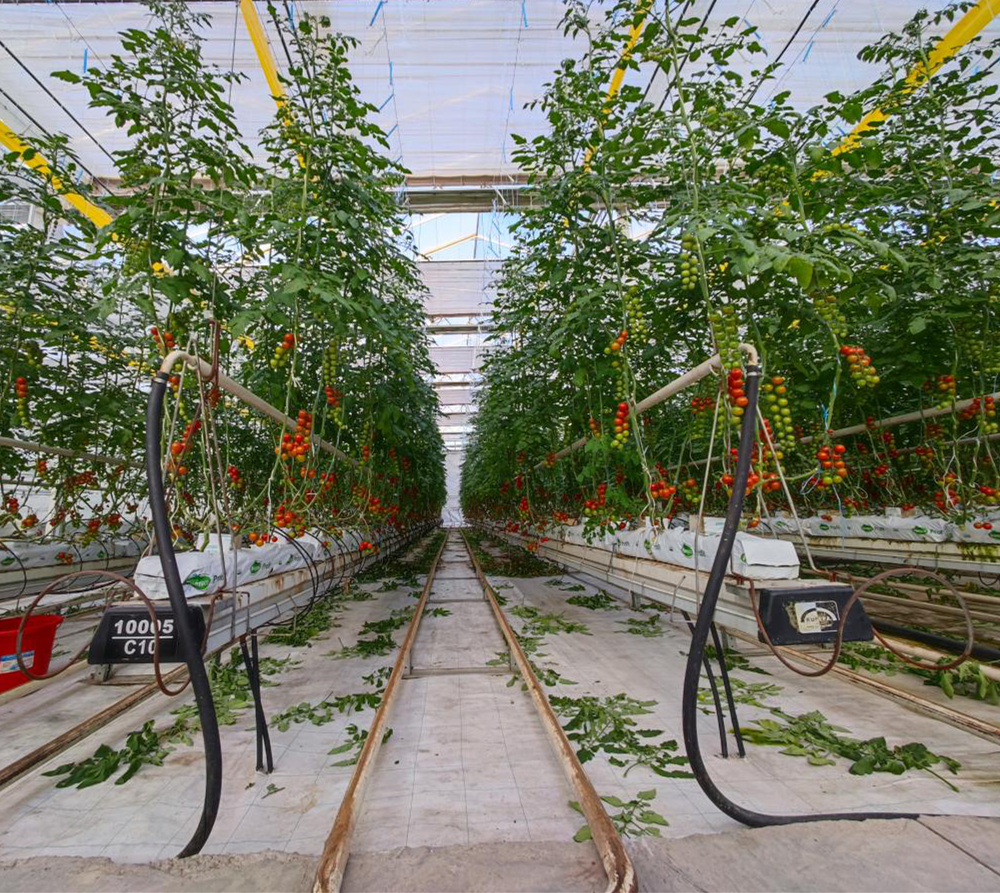
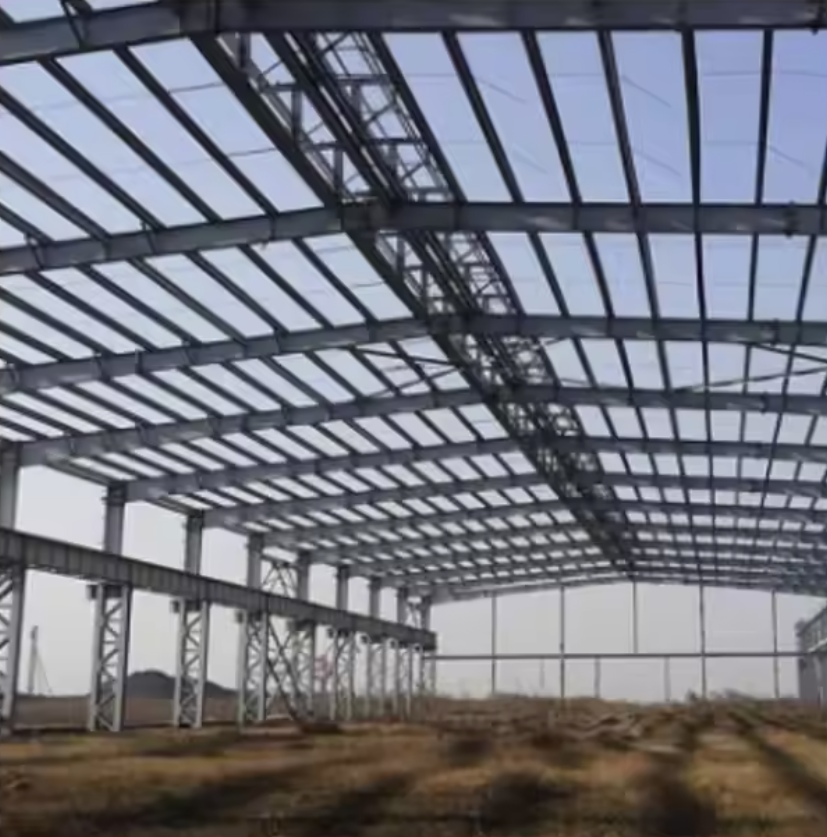
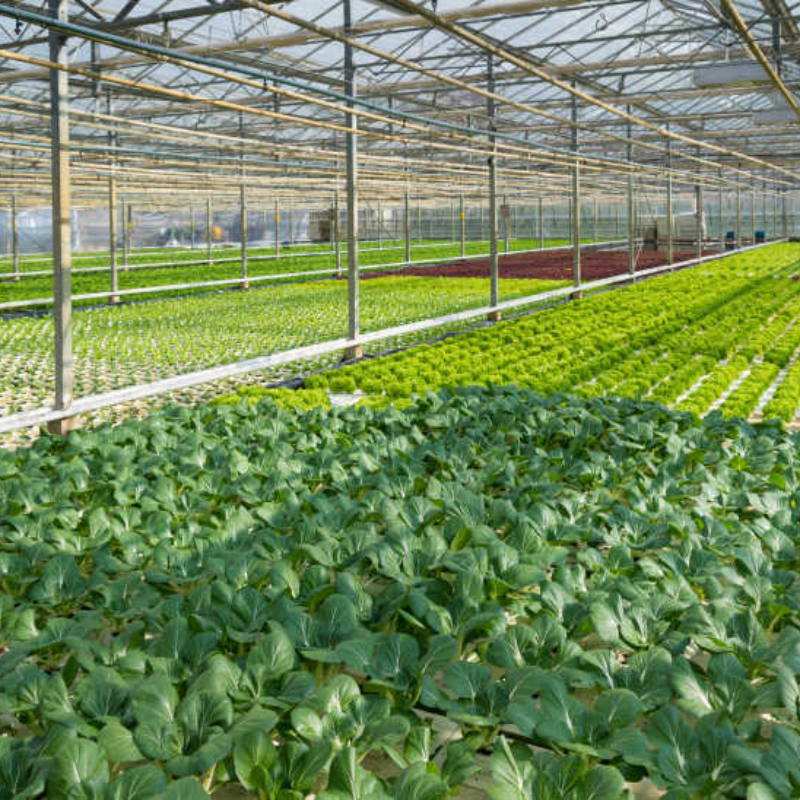
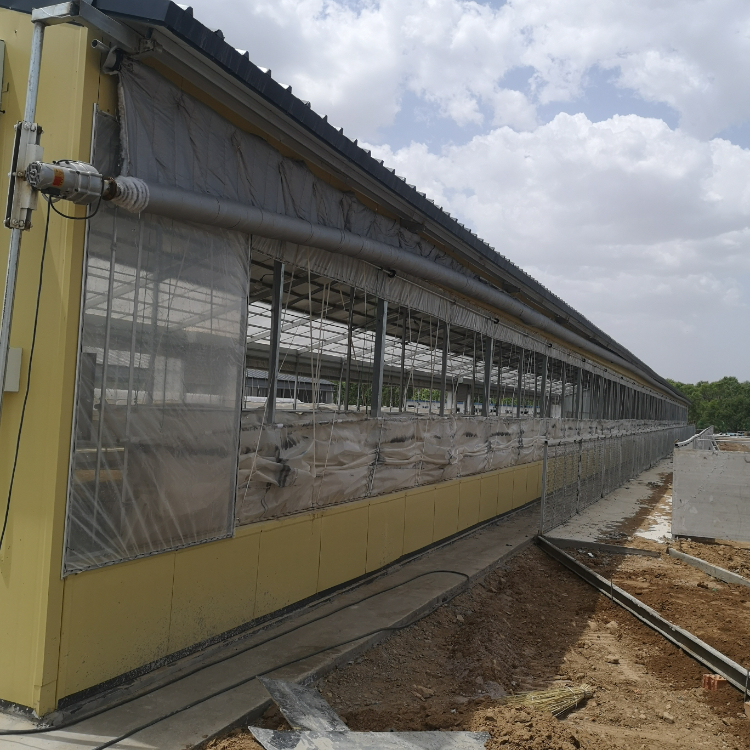
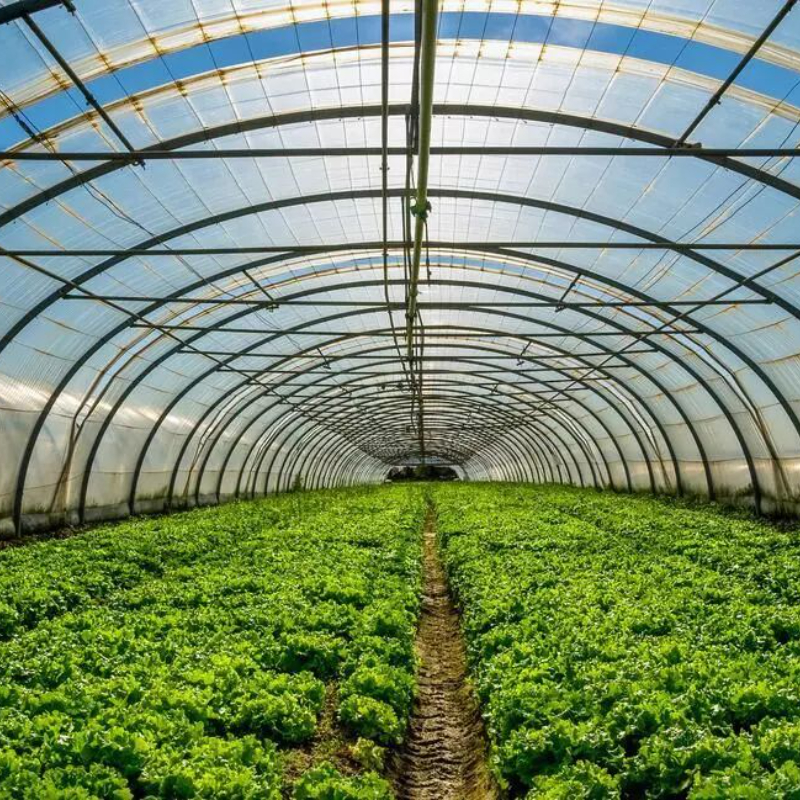
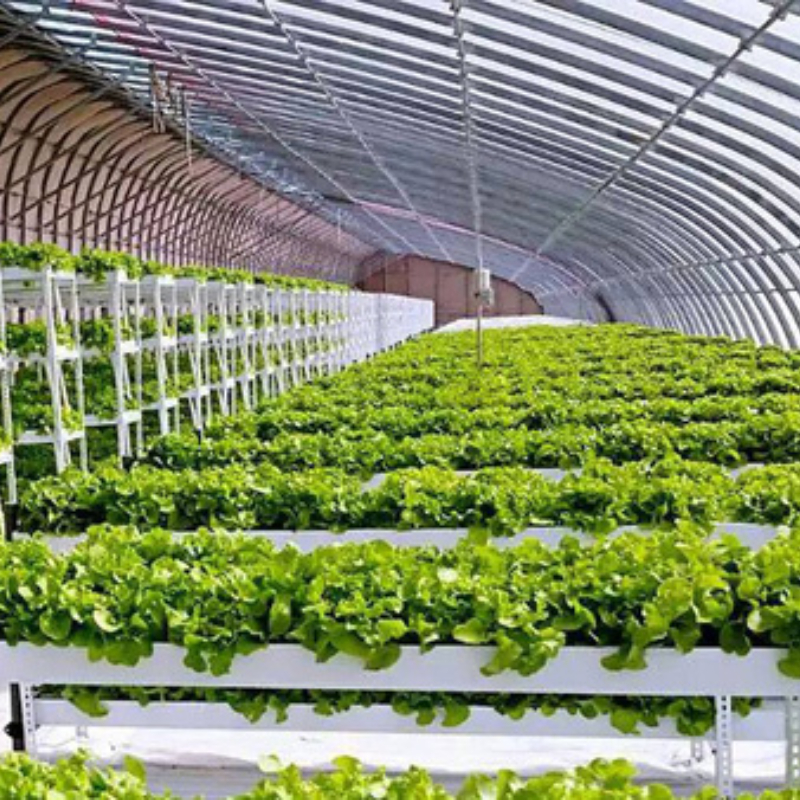
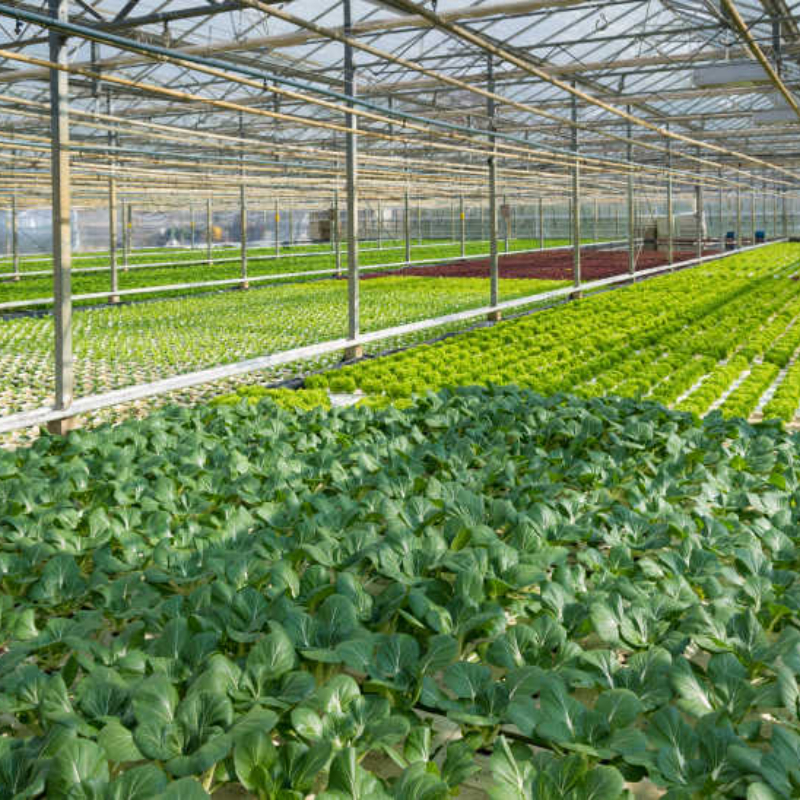
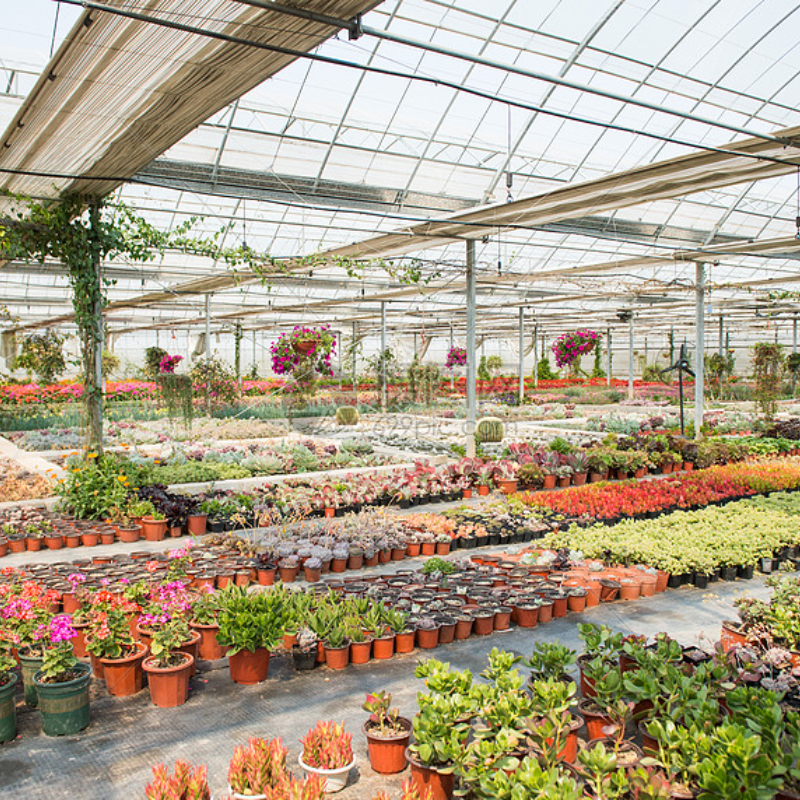
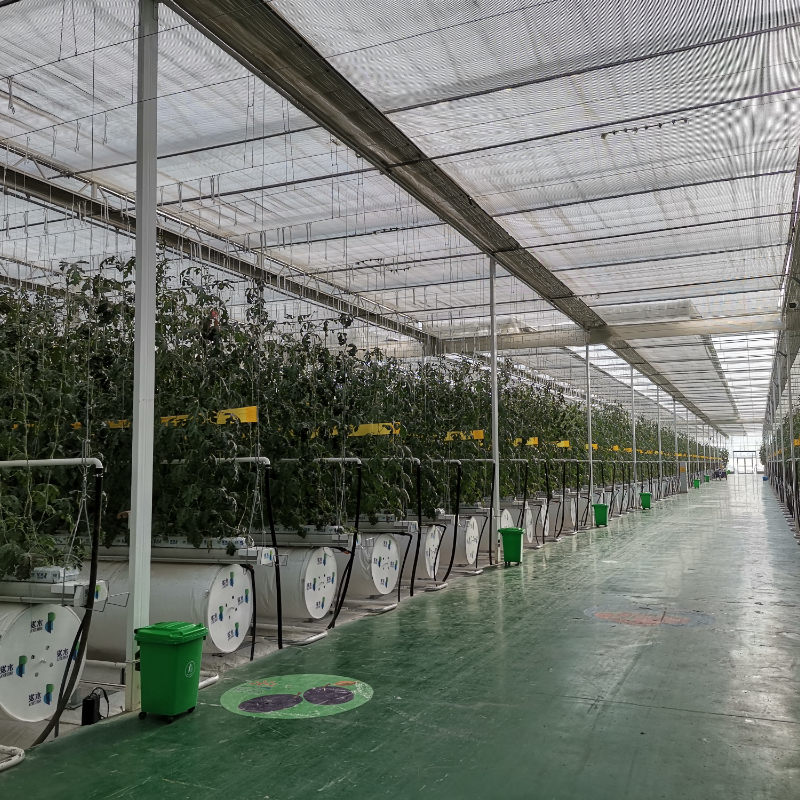
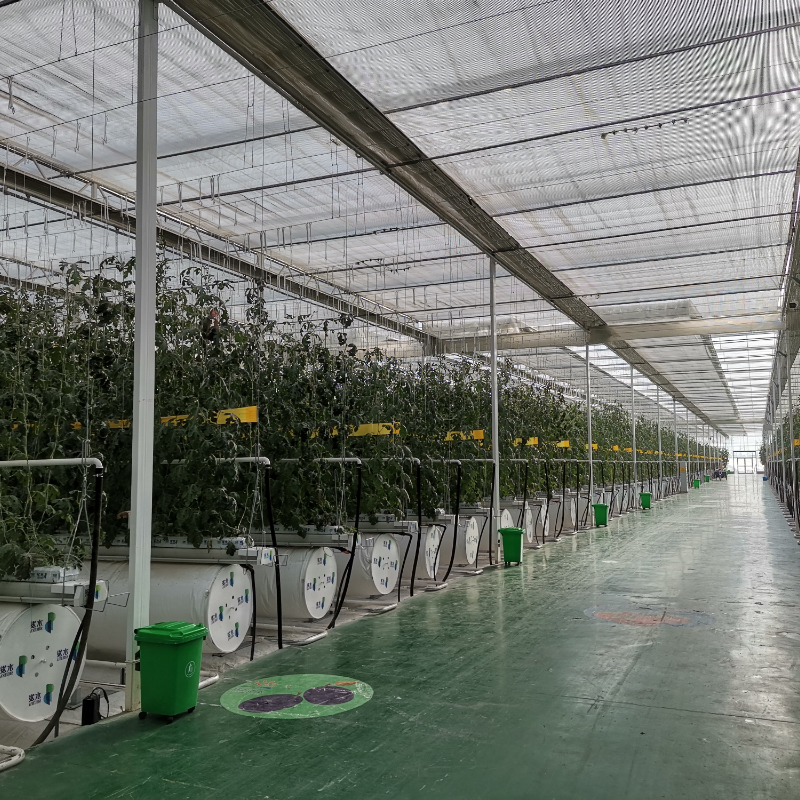
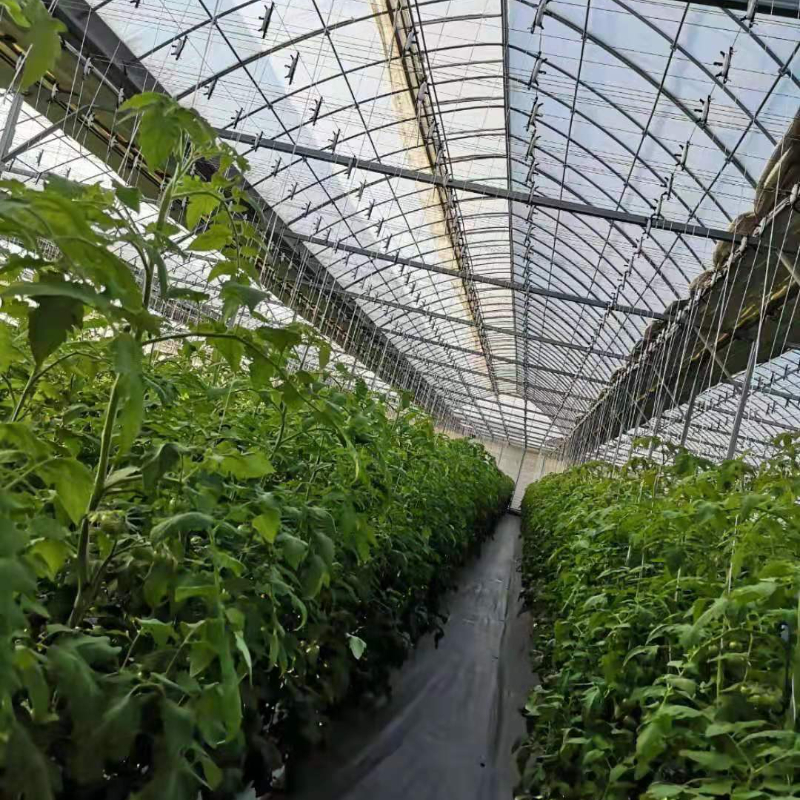
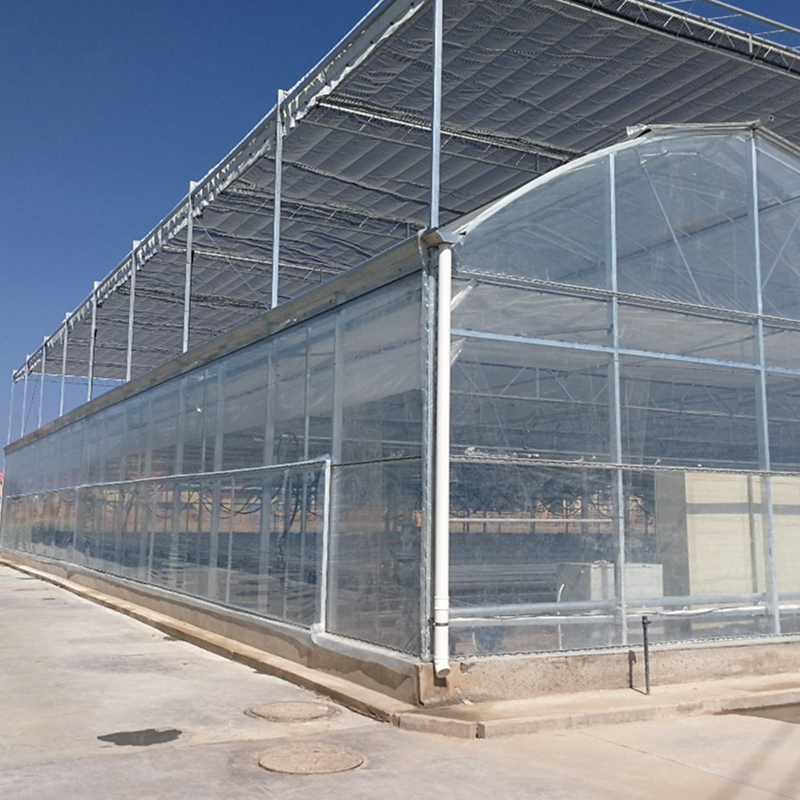
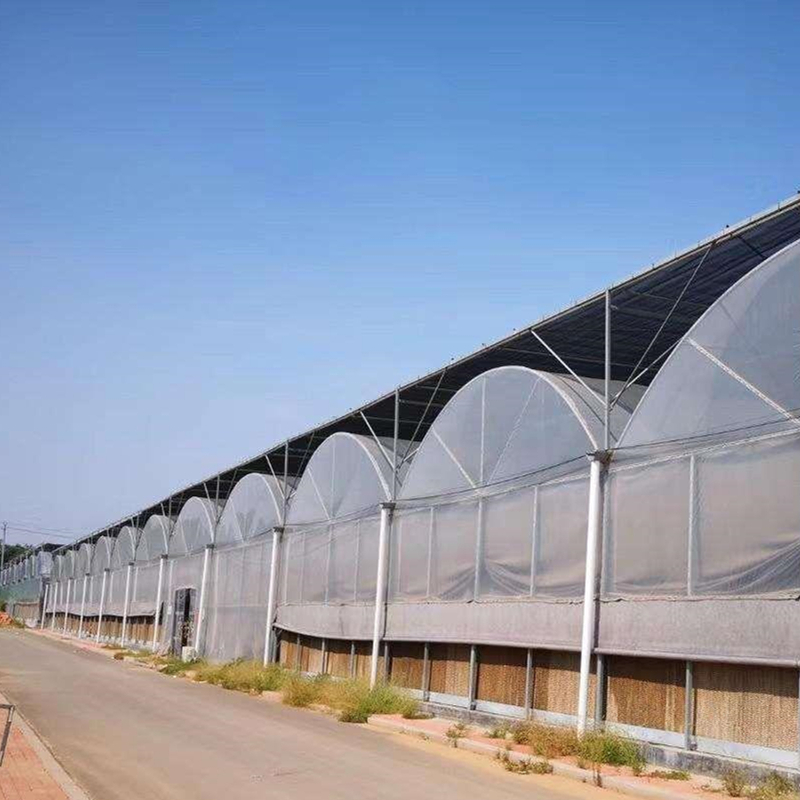
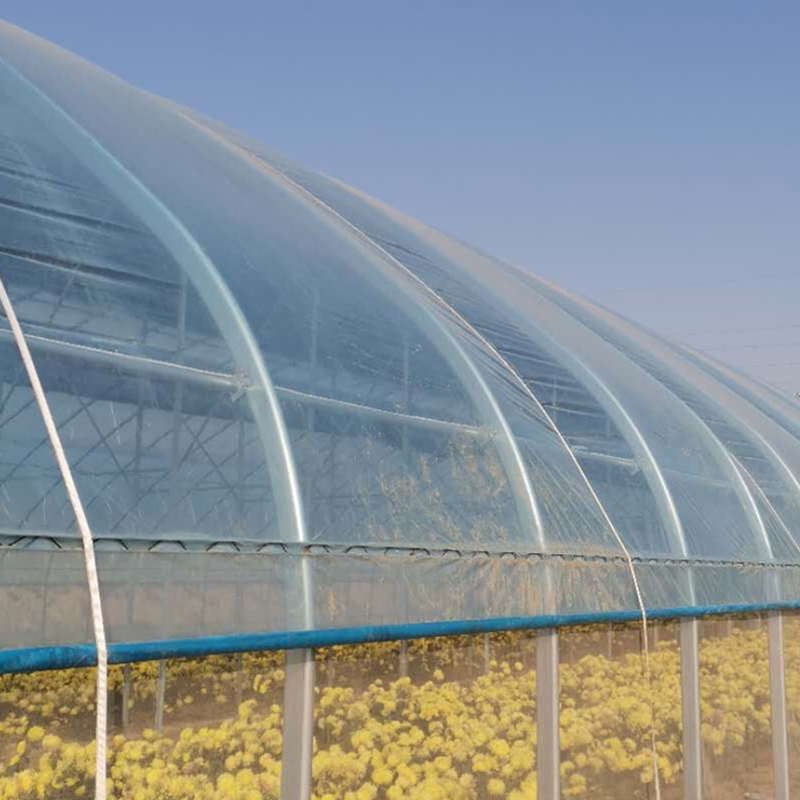
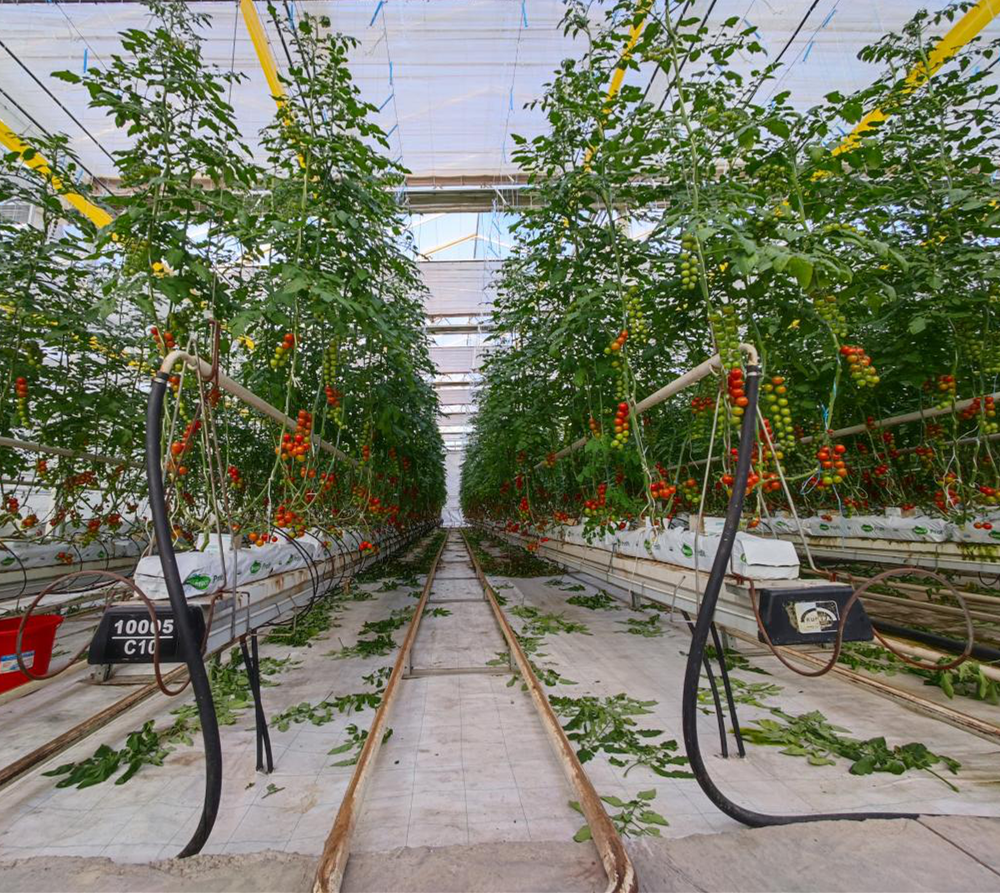
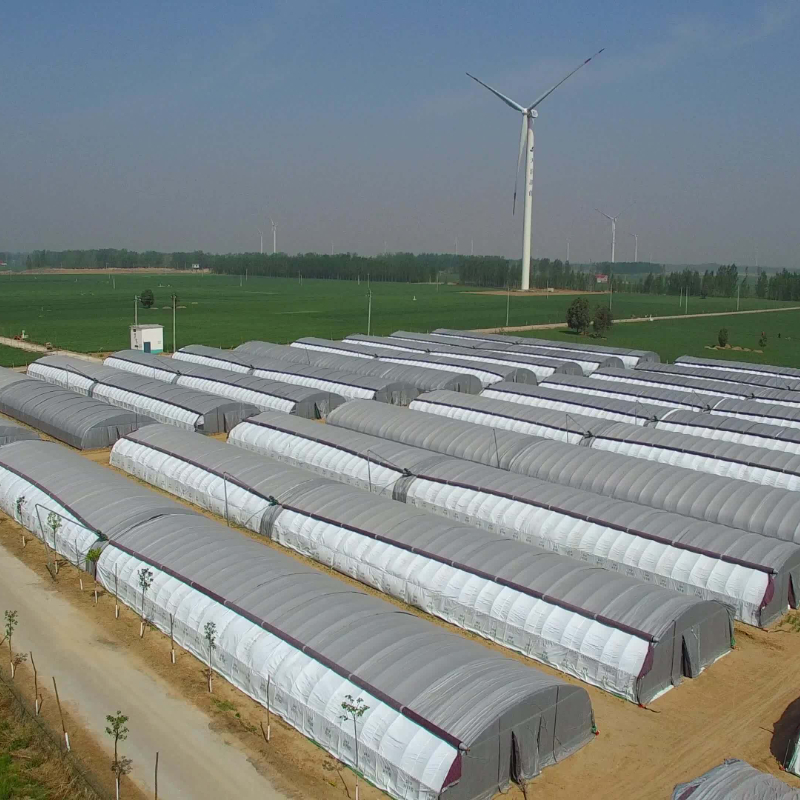
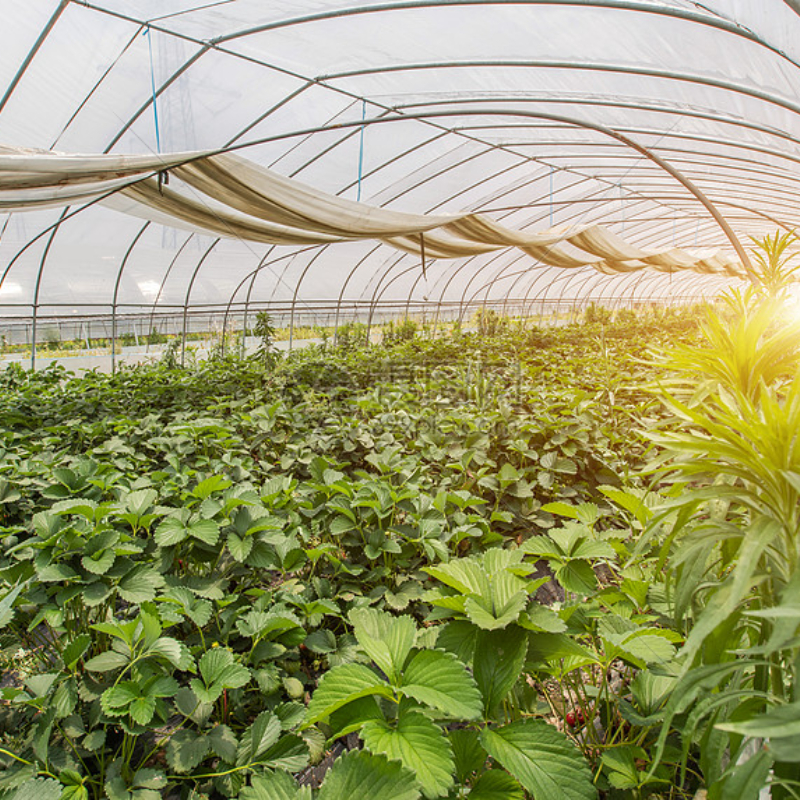
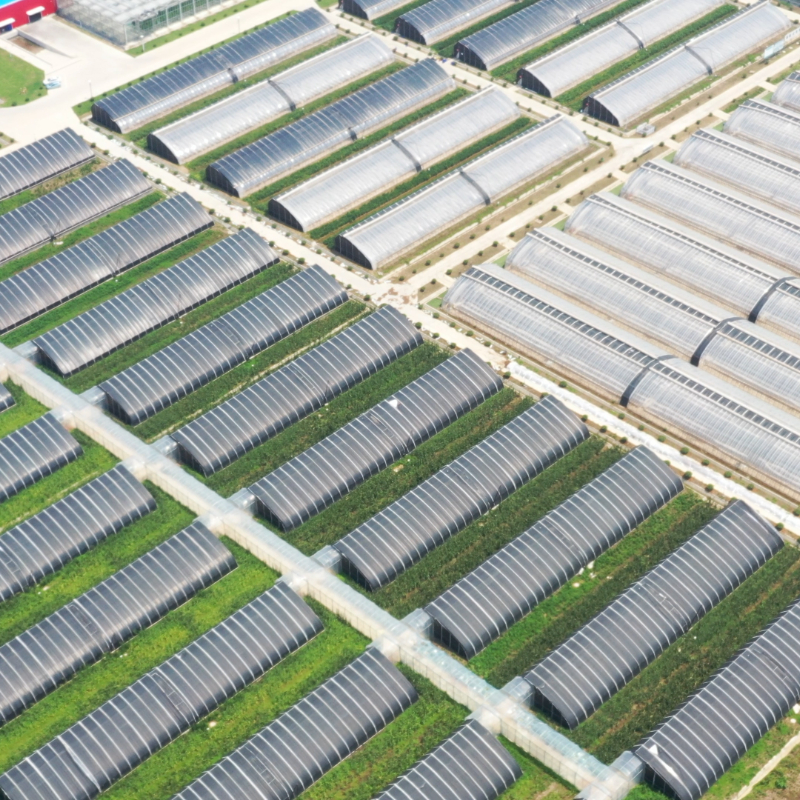
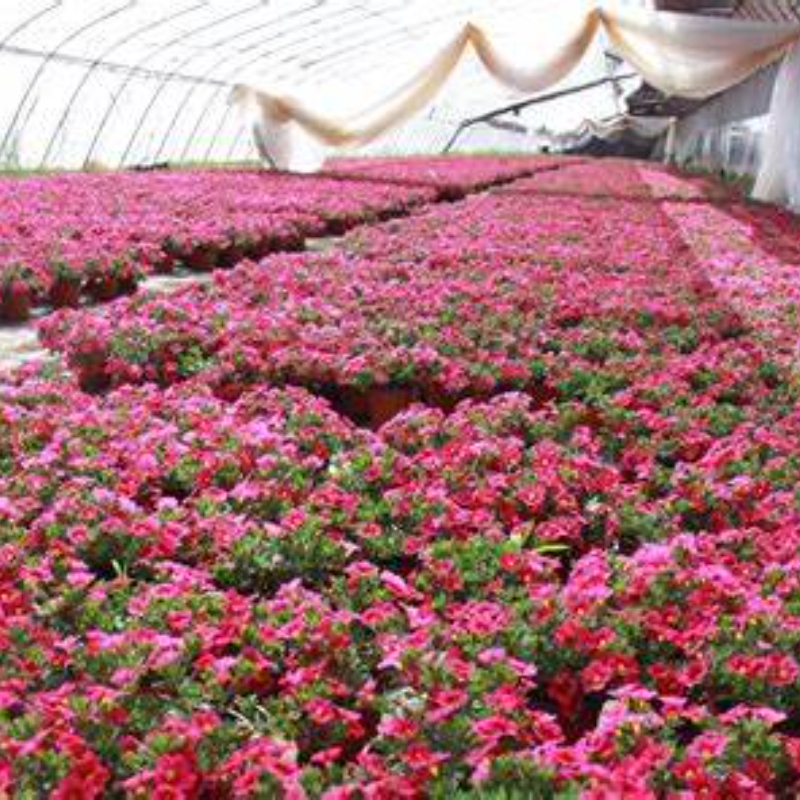
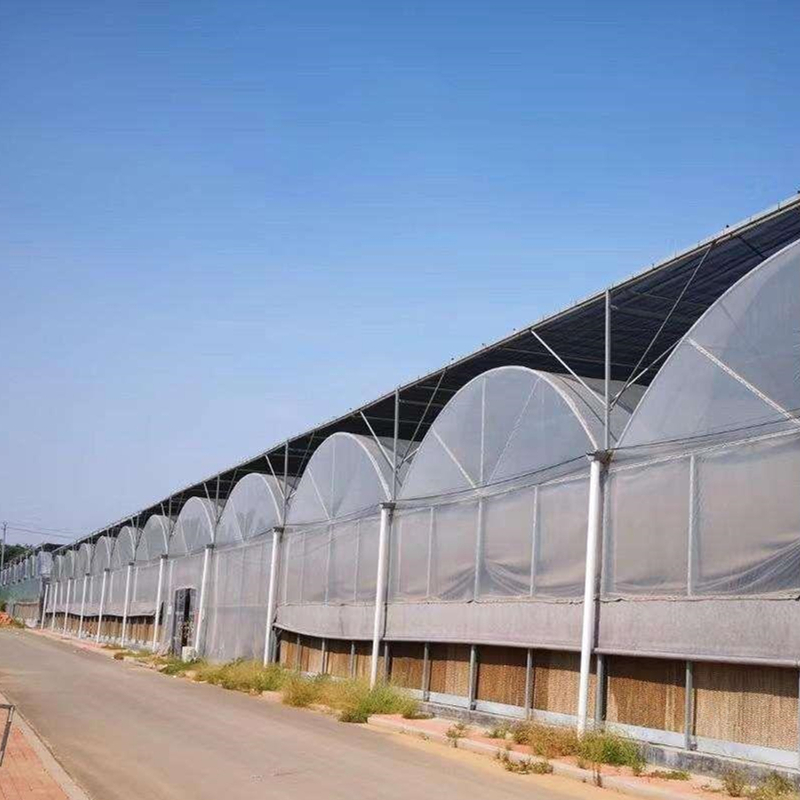
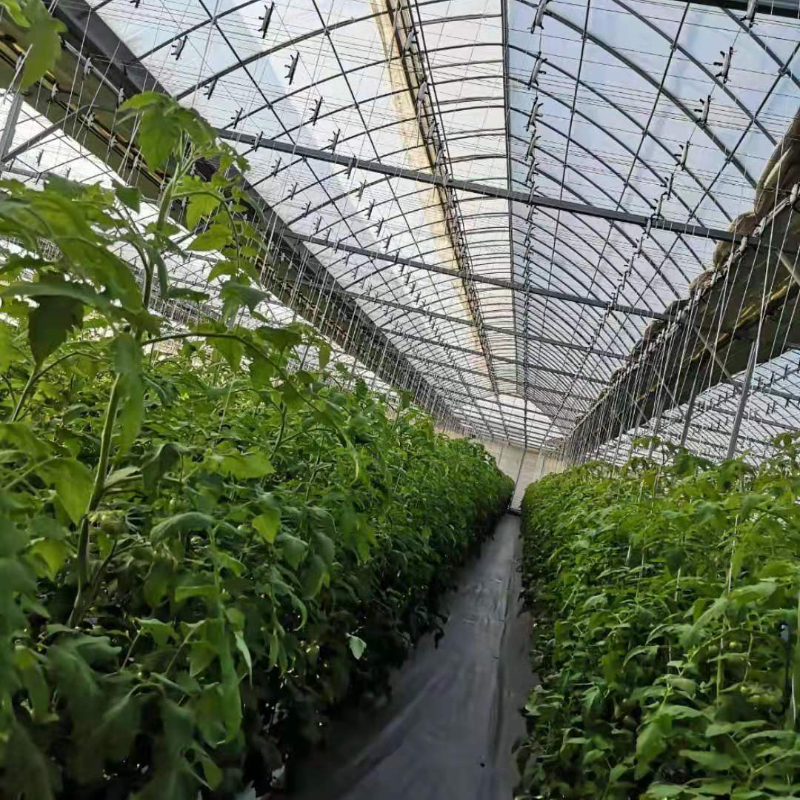
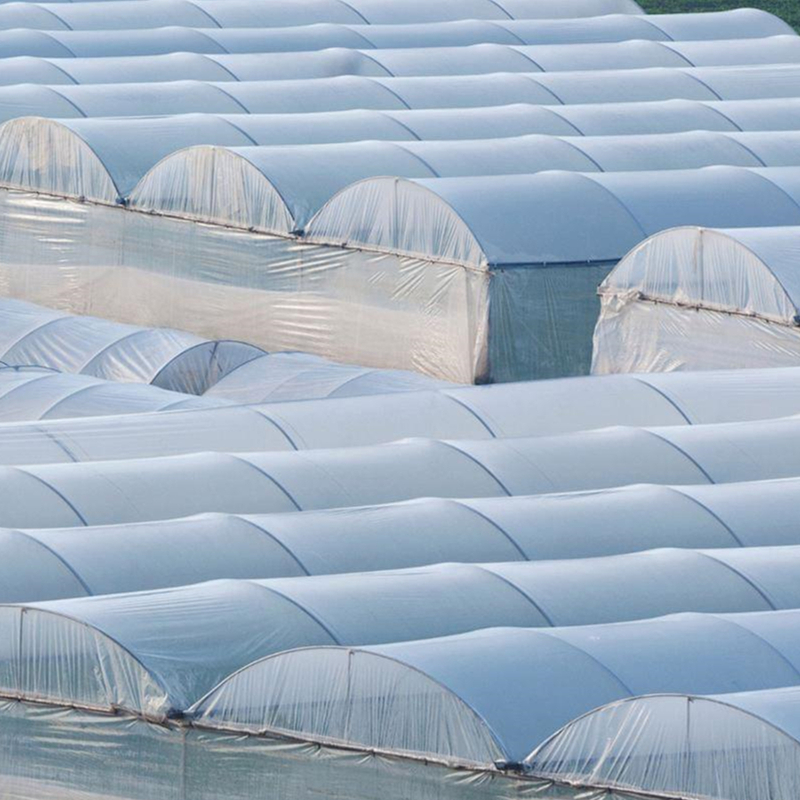
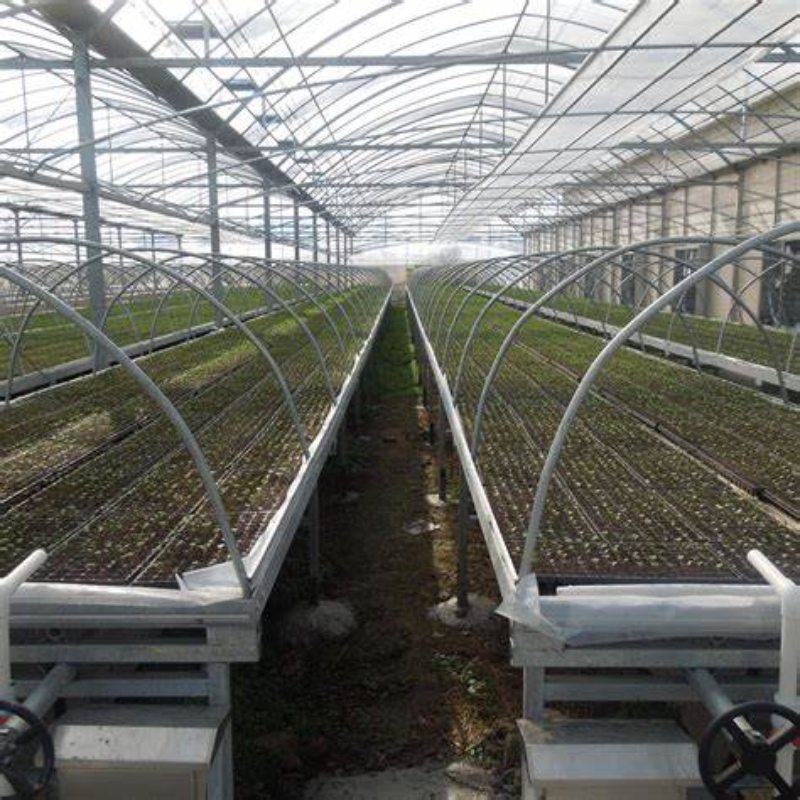
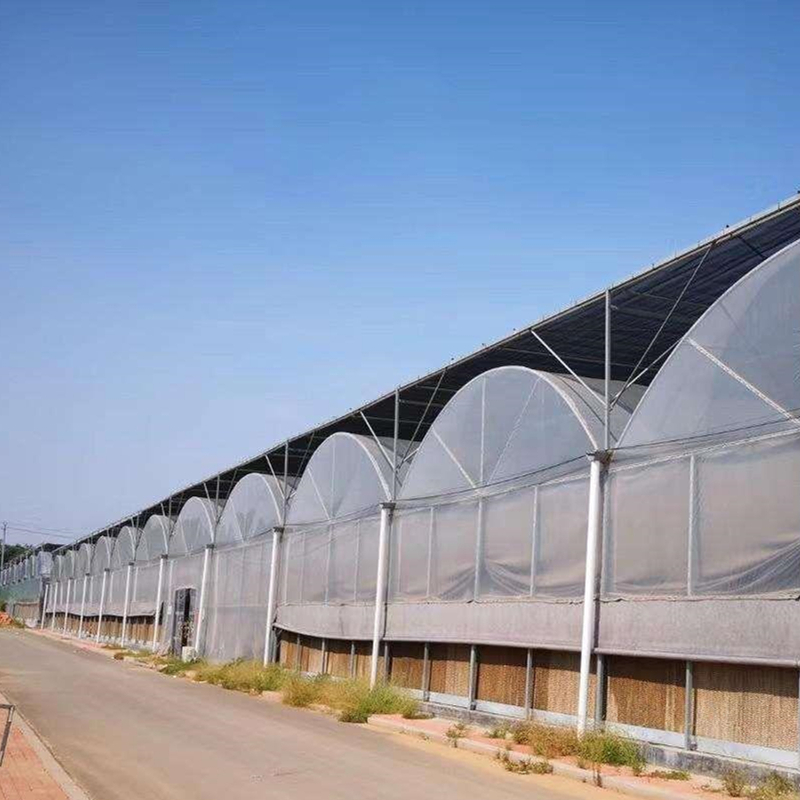
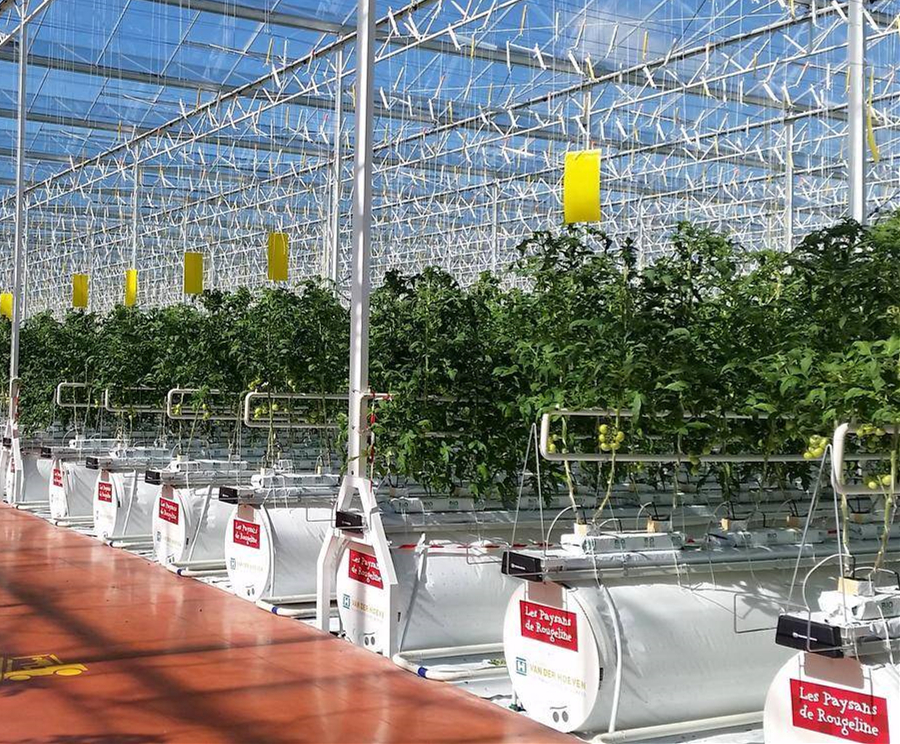
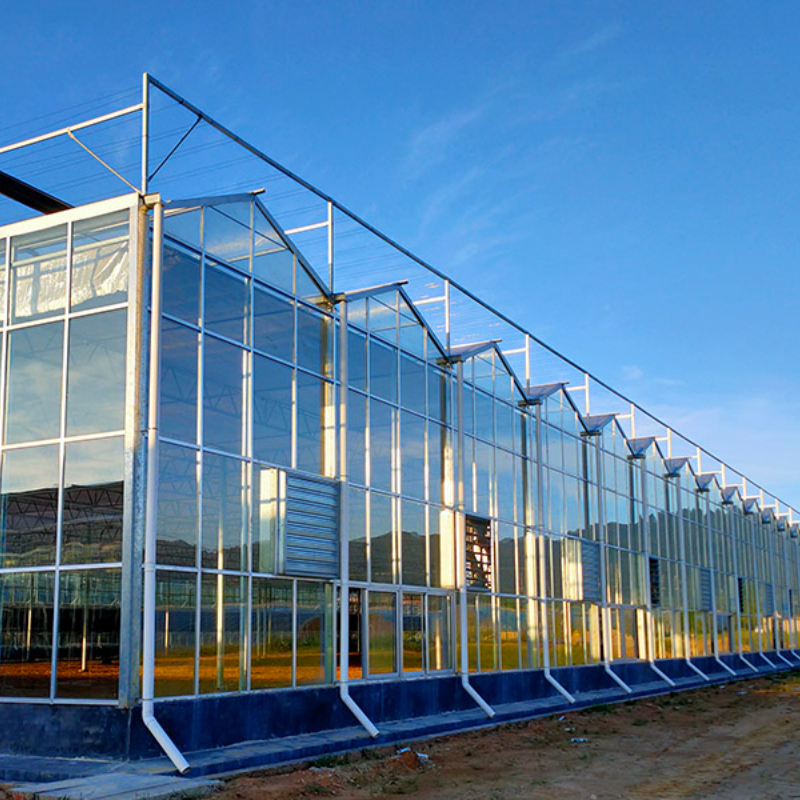
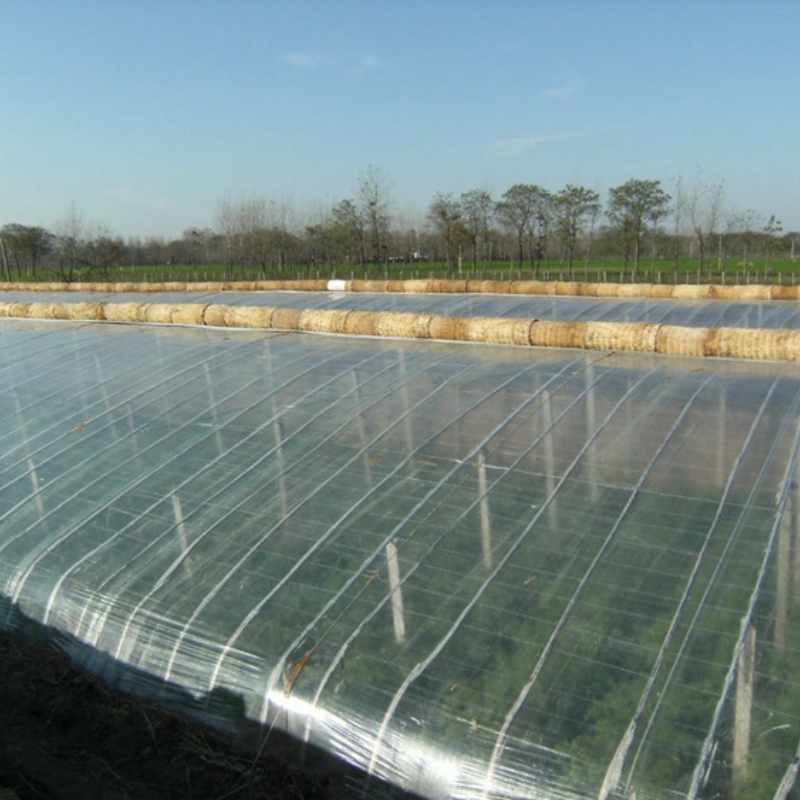
Despite the many advantages of high-tech greenhouses, the industry faces several challenges. The first challenge is the high initial investment cost. High-tech greenhouses require a significant upfront investment in infrastructure, technology, and equipment, which can be a barrier for small-scale farmers and farmers in developing countries. The second challenge is the high operational cost, particularly for energy. High-tech greenhouses require energy to power heating, cooling, lighting, and irrigation systems, which can be expensive, especially in regions with high energy costs. The third challenge is the lack of skilled labor. High-tech greenhouses require farmers and workers with specialized knowledge of advanced technologies, such as AI, sensors, and hydroponics. In many regions, there is a shortage of skilled labor, which can hinder the adoption and operation of high-tech greenhouses.
The development of new crop varieties specifically adapted to high-tech greenhouse environments is another promising opportunity. Plant breeders are working to develop varieties that are more efficient at using light, water, and nutrients, and that are more resistant to diseases and pests. These varieties will further improve the productivity and profitability of high-tech greenhouses, making them an even more attractive option for farmers. Additionally, the cultivation of new crops, such as medicinal plants, herbs, and edible flowers, in high-tech greenhouses will expand the market for greenhouse-grown produce and create new revenue streams for farmers.
In conclusion, the global greenhouse cultivation landscape is evolving rapidly, with high-tech greenhouses playing an increasingly important role in meeting the growing demand for food, mitigating the risks of climate change, and satisfying consumer demand for high-quality, sustainable produce. While the industry faces challenges such as high initial investment costs, high operational costs, and a shortage of skilled labor, the opportunities for growth and innovation are vast. The integration of renewable energy, AI, and vertical farming, along with the development of new crop varieties, will drive the future of high-tech greenhouses, making them a cornerstone of sustainable and efficient agriculture worldwide. As we look to the future, high-tech greenhouses will continue to revolutionize the way we grow food, ensuring a reliable and sustainable food supply for generations to come.
