
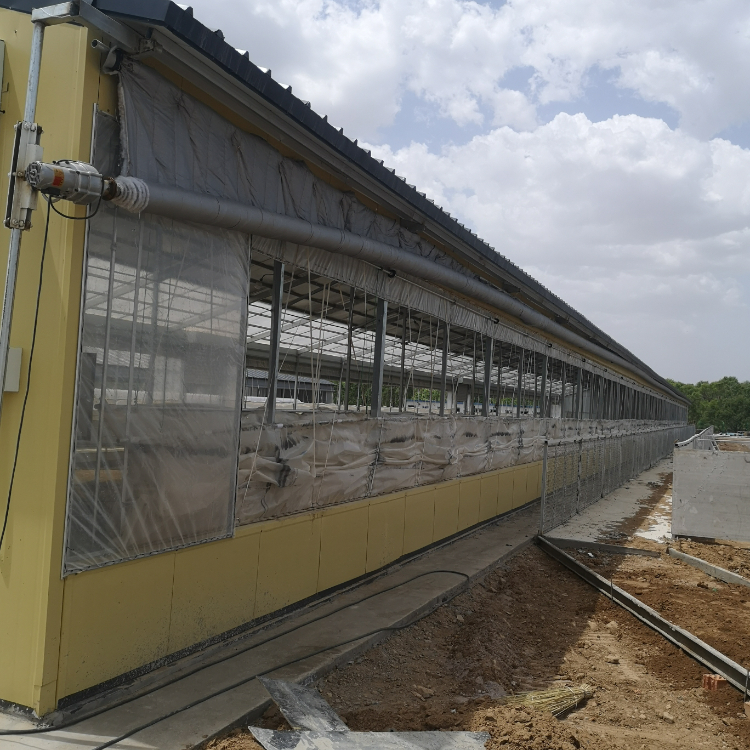
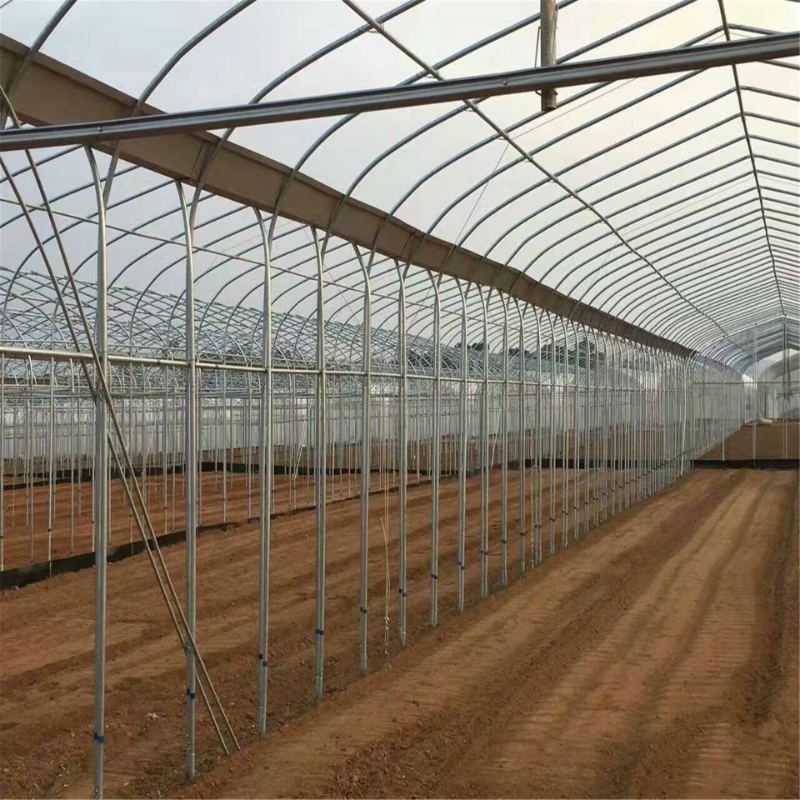
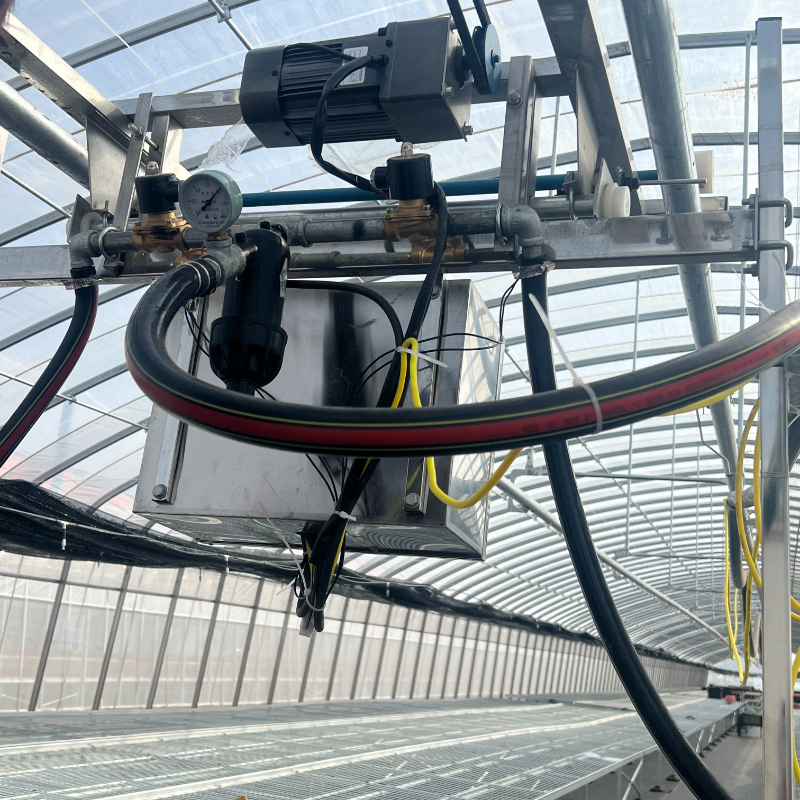
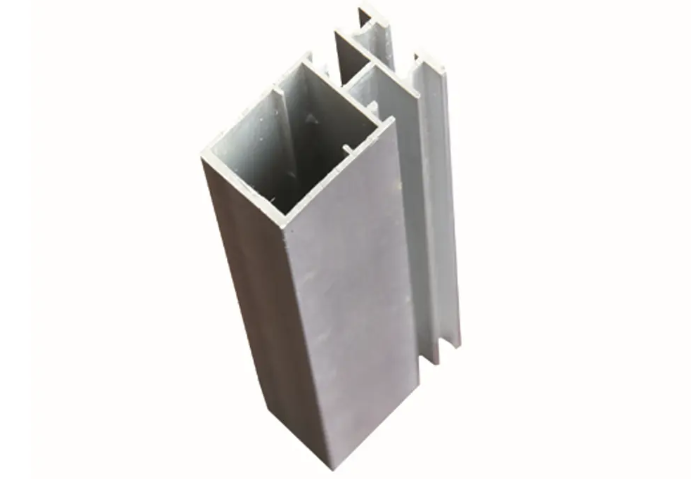
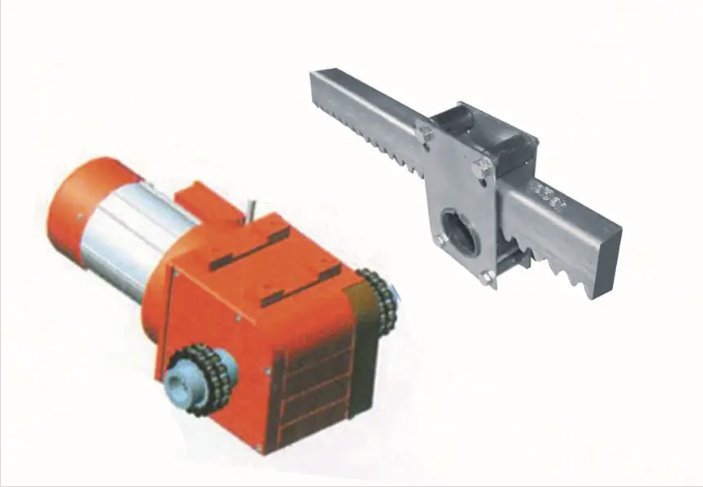
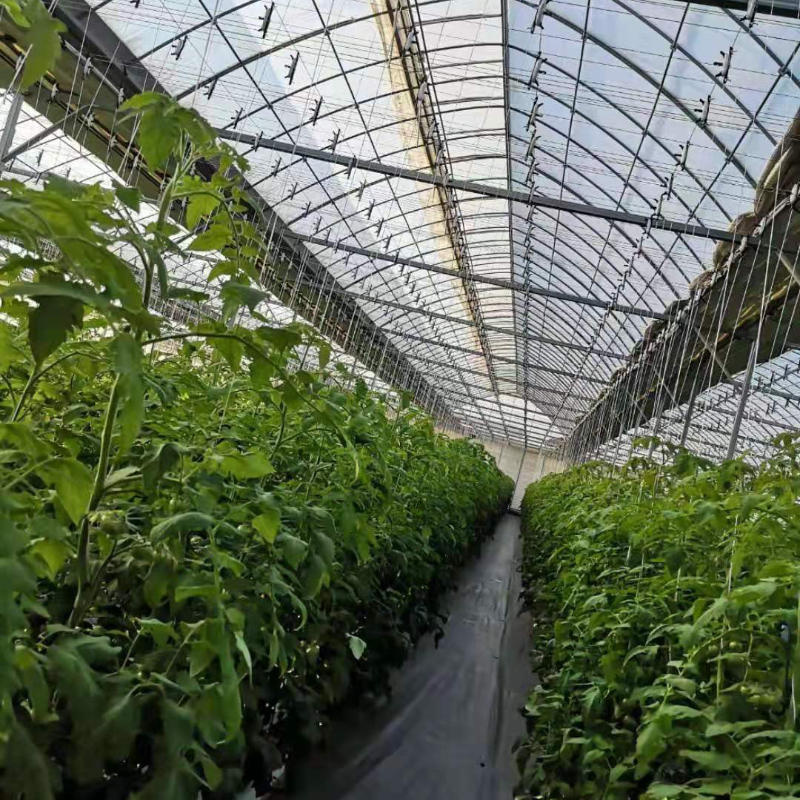
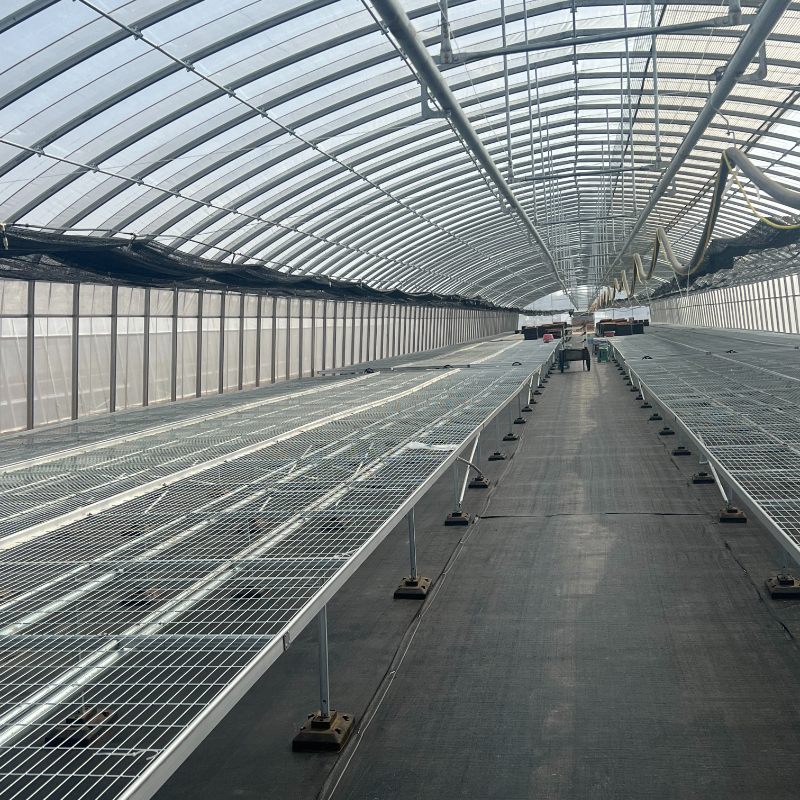
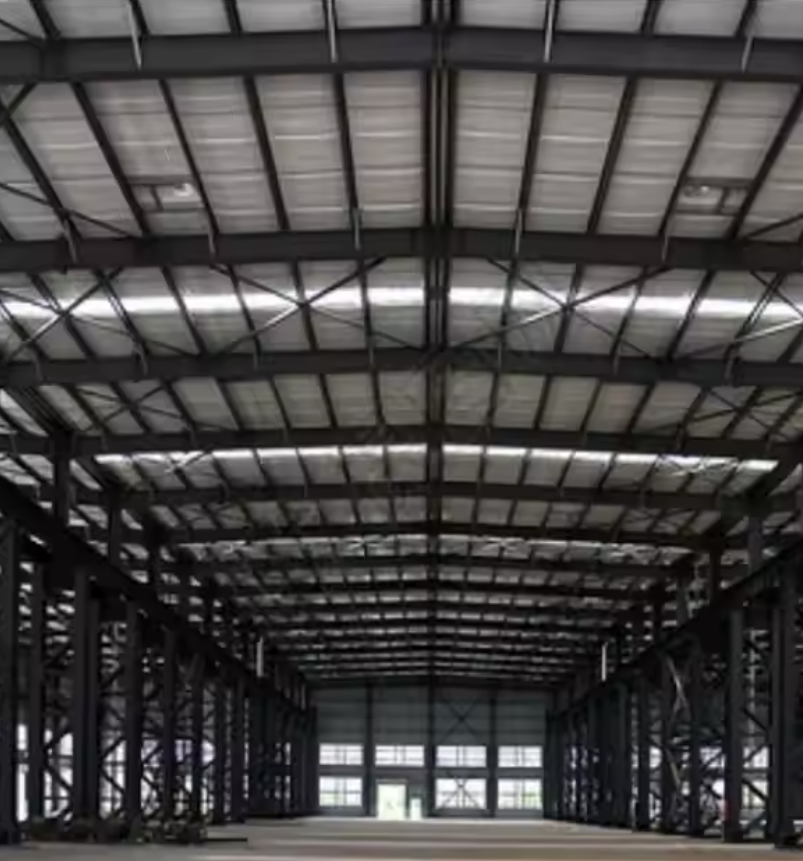
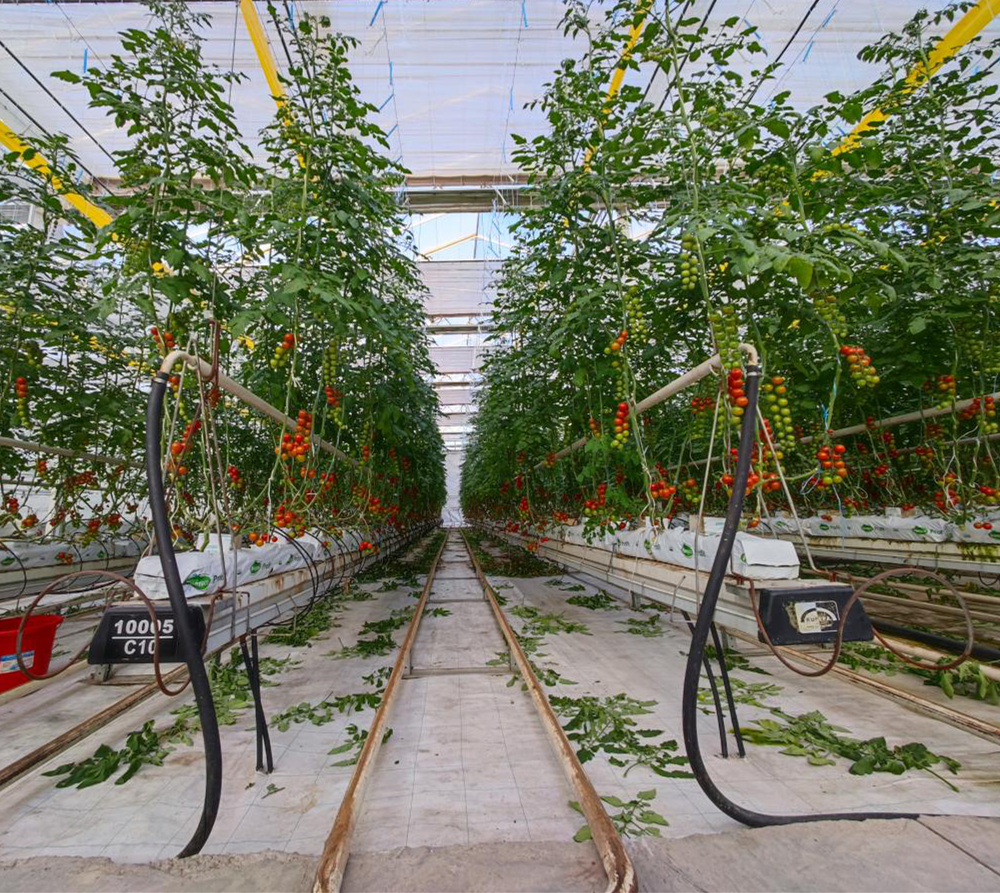
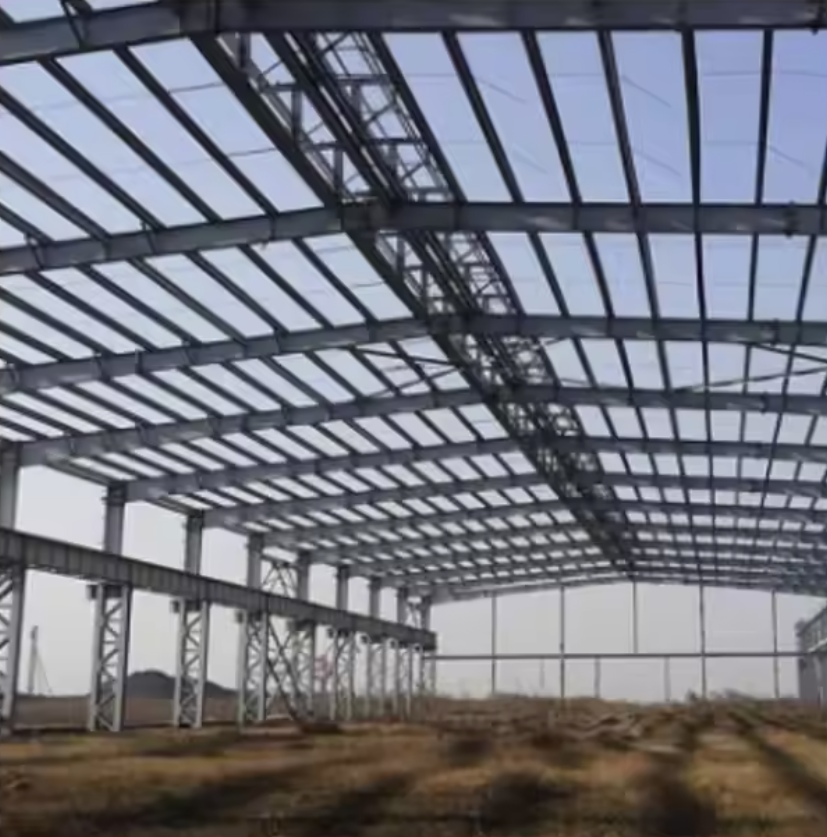
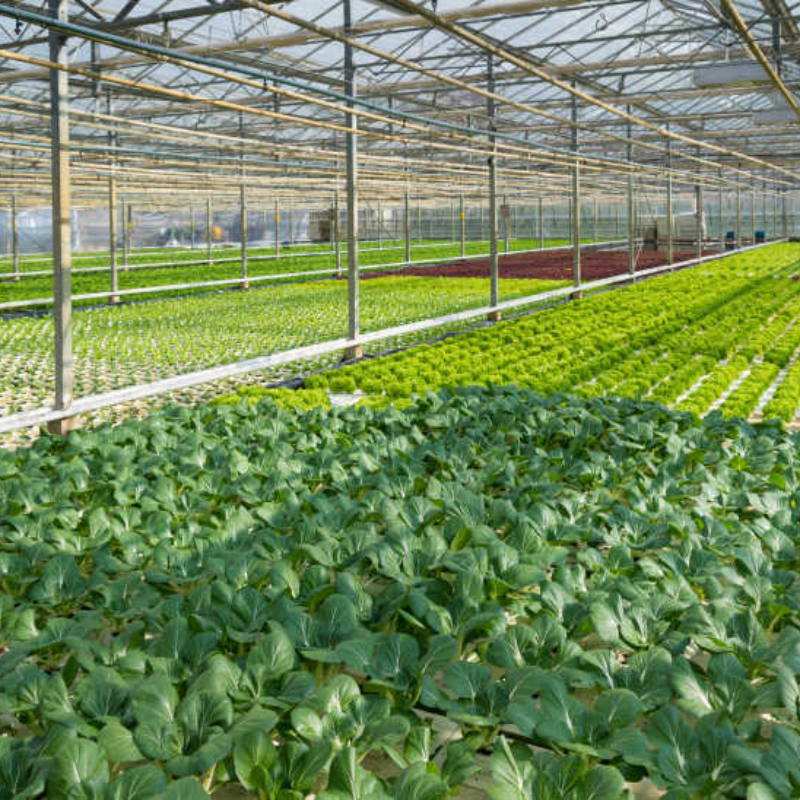
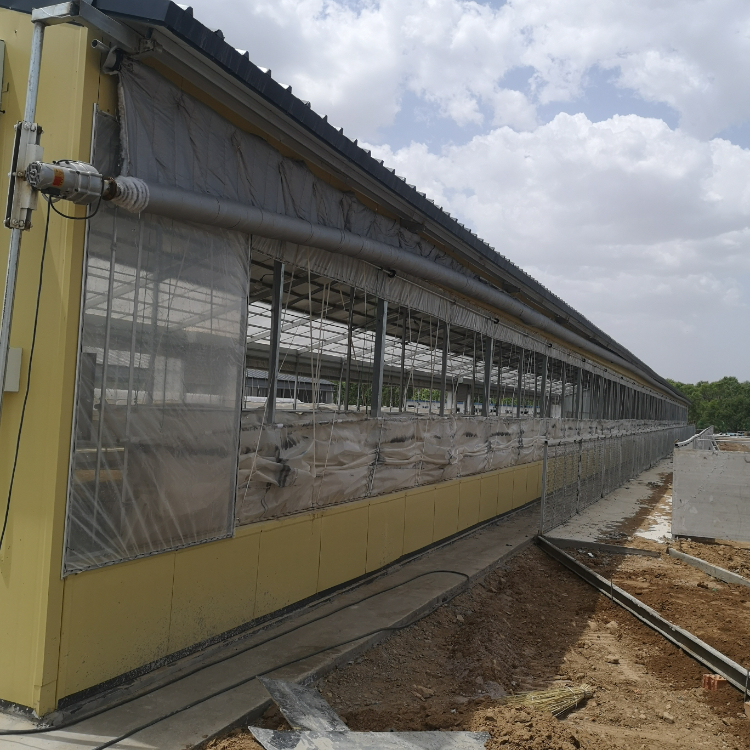
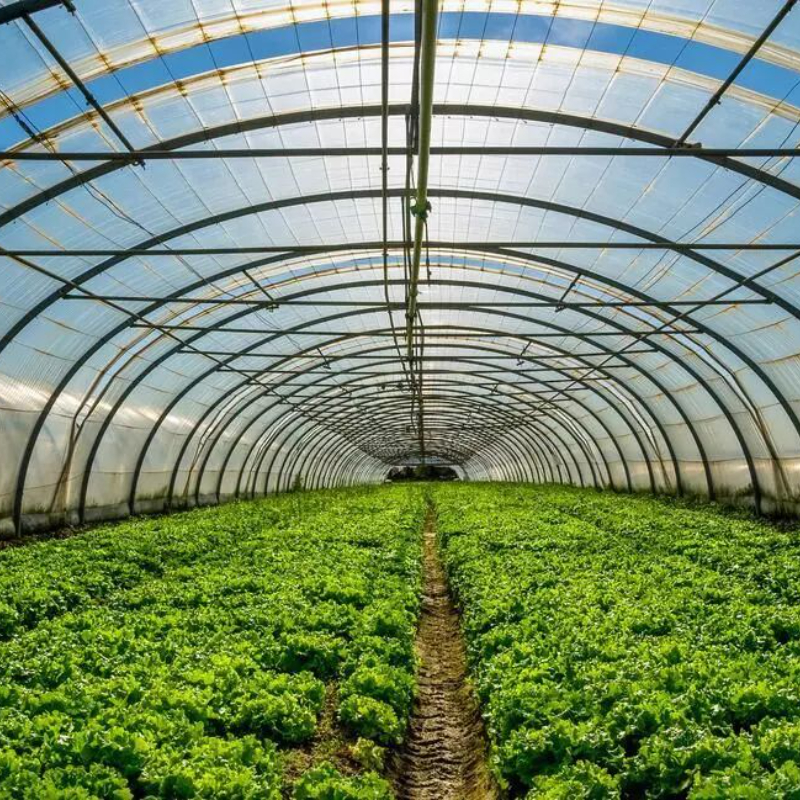
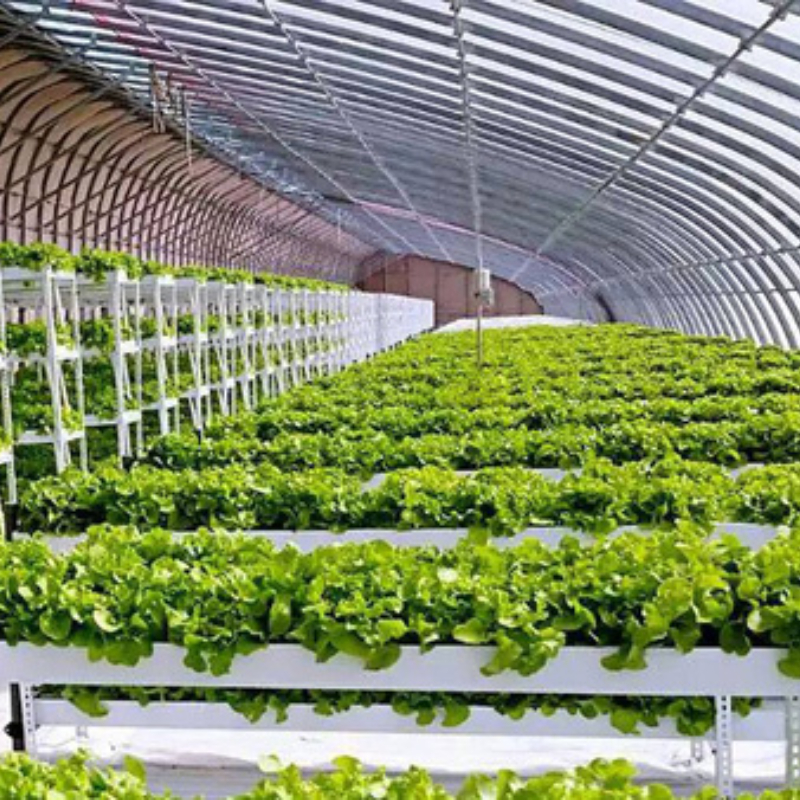
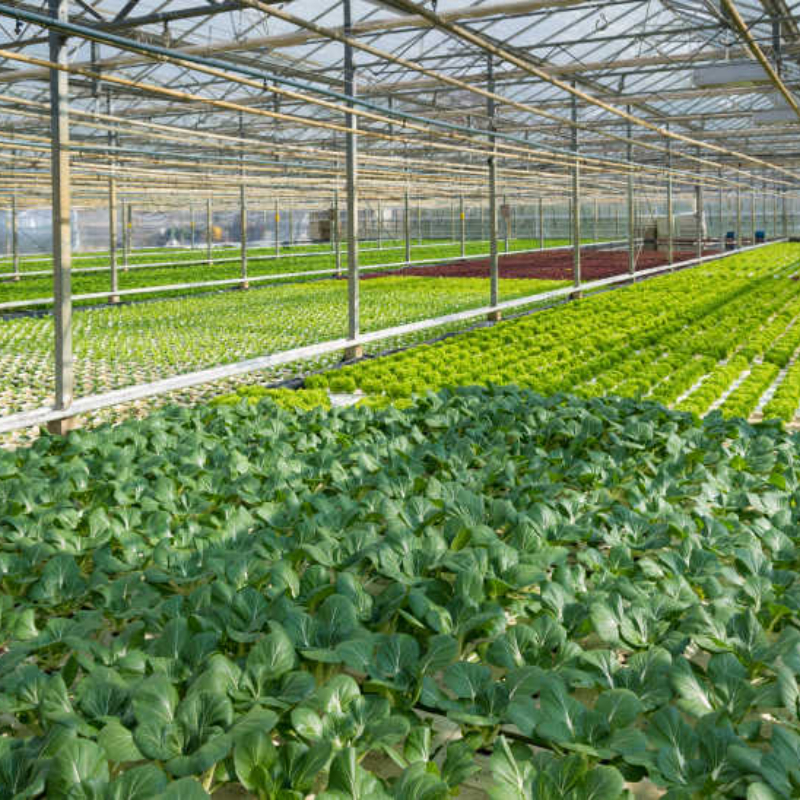
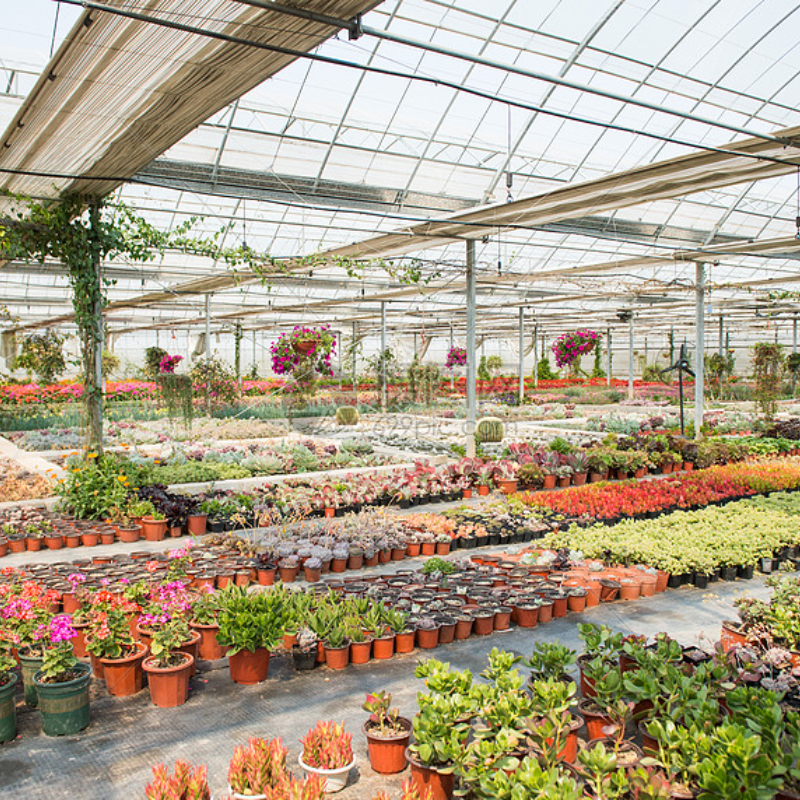
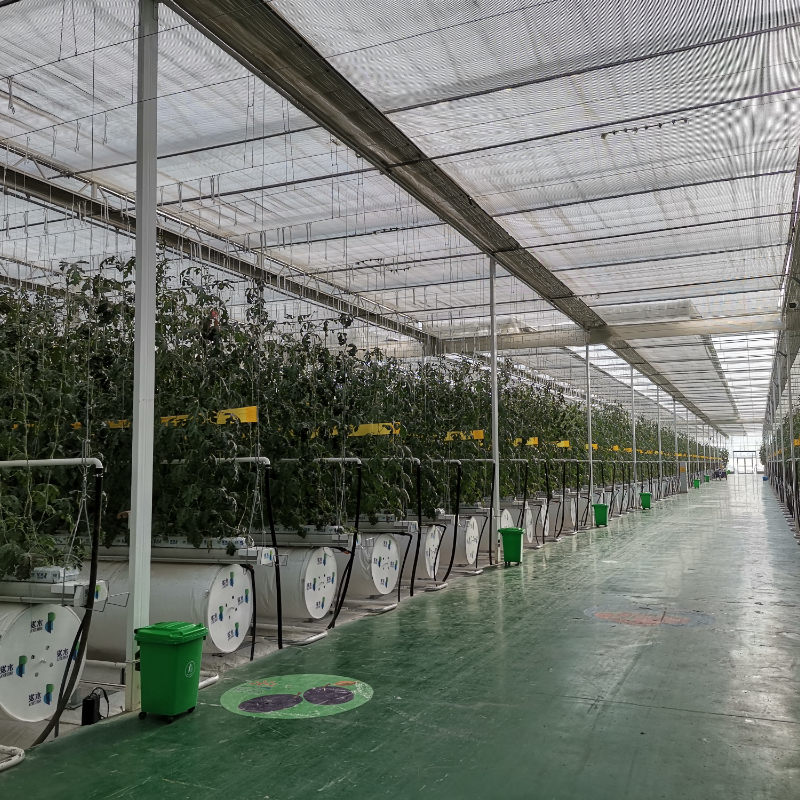
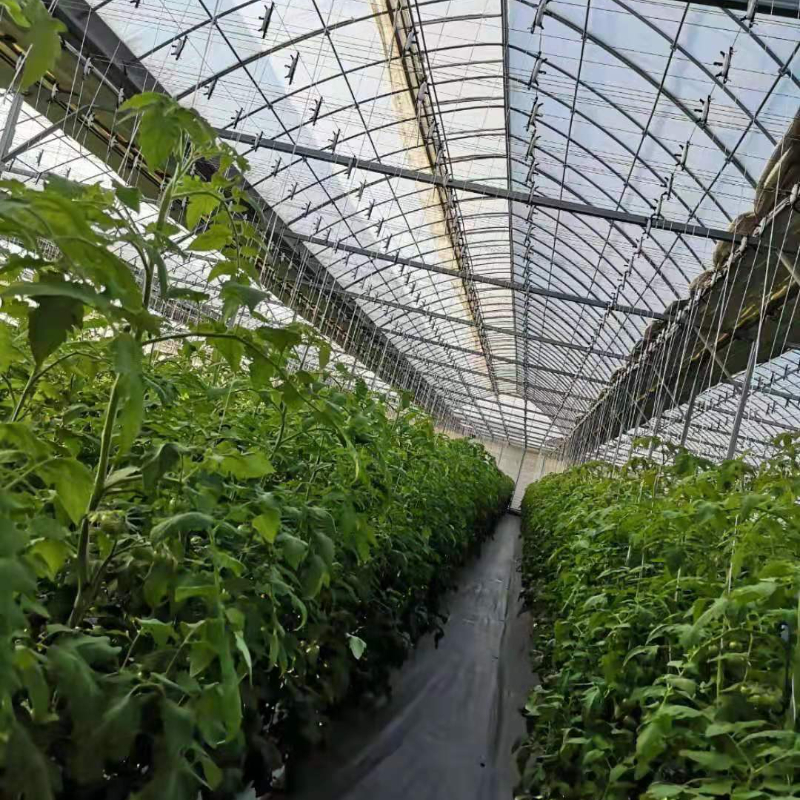
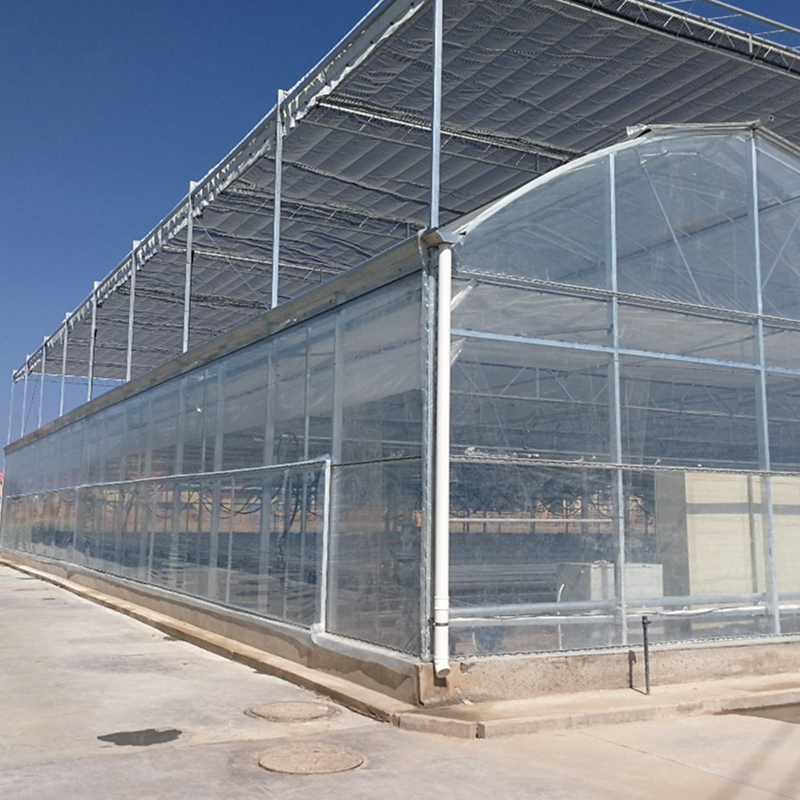
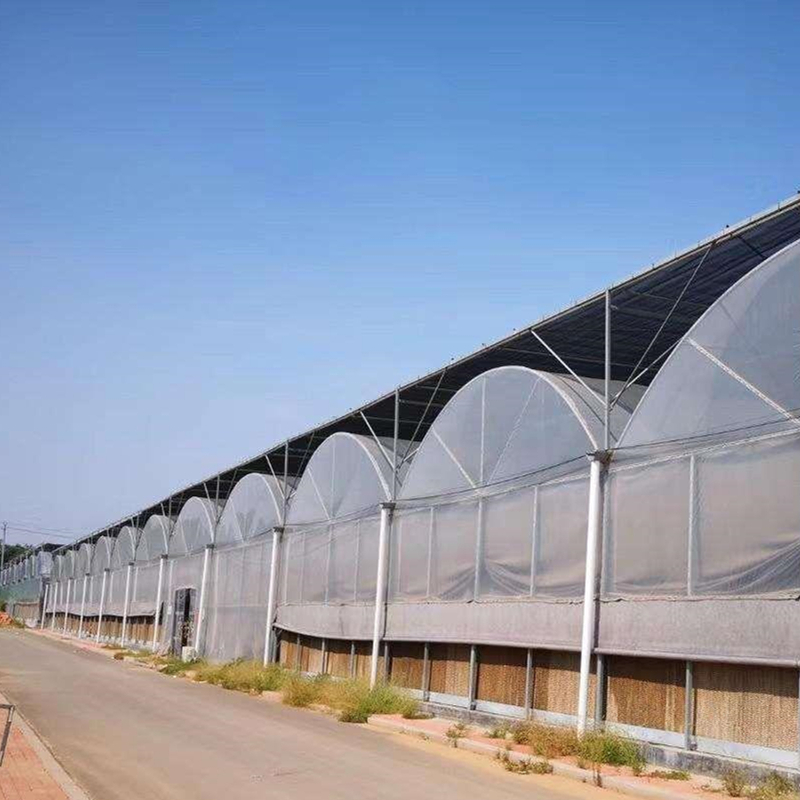
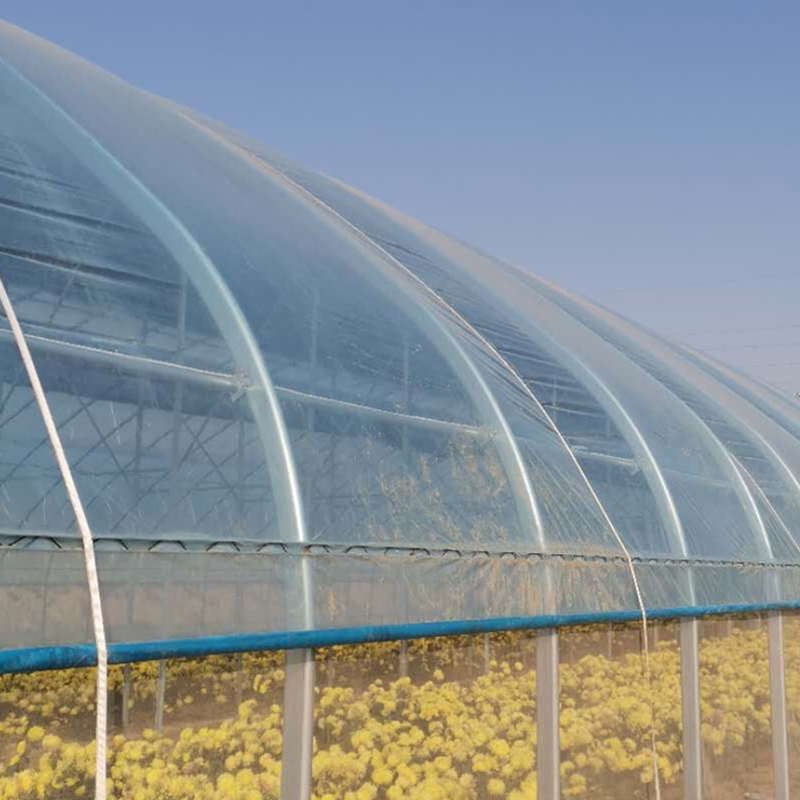
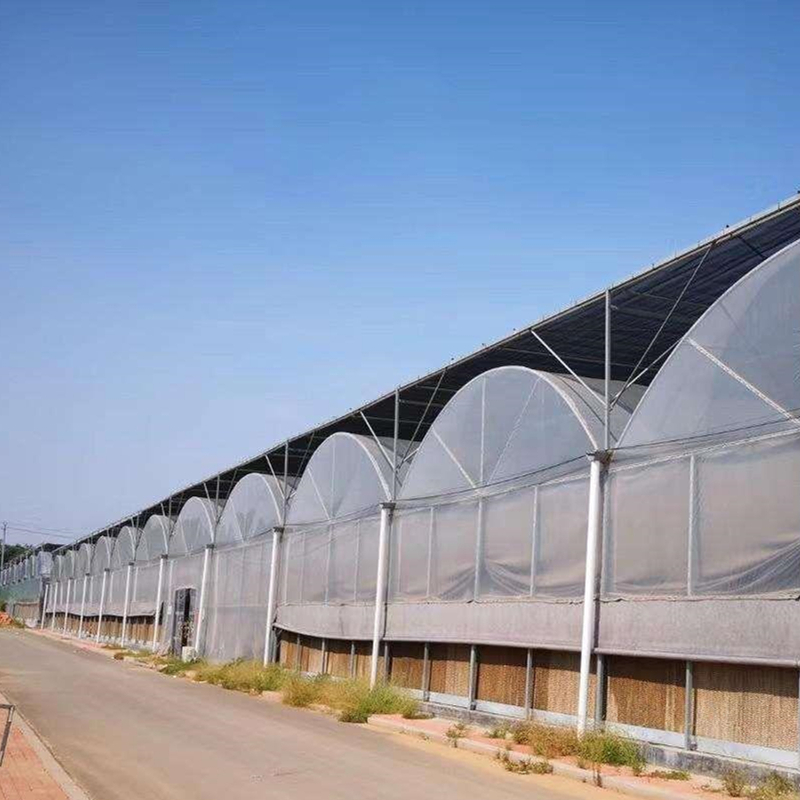
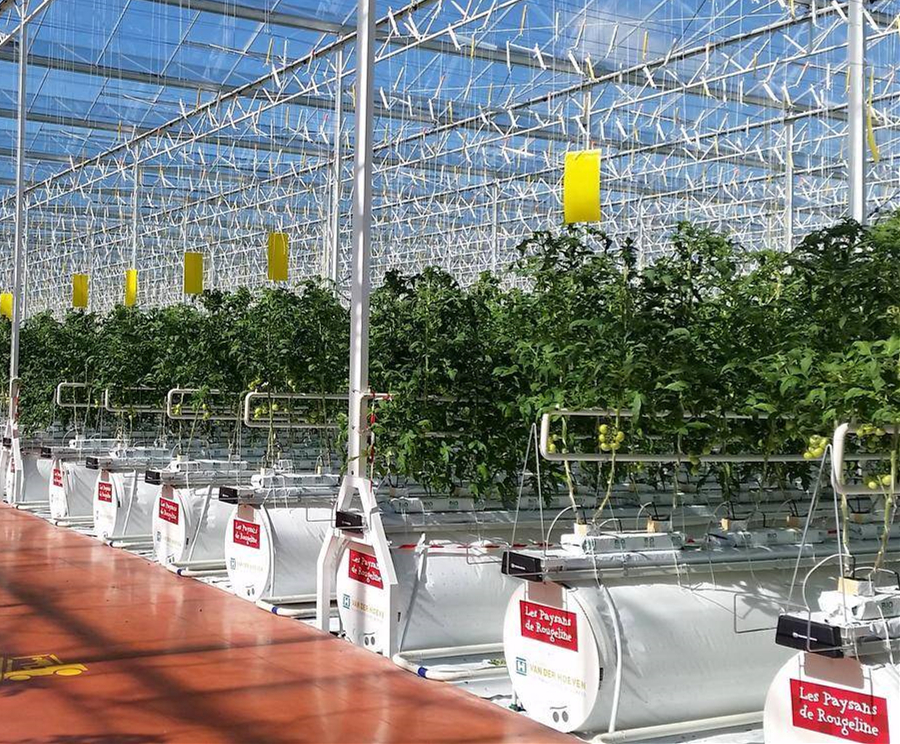
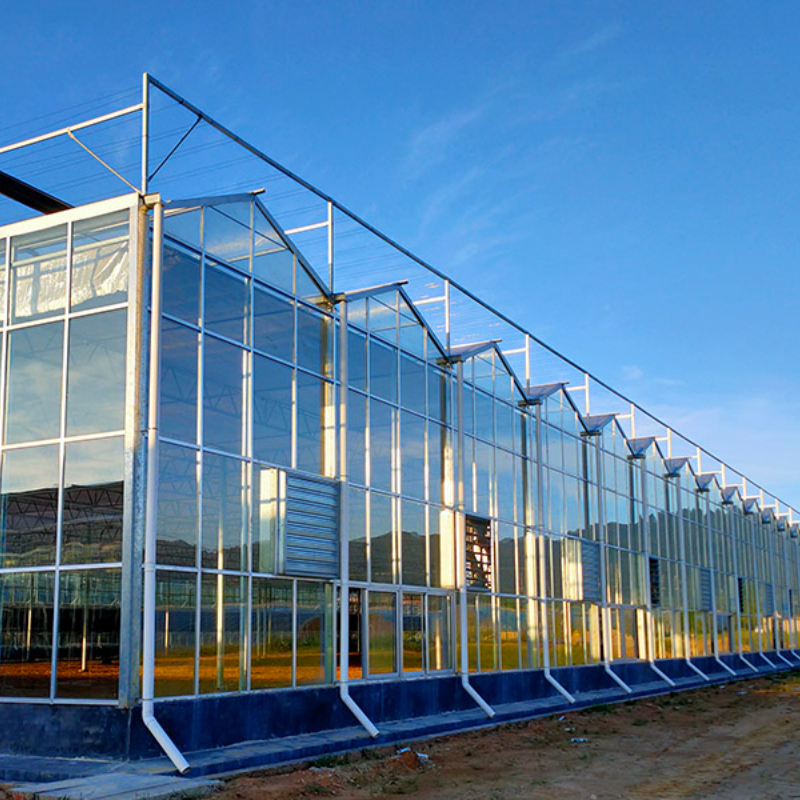
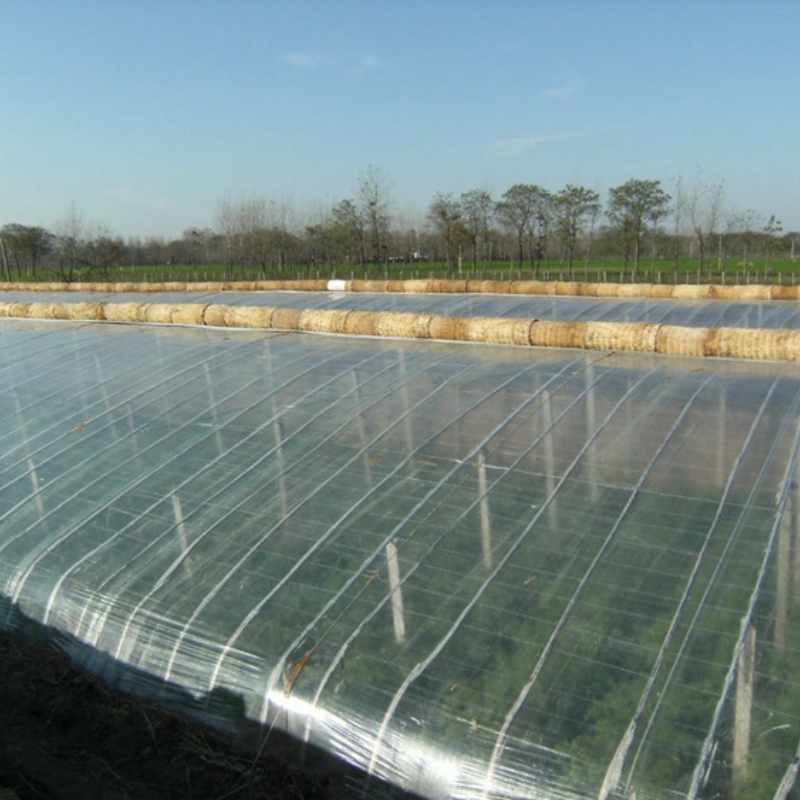
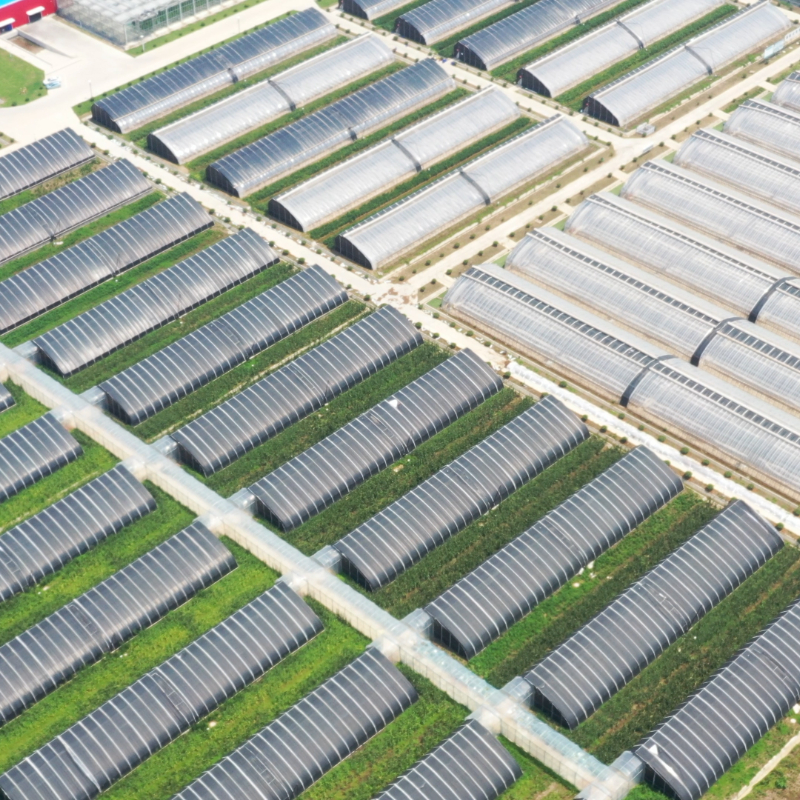
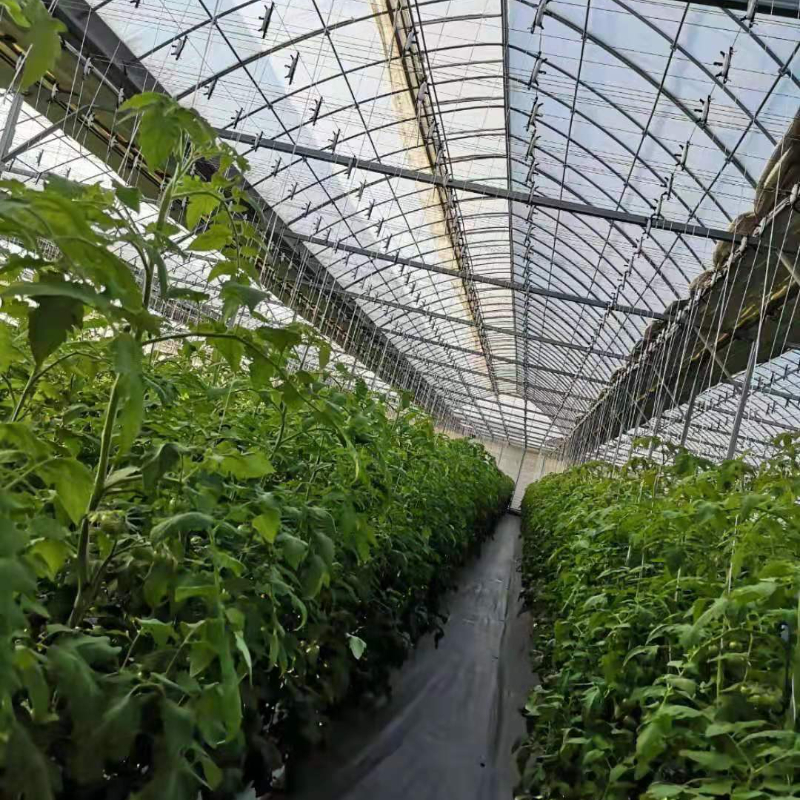
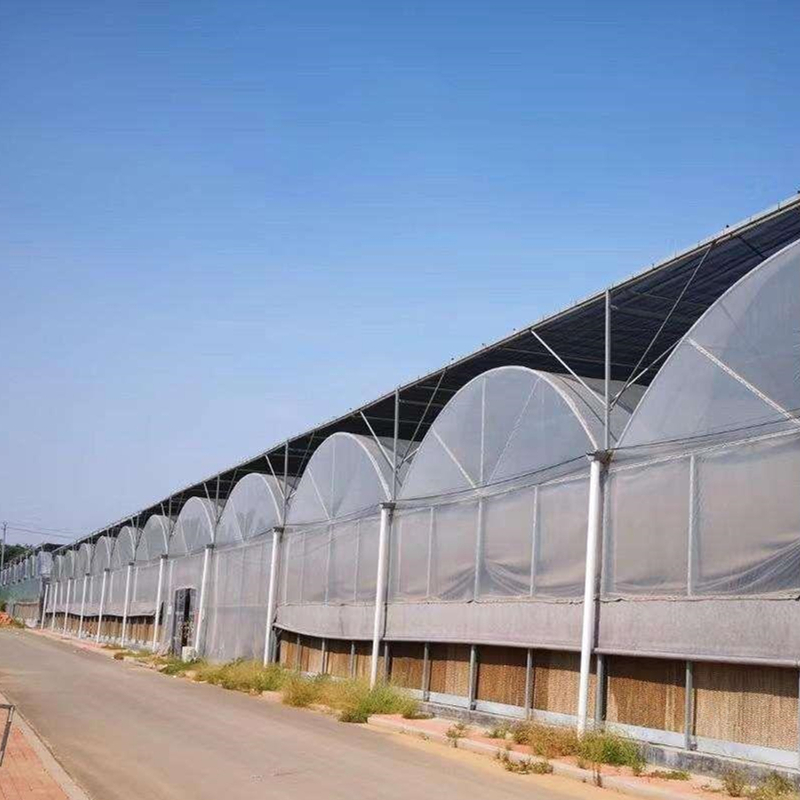
One of the primary drivers behind the adoption of high-tech greenhouses is their ability to create new and innovative profit streams for farmers. By enabling the cultivation of premium-quality produce, off-season production, and high-value crop varieties, high-tech greenhouses transform the economic landscape of agriculture, allowing farmers to command higher prices, expand their market reach, and achieve greater financial stability. This section explores the various ways in which high-tech greenhouses drive profitability through innovation, focusing on premium production, off-season cultivation, high-value varieties, and real-world examples of successful implementation.
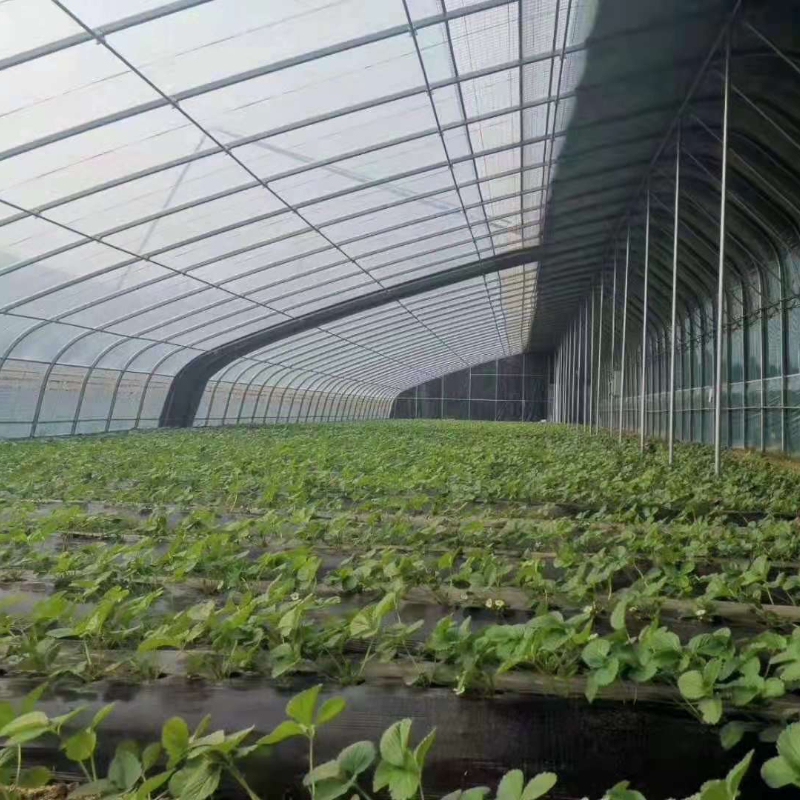
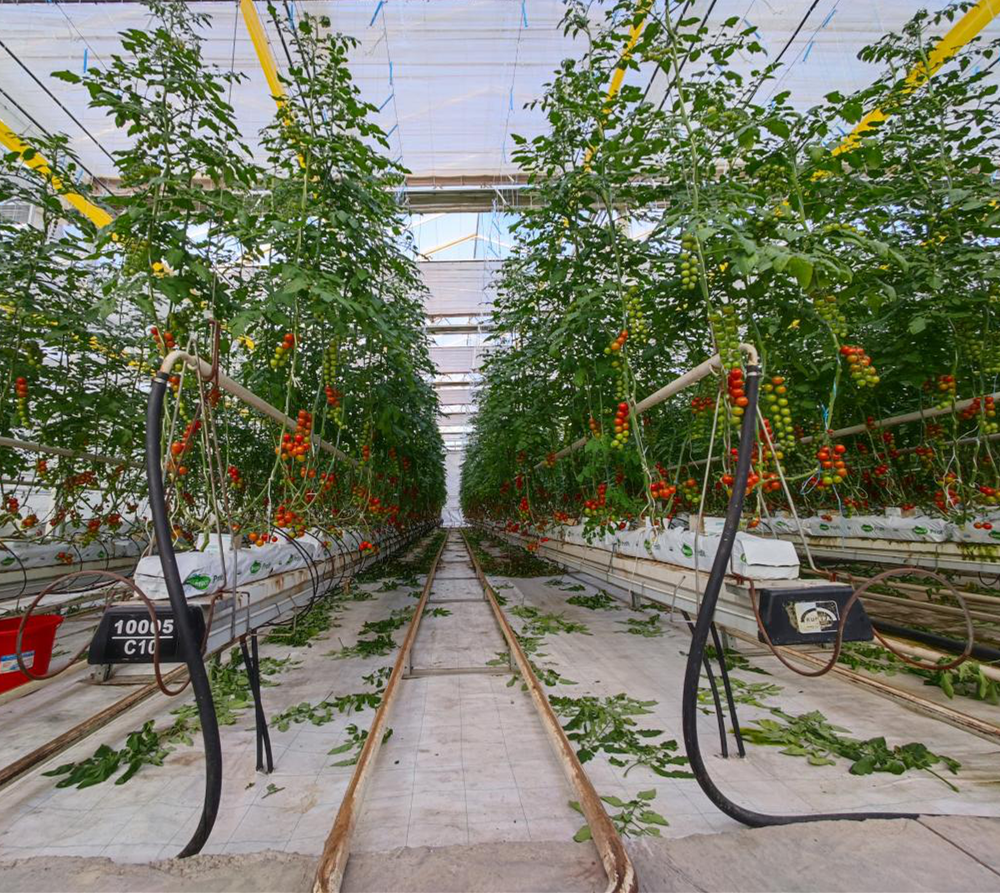
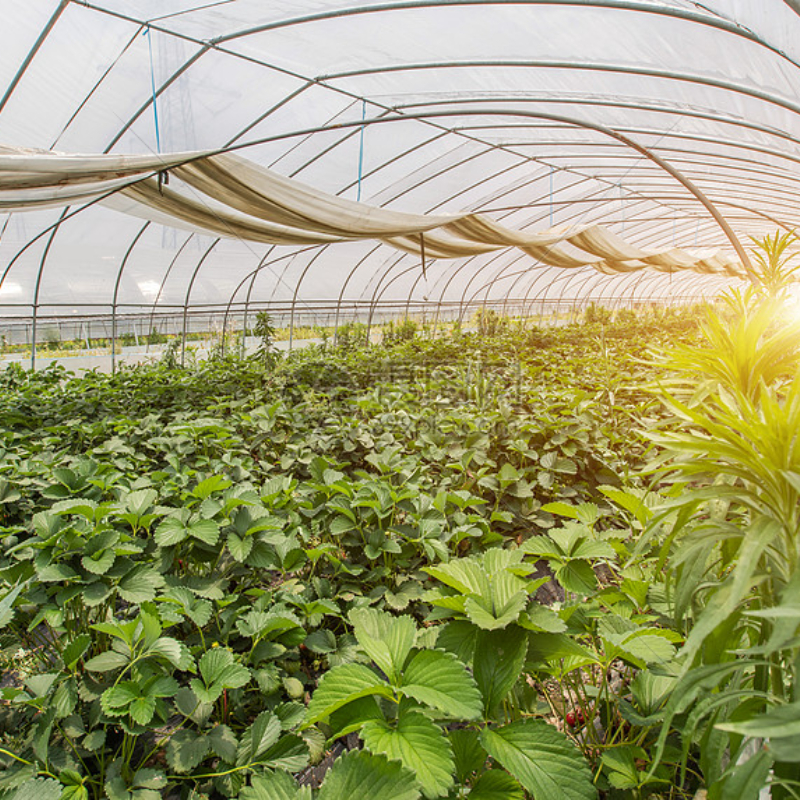
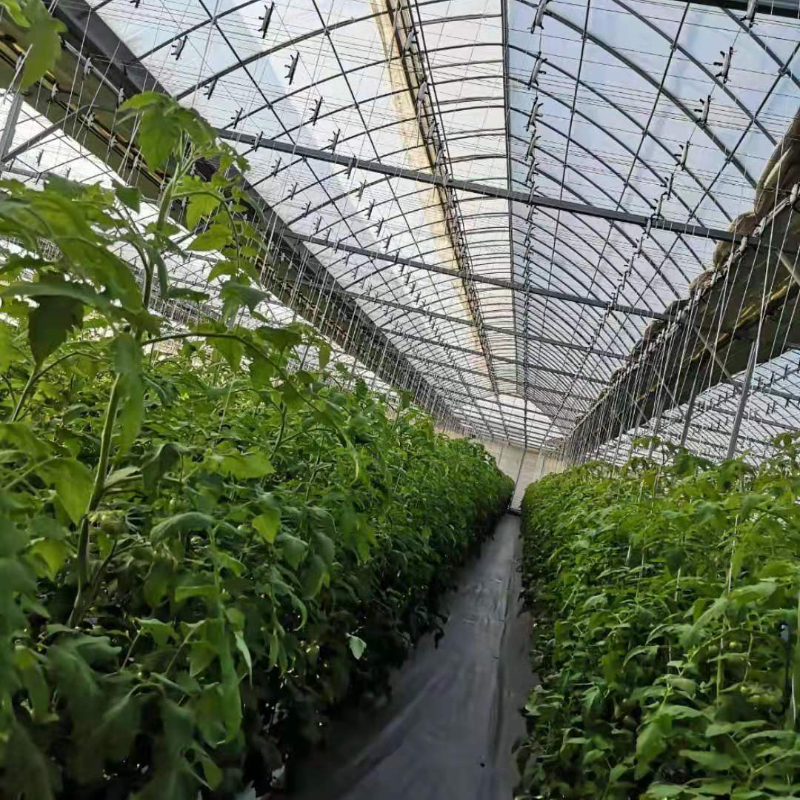
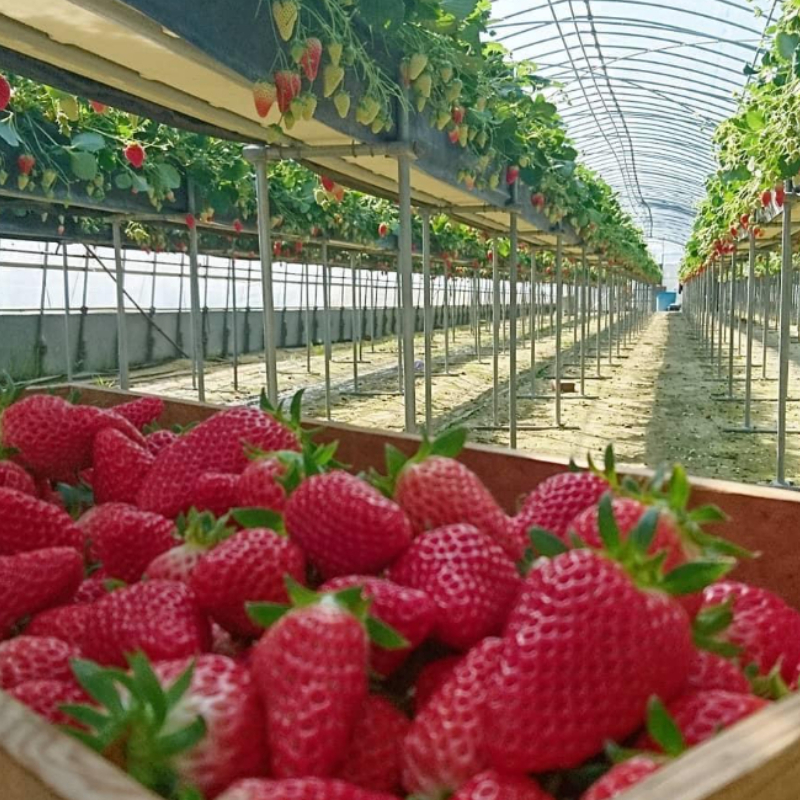
Premium production is perhaps the most direct way in which high-tech greenhouses drive profitability. By controlling every aspect of the growing environment—temperature, humidity, light, water, and nutrients—high-tech greenhouses produce crops that are consistently of higher quality than those grown in traditional or low-tech environments. These premium crops have better flavor, texture, color, and shelf life, making them highly desirable to consumers, restaurants, and retailers. As a result, they can command significantly higher prices in the market. For example, high-tech greenhouse tomatoes are often sold at a 2 to 3 times premium compared to field-grown tomatoes, while premium greenhouse strawberries can be sold at a 3 to 4 times premium.
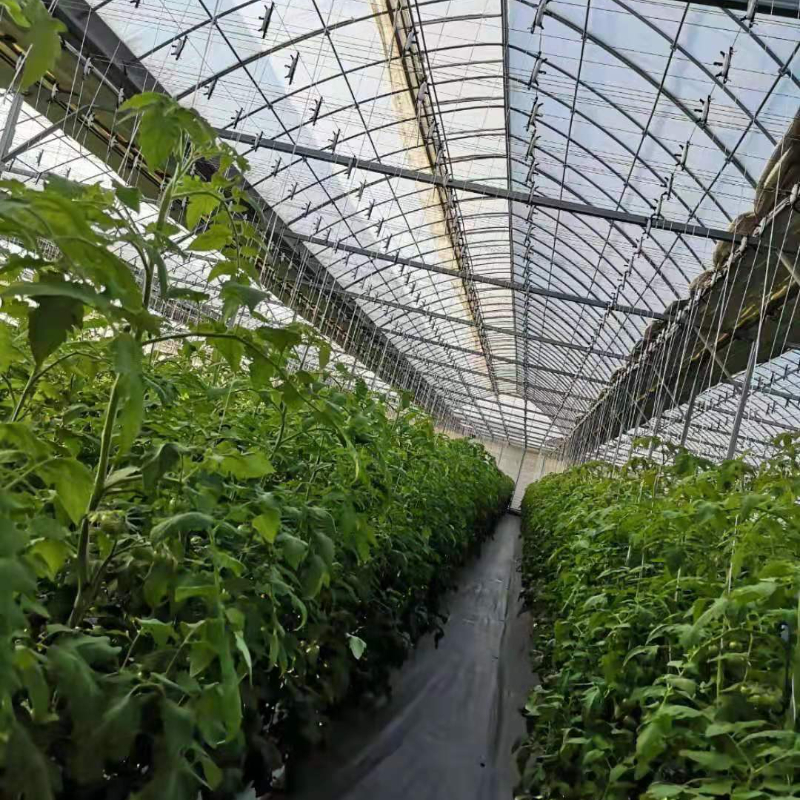
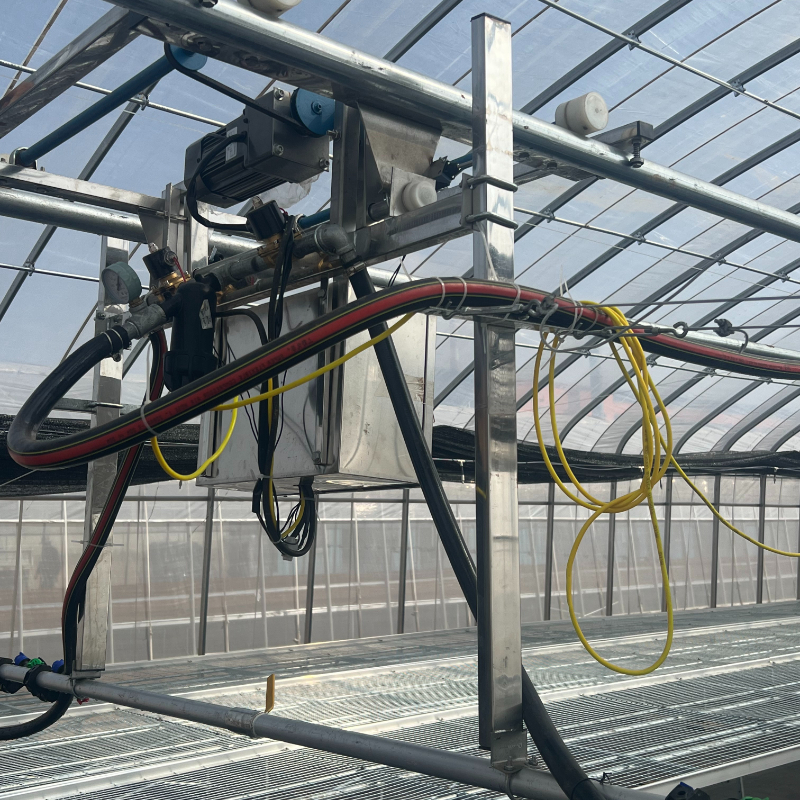
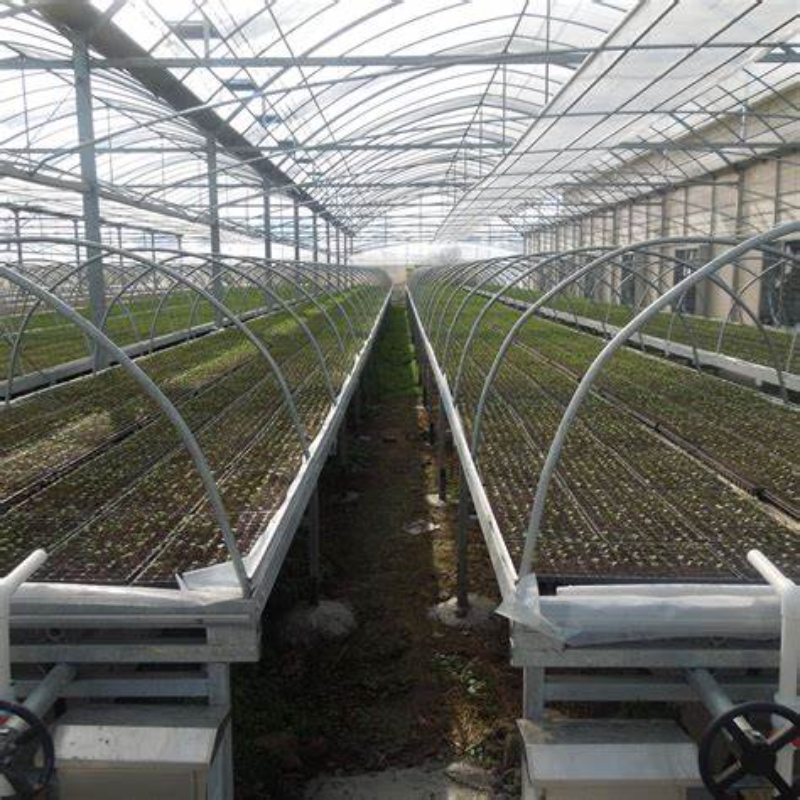
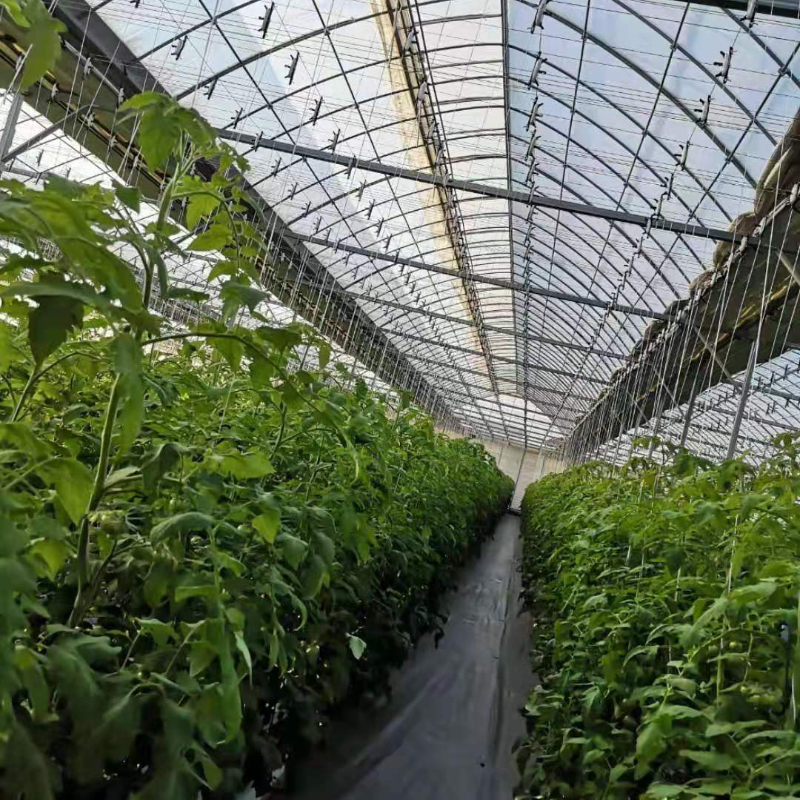
The key to premium production in high-tech greenhouses is precision agriculture—the use of advanced technologies to monitor and optimize every aspect of the growing process. Sensor networks placed throughout the greenhouse continuously monitor environmental conditions, soil moisture (or nutrient levels in hydroponic systems), and plant health. This data is transmitted to a central control system, which uses AI algorithms to make real-time adjustments to heating, ventilation, irrigation, and fertilization systems. For example, if sensors detect that the temperature is too high for optimal tomato growth, the control system will automatically activate the ventilation system or misting system to lower the temperature. If sensors detect that a plant is deficient in a particular nutrient, the irrigation system will deliver a precise dose of that nutrient directly to the plant’s roots. This level of precision ensures that plants are always growing in the optimal environment, resulting in consistently high-quality produce.
Off-season cultivation is another major driver of profitability in high-tech greenhouses. Traditional agriculture is highly dependent on seasonal weather patterns, with most crops being grown only during specific times of the year. High-tech greenhouses, however, allow farmers to grow crops year-round, regardless of external weather conditions. This means that farmers can supply fresh produce to the market during periods when supply is low, commanding premium prices. For example, in the northern hemisphere, where tomatoes are typically grown from May to September, high-tech greenhouses can produce tomatoes from November to March, when imported tomatoes are expensive and of lower quality. During these off-season months, greenhouse tomatoes can sell for up to 5 times more than peak-season prices, significantly increasing farmers’ revenue.
