
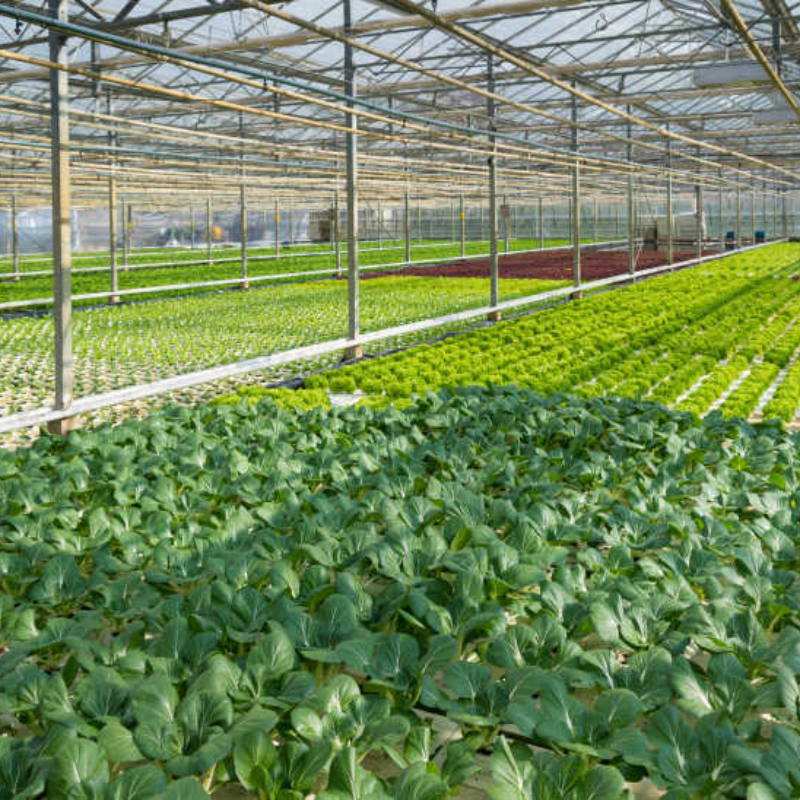
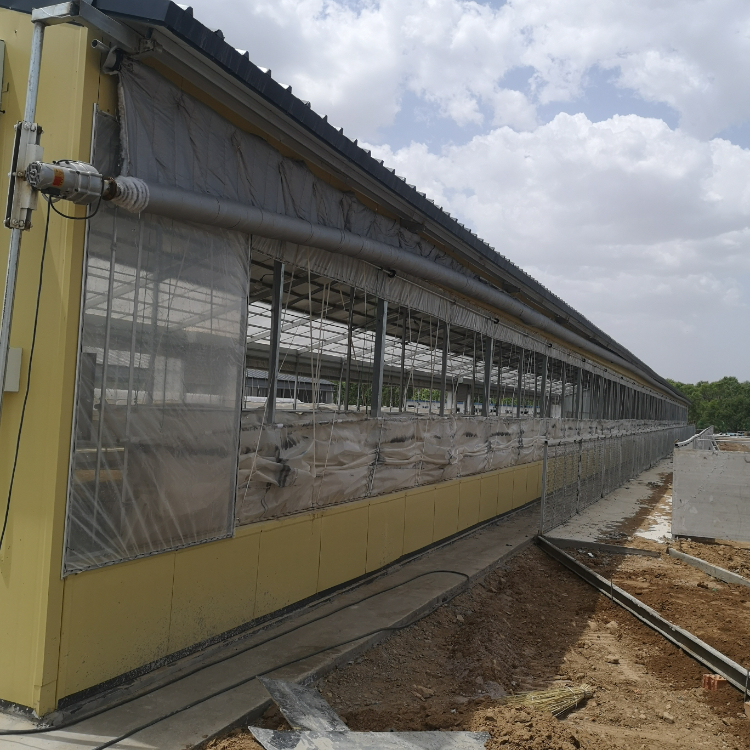
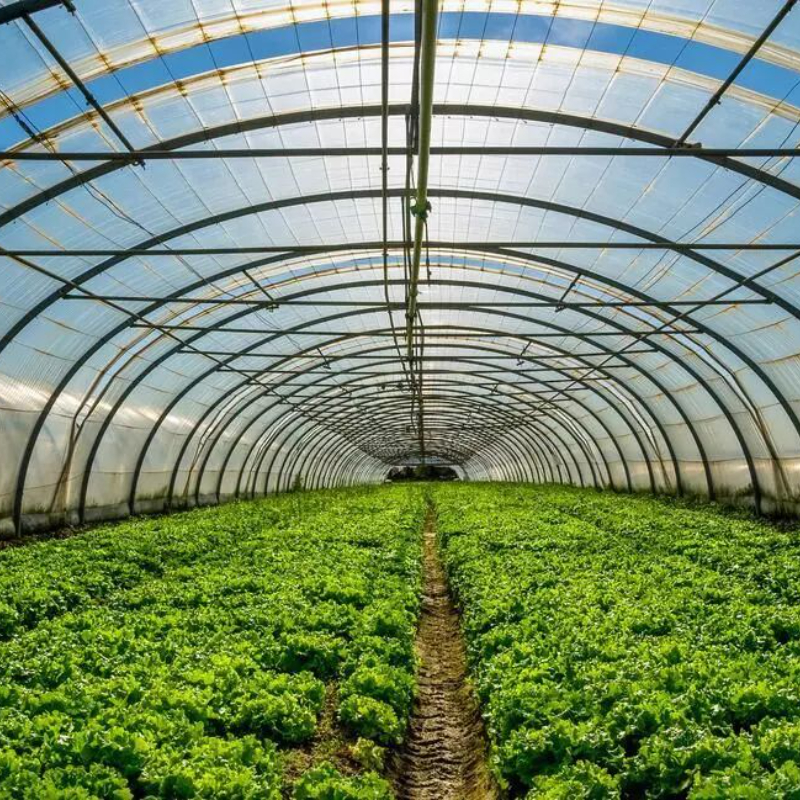
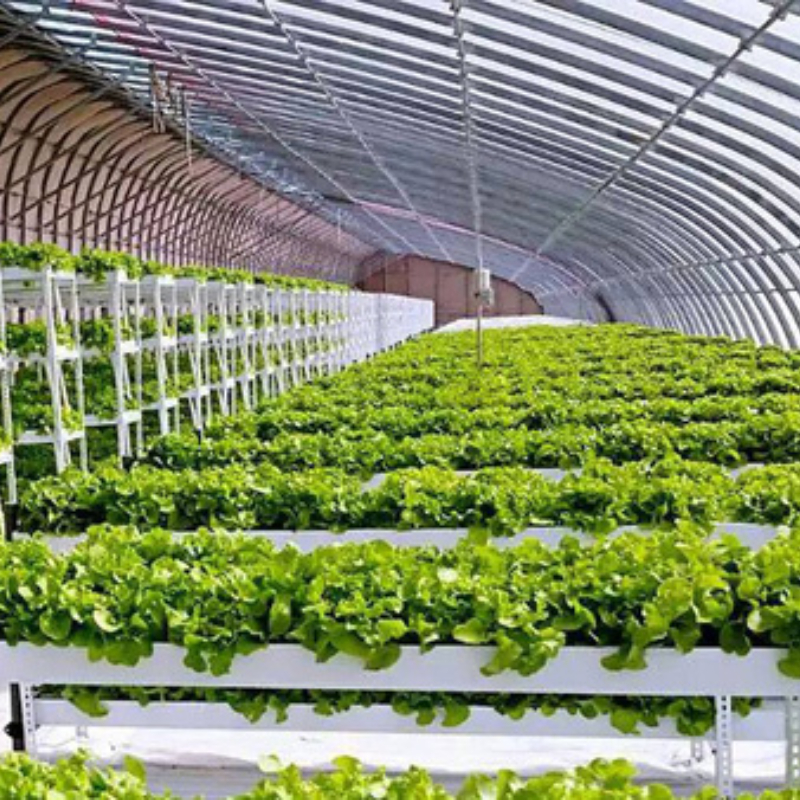
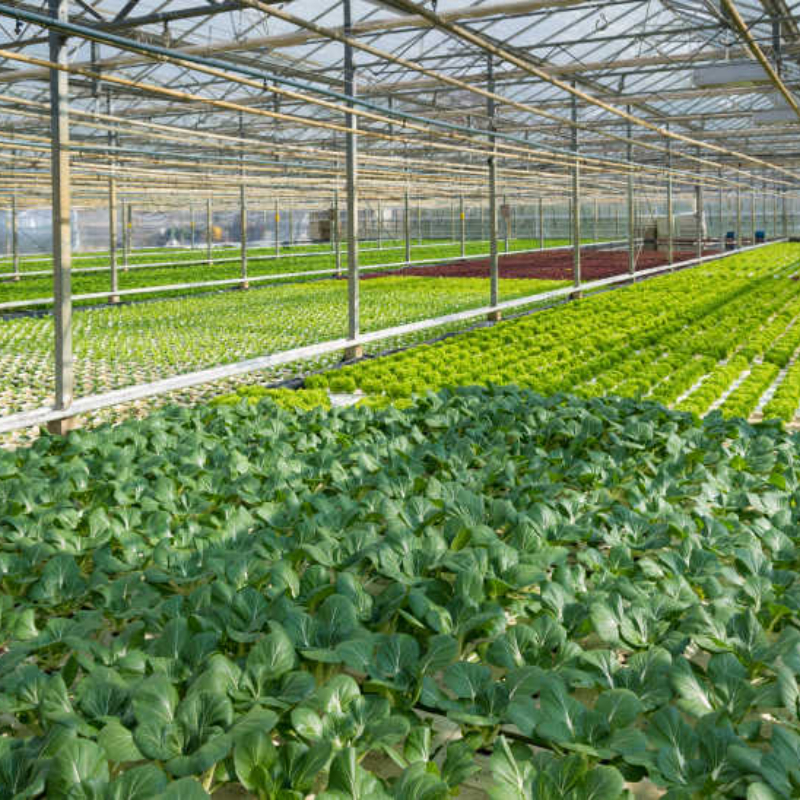
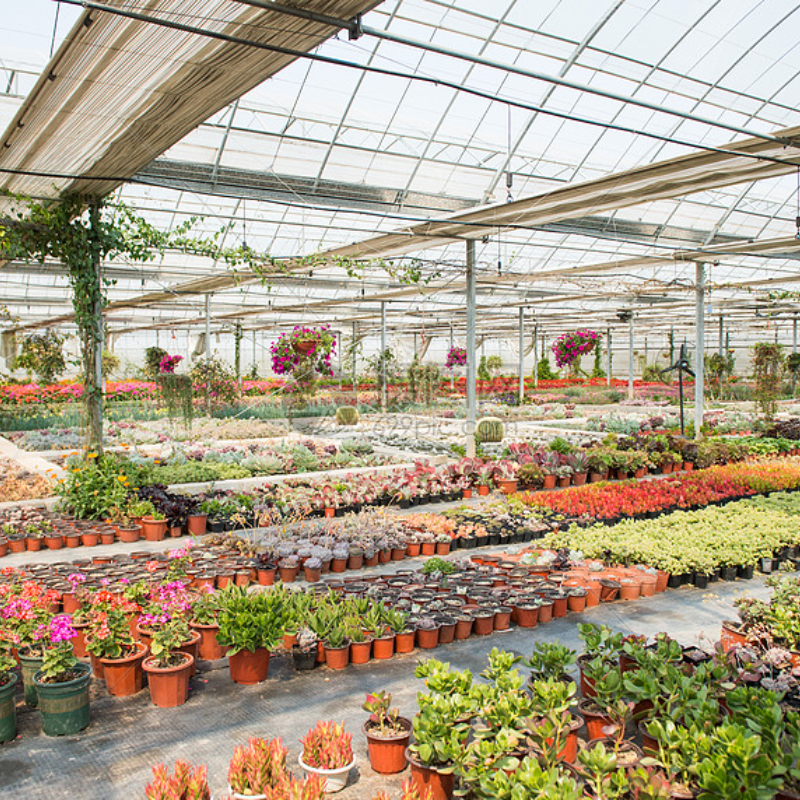
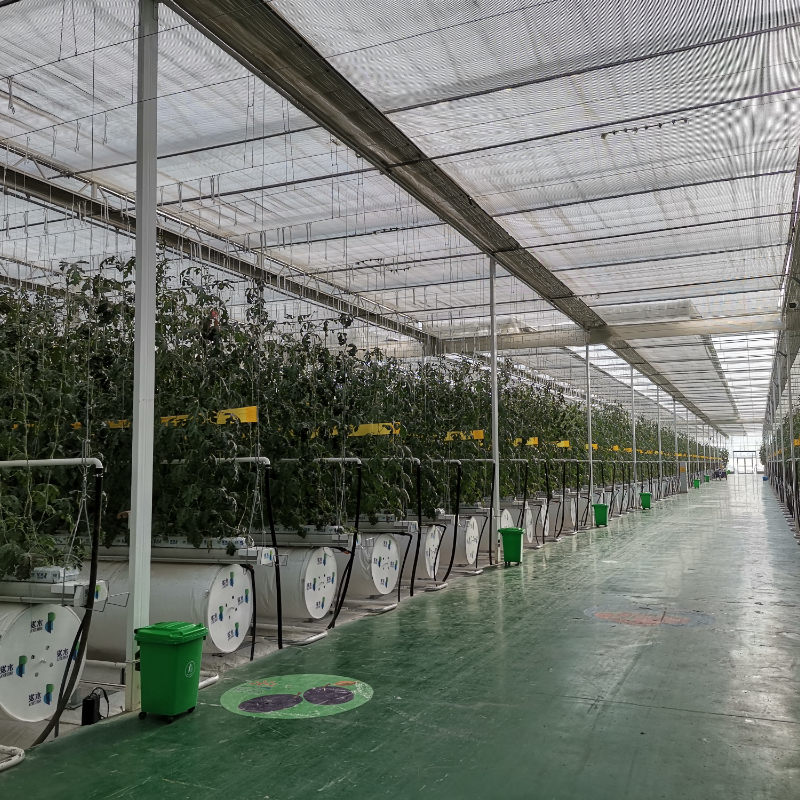
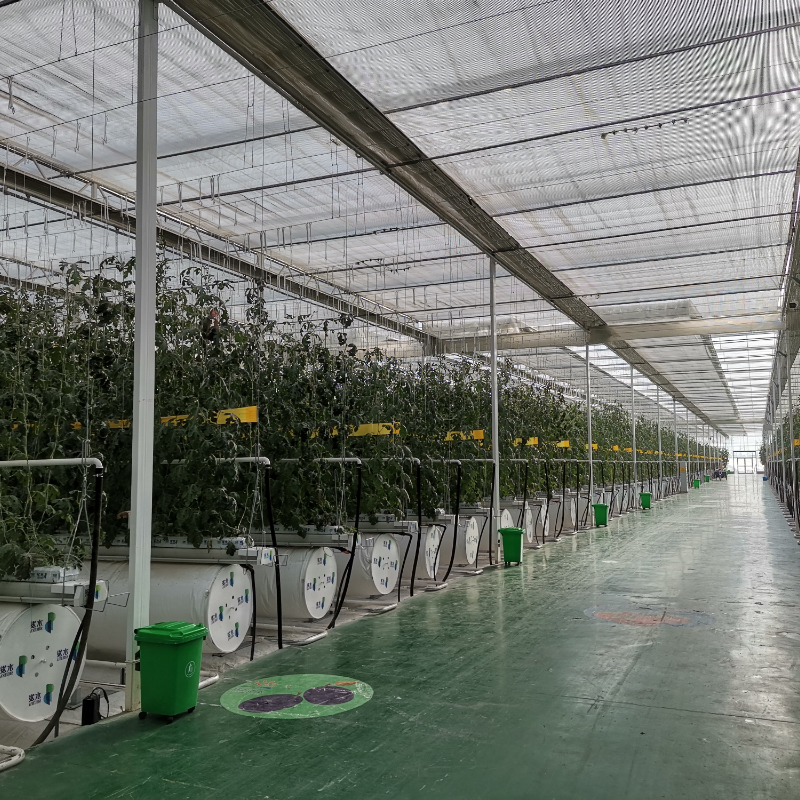
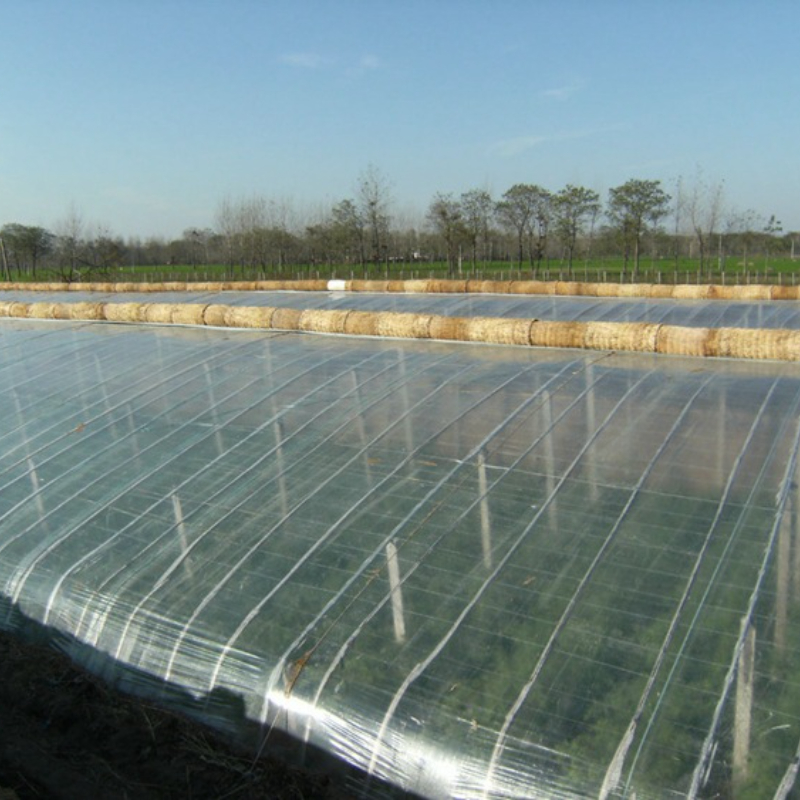
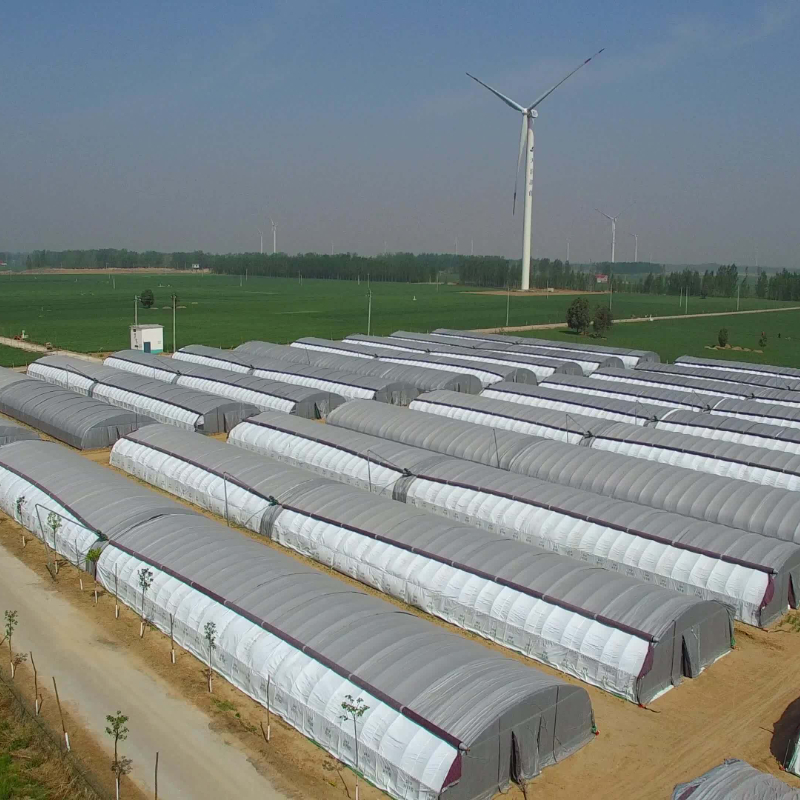
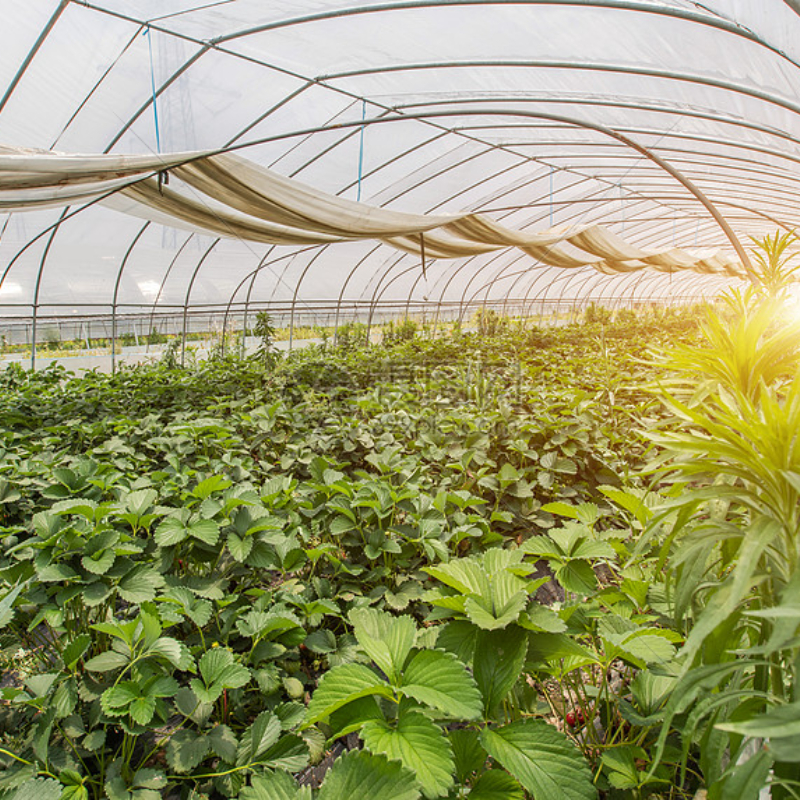
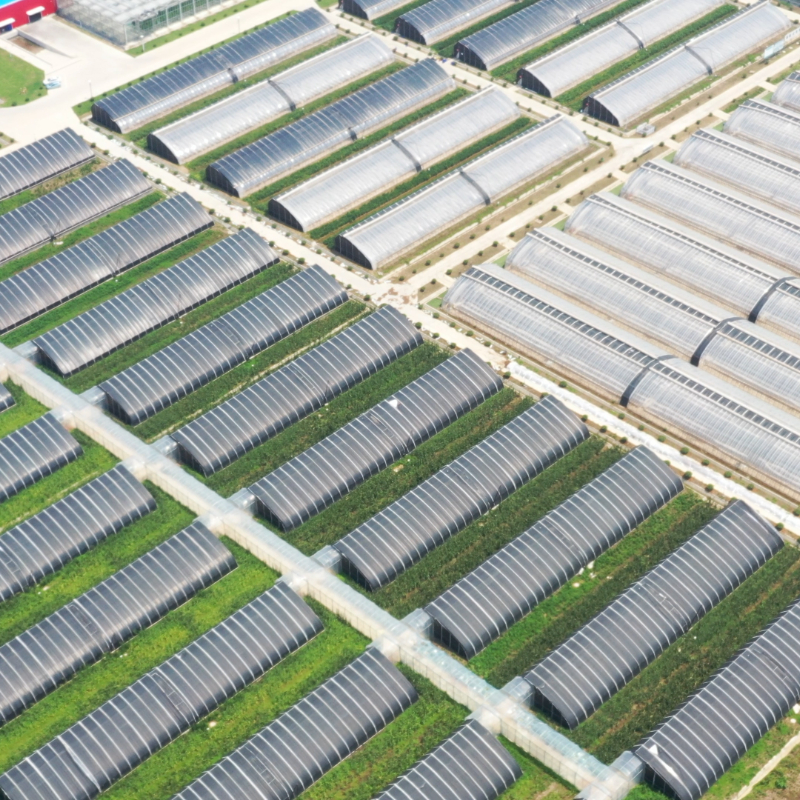
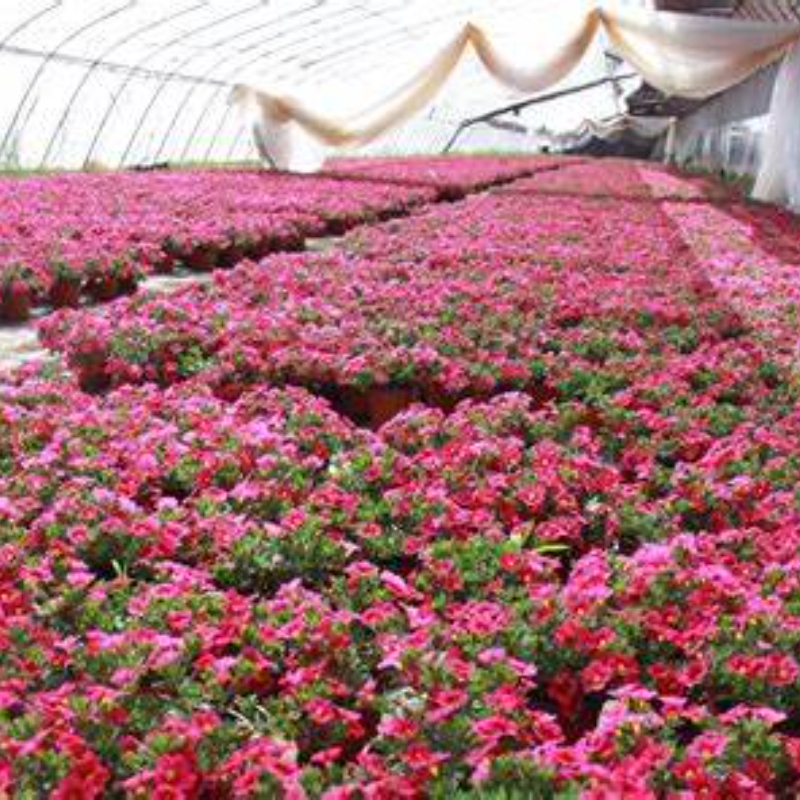
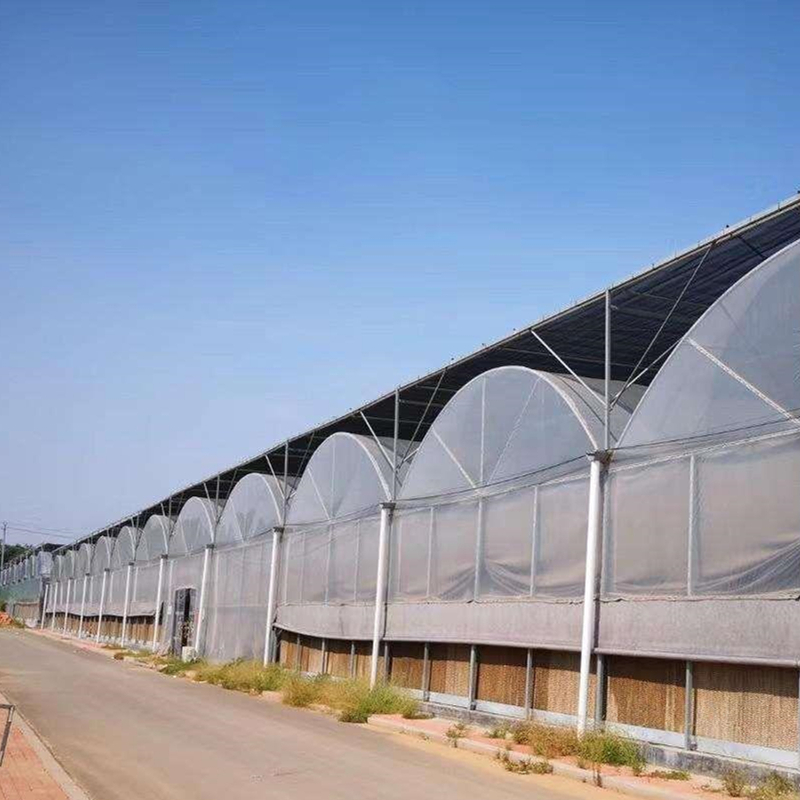
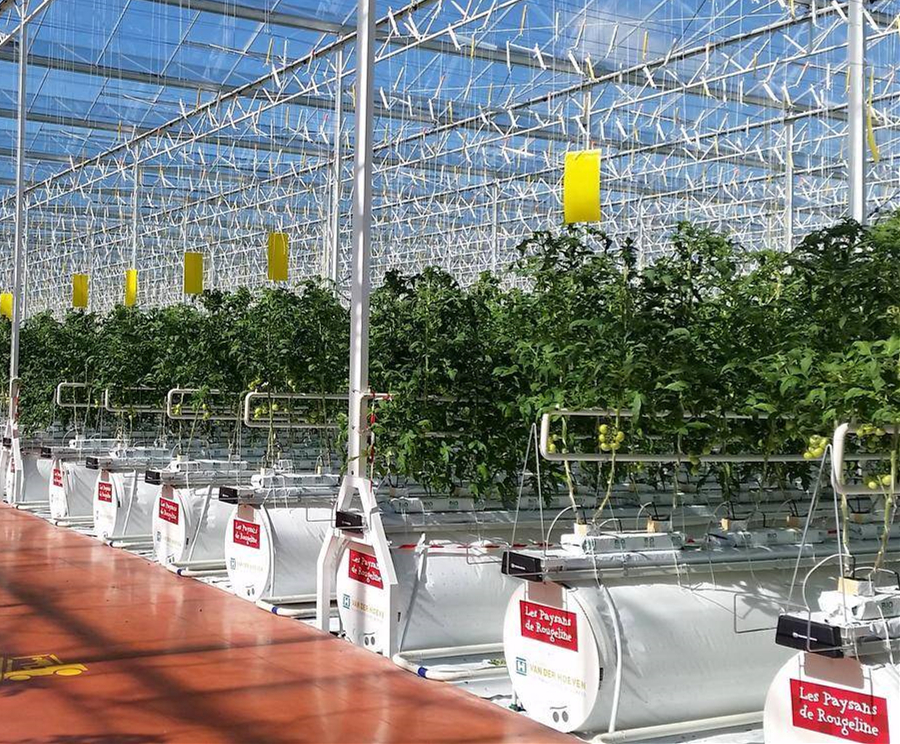
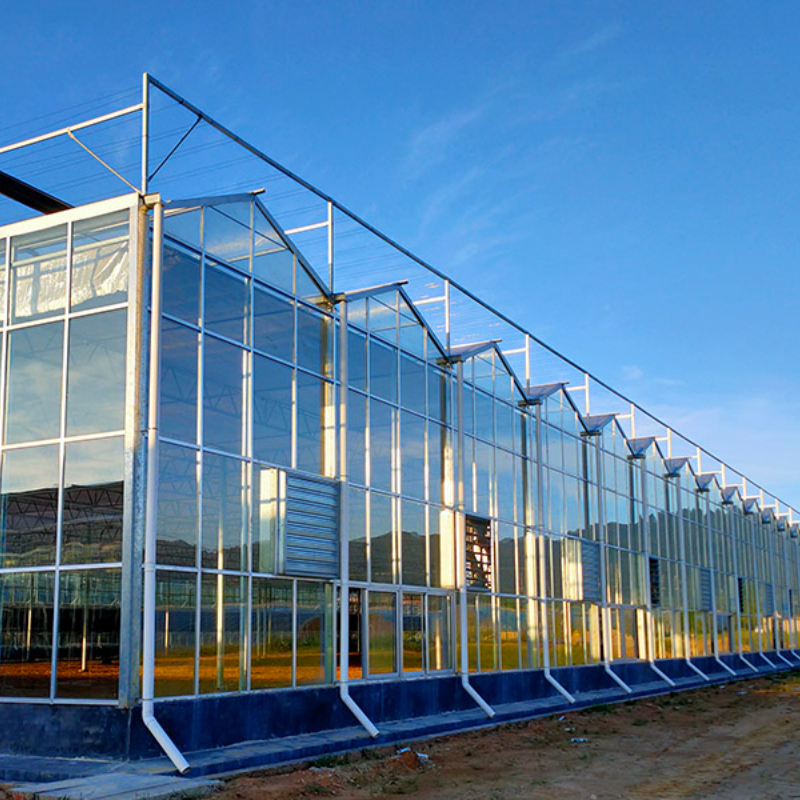
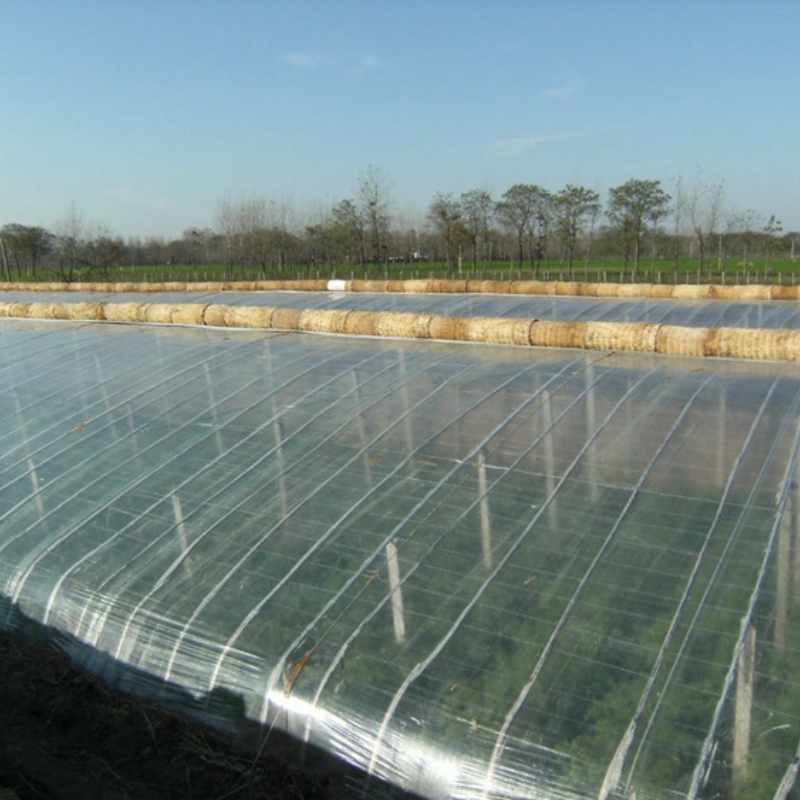
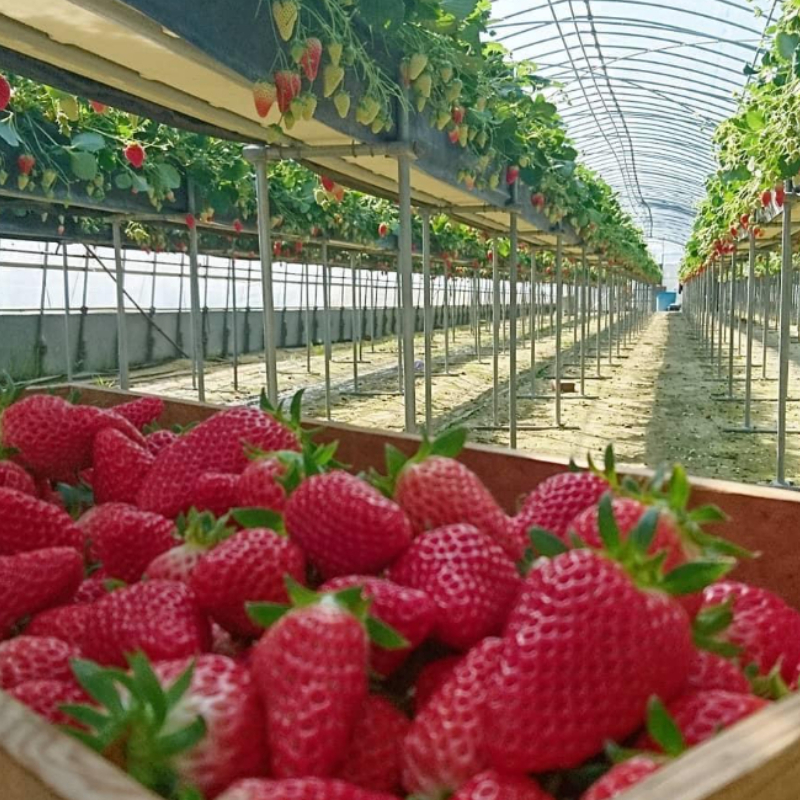
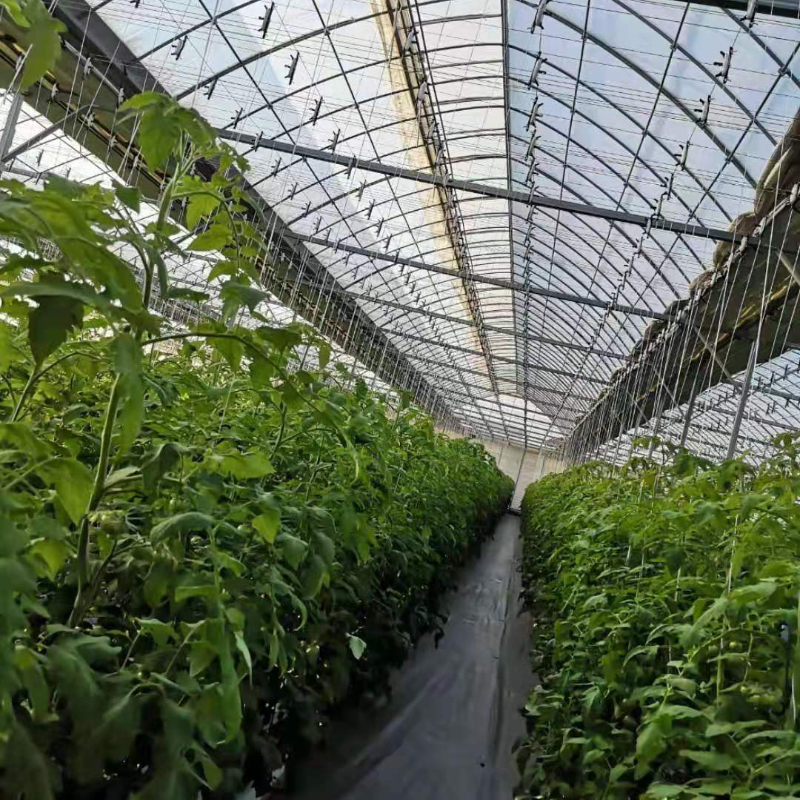
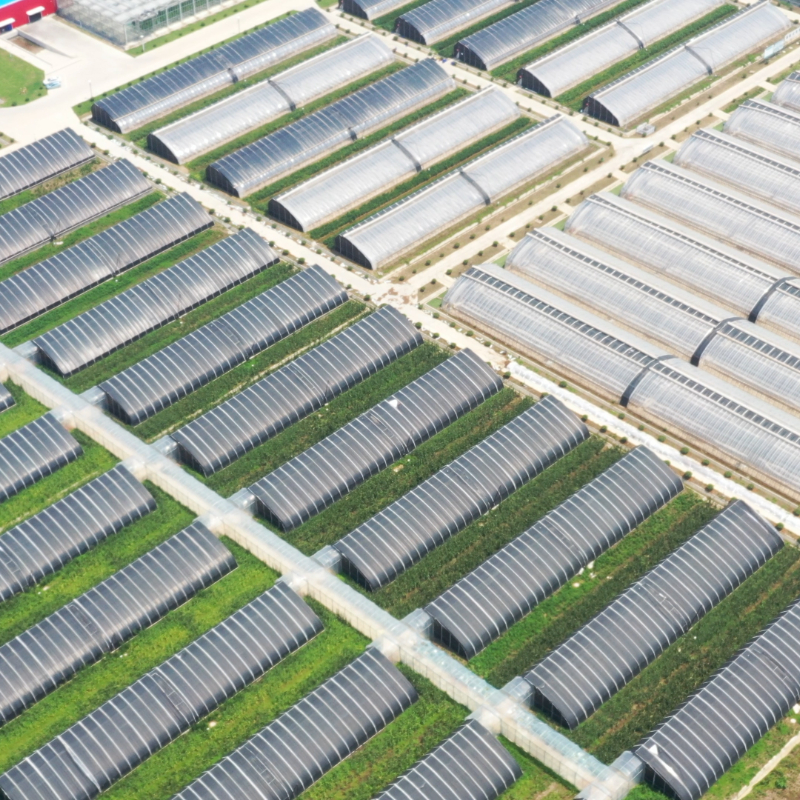
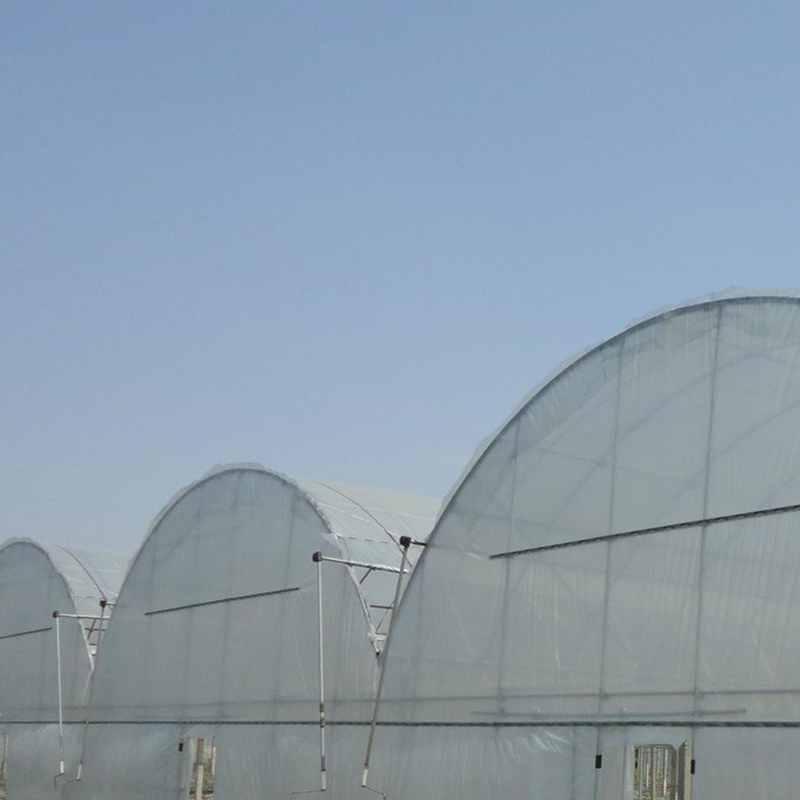
 The concept of the greenhouse, a structure designed to harness solar energy for plant cultivation, is centuries old. However, modern agricultural challenges—including resource scarcity, climate volatility, and the need for sustainable intensification—are driving significant innovation. Among the most promising advancements is the thin film greenhouse, a system that utilizes advanced polymer films as its primary cladding material, offering a transformative approach to controlled-environment agriculture.
The Core Material: Advanced Polymer Films
At the heart of this technology are multi-layer polymeric films, a far cry from simple plastic sheeting. These engineered films are typically composed of materials like Ethylene-Vinyl Acetate (EVA), Polyvinyl Chloride (PVC), or multilayer co-extrusions incorporating Polyethylene (PE) and barrier layers. Their key advantages lie in their tailored properties:
Light Management: Films can be optimized for specific light diffusion, transmitting photosynthetic active radiation (PAR) while blocking or filtering harmful ultraviolet (UV) or excessive infrared (IR) radiation. Some films incorporate spectral-selectivity, promoting ideal growth conditions.
Durability and Strength: Modern films include additives for anti-condensation, anti-dust, and resistance to photo-degradation, extending their functional life to several years. They offer high tensile strength, often rivaling glass.
Thermal Efficiency: Infrared (IR) blocking layers trap heat inside during cooler periods, while reflective layers can help cool the greenhouse in summer, reducing energy demands for climate control.
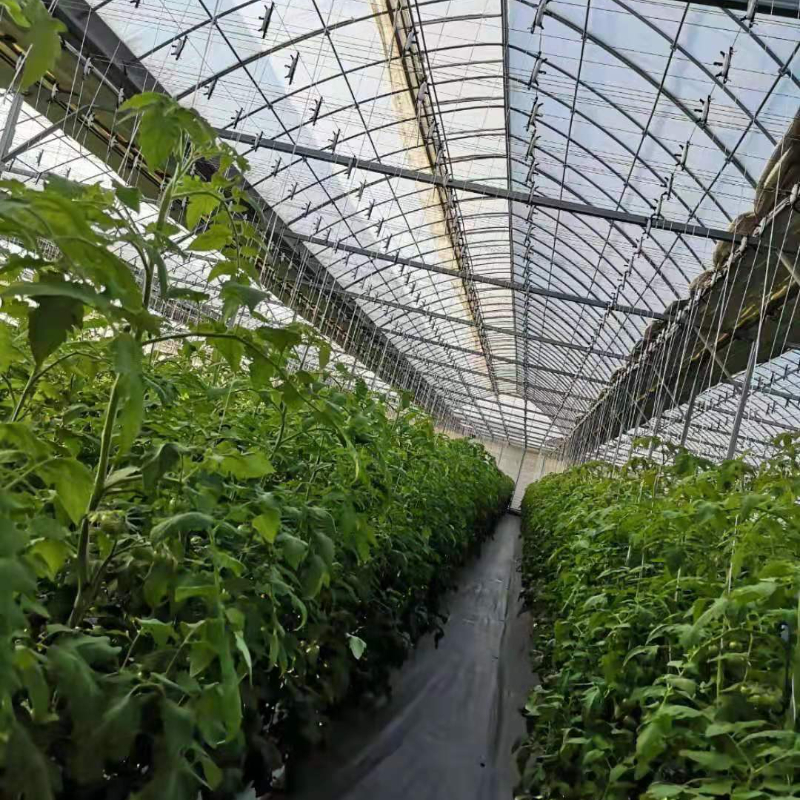
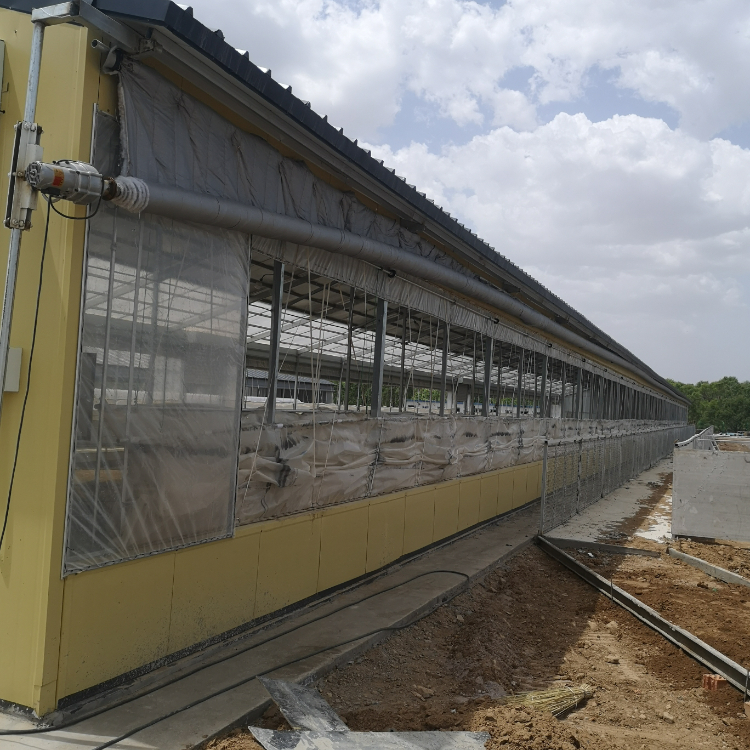
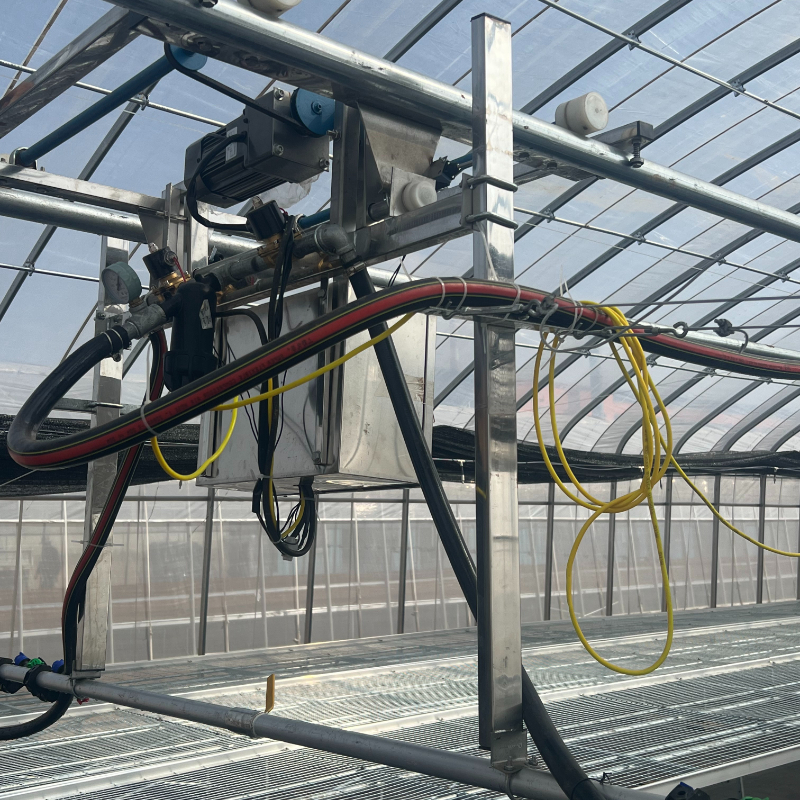
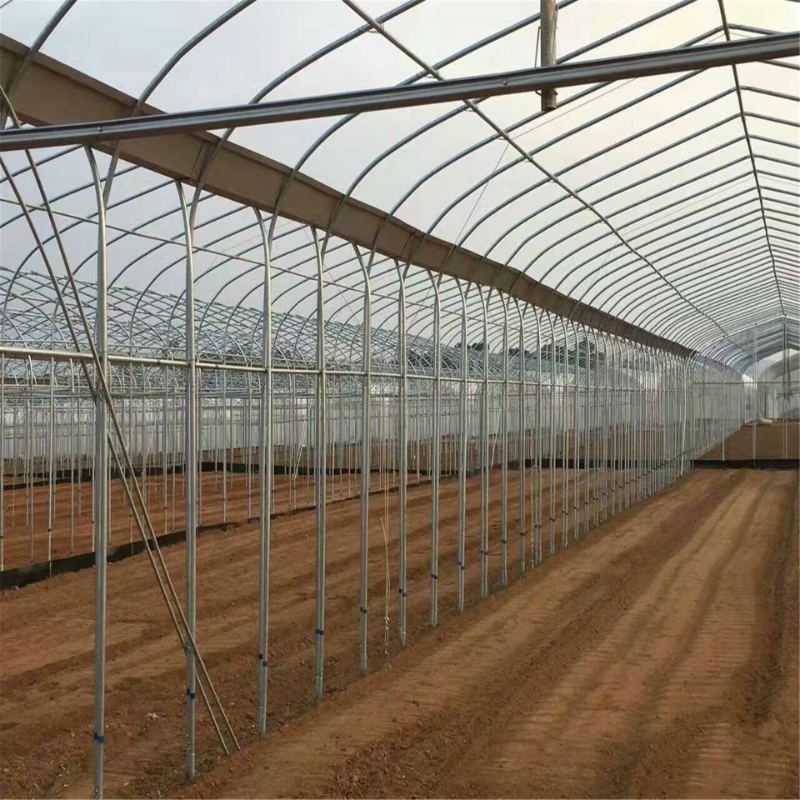
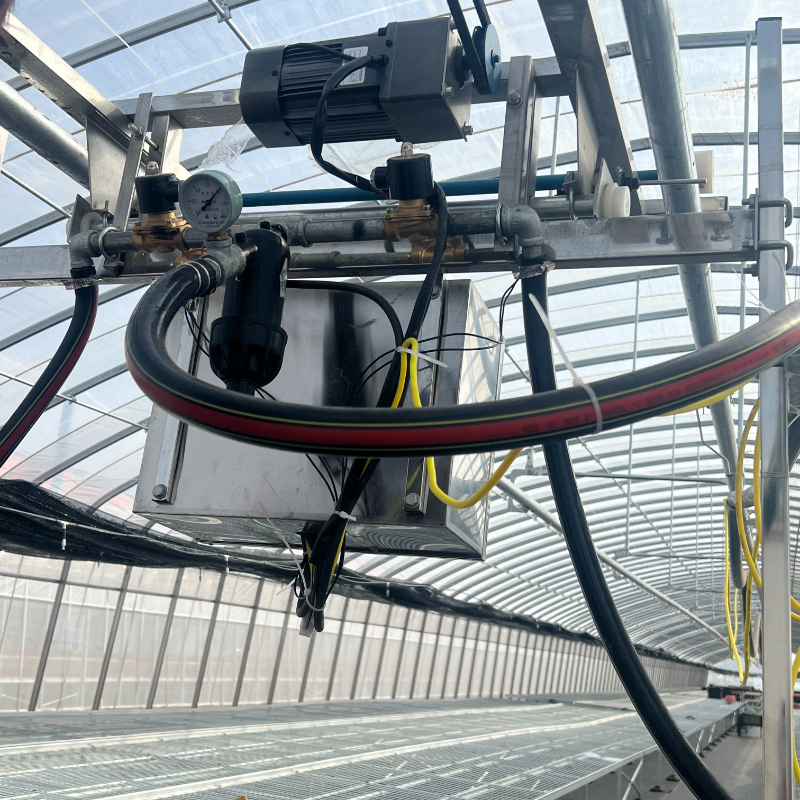
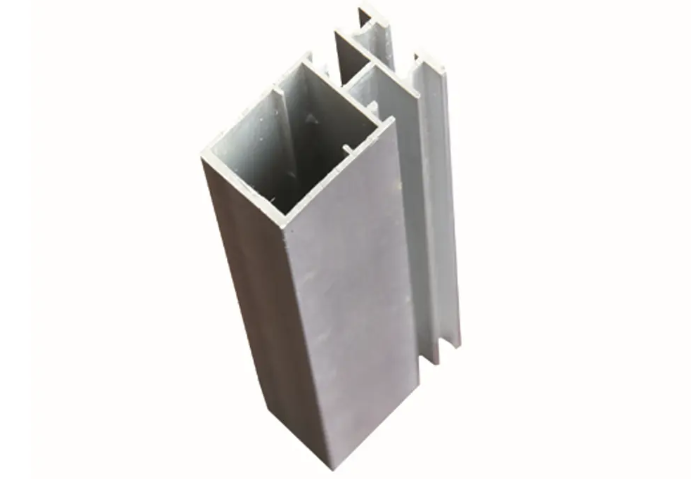
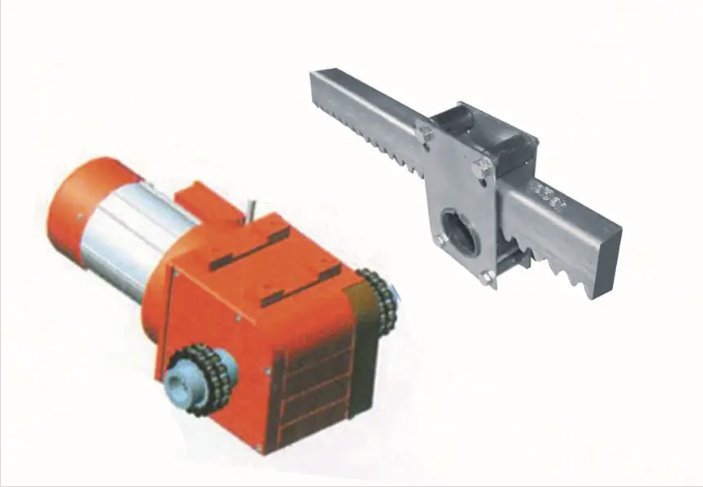
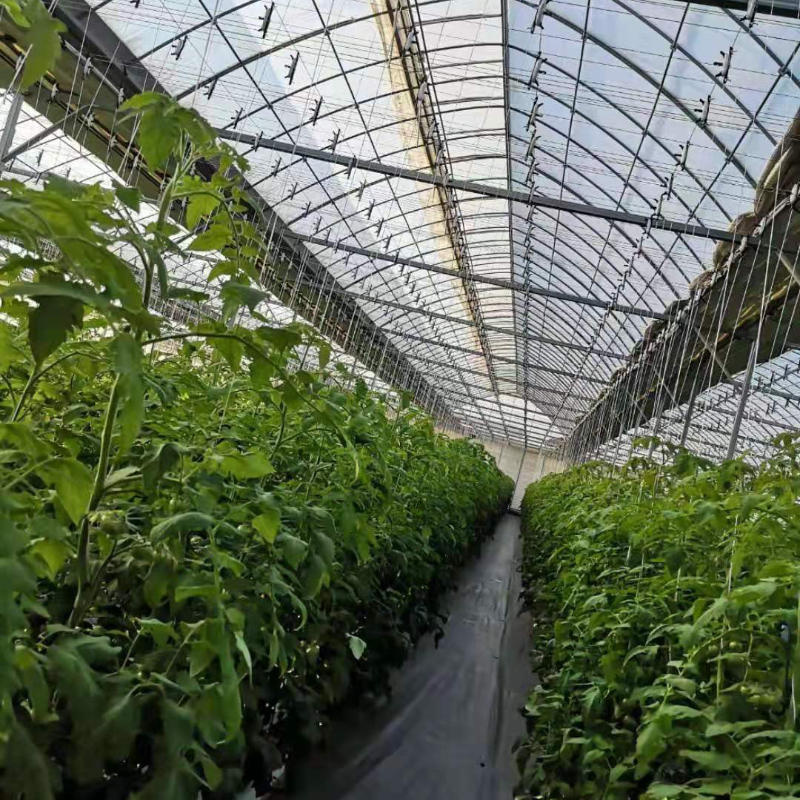
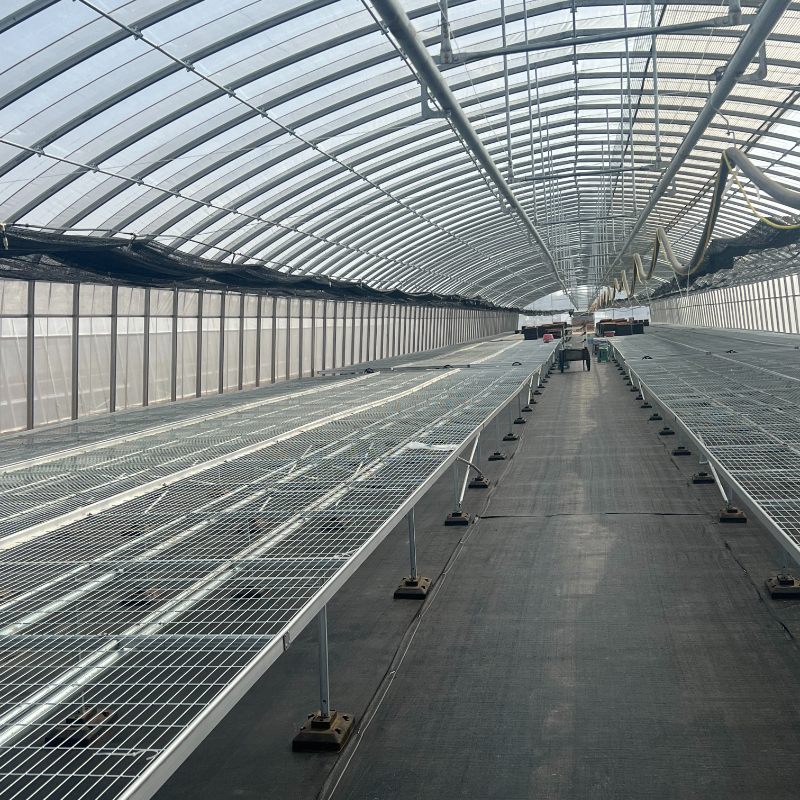
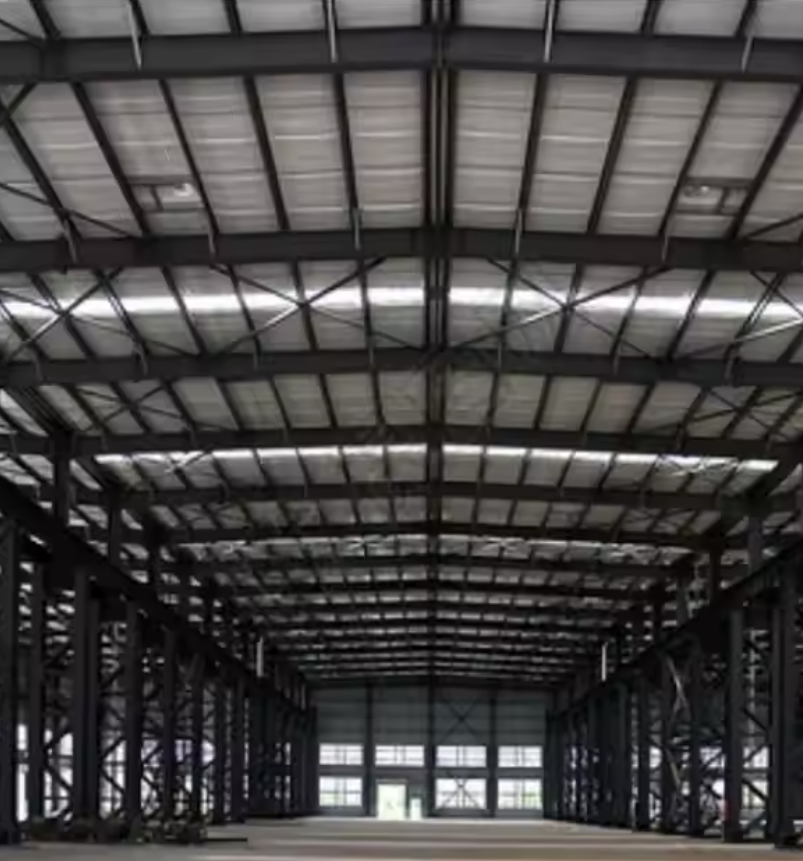
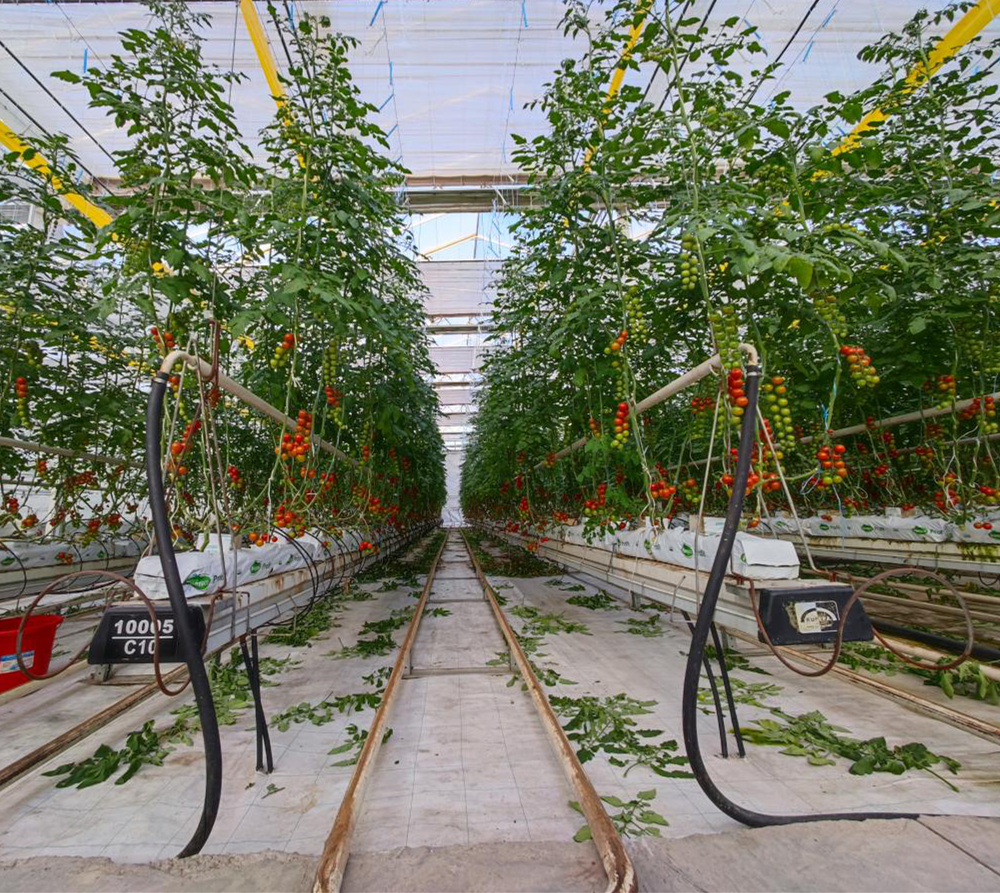
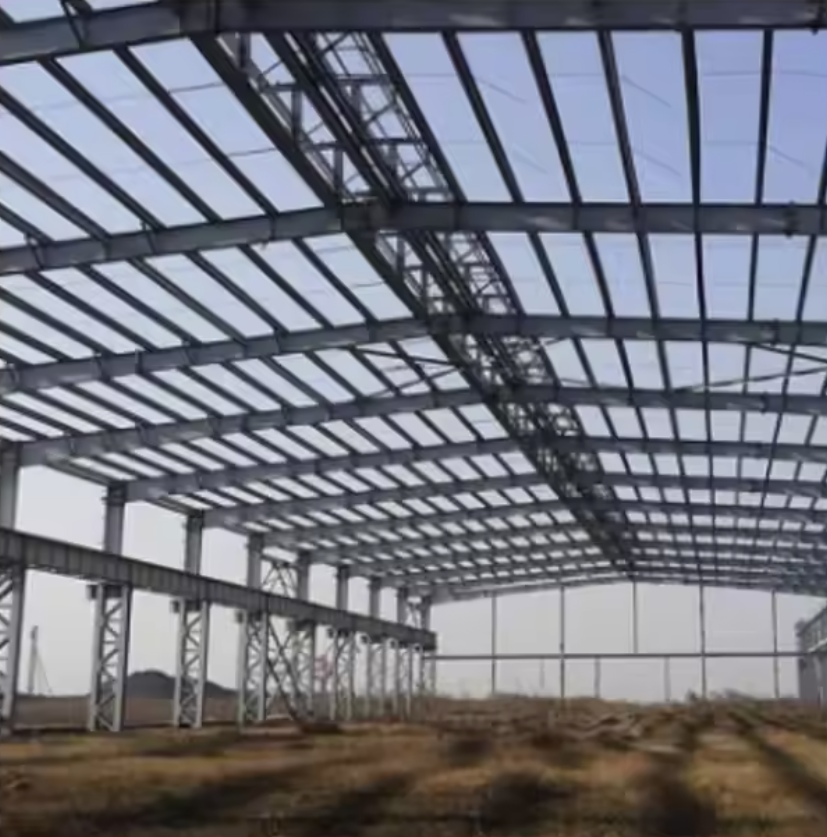
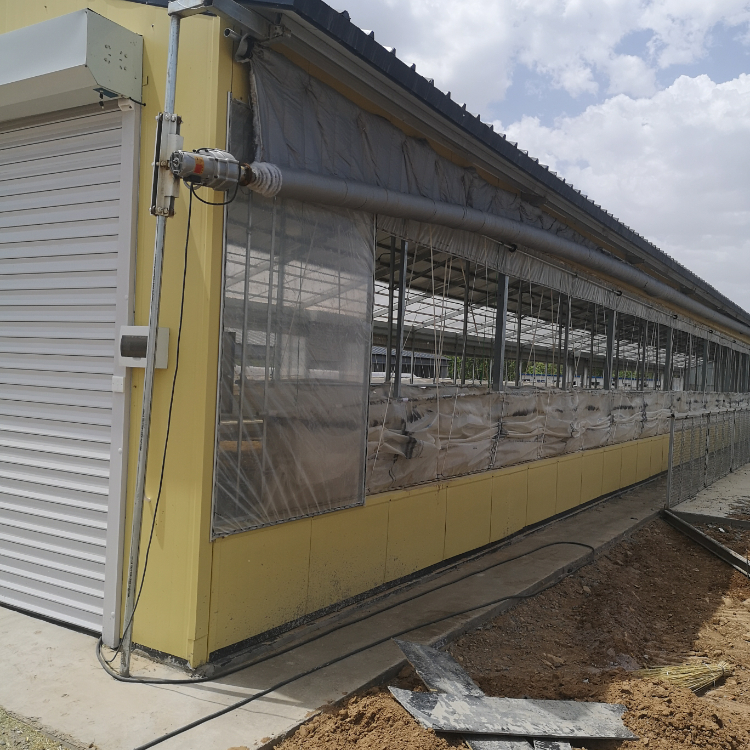
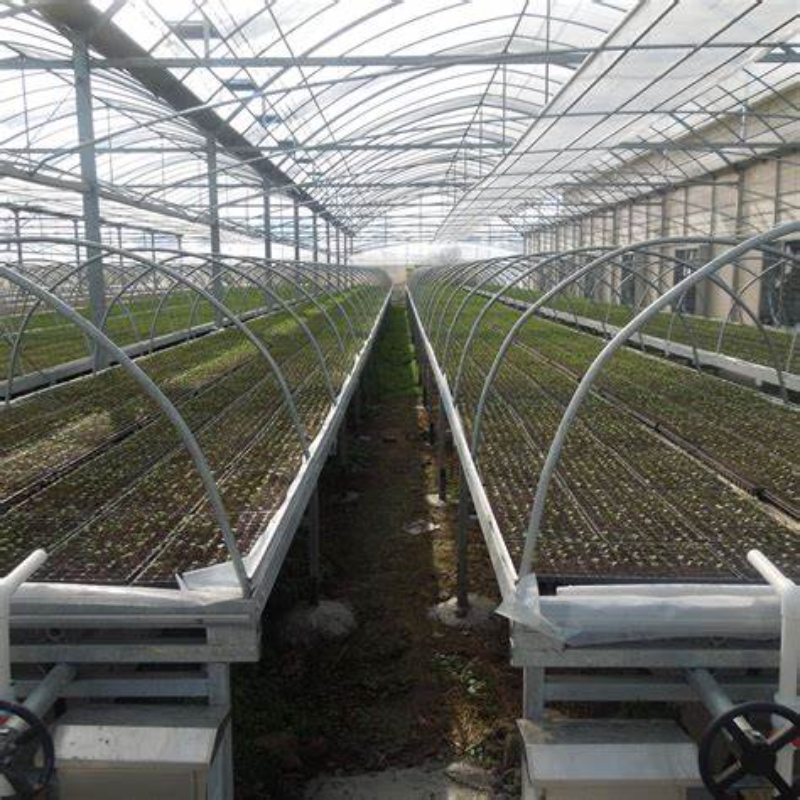
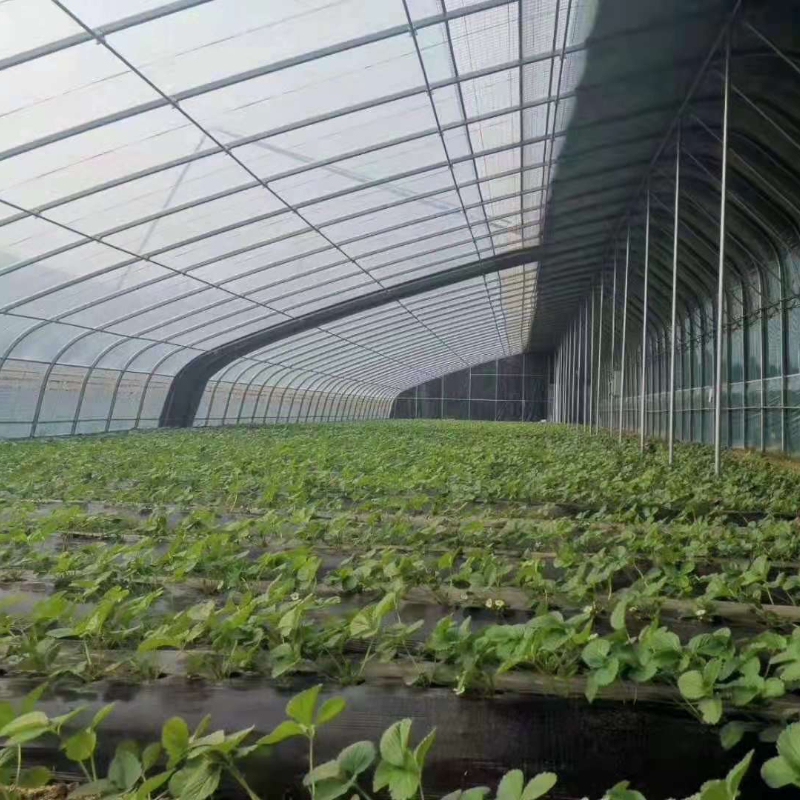
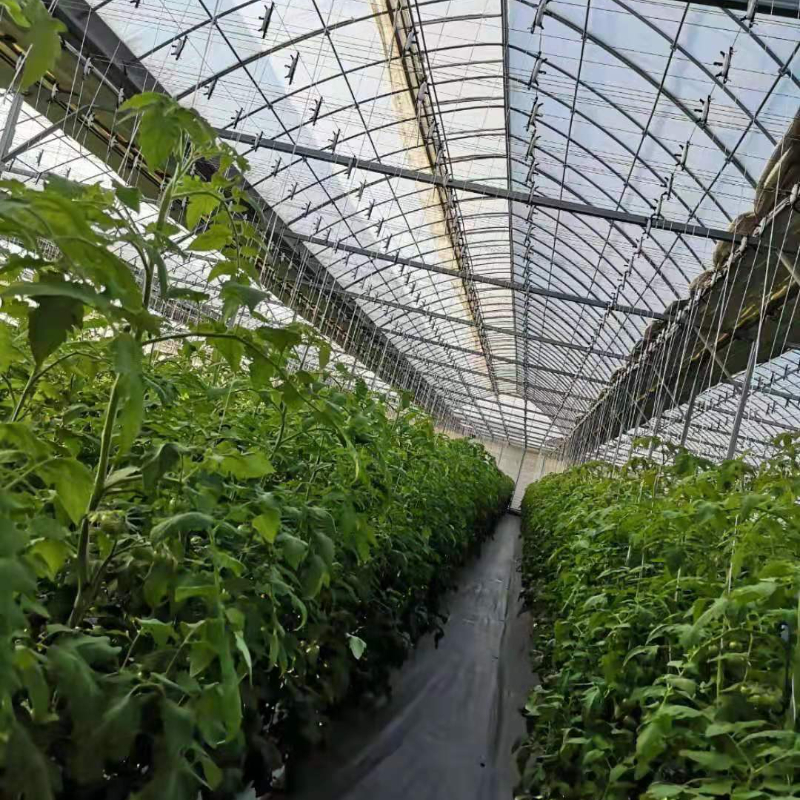
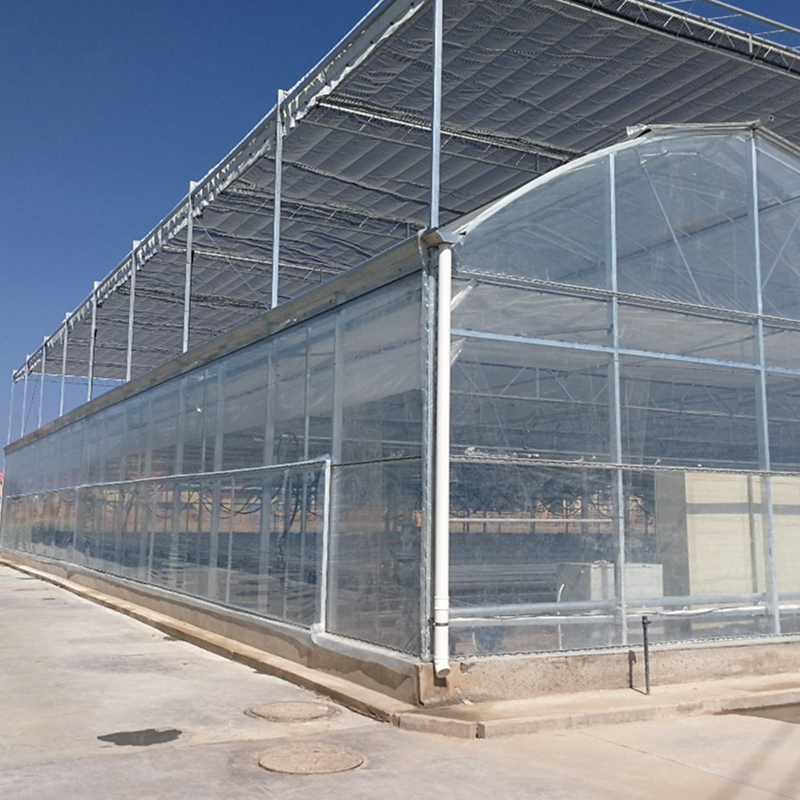
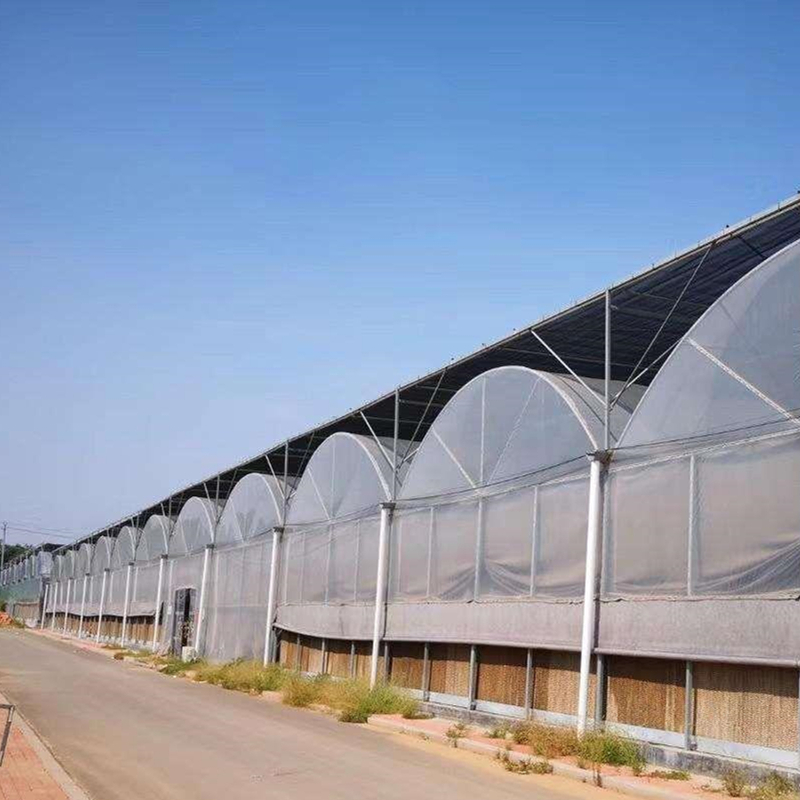
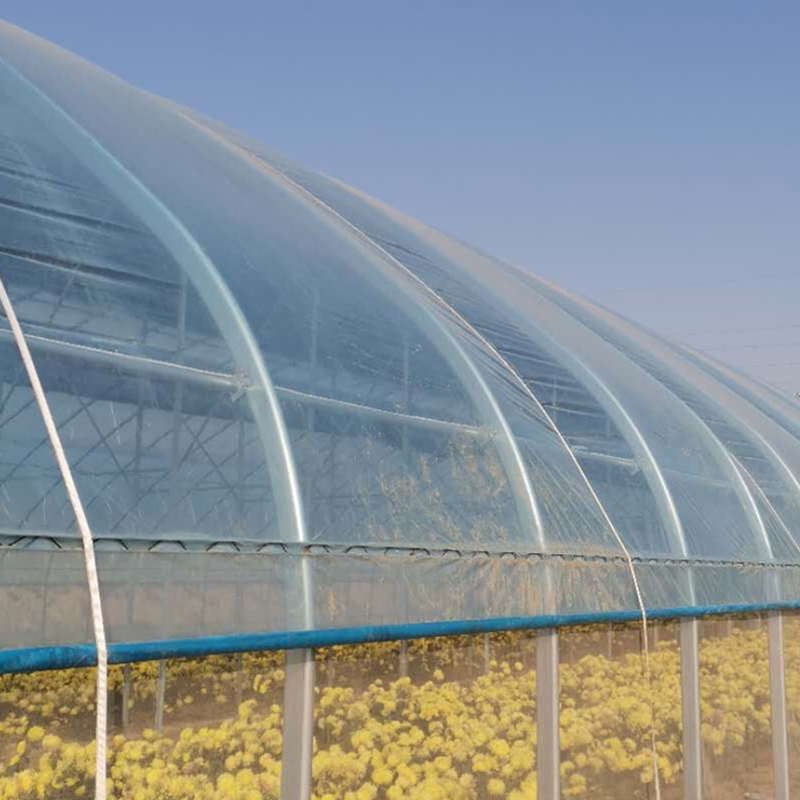
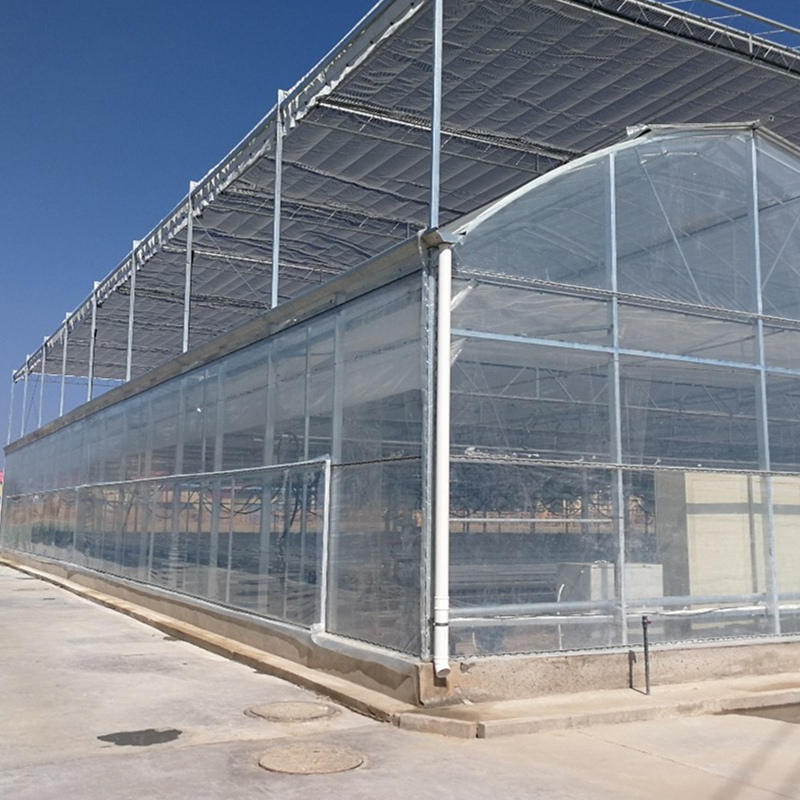
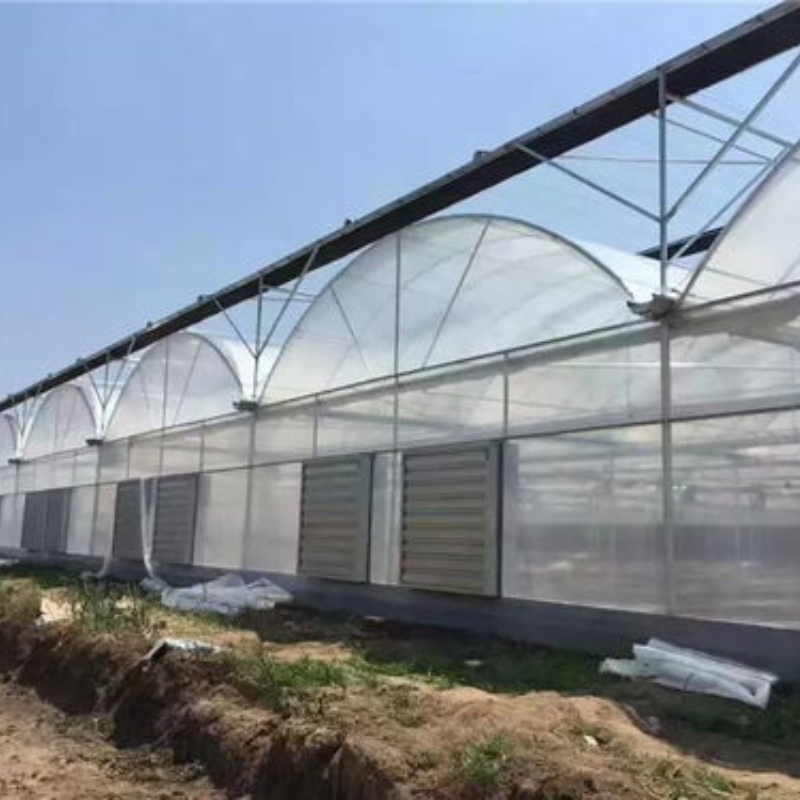
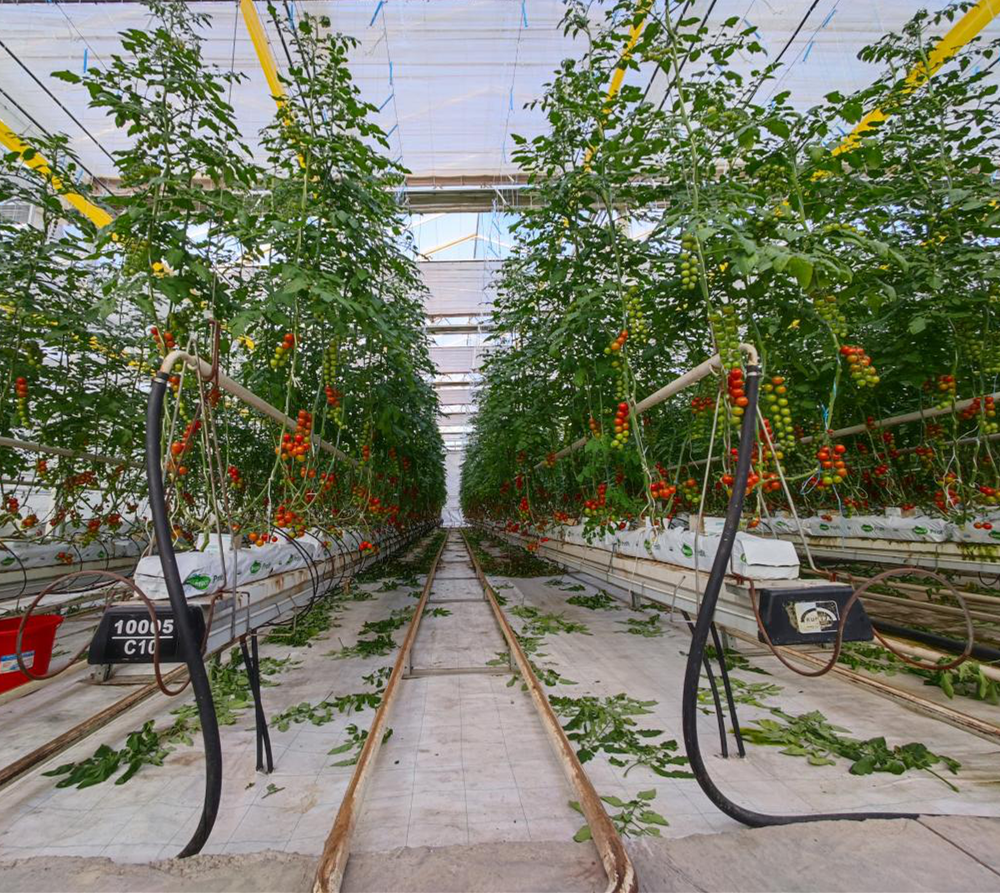
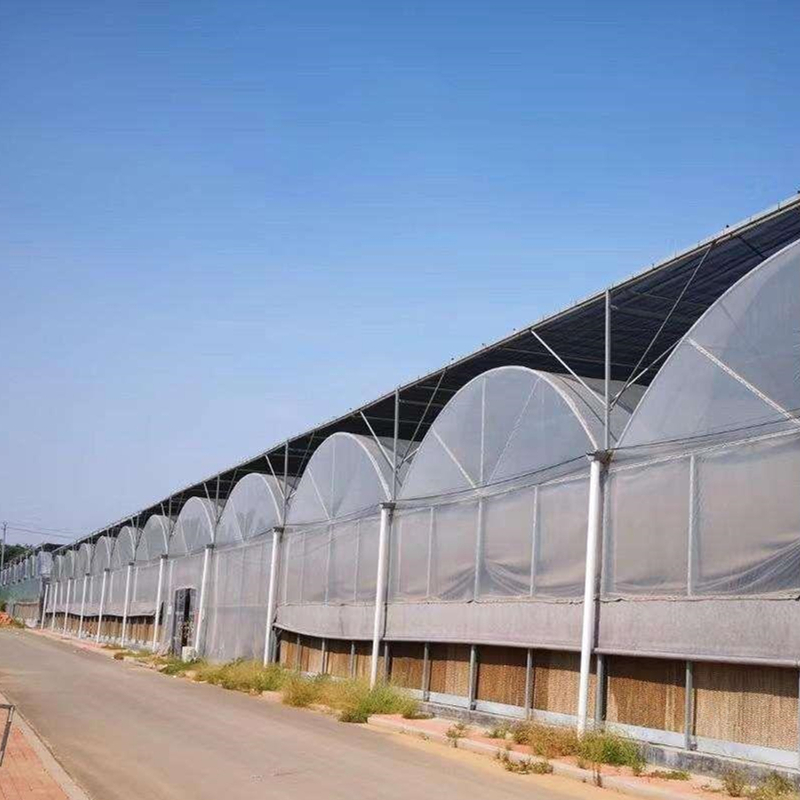
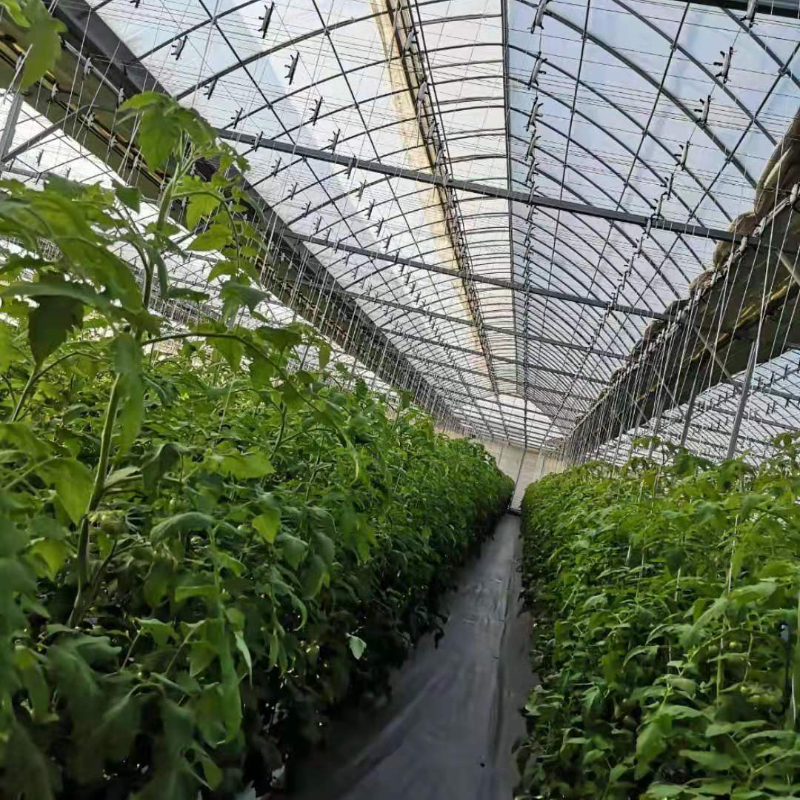
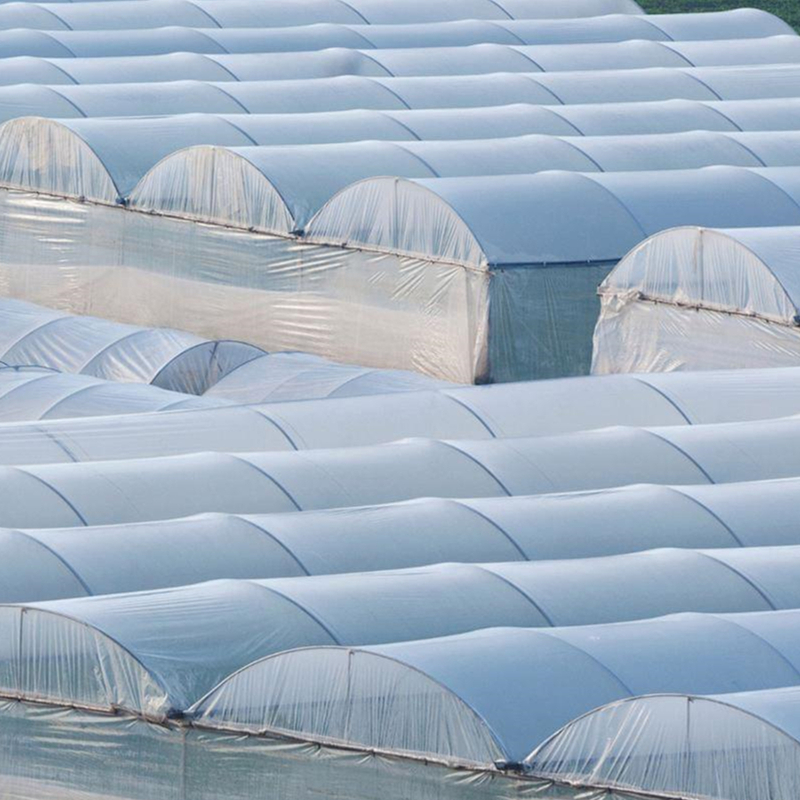
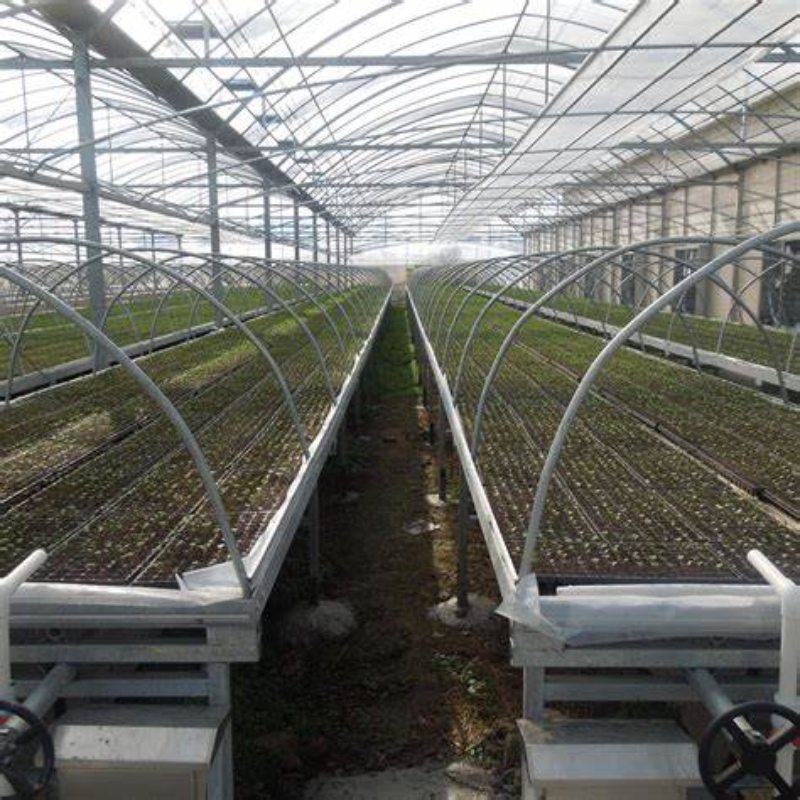
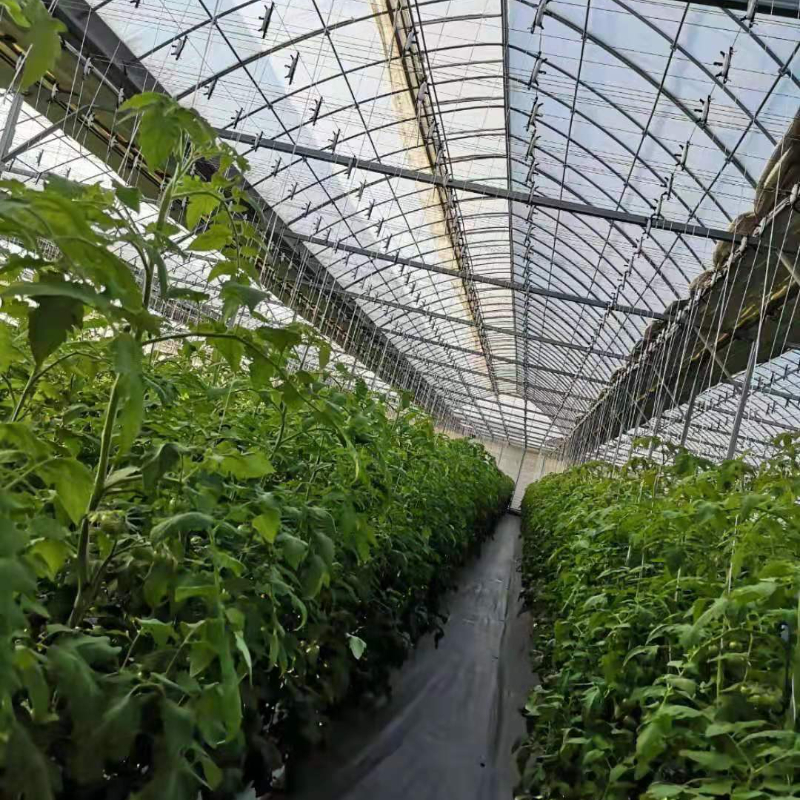
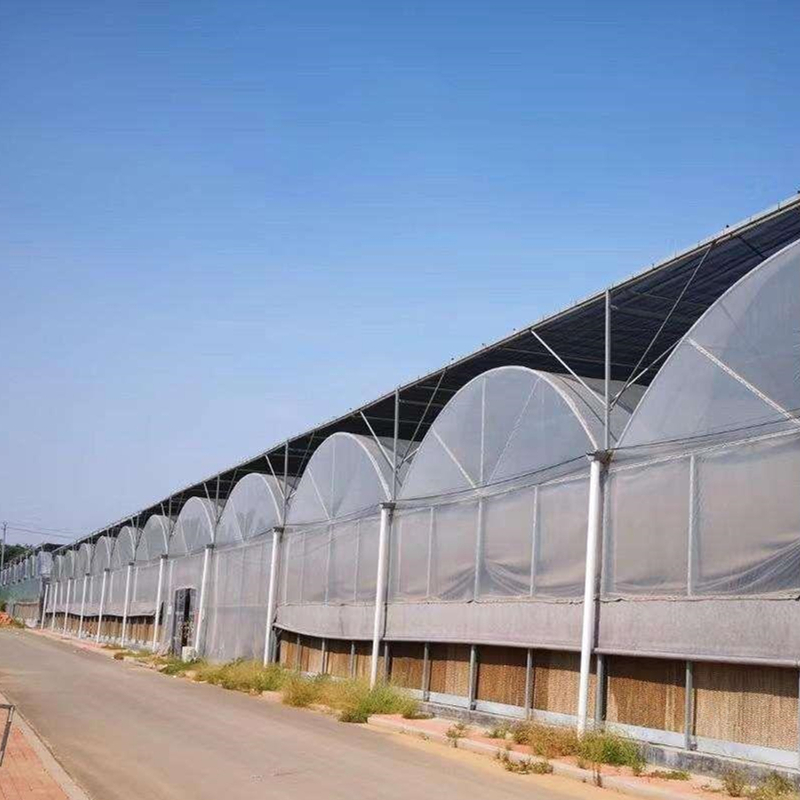
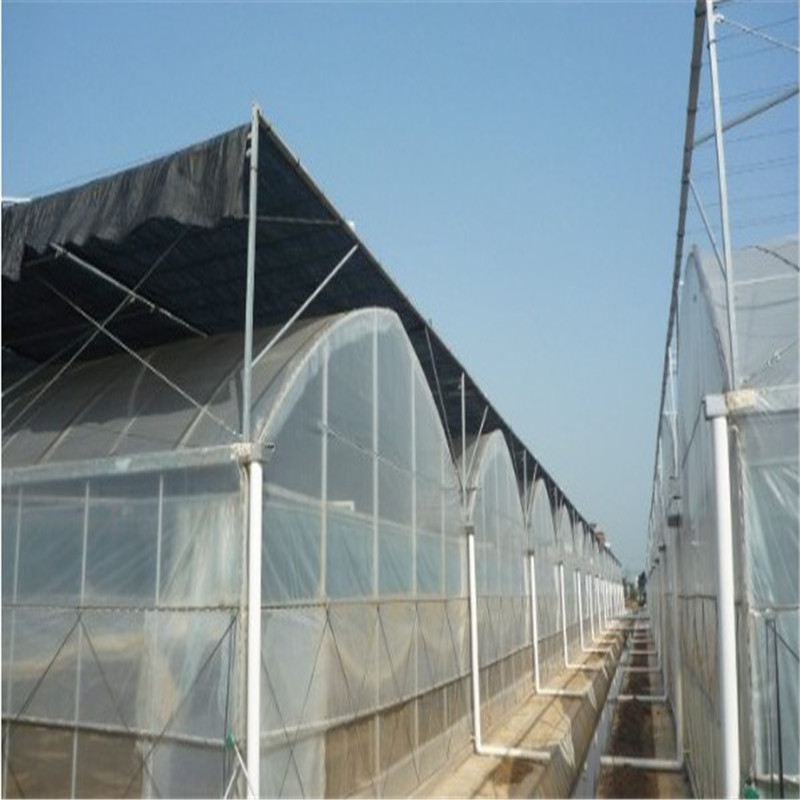
Structural and Functional Design Thin film greenhouses are characterized by lightweight, often modular, structures. The reduced weight of the cladding allows for simpler and less expensive support frameworks, typically made from galvanized steel or aluminum. This modularity facilitates scalability, from small-scale farm applications to vast hectare-spanning installations. The inherent flexibility of the film enables the construction of wide-span, quonset-style arches, maximizing internal volume and air circulation. Integrated with smart systems, these greenhouses can be equipped with automated vents, retractable roof or shading systems, and precise irrigation and fertigation networks. The film itself acts as the first barrier in a comprehensive climate management strategy.
The thin film greenhouse represents a synthesis of material science, agronomy, and engineering. It is not merely a cheaper alternative to glass but a sophisticated agricultural platform in its own right. By offering an optimal balance of light transmission, climate control, durability, and cost-effectiveness, it lowers the barrier to entry for high-tech protected agriculture. As film technology continues to advance—with potential integrations of solar cells (agrivoltaics) or smart sensors—these structures will play an increasingly critical role in building resilient, productive, and sustainable food systems for the future. They exemplify how a simple material, thoughtfully engineered, can cultivate profound change.
