

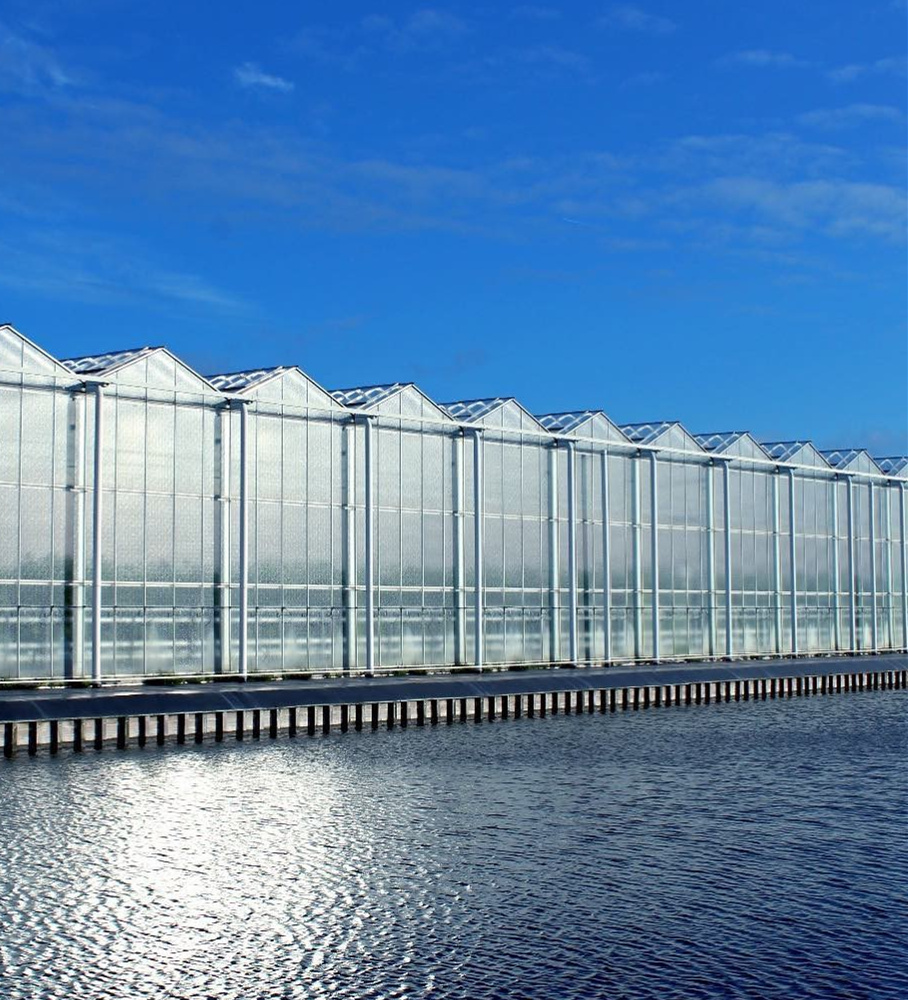


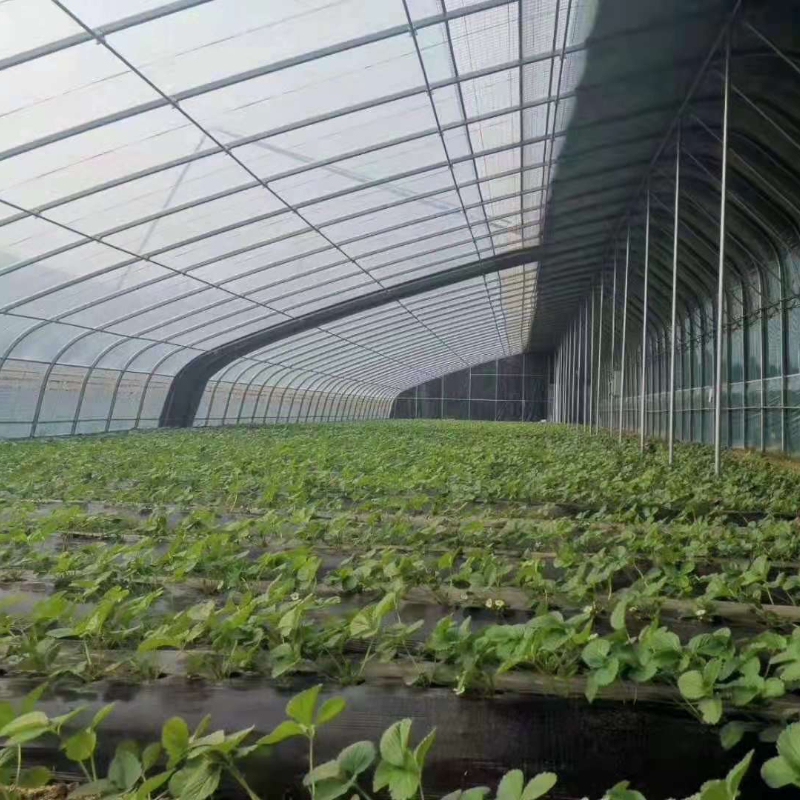
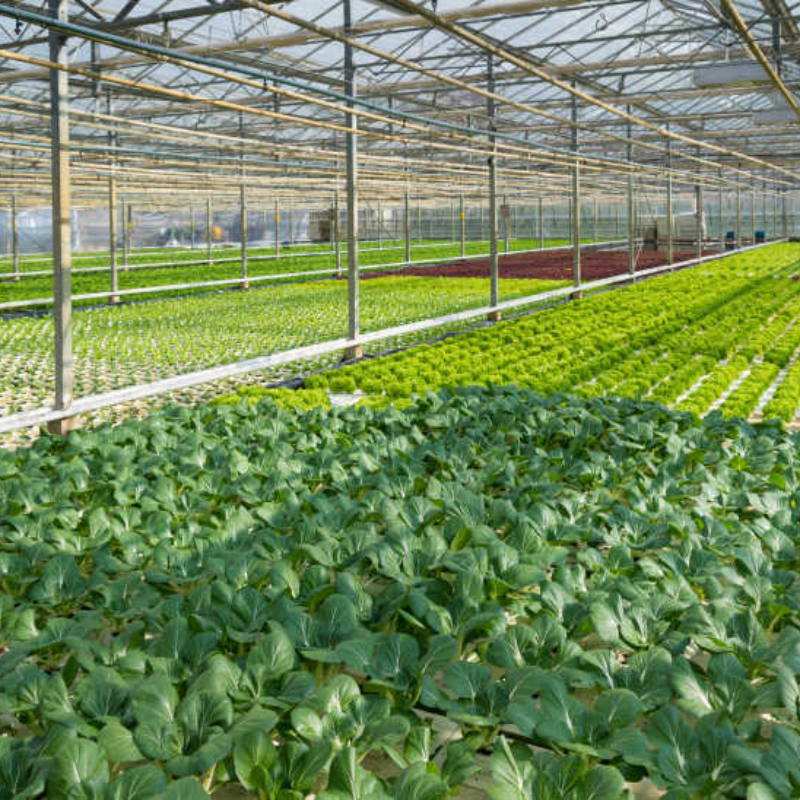
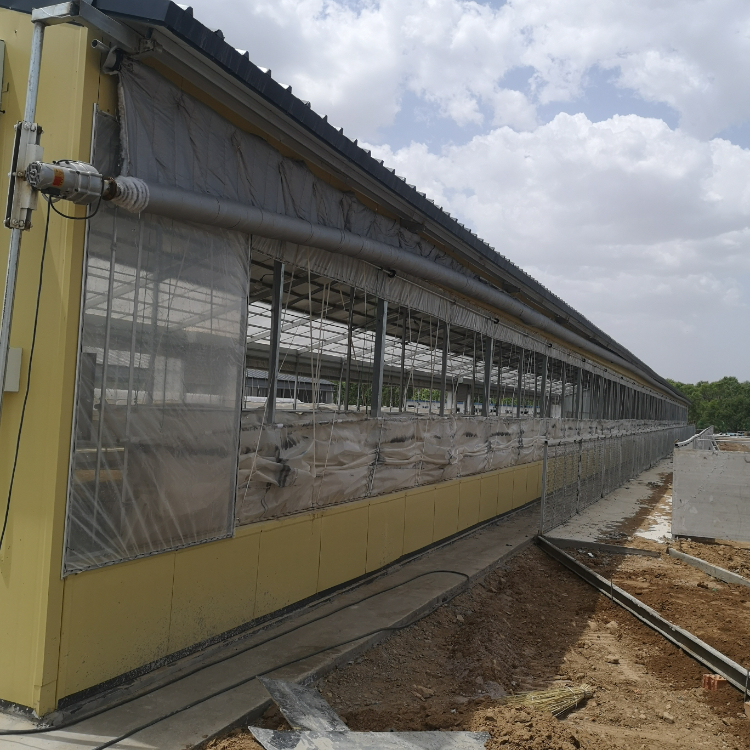
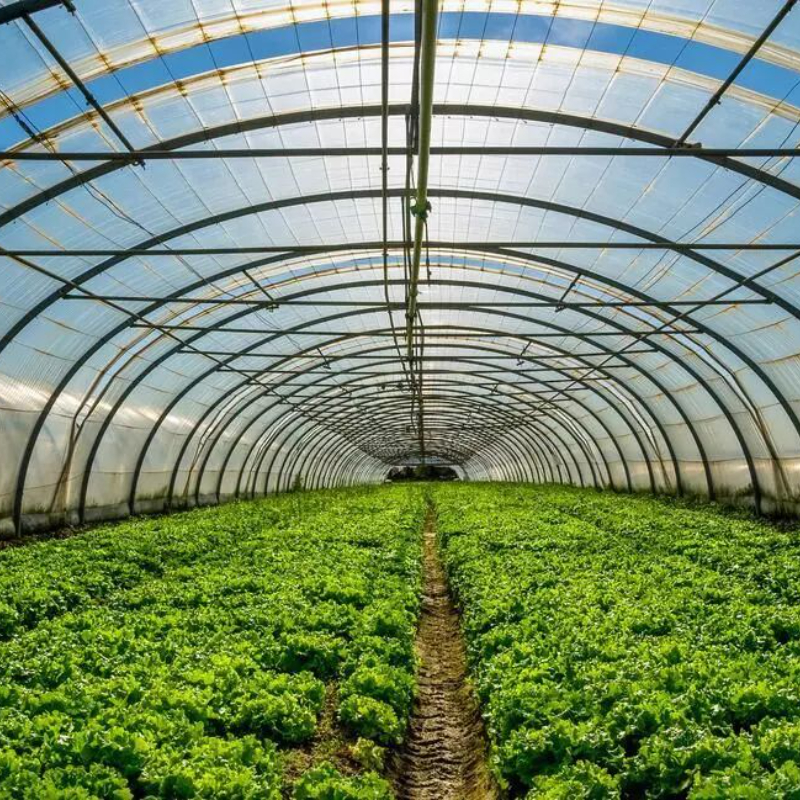
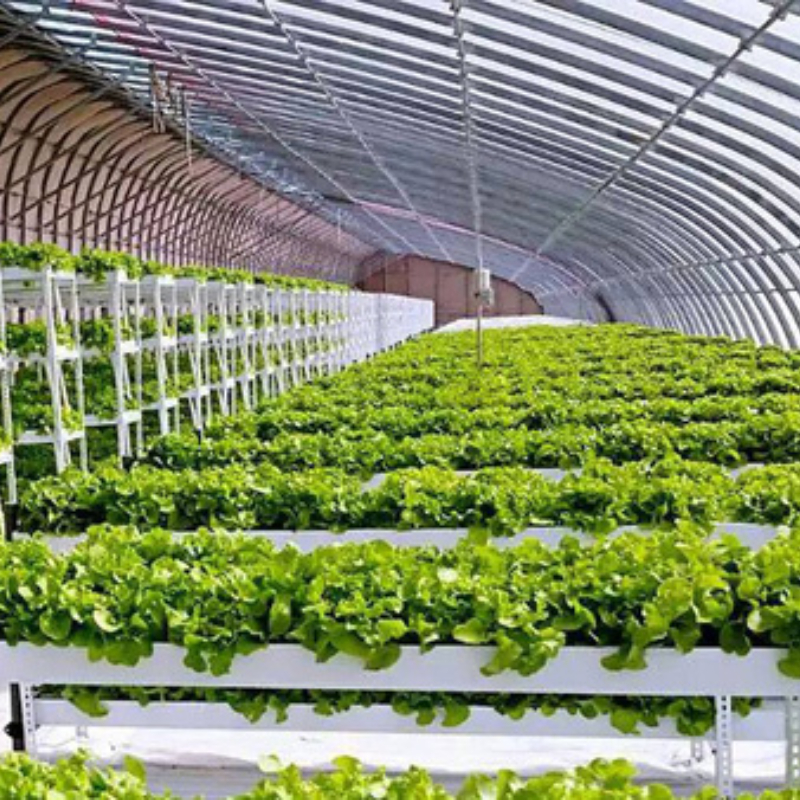
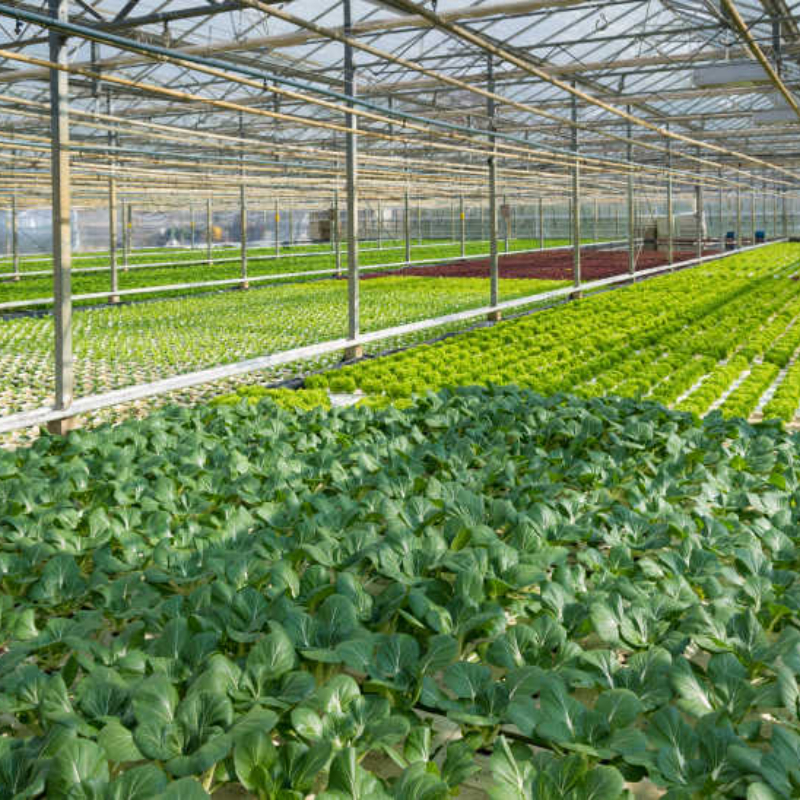
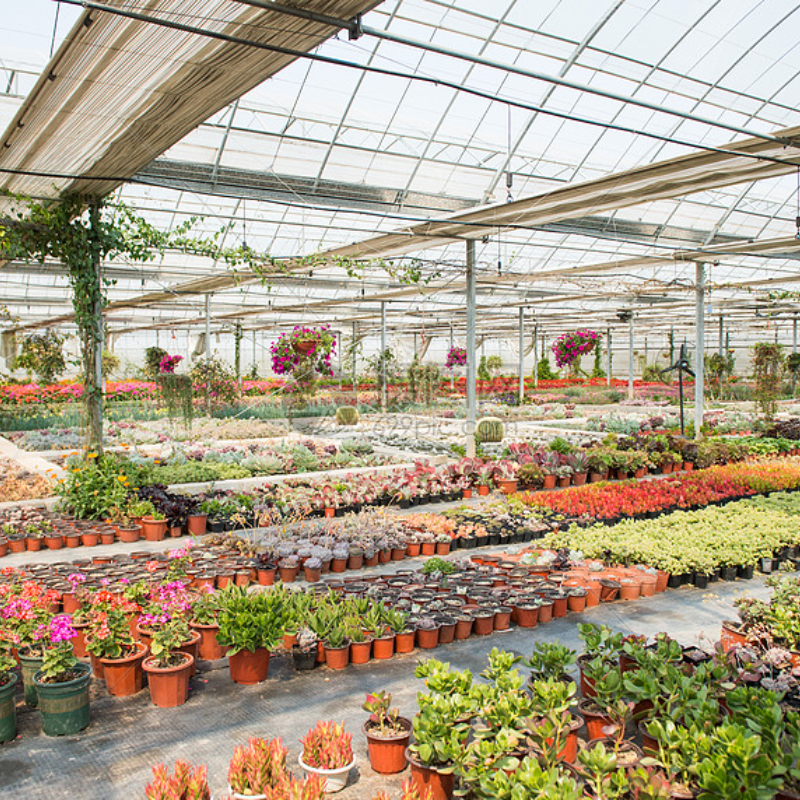
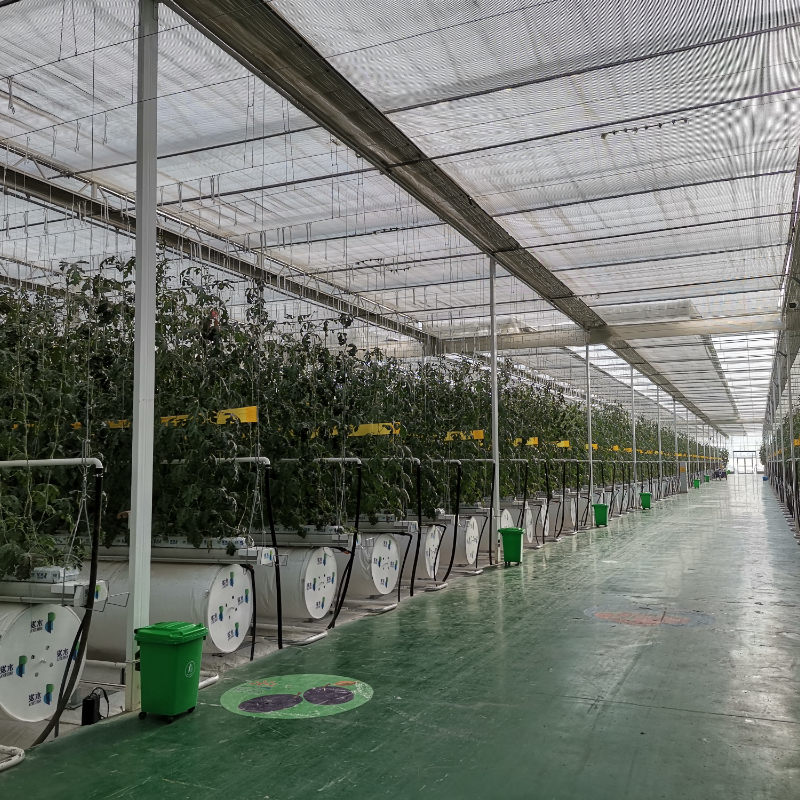
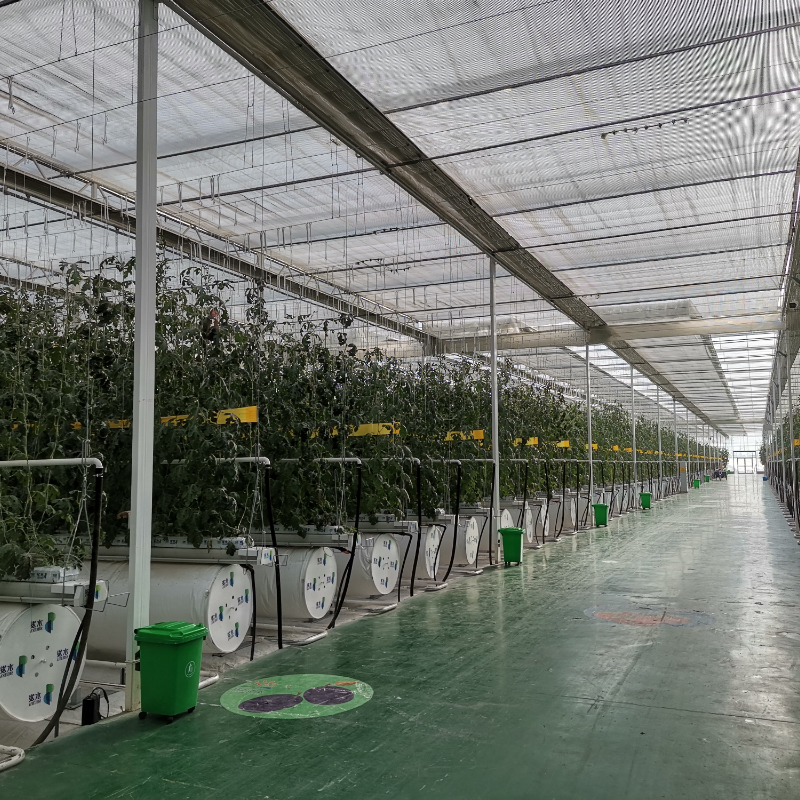
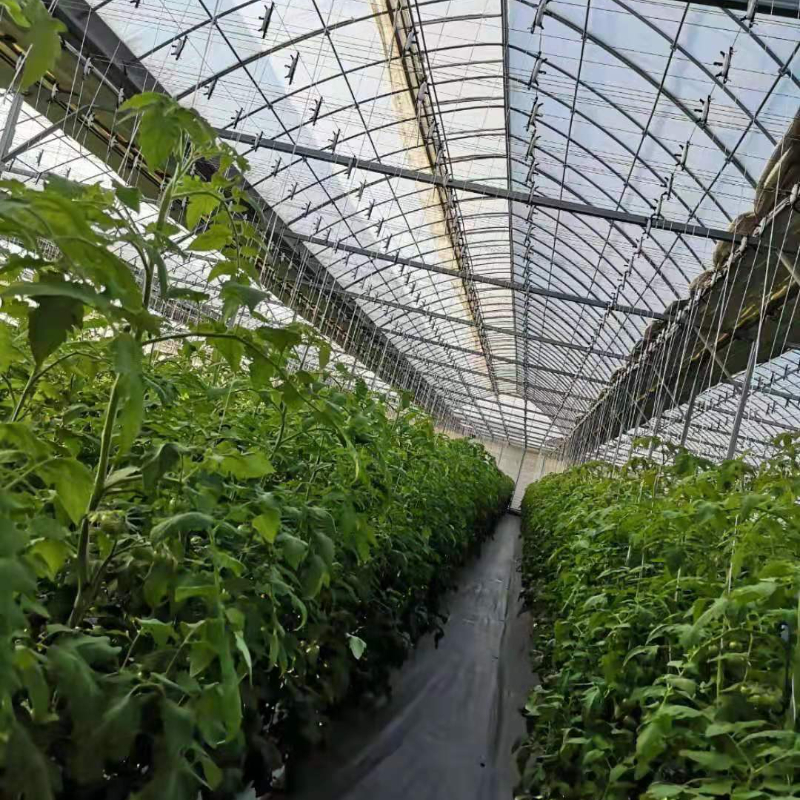
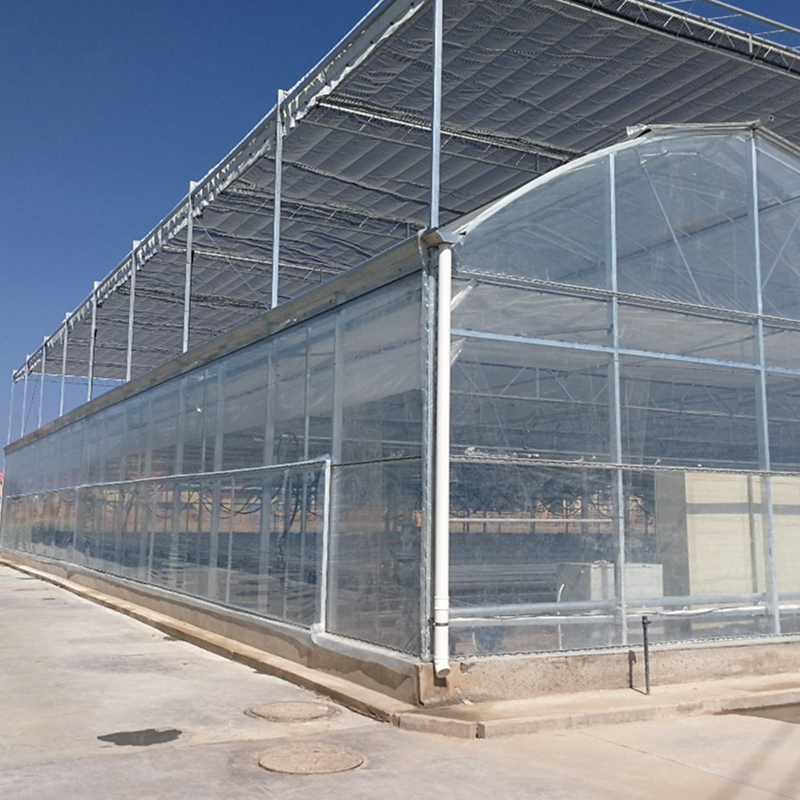
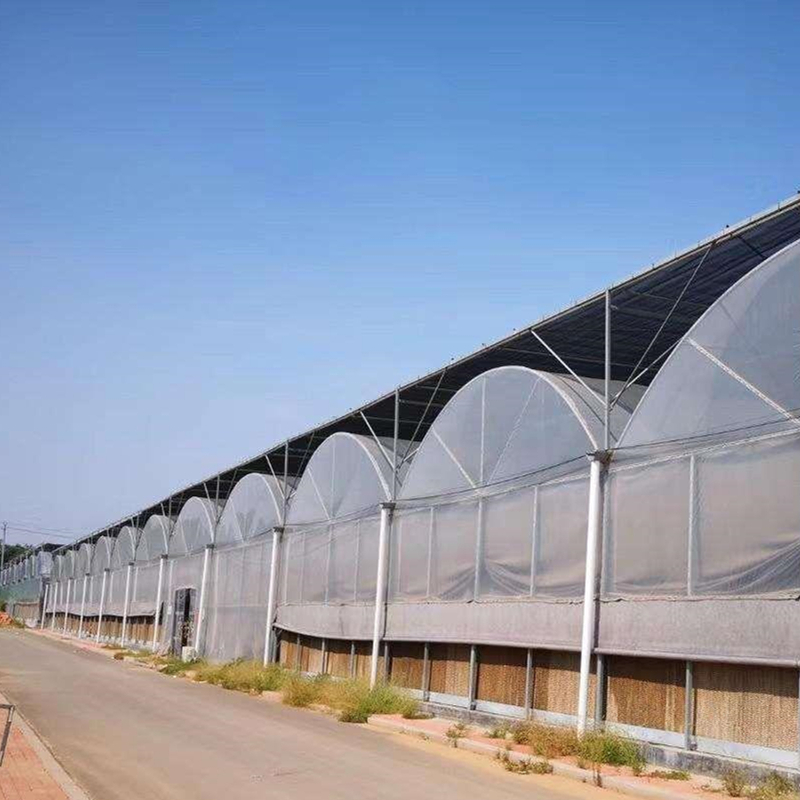
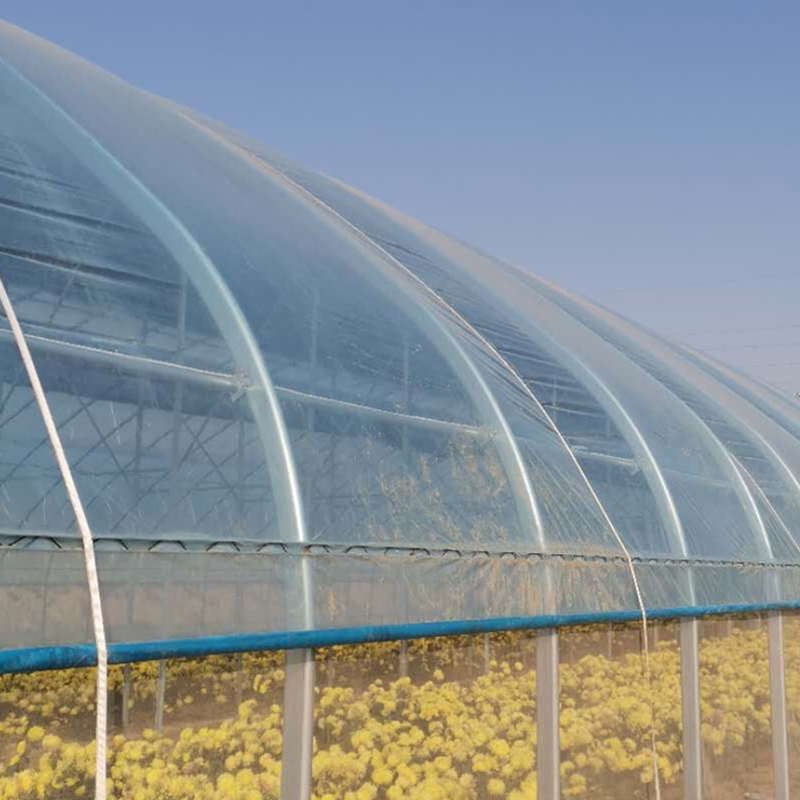
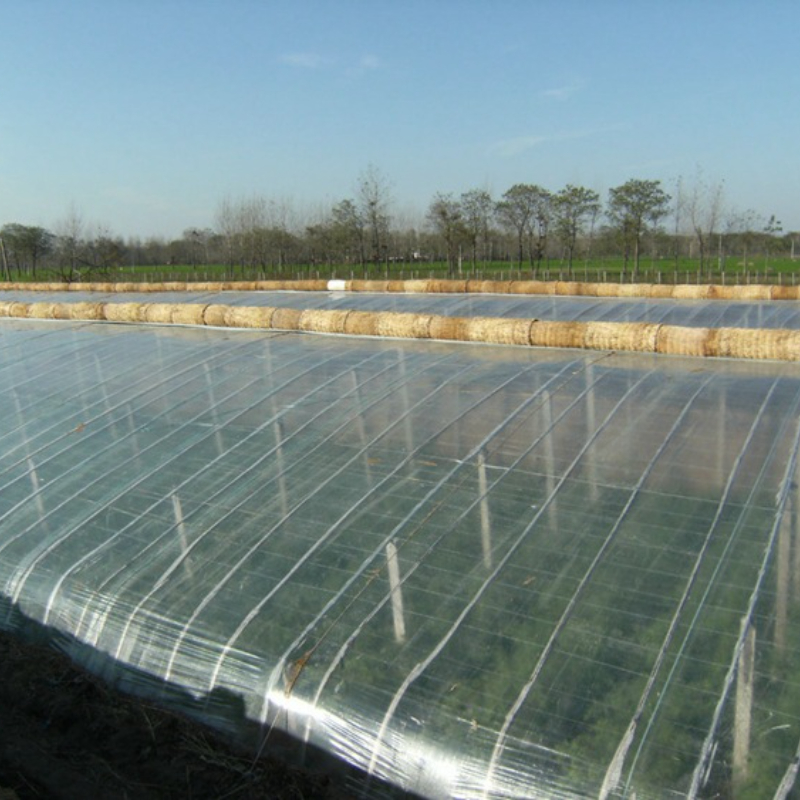
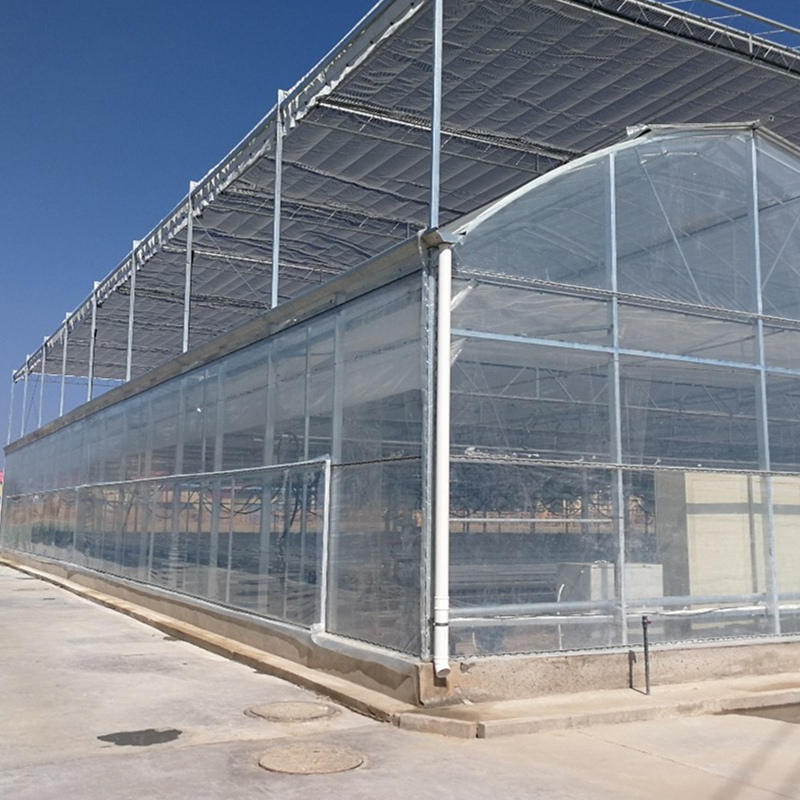
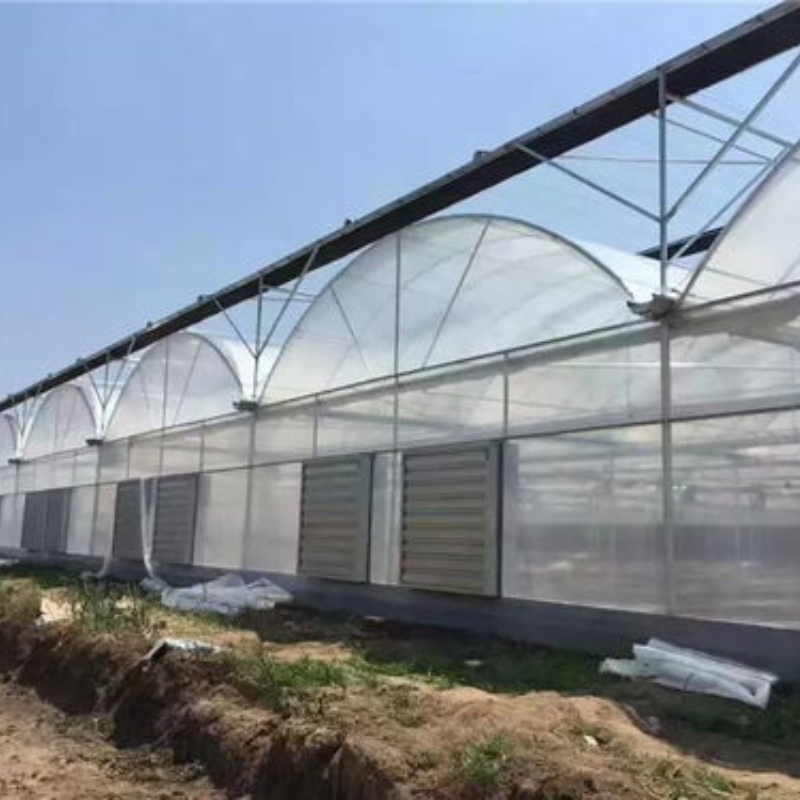
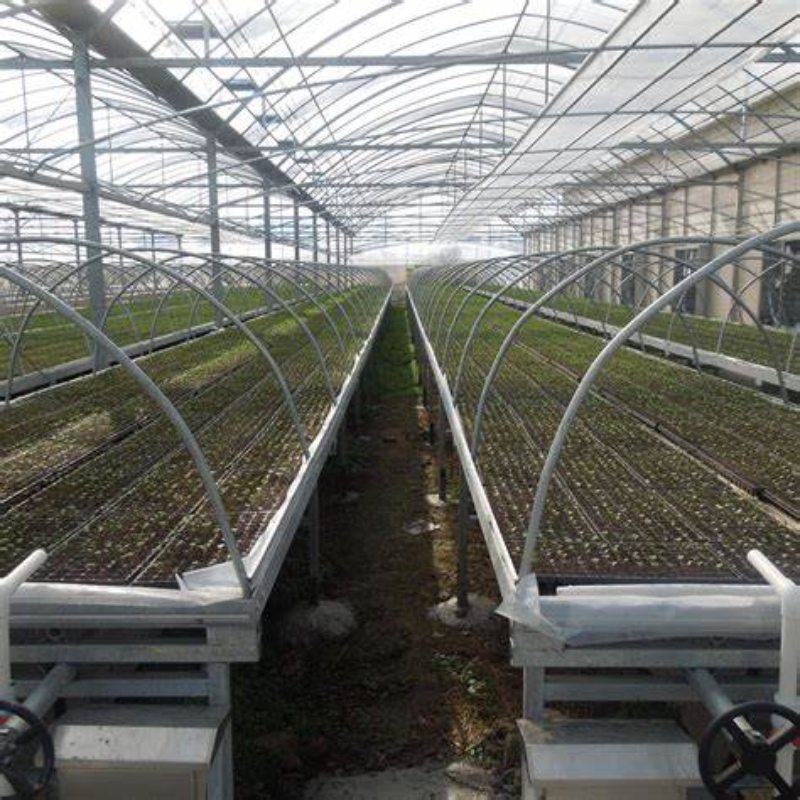
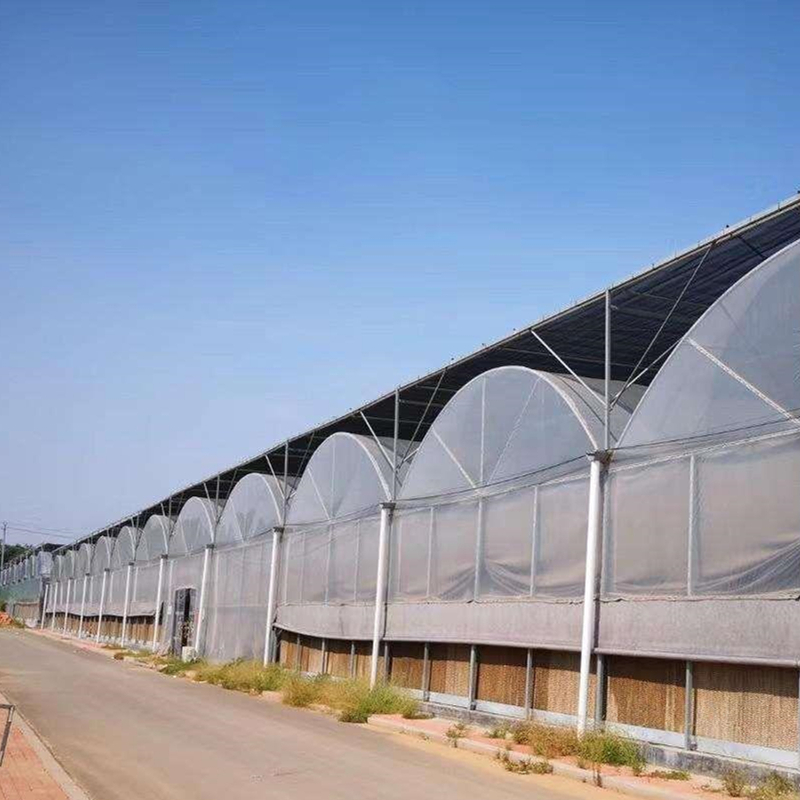
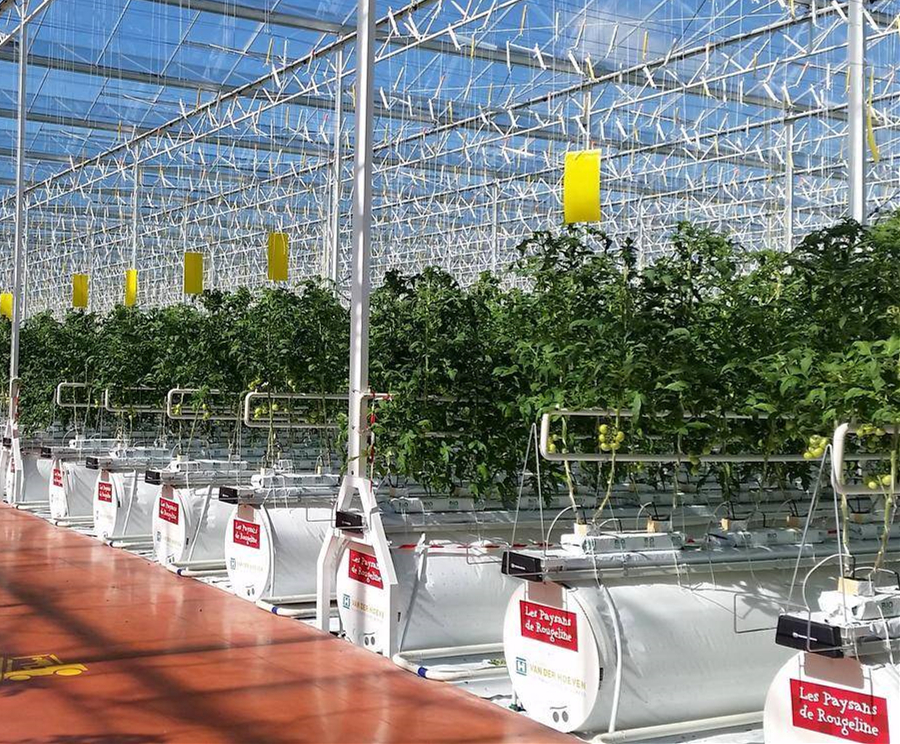
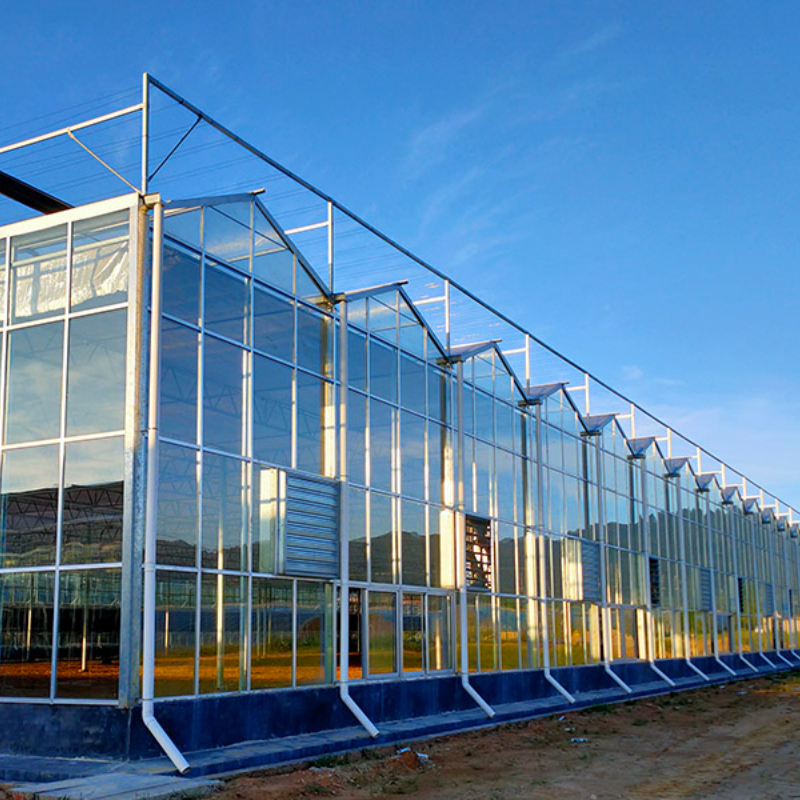
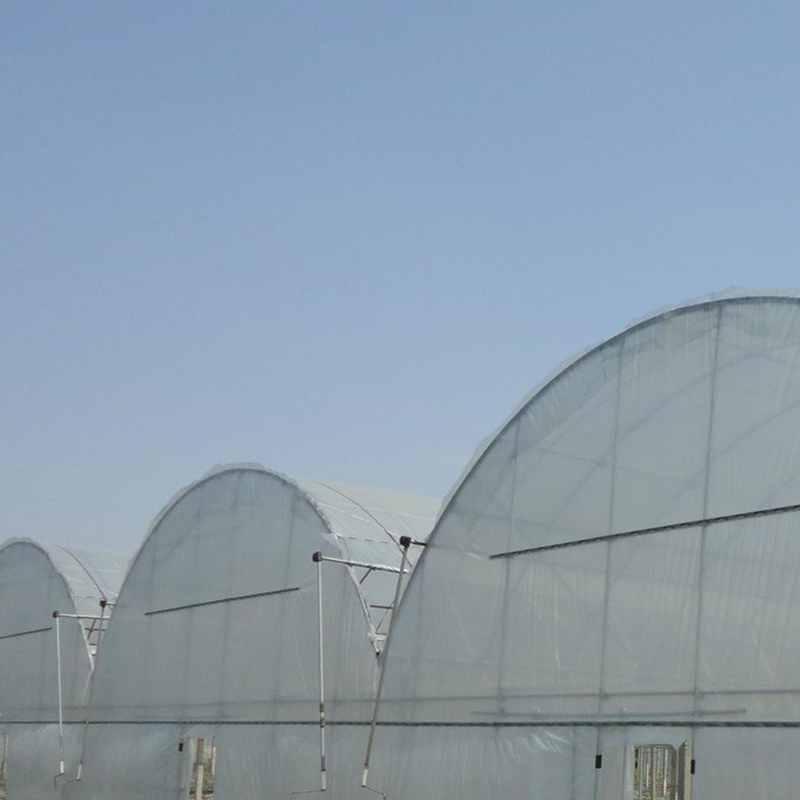
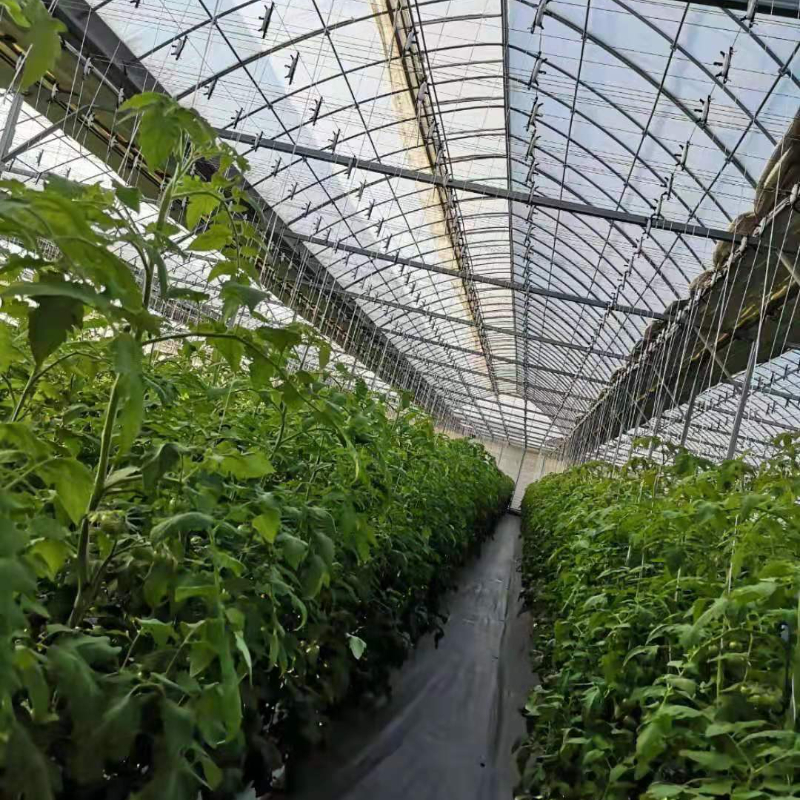
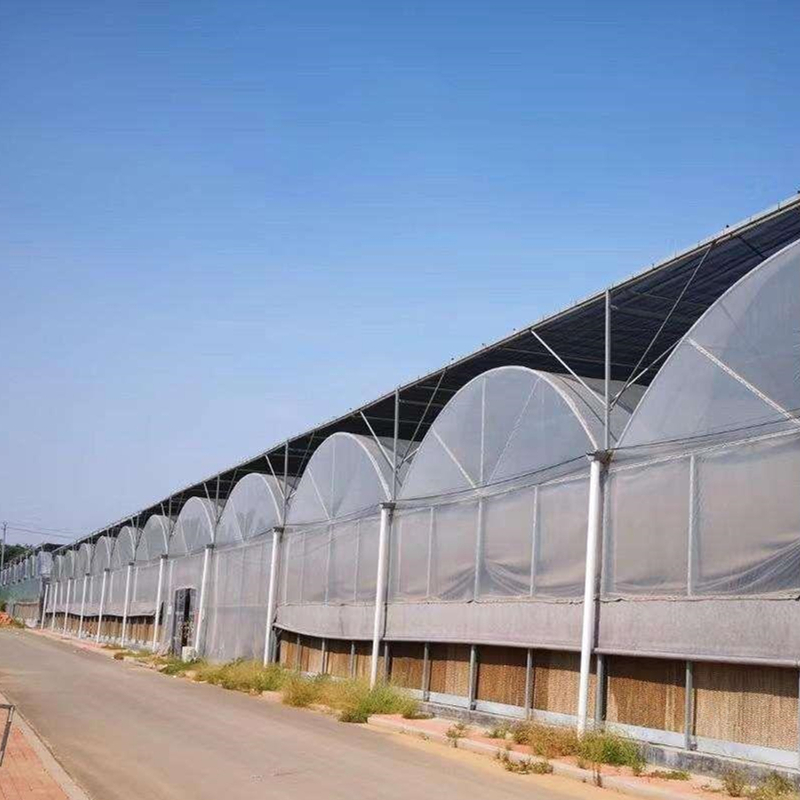
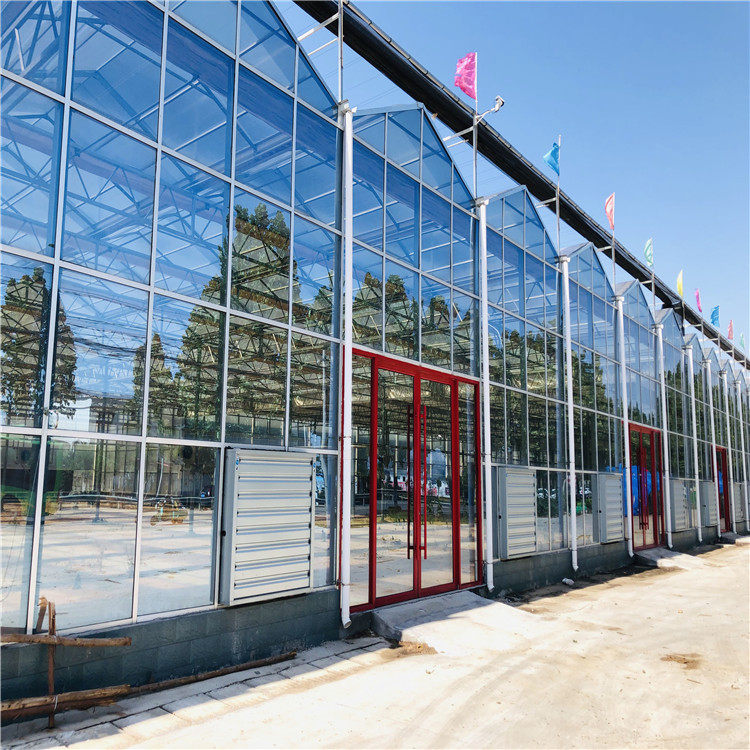
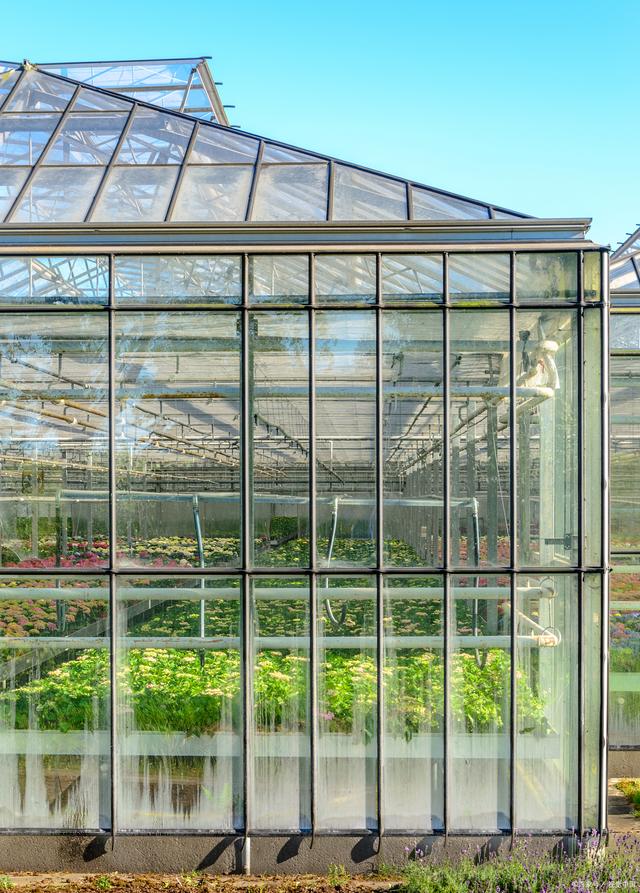
The glass greenhouse stands as a timeless symbol of humanity’s desire to harness nature’s power. More than a simple structure, it is a controlled environment, a sanctuary where the boundaries of seasons and climates blur under a canopy of glass. By capturing and magnifying the sun’s energy, the glass greenhouse creates a world of its own—a world dedicated to the cultivation of life.
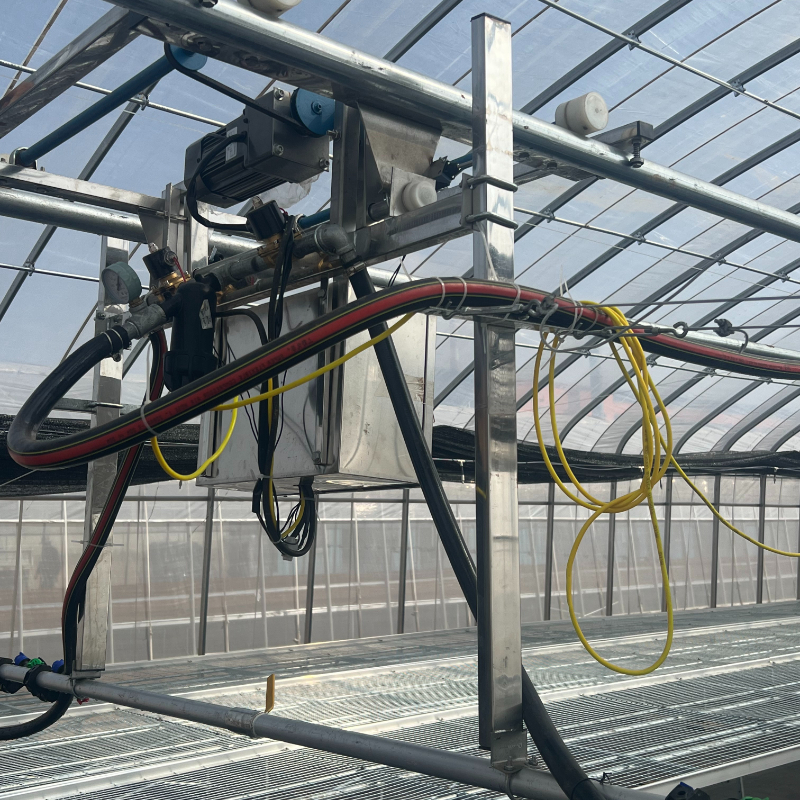
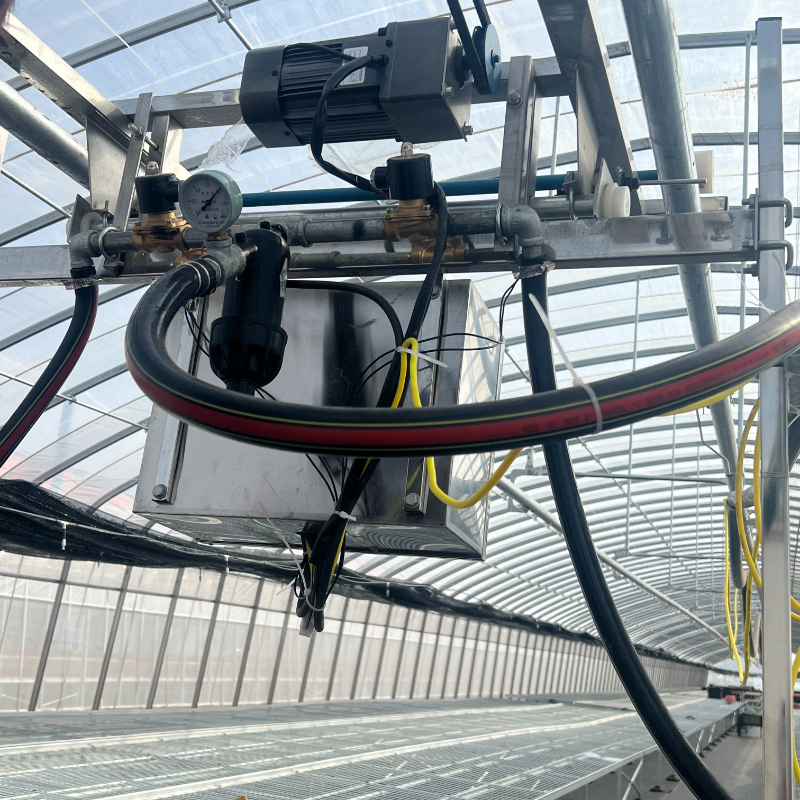
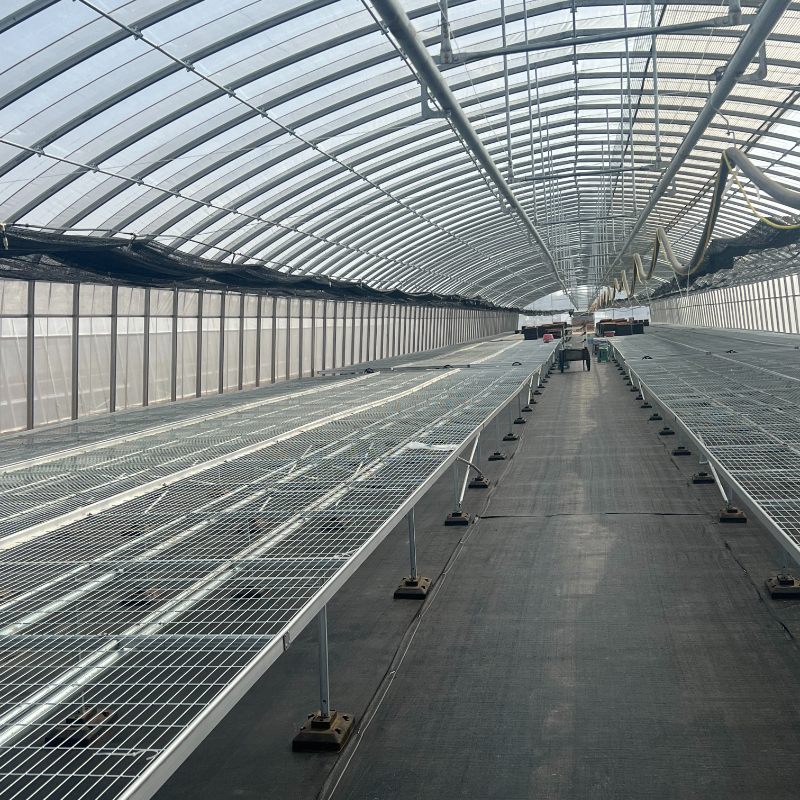
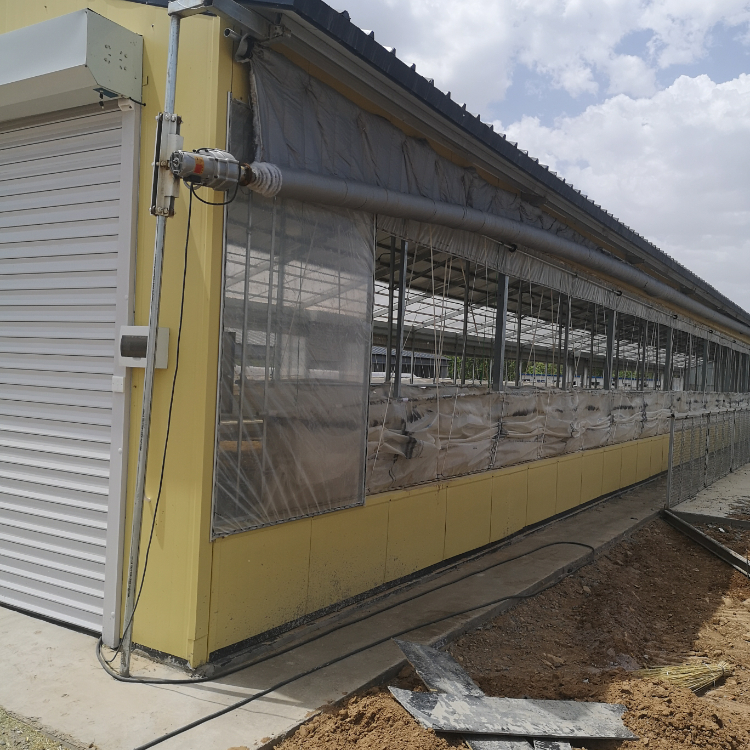
At its core, the principle is elegantly simple. Sunlight passes through the transparent glass panels, its short-wave radiation heating the interior surfaces. These surfaces then re-radiate the energy as long-wave heat, which is trapped inside by the glass—a phenomenon known as the "greenhouse effect." This creates a microclimate significantly warmer than the outside air, allowing plants to thrive even in the depths of winter. But the modern glass greenhouse is no longer passive. It is a hub of precision, integrating automated ventilation systems, shade screens, irrigation networks, and climate computers to maintain the perfect balance of temperature, humidity, and light for its inhabitants.
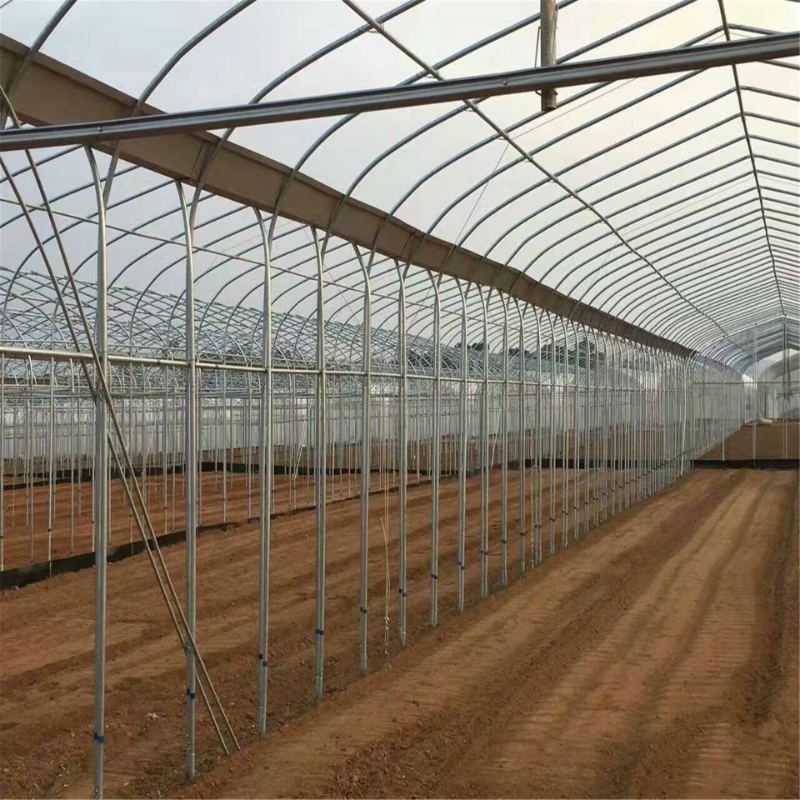
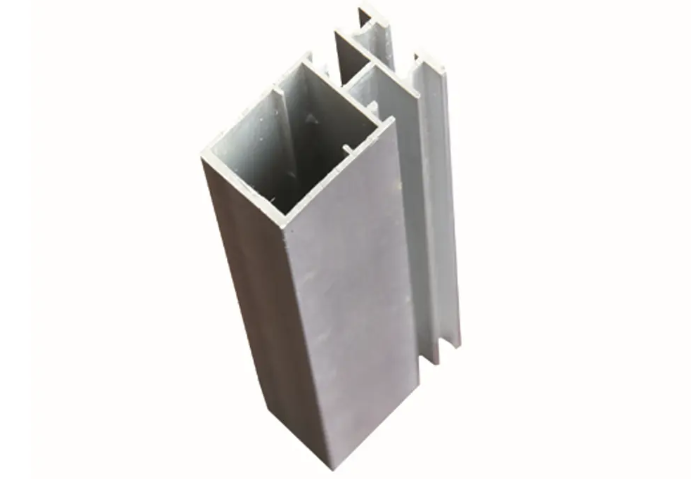
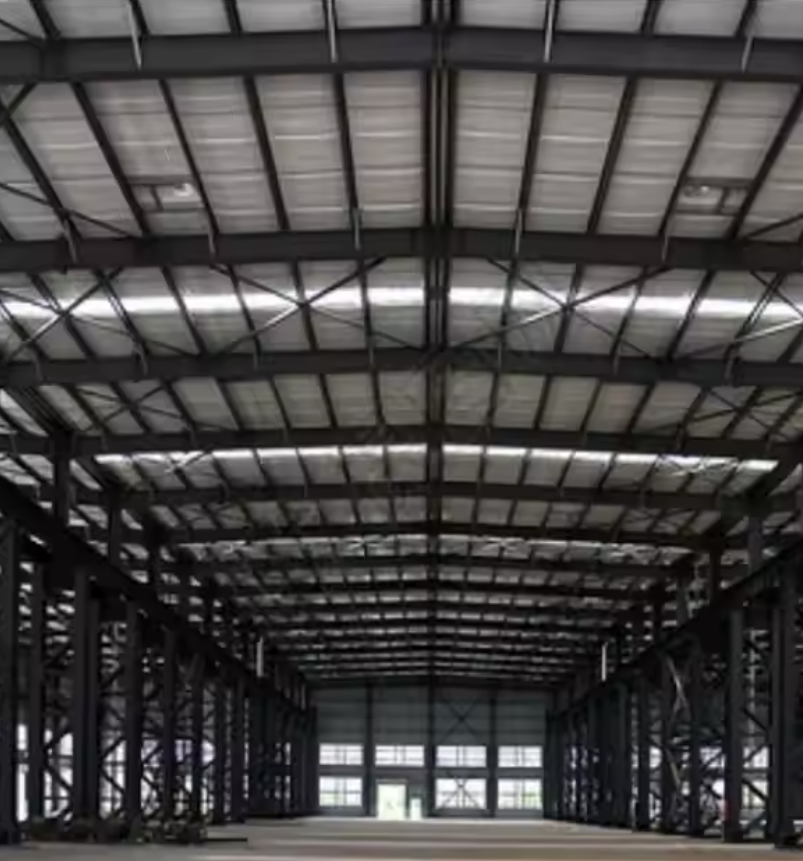
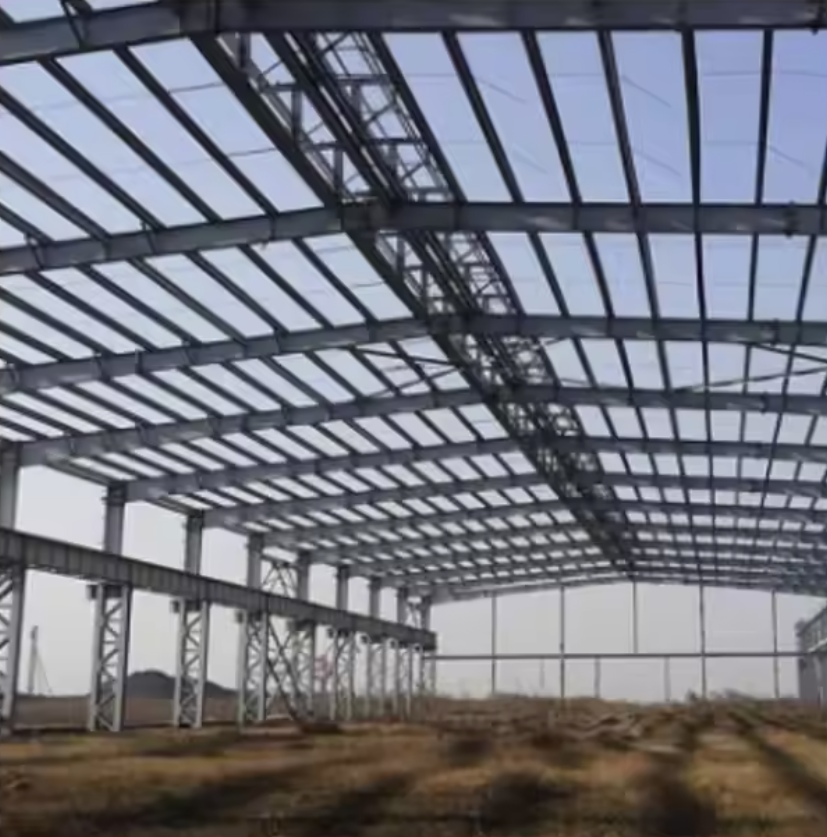
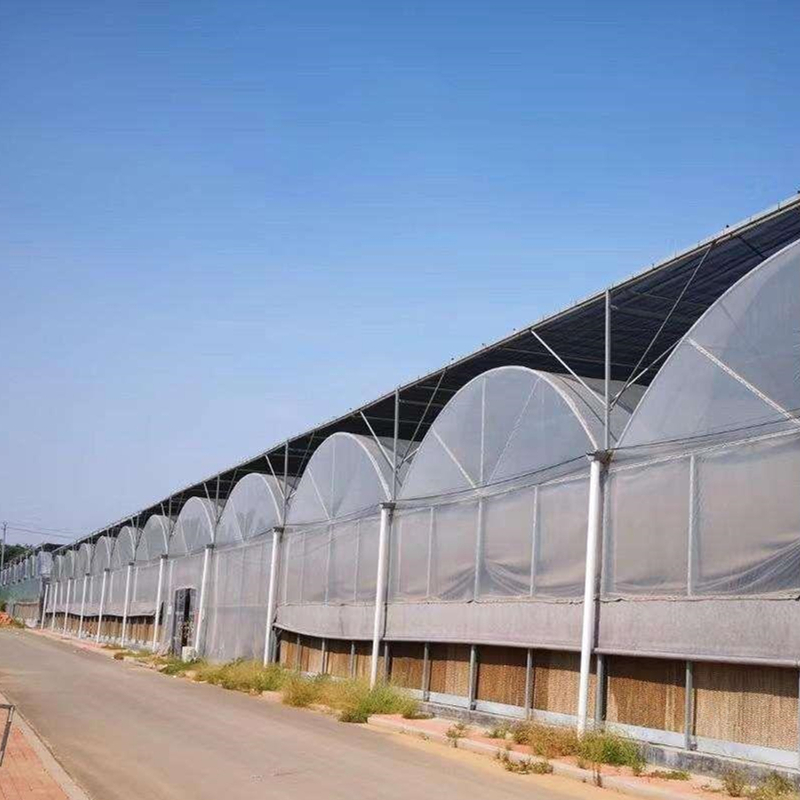
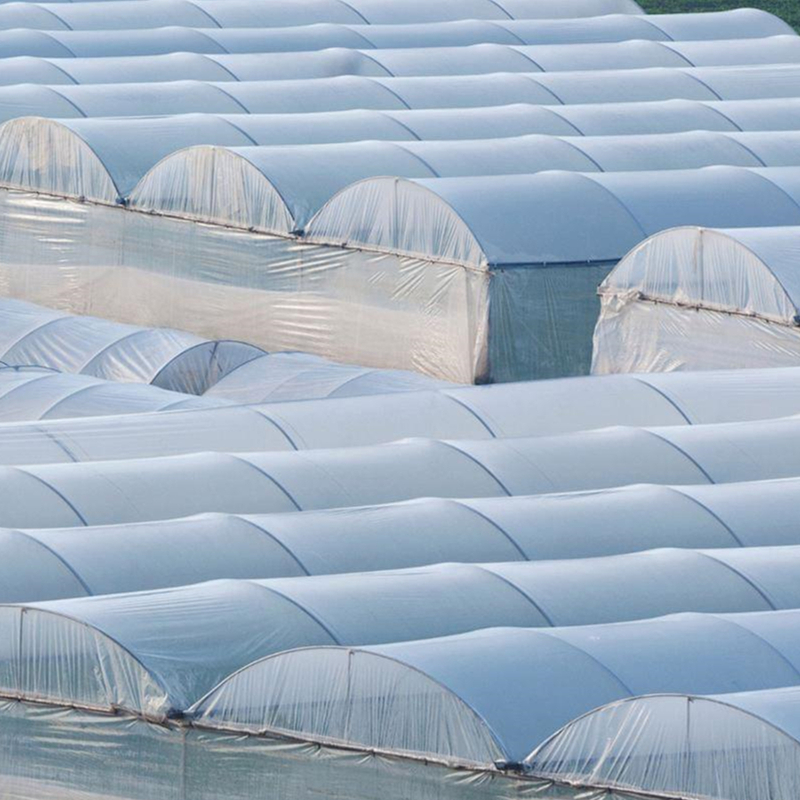
The evolution of the glass greenhouse mirrors advances in both horticulture and engineering. From the ornate 19th-century "orangeries" built to protect aristocratic citrus trees to the vast, streamlined commercial complexes of today, its form has continually adapted. Modern materials like ultra-clear, diffuse, or energy-coated glass optimize light transmission and insulation. Structural designs have evolved from traditional timber to expansive aluminum and steel frames, allowing for larger spans and maximizing growing space. These advancements have transformed the greenhouse from a protective shell into a highly efficient plant-production factory.
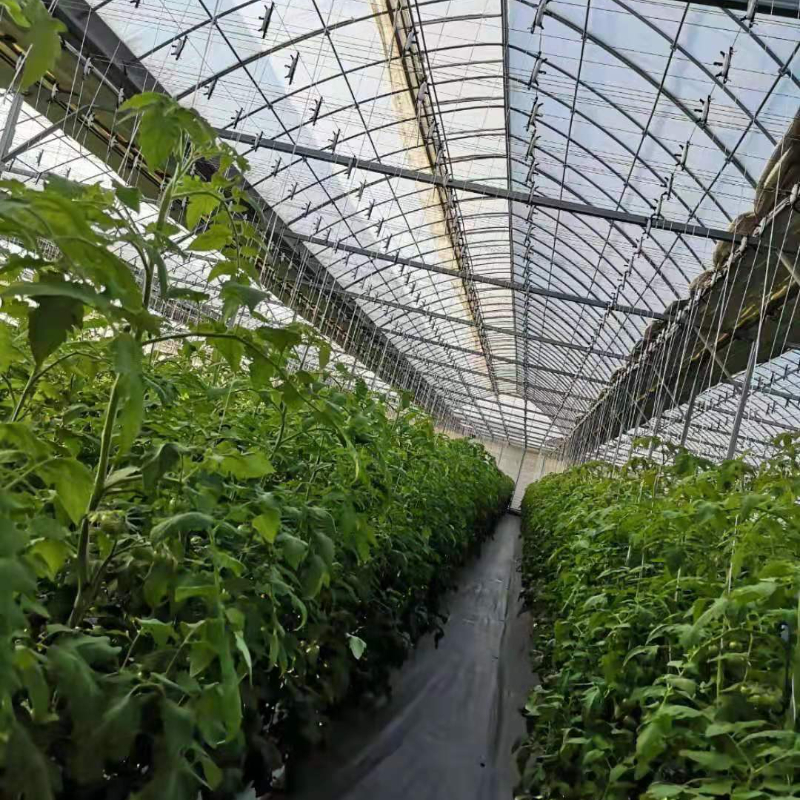
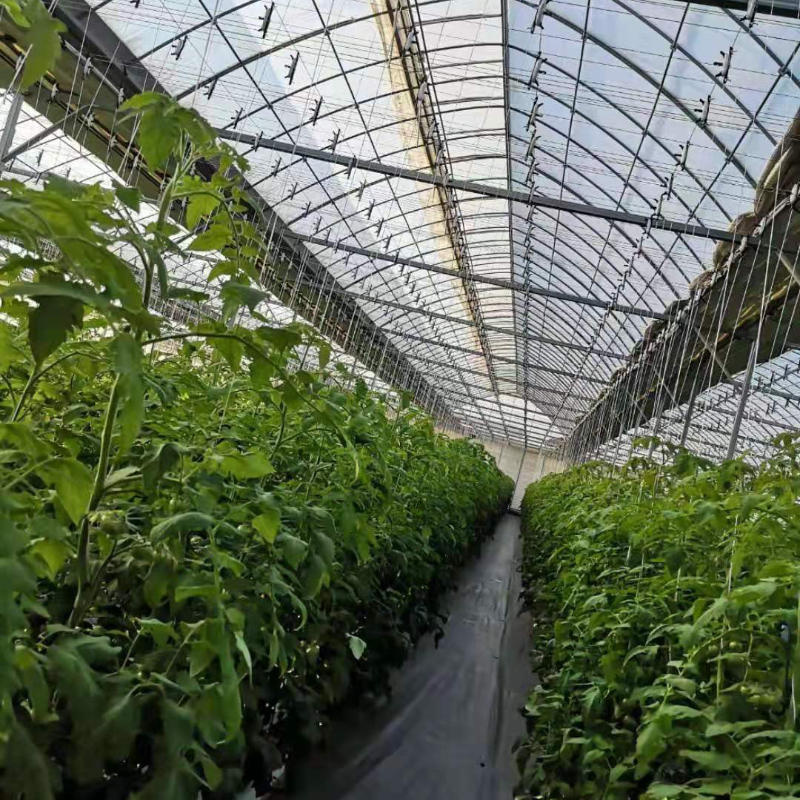
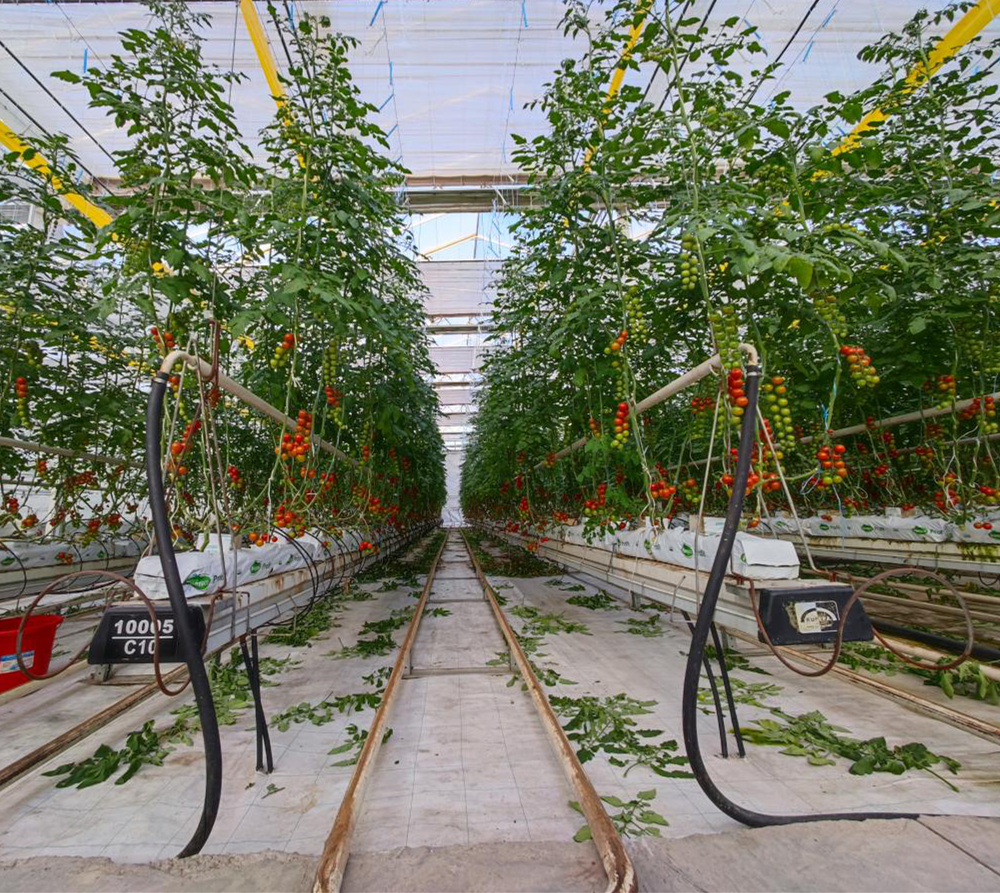
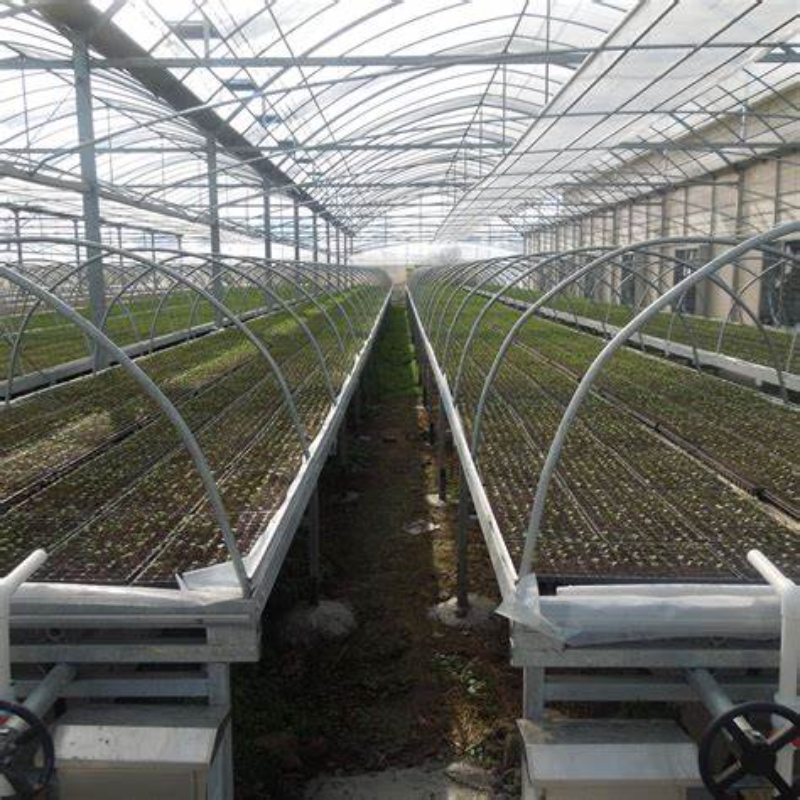
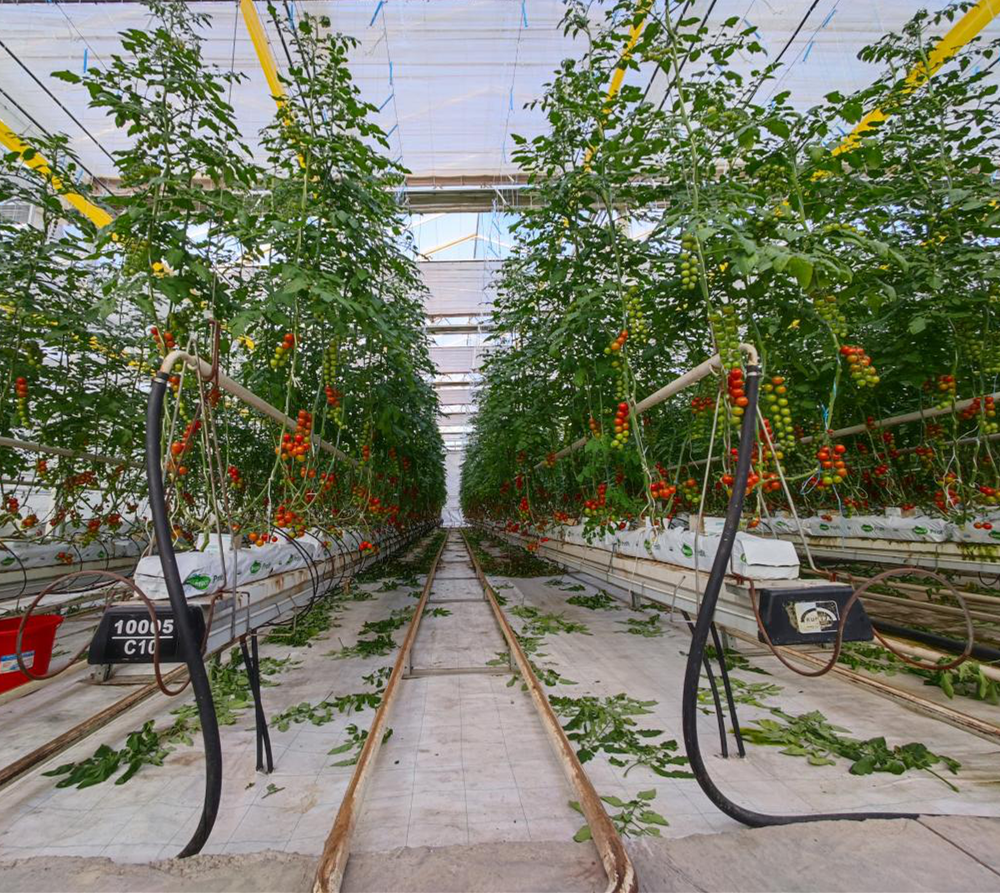
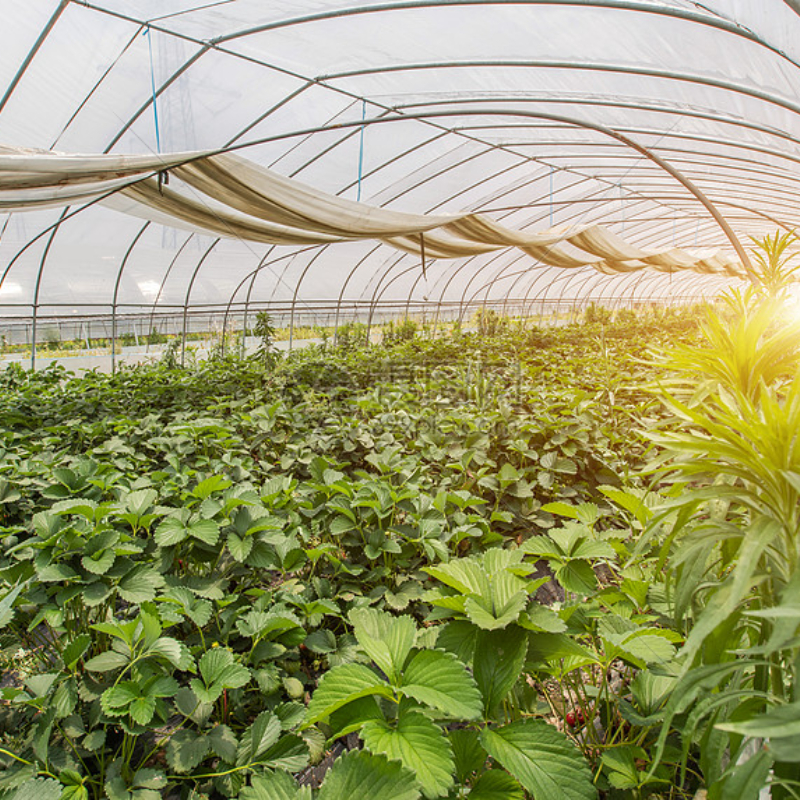
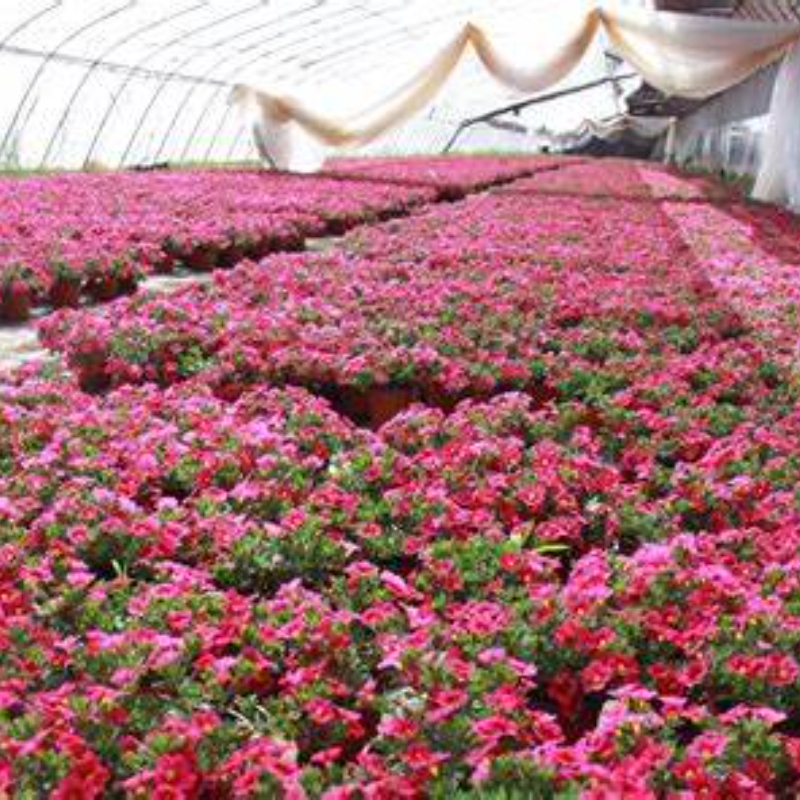
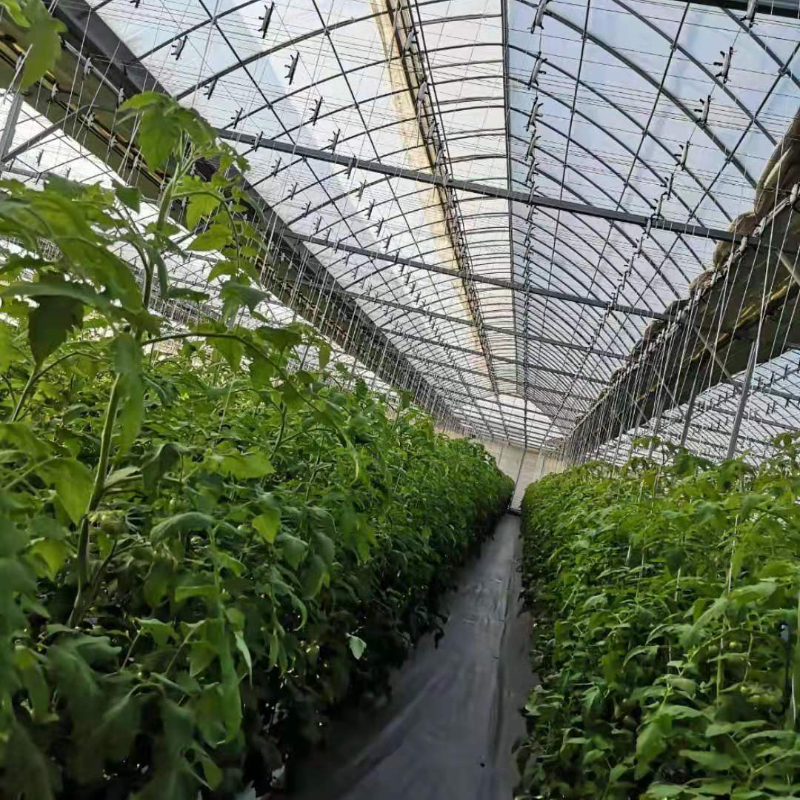
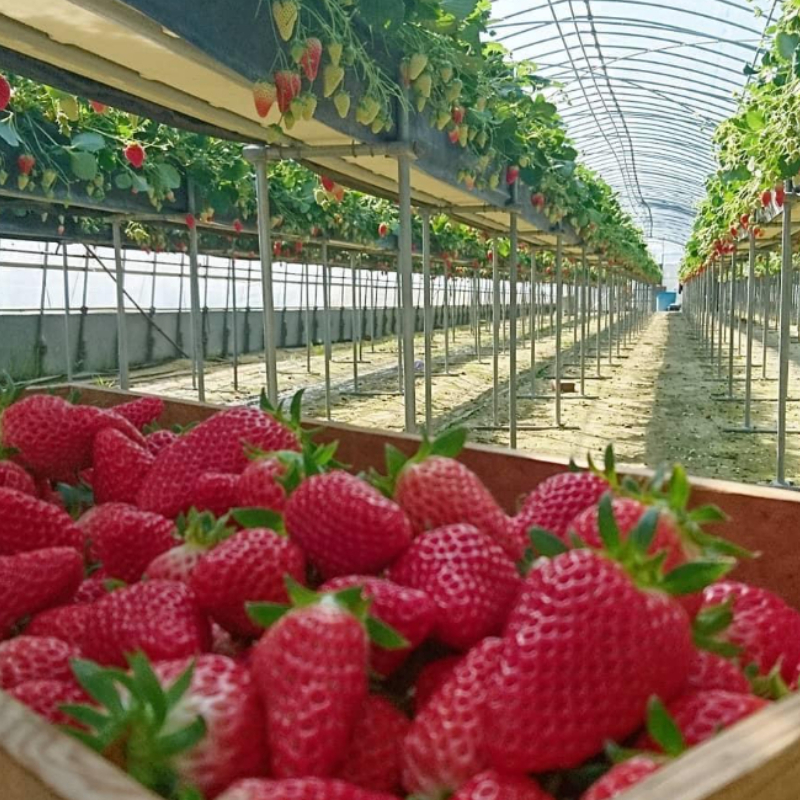
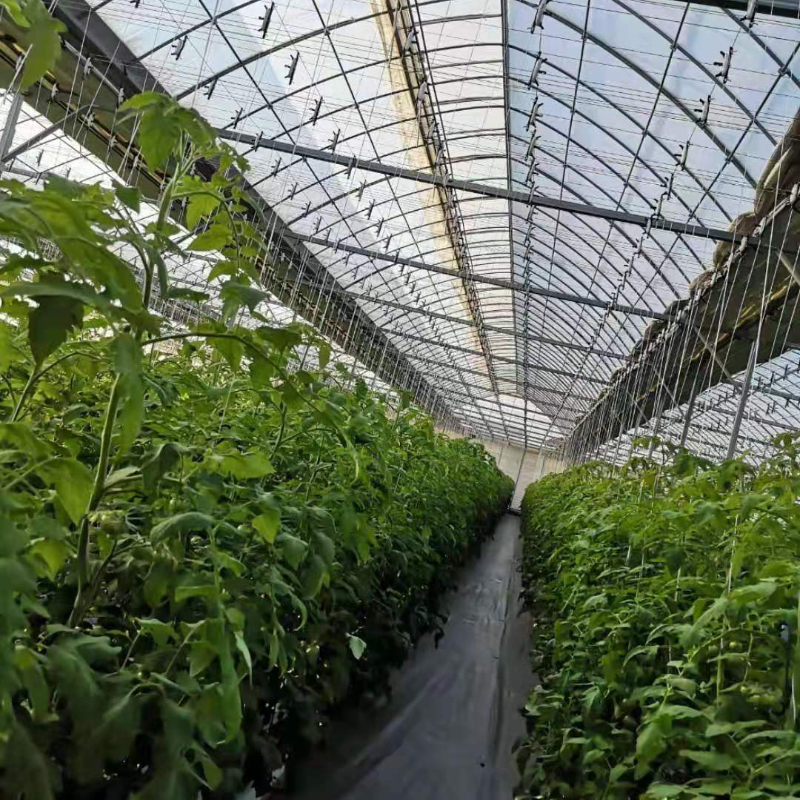
The applications are vast and critical. In commercial agriculture, glass greenhouses enable the year-round production of high-value crops—from tomatoes and cucumbers to peppers and berries—ensuring food security and consistency. In botanical research, they provide controlled settings for studying plant genetics, physiology, and responses to environmental stress. For conservationists, they are arks for preserving and propagating rare and endangered plant species. And for home gardeners and architects, they offer a unique blend of functional growing space and serene, light-filled living areas, blurring the line between home and garden.
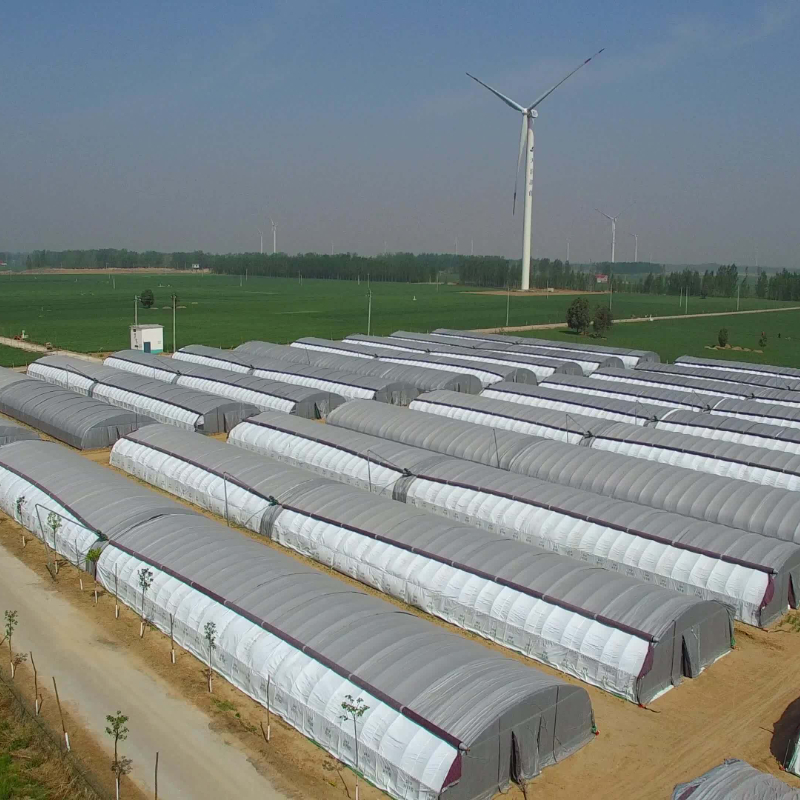
Looking forward, the glass greenhouse is embracing a sustainable revolution. Innovations are focused on closing resource loops and reducing carbon footprints. Closed-loop water systems, integrated rainwater harvesting, and biological pest management are becoming standard. The most exciting developments involve synergy with other green technologies: greenhouses heated by excess warmth from industrial processes, those powered by integrated solar panels, or structures that incorporate geothermal energy. Furthermore, the concept of "plant factories" within greenhouses, using vertical stacking and full-spectrum LED lighting, promises unprecedented yields with minimal land and water use.
In conclusion, the glass greenhouse remains a profound testament to human ingenuity. It is a place where the fundamental elements of light, warmth, and water are carefully curated to foster growth and abundance. As we face global challenges of climate change, population growth, and biodiversity loss, this humble yet sophisticated structure will undoubtedly play an ever more vital role. It is more than a building; it is a promise—a promise of resilience, harvest, and continued harmony with the natural world, all nurtured under the enduring watch of glass and light.
