
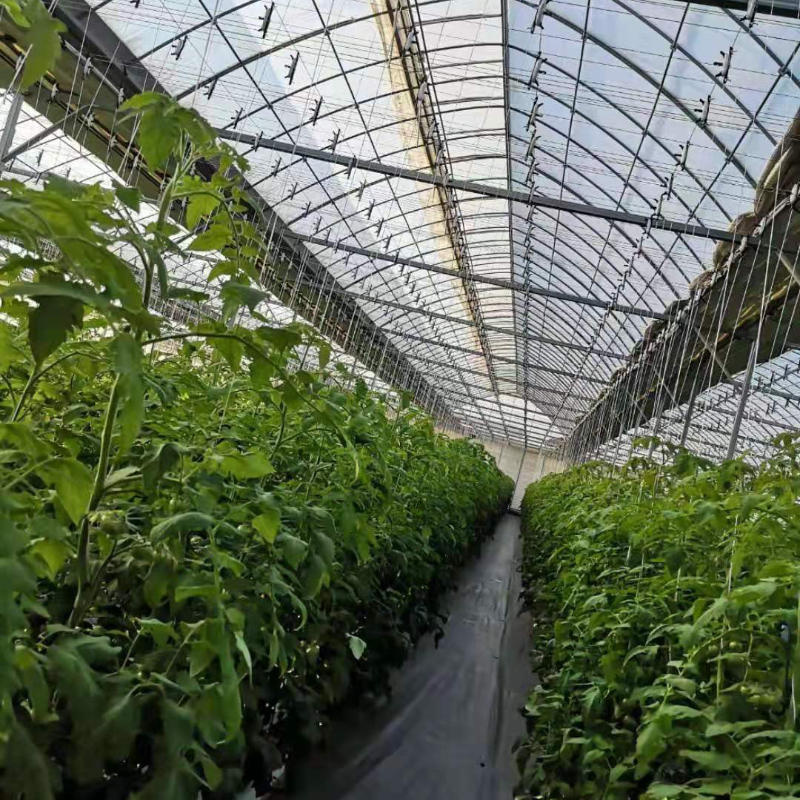
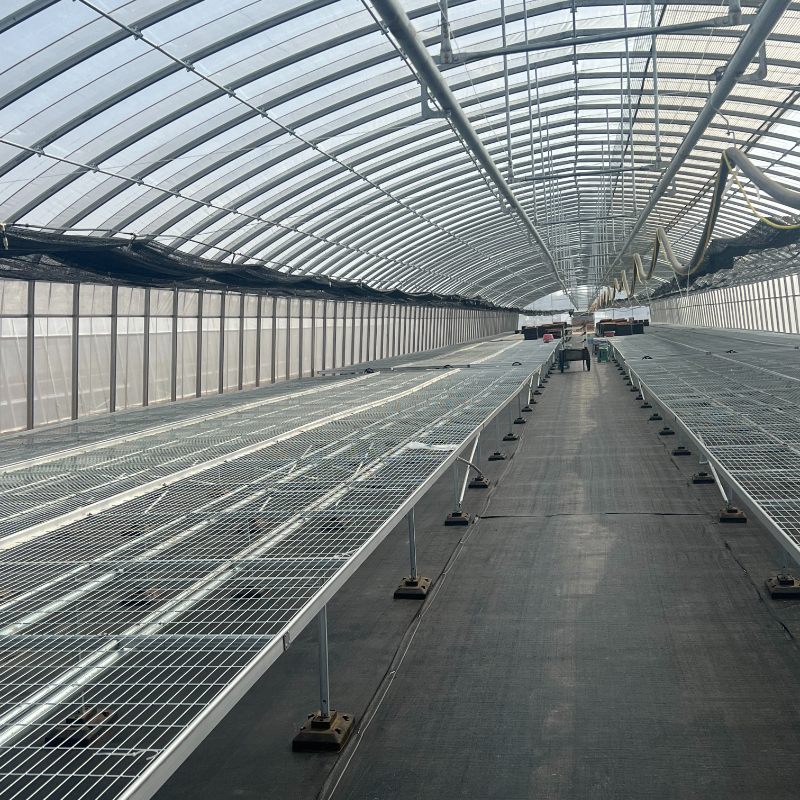
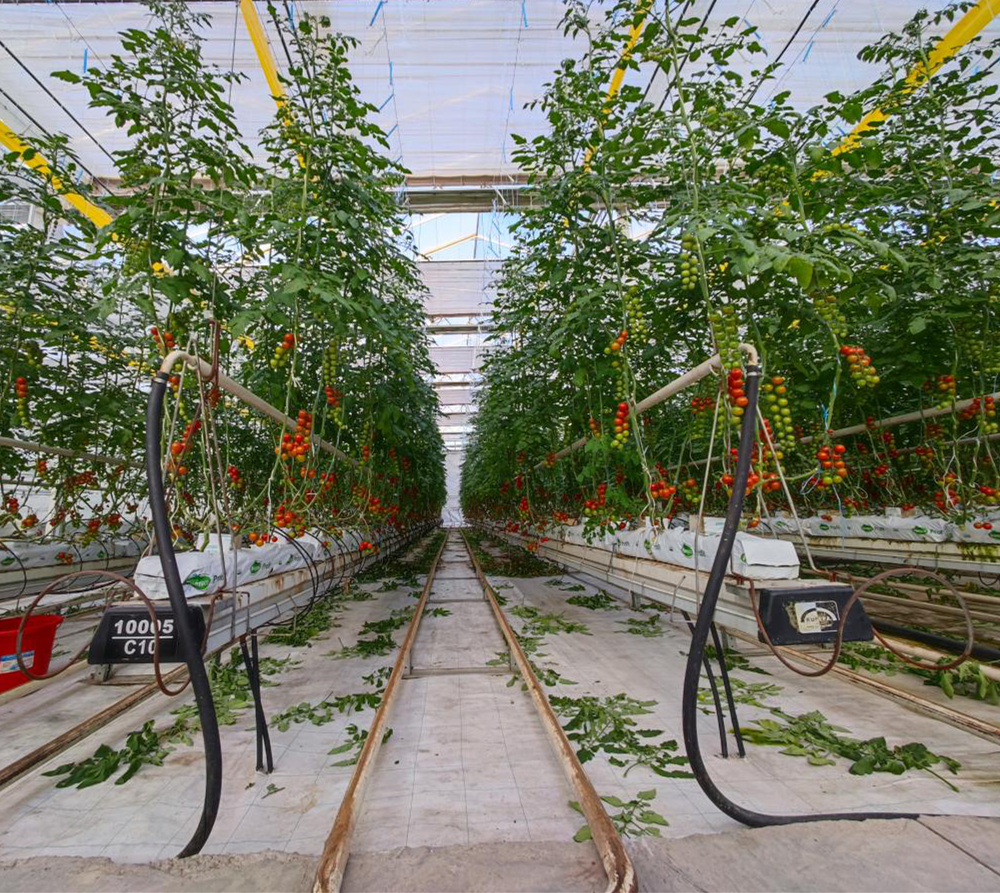
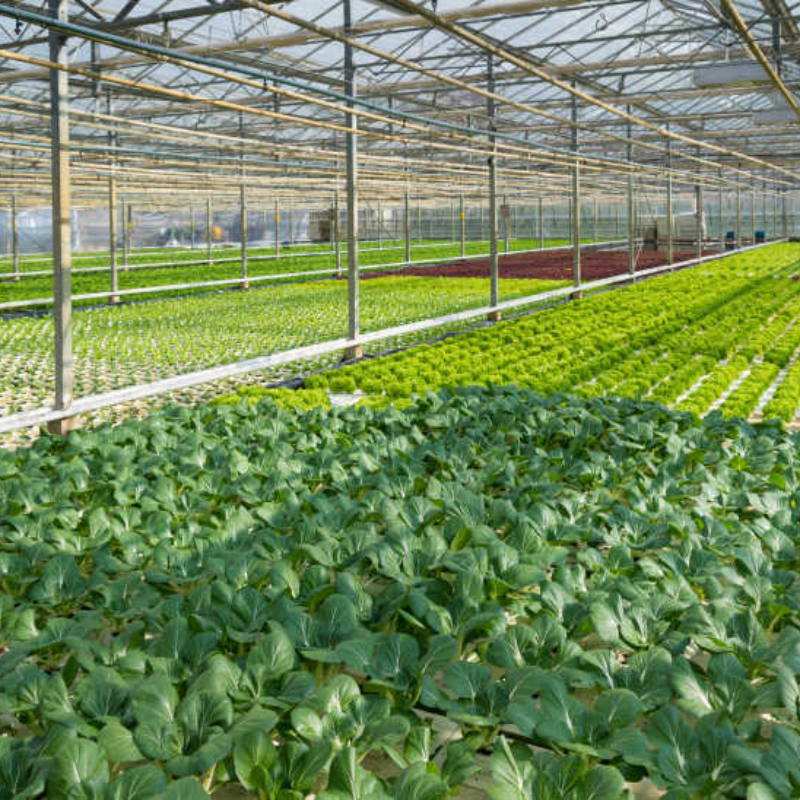
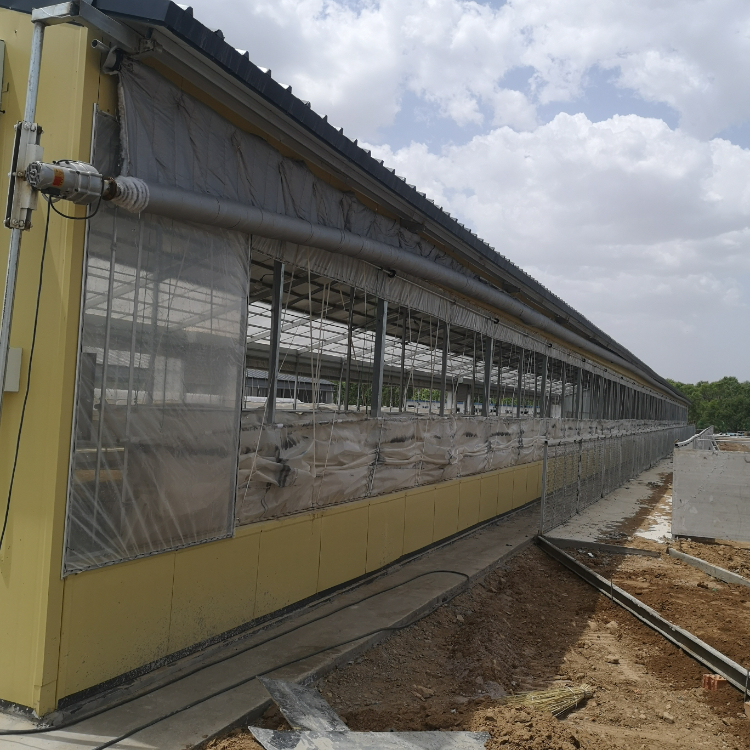
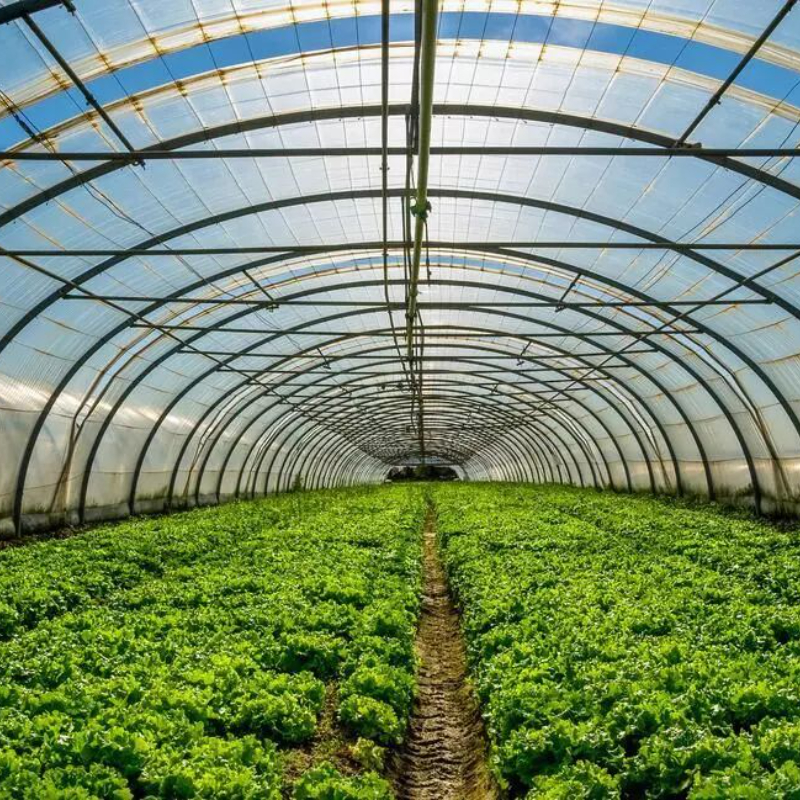
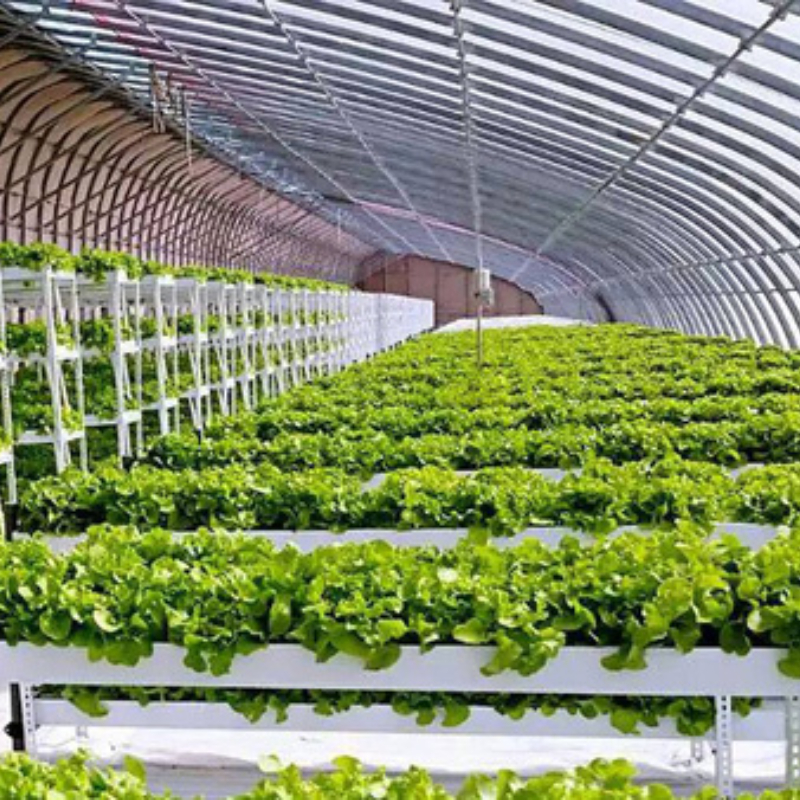
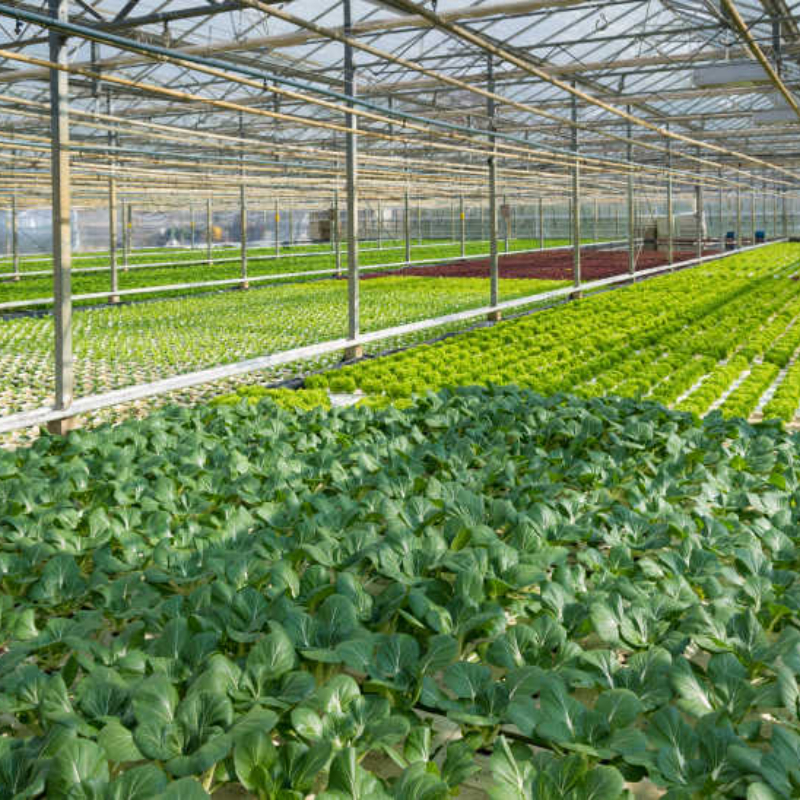
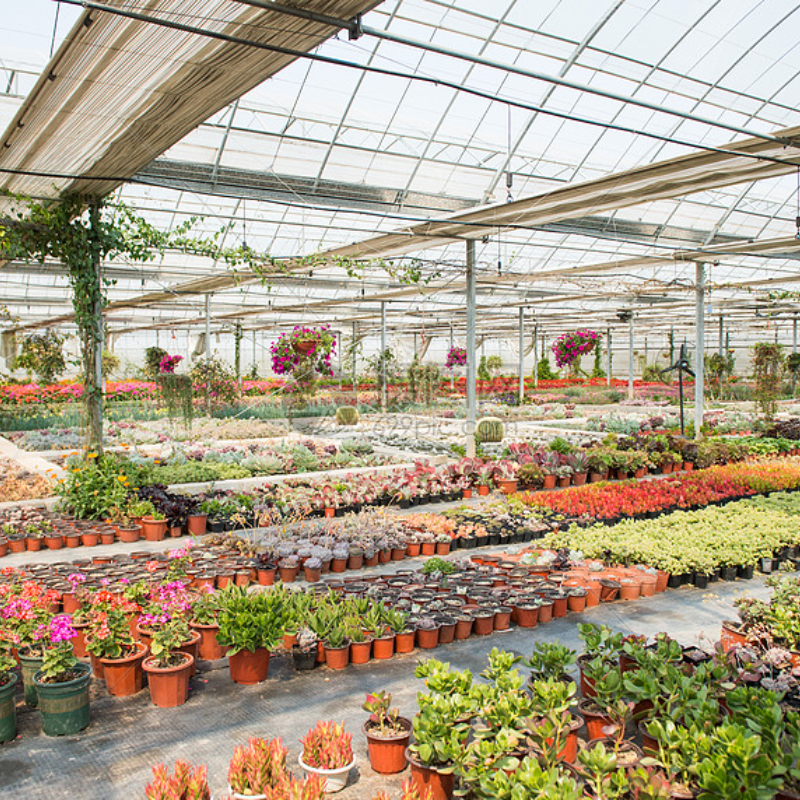
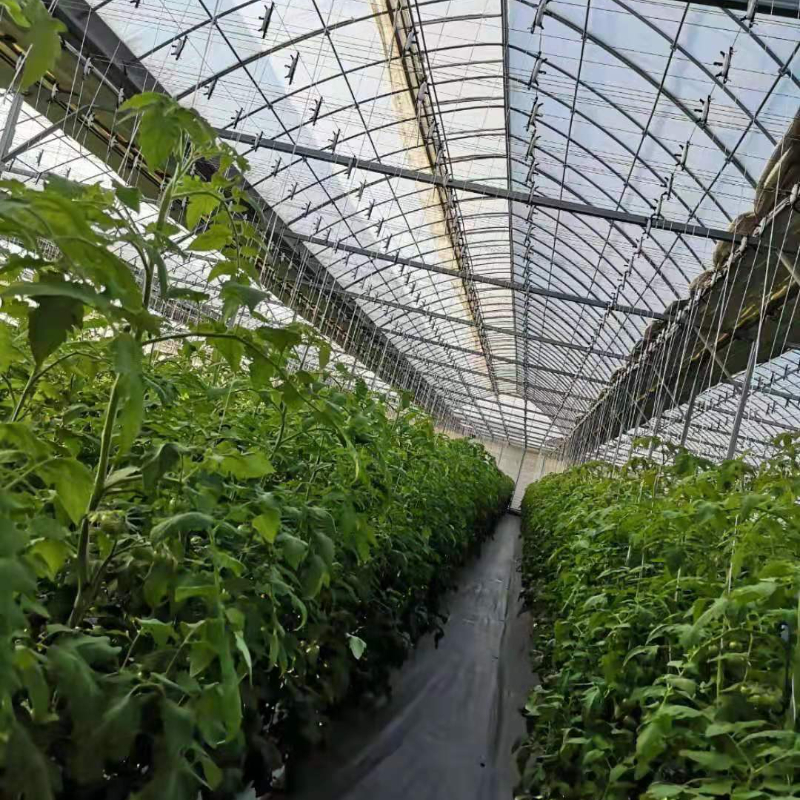
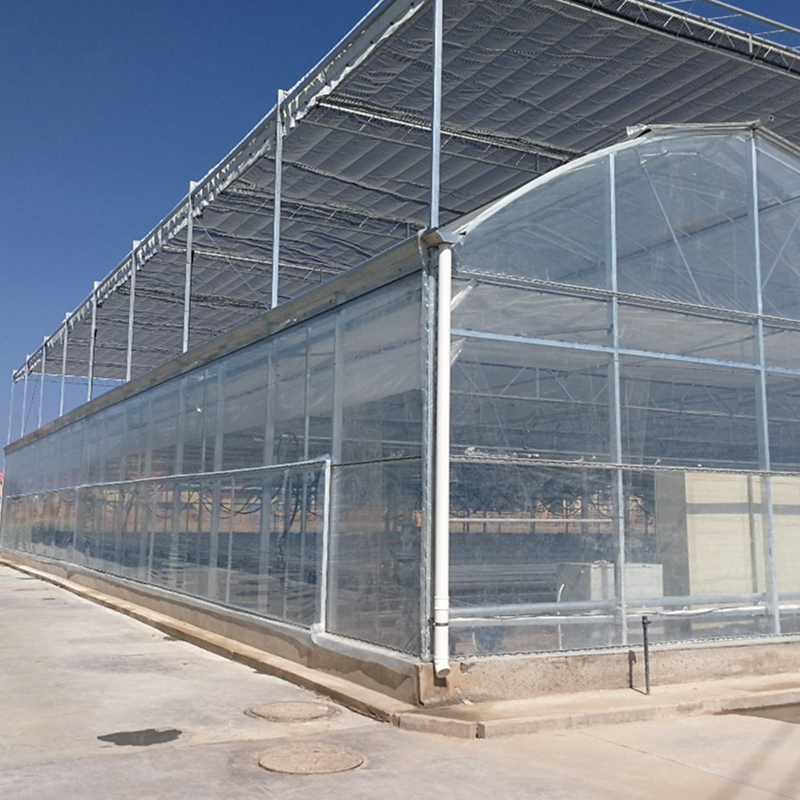
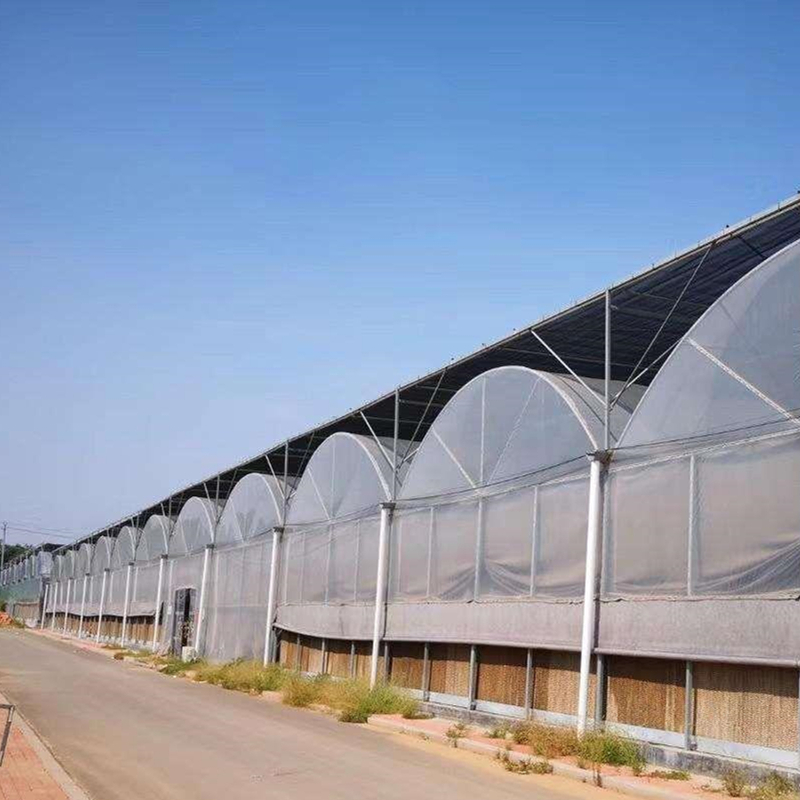
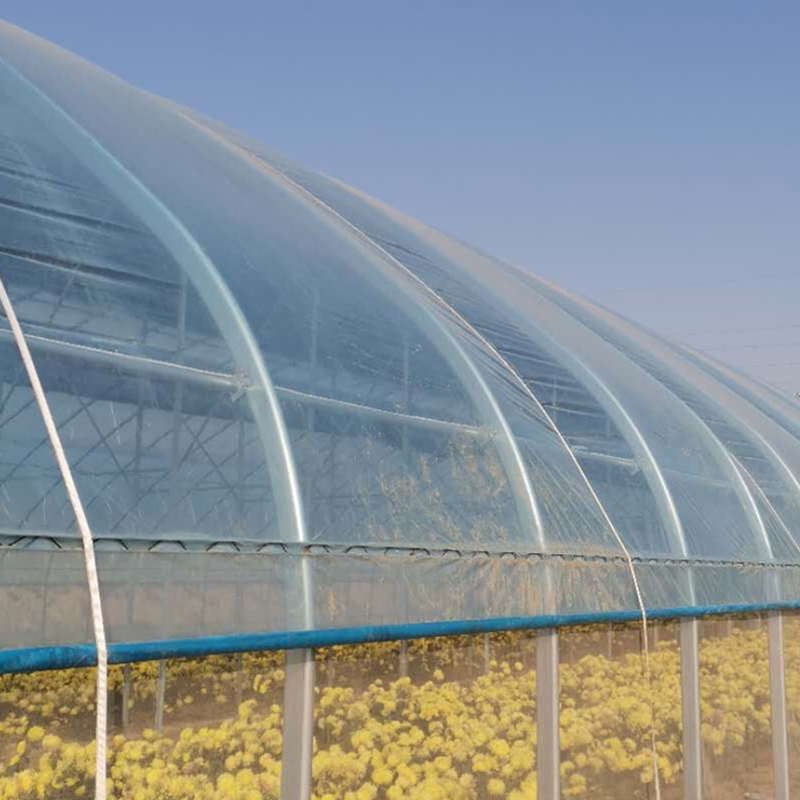
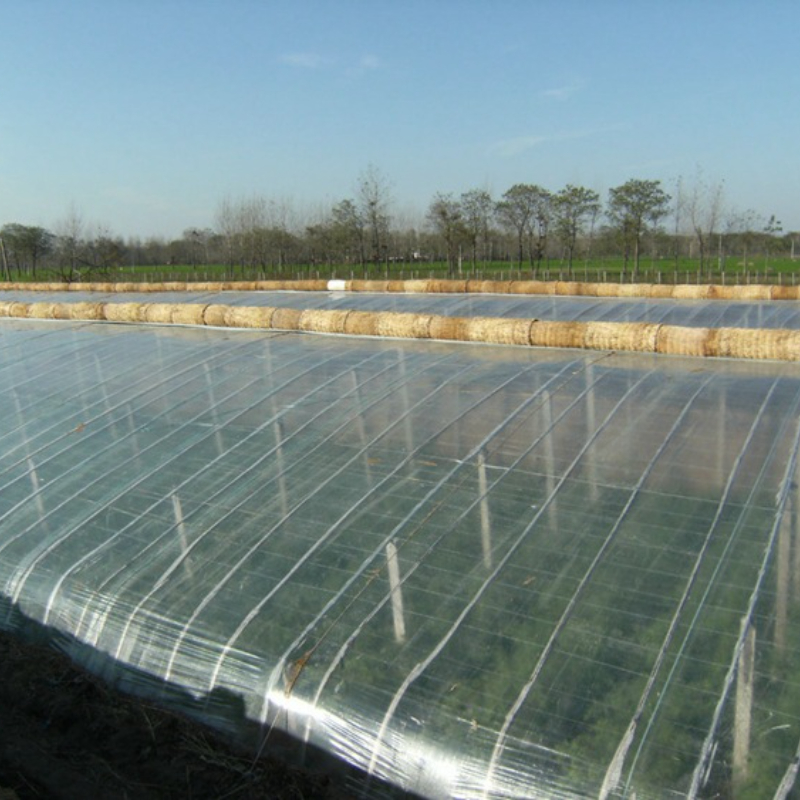
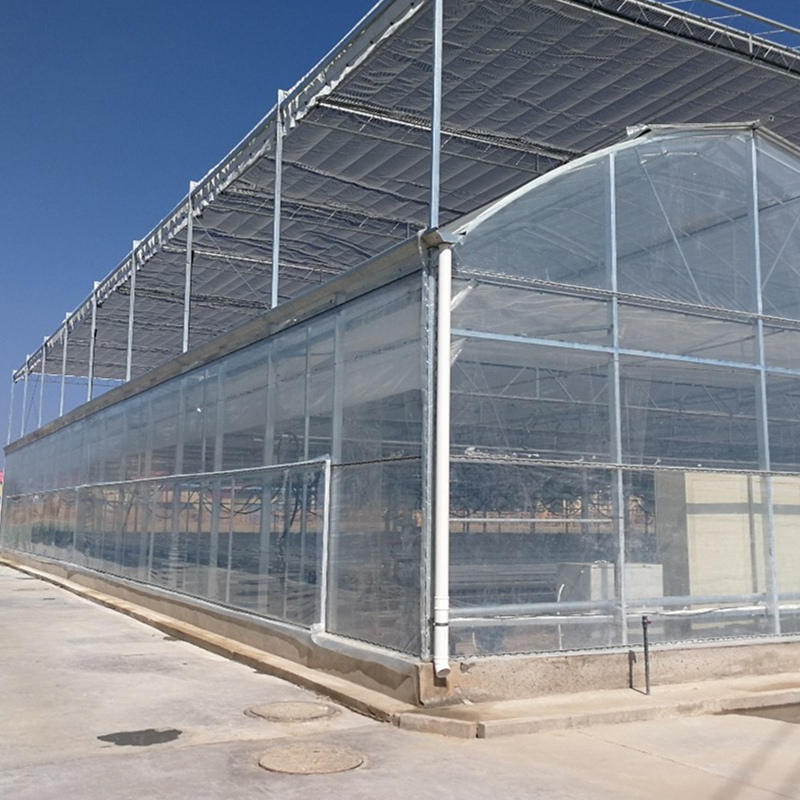
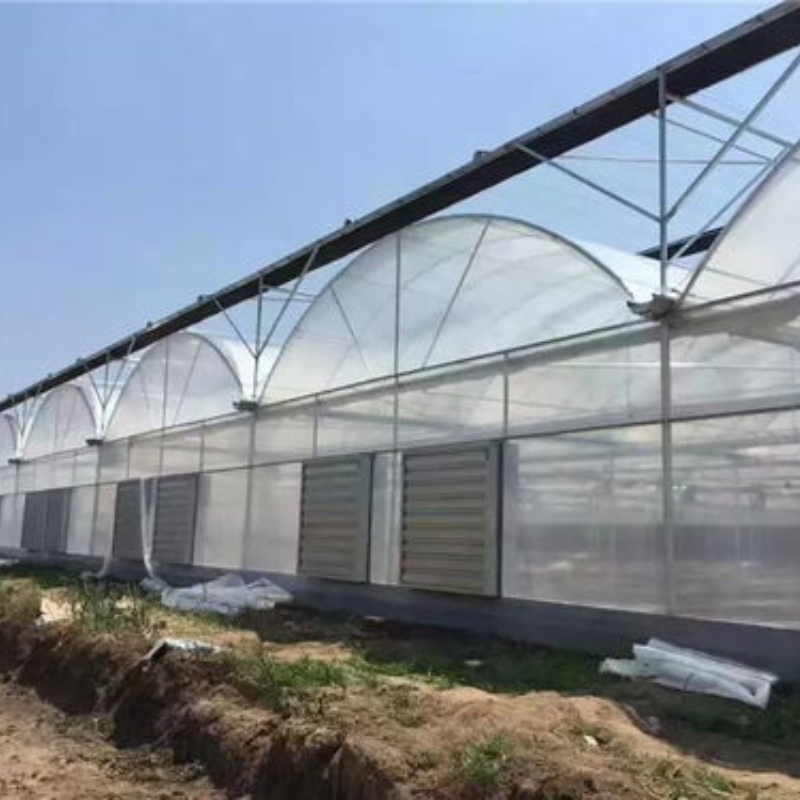
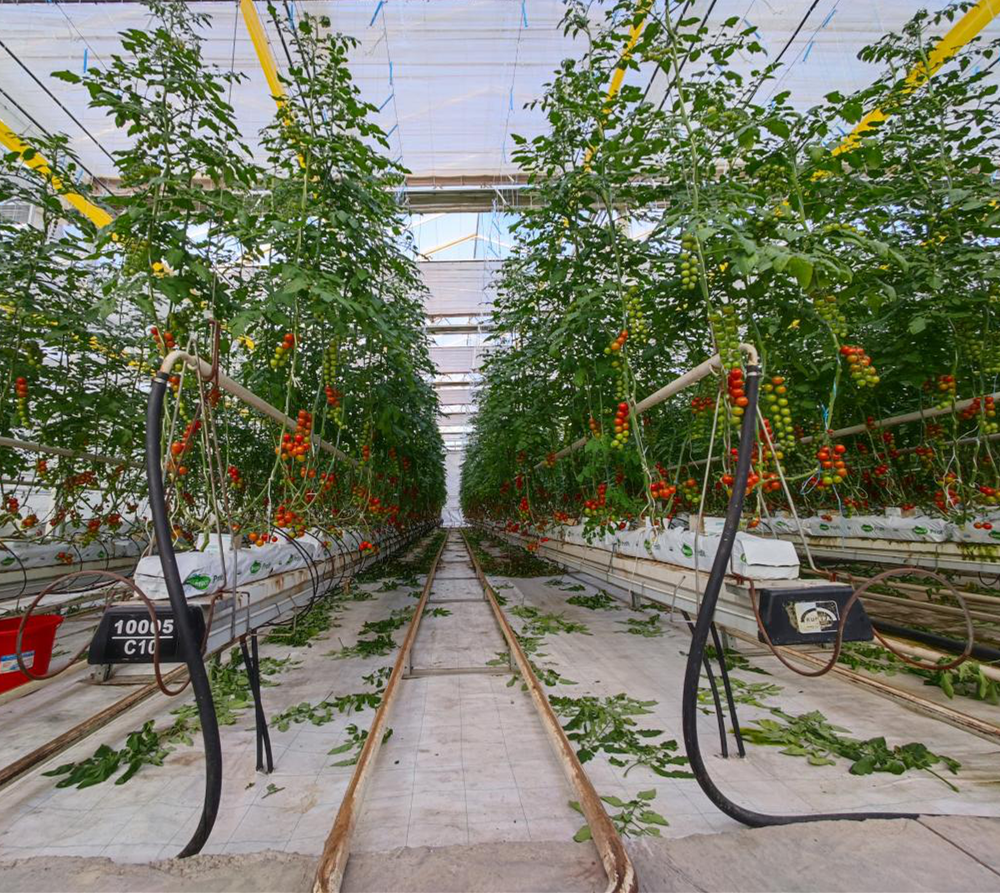
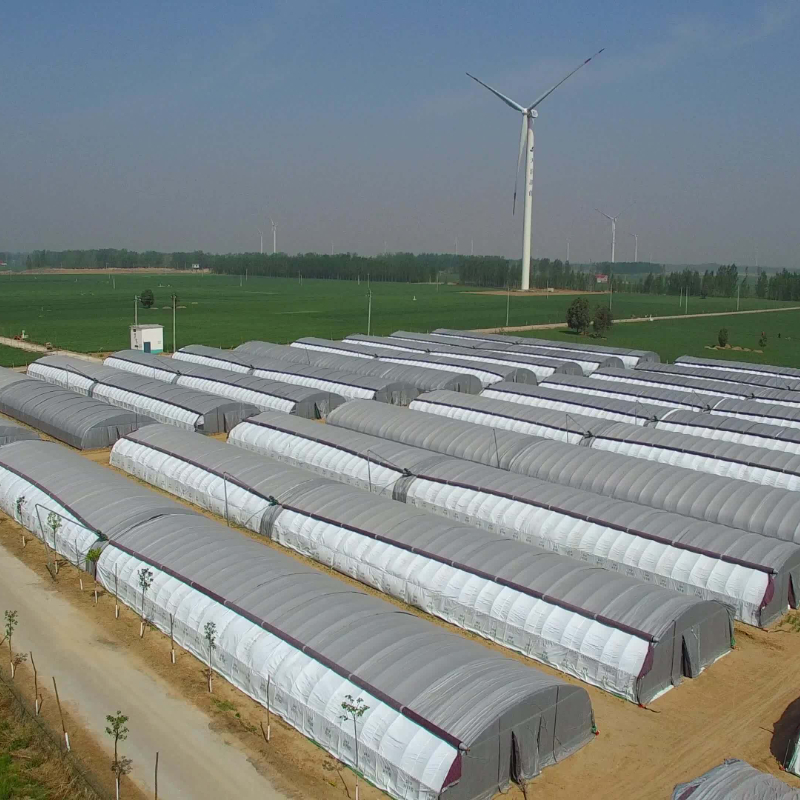
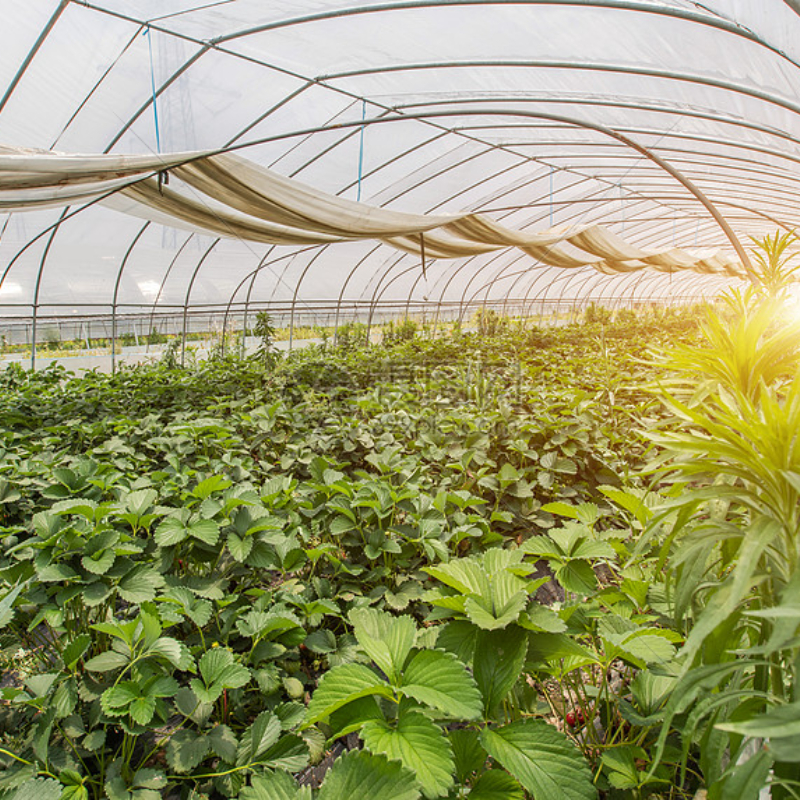
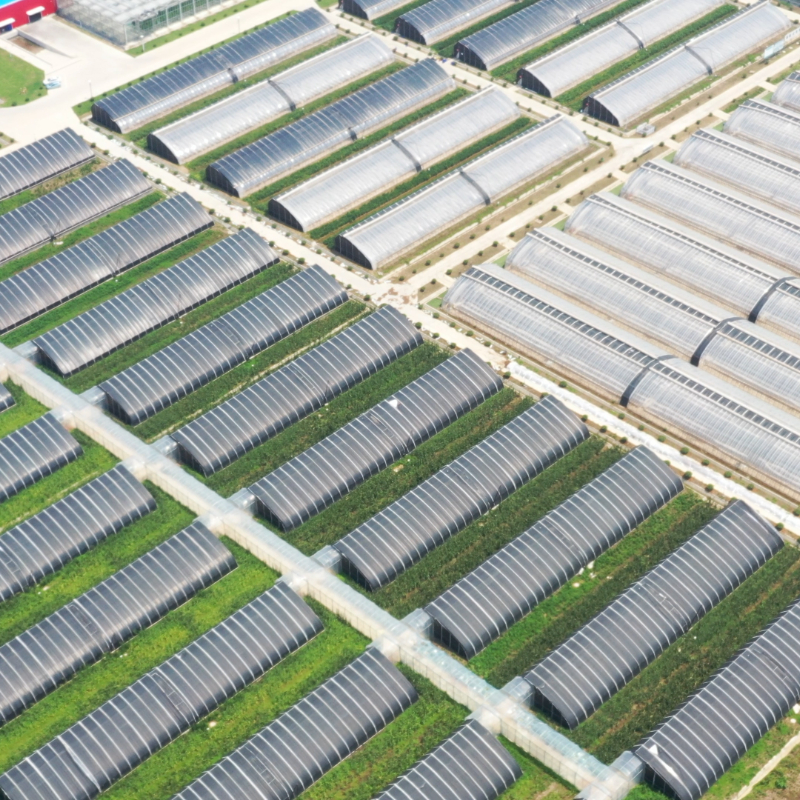
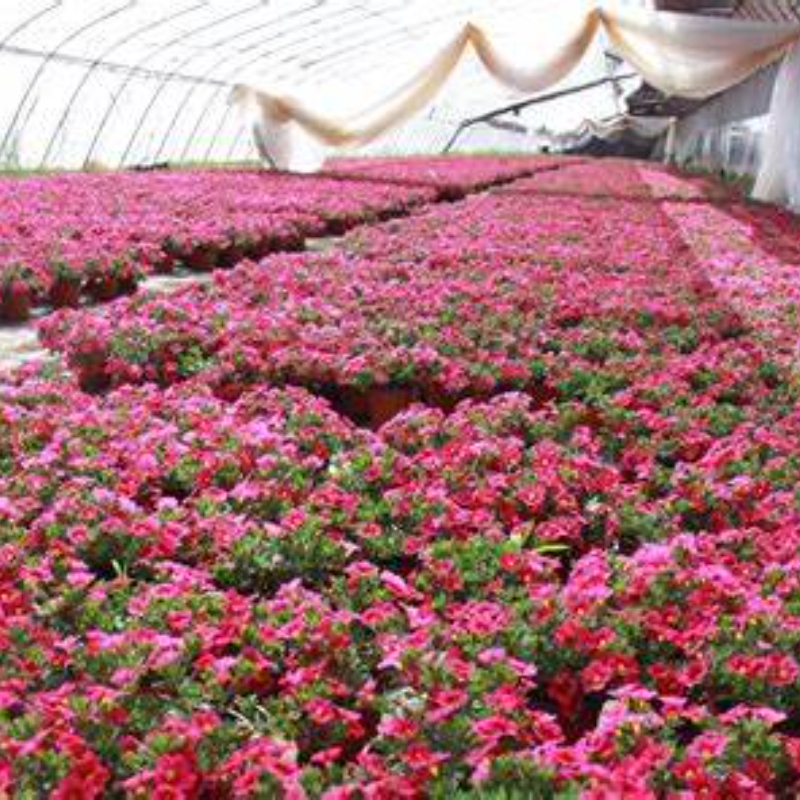
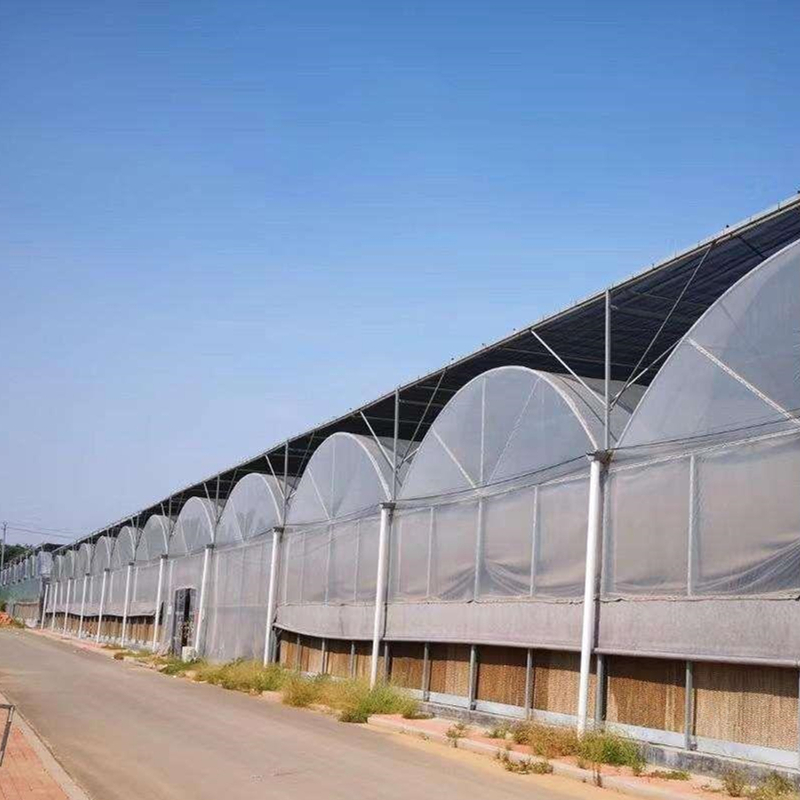
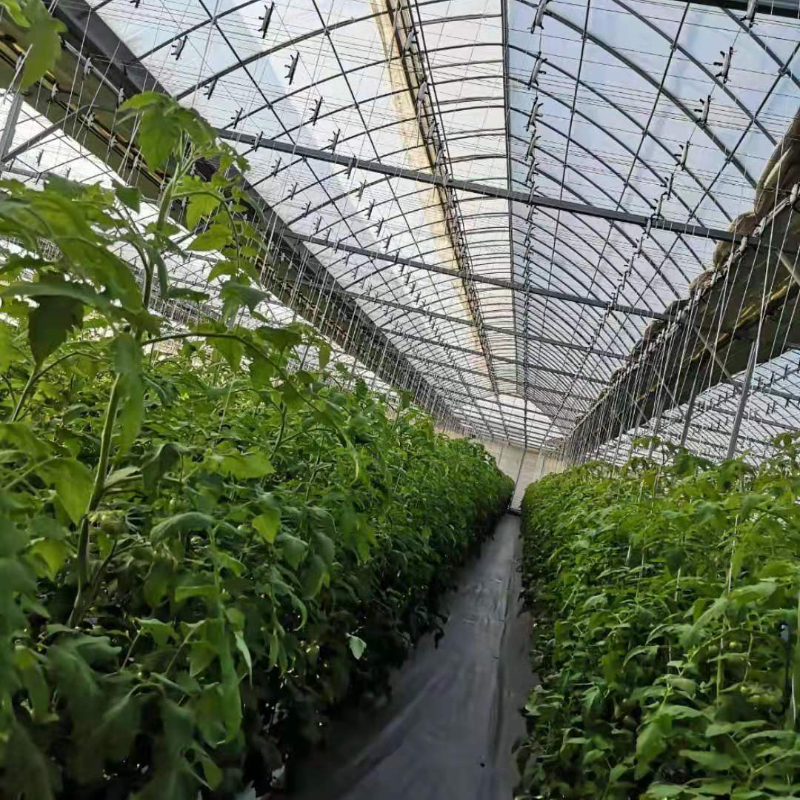
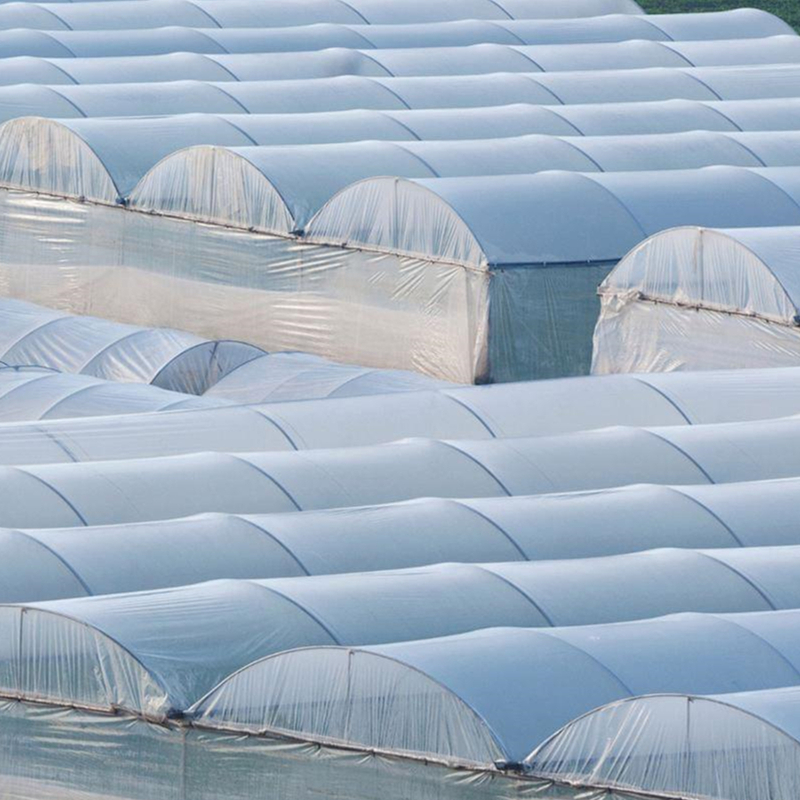
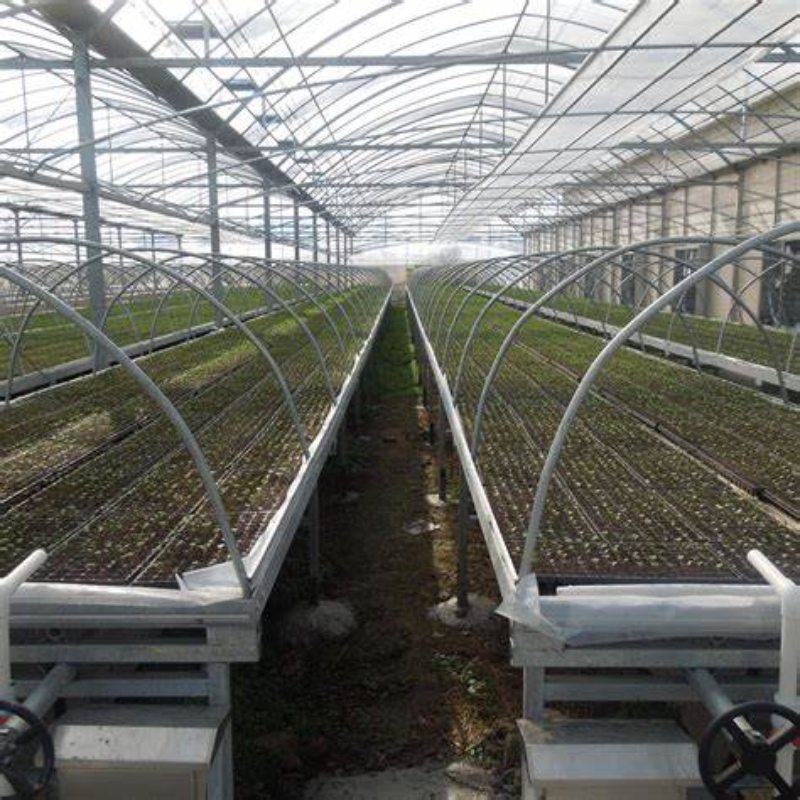
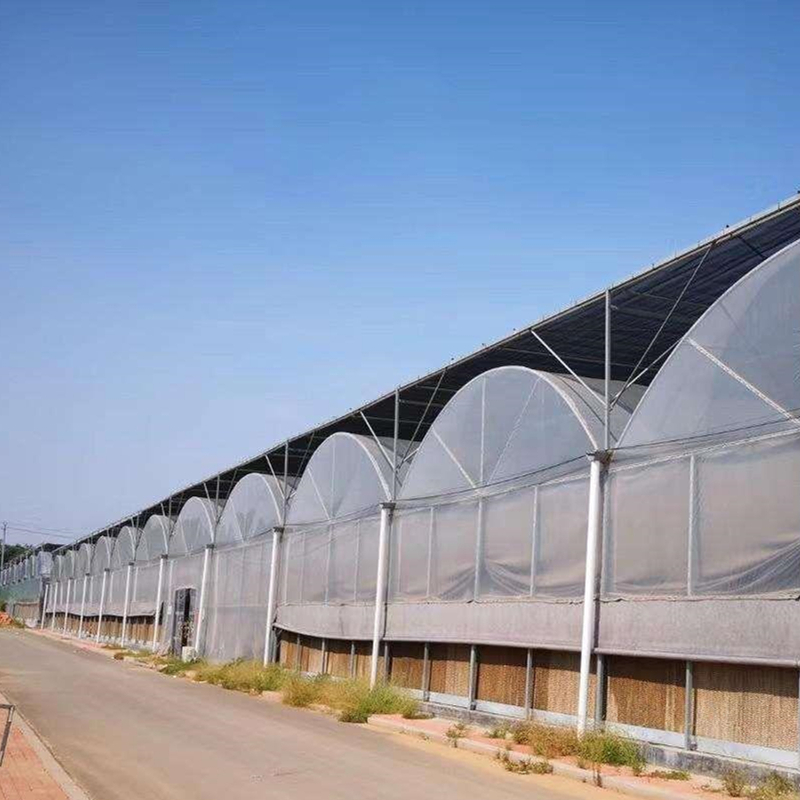
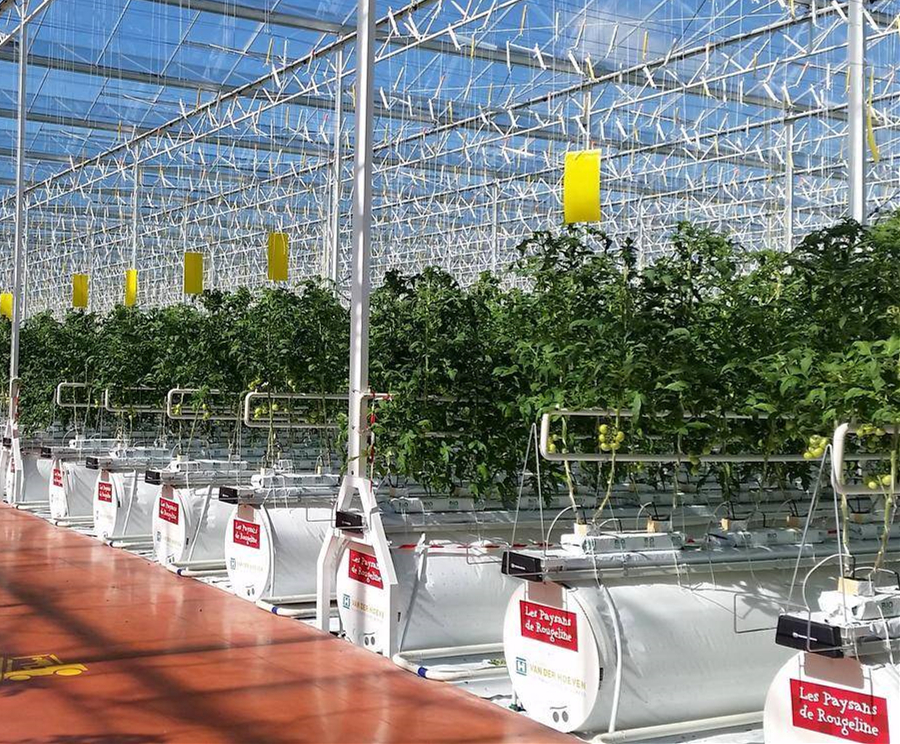
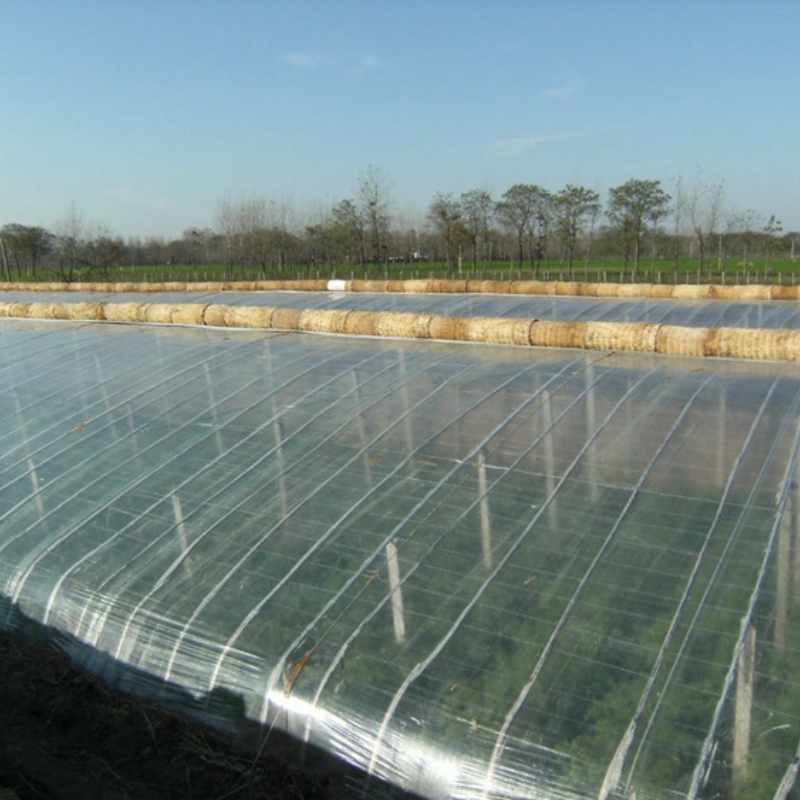
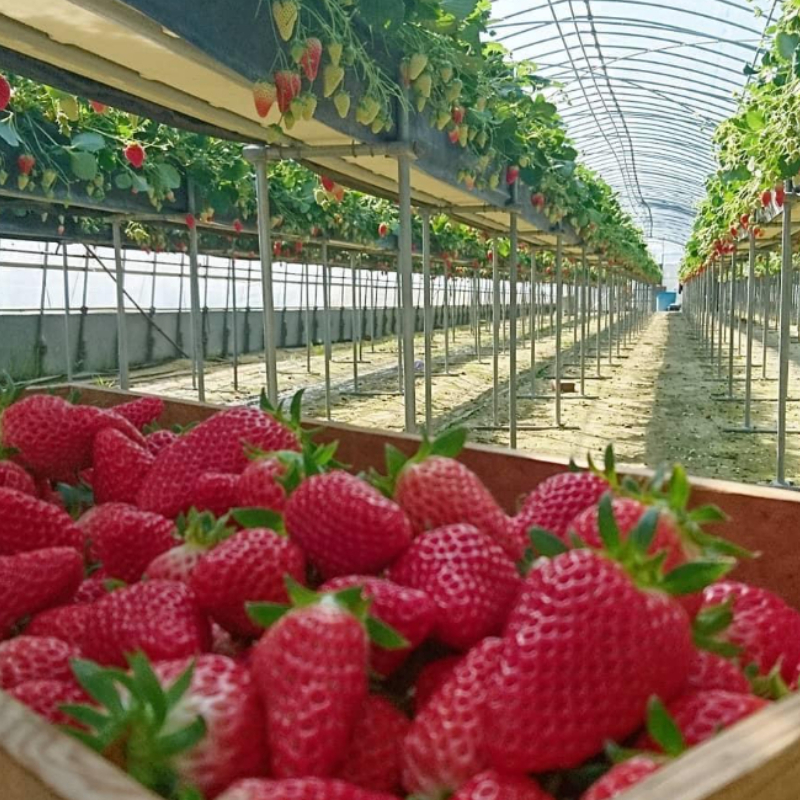
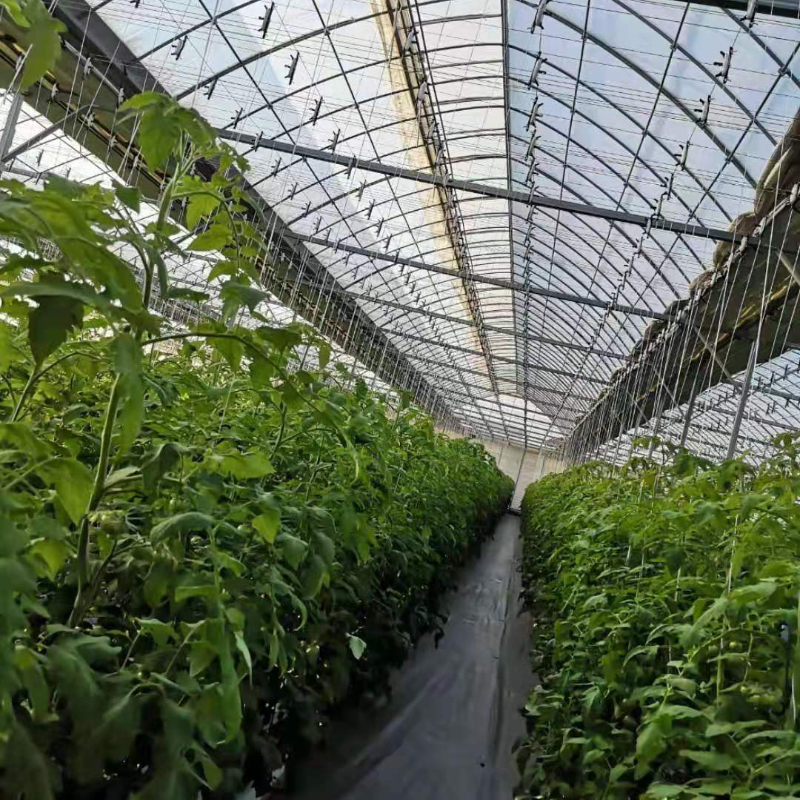
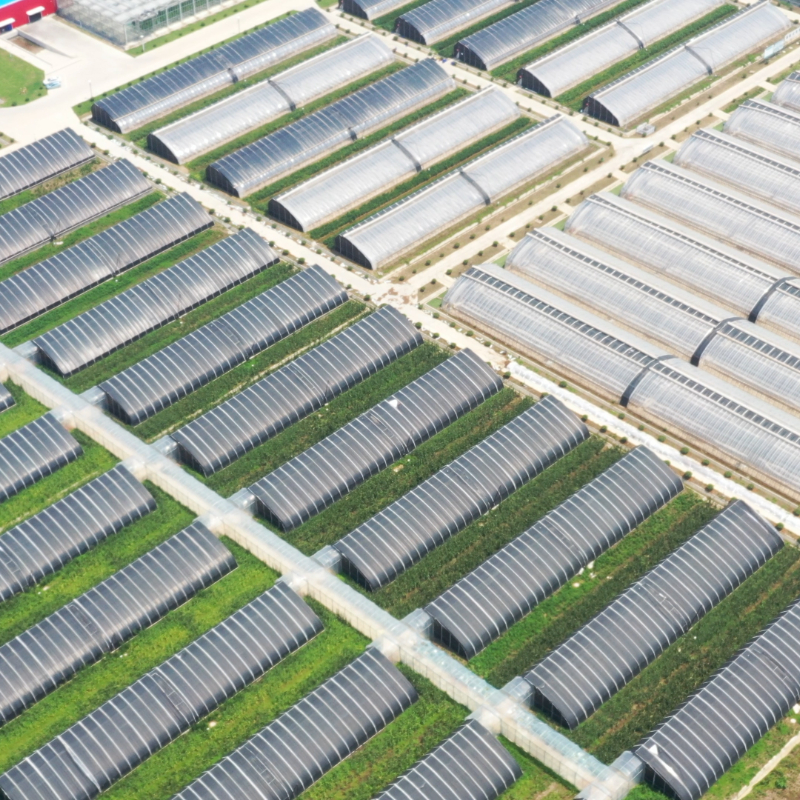
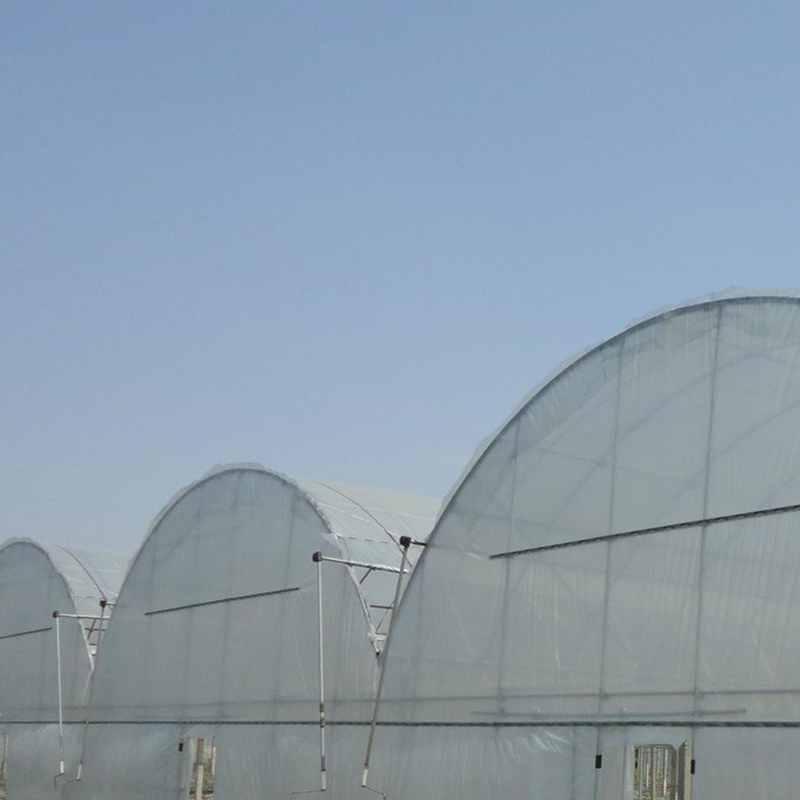
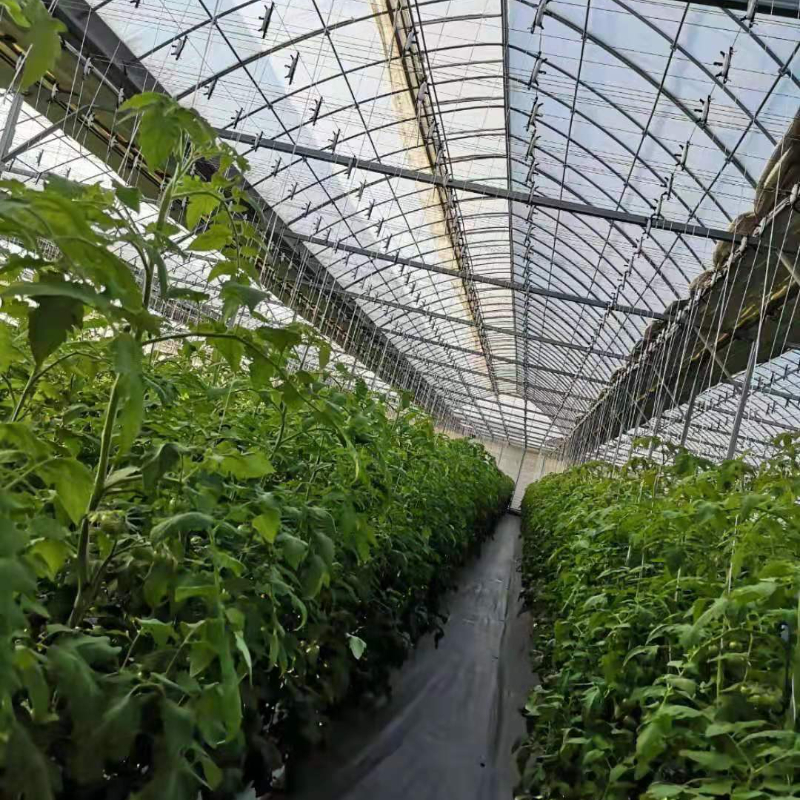
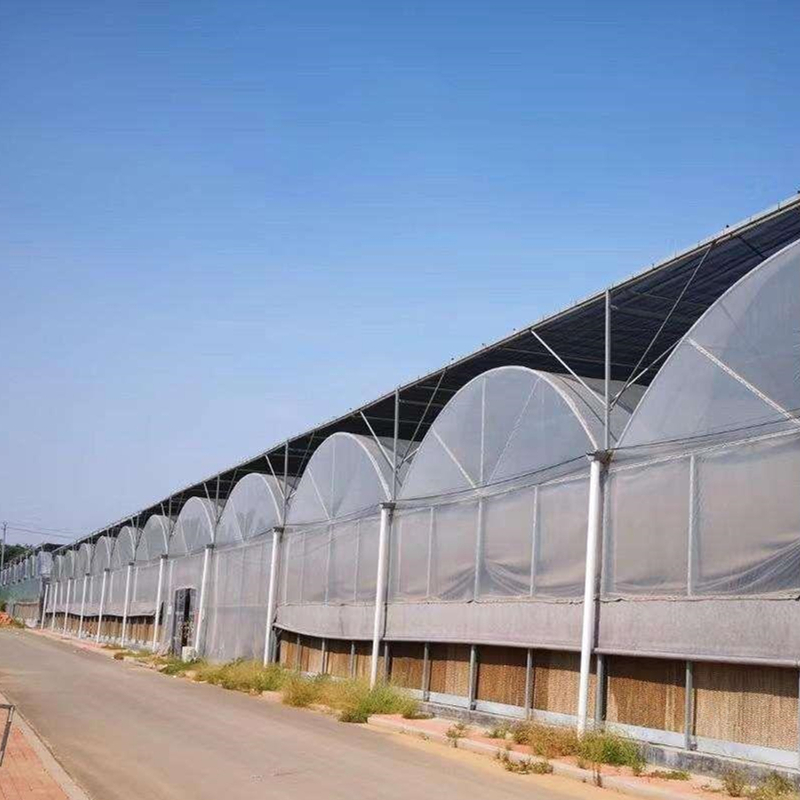
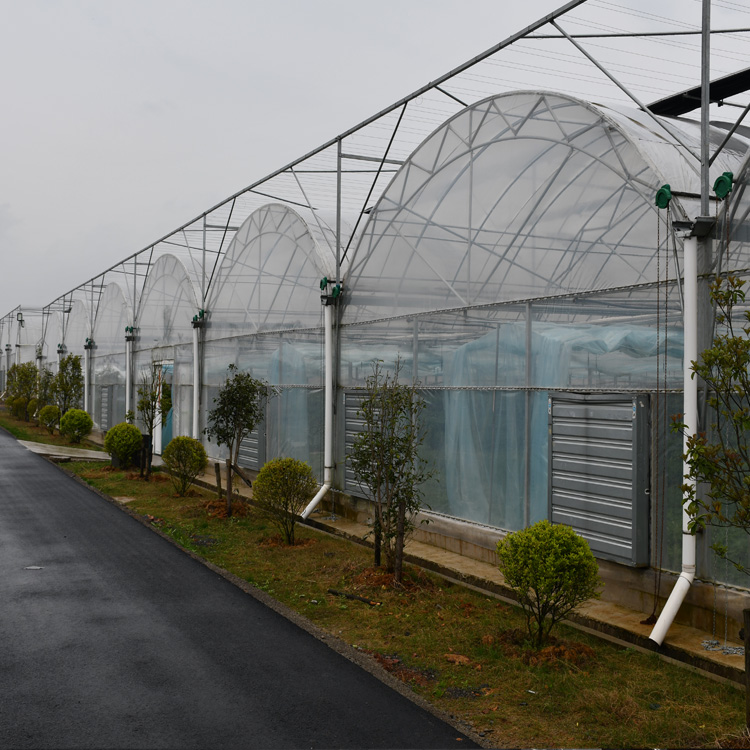
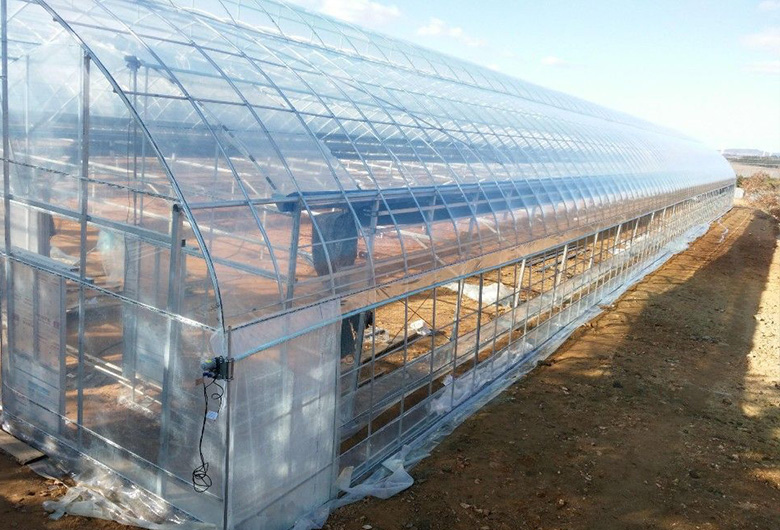
The quest for sustainable and efficient food production has driven significant innovation in agricultural technology. Among these advancements, the thin film greenhouse stands out as a transformative approach to protected cultivation, offering a compelling blend of practicality, cost-effectiveness, and environmental benefit.
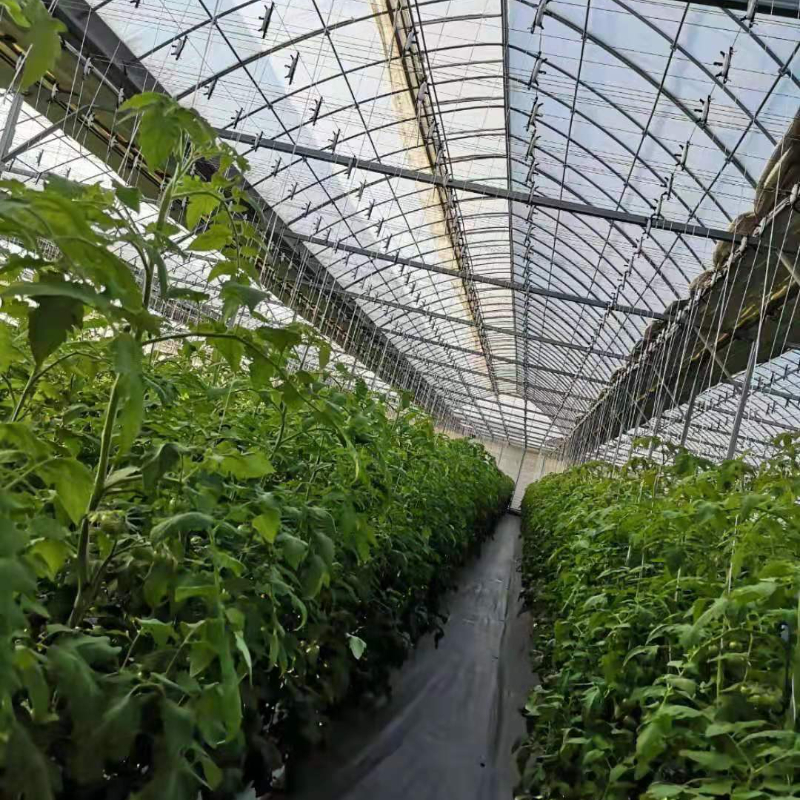
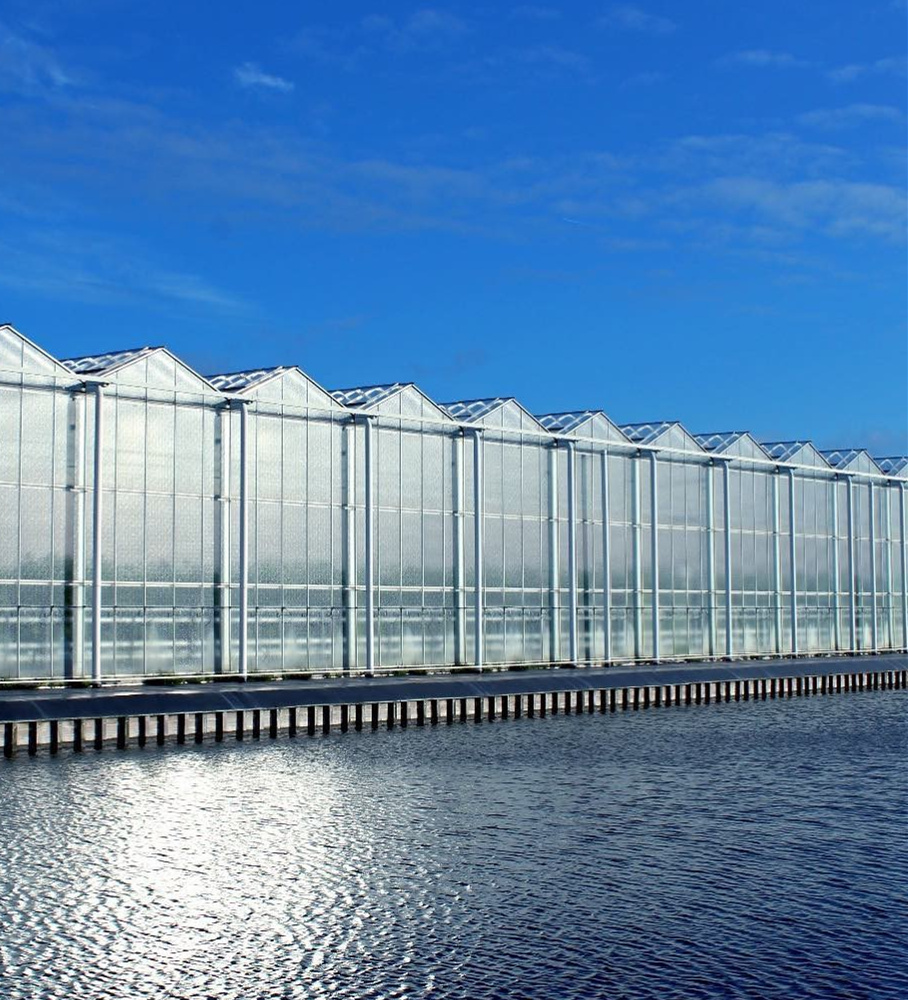
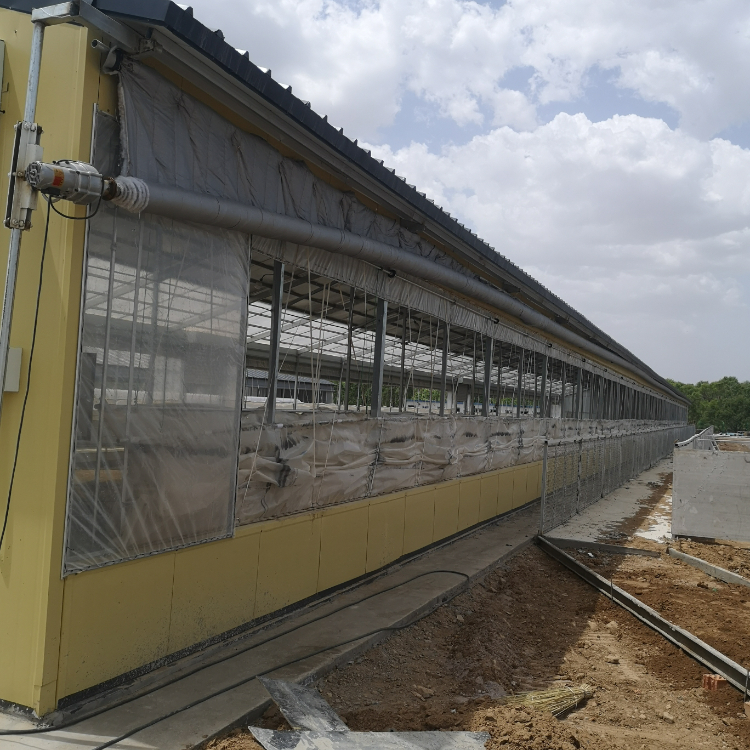
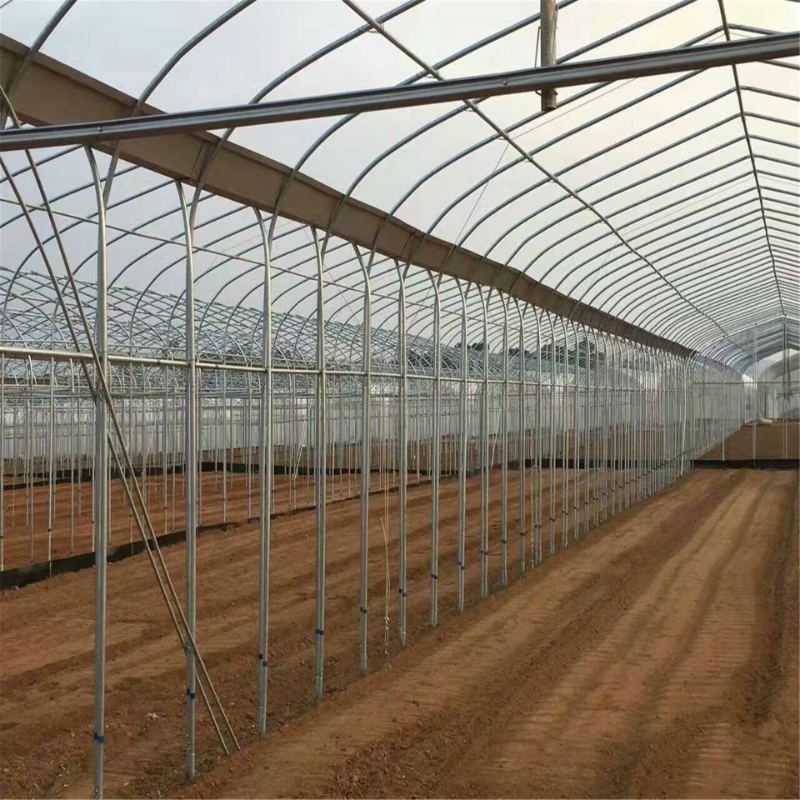
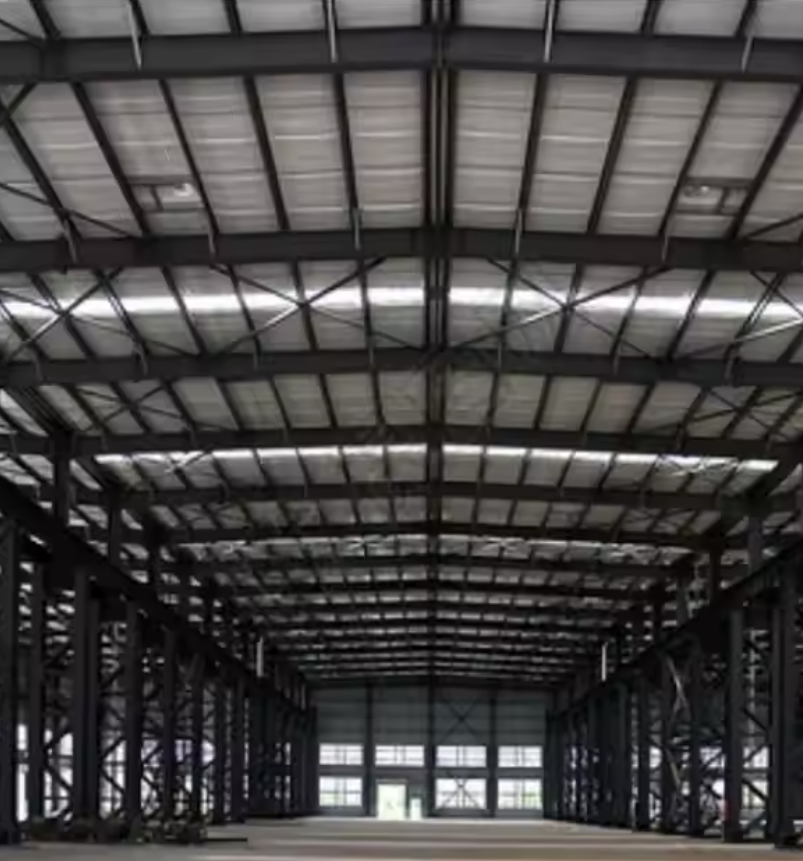
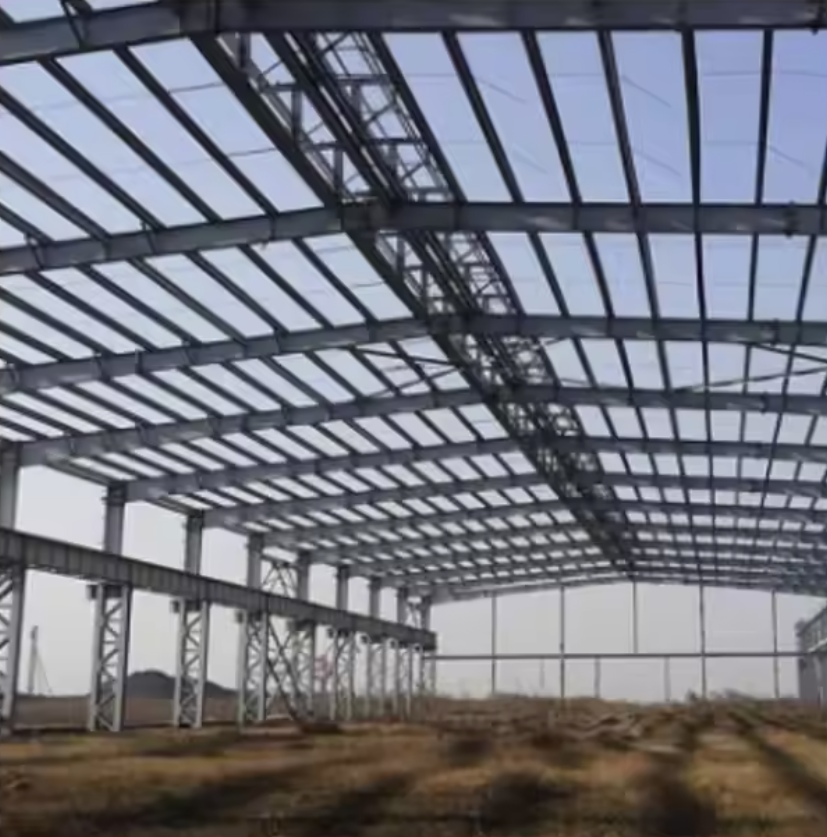
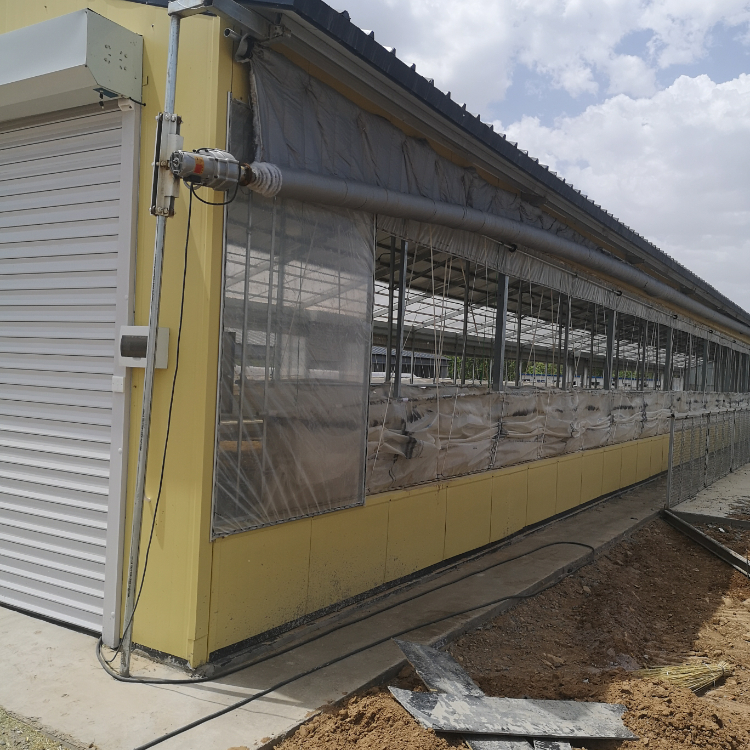
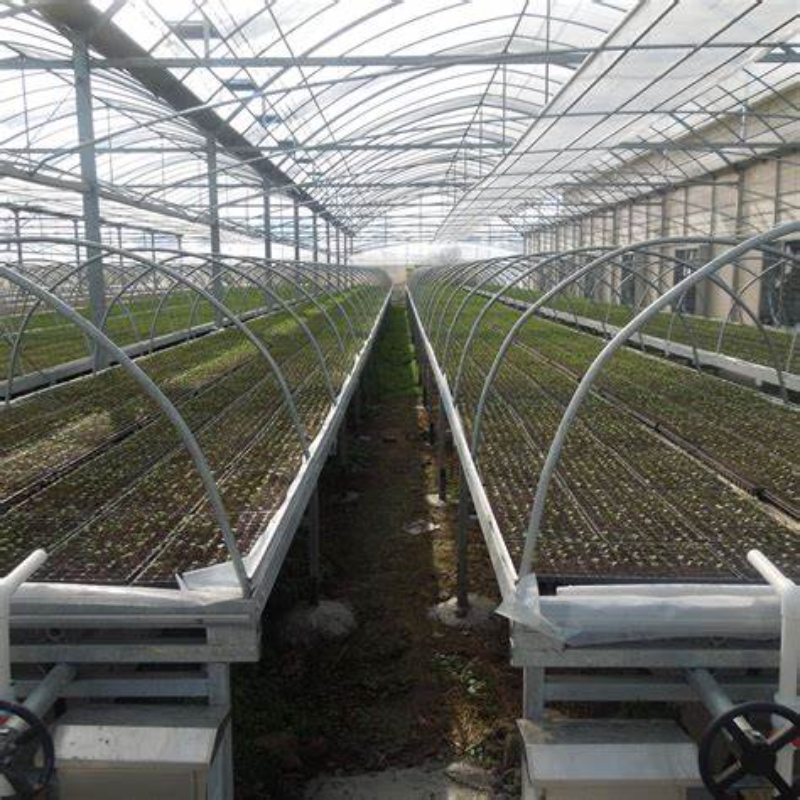
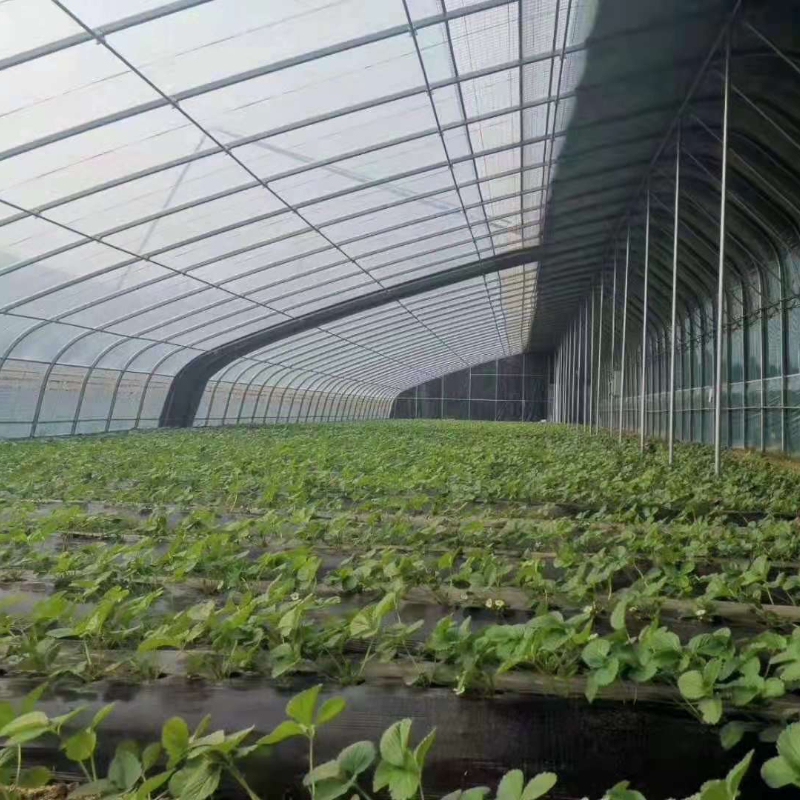
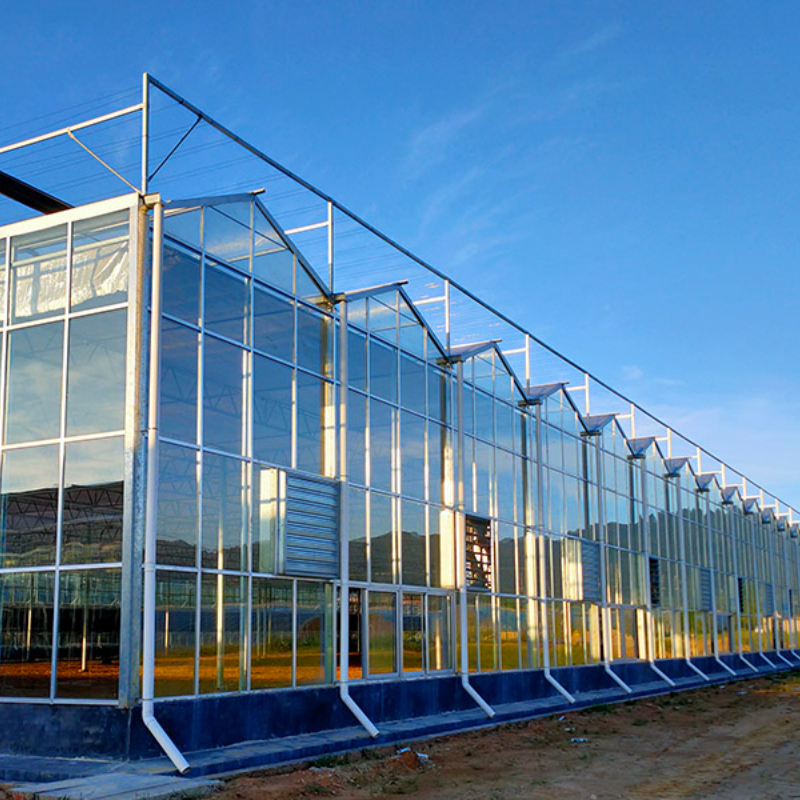
Unlike traditional glass or rigid polycarbonate structures, thin film greenhouses utilize flexible, durable polymeric films—typically polyethylene or ethylene-vinyl acetate (EVA)—as their primary cladding material. This simple shift in material science unlocks numerous advantages. The most immediate benefit is economic: thin films are substantially less expensive to manufacture and install than glass panels, lowering the initial capital barrier for farmers and enabling larger covered areas for the same investment. Furthermore, their lightweight nature simplifies structural support requirements, allowing for quicker assembly and greater design flexibility.
Beyond cost, these specialized films are engineered for performance. Modern grades are treated to control light diffusion, optimize photosynthetically active radiation (PAR) transmission, and block specific infrared wavelengths to enhance thermal management. Some incorporate anti-drip additives to prevent condensation, reducing disease risk, while others have dust-repellent properties to maintain high light transmittance over time. This technological tailoring allows growers to create optimized microclimates that protect crops from extreme weather, pests, and diseases, thereby extending growing seasons and improving yield predictability.
The application of thin film technology is particularly impactful in resource-constrained environments. It facilitates season extension in temperate regions, supports intensive vegetable production in arid climates by minimizing water loss through evapotranspiration, and enables basic protected cultivation for smallholder farmers, contributing directly to food security and rural livelihoods.
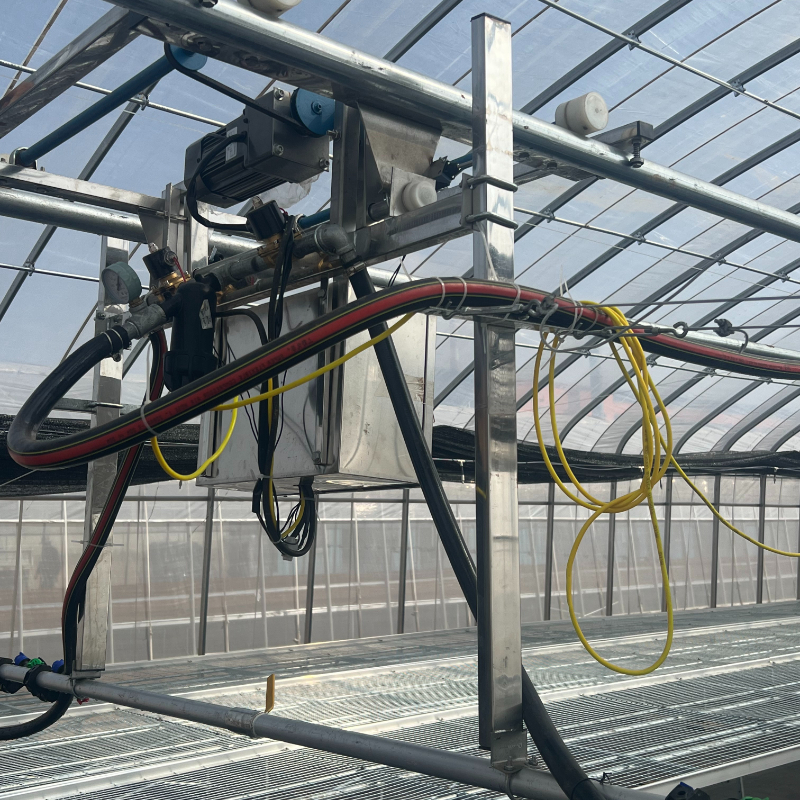
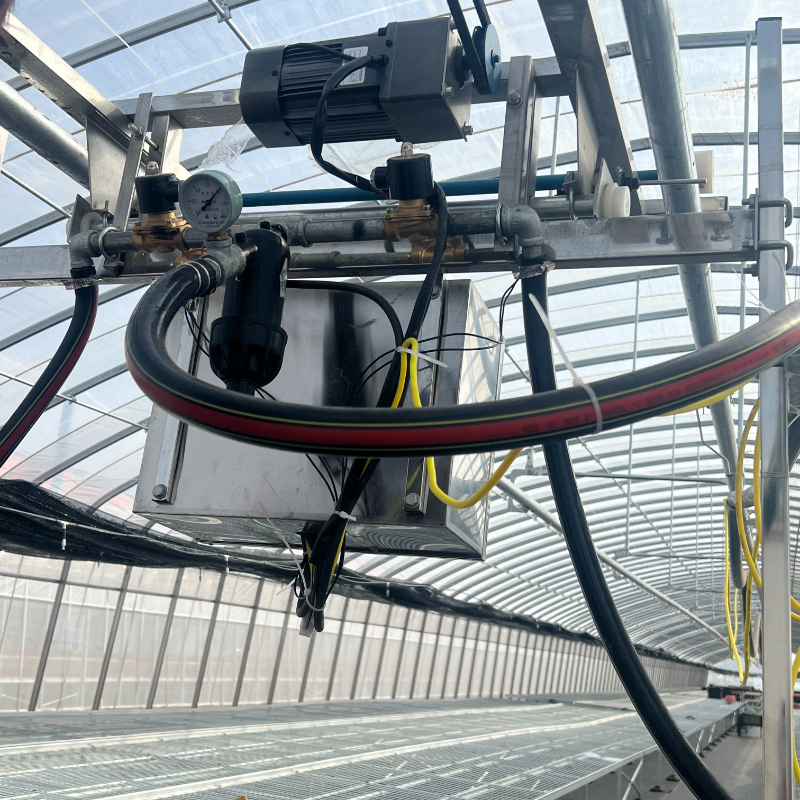
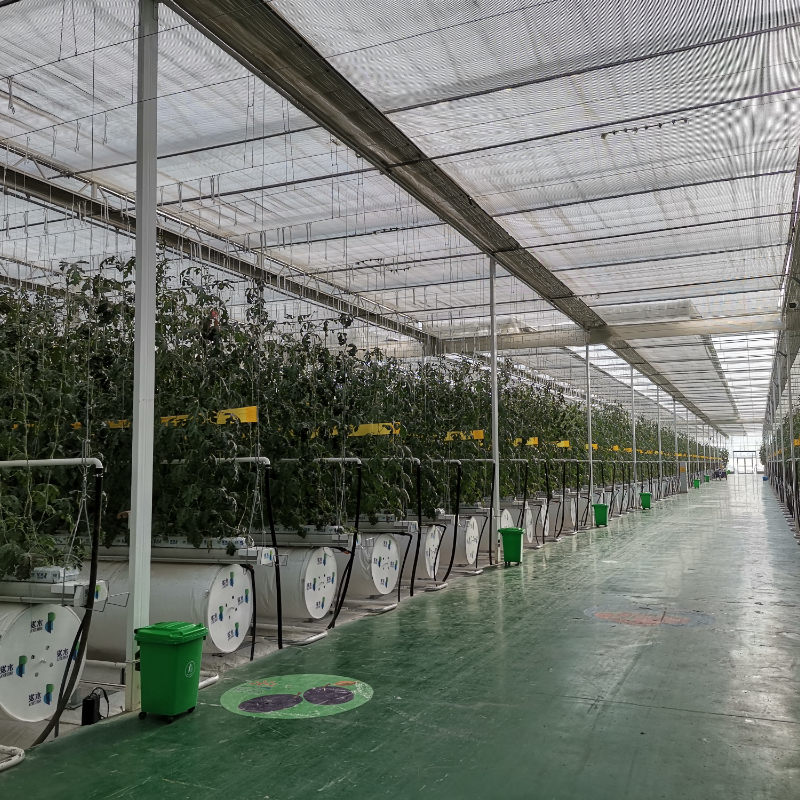
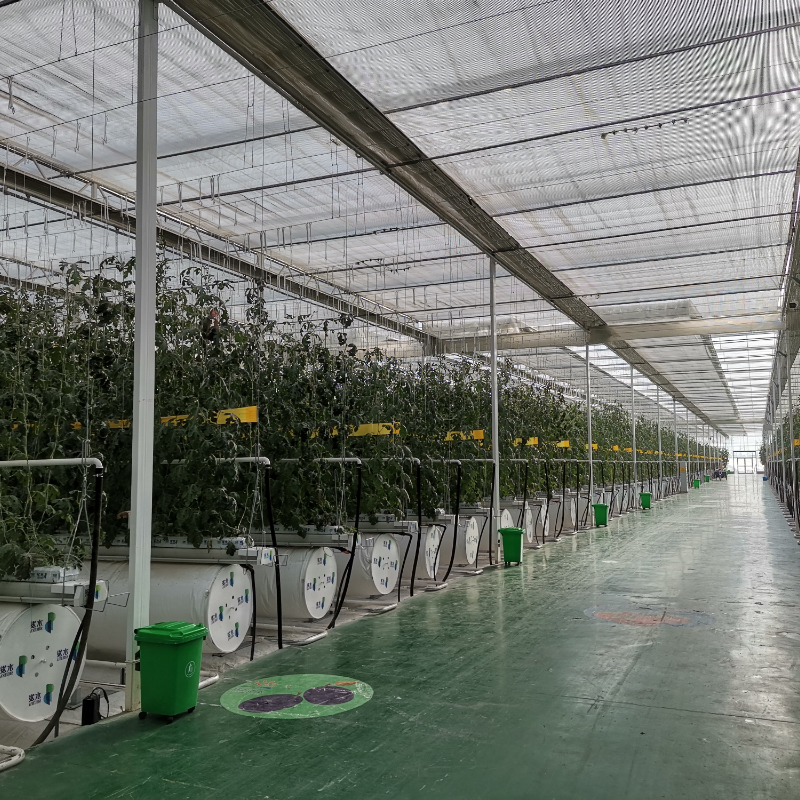
Looking forward, the integration of thin films with smart farming systems is a natural progression. When combined with automated irrigation, climate sensors, and renewable energy sources like integrated photovoltaics, these structures evolve into highly efficient, closed-loop agricultural systems. Their relatively short lifespan compared to glass also encourages faster cycles of technological renewal, allowing for the rapid adoption of improved film formulations.
In conclusion, the thin film greenhouse is far more than a simple low-cost alternative. It represents a scalable, adaptable, and increasingly sophisticated platform for sustainable agriculture. By making controlled-environment farming more accessible and efficient, this technology is poised to play a crucial role in building resilient food systems for the future, balancing productivity with environmental and economic sustainability.
