
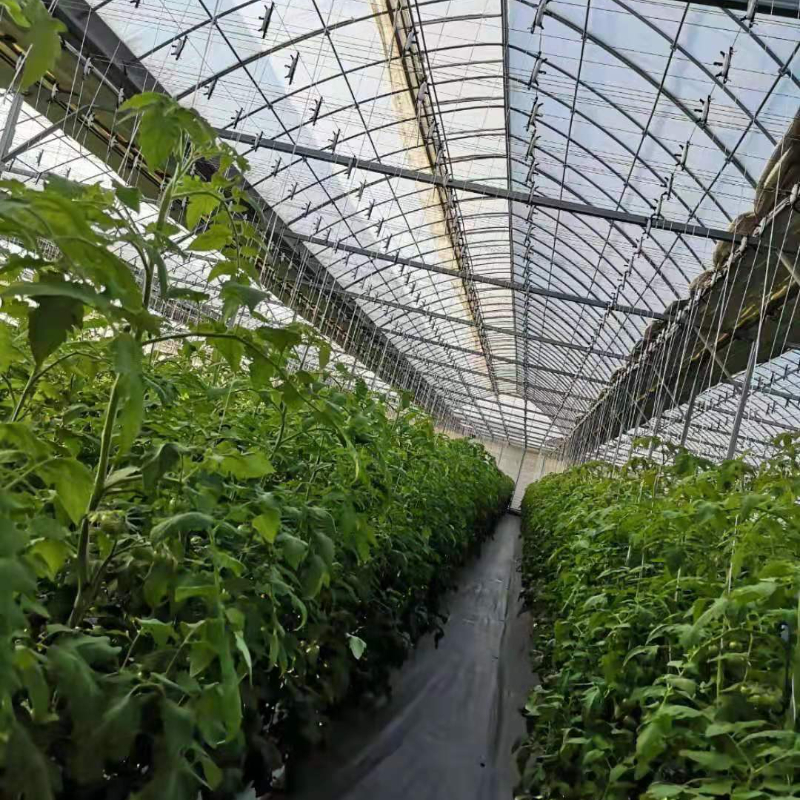
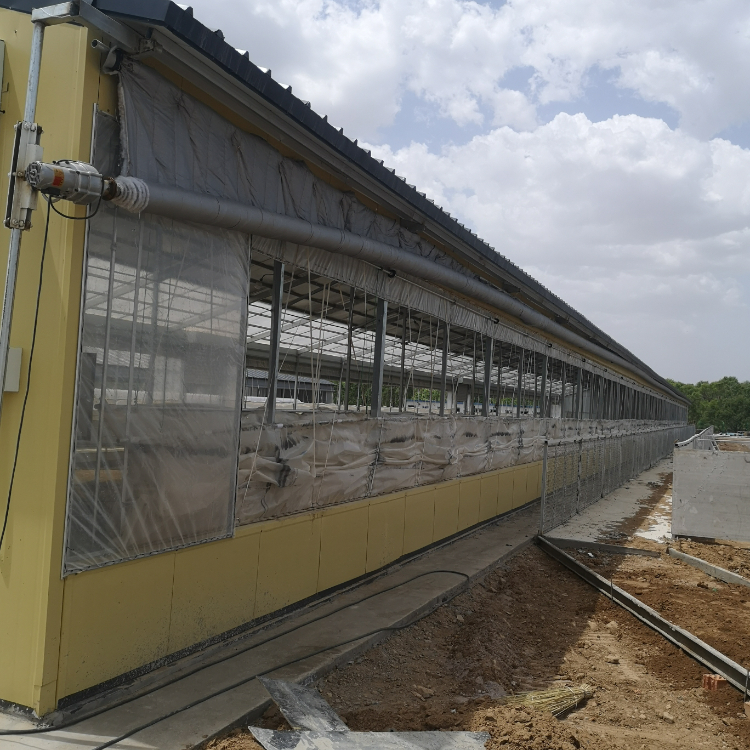
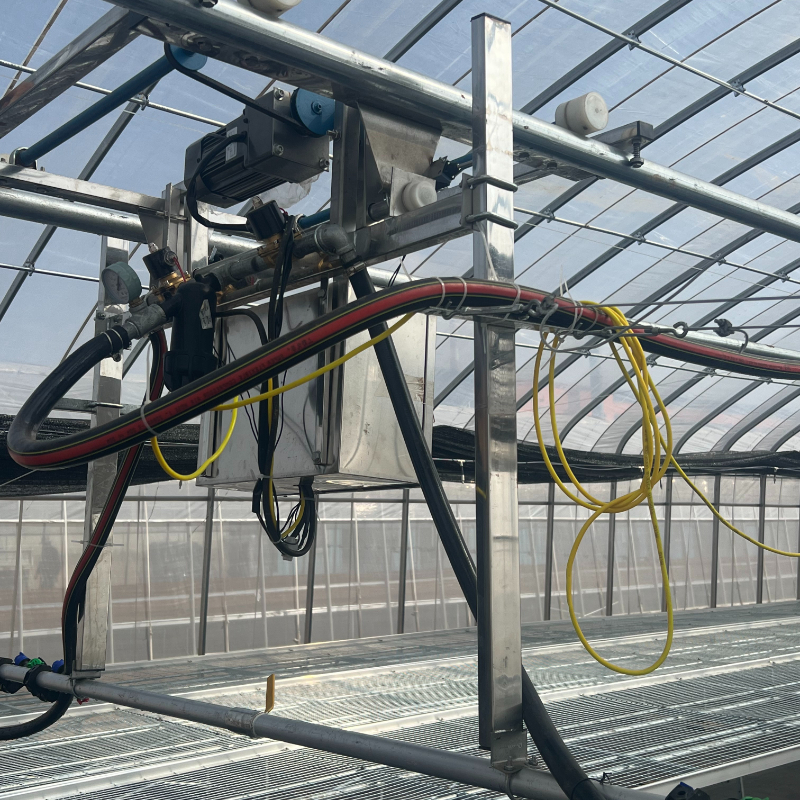
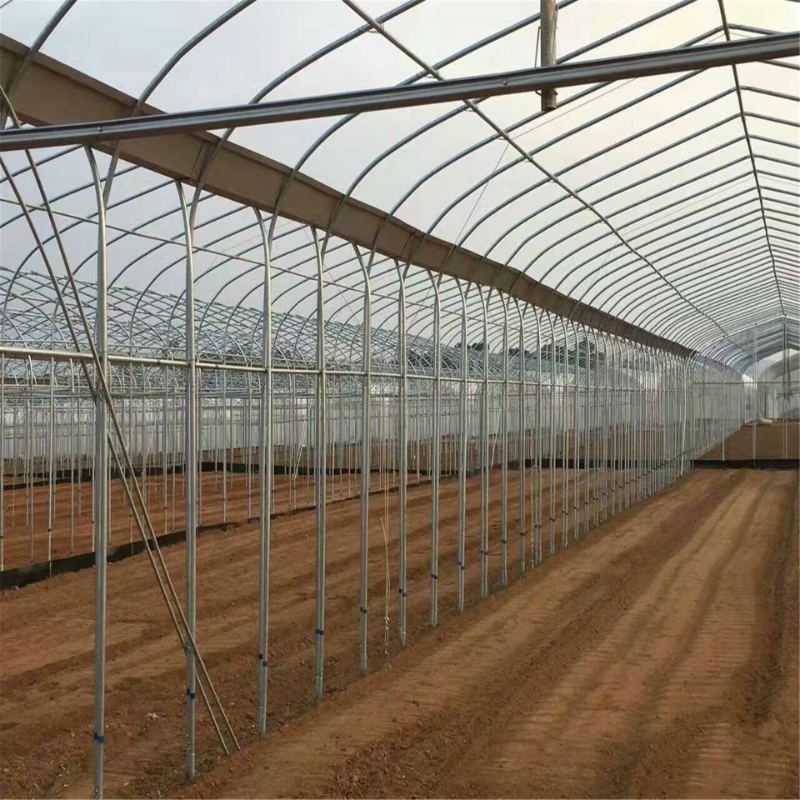
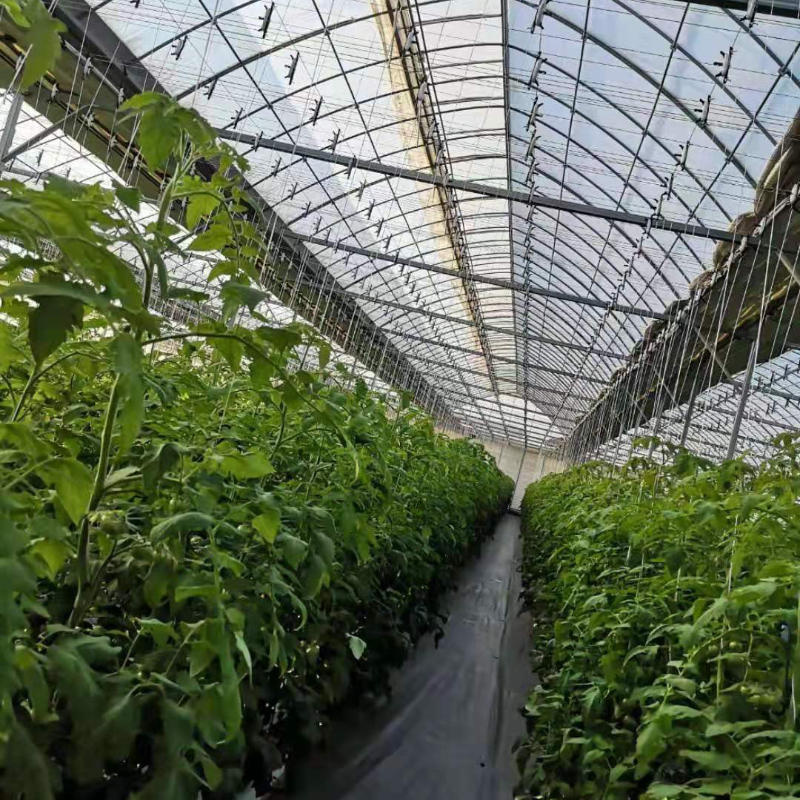
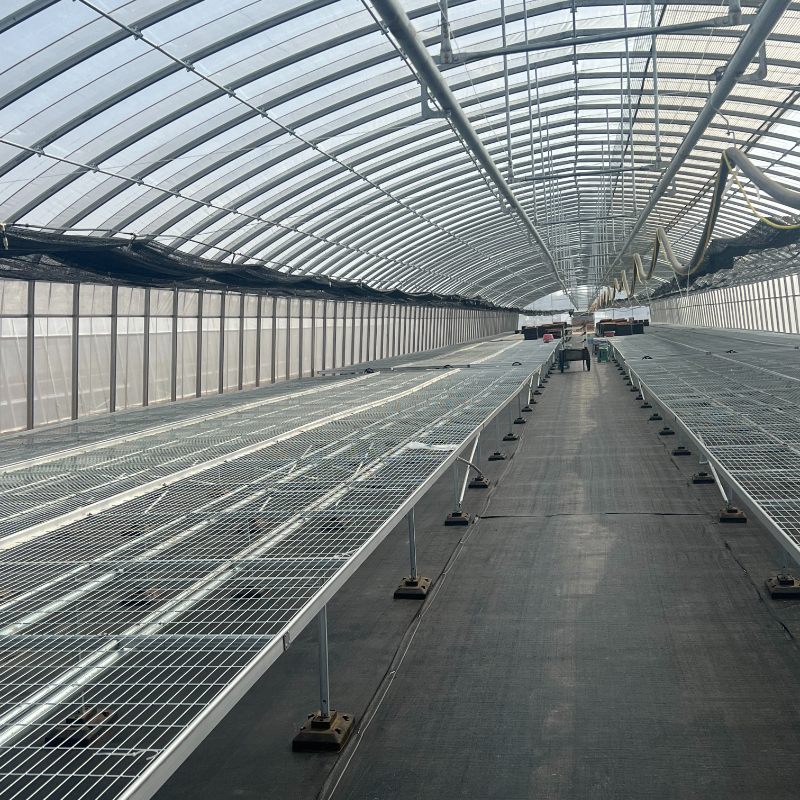
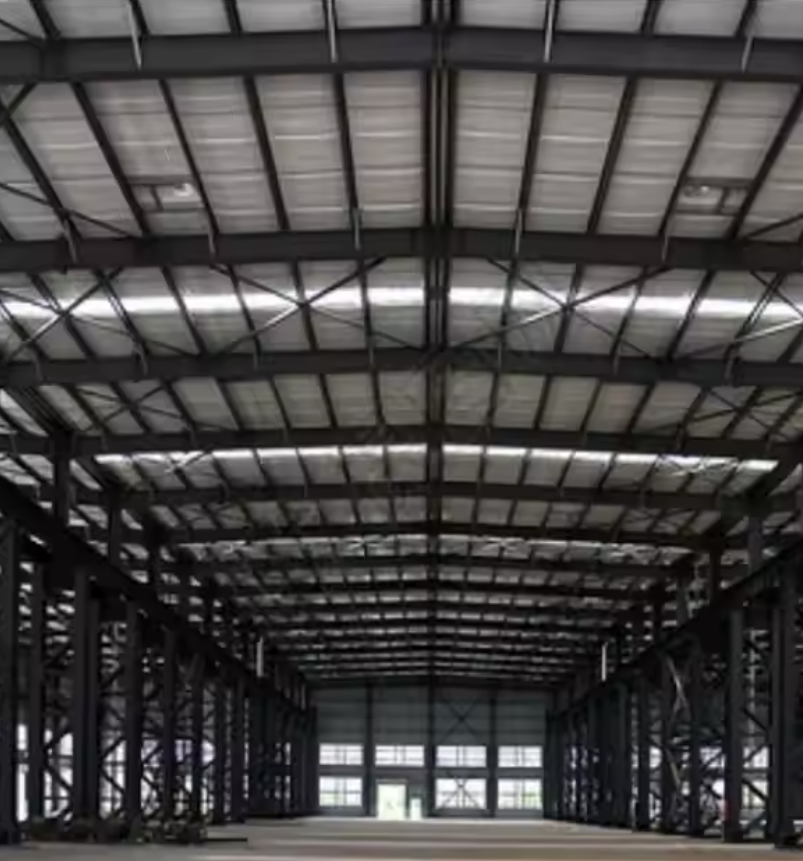
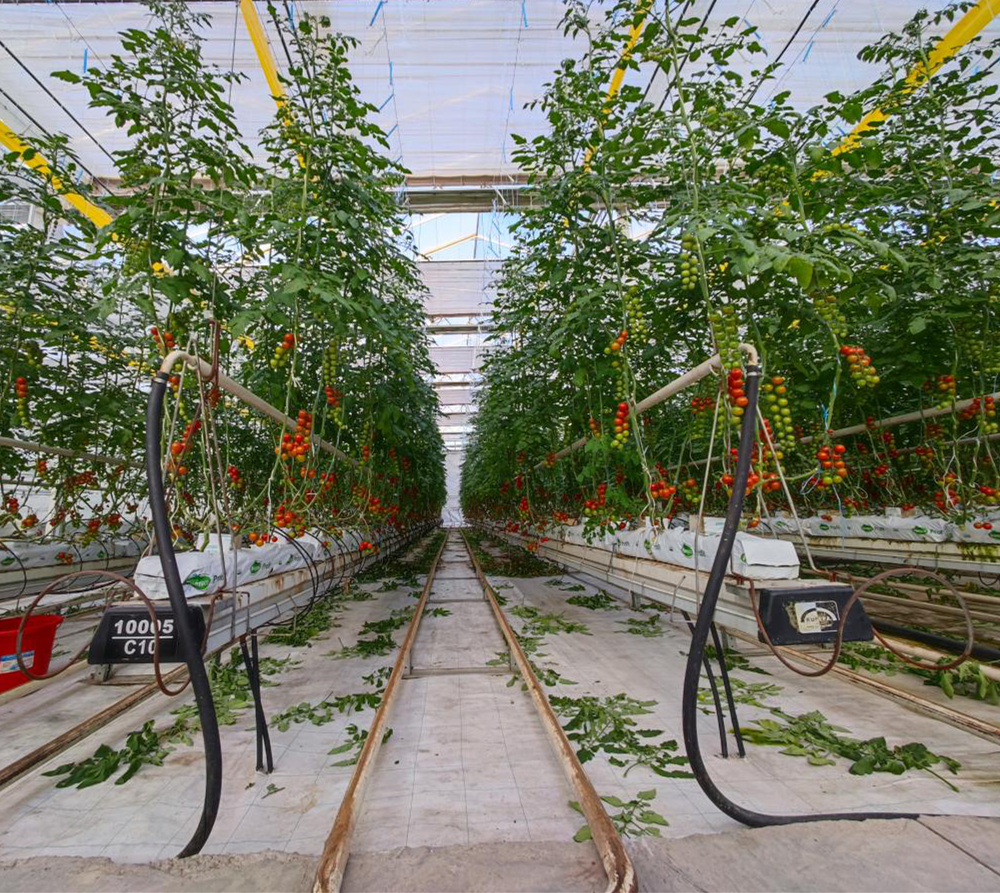
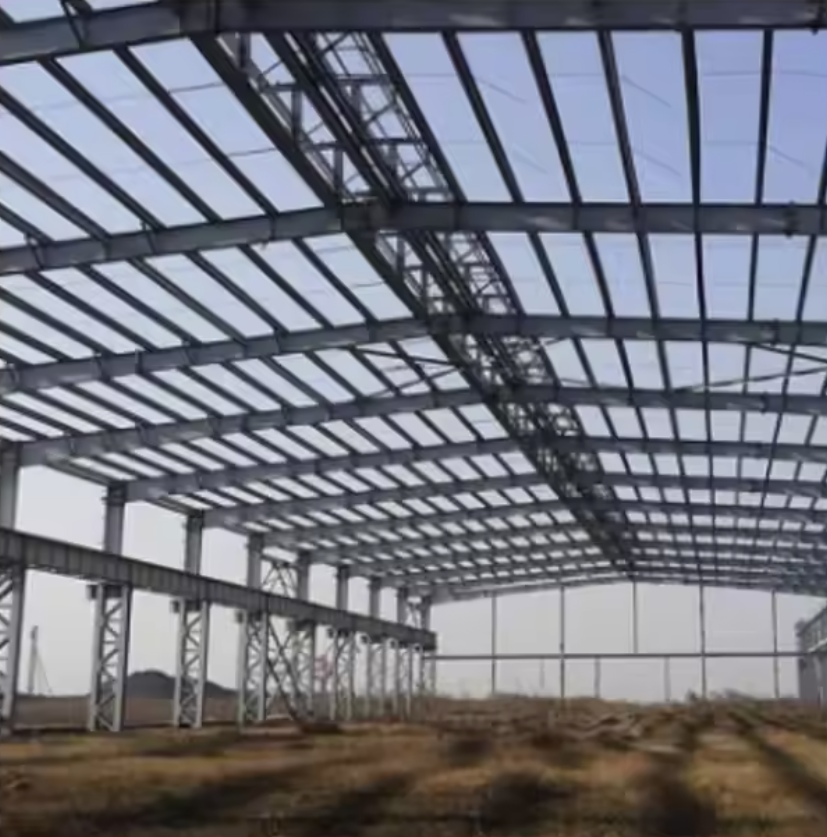
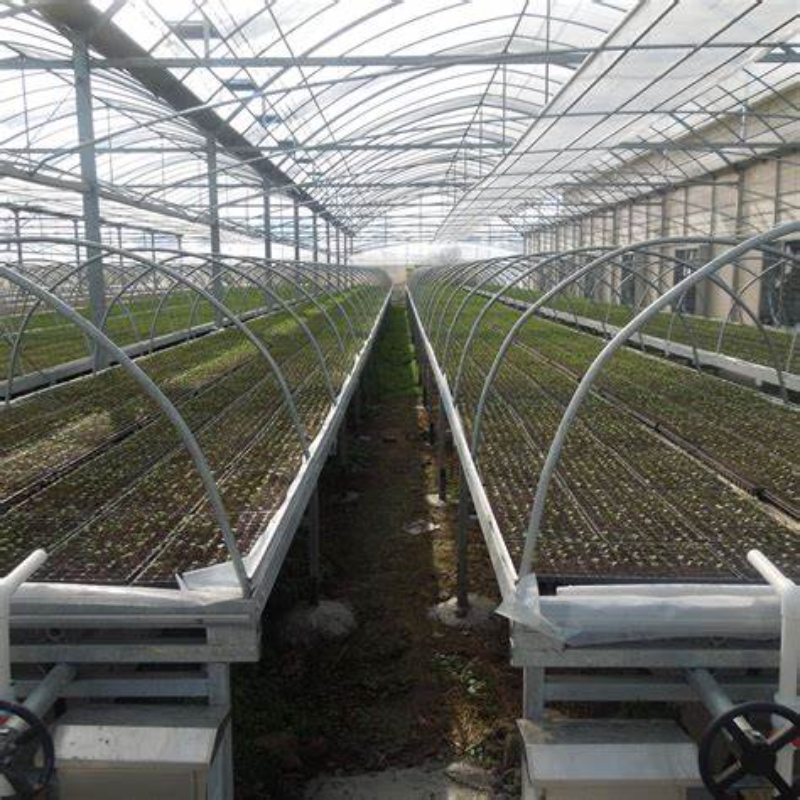
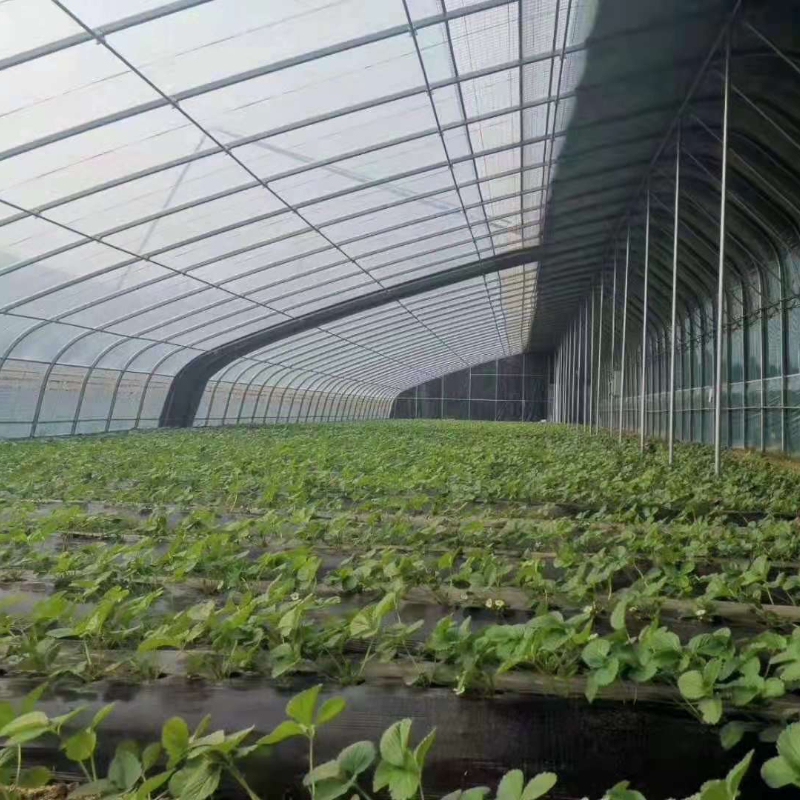
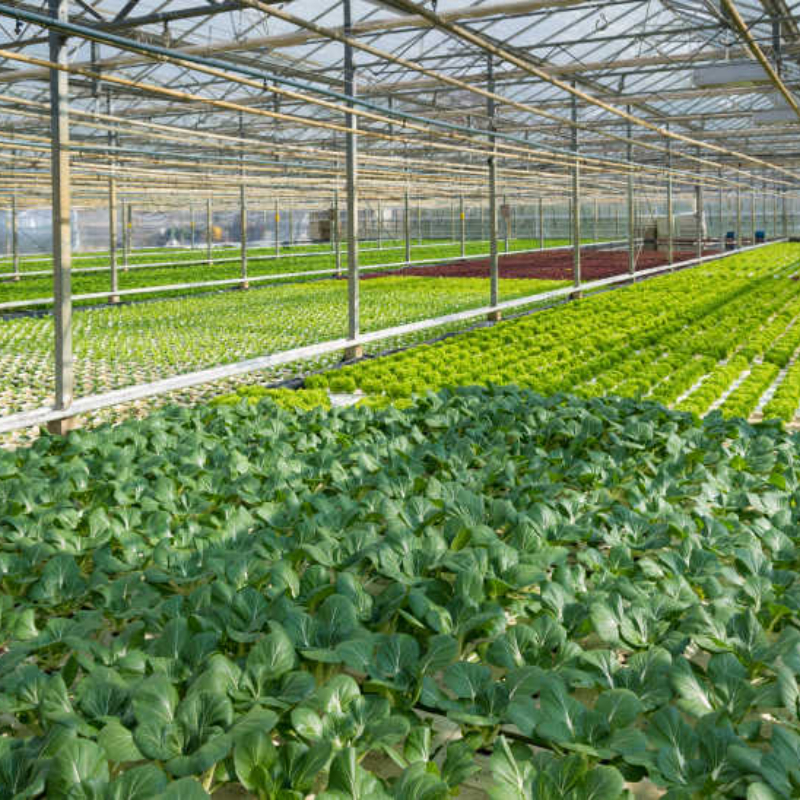
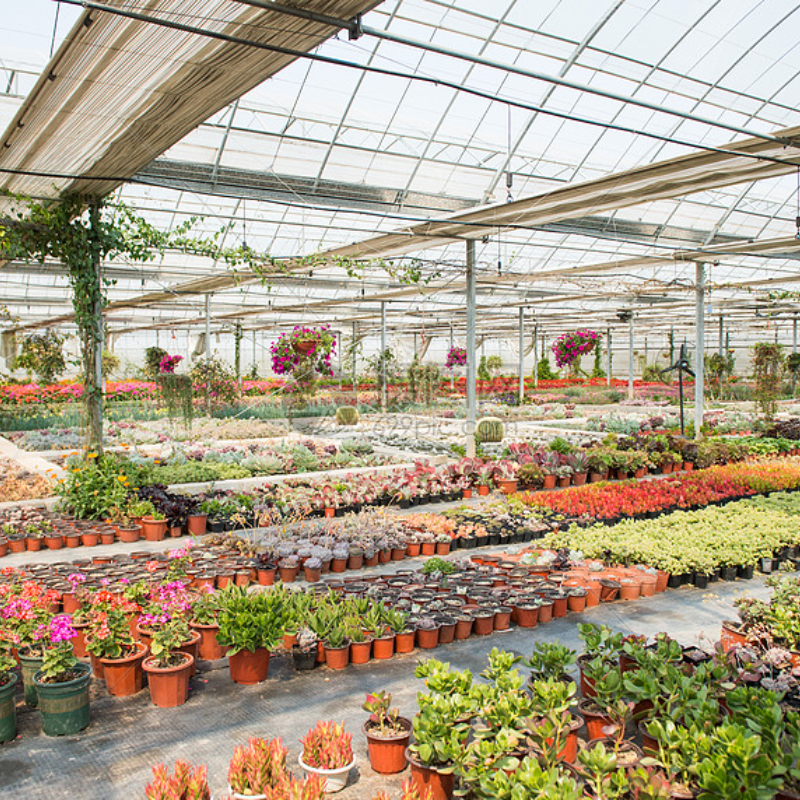
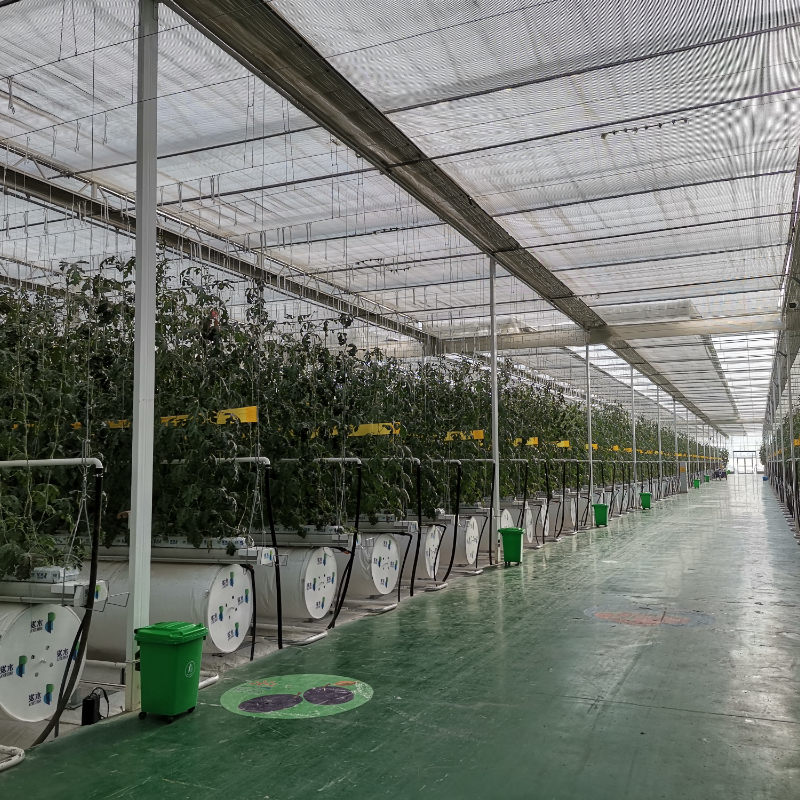
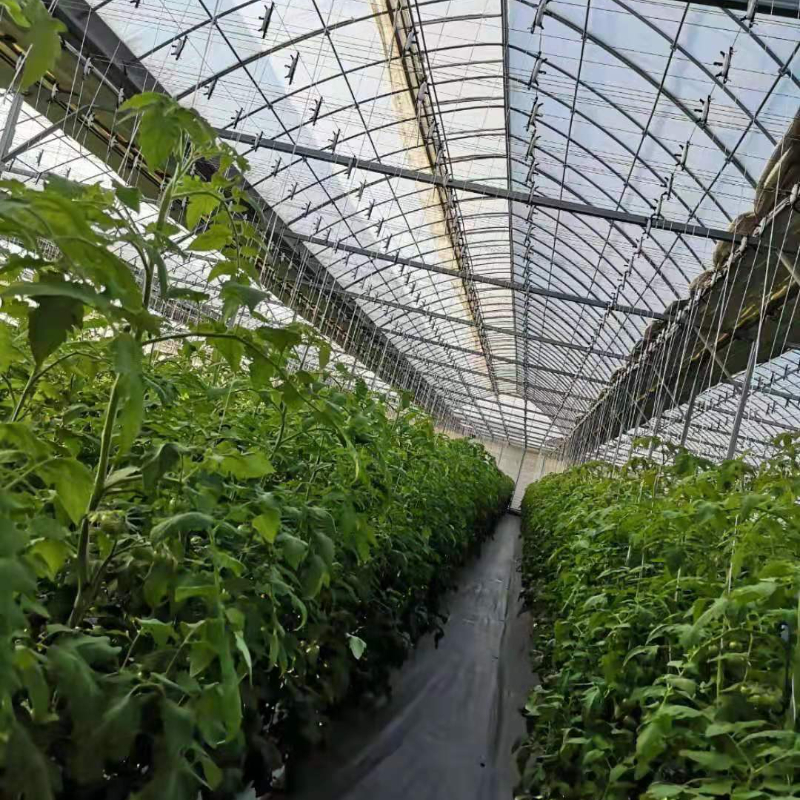
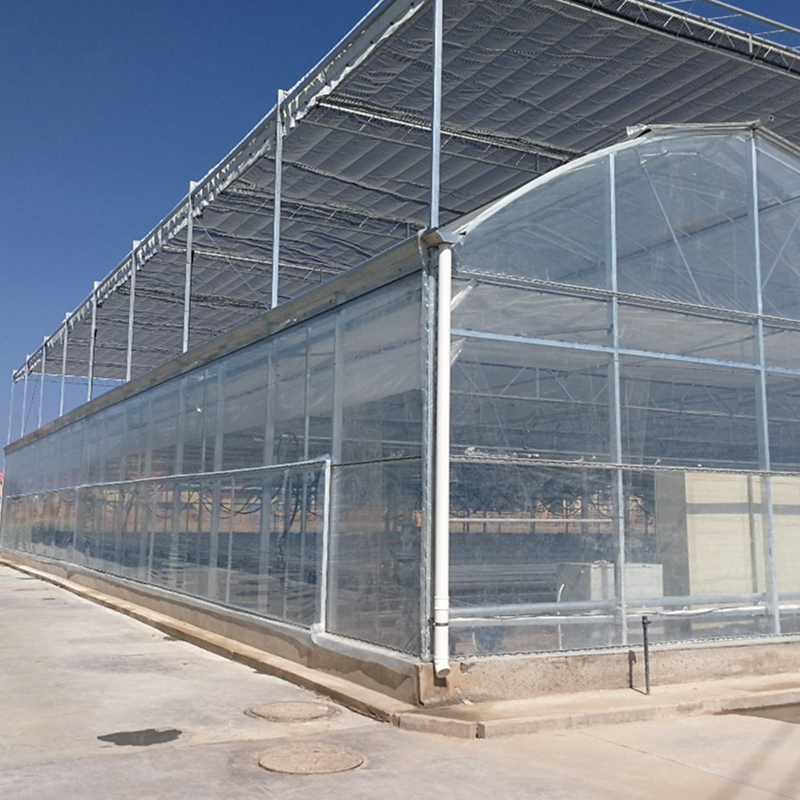
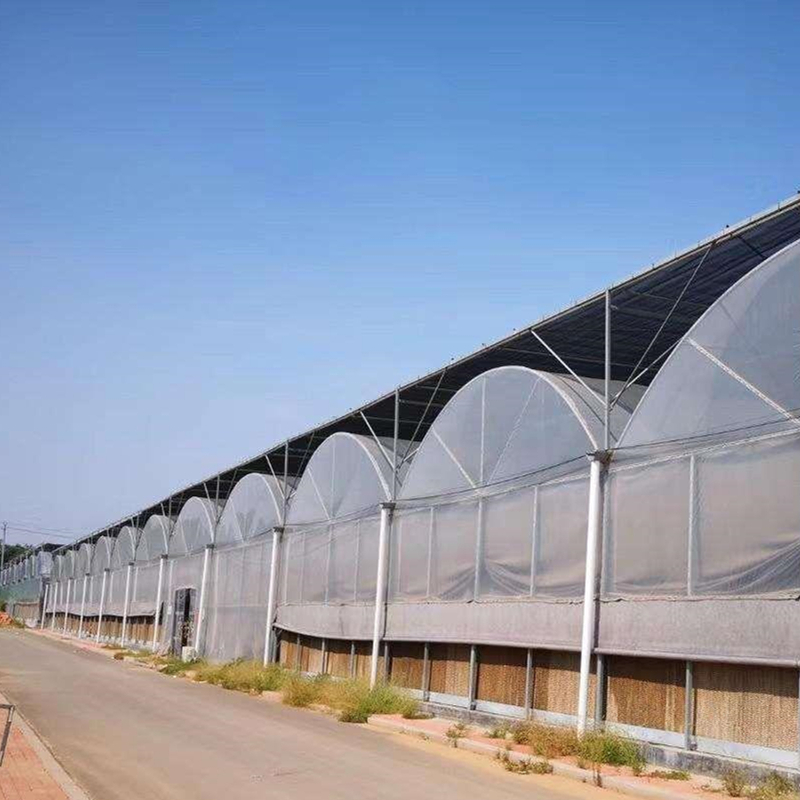
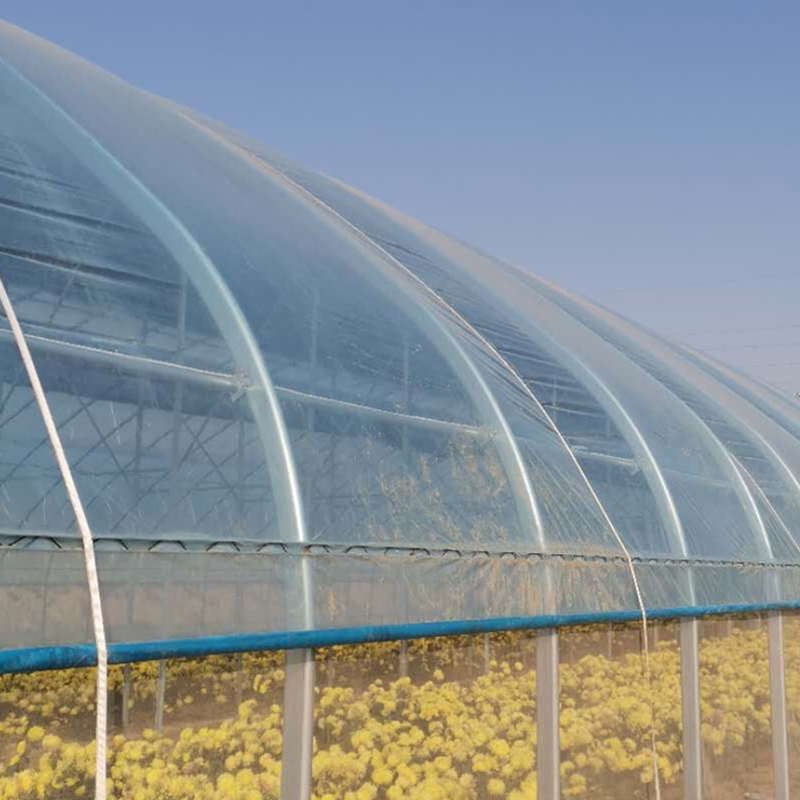
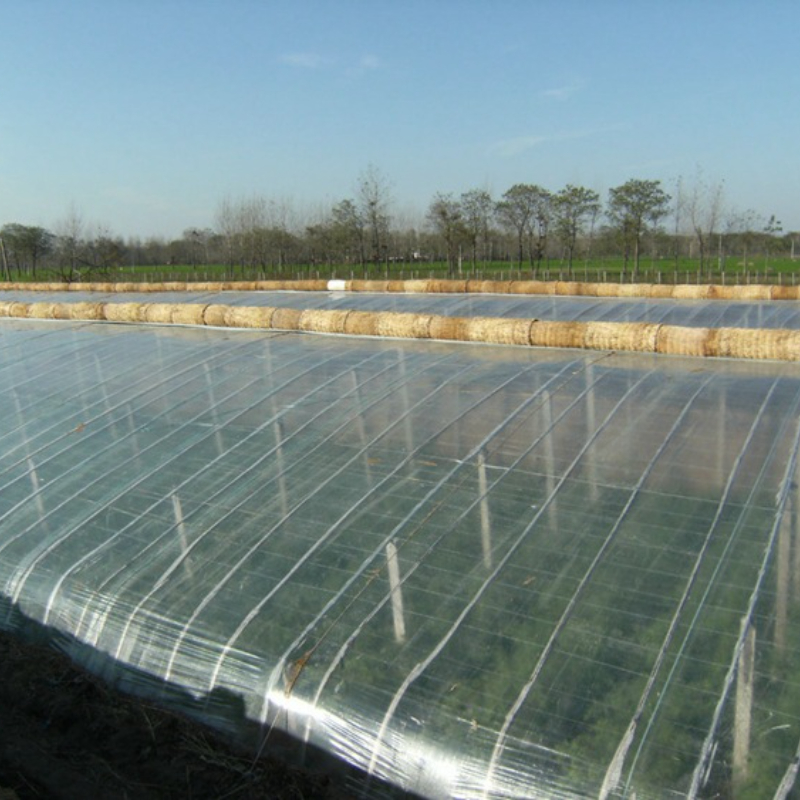
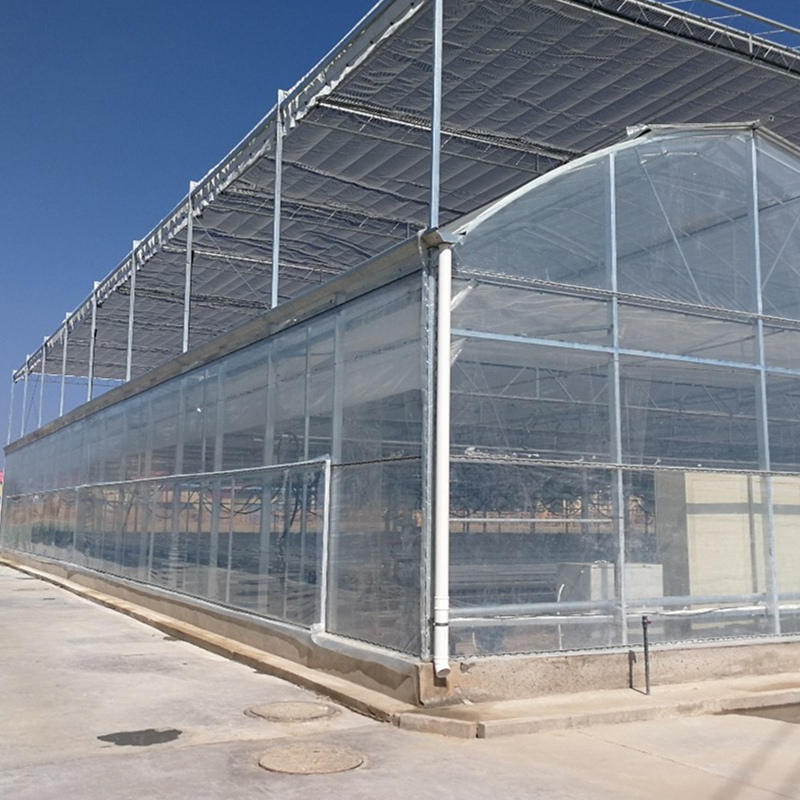
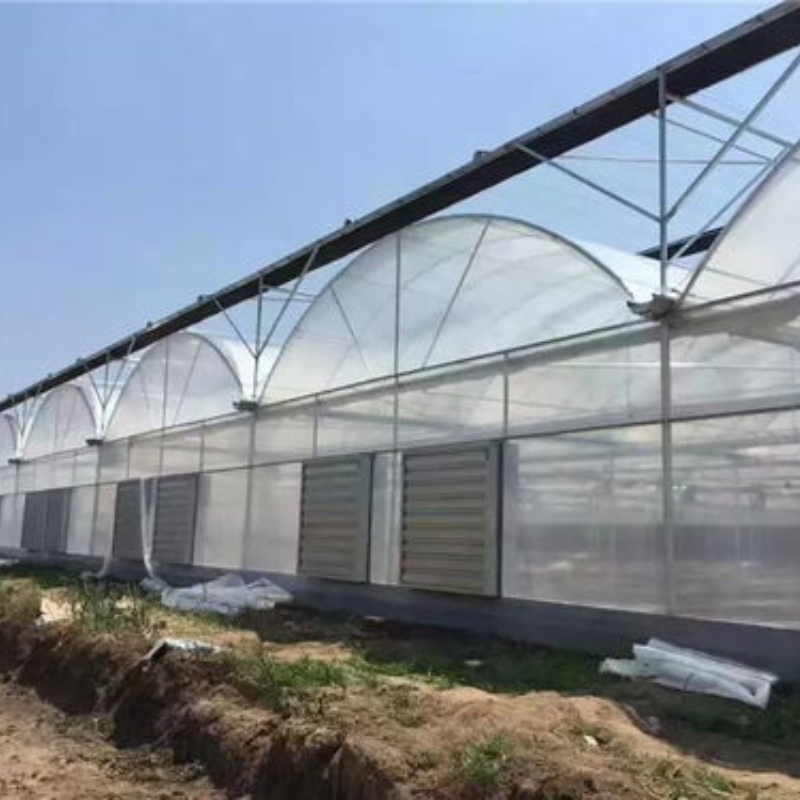
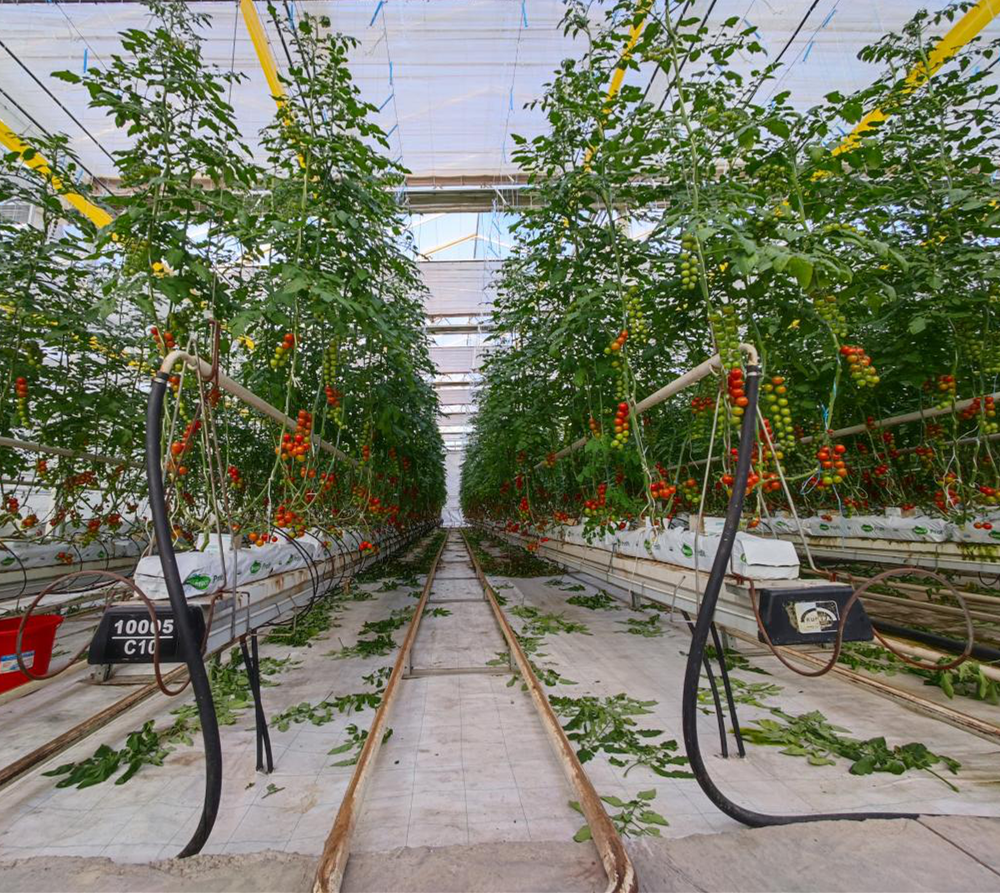
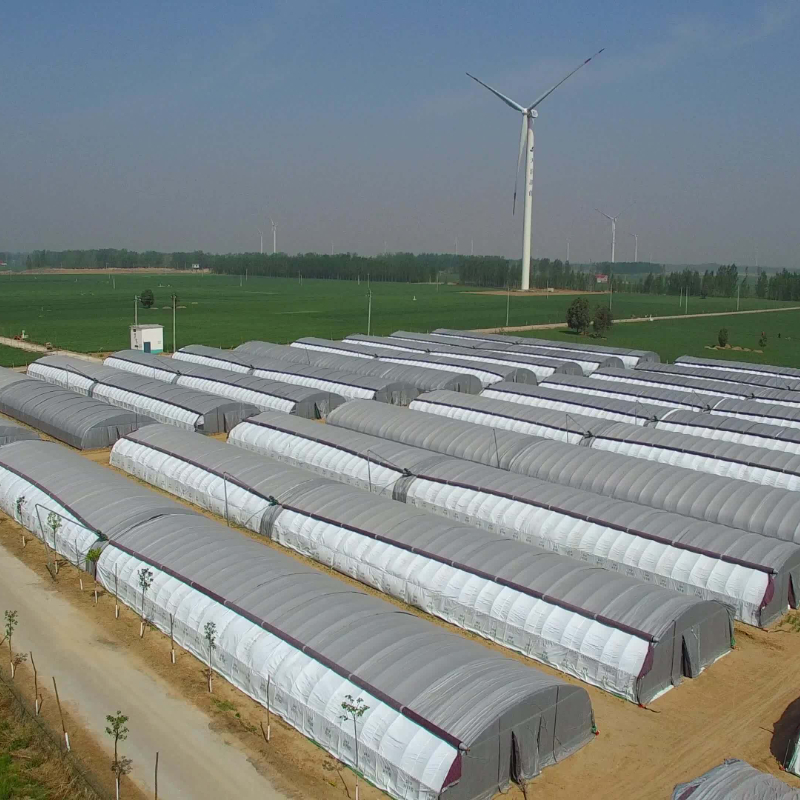
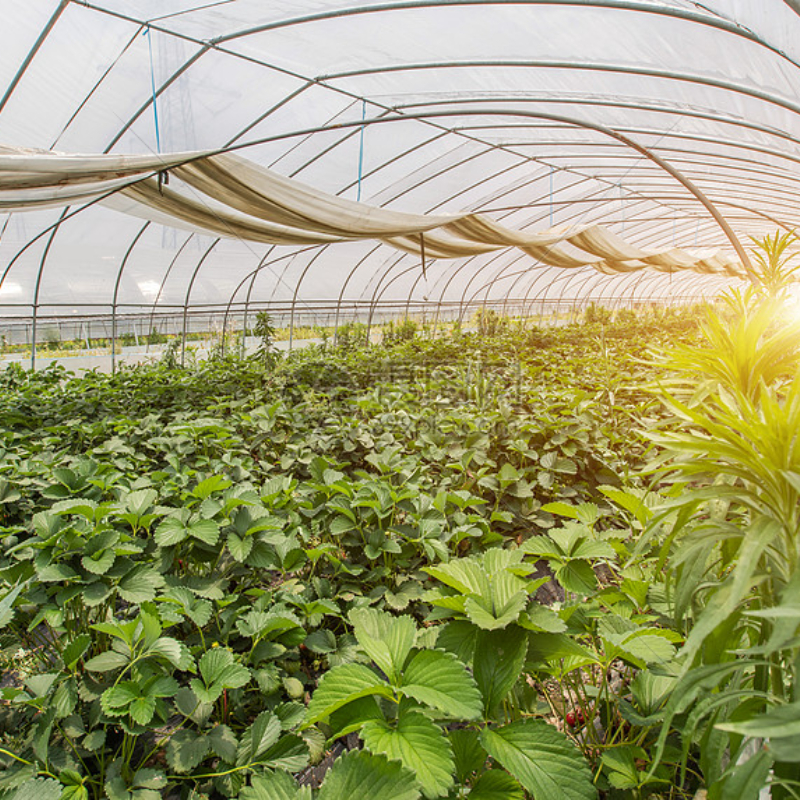
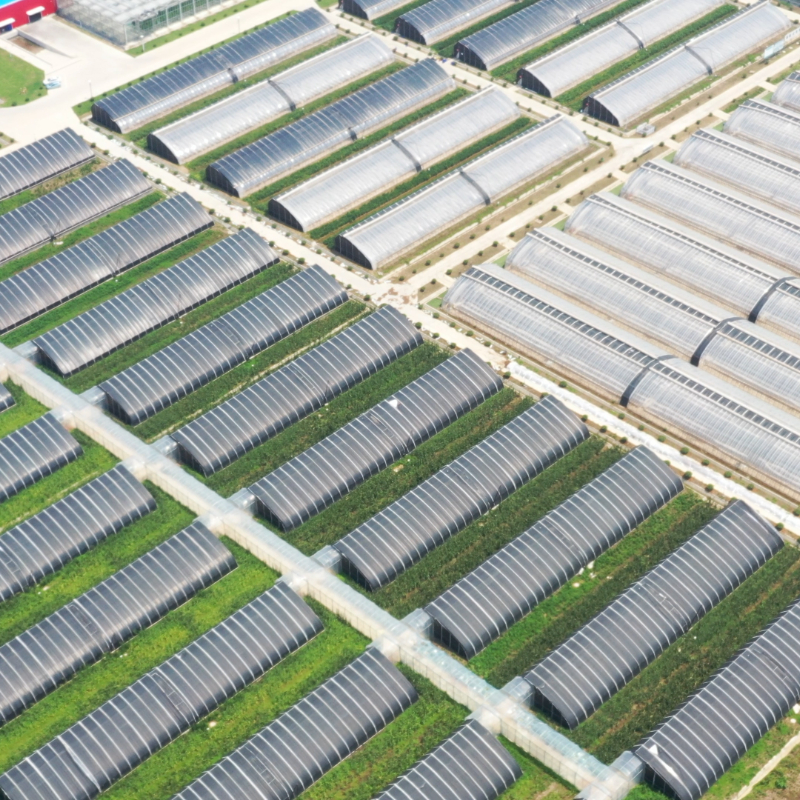
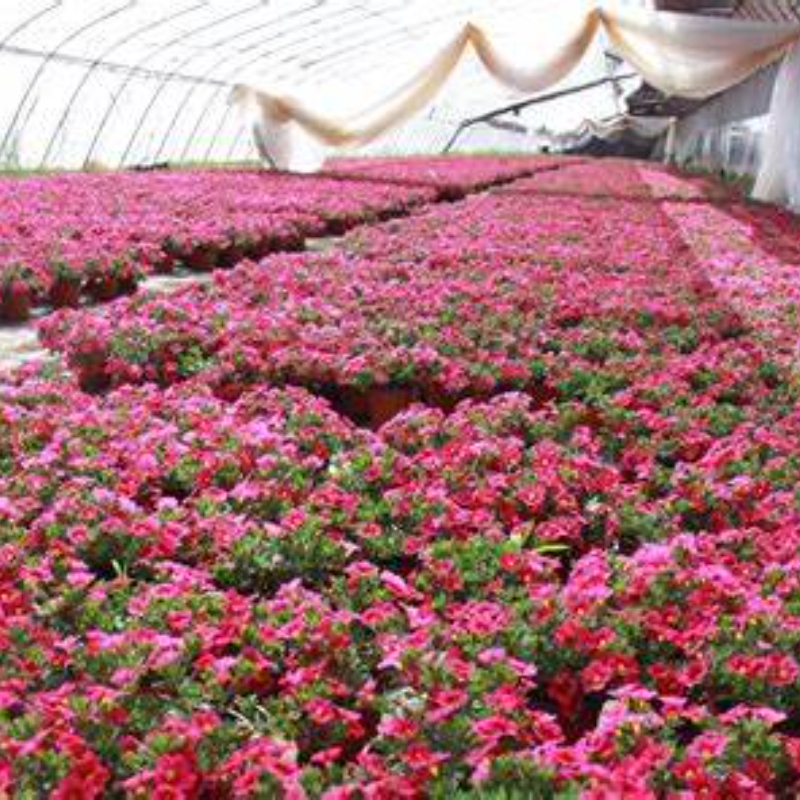
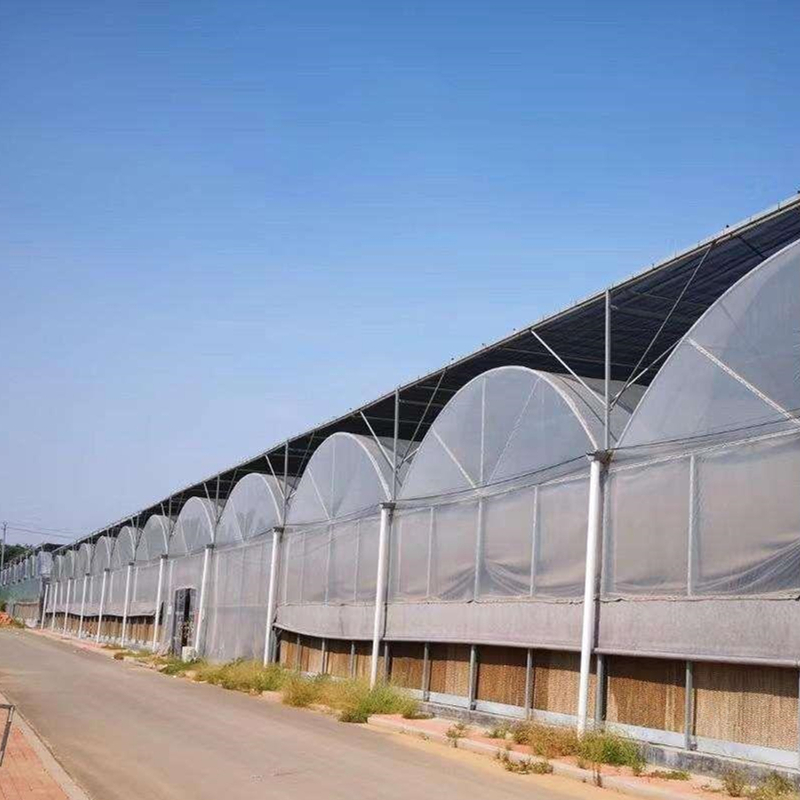
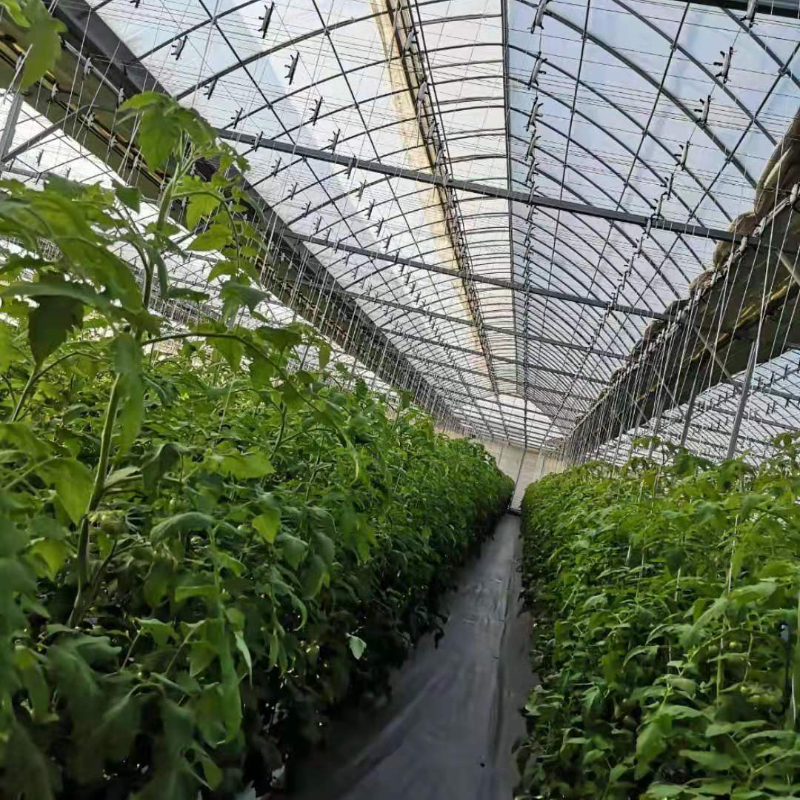
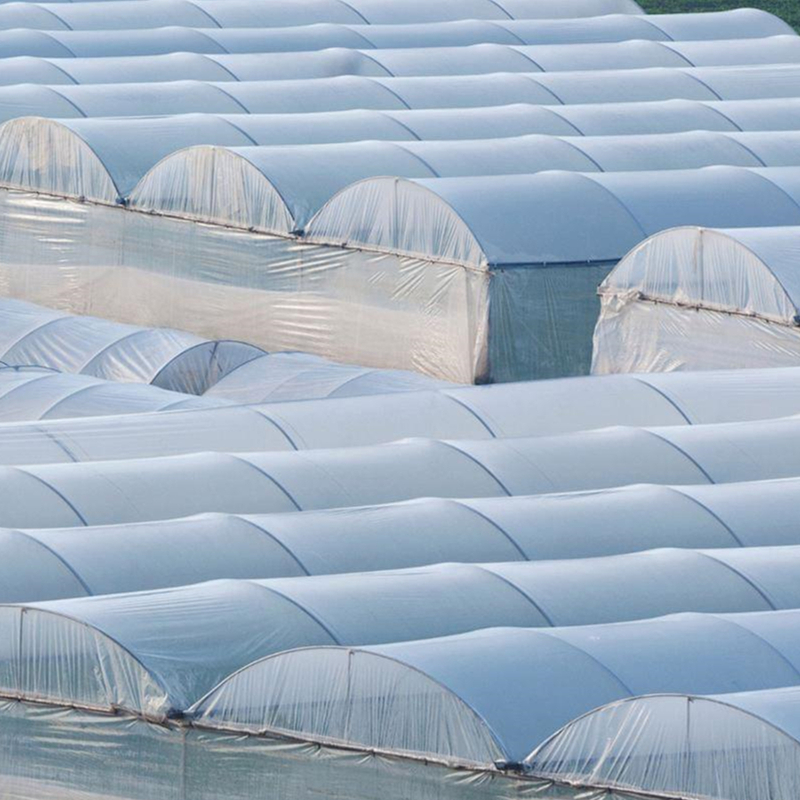
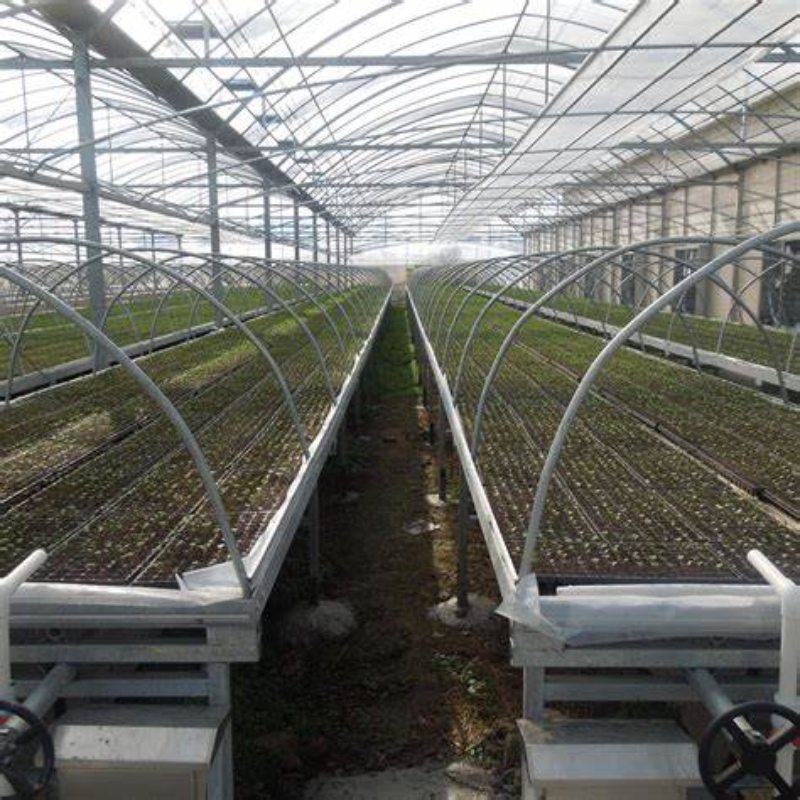
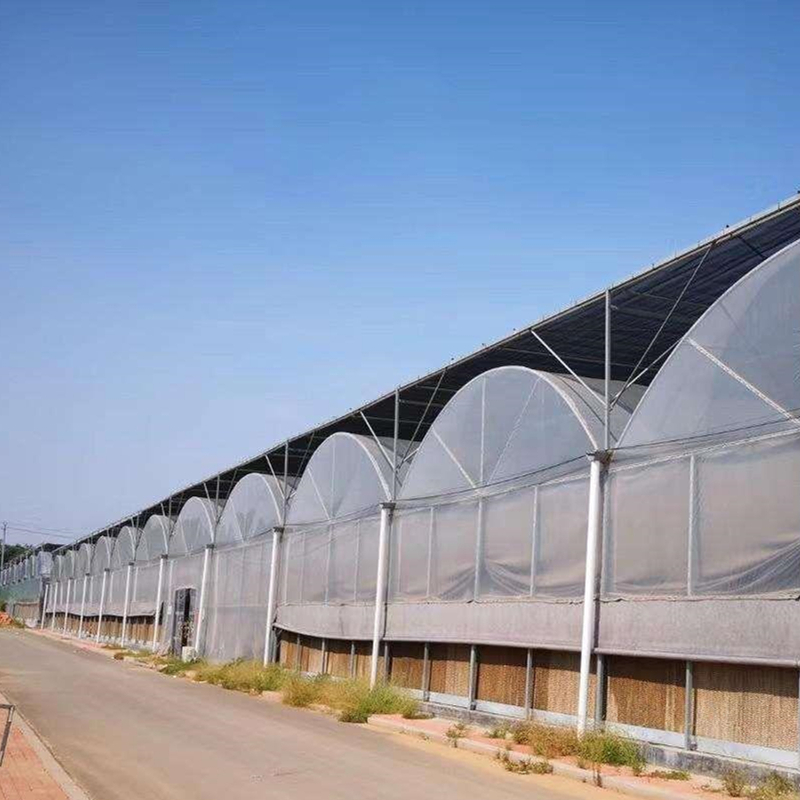
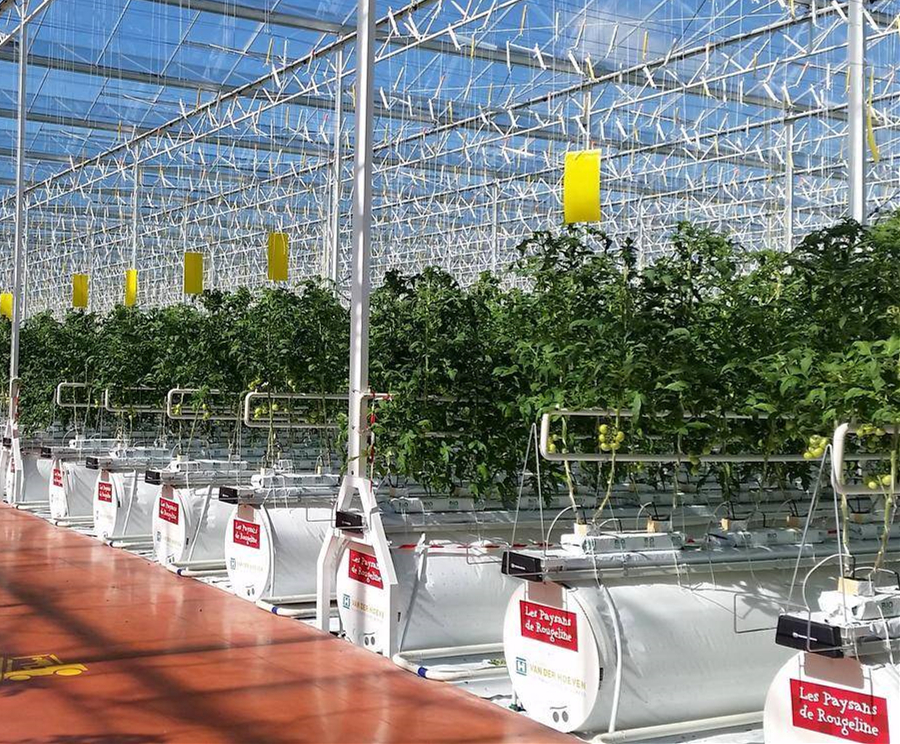
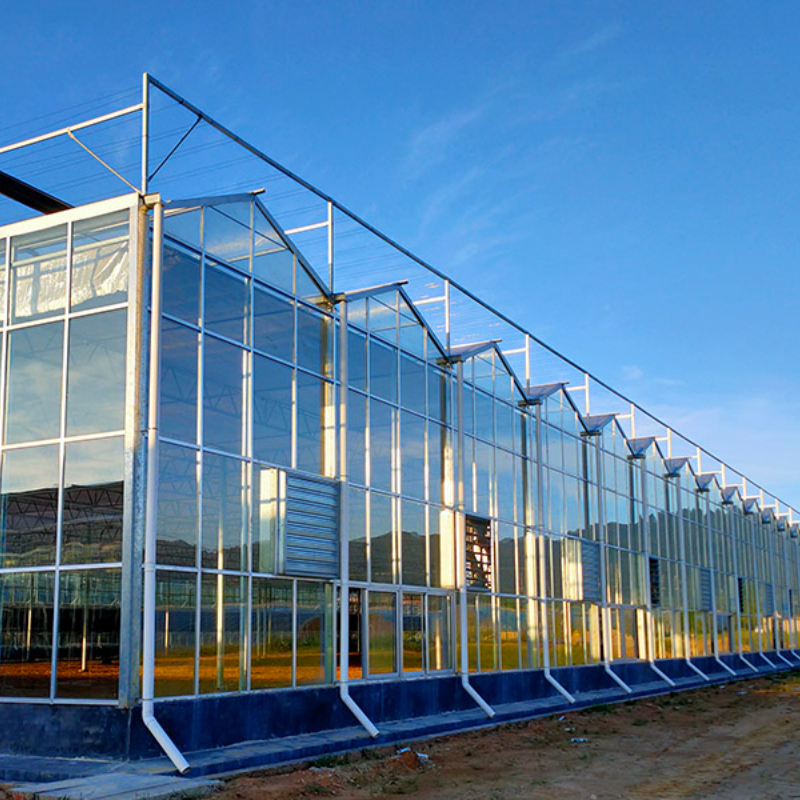
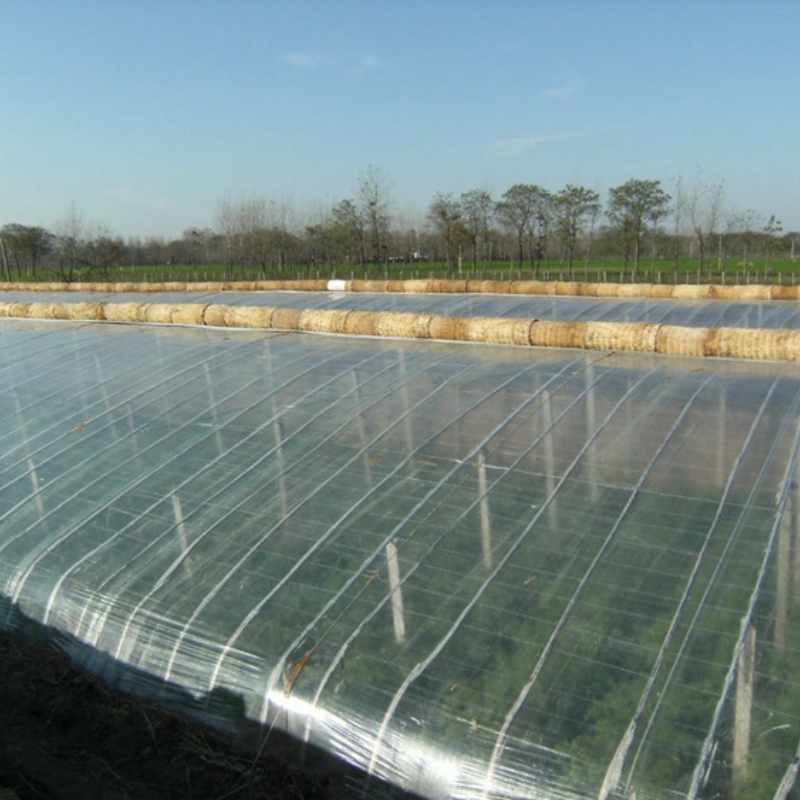
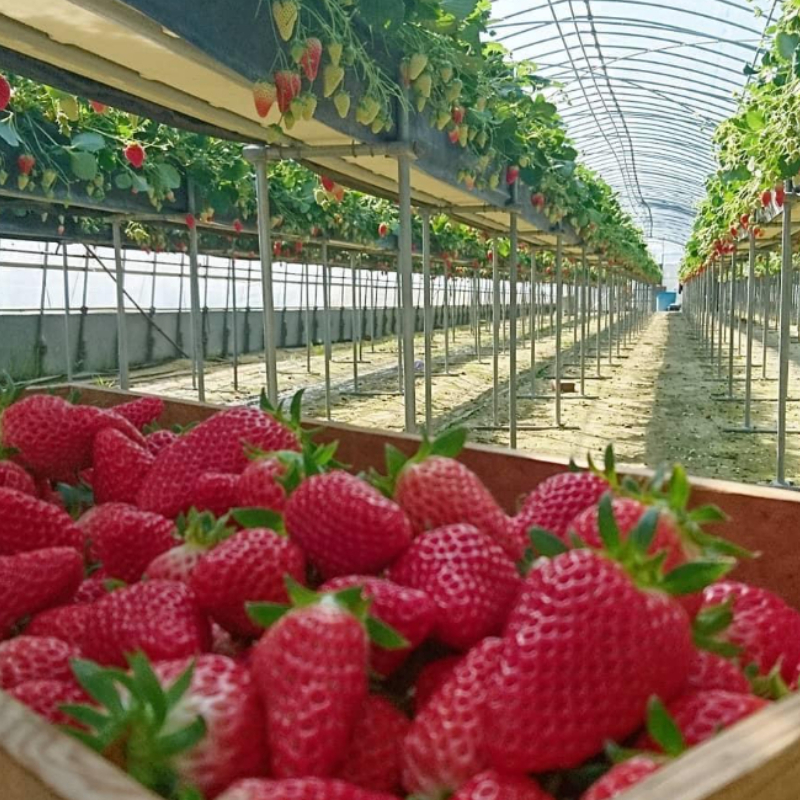
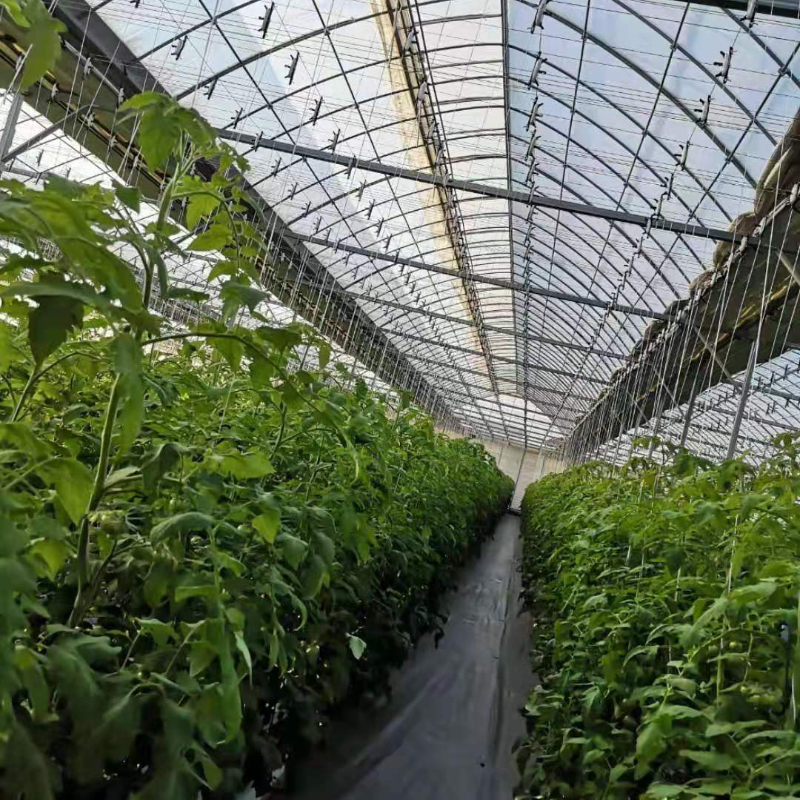
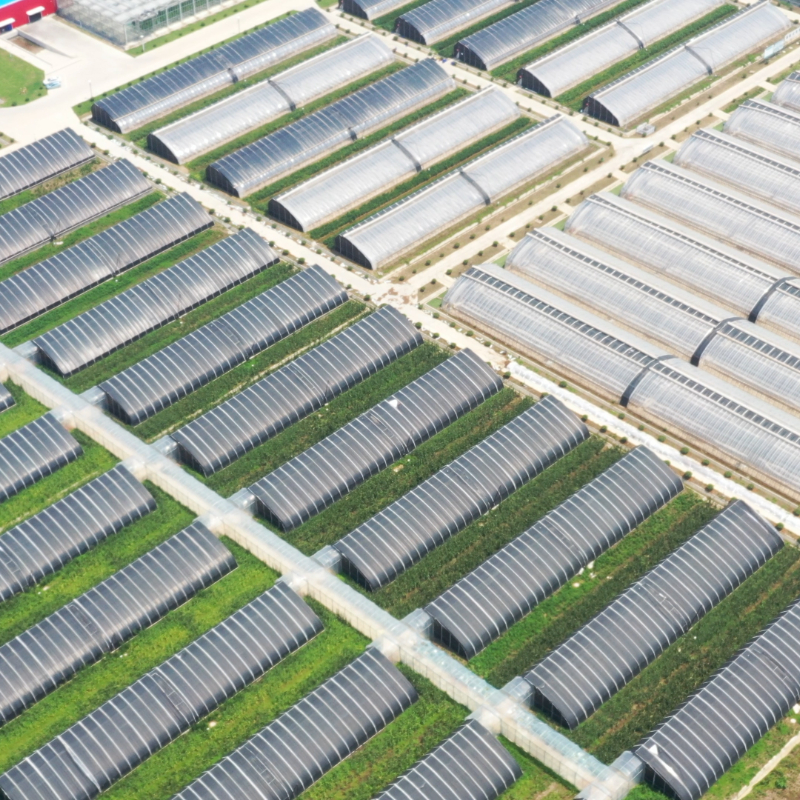
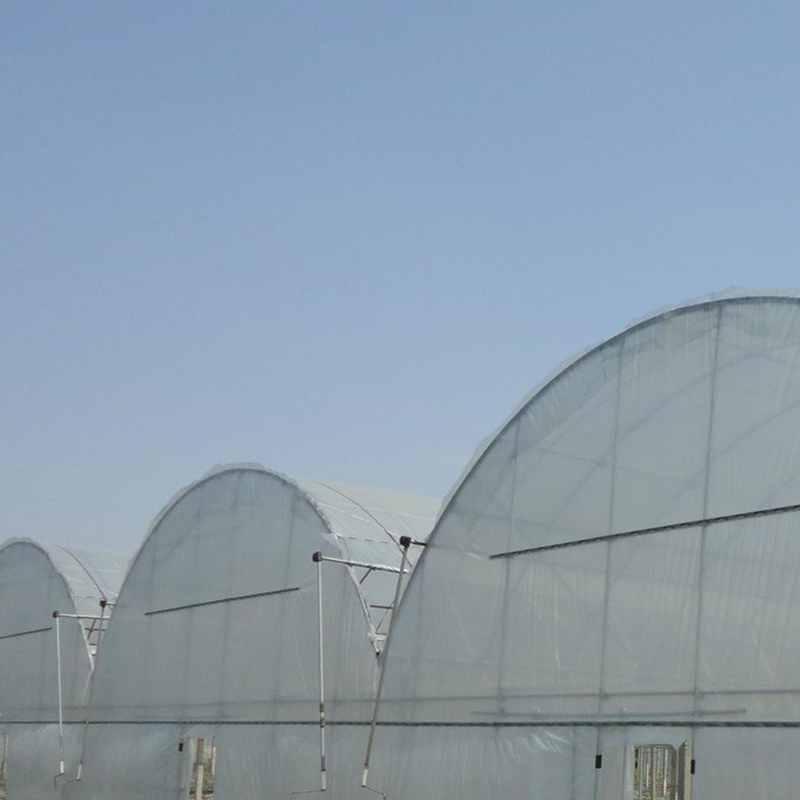
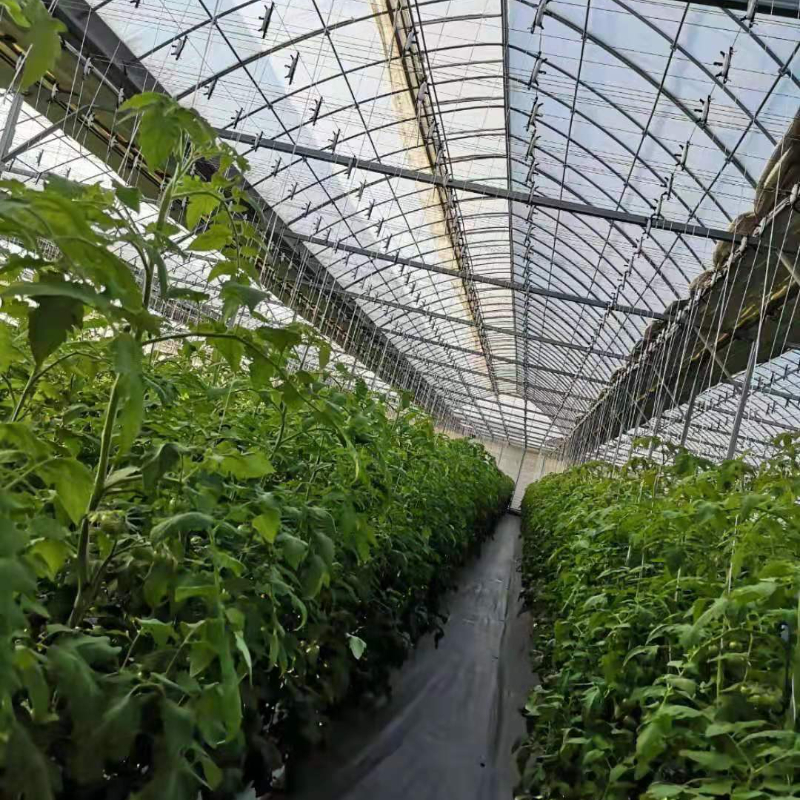
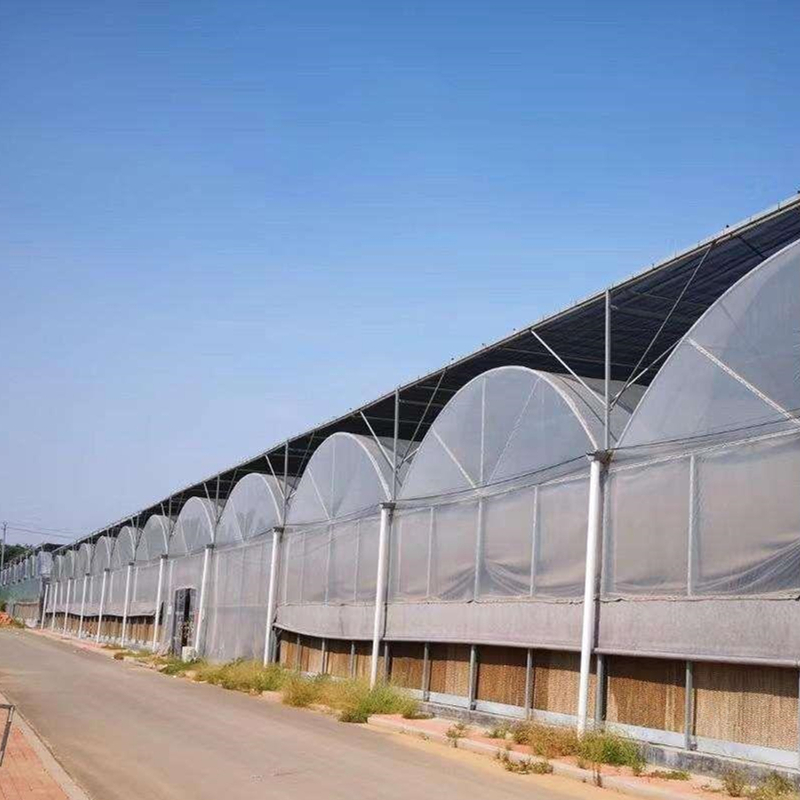
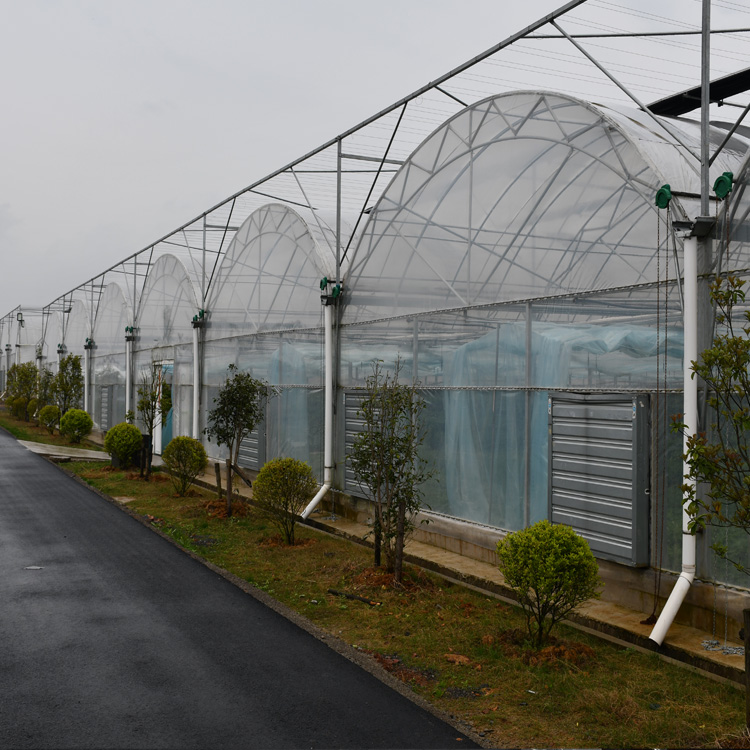
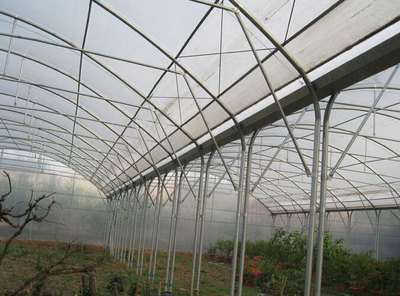
In the world of protected agriculture, the thin film greenhouse, typically clad in polyethylene (PE) or other plastic sheets, is a ubiquitous and cost-effective solution. While it may lack the classic aesthetic of its glass counterpart, it presents a compelling set of trade-offs that make it suitable for a wide range of growers. A clear understanding of the advantages and disadvantages of thin film greenhouses is crucial for making an informed decision.
Foremost among the advantages of thin film greenhouses is their remarkably low initial cost. The materials for a thin film greenhouse are significantly cheaper than glass or rigid polycarbonate panels. This affordability extends to the supporting structure, which does not need to be as robust due to the lightweight nature of the film. This low financial barrier to entry is a primary reason for the popularity of this design, making the advantages and disadvantages of thin film greenhouses a key consideration for budget-conscious farmers and hobbyists.
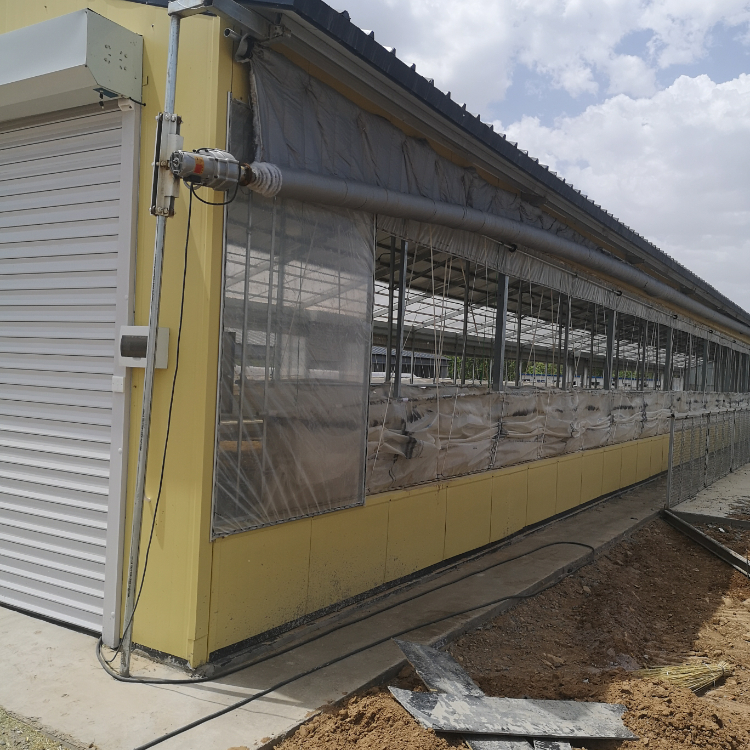
Another significant benefit is superior insulation. Many modern films are designed as double-layer inflatable walls, creating a pocket of air that acts as an excellent thermal barrier. This design helps to retain heat more effectively during cold nights, leading to substantial energy savings compared to a single-pane glass structure. When evaluating the advantages and disadvantages of thin film greenhouses, this energy efficiency is a major point in its favor, especially in colder climates.
However, the most prominent disadvantages of thin film greenhouses revolve around durability and longevity. The plastic film is susceptible to degradation from ultraviolet (UV) light, tearing from hail or strong winds, and physical damage. Even with UV-stabilized treatments, the covering of a thin film greenhouse typically requires replacement every 2 to 5 years, adding to the long-term maintenance costs and effort. This inherent vulnerability is a core part of the disadvantages of thin film greenhouses.
Furthermore, light transmission can be lower than glass and may degrade over time. While diffuse light entering a thin film greenhouse can be beneficial by reducing shadows, the overall light levels are generally less. The plastic can also become cloudy or dirty, further reducing photosynthesis potential over its lifespan. For light-intensive crops, this is a notable drawback.
In conclusion, the choice to use a thin film greenhouse hinges on a straightforward calculus. The advantages and disadvantages of thin film greenhouses present a clear choice between low upfront cost and good insulation versus lower durability and reduced light transmission. It is an ideal solution for seasonal production, large-scale commercial operations prioritizing initial investment, or growers in regions where hail and extreme wind are not major concerns. For those seeking a permanent, low-maintenance structure, the long-term disadvantages of thin film greenhouses may lead them to consider more durable, albeit more expensive, alternatives.
