
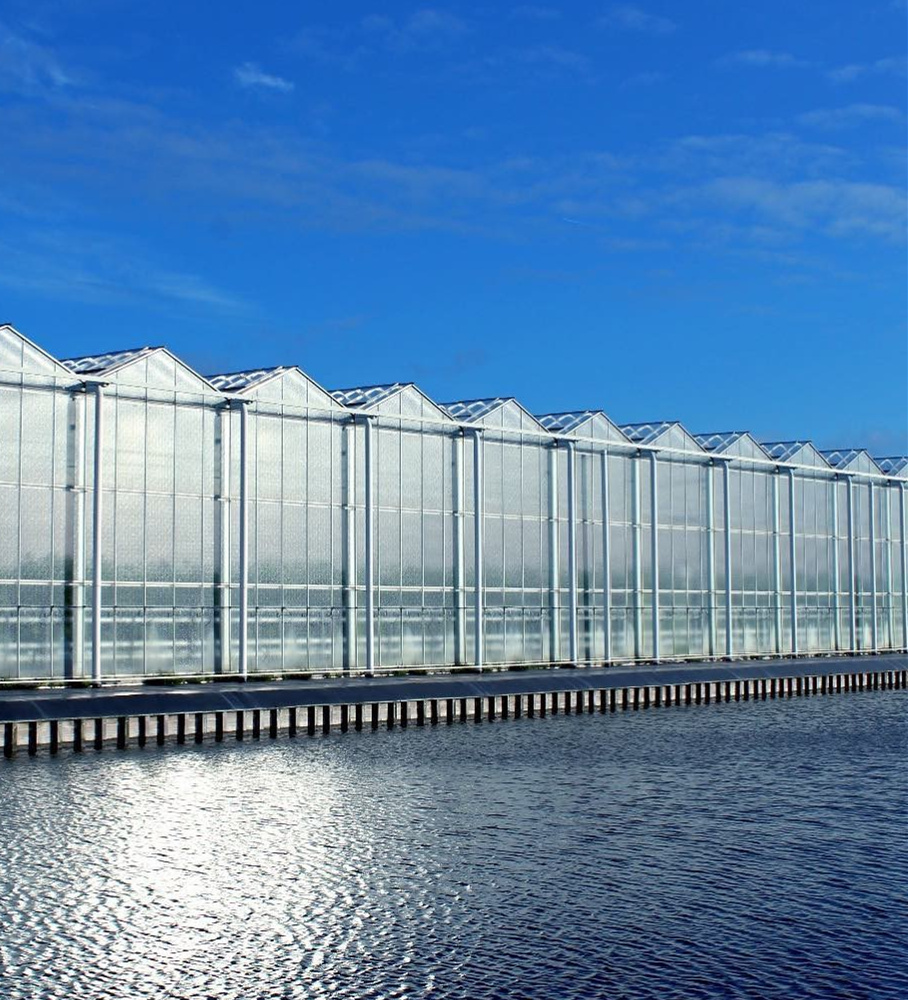
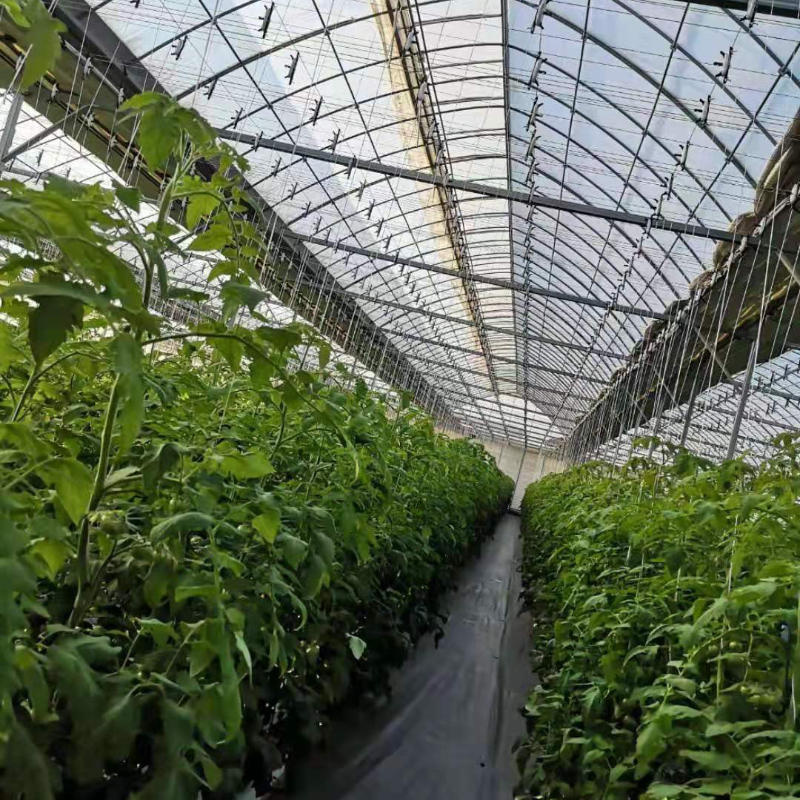
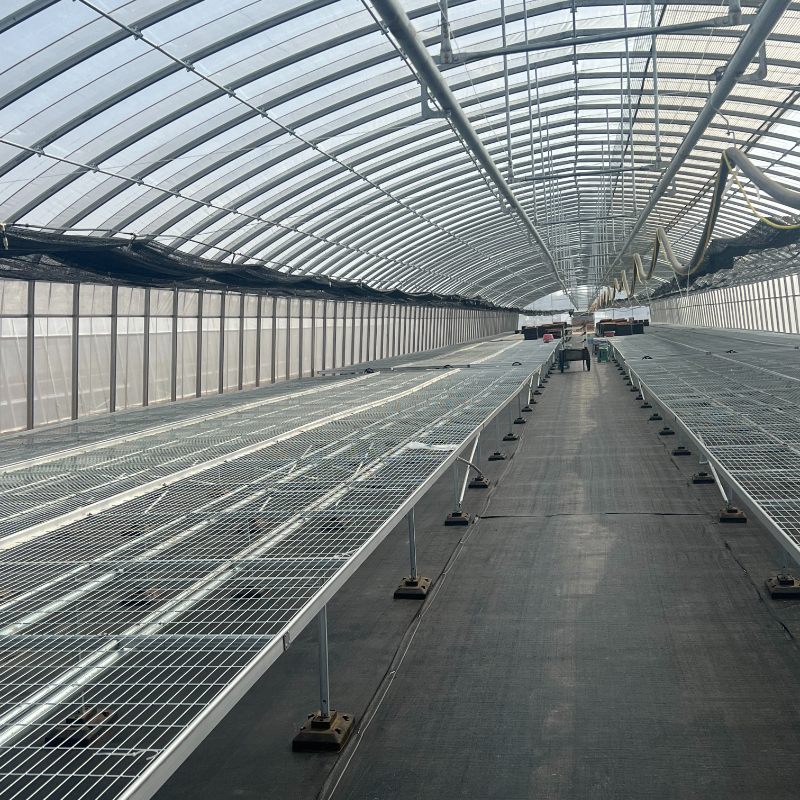
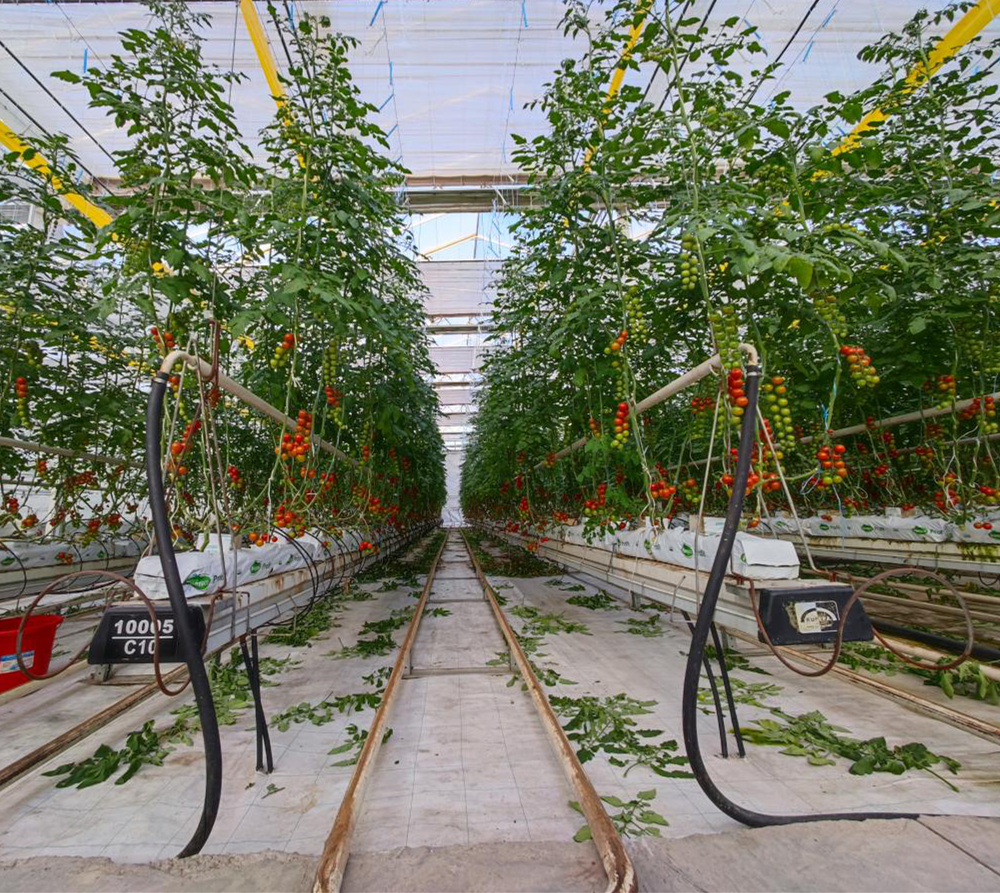
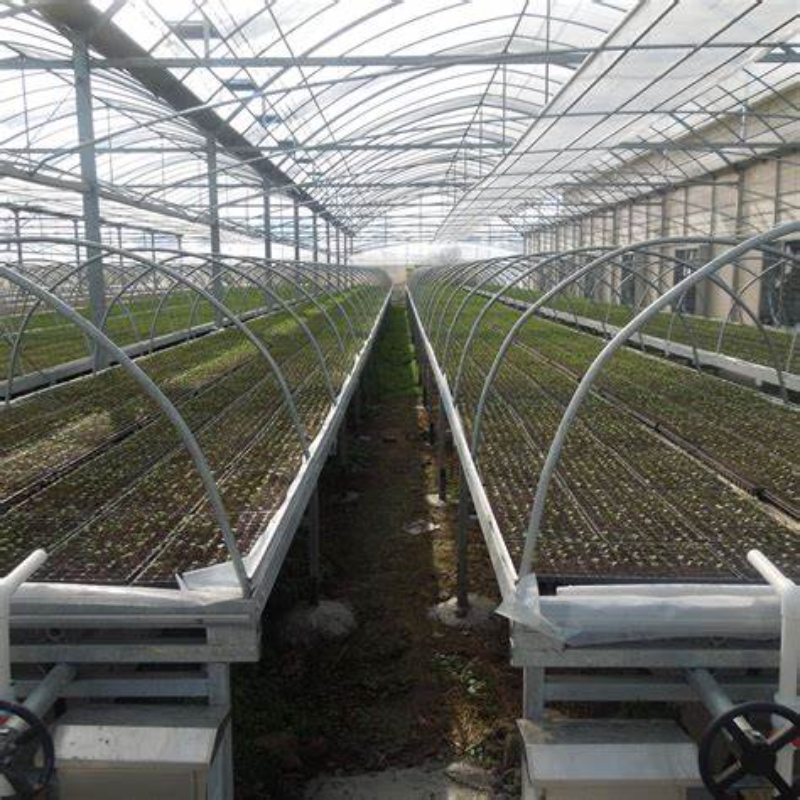
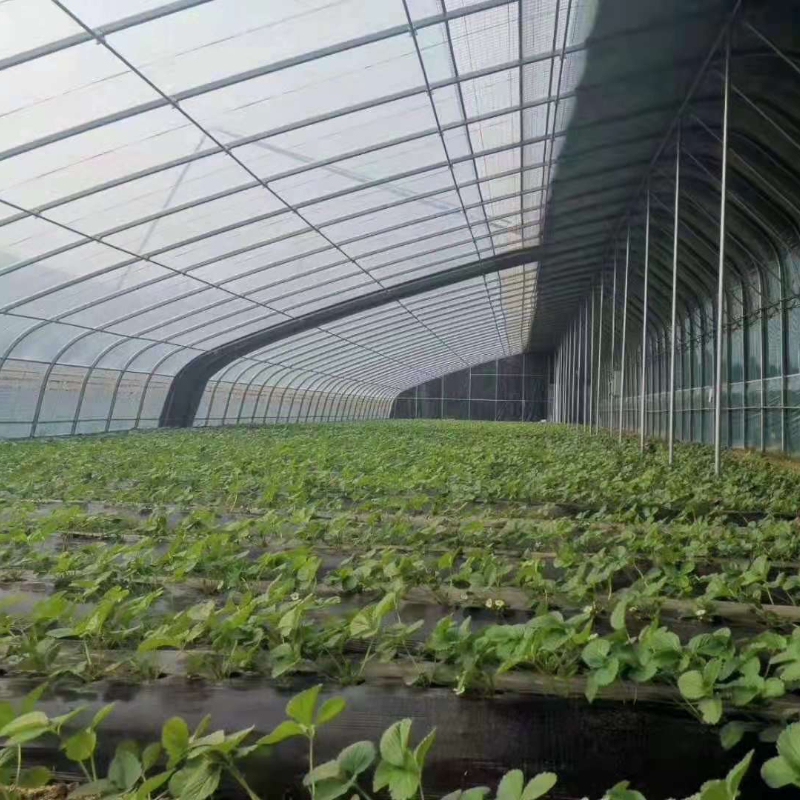
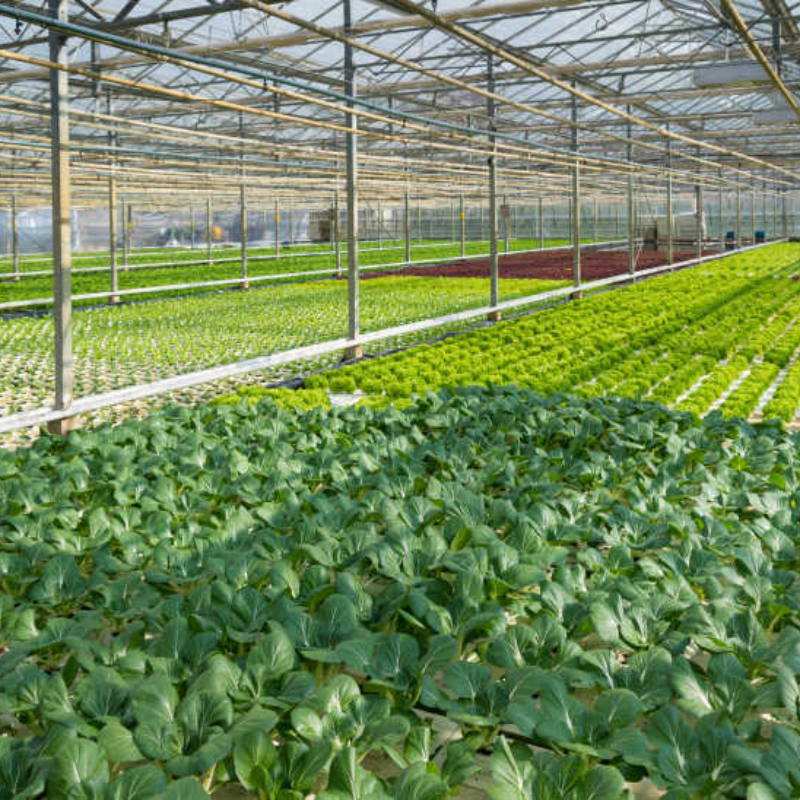
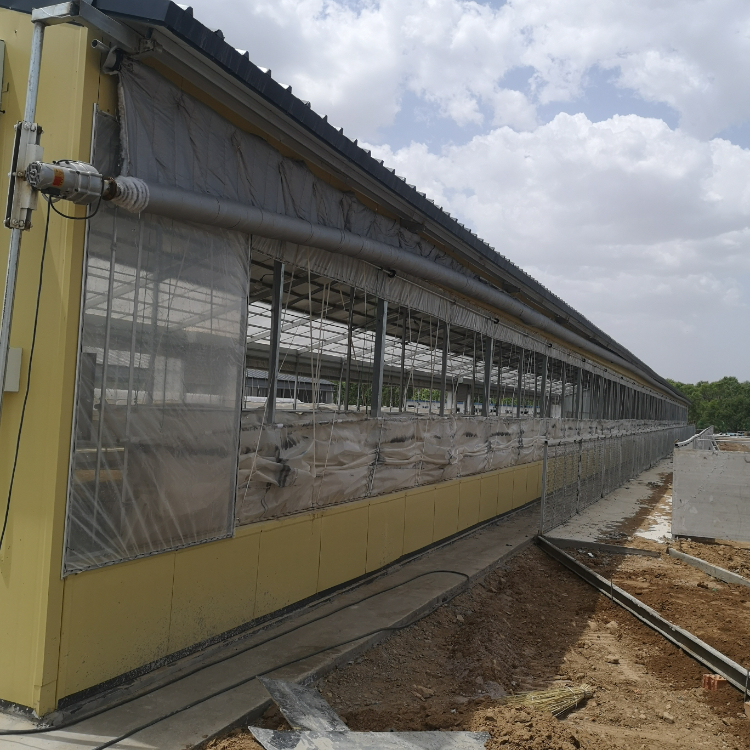
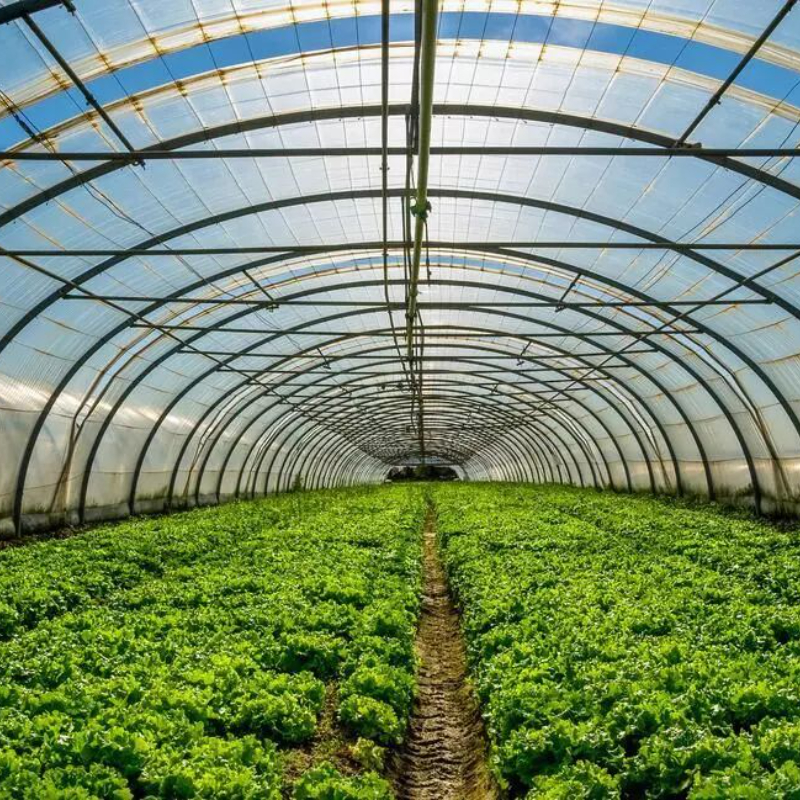
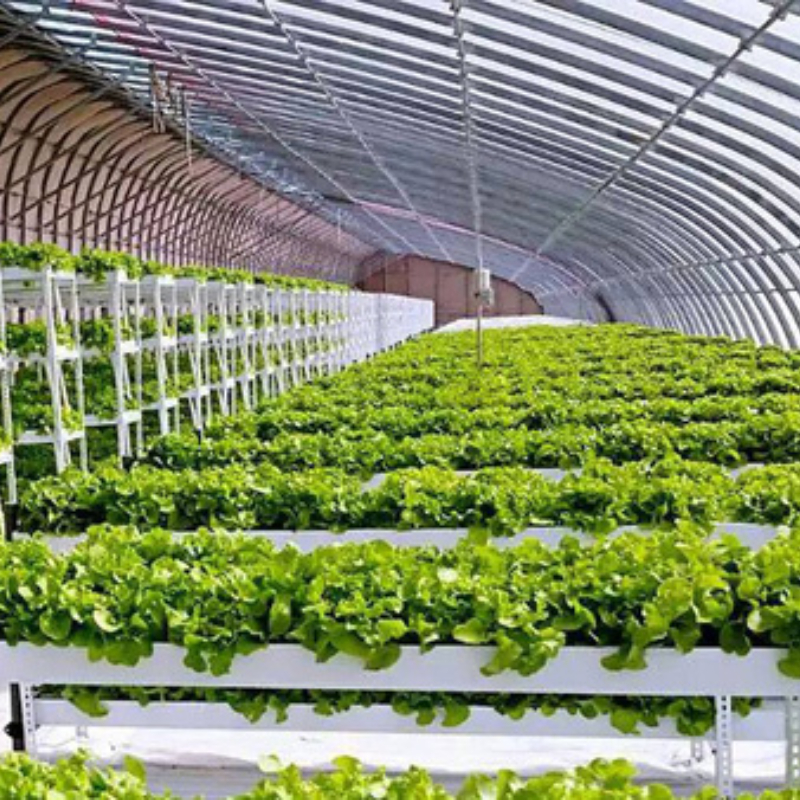
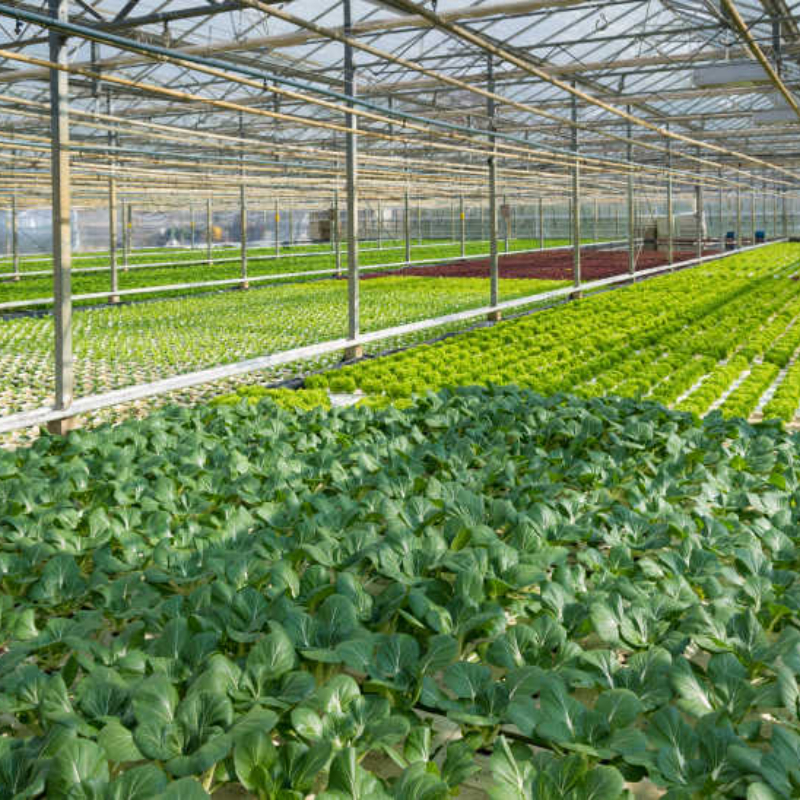
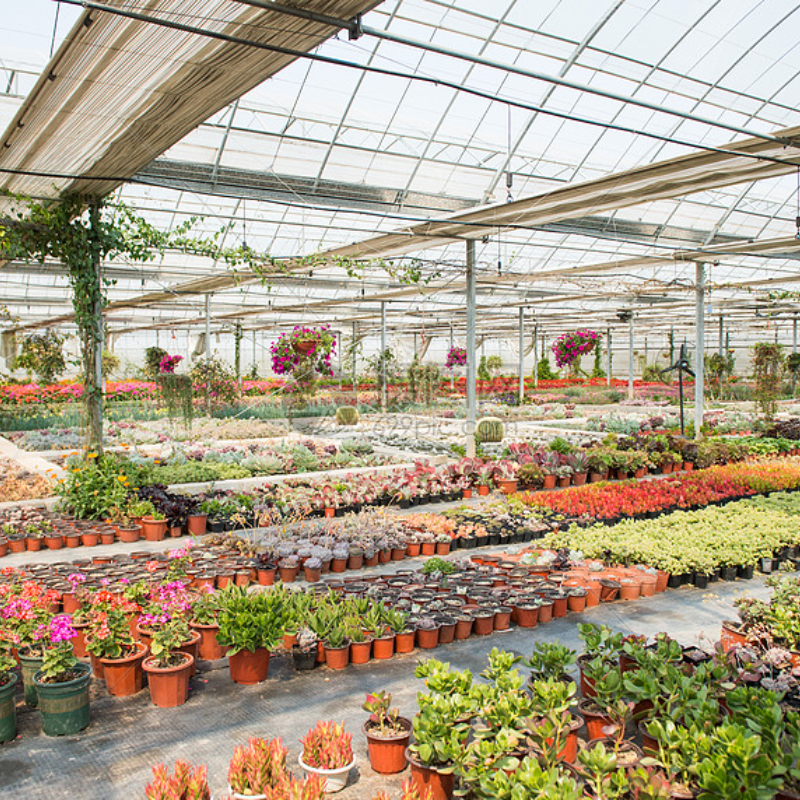
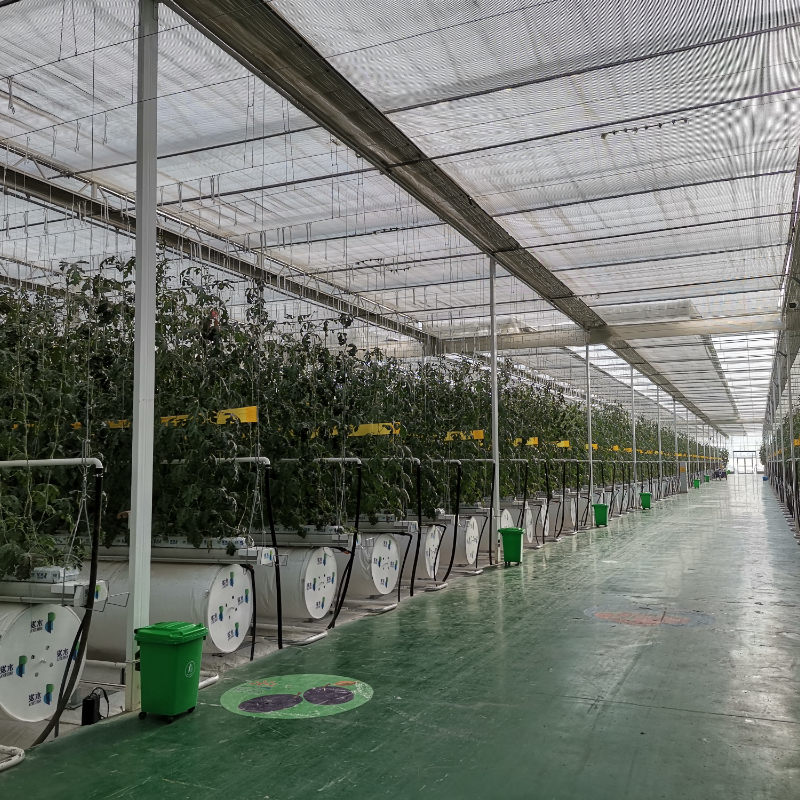
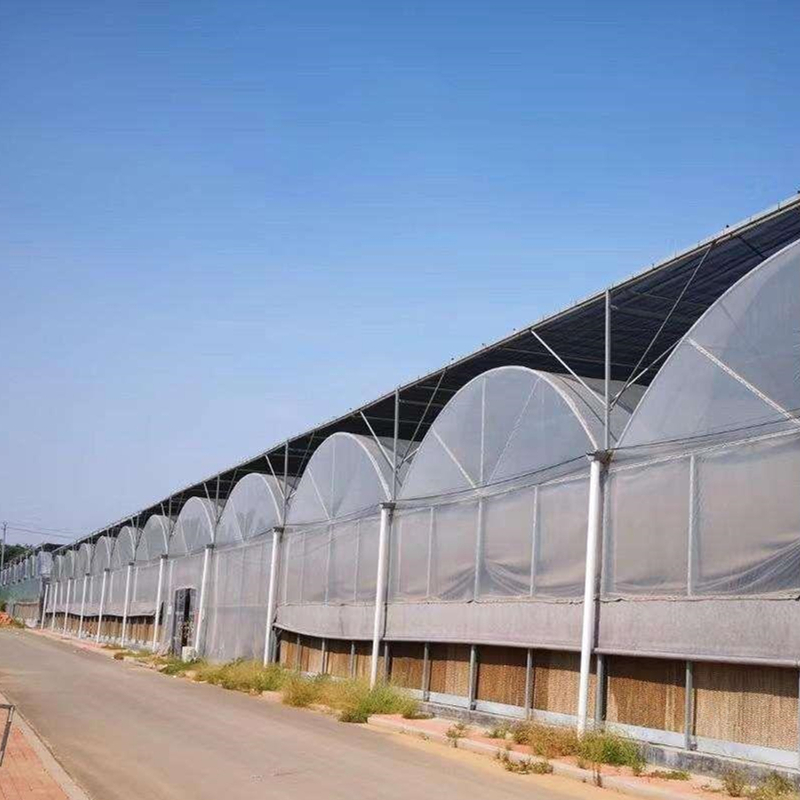
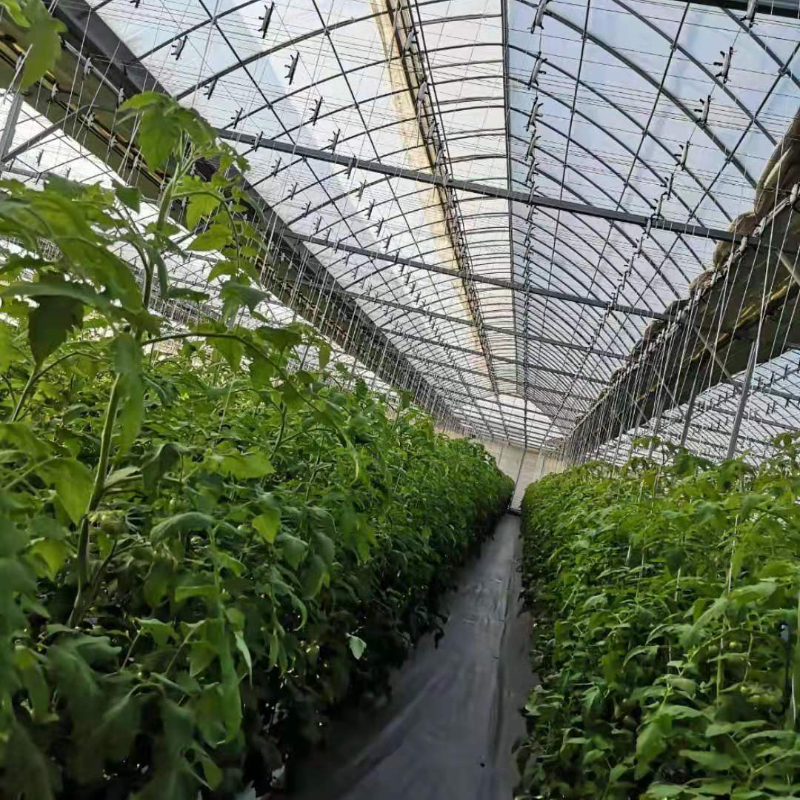
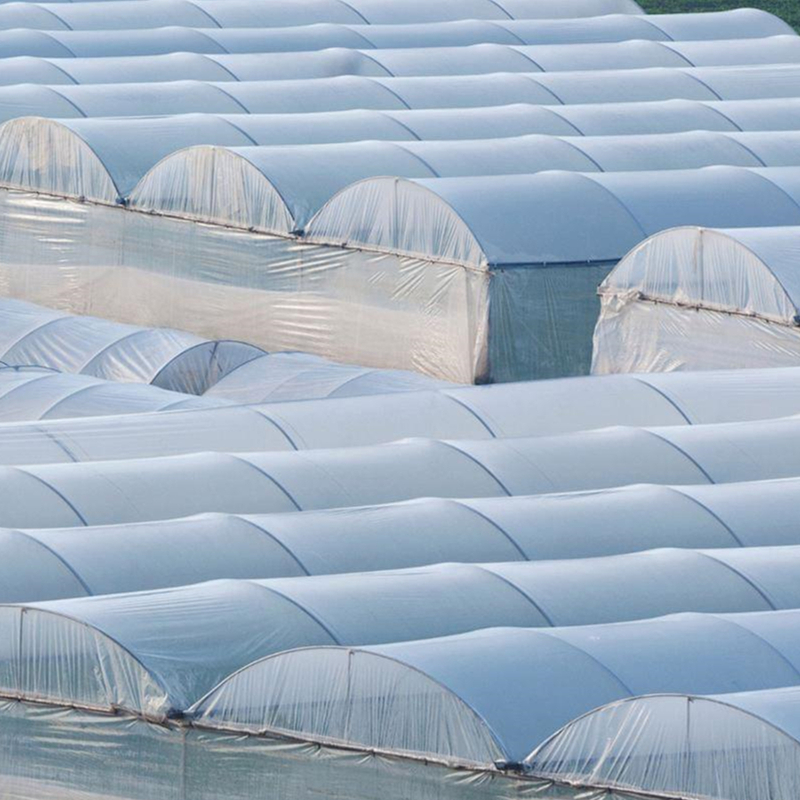
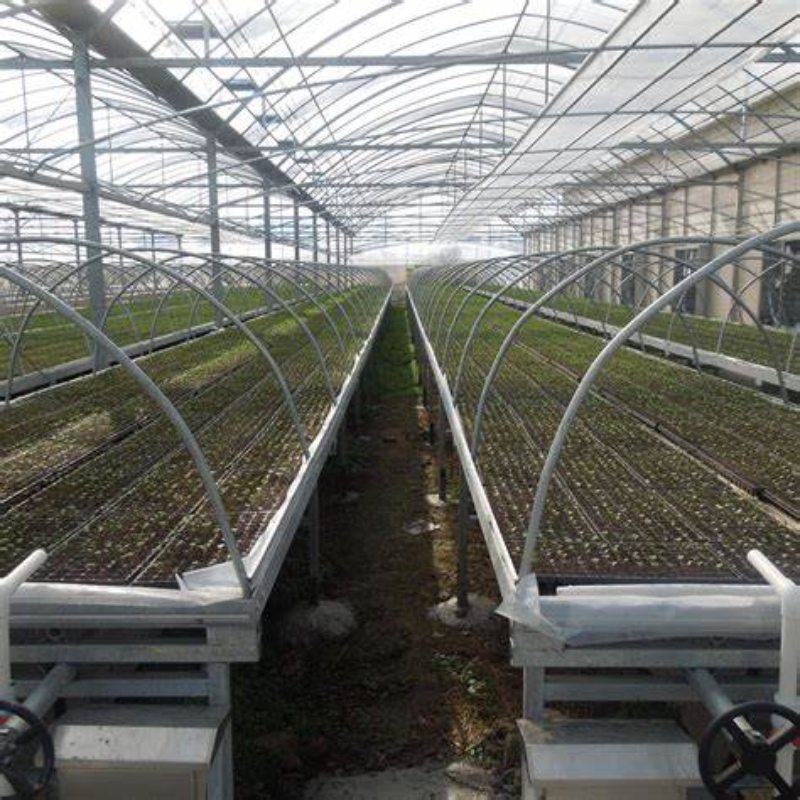
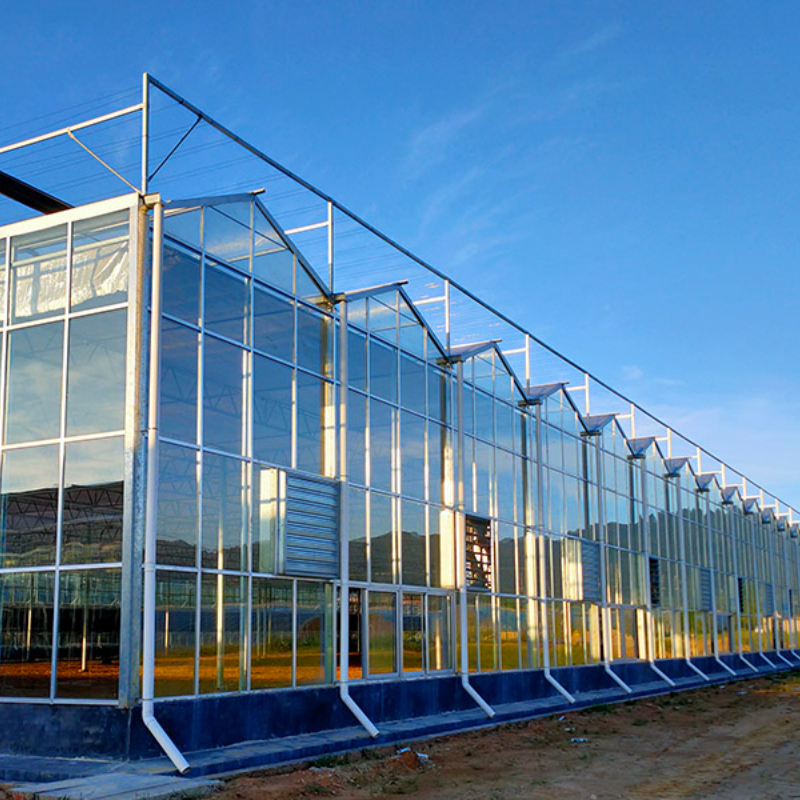
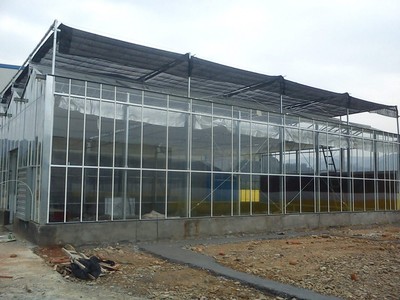
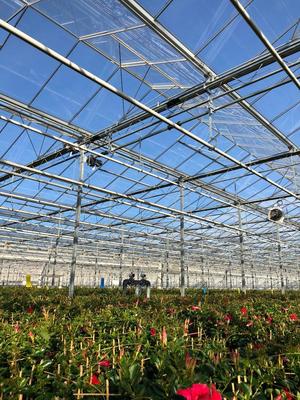
The classic image of a greenhouse often features a structure gleaming under the sun, its panes of glass creating a sanctuary for plants. For centuries, the glass greenhouse has been the standard for serious horticulturists and botanical gardens. However, like any technology, it comes with its own set of strengths and weaknesses. Understanding the core advantages and disadvantages of glass greenhouses is essential for any gardener or commercial grower considering this investment.
One of the most significant advantages of glass greenhouses is their superior light transmission. Glass allows for the full spectrum of natural sunlight to penetrate, providing optimal conditions for photosynthesis. This crystalline clarity does not degrade over time, unlike some plastic alternatives that can become cloudy with UV exposure. This results in a brighter environment that can lead to healthier growth and higher yields for light-loving plants.
Furthermore, glass is renowned for its durability and longevity. A well-built glass greenhouse can last for decades, with the primary material being highly resistant to degradation from the elements, such as wind and hail (assuming safety glass is used). It is also easier to clean and maintain a pristine appearance, and it is less susceptible to scratching. When considering the advantages and disadvantages of glass greenhouses, this long-term resilience often weighs heavily in its favor.
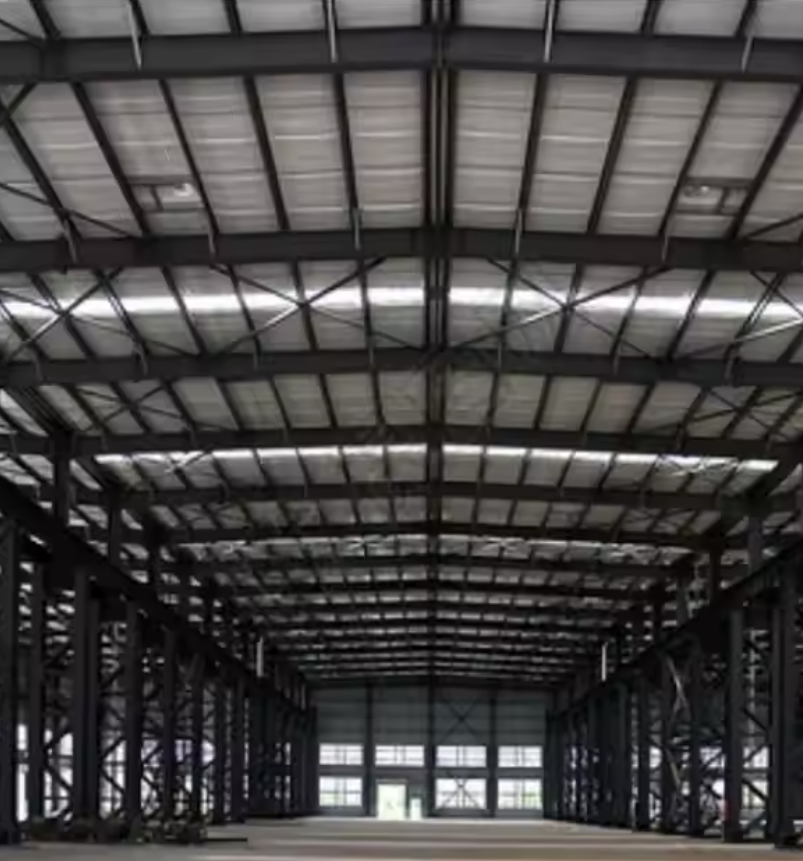
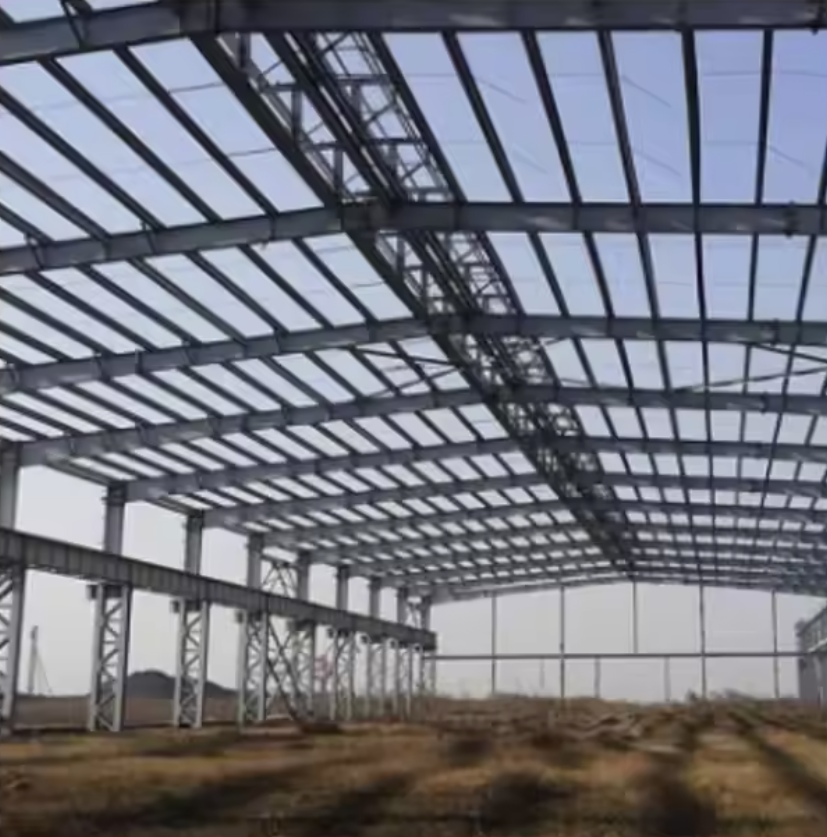
However, the initial setup reveals one of the primary disadvantages of glass greenhouses: cost and complexity. The material itself is heavy, requiring a strong and often expensive structural frame. Installation is typically more labor-intensive and costly compared to polycarbonate or polyethylene film structures. This high upfront investment is a major factor in the list of disadvantages of glass greenhouses, especially for hobbyists or startups.
Another critical drawback is poor insulation. Glass is an excellent conductor of heat, meaning a glass greenhouse loses heat rapidly once the sun goes down. This can lead to high heating costs in colder climates and significant temperature fluctuations, which can stress plants. In contrast, double-walled polycarbonate panels trap air, providing much better thermal efficiency. The energy inefficiency is a key point among the disadvantages of glass greenhouses.
Safety and fragility are also concerns. Standard glass can break easily from impact, posing a safety risk and leaving plants vulnerable. While tempered or safety glass mitigates this risk, it adds to the overall expense. The potential for damage is a notable disadvantage that must be considered.
In conclusion, the decision to build a glass greenhouse hinges on a careful balance of its pros and cons. The advantages and disadvantages of glass greenhouses present a clear trade-off: unparalleled light clarity and aesthetic appeal against higher costs, poorer insulation, and potential fragility. For those in mild climates seeking a permanent, light-efficient structure and are willing to make the initial investment, a glass greenhouse remains a beautiful and functional choice. For others, the practical and economic benefits of alternative materials may be more compelling.
