

The concept of the greenhouse, a structure designed to cultivate plants by modulating climate, boasts a far richer history than commonly assumed. Its evolution mirrors humanity’s growing understanding of botany, engineering, and environmental control, transforming from a rudimentary shelter into a cornerstone of modern agriculture and botanical science.
The earliest precursors to the greenhouse emerged in ancient Rome. Wealthy citizens, desiring exotic fruits year-round, used specularia (transparent sheets of mica) to cover carts or small frames, creating primitive forced-growth environments. However, these were fleeting experiments. The first true proto-greenhouses appeared in the Renaissance, particularly in Italy and later in Northern Europe. Dubbed “orangeries” or “giardini botanici,” these were substantial buildings designed to protect delicate citrus trees and newly discovered tropical species from cold winters. They relied on passive solar heating, masonry walls for thermal mass, and often removable wooden frames—a far cry from today’s automated structures.
The 17th and 18th centuries marked a significant technological leap in the history of the greenhouse. The increasing availability of higher-quality glass and improved construction techniques allowed for larger windows and sloped glazing to capture more sunlight. The iconic greenhouse style of this era, seen in places like the Kew Gardens in England, featured ornate iron and glass designs. Heating evolved from manure pits and hot beds to rudimentary steam and hot water systems, granting greater control. This period solidified the greenhouse as both a scientific tool for plant collection and a symbol of status and curiosity.
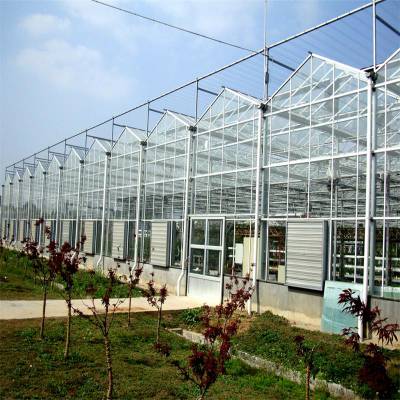
The Industrial Revolution catalysed the most dramatic transformation. Mass-produced sheet glass and affordable cast iron made large-scale construction feasible. The pioneering Crystal Palace (1851) demonstrated the potential of prefabricated glass and iron on a monumental scale. This era saw the birth of the modern commercial greenhouse. The Victorian passion for ferneries and orchid collections drove innovation in humidity and temperature control, turning the greenhouse into a highly specialized environment.
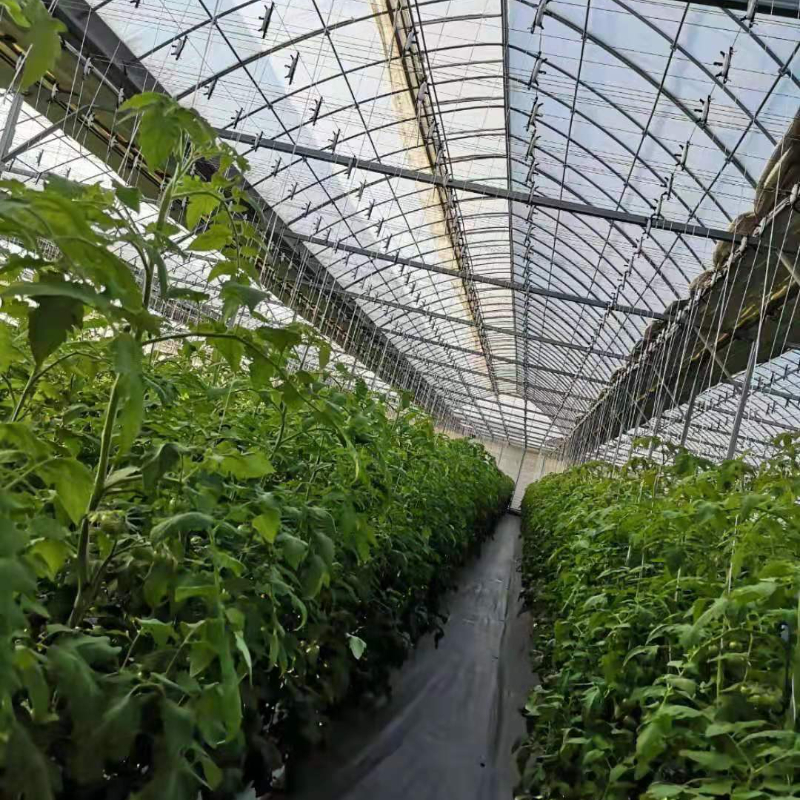
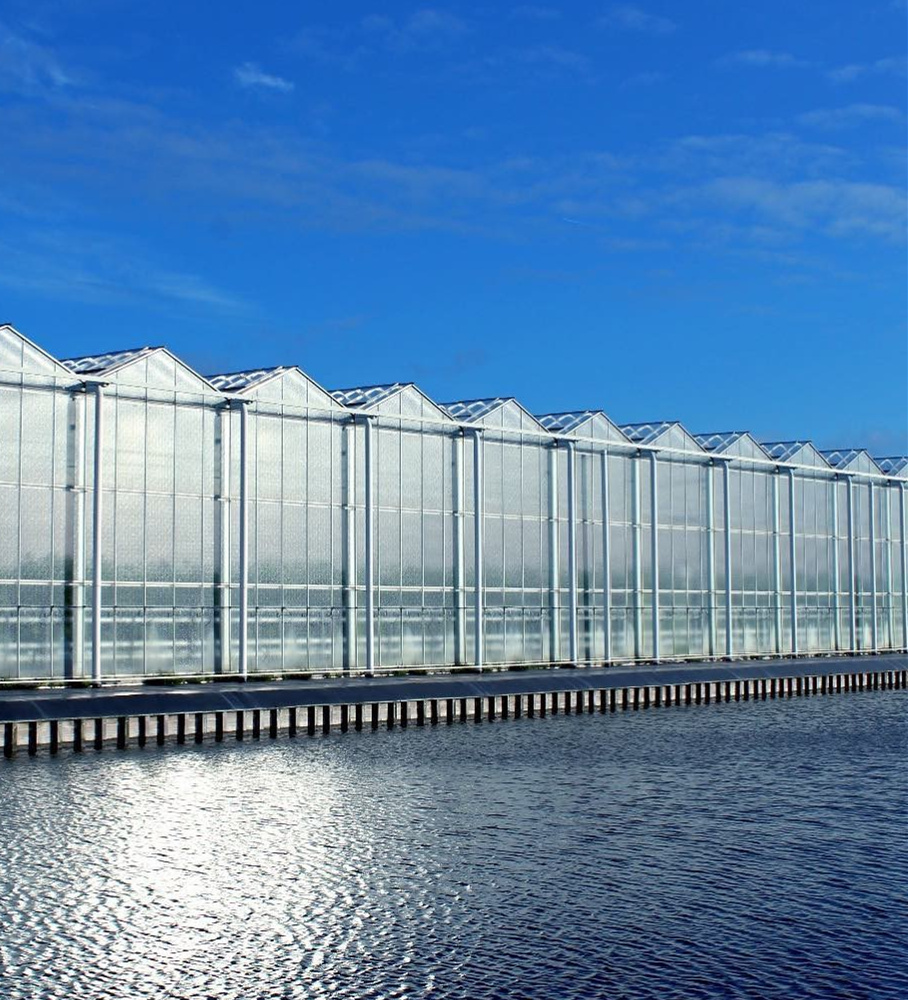
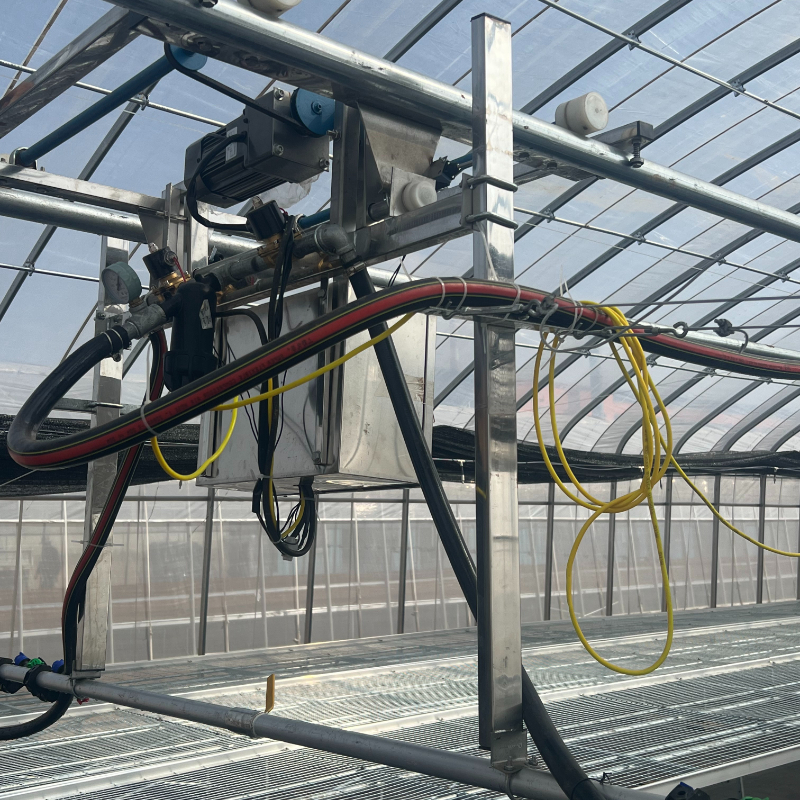
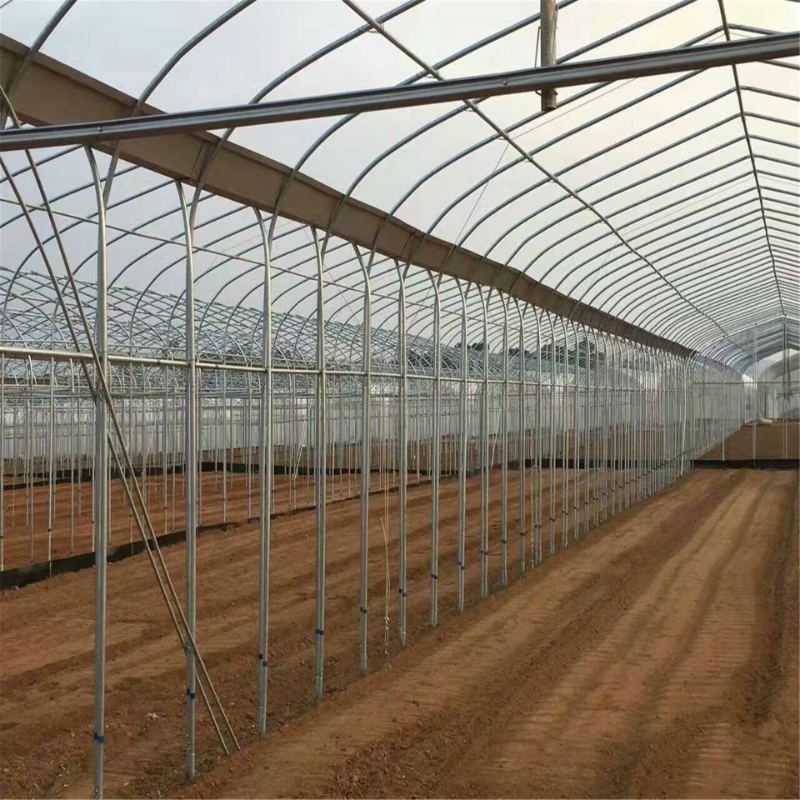
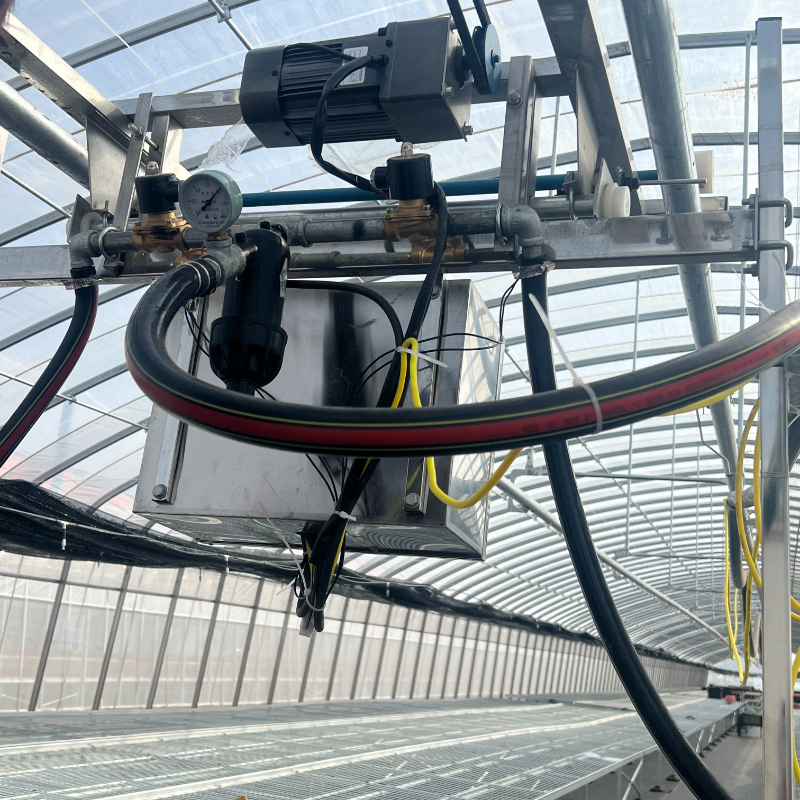
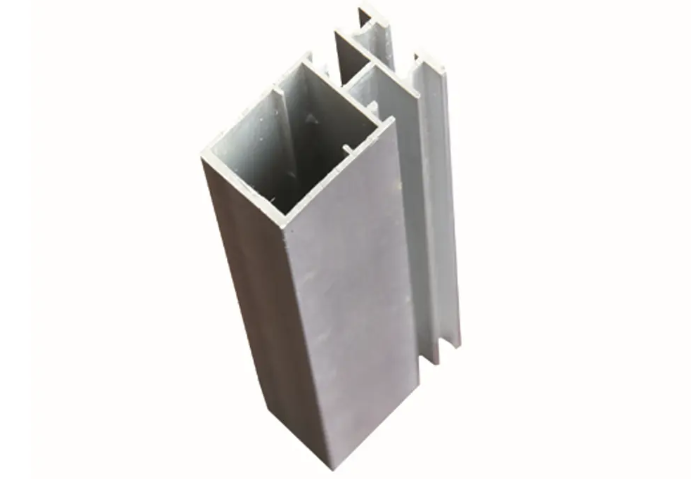
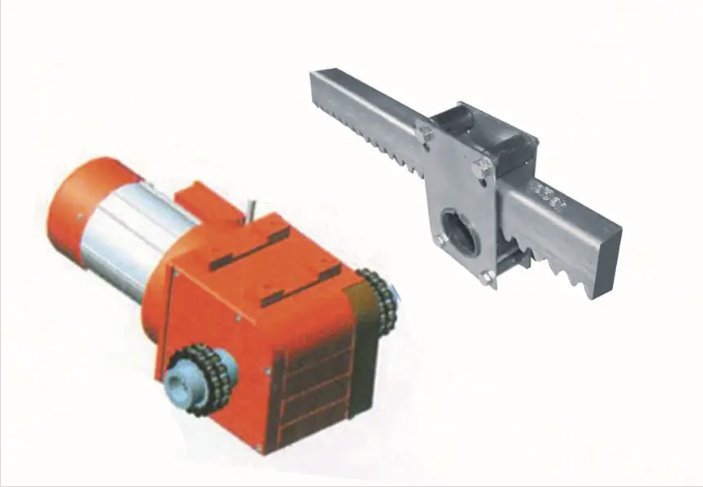
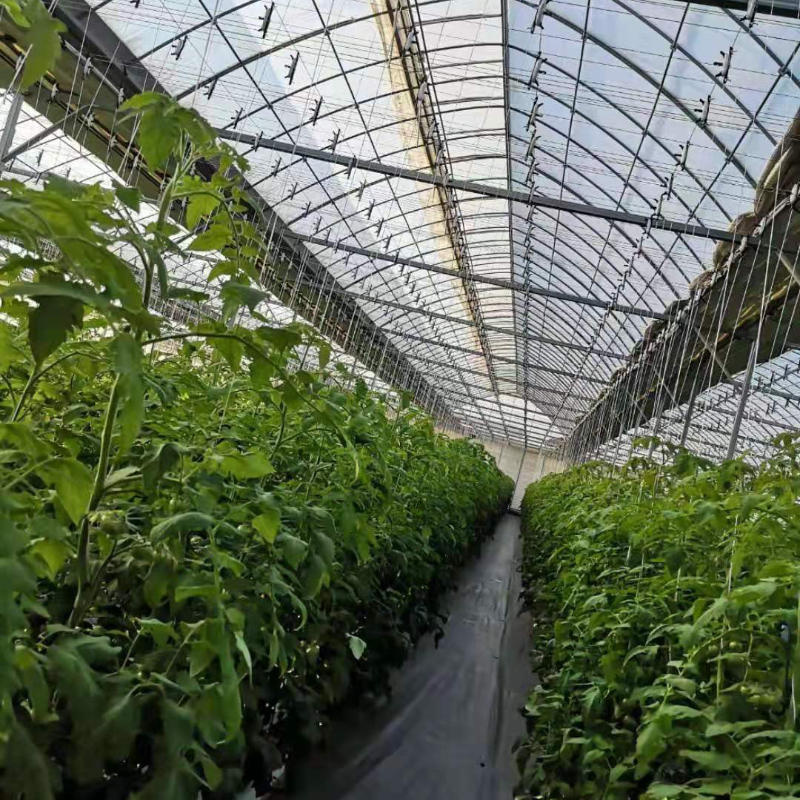
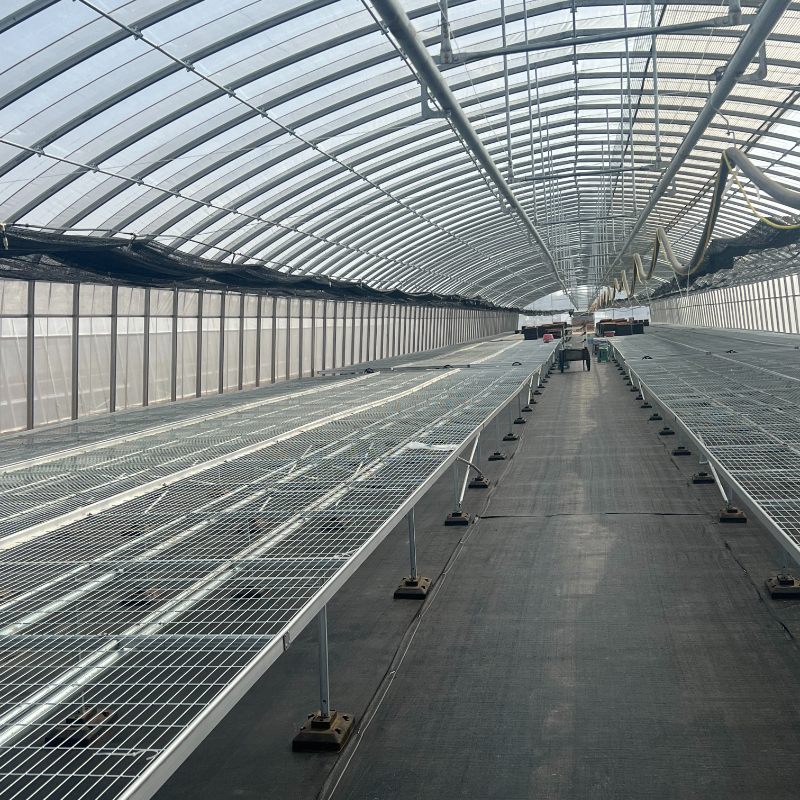
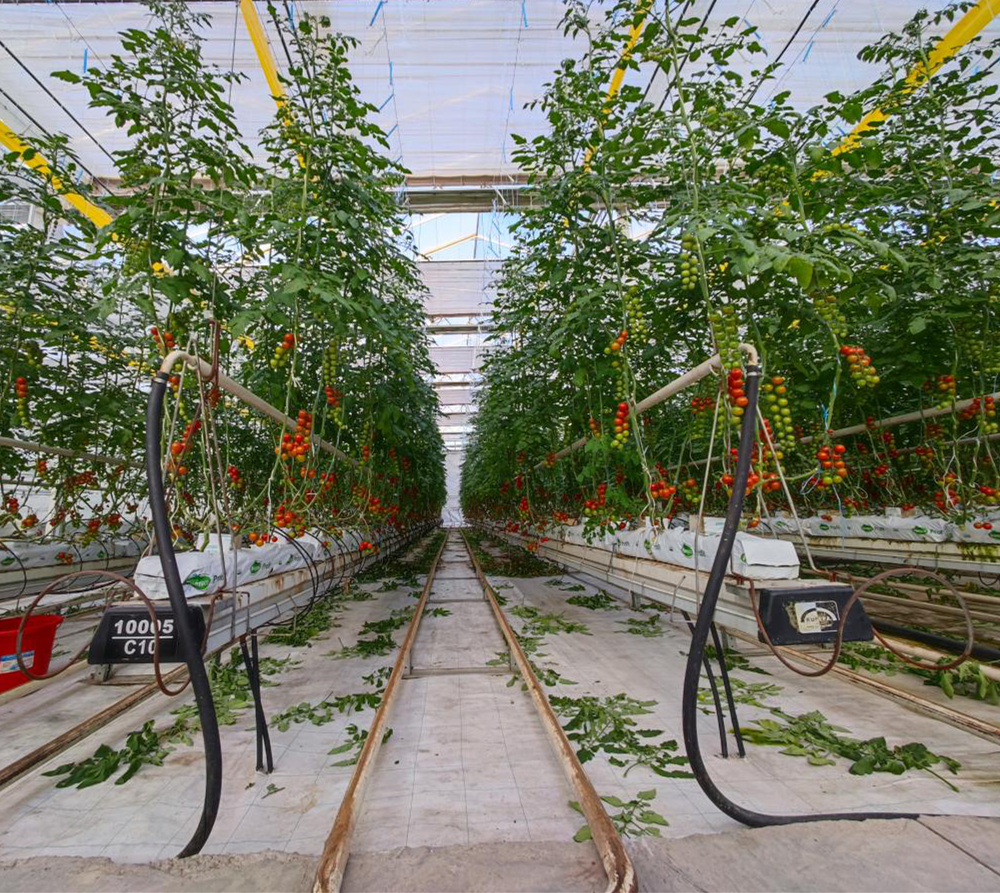
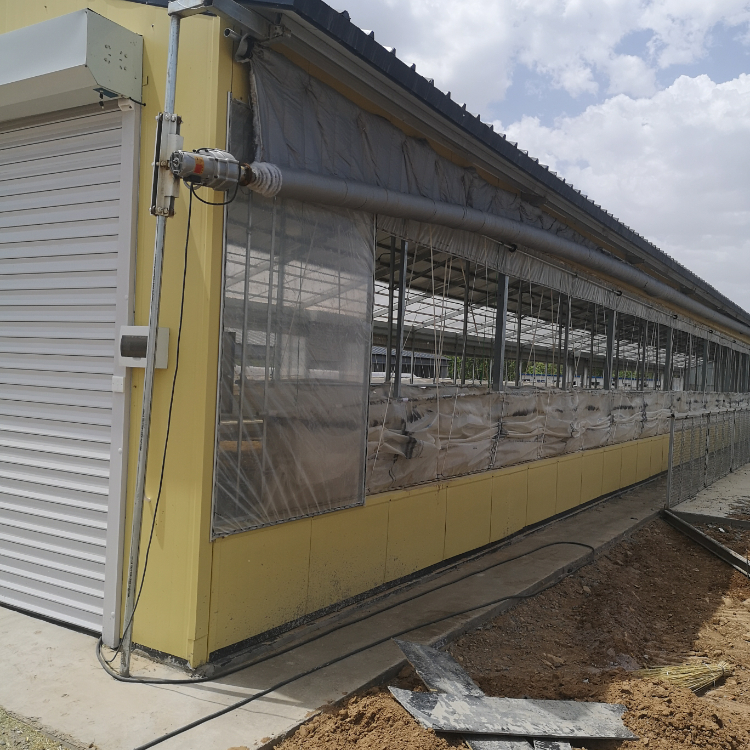
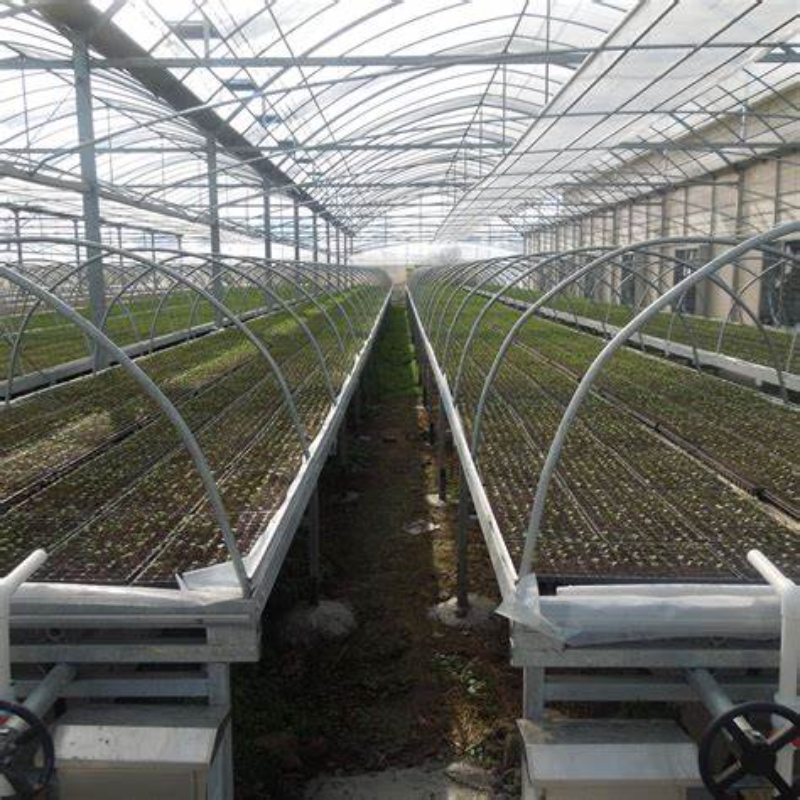
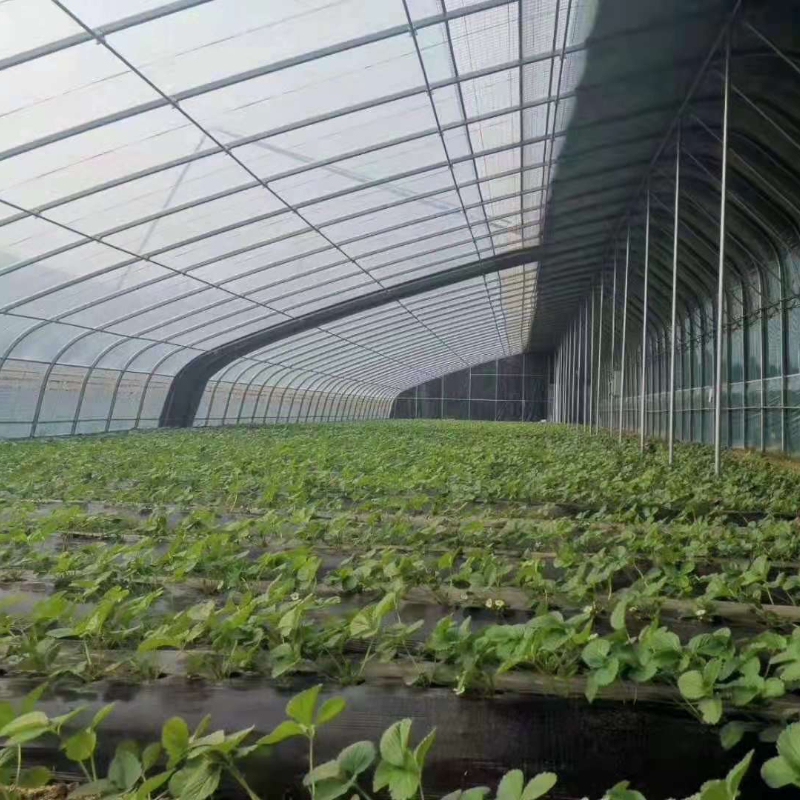
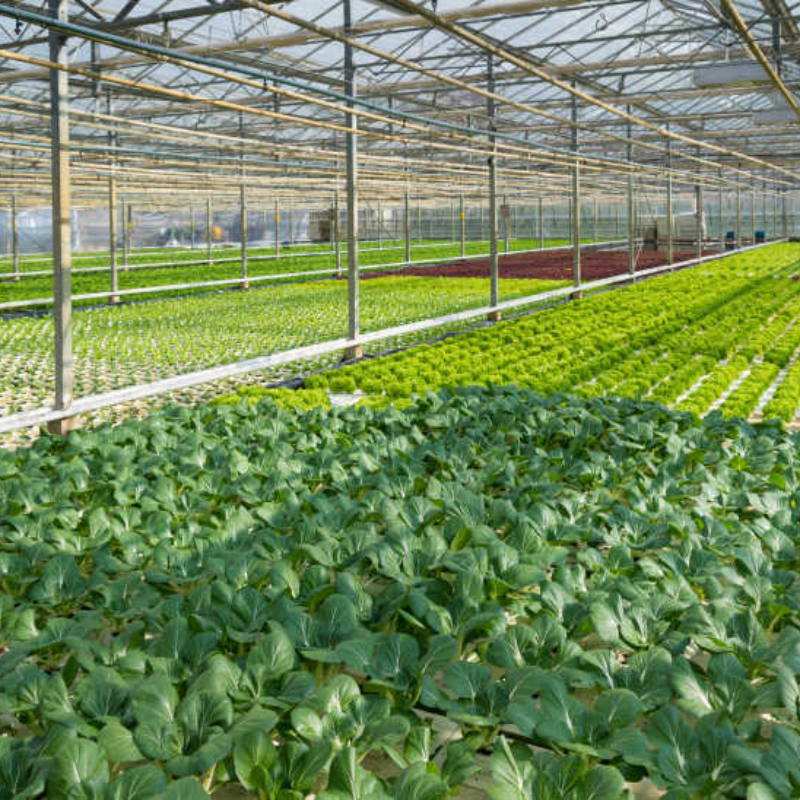
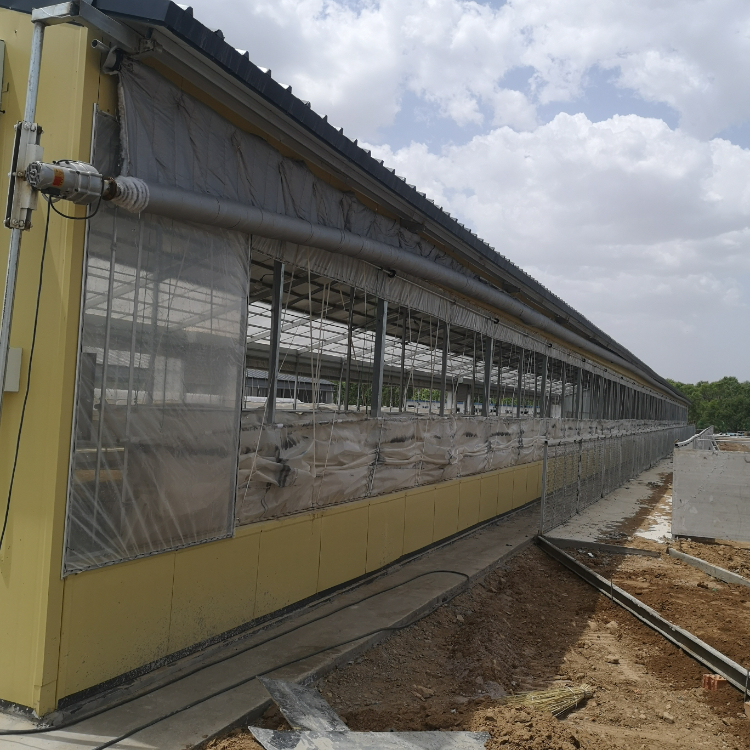
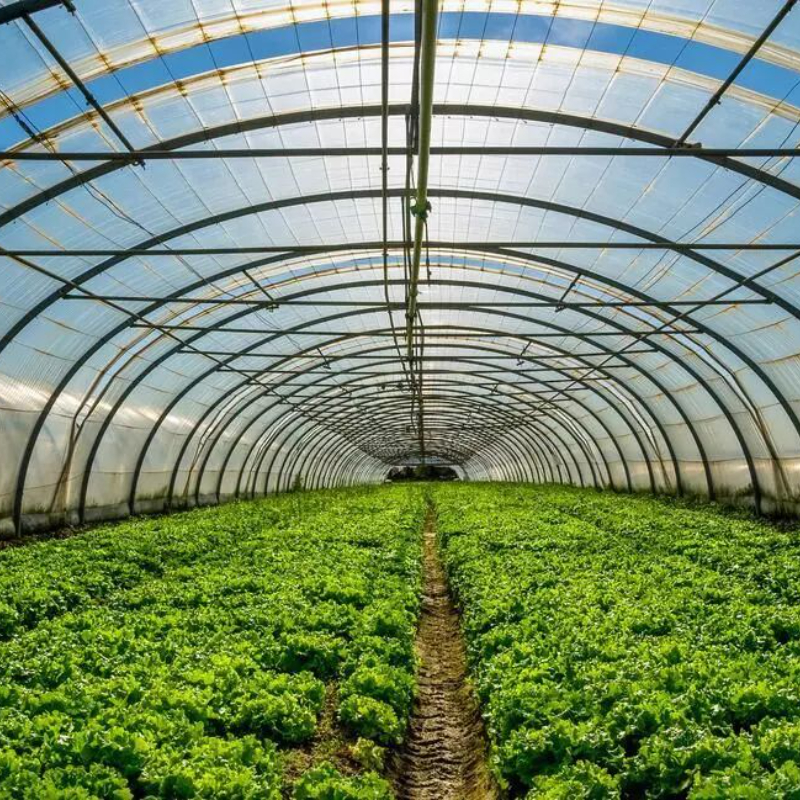
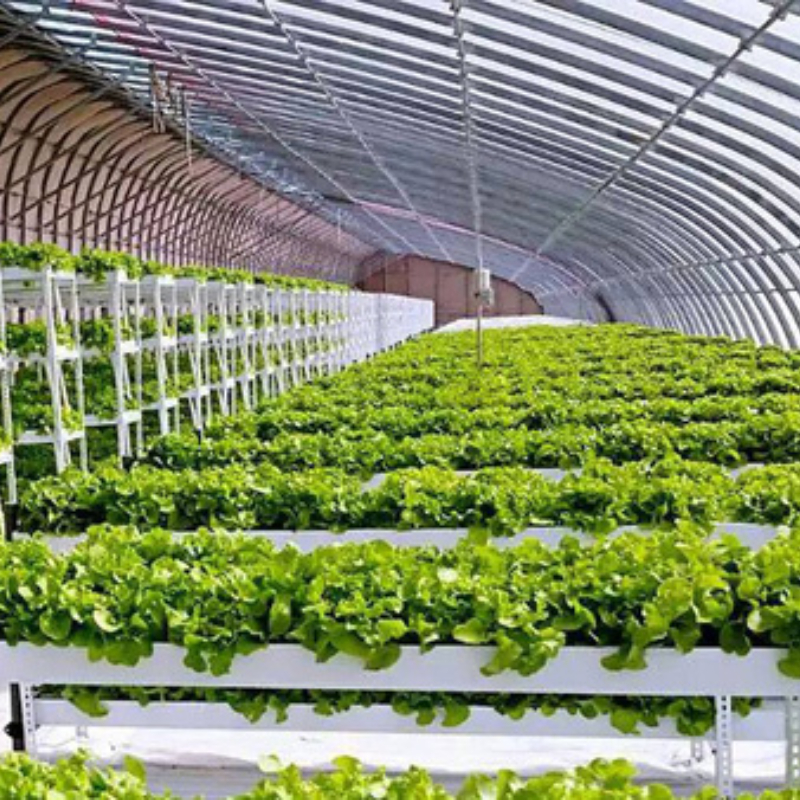
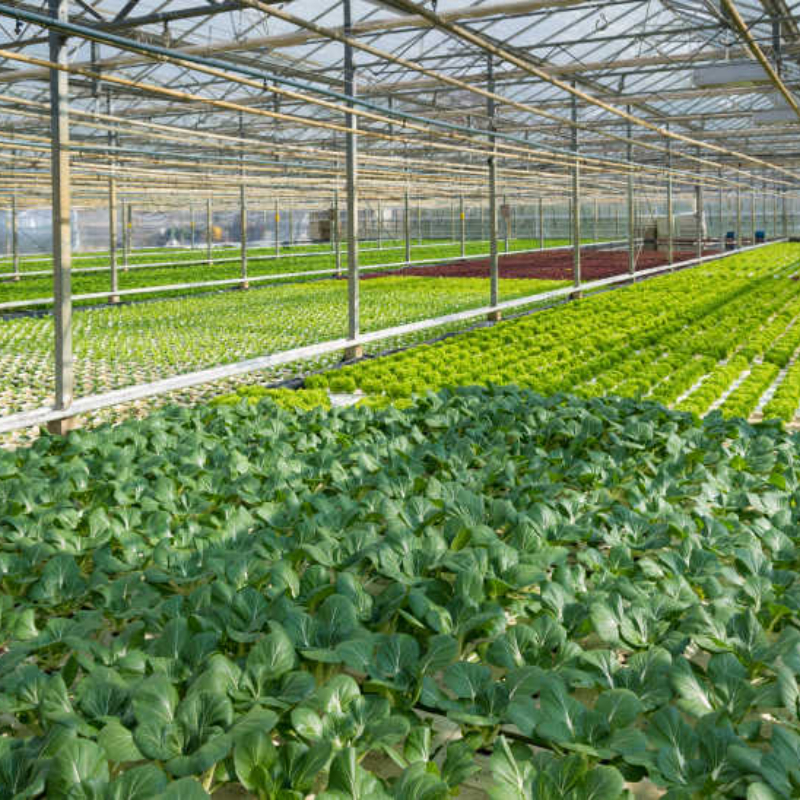
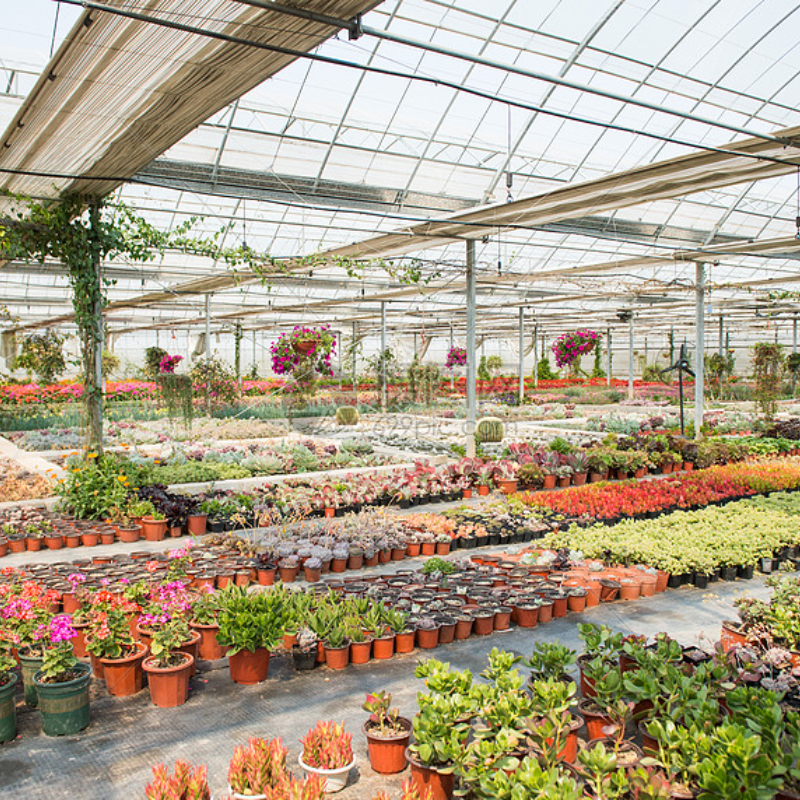
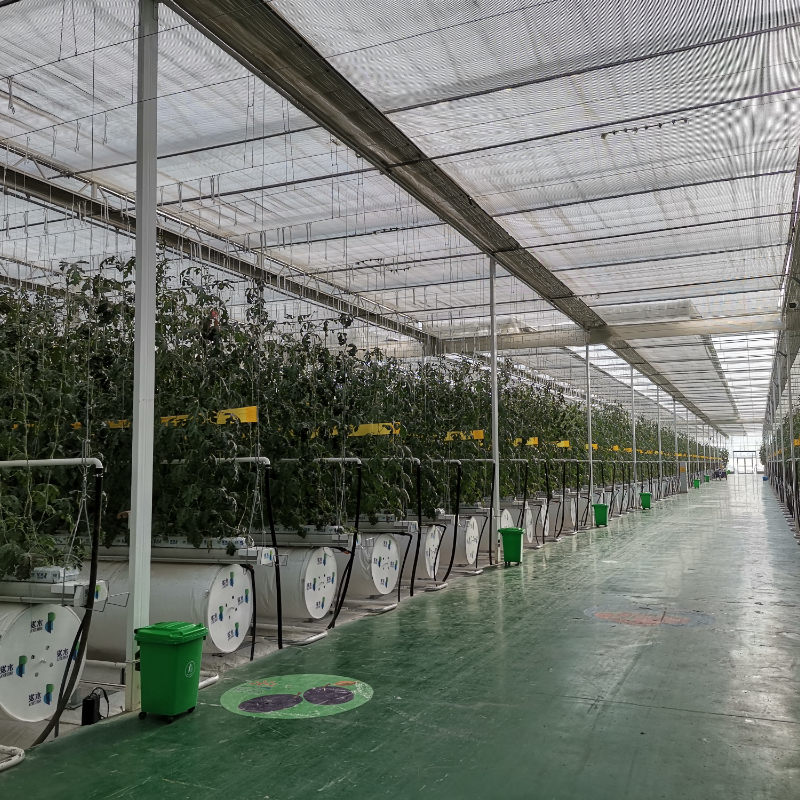
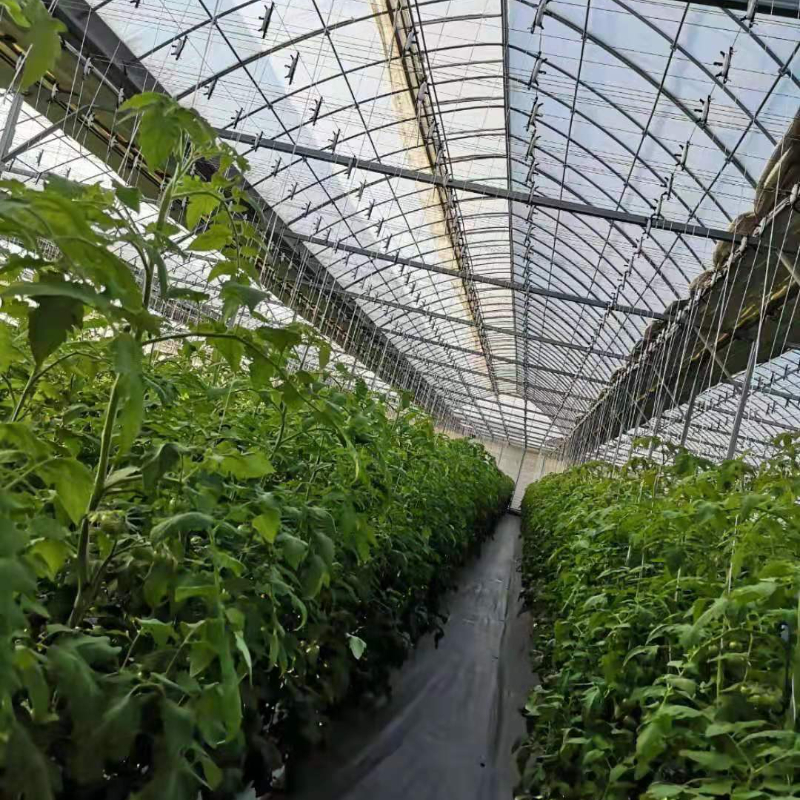
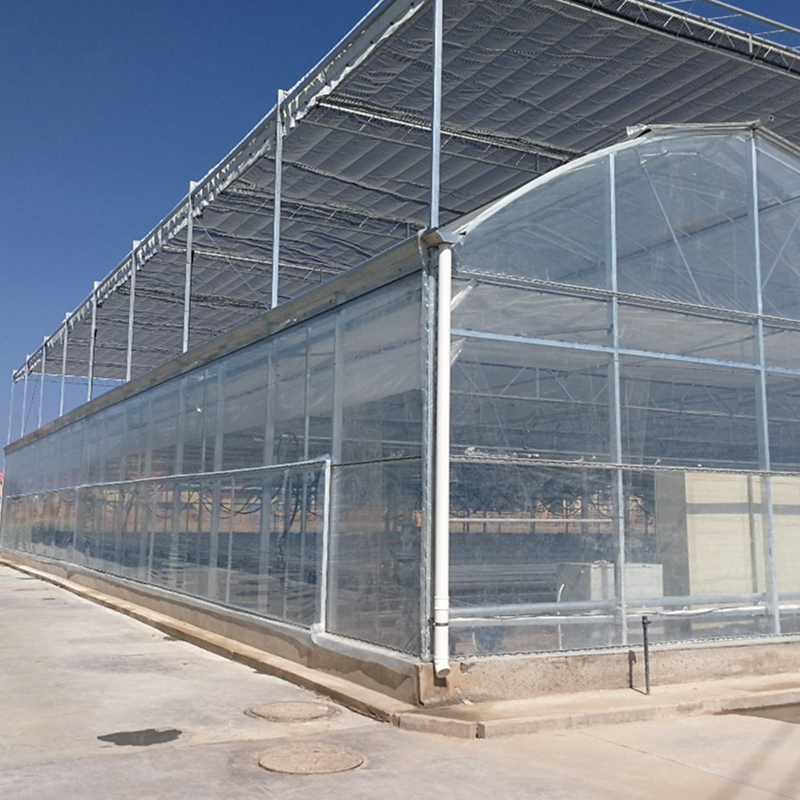
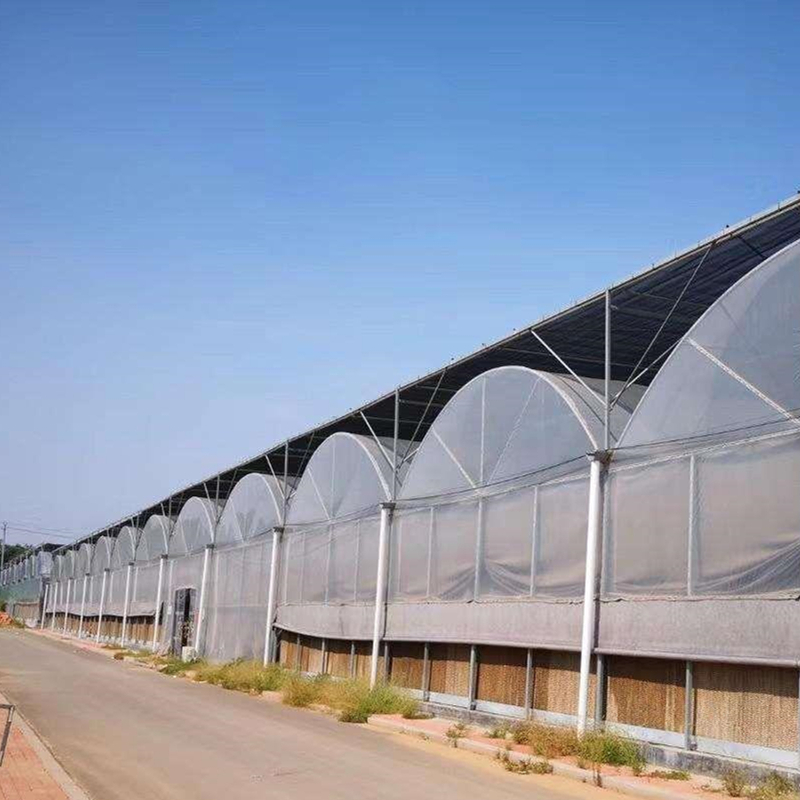
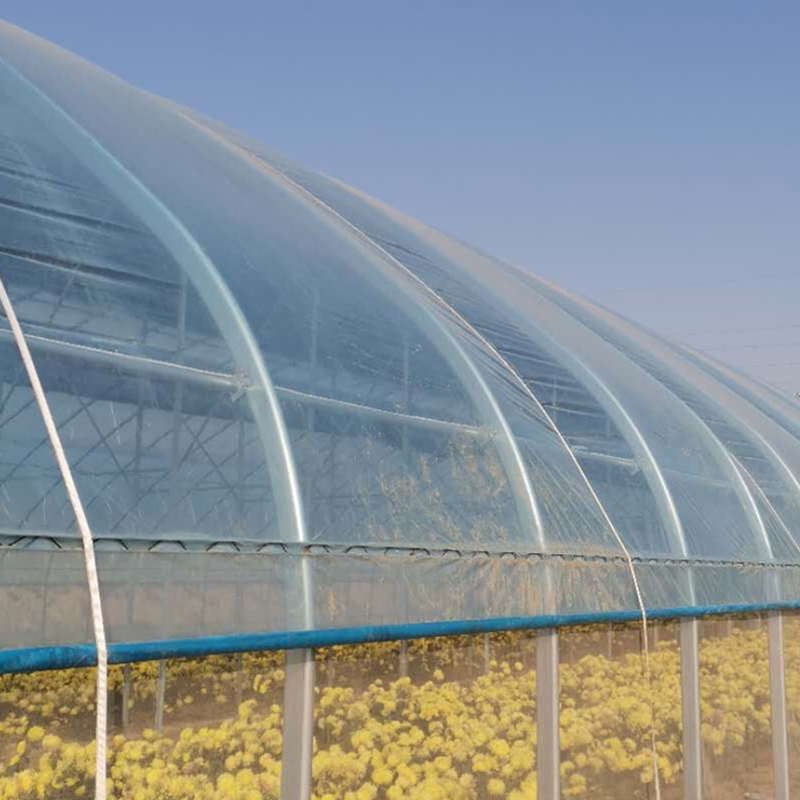
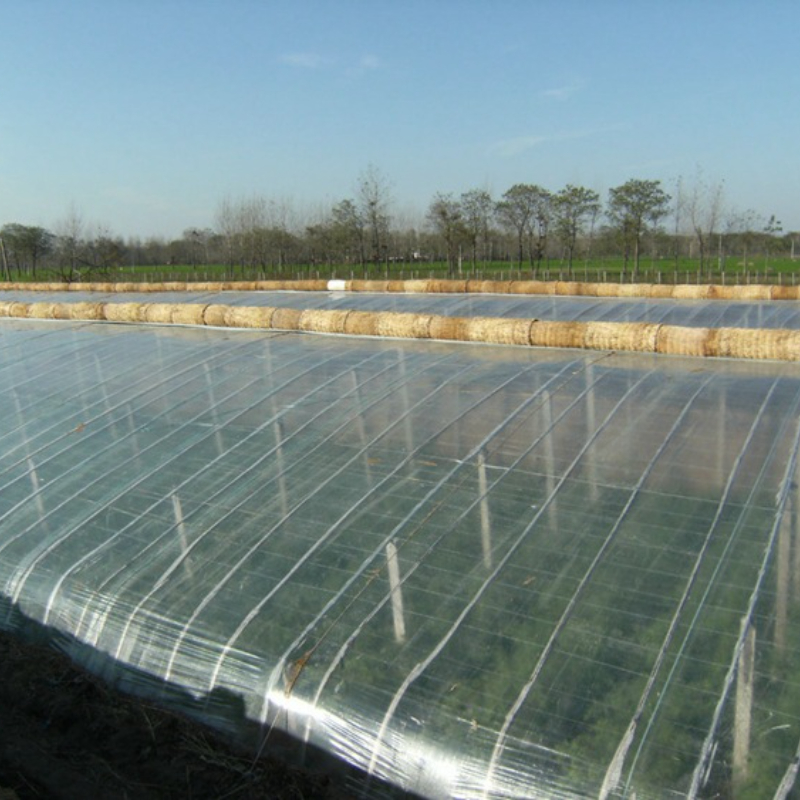
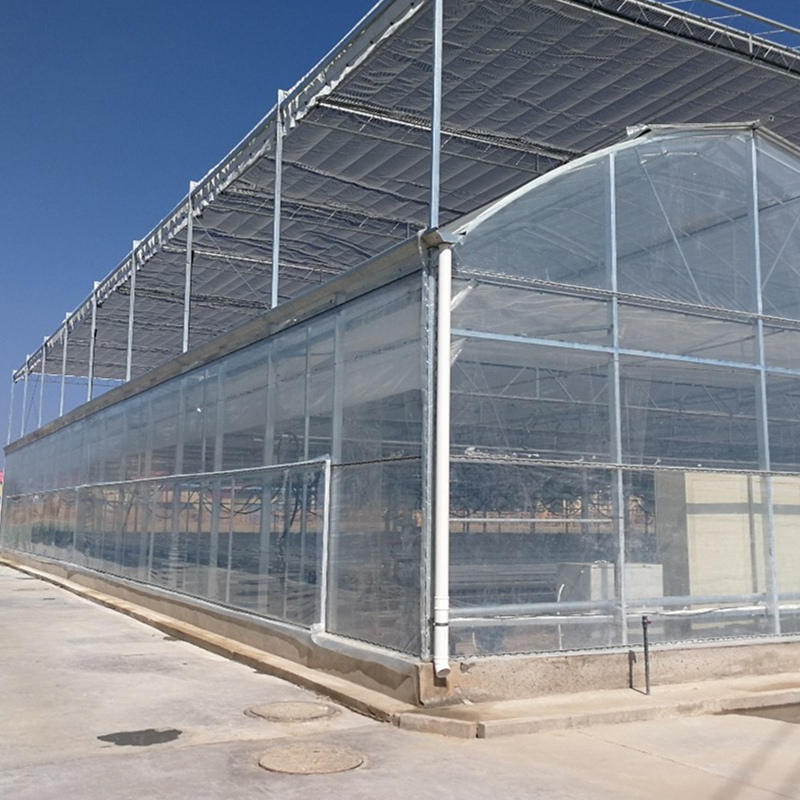
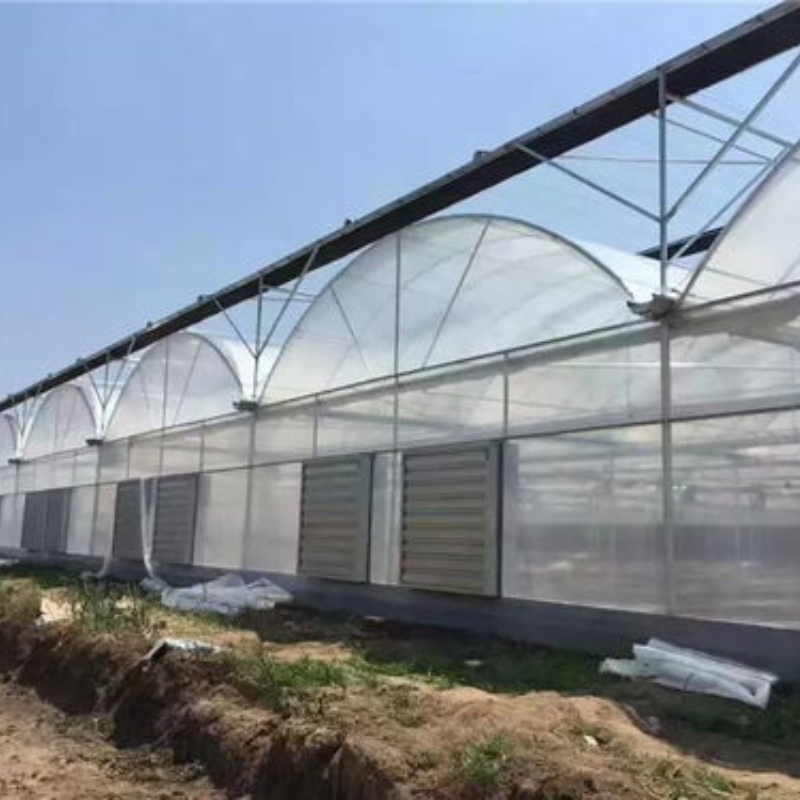
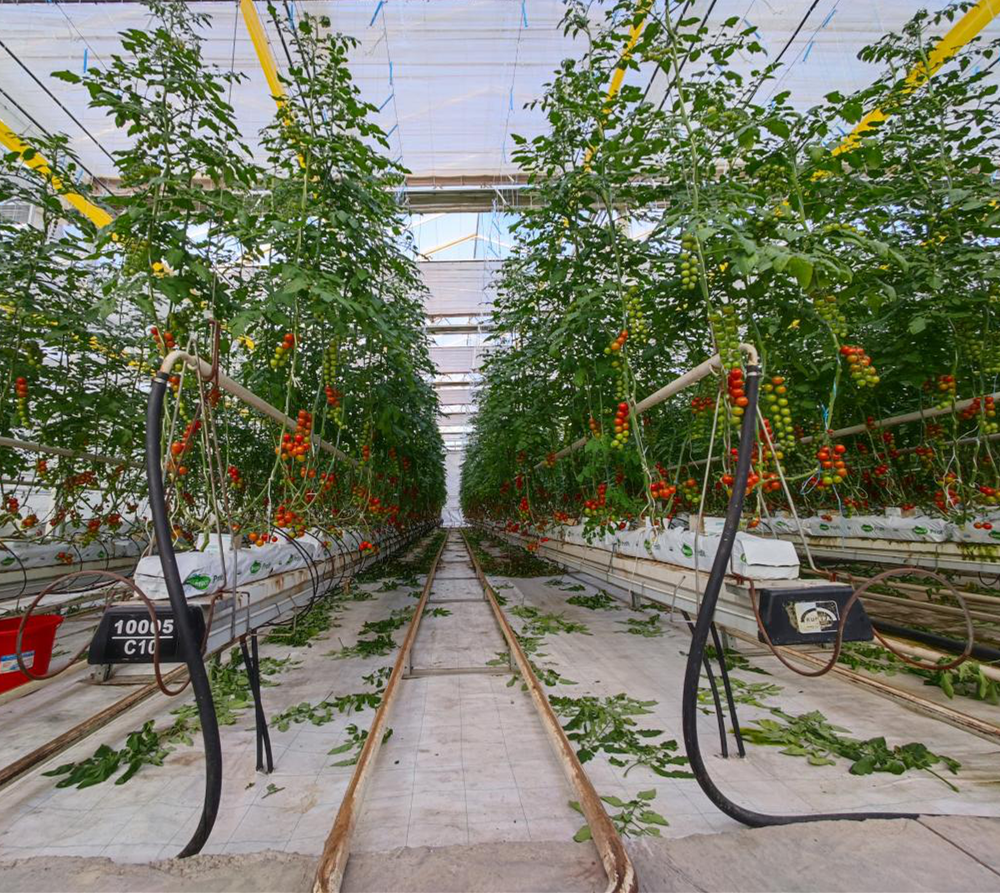
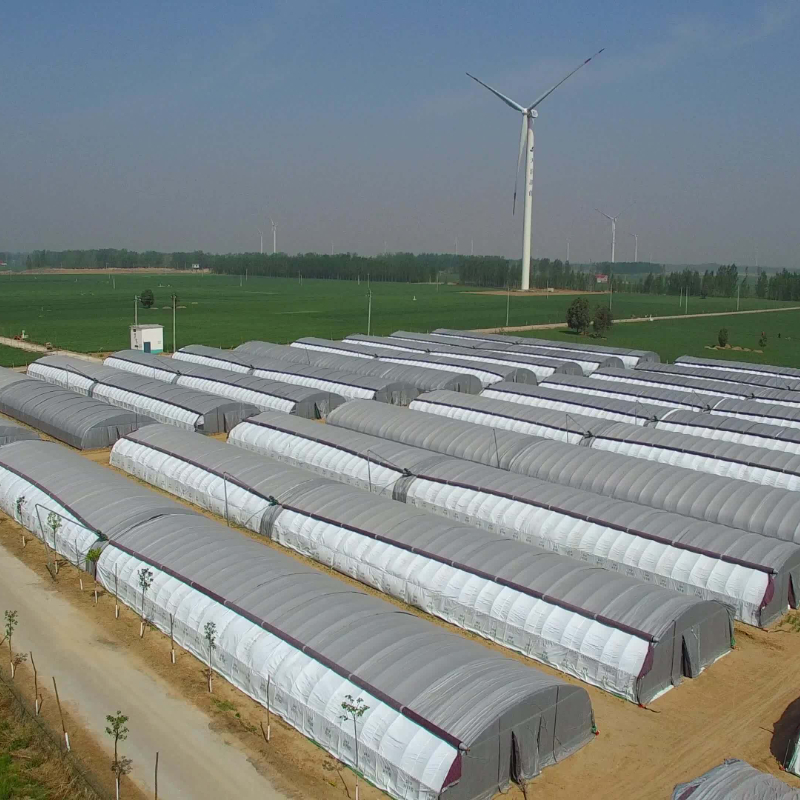
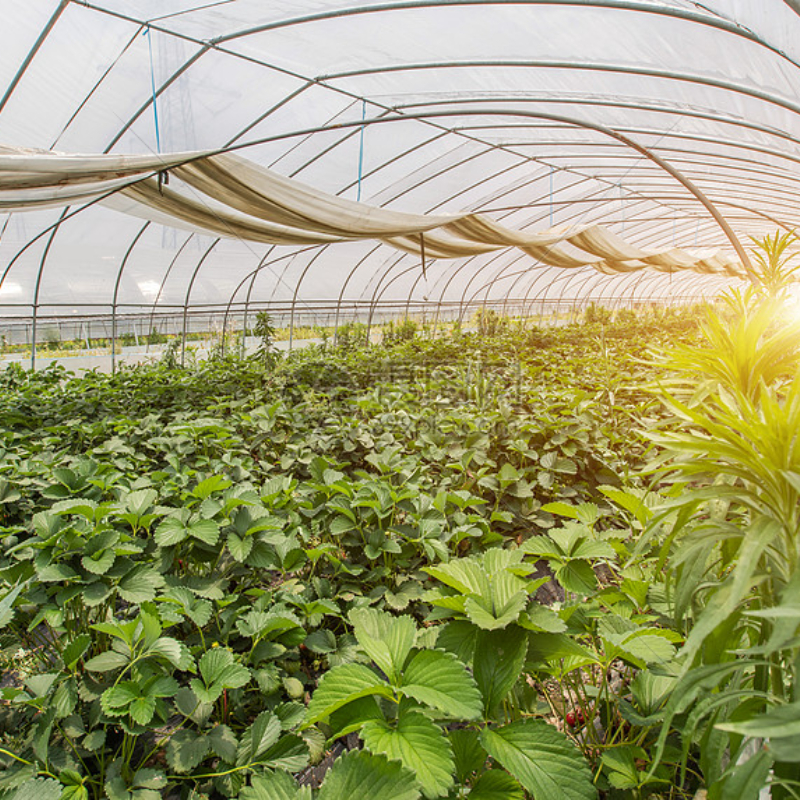
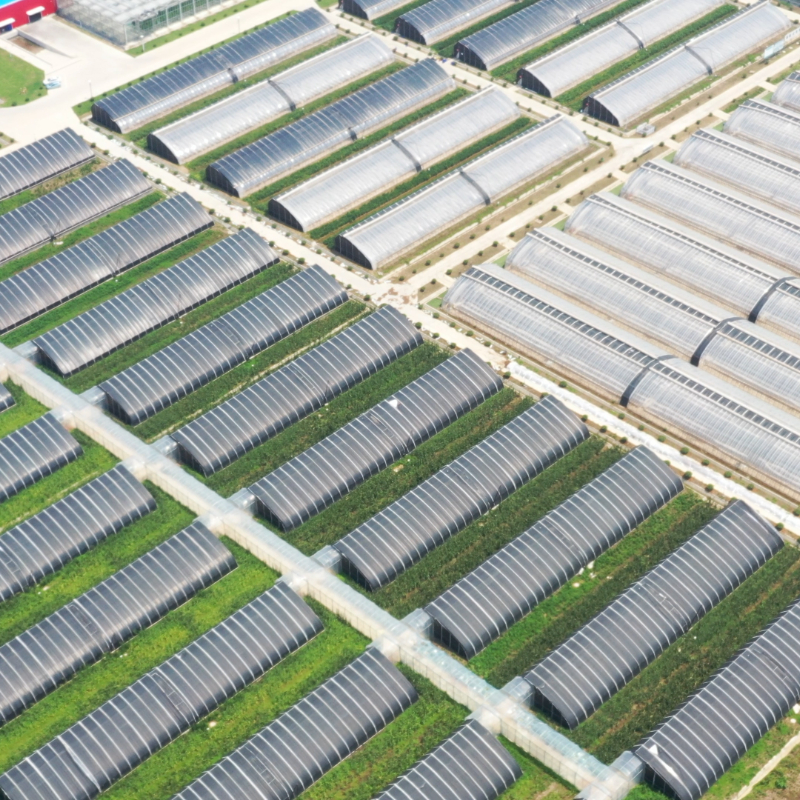
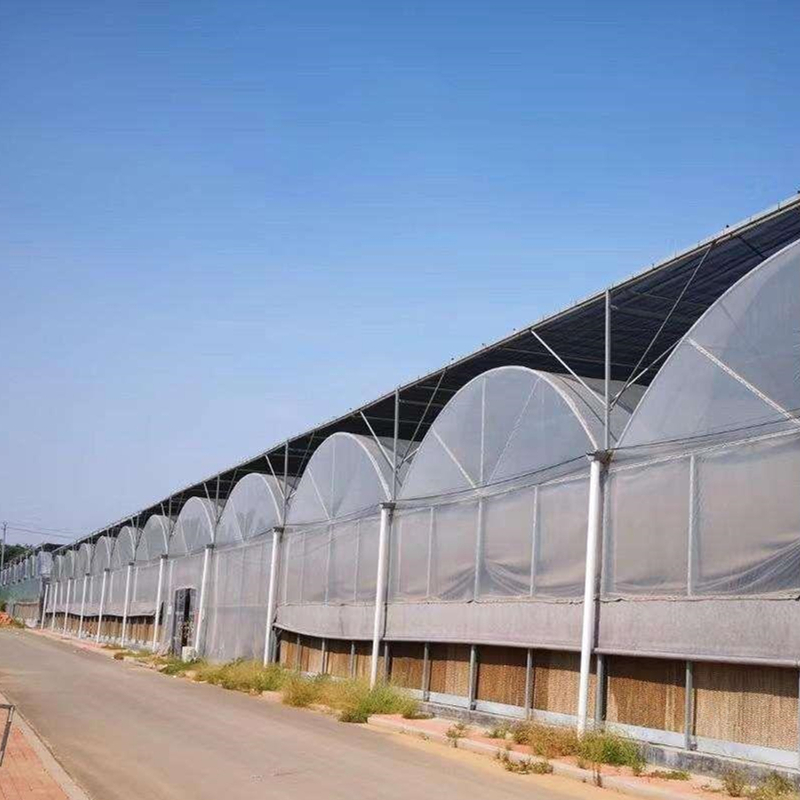
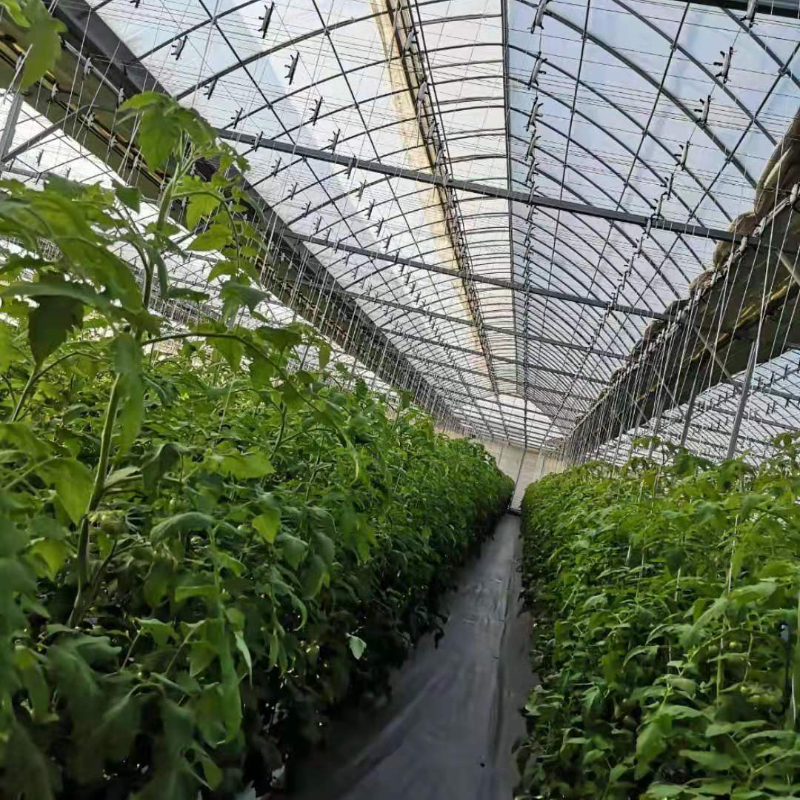
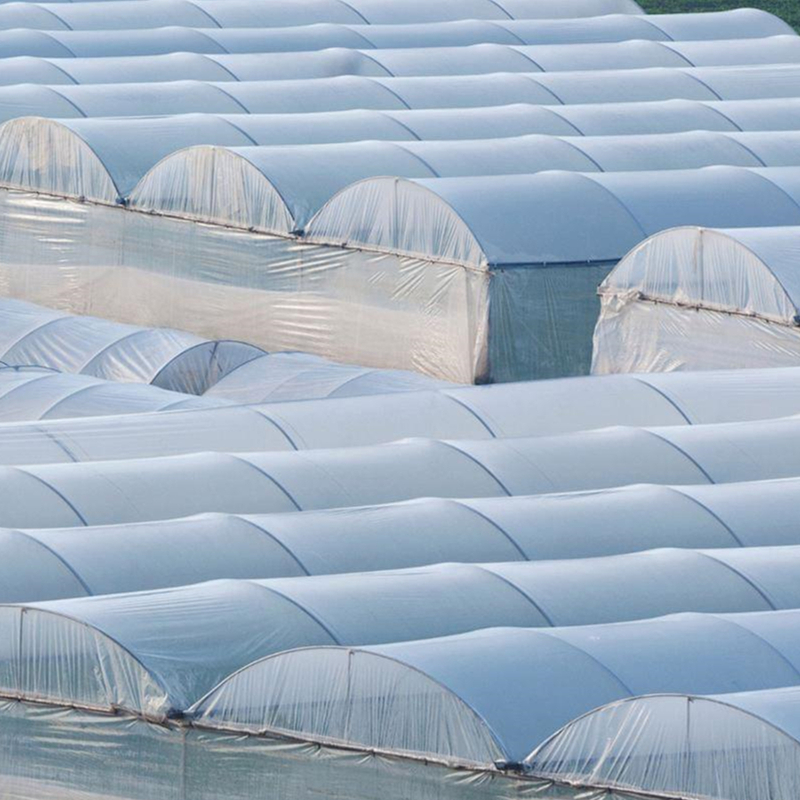
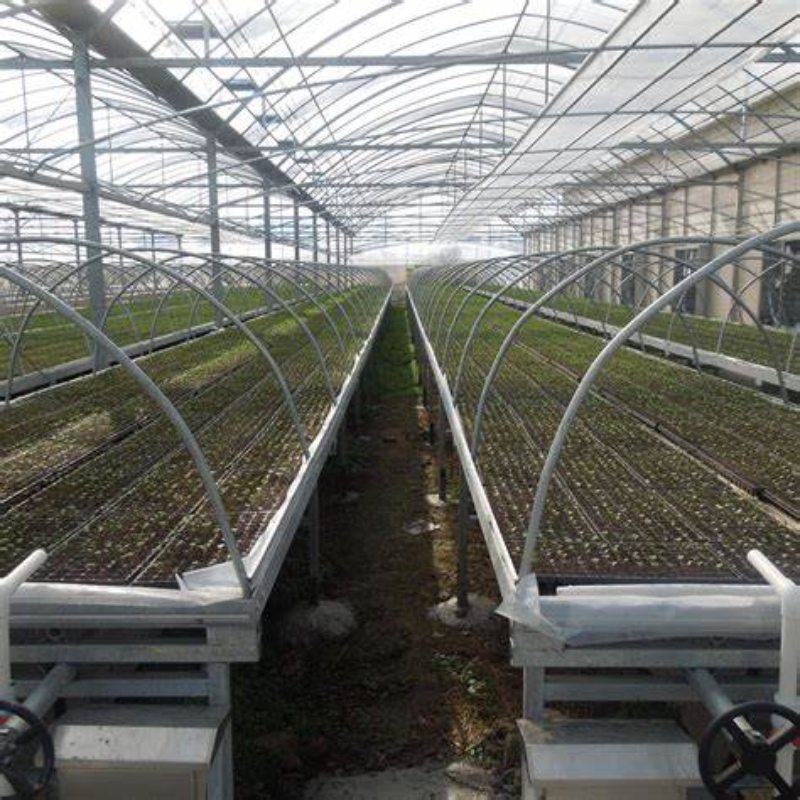
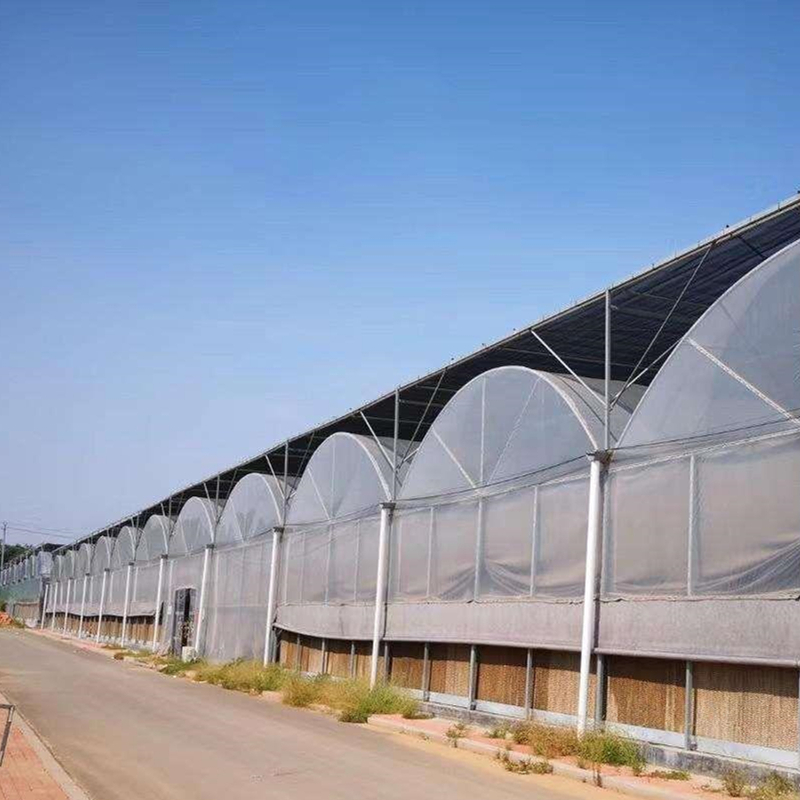
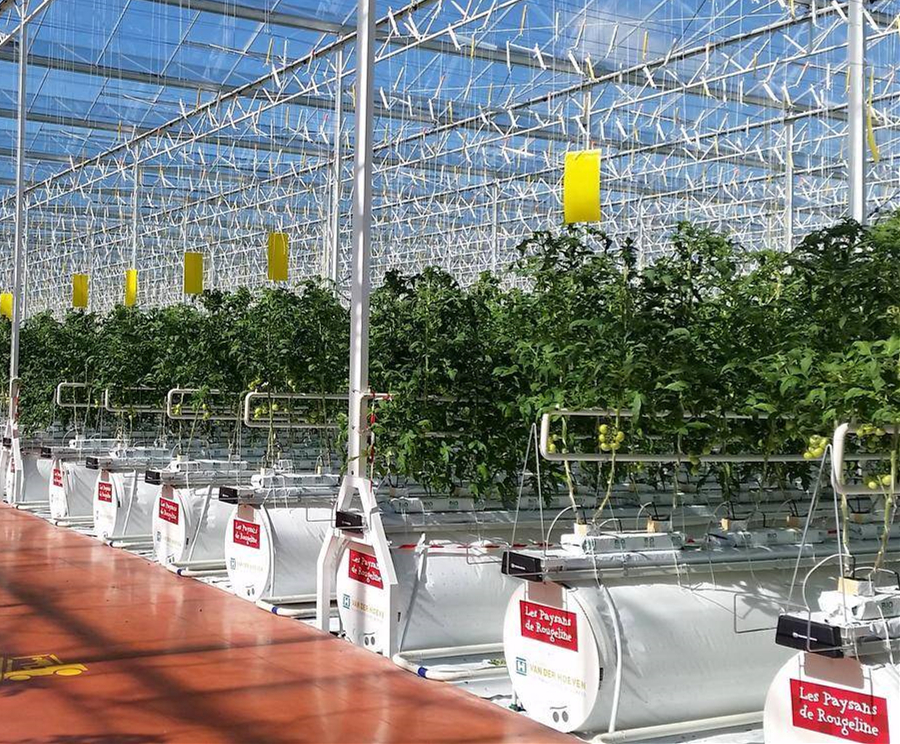
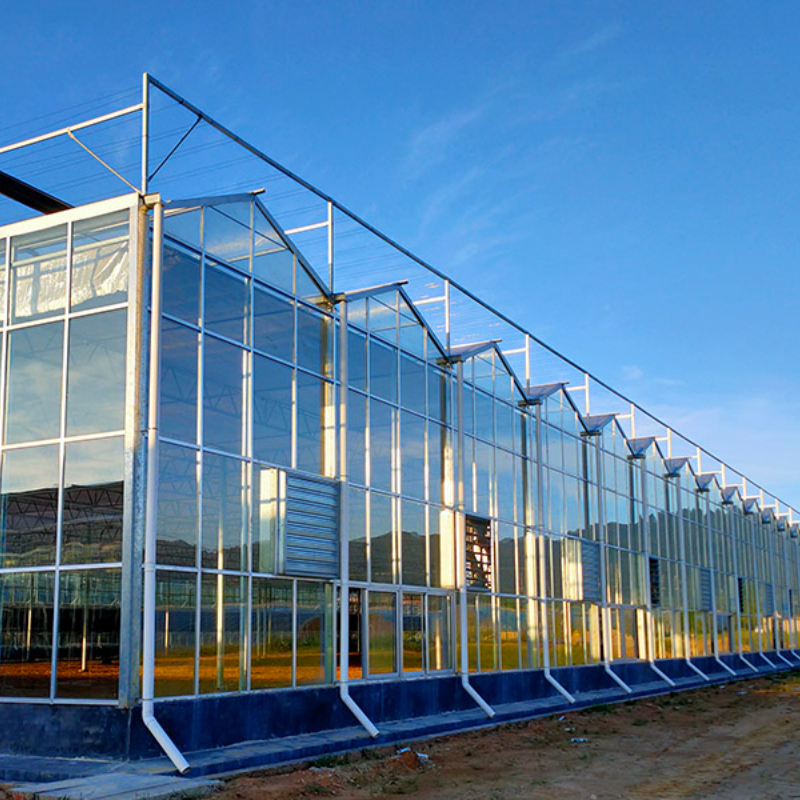
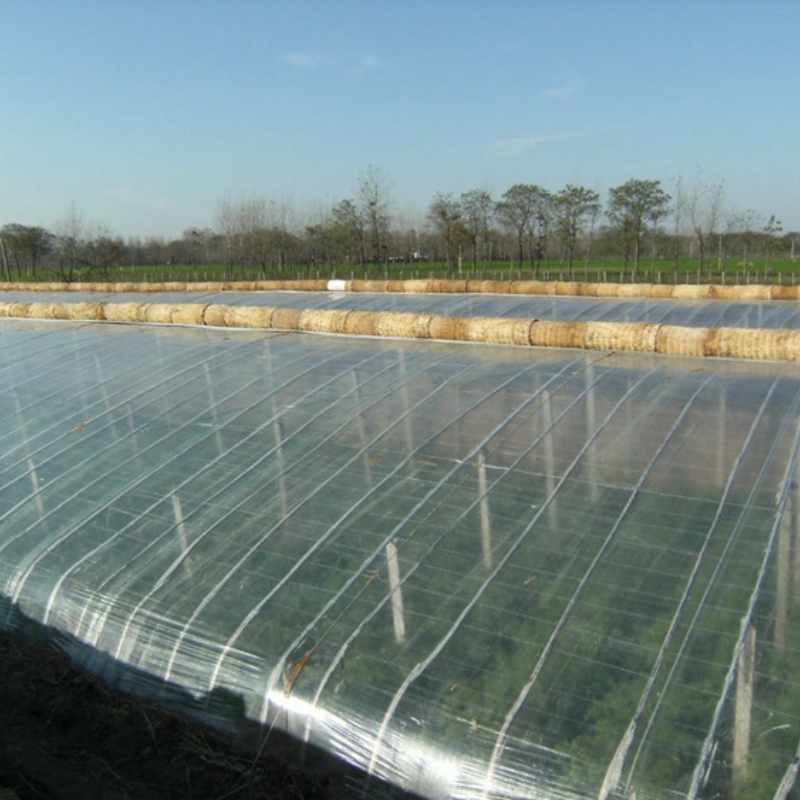
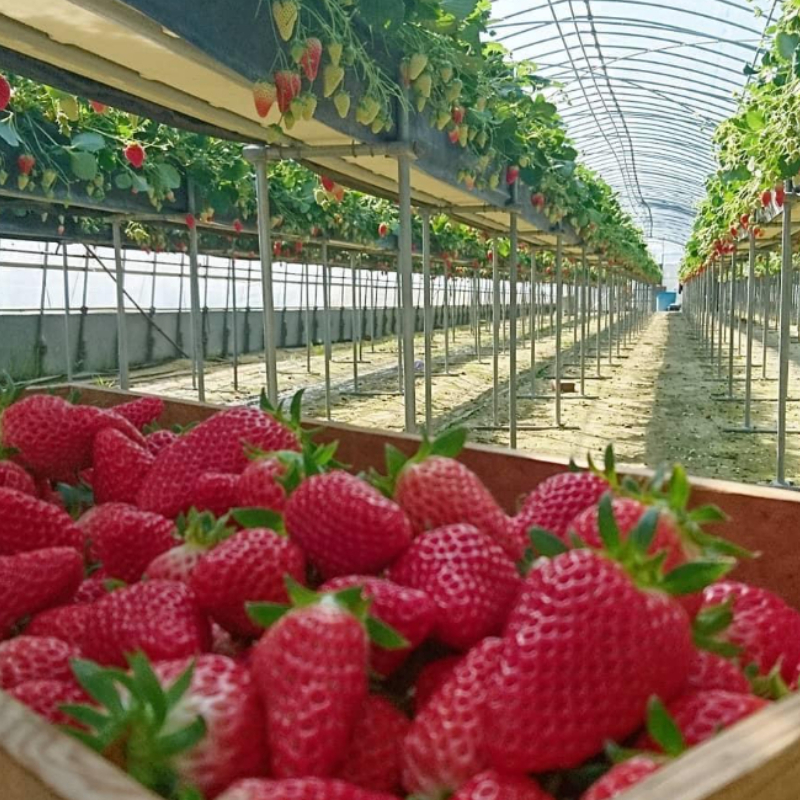
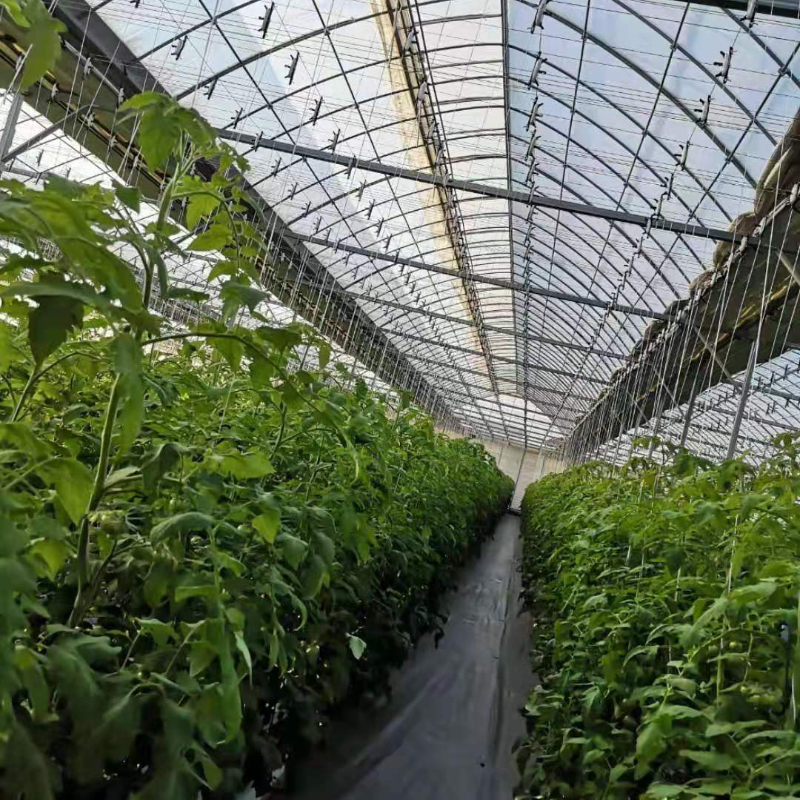
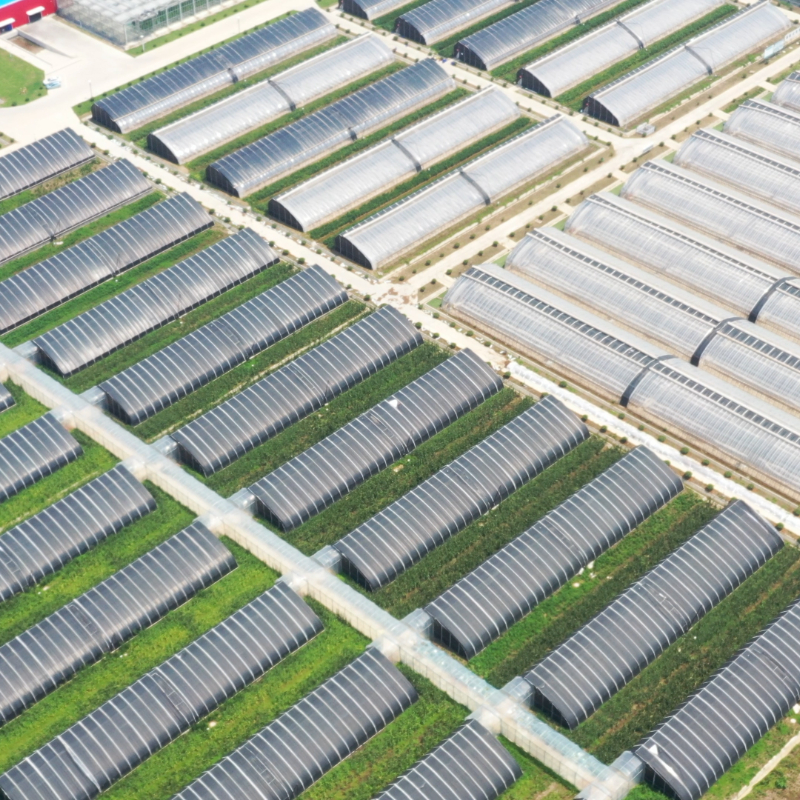
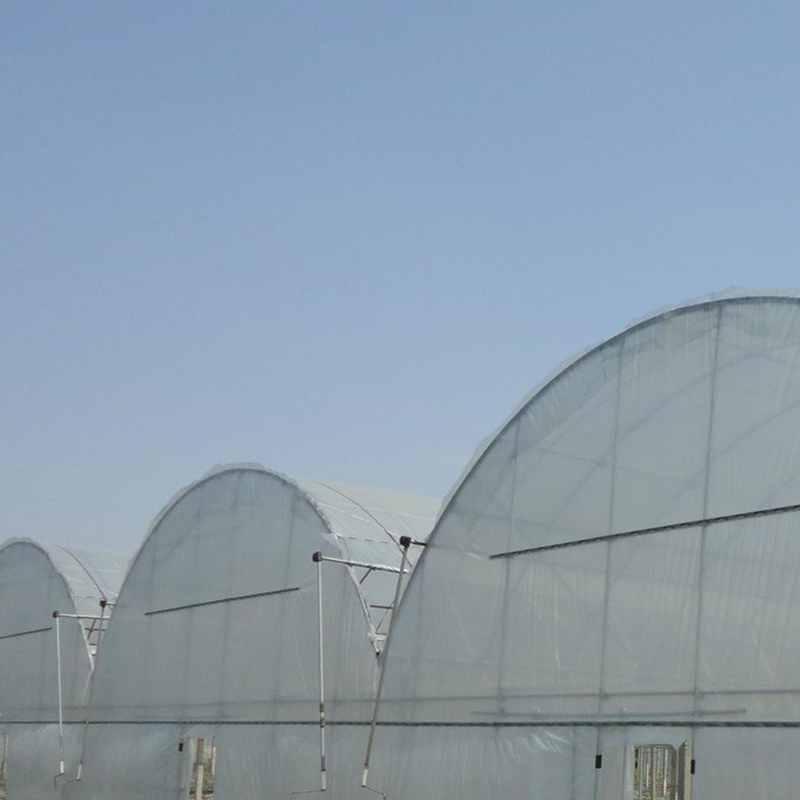
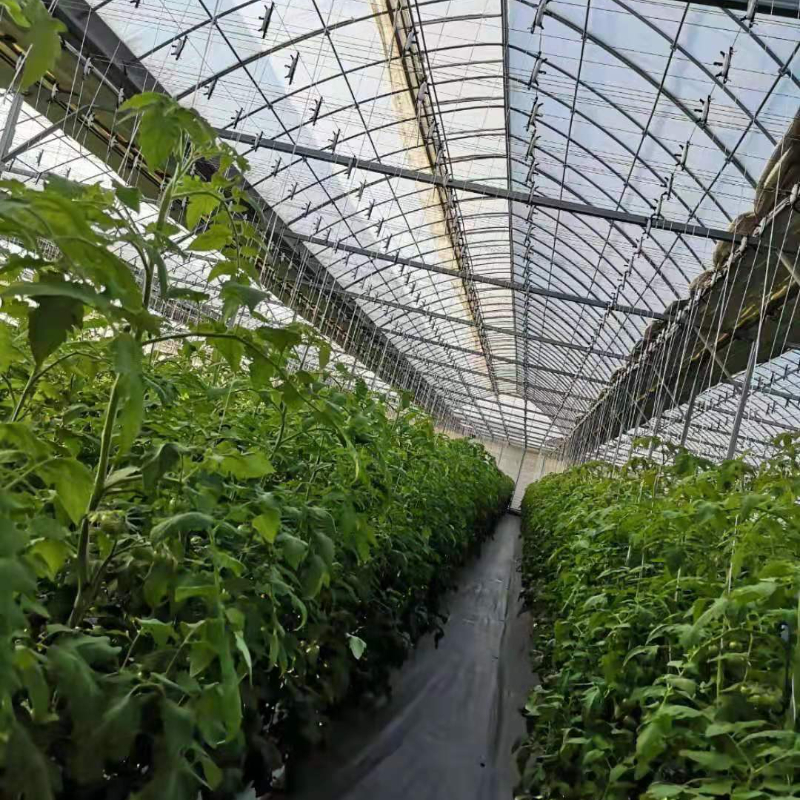
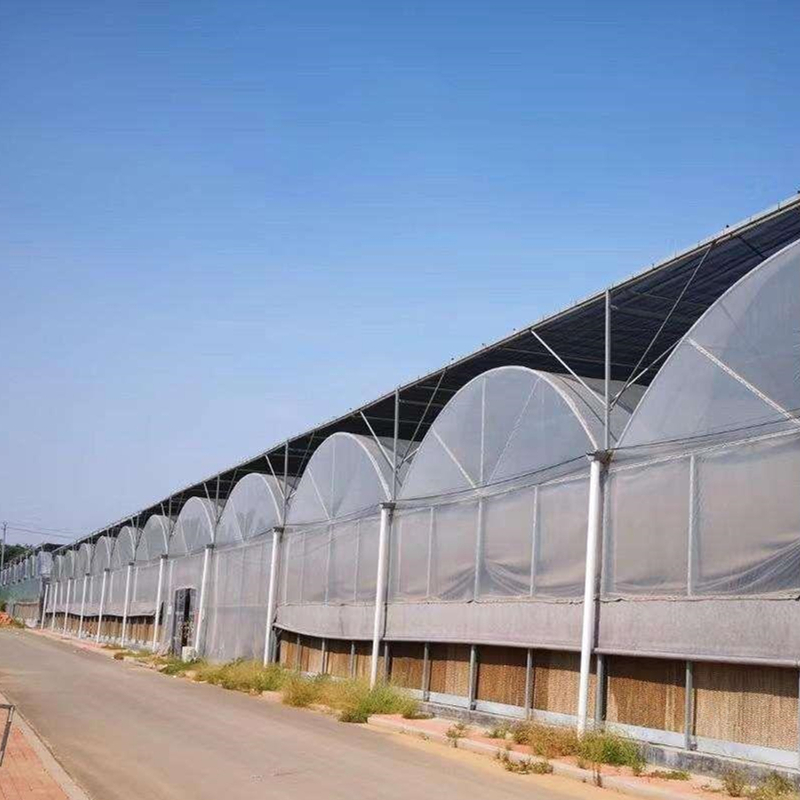
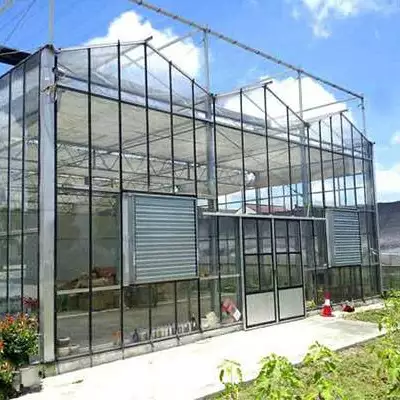
The 20th and 21st centuries have been defined by precision and sustainability. The introduction of aluminium frames, polyethylene film, and ultimately, automated computer systems revolutionized climate management. The contemporary greenhouse is a hub of technology, utilizing hydroponics, artificial lighting (LEDs), and CO₂ enrichment to maximize yield. Today’s evolution focuses on closed-loop systems, water recycling, and integrated pest management, pushing the greenhouse towards unprecedented efficiency and reduced ecological footprint.
From the specularia of Roman gardens to the vast, AI-managed glasshouses of the Netherlands, the historical evolution of the greenhouse is a testament to human ingenuity in harnessing nature for sustenance, science, and beauty. Each iteration of the greenhouse has brought us closer to mastering the delicate art of creating ideal climates, a pursuit that grows ever more crucial in our contemporary world.
