
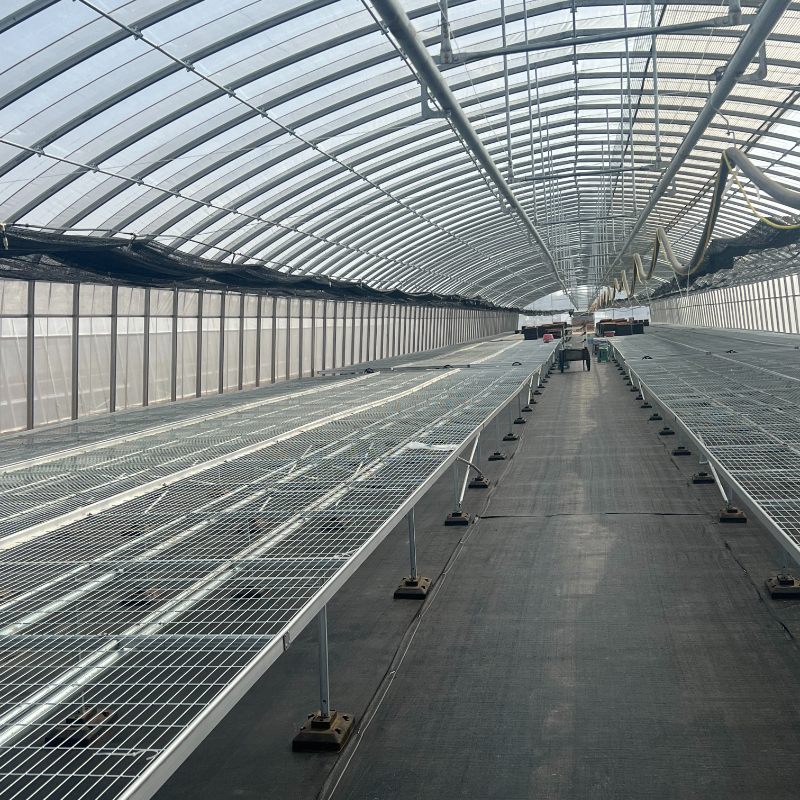
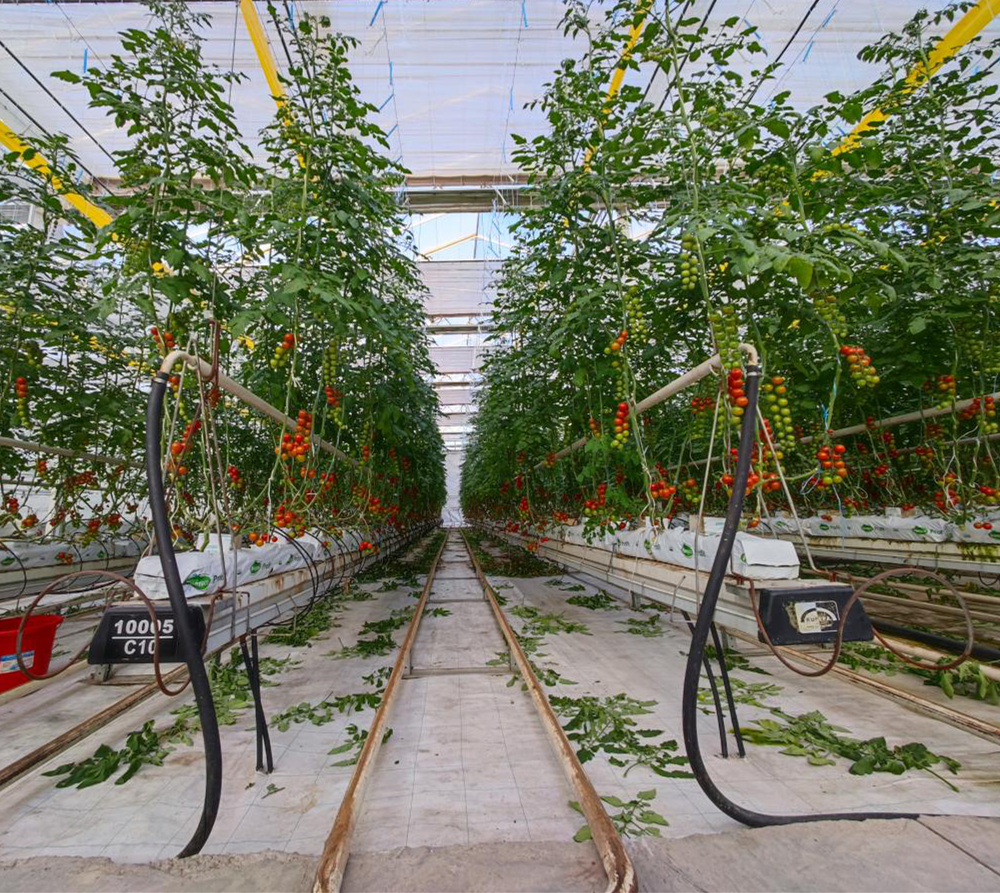
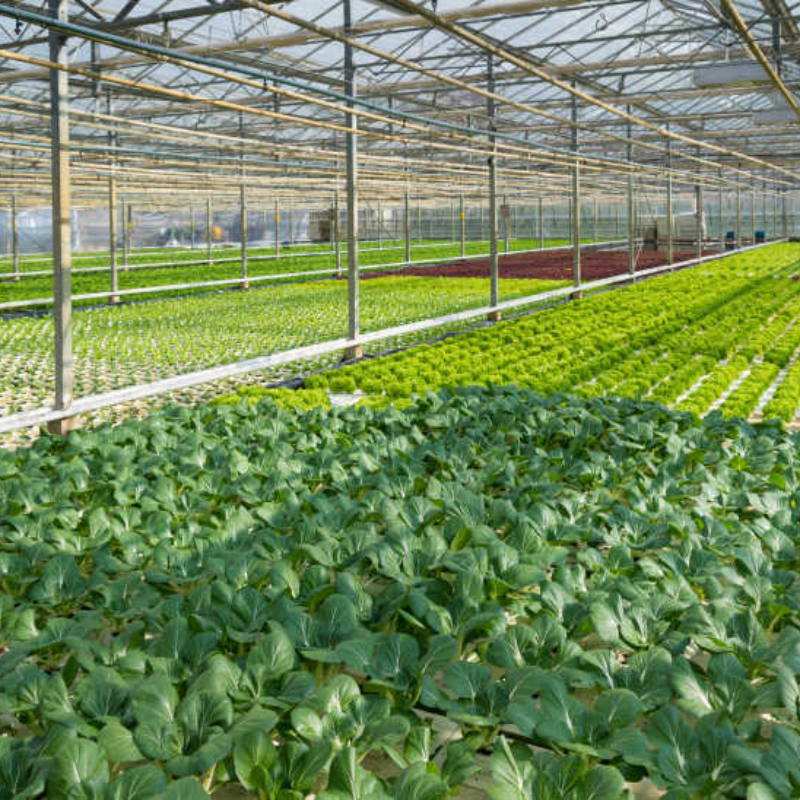
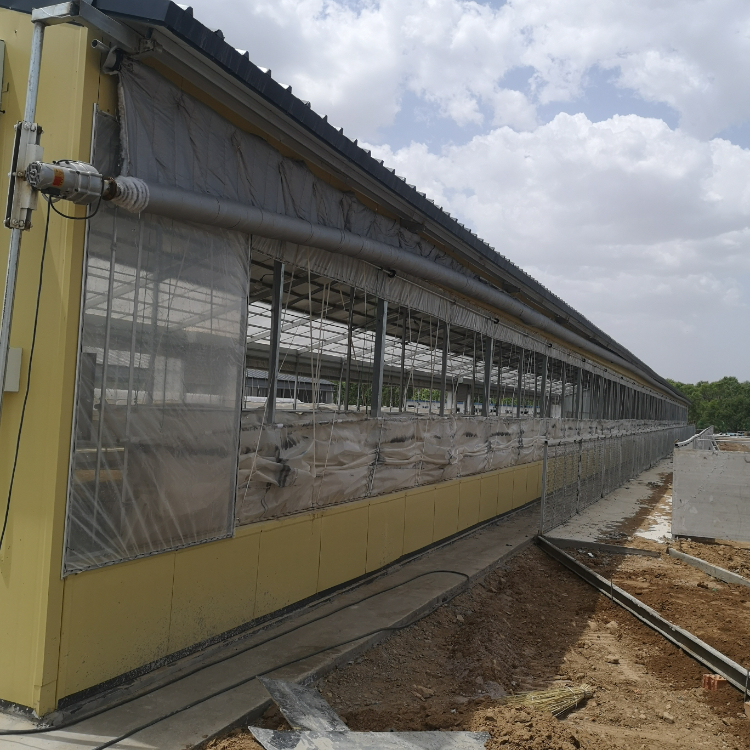
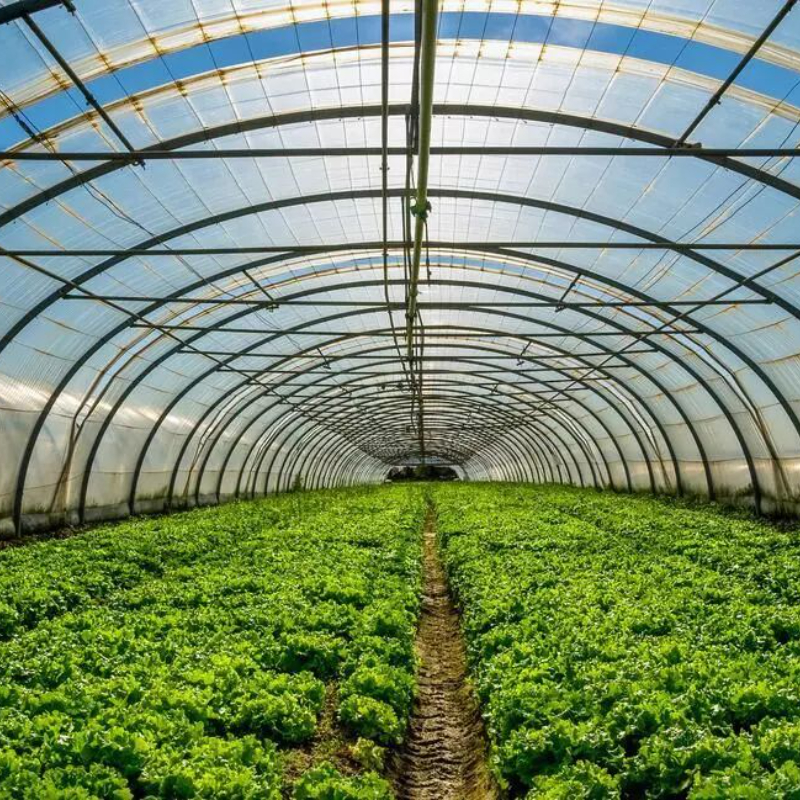
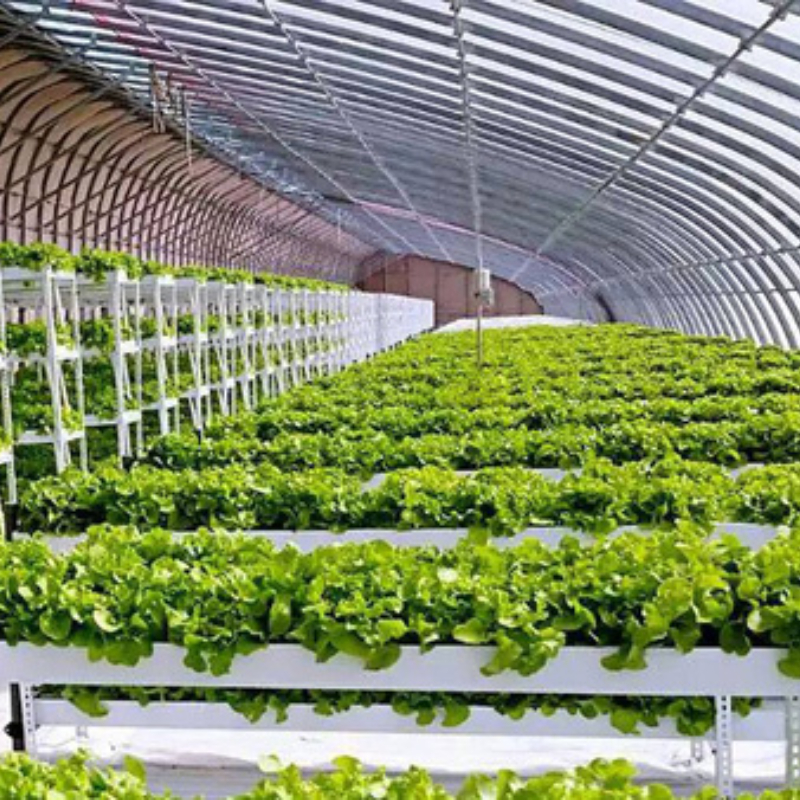
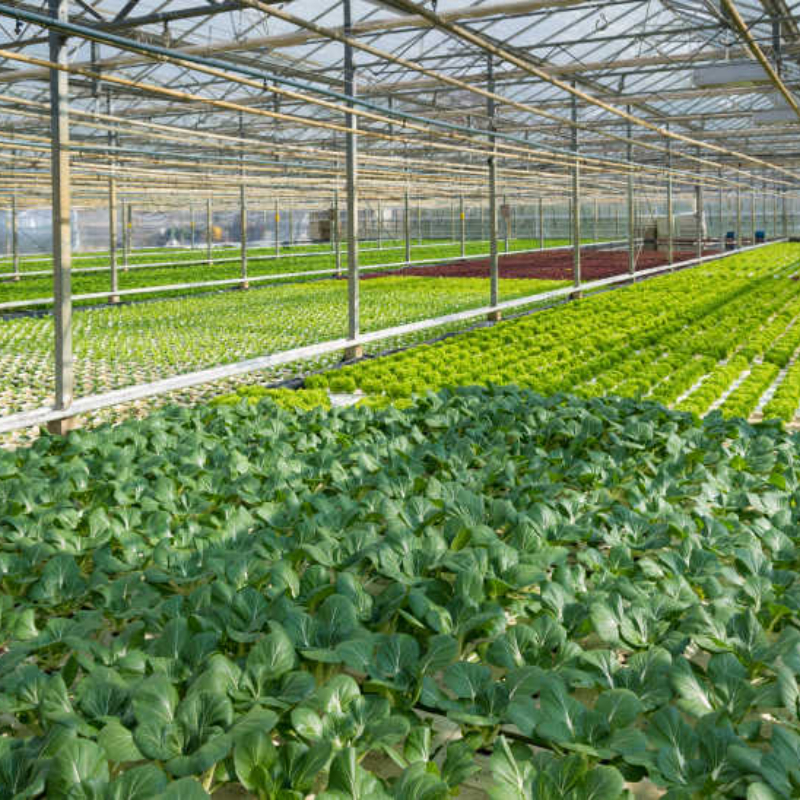
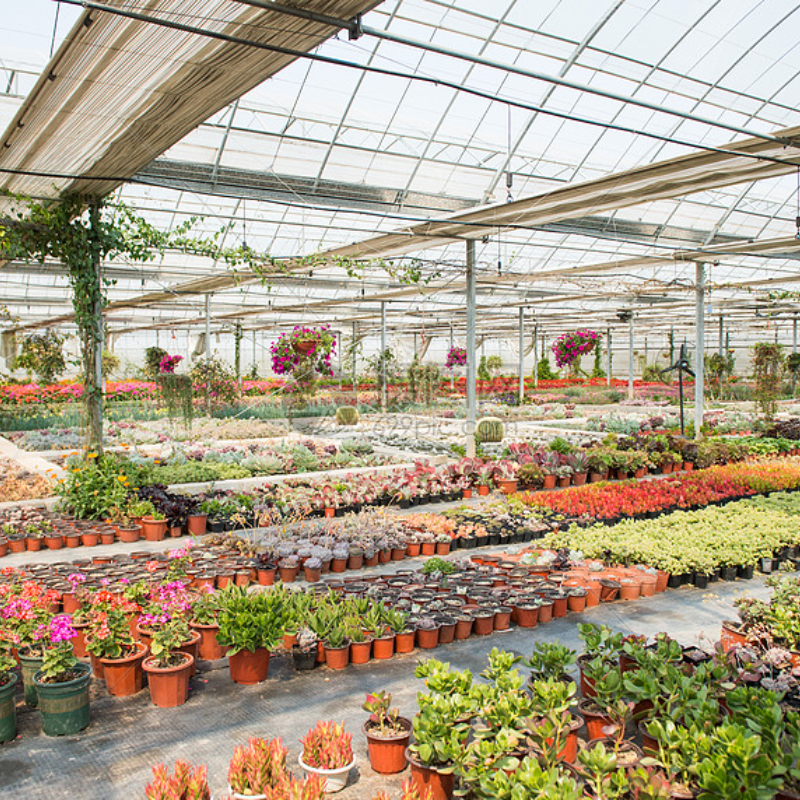
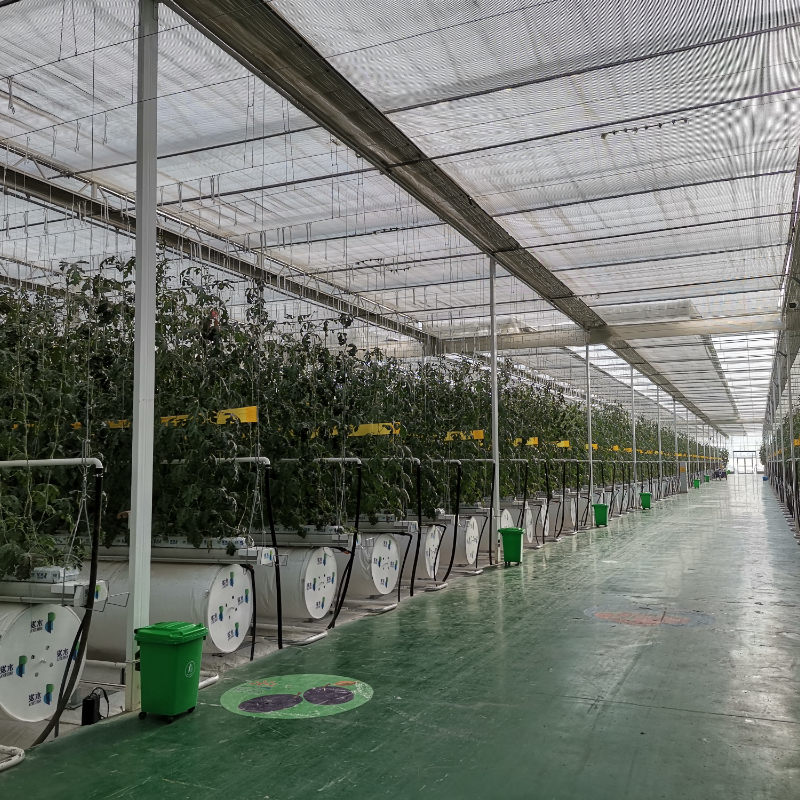
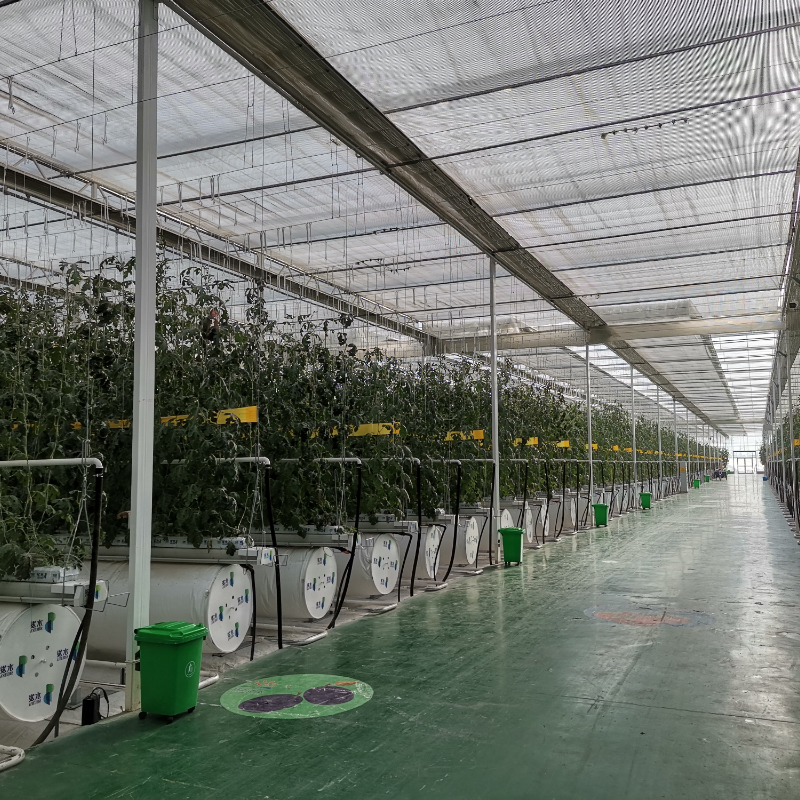
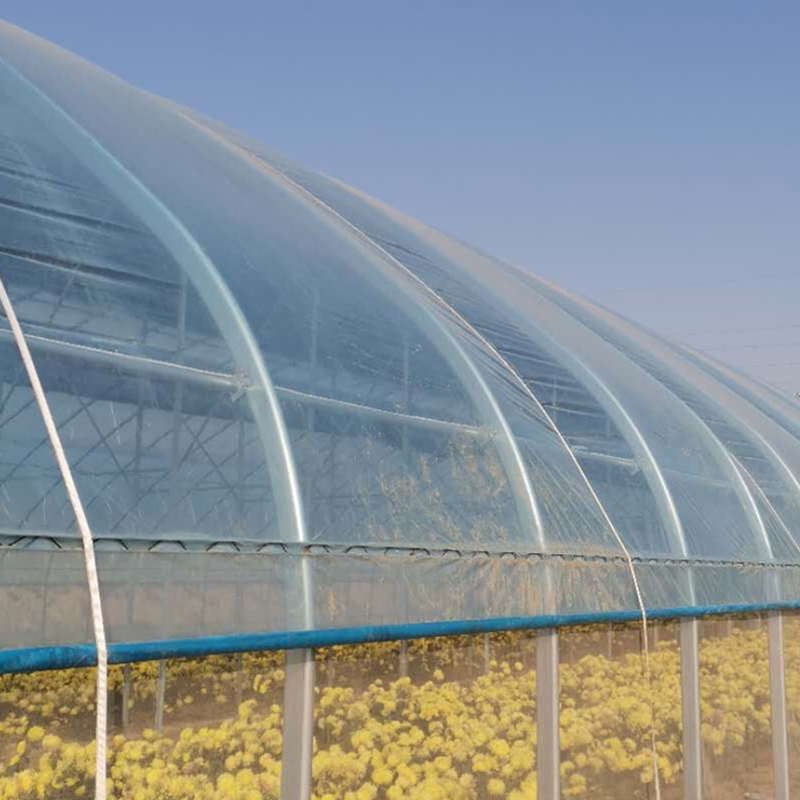
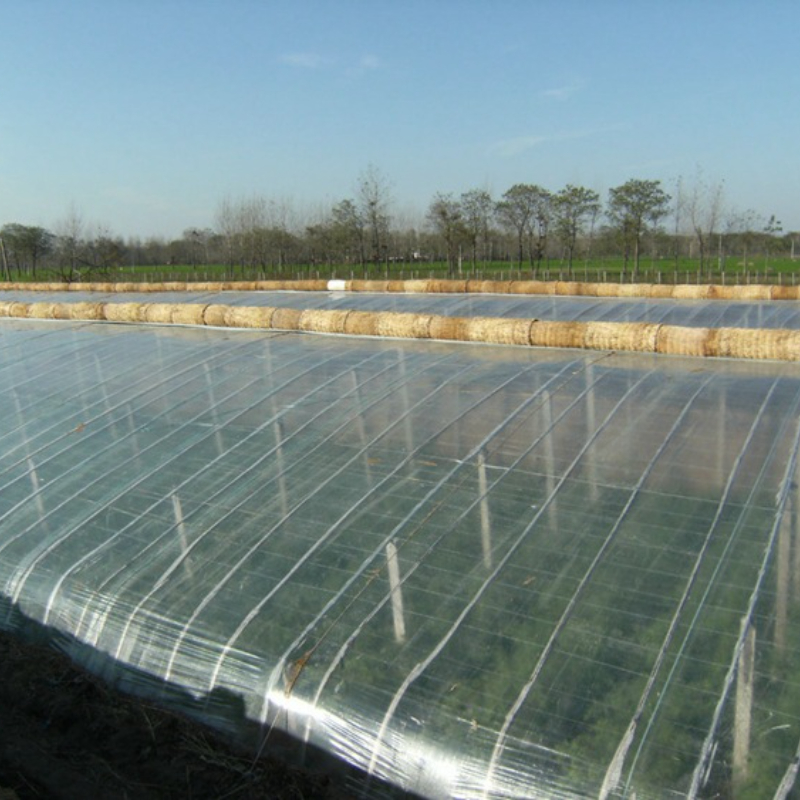
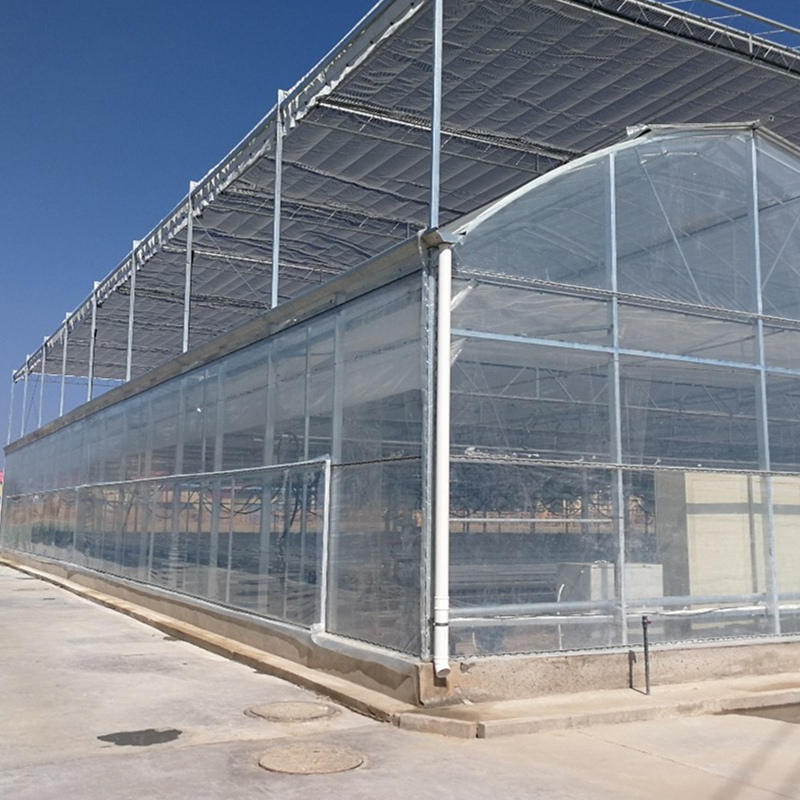
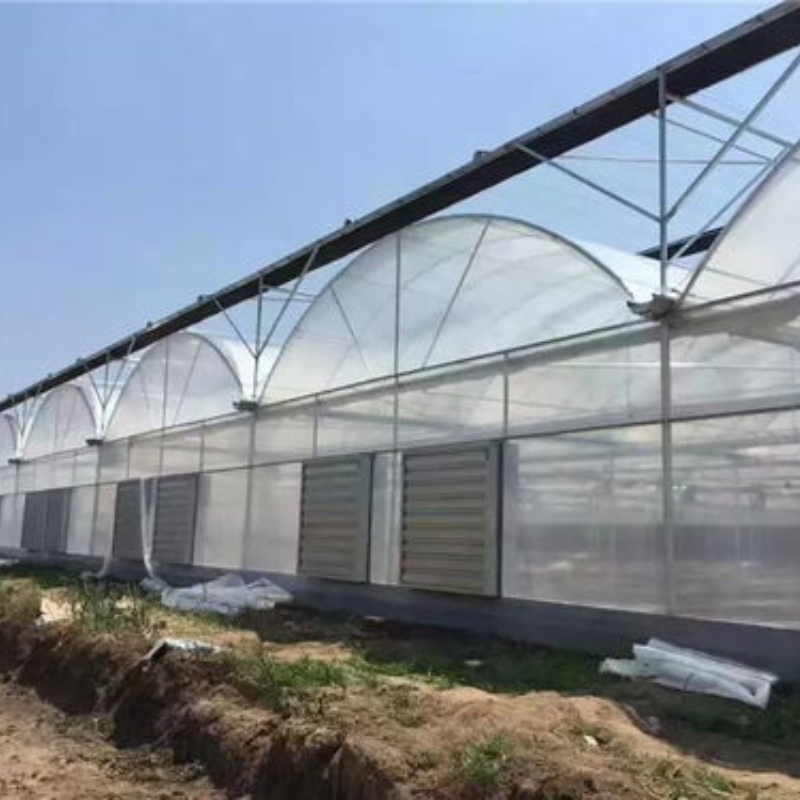
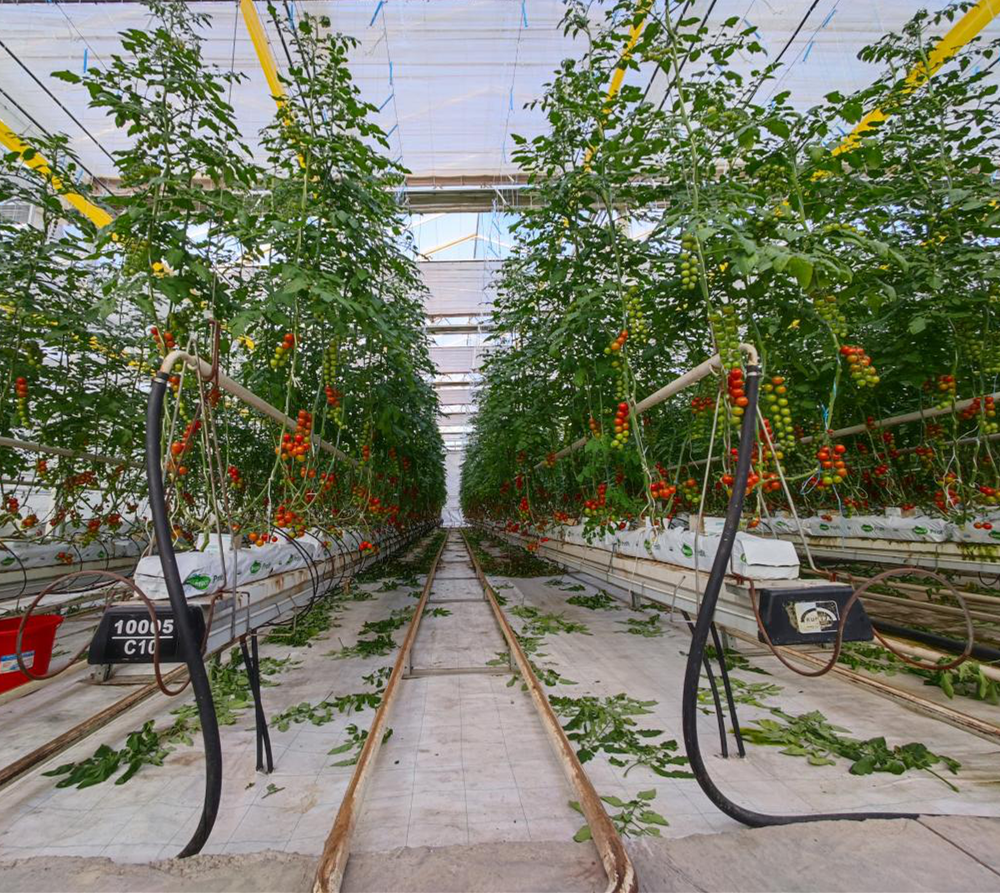
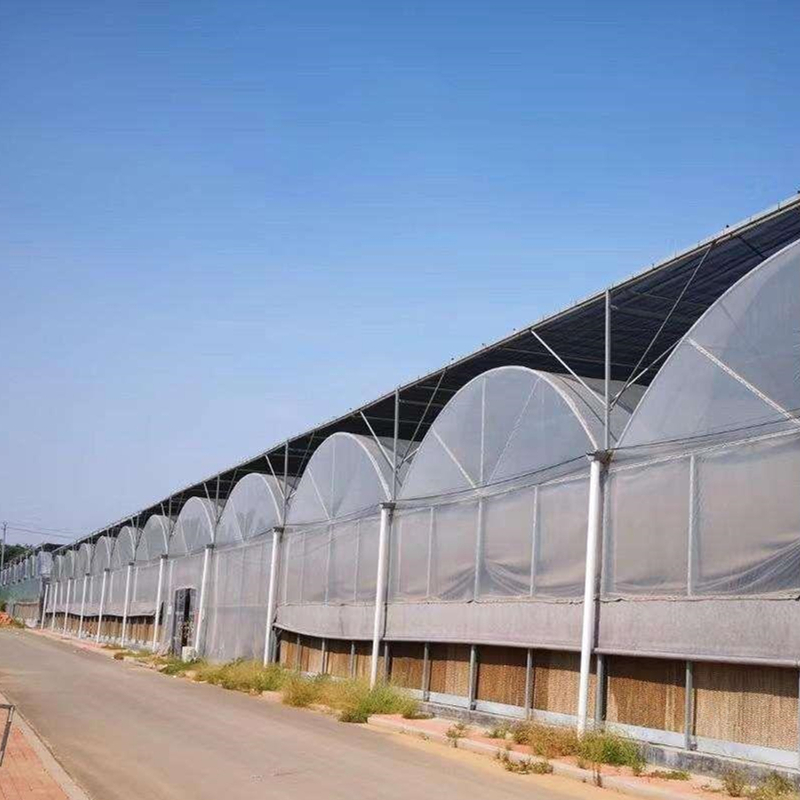
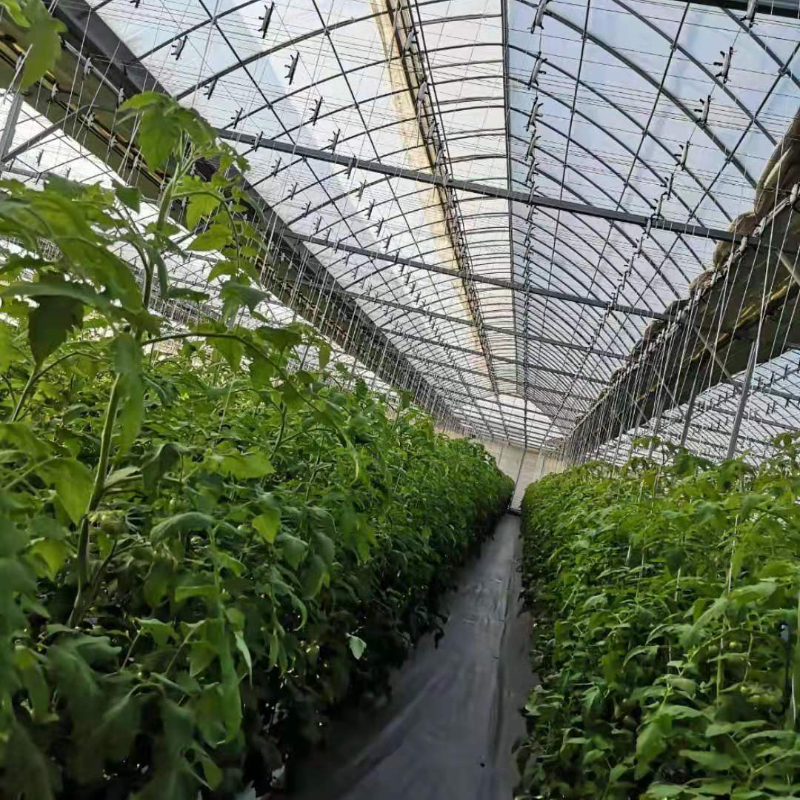
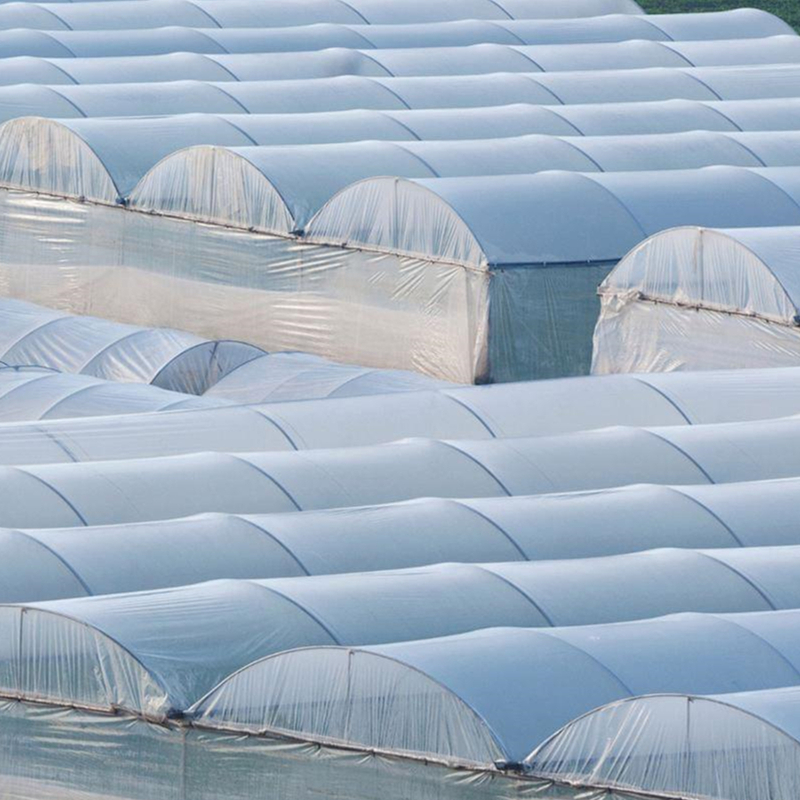
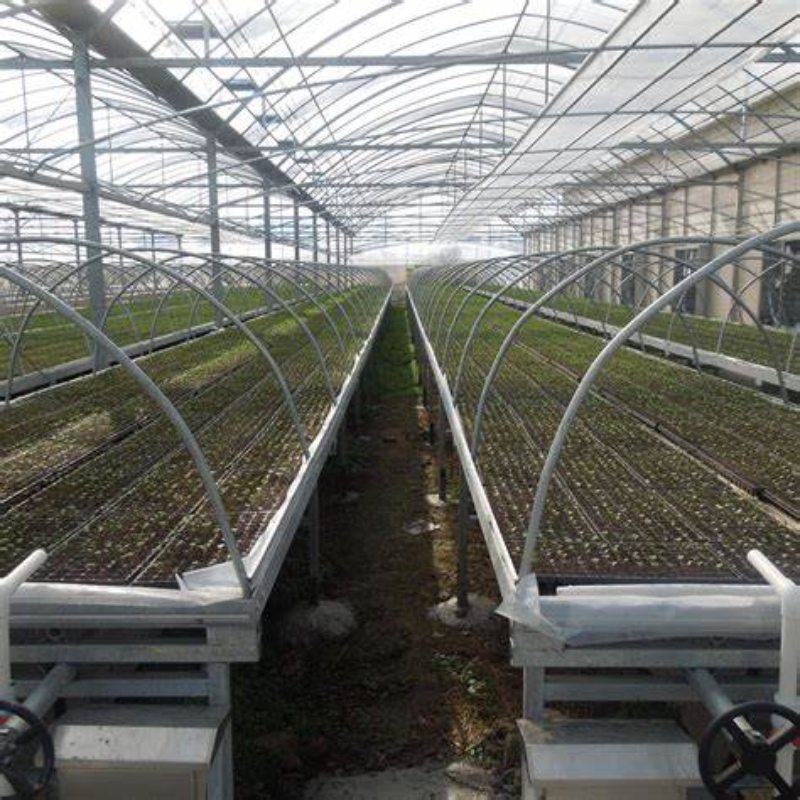
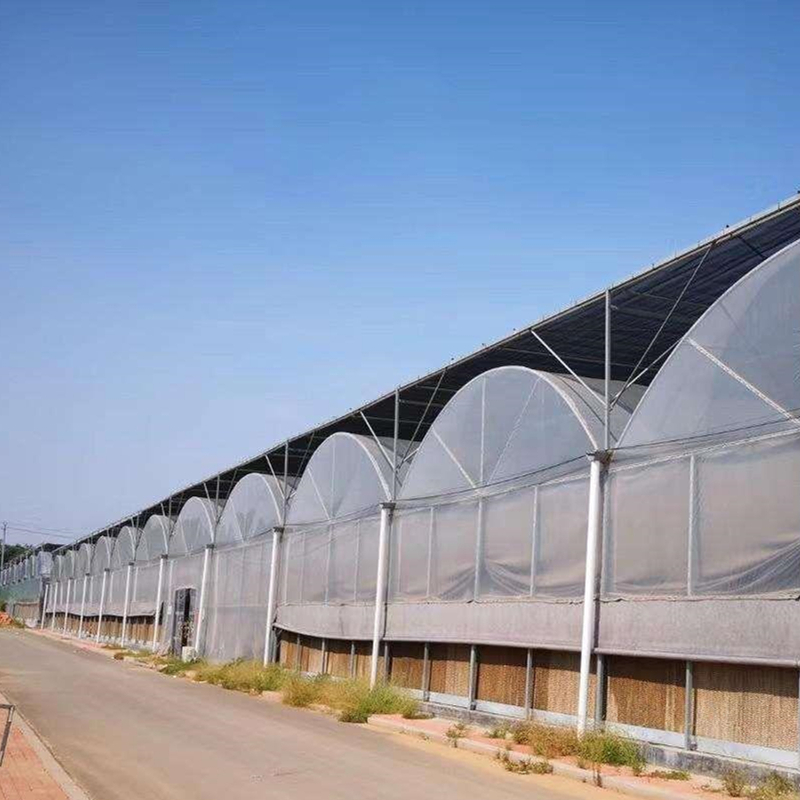
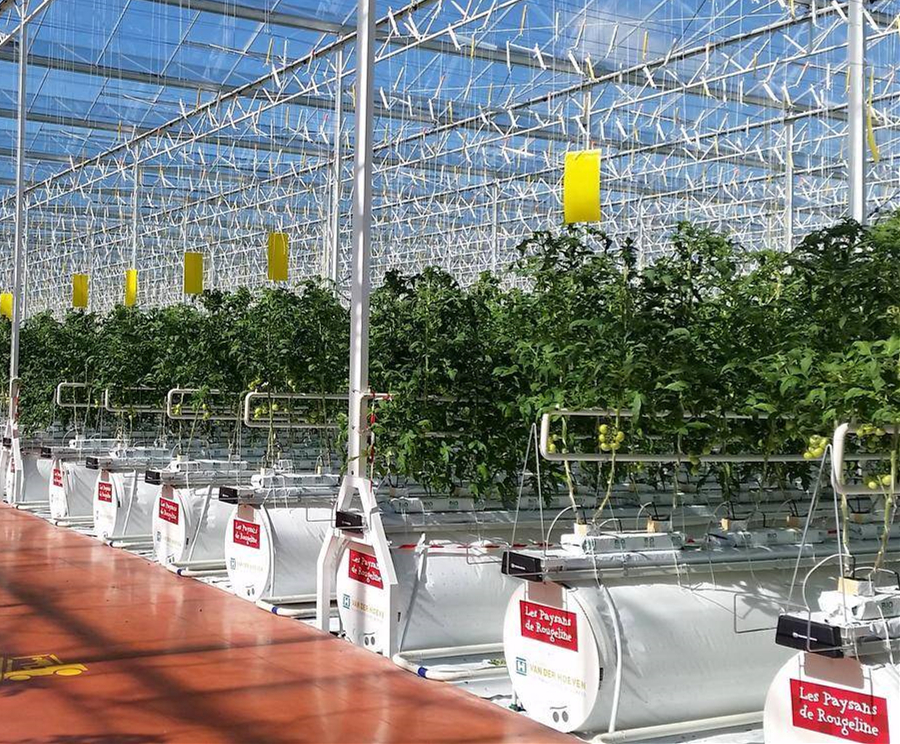
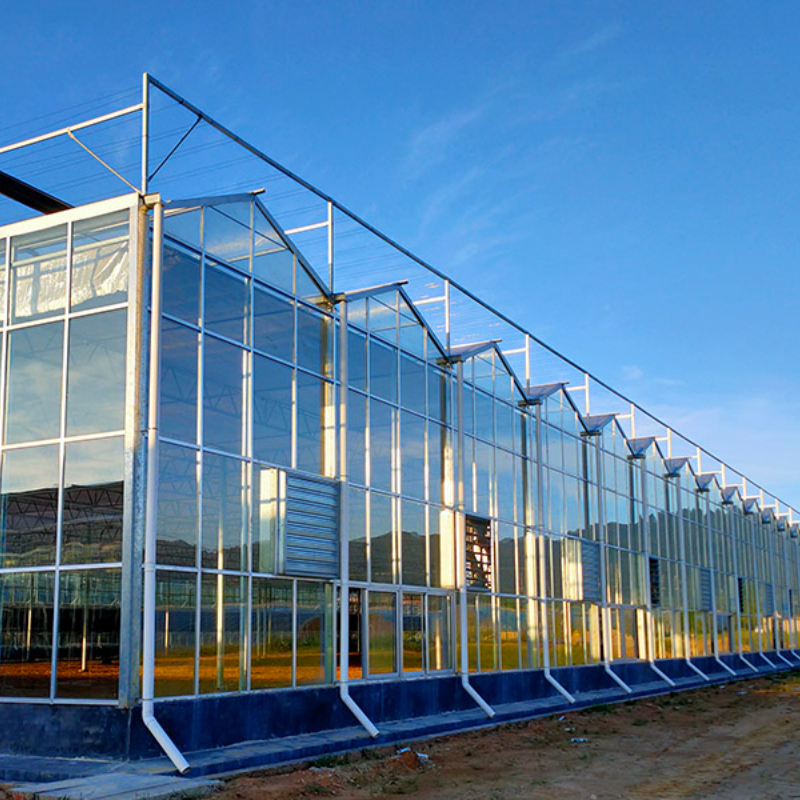
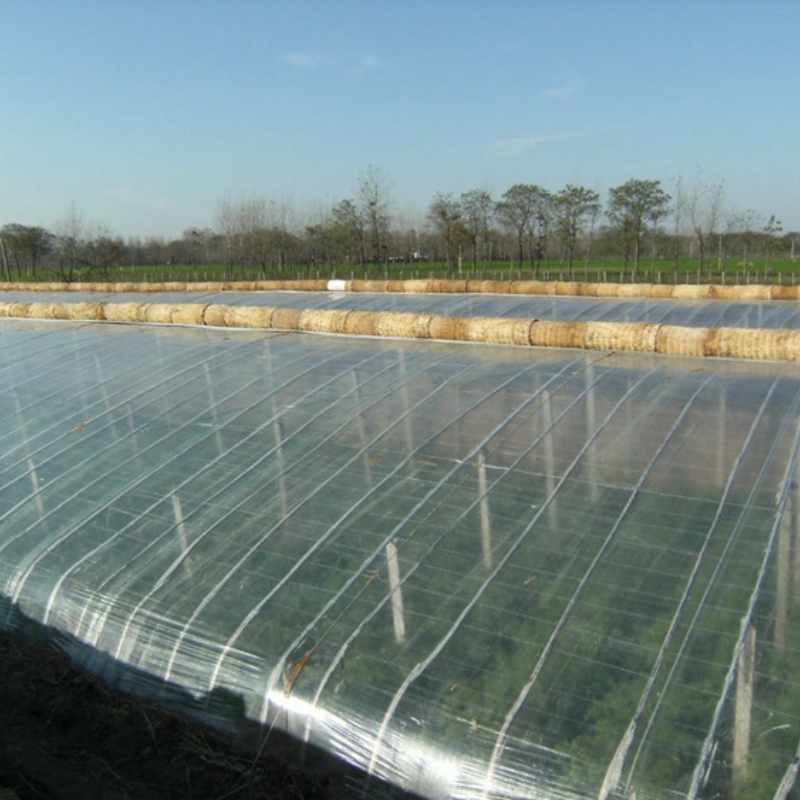
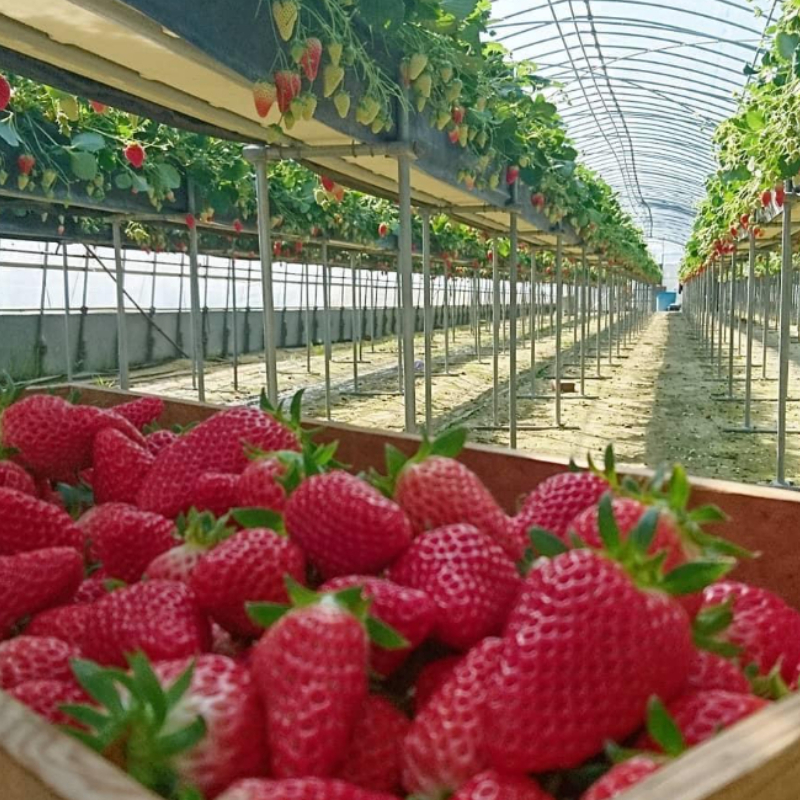
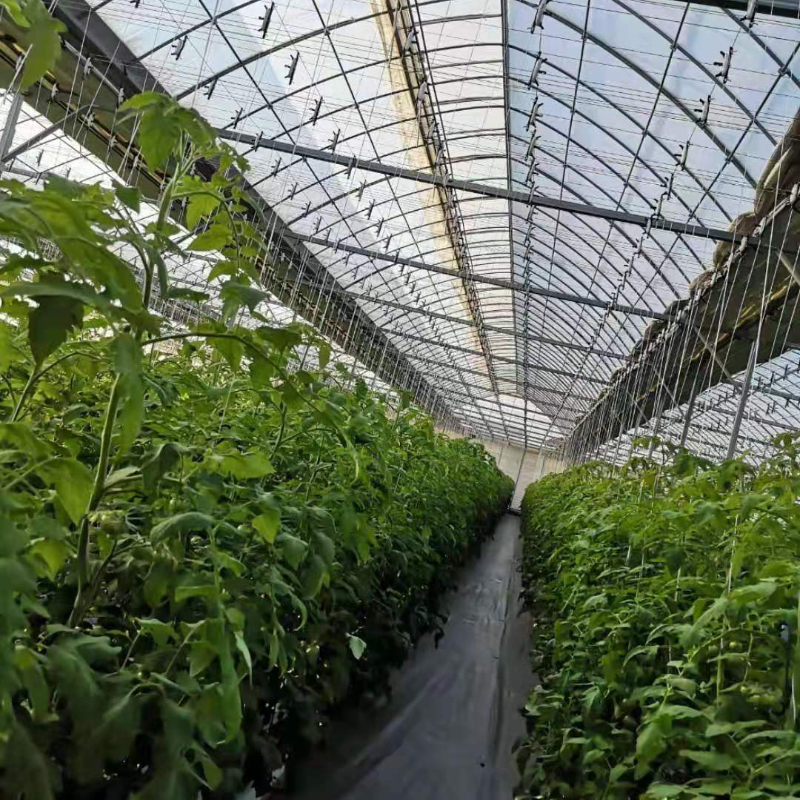
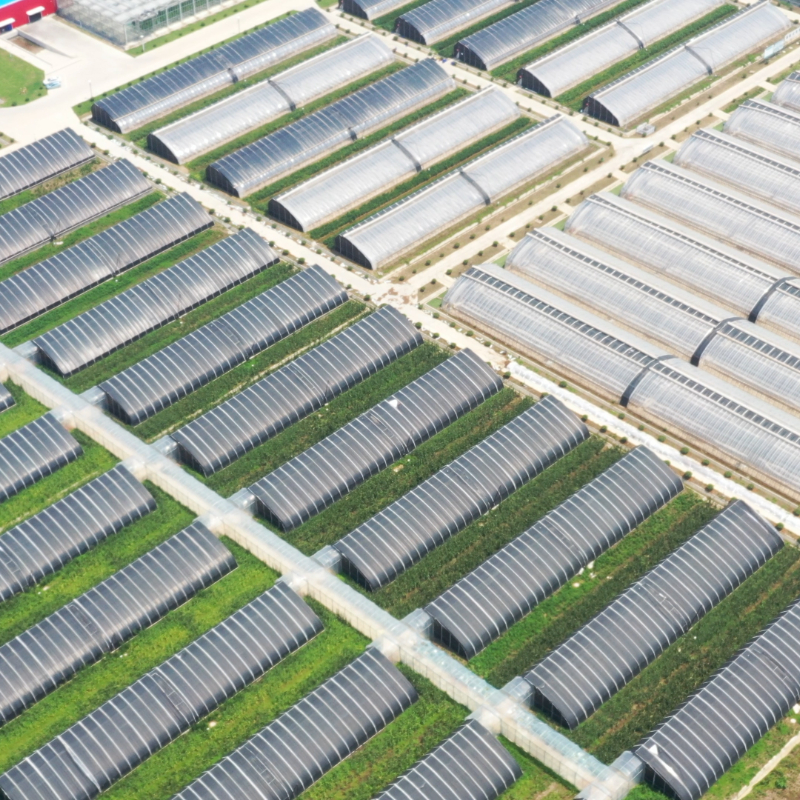
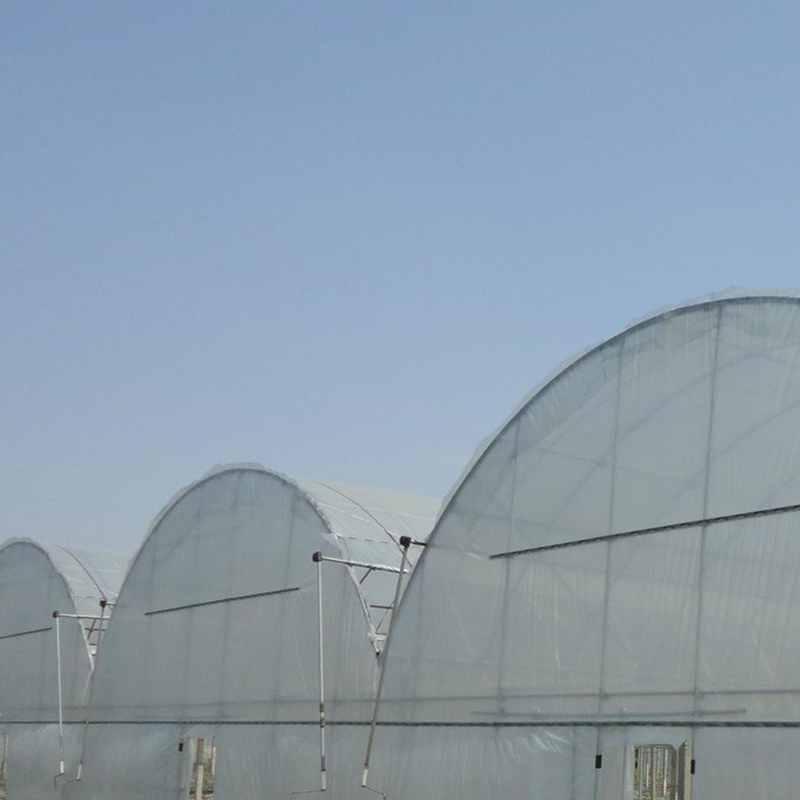
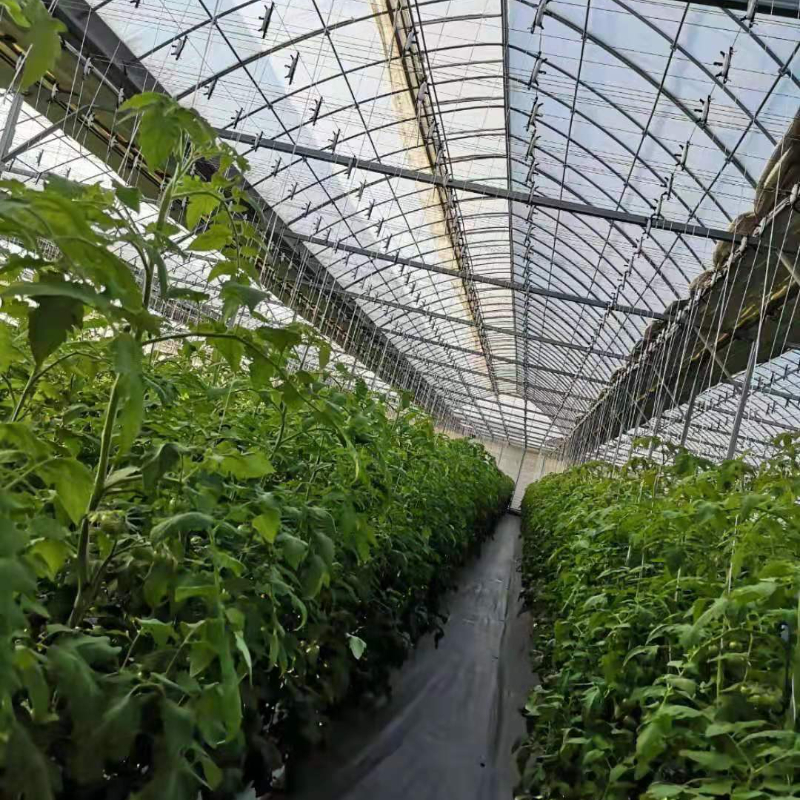
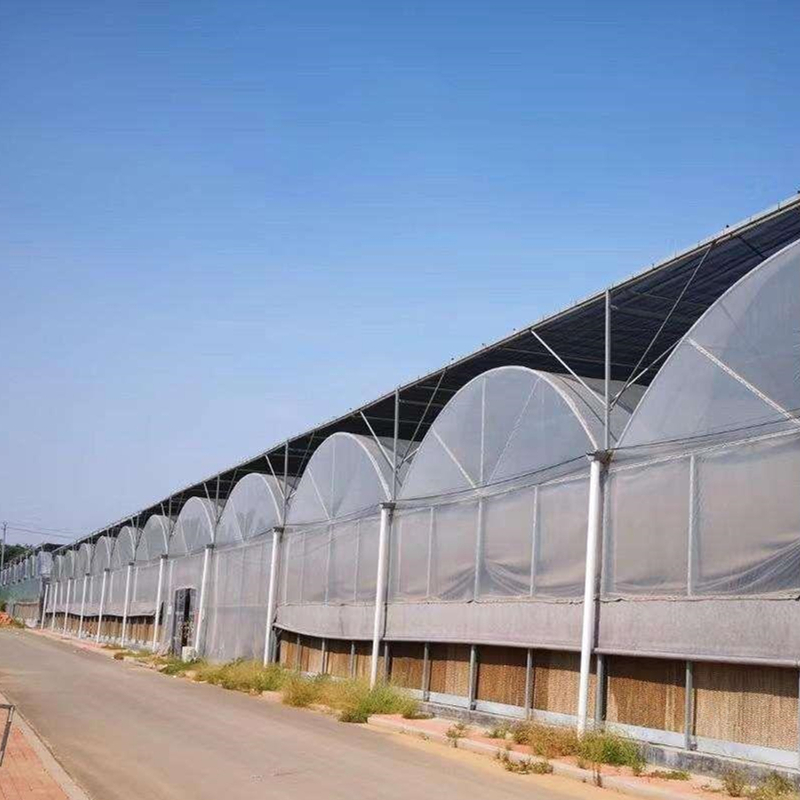
Although space greenhouses are developed for space exploration, their core technologies such as precision environmental control, resource recycling and closed-loop ecological system have important application value on the ground. Especially in extreme environments such as deserts, plateaus and polar regions where traditional agriculture is difficult to carry out, space greenhouse technology can be transformed and applied to build "desert greenhouses" and "polar greenhouses", realizing the local production of fresh food and improving the living conditions of local residents.
1. Application in Desert Areas: Turning Deserts into "Oases of Food"

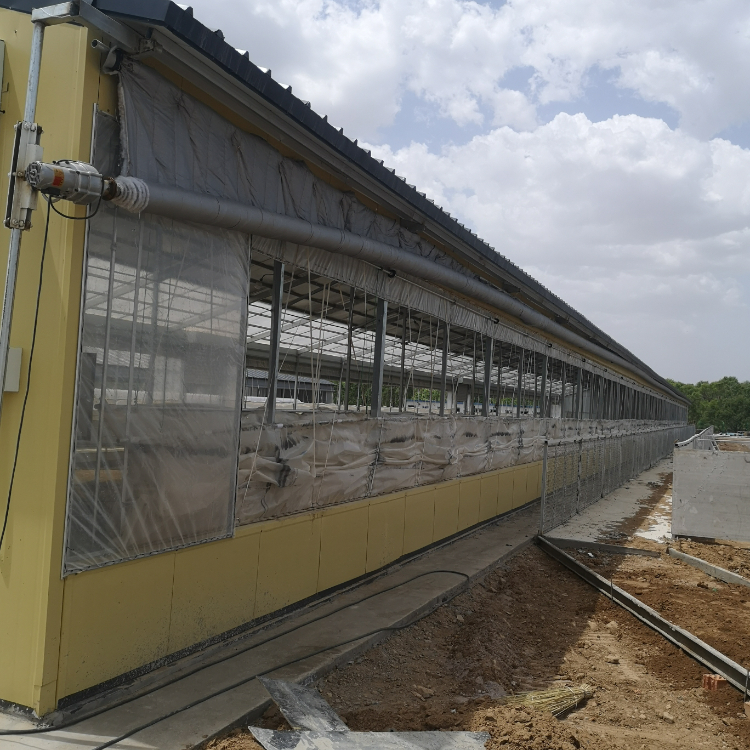
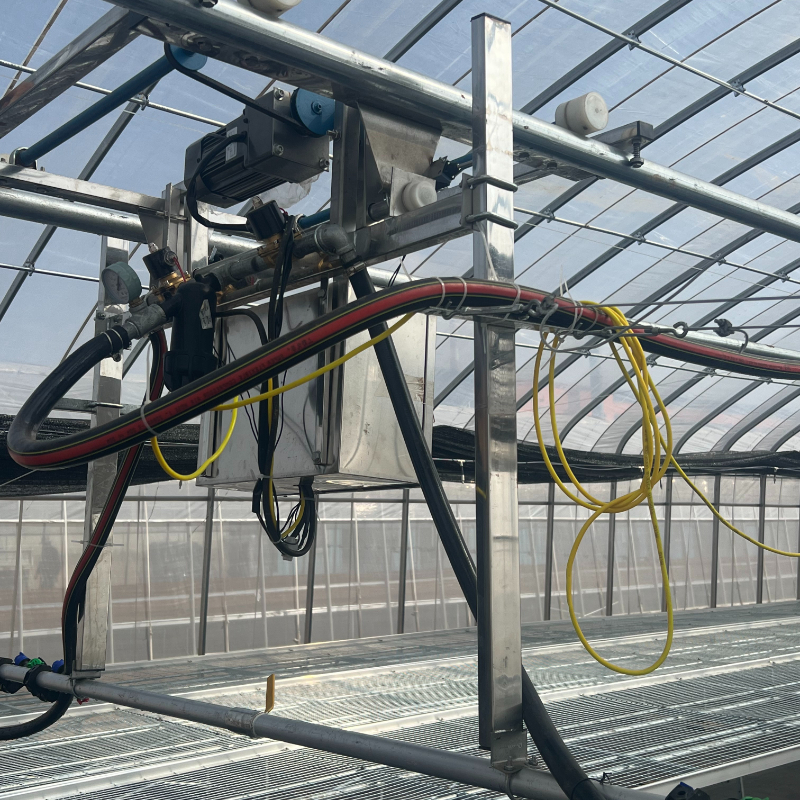
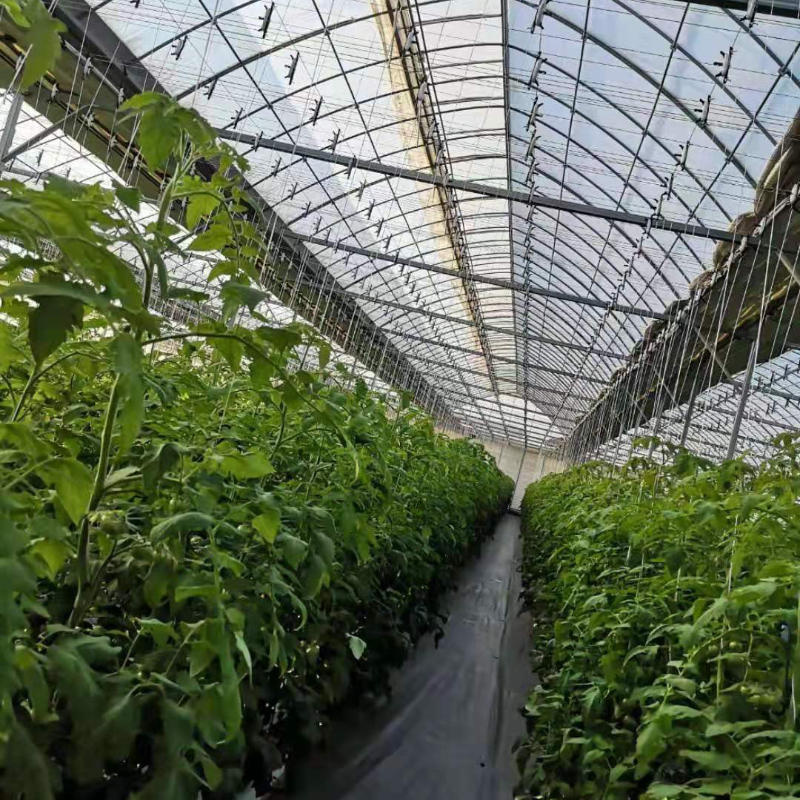
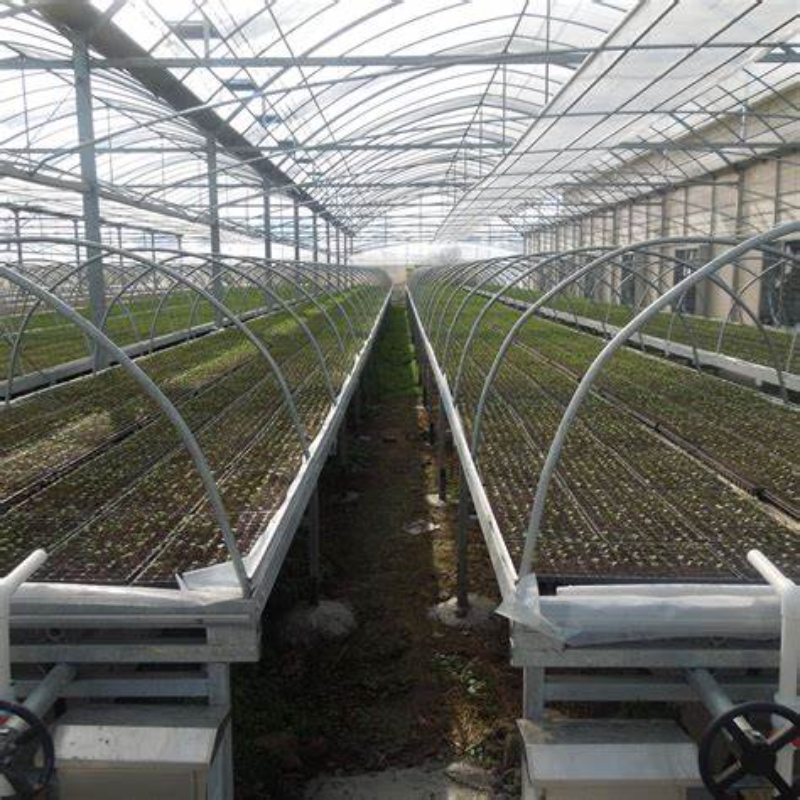
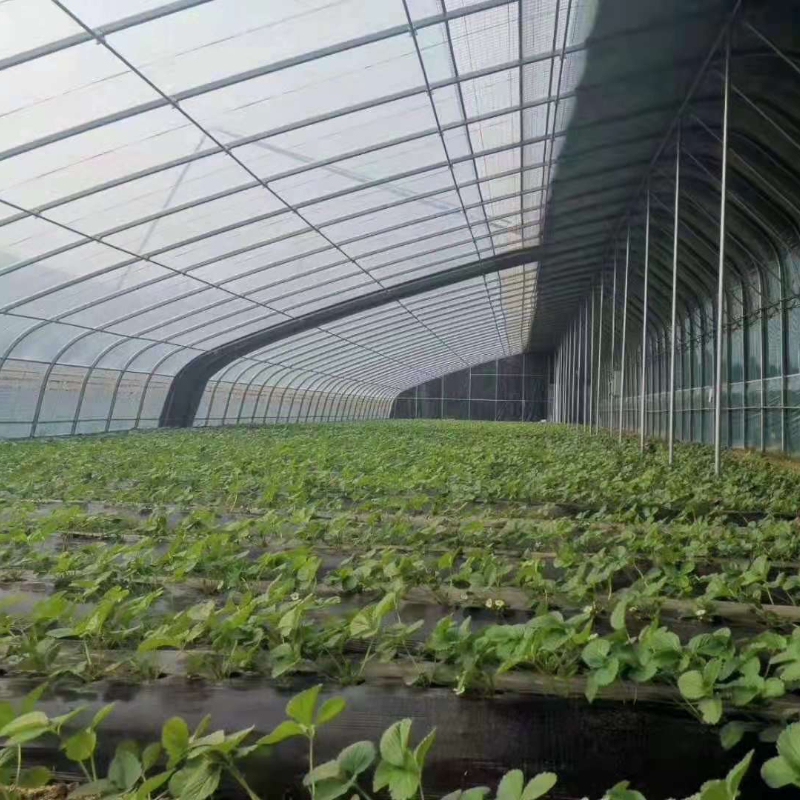
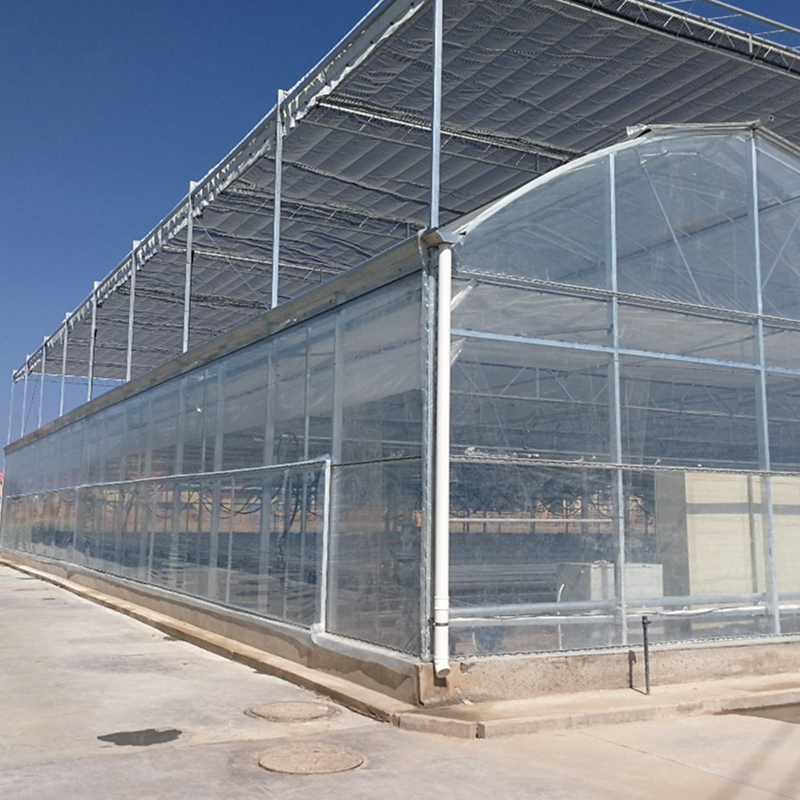
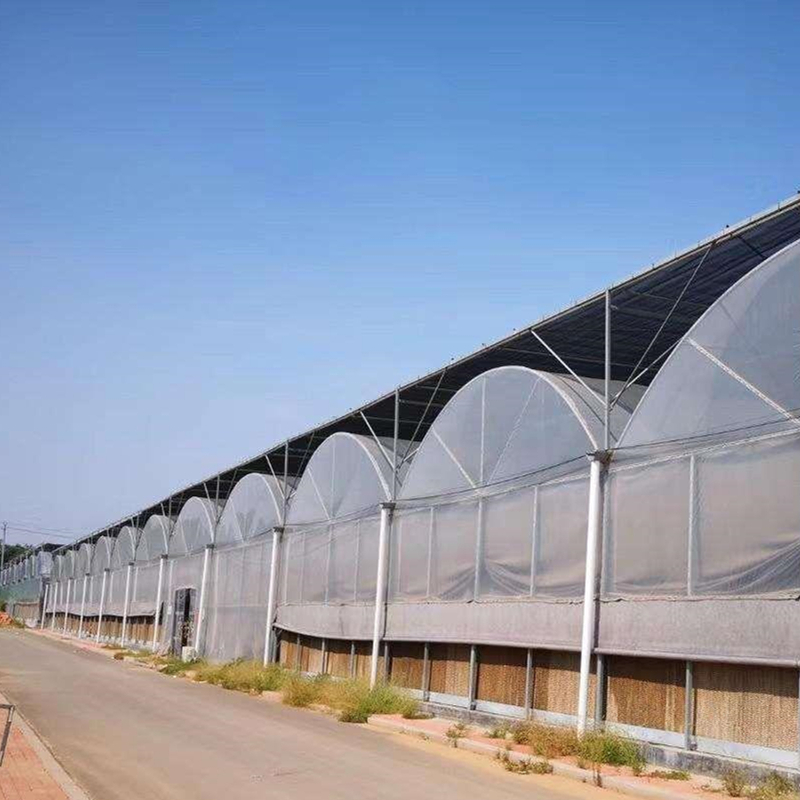
Desert areas are characterized by scarce water resources, strong radiation and drastic temperature changes, which are very similar to the space environment in many aspects. The resource recycling technology and precision environmental control technology of space greenhouses can be perfectly applied to desert greenhouses. For example, the water recycling system of space greenhouses can be used to treat desert groundwater or rainwater, realizing the efficient use of water resources; the LED light source and radiation protection technology can be used to cope with the strong radiation and uneven light in desert areas.
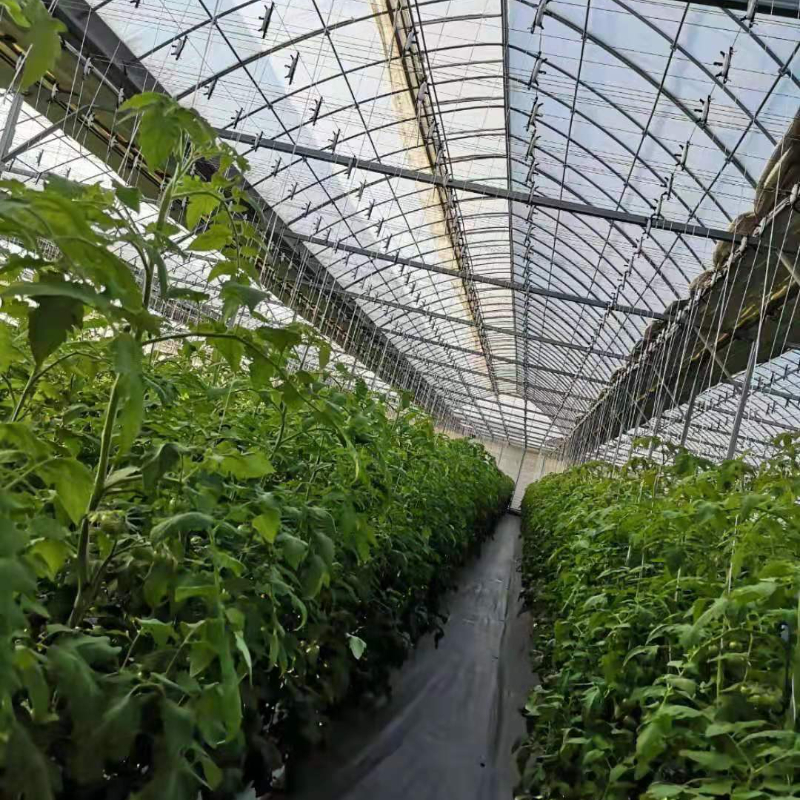
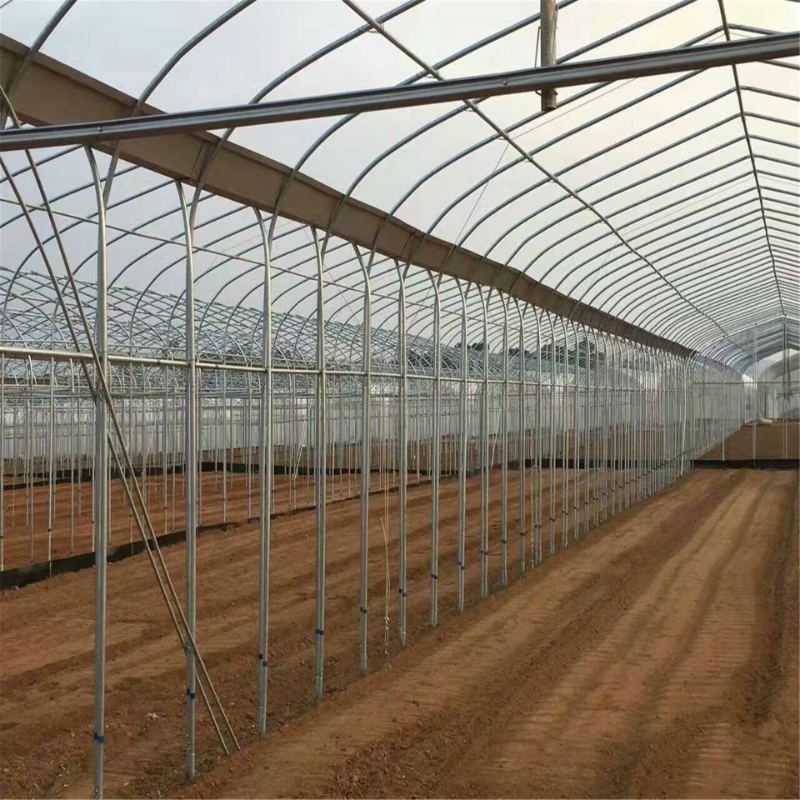
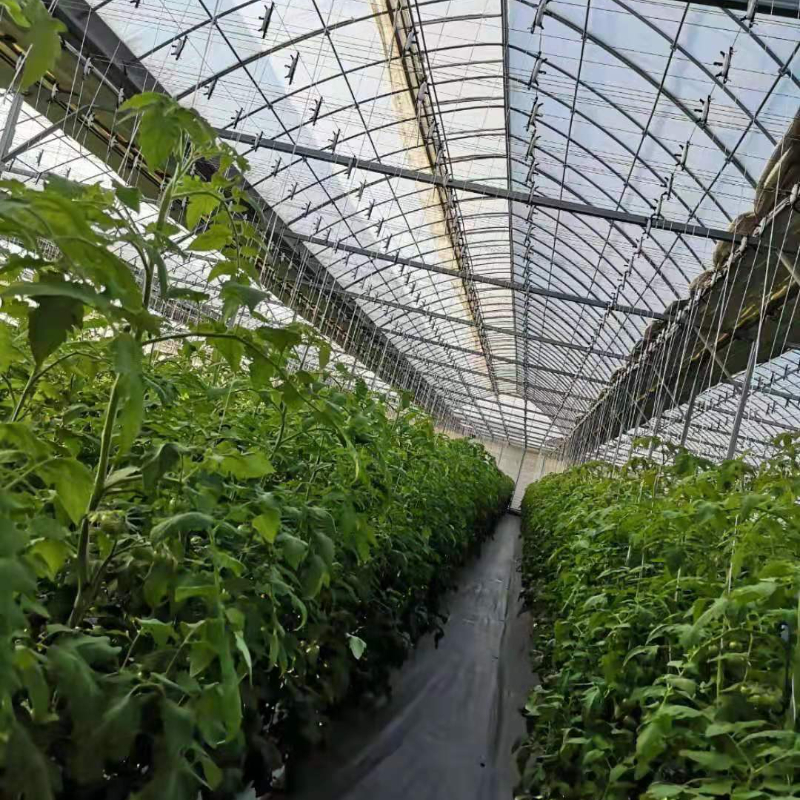
At present, some desert areas in the Middle East and North Africa have begun to introduce space greenhouse technology to build intelligent desert greenhouses. For example, a desert greenhouse project in Dubai, which uses the water recycling technology and precision irrigation system of space greenhouses, can save 90% of water resources compared with traditional agriculture. The greenhouse mainly cultivates microgreens, dwarf tomatoes and other short edible plants, with an annual output of 50-60 tons per hectare, which can meet the demand for fresh vegetables of 2,000-3,000 local residents. This project not only solves the problem of fresh food shortage in desert areas but also provides a new way for the development of desert agriculture.
2. Application in Polar Regions: Ensuring Fresh Food Supply for Scientific Research Stations

Polar regions such as the Arctic and Antarctic have extremely harsh natural environments, with long-term low temperatures, lack of light and difficulty in transportation. The scientific research personnel stationed in the polar scientific research stations have long relied on pre-packaged food transported from the mainland, and the supply of fresh food is extremely scarce. The space greenhouse technology can be used to build greenhouses in polar scientific research stations to realize the in-situ production of fresh vegetables.
The Chinese Antarctic Zhongshan Station has built a "polar greenhouse" based on space greenhouse technology. The greenhouse adopts a fully enclosed design and is equipped with a precision temperature control system and LED supplementary light system, which can maintain a stable temperature of 20-25℃ inside the greenhouse even in the polar night with a temperature of -60℃ outside. The greenhouse mainly cultivates microgreens, lettuce and other short plants, which can be harvested every 10-15 days. This greenhouse has solved the problem of fresh vegetable shortage for the scientific research personnel of Zhongshan Station, and the fresh vegetables produced can meet 30% of the daily demand of the scientific research personnel. At the same time, the closed-loop resource utilization system of the greenhouse also reduces the transportation burden of the scientific research station.
3. Application in Urban Agriculture: Promoting the Development of Vertical Farming

With the acceleration of urbanization, the problem of "food security in big cities" has become increasingly prominent. The vertical farming technology derived from space greenhouse technology can make full use of urban building space (such as roof, basement and wall) to carry out agricultural production, realizing the local supply of fresh food in cities. The vertical farming system adopts multi-layer vertical planting, LED light source and precision hydroponic technology, which are all core technologies of space greenhouses.
At present, many big cities around the world such as New York, Tokyo and Singapore have begun to promote vertical farming. For example, a vertical farm in Singapore uses space greenhouse-derived technology to cultivate leafy vegetables and microgreens in a 10-story building. The farm has a yield of 100-120 tons per hectare per year, which is 10-15 times that of traditional farmland. The fresh vegetables produced are supplied to local supermarkets and restaurants, reducing the transportation distance of vegetables by 50-100 kilometers and reducing carbon emissions. This model not only improves the efficiency of urban land use but also promotes the development of low-carbon and environmentally friendly urban agriculture.
