
1. Core Selection Criteria: Why Choose Plants Under 30 Centimeters?
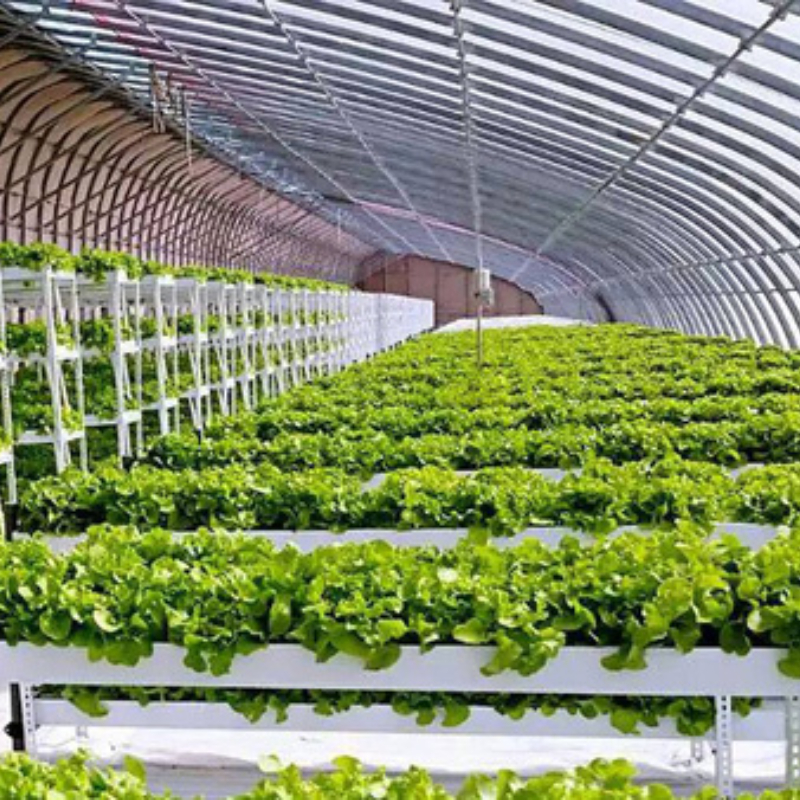
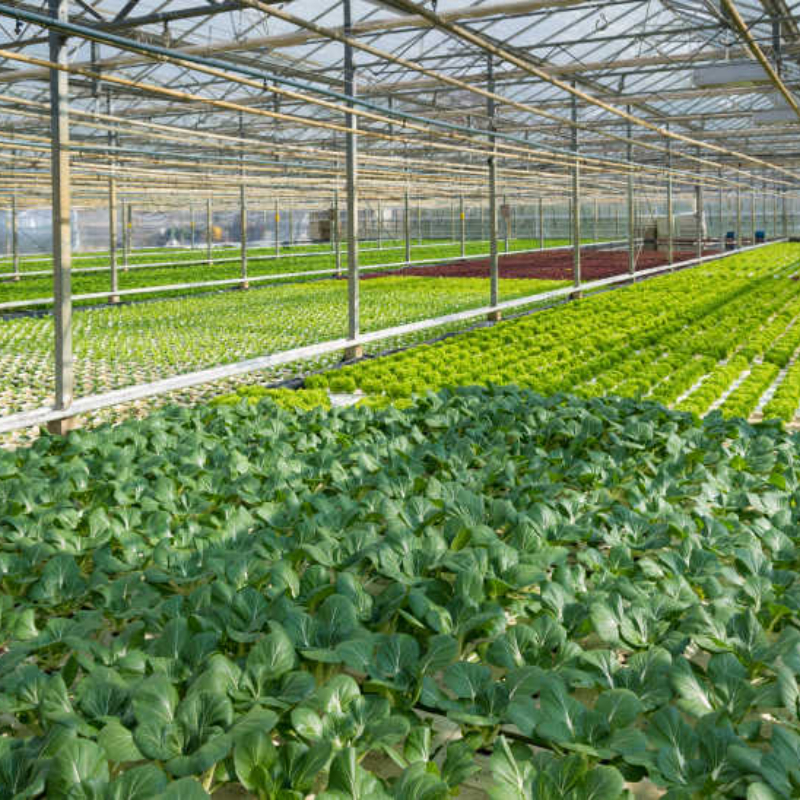
The first reason for choosing plants with a height of less than 30 centimeters is to save space. The internal space of space vehicles such as the ISS and future Mars rovers is extremely limited, and the height of the greenhouse cannot be too high. Short plants can be planted in a multi-layer vertical way, which greatly improves the space utilization rate. For example, microgreens and dwarf tomatoes can be planted in 2-3 layers of vertical shelves, and the yield per unit area is 2-3 times that of traditional horizontal planting. The second reason is to adapt to the microgravity environment. Tall plants are prone to lodging and chaotic growth in the microgravity environment, which is not conducive to management and harvest. Short plants have a more stable growth structure and stronger adaptability to the microgravity environment. The third reason is to shorten the growth cycle. Most short plants have a short growth cycle, which can realize quick harvest and meet the continuous demand for fresh food of astronauts. For example, microgreens can be harvested in 10-15 days, and dwarf tomatoes can be harvested in 60-70 days, while the growth cycle of tall tomatoes on Earth is usually more than 90 days.
2. Typical Edible Plants Suitable for Space Greenhouses
According to the selection criteria, a variety of edible plants are very suitable for cultivation in space greenhouses. These plants not only meet the height requirement of less than 30 centimeters but also have the characteristics of high nutritional value and strong adaptability.
Peas are one of the ideal plants for space greenhouses. Dwarf pea varieties have a height of only 20-25 centimeters and a growth cycle of 60-70 days. They are rich in protein, dietary fiber and vitamins, and can provide high-quality protein for astronauts. At the same time, peas have strong adaptability to the environment and can grow normally in the range of 15-25℃. The root system of peas can also fix nitrogen in the air, which helps to improve the nutrient content of the soil (substrate) and is conducive to the growth of other plants.
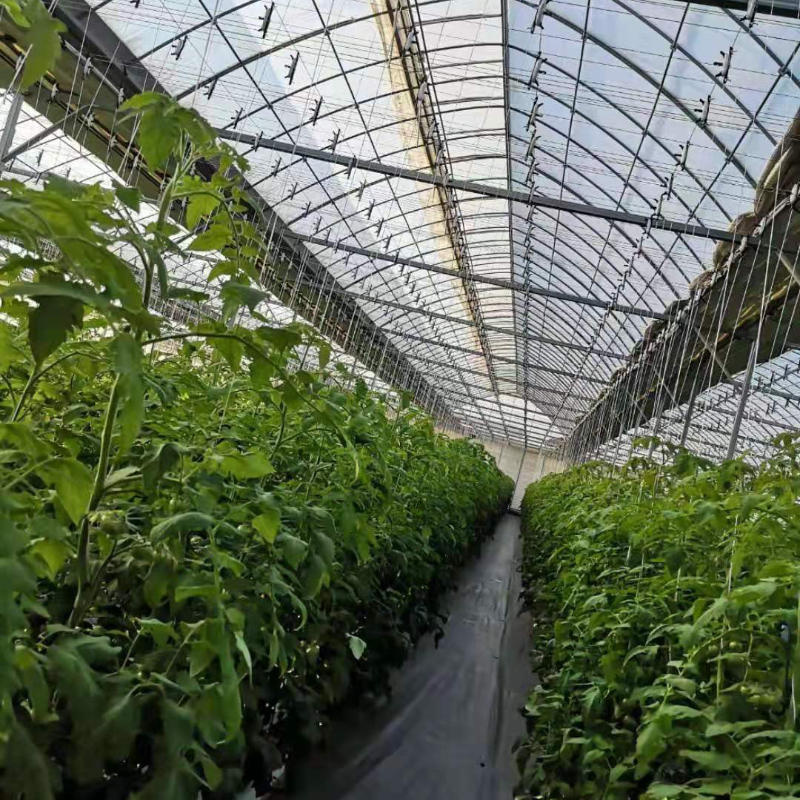
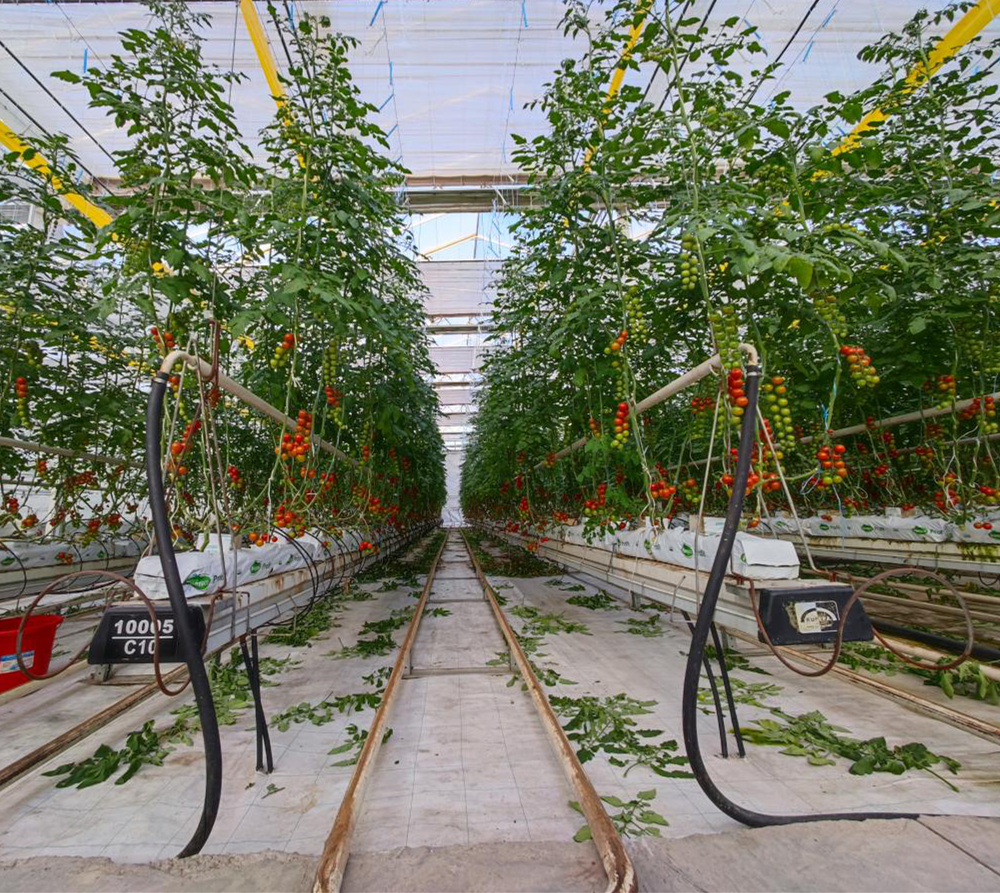
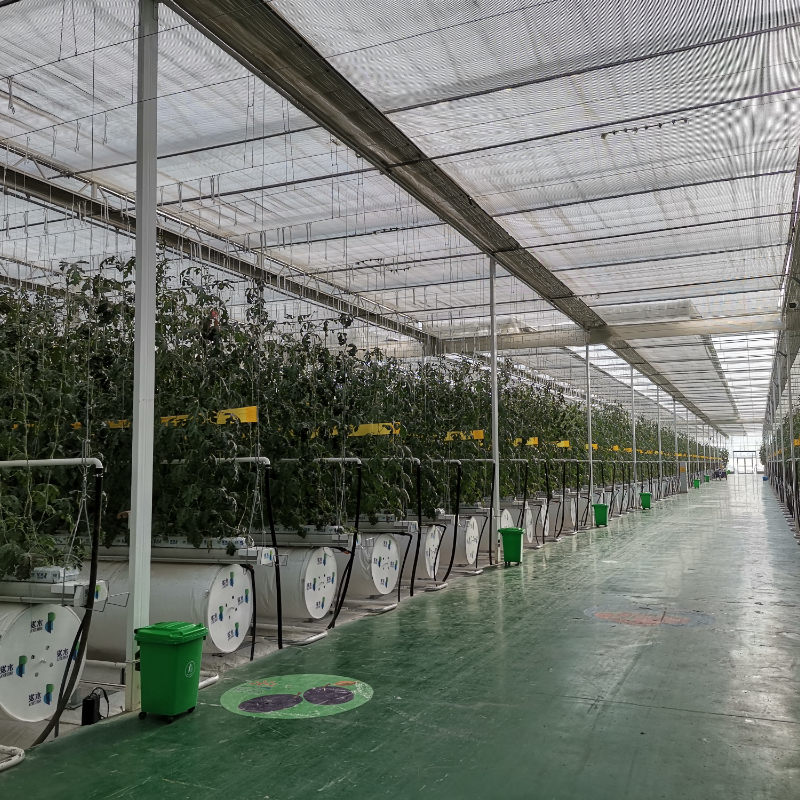
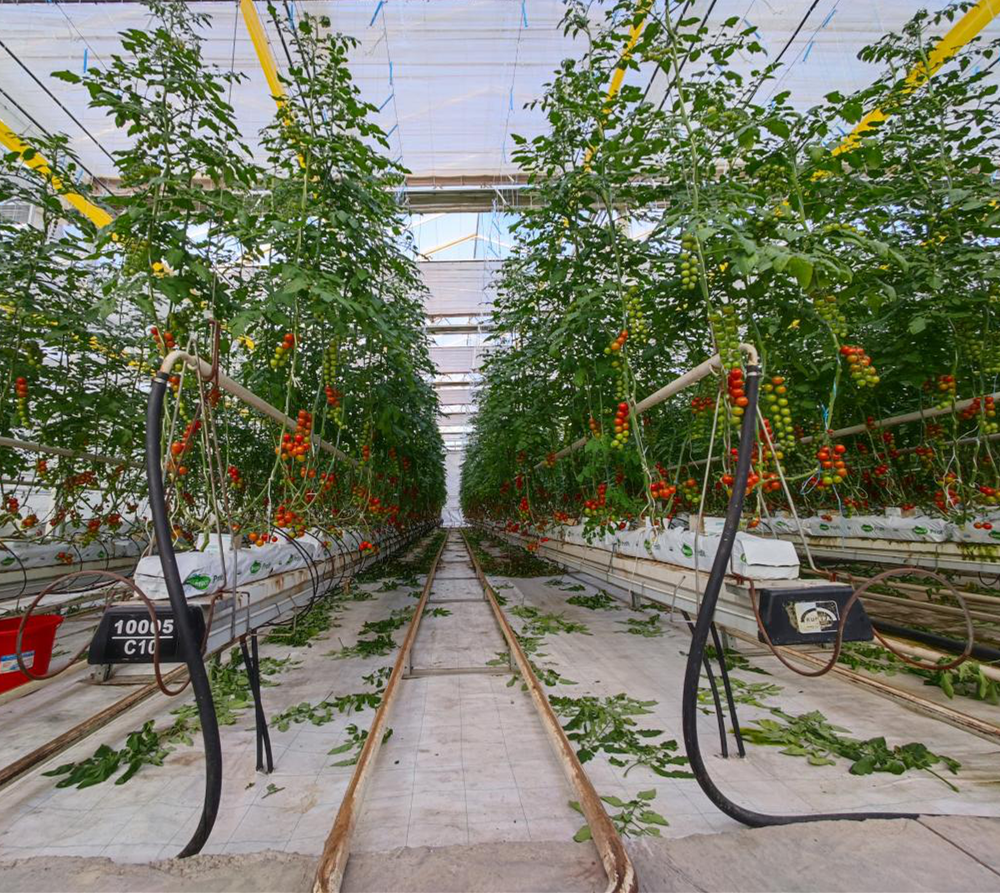
Dwarf tomatoes and peppers are also important choices for space greenhouses. Dwarf tomato varieties such as "Micro-Tom" have a height of 20-25 centimeters and a growth cycle of 60-70 days. They have high yield and good fruit quality, and each plant can bear 10-15 fruits. The fruit is rich in vitamin C, lycopene and other antioxidants, which can enhance astronauts' resistance to radiation. Dwarf peppers have a similar height and growth cycle to dwarf tomatoes, and their fruits are rich in vitamin C and capsaicin. Capsaicin can stimulate appetite and help astronauts improve their food intake in the space environment where appetite is easy to decrease.
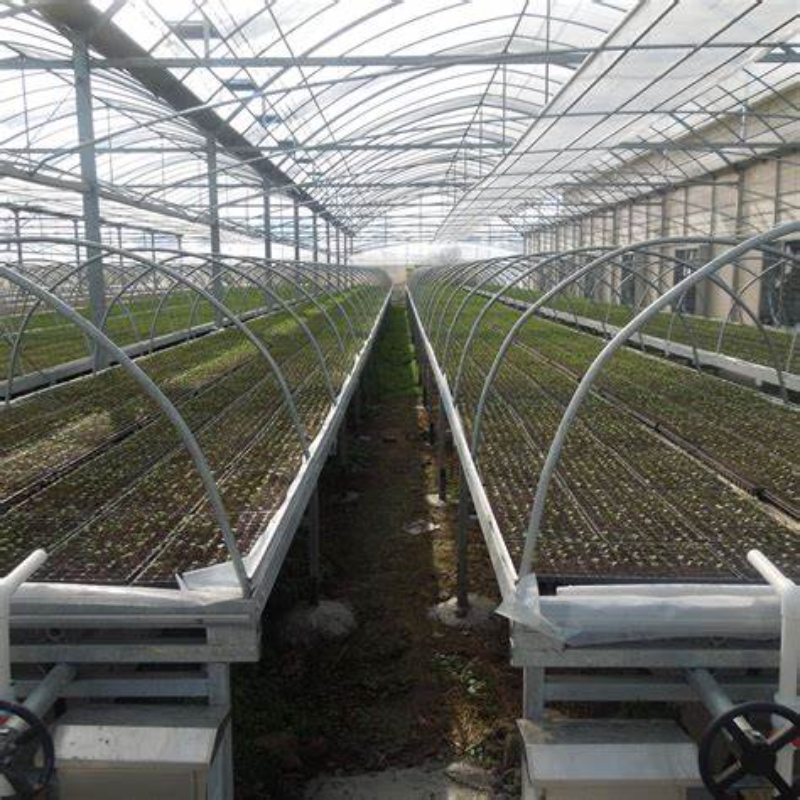
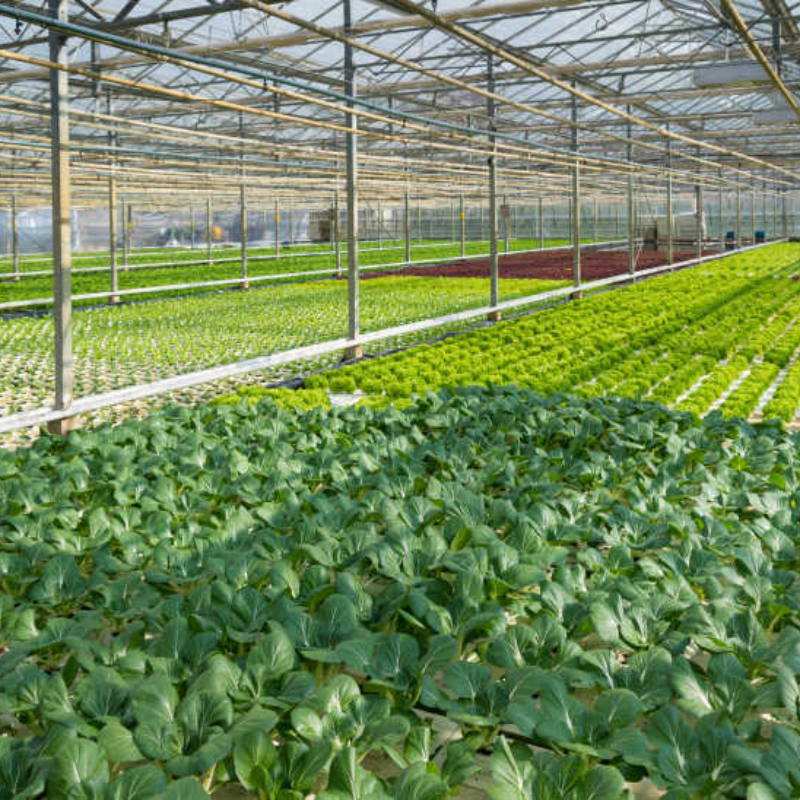
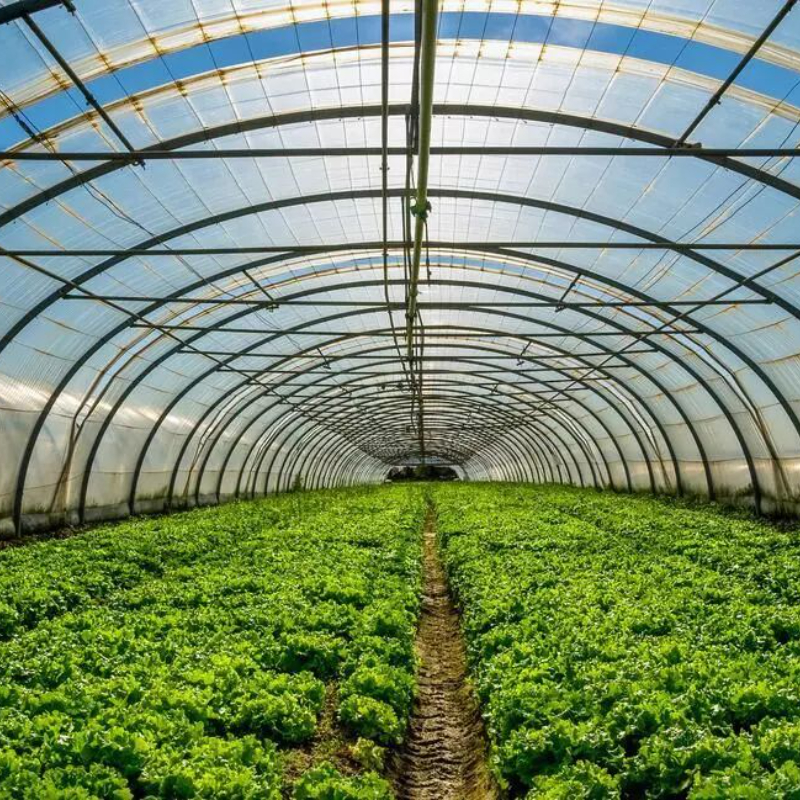
Microgreens are a type of young seedlings of vegetables such as lettuce, spinach and arugula, with a height of only 5-10 centimeters and a growth cycle of 10-15 days. They are the "fastest-growing fresh food" in space greenhouses. Microgreens are rich in vitamins, minerals and antioxidants, and their nutritional content is even higher than that of mature vegetables. For example, the vitamin C content of microgreen lettuce is 2-3 times that of mature lettuce. In addition, microgreens have simple cultivation requirements and can be grown in a hydroponic system without soil, which is very suitable for the limited resource environment of space.
In addition to the above plants, some other short edible plants such as radishes and chives are also being tested for cultivation in space greenhouses. With the continuous progress of space agricultural technology, the variety of plants suitable for space greenhouses will continue to expand, providing astronauts with a more diverse food structure.
