
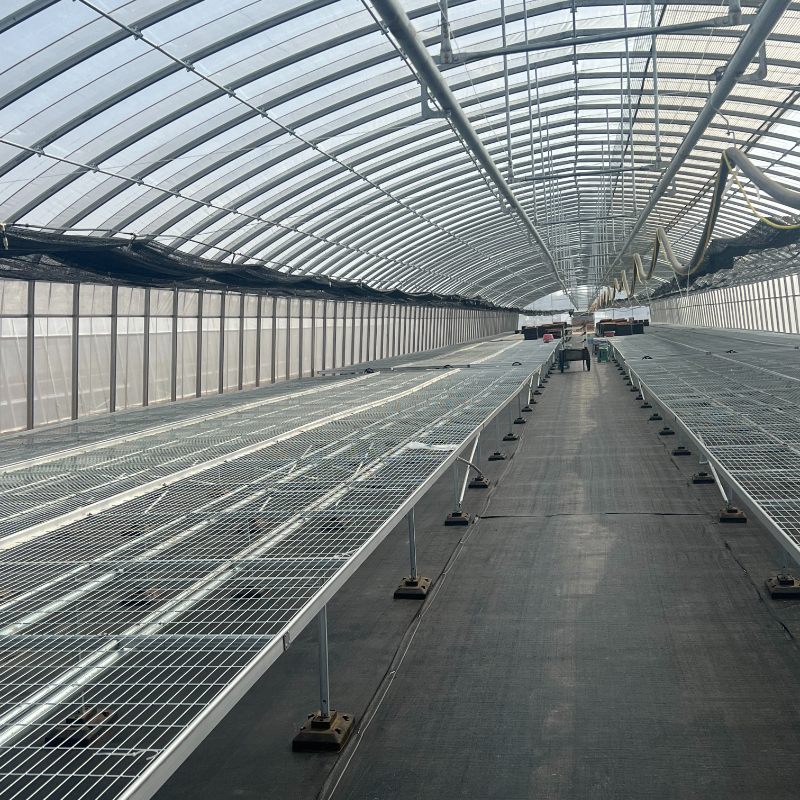
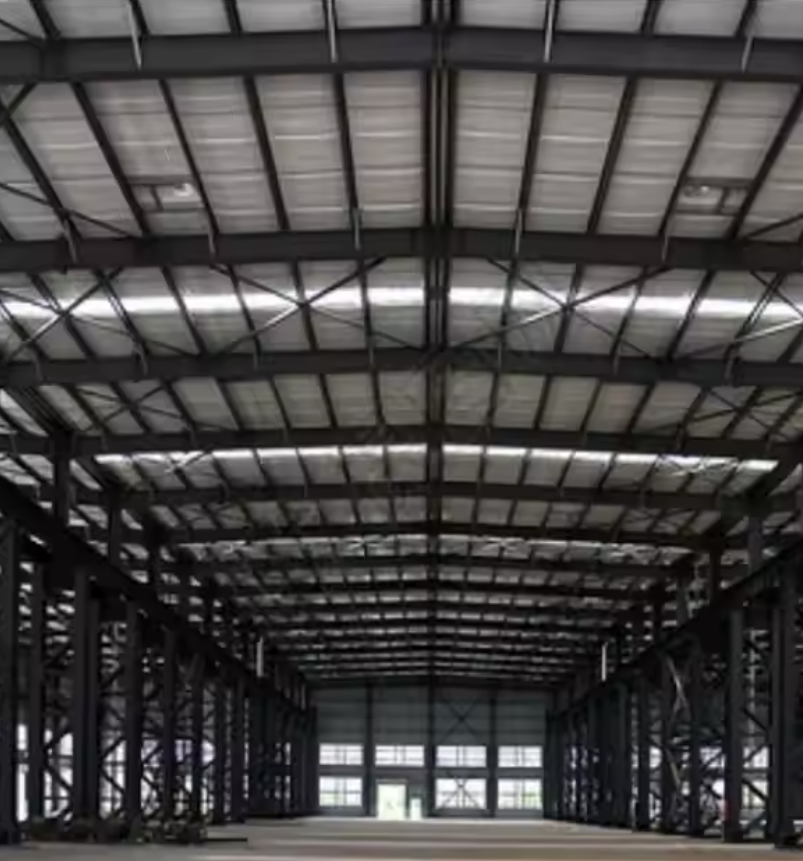
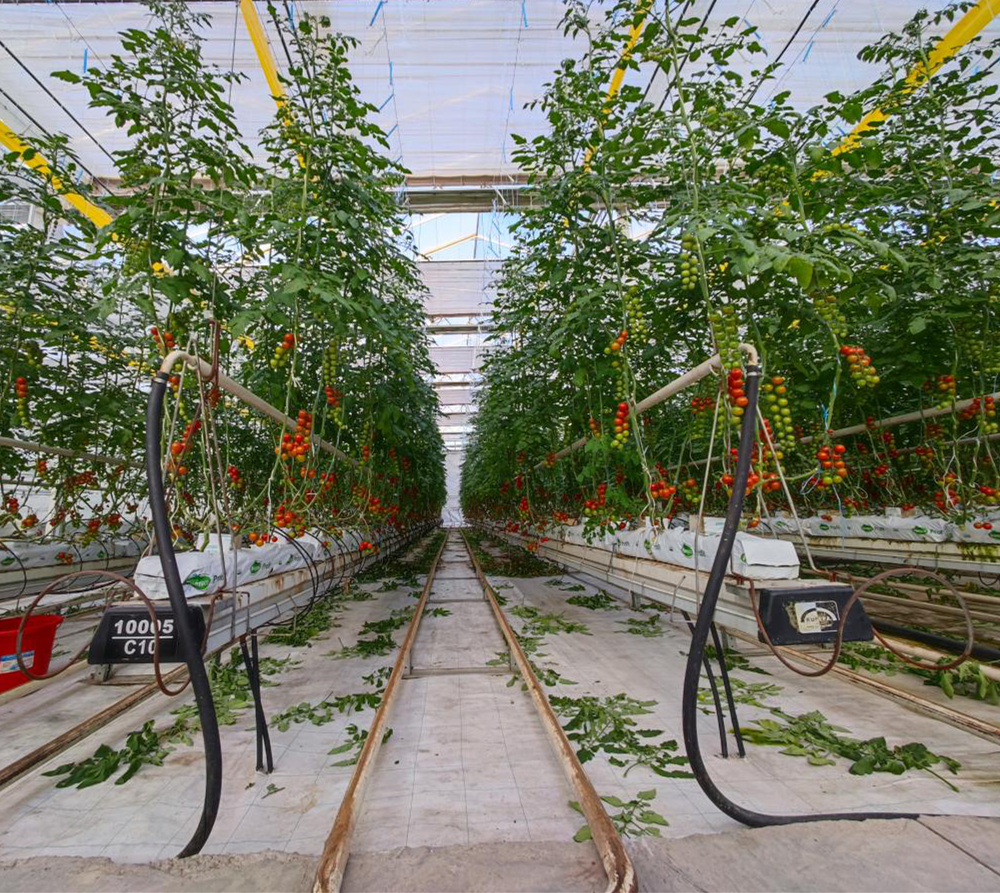
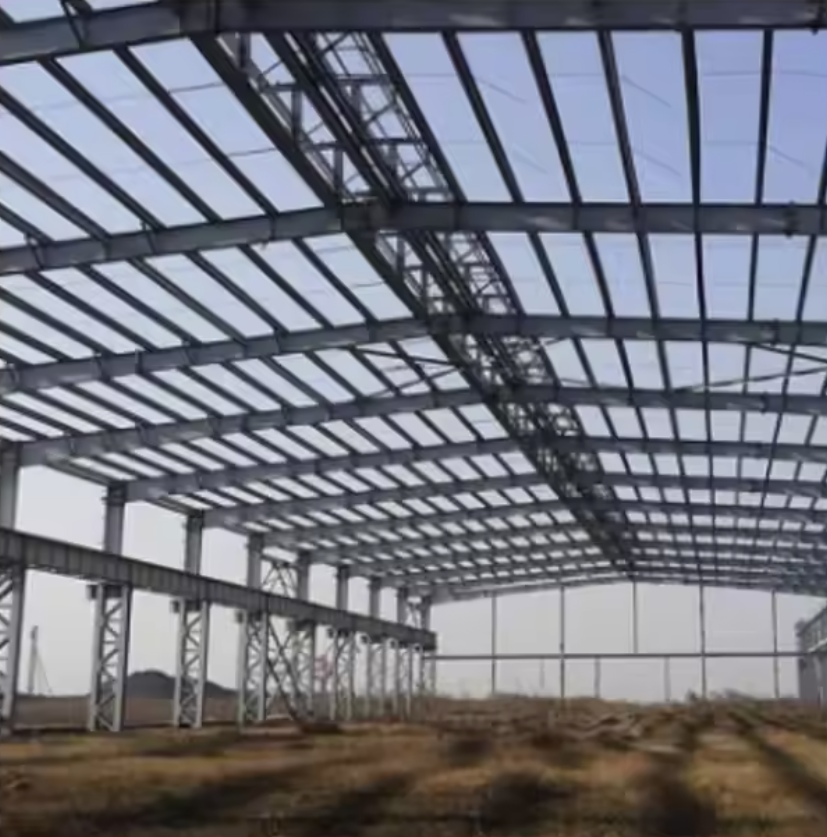
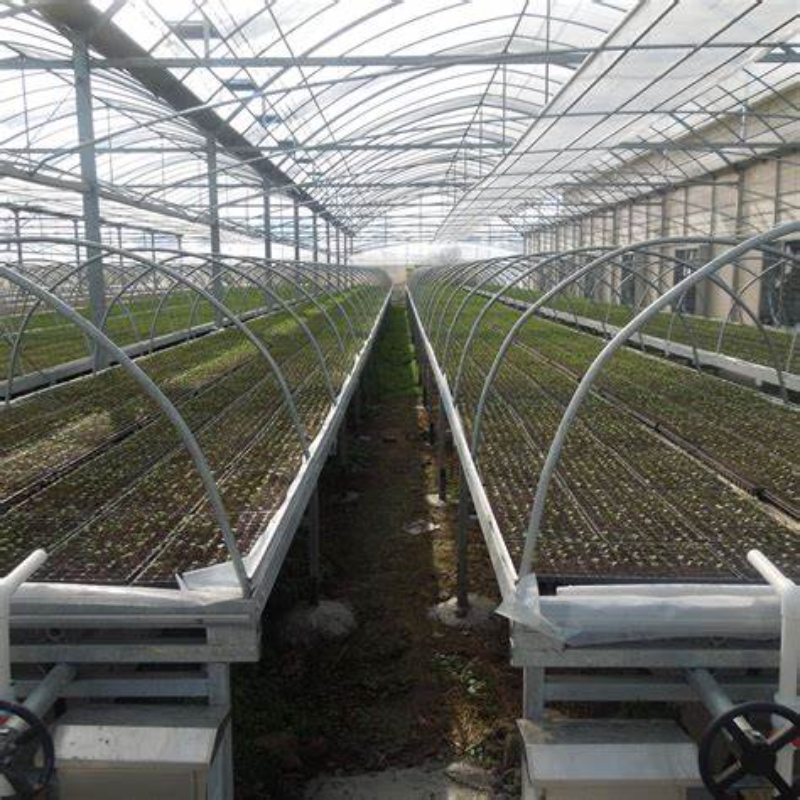
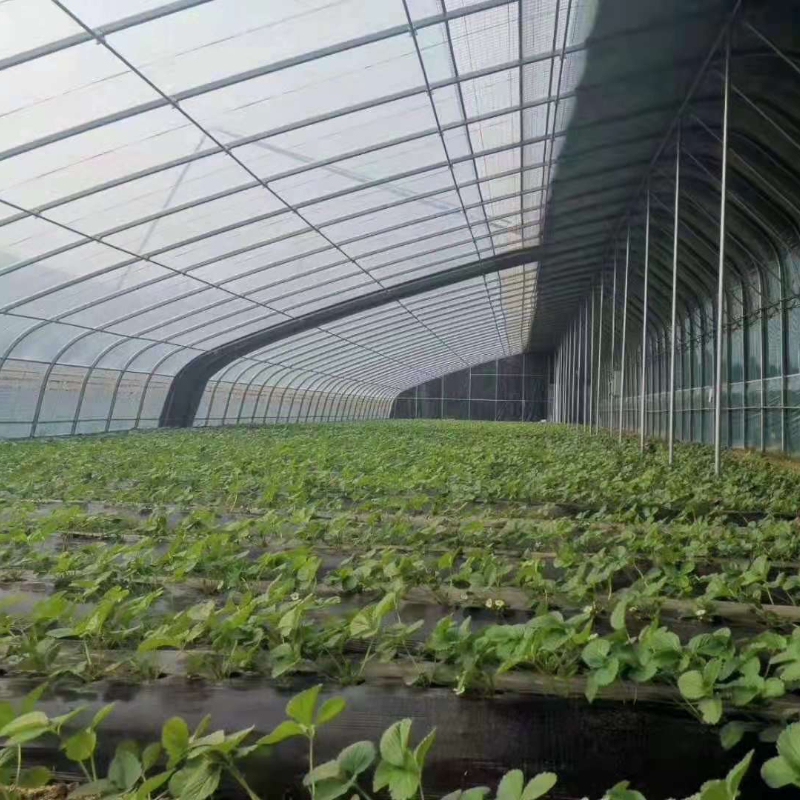
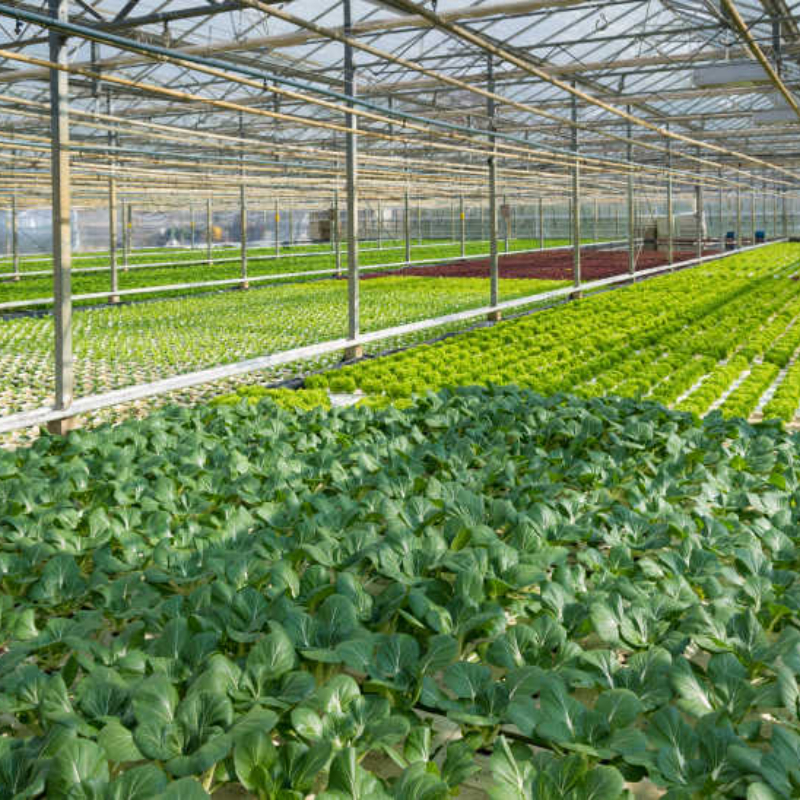
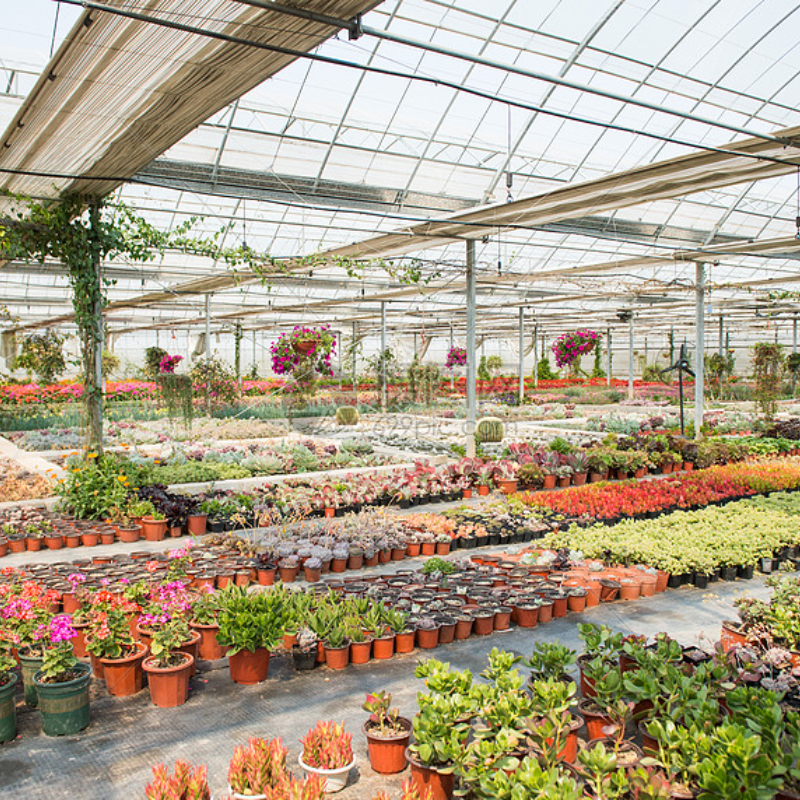
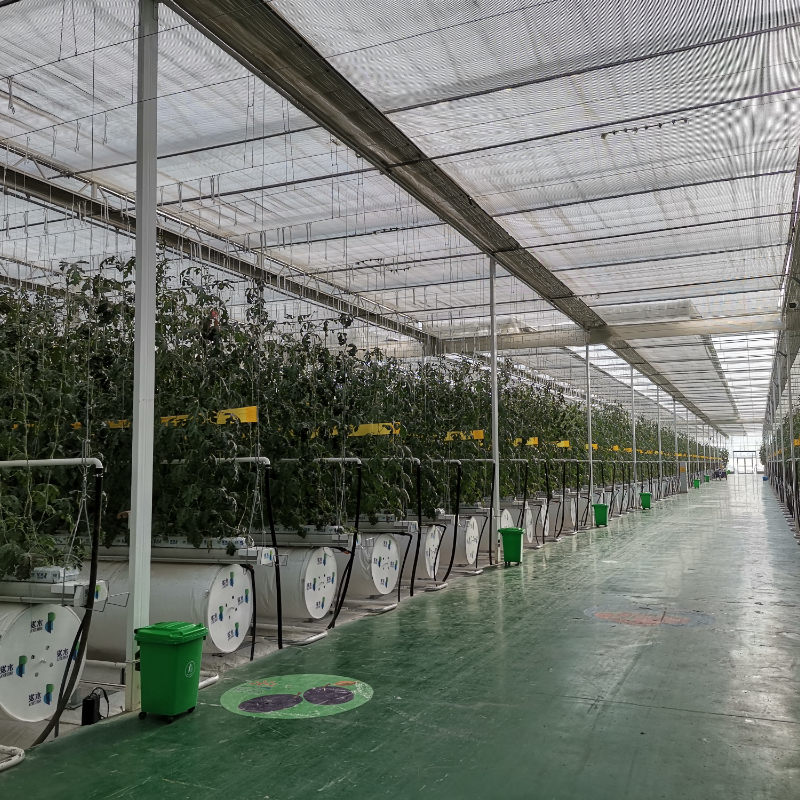
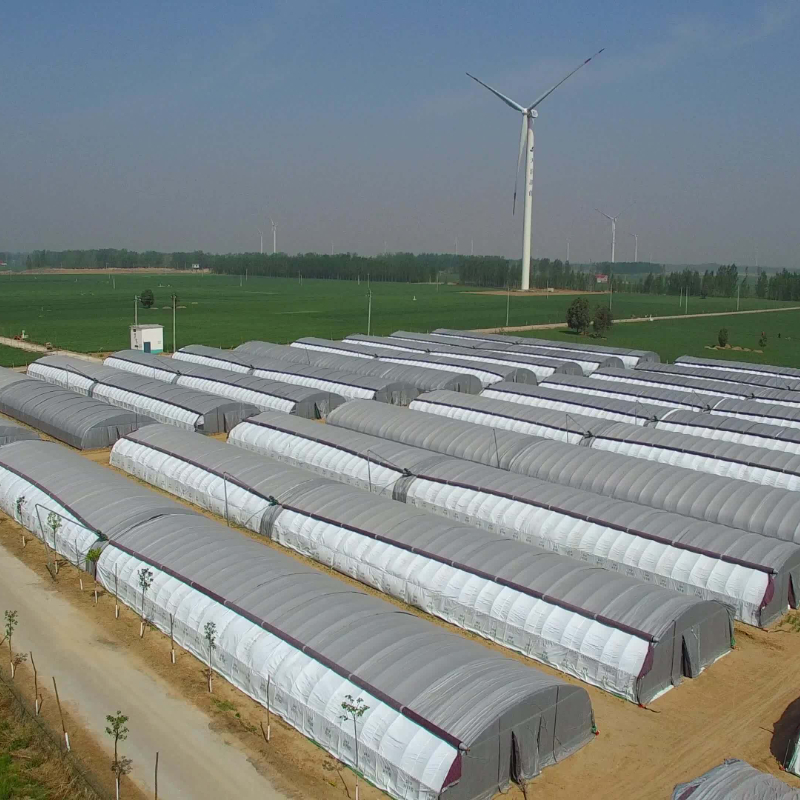
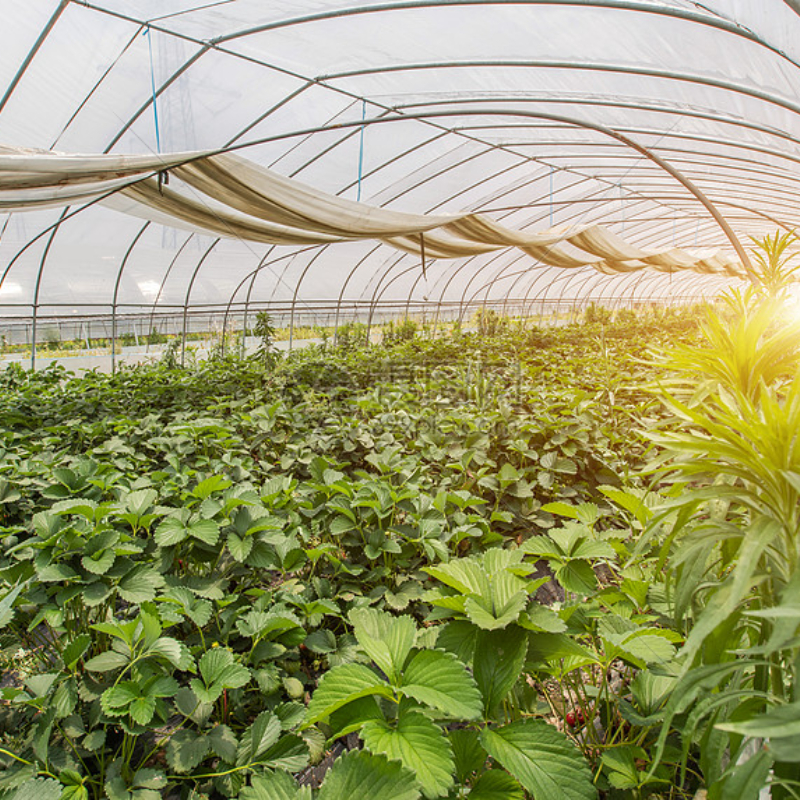
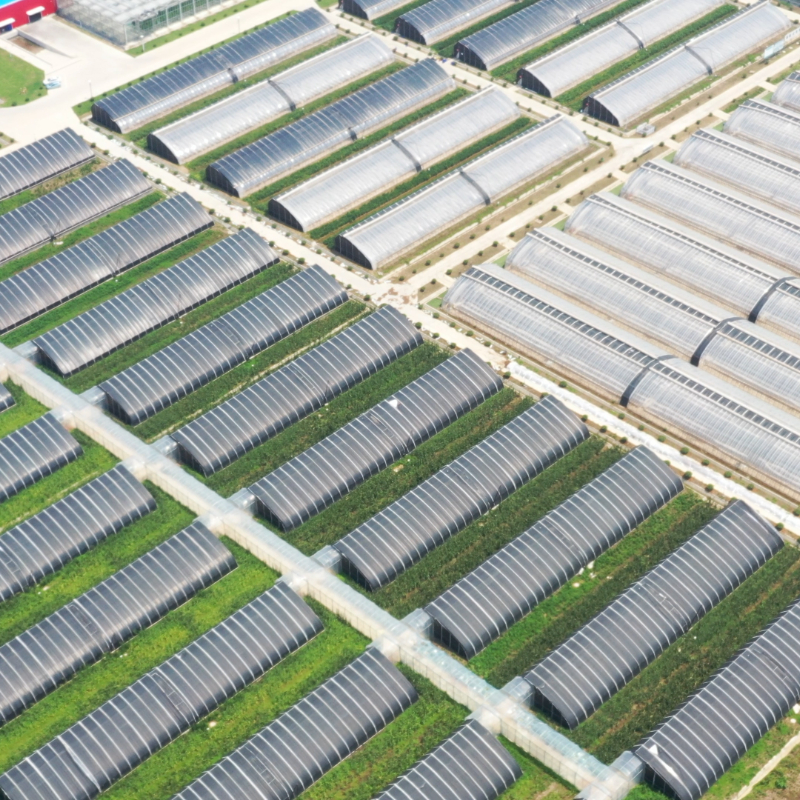
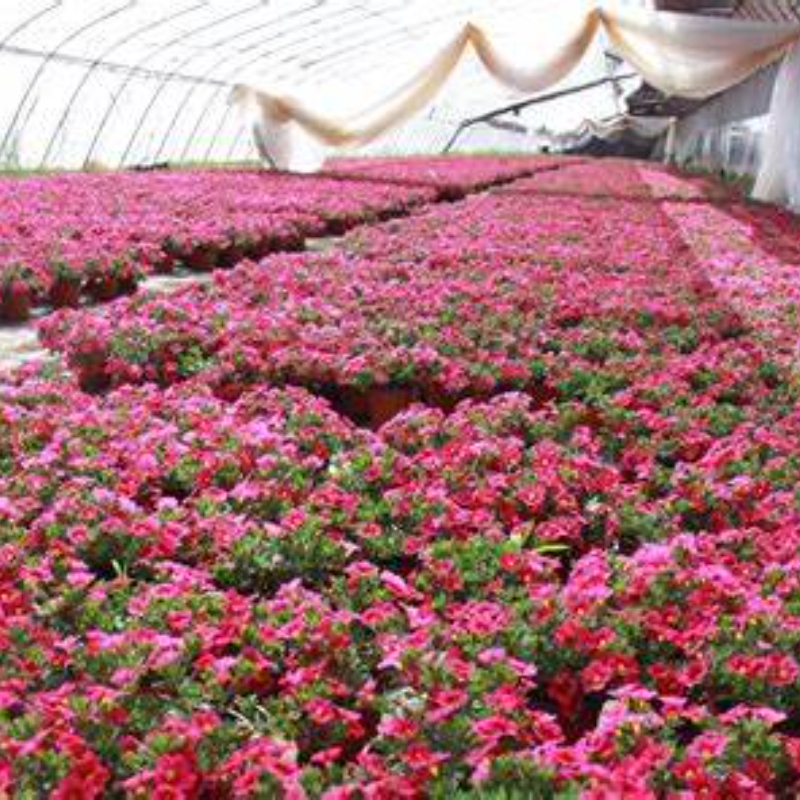
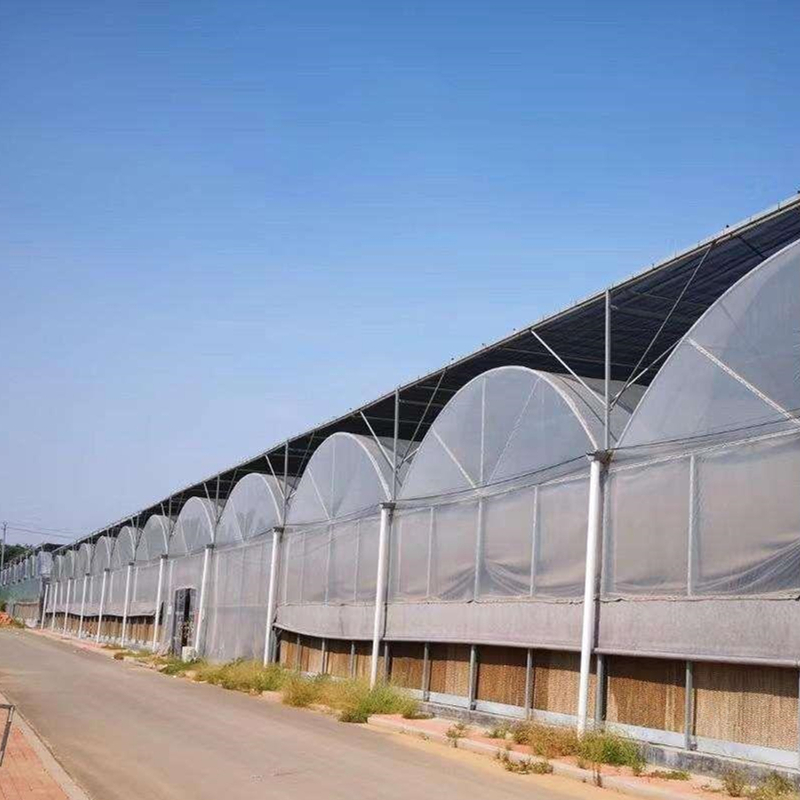
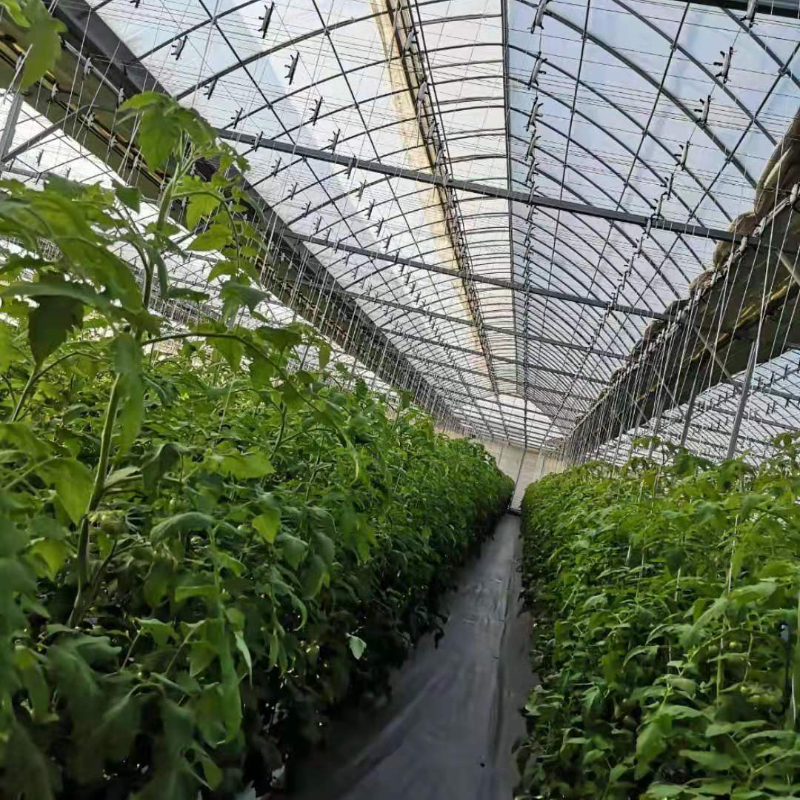
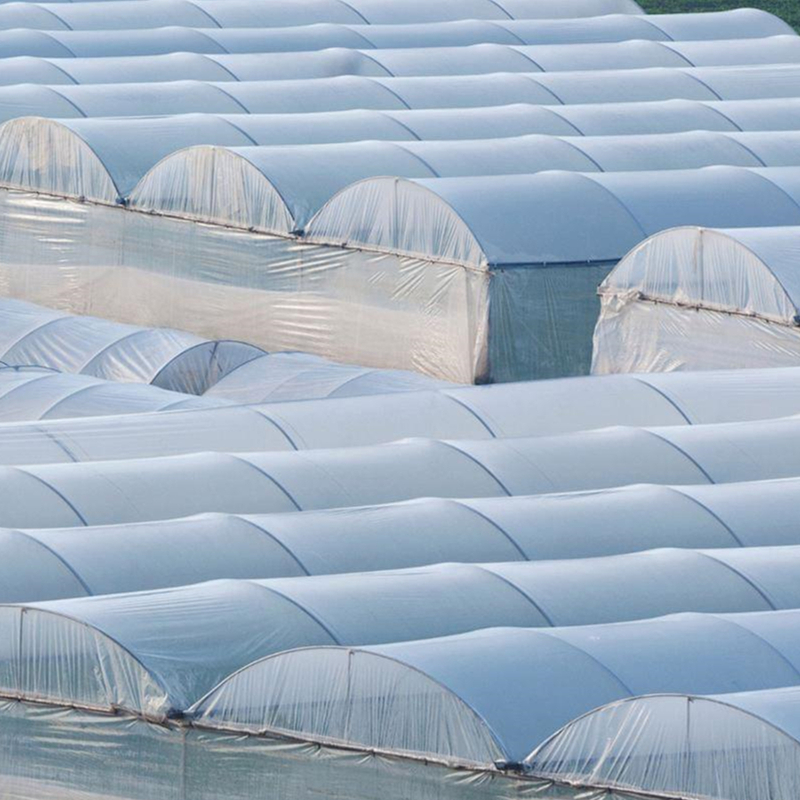
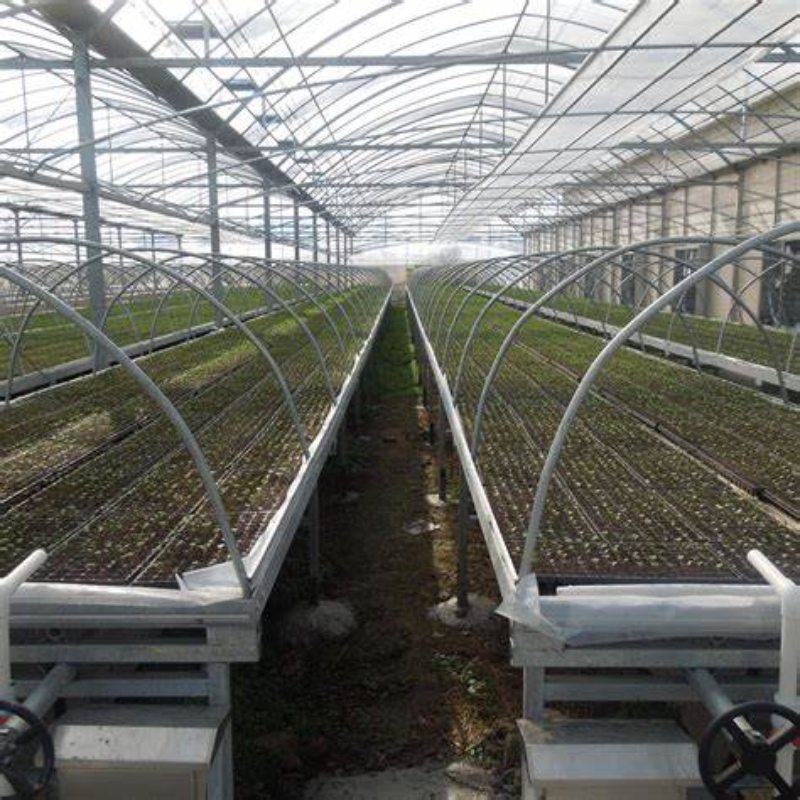
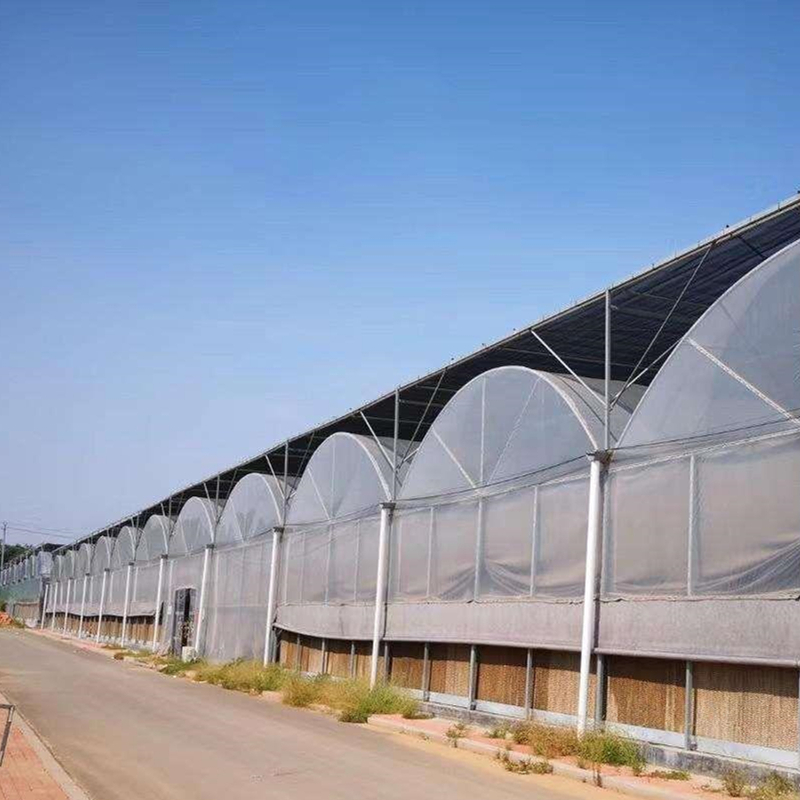
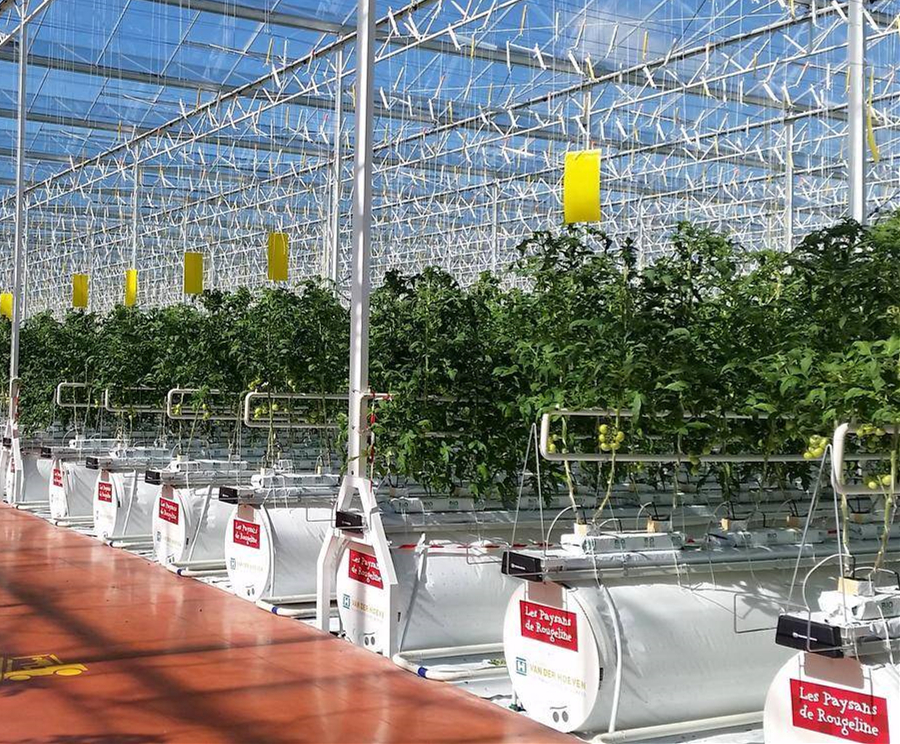
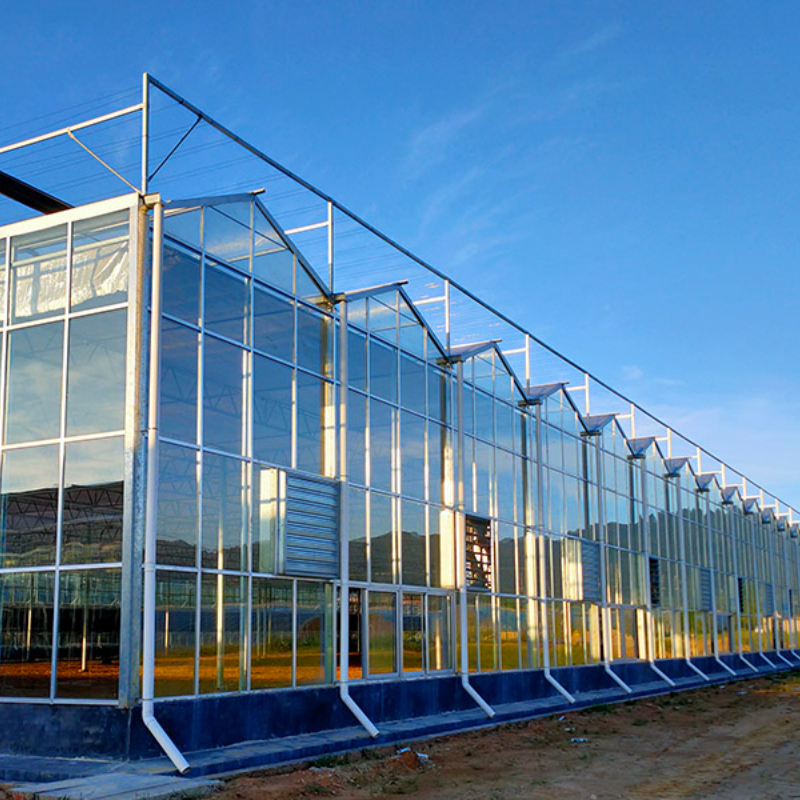
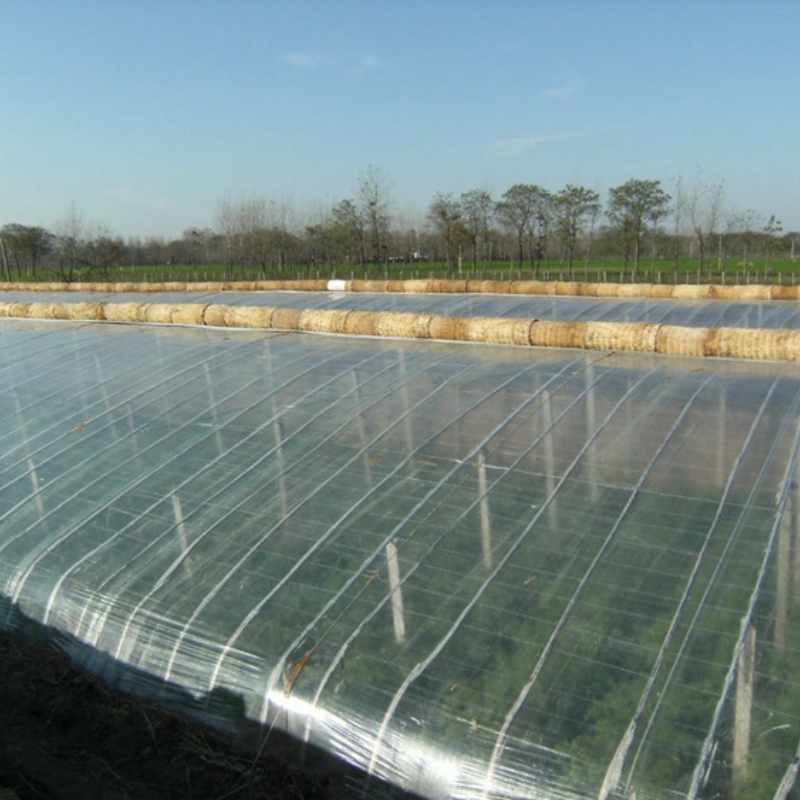
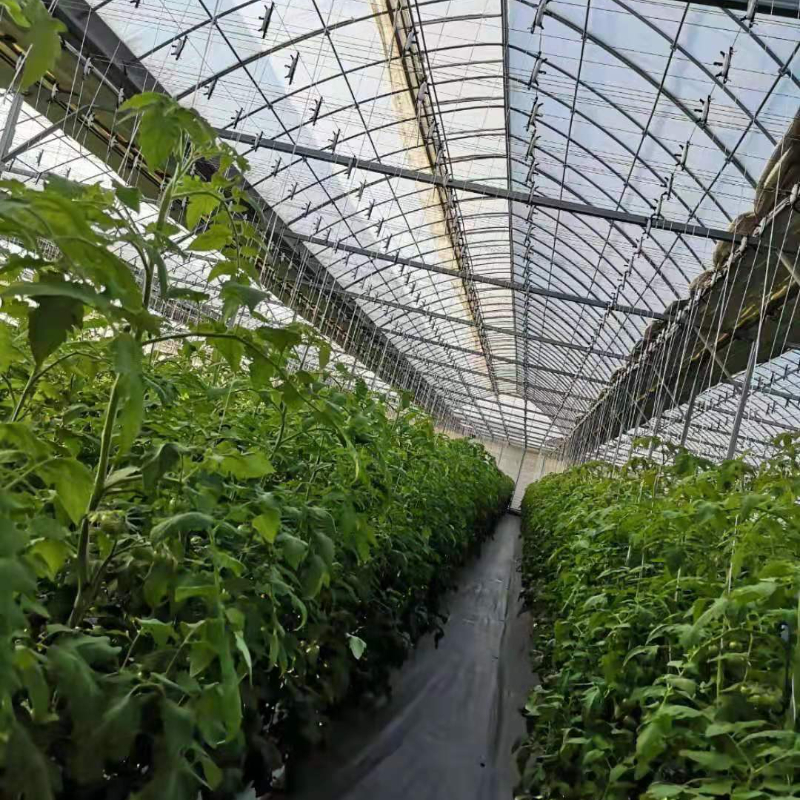
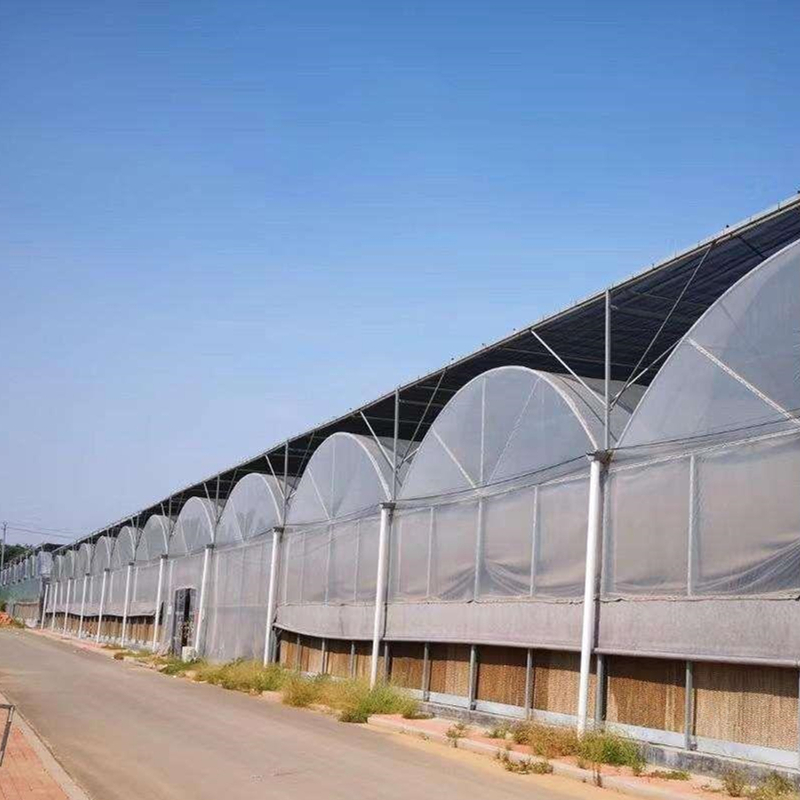
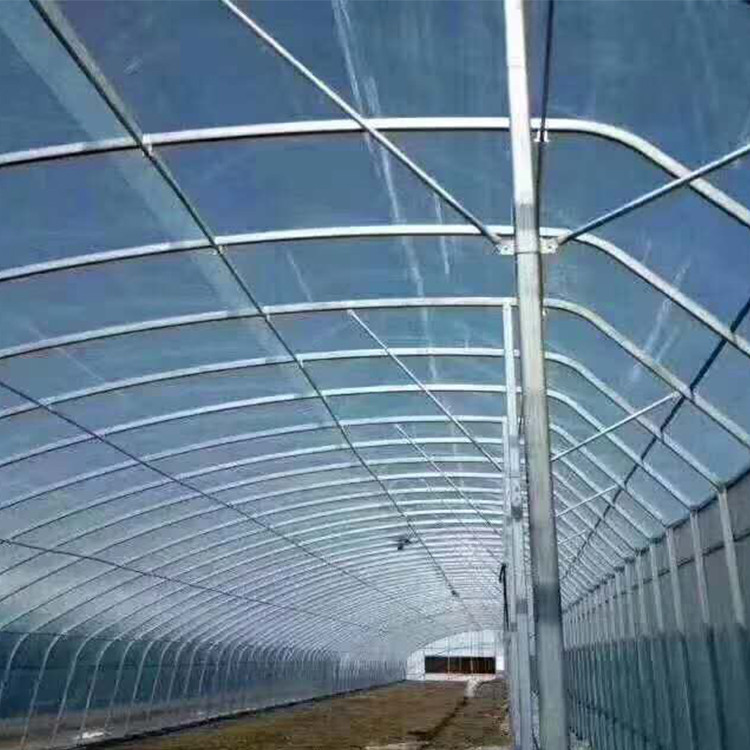
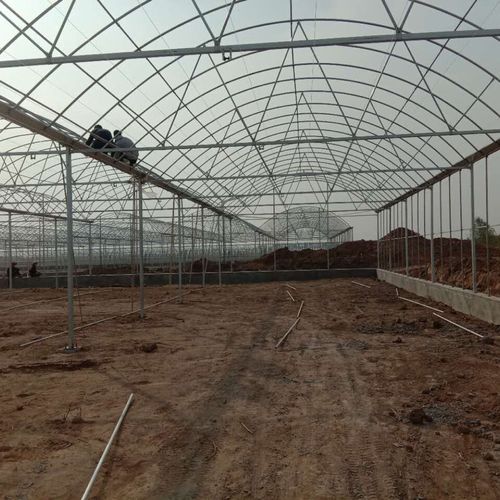
The "mystery" of hot-dip galvanized steel as a greenhouse structural material isn't really a mystery—it's more of a masterstroke of engineering and economics that makes it the undisputed champion for the job.
The Core Concept: What is Hot-Dip Galvanizing?
First, let's demystify the process. Hot-dip galvanizing (HDG) is a factory-controlled process where fabricated steel components are:
*Cleaned: Thoroughly degreased, pickled (acid bath to remove mill scale), and fluxed.
*Immersed: Dipped into a molten zinc bath (around 450°C / 840°F).
*Reacted: The iron in the steel metallurgically reacts with the molten zinc to form a series of zinc-iron alloy layers.
*Cooled: Withdrawn from the bath, the zinc coating solidifies, forming a tight, uniform bond.
The result isn't just a paint-like coating; it's a metallurgical bond that creates a new, incredibly durable surface.
The "Mystery" Solved: Why It's Perfect for Greenhouses
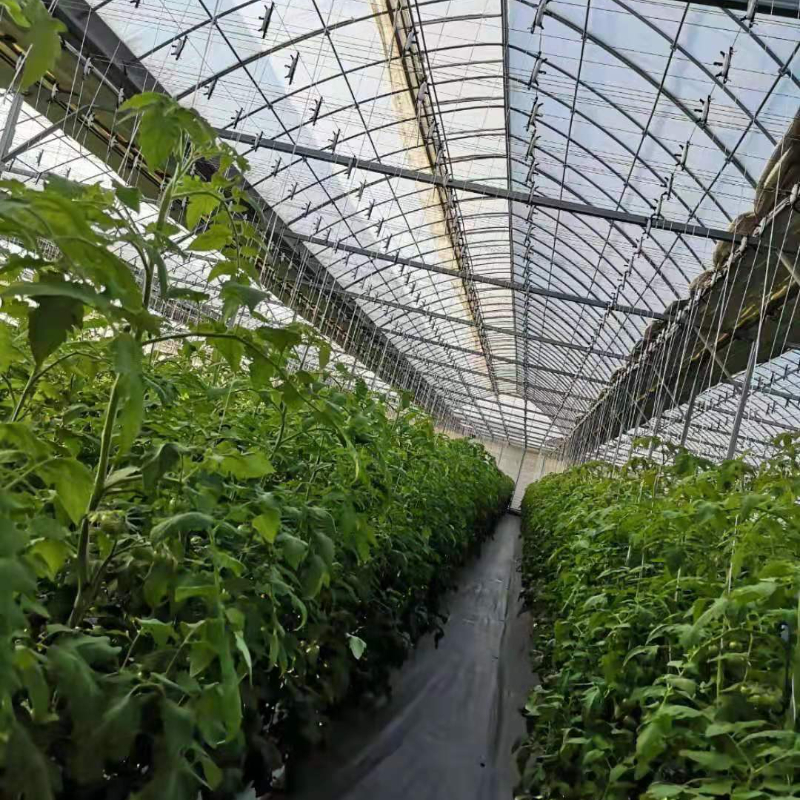
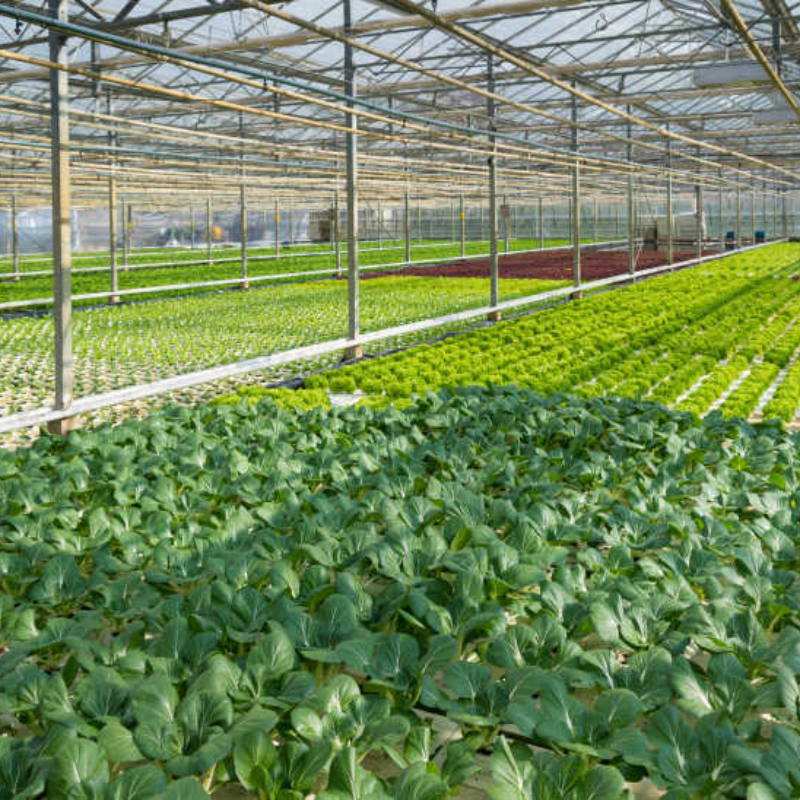
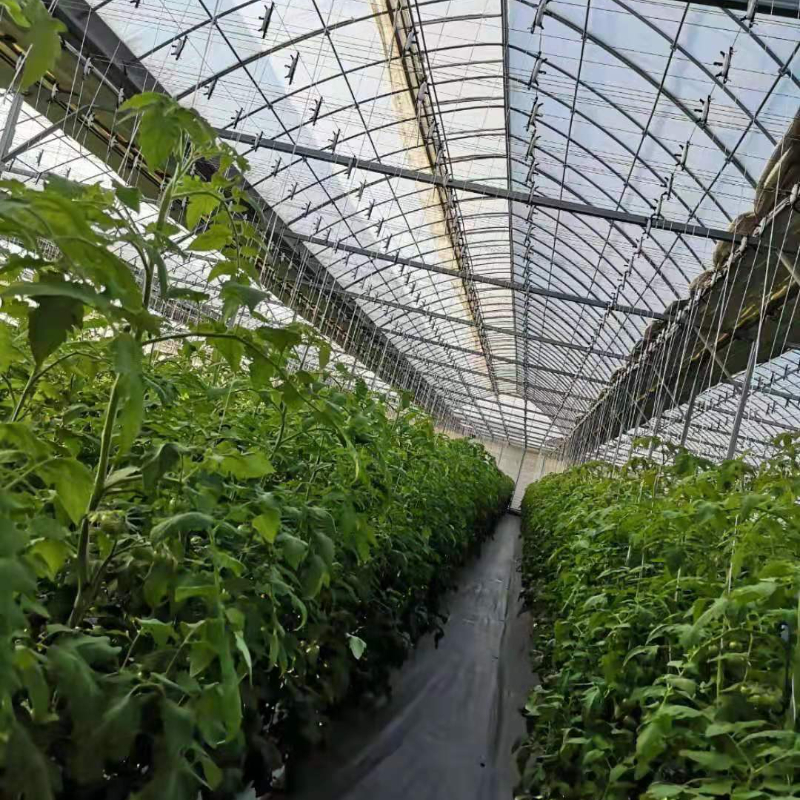
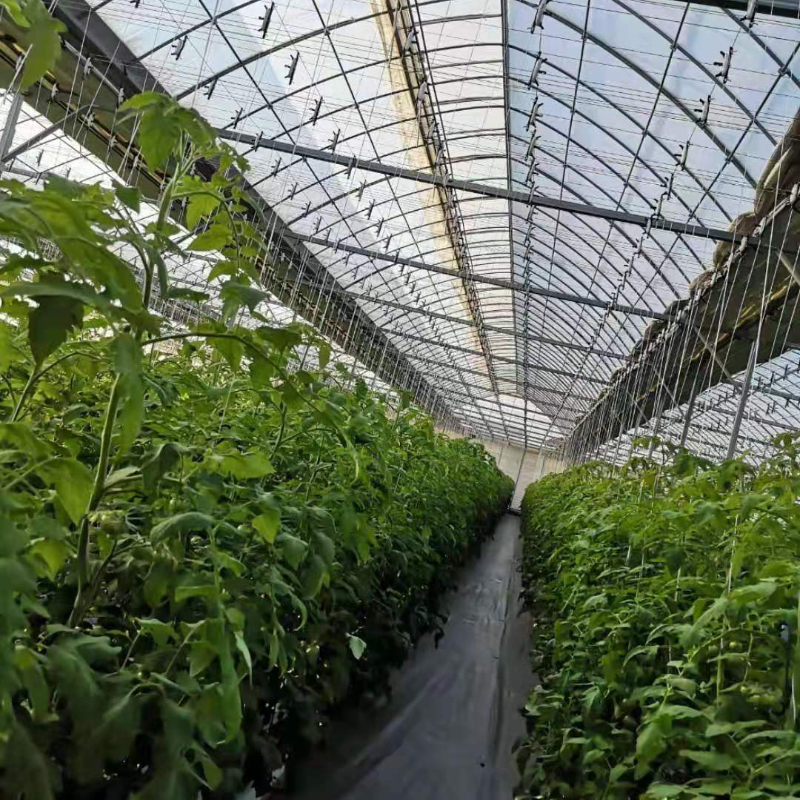
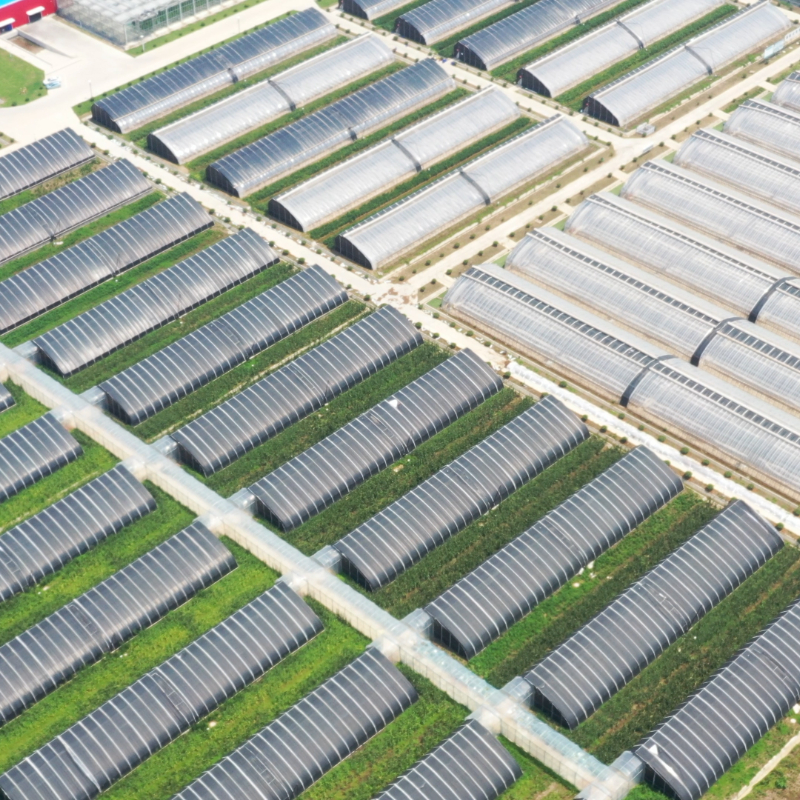
Greenhouses create a uniquely harsh environment. Hot-dip galvanized steel is the ideal solution for conquering these challenges.
1. Hot-dip galvanized steel The Ultimate Enemy: Corrosion (Rust)
This is the #1 reason. A greenhouse interior is a corrosion accelerator:
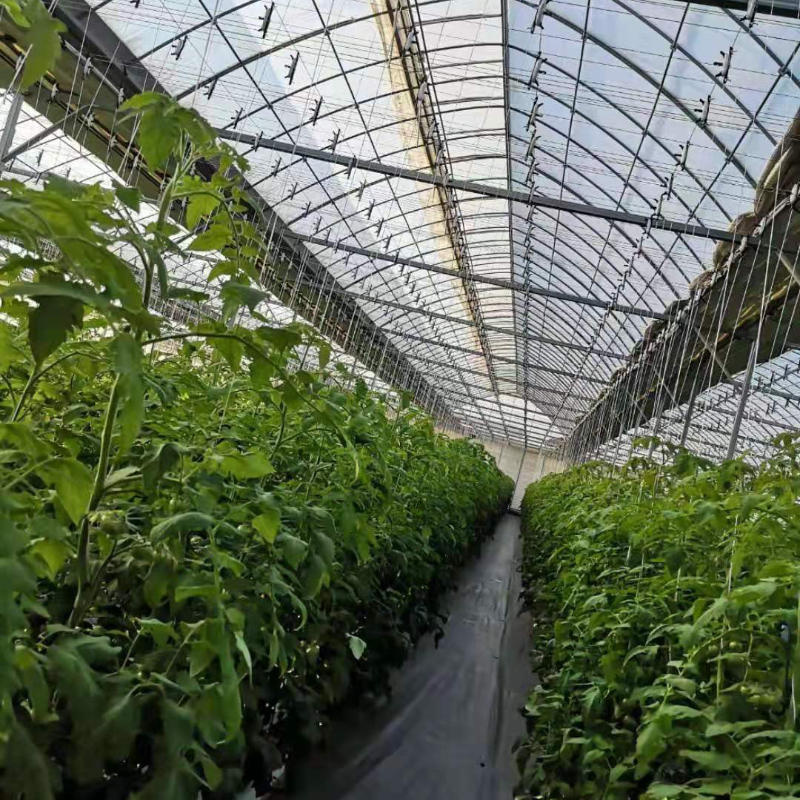
*Constant High Humidity: Plants transpire, raising humidity levels to 80-100% consistently.
*Fertilizers & Chemicals: Water-soluble fertilizers (especially ammonium-based), pesticides, and fungicides are highly corrosive. They create a chemical-laden atmosphere that attacks bare metal.
*High Temperatures: Warm environments speed up chemical reactions, including corrosion.
*How HDG Wins: The zinc coating provides two-fold protection:
*Barrier Protection: The tough zinc layer physically blocks moisture and chemicals from reaching the underlying steel.
*Sacrificial (Cathodic) Protection: This is the magic. Zinc is more "active" than steel. If the coating is scratched or cut, exposing the steel, the surrounding zinc will sacrifice itself by corroding first, protecting the steel. This means even a damaged piece won't start rusting.
2. Hot-dip galvanized steel Strength and Durability
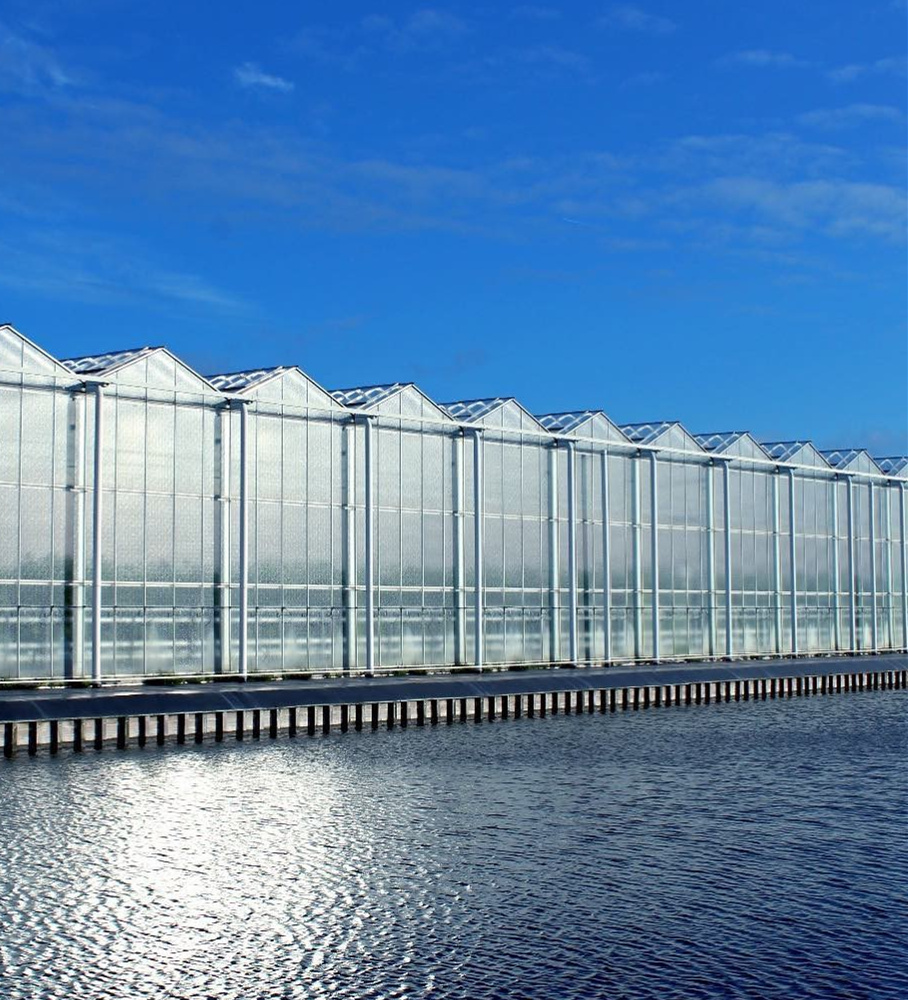
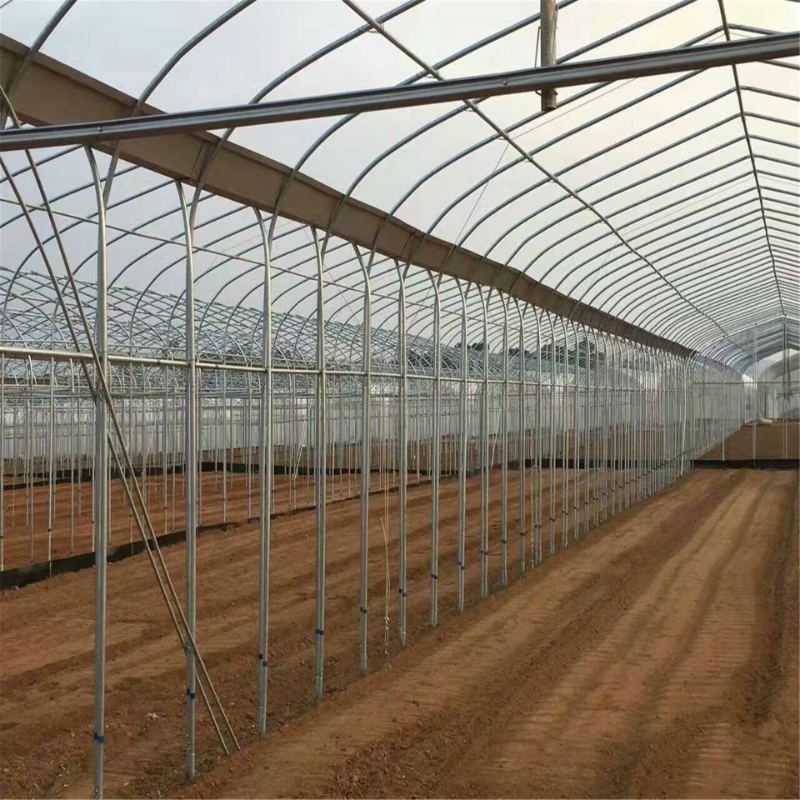
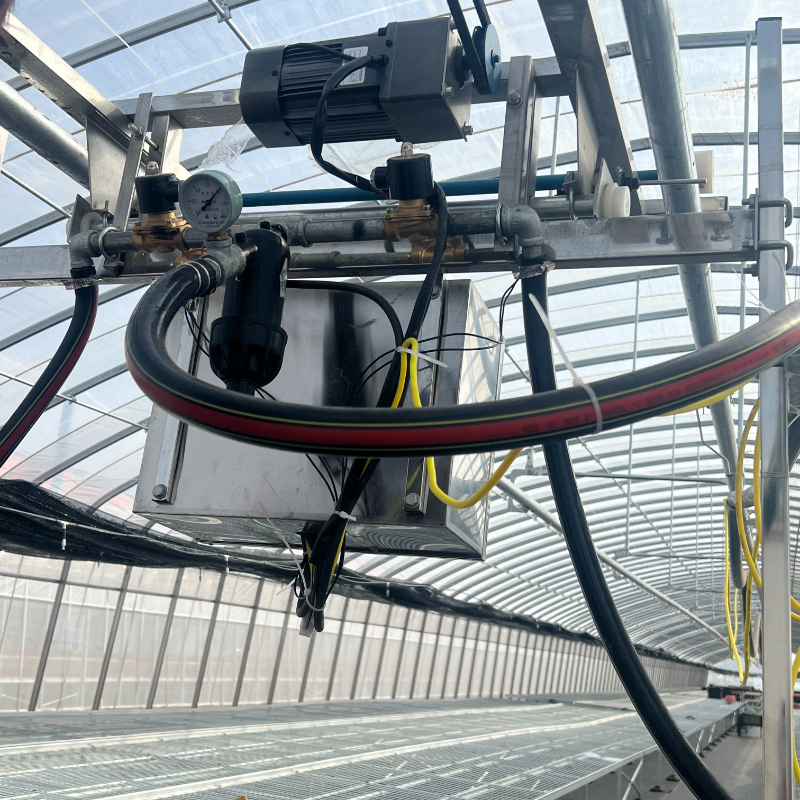
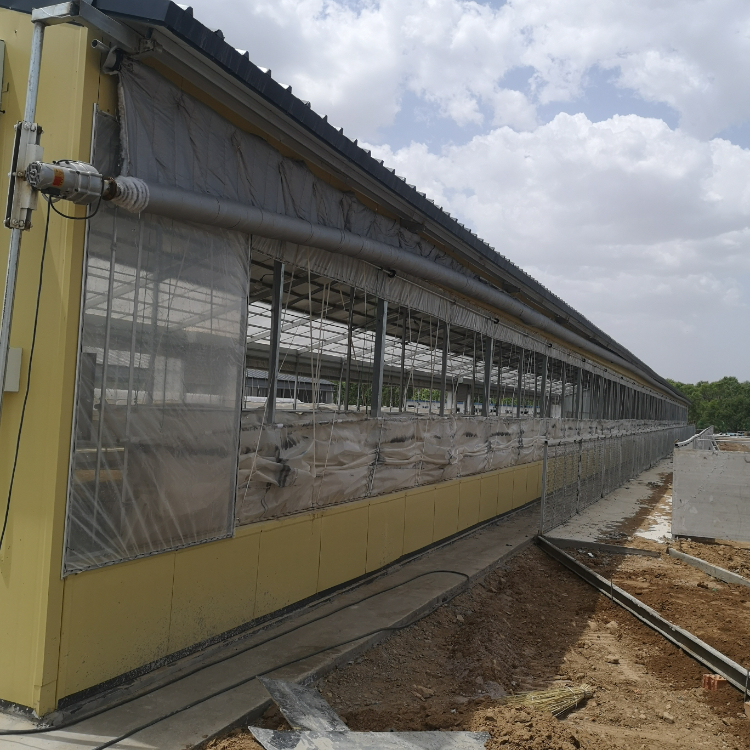
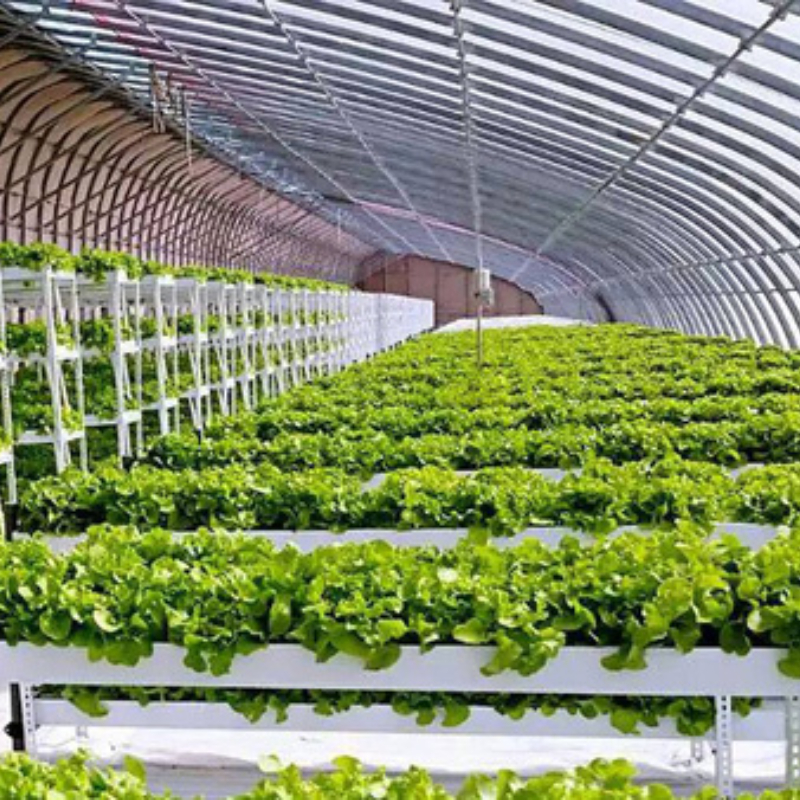
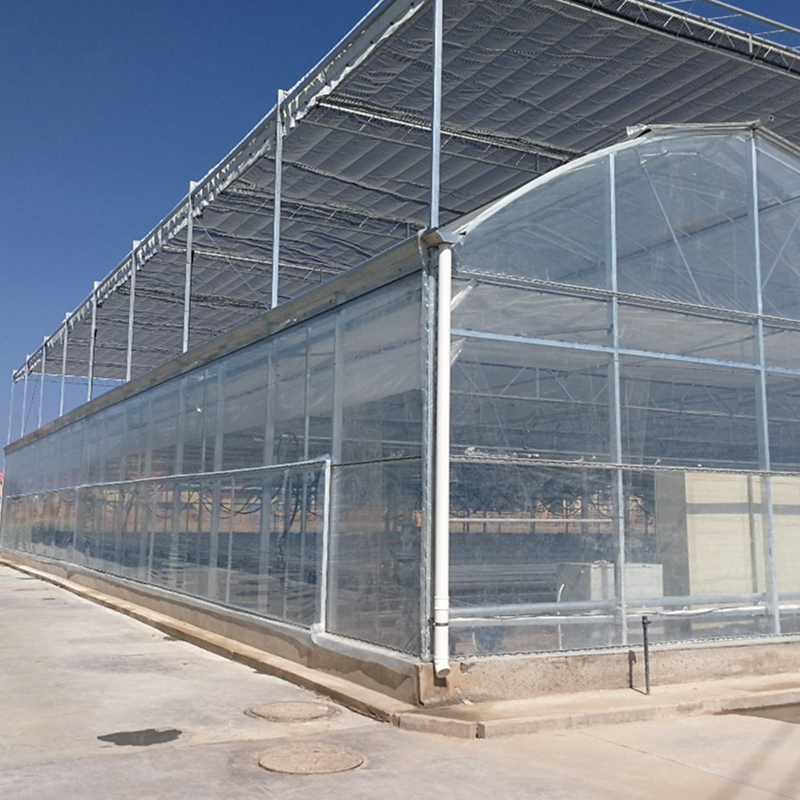
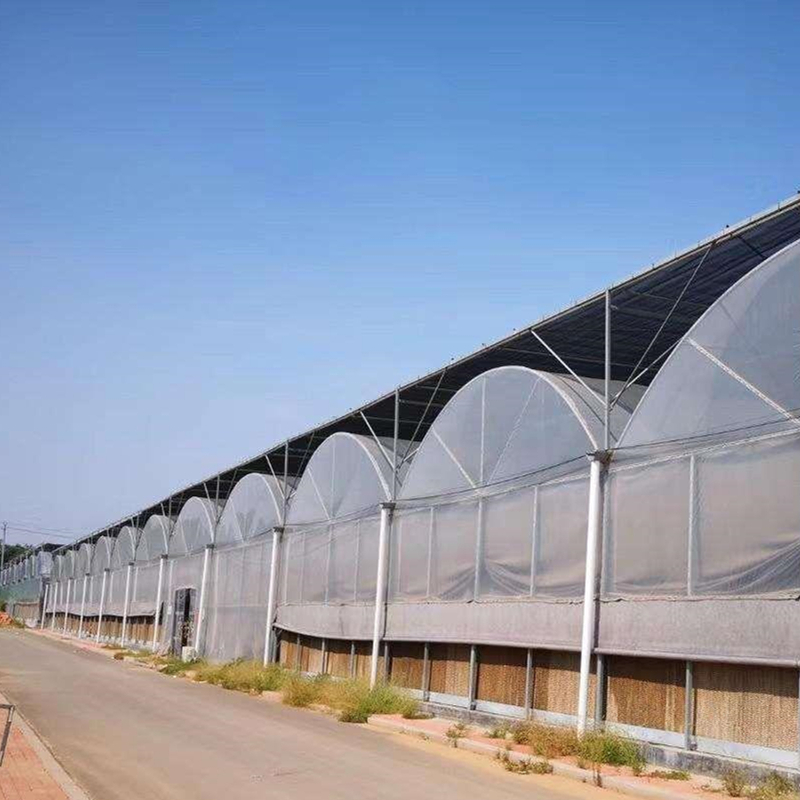
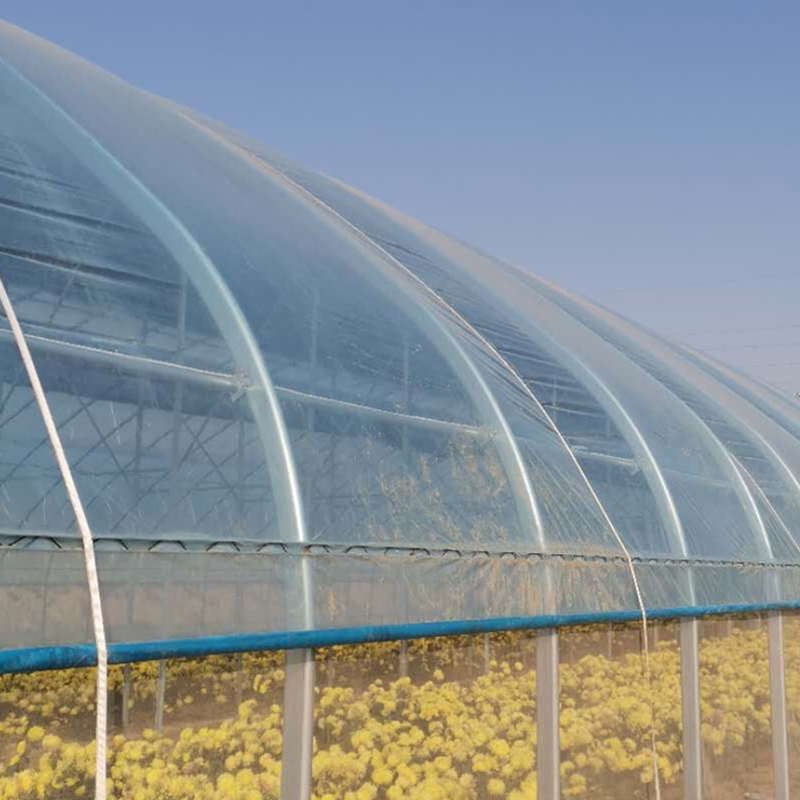
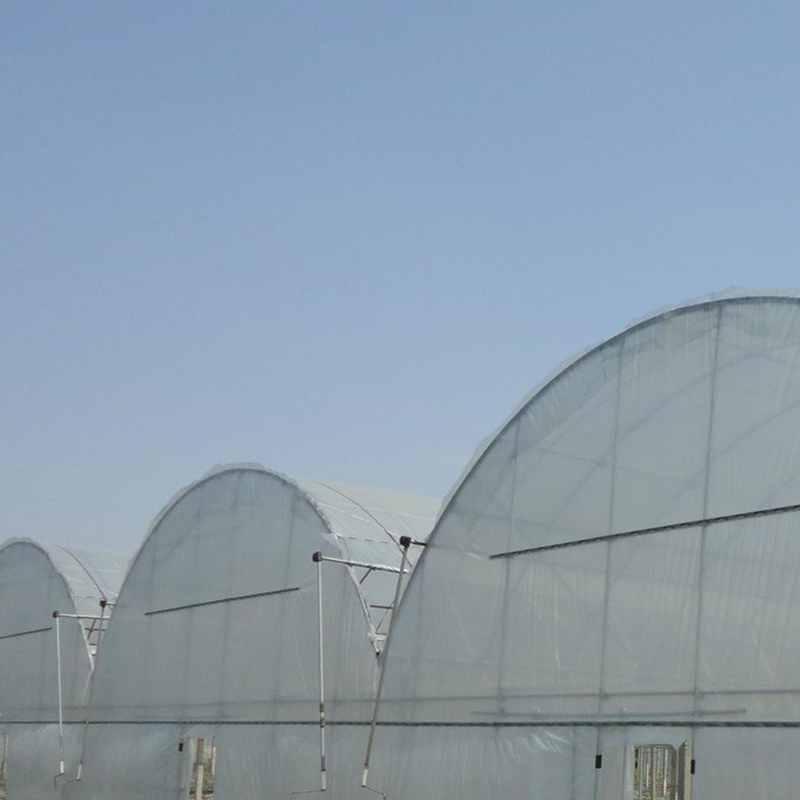
*Structural Integrity: Steel provides the high strength needed to support heavy glass panels, snow loads, and wind forces.
*Abrasion Resistance: The zinc coating is exceptionally hard and durable. It can withstand abrasion from tools, equipment, and installation handling without compromising its protective qualities.
3. Low Maintenance and Long Life
*Set-and-Forget: A properly galvanized structure can last 20-50 years or more without needing a repaint or touch-up. This is a massive advantage over painted steel, which can chip, scratch, and require constant maintenance in a greenhouse environment.
*Cost-Effective Long-Term: While the initial cost might be slightly higher than painted or untreated steel, the life-cycle cost is significantly lower due to zero maintenance and a vastly longer lifespan.
4. Aesthetics and Functionality
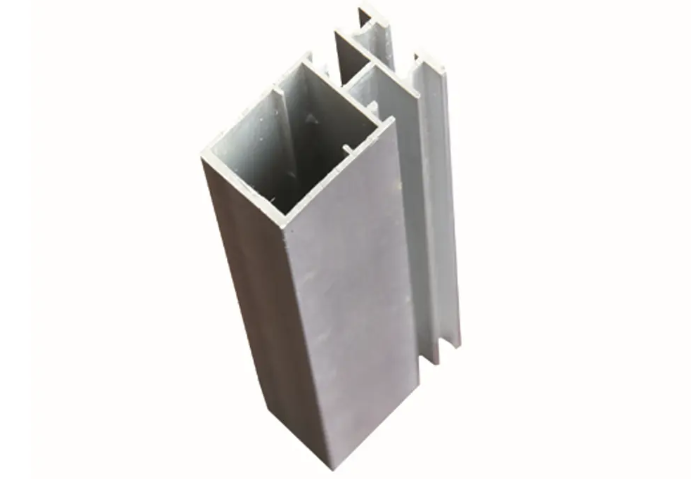
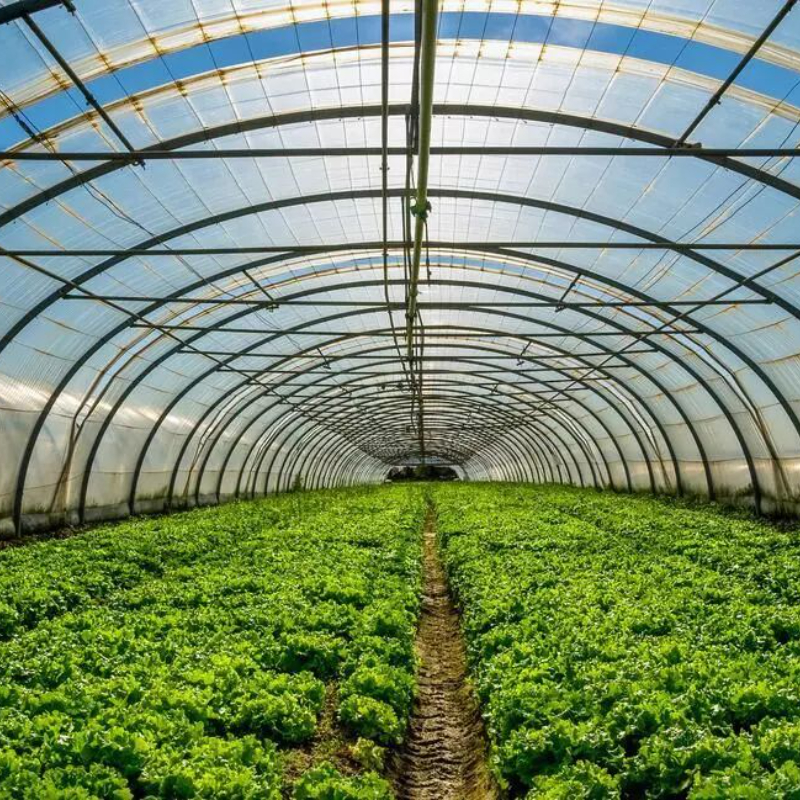
*The characteristic spangled silver-gray finish is clean, bright, and highly reflective.
*This reflectivity helps maximize light diffusion inside the greenhouse, ensuring plants receive light from all angles, which promotes more uniform growth.
Hot-dip galvanized steel Conclusion: The Verdict
The use of hot-dip galvanized steel in greenhouses is no mystery. It is the rational, engineered solution to the extreme demands of the environment.
It masterfully combines the immense strength of steel with the unmatched, self-healing corrosion protection of zinc, resulting in a low-maintenance, cost-effective, and incredibly long-lasting structure. This allows growers to focus their resources and energy on what matters most: the plants inside.
