
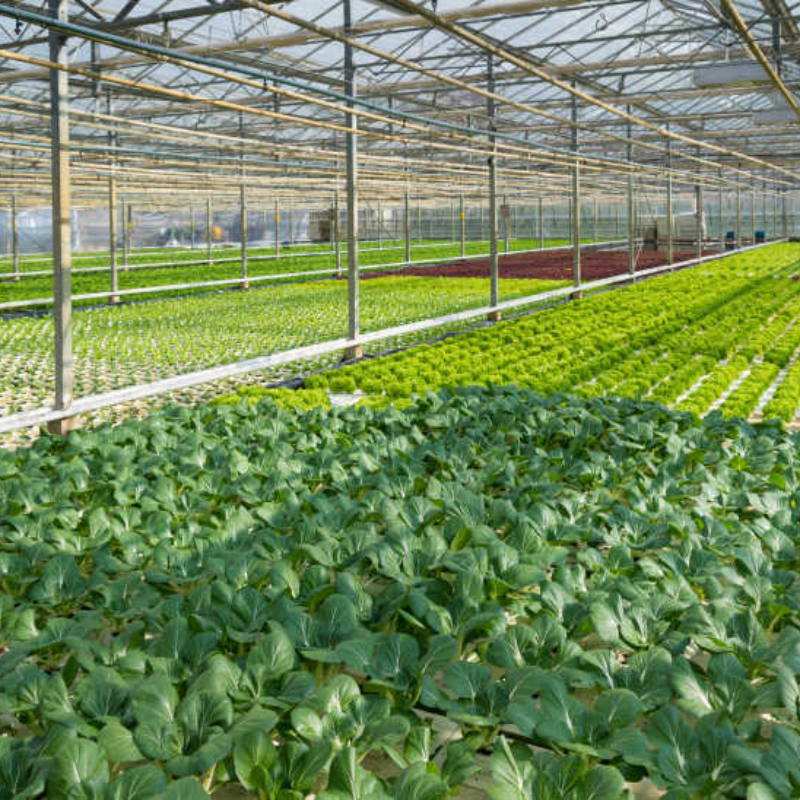
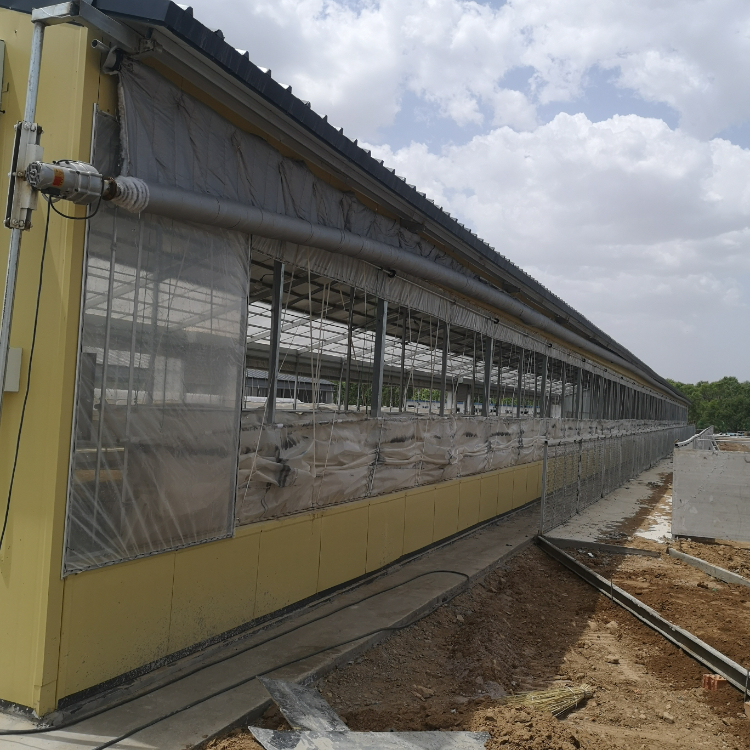
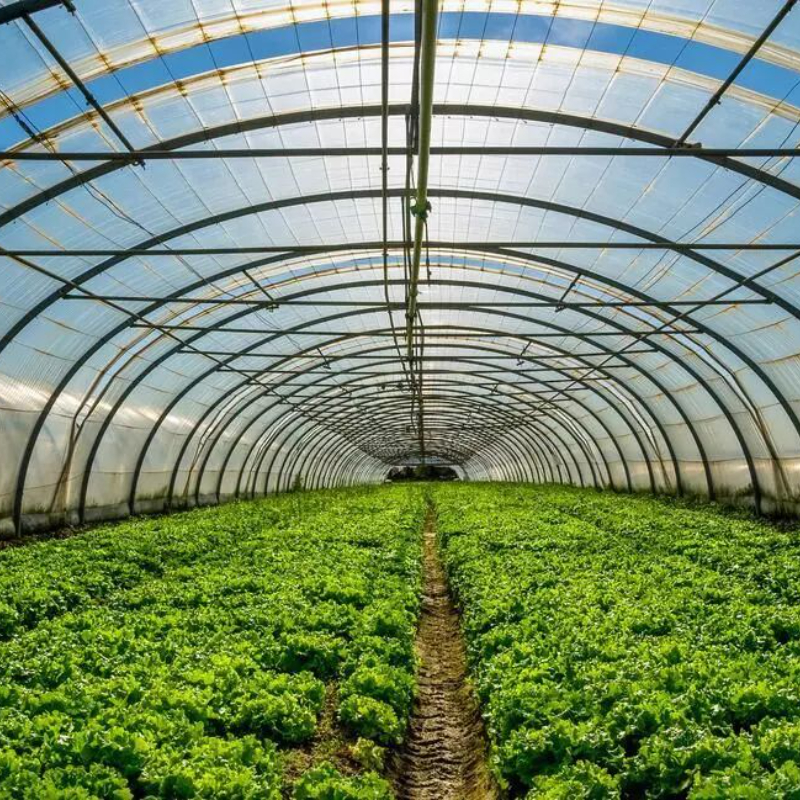
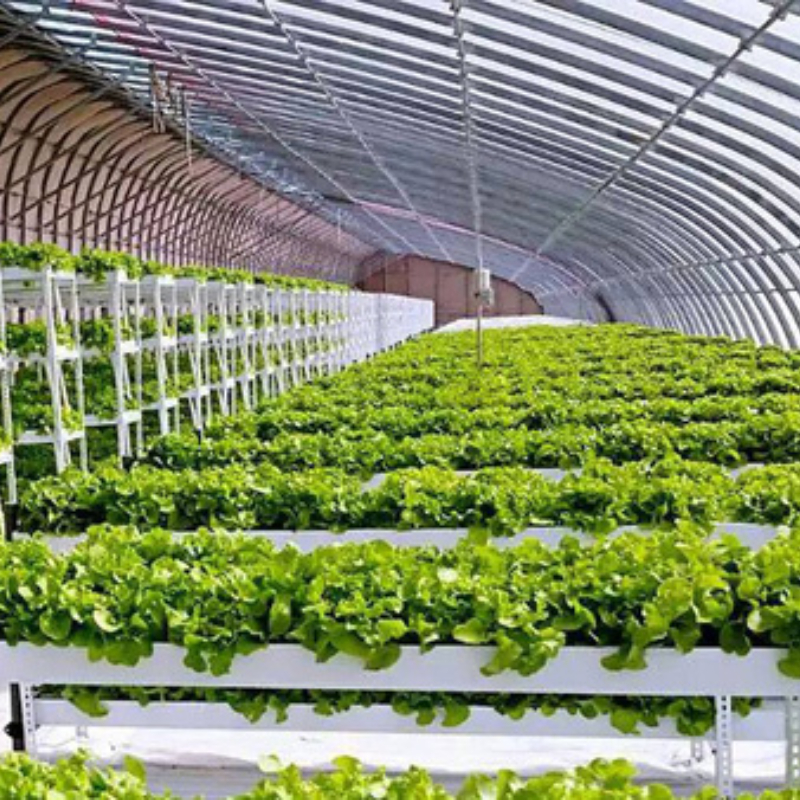
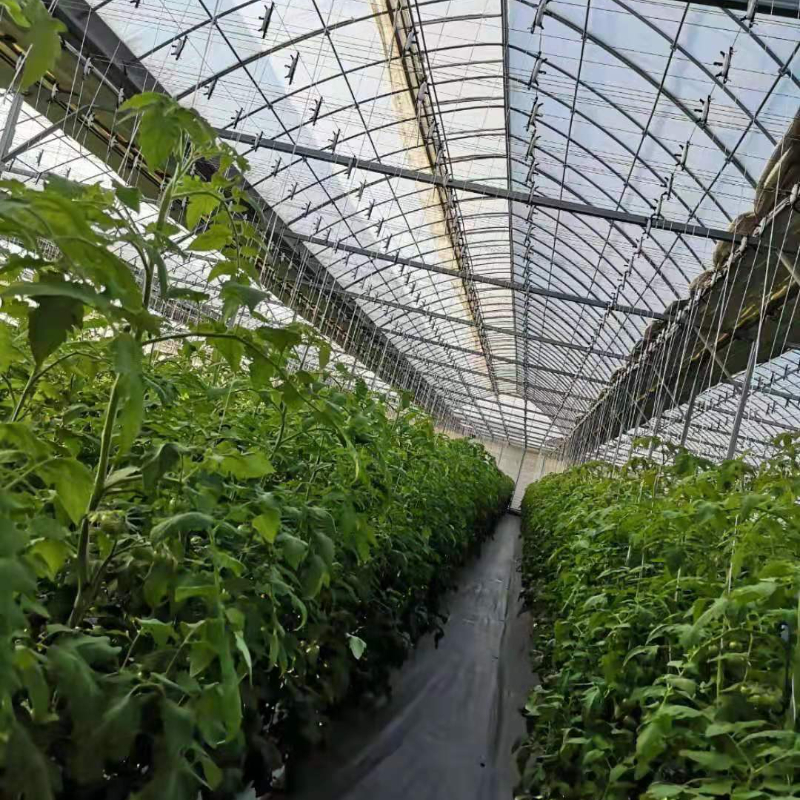
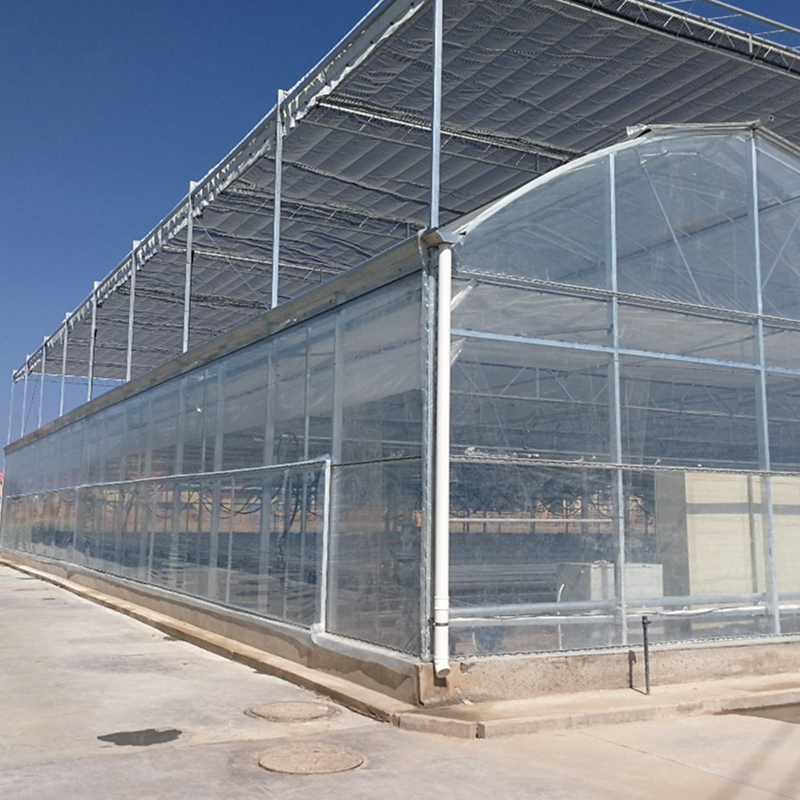
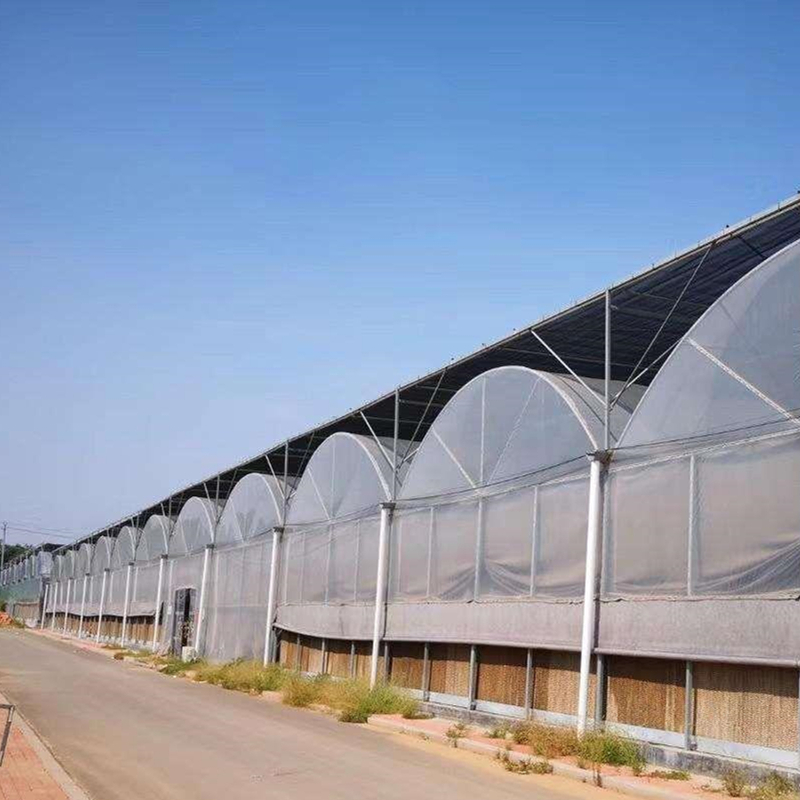
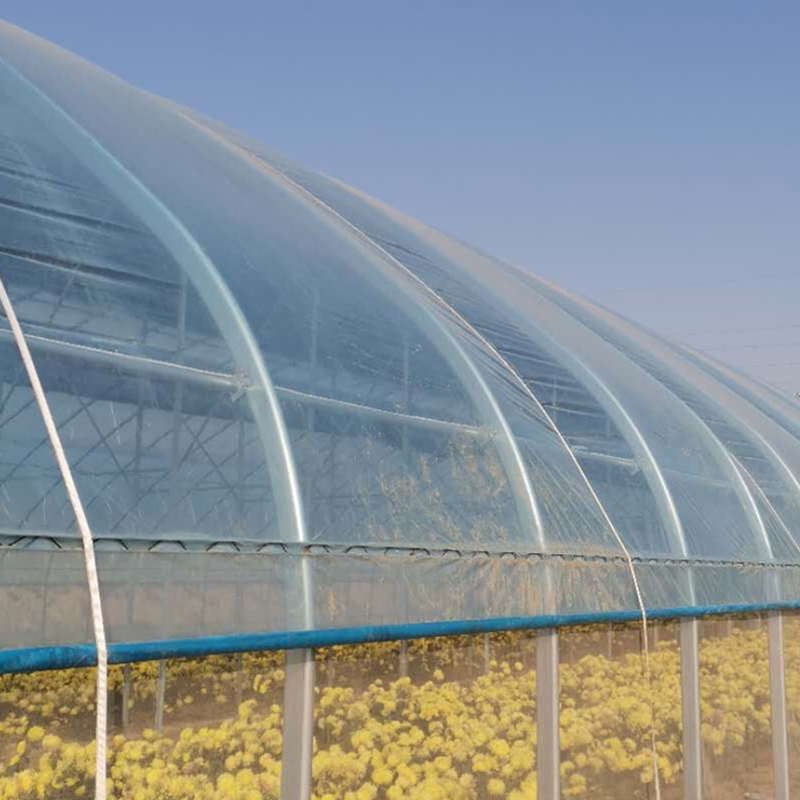
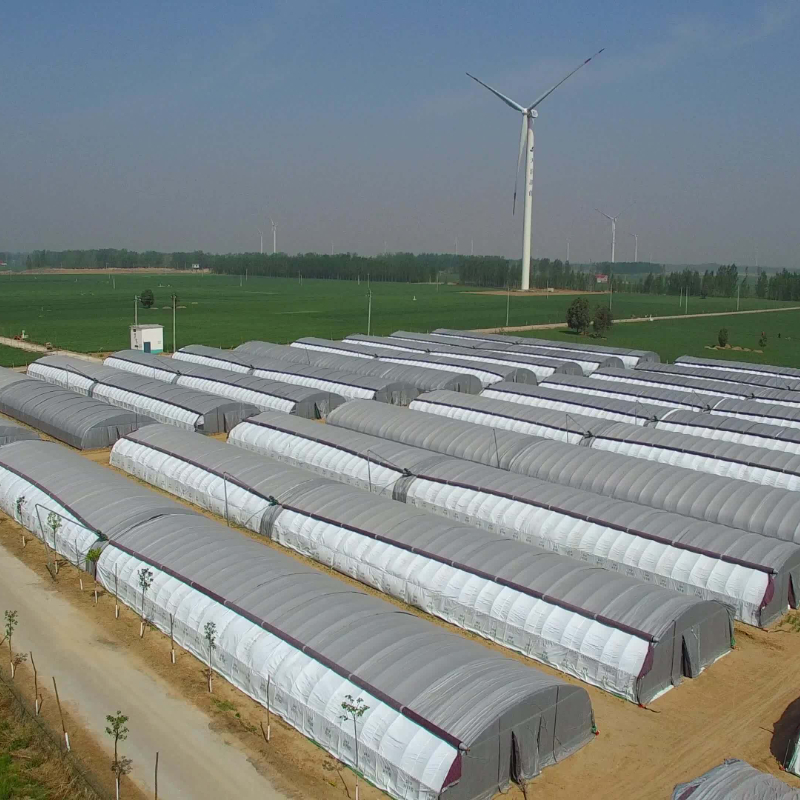
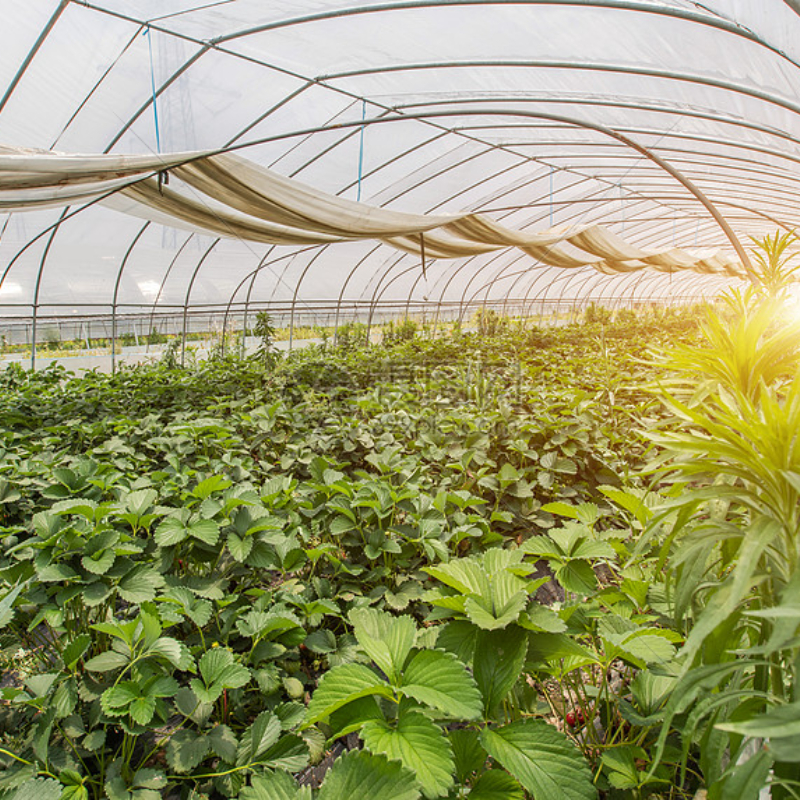
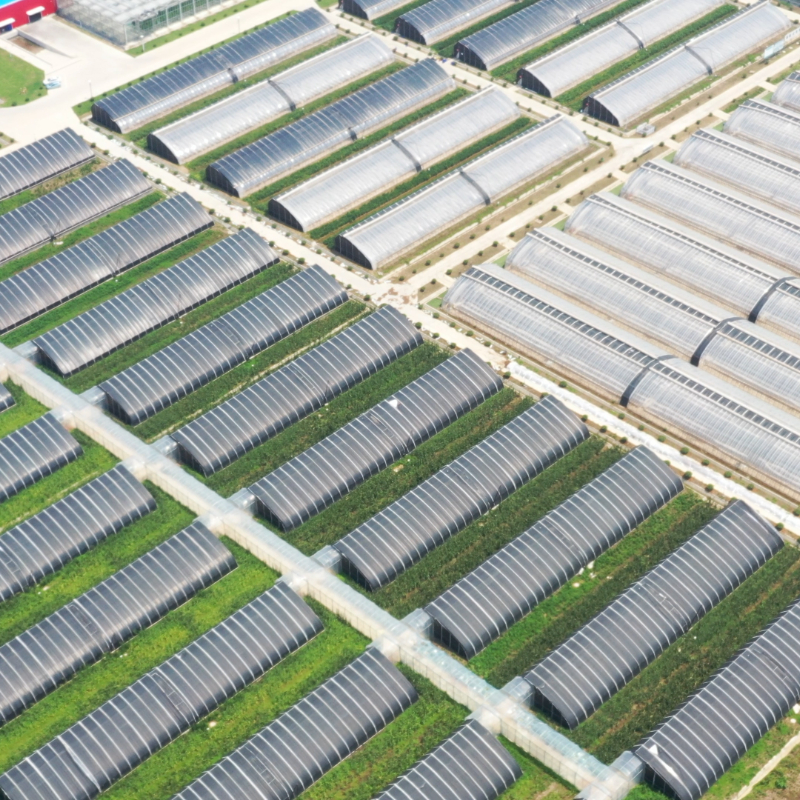
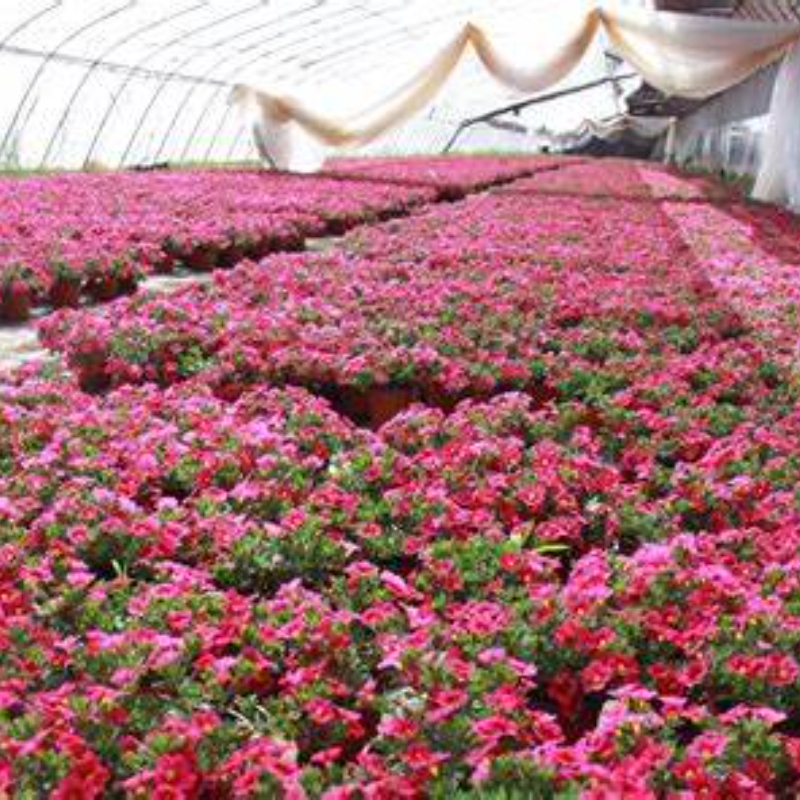
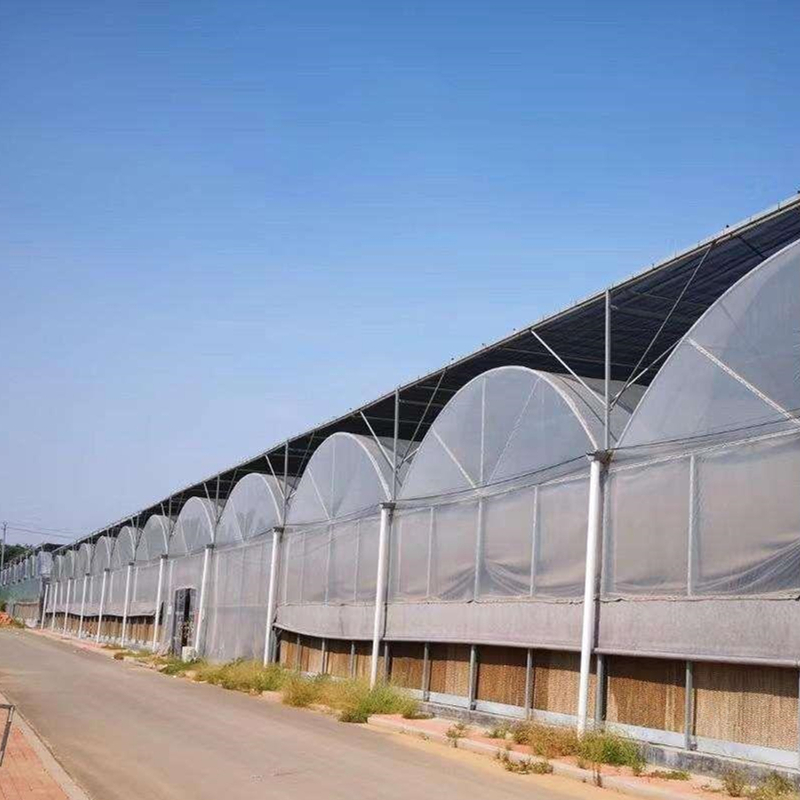
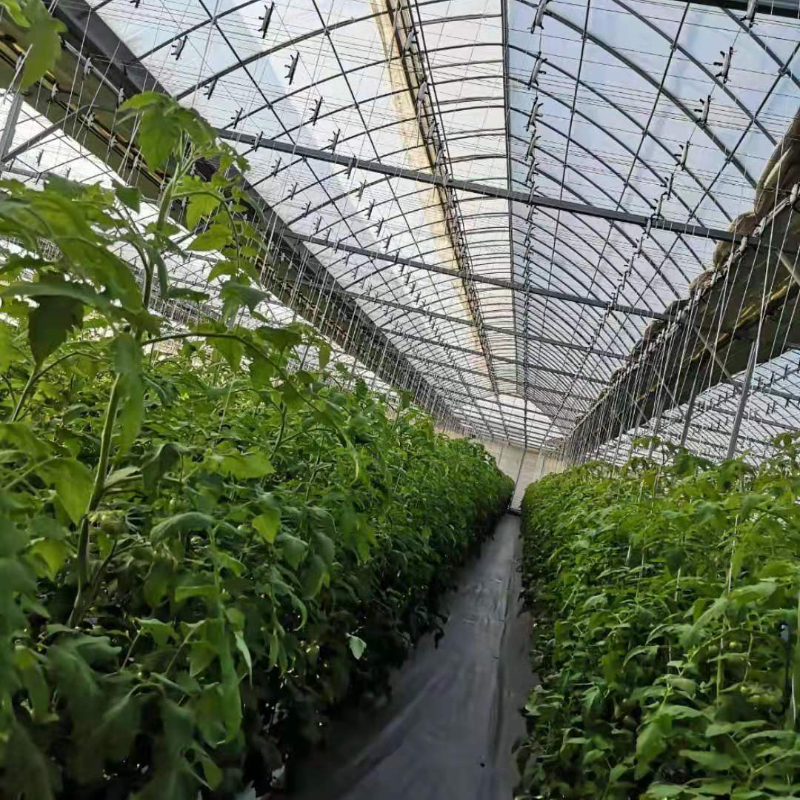
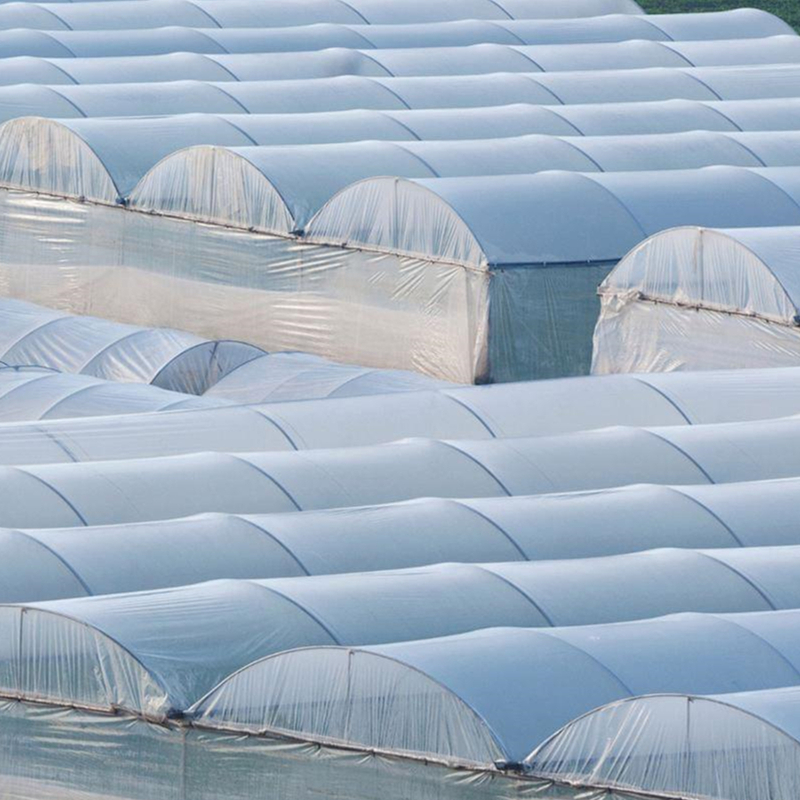
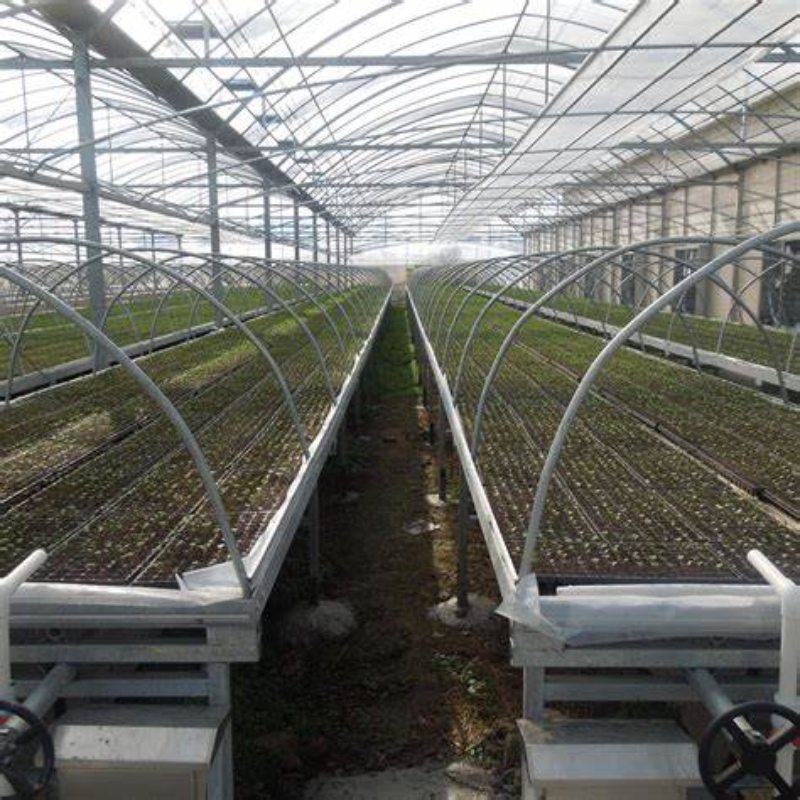
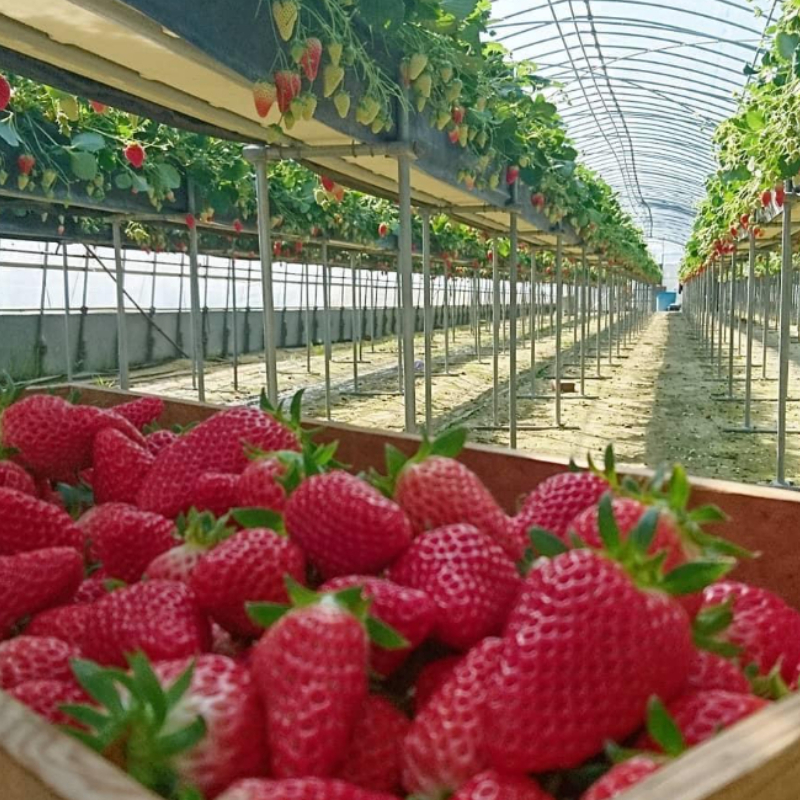
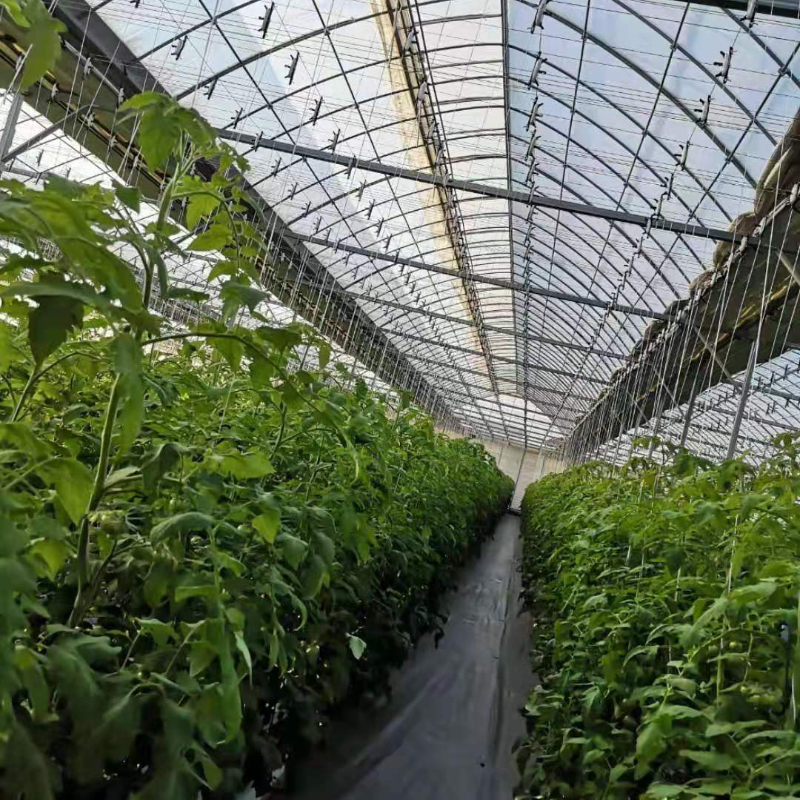
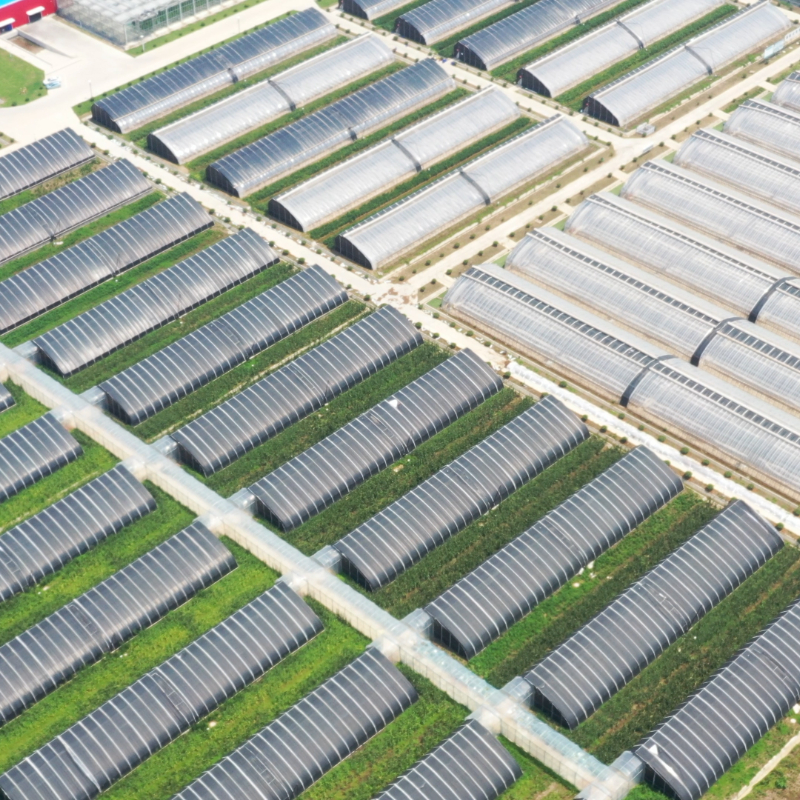
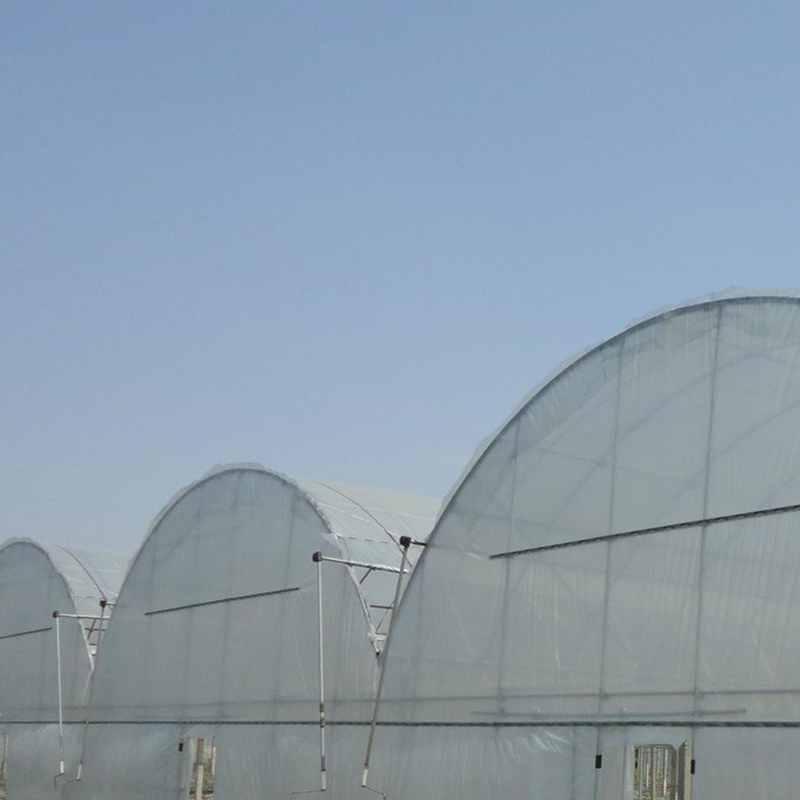
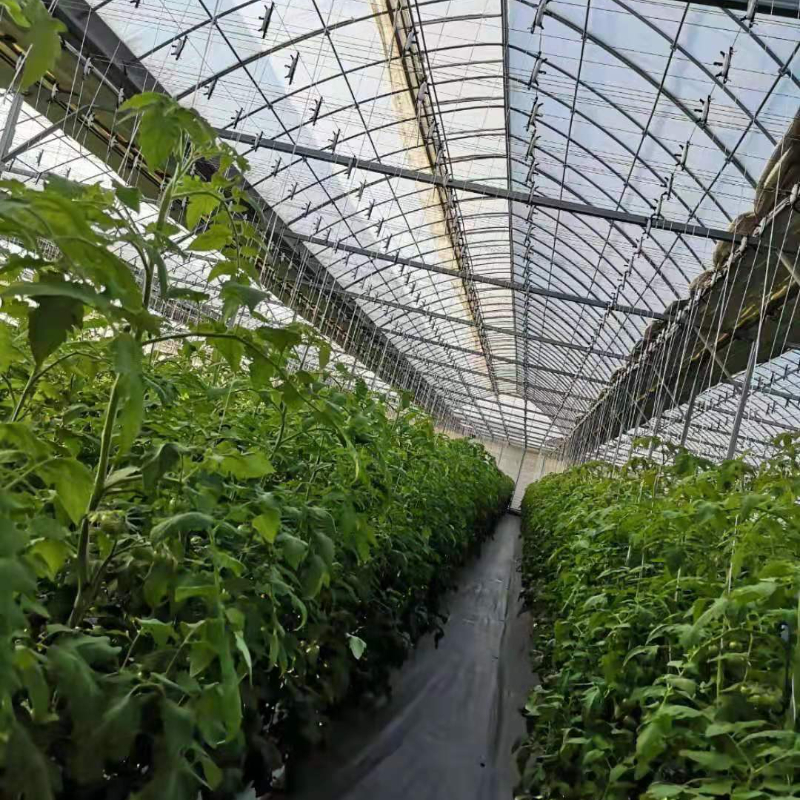
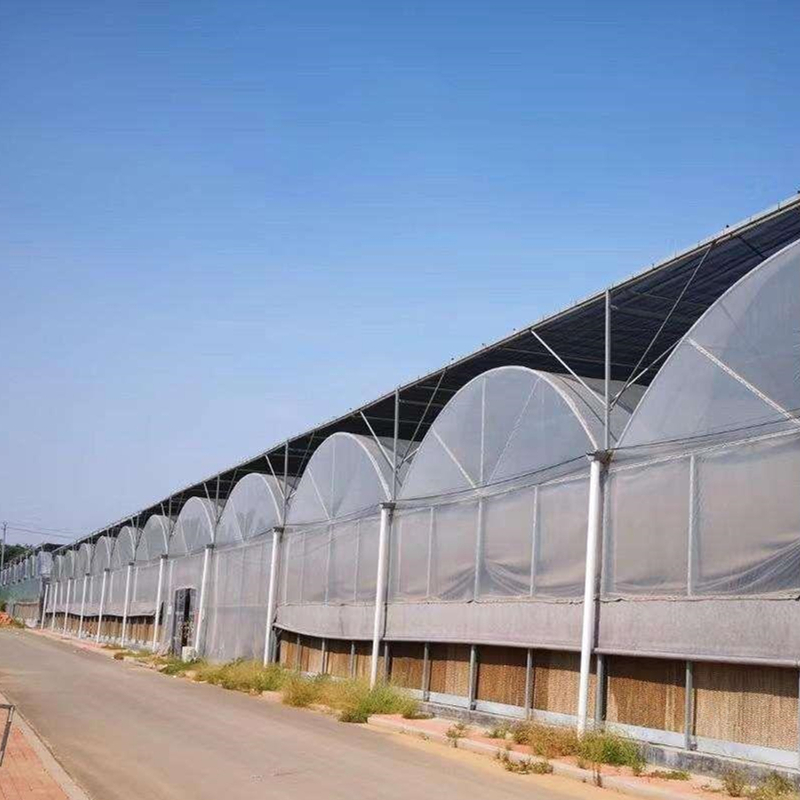
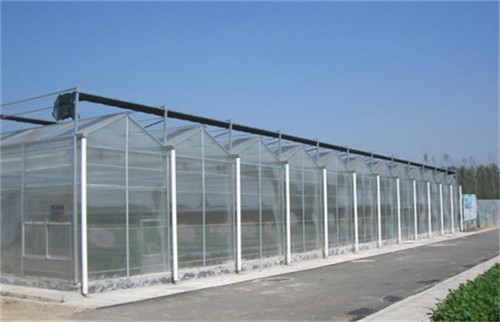
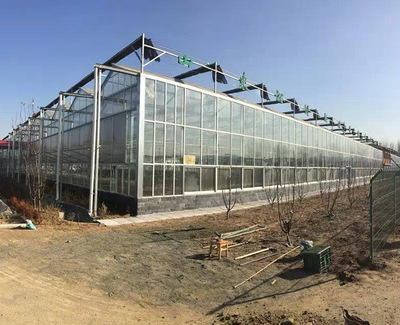
The global greenhouse industry is at a pivotal moment, experiencing rapid growth driven by powerful macro-trends but also facing significant and interconnected challenges.
Here is a detailed breakdown of the current situation and the key challenges.
Current Situation: A Industry in Rapid Expansion
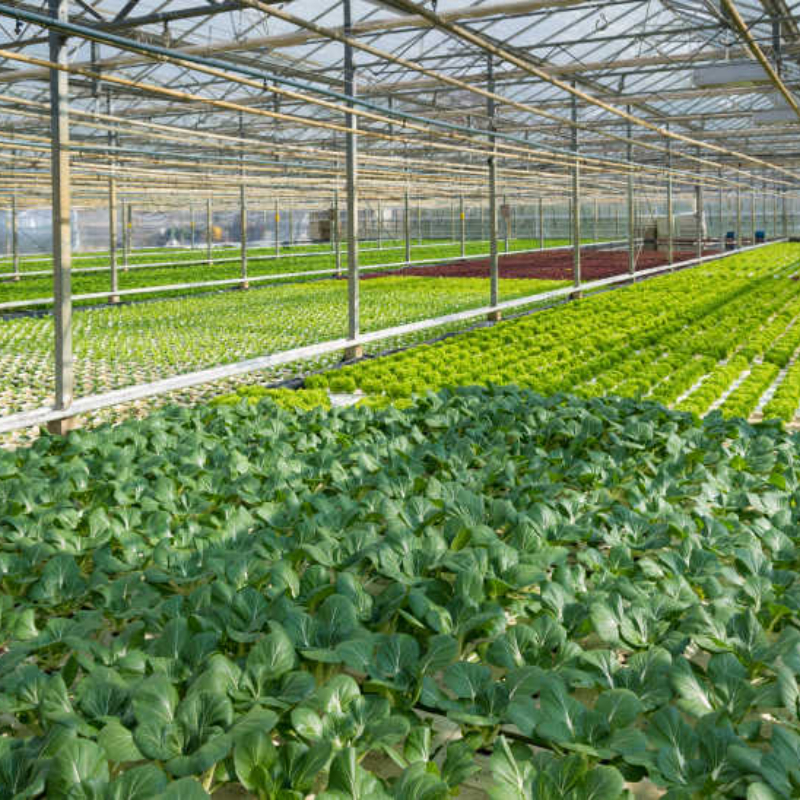
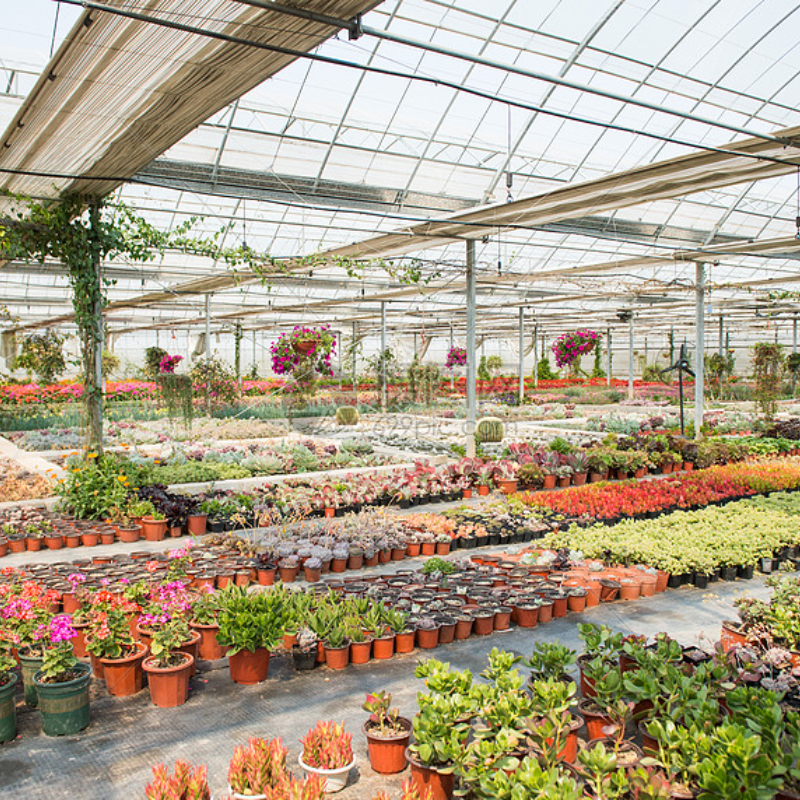
The greenhouse industry has evolved from simple seasonal protection to a high-tech, capital-intensive sector crucial for global food security. The market is valued in the hundreds of billions of dollars and is projected to continue growing steadily.
Key drivers of this growth include:
1.Rising Demand for Food Security: With the global population projected to reach nearly 10 billion by 2050, there is immense pressure to increase food production. Greenhouses allow for higher yields per square meter than open-field farming and enable production in non-arable regions.
2.Climate Change and Unpredictable Weather: Increasing frequency of droughts, floods, unseasonal frosts, and extreme heat makes traditional agriculture riskier. Greenhouses provide a controlled buffer against these extremes.
3.Consumer Shift to High-Quality and Local Produce: Consumers in developed markets increasingly demand pesticide-free, sustainably grown, and locally produced vegetables and herbs year-round. High-tech greenhouses near urban centers can meet this demand.
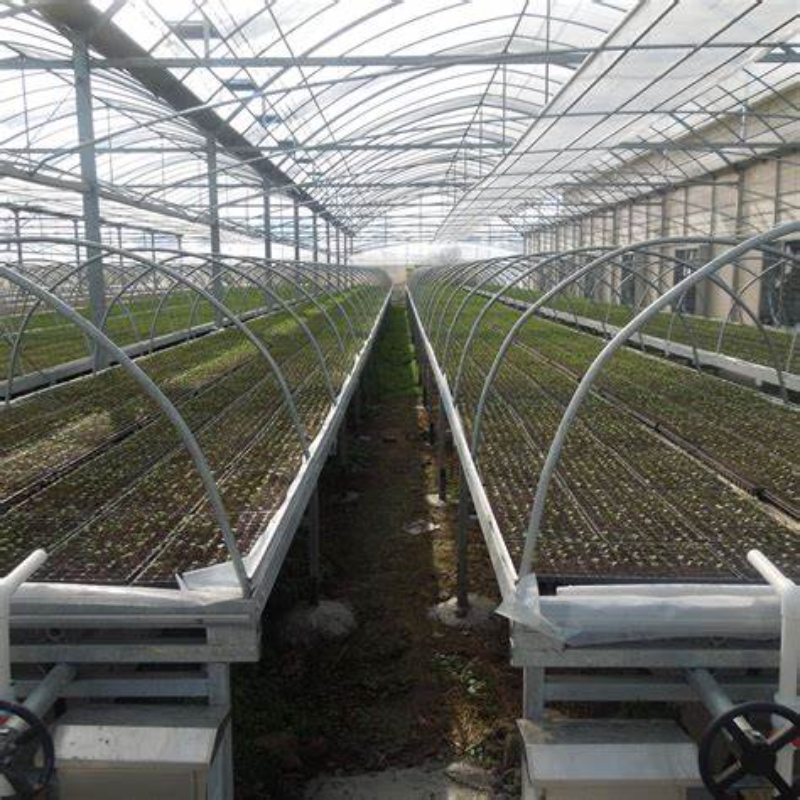
4.Water Scarcity: Agriculture is the largest consumer of freshwater. Modern greenhouses are incredibly water-efficient, using up to 90% less water than open-field farming through recirculating hydroponic or aquaponic systems. This is a critical advantage in arid regions.
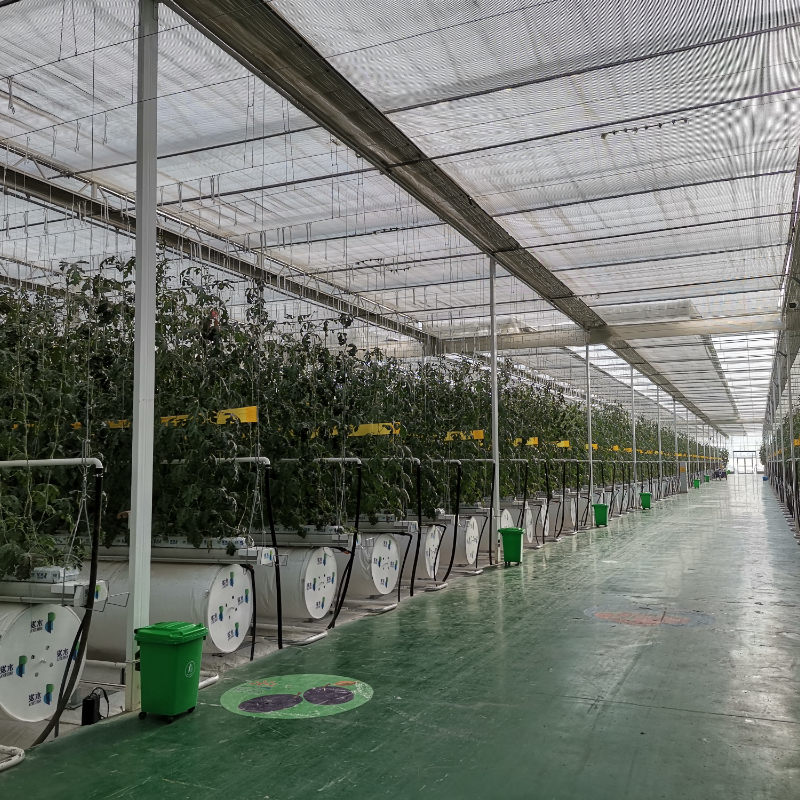
5.Technological Advancement (AgTech): The industry is being revolutionized by technology:
Automation: Robots for seeding, harvesting, and plant maintenance.
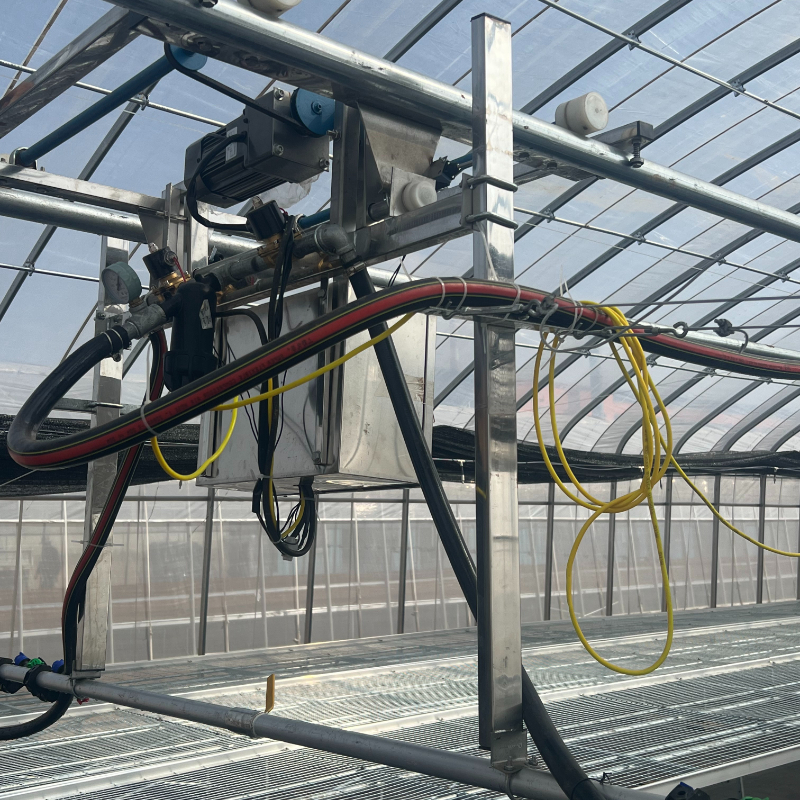
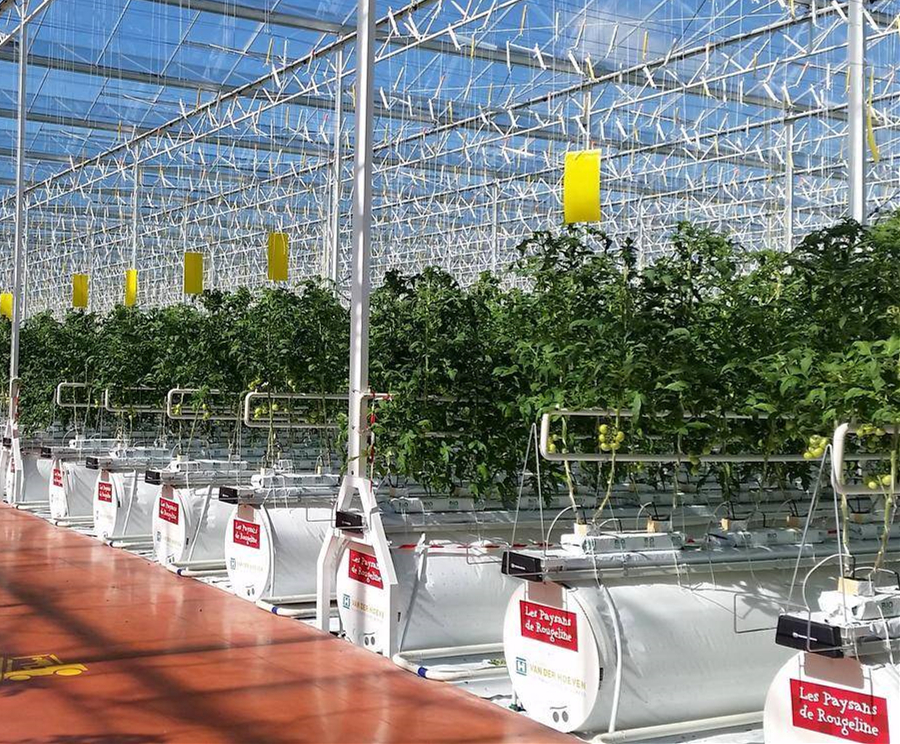
Sensors & IoT (Internet of Things): Networks of sensors monitor micro-climates (temperature, humidity, CO2, light) in real-time.
Data Analytics & AI: Algorithms analyze data to optimize growing conditions, predict yields, and automatically adjust climate controls for perfect results.
LED Lighting: Highly efficient, customizable spectrum lighting allows for perfect growth recipes and year-round production regardless of natural sunlight.
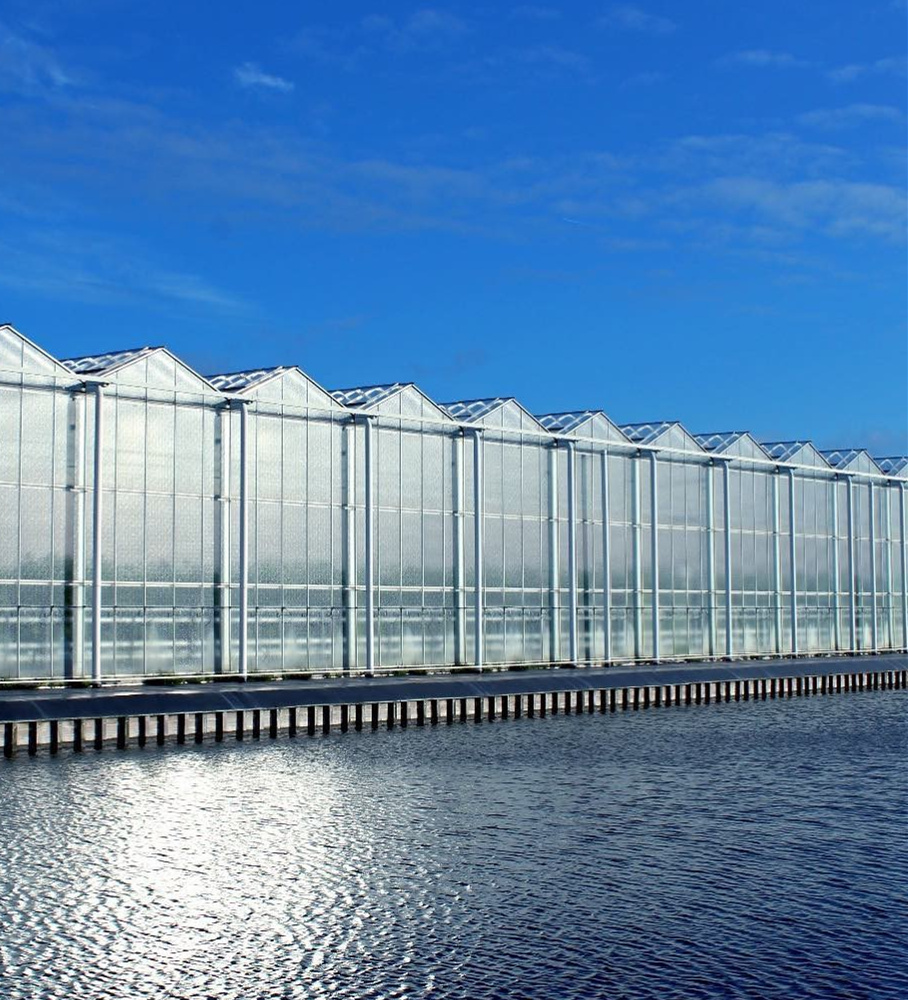
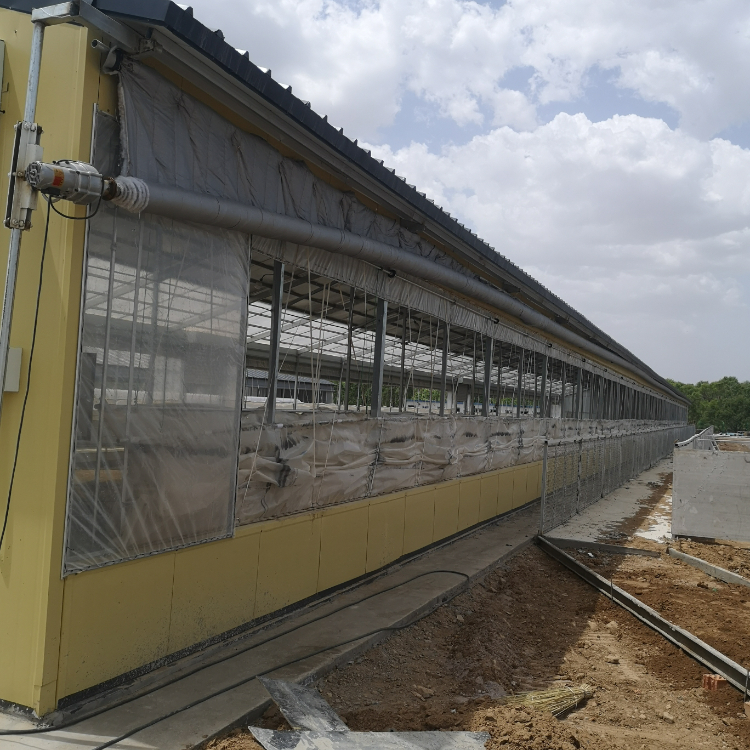
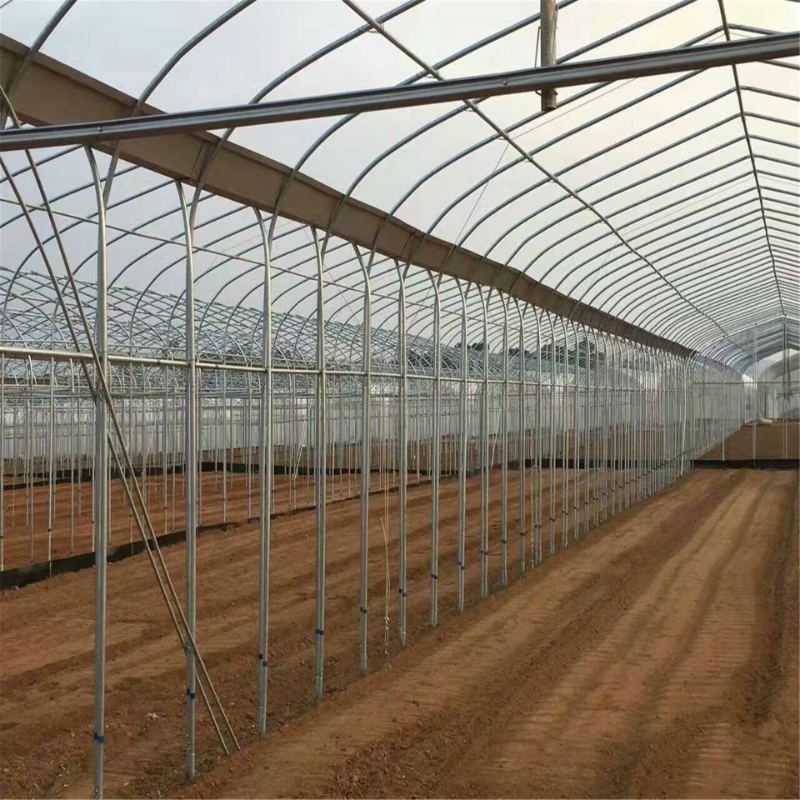
Geographic Hotspots: The Netherlands and Spain are historical leaders in high-tech and large-scale greenhouse production, respectively. North America is experiencing a boom, especially in the US and Canada. China is the world's largest producer of greenhouse vegetables, though much of it is still low-tech. There is also significant investment in the Middle East (e.g., Saudi Arabia, UAE) to overcome water and arable land limitations.
Major Challenges Facing the Industry
Despite its promise, the industry faces several critical hurdles that threaten its sustainability and profitability.
1. High Initial Investment and Operational Costs
This is the single biggest barrier to entry.
CAPEX: Constructing a high-tech greenhouse with climate computers, irrigation systems, lighting, and sensors requires millions of dollars.
OPEX: The energy costs for heating (in cold climates), cooling (in hot climates), and running high-intensity LED lights are enormous. This makes the industry highly vulnerable to fluctuations in energy prices.
2. Energy Intensity and Sustainability
The industry's high energy use, often from fossil fuels, is its greatest environmental paradox and a major challenge.
Heating/Cooling: Maintaining optimal temperatures 24/7 is incredibly energy-intensive.
Carbon Footprint: While efficient in water and land use, a gas-heated greenhouse can have a significant carbon footprint. The industry is under pressure to decarbonize.
Solutions: There's a major push towards using geothermal energy, solar power, combined heat and power (CHP) units (which capture waste heat), and biomass boilers. However, these require further investment.
3. Skilled Labor Shortage
Modern greenhouses are not staffed by traditional farmers; they require "plant technicians."
The workforce needs skills in data analysis, robotics operation, mechanical maintenance, and plant biology.
Finding and training this new agricultural workforce is a significant challenge worldwide.
4. Technological Complexity and Integration
With great technology comes great complexity.
Integration: Getting different systems (climate computer, irrigation, sensors, robots) from different manufacturers to communicate seamlessly is a major hurdle.
Data Overload: Collecting data is one thing; translating it into actionable insights requires specialized knowledge. Many growers lack the expertise to fully leverage their AI's potential.
Cybersecurity: As operations become more connected, they become vulnerable to cyberattacks that could shut down an entire facility.
5. Market Competition and Price Pressure
Global Competition: Greenhouse producers in North America and Europe compete with low-cost field produce from Mexico and other regions with lower labor and energy costs.
Consumer Price Sensitivity: While some consumers pay a premium for local and sustainable produce, the majority are still price-conscious, limiting the pricing power of greenhouse operators.
6. Pest and Disease Management
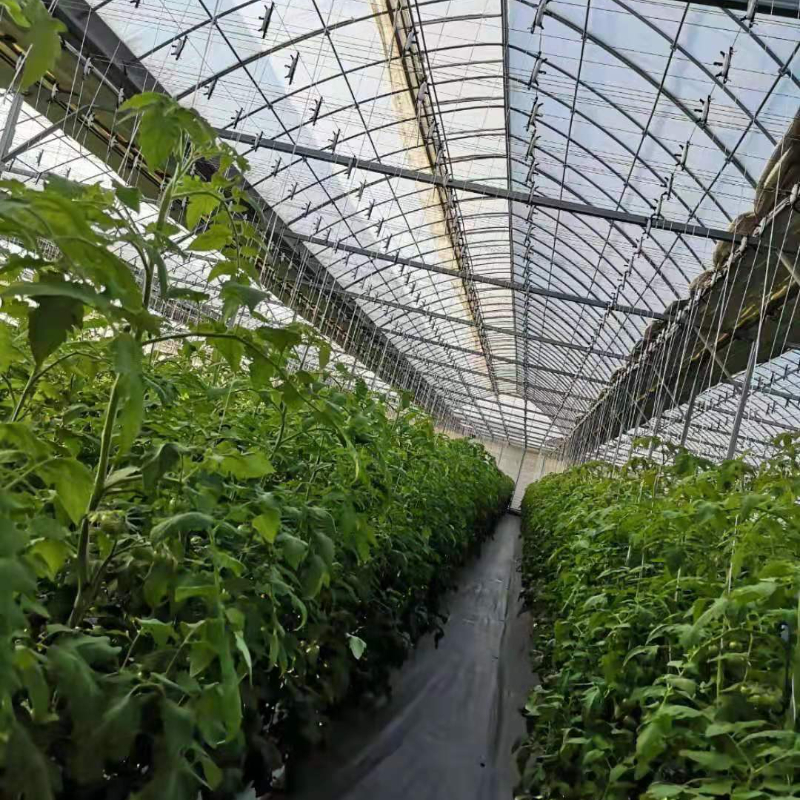
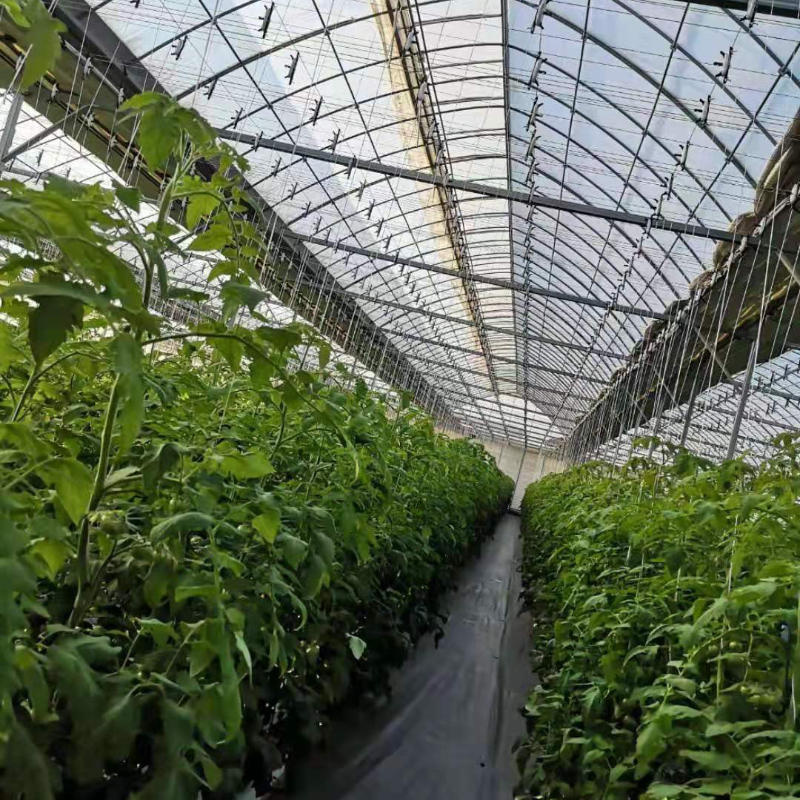
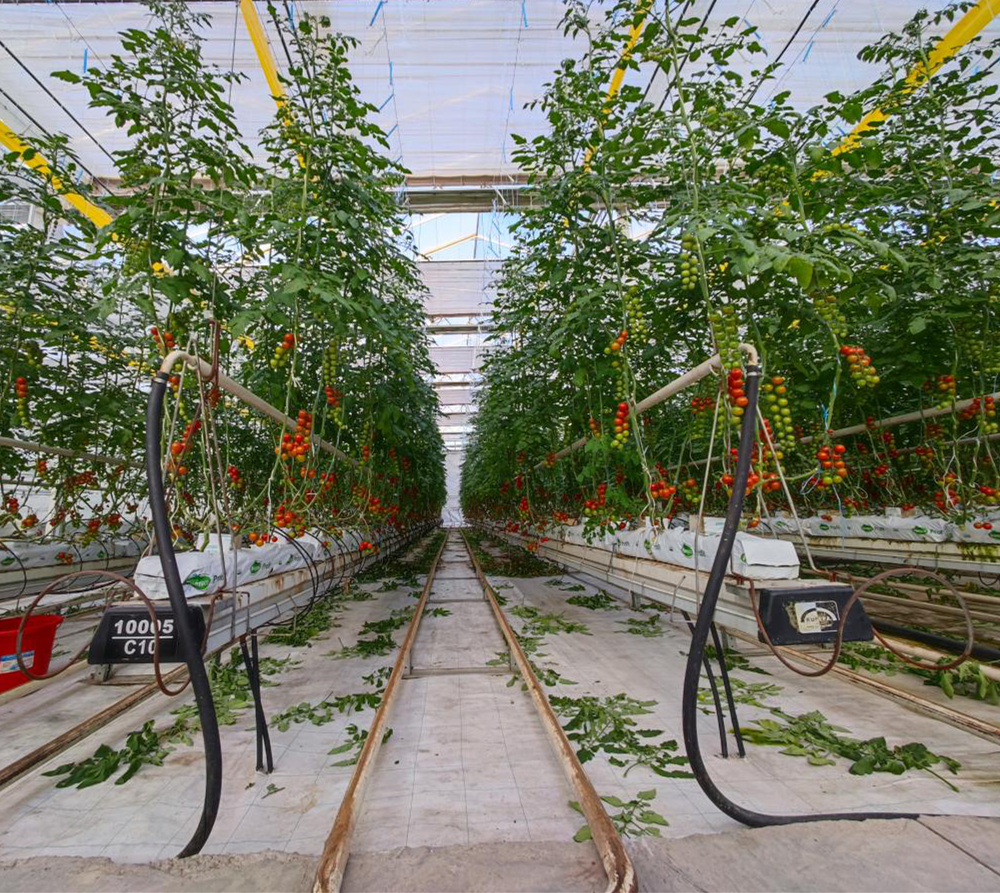
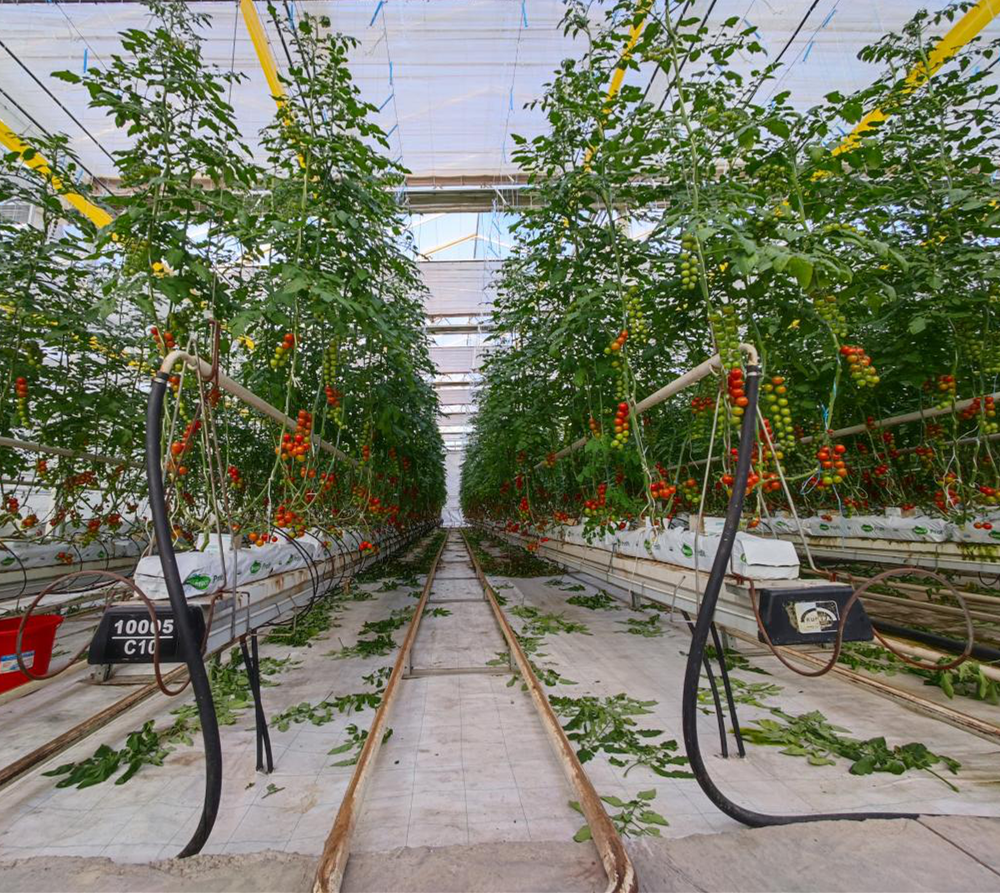
Monoculture & High Density: Growing a single crop (e.g., tomatoes) at high density in a closed environment creates a perfect breeding ground for pests and diseases (e.g., whitefly, powdery mildew).
Resistance: Pests can develop resistance to chemical pesticides, making them less effective.
Solution Shift: The industry is heavily investing in Integrated Pest Management (IPM), which relies on beneficial insects (biological control) and strict hygiene protocols to avoid outbreaks. However, this requires expert knowledge.
7. Waste and Circular Economy
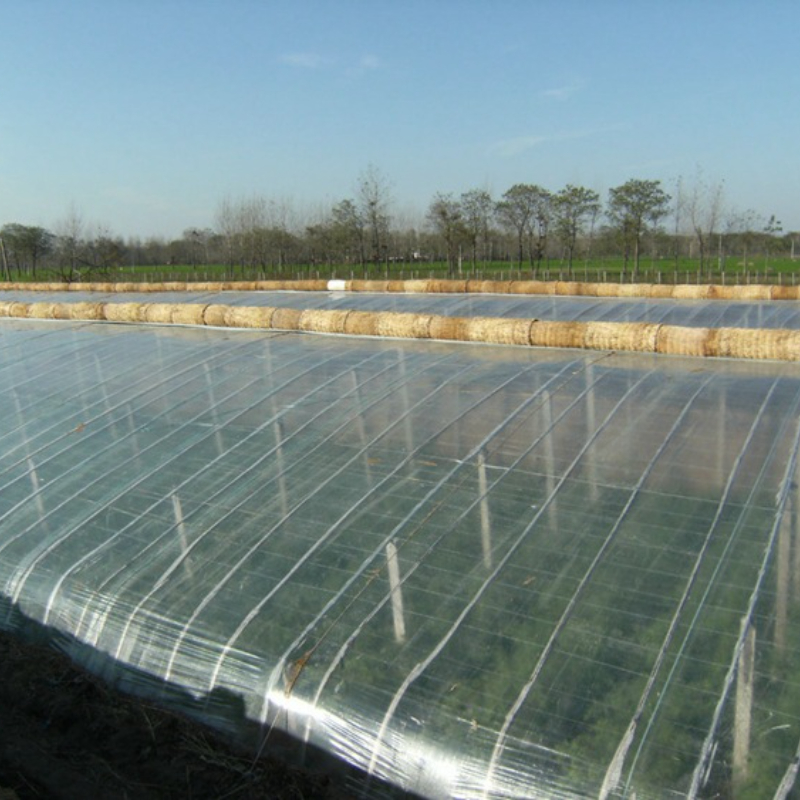
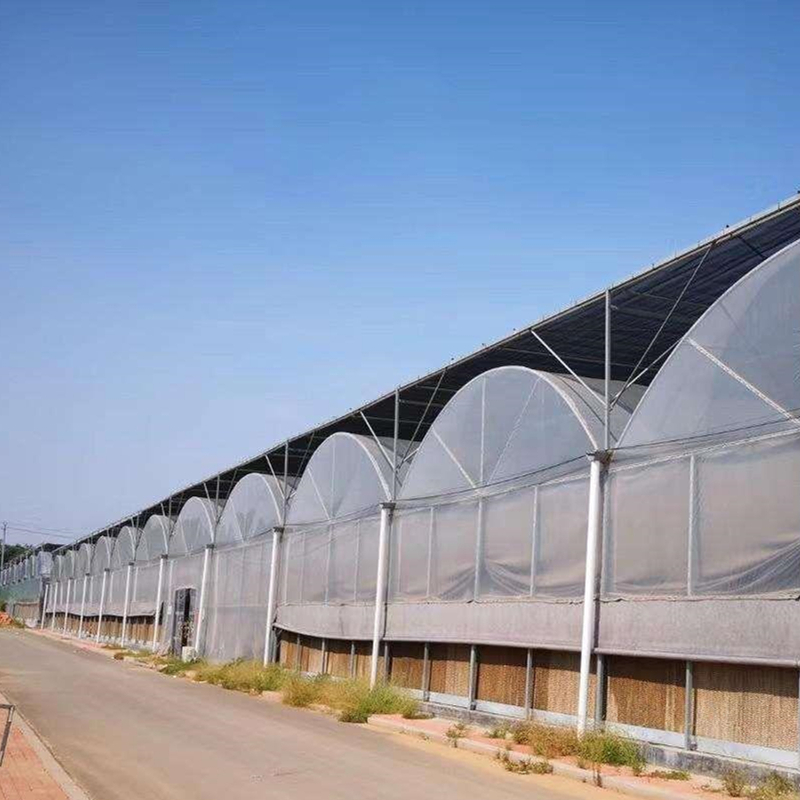
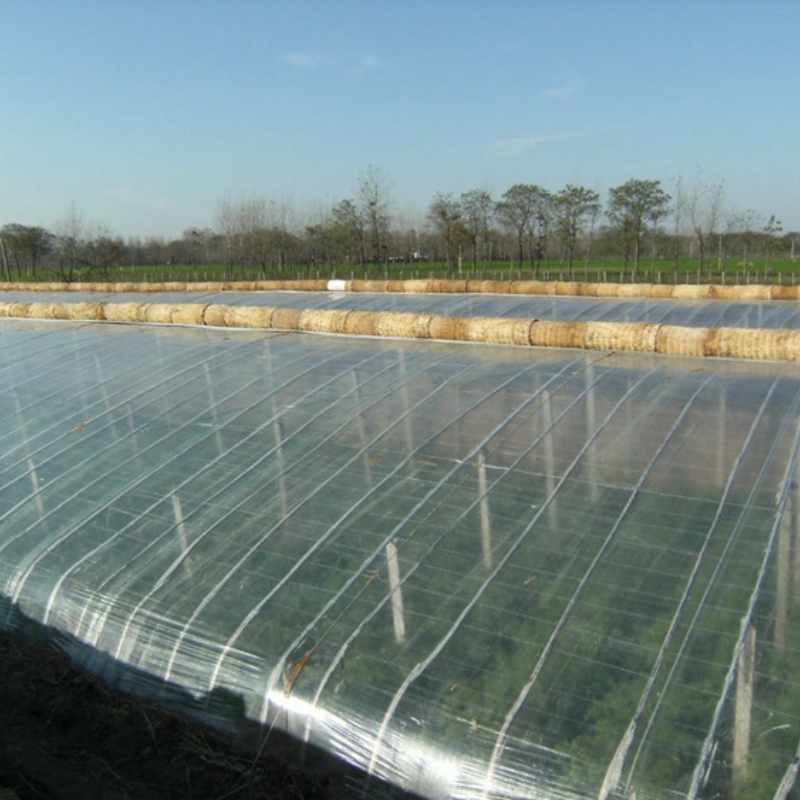
Plastic Waste: Greenhouse structures, especially seasonal plastic tunnels, generate large amounts of plastic waste at the end of their life. Recycling polycarbonate and polyethylene films remains a challenge.
Growing Substrate: Many systems use rockwool or coconut coir as a growing medium. These substrates are often discarded after a single growing cycle, creating waste streams.
Conclusion: The Path Forward
The future of the greenhouse industry lies in addressing these challenges head-on through:
Sustainability: A full transition to renewable energy sources is essential for long-term viability.
Circular Practices: Developing recycling streams for plastics and substrates, and reusing water and nutrients.
Automation & AI: Doubling down on robotics and AI to reduce labor costs and optimize resource use to an unprecedented degree.
Education: Creating new training pipelines to develop the skilled workforce needed to run these complex food production systems.
The greenhouse industry is not just about growing plants; it's about innovating to sustainably feed the world against a backdrop of climate change and resource scarcity. The challenges are immense, but so is the potential for transformative impact.
