

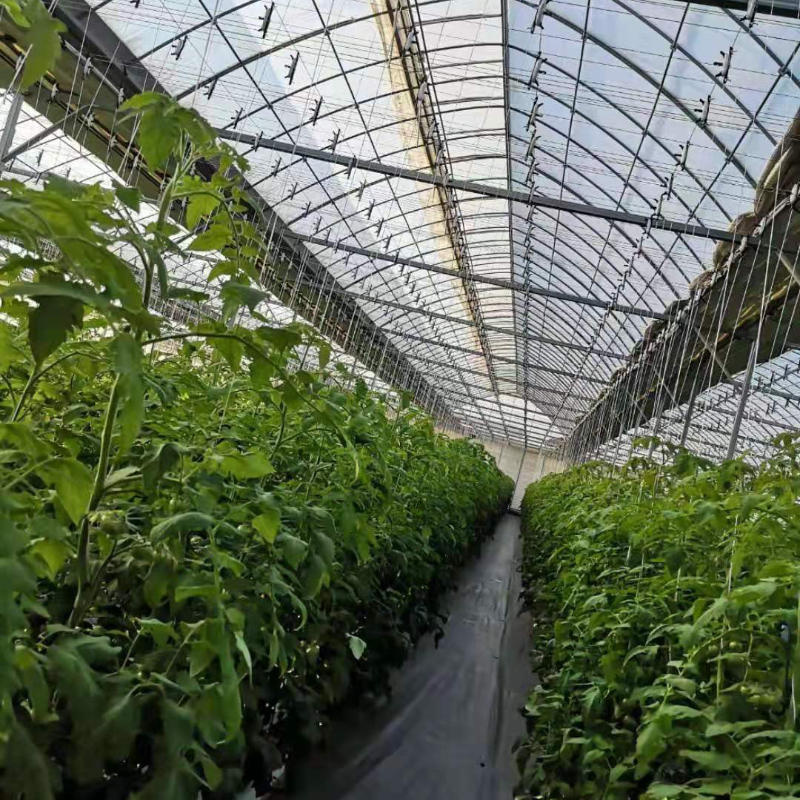
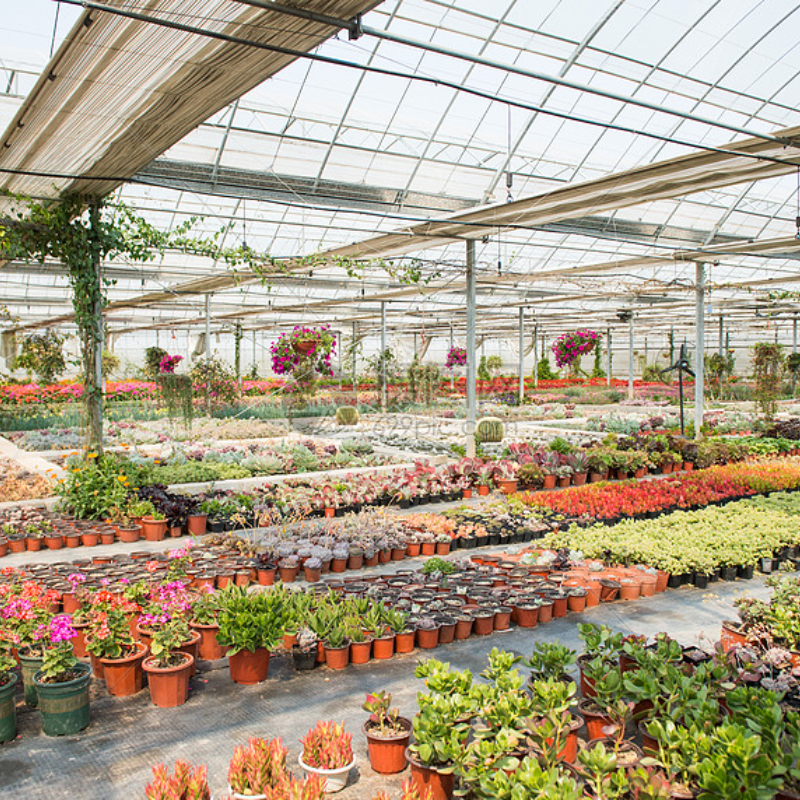
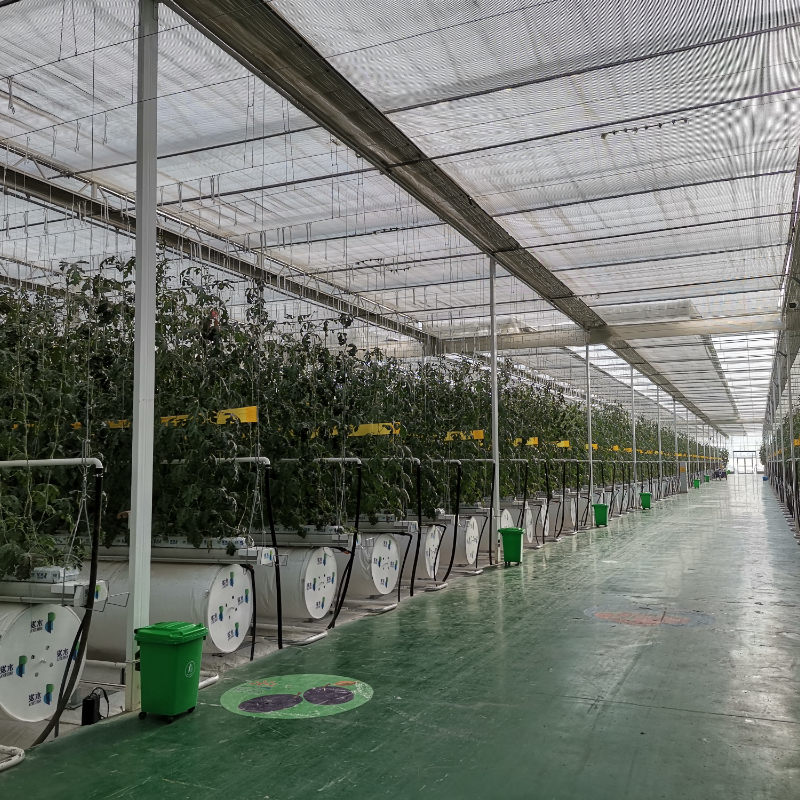
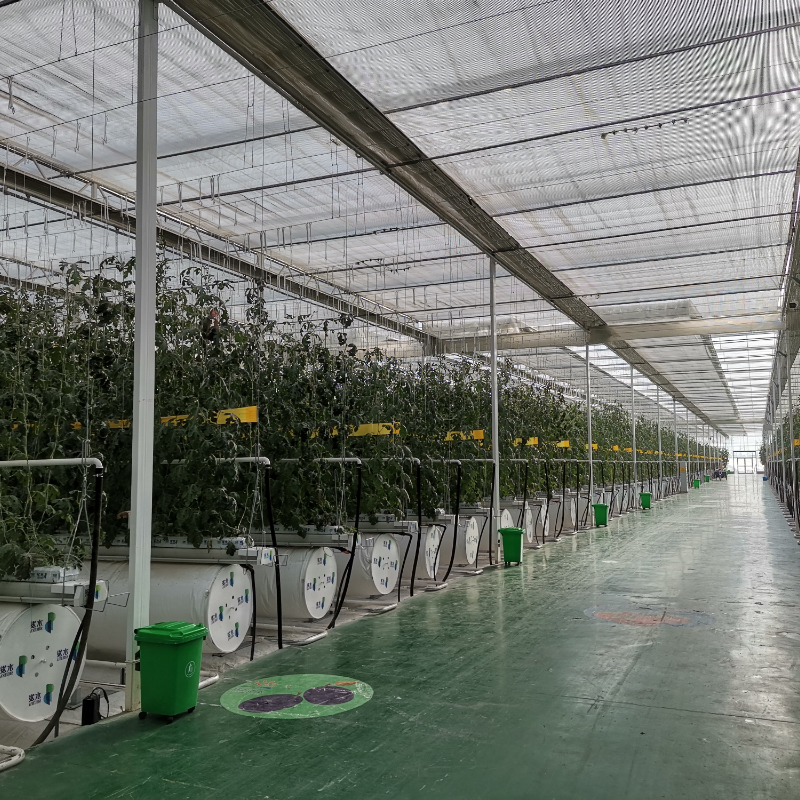
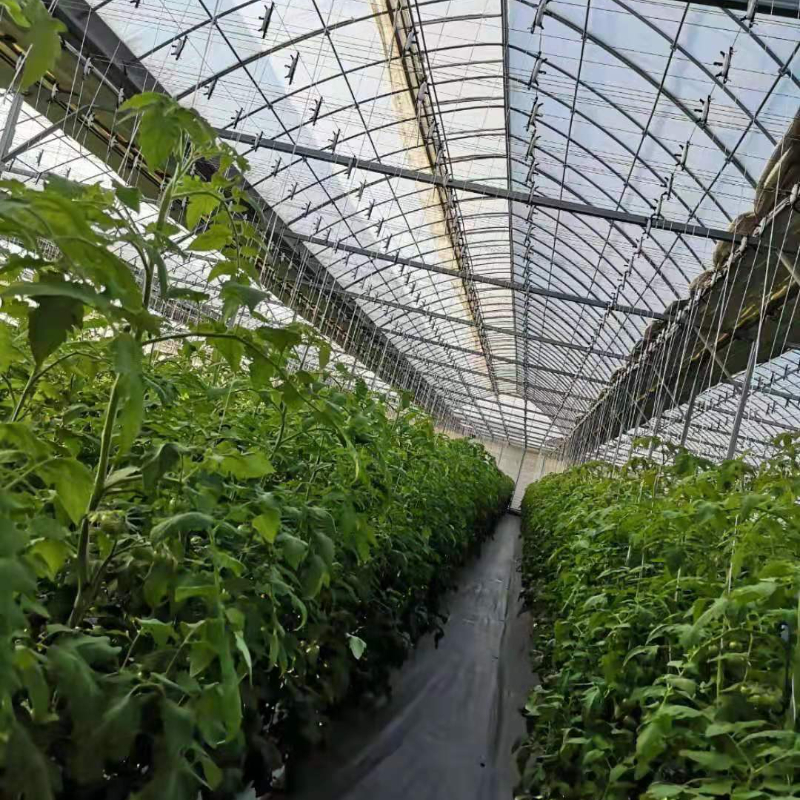
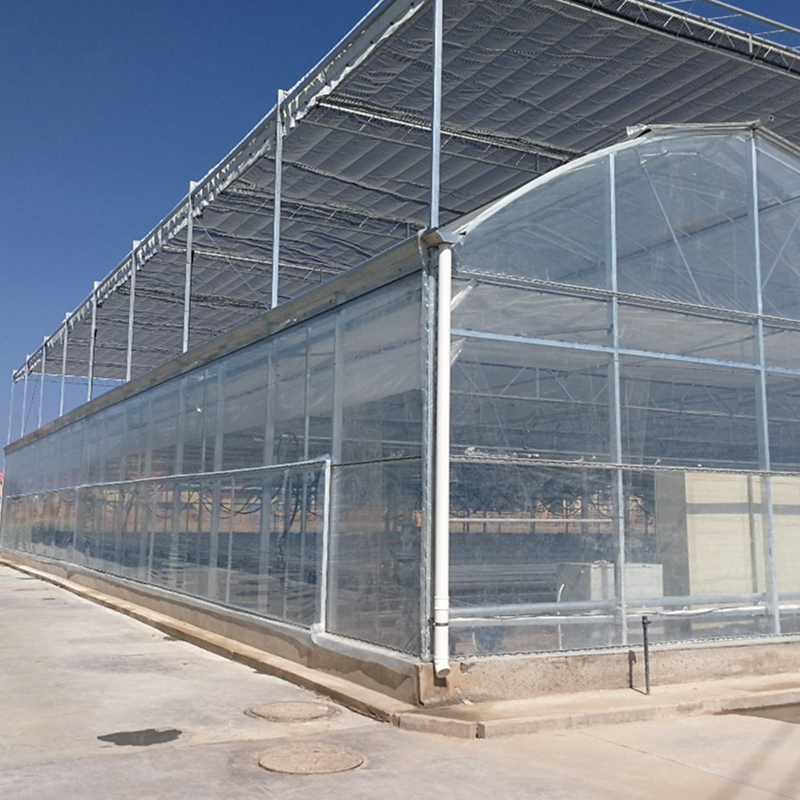
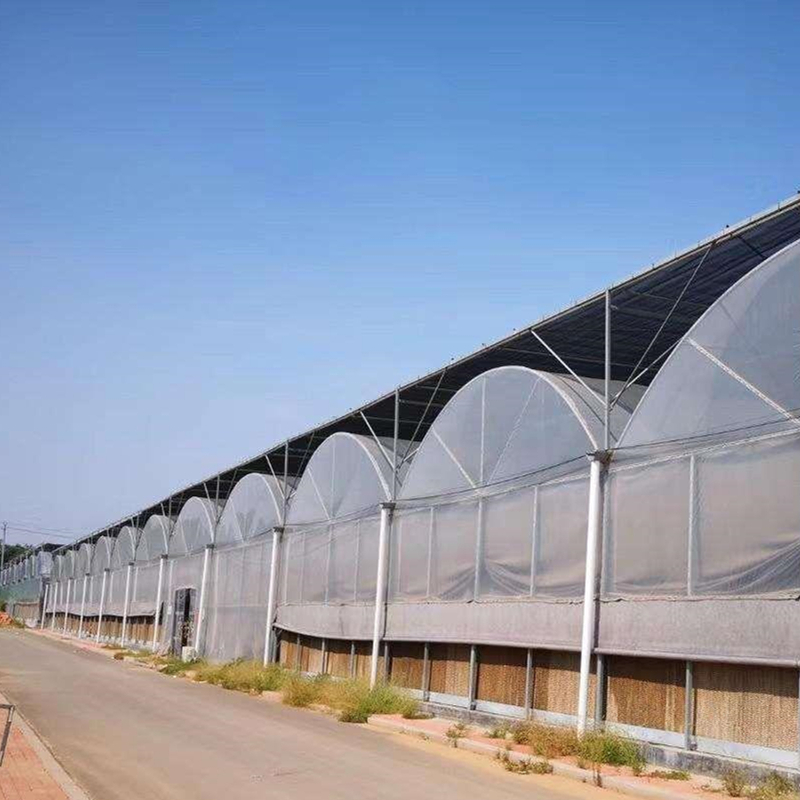
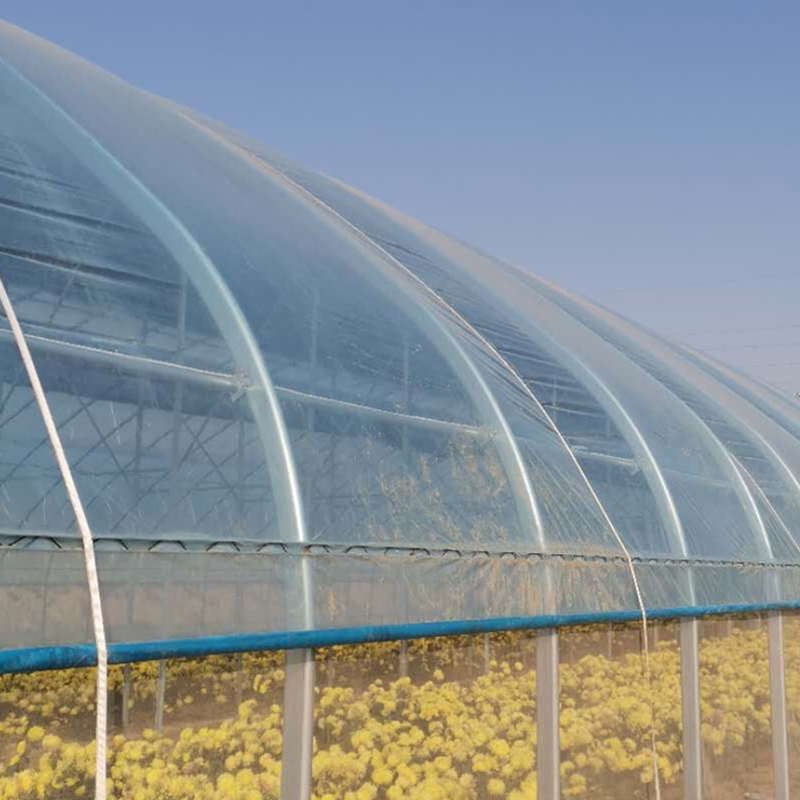
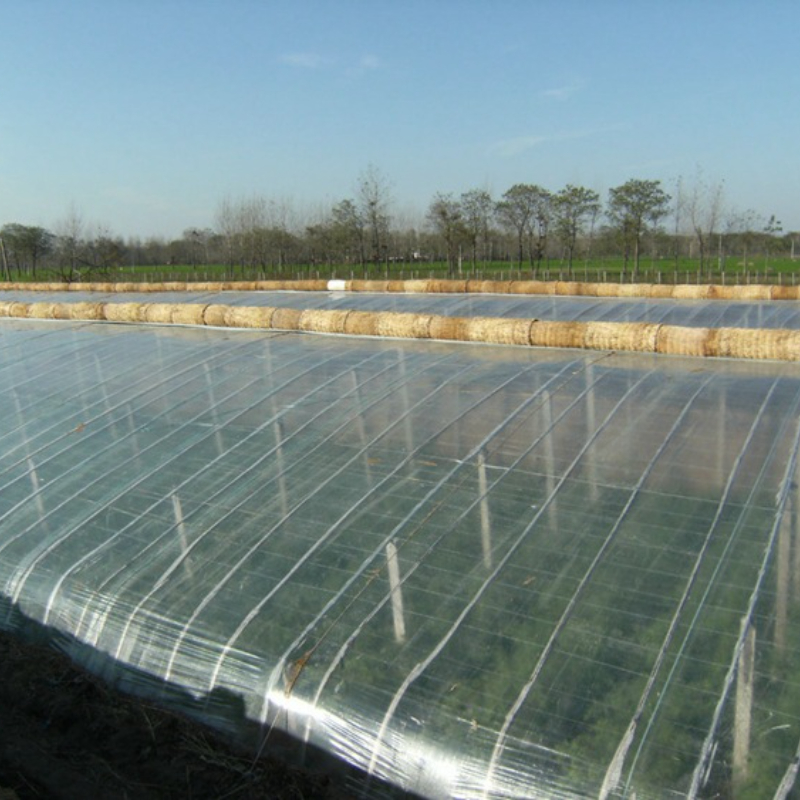
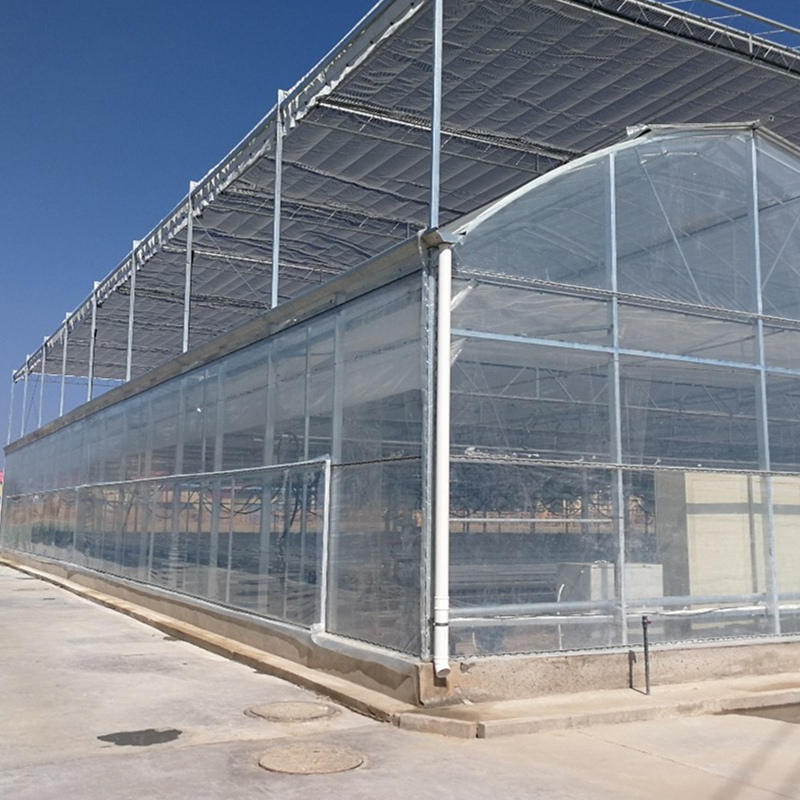
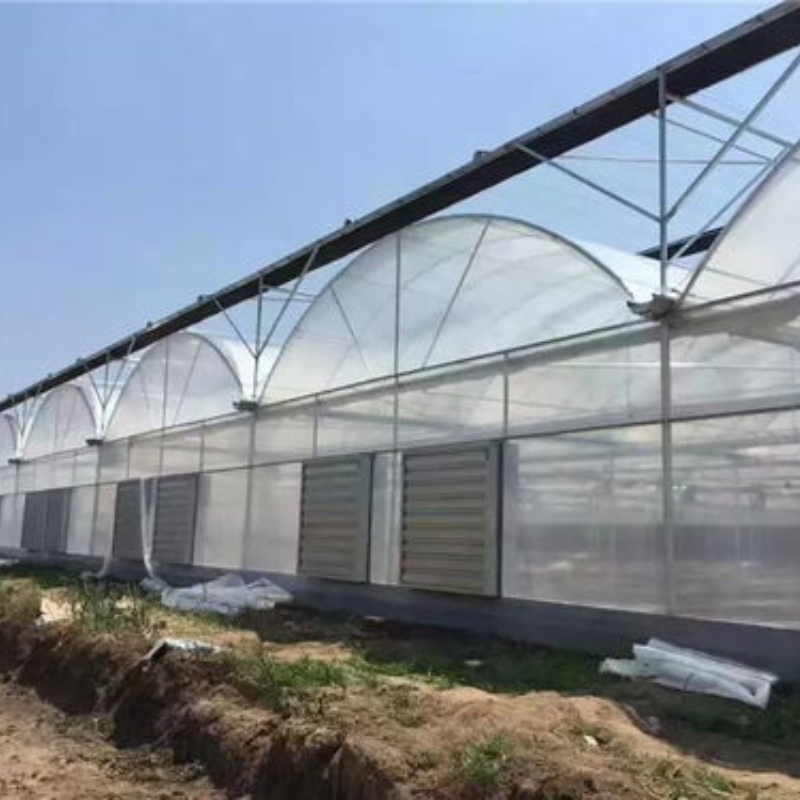
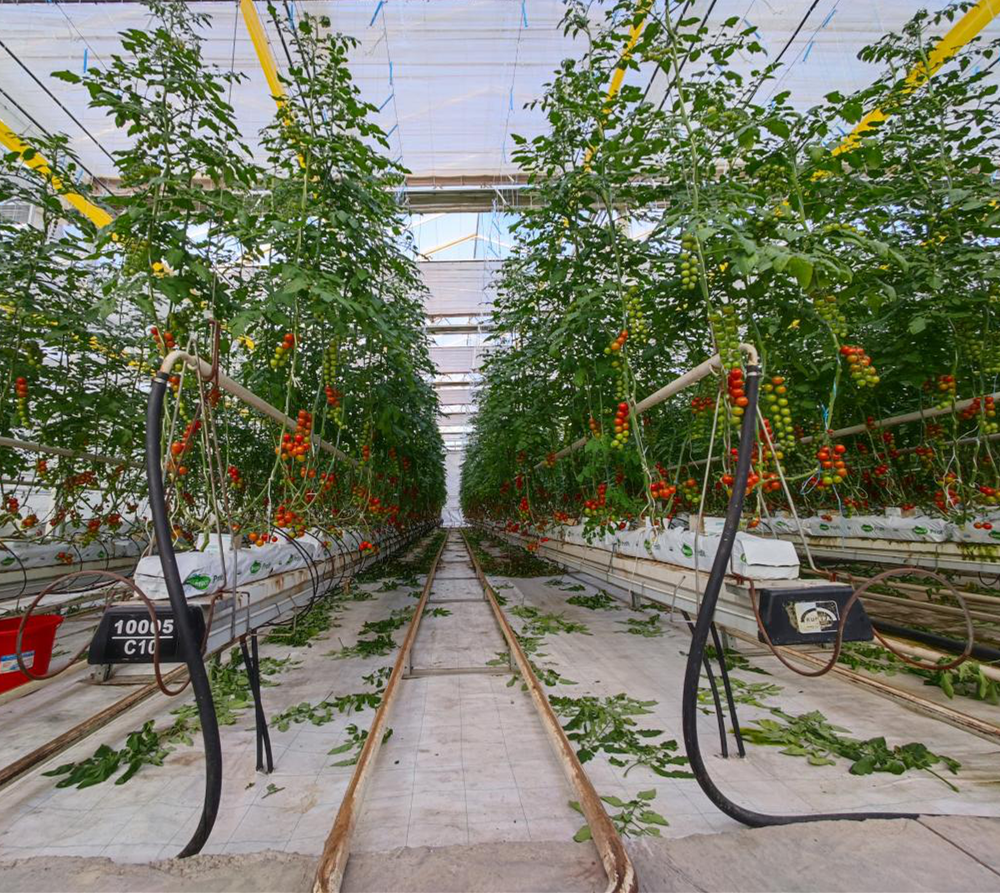
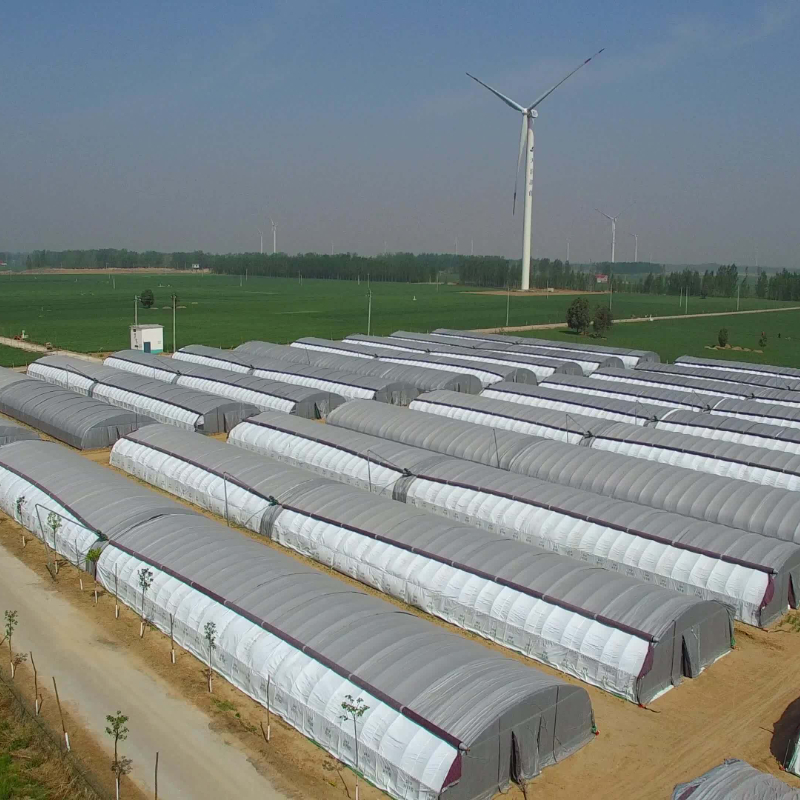
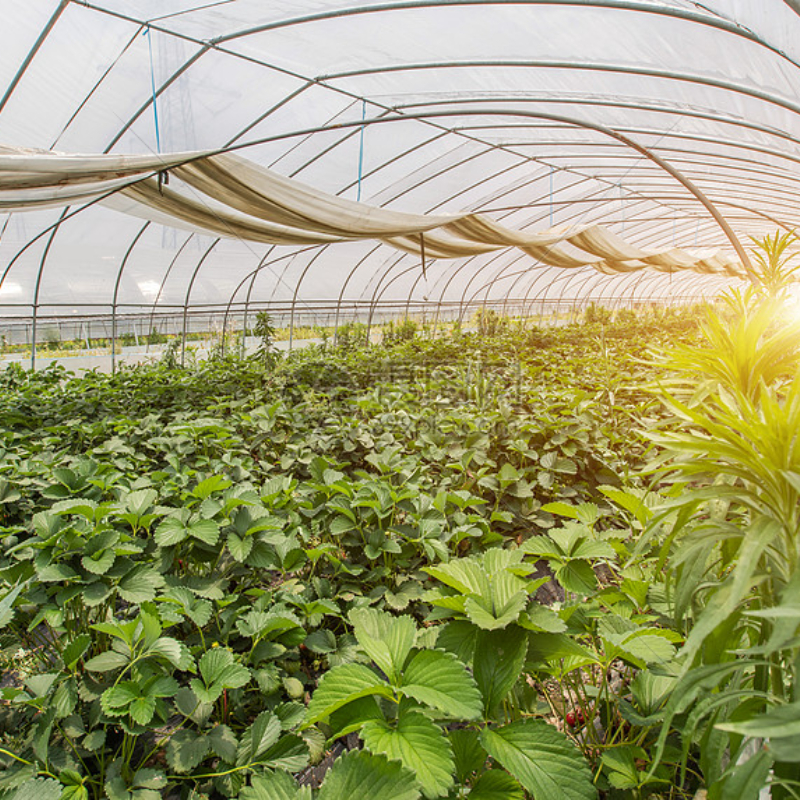
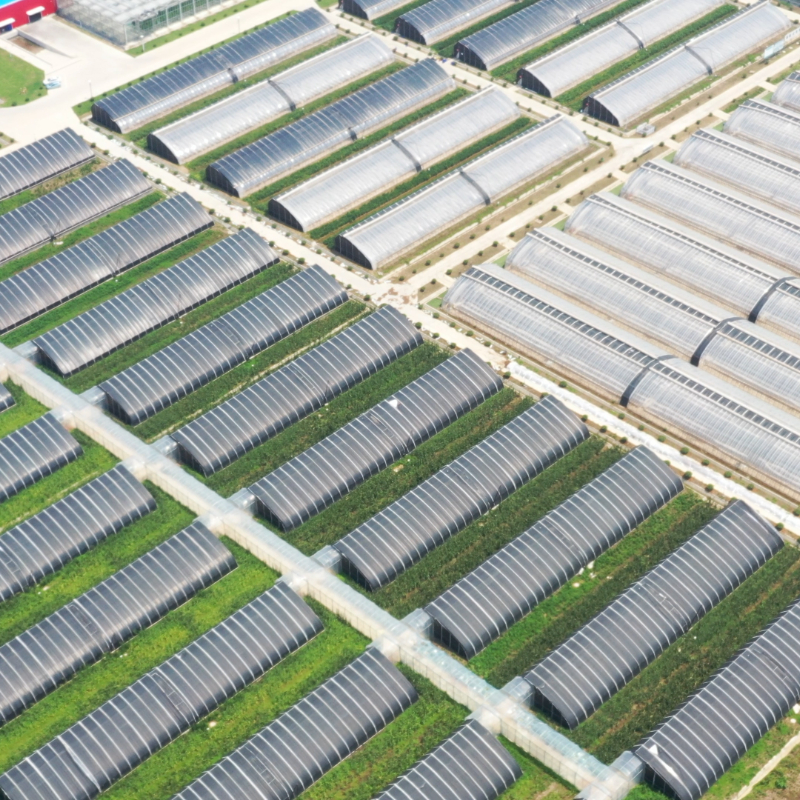
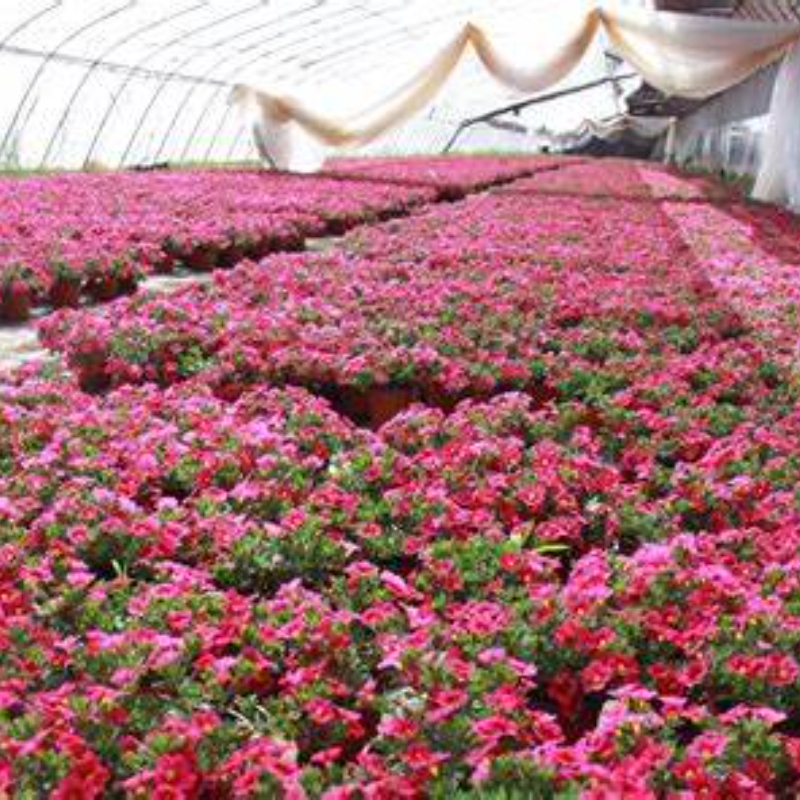
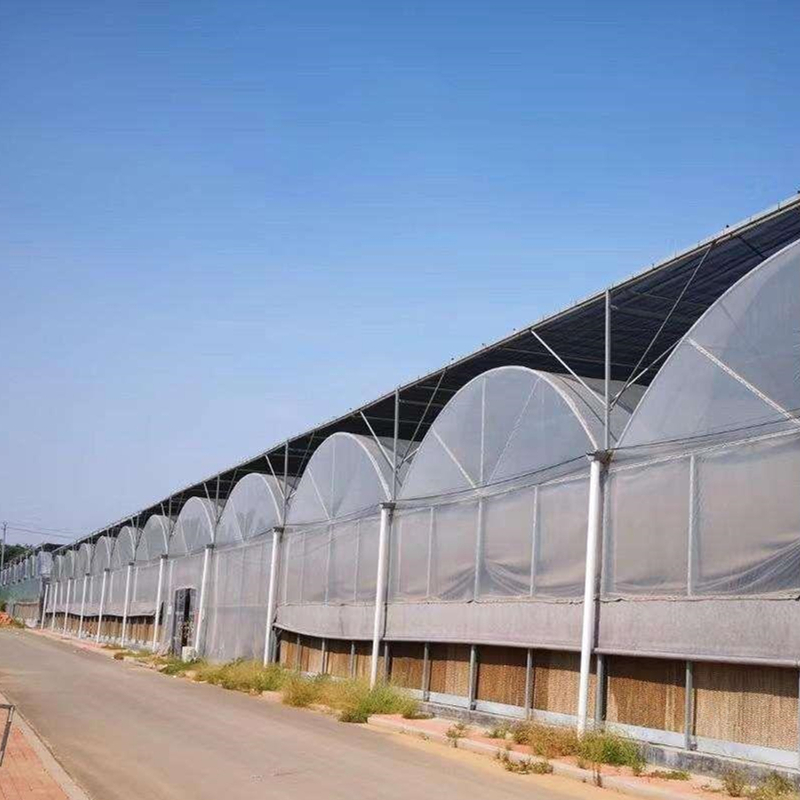
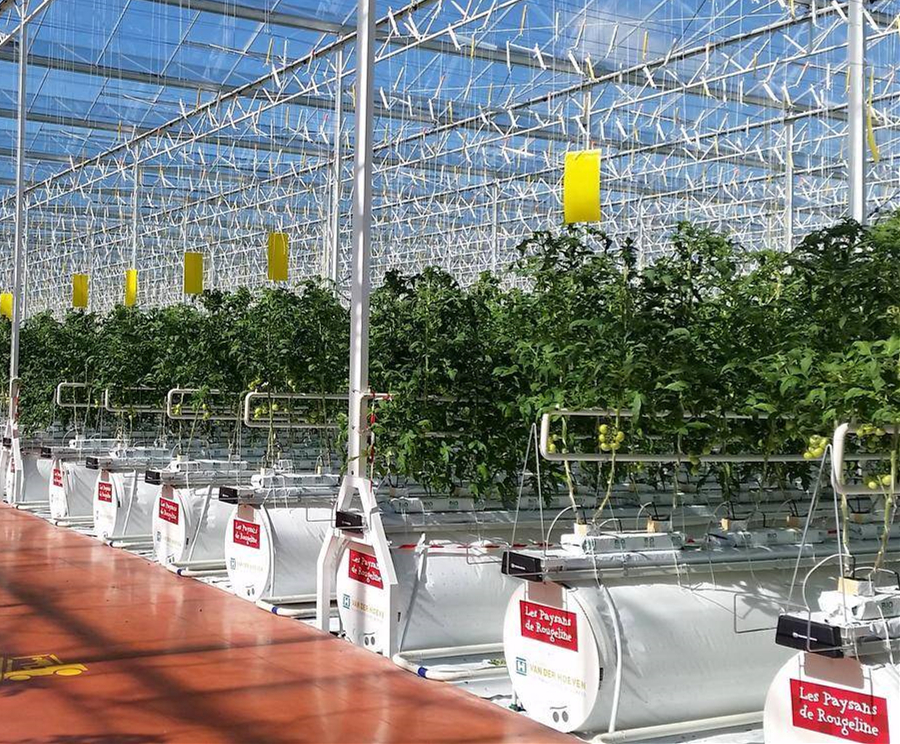
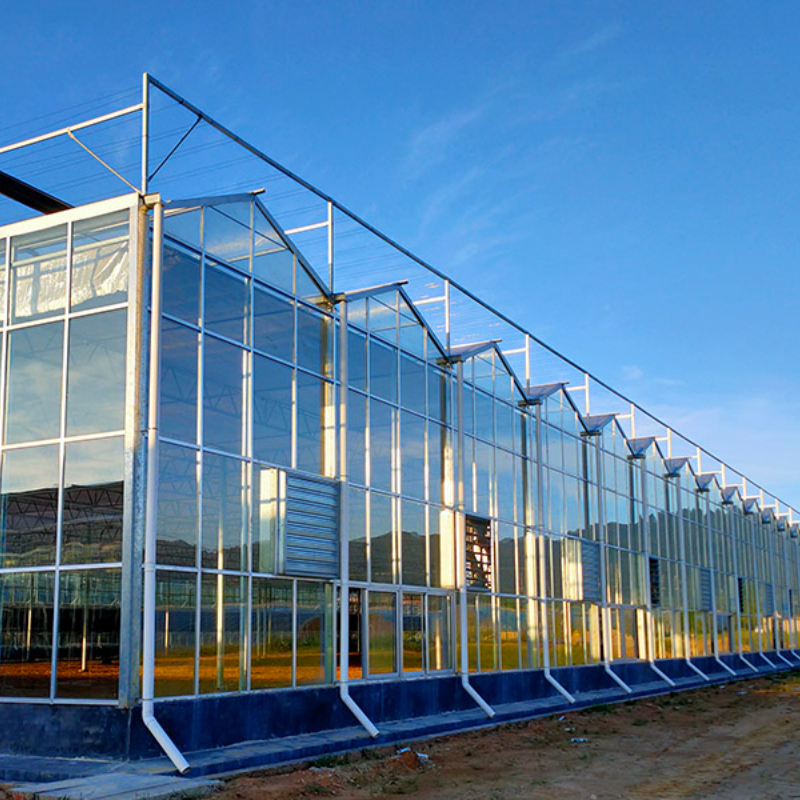
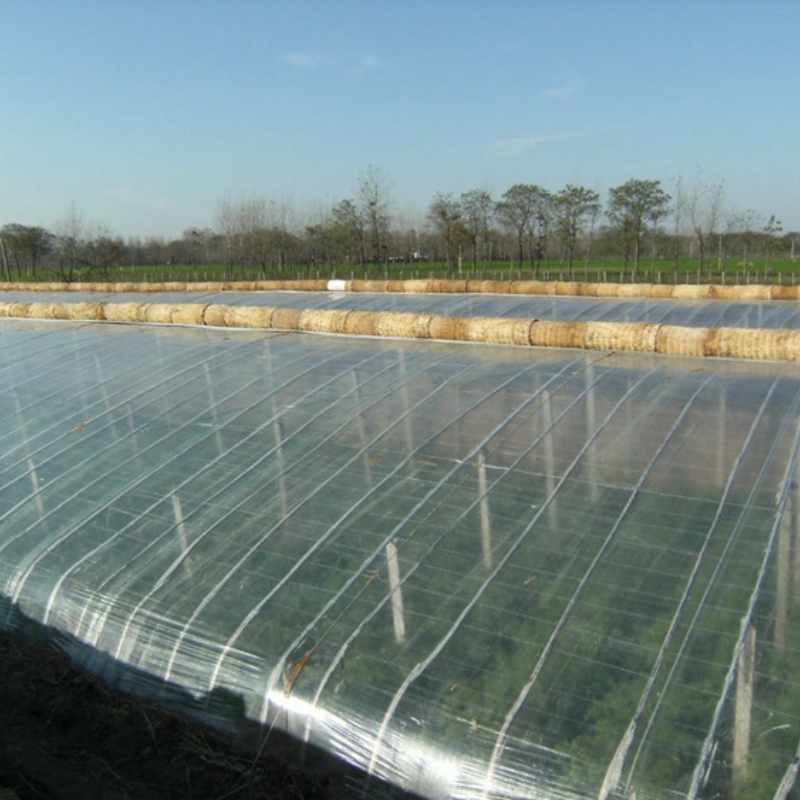
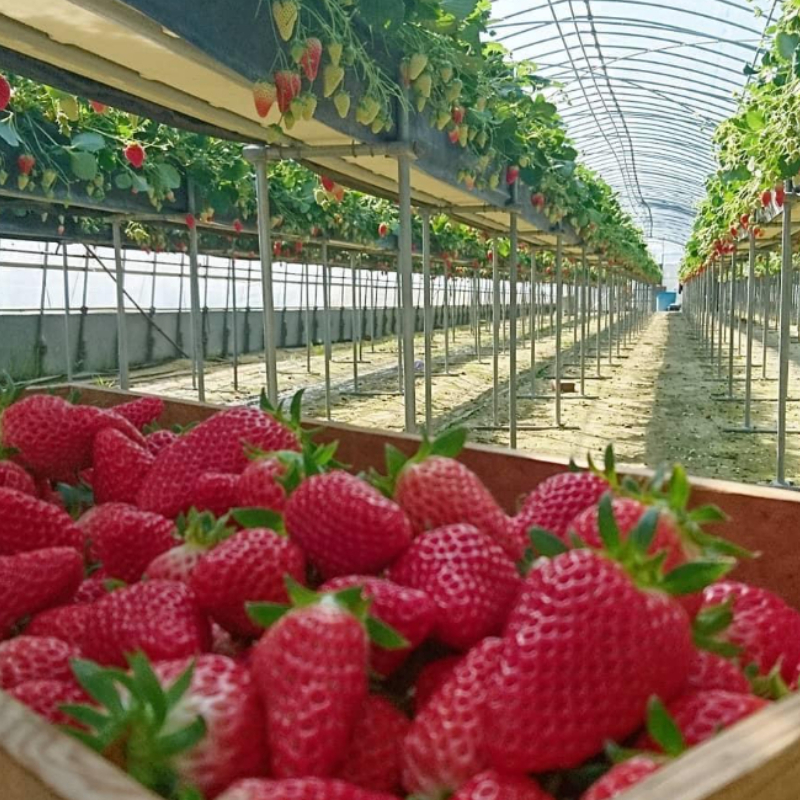
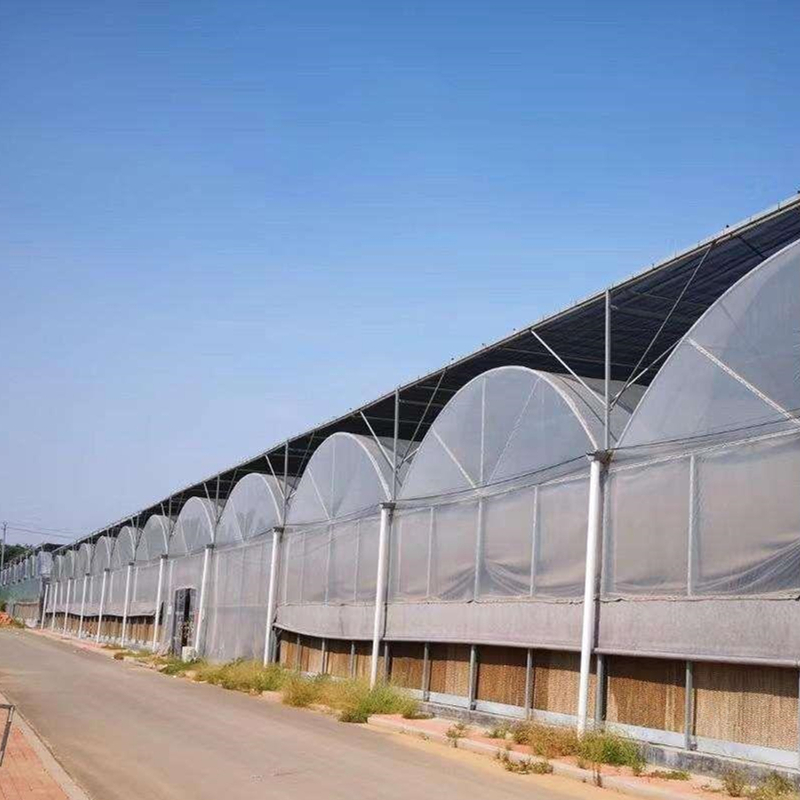
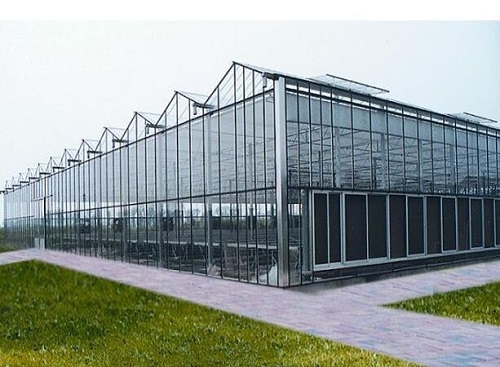
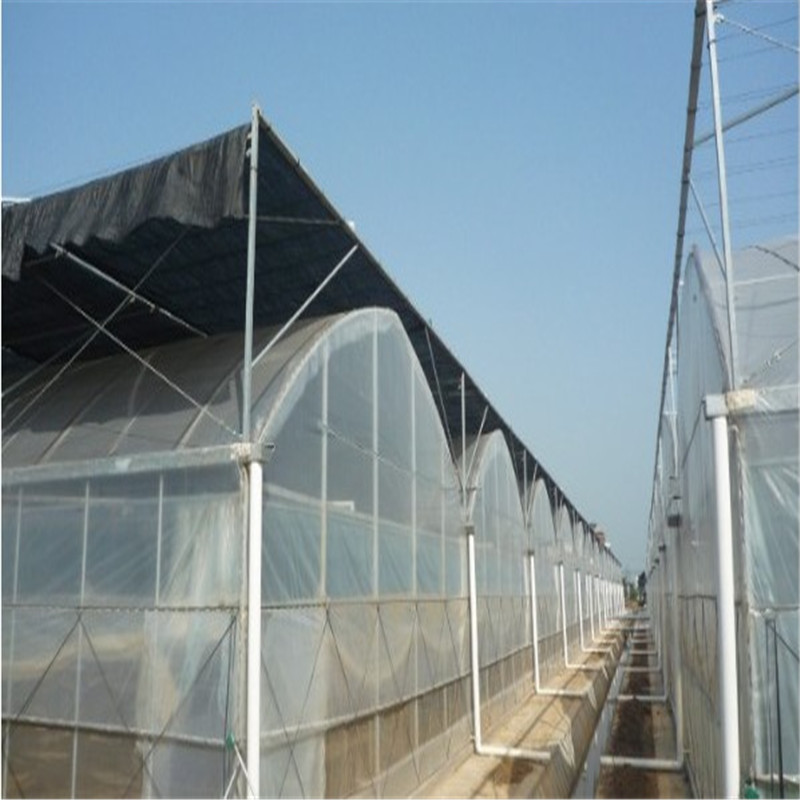
Choosing the right greenhouse is a fantastic step towards a more productive and enjoyable gardening experience. The "right" type depends entirely on your goals, climate, budget, and available space.
Here is a comprehensive guide to help you make the best decision.
Step 1: Ask Yourself These Key Questions First
Before you look at any structures or styles, answer these questions honestly. They are the foundation of your decision.
1.What is your primary goal?
Extending the season (growing earlier in spring and later in fall)?
Growing tropical plants or orchids that need high, consistent heat and humidity?
Starting seeds for a summer vegetable garden?
Growing vegetables year-round (including winter)?
A peaceful retreat—a "sunroom" for you and your plants?
2.What is your climate?
Cold/Snowy: You need a strong structure, good insulation, and possibly a double-walled covering.
Hot/Sunny: Ventilation and shade cloth are your top priorities. Cooling can be more challenging than heating.
Windy: A sturdy, aerodynamic structure (like a hoop house) that is well-anchored is crucial.
Mixed/Seasonal: You need a good balance of heating and cooling options.
3.What is your budget? This includes not just the structure, but also:
Site preparation (foundation, leveling)
Essential systems (ventilation, heating, cooling, shading, watering)
Ongoing costs (heating fuel, electricity, replacement coverings)
4.How much space do you have? Measure your available area. Do you need a free-standing structure or would a lean-to against your house work better?
5.How much time can you commit? A large greenhouse with many plants requires daily checking for water, pests, and temperature. Automated systems can help but add to the cost.
Step 2: Consider Essential Systems & Features
A greenhouse is more than just walls and a roof. Factor in these systems from the start.
1.Ventilation (MOST IMPORTANT): Heat buildup is a silent plant killer.
Passive: Roof vents and side louvers that open automatically with a heat-sensitive piston.
Active: Exhaust fans (on a thermostat) to pull hot air out.
2.Heating: Needed for year-round growing in cold climates.
Electric heater (fan-forced or radiant) is the easiest and cleanest.
Gas/propane heater is powerful but produces moisture and requires ventilation.
3.Shading: Essential in summer.
Shade cloth (external or internal) is a simple, effective solution.
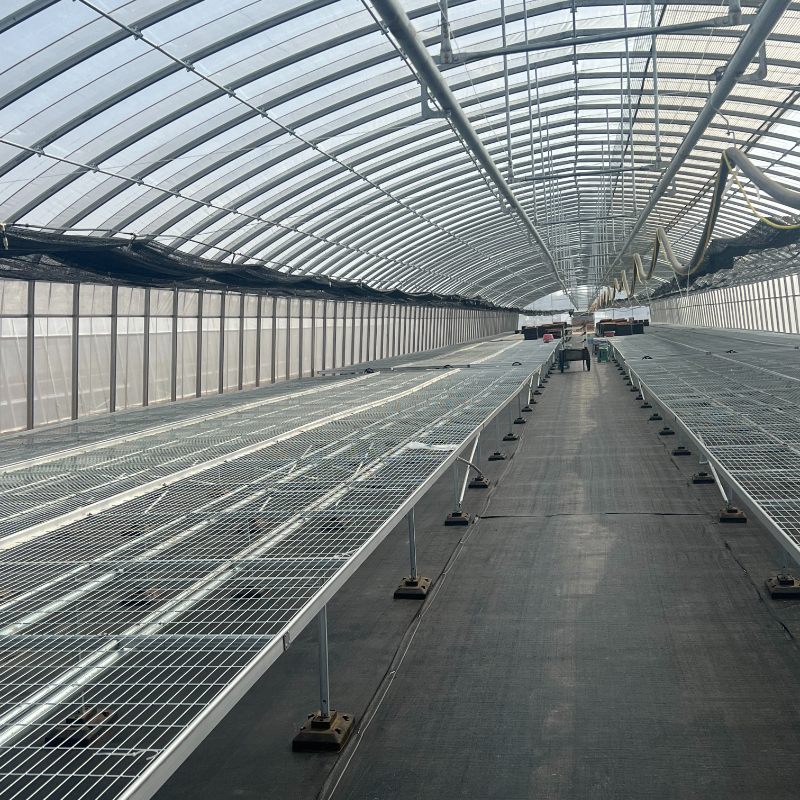
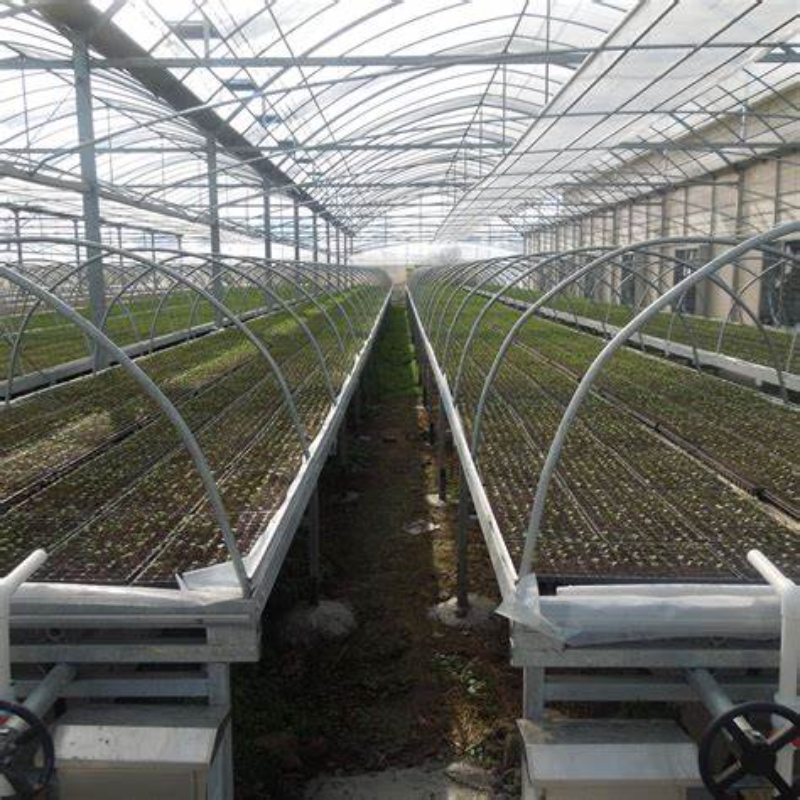
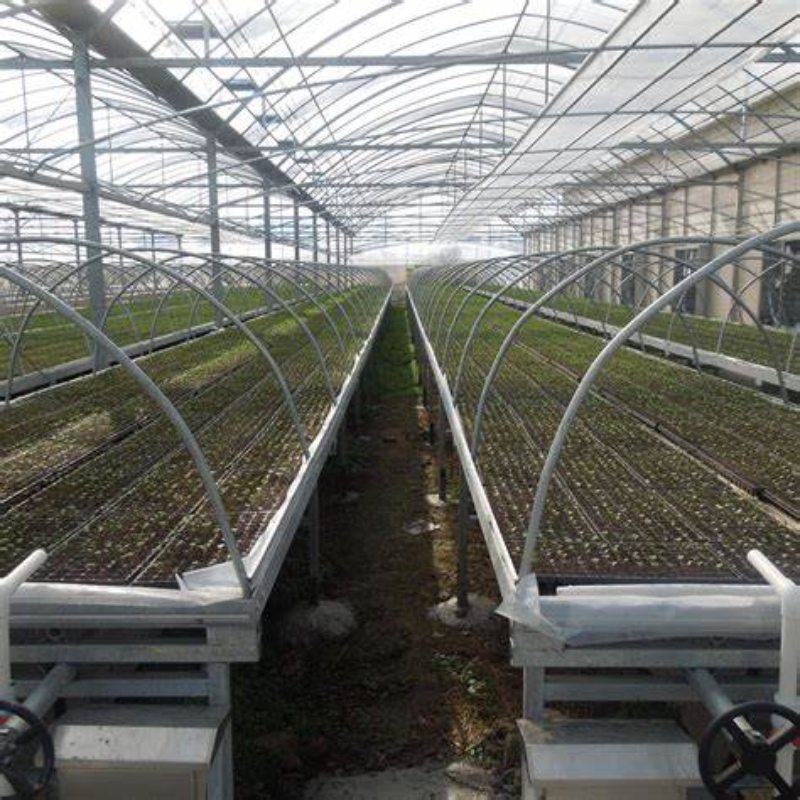
4.Benching & Flooring: Plan your layout.
Benches keep plants organized and at a comfortable height.
Flooring like gravel or paving stones helps with drainage and humidity.
Final Recommendation
For a Beginner / Budget-Conscious Gardener: Start with a small, lean-to or freestanding kit with twin-wall polycarbonate panels. It offers the best balance of cost, durability, and insulation. Ensure it has at least one automatic vent.
For the Serious Year-Round Gardener: Invest in a well-built freestanding structure with polycarbonate covering. Budget significantly for a proper foundation, heating system, and high-quality ventilation and shading.
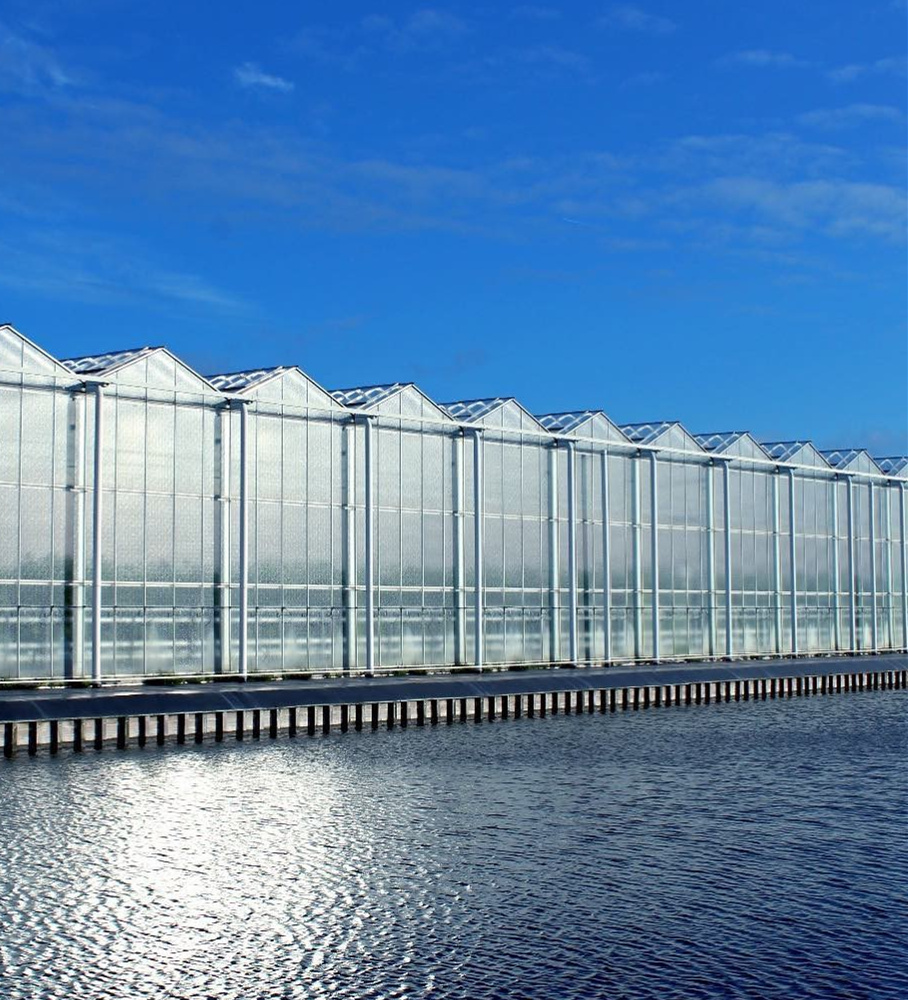
For the Traditionalist with a Mild Climate: A glass greenhouse can be a beautiful and lifelong investment if you can manage its heating costs and fragility.
Pro Tip: Whatever you think your budget is, add 20-30% for the essential systems (vents, heater, fan, shelving). They are not optional for a functional greenhouse.
Take your time, do your research, and you'll find the perfect greenhouse to enjoy for years to come. Happy growing
