
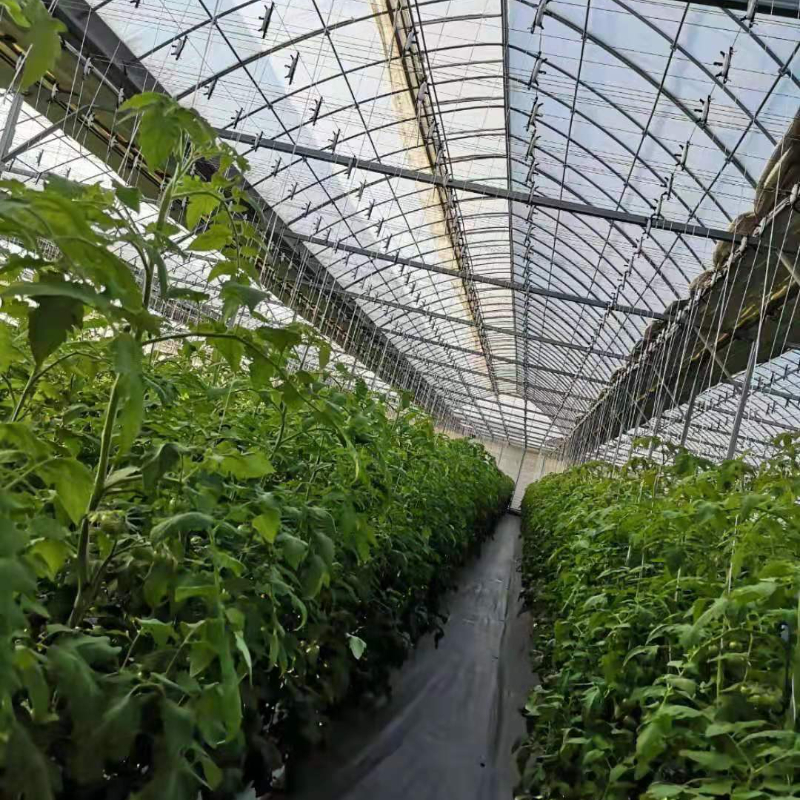
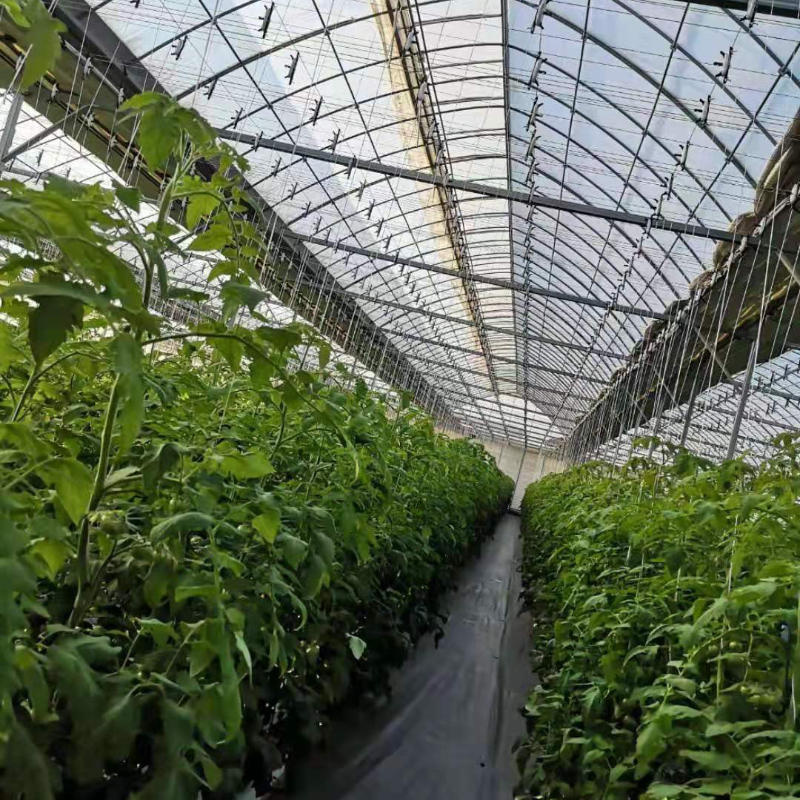
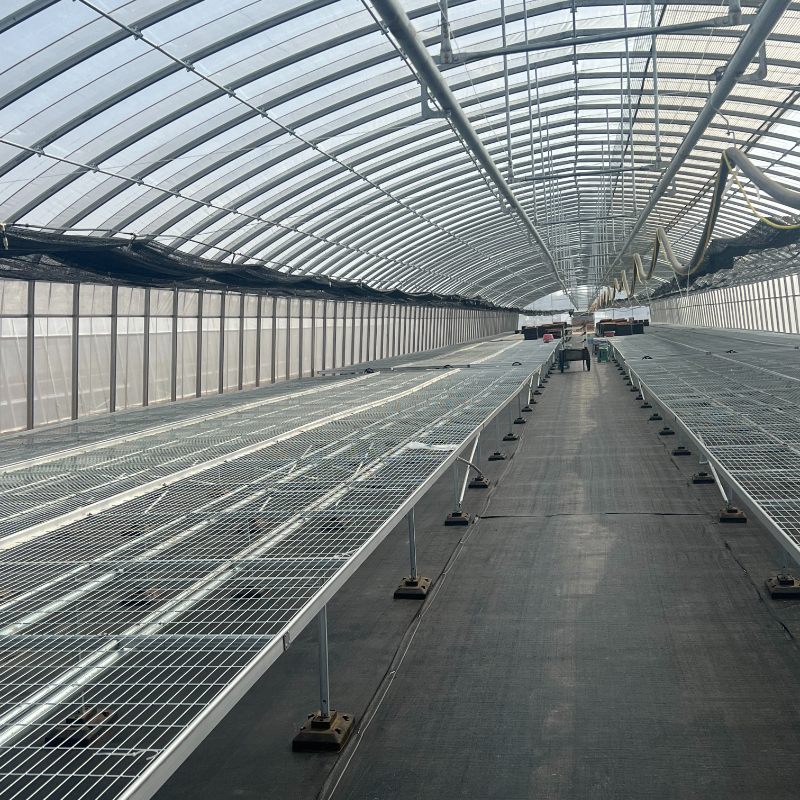
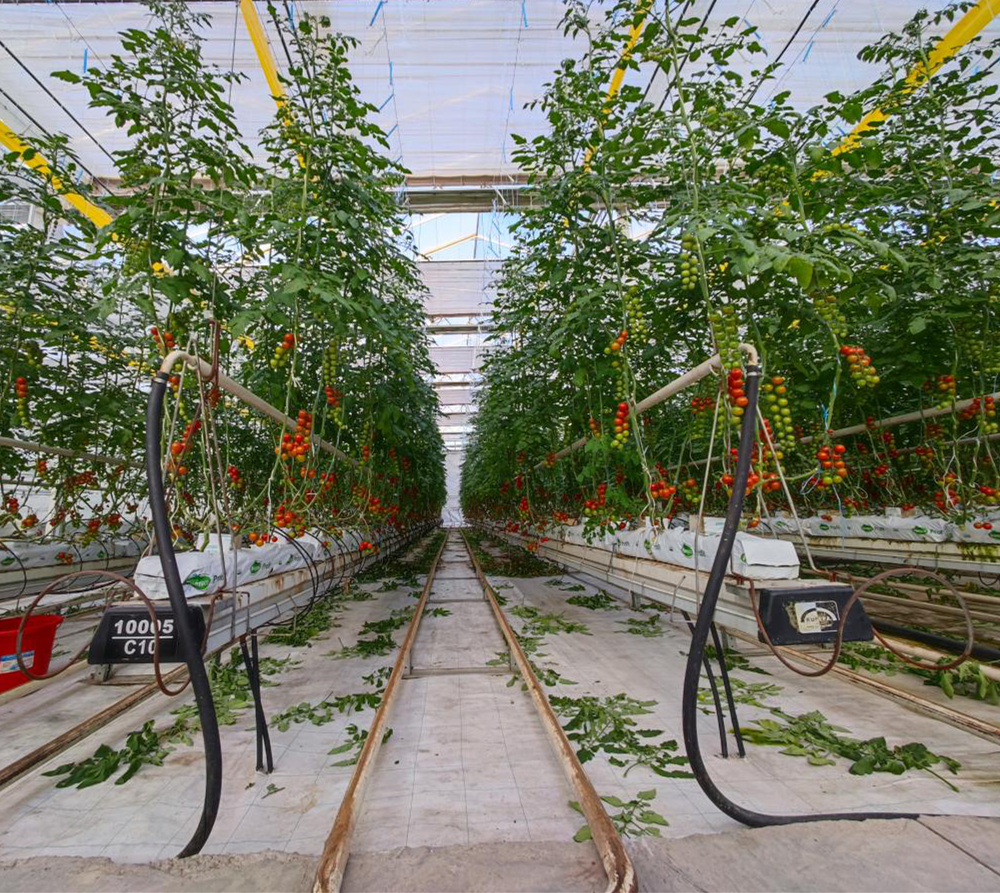
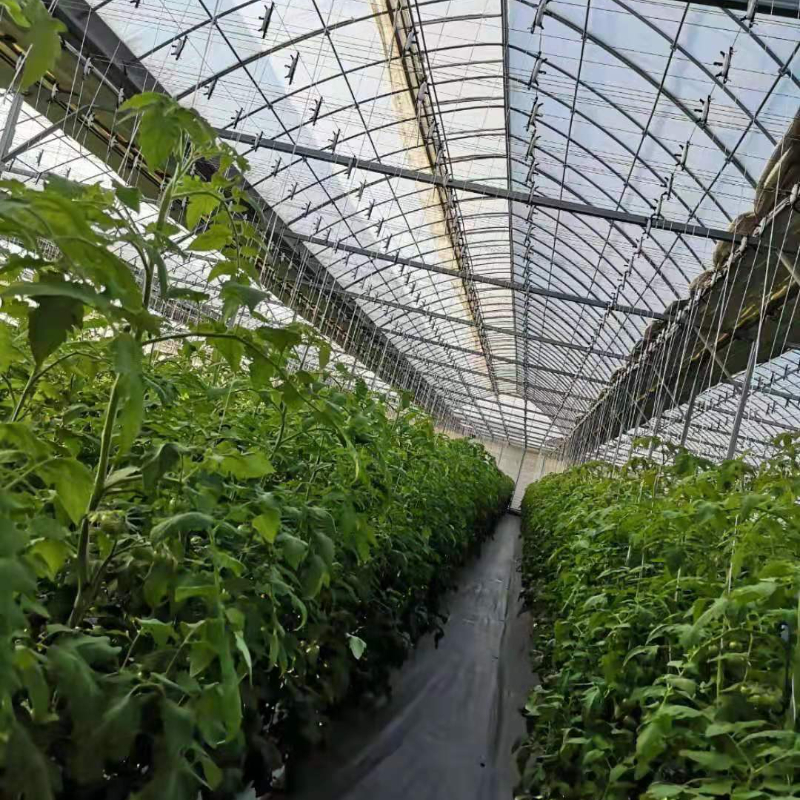
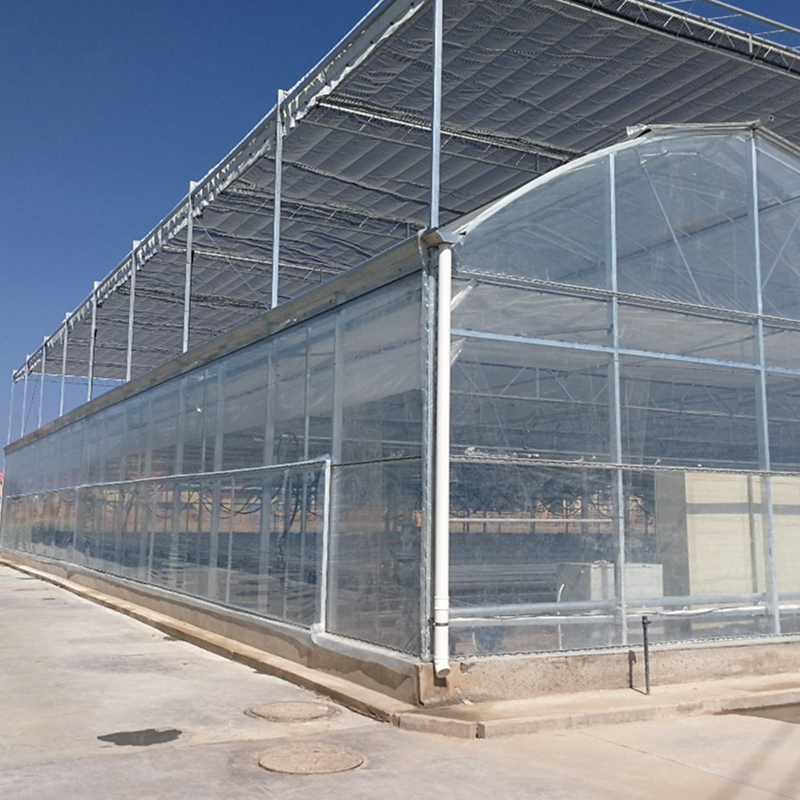
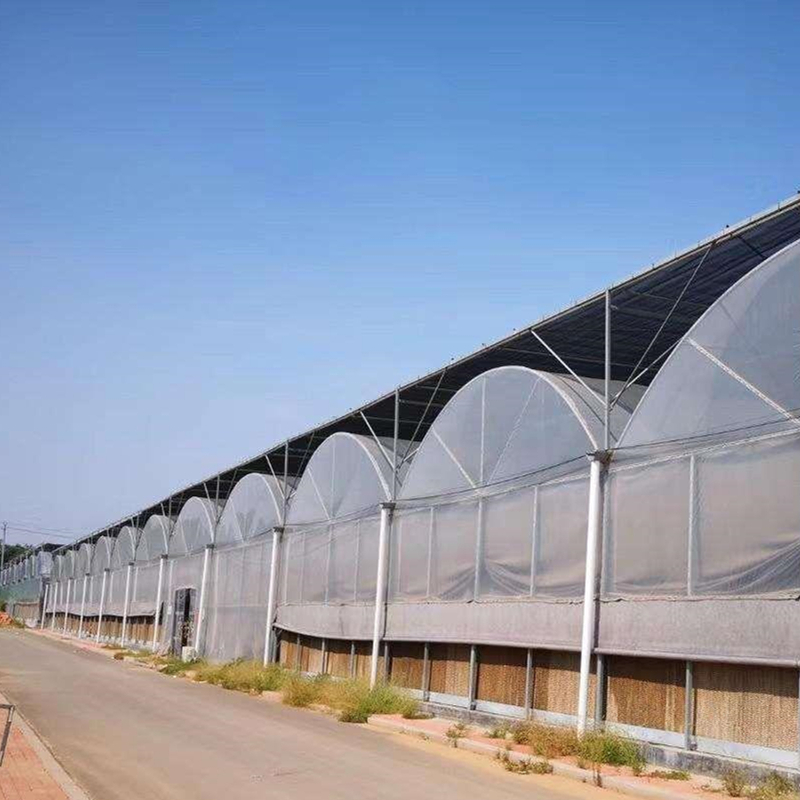
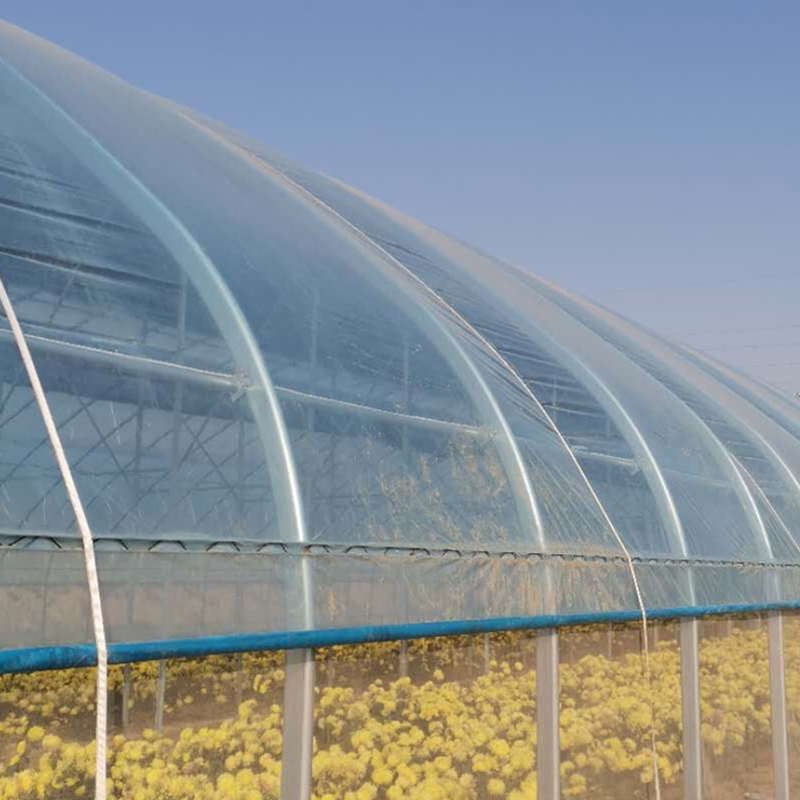
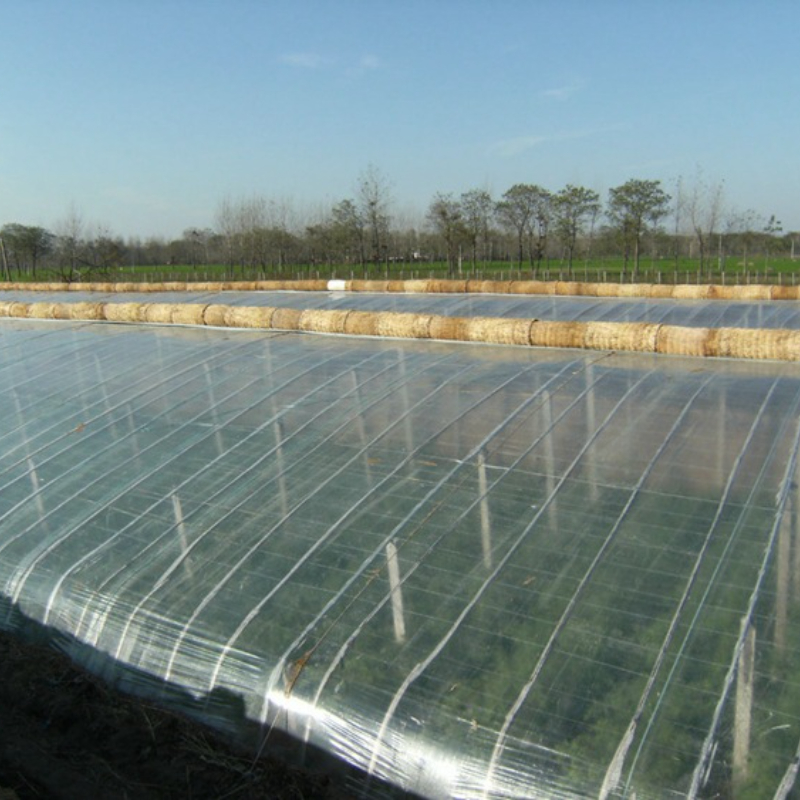
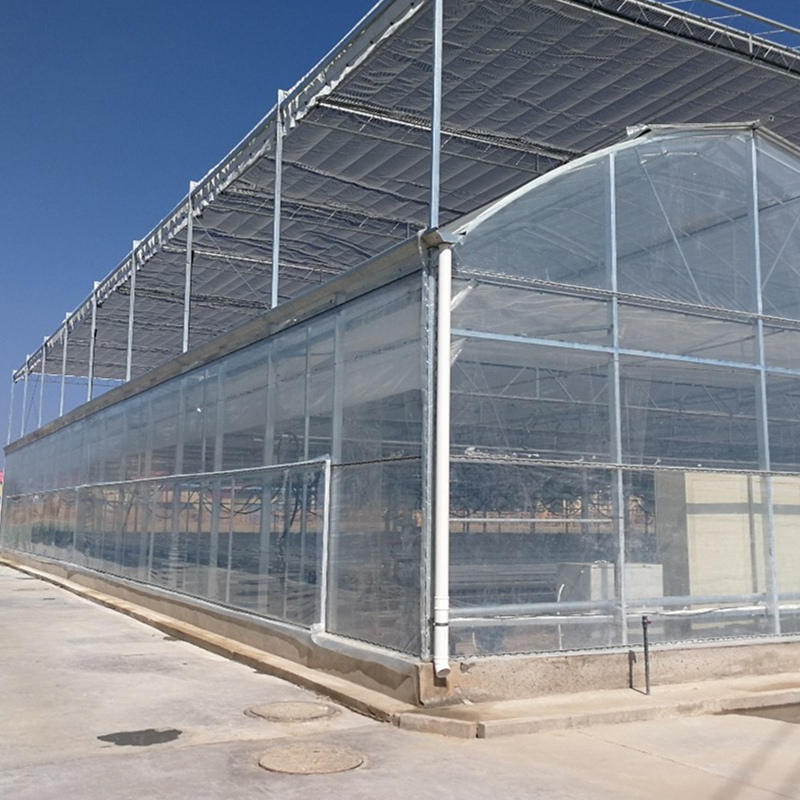
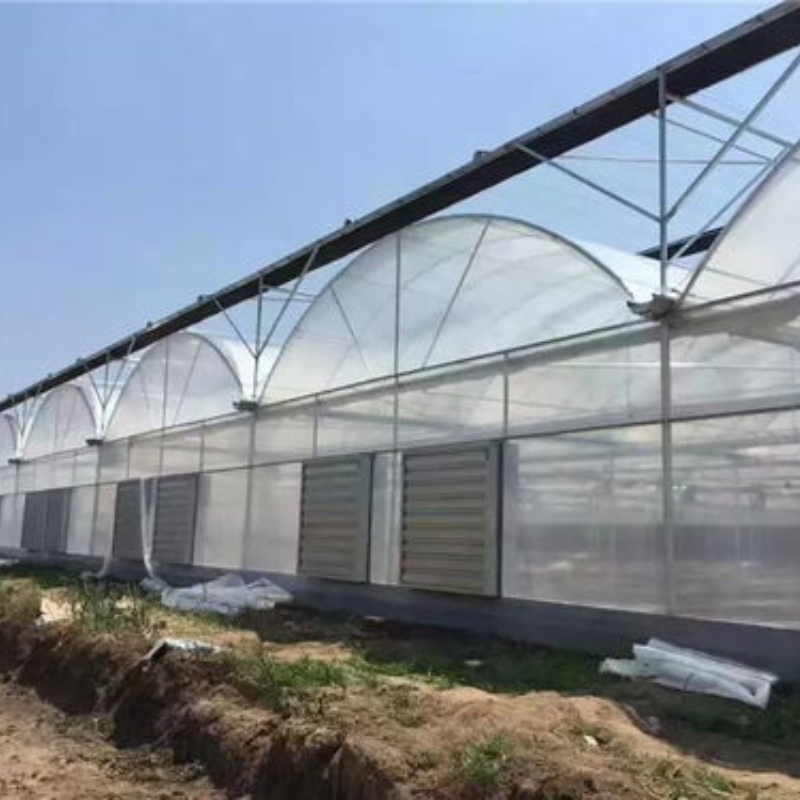
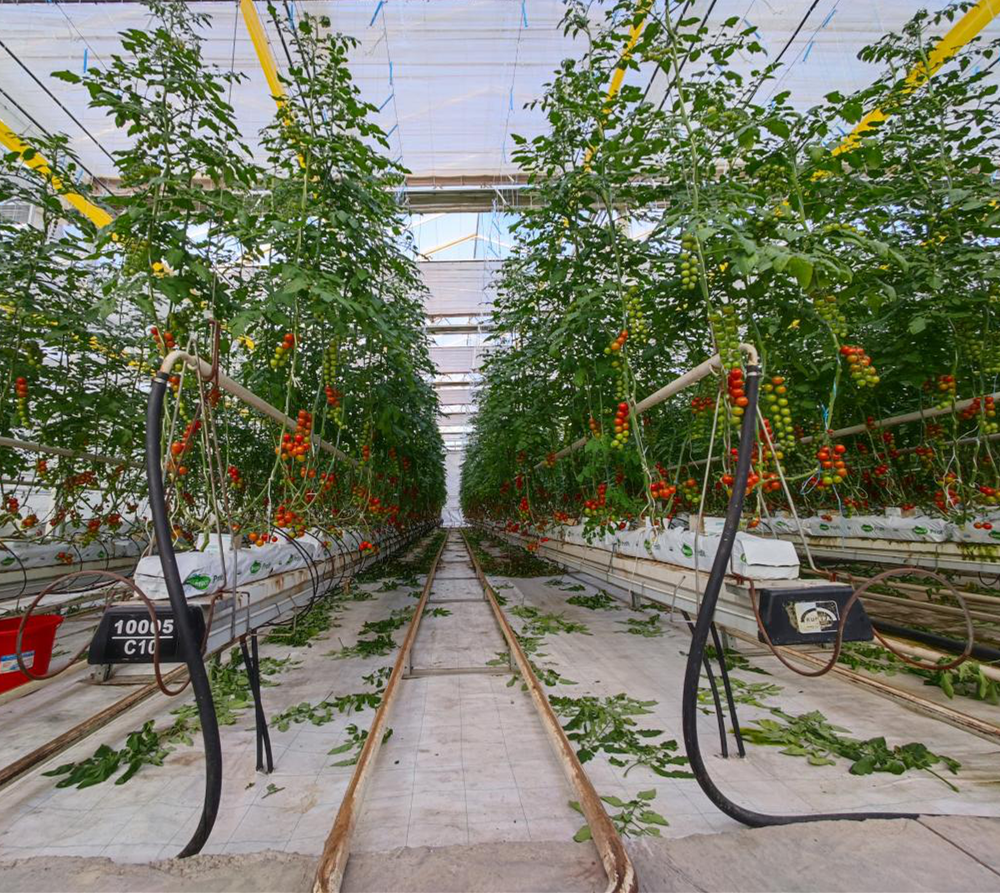
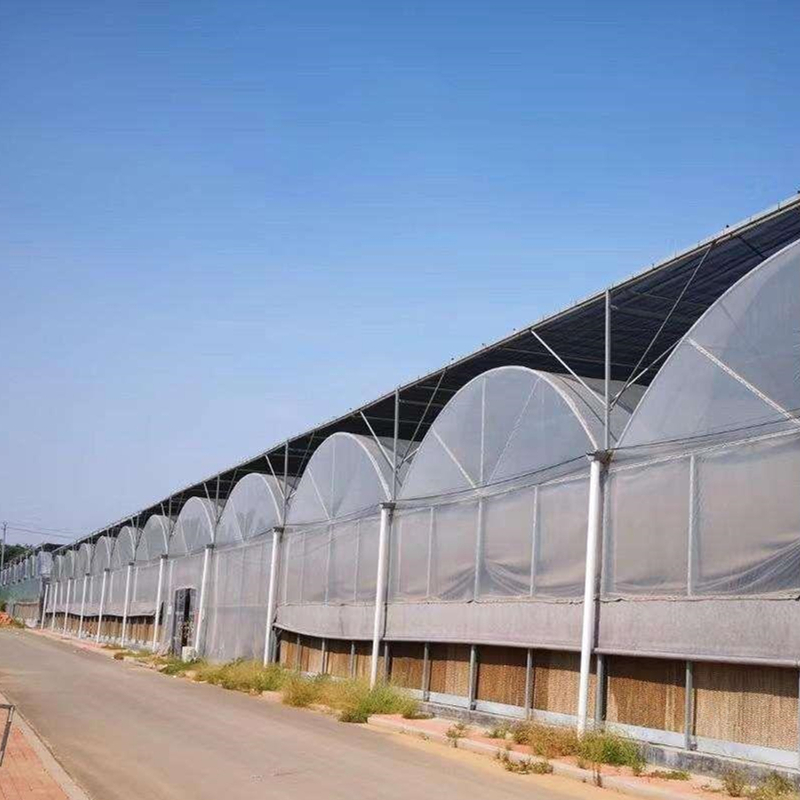
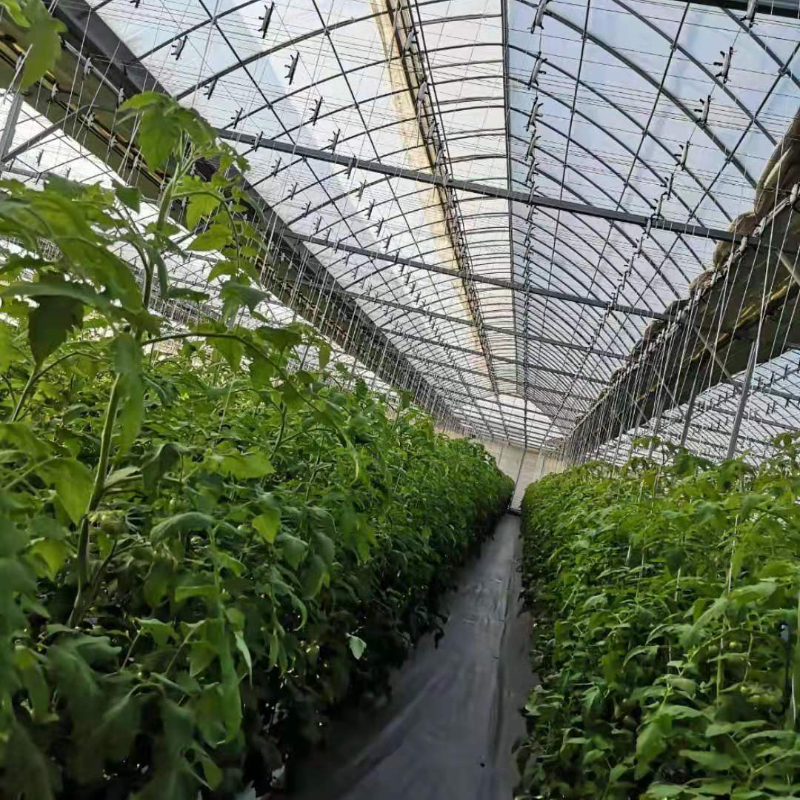
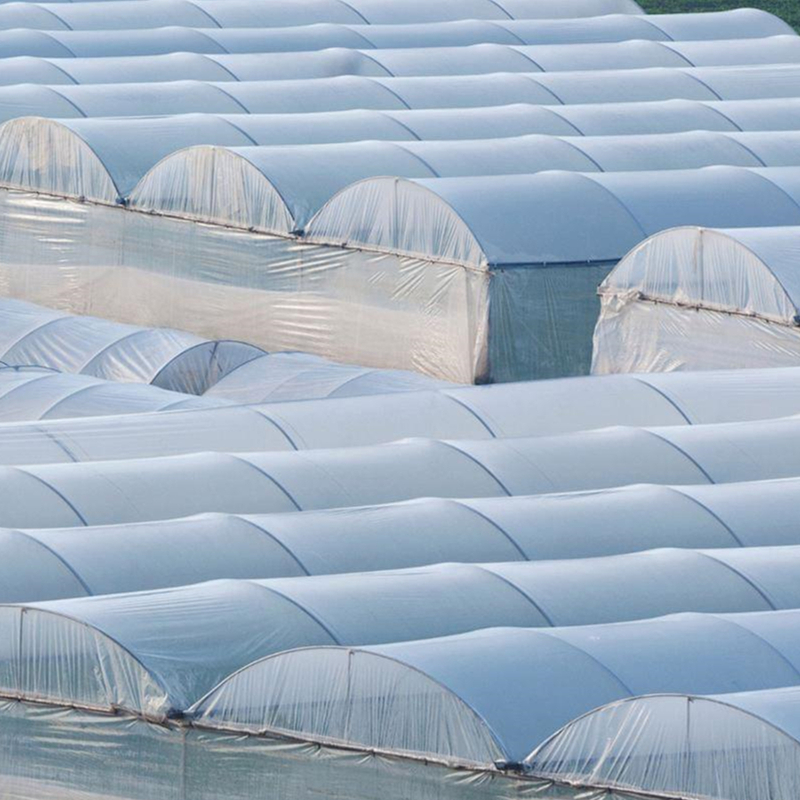
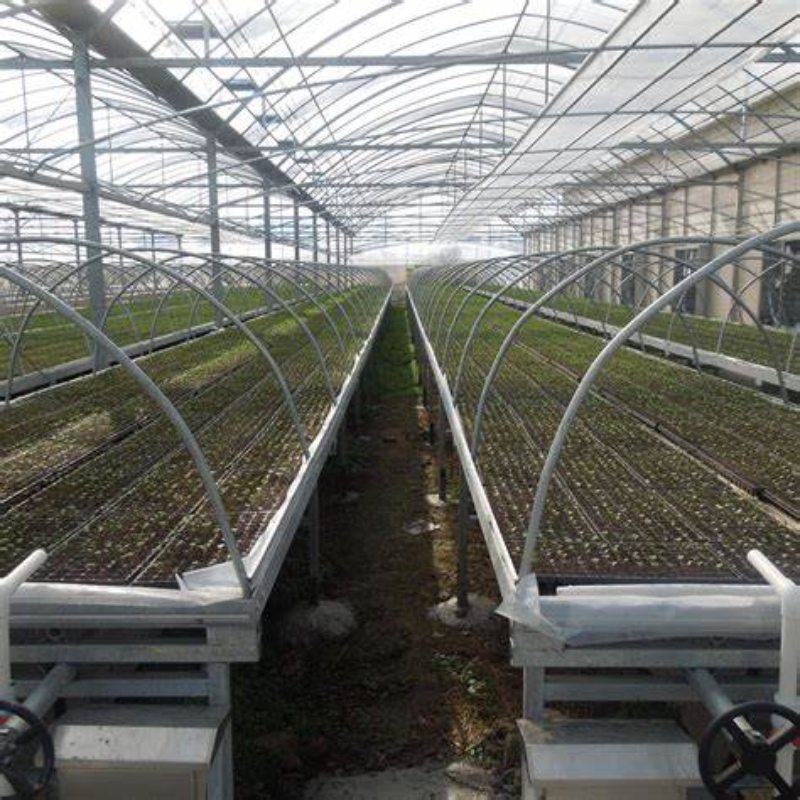
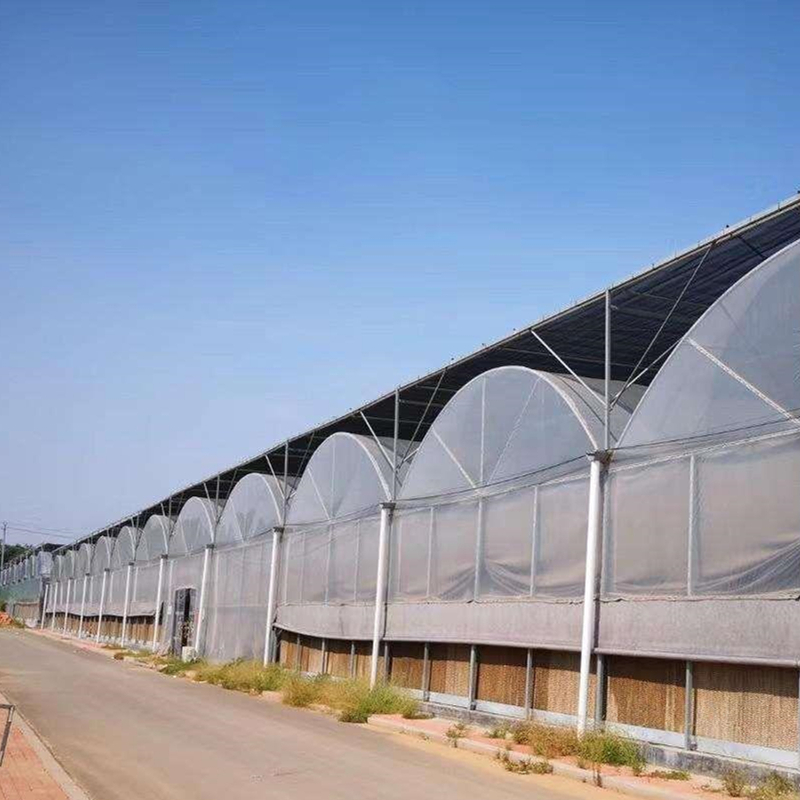
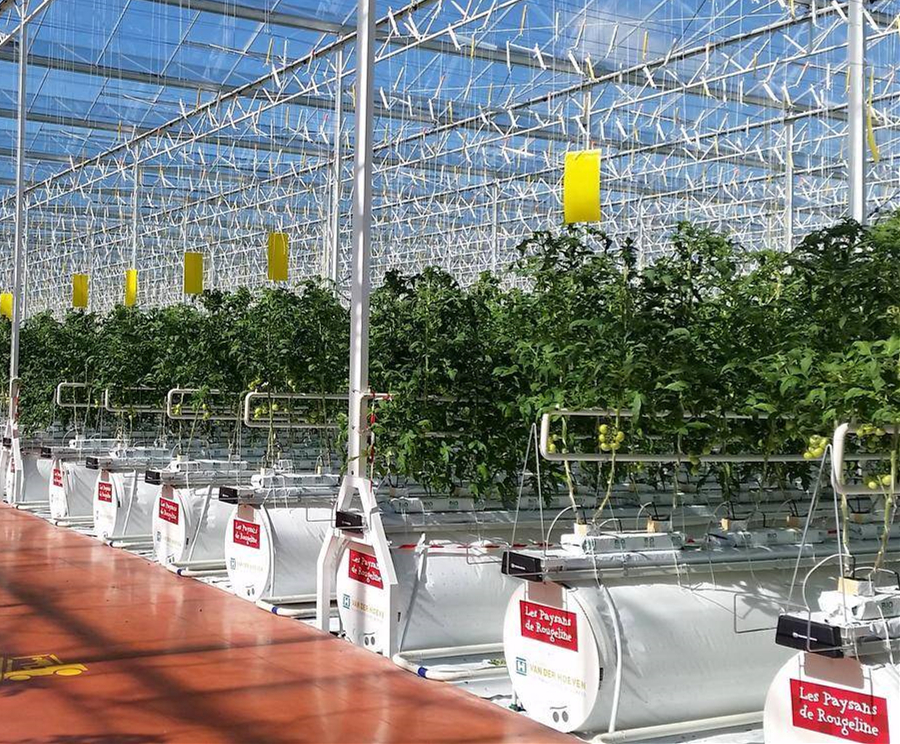
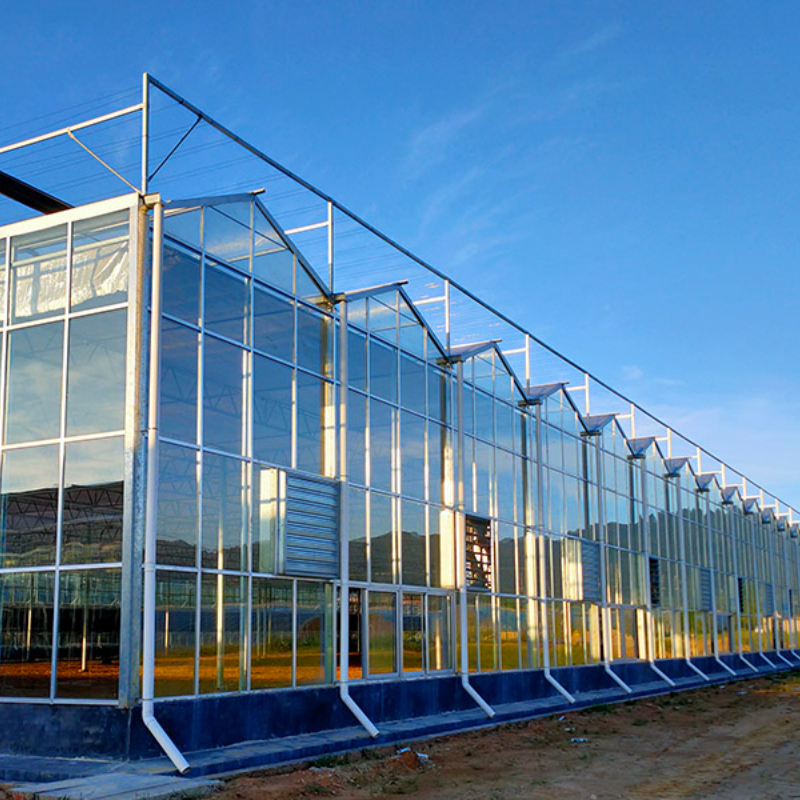
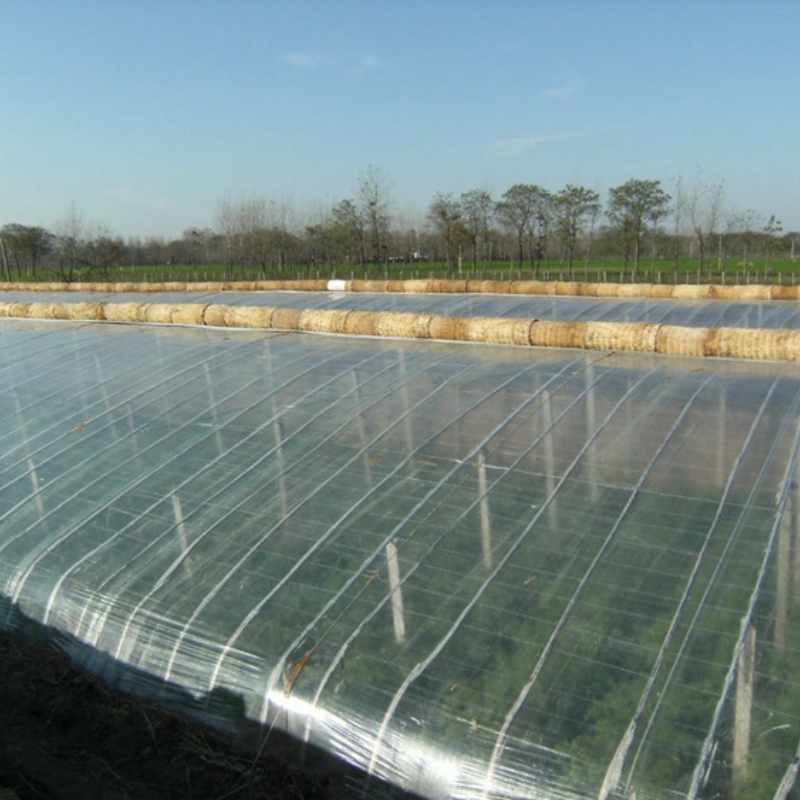
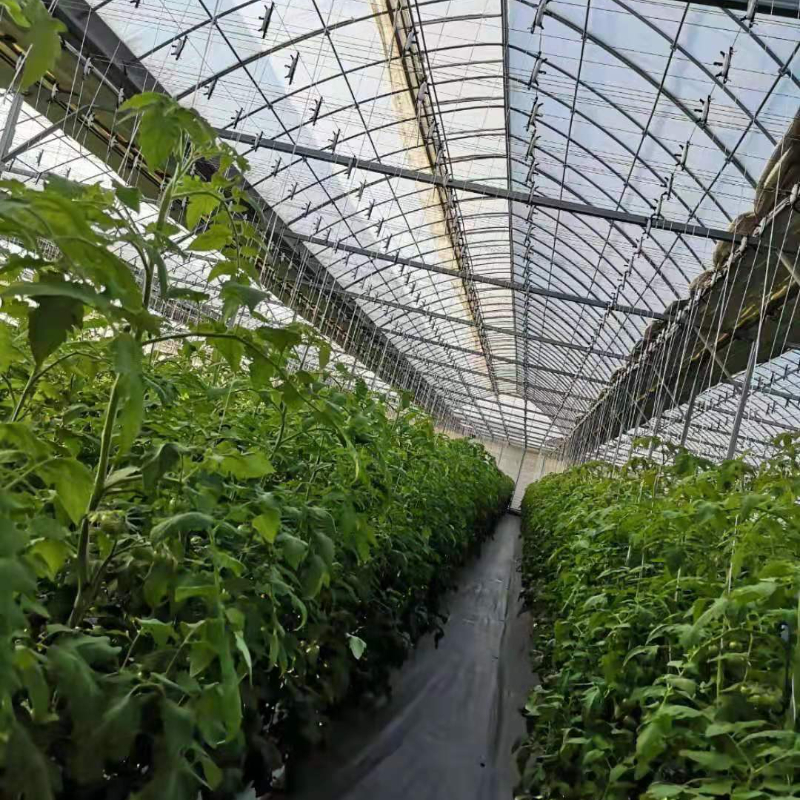
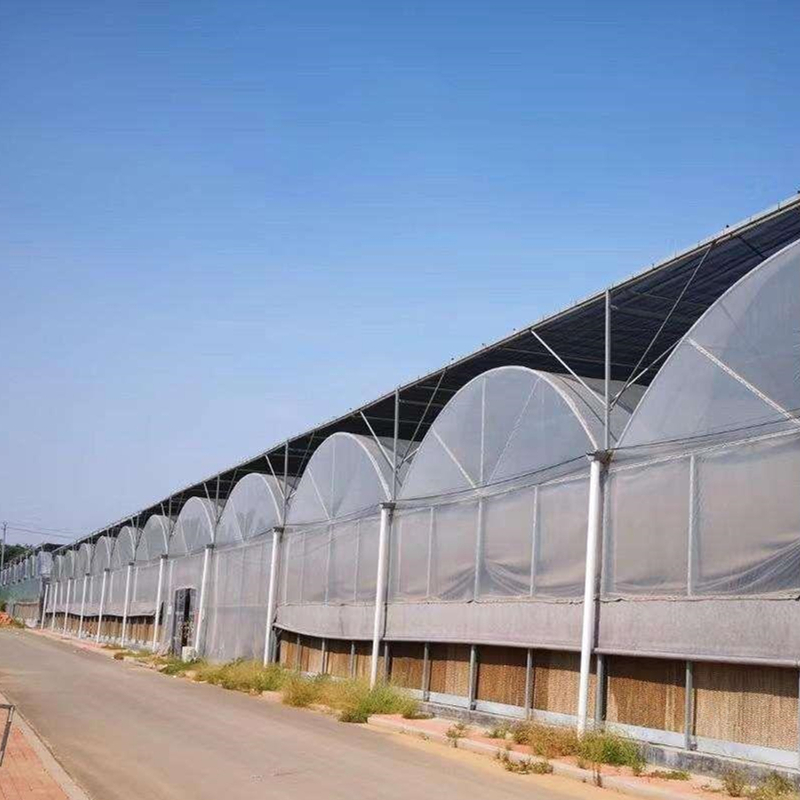
Tomatoes have firmly established themselves as the most prominent crop in global greenhouse cultivation, and their dominance is even more pronounced in high-tech greenhouse environments. With a 36% share of the total global greenhouse area and a 50% share in high-tech facilities, tomatoes are the benchmark against which the efficacy of advanced greenhouse technologies is often measured. This section explores the reasons behind tomatoes’ preeminent status in high-tech greenhouses, the market dynamics driving their cultivation, and the innovative practices that make high-tech tomato farming a highly profitable venture.
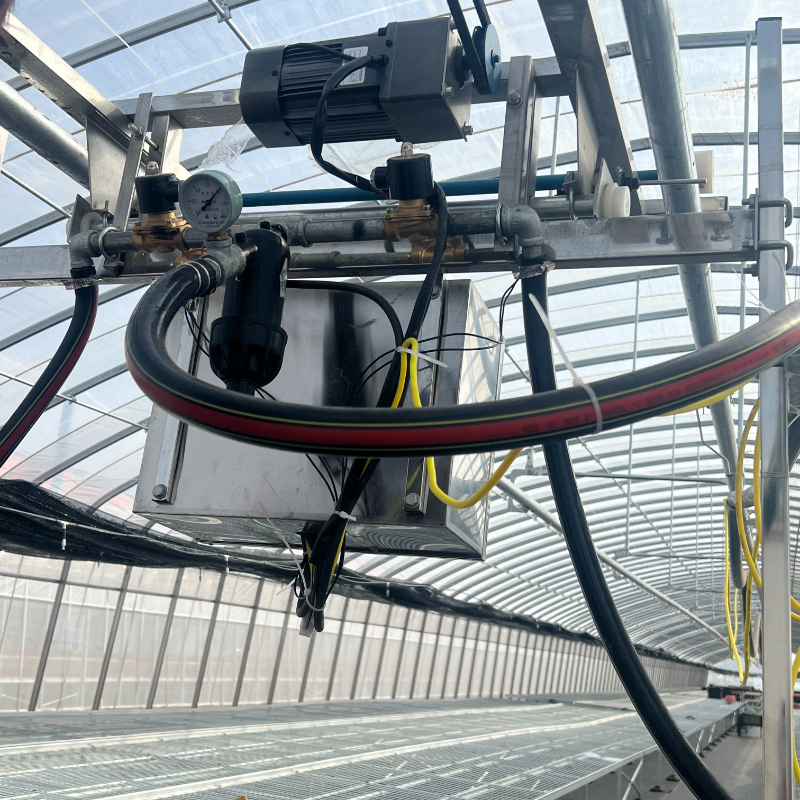
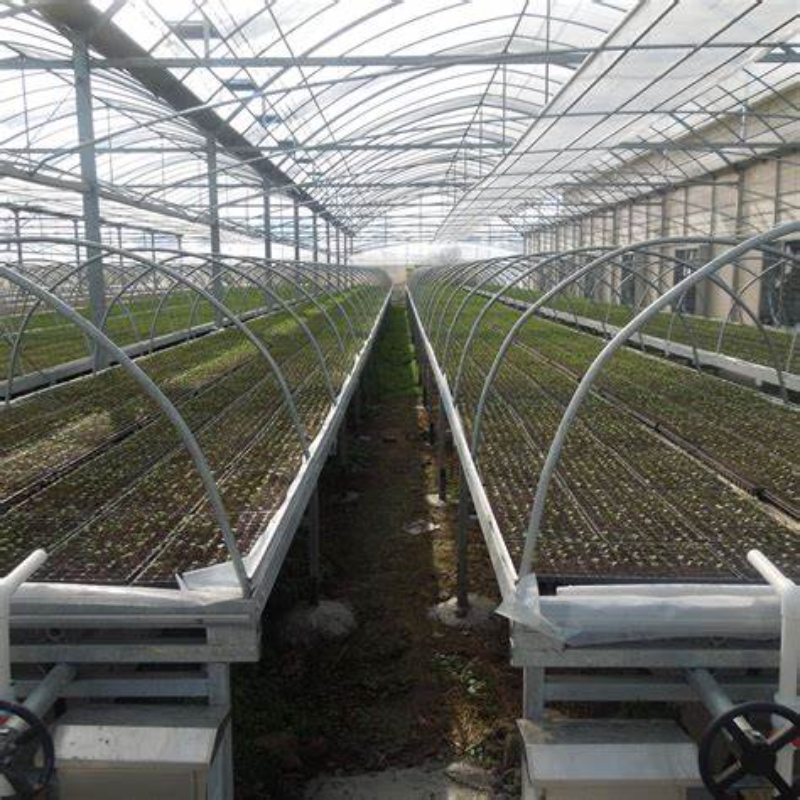
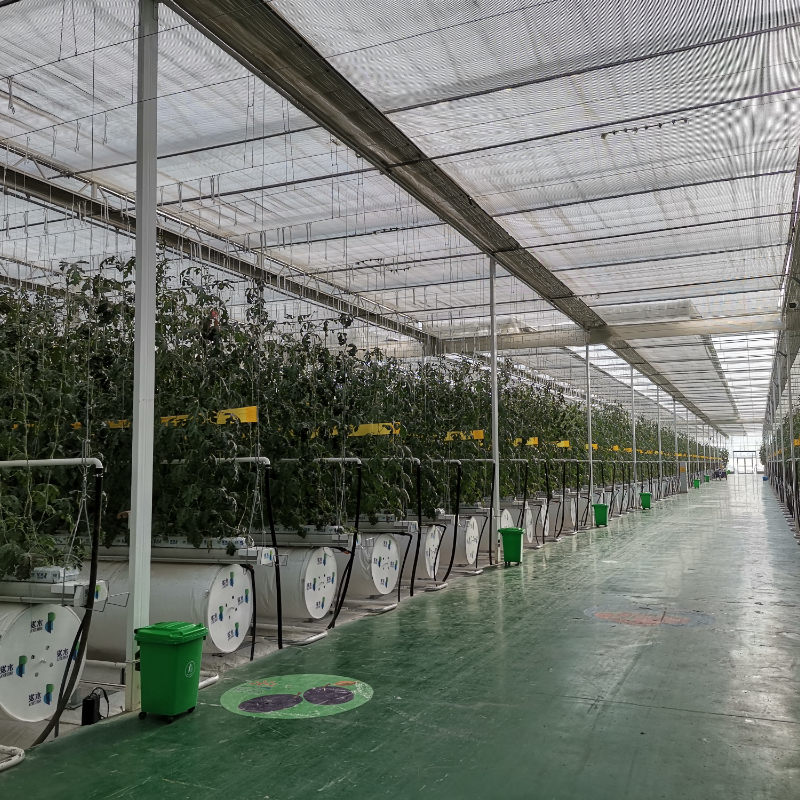
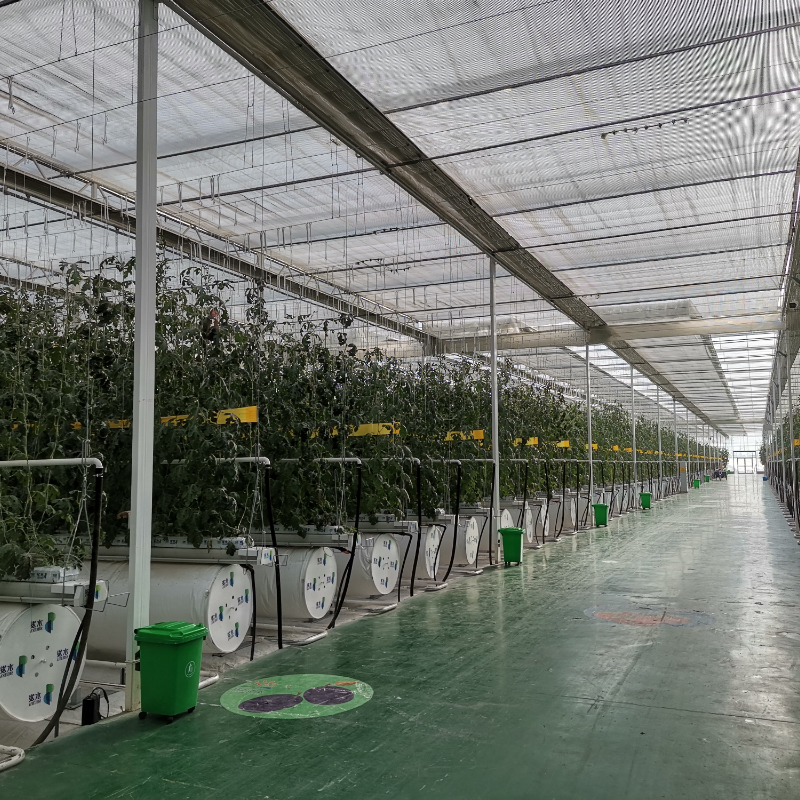
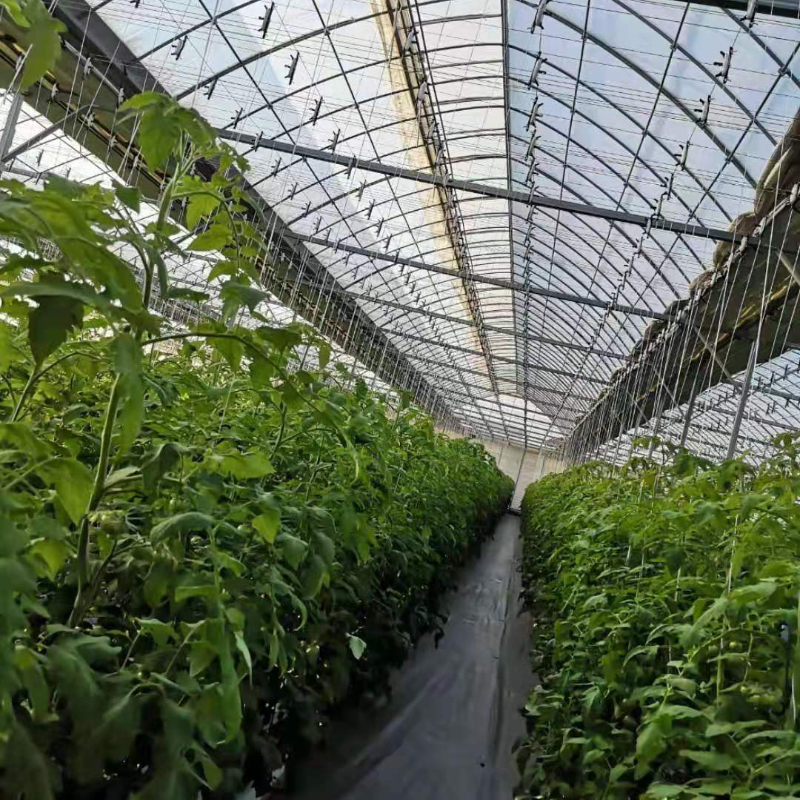
First and foremost, the biological characteristics of tomatoes make them exceptionally well-suited to the controlled environment of high-tech greenhouses. Tomatoes are warm-season crops that require specific temperature ranges (between 20°C and 25°C for optimal growth), consistent light intensity, and precise moisture levels—conditions that are difficult to maintain in open-field cultivation or low-tech greenhouses, especially in regions with extreme weather patterns. High-tech greenhouses address these challenges through state-of-the-art environmental control systems, including automated heating, ventilation, and air conditioning (HVAC) units, advanced lighting systems (such as LED grow lights), and precision irrigation systems. These technologies allow farmers to create a tailor-made growing environment that maximizes photosynthesis, minimizes stress on the plants, and promotes uniform growth and ripening.
Furthermore, genetic engineering and plant breeding have played a crucial role in enhancing the performance of tomatoes in high-tech greenhouses. Breeders are developing tomato varieties that are specifically adapted to controlled environments, with traits such as increased disease resistance, improved shelf life, and enhanced nutritional content. For example, some high-tech greenhouse tomato varieties are bred to be indeterminate (vining) plants, which can grow continuously under optimal conditions, producing fruit for longer periods. Other varieties are engineered to be more efficient at using light, further boosting yields in LED-equipped greenhouses.
The economic benefits of growing tomatoes in high-tech greenhouses are undeniable. While the initial investment in a high-tech greenhouse can be substantial—ranging from USD 200 to USD 500 per square meter, compared to USD 50 to USD 100 per square meter for a low-tech greenhouse—the increased yields, higher quality, and year-round production more than offset these costs. A typical high-tech greenhouse tomato farm can produce between 50 and 80 kilograms of tomatoes per square meter per year, compared to 10 to 20 kilograms per square meter in a low-tech greenhouse. When combined with the premium price that high-quality greenhouse tomatoes command (often 2 to 3 times higher than field-grown tomatoes), the return on investment (ROI) for high-tech tomato farming is typically between 15% and 25%, making it an attractive proposition for farmers and investors.
In summary, tomatoes’ unique biological characteristics, the growing global demand for high-quality produce, and the innovative technologies available in high-tech greenhouses have combined to make tomatoes the pinnacle crop of modern greenhouse agriculture. High-tech greenhouses not only enable farmers to overcome the limitations of traditional cultivation methods but also unlock new opportunities for profit, sustainability, and market expansion. As the global population continues to grow and climate change intensifies, the role of high-tech greenhouses in tomato cultivation will only become more critical, solidifying tomatoes’ position as a key driver of agricultural innovation and economic growth.
