
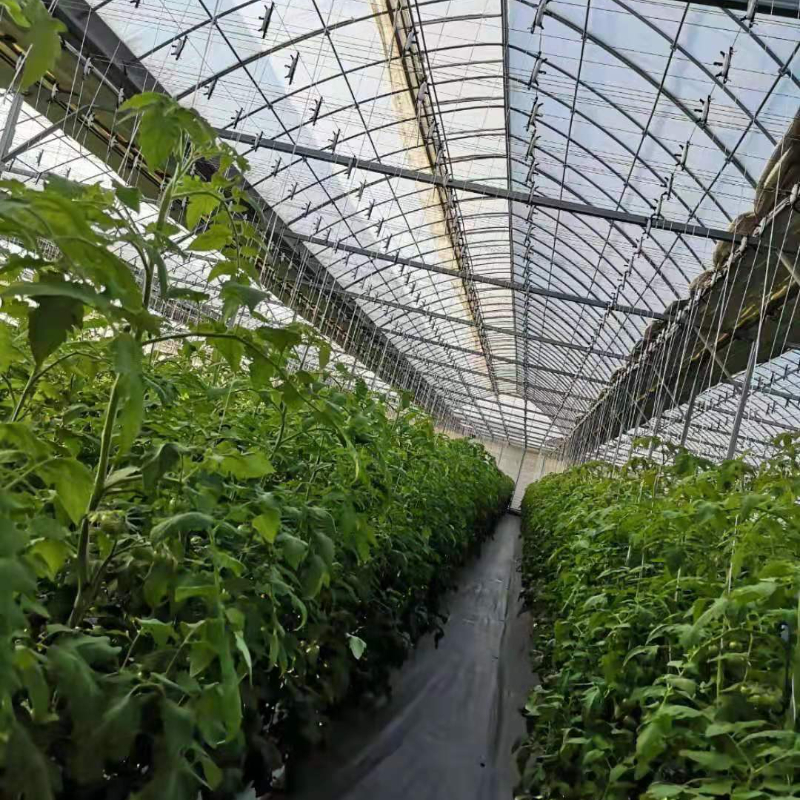
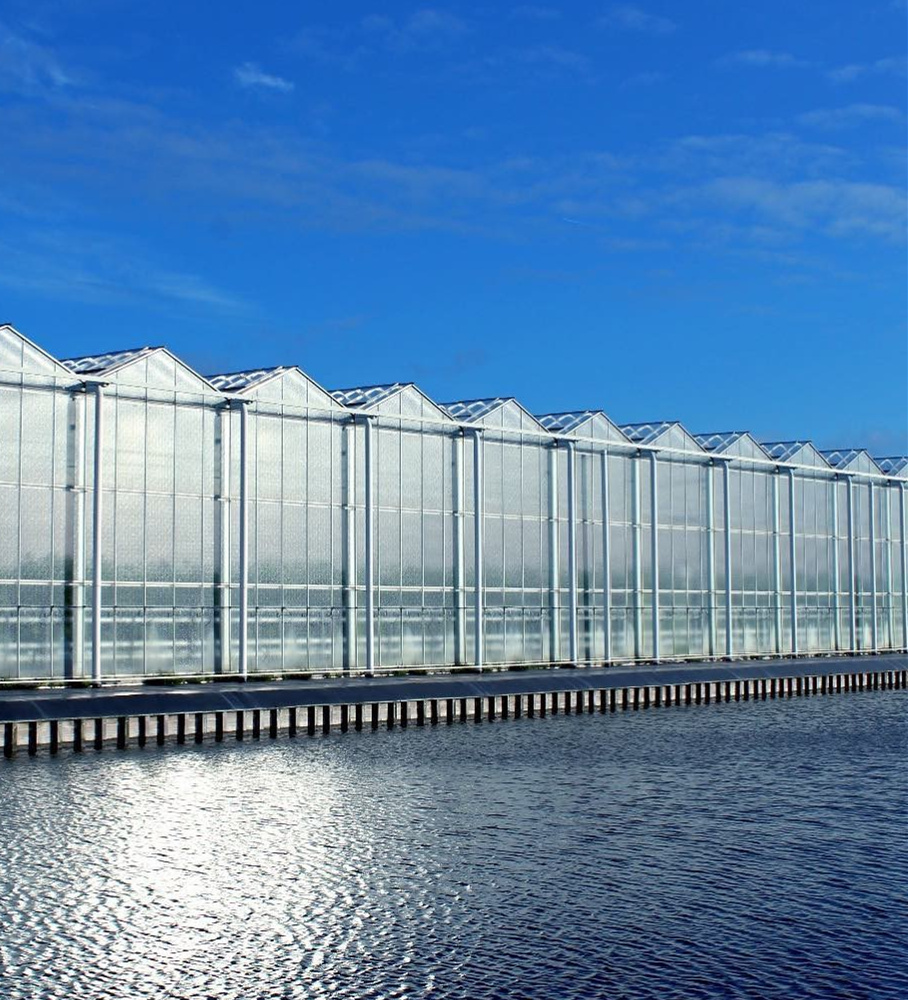
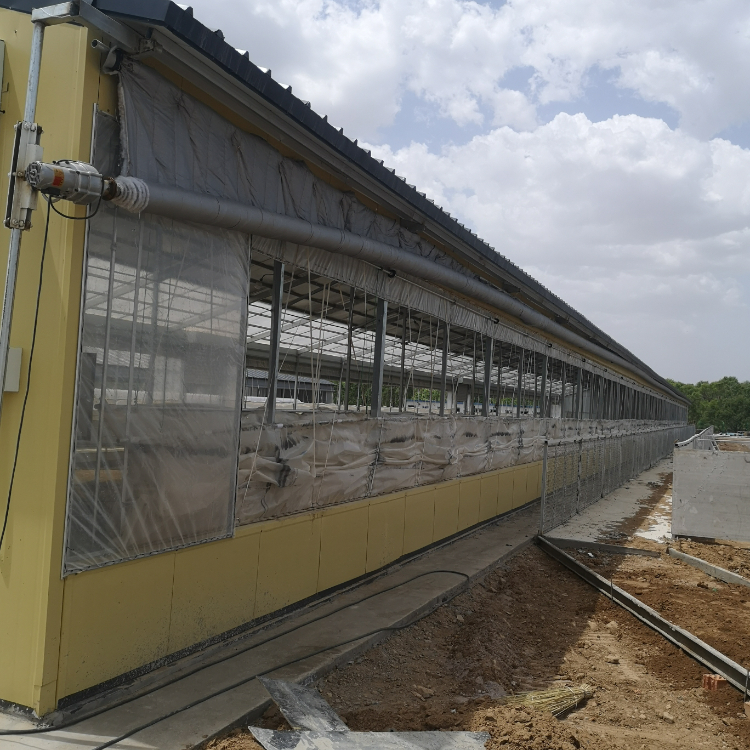
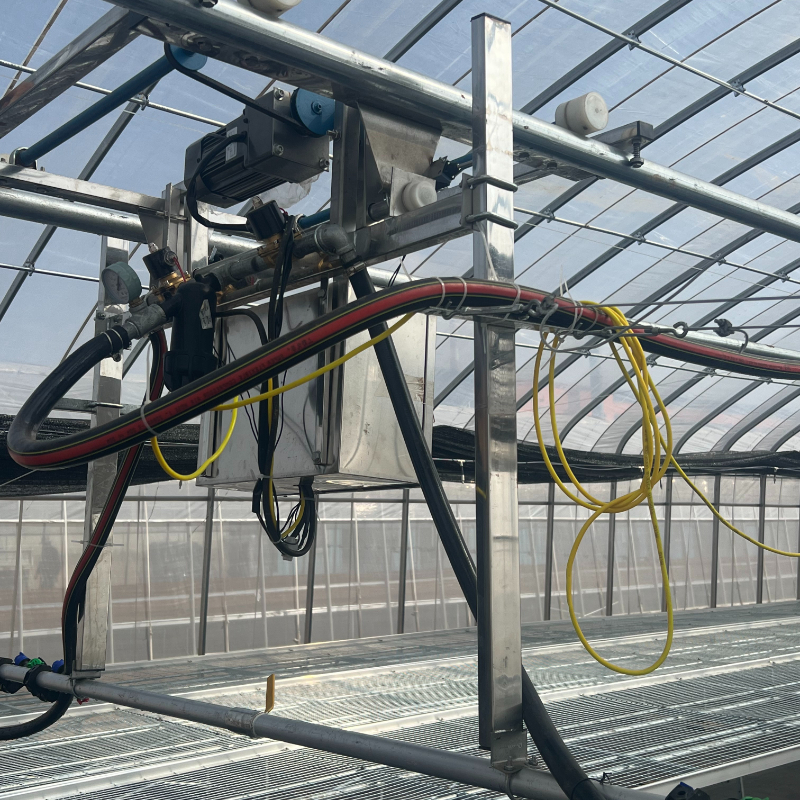
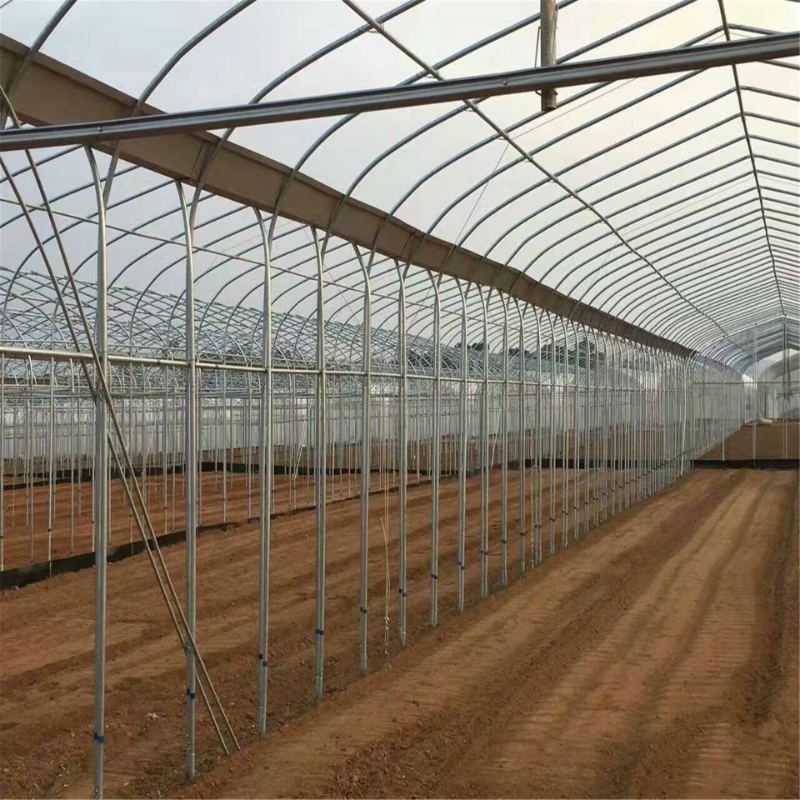
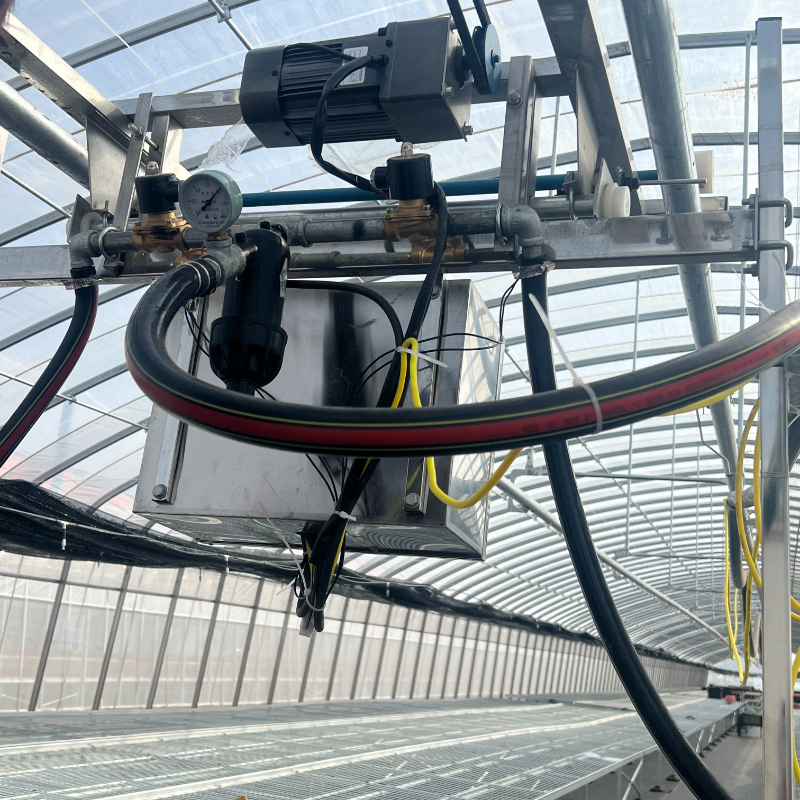
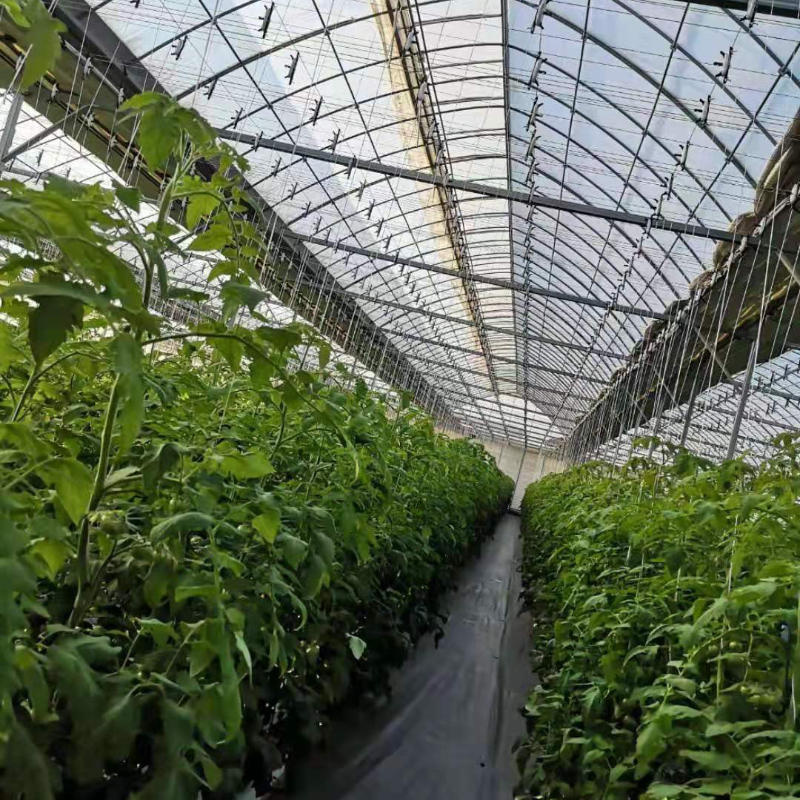
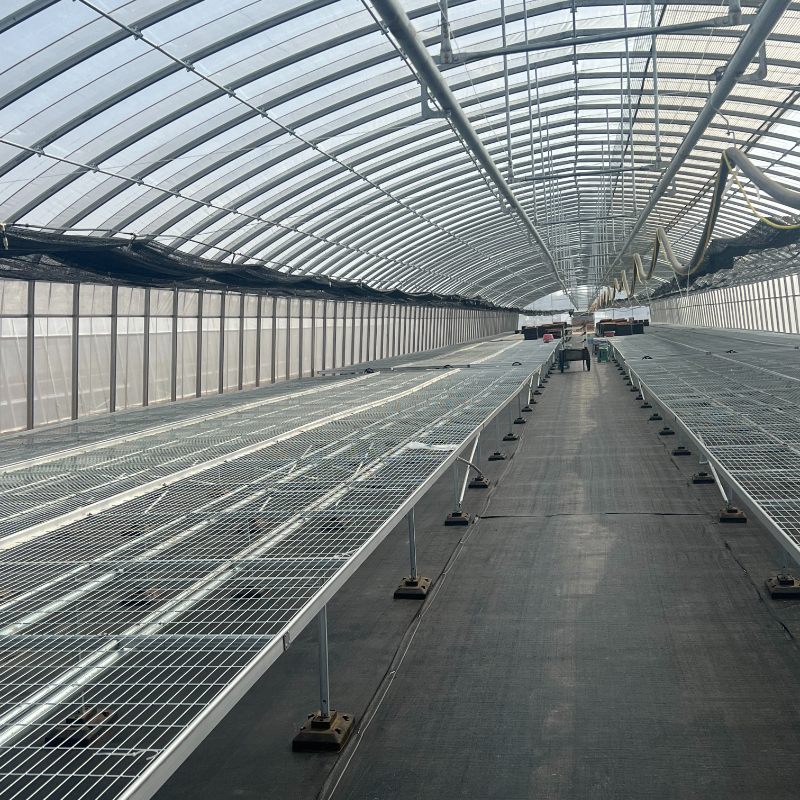
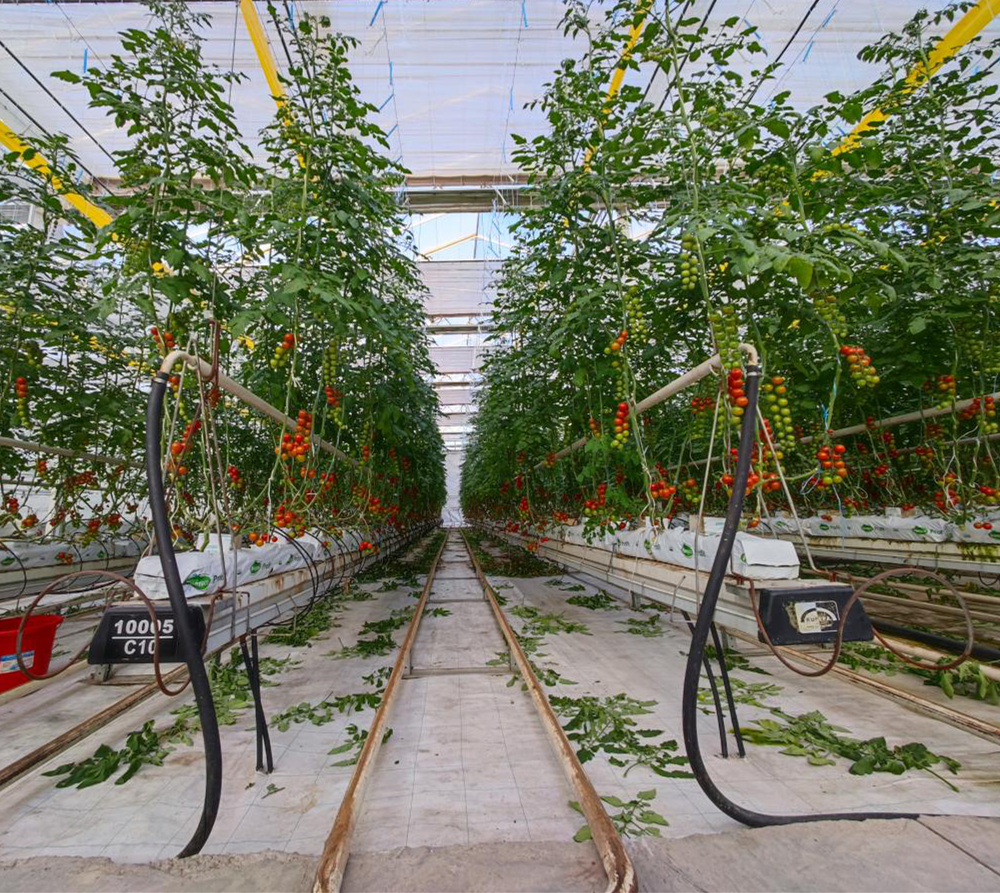
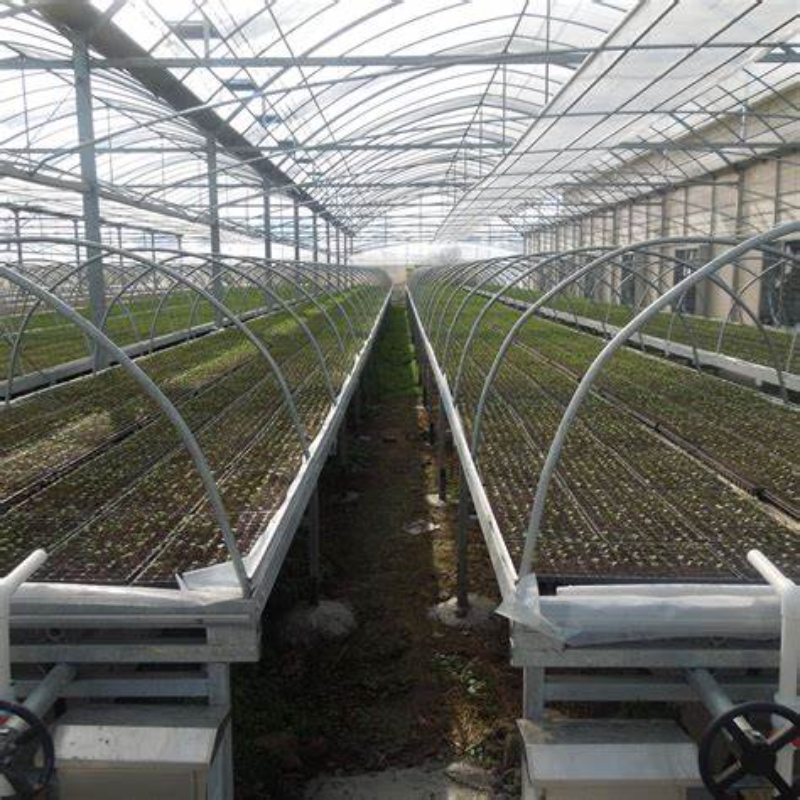
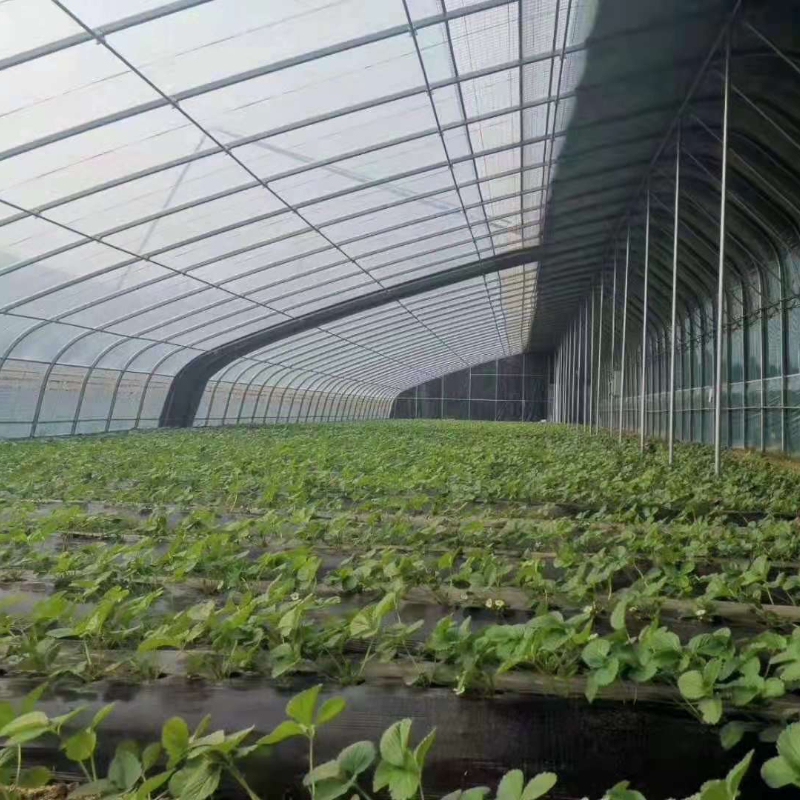
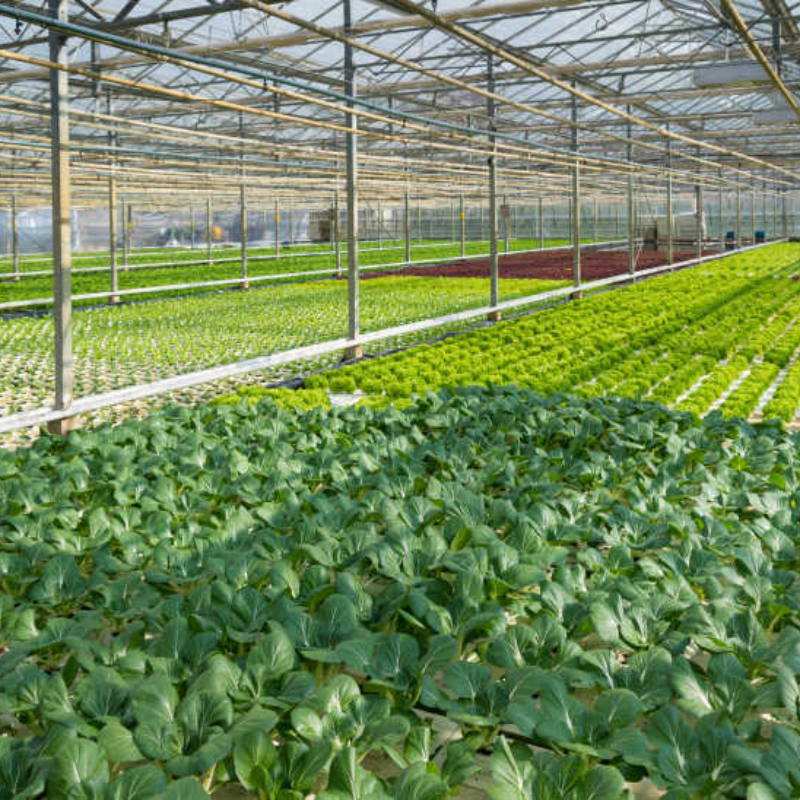
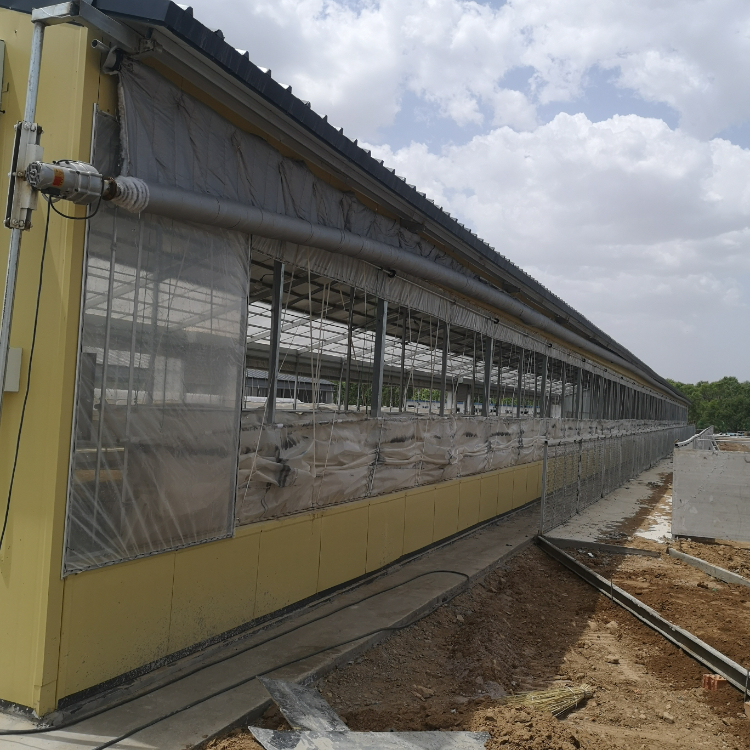
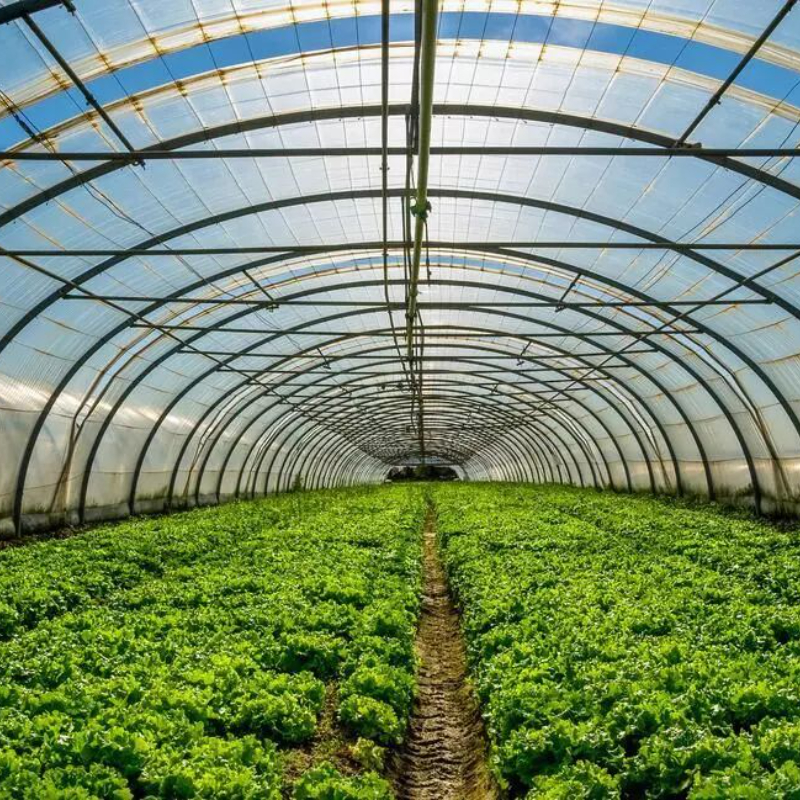
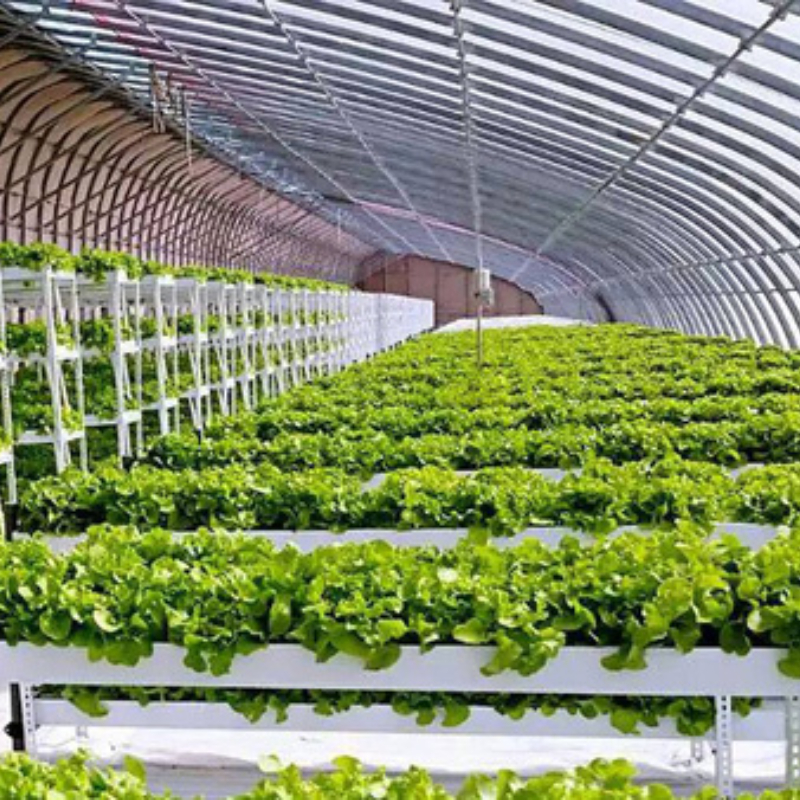
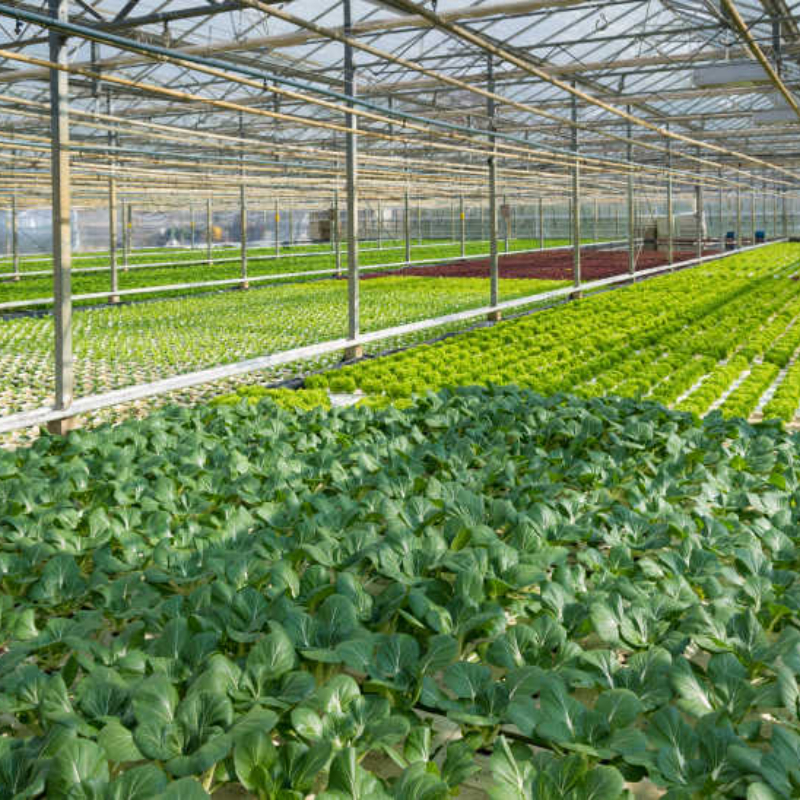
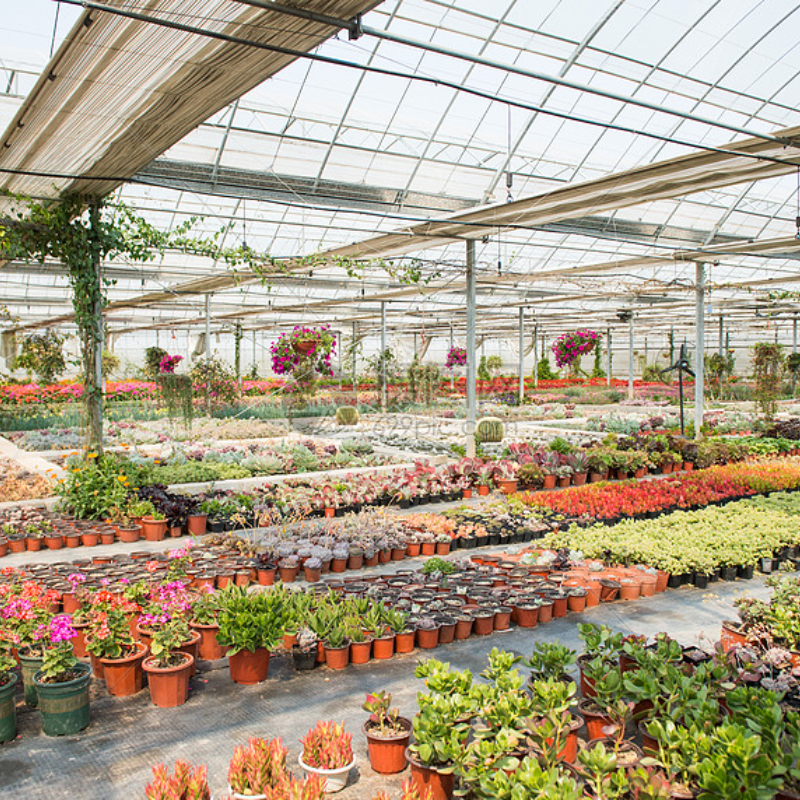
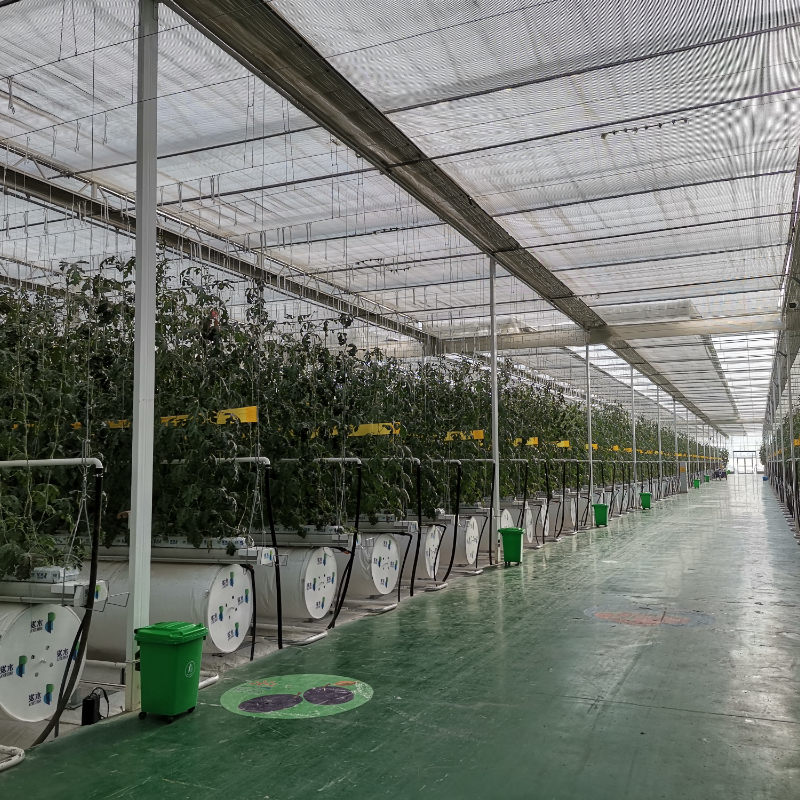
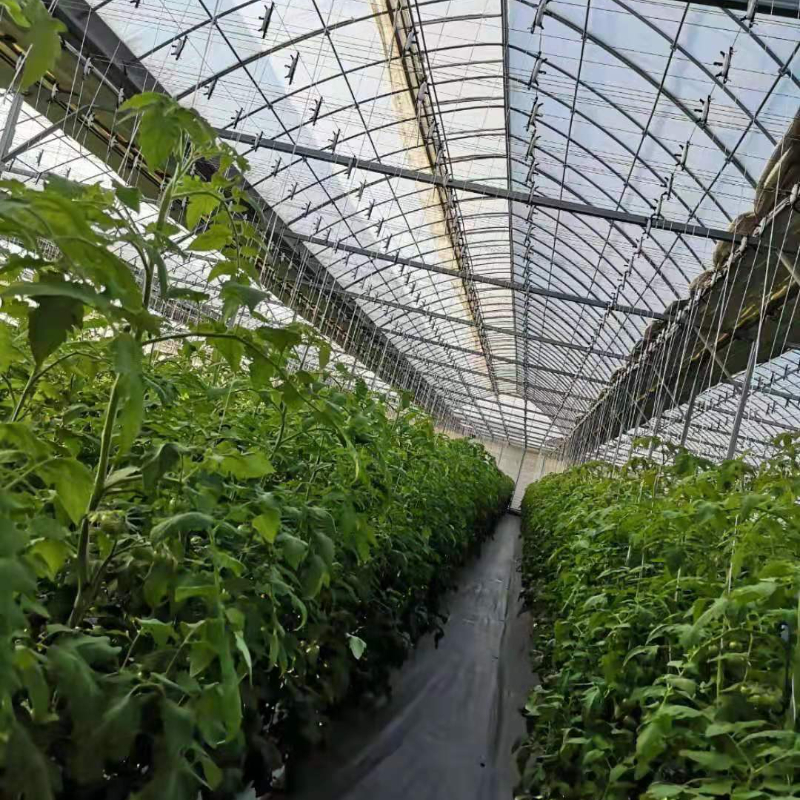
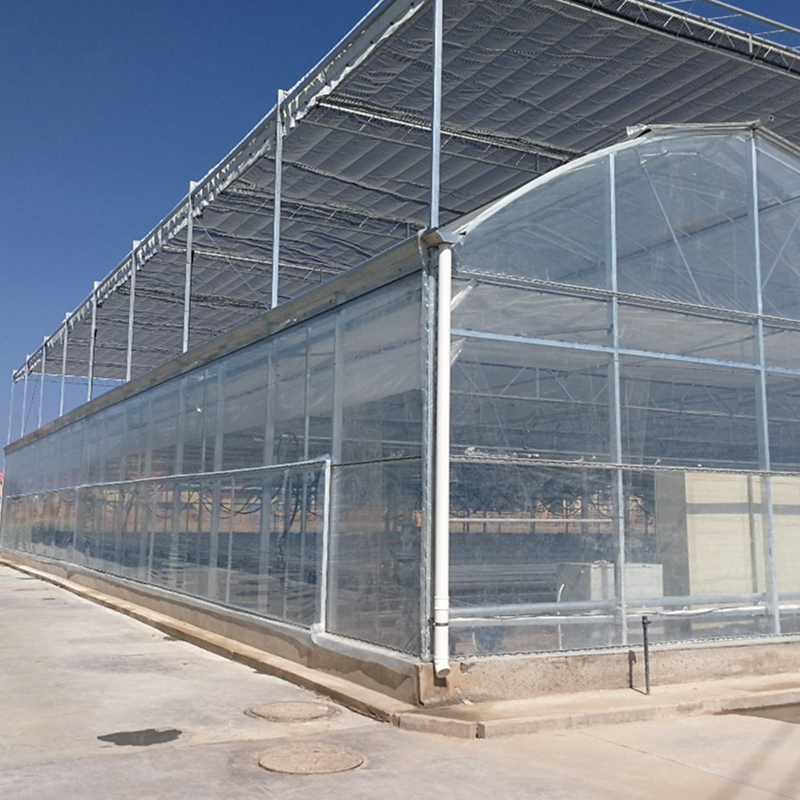
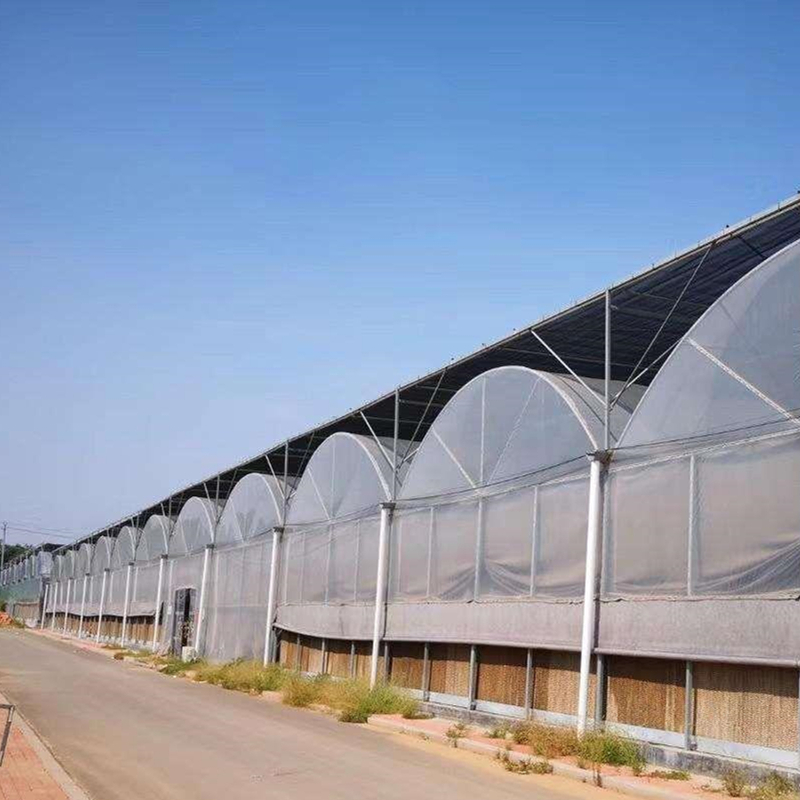
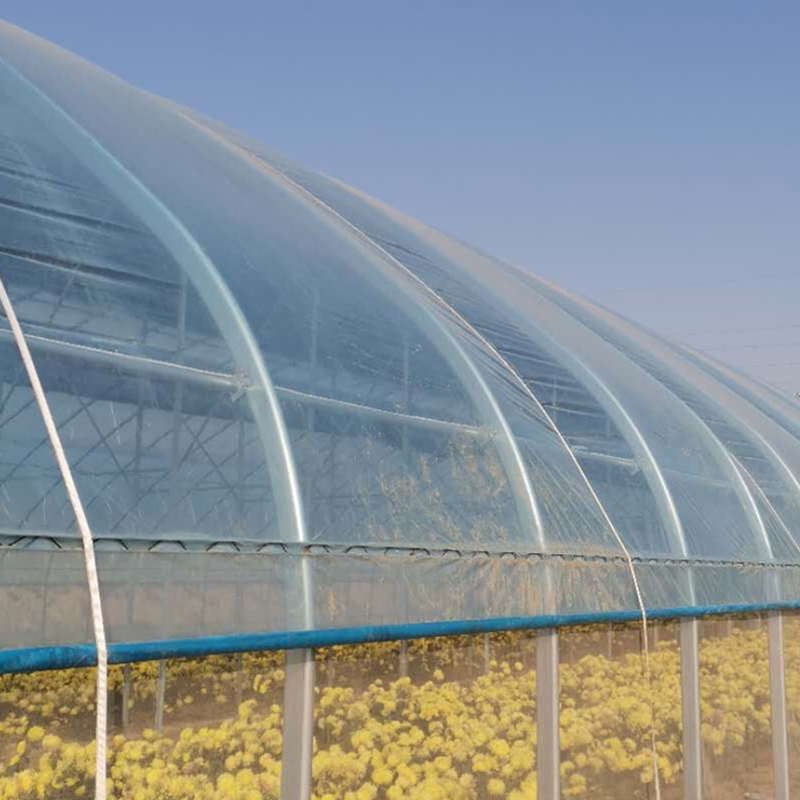
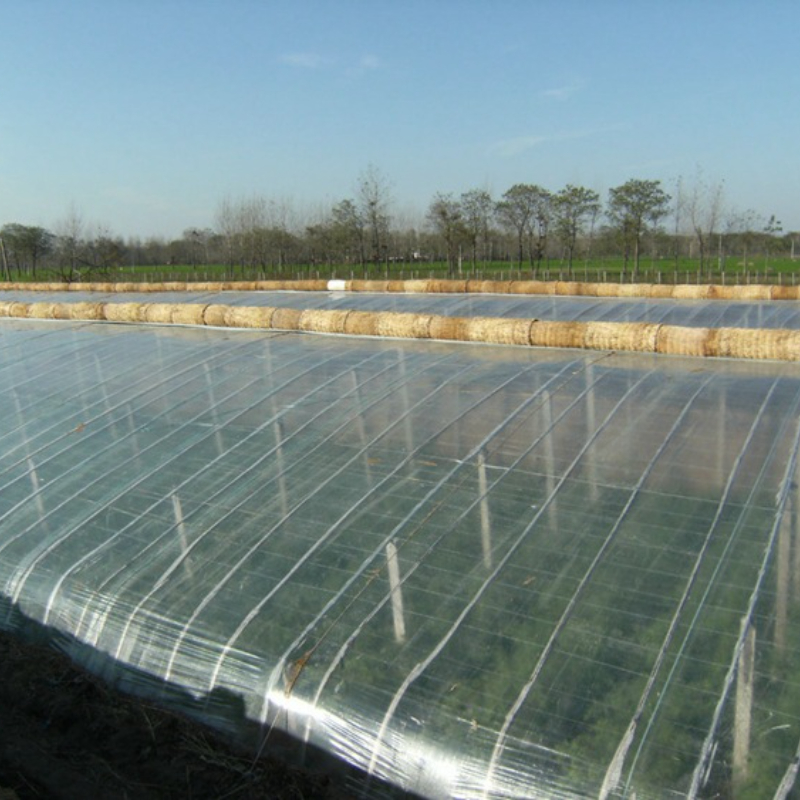
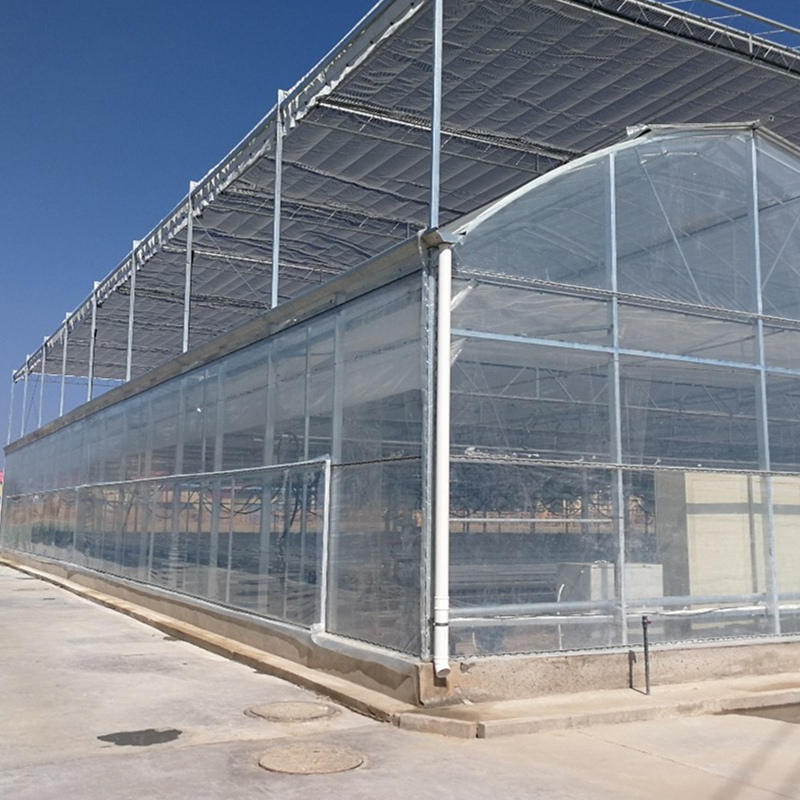
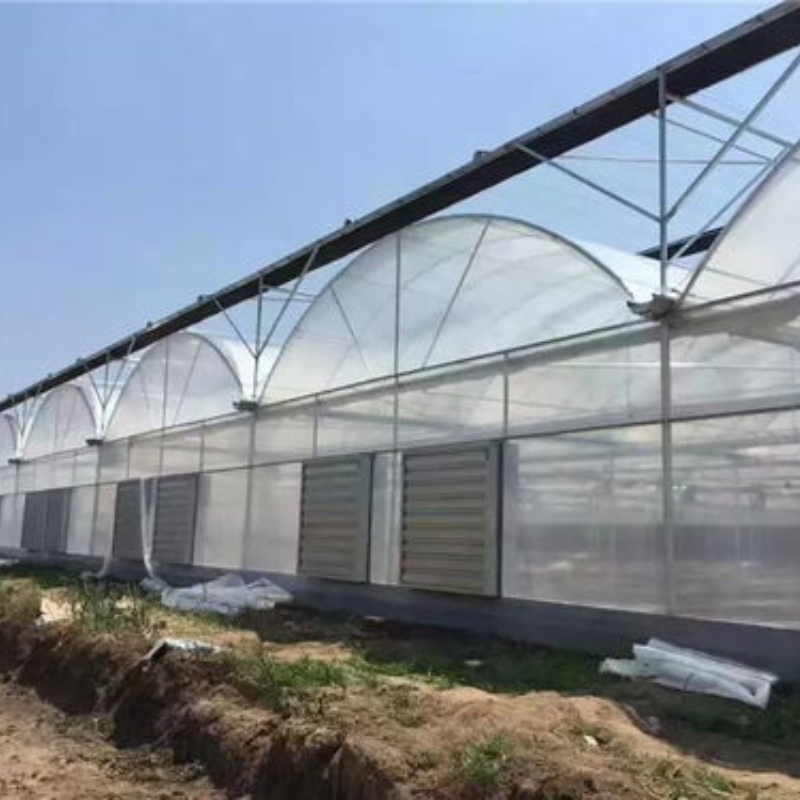
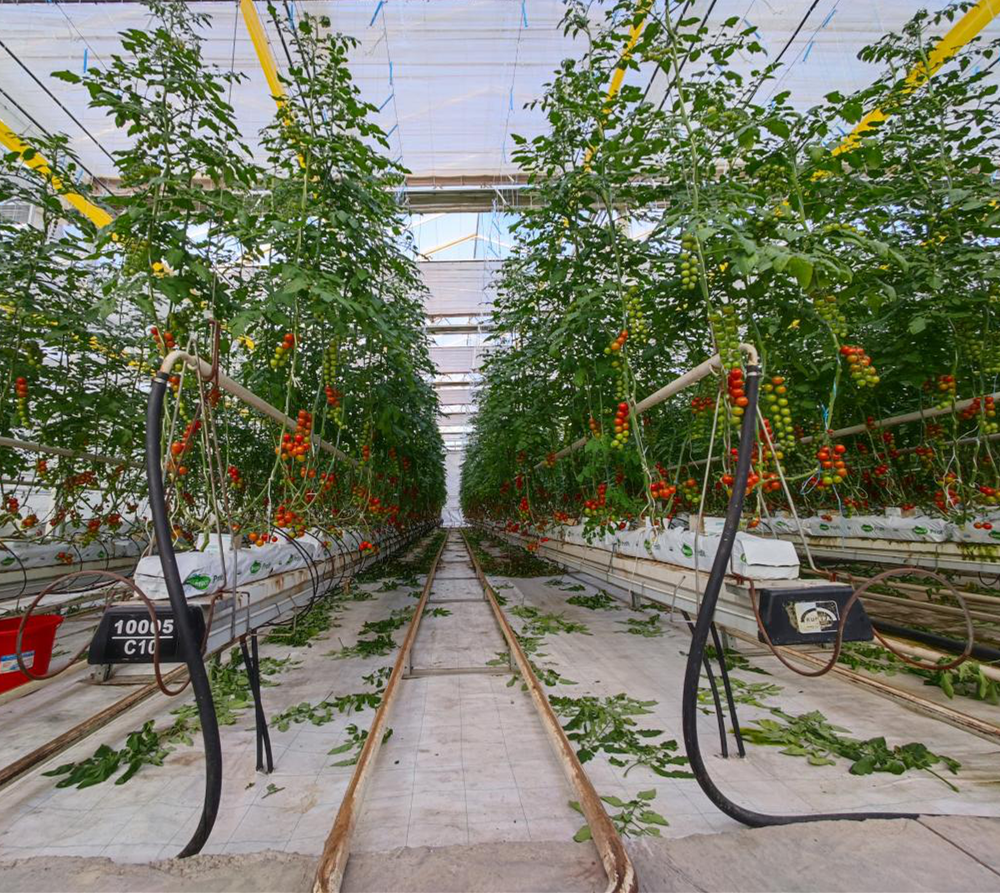
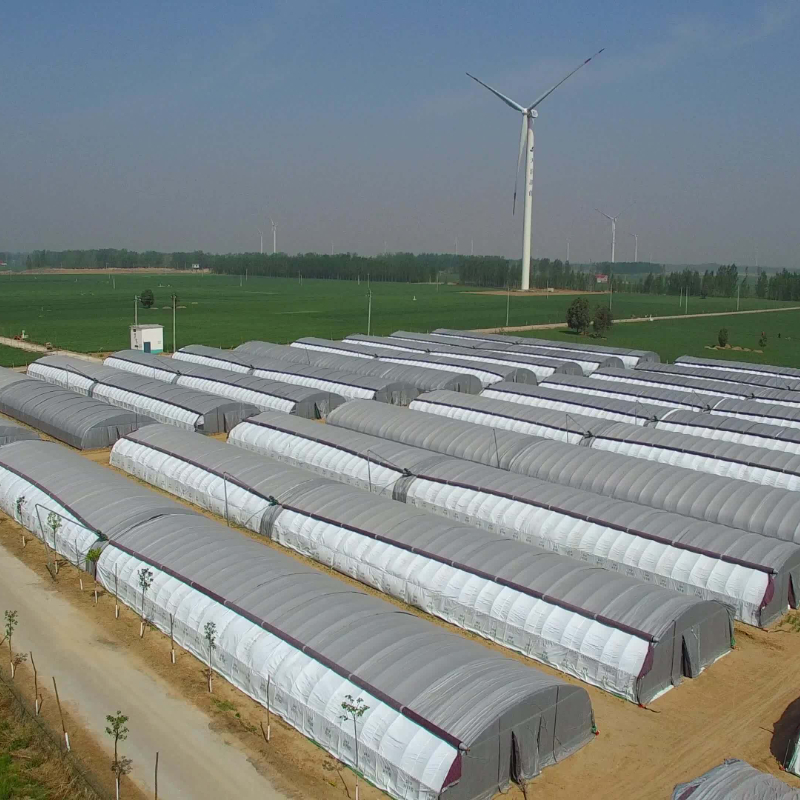
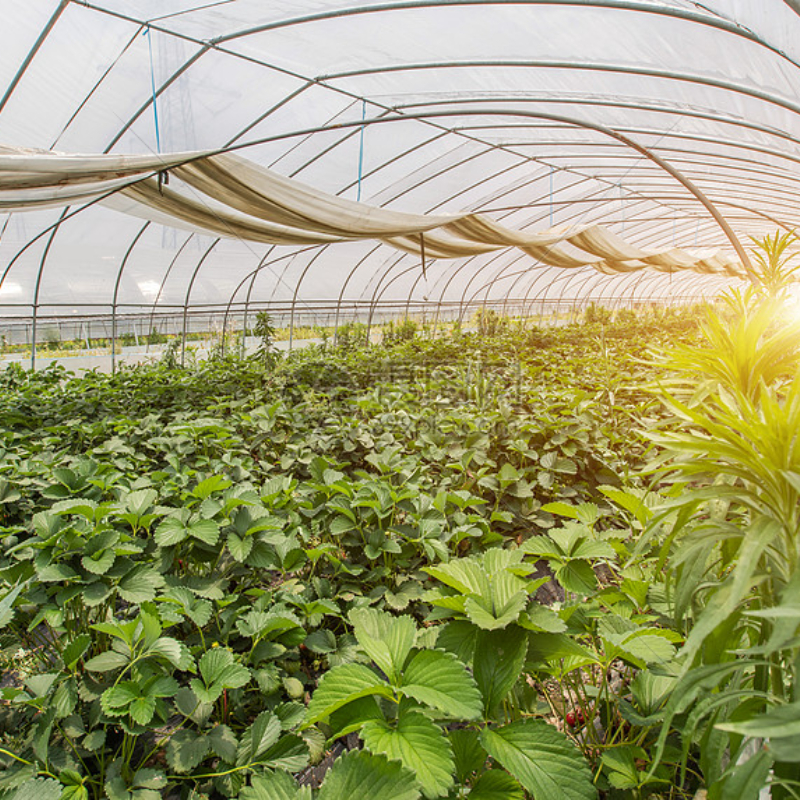
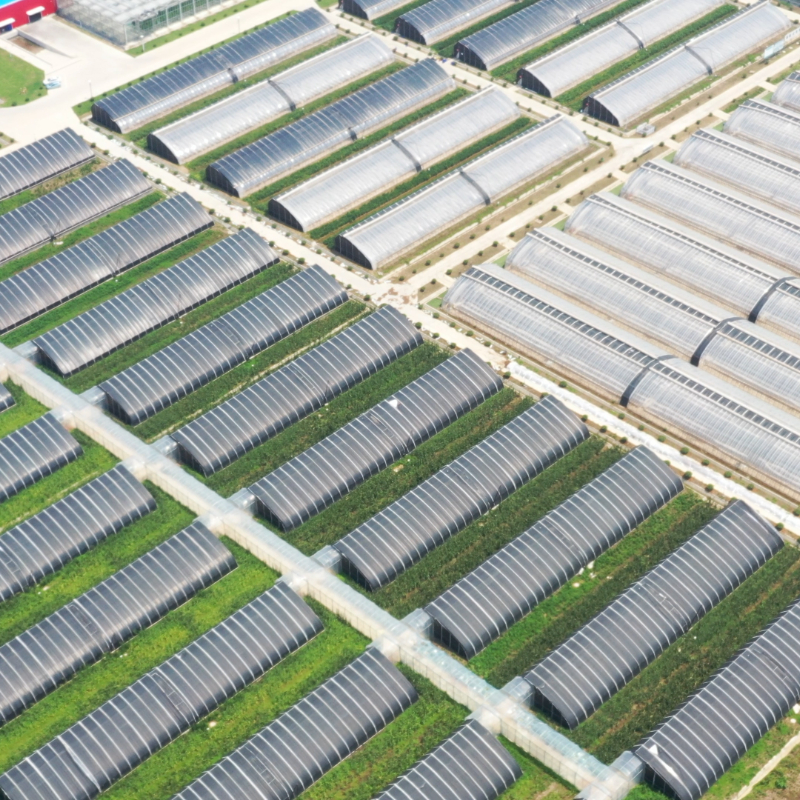
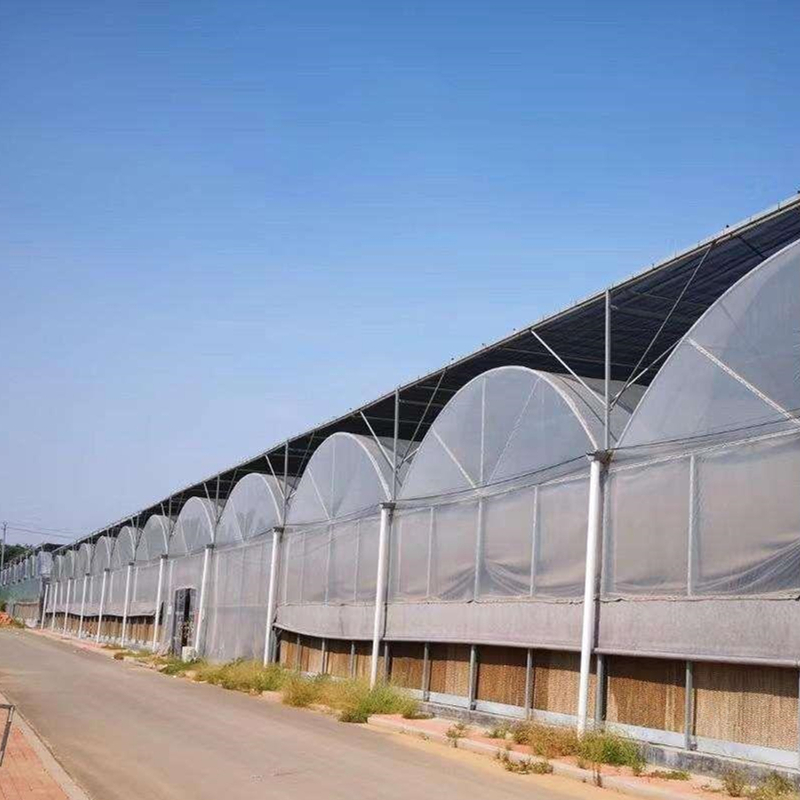
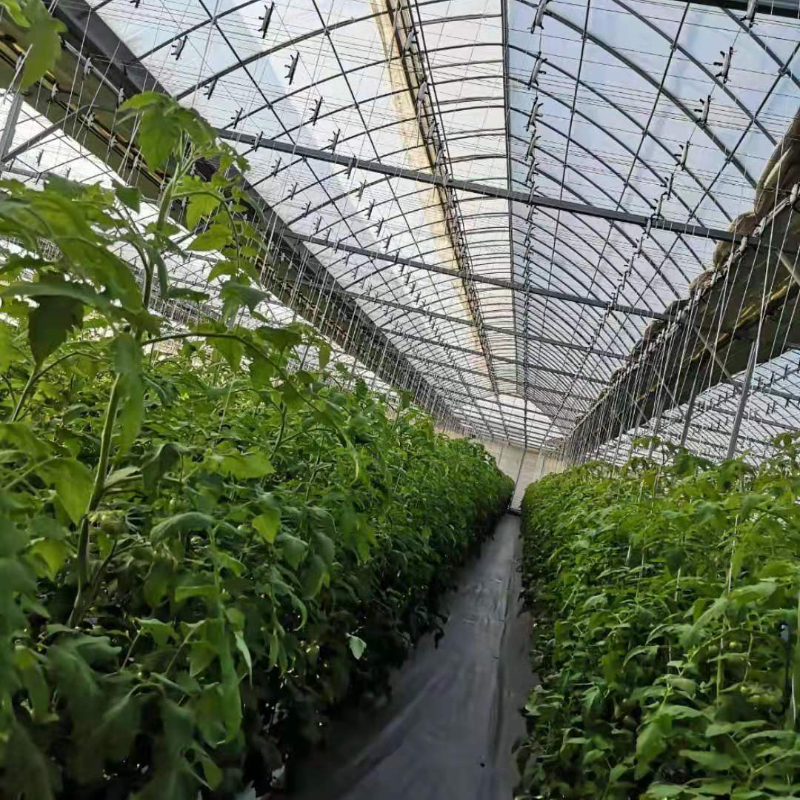
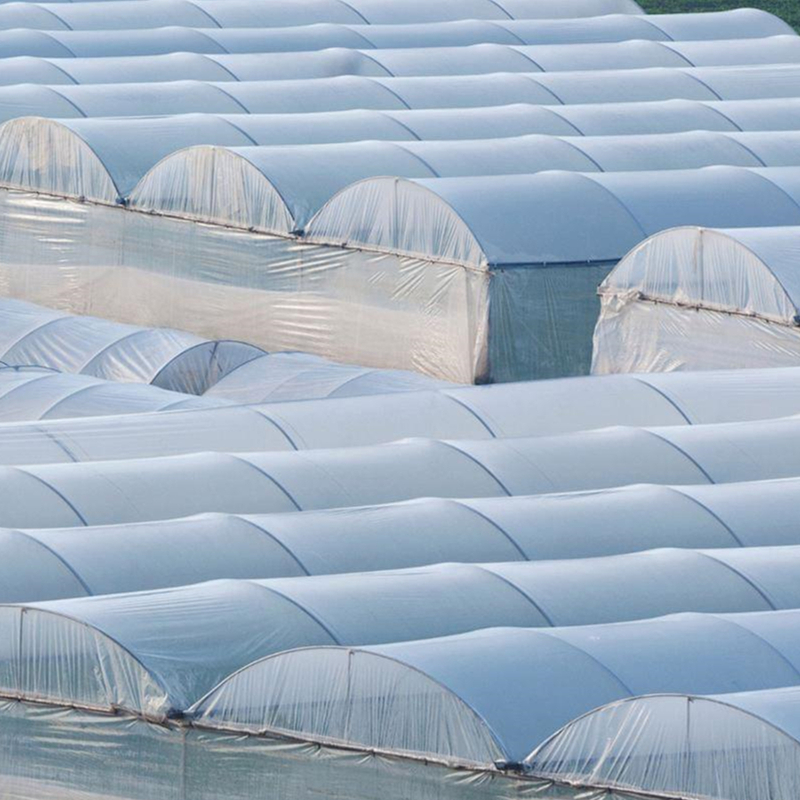
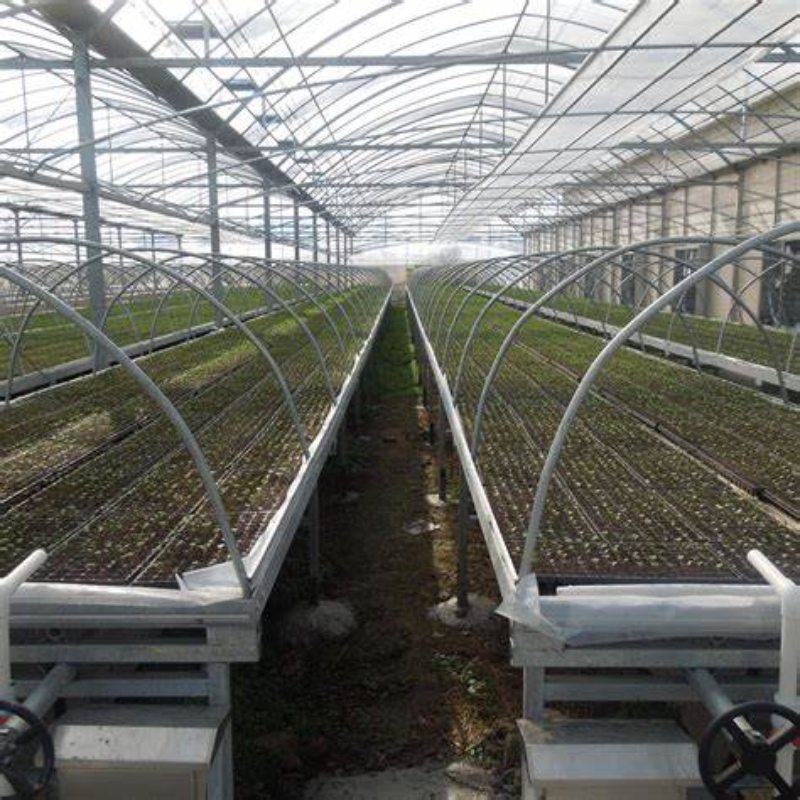
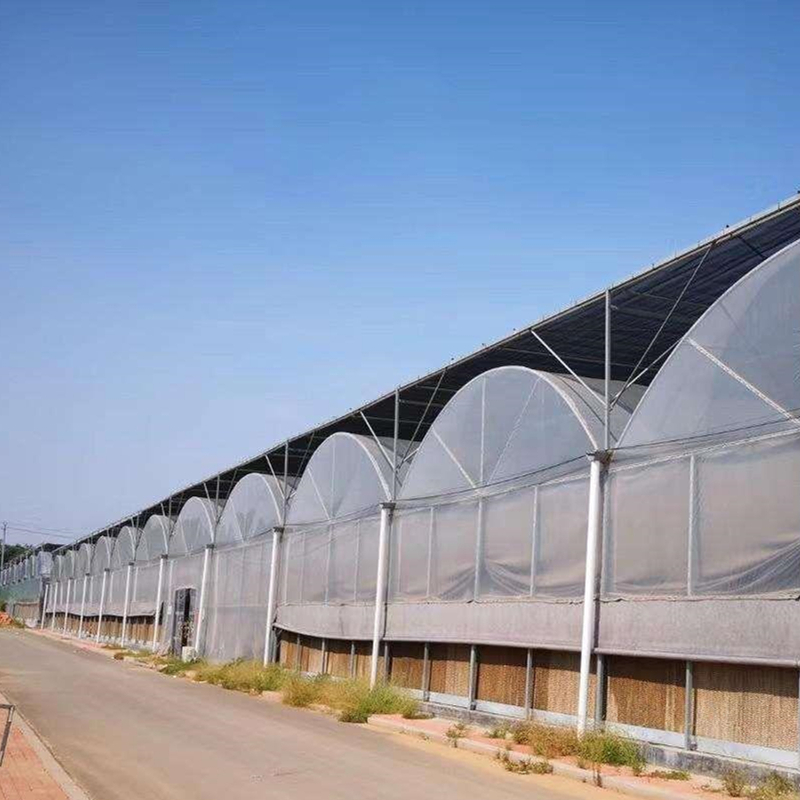
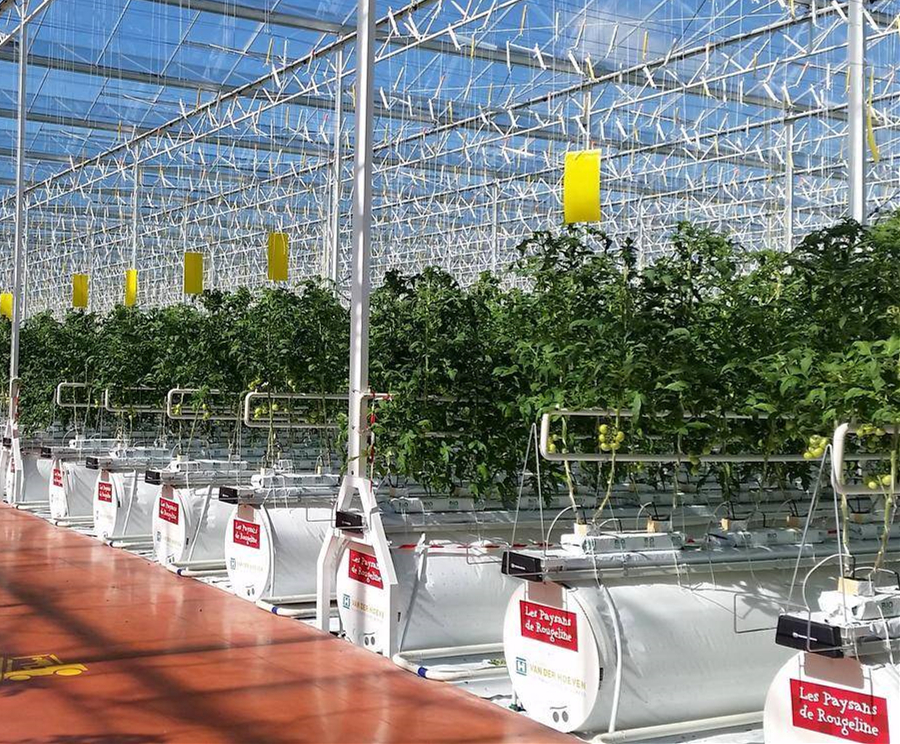
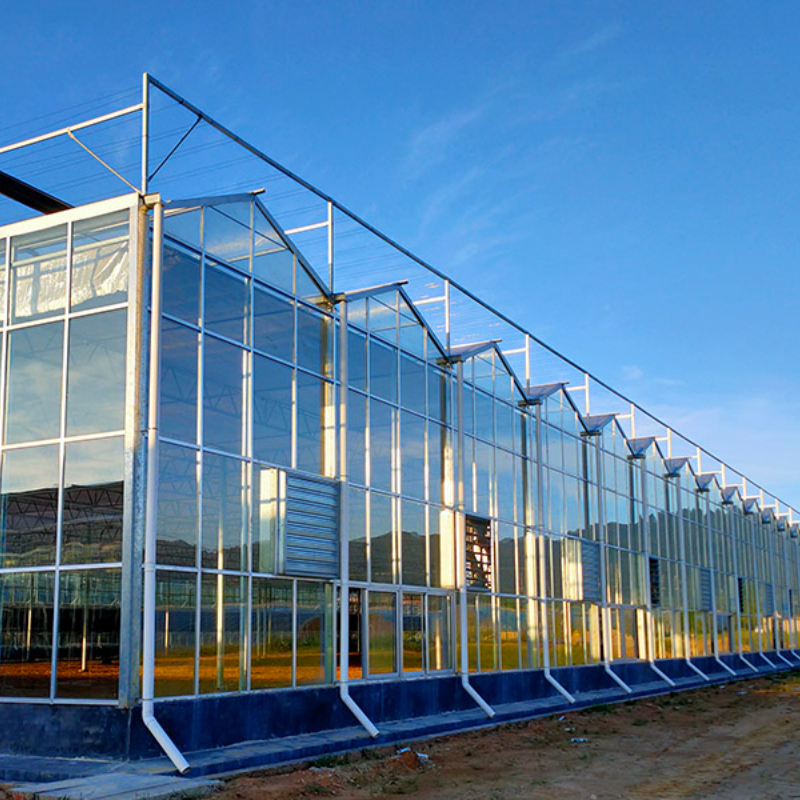
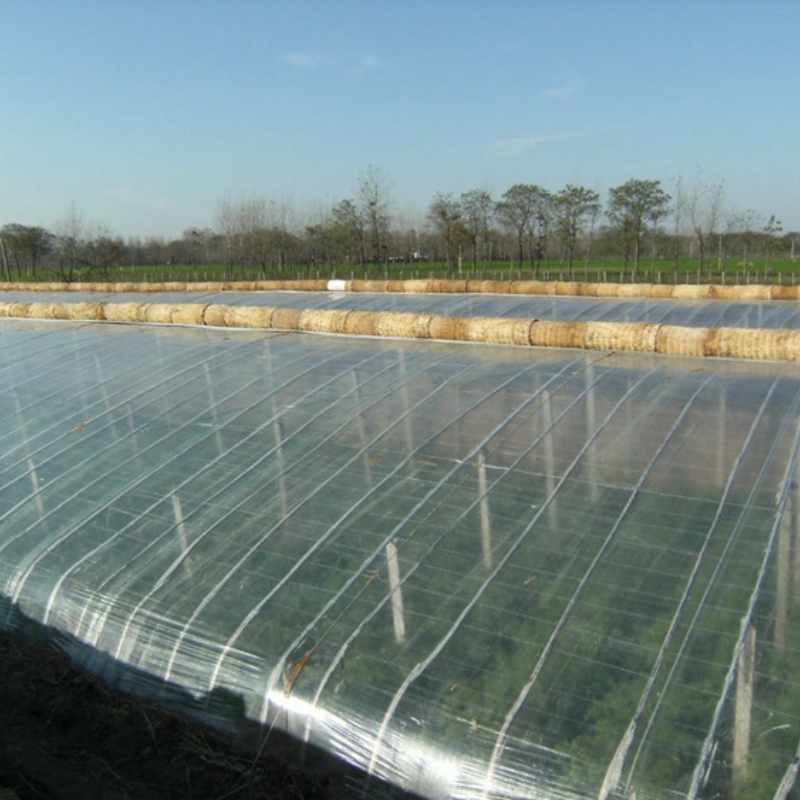
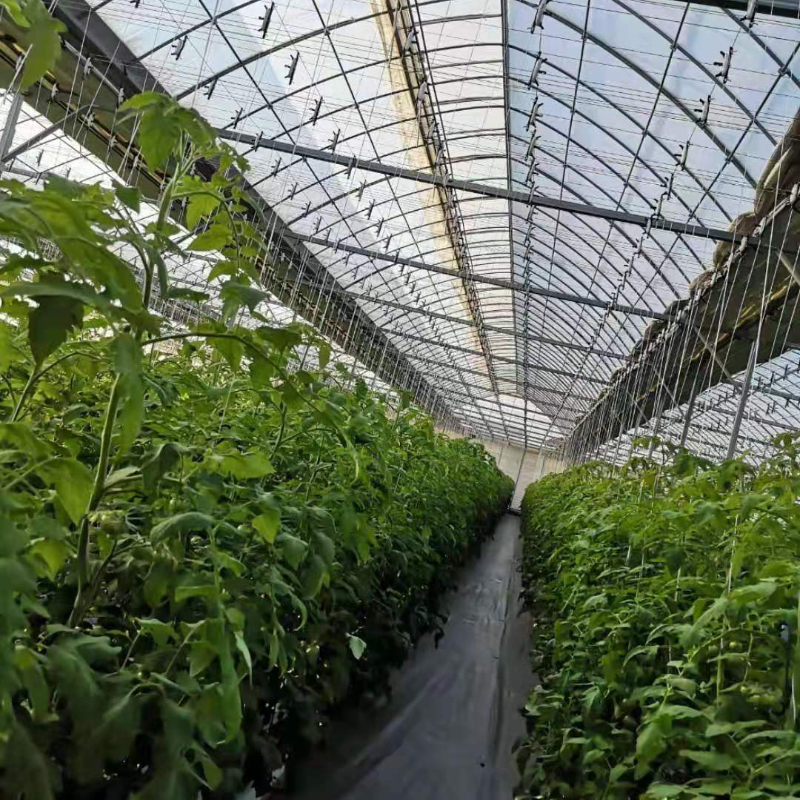
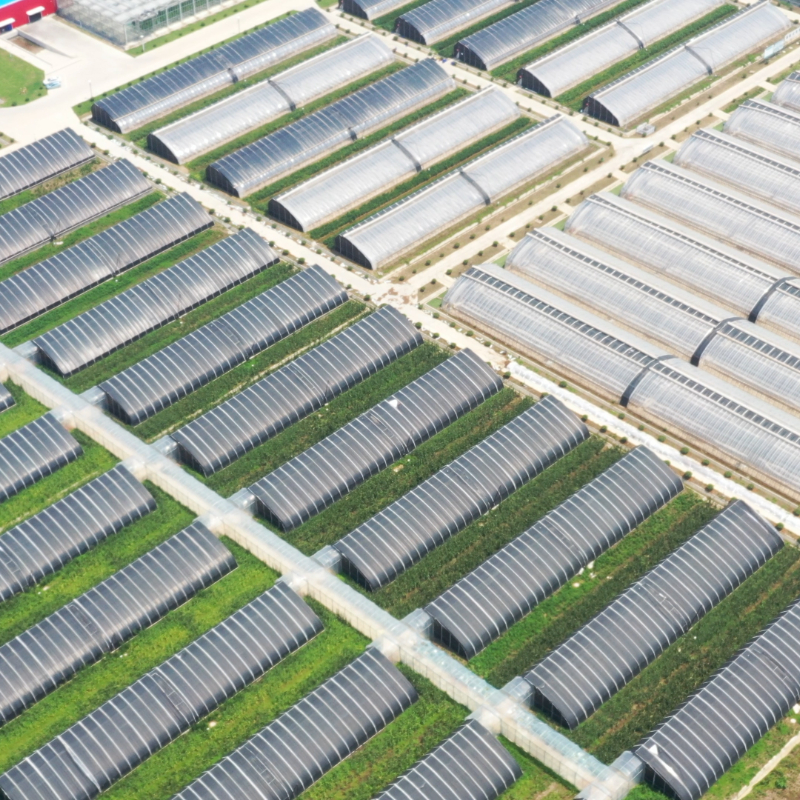
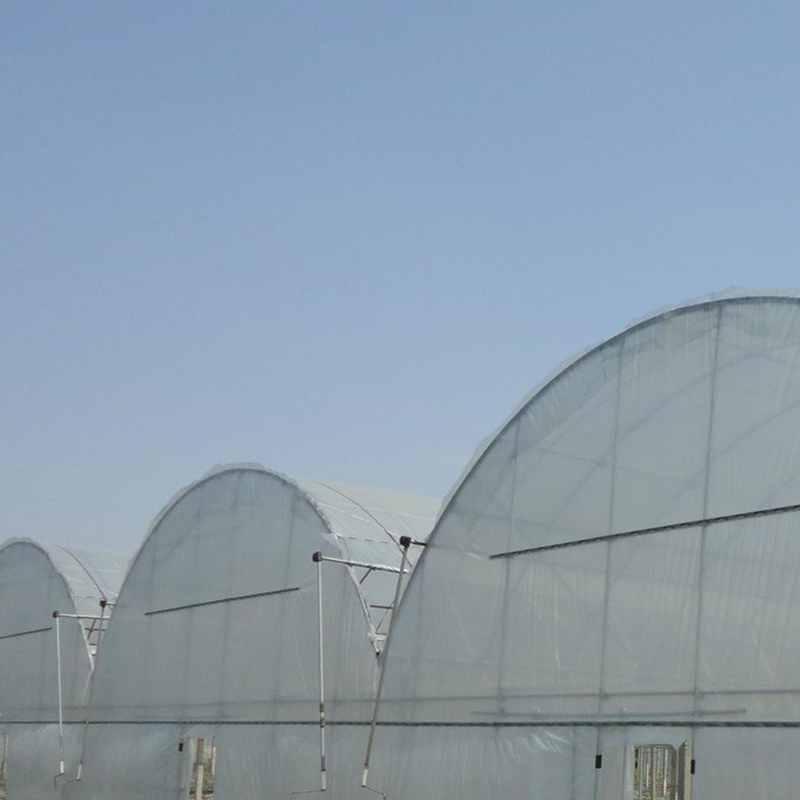
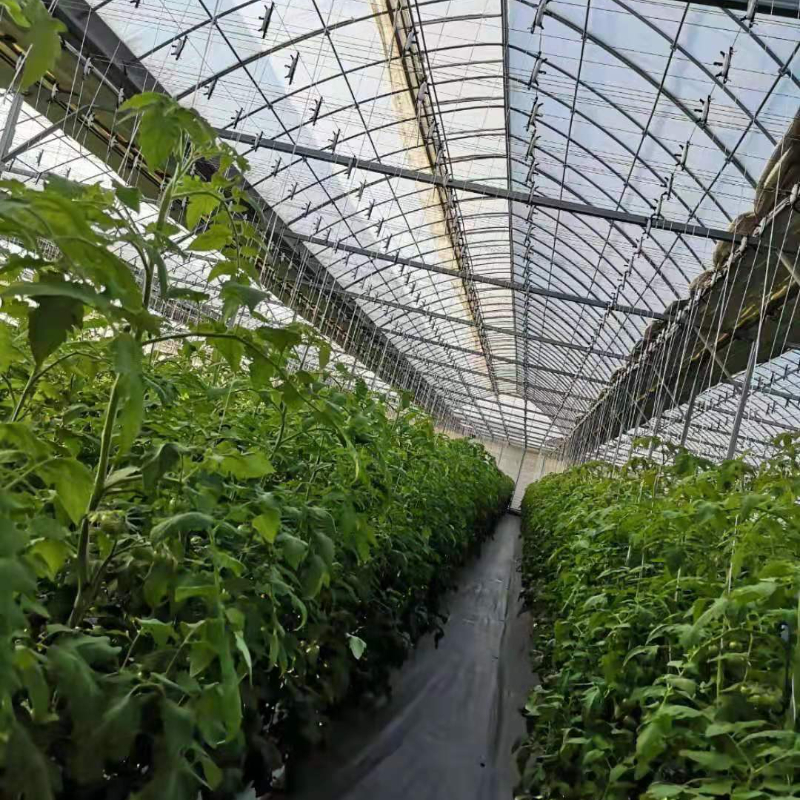
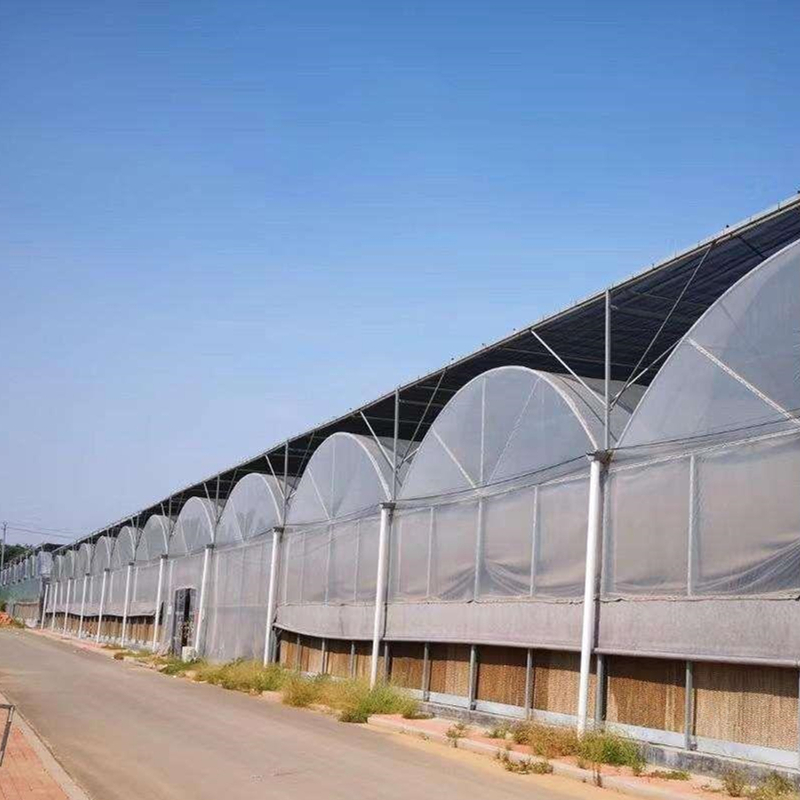
One of the most critical technological innovations that underpinned the success of Almeria’s greenhouses was the revolutionary water collection and management system. In a region where annual rainfall averages a mere 200 millimeters—less than the amount of water used by a single household in a month in many European countries—water scarcity was the single greatest barrier to agricultural development. Traditional farming in such an environment would have required expensive irrigation systems that imported water from hundreds of kilometers away, making the project economically unviable. The greenhouse designers, however, found a way to turn this scarcity into an advantage by harnessing the one reliable source of water available: rainwater. The polyethylene plastic roofs of the greenhouses were not just designed to trap heat and moisture; they were also engineered to collect and channel rainwater into a network of storage tanks and reservoirs. The design of the roofs was carefully calibrated to ensure that every drop of rain was captured; the plastic membrane was sloped at a precise angle to direct water toward gutters, which then carried it to underground storage tanks. These tanks, which were often large enough to hold thousands of liters of water, were built using locally available materials, such as concrete and steel, to keep costs down. The rainwater collected in these tanks was then filtered and treated to remove any debris or contaminants before being used for irrigation. This system was remarkably efficient: even with the low annual rainfall, the total amount of water collected from the vast expanse of greenhouse roofs was more than sufficient to meet the water needs of the crops. In fact, during particularly rainy years, farmers often had surplus water that they could sell to neighboring farms or use to recharge the local aquifers. This self-sustaining water system eliminated the need for expensive imported water, drastically reducing the operating costs of the greenhouses and making the project economically viable. It also made the greenhouse industry resilient to droughts, which were common in the region. While traditional farmers in other parts of Spain struggled with water shortages during dry years, Almeria’s greenhouse farmers had a reliable supply of water that allowed them to continue growing crops year-round. The water management system was continuously refined over the years, with farmers and engineers experimenting with new technologies to improve efficiency. In the 1970s, drip irrigation systems were introduced, replacing the less efficient overhead sprinklers that had been used in the early greenhouses. Drip irrigation delivers water directly to the roots of the plants, reducing water waste by up to 50% compared to traditional irrigation methods. This technology not only conserved water but also improved crop yields, as the plants received a steady supply of moisture and nutrients directly where they needed it most. Today, nearly all of Almeria’s greenhouses use advanced drip irrigation systems that are computer-controlled, allowing farmers to monitor soil moisture levels in real time and adjust the water supply accordingly. Another key technological innovation that set Almeria’s greenhouses apart was the comprehensive pest and disease control system. Traditional open-field farming in Spain and other parts of Europe relies heavily on chemical pesticides to protect crops from insects, fungi, and other pests. These pesticides are not only expensive but also harmful to the environment, contaminating soil, water, and air, and posing a risk to human health. In Almeria’s greenhouses, however, the controlled environment allowed for a more sustainable and eco-friendly approach to pest management. The closed structure of the greenhouses acted as a physical barrier, preventing most pests from entering and infesting the crops. This reduced the need for chemical pesticides by up to 90% compared to open-field farming, making the greenhouse produce safer for consumers and more environmentally friendly. For the few pests that did manage to enter the greenhouses—such as whiteflies and aphids—farmers used a combination of biological control methods and integrated pest management (IPM) techniques. Biological control involves introducing natural predators of the pests into the greenhouse environment; for example, ladybugs were used to control aphid populations, and parasitic wasps were used to target whiteflies. These natural predators were raised in specialized facilities near the greenhouses and released into the crops as needed. Integrated pest management, meanwhile, involves a holistic approach to pest control that combines biological control with cultural practices, such as crop rotation, proper sanitation, and the use of pest-resistant crop varieties. This approach ensures that pests are controlled in a sustainable way that does not harm the environment or the crops. The success of these pest control methods was remarkable: Almeria’s greenhouse crops had significantly lower pest infestation rates than open-field crops, and the produce was free from the chemical residues that were common in other agricultural products. This commitment to sustainability and eco-friendliness became a key selling point for Almeria’s produce, particularly as consumers in Europe became more concerned about the environmental impact of their food choices. The controlled environment inside the greenhouses also allowed for precise regulation of temperature and humidity, creating optimal growing conditions for a wide range of fruits and vegetables. The polyethylene plastic membrane played a crucial role in this regard: it trapped heat during the day, keeping the greenhouse warm at night, and it allowed sunlight to penetrate, providing the energy needed for photosynthesis. The temperature control equipment, which evolved from simple fans and heaters in the early days to computerized climate control systems today, allowed farmers to maintain a consistent temperature range of between 20℃ and 25℃—the ideal range for most fruit and vegetable crops. This consistent temperature eliminated the stress that crops face in open fields, where extreme heat or cold can stunt growth and reduce yields. The humidity levels inside the greenhouses were also carefully controlled, using misting systems and ventilation fans to maintain a relative humidity of between 60% and 70%.
