
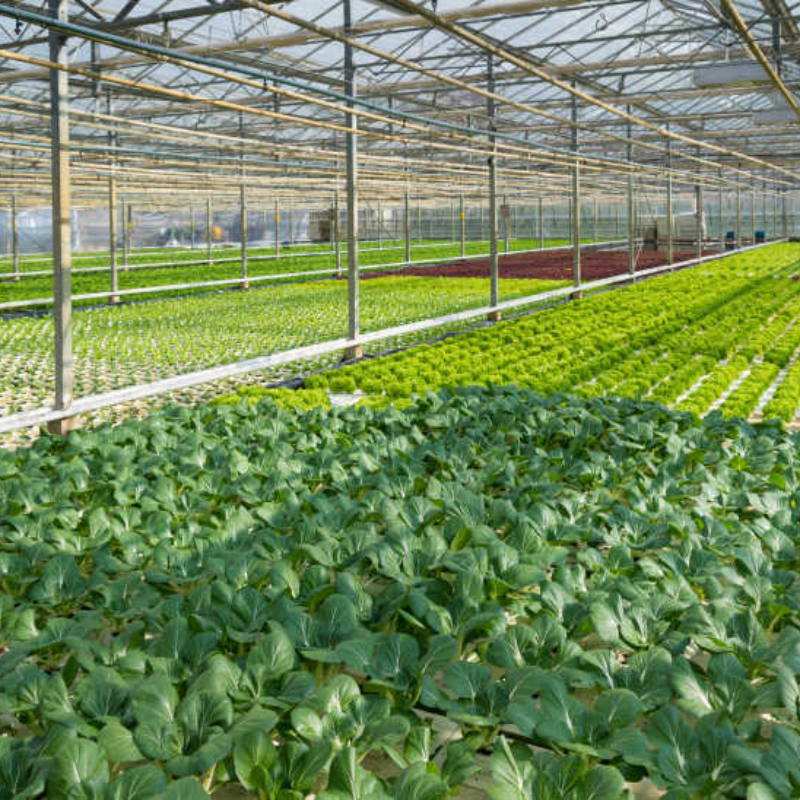
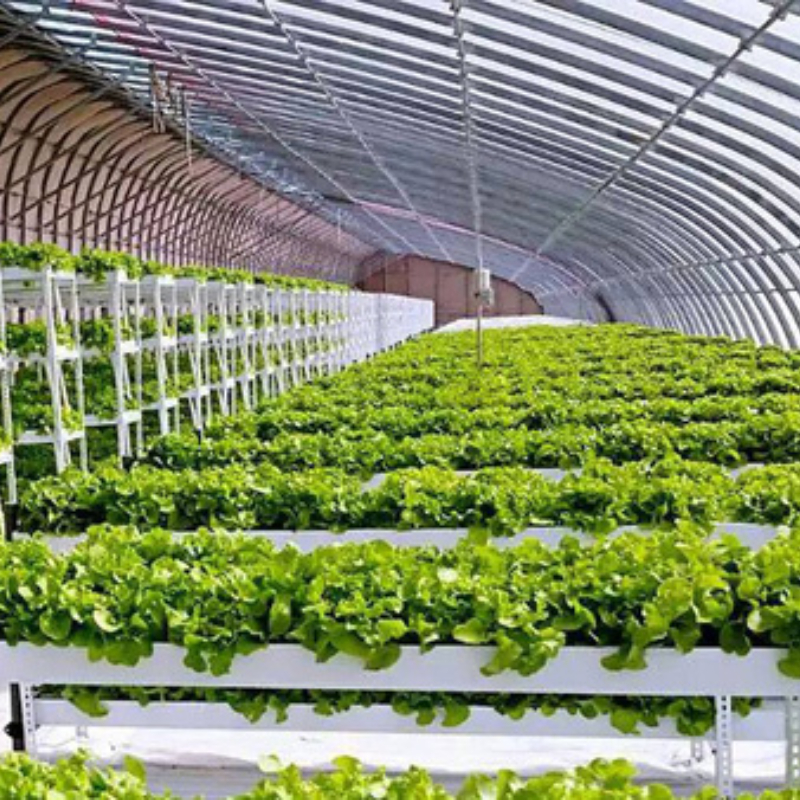
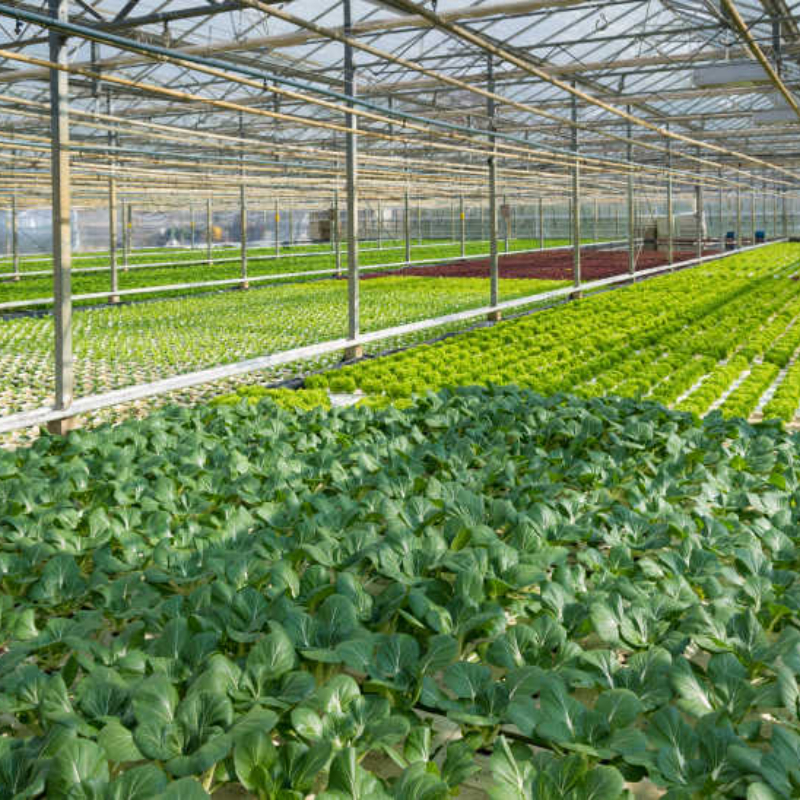
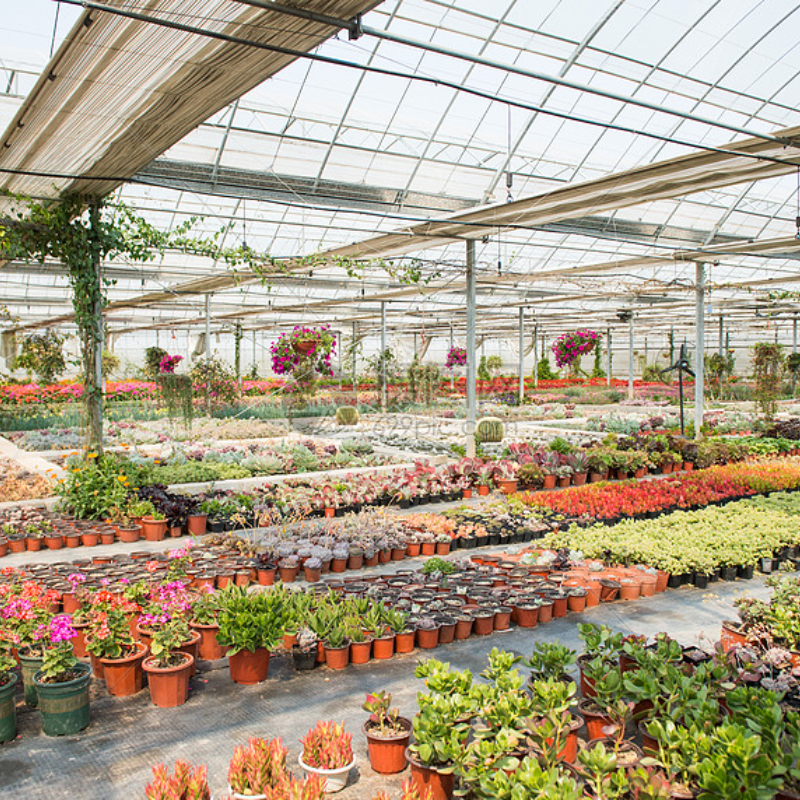
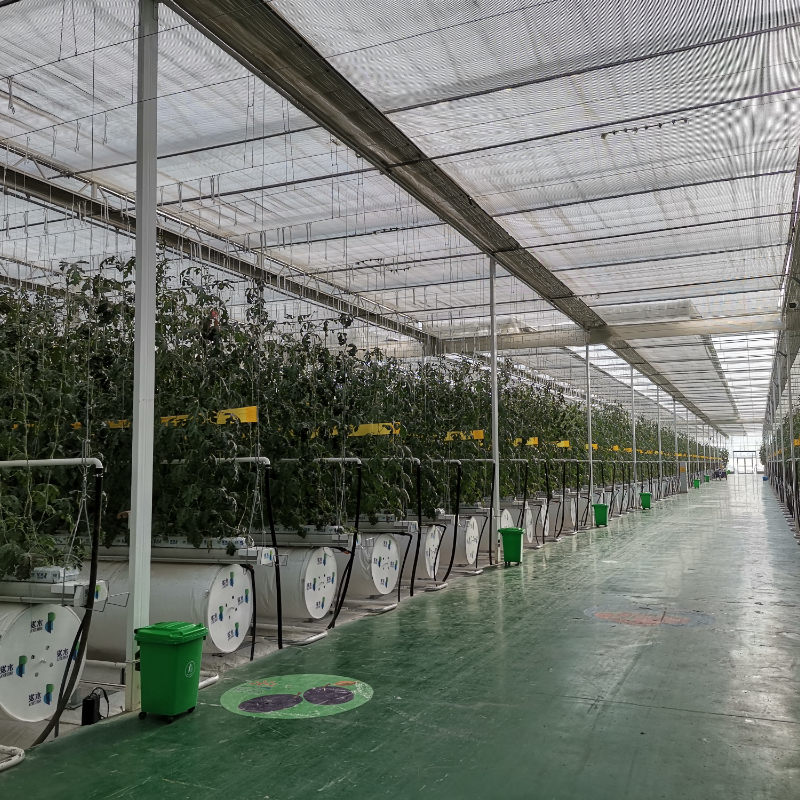
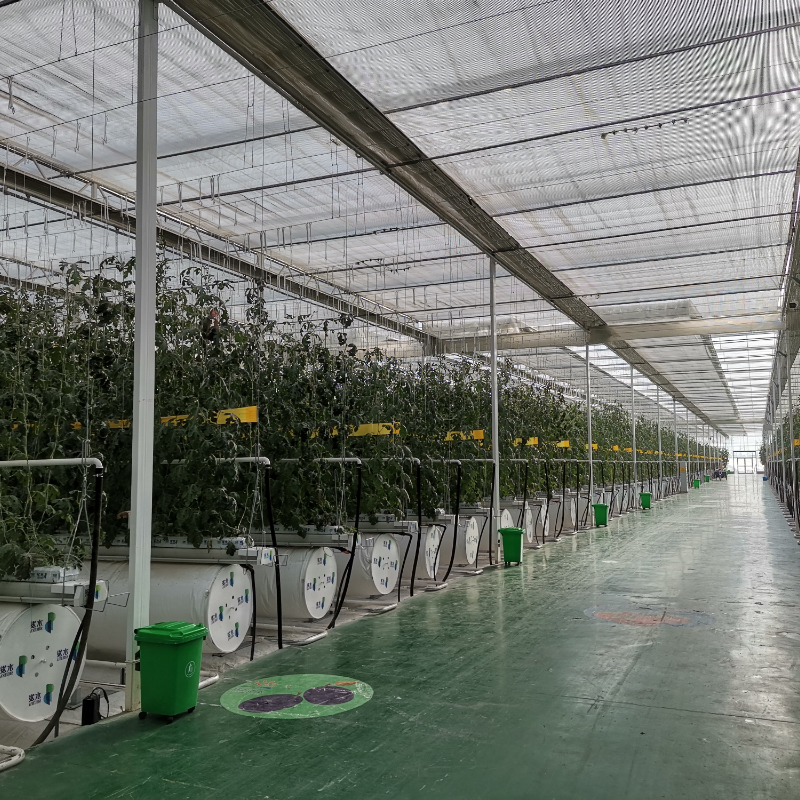
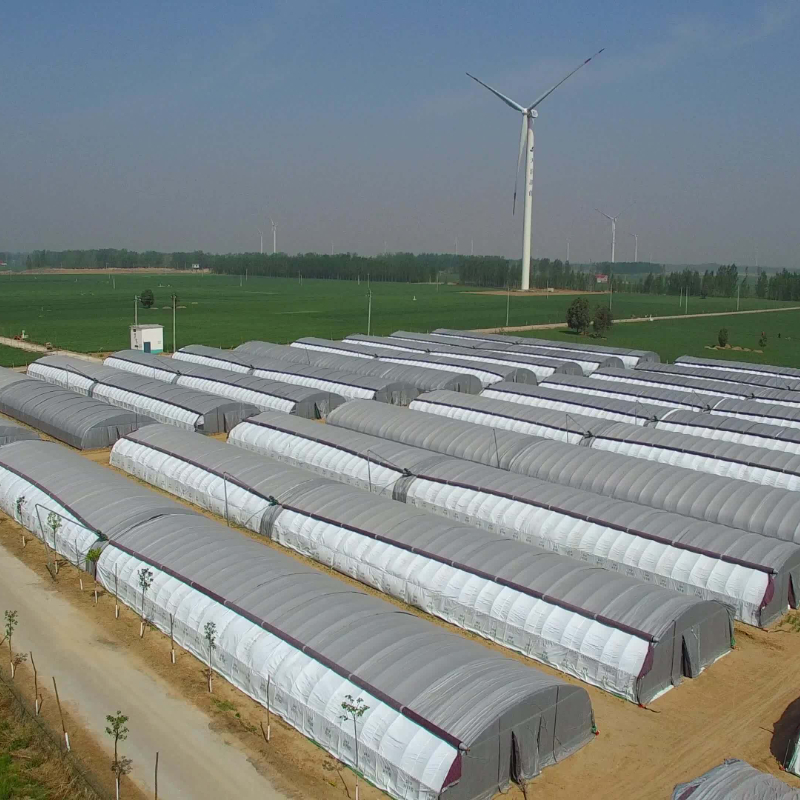
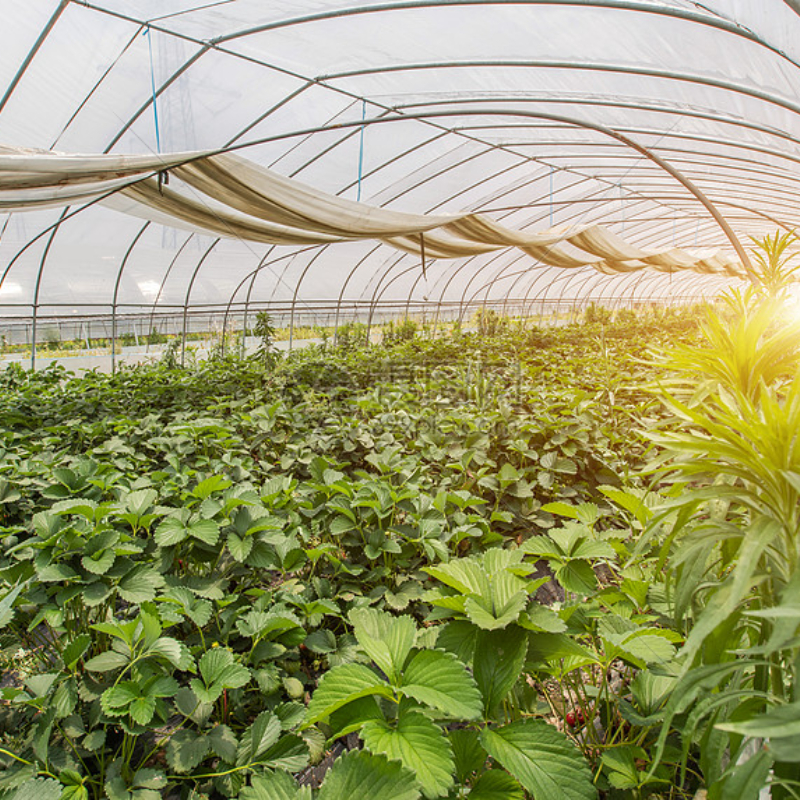
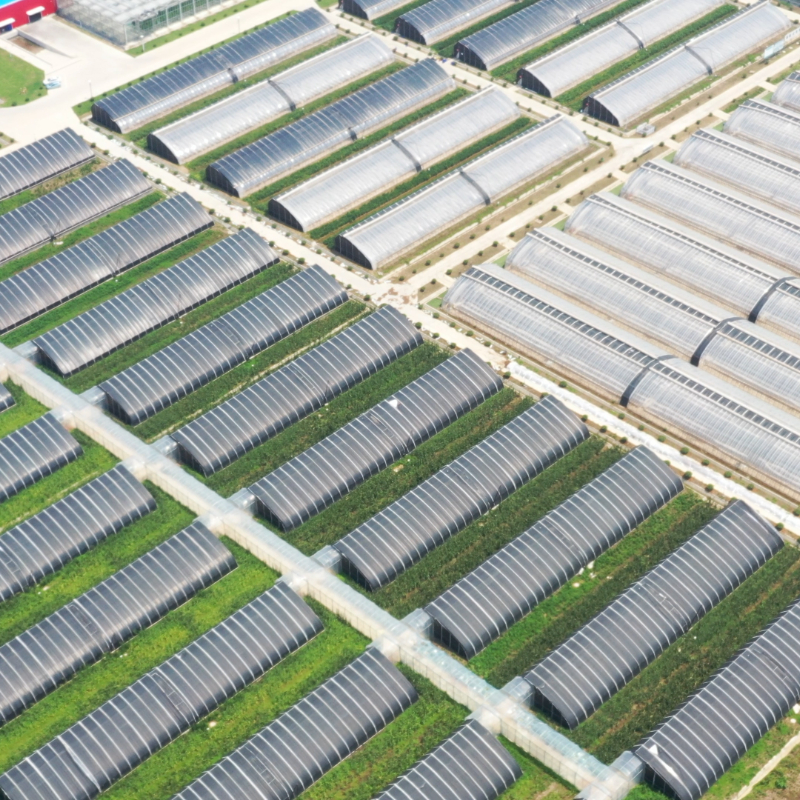
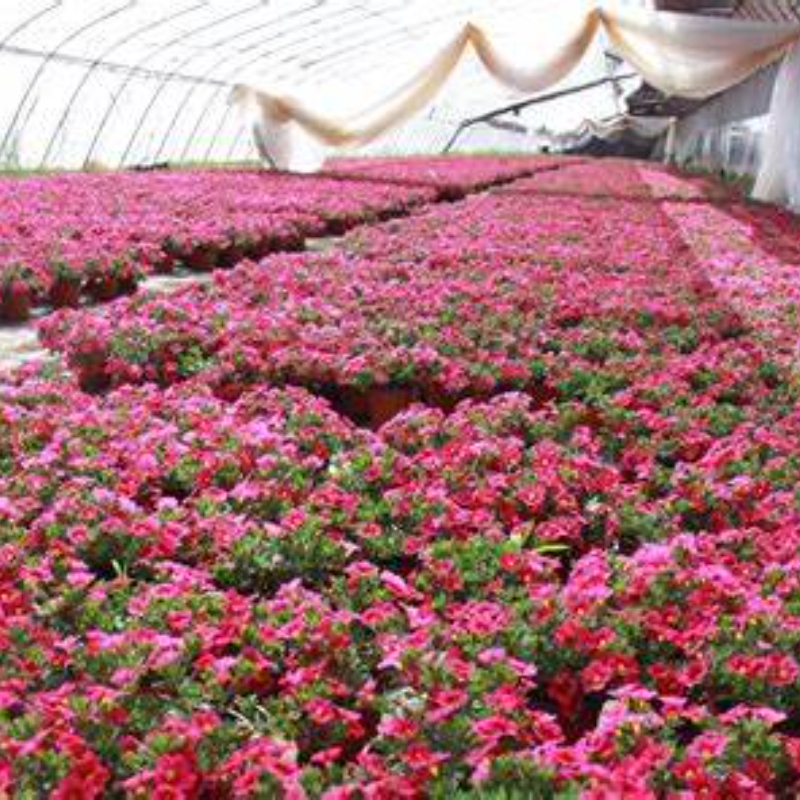
In the southeastern corner of Spain, where the Mediterranean Sea meets the arid landscapes of Andalusia, lies a place that defies all expectations. Almeria, once a region synonymous with desolation and sand dunes, has undergone a transformation so remarkable that it has earned the title of "Europe's Garden." This extraordinary change is not the result of natural fortune but of human ingenuity, driven by a simple yet revolutionary agricultural practice: intensive greenhouse farming. What began as a modest experiment in 1963 has evolved into a global benchmark for sustainable and productive agriculture, reshaping the local economy, society, and even the concept of rural tourism. Today, Almeria's greenhouses cover vast stretches of land, produce half of Europe's greenhouse-grown fruits and vegetables, and offer a one-of-a-kind experience that combines agricultural innovation with cultural exploration. This is the story of how a desert was tamed, a community was reborn, and a model for the future of farming was created.
The Genesis: From Desert Wasteland to Agricultural Innovation
To understand the magnitude of Almeria's achievement, one must first grasp the harshness of its original environment. The eastern coastal region of Almeria, located just 30 kilometers from the city center, was once a barren expanse of sand dunes with severe desertification. Annual rainfall here is a mere 200 millimeters—barely enough to sustain sparse vegetation, let alone large-scale agriculture. For decades, this land was considered useless, a wasteland that offered little hope for economic development. The local population, predominantly fishermen, relied on the Mediterranean Sea for their livelihoods, facing the unpredictability of marine resources and fluctuating market demands.
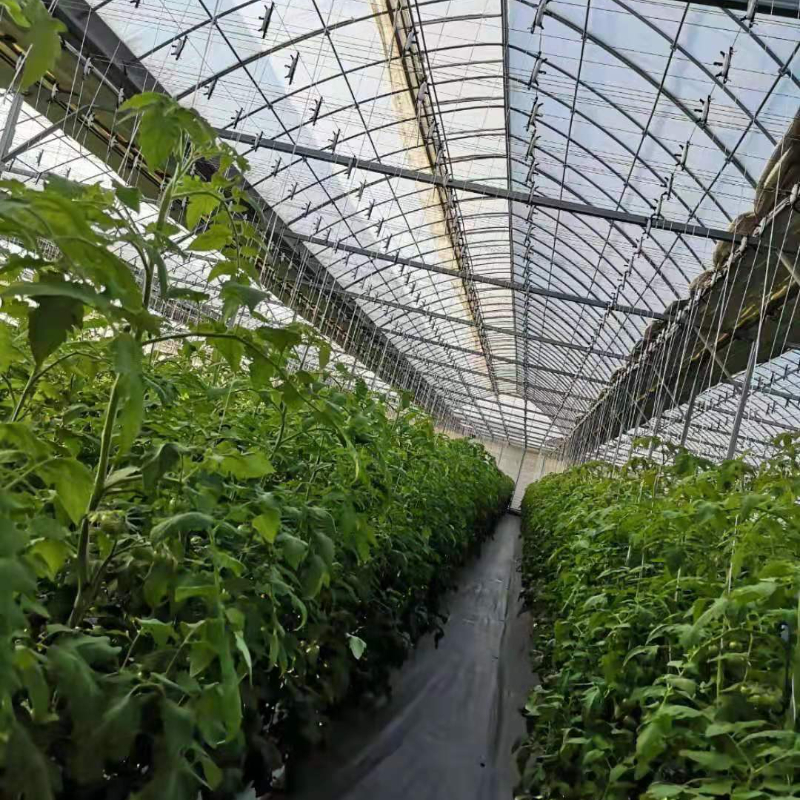
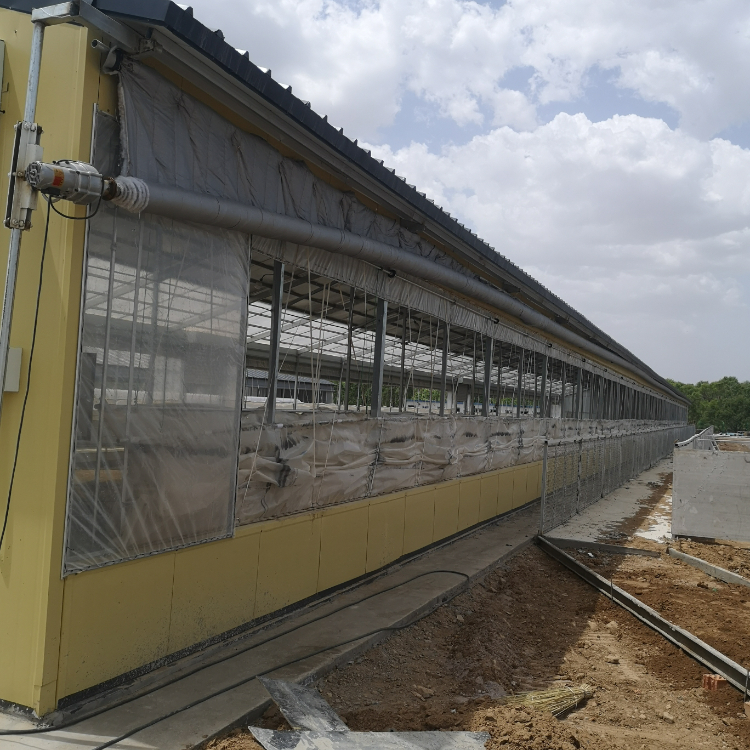
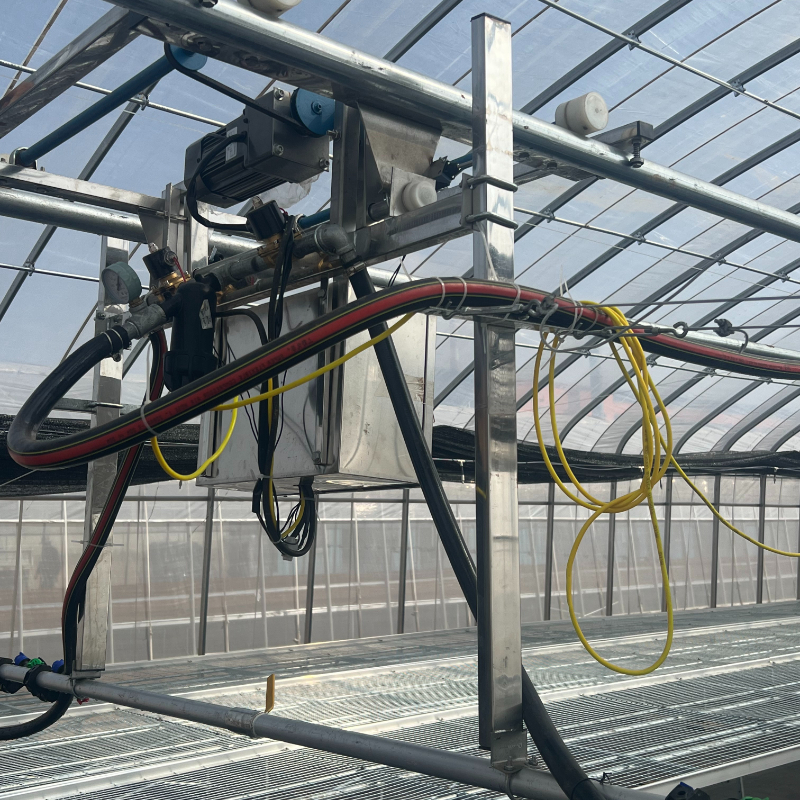
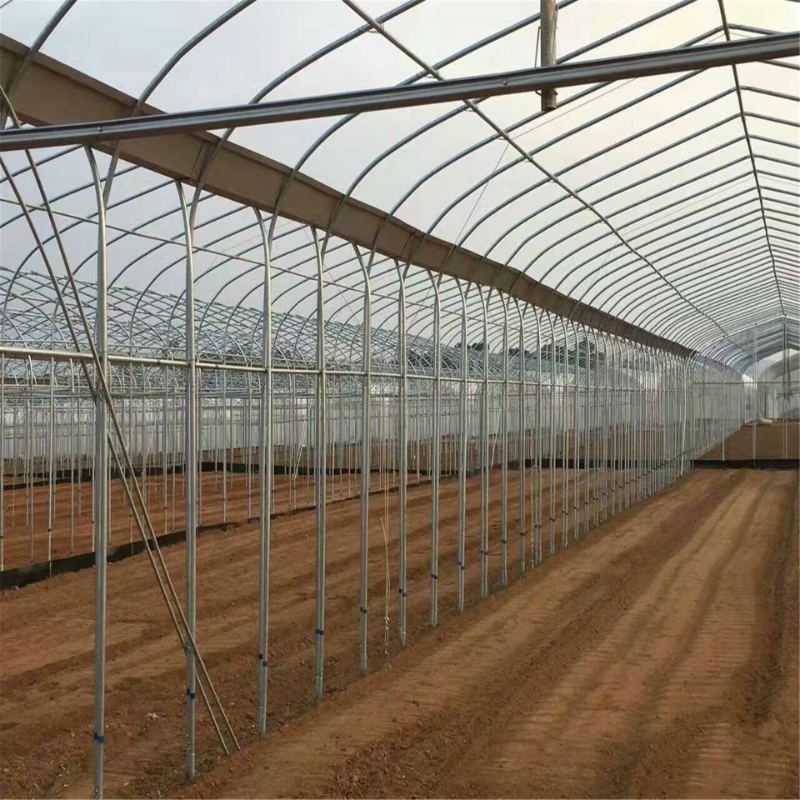
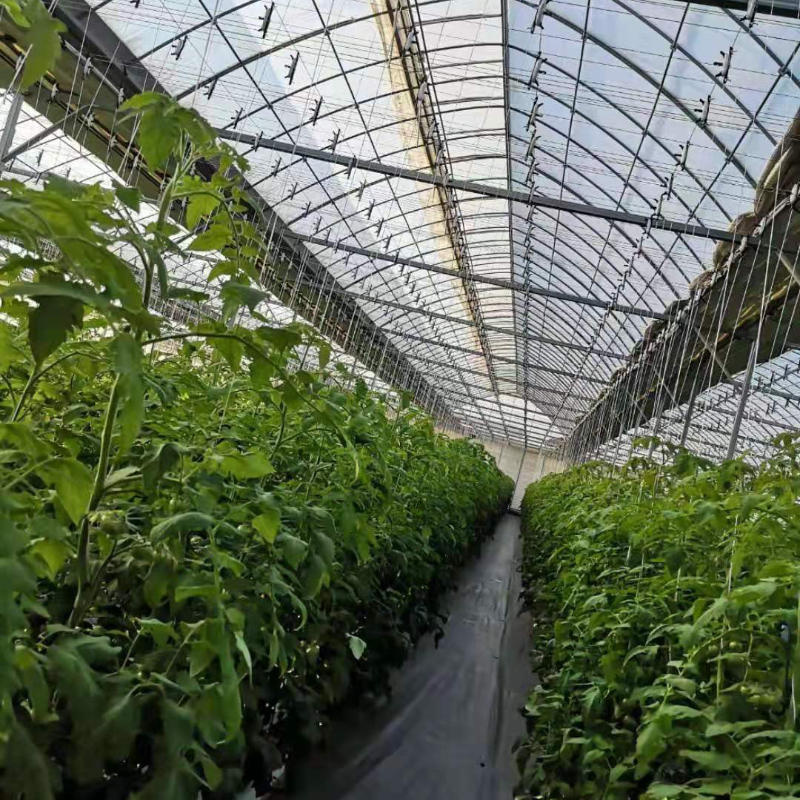
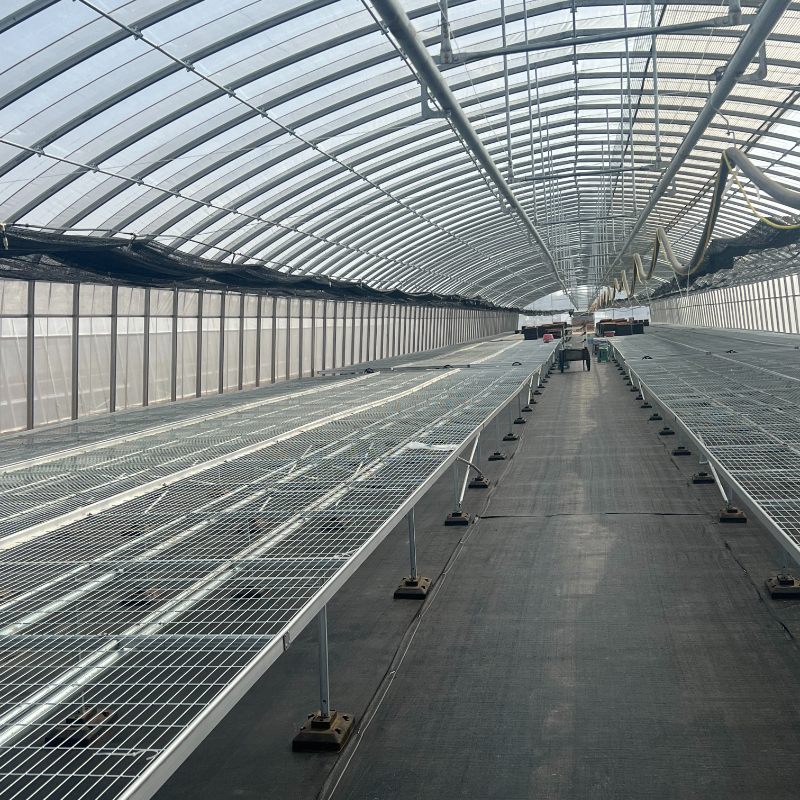
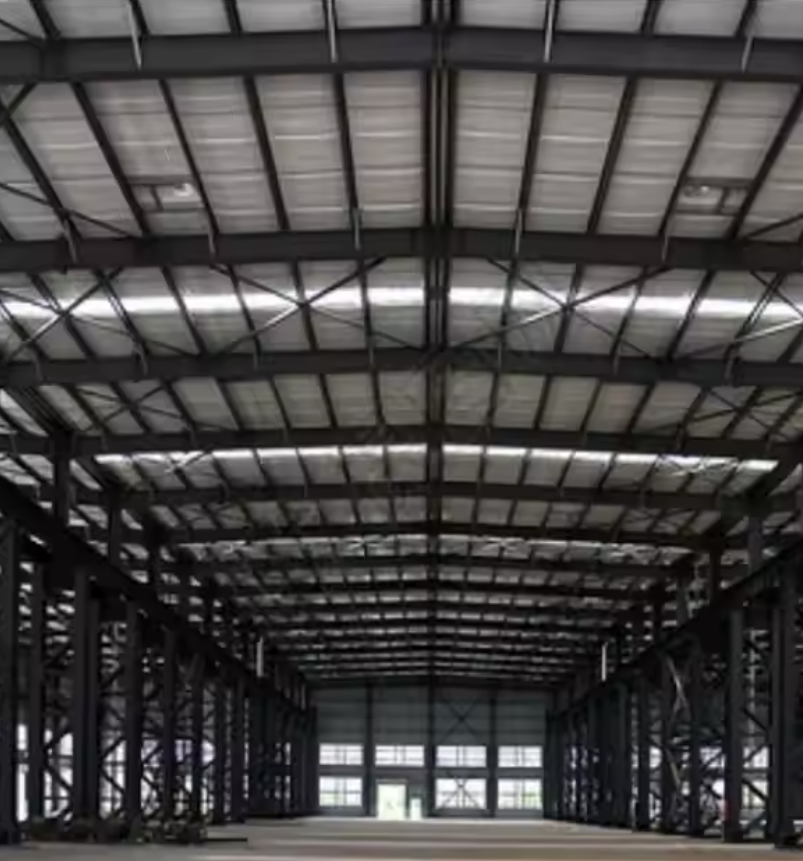
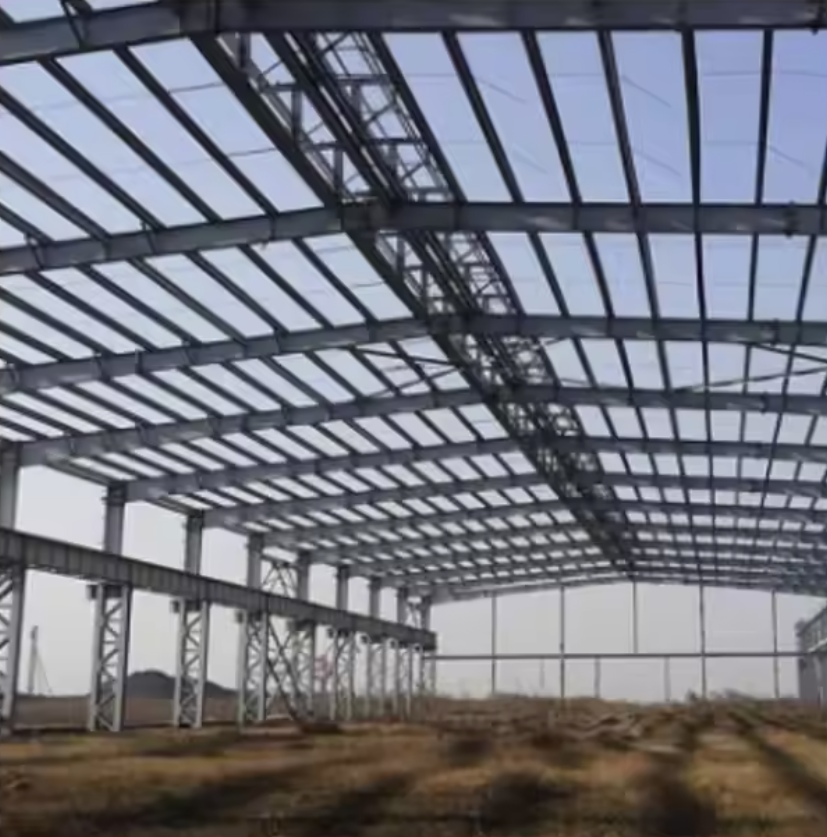
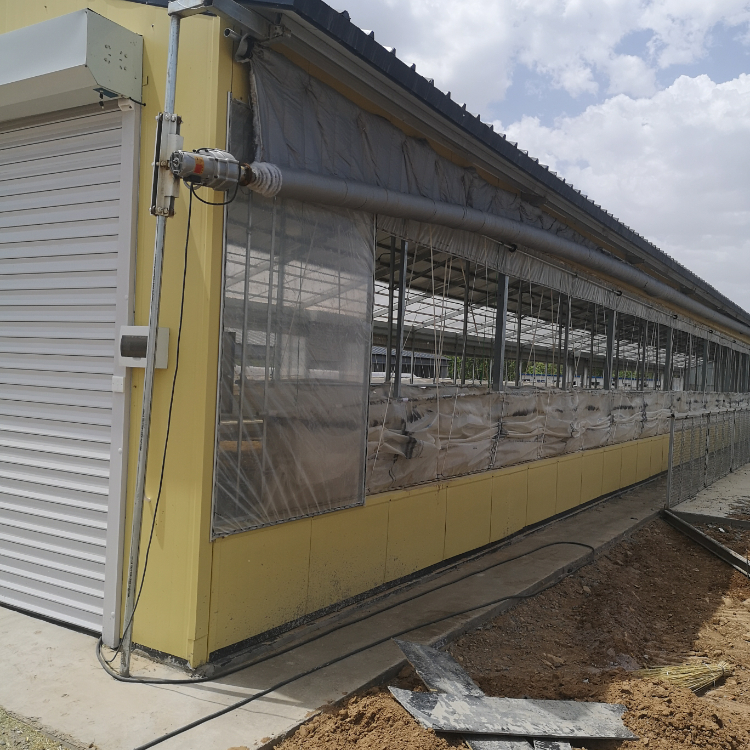
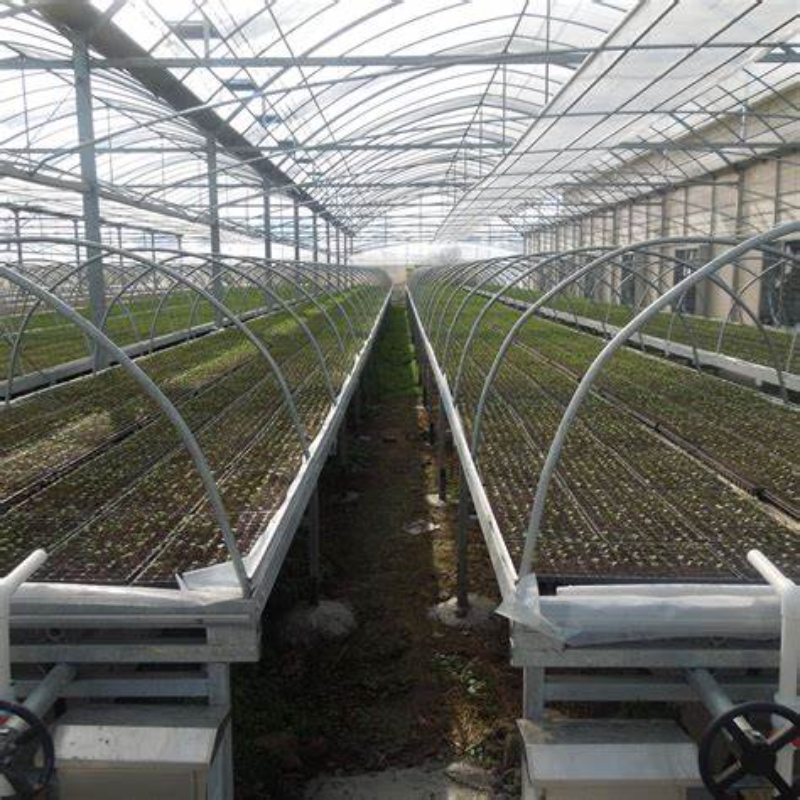
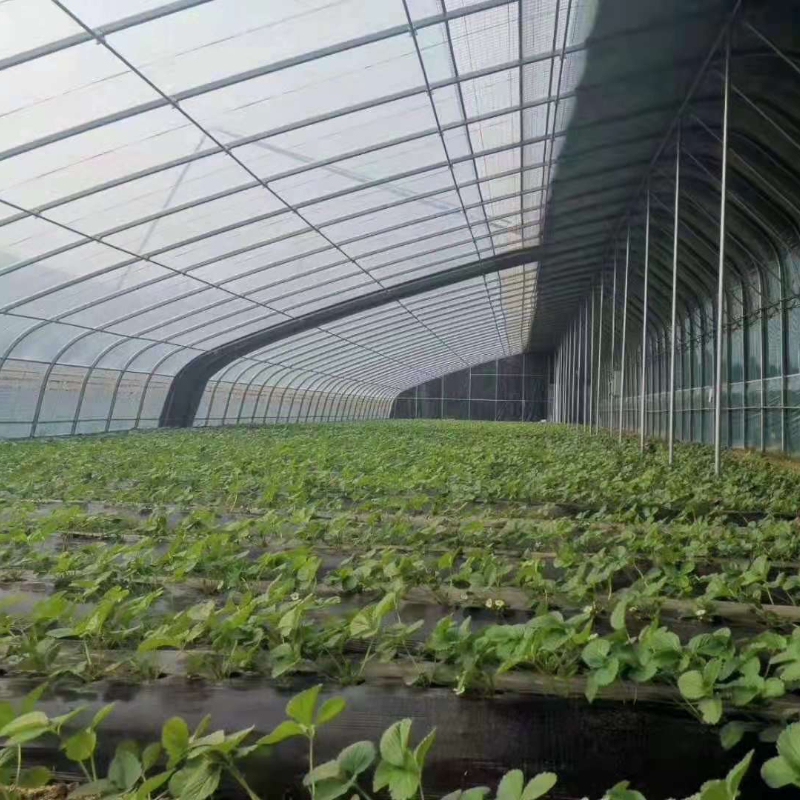
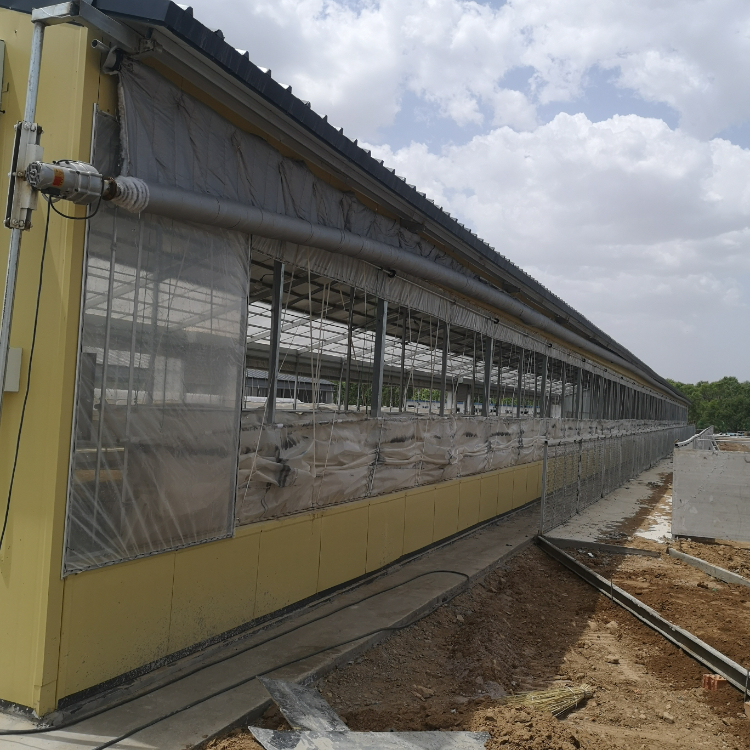
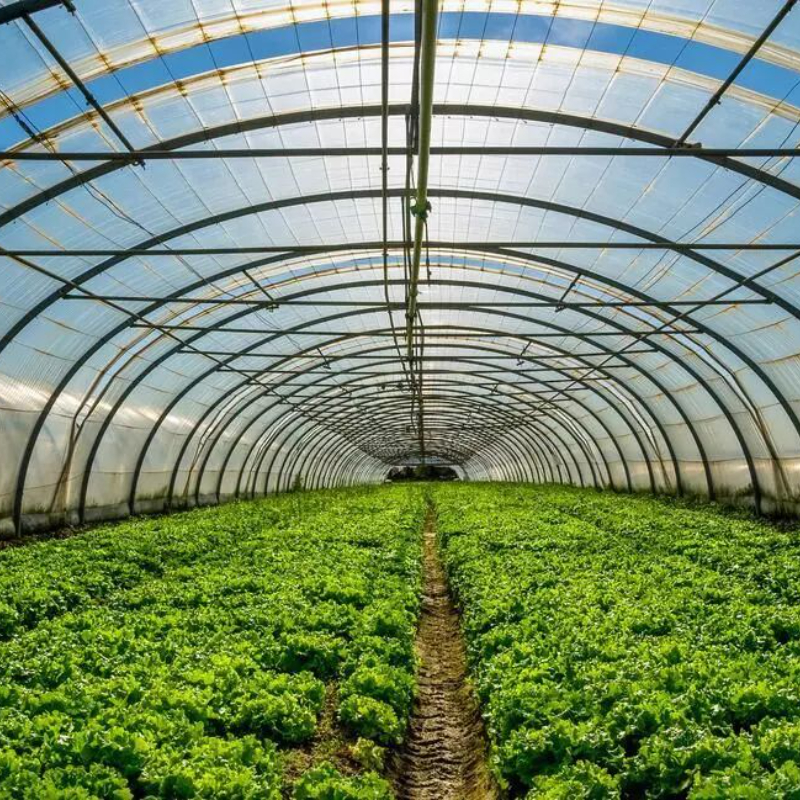
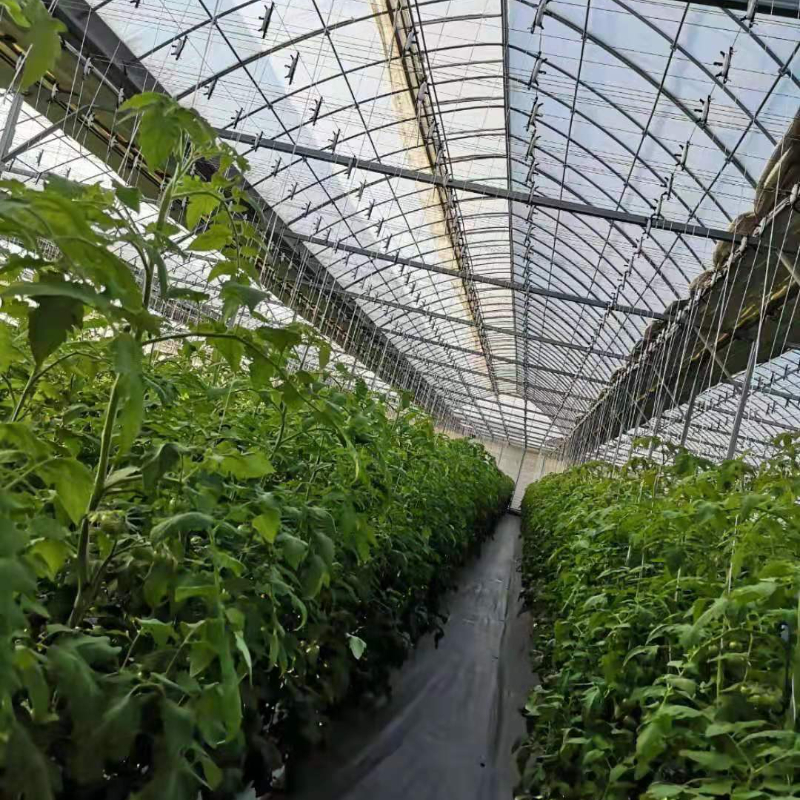
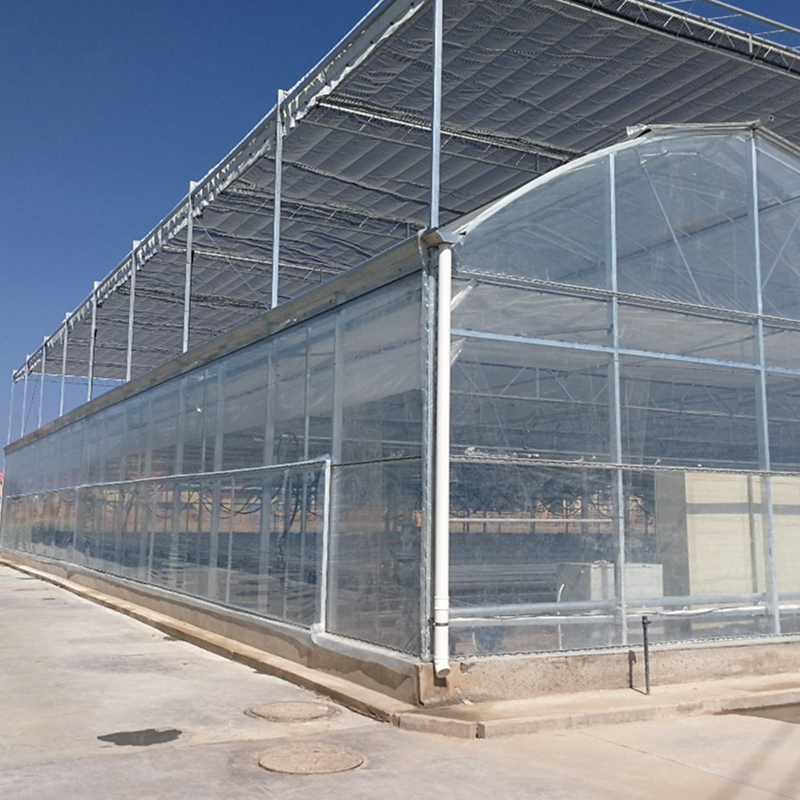
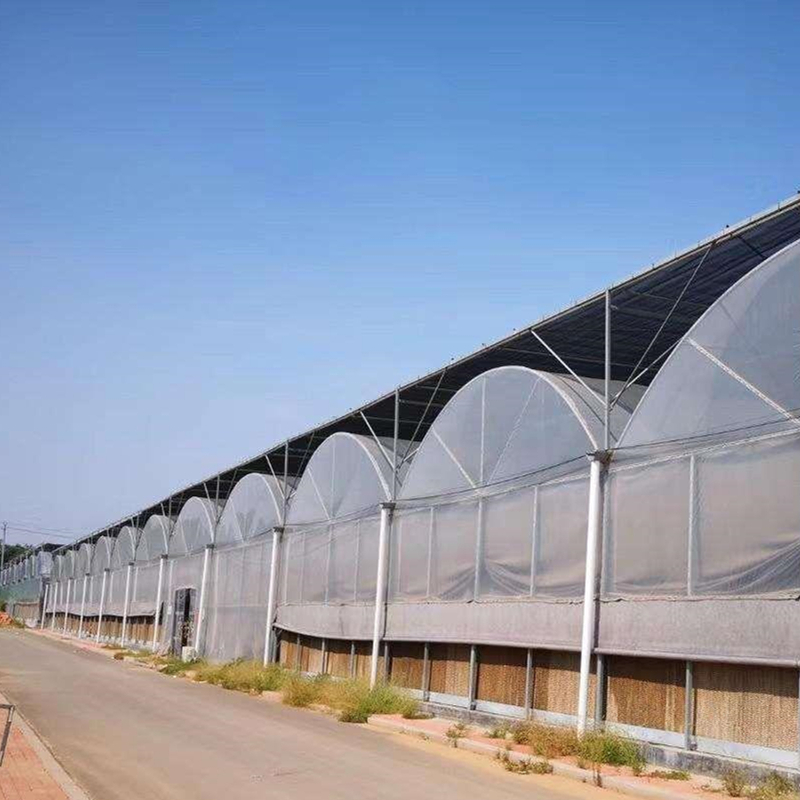
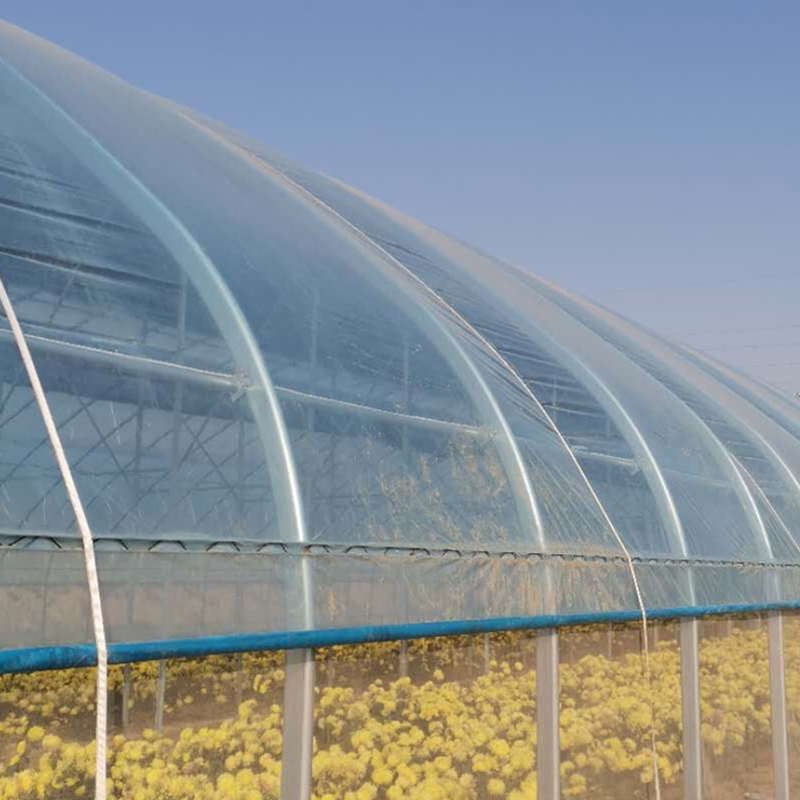
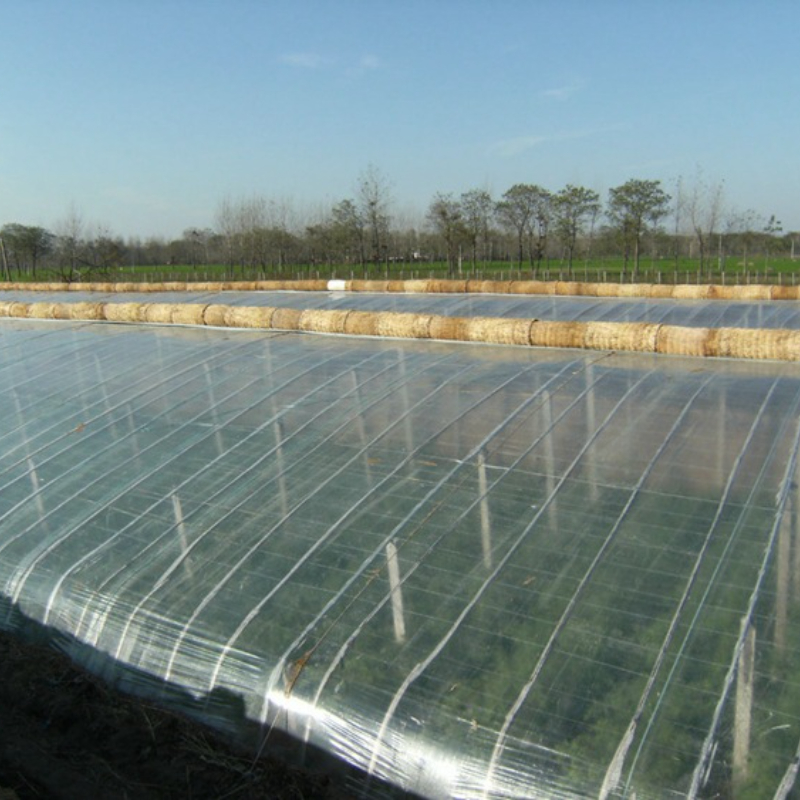
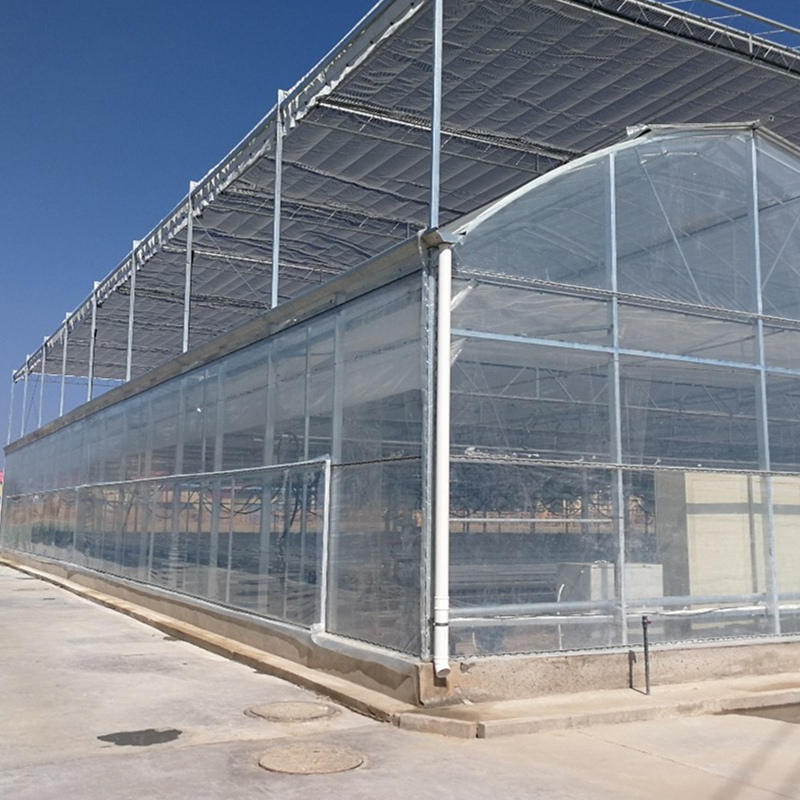
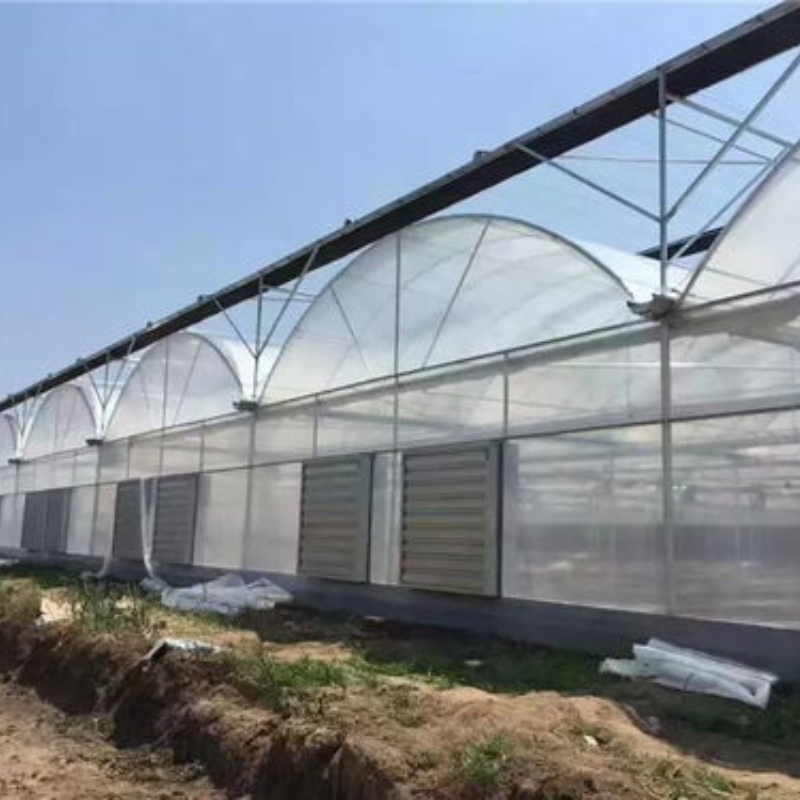
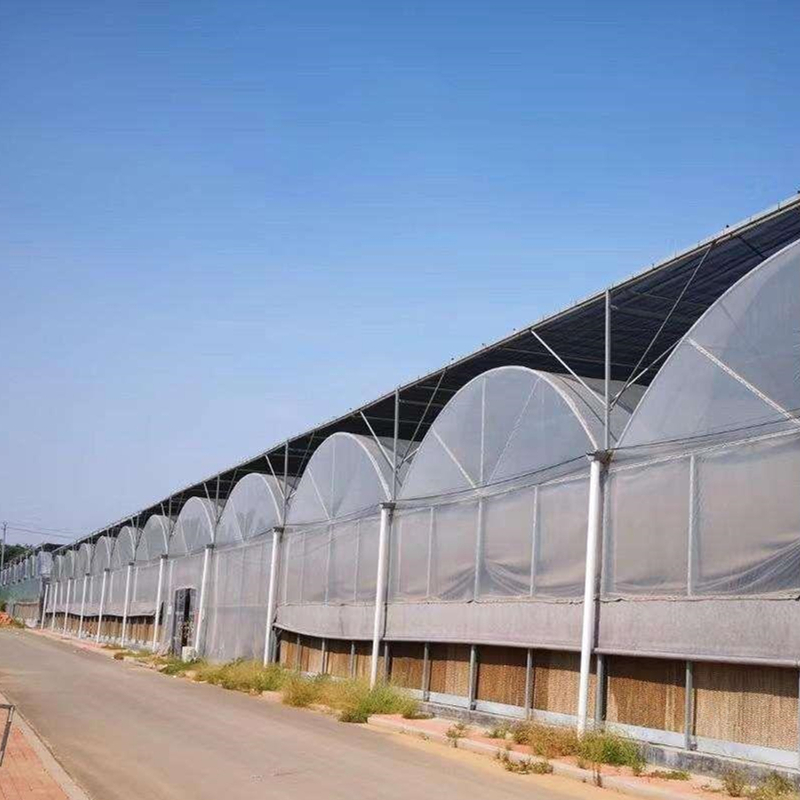
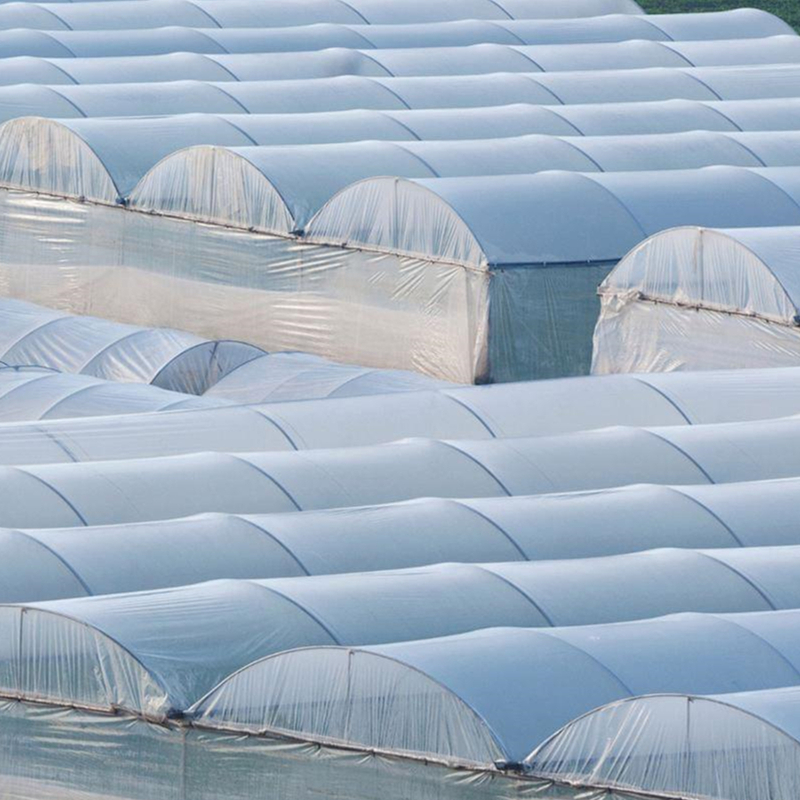
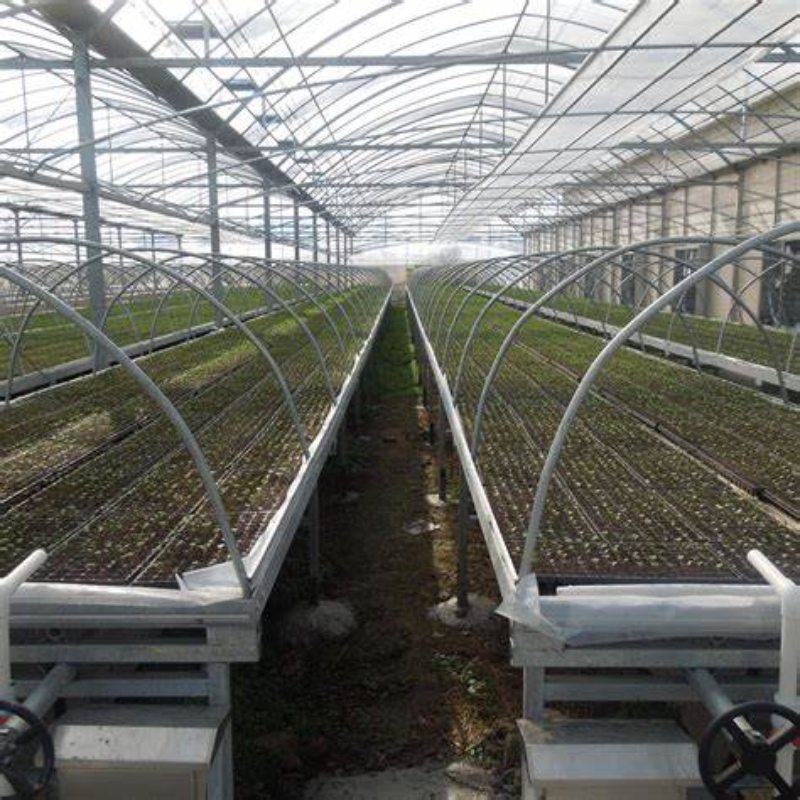
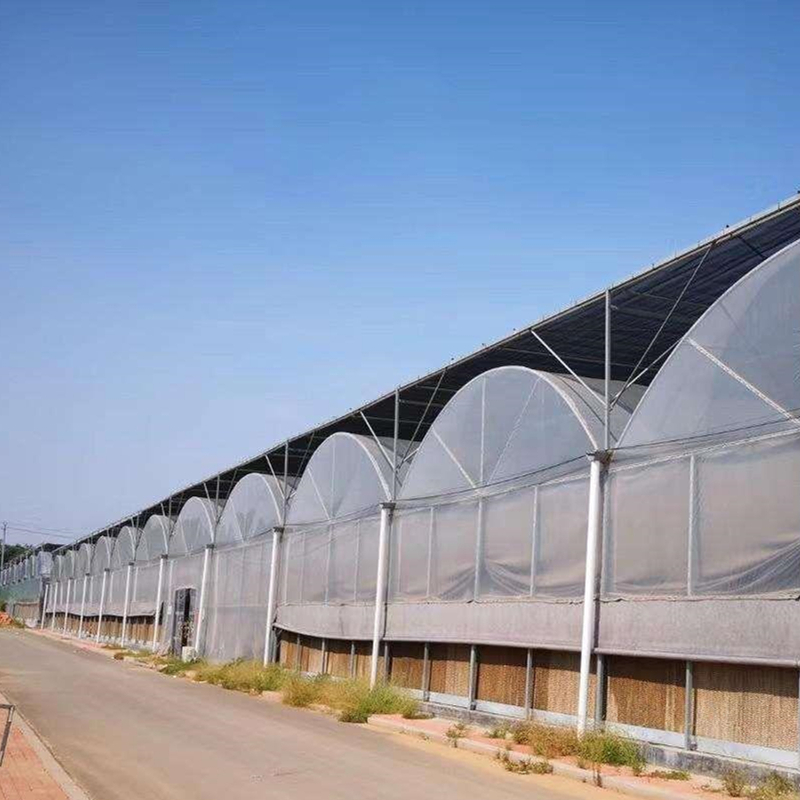
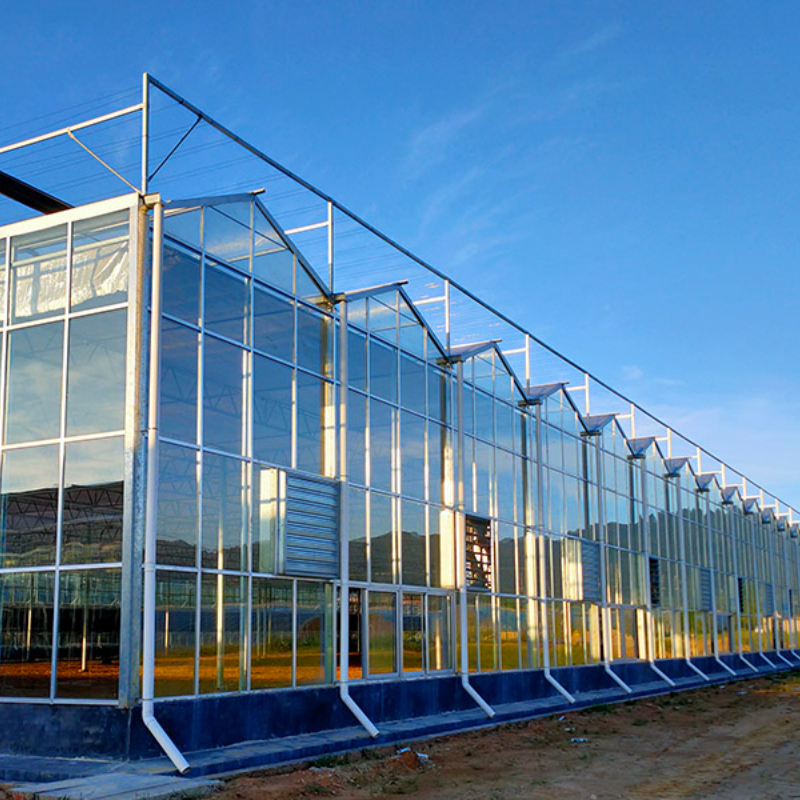
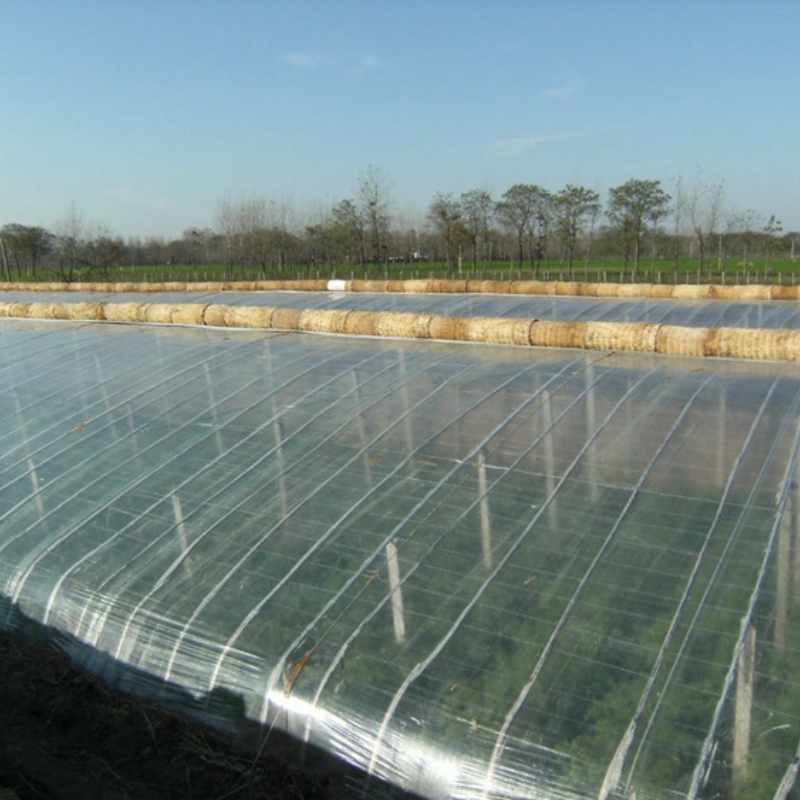
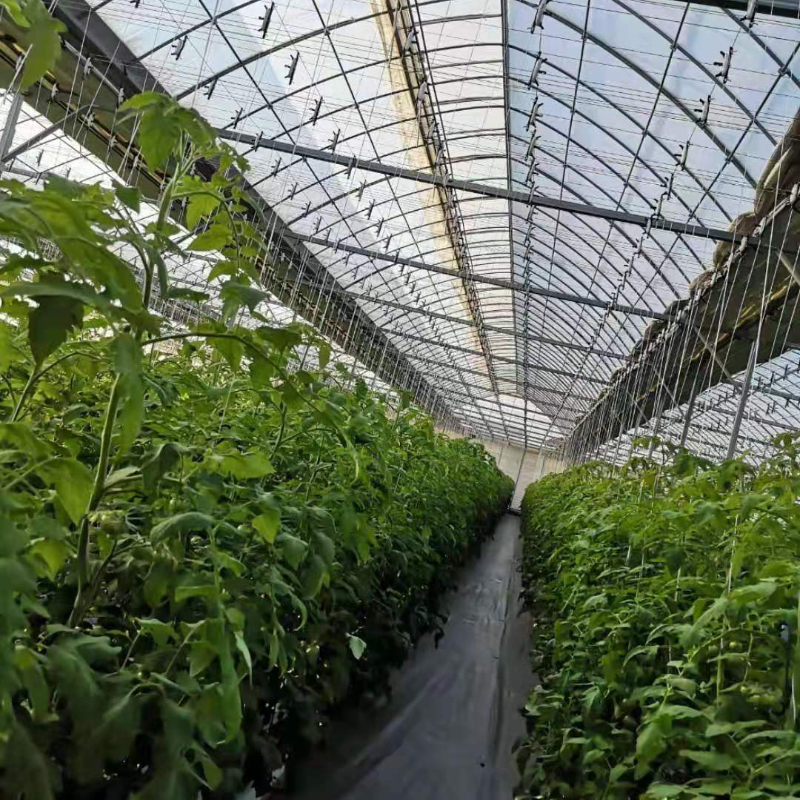
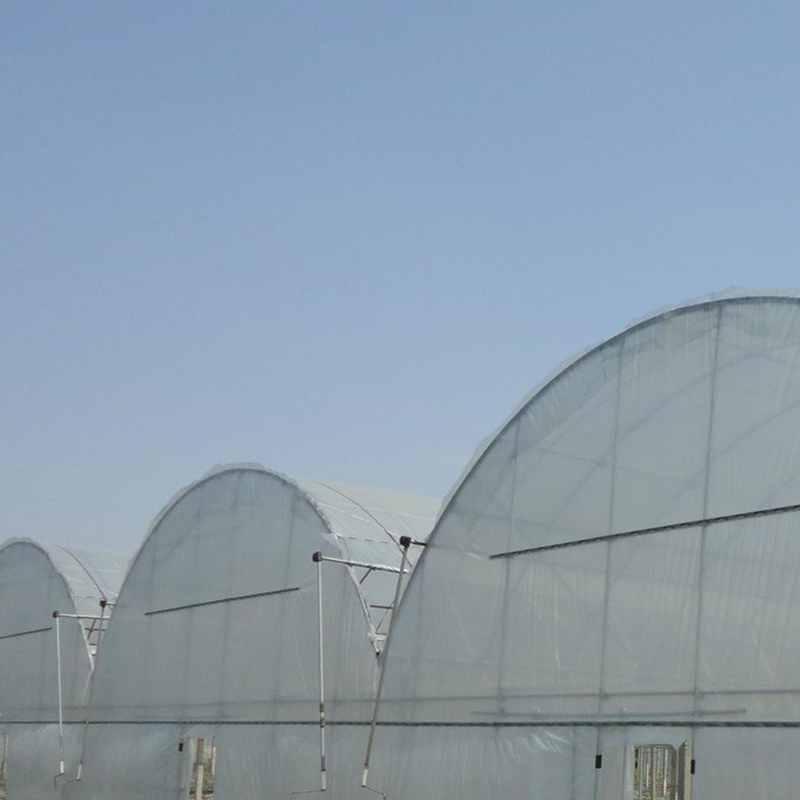
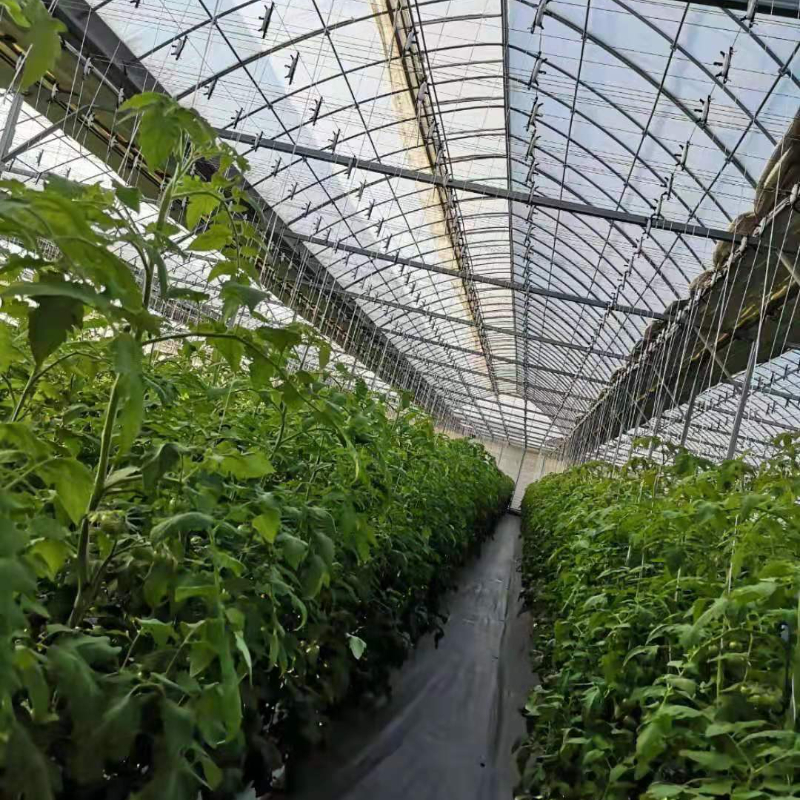
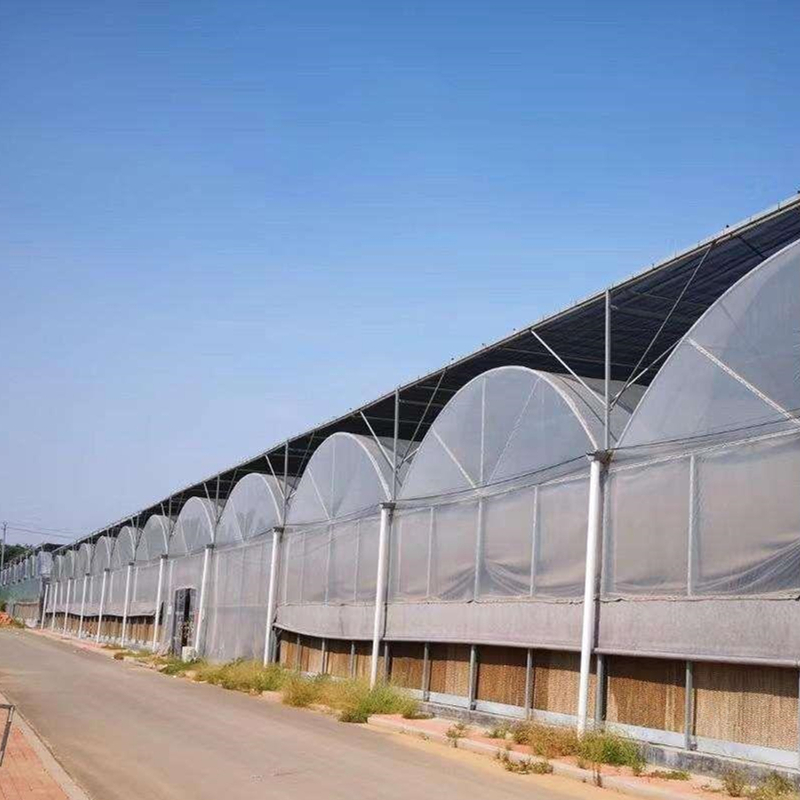
Everything changed in 1963, when the first greenhouse was erected in Almeria. This was no ordinary structure; it was the embodiment of "intensive agriculture"—a concept that prioritized resource efficiency, environmental adaptation, and maximum productivity. The core design was deceptively simple: a steel frame supporting a polyethylene plastic membrane, combined with temperature control equipment to regulate the humidity of imported soil and the surrounding air. At the time, this technology was not particularly cutting-edge, and many, including the Spanish public, underestimated its potential. The Spanish government, however, saw an opportunity to revitalize the desolate region and support local fishermen who were struggling with declining catches.
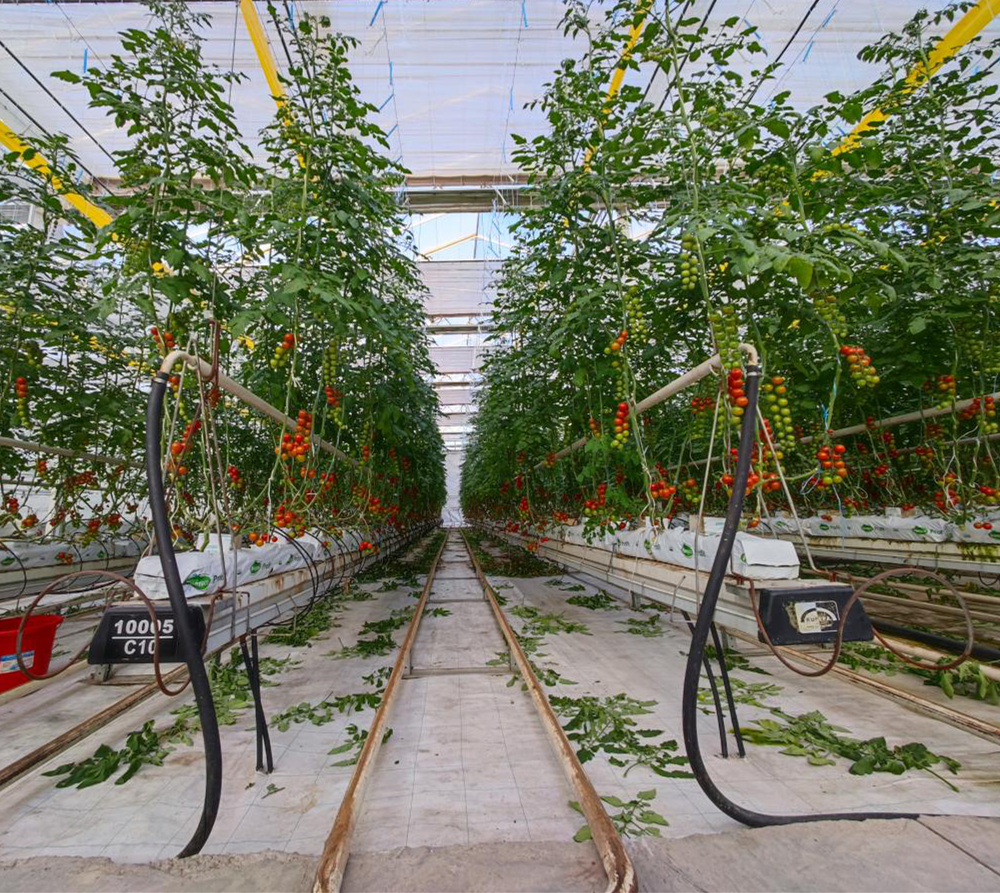
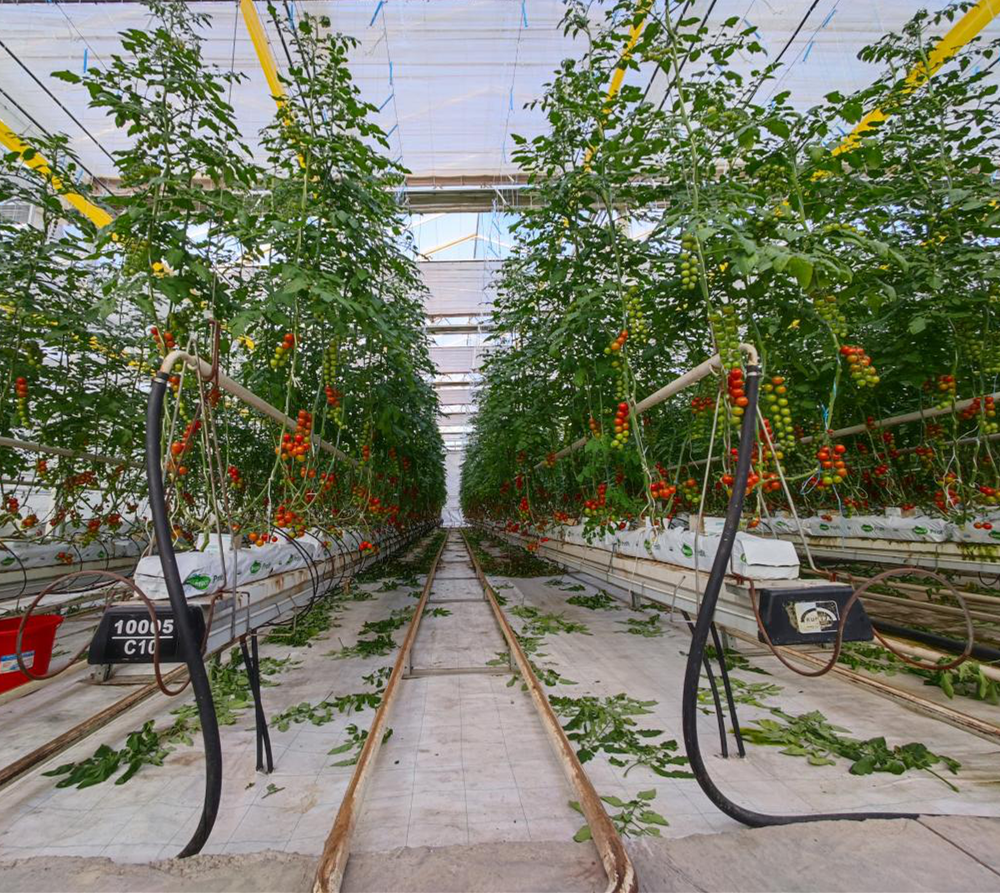
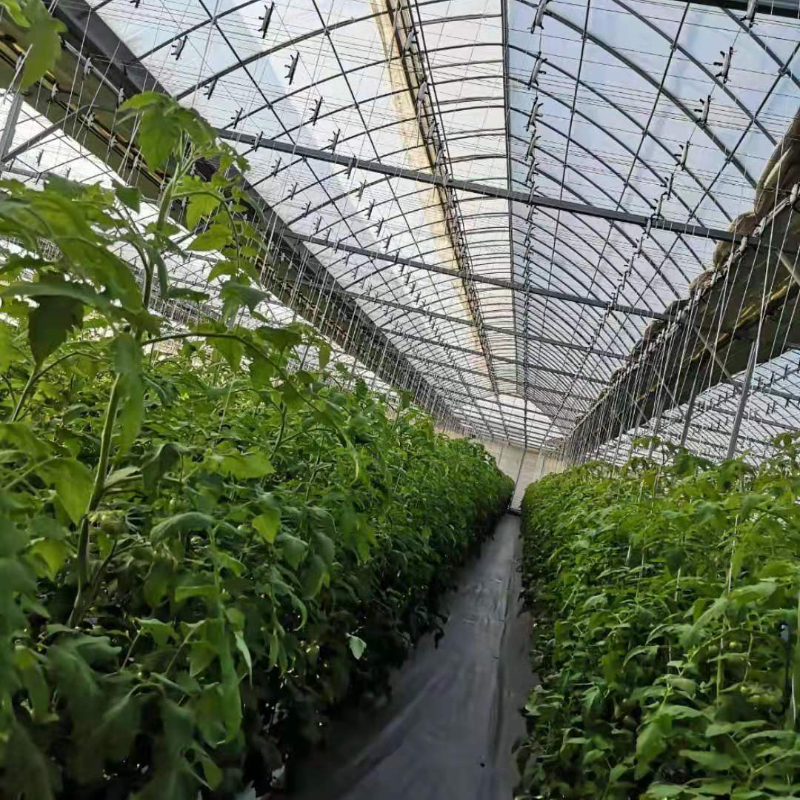
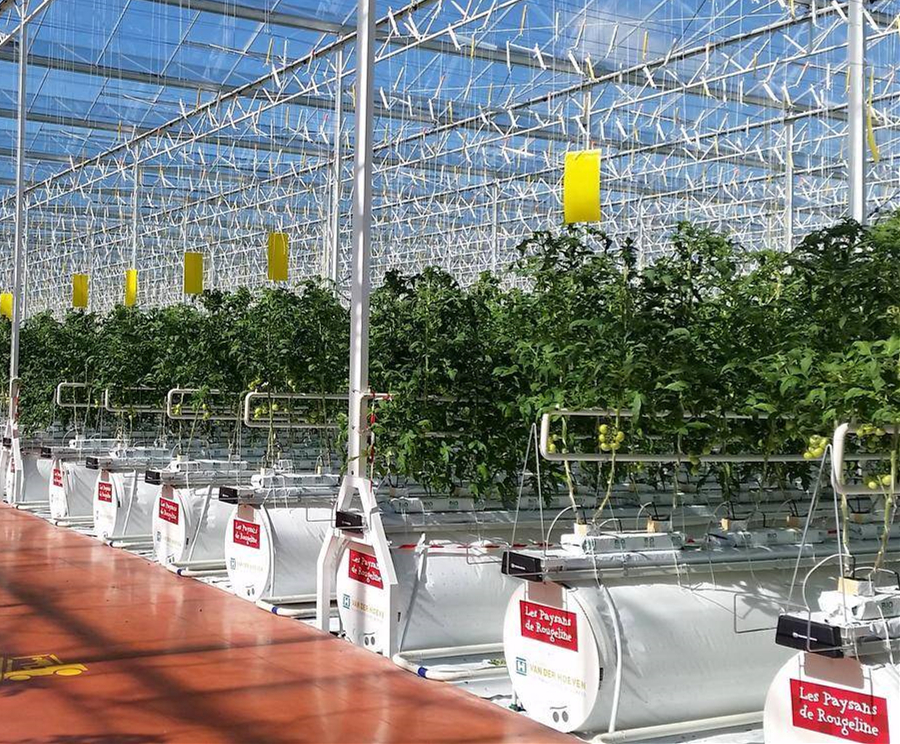
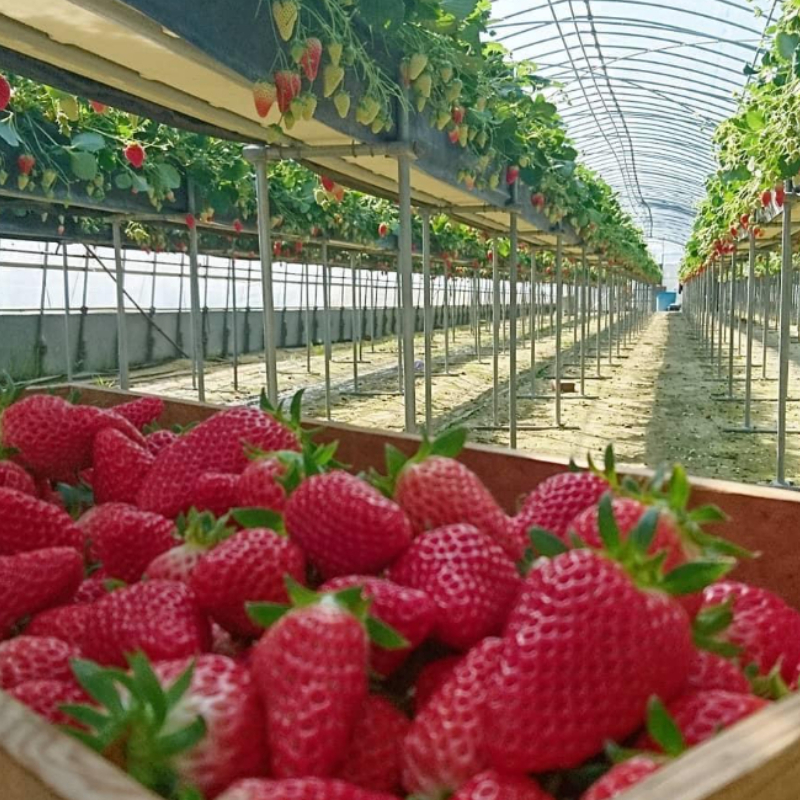
The decision to concentrate all greenhouse development in the 30-kilometer coastal area was a stroke of genius. Instead of letting the severely desertified soil go to waste, the government generously allocated the land to fishermen, encouraging them to abandon their nets and take up farming. This policy not only provided a new source of income for the fishing community but also transformed a liability into an asset. The first greenhouse's success exceeded all expectations. By 1964, just one year after its establishment, the tomato harvest season had increased from two to four times a year, and yields soared by 310%. What's more, the tomatoes were sweeter and more flavorful than those grown in traditional open fields, quickly gaining popularity in local and national markets.
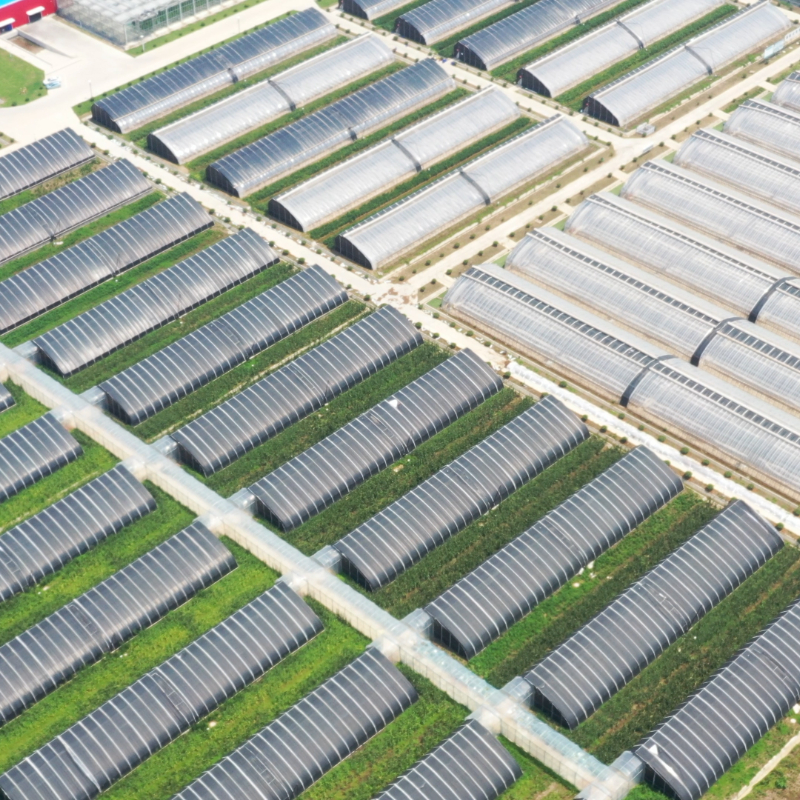
The Spanish royal family played a crucial role in promoting this agricultural revolution. Impressed by the initial results, they publicly announced the success of the Almeria greenhouse project and allocated significant funds to support its expansion. This royal endorsement gave the project credibility and attracted more fishermen to make the switch to farming. As more greenhouses were built, the once-barren coastal strip began to bloom with life. The polyethylene plastic membranes, stretching as far as the eye could see, created a striking visual contrast against the desert landscape—a sign of hope and progress in a region that had long been forgotten.
