
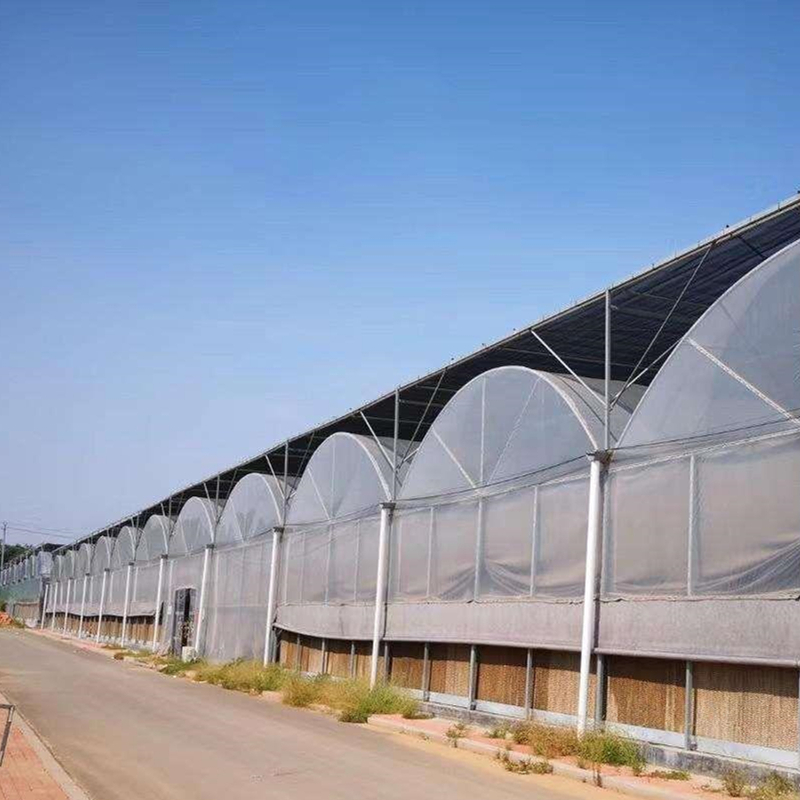
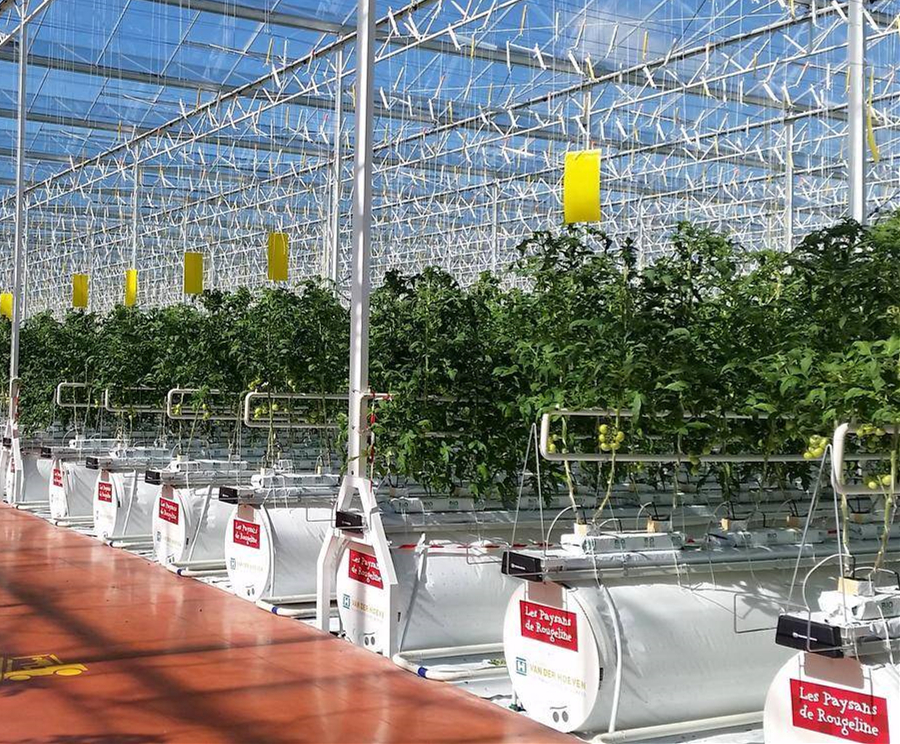
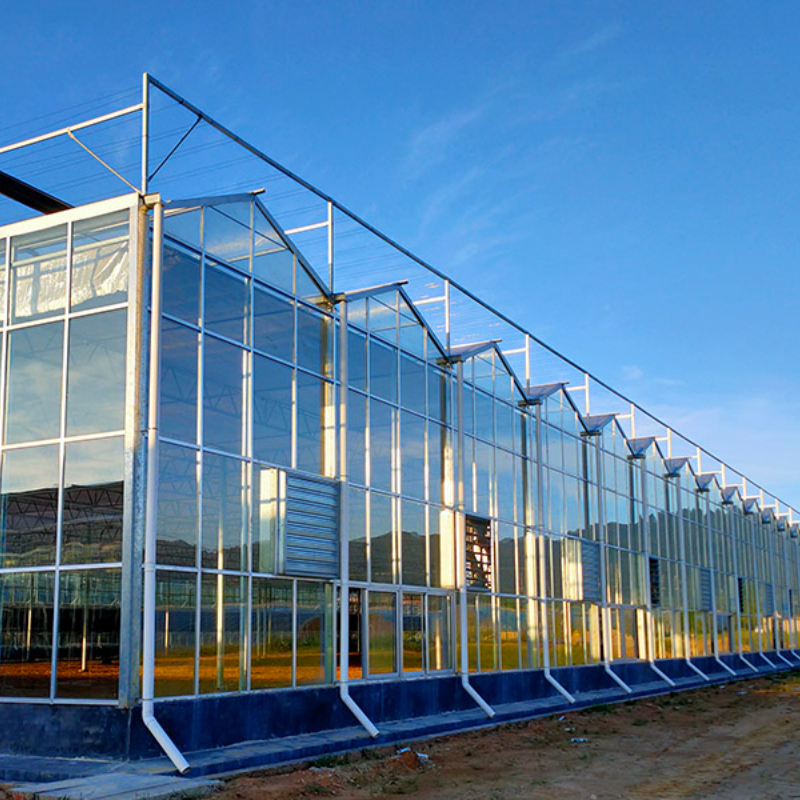
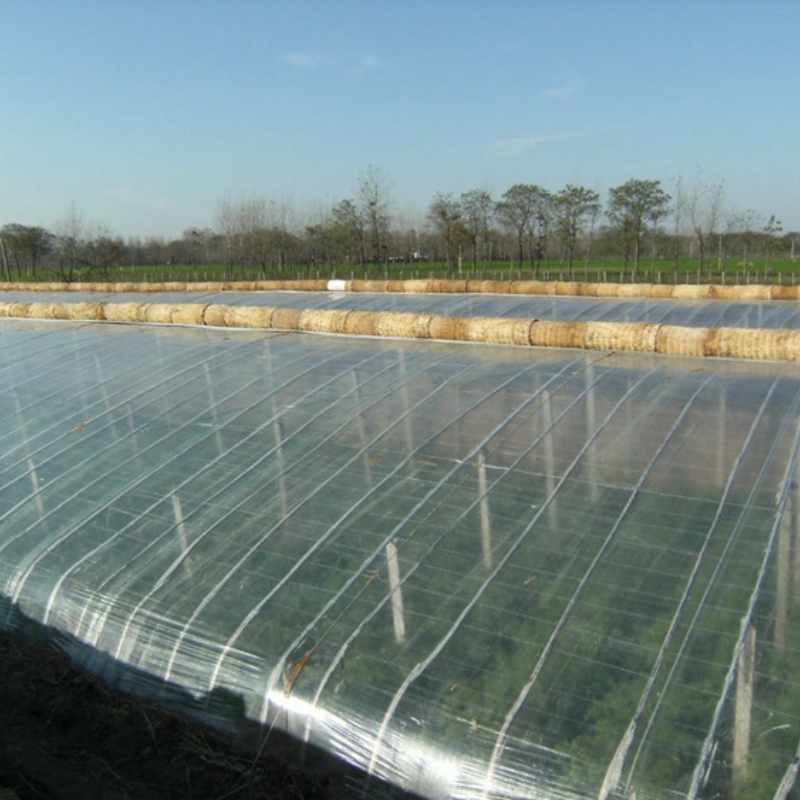
While Kazakhstan's greenhouse industry has achieved impressive growth over the past 14 years, it faces several critical bottlenecks that threaten to hinder the future development of both traditional greenhouse operations and smart greenhouse adoption. The most significant of these bottlenecks are the lack of local professional capabilities in greenhouse-related fields and the resulting heavy dependence on imported high-tech greenhouse technologies and smart greenhouse equipment. These gaps not only increase the cost of greenhouse development and smart greenhouse deployment but also limit the greenhouse industry's ability to innovate and adapt to changing market conditions and climatic challenges.
One of the key capacity gaps in Kazakhstan's greenhouse industry is the absence of specialized greenhouse design enterprises, especially those with expertise in smart greenhouse design. Designing a high-tech smart greenhouse requires specialized knowledge of agricultural engineering, precision climate control, and crop physiology tailored to greenhouse environments. Currently, Kazakhstan does not have local companies capable of providing comprehensive greenhouse design services—let alone smart greenhouse design services—that meet international standards. This means that all high-tech greenhouse and smart greenhouse projects in the country must rely on foreign design firms, increasing the cost and lead time of greenhouse project implementation. The lack of local greenhouse design capacity also makes it difficult to customize greenhouse designs, particularly smart greenhouse systems, to suit Kazakhstan's specific climatic and soil conditions, leading to suboptimal performance of some imported greenhouse and smart greenhouse systems.
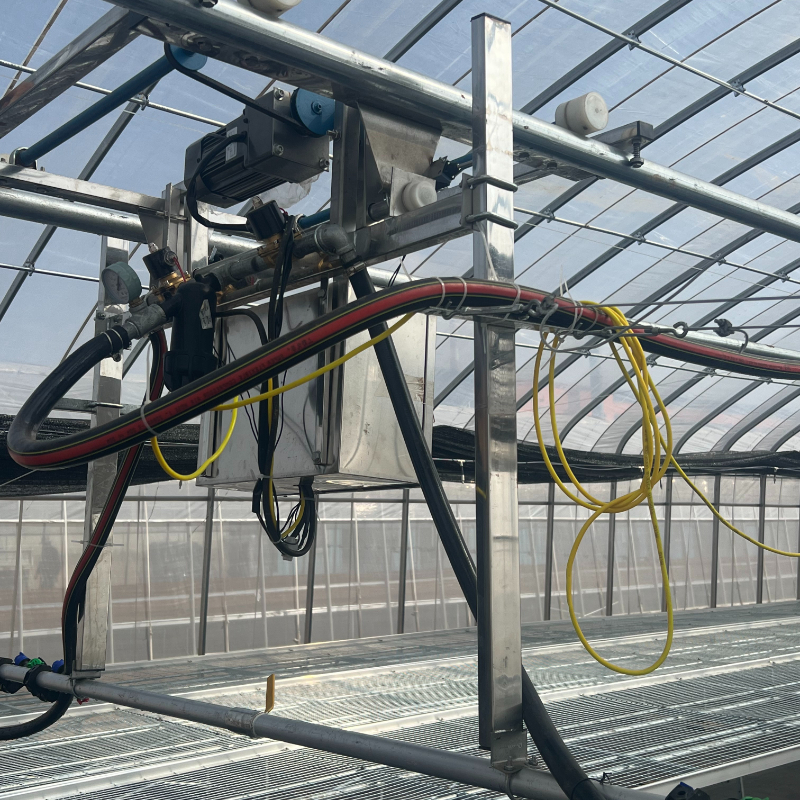
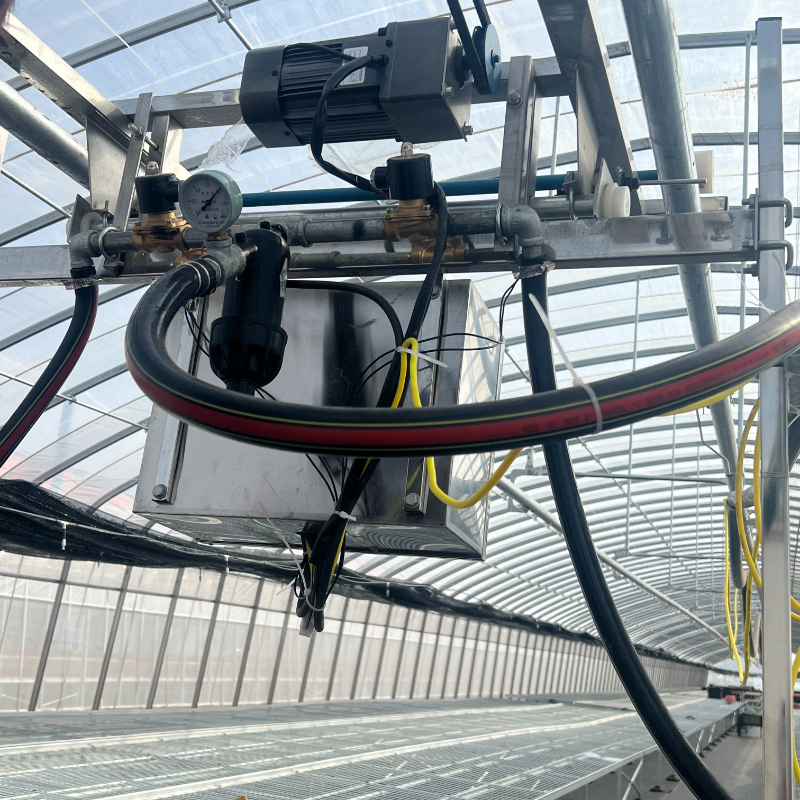
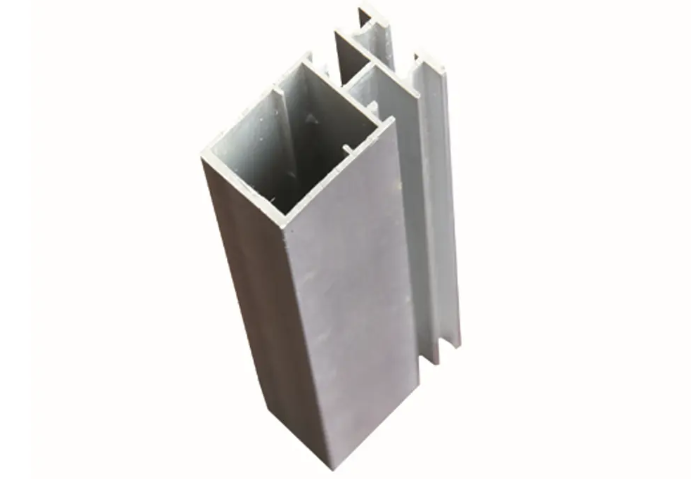
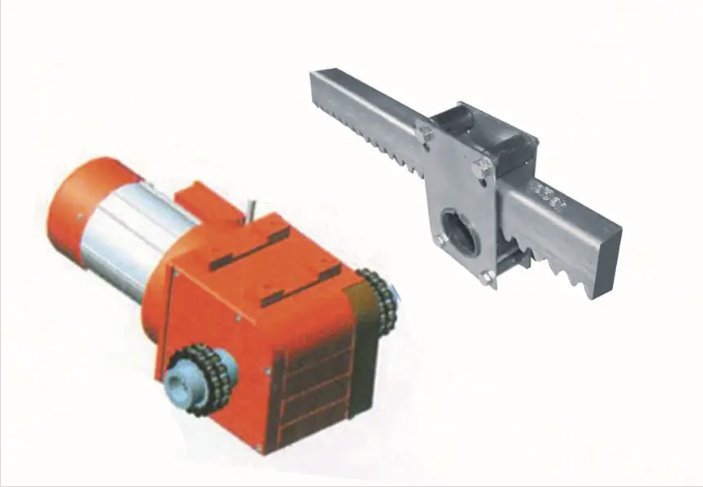
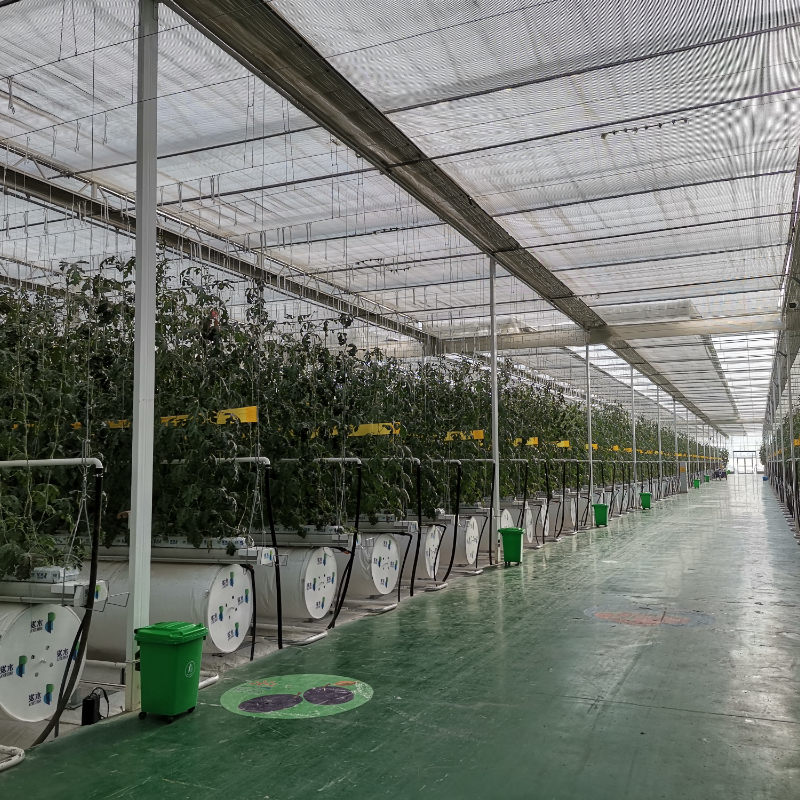
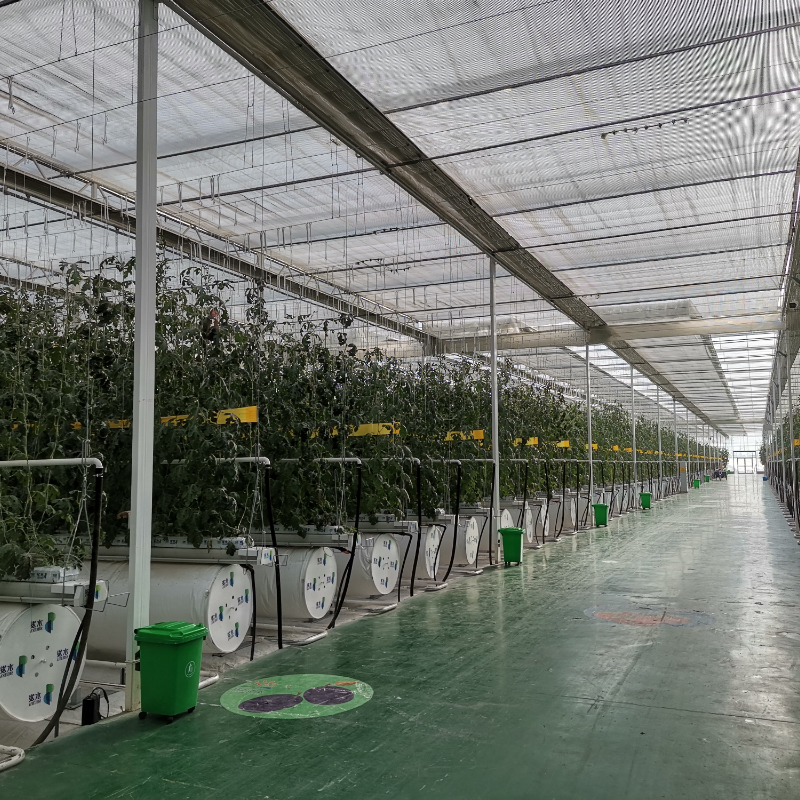
Another major bottleneck is the lack of local manufacturers of greenhouse supporting components and intelligent equipment for smart greenhouses. High-tech greenhouses and smart greenhouses require a range of specialized components, including advanced climate control systems for greenhouses, precision irrigation equipment for greenhouse crops, sensors for smart greenhouse monitoring, and automated control systems for greenhouse operations. Currently, all these critical greenhouse components and smart greenhouse equipment must be imported from countries such as the Netherlands, Spain, Turkey, and Israel. This dependence on imports has several negative consequences for the greenhouse industry: first, it increases the cost of greenhouse construction and smart greenhouse deployment, as imported greenhouse components are often more expensive due to shipping, customs duties, and other logistics costs; second, it leads to long delays in maintenance and repairs of greenhouse and smart greenhouse facilities, as replacement parts must be ordered from abroad, which can take weeks or even months to arrive, resulting in significant losses for greenhouse growers, particularly during critical growth stages of greenhouse crops.
The lack of local manufacturing capacity for greenhouse and smart greenhouse components also limits the transfer of technology and knowledge to local stakeholders in the greenhouse industry. When greenhouse components and smart greenhouse equipment are imported, local greenhouse growers and technicians have limited opportunities to learn about the design, operation, and maintenance of these systems, making it difficult to develop indigenous expertise in greenhouse and smart greenhouse technologies. This dependence on foreign technology creates a vicious cycle for the greenhouse industry: the industry remains reliant on imports because it lacks the local capacity to produce and maintain greenhouse and smart greenhouse equipment, and the lack of local capacity is perpetuated by the continued reliance on imported greenhouse technologies.
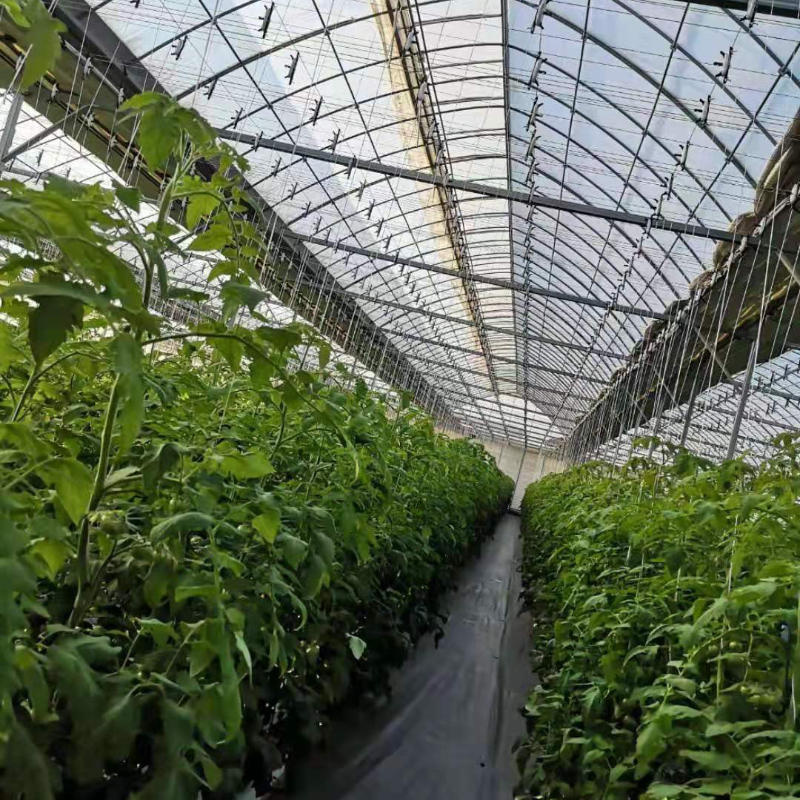
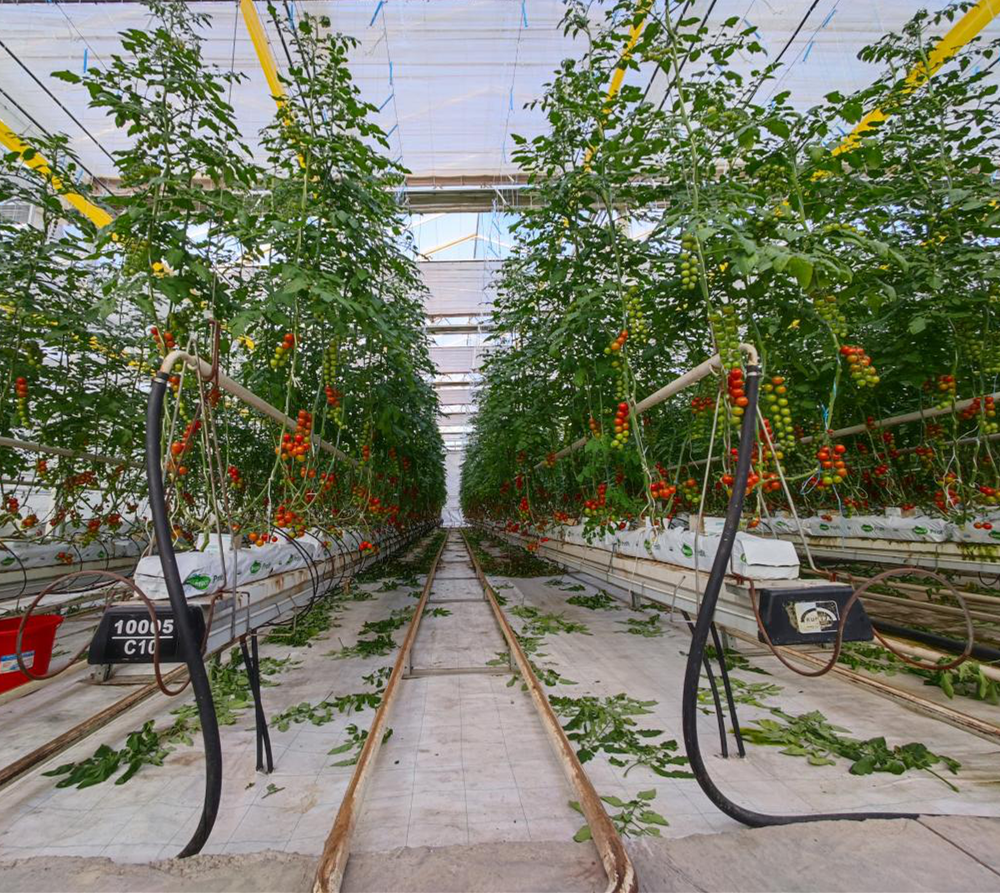
In addition to the gaps in greenhouse design and manufacturing capacity, Kazakhstan's greenhouse industry also faces a shortage of skilled labor with expertise in smart greenhouse operations and advanced greenhouse cultivation techniques. Operating a fifth-generation smart greenhouse requires specialized knowledge of advanced technologies such as automated greenhouse control systems, soilless greenhouse cultivation methods, and data analysis for greenhouse crop management. Currently, there is a lack of targeted training programs in Kazakhstan that focus on these essential skills for modern greenhouse operations, leading to a shortage of qualified technicians and growers capable of managing smart greenhouses effectively. This shortage not only limits the efficiency of existing high-tech greenhouses and smart greenhouses but also makes it difficult for new growers to adopt advanced greenhouse technologies, slowing the overall modernization of the greenhouse industry.
The technological dependence and local capacity gaps also make the greenhouse industry highly vulnerable to external shocks that could disrupt the supply of greenhouse and smart greenhouse technologies. For example, fluctuations in exchange rates can significantly increase the cost of imported greenhouse equipment and smart greenhouse components, making new greenhouse projects and smart greenhouse deployments less financially viable. Trade barriers or supply chain disruptions in exporting countries can also lead to delays in the delivery of critical greenhouse and smart greenhouse equipment, halting greenhouse construction or forcing existing greenhouse operations to suspend production. These vulnerabilities highlight the urgent need for Kazakhstan to develop local capacity in greenhouse design, manufacturing, and operation—especially for smart greenhouses—to ensure the long-term sustainability and resilience of the country's greenhouse industry.
