
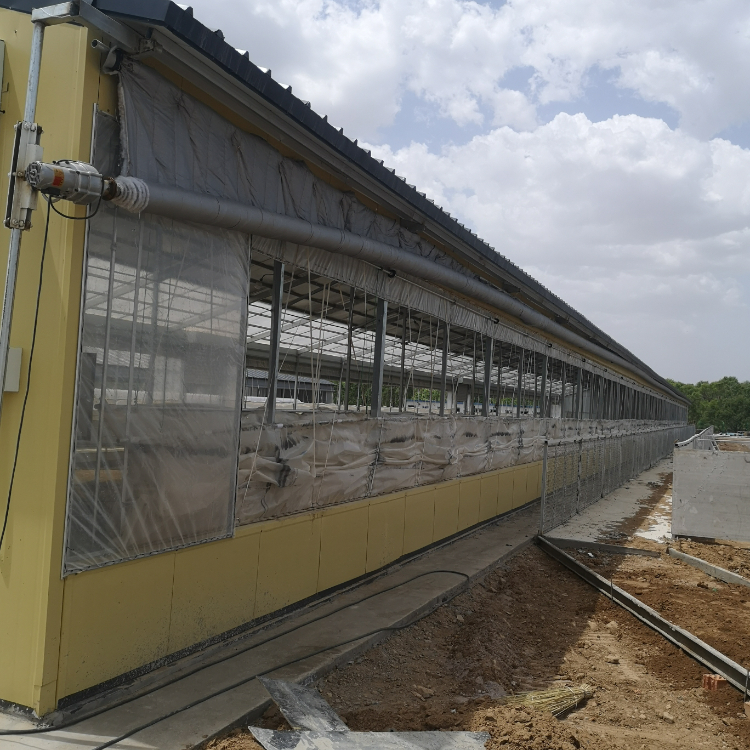
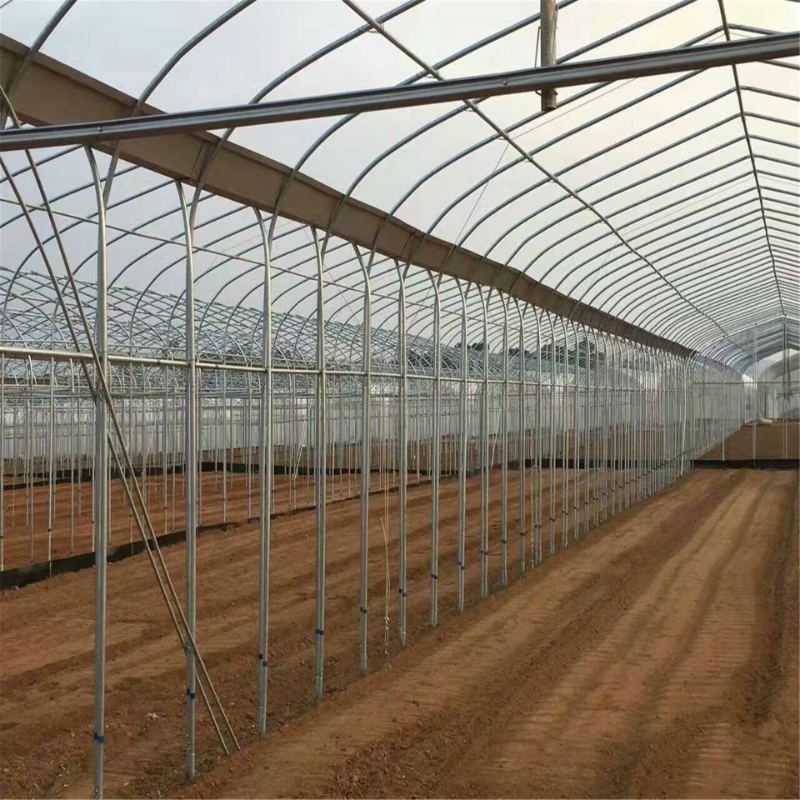
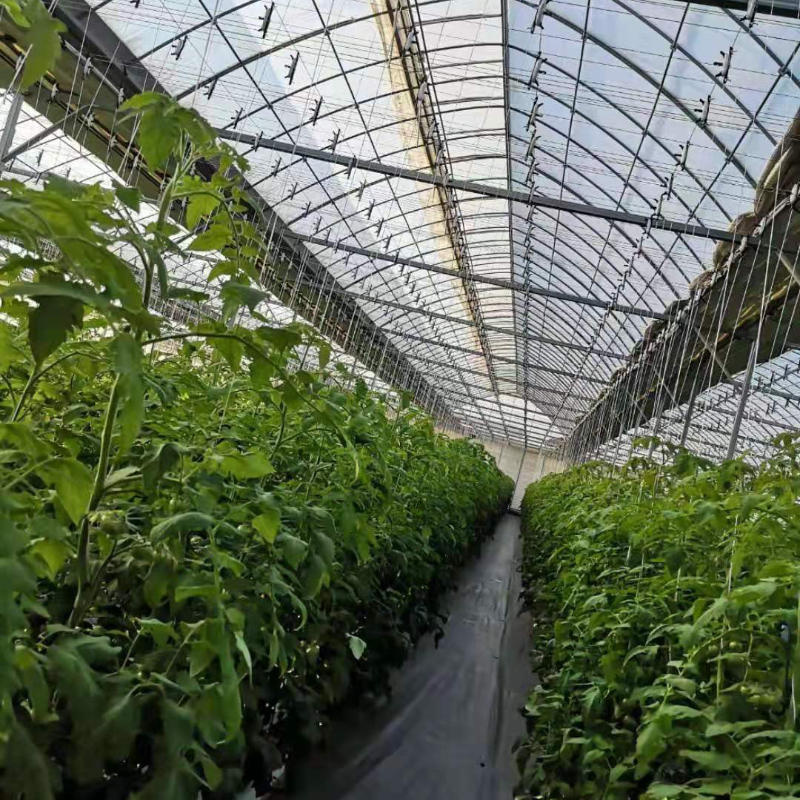
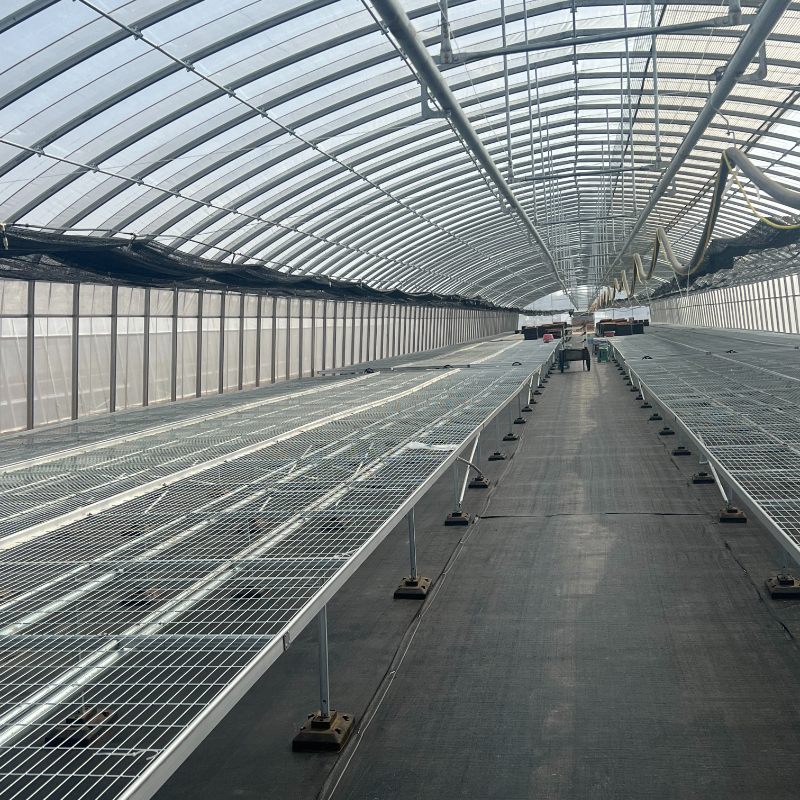
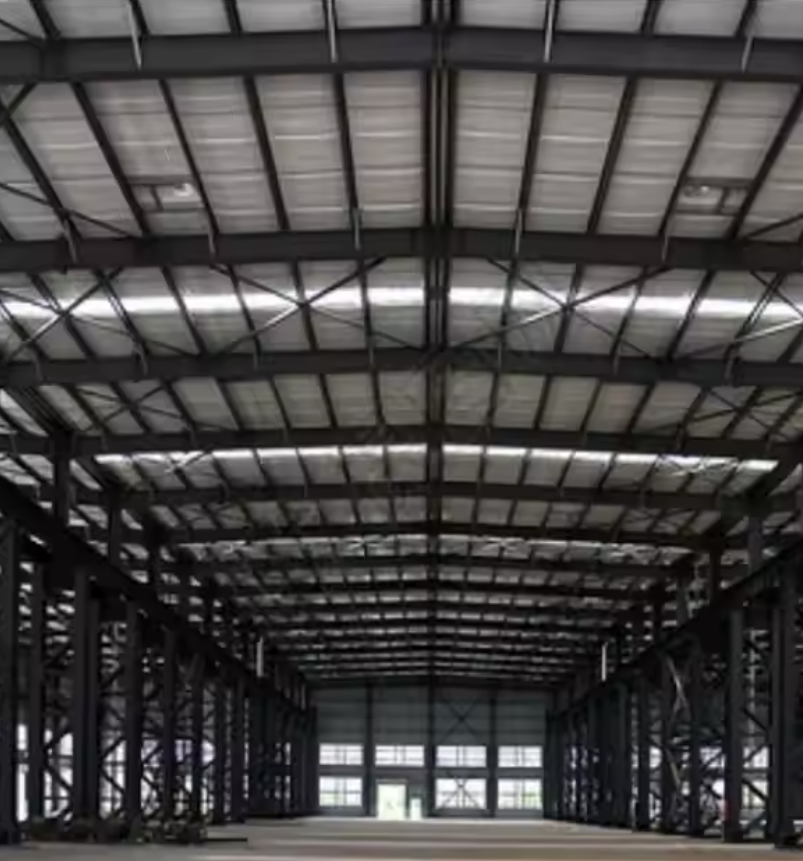
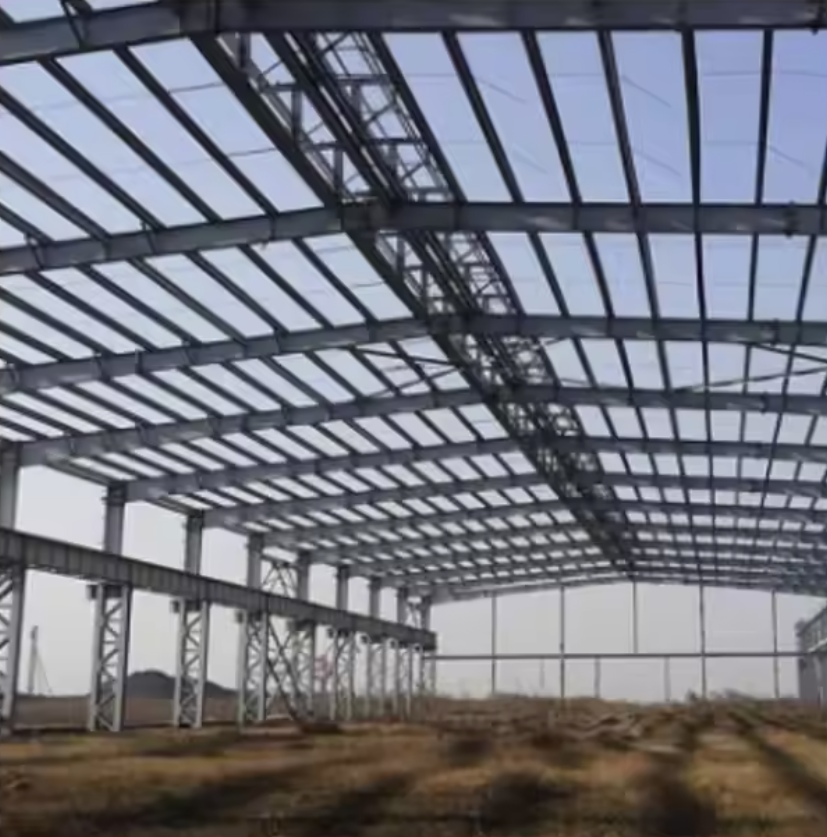
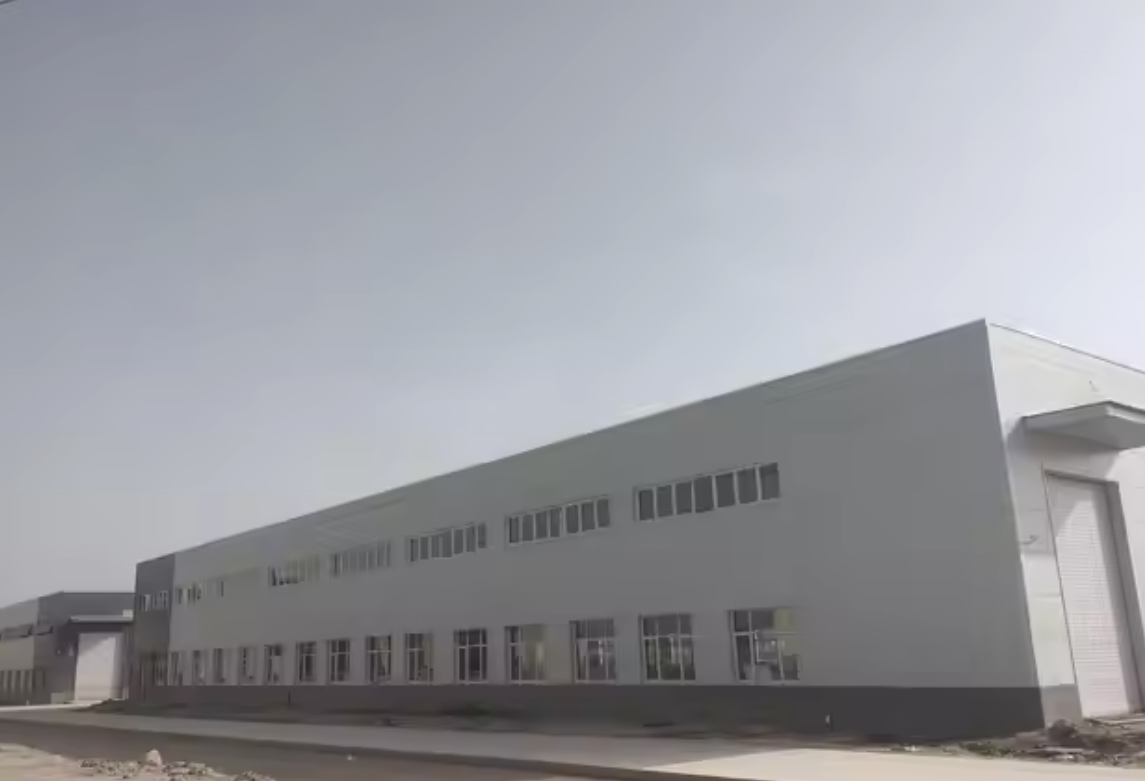
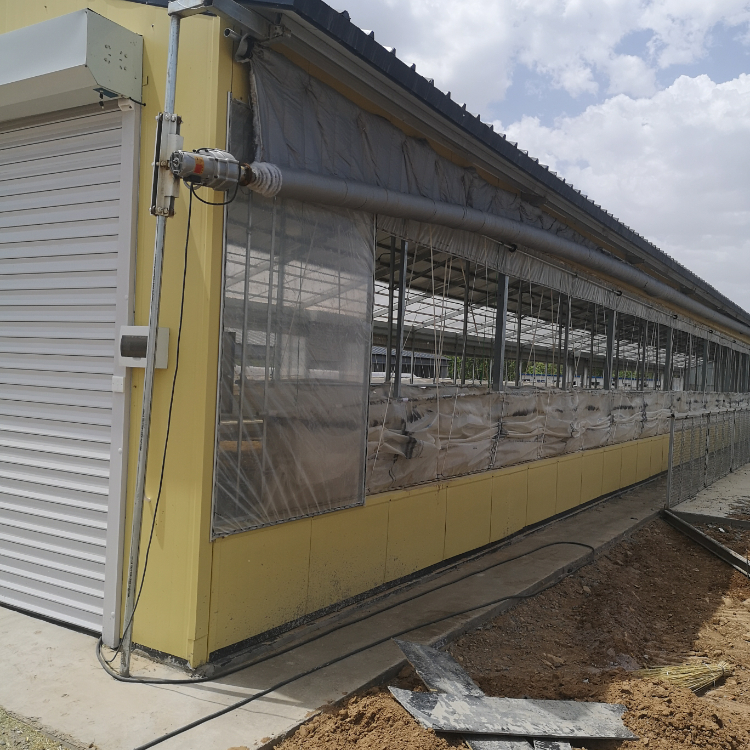
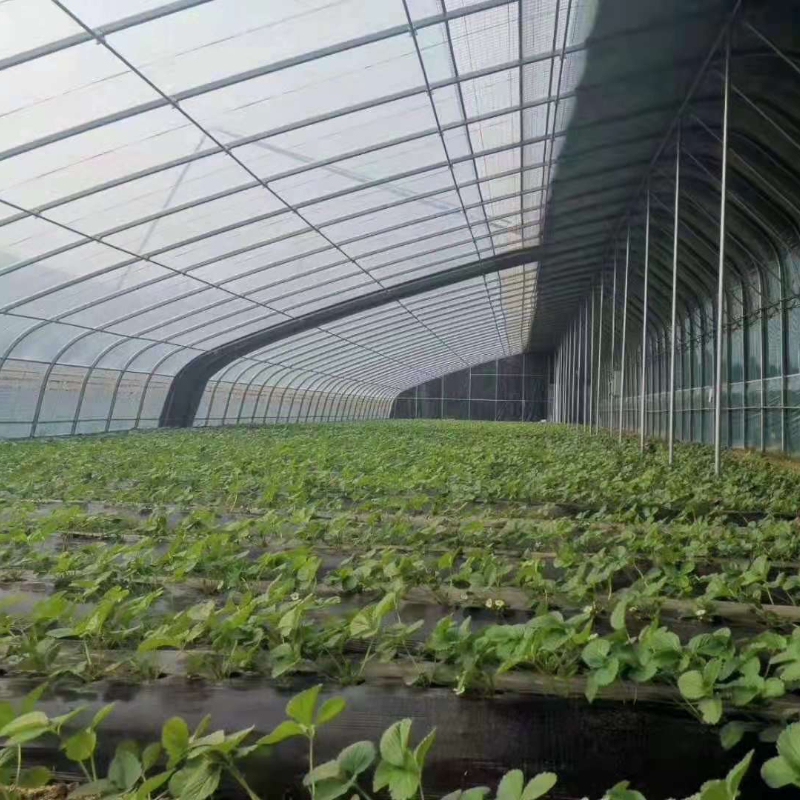
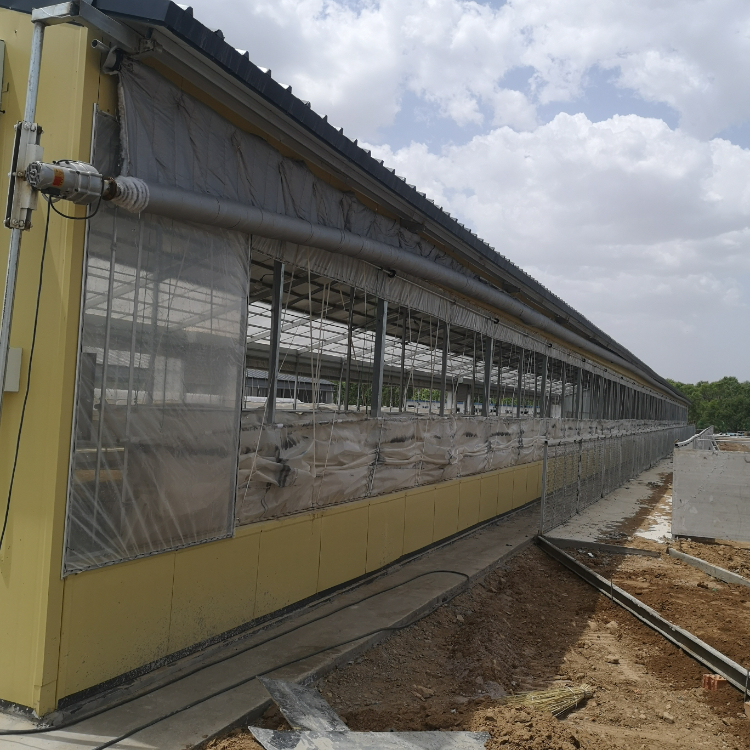
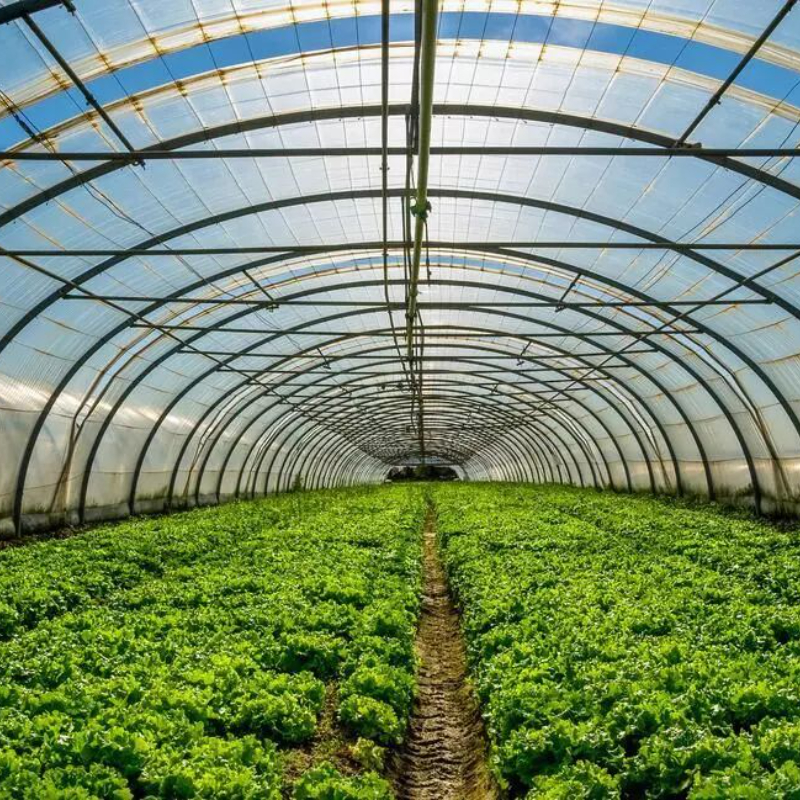
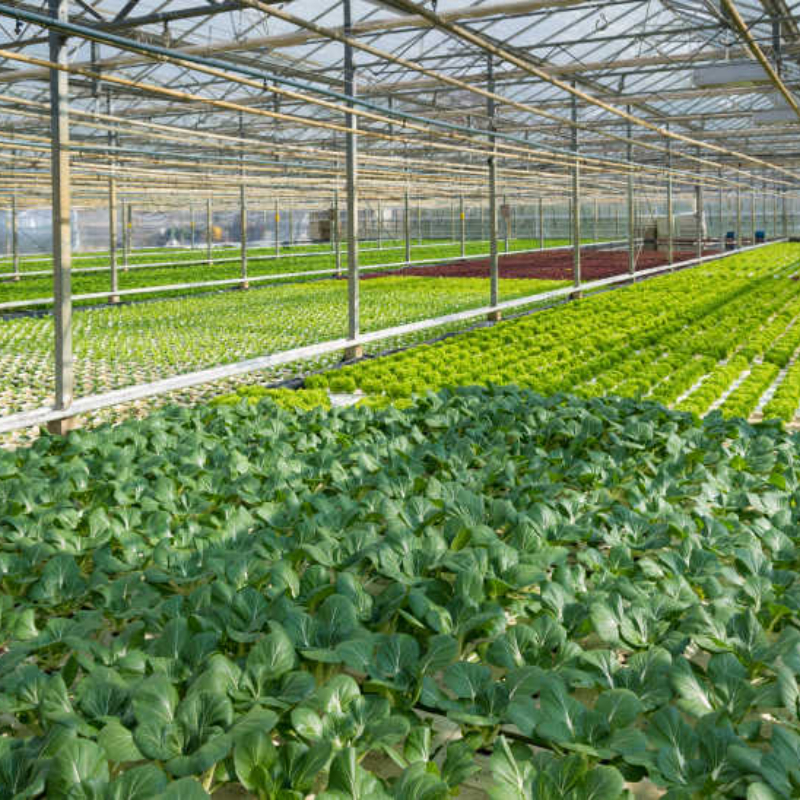
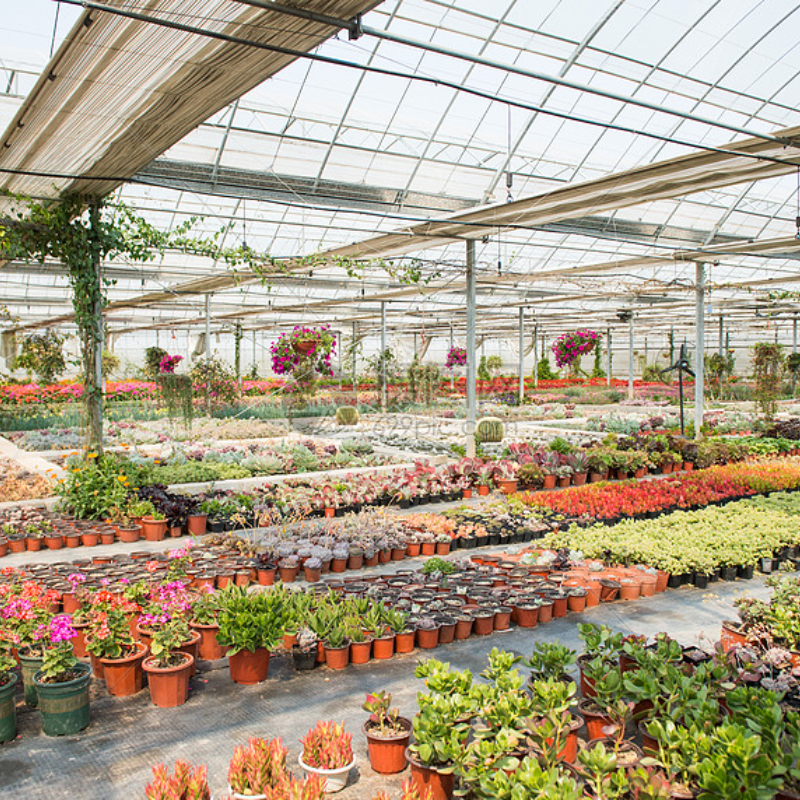
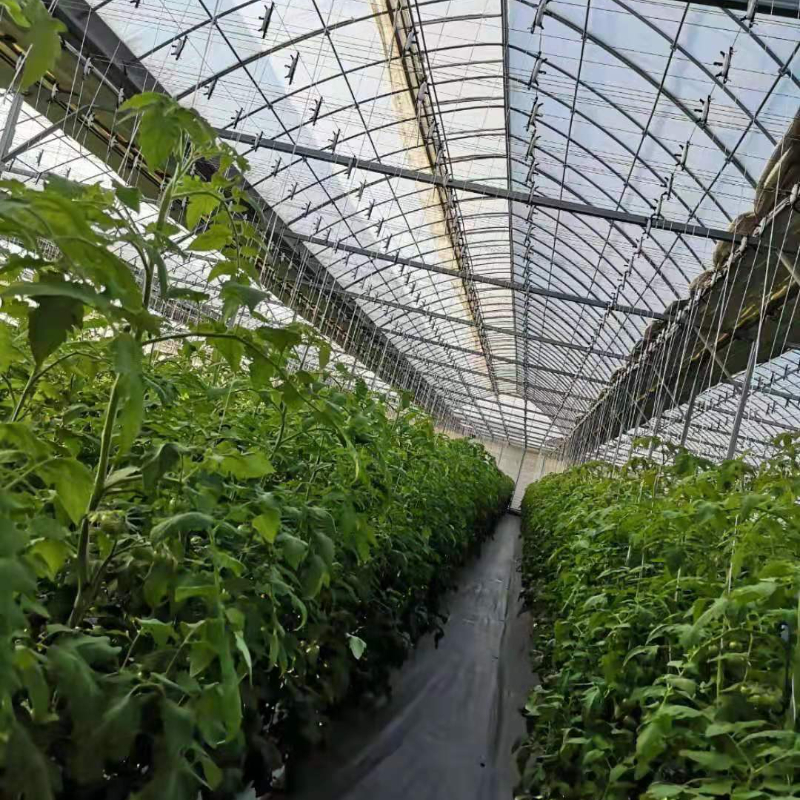
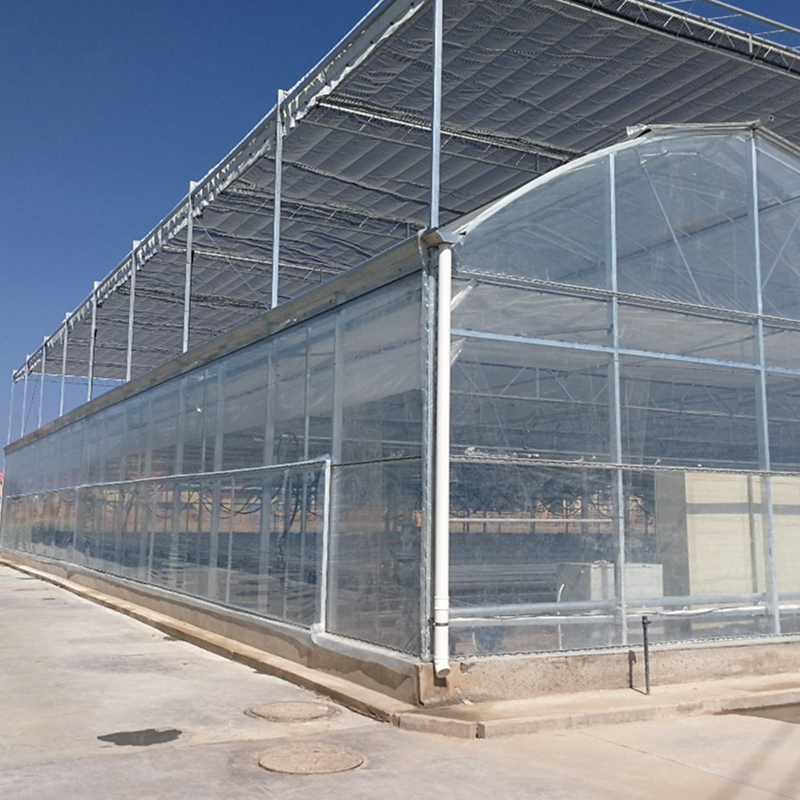
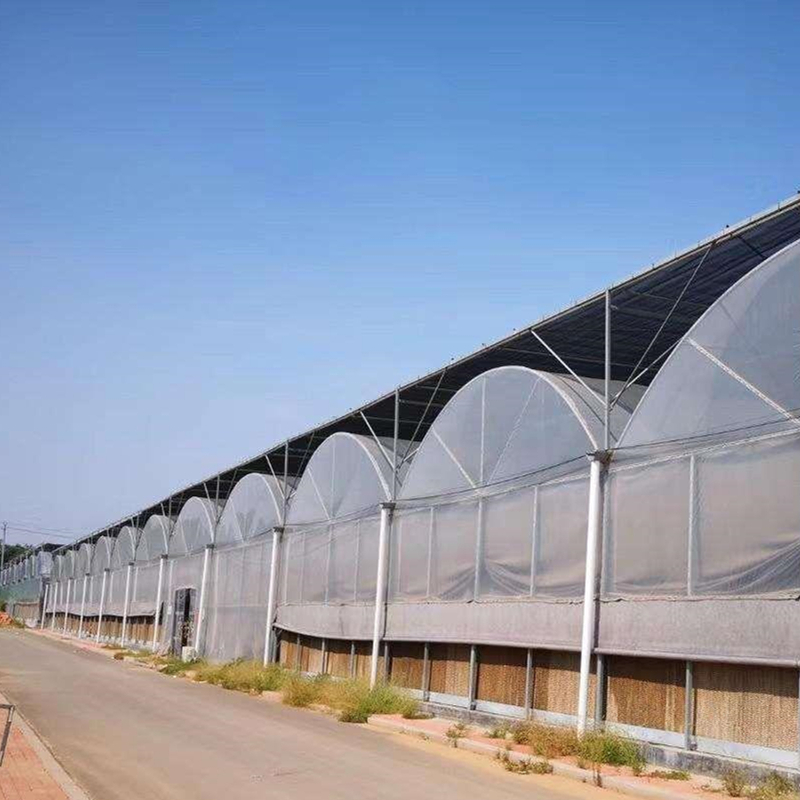
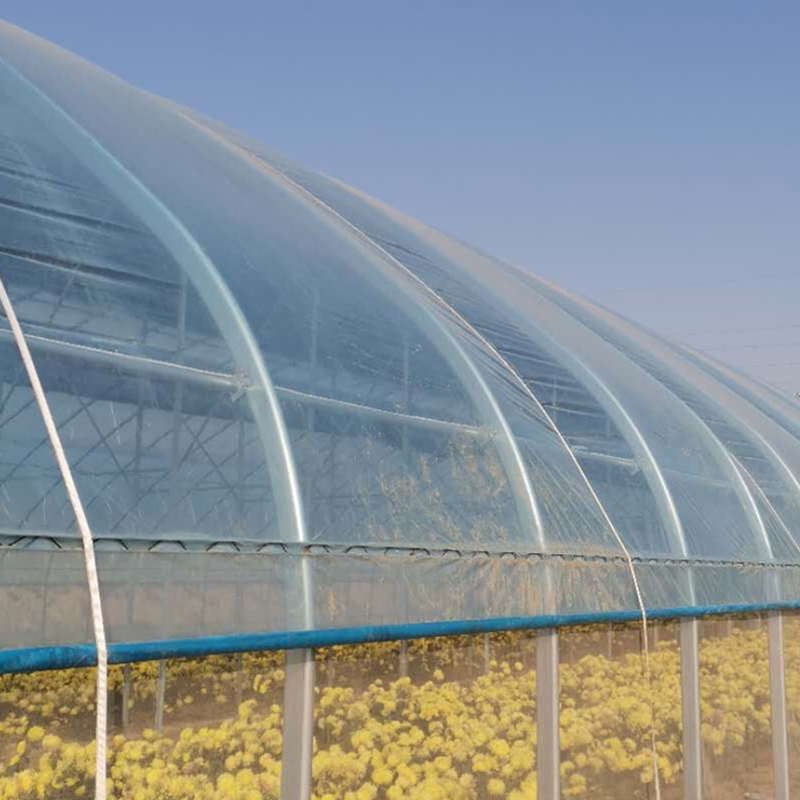
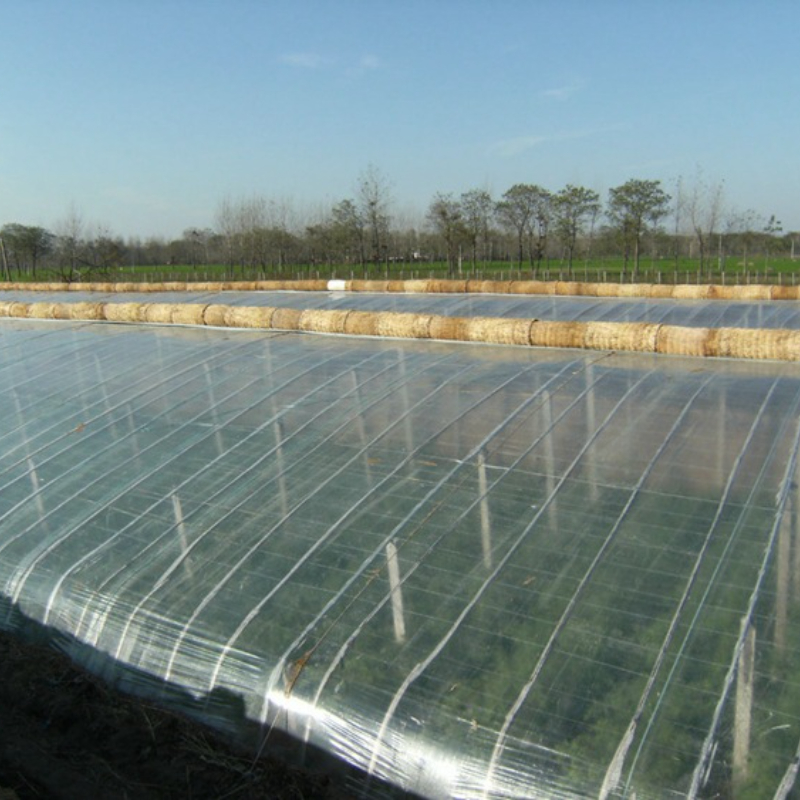
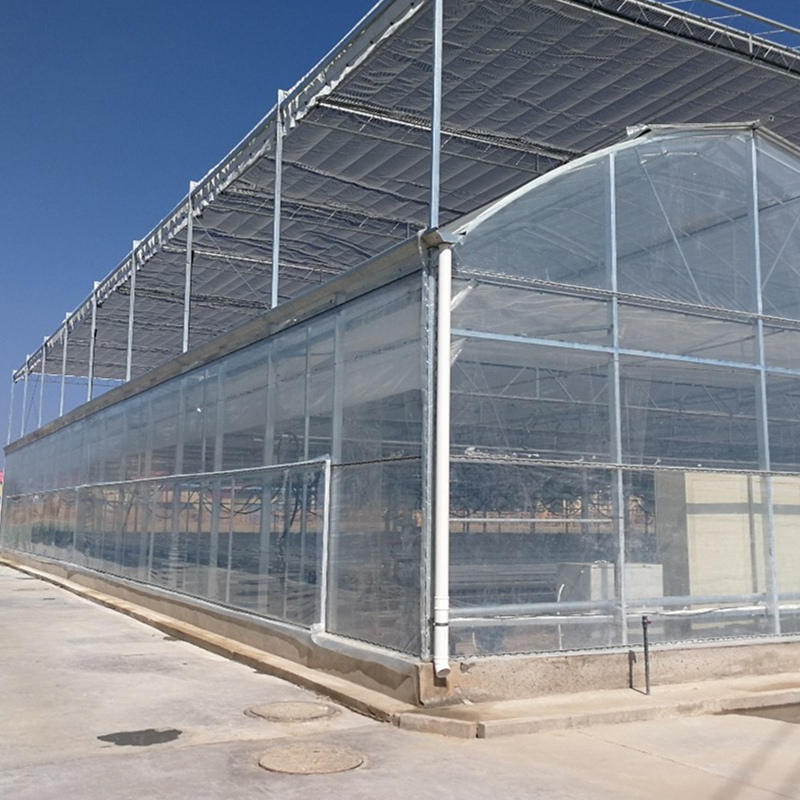
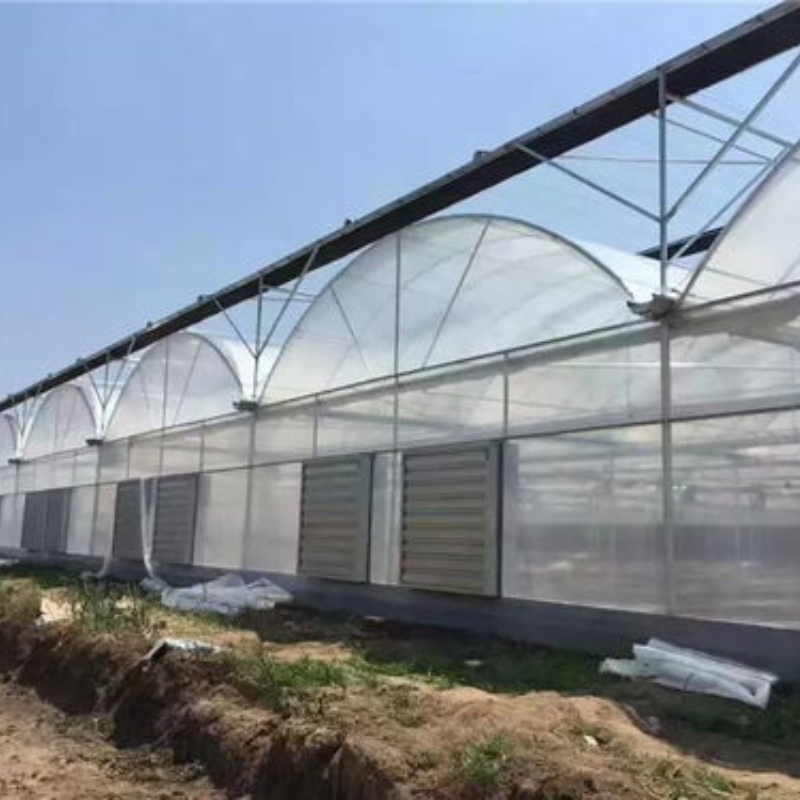
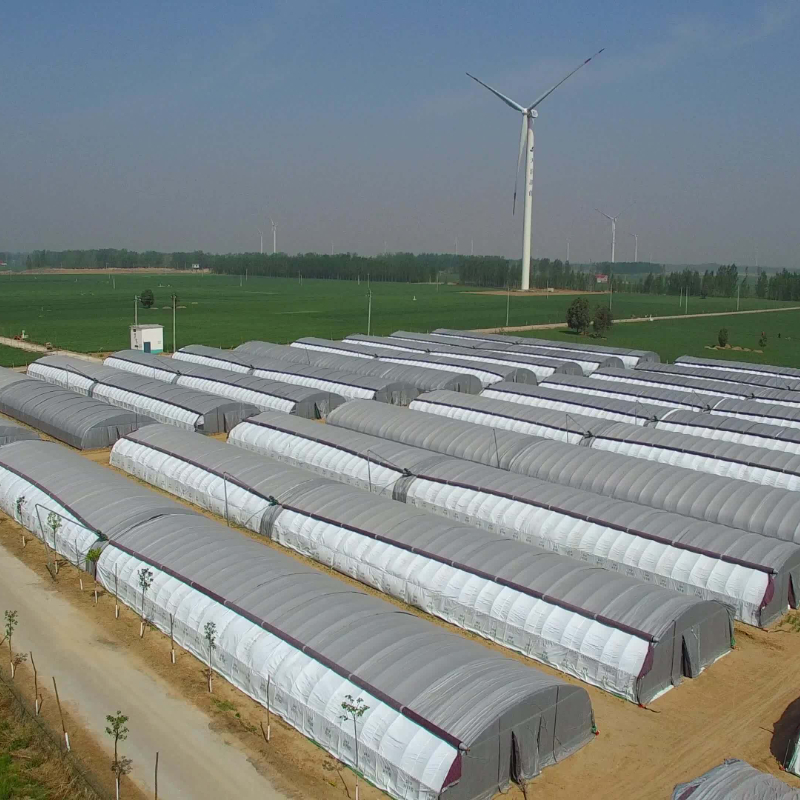
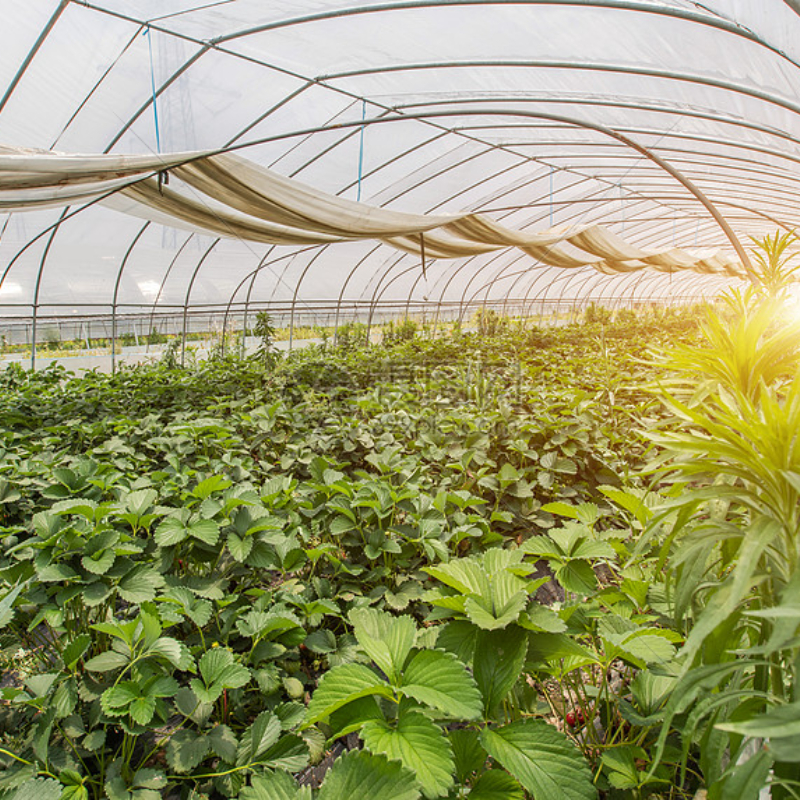
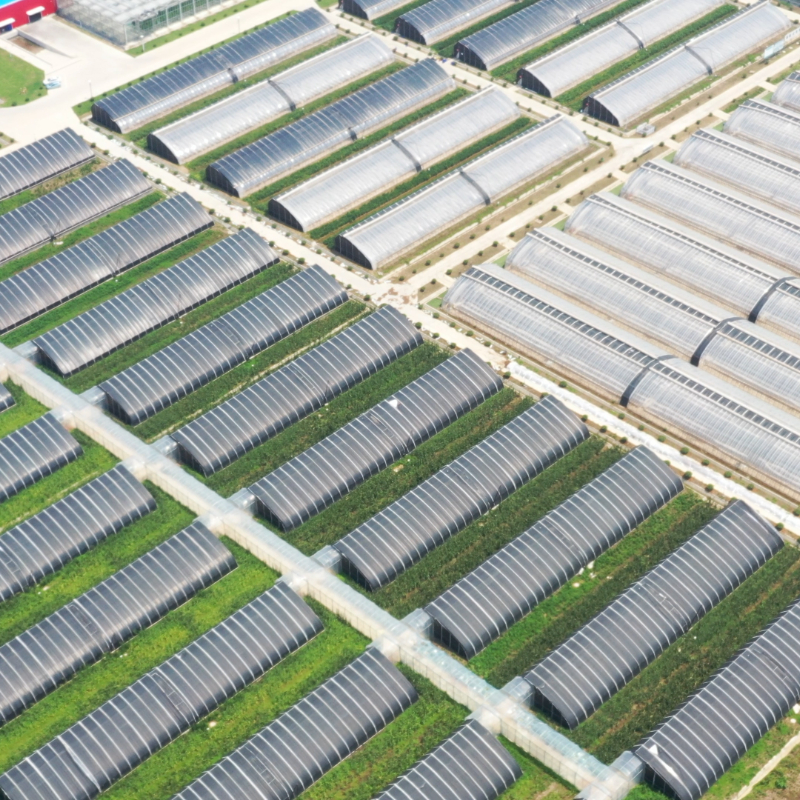
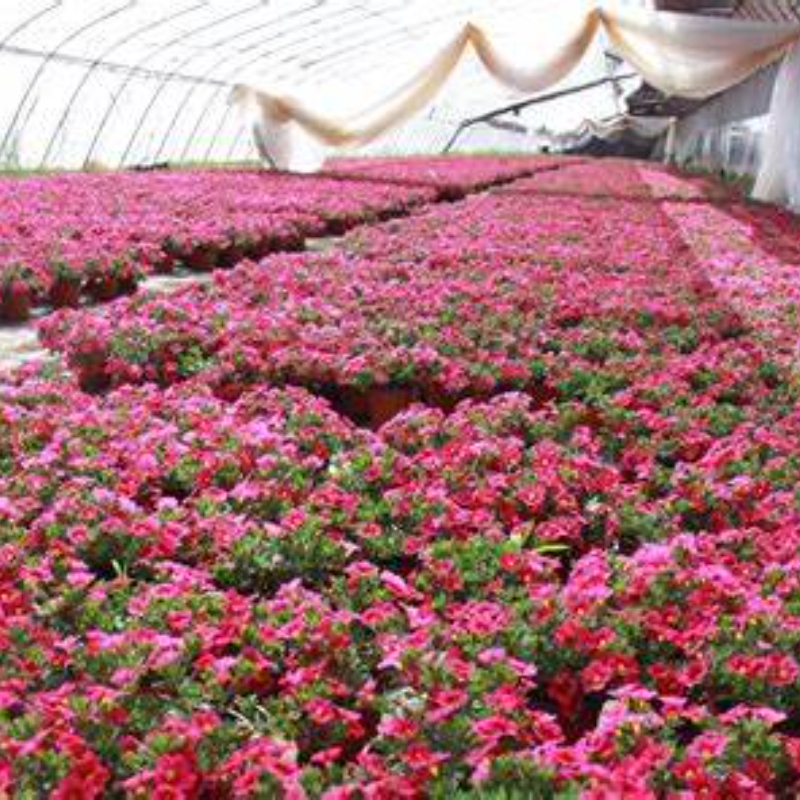
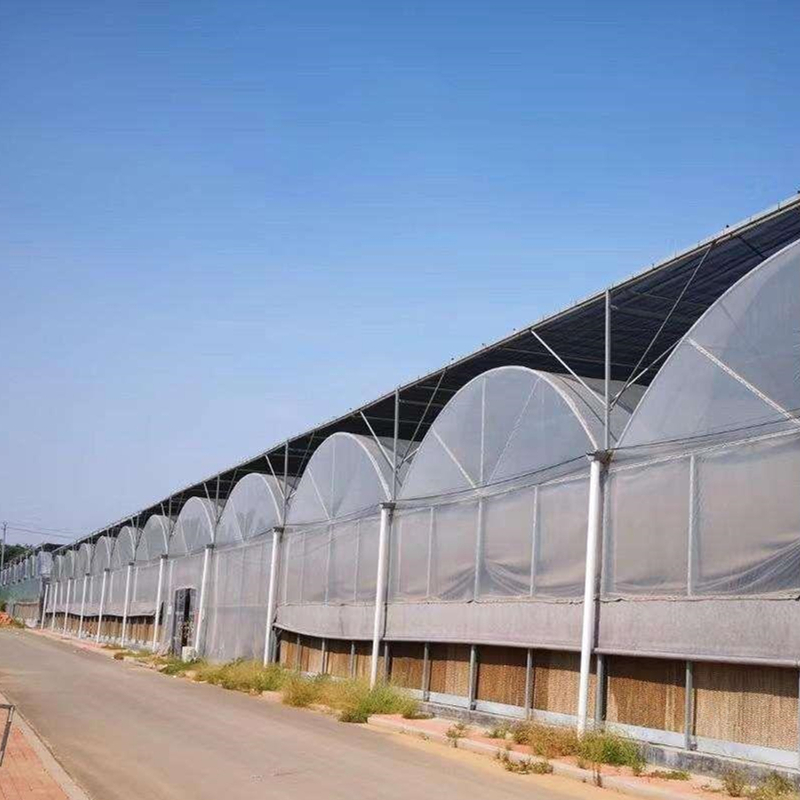
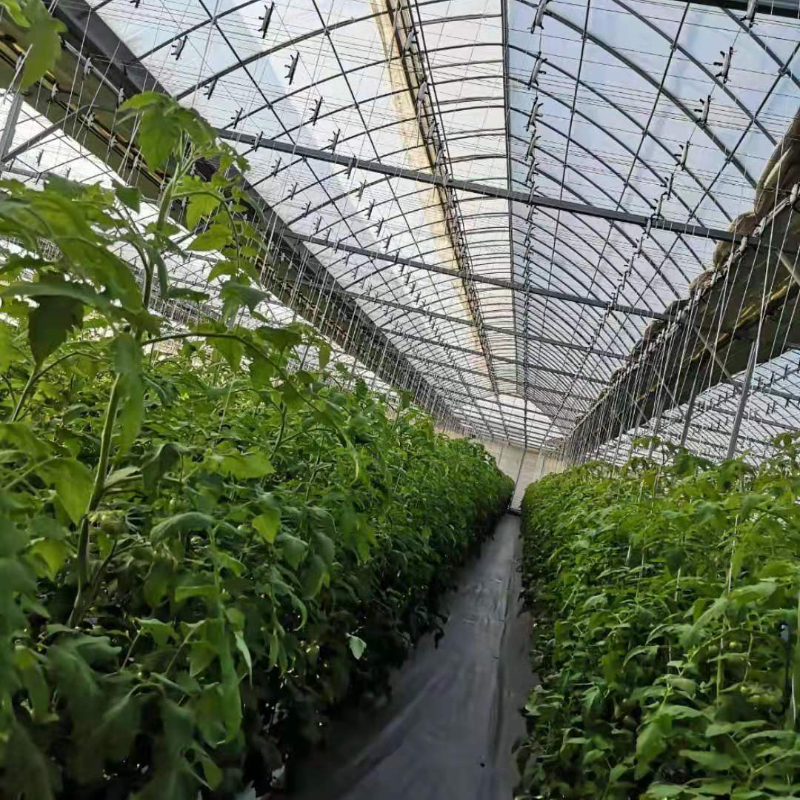
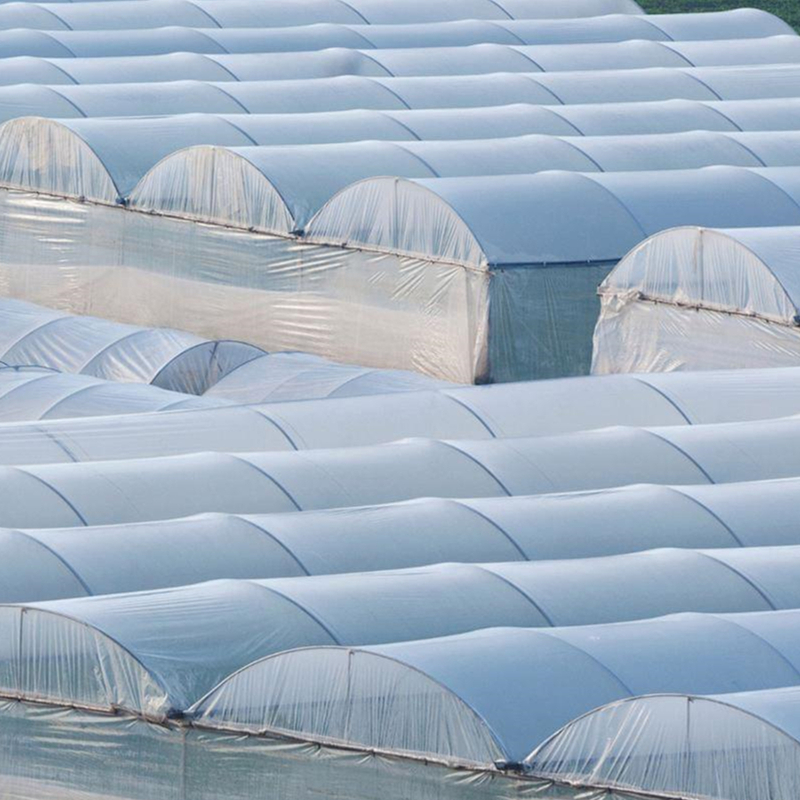
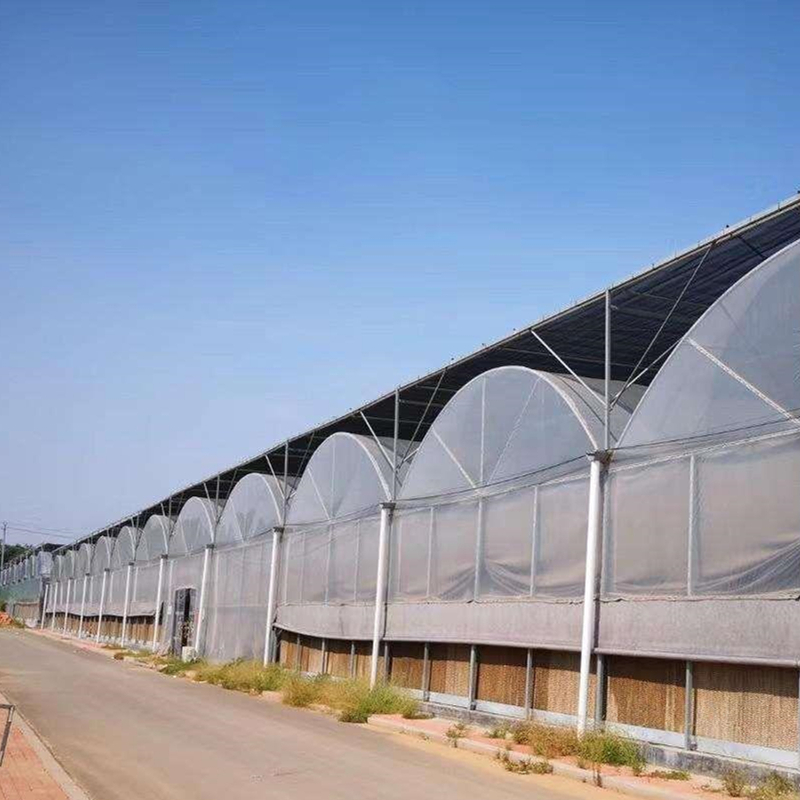
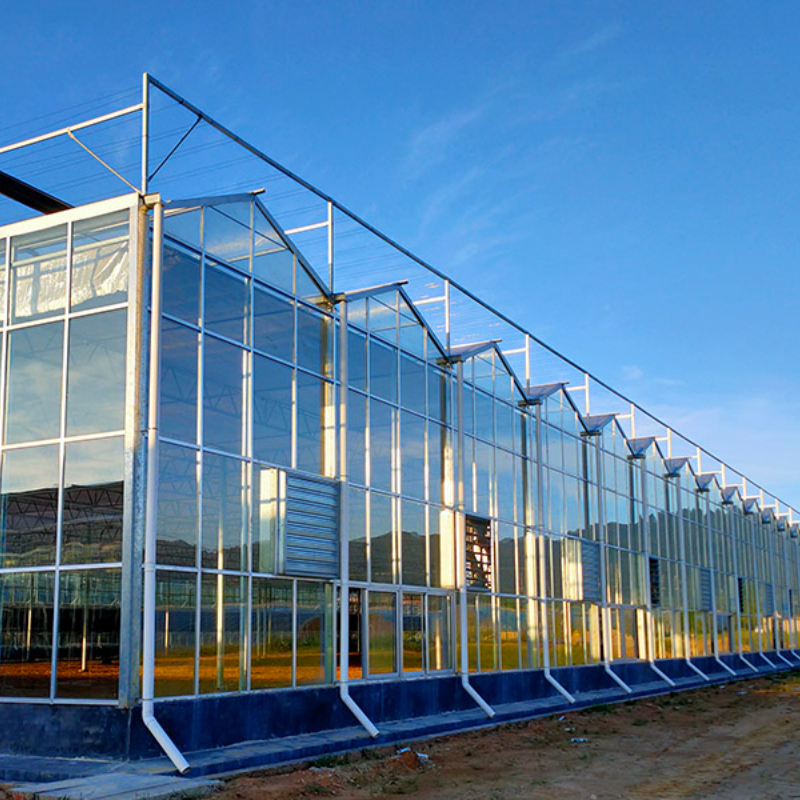
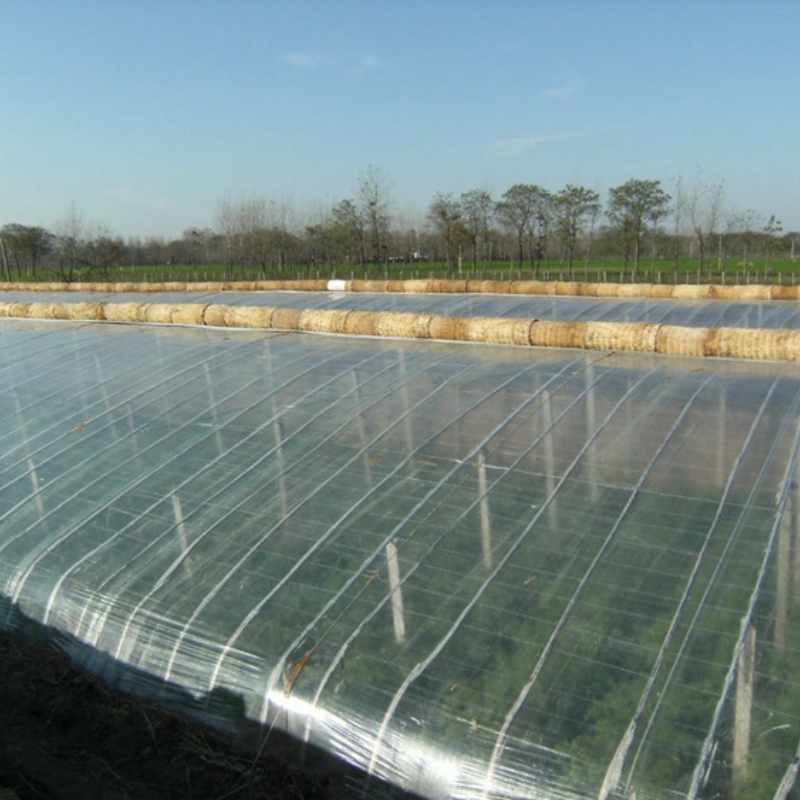
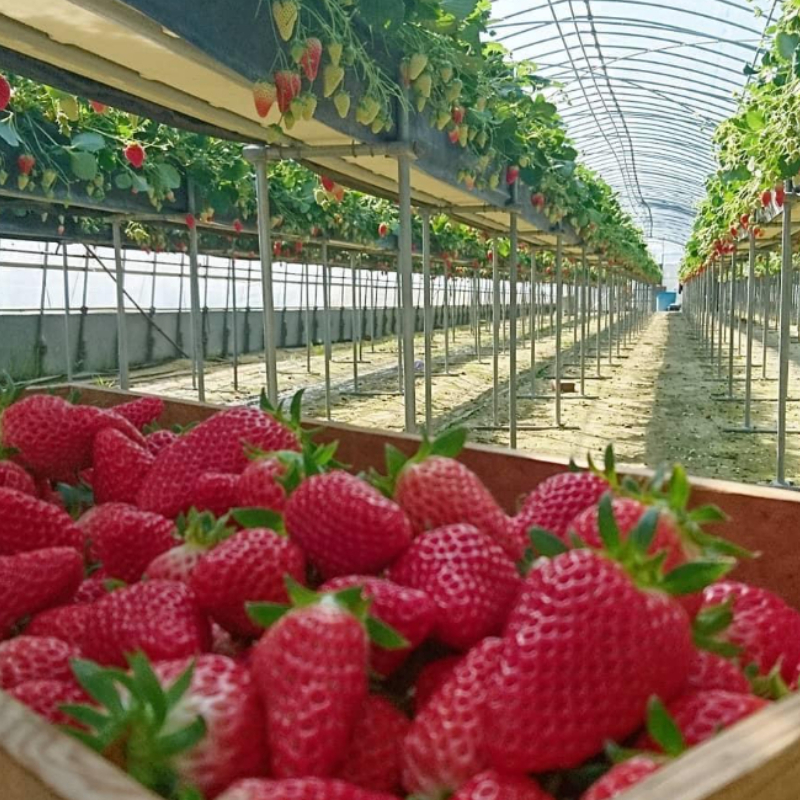
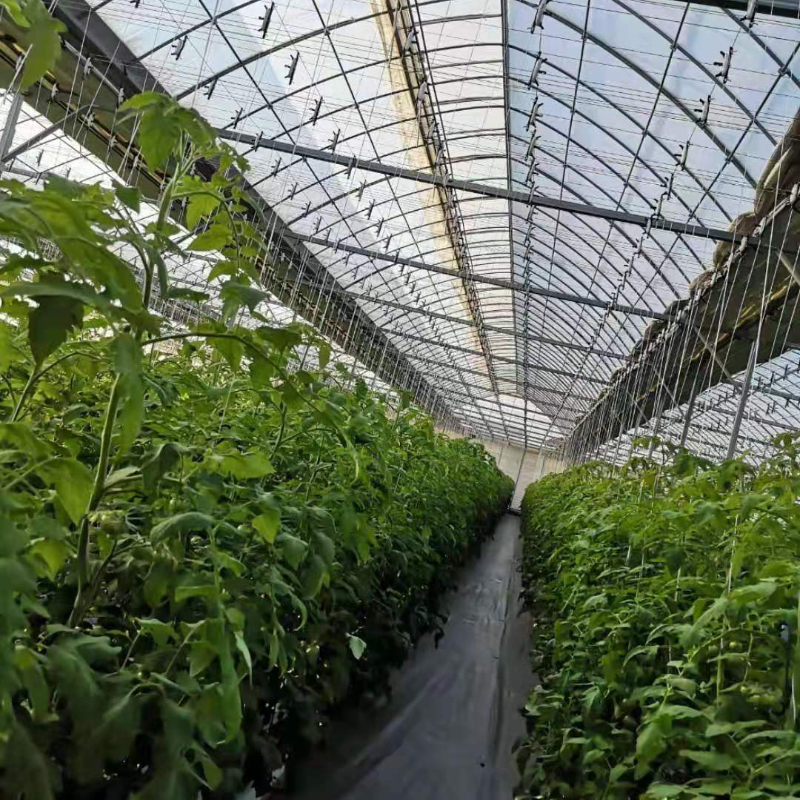
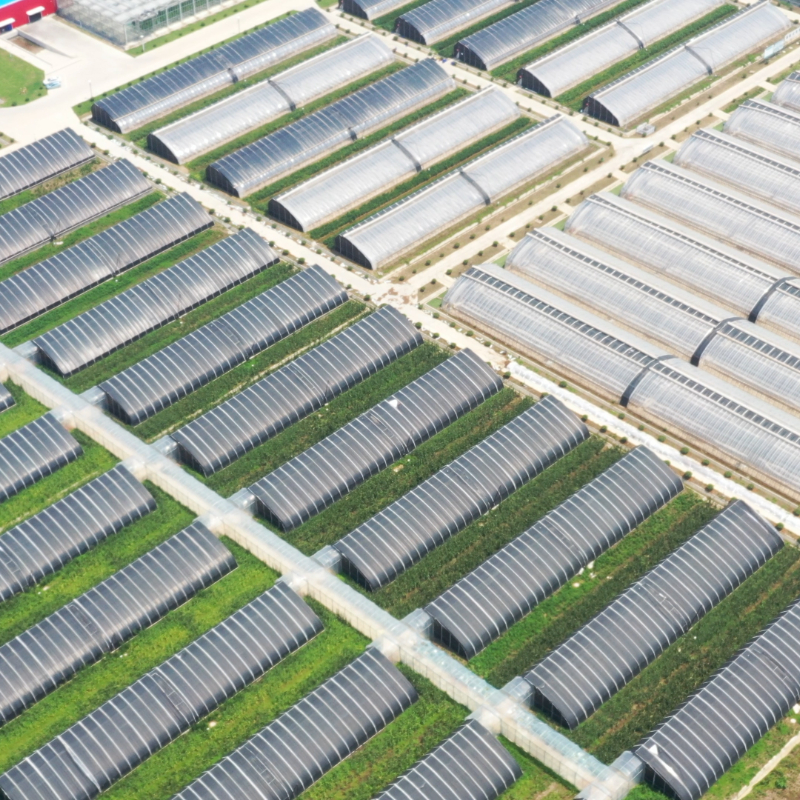
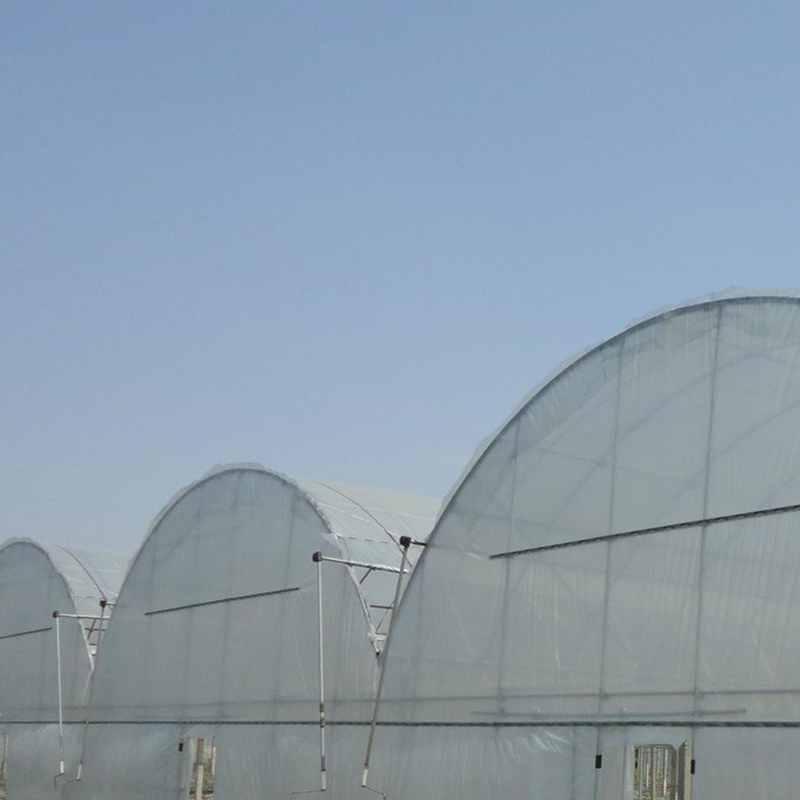
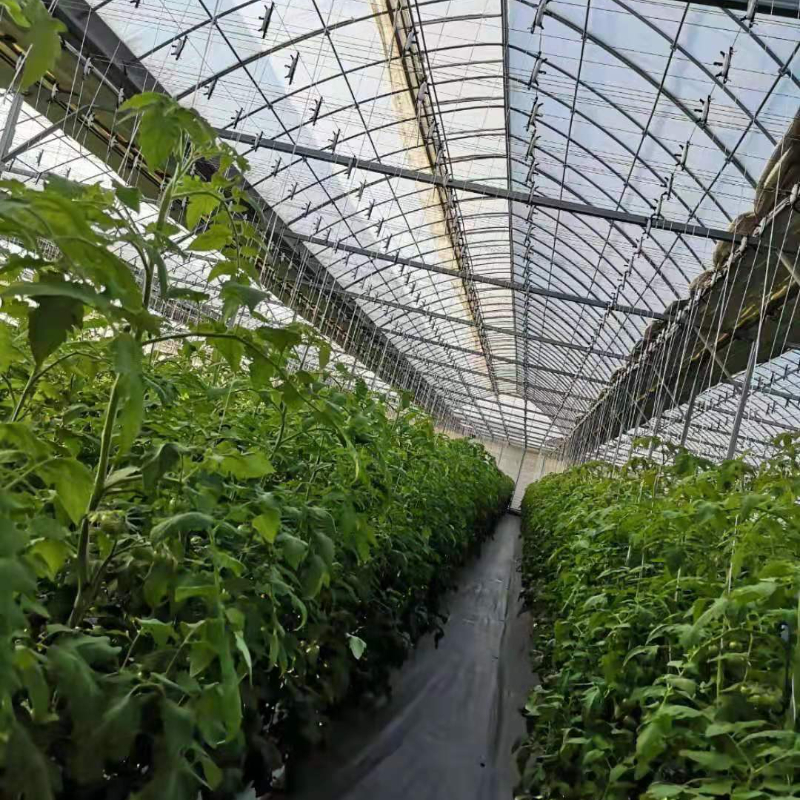
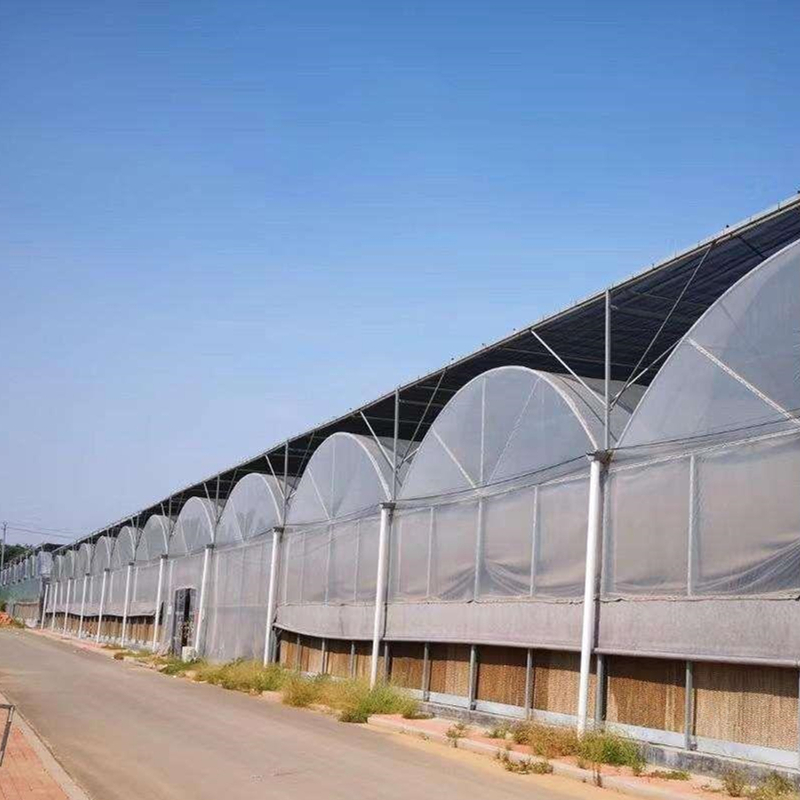
After 14 years of development supported by government policies, Kazakhstan's greenhouse industry has achieved significant scale, with a diverse range of greenhouse facilities spanning the country. Today, the sector comprises a diverse mix of industrial high-tech greenhouses, commercial greenhouse farms, and emerging smart greenhouse facilities, all collectively playing a vital role in meeting the domestic demand for fresh vegetables. The current status of the greenhouse industry is characterized by steady expansion of greenhouse cultivation areas, regional concentration of greenhouse facilities, and a gradual shift towards advanced smart greenhouse technologies that enhance productivity and sustainability.
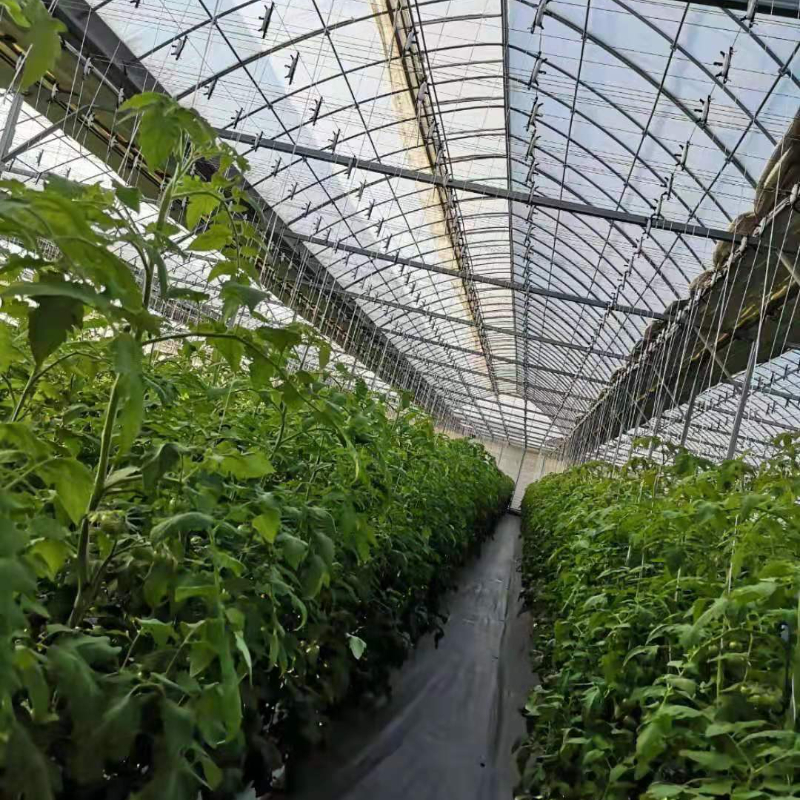
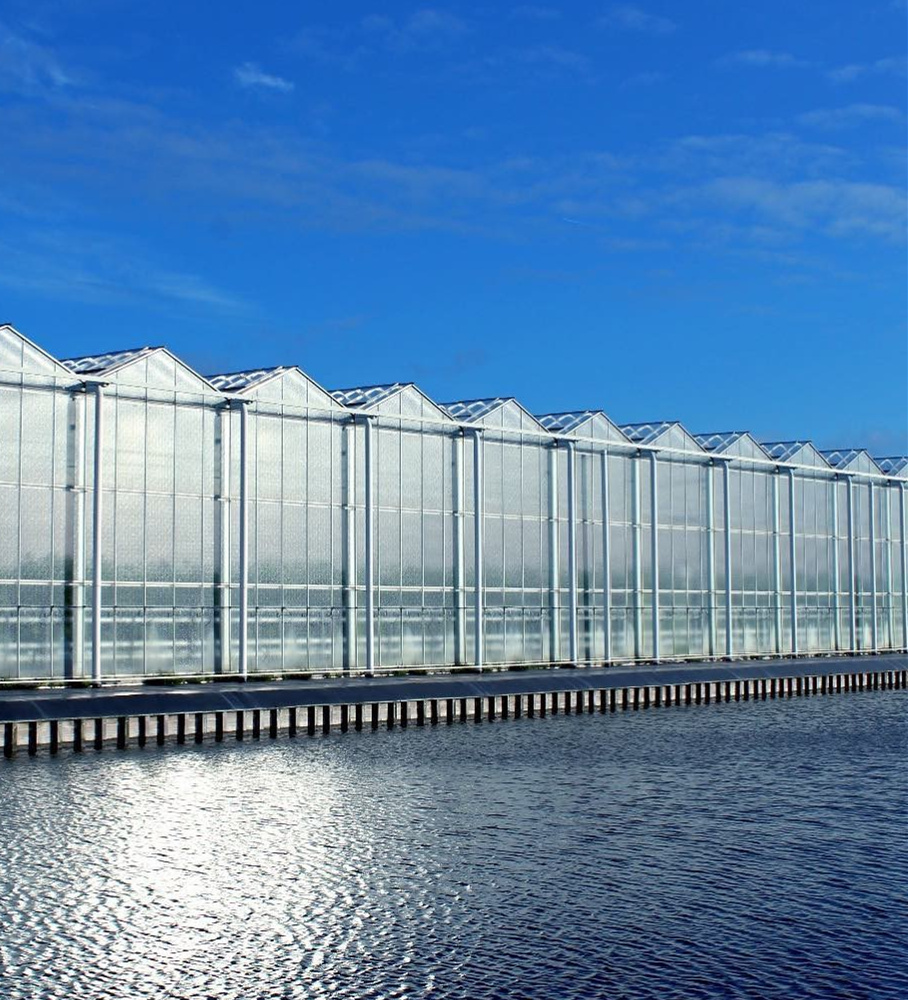
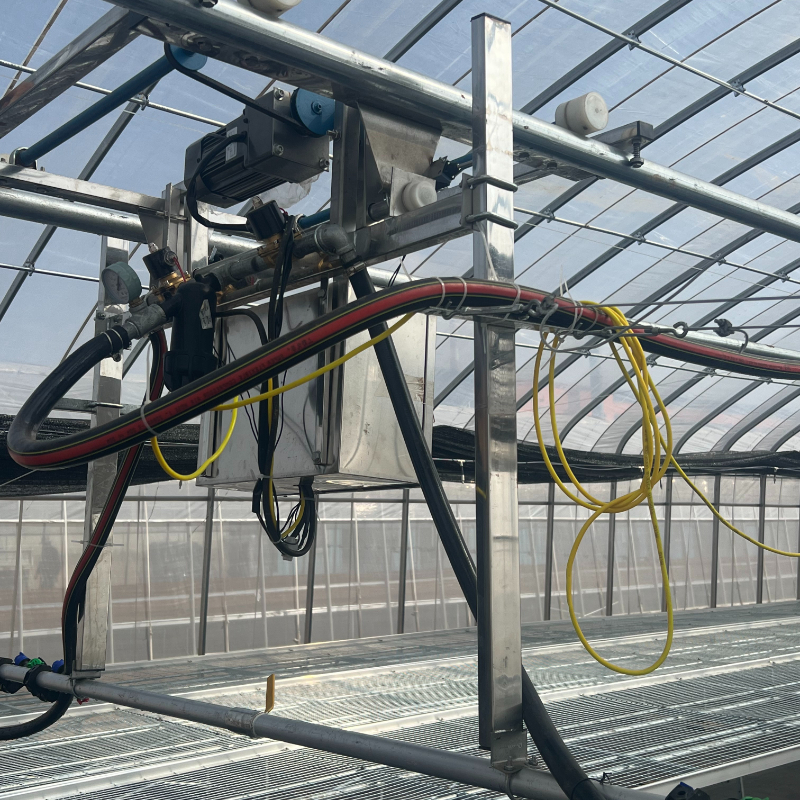
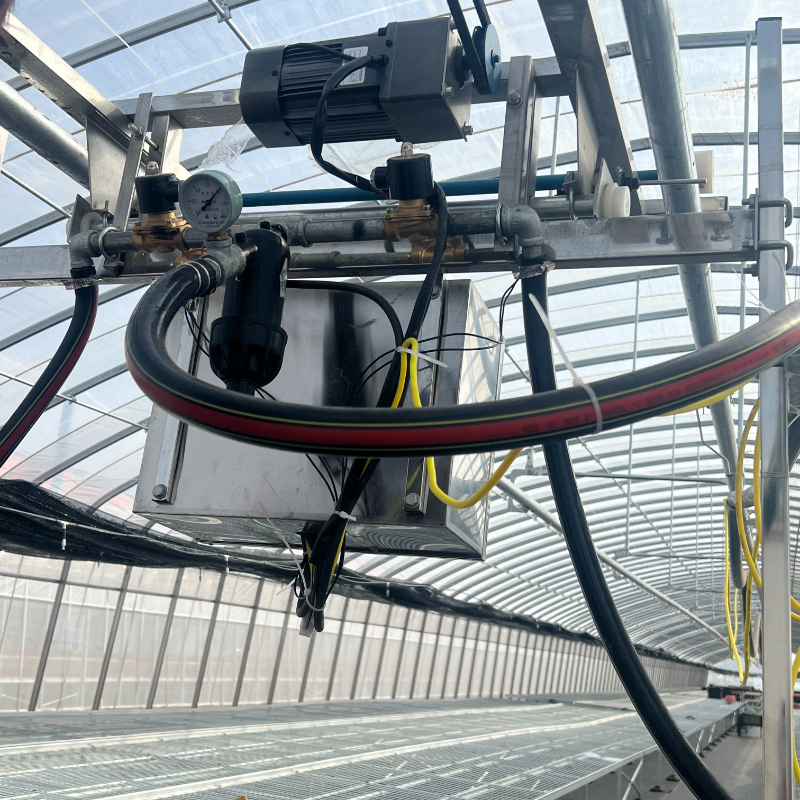
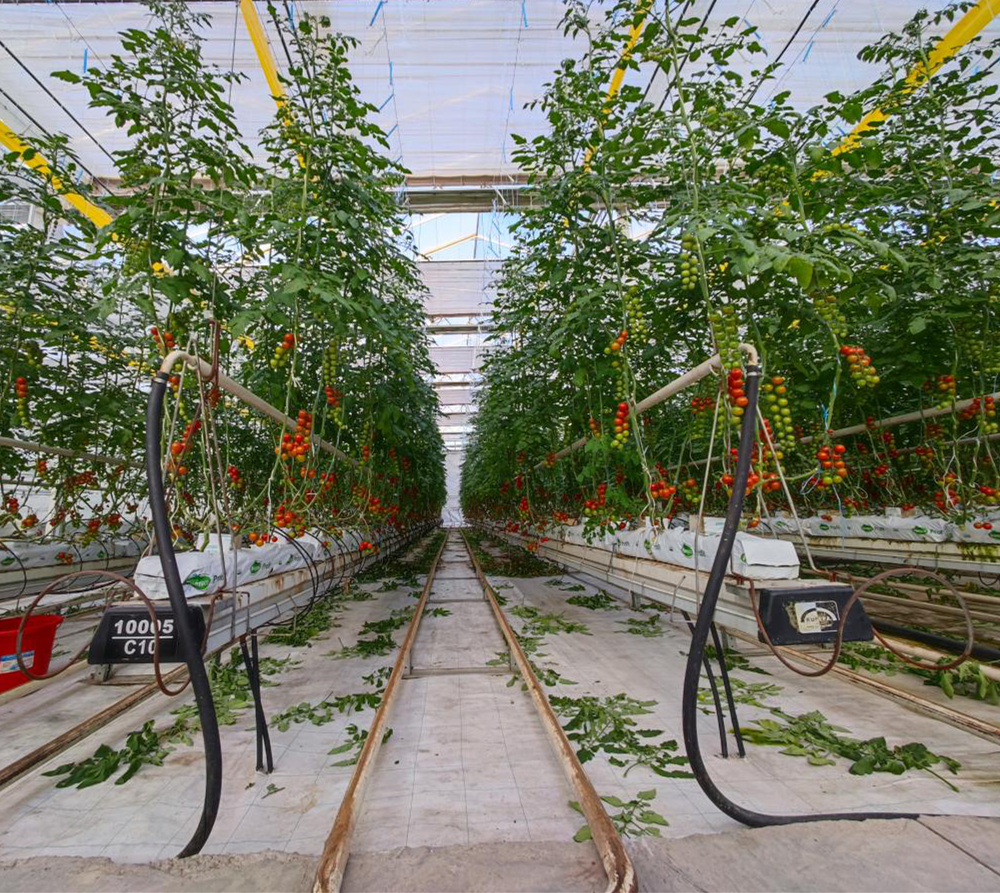
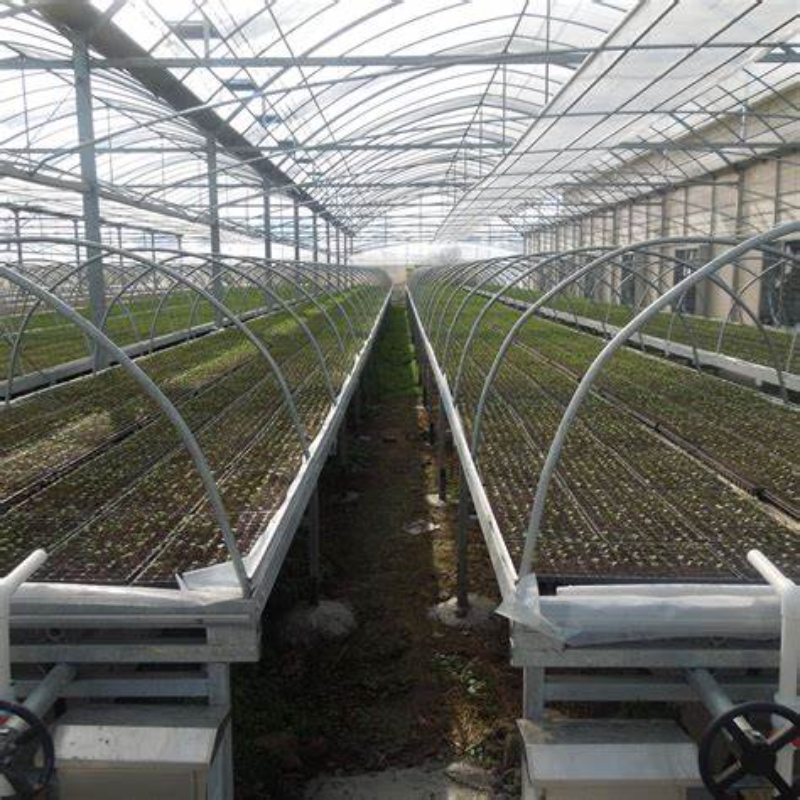
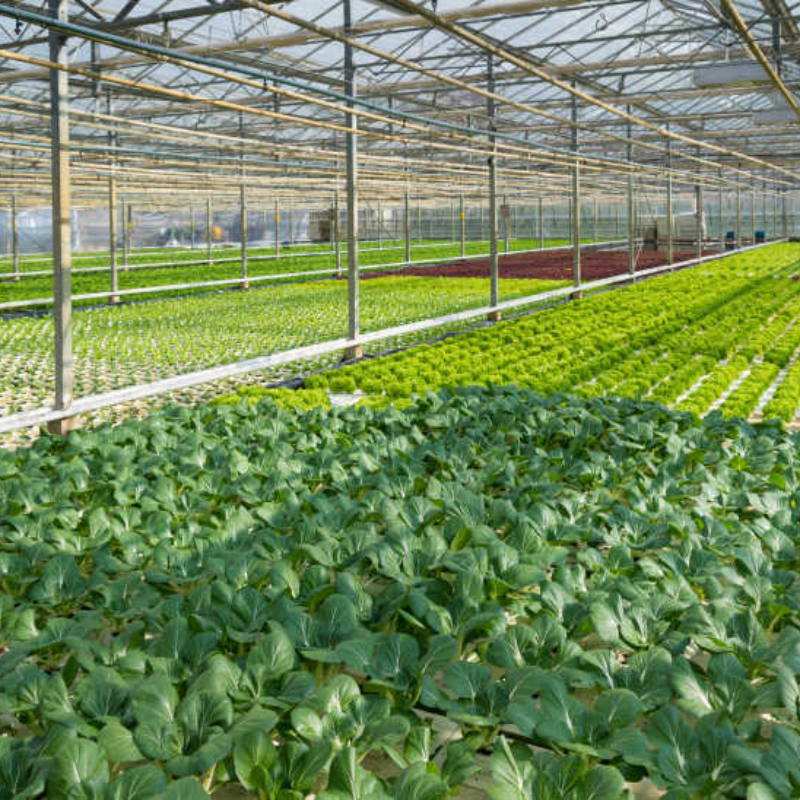
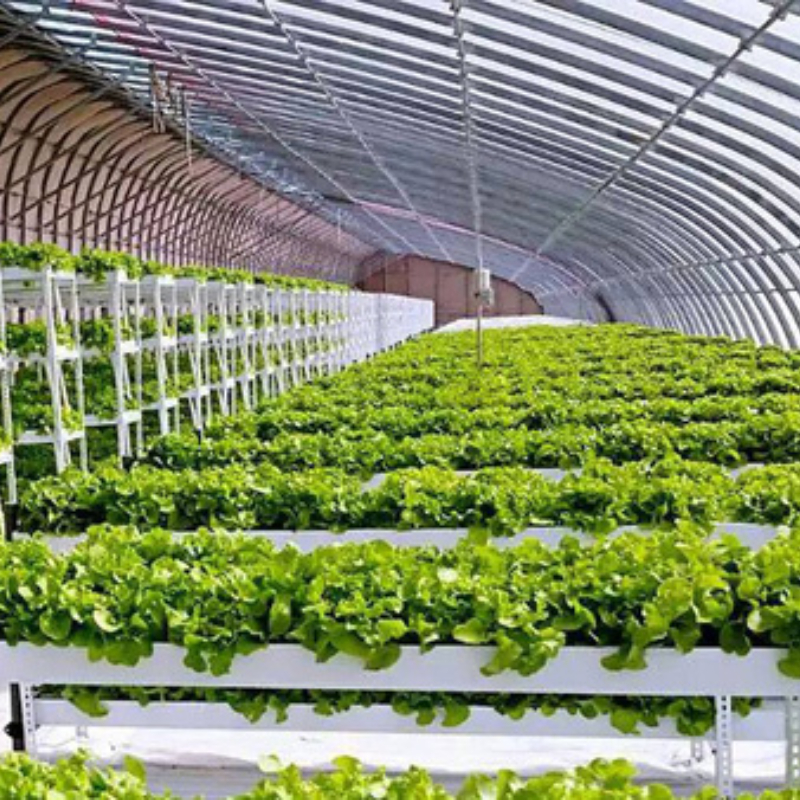
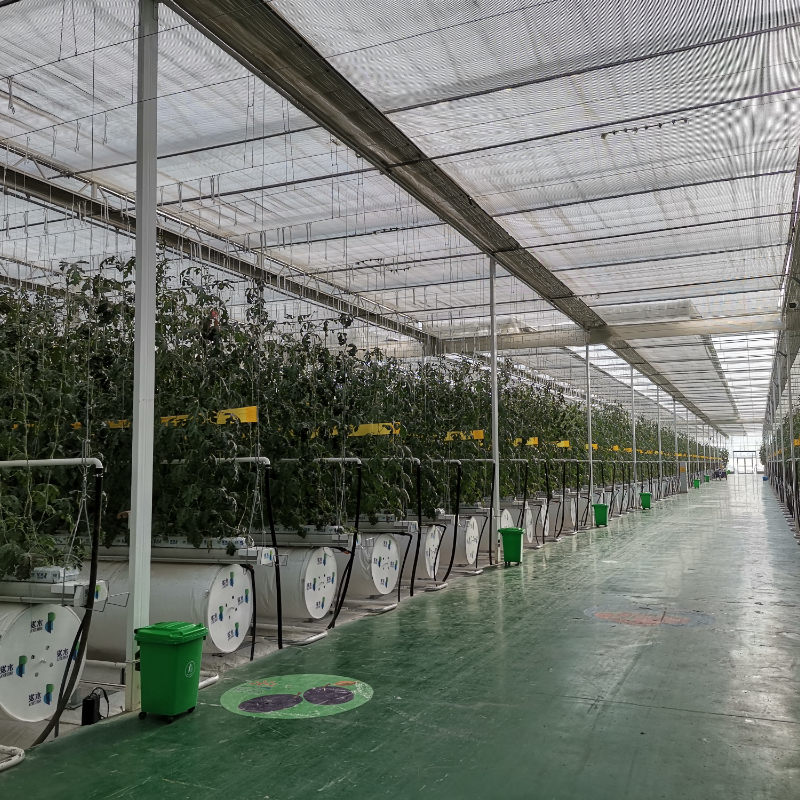
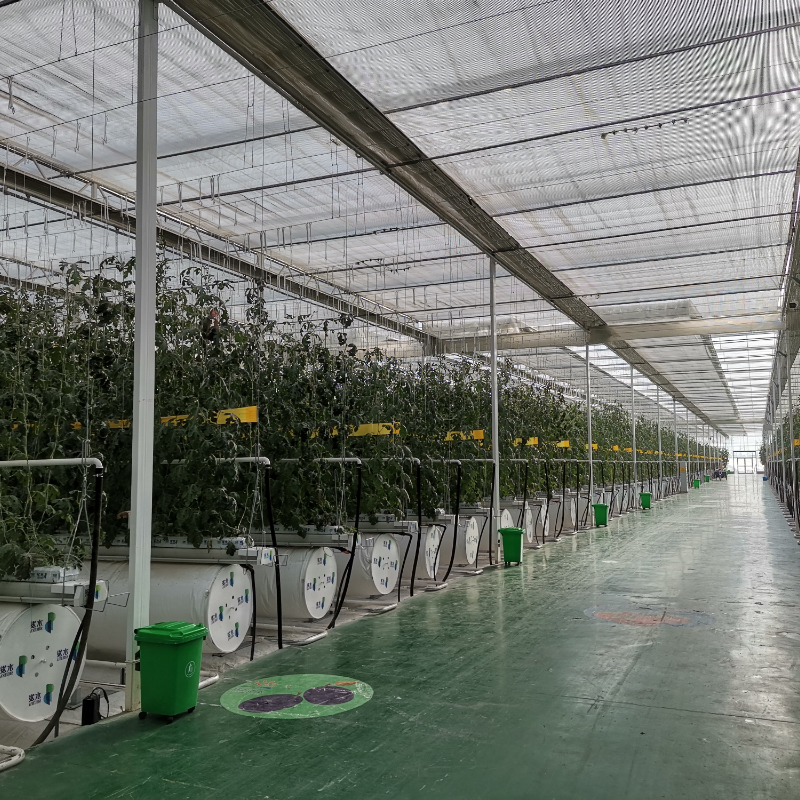
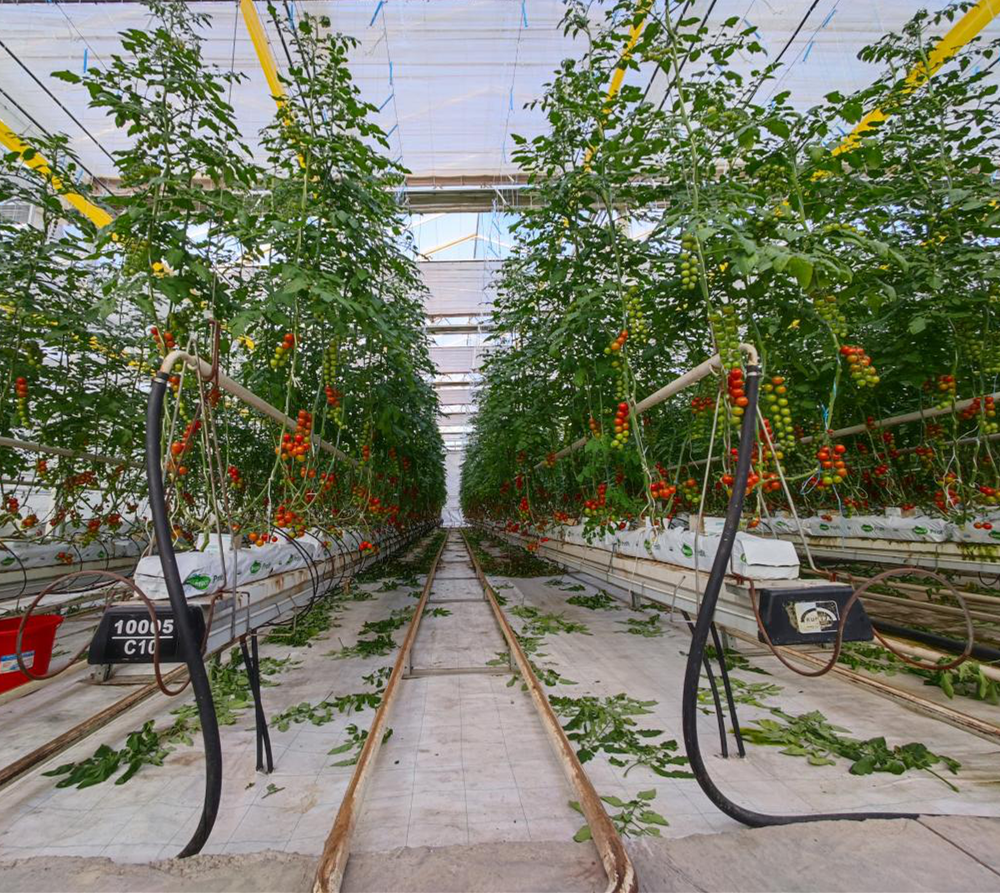
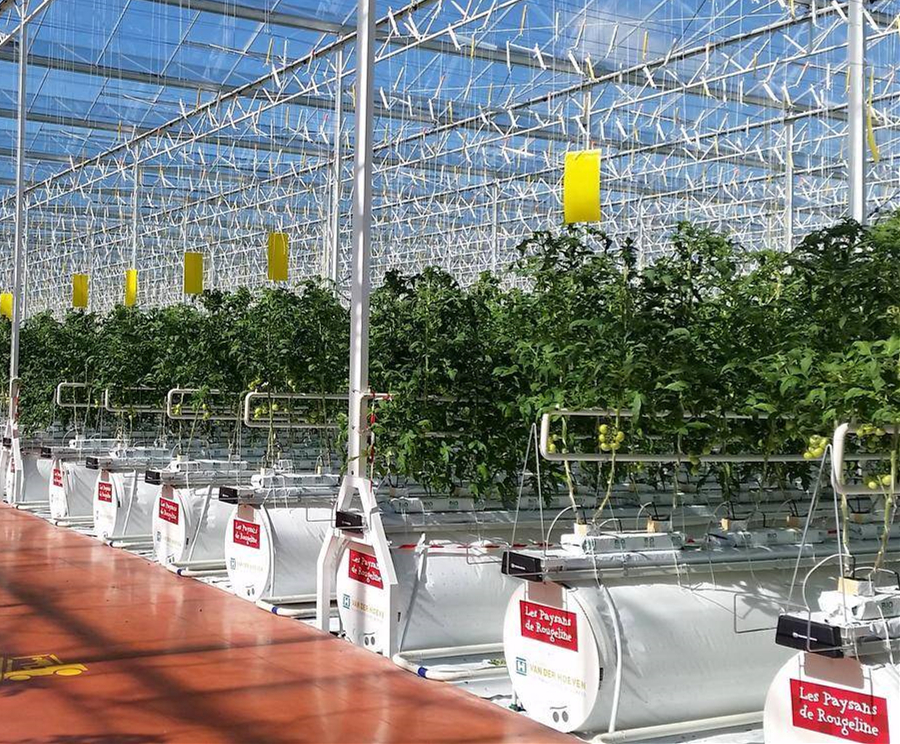
In terms of scale, Kazakhstan's greenhouse industry has grown impressively. To date, the country is home to over 300 hectares of industrial high-tech greenhouses, approximately 1,600 hectares of greenhouse farms, and a growing area of smart greenhouse facilities. This substantial area under greenhouse cultivation has significantly increased the domestic production of fresh vegetables, greatly reducing the country's reliance on imported fresh vegetables during the off-season. The industrial high-tech greenhouses and smart greenhouse facilities, in particular, represent the cutting edge of the sector, utilizing advanced technologies such as automated climate control systems, soilless cultivation, and intelligent irrigation to maximize the yield and quality of greenhouse-grown crops. These modern greenhouse facilities are typically larger in scale, with higher investment levels and greater output compared to traditional small-scale greenhouse farms, driving the overall modernization of the greenhouse industry.
Regional concentration is a key feature of Kazakhstan's greenhouse industry, with the southern part of the country emerging as the primary hub for greenhouse cultivation and smart greenhouse development. This regional focus is driven by a combination of favorable climatic conditions and supportive local policies tailored for greenhouse development. The southern regions of Kazakhstan, including Shymkent and Almaty, benefit from a more temperate climate during the winter months, with higher average temperatures and more sunlight—factors that significantly reduce the energy costs associated with heating greenhouse facilities and smart greenhouse systems. In addition, local governments in these regions have been proactive in implementing the national government's supportive policies, providing specialized infrastructure and other incentives to attract investors in greenhouse farms and smart greenhouse projects. This regional clustering of greenhouse facilities has created economies of scale, facilitating the sharing of resources, technology, and expertise among greenhouse growers and operators.
The concentration of greenhouse facilities in the southern region has also led to the development of a vibrant ecosystem of support services for both traditional greenhouse farms and smart greenhouse operations. Local businesses have emerged to provide key inputs such as high-quality seeds, fertilizers, and pesticides specifically tailored for greenhouse cultivation, while specialized service providers offer maintenance and technical support for greenhouse equipment and smart greenhouse control systems. This ecosystem has greatly improved the efficiency of greenhouse operations, making it easier for growers to access the resources and technical assistance they need to succeed in greenhouse cultivation. The southern region's dominance in the greenhouse industry is expected to continue in the coming years, as the government prioritizes further investment in greenhouse infrastructure and smart greenhouse technologies in this area to meet the growing national demand for fresh vegetables.
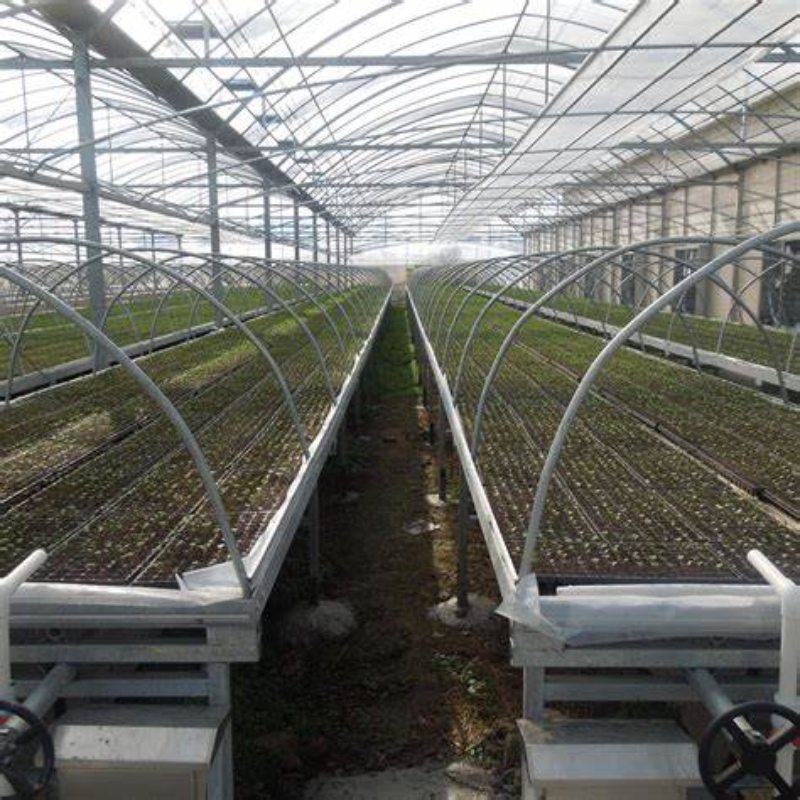
Another notable aspect of the current industry status is the growing adoption of smart greenhouse solutions, particularly in new large-scale greenhouse projects. The joint project in Uralsk with a Dutch company to construct fifth-generation high-tech smart greenhouses is a prime example of this trend. Fifth-generation smart greenhouses are characterized by their advanced automated climate control systems, which can precisely regulate temperature, humidity, light, and carbon dioxide levels to optimize the growth of greenhouse crops. These smart greenhouse facilities also typically utilize soilless cultivation techniques such as hydroponics or aeroponics, which improve water and nutrient use efficiency and reduce the risk of soil-borne diseases in greenhouse environments. The adoption of these advanced smart greenhouse technologies is helping to significantly enhance the productivity and quality of greenhouse crops in Kazakhstan, making the country's greenhouse sector more competitive in both domestic and potential international markets.
Despite the significant progress made in expanding greenhouse cultivation and adopting smart greenhouse technologies, the current industry status also highlights a growing gap between supply and demand for fresh greenhouse-grown vegetables. Kazakhstan's population is increasing, and with rising incomes, consumer demand for high-quality, fresh greenhouse produce is also on the rise. The existing greenhouse facilities, while substantial, are still not sufficient to fully meet the domestic demand during the long off-season. This supply-demand gap presents a significant opportunity for further growth in the greenhouse industry, driving the government's plan to construct an additional 500 hectares of fifth-generation smart greenhouses in the coming years to strengthen the country's greenhouse-based food security system.
