
. Core Design: Adapting to the Space Extreme Environment

Space greenhouses adopt a fully enclosed design to isolate the external extreme environment and maintain a stable internal microclimate. The greenhouse shell is made of high-strength, radiation-resistant composite materials, which can effectively block the damage of space ionizing radiation to plants and the internal environment. At the same time, the shell is equipped with a thermal insulation layer and a temperature control system to cope with the drastic temperature changes in space (the temperature can be as high as 120℃ in the sun and as low as -150℃ in the shade). Through the cooperative operation of heaters, refrigerators and heat exchange systems, the internal temperature of the greenhouse can be stably controlled between 20-25℃, which is the optimal growth temperature for most vegetables.
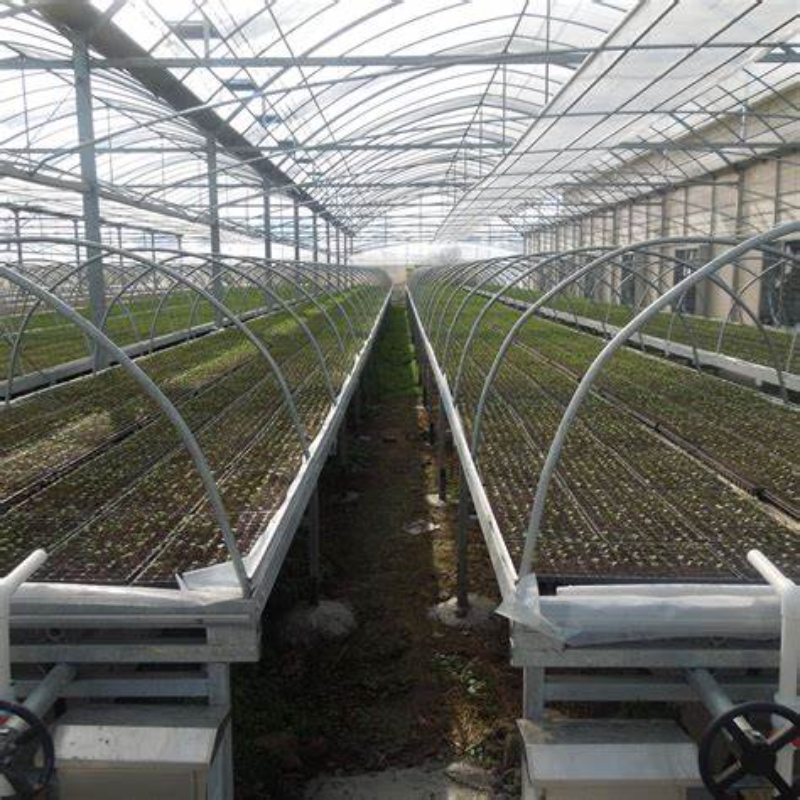
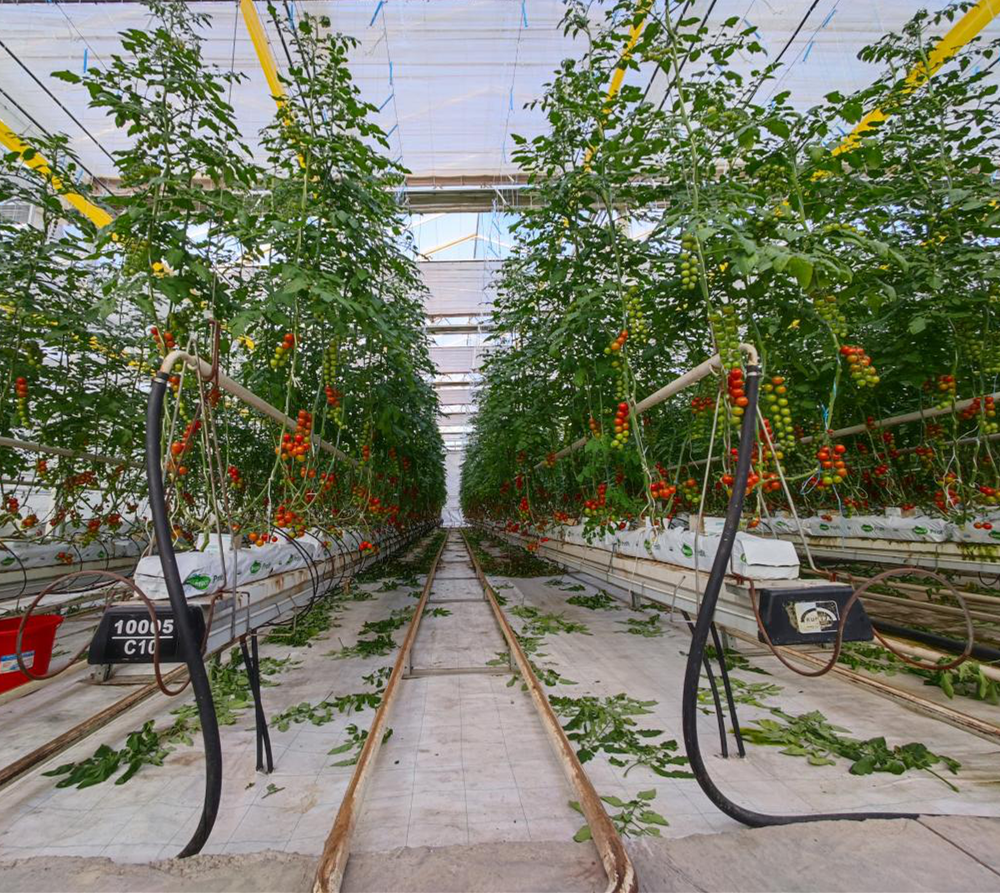
Microgravity is another major challenge for space plant growth. On Earth, plant roots grow downward under the action of gravity, and stems grow upward, which is called geotropism. In the microgravity environment of space, plants will lose their growth direction, leading to chaotic growth and difficulty in absorbing water and nutrients. To solve this problem, space greenhouses adopt a special planting system - fixed substrate cultivation or hydroponics with simulated gravity. The fixed substrate is made of lightweight, water-retentive and breathable materials, which can fix the plant roots and provide a stable growth base; the hydroponic system uses a circulating nutrient solution to supply water and nutrients to the plants, and at the same time, uses a small centrifugal device to generate a weak centrifugal force, simulating the gravity environment to guide the growth direction of the plant roots.
2. Precision Environmental Regulation: Creating the Optimal Growth Conditions for Plants

Space greenhouses are equipped with a high-precision environmental control system, which can real-time monitor and adjust key factors such as light, humidity, carbon dioxide concentration and nutrient solution composition in the greenhouse to ensure the healthy growth of plants. In terms of light regulation, since there is no atmospheric filtering in space, the light intensity is extremely high, and the spectrum is different from that on Earth. Space greenhouses use LED light sources with adjustable spectrum and intensity to simulate the solar spectrum required for plant photosynthesis. For example, blue light can promote the growth of plant roots and stems, and red light can promote the flowering and fruiting of plants. By adjusting the ratio of blue light and red light, the growth cycle of plants can be effectively regulated and the yield can be improved. At the same time, the LED light source has the advantages of low energy consumption, long service life and small heat generation, which is very suitable for the energy-constrained space environment.
In terms of humidity and carbon dioxide concentration control, the space greenhouse is equipped with a humidity sensor and a carbon dioxide sensor. When the humidity is too low, the spray system will automatically start to increase the humidity; when the humidity is too high, the ventilation system will operate to reduce the humidity and prevent the growth of mold. The carbon dioxide required for plant photosynthesis mainly comes from the exhaled gas of astronauts. The greenhouse collects and purifies the carbon dioxide exhaled by astronauts through a gas circulation system, and adjusts its concentration to 800-1000 ppm, which is 2-3 times the carbon dioxide concentration in the Earth's atmosphere, effectively improving the photosynthesis efficiency of plants. The oxygen produced by plants through photosynthesis is then supplied to astronauts for breathing, forming a small-scale gas cycle.
3. Resource Recycling: Building a Closed-Loop Ecosystem

The core goal of space greenhouses is to build a closed-loop ecological system that can realize the recycling of resources such as food, water and air, which is crucial for long-duration deep space exploration missions. In addition to the gas cycle of carbon dioxide and oxygen mentioned above, space greenhouses also realize the recycling of water and nutrients. The water used for plant irrigation comes from the purified wastewater (such as urine, washing water) of astronauts. The wastewater is treated through a multi-stage purification system to remove impurities, bacteria and harmful substances, and then converted into clean water that can be used for plant irrigation and even astronaut drinking. The crop residues and fallen leaves after harvest are decomposed by microorganisms to form organic fertilizers, which are then added to the nutrient solution to realize the recycling of nutrients.
According to the test data of the ISS's "Veggie" space greenhouse project, the resource recycling rate of the space greenhouse can reach more than 80%. That is to say, 80% of the water, nutrients and carbon dioxide consumed in the greenhouse can be recycled and reused, which greatly reduces the demand for resources transported from Earth. For example, in the "Veggie" project, the lettuce grown successfully realized the recycling of water and carbon dioxide, and the water used for irrigation was 100% purified wastewater. This closed-loop resource utilization model is not only suitable for space but also provides an important reference for solving the problem of resource shortage in ground extreme environments.
