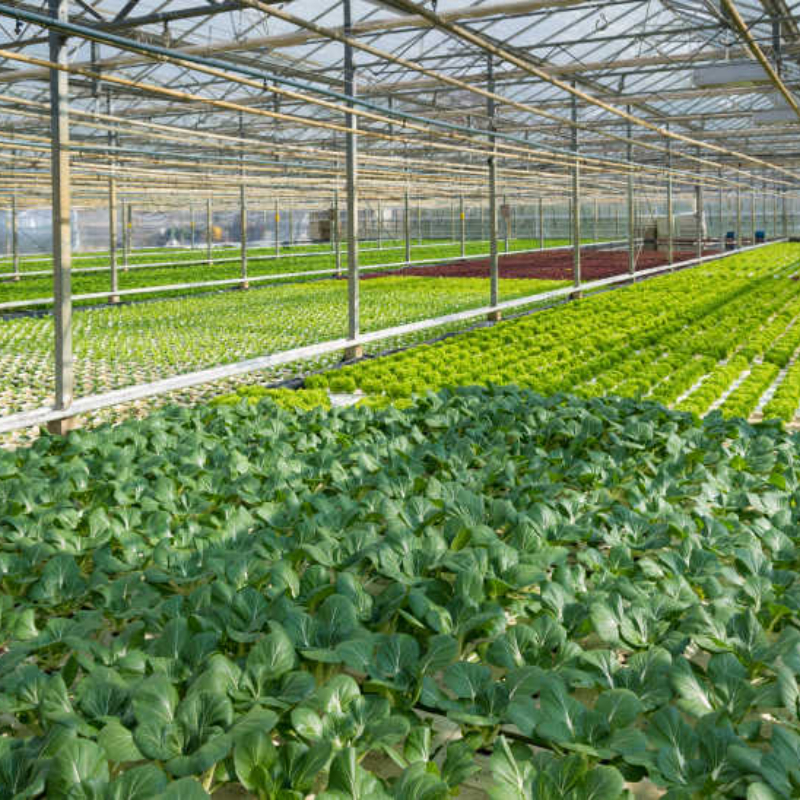
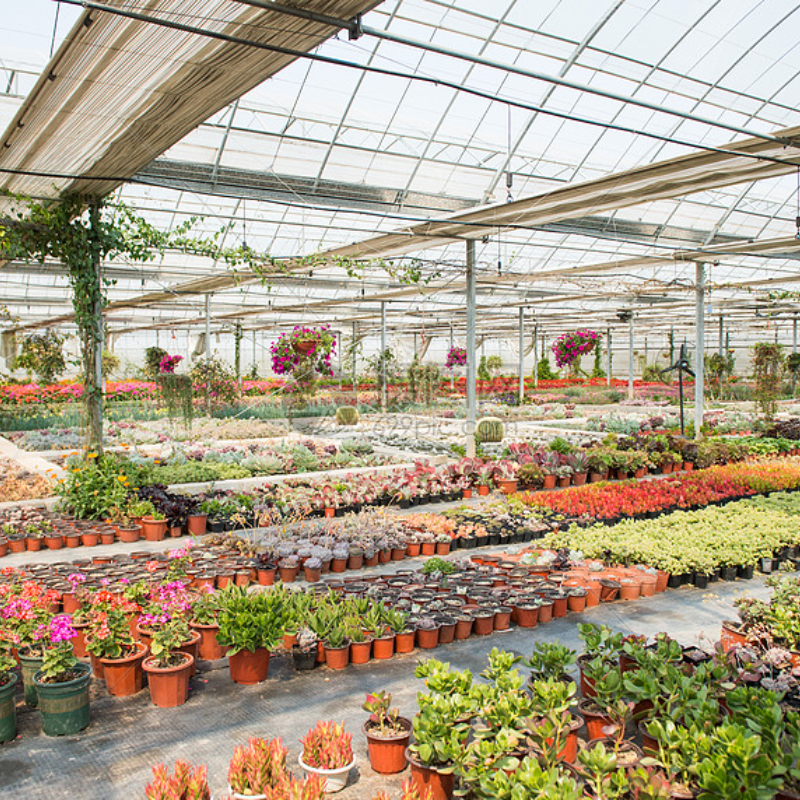
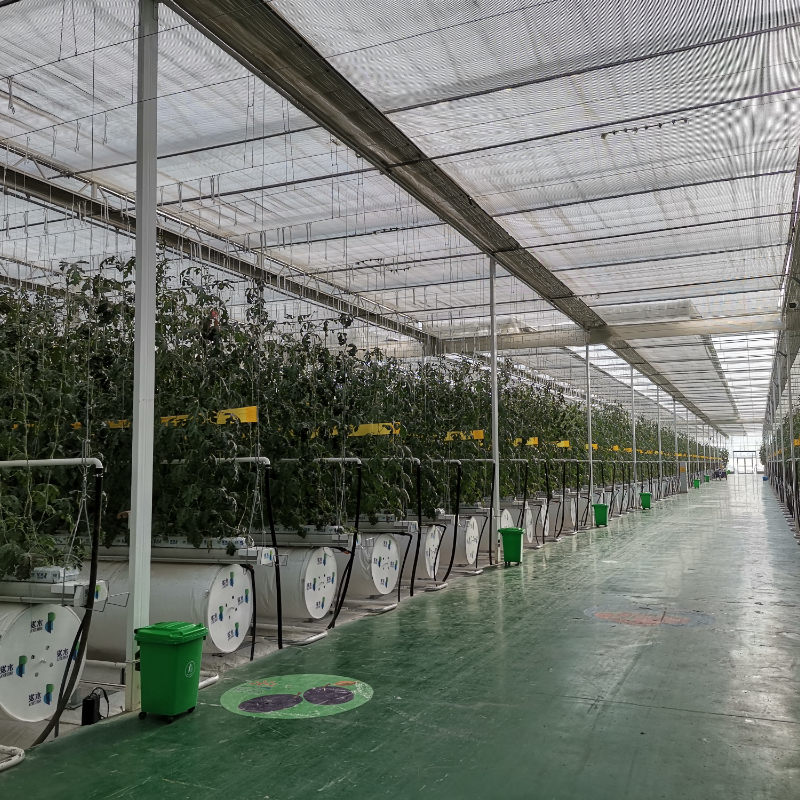
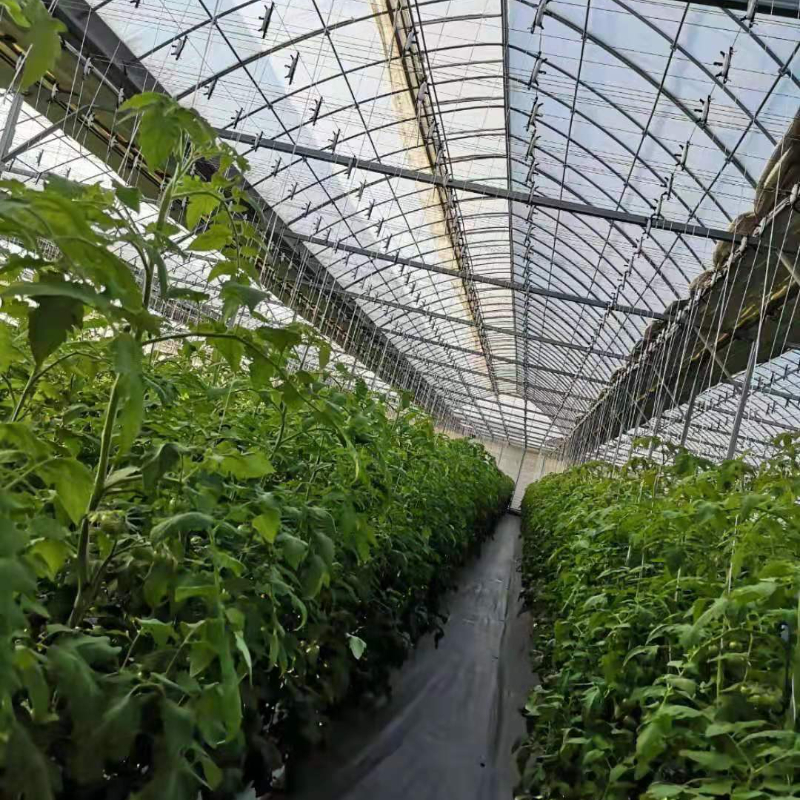
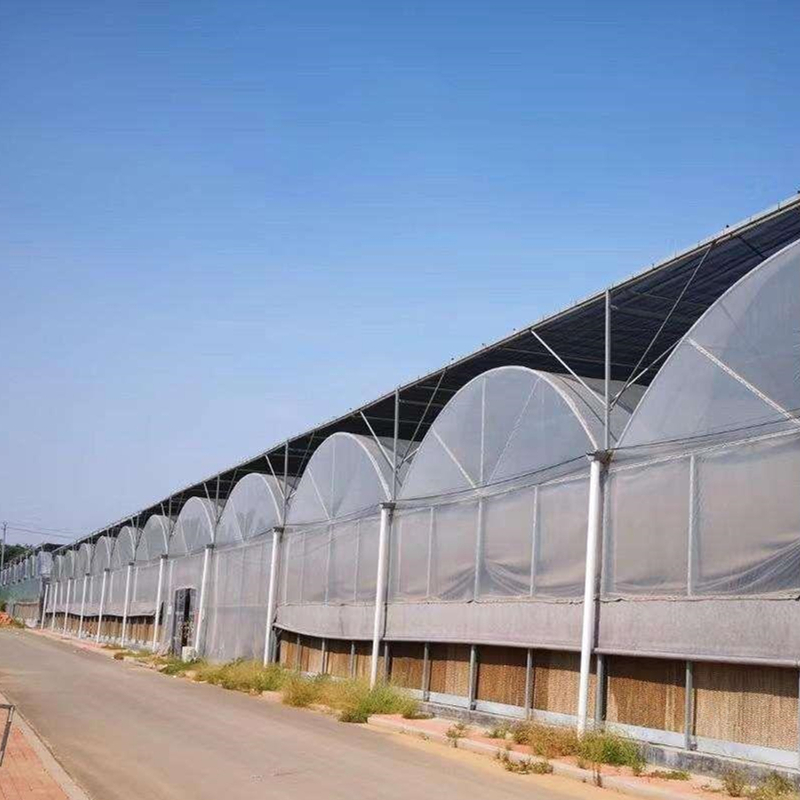
As human beings step further into the vast universe, deep space exploration missions such as lunar bases and Mars colonization have gradually moved from scientific fantasies to practical planning. Among the numerous challenges facing long-duration spaceflights, ensuring the supply of fresh, safe and nutritious food for astronauts has become a key bottleneck restricting the development of deep space exploration. For a long time, there has been a widespread view in the industry: growing vegetables in space is costly, and it is only economically feasible for ultra-long-distance missions such as Mars or other planetary flights; for near-Earth orbit missions such as the Moon or the International Space Station (ISS), transporting food from Earth is more cost-effective. However, this view ignores the irreplaceable value of fresh food for astronauts' physical and mental health, as well as the strategic significance of space greenhouses for building a closed-loop ecological system in long-duration spaceflights.
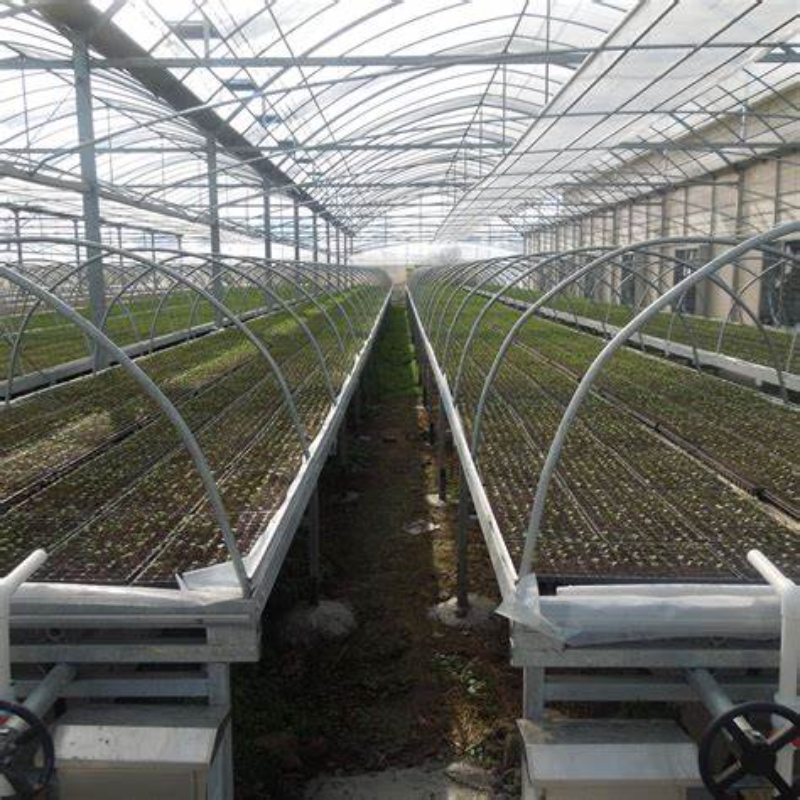
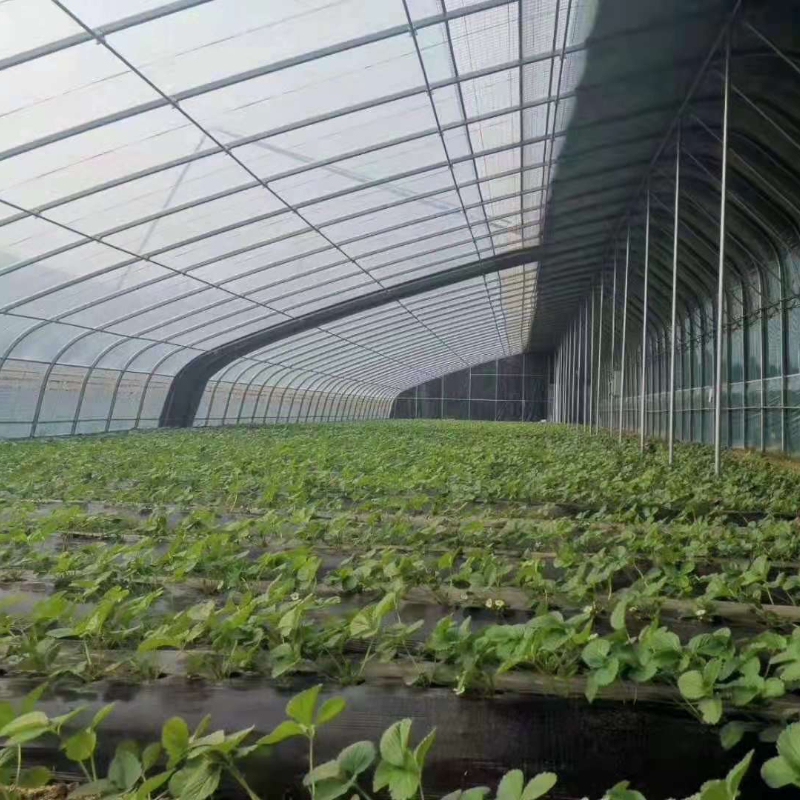
Against this background, space greenhouses, as a cutting-edge solution integrating agricultural technology and aerospace engineering, have emerged. They not only solve the problem of fresh food supply for astronauts but also lay a solid foundation for the sustainable development of deep space exploration. Based on in-depth exchanges with industry experts, this article will comprehensively interpret the technical connotation, plant adaptation characteristics, economic and scientific value of space greenhouses, and explore their broad application prospects in both space and ground extreme environments, revealing the huge potential of space greenhouse technology in promoting the leapfrog development of aerospace and agricultural industries.
For decades, the food supply for astronauts in near-Earth orbit missions such as the ISS has mainly relied on pre-packaged food transported from Earth. These foods undergo strict processing and sterilization to ensure a long shelf life, but they face insurmountable defects in terms of freshness, nutritional retention and psychological comfort for astronauts. The controversy over "whether it is more cost-effective to transport food or grow food in space" has always existed, but from the perspective of long-term space exploration and astronaut health, space greenhouses are not a "costly option" but a "necessary guarantee".
1. The Limitations of Earth-Transported Food Cannot Be Overcome
Expert analysis points out that transporting food from Earth cannot guarantee that astronauts have sufficient fresh food, which is a core defect that cannot be ignored. Firstly, the pre-packaged food needs to go through a long storage period at the launch site before being sent to space, and then undergo extreme transportation conditions such as violent vibration, drastic temperature changes and strong radiation during the launch process. These factors will inevitably lead to the loss of heat-sensitive nutrients such as vitamins C, E and folic acid in the food. According to data from the European Space Agency (ESA), the vitamin C content in pre-packaged space food will decrease by 30%-50% after 6 months of storage, and the loss rate will further increase in the space environment with strong radiation. Secondly, the variety of pre-packaged food is limited. Due to the constraints of weight, volume and shelf life, most of the food transported to space is processed products such as dehydrated vegetables, canned meat and energy bars, which lack the taste and texture of fresh food. In long-duration spaceflights, the single food structure will not only affect astronauts' appetite but also may lead to psychological problems such as anxiety and depression.
In addition, the cost of transporting food to space is not as "cost-effective" as imagined. According to NASA's public data, the cost of transporting 1 kilogram of cargo to the ISS is as high as $10,000-$20,000. With the extension of the mission cycle, the demand for food increases, and the transportation cost will rise exponentially. For example, a 6-month ISS mission requires about 200 kilograms of food per astronaut, and the transportation cost for three astronauts alone reaches $6 million-$12 million. If we consider the storage space occupied by food and the waste generated after consumption, the comprehensive cost will be even higher. In contrast, space greenhouses can realize the in-situ production of food, which not only reduces the transportation cost of food but also recycles organic waste such as crop residues and astronaut excreta, realizing the reuse of resources and reducing the burden of waste disposal.