
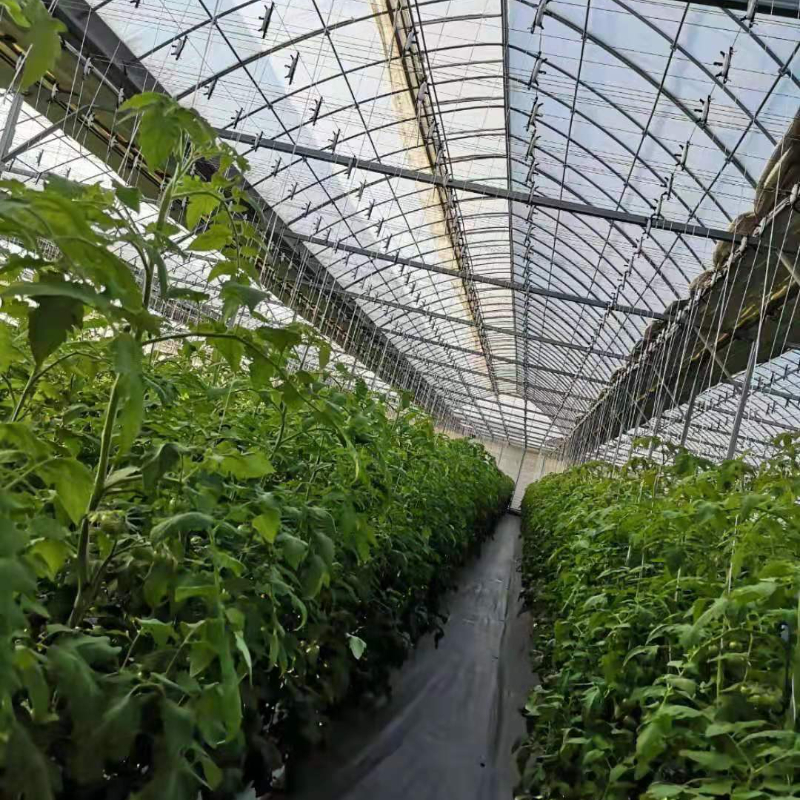
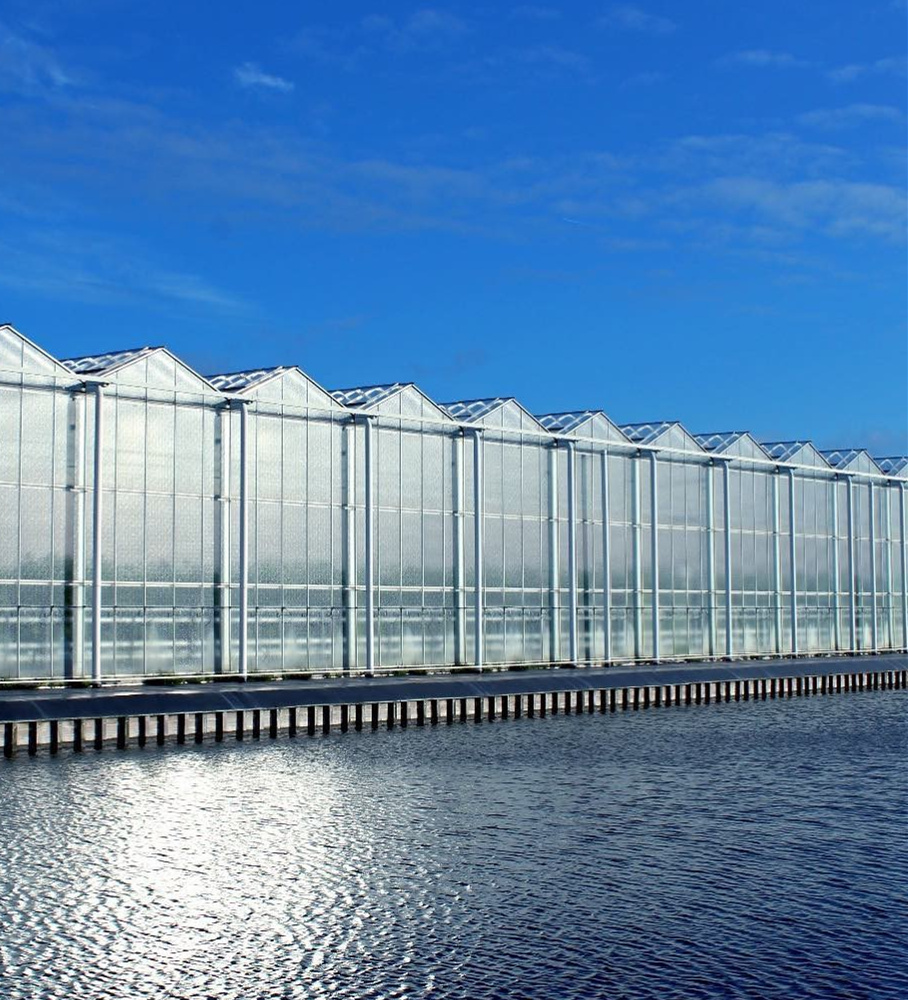
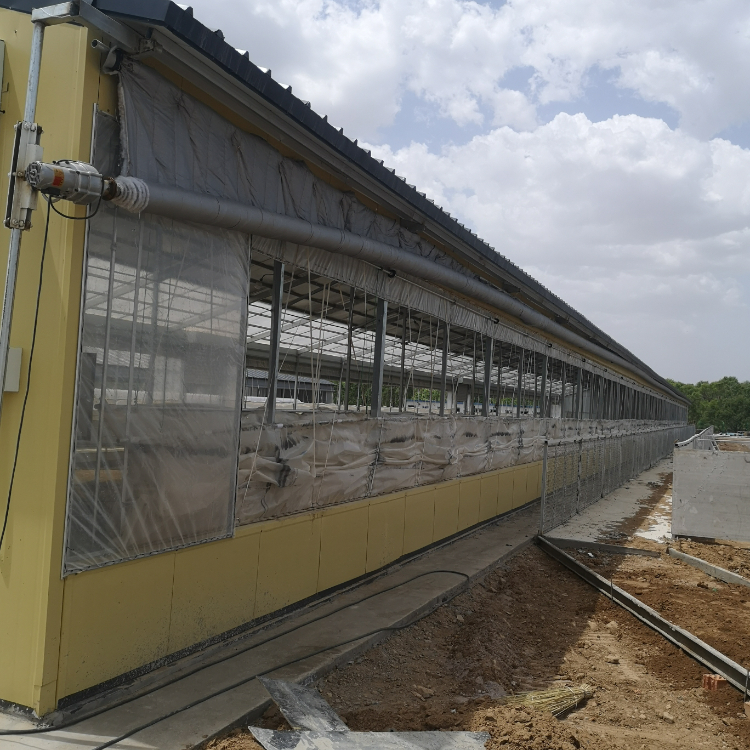
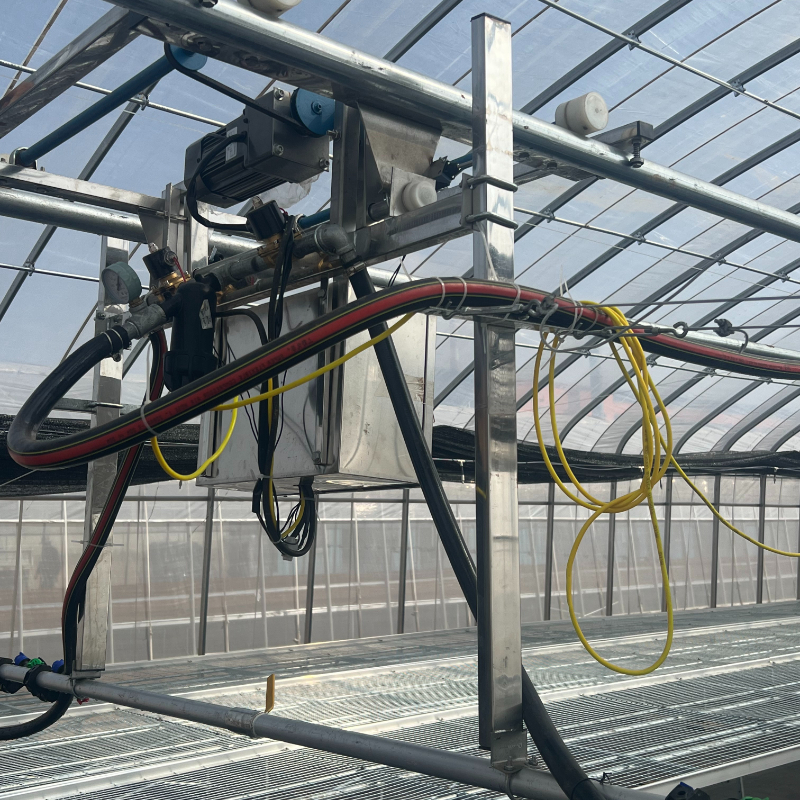
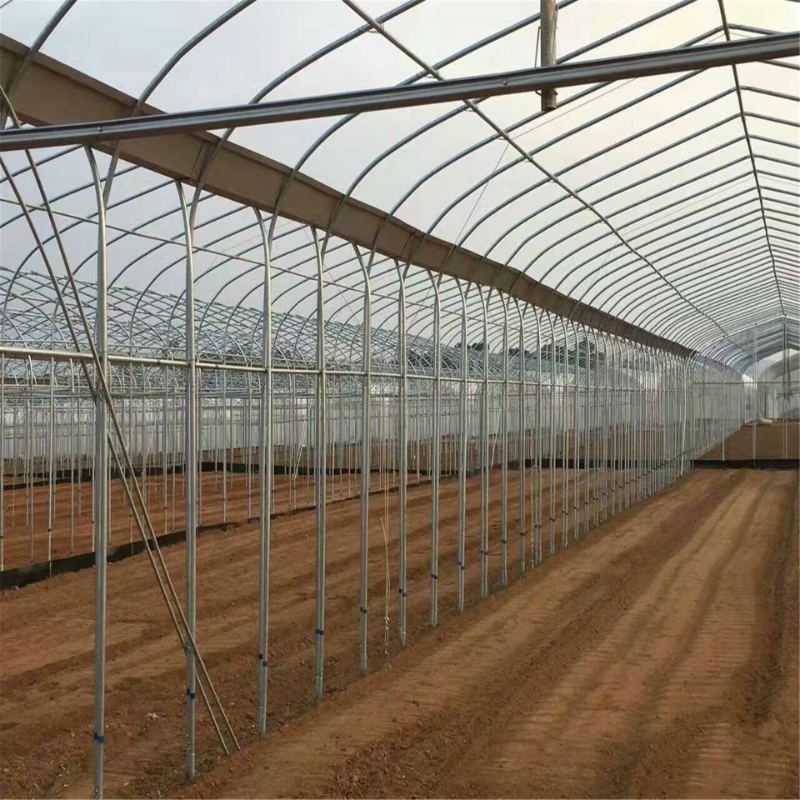
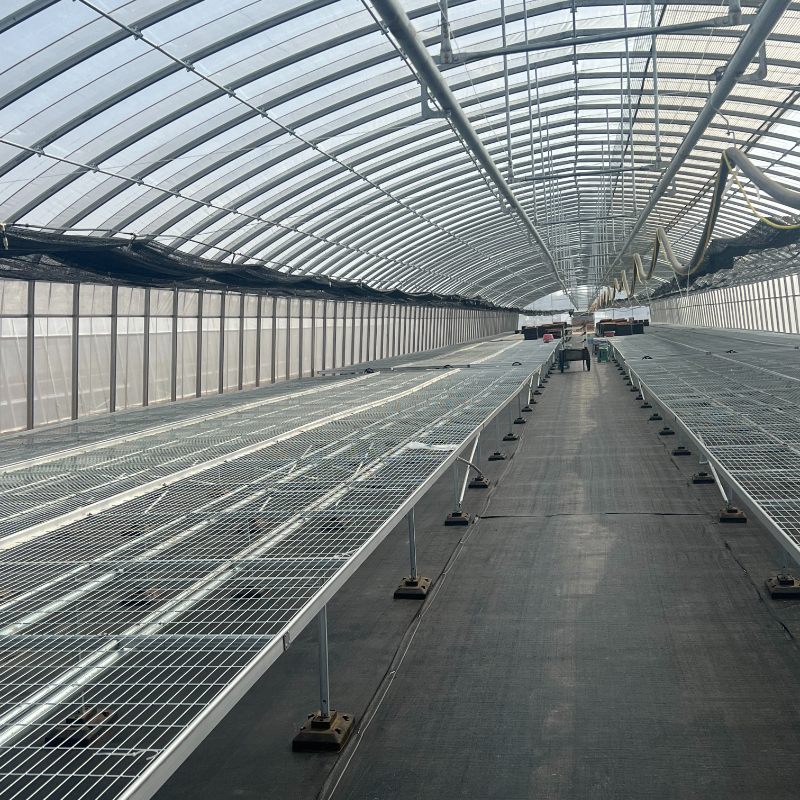
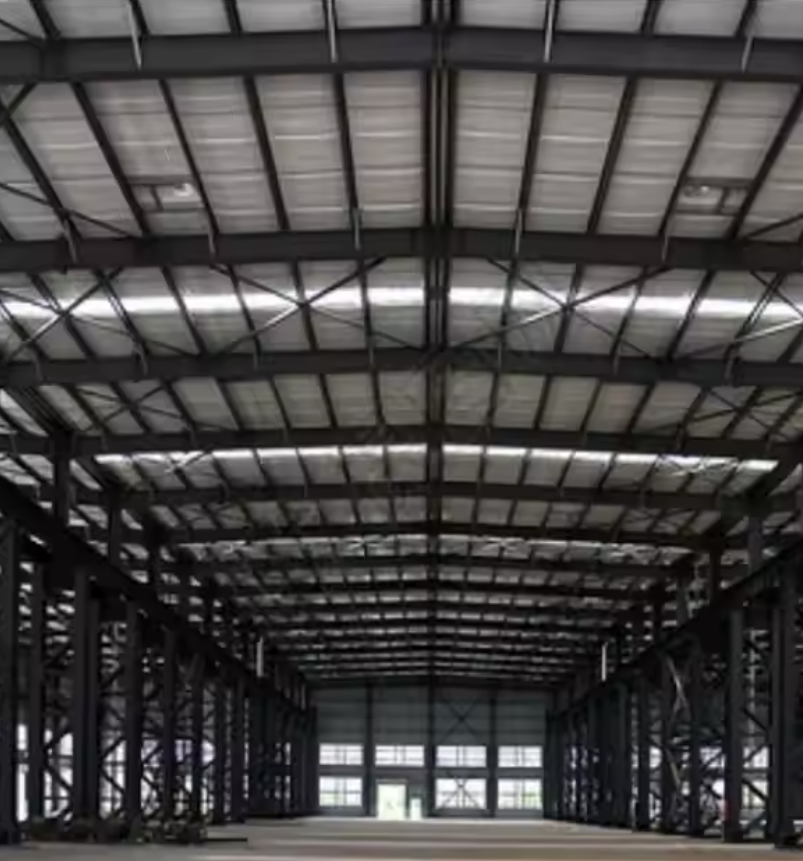
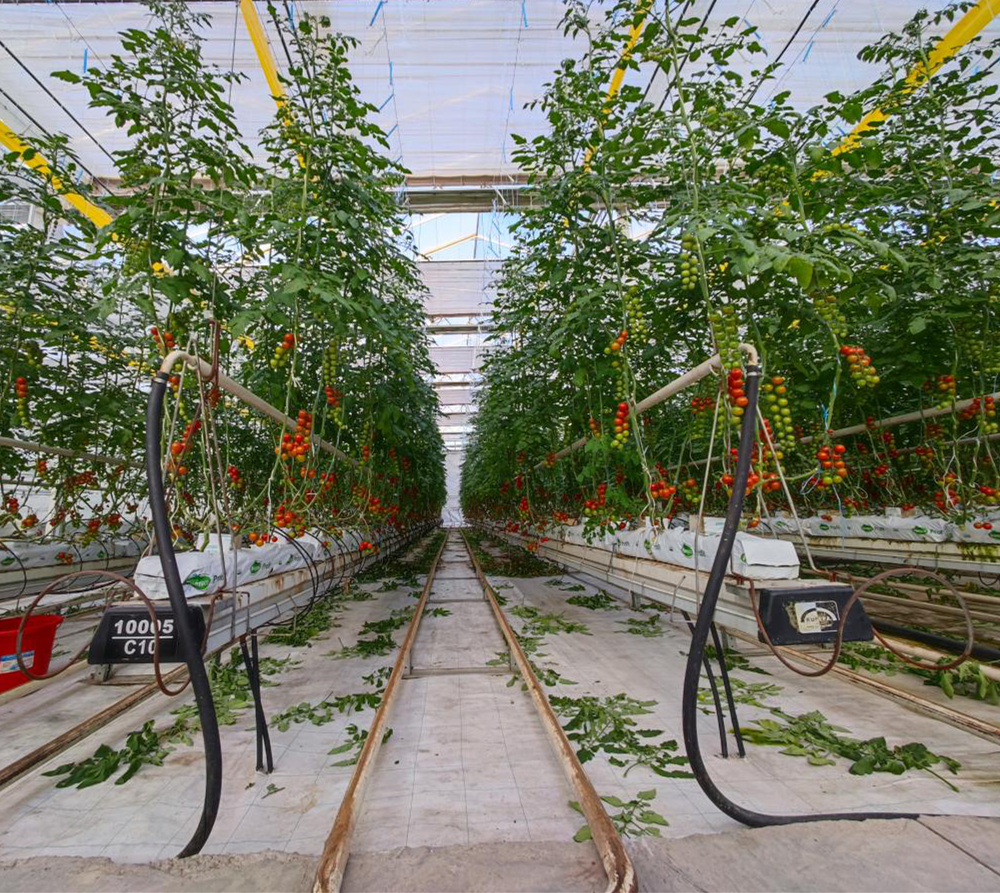
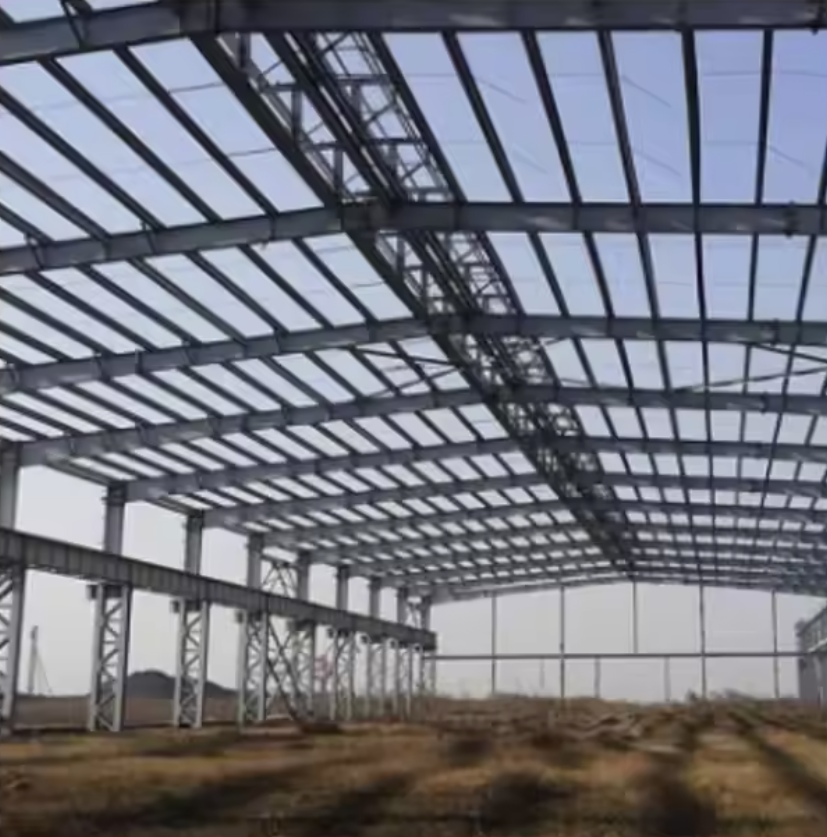
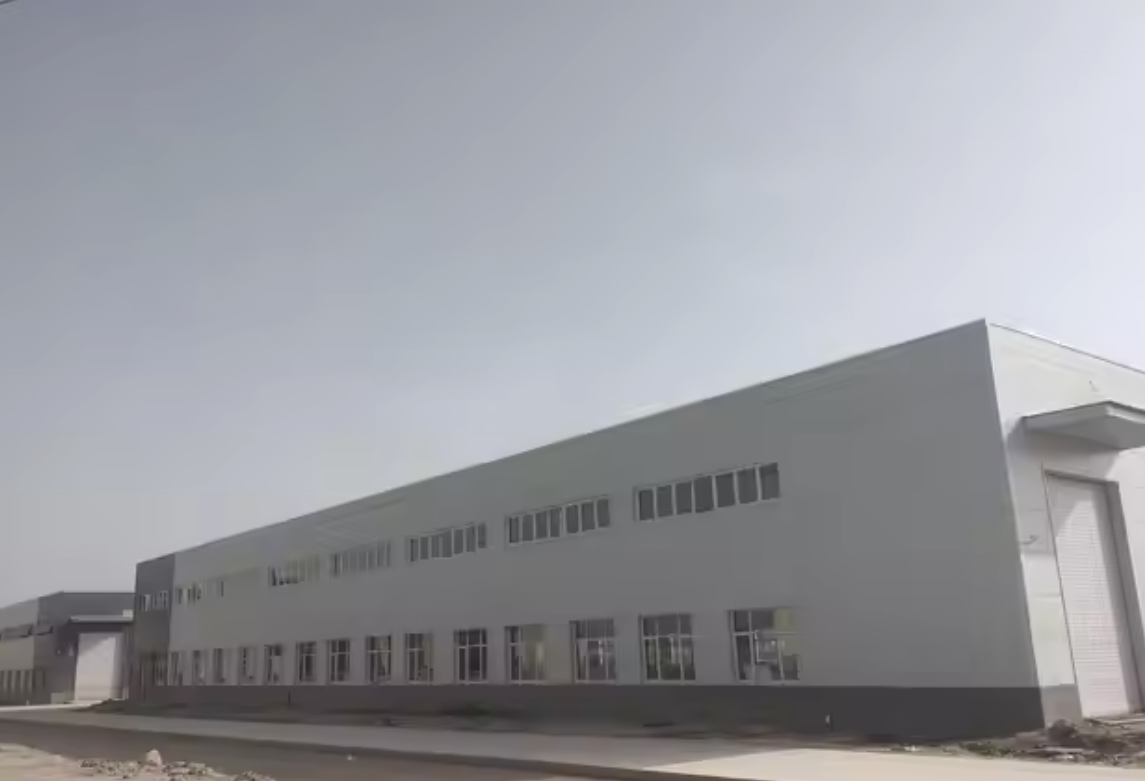
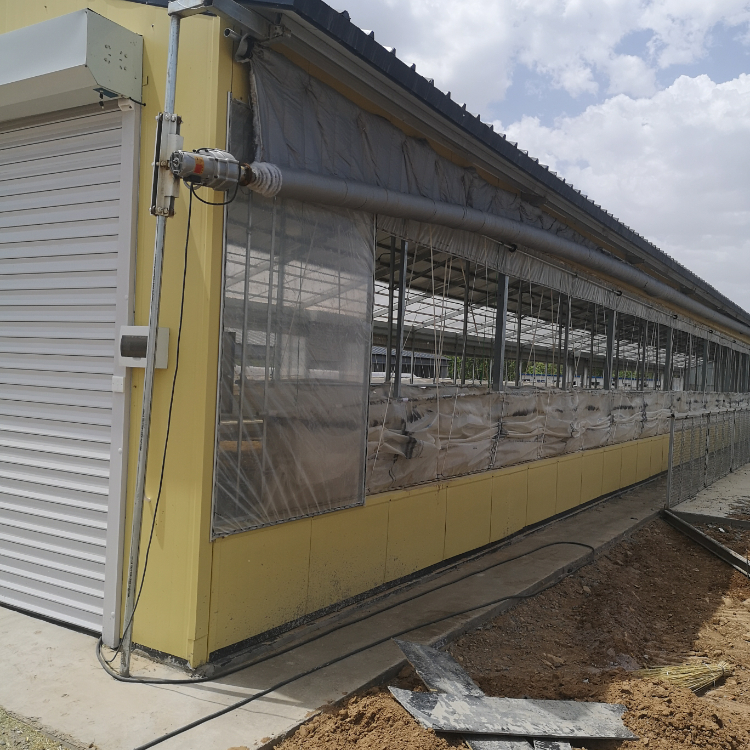
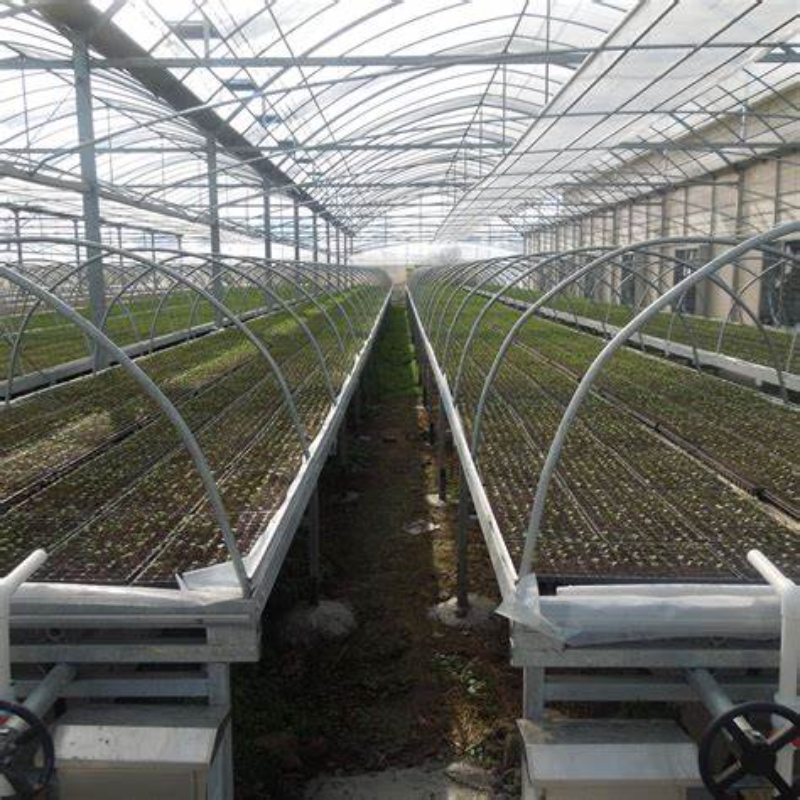
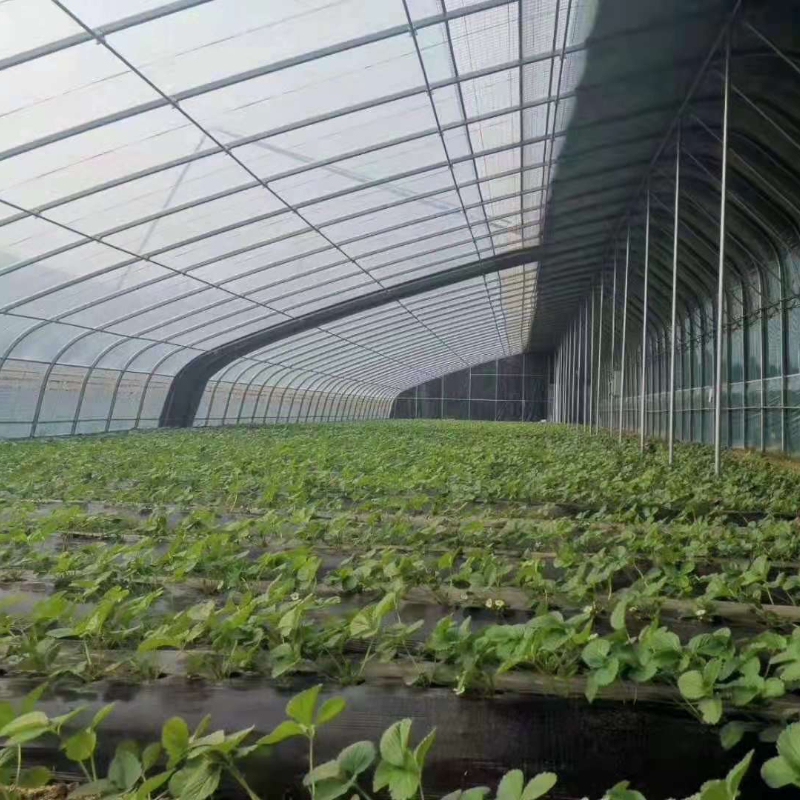
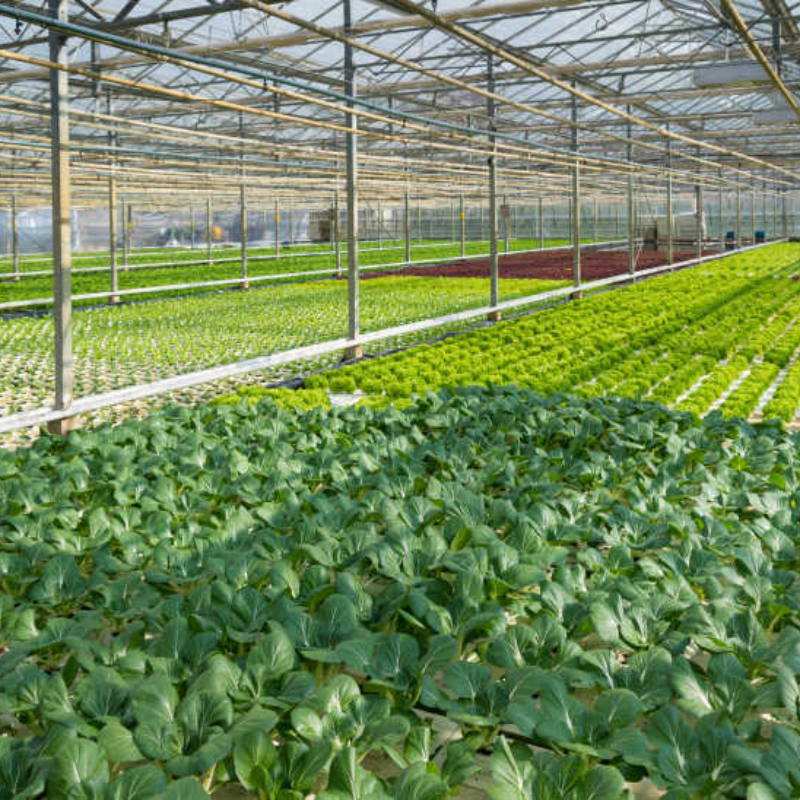
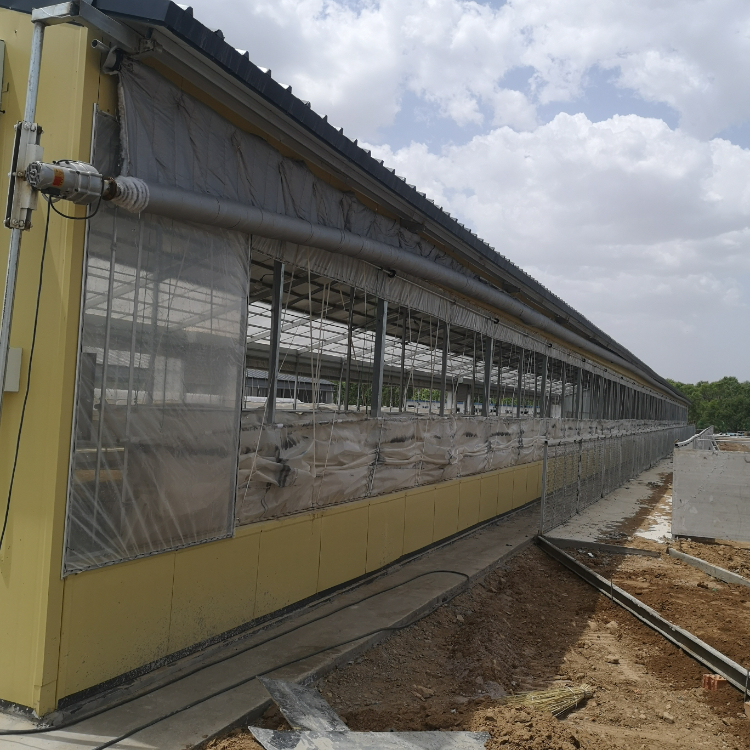
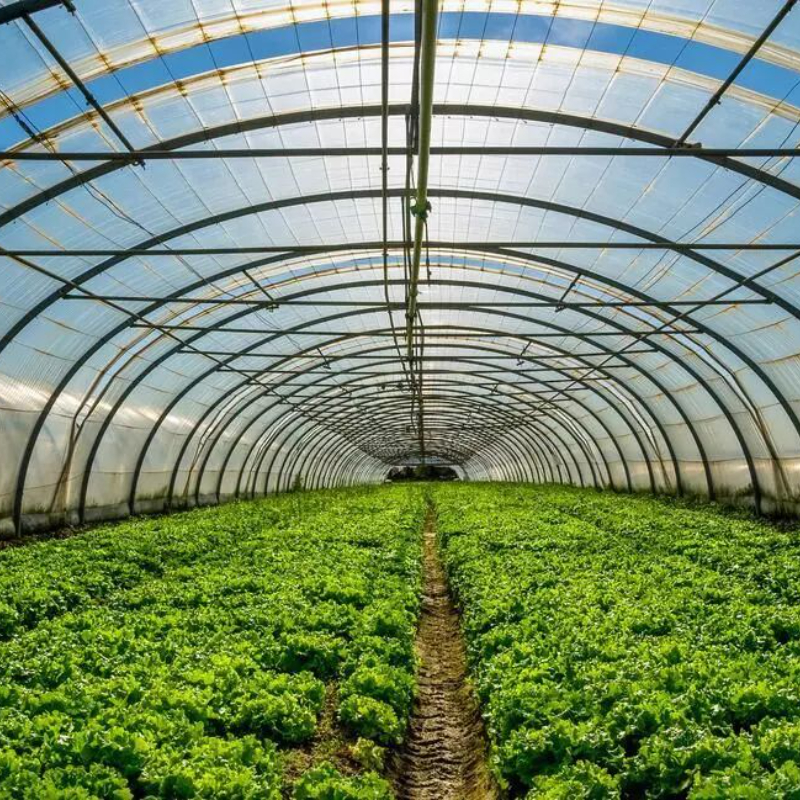
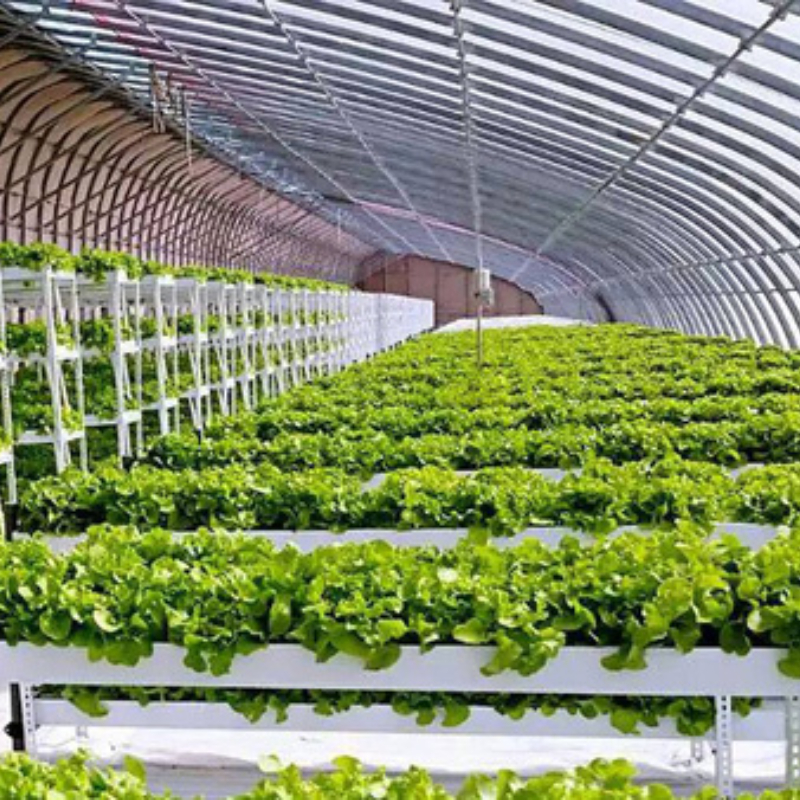
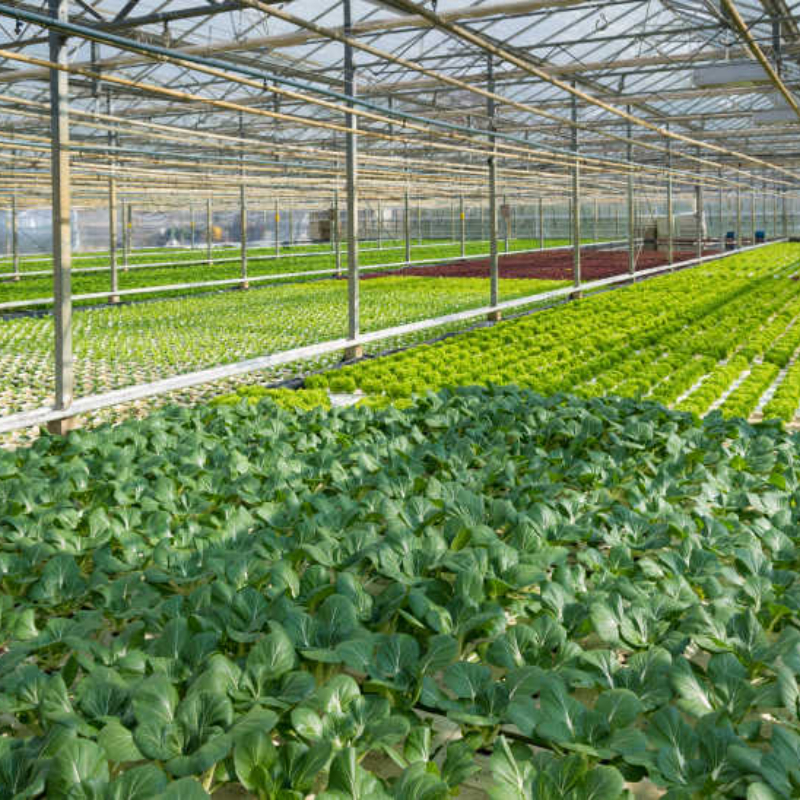
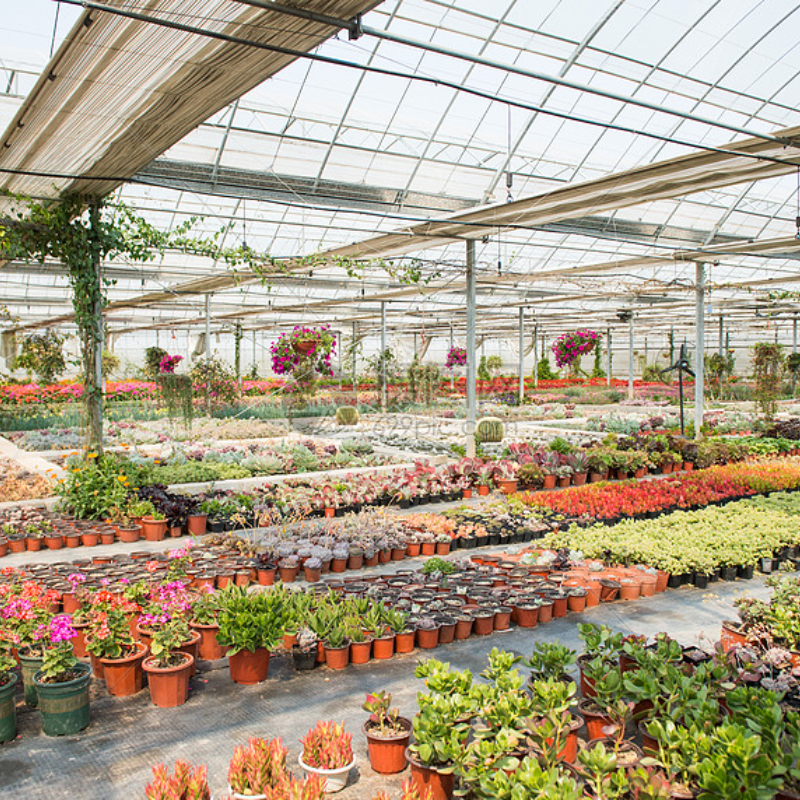
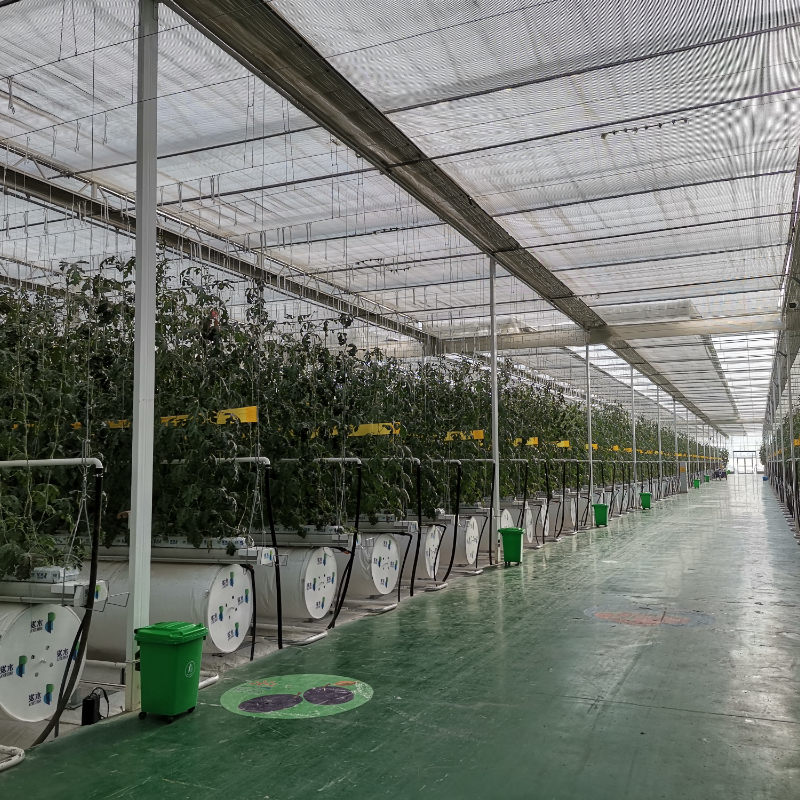
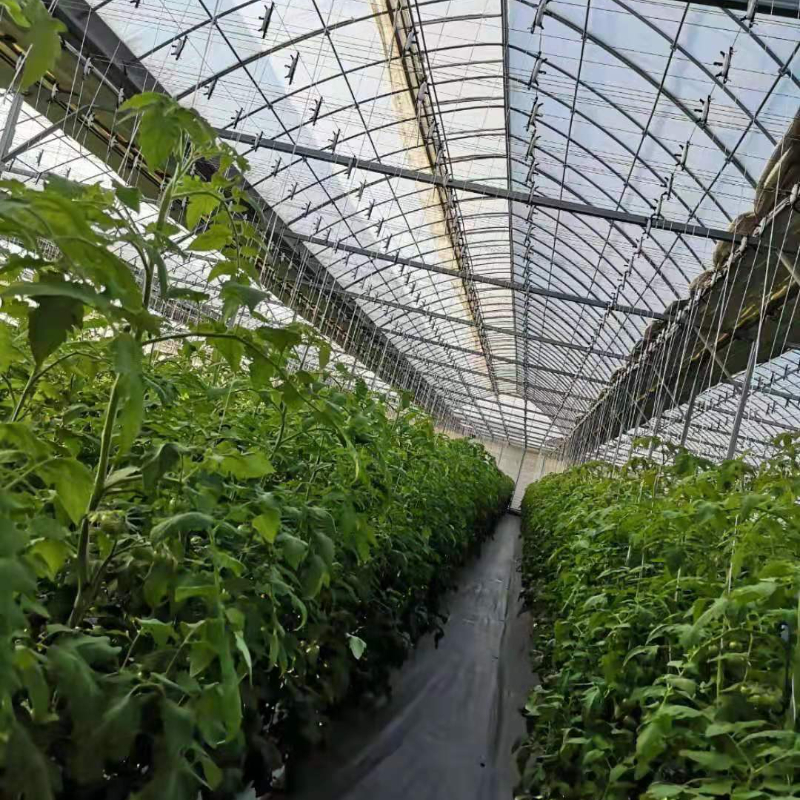
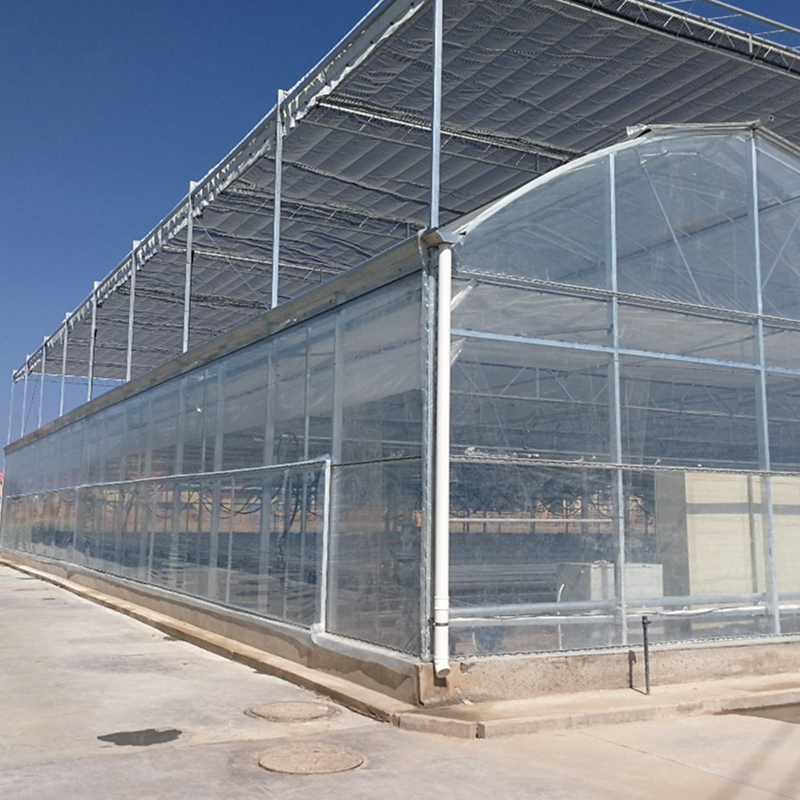
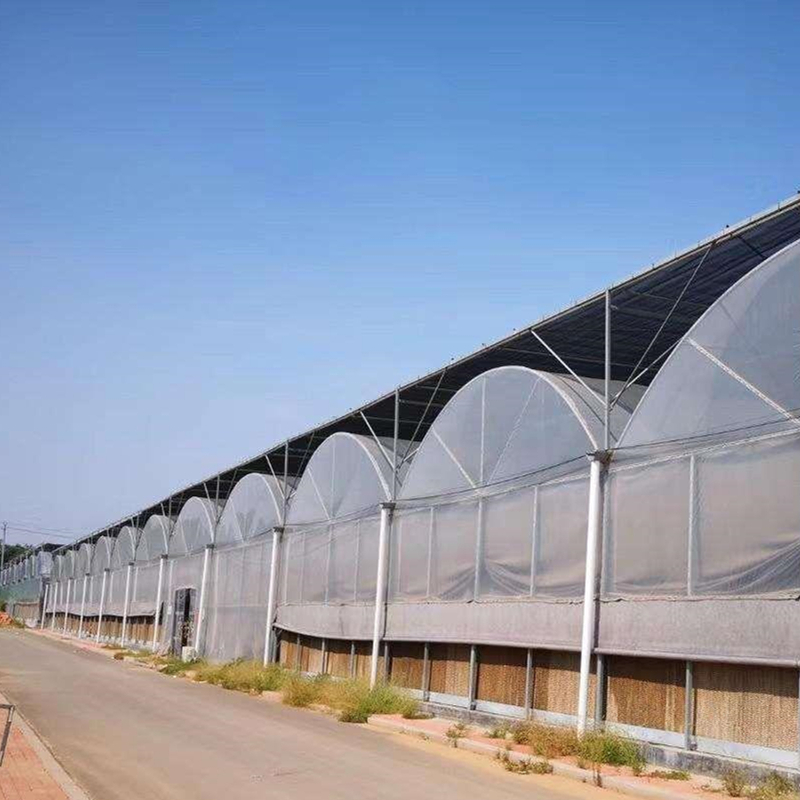
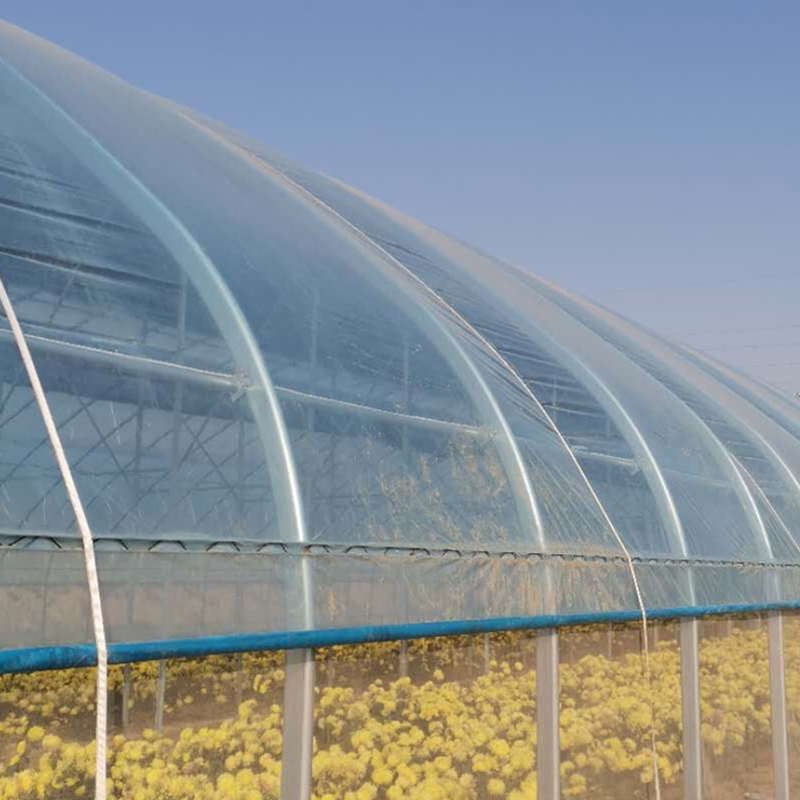
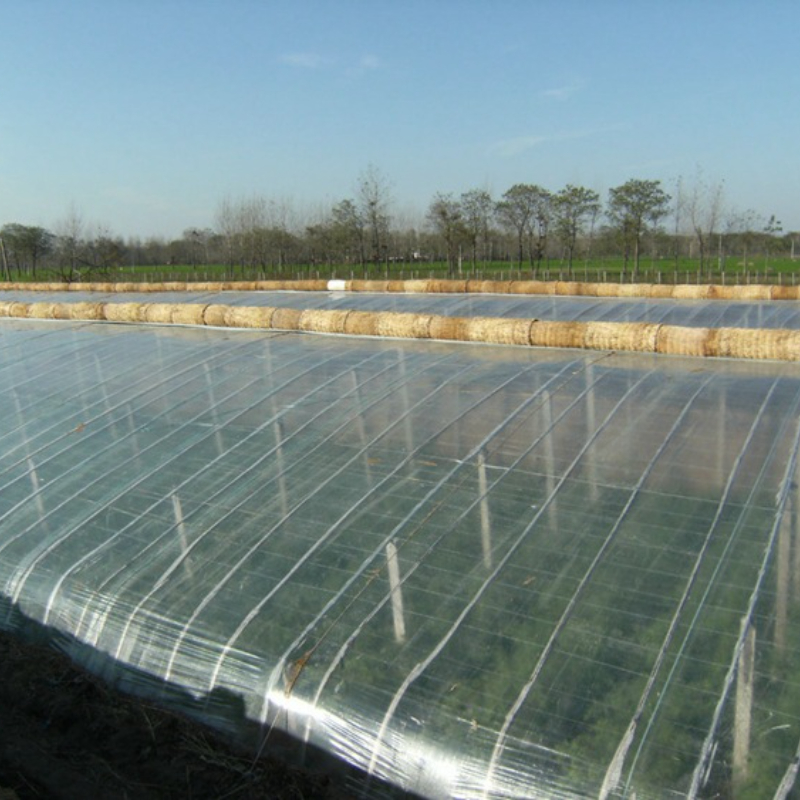
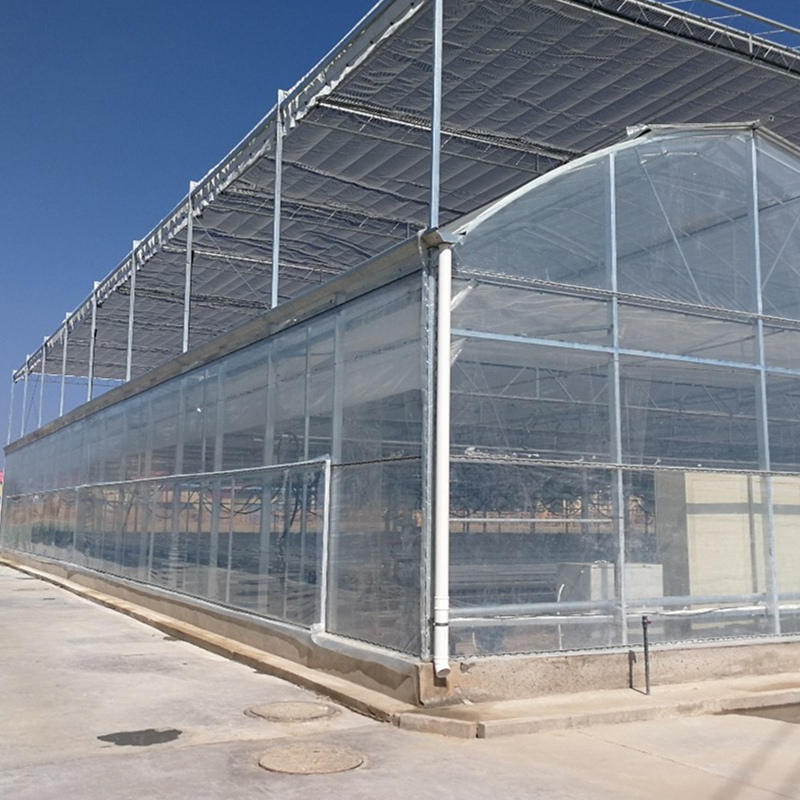
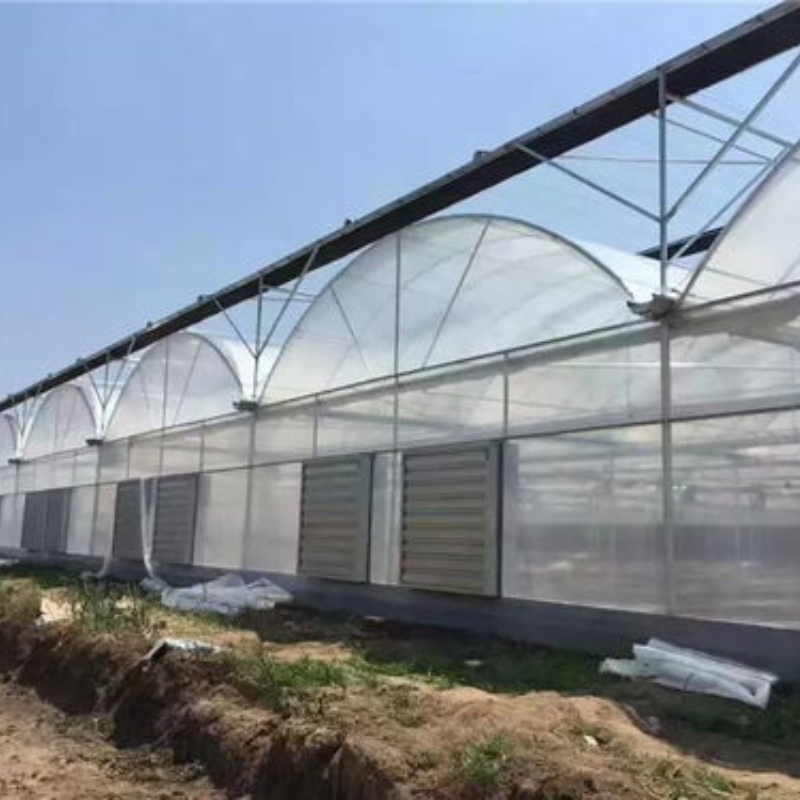
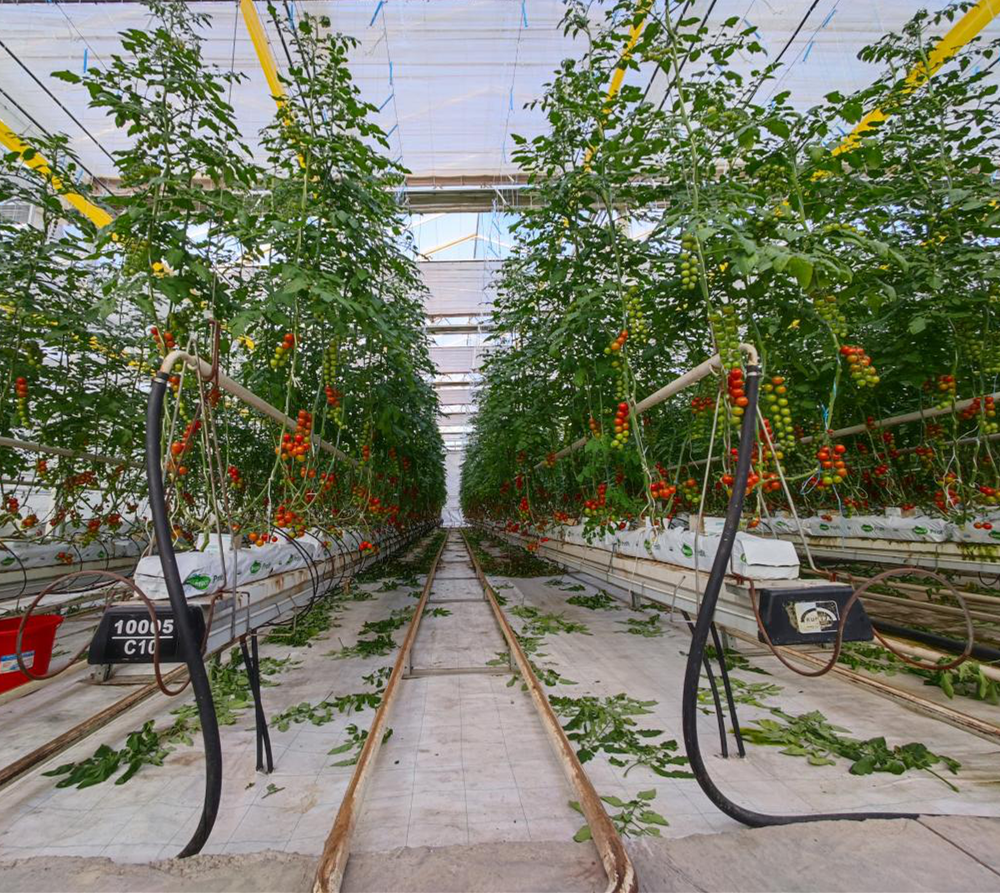
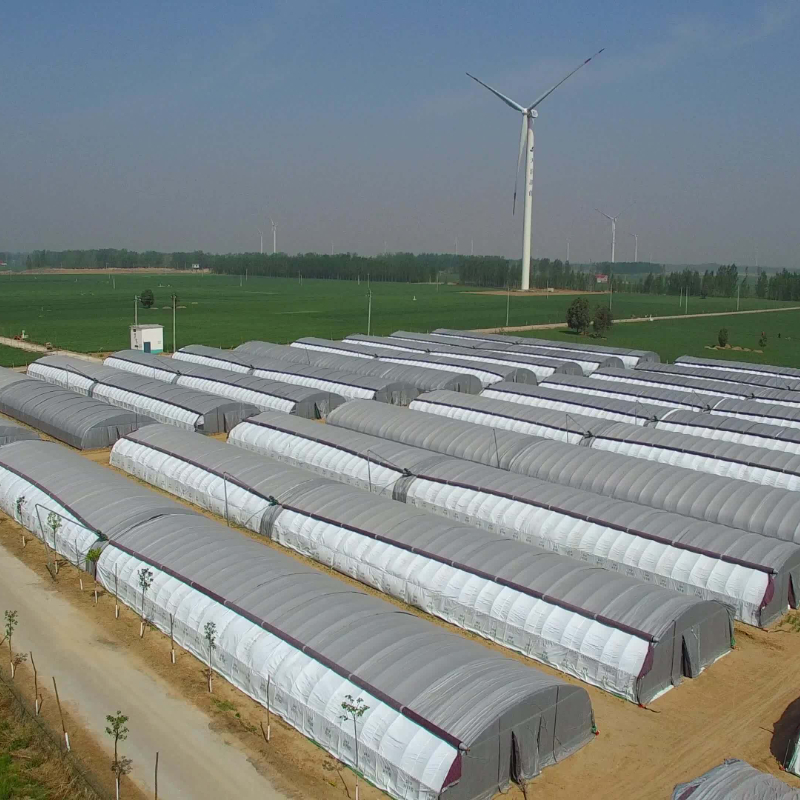
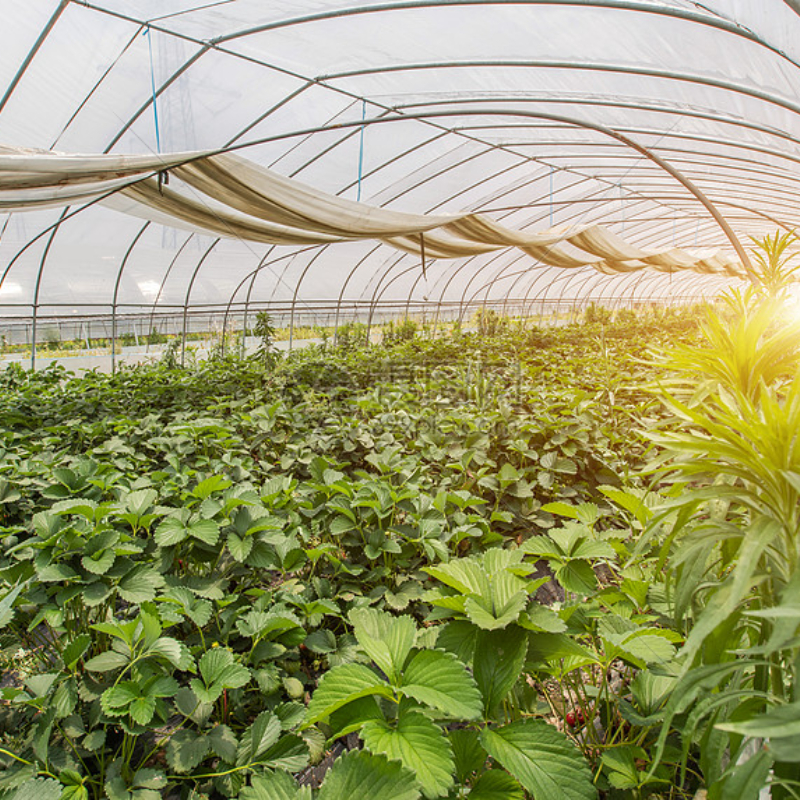
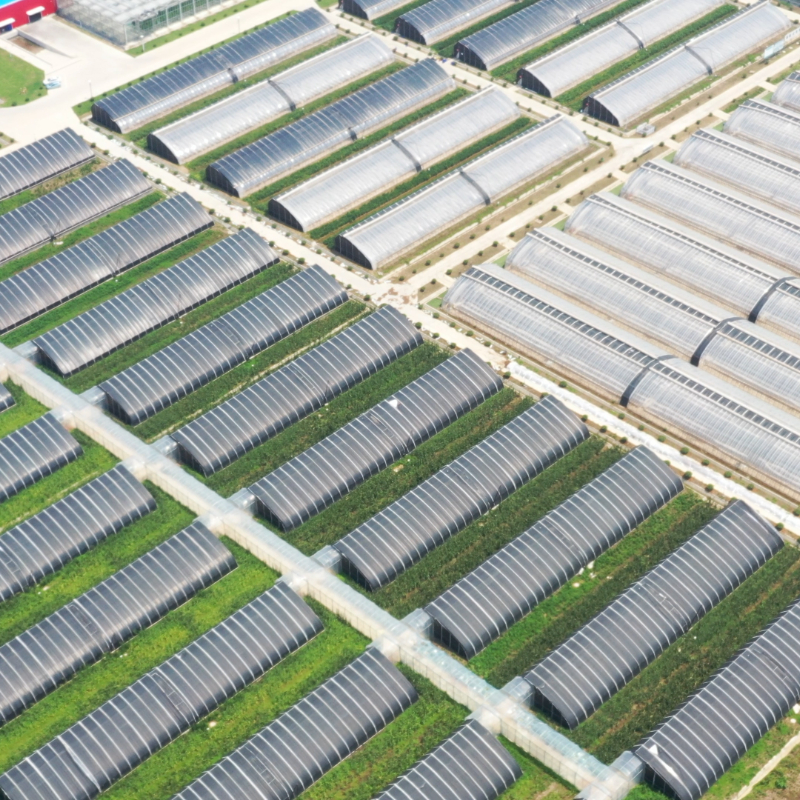
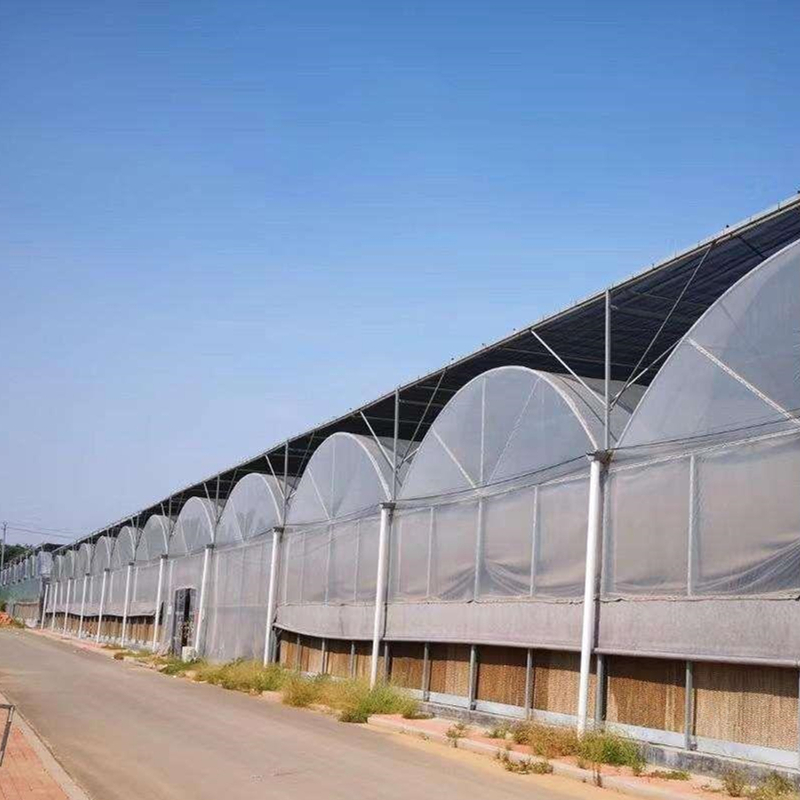
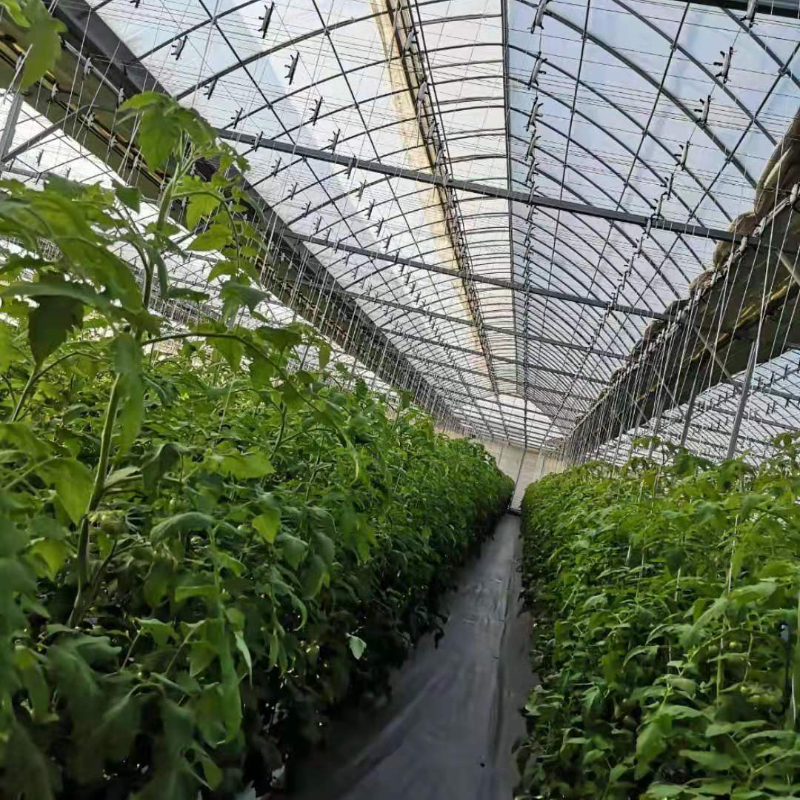
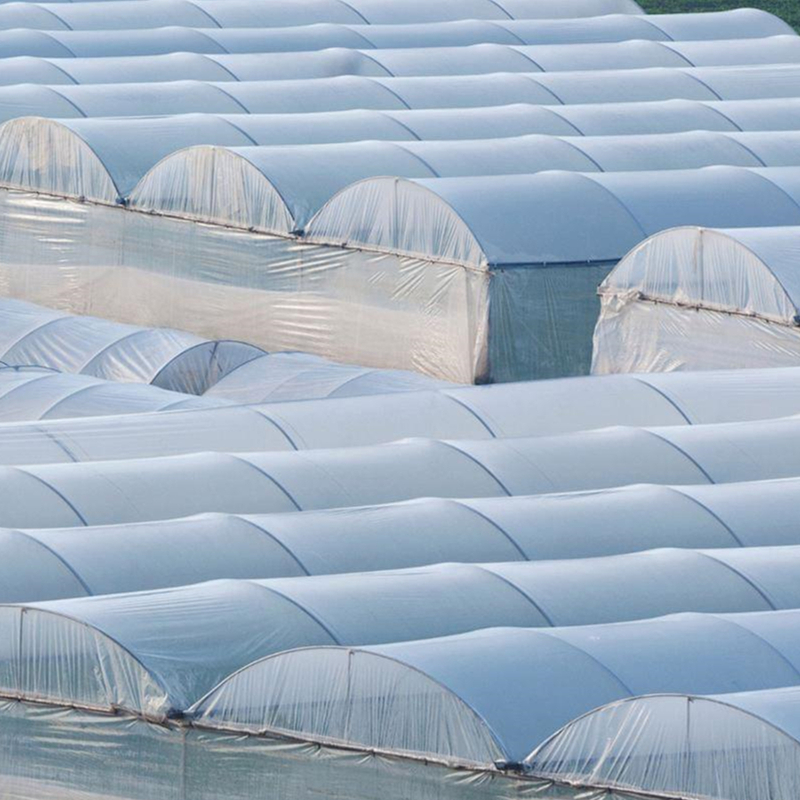
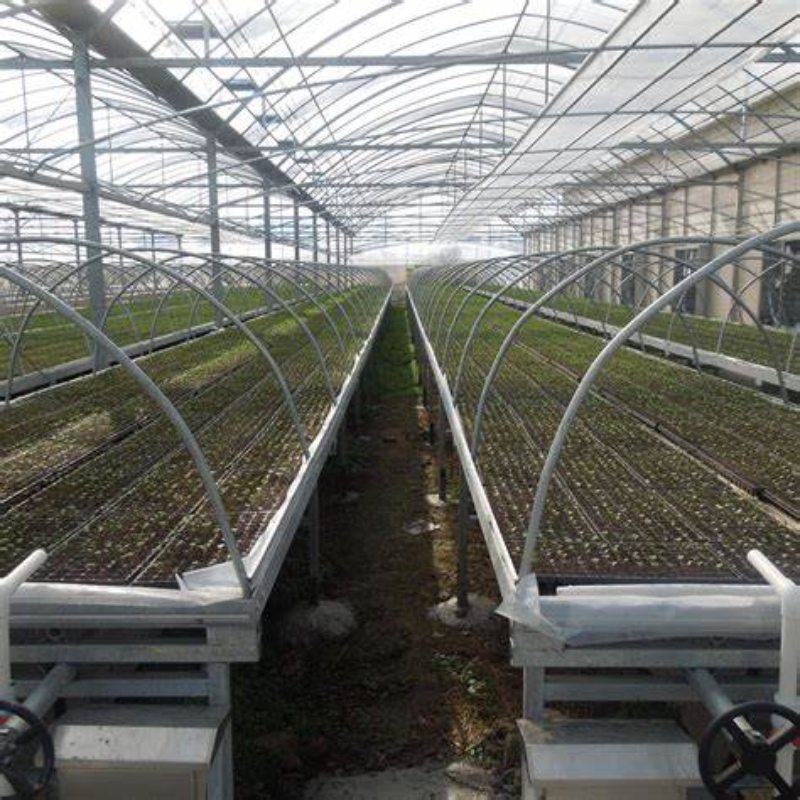
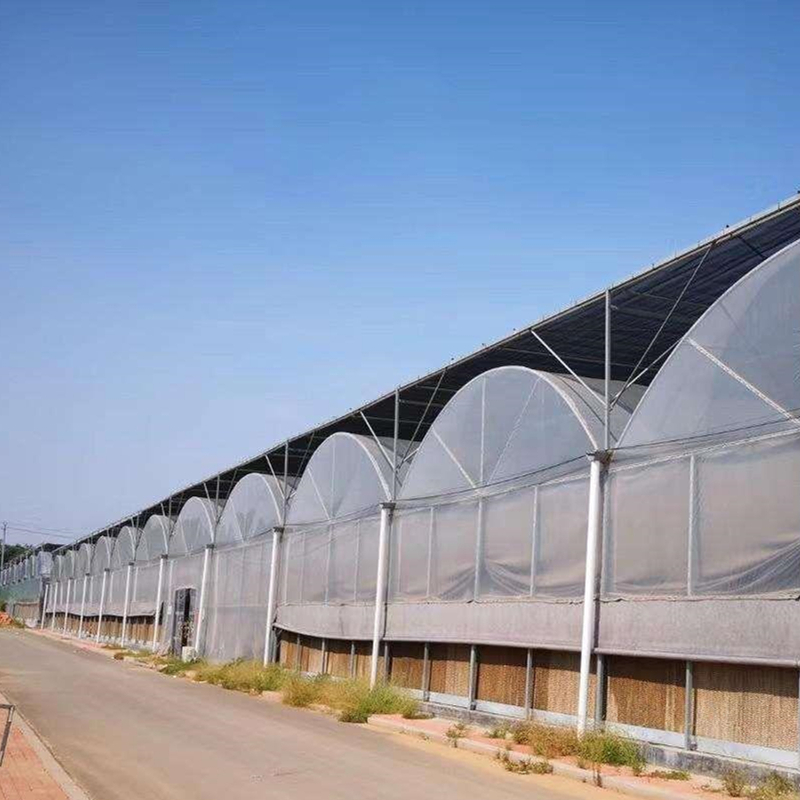
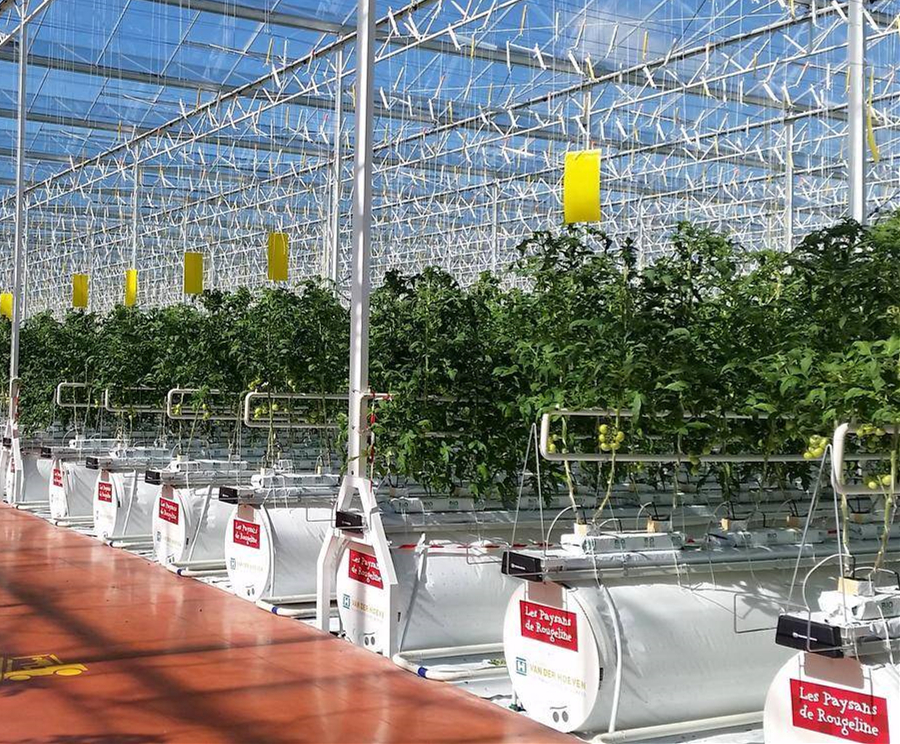
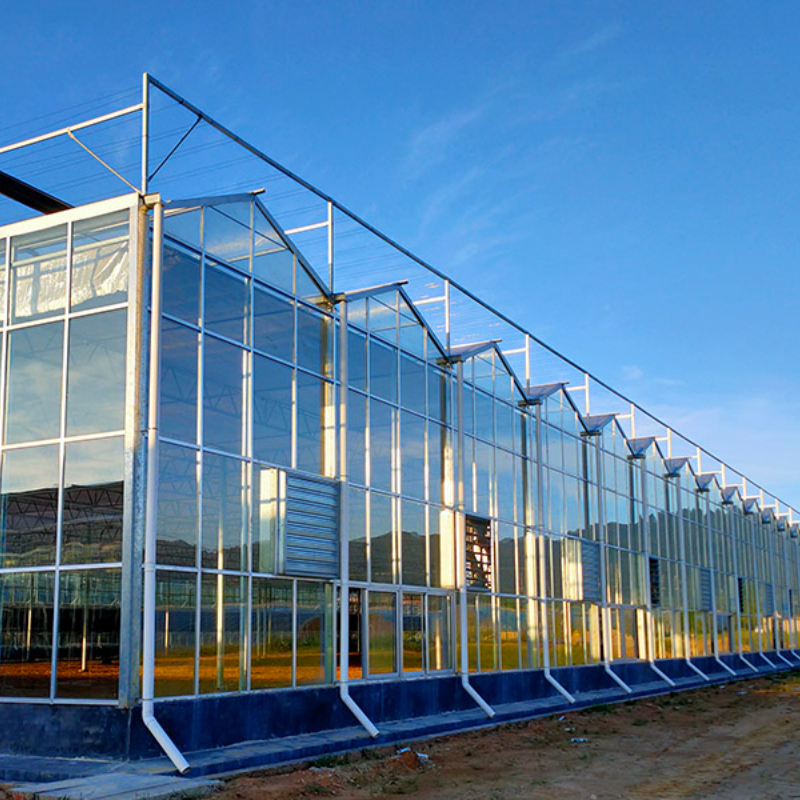
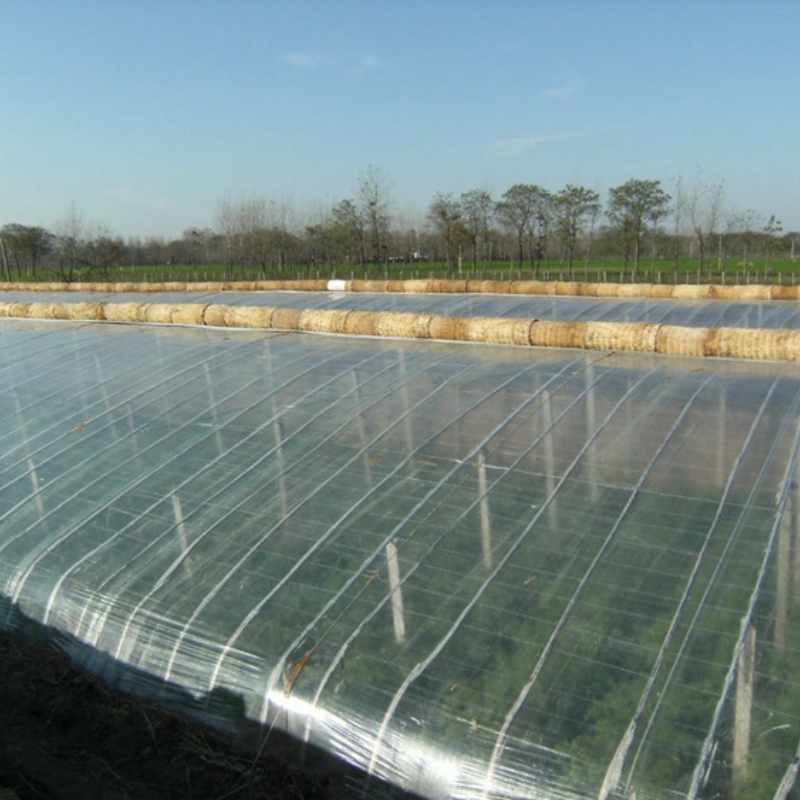
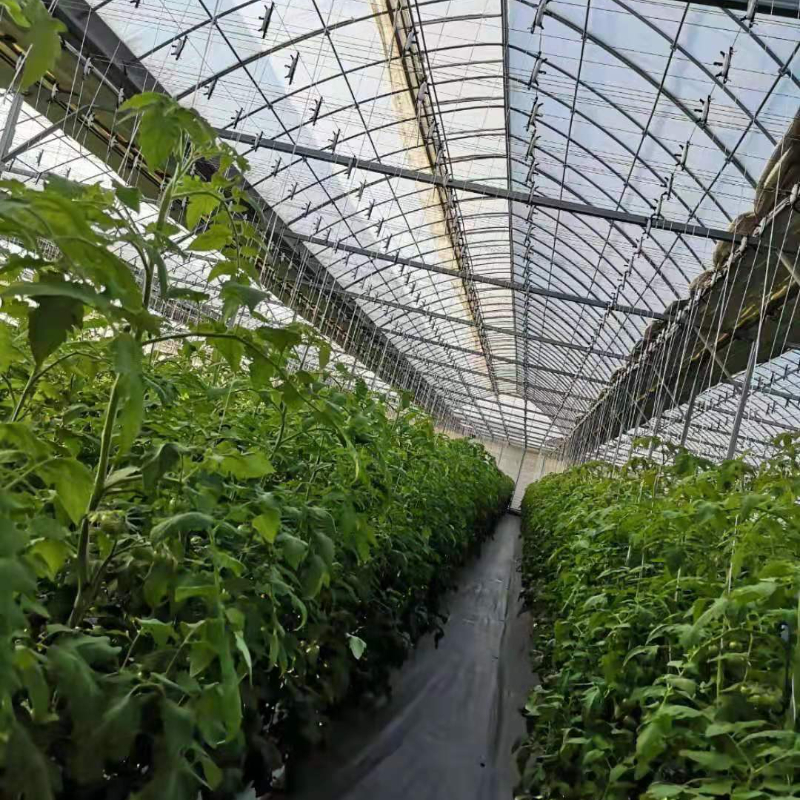
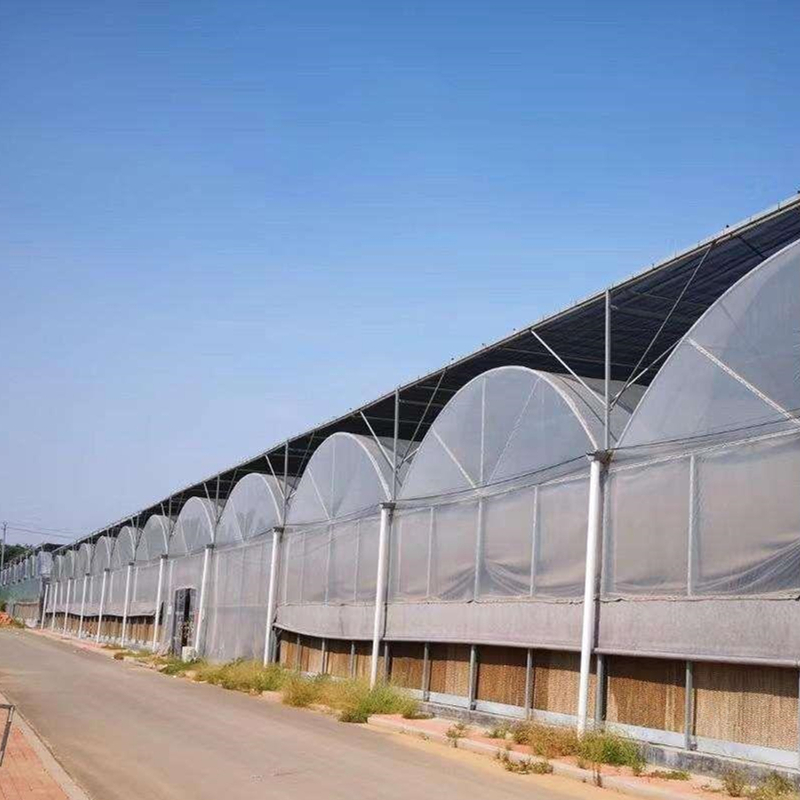
Commercial seedling production requires a balance between high quality, large scale, and low cost. The seedling greenhouse is the core facility for commercial production, and integrating solar green house technology is the key to achieving this balance. A solar green house provides a reliable, low-cost energy source that powers the intelligent systems needed to maintain consistent environmental conditions for large-scale seedling production. This article focuses on low-cost strategies specifically tailored for commercial seedling producers, covering the integration of solar green house technology into large-scale intelligent seedling greenhouses, cost optimization for mass production, and market competitiveness enhancement. By implementing these strategies, commercial growers can build efficient, cost-effective seedling greenhouses that meet the required keyword density of solar green house and seedling greenhouse, while maximizing profits.
Commercial seedling production faces unique challenges, including the need to produce large quantities of uniform, high-quality seedlings at a low cost. Traditional large-scale seedling greenhouses rely on grid electricity or fossil fuels for energy, leading to high operational costs that reduce profit margins. Solar green house technology addresses this challenge by providing a free, renewable energy source. A large-scale solar green house system can generate enough electricity to power the entire seedling greenhouse, including temperature control, humidity regulation, irrigation, and supplementary lighting. Additionally, the use of solar energy enhances the sustainability of the seedling production process, which is increasingly important for meeting the environmental requirements of large buyers and retailers. For commercial growers, the integration of solar green house technology into the seedling greenhouse is not only a cost-saving measure but also a strategic investment in market competitiveness.
I. Large-Scale Solar Green House System Design for Commercial Seedling Greenhouse

Designing a large-scale solar green house system for commercial seedling greenhouses requires careful consideration of energy demand, solar resource availability, and cost efficiency. The system should be sized to meet the energy needs of the entire seedling greenhouse, while minimizing initial investment and maximizing energy generation.
1. Energy Demand Assessment for Large-Scale Seedling Greenhouse

Large-scale commercial seedling greenhouses have higher energy demands than small-scale facilities, due to their larger size and the need for simultaneous control of multiple environmental parameters. Before designing the solar green house system, a detailed energy demand assessment is essential. This assessment should include the energy required for heating, cooling, irrigation, fertilization, supplementary lighting, and intelligent control systems.
For example, a 5000-square-meter commercial seedling greenhouse cultivating vegetable seedlings may require 100kW of power for heating in winter, 80kW for cooling in summer, and 50kW for supplementary lighting and other systems. The solar green house system should be designed to meet at least 80% of this energy demand to achieve significant cost savings. The remaining energy demand can be met by the grid or a backup generator, ensuring reliable operation during periods of low solar energy availability.
2. Solar Panel Array Design for Large-Scale Applications

For large-scale commercial seedling greenhouses, a ground-mounted solar panel array is often more cost-effective than a roof-mounted array. Ground-mounted arrays can be sized larger, allowing for more solar panels to be installed, and are easier to maintain. Additionally, the angle and orientation of ground-mounted arrays can be optimized more easily to maximize solar absorption.
When designing the solar panel array, growers should consider the use of tracking systems. Solar trackers follow the sun’s movement throughout the day, increasing energy generation by 20-30% compared to fixed arrays. While trackers add to the initial cost of the solar green house system, the increased energy generation can significantly reduce payback time for large-scale facilities. For commercial growers with large land areas, trackers are a worthwhile investment.
3. Energy Storage and Grid Integration for Large-Scale Systems

Large-scale solar green house systems require energy storage to ensure stable energy supply. Lithium-ion battery banks are the preferred choice for large-scale applications, due to their high energy density, long lifespan, and low maintenance requirements. The battery bank should be sized to store enough energy to meet the seedling greenhouse’s energy demand during the night and cloudy days.
Grid integration is also important for large-scale commercial seedling greenhouses. A grid-tie solar green house system allows excess energy to be fed into the grid, generating additional income through feed-in tariffs. This income can offset the initial investment in the solar green house system. Additionally, the grid provides a backup energy source, ensuring that the seedling greenhouse can continue to operate even if the solar green house system fails or solar energy is insufficient.
II. Cost Optimization Strategies for Large-Scale Solar-Powered Seedling Greenhouse

Cost optimization is critical for commercial seedling producers, as it directly affects profit margins. The following strategies focus on reducing initial investment and operational costs for large-scale solar-powered seedling greenhouses.
1. Bulk Purchasing of Materials and Equipment

Commercial growers can leverage their purchasing power to negotiate bulk discounts on seedling greenhouse materials and solar green house components. Buying steel frames, covering materials, solar panels, batteries, and intelligent systems in bulk can reduce costs by 10-20% compared to small-scale purchases. Additionally, working with suppliers to develop long-term partnerships can lead to further discounts and better after-sales service.
2. Standardization and Automation of Seedling Production Processes

Standardizing and automating seedling production processes reduces labor costs and improves efficiency. The solar-powered intelligent system in the seedling greenhouse can be integrated with automated seed sowing machines, seedling transplanting machines, and packaging systems. This automation reduces the need for manual labor, which is a major operational cost for commercial seedling producers.
Constructing an intelligent seedling greenhouse with minimum cost is a top priority for many agricultural growers and investors. The key to achieving this goal lies in the effective integration of solar green house technology and meticulous cost management. A solar green house provides a renewable, low-cost energy source that powers the intelligent systems essential for seedling growth, while proper cost management ensures that every investment is optimized. This article serves as a comprehensive guide, covering all aspects of low-cost intelligent seedling greenhouse construction—from solar green house system selection and seedling greenhouse design to cost budgeting and long-term operation. By following the guidelines provided, growers can build a high-performance seedling greenhouse that meets the required keyword density of solar green house and seedling greenhouse, while minimizing both initial and operational costs.
The seedling greenhouse is a critical facility for modern agriculture, as it ensures the production of healthy, vigorous seedlings that form the basis of high-yield crops. However, the high cost of building and operating an intelligent seedling greenhouse has been a major obstacle. Intelligent systems, such as temperature control, humidity regulation, and supplementary lighting, require a constant energy supply, which can be expensive if relying on grid electricity. Solar green house technology solves this problem by harnessing solar energy, a free and abundant resource, to power these systems. Additionally, solar green house systems have a long service life (25-30 years), making them a cost-effective investment in the long run. When combined with proper cost management strategies, solar green house integration enables growers to build and operate an intelligent seedling greenhouse at a fraction of the cost of traditional facilities.
