
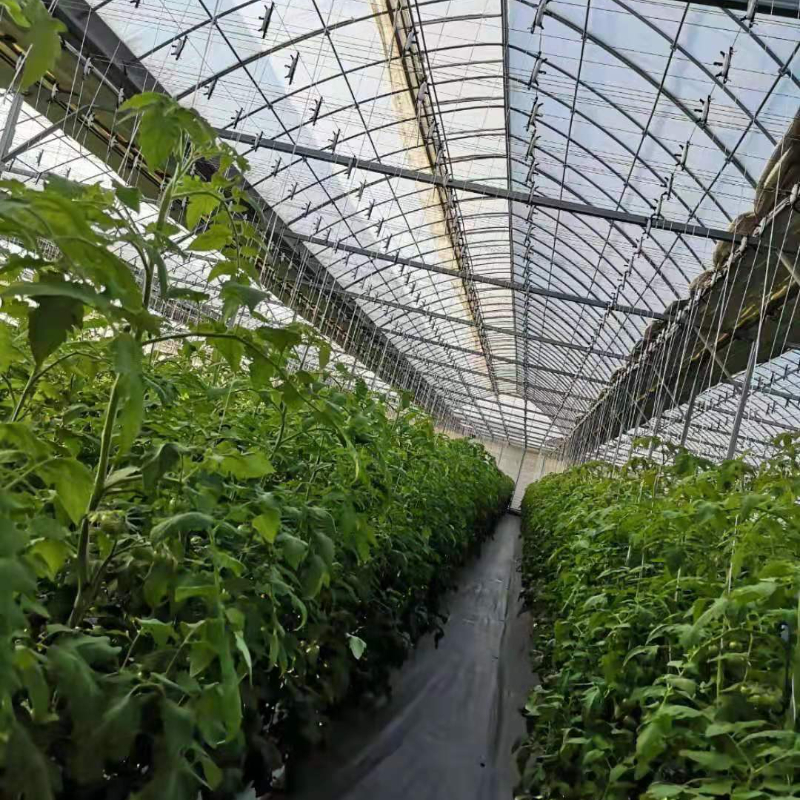
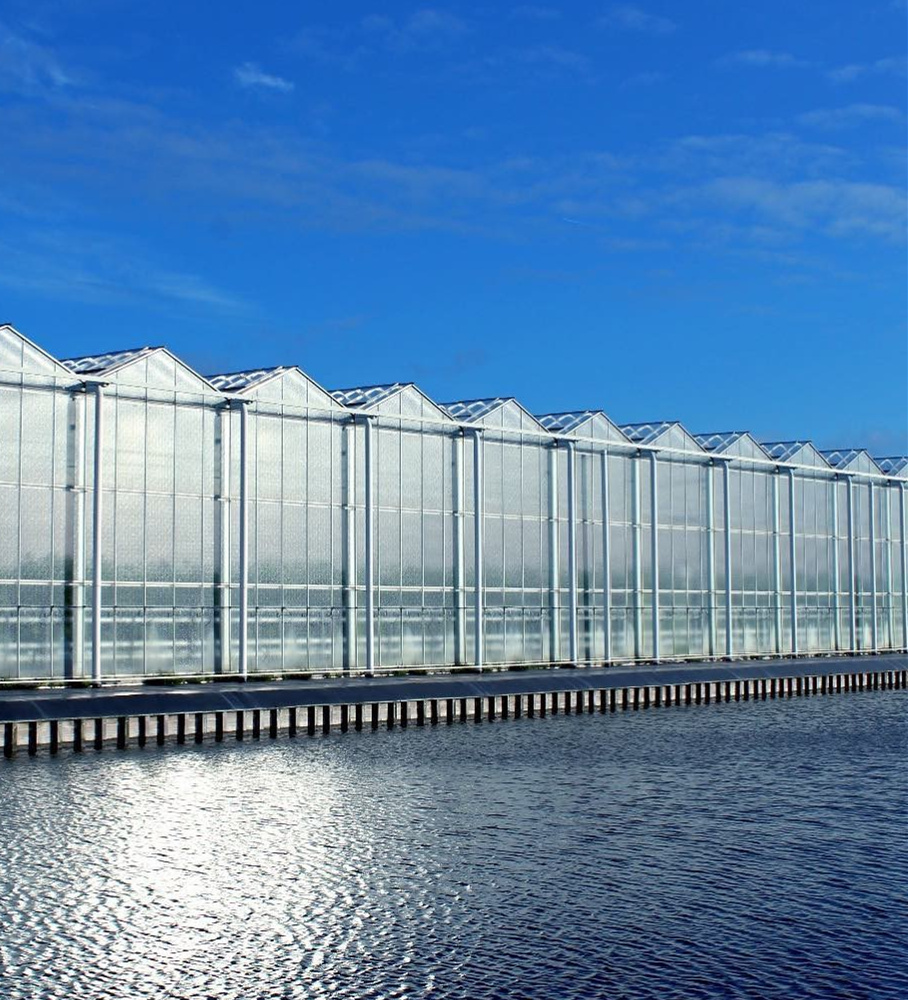
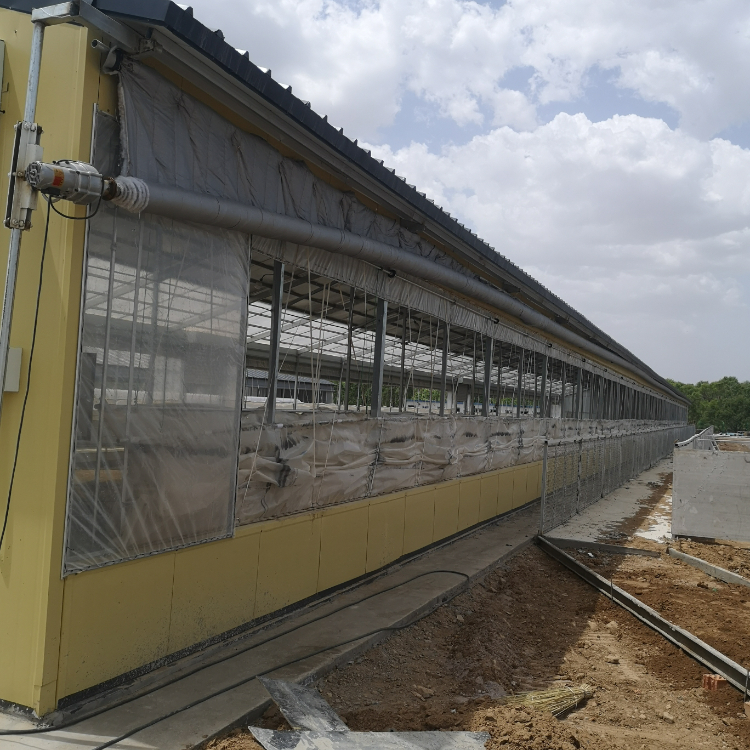
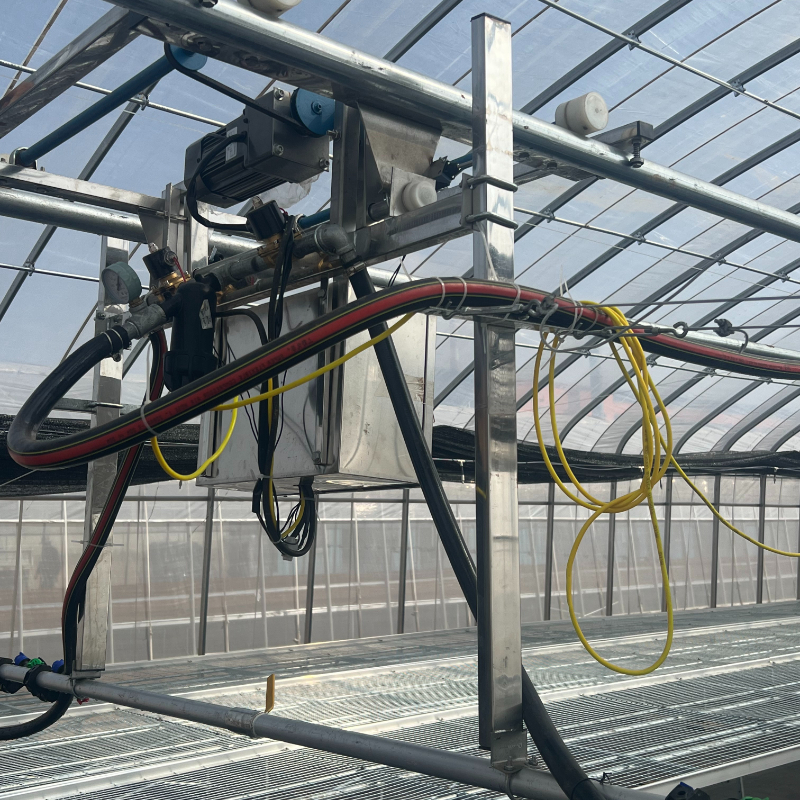
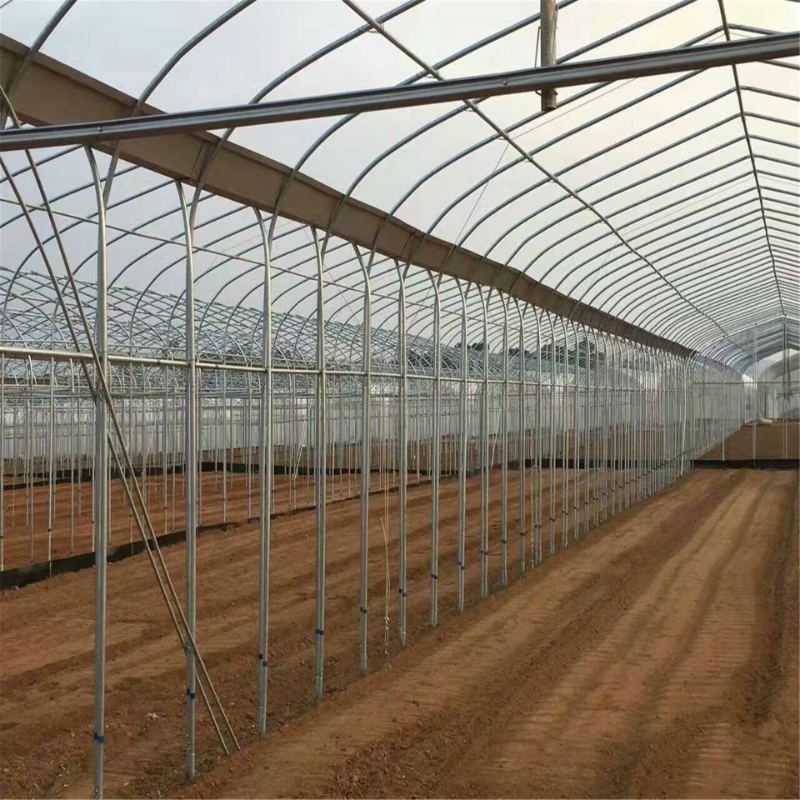

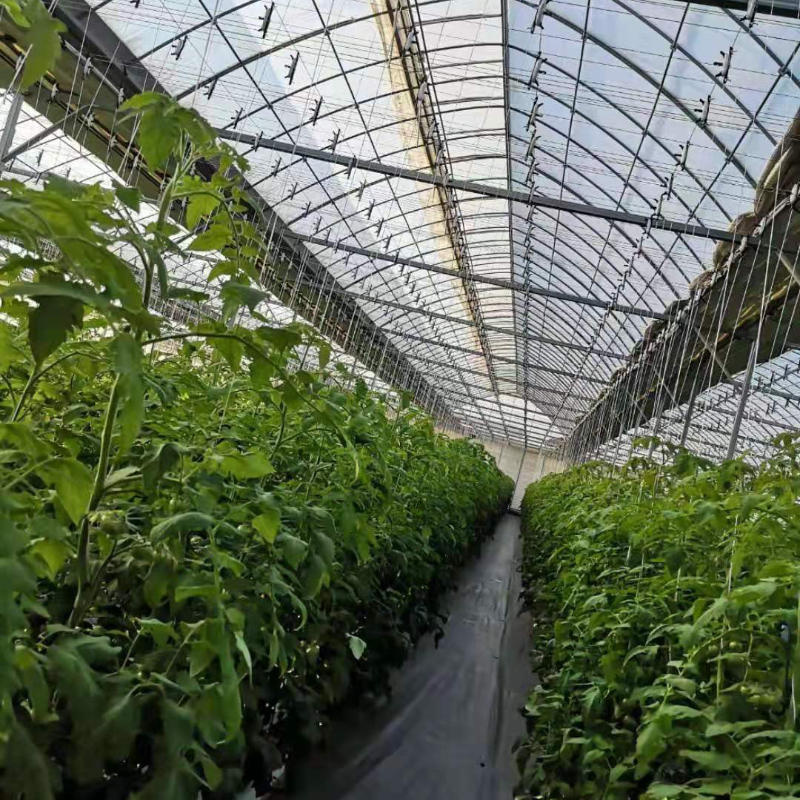
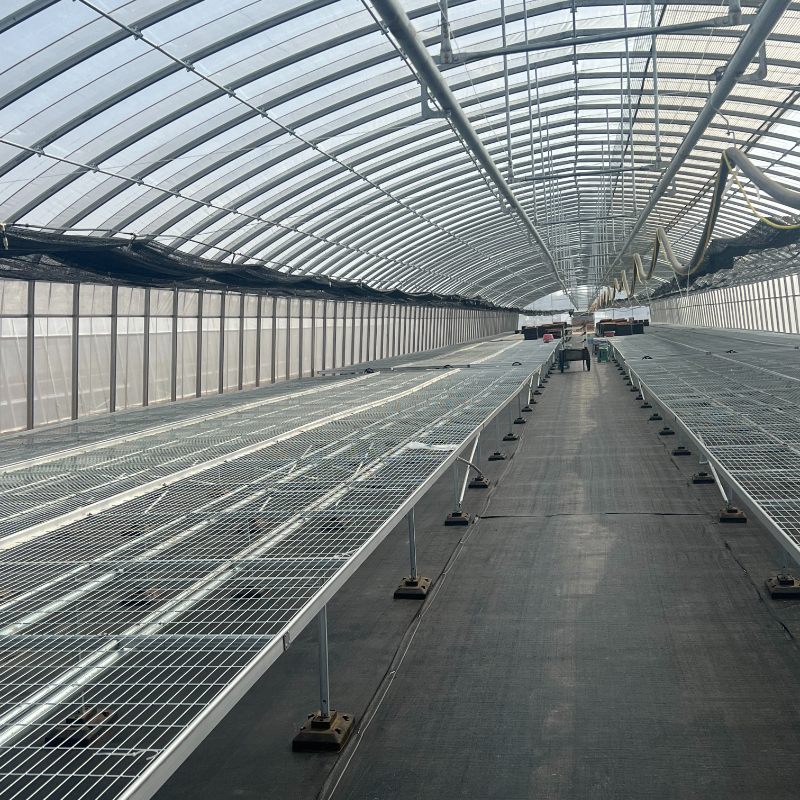
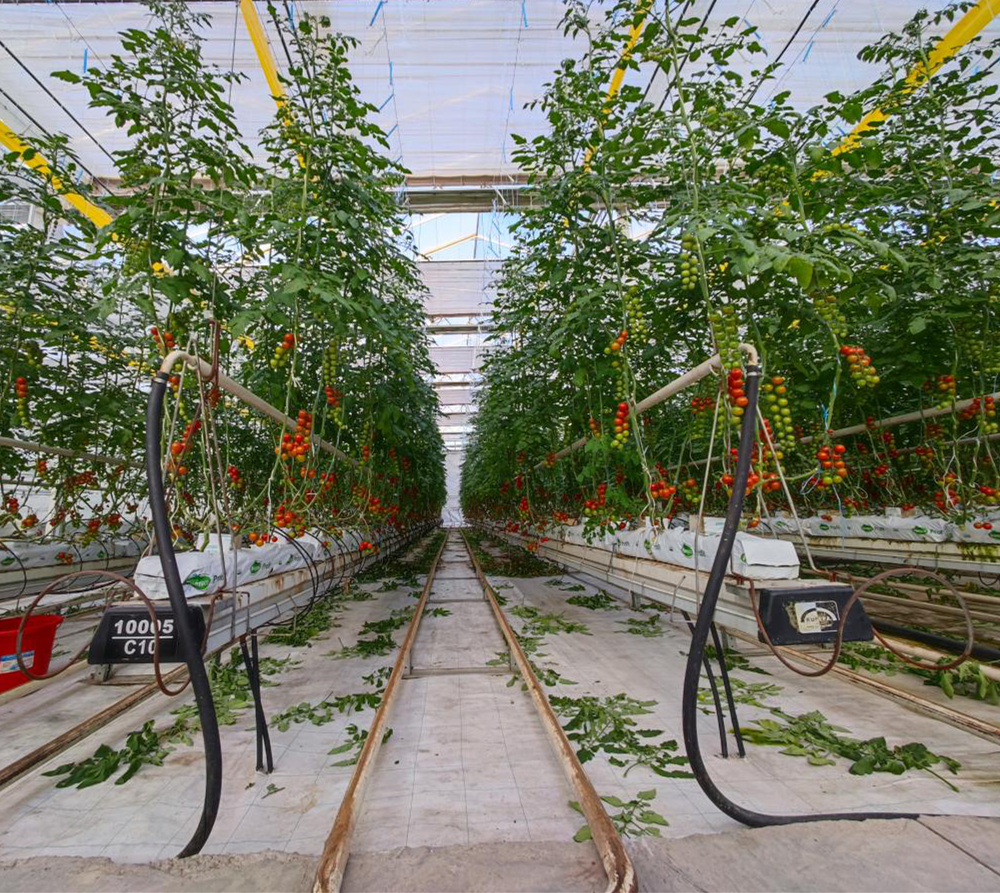
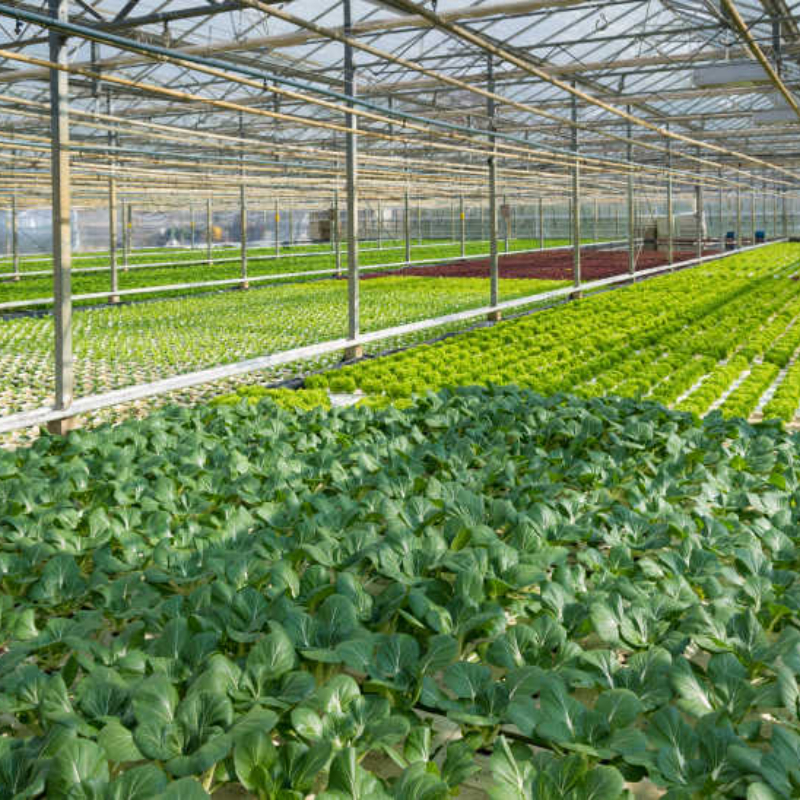
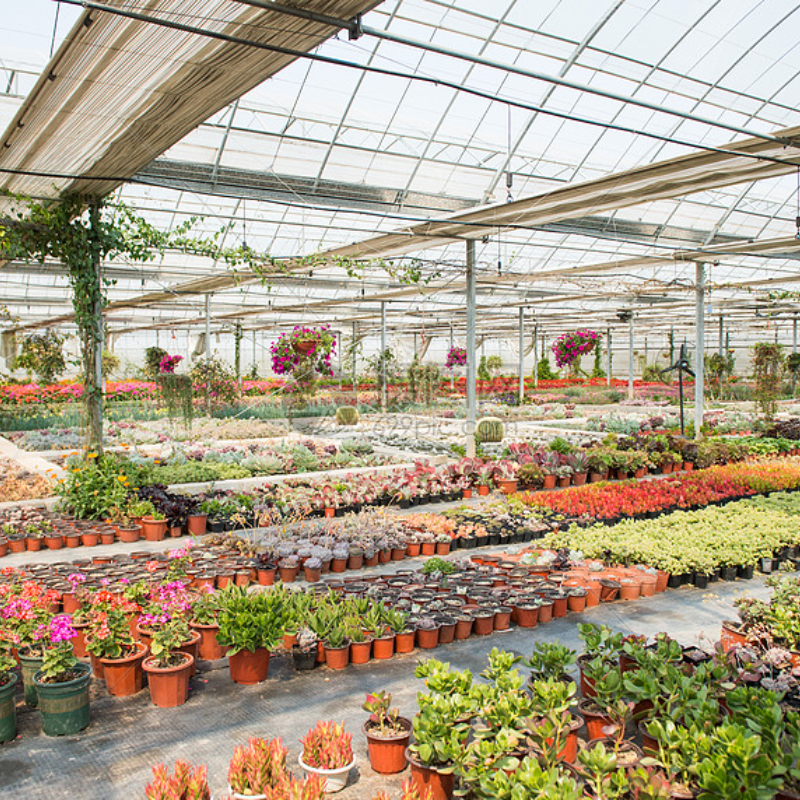
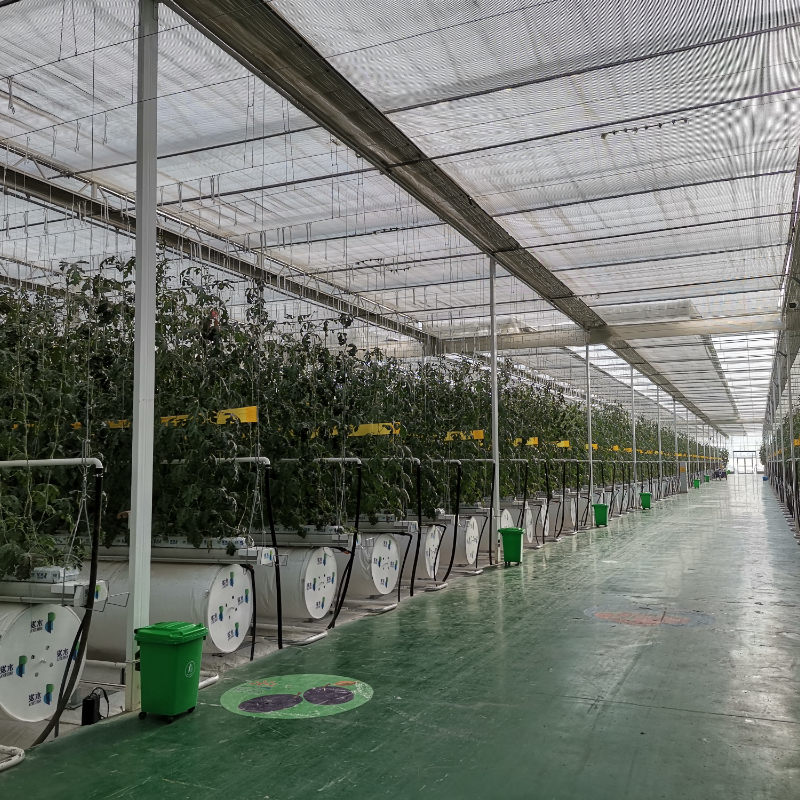
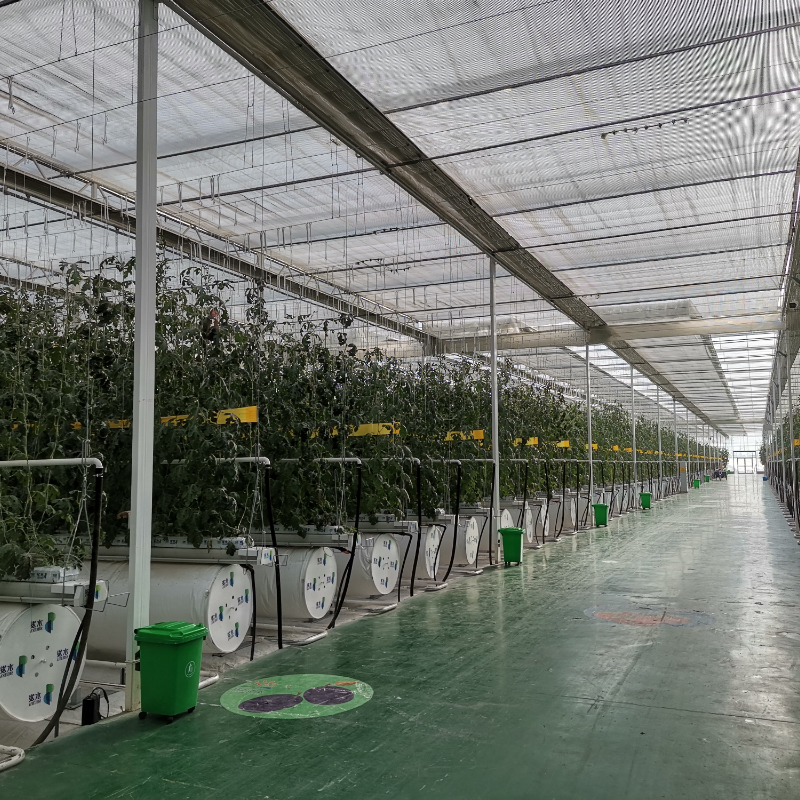
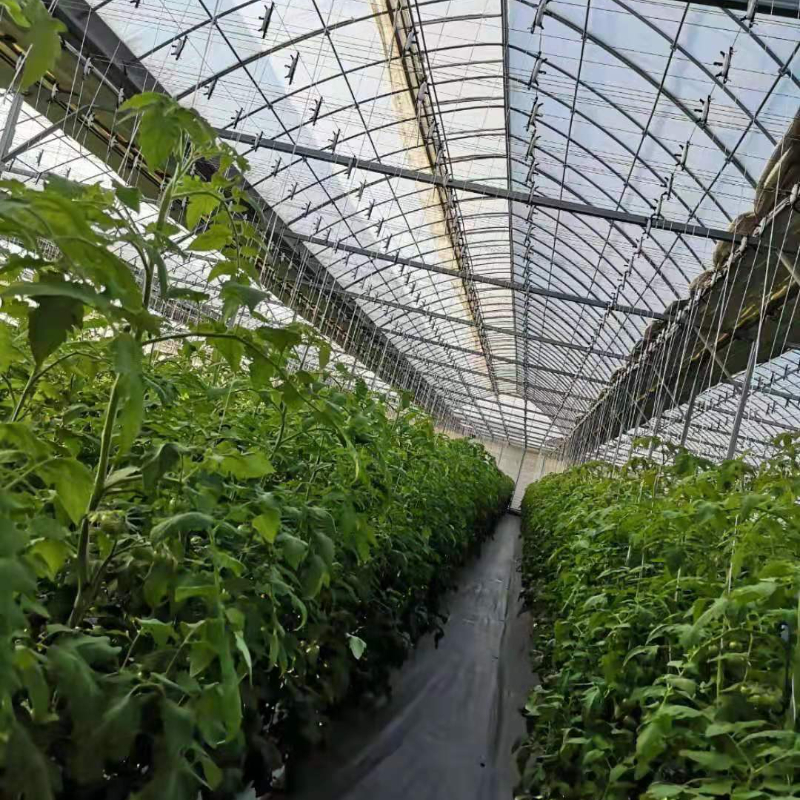
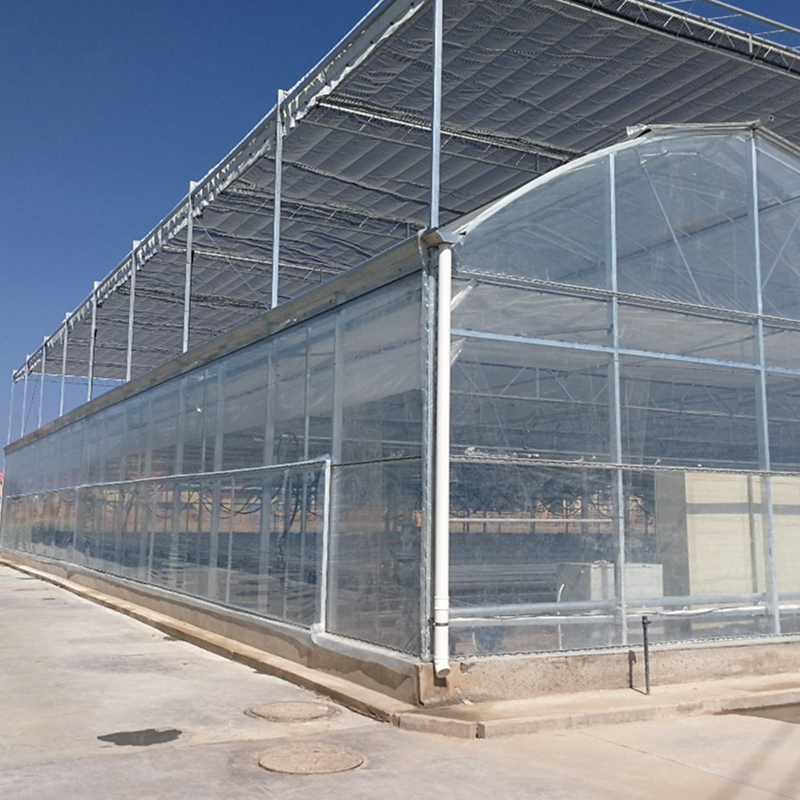
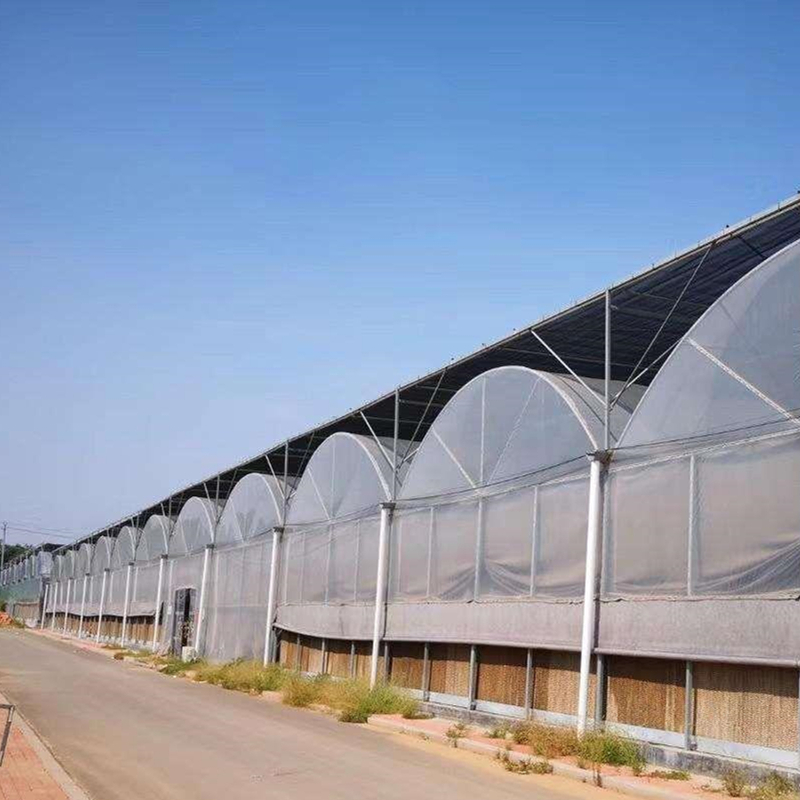
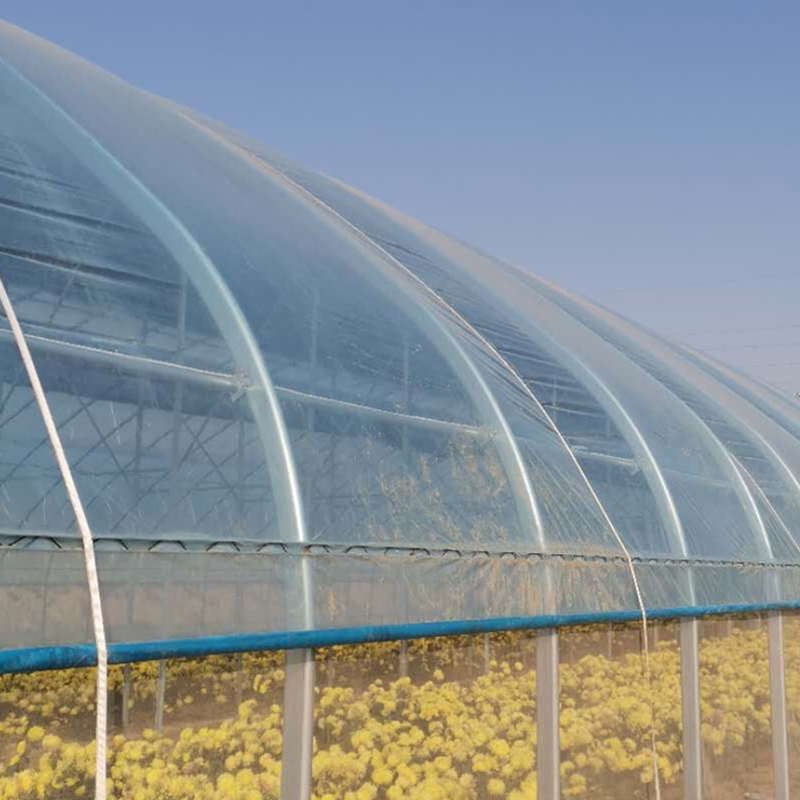
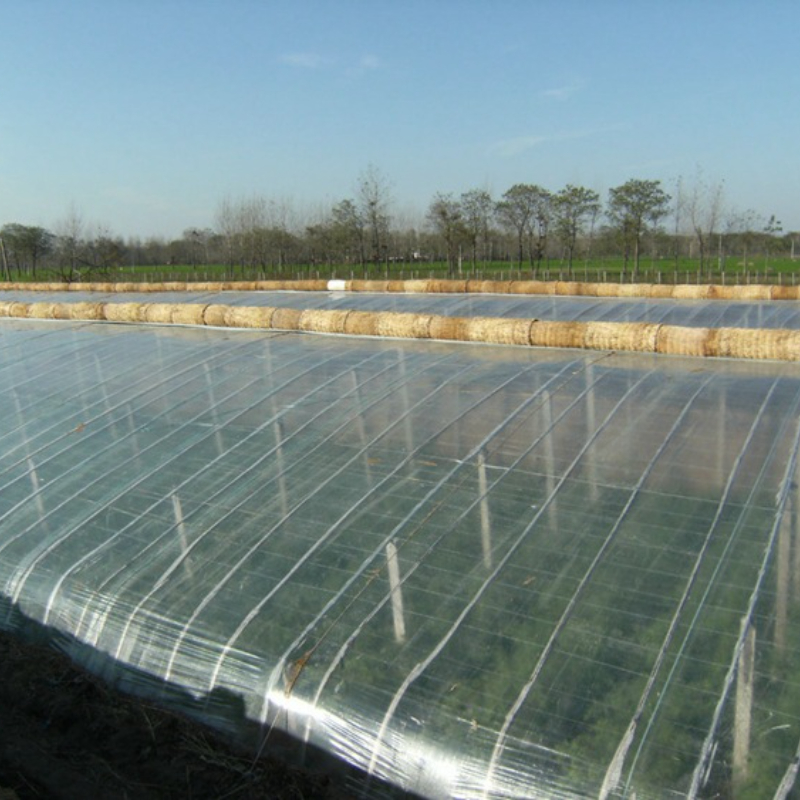
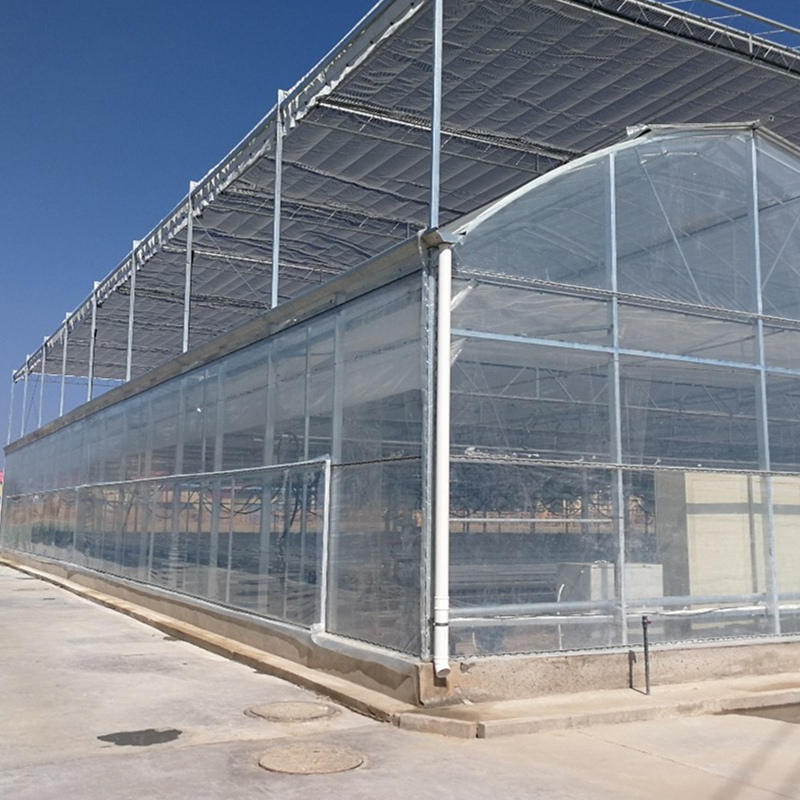
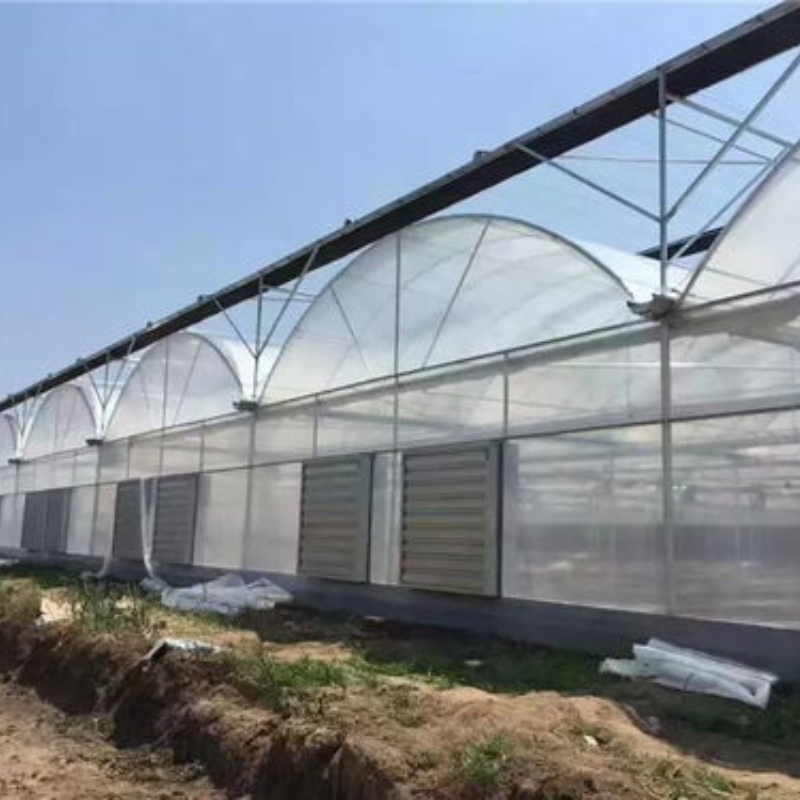
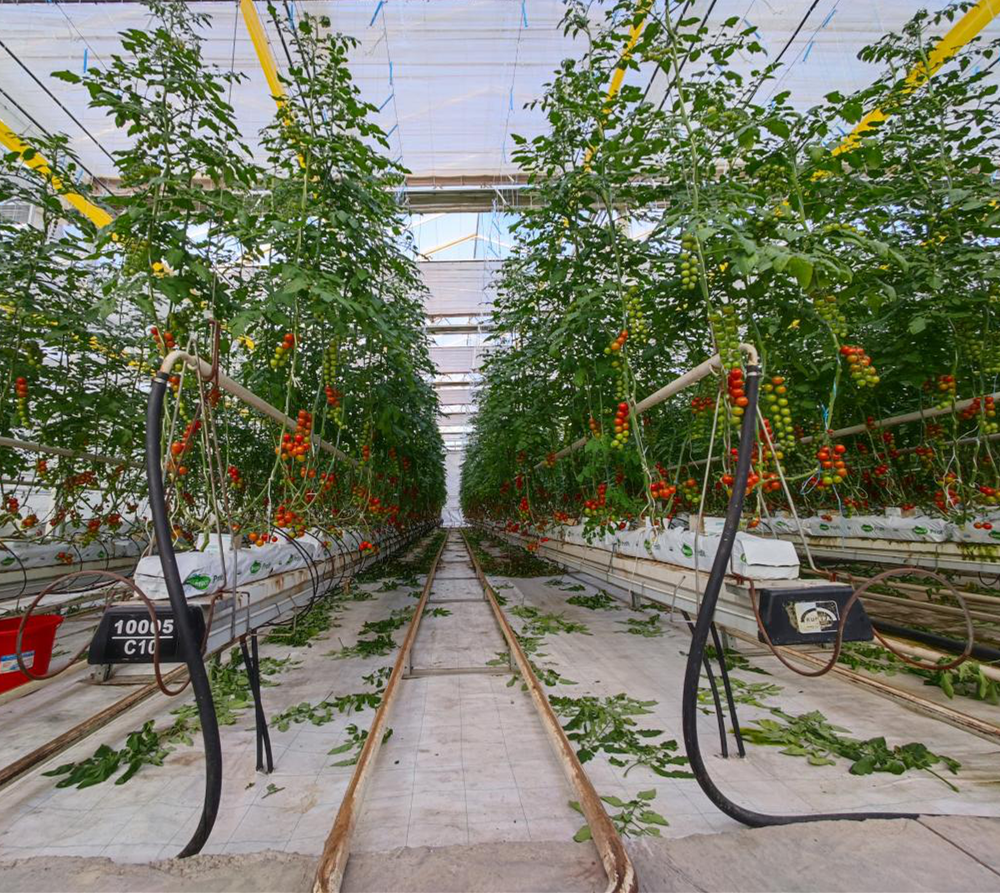
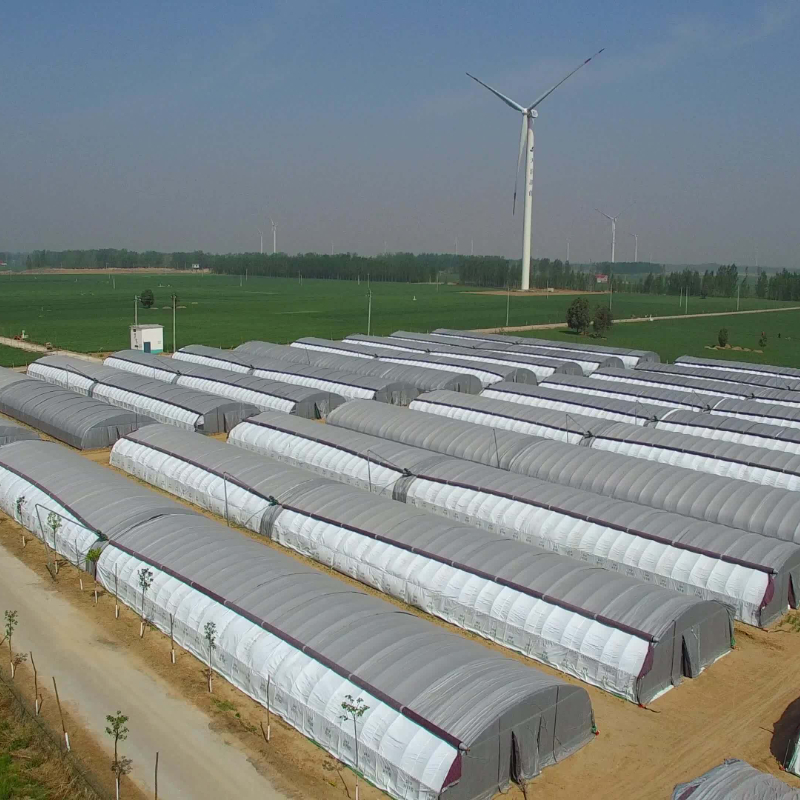
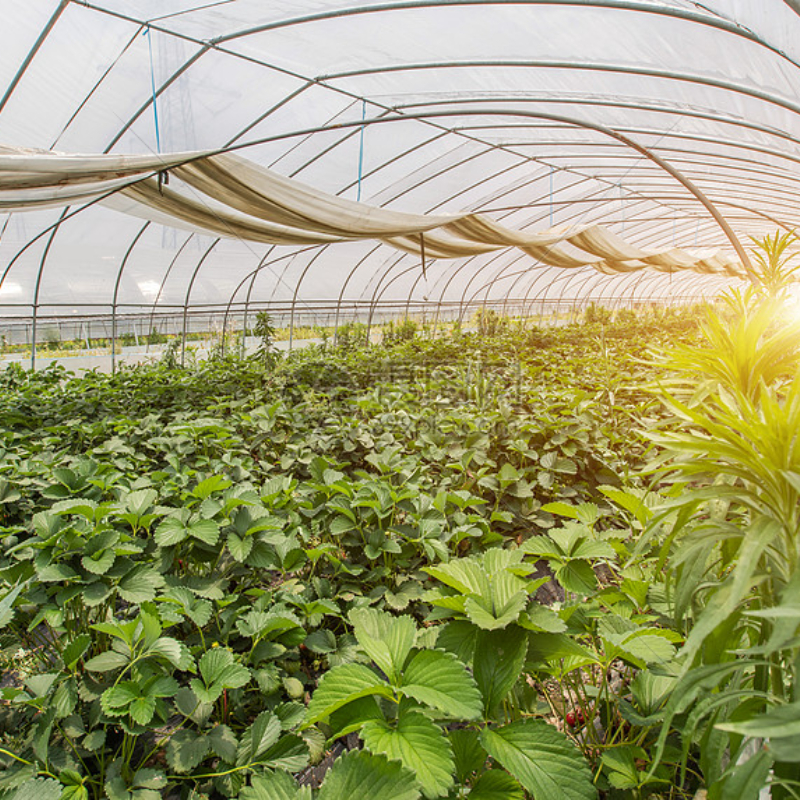
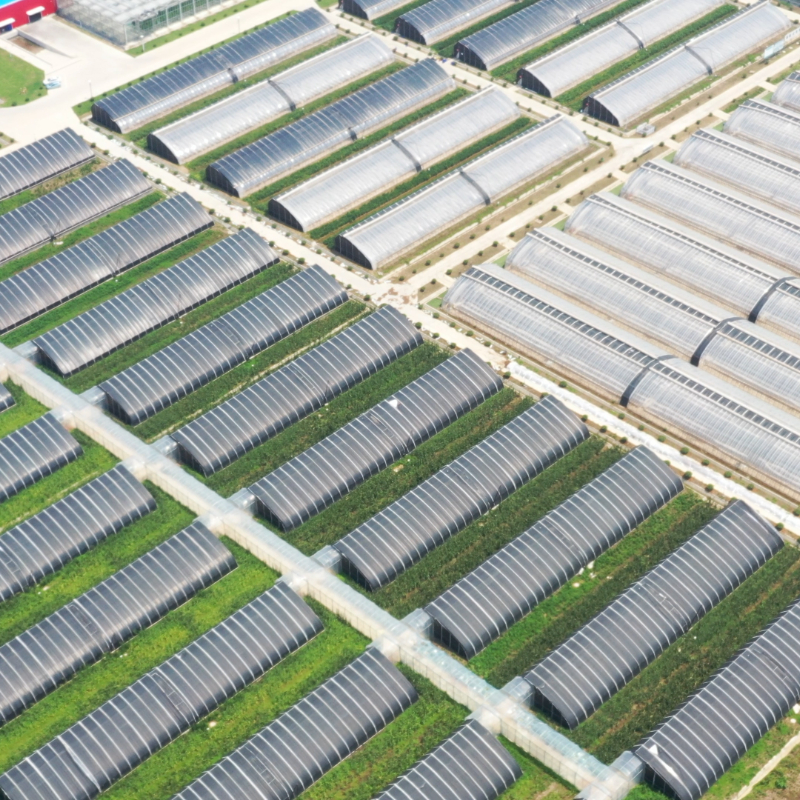
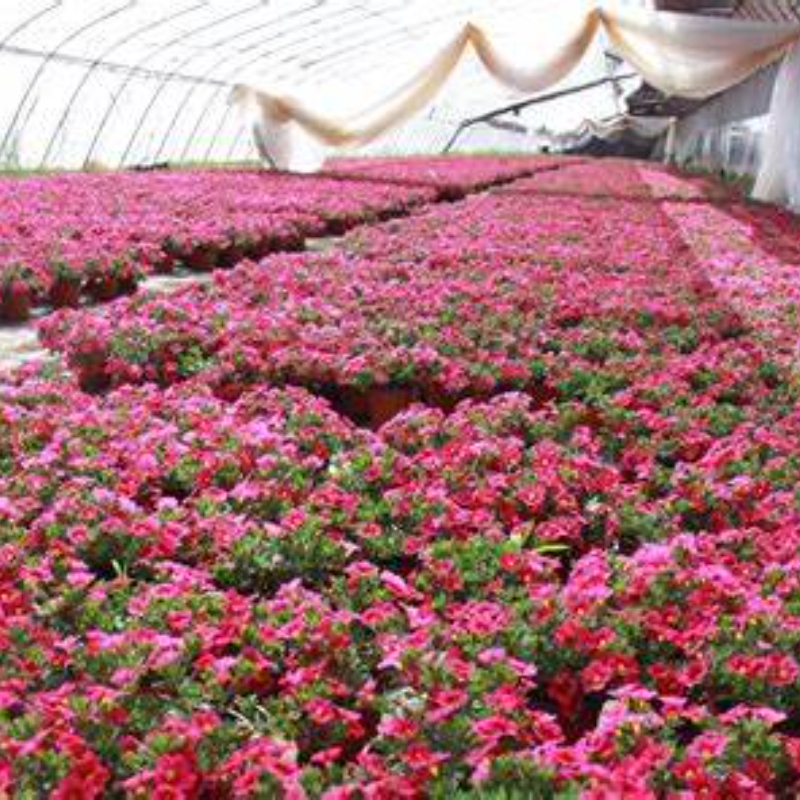
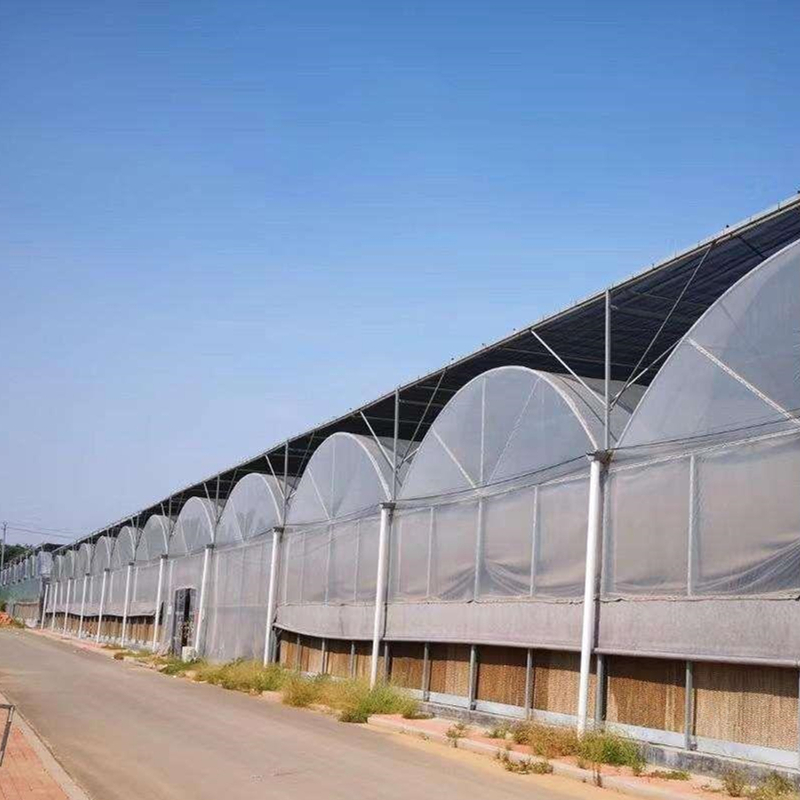
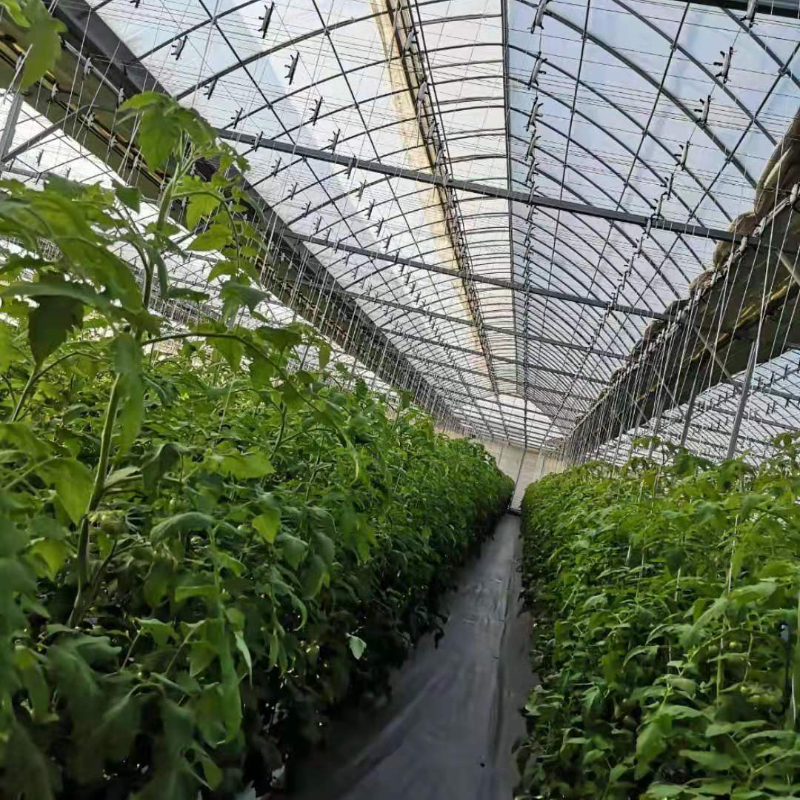
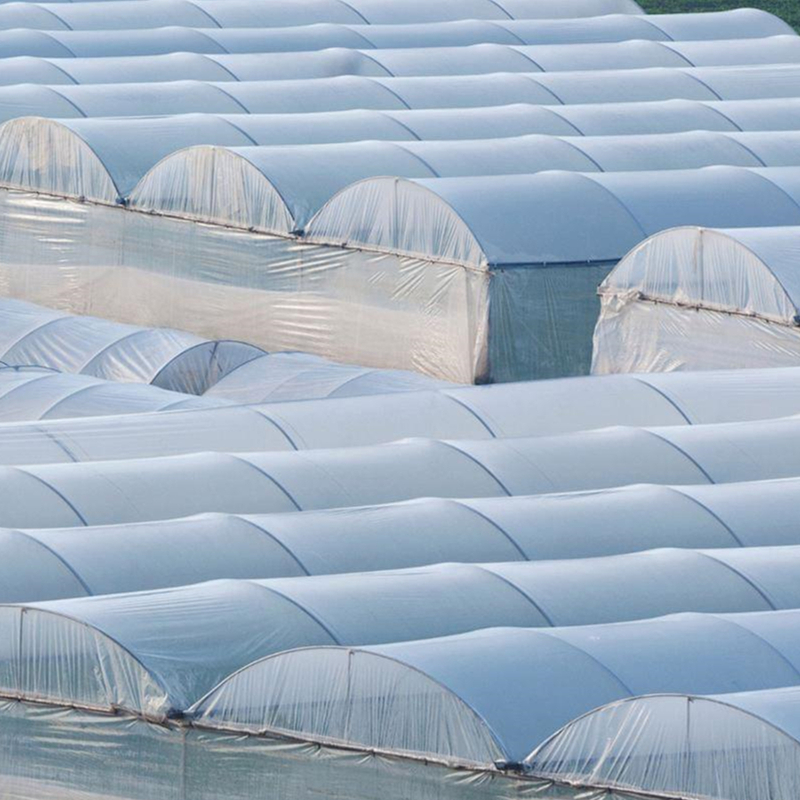
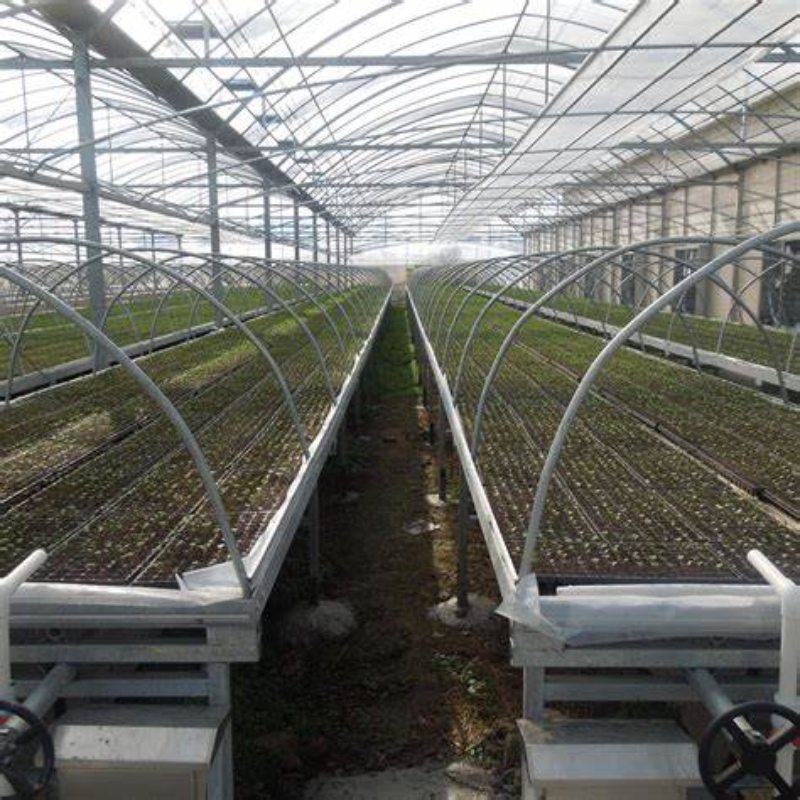
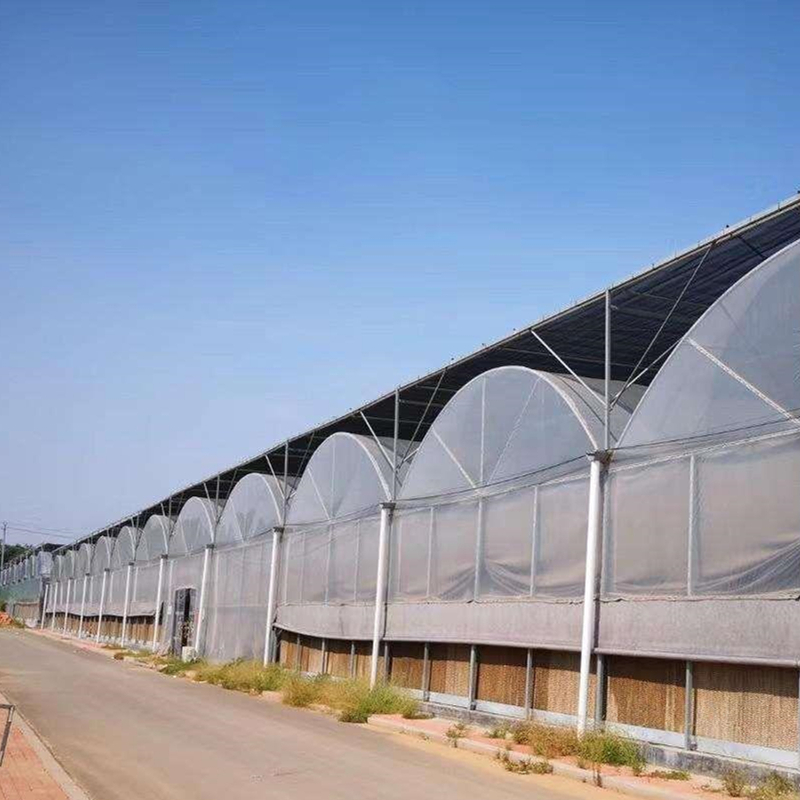
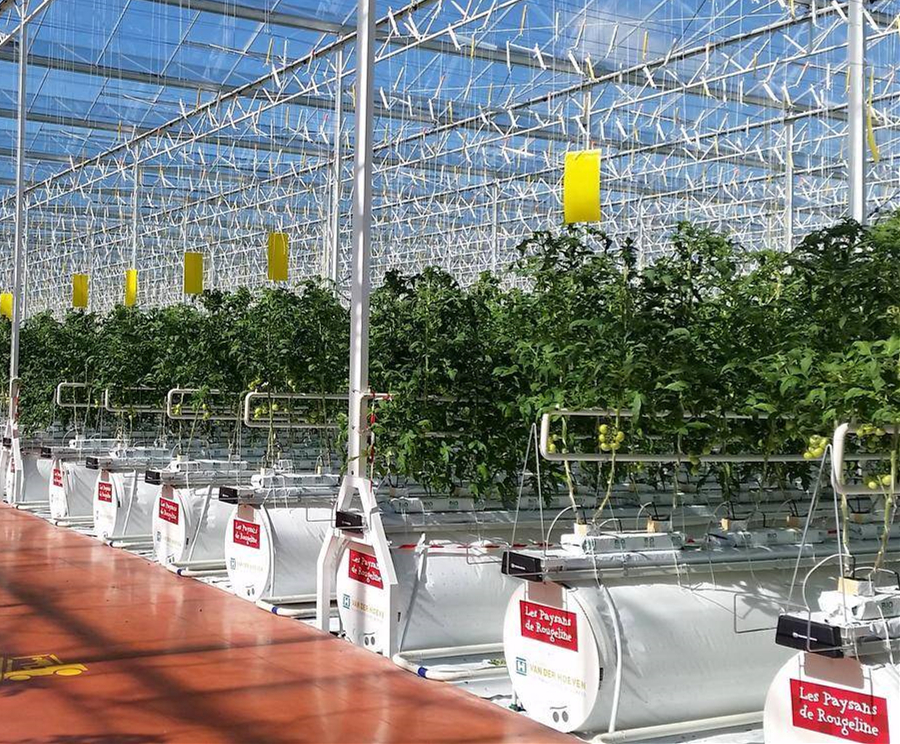
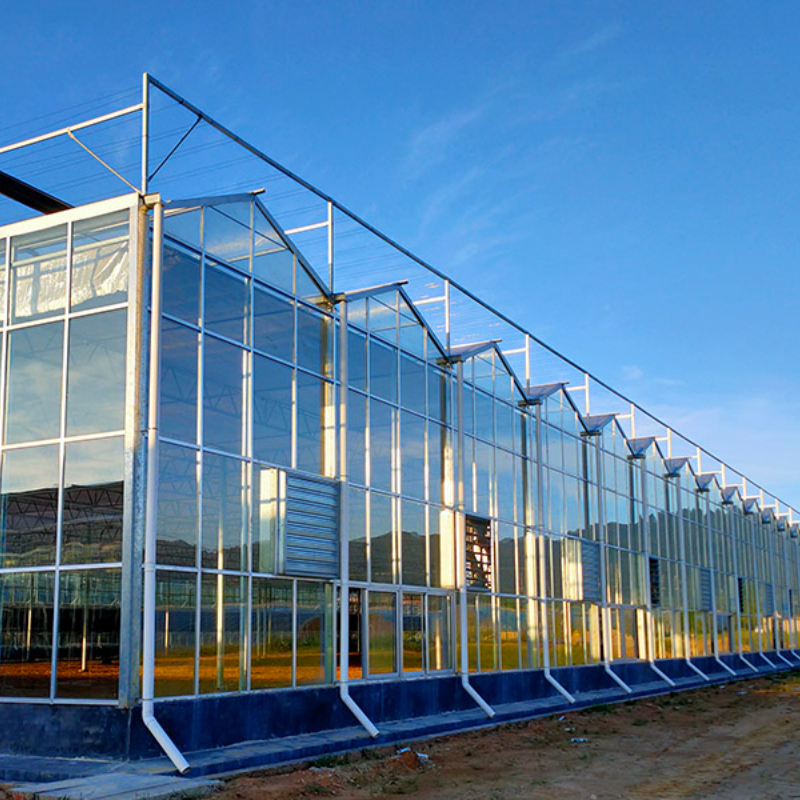
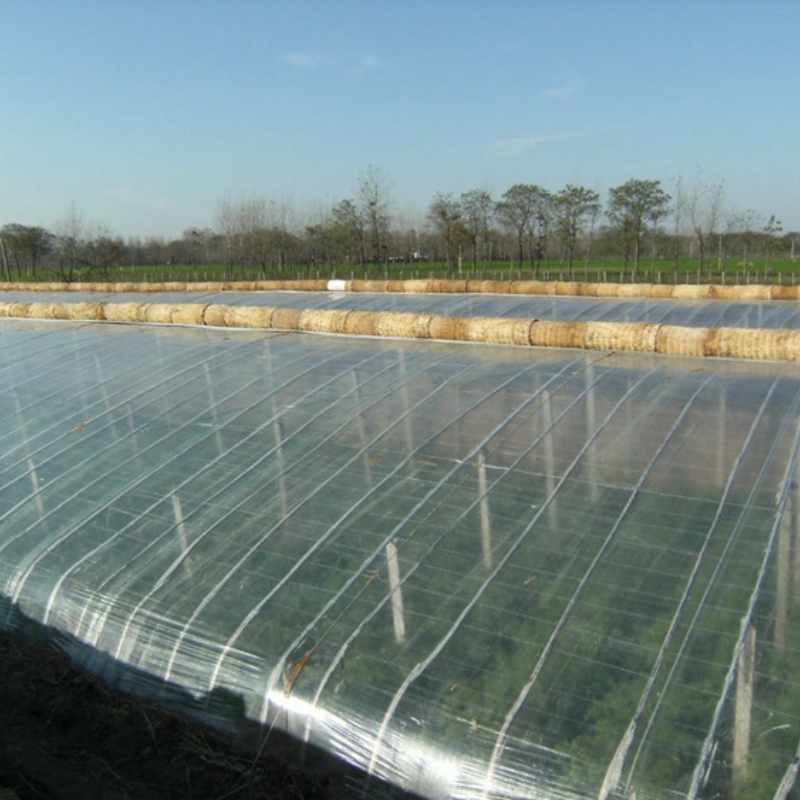
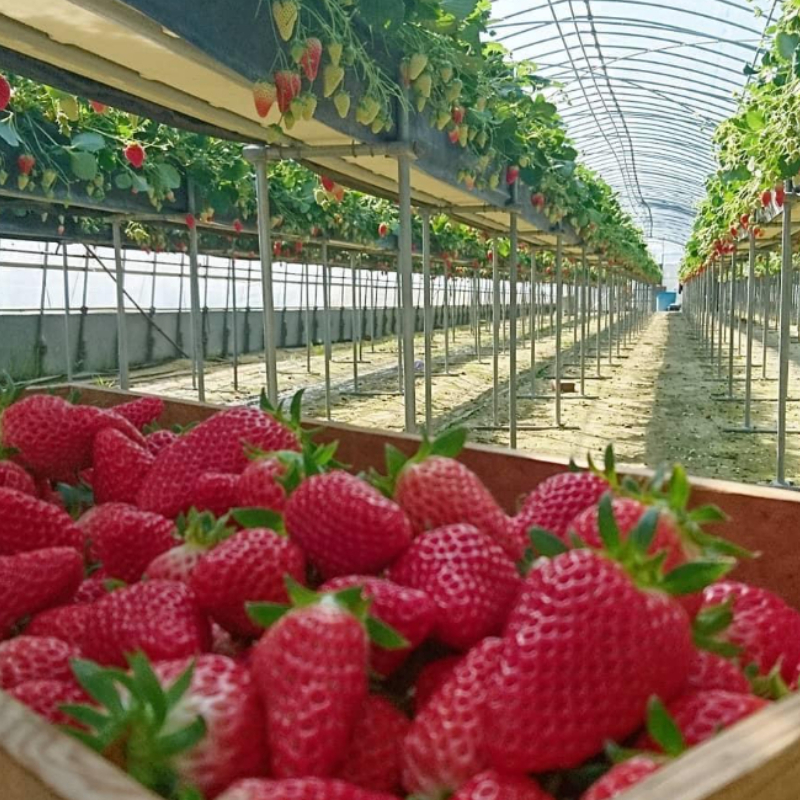
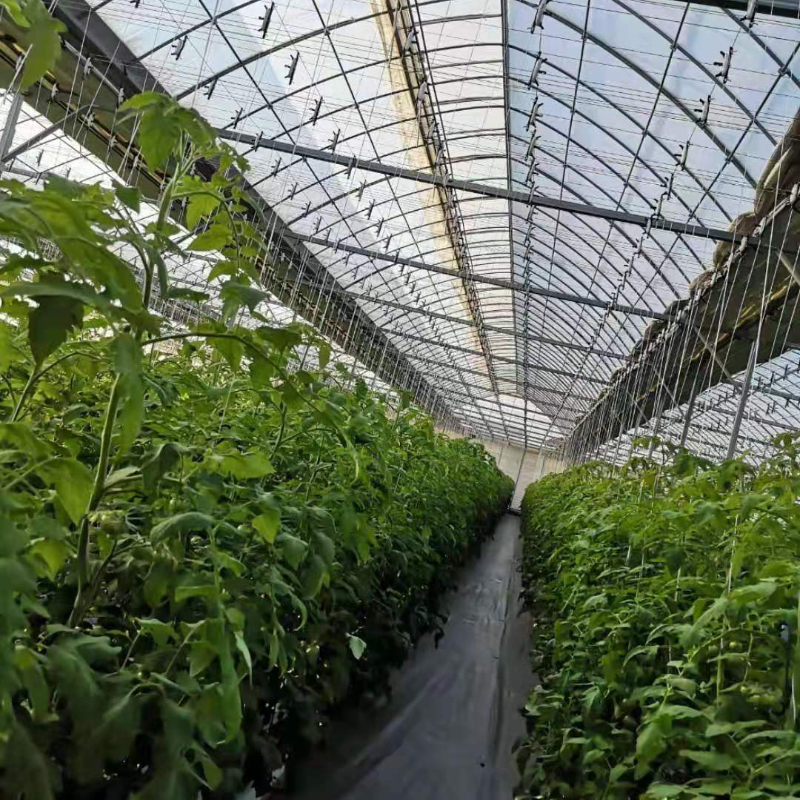
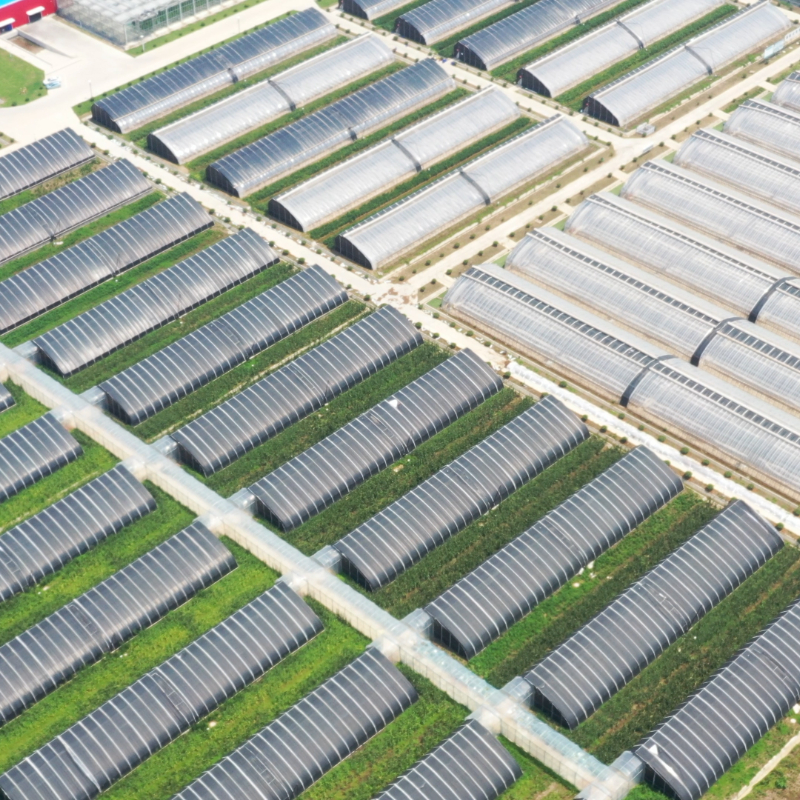
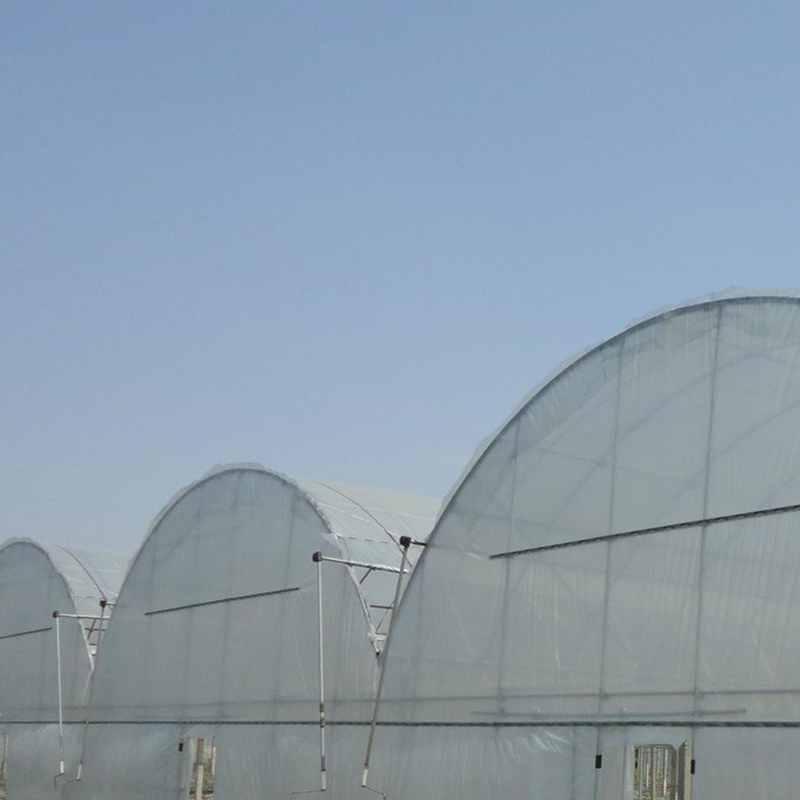
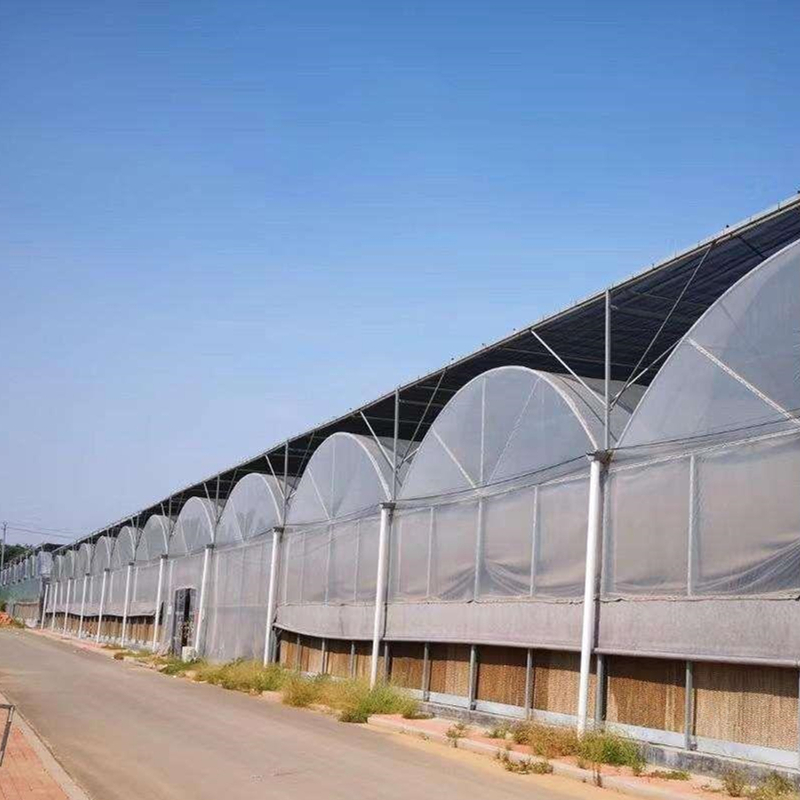
Almeria's greenhouse industry has not only transformed the economy but also the social fabric of the region. The 100,000 jobs created by the industry include approximately 90,000 workers from Africa and Eastern Europe. The reason for this is the extreme working conditions inside the greenhouses. Temperatures can reach 45℃, and in summer, they often exceed 50℃. This makes the work physically demanding, and local residents are generally unwilling to take on these jobs.
The few small towns scattered along the coast were characterized by dilapidated housing, inadequate healthcare facilities, and a sense of hopelessness that pervaded daily life. It was against this backdrop of despair and environmental adversity that the idea of intensive greenhouse farming first took root. To many, the notion of growing crops in such a water-scarce, desert environment seemed absurd, a pipe dream that would never amount to anything more than a costly failure. Critics argued that the region lacked the basic resources necessary for agriculture, that the soil was too poor, and that the cost of importing water and soil would make the project economically unviable. Yet, as we now know, these critics underestimated both the ingenuity of the local people and the adaptability of intensive agricultural techniques. The harsh environment that had once been Almeria’s greatest liability would soon become its greatest asset, providing a blank canvas on which a revolutionary agricultural system could be built. The desert’s abundant sunlight, which had once been a curse that scorched the earth, would become a vital resource for crop growth, while the region’s isolation would allow for the development of a self-contained agricultural ecosystem free from the pests and diseases that plagued more traditional farming areas.
However, for immigrants from Africa and Eastern Europe, these jobs offer a unique opportunity. The wages are relatively high, with a daily salary of 33-36 euros. This is significantly higher than the wages available in their home countries, making it an attractive option for those seeking to improve their lives. The influx of immigrants has turned Almeria into a melting pot of cultures, with people from different backgrounds working and living together. This cultural diversity has enriched the local community, bringing new traditions, foods, and perspectives to the region.
The greenhouse industry has also had a positive impact on the quality of life for local residents. The economic prosperity has led to improvements in infrastructure, including better roads, schools, and healthcare facilities. The region's population has grown as people from across Spain and Europe move to Almeria to take advantage of the job opportunities. This growth has created a vibrant community, with a wide range of shops, restaurants, and cultural activities.
