
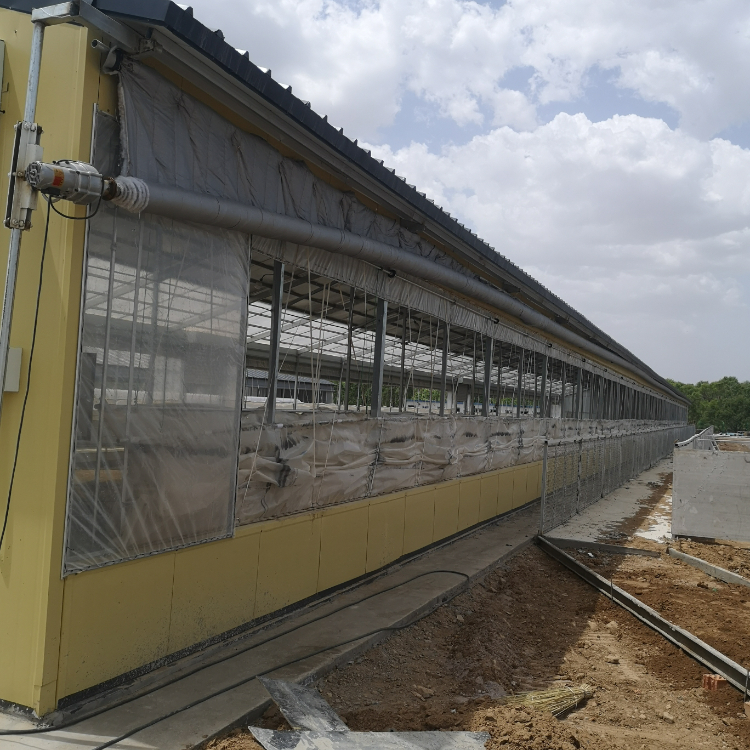
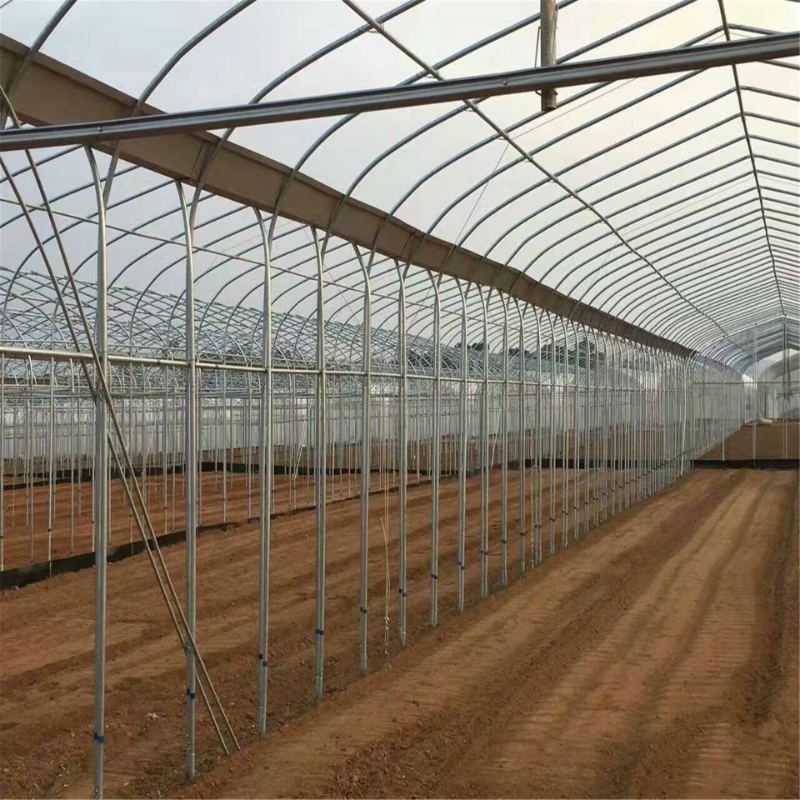
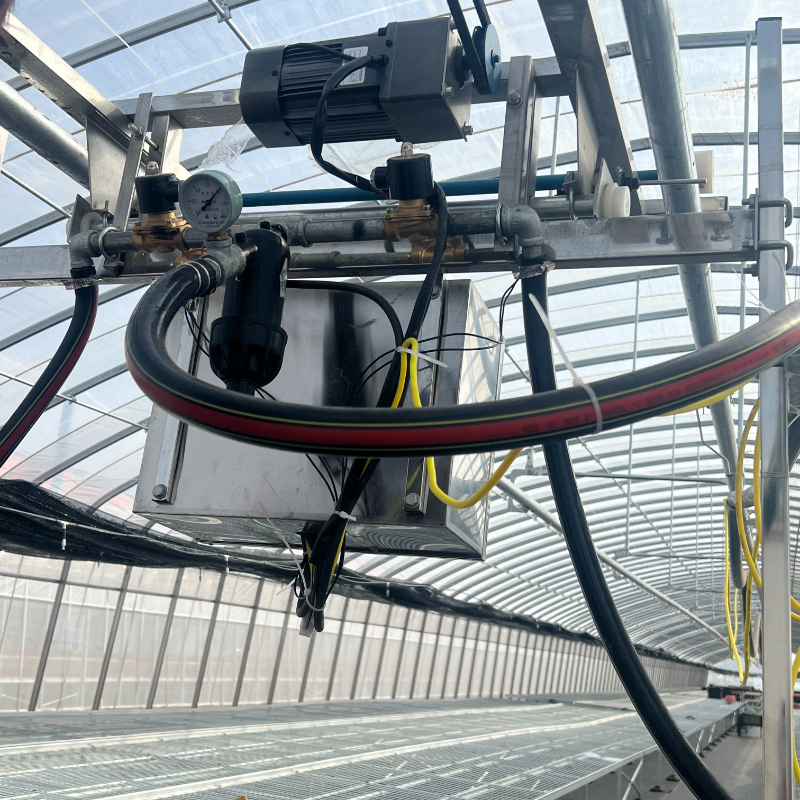
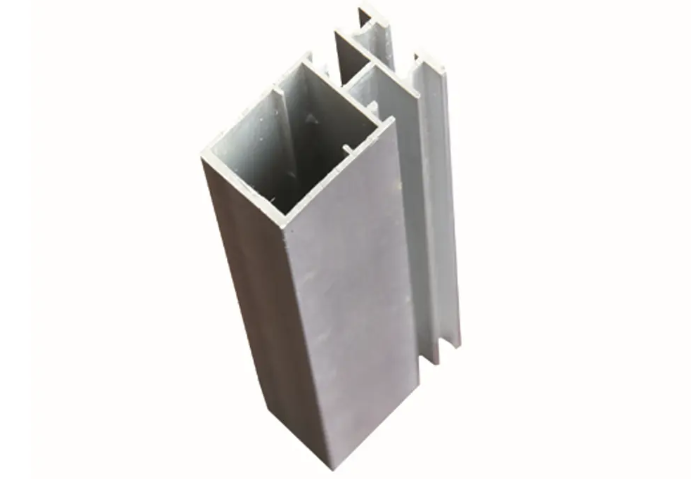
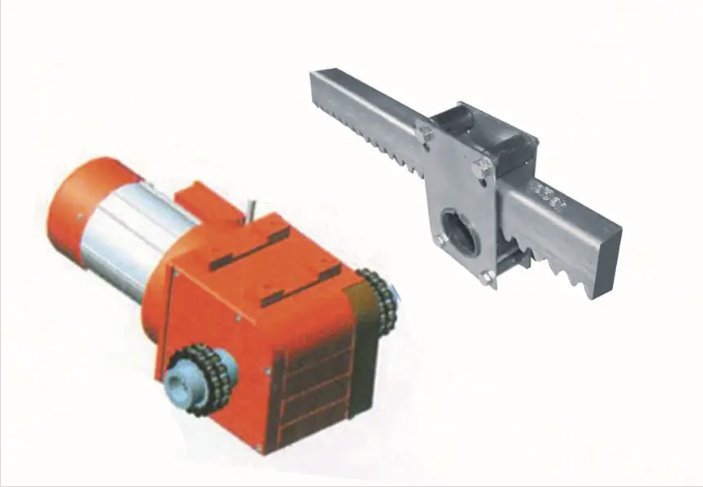
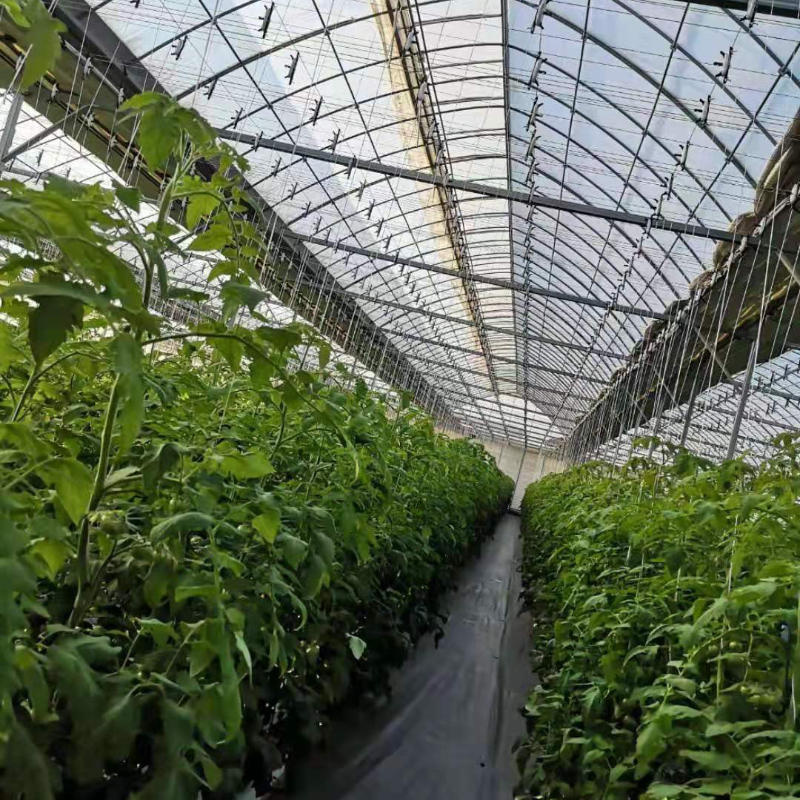
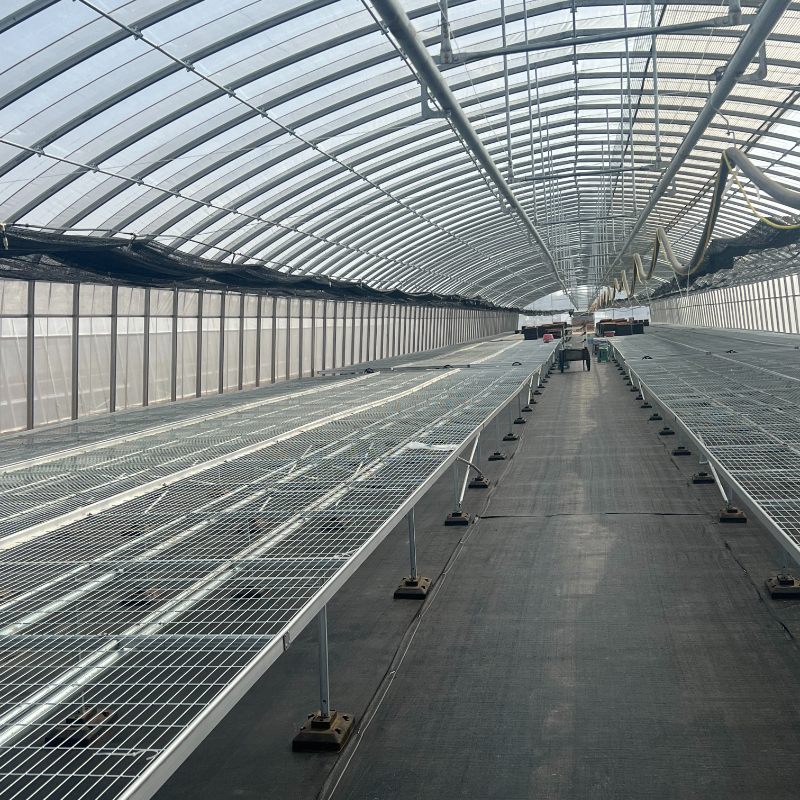
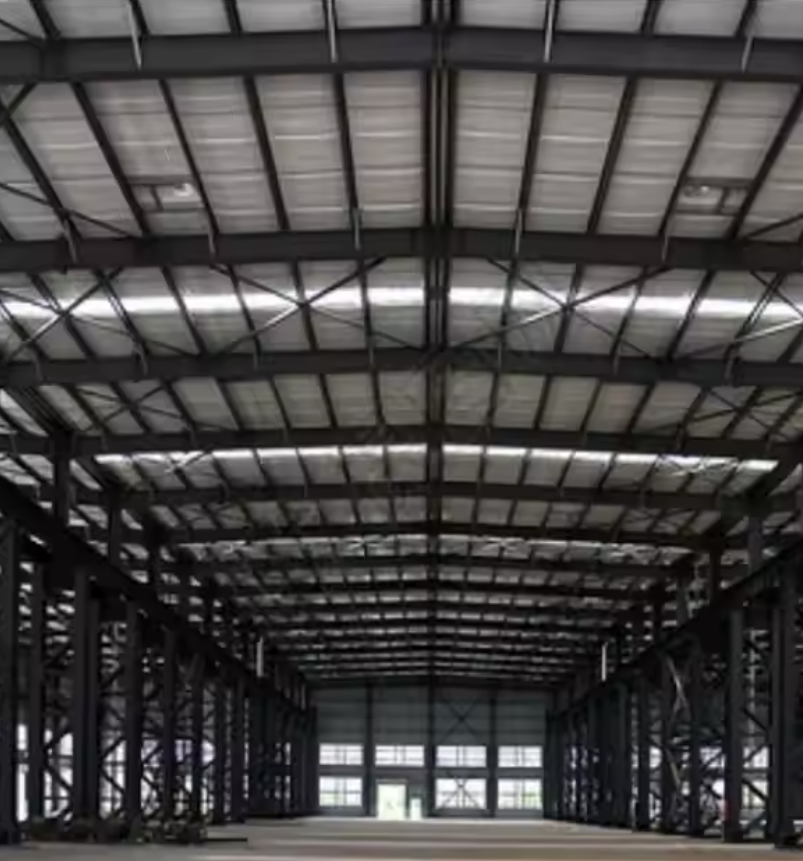
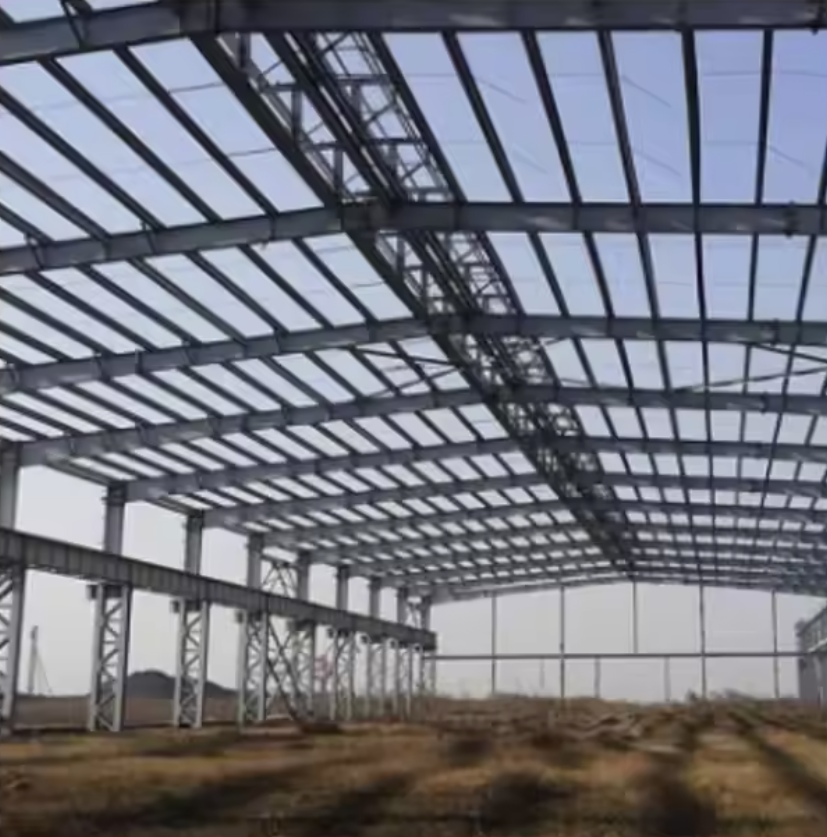
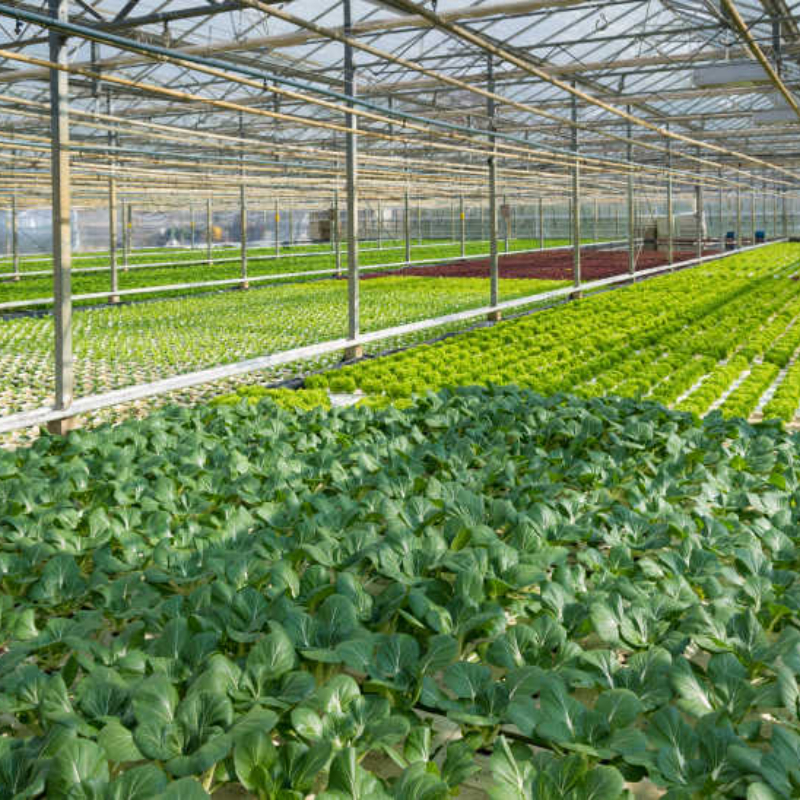
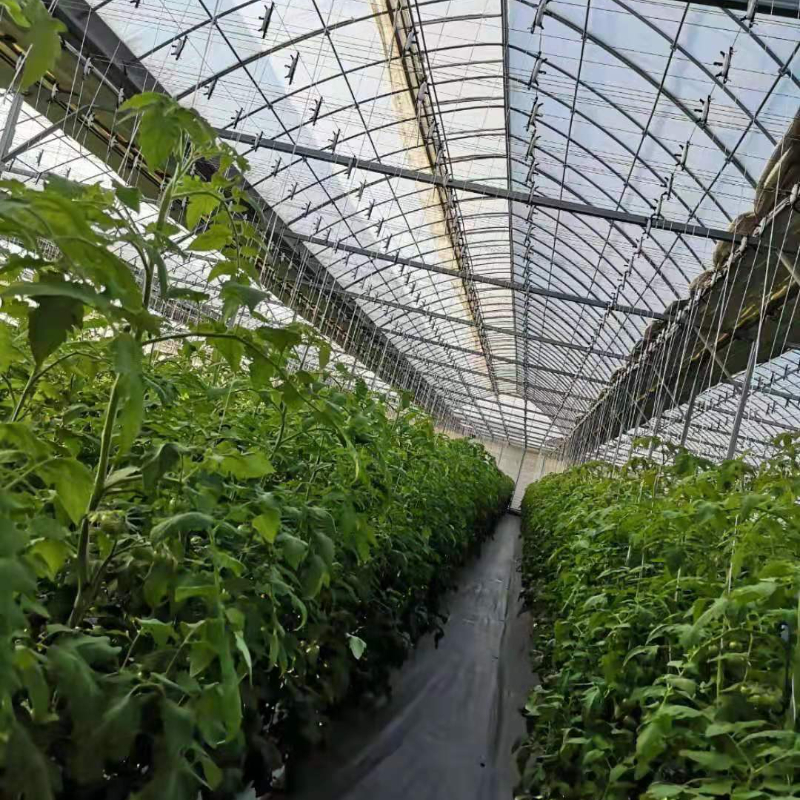
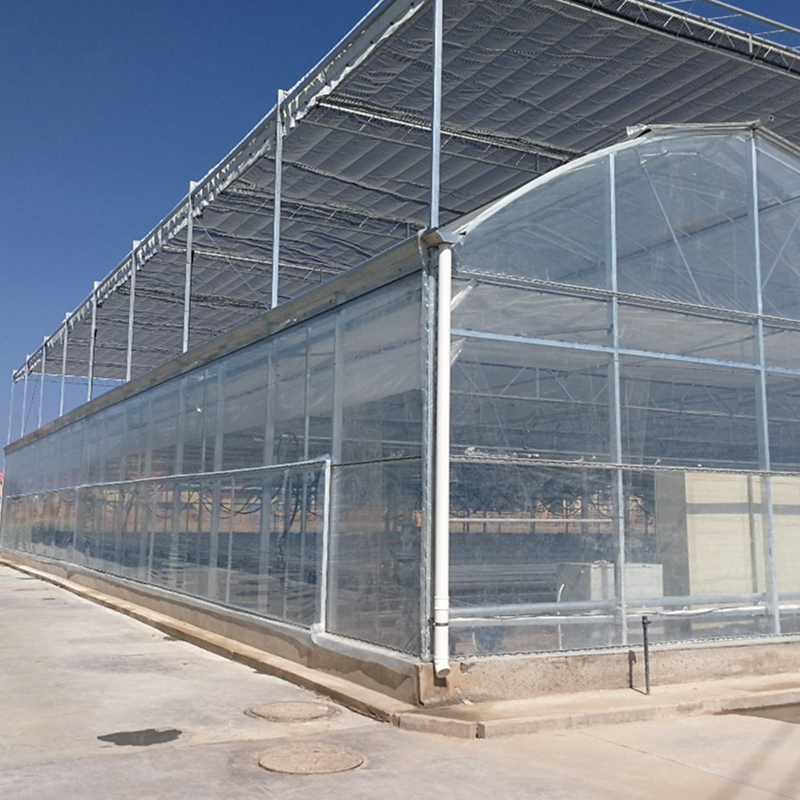
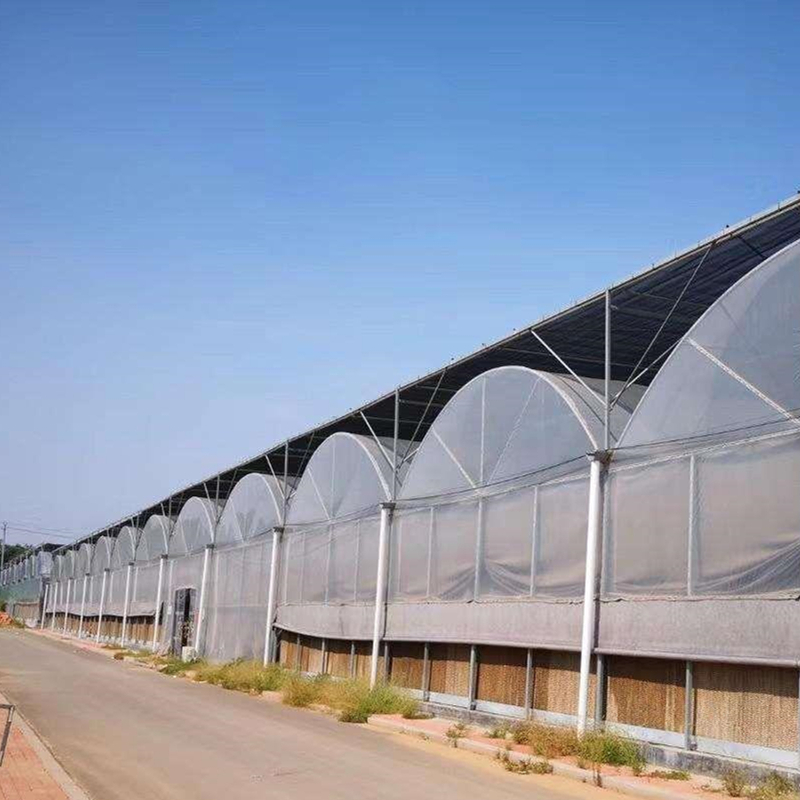
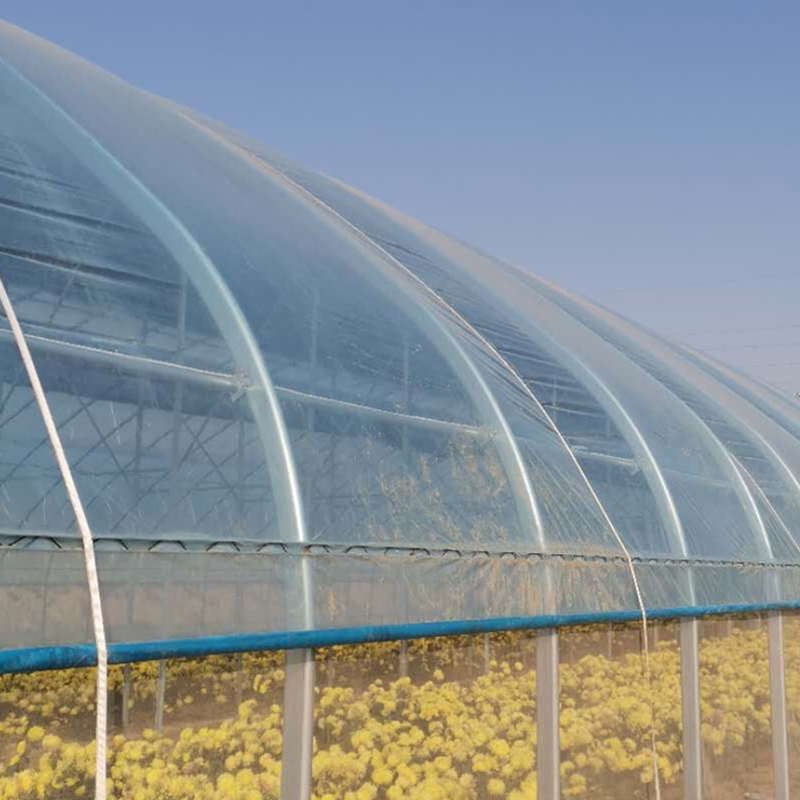
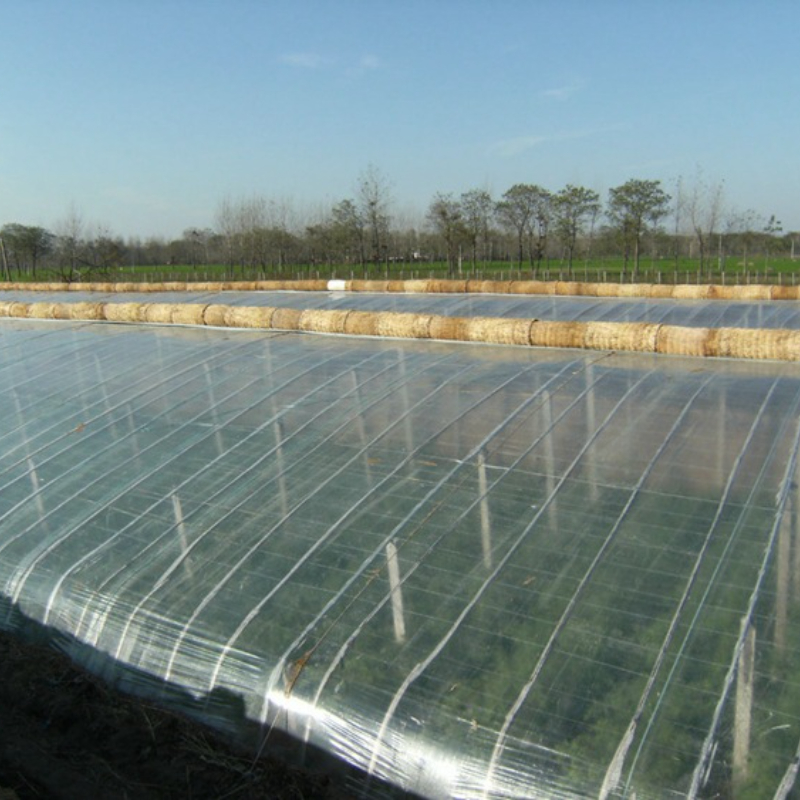
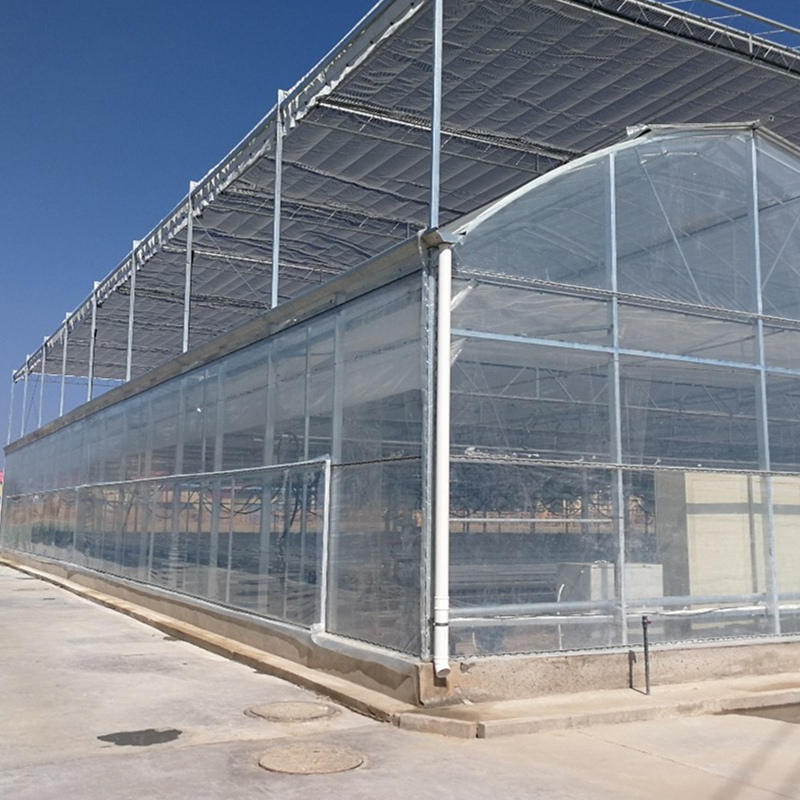
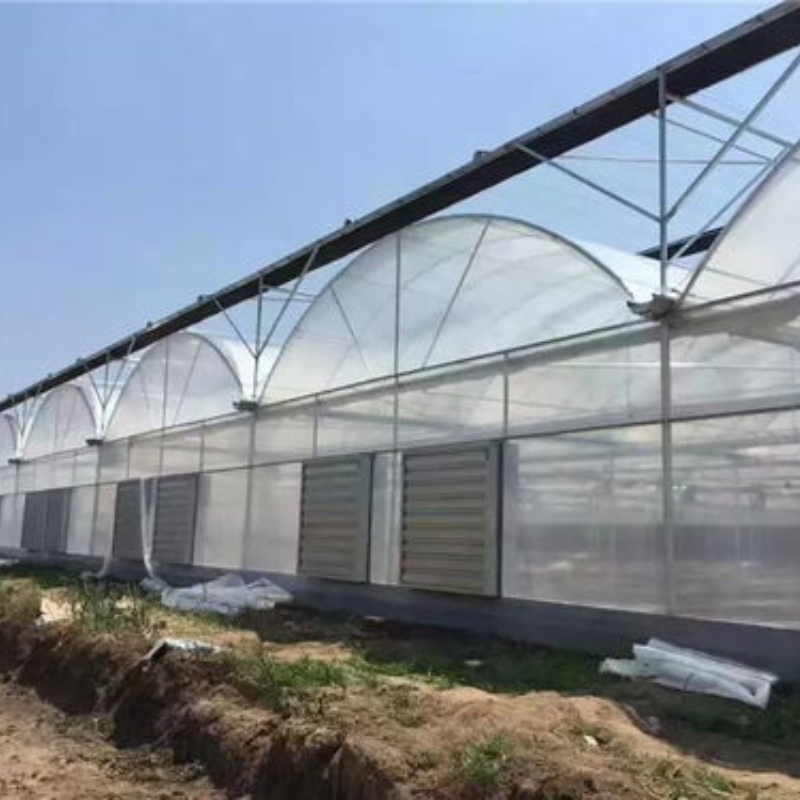
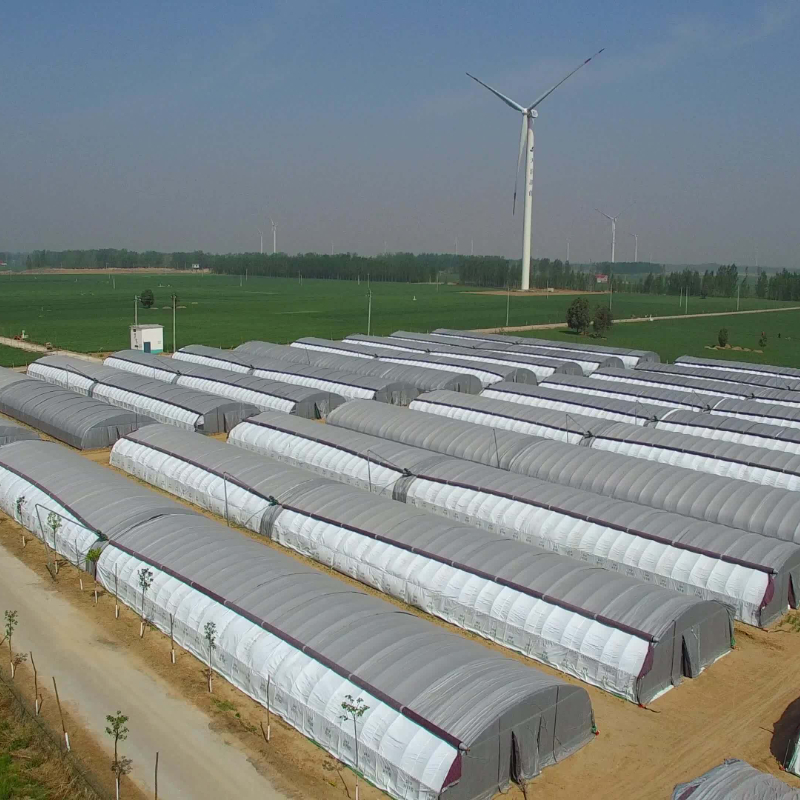
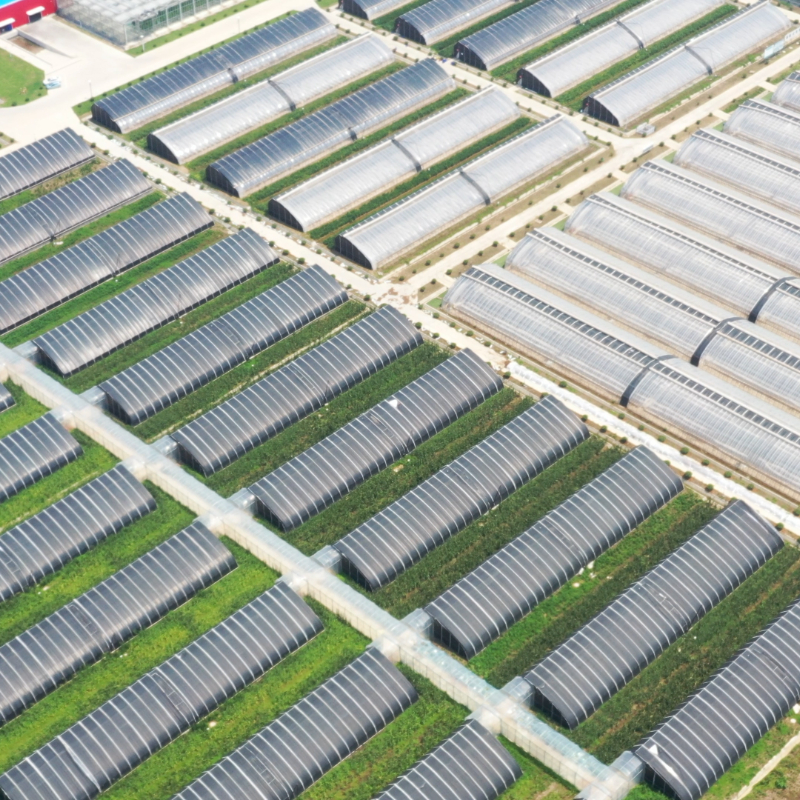
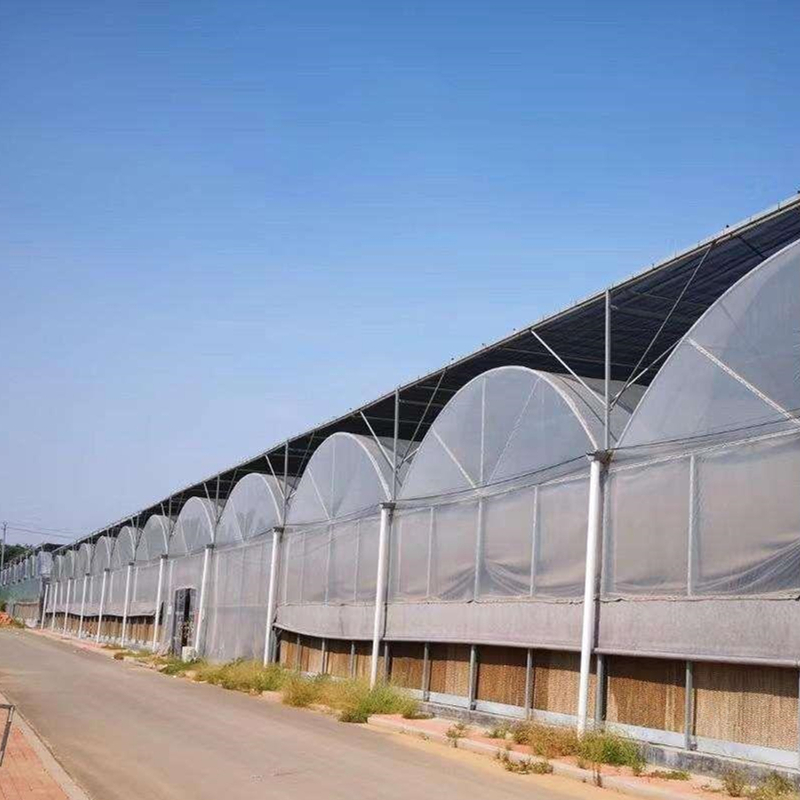
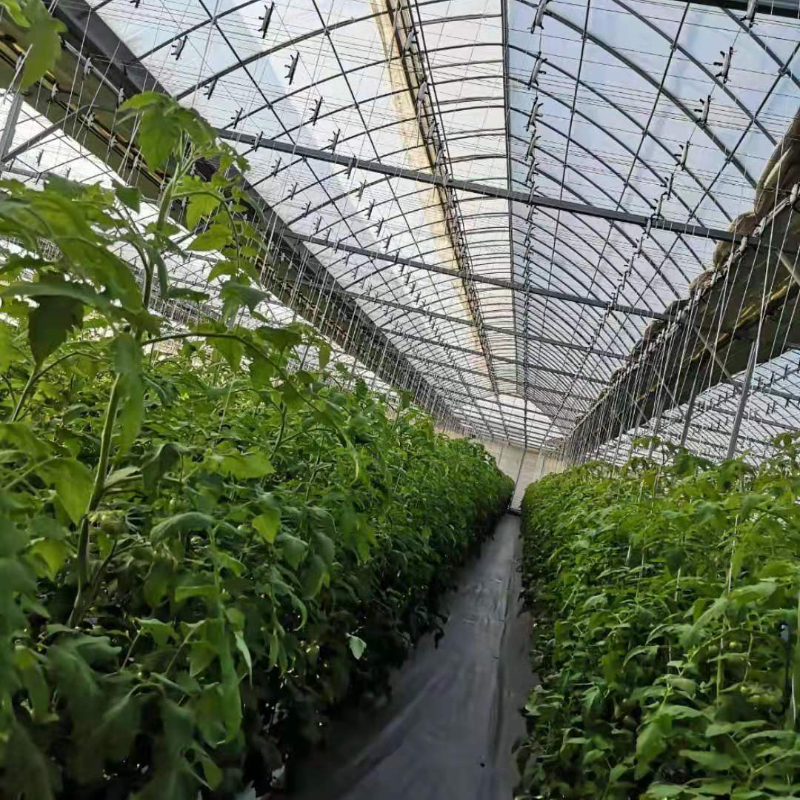
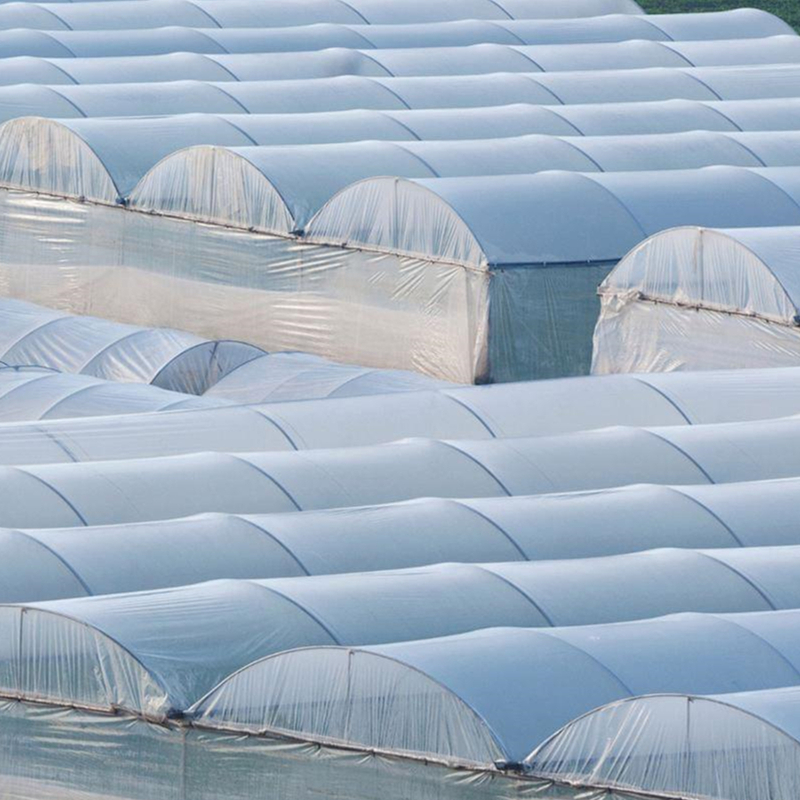
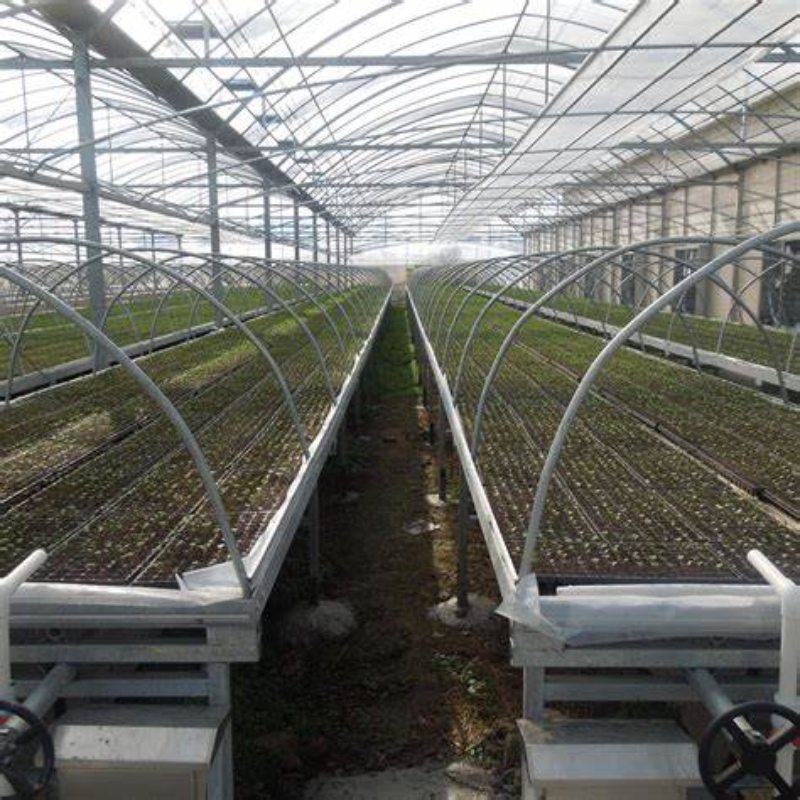
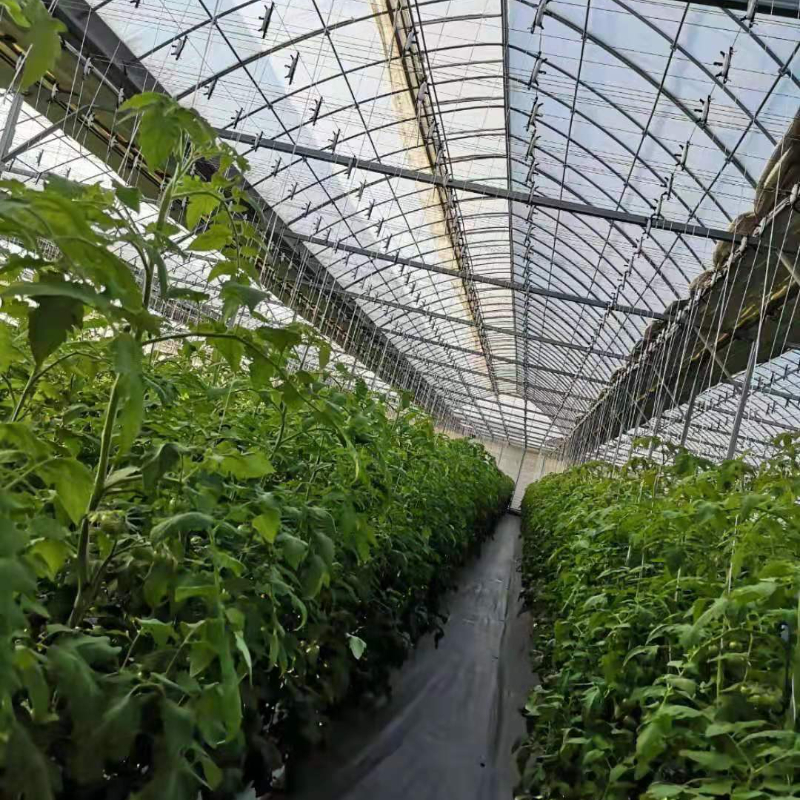
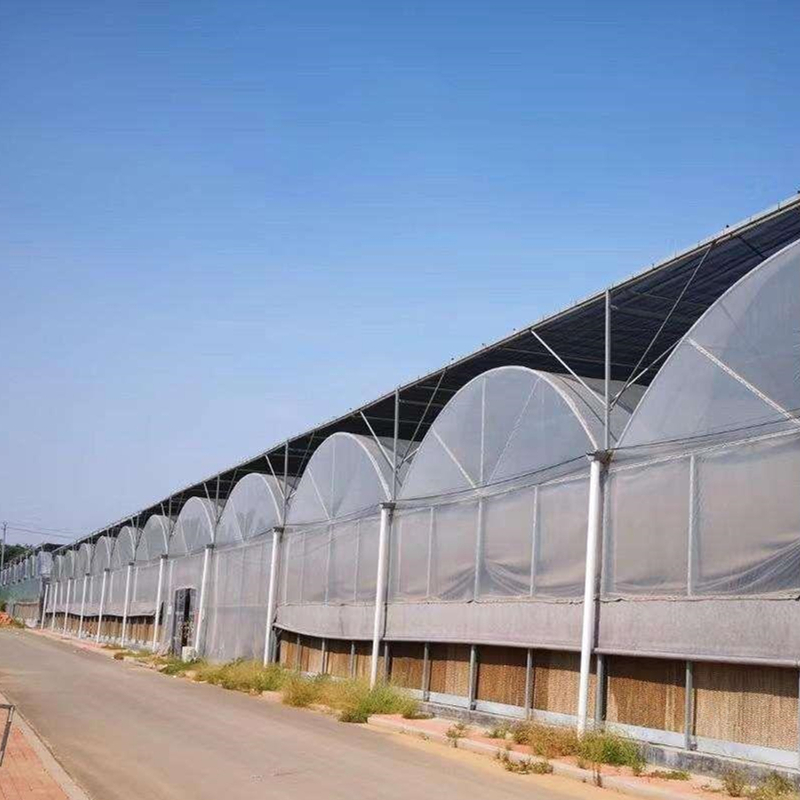
The impact of Almeria's greenhouses on the local economy has been nothing short of transformative. What was once a collection of small fishing villages has evolved into a thriving agricultural hub with a complete supply chain. In just 20 years, the region has developed industries such as plastic manufacturing, recycling, steel cutting, soil and seed supply, and irrigation and drainage systems. This complete supply chain not only supports the local farming community but also attracts businesses and investment from across Spain and Europe.
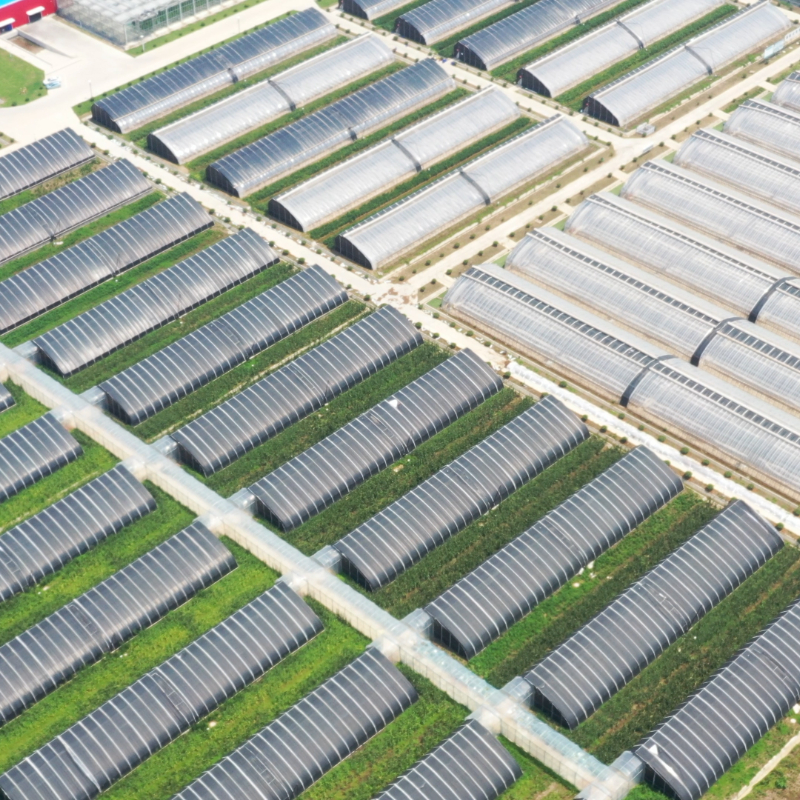
As of January 2020, Almeria's greenhouses cover a total area of 26,000 hectares—an area larger than many major cities. This vast agricultural complex has created 100,000 jobs, providing employment opportunities for local residents and immigrants alike. The economic benefits are not limited to job creation; the greenhouses generate enormous profits for farmers and businesses. The total annual profit of Almeria's greenhouse industry is over 1.5 billion euros (more than 10 billion yuan), with per capita GDP never falling below 170,000 yuan. This has lifted the region out of poverty and made it one of the most prosperous areas in Andalusia.
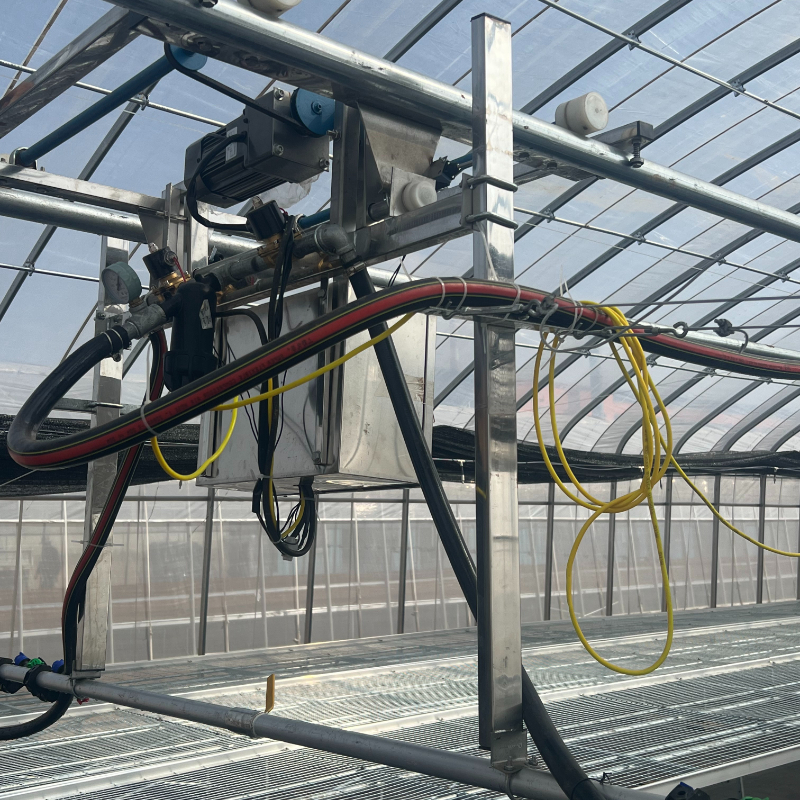
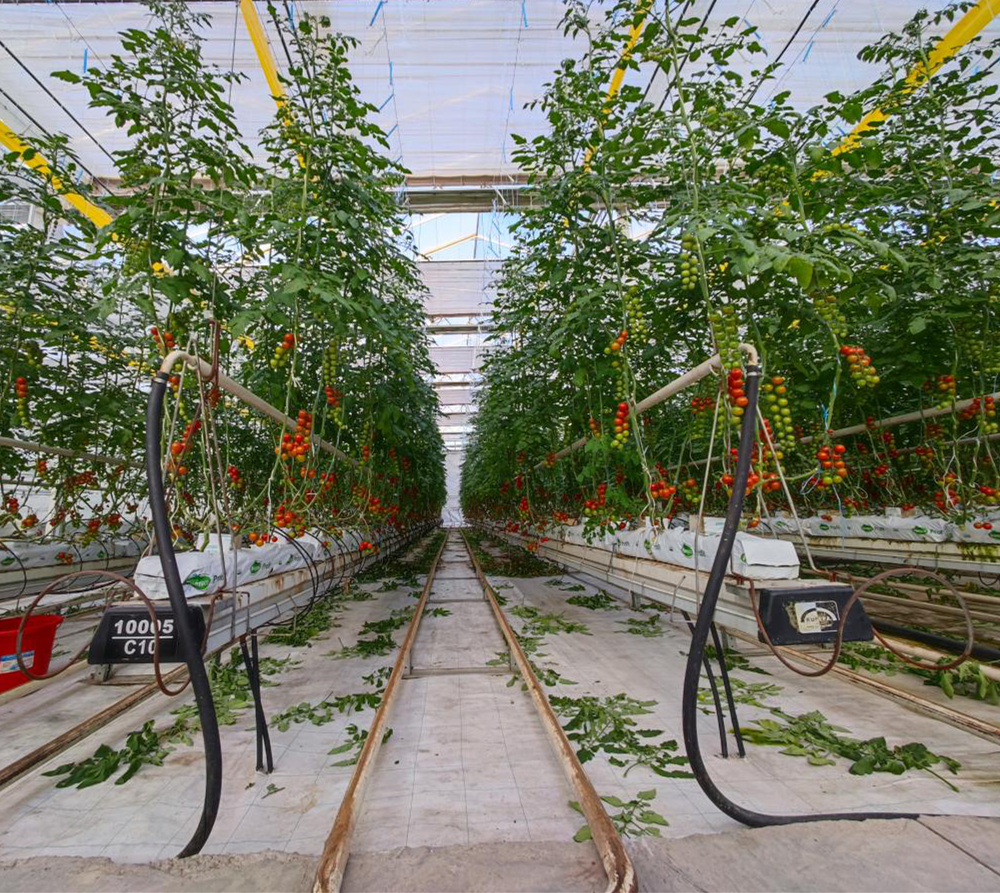
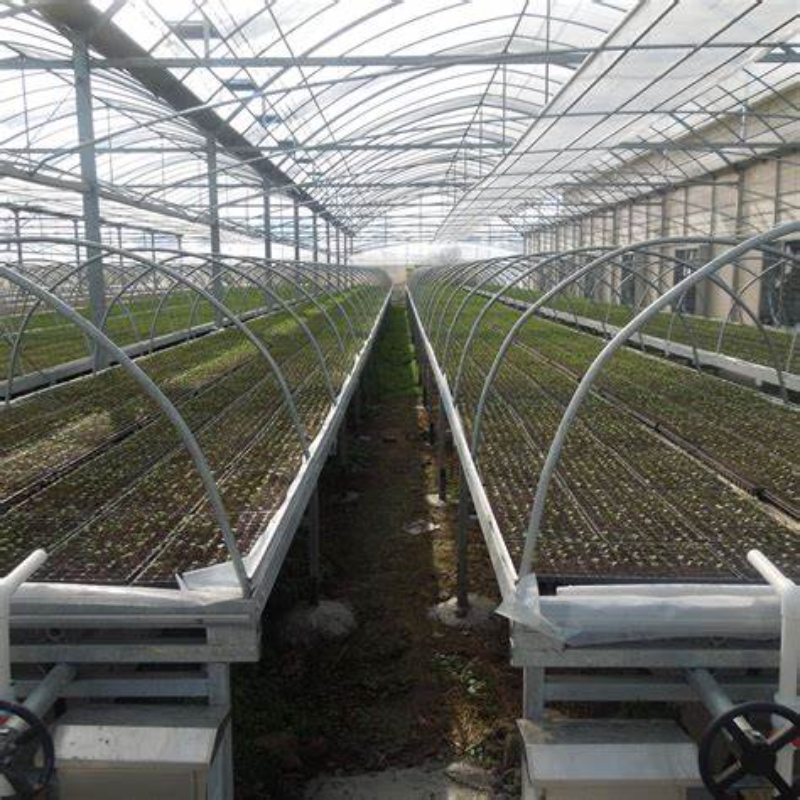
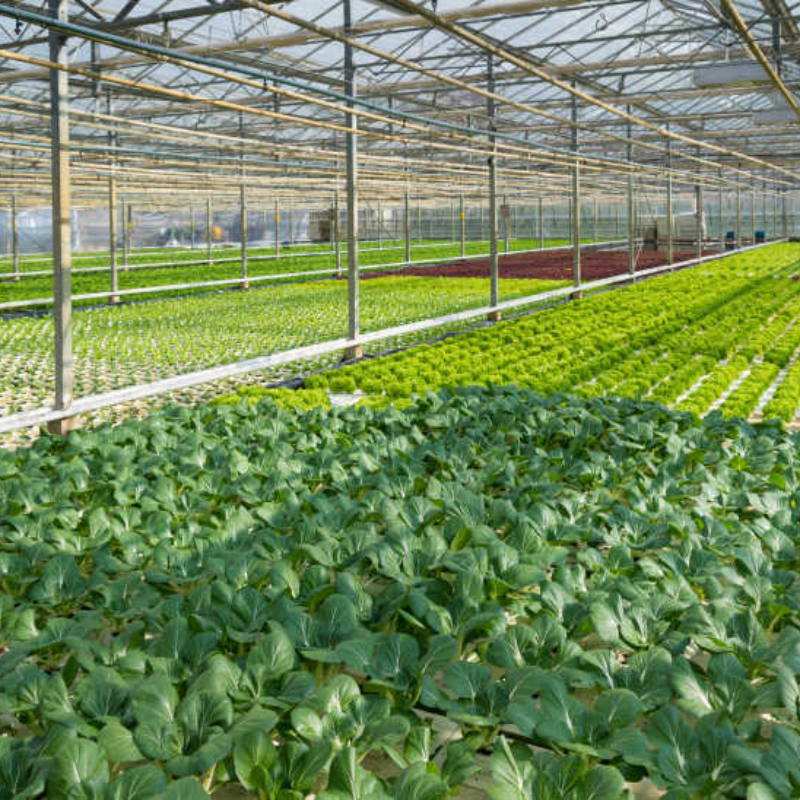
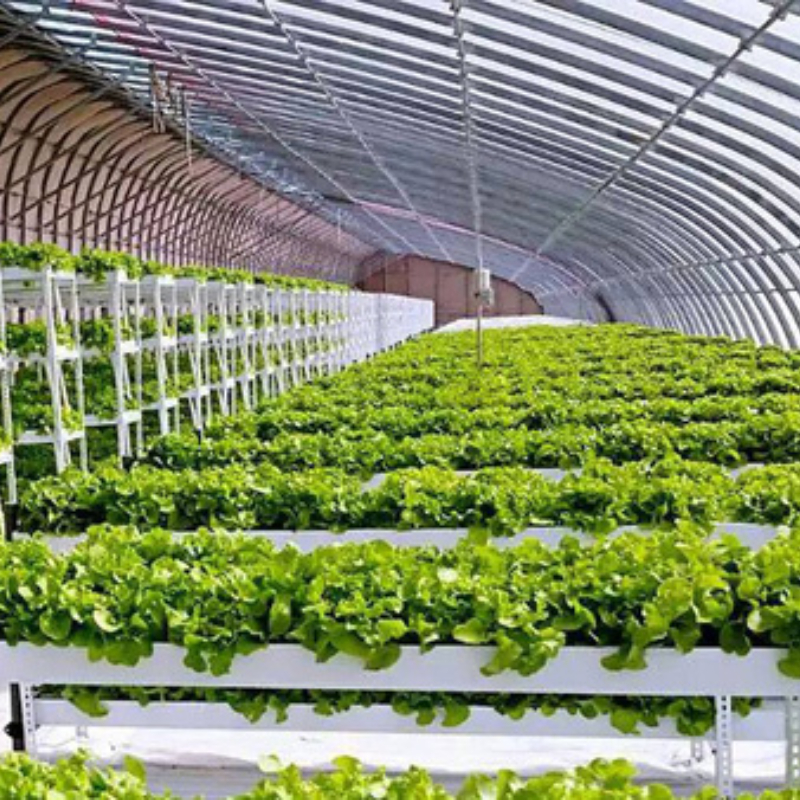
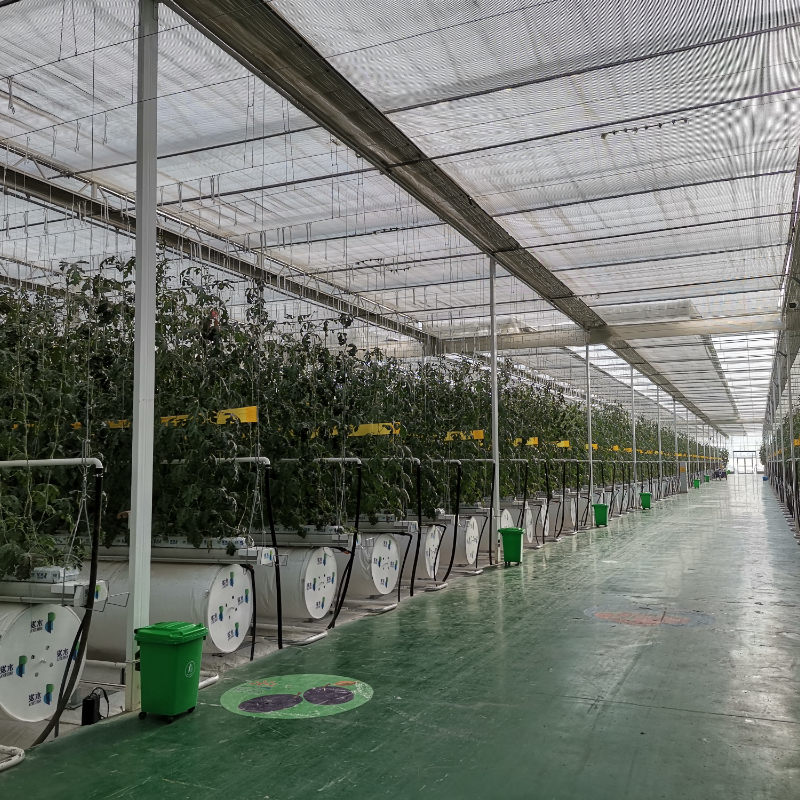
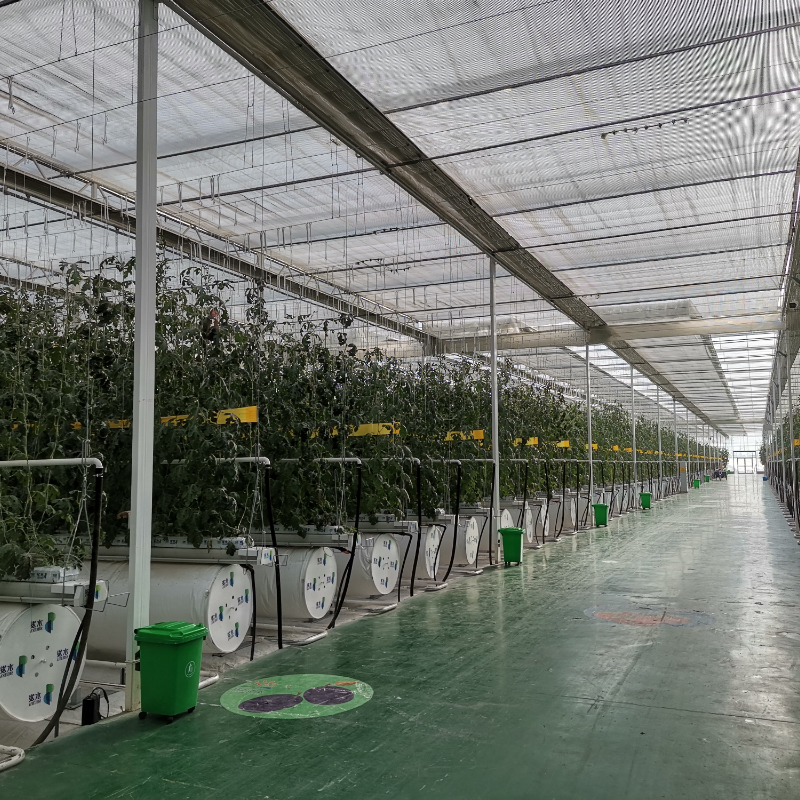
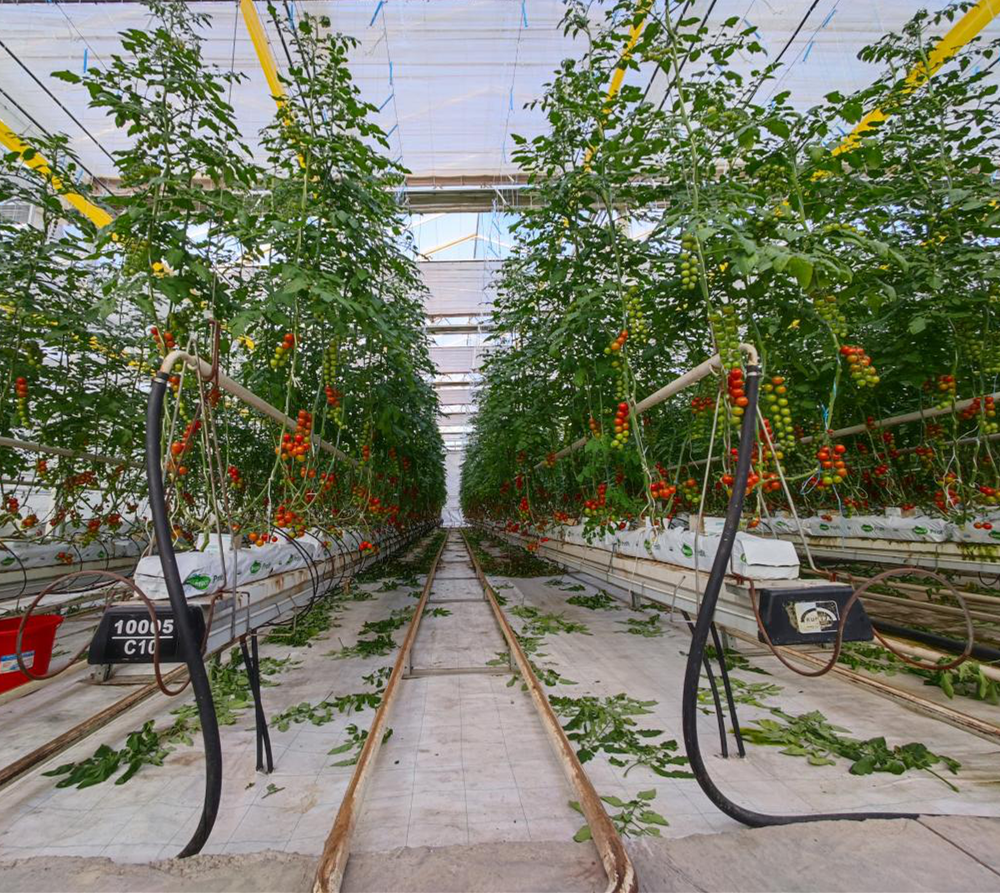
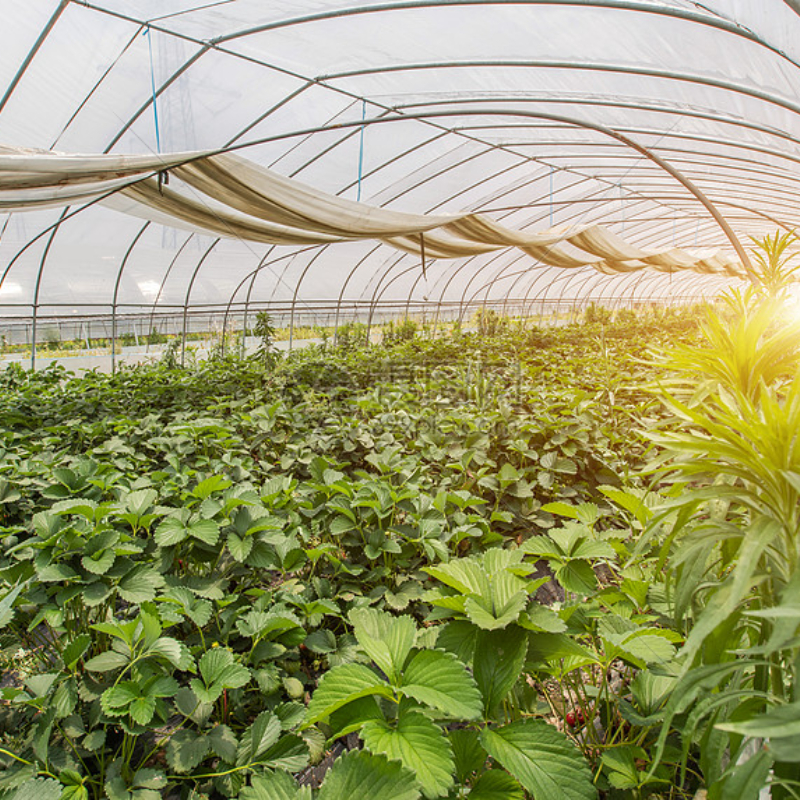
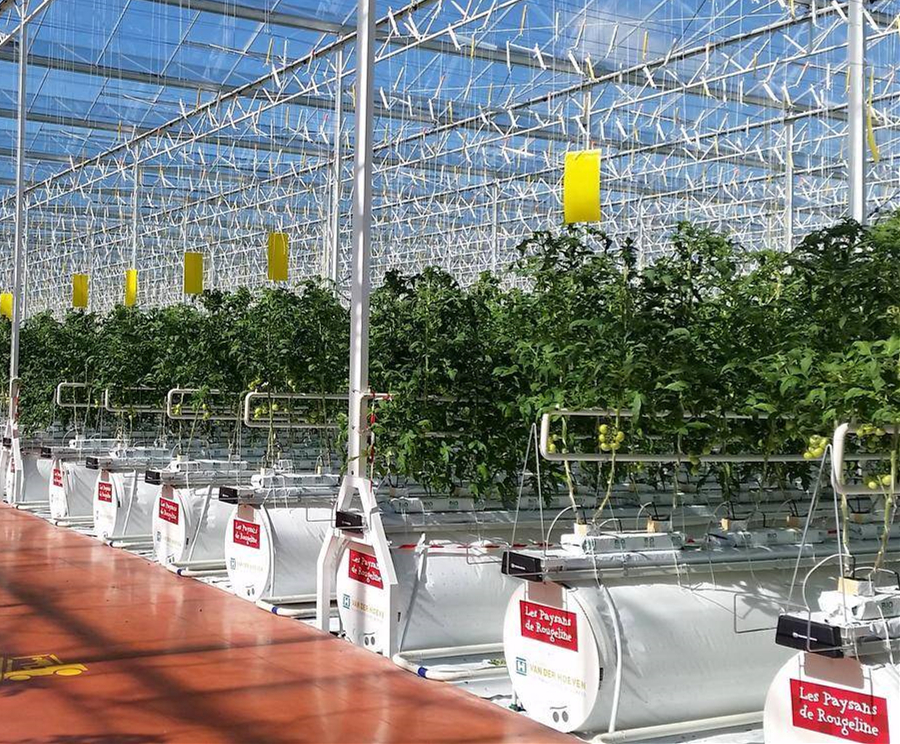
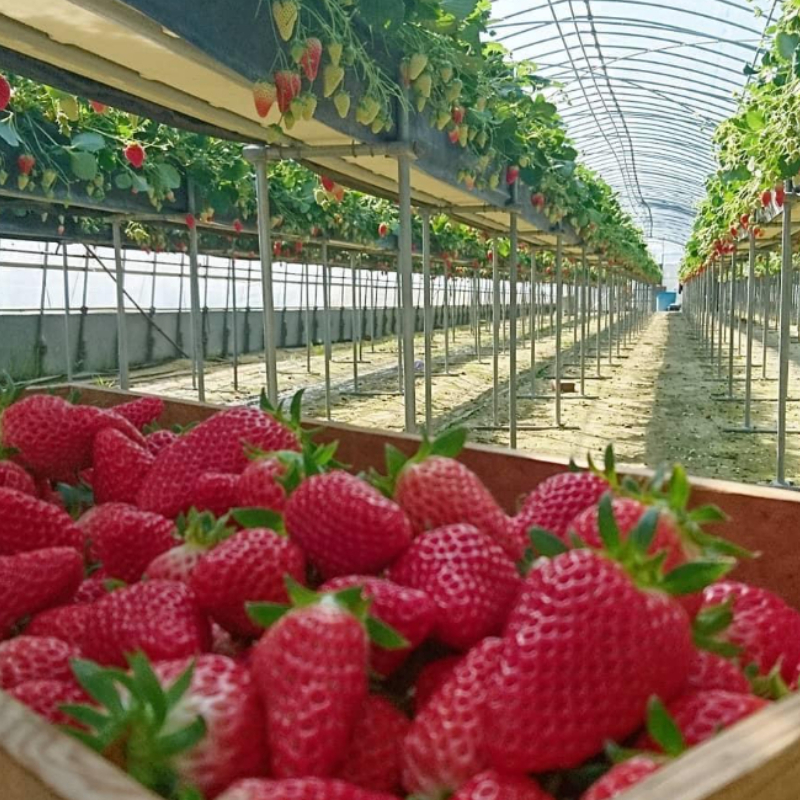
Hydroponic systems grow plants in nutrient-rich water, without the need for soil, while aeroponic systems grow plants in a mist of nutrient-rich water. These systems offer several advantages over traditional soil-based farming: they use less water (up to 90% less than soil-based farming), they produce higher yields, and they allow for more precise control of nutrient levels. Hydroponic and aeroponic systems also eliminate the risk of soil-borne diseases, which can be a major problem in traditional farming. Today, many of Almeria’s large-scale greenhouses use hydroponic systems to grow high-value crops such as strawberries and lettuce, which are in high demand in European markets. Another important technological advancement was the use of advanced soil testing and nutrient management techniques. Farmers in Almeria now use portable soil testing kits and computer software to analyze the nutrient content of their soil (or growing medium in hydroponic systems) and determine exactly how much fertilizer and other nutrients the crops need.
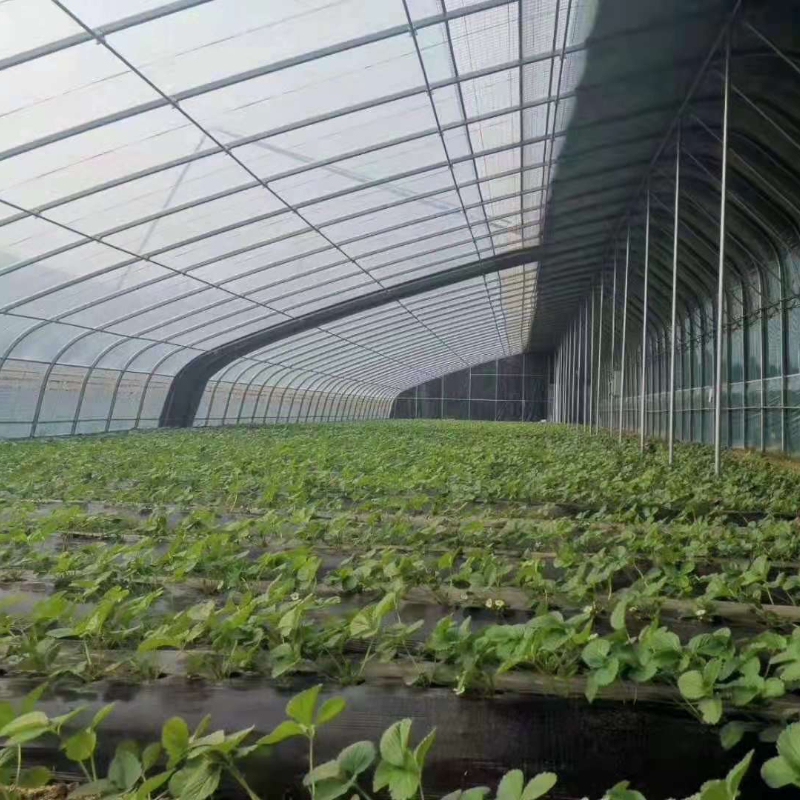
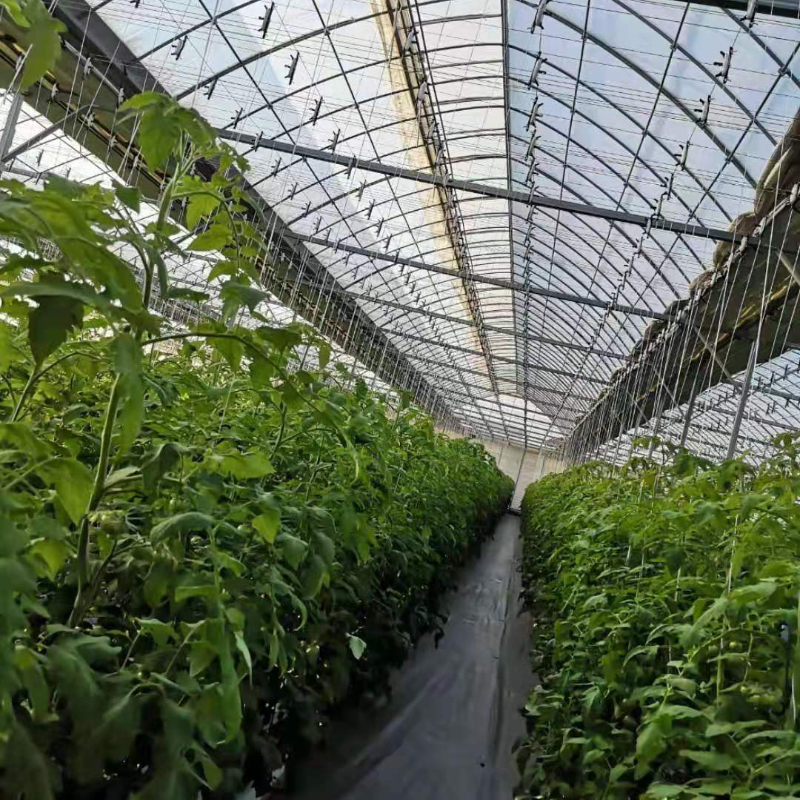
The success of Almeria's greenhouses has also had a significant impact on Europe's agricultural market. The region now supplies half of Europe's greenhouse-grown fruits and vegetables, including tomatoes, peppers, cucumbers, and strawberries. Its produce is known for its high quality, freshness, and year-round availability, making it a favorite among retailers and consumers across the continent. The economic influence of Almeria's greenhouse industry extends beyond Europe, with exports to countries around the world. This global reach has helped to put Almeria on the map as a major player in the global agricultural market.
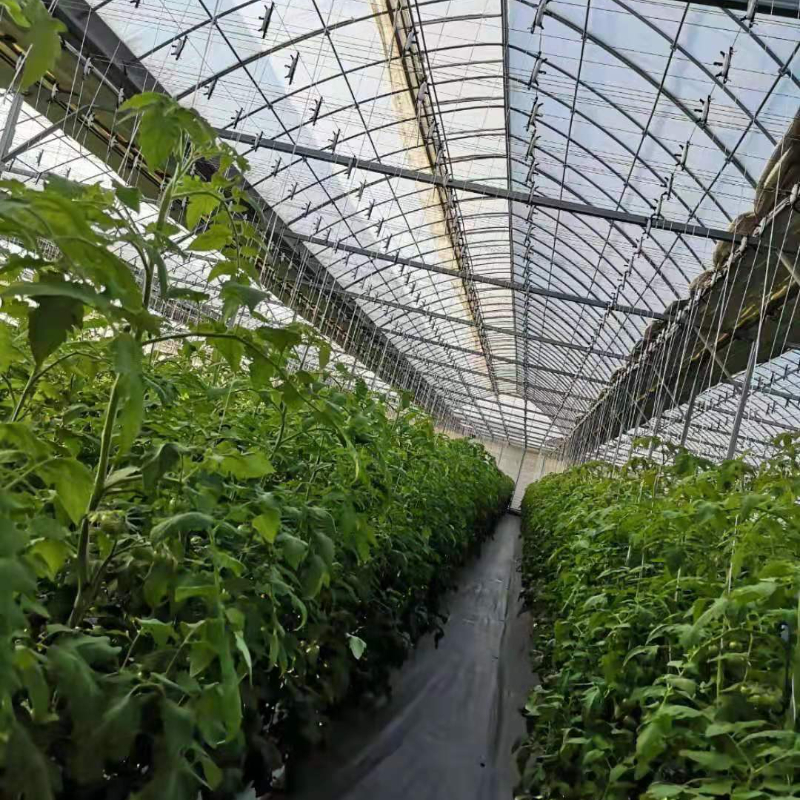
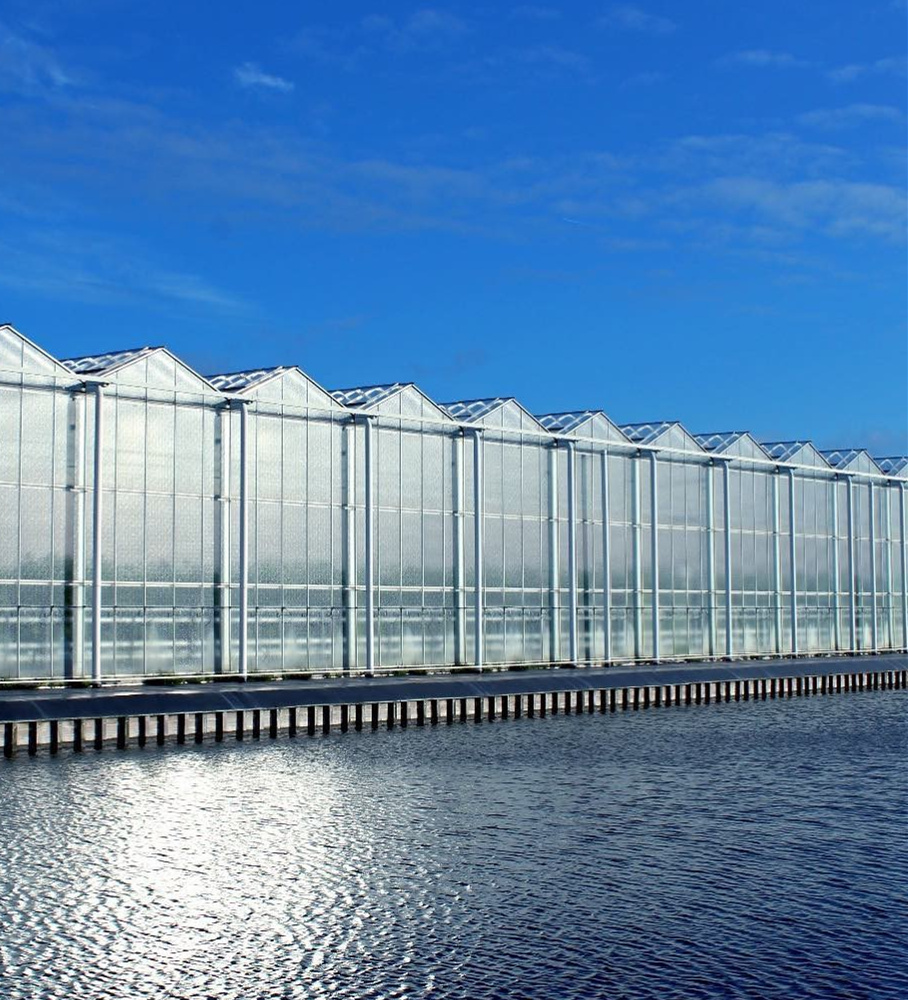
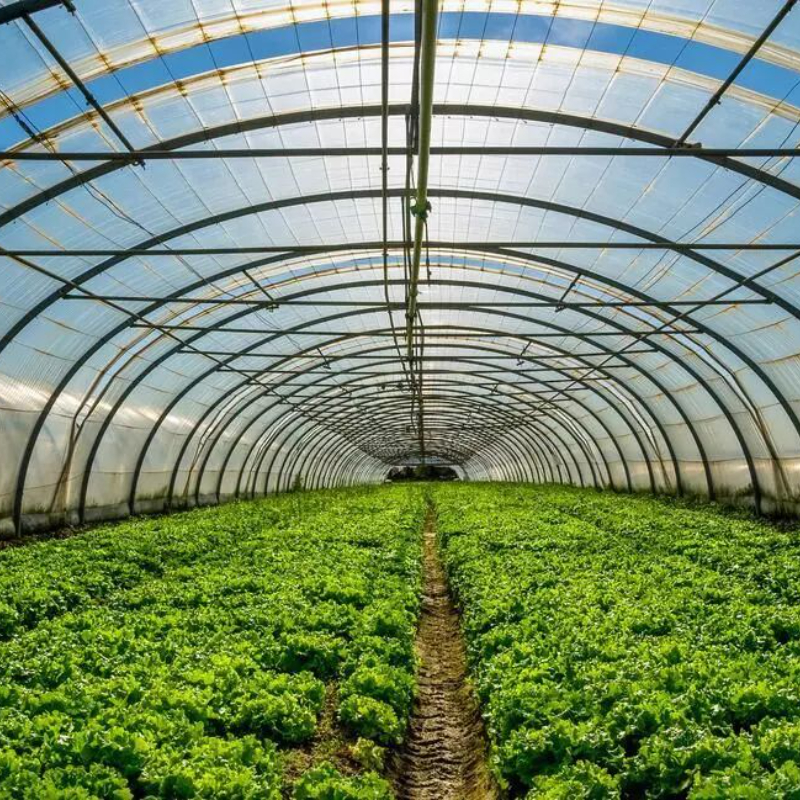
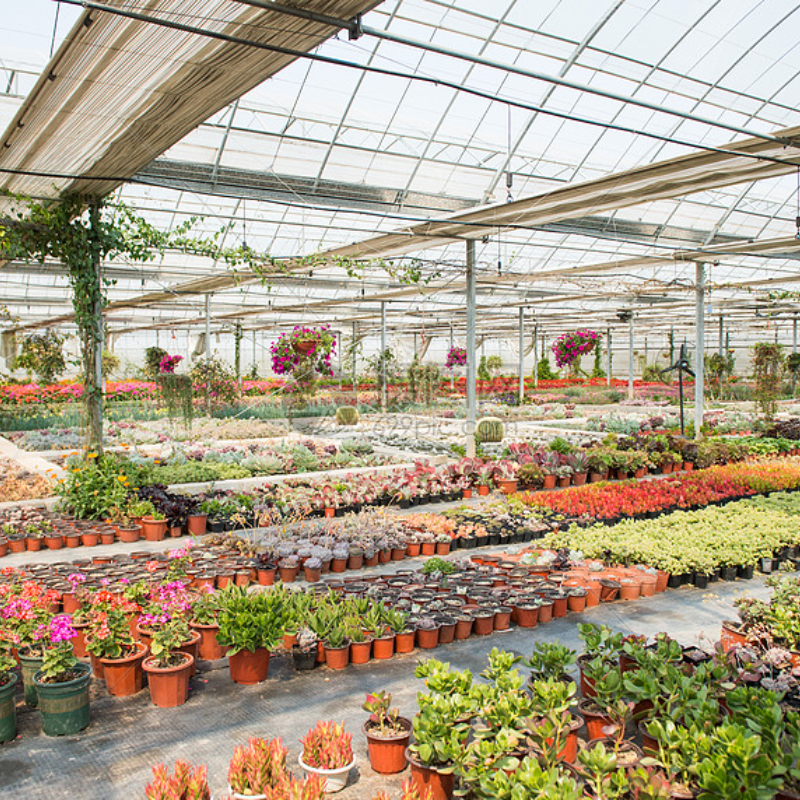
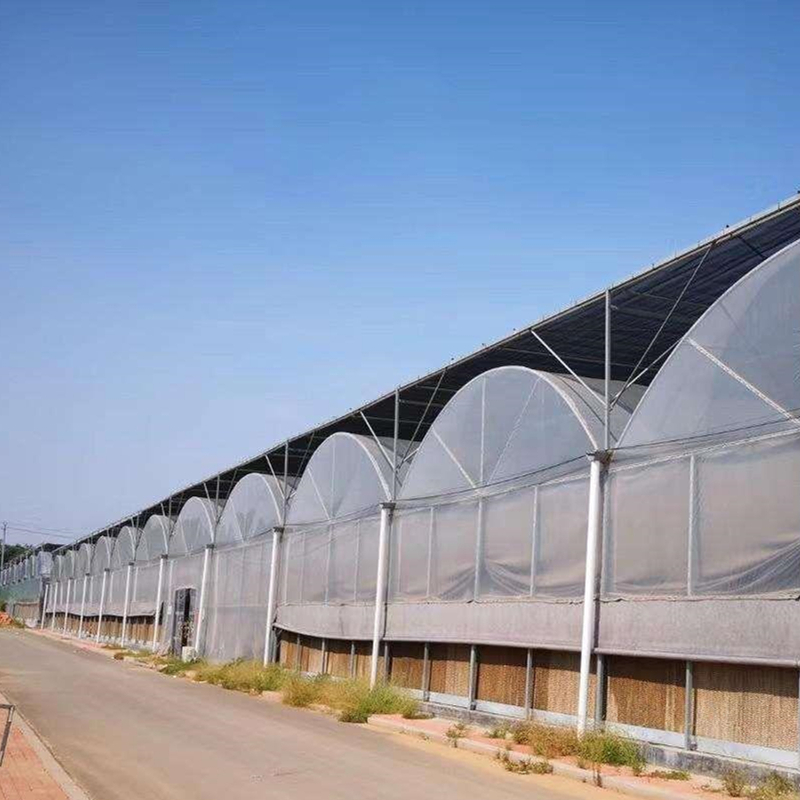
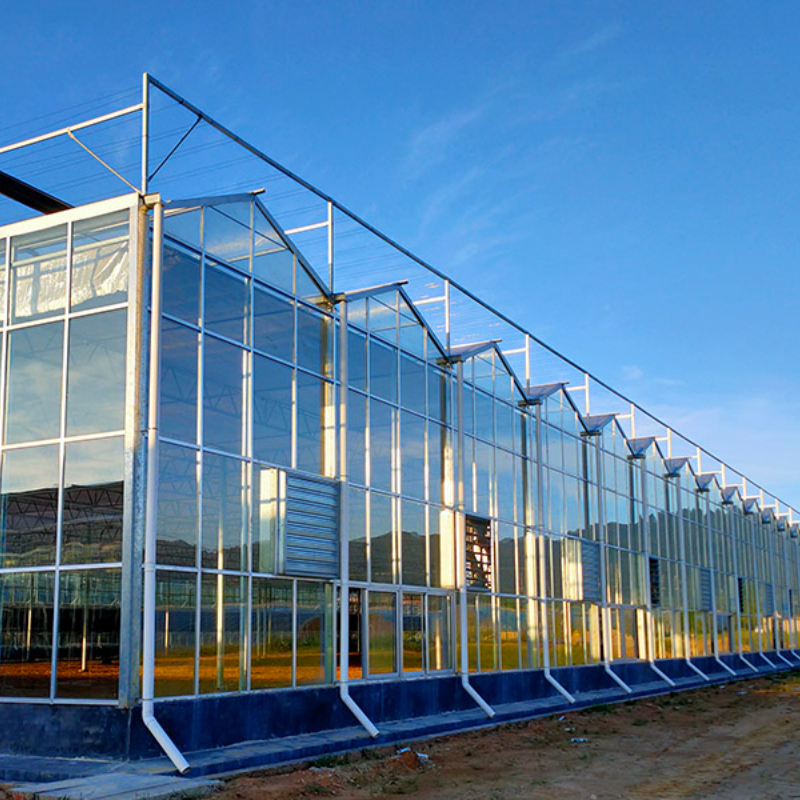
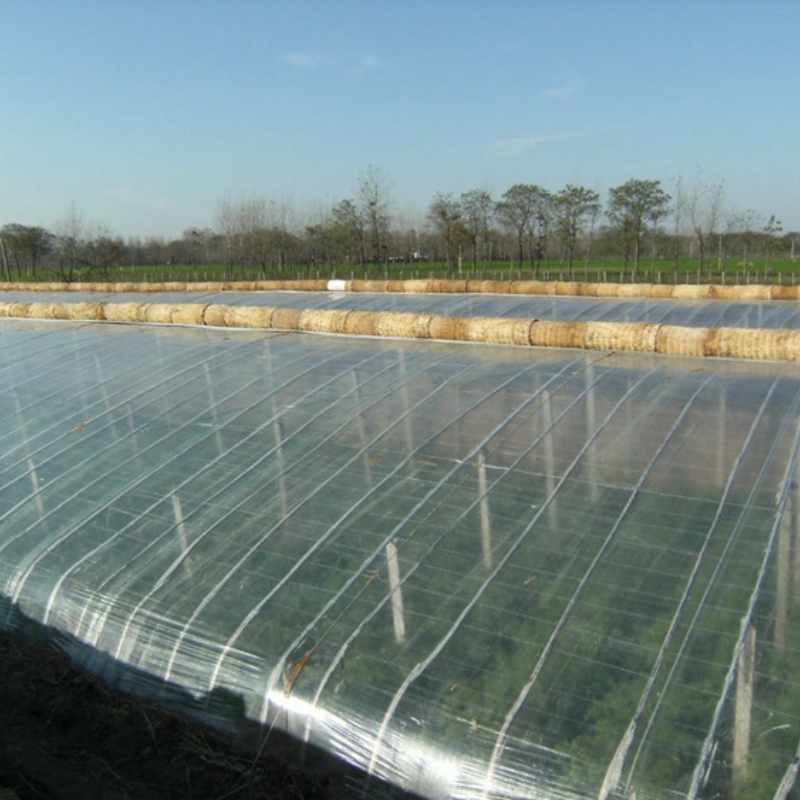
The diversity of the greenhouse industry is another key factor in its success. The region is home to both small-scale family-run greenhouses and large-scale fully automated companies. Family-run operations, which are often managed by local residents, focus on traditional farming methods and specialty crops, while large-scale companies use advanced technology to produce high-volume crops for the mass market. This diversity ensures that the industry is resilient and adaptable to changing market conditions. It also provides opportunities for people of all backgrounds and skill levels to participate in the industry, from small-scale farmers to highly skilled technicians.
