
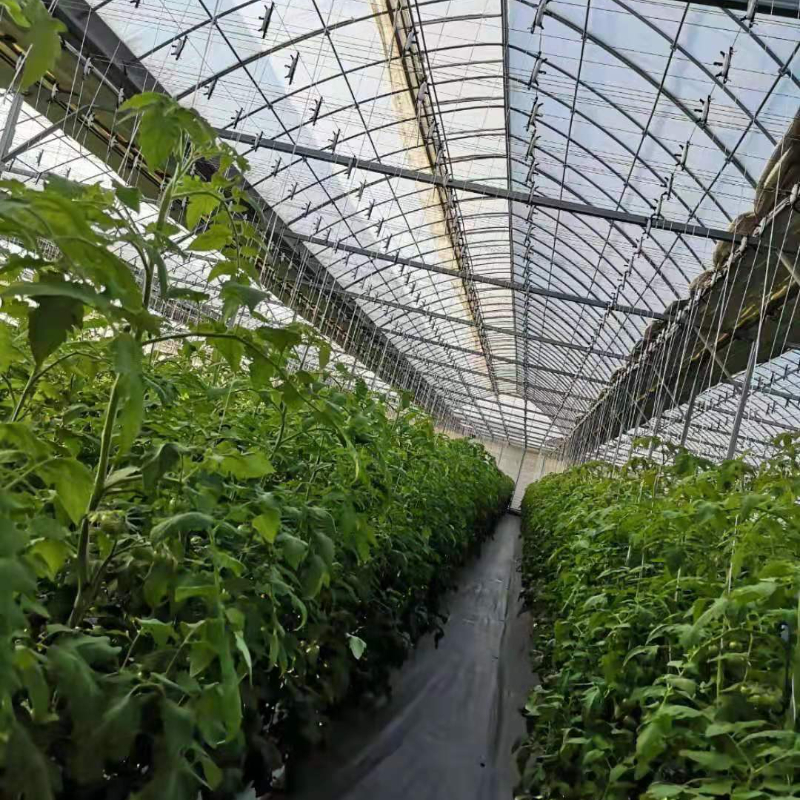
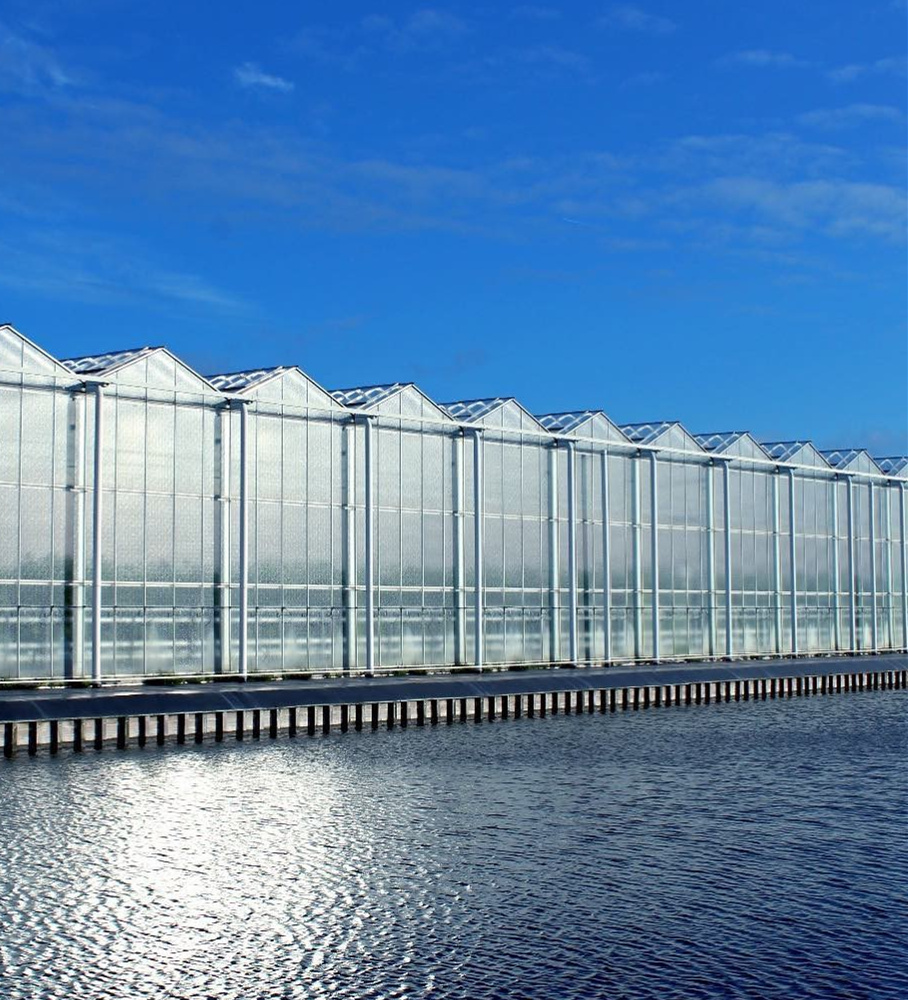
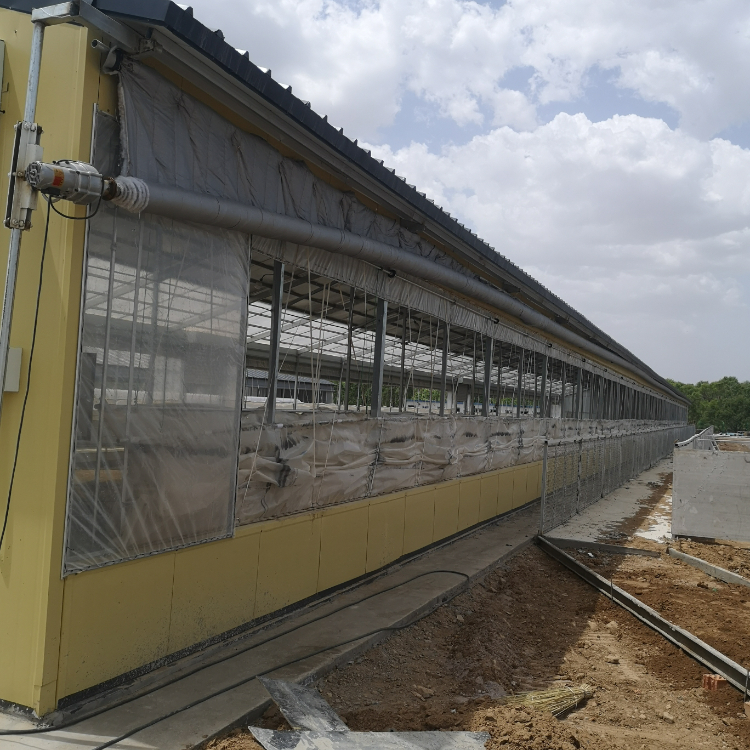
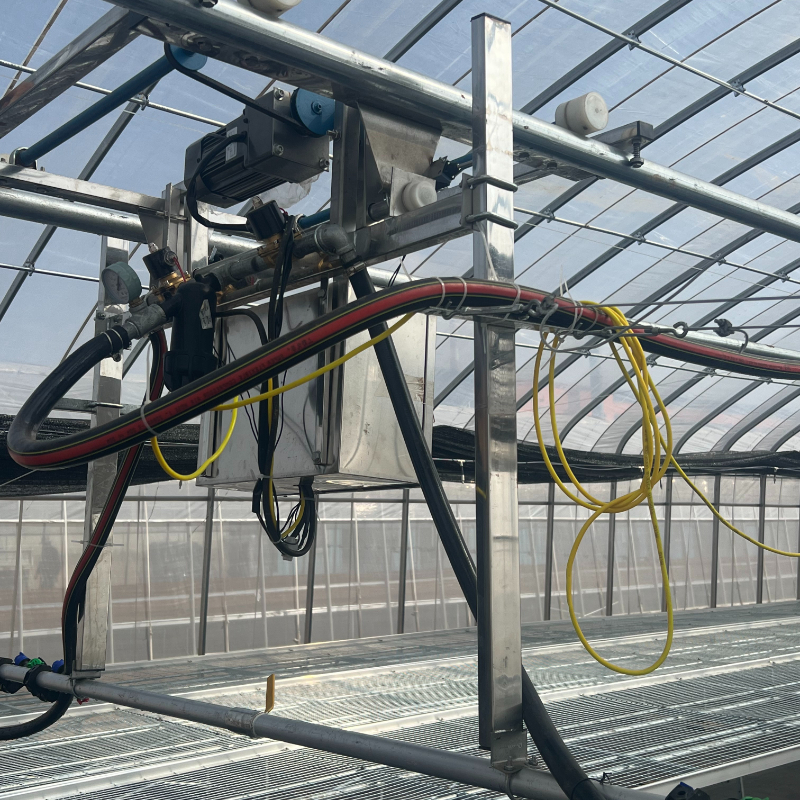
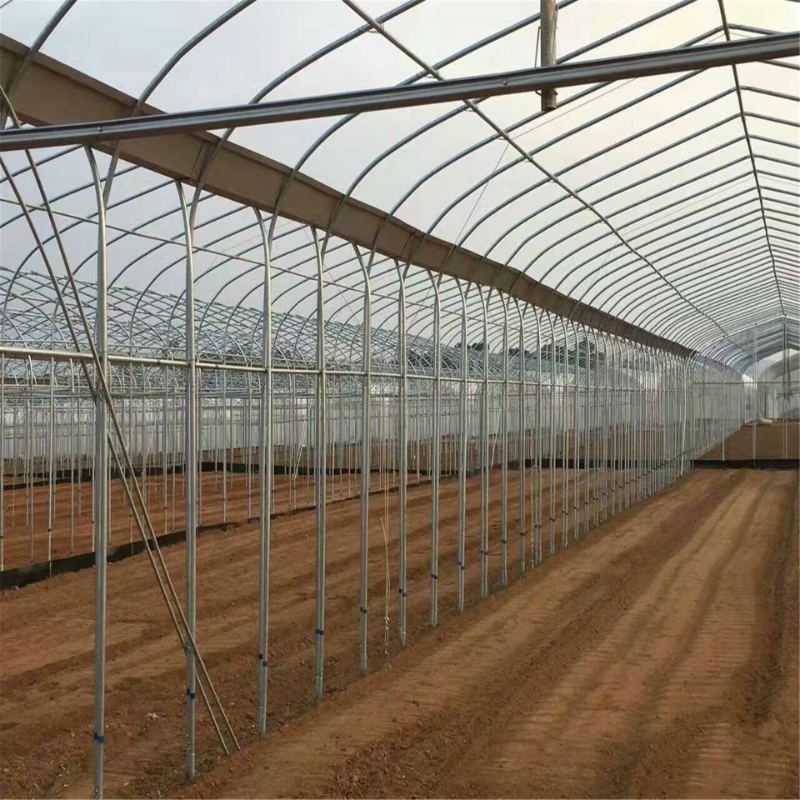
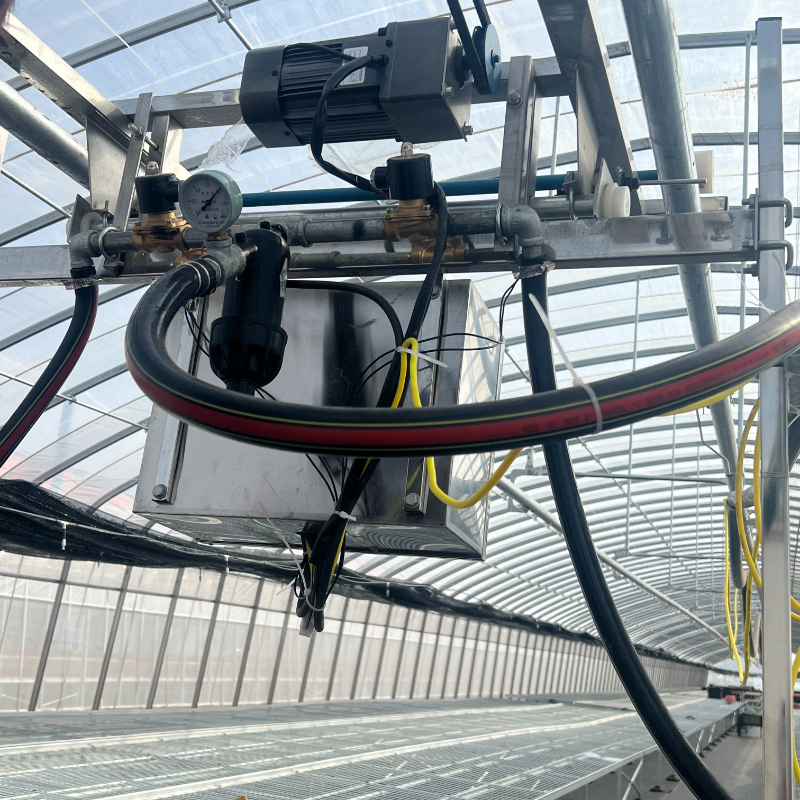
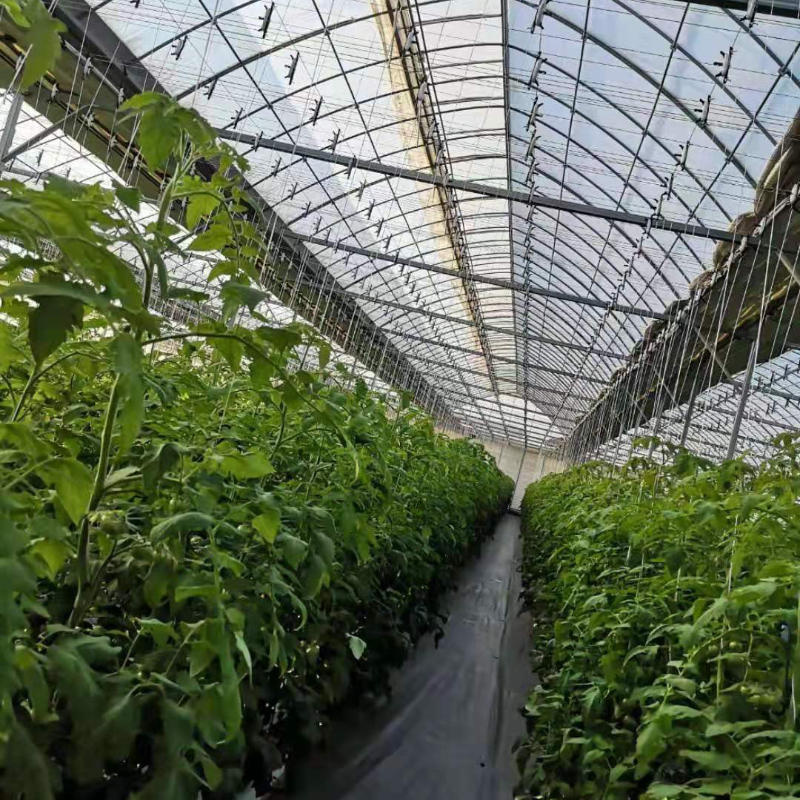
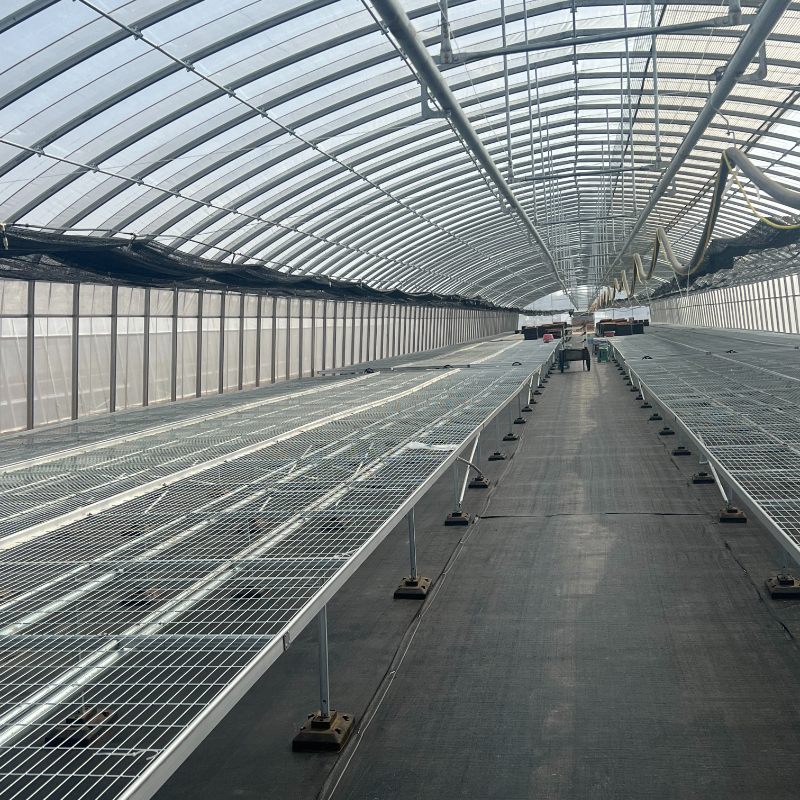
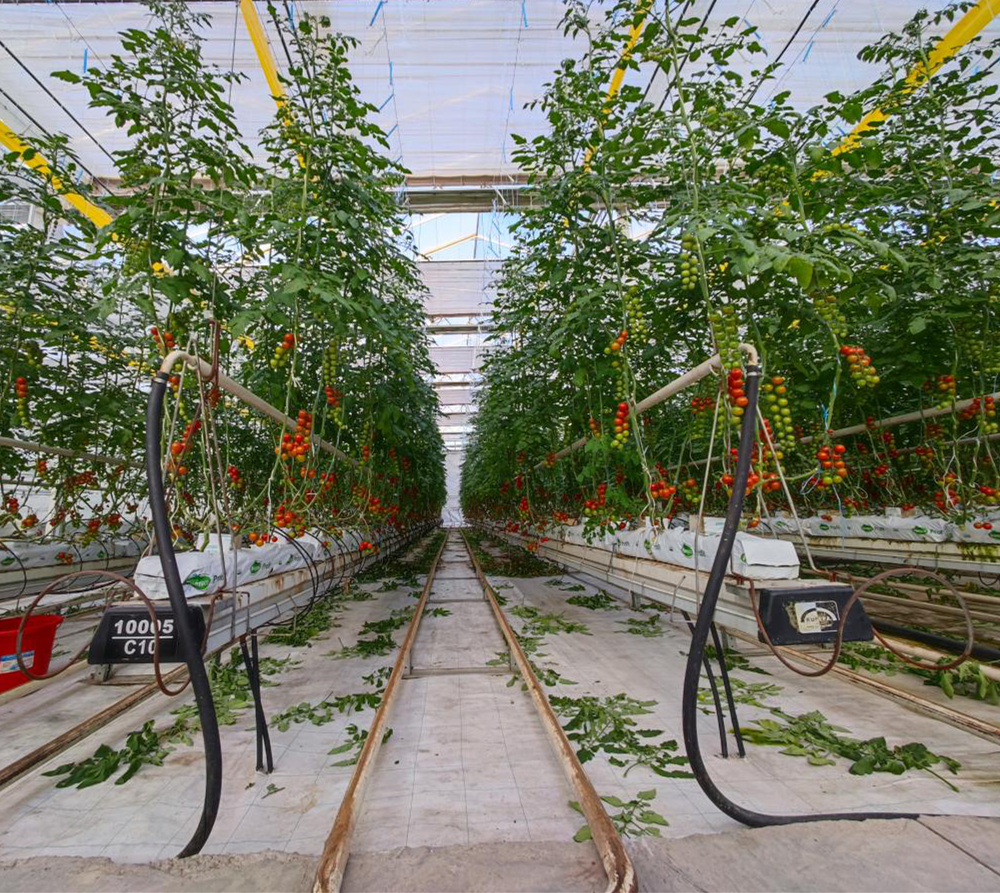
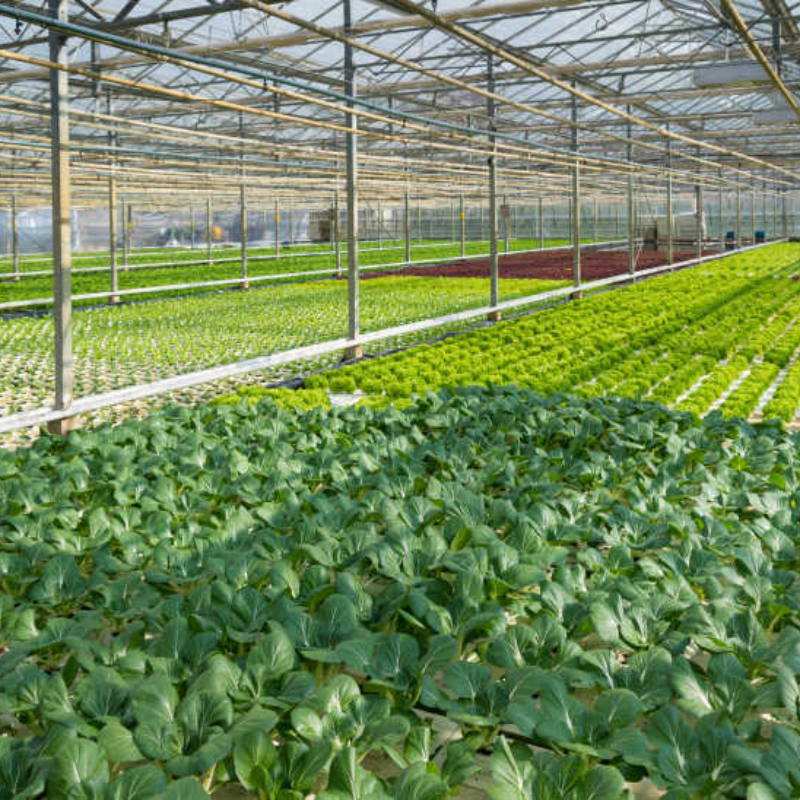
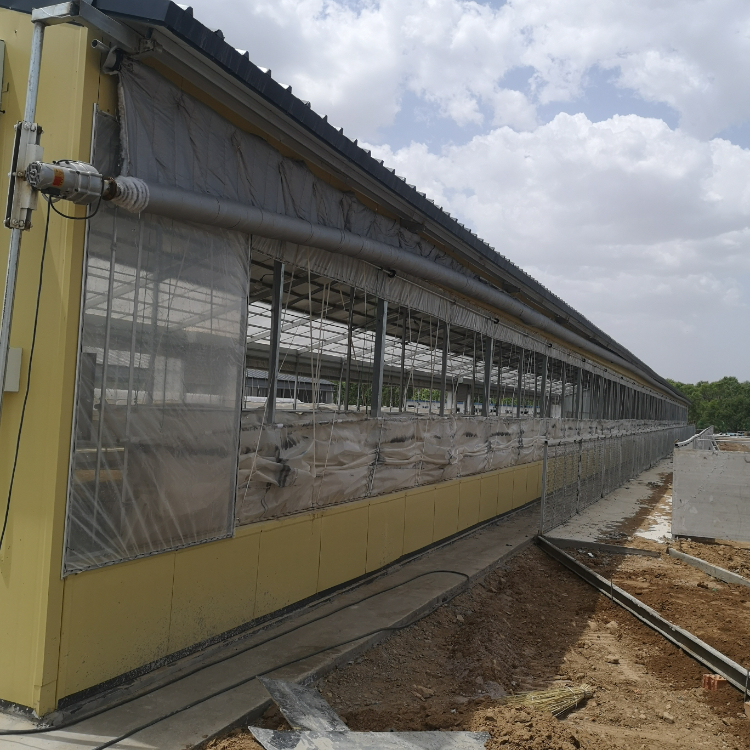
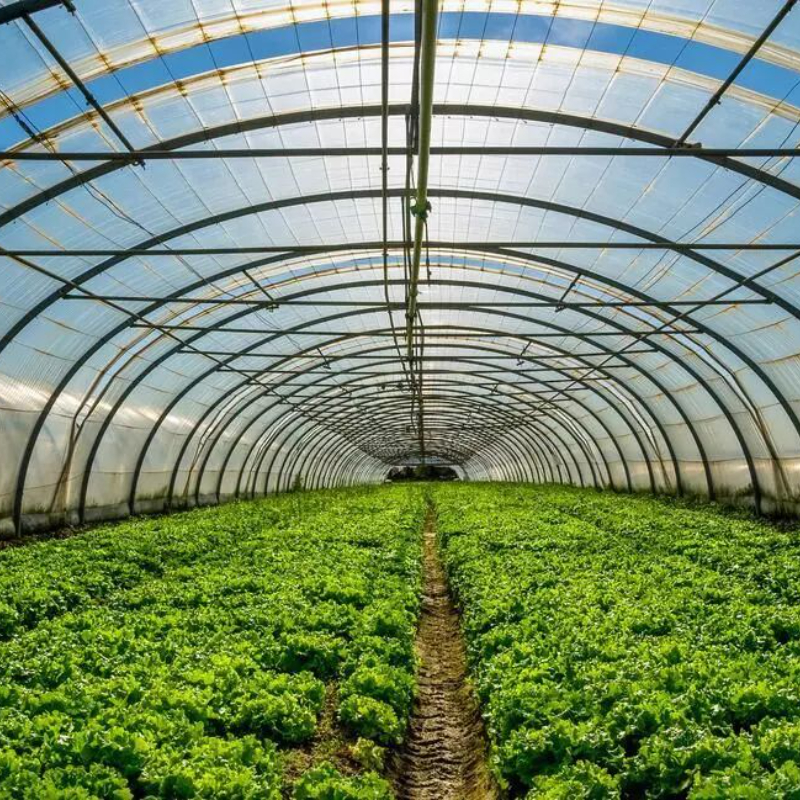
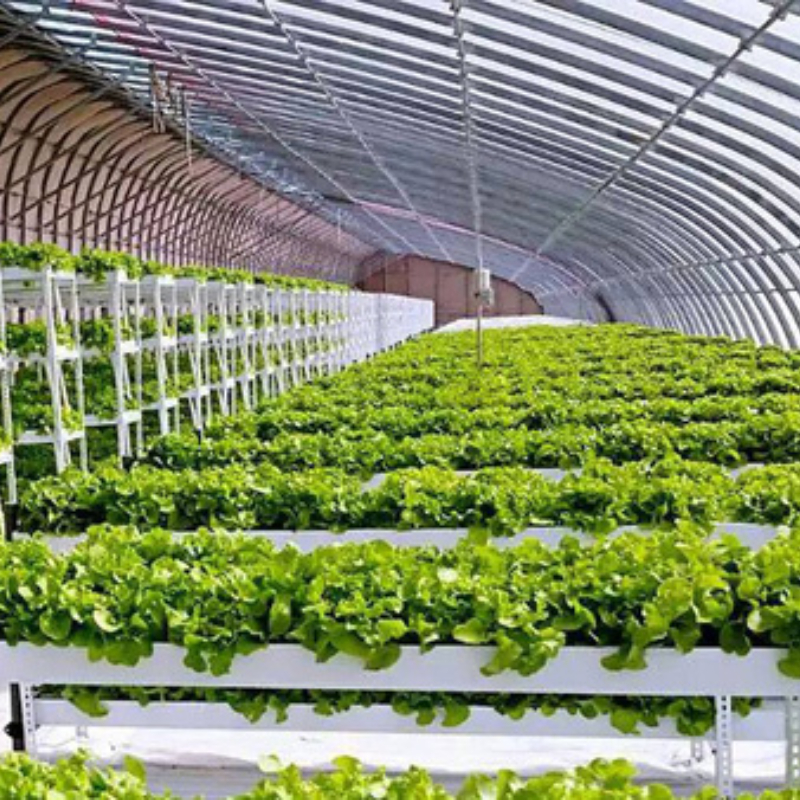
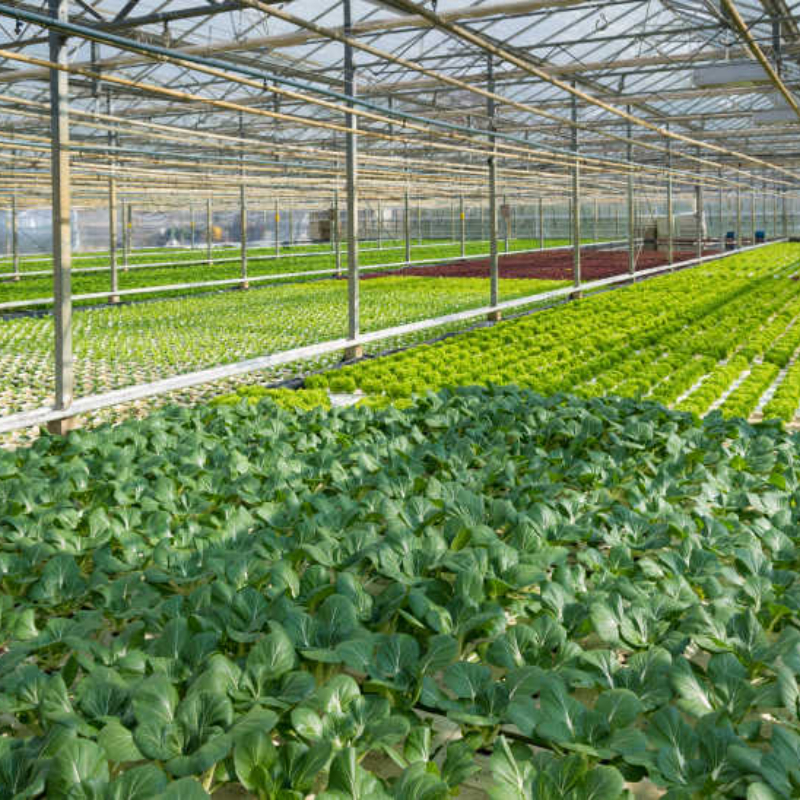
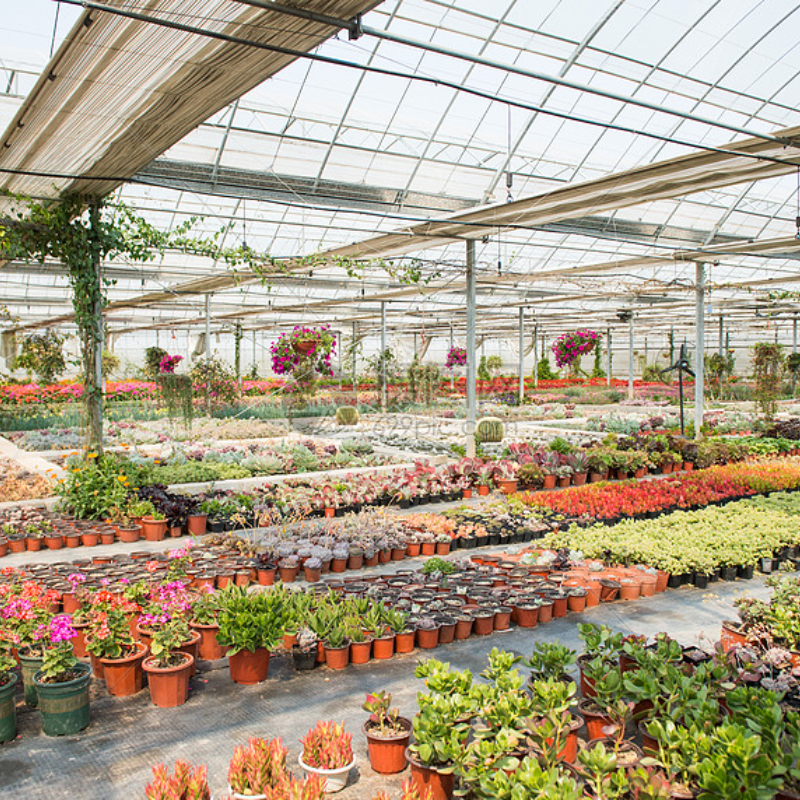
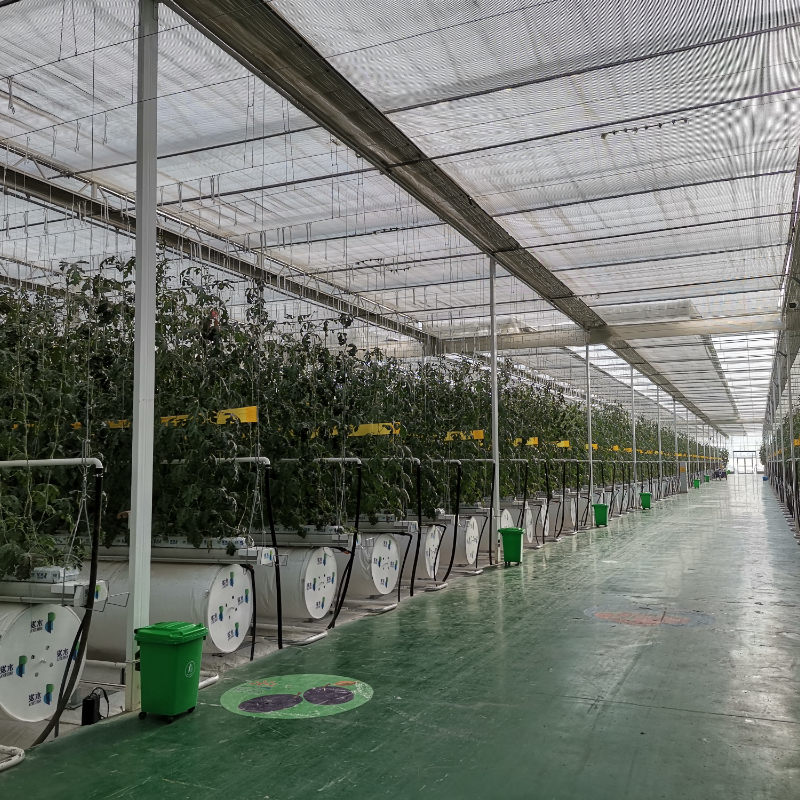
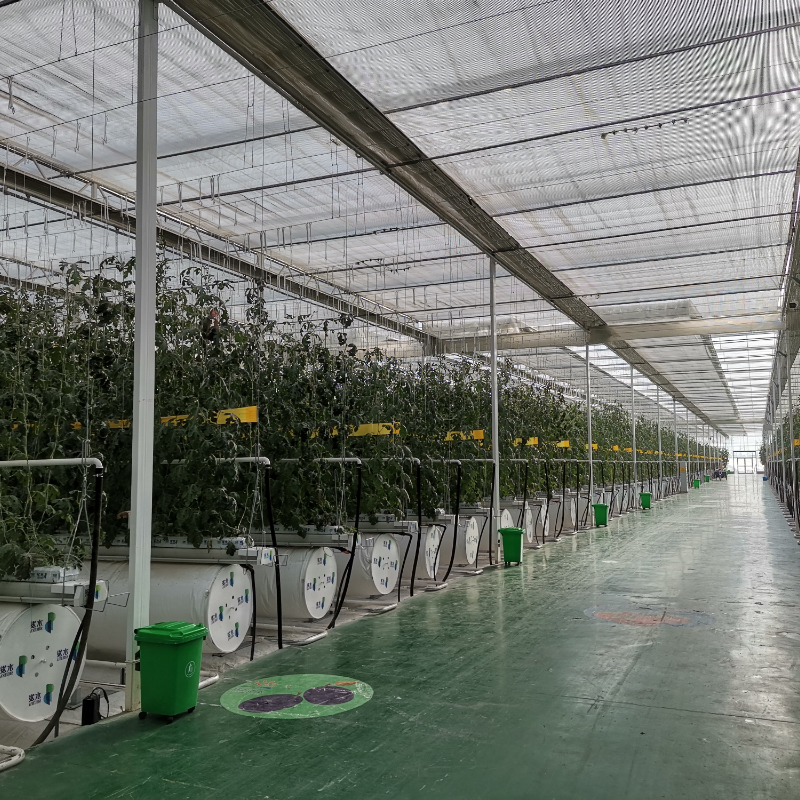
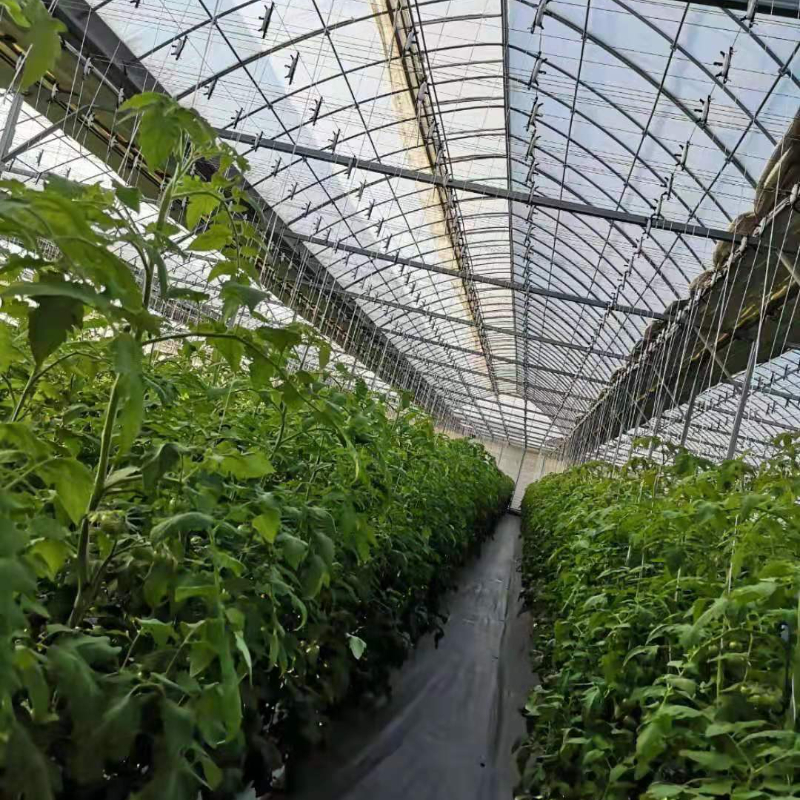
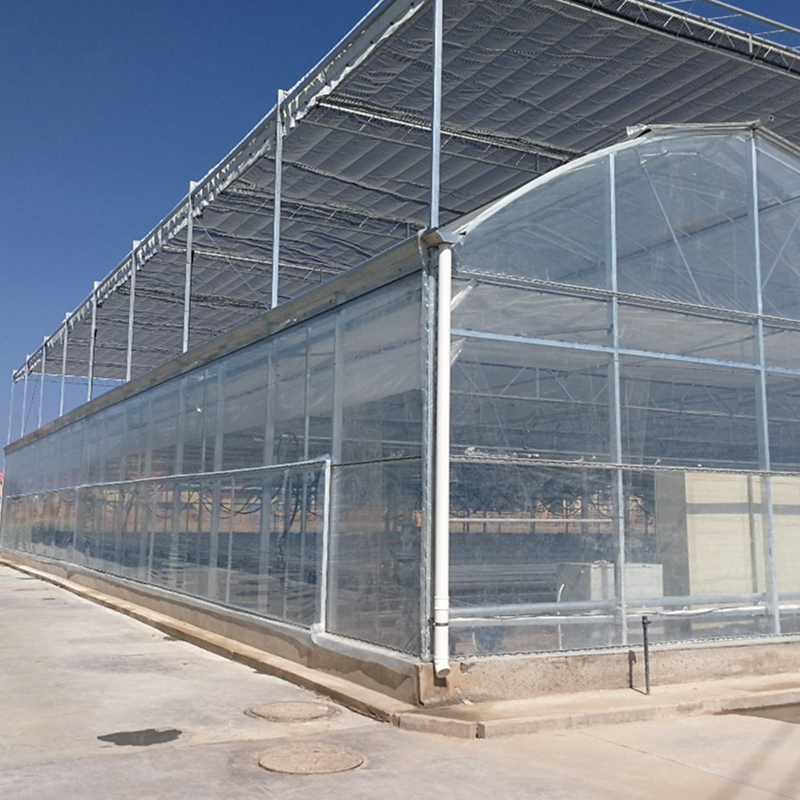
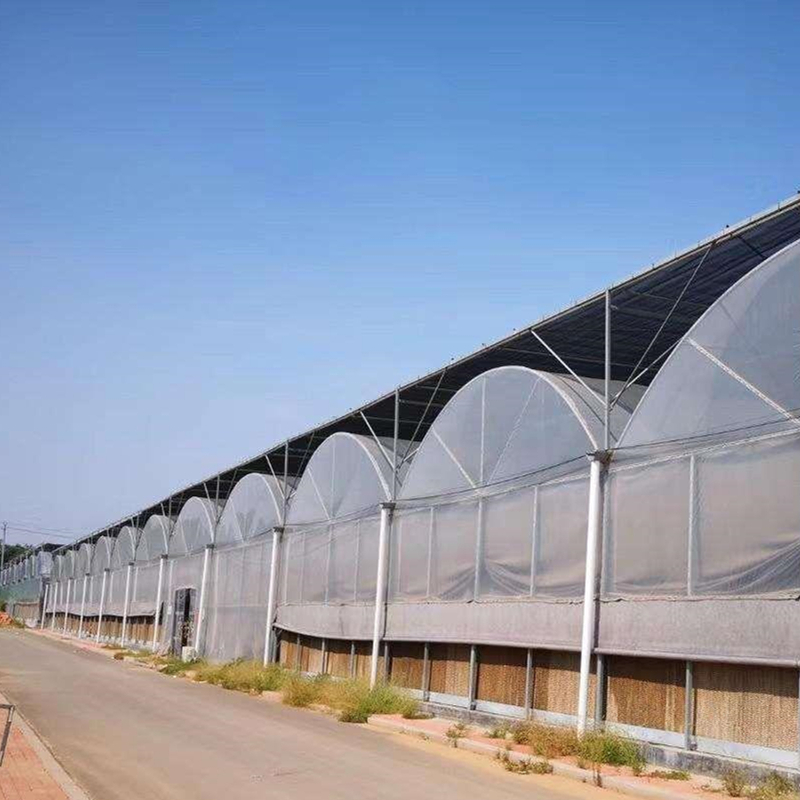
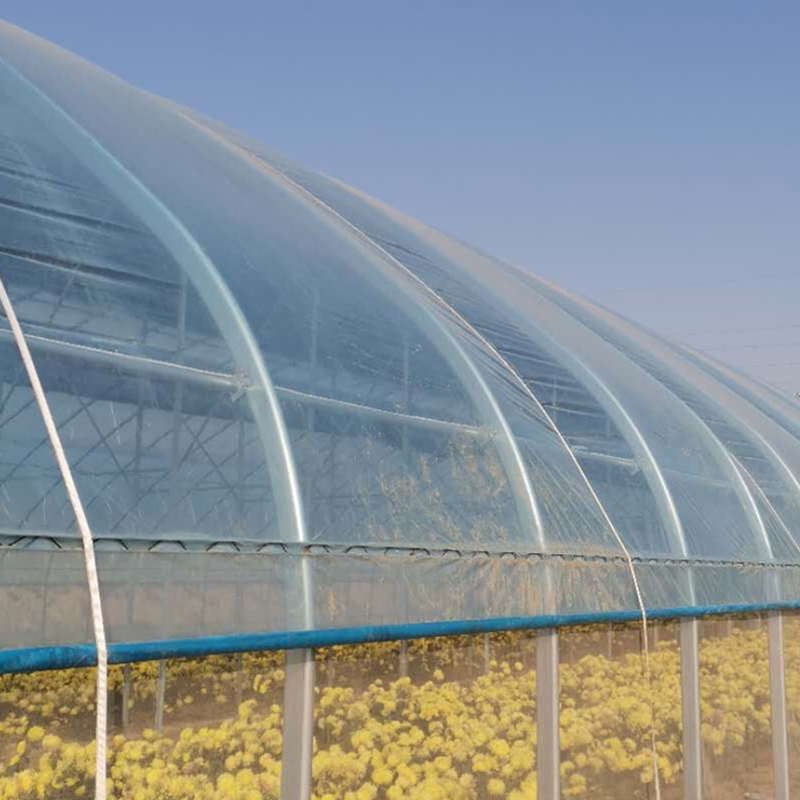
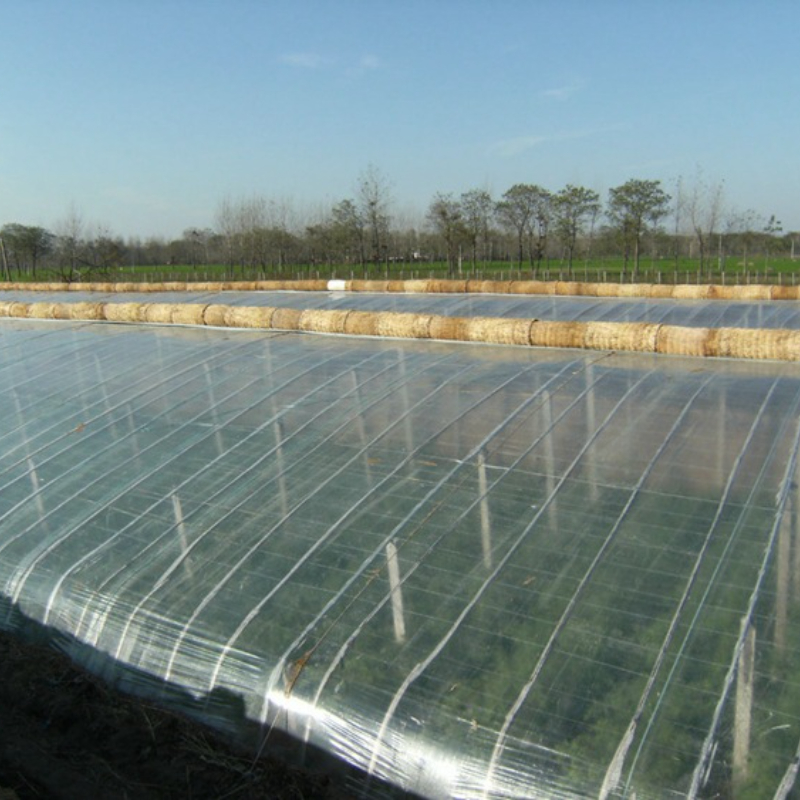
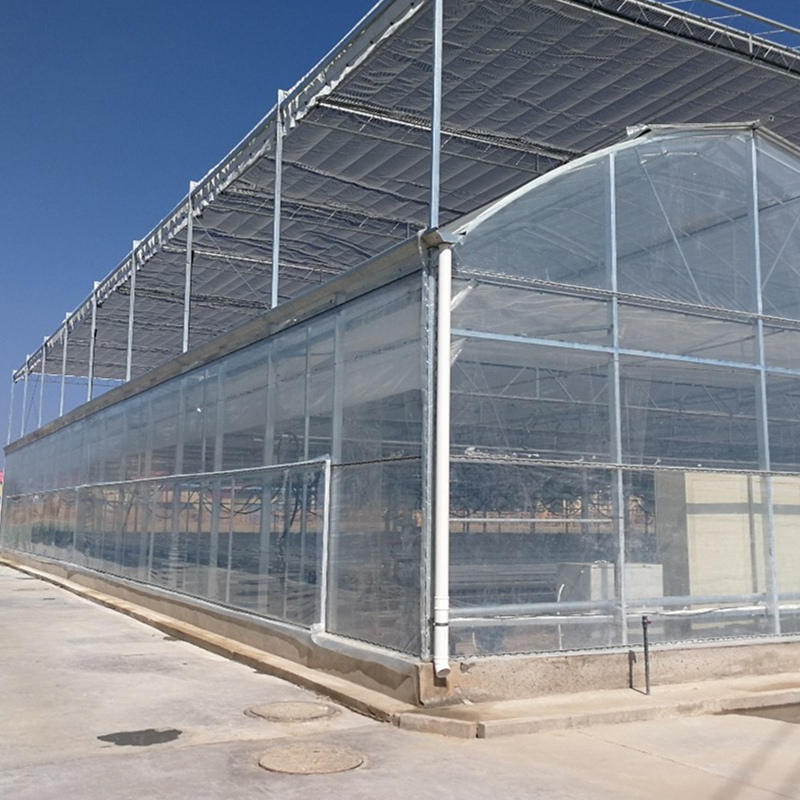
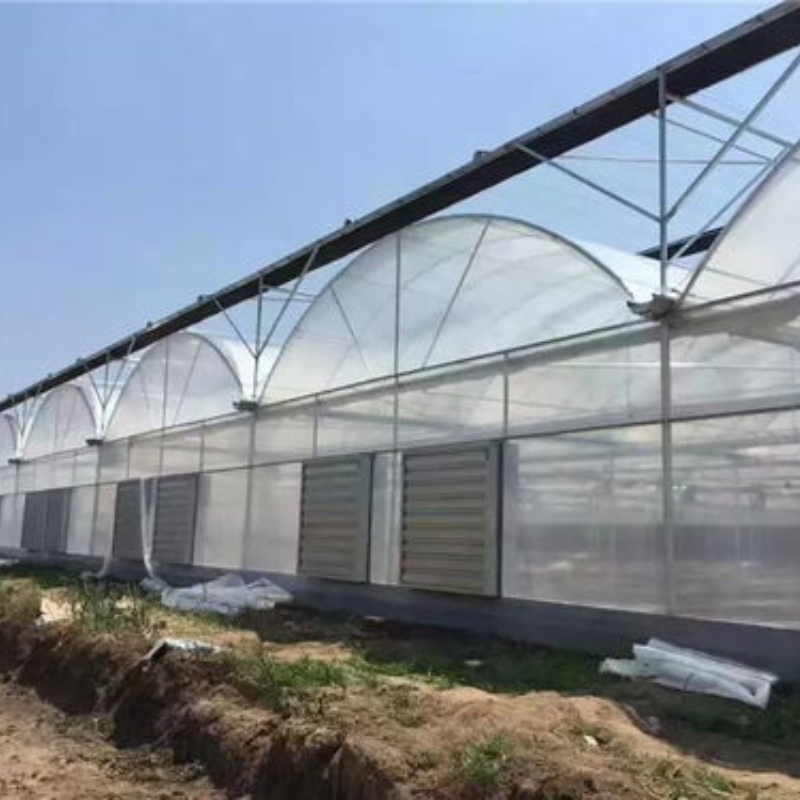
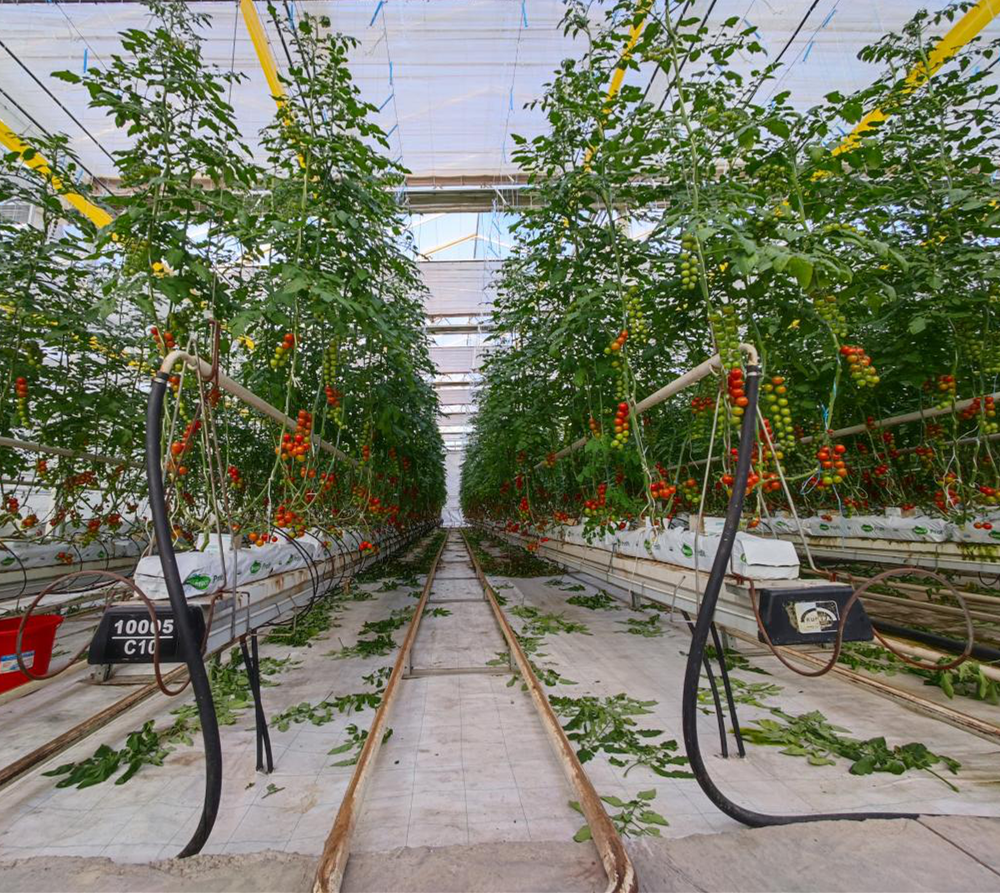
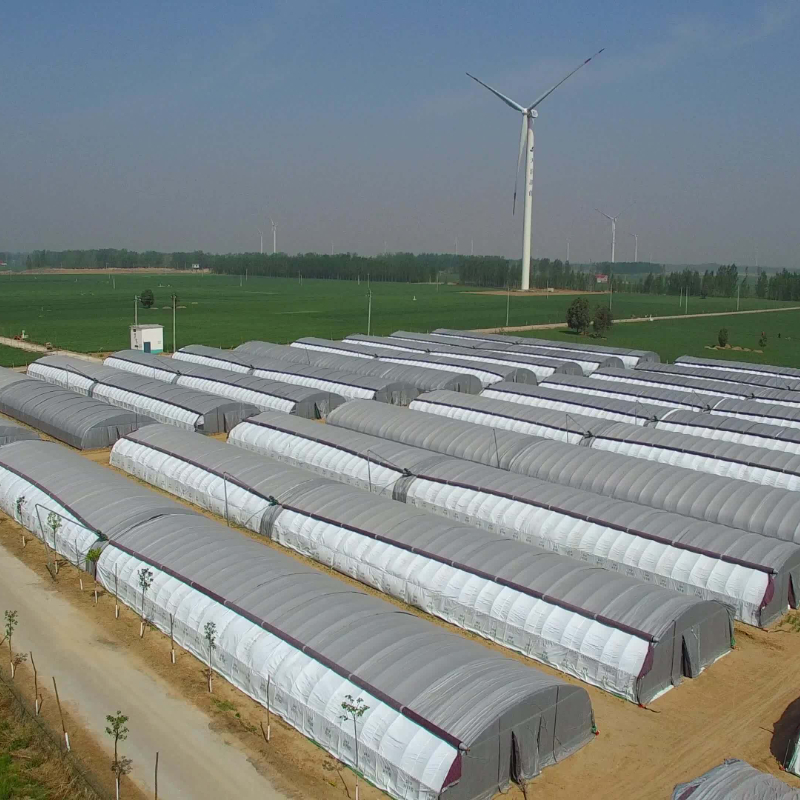
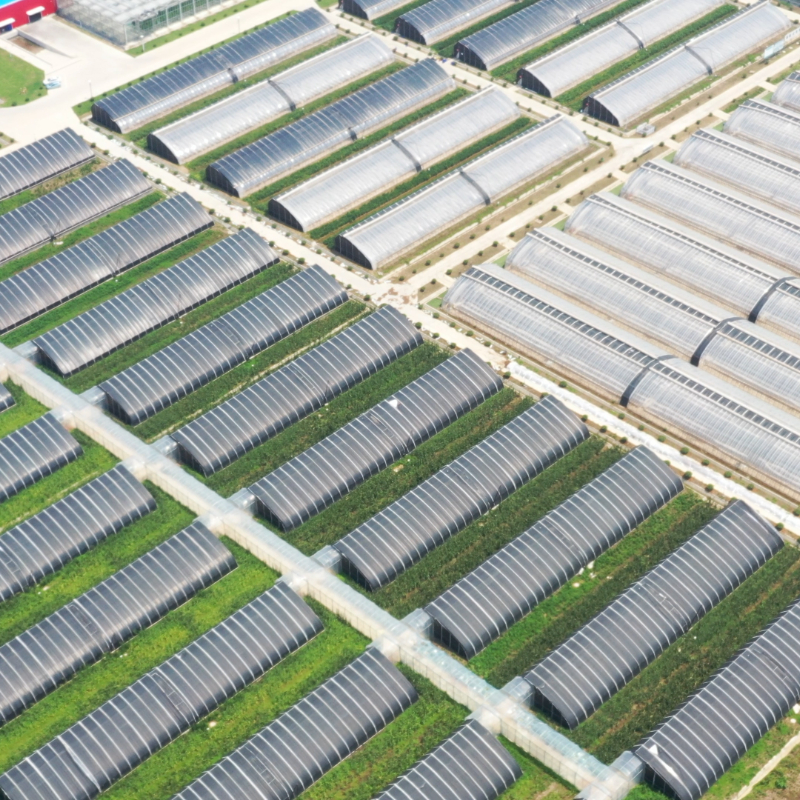
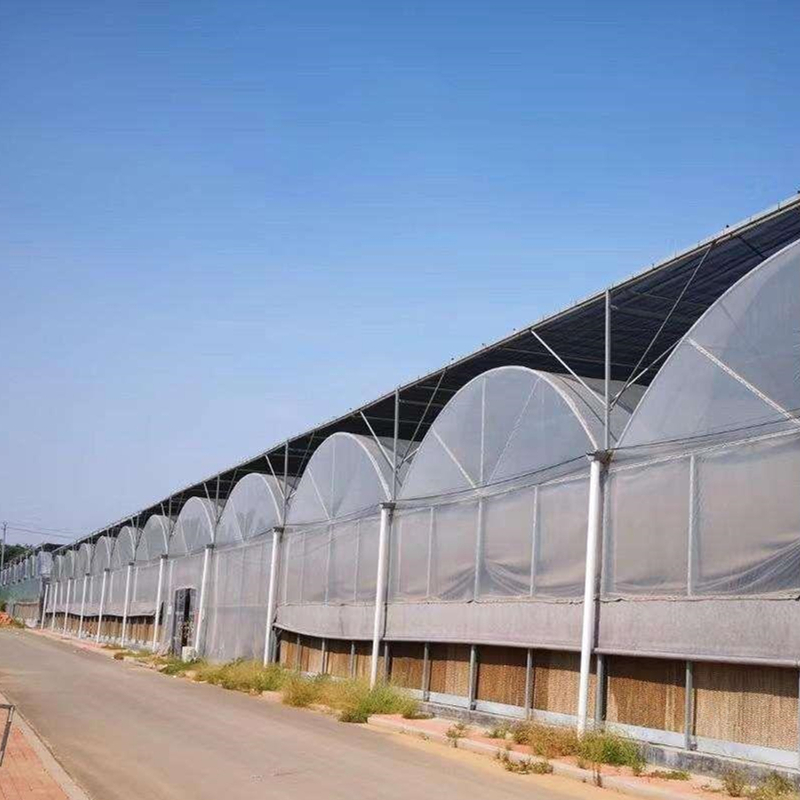
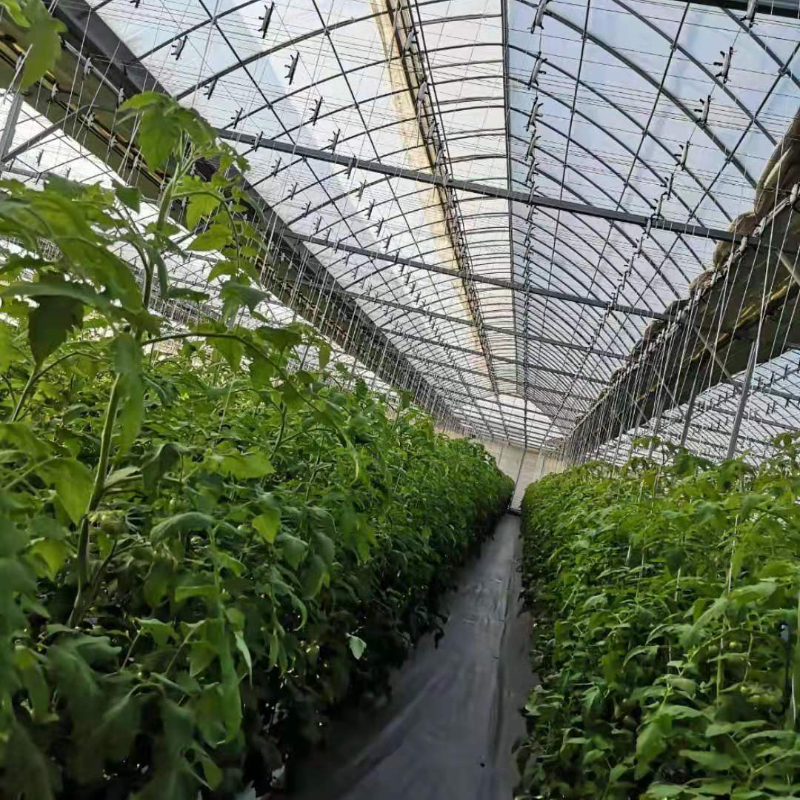
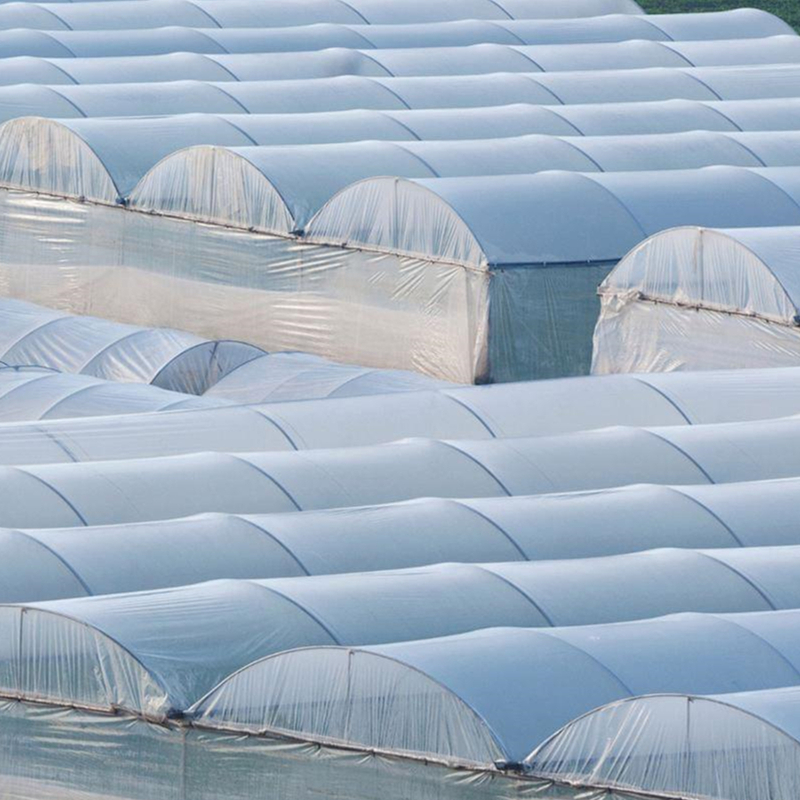
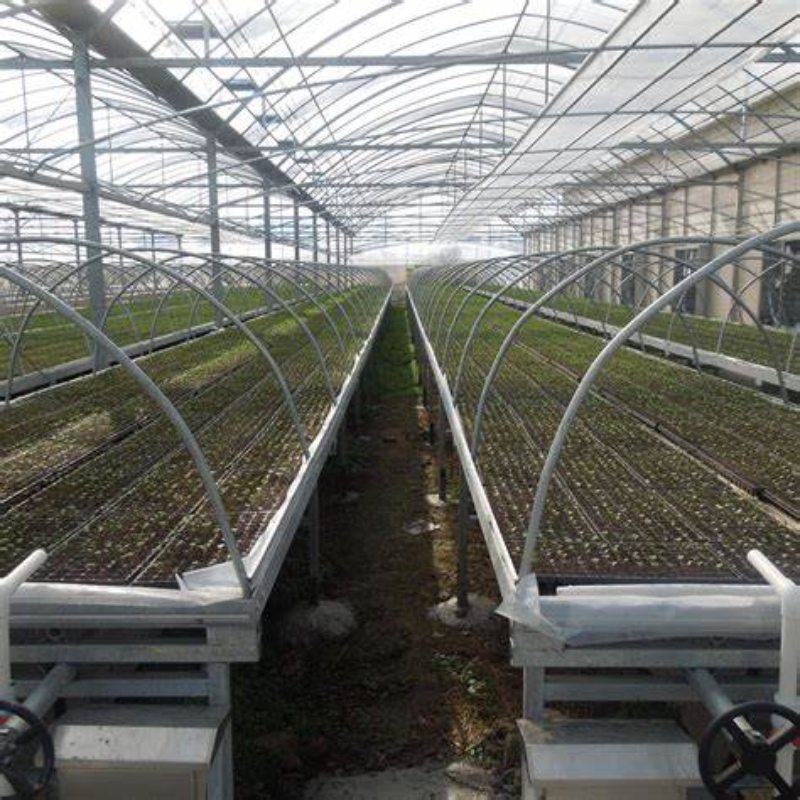
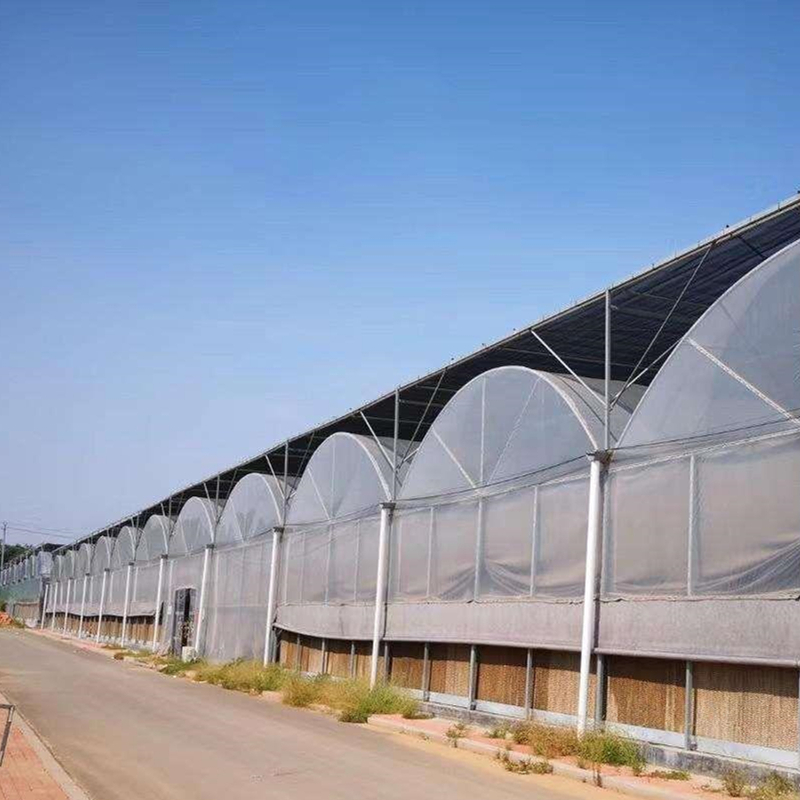
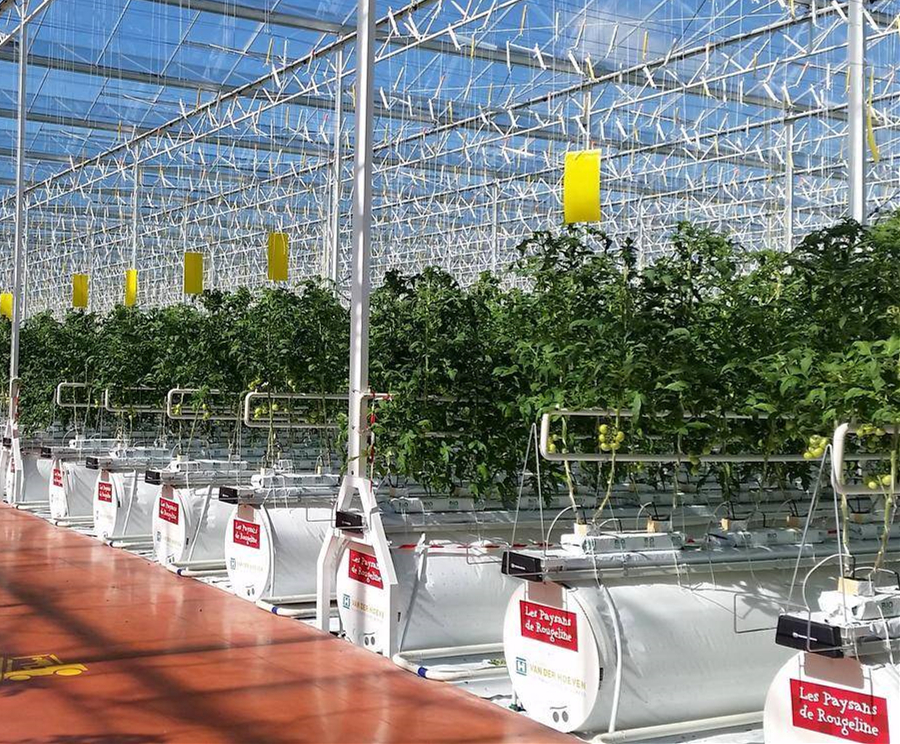
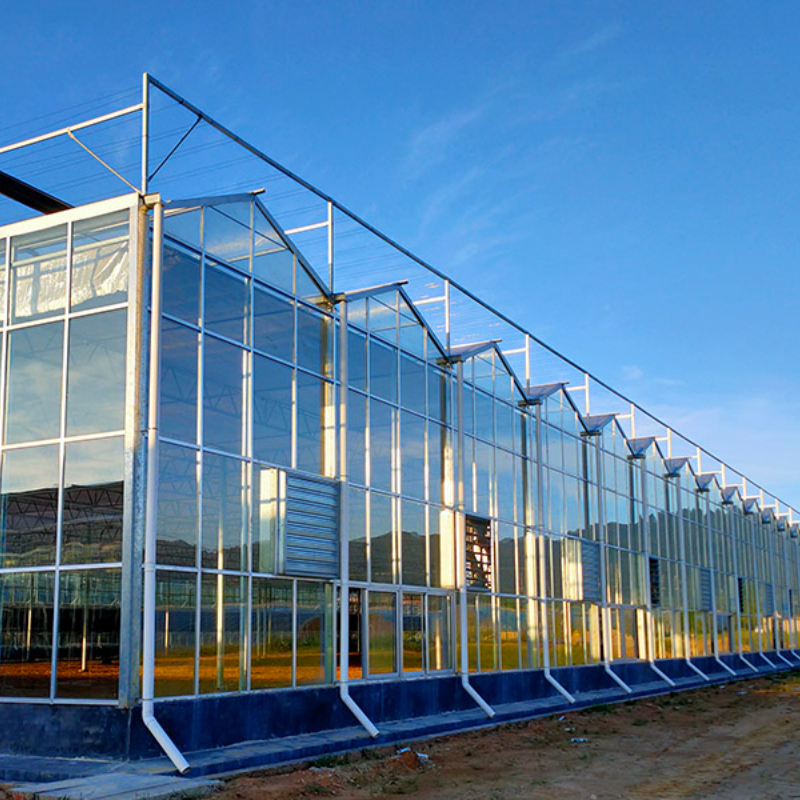
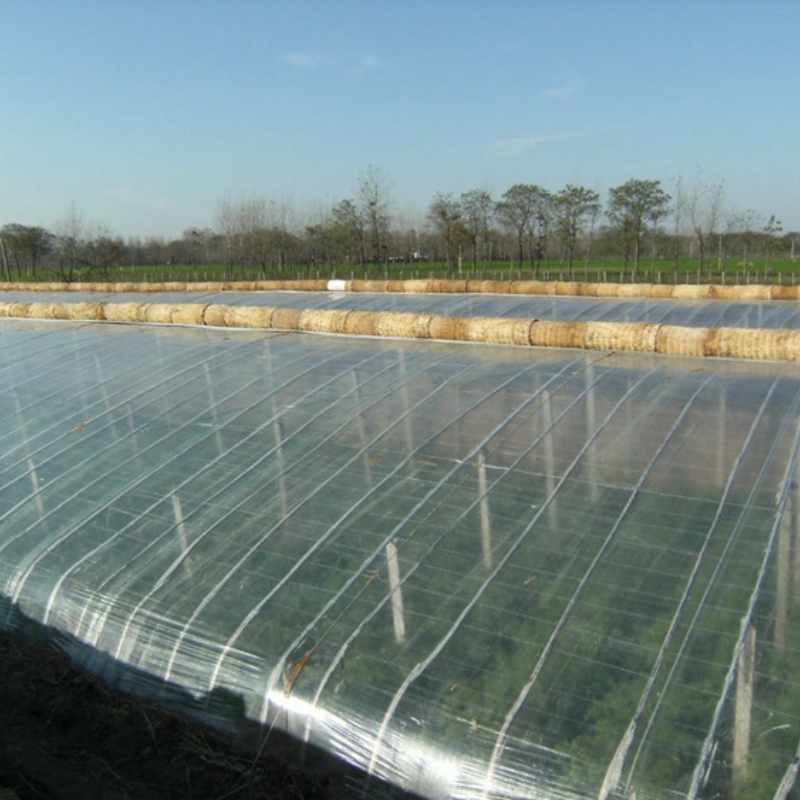
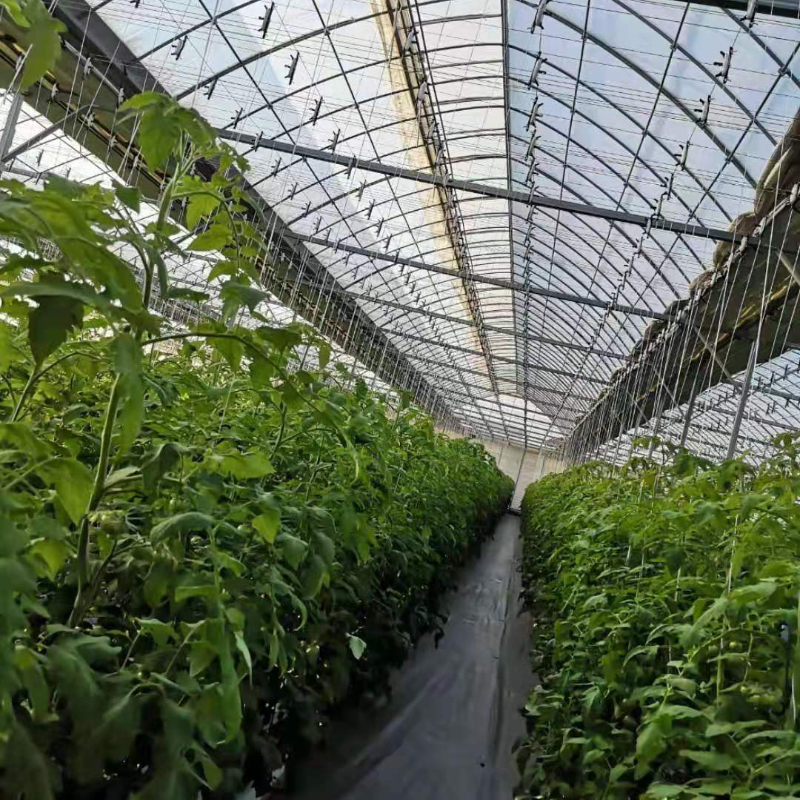
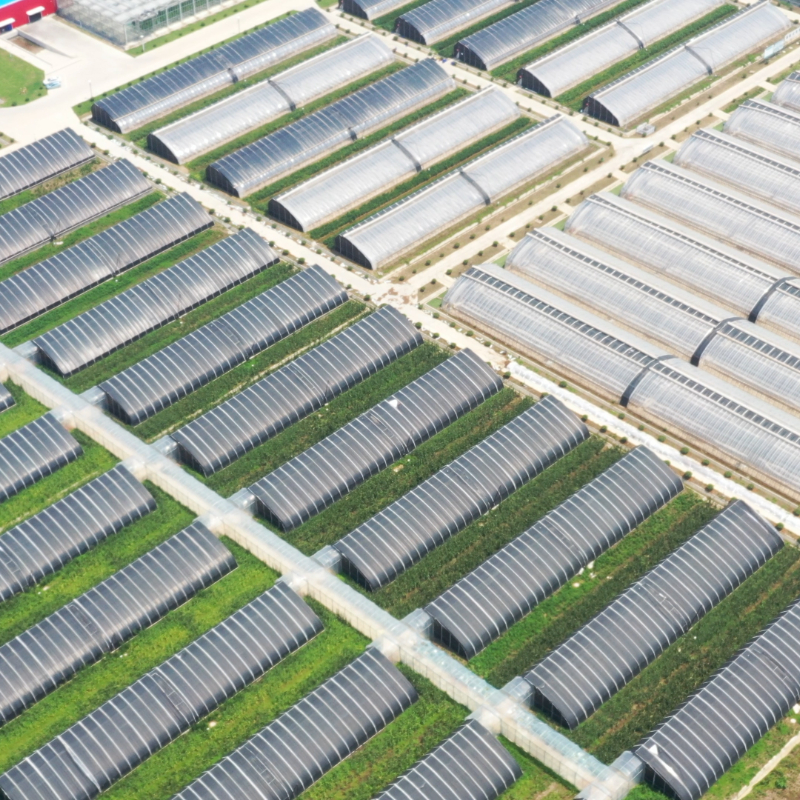
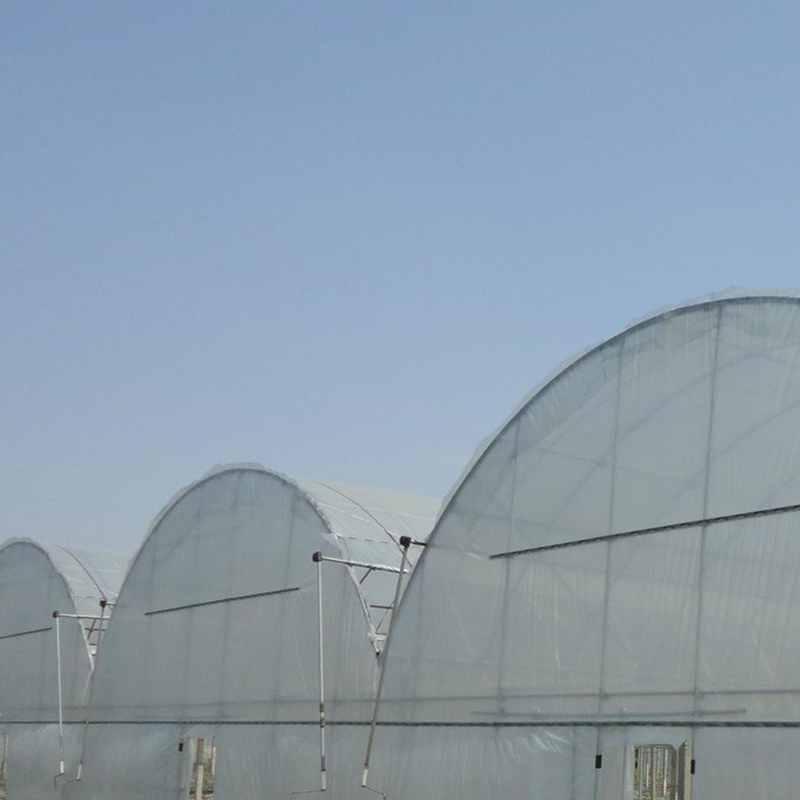
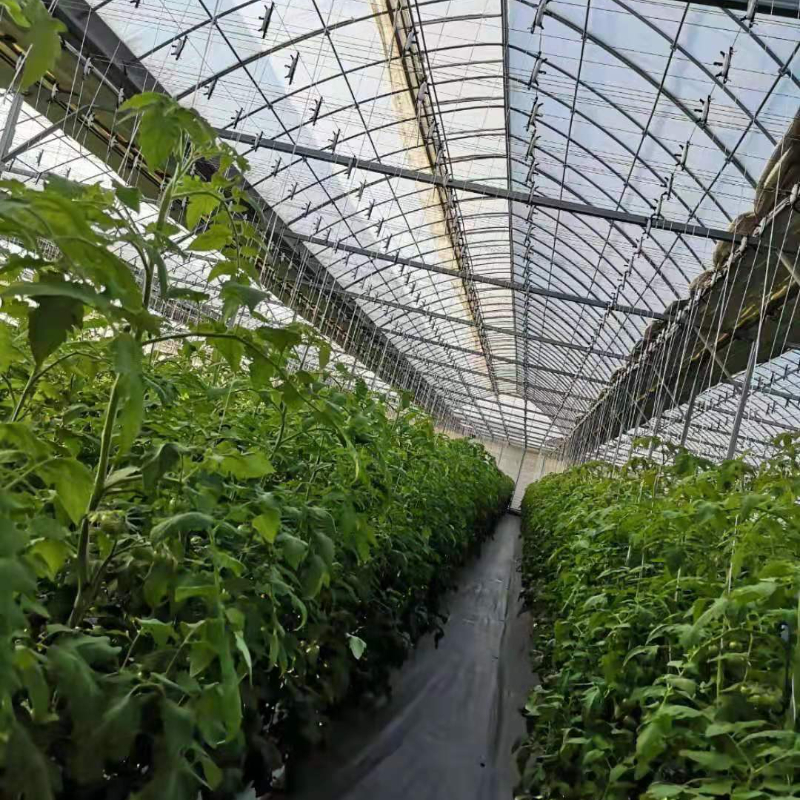
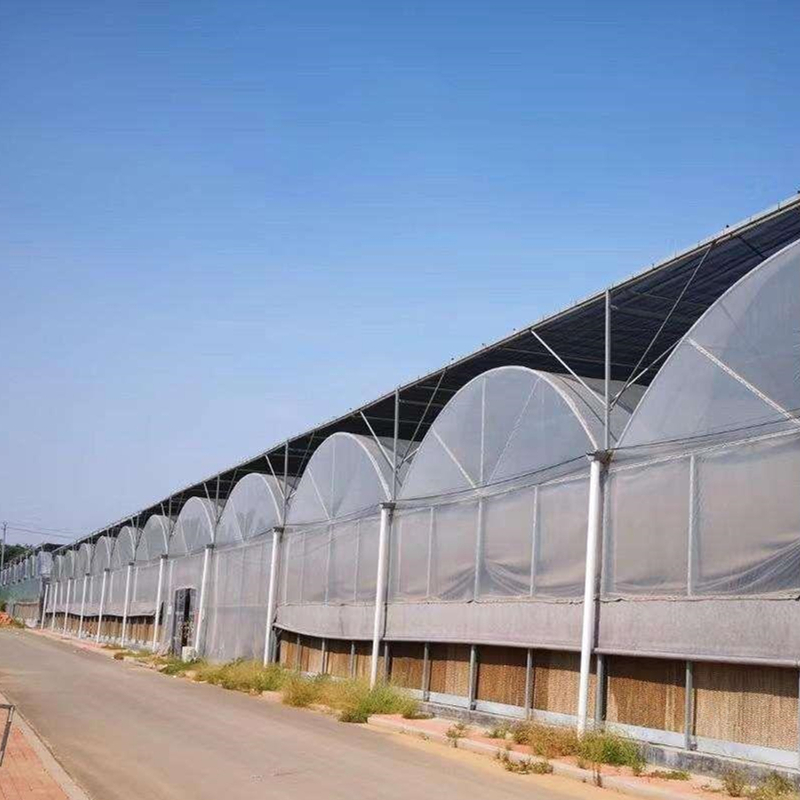
Investing in a small greenhouse, lean to greenhouse, or mini greenhouse for cucumber farming in Russia offers compelling benefits. Compared to large-scale greenhouse facilities, these compact options require reduced labor requirements and energy consumption, slashing operational costs. Furthermore, the Russian government actively supports such agribusiness projects, providing subsidies for small greenhouse and mini greenhouse installations, along with tax breaks and low-interest financing. Local fresh cucumbers command 2-3 times the price of imports during winter months, and a well-operated small greenhouse, lean to greenhouse, or mini greenhouse can recover its initial investment within just 2-3 years.
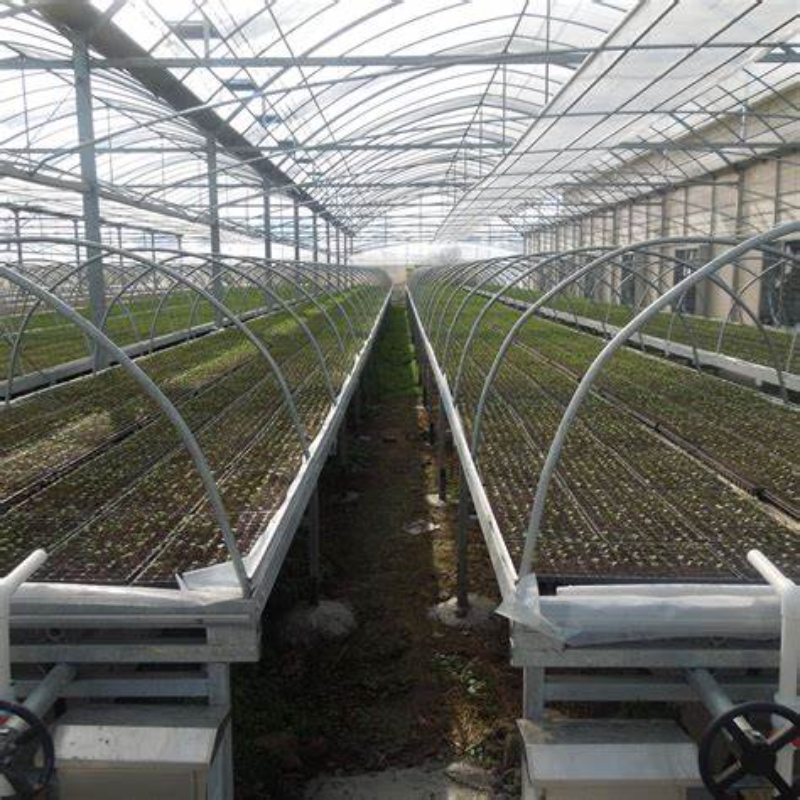
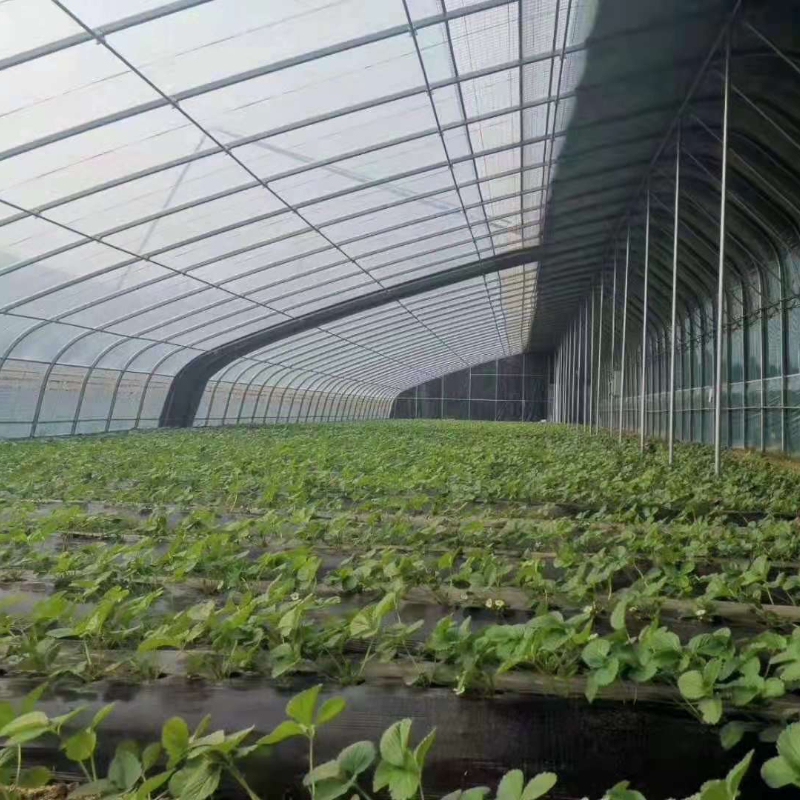
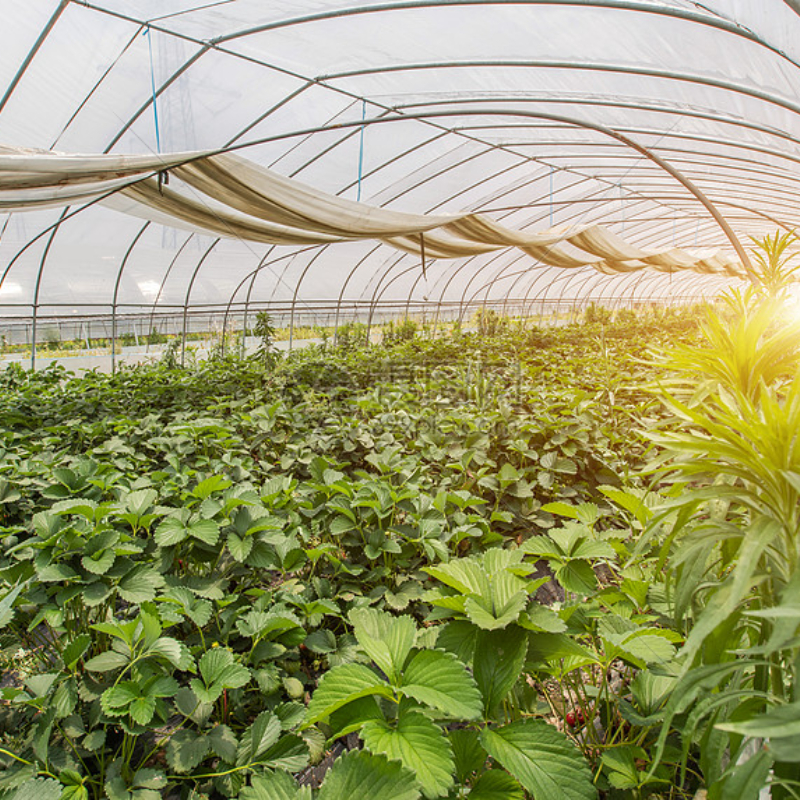
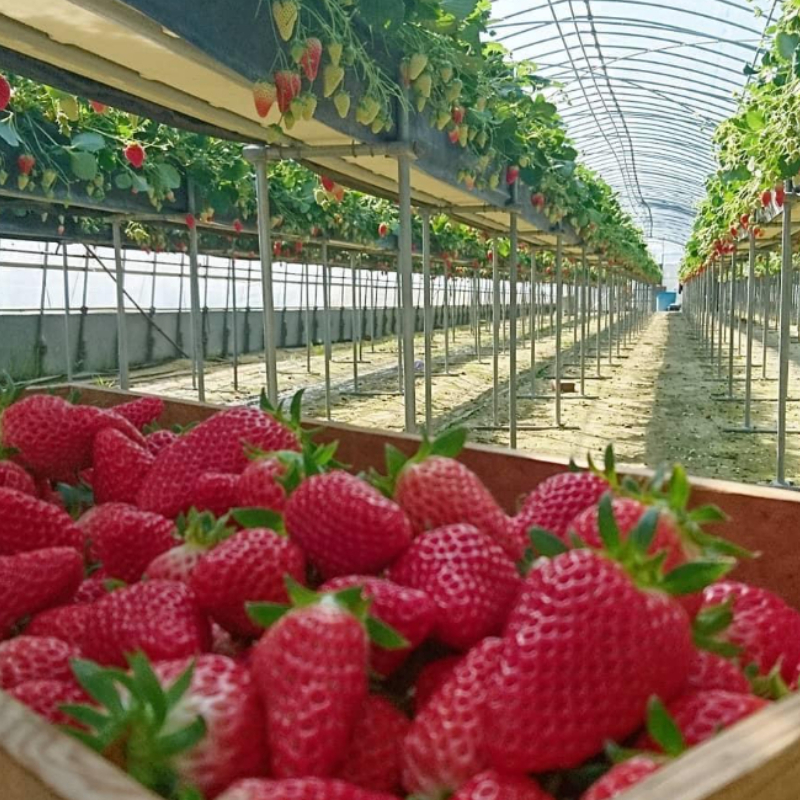
Another project is the strawberry and blueberry greenhouse, which is more down-to-earth. Russia has long winters with a shortage of fresh fruits, and berries like strawberries and blueberries are regarded as "luxuries" locally. Chinese enterprises excel in greenhouse technology, especially in Northeast China, where they have long accumulated experience in growing off-season fruits in greenhouses. Now, transferring this set of technologies to Russia means that local Russian people can enjoy fresh locally-grown strawberries even in winter—a boon for residents and a stable market for enterprises.
We believe this project reflects the in-depth and detailed advancement of China-Russia cooperation. In the past, China-Russia cooperation was often associated with "high-end" areas such as energy and large-scale projects. Nowadays, even projects like soybean processing and strawberry greenhouses have made headlines, indicating that the complementarity of the two economies is truly being implemented, penetrating from the national level to specific industries and regions. Such "small yet beautiful" projects are often more effective in driving employment and activating local economies.
