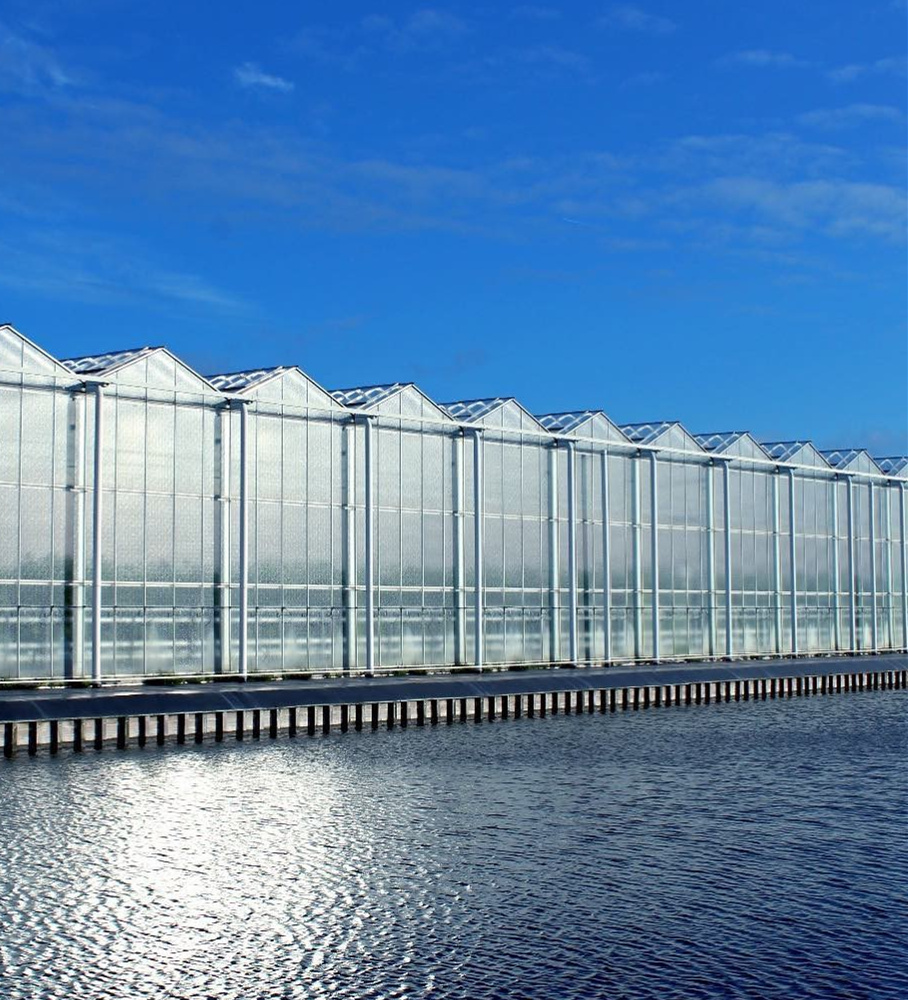
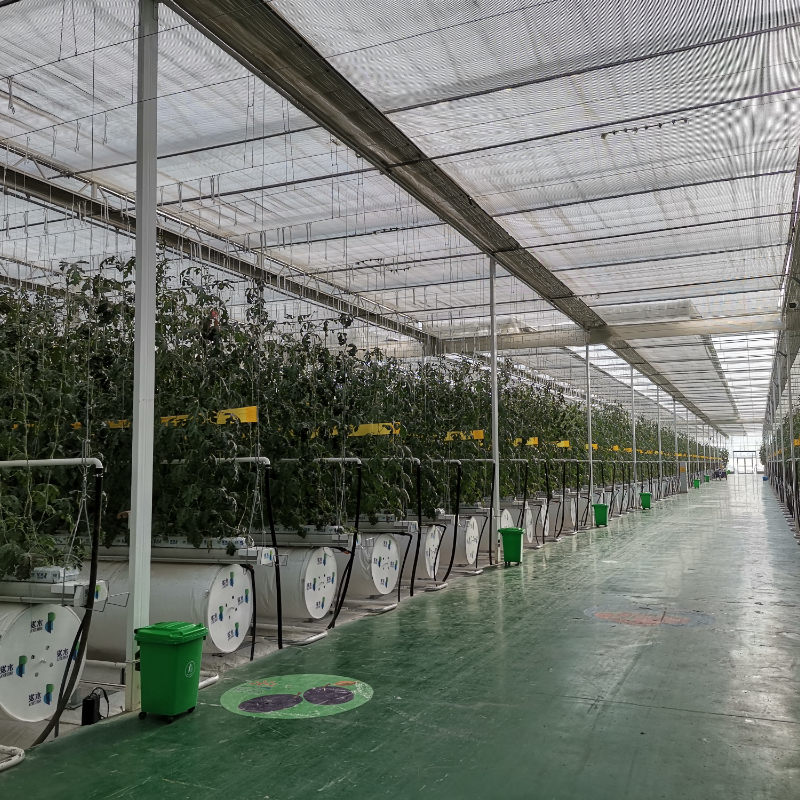
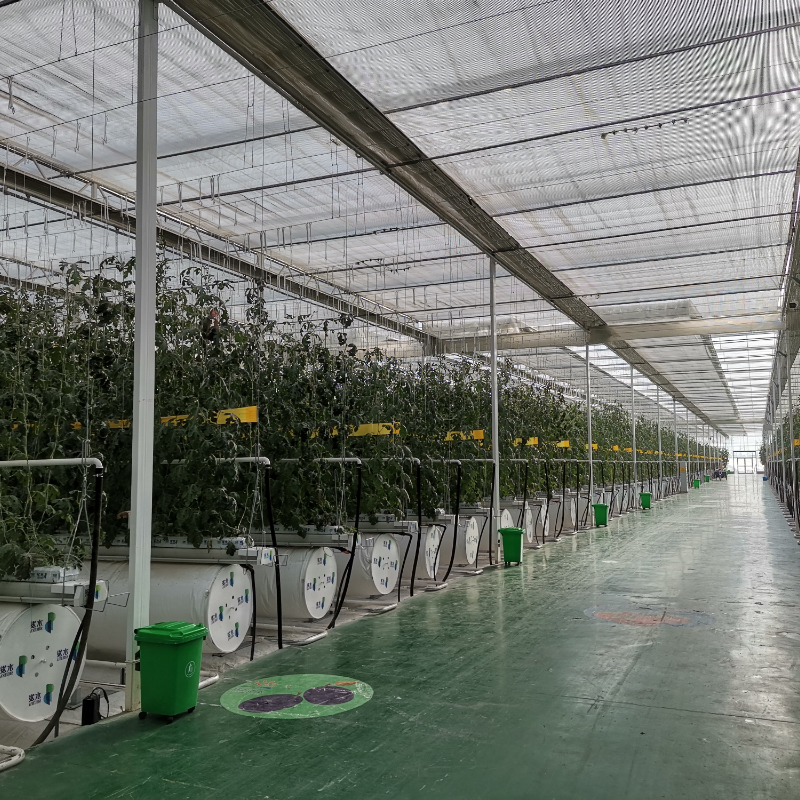
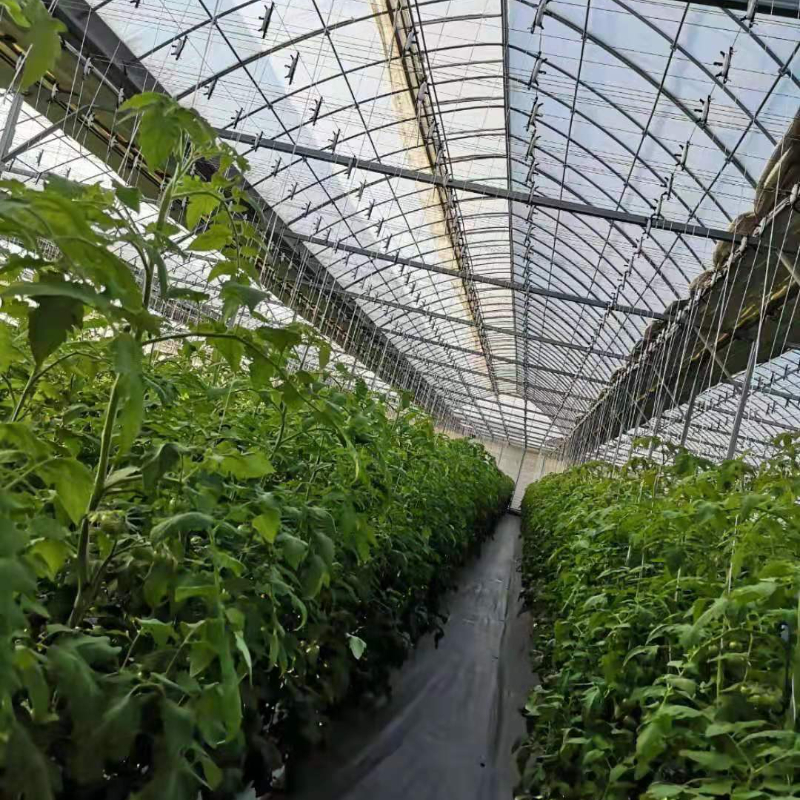
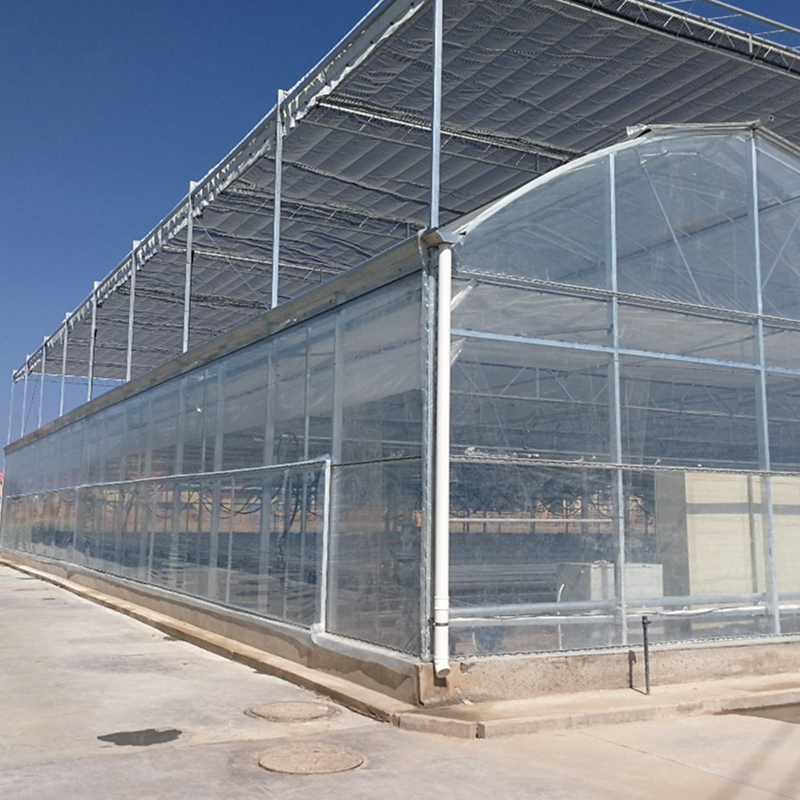
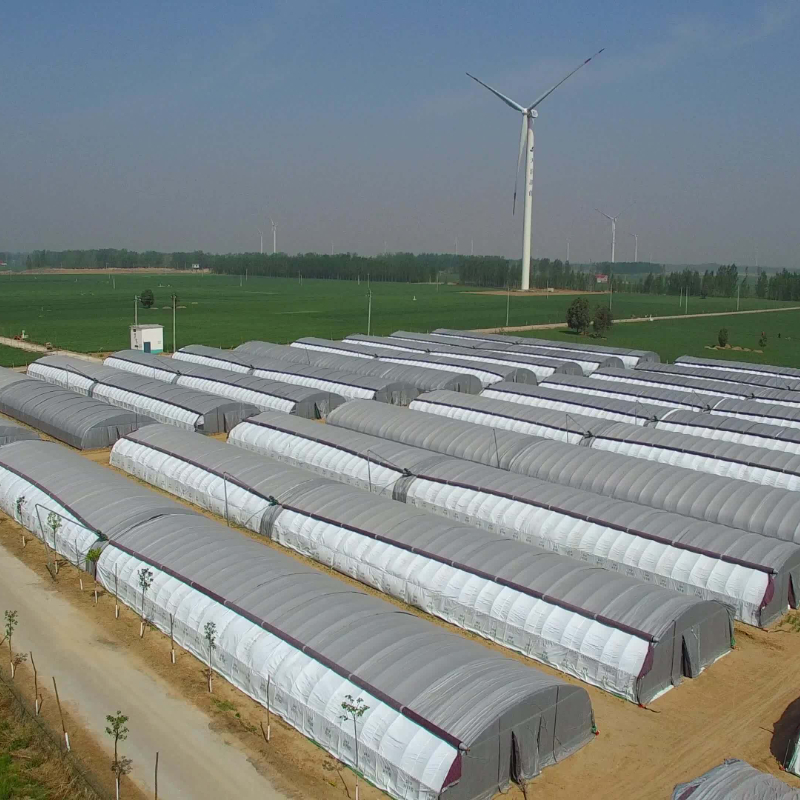
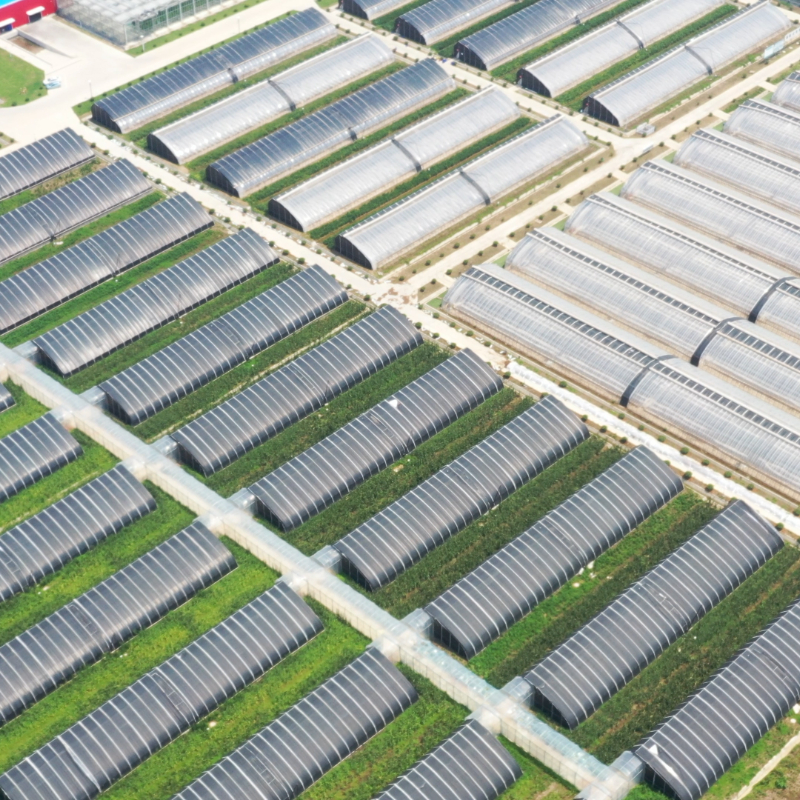
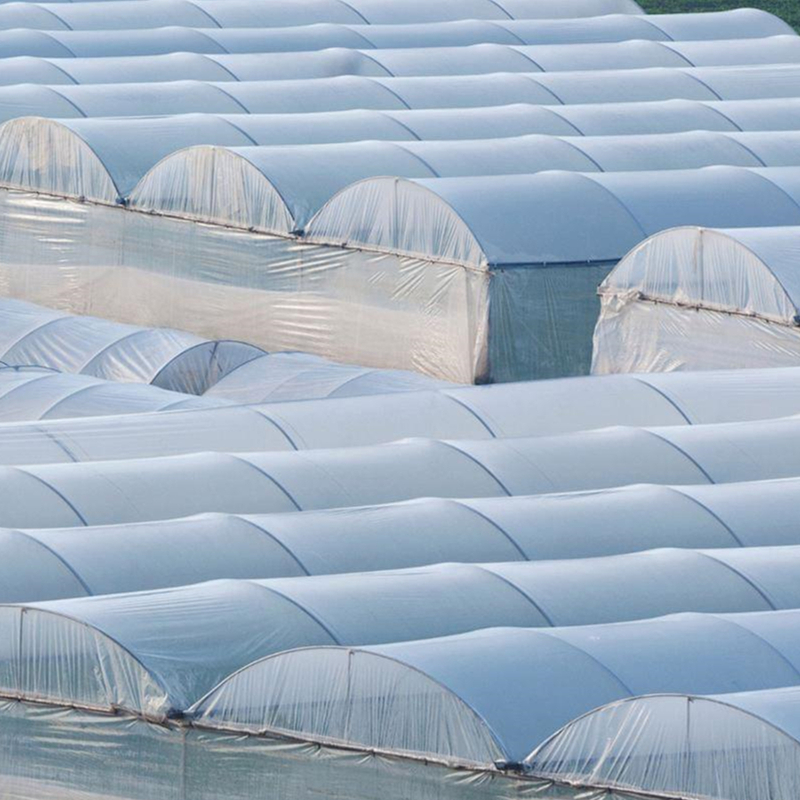
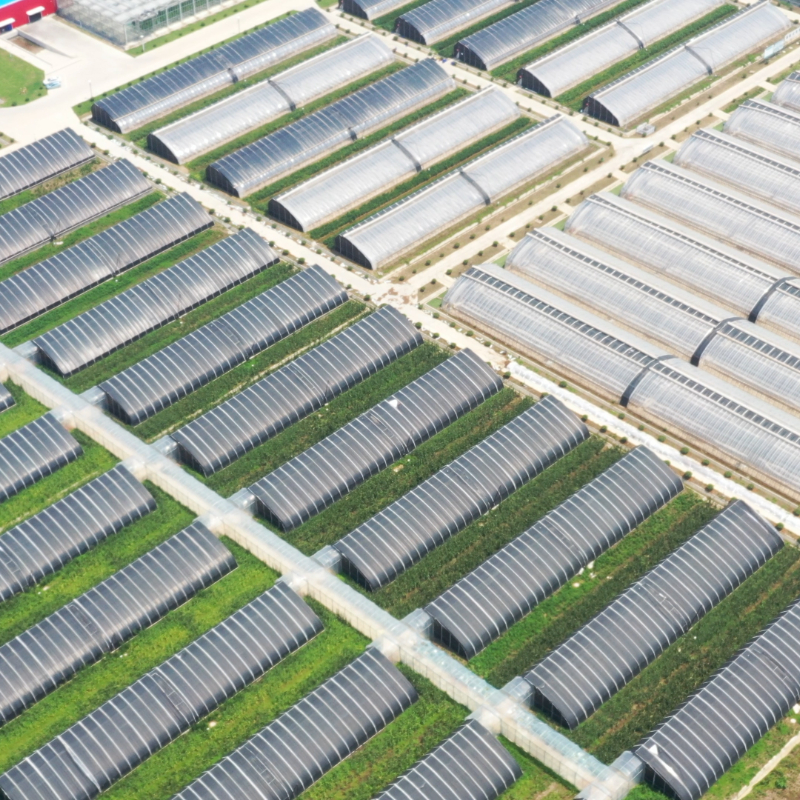
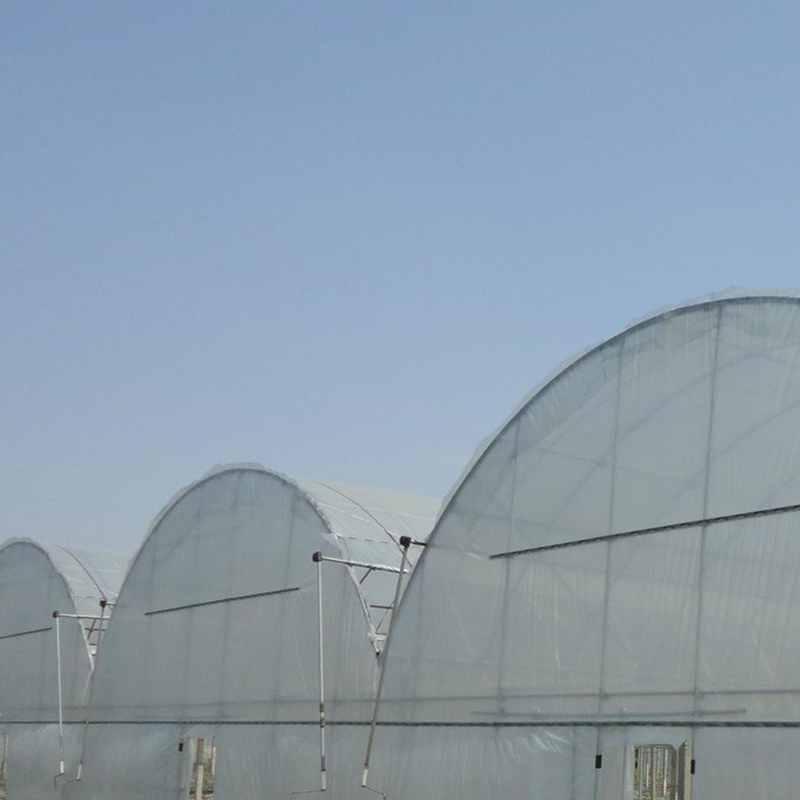
In the landscape of modern agriculture, multi-span film greenhouses have emerged as a practical and economical choice for growers seeking to optimize crop production while managing costs efficiently. A multi-span film greenhouse is a large-scale agricultural structure composed of multiple connected bays, covered with high-quality plastic films instead of glass. This design significantly increases the usable cultivation area compared to single-span greenhouses, making it ideal for commercial-scale planting, seedling cultivation, and high-value crop production. As global demand for fresh produce continues to rise and agricultural land becomes increasingly limited, multi-span film greenhouses offer a balanced solution—combining the advantages of controlled environment agriculture with affordable construction and operational costs. This article explores the structure, features, advantages, applications, and maintenance of multi-span film greenhouses, highlighting their role in supporting sustainable and efficient farming practices.
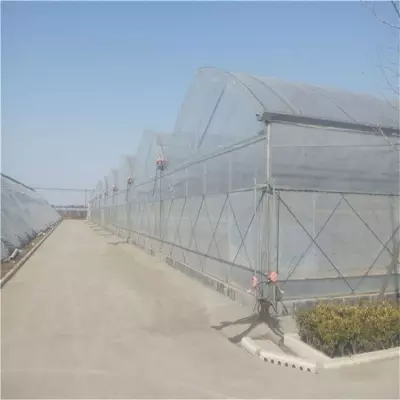
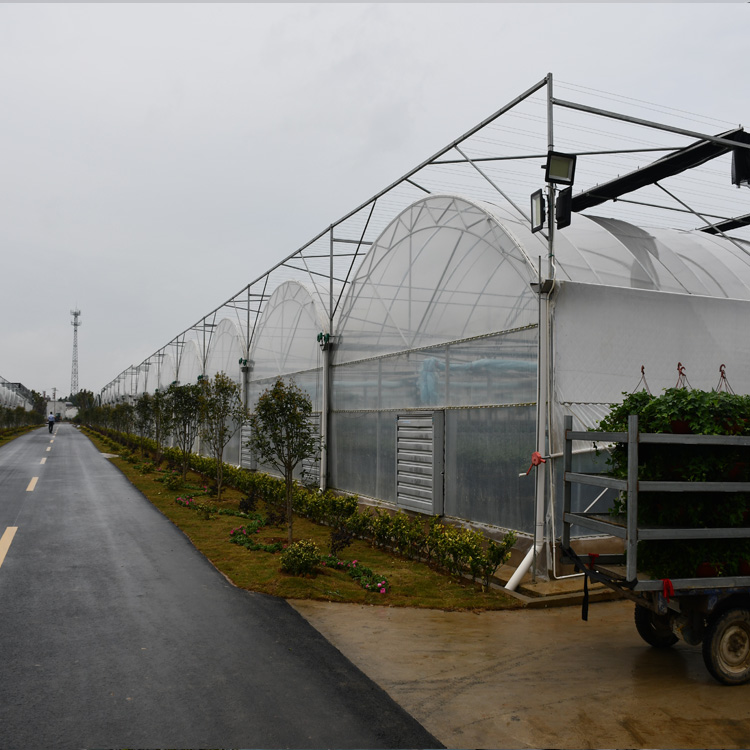
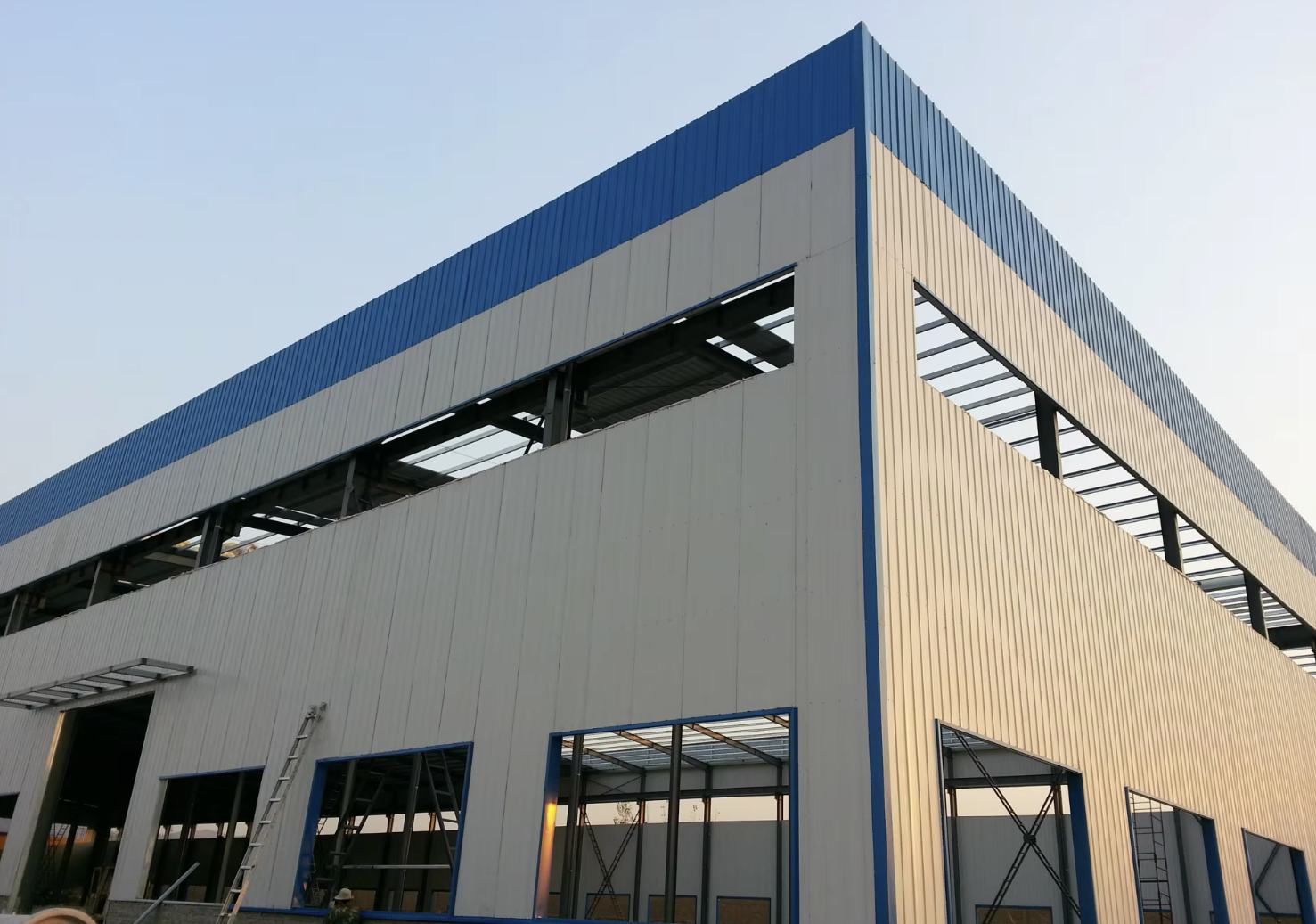
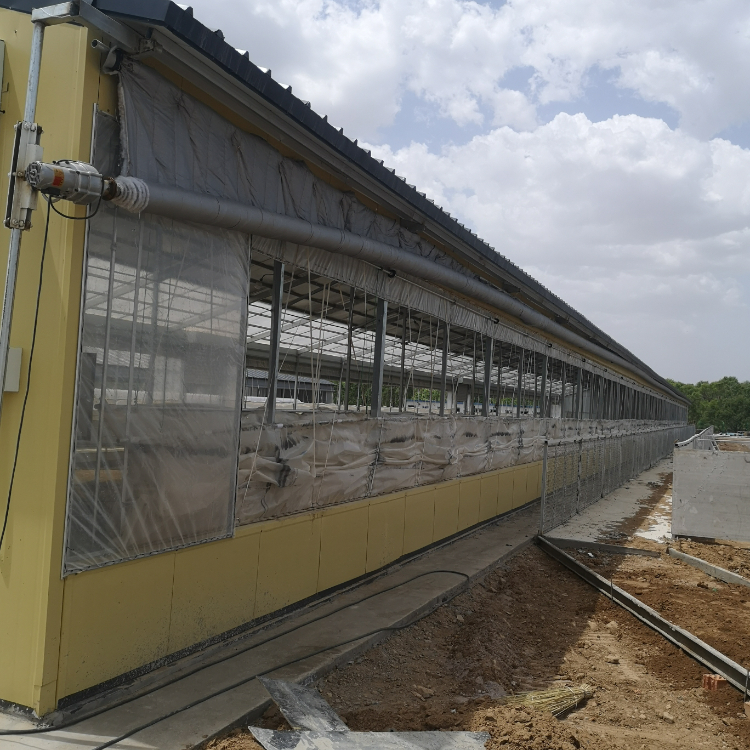
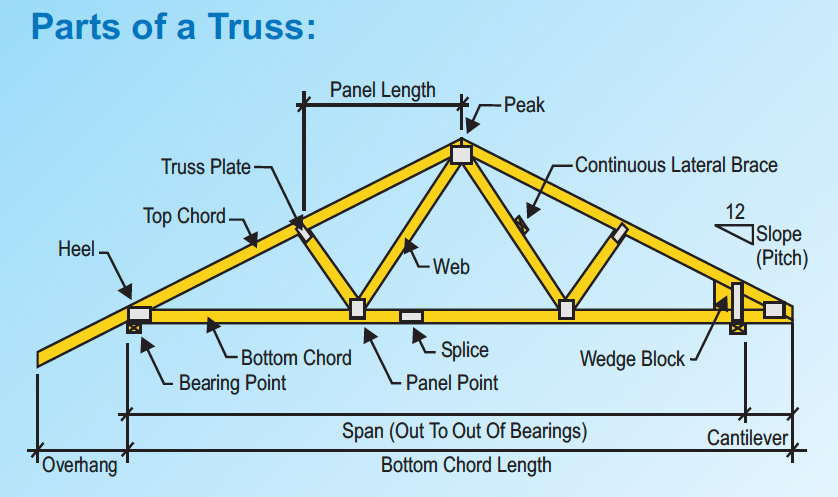
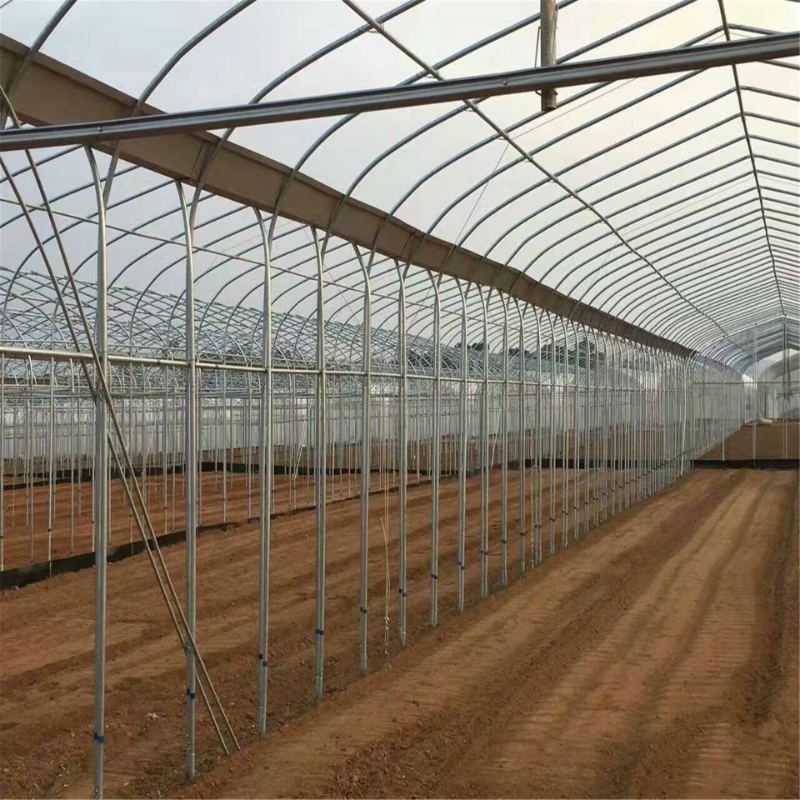
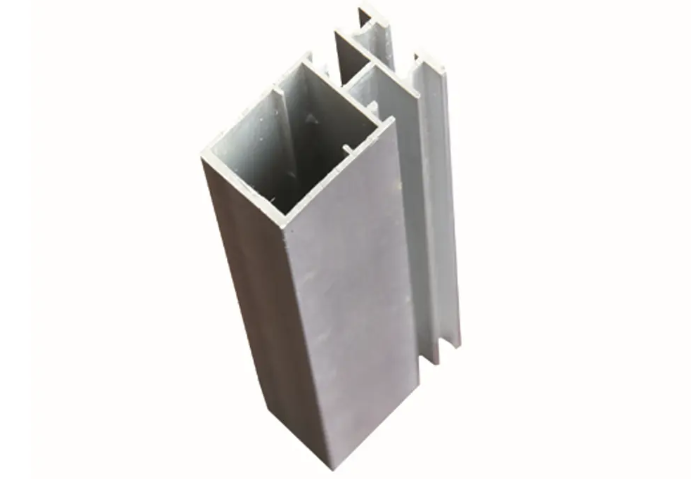
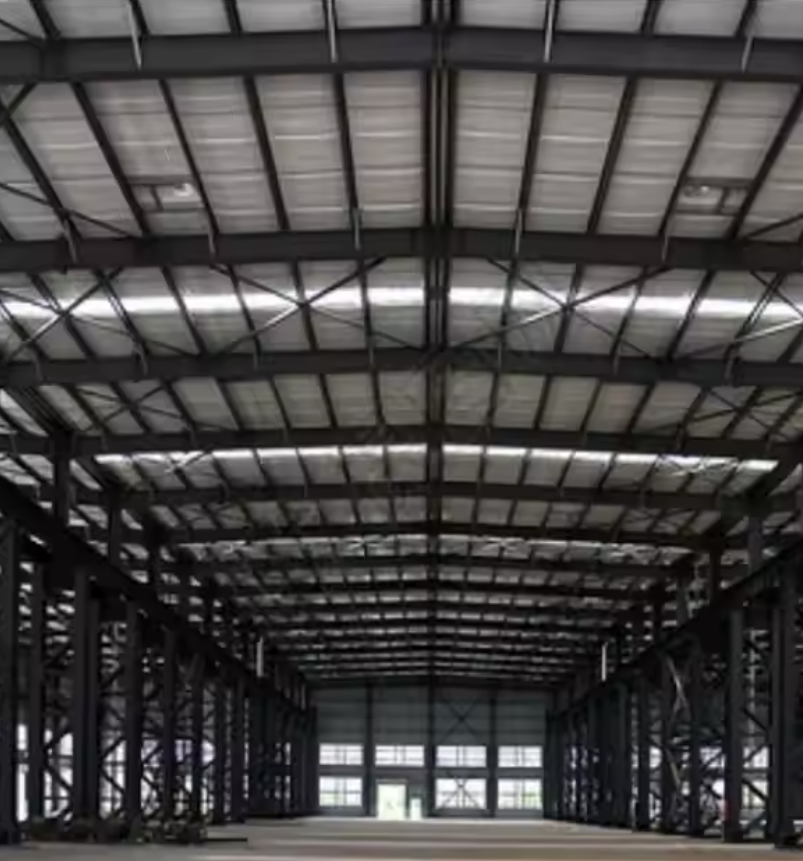
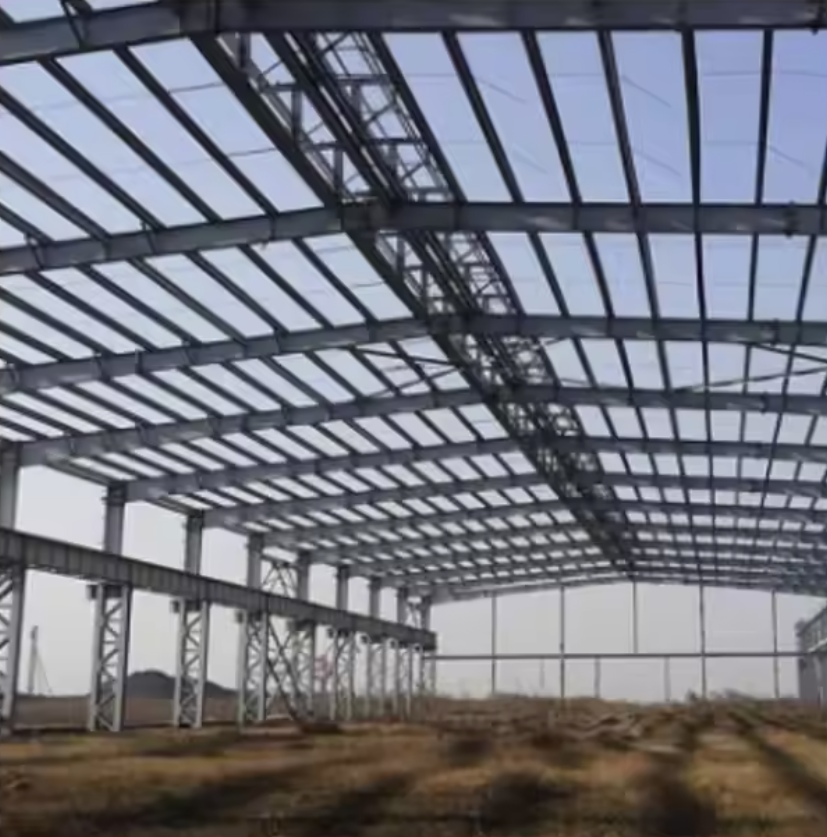
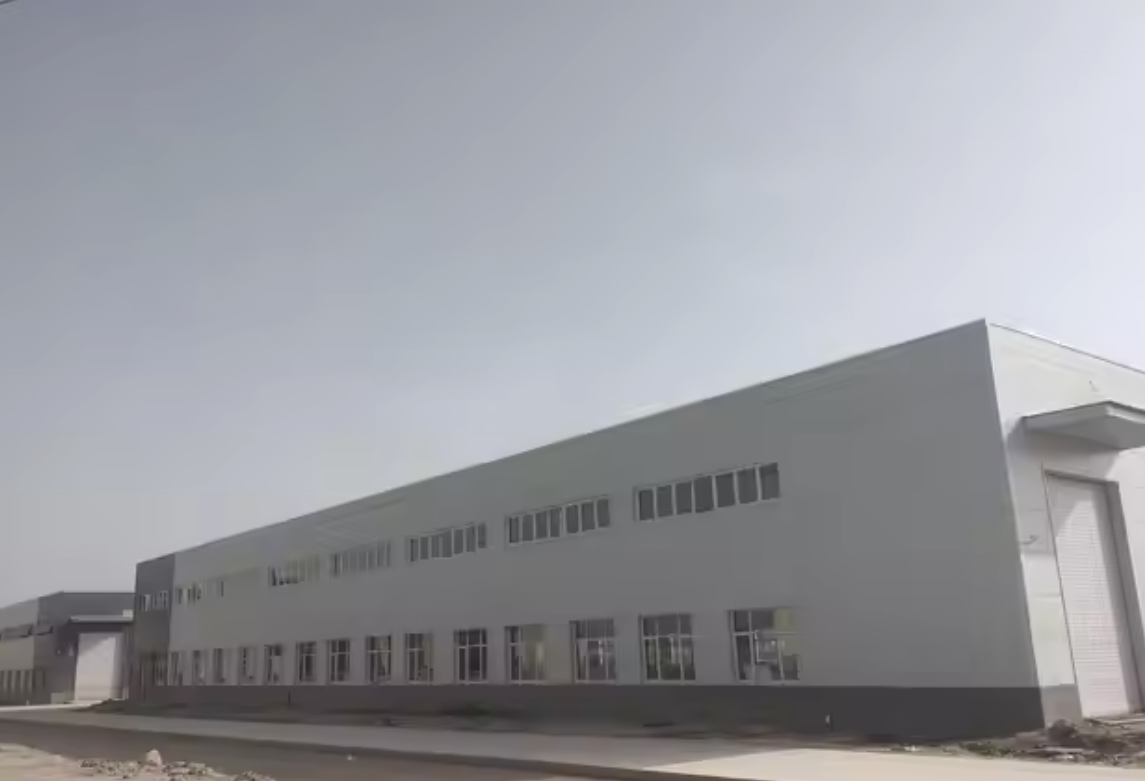
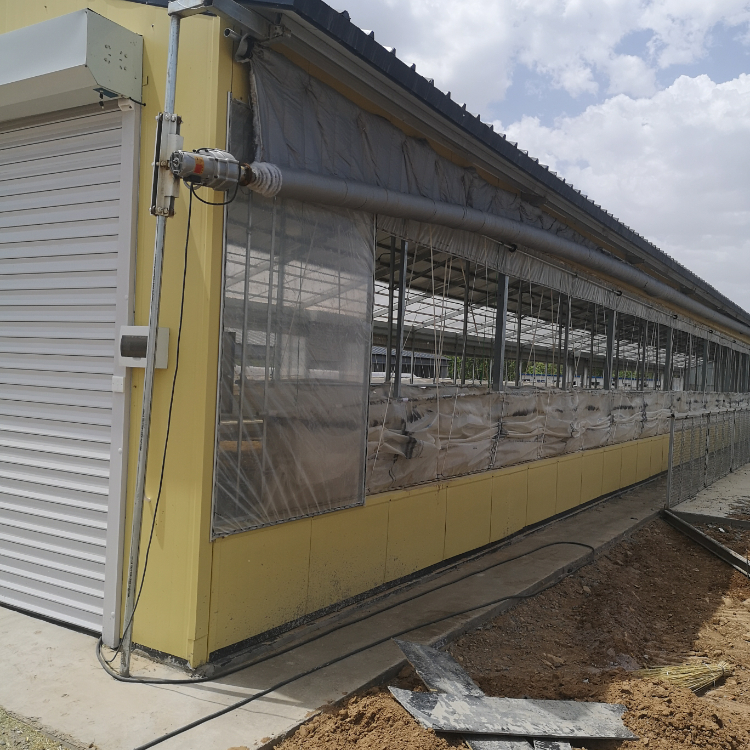
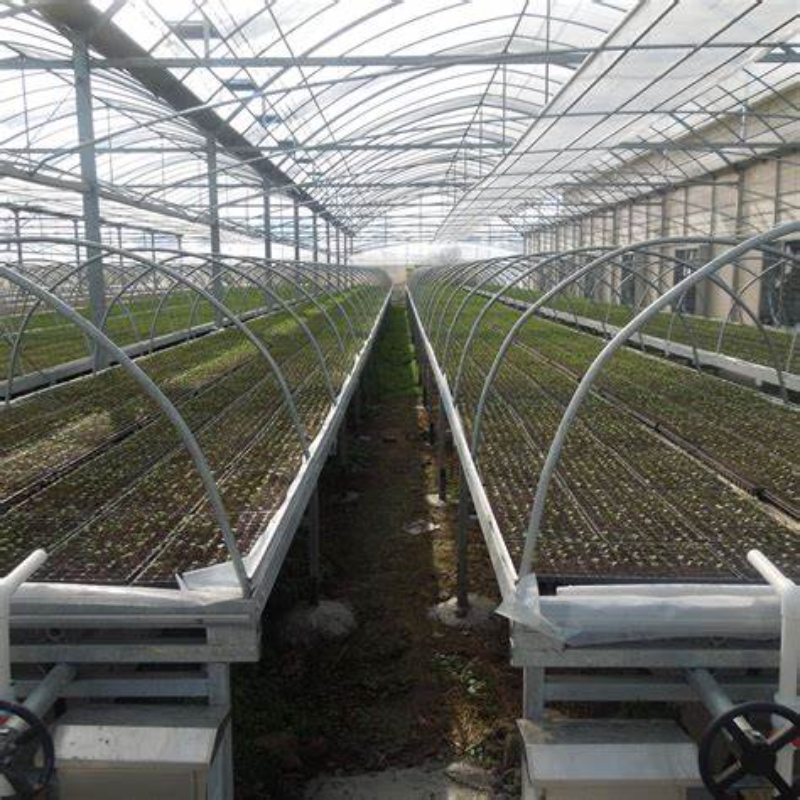
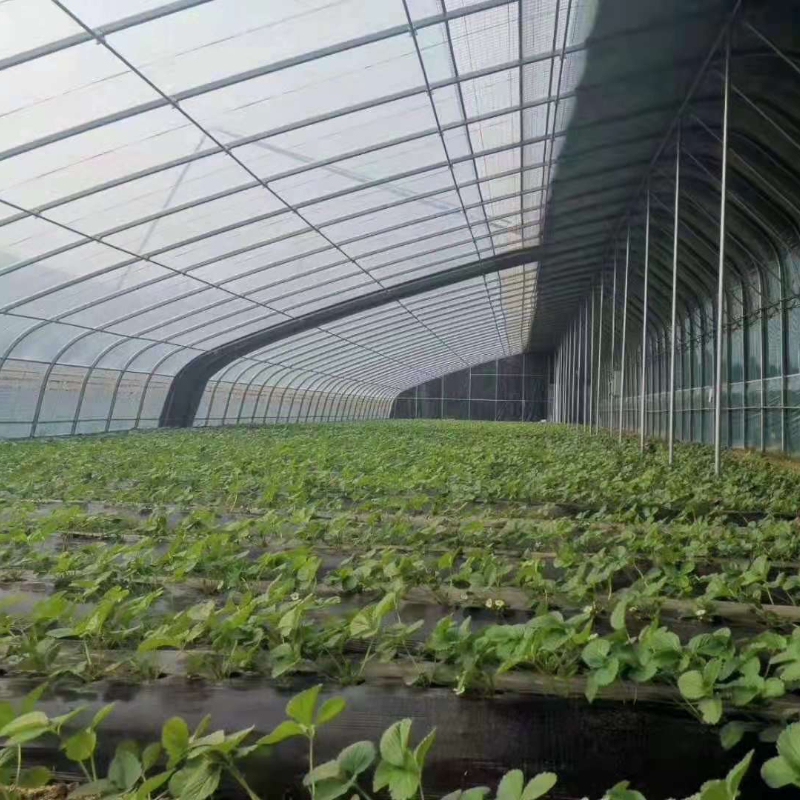
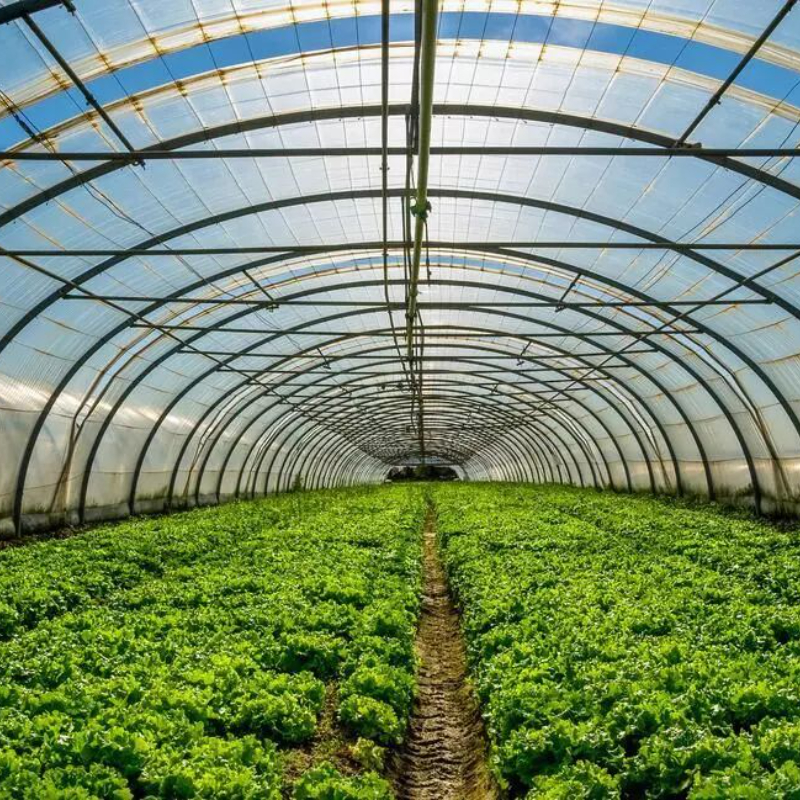
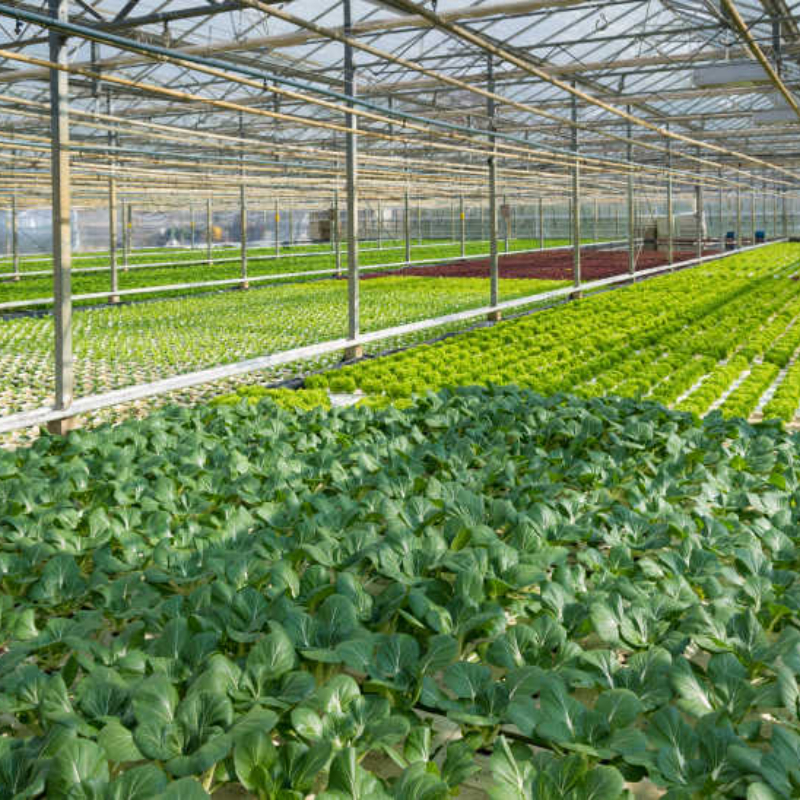
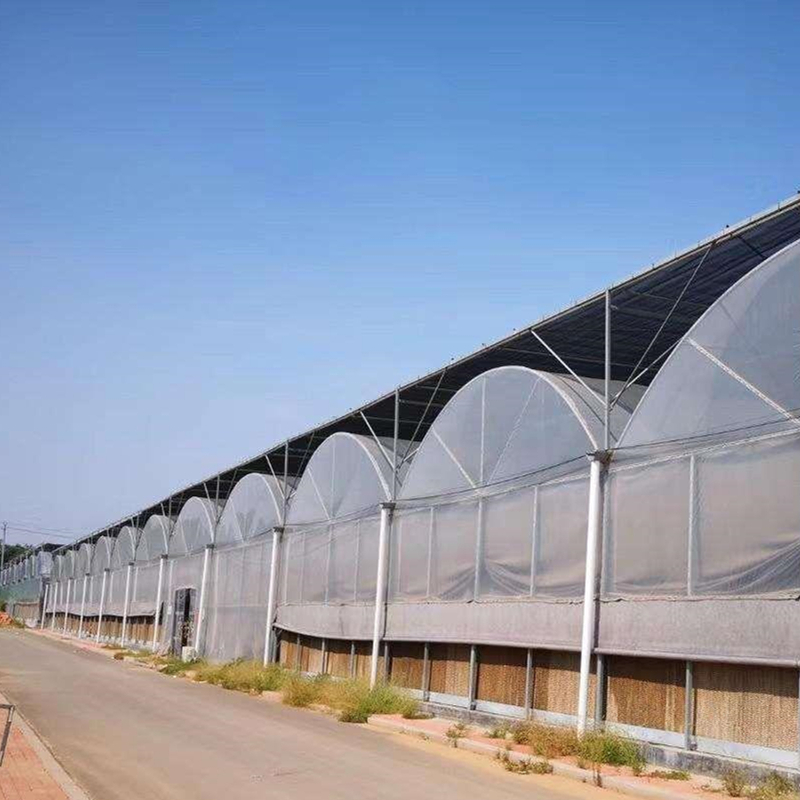
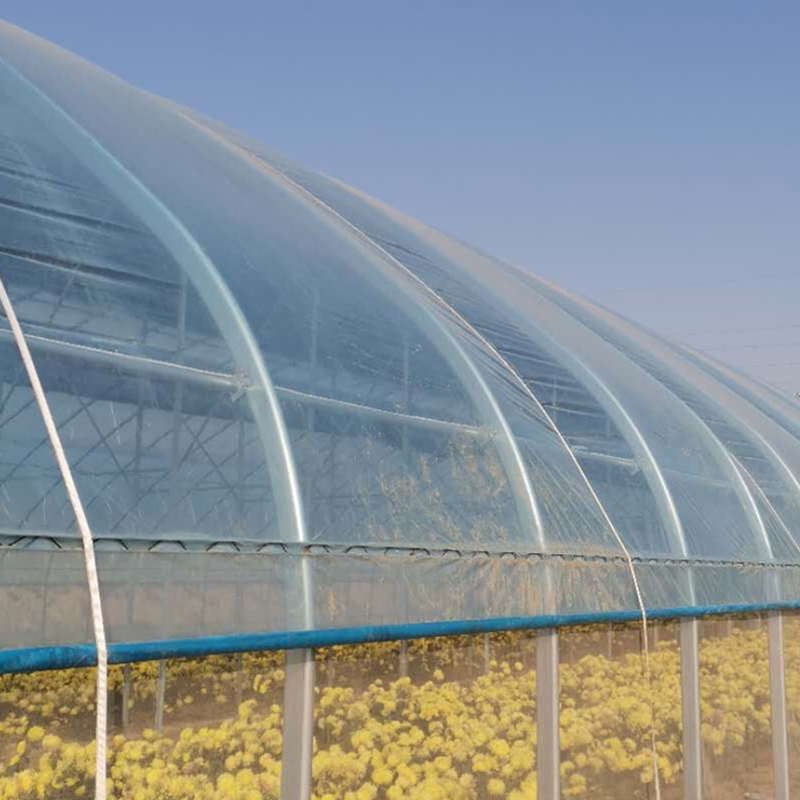
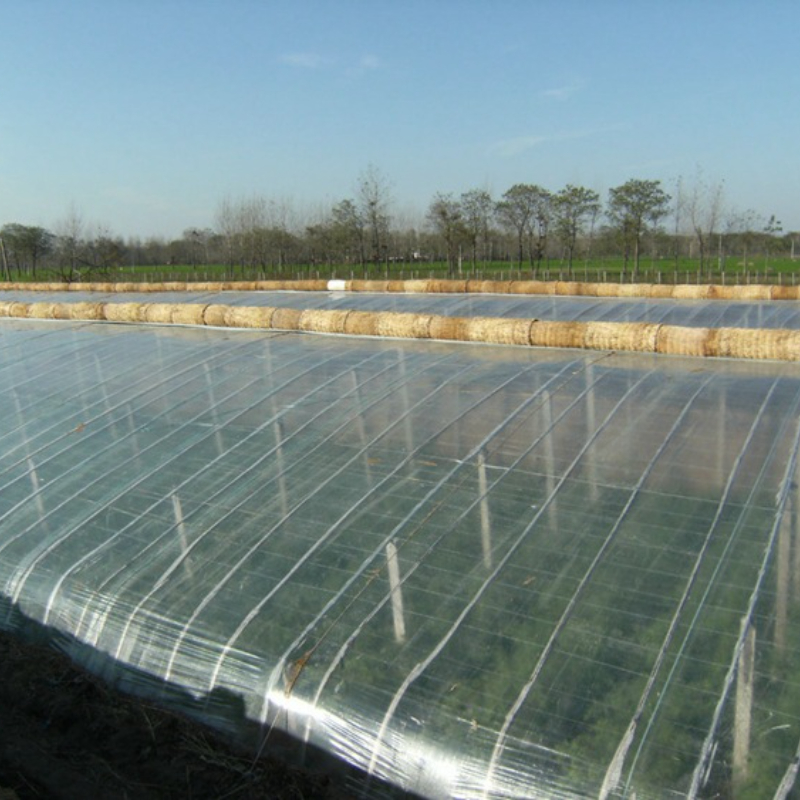
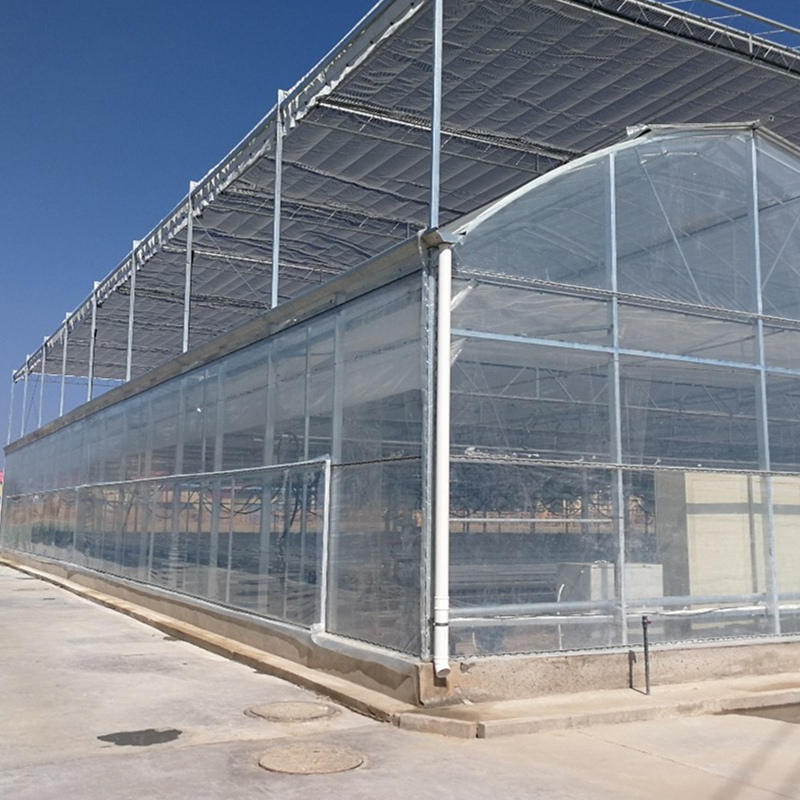
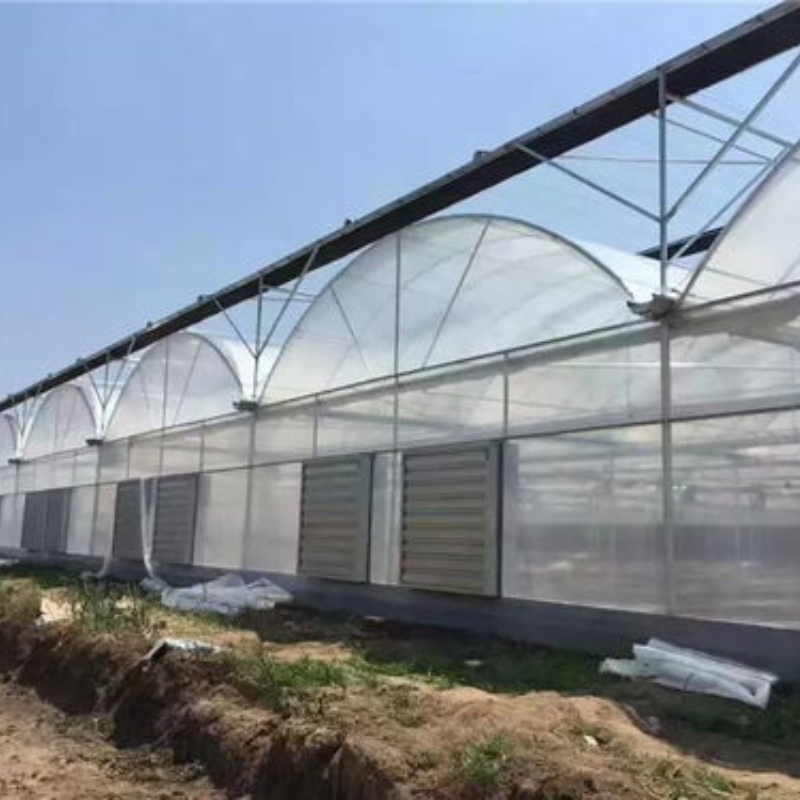
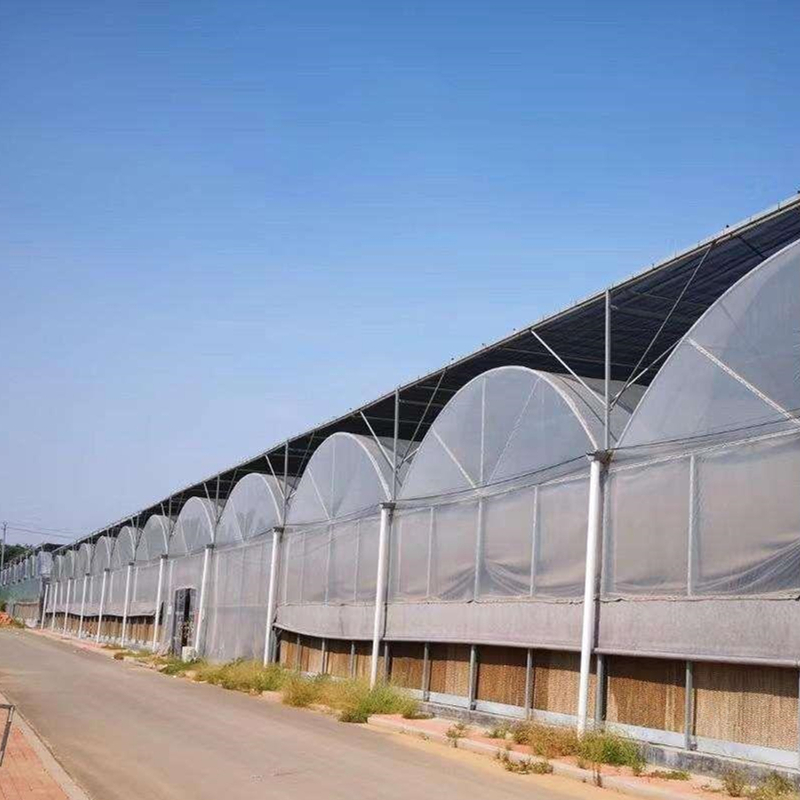
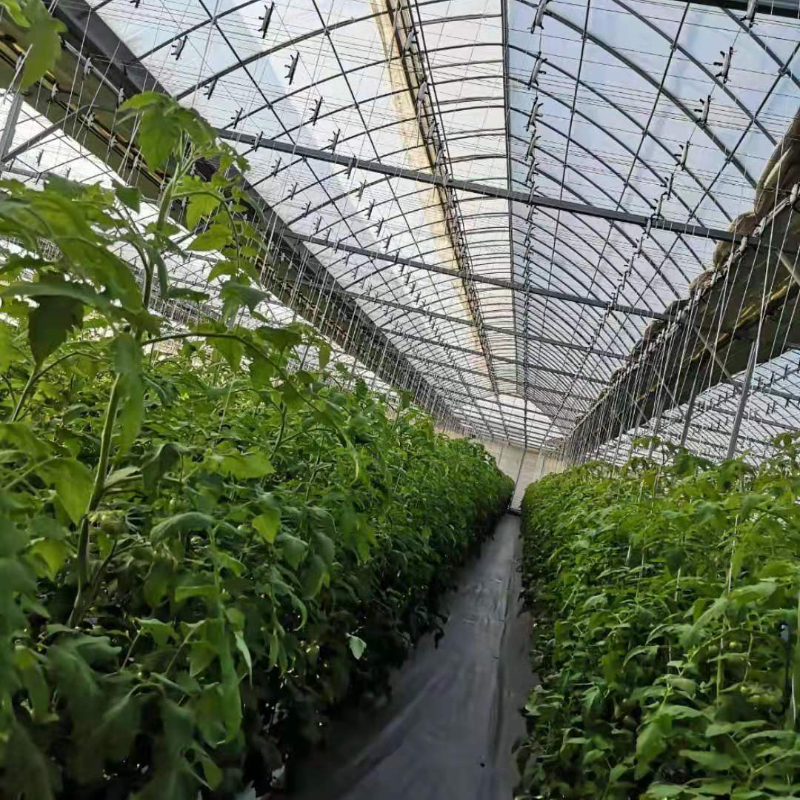
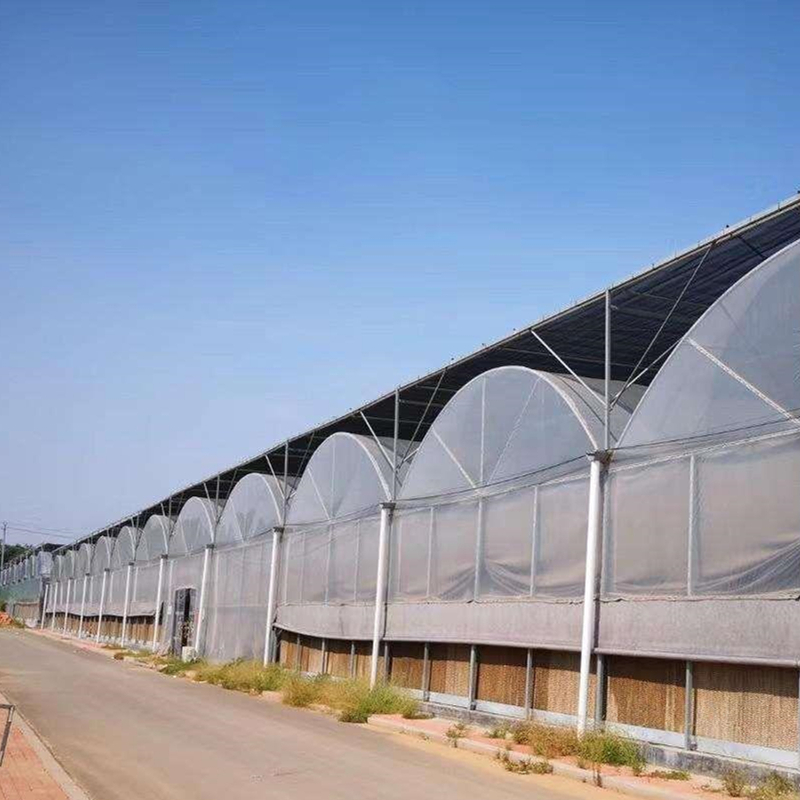
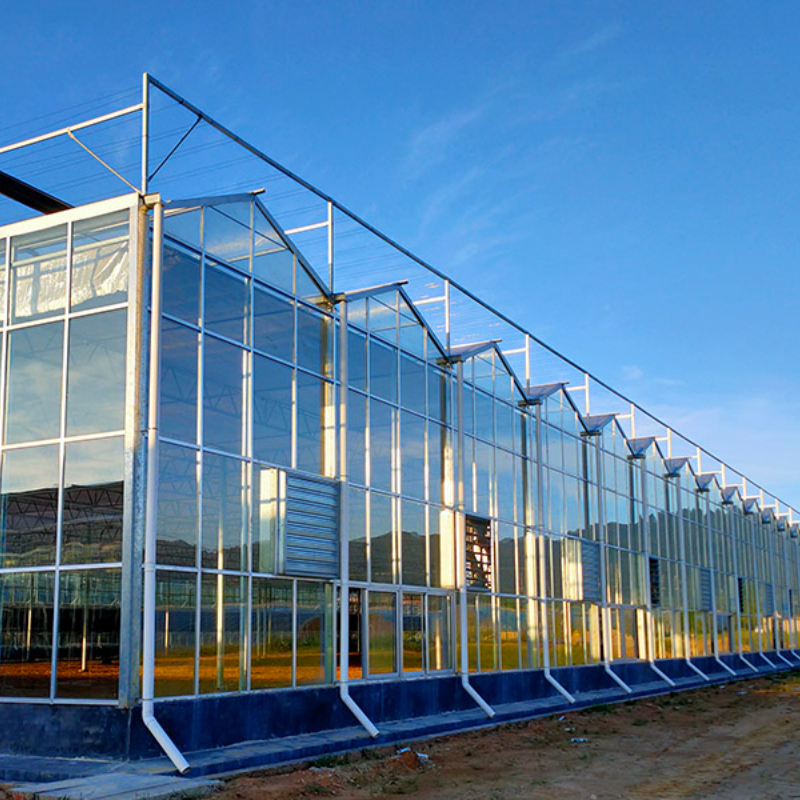
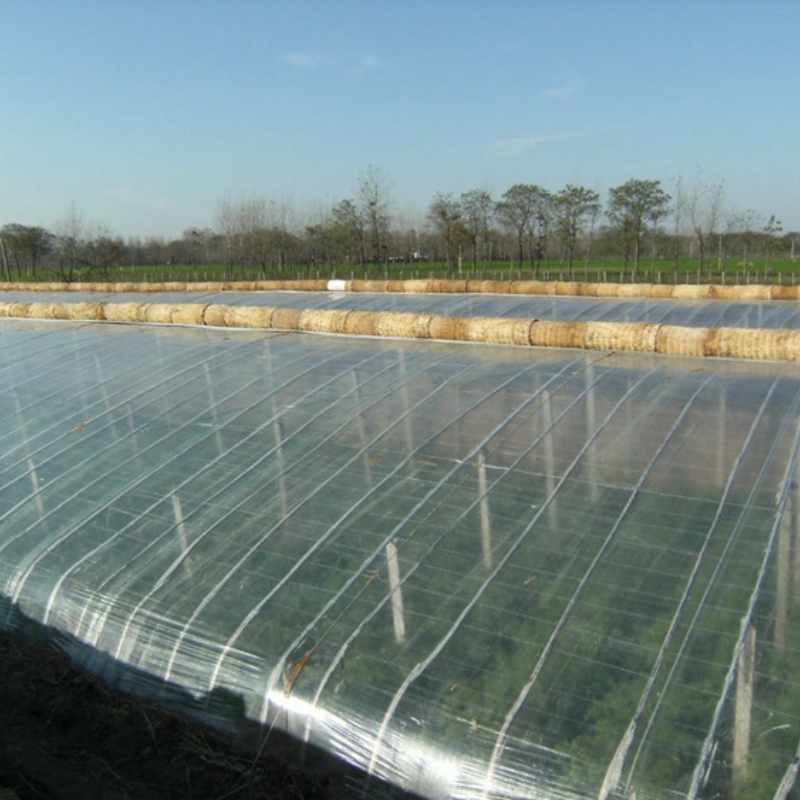
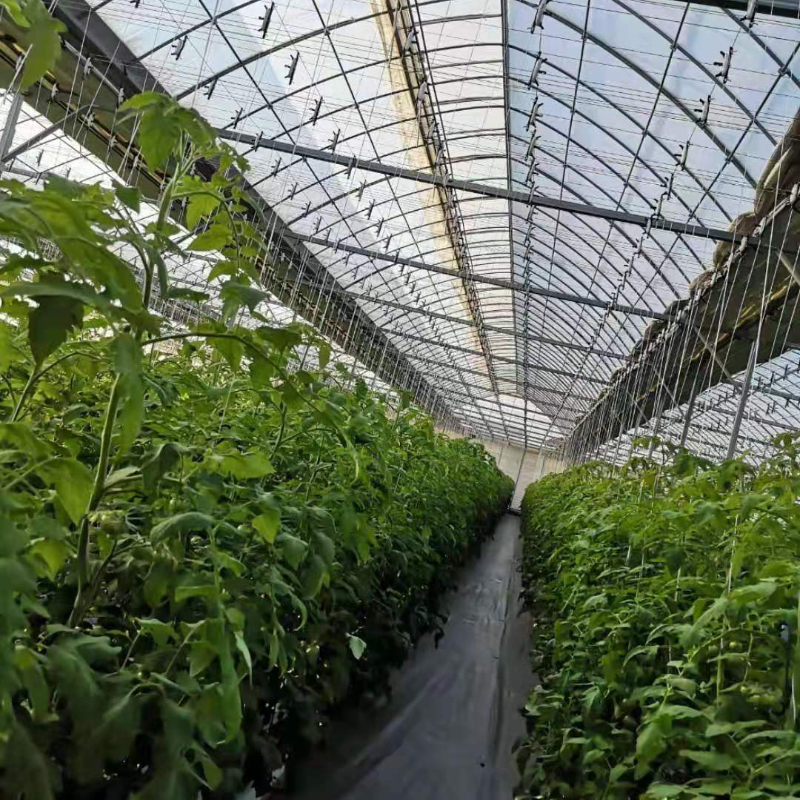
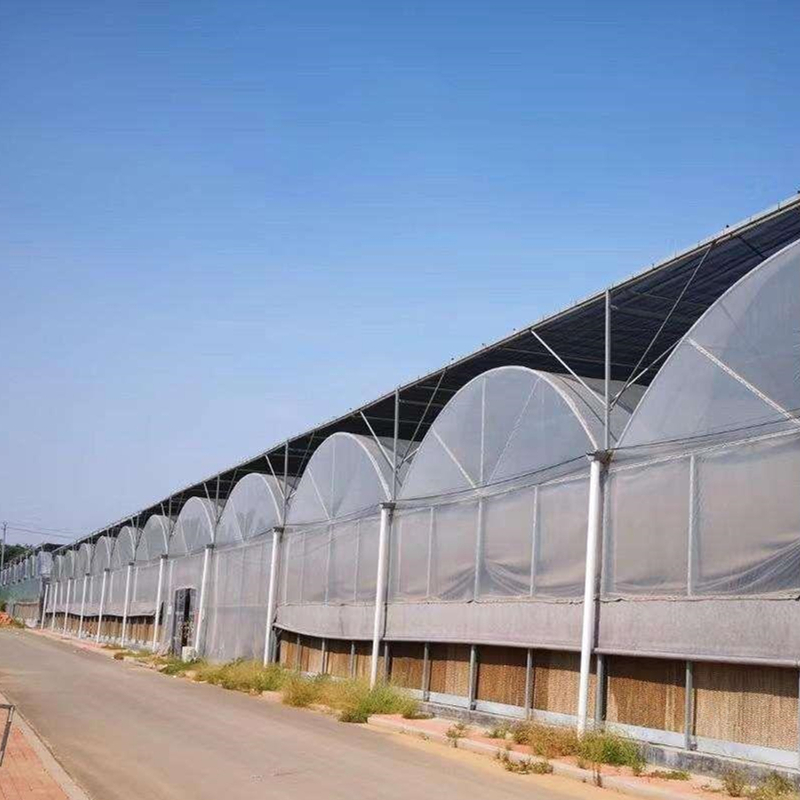
The structural design of multi-span film greenhouses is tailored for scalability and functionality. The frame is typically constructed from hot-dip galvanized steel, chosen for its corrosion resistance, high strength, and long service life—even in humid or variable weather conditions. The frame includes main columns, rafters, and bracing systems that support the film cover and withstand external forces such as wind, snow load, and rain. The multi-span structure, with multiple connected bays, eliminates the need for excessive support columns, maximizing the internal space for crop cultivation and machinery movement. The film cover is the core component of these greenhouses; common options include PE (polyethylene) film, PO (polyolefin) film, and EVA film, each with unique properties. PO film, for example, offers superior light transmission, anti-aging performance, and tear resistance, while EVA film provides excellent heat insulation. The film is fixed to the frame using specialized clips, rails, or heat-sealing techniques, ensuring a tight seal to prevent air and water leakage.
One of the most prominent features of multi-span film greenhouses is their cost-effectiveness. Compared to glass greenhouses, film greenhouses have lower construction costs—both in terms of materials and installation. The plastic film used is significantly cheaper than glass, and the structural requirements are less demanding, reducing overall investment. Additionally, the operational costs of multi-span film greenhouses are relatively low. The film cover has good light transmittance (usually 85%-95%), ensuring sufficient sunlight for plant photosynthesis, and the heat insulation performance of high-quality films helps maintain stable internal temperatures, reducing energy consumption for heating and cooling. The lightweight nature of the film also means the frame can be designed with simpler structures, lowering maintenance costs over time. For small and medium-sized growers, agricultural cooperatives, or regions with budget constraints, multi-span film greenhouses provide an accessible entry point to controlled environment agriculture.
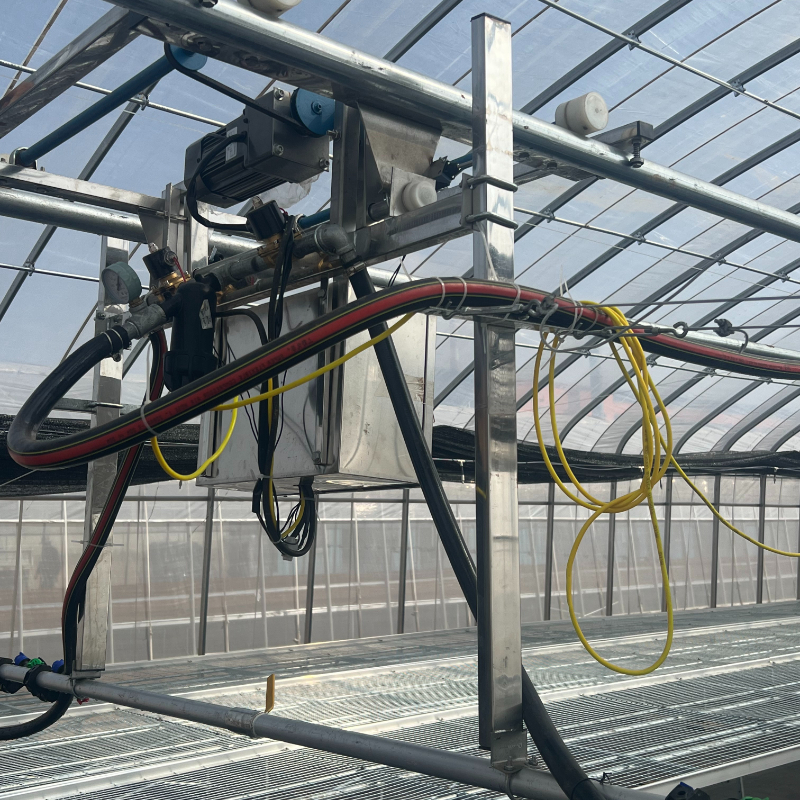
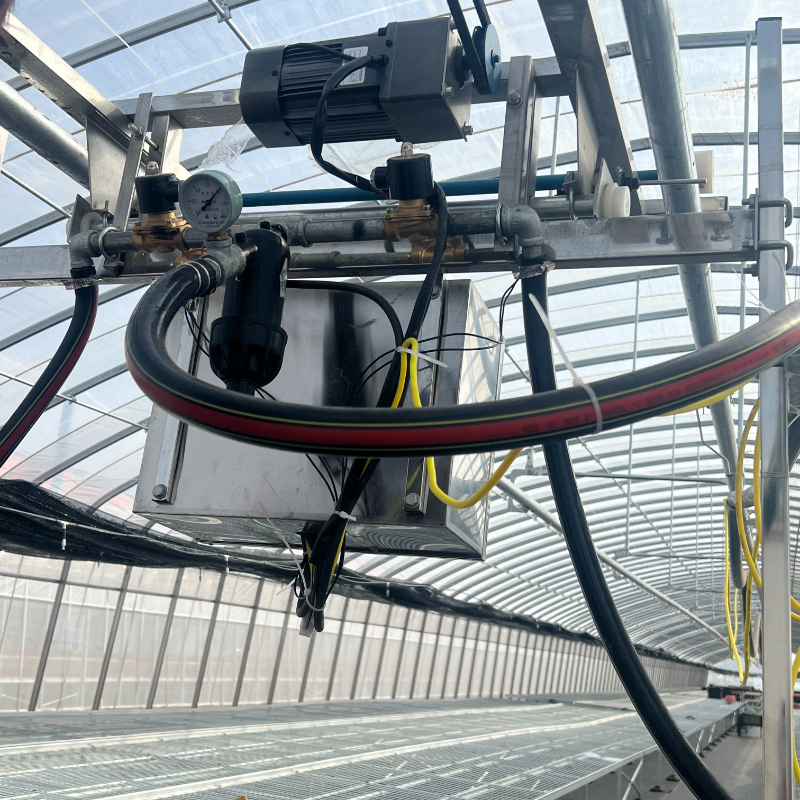
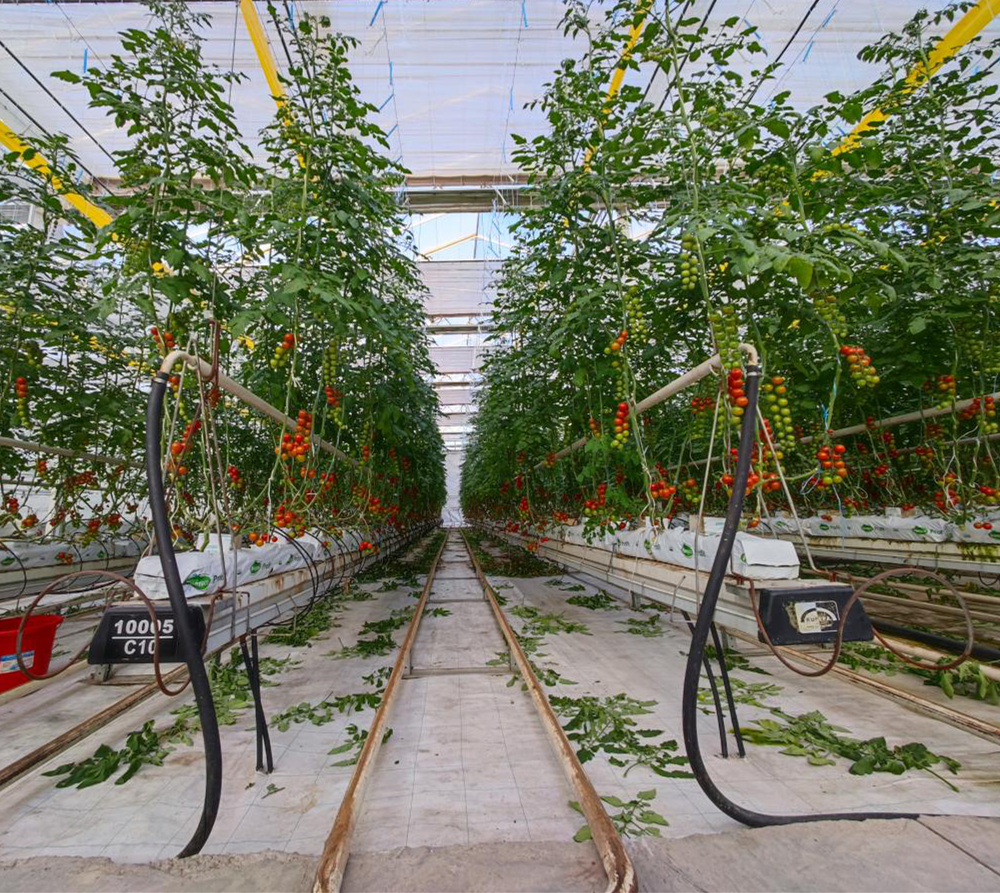
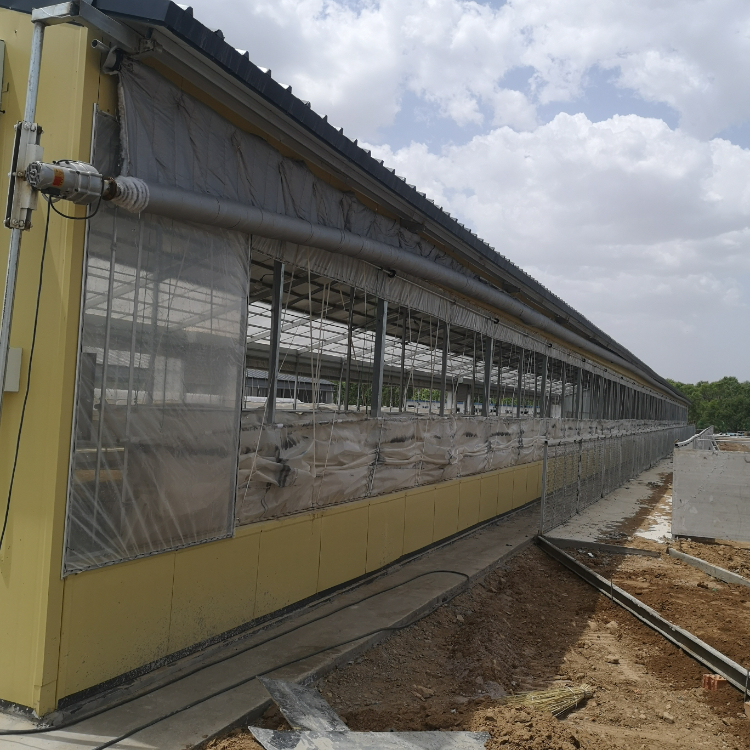
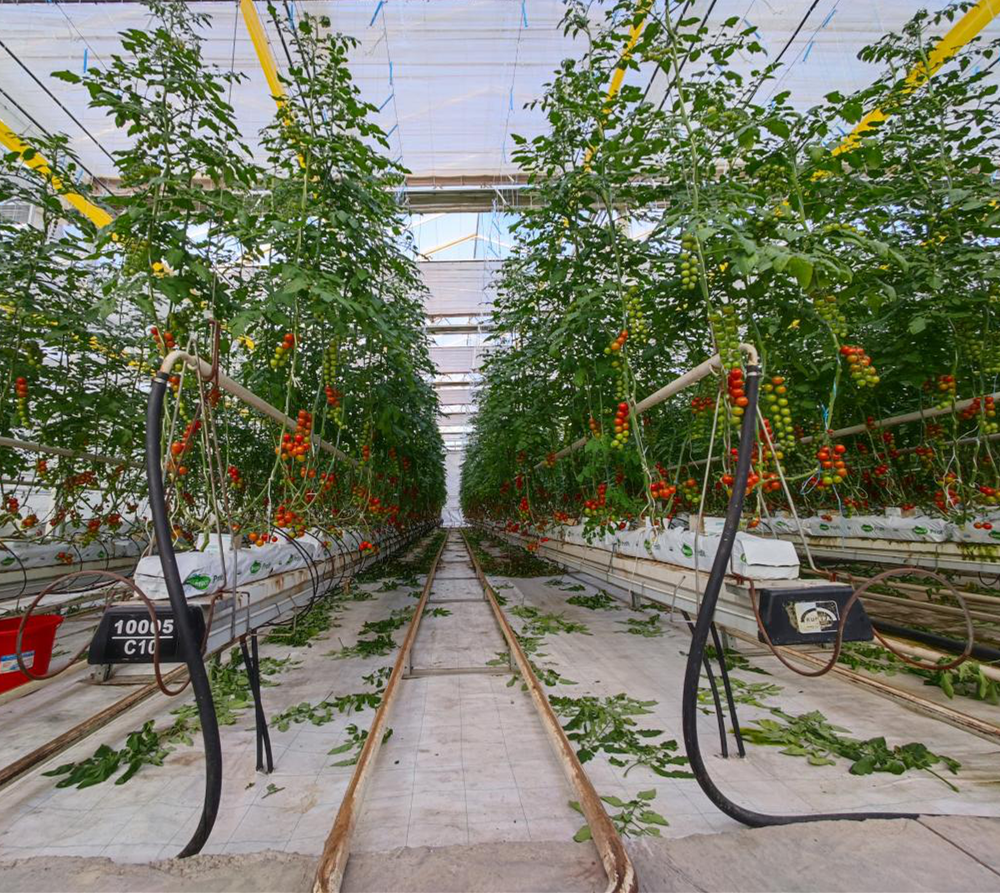
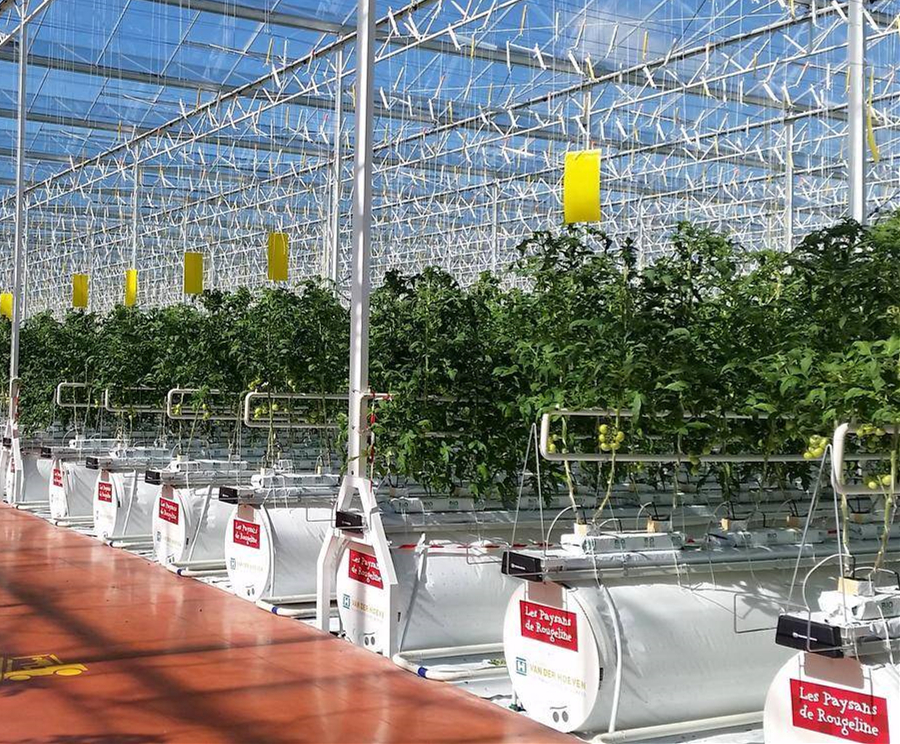
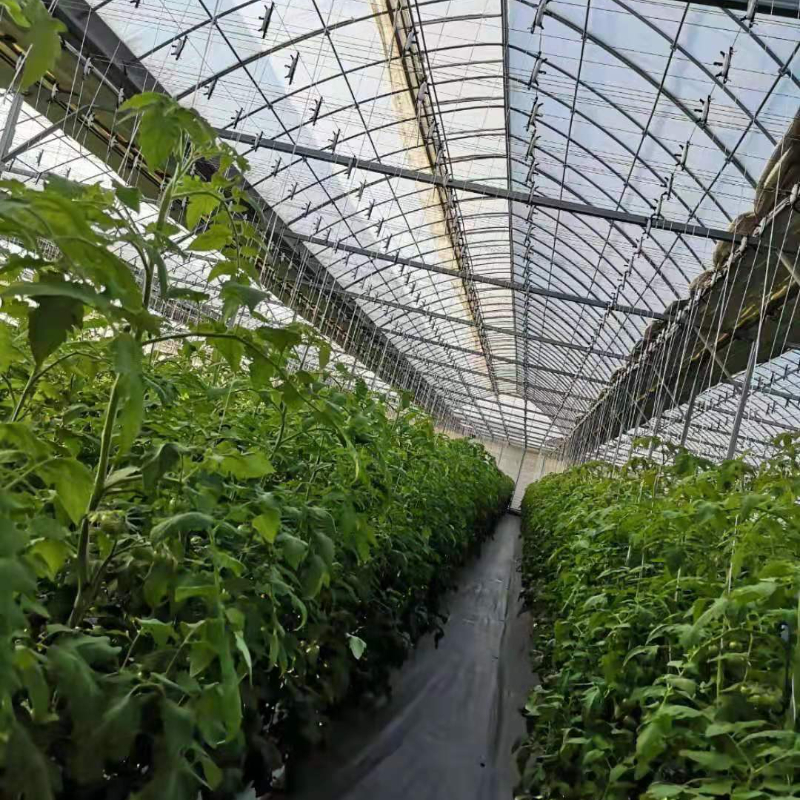
Controlled environment management is a key advantage of multi-span film greenhouses, enabling growers to adapt to diverse crop growth needs. These greenhouses can be equipped with a range of auxiliary systems to regulate internal conditions. Temperature control systems include heating devices (such as hot air stoves or geothermal heating) for cold seasons and cooling mechanisms (like side vents, roof vents, or wet curtain fans) for hot seasons. Humidity control is achieved through misting systems, humidifiers, or dehumidifiers, preventing excessive humidity that can lead to fungal diseases. Ventilation systems, including natural ventilation (through roof and side vents) and mechanical ventilation (using exhaust fans), ensure proper air circulation, which is crucial for plant respiration and CO₂ circulation. Many multi-span film greenhouses also integrate irrigation systems, such as drip irrigation or sprinkler systems, which deliver water and nutrients directly to plant roots, improving water use efficiency by up to 80% compared to traditional irrigation. These systems can be automated with sensors and controllers, allowing growers to monitor and adjust environmental conditions remotely, ensuring optimal growth for crops like vegetables, flowers, seedlings, and medicinal plants.
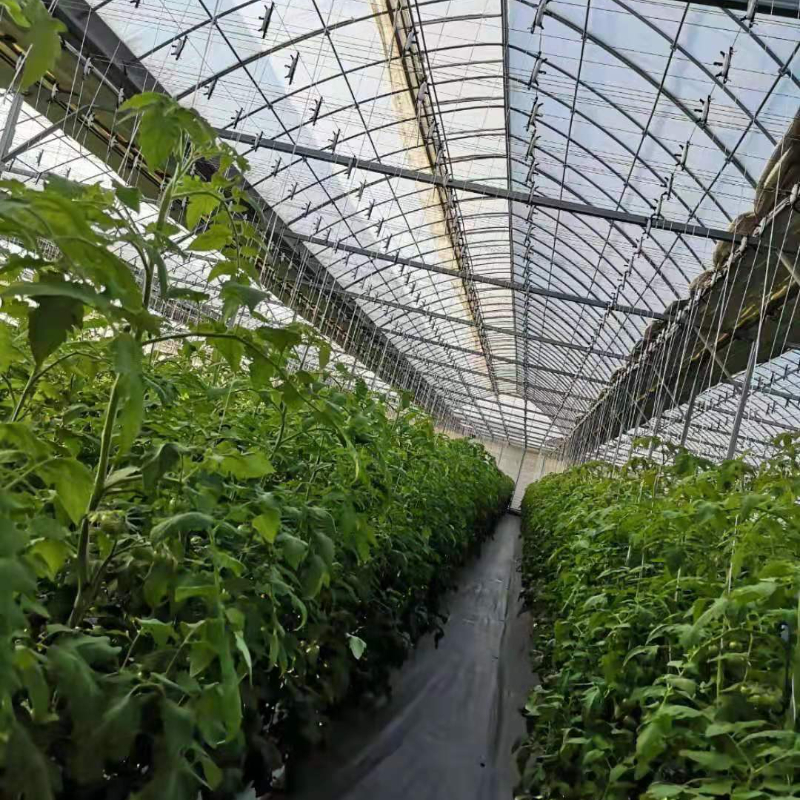
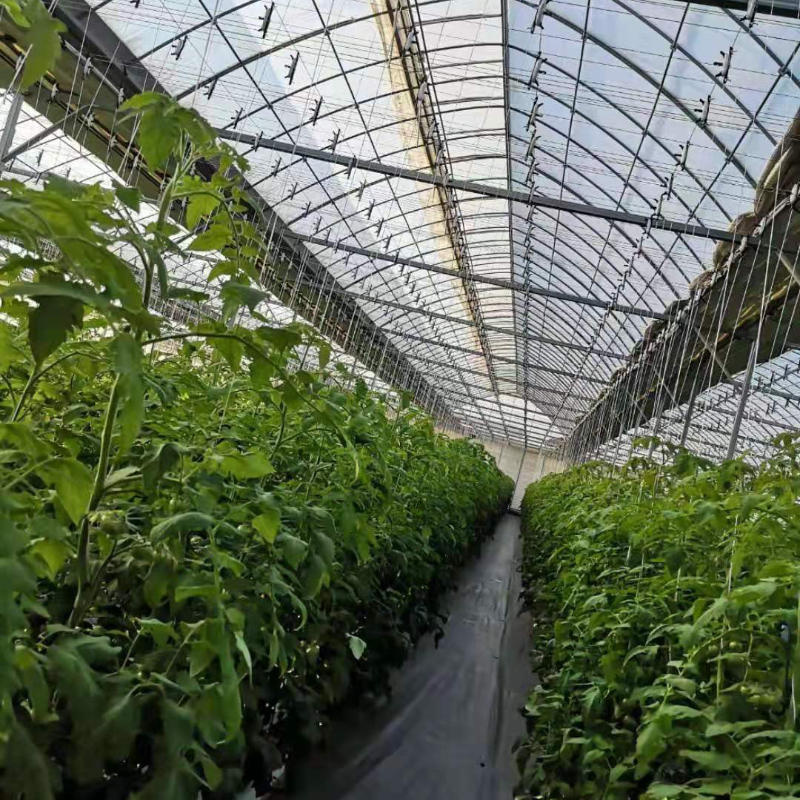
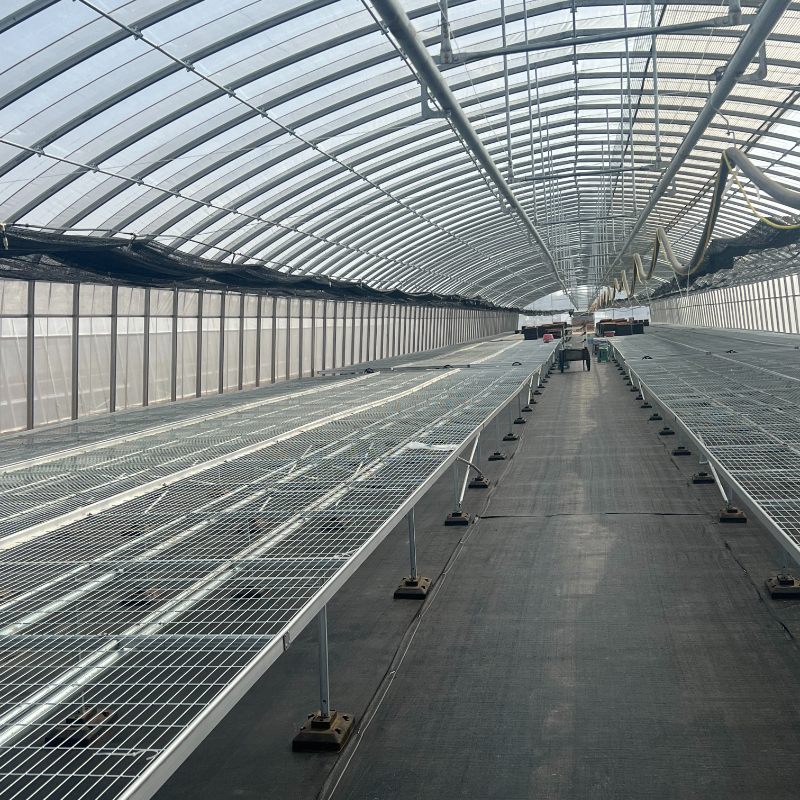
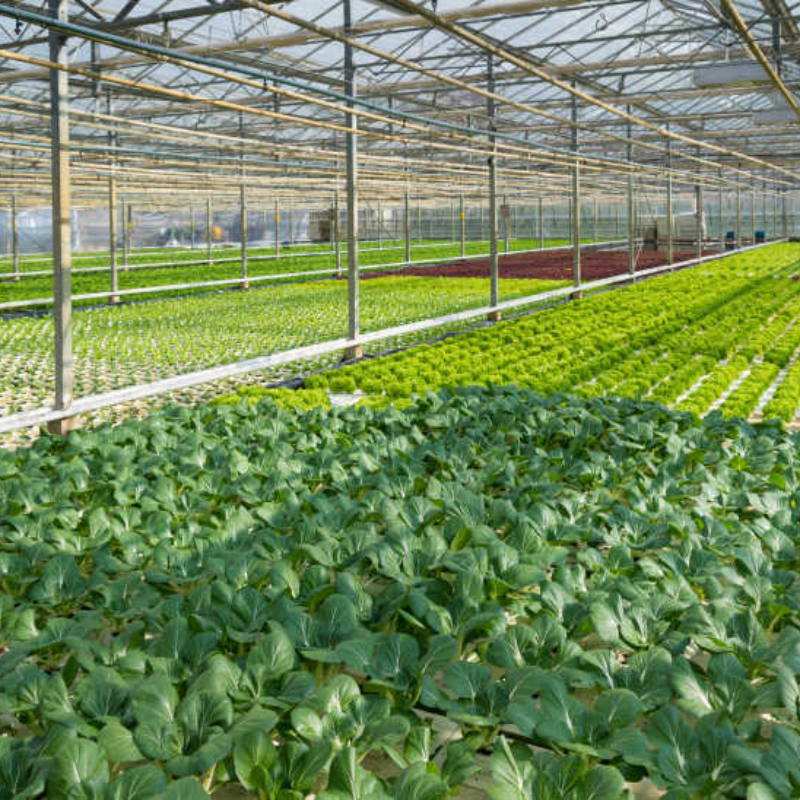
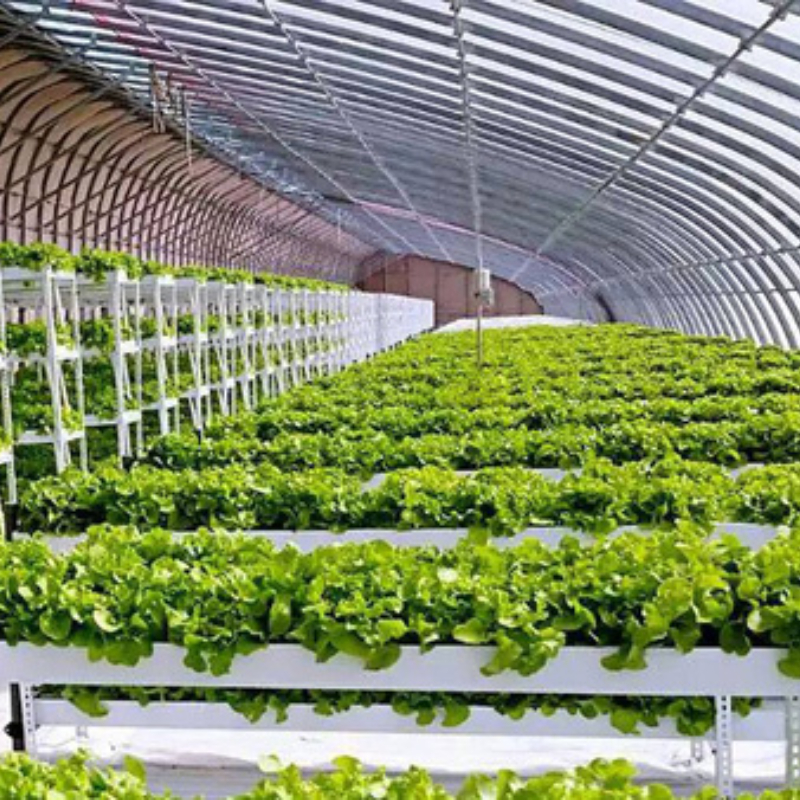
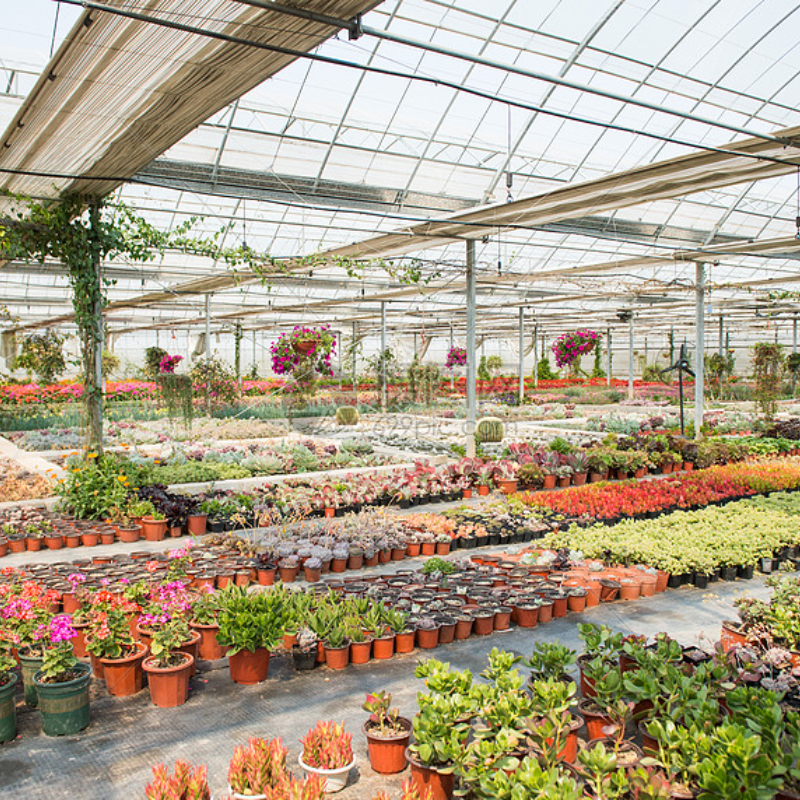
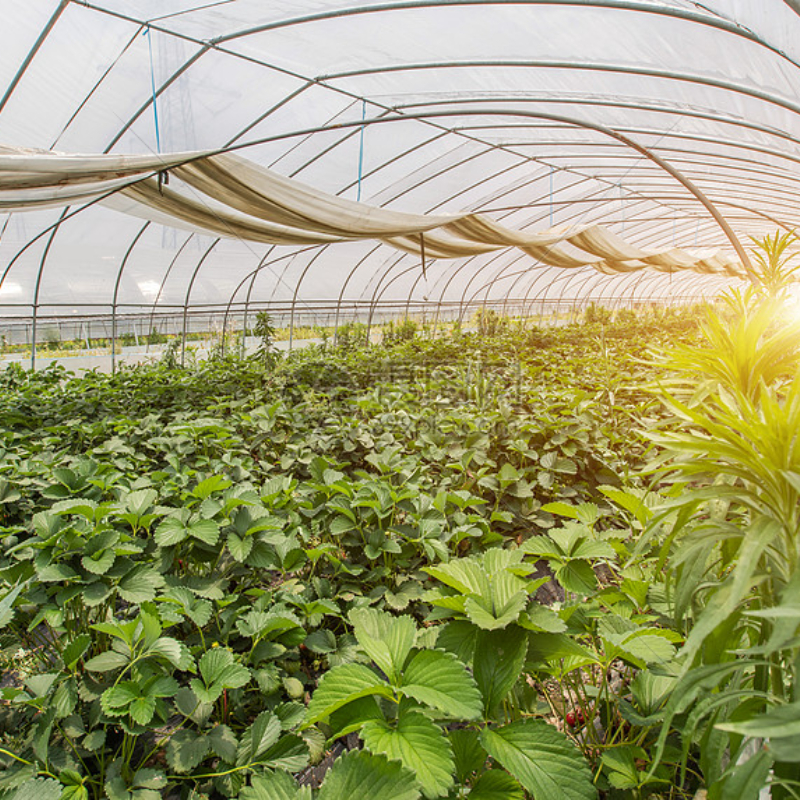
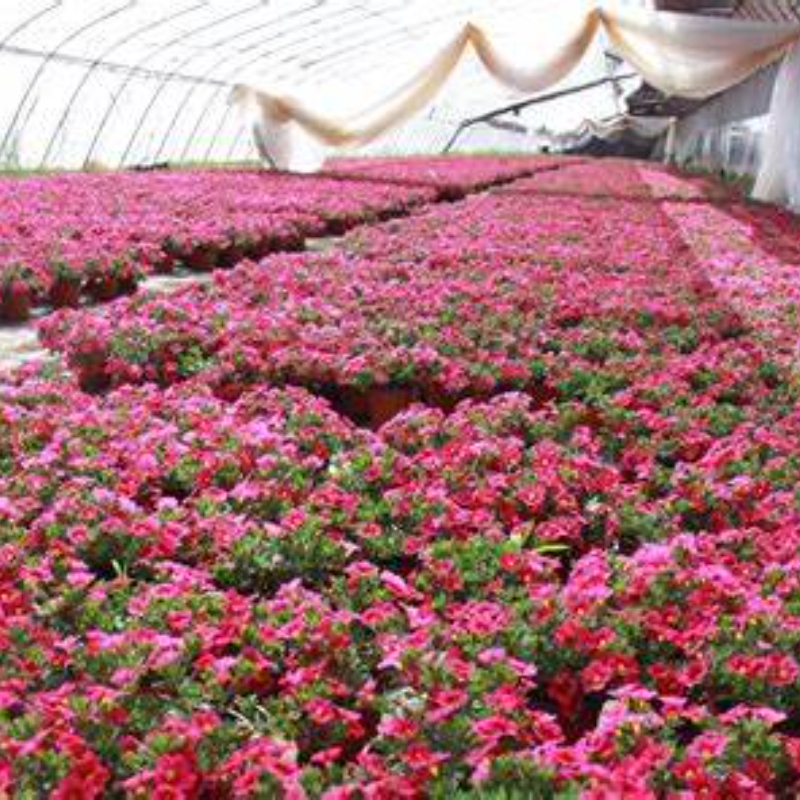
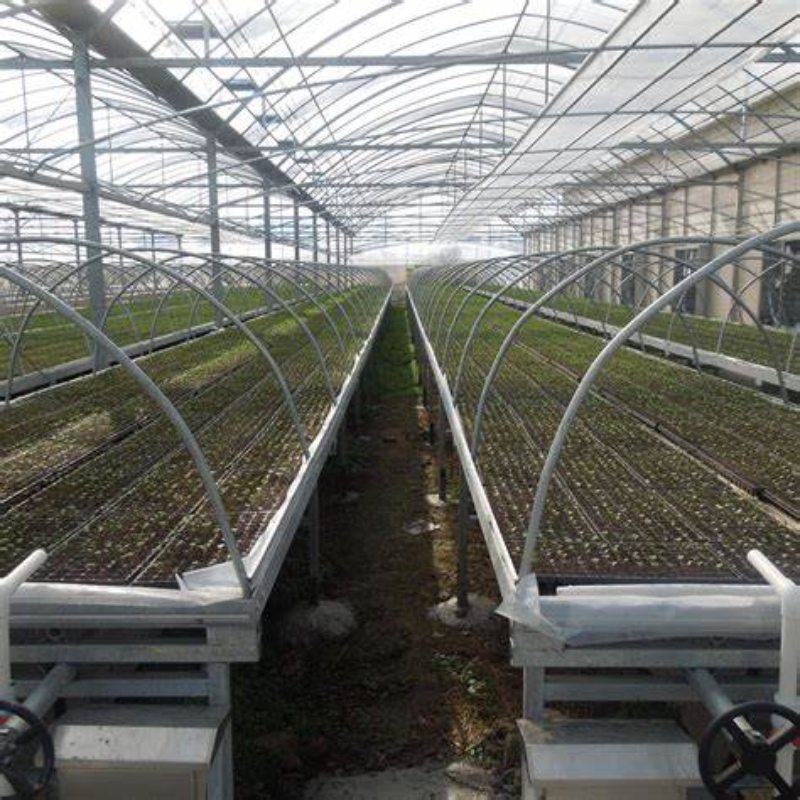
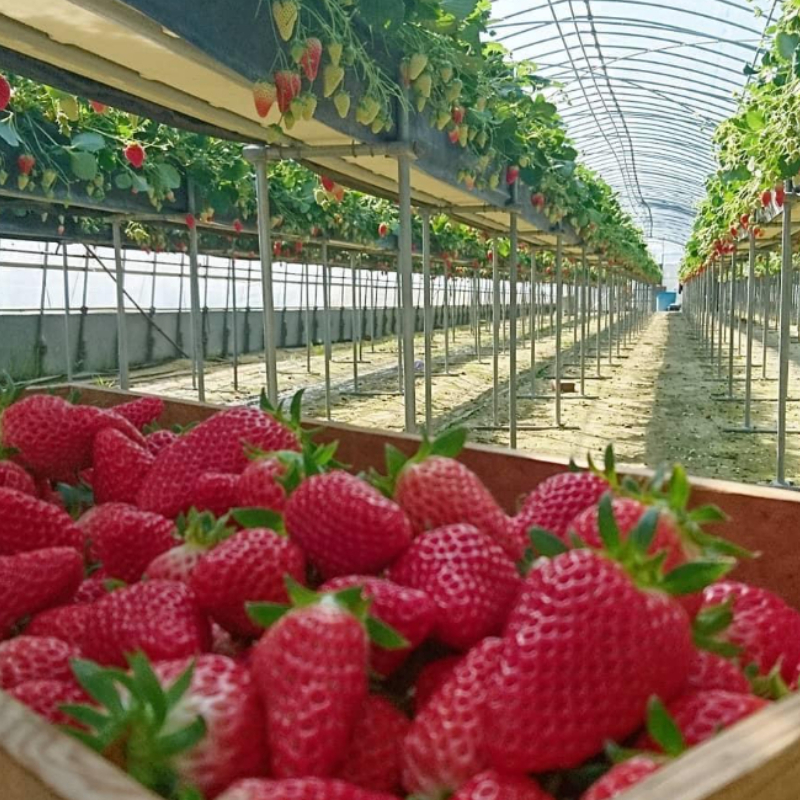
The applications of multi-span film greenhouses are diverse, covering multiple agricultural scenarios. In commercial crop production, they are widely used for growing high-value vegetables such as tomatoes, cucumbers, lettuce, and peppers, as well as flowers like roses and chrysanthemums. The large cultivation area and flexible environment control make them suitable for year-round cultivation, increasing crop yield and quality. For seedling cultivation, multi-span film greenhouses create a stable and mild environment, protecting seedlings from harsh weather and pests, significantly improving survival rates and growth quality. They are also used for crop breeding and experimental cultivation, providing a controlled space for researchers to test new varieties and cultivation techniques. In addition, multi-span film greenhouses can be adapted for niche uses such as mushroom cultivation, which requires high humidity and shade, or fruit tree cultivation, where the controlled environment extends the growing season and improves fruit quality.
Maintenance is crucial for ensuring the long-term performance of multi-span film greenhouses. Regular inspection of the film cover is necessary to detect tears, holes, or aging, which can lead to heat loss or water leakage. Damaged film should be repaired or replaced promptly—small tears can be sealed with special tape, while large areas may require full replacement. The frame should be checked periodically for rust, loose bolts, or structural damage, and corrosion should be treated with anti-rust coatings to extend the service life of the greenhouse. Ventilation systems, irrigation equipment, and control devices also require regular maintenance: cleaning vents and fans to remove dust and debris, checking irrigation pipes for leaks, and calibrating sensors to ensure accurate environmental monitoring. Proper maintenance not only extends the lifespan of the greenhouse but also ensures stable crop production, maximizing the return on investment.
In conclusion, multi-span film greenhouses are a practical, cost-effective, and efficient solution for modern agriculture. Their scalable design, affordable construction, and flexible environment control make them suitable for a wide range of agricultural applications, from small-scale planting to large-scale commercial production. As agricultural technology continues to advance, multi-span film greenhouses are evolving with improved film materials, smarter control systems, and more efficient structural designs, further enhancing their performance and sustainability. For growers worldwide, these greenhouses offer a viable path to increase crop yield, reduce costs, and meet the growing demand for high-quality agricultural products, contributing to the development of sustainable agriculture globally.