
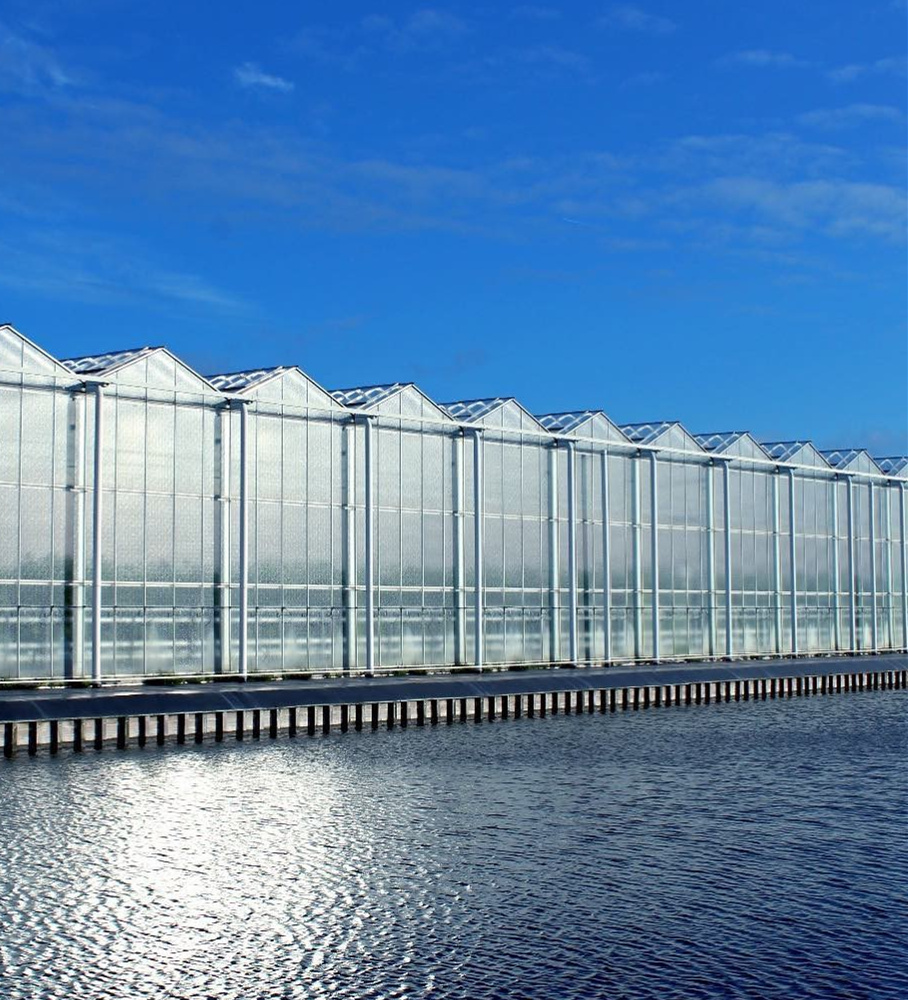
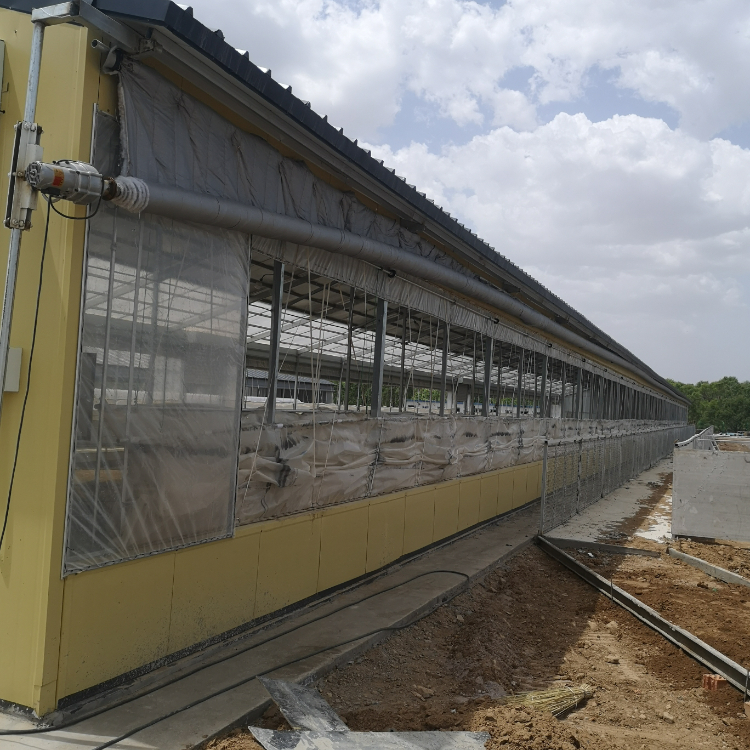
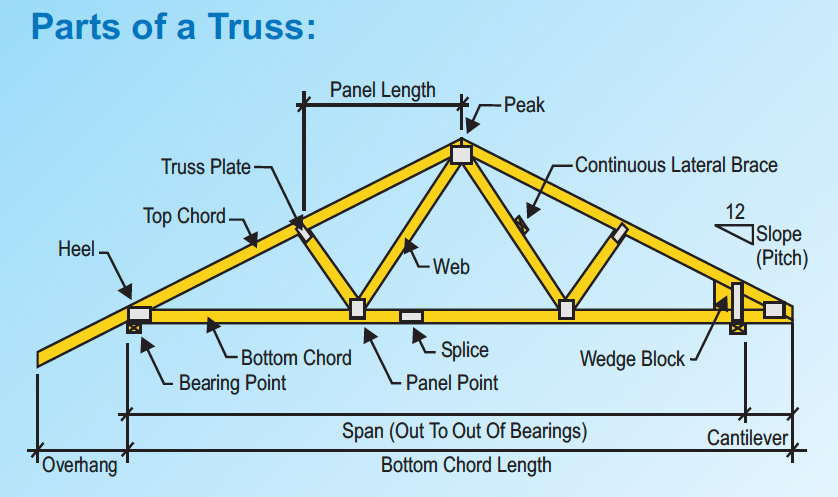
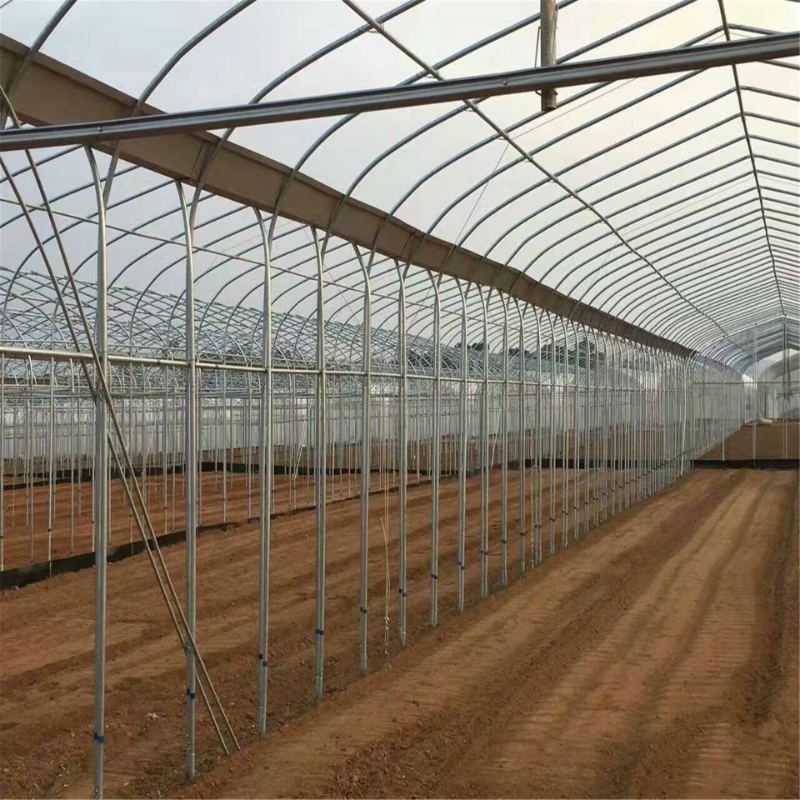
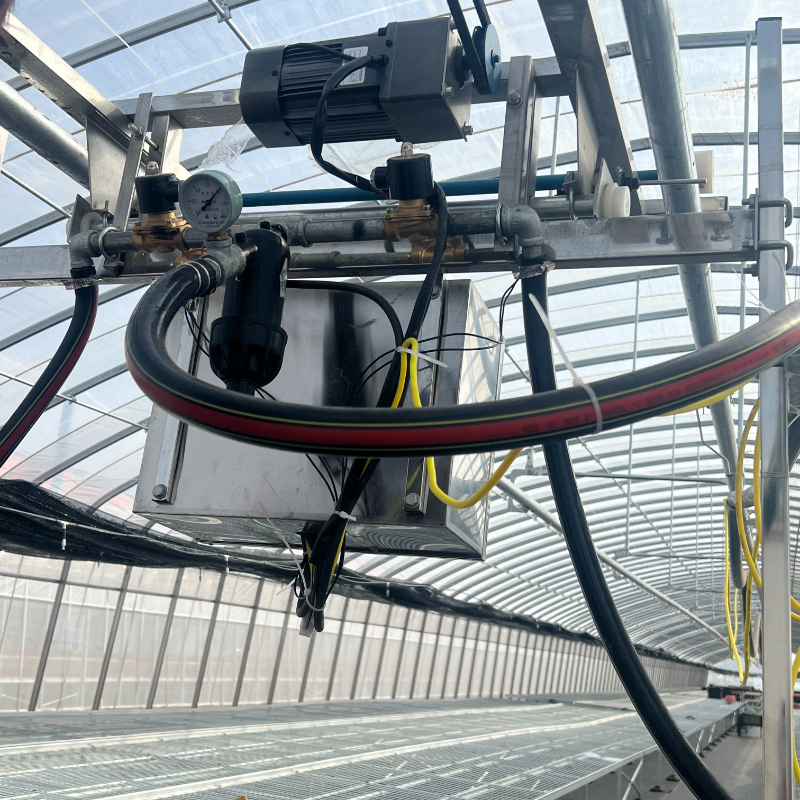
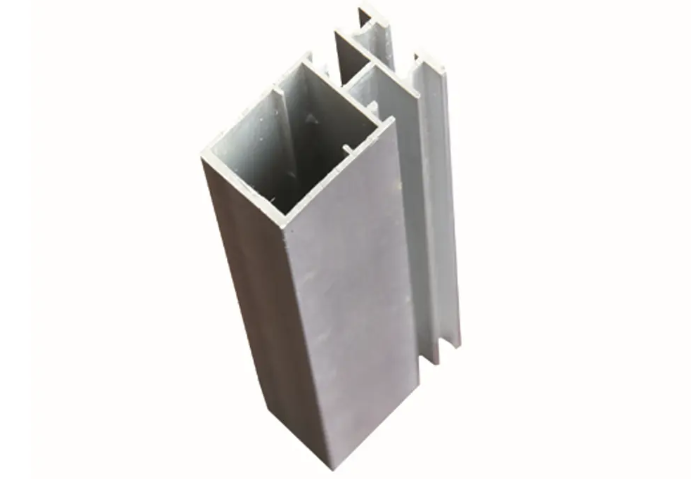
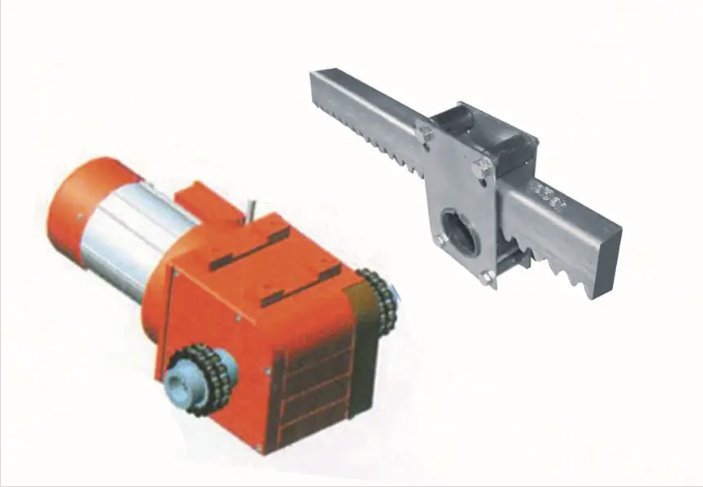
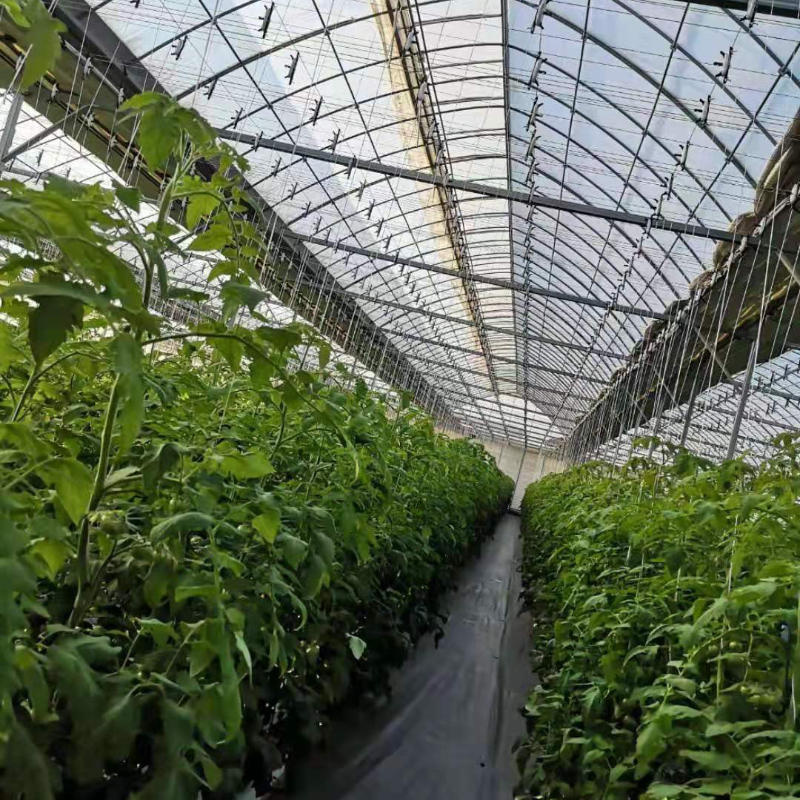
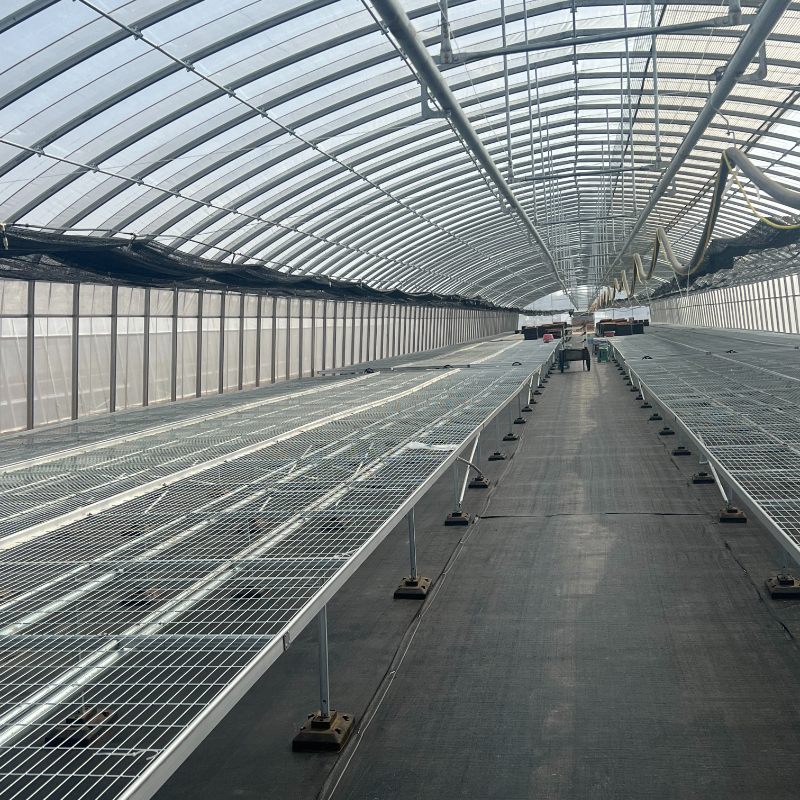
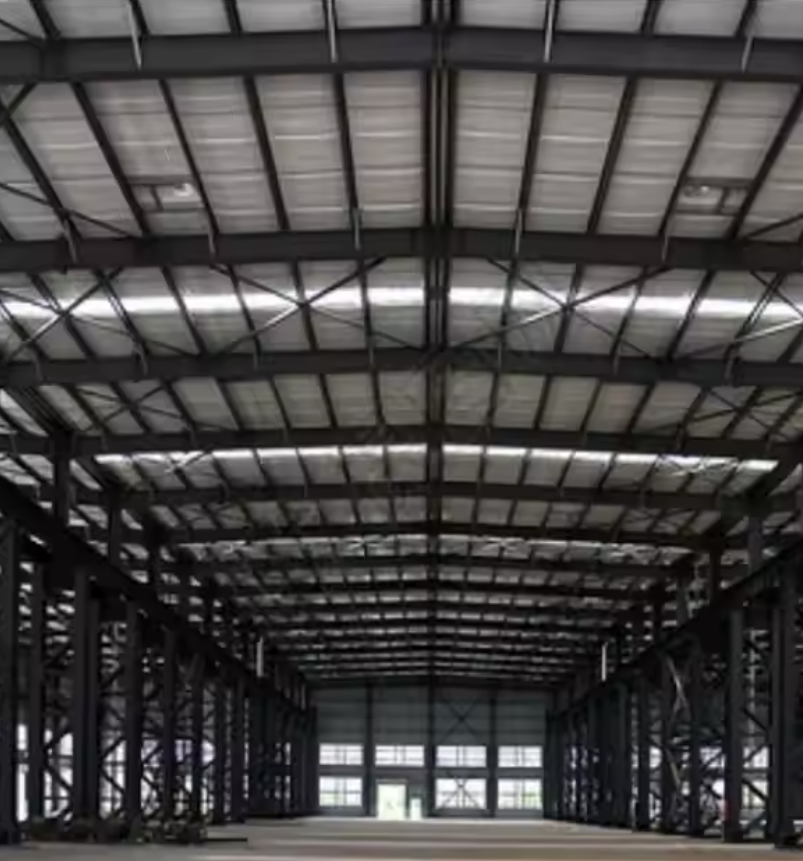
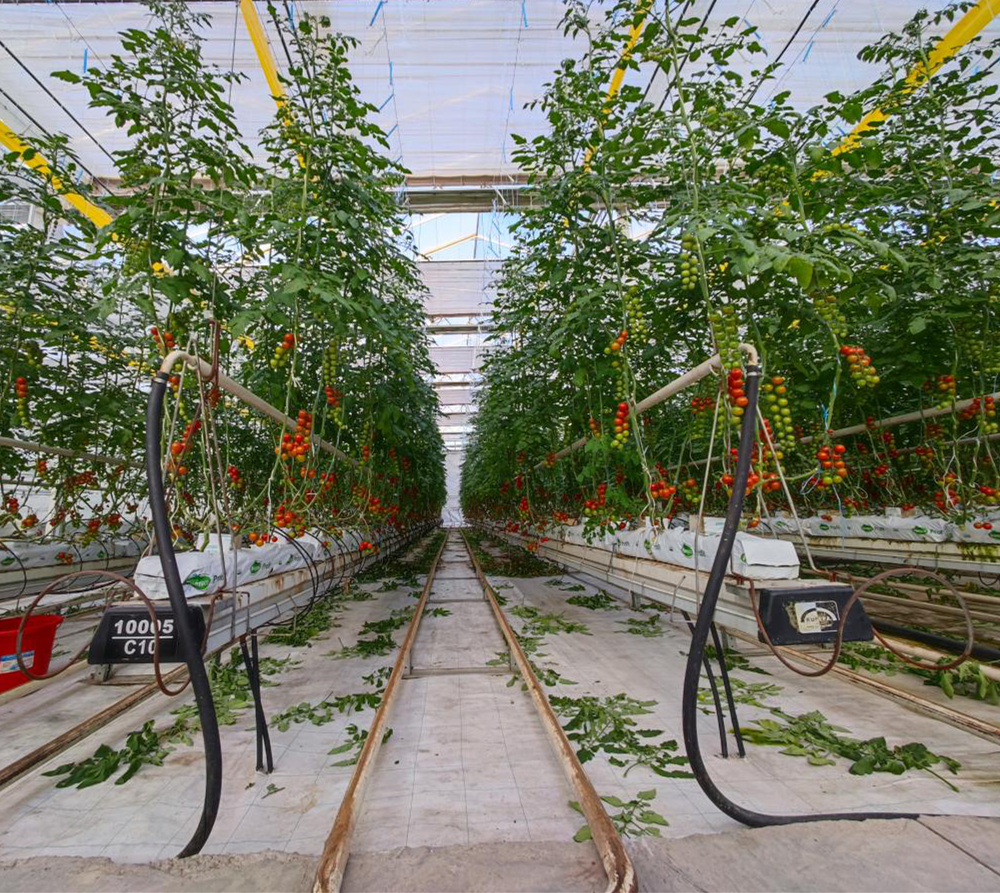
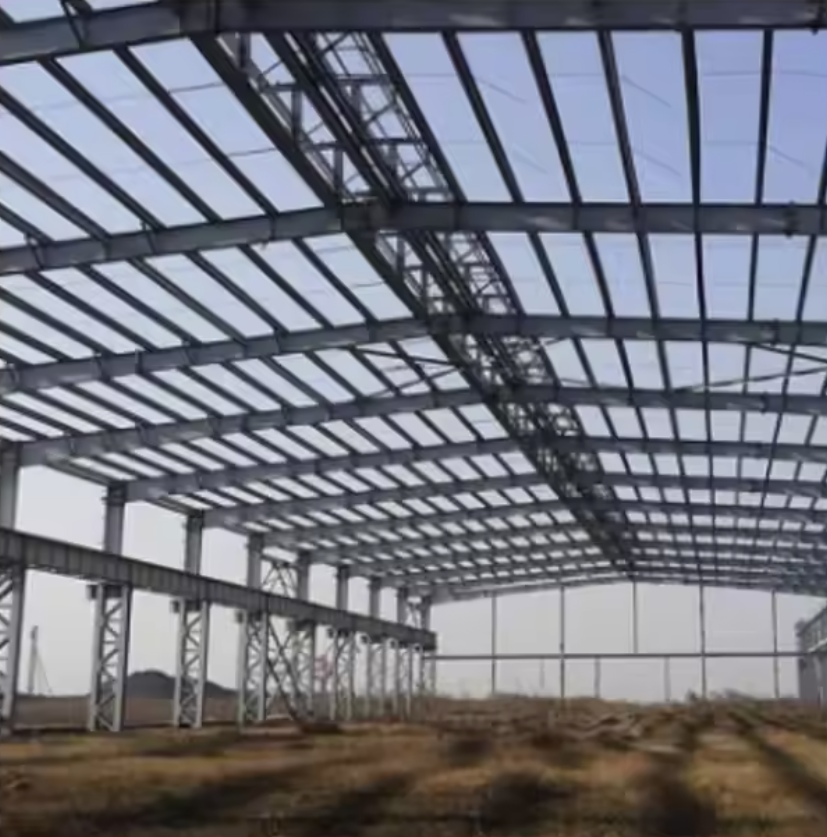
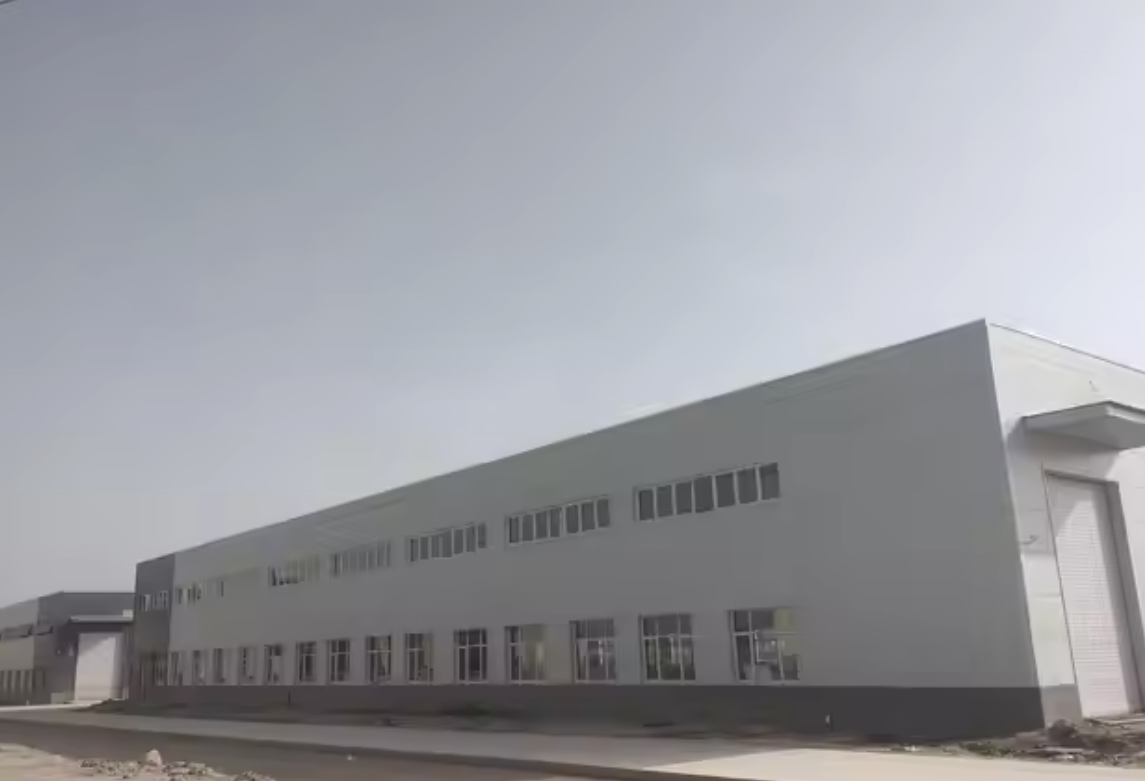
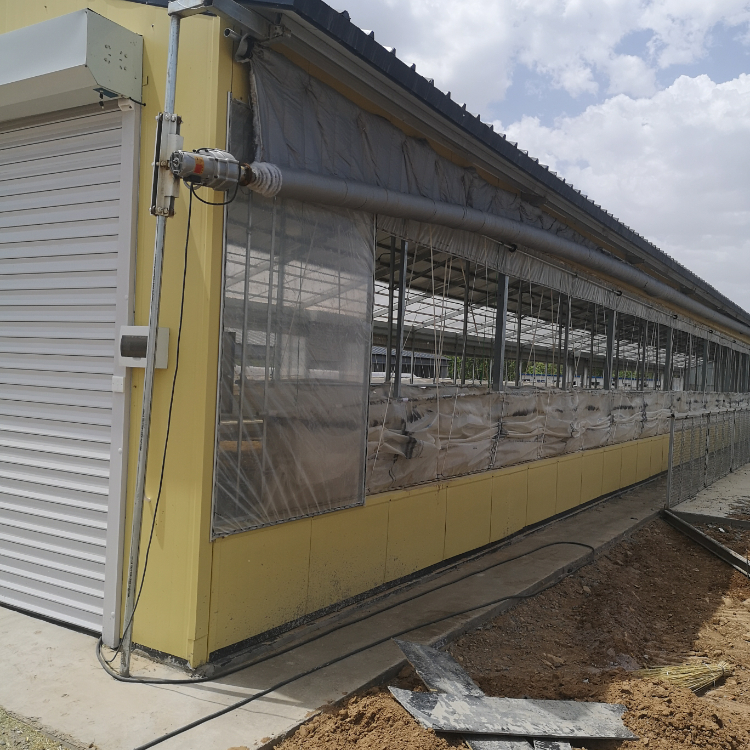
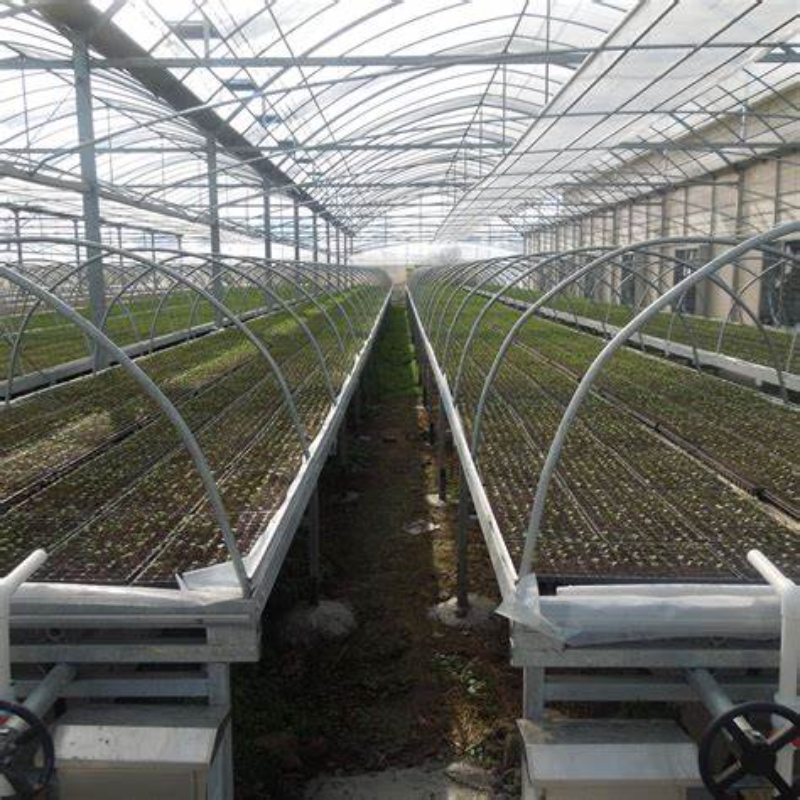
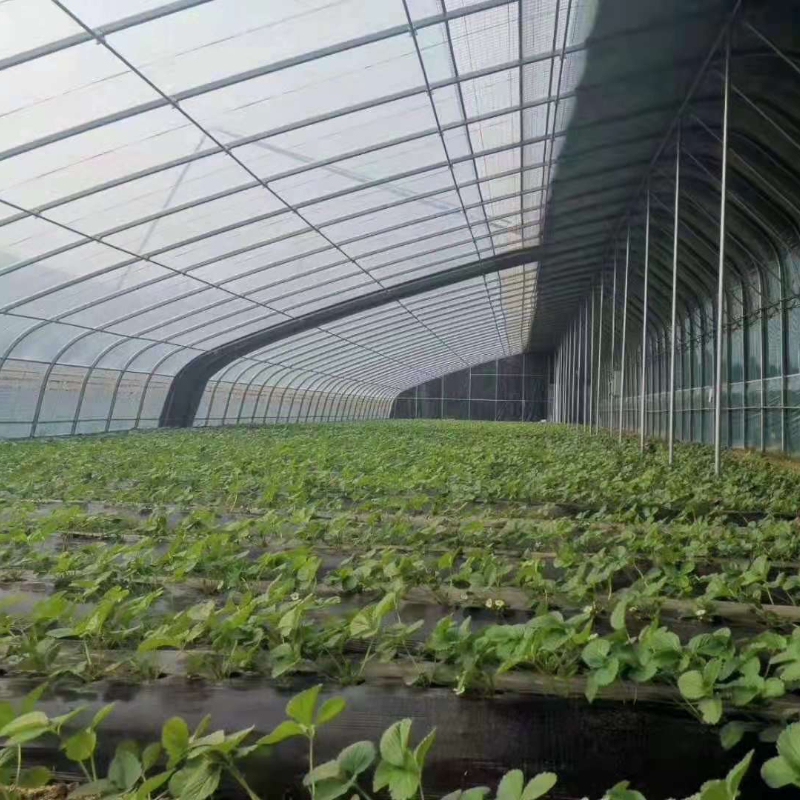
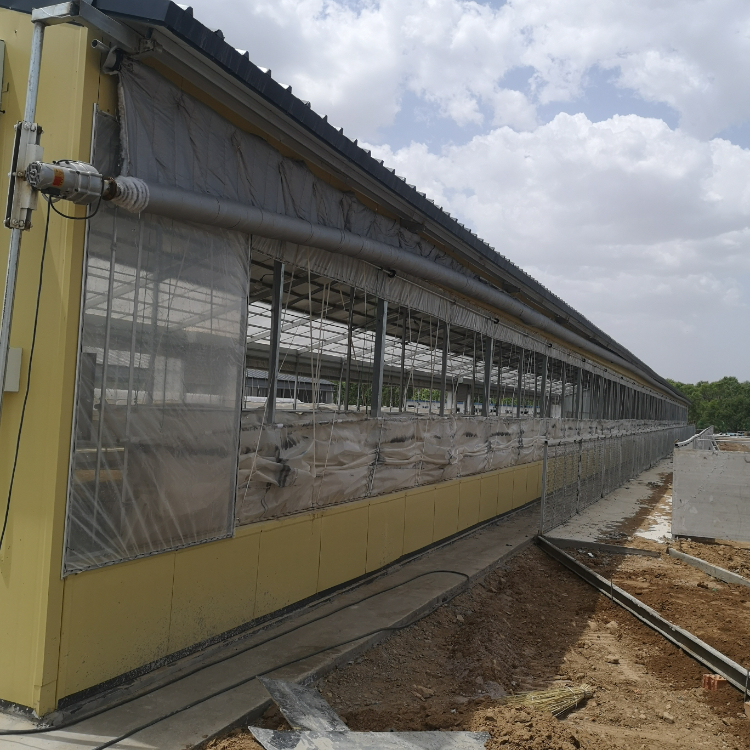
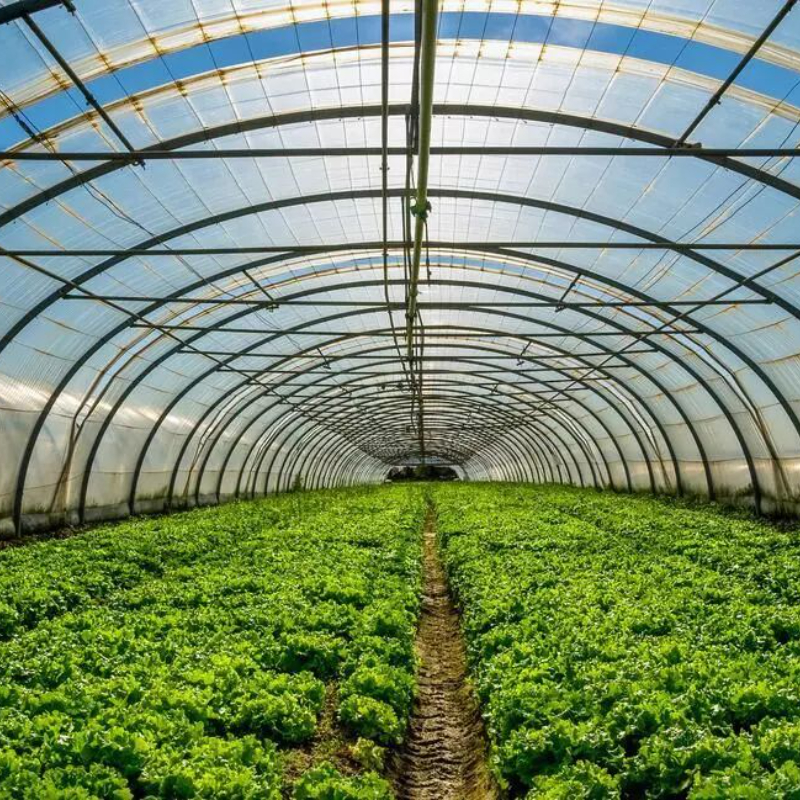
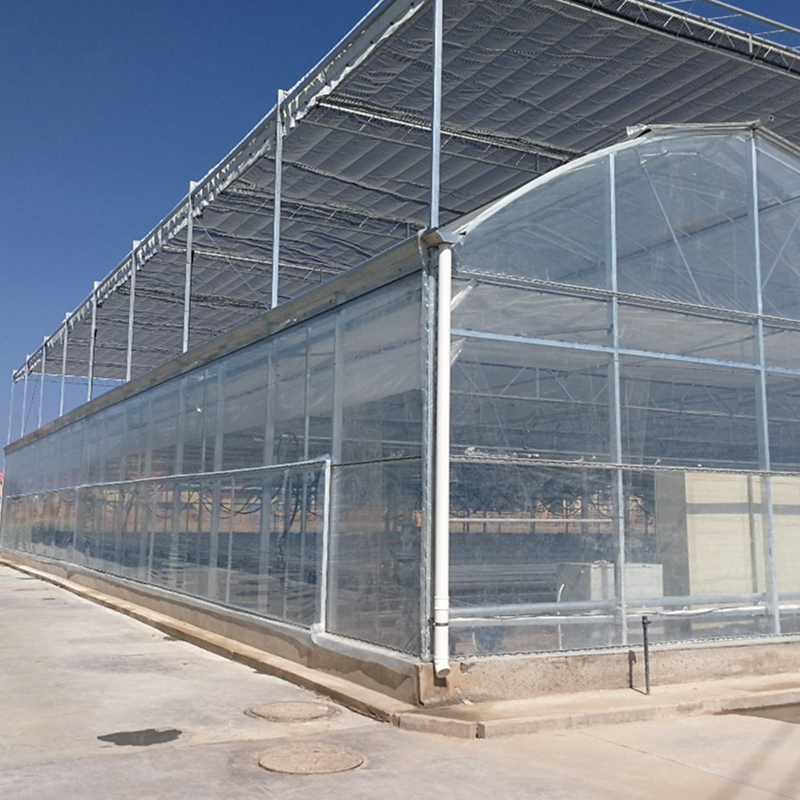
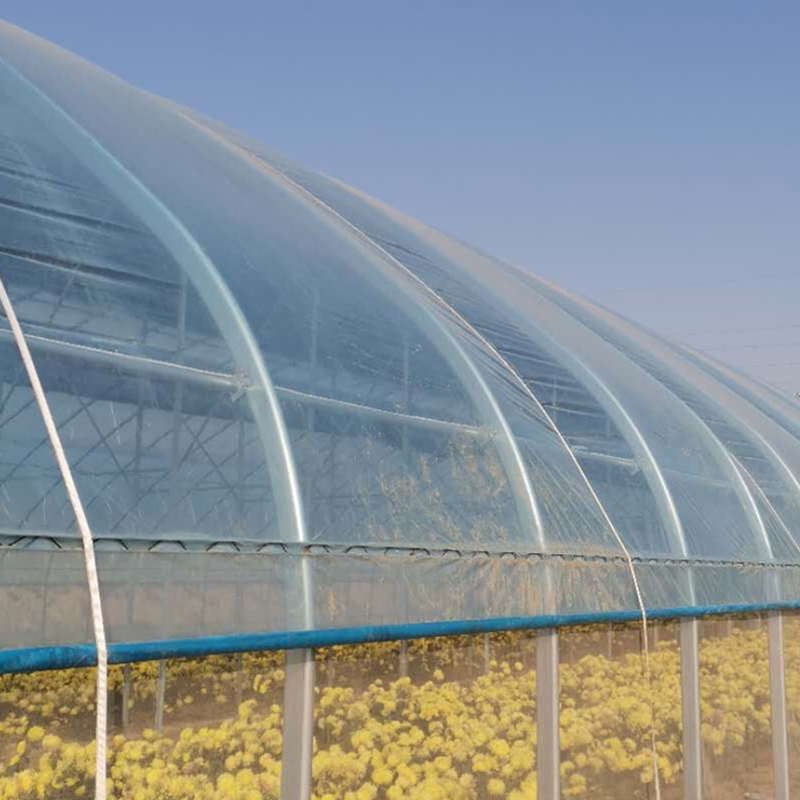
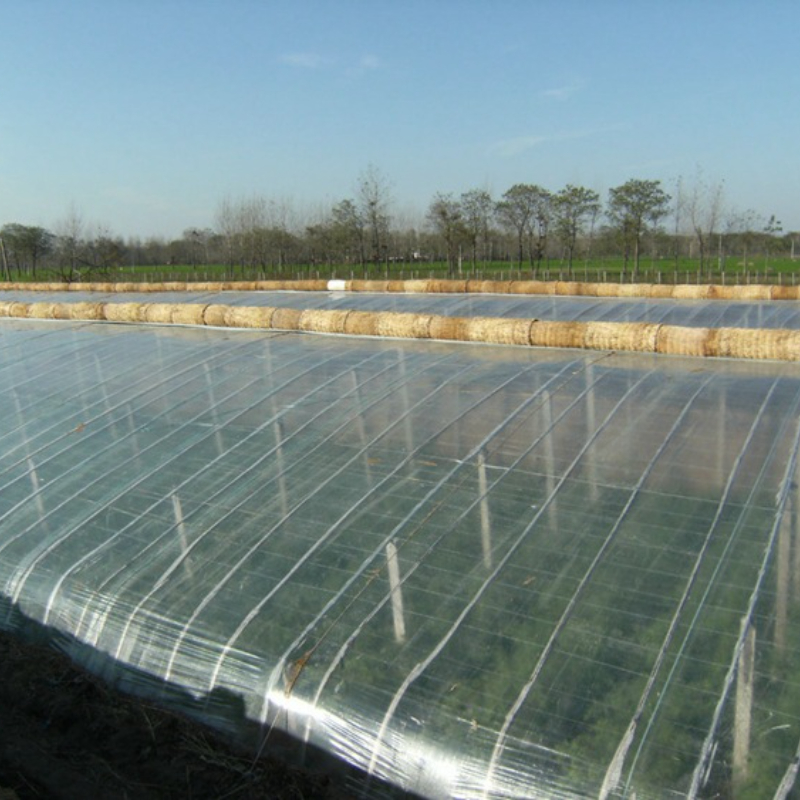
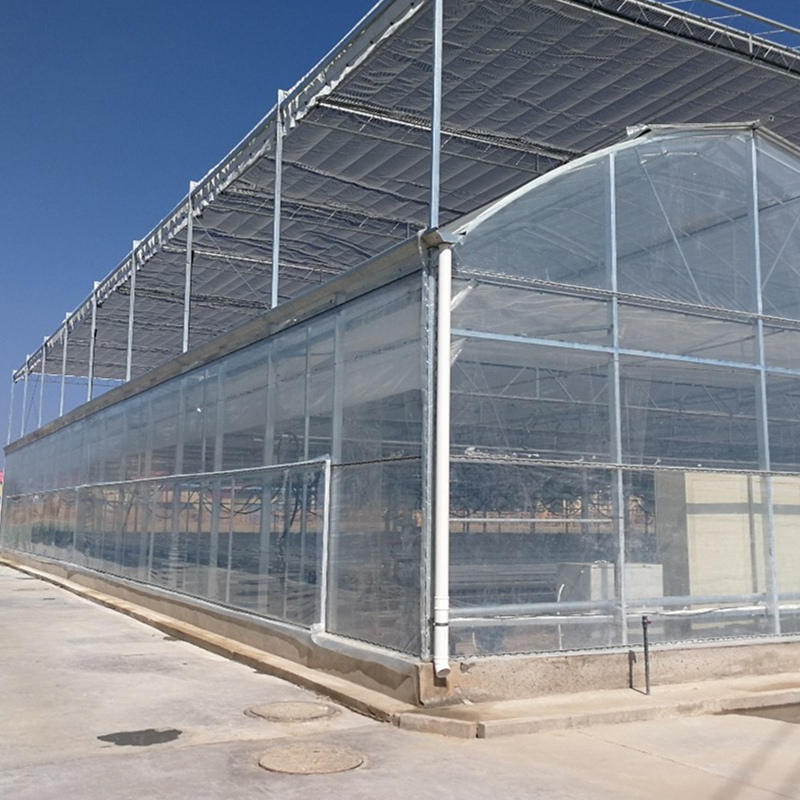
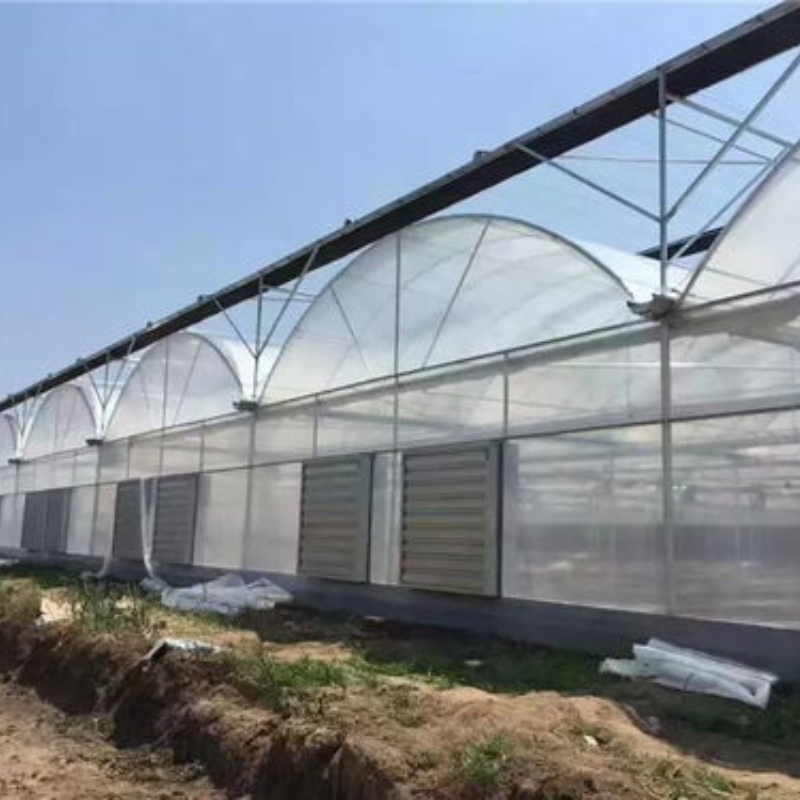
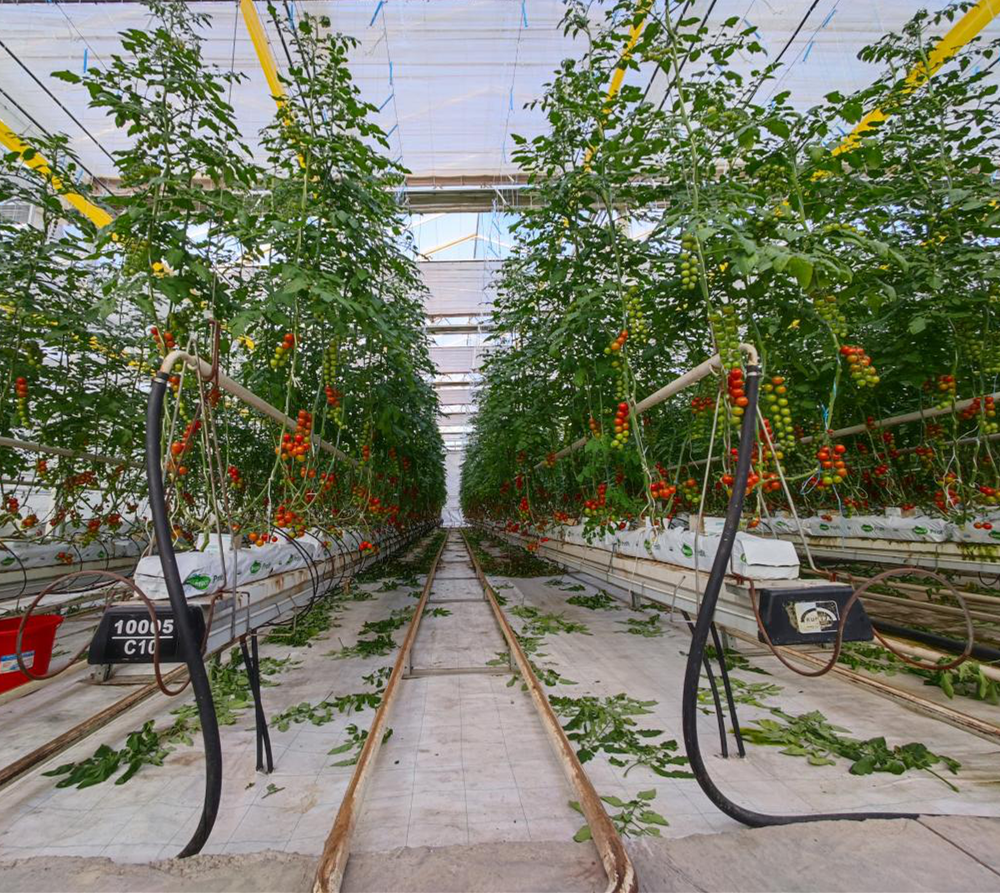
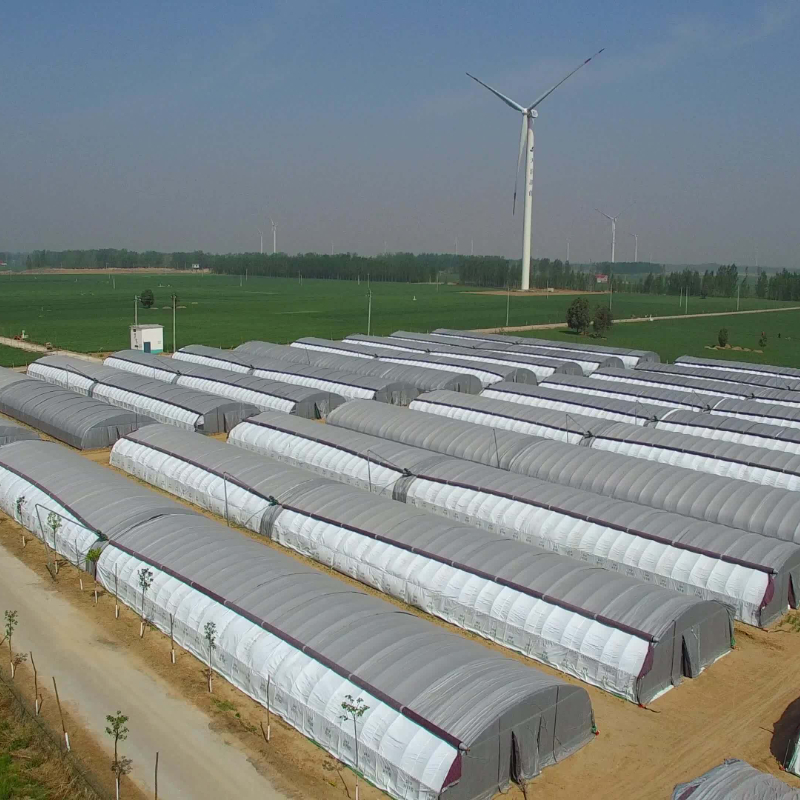
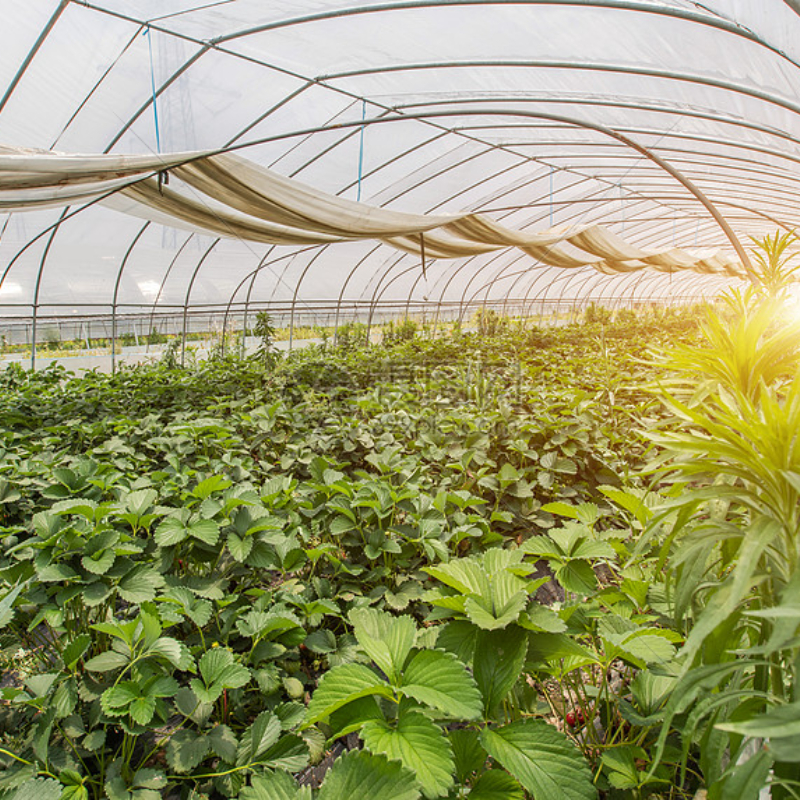
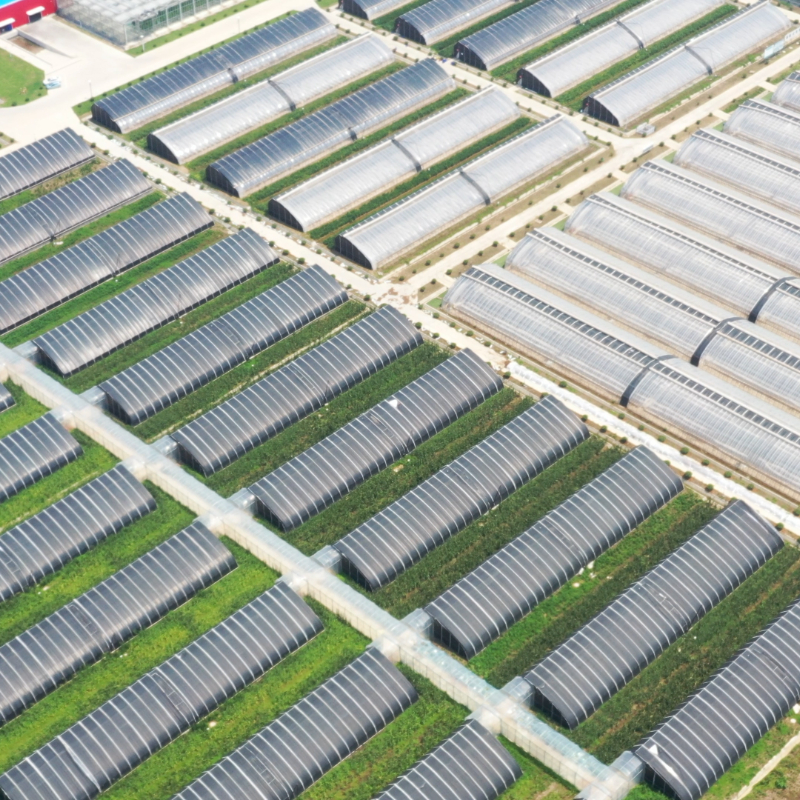
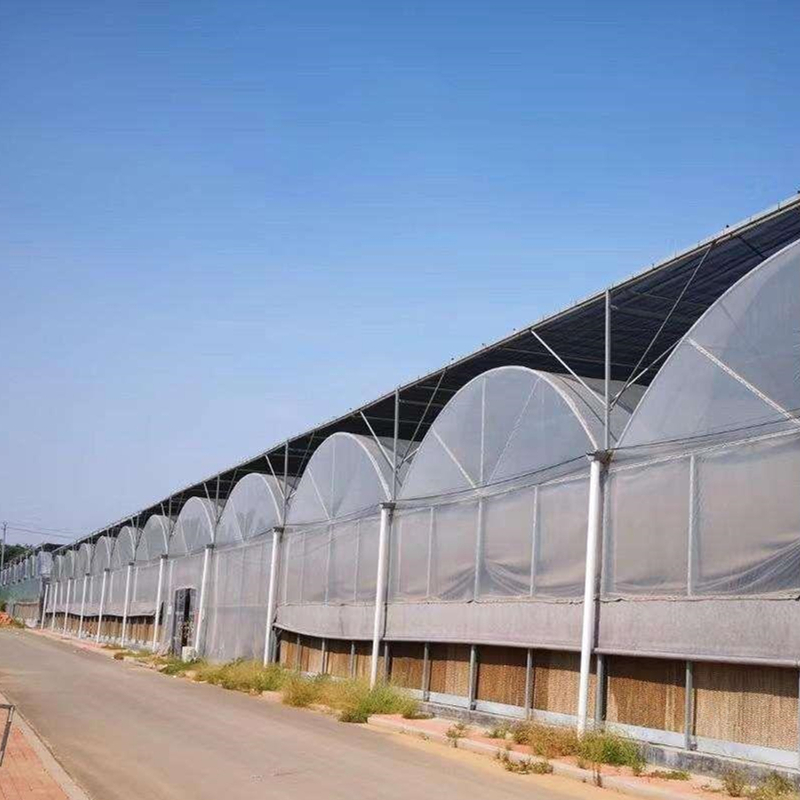
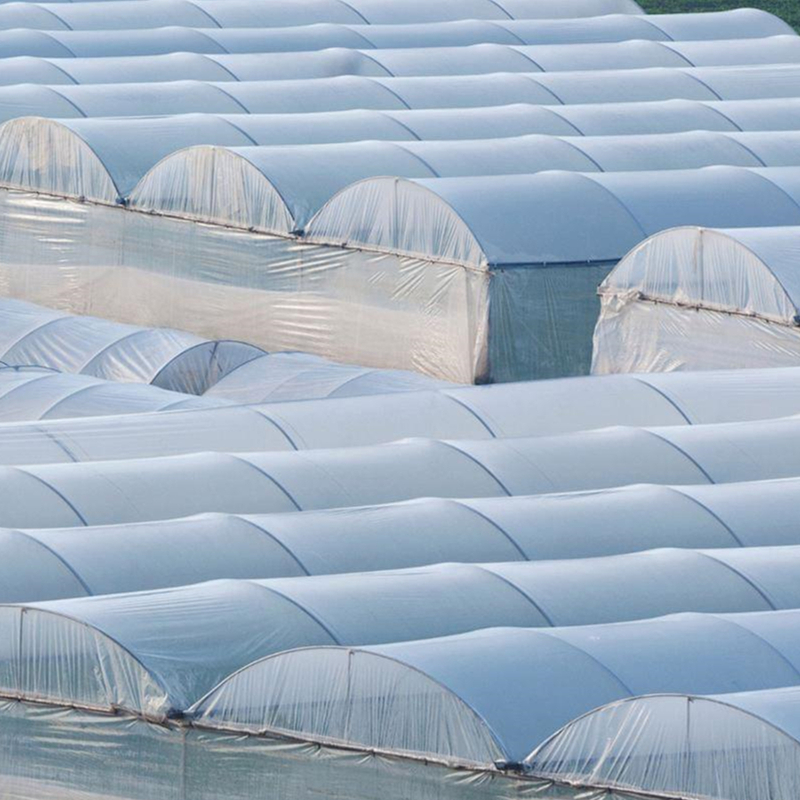
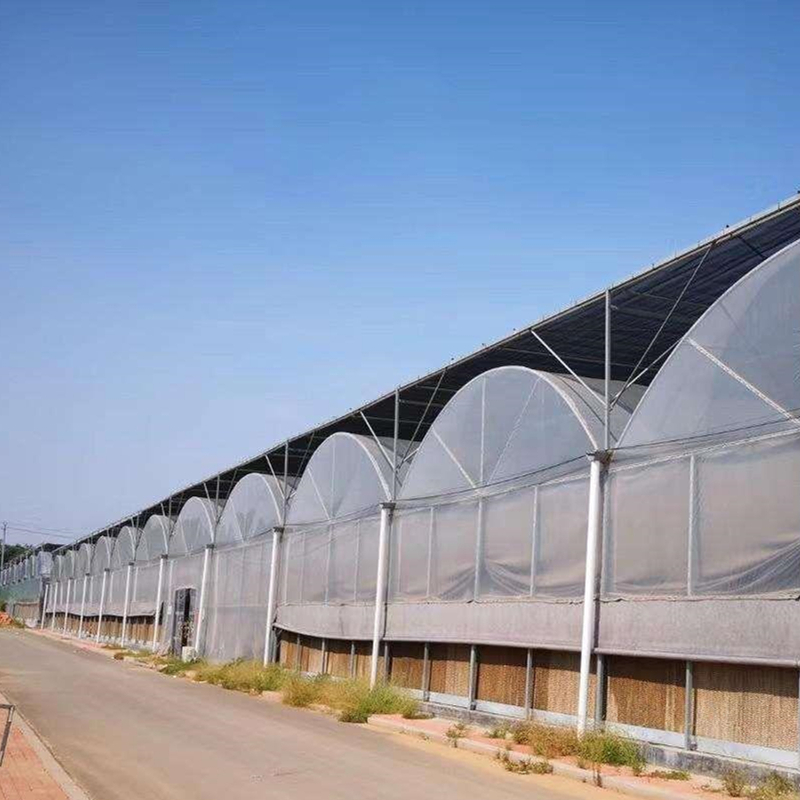
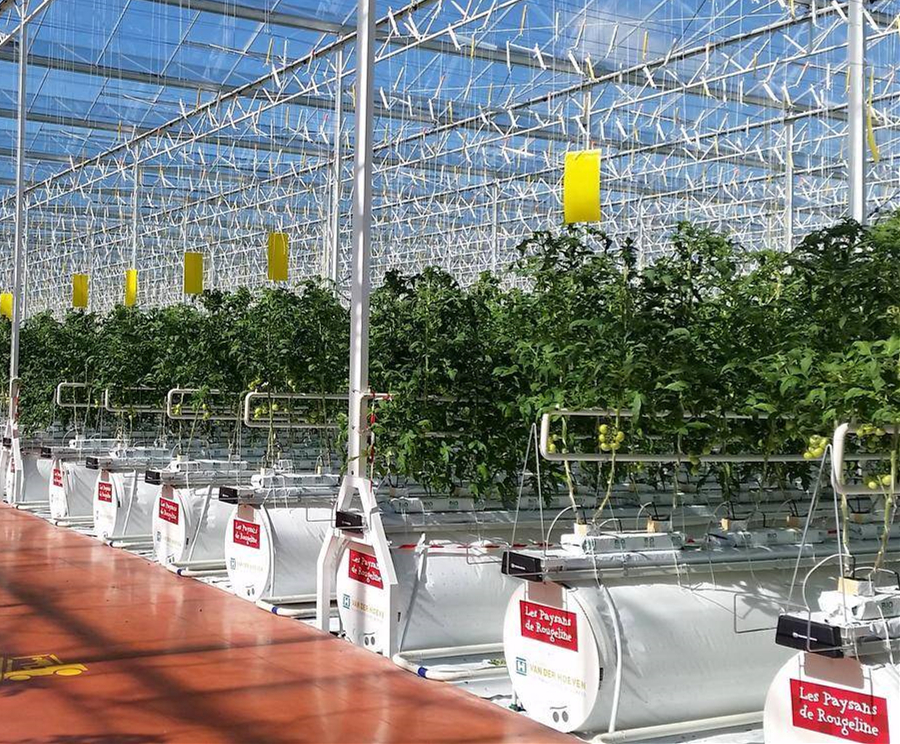
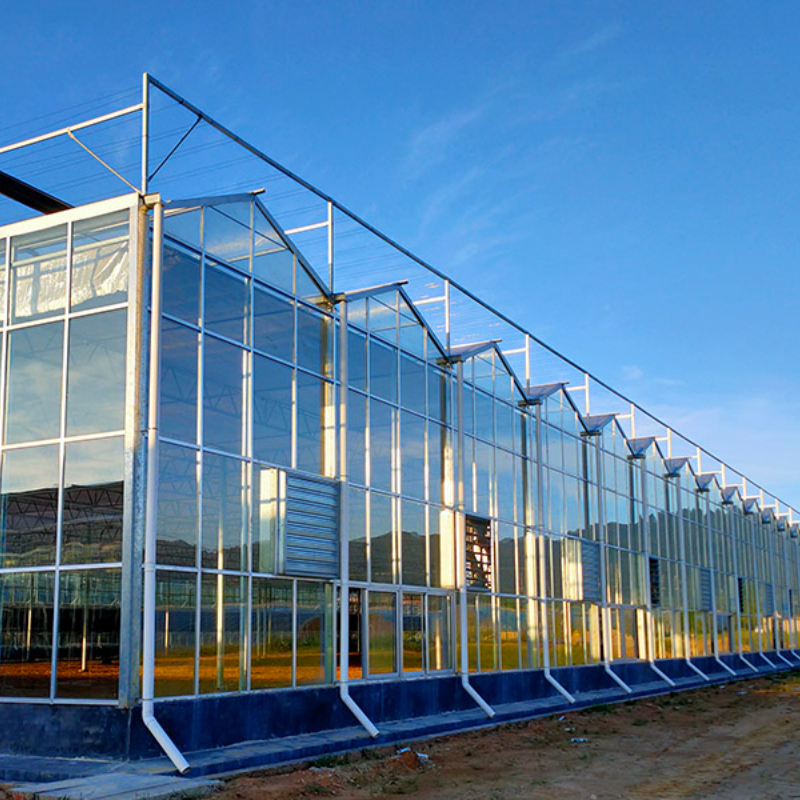
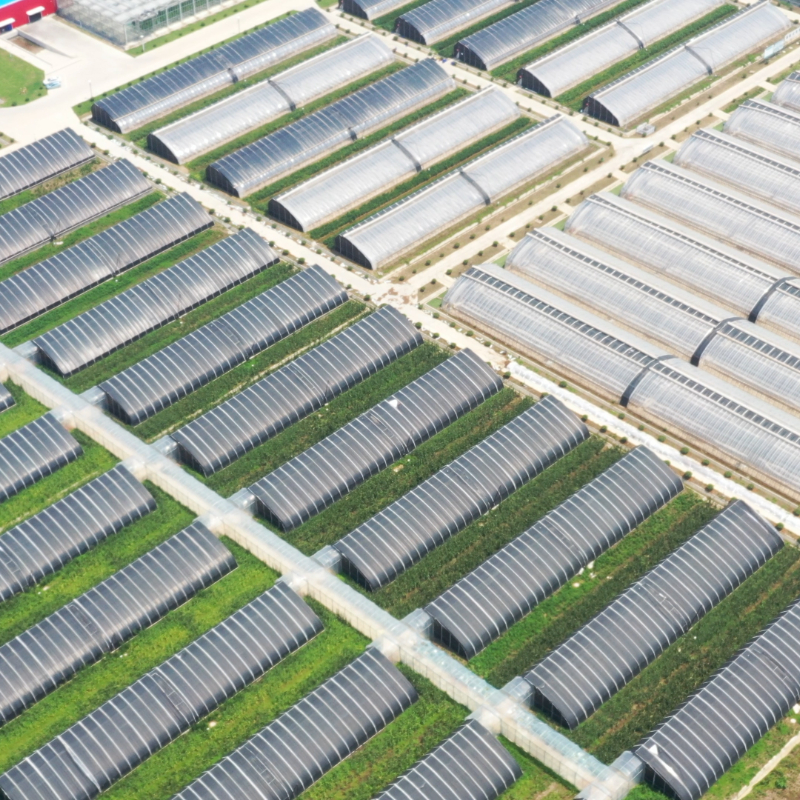
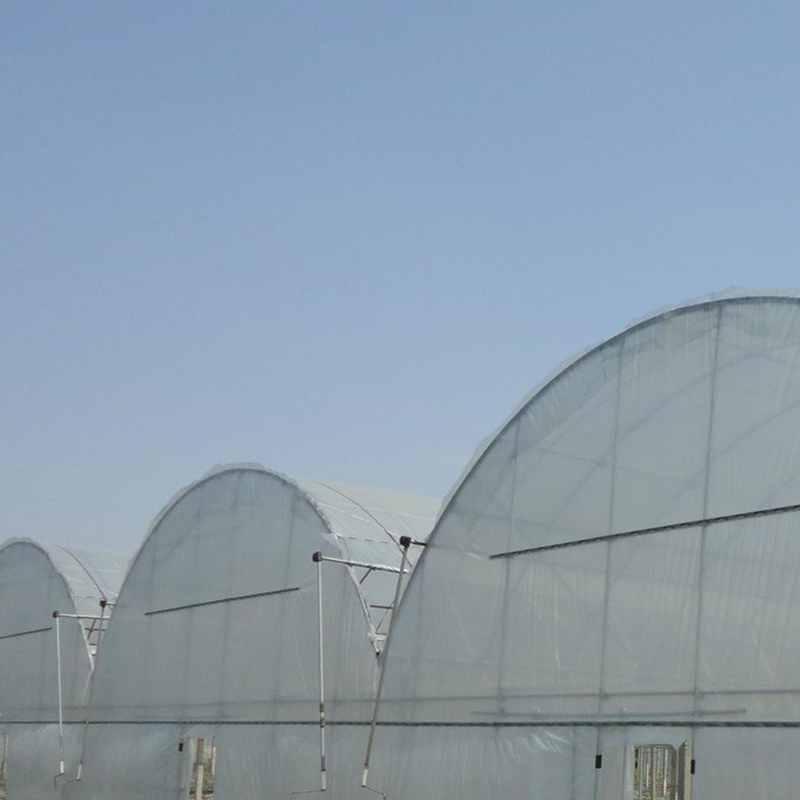
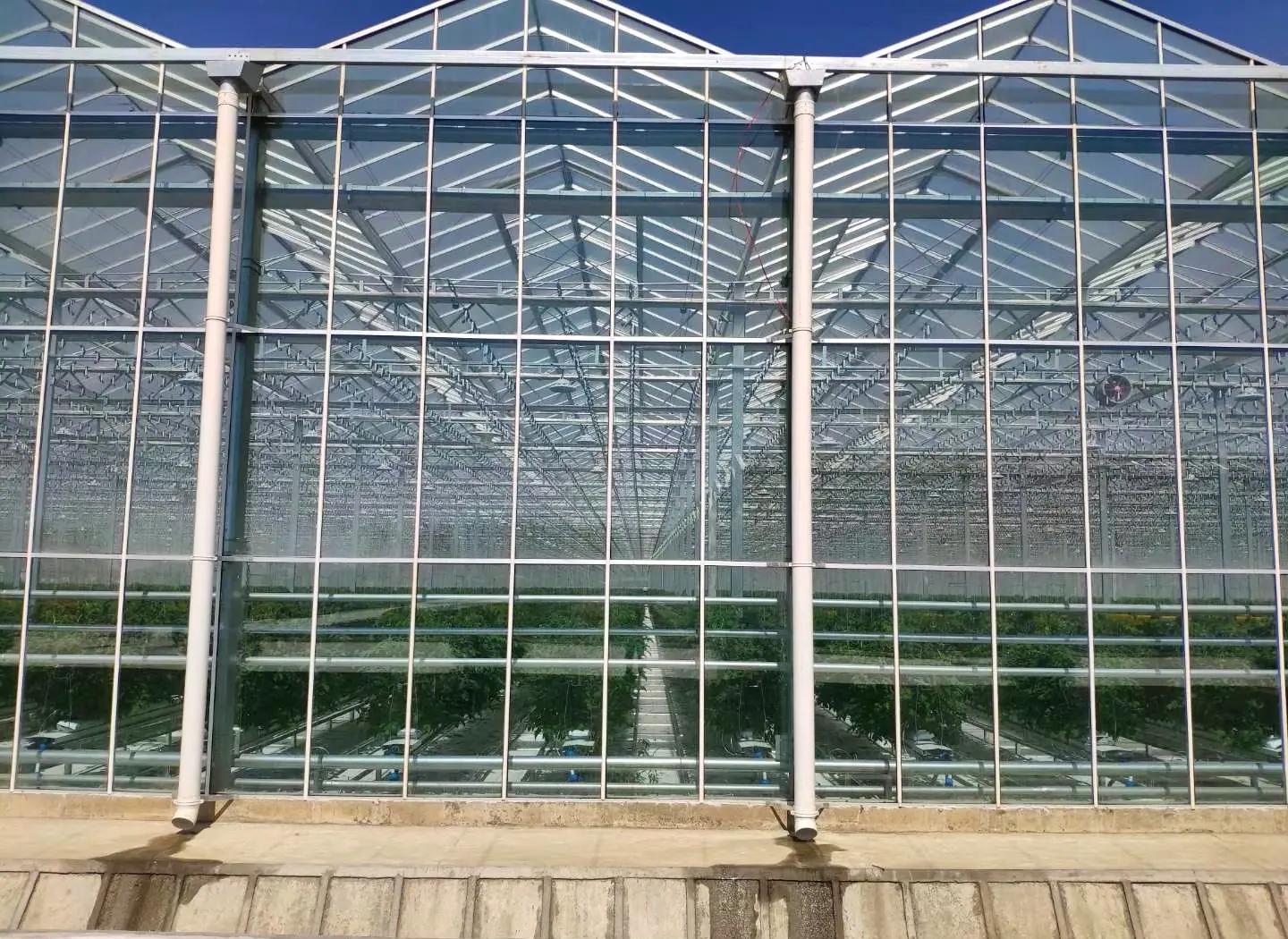
At the core of every glass greenhouse is its structure, which is engineered to balance durability, functionality, and optimal light transmission. The frame of a glass greenhouse is typically constructed from high-quality materials such as galvanized steel or aluminum, ensuring stability and resistance to harsh weather conditions like strong winds, heavy snow, and extreme temperatures. These materials are chosen for their corrosion resistance and long lifespan, with the frame design often following standards that guarantee a service life of 20 years or more. The glass panels, which are the defining feature of a glass greenhouse, are carefully selected to maximize light penetration while providing insulation and protection. Most modern glass greenhouses use float glass, tempered glass, or solar glass, with single-layer float glass offering a light transmission rate of over 90% and double-layer insulated glass maintaining a rate of 80% or higher. This exceptional light transmission is critical because it allows plants to receive ample photosynthetically active radiation (PAR), the range of light essential for photosynthesis, ensuring robust growth and healthy development. The glass also acts as a barrier that traps heat inside the greenhouse, creating the greenhouse effect that enables year-round cultivation, even in regions with cold or unpredictable climates.
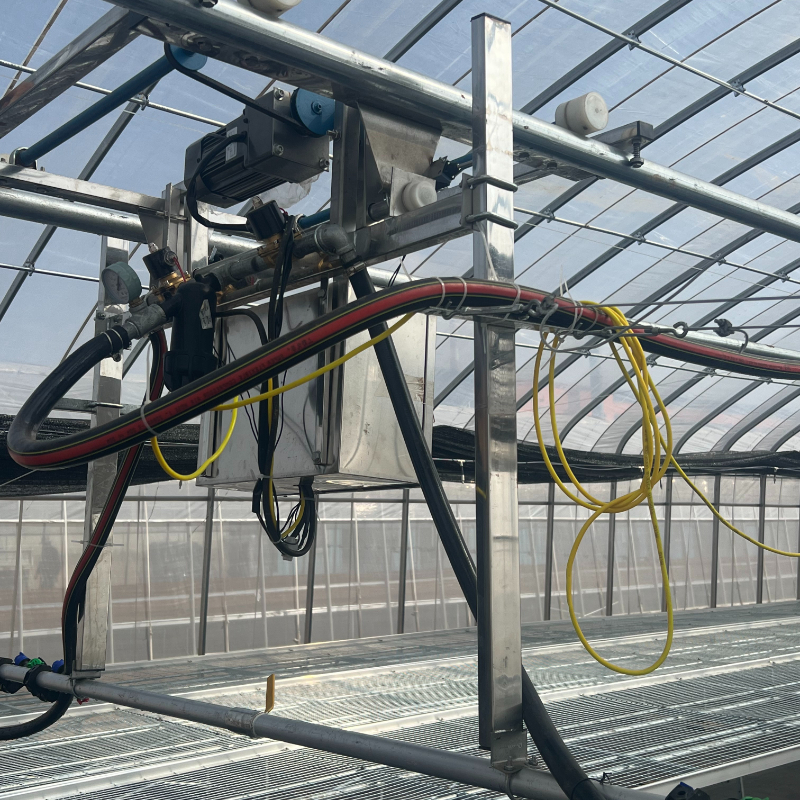
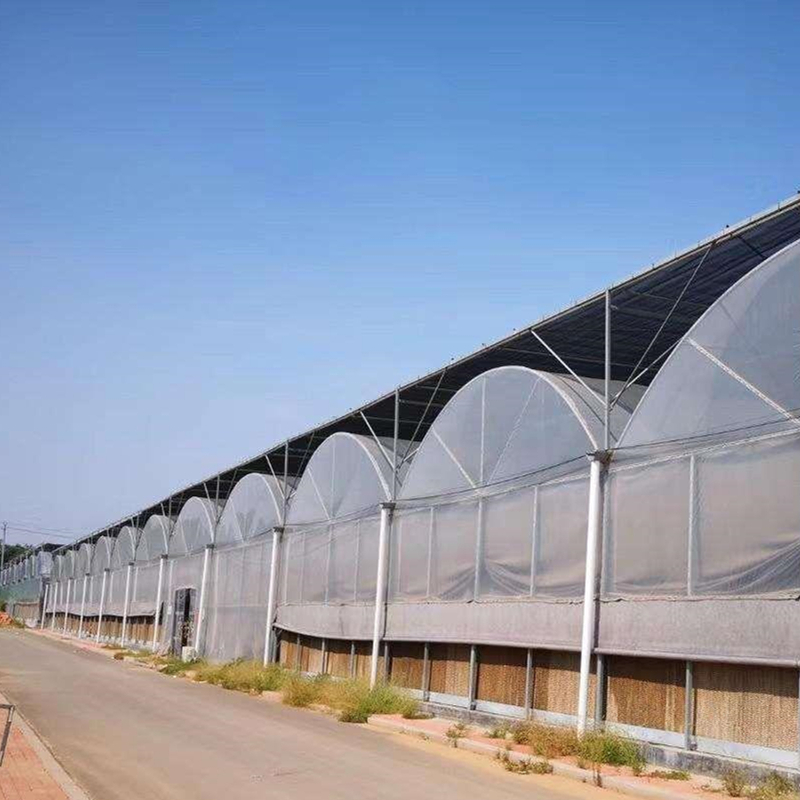
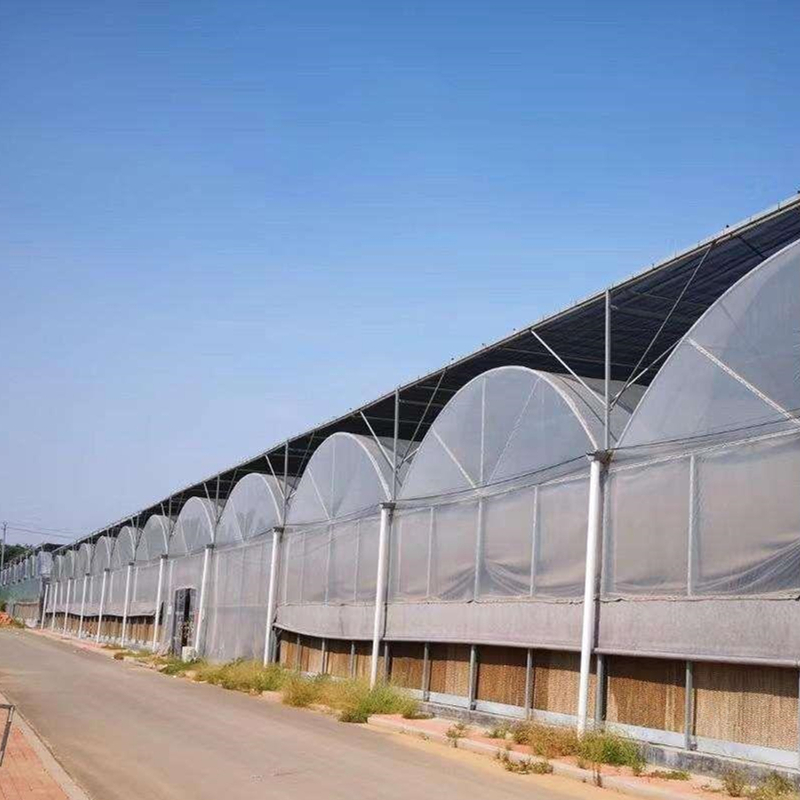
The controlled environment inside a glass greenhouse is one of its most significant advantages, as it allows growers to fine-tune conditions to meet the specific needs of different crops. Temperature control is a key function of any glass greenhouse, achieved through a combination of heating systems, cooling mechanisms, and ventilation. In cold weather, glass greenhouses may use radiant heaters, hot water pipes, or geothermal heating to maintain optimal temperatures, while in hot weather, evaporative cooling systems (such as wet curtain fans), shading cloths, and roof vents help lower temperatures and prevent overheating. Humidity control is equally important, as excessive humidity can lead to fungal diseases, while insufficient humidity can cause plant dehydration. Glass greenhouses often use misting systems or humidifiers to increase humidity and dehumidifiers to reduce it, ensuring a balanced environment that promotes healthy plant growth. Additionally, many modern glass greenhouses are equipped with carbon dioxide enrichment systems, which boost the concentration of CO₂ in the air to enhance photosynthesis, leading to faster growth and higher yields. This level of control means that a glass greenhouse can produce crops of consistent quality, free from the blemishes or yield losses caused by extreme weather, pests, or diseases common in open-field farming.
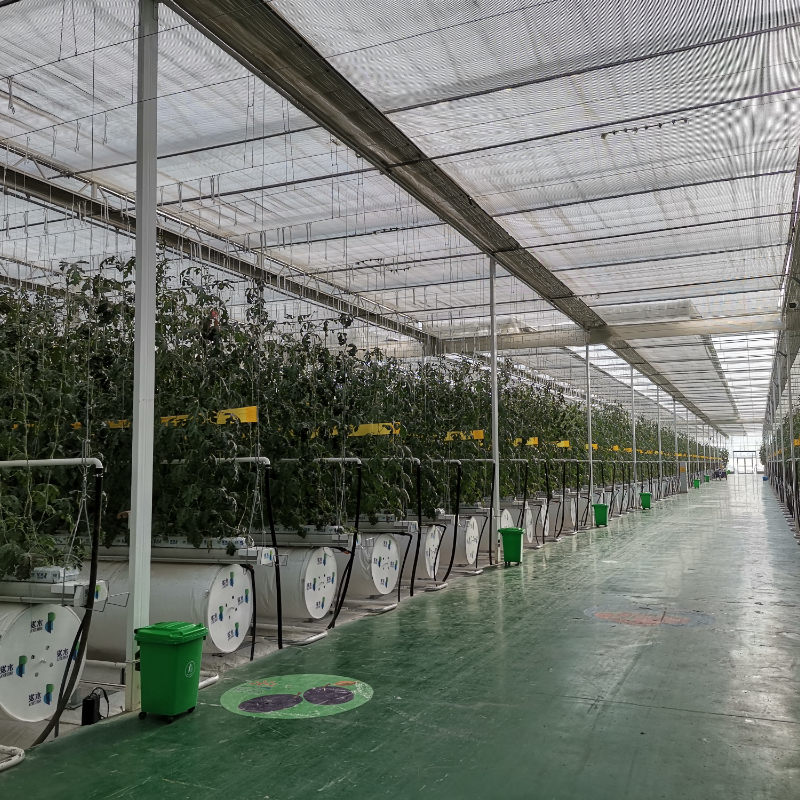
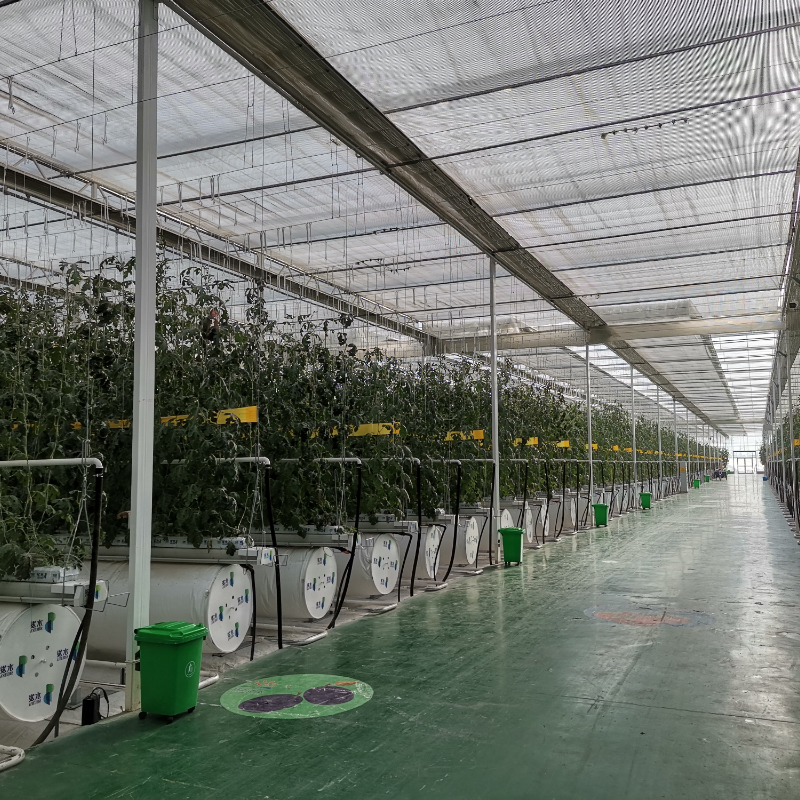
Sustainability is a central focus of modern glass greenhouse design, with innovations aimed at reducing energy consumption, conserving resources, and minimizing environmental impact. Unlike traditional farming methods that often require large amounts of water, fertilizer, and pesticides, glass greenhouses enable efficient resource use. Water conservation is achieved through closed-loop irrigation systems, such as drip irrigation or hydroponic systems, which deliver water directly to the plant roots, reducing waste by up to 90% compared to conventional irrigation. Many glass greenhouses also incorporate rainwater collection systems, which capture and store rainwater for later use, further reducing reliance on municipal water supplies. In terms of energy efficiency, modern glass greenhouses often use low-emissivity (low-e) glass, which reflects infrared radiation to reduce heat loss in winter and heat gain in summer, lowering energy costs for heating and cooling. Some glass greenhouses even integrate solar panels into their design, generating renewable energy to power lighting, ventilation, and irrigation systems, making the glass greenhouse a self-sustaining facility. Additionally, the controlled environment of a glass greenhouse reduces the need for chemical pesticides and fertilizers, as pests and diseases can be managed through biological control methods, resulting in healthier, more organic crops and a smaller environmental footprint.
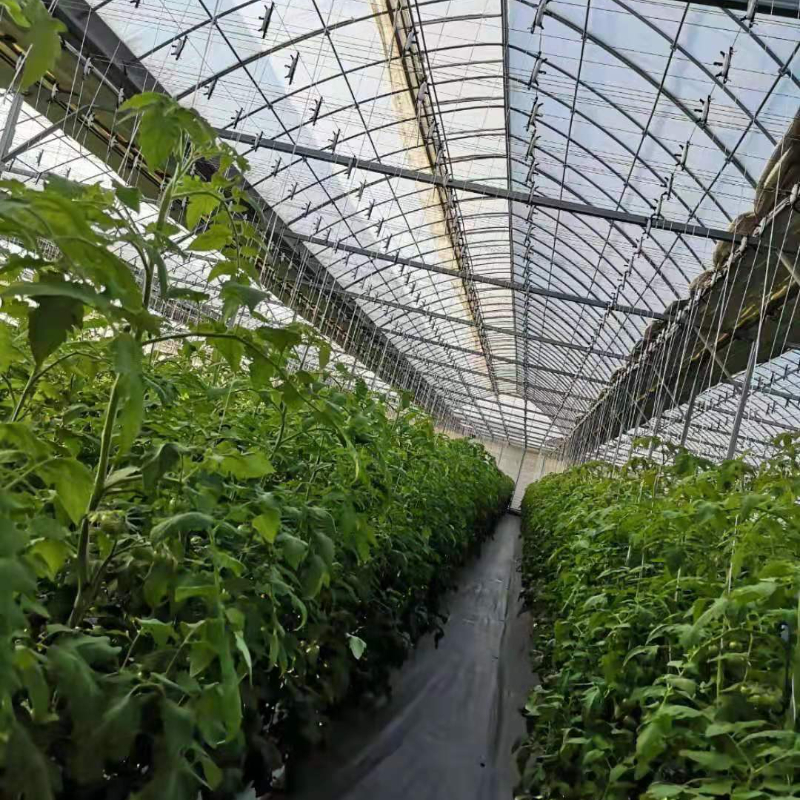
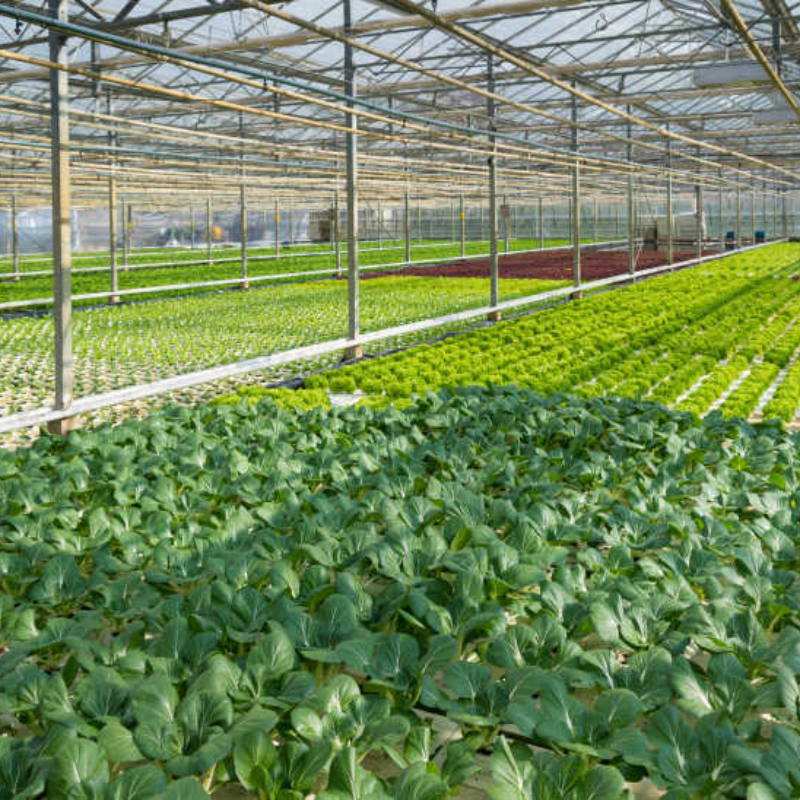
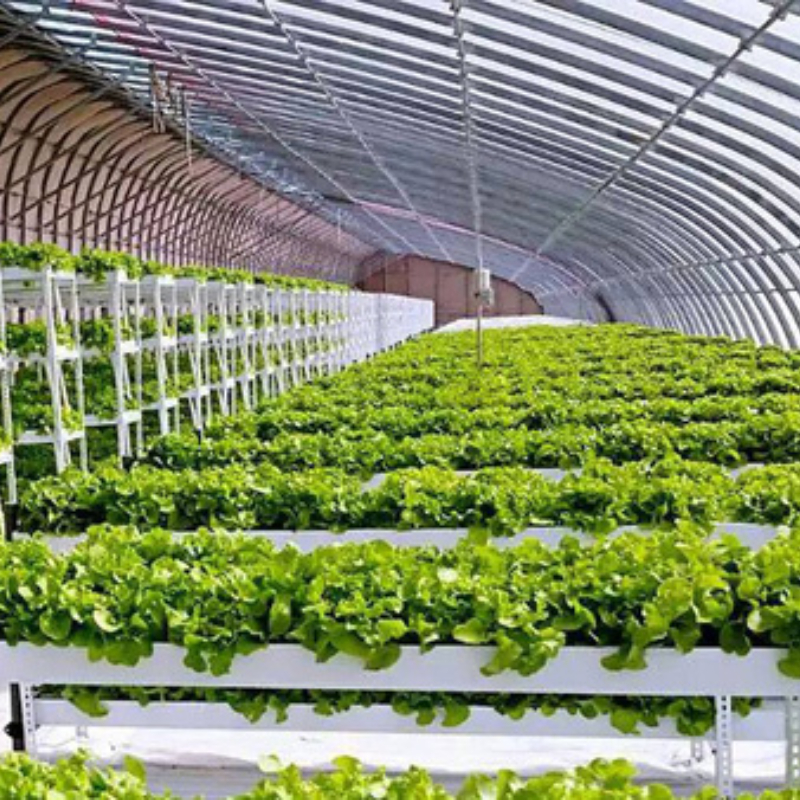
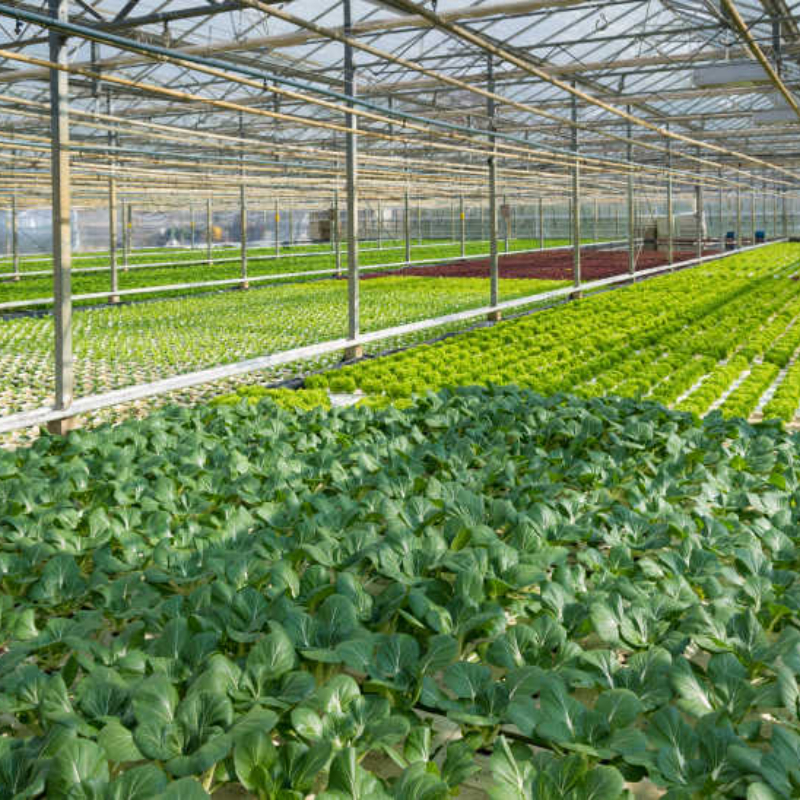
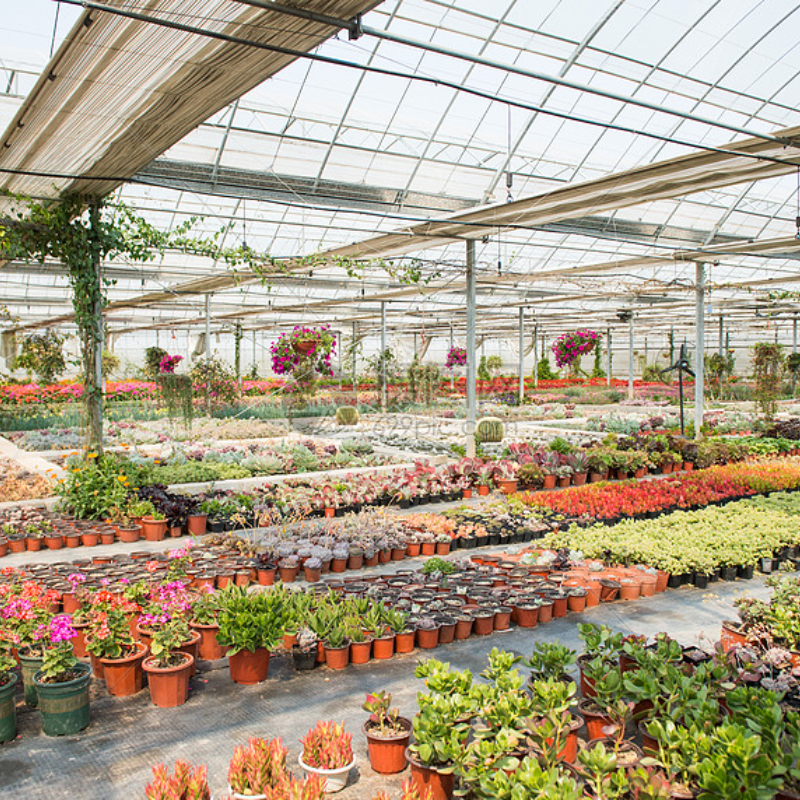
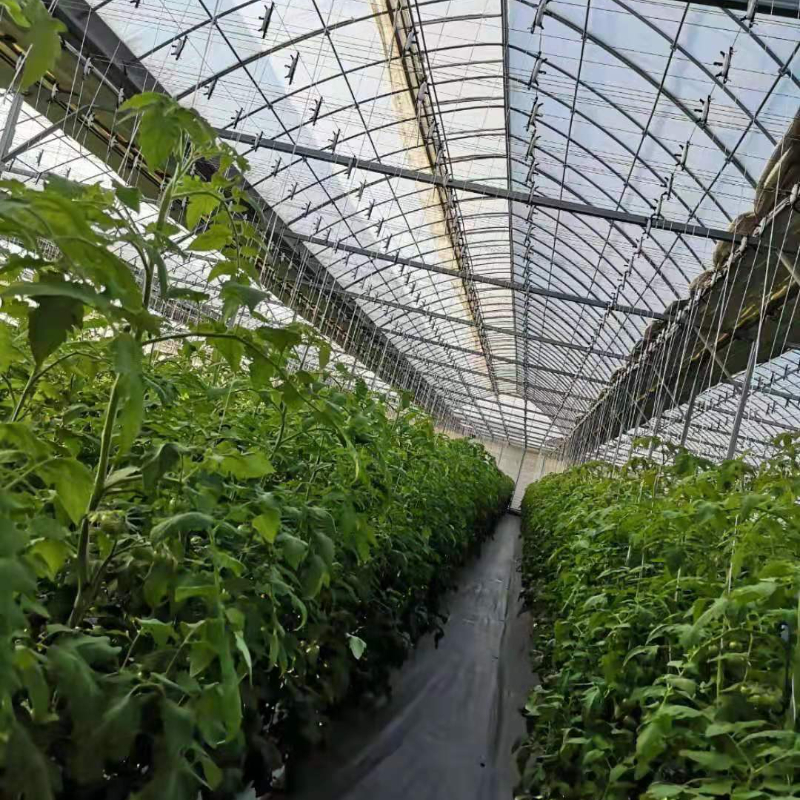
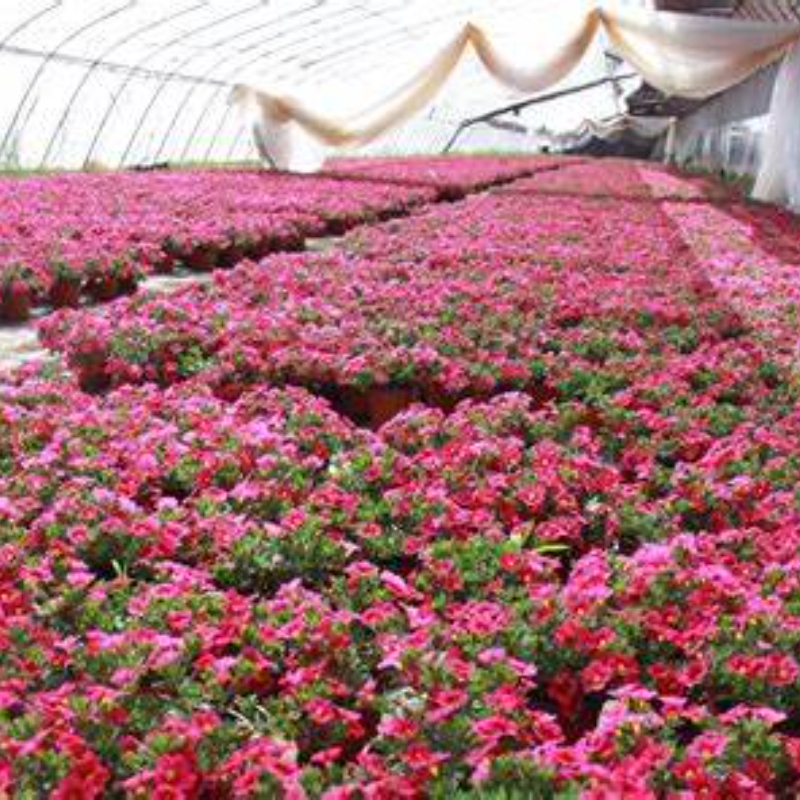
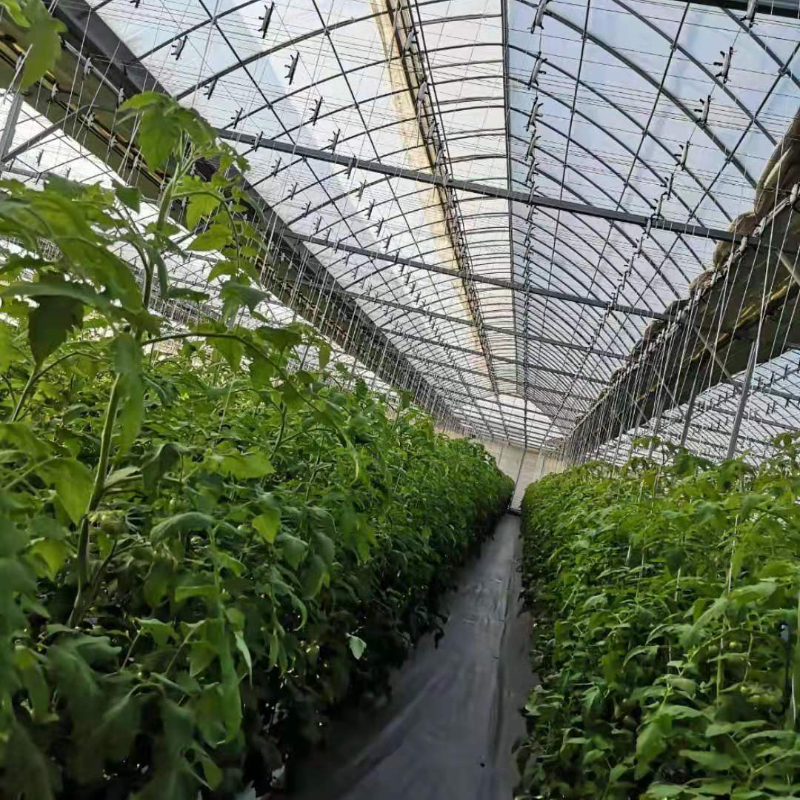
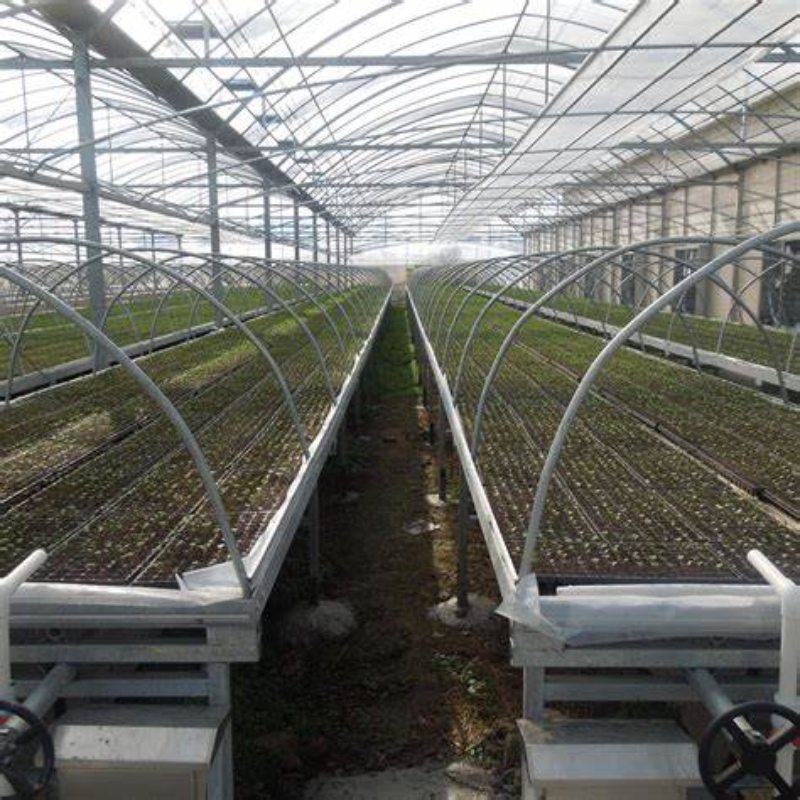
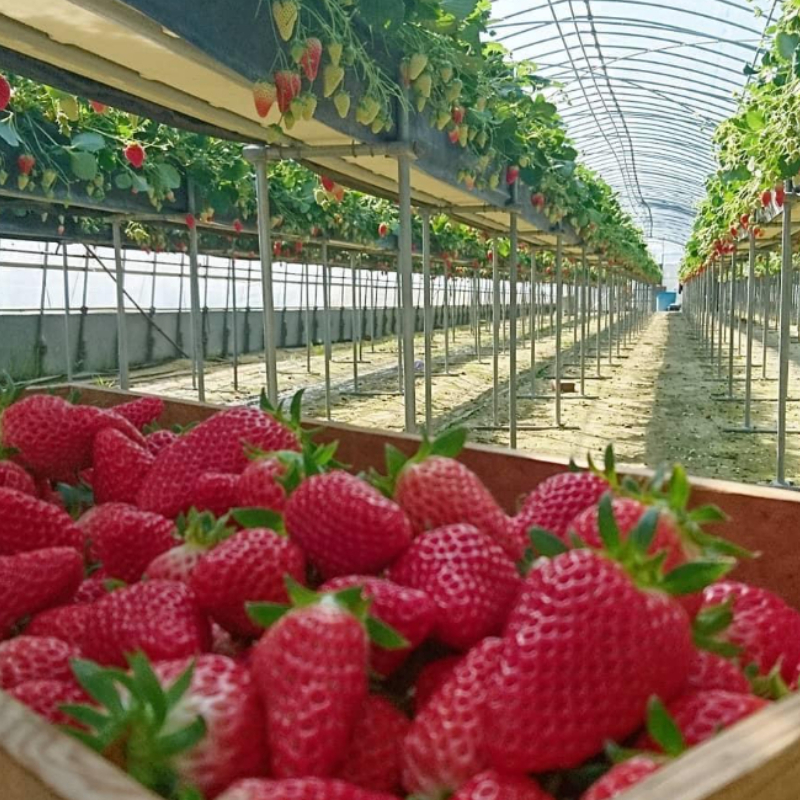
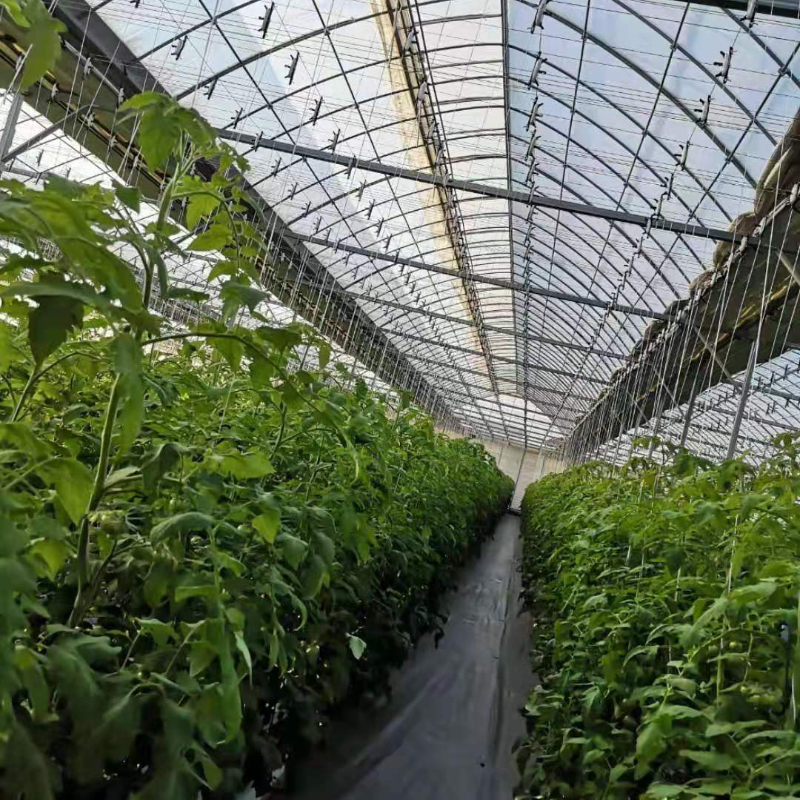
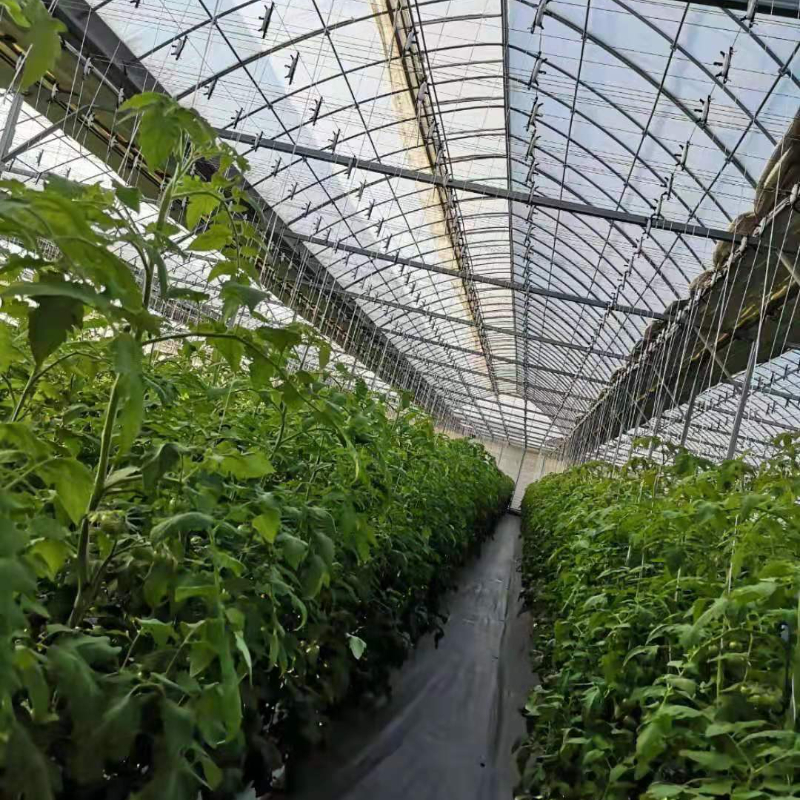
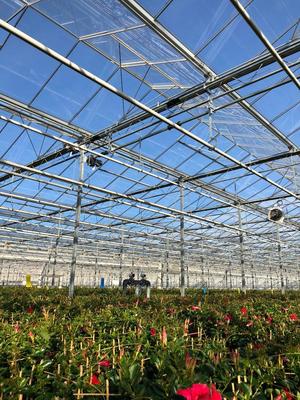
The applications of glass greenhouses are diverse, spanning commercial agriculture, research, education, and even recreational use. In commercial agriculture, glass greenhouses are widely used to grow high-value crops such as vegetables, fruits, flowers, and medicinal plants. For example, tomatoes, cucumbers, peppers, and lettuce are commonly grown in glass greenhouses, as they require consistent temperatures and protection from harsh weather to produce high yields and superior quality. In the floriculture industry, glass greenhouses are essential for growing delicate flowers such as roses, orchids, and lilies, allowing growers to control blooming times and produce flowers of uniform size and color. Glass greenhouses are also valuable for research purposes, providing a controlled environment where scientists can study plant growth, test new cultivation techniques, and develop disease-resistant crop varieties. Many universities and research institutions use glass greenhouses to conduct experiments on crop physiology, genetics, and environmental sustainability, advancing our understanding of agricultural science. Additionally, glass greenhouses are increasingly used in educational settings to teach students about plant growth, sustainable agriculture, and environmental stewardship. Some glass greenhouses even serve as public attractions, such as botanical gardens or eco-tourism sites, where visitors can learn about different plant species and modern agricultural practices.
The global glass greenhouse market is experiencing steady growth, driven by increasing demand for high-quality, organic produce, technological advancements, and growing concerns about food security. According to market research, the global glass greenhouse market was valued at 29.2 USD billion in 2024 and is expected to grow to 45 USD billion by 2035, with a compound annual growth rate (CAGR) of around 4.0%. This growth is particularly evident in the Asia-Pacific region, where rapid agricultural innovation and government initiatives to improve food security are driving the adoption of glass greenhouses. Key market players are investing in research and development to create more advanced glass greenhouse technologies, such as smart glass that can adjust light transmission based on environmental conditions, and automated control systems that use sensors and artificial intelligence to monitor and adjust greenhouse conditions in real time. These innovations are making glass greenhouses more efficient, cost-effective, and accessible to growers of all sizes.
One of the most exciting trends in glass greenhouse technology is the integration of smart systems, which are transforming how glass greenhouses are managed. Smart glass greenhouses use Internet of Things (IoT) sensors to monitor temperature, humidity, light, CO₂ levels, and soil moisture in real time, sending data to a central control system. Growers can access this data remotely via a smartphone or computer, allowing them to make informed decisions about adjusting environmental conditions. Artificial intelligence (AI) algorithms are also being used to analyze this data, predicting crop growth patterns, identifying potential issues such as pest infestations or nutrient deficiencies, and even automating adjustments to irrigation, heating, and cooling systems. This level of automation not only reduces the need for manual labor but also ensures that the glass greenhouse operates at peak efficiency, maximizing yields and minimizing resource waste. For example, AI-powered systems can adjust the amount of water and fertilizer delivered to each plant based on its specific needs, ensuring optimal growth while reducing waste.
Another important trend in glass greenhouse design is the focus on circularity and resource recycling. Modern glass greenhouses are increasingly incorporating systems that recycle water, nutrients, and energy, creating a closed-loop ecosystem. For example, wastewater from the glass greenhouse is treated and reused for irrigation, while organic waste from crops is composted and used as fertilizer, reducing the need for synthetic inputs. Some glass greenhouses even integrate aquaculture systems, where fish are raised in tanks, and their waste is used to fertilize plants, creating a symbiotic relationship between fish and crops. This circular approach not only reduces environmental impact but also lowers operating costs for growers, making glass greenhouses a more sustainable and economically viable option.
Despite their many advantages, glass greenhouses also face some challenges. The initial cost of building a glass greenhouse is relatively high, due to the cost of materials such as glass and steel, and the installation of control systems. This can be a barrier for small-scale growers or those in developing regions. However, the long-term benefits—such as higher yields, consistent crop quality, and reduced resource use—often offset the initial investment. Another challenge is energy consumption, particularly in regions with extreme temperatures, where heating or cooling the glass greenhouse can be energy-intensive. However, advancements in energy-efficient glass, solar power, and insulation materials are helping to reduce energy costs and make glass greenhouses more sustainable. Additionally, the maintenance of glass greenhouses requires regular cleaning of glass panels to ensure maximum light transmission, and periodic inspection of the frame and control systems to prevent damage.
Looking to the future, glass greenhouses are poised to play an even more critical role in global agriculture. As climate change continues to cause more frequent and severe weather events, such as droughts, floods, and extreme temperatures, the need for resilient food production systems will only grow. Glass greenhouses offer a solution by providing a stable, controlled environment that is not affected by external weather conditions, ensuring a consistent supply of food year-round. Additionally, as the demand for organic and locally grown produce increases, glass greenhouses will become an essential tool for local farmers to meet this demand, reducing the carbon footprint associated with transporting food long distances. With ongoing technological advancements, such as the development of more efficient glass materials, smarter control systems, and circular resource management, glass greenhouses will become even more sustainable, efficient, and accessible, helping to build a more resilient and food-secure future.
In conclusion, glass greenhouses are a transformative technology that has revolutionized modern agriculture. By creating a controlled environment that optimizes plant growth, conserves resources, and reduces environmental impact, glass greenhouses have become the cornerstone of sustainable, resilient food production. From their durable structure and exceptional light transmission to their advanced control systems and diverse applications, glass greenhouses offer numerous advantages over traditional farming methods. As the global population grows and climate change poses new challenges to agriculture, glass greenhouses will continue to evolve, incorporating new technologies and sustainable practices to meet the needs of the future. Whether used for commercial crop production, research, education, or recreation, the glass greenhouse remains a vital tool in shaping a more sustainable and food-secure world.
