
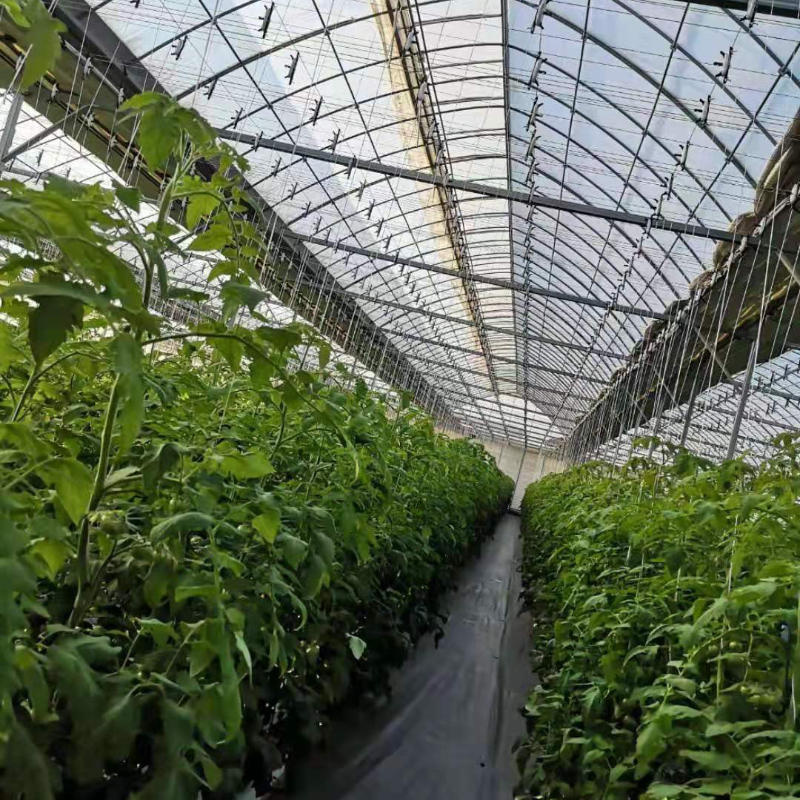
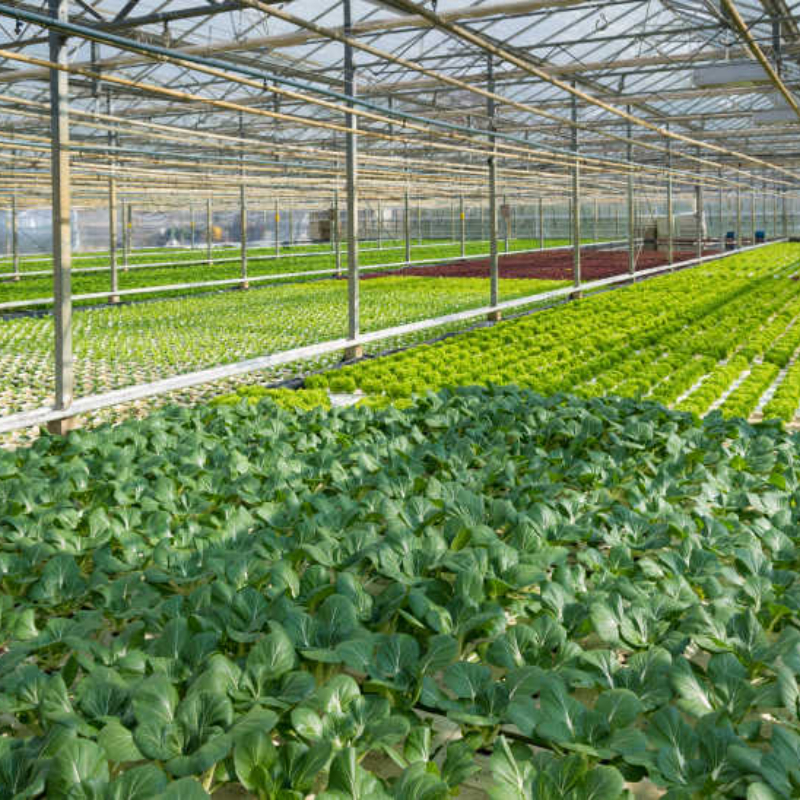
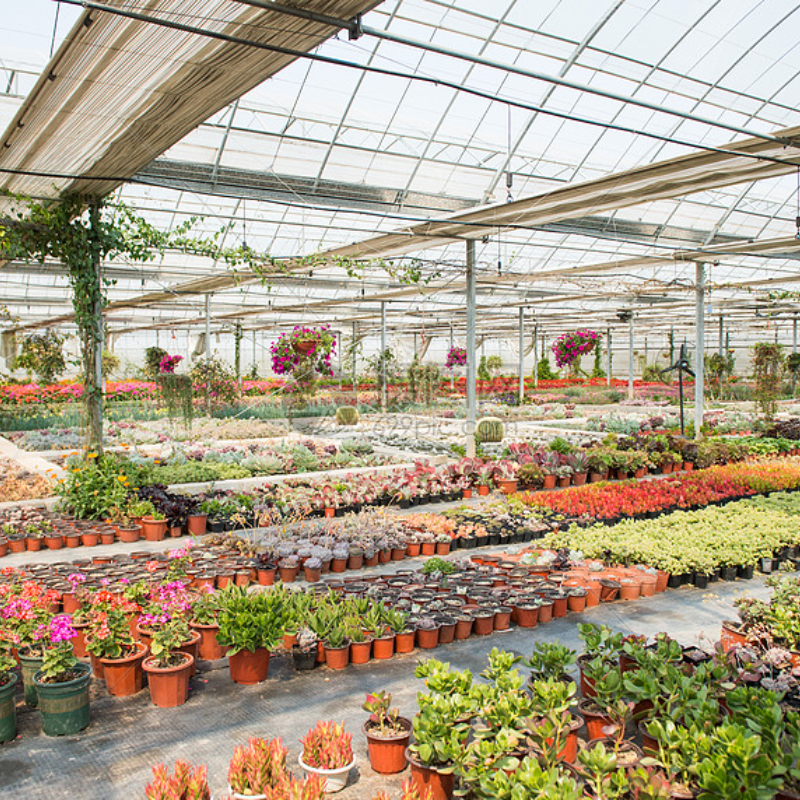
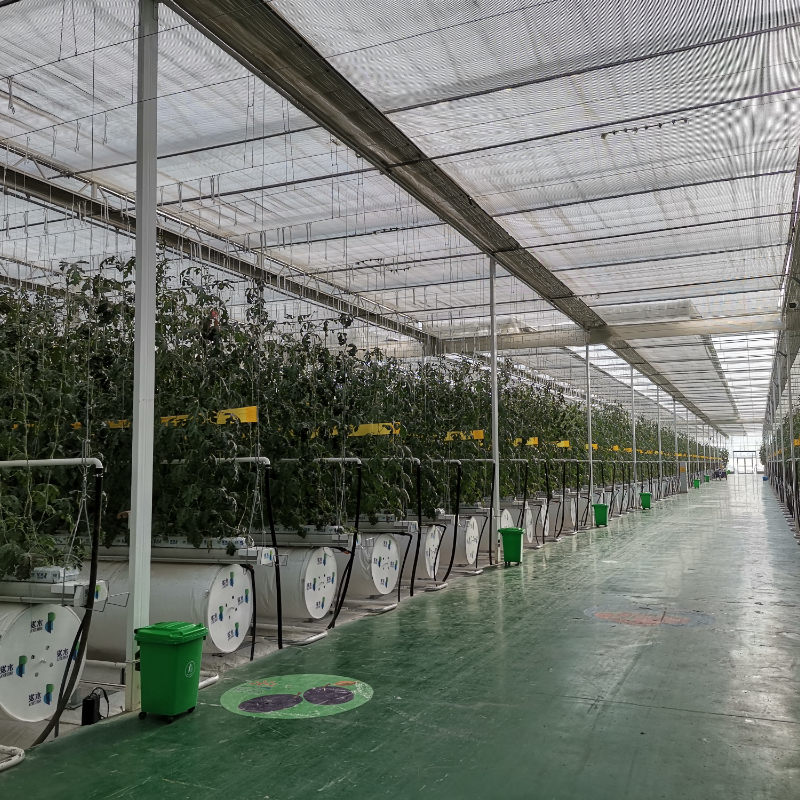
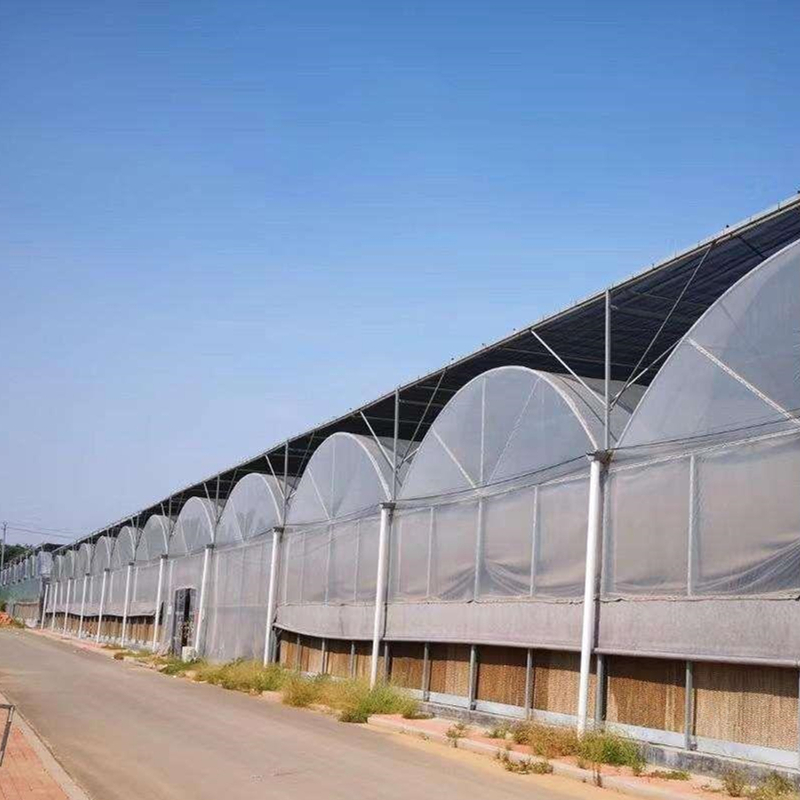
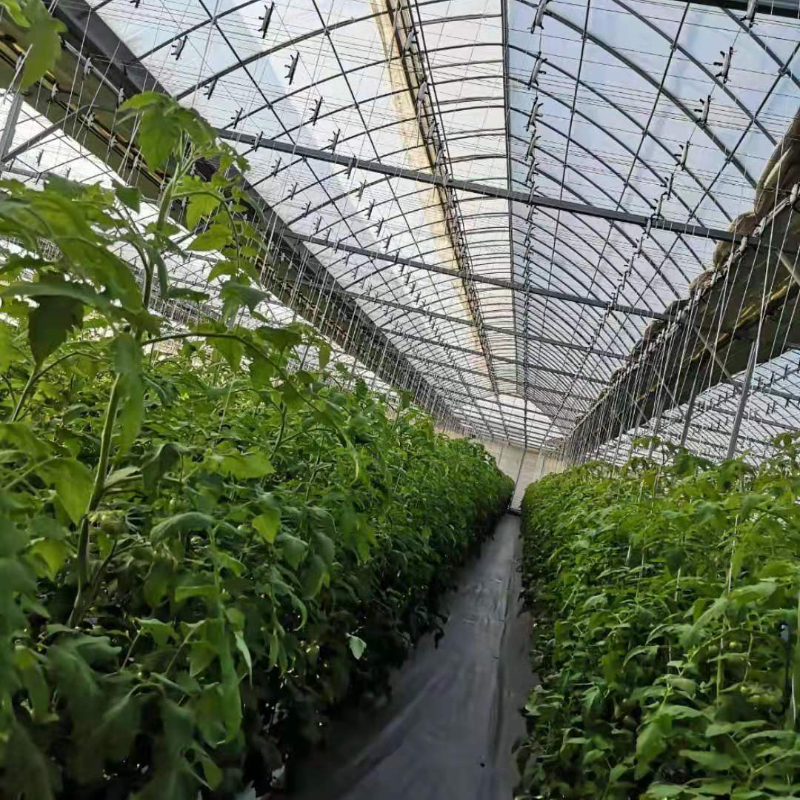
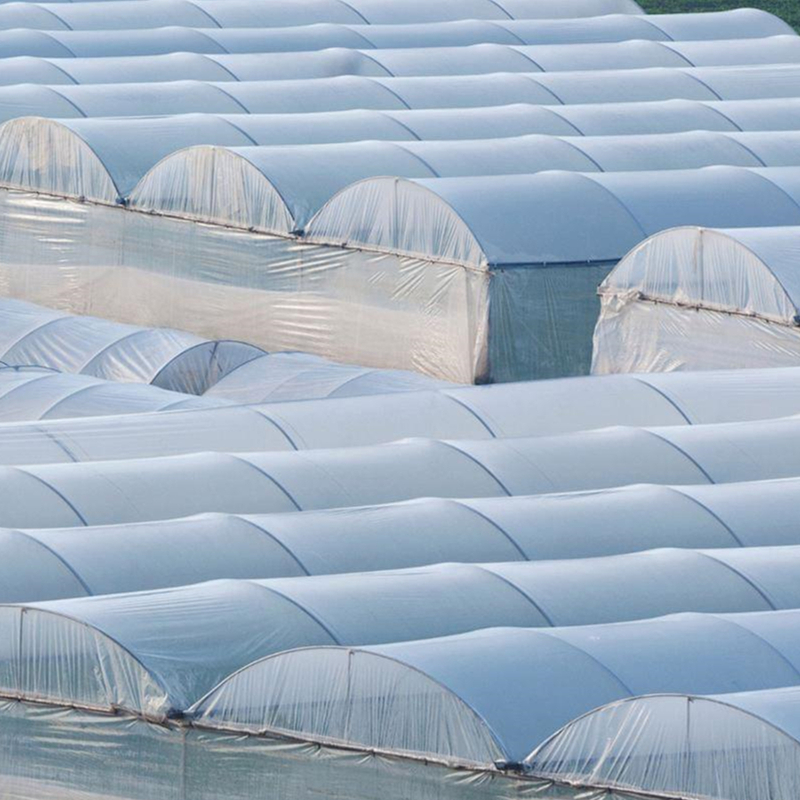
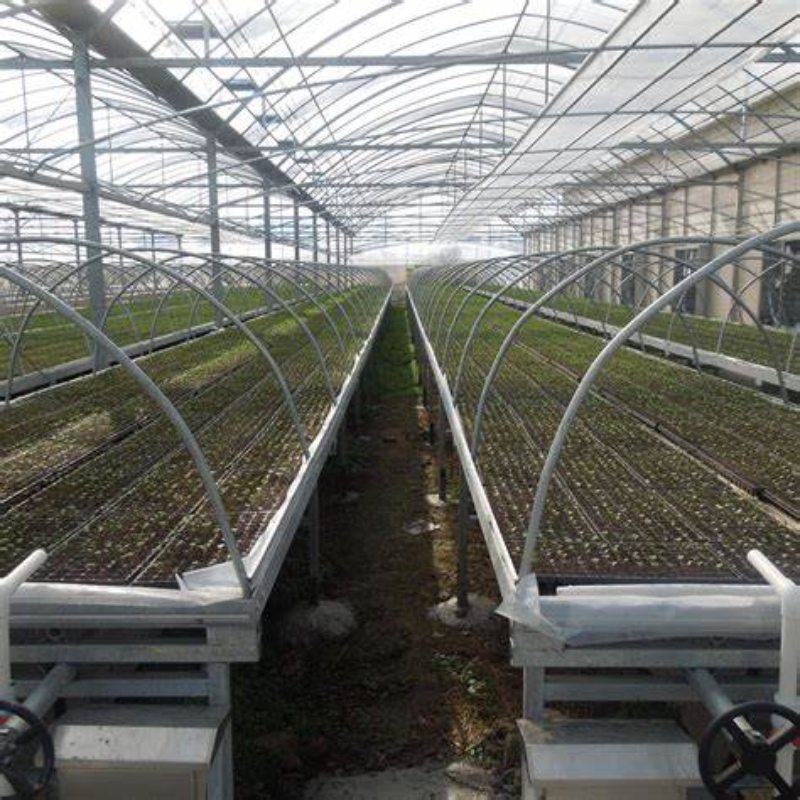
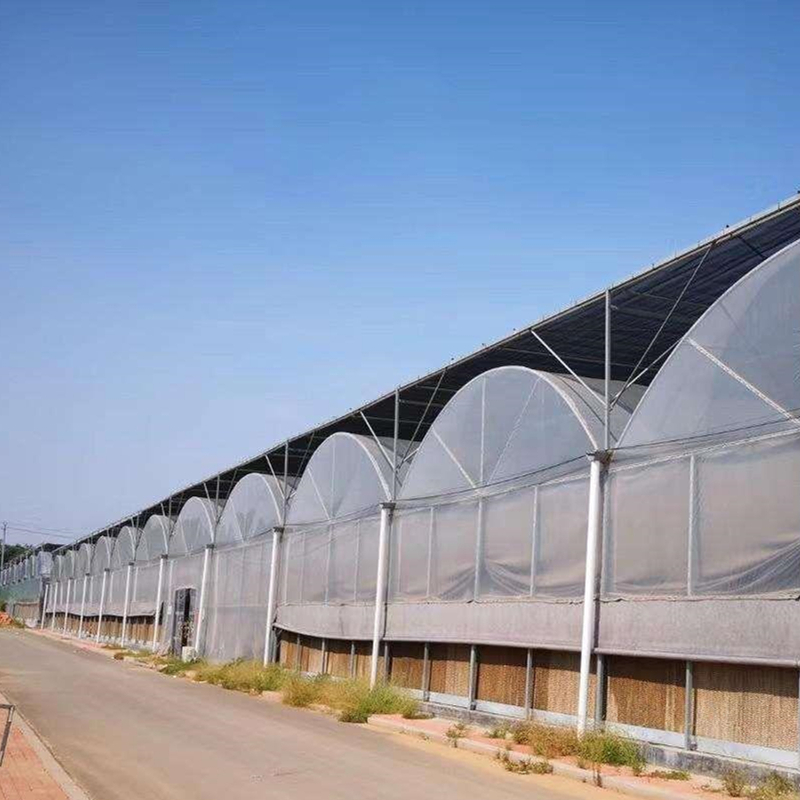
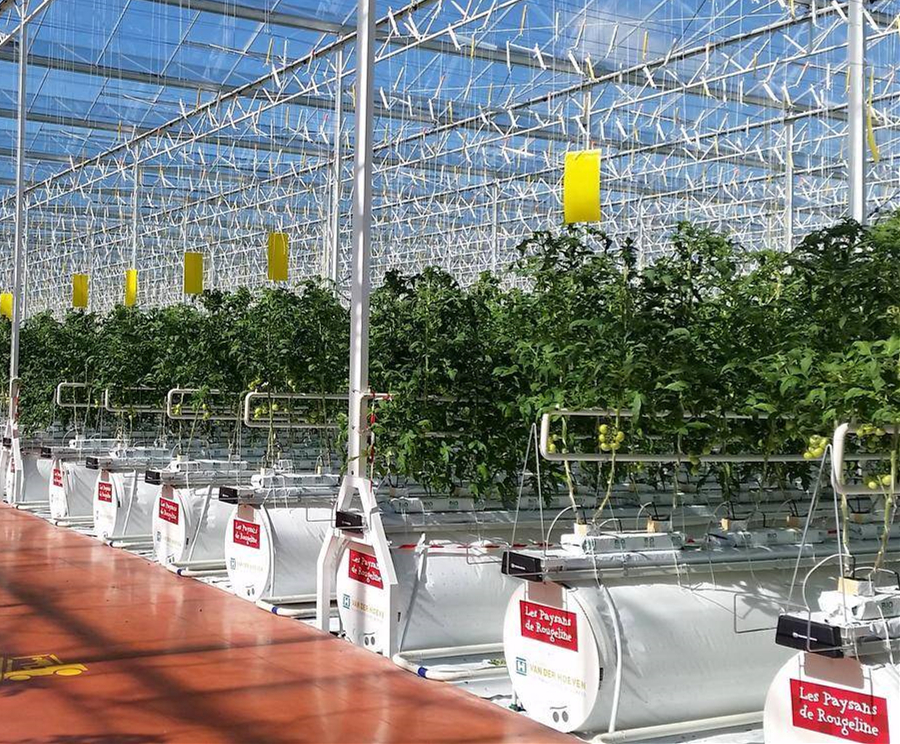
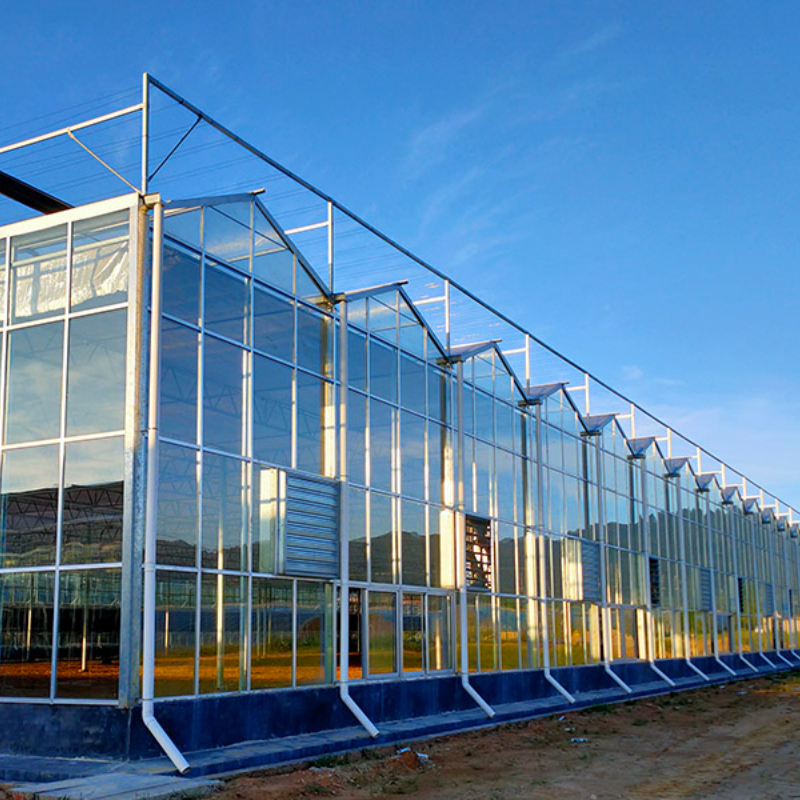
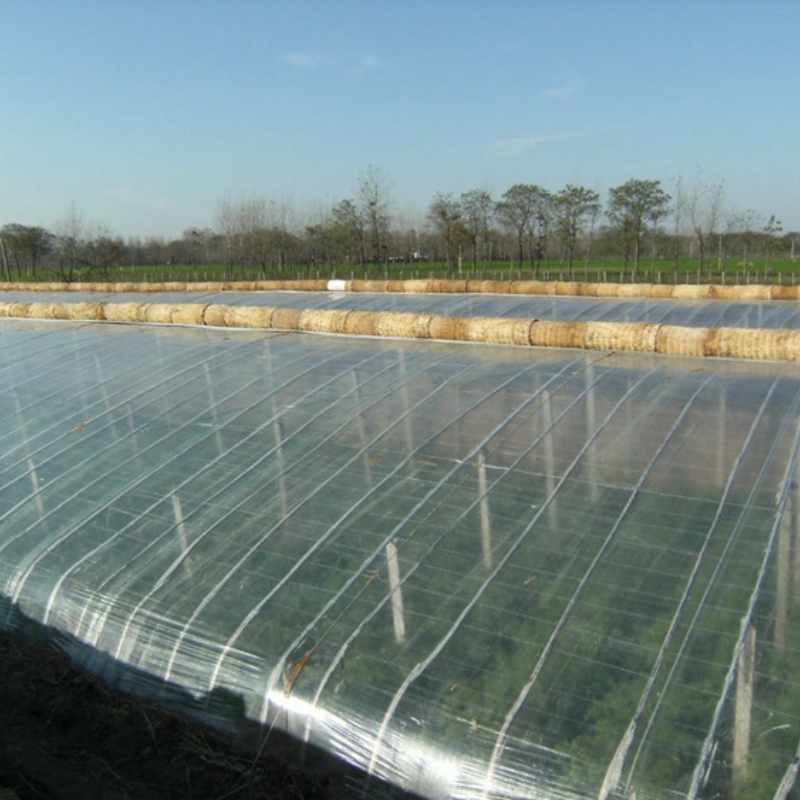
Selecting and conducting a proper geotechnical investigation for a greenhouse is a critical step that is often overlooked, leading to costly foundation failures, drainage problems, and structural issues. Unlike a typical house, greenhouses have unique loads and soil requirements.
Here is a comprehensive guide on how to select and conduct geotechnical investigations for greenhouses.
Part 1: Understanding the "Why" – The Importance for Greenhouses
A geotechnical investigation answers fundamental questions about the soil and ground conditions:
1.Bearing Capacity: Can the soil support the weight of the structure, especially under heavy snow, wind, or with hanging baskets?
2.Settlement: Will the soil compress unevenly under load, causing cracks in the frame, broken glass/poly panels, or misaligned doors?
3.Drainage & Water Table: What is the seasonal high water table? Poor drainage can lead to a humid environment conducive to disease, frost heave in cold climates, and flooding.
4.Soil Chemistry: Is the soil or groundwater corrosive? This is vital for the longevity of steel structural components and anchor systems.
5.Excavation Characteristics: How easy is it to dig foundations or install drainage tiles? Are there large rocks or unstable layers?
6.Foundation Recommendation: The investigation provides the data needed to design the most cost-effective and stable foundation (shallow footings, deep piers, grade beams, etc.).
Part 2: The Selection Process – Choosing the Right Professional
You don't conduct the investigation yourself; you hire a qualified professional.
Who to Hire:
Geotechnical Engineer or Engineering Geologist: This is the ideal professional. They are licensed engineers who specialize in soil mechanics and foundation design.
Geotechnical Consulting Firm: Most often, you will hire a firm that employs the above professionals.
How to Select a Firm:
1.Look for Experience: Prioritize firms with experience in agricultural structures, light commercial, or industrial buildings. Experience with greenhouses is a major plus.
2.Check Credentials: Ensure the lead engineer is a Licensed Professional Engineer (P.E.) in your state or country.
3.Request Proposals: Provide a brief project scope (see below) to 2-3 firms and request a proposal and cost estimate.
4.Compare Scope, Not Just Price: The cheapest proposal may involve fewer test pits or borings, which could miss critical subsurface variations.
Part 3: Conducting the Investigation – A Step-by-Step Process
The geotechnical firm will typically follow this process:
Phase 1: Desk Study and Site Reconnaissance
Phase 2: Field Investigation
Phase 3: Laboratory Testing
Phase 4: Reporting and Recommendations
Conclusion: Your Action Plan
1.Define Your Project: Gather your greenhouse specs and site plan.
2.Hire a Professional: Select a qualified geotechnical engineering firm.
3.Review the Scope: Ensure their proposal includes enough field investigation points and relevant lab tests.
4.Use the Report: Provide the final Geotechnical Report to your structural engineer, building contractor, and greenhouse manufacturer. Ensure the foundation design and construction follow its recommendations exactly.
By investing in a proper geotechnical investigation, you are building your greenhouse on a foundation of knowledge, ensuring its stability, productivity, and longevity for years to come.
