
Here is a comprehensive master plan and layout strategy for an Intelligent Connected Greenhouse, designed for scalability, efficiency, and integration with the core intelligent systems.
Intelligent Connected Greenhouse: Master Plan & Layout Strategy
This plan moves from a high-level site strategy down to the detailed layout of individual zones.
Phase 1: Site-Wide Master Plan (Macro Layout)
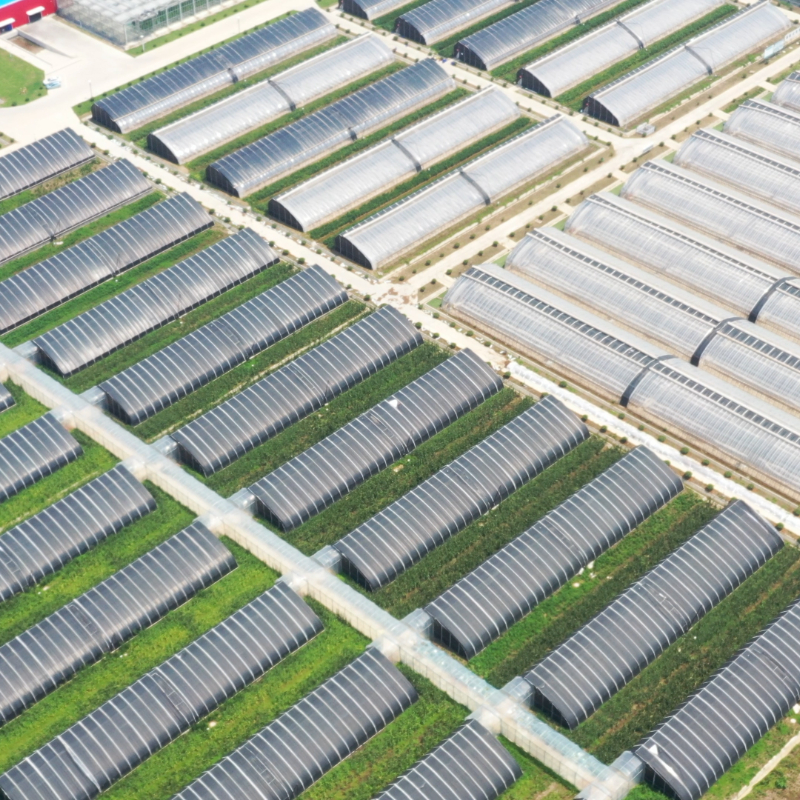
The goal is to create a scalable, efficient campus that integrates the greenhouse with support facilities.
1. Core Principles for Site Planning
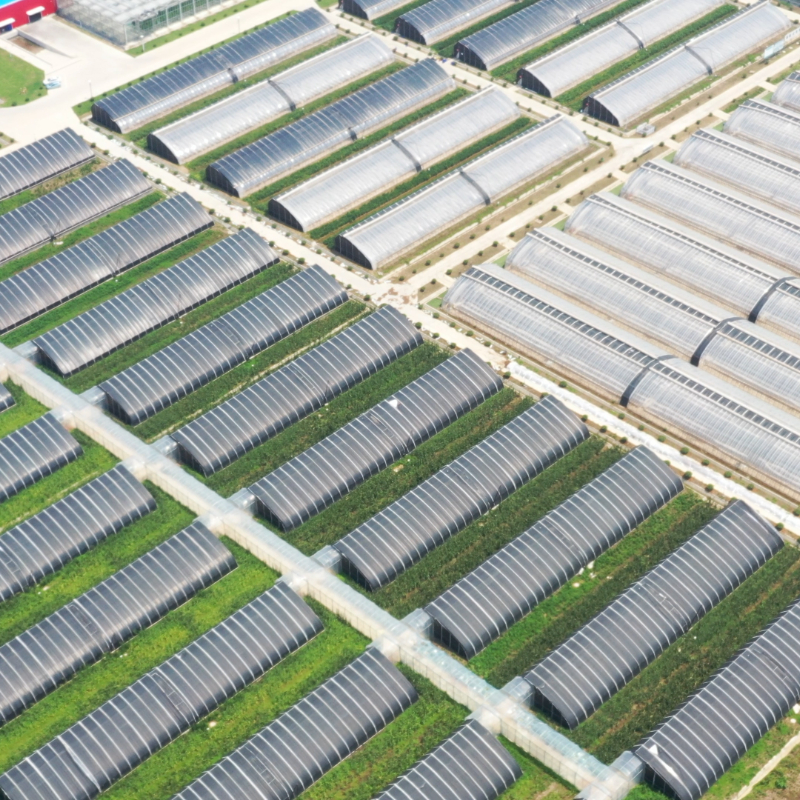
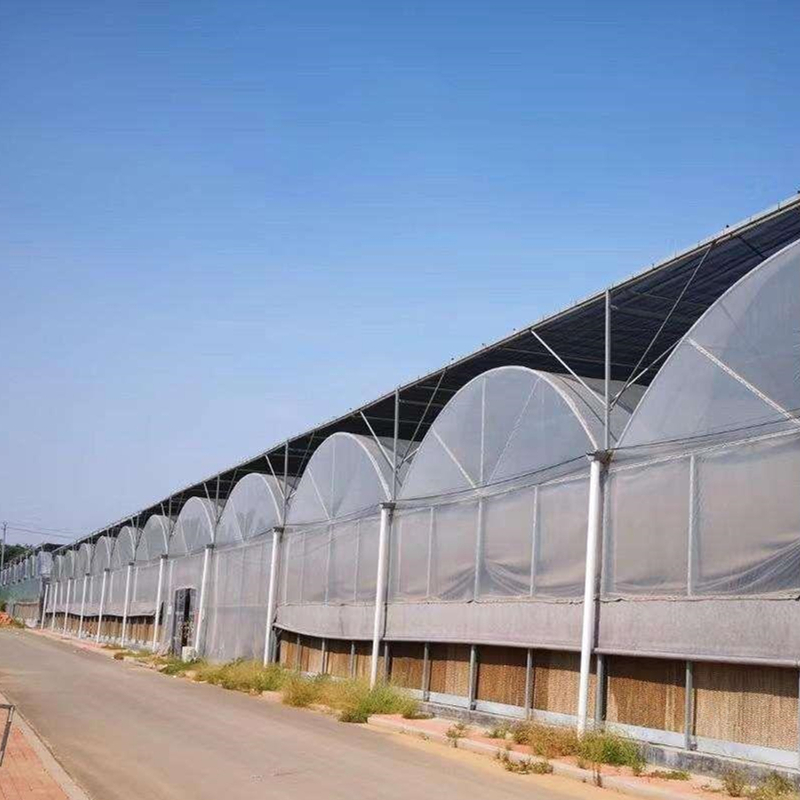
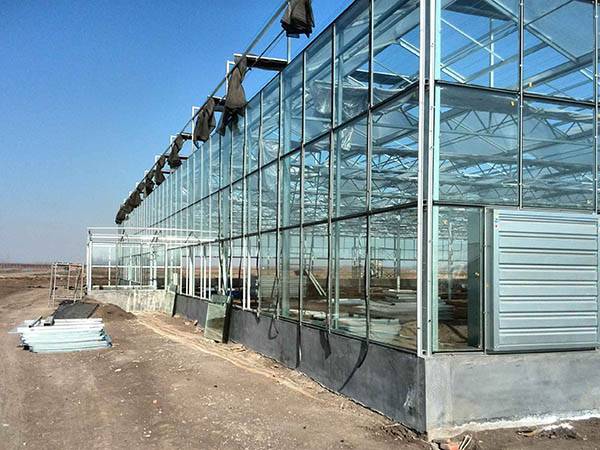
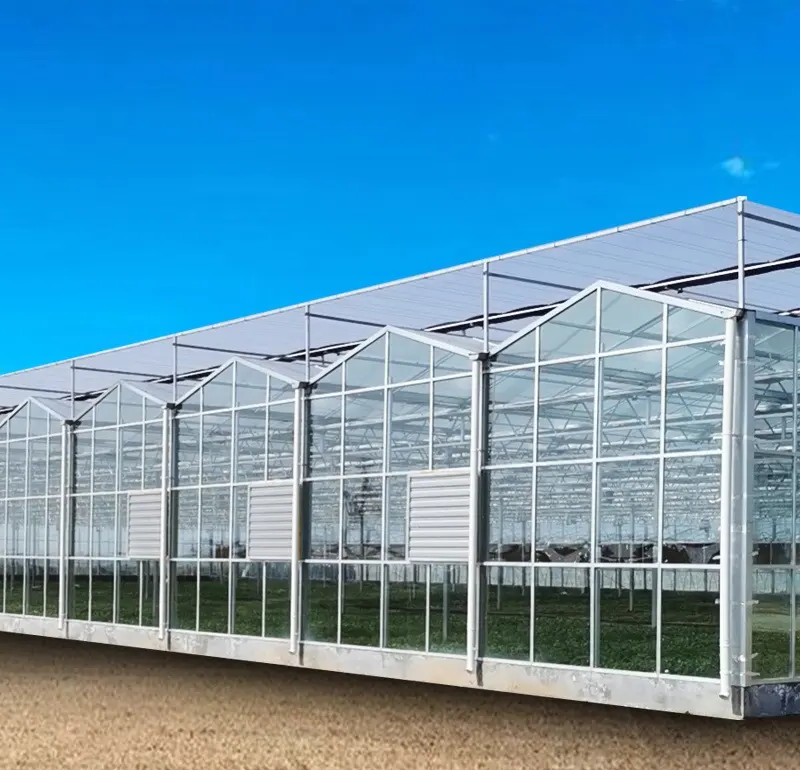
Modularity & Phased Expansion: The design should be based on a repeating "bay" or "module" that can be added over time without disrupting existing operations.
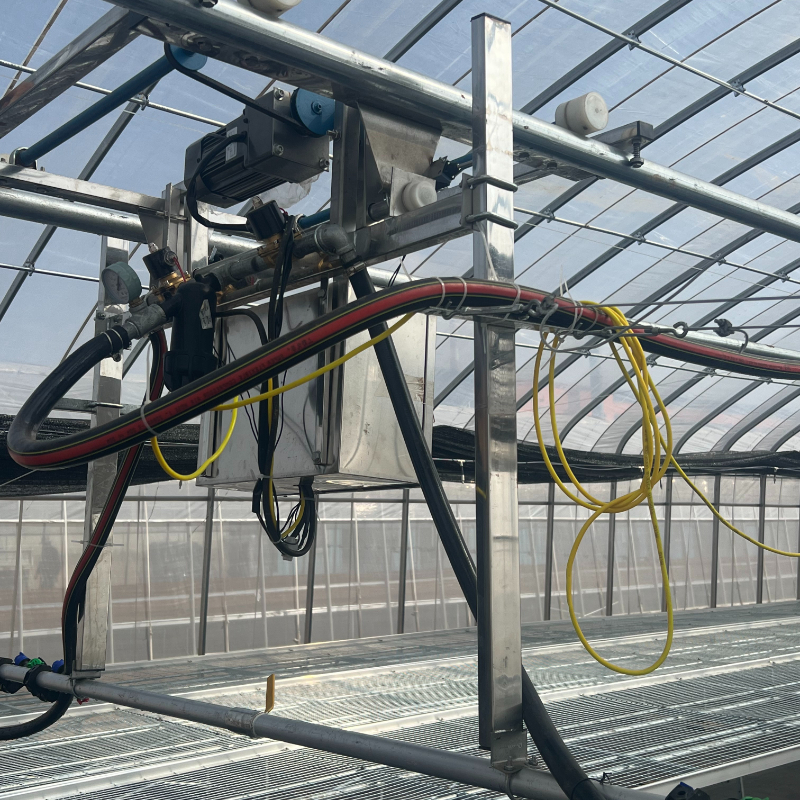
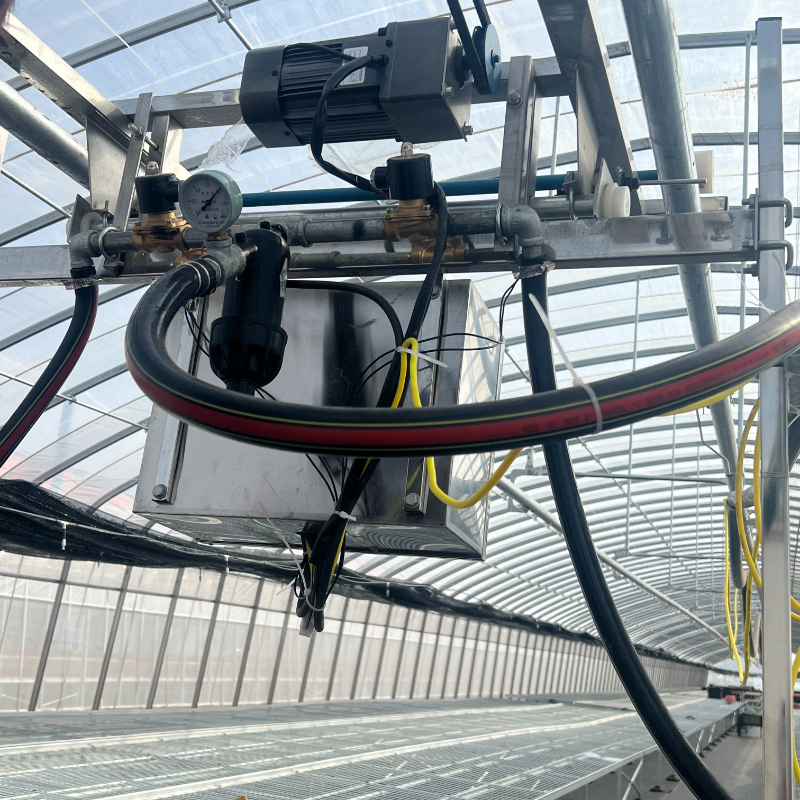
Centralized Utility Spine: A main corridor houses all primary utilities (power, data, water, nutrient lines) for easy access and maintenance.
Linear Workflow: The flow of materials, plants, and people moves logically from one end of the process to the other, minimizing cross-traffic.
Separation of Zones: Clean (growing) areas are strictly separated from dirty (processing, waste) areas to control contamination.
Key Areas Explained:
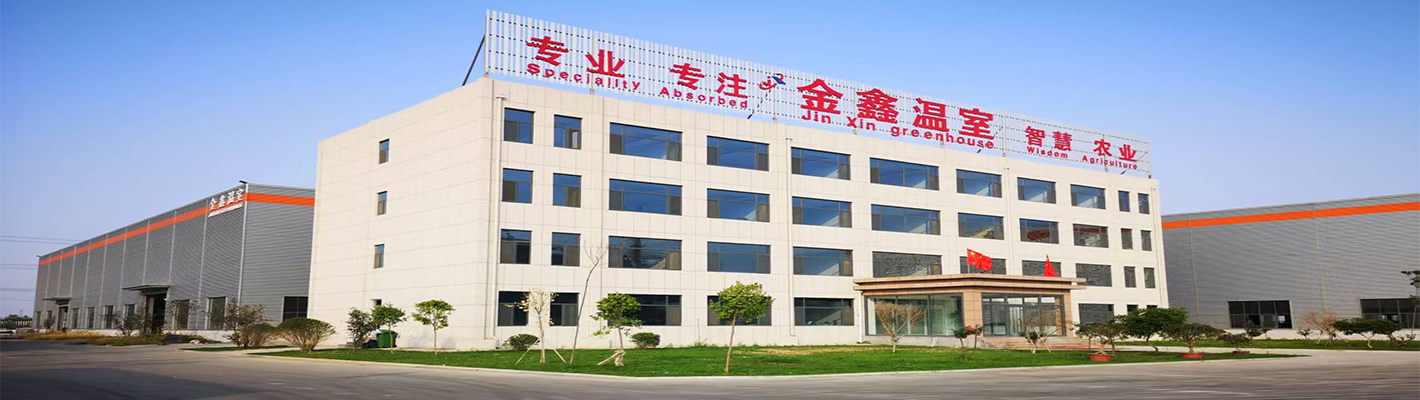
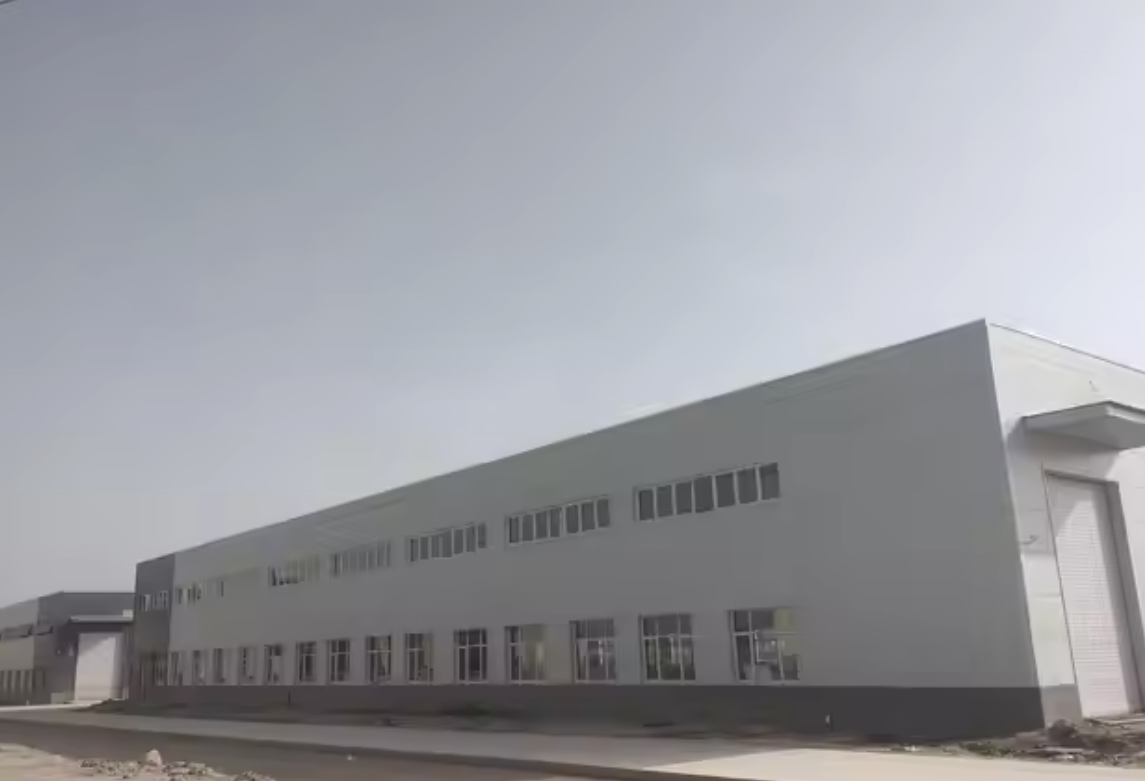
Admin & Control Building: Houses the central AI server, human operators, R&D labs, and offices. This is the "brain" of the operation.
Central Utility & Logistics Hub:
Nutrient & Water Room: Centralized tanks for fertilizer stock, pH adjustment, and reverse osmosis (RO) water. Dosing systems feed into the main utility spine.
Seed & Propagation Media Storage.
Robot Charging & Maintenance Bay: A dedicated area for Autonomous Mobile Robots (AMRs) to charge and undergo maintenance.
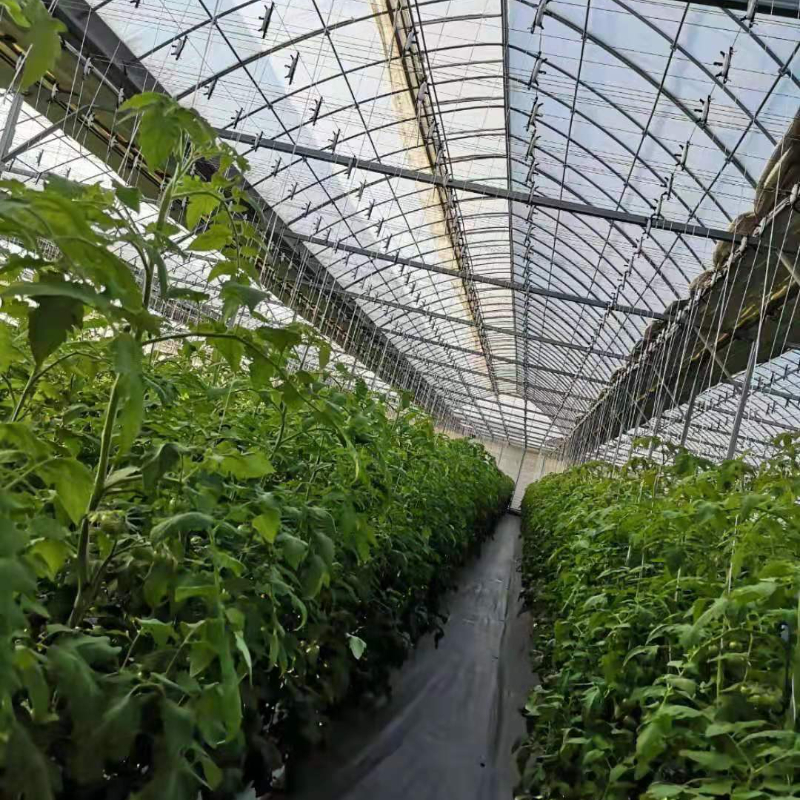
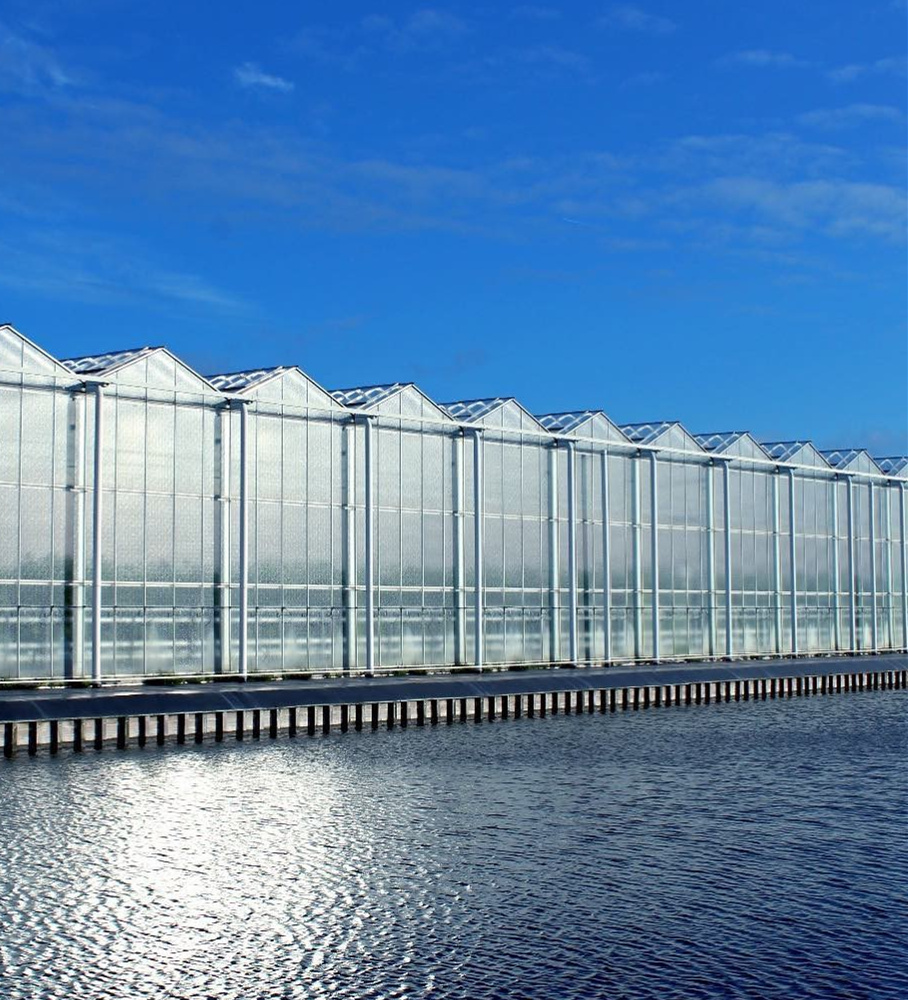
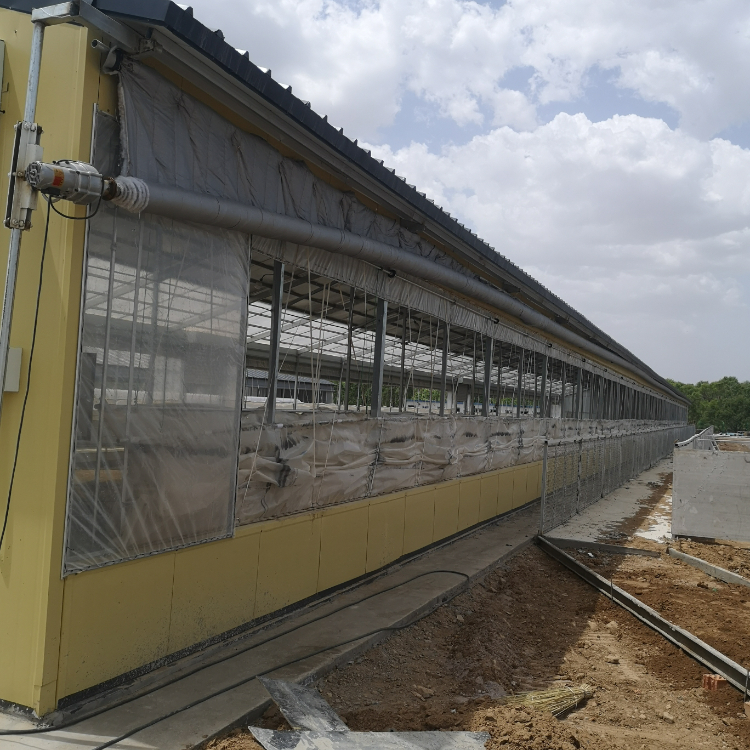
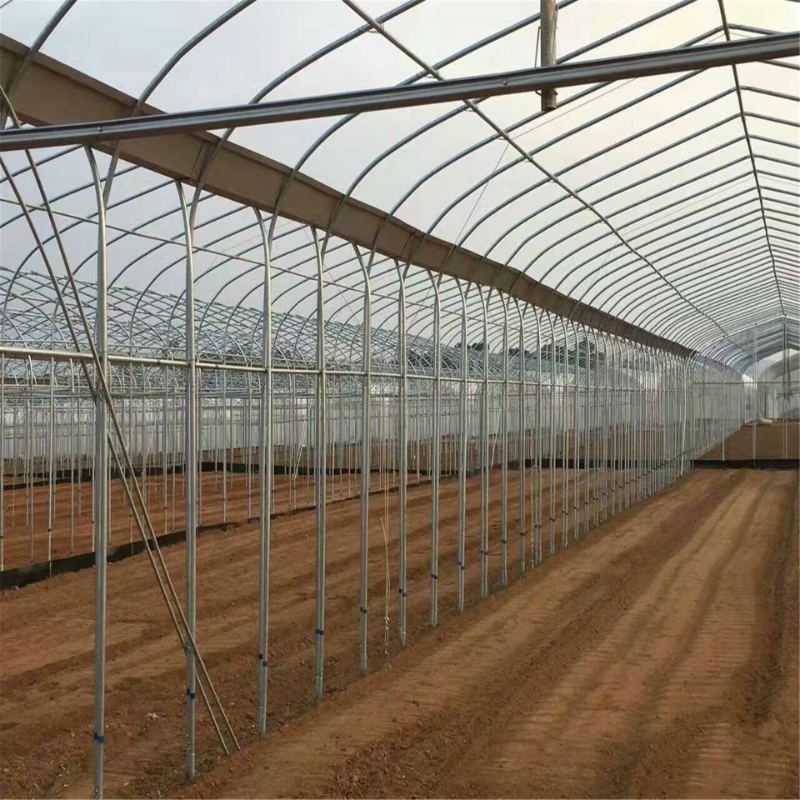
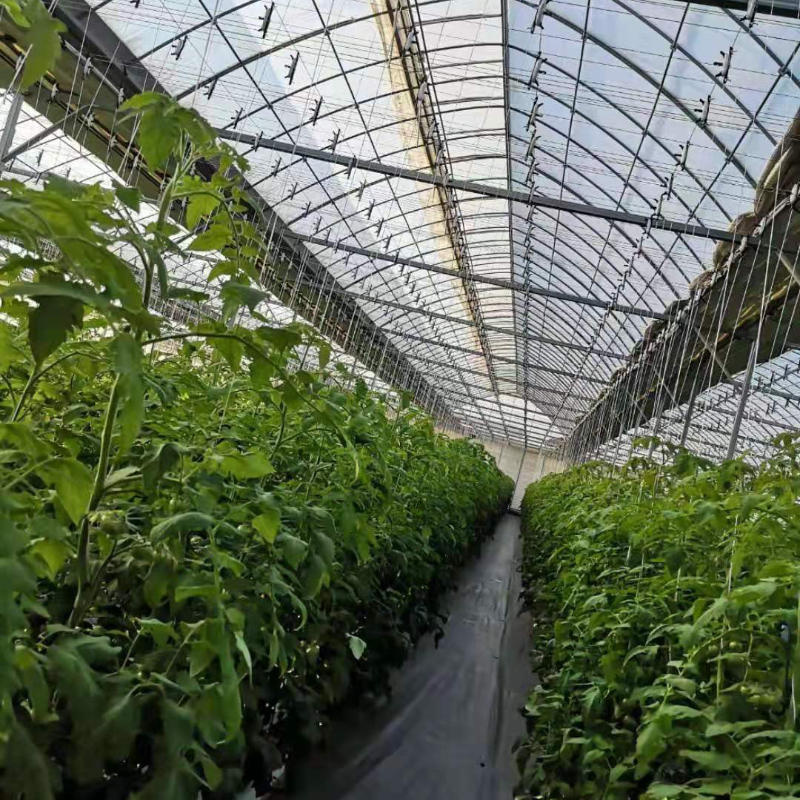
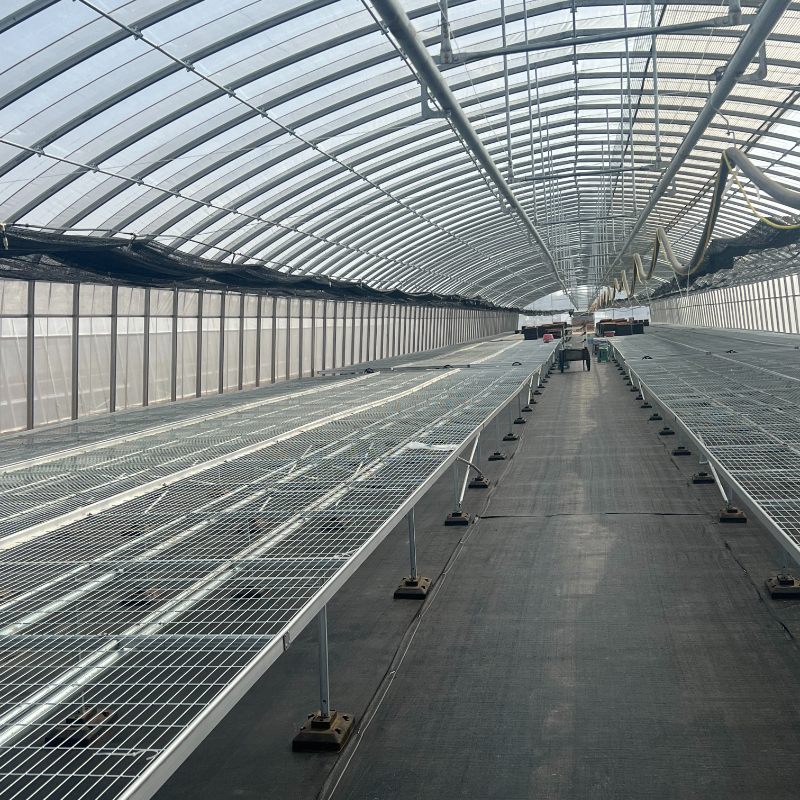
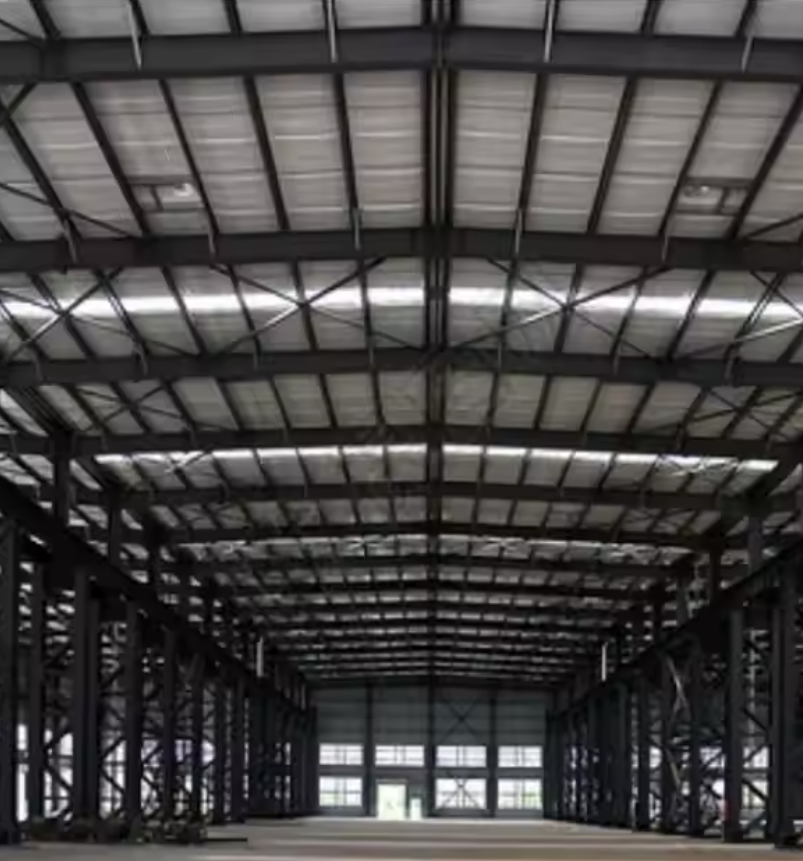
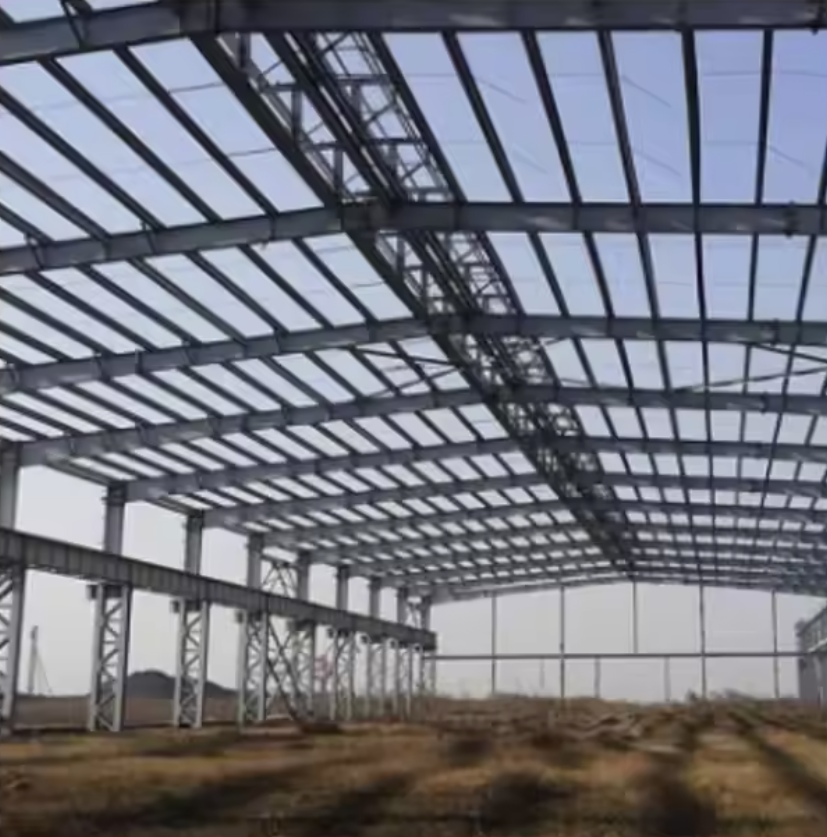
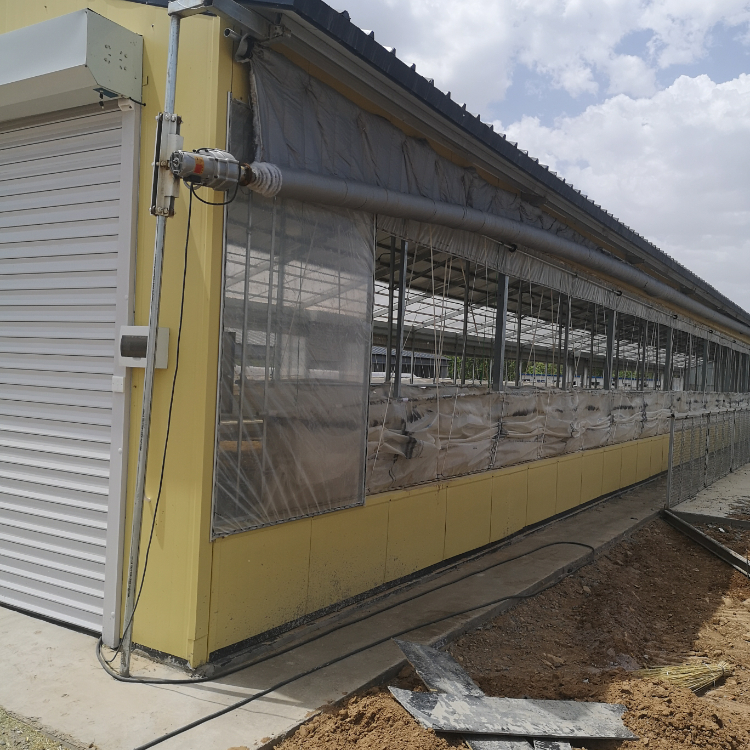
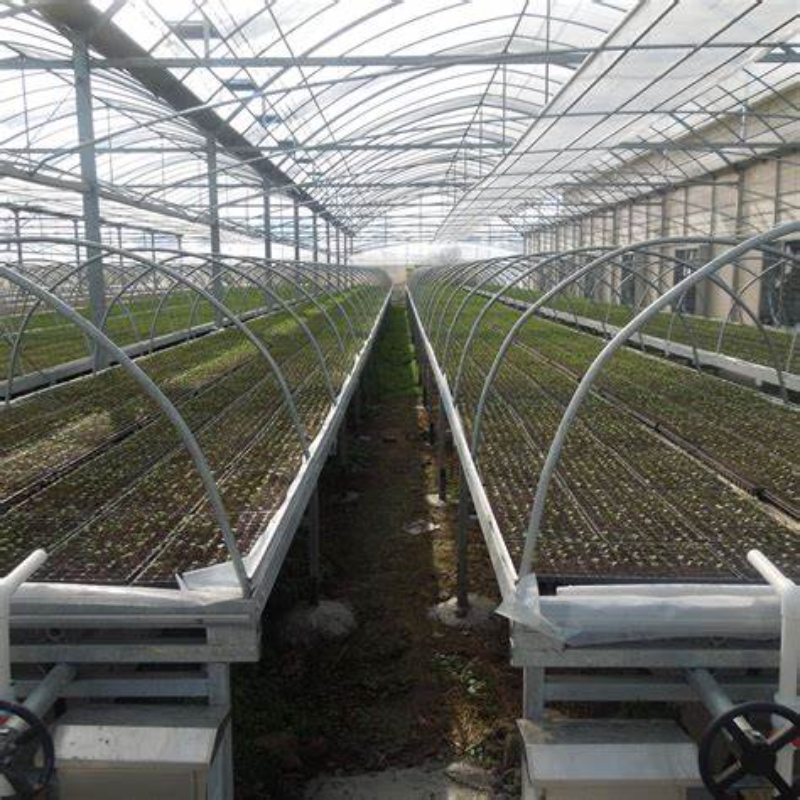
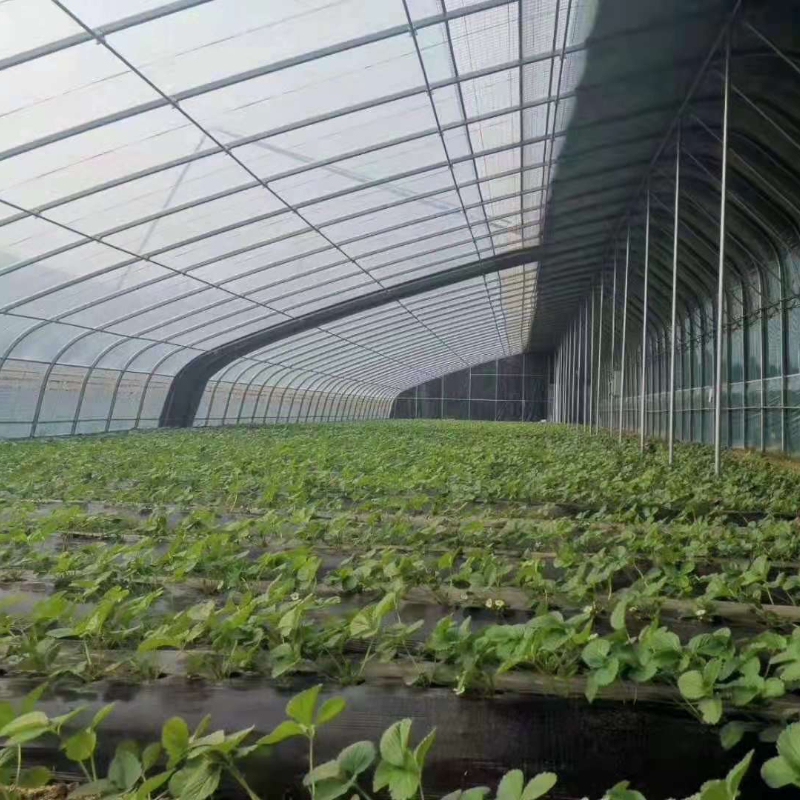
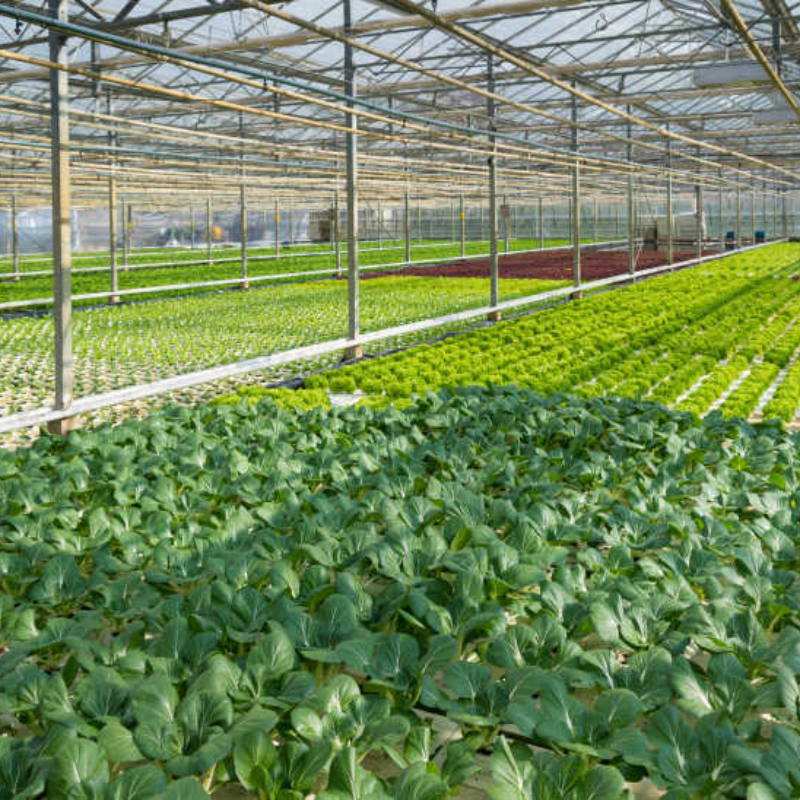
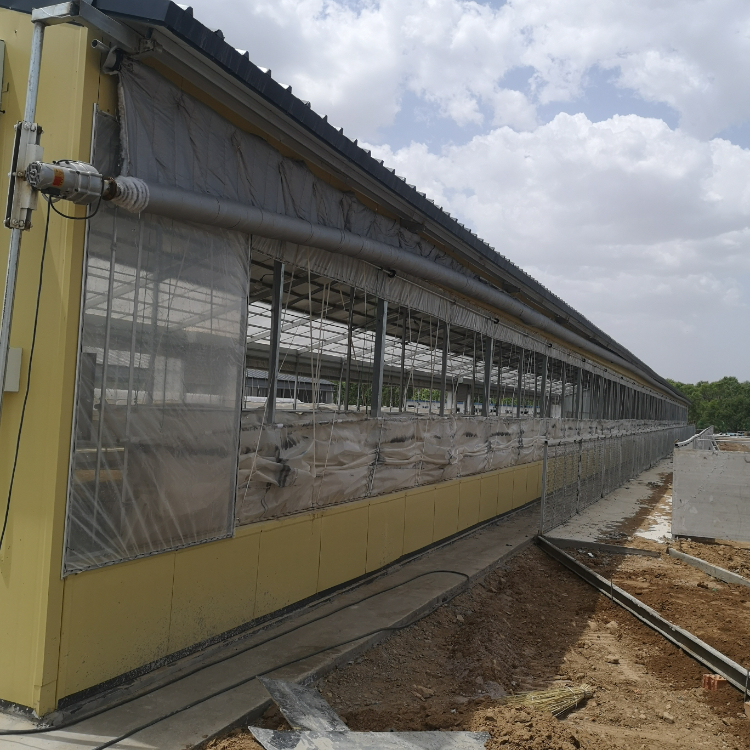
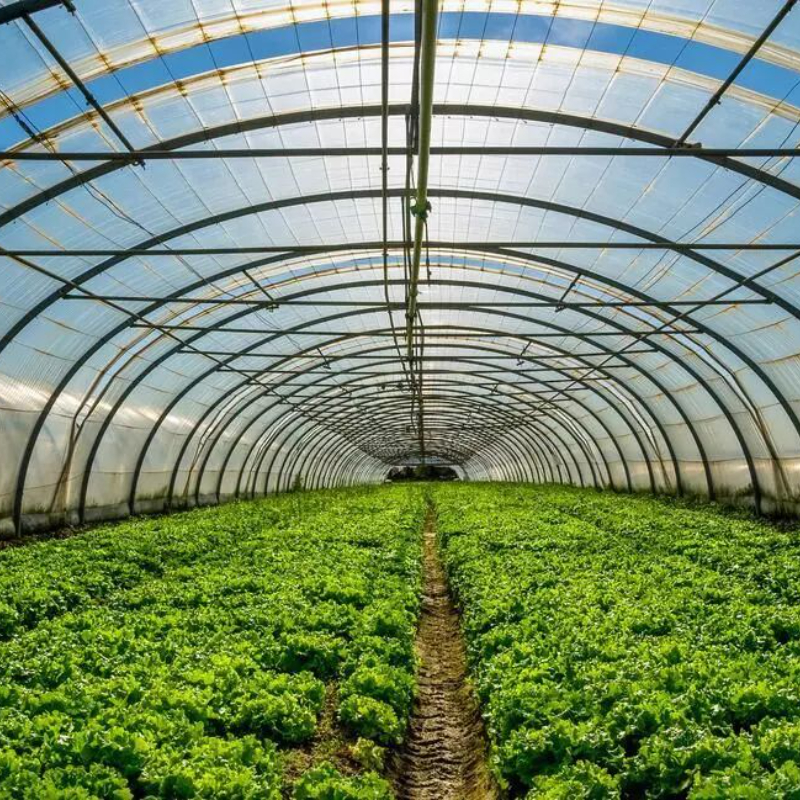
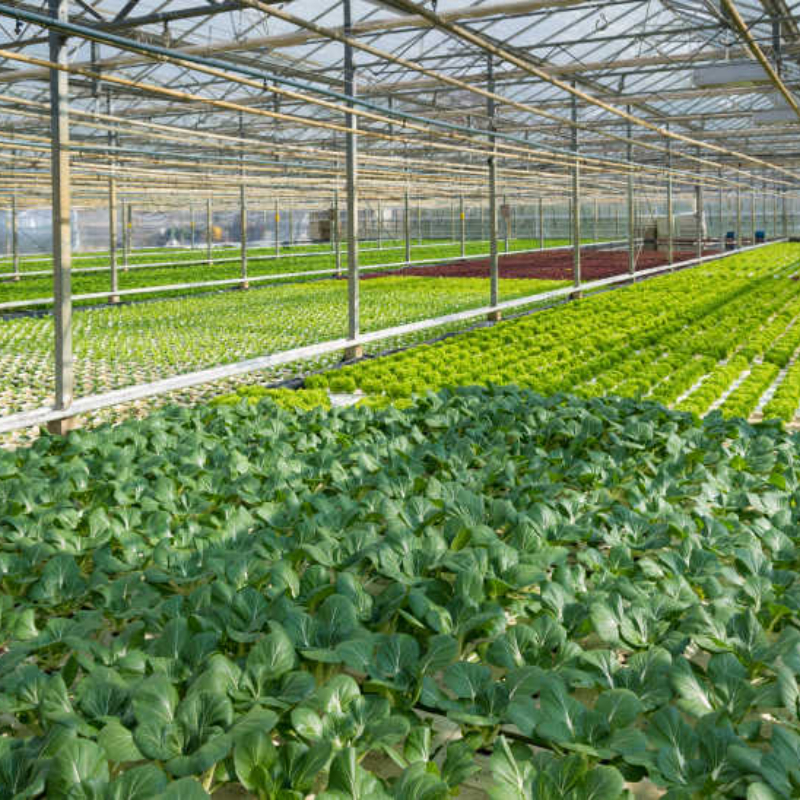
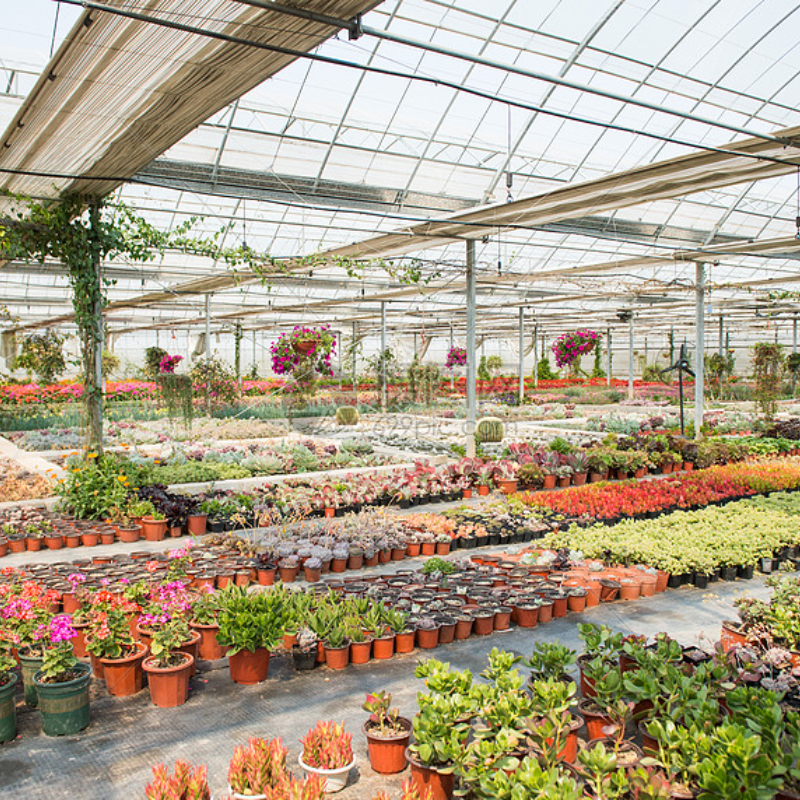
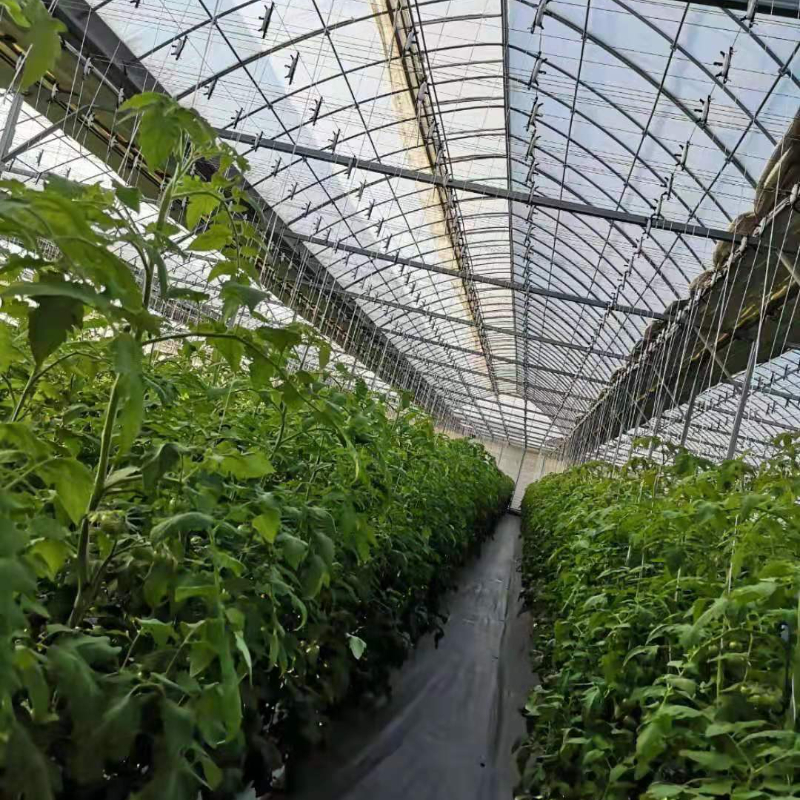
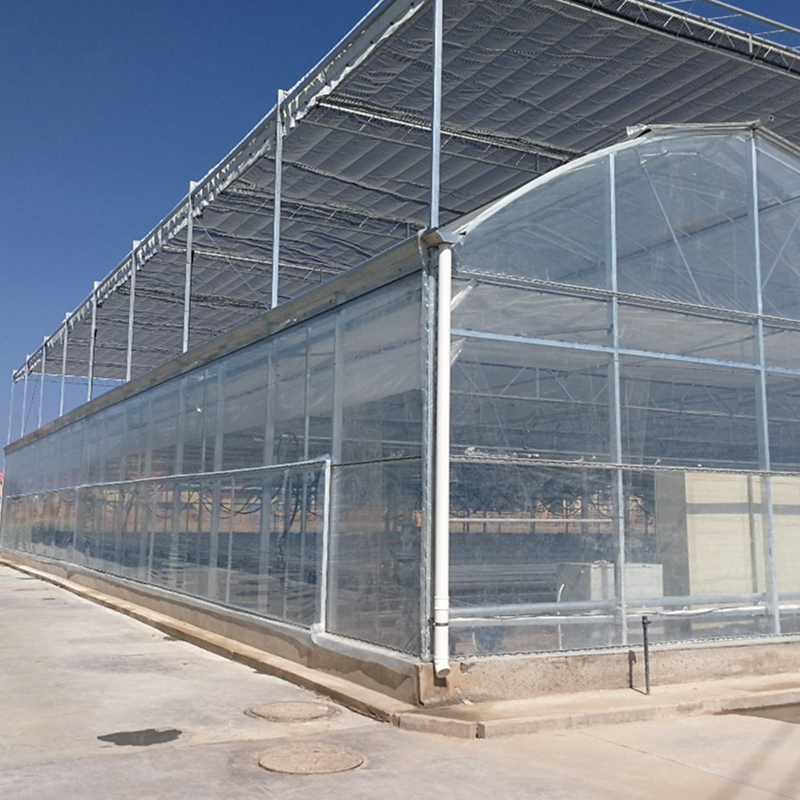
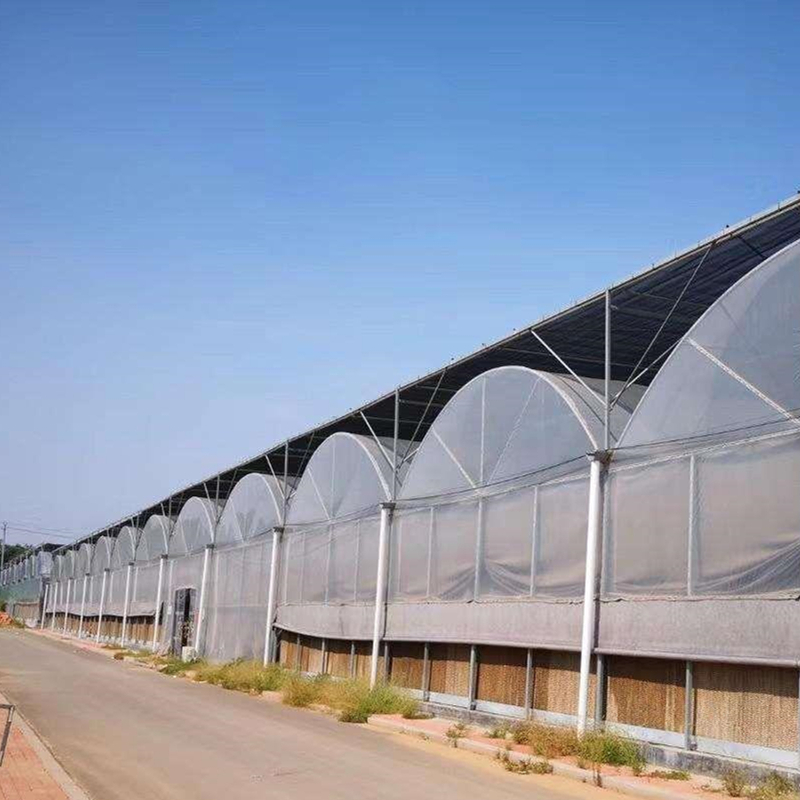
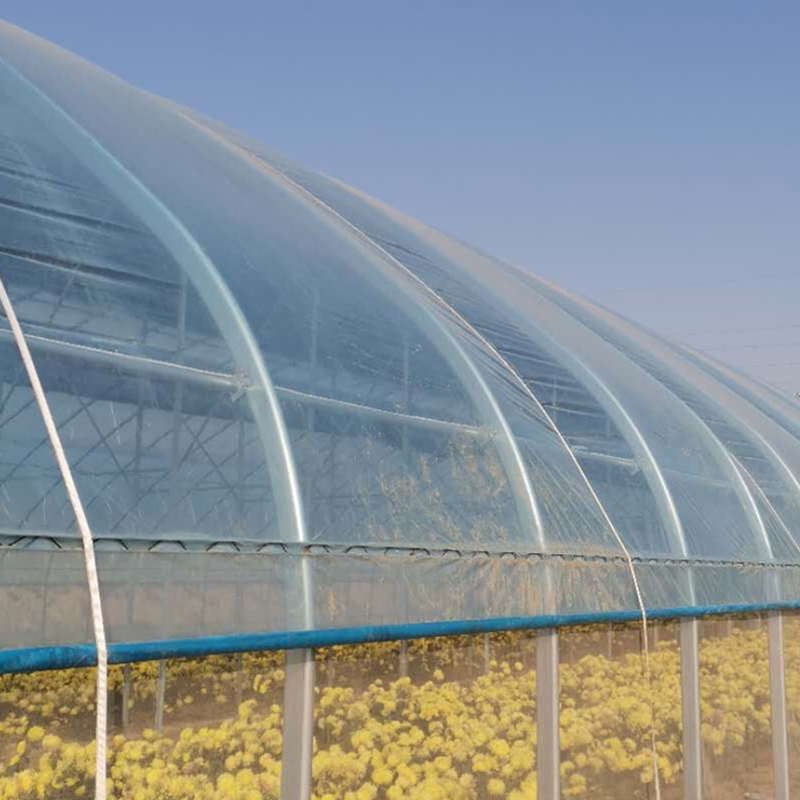
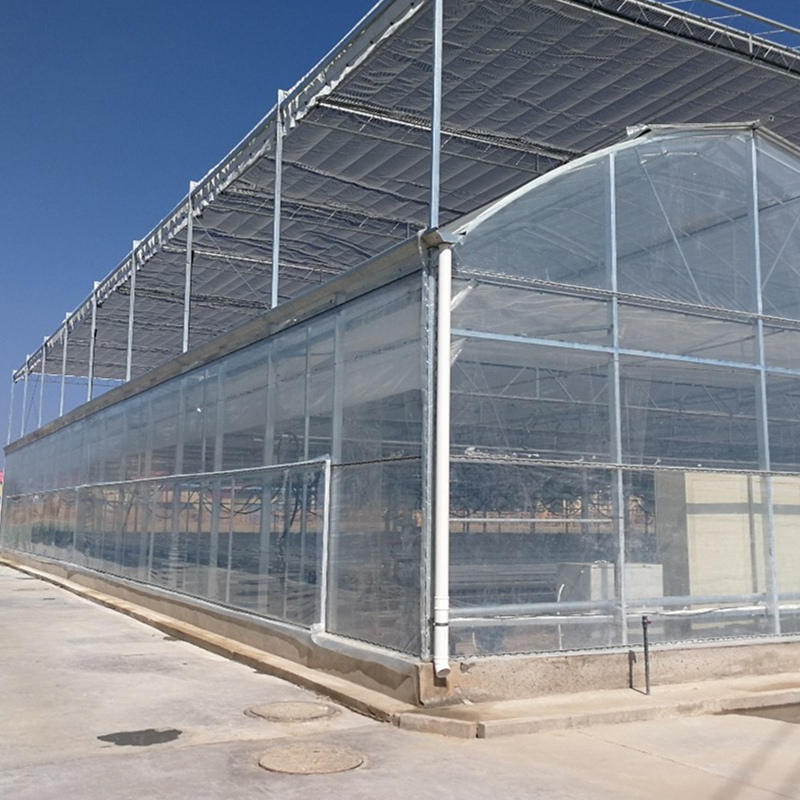
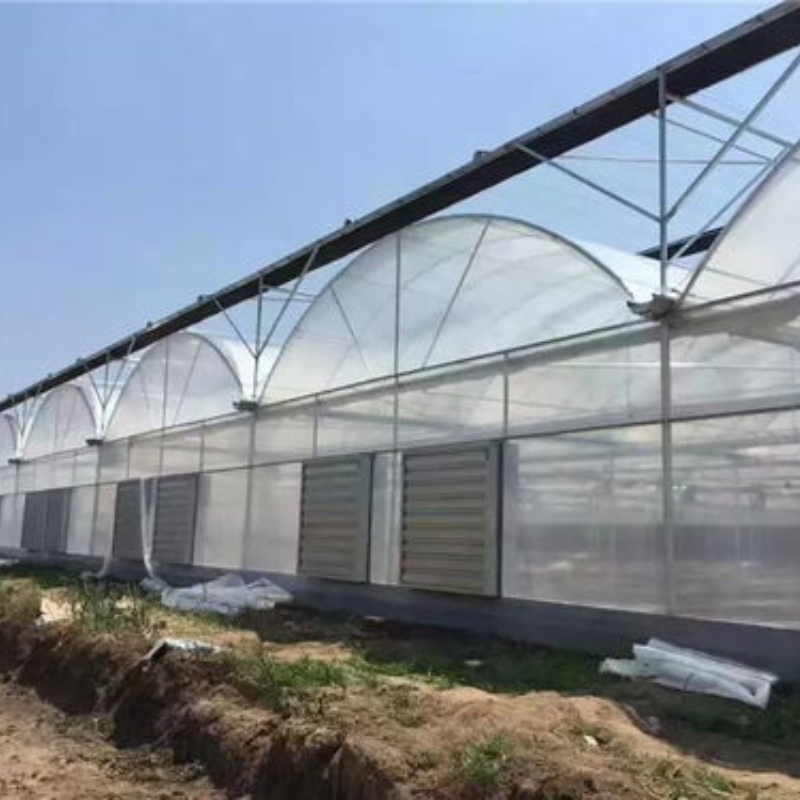
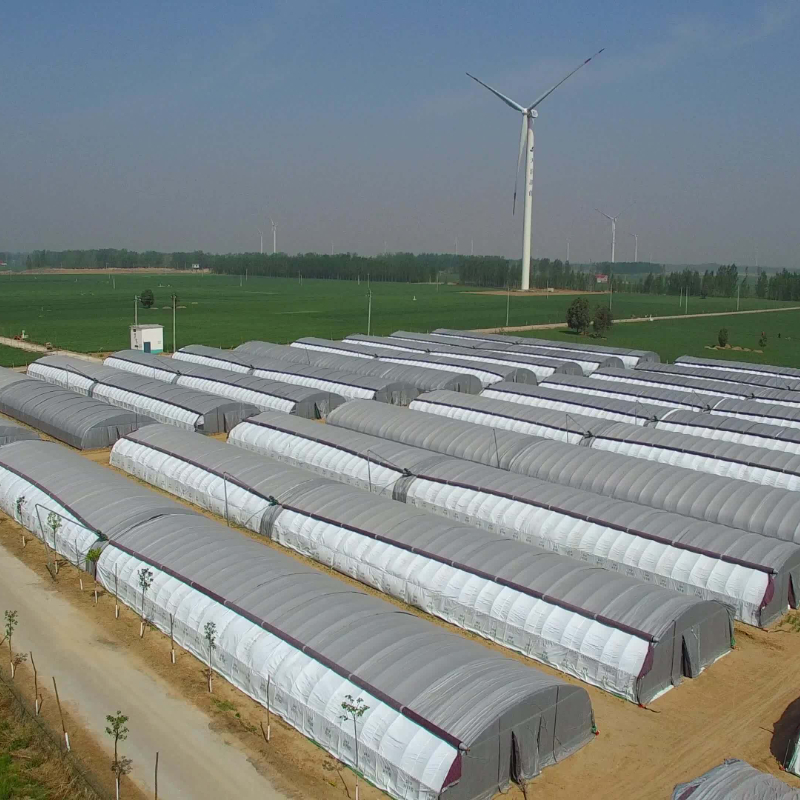
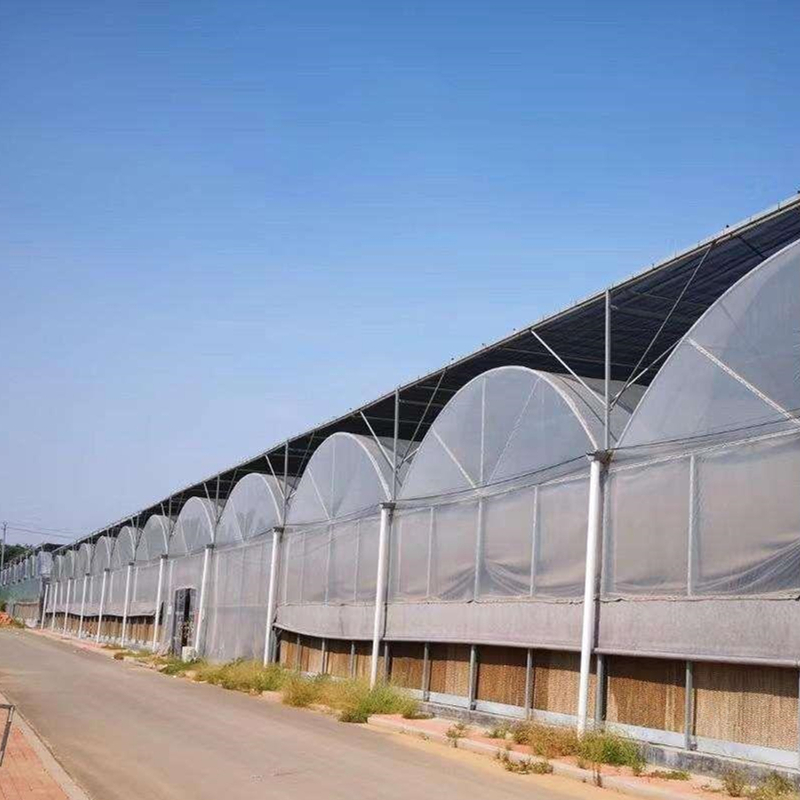
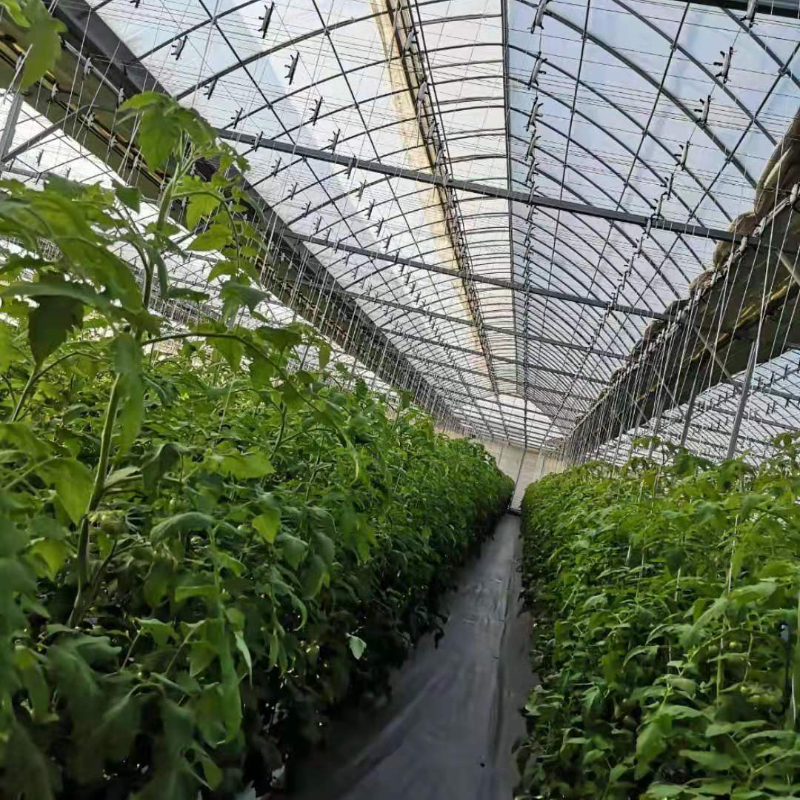
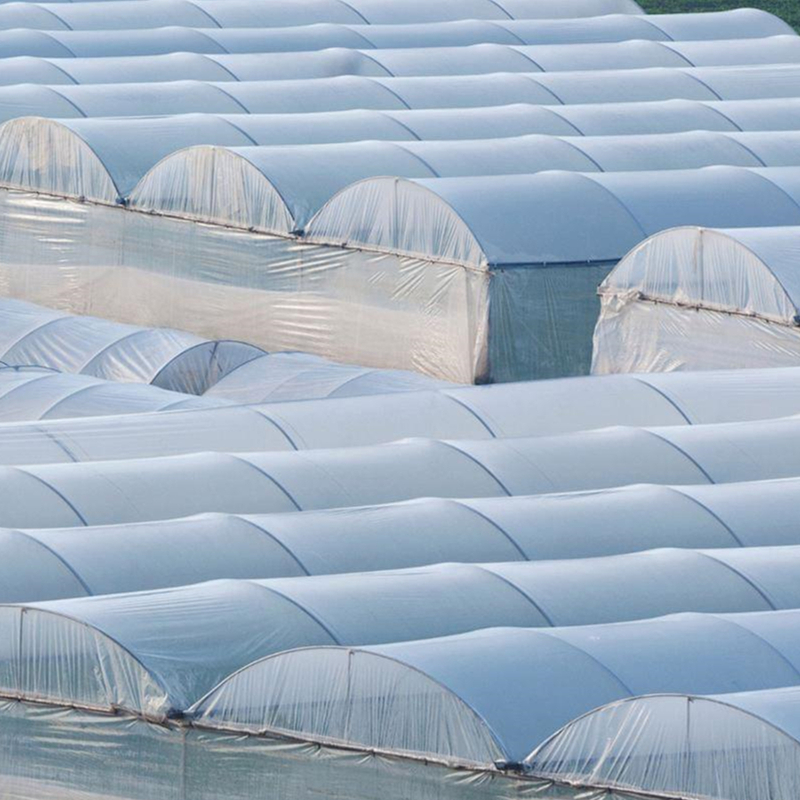
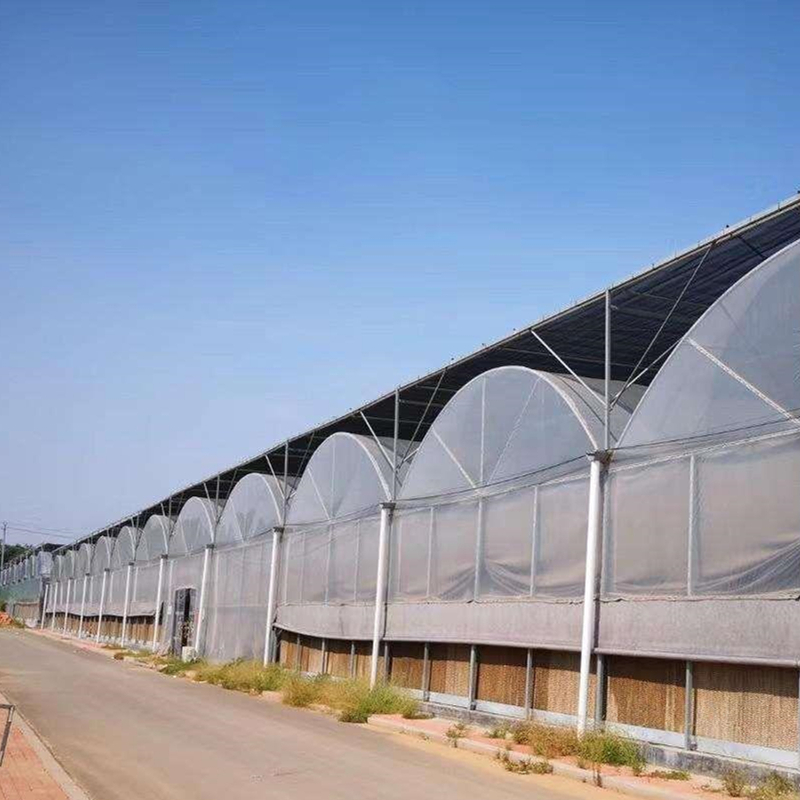
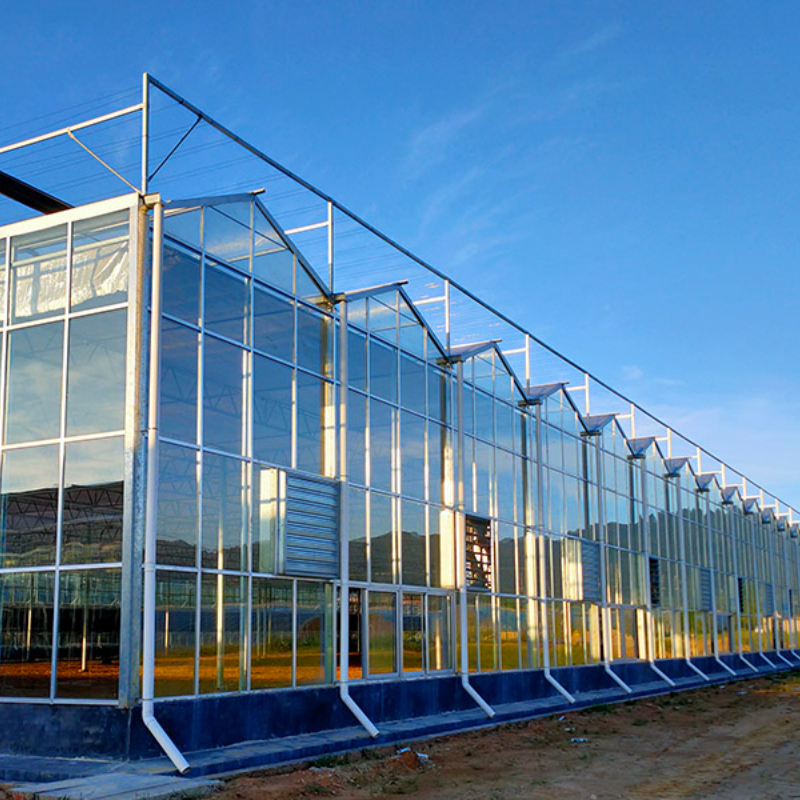
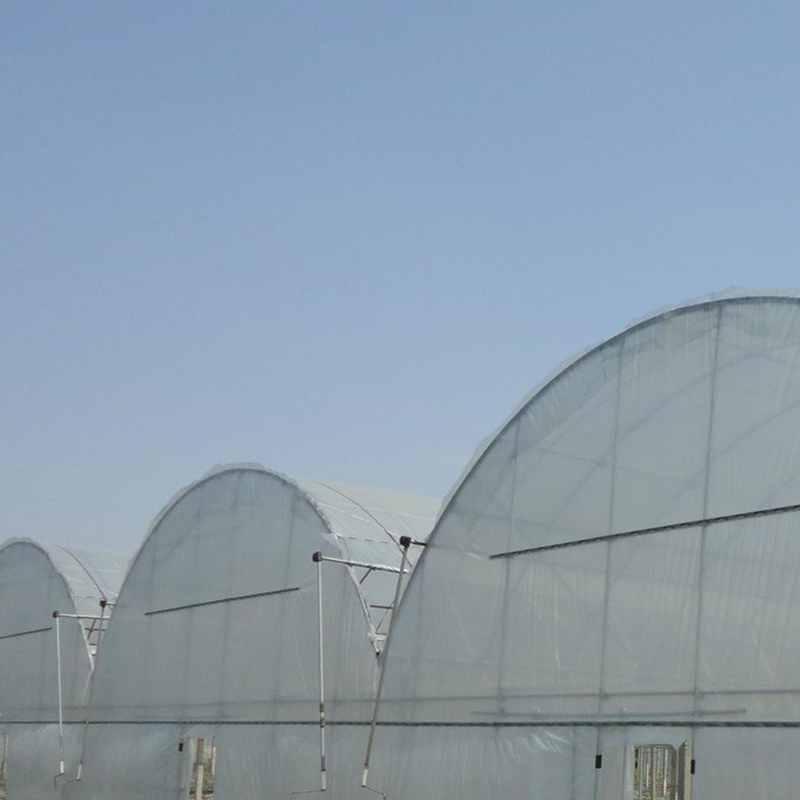
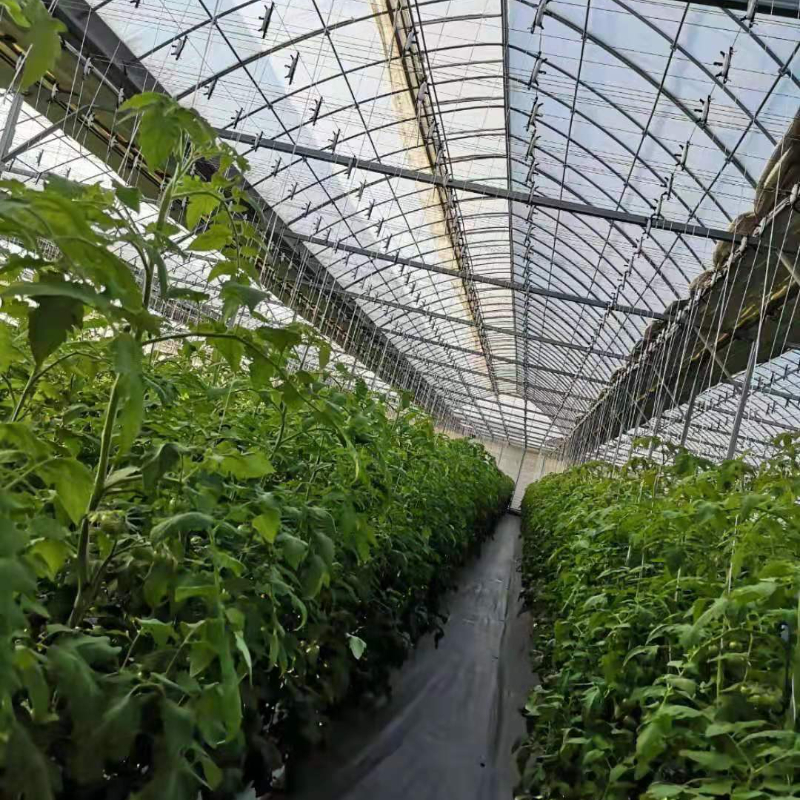
Production Greenhouse (Modular Bays): The core growing area, divided into climate-controlled zones.
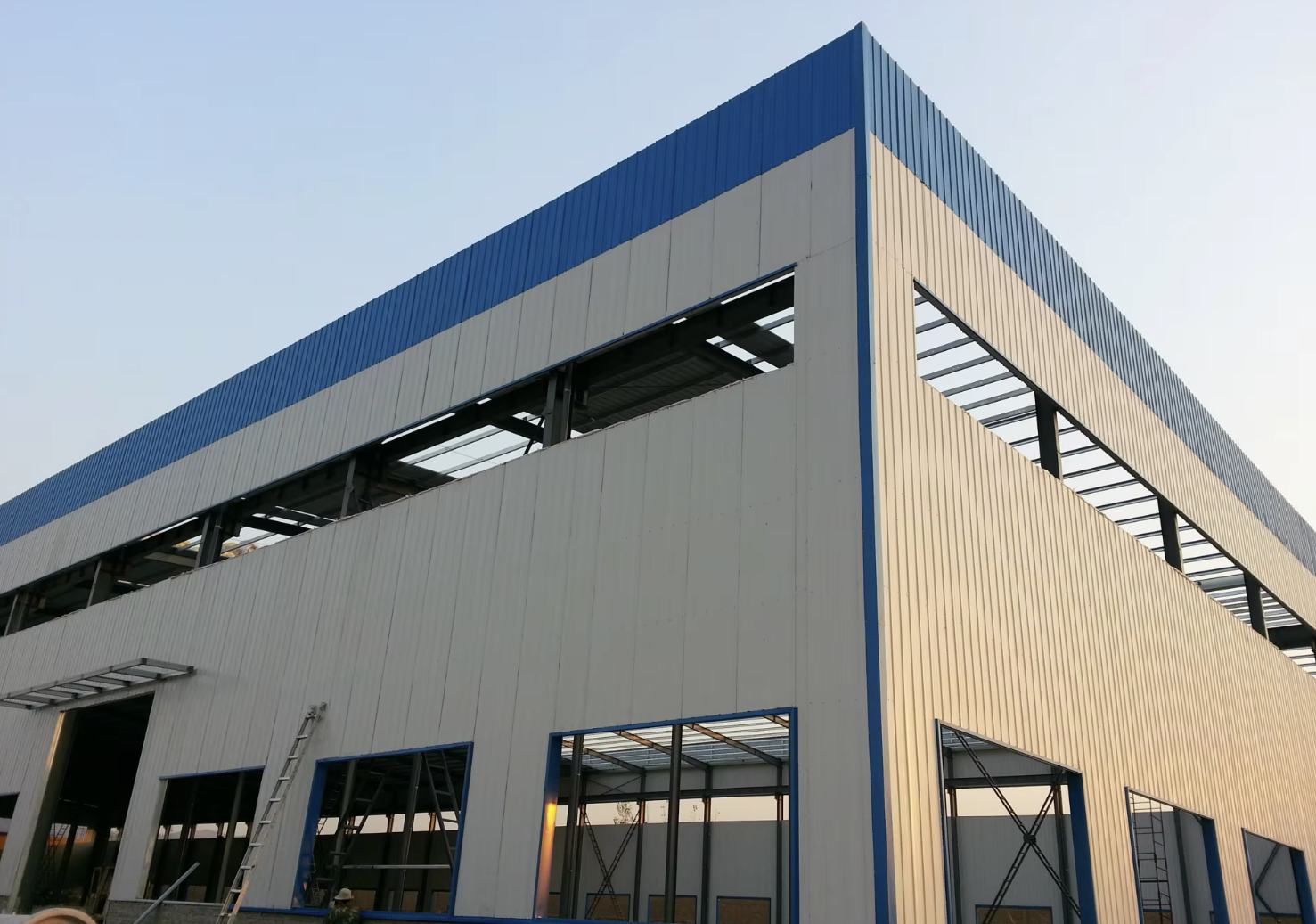
Post-Harvest & Packing (Clean Room): A climate-controlled, hygienic area for trimming, weighing, packaging, and short-term cold storage.
Shipping & Loading Bays: For dispatching finished products.
Phase 2: Production Greenhouse Layout Strategy (Micro Layout)
This details the internal layout of the main growing bays for optimal automation and plant management.
2.Core Principles for Internal Layout
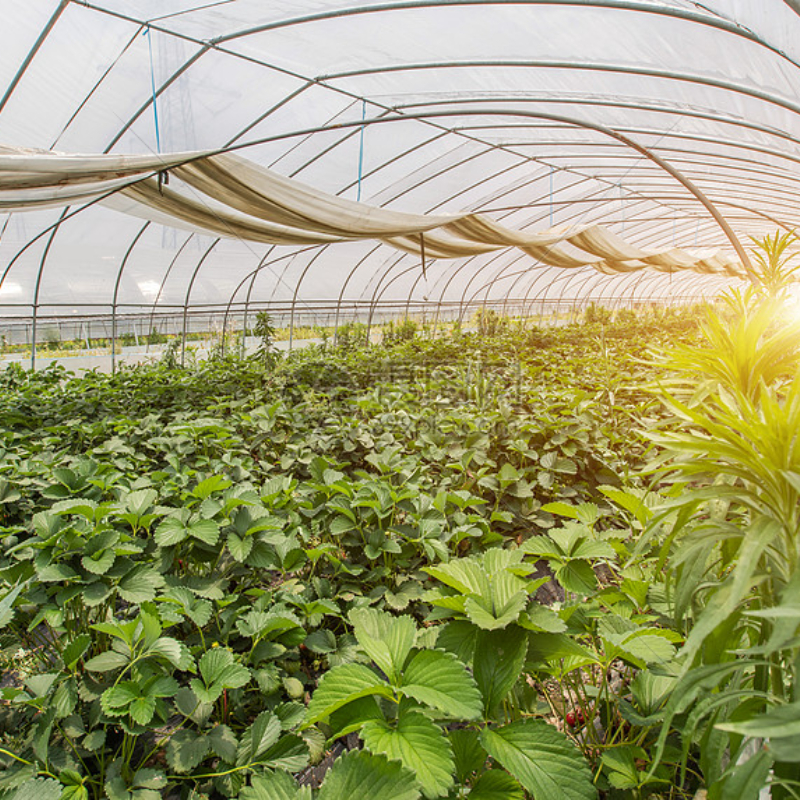
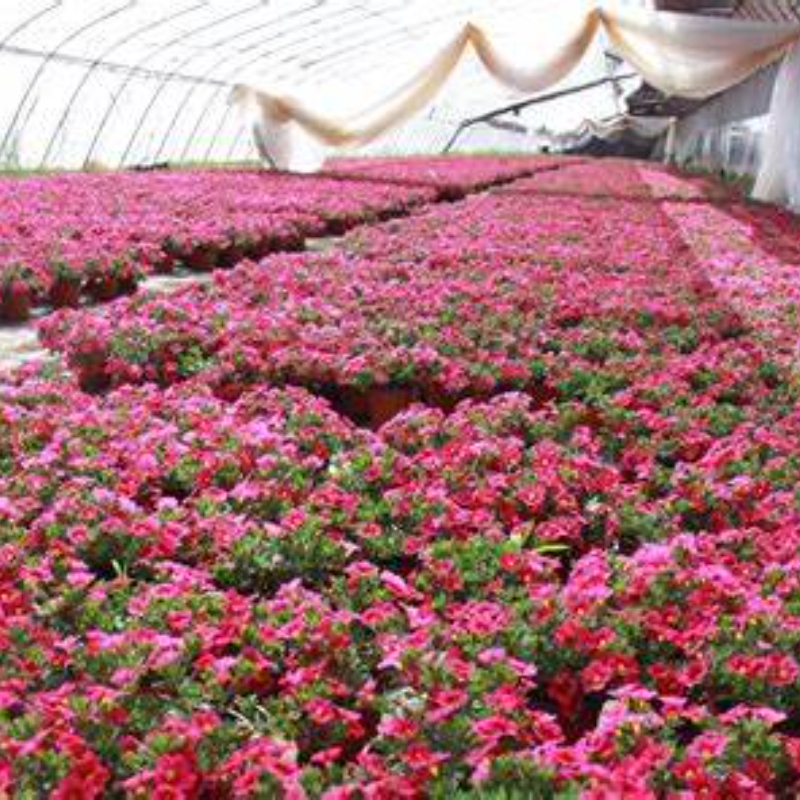
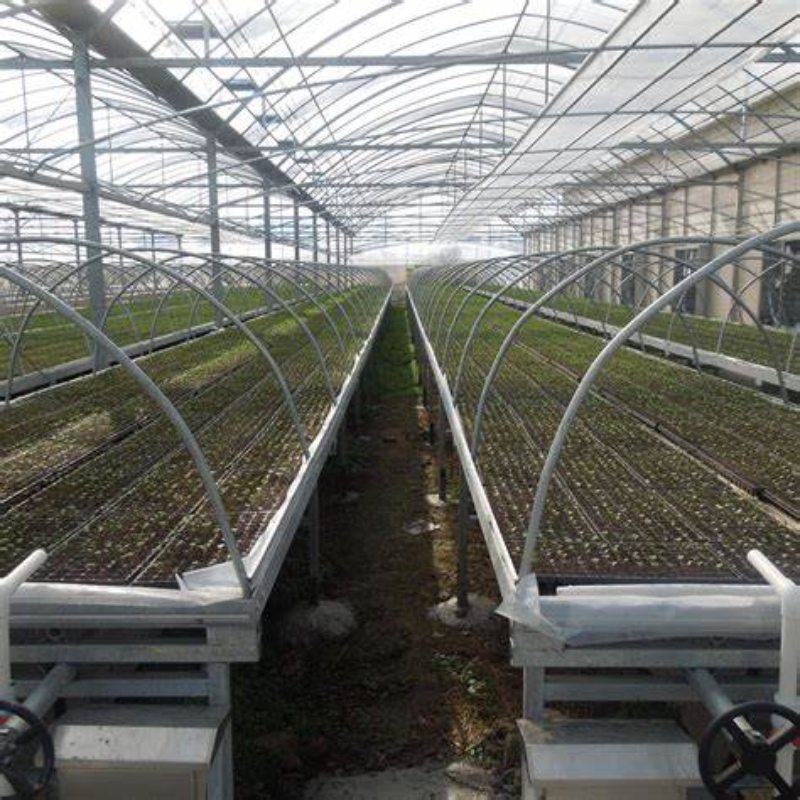
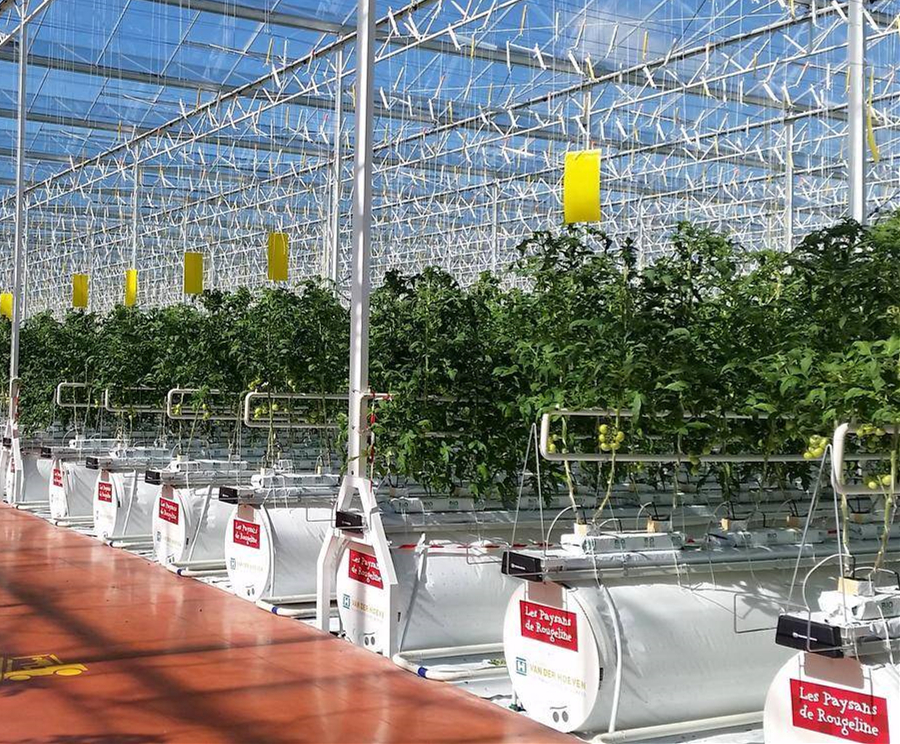
Zonal Climate Control: Divide the greenhouse into distinct zones that can have different climates (e.g., Propagation, Vegetative, Generative/Fruiting).
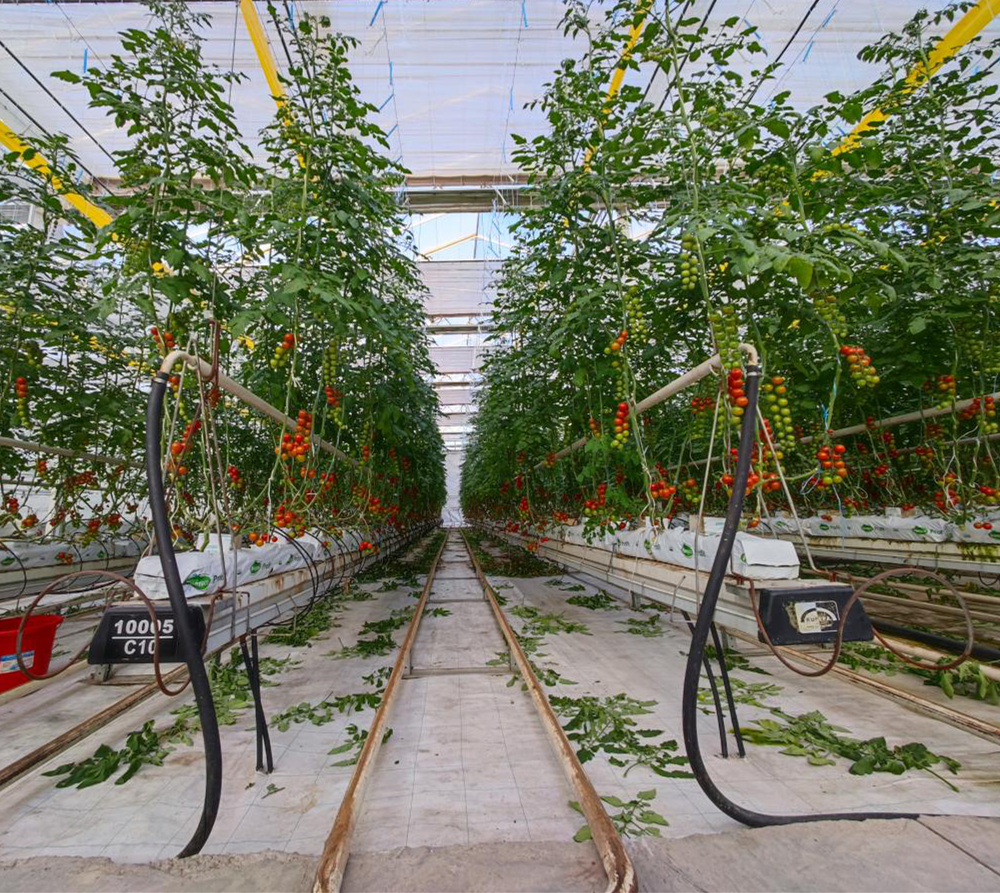
Maximize Light Penetration: Orient gutter lines North-South for even light distribution on the crop.
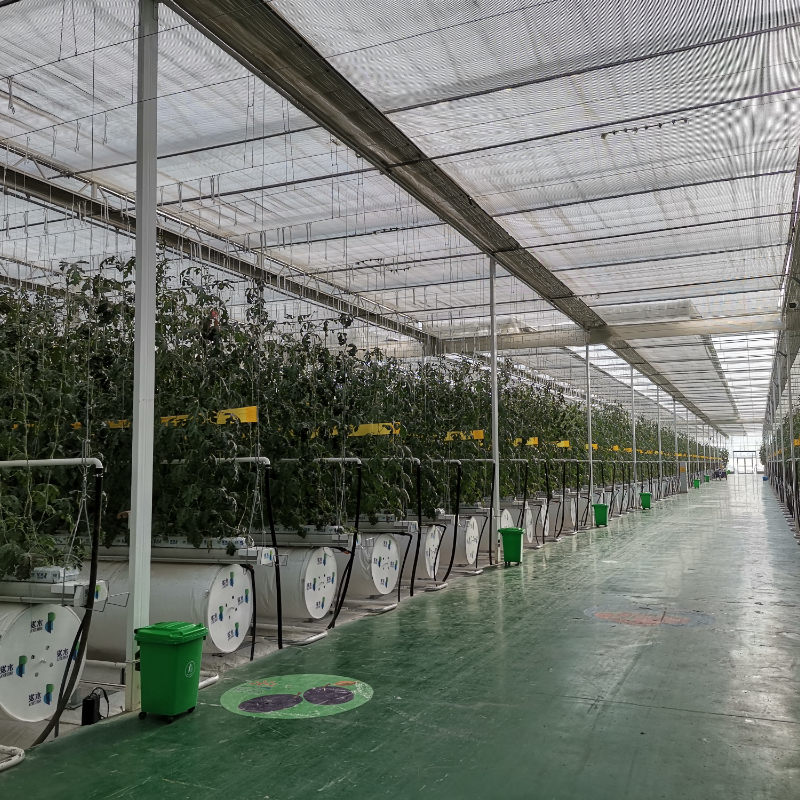
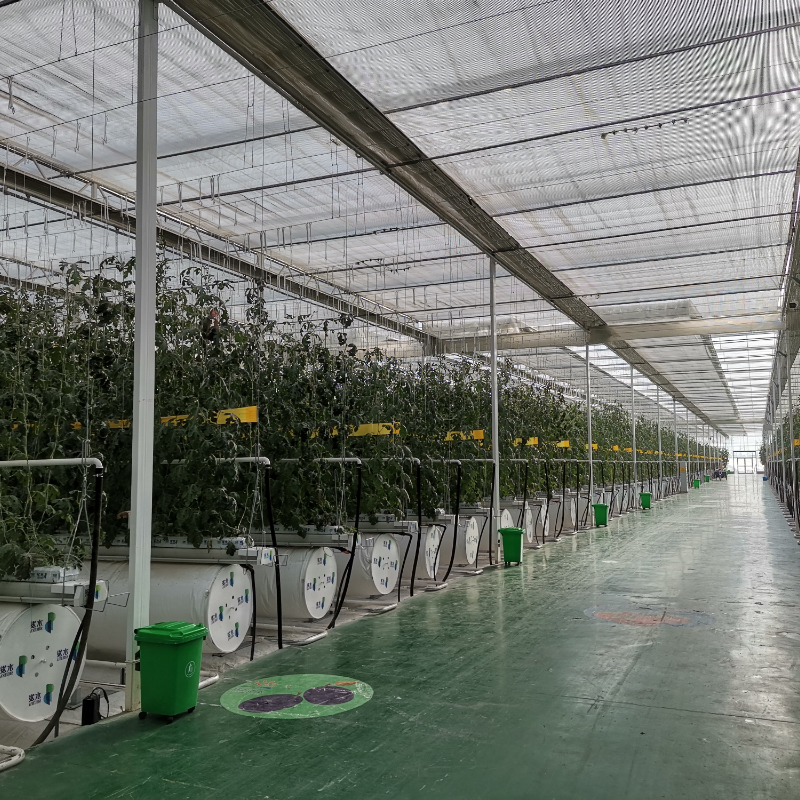
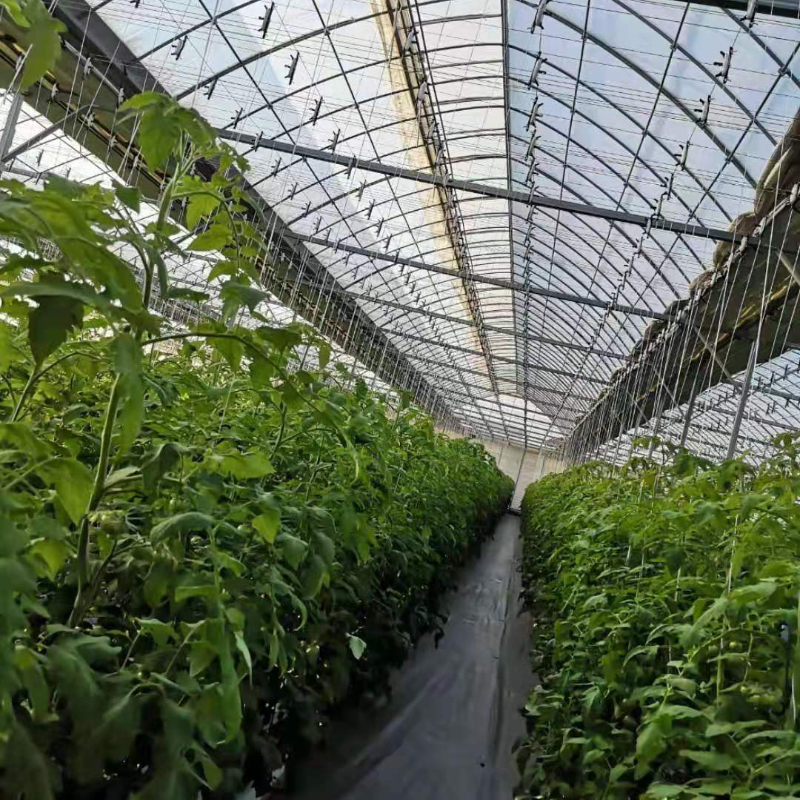
Automation-First Pathways: Design wide, straight aisles for robots and ensure no tight corners.
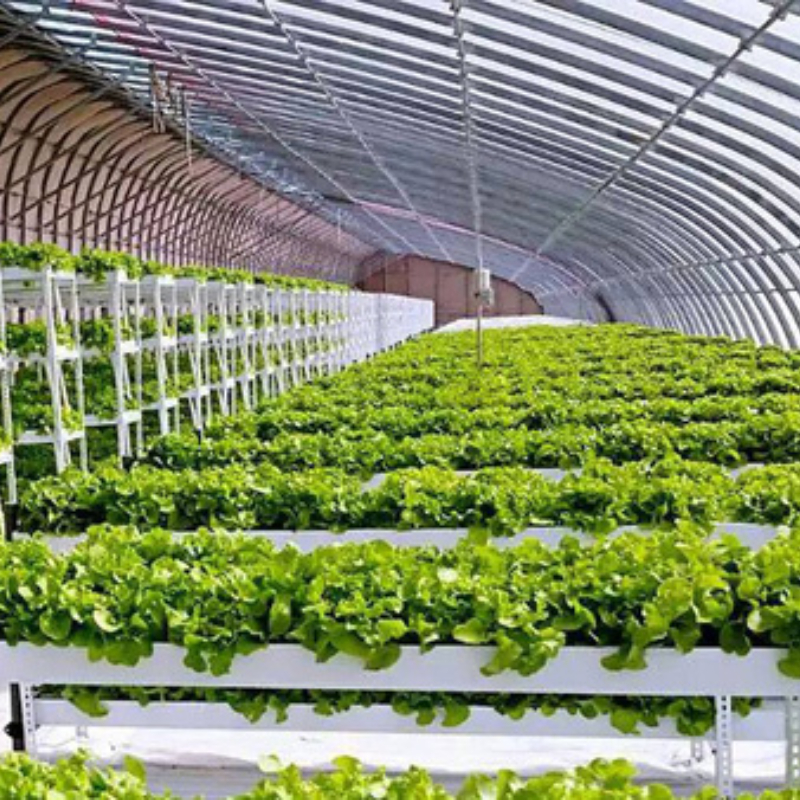
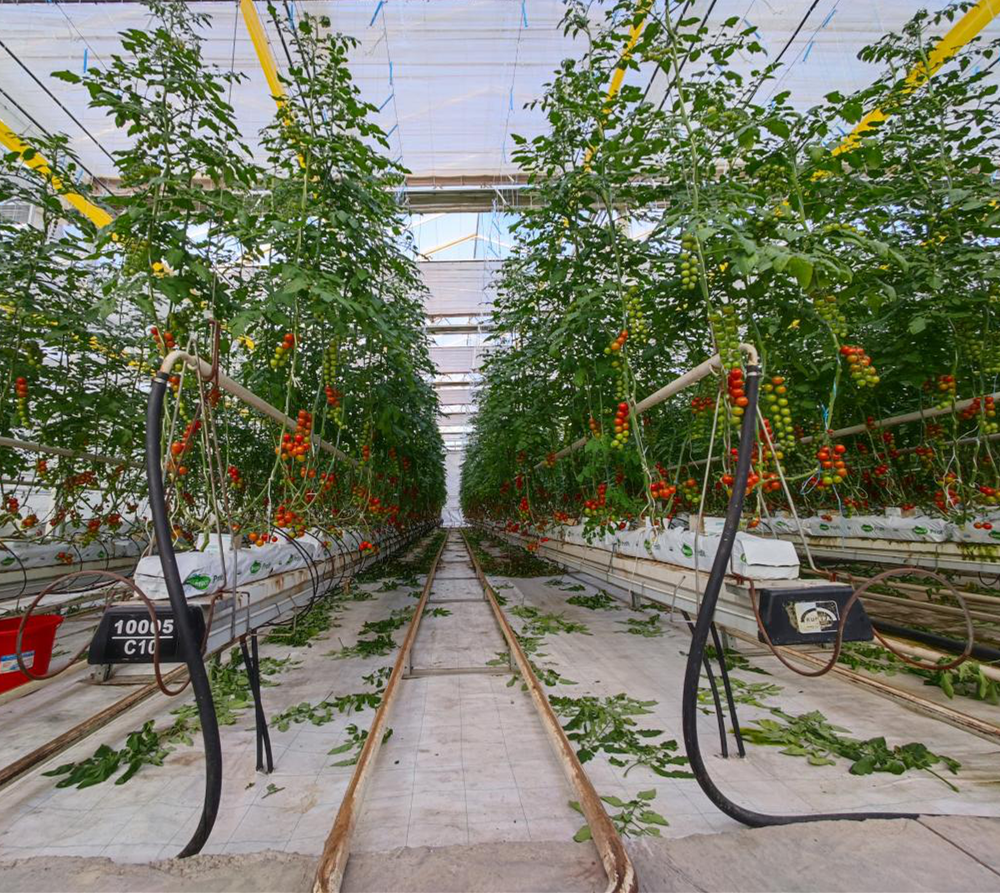
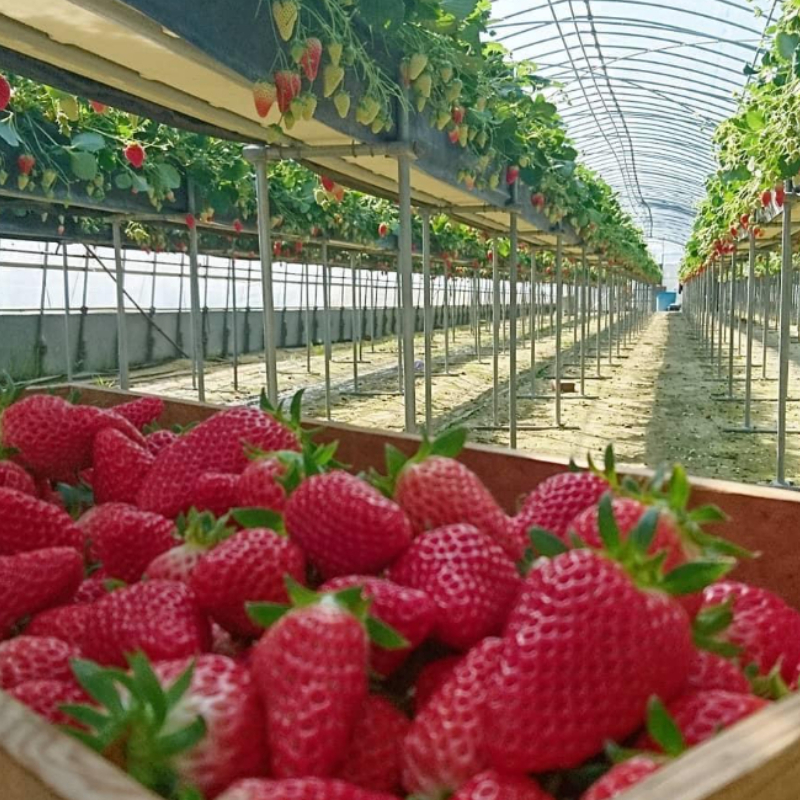
Vertical Space Utilization: Use movable gutters, vertical racks, or trellising systems to maximize growing area per square meter (High-Density Planting).
Summary: Key Strategic Advantages of this Layout
Scalability: The modular bay design allows for easy expansion. You can start with a few bays and add more along the utility spine.
Data Granularity: Zonal control and a dense sensor grid provide the high-quality data needed for the AI to make precise decisions.
Operational Efficiency: The linear workflow minimizes travel distance and confusion. Robots and humans know exactly where to go for each task.
Risk Mitigation: Isolating zones (especially propagation) helps contain any potential pest or disease outbreak.
Resource Optimization: The centralized utility hub and zonal control prevent waste of energy, water, and CO².
This master plan and layout strategy creates a physical framework that is perfectly suited to host and enhance the capabilities of an intelligent connected greenhouse system.
