
A Historical and Future Look at Global Greenhouse Agriculture
Greenhouse agriculture represents one of the most significant evolutions in farming, moving food production from a purely seasonal, weather-dependent activity to a controlled, year-round enterprise. Its history is a story of technological innovation driven by curiosity, commerce, and necessity.
Part 1: The History of Greenhouse Agriculture
The development of greenhouses can be broken into several key phases.
1.Ancient Origins & Proto-Greenhouses (Pre-1500s)
The desire to grow plants out of season is ancient.
Roman Empire: The earliest recorded example comes from the time of Emperor Tiberius (1st century AD). His physicians demanded he eat a cucumber-like vegetable daily. Roman gardeners developed primitive speculariums—carts covered with transparent sheets of selenite (a type of mica) or oiled cloth—to protect the plants and force them to grow year-round.
Korean Kingdom of Silla: During the 13th-14th centuries, records describe structures heated by underfloor systems (ondol) to cultivate plants during cold winters, considered by some historians to be the first heated greenhouses.
2. The European Renaissance & Birth of the Orangerie (1500s - 1700s)
The Age of Exploration brought exotic plants to Europe, creating a need to protect them from colder climates.
Italy & Netherlands: The first modern-style greenhouses appeared in Italy in the 16th century to house botanical collections. The Dutch quickly adopted and advanced these designs to protect their valuable tropical plants from trading expeditions.
The Orangery: In the 17th century, the Orangery became a status symbol for European aristocracy. These were substantial brick or stone buildings with large south-facing windows designed to overwinter citrus trees (oranges, lemons) in cold climates. They were expensive to build and heat, relying on passive solar gain and primitive stove systems.
3. Technological Democratization & Commercialization (1800s - Early 1900s)
The Industrial Revolution provided the materials and technology to make greenhouses more practical and widespread.
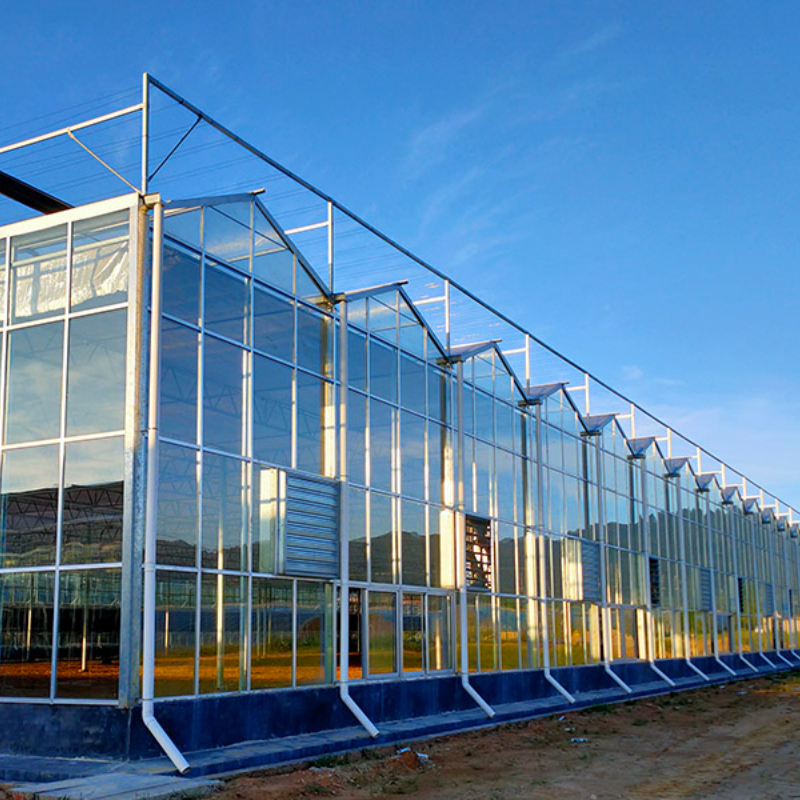
Mass-Produced Glass & Iron: The repeal of the glass tax in England (1845) and new techniques for producing large sheets of plate glass made glazing affordable. The strength of cast iron and steel allowed for larger, more expansive structures with less shading (e.g., The Crystal Palace in London, 1851).
Heating Advances: The development of inexpensive cast-iron heating systems and hot water pipes replaced inefficient and dangerous open fires, enabling precise temperature control.
First Commercial Use: The first recorded commercial greenhouse in the U.S. was built in the 1880s for growing cucumbers. This era saw the shift from greenhouses as luxuries to tools for market gardening and floriculture.
4.The Post-War Boom & Technological Leap (Mid-1900s)
After World War II, a combination of factors spurred massive growth.
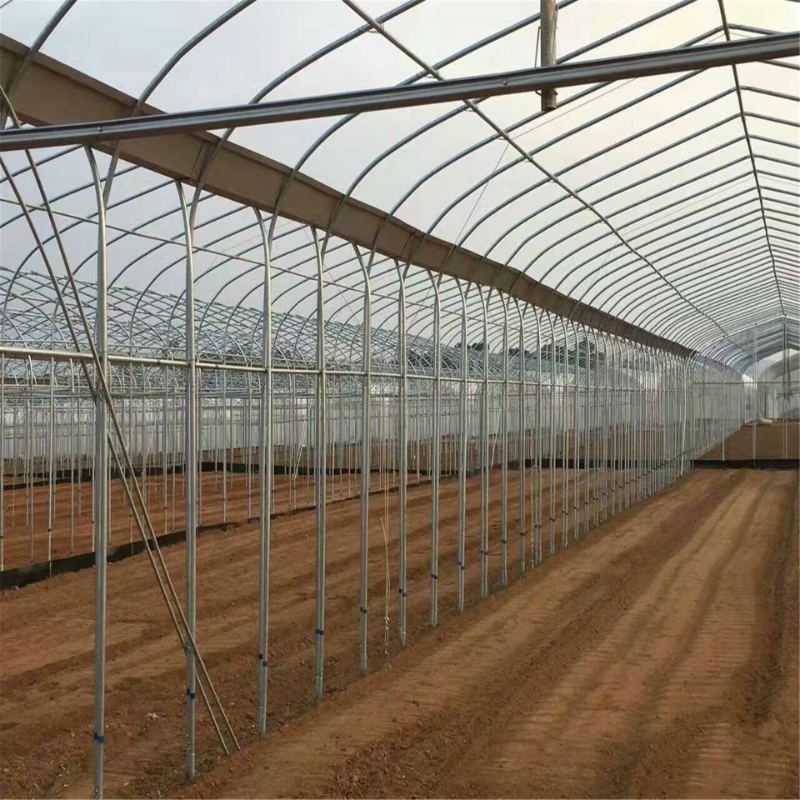
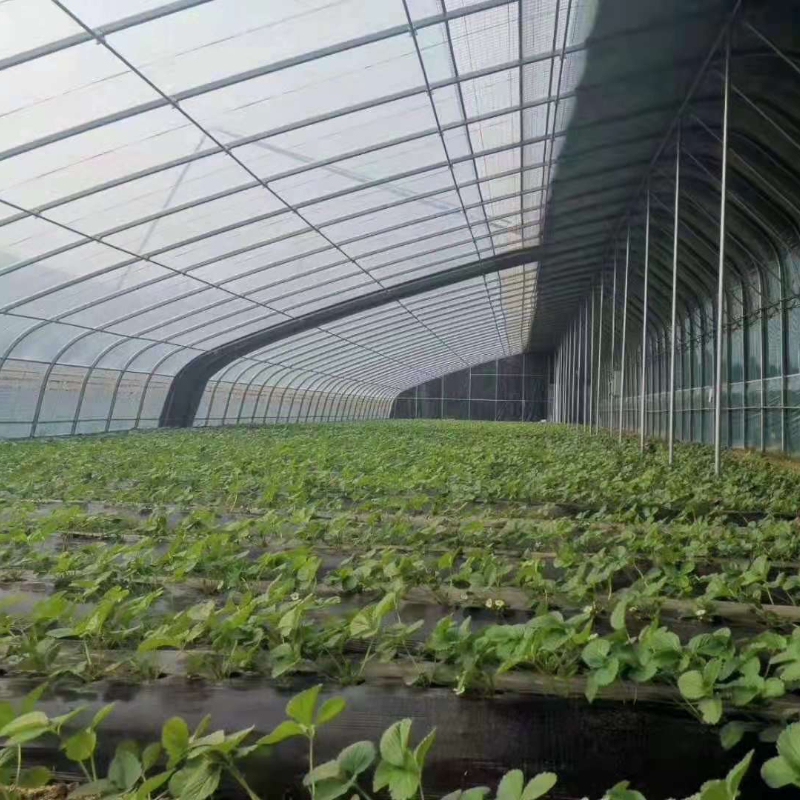
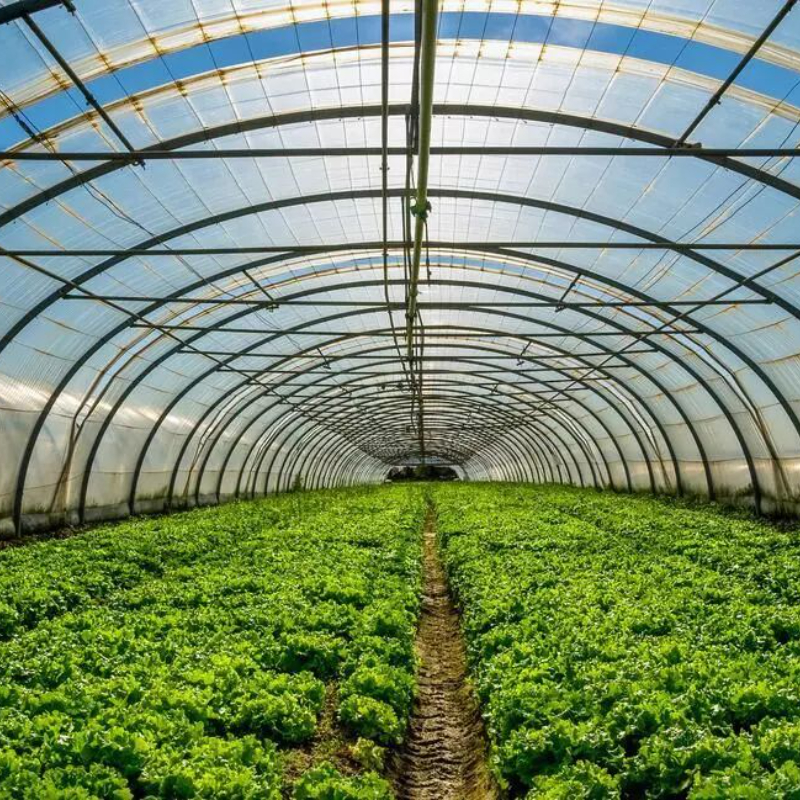
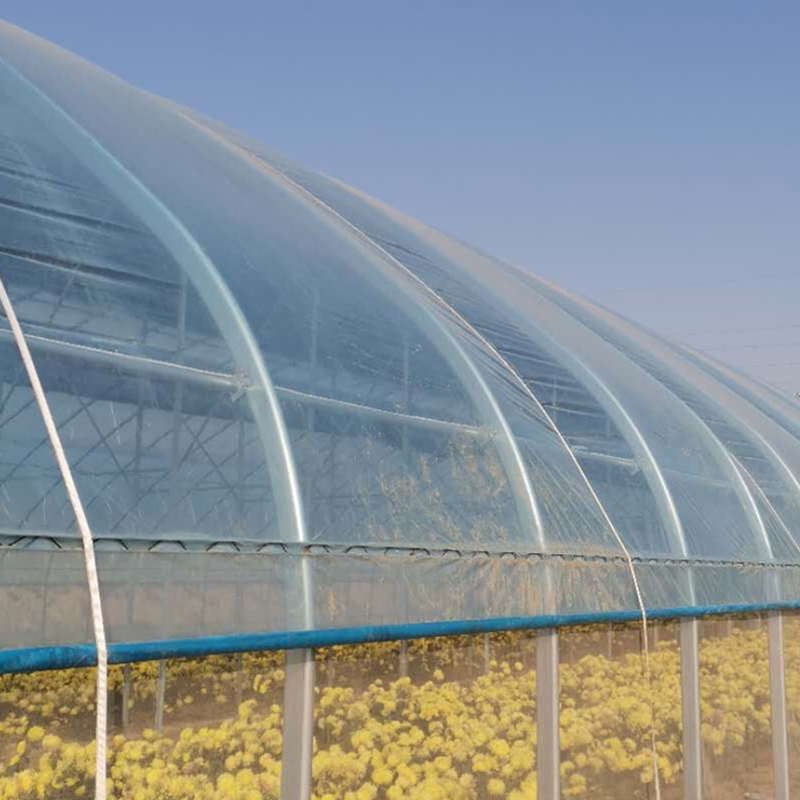
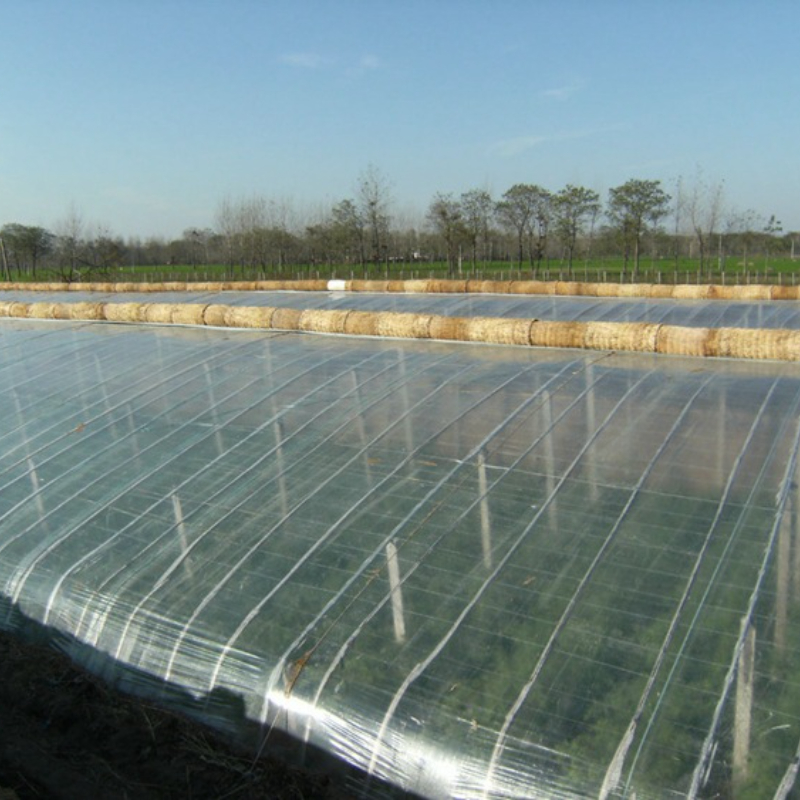
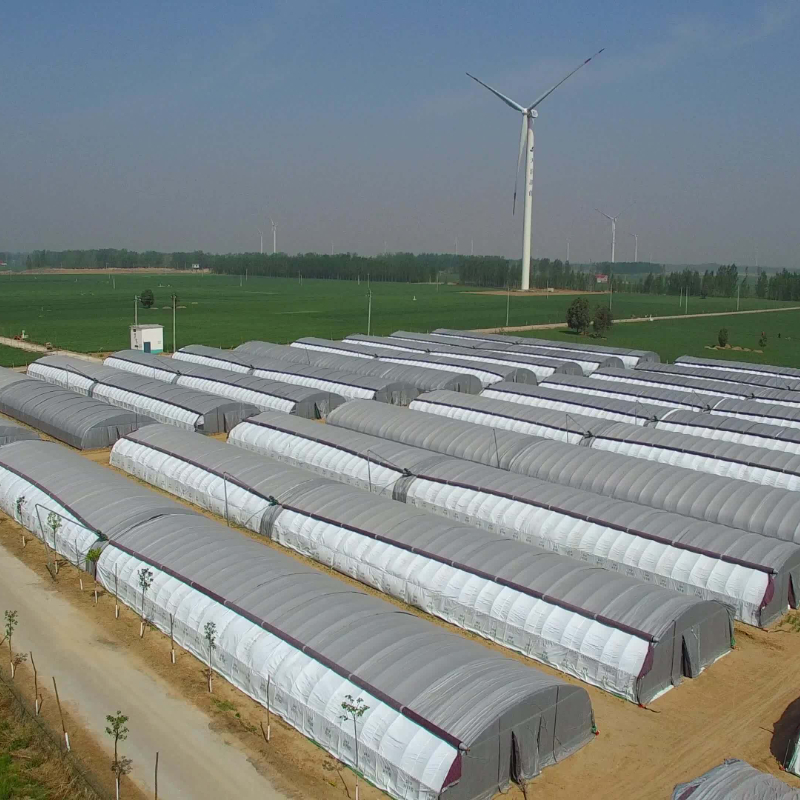
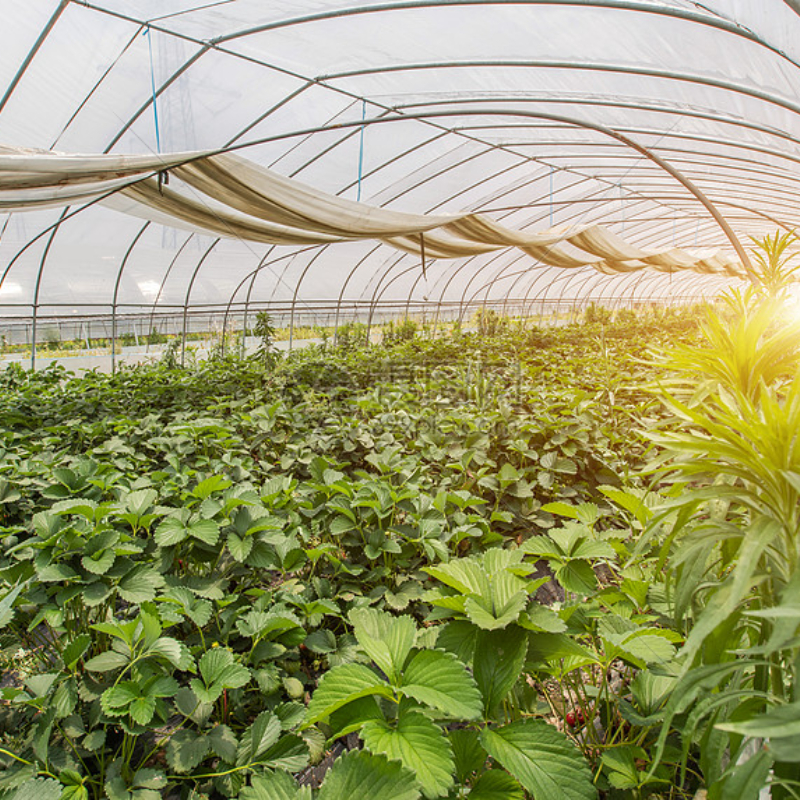
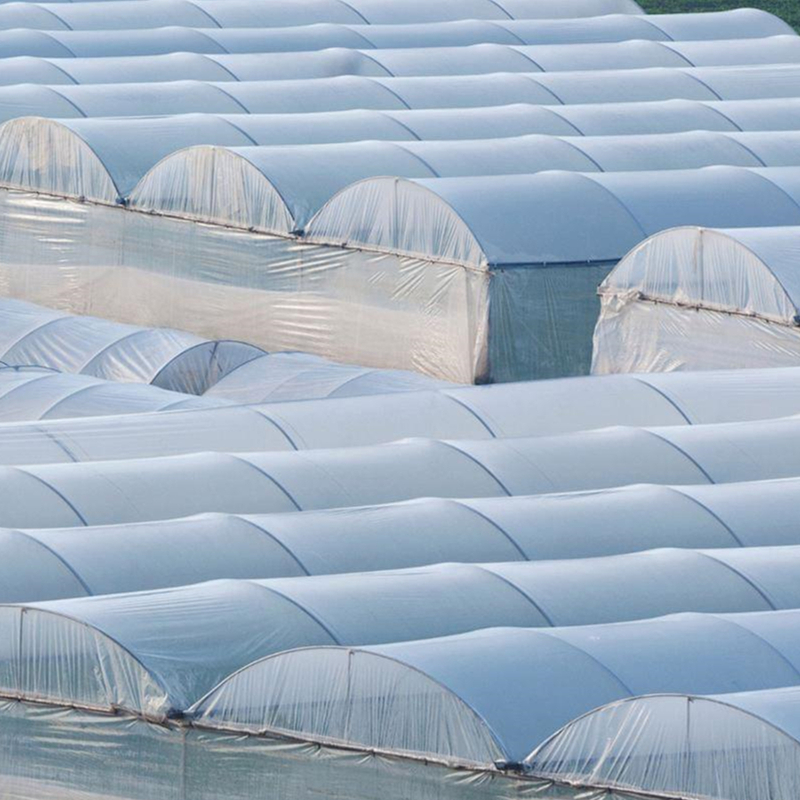
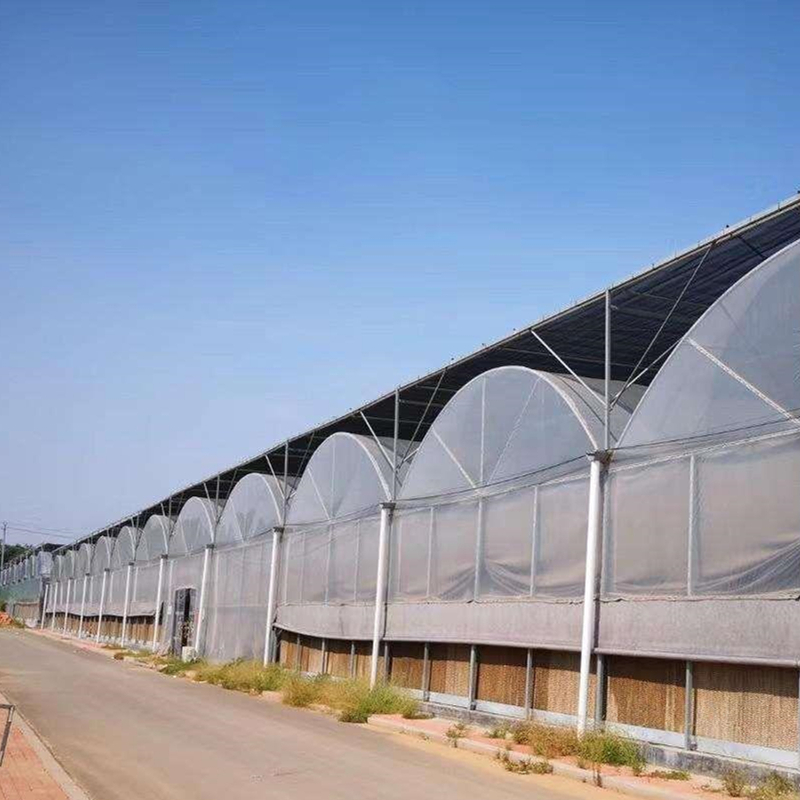
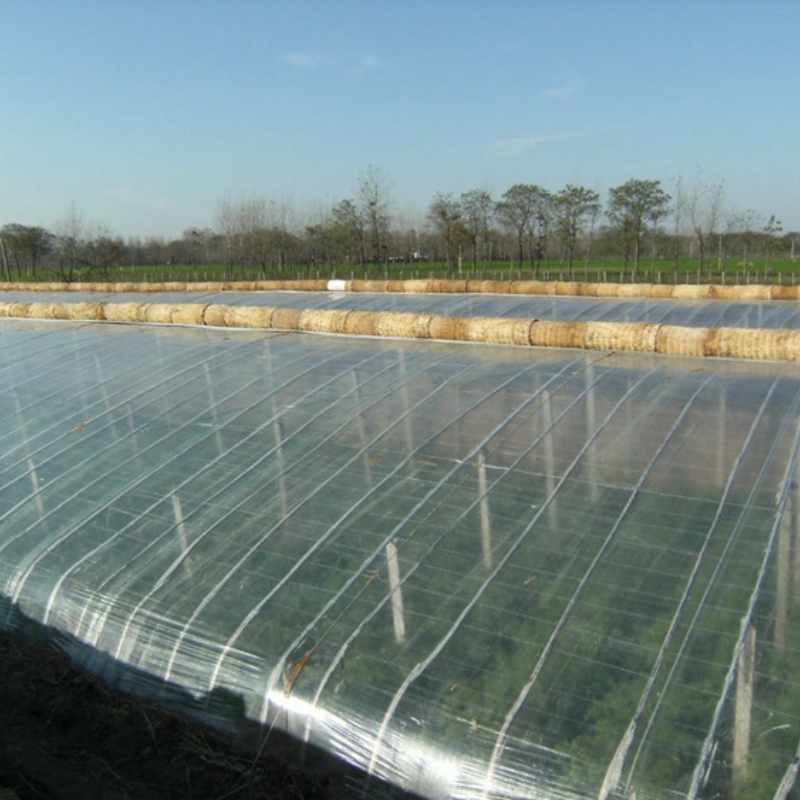
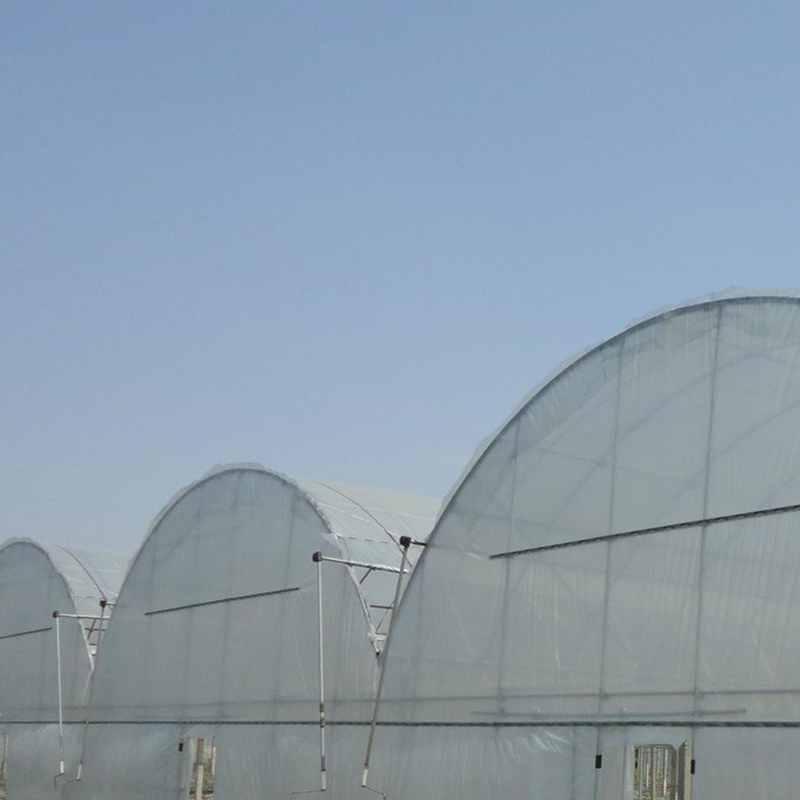
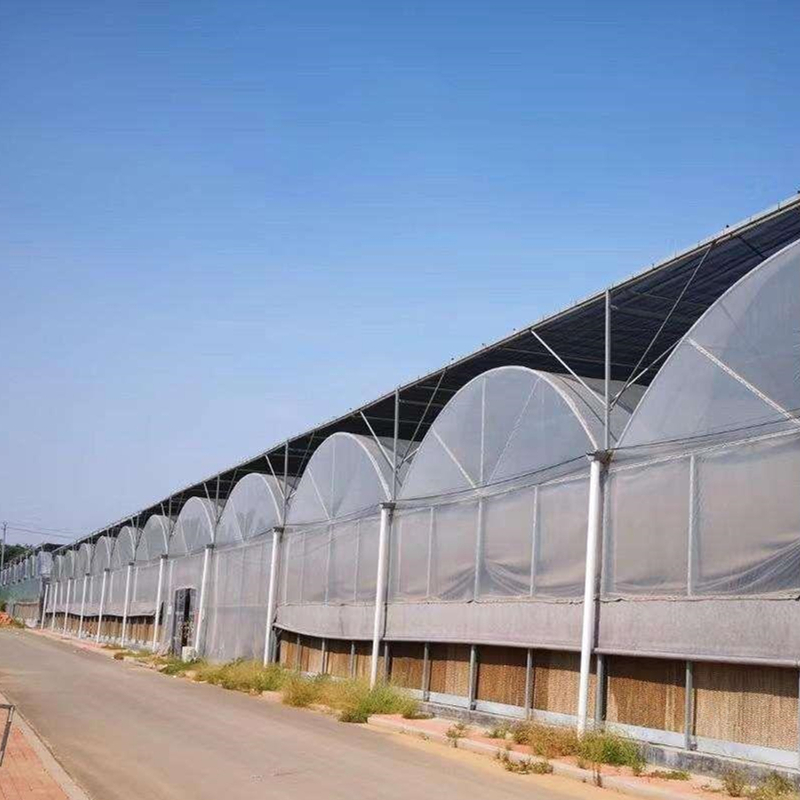
Plastics: The invention of polyethylene film in the 1950s was a revolution. It was cheap, lightweight, and diffused light well, making greenhouse construction affordable for average farmers and leading to a boom in "poly-tunnels" or "hoop houses."
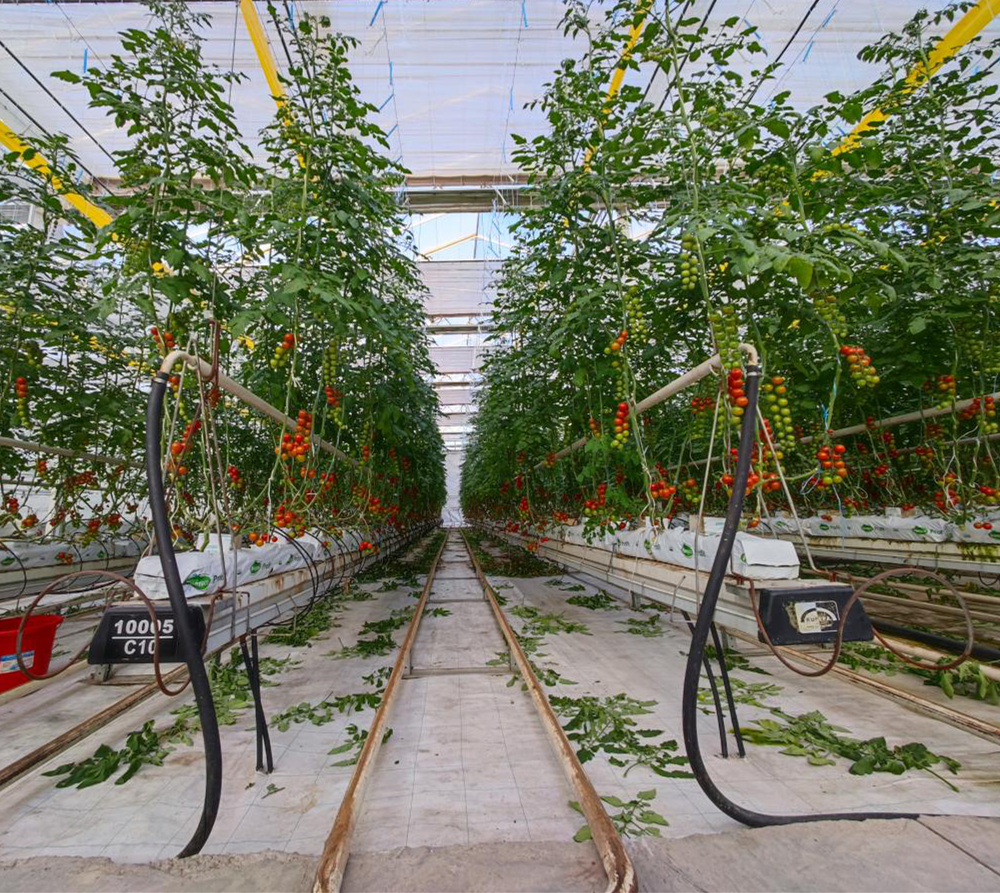
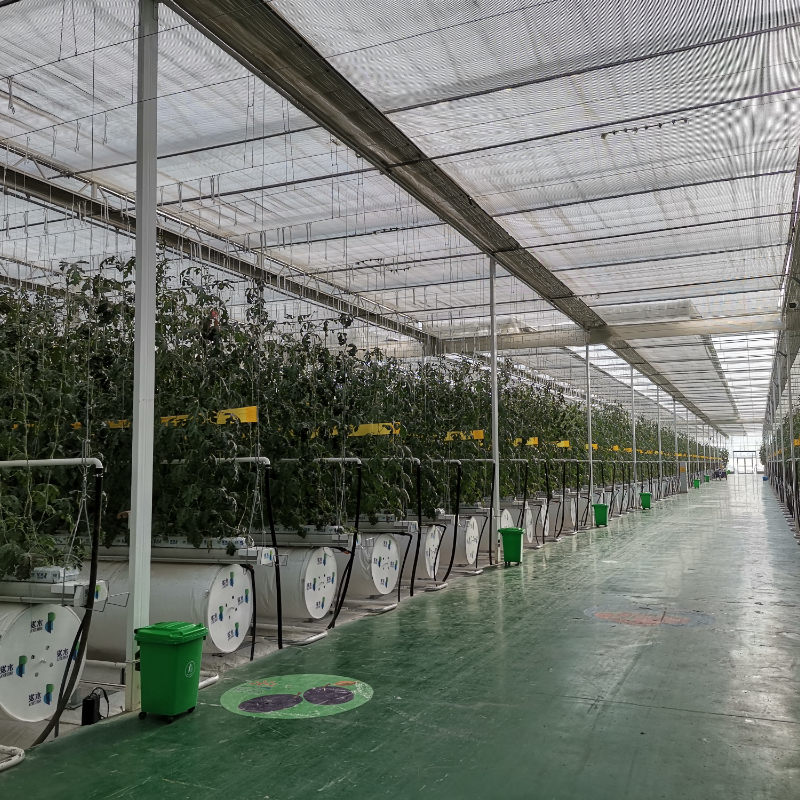
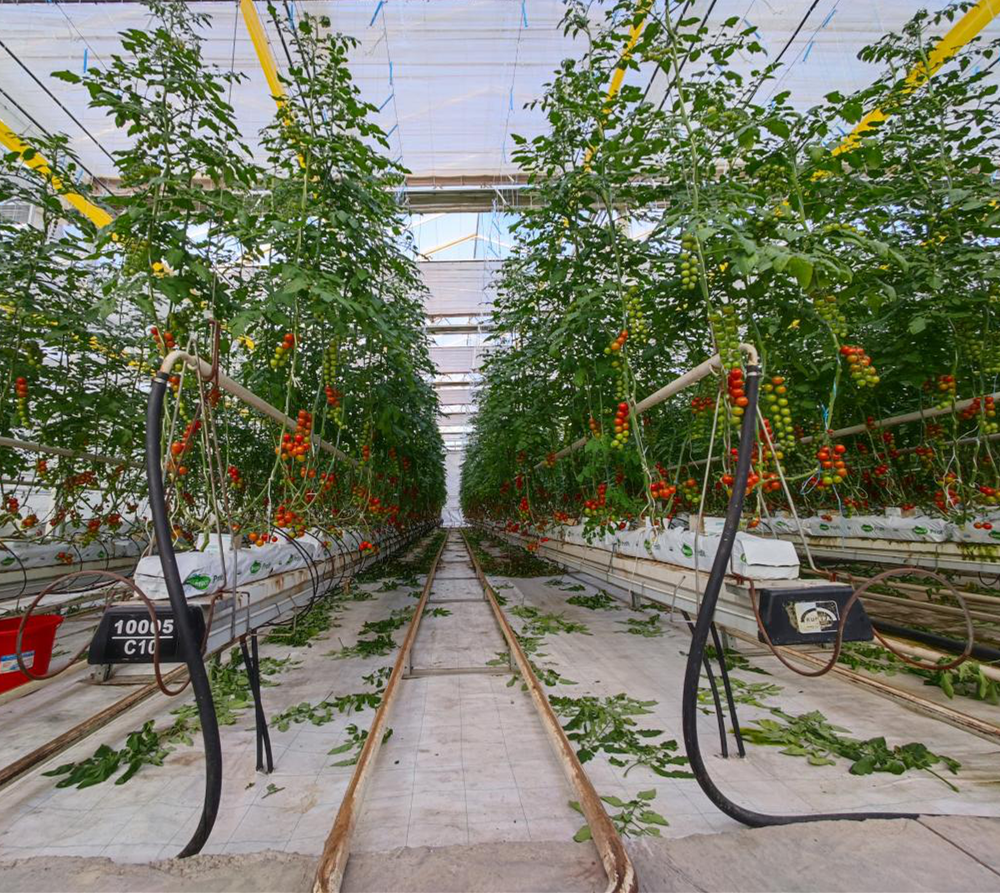
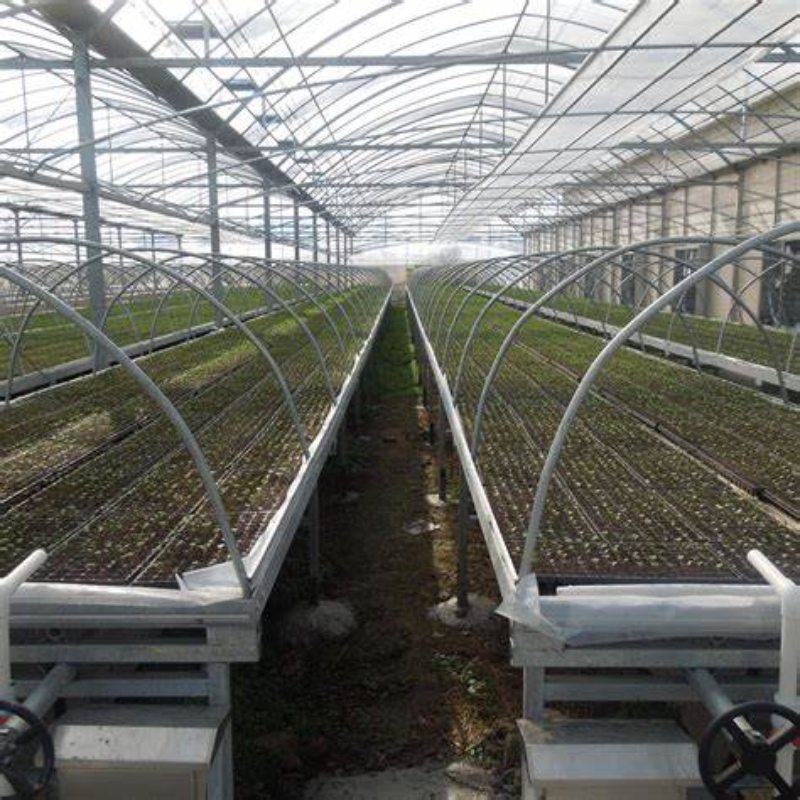
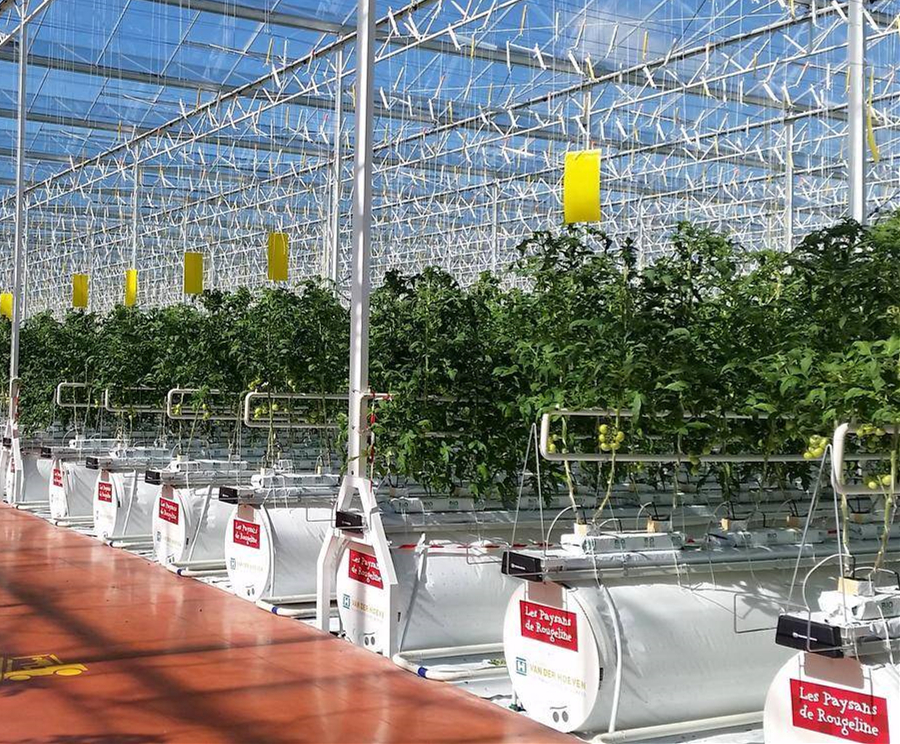
Hydroponics: The development of modern hydroponic and soilless systems (e.g., using rockwool) in the 1960s and 70s decoupled plant growth from soil quality, prevented soil-borne diseases, and allowed for precise nutrient control.
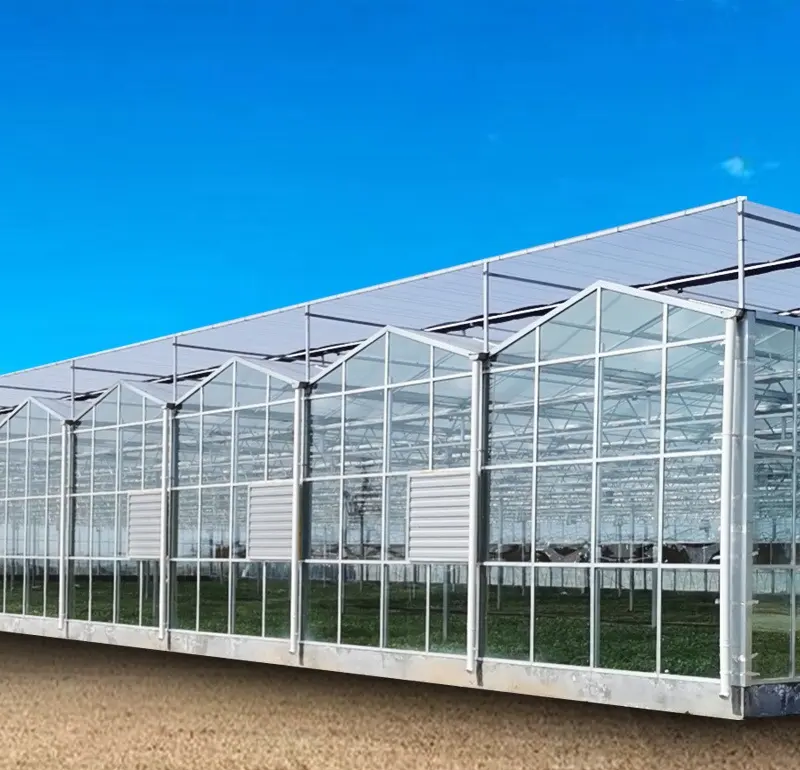
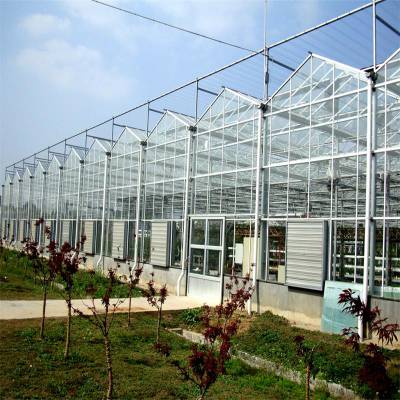
Rise of the Dutch Model: The Netherlands, with its limited land and unfavorable climate, invested heavily in glasshouse technology, becoming the world leader in greenhouse design, seed technology, and high-yield production, a title it still holds today.
5. The High-Tech Revolution (Late 1900s - Present)
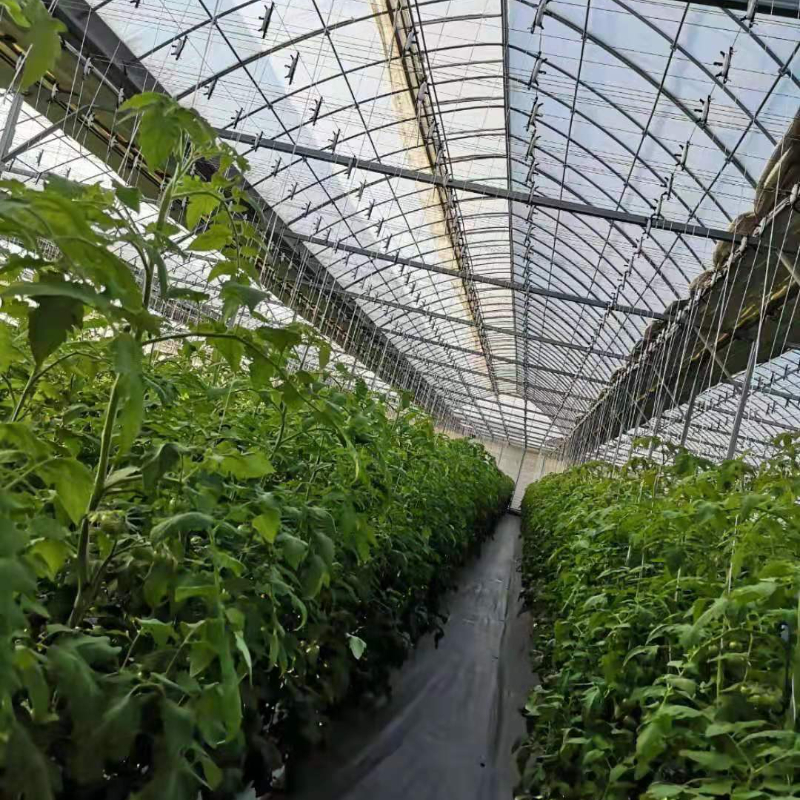
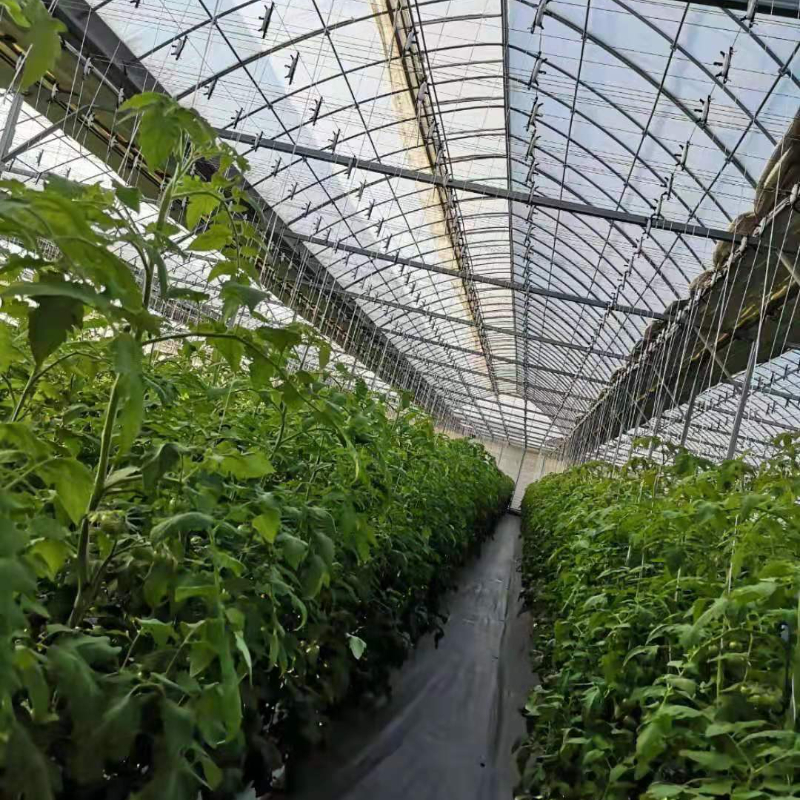
The late 20th and early 21st centuries saw the greenhouse transform into a Closed Environment Agriculture (CEA) system.
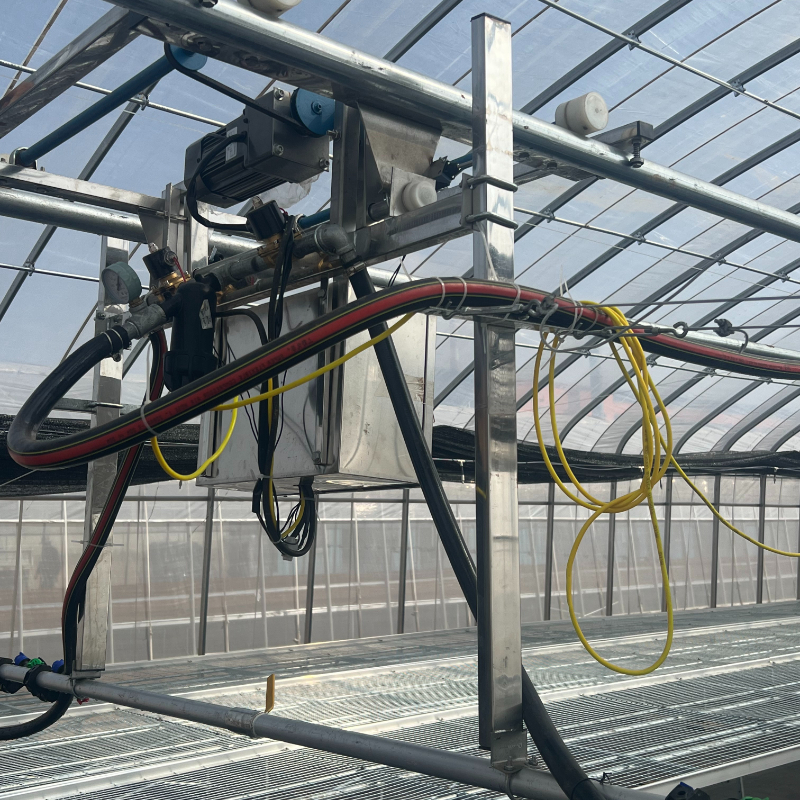
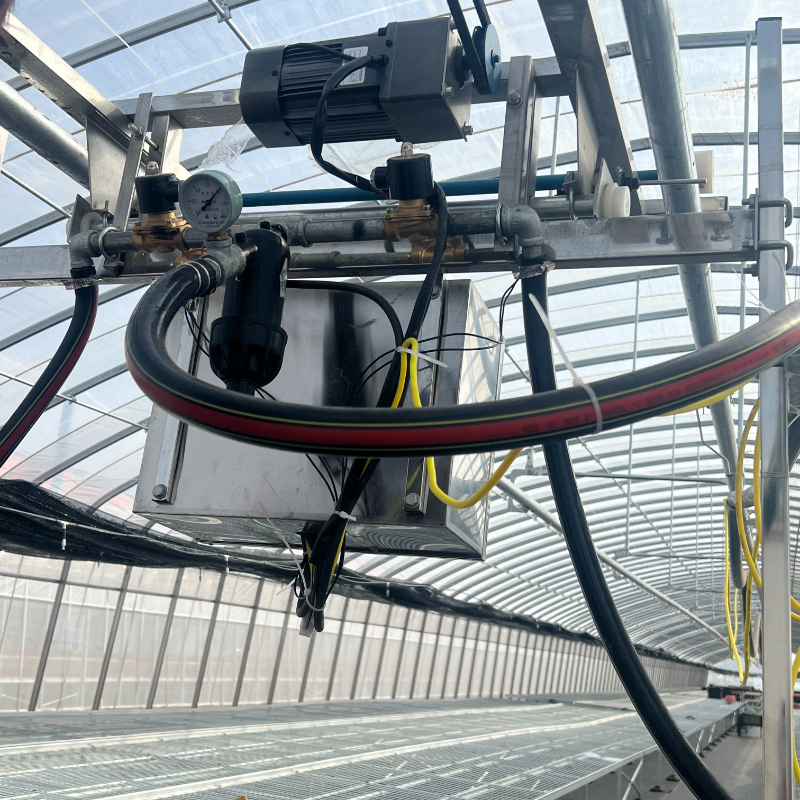
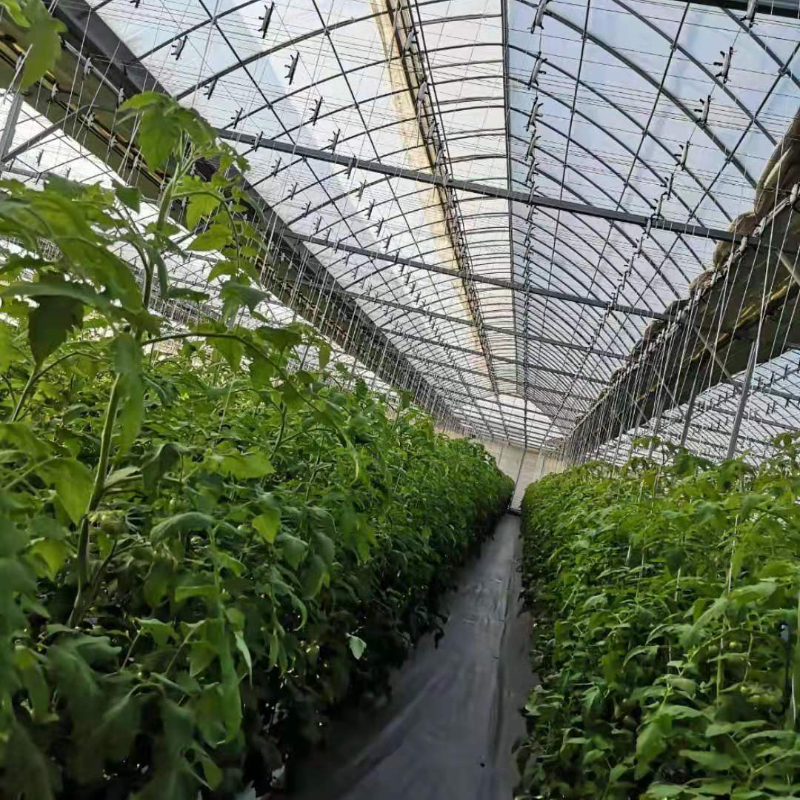
Computerization: Climate computers began automatically controlling ventilation, heating, and shading based on sensor data.
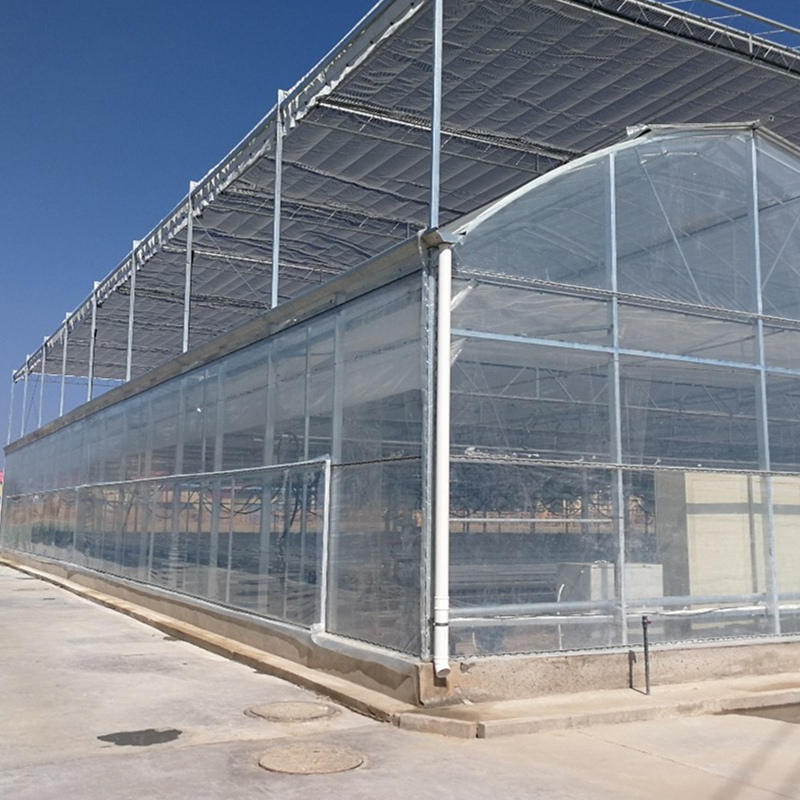
Advanced Materials: Double-layered polycarbonate panels and ETFE cushions (e.g., The Eden Project) offered better insulation and durability.
Supplemental Lighting: The advent of affordable and efficient LED grow lights allowed for year-round production regardless of natural sunlight, enabling cultivation in higher latitudes.
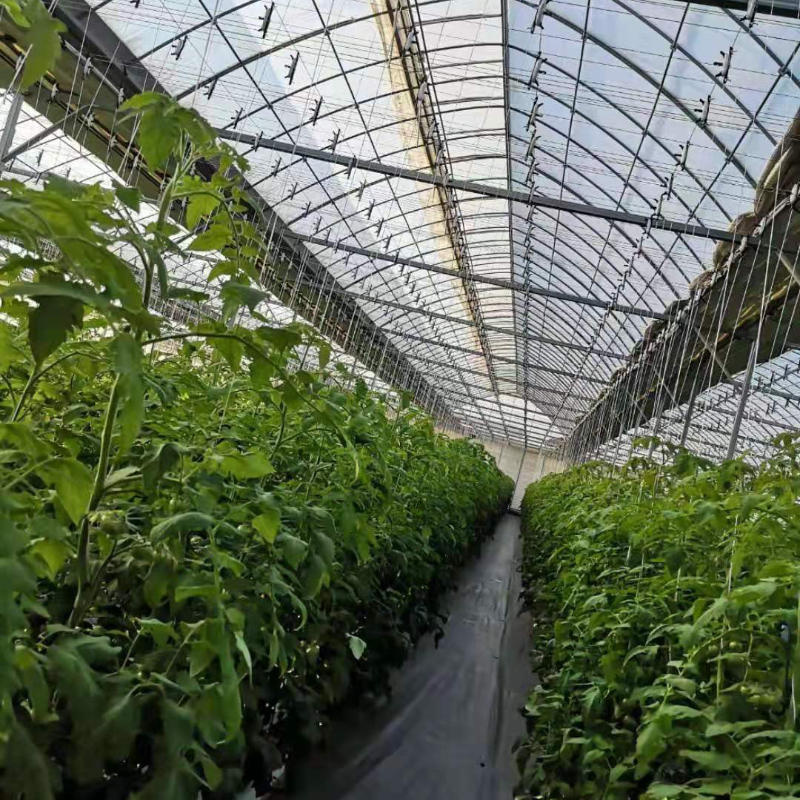
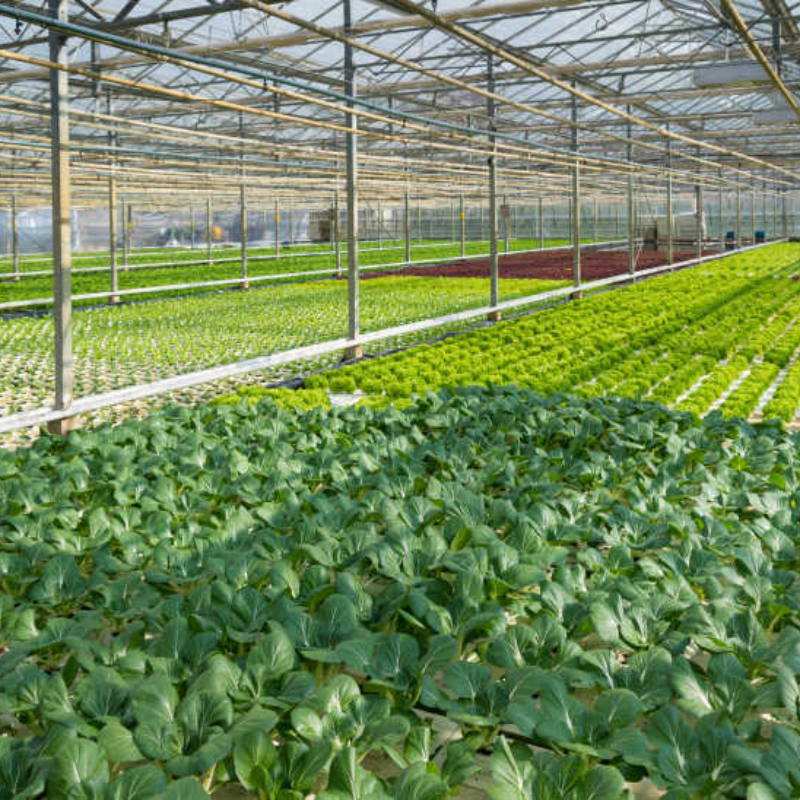
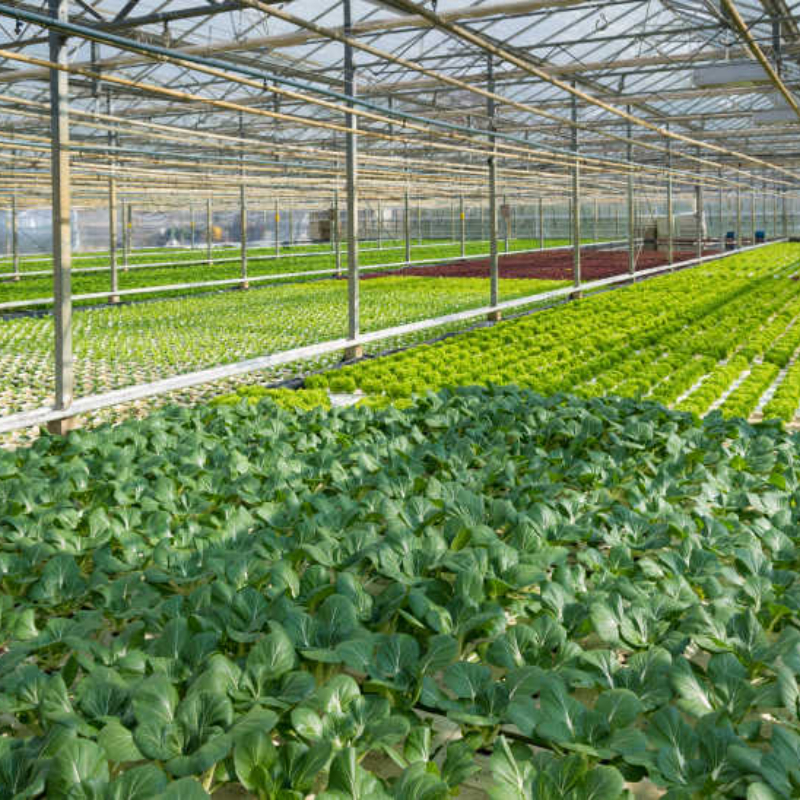
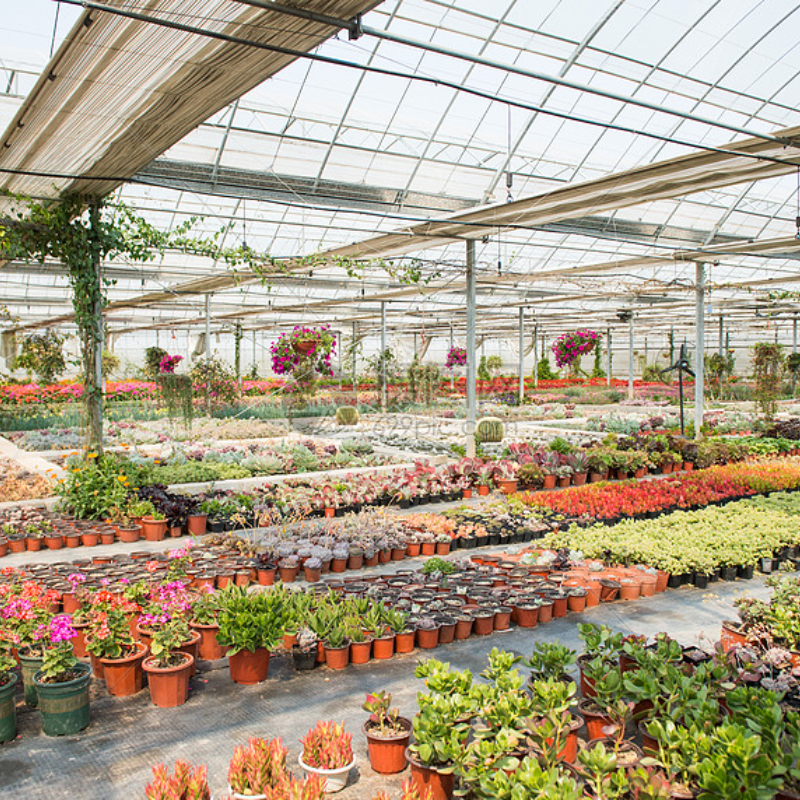
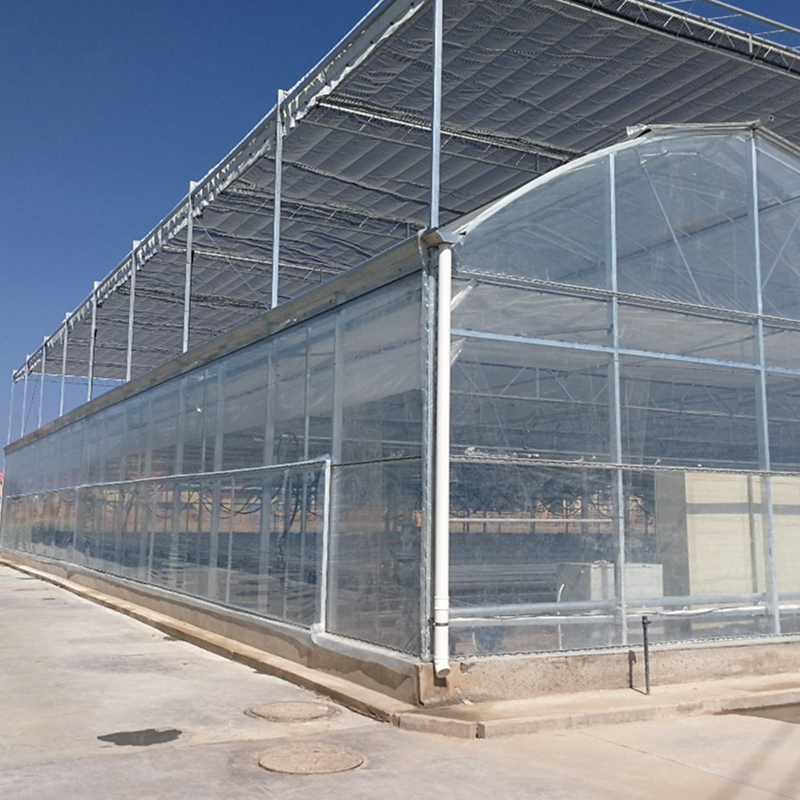
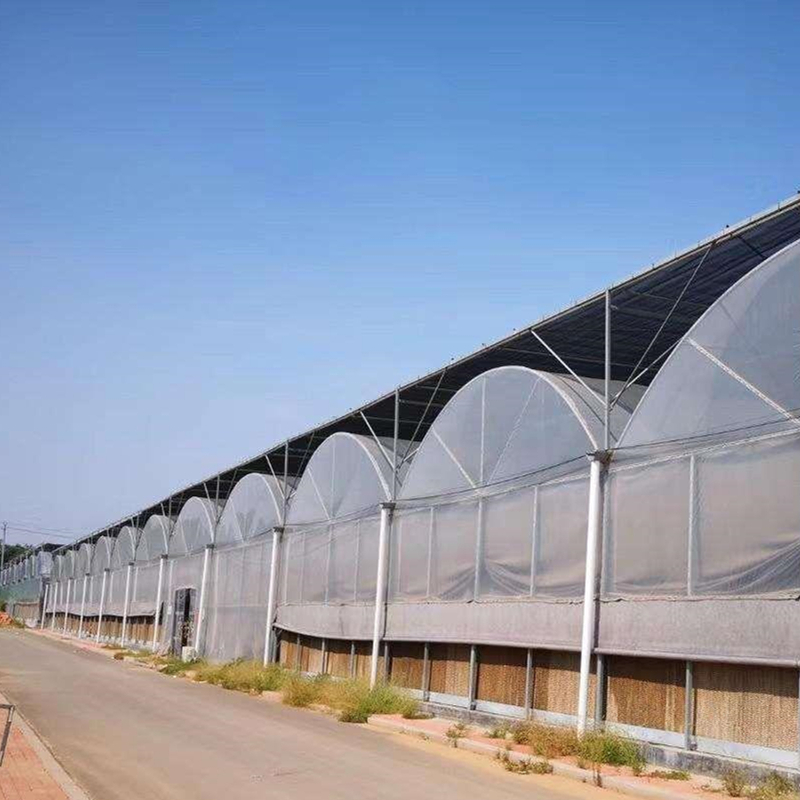
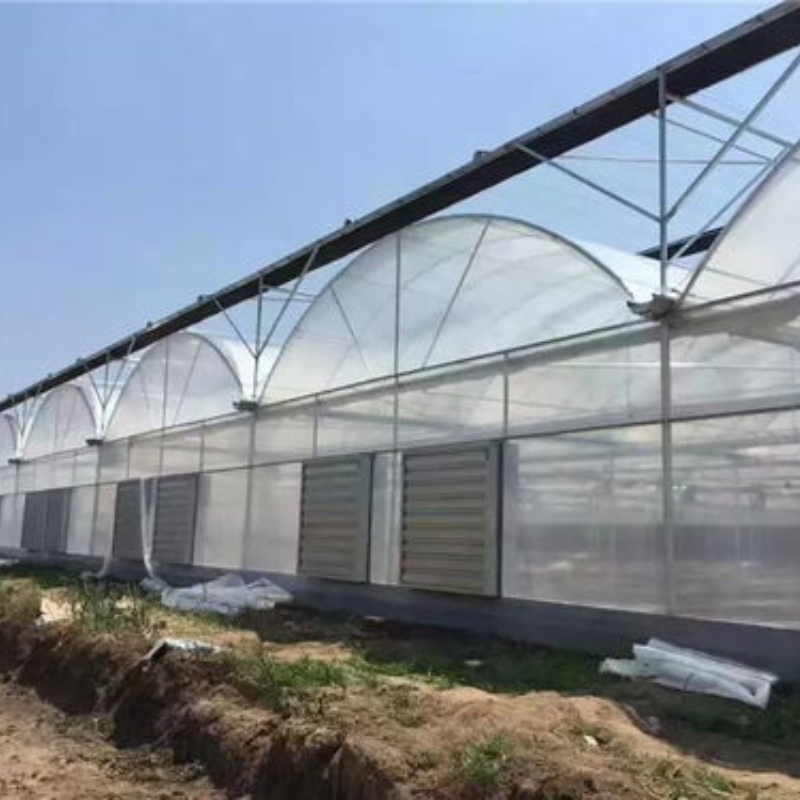
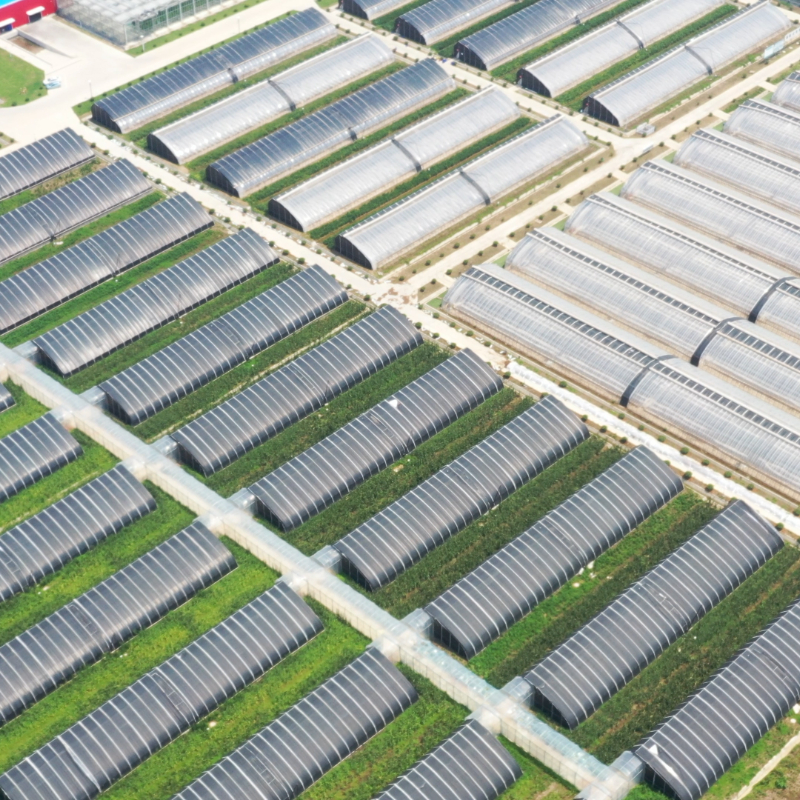
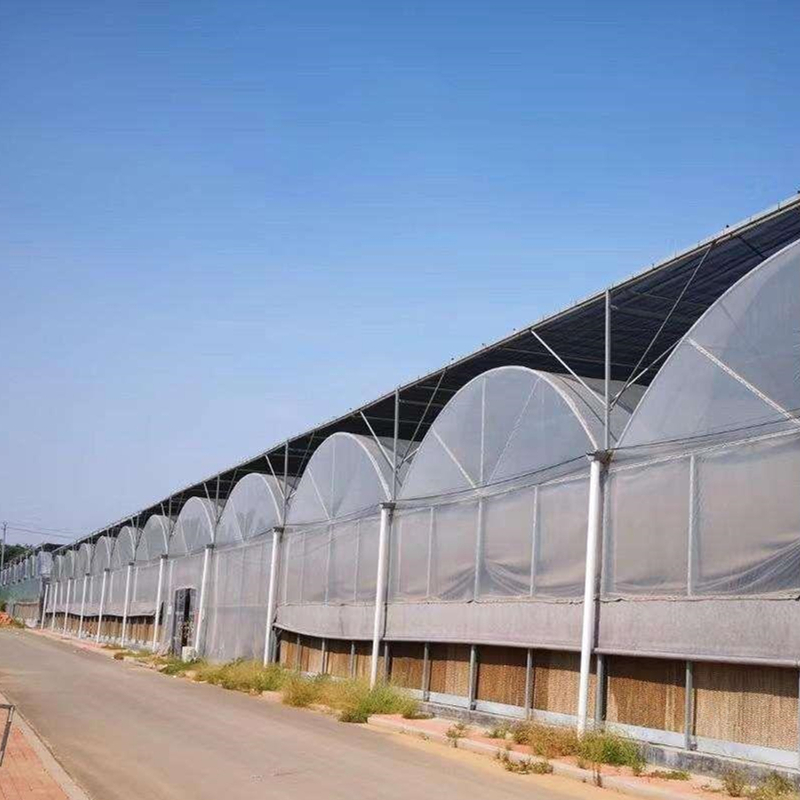
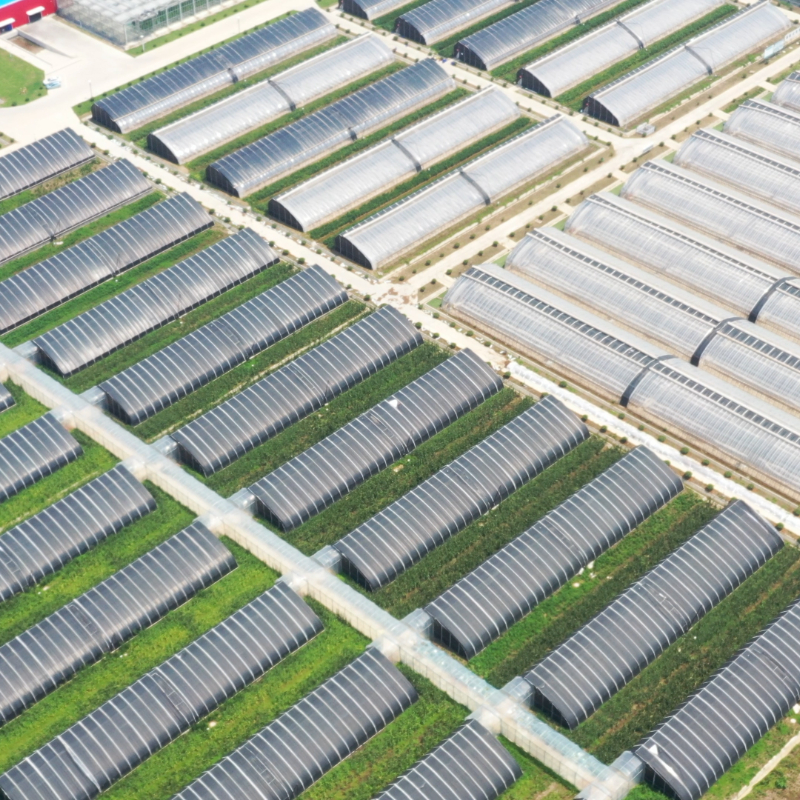
Global Scale: The rise of mega-greenhouses, particularly in Spain (Almería), the Netherlands, the US (Southwest), Canada, and Mexico, turned greenhouse agriculture into a major global industry supplying supermarkets year-round.
Part 2: Future Trends in Greenhouse Agriculture
The future of greenhouse agriculture is focused on sustainability, intelligence, and integration, addressing global challenges like climate change, water scarcity, and population growth.
1. AI, IoT, and Hyper-Automation
Predictive Analytics: AI will move beyond simple control to predictive optimization. Algorithms will analyze weather forecasts, market prices, and plant health data to advise growers on the best strategies for yield, quality, and profit.
Robotics: Robots will take over labor-intensive tasks like seed planting, pruning, harvesting, and packing, solving critical labor shortages and increasing efficiency.
Computer Vision: Cameras and sensors will monitor each plant individually for early signs of disease, nutrient deficiency, or pest stress, enabling targeted treatment rather than whole-house spraying.
2. Energy Sustainability and Circular Systems
Renewable Integration: Greenhouses will increasingly integrate solar panels, geothermal energy, and wind power to reduce their carbon footprint. A key trend is using waste heat from industrial processes (e.g., factories, data centers) to heat greenhouses.
Closed-Loop Systems: The concept of "water-positive" agriculture will become standard. Nearly 100% of water (from irrigation and ambient humidity) will be captured, treated, and recirculated. Nutrients will also be recovered and reused.
CO2 Fertilization from Waste: Capturing carbon dioxide from industrial exhaust flues to pump into greenhouses will become more common, boosting plant growth while reducing industrial emissions.
3. Vertical Integration and Urban Agriculture
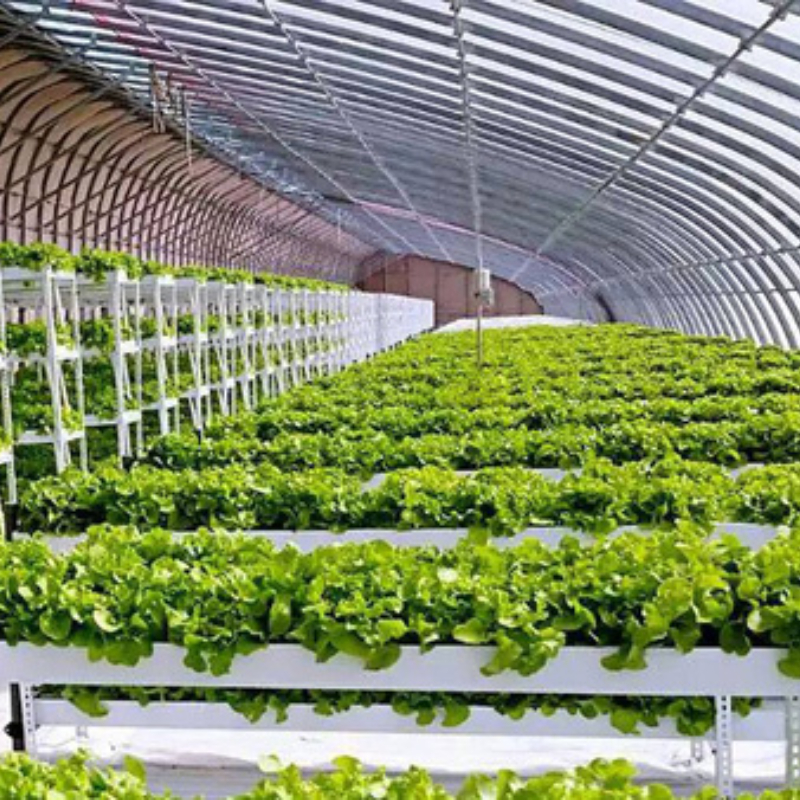
Vertical Farming Synergy: While distinct technologies, greenhouse and vertical farming principles will merge. Multi-layer cropping inside tall glasshouses will maximize land use efficiency, especially near urban centers.
Urban Food Hubs: Rooftop greenhouses on supermarkets, warehouses, and residential buildings will shorten supply chains to "farm-to-table in hours," reducing transportation costs and emissions while providing ultra-fresh produce.
4. Advanced Genetics and Cultivation
Tailored Varieties: Plant breeders will develop new cultivars specifically designed for protected environments—dwarf rootstocks, plants that thrive under LED spectra, and varieties with enhanced flavor and nutrition rather than just shipability.
Biological Pest Control: The use of beneficial insects (biocontrol) will become the absolute norm, eliminating the need for chemical pesticides entirely and creating a truly organic and resilient ecosystem.
5. Globalization of the Model
The high-tech Dutch and Spanish models will be adapted and exported to new regions:
Arid Regions: Using desalination and solar power to run hyper-efficient CEA facilities to grow food in deserts (e.g., projects in UAE, Saudi Arabia).
Northern Latitudes: Using geothermal energy and LEDs to create local food production hubs in cold climates like Canada, Scandinavia, and the northern US, improving food security.
Conclusion
From the speculariums of Roman emperors to the AI-driven, solar-powered bio-factories of tomorrow, greenhouse agriculture has undergone a profound transformation. It has evolved from a tool for preserving luxury to a critical solution for global food security. The future trends point towards a fully integrated, intelligent, and sustainable system that will play a central role in feeding the world's growing urban population while drastically reducing the environmental footprint of agriculture.
