
Greenhouses: From Traditional to Modern – Cultivating the Future Under Glass
The greenhouse stands as a powerful symbol of humanity's enduring desire to harness nature—to extend seasons, defy climates, and cultivate life where it otherwise could not flourish. This journey from simple structures designed to protect tender plants to today's computer-controlled food production hubs is a fascinating story of technological and agricultural innovation.
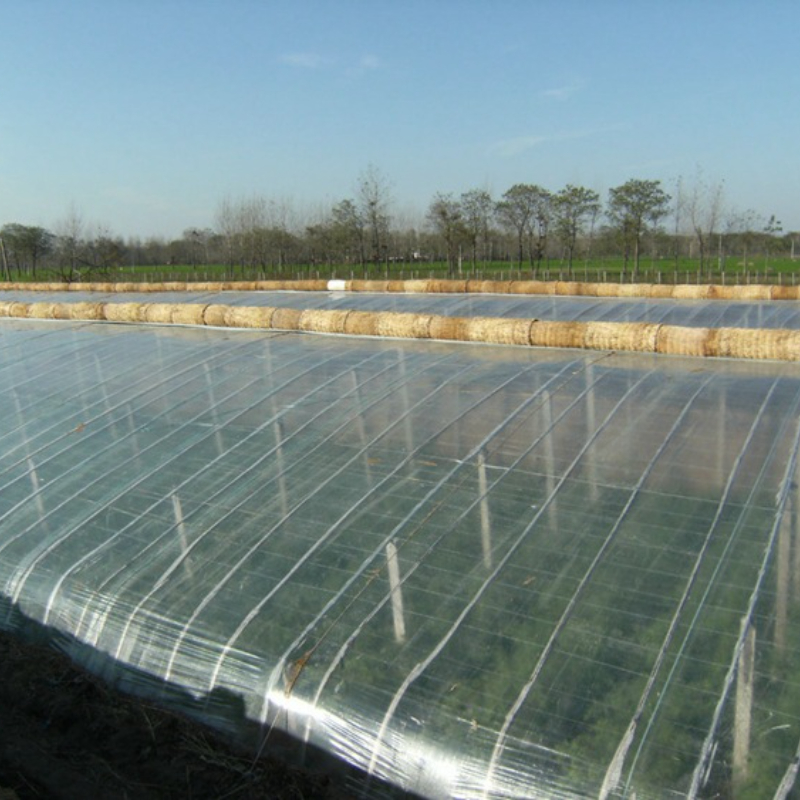
Part 1: The Traditional Greenhouse – Sheltering with Sunlight
The concept of the greenhouse is ancient. The Romans used speculariums (structures covered with translucent sheets of mica) to force cucumbers for Emperor Tiberius year-round. However, the modern greenhouse’s true ancestors emerged in the Renaissance Europe of the 16th and 17th centuries.
Defining Characteristics of Traditional Greenhouses:
1.Materials: Structures were built from wood or brick (often ornately designed as "orangeries" to protect citrus trees in winter). Glazing was primarily glass, which was expensive and fragile. The high cost meant these were luxuries for the wealthy and aristocratic.
2.Climate Control: Regulation was entirely manual and labor-intensive.
3.Heating: Relied on passive solar gain (trapping heat from the sun) and was often supplemented by primitive coal or wood-fired boilers with piping.
4.Ventilation: Hand-cranked roof vents and side vents were opened and closed based on the gardener's intuition and a simple thermometer.
5.Irrigation: Watering was done by hand with a can or hose.
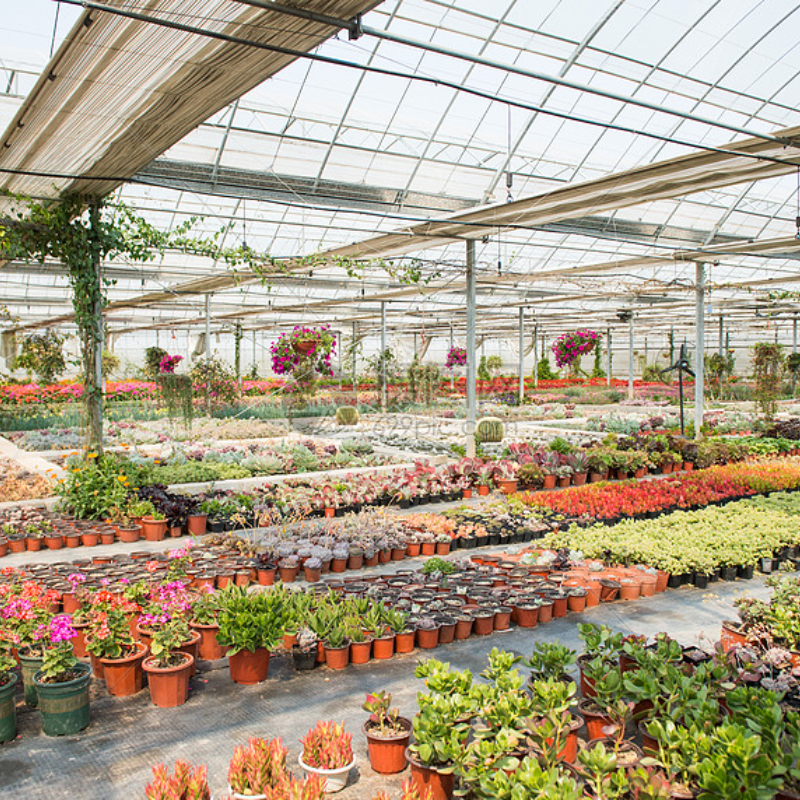
6.Purpose: Primarily for the protection and display of exotic plants, fruits (like oranges and pineapples), and later, for propagating seedlings for private gardens. The focus was on beauty, rarity, and status rather than mass production.
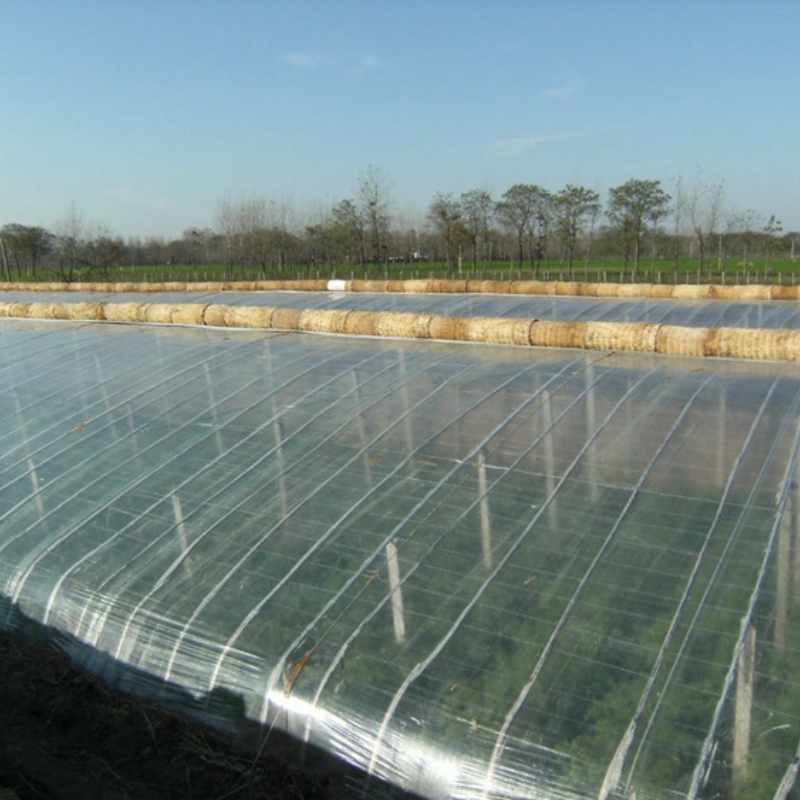
These traditional greenhouses were beautiful and effective for their time, but they were inefficient, inconsistent, and required constant skilled attention.
The Pivotal Transition: The 19th and Early 20th Centuries
The Industrial Revolution brought key innovations that democratized and scaled greenhouse technology:
1.Mass-Produced Glass: The repeal of the glass tax in England (1845) and new manufacturing techniques made glass cheaper and more available.
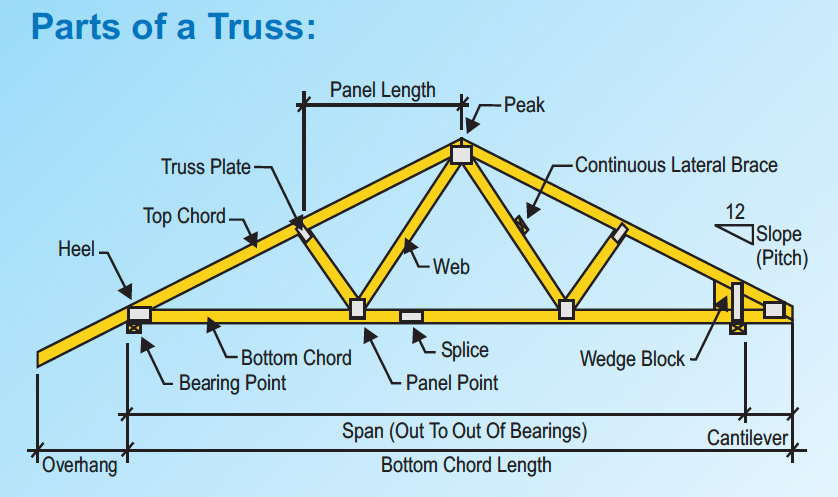
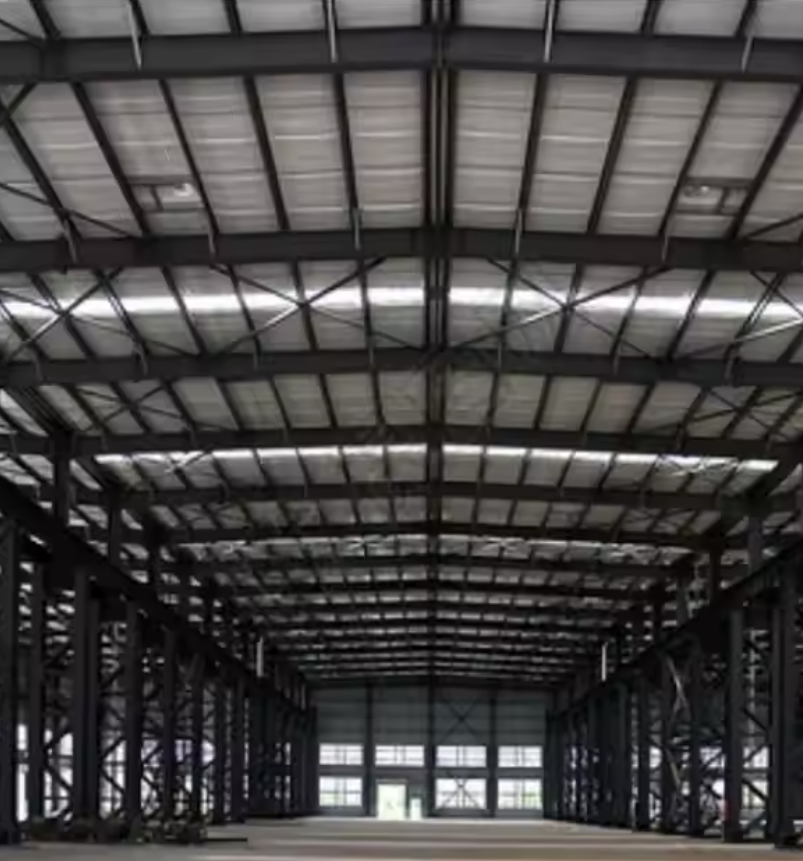
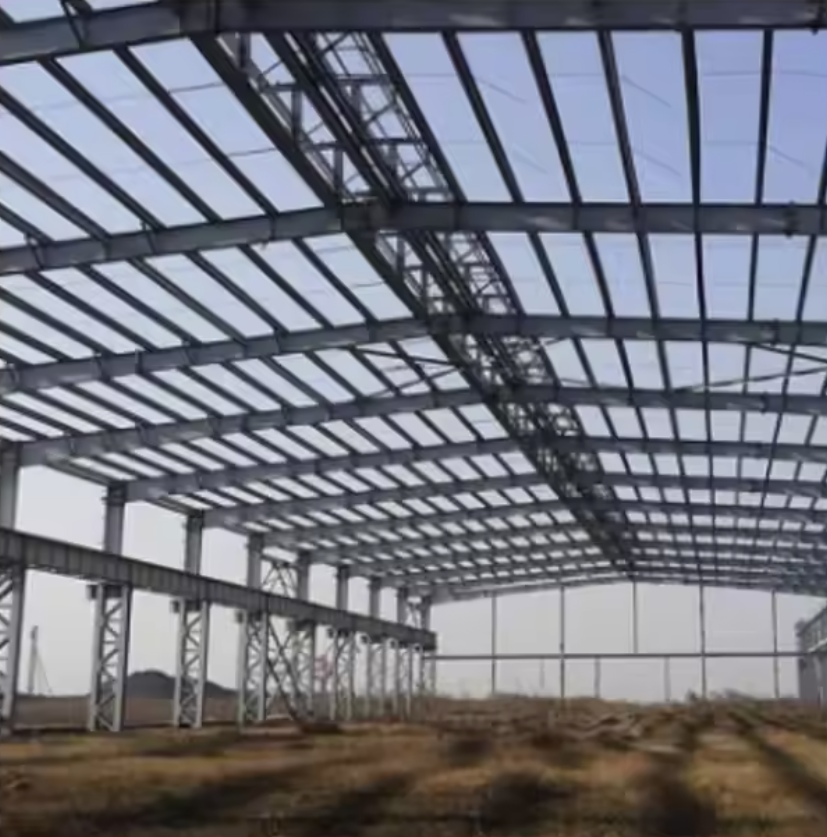
2.Cast Iron and Steel: These stronger framing materials allowed for larger spans of glass, reducing shading and creating larger, more efficient structures.
3.The Curvilinear Roof: Pioneered in places like the Kew Gardens Palm House, this design maximized light capture and became an architectural icon.
4.Commercial Horticulture: The idea of using greenhouses to grow food (like tomatoes, lettuce, and flowers) for market began to take hold, shifting the purpose from luxury to commerce.
Part 2: The Modern Greenhouse – Precision Engineering for Food Security
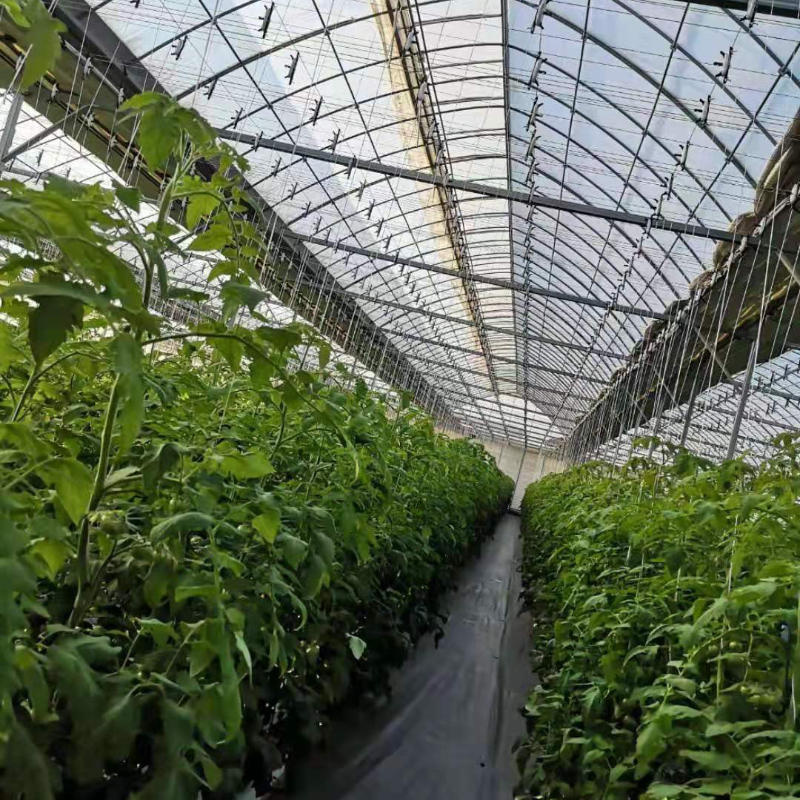
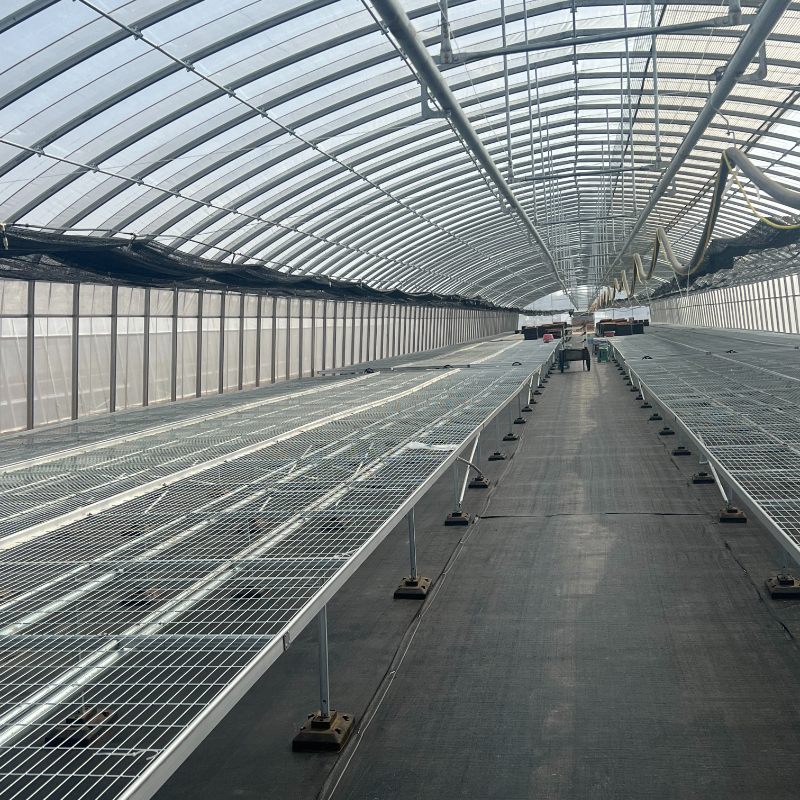
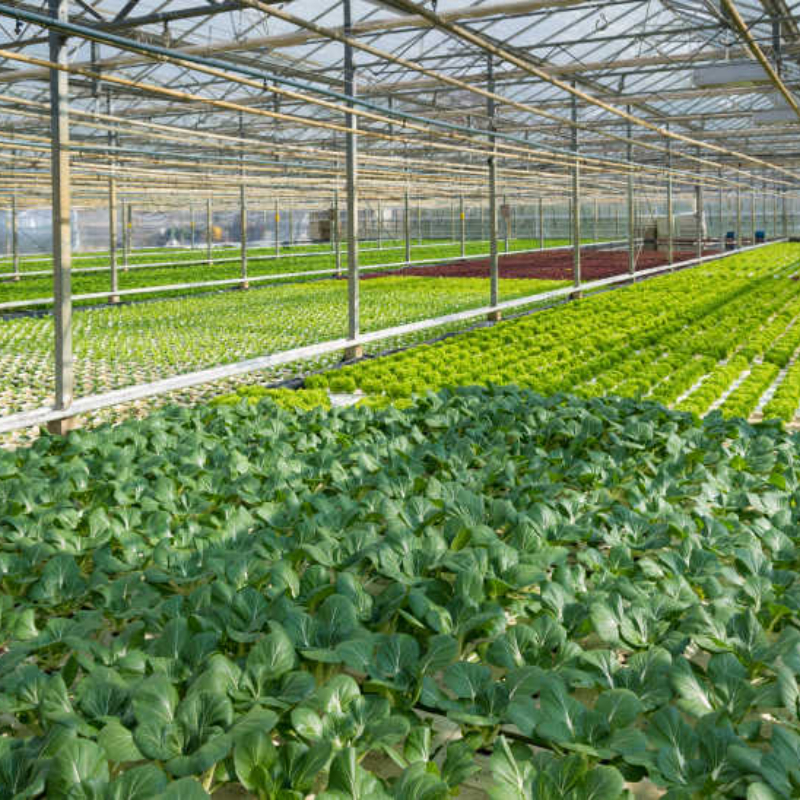
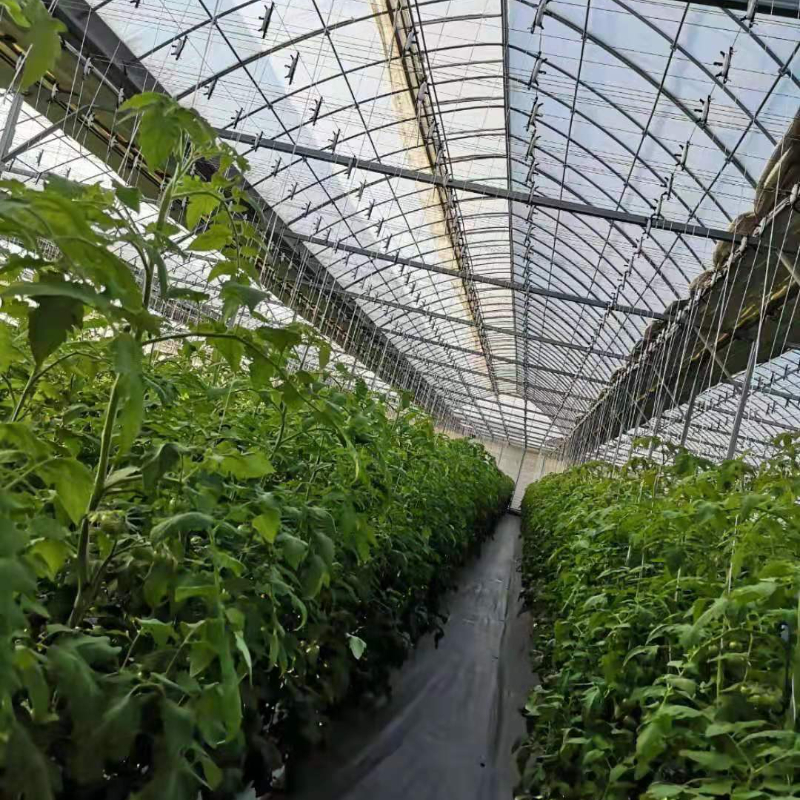
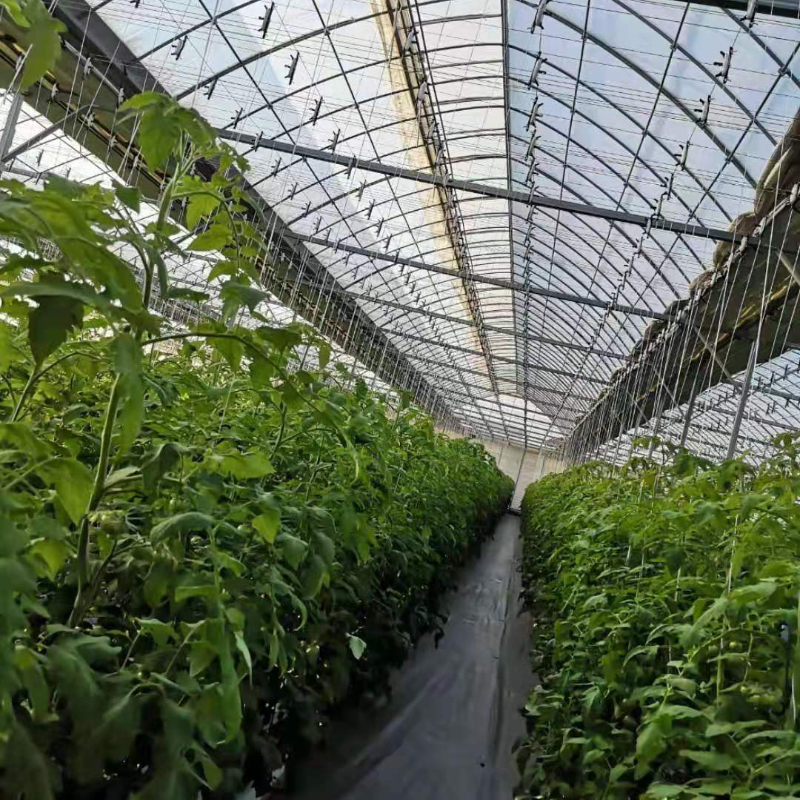
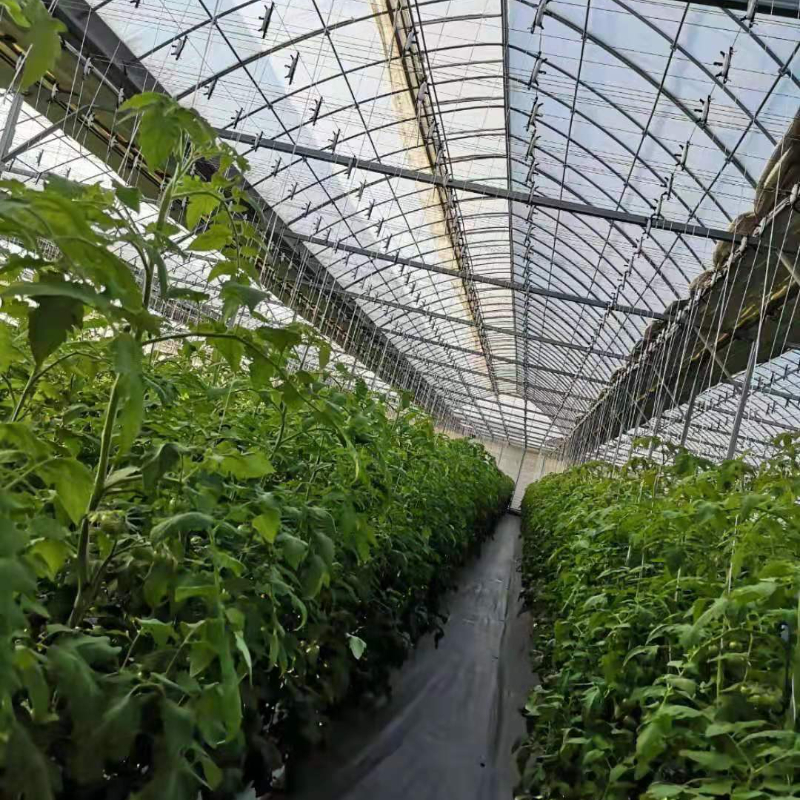
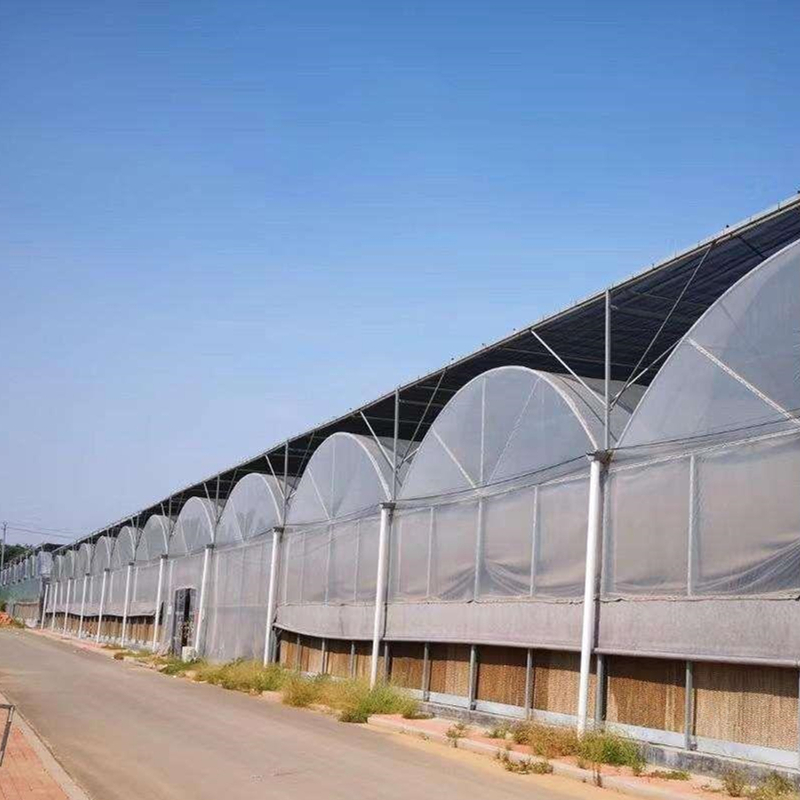
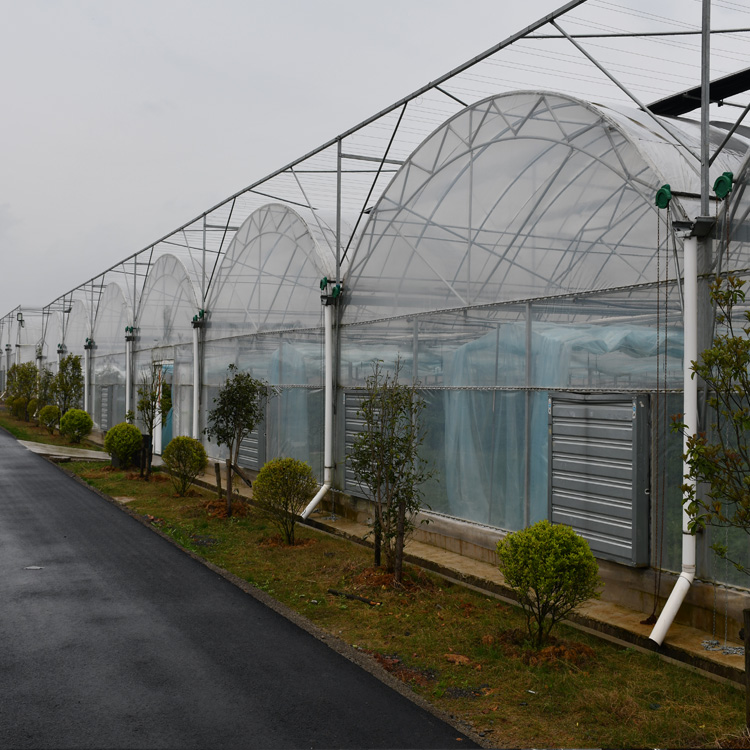
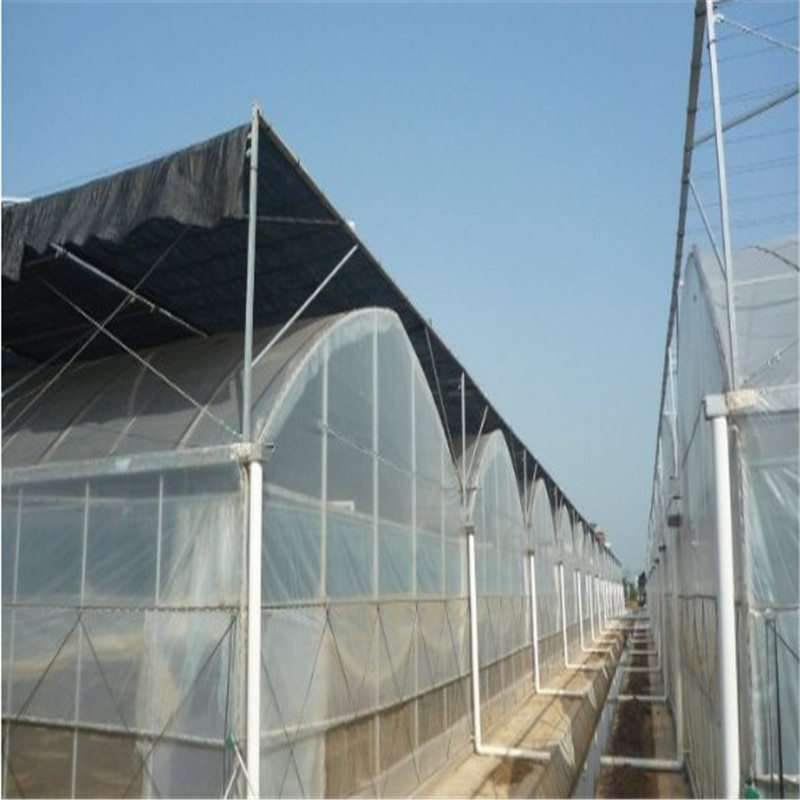
The latter half of the 20th century and the 21st century have seen a revolution, turning the greenhouse from a simple structure into a sophisticated controlled environment agriculture (CEA) system.
Defining Characteristics of Modern Greenhouses:
Materials:
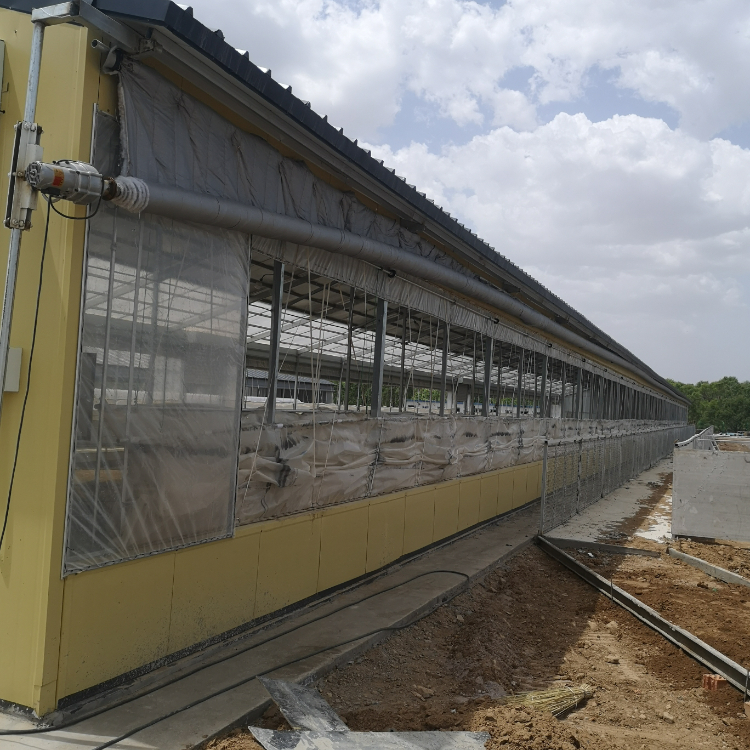
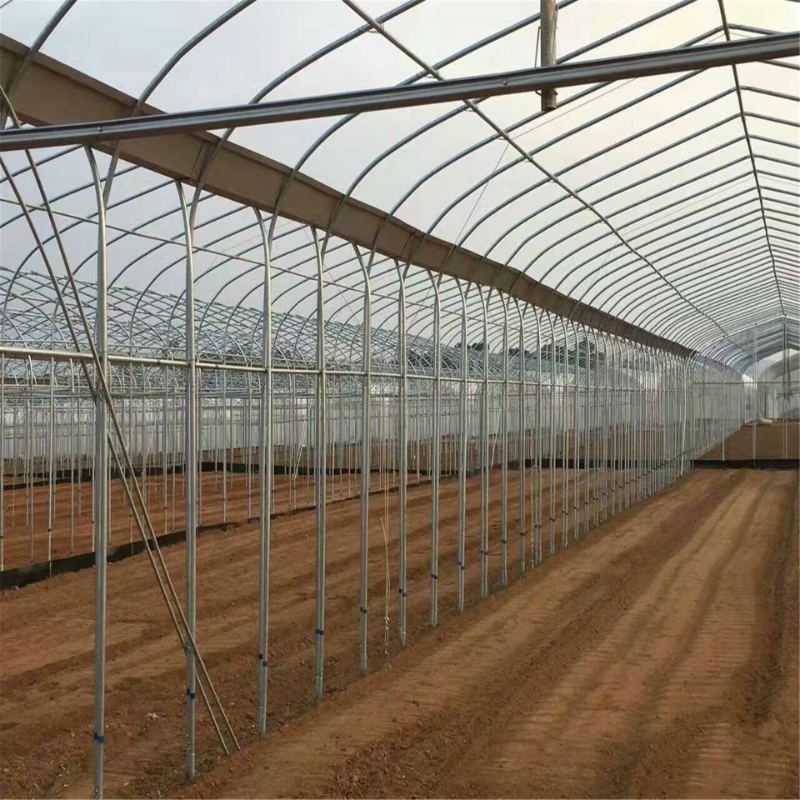
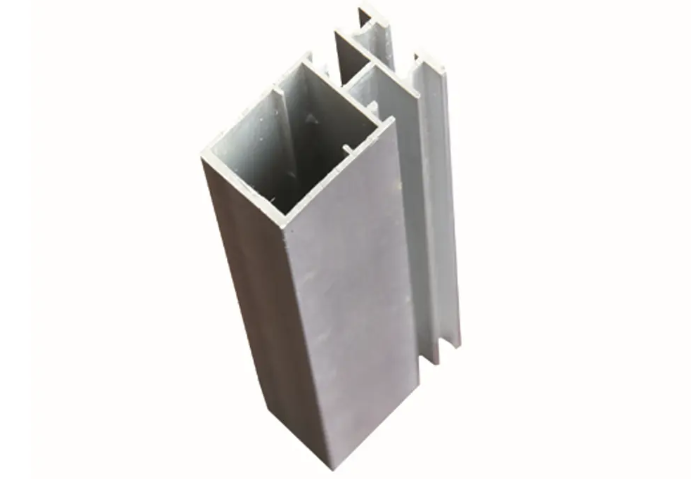
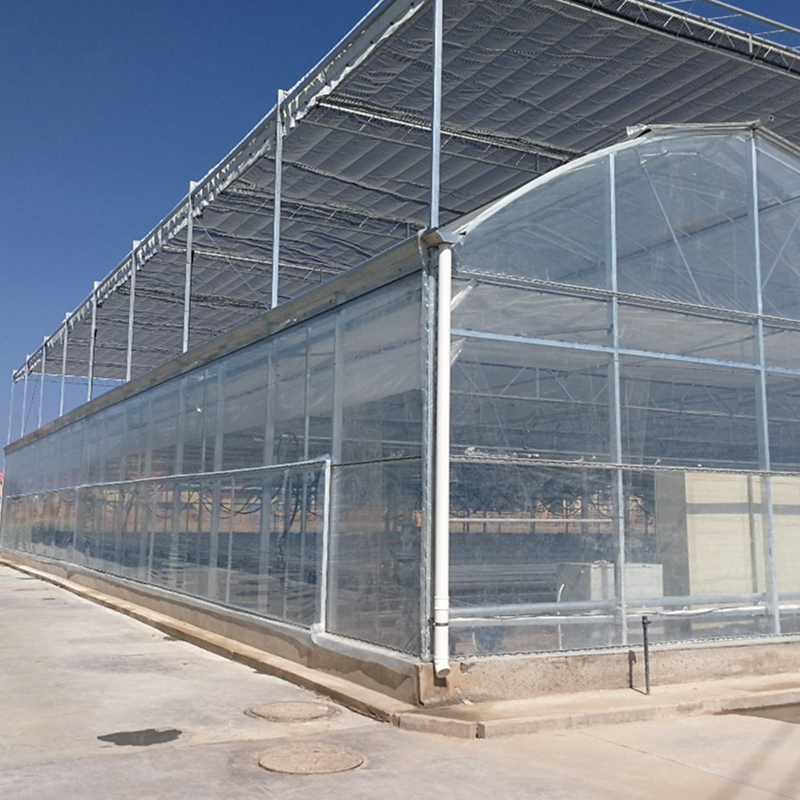
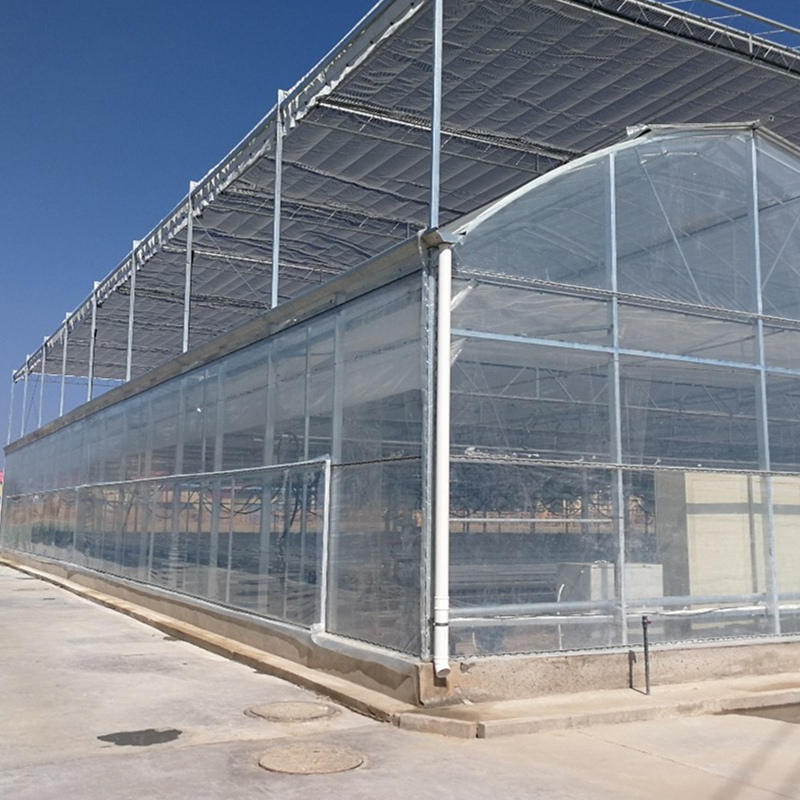
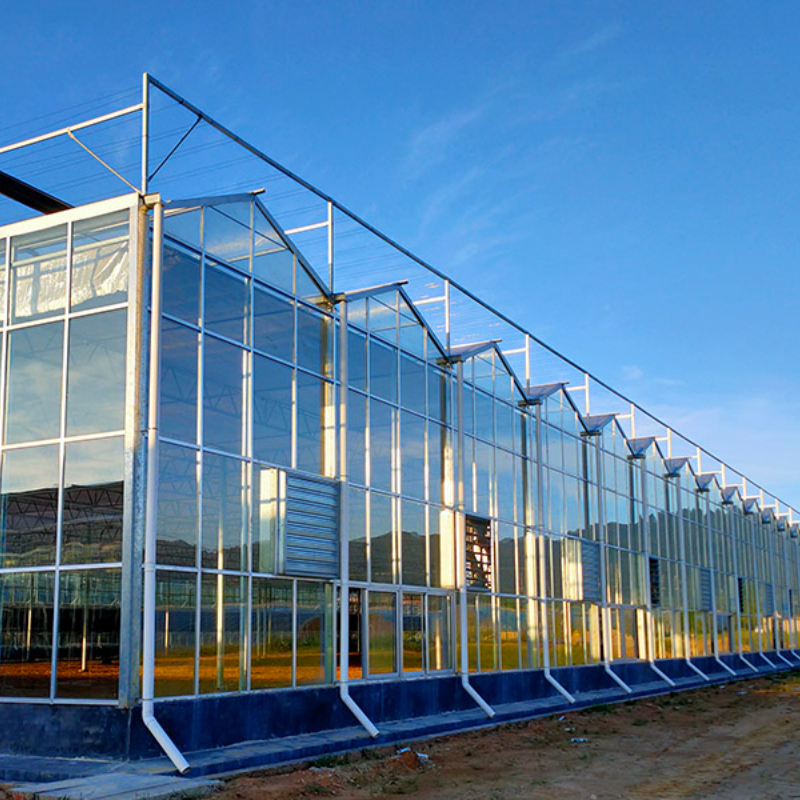
1.Framing: Galvanized steel or aluminum for strength and corrosion resistance.
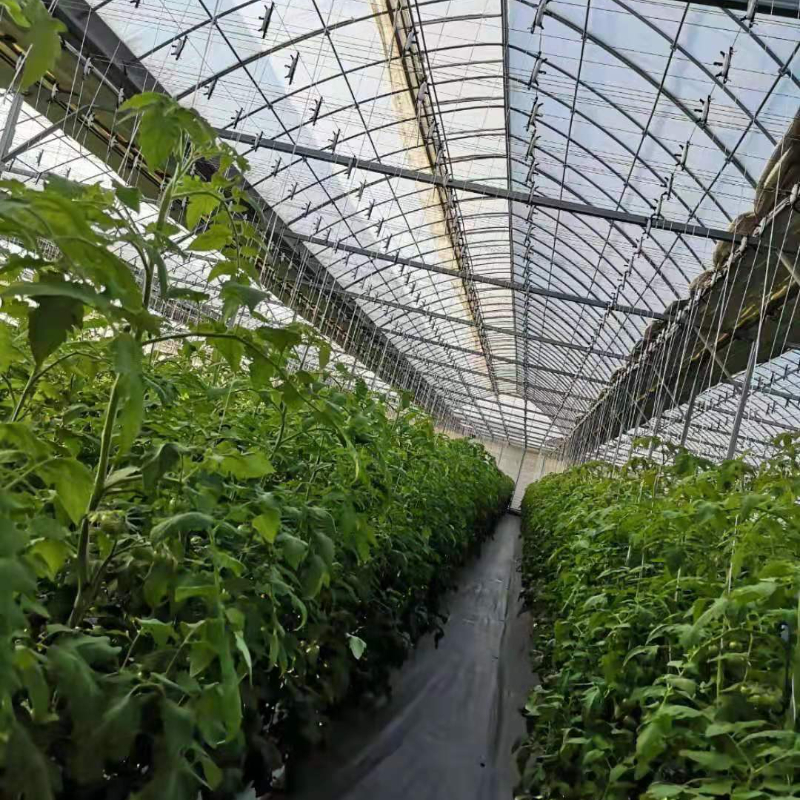
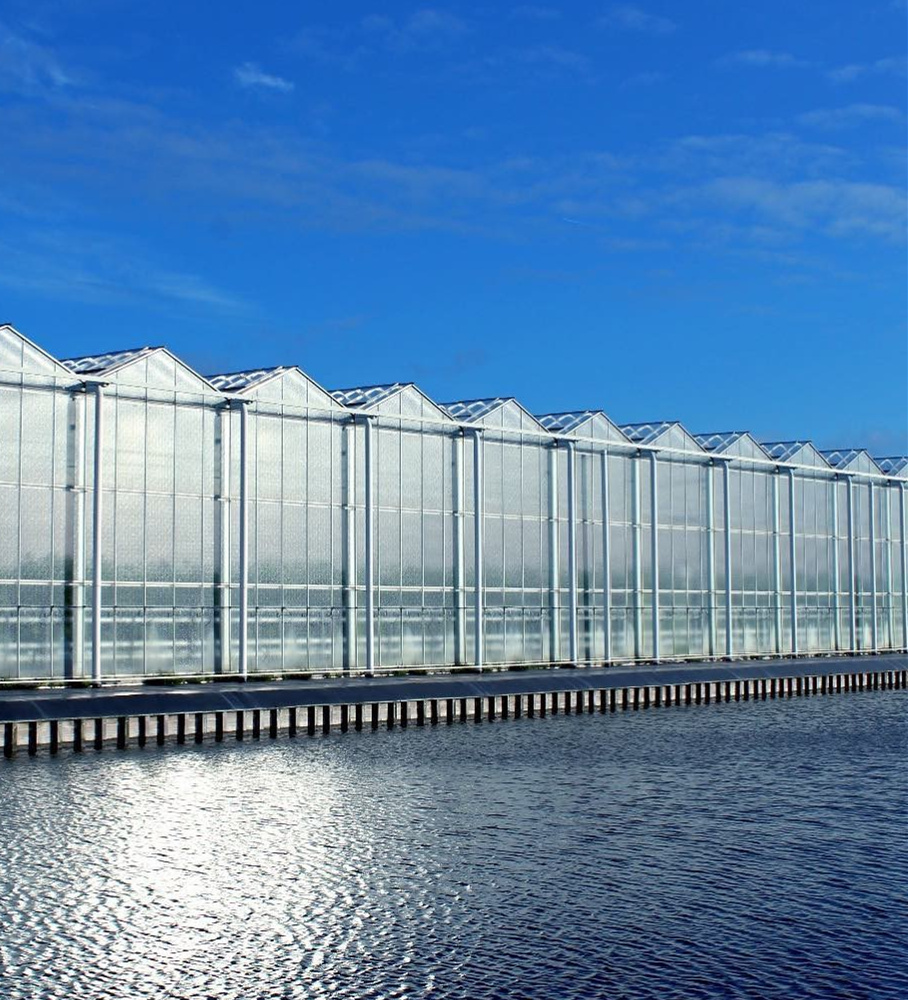
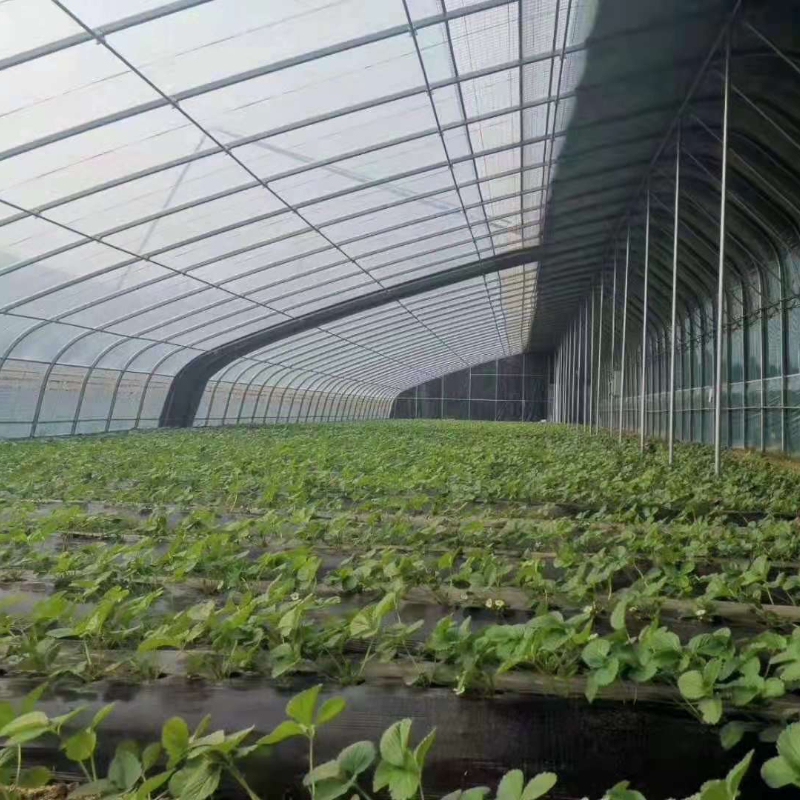
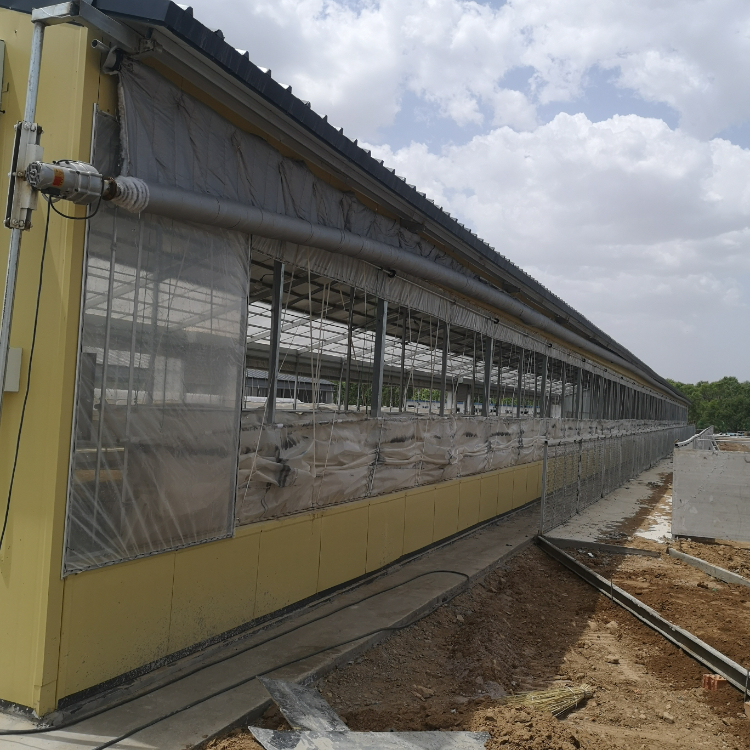
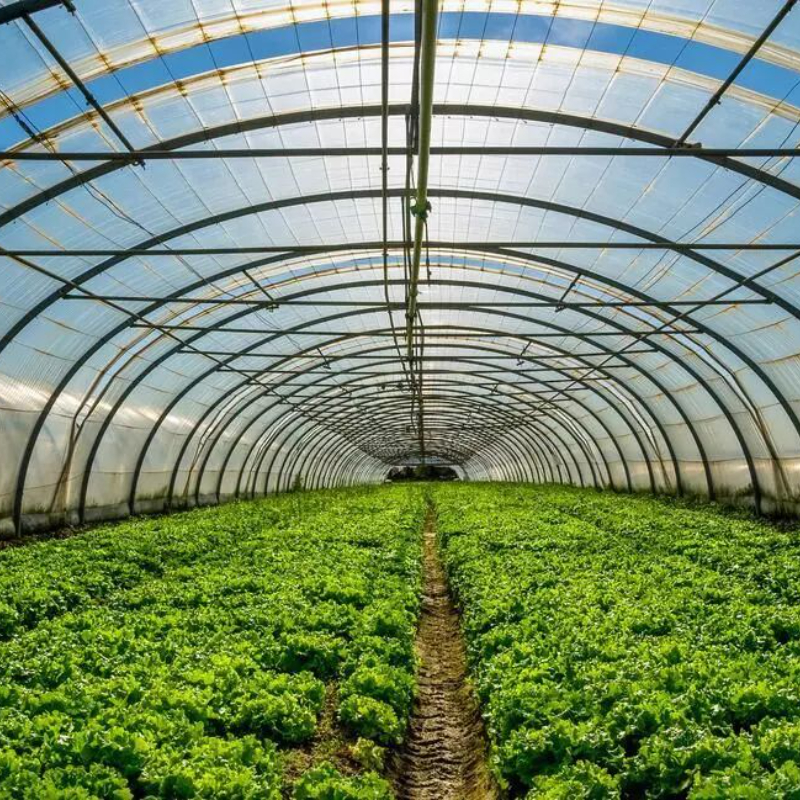
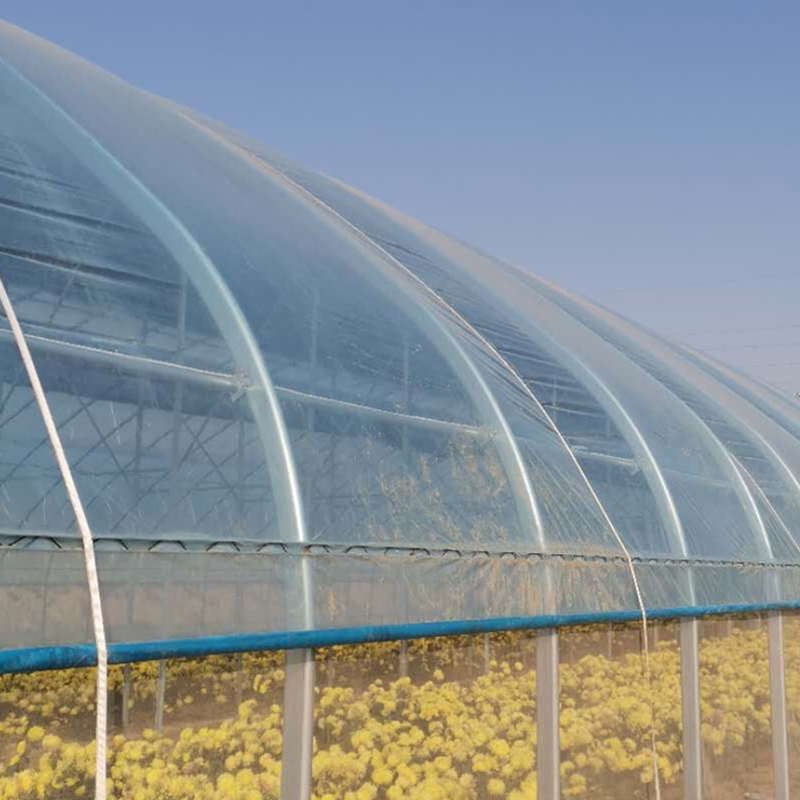
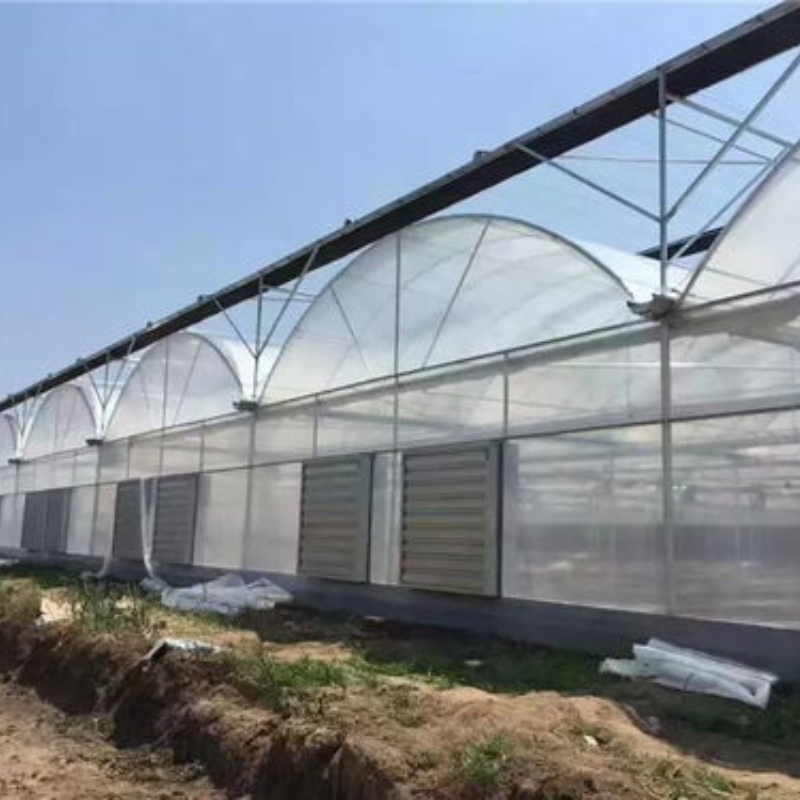
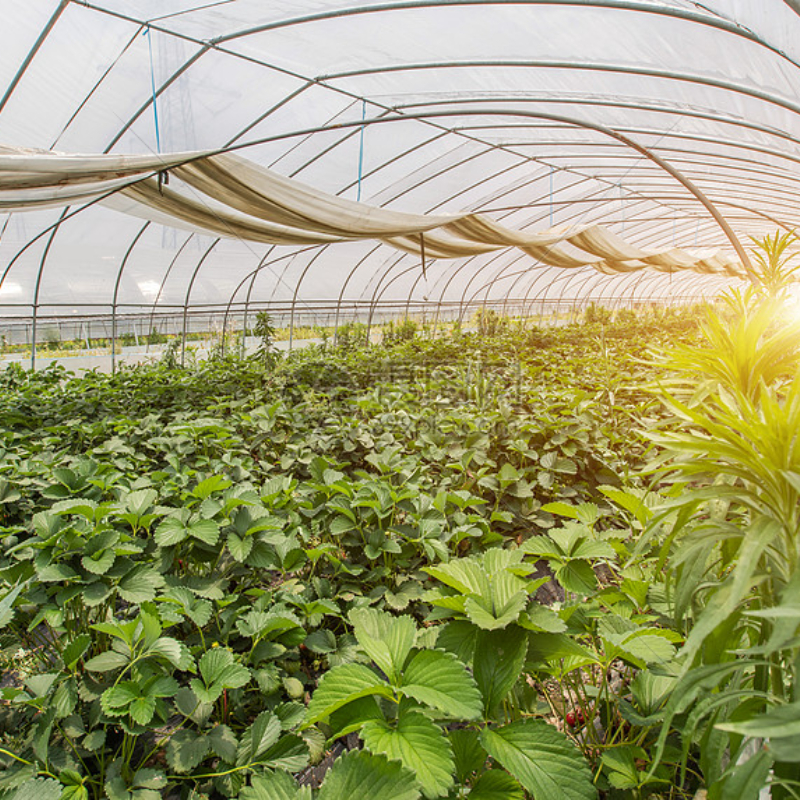
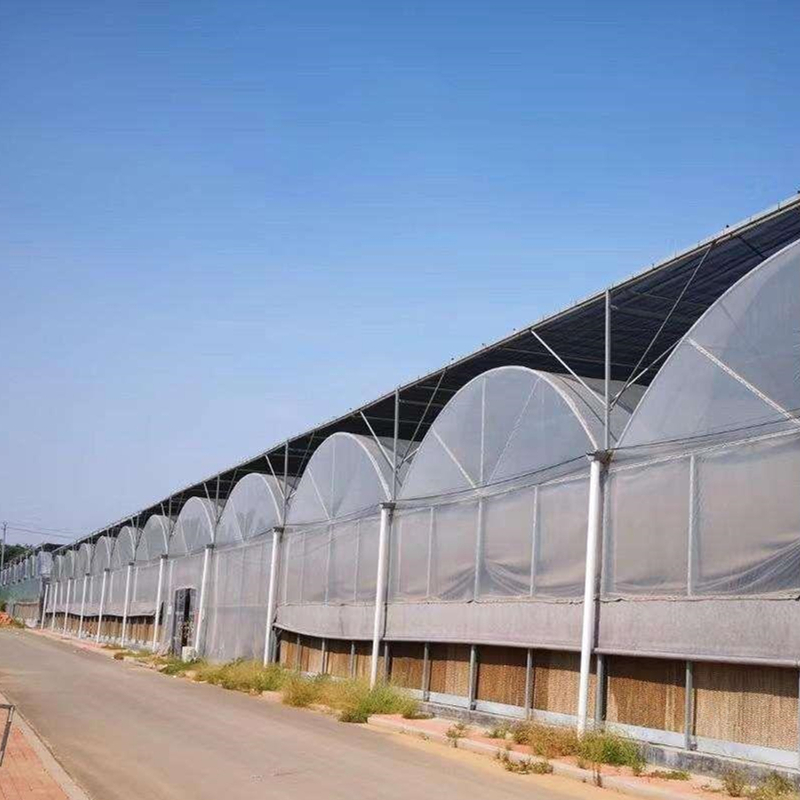
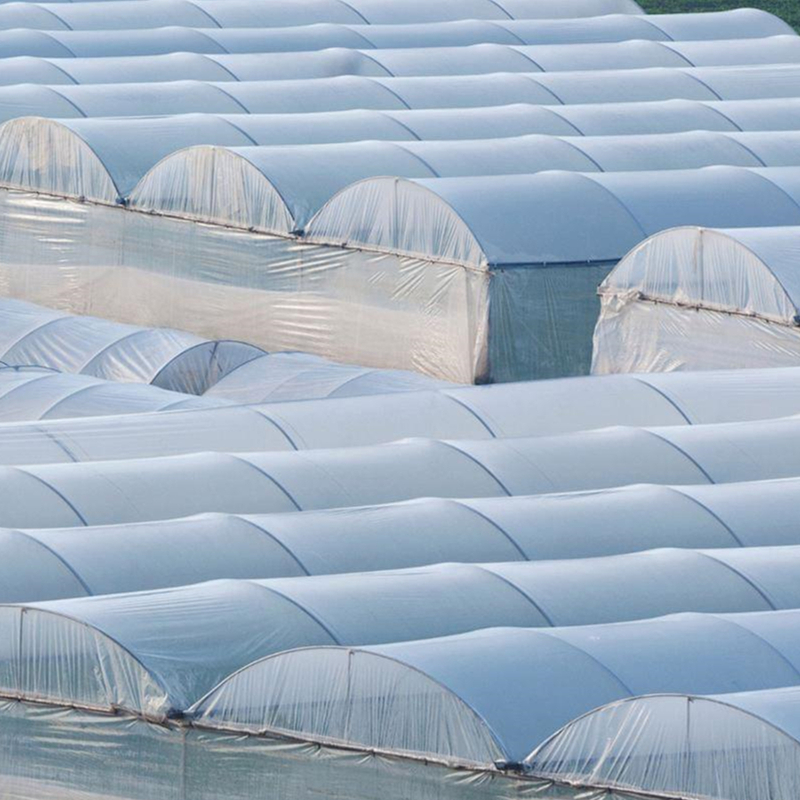
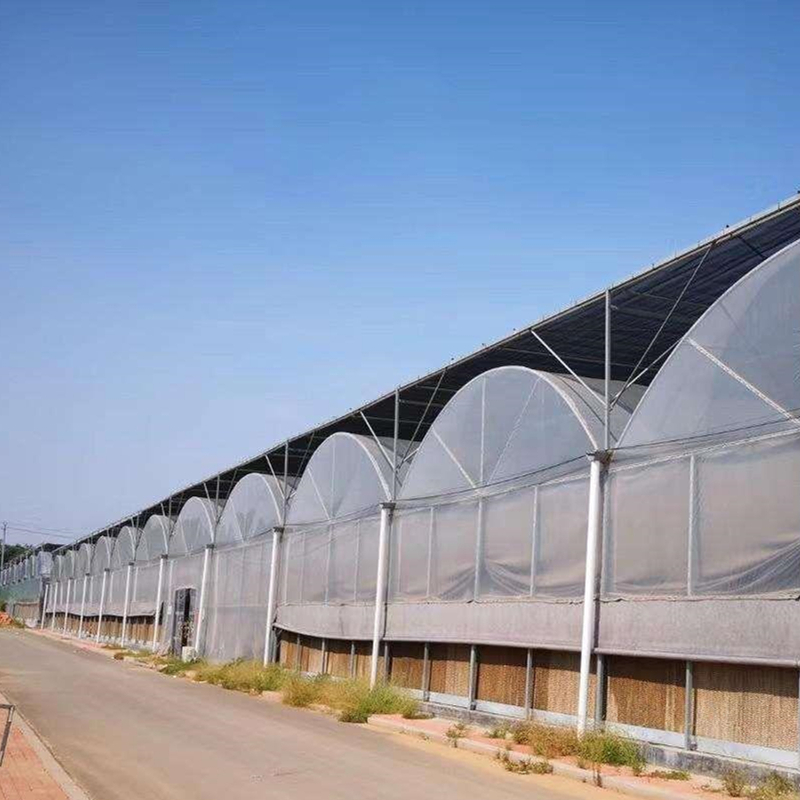
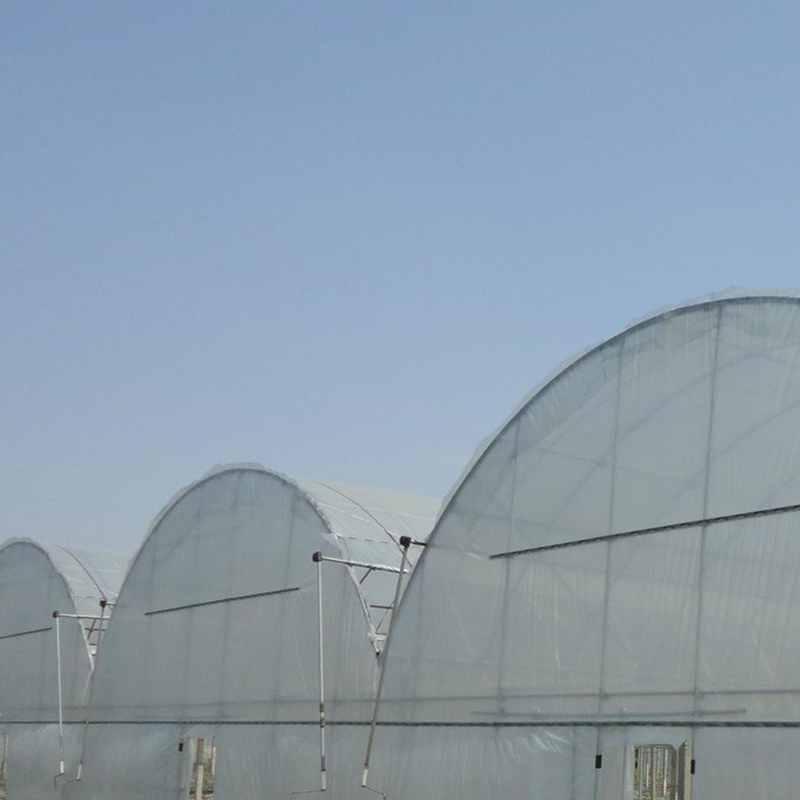
2.Glazing: While glass is still used (often double-paned for insulation), many modern facilities use double-layered polycarbonate panels or polyethylene film. These are lightweight, have excellent insulating properties, and diffuse light beautifully for plant growth. ETFE (a durable, lightweight polymer) is used in advanced projects like the Eden Project.
Advanced Climate Control (The "Brains"):
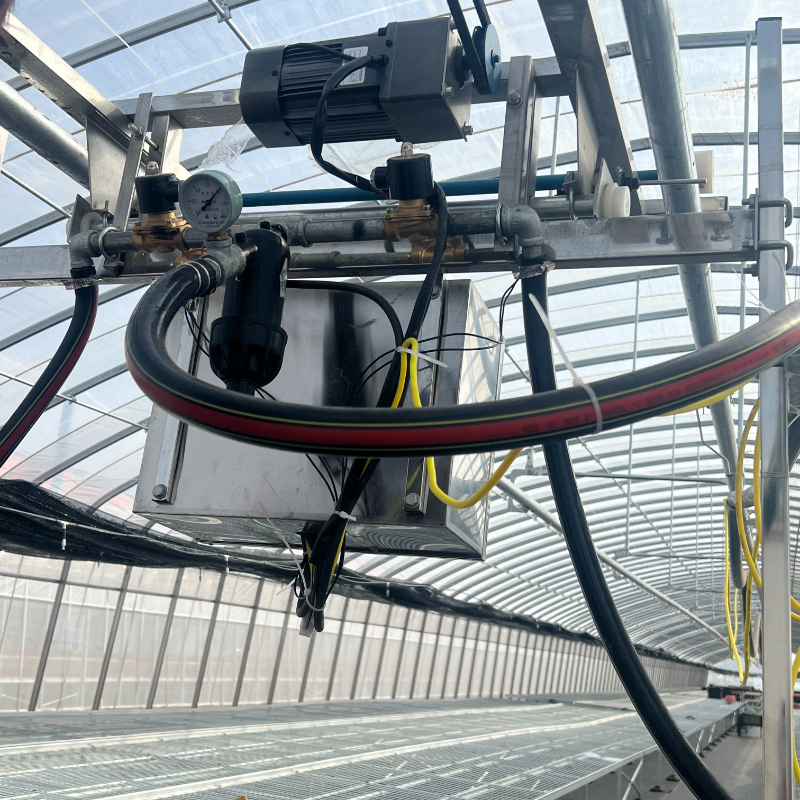
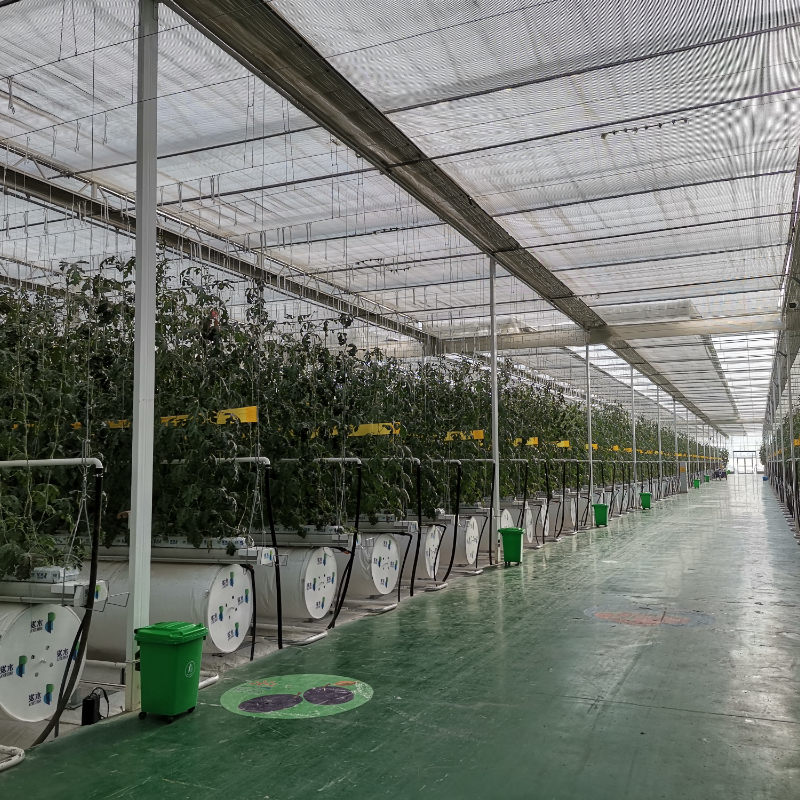
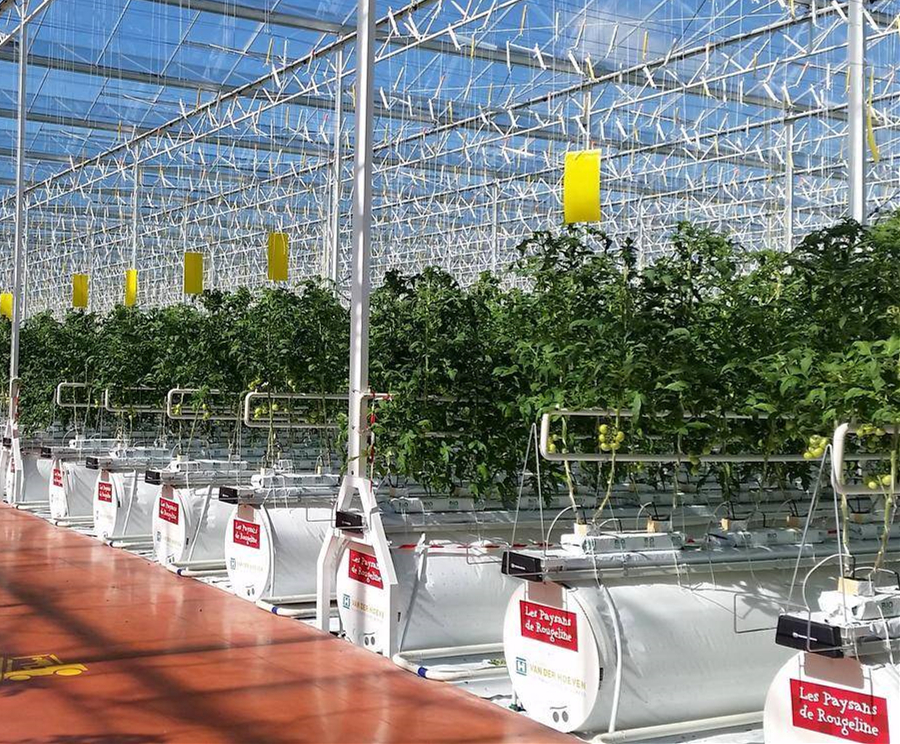
1.Computers & Sensors: A network of sensors constantly monitors temperature, humidity, light levels, CO2 concentration, and soil moisture.
2.Automated Systems: Data from sensors feeds into a climate computer, which automatically triggers responses:
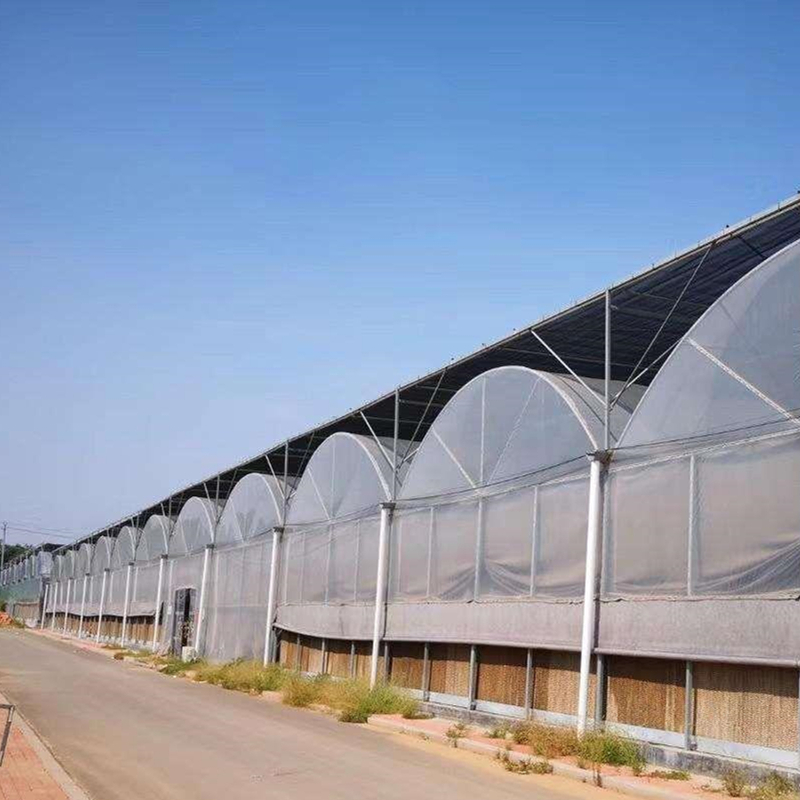
3.Heating/Cooling: High-efficiency gas boilers, combined heat and power (CHP) units, or geothermal systems provide heat. evaporative cooling pads and giant exhaust fans manage summer heat.
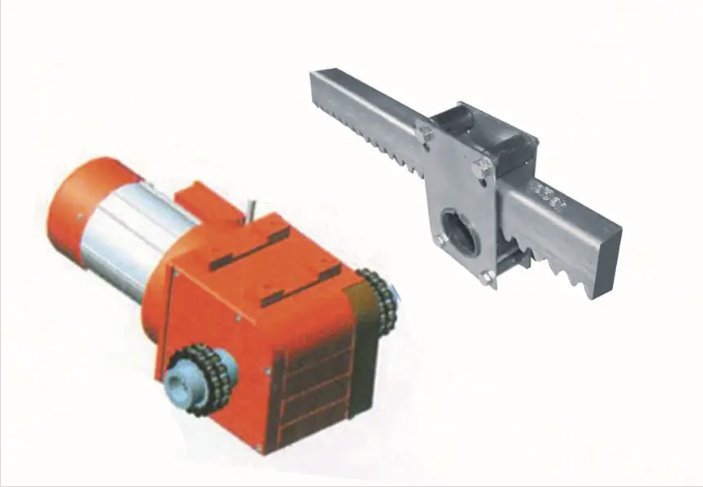
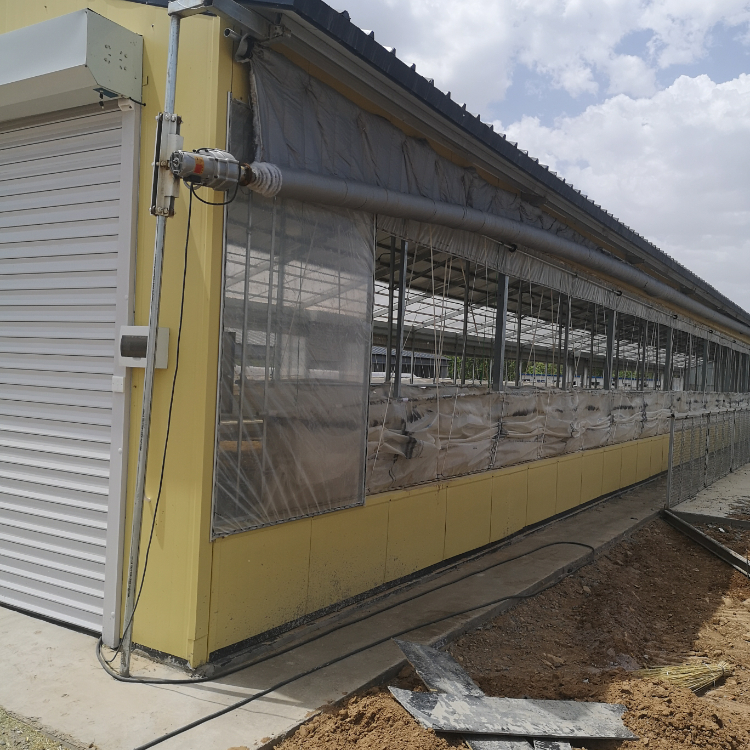
4.Ventilation: Motorized roof and side vents open and close precisely.
5.Lighting: LED grow lights provide specific light recipes (spectrums of red and blue light) to supplement sunlight or enable 24/7 growth, drastically increasing yield.
6.CO2 Enrichment: Carbon dioxide is pumped into the greenhouse to supercharge photosynthesis, a key factor in high-tech yield boosts.
Hydroponics and Irrigation:
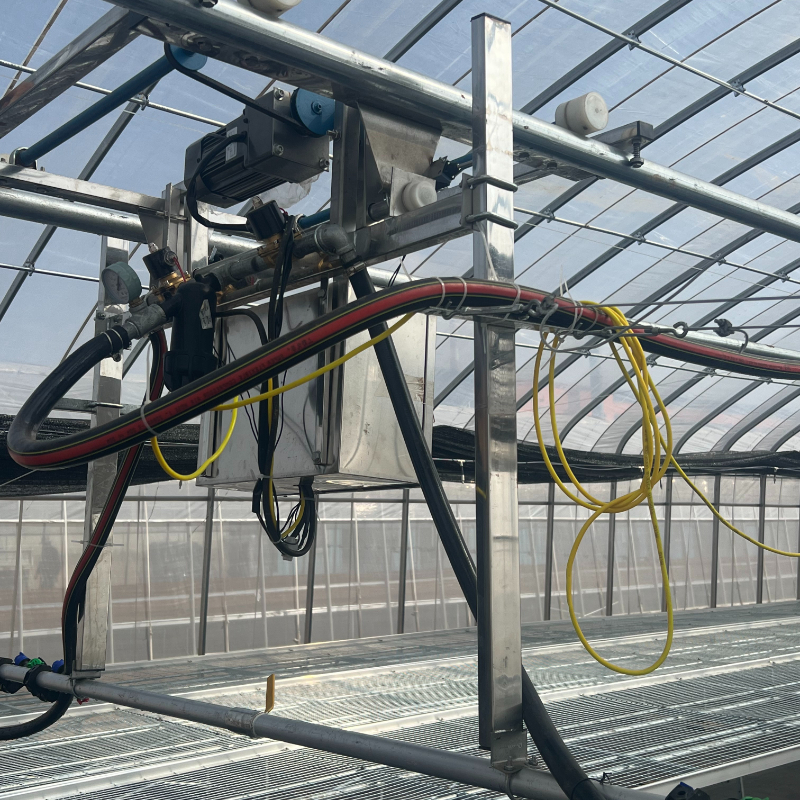
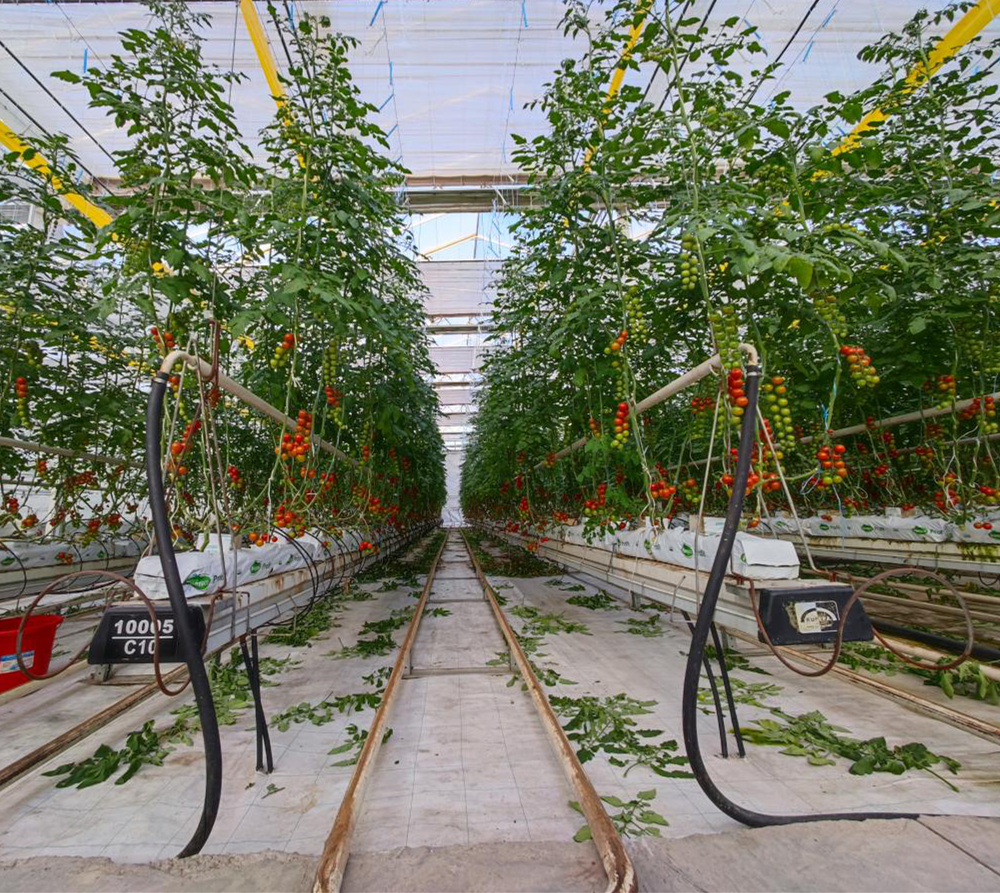
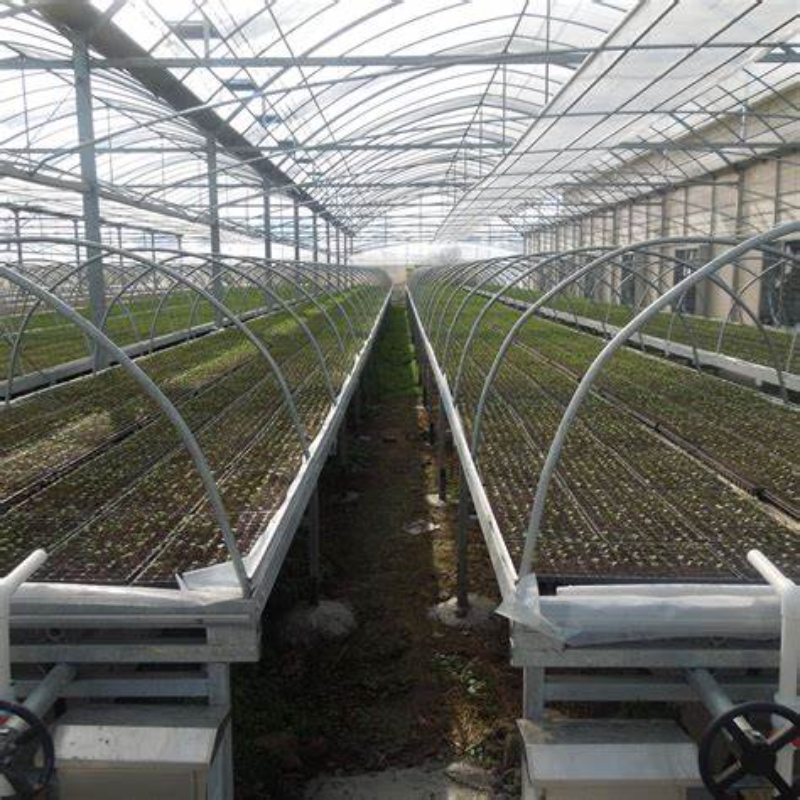
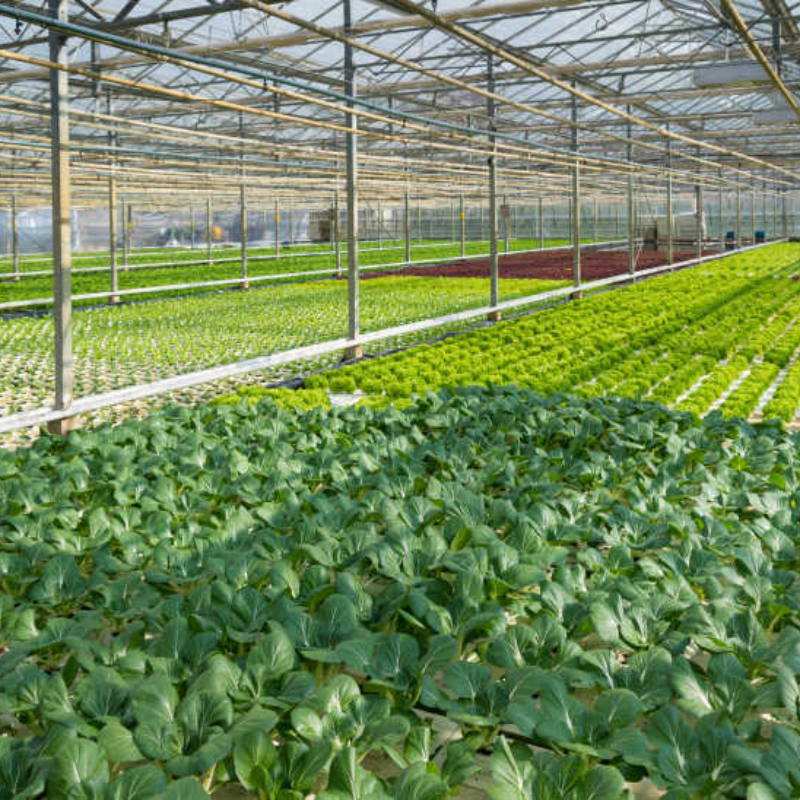
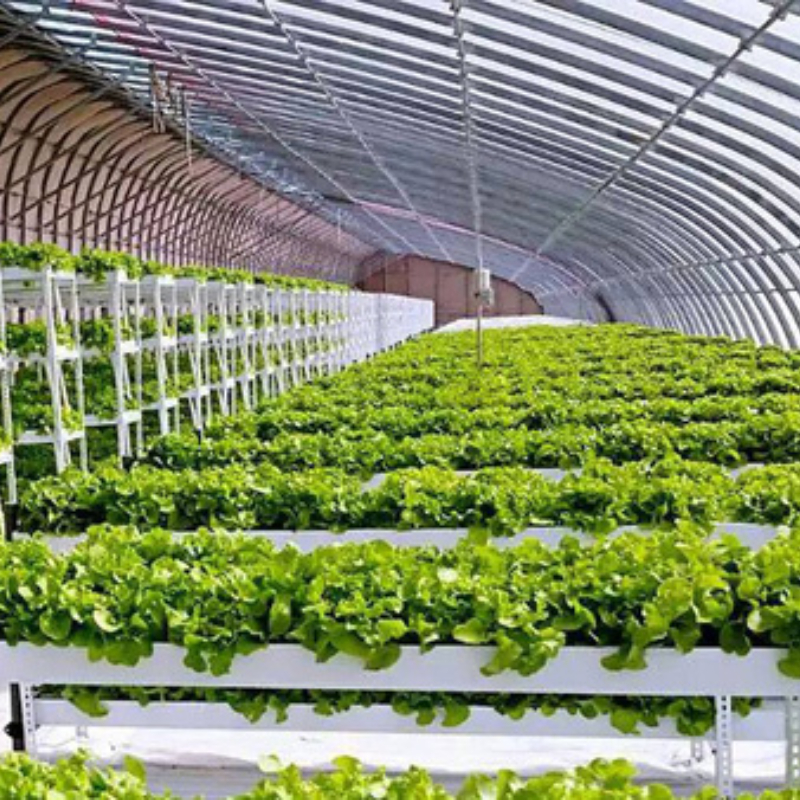
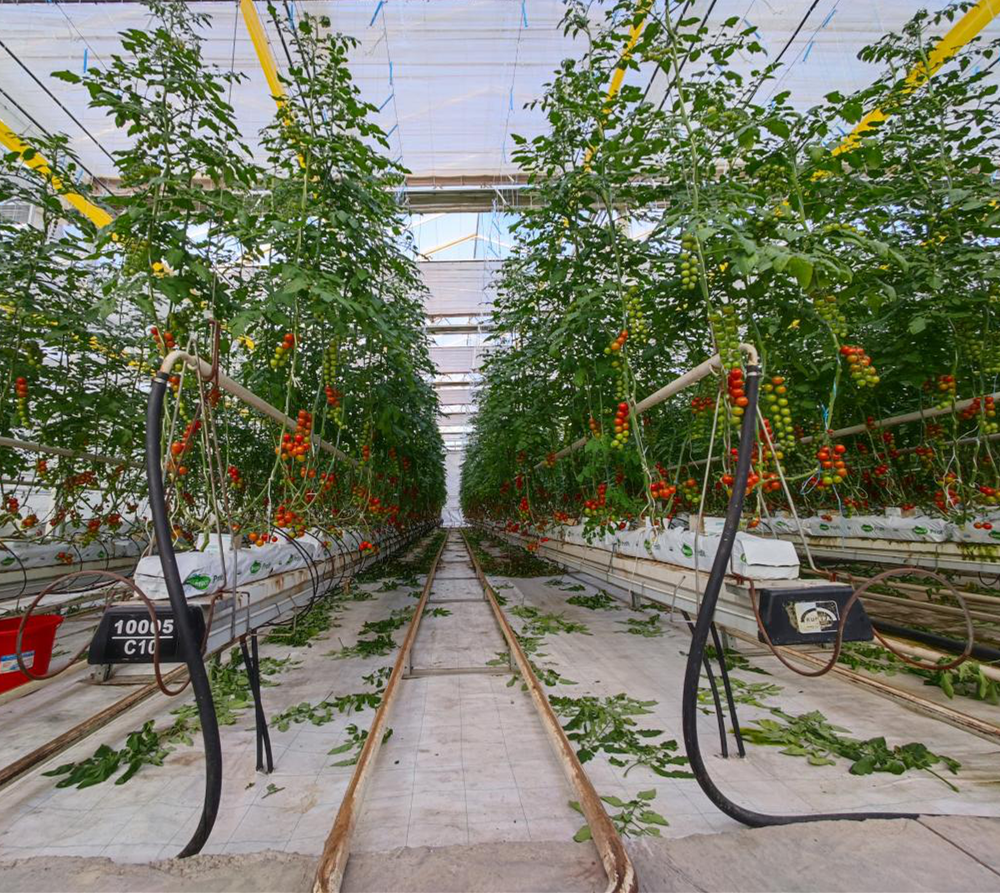
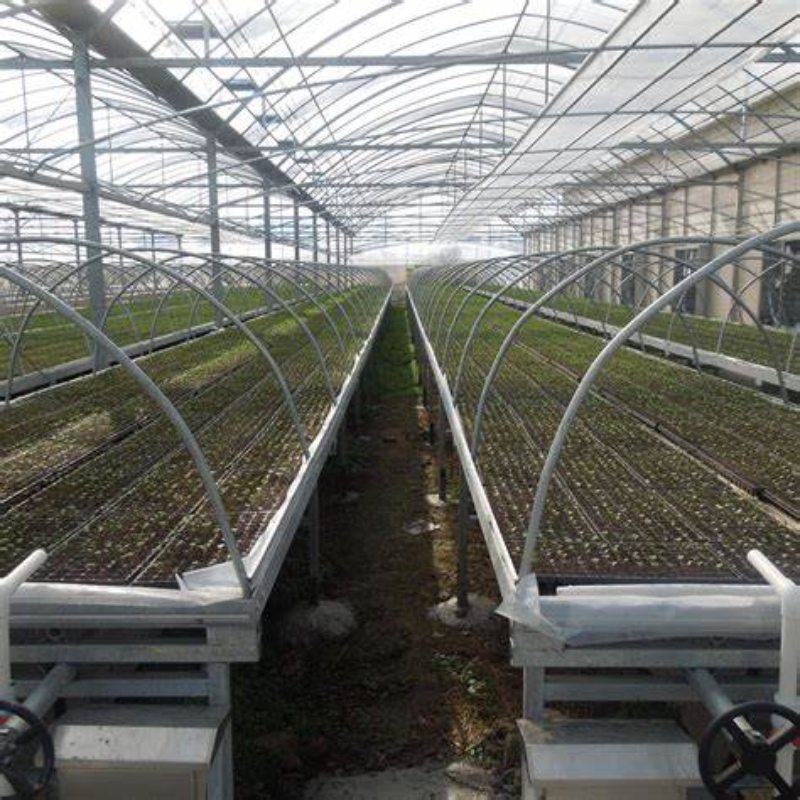
1.Soil is often replaced by soilless media (rockwool, coco coir) in a hydroponic or drip irrigation system.
2.Water and nutrients are delivered directly to the roots in a closed-loop system, recycling up to 90% less water than traditional open-field agriculture.
3.Fertigation (automated fertilizing through irrigation) delivers a perfect nutrient mix tailored to each crop's growth stage.
Purpose and Scale:
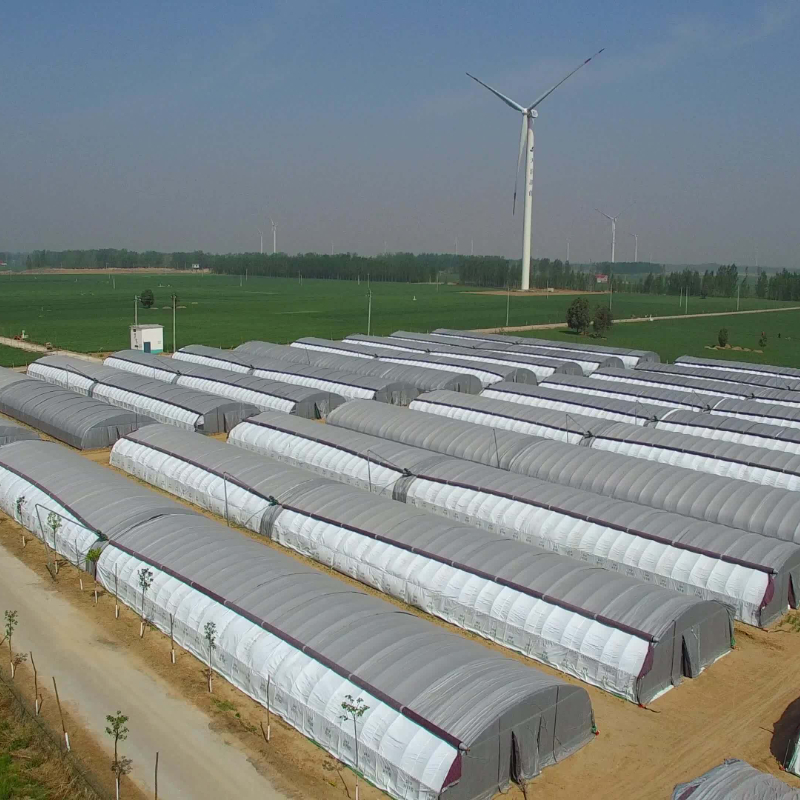
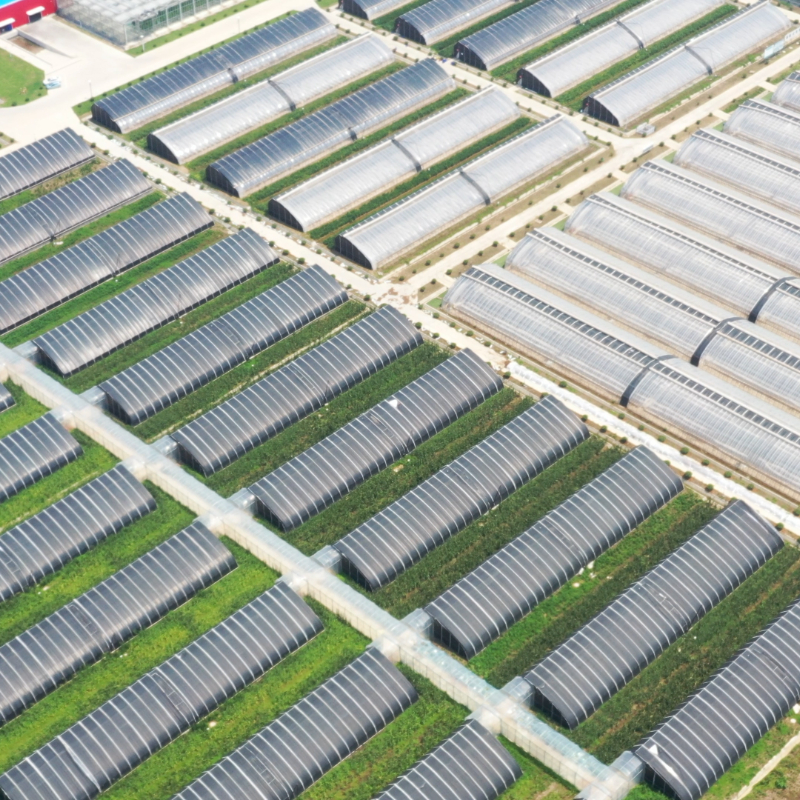
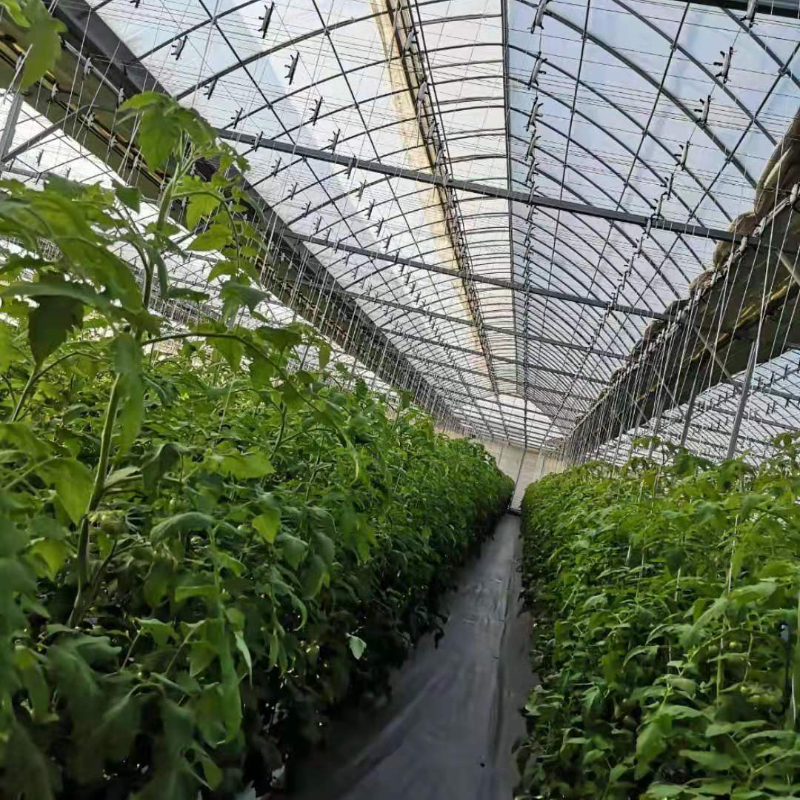
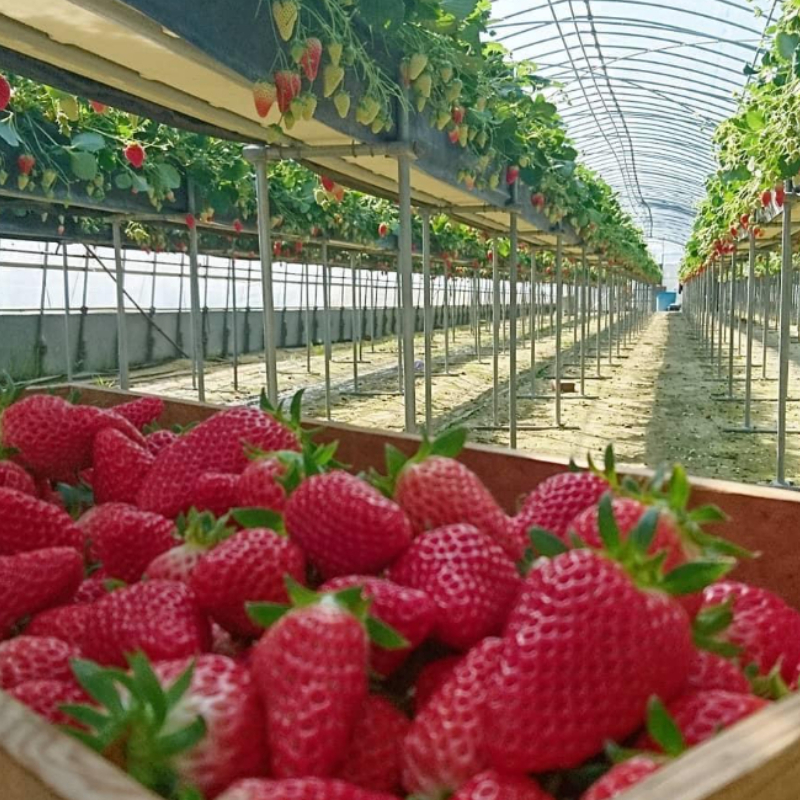
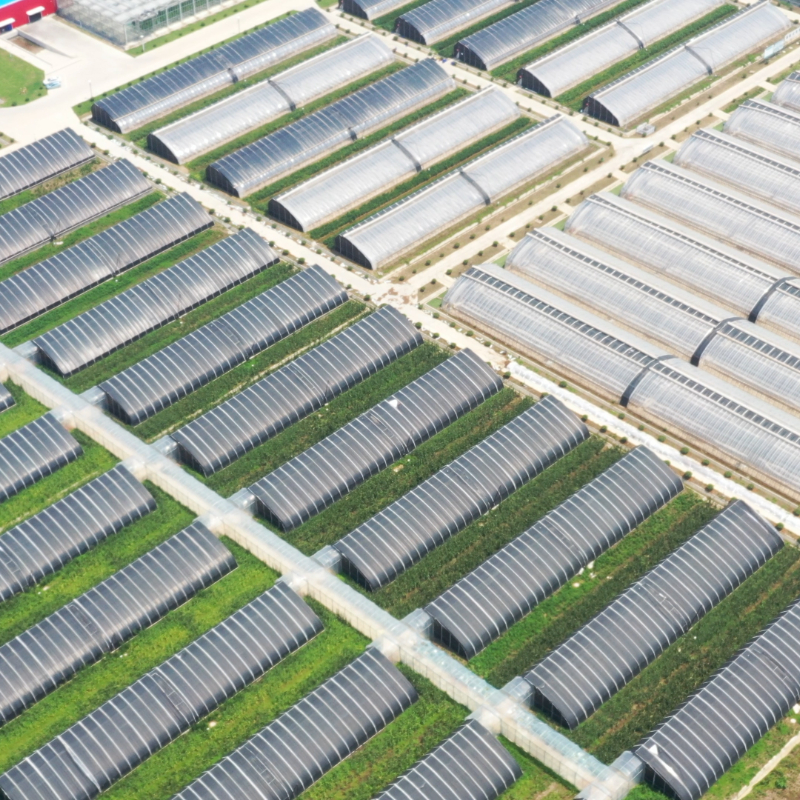
Mass-Scale Food Production: Vast "mega-greenhouses" or "greenhouse villages" covering hundreds of acres supply supermarkets with consistent, high-quality produce 365 days a year.
Sustainability: Modern greenhouses are at the forefront of local food movements, reducing food miles, water usage, and the need for pesticides.
Research: They are crucial for botanical research, seed breeding, and pushing the boundaries of agricultural science.
Conclusion: A Greener Future Under Glass
The evolution from the traditional to the modern greenhouse mirrors humanity's own journey: from seeking to tame nature to learning to work with it intelligently and sustainably. The modern greenhouse is no longer just a shelter; it is a high-tech, data-driven factory for photosynthesis.
As we face global challenges like climate change, population growth, and water scarcity, these controlled environments offer a powerful solution for growing more food with fewer resources, closer to where it’s consumed. The humble greenhouse has been transformed into a vital tool for cultivating a more resilient and food-secure future.
