
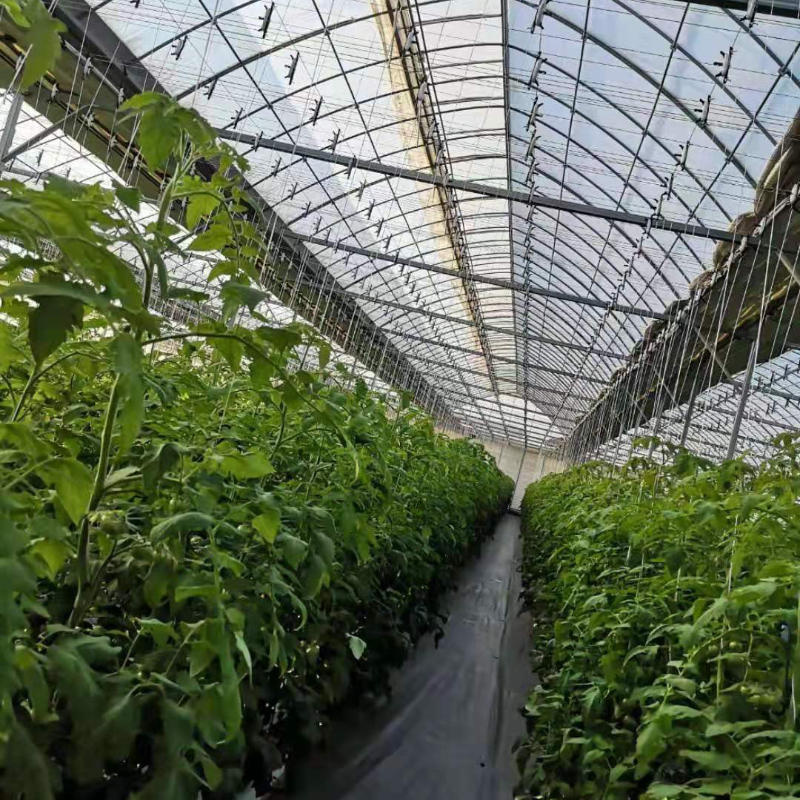
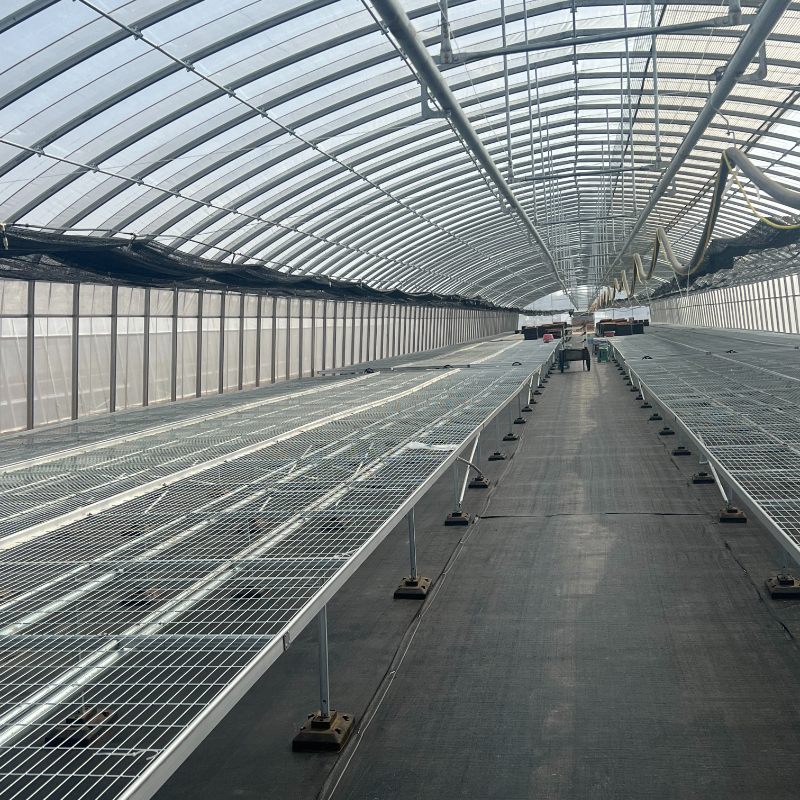

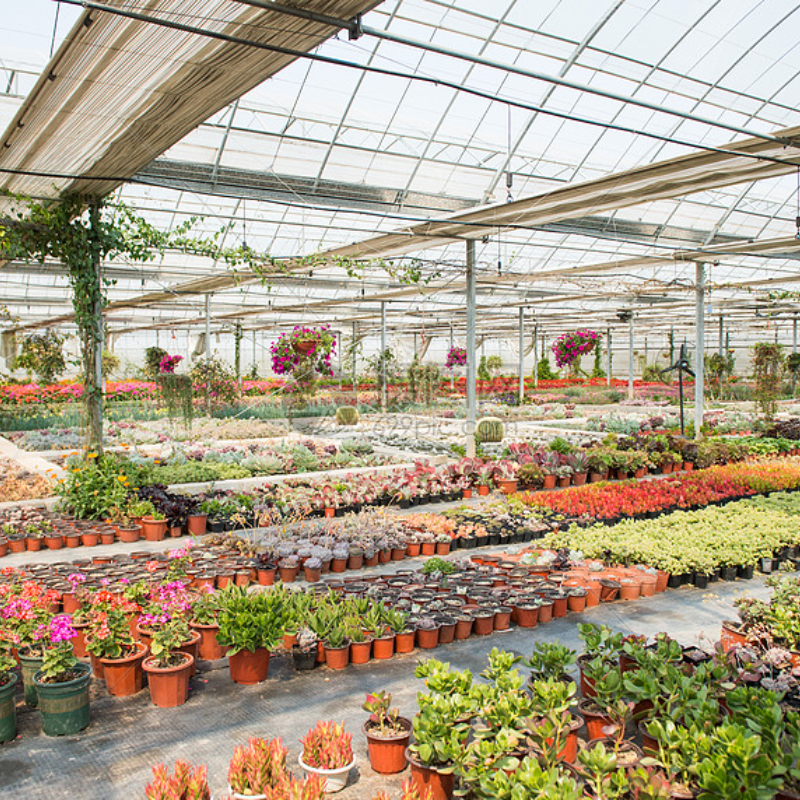
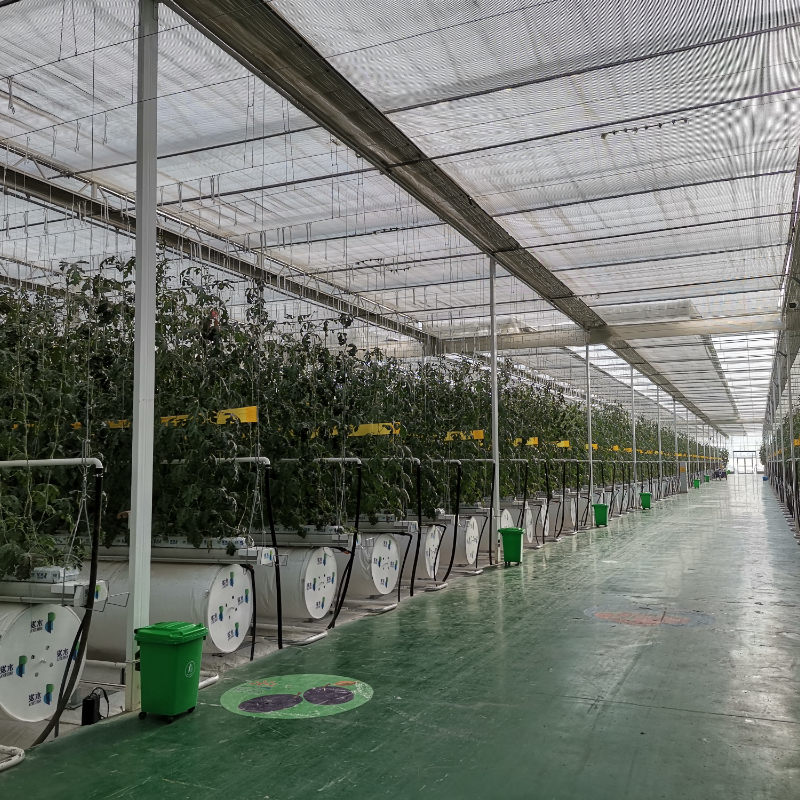
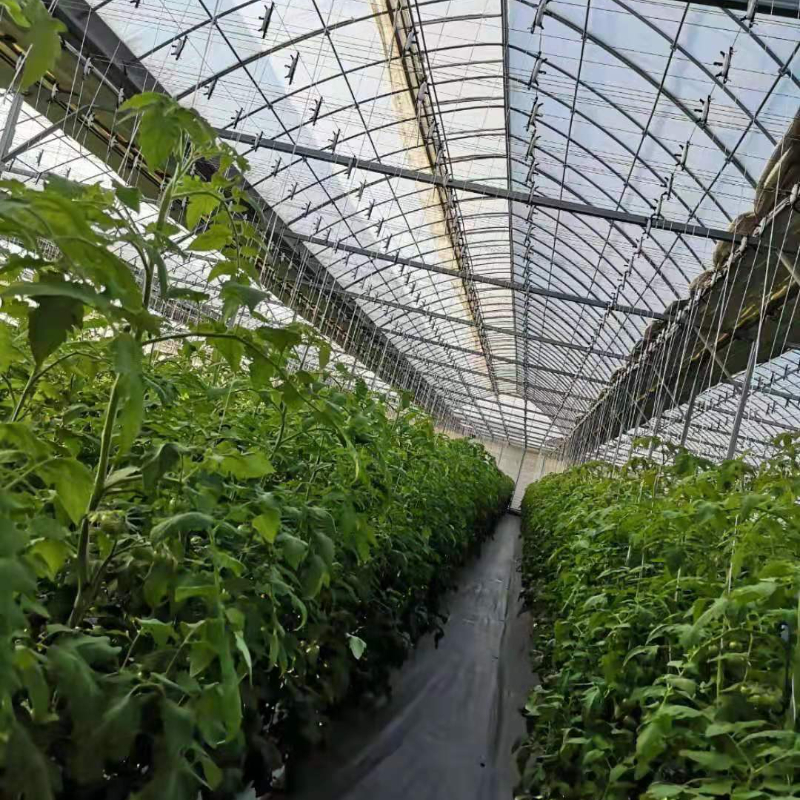
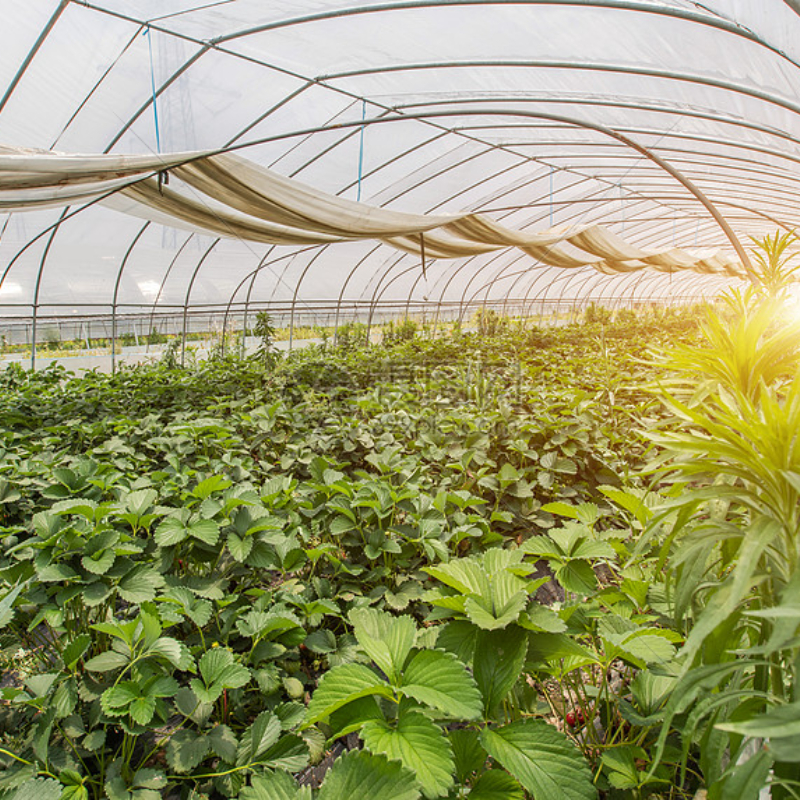
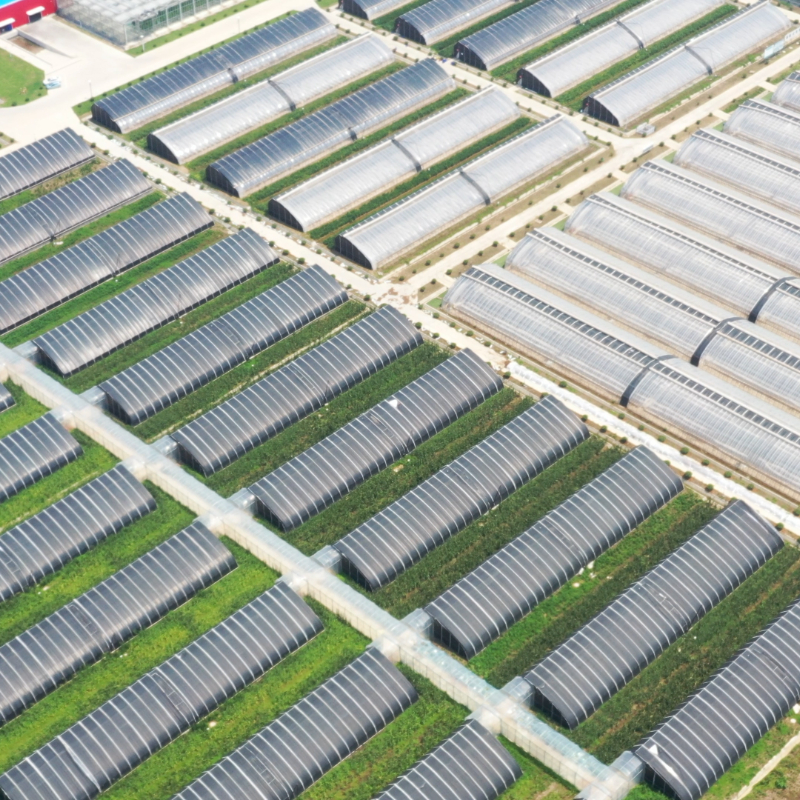
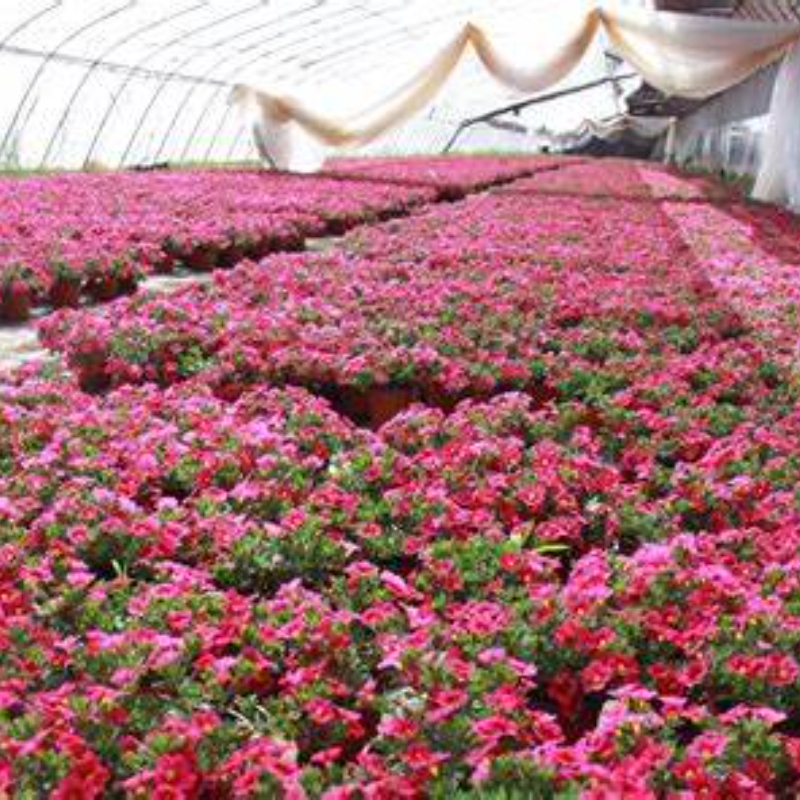
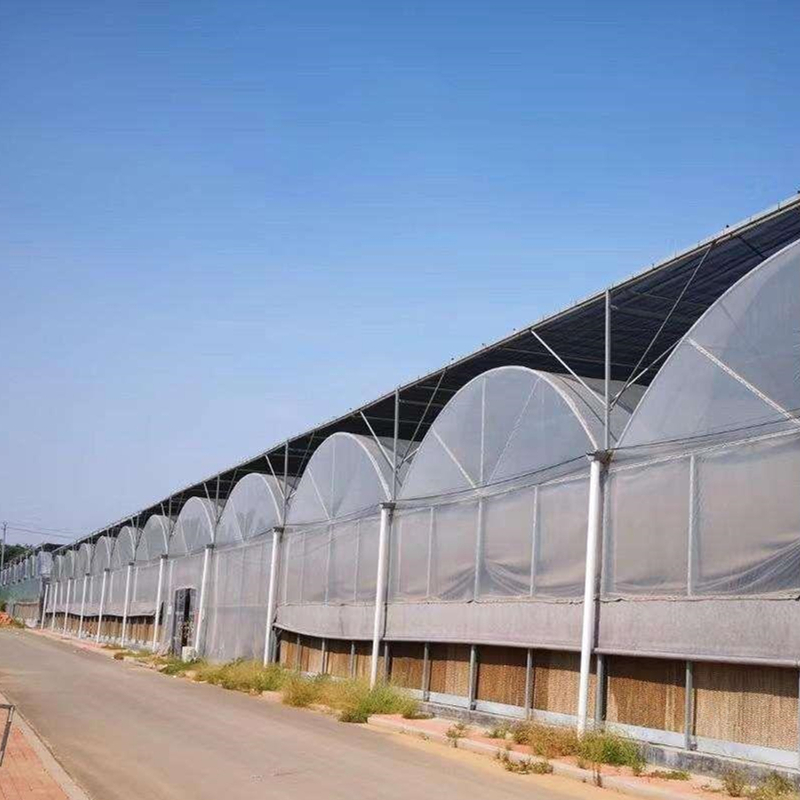
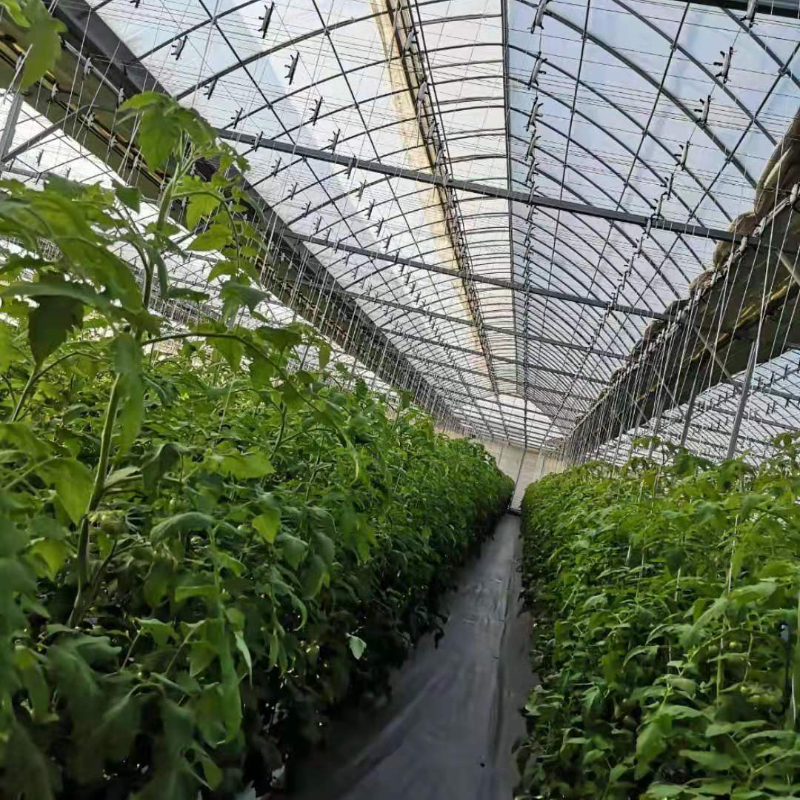
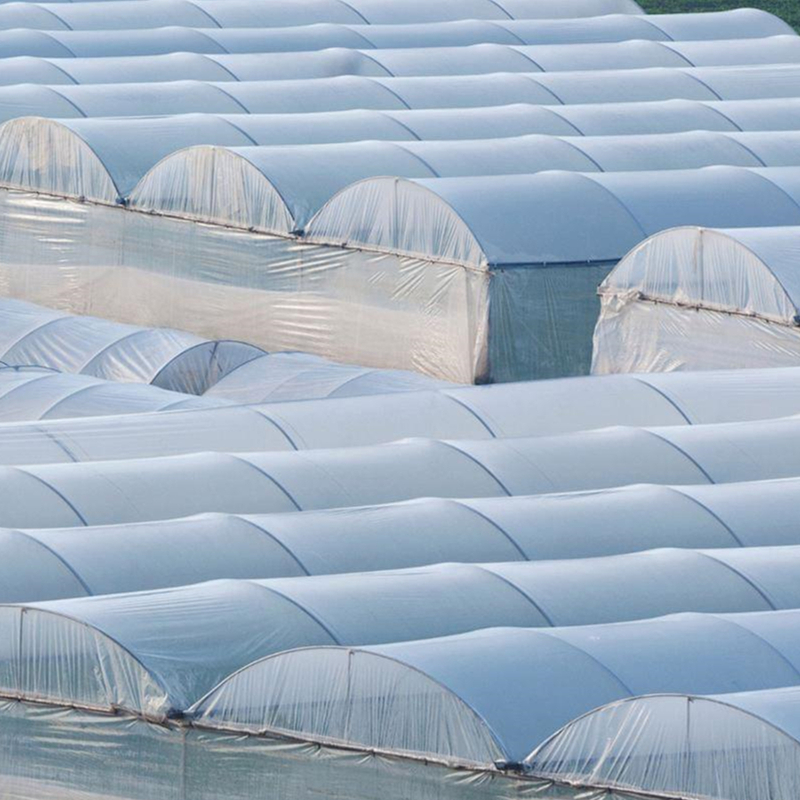
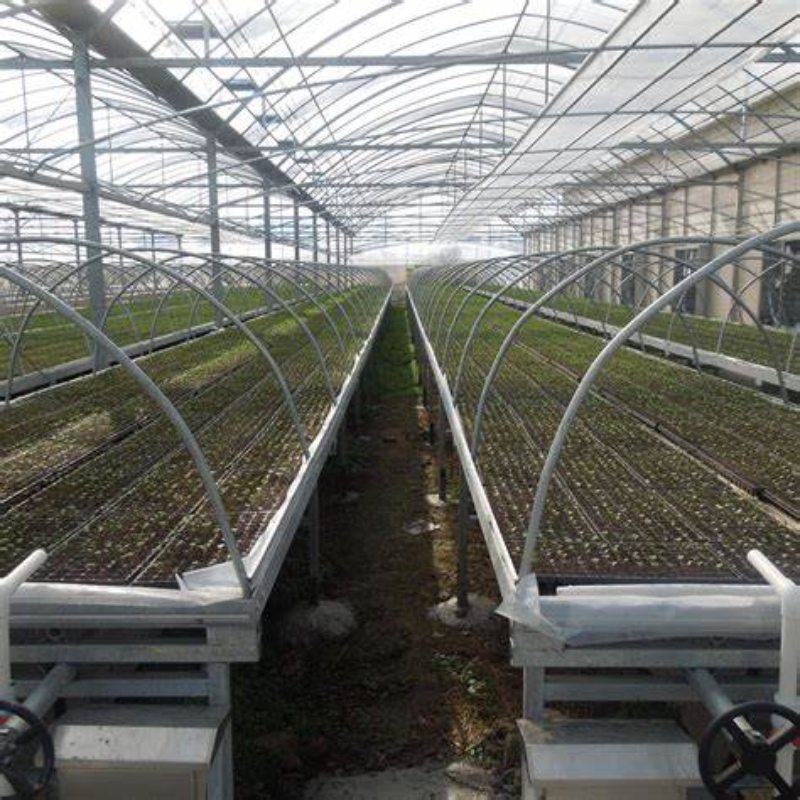
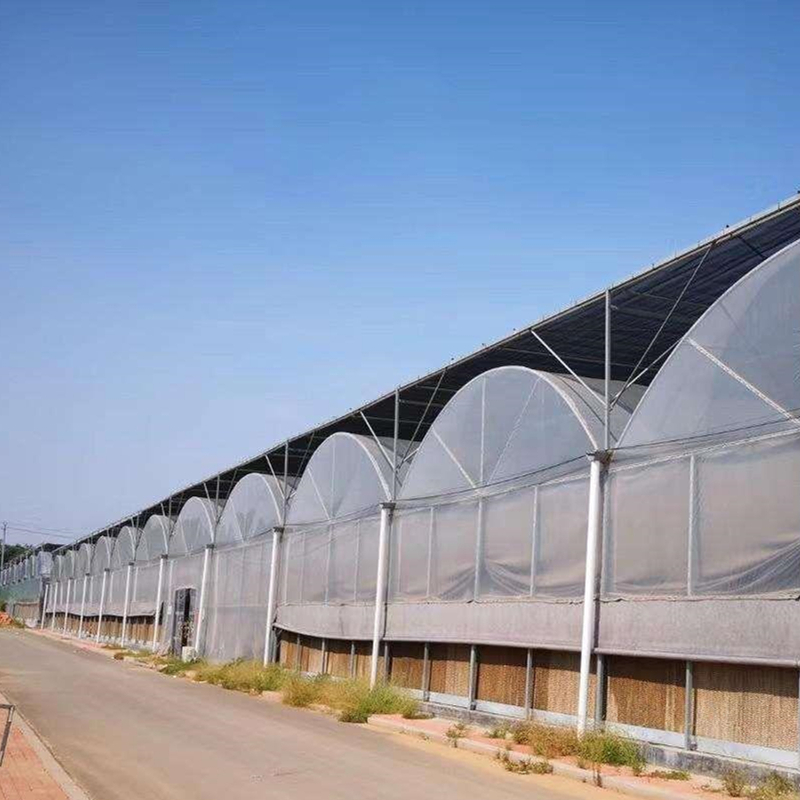
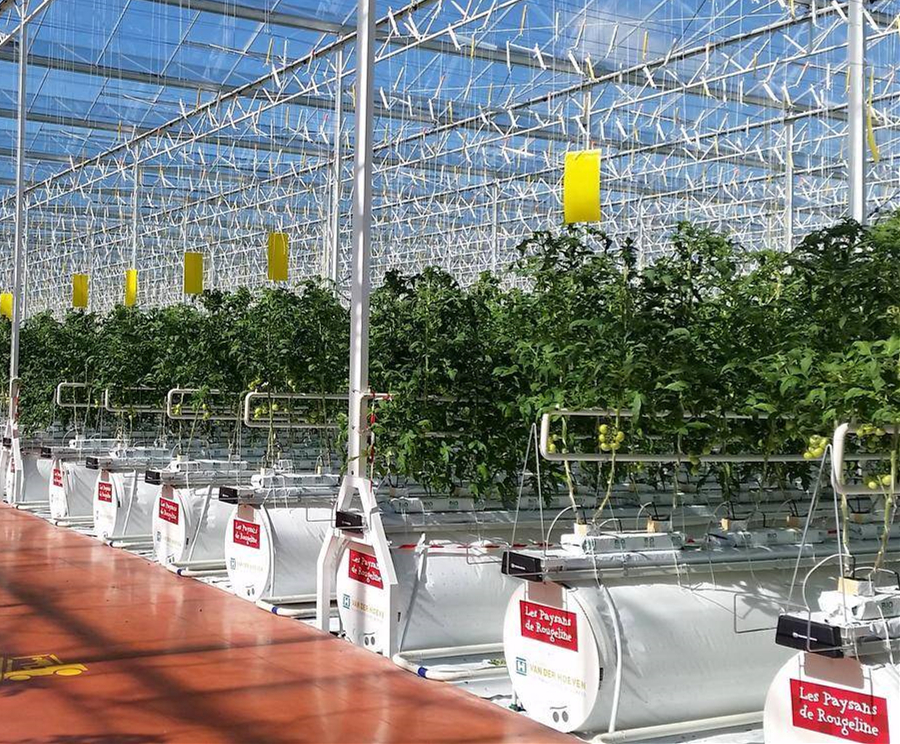
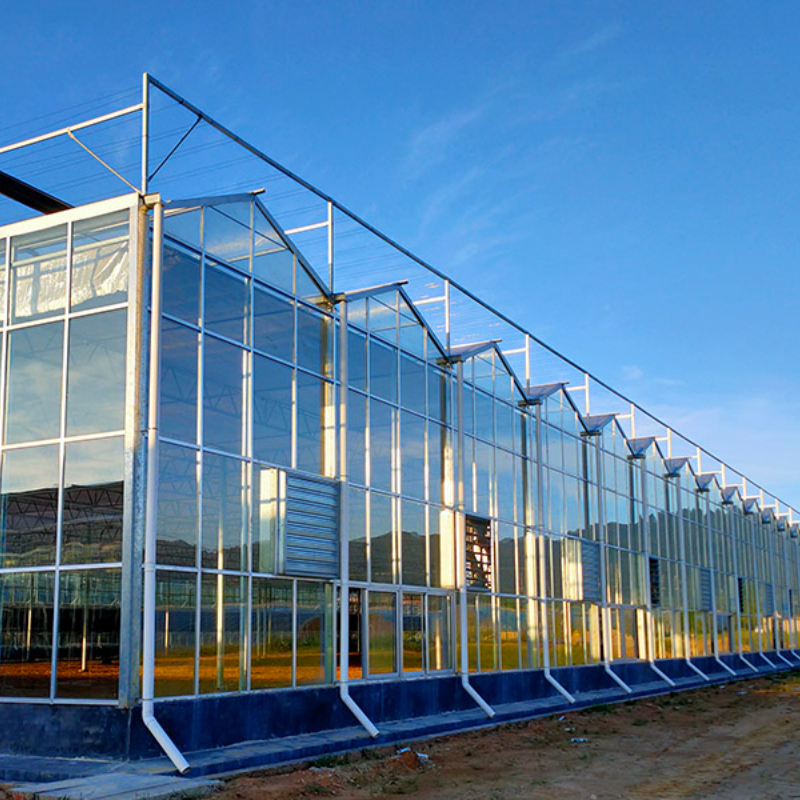
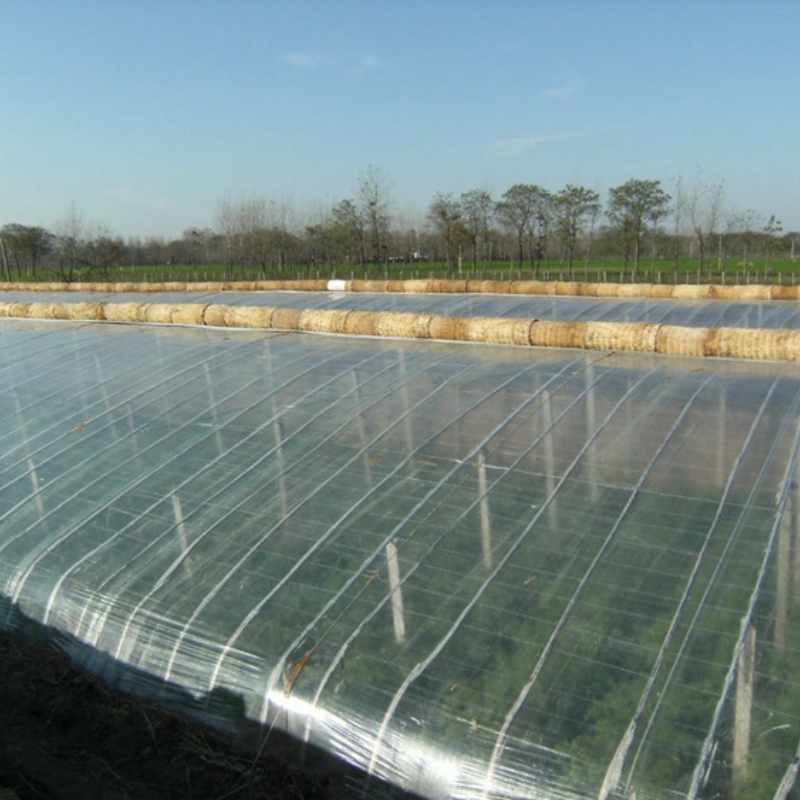
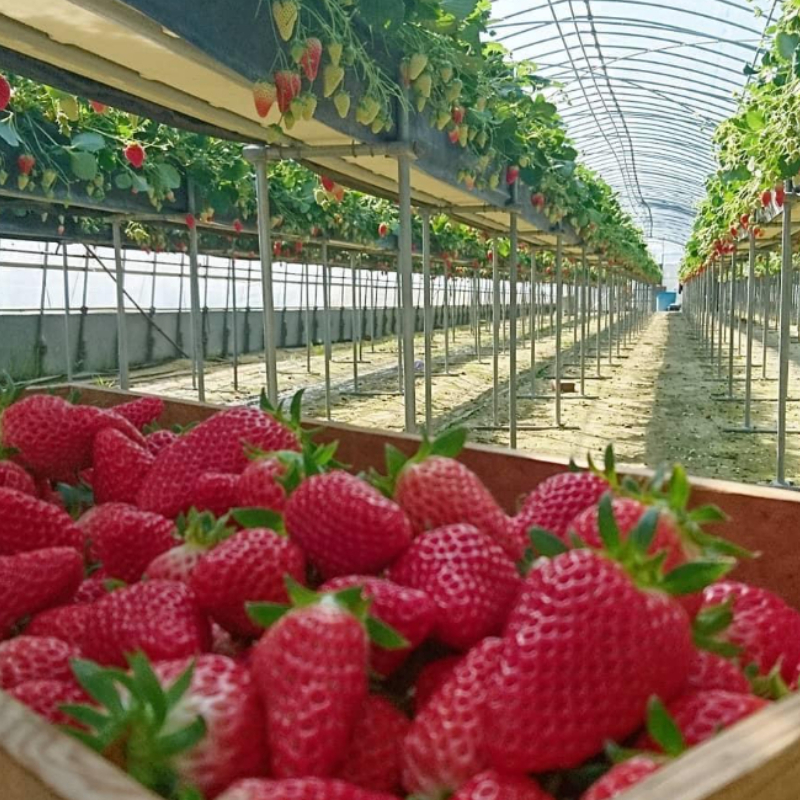
This is a comprehensive guide to greenhouse seedling cultivation technology and seedling bed management, broken down into a clear, step-by-step process.
The Importance of High-Quality Seedlings
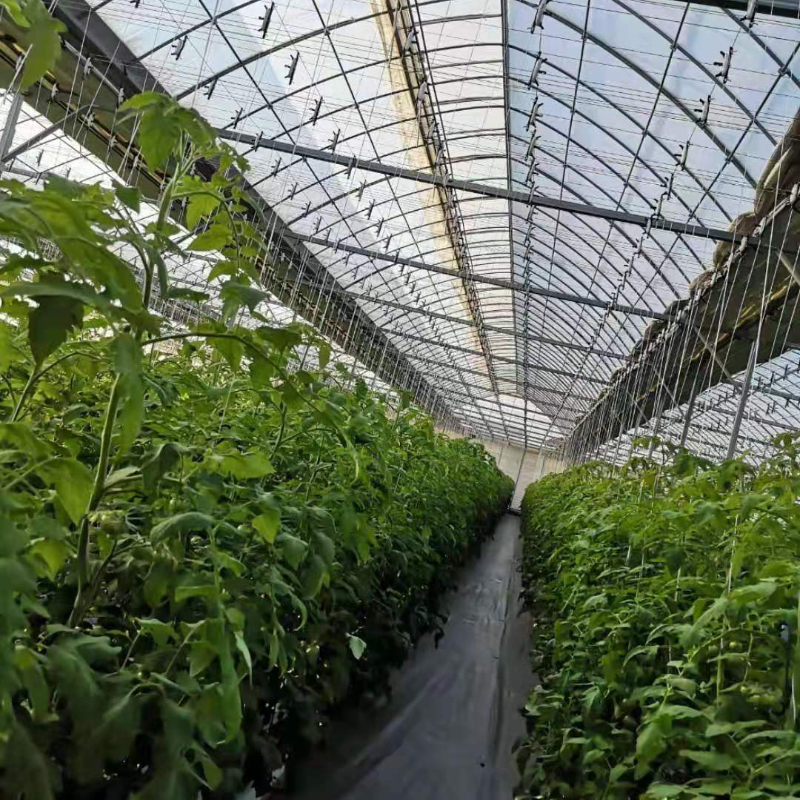
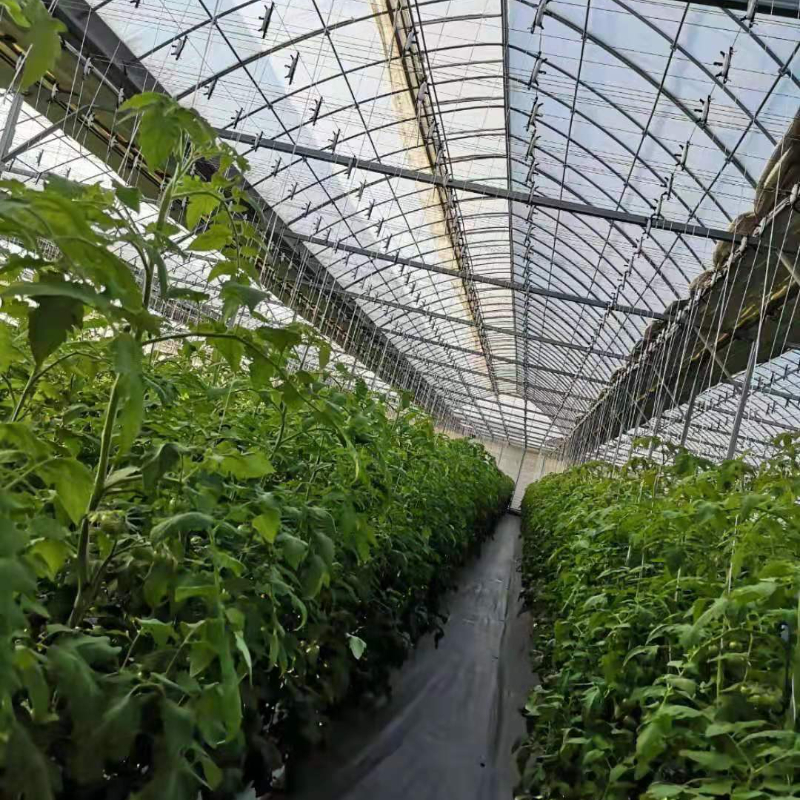
A successful harvest begins with vigorous, healthy seedlings. They establish faster, resist pests and diseases better, and ultimately yield more than poor-quality transplants. Greenhouse cultivation allows for precise control over the environment, making it ideal for producing such seedlings.
Part 1: Core Seedling Cultivation Technology
1. Pre-Sowing Preparations
A. Seed Selection and Treatment
Selection: Choose high-quality, high-germination-rate seeds from a reputable source. Consider varieties suited to your climate and greenhouse conditions.
Treatment:
Soaking: Soak seeds in lukewarm water (e.g., 25-30°C for tomatoes, 28-30°C for peppers) for several hours to break dormancy and trigger germination. Soaking time varies by species.
Disinfection: Treat seeds to prevent soil-borne diseases.
Hot Water: Briefly expose seeds to a specific hot water temperature (e.g., 50°C for 25 minutes for tomatoes).
Chemical: Use a mild fungicide solution or a 10% bleach solution (rinse thoroughly afterwards).
Biological: Use commercial microbial inoculants like Trichoderma.
B. Substrate (Growing Medium) Preparation
The ideal seedling substrate is sterile, well-draining, has good water retention, and is free of pathogens.
Common Recipes:
Basic Mix: Peat moss (or coco coir) : Perlite : Vermiculite (e.g., 3:1:1 ratio).
Enriched Mix: Add well-composted, sieved compost or worm castings (no more than 20%) for initial nutrients.
Key Characteristics:
pH: Adjust to species-specific needs (generally 5.5-6.5 for most vegetables). Use limestone to raise pH or sulfur to lower it.
Sterilization: Pasteurize homemade mixes with steam or use a commercial sterile mix to eliminate pathogens like damping-off fungi.
C. Sowing Containers
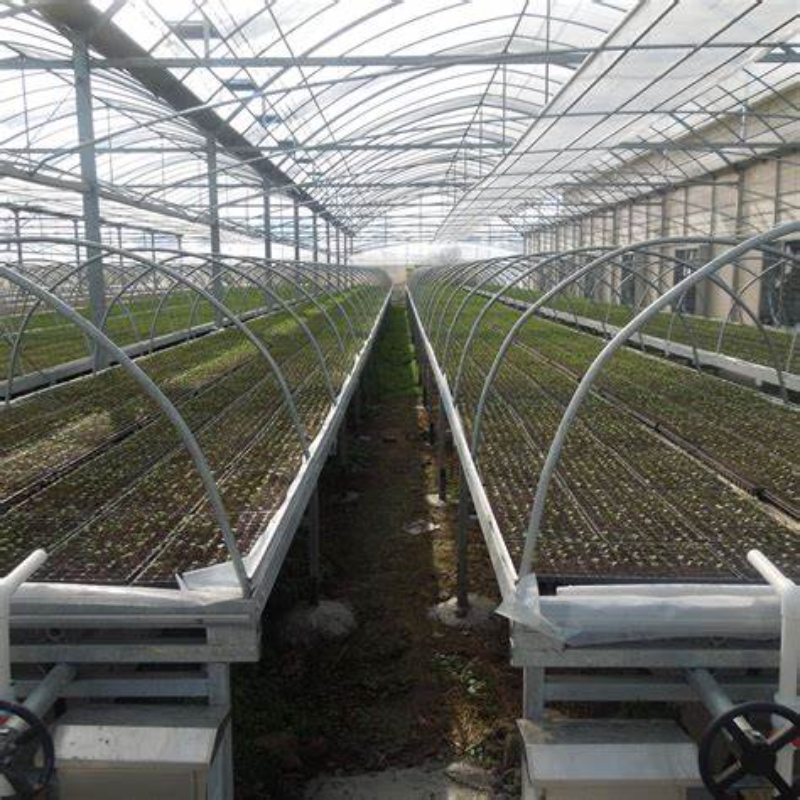
Seedling Trays (Plug Trays): The most common method. Different cell sizes are available:
Small cells (e.g., 288-plug): For small seeds like lettuce, cabbage.
Large cells (e.g., 72-plug or 50-plug): For larger seedlings like tomatoes, peppers, cucumbers.
Pots: For large-seeded plants (e.g., squash) or species sensitive to root disturbance.
Soil Blocks: A pot-less method where the substrate is compressed into free-standing blocks.
2. The Sowing Process
Fill containers with pre-moistened substrate and gently firm it down.
Sow seeds at the appropriate depth (a general rule is 2-3 times the seed's diameter).
Cover seeds lightly with a thin layer of vermiculite or fine substrate.
Water gently using a fine mist spray to avoid displacing seeds.
Label each tray with the cultivar and sowing date.
3. Germination and Early Growth Stage Management
A. Environmental Control
Temperature: This is critical.
Germination Stage: Requires higher temperatures. Use a separate germination chamber or bottom heat mats (e.g., 25-28°C for tomatoes/peppers, 20-25°C for lettuce).
Post-Emergence: Gradually reduce temperature to prevent weak, leggy growth.
Humidity: Maintain high relative humidity (80-90%) by covering trays with a clear plastic dome or plastic film until seeds germinate. Remove immediately after emergence to prevent disease.
Light: Once cotyledons (seed leaves) emerge, provide 16-18 hours of strong light per day.
Natural Light: Maximize by keeping glazing clean.
Supplemental Lighting: Use LED or fluorescent grow lights during cloudy days or in winter to prevent stretching.
Part 2: Seedling Bed Management
This phase covers the period from when the first true leaves appear until the seedlings are ready for transplanting.
1. Watering Management
2. Temperature Management
3. Nutrient Management (Fertilization)
4. Thinning and Spacing
5. Pest and Disease Management (Integrated Pest Management - IPM)
6. Hardening Off
This is a crucial, often overlooked step to prepare tender greenhouse seedlings for the harsh outdoor environment.
By meticulously following these technologies and management practices, you can consistently produce robust, healthy seedlings that form the foundation for a successful and productive crop.
