
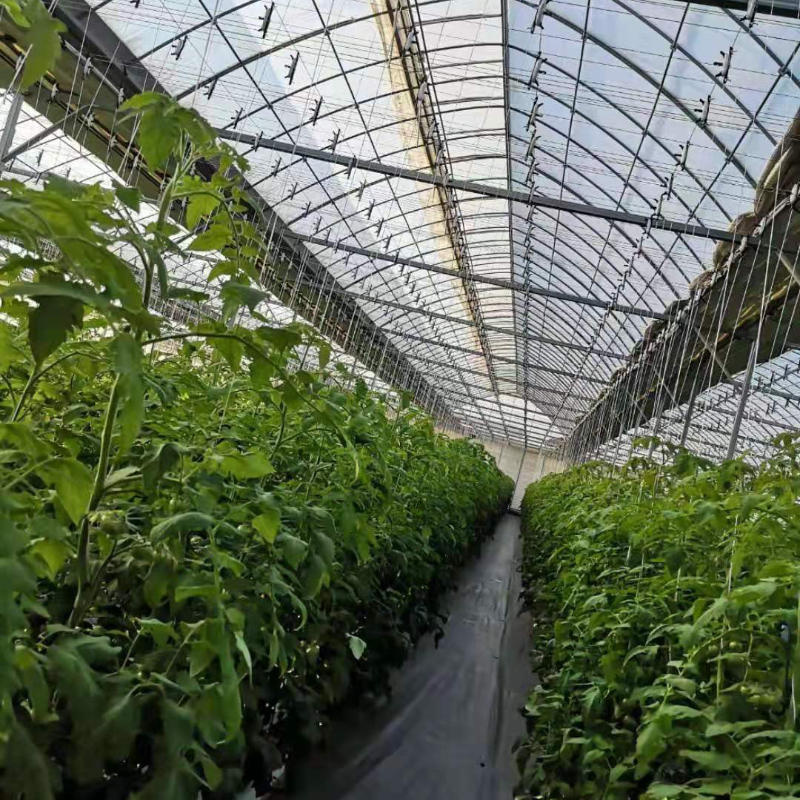
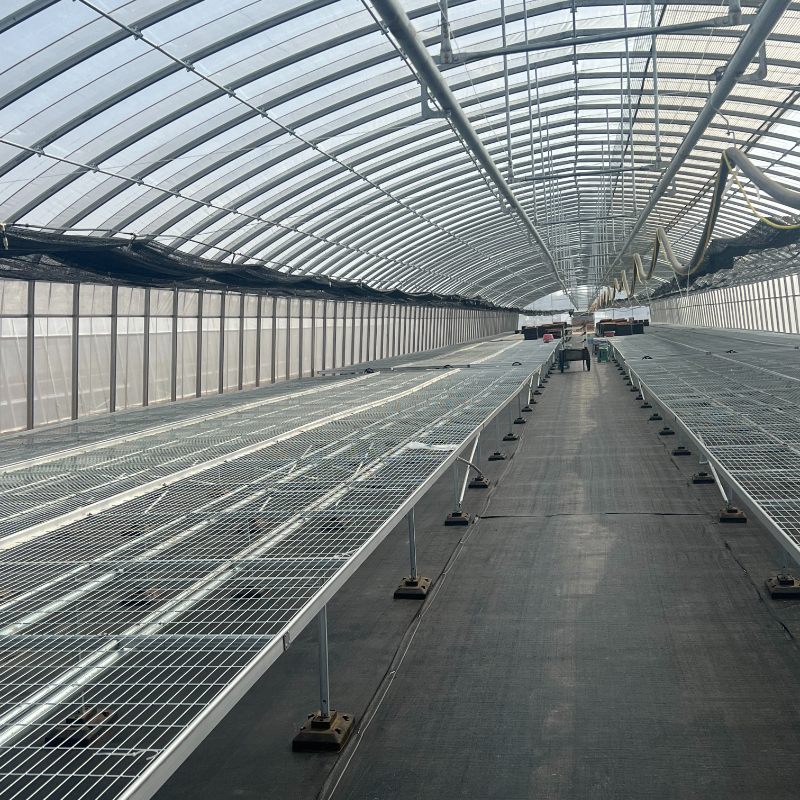
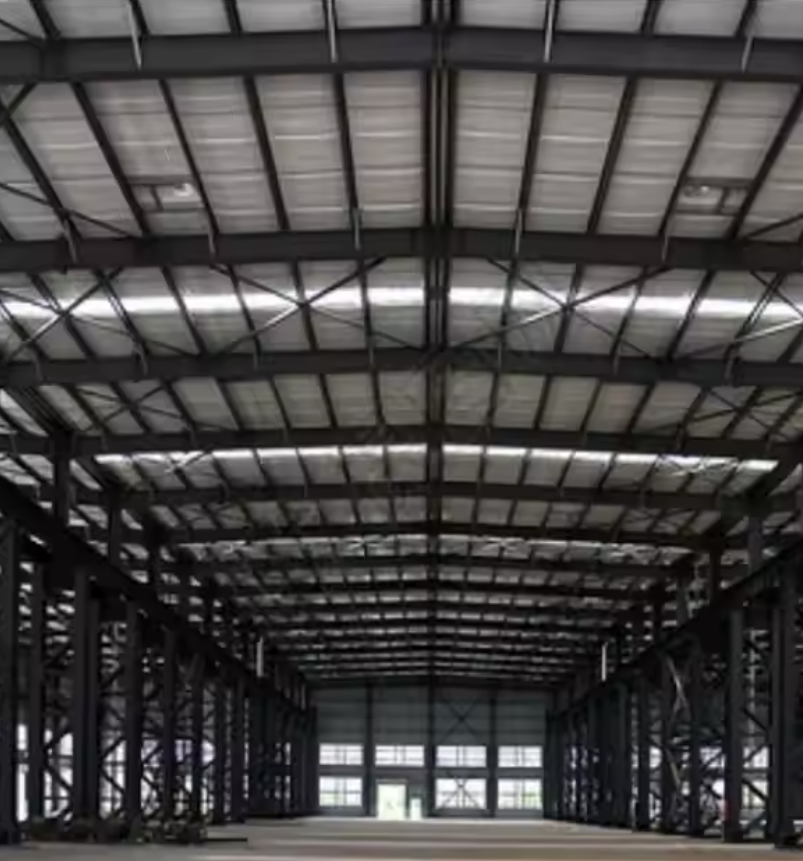
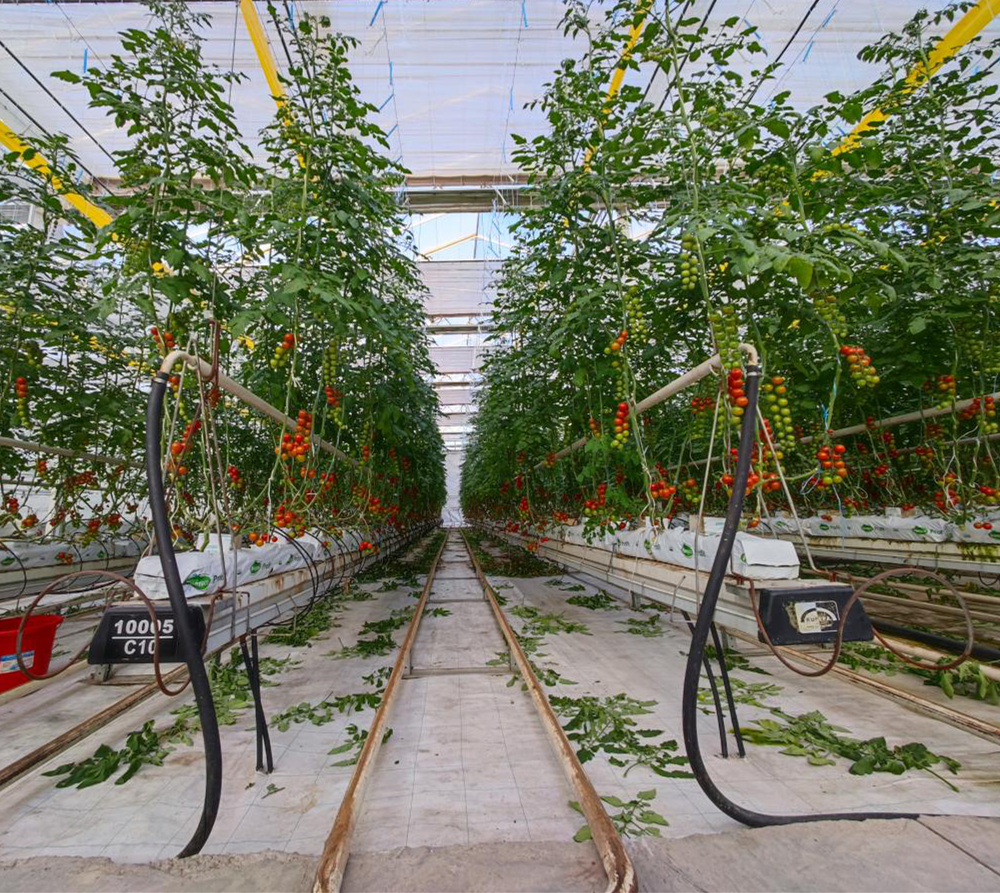
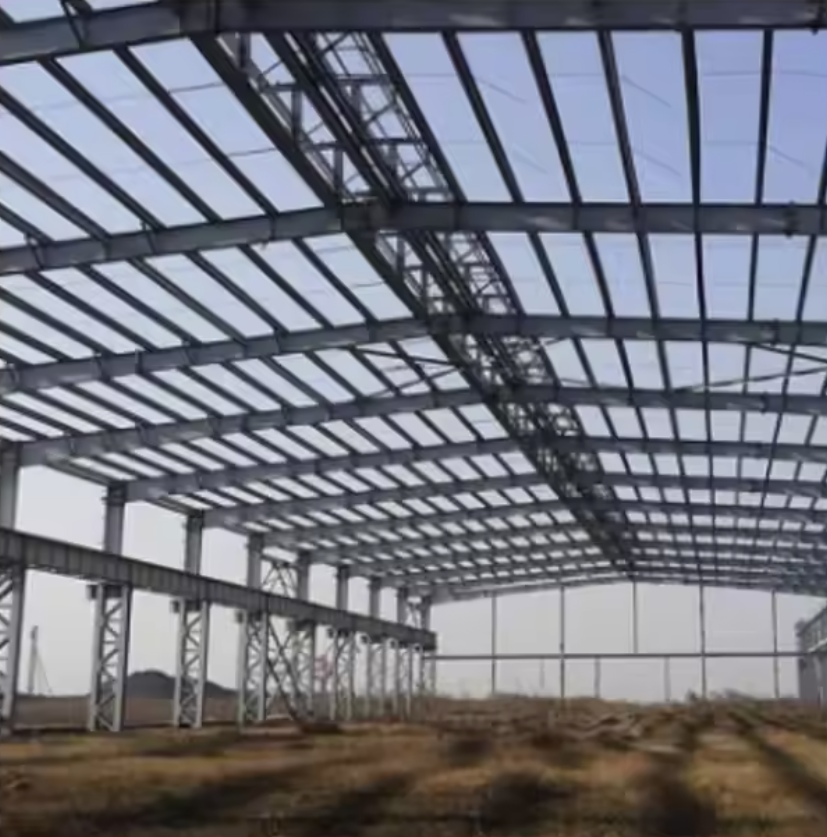
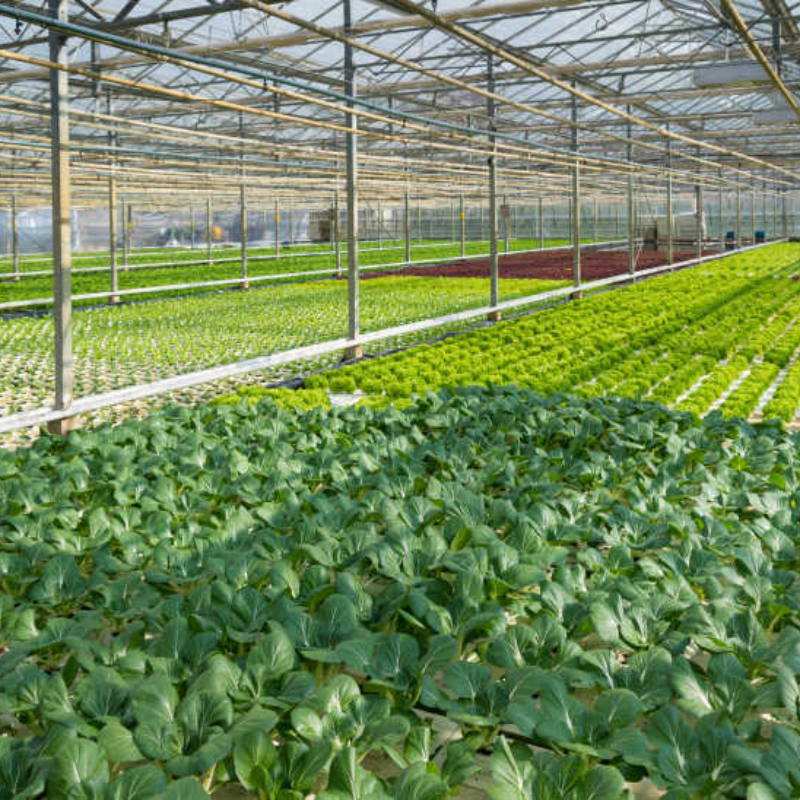
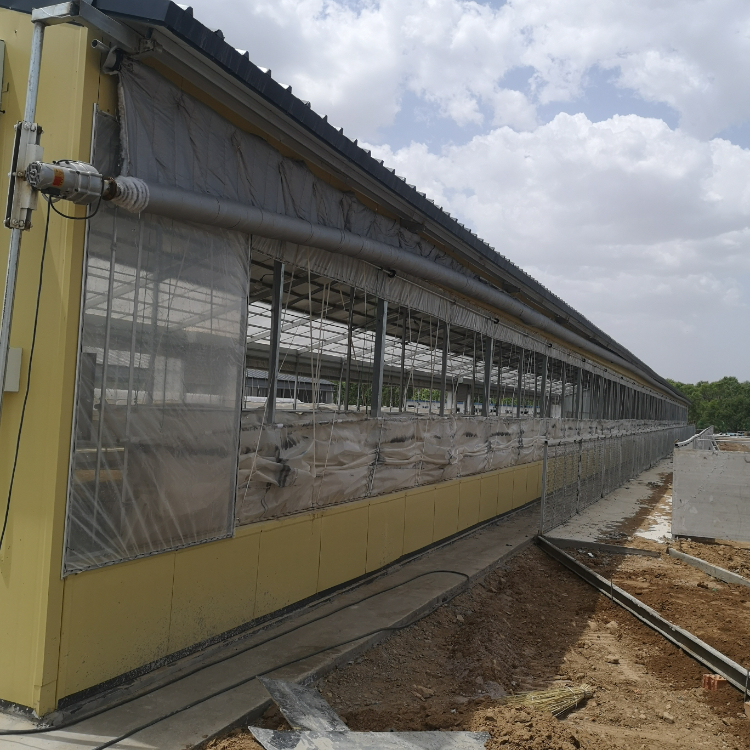
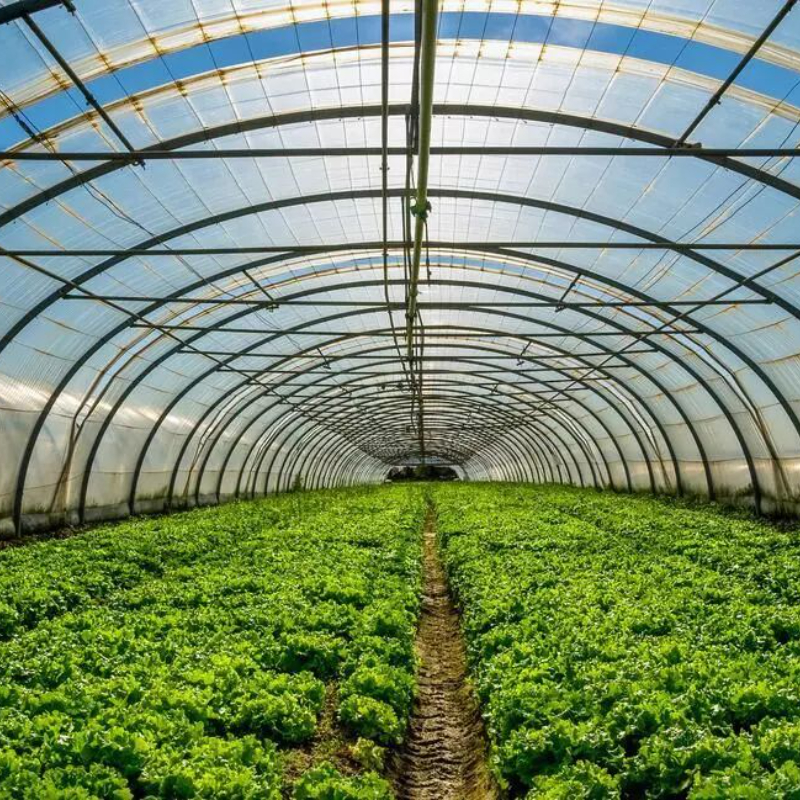
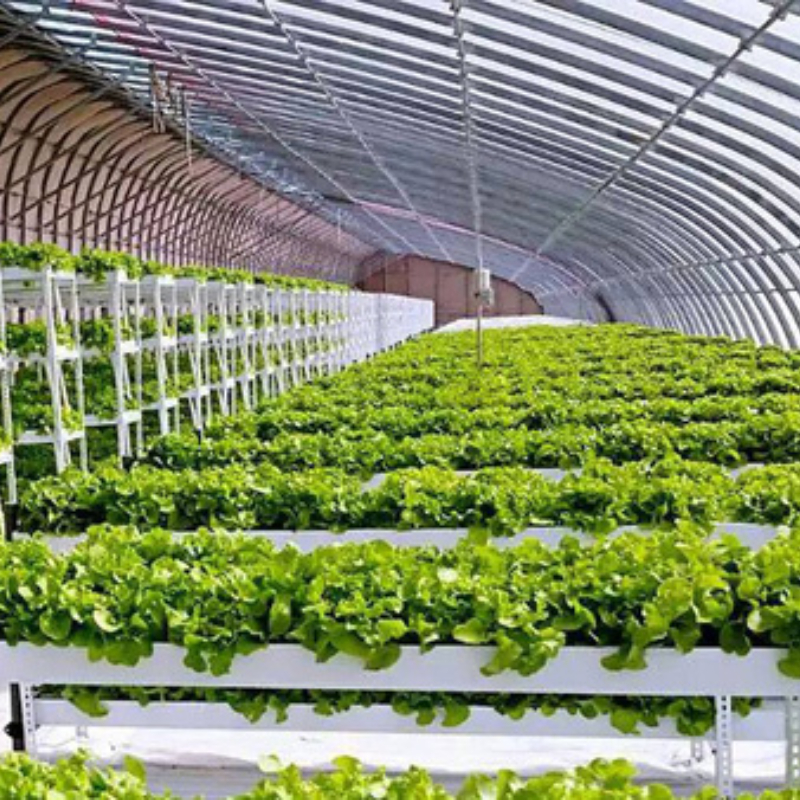
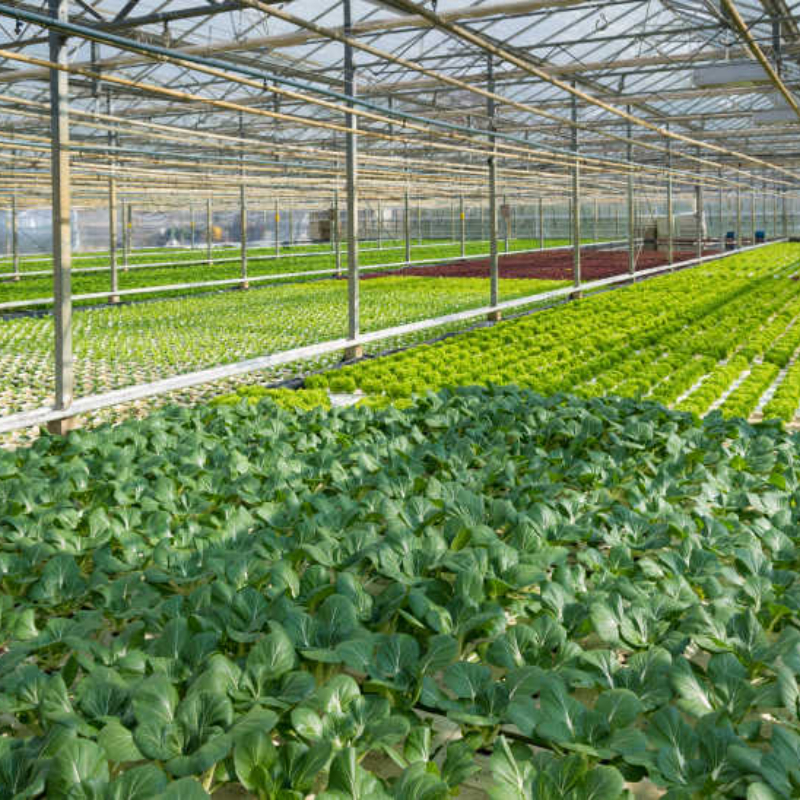
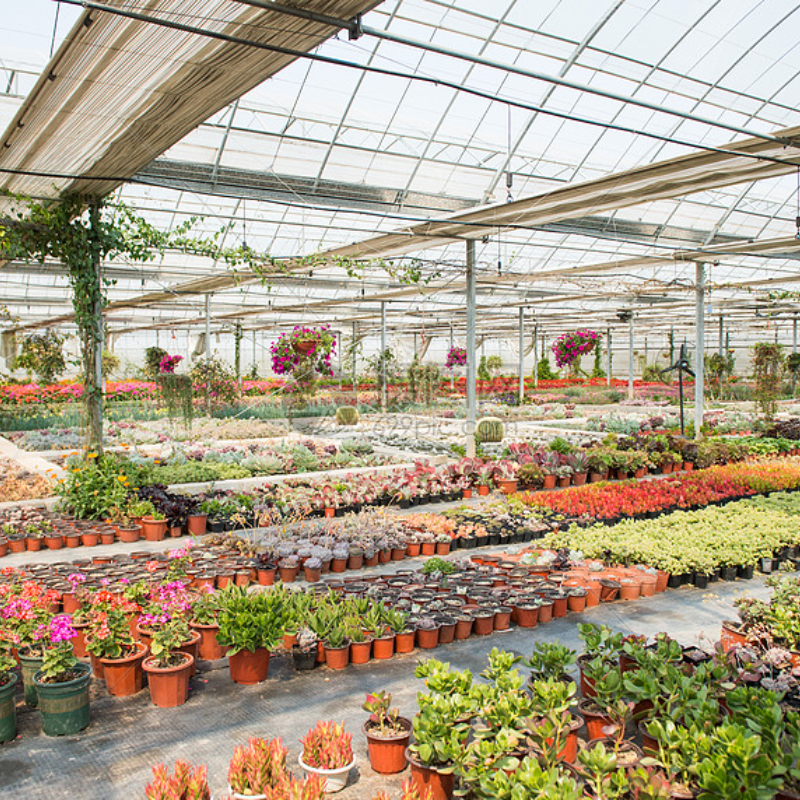
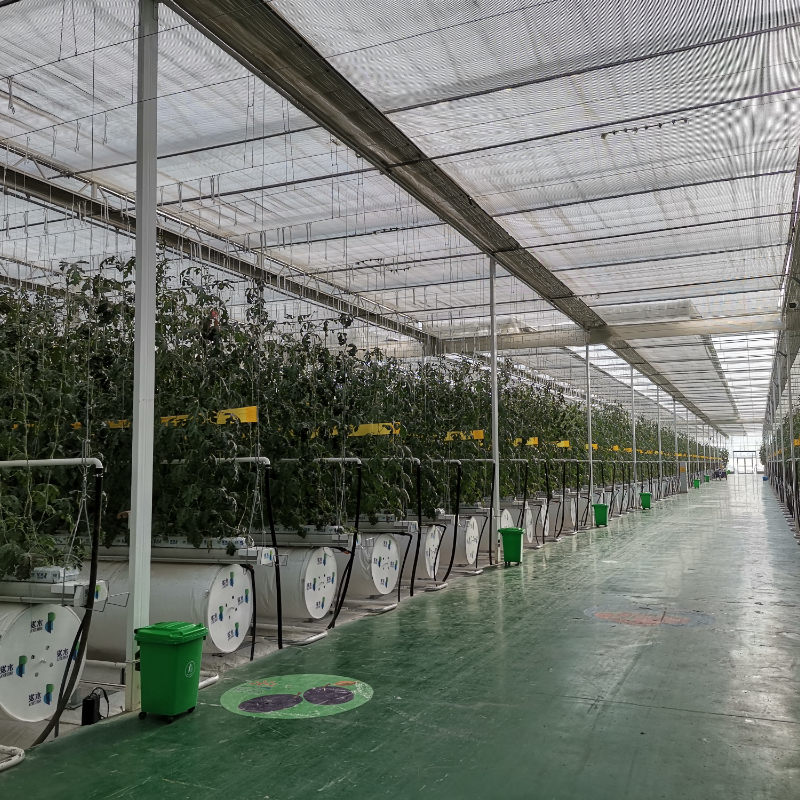
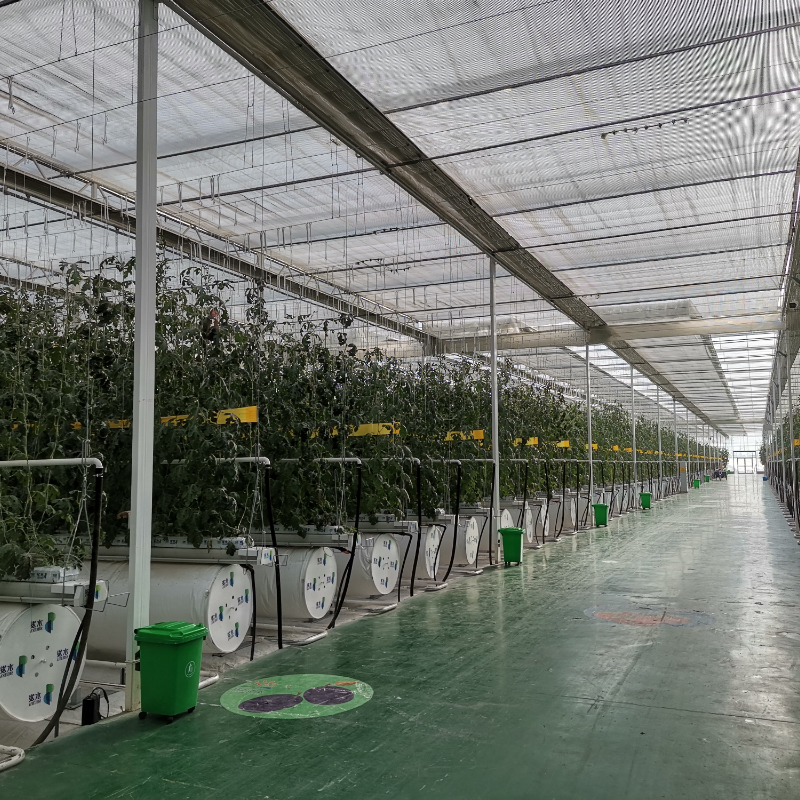
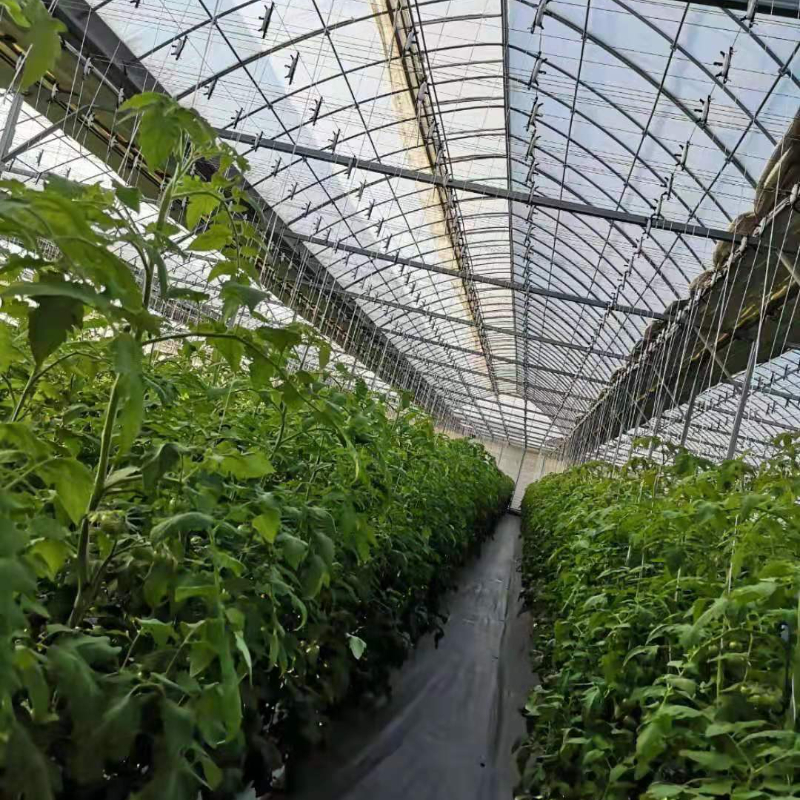
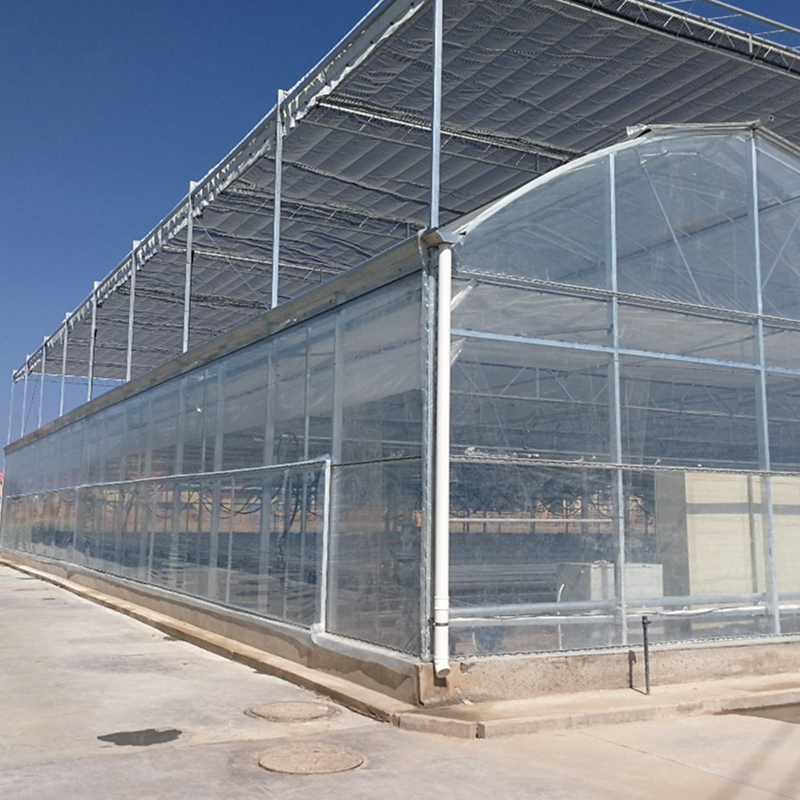
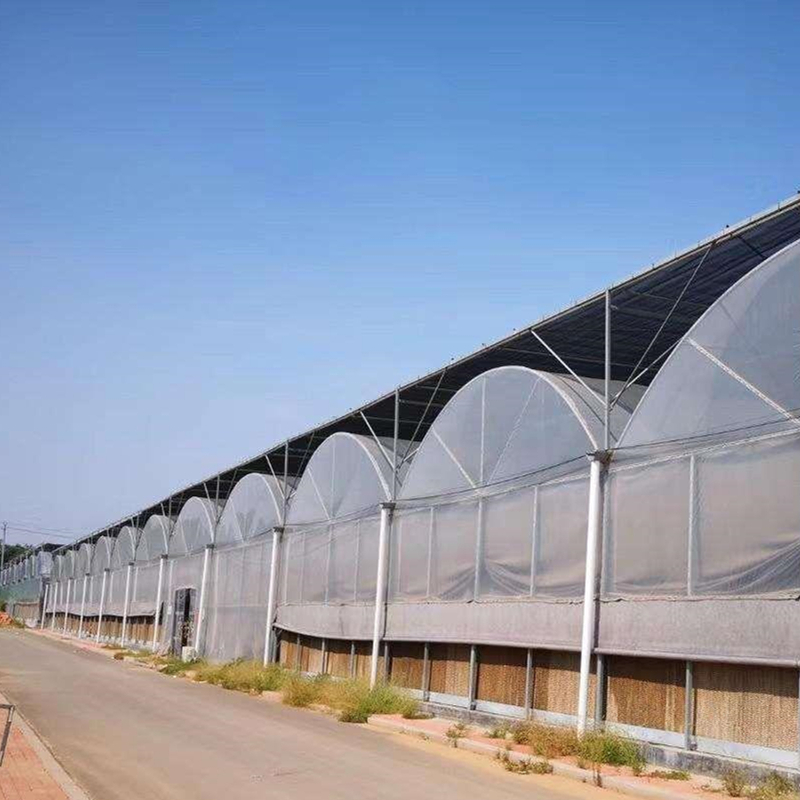
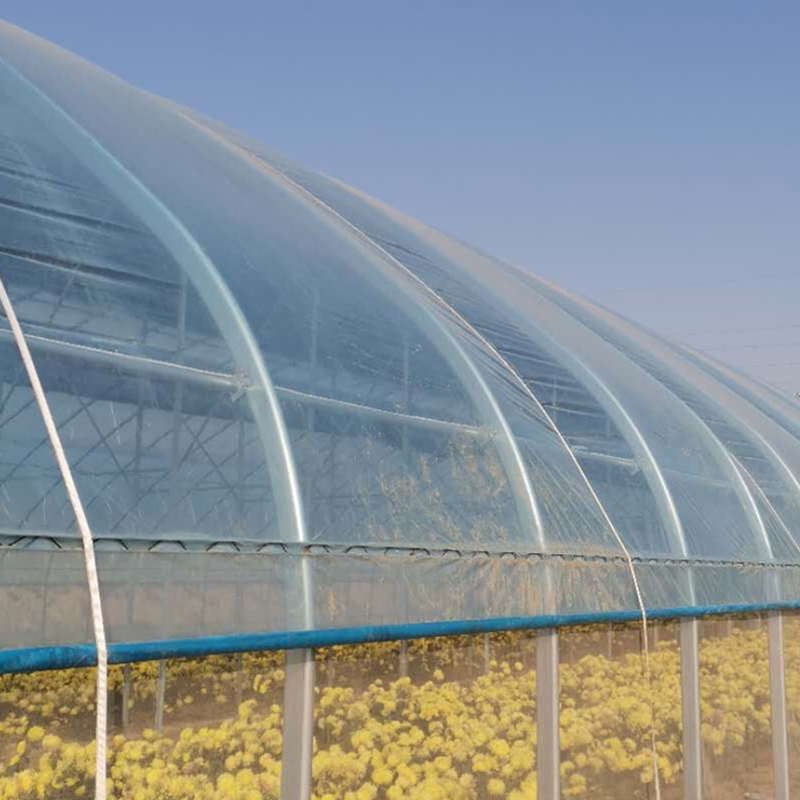
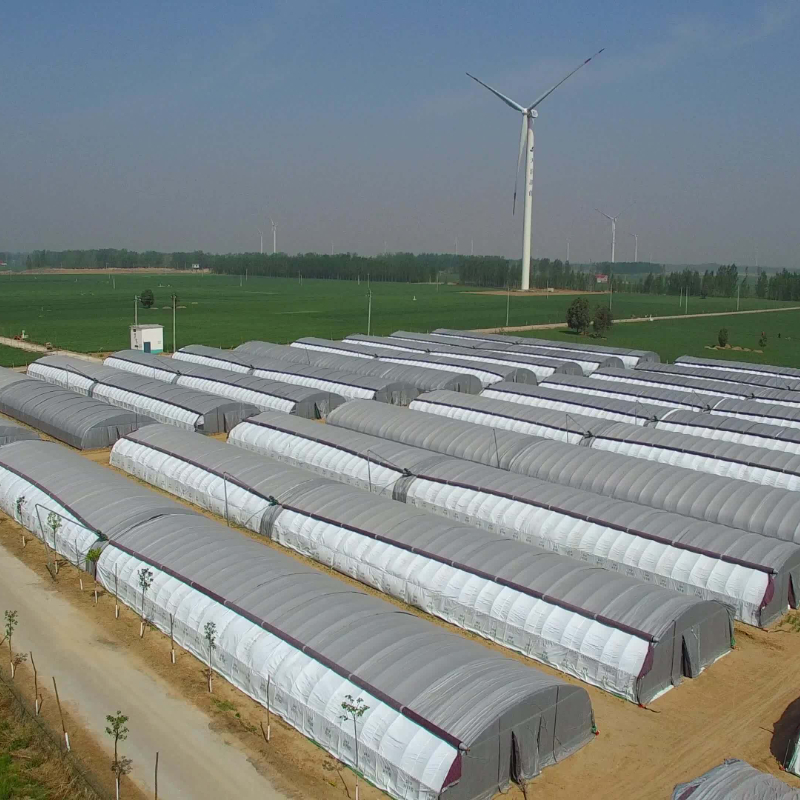
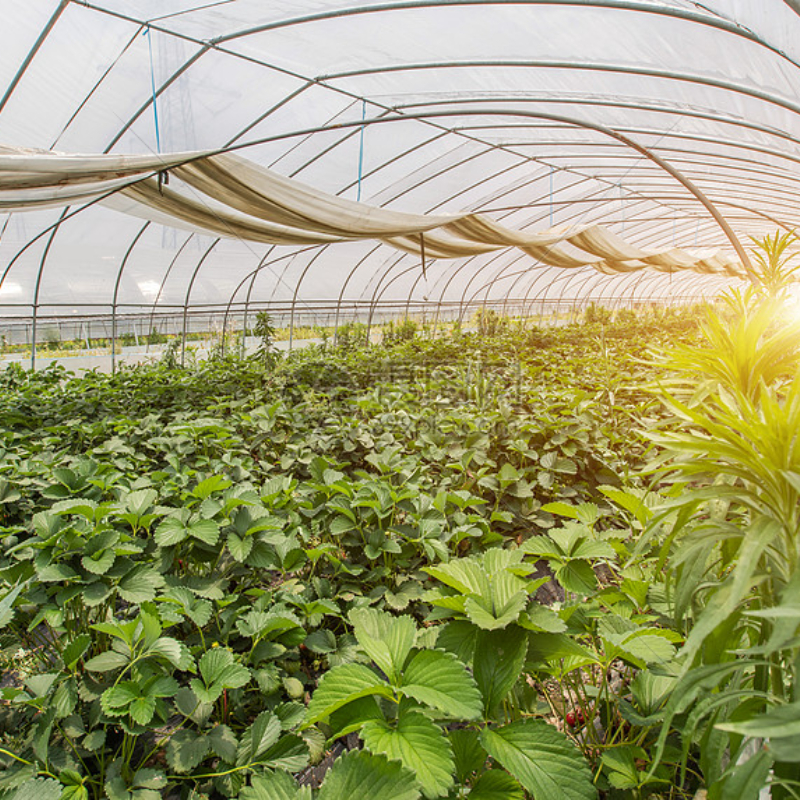
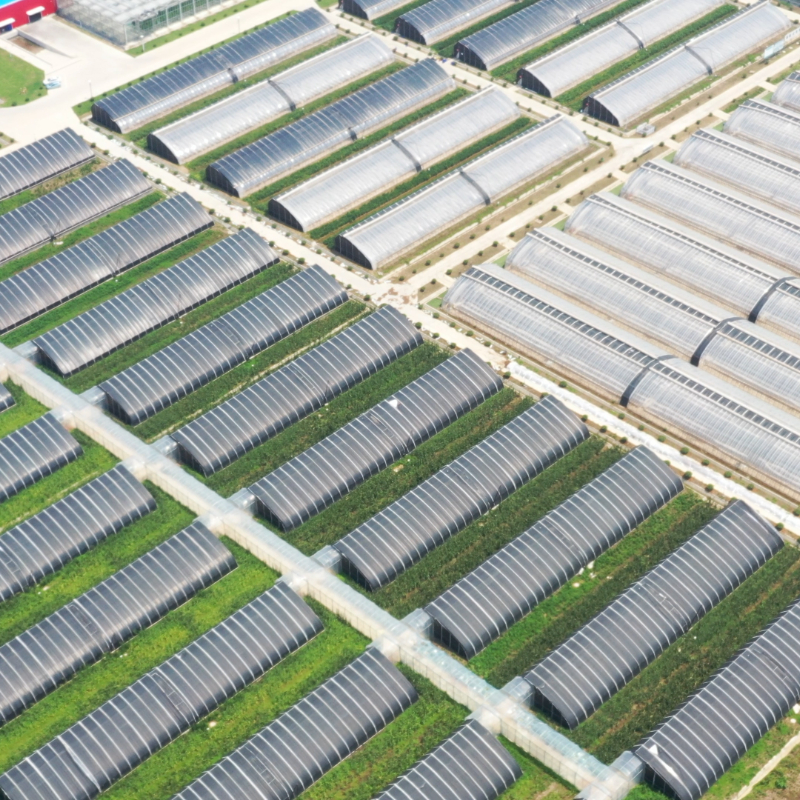
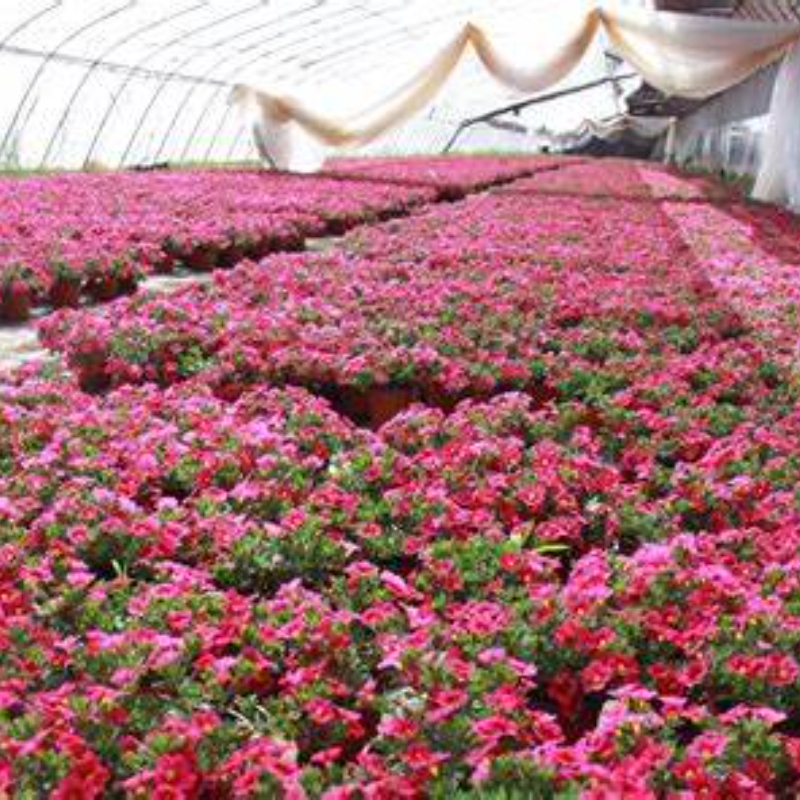
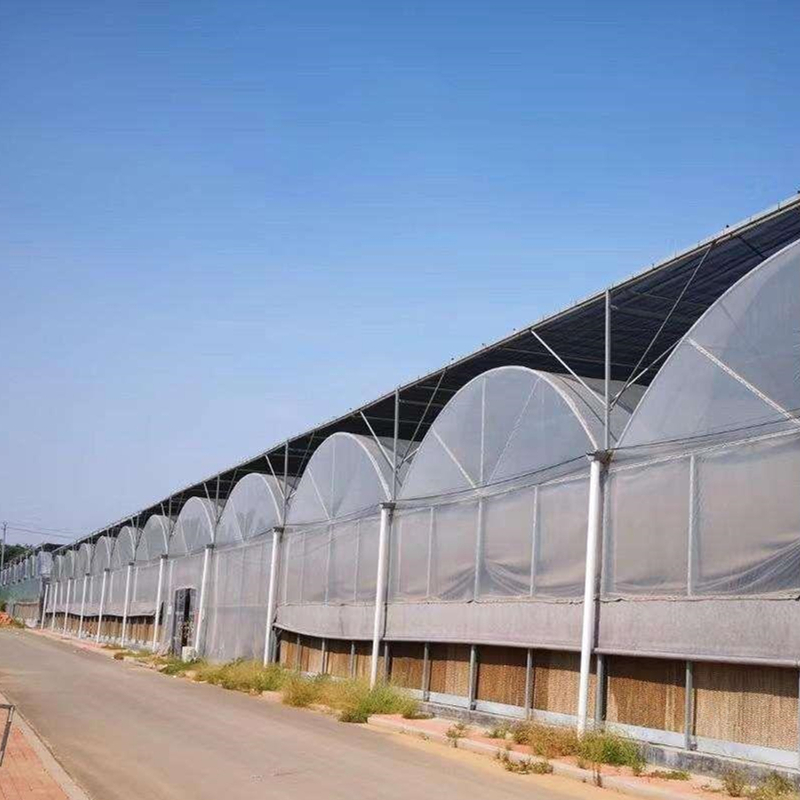
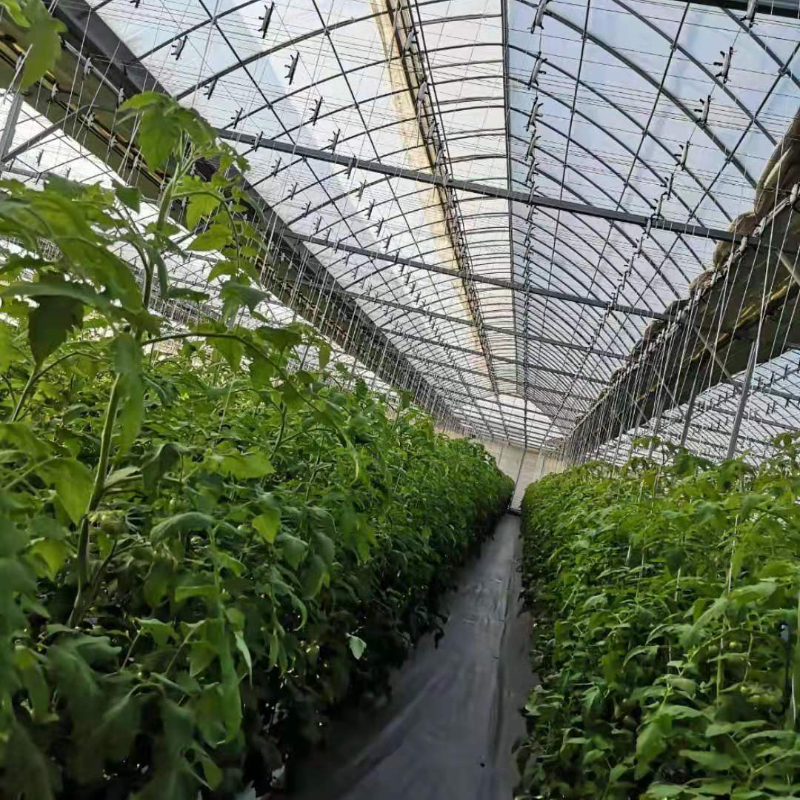
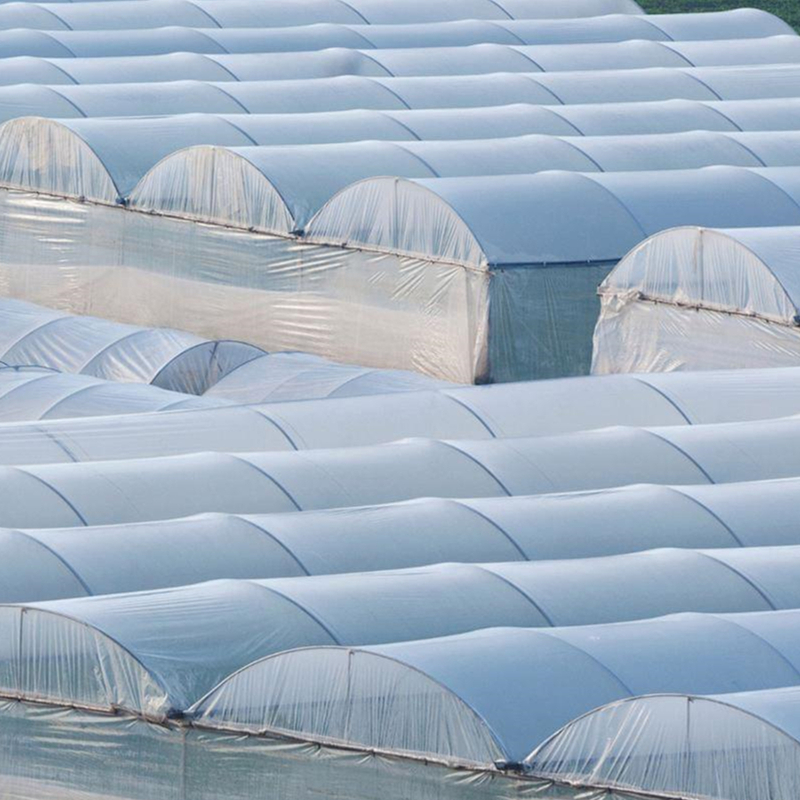
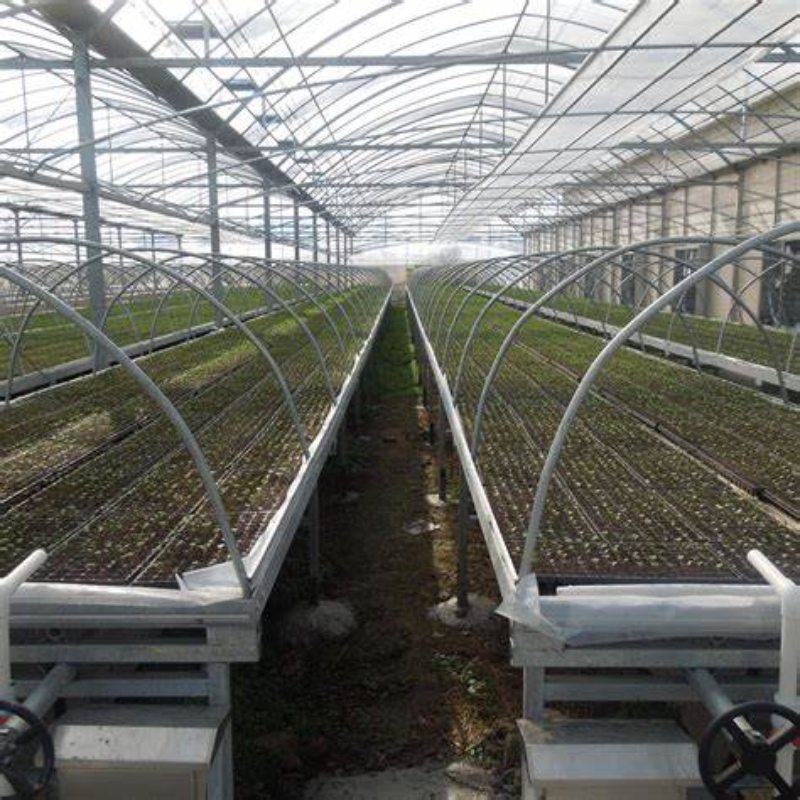
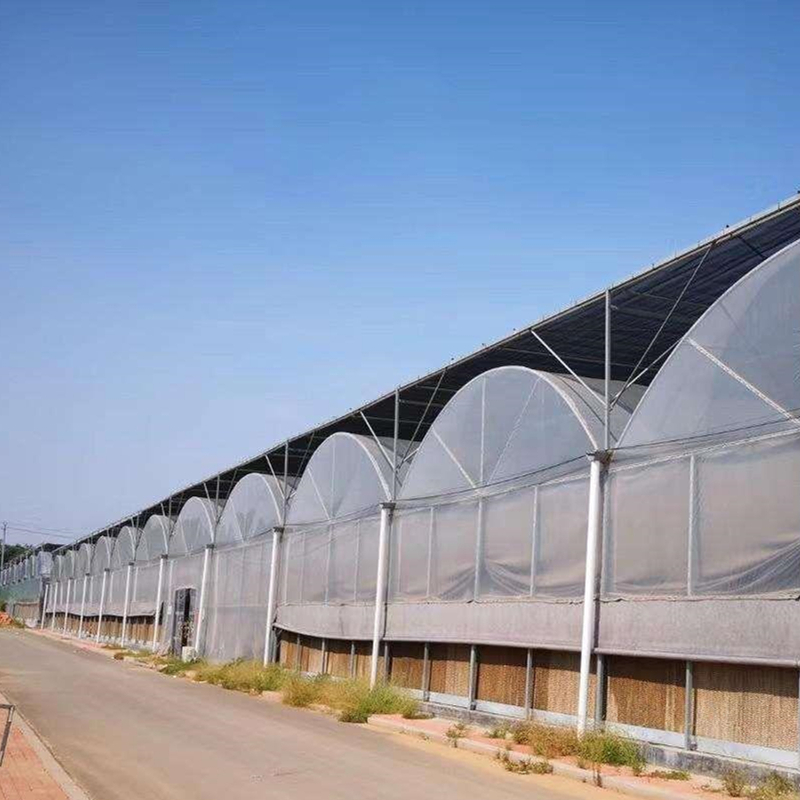
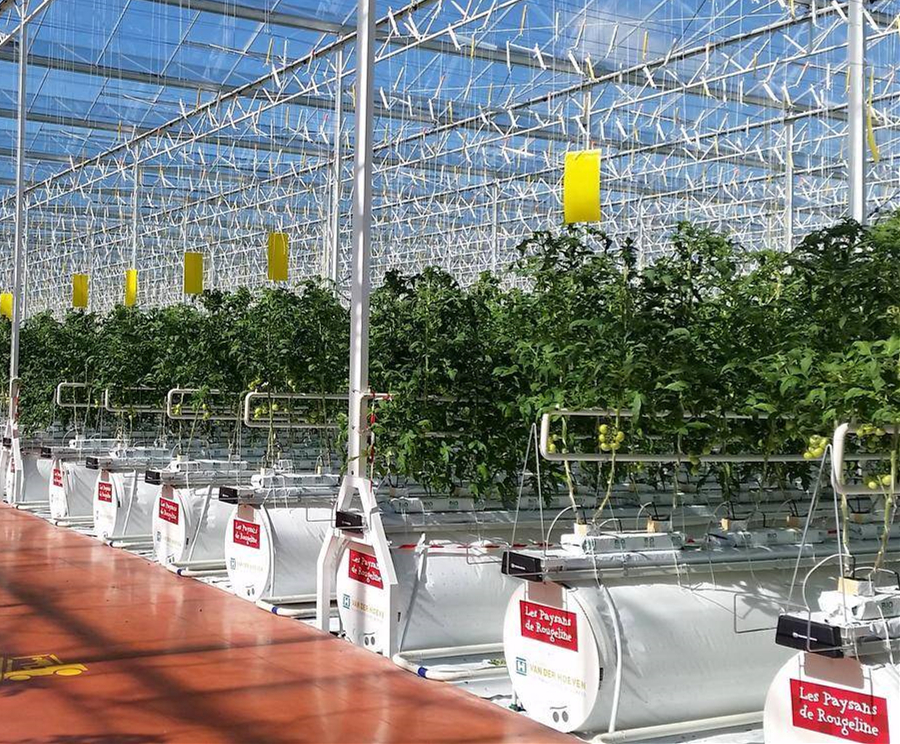
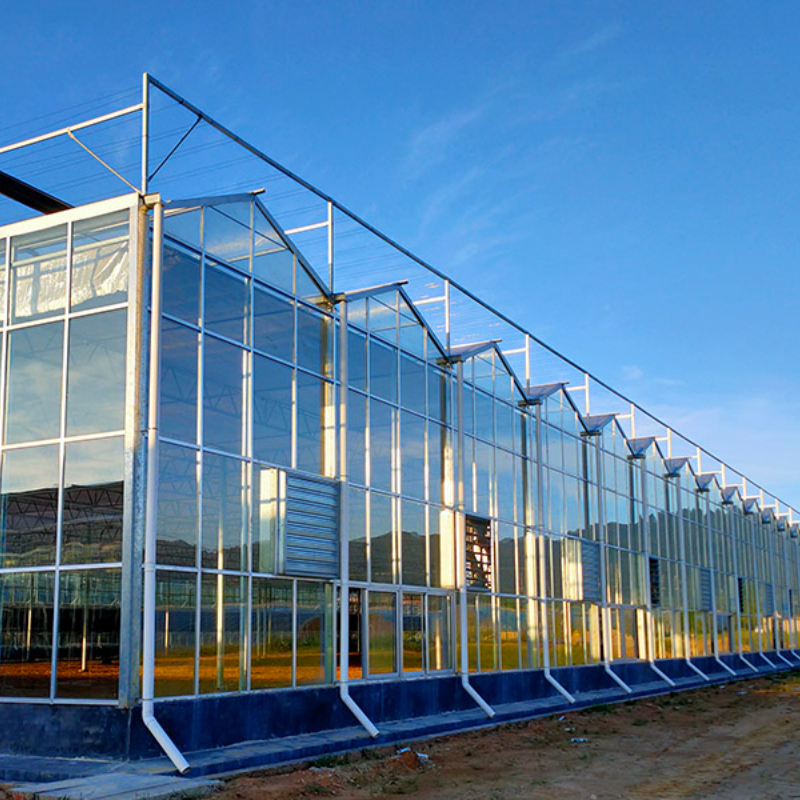
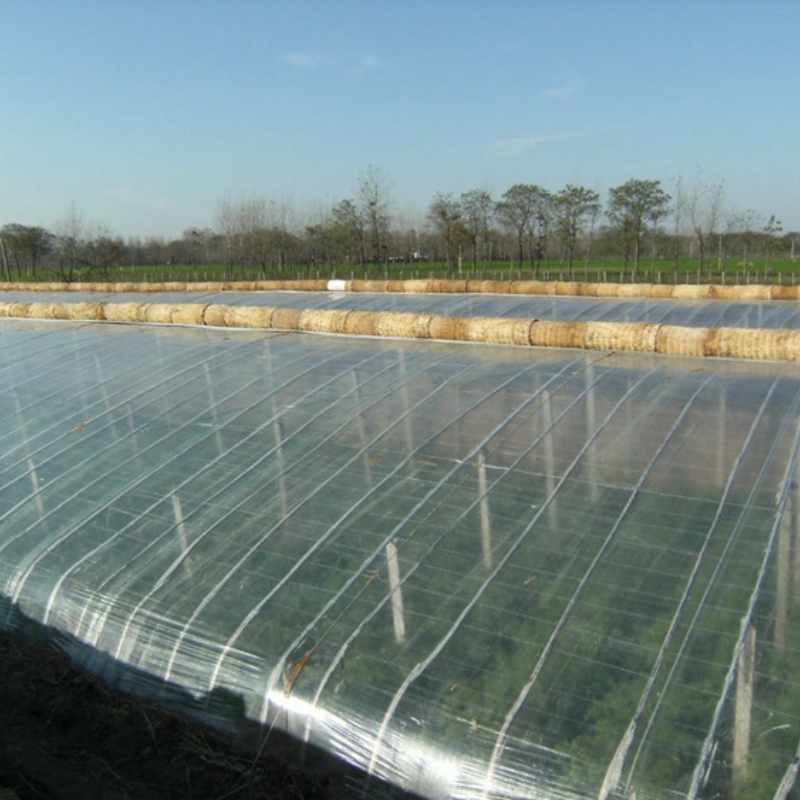
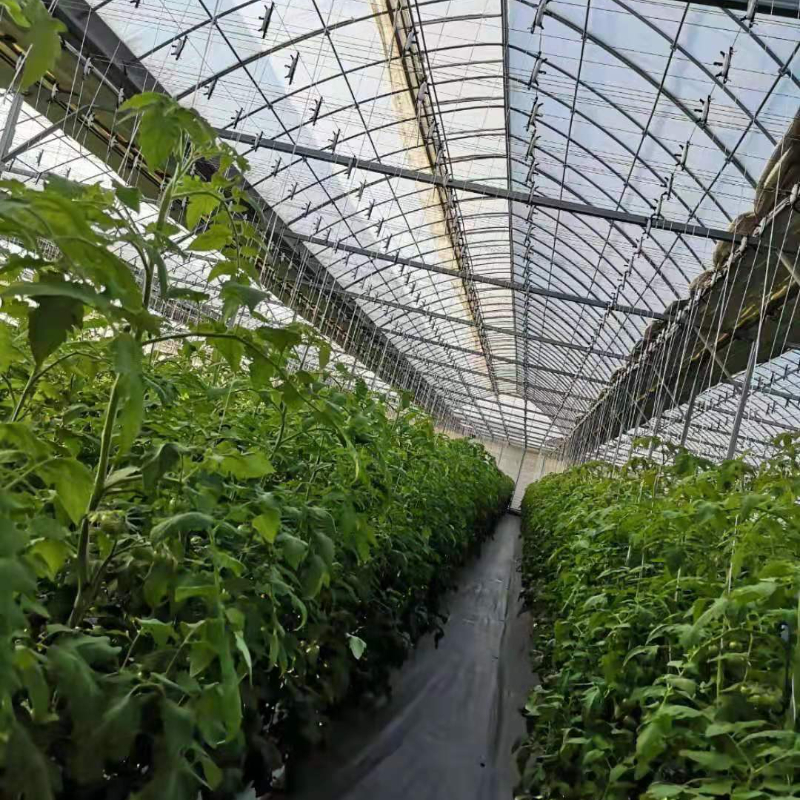
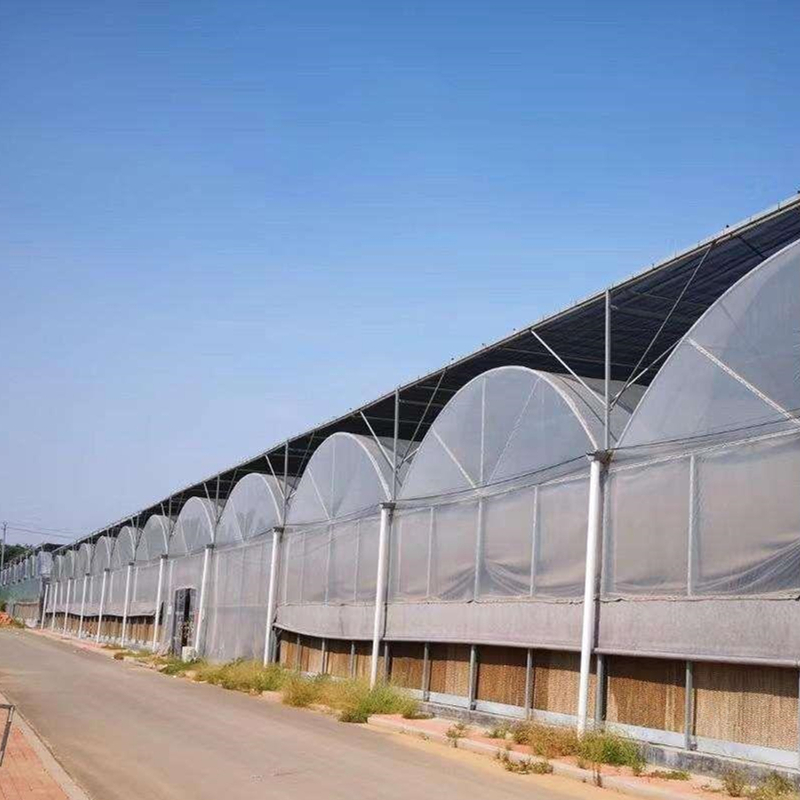
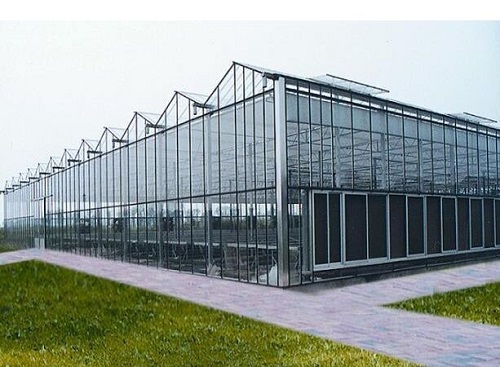
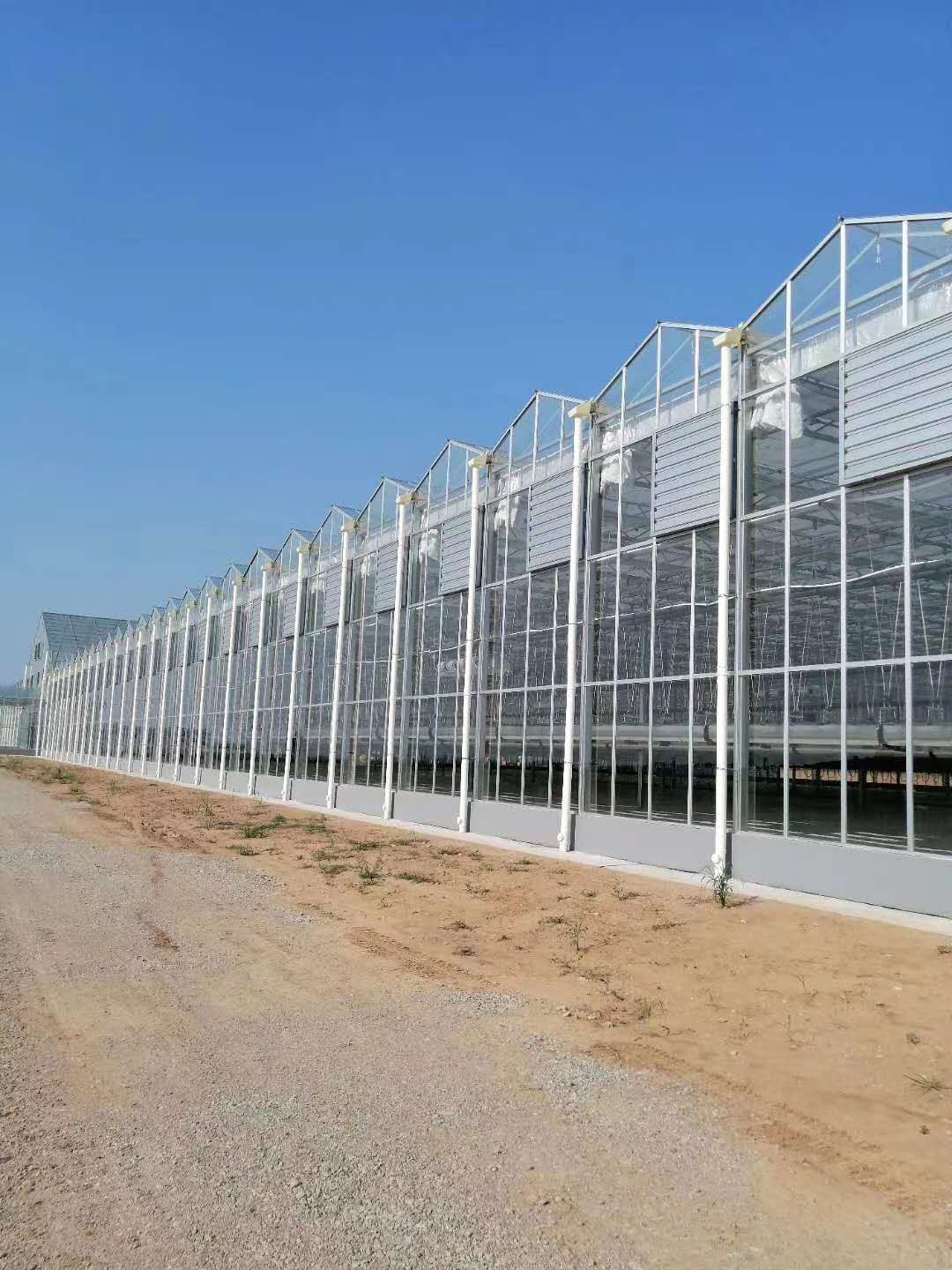
Here is a comprehensive design concept for an Intelligent Connected Greenhouse, structured from the core philosophy down to specific systems and benefits.
Core Vision: The Self-Sustaining, Data-Driven Agricultural Ecosystem
The intelligent connected greenhouse is not merely a structure for growing plants; it is a cyber-physical system where agriculture, data science, and engineering converge. The goal is to create a closed-loop, hyper-efficient, and autonomous environment that optimizes plant growth, minimizes resource consumption (water, energy, fertilizers), and eliminates human guesswork.
1. Foundational Pillars
The design rests on three interconnected pillars:
IoT & Sensing (The Nervous System): A network of sensors continuously monitors all variables.
AI & Data Analytics (The Brain): Cloud-based algorithms process sensor data to make predictions and decisions.
Automation & Actuation (The Muscles): Robotic systems execute the decisions made by the AI.
2. Architectural & System Framework
The greenhouse is designed as a series of integrated layers:
Layer 1: The Sensing Layer (Data Acquisition)
A dense array of sensors provides real-time, granular data on the entire environment.
Climate Sensors: Air temperature, relative humidity, vapor pressure deficit (VPD), CO₂ levels.
Light Sensors: PAR (Photosynthetically Active Radiation), light intensity, and duration (DLI).
Root-Zone Sensors: Soil moisture, substrate temperature, soil pH, and EC (Electrical Conductivity).
Plant Health Sensors:
Hyperspectral/Multispectral Cameras: Detect nutrient deficiencies, water stress, and diseases before they are visible to the human eye.
Leaf Sensors: Directly measure leaf turgor pressure (water status).
External Weather Station: Monitors outside temperature, humidity, wind speed, solar radiation, and rainfall to anticipate and counteract external influences.
Layer 2: The Connectivity & Networking Layer (Data Transmission)
Wired Backbone: Power over Ethernet (PoE) for stationary, high-power devices like cameras and main control computers.
Wireless Mesh: A combination of LoRaWAN (for low-power, long-range sensor data) and Wi-Fi/5G (for high-bandwidth data like video streams and central communication). This creates a resilient, scalable network.
Layer 3: The Data Platform & AI Brain (Data Processing & Decision Making)
This is the cloud or on-premise server where the intelligence resides.
Data Aggregation: A unified dashboard ingests and visualizes all sensor data.
Machine Learning Models:
Predictive Control: AI learns the greenhouse's thermal and humidity dynamics. It can pre-emptively adjust vents, heaters, or misters to maintain the perfect climate, saving energy.
Disease & Pest Prediction: AI analyzes camera imagery and historical data to identify early signs of blight, mildew, or pest infestation, triggering targeted alerts.
Growth Optimization Model: The core AI that correlates all environmental data (VPD, light, CO₂, nutrients) with optimal growth rates for the specific crop. It doesn't just maintain setpoints; it dynamically orchestrates them for maximum yield and quality.
Irrigation & Nutrient Dosing AI: Automatically adjusts watering schedules and nutrient mix (pH, EC) based on real-time plant water use (evapotranspiration), weather forecasts, and substrate sensor data.
Layer 4: The Actuation & Automation Layer (Action)
The decisions from the AI are executed automatically.
Climate Control:
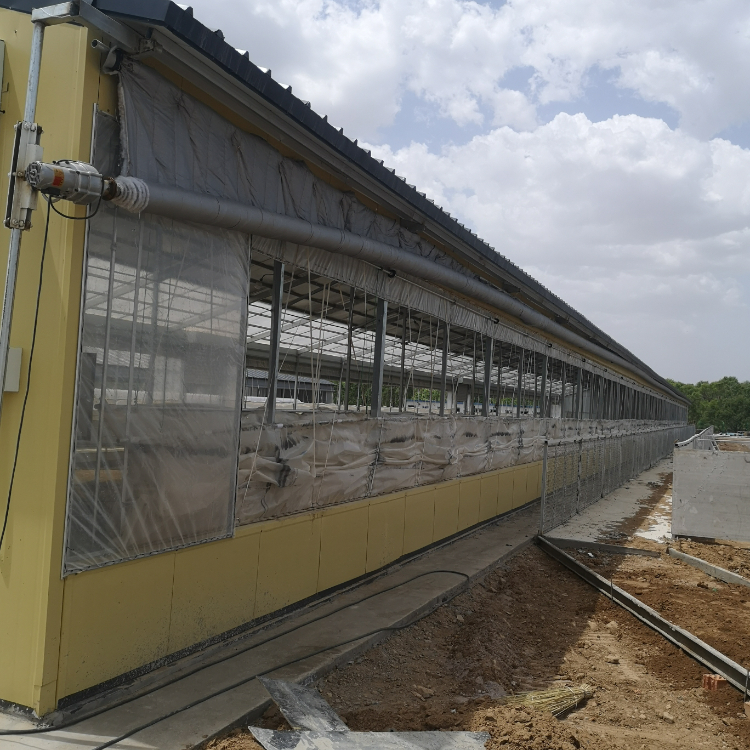
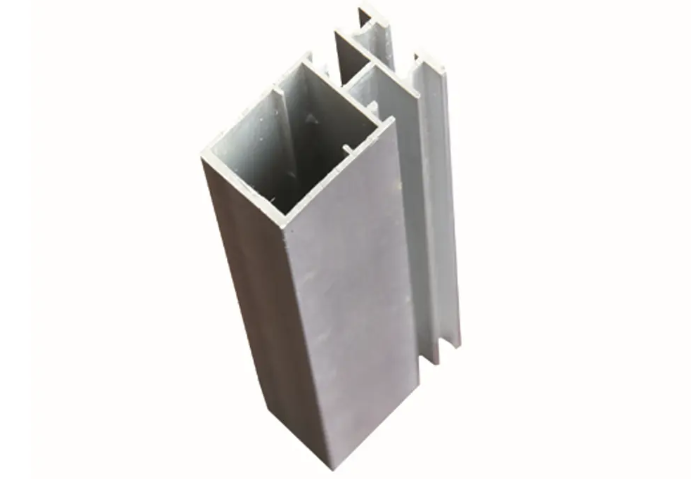
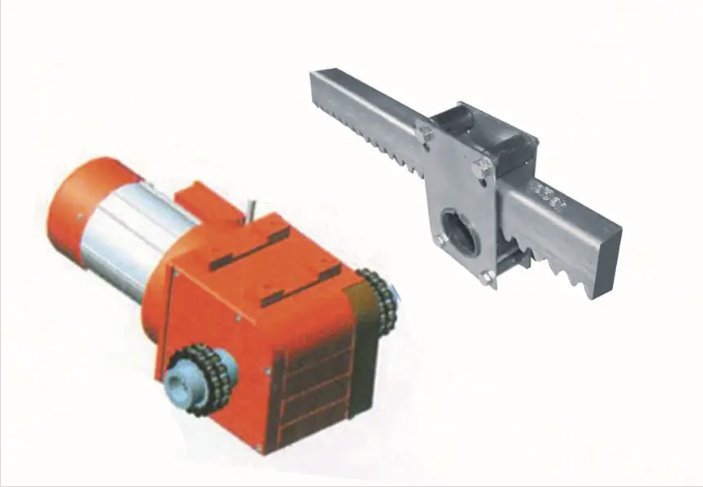
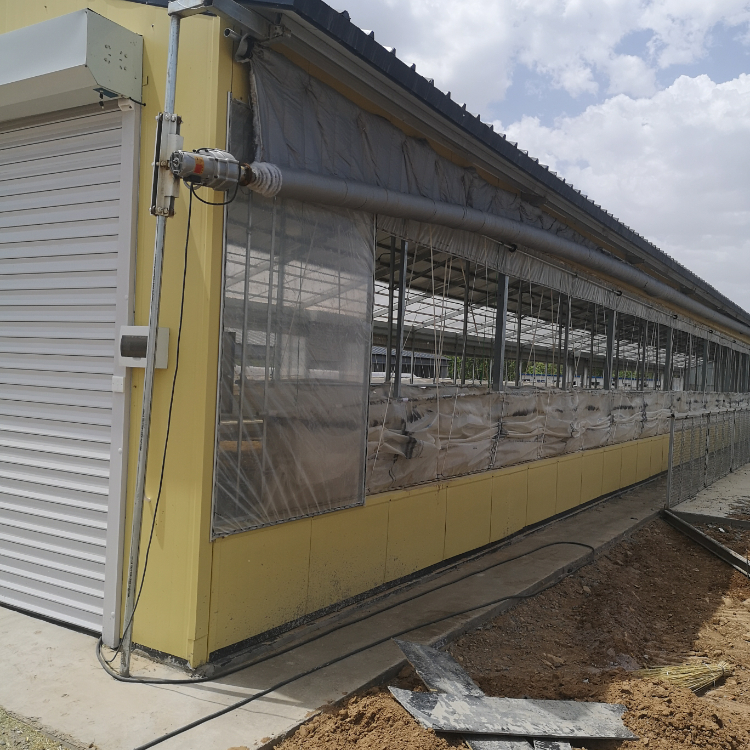
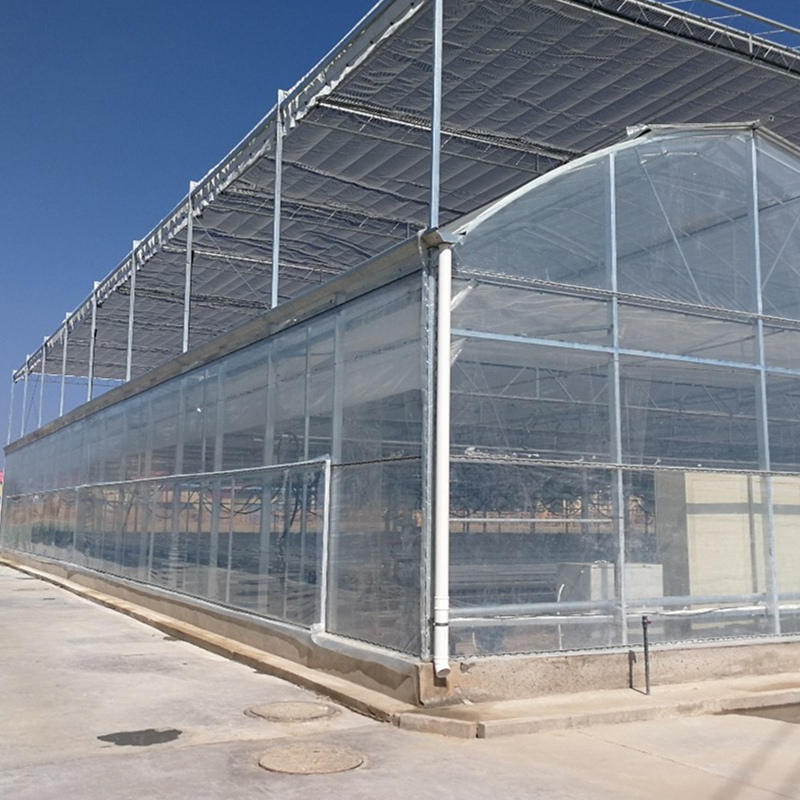
Motorized vents, shades, and energy curtains.
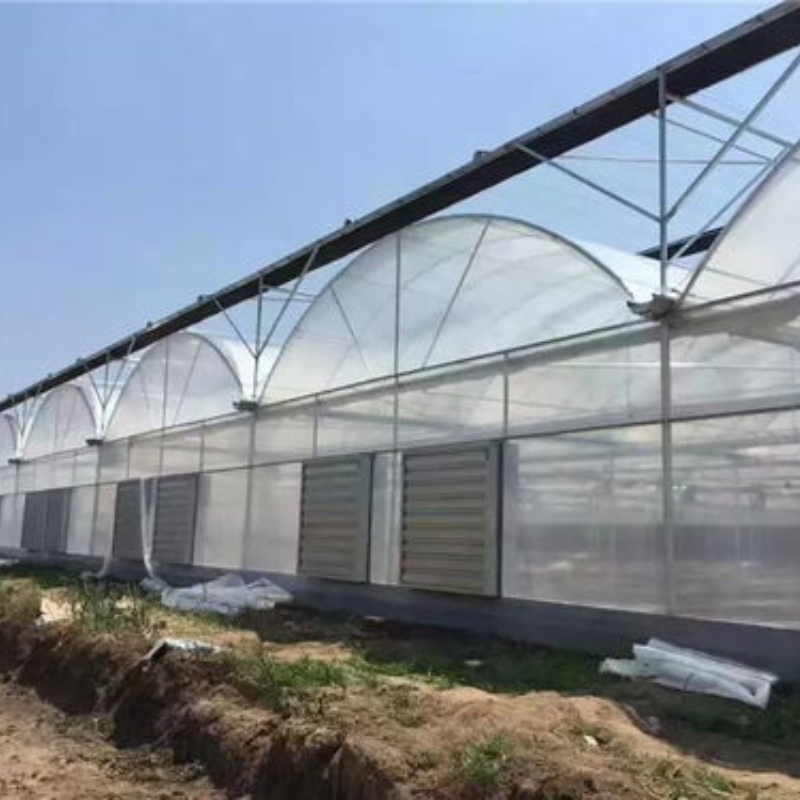
Automated heating (biomass boilers, heat pumps) and cooling (pad & fan, misting) systems.
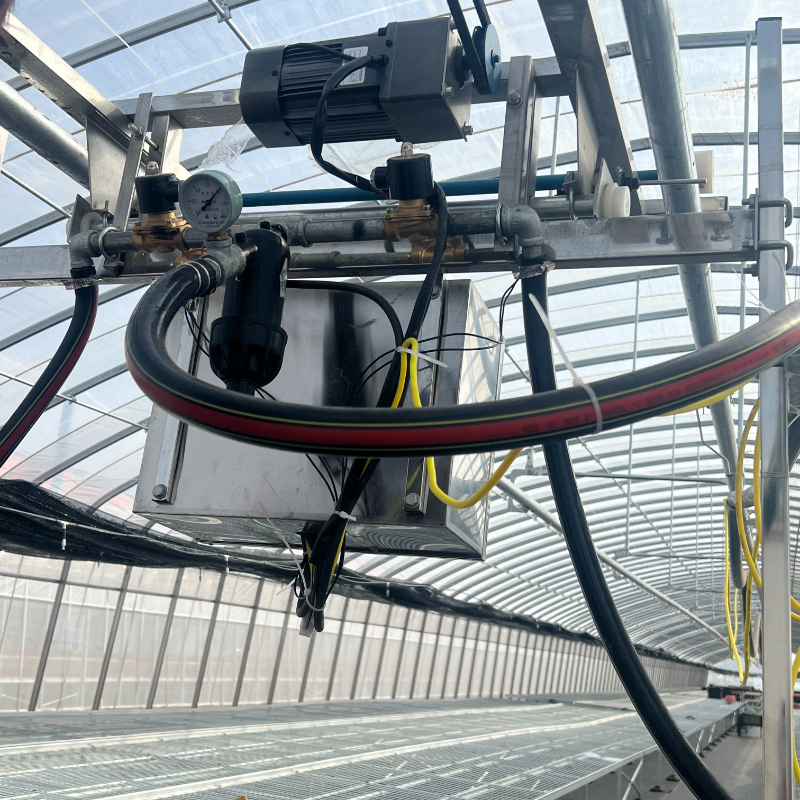
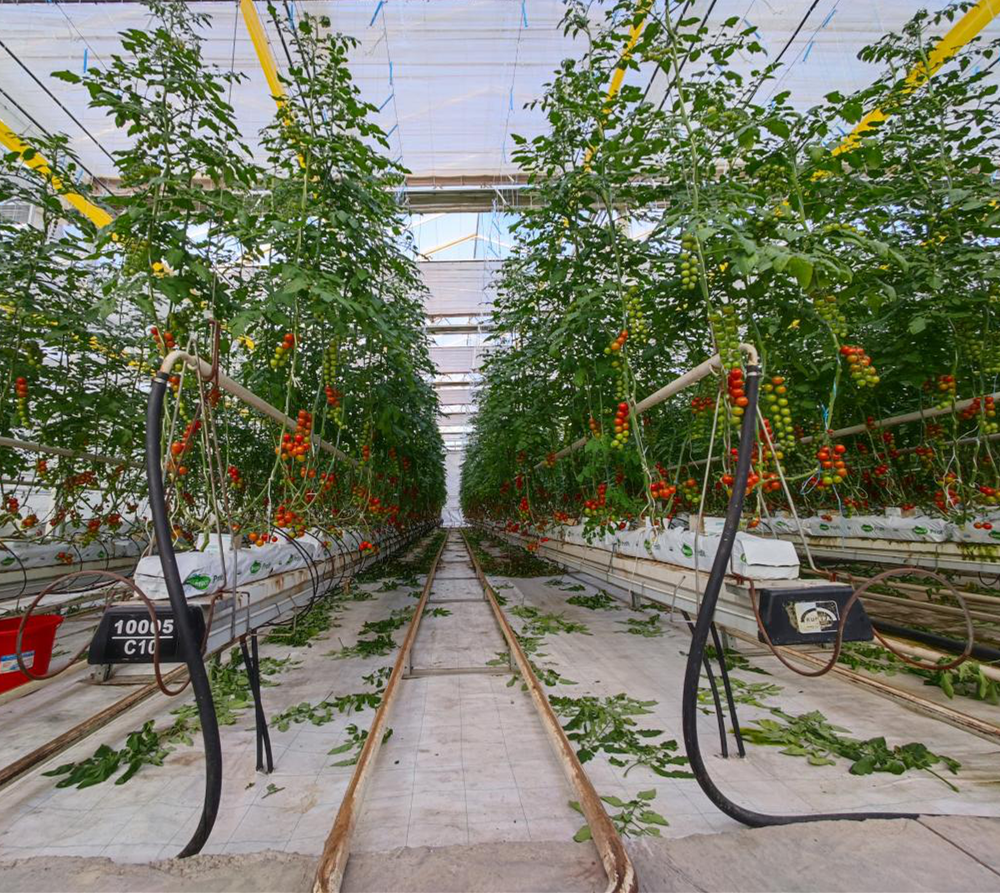
Precision Irrigation & Fertigation:
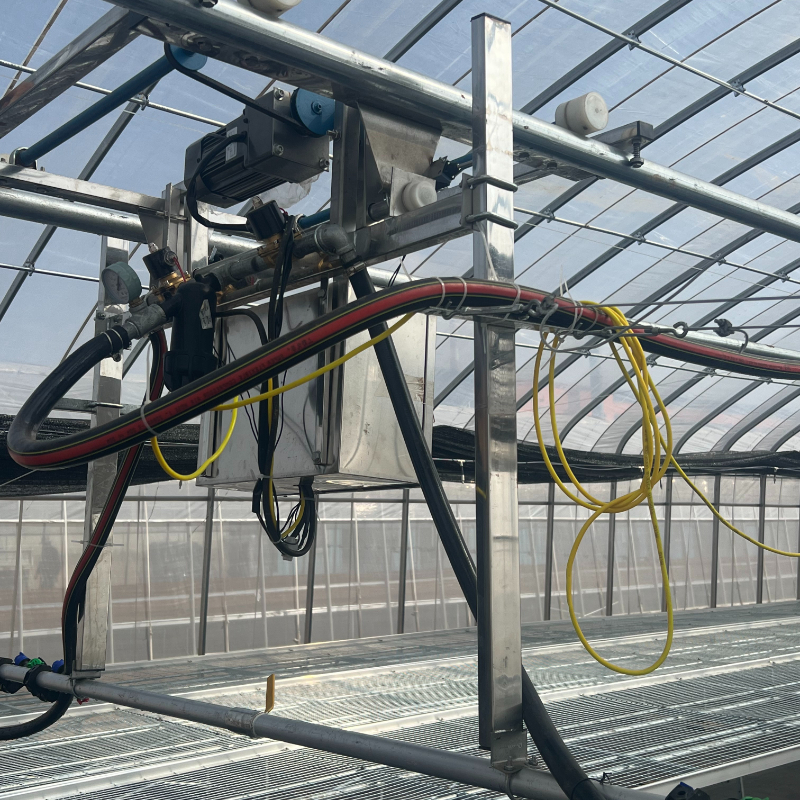
Dosing pumps that inject precise amounts of nutrients (A/B solutions, acids, bases).
Solenoid valves for zonal irrigation control.
Lighting Control:
Automated LED supplemental lighting, with tunable spectra (different light "recipes" for vegetative growth vs. fruiting).
Robotics:
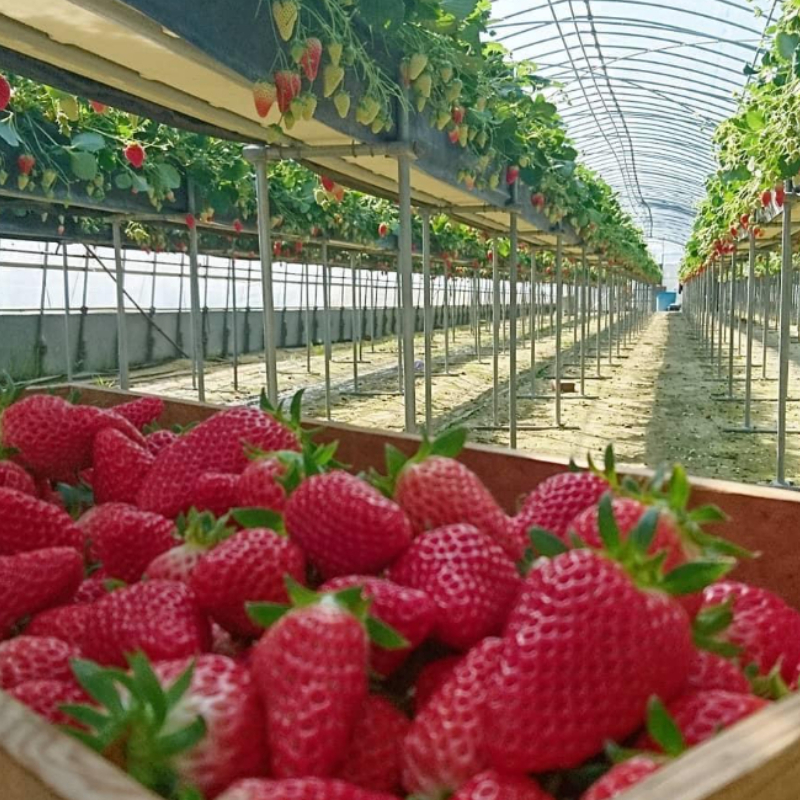
Autonomous Mobile Robots (AMRs): For scouting, transporting harvested goods, or even automated harvesting (e.g., for cucumbers, strawberries).
Robotic Arms: For precise tasks like seeding, pruning, or selective harvesting.
3. Practical Implementation & User Interaction
Centralized Dashboard: A user-friendly interface (accessible via desktop, tablet, or phone) provides a single-pane-of-glass view of the entire operation.
Alerts & Notifications: The system sends proactive alerts for anomalies (e.g., "Water pressure dropping in Zone B," "Early signs of powdery mildew detected in Sector 4").
Remote Control: Growers can manually override any system from anywhere in the world.
Data Logging & Reporting: Automated generation of reports on yield, resource use (water, kWh per kg of produce), and cost analysis.
