
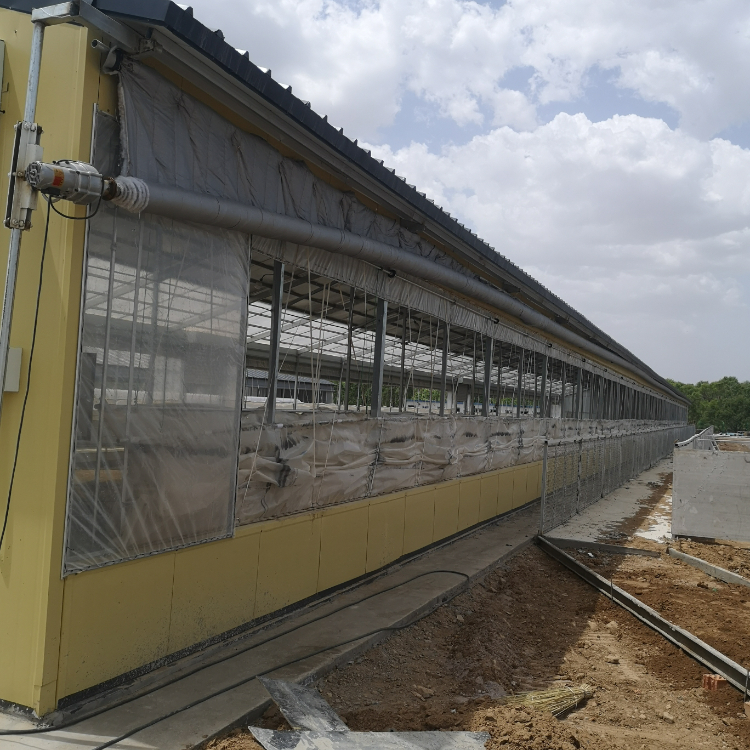
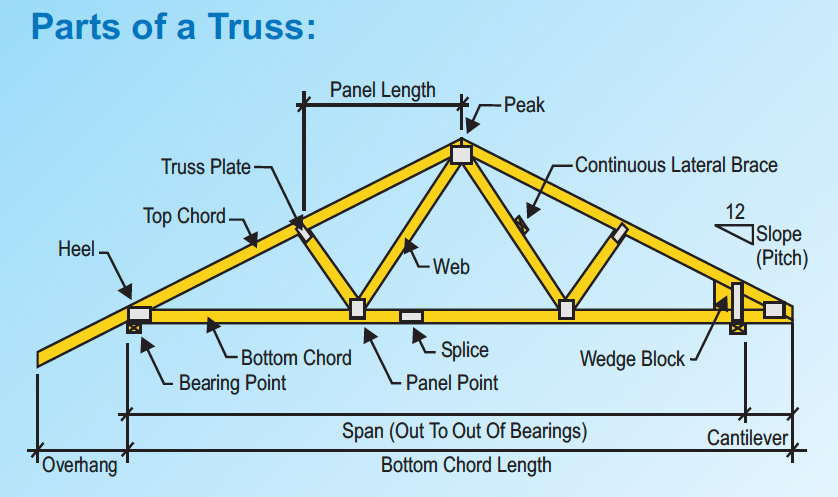
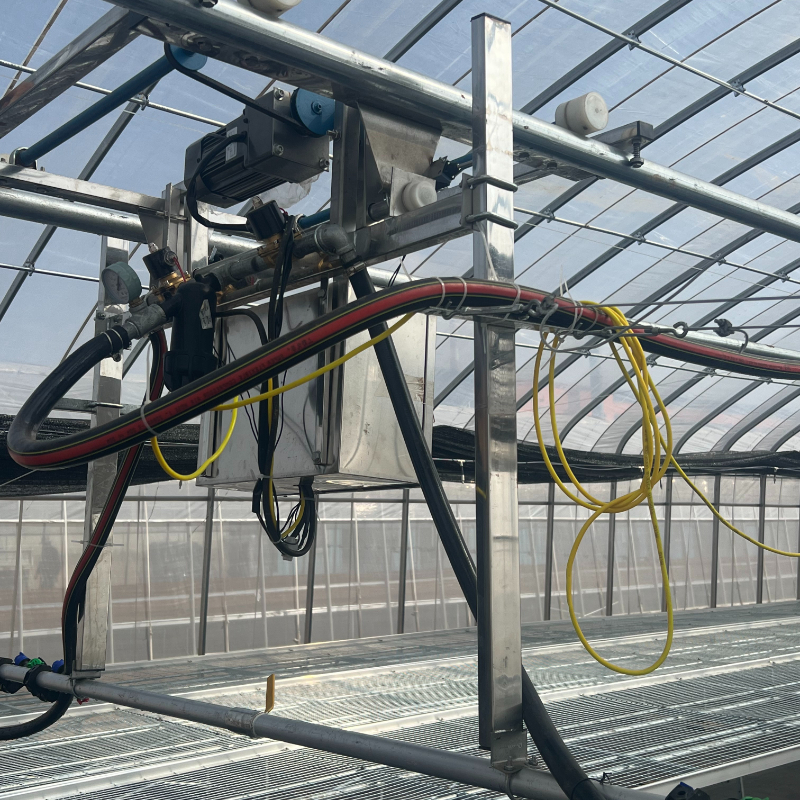
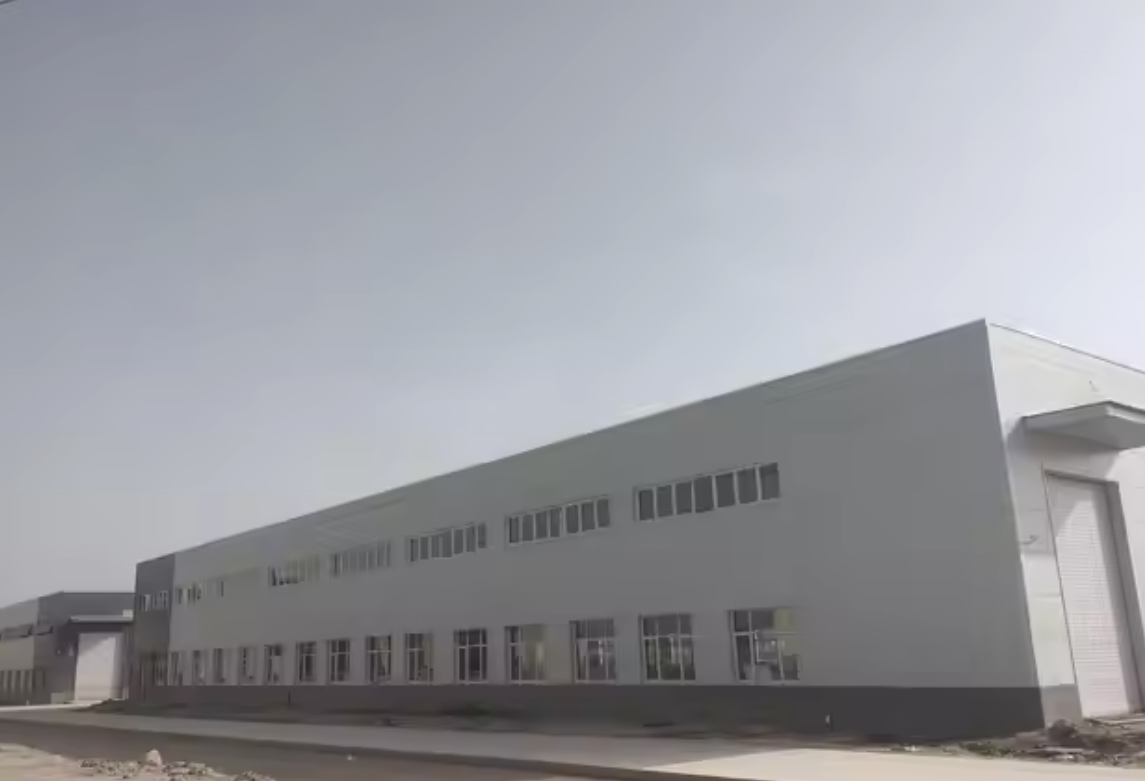
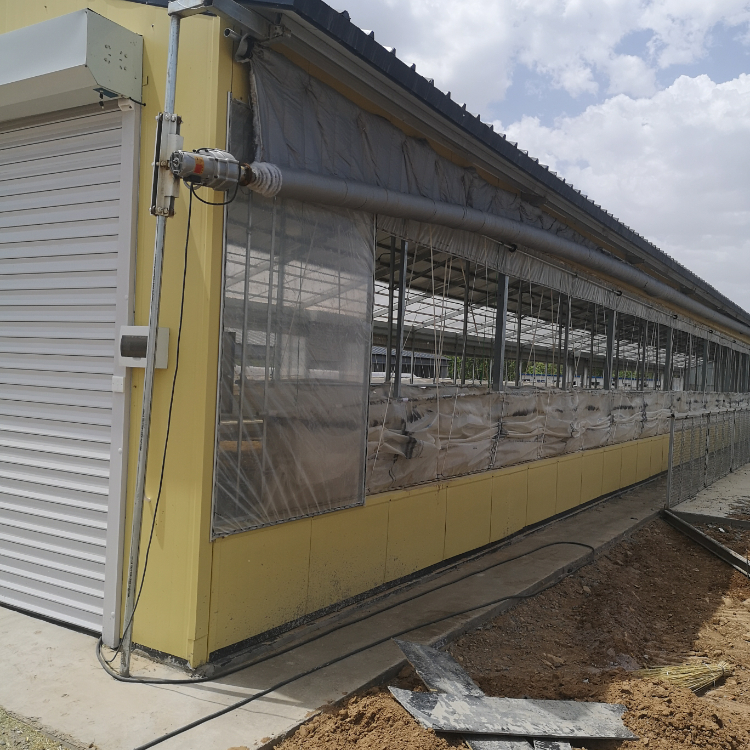
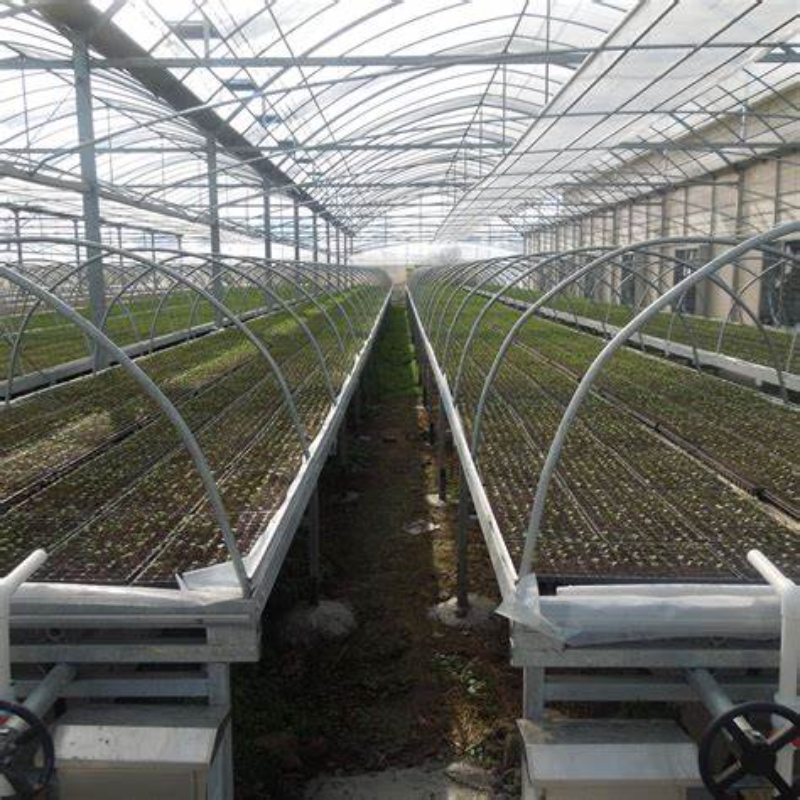
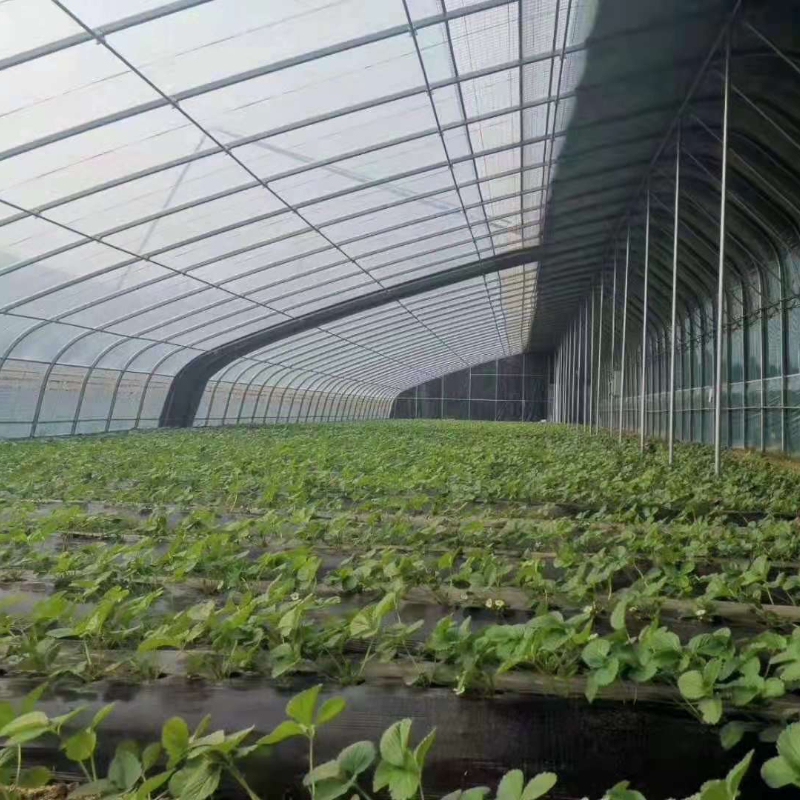
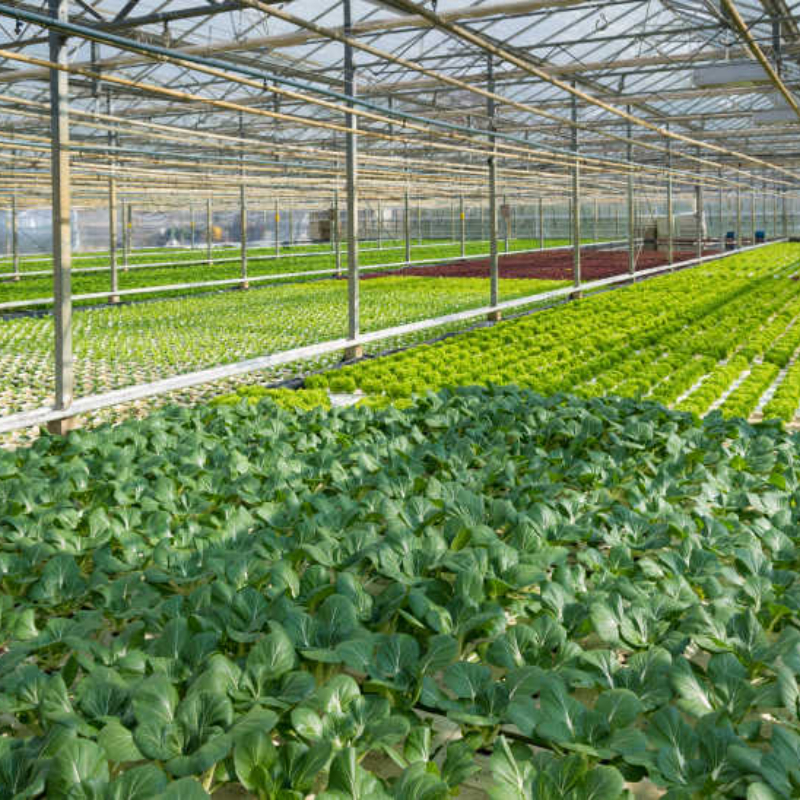
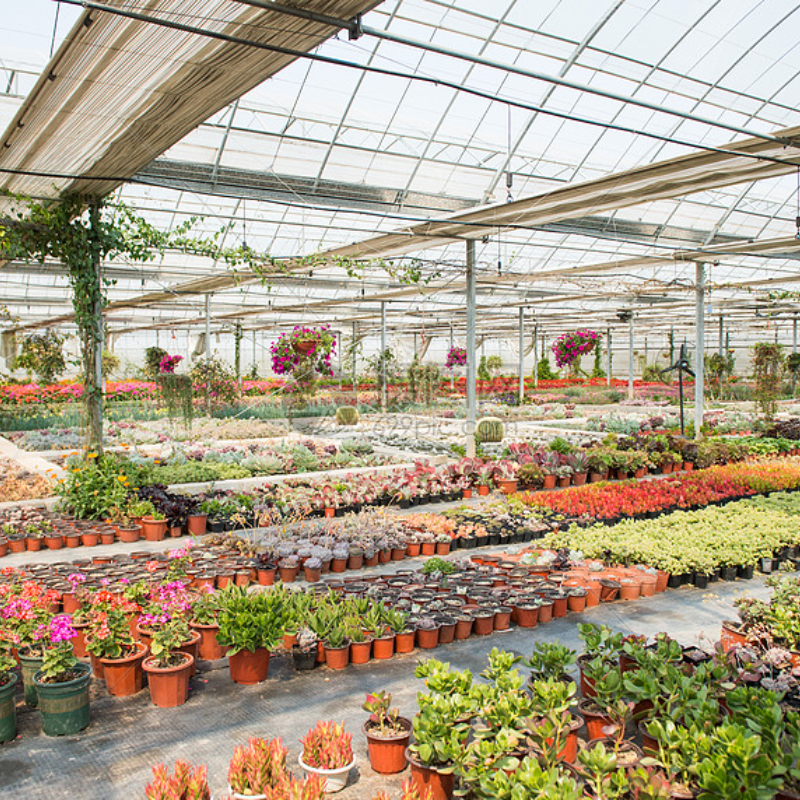
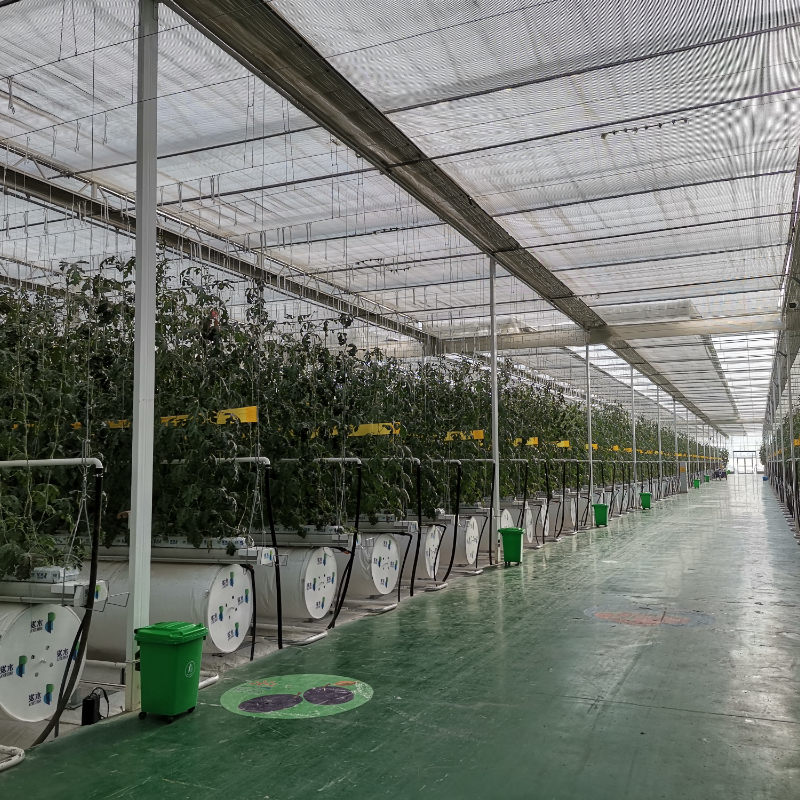
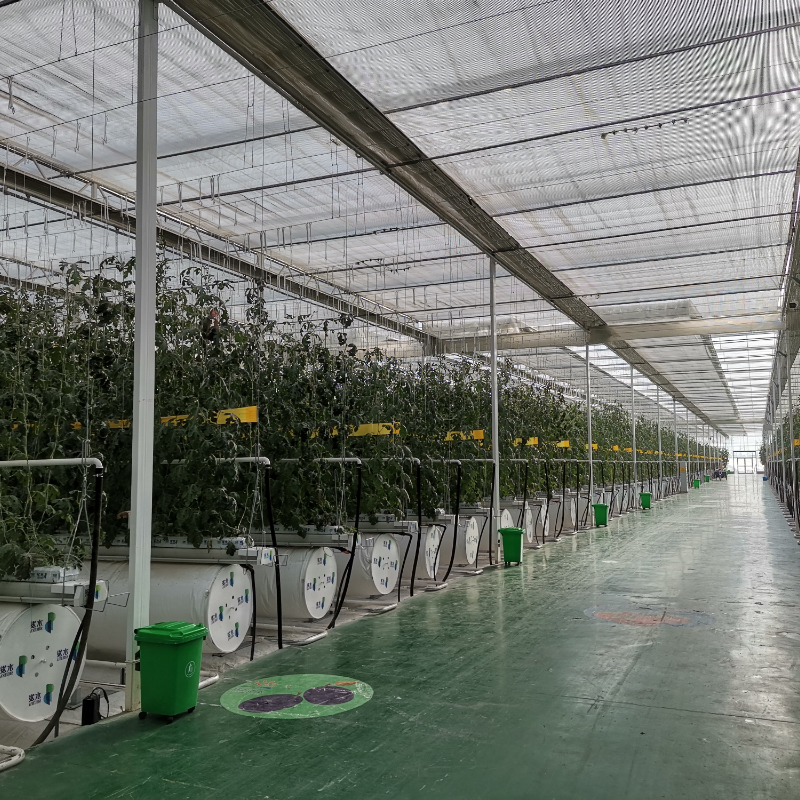
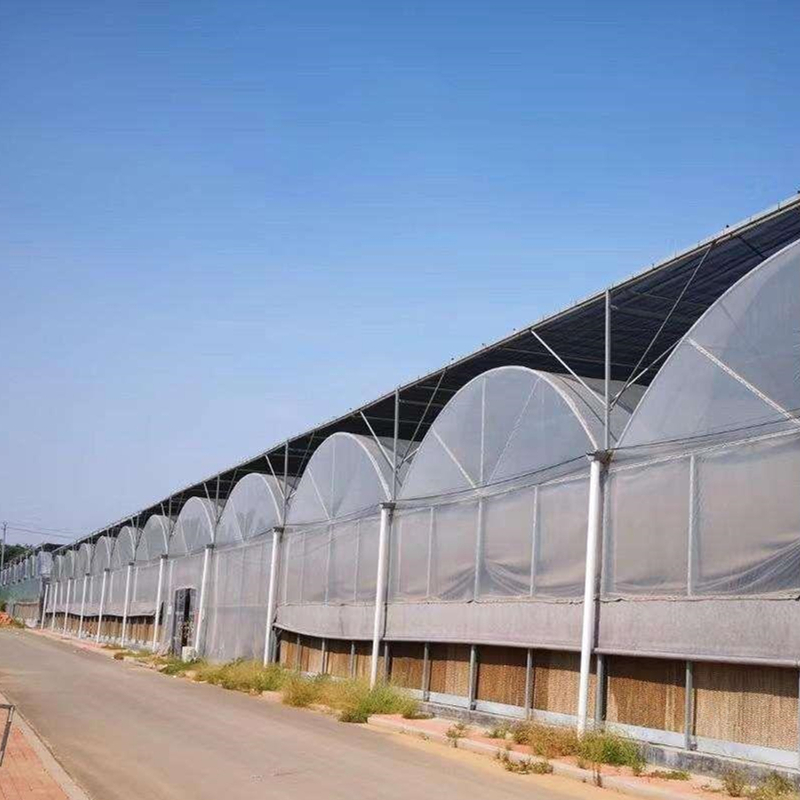
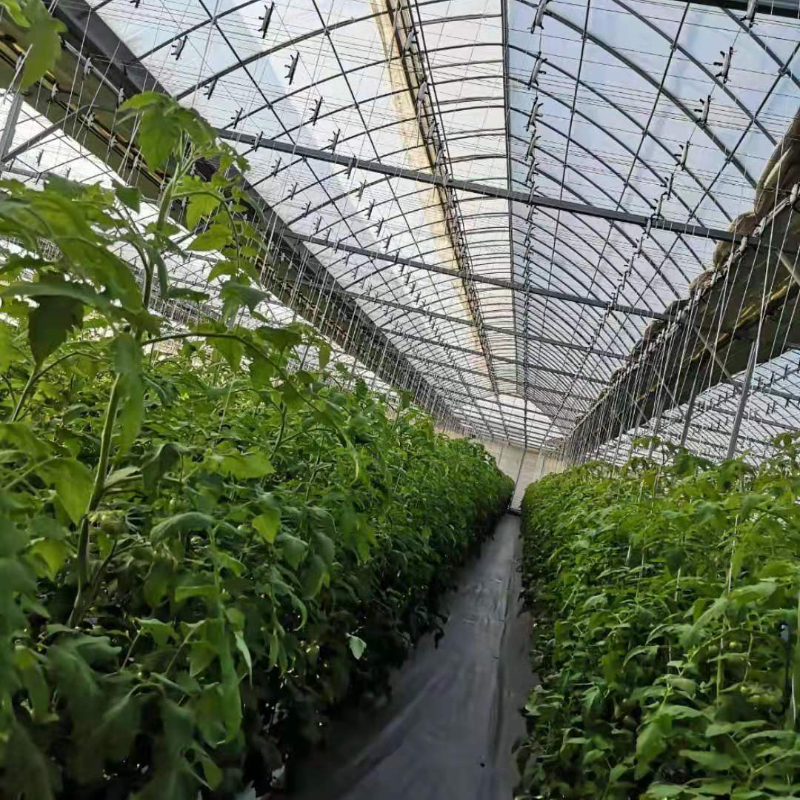
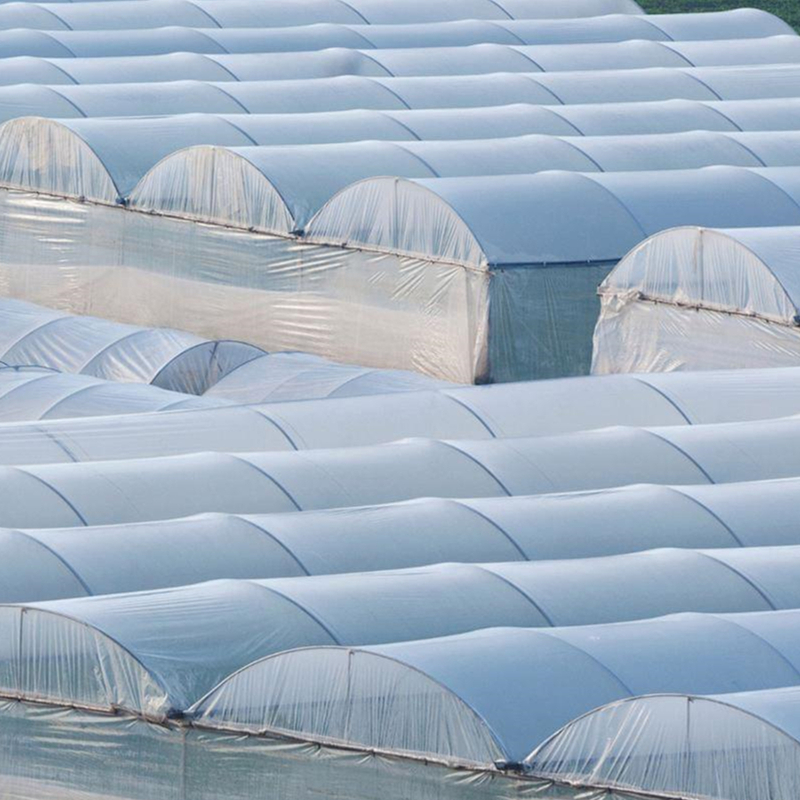
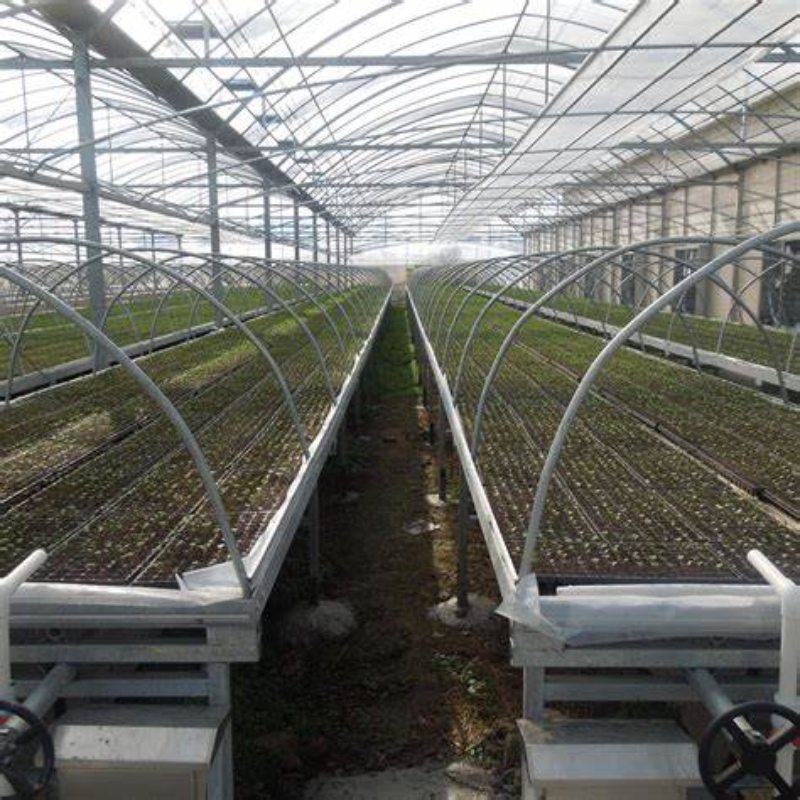
Greenhouses come in various types, each designed for specific climates, purposes, and growing conditions. The main differences lie in their structure, materials, heating/cooling systems, and intended use. Here’s a breakdown of the key types:
一、Based on Structure & Shape
1.Lean-to Greenhouse
Attached to an existing building (like a house or shed).
Saves space and shares heat with the main structure.
Standalone structure with equal roof slopes (classic A-frame).
More space and better light exposure than lean-to.
Requires separate heating/cooling systems.
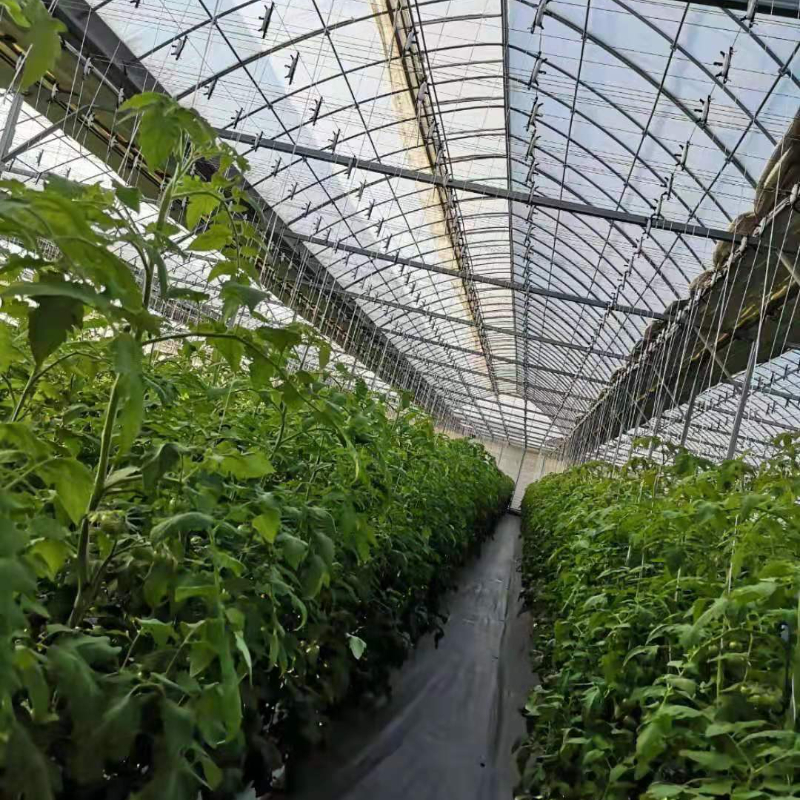
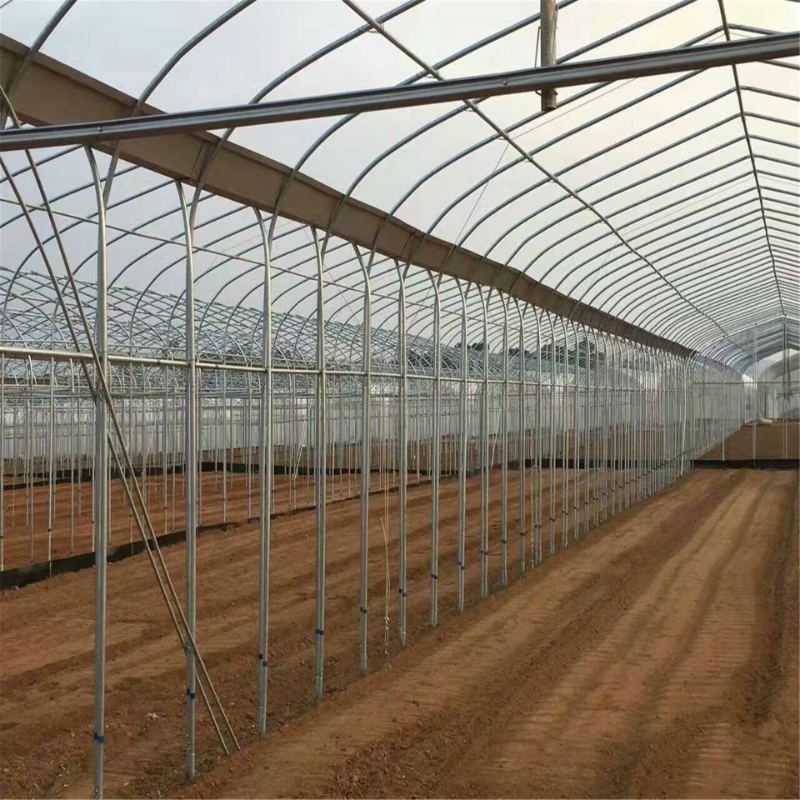
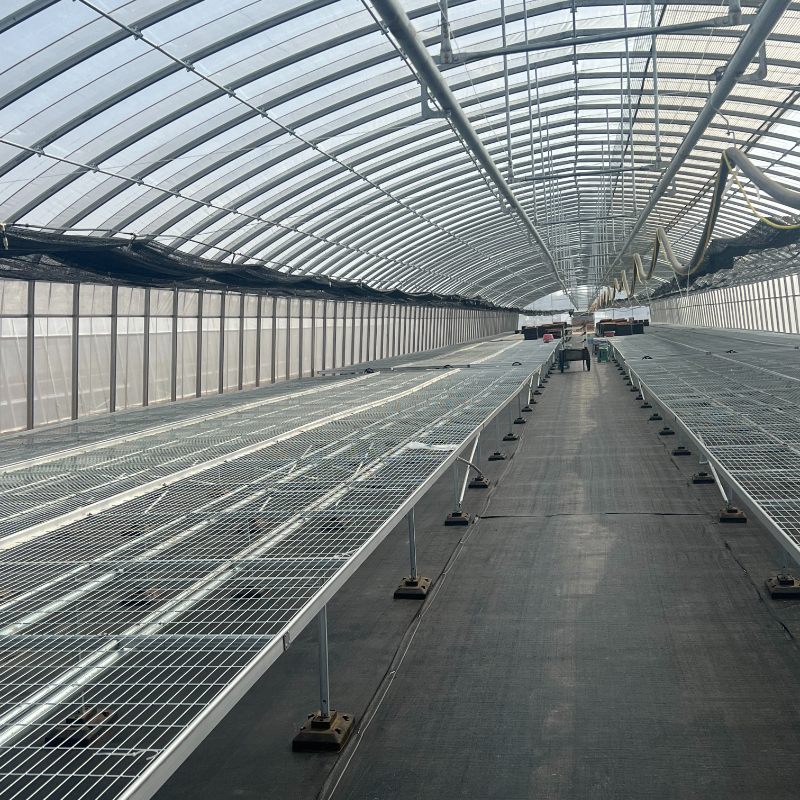
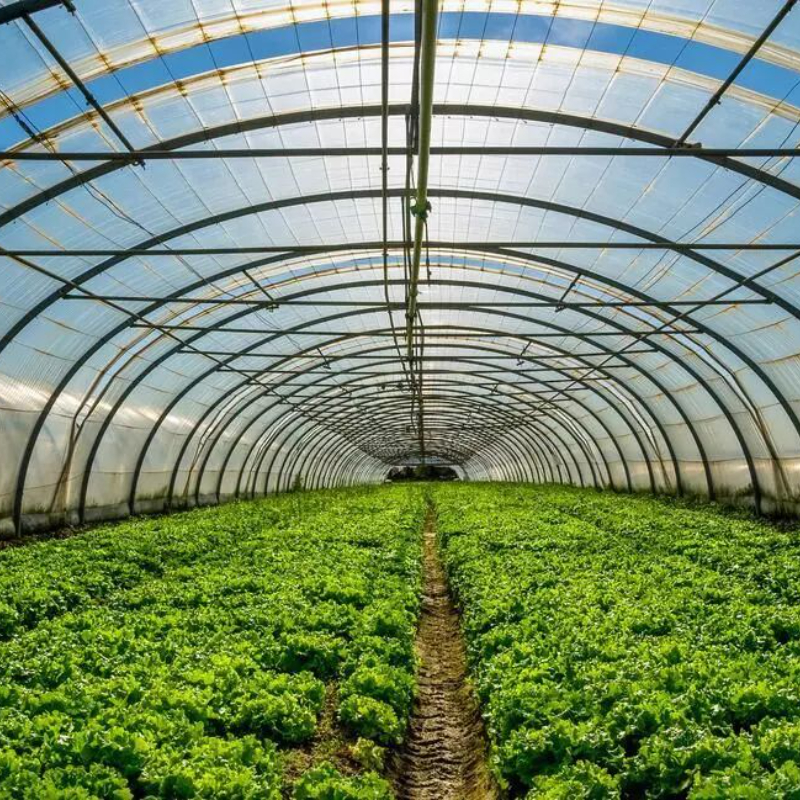
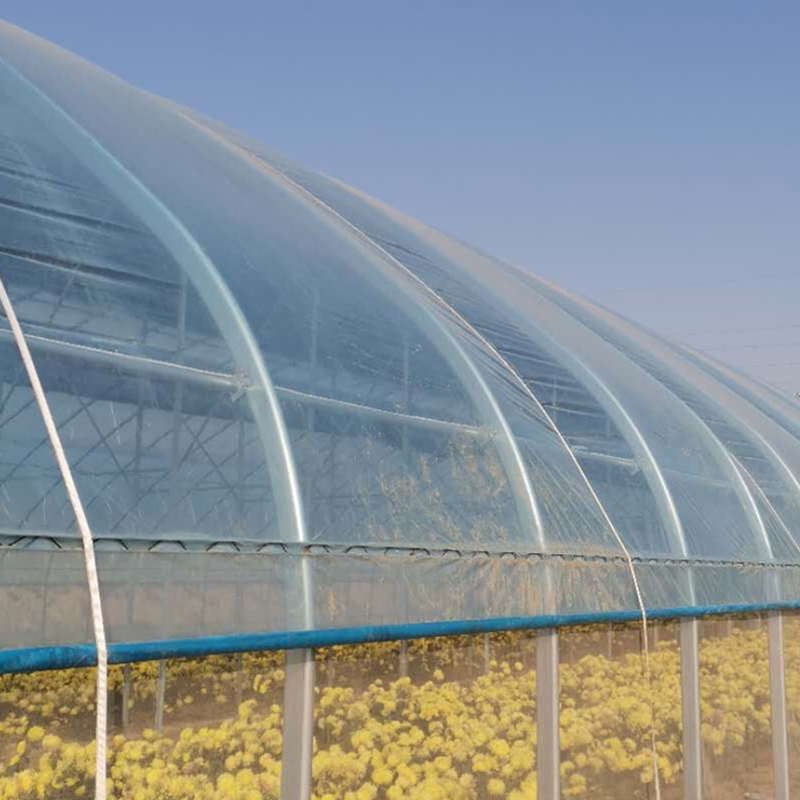
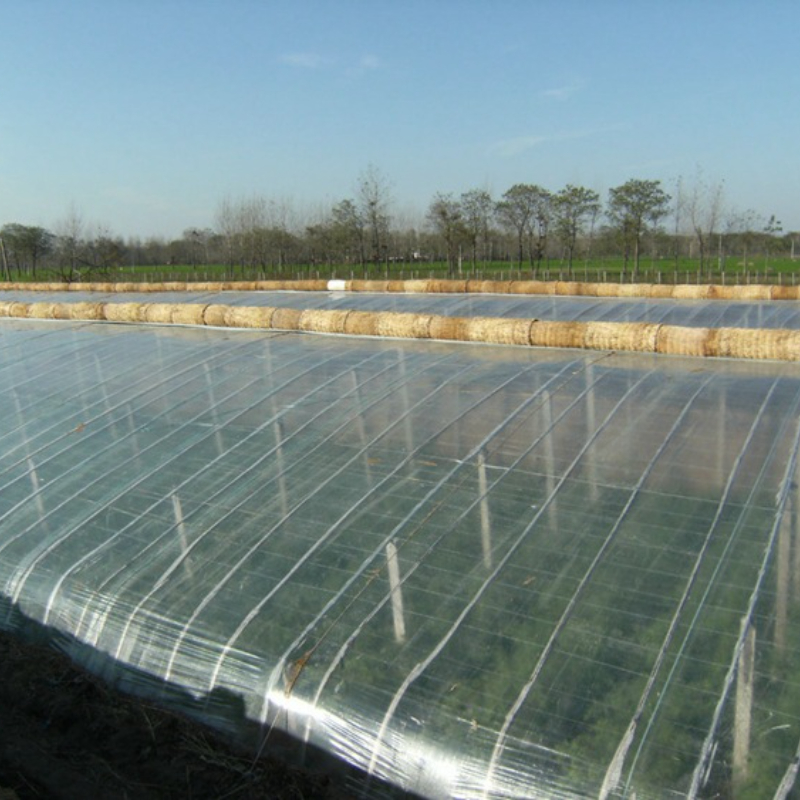
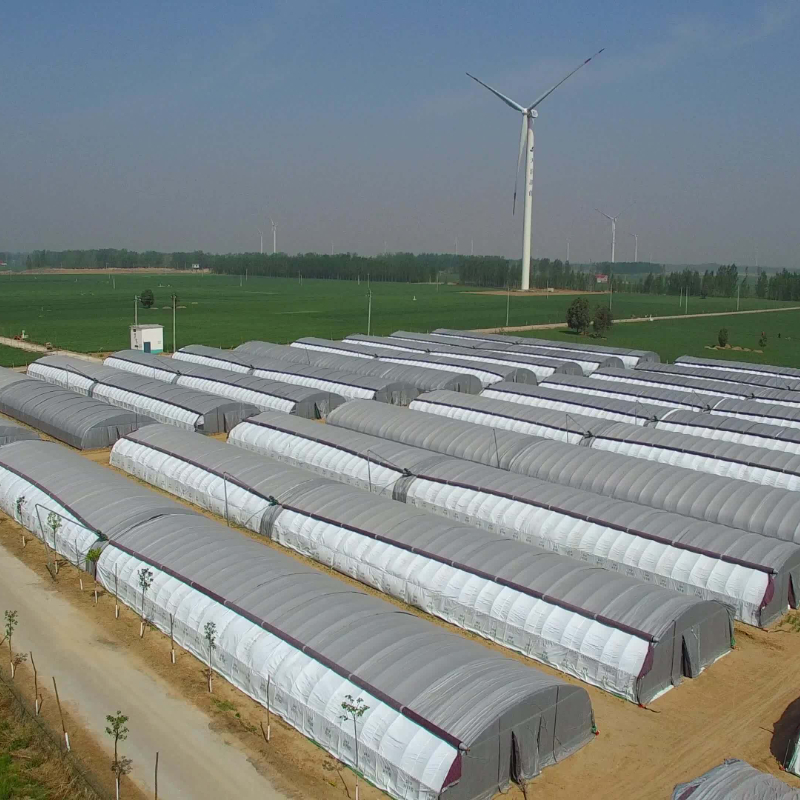
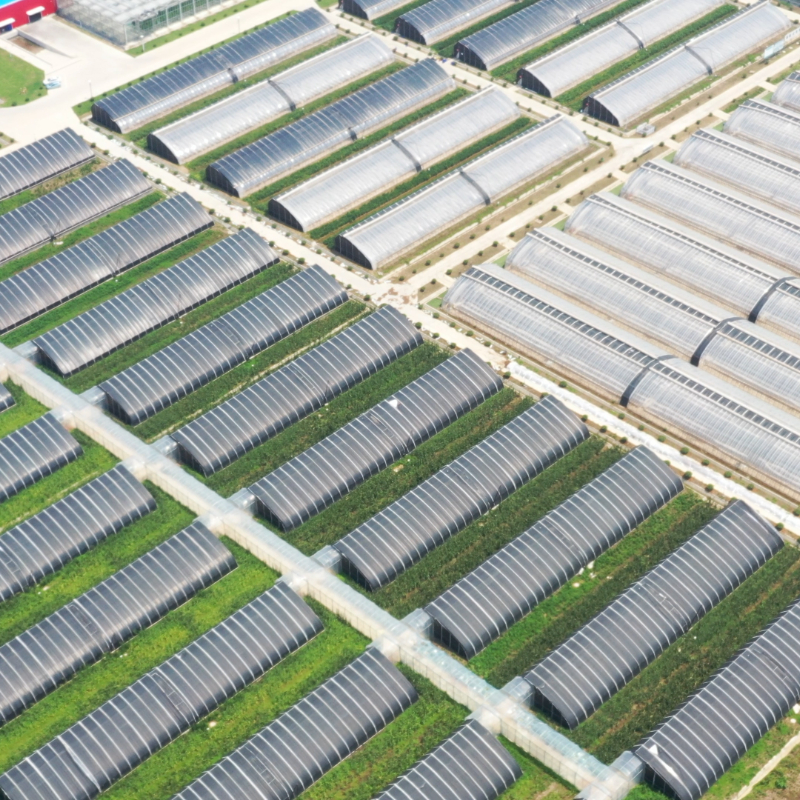
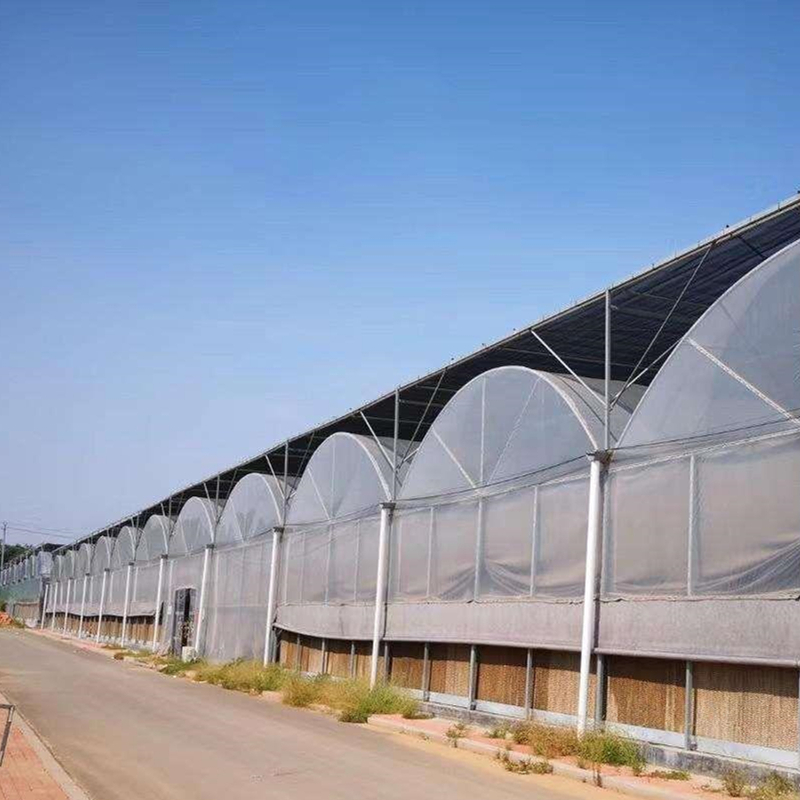
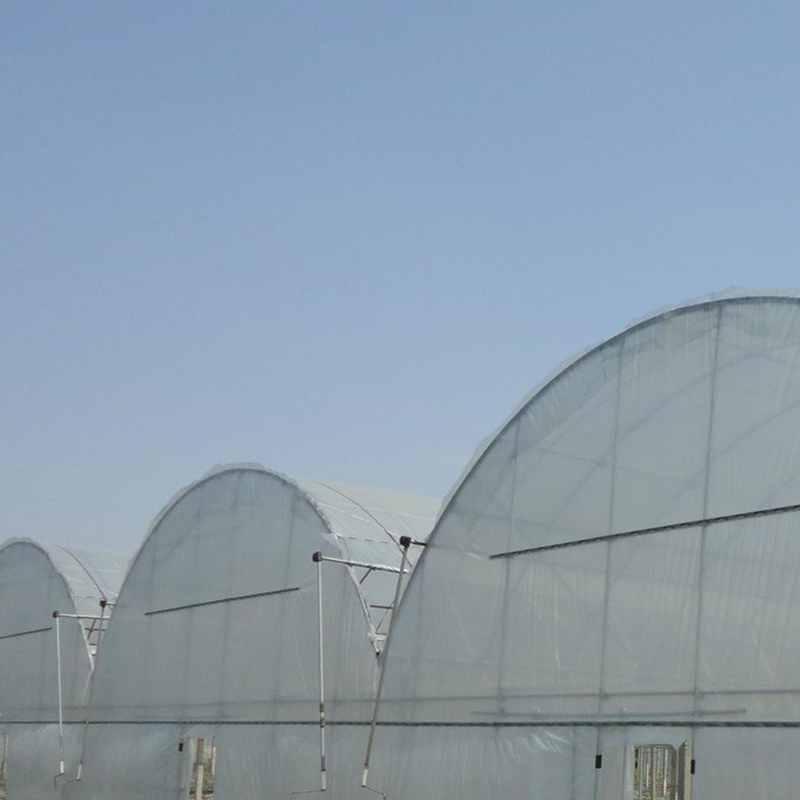
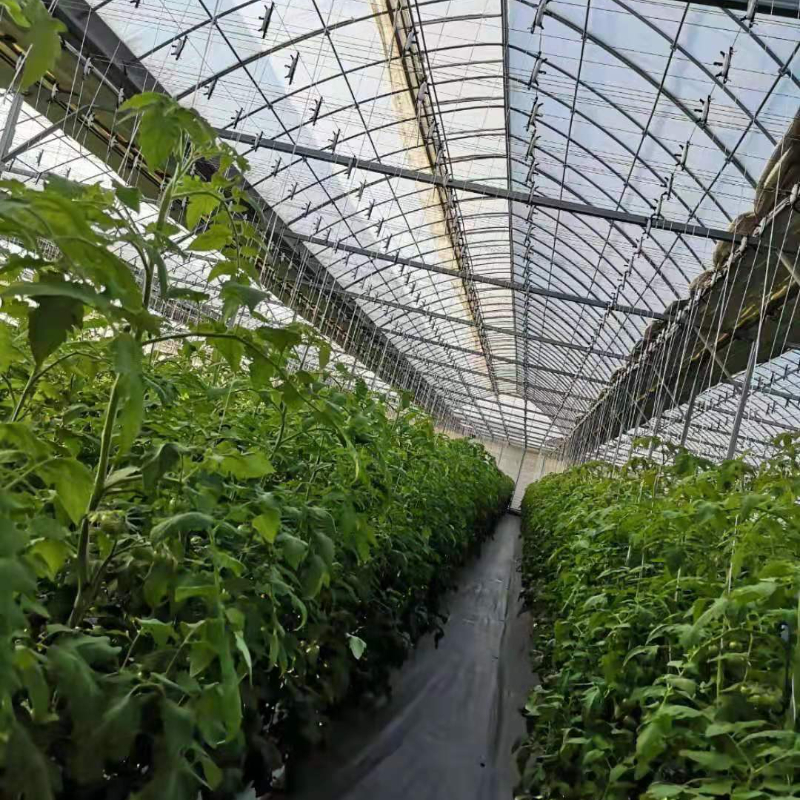
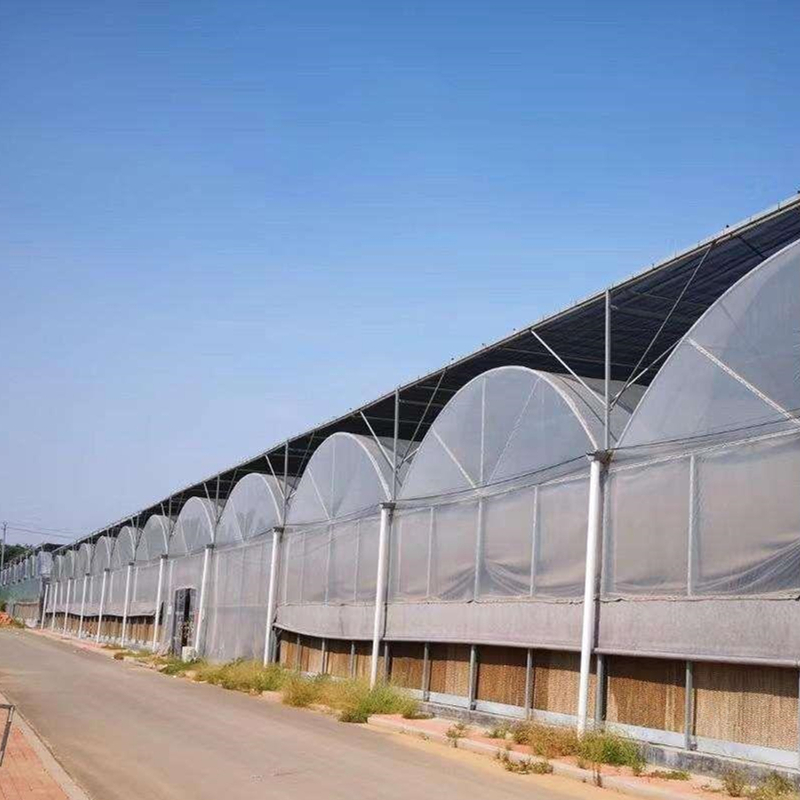
3.Quonset (Hoop House) Greenhouse
Semi-circular roof made of metal or PVC hoops covered with plastic.
Low-cost and easy to assemble, ideal for small-scale farming.
Less durable in heavy snow or wind.
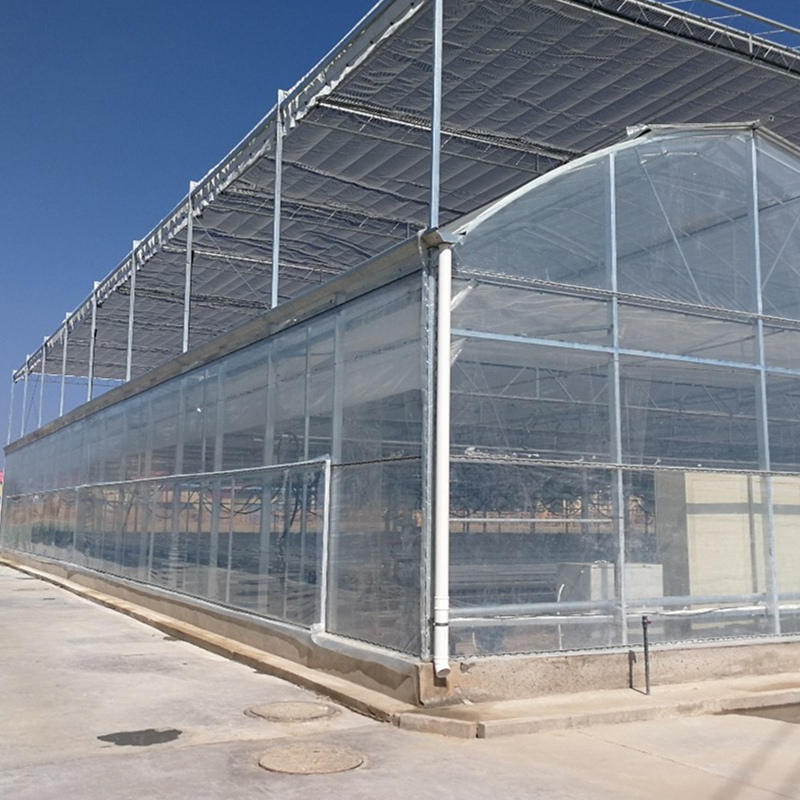
4.Gothic Arch Greenhouse
Pointed roof design (like a Gothic arch) for better snow/rain runoff.
More headroom than Quonset greenhouses.
5.A-Frame Greenhouse
Traditional triangular shape, good for snow-heavy regions.
Sturdy but may have limited space near walls.
二. Based on Covering Material
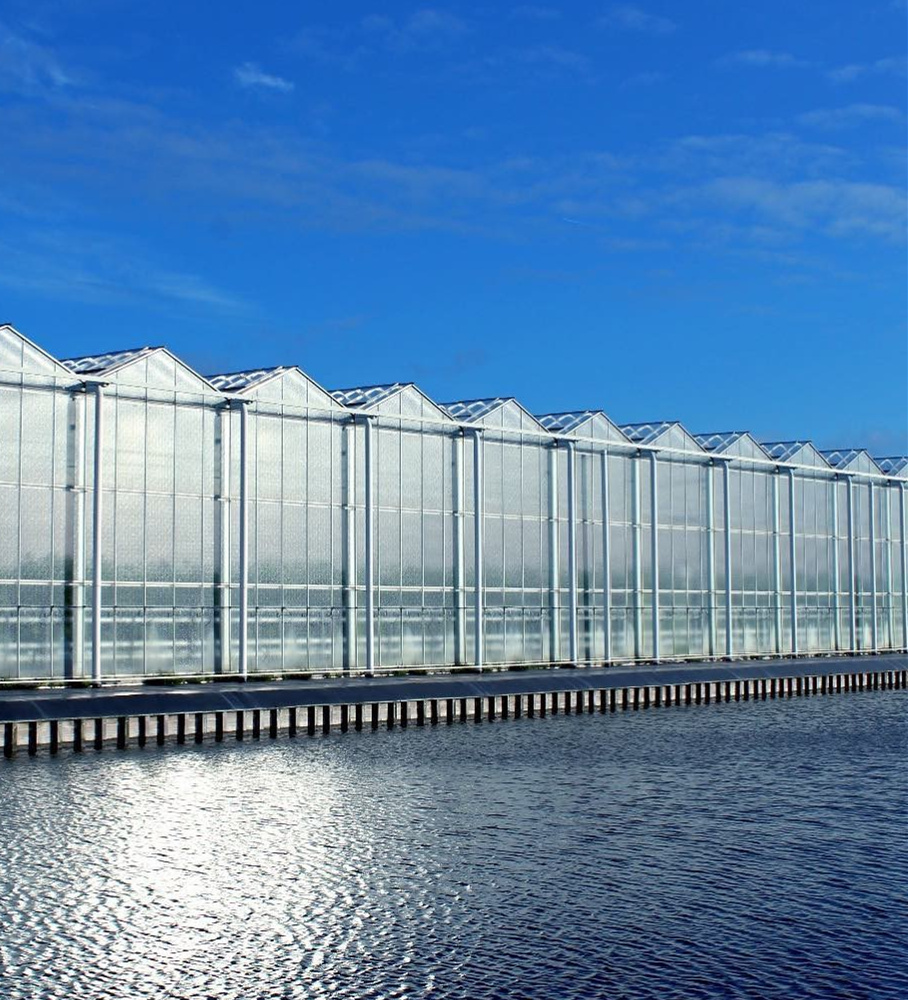
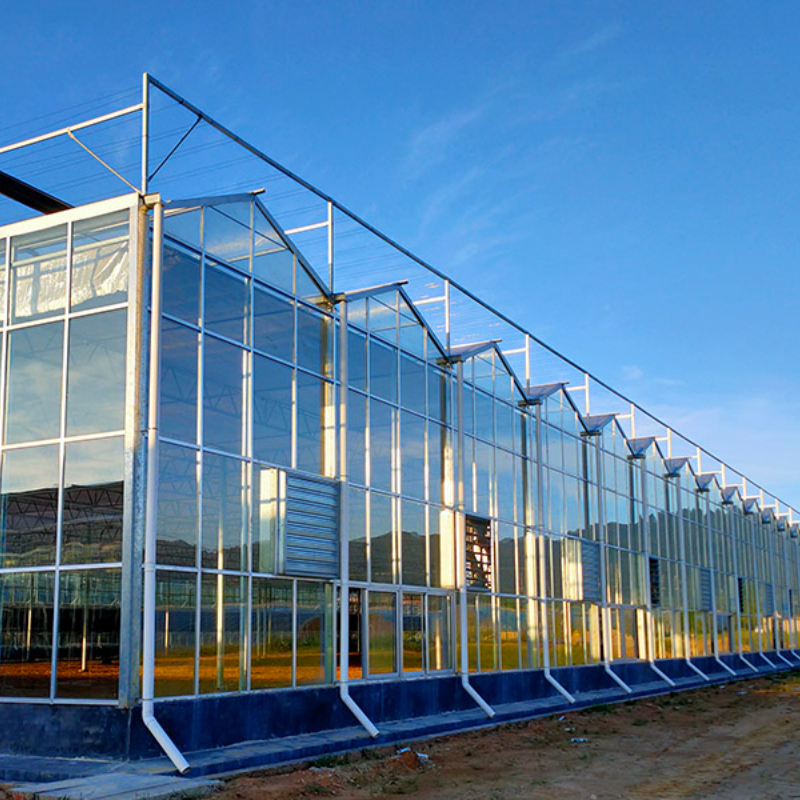
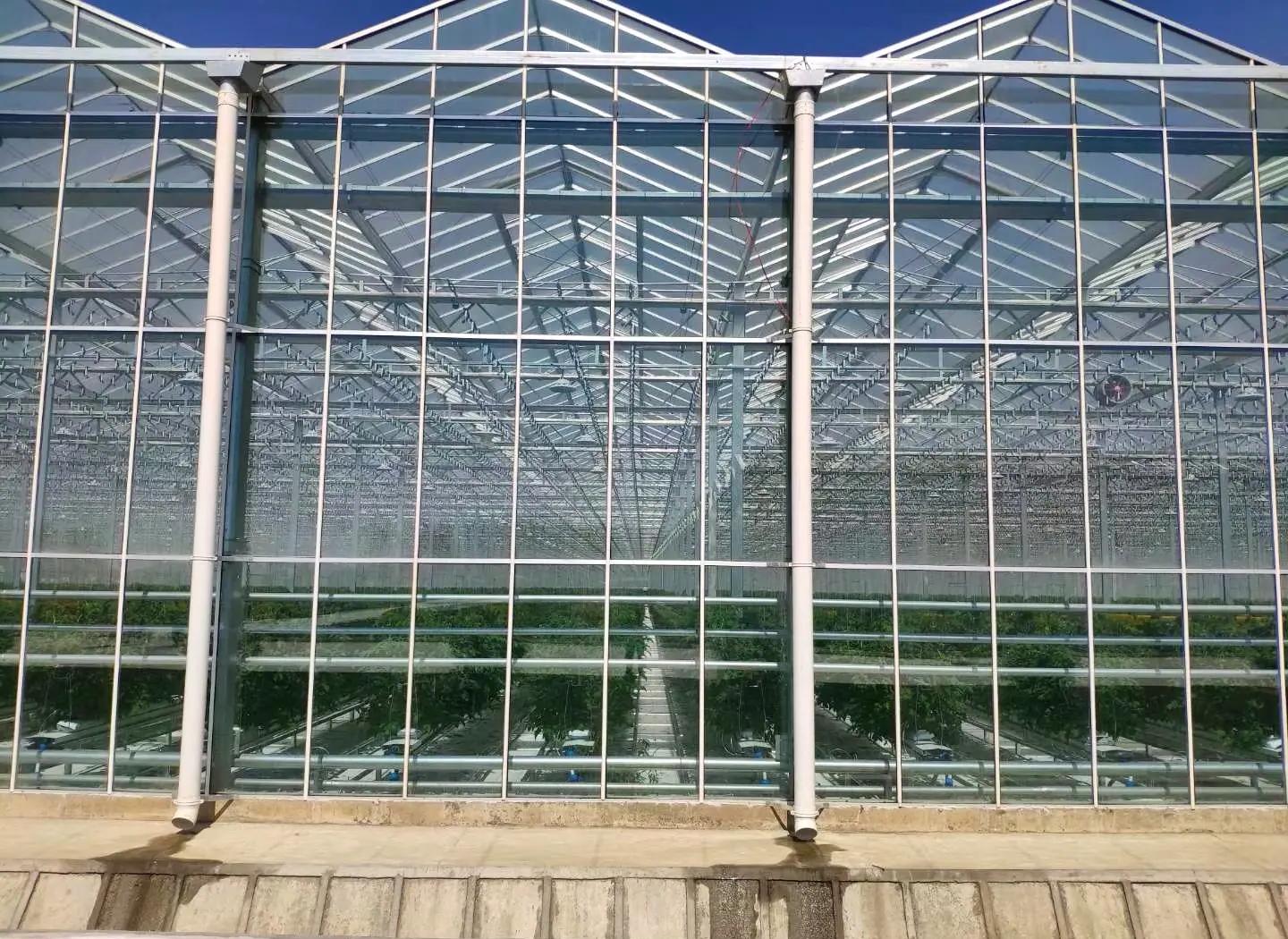
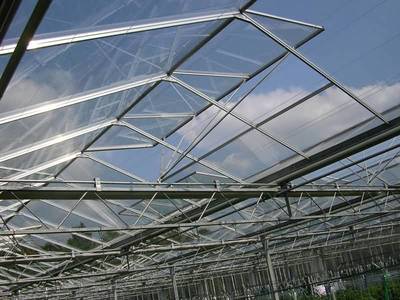
1.Glass Greenhouses
Traditional, highly durable, and provides excellent light transmission.
Expensive, heavy, and prone to breakage.
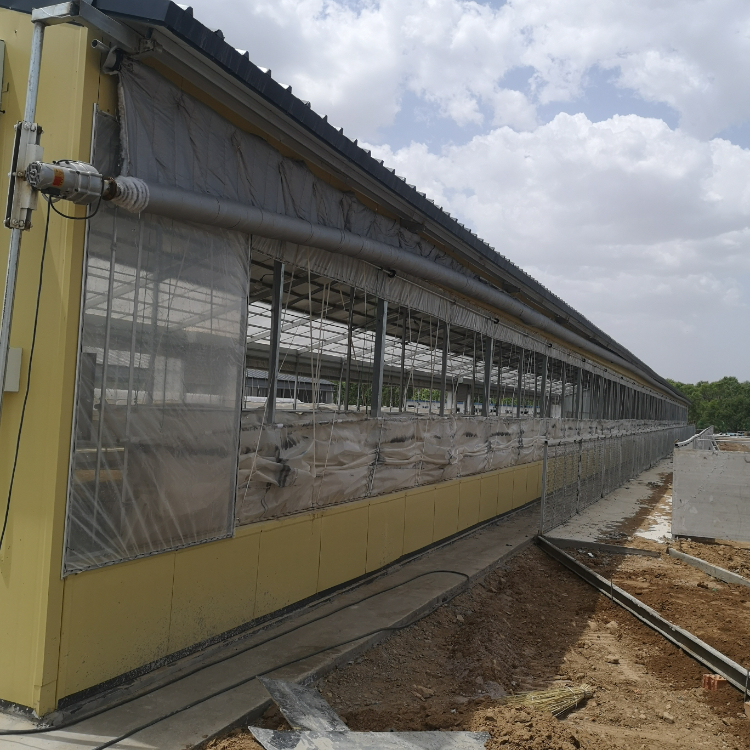
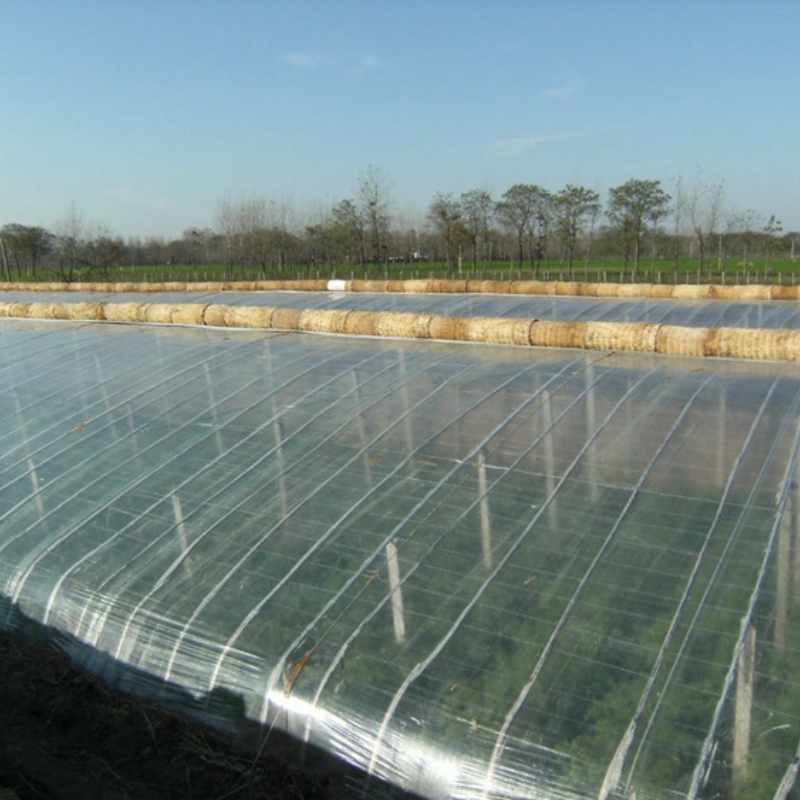
2.Polyethylene (Plastic Film) Greenhouses
Cheaper and lightweight, good for temporary setups.
Less durable (needs replacement every few years).
3.Polycarbonate Greenhouses
Twin-wall or multi-wall panels provide insulation and UV protection.
More impact-resistant than glass but can yellow over time.
4.Fiberglass Greenhouses
Lightweight and durable, but can degrade and reduce light transmission over time.
三. Based on Heating & Cooling Systems
1.Cold Frames / Unheated Greenhouses
Minimal or no heating, used for season extension in mild climates.
2.Passively Heated Greenhouses
Uses thermal mass (water barrels, stone) to store heat.
3.Actively Heated Greenhouses
Uses gas, electric, or solar heating for year-round growing.
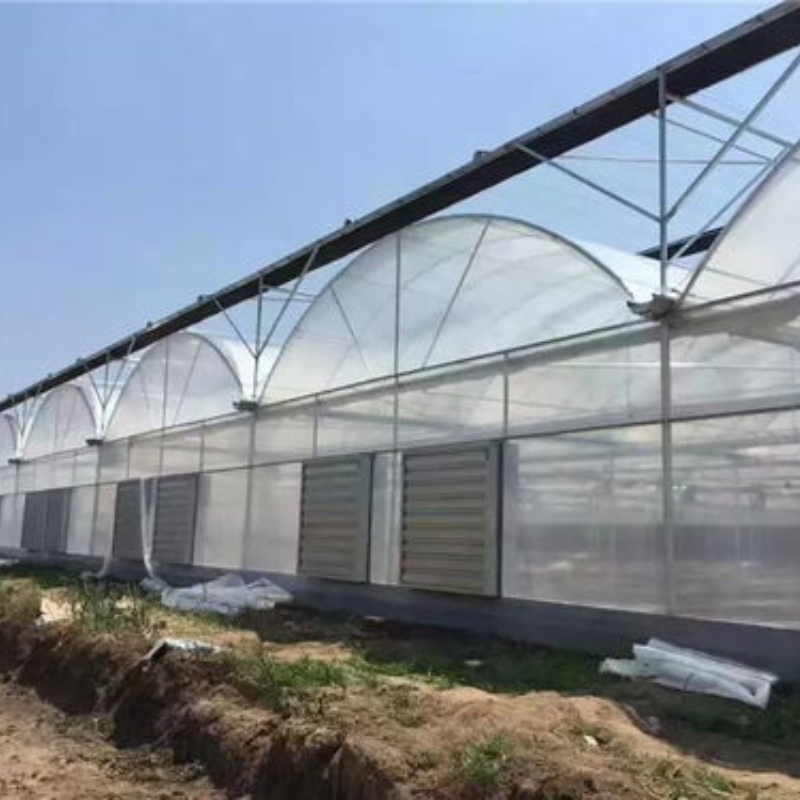
4.Ventilated Greenhouses
Features roof vents, side vents, or exhaust fans for temperature control.
四. Based on Purpose & Technology
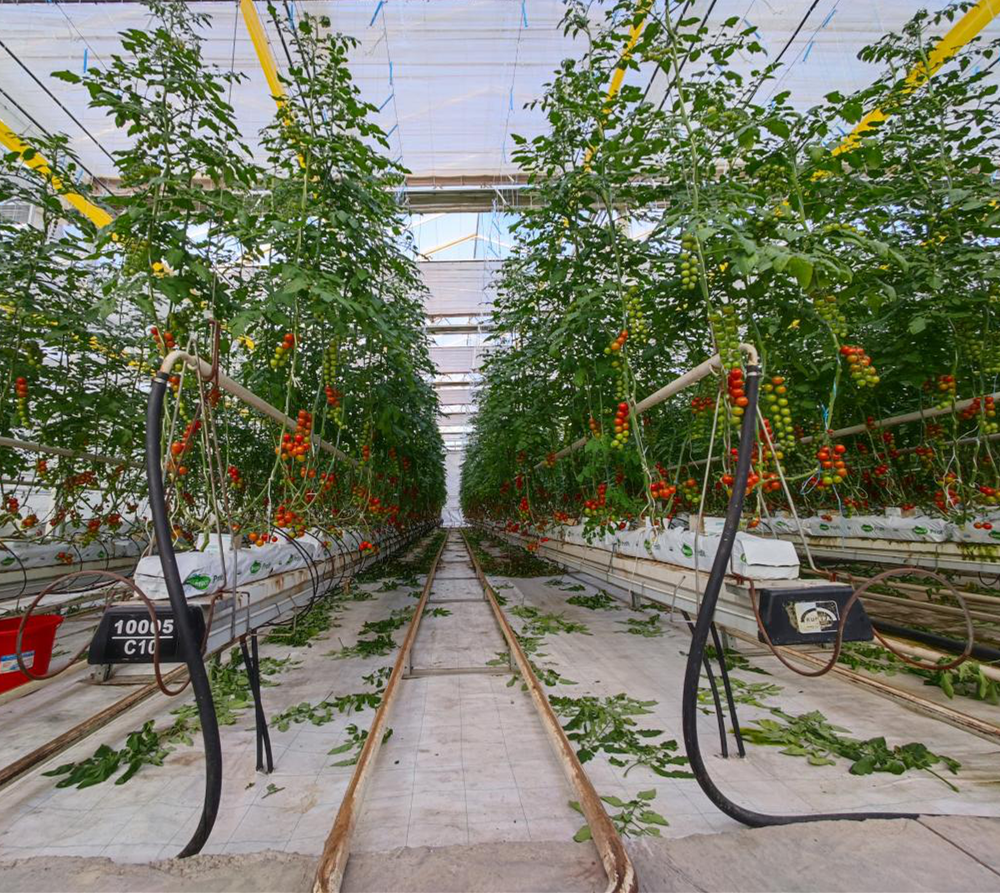
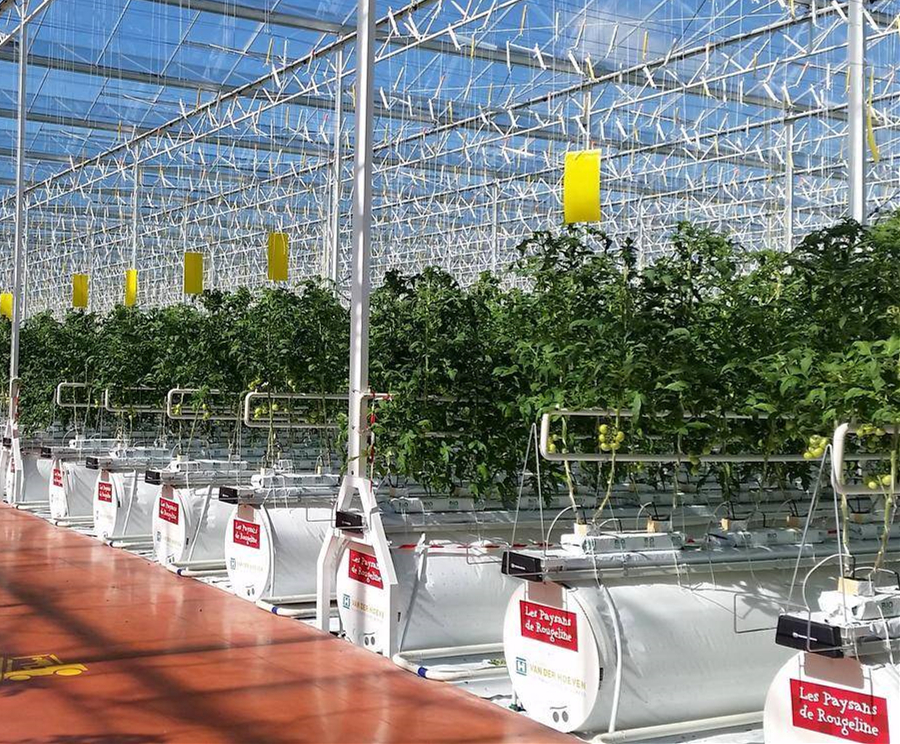
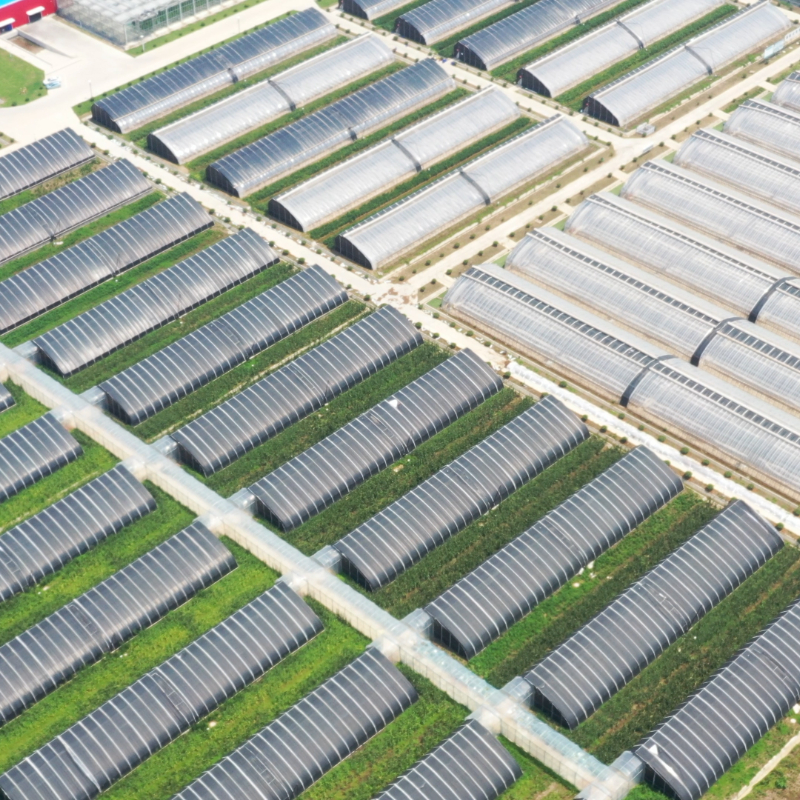
1.Commercial Greenhouses
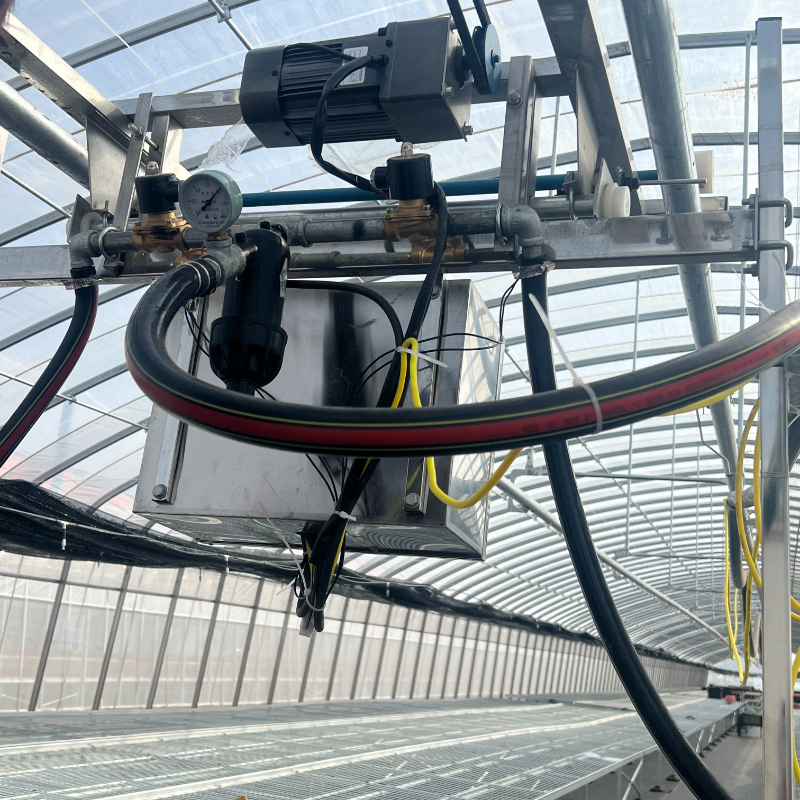
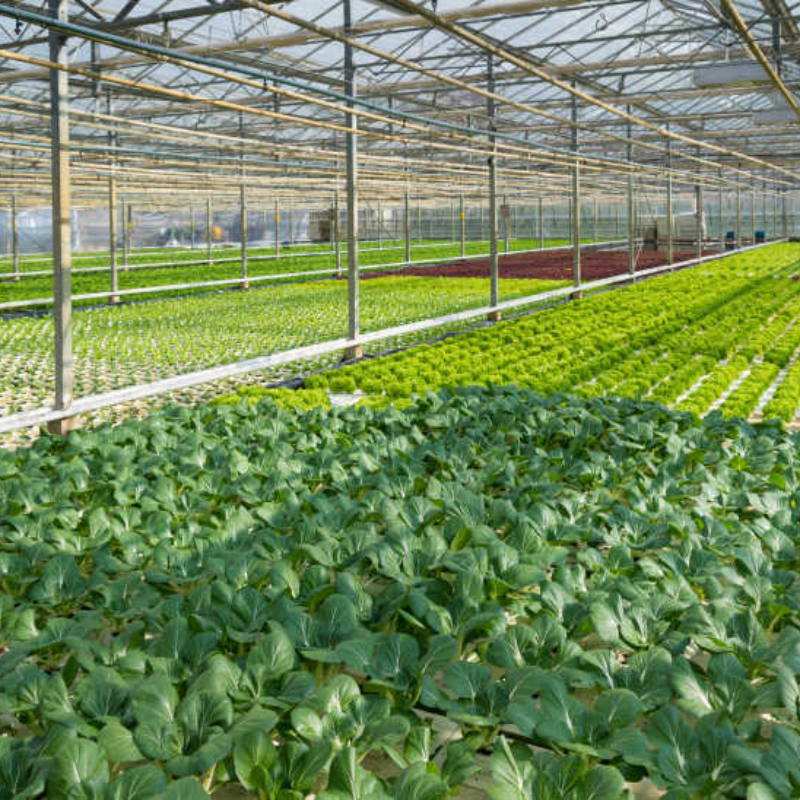
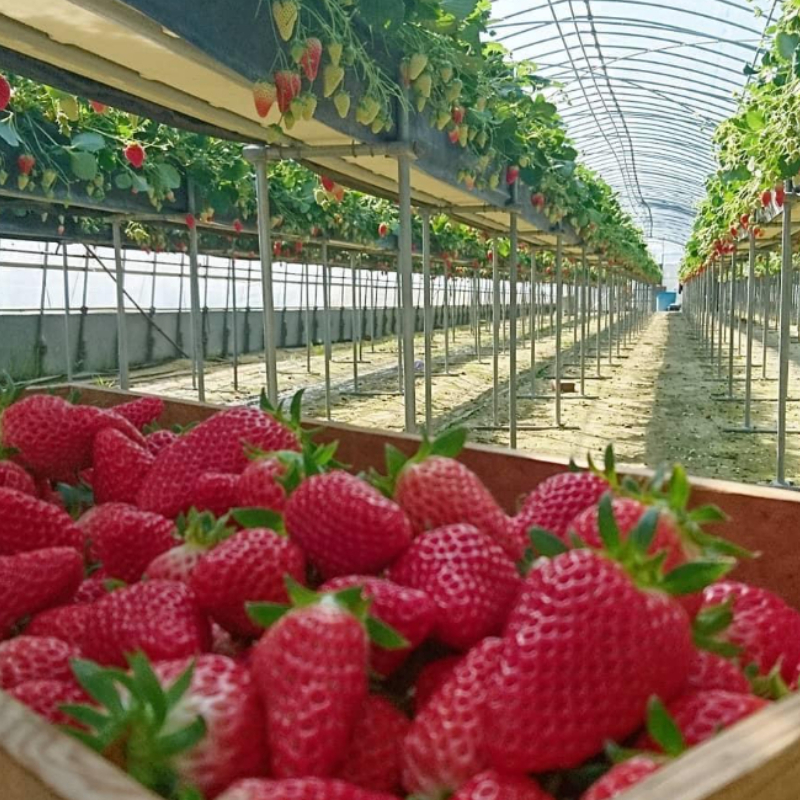
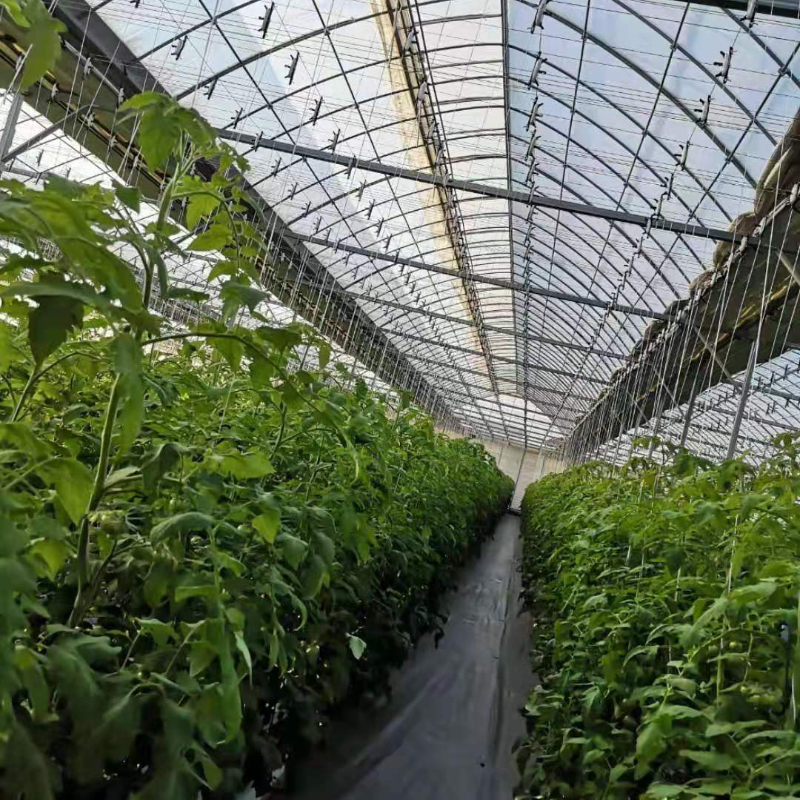
Large-scale, often automated with hydroponics or climate control.
2.Hobby Greenhouses
Smaller, for home gardeners (often DIY or prefabricated kits).
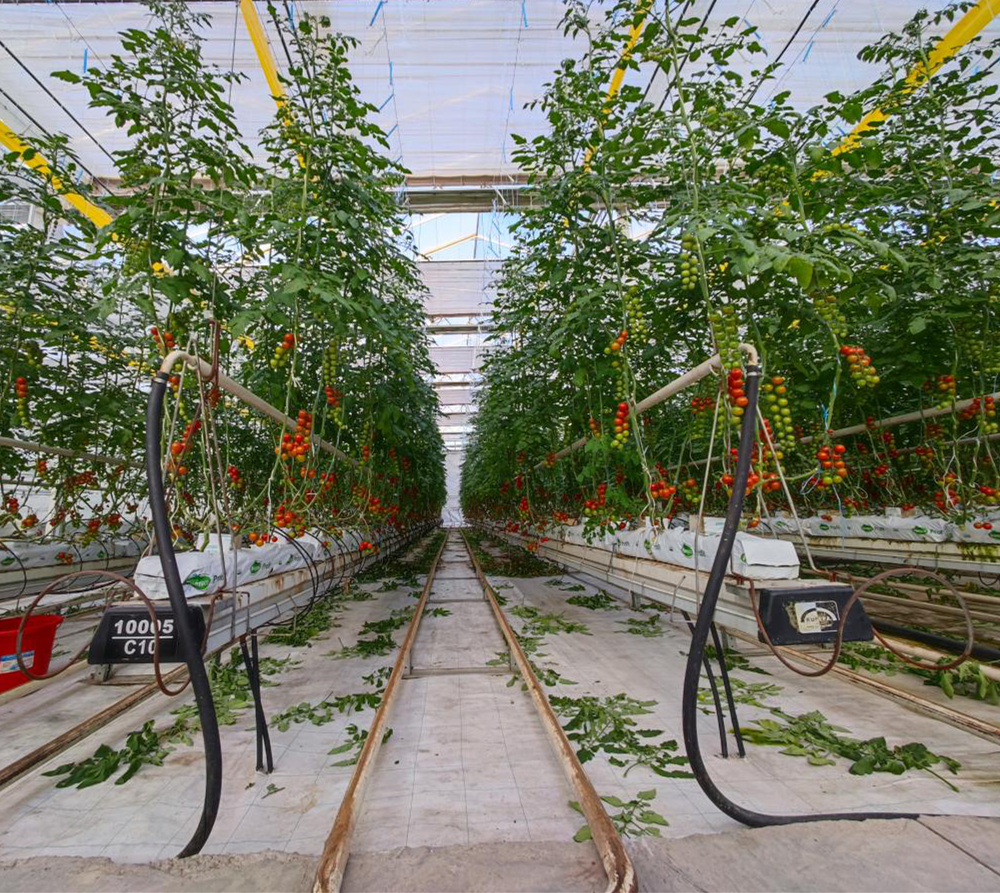
3.Hydroponic / Aquaponic Greenhouses
Soilless growing with nutrient-rich water systems.
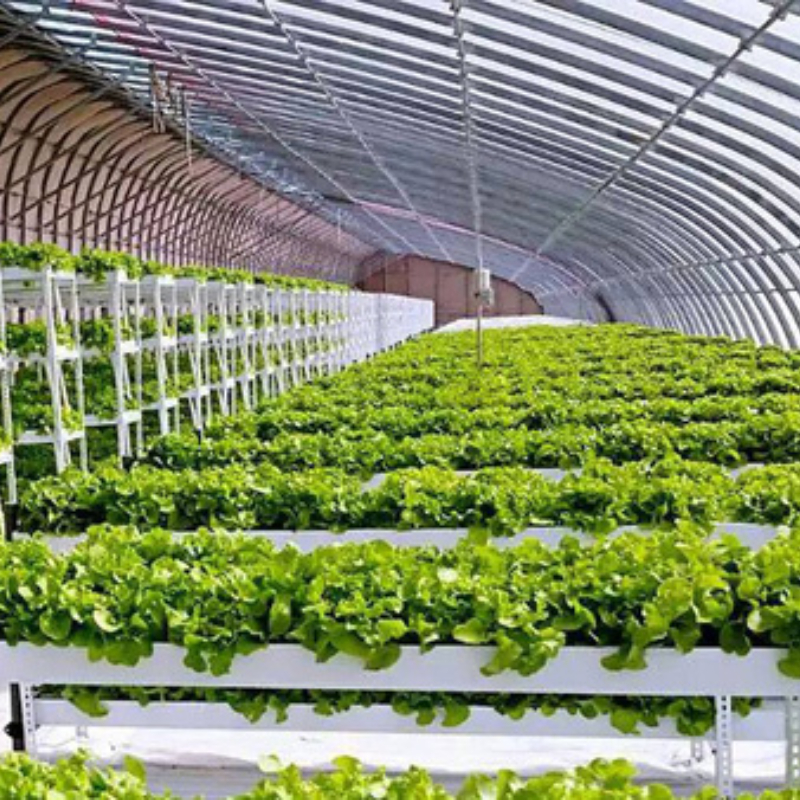
4.Solar Greenhouses (Passive Solar Design)
Designed to maximize sunlight absorption and heat retention.
Summarize:
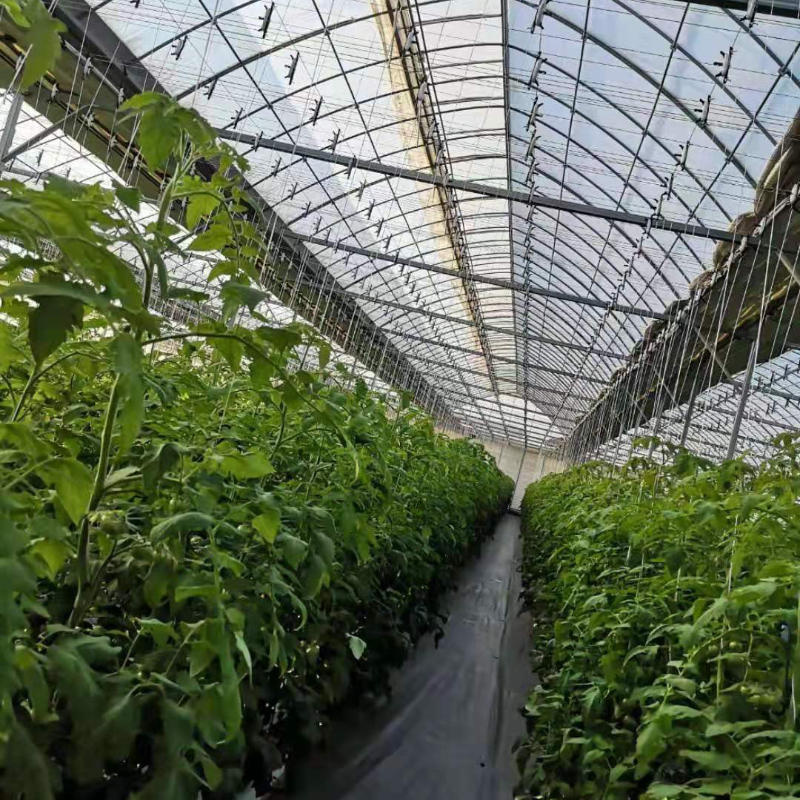
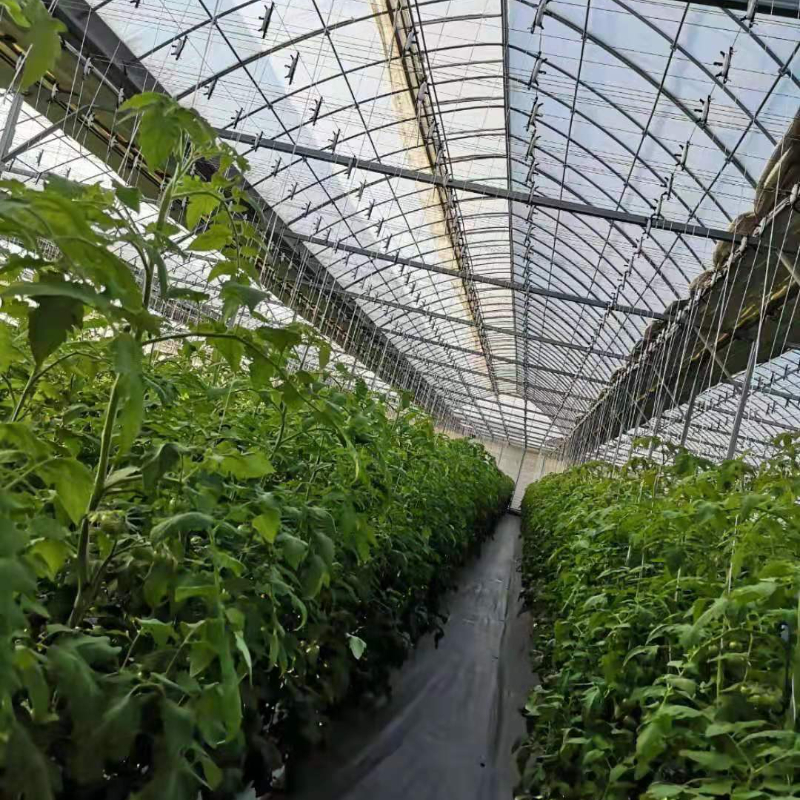
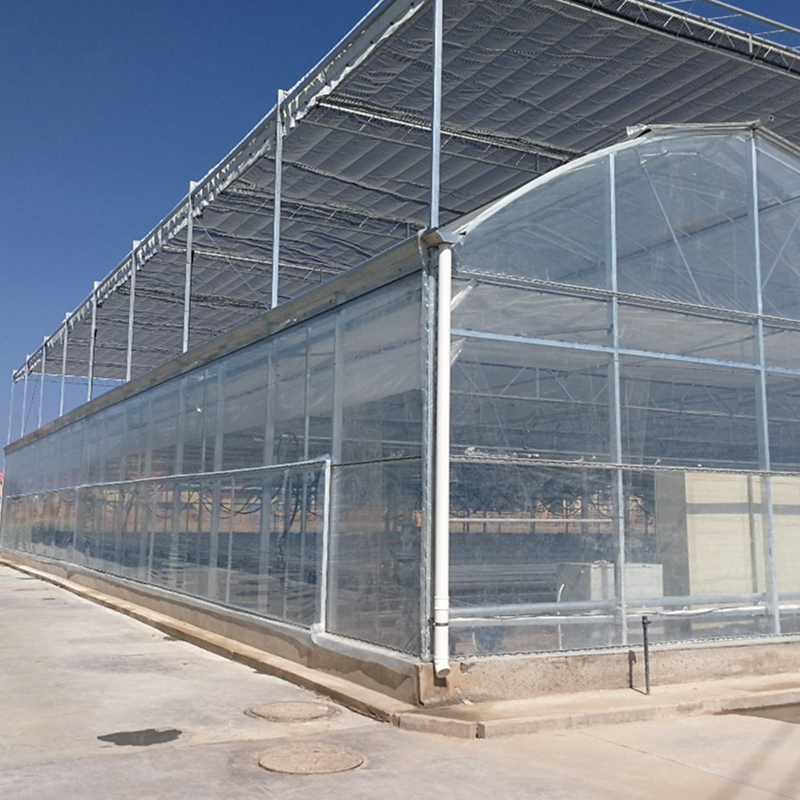
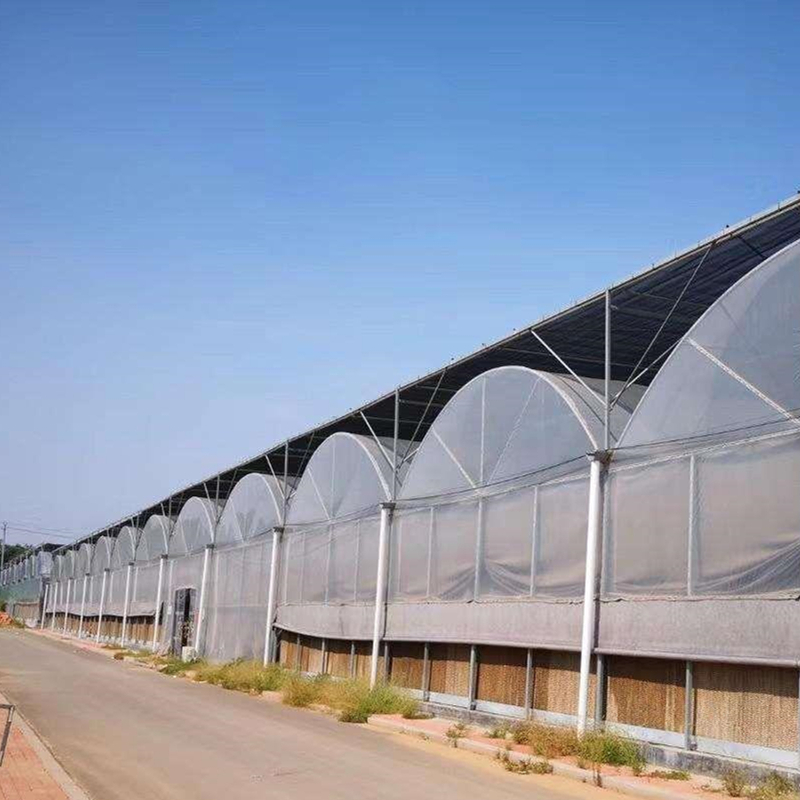
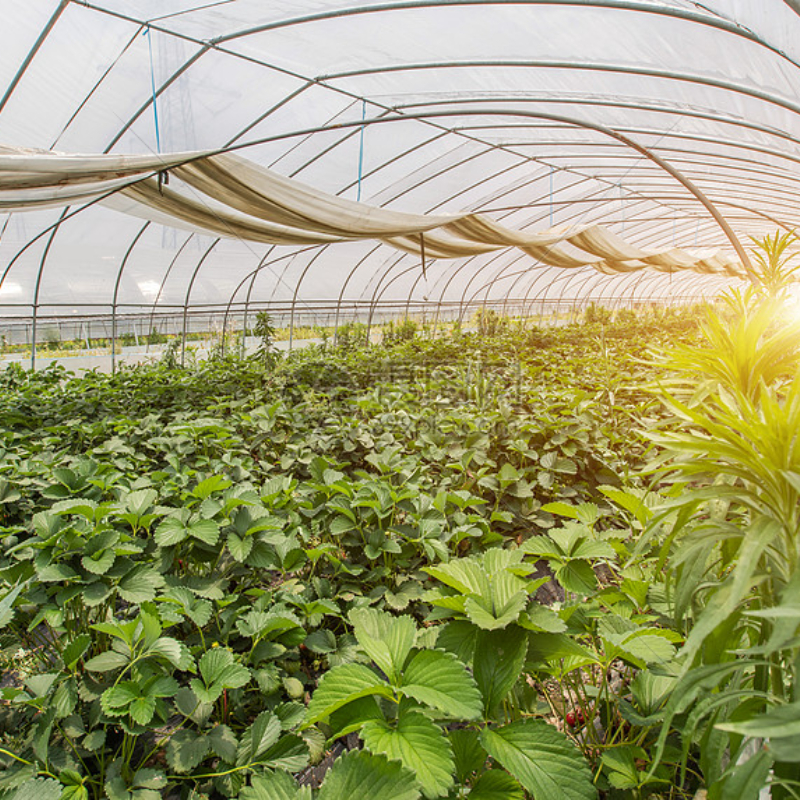
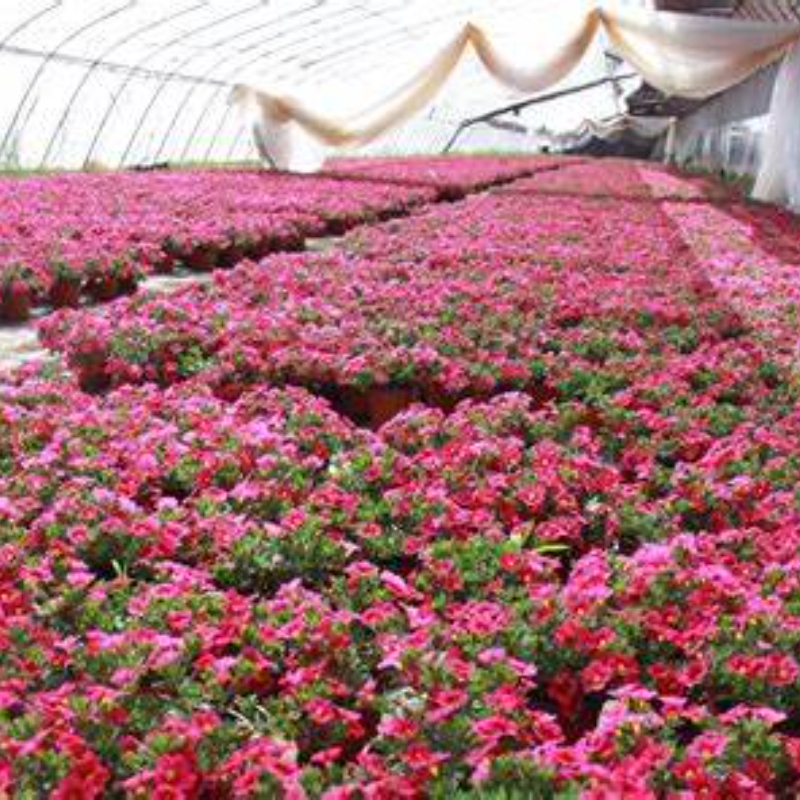
Arched greenhouses (hoop houses) demonstrate clear advantages in terms of low construction costs, high land utilization efficiency, and ease of management. They are particularly suitable for seasonal cultivation of vegetables, fruits, flowers, and edible fungi during spring and autumn. Additionally, high-temperature arched greenhouses can serve as protective structures for overwintering cultivation of high-value crops such as succulents and ornamental flowers.
Limited sunlight exposure (depends on wall orientation).
2.Freestanding (Even-Span) Greenhouse
