
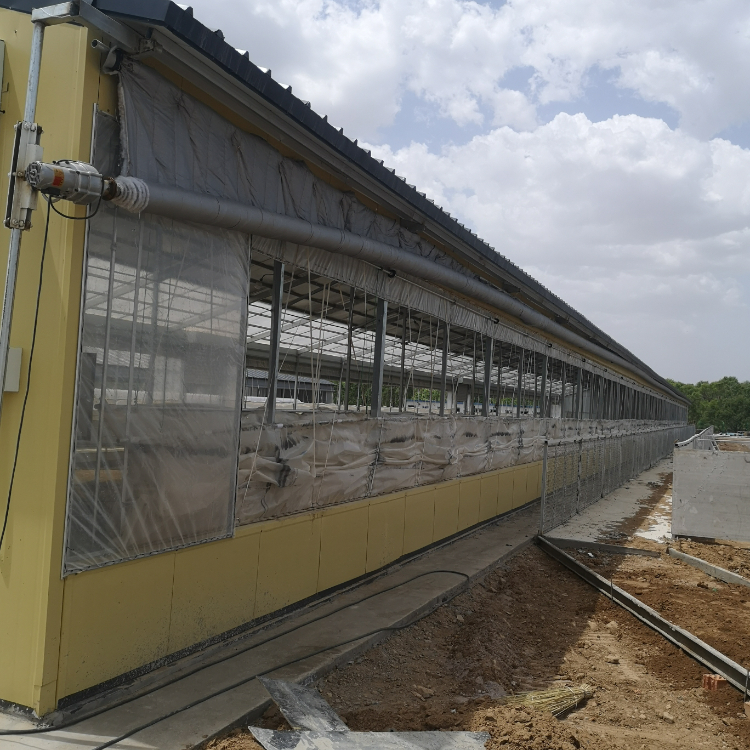
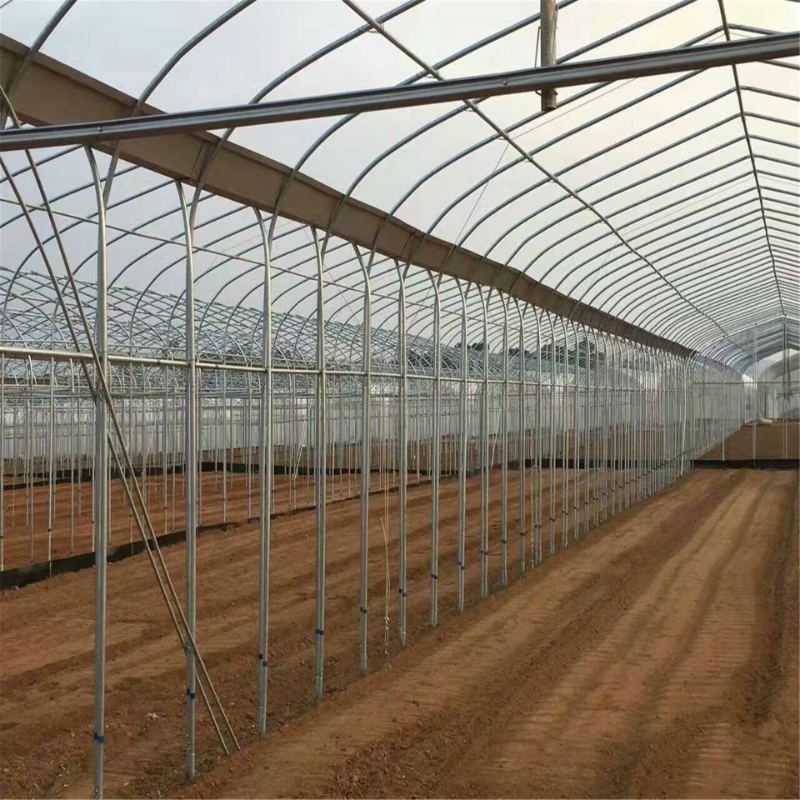
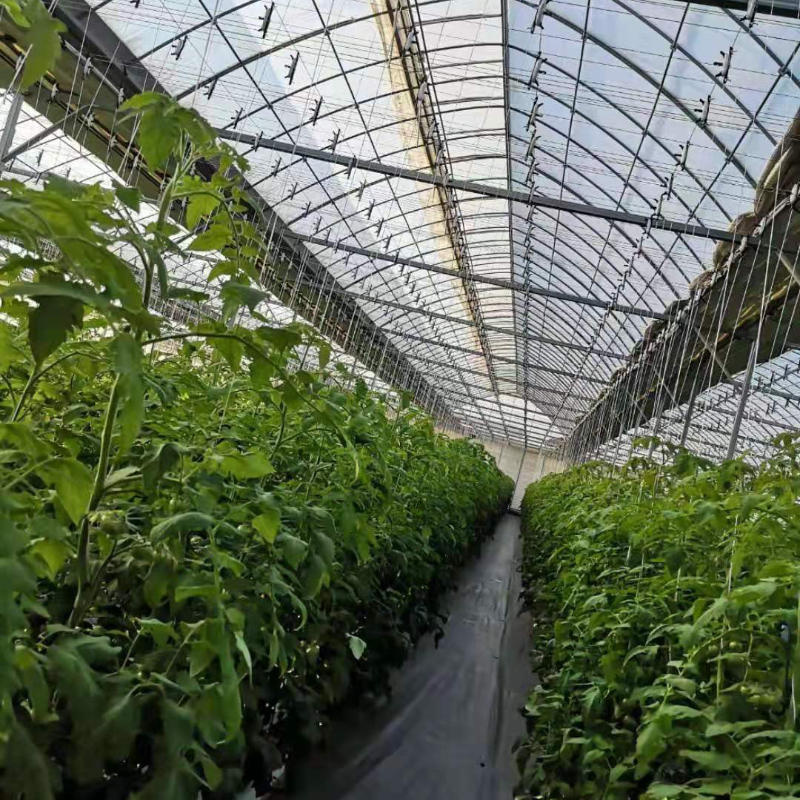
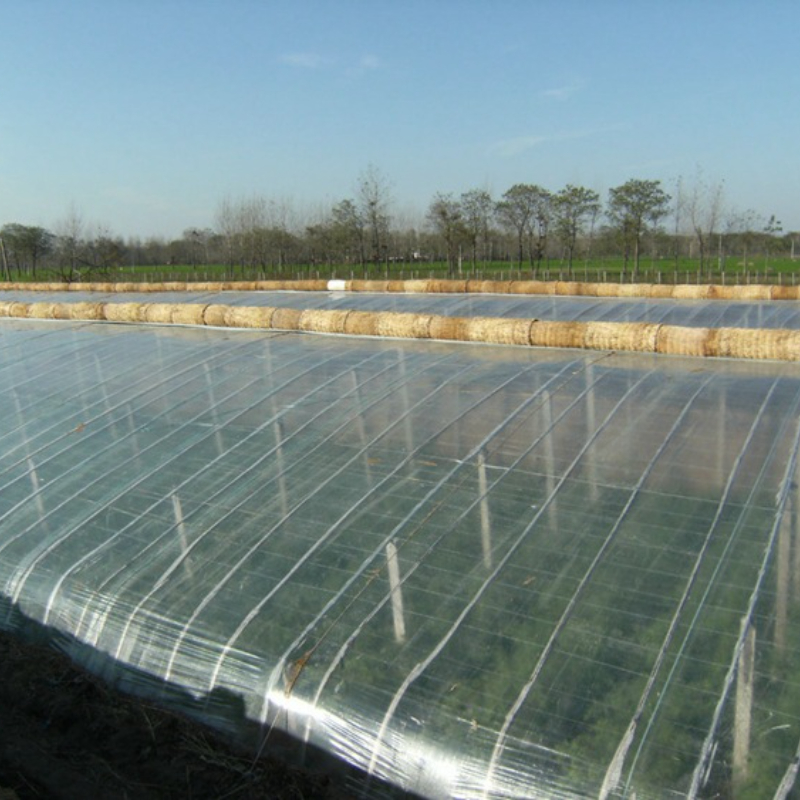
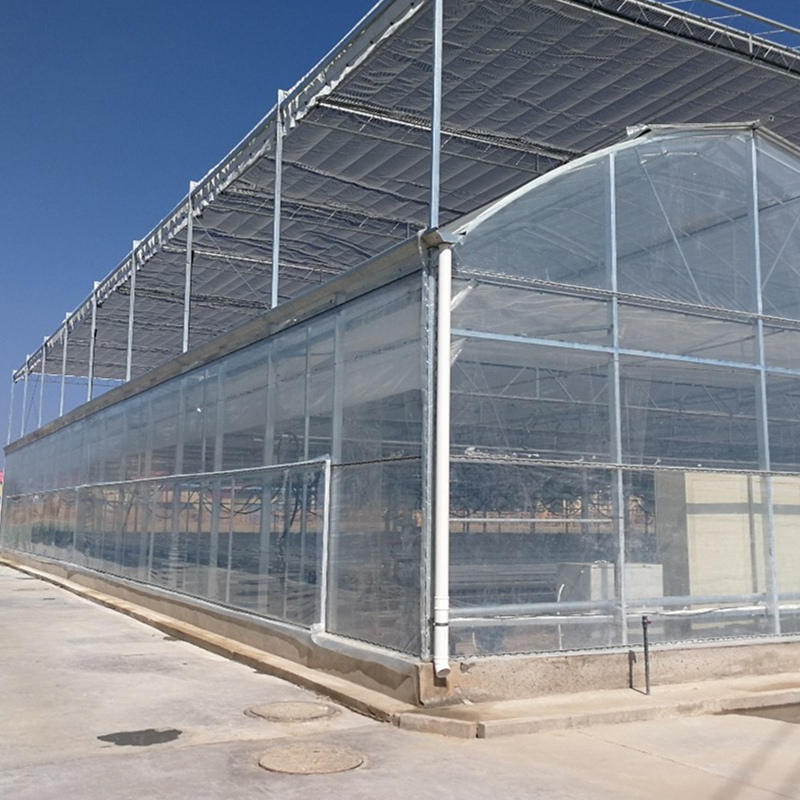
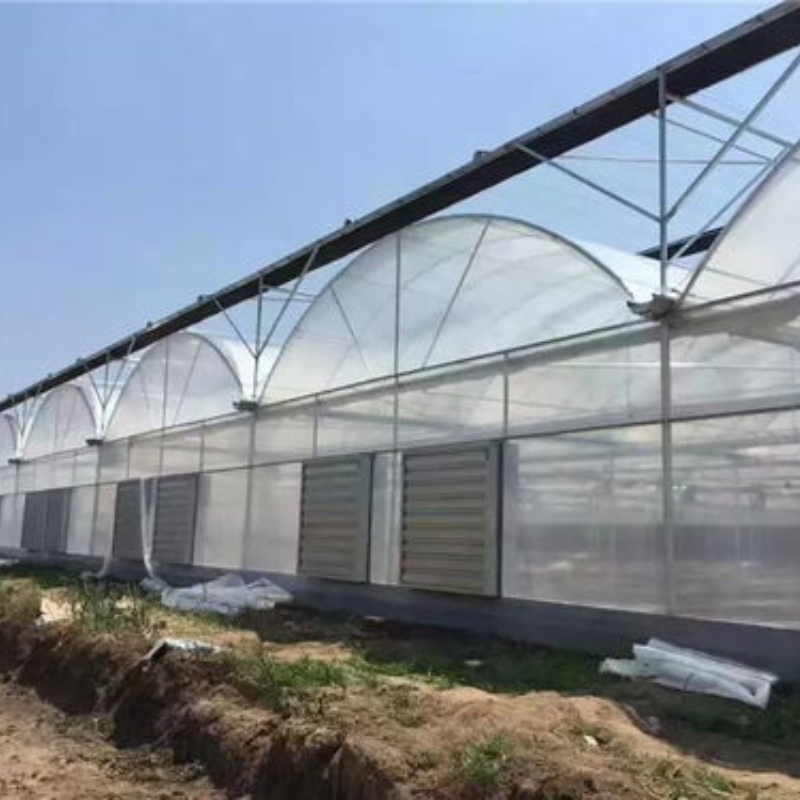
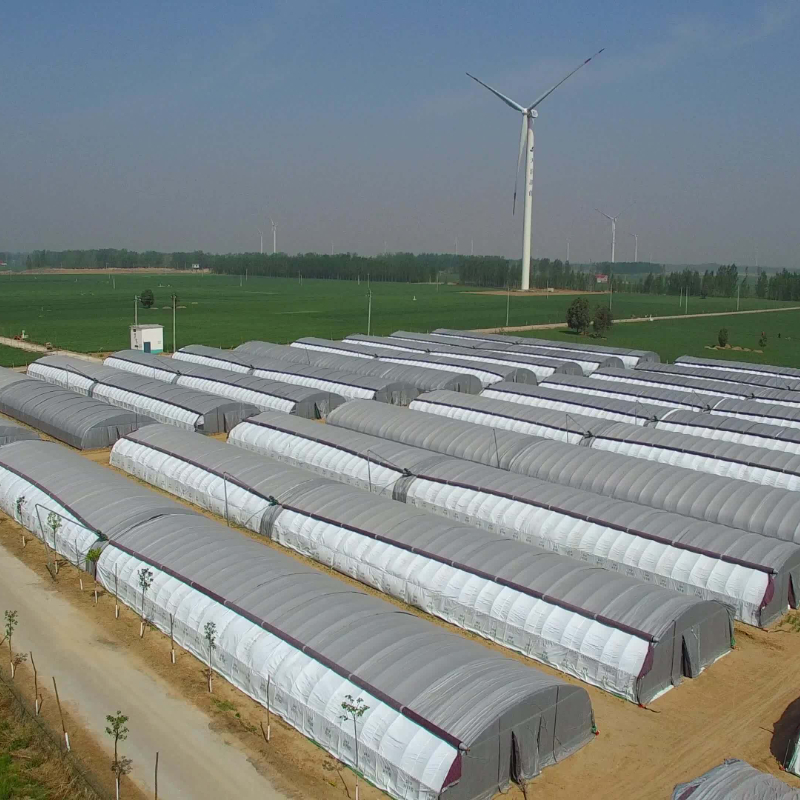
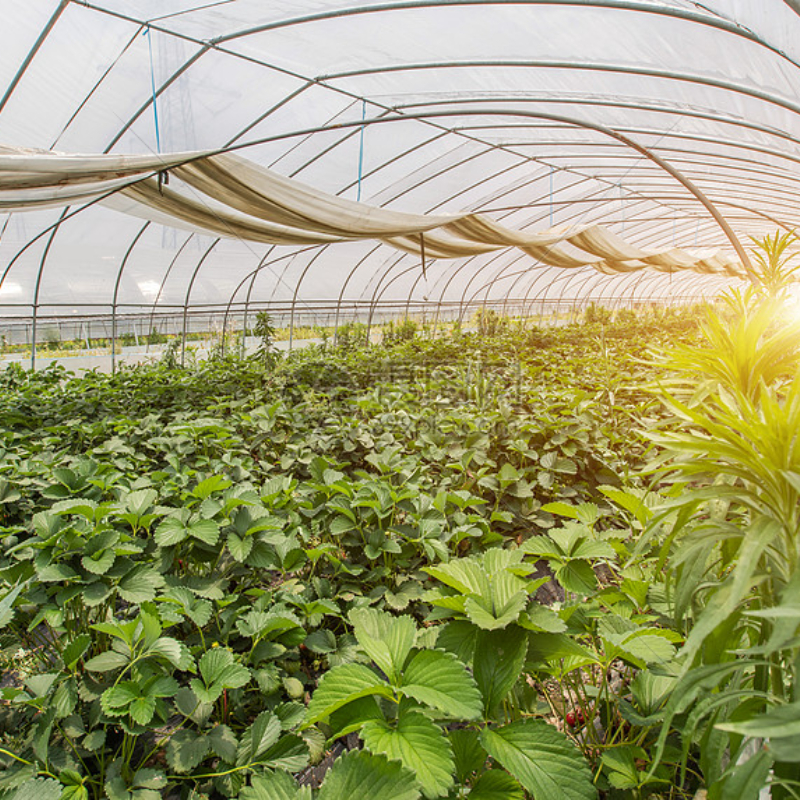
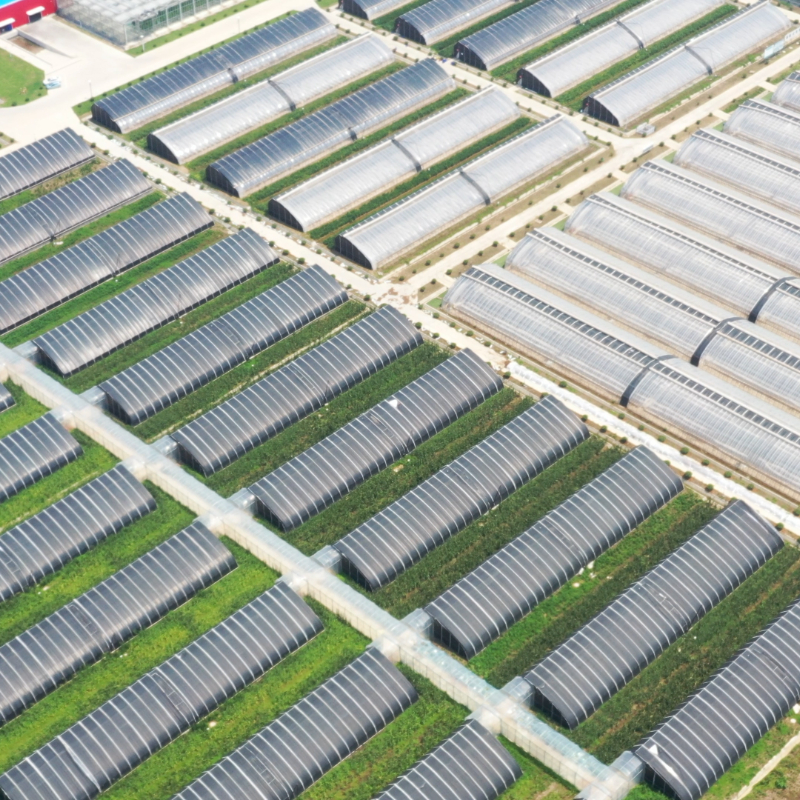
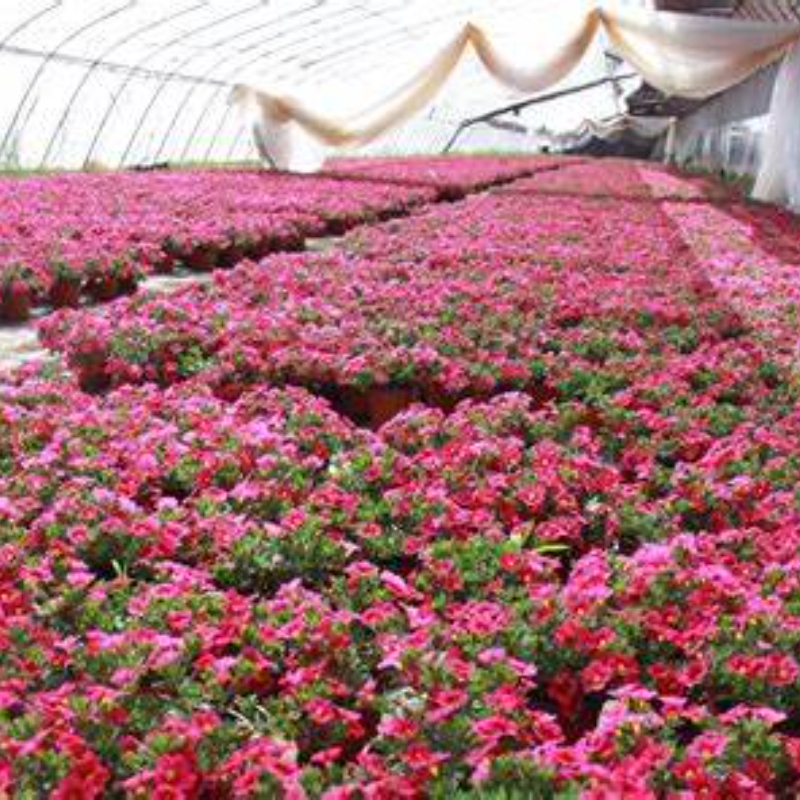
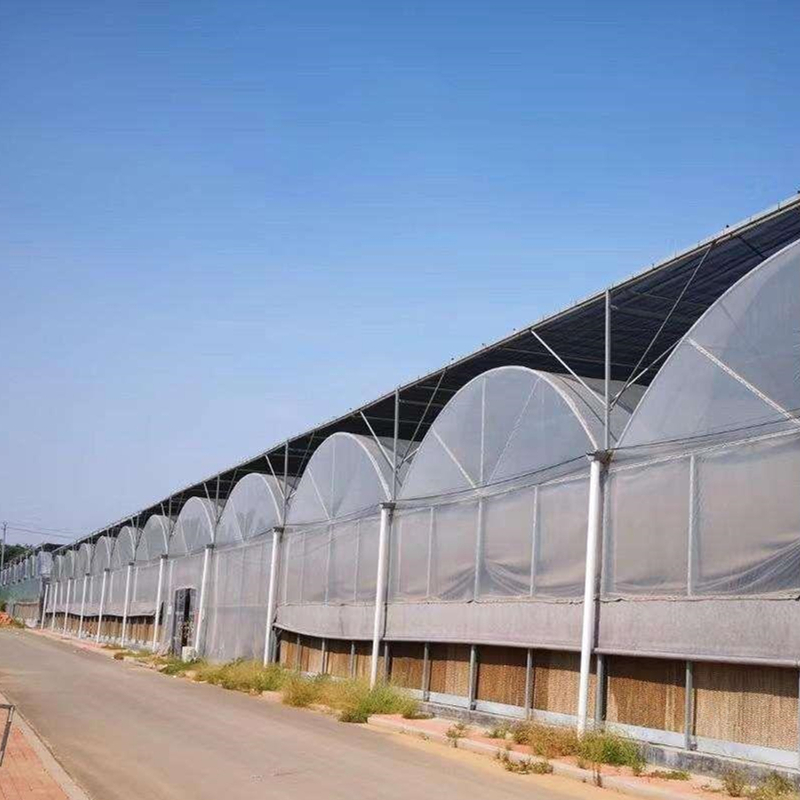
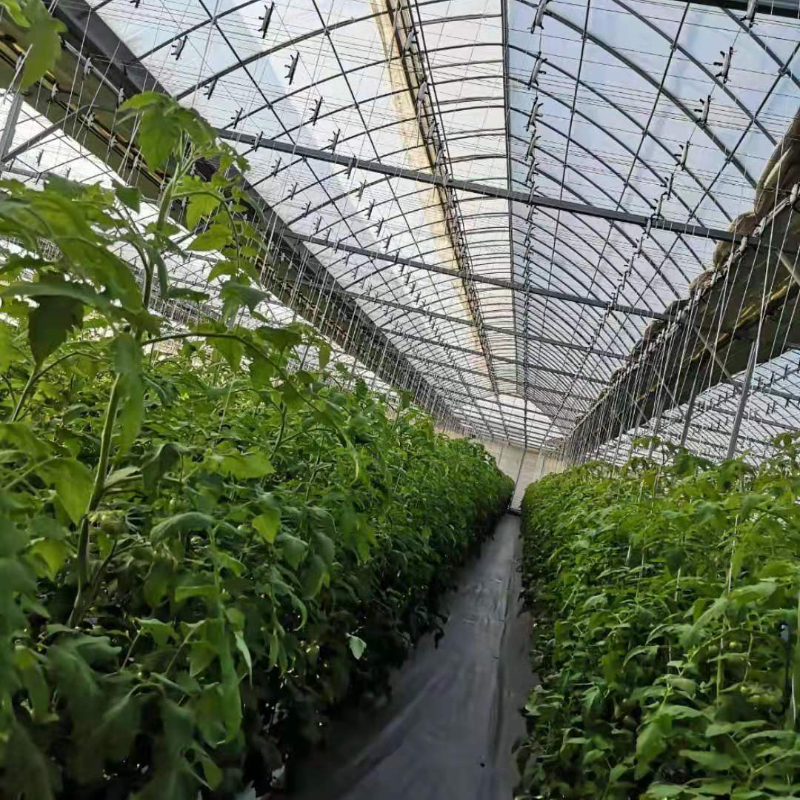
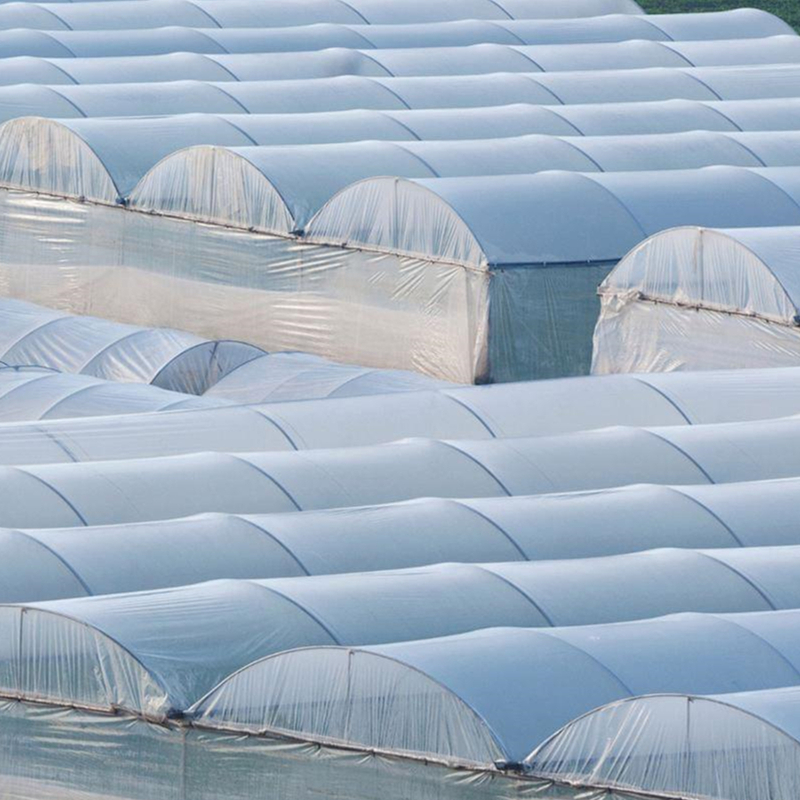
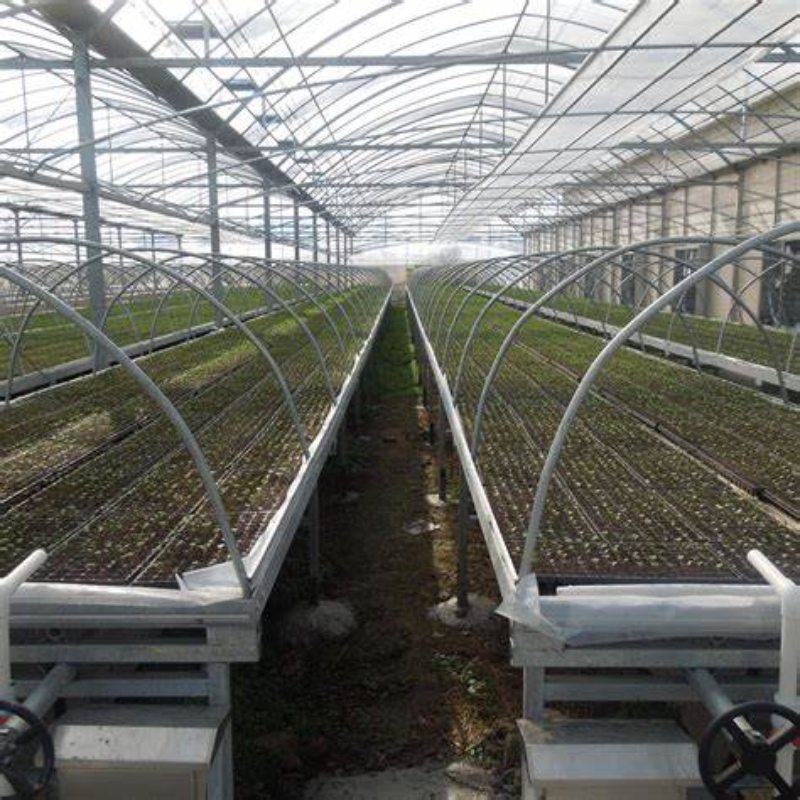
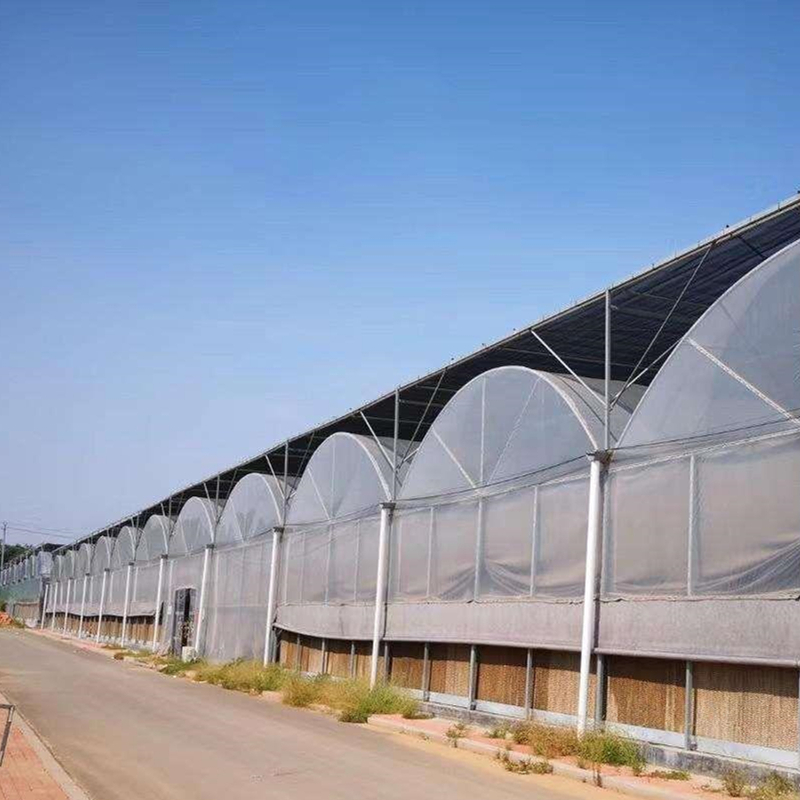
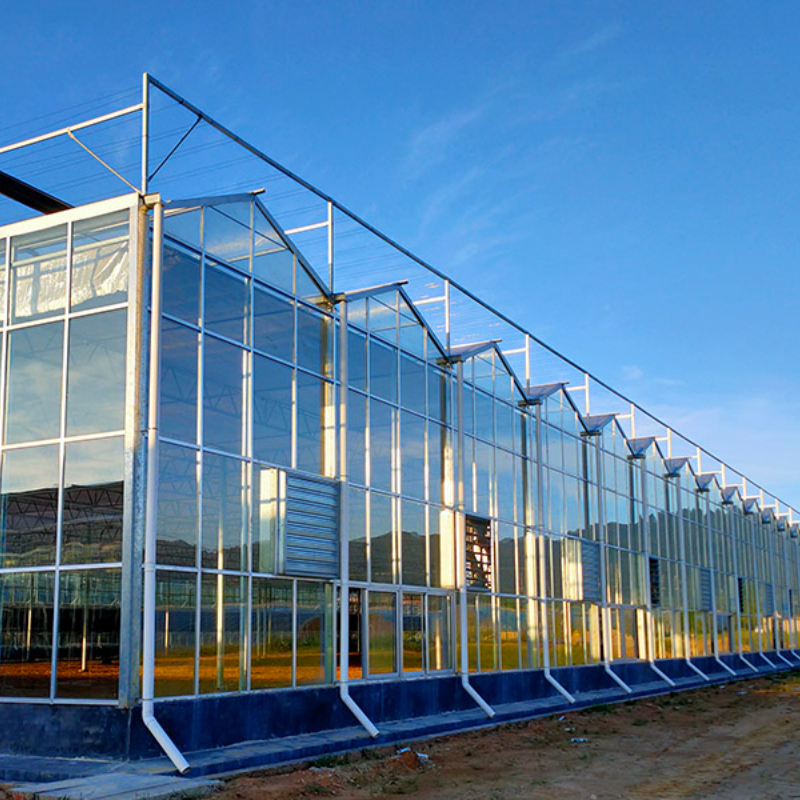
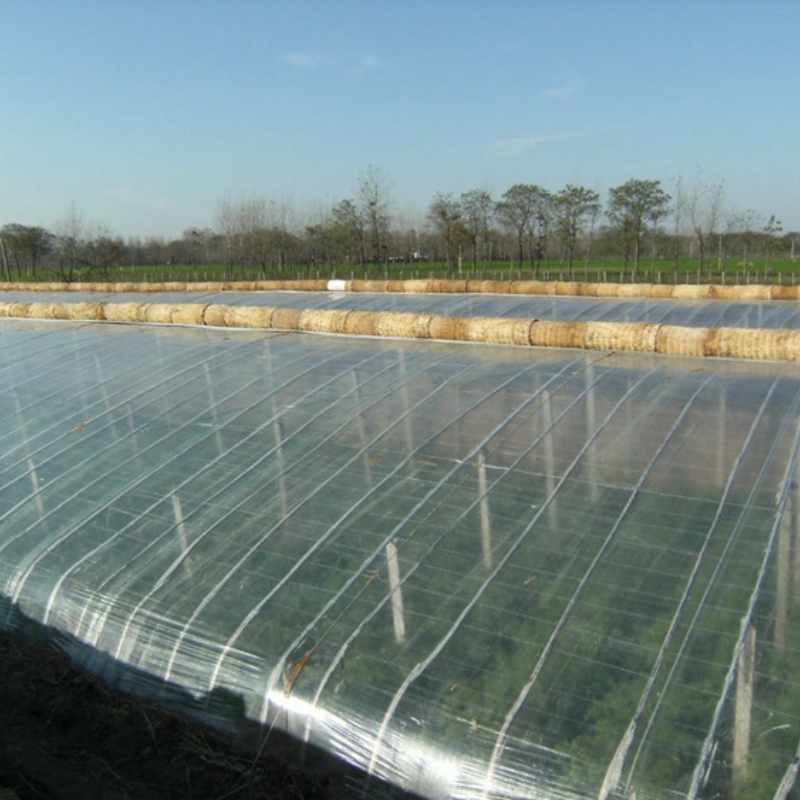
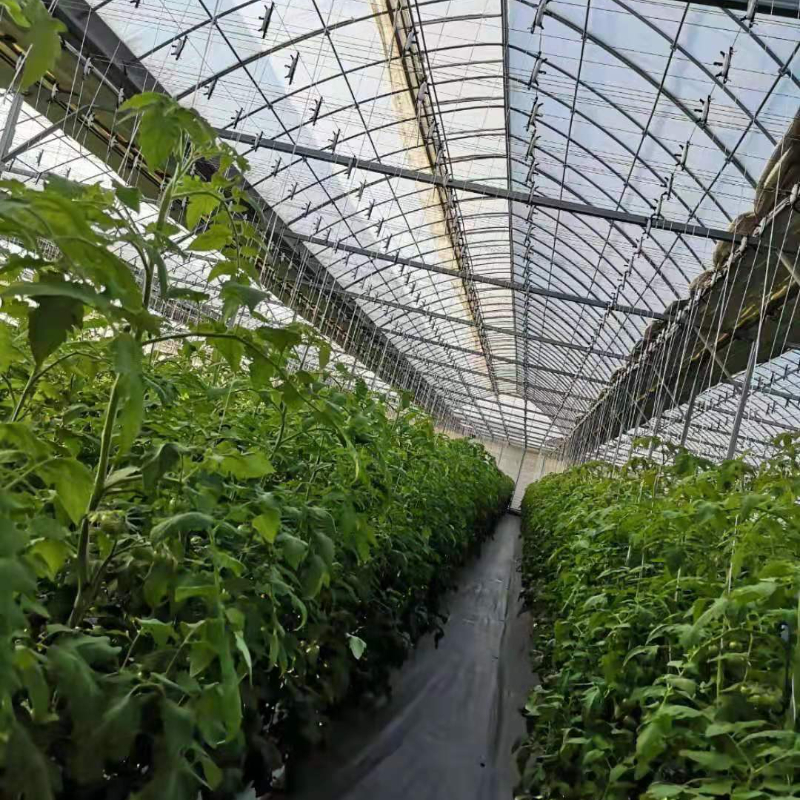
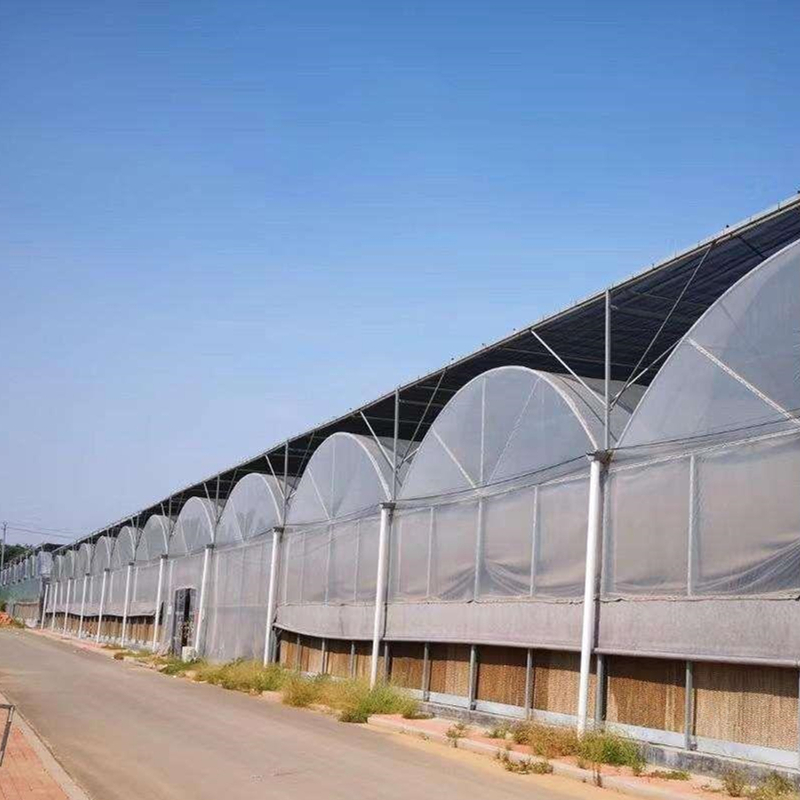
Resource utilization efficiency is an important indicator to measure the sustainability of agricultural production. In the context of the increasing shortage of global water and energy resources, improving resource utilization efficiency has become an urgent task for the agricultural industry. Traditional greenhouse planting usually adopts an extensive management model, and the utilization of water and energy resources is very inefficient, resulting in serious resource waste.
In terms of irrigation, traditional greenhouses mainly rely on growers to judge the water demand of crops based on their own experience, and adopt the way of flood irrigation or furrow irrigation. This irrigation method is very arbitrary. Growers often cannot accurately grasp the water demand of crops, which easily leads to over-irrigation or under-irrigation. Over-irrigation not only wastes a lot of water resources, but also may cause soil compaction and salinization, affecting the growth of crops; under-irrigation will make crops lack water, leading to slow growth and reduced yield. According to relevant data, the water utilization rate of traditional greenhouse irrigation is only 40-50%, which means that nearly half of the water resources are wasted in vain. In terms of fertilization, traditional greenhouses also rely on manual experience to determine the type and dosage of fertilizers. Growers often apply more fertilizers in order to pursue higher yields, resulting in excessive fertilization. Excessive fertilization not only wastes fertilizer resources, but also causes environmental pollution such as soil and water pollution. The unused fertilizers will seep into the soil and groundwater, polluting the water environment and affecting human health.
In terms of energy utilization, traditional greenhouses also have serious waste problems. For example, in winter, traditional greenhouses mainly rely on burning coal or firewood to heat, which not only consumes a lot of fossil energy, but also emits a lot of harmful gases such as carbon dioxide and sulfur dioxide, causing air pollution. At the same time, the thermal insulation effect of traditional greenhouses is poor, and a lot of heat is lost through the film and walls, further increasing energy consumption. In summer, traditional greenhouses need to manually open ventilation ports or use fans to cool down, which also consumes a certain amount of energy, but the cooling effect is not ideal, and energy utilization efficiency is low.
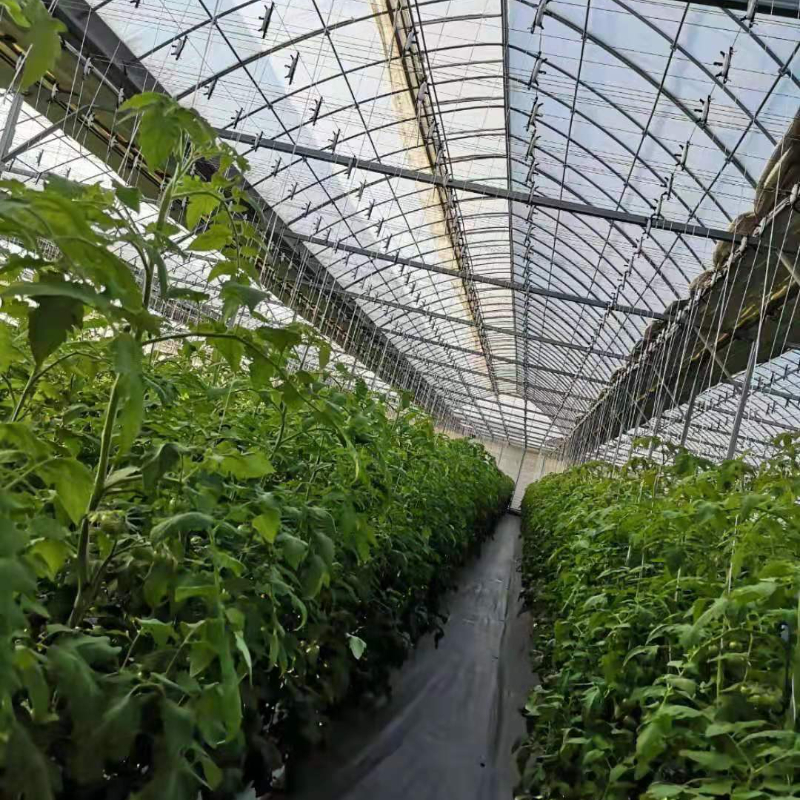
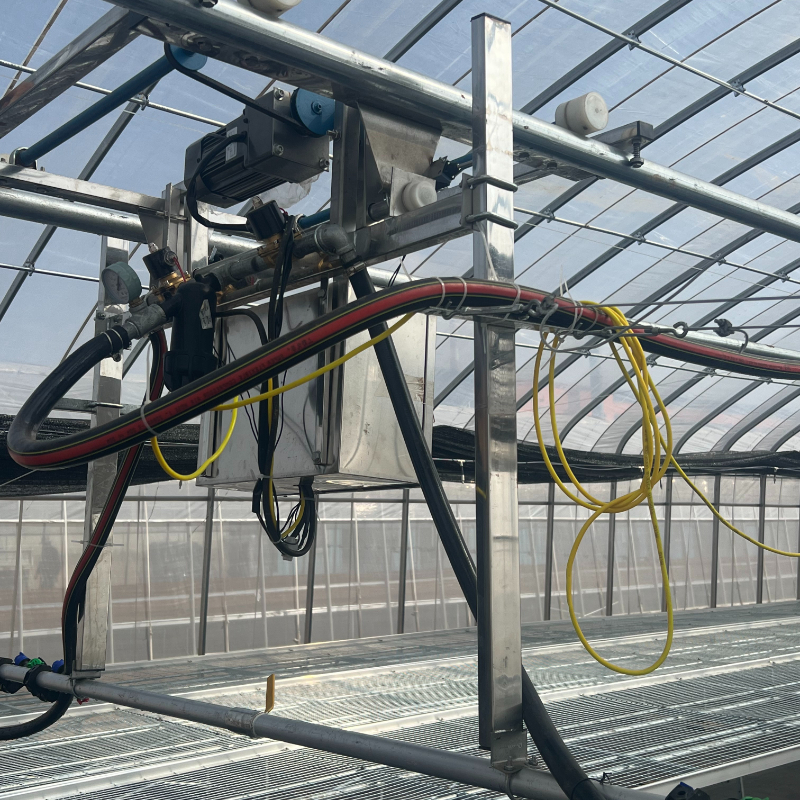
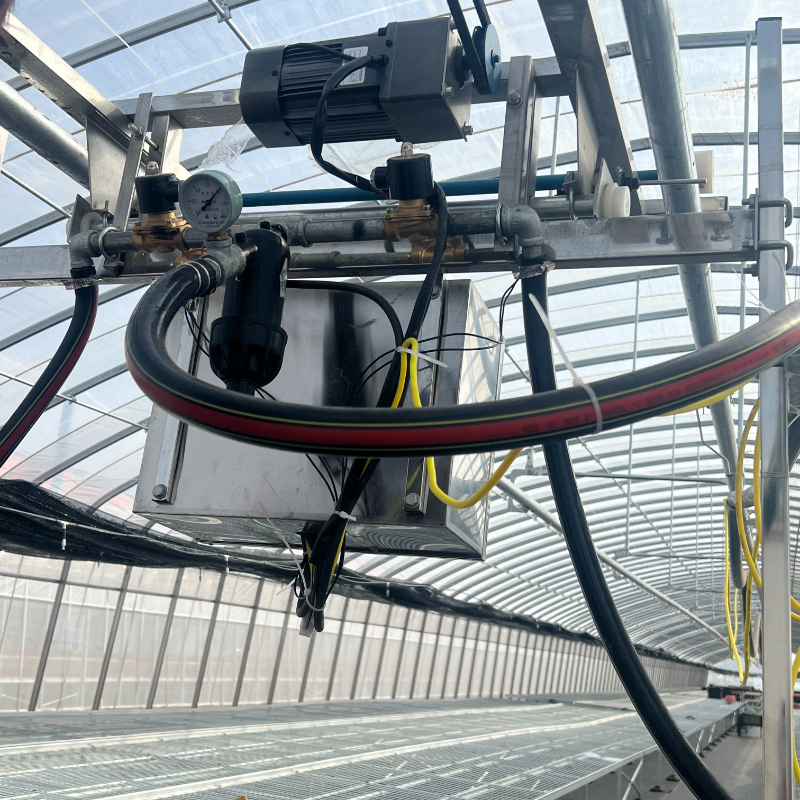
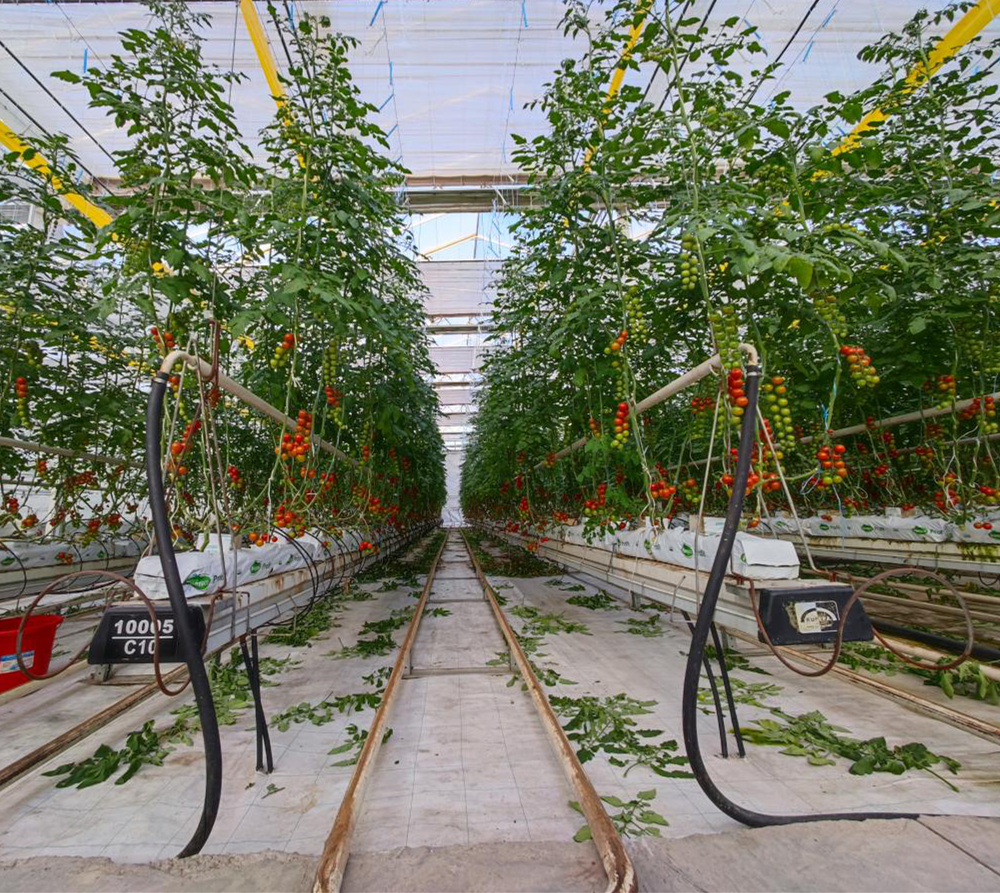
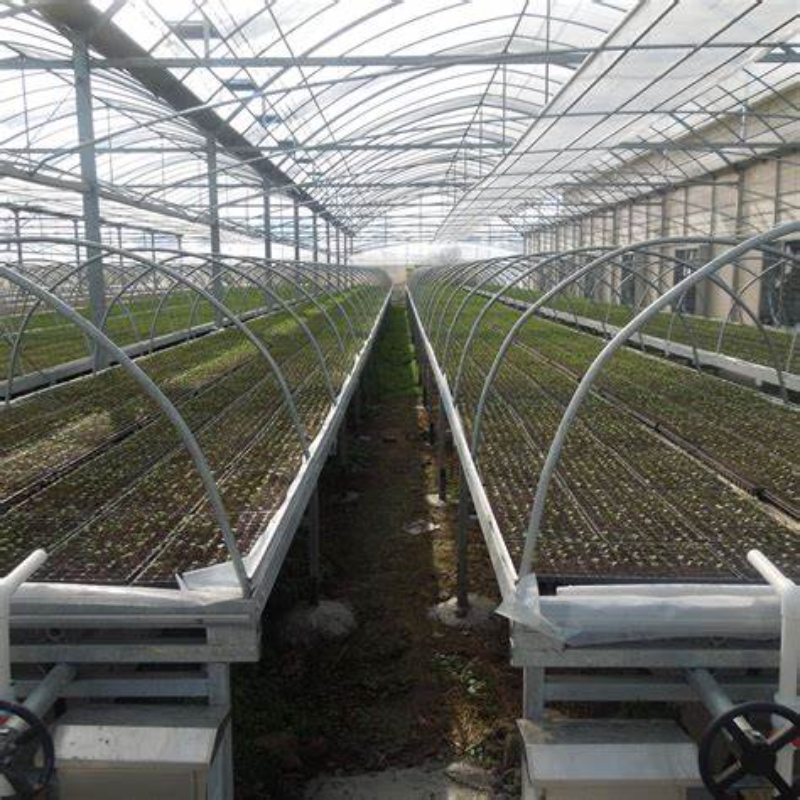
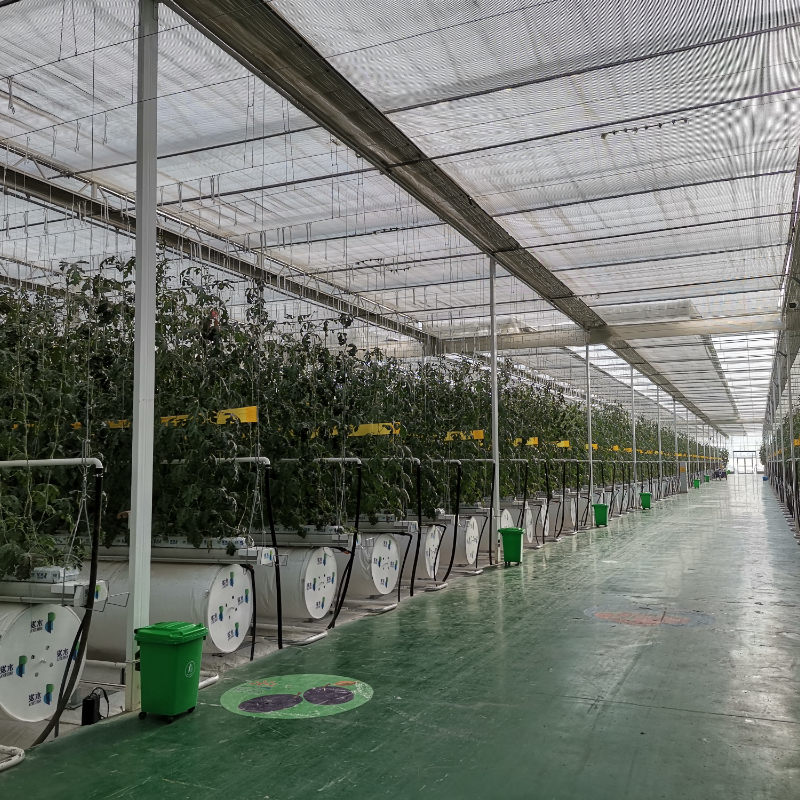
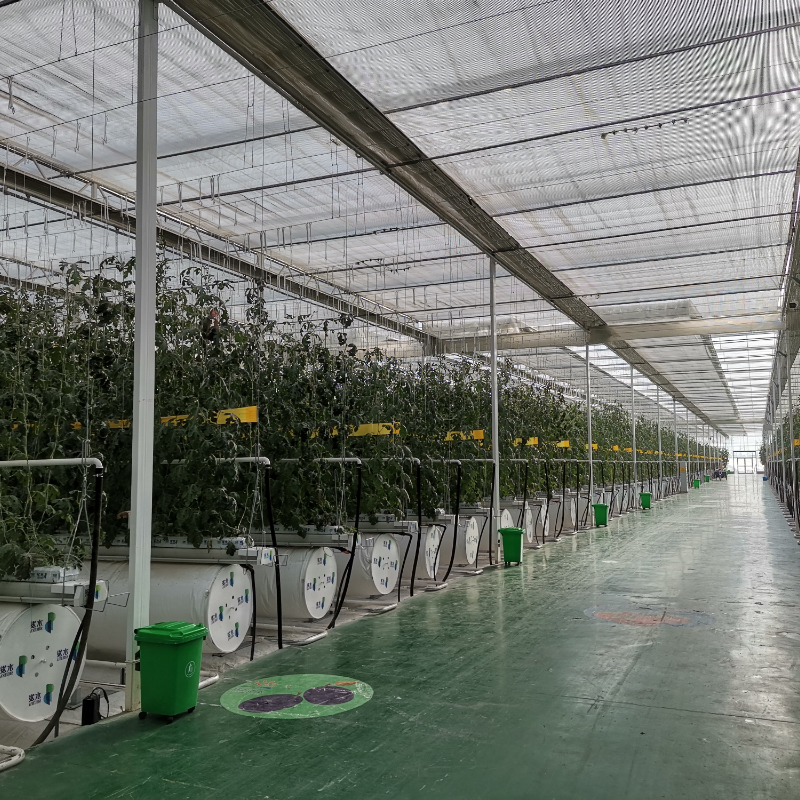
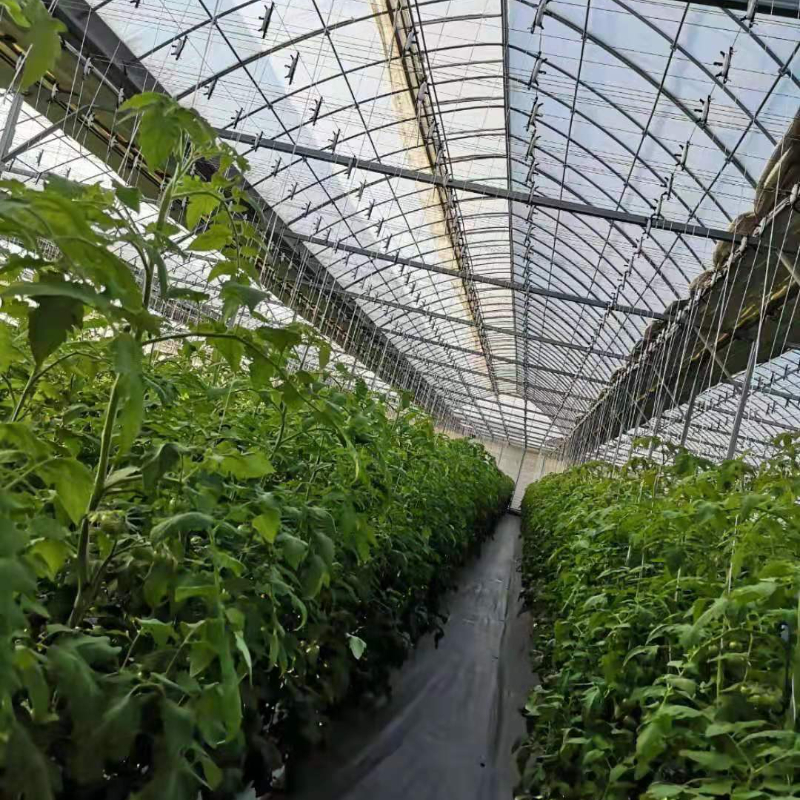
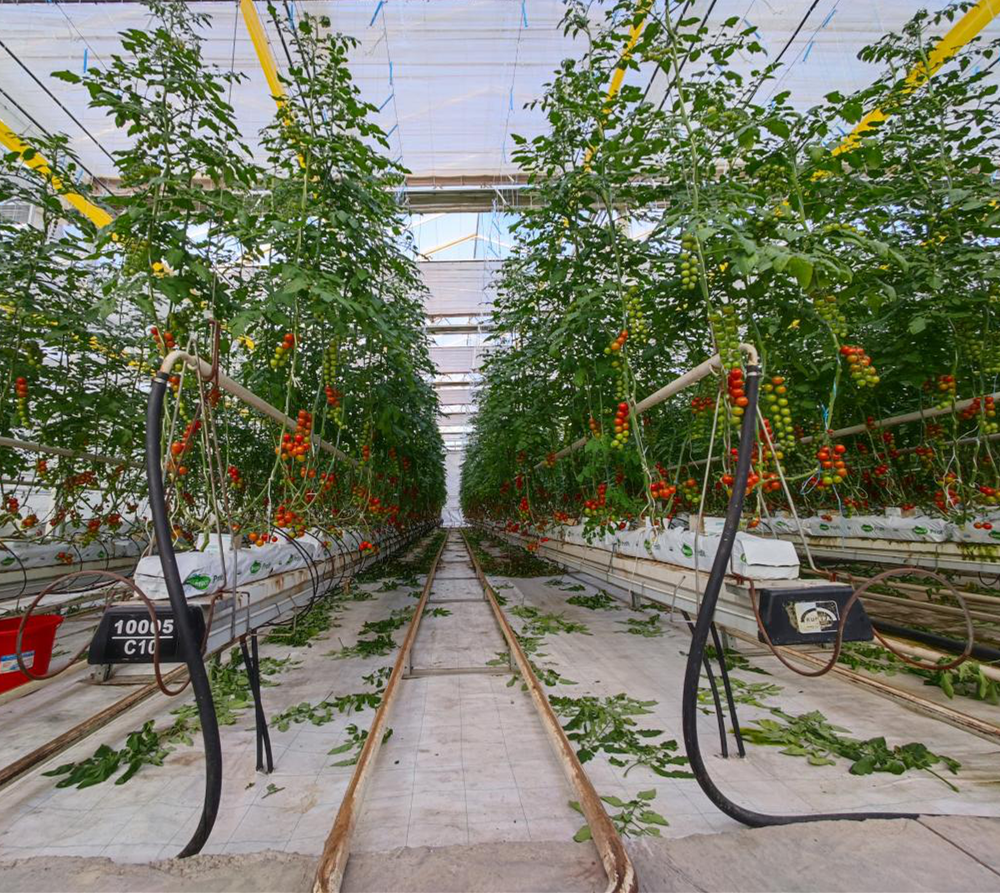
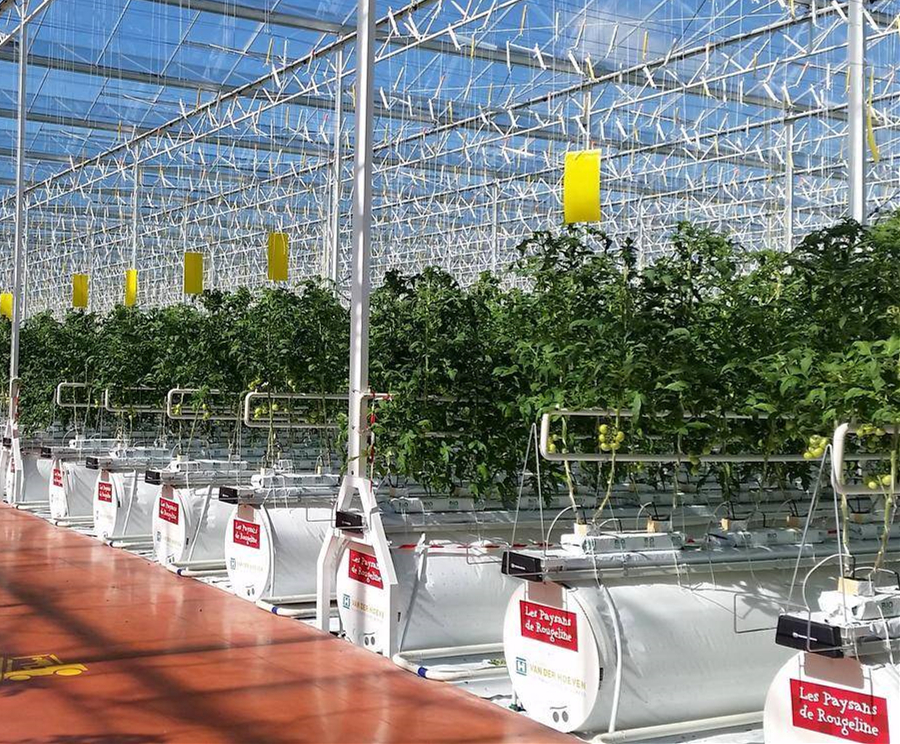
Different from traditional greenhouses, intelligent greenhouses have significantly improved resource utilization efficiency through the application of intelligent technologies. In terms of irrigation, intelligent greenhouses are equipped with an intelligent irrigation system. The system can accurately monitor the soil moisture and the water content of crop leaves through sensors, and determine the water demand of crops according to the growth stage of crops and environmental conditions. Based on this, the system can automatically adjust the irrigation time, irrigation volume and irrigation method, and adopt precise irrigation methods such as drip irrigation and micro-sprinkler irrigation. Drip irrigation can directly deliver water to the root zone of crops, ensuring that crops can absorb water efficiently, while avoiding water waste caused by flood irrigation. According to practical tests, the water utilization rate of intelligent irrigation systems can reach more than 90%, which greatly saves water resources. In terms of fertilization, the intelligent greenhouse's integrated water and fertilizer system can mix fertilizers into irrigation water according to the nutrient demand of crops, and accurately deliver nutrients to the root zone of crops through the irrigation system. This not only ensures that crops can absorb nutrients in a balanced manner, but also avoids fertilizer waste and environmental pollution caused by excessive fertilization.
