
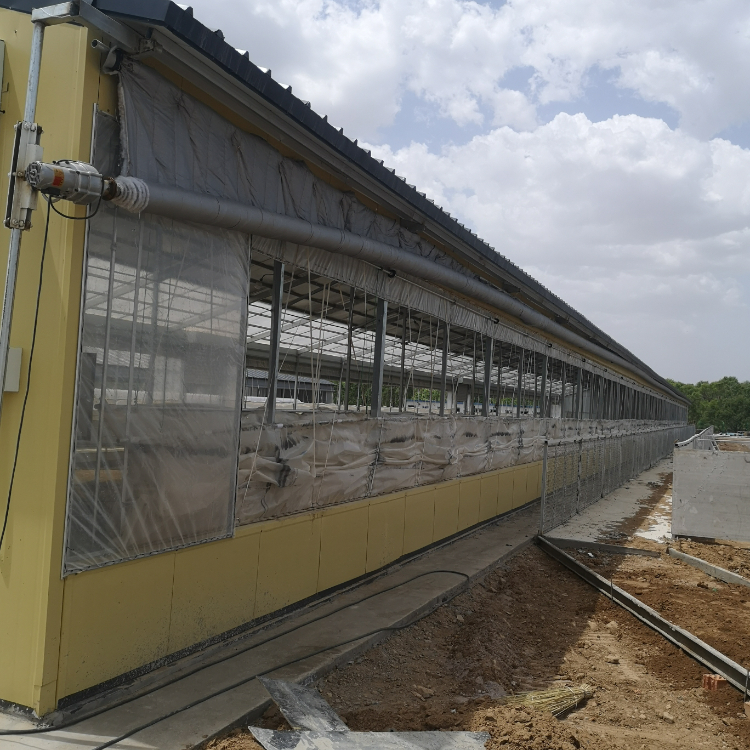
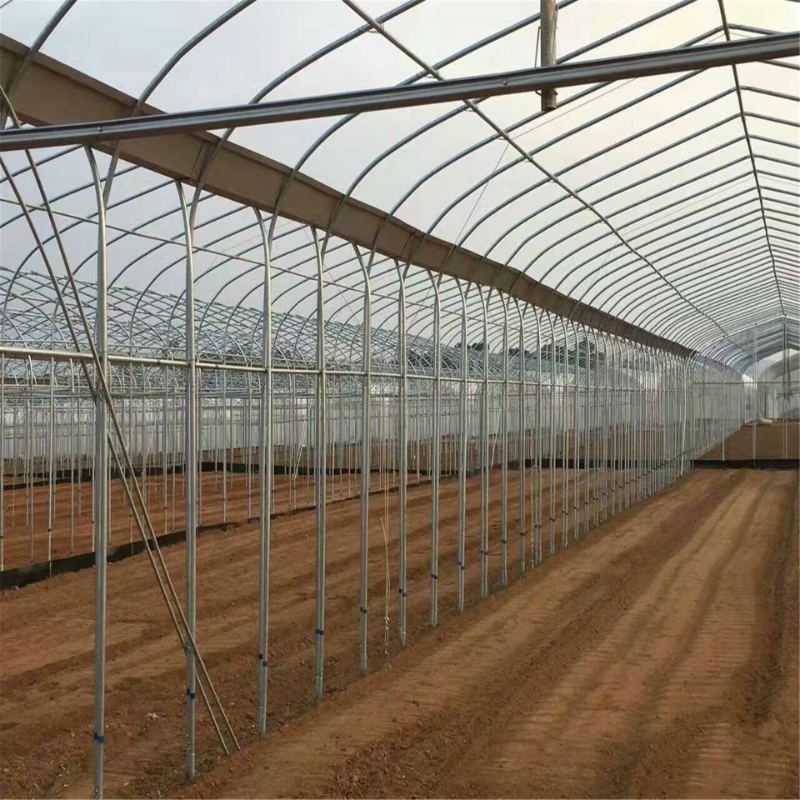
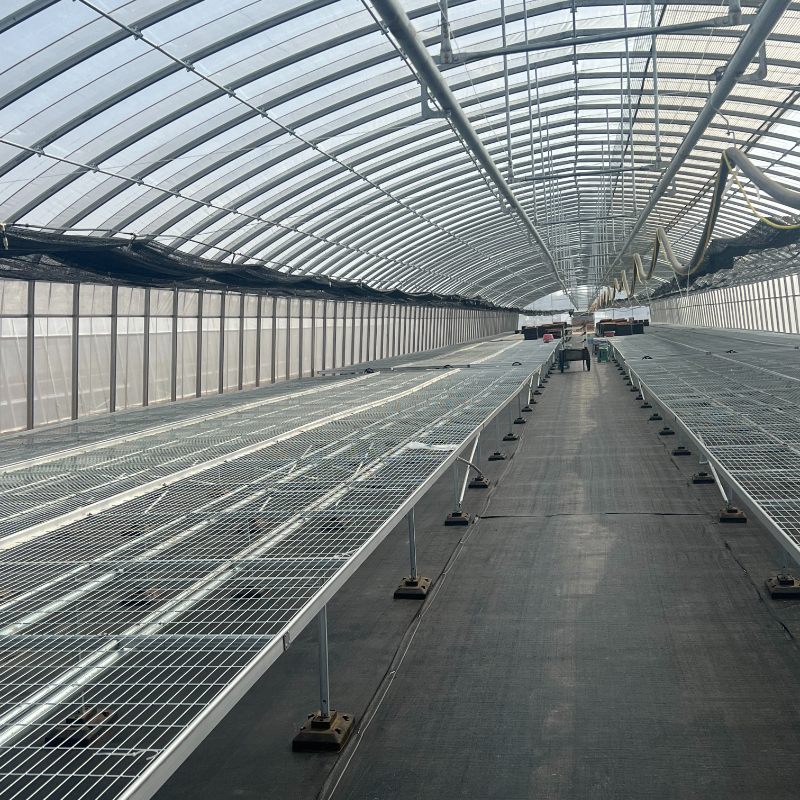
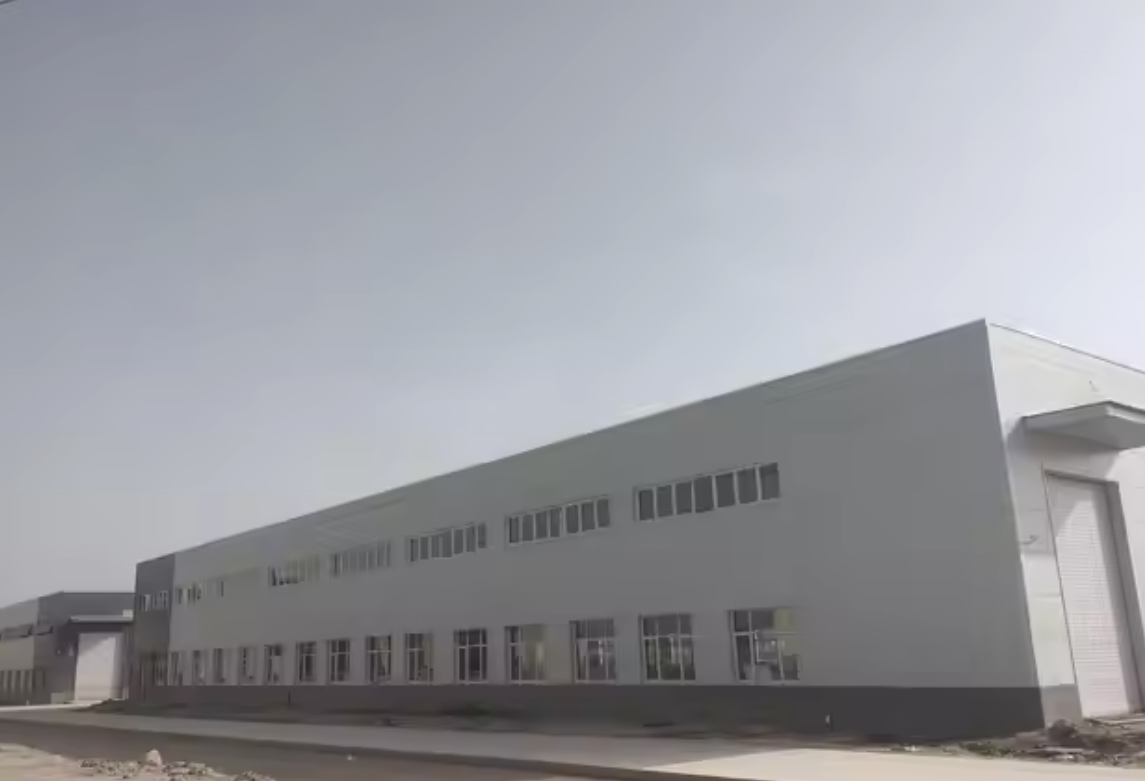
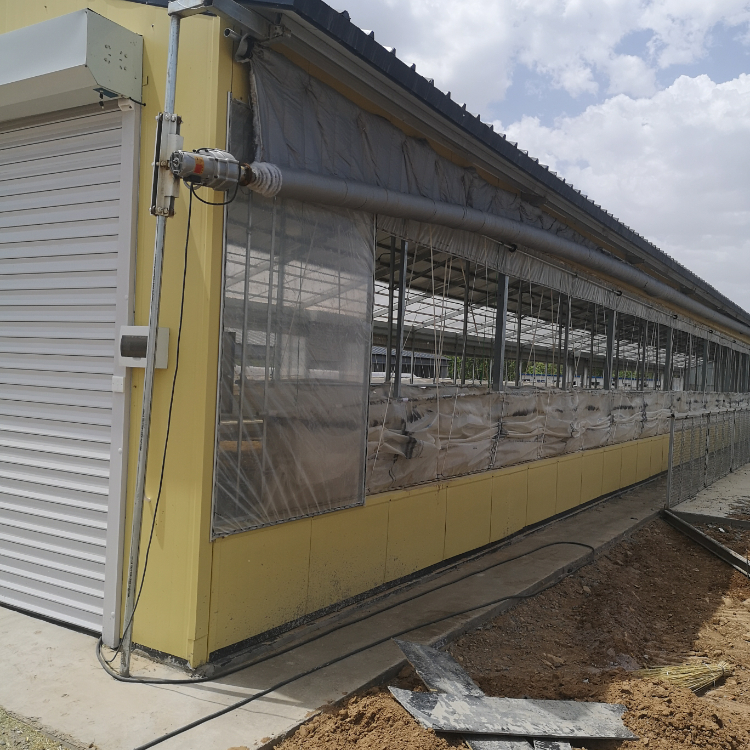
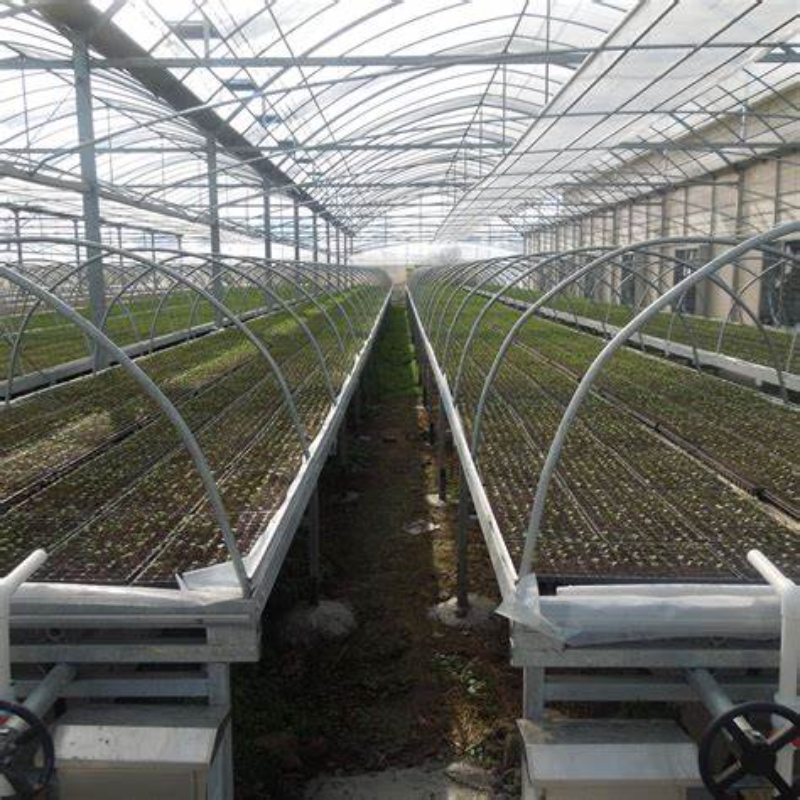
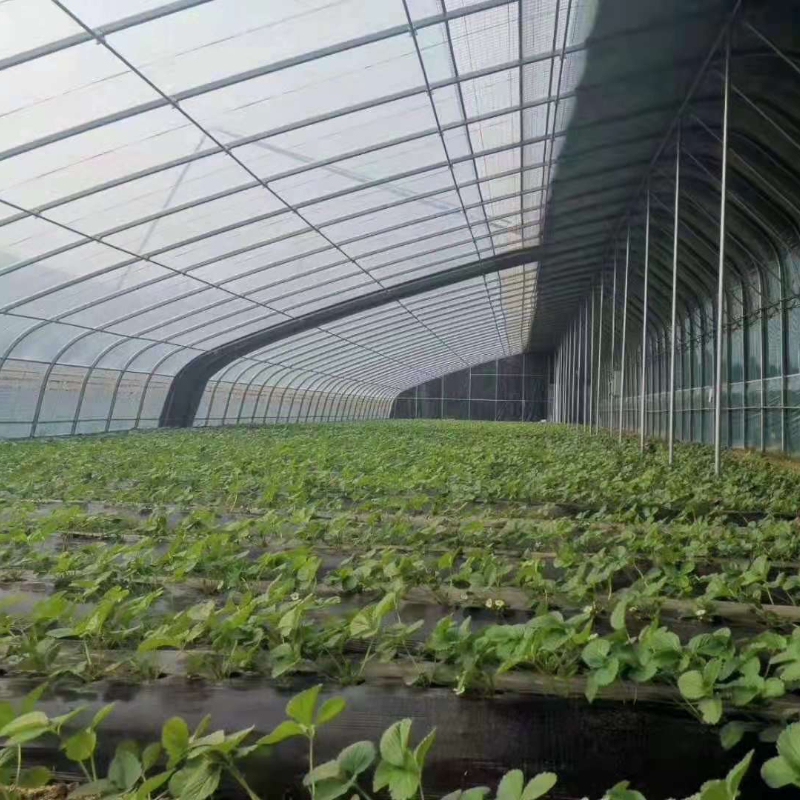
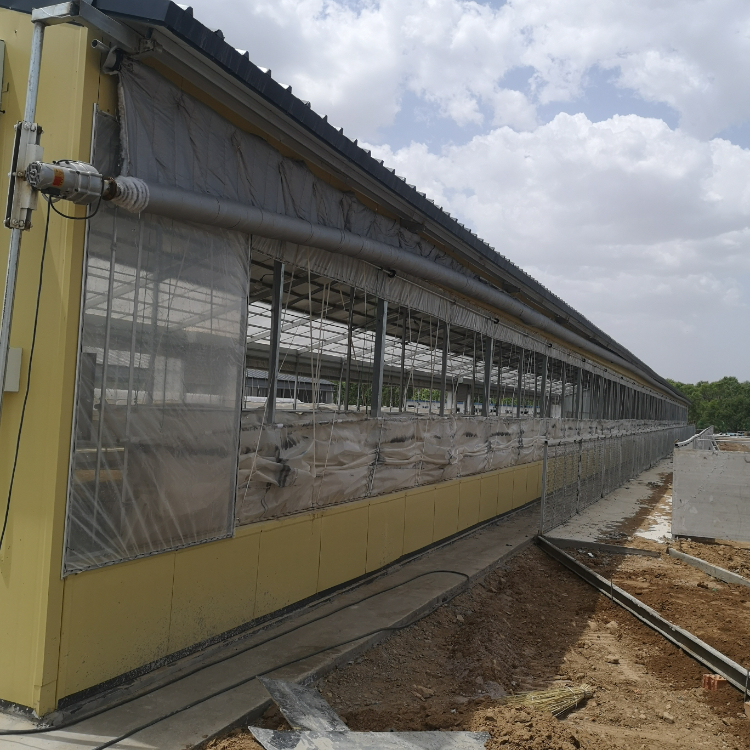
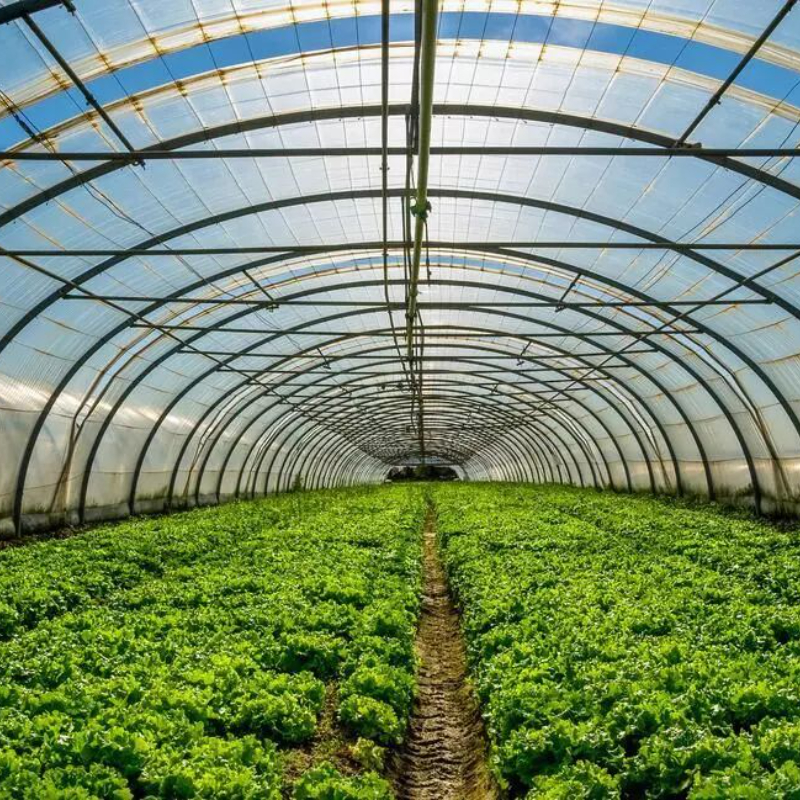
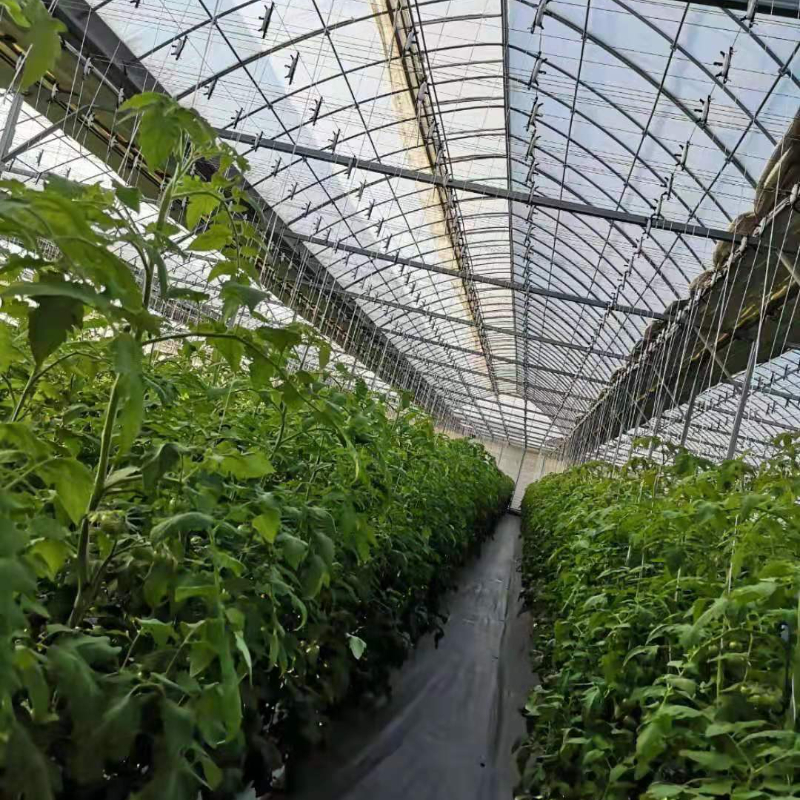
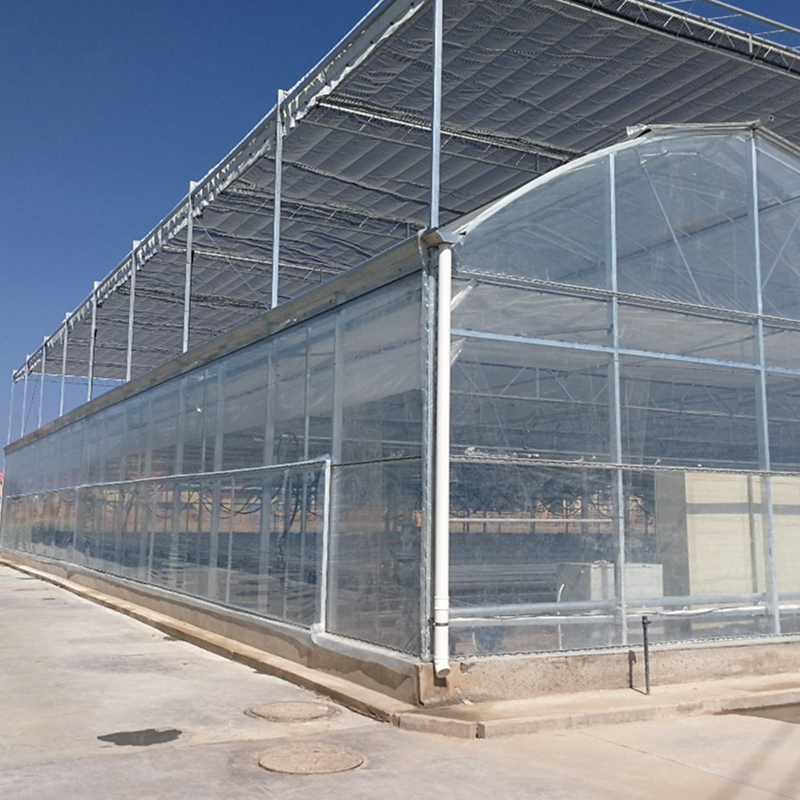
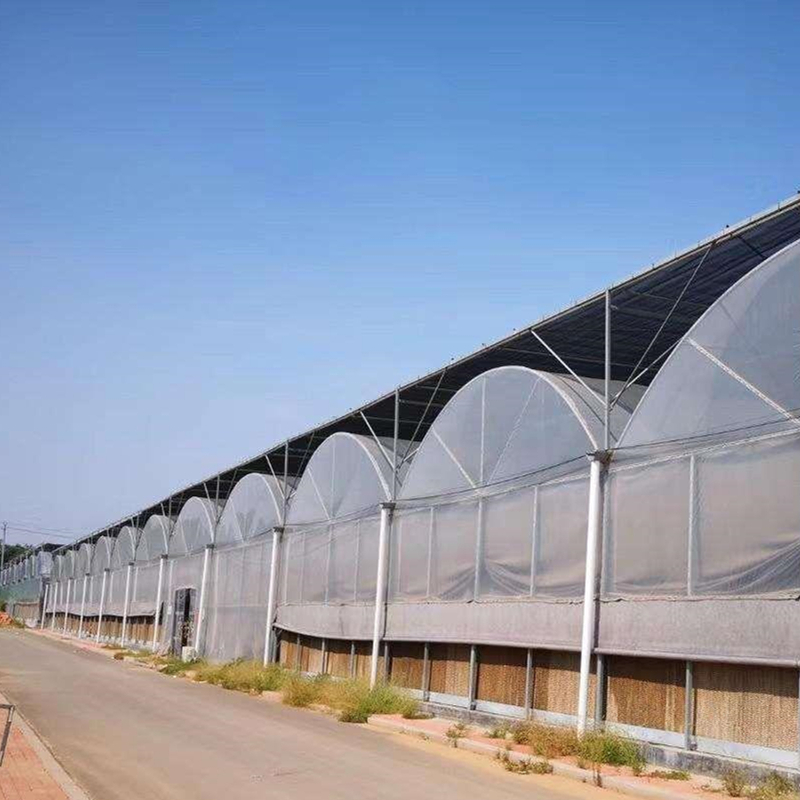
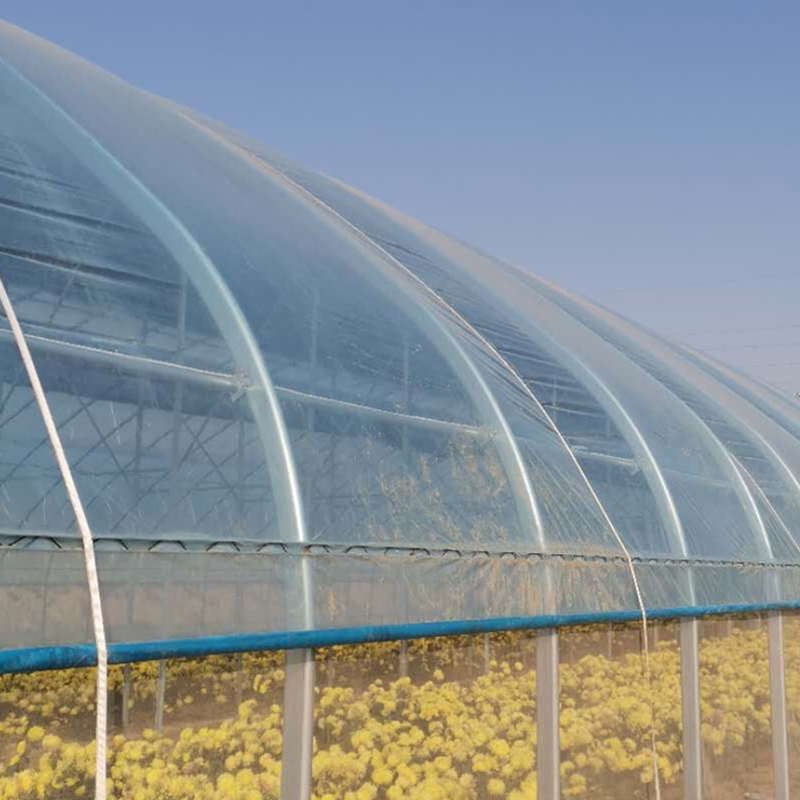
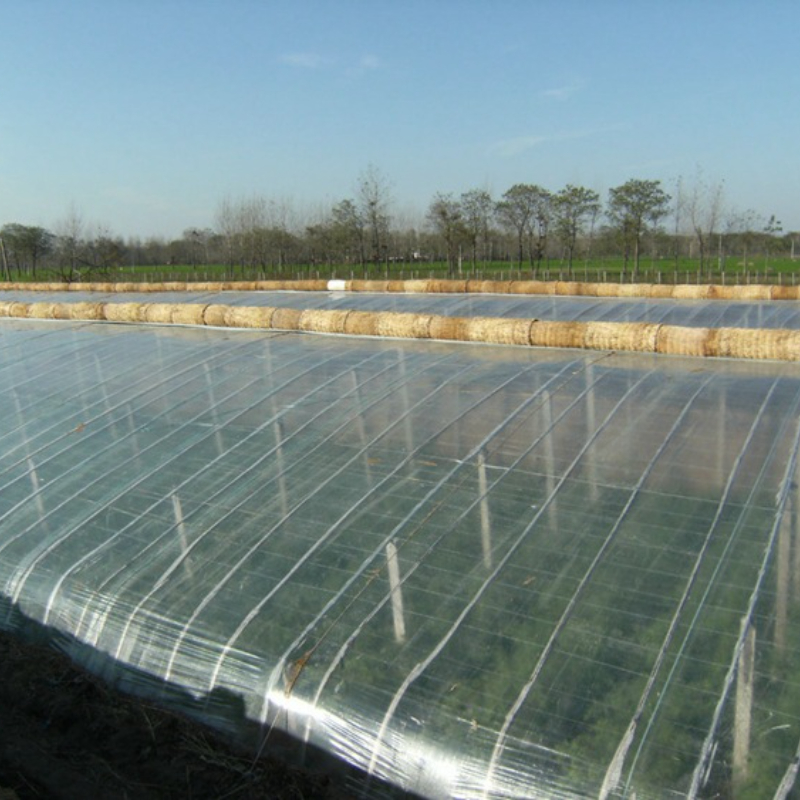
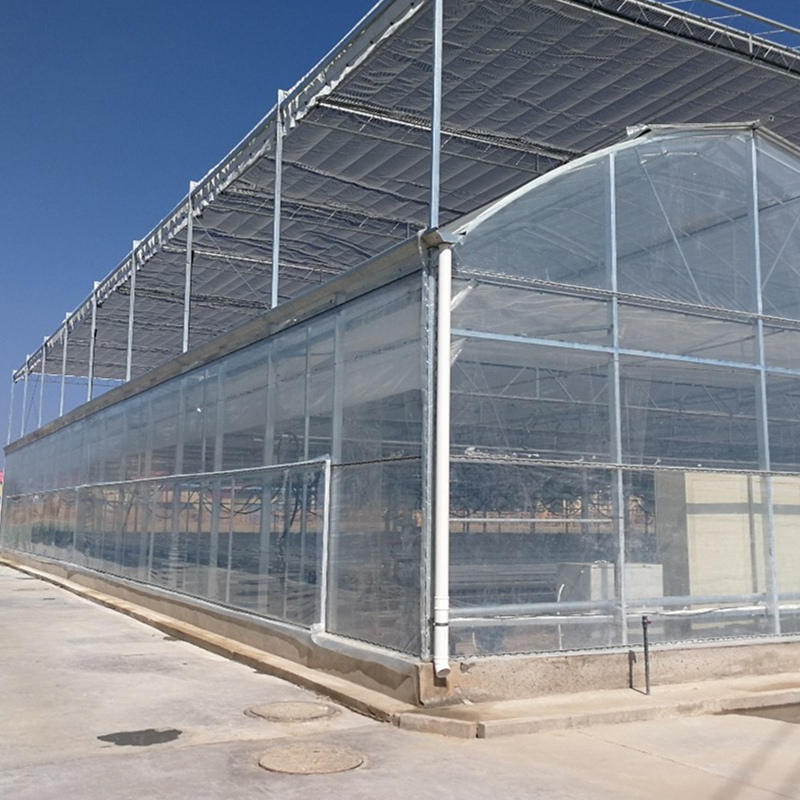
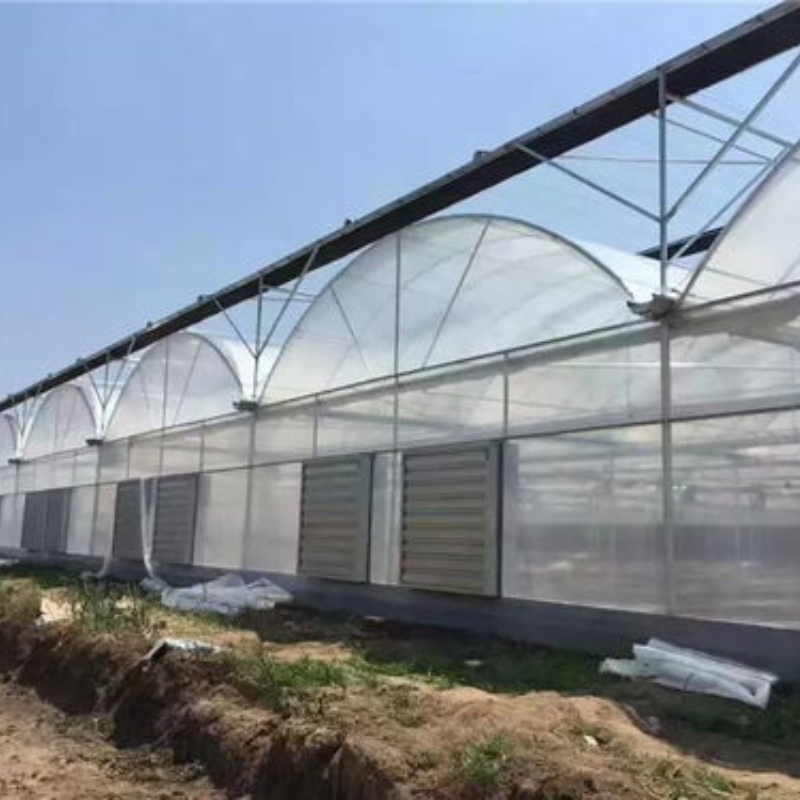
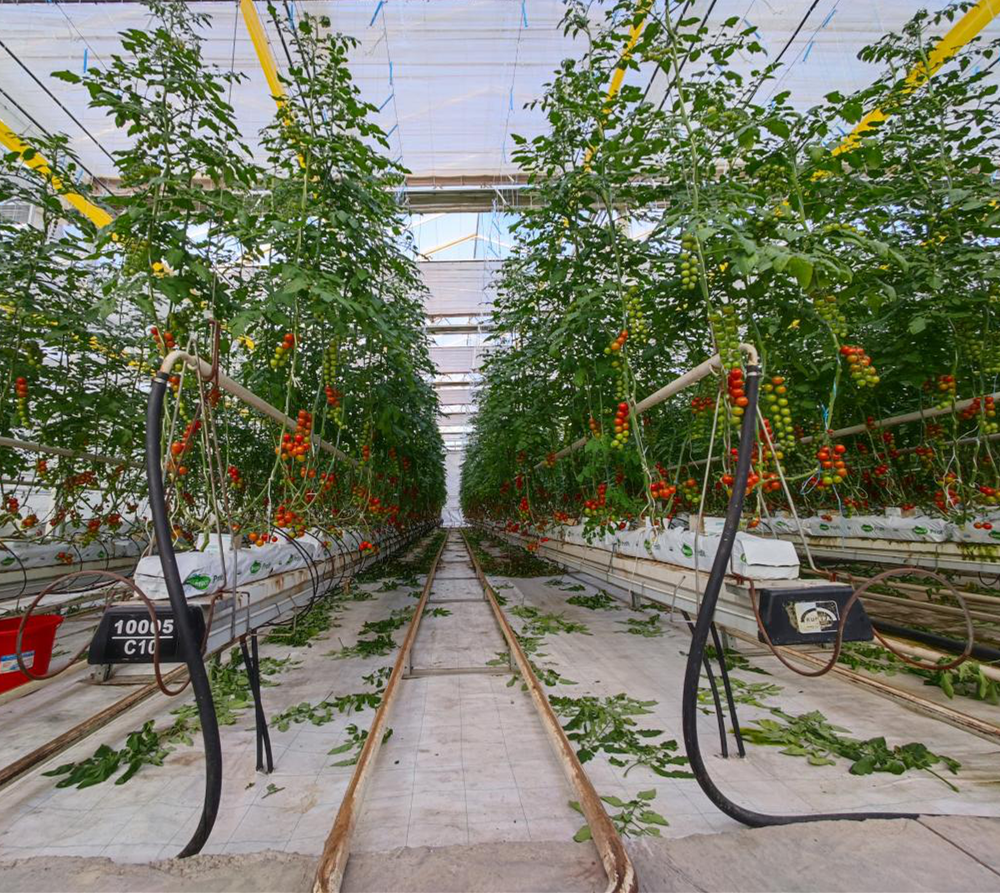
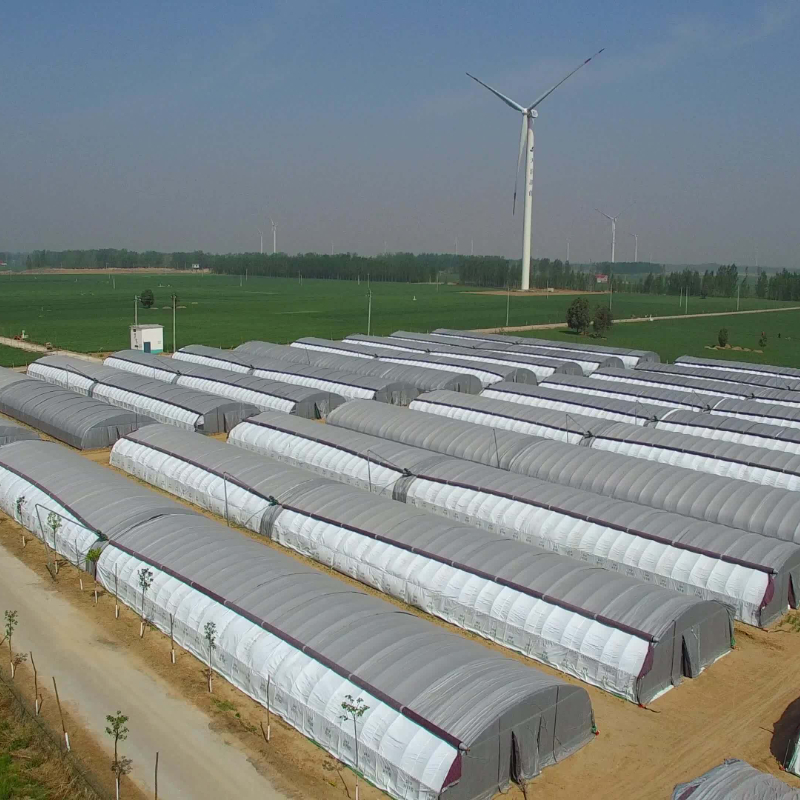
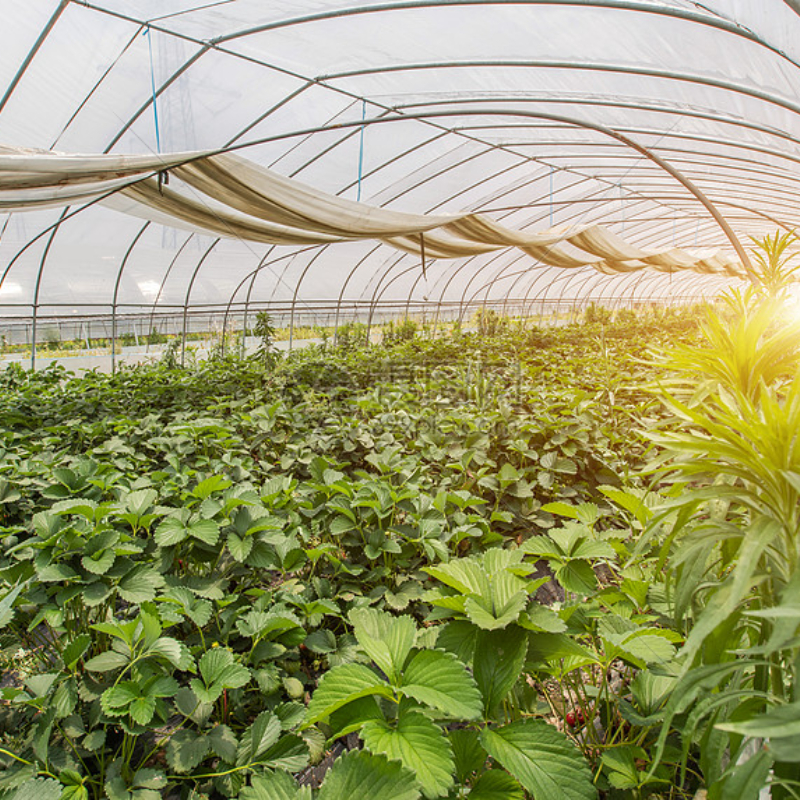
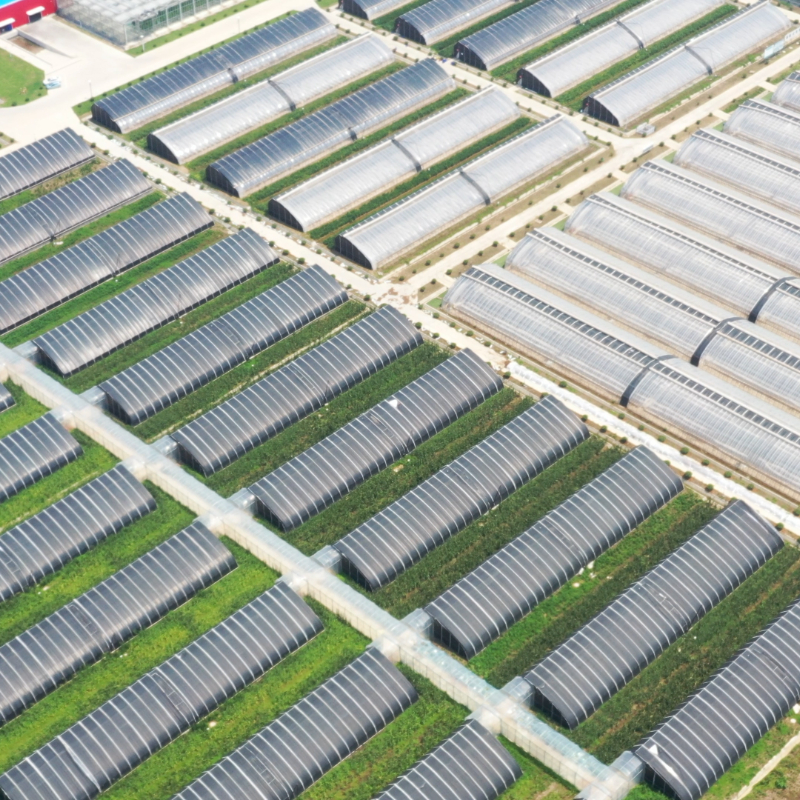
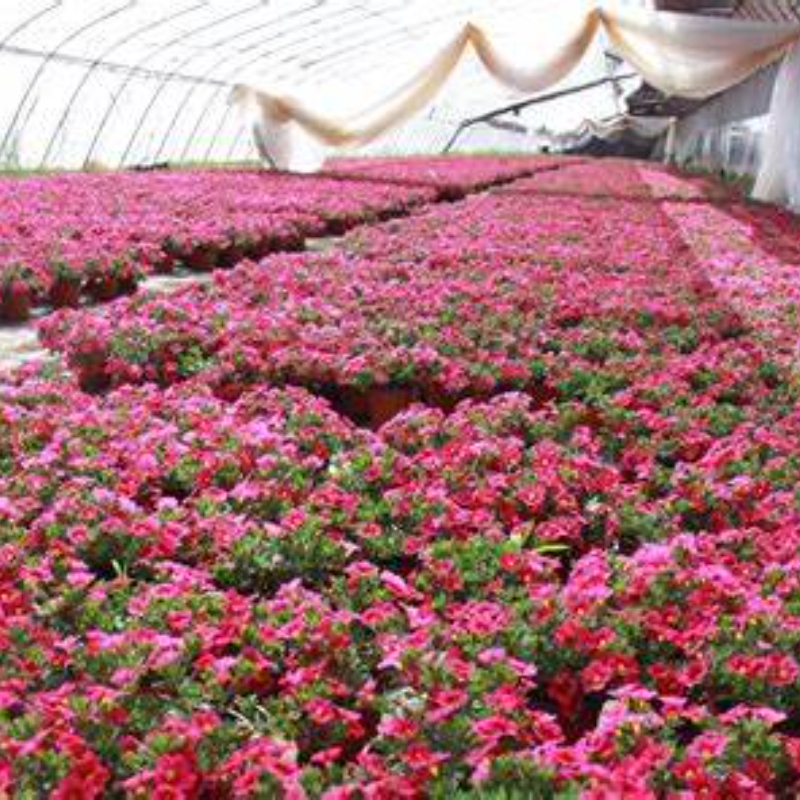
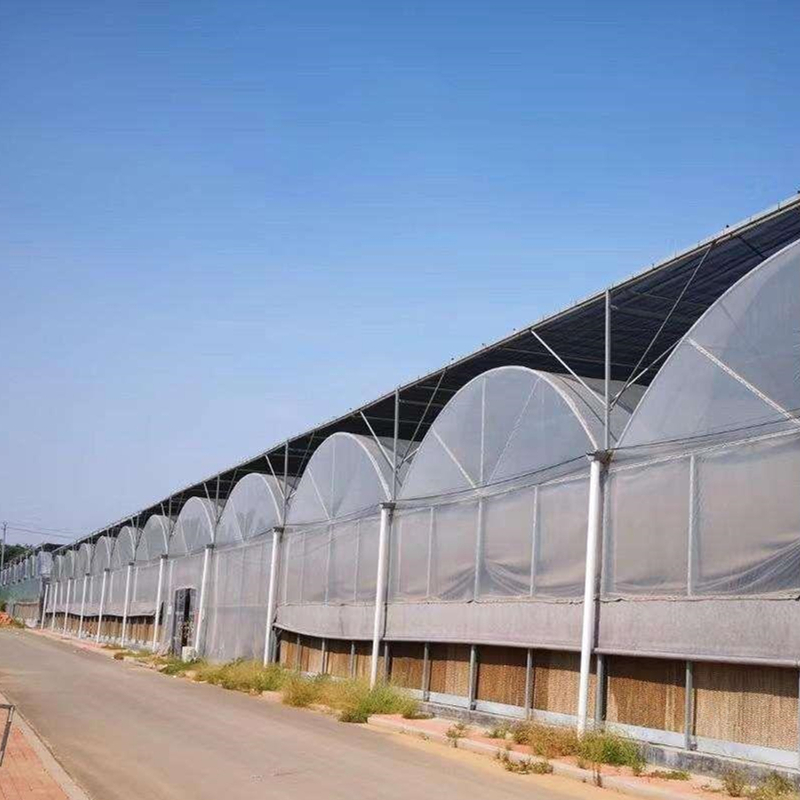
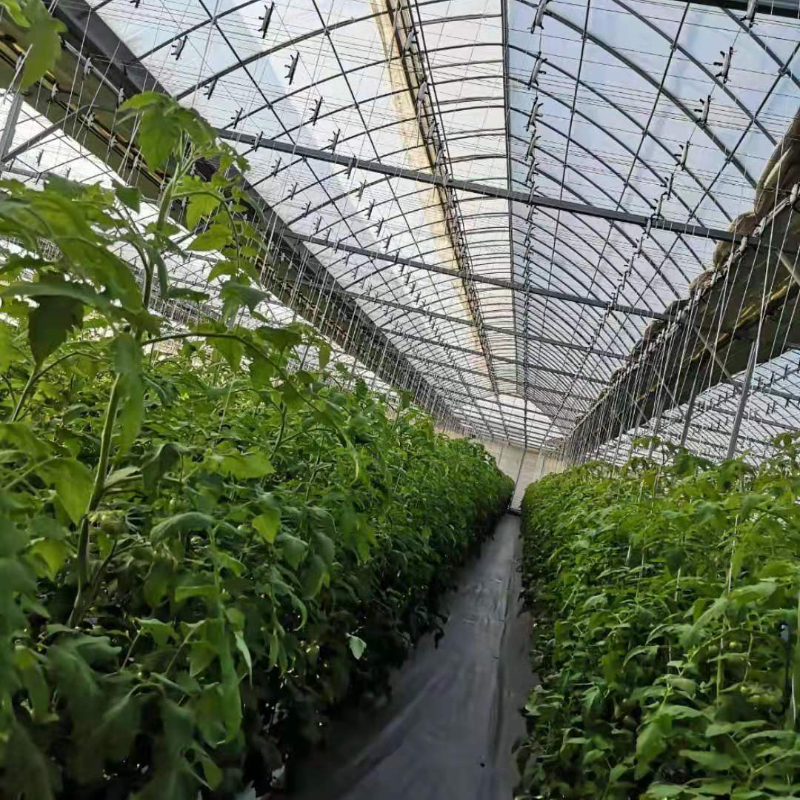
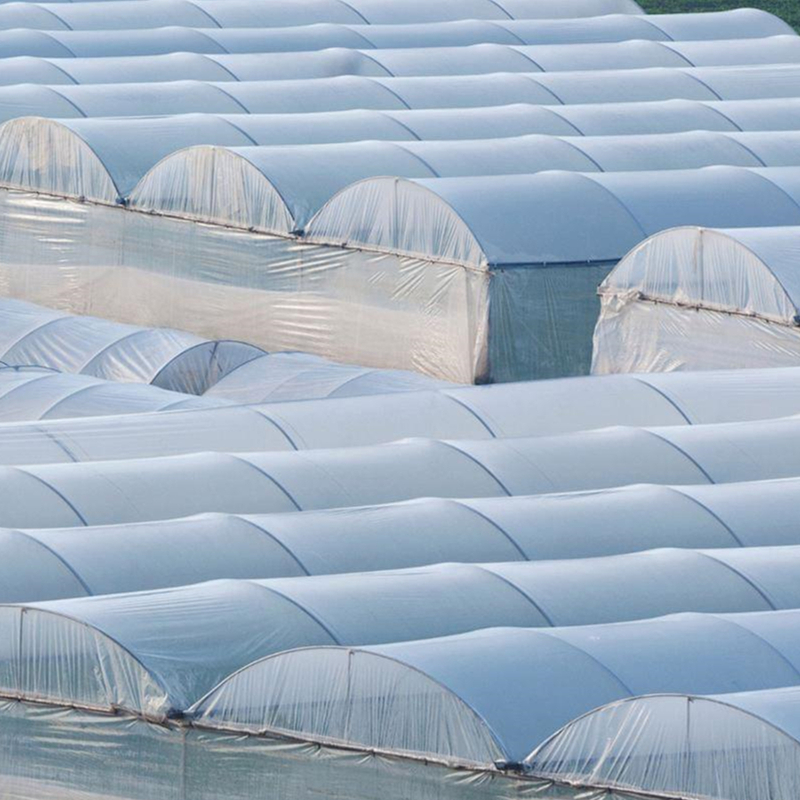
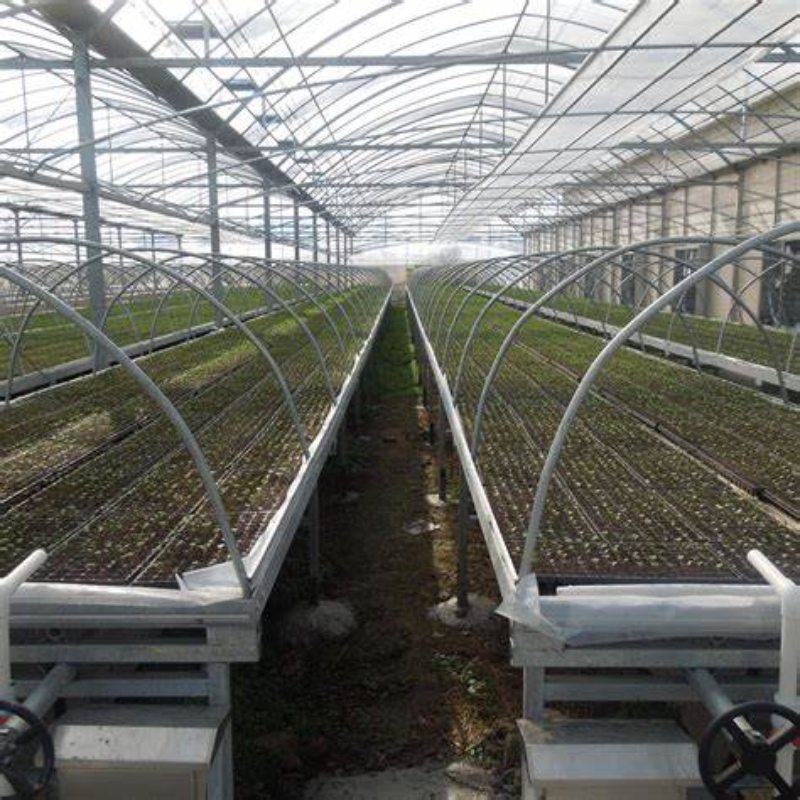
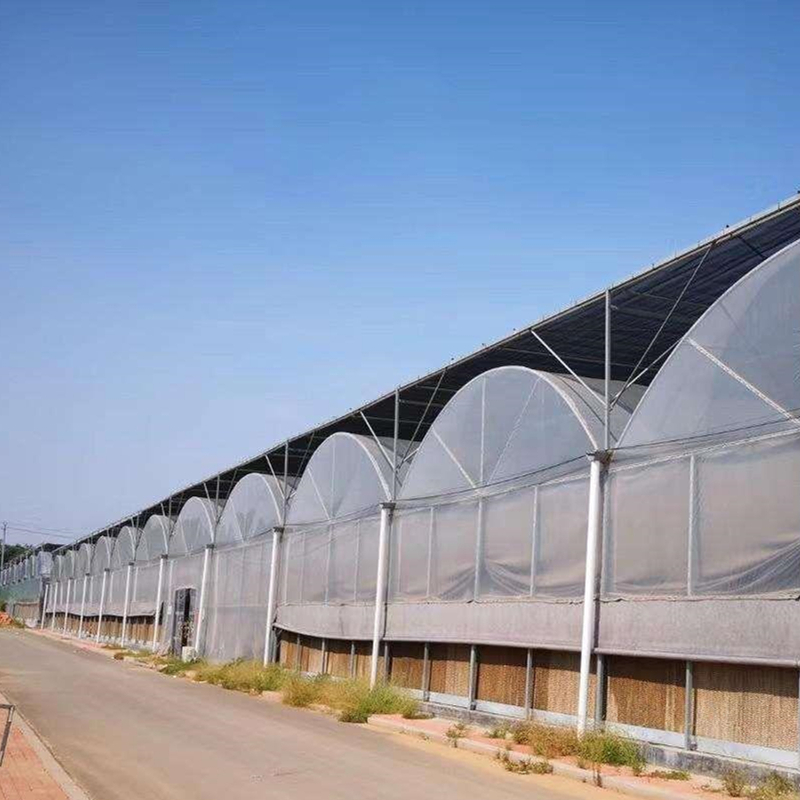
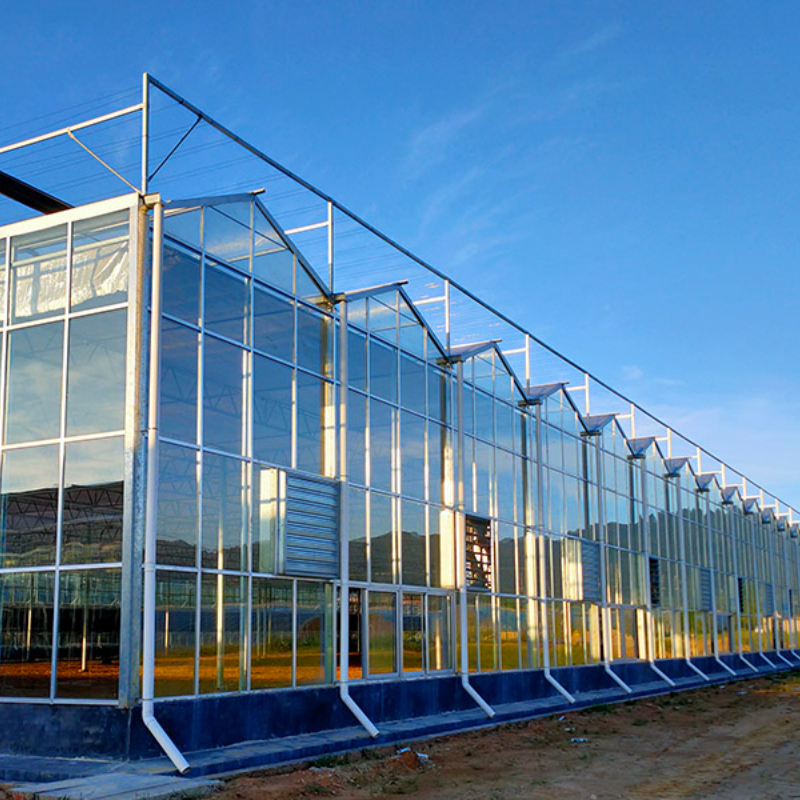
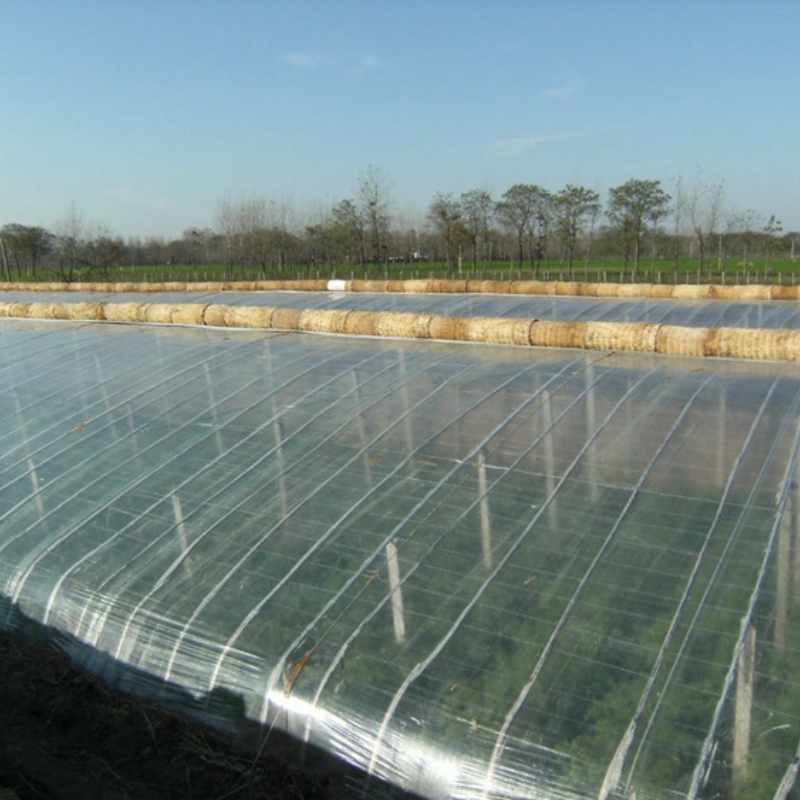
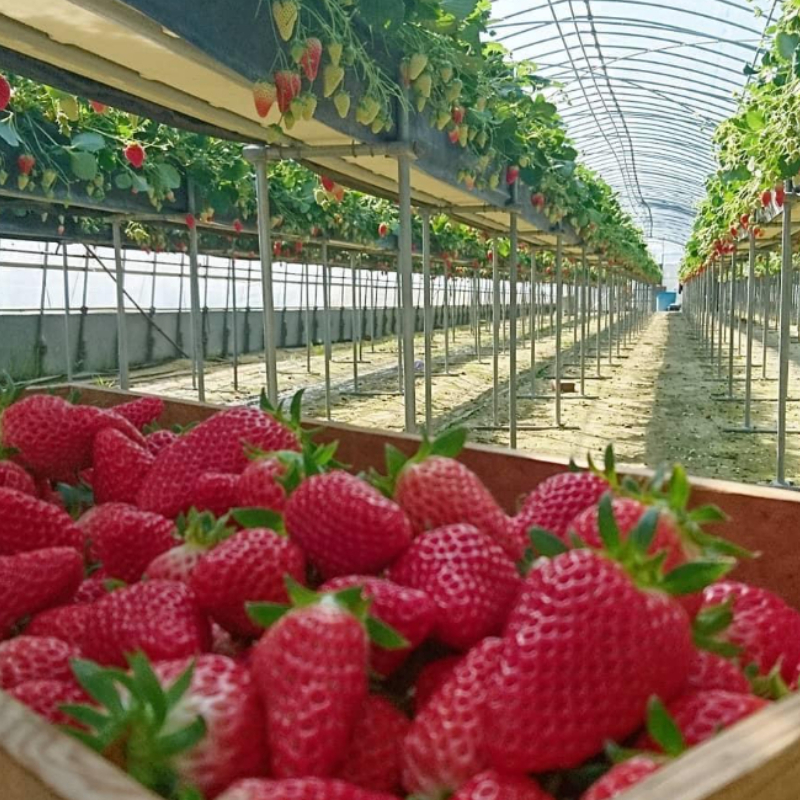
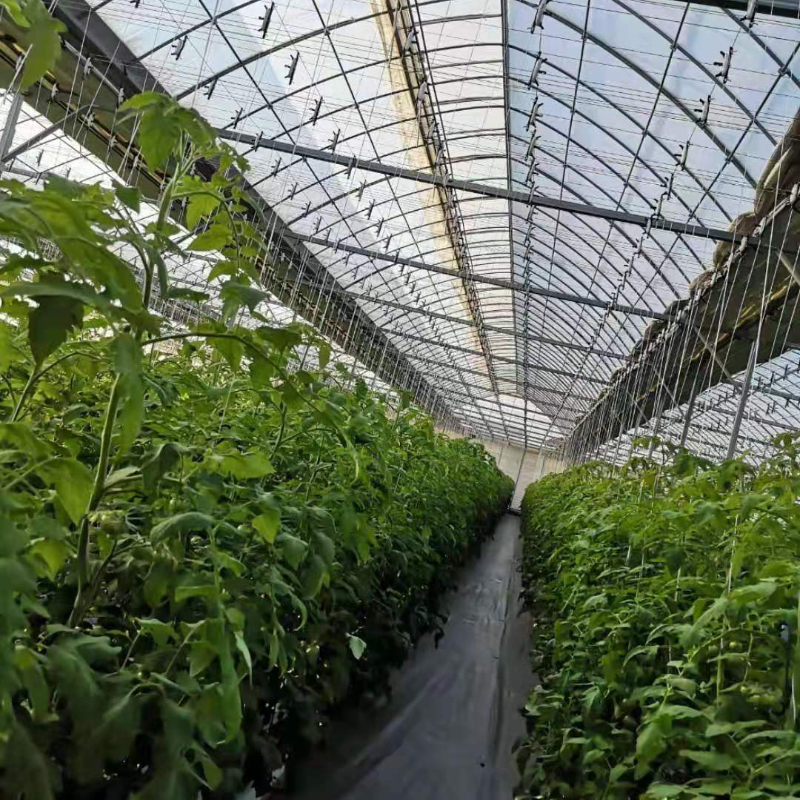
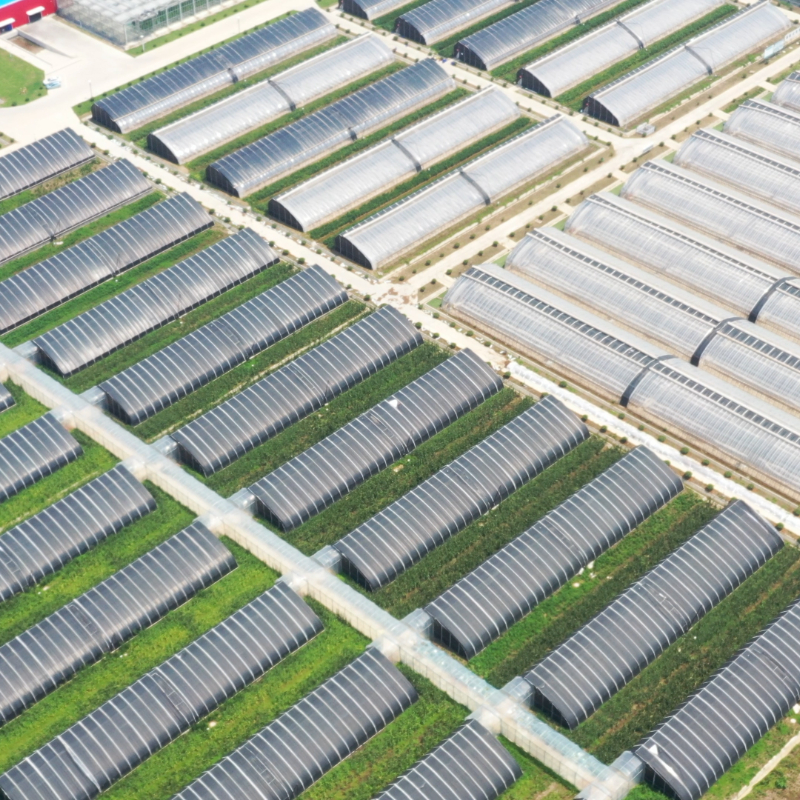
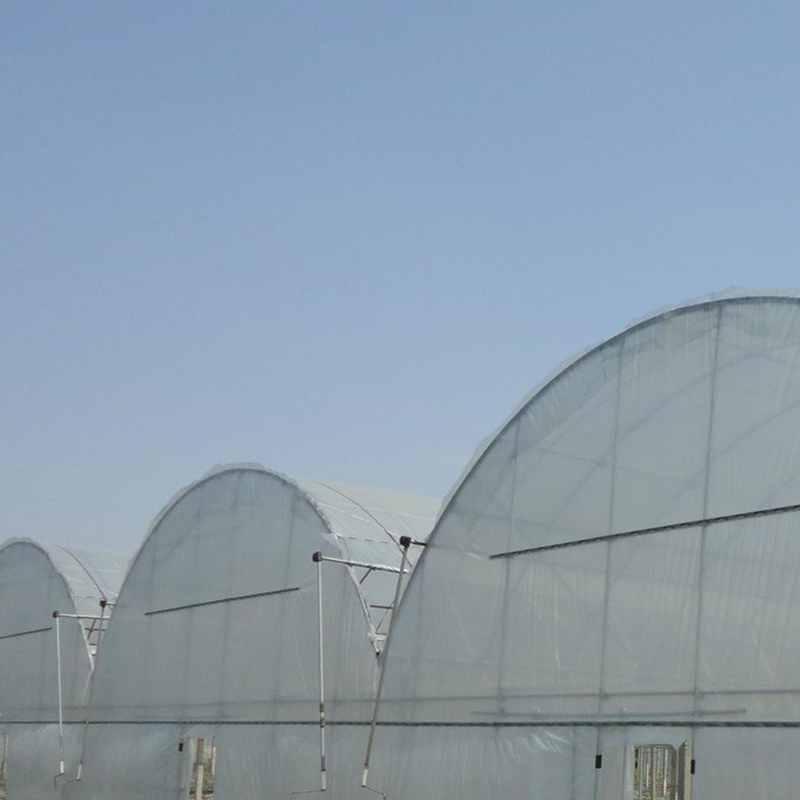
The environmental control capability is the core factor affecting the growth of crops in greenhouses, and it is also the most intuitive difference between traditional greenhouses and intelligent greenhouses. Traditional greenhouses, as the most basic agricultural facility, have been widely used in many regions of China due to their low cost and simple construction. Most of these greenhouses are built with simple materials such as plastic film, earth walls, and bamboo and wood. Their main function is to provide a relatively closed space to isolate the external natural environment to a certain extent, so as to achieve the effect of keeping warm and protecting crops. However, due to the backward technical level, the environmental control of traditional greenhouses is almost entirely dependent on the personal experience of growers. In the process of crop cultivation, growers need to constantly observe the changes of the external environment and the growth state of crops, and manually adjust the temperature and humidity in the greenhouse. For example, in the cold winter, growers need to manually cover and uncover the thermal insulation quilt at dawn and dusk to keep the greenhouse warm; when the temperature rises at noon, they need to manually open the ventilation ports to reduce the temperature and adjust the humidity. This manual adjustment method is not only inefficient, but also difficult to achieve precise control of the environment.
The biggest problem of traditional greenhouse environmental control is the lag and inaccuracy of adjustment. Growers can only judge the environmental changes in the greenhouse through their own feelings and observations, which often leads to untimely adjustment. For example, when the temperature in the greenhouse rises rapidly, growers may not be able to open the ventilation ports in time, resulting in high temperature damage to crops; on the contrary, when the temperature drops suddenly, the thermal insulation quilt may not be covered in time, causing crops to suffer from cold damage. In addition, the manual adjustment method cannot accurately control the temperature and humidity in the greenhouse within the optimal range for crop growth. Different crops have different requirements for temperature and humidity in different growth stages. For example, tomatoes need a temperature of 20-25℃ during the flowering and fruiting period, and a relative humidity of 60-70%. However, due to the limitations of manual operation, it is difficult for traditional greenhouses to maintain such a precise environmental condition for a long time. This kind of unstable and imprecise environmental control will directly affect the growth and development of crops, leading to problems such as slow growth, low yield, and poor quality.
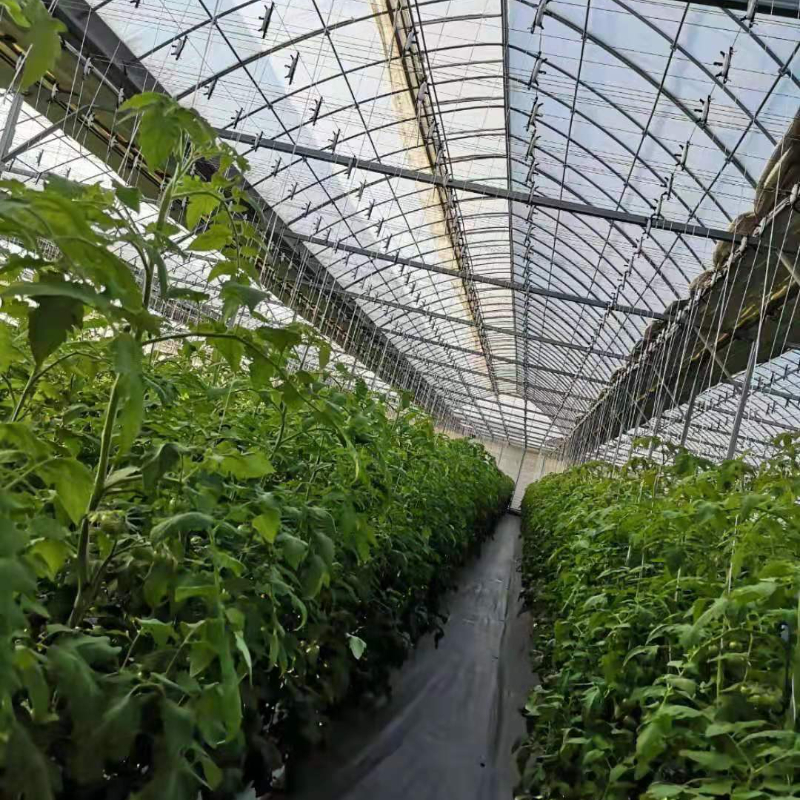
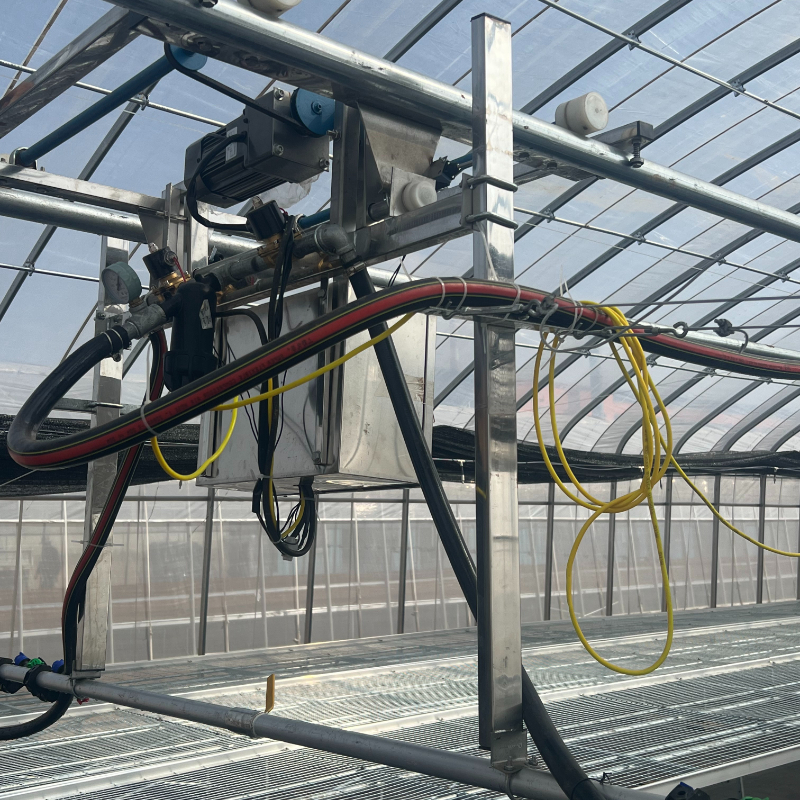
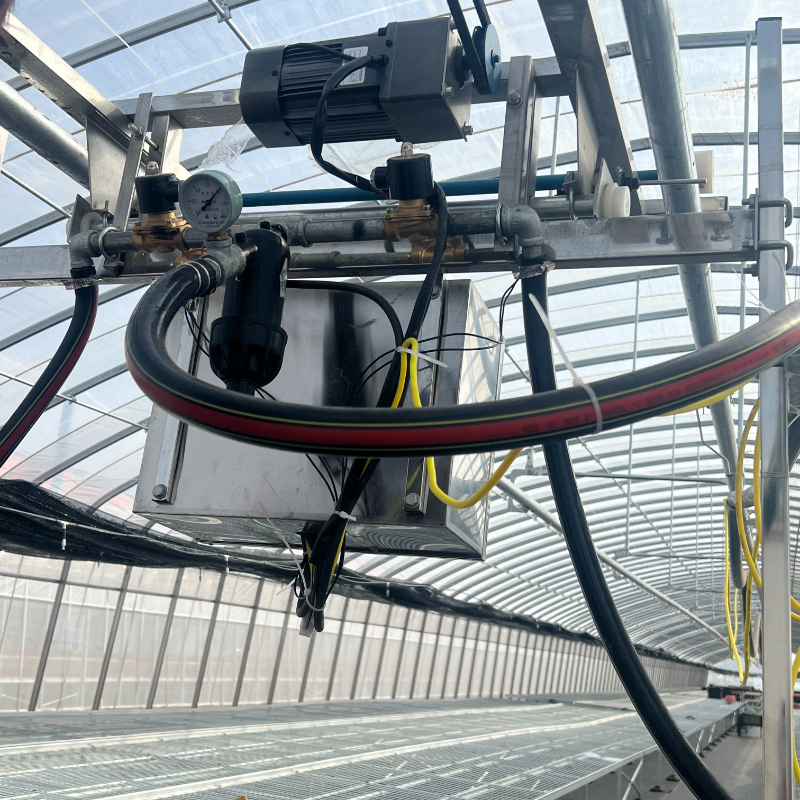
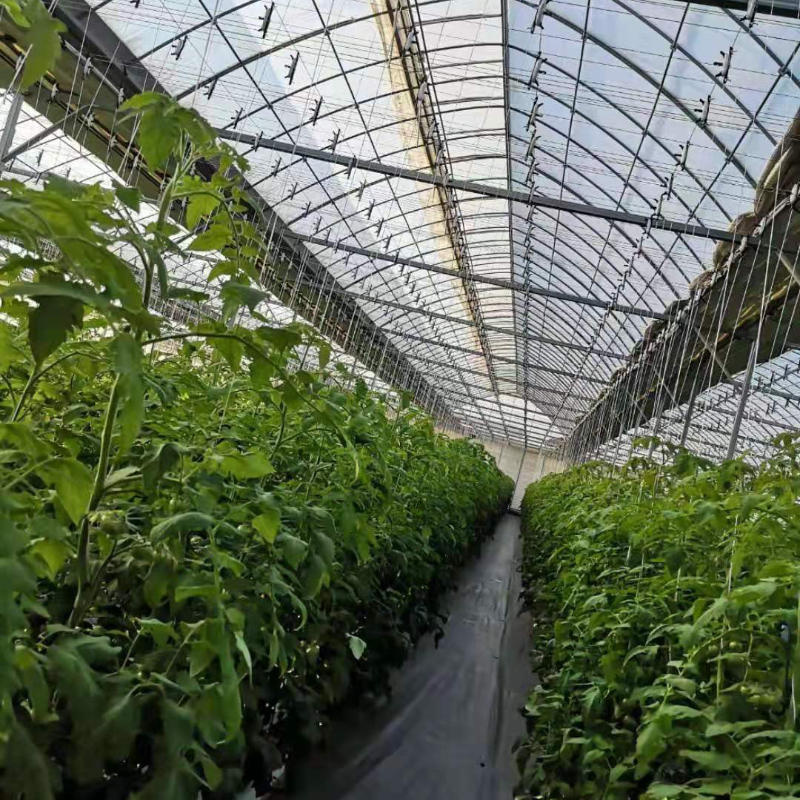
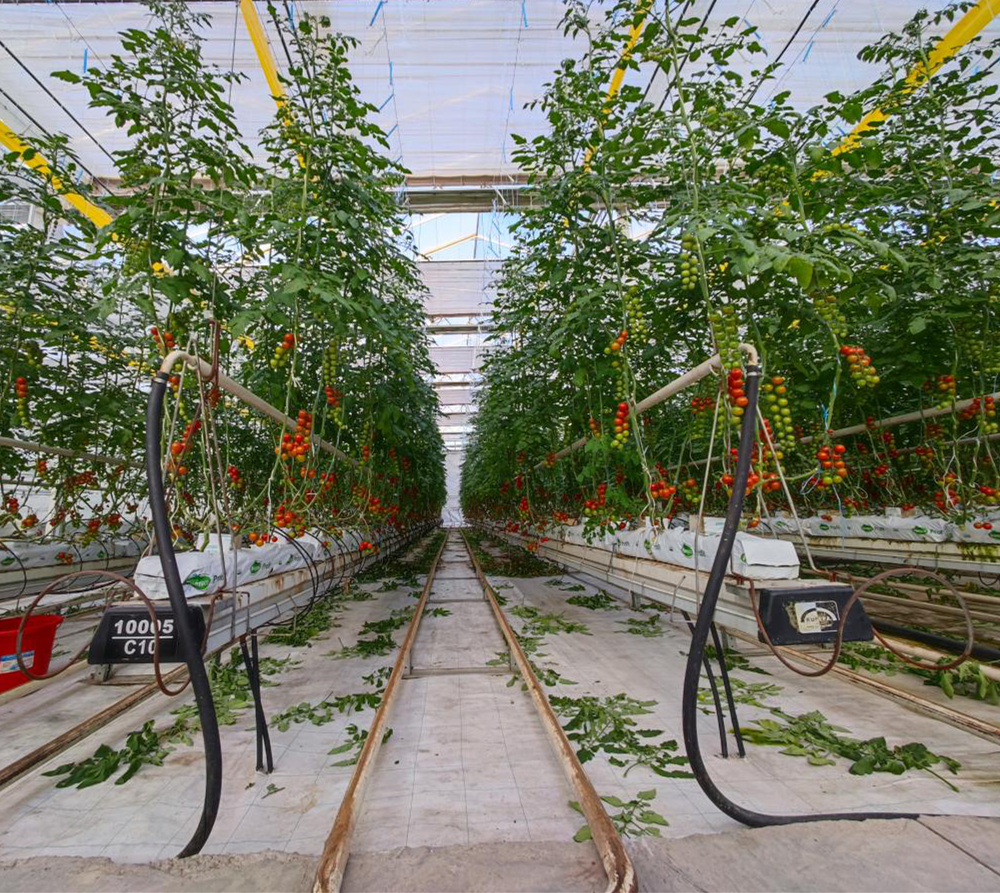
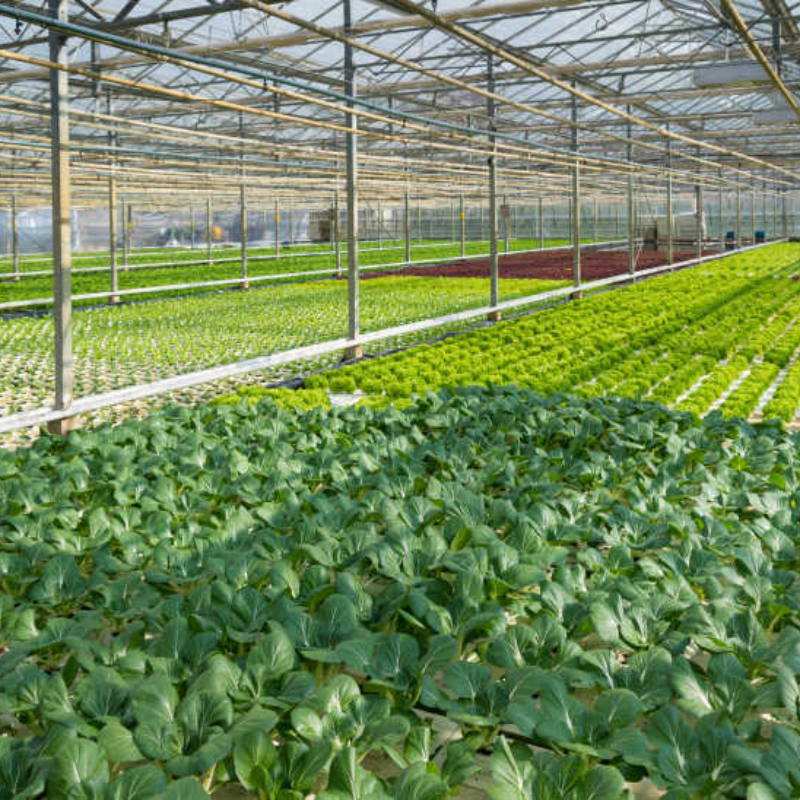
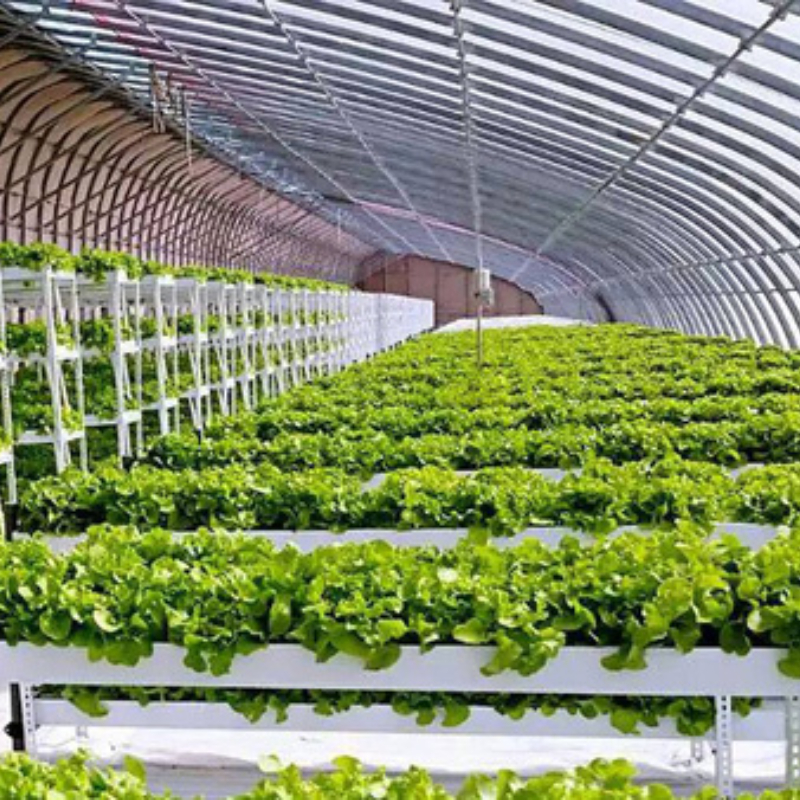
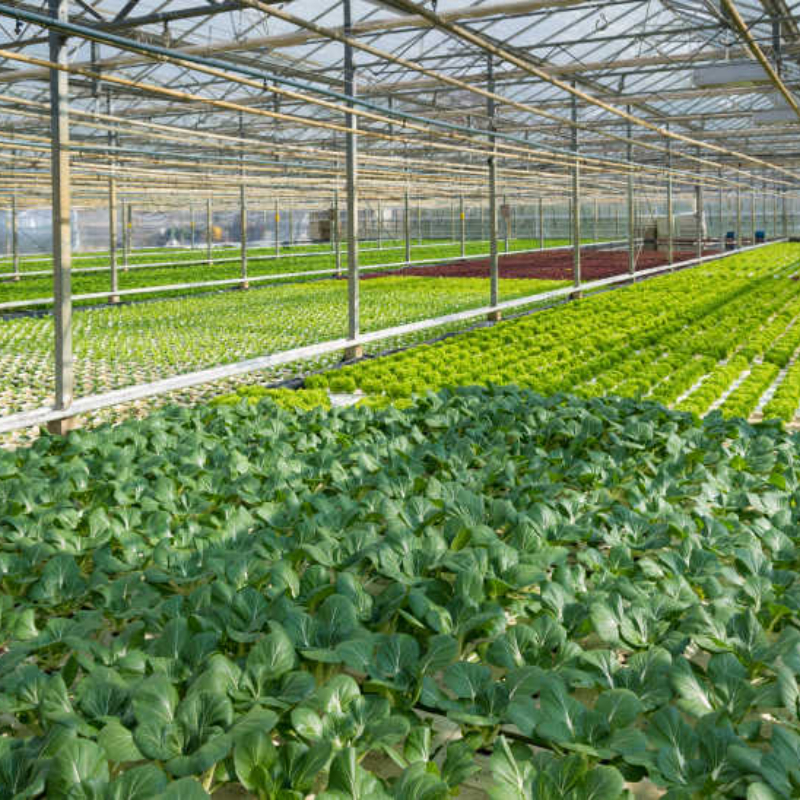
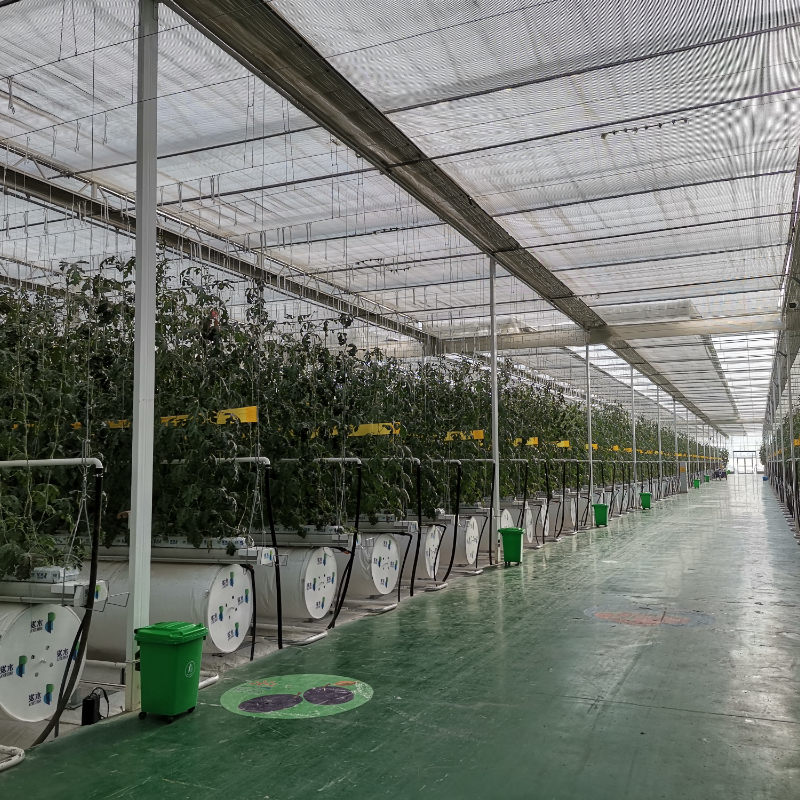
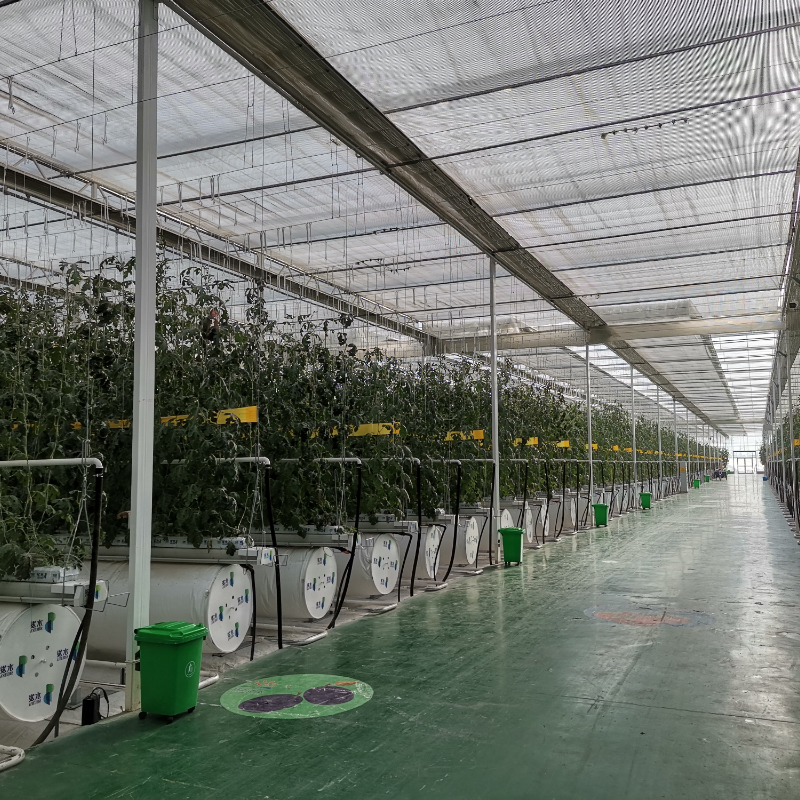
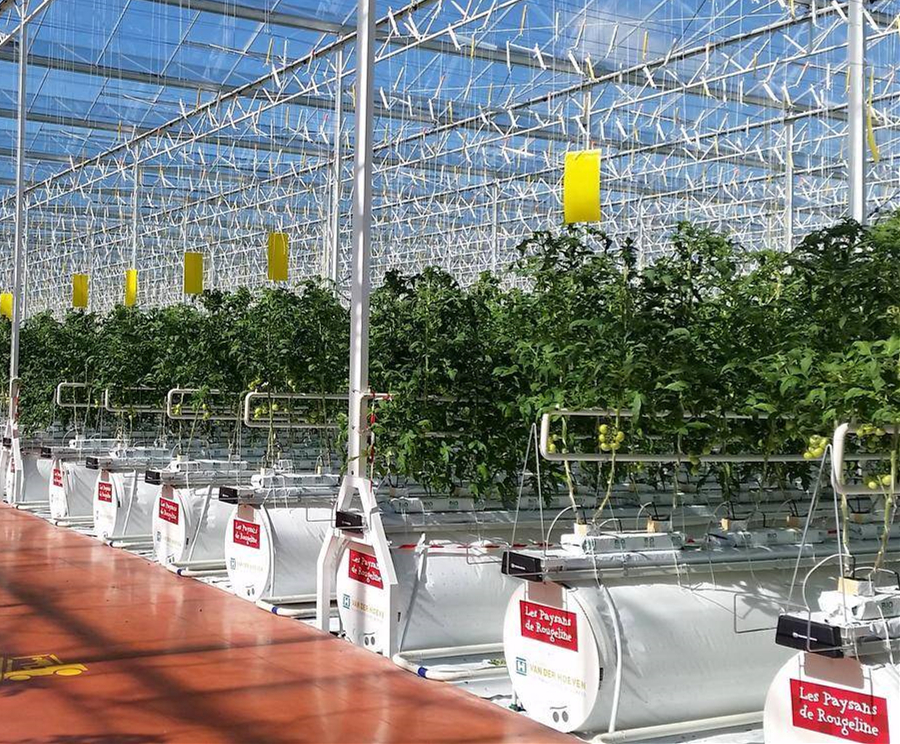
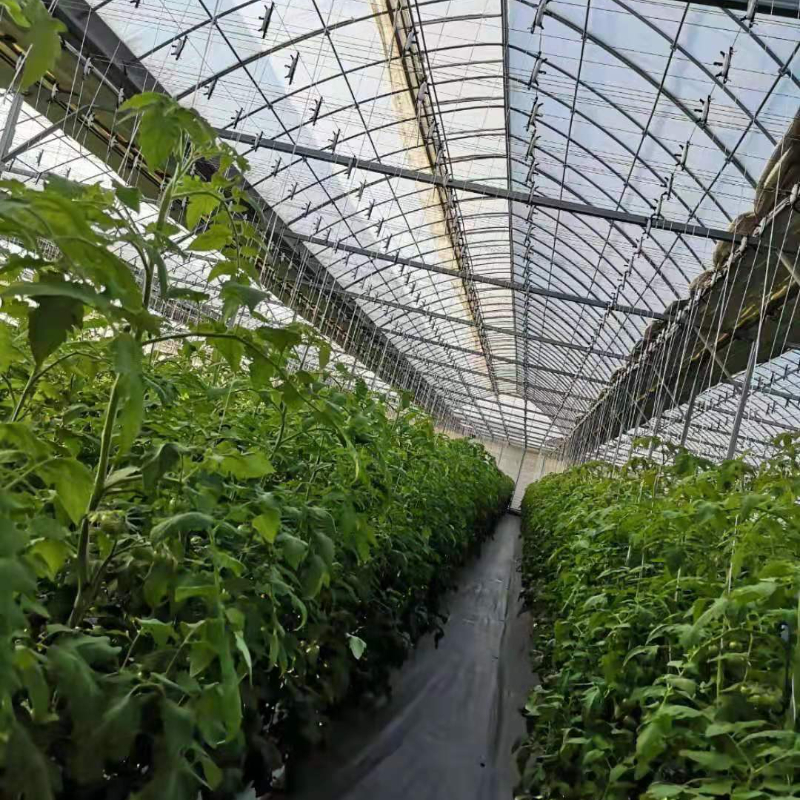
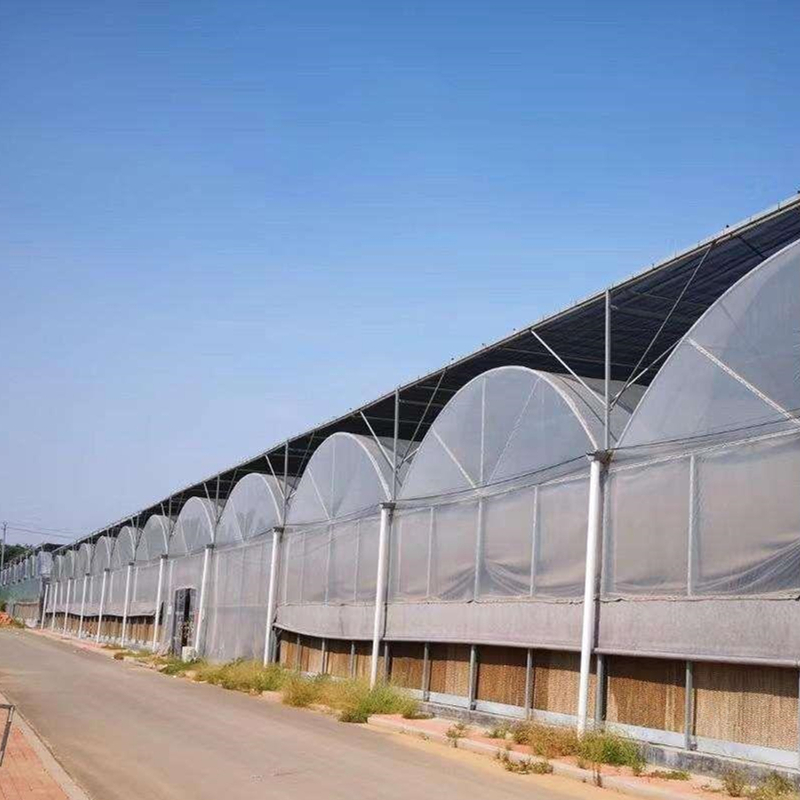
The precise and intelligent environmental control of intelligent greenhouses has been fully verified in practical applications. Taking a large-scale vegetable planting base in Shandong as an example, after the base transformed traditional greenhouses into intelligent greenhouses, the temperature and humidity in the greenhouses were controlled within the optimal range for vegetable growth, and the light intensity and carbon dioxide concentration were also adjusted in real time according to the growth needs of vegetables. As a result, the growth cycle of vegetables was shortened by 15-20%, the yield per mu increased by 30-40%, and the qualified rate of products reached more than 98%. Compared with traditional greenhouses, the quality of vegetables has also been significantly improved, with brighter color, better taste and higher nutritional value. This fully shows that the precise environmental control capability of intelligent greenhouses can effectively promote the growth and development of crops, improve yield and quality, and bring greater economic benefits to growers.
