
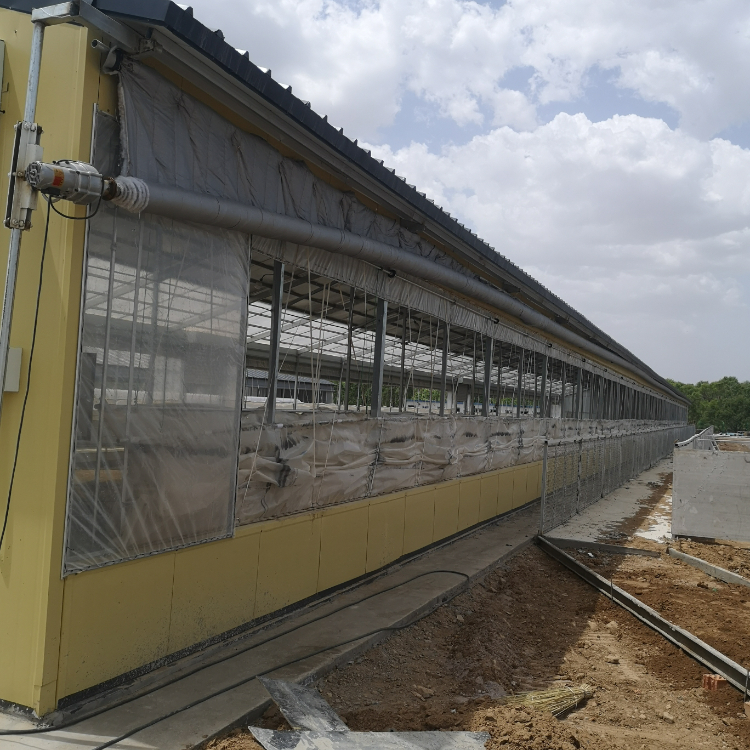
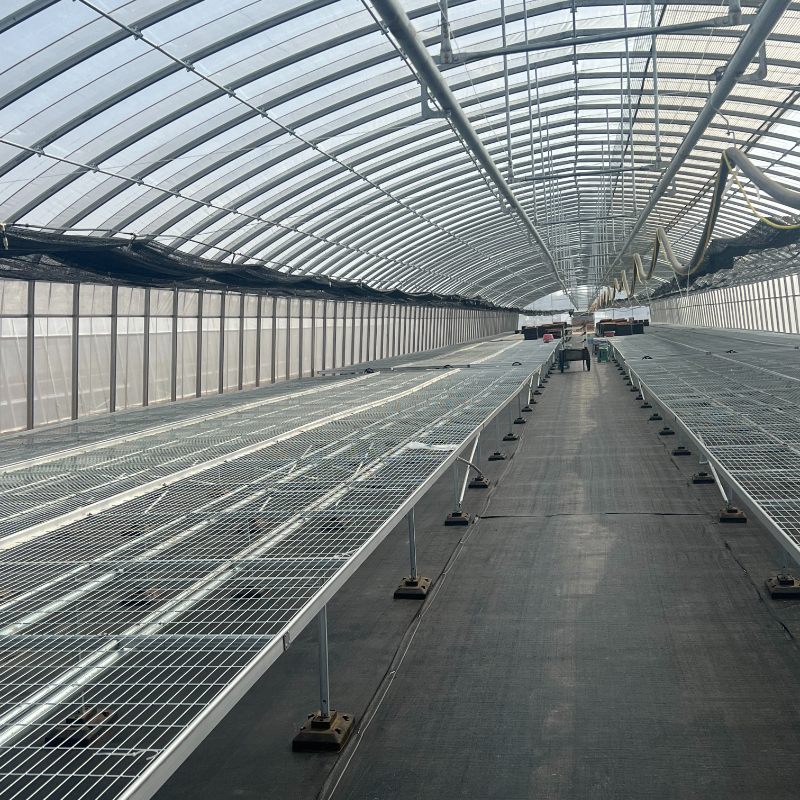
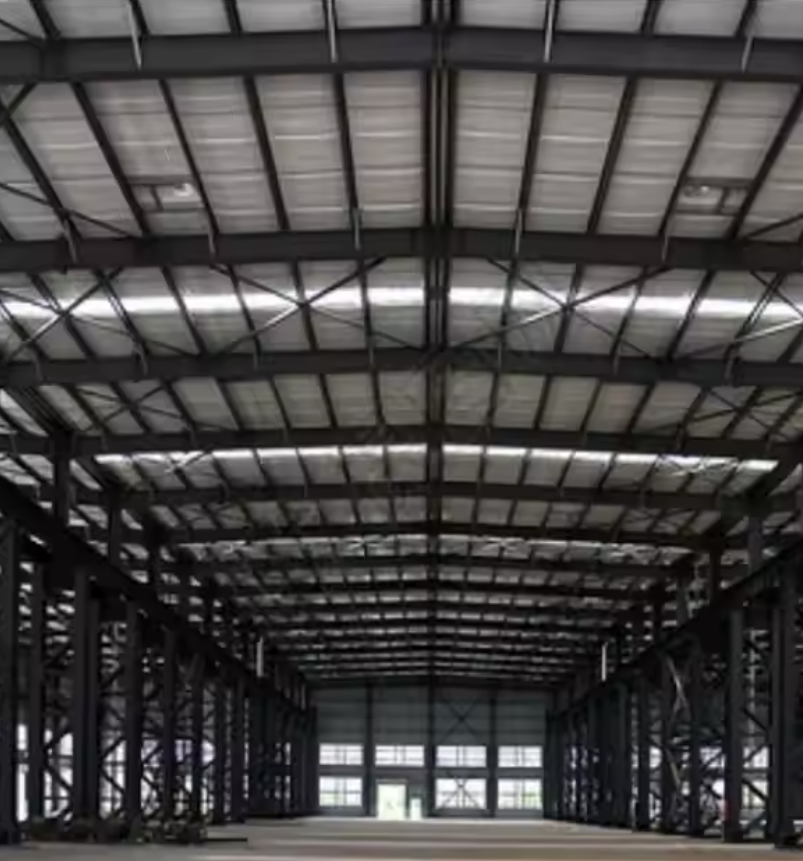
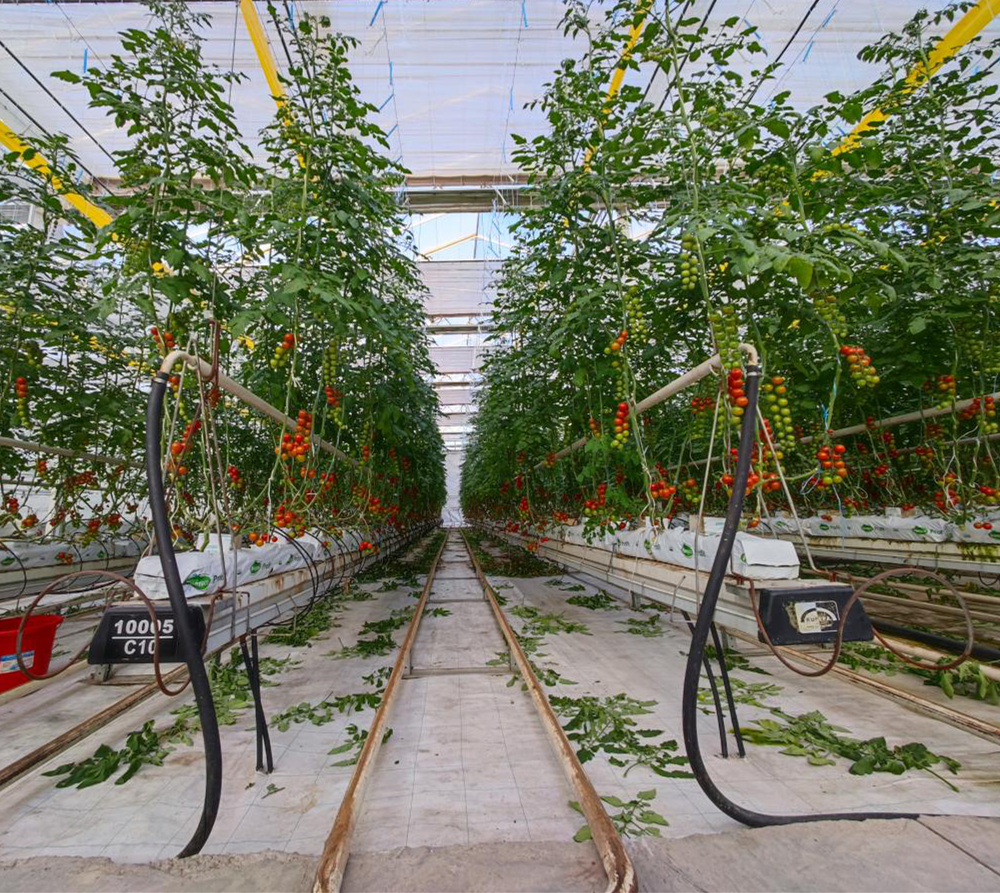
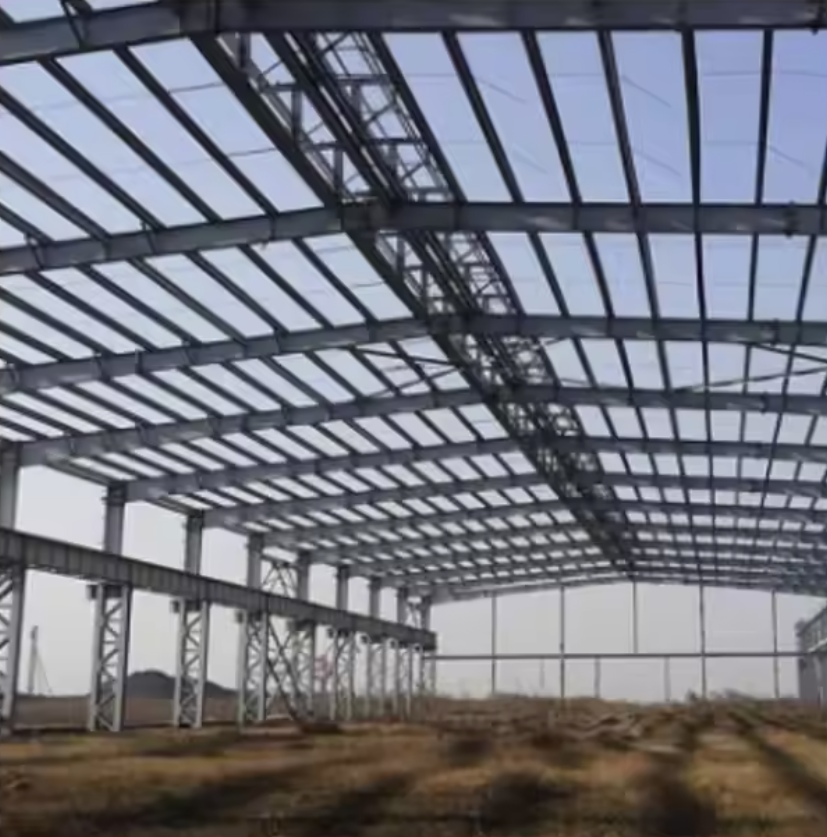
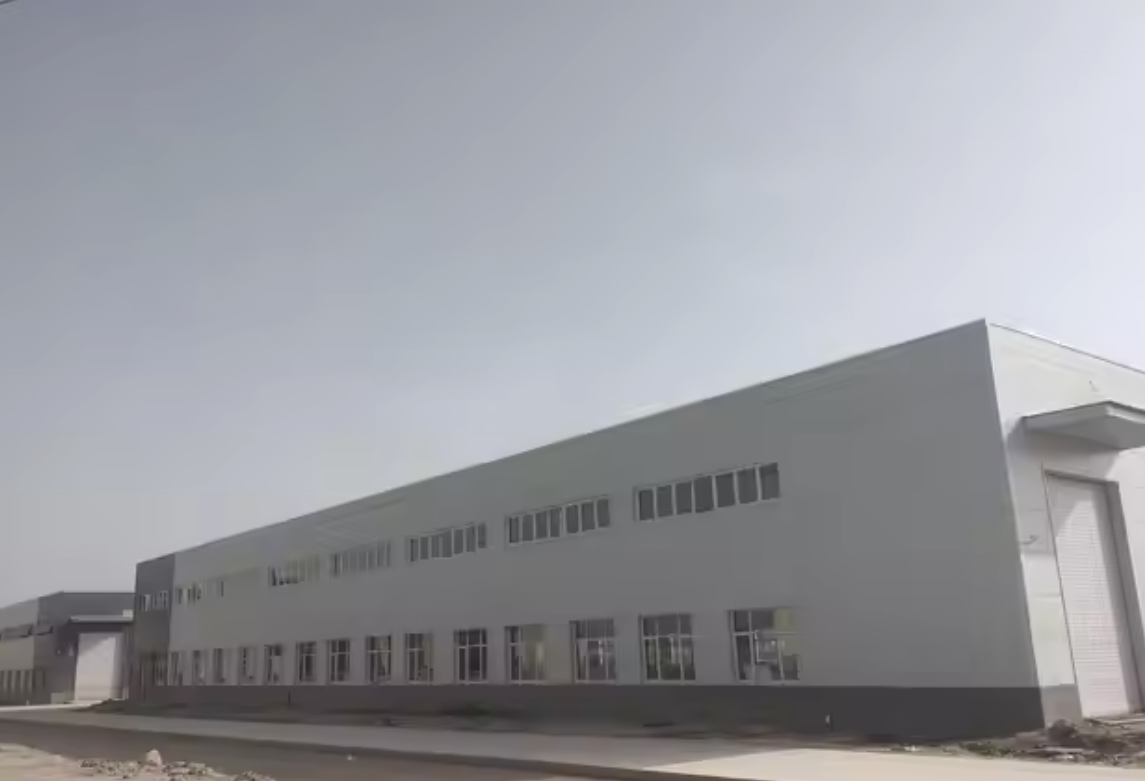
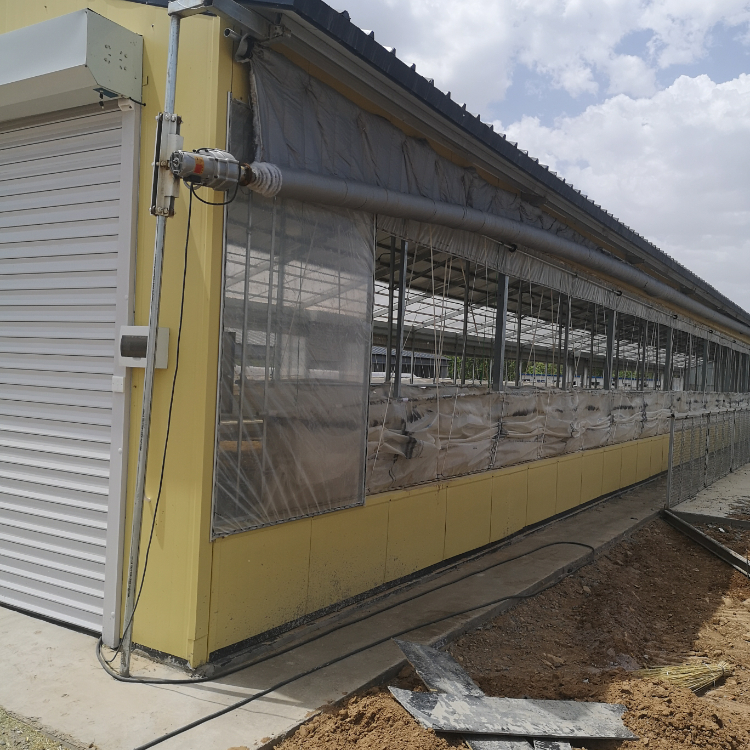
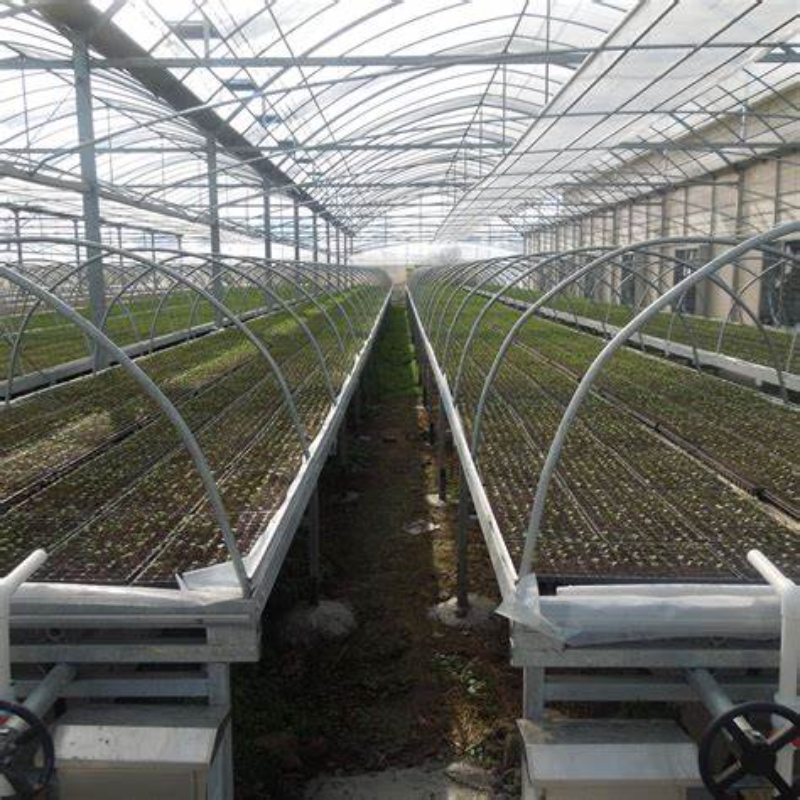
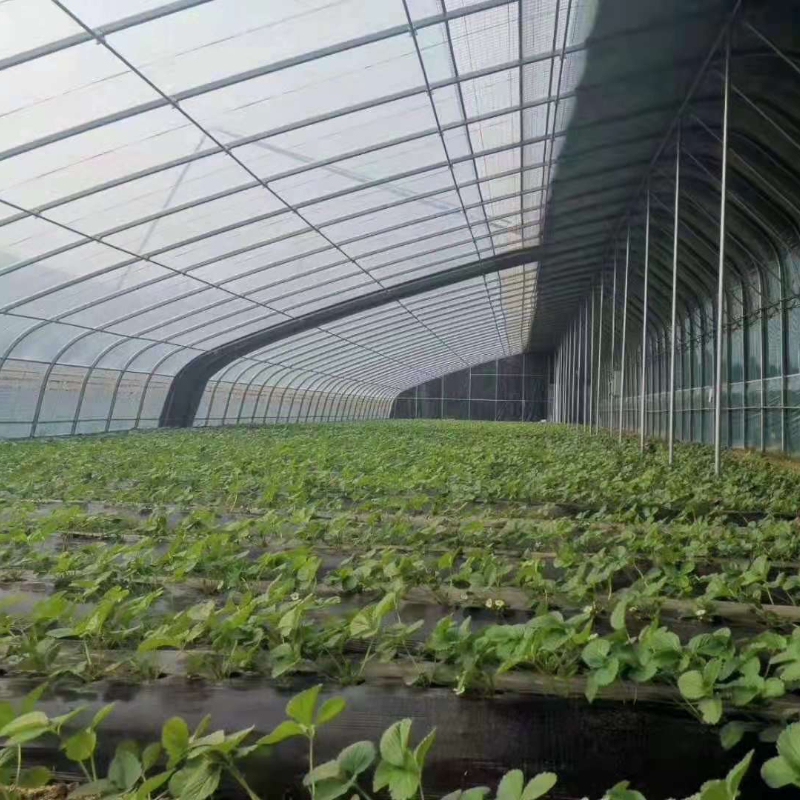
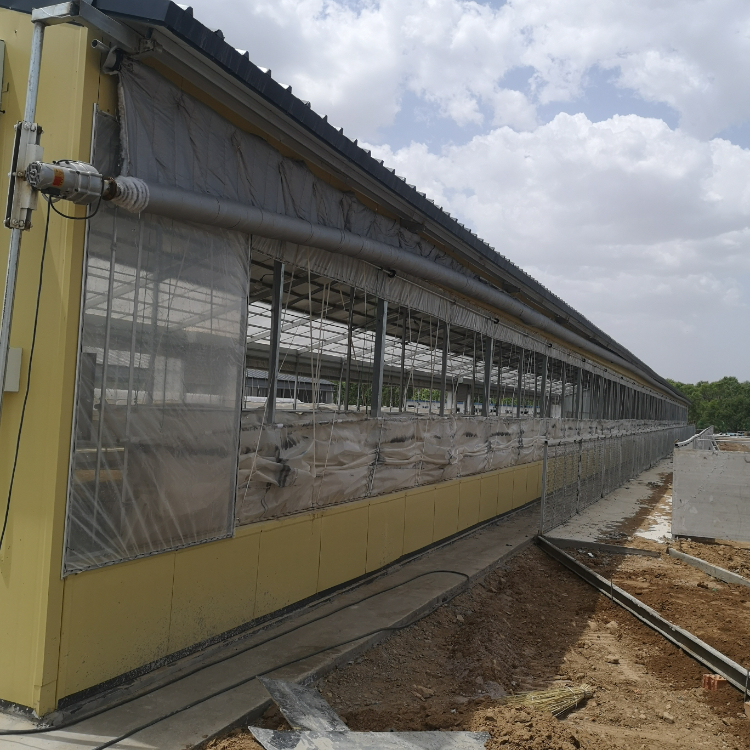
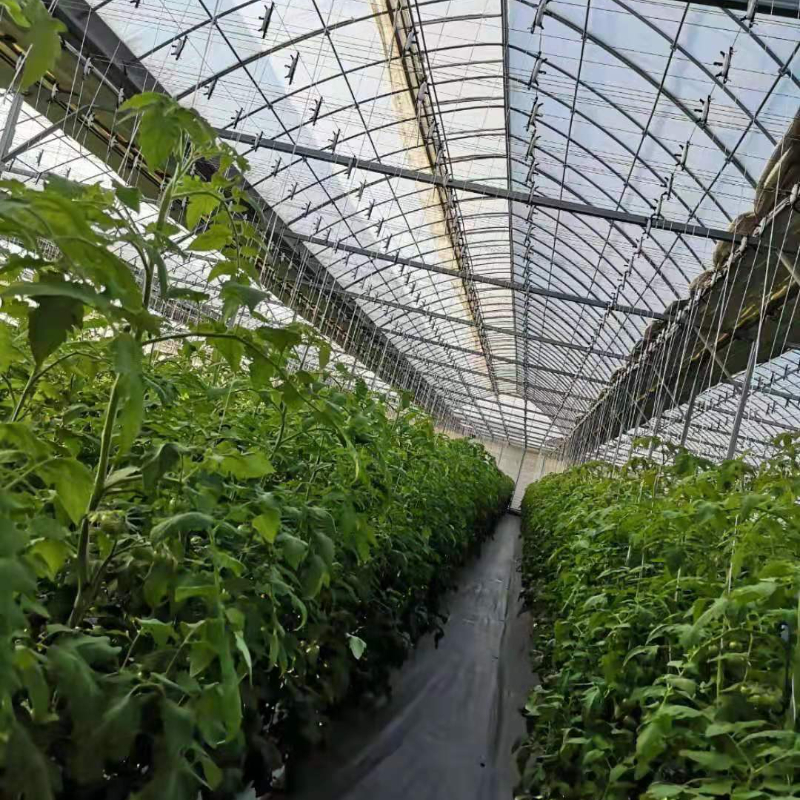
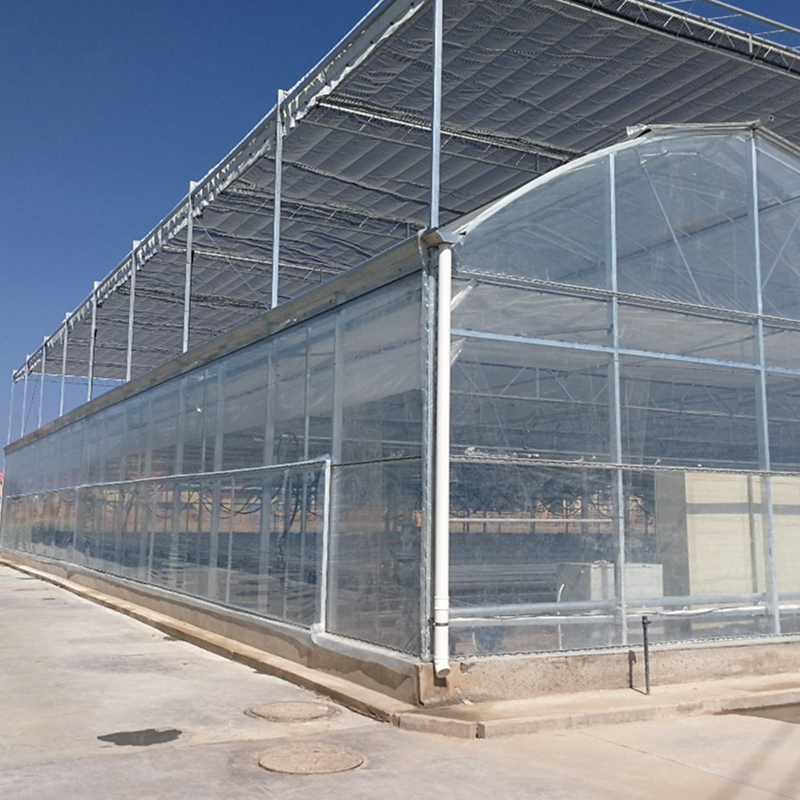
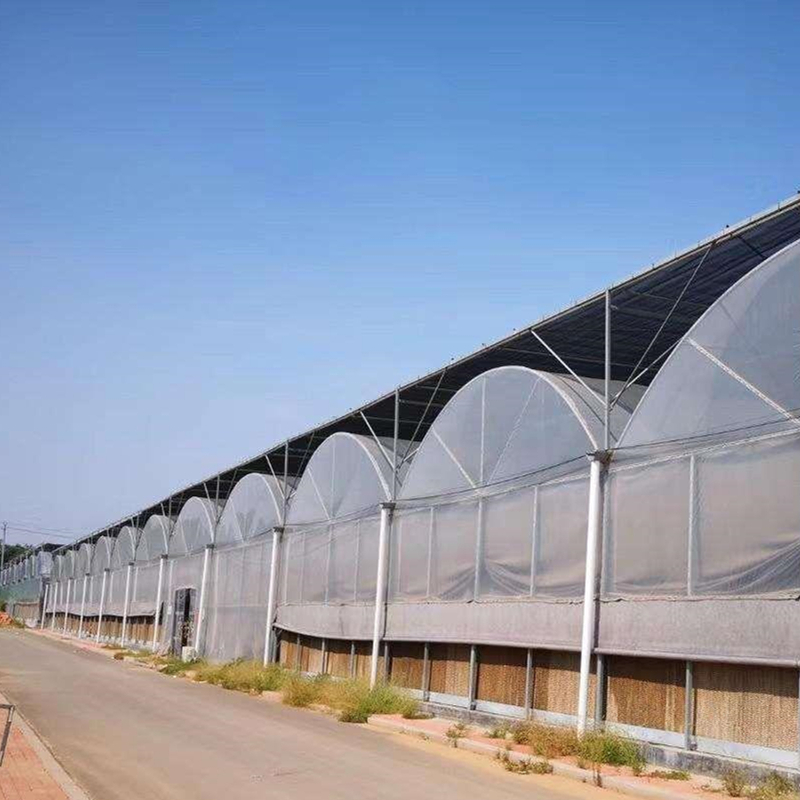
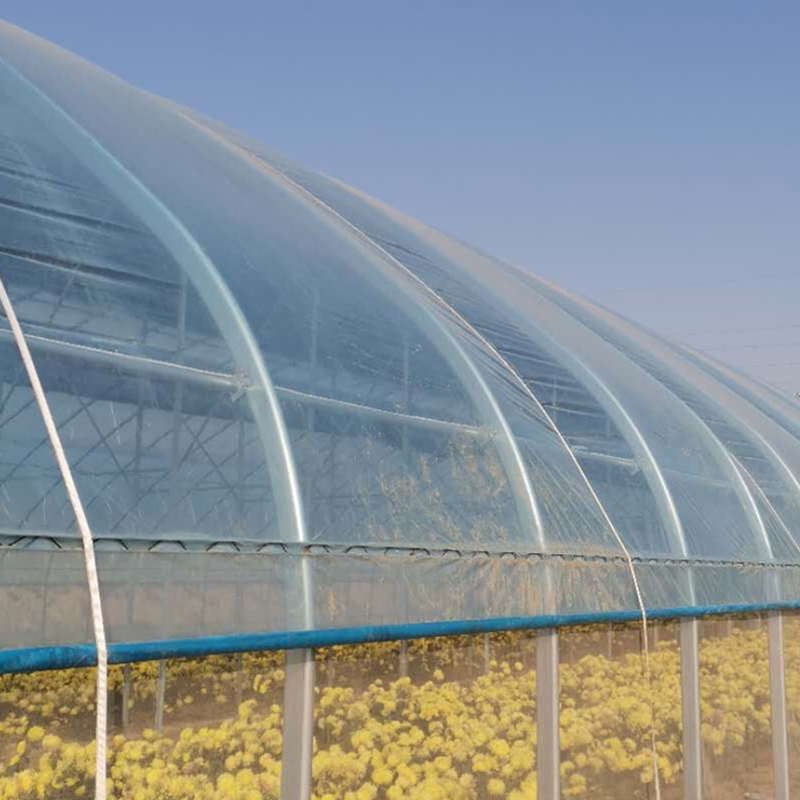
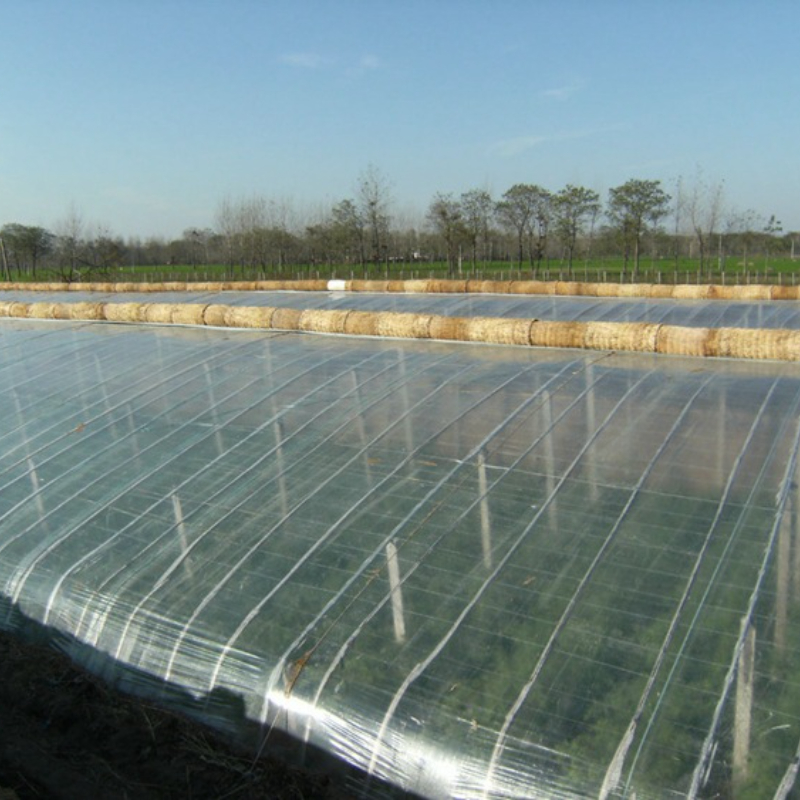
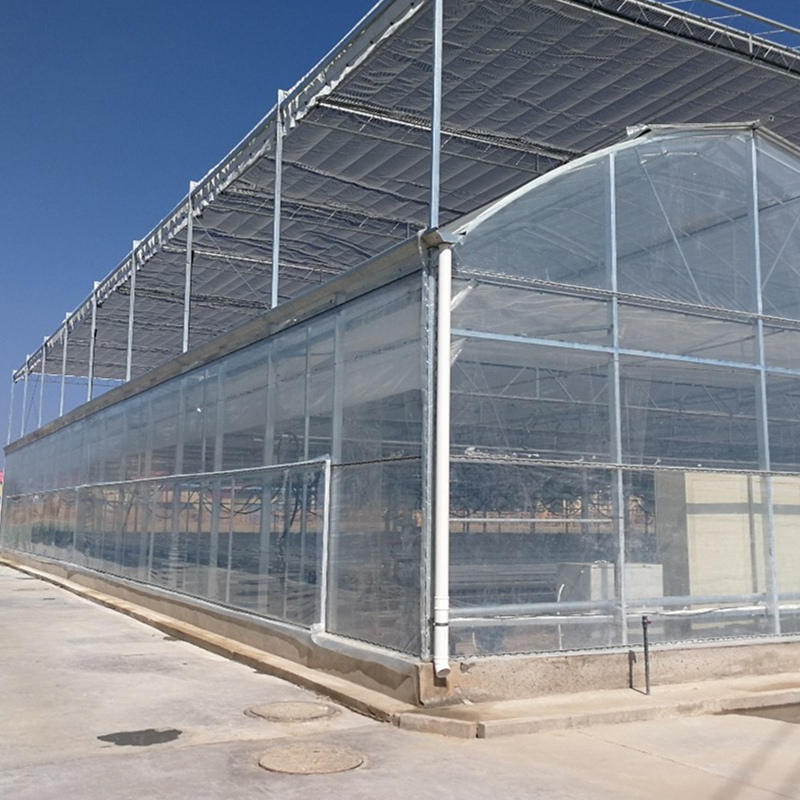
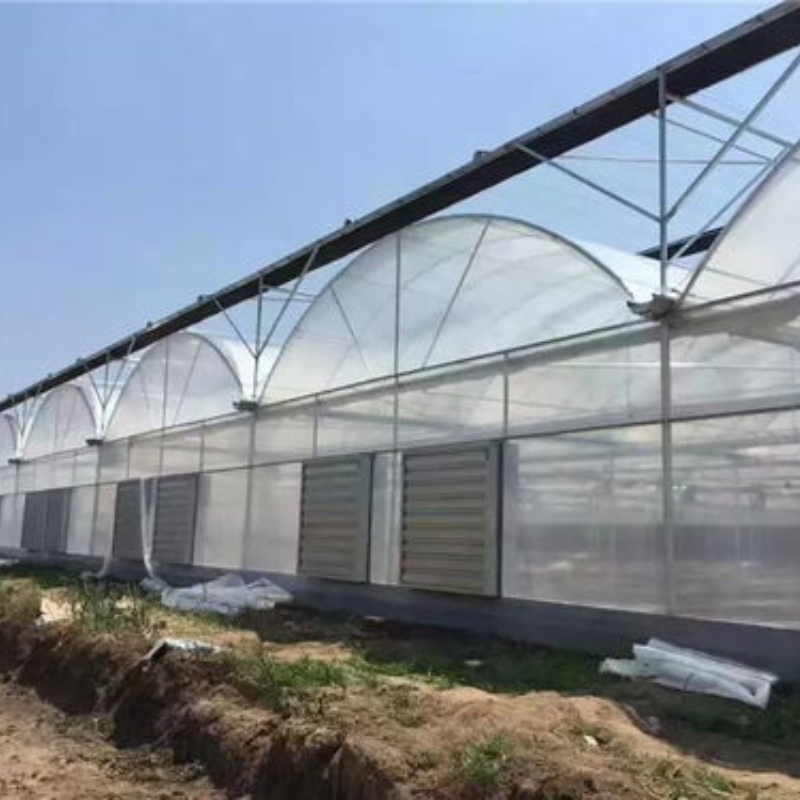
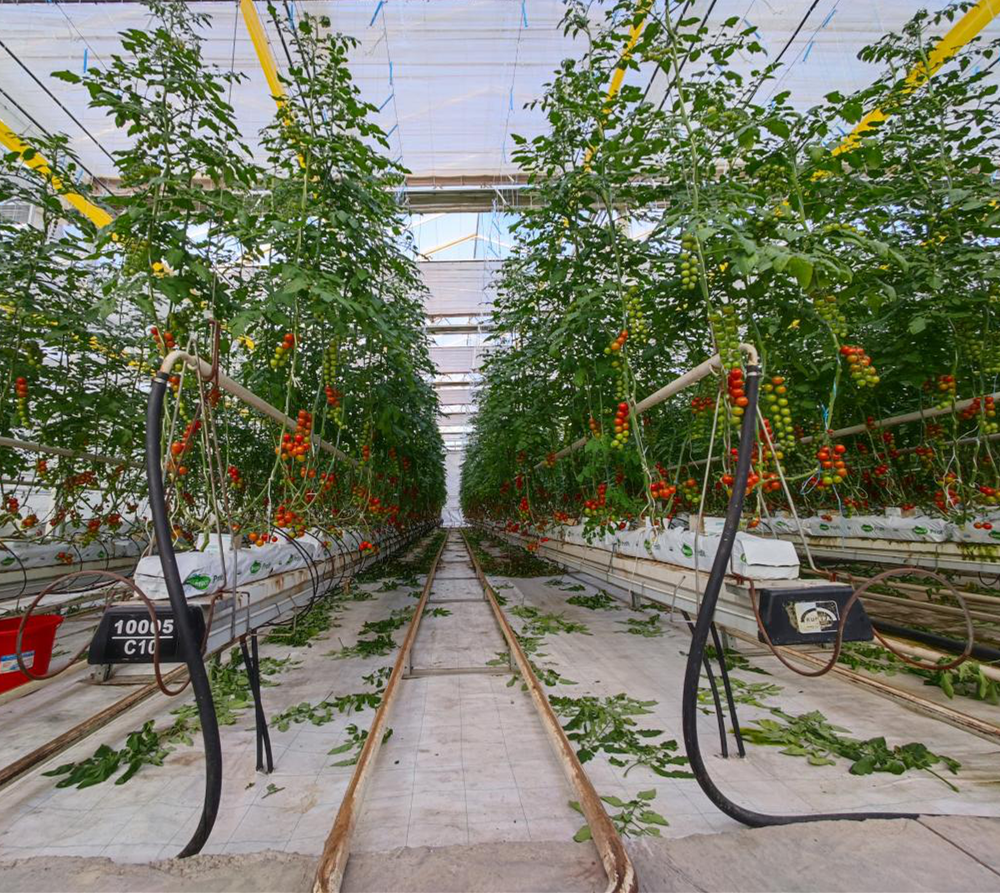
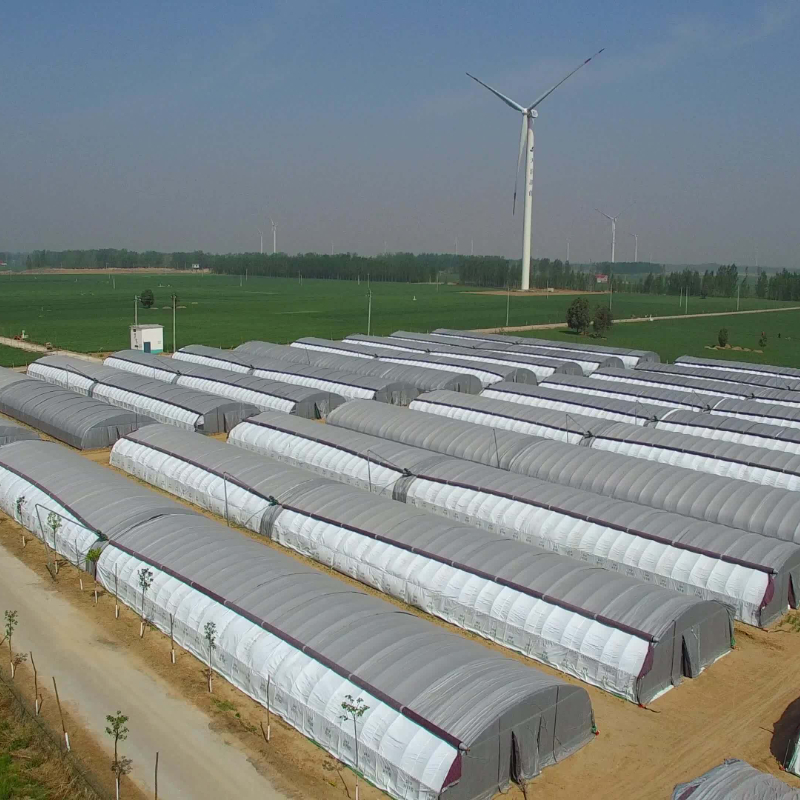
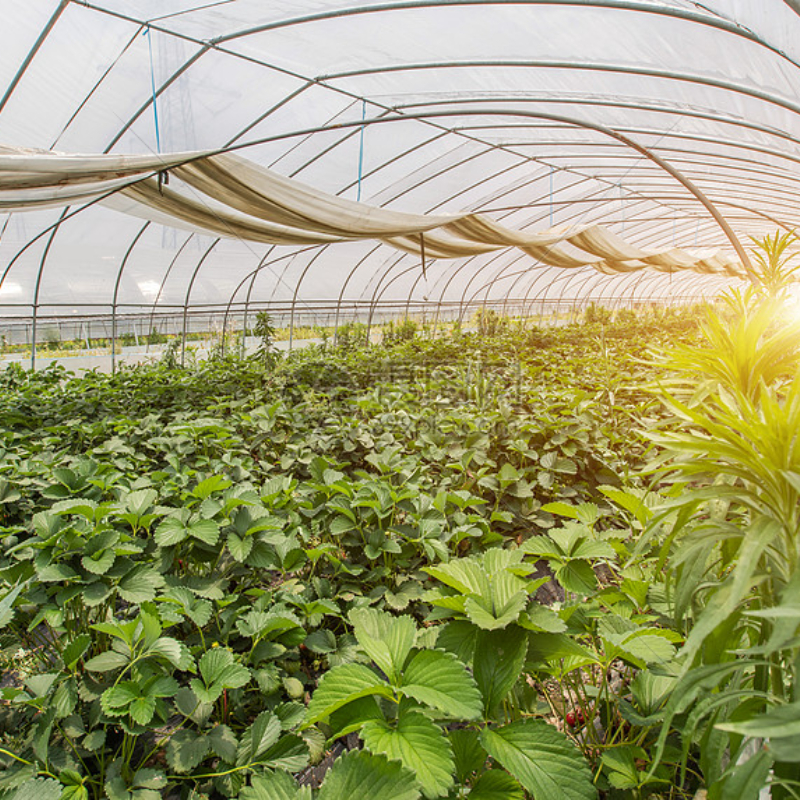
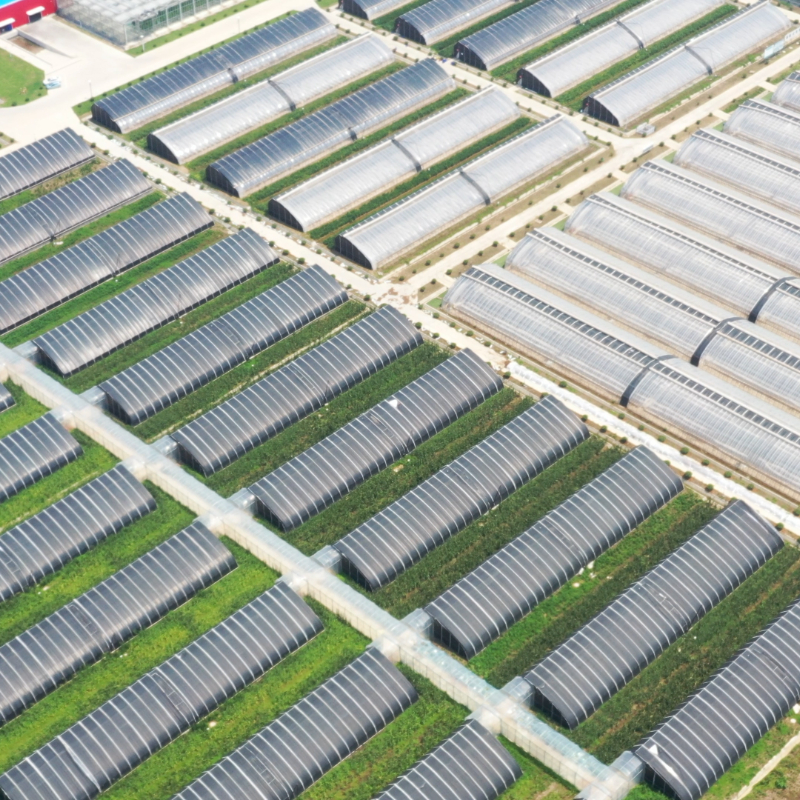
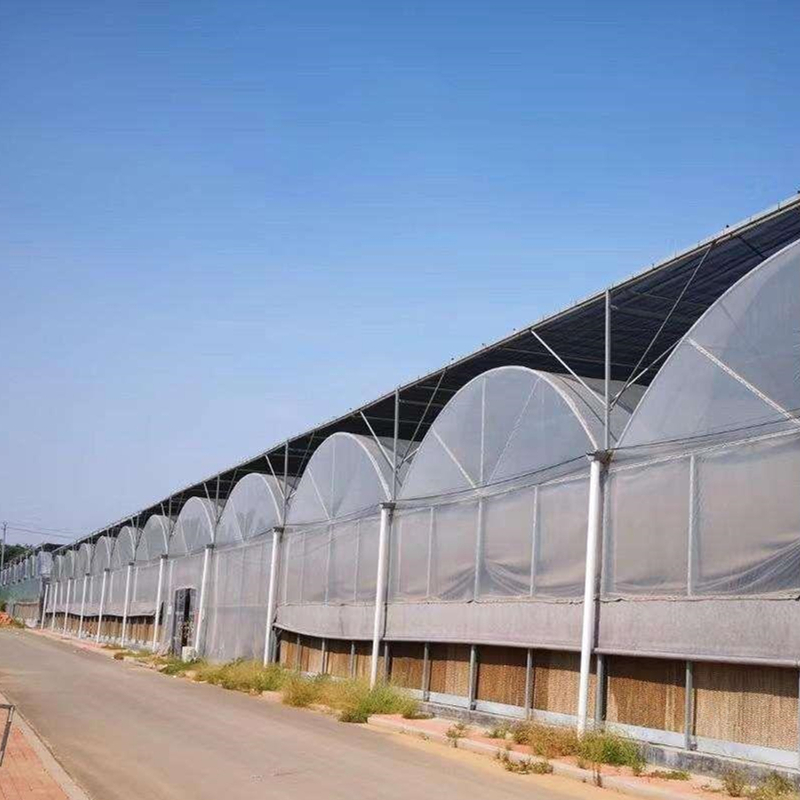
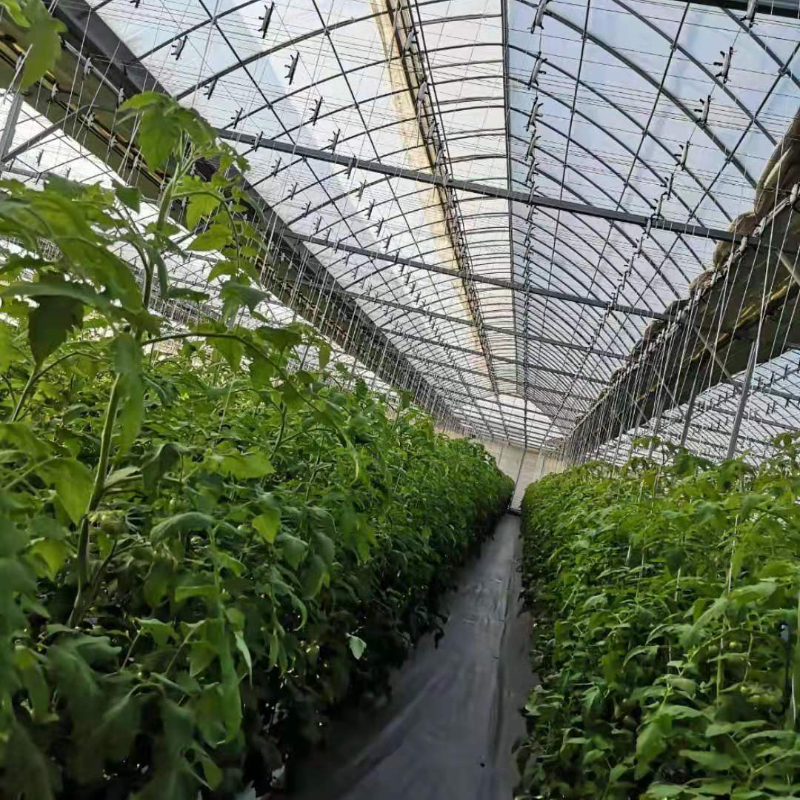
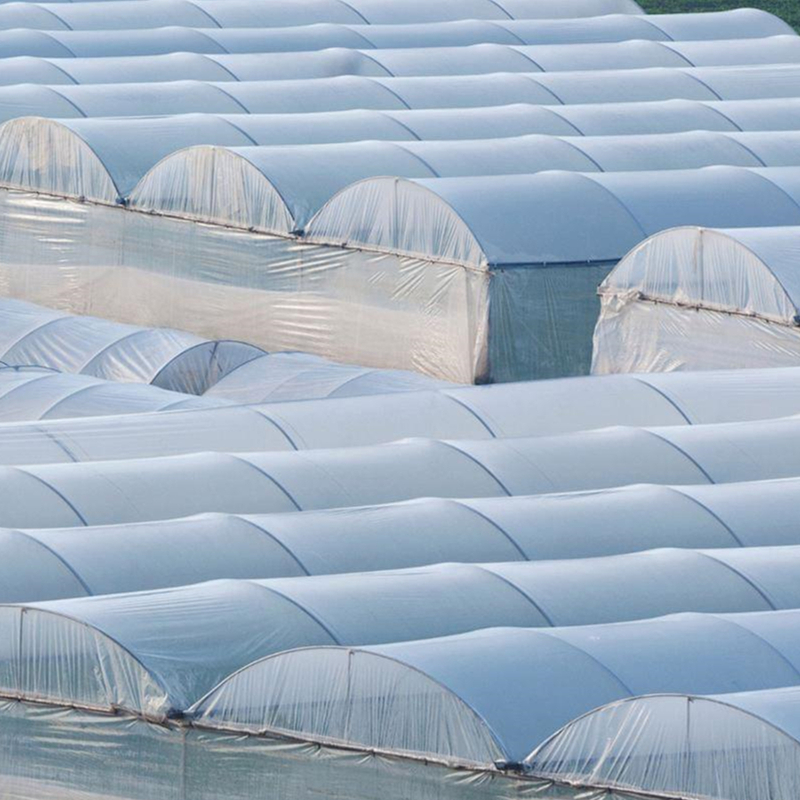
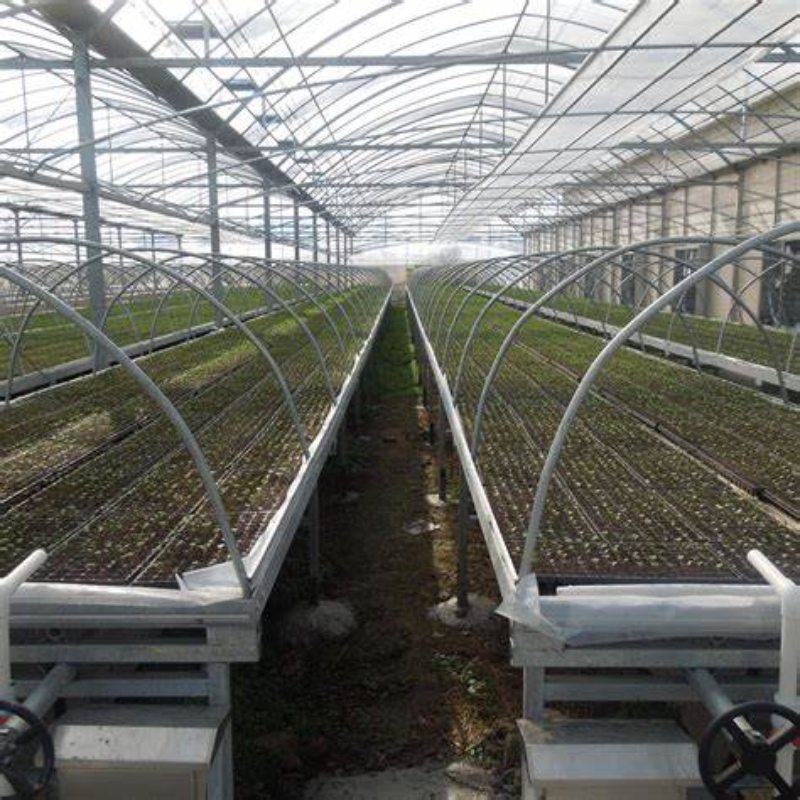
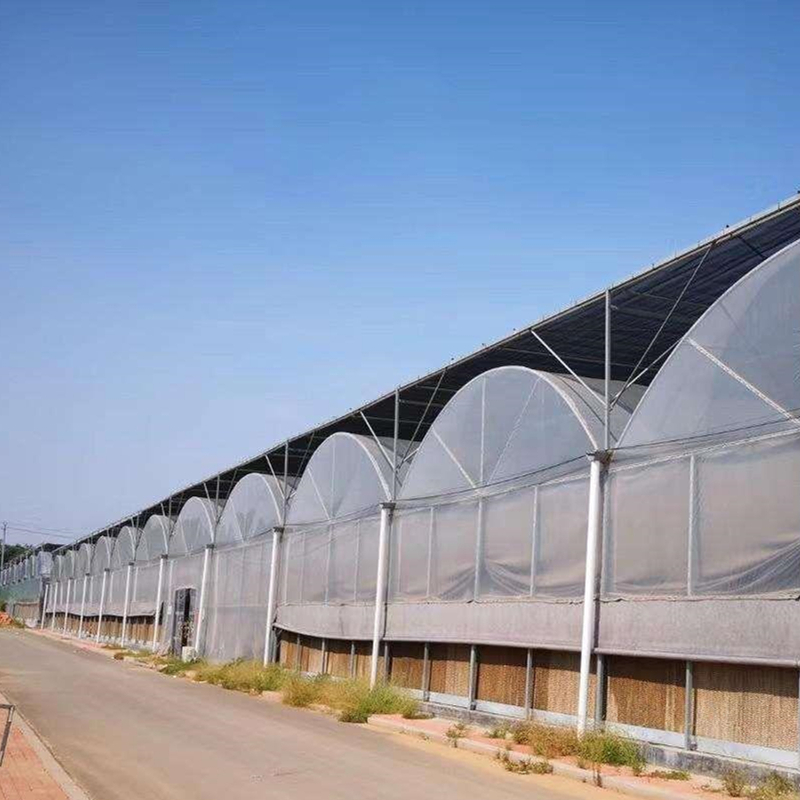
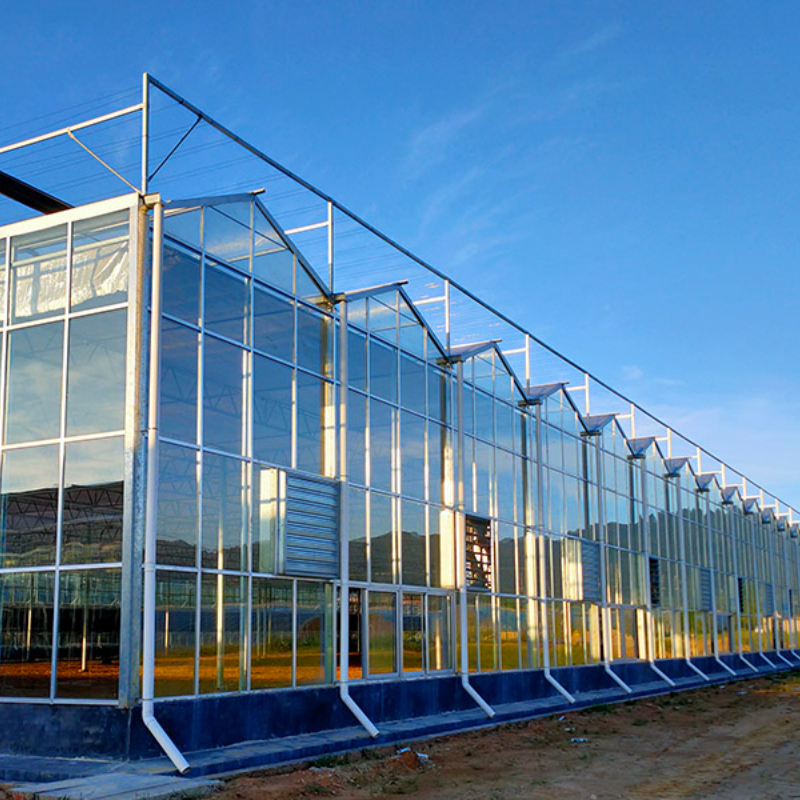
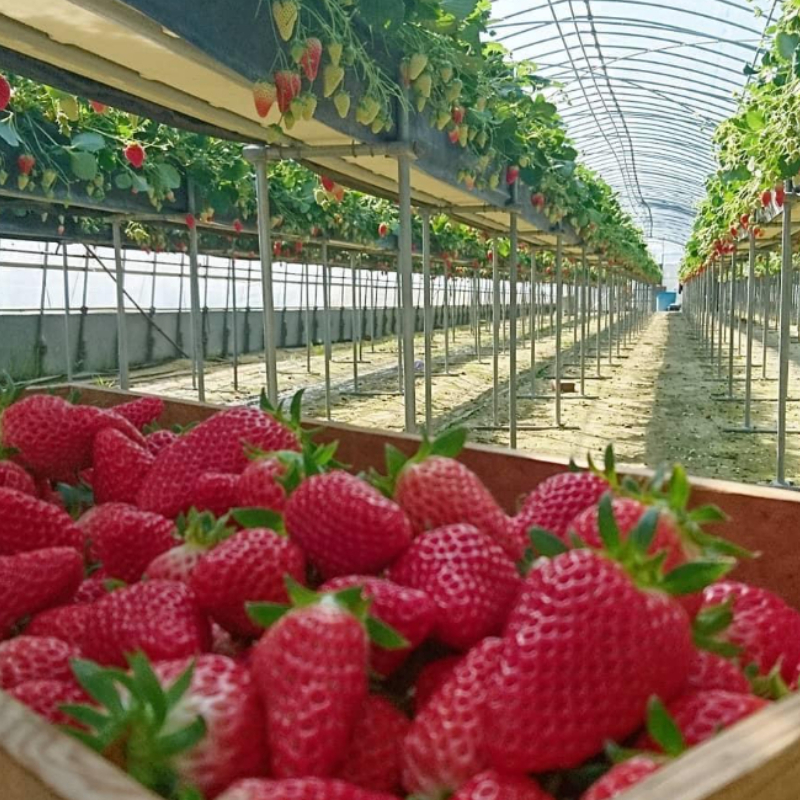
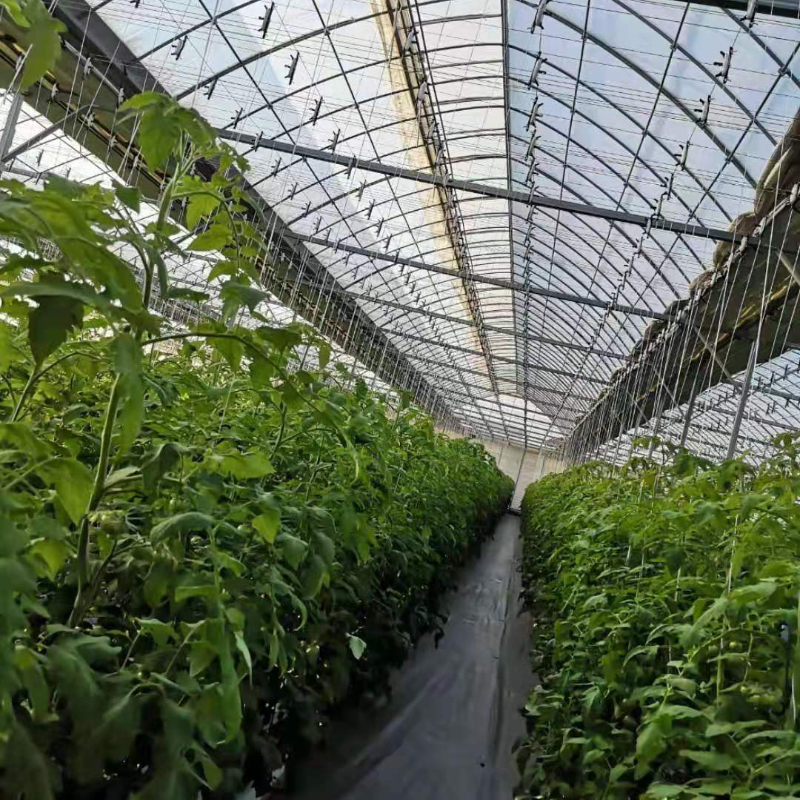
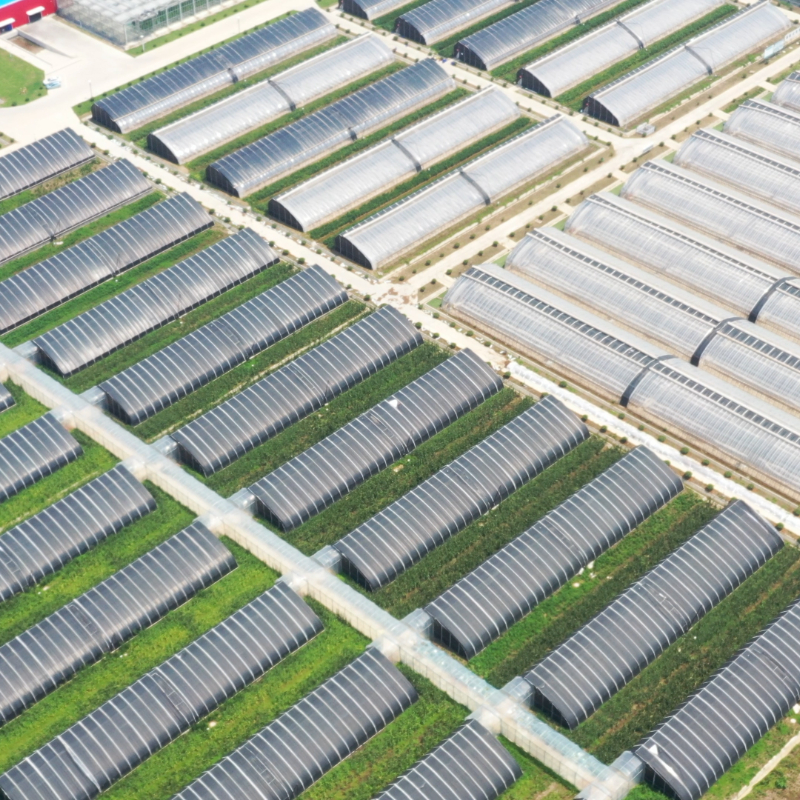
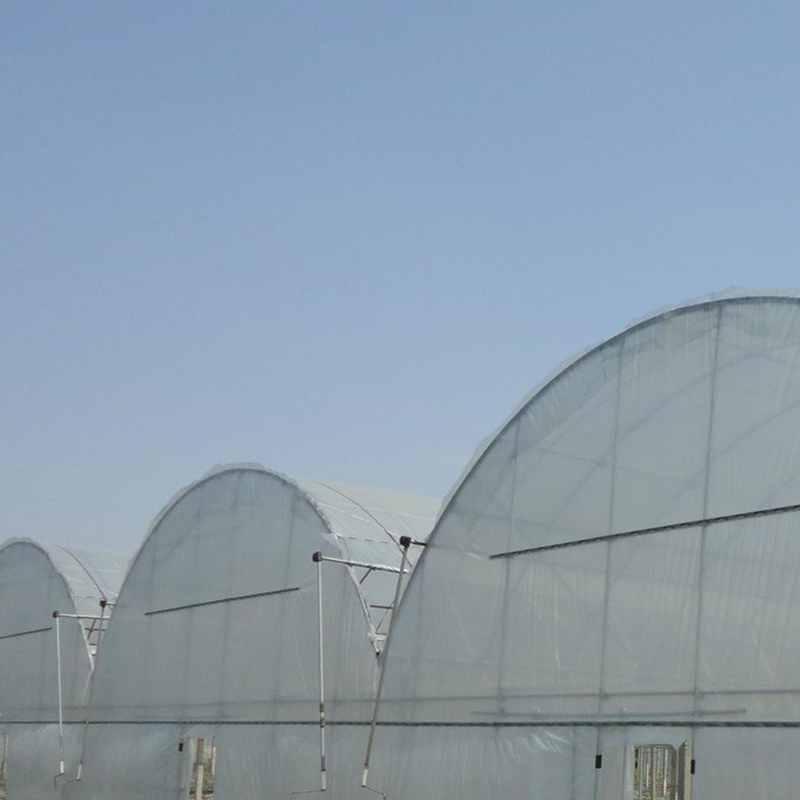
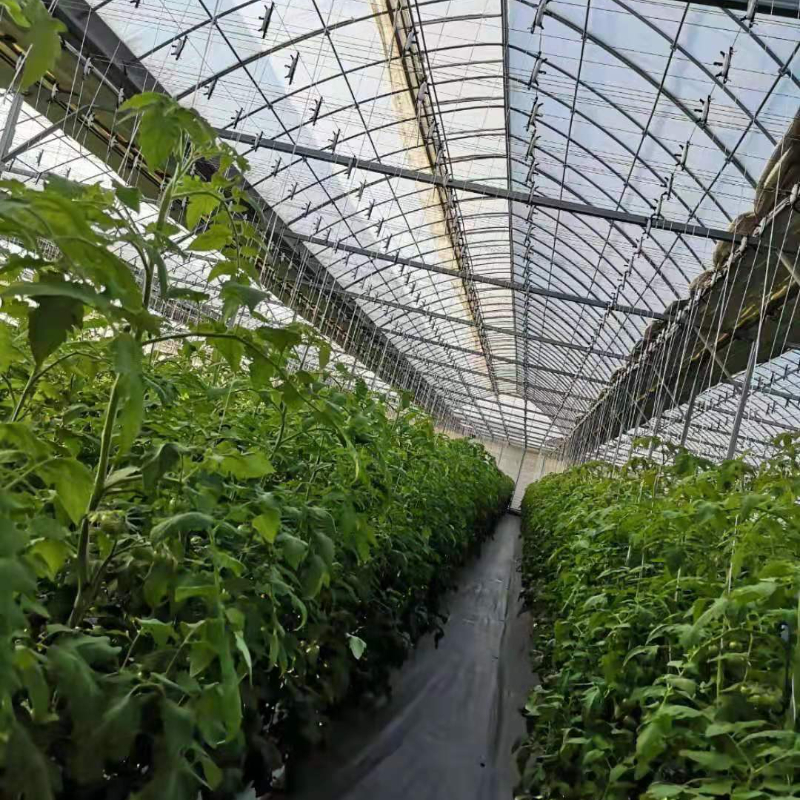
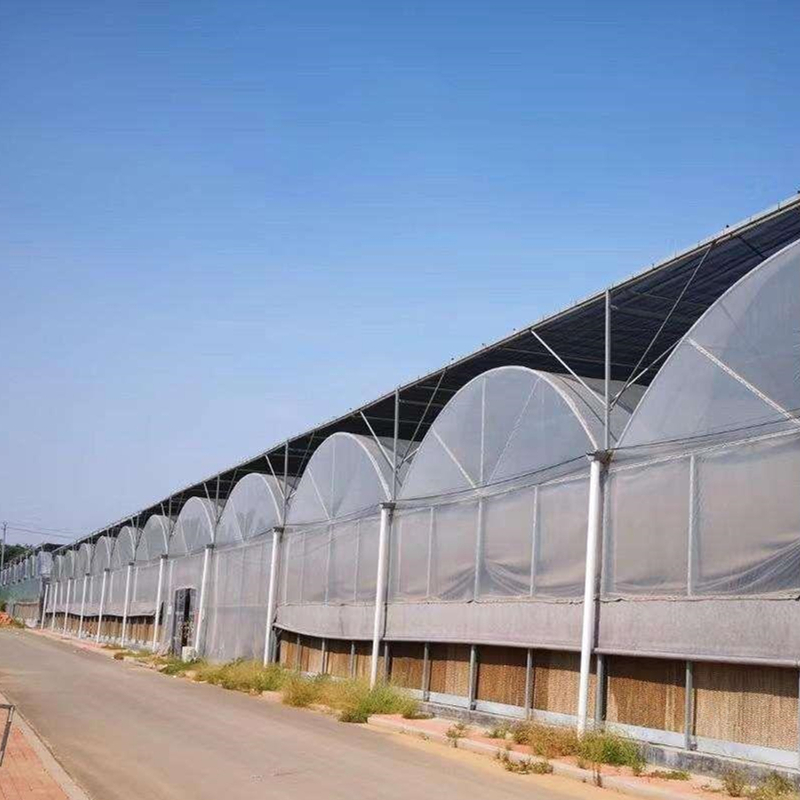
Against the backdrop of global food security challenges and regional environmental constraints, Saudi Arabia has placed agricultural modernization and self-sufficiency at the core of its national development strategy, as outlined in Saudi Vision 2030. The country’s arid climate—characterized by annual rainfall of less than 100 millimeters, summer temperatures exceeding 45°C, and high evaporation rates—has long made sustainable crop cultivation a daunting task, forcing Saudi Arabia to rely heavily on food imports to meet domestic demand. However, the ongoing construction of iHavos’ unmanned smart greenhouses at Ghat Farm is set to rewrite this narrative. More than just a technological innovation in agriculture, this project is a strategic alignment with Saudi Arabia’s goals of reducing import dependency, conserving scarce water resources, and building a resilient agricultural ecosystem.
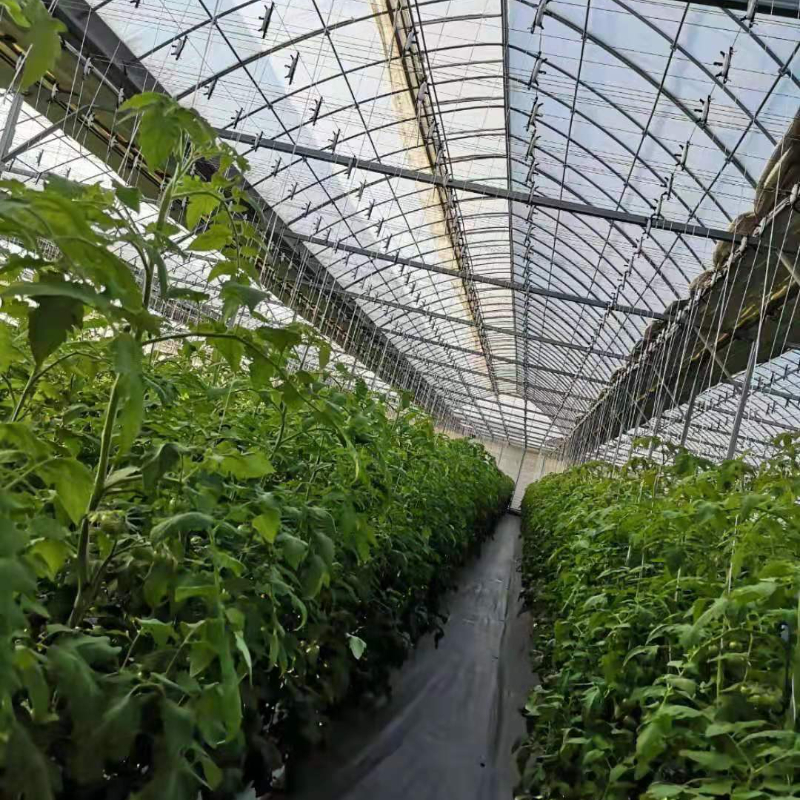
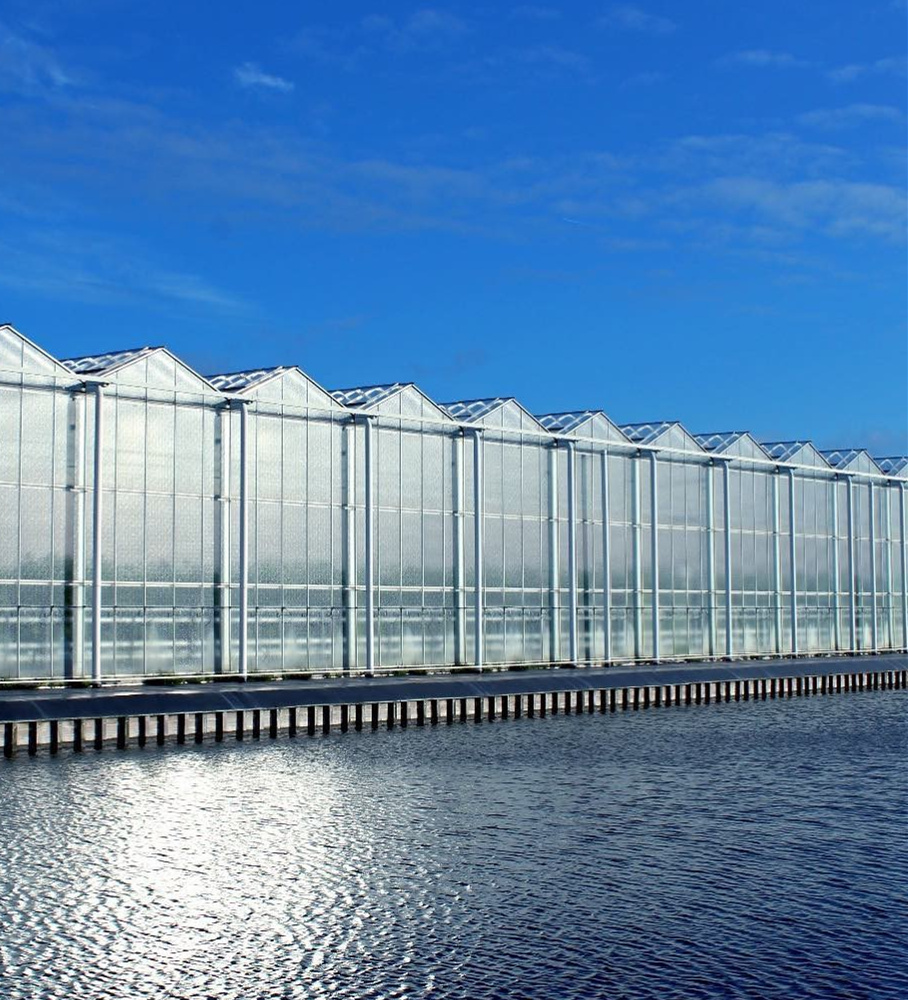
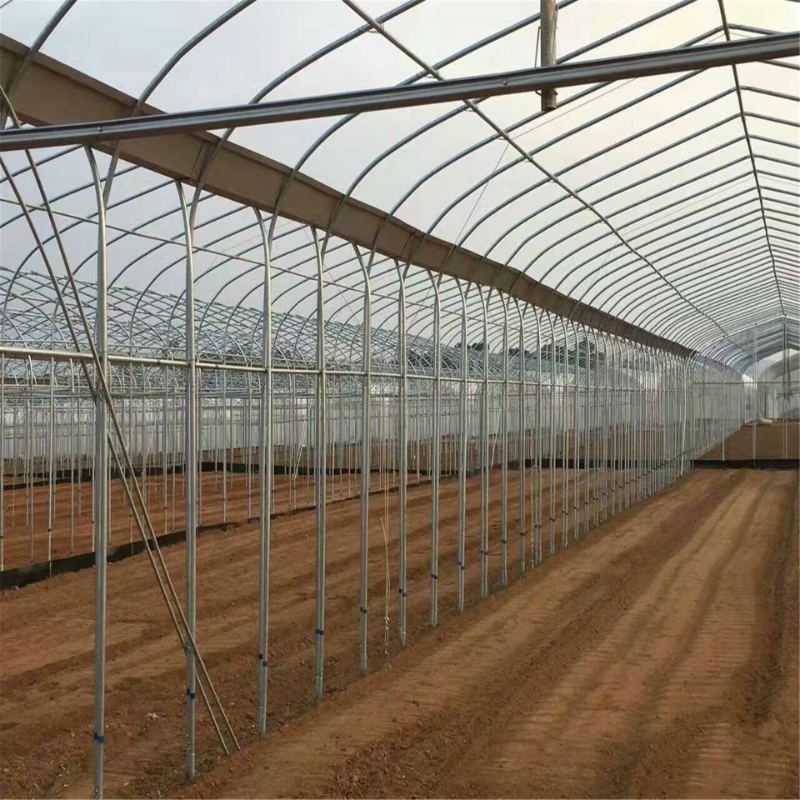
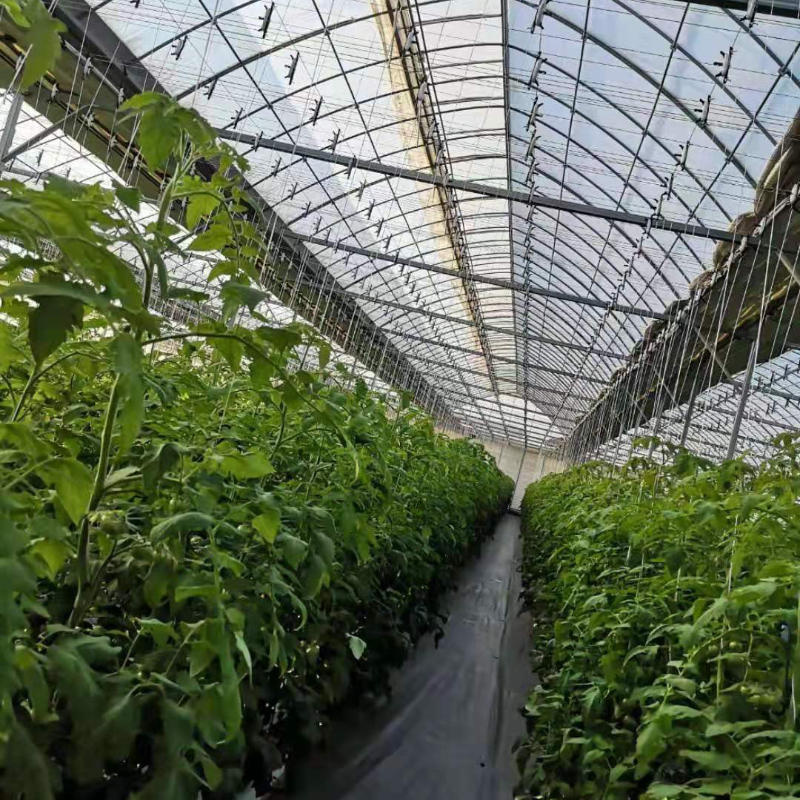
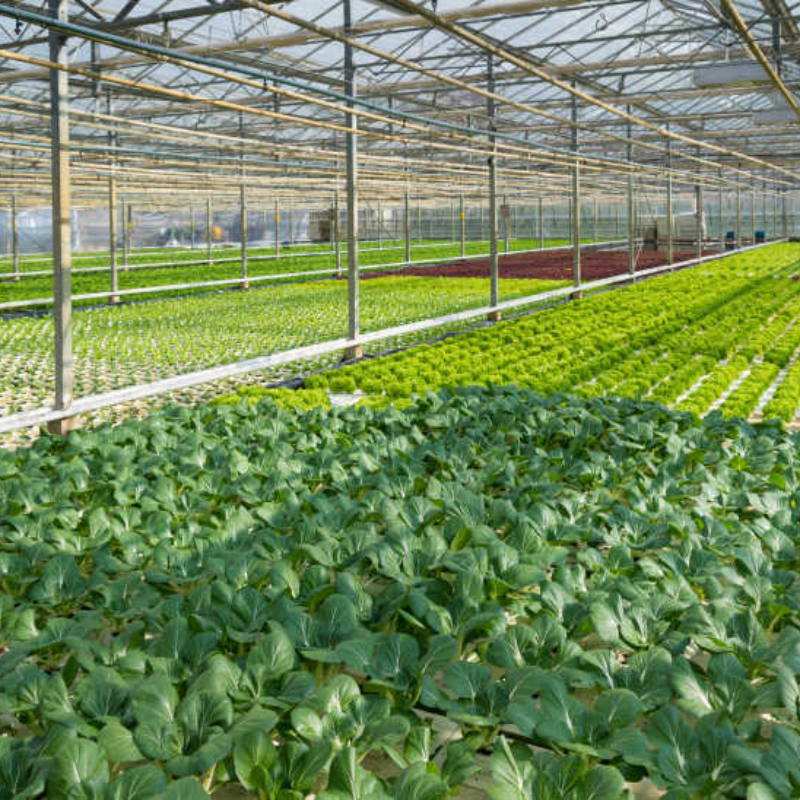
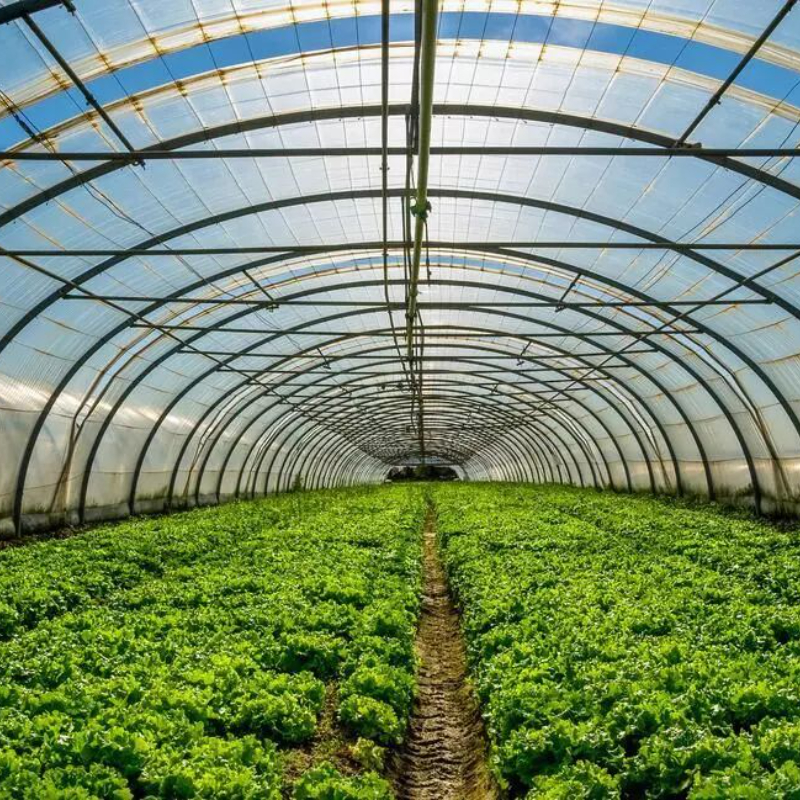
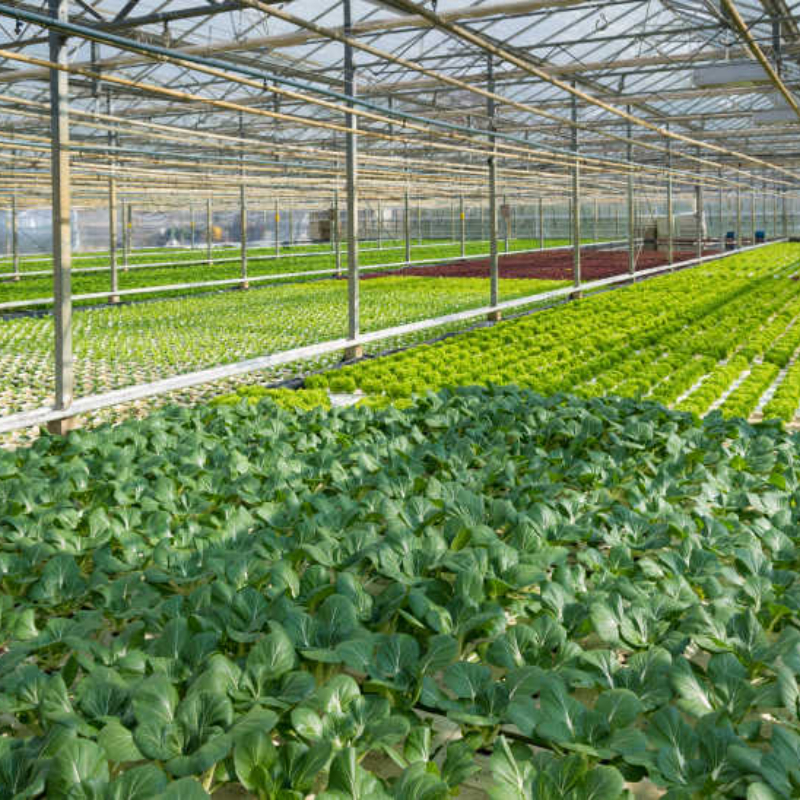
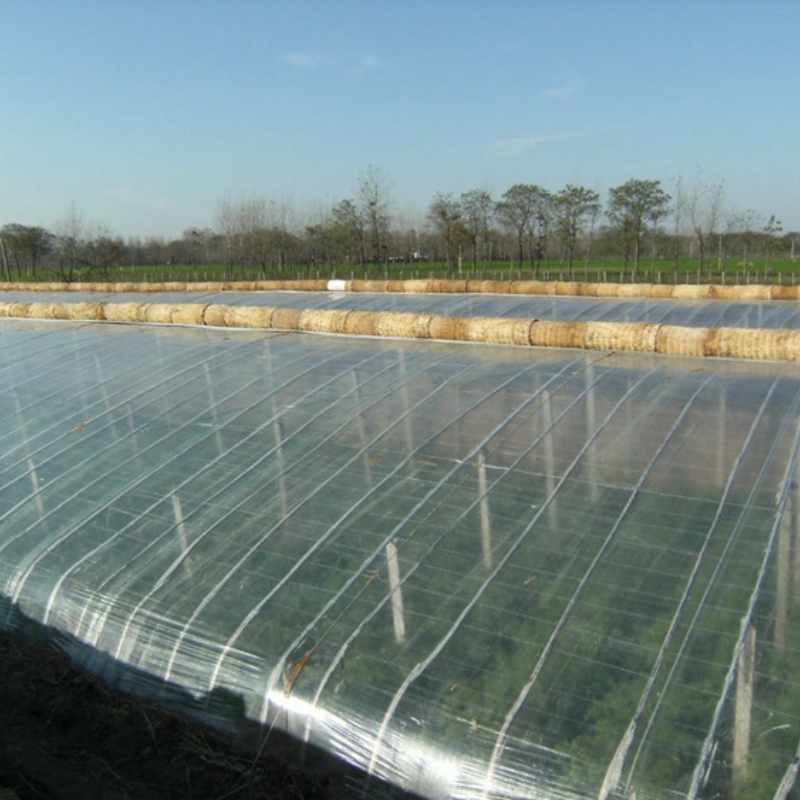
Food security has emerged as a top priority for Saudi Arabia, especially in the context of global supply chain disruptions and climate change. For decades, the country has imported over 80% of its leafy vegetables, exposing it to price volatility and supply risks. iHavos’ unmanned smart greenhouse project at Ghat Farm directly addresses this vulnerability by enabling large-scale, local production of high-quality leafy vegetables. Unlike traditional farming methods that are at the mercy of the harsh desert climate, iHavos’ solution creates a controlled, climate-resilient growing environment that is independent of external weather conditions. This reliability ensures a steady supply of fresh produce to local markets, reducing Saudi Arabia’s reliance on imports and strengthening national food security.
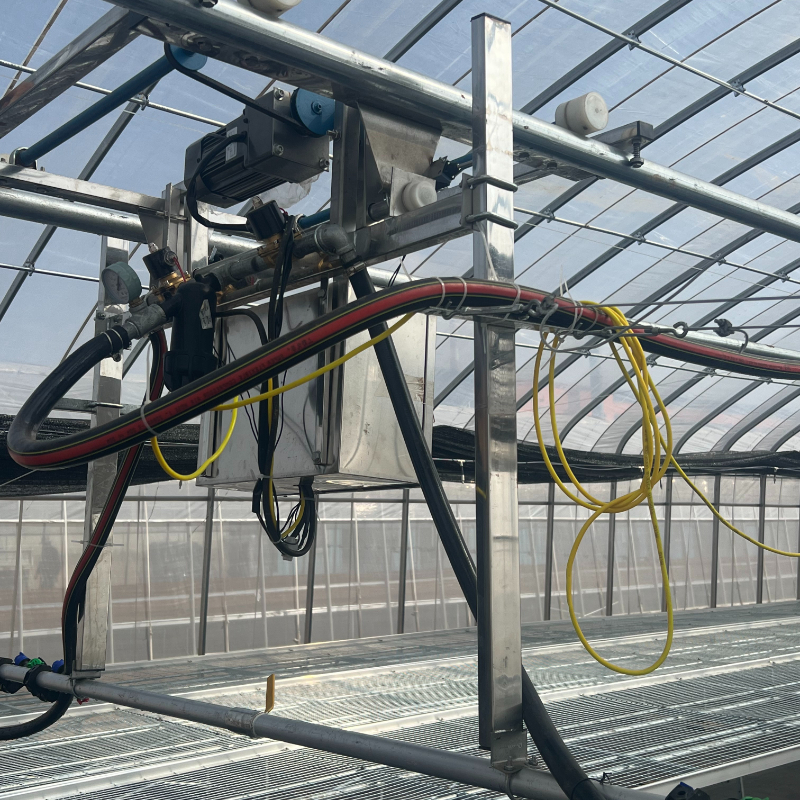
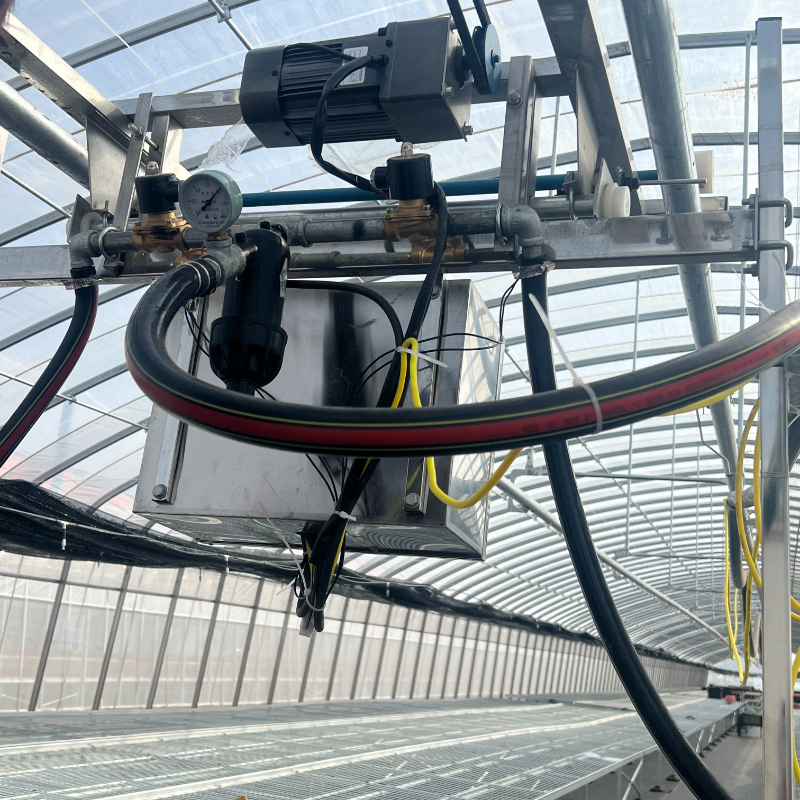
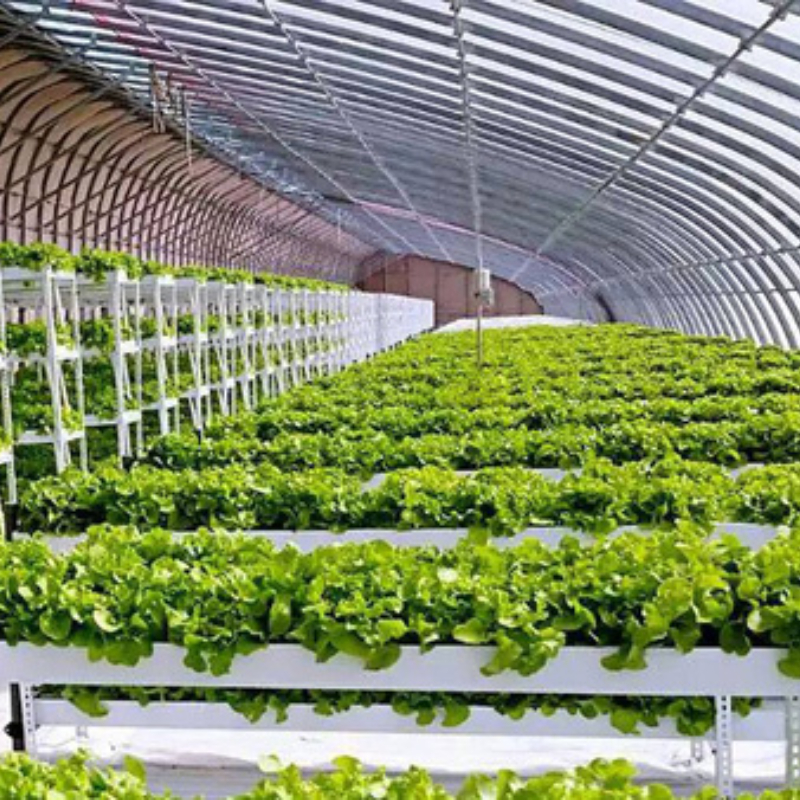
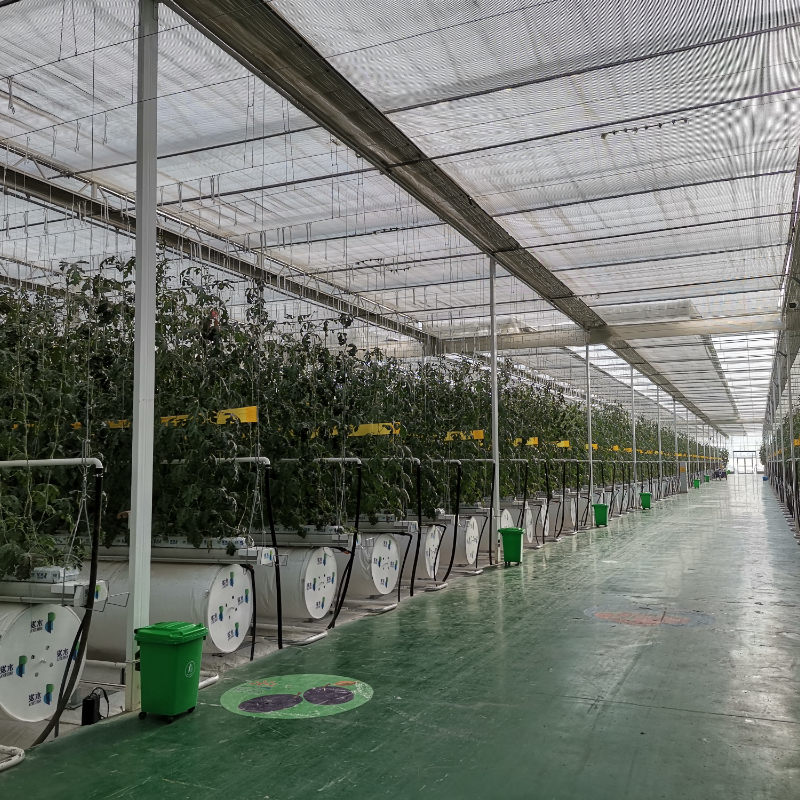
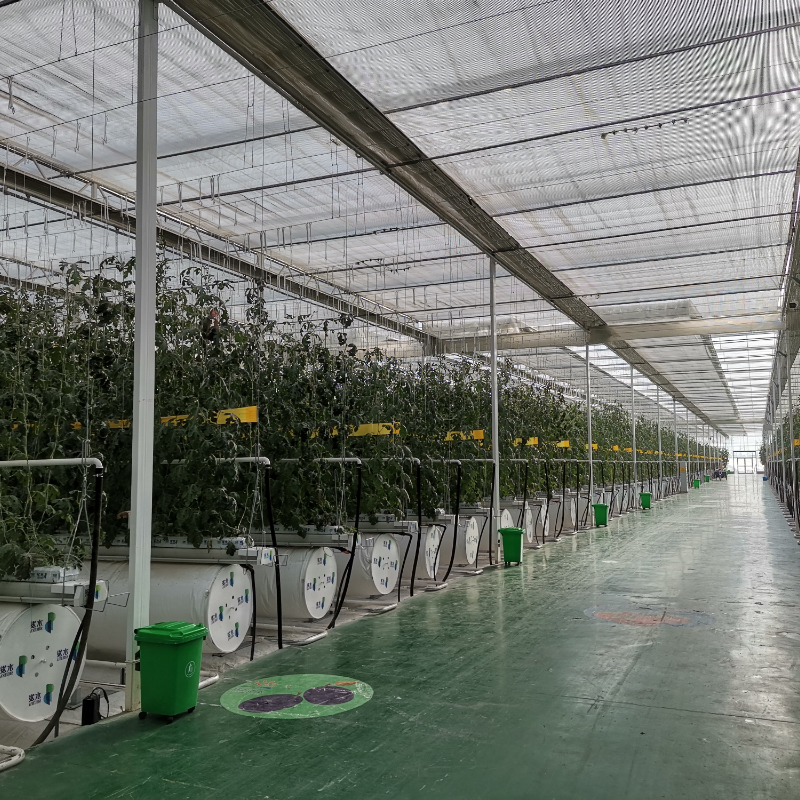
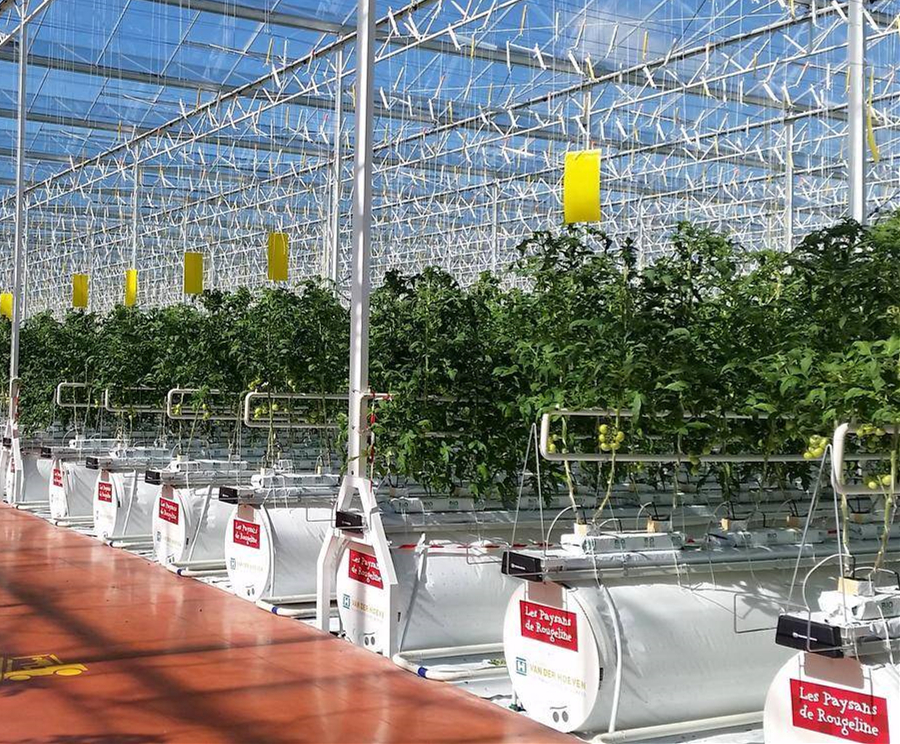
Water conservation is another critical dimension where the iHavos project delivers transformative value. Saudi Arabia is one of the world’s most water-scarce countries, with per capita water availability far below the global average. Traditional open-field cultivation of leafy vegetables is extremely water-intensive, with most water lost to evaporation. In contrast, iHavos’ unmanned smart greenhouses employ a closed-loop drip irrigation system that delivers water and nutrients directly to the plant roots, minimizing waste. The system is also integrated with real-time soil moisture sensors and a digital management platform, allowing for precise water allocation based on the actual needs of the crops. Data from iHavos’ global projects demonstrates that this approach reduces water consumption by up to 75% compared to traditional irrigation methods—a game-changer for a country where water is a precious national resource.
Computer vision technology plays a pivotal role in ensuring crop quality and resource efficiency. High-definition cameras installed throughout the greenhouse continuously capture images of the crops, which are analyzed by AI algorithms to monitor growth status, detect early signs of pests or diseases, and assess nutrient deficiencies. This real-time monitoring allows the digital management system to trigger automatic adjustments—such as adjusting irrigation frequency, modifying nutrient concentrations, or activating pest control measures—before issues escalate. By preventing crop losses and optimizing resource use, this proactive approach enhances the economic viability of the project while reducing its environmental footprint.
