
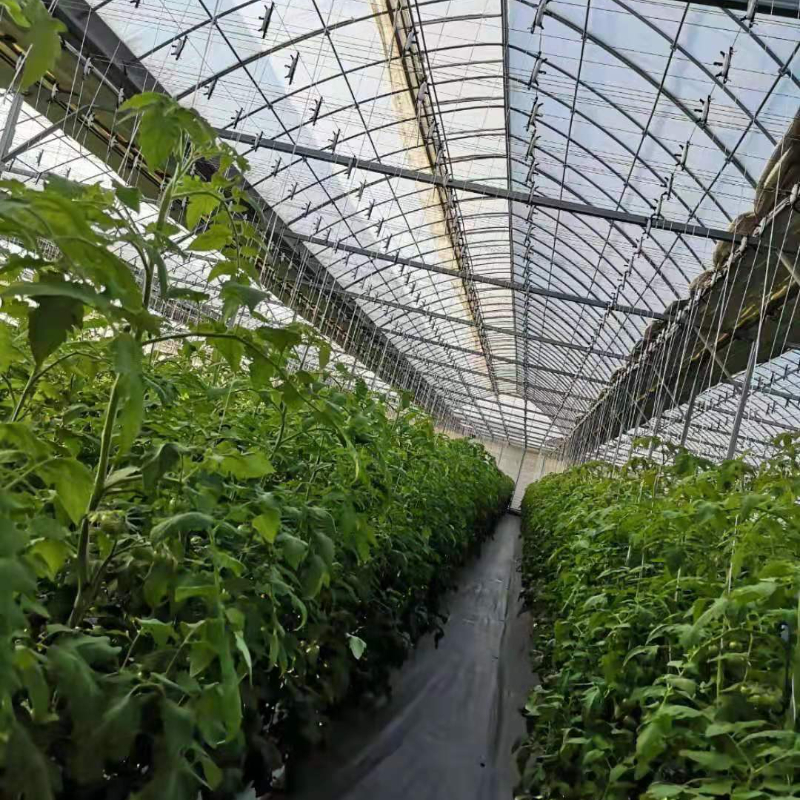
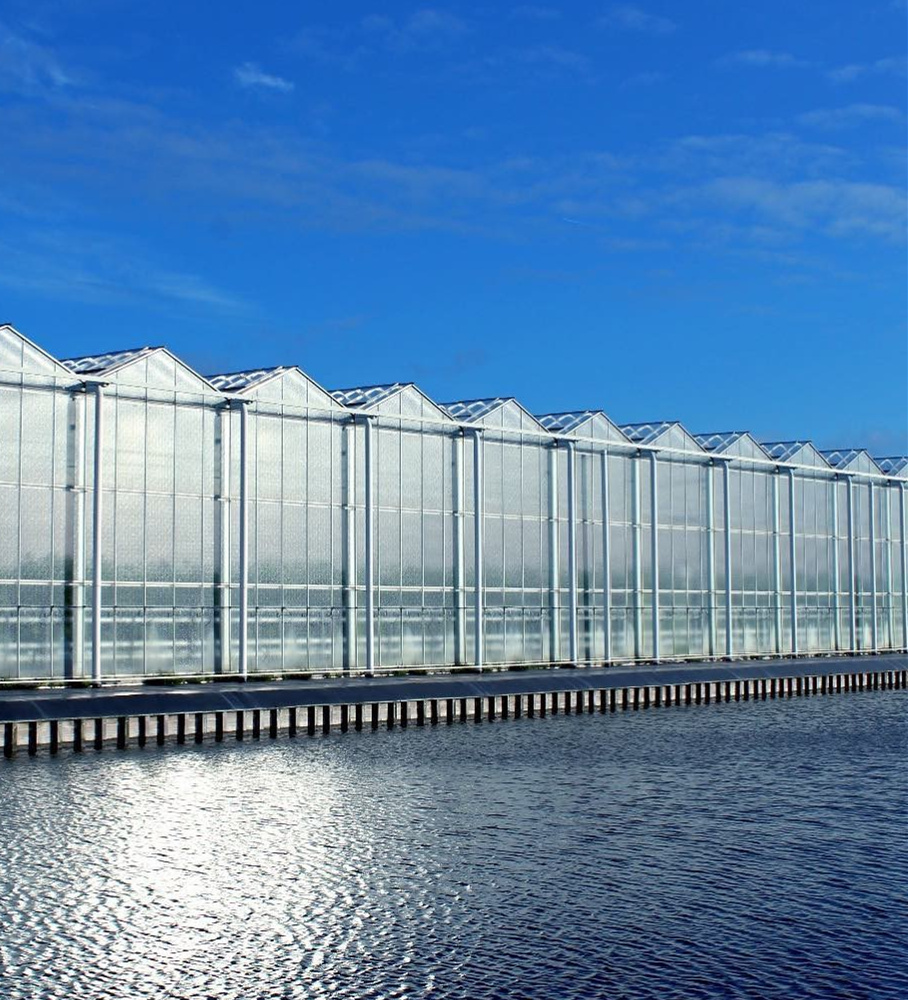
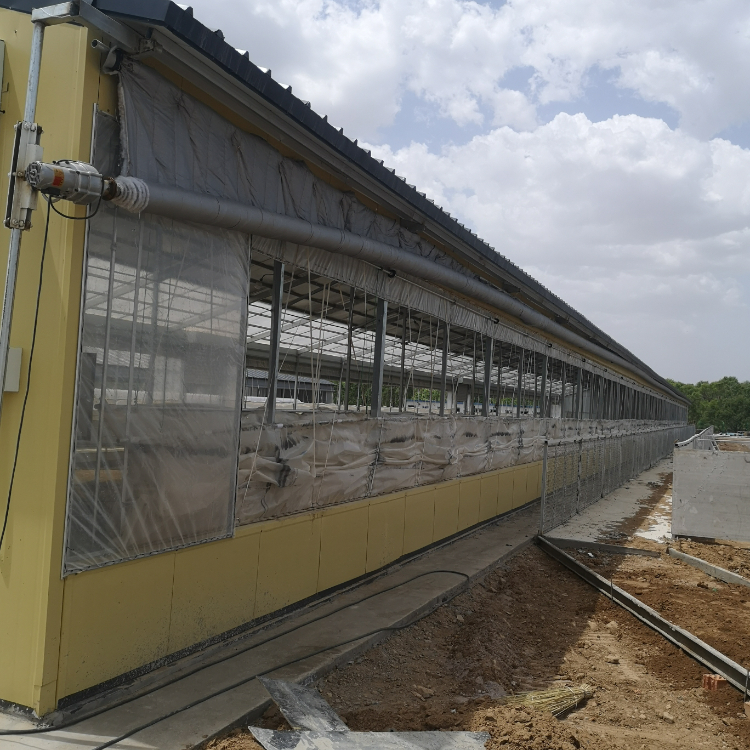
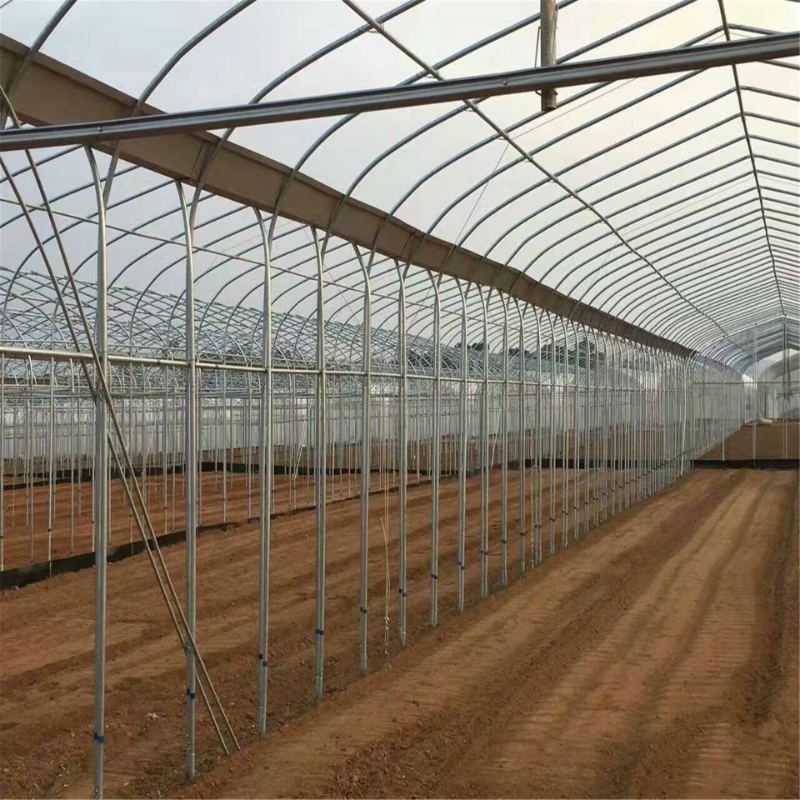
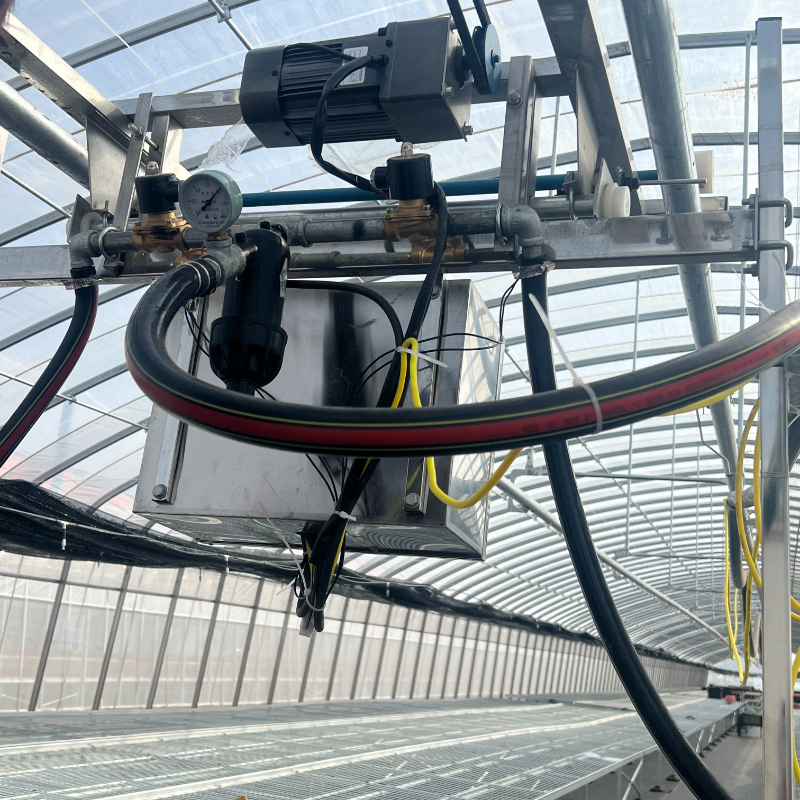
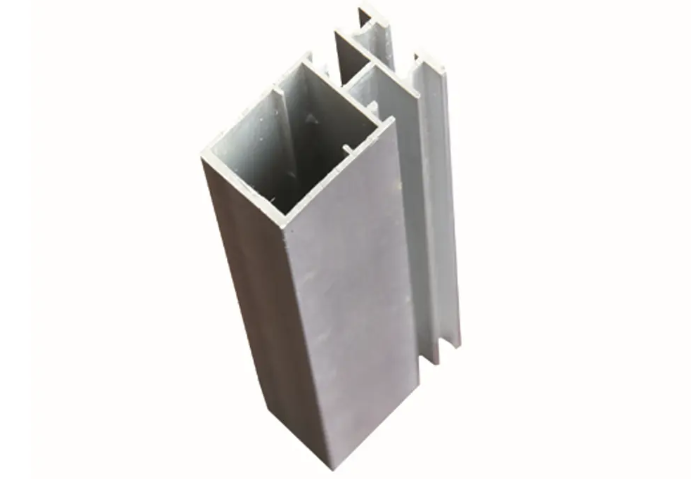
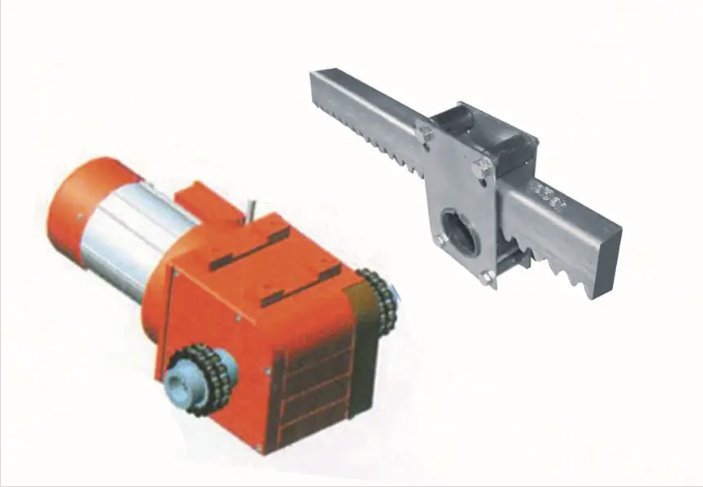
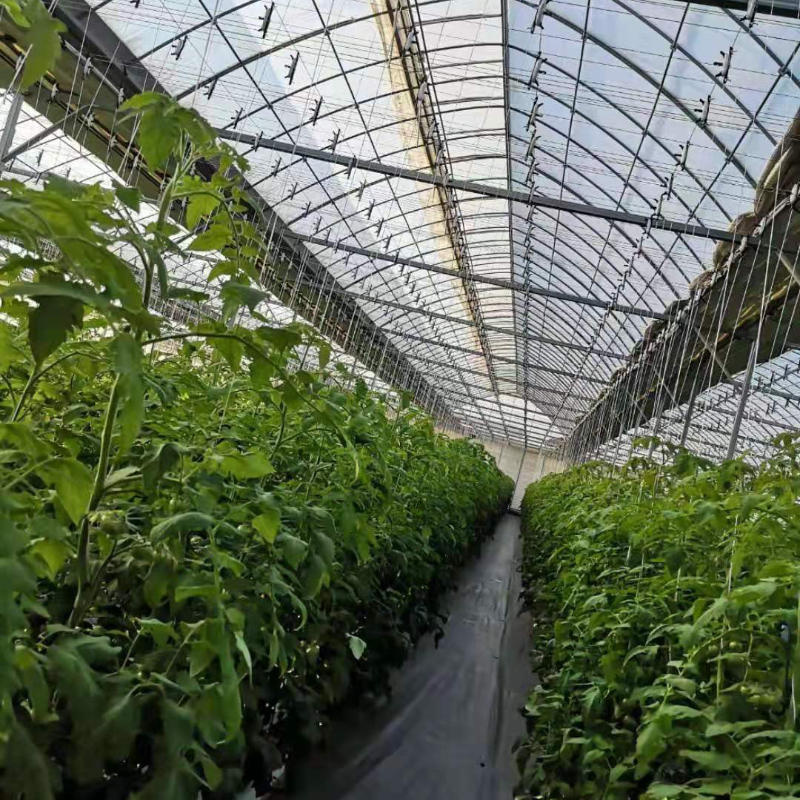
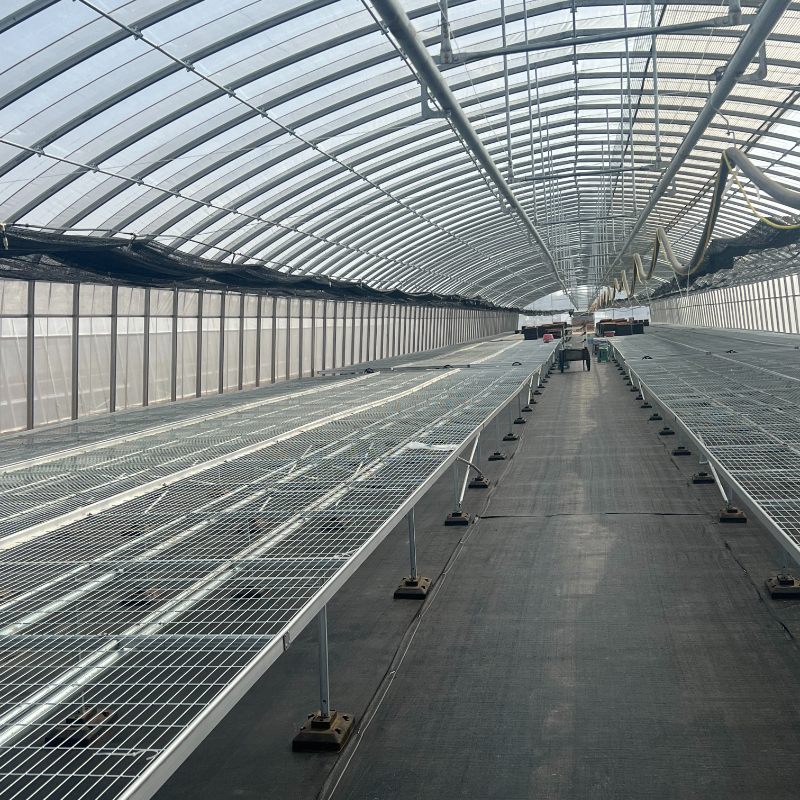
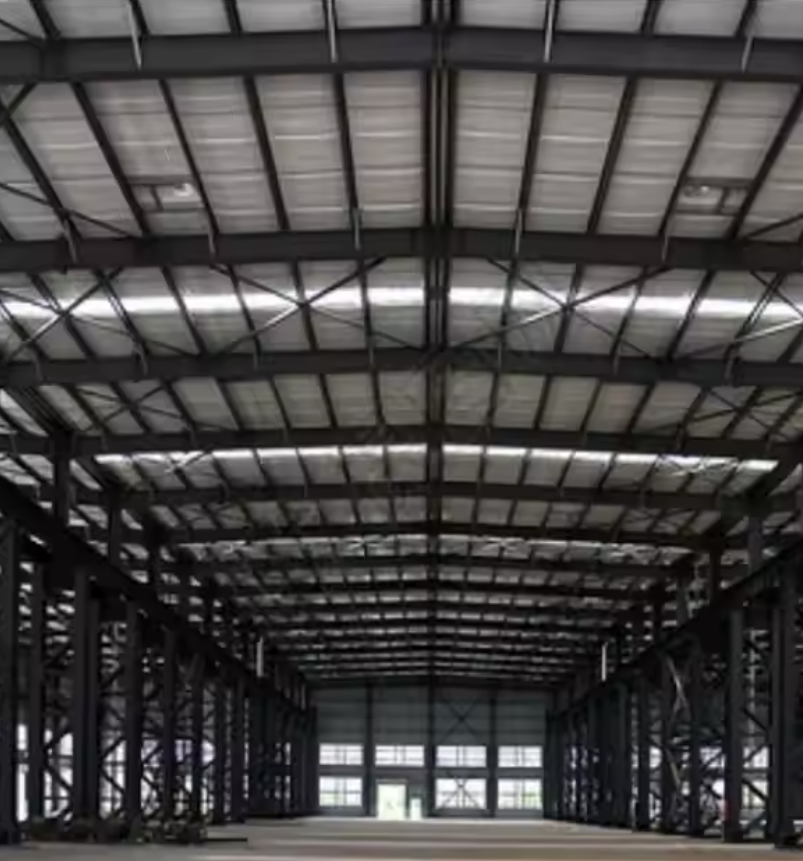
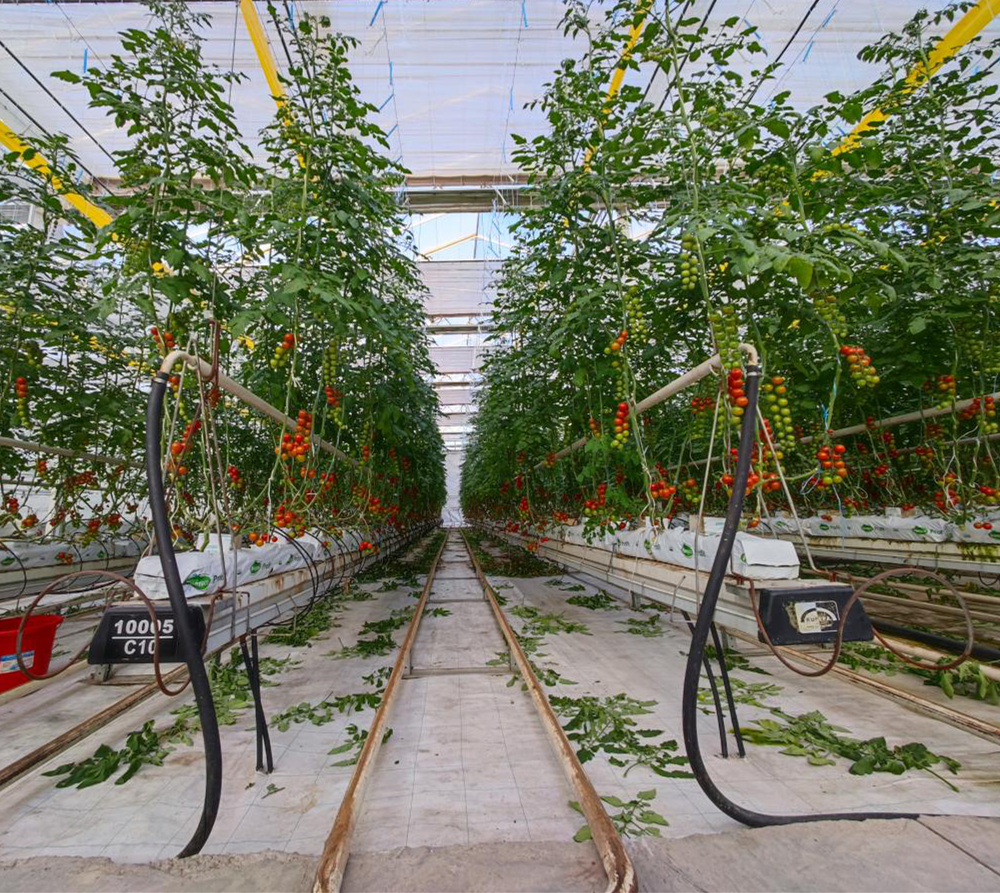
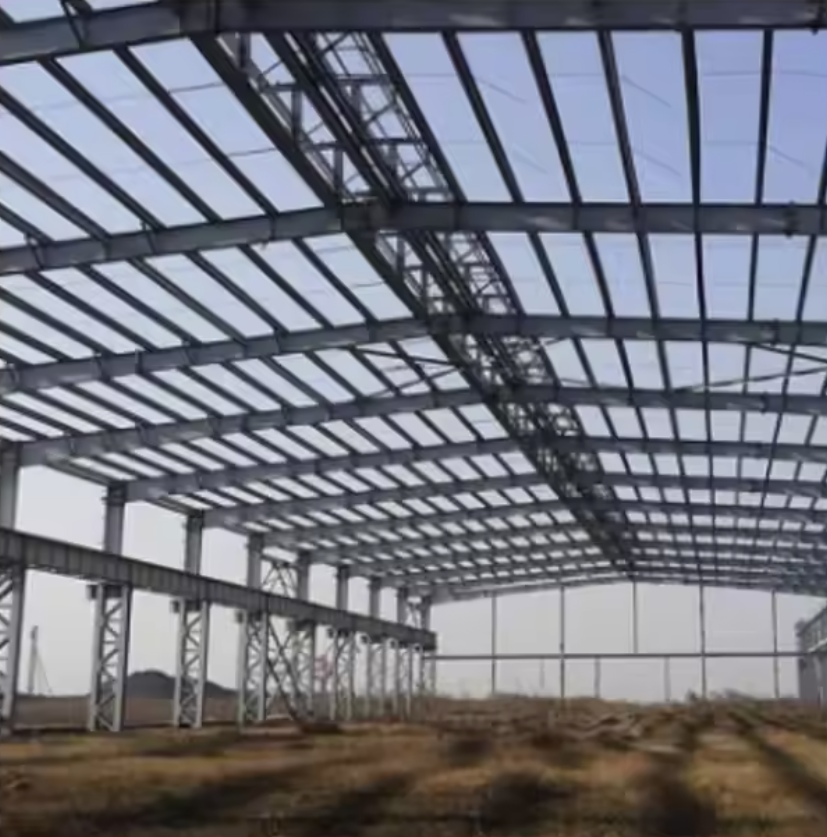
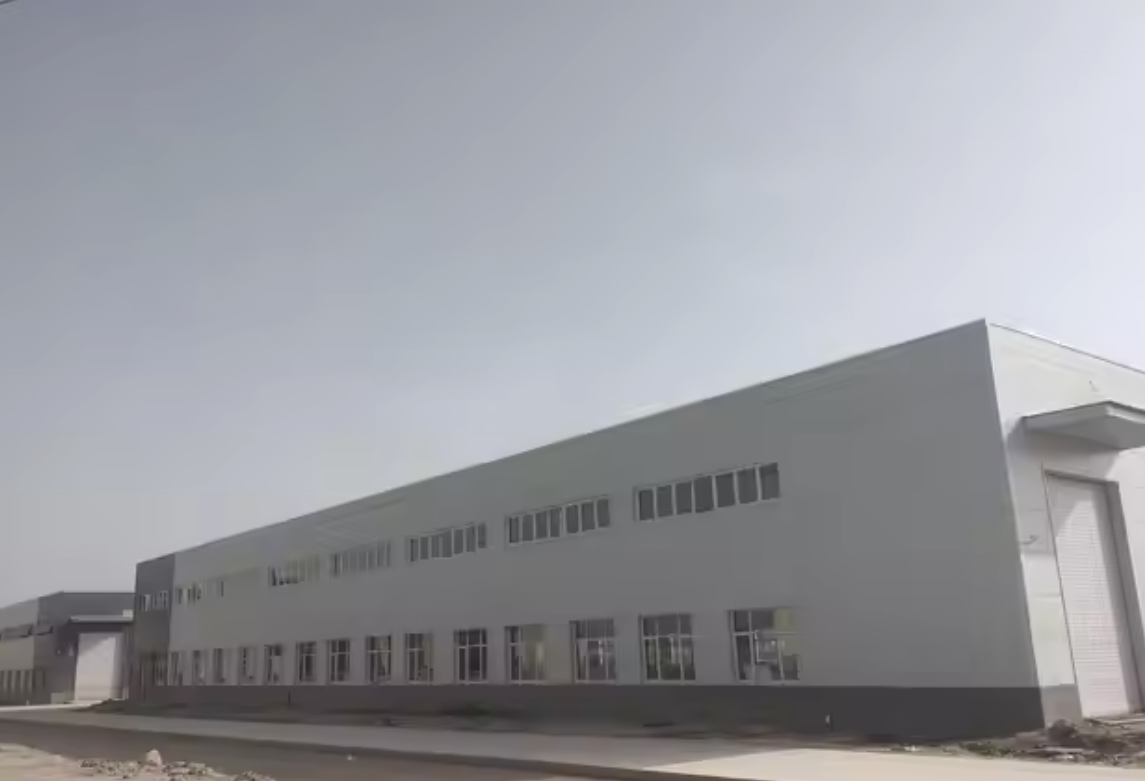
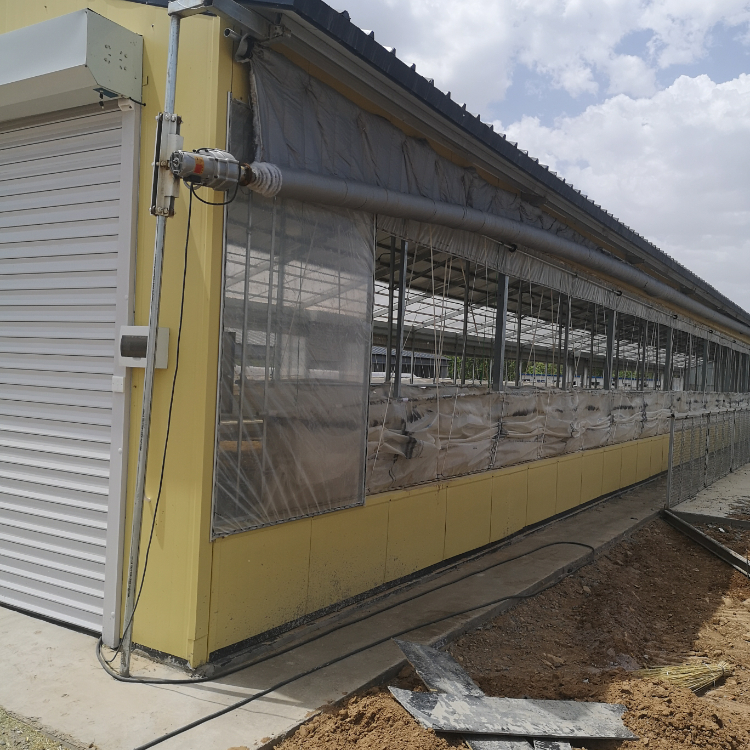
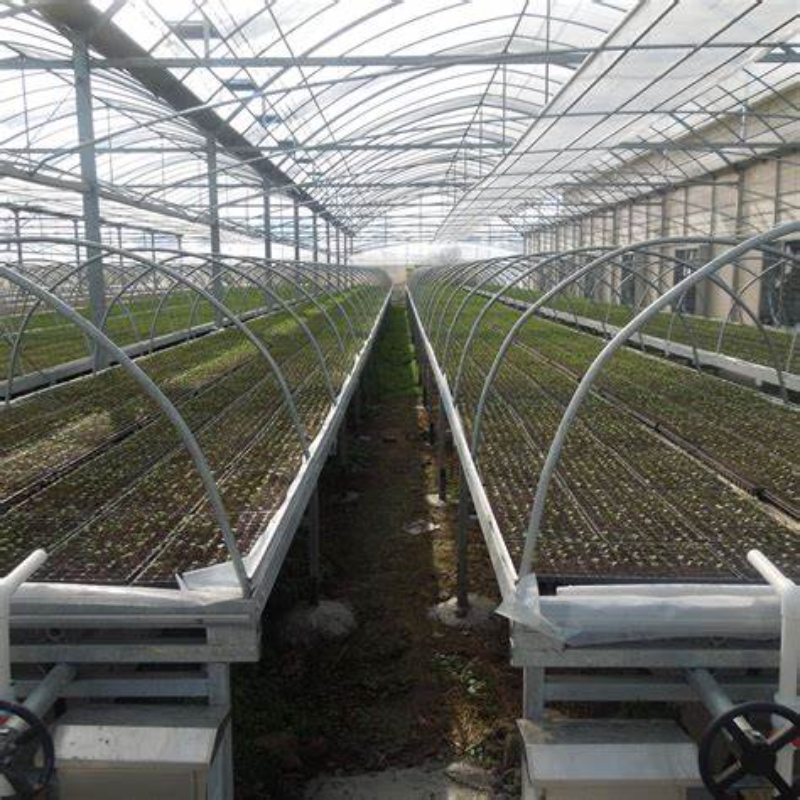
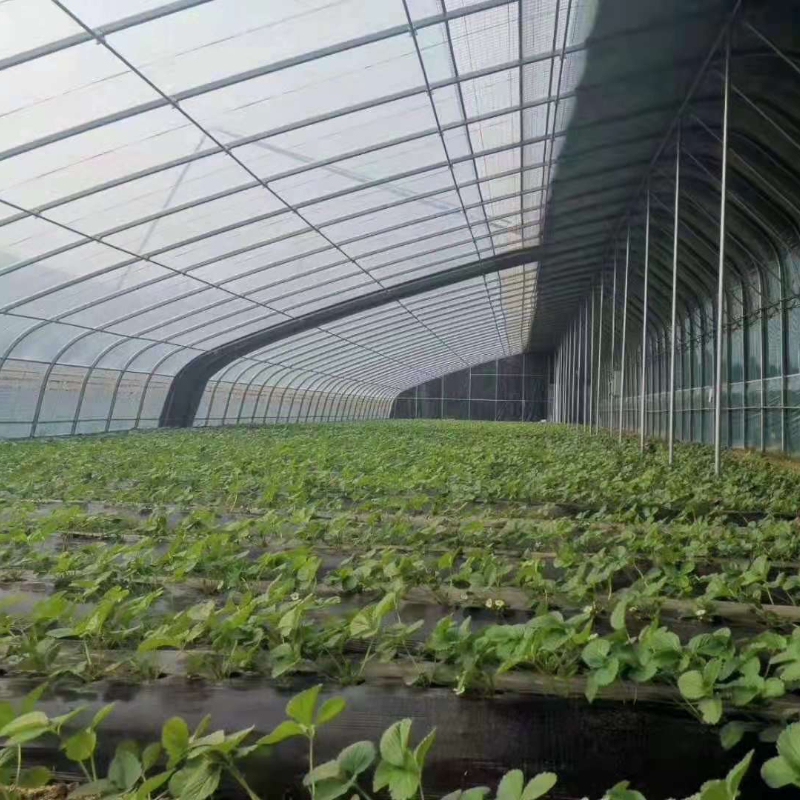
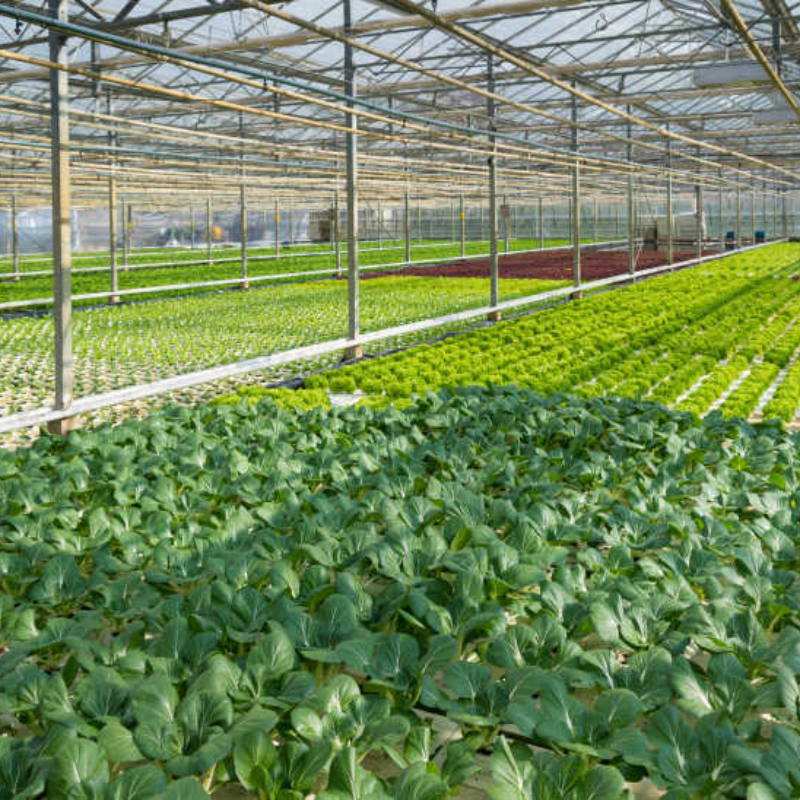
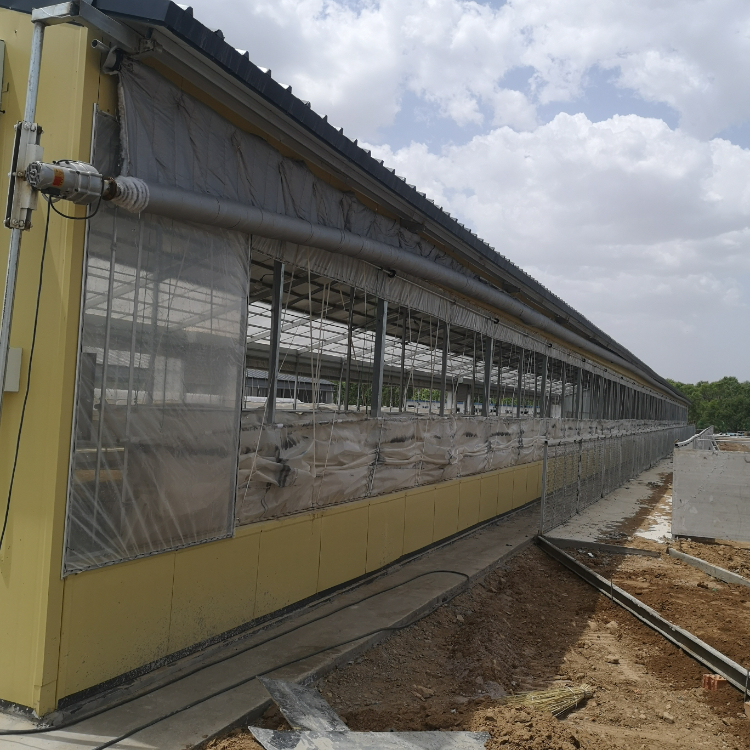
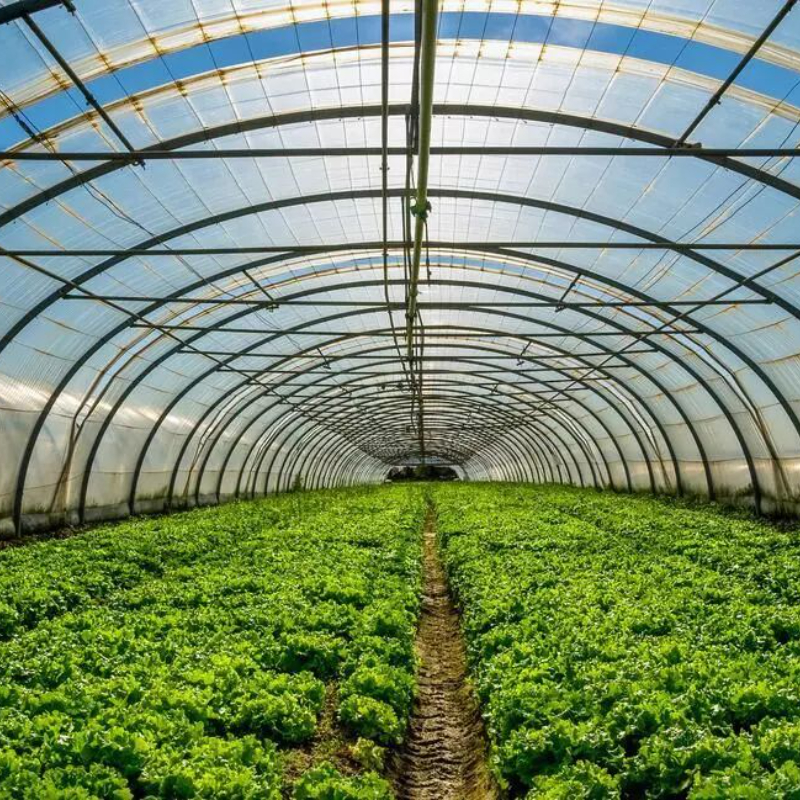
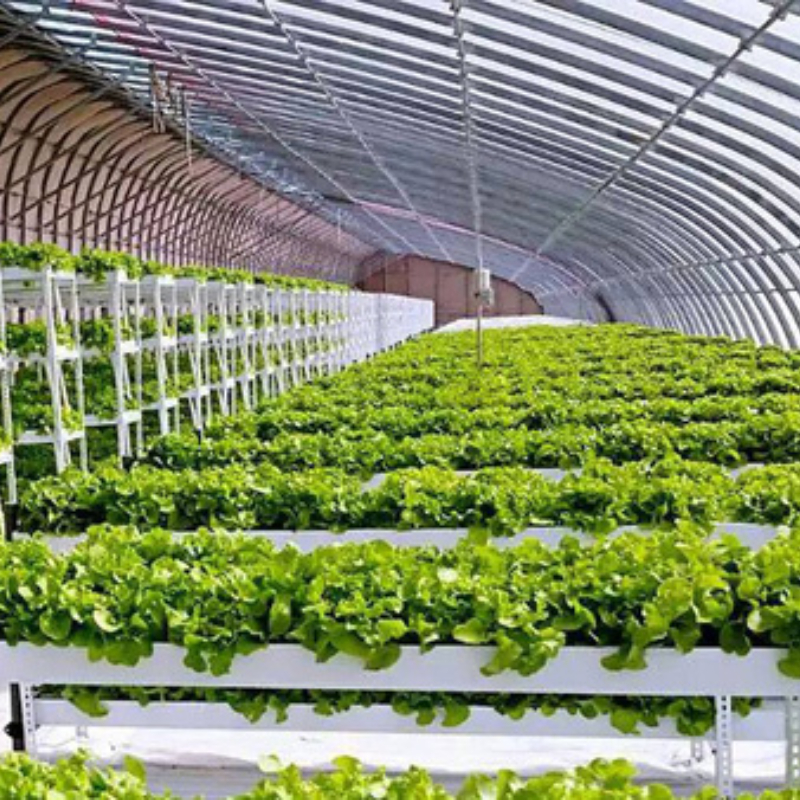
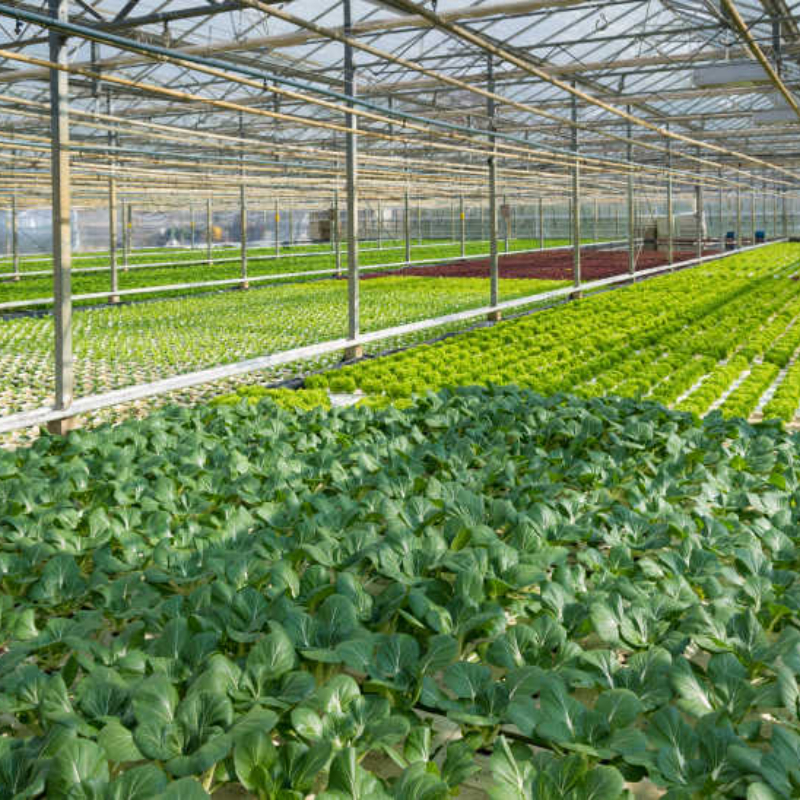
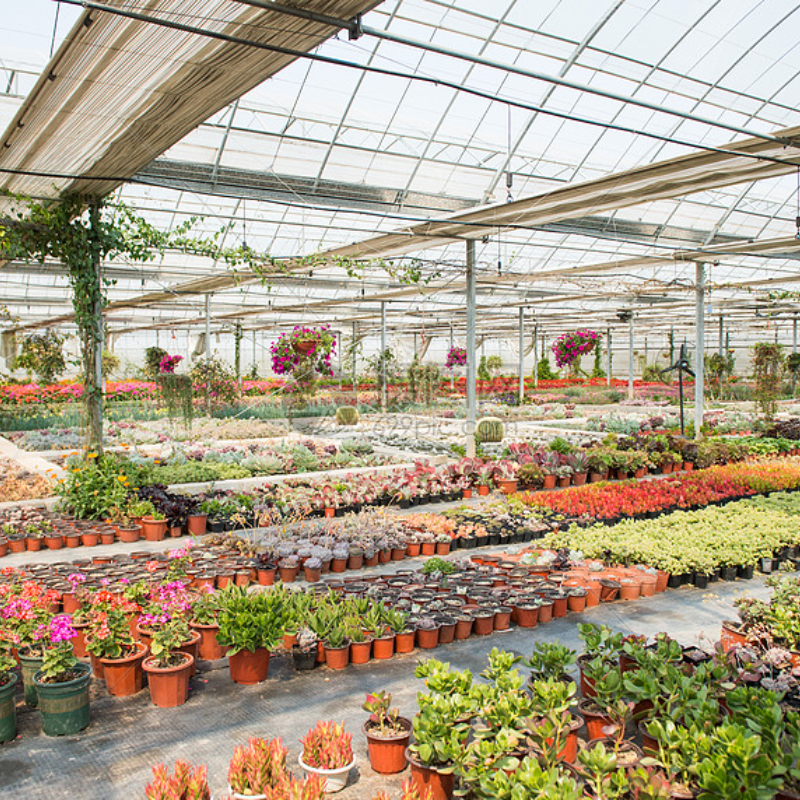
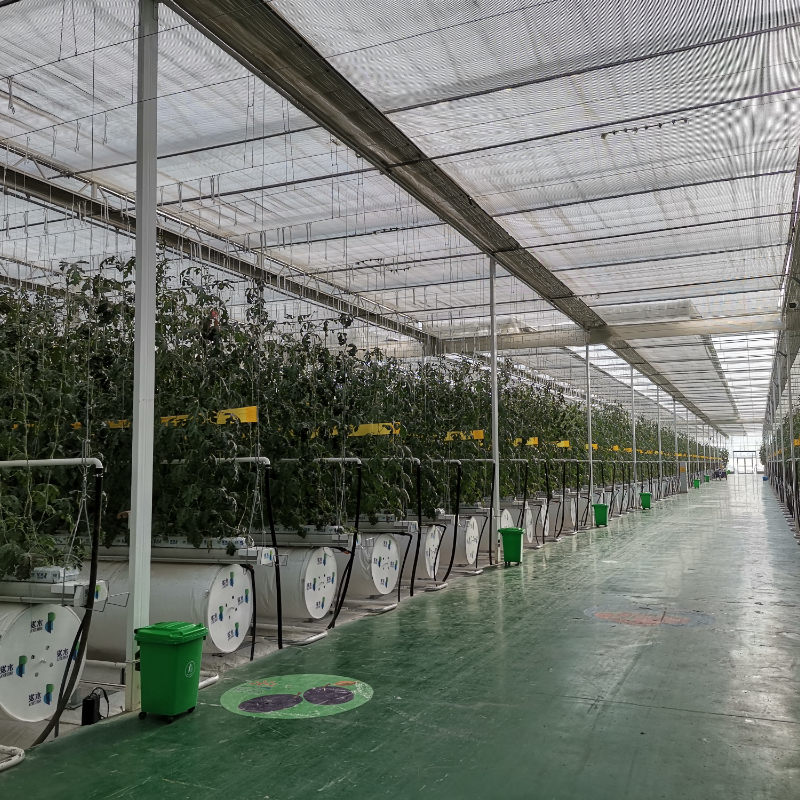
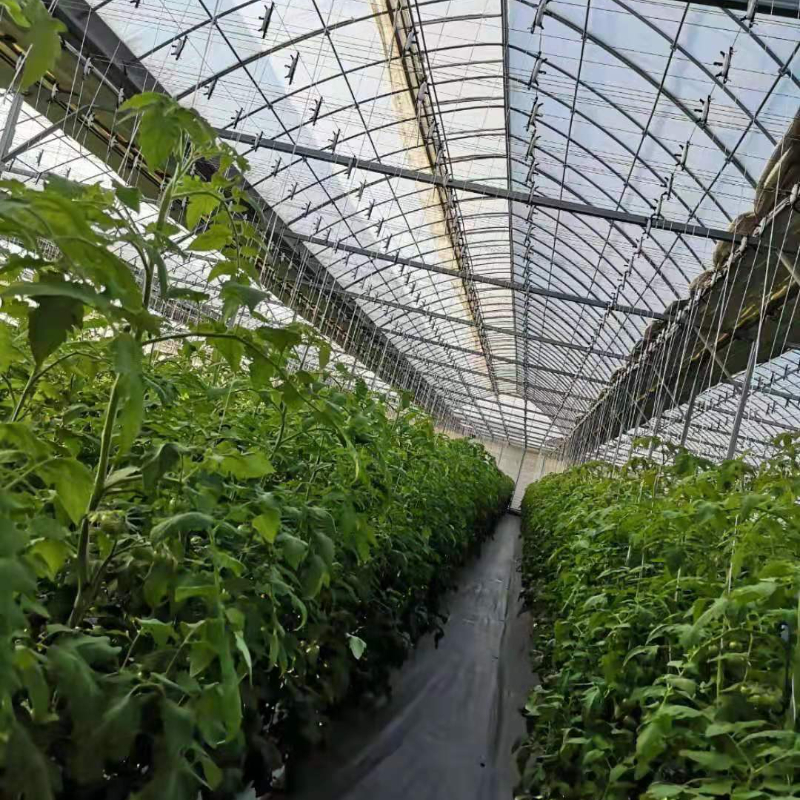
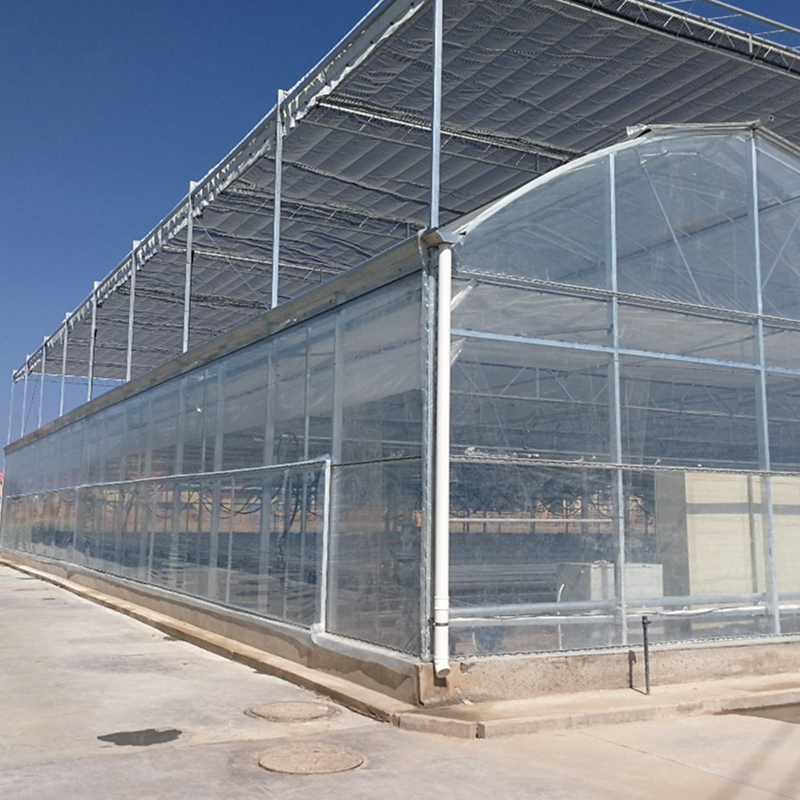
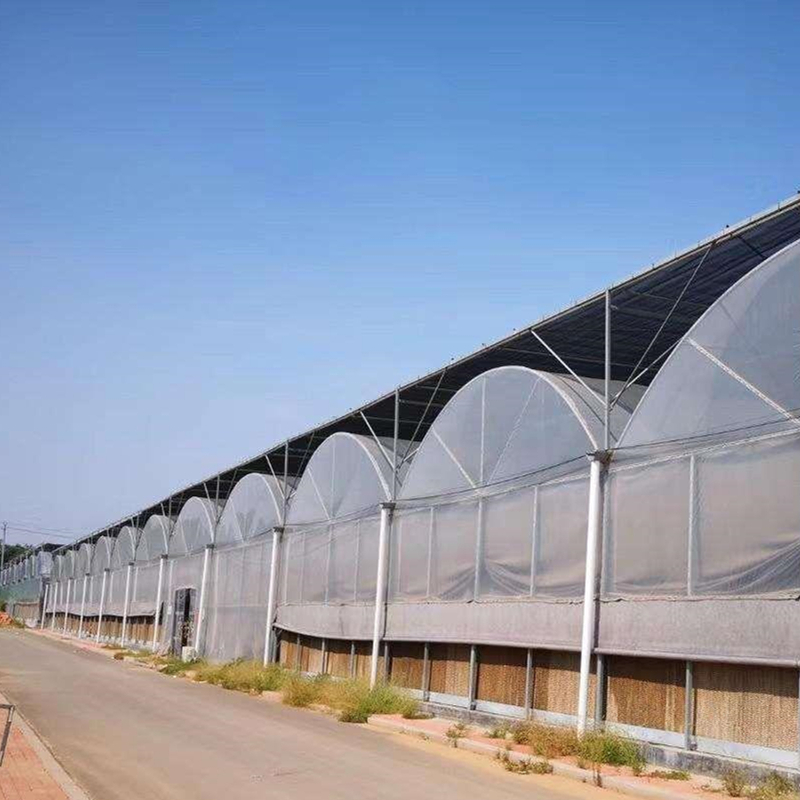
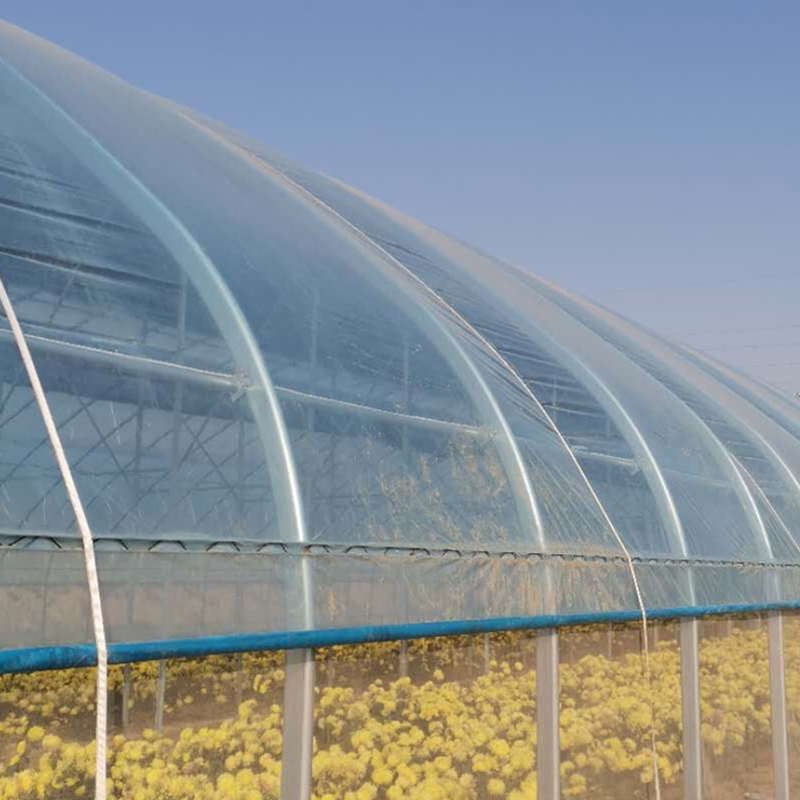
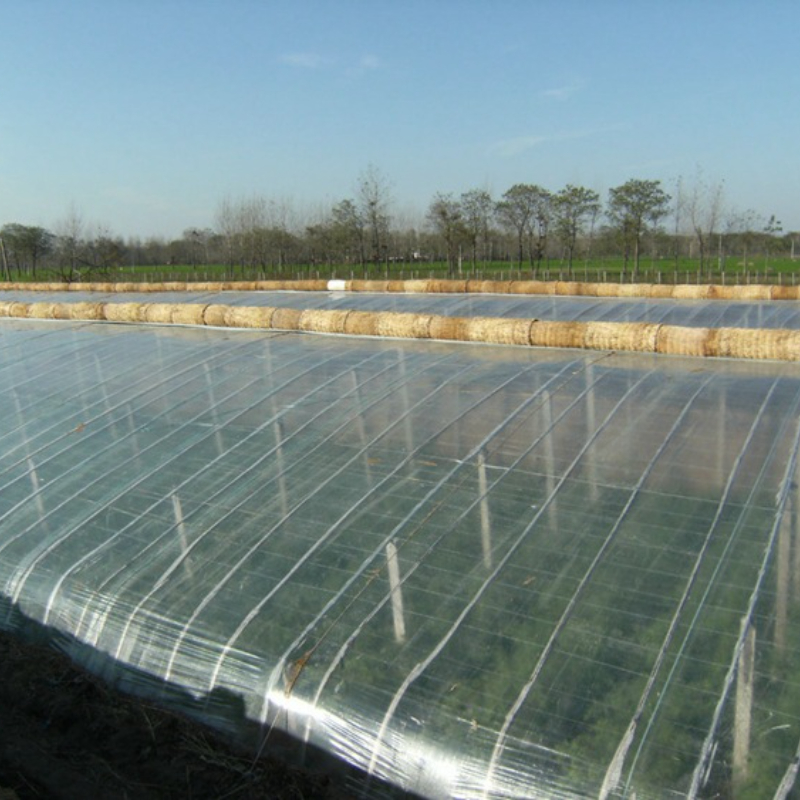
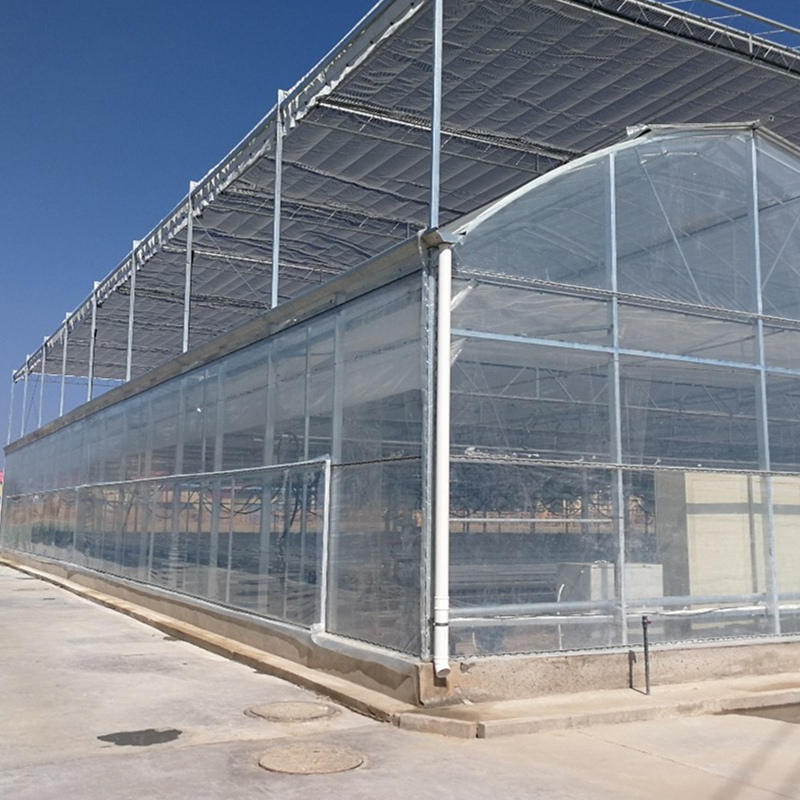
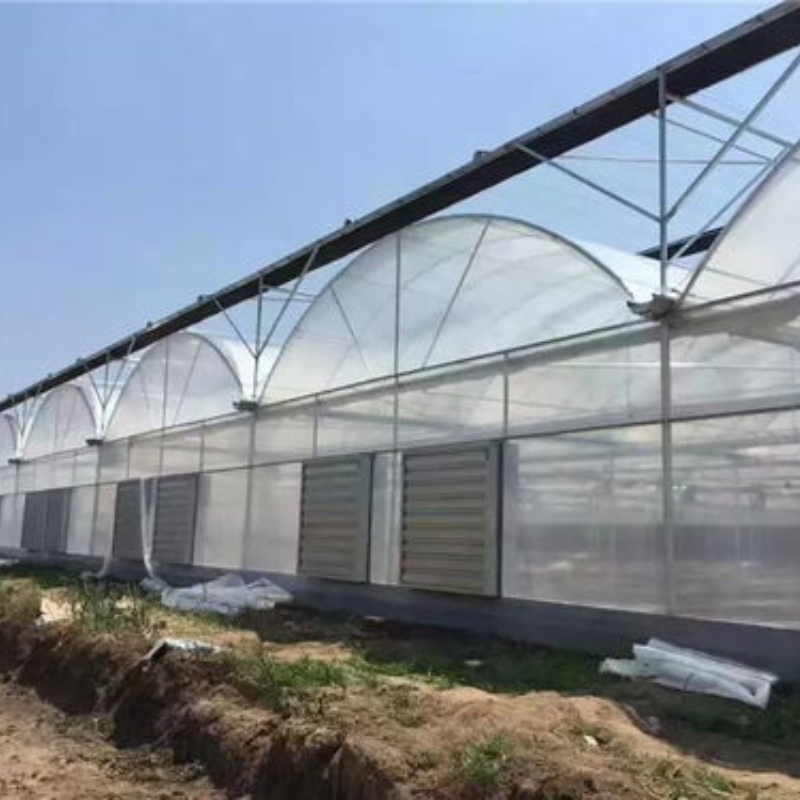
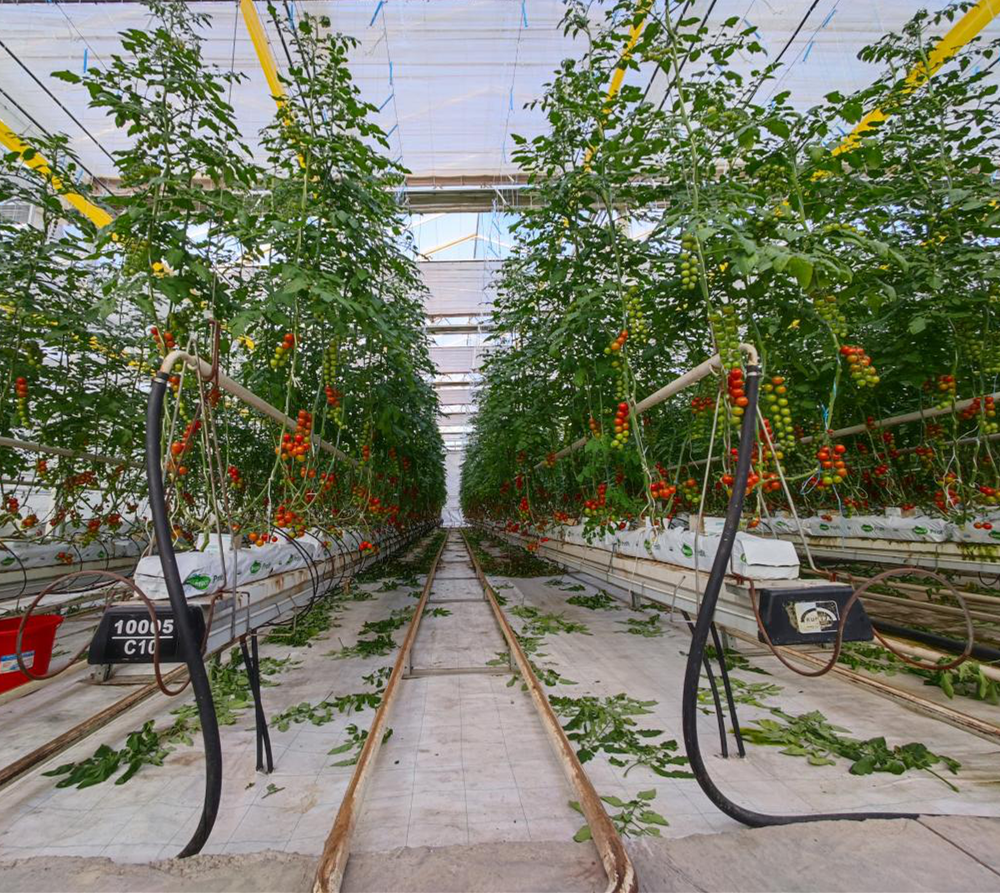
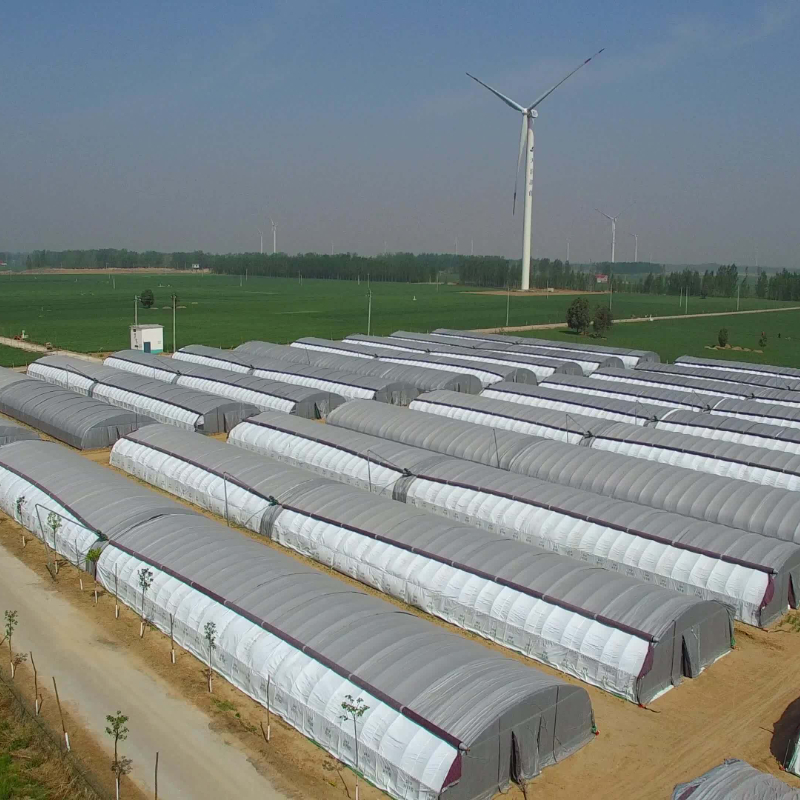
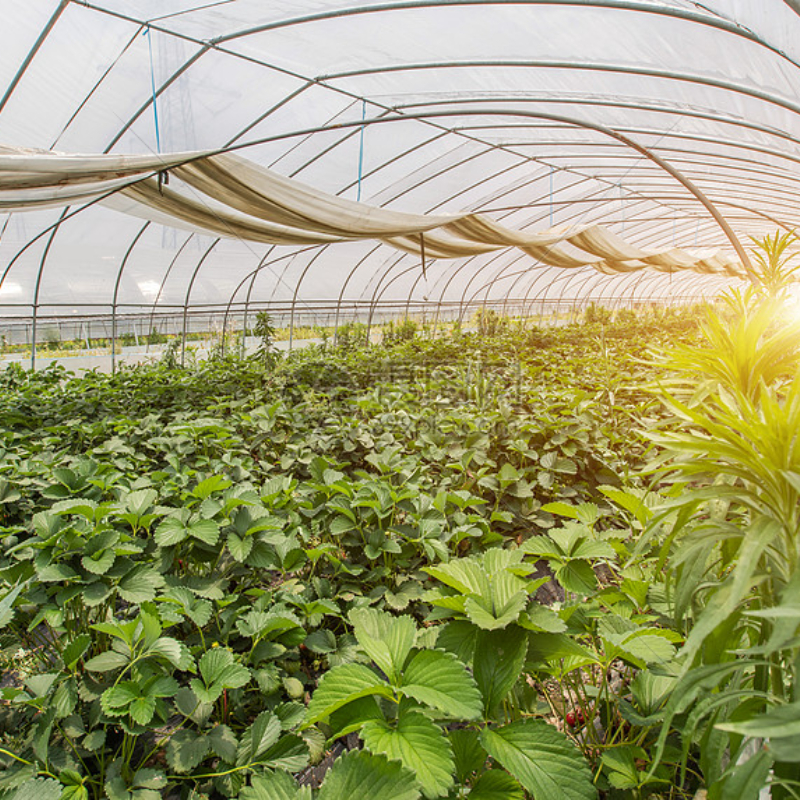
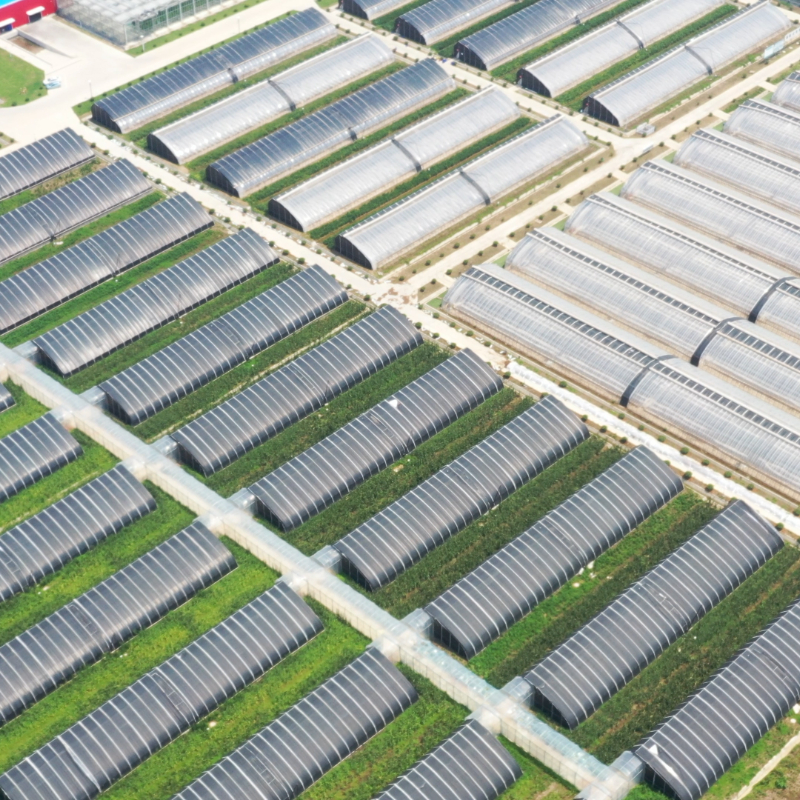
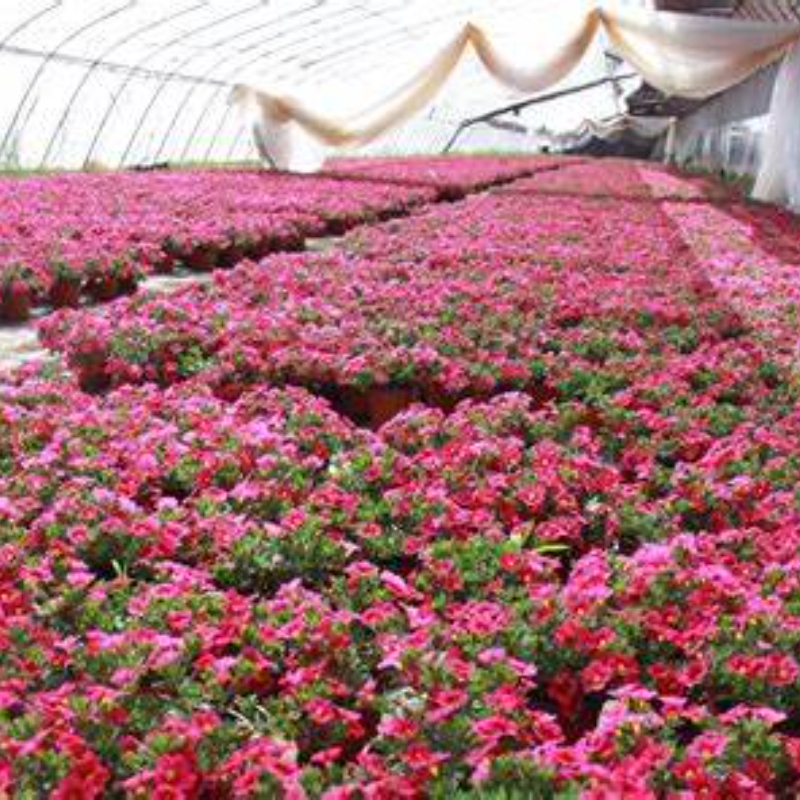
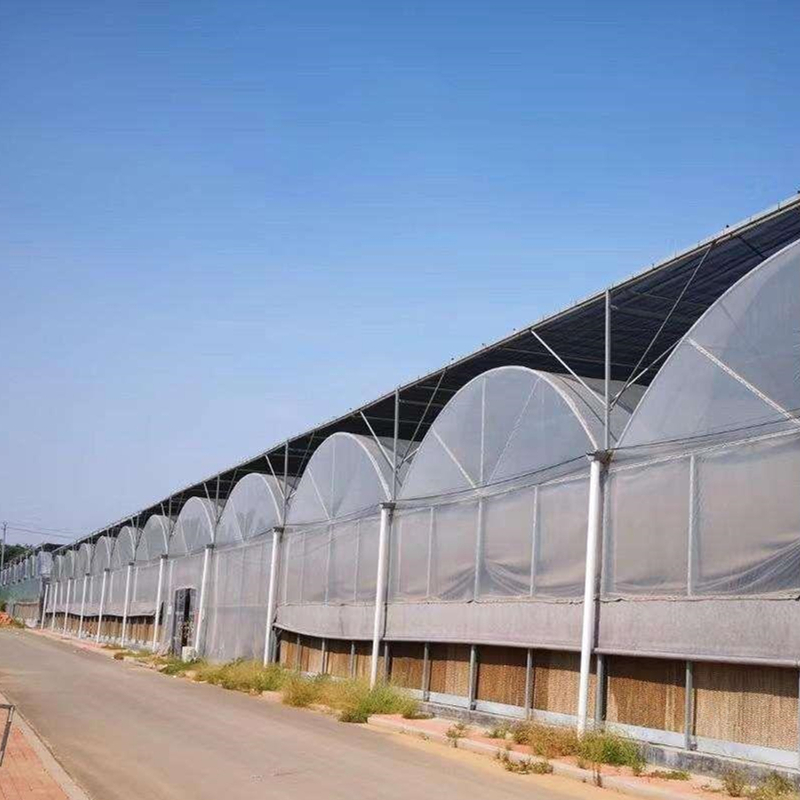
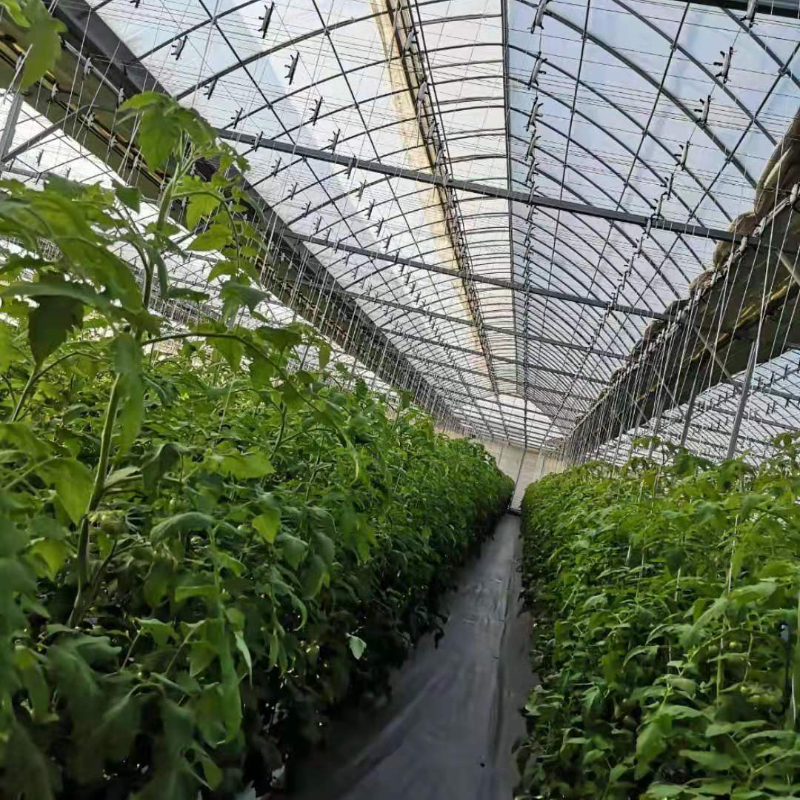
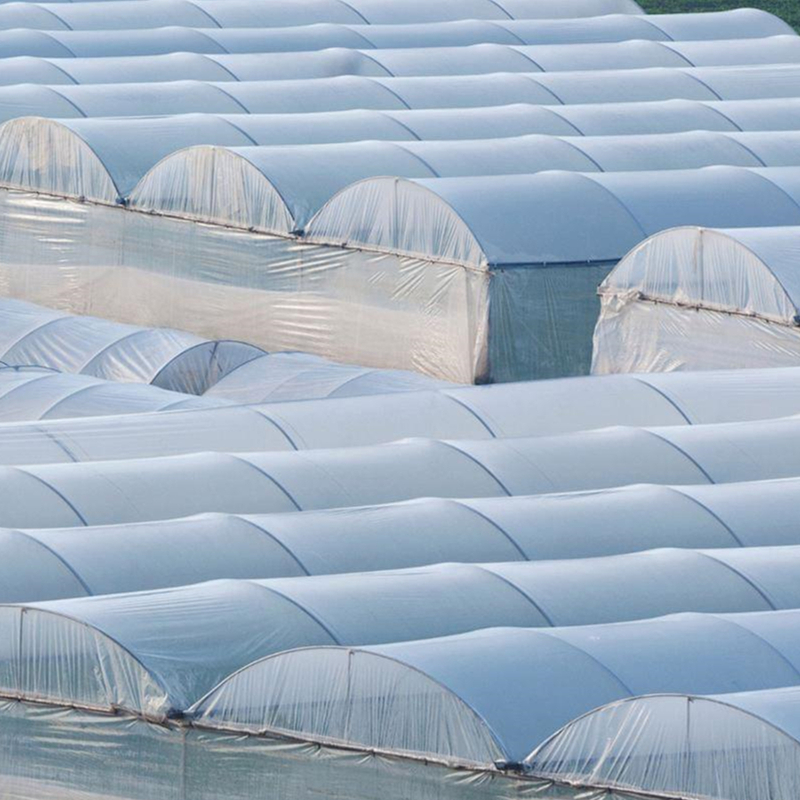
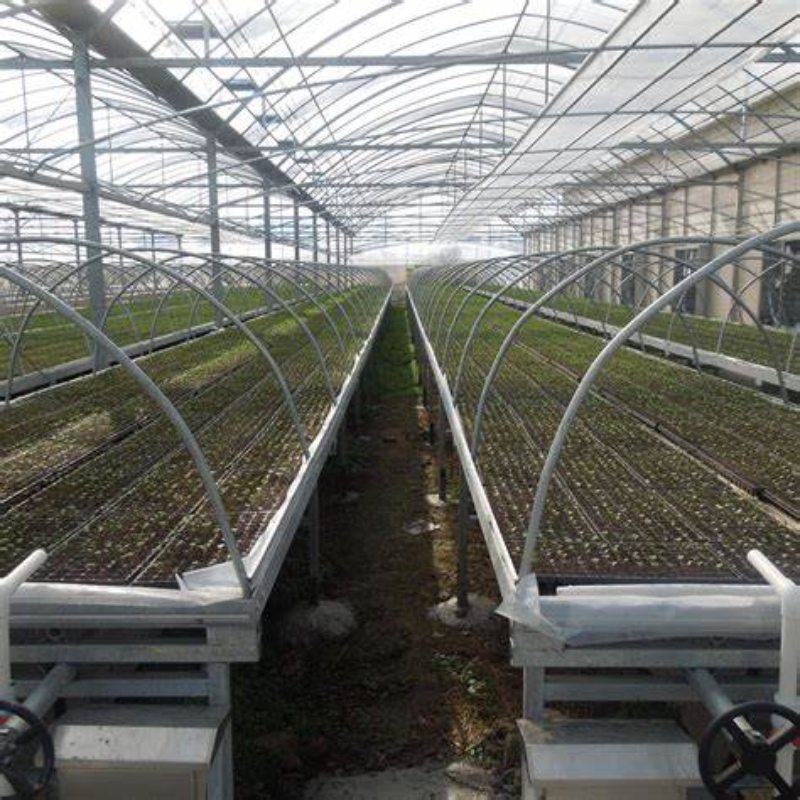
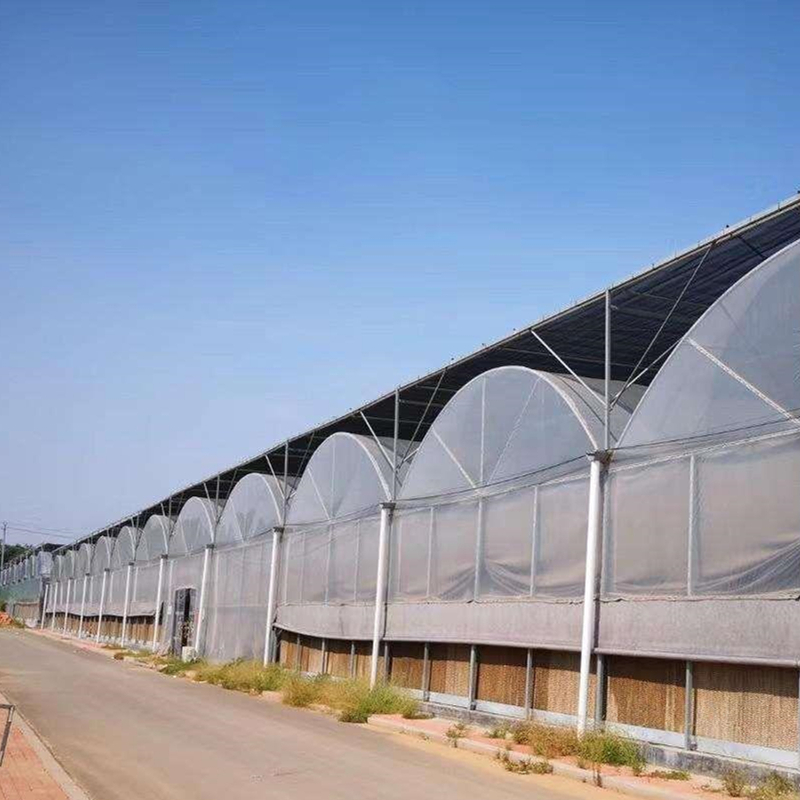
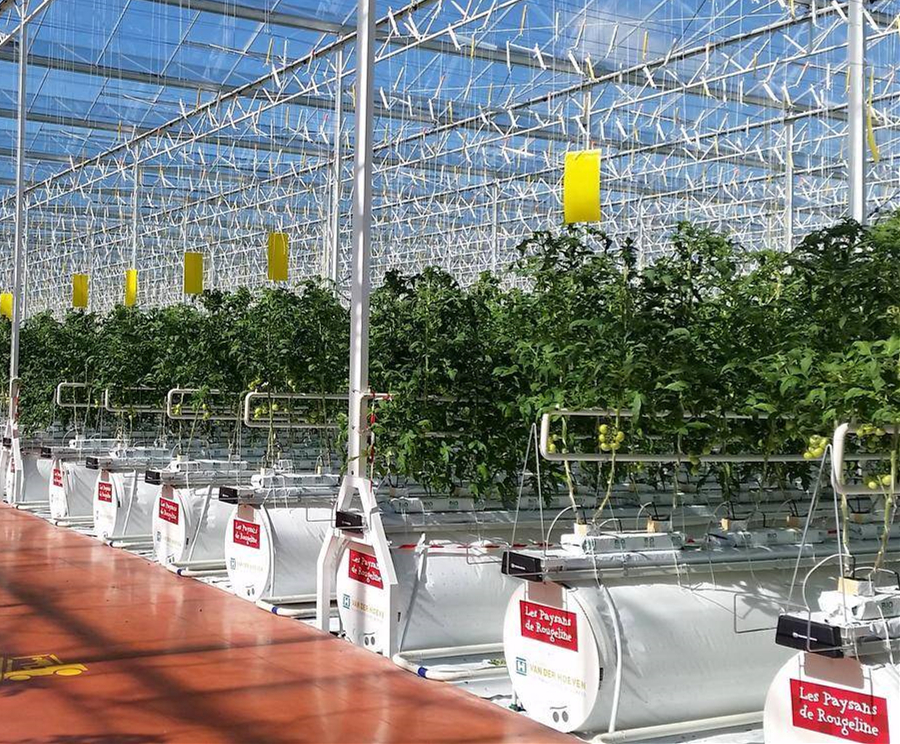
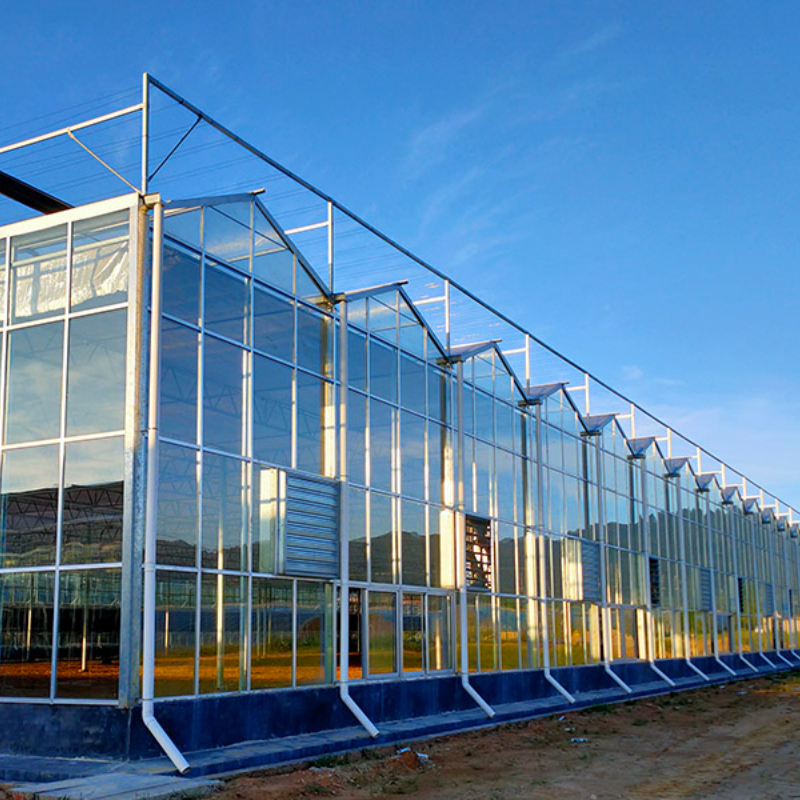
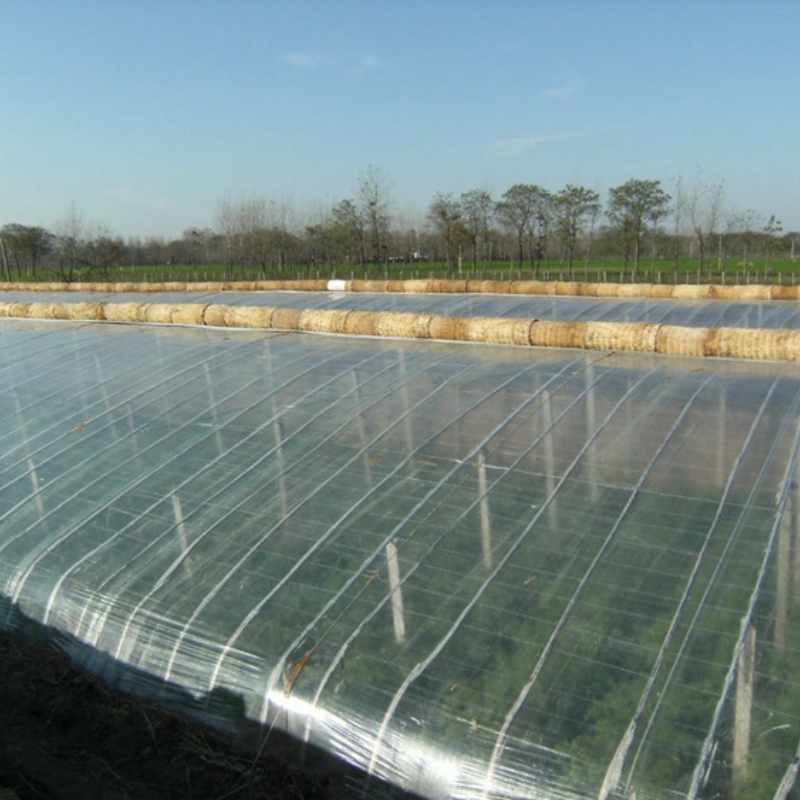
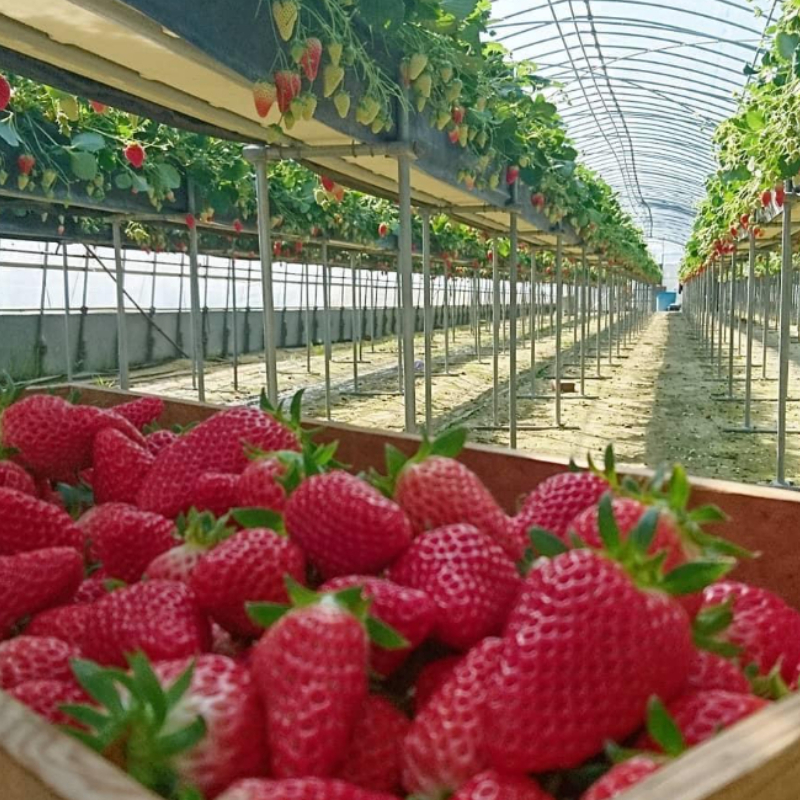
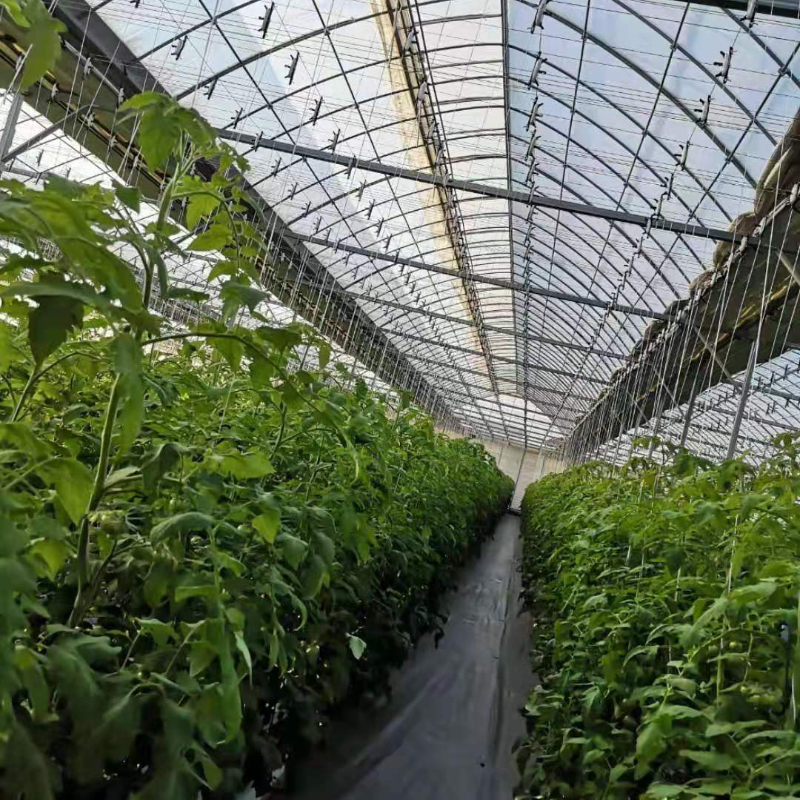
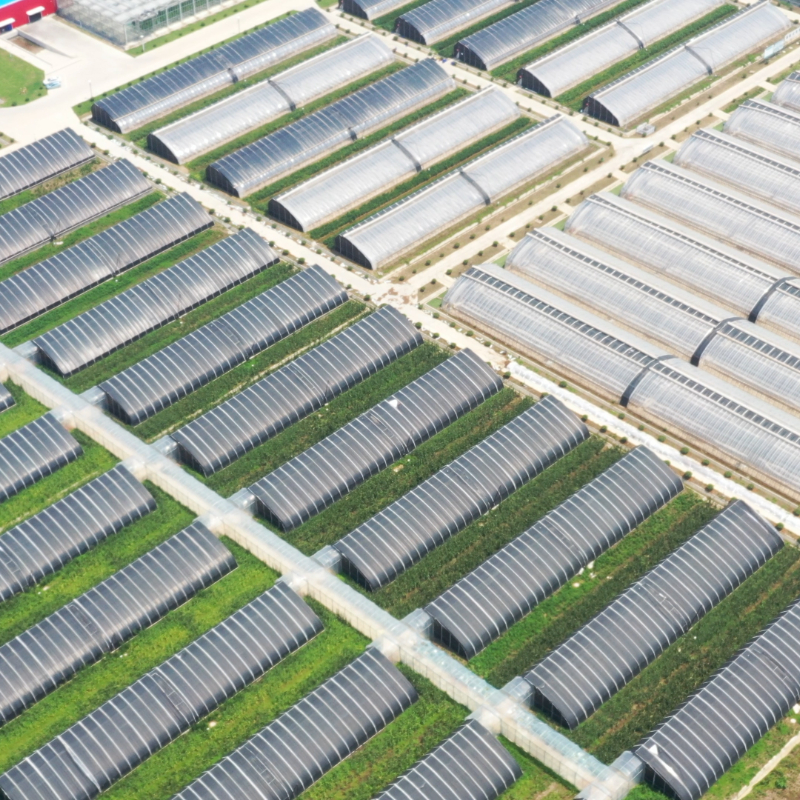
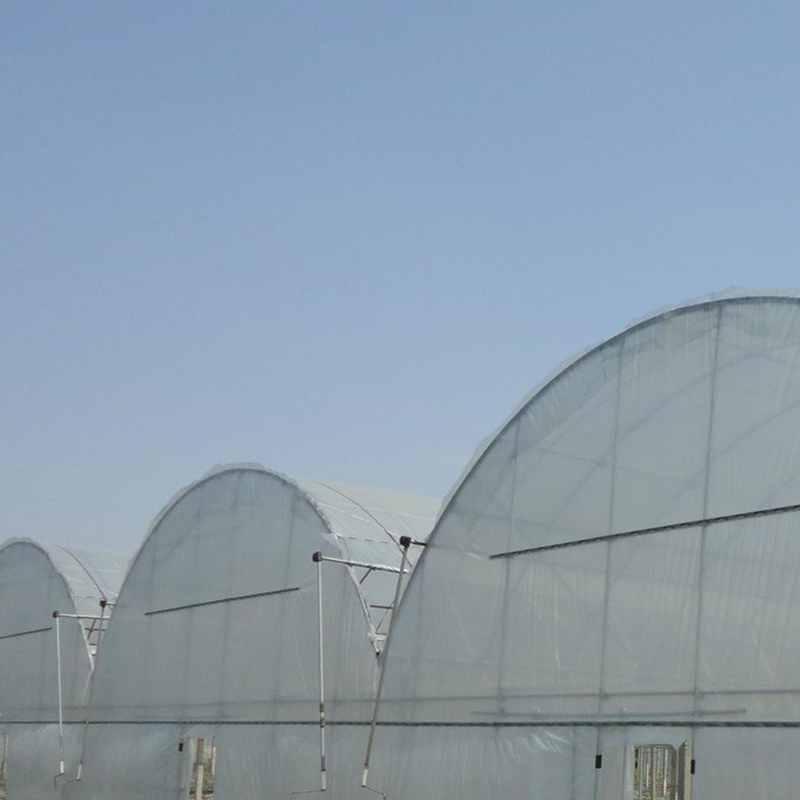
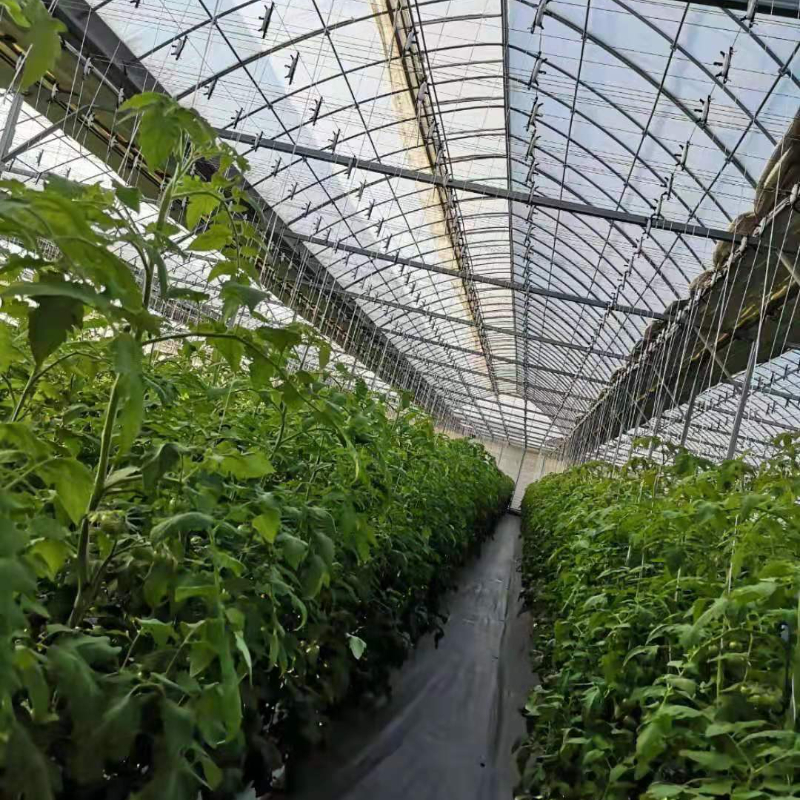
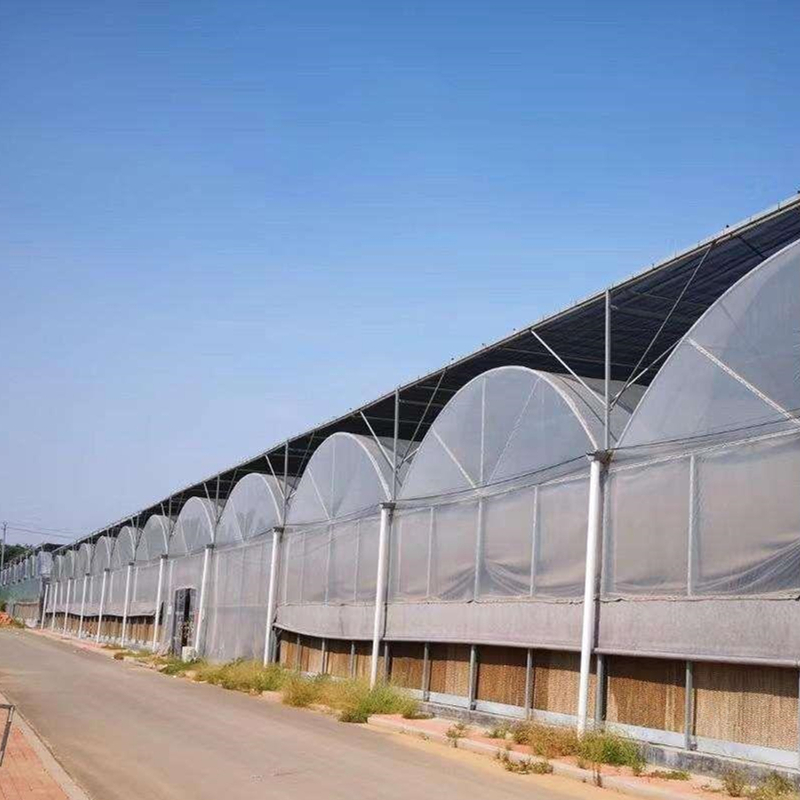
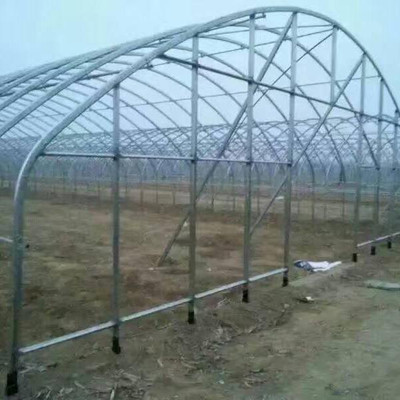
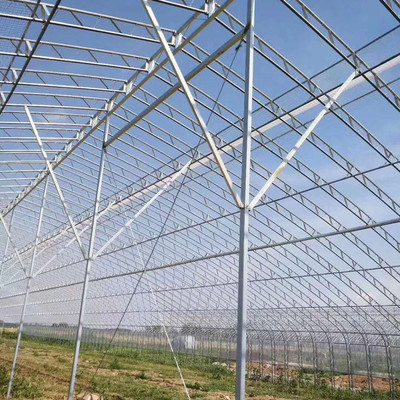
A large-span greenhouse is typically defined as a single-structure greenhouse with a clear span (width) of 20 meters or more, often extending to 50m, 100m, or even wider without internal supporting columns.
large-span greenhouse represent a shift from traditional multi-bay "Venlo" or "gutter-connected" greenhouses to vast, open-plan structures more akin to an aircraft hangar or a warehouse.
Advantages of Large-Span Greenhouses
The advantages primarily stem from the enormous, uninterrupted internal volume and the single-structure design.
1.large-span greenhouse Maximized Usable Space and Operational Efficiency:
No Internal Columns: The most significant advantage. This allows for completely unobstructed use of the entire floor area.
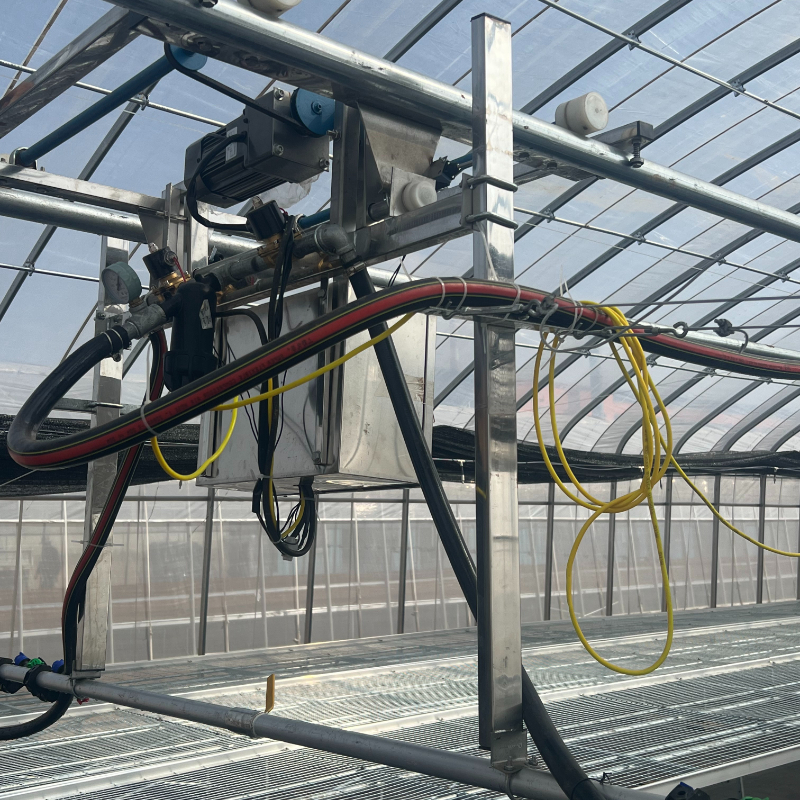
Mechanization and Automation: Large, wide-span equipment like automated seeding lines, transplanting carts, harvesting platforms, and even robotic systems can operate with maximum efficiency without navigating around support posts. This is crucial for large-scale operations.
Flexible Layout: Growers can configure planting beds, irrigation systems, and workflow paths in any layout they choose, without being constrained by a fixed grid of columns.
2.large-span greenhouse Superior and Uniform Climate Control:
Reduced Temperature Fluctuations: The large air volume has a higher thermal mass. It heats up and cools down much more slowly than a traditional multi-bay greenhouse, leading to a more stable and uniform temperature throughout the structure. This avoids hot spots and cold spots common near walls and in corners of smaller greenhouses.
Better Humidity Management: The large volume can hold more moisture before reaching dew point, reducing the risk of condensation dripping directly onto plants (which can spread disease). This allows for more stable humidity management.
Uniform Light Distribution: With a high, single roof, light penetration is often more even across the entire crop canopy, especially when using diffusive glass or films.
3.large-span greenhouse Structural Strength and Durability:
Engineered for Heavy Loads: Large-span structures are inherently designed by engineers to handle significant snow, wind, and equipment loads. They often use strong materials like structural steel or reinforced concrete for the frame.
Suitable for Harsh Climates: Their robust design makes them the preferred choice for regions with heavy snowfall, high winds, or other extreme weather conditions where a lighter structure might fail.
4.large-span greenhouse Aesthetics and Scalability:
Modern and Impressive: They offer a clean, modern, and industrial appearance, which can be important for showcase or educational facilities.
Large Continuous Blocks: They are ideal for creating very large, continuous growing areas, which is efficient for monoculture production on an immense scale.
Design Challenges of Large-Span Greenhouses
The advantages come with significant engineering and economic challenges that must be carefully addressed.
1.large-span greenhouse High Initial Investment and Cost:
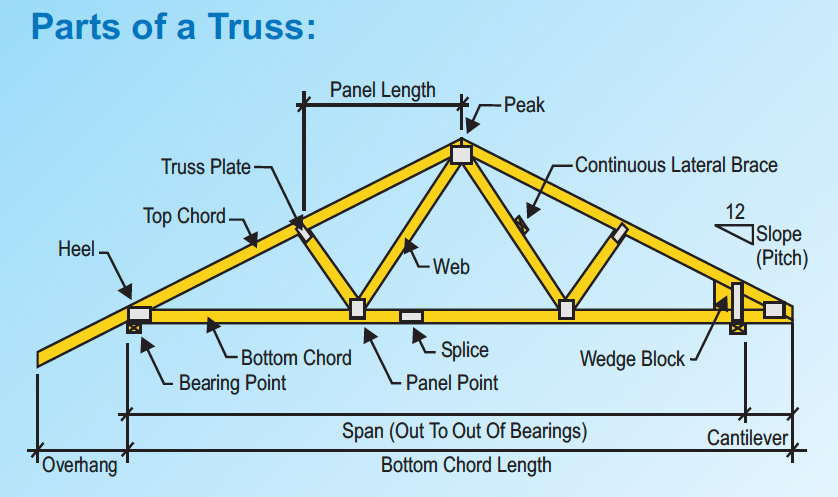
Material Costs: The requirement for long, strong structural components (e.g., large steel trusses or I-beams) to achieve the wide span is the single biggest cost driver. The cost per square meter is significantly higher than for gutter-connected ranges.
Engineering and Construction: The design requires sophisticated engineering analysis (e.g., finite element analysis). Construction is more complex and requires specialized equipment and skilled labor, further increasing costs.
2.large-span greenhouse Ventilation and Air Movement:
Stratification: The large volume of air can stratify, meaning hot air collects at the very top (creating a "heat bubble") while cooler air sits at the plant level. Overcoming this requires significant effort.
Inefficient Natural Ventilation: Sidewall vents become ineffective for the center of the structure. While large roof vents can be installed, moving a massive volume of air uniformly is a major challenge.
Forced Air Circulation: To break stratification and ensure uniform temperature, CO₂, and humidity, a powerful and well-designed system of horizontal air flow (HAF) fans, circulation fans, and extraction fans is absolutely essential and adds to the energy cost.
3.large-span greenhouse Heating and Cooling Loads:
Heating: While the climate is more stable, the total volume of air to heat in winter is enormous, leading to very high heating costs. The heating system must be extremely powerful and evenly distributed to avoid gradients across the large area.
Cooling: Similarly, cooling such a large volume in summer is a major challenge. Pad-and-fan systems are less effective over such long distances. Often, high-pressure fogging systems or fancy high-volume roof vents are required, adding to complexity and cost.
4.large-span greenhouse Light Transmission Challenges:
Structural Shading: The large, heavy structural elements needed for the roof (e.g., deep trusses) can create significant shading, reducing the overall light transmission to the plants compared to lighter structures with smaller purlins.
Compensation: This often needs to be compensated for with supplemental lighting (LEDs), which is another major capital and operational expense.
5.large-span greenhouse Condensation Management:
Dripping: Controlling condensation on the underside of the roof is critical. A single drip from a great height can gain enough momentum to damage plants or fruit below. The design must include effective condensate gutters or channels to catch and remove water before it drips.
Conclusion
Large-span greenhouses are not a "one-size-fits-all" solution. They represent the high-tech, high-investment end of the spectrum and are best suited for:
Large corporate farms with significant capital.
Regions with extreme weather (heavy snow, high wind).
Operations focused on maximum automation and mechanization.
Crops that benefit immensely from a perfectly uniform climate.
The decision to build a large-span greenhouse involves a careful trade-off between the superior growing environment and operational efficiency it offers versus the substantially higher capital and engineering challenges required to make it function correctly.
