
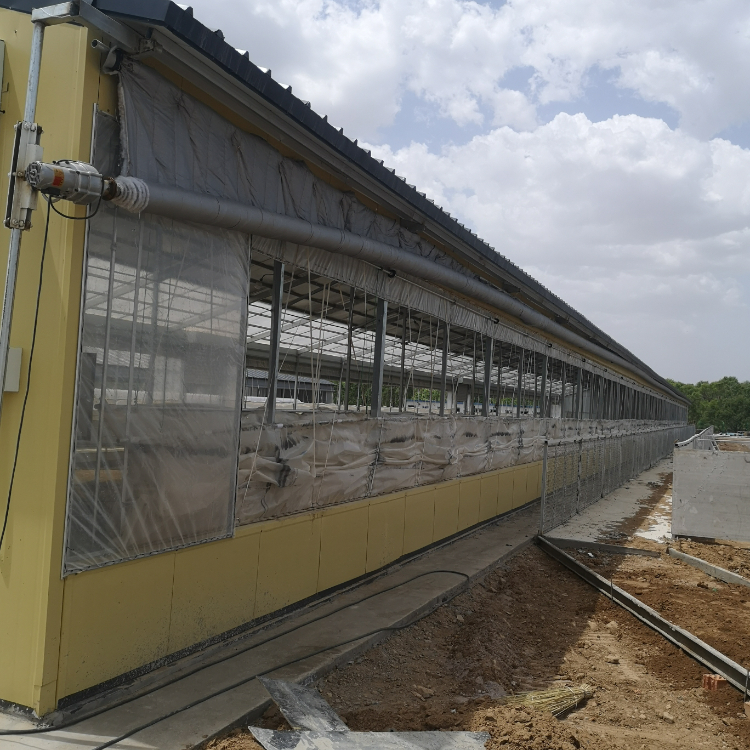
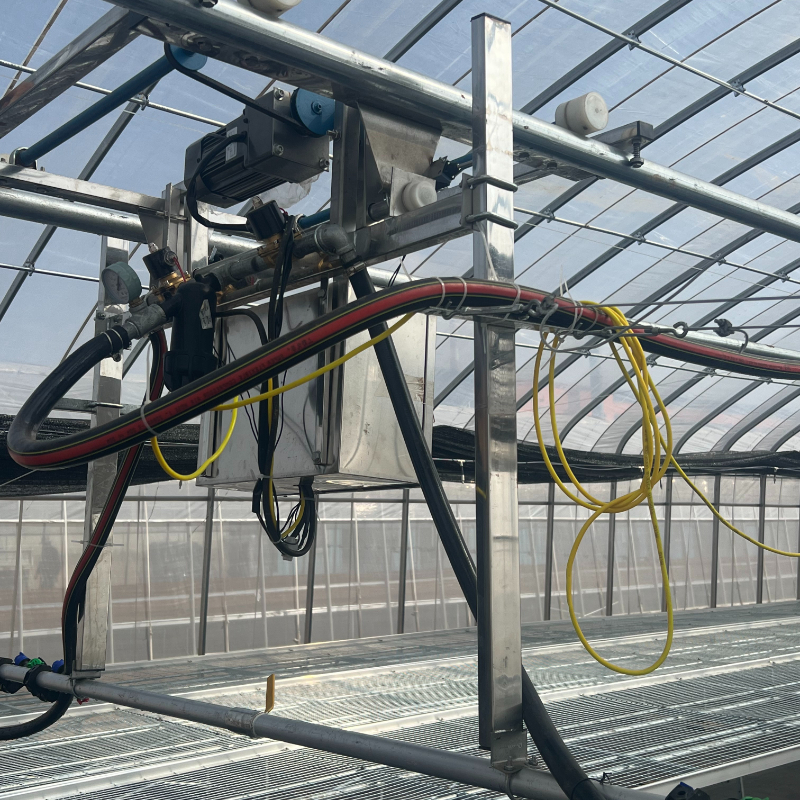
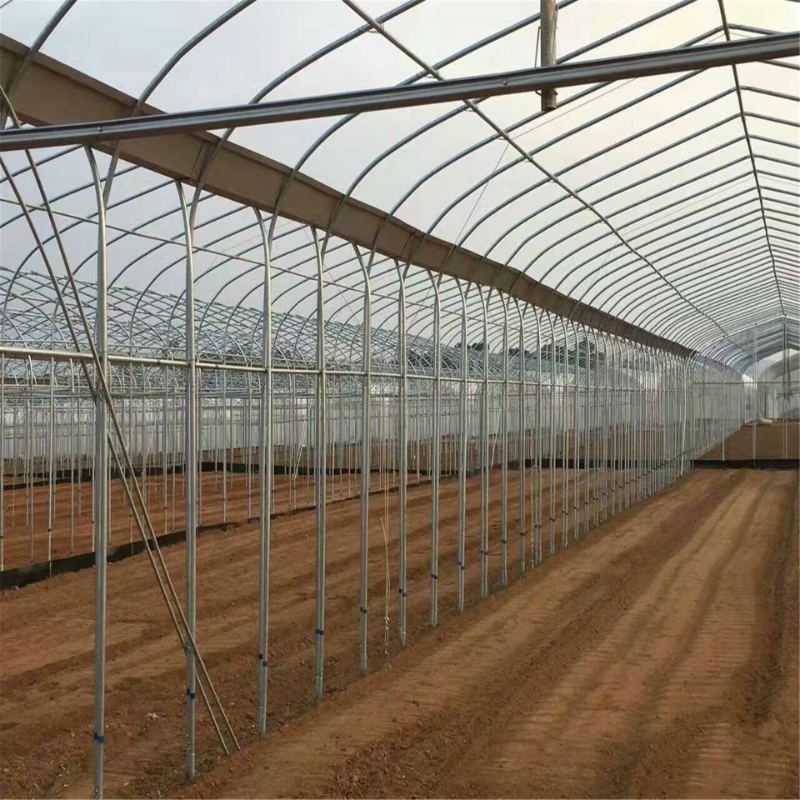


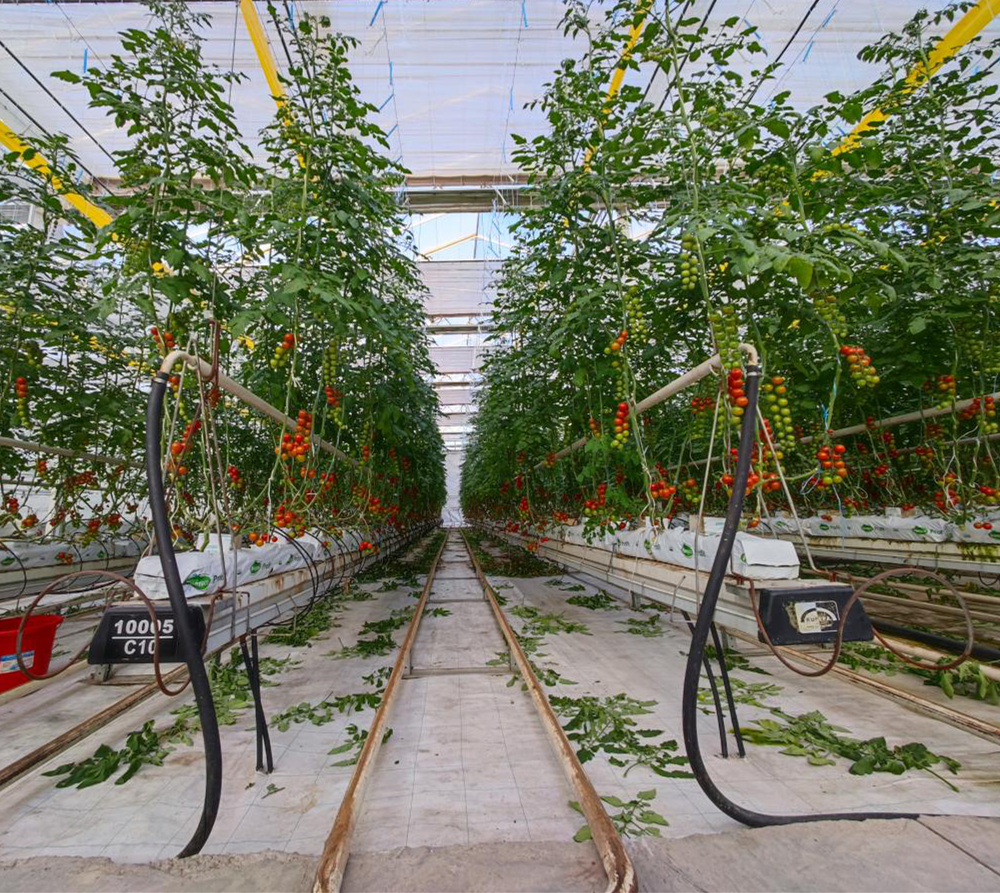
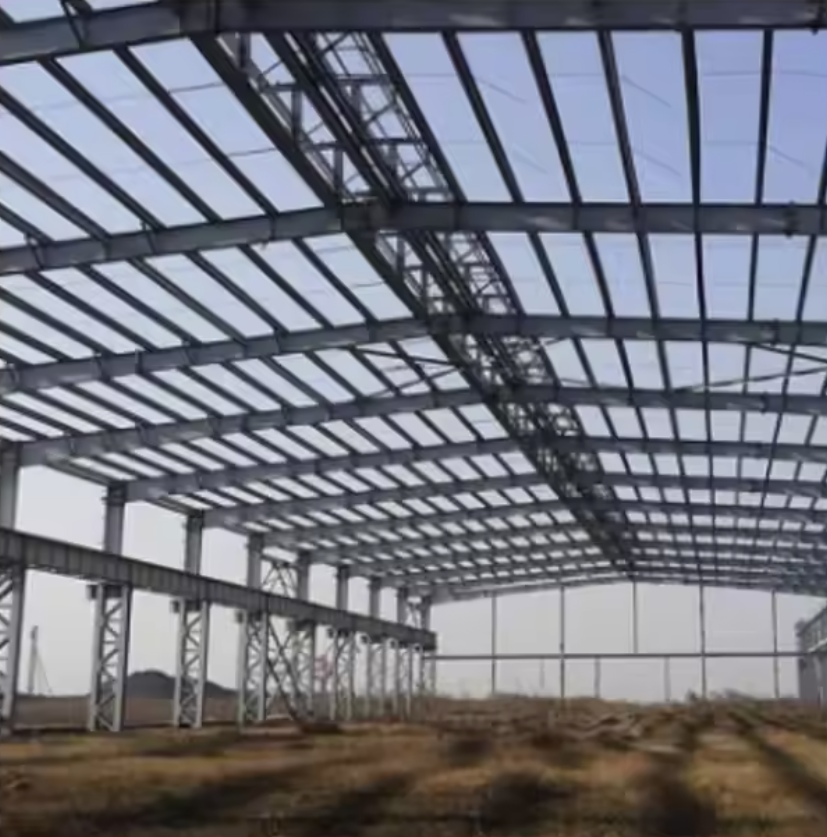
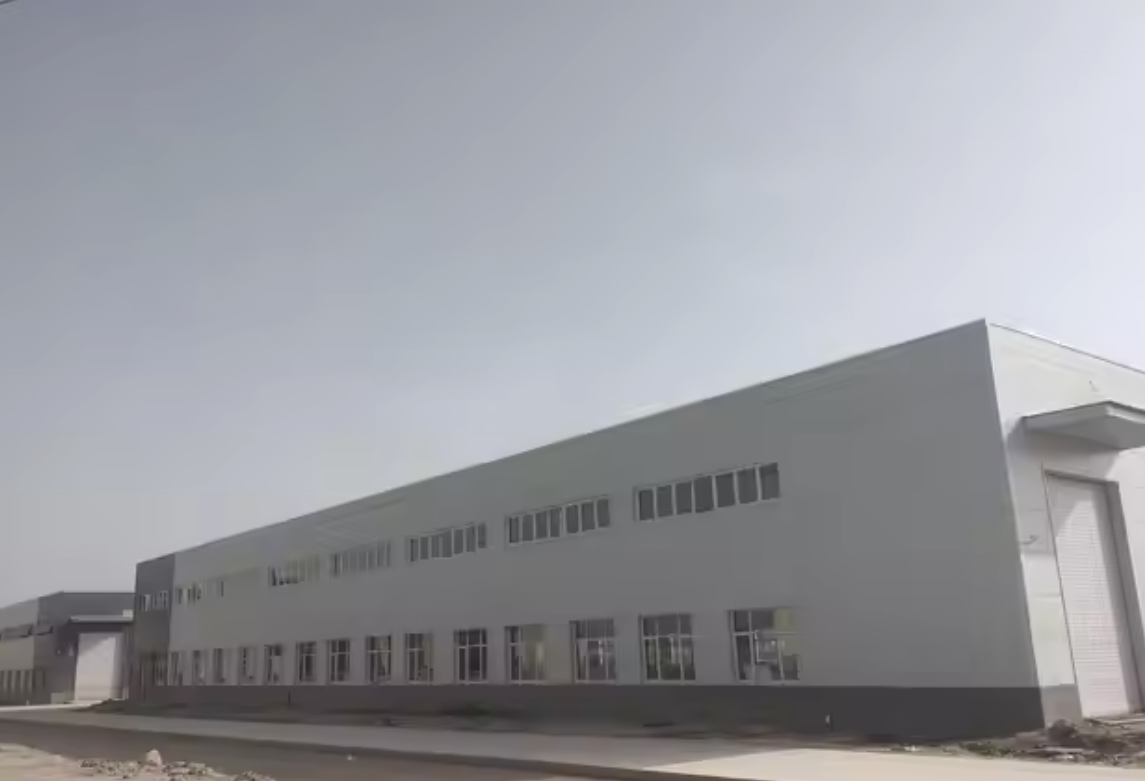
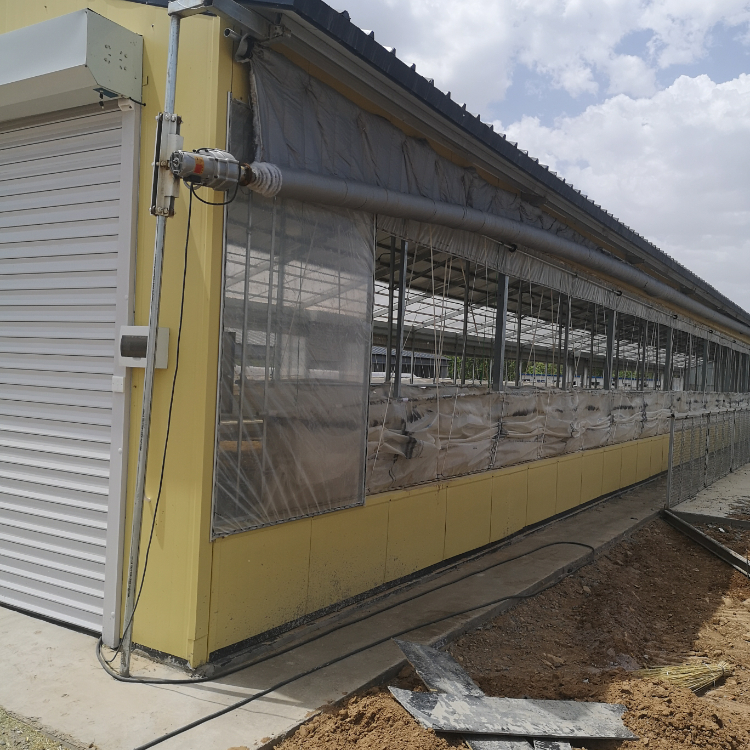
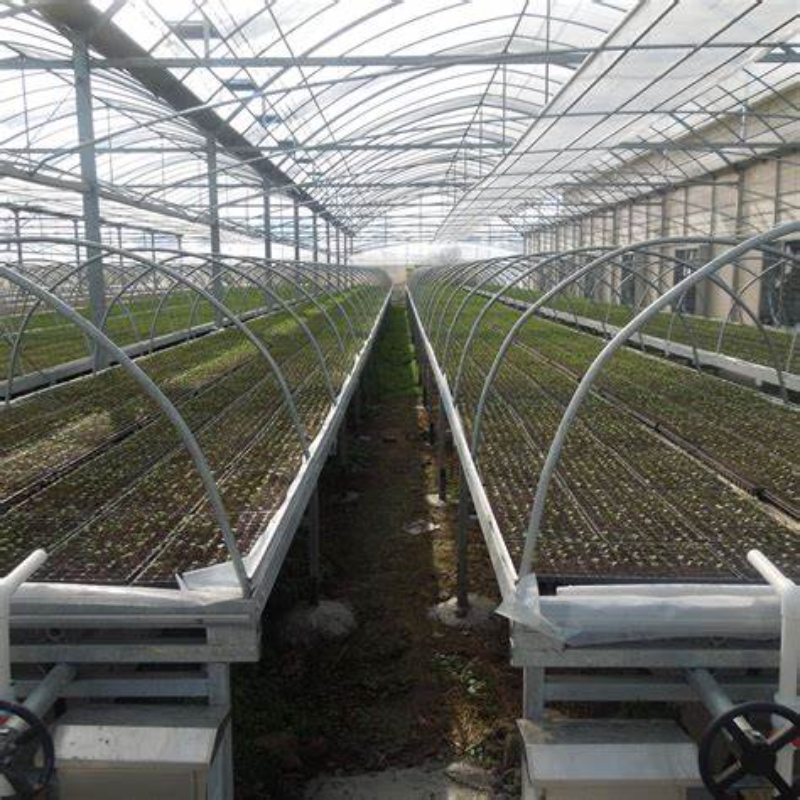
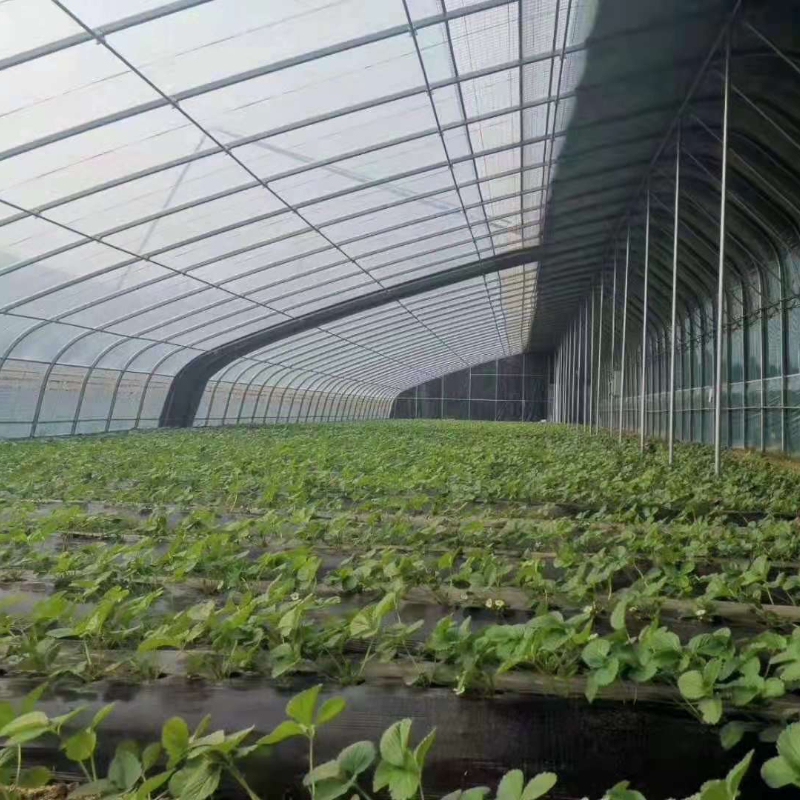
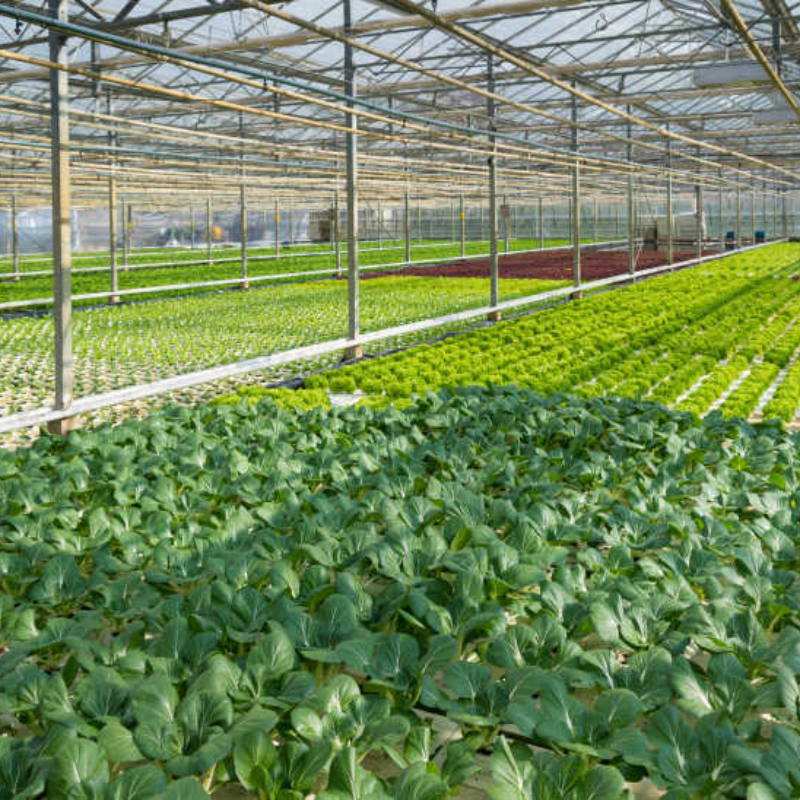
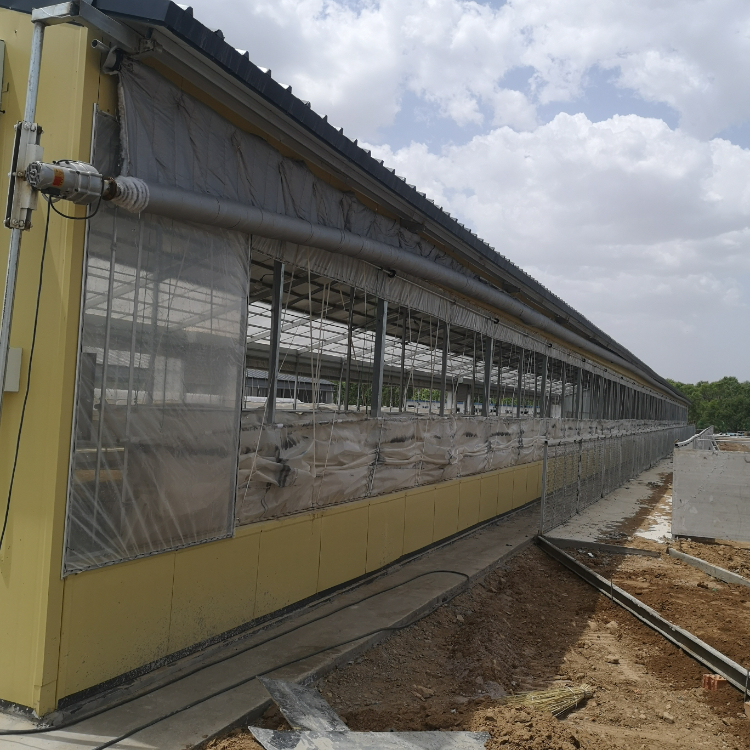
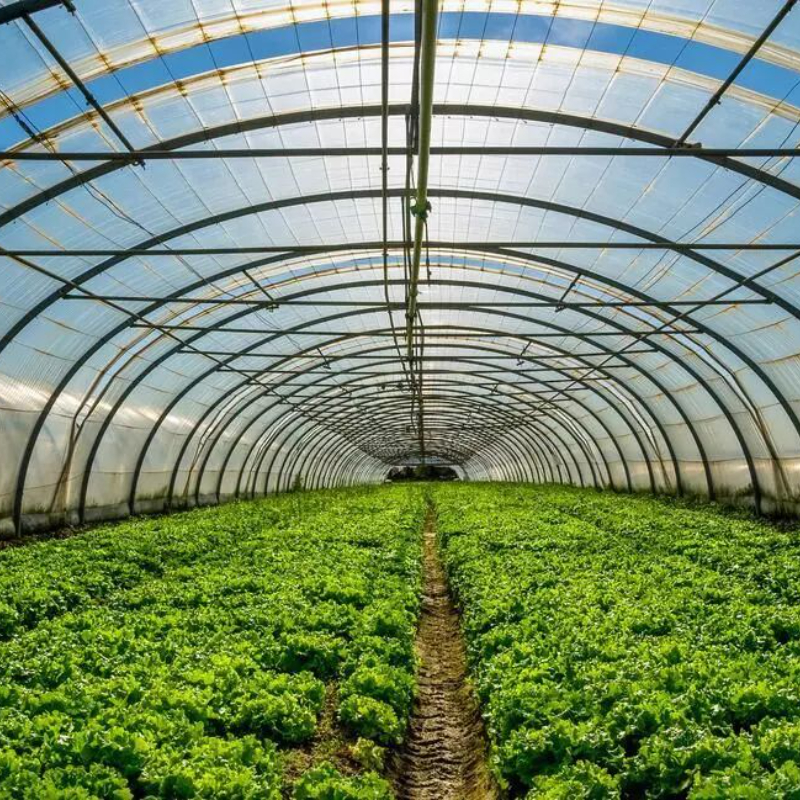
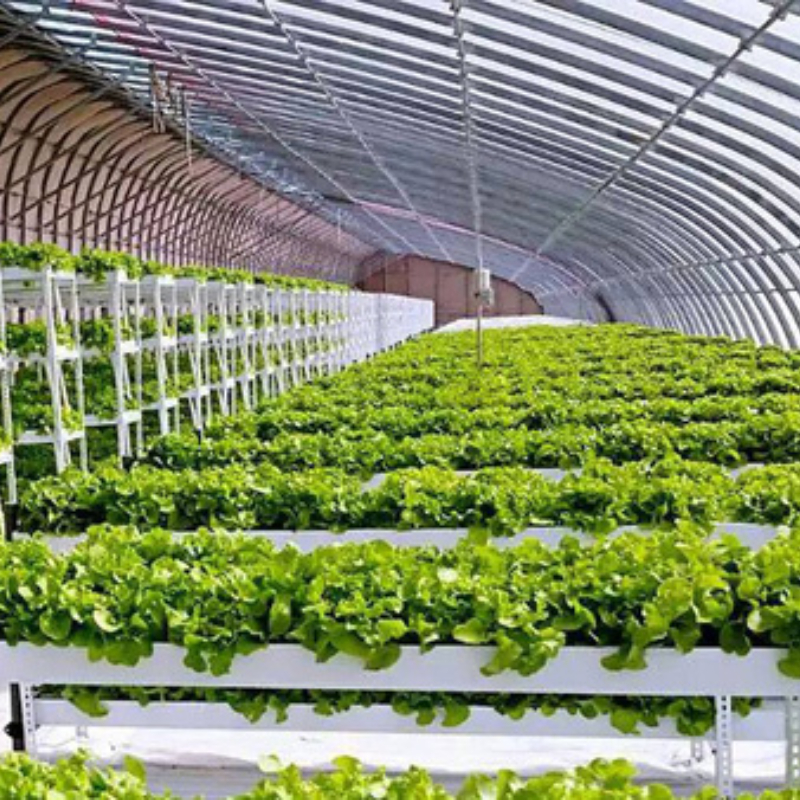
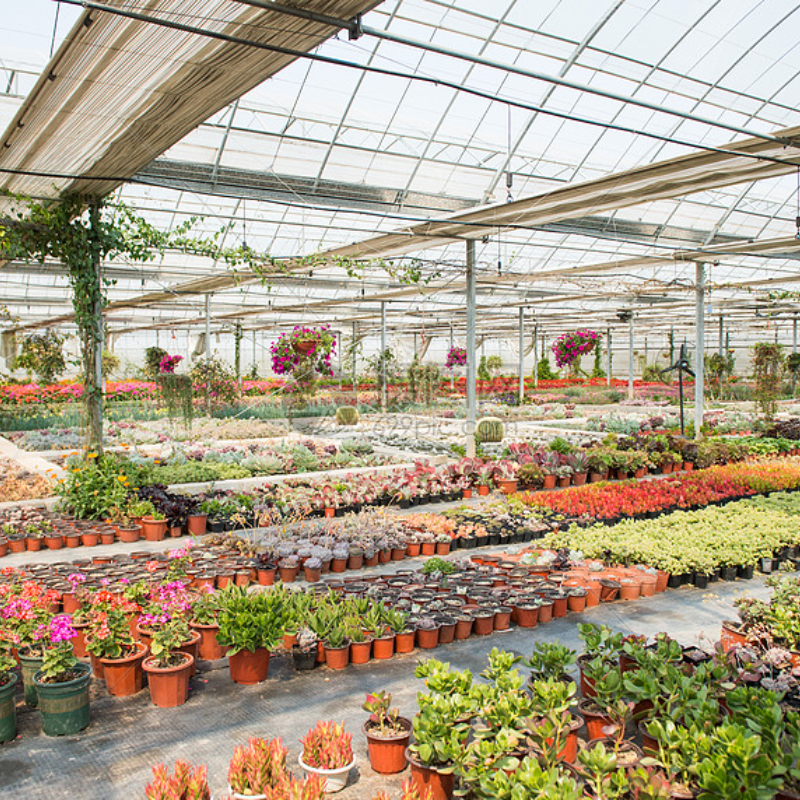
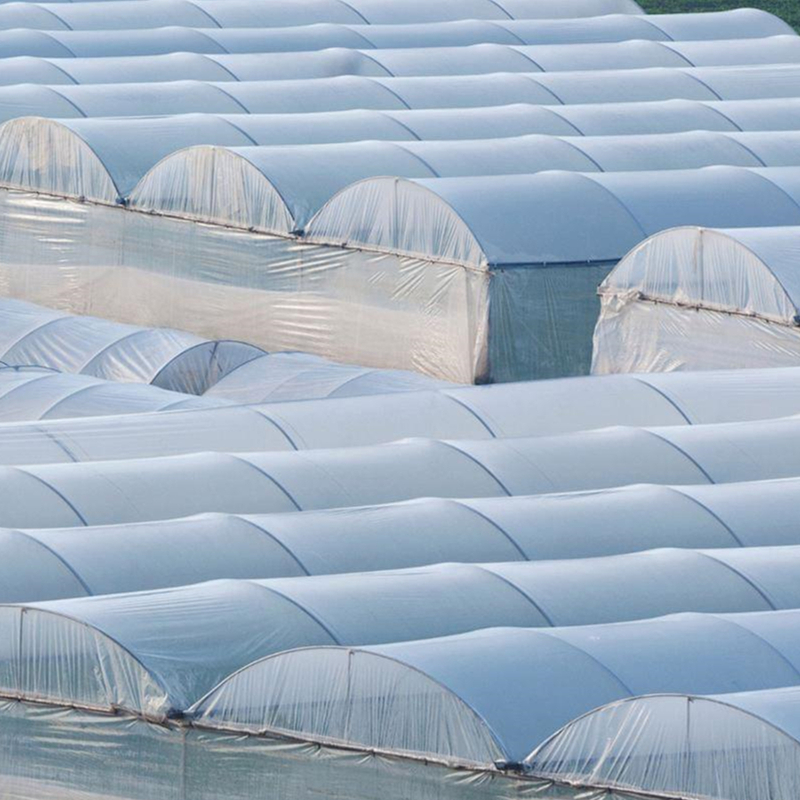
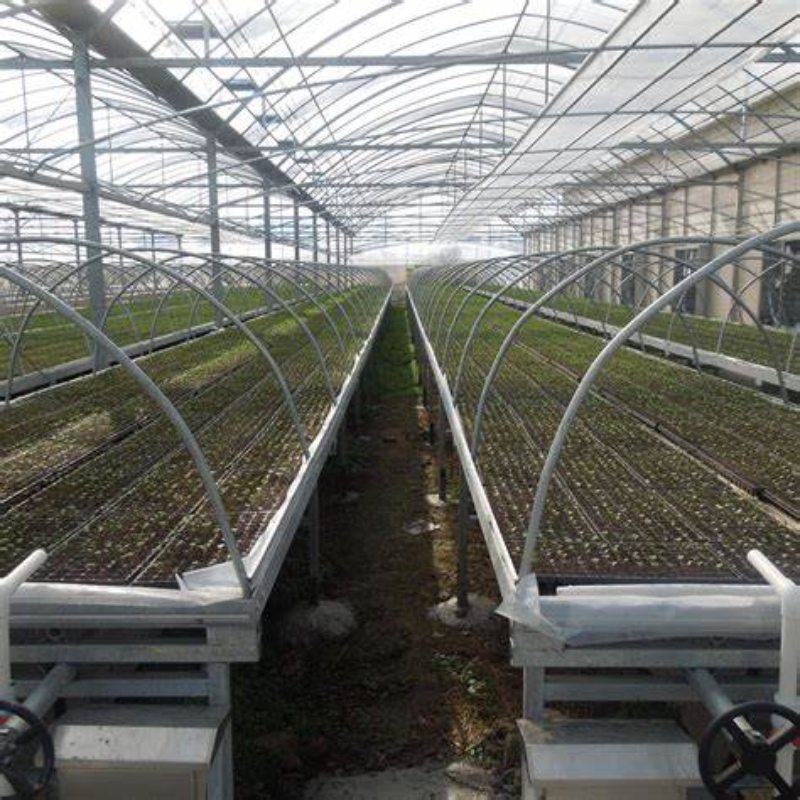
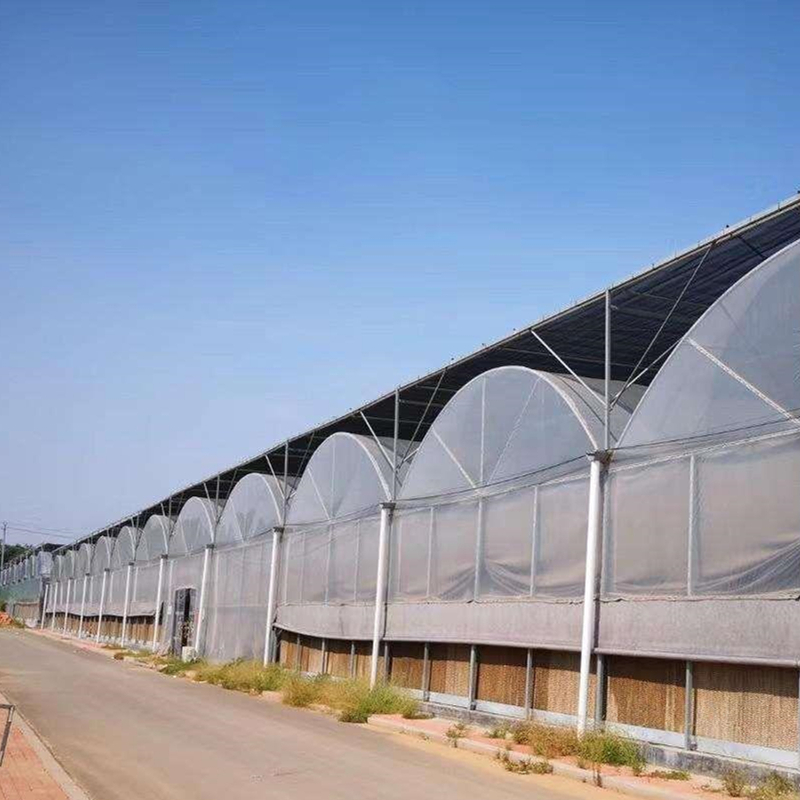
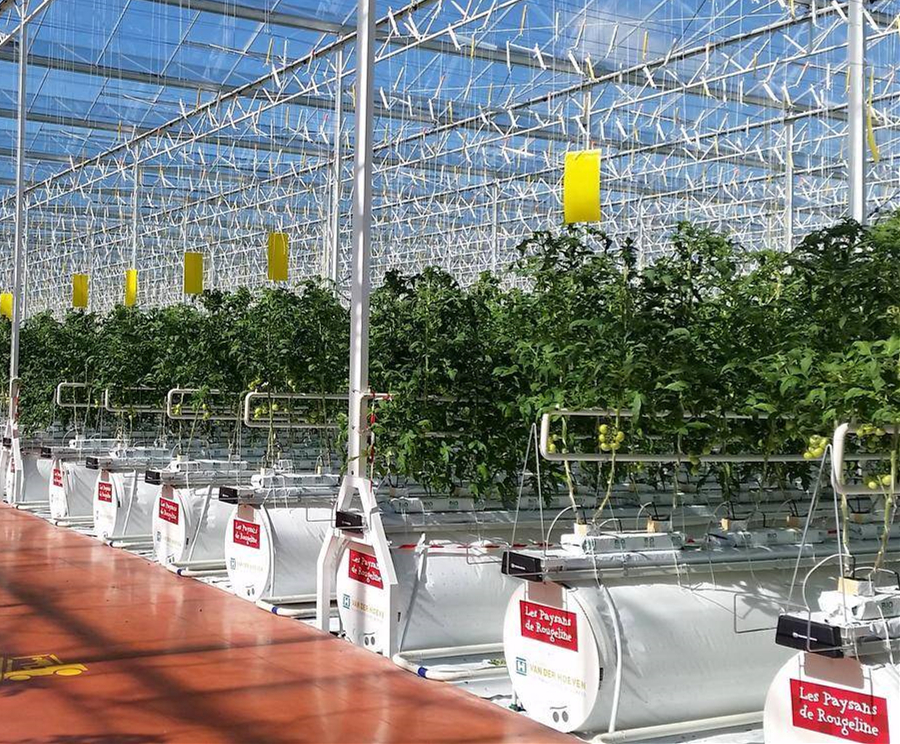
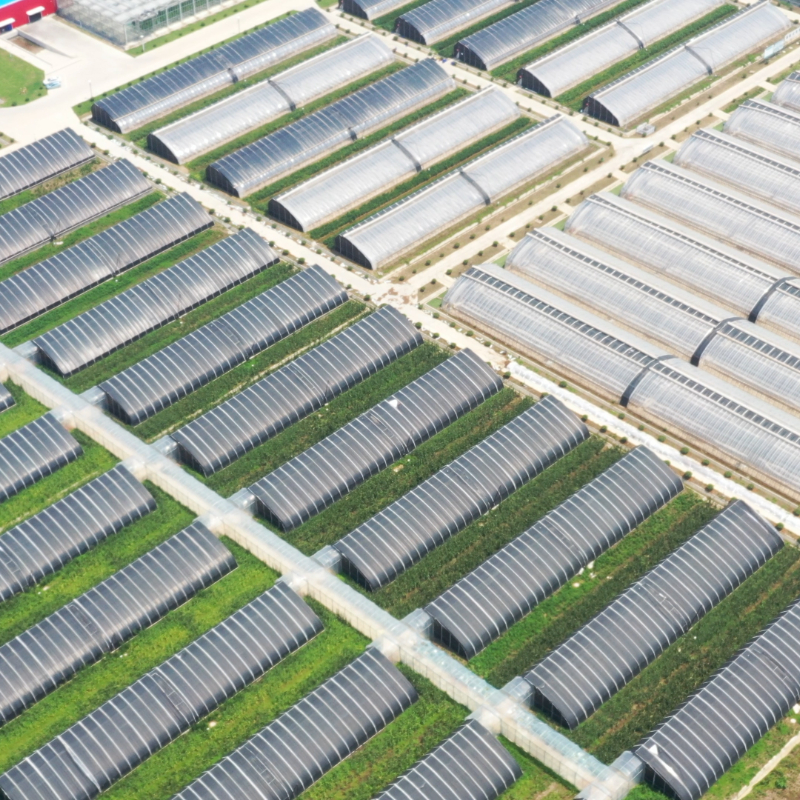
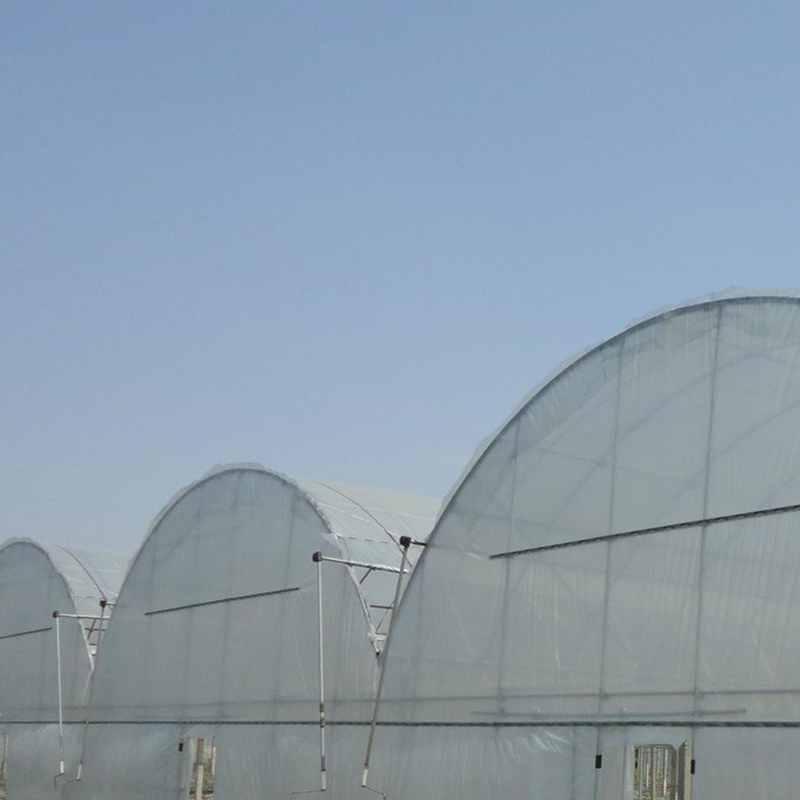
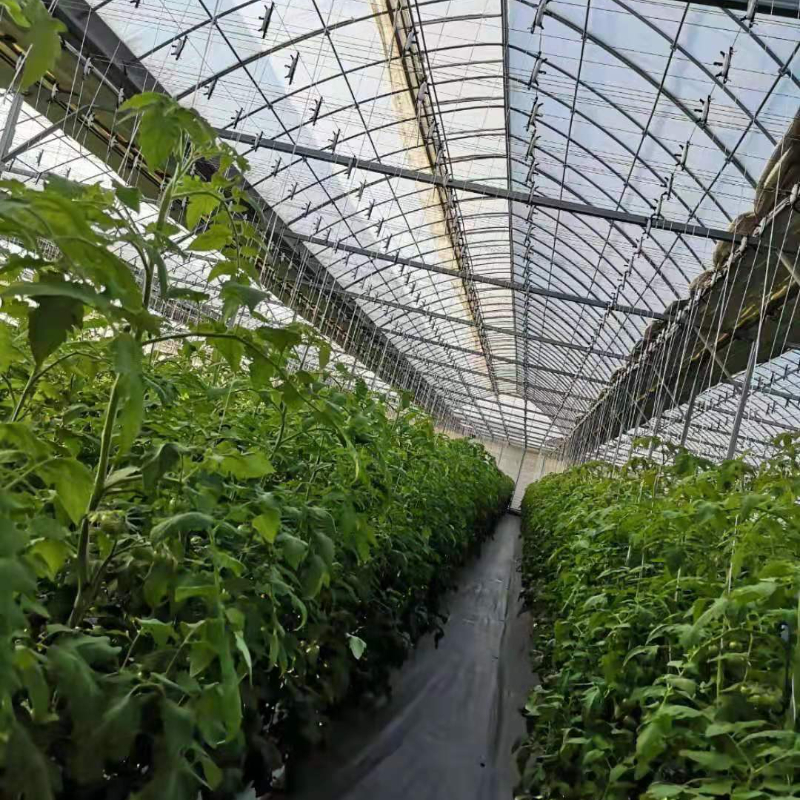
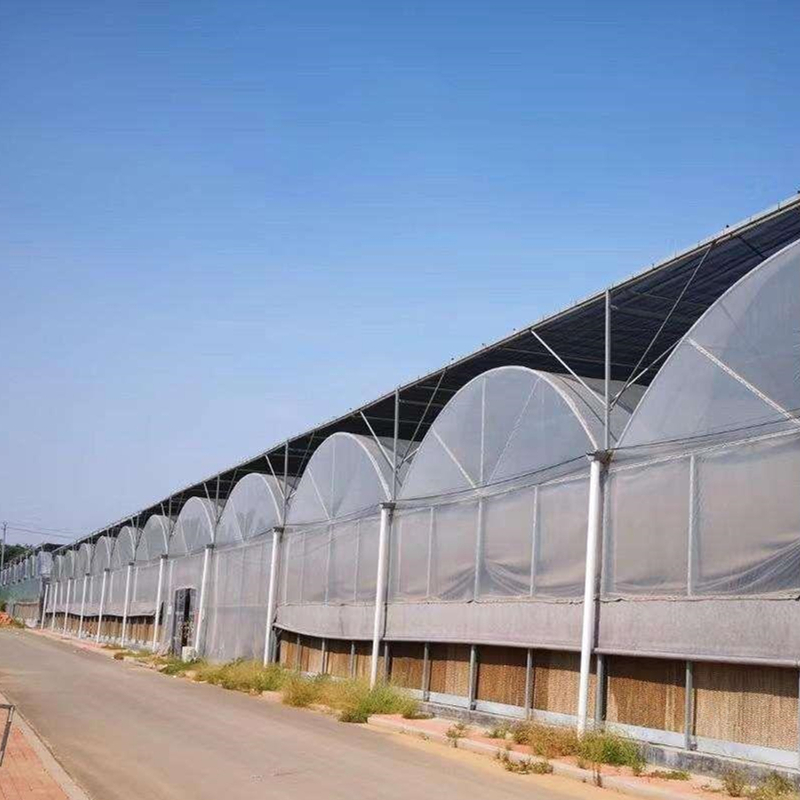
The story of Kazakhstan's greenhouse industry's development since 2008 is one of strategic planning, government commitment, and gradual market adoption. Prior to this period, Kazakhstan's agricultural sector was heavily reliant on open-field cultivation, which was severely constrained by the country's unique climatic conditions. The vast majority of Kazakhstan experiences a continental climate, characterized by long, cold winters and short, hot summers. This climatic pattern results in a prolonged off-season for vegetable cultivation, spanning from October to June of the following year, during which open-field planting of vegetables in fields, gardens, and orchards is virtually impossible. This seasonal limitation led to a heavy dependence on imported fresh vegetables during these months, posing risks to national food security and increasing the cost of living for residents.
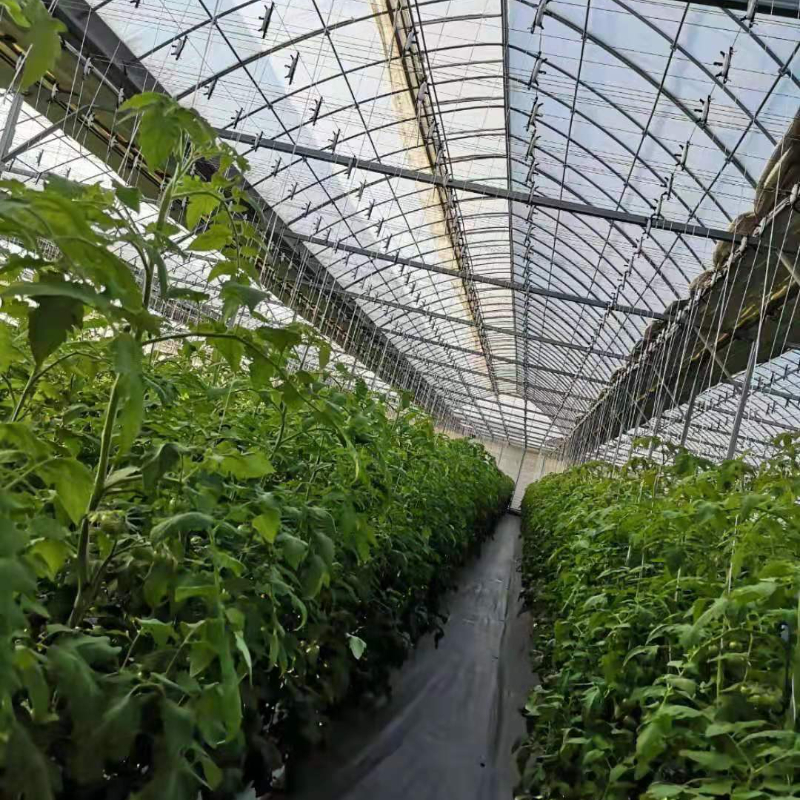
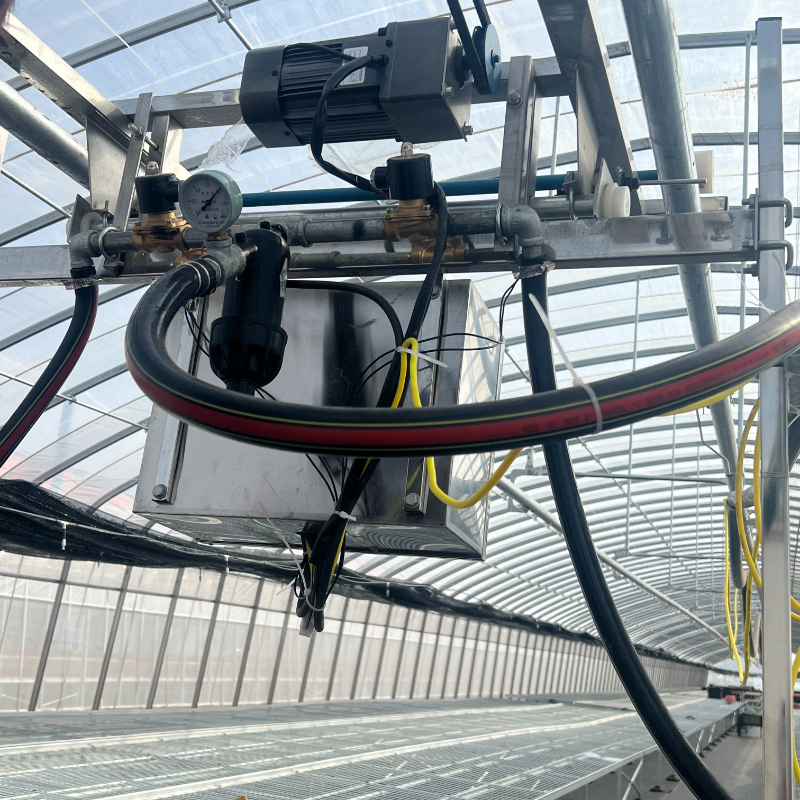
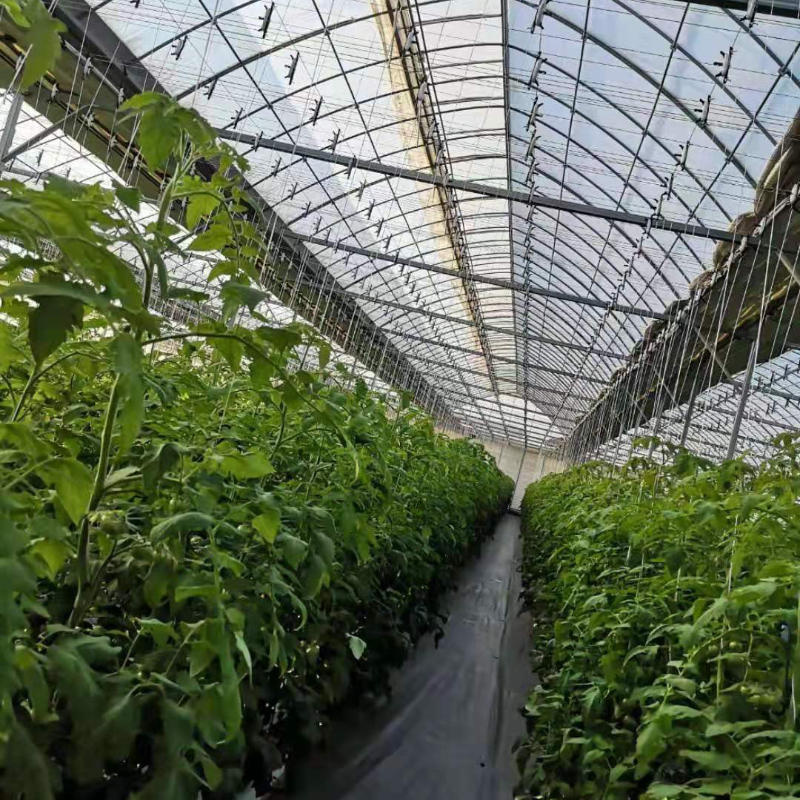
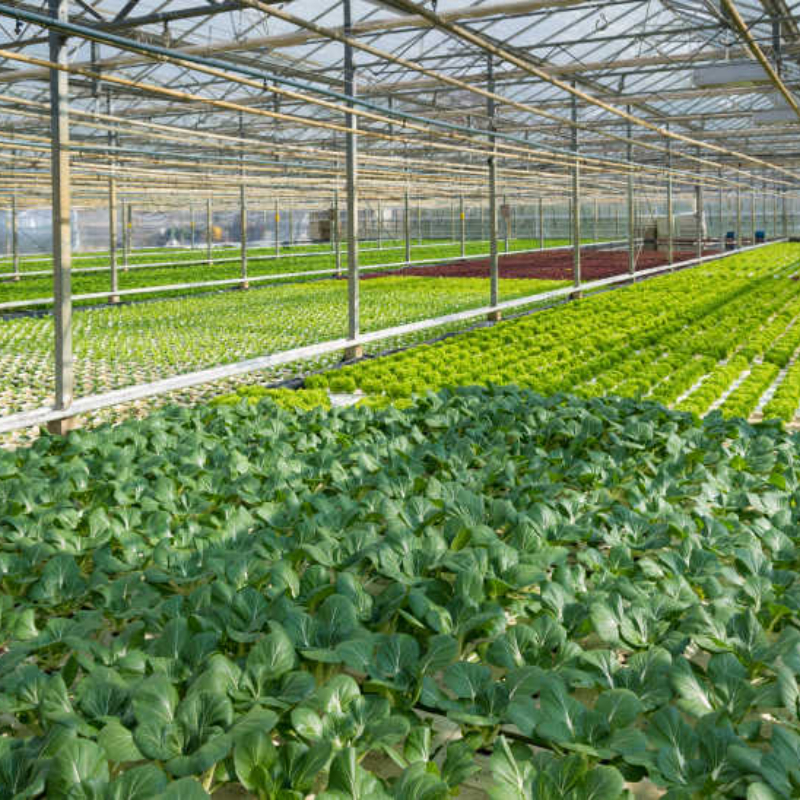
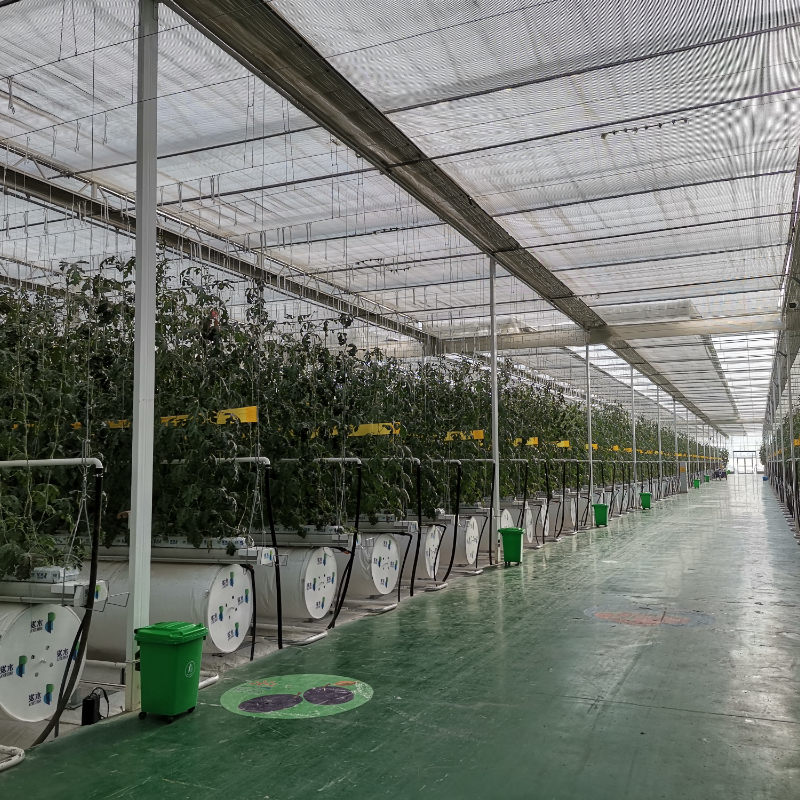
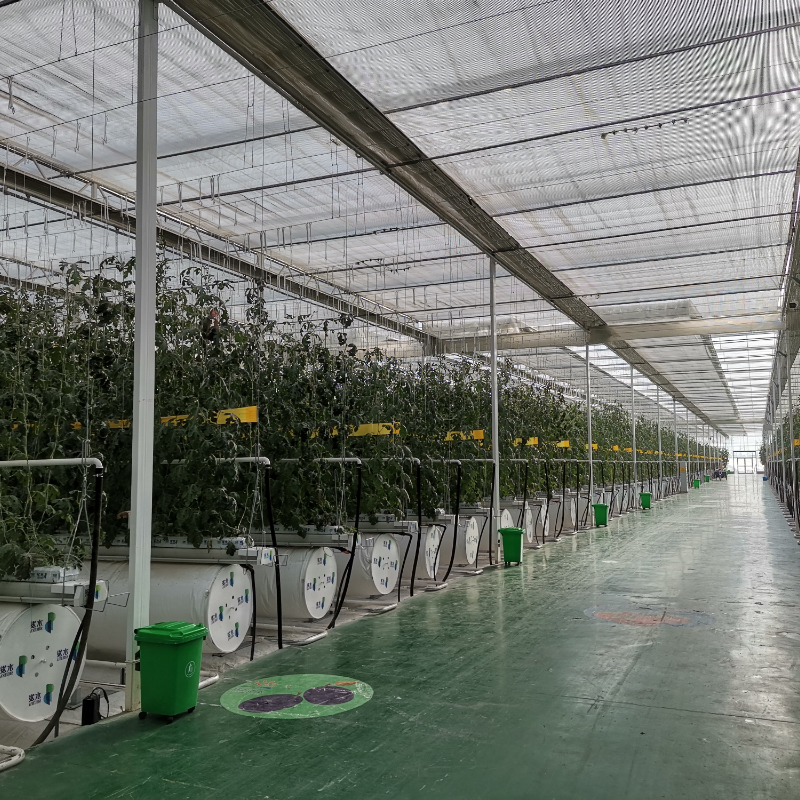
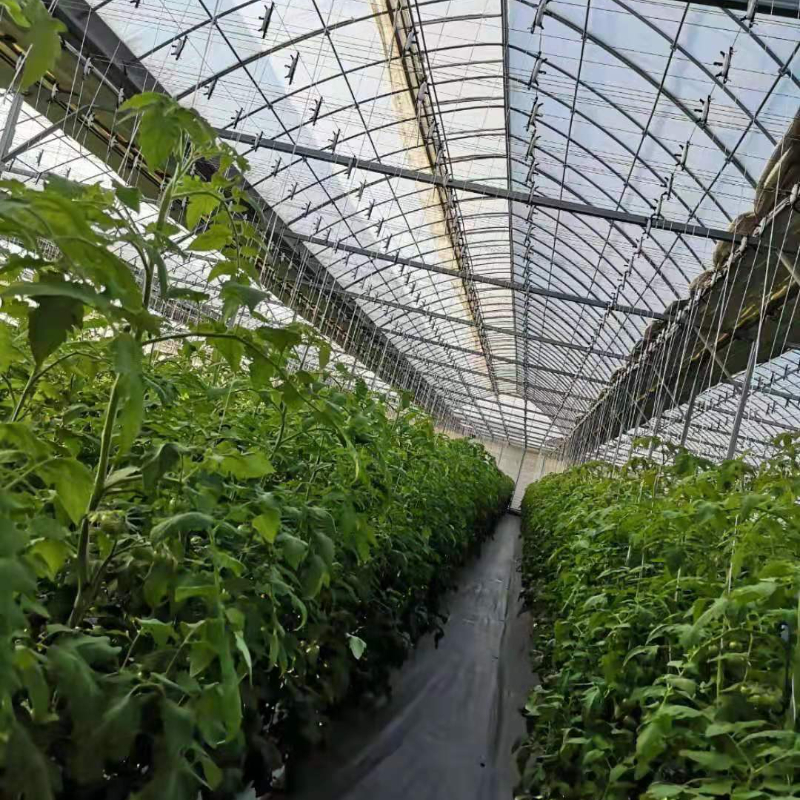
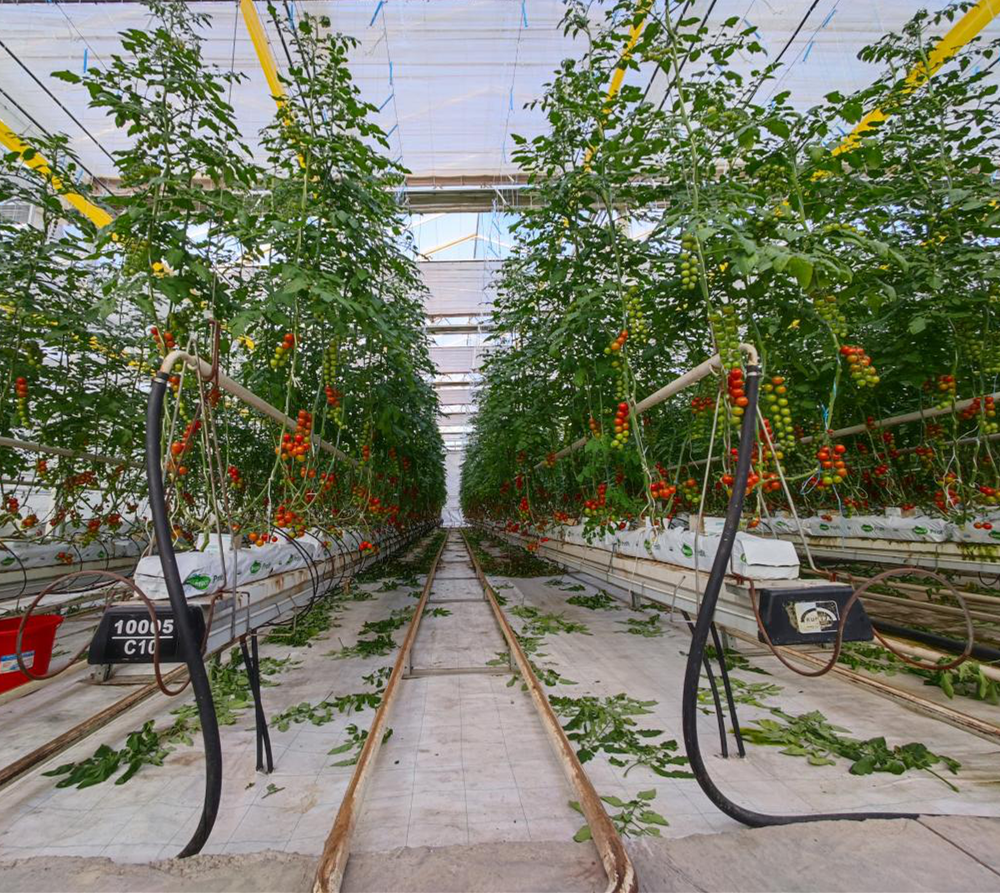
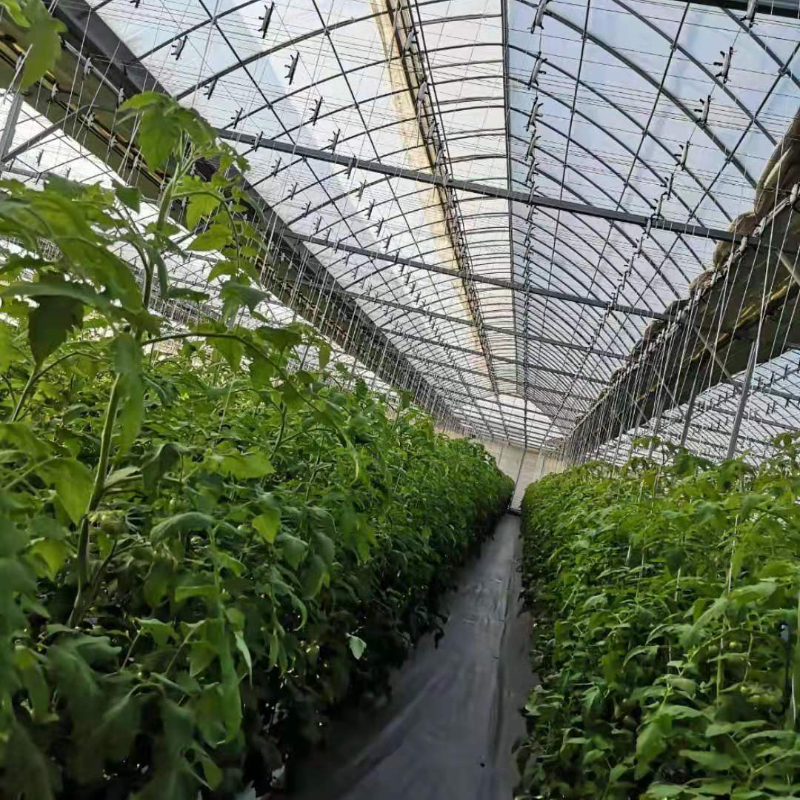
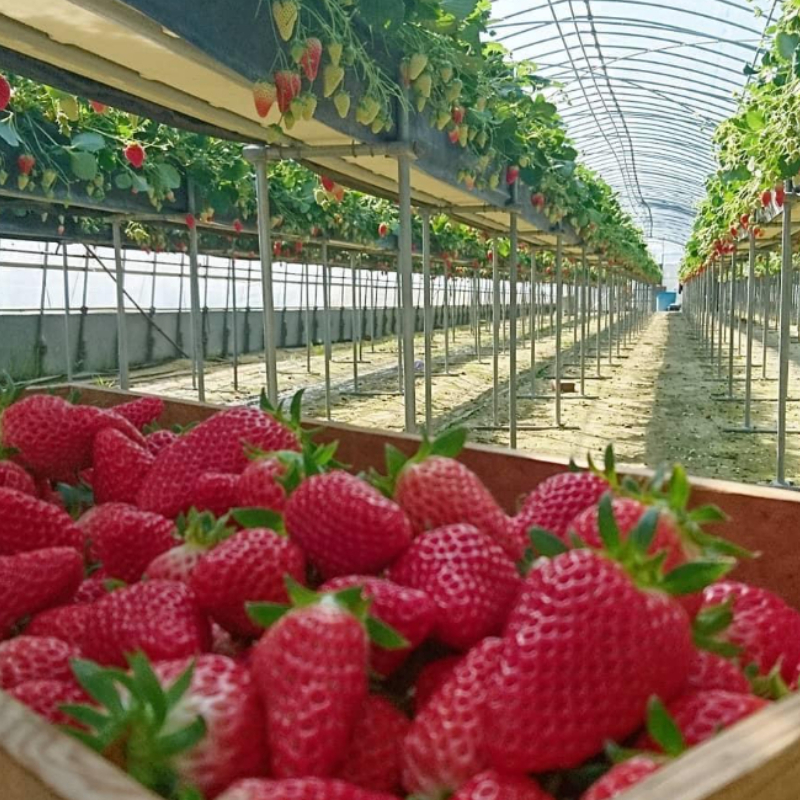
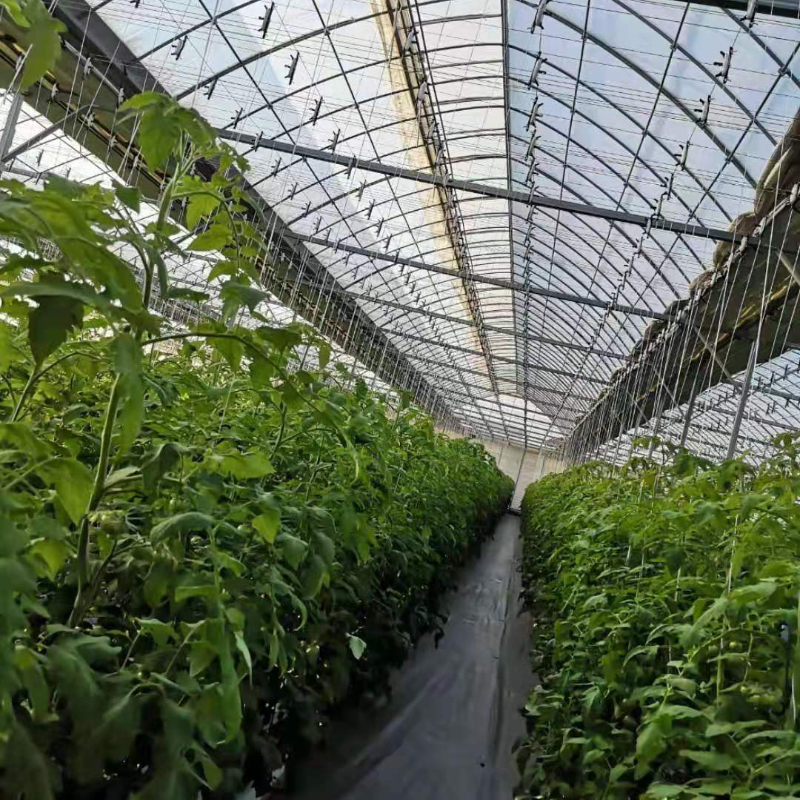
Recognizing these challenges, the Government of the Republic of Kazakhstan identified the development of the greenhouse industry as a strategic priority in the agro-industrial complex. Starting in 2008, the government rolled out a series of supportive measures to foster the construction and development of the greenhouse sector. The core objective was to reduce reliance on imported vegetables by enabling domestic production of fresh produce such as tomatoes, cucumbers, and pak choi during the off-season. This initiative resonated strongly with local farmers, who embraced the idea of greenhouse cultivation as a viable means to diversify their income and contribute to national food security. Over the past 14 years, the greenhouse industry has undergone a remarkable transformation, evolving from a nascent sector into a mature industry with significant scale and growing technological sophistication.
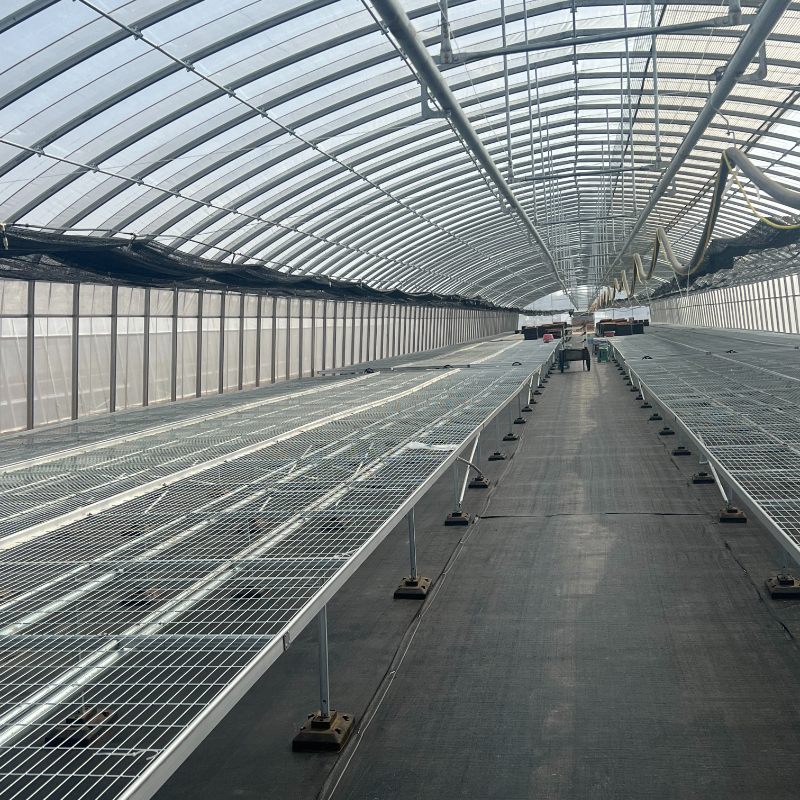
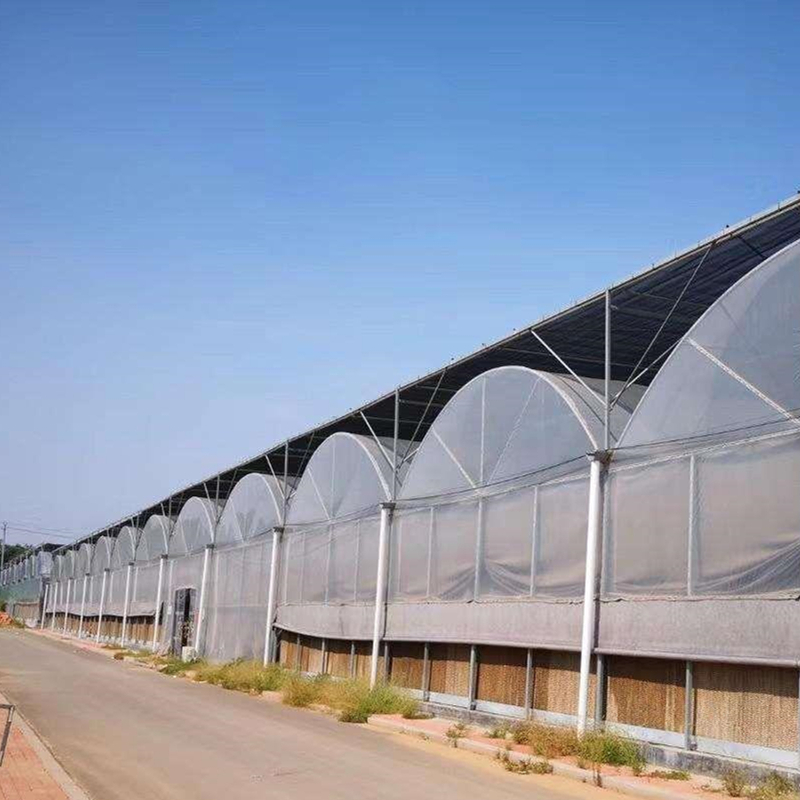
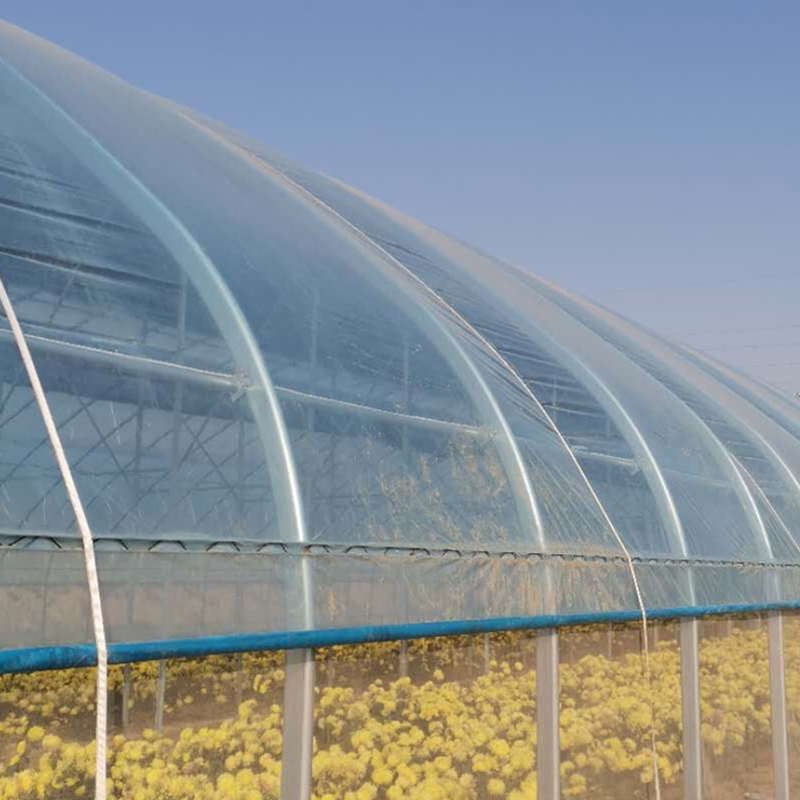
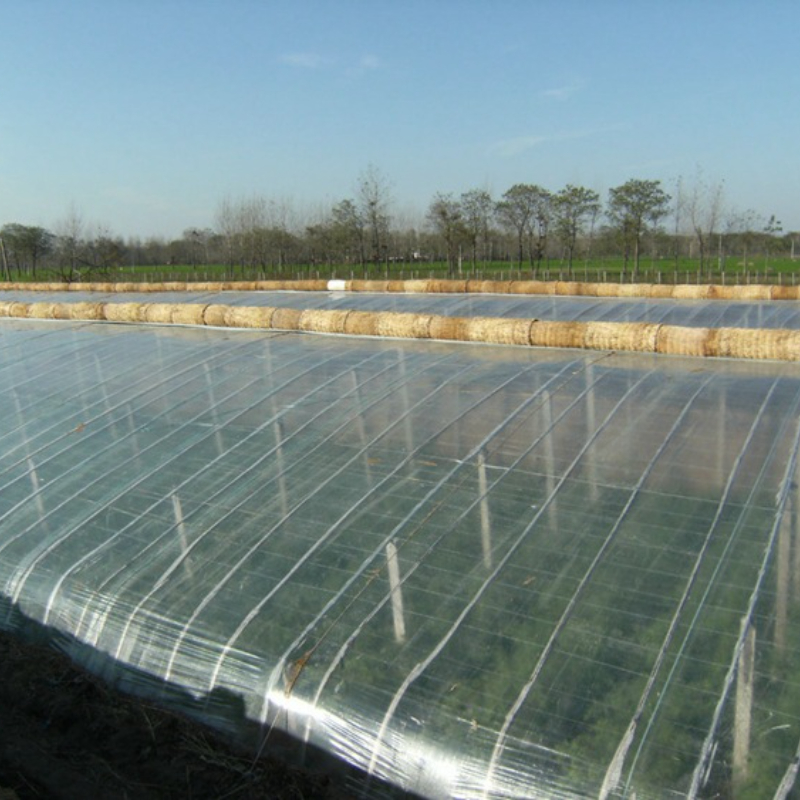
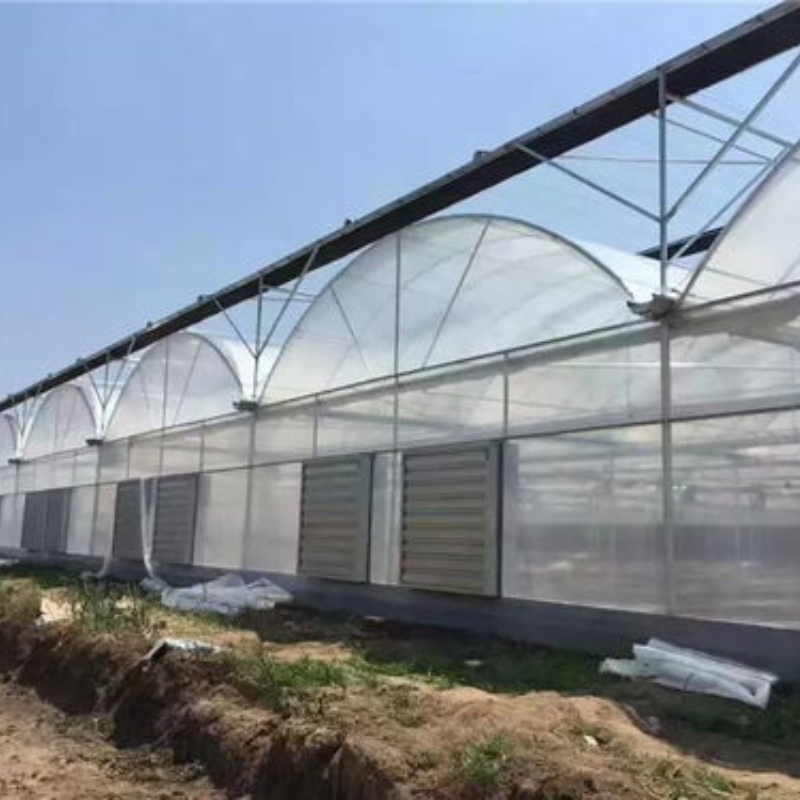
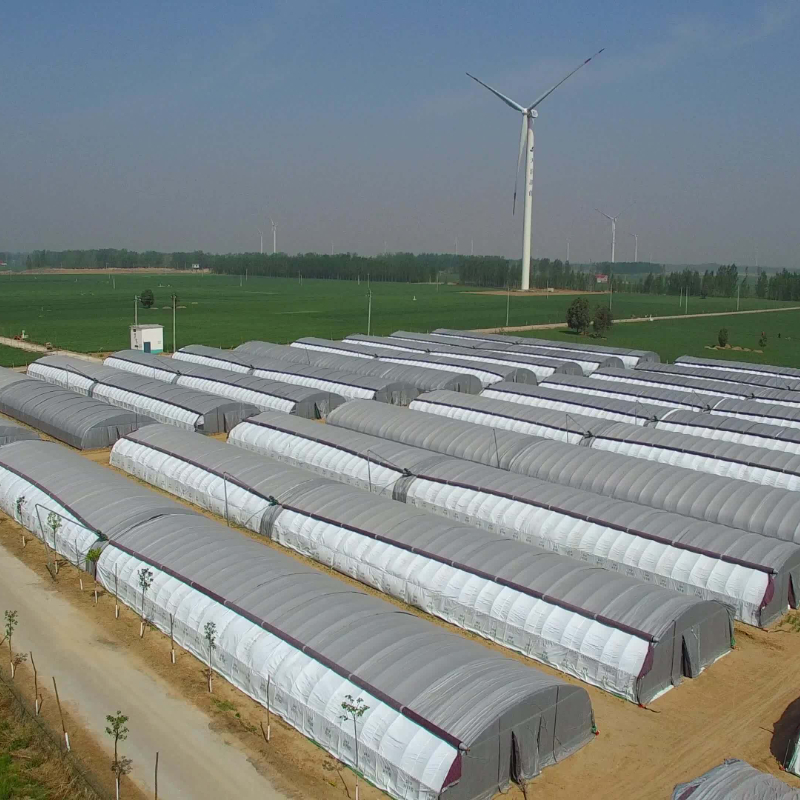
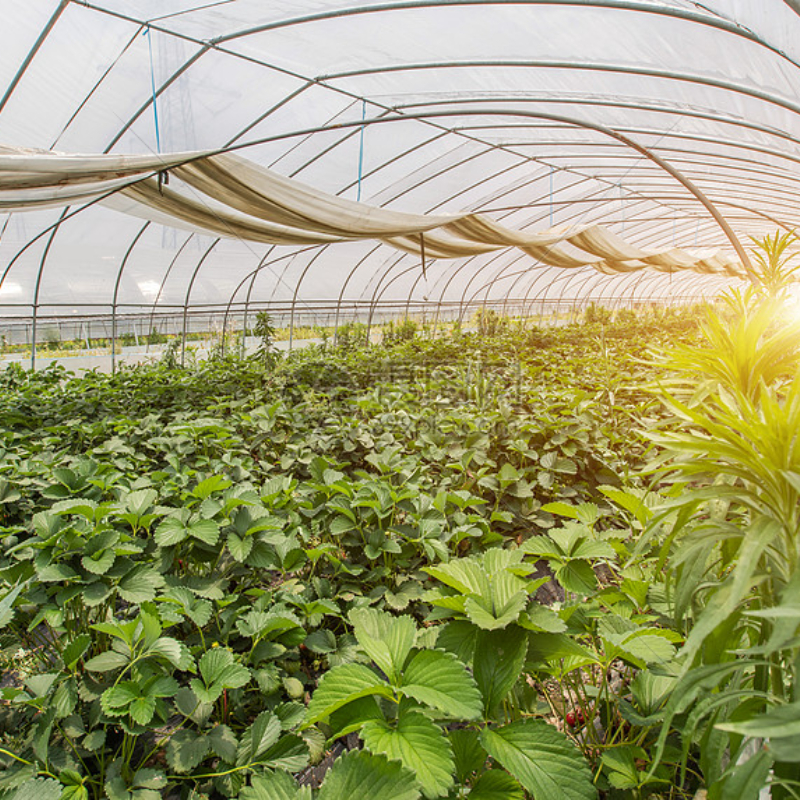
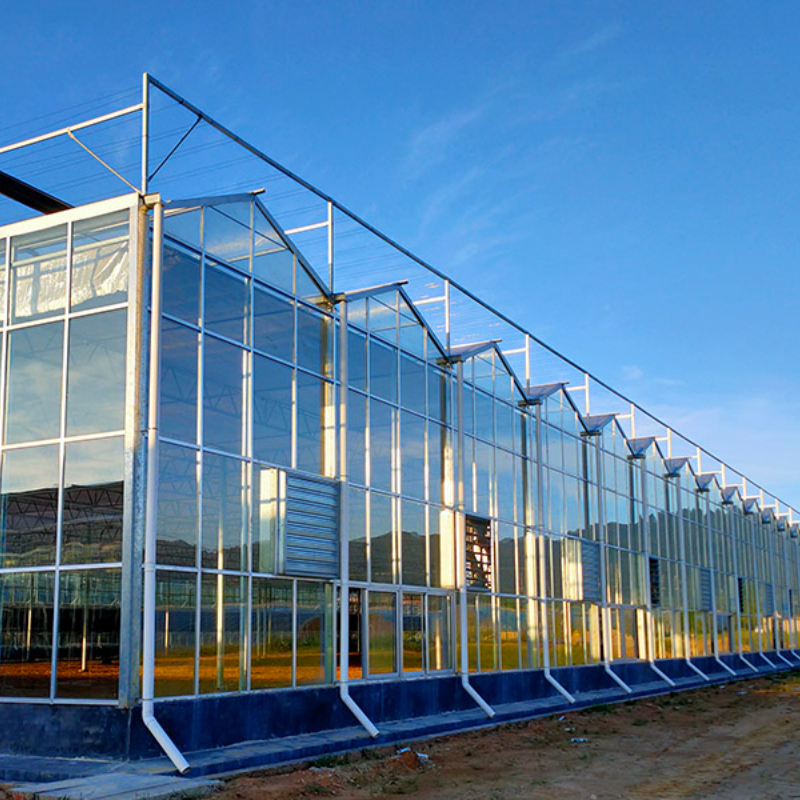
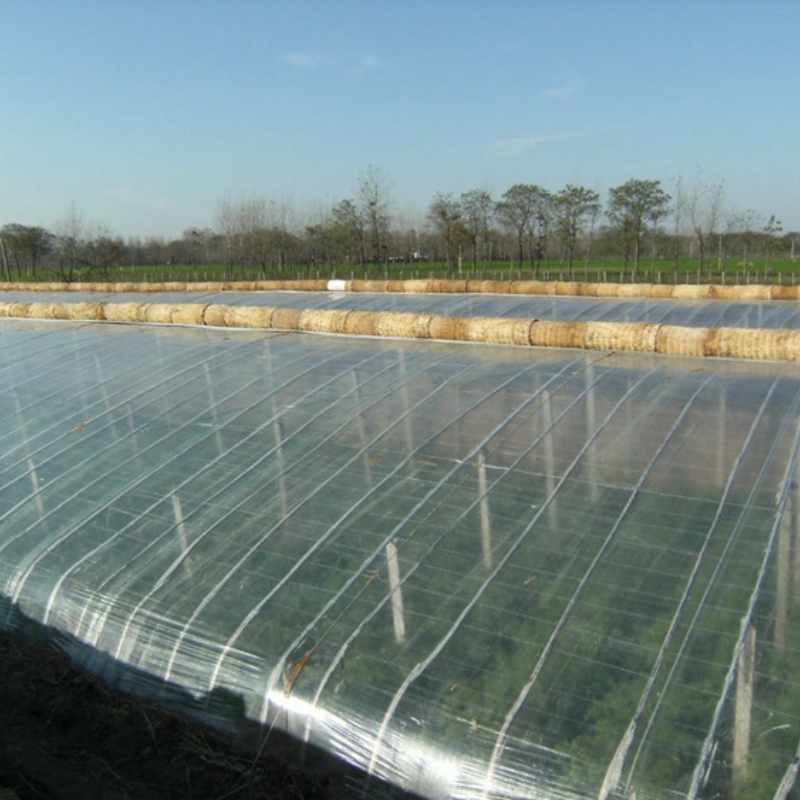
The development journey of Kazakhstan's greenhouse industry can be divided into two key phases. The initial phase, from 2008 to 2016, was marked by the establishment of basic greenhouse infrastructure. During this period, the focus was on encouraging farmers to adopt greenhouse cultivation through awareness-raising campaigns and initial policy support. Farmers primarily constructed small to medium-sized greenhouse facilities, utilizing relatively basic technologies to meet the immediate demand for fresh vegetables. This phase laid the foundation for the industry's growth, familiarizing local stakeholders with greenhouse operations and building a cadre of experienced growers.
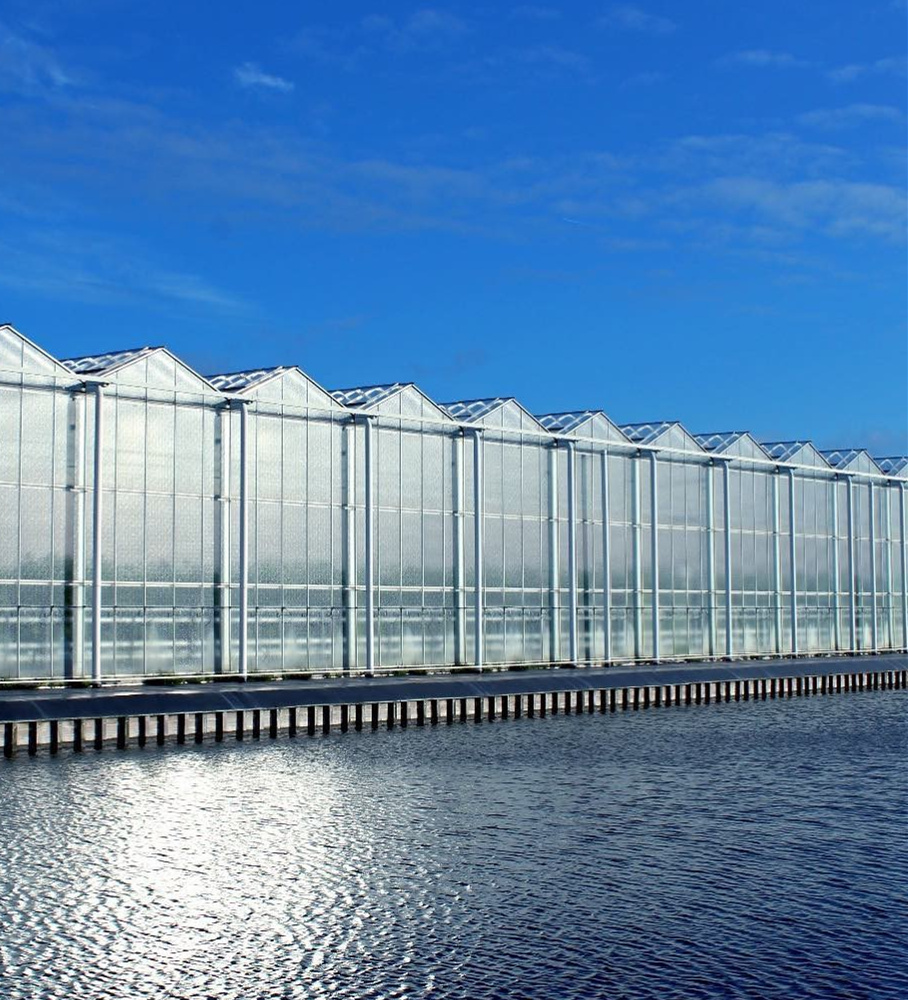
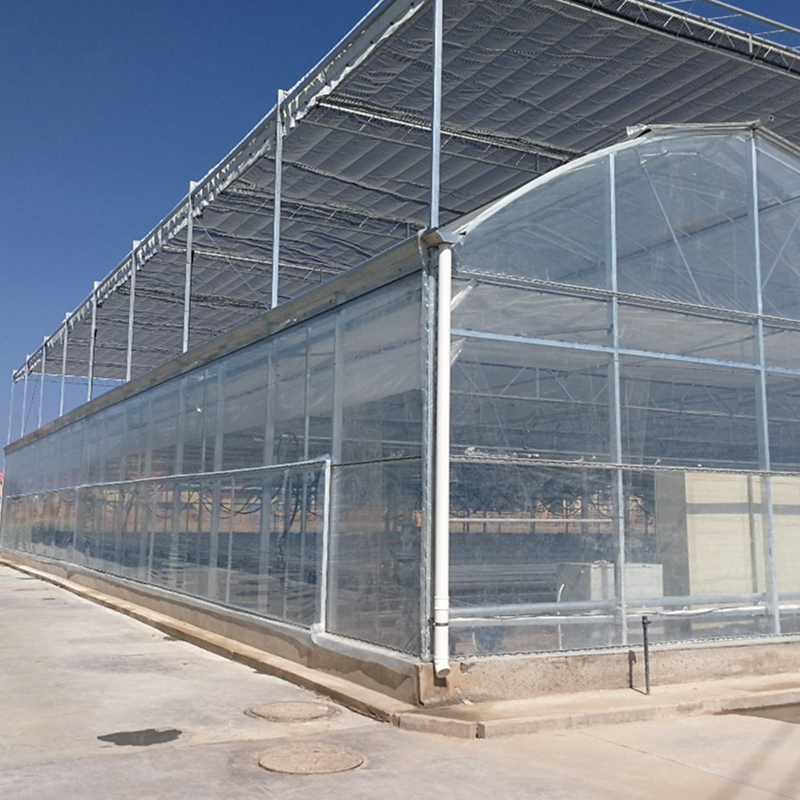
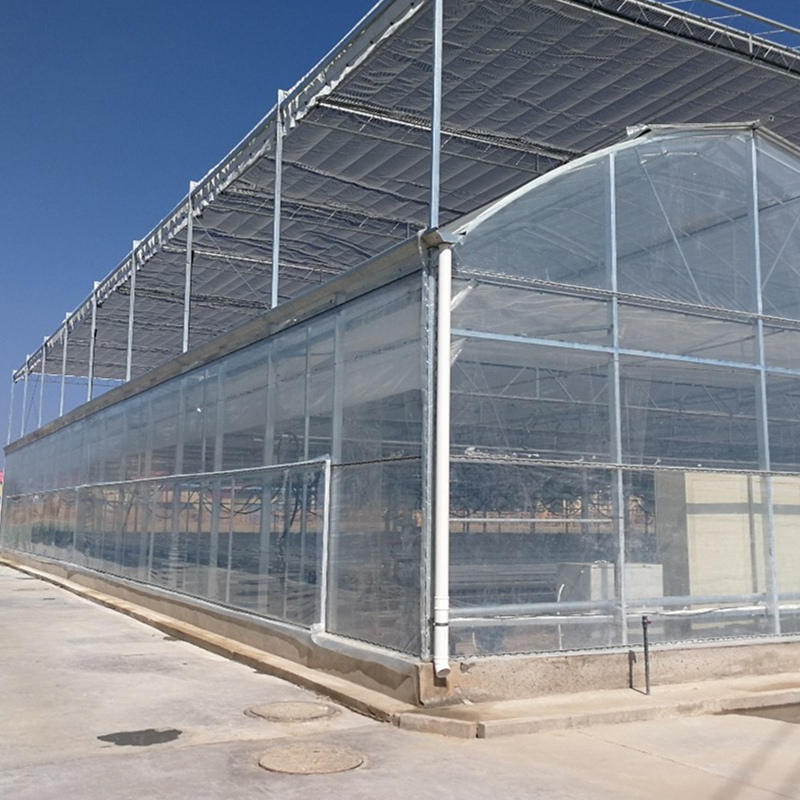
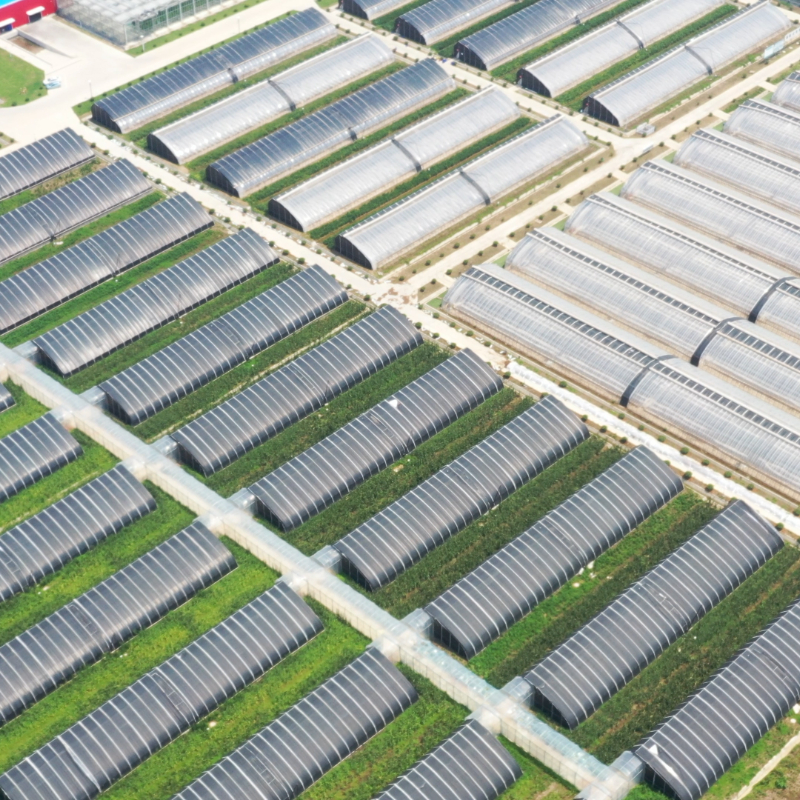
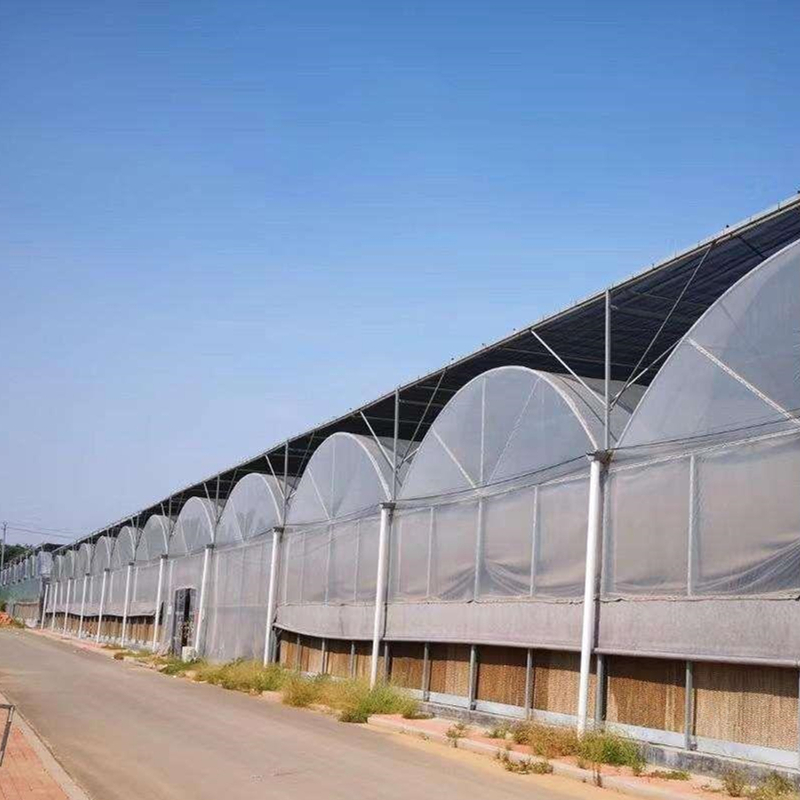
The second phase, starting from 2017, witnessed a significant acceleration in the industry's development, driven by the introduction of targeted financial subsidies and policy incentives by the Ministry of Agriculture of the Republic of Kazakhstan. This phase marked a shift towards more industrialized and high-tech greenhouse cultivation, with a focus on improving productivity, quality, and sustainability. The government's proactive support during this period encouraged larger investments in the sector, including the development of large-scale greenhouse farms and the adoption of advanced cultivation techniques. Today, after 14 years of development, Kazakhstan's greenhouse industry has become an integral part of the country's agro-industrial complex, playing a crucial role in ensuring food security and supporting rural livelihoods.
The success of Kazakhstan's greenhouse industry during this period is also attributable to the favorable geographical conditions in certain regions. The southern part of Kazakhstan, in particular, has emerged as a hub for greenhouse cultivation. This region benefits from relatively milder climatic conditions compared to other parts of the country, with more sunlight and higher temperatures during the winter months, reducing the energy costs associated with greenhouse heating. The concentration of greenhouse facilities in the southern region has created economies of scale, facilitating the sharing of resources and knowledge among growers. This regional clustering has further accelerated the industry's development, making the southern part of Kazakhstan a key contributor to the country's domestic vegetable supply.
